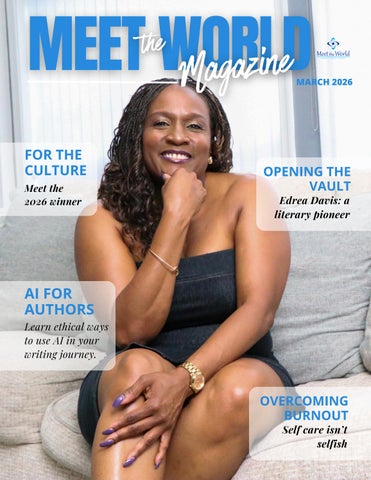

MEETWORLD Magazinethe




MEETWORLD tMagazine he

Dr. Rhonda M. Lawson Founder & Editor in Chief
Victor Ayandepo
Daniel Olajide
Special Assistants
About Meet the World Image Solutions
Meet the World Image Solutions is a boutique literary and publicity services company that specializes in assisting small businesses, nonprofit organizations, authors, and artists. It was founded in New Orleans on Jan. 23, 2017, by author and U.S. Army veteran Dr. Rhonda M. Lawson, and continues to be a beacon for literary and cultural enrichment
Editorial
Meet the World Magazine is the official publication of Meet the World Image Solutions. Meet the World Magazine is published quarterly to keep readers and authors abreast of Meet the World client updates and the latest news in the literary industry. No part of this publication may be reproduced without prior permission from Meet the World Image Solutions.
Publisher
Meet the World Image Solutions
www.MTWIMAGESOLUTIONS.com
Email: INFO@MTWIMAGESOLUTIONS COM
Phone: (504) 505-5894



















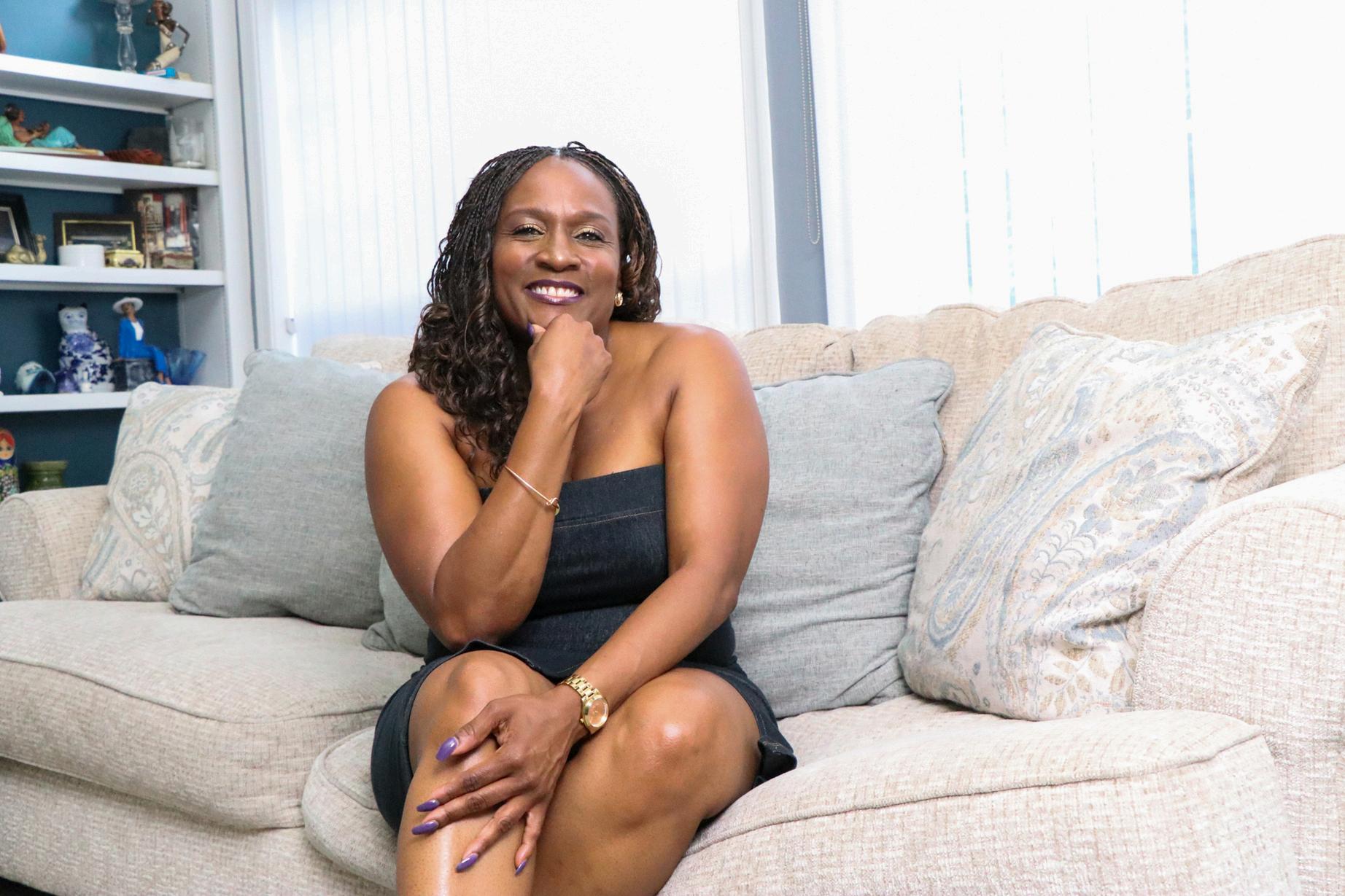
A messagefrom Dr.Rhonda


Welcome to the inaugural issue of Meet the World Magazine!

For the last 10 years, through Meet the World Image Solutions, I‘ve worked alongside authors, students, educators, and industry professionals who share my belief that storytelling is a collective responsibility that influences generations.

Meet the World Magazine was designed to extend that responsibility. Each quarter, we will release a new issue that expands the conversation on authorship, ownership, craft, and impact. You will find thought leadership, student achievement, author spotlights, industry commentary, and partnerships that strengthen our literary ecosystem.
As a retired Army Master Sergeant, federal professional, author, and book coach with more than two dozen published works, I believe in discipline, standards, and sustainability. Excellence is never an accident. It is built deliberately.
So, whether you ’ re a reader, writer, student, sponsor, or future contributor, I want you to know you are part of something huge! You are part of a growing literary community committed to quality, visibility, and legacy. Stay on the lookout for our next issue, and if you’d like to submit an article, place an ad, or subscribe, we are happy to welcome you to Team MTW!
This is just the beginning.

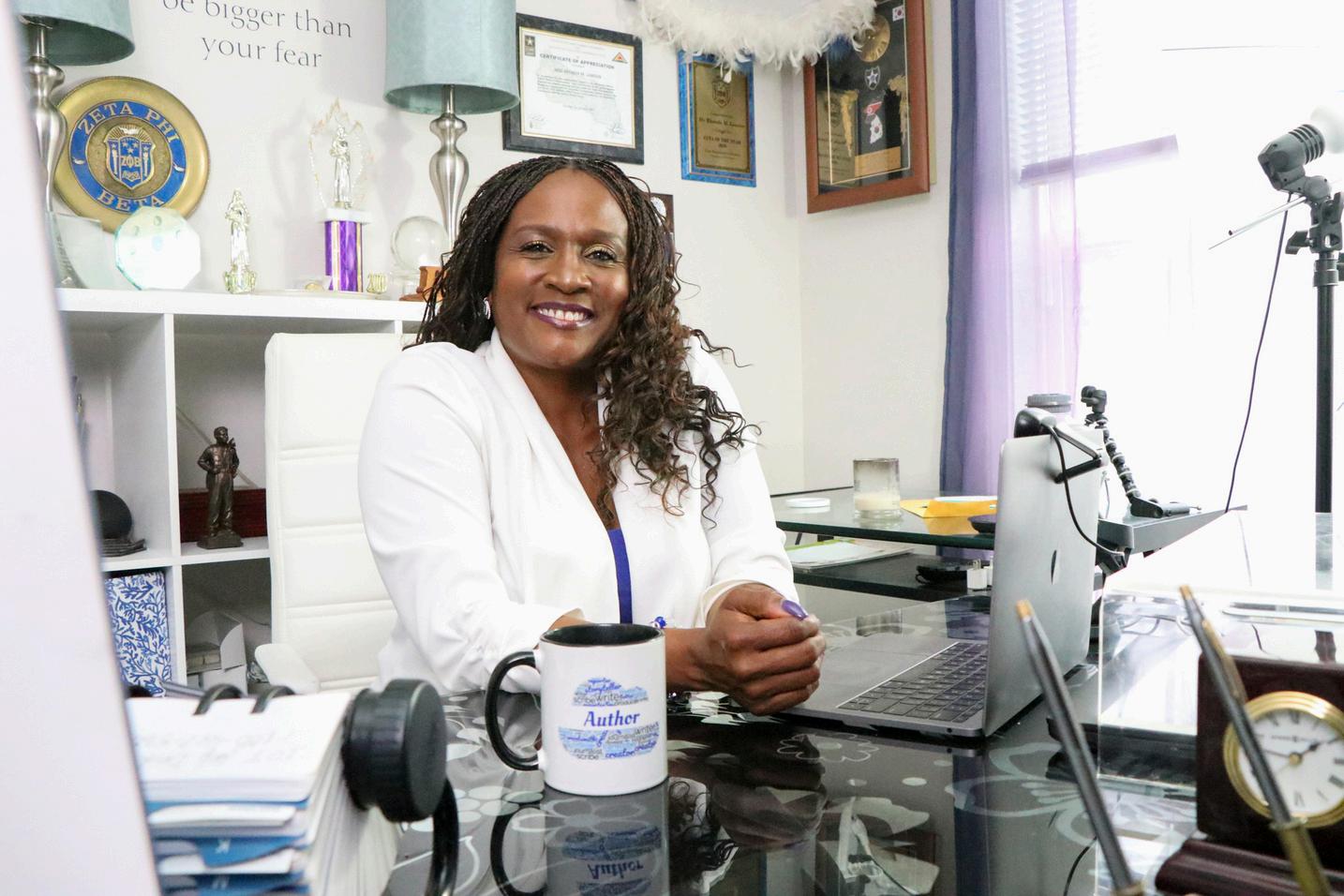

Preserving Black history through literacy is urgent work
DR. RHONDA M. LAWSON
Meet the World Image Solutions

Mgrandmother, Helen Reinhardt olland Randall, attended Gilbert cademy on St. Charles Avenue in New Orleans.
If you know New Orleans, you know St. Charles is historic ground. Oak trees arch over streetcar tracks that lead to majestic mansions and private universities Back in my grandmother’s day, the only thing Black on that street was Gilbert Academy
Founded in the late 1800s, Gilbert was one of the most respected Black schools in the South. It educated hundreds of brilliant Black students, graduating ministers, educators, civic leaders, and professionals such as former United Nations Ambassador Andrew Young and pianist Ellis Marsalis.
My grandmother would take the bus to school each day, but she and her friends knew never to look too hard at the mansions they passed. They were to go to school and then go back home. They knew their place.

They also knew Loyola and Tulane Universities were just down the street from Gilbert, but they never stepped foot on their campuses. It wasn’t because they weren’t qualified or lacked ambition, but it was because history had drawn a line they weren’t permitted to cross
Years later, when I was accepted to Loyola University, my mother and grandmother accompanied me on registration day. It would be the first time my grandmother had ever seen the
inside of that campus. The moment my mother shared this with me, history became real in a way no textbook could replicate I suddenly became glad I’d sat and listened to all my grandmother’s stories about Gilbert.
Today, many people have never heard of Gilbert because the school was closed in 1949, due in part, many believe, to pressure by the white residents who didn’t want a Black school in their very white affluent neighborhood The site later became home to De La Salle High School, a white, formerly all-boys’ school. Gilbert’s memory became reduced to a few articles and a placard on the corner near the De La Salle
campus.
Yet, Gilbert’s memory continues to live in me because I listened. Those moments, and many like them, helped plant the seed for why I value Black History Month, because if we don’t intentionally preserve our history, it will quietly fade.
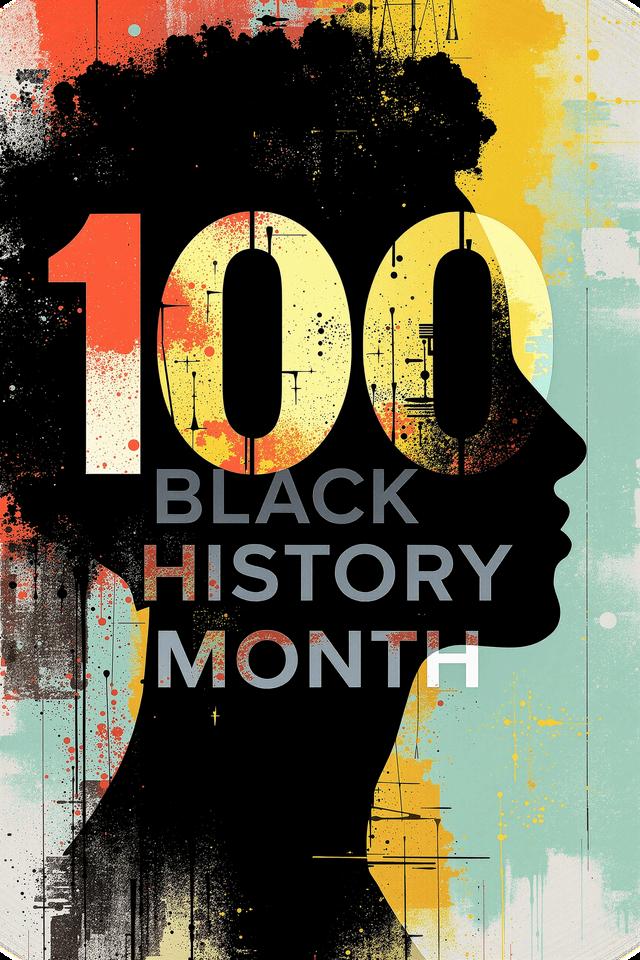
This year, as we celebrate the 100th anniversary of Black History Month, we are also witnessing attempts to minimize or erase parts of our history, making access more difficult And if we remain silent, those who will suffer most will be our youth. The responsibility of preserving this history is ours.
I founded the Black History Month Literary Weekend in February 2017 because I wanted to create a space that celebrates Black history and strengthens Black literacy at the same time. As an independent author, I know firsthand how easily Black voices can be overlooked within publishing. I also know literature not only entertains our communities, but preserves memory, documents resistance, and shapes movements.
Over time, my literary gathering expanded into something larger:
Scholarships awarded to graduating seniors
This year marks 100 years since Carter G. Woodson founded Negro History Week in 1926, the foundation of what we now celebrate as Black History Month. February was chosen intentionally to align with the birthdays of Frederick Douglass and Abraham Lincoln figures tied to the long struggle for Black freedom and citizenship.
National essay contests encouraging middle school students
School visits designed to strengthen reading and writing skills
Recognition initiatives that center voices often ignored by mainstream institutions
I understand that not every child will become an author, but every child can benefit from strong reading and writing skills. Literacy builds critical thinking. It builds confidence. It builds ownership of one ’ s narrative. Now, more than ever, this work is crucial
So, let us continue uncovering forgotten institutions like Gilbert Academy so our kids understand the importance of education Let us continue sitting at the feet of our ancestors and learning the stories that shape us so we understand the shoulders on which we stand Let us continue strengthening the next generation through writing, scholarship, and intentional celebration of our culture so they can pave the way for the generation that comes after them.
Most importantly, as this 100th Black History Month comes to an end, let us not let it end at the 28th day. That is not what Carter G. Woodson had in mind. Let’s actively support literacy. Encourage a young writer. Read a Black author. Invest in institutions that preserve our narratives. Let us ensure those who come after us stand on ground that is informed, fortified, and fully their own.
This is why we celebrate Black History Month. Let’s continue to celebrate us
A Big Easy Black History Fact
JARRELL SINGLETON
Benjamin Franklin Middle School
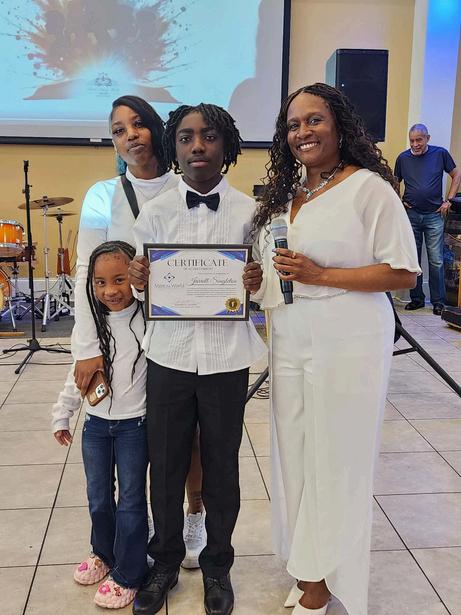
Jarrell Singleton was the 2026 8 Grade Black History Month Essay Contest Winner. In his powerful winning essay, he explores the deep and often overlooked African foundations of New Orleans. From engineering and medicine to music and cuisine, he highlights how enslaved Africans built, shaped, and defined the soul of what we now know as the Big Easy.

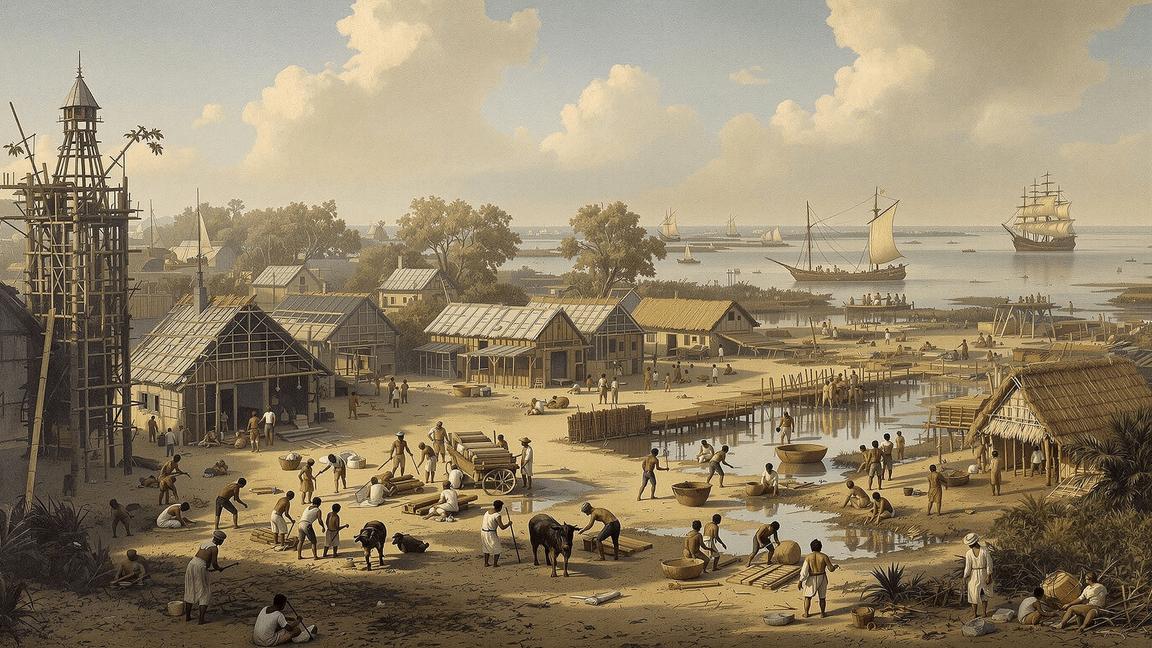
In 1719, the first enslaved people from West Africa arrived in New Orleans, and they were he ones who built the city from scratch. The was just gross, swampy wilderness. Enslaved workers did all the work of clearing forests, draining swamps, and building the very first mud levee walls to keep the Mississippi River from flooding the town. Enslaved people had serious skills in growing rice and processing indigo dye. These abilities basically became the foundation of the whole colonial money-making business. Their knowledge of engineering and farming allowed the settlement to survive in a tough environment.
These individuals also brought serious knowledge about medicine They knew which local plants could treat diseases like yellow fever, using traditional African practices that often worked better than anything the Europeans had Their spiritual beliefs also stayed strong, evolving into the complex traditions of Louisiana Voodoo It was a way for the community to find power and stick together against a really brutal system
cities because of its unique social structure. Under French and Spanish rules like the Code Noir, some Black people were able to buy their freedom. This created a large community of free people of color, gens de couleur libres, who became successful business owners and talented artists like Etienne Capdevielle, Francois LaCroix, Julian Clovis, and Joseph Dumas. Many members of this group were highly educated and became master builders, creating the famous balconies and charming Creole cottages you see everywhere today They even started their own schools and newspapers, using their influence to fight for justice long before the modern Civil Rights Movement
Even though life was incredibly difficult, enslaved people found ways to keep their culture alive. On Sundays, they were allowed to gather in Congo Square. There, they played loud music that would later influence what is known as America’s only original art form.

New Orleans was different from other American
This cultural mixing also happened in the kitchen. West African cooking styles turned basic local ingredients into world-famous food. Using the ingredient okra and learning how to thicken stews helped birth the iconic gumbo dish, which is like a historical stew of the city’s past. Today, you can still see this history everywhere in New Orleans. It’s in the fancy balconies of the French Quarter and the music heard in the streets. While European countries like France claimed they owned the land, it was actually the African people who laid the foundation and created the soul of the city Their legacy is felt in the spicy smells of Creole gumbo and the vibrant spirit of the Mardi Gras Indians, proving that their influence remains in New Orleans today
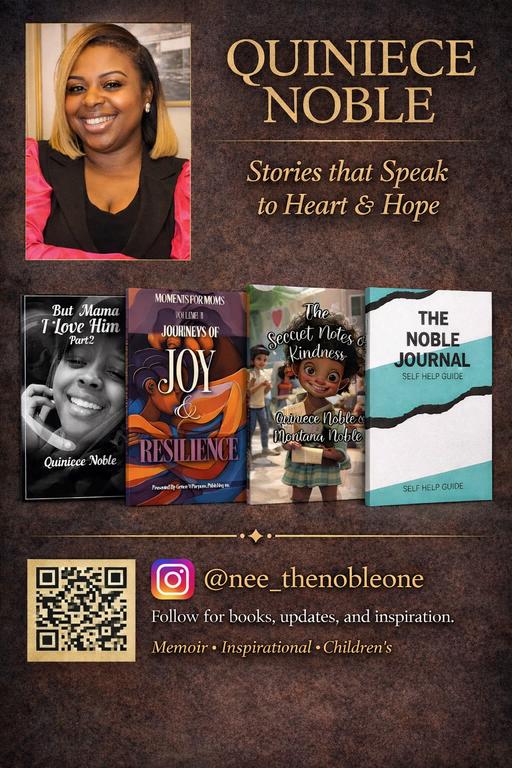
For t
Meet the World Image Solutions


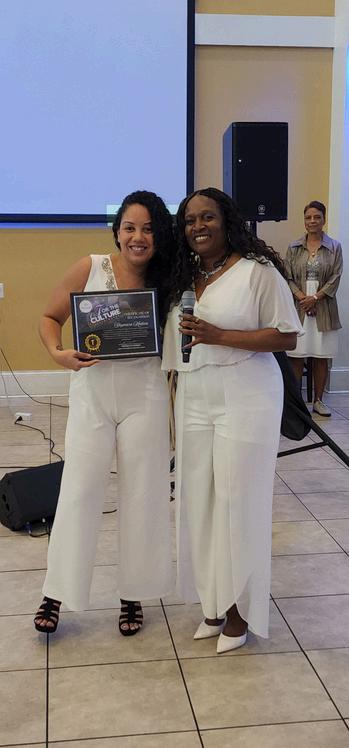
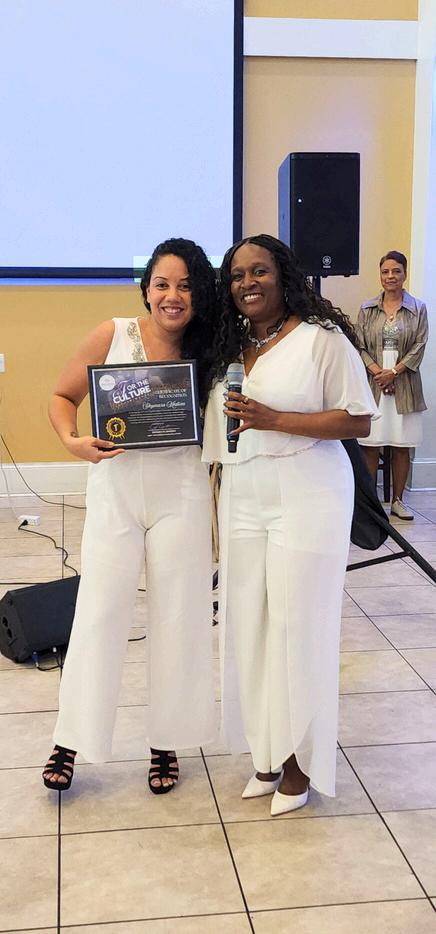
AShymara Medina watched the countdown, awaiting e winner of the For the Culture Book Award to be revealed ring the Feb. 9 episode of the Horizons Author Lounge, she didn’t shout. She didn’t jump.
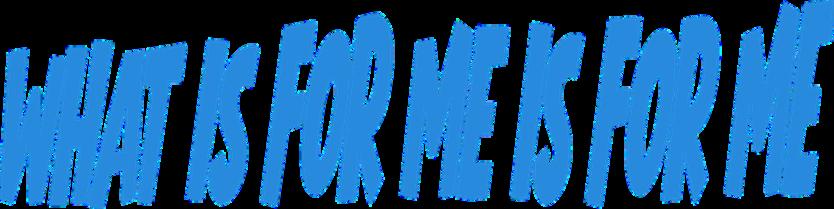
“I closed my eyes and said, ‘What is for me is for me, ’” Shymara said. Finally, her name was revealed as the first-place winner and for a brief moment, she was in shock. She then quickly made her reservations and less than two weeks later, on Feb. 21, she stood in New Orleans at the Ivory and Cream Affair Jazz Brunch during the 10th Annual Black History Month Literary Weekend to officially receive her award.
Presented by Meet the World Image Solutions, the For the Culture Book Awards celebrates authors whose books reflect culture, literacy, family, and authentic storytelling rooted in African American culture The award highlights writers whose stories uplift, empower, and expand representation on the page This year, Shymara’s message of courage resonated deeply with the judges

In her debut children’s book, Zeke’s Quest for Courage, Shymara tells the story of a young boy who discovers that bravery isn’t something distant or reserved for superheroes. Courage lives within him, and within the support of his blended family. The story encourages children to approach intimidating moments with wit and bravery, reminding them that strength often begins at home.


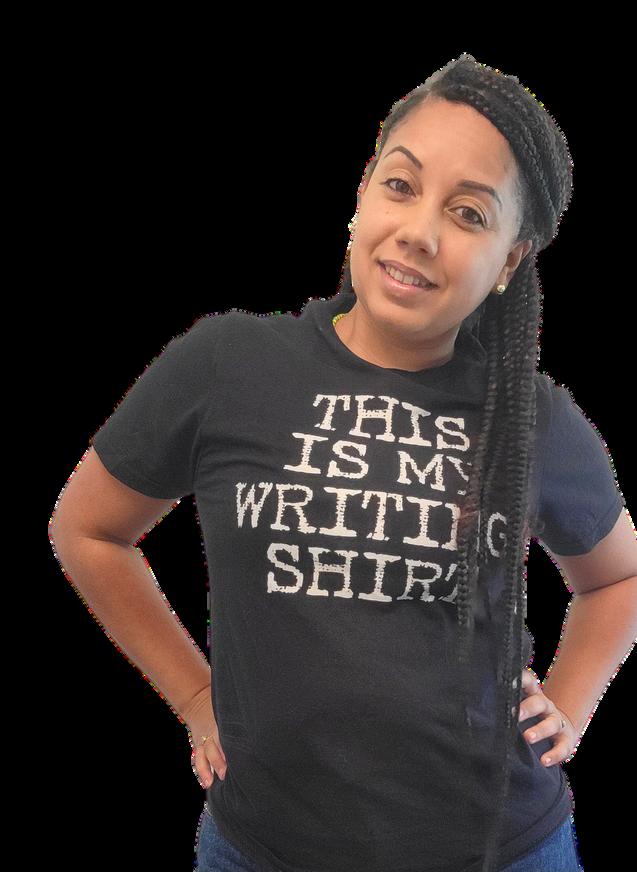
“I hope that, when readers read my book, they're able to r with it and be able to approach any situation where they ma courage with wit and bravery,” Shymara said.
The book was inspired by her husband, Andre, and her ow and test days. Rather than allowing frustration to define thos into a narrative about resilience.
SHYMARA, Page 10
DR. RHONDA M. LAWSON
See
Courtesy photo
An Afro-Puerto Rican children’s author based in Georgia, Shymara said she is intentional about cultural representation in her work.
“I decided to enter the contest to give myself a chance at finding purpose. The contest represented everything that I wanted to embody with my books which is culture, family and literacy,” she explained
Her ideal readers are elementary-aged children young readers who deserve to feel seen, heard, and empowered. Through her storytelling, she aims to create space for children to dream without limits and to understand that their voices matter She also admits that writing for this audience brings its own set of challenges.
“The most challenging part I found in the writing process was making sure that my words and my ideas would connect with the children the way that I envisioned it,” she said, “ so I had to put myself in the mindset of my child and started to think, ‘what do they need? What do they want? What would they like?’”
That intentional approach gives Zeke’s Quest for Courage its authenticity and warmth She envisions the book strengthening family bonds, making story time a highlight of the day, and encouraging schools to embrace greater diversity in children’s literature.
Her advice to writers who hesitate to enter contests or share their work publicly is straightforward.
“Just do it. The answer ’ s already no by not trying, so put yourself out there and expect the best,” she said. “Believe in your work.”
Shymara is currently working on her third book, Blossoming Through the Wreckage, written for young
ladies navigating life and striving to become the best versions of themselves.
Through her work, Shymara Medina continues to nurture courage, imagination, and cultural pride in young readers, proving that when purpose and preparation align, what is meant for you will indeed find you
2nd Place Winner: Michelle Rhoney
3rd Place Winner:

Beyond writing, she is an avid hiker and a real-life beekeeper experiences that inspire themes of growth, responsibility, and community in her stories
Photo courtesy of Meet the World Image Solutions


Your Book Deserves Forever Your Book Deserves Forever WhyAuthors Should Care About the Creators Rights Movement
DR. RHONDA M. LAWSON
Meet
the World Image Solutions

Wen I first published Cheatin’ in the Next oom, I knew nothing about copyright rotection. As a newcomer to the industry, everyone had advice for me. One piece of advice that stood out to me came from a fellow first-time author who told me, “Just mail yourself a copy of your manuscript and don’t open it It’s called the poor man ’ s copyright ”
It wasn’t until later that I realized that piece of good-natured advice was actually a myth. That sealed envelope can’t protect your creative work, and it definitely won’t stand up in court. Why put your blood, sweat, and tears into creating something if you ’ re not going to invest in protecting it?
However, applying for and securing your copyright is only the first part. The next part is retaining it. You may not realize it, but as authors, our books are our intellectual property, and right now, that property has an expiration date
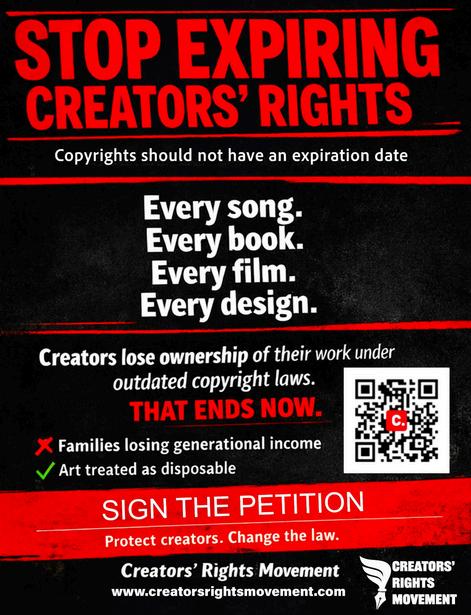
This is why I joined the Creators Rights Movement as an author advocate. CRM was founded by entertainment industry consultant Mark G. Goldstein. Mark is pushing for something authors and other artists and creators have never had: perpetual copyright.
Under current U S law, your copyright expires 70 years after your death. After that, your work enters the public domain, and anyone can republish it, adapt it, or profit from it without paying your estate a single cent. Your work can even be used to train AI models without your permission
While this is great for access and education, it’s terrible for the families of those who worked so hard to create a legacy they can pass down to their families. This may not seem like such a big deal now, but think about it: What happens when your books become more valuable after you ’ re gone? What if your book that only sold a few hundred copies now becomes a sleeper hit later?
Imagine if F. Scott Fitzgerald’s heirs still held rights when the TikTok generation rediscovered
The Great Gatsby. Every movie, every retelling, every themed edition would create ongoing revenue for the author’s family Or think about the late, great Paul Laurence Dunbar, whose
iconic poetry is reprinted over and over with no benefit to his estate Instead, anyone can publish their own version of these important works and many do.
Under current law, if a book’s value explodes decades after the author dies, that windfall goes to corporations, publishers, and content platforms, and not to the people who carry the creator’s name Perpetual copyright would change that. It would treat intellectual property the same as a house, a business, or land, which families can inherit without an expiration date. In this digital age, creators are losing control of their work faster than ever AI models are trained on books without permission, giving authors fewer protections. Publishers can now profit from public-domain classics more than authors ever did. This is why the Creators Rights Movement is so important.
The movement’s belief is simple: Creative work is property and property shouldn’t expire Whether you write fiction, nonfiction, poetry, memoirs, children’s books, or scripts, your creativity is an asset, and this movement affects you. The Creators Rights Movement is asking authors, musicians, artists, and other creators to add their names to the petition for perpetual copyright Sign the petition here You worked hard to create your intellectual property. Protect it so your family can retain your legacy.


Will AI Replace Authors? I Think Not!
An editorial by Dr. Rhonda M. Lawson

Aw weeks ago, I had an.
teresting debate with a llow author who proudly proclaimed, “I don’t use AI because I’m protective of my words.” While I respected her stance, it got me thinking does using AI really mean we ’ re giving up control over our writing?
I encountered another author who was frustrated after discovering that a Beta reader used AI to analyze her book and provide feedback. She feared this would impact her copyright protection. While I thought this was pretty crappy and dishonest of the reader especially if he didn’t actually read the book the truth is, in most cases, AI assistance doesn’t affect an author’s ability to
copyright their work. According to the U.S. Copyright Office, works incorporating AIgenerated material can be copyrighted as long as there is sufficient human authorship
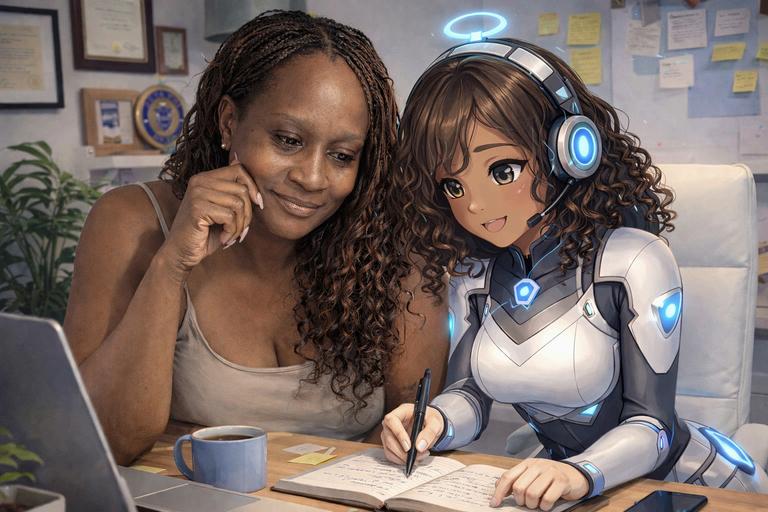
These conversations highlight the growing unease among writers when it comes to AI. Let’s be clear I am not advocating for AI to write your book for you However, as an author, book coach, and solopreneur, I have found that AI can be used as an assistant without replacing the heart we put into our stories.
Writing a book is a deeply personal process, one that involves emotion, creativity, and a connection to your characters AI simply cannot replace that An author’s
voice is a powerful and valuable tool However, if you are refusing to use this technology and trying to go it alone just for the sake of saying you don’t use it (purist, might I say), you ’ re wearing yourself out!
As authors, we often take on multiple roles writer, editor, marketer, and designer, to name a few It’s exhausting! If there are tools that can help us streamline certain tasks while allowing us to focus on what matters most writing why not use them? The key is to use AI ethically and responsibly, ensuring your book remains your own unique creation
A 2023 study by Forbes found that 81% of authors and marketers using AI for content creation still required significant human intervention to refine AI-generated drafts. In other words, very little AI-generated content can be nor should be used without editing This is true whether you ’ re creating a social media post or writing an entire book.
Here are a few ethical tips I share with my clients during my VIP coaching sessions to enhance their writing journey:
Outlining & Brainstorming
Being someone who wears a lot of hats, it’s often difficult for me to kickstart my writing process. Using AI has helped me organize my thoughts as choppy as they were develop my plots, focus my story, create my characters, and generate potential outlines Doing this before starting the actual writing process has made my writing sessions much more productive.
Find your target audience Who do you write for? Whether you ’ re a fiction or nonfiction writer, it’s important to understand your target audience. AI can help you create an avatar of your ideal readers, which can help with content creation, social media marketing, and much more Researching AI can summarize information about historical periods, geographical locations, and cultural details that add authenticity to your story. It can also help with scene-setting Even if you ’ ve been to the city where your story takes place, memories can fade.
Content Creation Marketing is crucial for authors, but writing social media posts, newsletters, and book blurbs can be timeconsuming AI can help draft content that puts more eyes on your book Just remember to edit your content before publishing! With all of these capabilities, keep in mind that even the best AI tools can get things wrong. They might generate clichés, provide inaccurate historical facts, or suggest unrealistic dialogue This is why I still believe in writing your own book AI cannot replace the emotion, life experiences, and passion that authors bring to their work. However, it can be a powerful assistant for the busy professional with a crowded mind.
For additional help with using AI to assist your writing process, check out my ChatGPT for Authors worksheet for a list of 50 prompts on character and plot development, content creation, and much more

TREASURES FROMTHEVAULT Sharon J. Hill
OF

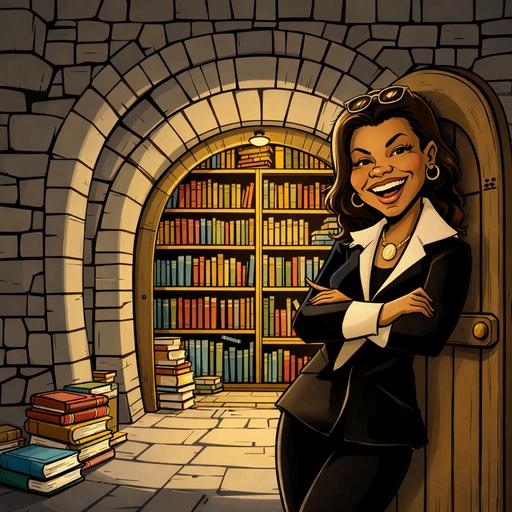
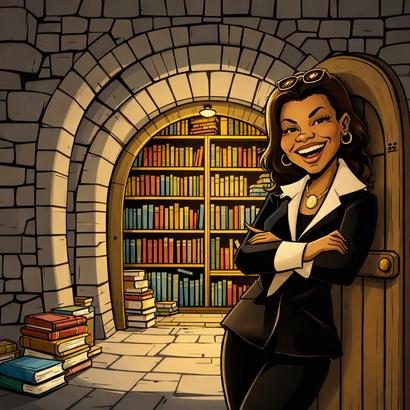
Welcome to the literary vault, where timeless stories meet today’s conversation. Sharon J. Hill is a prominent community leader, publicist, principal of Public Eye Relations, and the communications lead for the Creators’ Rights Movement. In this column, Sharon reaches deep into the vault to dust off older novels that still pulse with relevance.

Edrea Davis: a Women’s History Month tribute
As we celebrate Women’s History Month, we unlock the vault to honor a true digital pioneer and narrative architect: Edrea Davis. Long before "social media" was a household term, Davis was already building the infrastructure for the global Black diaspora.
Through DogonVillage.com, Davis didn't just create a website; she established a digital landmark. As one of the longest-standing Internet presences for Black culture and advocacy, DogonVillage serves as a "Hidden Treasure" that has documented our struggles and triumphs in real-time for decades.
Through my extensive political and civil rights coverage, I have often walked alongside the icons of the Movement. It is from this vantage point that I recognize Ms. Davis not just as an author, but as a historymaker. Edrea Davis stands out for her ability to use "New Media" to amplify "Old School" justice
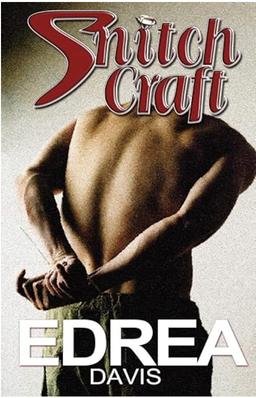
Edrea Davis’s novel SnitchCraft is vital to the Movement As I noted in my original review of her novel, "At issue in the Public Eye is EDREA DAVIS with the fall release of SnitchCraft, a 'newsmaker' with the movers and shakers for driving home the money, power, and corruption behind the use of informants Snitching on the snitches Why Edrea, you crafty devil you!"
Davis’s history-making work is more than fiction; it is a political tool that:
Exposes Systemic Corruption: Tearing the veil off the "informant culture" that has decimated communities.
Influences the Movers and Shakers: Forcing policy conversations in the rooms where power resides.
Champions Cultural Integrity: Refusing to stay silent on the " money and power " that fuel judicial inequity.
From the early days of DogonVillage.com to the explosive revelations in SnitchCraft, Edrea Davis’s career is a blueprint for the "Girl-Child to Womanhood" journey of resilience. She has moved from being a witness to history to being the one who writes it.
The "craftiness" of Davis lies in her ability to take the raw, biting reality of our culture and weave it into a repertoire of songs, stories, and digital spaces that speak to the soul. This Women’s History Month, we recognize Edrea Davis as a cornerstone of the Public Eye, a guardian of our stories, and a relentless advocate for the truth
you
DON’T THROW IN THE TOWEL YET!
How Christian authors can avoid self-destruction and burnout
DR. AUDREYANN C. MOSES CHRISTIAN LIFE COACH & CONSULTANT

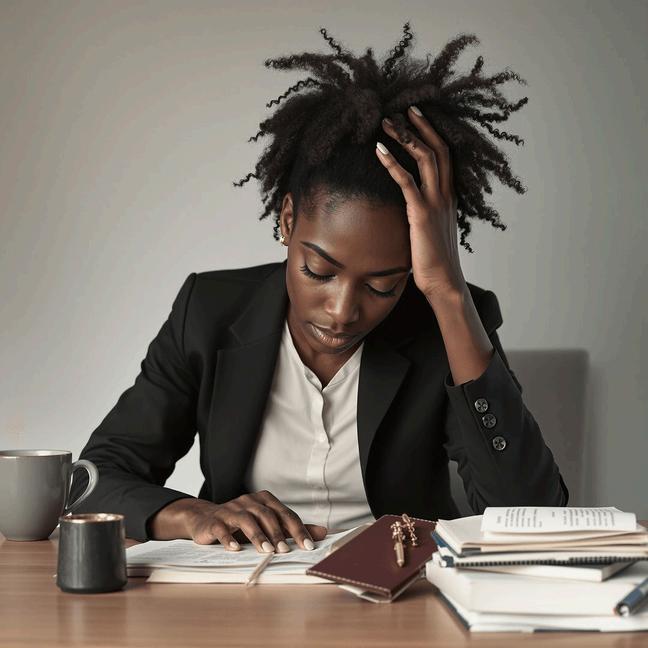
He you ever looked at your planner and alized something unsettling?
ery appointment is for someone else
Every obligation serves someone else.
Every deadline belongs to someone else. You agreed to speak. You promised to edit.
pressure creeps in. Deadlines tighten. The inner critic grows louder Comparison sneaks in quietly Joy fades into obligation
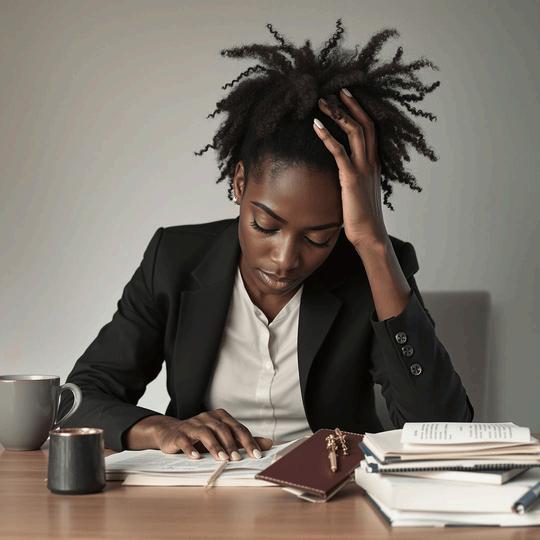
Before long, exhaustion feels spiritual and burnout feels personal and selfish.
So how do Christian authors avoid selfdestruction while trying to serve faithfully? Recognize the difference between calling and compulsion
Writing can be a calling, but overworking is not. When every project feels urgent, when rest feels irresponsible, when you cannot breathe without thinking about the next line, that is not the Holy Spirit pushing you That is pressure.
God doesn’t require selfdestruction as proof of obedience. If your creativity is fueled by anxiety instead of inspiration, pause Compulsion produces chaos. Calling produces peace, even when it stretches you. Watch for spiritualized burnout.

Christian authors sometimes hide burnout behind spiritual language:
“I’m just sacrificing.”
“I need to push through ” “The work must go on ”
But even Jesus withdrew. Even Jesus rested. Even Jesus stepped away from the crowd
Burnout often shows up as:
Dreading the keyboard
Irritability over small edits
Feeling numb toward your message
Fantasizing about quitting
Harsh inner self-talk
Burnout isn’t a lack of faith. It’s a signal that your body and mind need care. Excellence grows in encouragement, not shame
Learn to establish Holy Boundaries. If everything in your planner belongs to someone else, something must shift. Schedule time for:
Prayer without agenda.
Reading for pleasure.
Walking, gardening, cooking life outside the page
Family without multitasking
Remember: You are a child of God before you are an author. Your identity is secure, even on days when the writing doesn’t flow. The world needs your voice, but it needs you healthy more. Self-care isn’t selfish. It’s Godly!
Don’t throw in the towel yet. YOU GOT THIS!


MEETWORLD Magazine Magazinetthe he
Be part of our next issue
The next edition of Meet the World Magazine will be released in June 2026. As a quarterly digital publication, we amplify literary excellence, spotlight emerging and established voices, and document the cultural impact of storytelling. Each issue features thought leadership, author spotlights, student achievement, and industry insight
Editorial Submissions
We welcome submissions from writers, educators, students, and industry professionals aligned with our mission of excellence and visibility. Topics may include writing craft, publishing strategy, cultural commentary, and community impact. All submissions are reviewed by our editorial team Publication is selective and based on quality and alignment.
Submission inquiries
info@mtwimagesolutions.com www.mtwimagesolutions.com
Advertising & Sponsored Features
Partner with Meet the World Magazine to reach a growing audience of readers, writers, and literary leaders.
Ad Rates
Quarter Page – $125
Half Page – $250
Full Page – $450
Ads must be submitted as camera-ready, high-resolution files (PDF, PNG, or JPG, 300 dpi). Professional design is available for a $75 fee. Current rates are subject to change in future issues