

Power Quiet




ABOUT INFLUENTIAL MAGAZINE
InFluential Magazine delivers exceptional content to a sophisticated audience of educated, affluent, and forwardthinking individuals who embrace the art of living well. Our readers are not only upwardly mobile but also deeply engaged in the pursuit of inspiration, innovation, and personal growth.
As a digital media platform, InFluential Magazine captures the pulse of emerging trends poised to shape our world. By showcasing avant-garde leaders and cultural innovators, we explore ideas and movements that inspire both personal and professional transformation. Our foundation is built upon identifying and celebrating key elements that define cultural relevance, influence, and positive impact.
Through insightful storytelling and cuttingedge perspectives, InFluential Magazine
establishes itself as the premier and trusted source for trends that impact the way we live, dream, and distinguish our world. Our content not only reflects what’s current but also provides a window into what’s next, empowering our audience to navigate life with confidence and creativity.
Our readership is diverse, globally minded, and deeply connected to their local communities. With a strong sense of self and a belief in their future potential, they represent the aspirational ethos of the magazine. They seek a captivating mix of editorial content, featuring the most interesting people, culture, fashion, style, and health-related insights.
With each issue, InFluential Magazine continues to elevate the art of living well, offering trusted, forwardthinking content that informs, inspires, and empowers.
FOUNDER & CHIEF BUSINESS OFFICER
William T. Jackson, ABA, B.Acy., MBA, 2018 Folio: 100 Honoree, ForbesBLK Member Round Rock, Texas
CO-FOUNDER
Sandra Rascon, ME Corpus Christi, Texas
OUR MISSION
To be the global authority and trusted voice on emerging trends, inspiring our readers to live boldly, dream boundlessly, and shape their world with distinction, creativity, and purpose.
OUR VOICE
Rooted in trust, fueled by inspiration, and driven to influence. InFluential Magazine speaks directly to dreamers, doers, and innovators, offering content that uplifts, informs, and ignites meaningful change.
THE INFLUENTIAL DIFFERENCE
With a sharp focus on lifestyle interests that matter most, InFluential Magazine stands as a beacon of trusted insight. We curate trends that not only inspire our readers to live boldly, and dream expansively but also empower them to distinguish their world with creativity, purpose, and flair.


EDITORIAL TEAM
Editor-in-Chief
William T. Jackson, ABA, B.Acy., MBA, 2018 Folio: 100 Honoree, ForbesBLK Member Contributing Writers
William T. Jackson, ABA, B.Acy., MBA, 2018 Folio: 100 Honoree, ForbesBLK Member InFluential Magazine Editorial Team
ART & PRODUCTION
Creative Services
Argenis Gudino / Jose Luis Venegas Quintero Contributing Photographers Arisha Solnceva Rafael Pulido
All rights reserved. No part of this publication may be reproduced or transmitted in any form or by any means without written permission from the Founder & Chief Business Officer.
All the rights of the artwork and photography belong to the Founder & Chief Business Officer.
InFluential Magazine is Round Rock, Texas owned and operated.
LETTERS TO THE EDITOR

We value deeply the voices and perspectives of our readers, as they are the heart of InFluential Magazine. Your thoughts, feedback, and ideas help shape the dynamic dialogue that defines our publication. Whether you wish to share reflections on a featured article, insights on emerging trends, or your personal experiences inspired by our content, we welcome your contributions.
To ensure your letter receives full consideration, please include the following:
• Full Name: As a testament to the authenticity of your submission.
• Daytime Phone Number: For clarification purposes, if needed.
• Mailing Address: To maintain proper records and facilitate correspondence.
Please limit your letters to 300 words, allowing us to accommodate as many
CONTACT INFORMATION
Advertising Opportunities
For advertising inquiries, email us at influentialmagazine roundrocktx@gmail.com.
Public Relations
For media or partnership inquiries, mail us at the address below.
General Information
For general inquiries, mail us at the address below.

Mailing Address:
InFluential Magazine P.O. Box 1811 Round Rock, Texas 78680
voices as possible in each issue. Submissions may be edited for clarity, grammar, and length, ensuring your message aligns seamlessly with the overall flow of our publication. Rest assured, our goal is to preserve the essence and intent of your message.
By submitting a letter, you become part of a larger conversation, one that celebrates the art of living well and fosters meaningful connections among our community of readers. Selected letters will be featured in future issues, highlighting the diverse and inspiring viewpoints that make InFluential Magazine unique.
We look forward to hearing from you and thank you for contributing to the vibrant dialogue that drives our mission forward.

ACKNOWLEDGMENTS
This issue of InFluential Magazine was proudly envisioned, crafted, and brought to life in Round Rock, Texas, a vibrant city that embodies creativity, innovation, and community spirit. Rooted in local pride yet soaring with global ambition, this publication reflects a harmonious blend of regional charm and worldwide influence.
Every page of this issue celebrates the art of living well through a lens that transcends borders and cultures. It’s a tribute to the visionaries, writers, designers, and contributors who inspire us to explore new ideas, embrace fresh perspectives, and redefine what it means to live boldly and exceptionally.
We extend heartfelt gratitude to our readers for their unwavering support and enthusiasm. Your passion fuels our mission to deliver content that informs, empowers, and elevates. Together, we continue to shape a world where innovation meets inspiration, and where dreams are not just imagined but realized.
This issue stands as a testament to the transformative power of storytelling and the enduring pursuit of excellence. With every issue, we reaffirm our commitment to being your trusted source for trends, insights, and ideas that shape the way we live, dream, and distinguish our world.










There’s a kind of power that does not announce itself. It does not raise its voice or rush to be seen. It does not perform for approval or compete for attention. It simply exists, steady and certain, shaped by experience and guided by intention. This issue of InFluential Magazine is devoted to that kind of power.
Quiet power is not passive. It’s deliberate. It’s the confidence that comes from knowing who you are and what you stand for, without needing to prove it repeatedly. It’s the influence built over time through consistency, discernment, and restraint. In a world that often rewards volume over substance, quiet power reminds us that depth still matters.
As leaders, creatives, builders, and thinkers, many of us reach a point where noise no longer serves us. sWe begin to value clarity over visibility. We choose alignment over applause. We understand that not every thought must be broadcast and not every success must be explained. This is not withdrawal. It’s refinement.
Throughout this issue, you’ll encounter stories and perspectives that reflect this evolution. Leaders who move decisively without chaos. Individuals who shape outcomes behind the scenes. Lives designed with intention rather than excess. Luxury expressed through discernment, not display. Wellness approached as sustainability, not performance.

Quiet power shows up in how decisions are made. It shows up in how boundaries are held. It shows up in how time, energy, and attention are protected. It’s present in the rooms you choose to enter and the ones you intentionally leave behind. It’s found in the confidence to pause, to listen, and to act only when it truly matters.
At InFluential Magazine, we’ve always believed influence isn’t about being the loudest voice in the room. It’s about being the most grounded one. The one others trust. The one who understands real authority doesn’t need constant reinforcement. This issue reflects that belief in every department and every story.
As you move through these pages, I invite you to slow down. To consider where quiet power already exists in your life. T o ask yourself where restraint might serve you better than reaction. To recognize sometimes the most influential move is the one made without fanfare.
Thank you for being part of this community. Thank you for choosing substance over spectacle. And thank you for understanding that influence, when practiced with intention, speaks for itself.
William T. Jackson, ABA, B.Acy., MBA, 2018 Folio: 100 Honoree, ForbesBLK Member Publisher, InFluential Magazine

Influence Stillness OF THE
THERE IS A MISCONCEPTION THAT INFLUENCE MUST BE VISIBLE TO BE REAL. THAT LEADERSHIP MUST BE LOUD TO BE EFFECTIVE. THAT AUTHORITY REQUIRES CONSTANT SIGNALING TO REMAIN INTACT. IN PRACTICE, THE OPPOSITE IS OFTEN TRUE. THE MOST INFLUENTIAL PEOPLE IN ANY ROOM ARE RARELY THE ONES COMMANDING THE MOST ATTENTION.
nWRITTEN BY WILLIAM T. JACKSON, ABA, B.ACY., MBA, 2018 FOLIO: 100 HONOREE, FORBESBLK MEMBER
We live in a culture that confuses presence with power and volume with value. Visibility is rewarded quickly and often without depth. Opinions travel faster than understanding. Reactions are mistaken for leadership. Yet when moments of real consequence arrive, influence tends to consolidate quietly around those who have demonstrated judgment, steadiness, and restraint over time.
Quiet power does not rely on spectacle. It relies on substance. It is built slowly, intentionally, and often invisibly. It shows up not in grand gestures but in consistent judgment. Not in dominance but in discernment. Those who possess it understand that credibility compounds when it is not overspent.
The pursuit of visibility can be tempting. Modern culture rewards immediacy and amplification. Opinions are broadcast before they are fully formed. Decisions are announced before they are fully understood. Yet influence that depends on constant exposure is fragile. It requires reinforcement. It demands reaction. Quiet power, by contrast, remains steady whether it is observed or not.
Influential people who operate quietly tend to share a defining trait. They are deeply anchored. Their sense of direction does not shift with applause or criticism. They are not motivated by being seen as right. They are motivated by getting it right. This distinction matters. When validation is no longer the goal, clarity becomes easier to maintain.
Quiet power often begins with listening. Not the kind of listening that waits for a turn to speak, but the kind that absorbs context. These leaders notice what is not being said. They read rooms accurately. They understand timing. When they do speak, it carries weight because it is measured and rare.
This restraint is not accidental. It is strategic. Influence increases when words are chosen carefully and delivered intentionally. Silence, when used well, becomes a signal of confidence rather than absence. It communicates trust in one’s own judgment and respect for the process unfolding. In many cases, silence allows others to reveal more than they intended.
Another hallmark of quiet power is decisiveness without performance. Influential individuals do not dramatize decision making. They do not telegraph uncertainty or inflate urgency. They gather the necessary information,
consider the implications, and move forward with clarity. The decision stands on its own merits. It does not require justification through theatrics.
This approach creates stability. Teams know where they stand. Expectations are clear. Energy is not wasted managing emotional aftershocks or public posturing. When leadership feels grounded, others are free to focus on execution rather than interpretation.
There is also an economy to quiet power. Energy is treated as a finite resource. Attention is protected. Not every issue becomes a battleground. Not every disagreement becomes a declaration. This selectivity allows influence to be deployed where it matters most. Over time, others learn to recognize it. They begin to listen more closely when these individuals speak, because they know it is intentional.
Trust grows in environments shaped by quiet power. Conversations become more productive. Accountability feels fair rather than performative. Feedback is received as guidance rather than correction. When influence is exercised without ego, it creates space for others to contribute meaningfully. Authority becomes stabilizing rather than intimidating.
It is worth noting that quiet power is not the absence of strength. It is strength under control. It is the confidence to allow results to speak without narration. It is the discipline to resist unnecessary exposure. It is the maturity to understand that long-term impact outlasts momentary recognition.
In leadership, this approach often separates those who rise quickly from those who endure. Visibility may accelerate opportunity, but credibility sustains it. Quiet power builds a reputation that travels ahead of the individual. Doors open not because of self-promotion, but because of trust earned over time.
This form of influence evolves with experience. Early in a career, visibility can feel essential. Later,

discernment becomes the advantage. Many leaders discover that as their judgment sharpens, their need to explain diminishes. They speak less. They observe more. Their presence alone signals stability.
Quiet power invites a different question. Not how can I be seen, but where can I be effective. Not how can I be heard, but what is worth saying. Not how can I control the room, but how can I elevate the outcome.
In a world that rewards noise, choosing restraint is a power move. Choosing clarity over performance is a power move. Choosing consistency over spectacle is a power move.
Quiet power does not ask for attention. It earns respect. And once established, it rarely needs to announce itself again. l


WINNING BEFORE THEY SEE YOU COMING
BEING UNDERESTIMATED IS OFTEN FRAMED AS A DISADVANTAGE. IT CAN FEEL DISMISSIVE OR LIMITING, PARTICULARLY IN ENVIRONMENTS WHERE VISIBILITY IS EQUATED WITH VALUE. YET FOR THOSE WHO UNDERSTAND HOW TO NAVIGATE INFLUENCE, BEING UNDERESTIMATED CAN BECOME A STRATEGIC ASSET RATHER THAN A SETBACK.
When expectations are low, pressure decreases. Observation replaces scrutiny. Space opens to learn, to refine, and to build capability without interference. Those who underestimate you often reveal their assumptions early. They stop watching closely. They stop competing. In doing so, they unintentionally create room for quiet progress.
The power of being underestimated lies in freedom. Freedom to operate without constant commentary. Freedom to test ideas privately. Freedom to develop skill without performance. This freedom allows competence
to mature before it is challenged. By the time results become visible, they are often undeniable.
Influential individuals who have leveraged this position understand patience. They do not rush to correct perceptions. They do not seek immediate validation. Instead, t hey invest in substance. They focus on mastering their craft, understanding systems, and building relationships that are grounded in trust rather than optics.
There is also clarity that comes with being underestimated. Motives become easier to read. When people do not feel threatened, they are more transparent. They speak more freely. They reveal priorities and blind spots. This information becomes invaluable. It allows those paying attention to navigate environments with greater precision.
Underestimation can also sharpen self-awareness. When external

POWER MOVES
THE POWER OF BEING UNDERESTIMATED
LIES IN FREEDOM.
FREEDOM TO OPERATE WITHOUT CONSTANT COMMENTARY. FREEDOM TO TEST IDEAS PRIVATELY. FREEDOM TO DEVELOP SKILL WITHOUT PERFORMANCE. THIS FREEDOM ALLOWS COMPETENCE TO MATURE BEFORE IT IS CHALLENGED. BY THE TIME RESULTS BECOME VISIBLE, THEY ARE OFTEN UNDENIABLE.
affirmation is absent, internal alignment becomes essential. Confidence must be rooted in preparation rather than applause. This kind of confidence is durable. It does not fluctuate with recognition. It holds steady under pressure.
The moment perception begins to shift is often subtle. Results accumulate quietly. Reliability becomes evident. Judgment proves consistent. Influence grows not because it is announced, but because it is experienced. By the time others adjust their assumptions, the foundation is already in place.
Those who benefit most from being underestimated resist the urge to perform their potential prematurely. They understand timing. They know that credibility revealed too early can invite unnecessary resistance. Allowing others to arrive at recognition on their own terms often leads to deeper respect.
There is also restraint involved. Not every capability must be displayed. Not every success must be shared.
Quiet confidence allows impact to speak without narration. This restraint signals maturity. It suggests control. Over time, it reshapes how influence is perceived.
Being underestimated does not mean accepting limitation. It means choosing patience over reaction. It means understanding that long term influence is built through consistency, not correction. Those who harness this dynamic move through environments with less friction and more leverage.
Ultimately, the power of being underestimated lies in contrast. When outcomes exceed expectations consistently, trust follows. Authority emerges organically. Influence becomes undeniable. What once appeared as a disadvantage reveals itself as quiet advantage.
In a world that often rushes to be seen, there is strength in waiting to be known. When used intentionally, being underestimated becomes one of the most effective power moves available. l

POWER MOVES
AUTHORITY WITHOUT APPLAUSE
In this environment, many leaders feel pressured to demonstrate leadership rather than practice it. Yet the most effective leaders rarely perform their role. They inhabit it.
Leading without performing begins with clarity of purpose. When leaders are grounded in what matters most, they do not feel compelled to narrate every decision or amplify every action. Their leadership is evident through consistency, not commentary. Direction is clear. Expectations are understood. Results follow without the need for ongoing display.
Performance driven leadership often prioritizes appearance over impact. Leaders speak frequently to reinforce presence. Decisions are framed theatrically to signal authority. This approach can generate short-term engagement, but it often erodes trust over time. Teams become focused on tone rather than substance. Energy shifts from execution to observation.
Leaders who do not perform understand that credibility is built privately before it is recognized publicly. They invest in preparation. They make space for others to
LEADERSHIP HAS INCREASINGLY BECOME CONFLATED WITH VISIBILITY. PRESENCE IS MISTAKEN FOR PERFORMANCE. COMMUNICATION IS CONFUSED WITH CONSTANT EXPRESSION.
nWRITTEN BY THE INFLUENTIAL MAGAZINE EDITORIAL TEAM
contribute. They allow outcomes to define leadership rather than declarations. This restraint creates stability. It also invites accountability at every level.
Another defining trait of nonperformative leadership is emotional discipline. Influential leaders regulate their responses. They do not externalize uncertainty or frustration. They create environments where calm becomes the default. This emotional steadiness allows teams to focus on work rather than mood.
Leading without performing also requires comfort with silence. Not every moment needs commentary. Not every meeting requires dominance. Leaders with
quiet authority understand when presence is enough. They listen fully. They intervene selectively. When they speak, it carries weight because it is intentional.
This approach reshapes power dynamics. Teams feel trusted rather than managed. Conversations become more honest. Feedback flows more freely. Without the pressure to perform leadership, individuals are empowered to take ownership of their roles. Influence expands because it is shared rather than centralized.
There is also efficiency in this model. Time is respected. Communication is concise. Decisions are clear. Leaders who do not perform avoid unnecessary elaboration. They focus on outcomes, not optics. Over time, this clarity becomes part of the culture.
Non performative leadership does not mean invisibility. It means intentional visibility. Leaders show up when it matters. They engage where impact is greatest. Their presence feels purposeful rather than habitual. This discernment reinforces authority without exhausting it.
Ultimately, leading without performing is an expression of confidence. It signals that leadership does not need constant reinforcement. It trusts process. It trusts people. It trusts results. In a culture that often rewards display, choosing substance is a power move. Leadership that does not perform creates space for others to excel. And in doing so, it leaves a far more lasting mark. l


Decisiveness without drama begins with preparation. Influential leaders invest time before the moment of choice arrives. They ask better questions early. They clarify objectives. They understand constraints. When a decision is required, they are not scrambling for certainty. They are drawing from context already established.
Drama tends to surface when decisions are made publicly before they are made internally. When leaders think aloud in high visibility settings, uncertainty becomes contagious. Teams begin to read tone instead of direction. Energy shifts from execution to interpretation. Calm decisiveness avoids this pattern by separating deliberation from declaration.
Influential decision makers know when to consult and when to conclude. They invite input without outsourcing responsibility. They listen carefully, synthesize quickly, and decide deliberately. Once the decision is made, it is communicated clearly and without theatrics. There is no buildup. No posturing. Just direction.
CLEAN DECISIONS
DECISIVENESS IS OFTEN MISTAKEN FOR URGENCY. IN MANY ORGANIZATIONS, SPEED IS CELEBRATED WHILE CLARITY IS ASSUMED. THE RESULT IS MOTION WITHOUT DIRECTION AND DECISIONS THAT CREATE MORE NOISE THAN PROGRESS.
TRUE DECISIVENESS LOOKS DIFFERENT. IT IS CALM. IT IS INTENTIONAL. IT DOES NOT REQUIRE SPECTACLE TO BE EFFECTIVE.
This approach creates confidence even when outcomes are uncertain. People do not need perfection from leadership. They need steadiness. When decisions are delivered without emotional excess, teams can focus on action rather than reaction. The absence of drama becomes a signal of control.
Another hallmark of decisive leadership is proportion. Not every decision deserves the same level of attention. Influential leaders differentiate between reversible choices and consequential ones. They move quickly where flexibility
exists and slow down where stakes are higher. This discernment prevents decision fatigue and preserves focus for what truly matters.
Decisiveness without drama also respects timing. Acting too early can be as disruptive as acting too late. Leaders with quiet authority sense when additional information will add value and when it will only delay momentum. They recognize diminishing returns on analysis. When clarity is sufficient, they move.
Communication plays a critical role. Clear decisions are
POWER MOVES
framed with purpose rather than explanation. The rationale is shared succinctly. Expectations are defined. Next steps are outlined. There is no over justification. Over time, this consistency builds trust. Teams learn that decisions are not impulsive, even when they are delivered efficiently.
Drama often enters when leaders seek validation alongside decision making. When approval becomes part of the process, clarity erodes. Decisive leaders separate confidence from consensus. They value input, but they do not require permission. Their authority is grounded in accountability, not affirmation.
There is also restraint in what is not said. Influential leaders do not narrate every internal debate or hypothetical outcome. They understand that uncertainty shared too widely can destabilize progress. Silence, when appropriate, protects focus. It allows teams to execute without distraction.
Decisiveness without drama is ultimately about respect. Respect for time. Respect for energy. Respect for the people r esponsible for carrying decisions forward. When leaders model calm authority, they set a tone that ripples outward. Meetings become shorter.
Communication becomes clearer. Execution becomes smoother.
In environments shaped by this approach, leadership feels less performative and more purposeful. Decisions are trusted because they are consistent. Authority is recognized because it is measured. The absence of drama becomes a competitive advantage.
In a culture that often rewards reaction, choosing composure is a power move. Decisiveness does not need volume to be effective. When delivered with clarity and restraint, it becomes one of the most stabilizing forces an organization can have. l
INFLUENTIAL DECISION MAKERS KNOW WHEN TO CONSULT
AND WHEN TO CONCLUDE. THEY INVITE INPUT WITHOUT OUTSOURCING RESPONSIBILITY. THEY LISTEN CAREFULLY, SYNTHESIZE QUICKLY, AND DECIDE DELIBERATELY.
ONCE THE DECISION IS MADE, IT IS COMMUNICATED CLEARLY AND WITHOUT THEATRICS. THERE IS NO BUILDUP.
NO POSTURING. JUST DIRECTION.




SpringAUTHORITY
PHOTOGRAPHY ARISHA SOLNCEVA @photosolnceva
MODEL KRISS BELL @kriss__bell__
MUAH VALENTINA @valentinabakh_mua


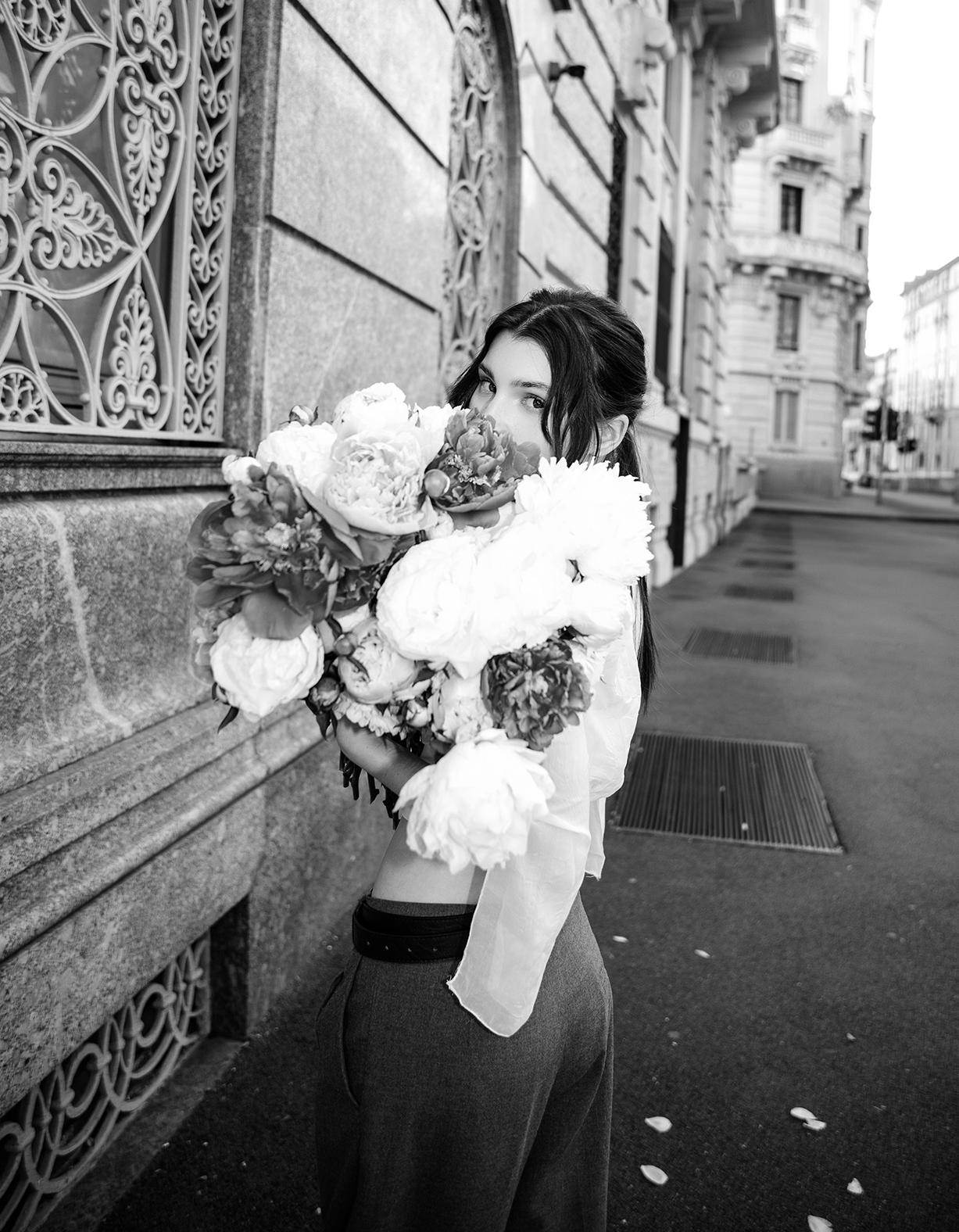






BUILT IN Silence
NOT ALL INFLUENCE ANNOUNCES ITSELF. SOME OF THE MOST CONSEQUENTIAL WORK BEING DONE TODAY HAPPENS QUIETLY, FAR FROM HEADLINES AND PUBLIC RECOGNITION.
It is carried out by individuals who are not chasing visibility, but are deeply committed to building something that lasts. These are the builders whose names may not be widely known, yet whose impact is felt in meaningful and enduring ways.
Quiet builders tend to share a common orientation. They focus on structure rather than spotlight. They care more about outcomes than optics. Their satisfaction comes from seeing systems work, people thrive, and ideas take root over time. Recognition, if it comes at all, is secondary to purpose.
Many of these individuals operate behind the scenes. They are the ones refining processes, strengthening culture, and solving problems before they become visible. Their work often goes unnoticed precisely because it is effective. When something functions smoothly, attention rarely follows. Yet without these steady hands, momentum would falter.
What distinguishes these builders is not ambition, but patience. They understand that sustainable success is rarely the result of sudden breakthroughs. It is the accumulation of thoughtful decisions made consistently. They resist shortcuts. They invest in foundations. They value progress that compounds quietly over time.
There is also humility in this approach. Quiet builders do not confuse ego with leadership. They are comfortable letting others take credit when it serves the greater goal. This generosity builds trust and loyalty. Teams feel supported rather than overshadowed. Collaboration becomes more genuine.
These individuals are often deeply observant. They listen more than they speak. They notice patterns others miss. They ask questions that reveal root causes rather than surface symptoms. Their influence grows because it is informed and precise.
In many cases, quiet builders have chosen intentionally to remain out of the spotlight. They understand that visibility can distort focus. Public recognition can introduce pressure that distracts from the work itself. By staying grounded, they preserve clarity and effectiveness.
Over time, the impact of these builders becomes undeniable. Organizations grow stronger. Communities become more resilient. Innovation takes hold not as disruption, but as thoughtful evolution. When success is examined closely, their fingerprints are everywhere.
The builders you have never heard of remind us that influence does not require an audience. It requires commitment. It requires discipline. It requires a

willingness to work without applause. Their stories challenge the assumption that success must be loud to be real.
As this issue explores quiet power, these individuals offer a powerful example. They demonstrate that the most enduring influence is often exercised quietly, patiently, and with great care. They may not seek recognition, but they deserve it. l


QUIET LUXURY IS NOT A TREND. IT IS A RETURN TO DISCERNMENT. IT REFLECTS A SHIFT AWAY FROM OVERT SIGNALING AND TOWARD INTENTION, QUALITY, AND RESTRAINT. IN A CULTURE SATURATED WITH VISIBILITY, QUIET LUXURY OFFERS AN ALTERNATIVE. IT VALUES WHAT LASTS OVER WHAT FLASHES. IT PRIORITIZES EXPERIENCE OVER DISPLAY.
At its core, quiet luxury is about choice. It is the decision to invest in fewer things and choose them well. Materials matter. Craftsmanship matters. Fit matters. The emphasis is not on being noticed, but on feeling grounded in what you own and how you live. Nothing is excessive. Everything has a reason.
This philosophy extends beyond clothing. Quiet luxury shows up in how homes are designed, how time is spent, and how wellness is approached. It favors spaces that feel calm rather than curated. Colors that soothe rather than shout. Objects that age gracefully rather than demand replacement. There is confidence in this restraint.
In personal style, quiet luxury often appears understated. Clean lines. Soft textures. Neutral palettes. The absence of visible branding is intentional. It signals familiarity rather than aspiration. Those who embrace this approach are not trying to prove taste. They are expressing it.
Luxury IN LOWER TONES


The same sensibility applies to daily rituals. A wellmade cup of coffee enjoyed without distraction. A walk taken without an agenda. A meal prepared with care rather than urgency. Quiet luxury lives in these moments. It elevates the ordinary by allowing presence to replace performance.
There is also a sustainability embedded in this way of living. Choosing quality reduces excess. Repair replaces replacement. Longevity becomes a value rather than an afterthought. This approach feels increasingly relevant as people reconsider what they truly need versus what they have been conditioned to want.
Quiet luxury also reflects emotional maturity. It suggests comfort with oneself. There is no need to impress when self-assurance is intact. This confidence translates into how environments are shaped and how routines are protected. Simplicity becomes a form of self-respect.
In wellness, quiet luxury moves away from extremes. It favors consistency over intensity. Rest over exhaustion. Care over control. The goal is sustainability, not spectacle. Health becomes something to maintain rather than display. This shift mirrors the broader theme of quiet power.
The appeal of quiet luxury lies in how it feels. Calm. Grounded. Unrushed. It creates space to think clearly and live deliberately. It allows influence to emerge naturally rather than being forced.
As tastes evolve and priorities sharpen, quiet luxury continues to resonate. It offers permission to slow down. To choose less. To value what endures. In doing so, it redefines luxury not as excess, but as ease.
In a world that often equates more with better, quiet luxury reminds us that refinement is a choice. One made intentionally. One lived daily. And one that never needs to announce itself. l
THIS PHILOSOPHY EXTENDS BEYOND CLOTHING. QUIET LUXURY SHOWS UP IN HOW HOMES ARE DESIGNED, HOW TIME IS SPENT, AND HOW WELLNESS IS APPROACHED. IT FAVORS SPACES THAT FEEL CALM RATHER THAN CURATED. COLORS THAT SOOTHE RATHER THAN SHOUT.
OBJECTS THAT AGE GRACEFULLY RATHER THAN DEMAND REPLACEMENT. THERE IS CONFIDENCE IN THIS RESTRAINT.

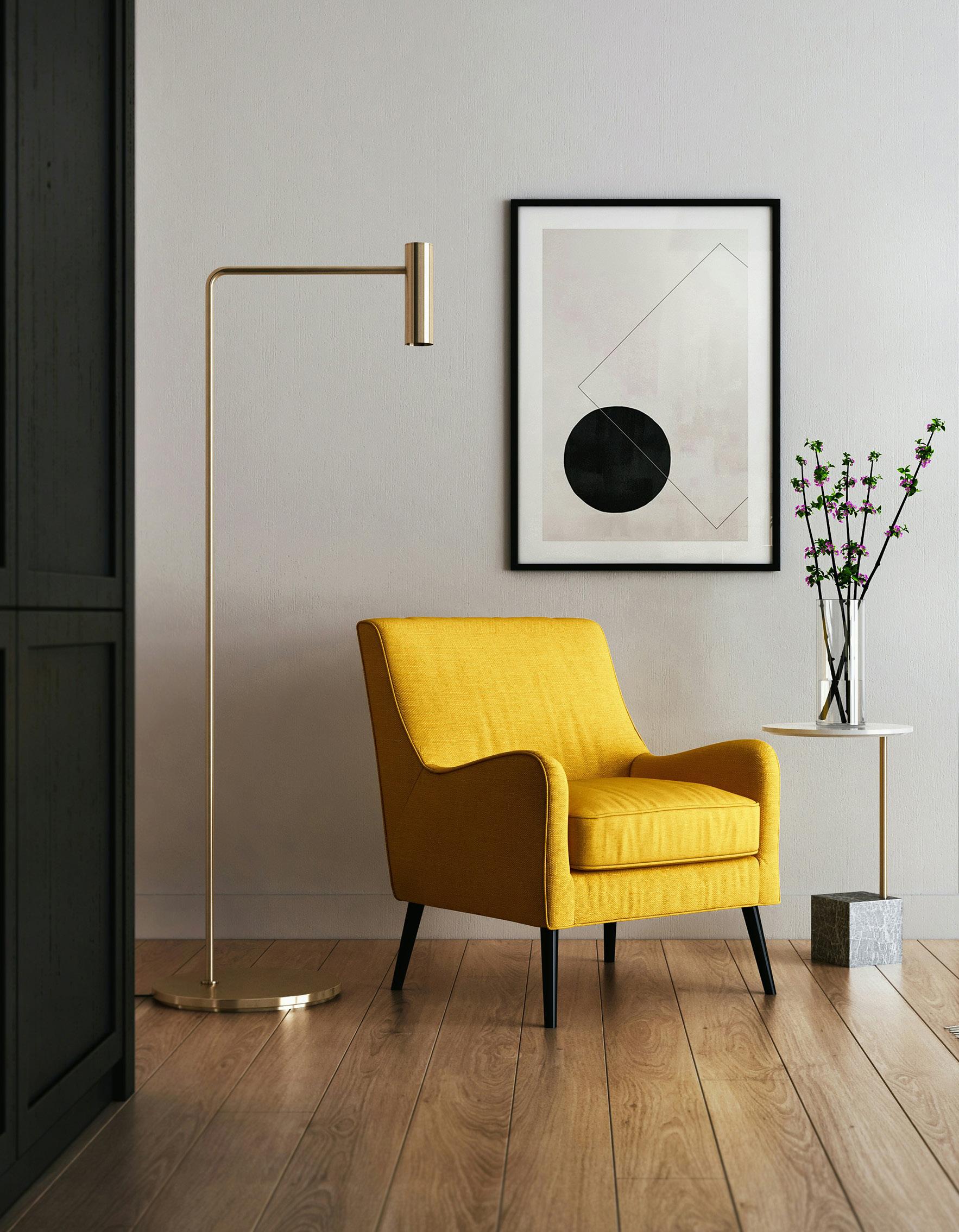
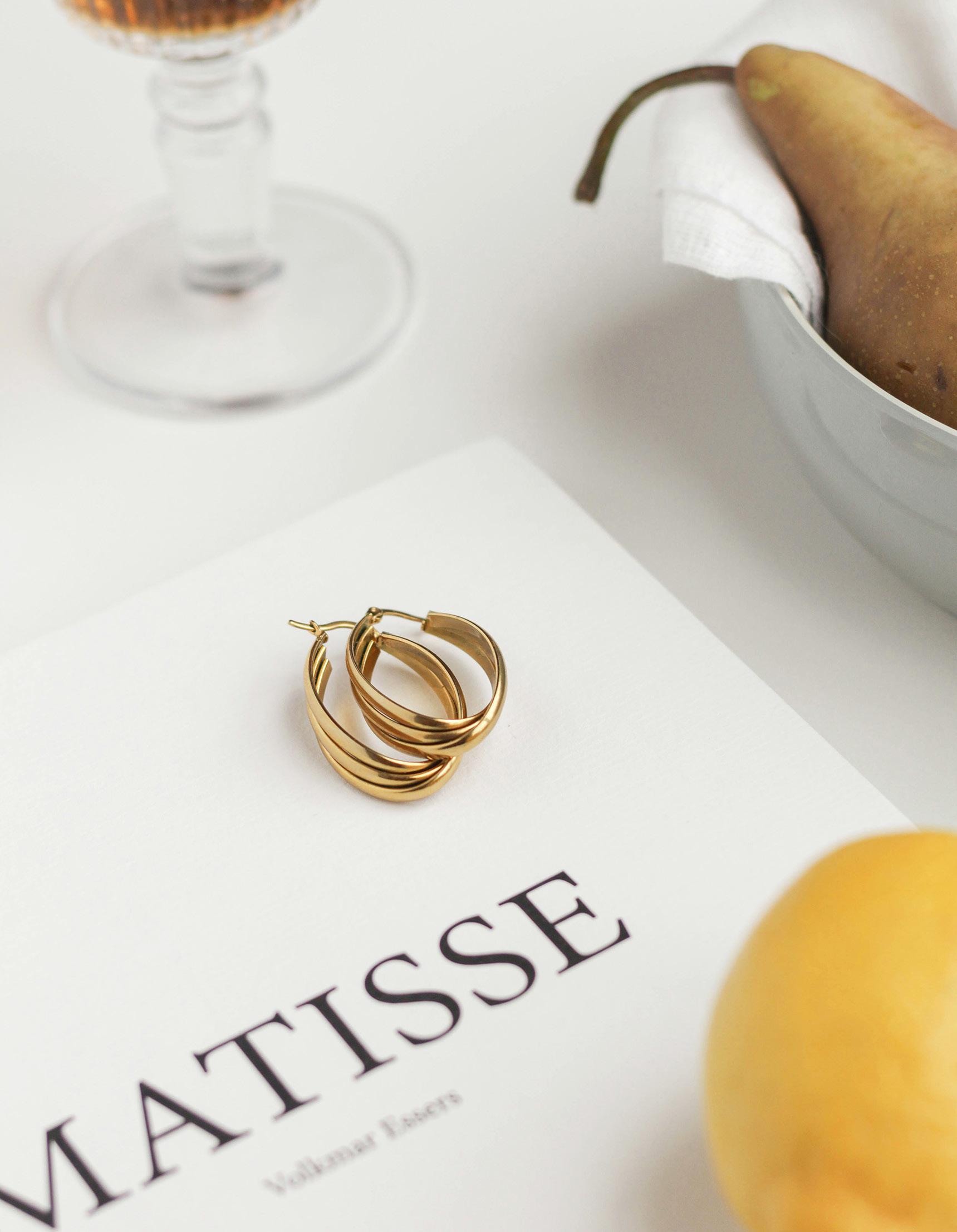
THE SEDUCTION OF THE SLOW TABLE
THERE IS A DIFFERENCE BETWEEN FEEDING PEOPLE AND HOSTING THEM. ONE SATISFIES HUNGER. THE OTHER CREATES ATMOSPHERE.
In a culture that rewards speed, the slow table is quietly radical. It does not rush. It does not perform. It does not overwhelm with excess. It invites presence.
The slow table begins long before anyone sits down. It begins in intention. The choice of linen. The weight of the glass. The tone of the light. Nothing is accidental, yet nothing feels forced. There is space between elements. Space to breathe.
Quiet power is revealed in restraint. A table crowded with spectacle competes for attention. A slow table allows conversation to lead. The setting supports the energy in the room rather than dominating it.
Lighting matters. Not brightness, but warmth. Candlelight that softens edges. Dusk filtering through a window. Shadows that feel intimate rather than dramatic. When the light lowers, voices follow. Shoulders relax.
The menu is considered, not excessive. A perfectly prepared
protein. Seasonal vegetables with texture and color. Bread that tears easily in the hand. A dessert that lingers without overwhelming. The power lies in balance.
Wine or champagne is not poured to impress. It is poured to punctuate moments. A slow refill. A shared glance. A pause before the next course. The ritual becomes part of the rhythm.
The slow table values pacing. Courses are not delivered rapidly. Plates are cleared without urgency. Silence is allowed. Laughter is unhurried. Time stretches.
In this atmosphere, something shifts. Conversation deepens. Guarded edges soften. People reveal more when they are not rushed. There is a confidence in allowing space.
The slow table is not about perfection. It is about presence. A slightly imperfect fold in a napkin. A hand resting briefly on another. A candle that flickers unpredictably. These are not flaws. They are signs of life.

THE INFLUENTIAL LIFE
Texture adds subtle seduction. Linen against skin. Cool marble beneath fingertips. The weight of gold toned flatware. Silk brushing the back of a chair. Sensory details make the evening felt rather than staged.
Hosting this way requires discipline. It means choosing quality over quantity. It means resisting the urge to overproduce. It means trusting that simplicity, when executed well, is magnetic.
There is also strength in quiet hosting. The host does not dominate. The host observes. Adjusts. Refills. Reads the room. This is leadership in its most elegant form. Power that moves gently but intentionally
In March and April, the slow table embraces transition. Lighter fare. Fresh herbs. Subtle citrus. Earth still present but softening. The season itself mirrors restraint. Renewal without reinvention.


What makes the slow table seductive is not extravagance. It is composure. Nothing competes. Nothing shouts. The energy is controlled but warm.
When guests leave, they may not recall every detail of the menu. They will remember how they felt. Seen. Unhurried. Considered.
That is the mark of quiet power. It does not need spectacle to linger. It leaves an imprint through atmosphere.
In a world that often confuses abundance with influence, the slow table offers an alternative. Less noise. More presence. Less urgency. More depth.
And perhaps that is the most seductive thing of all. Power that does not rush. Power that does not perform. Power that invites you to sit, to stay, and to savor. l
THE SLOW TABLE IS NOT ABOUT PERFECTION. IT IS ABOUT PRESENCE. A SLIGHTLY IMPERFECT FOLD IN A NAPKIN. A HAND RESTING BRIEFLY ON ANOTHER. A CANDLE THAT FLICKERS UNPREDICTABLY. THESE ARE NOT FLAWS. THEY ARE SIGNS OF LIFE.



nWRITTEN BY THE INFLUENTIAL MAGAZINE EDITORIAL TEAM
WHERE STRENGTH RESTS
A HOME IS MORE THAN A PHYSICAL SPACE. IT IS AN EMOTIONAL ENVIRONMENT. IT HOLDS ENERGY, REFLECTS PRIORITIES, AND QUIETLY SHAPES
HOW WE THINK, REST, AND RECOVER. WHEN DESIGNED WITH INTENTION, THE HOME BECOMES A SOURCE OF CALM POWER. A PLACE THAT RESTORES RATHER THAN DEMANDS.
Calm power in the home begins with restraint. Not minimalism for its own sake, but discernment. Choosing what belongs and releasing what does not. Spaces that feel balanced allow the mind to settle. Excess, even when beautiful, can create noise. Quiet homes invite clarity.
Light plays a central role. Natural light softens edges and regulates rhythm. Rooms that welcome daylight tend to feel more expansive and grounded. In the evening, layered lighting creates warmth without glare. The goal is not brightness, but comfort.
Materials matter as well. Natural textures such as wood, stone, linen, and wool introduce a sense of permanence. They age gracefully. They invite touch. These elements create an environment that feels lived in rather than staged. Calm power favors authenticity over perfection.
Color choices influence mood more than we often realize. Soft neutrals, muted earth tones, and gentle contrasts support ease. They allow the eye to rest. Bold color can be used intentionally, but it should anchor rather than overwhelm. The home should feel cohesive, not demanding.
Furniture placement also communicates intention. Rooms arranged for flow encourage movement without friction.
Seating that invites conversation signals welcome. Clear pathways reduce subconscious tension. Calm power shows up in how easily a space supports daily life.
There is also power in what is not present. Visual clutter pulls attention outward. Clear surfaces allow focus to return inward. Storage that conceals without eliminating access supports both order and ease.
The absence of distraction becomes a form of luxury.
The most influential homes are rarely the most elaborate. They are the most considered. They reflect the rhythms of the people who live within them. Morning routines. Evening wind downs. Moments of solitude and connection. The home adapts to life rather than competing with it.
Technology, when integrated thoughtfully, can enhance calm rather than disrupt it. When it is discreet and purposeful, it supports convenience without dominating attention. Boundaries matter here. Spaces for rest should remain protected from constant stimulation.
Ultimately, a home grounded in calm power offers something rare. It provides a place where the nervous system can settle. Where thinking becomes clearer. Where energy is restored. In a world that constantly asks for output, the home becomes a quiet ally.
Living spaces shaped by intention do not announce themselves. They are felt. They support presence. They reinforce values. And they quietly empower those who return to them each day. l

SEASONAL SHIFT
SPRING OFTEN ARRIVES WITH PRESSURE.
PRESSURE TO OVERHAUL ROUTINES.
PRESSURE TO START FRESH IN DRAMATIC WAYS.
PRESSURE TO DECLARE A NEW VERSION OF ONESELF. YET MEANINGFUL CHANGE RARELY REQUIRES REINVENTION. MORE OFTEN, IT BEGINS WITH REFINEMENT.
Aspring reset without reinvention focuses on alignment rather than transformation. It asks what still works and what quietly no longer does. It favors small adjustments that restore balance instead of sweeping changes that disrupt it. This approach is sustainable. It respects what has already been built.
The first step is reassessment. Not of goals, but of energy. Where is attention being drained unnecessarily. What habits feel heavy rather than supportive. Which commitments no longer reflect current priorities. A reset begins by noticing friction.
Clarity follows subtraction. Removing excess creates space for intention. This may look like
simplifying schedules, reducing digital noise, or reevaluating obligations that were accepted out of habit rather than purpose. The goal is not to do more. It is to do what matters with greater ease.
A reset also invites recalibration of routines. Spring is an opportunity to adjust rhythms rather than abandon them. Earlier mornings. More natural light. Time outdoors folded into the day. These shifts are subtle, yet their impact compounds over time.
In personal environments, a reset favors thoughtful edits. Clearing surfaces. Introducing lighter textures. Allowing rooms to breathe. There is no need to replace what still serves. Repositioning and restraint often achieve more than acquisition.


Wellness benefits from this same philosophy. Rather than extreme regimens, a reset emphasizes consistency. Movement that feels restorative. Meals that are nourishing without rigidity. Rest treated as essential rather than earned. Health improves when pressure is removed from the process.
Emotionally, a spring reset invites forgiveness. For unfinished plans. For abandoned intentions. For expectations that no longer fit. Letting go of self-judgment allows momentum to return naturally. Progress resumes when grace replaces urgency.
A reset without reinvention honors continuity. It acknowledges growth without rejecting the past. It builds on experience rather than dismissing it. This perspective creates confidence. Change feels integrated rather than imposed.
As the season shifts, the most effective reset may be the quietest one. Adjusting pace. Refining focus. Recommitting to what sustains rather than what impresses. These choices require discernment, not drama.
Spring does not ask for a new identity. It invites renewal through intention. When approached thoughtfully, a reset becomes less about becoming someone else and more about returning to oneself. l
STRONG NOT LOUD
WELLNESS HAS BECOME HIGHLY VISIBLE. ROUTINES ARE SHARED. PROGRESS IS TRACKED PUBLICLY.
DISCIPLINE IS OFTEN FRAMED AS ACHIEVEMENT.
nWRITTEN BY THE INFLUENTIAL MAGAZINE EDITORIAL TEAM
While intention may be positive, this approach can quietly turn care into performance. Wellness without performance offers a different path. One rooted in sustainability rather than display.
At its core, wellness without performance removes the audience. Health becomes personal again. Choices are guided by how the body feels rather than how habits appear. This shift allows care to be responsive instead of rigid. Consistency replaces intensity. Presence replaces pressure.
Performance driven wellness often prioritizes extremes. Pushing limits. Following rigid protocols. Measuring worth through output. Over time, this can disconnect people from their own needs. Wellness becomes something to maintain rather than something to experience. Quiet wellness restores that connection.
This approach favors rhythm over regimen. Movement is chosen
for how it supports energy and longevity. Rest is respected as essential, not optional. Nutrition is guided by nourishment rather than restriction. These choices are subtle, but their impact compounds.
Wellness without performance also honors seasonality. Needs change. Energy fluctuates. What supports balance in one season may feel unsustainable in another. Quiet wellness allows for adjustment without guilt. It recognizes that health is not static.
There is emotional intelligence in this model. Listening to the body requires honesty. It requires releasing comparison and trusting internal cues. This trust builds resilience. It allows wellness to adapt alongside life rather than compete with it.
Technology can support or disrupt this process. When tools are used to inform rather than control, they enhance awareness. When they
become measures of worth, they undermine intuition. Wellness without performance uses data as guidance, not judgment.
Community still plays a role, but differently. Support replaces competition. Encouragement replaces comparison. Shared experiences are valued more than shared metrics. Wellness becomes relational rather than performative.
The most powerful outcome of this approach is sustainability. Habits last because they are livable. Care deepens because it is compassionate. Health improves because pressure is removed from the equation.
Wellness without performance aligns naturally with quiet power. Both prioritize intention over display. Both value restraint. Both understand that what lasts rarely needs to be announced.
In a culture that often treats health as an accomplishment, choosing care without an audience is a quiet act of confidence. It signals trust in oneself. It reflects maturity. And it allows wellness to become what it was always meant to be. A supportive foundation for living well. l






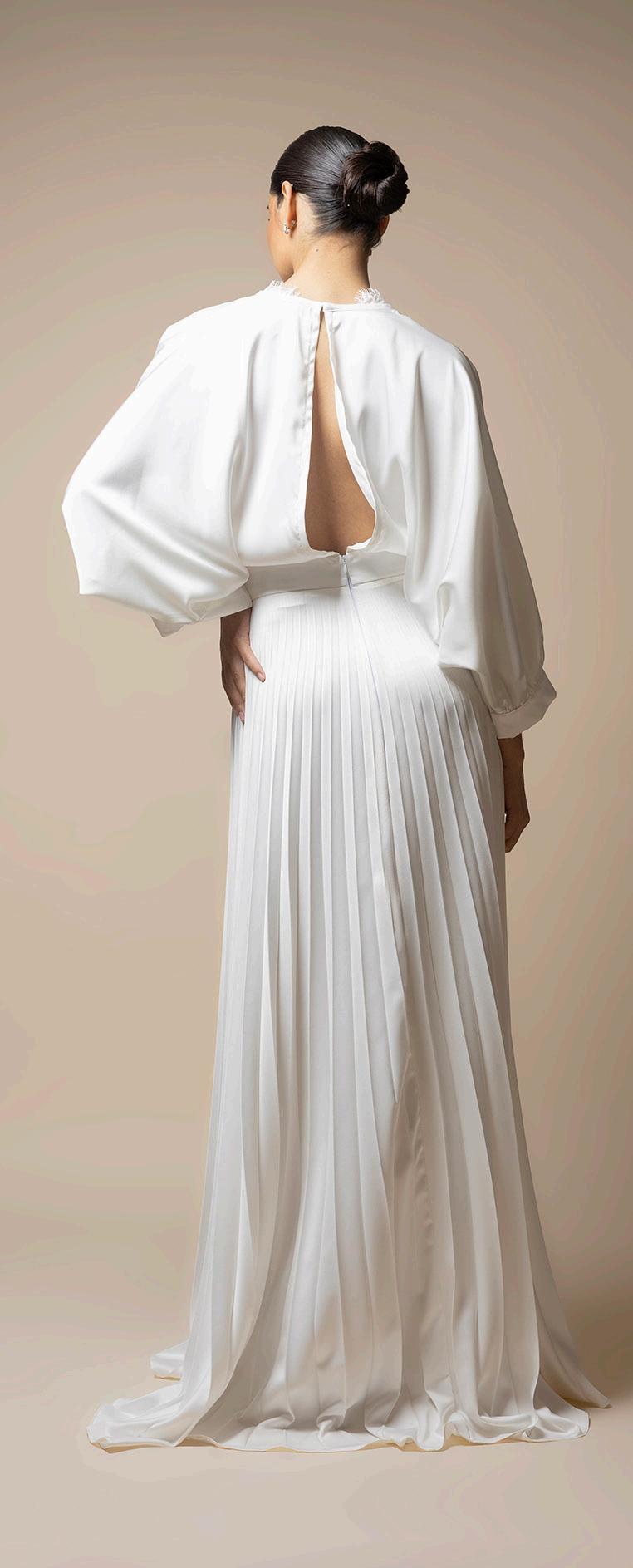
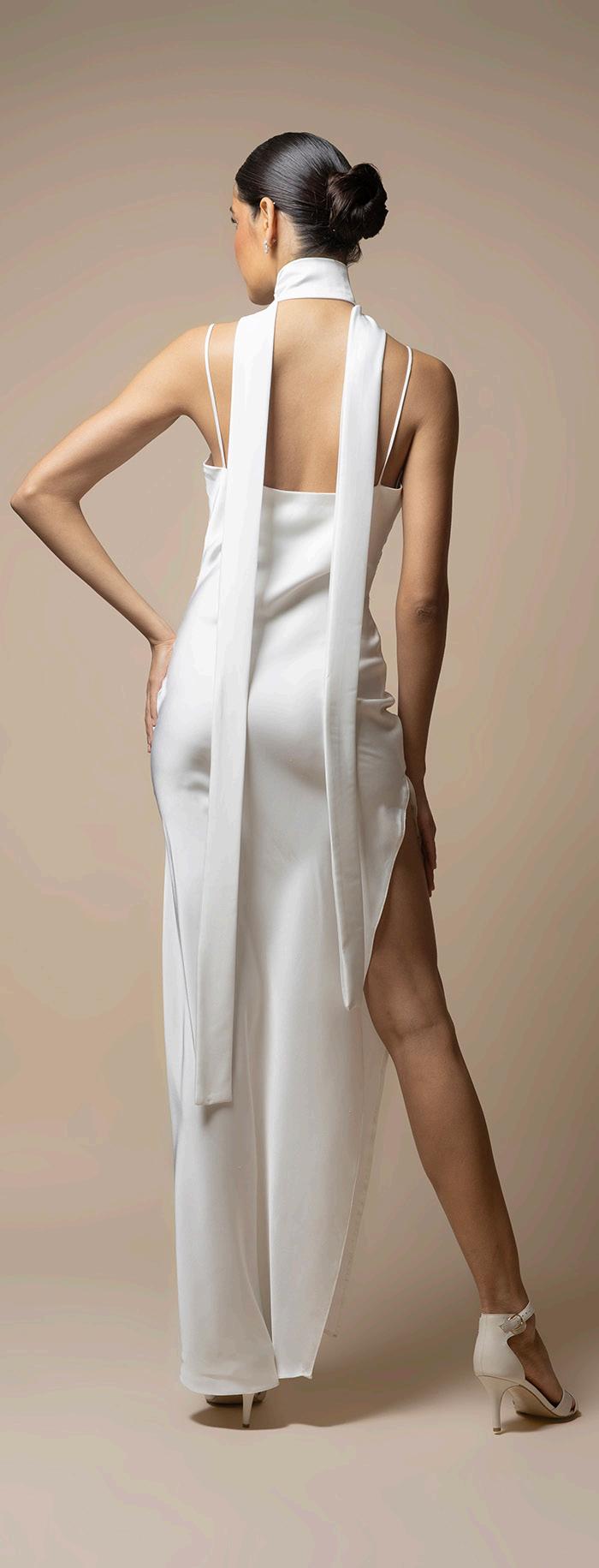
COLLECTION
ELLA SE CASA
DESIGNER
BENITO SANTOS
@benitosantosoficial
@benitosantosnovias
PHOTOGRAPHY
RAFAEL PULIDO
@rafaelpulidophoto
MODEL
LIZETTE ALFEREZ
@lizette_alferez
MAKEUP AND HAIR
YAZMIN JIMENEZ
PEPE GUTIERREZ
@yazminjimenezmkp
@pepegutierrezstudio

quietpower Evening







quiet

Self Trust
APPROVAL IS A POWERFUL MOTIVATOR.
FROM AN EARLY AGE, MANY OF US ARE CONDITIONED TO SEEK AFFIRMATION AS A MEASURE OF SUCCESS AND BELONGING. OVER TIME, THIS INSTINCT CAN QUIETLY SHAPE DECISIONS, INFLUENCE BEHAVIOR, AND DILUTE CLARITY. THE MOMENT APPROVAL LOSES ITS HOLD, SOMETHING ELSE EMERGES. CONFIDENCE.
Confidence that does not rely on approval is different from bravado. It is not loud. It does not announce itself. It is rooted in self-trust rather than external validation. This form of confidence develops gradually, often after experience has clarified what truly matters and what does not. It is earned through discernment, not performance.
When approval is no longer the objective, decision making changes. Choices become cleaner. Priorities sharpen. Energy previously spent anticipating reactions is redirected toward intention and execution. The need to explain diminishes. The ability to stand by one’s judgment strengthens. Decisions feel less reactive and more deliberate.
This shift often comes with maturity. Experience teaches that approval is inconsistent and often misaligned with integrity. What is praised in one season may be questioned in another. What earns validation in one room may invite resistance in another. Those who anchor confidence internally are less affected by these fluctuations. Their direction remains steady because it is guided by principle rather than applause.
nWRITTEN BY WILLIAM T. JACKSON, ABA, B.ACY., MBA, 2018 FOLIO: 100 HONOREE, FORBESBLK MEMBER
Not needing approval does not mean disregarding others. It means distinguishing feedback from validation. Feedback informs growth. Validation seeks reassurance. Influential individuals welcome the former without becoming dependent on the latter. This balance preserves openness while protecting autonomy. It allows learning to continue without surrendering authority.

NOT NEEDING APPROVAL DOES NOT MEAN DISREGARDING OTHERS. IT MEANS DISTINGUISHING FEEDBACK FROM VALIDATION.
FEEDBACK INFORMS GROWTH.
There is freedom in this posture. Freedom to speak honestly without rehearsing for acceptance. Freedom to pause before responding rather than rushing to appease. Freedom to make choices that may not be immediately understood. When approval is not required, authenticity becomes easier to maintain. Alignment replaces performance.
This confidence also reshapes relationships. Interactions feel less transactional. Boundaries become clearer and easier to hold. Respect deepens because it is not negotiated through compliance. People sense when someone is grounded. That grounding often earns trust more reliably than accommodation ever could.
In leadership, not needing approval strengthens authority. Leaders who are not driven by affirmation can make difficult decisions without excessive justification. They can tolerate disagreement without defensiveness. They can hold tension without needing to resolve it prematurely. Their steadiness becomes a stabilizing force for others.
Letting go of approval seeking is not always comfortable. It can surface discomfort and selfdoubt. Silence can feel risky. Disagreement can feel personal. The absence of immediate affirmation can create uncertainty. Yet those who move through this discomfort often find that confidence grows on the
other side. The need to be understood by everyone fades. The commitment to act with integrity remains.
There is also a recalibration of identity that occurs. When approval is no longer the measure, self-worth becomes less conditional. Accomplishments are valued for their substance rather than their reception. Setbacks are processed without excessive selfjudgment. Confidence becomes durable because it is no longer outsourced.
Over time, this confidence compounds. Each decision made without seeking approval reinforces self-trust. Each boundary held strengthens clarity. Influence expands because it is consistent, not because it is affirmed. Others begin to recognize reliability. Respect follows naturally.
The confidence that comes with not needing approval aligns seamlessly with quiet power. Both rely on internal alignment rather than external response. Both value restraint. Both understand that influence does not need constant reinforcement. They reflect maturity rather than ambition.
In a world that encourages visibility and affirmation, choosing internal confidence is a quiet act of leadership. It allows purpose to guide action. It allows integrity to outlast opinion. And it allows influence to emerge without ever asking permission. l



SILENCE AS STRATEGY
SILENCE IS OFTEN MISUNDERSTOOD. IT IS MISTAKEN FOR HESITATION OR DISENGAGEMENT. IN FAST PACED ENVIRONMENTS, SILENCE CAN EVEN BE PERCEIVED AS WEAKNESS.
YET IN PRACTICE, SILENCE IS ONE OF THE MOST POWERFUL TOOLS AVAILABLE TO THOSE WHO UNDERSTAND INFLUENCE.
nWRITTEN BY THE INFLUENTIAL MAGAZINE EDITORIAL TEAM
Silence creates space. Space to observe. Space to think. Space for others to reveal what they truly believe. When leaders resist the urge to fill every pause, conversations deepen. What matters surfaces naturally. Strategy becomes clearer because it is no longer competing with noise.
Influential individuals use silence intentionally. They do not rush to respond simply to demonstrate presence. They allow discussions to unfold. They listen for what is being said and what is being avoided. This awareness sharpens judgment. Decisions made from this position are rarely reactive.
Silence also communicates confidence. Those who are secure in their perspective do not need to assert it constantly. They trust their timing. They understand that
restraint can carry more authority than repetition. When they do speak, attention follows because silence has already done part of the work.
In leadership settings, silence can redirect power dynamics. It shifts focus away from dominance and toward substance. Meetings become less performative. Contributions become more thoughtful. People speak with greater intention when they are not competing with constant commentary.
There is discipline required to use silence well. It demands comfort with uncertainty. It requires patience. It asks leaders to resist the instinct to manage perception in real time. This discipline often distinguishes those who react from those who lead.
Silence can also protect clarity during moments of pressure. When urgency escalates, the temptation to speak increases. Yet speaking too
quickly can introduce confusion. Silence allows leaders to absorb information fully before responding. It stabilizes environments that might otherwise become reactive.
In strategic contexts, silence allows patterns to emerge. It reveals alignment and misalignment. It surfaces motivations that are not always articulated directly. Leaders who listen more than they speak often gain insight that cannot be accessed through analysis alone.
This does not mean silence replaces strategy. It enhances it. Strategy informed by observation is more grounded. It accounts for human dynamics as well as data. When silence precedes action, decisions tend to be more precise and more durable.
Silence also models behavior. Teams take cues from leadership. When leaders demonstrate restraint, others follow. Communication becomes more intentional. Attention shifts from volume to value. Over time, this changes culture.
In a world that rewards immediacy, choosing silence can feel counterintuitive. Yet it is often the quiet pause that allows the strongest move to emerge. Silence does not compete with strategy. It gives it room to breathe.
When used with intention, silence becomes a form of quiet power. It speaks without words. It guides without force. And it often carries more influence than any plan delivered too quickly. l




SUCCESS IS OFTEN DEFINED EARLY. TITLES. MILESTONES. ACCUMULATION. MOMENTUM. IN THE FIRST HALF OF THE JOURNEY, PROGRESS IS MEASURED BY MOVEMENT AND ACHIEVEMENT. EFFORT IS VISIBLE. VALIDATION IS EXTERNAL. SUCCESS FEELS URGENT AND LINEAR, SHAPED LARGELY BY EXPECTATIONS THAT ARE INHERITED RATHER THAN EXAMINED.
nWRITTEN BY THE INFLUENTIAL MAGAZINE EDITORIAL TEAM

THE LONG GAME
Over time; however, success begins to change shape. What once motivated no longer satisfies in the same way. The pursuit of more gives way to the pursuit of meaning. This shift is not a loss of ambition. It is a refinement of purpose. The second half of the journey invites a deeper and more personal definition of what it means to succeed.
In this stage, success becomes less about ascent and more about alignment. The question is no longer how far can I go, but how well am I living. Time becomes more valuable than status. Energy becomes more precious than recognition. Success expands to include sustainability, presence, and integrity.
Experience plays a central role in this evolution. Success achieved without fulfillment leaves a residue. Lessons accumulate. Patterns emerge. Many begin to recognize that earlier definitions of success were borrowed rather than chosen. The second half offers the opportunity to define success intentionally, guided by values rather than validation.
This redefinition often begins with subtraction. Letting go of roles
that were pursued for approval rather than purpose. Releasing expectations that no longer fit the life being lived. Success becomes quieter. It is felt internally before it is seen externally. Clarity replaces urgency.
Relationships take on greater significance. Depth replaces breadth. Trust replaces transaction. Success is no longer measured by how many connections exist, but by how meaningful they are. Influence is defined less by reach and more by impact. Presence becomes a currency of its own.
Pace also shifts. The pressure to prove diminishes. Reflection becomes more frequent. Decisions are made with a longer horizon in mind. Success is no longer about speed. It is about direction. Progress is evaluated by coherence rather than acceleration.
In leadership, this stage often transforms how authority is exercised. Leaders in the second half think in terms of stewardship rather than expansion. They consider what they are building for others, not just for themselves. Legacy becomes part of the equation. Success includes what is strengthened and sustained.
THE PERSPECTIVE
Work itself is evaluated differently. Contribution matters more than credit. Fulfillment matters more than visibility. Success includes the freedom to choose work that aligns with values rather than prestige. Saying no becomes a form of clarity rather than limitation.
Health and wellbeing move to the foreground. Success loses meaning if it compromises vitality. The second half invites a more integrated view of achievement. One that honors the body and the mind as essential assets rather than expendable resources.
There is wisdom in restraint. Not every opportunity must be pursued. Not every invitation deserves acceptance. Discernment becomes a defining skill. Success includes the confidence to walk away from what no longer serves.
Importantly, redefining success does not require abandoning ambition. It requires refining it. Ambition becomes purposeful rather than performative. Goals are chosen deliberately. Progress is measured holistically.

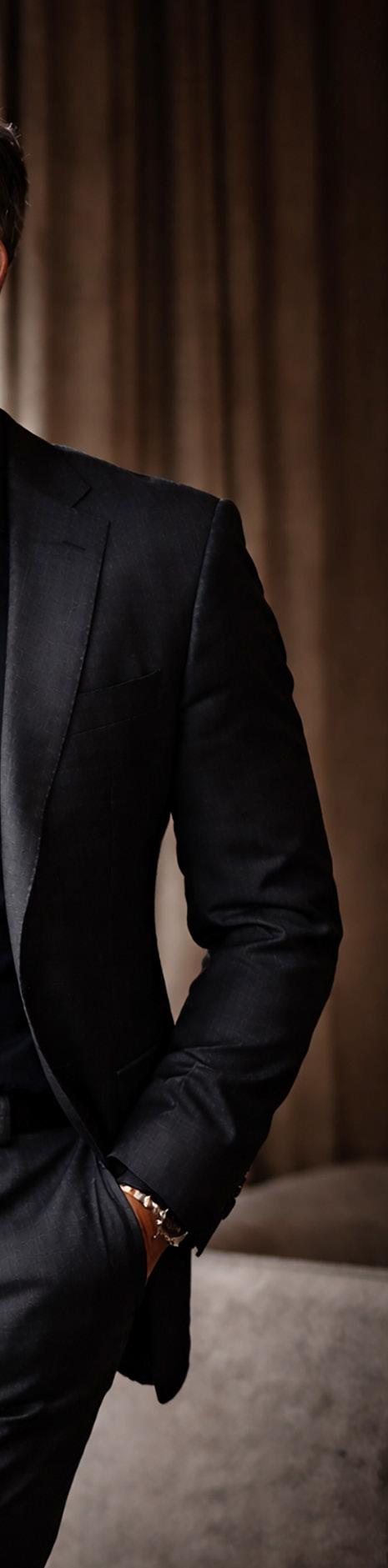
This stage of the journey often brings a deeper sense of peace. Not complacency, but contentment. Success feels less fragile because it is no longer dependent on constant reinforcement. It is grounded in values and sustained by intention.
The second half also allows room for generosity. Knowledge is shared. Mentorship becomes meaningful. Influence is extended without expectation of return. Success includes what is passed on, not just what is accumulated.
Redefining success is ultimately an act of authorship. It is the decision to write one’s own definition rather than inherit one. It is the recognition that success evolves, just as we do.
In a culture that celebrates beginnings, there is quiet power in honoring the second half. It is where wisdom consolidates. Where clarity deepens. Where success becomes less about arrival and more about alignment. When success is defined this way, it endures. It supports a life that feels whole. And it reflects a maturity that never needs to announce itself. l
IN LEADERSHIP, THIS STAGE OFTEN TRANSFORMS HOW AUTHORITY IS EXERCISED. LEADERS IN THE SECOND HALF THINK IN TERMS OF STEWARDSHIP RATHER THAN EXPANSION. THEY CONSIDER WHAT THEY ARE BUILDING FOR OTHERS, NOT JUST FOR THEMSELVES. LEGACY BECOMES PART OF THE EQUATION. SUCCESS INCLUDES WHAT IS STRENGTHENED AND SUSTAINED.