





InFluential Magazine delivers exceptional content to a sophisticated audience of educated, affluent, and forwardthinking individuals who embrace the art of living well. Our readers are not only upwardly mobile but also deeply engaged in the pursuit of inspiration, innovation, and personal growth.
As a digital media platform, InFluential Magazine captures the pulse of emerging trends poised to shape our world. By showcasing avant-garde leaders and cultural innovators, we explore ideas and movements that inspire both personal and professional transformation. Our foundation is built upon identifying and celebrating key elements that define cultural relevance, influence, and positive impact.
Through insightful storytelling and cuttingedge perspectives, InFluential Magazine
establishes itself as the premier and trusted source for trends that impact the way we live, dream, and distinguish our world. Our content not only reflects what’s current but also provides a window into what’s next, empowering our audience to navigate life with confidence and creativity.
Our readership is diverse, globally minded, and deeply connected to their local communities. With a strong sense of self and a belief in their future potential, they represent the aspirational ethos of the magazine. They seek a captivating mix of editorial content, featuring the most interesting people, culture, fashion, style, and healthrelated insights.
With each issue, InFluential Magazine continues to elevate the art of living well, offering trusted, forwardthinking content that informs, inspires, and empowers.
FOUNDER & CHIEF BUSINESS OFFICER
William T. Jackson, ABA, B.Acy., MBA, 2018 Folio: 100 Honoree, ForbesBLK Member Round Rock, Texas
CO-FOUNDER
Sandra Rascon, ME Corpus Christi, Texas
OUR MISSION
To be the global authority and trusted voice on emerging trends, inspiring our readers to live boldly, dream boundlessly, and shape their world with distinction, creativity, and purpose.
OUR VOICE
Rooted in trust, fueled by inspiration, and driven to influence. InFluential Magazine speaks directly t o dreamers, doers, and innovators, offering content that uplifts, informs, and ignites meaningful change.
With a sharp focus on lifestyle interests that matter most, InFluential Magazine stands as a beacon of trusted insight. We curate trends that not only inspire our readers to live boldly, and dream expansively but also empower them to distinguish their world with creativity, purpose, and flair.


EDITORIAL TEAM
Editor-in-Chief
William T. Jackson, ABA, B.Acy., MBA, 2018 Folio: 100 Honoree, ForbesBLK Member
Contributing Writers
William T. Jackson, ABA, B.Acy., MBA, 2018 Folio: 100 Honoree, ForbesBLK Member
InFluential Magazine Editorial Team
ART & PRODUCTION
Creative Services
Argenis Gudino / Jose Luis Venegas Quintero Contributing Photographers Aldrin Ayuso Jackson Javier Miguel R. Lobo
All rights reserved. No part of this publication may be reproduced or transmitted in any form or by any means without written permission from the Founder & Chief Business Officer. All the rights of the artwork and photography belong to the Founder & Chief Business Officer.
InFluential Magazine is Round Rock, Texas owned and operated.

We value deeply the voices and perspectives of our readers, as they are the heart of InFluential Magazine. Your thoughts, feedback, and ideas help shape the dynamic dialogue that defines our publication. Whether you wish to share reflections on a featured article, insights on emerging trends, or your personal experiences inspired by our content, we welcome your contributions.
To ensure your letter receives full consideration, please include the following:
• Full Name: As a testament to the authenticity of your submission.
• Daytime Phone Number: For clarification purposes, if needed.
• Mailing Address: To maintain proper records and facilitate correspondence.
Please limit your letters to 300 words, allowing us to accommodate as many
CONTACT INFORMATION
Advertising Opportunities
For advertising inquiries, email us at influentialmagazine roundrocktx@gmail.com.
Public Relations
For media or partnership inquiries, mail us at the address below.
General Information
For general inquiries, mail us at the address below.

Mailing Address:
InFluential Magazine P.O. Box 1811 Round Rock, Texas 78680
voices as possible in each issue. Submissions may be edited for clarity, grammar, and length, ensuring your message aligns seamlessly with the overall flow of our publication. Rest assured, our goal is to preserve the essence and intent of your message.
By submitting a letter, you become part of a larger conversation, one that celebrates the art of living well and fosters meaningful connections among our community of readers. Selected letters will be featured in future issues, highlighting the diverse and inspiring viewpoints that make InFluential Magazine unique.
We look forward to hearing from you and thank you for contributing to the vibrant dialogue that drives our mission forward.

This issue of InFluential Magazine was proudly envisioned, crafted, and brought to life in Round Rock, Texas, a vibrant city that embodies creativity, innovation, and community spirit. Rooted in local pride yet soaring with global ambition, this publication reflects a harmonious blend of regional charm and worldwide influence.
Every page of this issue celebrates the art of living well through a lens that transcends borders and cultures. It’s a tribute to the visionaries, writers, designers, and contributors who inspire us to explore new ideas, embrace fresh perspectives, and redefine what it means to live boldly and exceptionally.
We extend heartfelt gratitude to our readers for their unwavering support and enthusiasm. Your passion fuels our mission to deliver content that informs, empowers, and elevates. Together, we continue to shape a world where innovation meets inspiration, and where dreams are not just imagined but realized.
This issue stands as a testament to the transformative power of storytelling and the enduring pursuit of excellence. With every issue, we reaffirm our commitment to being your trusted source for trends, insights, and ideas that shape the way we live, dream, and distinguish our world.






106
THE PERSPECTIVE
94 | You Don’t Need Permission Authority Is Claimed, Not Granted
100 | What We Leave Behind Without Noticing The Subtle Transitions That Shape Who We Become
106 | Becoming Without Announcement
The Quiet Evolution of Those Who No Longer Need to Prove Anything

84
FASHION EDITORIAL
50 | Colofull Spring by Gadiel
84 | Vital Air by Aldrin Ayuso




There is a quiet truth about life that we do not always acknowledge in the moment. We are not standing still. We are not fixed. We are not finished. Whether we recognize it or not, we are always becoming.
This issue of InFluential Magazine is rooted in that understanding. Not in the idea of arrival, but in the discipline, intention, and clarity required to evolve into the next version of ourselves. Becoming is not a single decision. It is a series of choices made consistently, often without recognition, and sometimes without immediate reward.
“The most powerful transformations do not announce themselves. They are built quietly, and revealed only when they can no longer be ignored.”
William T. Jackson
As you move through this issue, you will notice a deliberate balance. Leadership insights that challenge how we think and operate. Stories of individuals whose journeys reflect endurance, discipline, and growth. Lifestyle perspectives that remind us that refinement is not excess, but intention. And reflective pieces that create space for you to consider your own path forward.
This balance is purposeful. Life does not unfold in a single dimension, and neither does influence. The way we lead, the way we live, and the way we reflect are all connected. Each informs the other. Each shapes who we are becoming.
What I have come to understand, both professionally and personally, is that becoming requires a level of honesty with oneself. It requires the courage to make decisions that may not be immediately understood by others. It requires the discipline to remain consistent when the results are not yet visible. And it requires the confidence to move forward without waiting for permission.

This issue is not about perfection. It is about progress. It is about refinement. It is about recognizing that the life you are building is shaped by the standards you choose to uphold each day.
As you read, I invite you to consider not only what resonates with you, but what challenges you. What calls you to elevate your thinking. What asks you to let go of what no longer serves you. And what encourages you to move forward with clarity and intention.
Because in the end, the question is not whether you are becoming. You are.
The question is whether you are becoming by design.

Publisher, InFluential Magazine
THERE IS A DIFFERENCE BETWEEN BEING SEEN AND BEING FELT. MOST PEOPLE ENTER A ROOM HOPING TO BE NOTICED. A SELECT FEW ENTER A ROOM AND IMMEDIATELY SHIFT IT. THAT DIFFERENCE IS PRESENCE.
nWRITTEN BY WILLIAM T. JACKSON, ABA, B.ACY., MBA, 2018 FOLIO: 100 HONOREE, FORBESBLK MEMBER
Presence is not volume. It is not urgency. It is not performance. It is control. It is clarity. It is the ability to exist fully in a moment without being consumed by it.
And the most powerful individuals understand something that many overlook. They do not rush.
We have been conditioned to believe speed is a sign of importance. Fast responses. Immediate decisions. Constant movement.
But urgency, when unmanaged, often signals the opposite. It reveals anxiety. It exposes a lack of control. It communicates that circumstances are leading you rather than you leading them.
High-level individuals operate differently. They move with intention. They pause before they speak. They consider before they act.
Not because they are unsure, but because they understand that every action carries weight.
“Speed may get you there. Presence determines how you arrive.”
Watch someone who truly commands a room. They do not fidget. They do not overexplain. They do not rush to fill silence. They allow space.
Space to think. Space for others to reveal themselves. Space for the moment to unfold before they decide how to engage with it.

This is not hesitation. It is discipline.
Measured movement signals confidence. It tells others you are comfortable in your position, clear in your thinking, and not easily influenced by pressure. In environments where everyone is reacting, the individual who remains composed becomes the center of gravity.
Silence is often misunderstood.
Many interpret silence as weakness or uncertainty. Silence, when used intentionally, is one of the most powerful tools available.
The individual who speaks less often says more.
When you are not rushing to respond, you are listening. When you are listening, you are gathering information. When you are gathering information, you are gaining advantage.
Silence creates contrast.
It draws attention not through noise, but through restraint.
“What you do not say often defines your influence more than what you do.”

Timing is the invisible force behind presence. Knowing when to speak. Knowing when to move. Knowing when to wait.
The most influential people understand that timing is not accidental. It is observed. It is studied. It is practiced. They do not interrupt momentum. They align with it. They do not chase opportunities. They position themselves so opportunities arrive at the right moment.
This requires patience. It requires awareness. It requires the ability to remain steady when others feel compelled to act.
And in that steadiness, they gain leverage.
Rushing is often emotional.
It is driven by the need to respond quickly, to defend, to prove, or to be acknowledged. Presence removes that need. When you are grounded, you do not react to every stimulus. You choose your response. You do not allow frustration to dictate your tone. You do not allow pressure to dictate your pace. This level of emotional control communicates something powerful to everyone around you.

It says:
l You are not easily moved.
l You are not easily shaken.
l You are not easily influenced. And that perception alone changes how people engage with you.
Presence is not something you announce. It is something others experience. When you slow down, the room slows down. When you become more deliberate, others become more attentive.
“ Presence is not something you
perform.
It is something
you become.
William T. Jackson, ABA, B.Acy., MBA
When you choose your words carefully, people listen more closely.
This is the presence advantage. It is subtle. It is quiet. And yet, it is unmistakable.
Presence is not reserved for a select few. It is developed.
It is built through small, consistent shifts in behavior. Start here:
l Pause before responding.
Give yourself a moment to think. It signals control and clarity.
l Reduce unnecessary movement.
Stillness communicates confidence.
l Speak with intention.
Say what matters. Eliminate what does not.
l Control your pace.
Walk, speak, and respond as if you own your time.
l Listen more than you speak. Information is influence.
None of these require permission. They require awareness.
In a world that rewards speed, presence sets a different standard.
It is not about doing more. It is about doing what matters with intention.
It is not about being first. It is about being effective. It is not about being loud. It is about being clear.
The most powerful people are not the ones moving the fastest.
They are the ones moving with purpose.
There is a calm that accompanies true presence. A quiet confidence that does not need validation. A steady rhythm that does not adjust for chaos. When you develop presence, you are no longer chasing the moment.
You are shaping it. l


VISIBILITY IS OFTEN MISUNDERSTOOD.
Many believe it is about being seen as often as possible.
Posting frequently. Speaking loudly. Ensuring their presence is constantly acknowledged.
But true influence does not operate this way.
The most effective individuals are not the most visible. They are the most intentional about when they are seen.
That is strategic visibility.
We live in a culture that rewards exposure.
Be everywhere. Say everything. Respond immediately.
At first glance, this appears to create influence. But over time, it often does the opposite.
Overexposure dilutes perception. It reduces curiosity. It removes the element of anticipation that gives presence its weight.
When people see you too often, they stop seeing you at all.
“Access loses value when it is always available.”
Strategic individuals understand this. They do not chase attention. They manage it.
Visibility as a Controlled Asset Visibility should be treated as a resource.
Not something to be spent freely, but something to be deployed with precision.
Every appearance, every statement, every moment of engagement should serve a purpose.
This does not mean being distant. It means being deliberate. You are visible when it matters. You are silent when it strengthens your position.
This balance creates intrigue. It creates respect. It creates influence.
There is strength in absence. When you are not constantly present, your presence gains value.
People begin to anticipate your perspective. They listen more closely when you speak. They pay attention when you appear.
Absence creates space. And in that space, your reputation works on your behalf.
This is where many misunderstand influence. They believe they must constantly reinforce their value.
High-level individuals allow their value to be understood without constant reinforcement.
Strategic visibility is not about hiding. It is about timing.
You should be visible when:
l Your presence adds clarity
l Your voice moves a conversation forward
l Your leadership is required

nWRITTEN BY WILLIAM T. JACKSON, ABA, B.ACY., MBA, 2018 FOLIO: 100 HONOREE, FORBESBLK MEMBER

l Your appearance reinforces your position
In these moments, you do not hesitate. You step forward with confidence and purpose. You do not shrink. You do not second-guess. You show up fully. Because when you choose to be seen, it should matter.
Equally important is knowing when to remain unseen.
You move in silence when:
l The moment does not require your input
l Others are revealing valuable information
l The situation benefits from observation rather than reaction
l Visibility would dilute your impact
Silence is not absence of power. It is controlled power.
It allows you to gather insight. It allows you to position yourself without unnecessary exposure. It allows others to underestimate you. And being underestimated, when managed correctly, is an advantage.
One of the clearest signs of strategic visibility is restraint in communication.
Not everything needs to be explained. Not every move needs to be announced. Not every decision requires justification. Over-explaining reduces authority. It signals a need for validation rather than confidence in direction.
Strategic individuals share what is necessary. They protect what is not.
“Clarity builds trust. Excess explanation erodes it.”
When visibility is managed correctly, your reputation begins to carry weight in your absence. Rooms change before you arrive. Conversations shift when your name is mentioned. Opportunities begin to align without constant pursuit. This is not accidental.
It is the result of:
l Consistent behavior
l Disciplined communication
l Intentional visibility
Your reputation becomes an extension of your presence.
And that is where true influence begins.
In today’s environment, visibility is easier than ever.
Platforms allow constant access. Opinions can be shared instantly. Presence can be manufactured.
But accessibility is not influence. The ease of being seen makes it even more important to be selective.
“Not every moment requires your presence. But when you choose to be present, it should be undeniable
William T. Jackson, ABA, B.Acy., MBA ”

When everyone is speaking, the individual who speaks with intention stands apart. When everyone is visible, the individual who appears with purpose commands attention.
Application: Building Strategic Visibility
Strategic visibility is developed through discipline.
Start here:
l Audit your visibility. Where are you overexposed. Where are you underutilized.
l Be intentional with appearances.
Choose moments that align with your goals.
l Limit unnecessary communication.
Speak when it adds value.

l Allow space between engagements. Absence creates anticipation.
l Protect your narrative. Not everything needs to be shared publicly.
These are not restrictions. They are refinements.
Visibility, when unmanaged, becomes noise.
Visibility, when controlled,
becomes power.
The individuals who understand this operate differently. They do not compete for attention. They attract it.
They do not chase recognition. They command it.
They do not speak to be heard. They speak because it matters.
There is a rhythm to influence.
Moments of presence.
Moments of silence.
Moments of deliberate engagement.
When you master that rhythm, you no longer feel the need to be everywhere. You become effective where it counts.
And in that effectiveness, your visibility becomes not just seen, but respected. l
THERE IS A QUIET ADVANTAGE HELD BY HIGH PERFORMERS THAT IS OFTEN OVERLOOKED. THEY DECIDE QUICKLY. NOT RECKLESSLY. NOT IMPULSIVELY. BUT CLEANLY.
While others deliberate, hesitate, and revisit the same question repeatedly, they assess, decide, and move forward.
That ability is not talent. It is discipline.
Overthinking feels productive. It creates the illusion of thoroughness. It suggests that more time will lead to better outcomes. In reality, it often leads to delay. Decisions sit unresolved. Opportunities pass. Energy is consumed without progress. And perhaps most importantly, confidence begins to erode.
Every unnecessary layer of analysis introduces doubt.
“Clarity does not come from more thinking. It comes from decisive thinking.”
A clean decision is not complicated.
It is:
l Informed
l Timely
l Aligned with your standards It does not require endless validation. It does not require consensus from every voice in the room.
It requires clarity on what matters.
High performers understand that most decisions are not as complex as they appear. They simplify. They identify the core variables. They remove distraction. They act.
Speed Is a Byproduct of Clarity
Fast decision-making is not about rushing. It is about knowing what you value.
When your standards are clear, your decisions become easier. You are not evaluating every option equally. You are filtering based on what aligns with your direction. This eliminates hesitation. It removes unnecessary debate. It allows you to move with confidence because you are not searching for the perfect answer. You are choosing the right one based on what you know.
Most hesitation is not intellectual. It is emotional.
Fear of being wrong.
Fear of being judged. Fear of missing a better option. These fears create friction.

They slow movement. They complicate simple decisions.
High performers acknowledge these fears, but they do not allow them to lead.
They understand that indecision carries its own risk.
And often, that risk is greater than making the wrong choice.
One of the most important distinctions in decision-making is this: You do not need to get it perfect the first time.
You need to get it moving.
High performers make a decision, then refine as needed.
They adjust. They learn. They improve.
But they do not remain still.
“Movement creates clarity that thinking alone never will.”
Every unnecessary decision drains energy.
“Indecision delays progress. Decisiveness creates momentum
William T. Jackson, ABA, B.Acy., MBA ”
When everything feels important, everything becomes exhausting.
High performers reduce this by:
l Standardizing routine decisions
l Establishing clear priorities
l Eliminating low-value choices
This preserves mental energy for decisions that matter.
It also allows them to respond quickly when those moments arise.
At the core of fast decisionmaking is trust.
l Trust in your experience.
l Trust in your preparation.
Faster
To develop this skill, begin with discipline:
l Set a decision window. Not every decision needs unlimited time.
l Limit inputs.
Too many opinions create confusion.
l Define your criteria in advance. Know what matters before the decision is required.
l Act when clarity is sufficient. Do not wait for perfection.
l Review, do not regret.
l Trust in your ability to adjust if needed.
Without trust, every decision feels uncertain.
With trust, decisions become efficient.
This does not mean you will always be correct.
It means you will always be capable.

Learn from decisions instead of questioning them repeatedly. These practices build confidence. And confidence increases speed.
Excellence is not found in endless deliberation.It is found in decisive action supported by thoughtful judgment.
The individuals who move forward are not always the ones with the most information.
They are the ones who are willing to act on what they know.
There is a rhythm to high performance. Assess. Decide. Move. Not rushed. Not forced. But clear. When you develop the ability to make clean decisions quickly, you remove one of the greatest barriers to progress.
You stop waiting.
And you start leading. l



THERE IS A COST TO EVERYTHING. NOT JUST FINANCIAL. NOT JUST PHYSICAL. ENERGETIC.
Every conversation. Every obligation. Every decision. Every environment. It all requires something from you. And yet, most people never stop to evaluate where their energy is actually going.
They manage time. They track performance. They measure outcomes.
But they rarely assess the one resource that drives all of it.
Their energy.
Time is often treated as the most valuable resource.
But time, without energy, has no value.
You can have hours available and still accomplish very little if your energy is depleted.
You can have limited time and accomplish a great deal if your energy is focused and aligned.
High performers understand this distinction.
They do not just protect their schedule. They protect their capacity.
“Your effectiveness is not determined by how much time you have. It is determined by how well you manage your energy.”
Energy loss is rarely obvious. It does not always come from major events or significant challenges. More often, it comes from small, repeated drains that go unnoticed. Unnecessary meetings. Unresolved conversations. Environments that create tension. People who require constant emotional management. Decisions that should have already been made.
Individually, these may seem manageable.
Collectively, they are exhausting.
Not all energy loss is visible. Emotional energy is often the most depleted and the least monitored.
Carrying frustration. Replaying conversations. Managing perceptions. Anticipating conflict. These are silent drains. They consume focus. They reduce clarity. They impact decisionmaking.
High performers recognize that emotional energy must be managed with the same discipline as time and workload.
An energy audit is simple in concept, but powerful in application. It requires honesty. It requires awareness. And it requires a willingness to make adjustments. Start by asking yourself: l What consistently energizes me? l What consistently drains me?

l Where am I overcommitted?
l What am I tolerating that I should address?
l Who or what requires more energy than it returns?
These questions are not theoretical. They are practical. They reveal patterns that are often hidden in routine.
Once you identify where your energy is going, the next step is not addition.
It is elimination.
Remove what is unnecessary. Reduce what is excessive. Address what is unresolved. This is where many struggle. It is easier to add new strategies than to remove existing burdens. But removal creates space. And space restores energy.
Boundaries are often misunderstood as limitations. In reality, they are structure. They define what you accept. They define what you engage with. They define what you protect. Without boundaries, energy is constantly redirected by external demands.
With boundaries, energy is directed with intention.
This is not avoidance. It is leadership.
“What
you allow consistently will eventually define your capacity.”
“
Protect your energy with the same discipline you apply to your goals. It is the force that makes them possible
William T. Jackson, ABA, B.Acy., MBA ”
When your energy is aligned with your priorities, everything becomes more efficient.
Decisions are clearer.
Communication is sharper. Execution is more effective. Misalignment creates friction. You spend more time on tasks that do not matter. You engage in conversations that do not move you forward. You invest energy in areas that do not produce meaningful results.
Alignment eliminates that friction.
Not all energy is equal. There are moments in your day where your clarity is highest. Your focus is strongest. Your thinking is sharpest.
These are your high-value energy windows.
They should be protected.
Not filled with low-priority tasks. Not consumed by distractions. Reserved for work that requires your best thinking.
High performers structure their day around these moments. They do not leave them to chance.
To begin managing your energy more effectively:
l Track your energy, not just your time.
Notice when you feel focused versus depleted.
l Identify consistent drains.
Patterns reveal where change is needed.
l Set clear boundaries.
Protect your time and attention intentionally.
l Eliminate low-value commitments.
Not everything deserves your energy.
l Prioritize restoration.
Rest, quiet, and reflection are not optional. They are necessary.
These actions are simple. Their impact is significant.
Performance is often measured by output.
But sustainable performance is driven by energy.
Without it, even the most capable individuals begin to decline. With it, clarity returns. Focus sharpens. Results improve. This is not about doing more. It is about doing what matters with the energy required to do it well.
There is a difference between being busy and being effective. Busyness consumes energy. Effectiveness directs it.
When you begin to audit your energy, you gain control over something most people leave unmanaged.
You become more intentional. More focused. More capable. And in that control, your performance changes. l



THERE ARE STORIES THAT COMMAND ATTENTION THE MOMENT THEY ARRIVE, CLEAR, IMMEDIATE, AND WIDELY UNDERSTOOD.
They are easy to follow because they appear complete from the beginning. And then there are stories that take shape over time, built quietly through discipline, repetition, and a level of commitment that is not always visible in the moment. The life and career of Viola Davis belong to the latter, defined not by sudden emergence, but by a steady and deliberate process of becoming that unfolded long before recognition appeared.
To understand her journey is to understand something more enduring than success itself. It is to understand the power of preparation without applause, the value of persistence without immediate reward, and the discipline required to continue refining one’s craft in environments that do not always acknowledge the effort being given.
Viola Davis was born on August 11, 1965, in St. Matthews, South Carolina, before moving as an infant to Central Falls, Rhode Island, where she was raised. She grew up in a working-class household, the second youngest of six
children, with a mother who worked as a maid and factory worker while also engaging in civil rights activism, and a father who worked as a horse trainer and groomer.
Her early life was shaped by economic hardship, a reality she has openly acknowledged. It was not an environment that naturally led to opportunity in the arts, nor one that provided a clear pathway into an industry as selective as acting. And yet, during her time at Central Falls High School, she discovered a passion for performance, an early indication of a direction that would later define her life’s work.
What began as interest did not immediately translate into opportunity. It required cultivation. It required belief. And above all, it required discipline.
Davis pursued theater at Rhode Island College before continuing her training at the Juilliard School, where she spent four years refining her craft within one of the most rigorous training environments in the country.

This stage of her journey is critical to understand. It was not glamorous. It was not widely recognized. It was work.
Her Broadway debut in Seven Guitars earned her a Tony Award nomination, signaling early critical recognition. But even with that achievement, her path forward was not accelerated in the way many assume success unfolds. Instead, she entered a prolonged period of steady, consistent work, appearing in theater, television, and film roles that required excellence without offering widespread visibility.
Throughout the late 1990s and early 2000s, Davis built her career through a series of roles that, while not leading, were essential. She appeared in films such as Traffic and Antwone Fisher, along with numerous television roles, delivering performances that were grounded, precise, and deeply human.
These were not roles designed to make her a household name.
They were roles that built her capacity.
This period, often overlooked in traditional narratives, is where her transformation was already taking place. It is where she developed the emotional depth, control, and presence that would later define her most recognized performances.
The lesson is clear, though rarely acknowledged.
The most important work is often done when no one is watching.
Her performance in Doubt (2008) changed the scale of her visibility. In a role that lasted only minutes, Davis delivered a performance that resonated with extraordinary emotional clarity, earning nominations for an Academy Award, Golden Globe, and Screen Actors Guild Award.
It was widely recognized as one of the most powerful moments in the film.

But it was not a sudden transformation. It was a reveal.
The discipline, preparation, and mastery required to deliver that performance had been developed over years of consistent work. The moment simply made it visible.
When Davis took on the role of Annalise Keating in How to Get Away with Murder, the industry saw it as a defining breakthrough. Her performance earned her a Primetime Emmy Award and established her as a commanding presence in television.
But to describe this as arrival is to misunderstand the nature of her journey.
By this point, she was not becoming capable. She already was.
What changed was alignment, the moment when opportunity met preparation at scale.
Davis’s career continued to evolve with performances in The Help, Fences, and Ma Rainey’s Black Bottom, earning her the industry’s highest honors, including an Academy Award for her role in Fences
But her impact extends beyond accolades. In each role, she has consistently expanded the range and depth of characters available to women, particularly Black women, on screen, bringing complexity, authority, and humanity to performances that have historically been limited in scope. Her presence has not only elevated the work itself, but has also influenced expectations of what leading performances can and should represent.
She expanded her influence beyond acting, taking on producing roles and engaging in philanthropic efforts focused on issues such as childhood hunger and community development. This phase of her career reflects a more refined understanding of reinvention. Not as departure.
But as expansion.
Viola Davis’s story offers something more meaningful than inspiration.
It offers instruction.
It reminds us that growth does not require immediate recognition. That preparation does not require an audience. That discipline does not need to be announced to be effective.
By the time the world recognizes transformation, it has already taken place.
The individual has already done the work. Already made the decisions. Already developed the capacity.
She expanded her influence beyond acting, taking on producing roles and engaging in philanthropic efforts focused on issues such as childhood hunger and community development.
There is a quiet power in her journey that extends far beyond her profession.
A willingness to continue without guarantee. A commitment to excellence without constant reward.
A belief in the value of preparation, even when the outcome is not yet visible.
These are not abstract ideas.
They are practices.
And they are available to anyone willing to adopt them.
Viola Davis did not become exceptional in a single moment.
She became exceptional over time, through choices that did not require recognition in order to matter, through work that was often unseen, and through a level of discipline that did not depend on immediate results.
Her story does not rely on spectacle. It does not depend on constant visibility.
It stands as a reminder that the most powerful transformations are not announced.
They are built.
And when they are finally seen, they no longer need to be explained. l
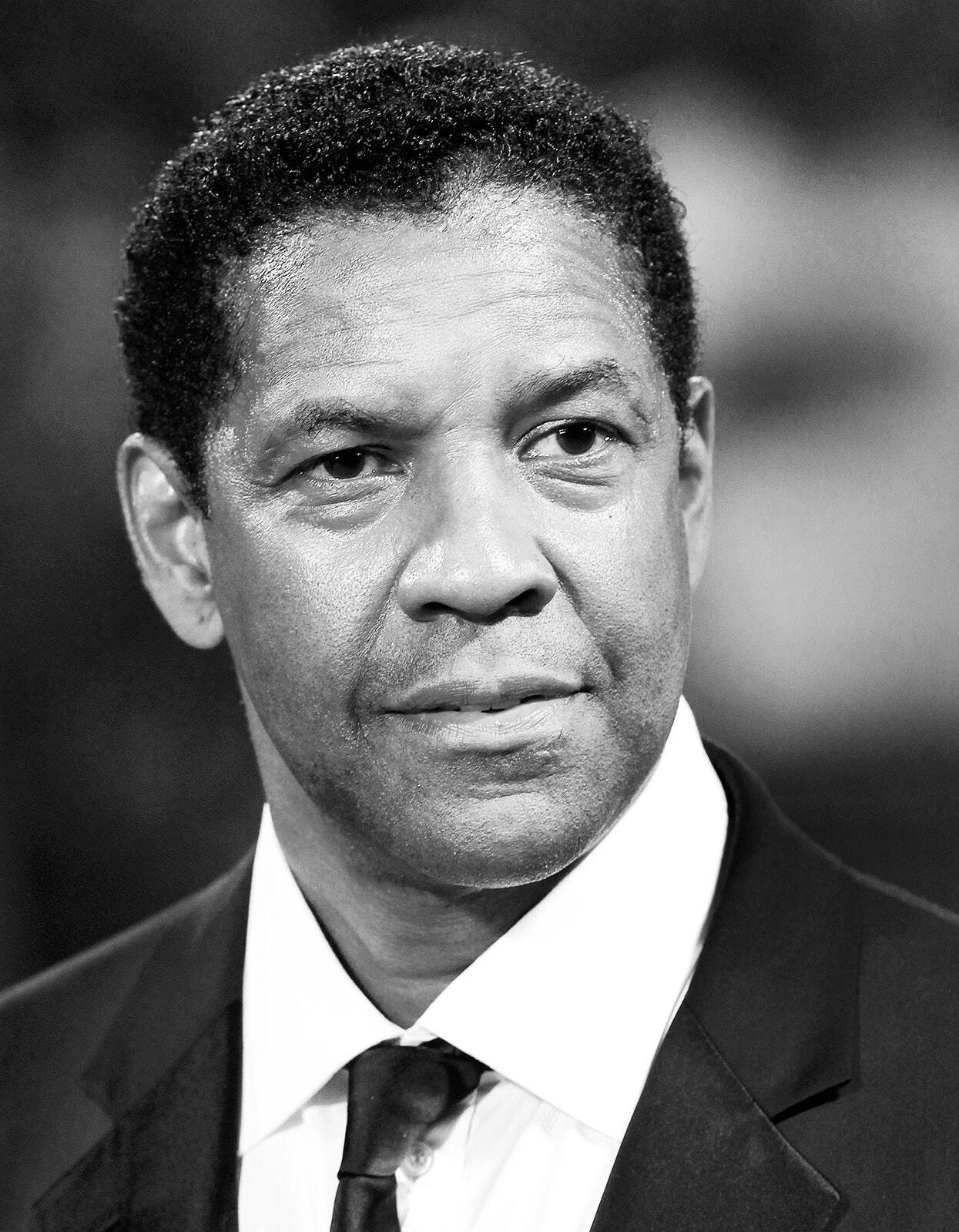
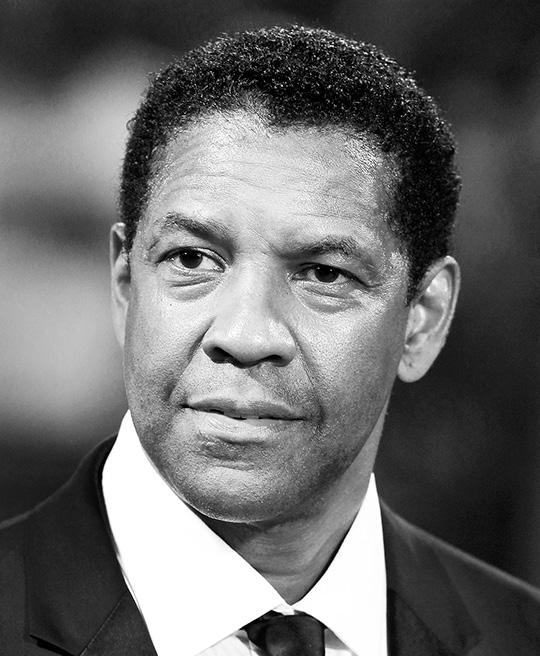
THERE ARE INDIVIDUALS WHO PURSUE VISIBILITY, AND THEN THERE ARE THOSE WHO COMMAND IT WITHOUT EVER ASKING FOR IT.
The distinction is not always obvious in the moment, but it becomes undeniable over time. It reveals itself through consistency, restraint, and a level of discipline that does not depend on recognition to remain intact. The life and career of Denzel Washington offer a clear and enduring example of this principle in practice.
His presence has never required amplification. It has never depended on constant exposure or strategic overextension. Instead, it has been built steadily, reinforced through performance, and sustained by a commitment to excellence that exists independently
of public attention. He does not chase relevance. He defines it through the quality of his work and the consistency of his approach.
This is not accidental. It is constructed. A Direction Discovered, Then Committed To Denzel Washington’s path into acting was not immediate or predetermined. Born in Mount Vernon, New York, he attended Fordham University, where he initially pursued journalism before discovering an interest in acting during his college years. What began as exploration quickly became intention, but intention alone was not enough.
He made the decision to pursue the craft seriously, continuing his training at the American Conservatory Theater. This period, like many early stages of disciplined careers, was not defined by recognition. It was defined by preparation. There were no guarantees. No immediate validation. Only the work.
Washington’s early career reflects a progression that is increasingly rare in an era that often prioritizes immediacy. His role in the television series St. Elsewhere provided visibility, but it did not define his trajectory. Instead, it offered an opportunity to develop consistency in performance, to refine presence, and to establish a standard that would later distinguish him from his peers.
His breakthrough role in Glory (1989), which earned him an Academy Award for Best Supporting Actor, marked a moment of recognition, but not a shift in approach. He did not accelerate recklessly in response to success. He did not compromise his standards for the sake of momentum.
He continued to build.
This distinction matters. Because it reflects an understanding that early recognition, while significant, is not the same as sustained excellence.
One of the most defining characteristics of Washington’s career is not simply the strength of his performances, but the discipline behind his decisions. Over time, he has demonstrated a consistent ability to select roles that require depth, complexity, and emotional range, rather than those that simply offer visibility.
His portrayal of Malcolm X in Malcolm X stands as one of the most powerful performances in modern cinema, not only for its historical significance, but for the level of transformation and control it required. It was not a role that could be approached casually. It demanded preparation, immersion, and a willingness to carry the weight of a figure whose legacy extends far beyond the screen.
Years later, his performance in Training Day would demonstrate an entirely different dimension of his ability, earning him an Academy Award for Best Actor. The role was complex, controversial, and deliberately unsettling, an example of his willingness to challenge expectations rather than conform to them.
These choices reflect a deeper principle. He does not select roles to maintain visibility. He selects them to maintain standard.
Beyond his work on screen, Washington’s influence is defined by something less tangible, yet equally
Washington’s impact on the industry, and on those who observe his career, is significant. He has contributed to shaping expectations around performance, professionalism, and leadership, particularly for actors navigating complex and often limited spaces.
powerful, his presence. In an industry that often rewards constant exposure, he has maintained a level of restraint that sets him apart.
He speaks when necessary. He engages when it matters.
But he does not overextend himself in pursuit of attention.
This restraint is not a limitation. It is a discipline. It reflects an understanding that presence is not created through frequency, but through consistency. That authority is not established through volume, but through clarity.
When he speaks, it carries weight. Not because he speaks often.
But because he speaks with intention.
As his career progressed, Washington expanded his influence beyond acting, moving into directing and producing while maintaining the same level of discipline that defined his earlier work. Films such as Fences and The Great Debaters demonstrate his commitment to storytelling that is both meaningful and grounded, reflecting a broader vision that extends beyond individual performance.
This expansion was not accompanied by dilution. He did not sacrifice quality for scale. He did not lower his standards to accommodate growth.
Instead, he extended his approach into new areas, ensuring that the same principles, discipline, intention, and consistency, remained intact.
Washington’s impact on the industry, and on those who observe his career, is significant. He has contributed to shaping expectations around performance, professionalism, and leadership, particularly for actors navigating complex and often limited spaces.
Yet this influence has never been positioned as a campaign. It has not been announced or amplified through constant declaration.

It has been demonstrated.
Through work. Through consistency. Through example. This is influence in its most durable form.
There is a clarity in Washington’s journey that extends far beyond film.
It challenges the assumption that success must be visible at every stage. It challenges the idea that relevance requires constant engagement. It challenges the belief that recognition must precede confidence.
His career reflects a different model.
One where preparation is continuous. Where discipline is non-negotiable. Where growth is internal before it is external. This is not a faster path.
But it is a stronger one.
There is something deeply instructive in the way Washington has navigated his career.
A refusal to compromise standard for speed. A willingness to build without immediate reward. A commitment to excellence that exists independently of outcome.
These are not traits that draw immediate attention. But they are the ones that sustain it.
Denzel Washington did not construct his career to be seen. He constructed it to endure.
Every role, every decision, every transition reflects a commitment to doing the work at a level that does not depend on recognition to remain meaningful.
And because of that, recognition followed.
Not as a goal.
But as a result. l

BY GADIEL

DESIGNER @jesusquintero578 BRAND @by.gadiel PHOTOGRAPHERS @jacksonjavierfotografia @lobo_ph MAKEUP AND STYLING @shirley.noriega MODELING AGENCY @garbo andclass_ MODELS @defreitas_marco @luis_dgm_7 @luisrojas_21 @daniel_villasmil @daniel.bacalhau17 @oskardjfv @zarenloyo1 @brenda_lvl @ossalejandra @keisalinares @janetzamedina @ge.goitia @nathalyjimenz












SUMMER HAS ALWAYS CARRIED A CERTAIN EXPECTATION. MOVEMENT. TRAVEL. ACTIVITY. NOISE. BUT THE STANDARD IS CHANGING.
THE NEW SUMMER IS NOT DEFINED BY HOW MUCH YOU DO. IT IS DEFINED BY HOW WELL YOU LIVE. IT IS QUIETER. MORE INTENTIONAL. MORE REFINED.
IT IS LESS ABOUT ACCUMULATION AND MORE ABOUT EXPERIENCE.
From Excess to Ease
There was a time when summer signaled excess. Overbooked schedules. Overpacked itineraries. Endless movement in pursuit of the next experience.
But excess, over time, becomes exhausting. The modern standard has shifted toward ease. Not inactivity. Not disengagement.
But thoughtful participation.
Choosing fewer experiences and enjoying them fully. Allowing space between moments. Creating rhythm instead of rush.


Intentionality is now the defining characteristic of elevated living.
It shows up in how you plan your time. How you design your space. How you choose where to go and who to be with.
Nothing is random. Nothing is forced.
The days of reactive living are giving way to deliberate choices.
Travel with purpose.
Gather with intention.
Rest without guilt.
The new summer is not filled. It is curated.
Outdoor living has moved from optional to essential.
Patios, terraces, balconies, and gardens are no longer afterthoughts. They are extensions of how we live.
The approach, however, has evolved.
Less decoration. More intention.
Clean lines.
Comfortable seating.
Natural textures.
Subtle lighting.
Spaces designed to be used, not simply admired.
Style is shifting toward restraint.
Light fabrics. Neutral tones. Effortless silhouettes.
Clothing that moves easily and feels natural.
There is confidence in simplicity.
No need for excess detail. No need for loud statements.
Quality and fit now speak louder than trend.
Dining has become more deliberate. Less frequency. Greater intention.
Longer meals. Better environments. Meaningful conversation.
Lighting, sound, and pacing now shape the experience as much as the food itself.
The focus is no longer just on what is served, but how it is experienced.
A more refined approach to summer requires discernment.
Not every invitation needs to be accepted. Not every moment needs to be filled.
Time and energy are considered together. What adds to the experience is kept. What does not is quietly removed.
Travel remains essential, but the approach has shifted. Fewer destinations. More depth.
Less rushing. More presence.
The goal is no longer to see everything. It is to experience something fully.
The new summer standard is not defined by external expectations.
It is shaped by personal preference.
It reflects how you choose to live, move, and experience the season.
And in that choice, summer becomes less about activity and more about alignment. l


SUMMER DOES NOT REQUIRE REINVENTION. IT REQUIRES REFINEMENT.
As temperatures rise and sunlight becomes more constant, the skin responds accordingly. Oil production shifts. Hydration fluctuates. Exposure increases.
And yet, many approach summer skincare with unnecessary complexity.
More products. More steps. More experimentation.
The truth is far simpler.
Summer skincare is not about doing more. It is about doing what matters with precision.
Sunlight is often positioned as the enemy.
But that perspective lacks nuance. The sun plays a role in overall wellness. It supports mood, regulates circadian rhythm,
and contributes to vitamin D production.
The issue is not exposure. It is overexposure.
According to American Academy of Dermatology, daily sun protection is one of the most effective ways to preserve skin health and prevent premature aging.
Board-certified dermatologist Dr. Shari Lipner explains: “Ultraviolet radiation from the sun can cause damage to the skin’s DNA, leading to premature aging and increasing the risk of skin cancer.”
This is not a seasonal suggestion. It is a daily discipline.
Protection Is the Foundation
Summer skincare begins with protection.
Not correction. Not recovery. Protection.
Broad-spectrum sunscreen, applied consistently and reapplied as needed, is the single most important step in any routine.
The American Academy of Dermatology recommends using a sunscreen with SPF 30 or higher, designed to protect against both UVA and UVB rays.
Dermatologist Dr. Mona Gohara reinforces this principle:
“Sunscreen is the closest thing we have to a fountain of youth.” It is not optional. It is foundational.
Hydration is often misunderstood. In response to summer heat, many increase product usage, layering creams and serums without considering what the skin actually needs.
But more is not better.
Skin requires balance. Lightweight, breathable hydration allows the skin to function without being overwhelmed. Ingredients such as hyaluronic acid and glycerin support moisture retention without excess heaviness.
Dermatologist Dr. Hadley King notes:


“Hyaluronic acid is a powerful humectant that draws moisture into the skin, helping it stay hydrated without feeling heavy.”
The goal is not saturation. It is equilibrium.
Summer is not the time to introduce complexity. It is the time to refine.
A simplified routine allows the skin to maintain stability despite environmental changes. Cleanse.
Protect. Hydrate.
Beyond that, every additional step should have a clear purpose.
Overcomplication leads to
irritation. Irritation leads to inconsistency.
And inconsistency undermines results.
Skin responds to consistency more than intensity.
Occasional treatments cannot compensate for daily neglect.
A disciplined routine, executed consistently, produces better outcomes than sporadic, aggressive approaches.
Dermatologists consistently emphasize that long-term skin health is built through repetition, not reaction.
This is particularly important in summer, when environmental stressors are constant.
Environmental Awareness
Summer introduces variables that cannot be ignored.
Heat. Humidity. Sun exposure. Increased time outdoors.
Each of these affects the skin differently.
Awareness allows for adjustment. Lighter formulations. More frequent cleansing when necessary. Increased attention to sun protection. Not dramatic changes. Thoughtful ones.
The most effective summer skincare routines share a common characteristic. They are disciplined. Not driven by trends. Not influenced by excess. But guided by understanding. Understanding what the skin needs. Understanding how it responds. Understanding when to adjust and when to remain consistent. This is what separates maintenance from mastery.
Summer places the skin in a more exposed position.
More visible. More affected by environment. More responsive to care, or the lack of it.
The approach; however, does not need to become complicated. It needs to become intentional. Protection. Hydration. Consistency.
Refined. Not excessive. l



TRAVEL HAS LONG BEEN ASSOCIATED WITH ESCAPE. MOVEMENT. EXPLORATION. EXPANSION. BUT SOMEWHERE ALONG THE WAY, IT ALSO BECAME SYNONYMOUS WITH STRESS.
Overpacked itineraries. Rushed departures. Disorganized packing. Exhaustion disguised as experience.
The modern traveler is beginning to shift away from this model.
The new standard is not simply travel. It is travel done well. Structured. Intentional. Controlled.
Because true luxury is not where you go. It is how you move.
Most travel stress begins before the journey ever starts. It begins with timing. Flights booked too tightly. Connections that leave no room for delay. Arrival times that disrupt rest rather than support it.
According to International Air Transport Association, delays and disruptions are a common part of modern air travel, making flexibility an essential part of planning rather than an afterthought.
Travel experts consistently emphasize the importance of building margin into your schedule. Arriving earlier. Allowing space between connections. Choosing departure times that align with your natural rhythm.
This is not inefficiency. It is strategy.
When timing is controlled, everything that follows becomes easier.
Packing is often approached casually.
Last-minute decisions. Overpacking. Items included “just in case.”
The result is predictable. Heavy luggage. Disorganization. Friction at every transition point. Professional organizers and travel experts emphasize that packing should be intentional.
Marie Kondo, known globally for her approach to organization, has consistently reinforced the value of simplicity and intentional selection:
“Keep only those things that speak to the heart, and discard items that no longer spark joy.”
Applied to travel, this principle becomes clarity.
Pack what is necessary. Pack what is versatile. Pack what supports the experience you are creating. Everything else is weight.
There is a misconception that structure limits experience. In reality, it enhances it.
When your logistics are clear, your time becomes available.
You are not thinking about what to wear. You are not managing unnecessary details. You are not solving avoidable problems.
You are present.
Structure removes friction. And when friction is removed, travel becomes what it was intended to be.
Effortless.
Travel is not just physical. It is energetic.
Airports, time changes, unfamiliar environments, and constant movement all require adjustment. Without awareness, this leads to depletion.
According to Centers for Disease Control and Prevention, travel fatigue and jet lag can significantly impact performance, mood, and overall well-being, particularly when rest and recovery are not prioritized.
The most effective travelers manage energy as intentionally as they manage logistics. They prioritize rest before departure.
They hydrate consistently. They avoid unnecessary scheduling. They understand that the experience is only as good as the energy they bring to it.
One of the most significant shifts in modern travel is the move toward less.
Fewer destinations. Fewer commitments. Fewer obligations within each day.
This is not limitation. It is refinement.
Traveling well means allowing time to experience a place, not simply move through it.
Longer meals. Slower mornings. Space to observe.
When every moment is scheduled, nothing is experienced fully.
When space is introduced, everything becomes more meaningful.
Each destination introduces its own rhythm.
Climate. Culture. Pace.
The traveler who adapts to that rhythm moves more easily.
The traveler who resists it creates friction.
This is where awareness becomes essential.
Understanding when to move. When to pause. When to engage. Not forcing your pace onto the environment, but aligning with it.
Travel without chaos is not accidental. It is the result of decisions made in advance.
Thoughtful timing. Disciplined packing. Intentional energy management. These are not restrictions. They are refinements that elevate the entire experience.
The goal of travel is not to return exhausted. It is to return enriched.
Clearer. More present. More aware.
That outcome is not determined by distance or destination. It is determined by how you approach the journey itself. When travel is structured, intentional, and refined, it becomes something more than movement.
It becomes restoration. l





THERE ARE RESTAURANTS YOU VISIT. AND THEN THERE ARE RESTAURANTS YOU ARRIVE AT. BORN & RAISED BELONGS FIRMLY IN THE LATTER CATEGORY.
Located in the heart of Little Italy, this modern steakhouse has redefined what it means to dine with presence. It is not simply about food. It is about atmosphere, control, and the unmistakable feeling that you are exactly where you are supposed to be.
Developed by CH Projects, a hospitality group known for creating immersive dining environments, Born & Raised is a deliberate reinterpretation of the traditional American steakhouse, elevated, polished, and unmistakably contemporary.
Born & Raised does not position itself as casual dining. It is an experience, and it is priced accordingly.
Premium cuts of steak, curated cocktails, and an expansive wine list reflect a commitment to quality over accessibility. The value, however, is not limited to what is on the plate.
It is in the consistency of service. It is in the pacing of the meal. It is in the attention to detail that ensures nothing feels rushed or overlooked.
For those who understand that value extends beyond cost, the experience justifies itself.
Ambiance is where Born & Raised separates itself immediately.
The interior draws inspiration from classic steakhouse design, rich woods, leather seating, and warm lighting, while introducing modern elements that prevent it from feeling dated.
There is intention in every detail.
The lighting is low, but not dim. The music is present, but not intrusive. The energy is elevated, yet controlled.
The rooftop dining area adds another layer to the experience, offering open-air seating that captures the essence of San Diego evenings without sacrificing sophistication.
This is a space designed not just to host guests, but to position them.
The menu reflects a clear understanding of its identity. This is a steakhouse first. And it delivers accordingly.
Dry-aged cuts, expertly prepared, form the foundation. Supporting selections, from seafood to sides, are executed with precision, not excess.
There is no attempt to overcomplicate. No unnecessary reinvention of classics.
Instead, the focus remains on quality, preparation, and presentation.
The cocktail program is equally considered, offering both traditional and contemporary options that complement the experience without overshadowing it.

Situated in Little Italy, one of San Diego’s most vibrant neighborhoods, Born & Raised benefits from a location that is both active and refined.
The surrounding area offers a blend of energy and accessibility, with walkable streets, nearby dining, and a consistent sense of movement.
From the rooftop, the city becomes part of the experience. The view is not expansive in the traditional sense, but it is engaging. It feels connected.
This is not isolation. It is integration.
Location matters, particularly for a restaurant positioned as a destination.
Born & Raised delivers on this expectation. Its placement in Little Italy ensures visibility, accessibility, and relevance. It is easy to reach, easy to identify, and easy to recommend.
More importantly, it sits within a district that aligns with its identity, upscale, energetic, and intentional.
Born & Raised is not attempting to be everything. It knows exactly what it is.
A modern steakhouse. A social environment. A place where presence matters.
It delivers a dining experience that feels structured without being rigid, refined without being inaccessible, and elevated without being overstated.
For those seeking a summer destination that combines atmosphere, quality, and intention, Born & Raised stands as a clear and confident choice.l




DESIGNER AND PHOTOGRAPHY
ALDRIN AYUSO @aldrinayuso MODEL ISA GUEVARA @isagvara

BY ALDRIN AYUSO






BY ALDRIN AYUSO



Adecision to remain where you are. A decision to defer your voice. A decision to allow others to define when and how you move.
Most people do not recognize this moment when it arrives. They believe they are being patient. They believe they are being strategic.
In reality, they are waiting for permission that will never come.
It rarely announces itself. It shows up in small ways.
Holding back a perspective in a meeting. Delaying a decision you already understand. Waiting for validation before taking action. These moments feel responsible. Measured. Thoughtful.
But over time, they form a pattern.
And that pattern becomes a habit of deferral. You begin to look outward for signals. Approval. Agreement. Alignment. Not because you lack clarity.
But because you have conditioned yourself to believe that clarity alone is not enough.
There is a misconception that authority is something that is given.
That it arrives with a title. That it is confirmed by recognition. That it is granted once you have proven yourself enough times.
That is not how it works.
Titles formalize authority. They do not create it. Recognition reflects authority. It does not establish it.
Authority is a posture.
It is the willingness to stand in what you know before it is acknowledged by others.
Waiting feels safe.
It protects you from criticism. It delays exposure. It gives the impression of caution.
But it carries its own cost.
Opportunities pass quietly.
Decisions are made without your input.
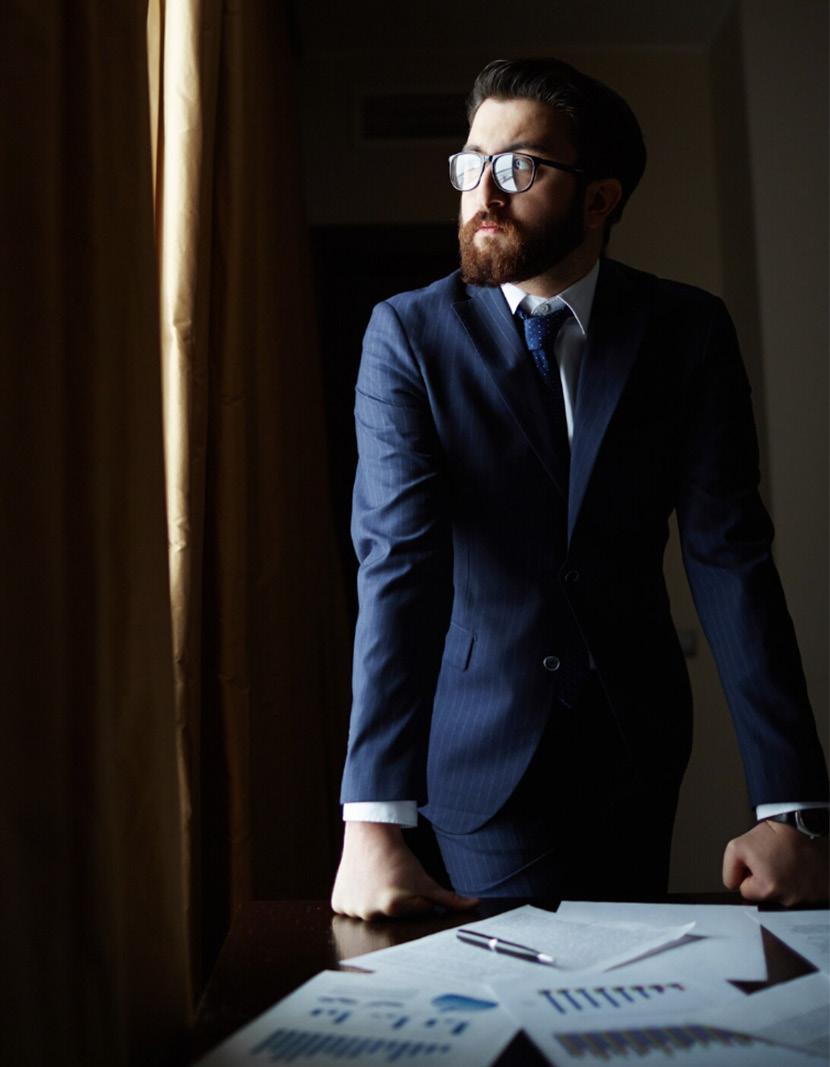
THERE COMES A POINT WHEN WAITING BECOMES A DECISION. NOT A PAUSE. NOT PREPARATION. A DECISION.
nWRITTEN BY WILLIAM T. JACKSON, ABA, B.ACY., MBA, 2018 FOLIO: 100 HONOREE, FORBESBLK MEMBER

THERE WILL ALWAYS BE ANOTHER PERSPECTIVE. ANOTHER CONCERN. ANOTHER REASON TO DELAY. THOSE WHO LEAD UNDERSTAND THIS. THEY LISTEN. THEY CONSIDER. AND THEN THEY DECIDE.
Momentum shifts to those who are willing to act. And over time, the cost compounds. Not dramatically. But steadily.
You do not need perfect information to move forward.
You need sufficient clarity. Clarity about your standards. Clarity about your direction. Clarity about what matters.
When those are established, decisions become simpler.
Not easy. But clear. And clarity removes the need to wait for someone else to confirm what you already understand.
Consensus is often mistaken for alignment. It is not the same.
Consensus requires agreement. Alignment requires direction.
If you wait for agreement from every voice, you will rarely move.
There will always be another perspective. Another concern. Another reason to delay. Those who lead understand this. They listen. They consider. And then they decide. Not because everyone agrees. But because the moment requires movement.
At the center of this conversation is trust. Not trust in systems. Not trust in outcomes. Trust in yourself.
Your ability to assess. Your ability to decide. Your ability to adjust when necessary. Without that trust, every decision feels uncertain. With it, you move with conviction. Not arrogance.
Conviction.
There is a belief that readiness is something you eventually reach.
That one day you will feel fully prepared. Fully confident. Fully certain. That day rarely comes.
Readiness is not a feeling. It is a decision.
A decision to move with what you know. To learn as you go. To refine through action rather than delay.
There is a different way to operate. One that does not rely on external validation. One that does not require constant confirmation. It is quieter. More direct. More disciplined. You assess. You decide. You move.
And you accept responsibility for the outcome. Not because it is guaranteed. But because it is yours.
When you stop waiting for permission, something shifts.
You become more decisive. More present. More accountable. You engage differently. You contribute differently. You lead differently. Not because your circumstances have changed. But because your posture has.
No one is coming to authorize your next move. No one is responsible for confirming your readiness. No one is tracking whether you are prepared enough to begin.
That responsibility is yours.
And once you accept it, waiting is no longer an option.
It is a choice you no longer need to make.l





THERE ARE CHANGES IN LIFE THAT ARRIVE WITH CLARITY.
Anew role. A new city. A visible shift that signals something has ended and something else has begun.
And then there are the changes that happen quietly.
So quietly that we do not recognize them until long after they have already taken place.

The Gradual Exit
Most things do not leave all at once. They fade.
A conversation that becomes less frequent. A routine that no longer holds the same weight. A place you once visited often that you have not thought about in months. There is no formal ending. No announcement.
Just distance.
And in that distance, something has already shifted.
We often believe that identity changes in defining moments.
But more often, it evolves in repetition. In what we continue to engage with. And in what we quietly release.
The interests that once defined us begin to feel unfamiliar. The environments that once felt natural begin to feel misaligned.
Not because they have changed.
But because we have.
There comes a point when certain things no longer fit the life you are building. Not dramatically. Not abruptly. But clearly.
A conversation that feels forced. An expectation that feels unnecessary.
A version of yourself that feels incomplete. These are not failures.
They are signals.
Signals that something has reached its natural conclusion.
One of the clearest indicators of change is the absence of resistance.
What once required effort to leave behind begins to release on its own.
You stop explaining. You stop revisiting. You stop trying to recreate what no longer aligns. There is no conflict.
Only recognition.
Not all relationships end.
Some simply evolve into distance. There are people who were once central to your daily life who now exist as memory, not presence.

YOU STOP EXPLAINING. YOU STOP REVISITING. YOU STOP TRYING TO RECREATE WHAT NO LONGER FITS. THERE IS NO CONFLICT. ONLY RECOGNITION.
There is no tension. No disagreement.
Just a quiet understanding that the connection no longer operates in the same way. This is not loss in the traditional sense. It is transition.
Letting go is often viewed as an action. A decision. A moment of resolve.
But more often, it is a process. A series of small decisions made consistently over time.
Choosing not to return to what no longer serves you. Choosing not to re-engage in what no longer aligns. This is discipline.
Not loud. Not visible. But present.
As we leave things behind, we are also creating space. Space for clarity. Space for new experiences. Space for a version of ourselves that is more aligned with who we are becoming.
This space is often uncomfortable at first. It feels unfamiliar. Unstructured. But it is necessary.
Because without space, there is no capacity for change.
There is a level of awareness that develops over time. You begin to recognize when something has run its course.
Not through force.
But through feeling.
A quiet understanding that something no longer requires your energy.
And with that understanding comes a different kind of confidence.
Not in holding on.
But in releasing.
Not everything is meant to be carried forward. Some things serve their purpose and then quietly exit.
Experiences. Relationships. Expectations. What remains is what aligns. What continues to support you. What evolves with you. What feels natural to maintain.
Change is often associated with action.
But there is another side to it.
The side that is defined not by what we pursue, but by what we allow to fall away.
This is where growth becomes less visible, but more meaningful.
Less about addition.
More about refinement.
There are things you have already left behind. Not intentionally. Not dramatically. But naturally.
And in that quiet transition, something important has taken place. You have moved forward.
Not by force.
But by becoming someone who no longer needs to carry what once felt necessary. l


THERE IS A VERSION OF GROWTH THAT DOES NOT INTRODUCE ITSELF.
It does not arrive with explanation. It does not request acknowledgment. It does not pause to ensure it has been seen. It simply happens.
And in happening, everything begins to change.
There is a stage in life where performance feels necessary. You explain your decisions. You justify your direction. You make sure others understand the path you are taking.
It feels responsible. It feels respectful.
But over time, something shifts. The need to explain begins to fade.
Not because you no longer care. But because you no longer require validation to move forward.
Becoming without announcement does not mean disappearing. It means redefining visibility. You are no longer visible to be recognized. You are visible when it serves a purpose.
You do not share every step. You do not document every change.
You allow progress to develop before it is presented. This is not secrecy. It is discipline.
Growth That Is Felt, Not Declared
There is a difference between stating who you are becoming and embodying it.
One requires words. The other requires consistency.
When growth is real, it does not need to be introduced. It becomes evident in how you think. How you respond. What you tolerate. What you no longer engage with.

THERE’S A NOTICEABLE DIFFERENCE BETWEEN THOSE WHO PROGRESS WITHOUT ANNOUNCING IT.
THEY’RE NOT ABSENT. THEY’RE PRECISE.
People may not immediately recognize what has changed. But they feel it.
As this evolution takes place, your energy changes.
You move differently. You speak with more intention. You react less. Situations that once required your attention no longer do.
Conversations that once pulled you in no longer hold the same weight.
This is not detachment. It is alignment.
One of the most defining aspects of this stage is the release of a familiar habit.
The need to be understood by everyone.
There is a quiet confidence that replaces it.
You understand your direction. That becomes enough.
Others may agree. They may not. But your movement is no longer dependent on their recognition.
When you stop announcing every step, you remove interruption.

No external opinions shaping your pace. No unnecessary input redirecting your focus. You begin to build in a way that is uninterrupted. This creates momentum. Not the kind that is visible immediately. The kind that compounds over time.
Not everything needs to be shared.
Not every decision needs to be discussed.
Privacy becomes a form of protection.
It allows ideas to develop fully. It allows direction to solidify before it is exposed to external influence. This is not about withholding. It is about preserving clarity.
There is a noticeable difference in those who are becoming without announcement.
They are not absent. They are precise.
When they speak, it carries weight. When they move, it is intentional. There is no urgency to prove. N o need to convince.
The external world may not recognize the shift immediately. But internally, everything has already changed.
Standards become clearer. Boundaries become stronger. Decisions become cleaner. And from that internal clarity, external change eventually follows.
There is nothing wrong with visible growth.
But there is a different kind of evolution that does not rely on visibility at all. It is quieter. More controlled. More grounded.
It does not need to be seen to be real.
Only alignment between who they are and how they operate.
At some point, growth becomes less about showing and more about becoming.
Less about being recognized and more about being aligned. And when that shift takes place, the need to announce it disappears. Because the work is no longer for observation.
It is for you. l