
February 2026
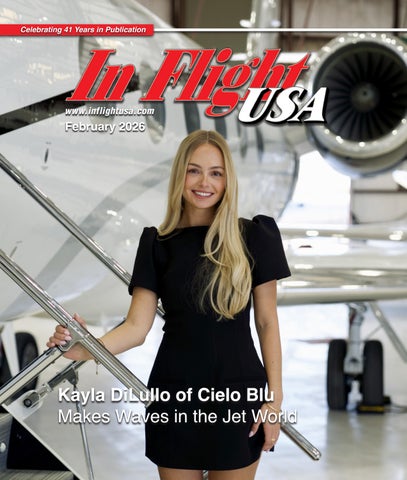
Kayla DiLullo of Cielo Blu Makes Waves in the Jet World



February 2026
To list your group’s event on a space available basis, please send your event notice with date, time, place w/city and state, contact name, and phone number to: Calendar, In Flight USA, P.O. Box 5402, San Mateo, Calif. 94402, or email vickie@inflightusa.com.
Note: Calendar includes only information available by our press date. Confirm the status before attending.
Feb. 5: Glen Miller Orchestra, National Naval Aviation Museum, Pensacola, Fl, navalaviationmuseum.org
7: Hangar Talk, Planes of Fame Museum, Chino, CA, Flight of the Republic P-47G Thunderbolt, planesoffame.org
13-15: Buckeye Air Fare & AOPA FlyIn, Buckeye, AZ
14: Love is in the Air, Aerospace Museum of California, McClellan Park, CA aerospaceca.org
14: Glimmer, Galaxy, Gala, Tulsa Air and Space Museum, Tulsa, OK
14: After Dark: Swing the Night Away, Riverside, Ohio, airforcemuseumfoundation.org/events/
15: WBCA Stars & Stripes Air Show Spectacular Sponsored by Miller Lite, Laredo, TX
21: Aviation History of El Segundo, Western Museum of Flight, Torrance, CA, www.wmof.com
20-21: US Aircraft Expo, Naples, FL, usaircraftexpo.com
28: Community Aviation Day, Da Vinci Schools, El Segundo CA
March 14: Yuma Airshow 2026, MCAS Yuma, AZ, USMC F-35B Lightning II, USMC MV-22 Osprey, AAHF/Sky Soldiers, Ace Maker Airshows, Air Oshinuga, Commemorative Air Force, KC Flight Formation Team, Matt Jolley, Airshow Announcer, Planes of Fame Air Museum, Precision Exotics, Smoke-nThunder Jet Shows, Tora Tora Tora
14: NAF El Centro Festival of Flight, NAF El Centro, CA, elcentroairshow. com
20-21: Bluebonnet Airshow, Burnet, TX, 21-22: Luke Days Air Show and Open House, Luke AFB, AZ, U.S. Air Force Thunderbirds
21-22: NAS Lemoore Air Show 2026, Lemoore, CA, Blue Angels, https:// lemoore.navylifesw.com/lemooreairshow
27-28: US Aircraft Expo, Houston, TX, usaircraftexpo.com
28: Fiesta of Flight Laughlin AFB, TX F-35A Lightning I, Demonstration Team, Ace Maker Airshows, www.laughlin. af.mil/Fiesta-of-Flight-2026/
28-29: Shaw Air & Space Expo, Shaw AFB, SC, US Thunderbirds
28-29: NAS Meridian Air Show, NAS Meridian, MS U.S. Navy Blue Angels, F-22 Raptor Demonstration Team, U.S. Army Parachute Team Golden Knights, wingsovermeridian.com
April 10-11: US Aircraft Expo, Manassas, VA, usaircraftexpo.com
14-19: SUN ‘n FUN Aerospace Expo, Lakeland, FL, U.S. Air Force Thunderbirds, F-22 Raptor Demonstration Team, www.flysnf.org
17-18: 2026 WASP Homecoming, WASP WWll Museum, Sweetwater, TX, waspmuseum.org
18: Thunder Over Louisville, Louisville, KY F-16 Viper Demo Team, Ace Maker Airshows, thunderoverlouisville. org
18-19: Wings Over South Texas Air Show, NAS Kingsville, TX, U.S. Navy Blue Angels, Tora Tora Tora
18-19: Holloman AFB: Legacy of Liberty, Holloman AFB, NM F-35A Lightning I, Demonstration Team, U.S. Army Parachute Team Golden Knights, www.holloman.af.mil
24-26: Carolina Beach Airshow Carolina Beach, NC, Warbird Thunder Airshows
25-26: Wings Over Solano, Travis Air Force Base, CA, USAF Thunderbirds, www.WingsOverSolano.com
25-26: Vidalia Onion Festival Air Show, Vidalia, GA, U.S. Navy Blue Angels, Ace Maker Airshows
MAY
May 1-3: Red, White and Blue Airshow, Monroe, LA, F-35A Lightning I| Demonstration Team, Dacy Airshows, GhostWriter Airshows, Titan Aerobatic Team, Younkin Airshows, Inc.
2-3: Charleston Airshow “Heroes of Flight”, JB Charleston, SC, U.S. Navy Blue Angels, jbcharleston.com/airshow/ 15-16: US Aircraft Expo, Nashville, TN, usaircraftexpo.com
17-18: Golden Isles Airshow, Brunswick, GA, US Navy Blue Angels, hgoldenislesairshow.com


By Kayla DiLullo
A new name is taking flight in the world of aircraft sales and acquisitions.
Arcadia Jets, headquartered in Phoenix, Arizona, officially launched in January 2025 with a bold mission: to make an immediate, positive impact on the business aviation industry through a combination of integrity, innovation, and giving back.
When I last appeared on the cover of this magazine, Cielo Blu was in a period of rapid growth, expanding our footprint, building relationships, and strengthening our reputation as a trusted aviation partner. Since then, I’ve taken time to step back, look closely at where we’ve been most impactful, and make intentional decisions about how we continue to grow from that foundation.
Founder Adam Hahn, with more than 20 years of experience in aircraft brokerage and acquisitions, Arcadia Jets was built on a simple but powerful philosophy — put the client first and do business differently.
Today, Cielo Blu remains deeply committed to the full spectrum of aircraft sales, including piston aircraft, while also expanding our presence in high-level aircraft brokerage and jet acquisitions. As our client base and capabilities have grown, so has our involvement in turbine and jet aircraft
Doing Things Differently
From day one, Arcadia Jets set out to stand apart from traditional brokerage firms. Every transaction is handled with transparency, data-driven market analysis, and a focus on long-term re-
lationships rather than one-time deals.
transactions, including platforms such as Gulfstream, Dassault Falcon, and Cessna Citation
We see these aircraft not as problems, but as opportunities (with the right team behind them).
“We wanted to create a company that clients could truly trust,” said Hahn, CEO/Founder of Arcadia Jets.
“Our goal is to combine expert market knowledge with genuine, personal service — ensuring that each client feels valued and confident through every step of their aircraft transaction.”
This isn’t a departure from who we are — it’s a natural progression. Our goal has always been to meet owners where they are and support them as their aviation needs evolve. Whether that means a first aircraft purchase or a complex jet transaction, our role is the same: to provide honest guidance, market insight, and representation built on trust.
Whether handling an acquisition, listing a client’s aircraft, or facilitating an off-market opportunity, Arcadia Jets tailors its strategy to each client’s unique needs and goals.
A Commitment to Giving Back
client acquisition, sale, or off-market transaction, a donation will be made to Angel Flight West.
Angel Flight West is a nonprofit organization that arranges free, non-emergency air transportation for people facing medical and humanitarian needs throughout the western United States.
“We built philanthropy into our business model from the beginning,”
One area where Cielo Blu has become especially active is in the acquisition and transformation of underutilized or abandoned jet aircraft Across the world, there are aircraft sidelined by deferred maintenance, ownership changes, or stalled plans.
Working alongside the highly regarded Threshold Aviation Group, we are able to bring these projects to life properly and professionally. From maintenance recovery and planning to full refurbishment and interior or exterior transformations, our collaboration allows aircraft to be returned to service with renewed value and purpose. These are complex projects that demand technical expertise, coordination, and vision, and we take pride in seeing them through.
Arcadia Jets believes that aviation can be a force for good — both in business and in the community. To reflect that, the company pledged that for every aircraft sold, whether through a
Leslie Mogensen, Director of Business Development continued. “Our partnership with Angel Flight West ensures that every deal we complete also helps someone in need. It’s our way of giving back through the gift of flight.”
Rapid Growth and Expansion

We are actively pursuing acquiring or partnering on jet aircraft in need of maintenance, refurbishment, or repositioning, no matter where
In its first year, Arcadia Jets has already begun expanding its team and capabilities. The company recently wel-

Arcadia Jets is proud to bring to gether a team whose collective expertise spans every corner of the aviation market. Their newest members contrib-
A blue and white Tecnam Sierra MK II flies over a Mediterranean coastal village.(Photo Courtesy of Cielo Blu)
Continued on Page 9
Continued on Page 27
























The title of this month’s meanderings, as related to training and safety, does not disclose the actual topic to be covered, which is distractions and loss of control. It does, however, give one a hint as to how this writer became acutely aware of distractions, which can lead to an unintended (and often surprising) loss of control. Let’s start at the beginning.
It was in the early mid-1960s when I received an invitation from a friend to join him at a well-known glider airport about 40 miles north of my home airport, Van Nuys, Calif. Located in a picturesque valley at the southern edge of the Sierra Nevada Mountain Range, Tehachapi Airport was now the home of my friend’s recently acquired Schweizer S2-32. This new design was considered quite special when first introduced, being three-place and having outstanding performance. This invite rekindled my desire to fly gliders.

Founder
Publisher/Editor
Buonocore
Buonocore
Managing Editor .............................................................Annamarie Buonocore
Production Editors ...................................................Matt DuBois, Steve Pastis
Associate Editors...... Paul T. Glessner, Nicholas A. Veronico, Sagar Pathak
Staff Contributors ..............S. Mark Rhodes, Larry Nazimek, Lea Buonocore
Columnists...Eric McCarthy, Ed Wischmeyer, Denise DeGregoire, Ed Downs
In Flight USA is published each month by In Flight Publishing. It is circulated throughout the continental United States. Business matters, advertising and editorial concerns should be addressed to In Flight USA, P.O. Box 5402, San Mateo, Calif. 94402 or by calling (650) 358-9908–fax (650) 358-9254. Copyright © 2008 In Flight Publishing.
In Flight USA is not responsible for any action taken by any person as a result of reading any part of any issue. The pieces are written for information, entertainment and suggestion – not recommendation. The pursuit of flight or any action reflected by this paper is the responsibility of the individual and not of this paper, its staff or contributors. Opinions expressed are those of the individual author, and not necessarily those of In Flight USA
All editorial and advertising matter in this edition is copyrighted. Reproduction in any way is strictly prohibited without written permission of the publisher.
In Flight USA is not liable or in any way responsible for the condition or airworthiness of any aircraft advertised for sale in any edition. By law the airworthiness of any aircraft sold is the responsiblity of the seller and buyer.
With opportunity afoot, in that the airport at Tehachapi sported an outstanding glider school, the invite could not be refused. Planning to fly my plane to meet my friend at Tehachapi, I would have time to take an intro lesson before enjoying the experience of flying the S2-32. All in all, a good plan.
Upon arriving, I was introduced to a classic training glider, the Schweizer 2-22, a classic tube and rag trainer. Not known for being a high-performance glider, it was (and still is) highly respected as a safe, rugged, trainer. I had prepped with a lot of reading and my glider CFI provided a great preflight briefing. The first “tow” was exhilarating, quickly learning the techniques of “high tow,” “low tow” and toe line management should one end up with a slack line, potentially dangerous. First impression… it was so quiet that I could hear cattle “mooing” on the ground beneath me! Following a few minutes of “ridge soaring” and learning how to recognize a thermal (bub-
ble of hot air) and we headed back to the airport. Having learned to fly with the tradition of a 180 turn from downwind, with power off, throughout the approach and landing, adapting to a glider (especially with spoilers available) was simple and effective. Surprisingly, that first flight lasted less than 30 minutes. We hooked up for a second flight immediately, following much the same routine. Upon landing, my CFI suggested I solo this great little bird, a challenge I happily agreed to, with little more than a trip around the pattern. No “mooing cows” this time, replaced by being able to hear my instructor “yelling” instruction from the ground!
Now the real fun began! The school owner felt that my next adventure should be in the single place Schweizer S1-26. While not high-performance by today’s standards, this great little glider was sleek, all metal and is the perfect glider for sport flying. It remains very popular with classic glider fans and is a common sight at glider schools around the country. After an exciting tow (I let the tow line go slack), I cut loose at about 2000 feet AGL and headed for a ridgeline. It was then that I saw what appeared to be a mated pair of Golden Eagles slowly circling below me, wings outstretched (seven- to eight-foot span!) to optimize the thermal they were riding, probably looking for lunch. I wondered, could I join them in their thermal, staying far enough away to avoid an attack (yes, they will attack an intruding airplane) but close enough to catch their “up air.”
Sliding over into their airspace, my slow descent stopped and I was truly “soaring with the eagles.” Astonished by the experience, I failed to notice the onset of a slight “rumble” in the airframe (airflow breaking lose from the upper surface of the wing). The
Continued from Page 6
“rumble progressed to a buffet and, sure enough, I stalled. Having moved in close to my soaring companions, my speed had unknowingly dropped below my 55 mph optimum (minimum sink) as I unconsciously tried to duplicate the “eagle speed” of about 30 mph. My S1-26 slowly pitched nose down with a slight roll. Immediately recognized, recovery was no problem, but a lesson was implanted that remains to this day. Bottom line, when flying in an airplane FLY THE PLANE! The first of two inadvertent stalls that would punctuate my career, the possibility of becoming distracted had moved to the front of this writer’s conscious mind, teaching a lesson that has stuck with me to this day.
Loss of control is considered the number one safety issue in aviation today: most often, the result of inattentiveness resulting in an unanticipated
stall. My experience was classic by today’s standards, saved only by altitude (chosen by much smarter Eagles) and a gentle flying machine. The “unanticipated stall” is most often attributed to some form of distraction. In my case, the distraction was of my doing, and external. Times have changed.
In today’s world of Technically Advanced Aircraft (TAA) or older planes that have been upgraded to incorporate elements of advanced technology, it could be said that the greatest “distraction” faced by many pilots is the airplane itself. Interesting to note, a test question in the IFR written exam is presented with the conclusion that advanced technology “simplifies many elements of flying” but that advanced technology also has a downside. Frankly, the concept that advanced technology “simplifies” flying is missing the point. To be sure, cruising at altitude, with the autopilot engaged and
Continued on Page 9















Continued from Page 7
tracking a nav system is making your immediate task of flying the plane easier. But what did it take to get you to that point of automated bliss? What mode of the autopilot are you using, is an altitude function engaged, and if so, which one? You may have up to four nav systems in your plane… is the autopilot engaged to the correct source? Which visual mode are you using on your primary flight display… an old HSI image or maybe a moving map? And how much time (and distraction) was involved in getting everything set up. Keep in mind that professional aviation most often has two pilots driving the plane, or are they? NASA ASR reports (ASRS CALLBACK - Aviation Safety Reporting System) and the ASR summaries contained in the NASA publication “CALLBACK” indicate that the number two pilot (First Officer) of most professional flying (airline and charter) is mainly tasked with programming the plane’s digital systems and related performance tools. Have you noted that in both media news and FAA safety programs, runway incursions and taxiway conflicts are very much on the upswing? Airlines continue to “modify” the shape of wing tips when operating from narrow taxiways and maneuvering around the terminal. All too often, the First Officer is “heads down” attending to programming and the Captain is engaged in making sure the F/O gets it right. While events on the ground are seldom classified as “loss of control,” this writer believes the “loss of situational awareness” is a close relative. Is this writer opposed to technology… heck no. As a flight test engineer, I engaged in developing much of it. But this old pilot was taught lessons by those birds. In short, be aware that distraction can lead to an unpleasant event. If one consciously avoids, or manages distractions, you put the brakes on the possibility of poor consequences. A friend and factory test plot for Beechcraft shared an interesting comment in a FIRC class I
taught in Wichita. This gent also conducts test flights on customer planes that have returned to the factory for major maintenance or upgrades. His comments included, “When assessing a plane brought in by a customer, I always hook up ground power and reset all the avionics and engine parameter displays to their original factory default settings. Today’s electronics allow for a lot of customization, which can be confusing and distracting. I create a test card that specifically outlines what I intend to accomplish on a specific flight and stick to that card. If the avionics are unfamiliar to me, I preplan the modes I wish to explore and even write my own check list as to how to get into a specific mode and, more importantly, how to get out of it. There is no room for creativity when flying. Plan the flight and fly the plan.” Not a bad way to approach flying, eh?
Over the years, this writer did a lot of test flying, sort of goes with the territory when you own an airplane company. To keep distractions at bay, I would wear a bright red baseball cap any time I was about to fly, keeping in mind that I do not typically wear a hat. It was always the same red cap. The very act a placing that cap on my head was a tactile way of me reminding myself that I was about to challenge the gods of fate. My employees were instructed to NEVER approach me with any subject unless it was specific to that flight. Yes, maybe showing a bit of my compulsive behavioral tendencies, but psychologically it screamed the message, “IT IS SHOWTIME!” Do you have a “showtime” drill? Do you program your avionics during taxi? Do you set up your comm radios 20 miles from the airport, or try to get ground control set up turning base to final?
By the end of the day, I had become a fast friend of the S2-32 and firmly in love with soaring. But I often wonder, did those two eagles laugh their feathered butts off when they saw me “rumble” my way out of formation, or did they do that on purpose, hoping for an easy meal? Maybe both?



Editorial commentary typically has a “trigger.” In other words, an event, news reports, new rule, stupid statement by a politician (a gold mine for topics) or personal experience will trigger a thought process that morphs into editorial dialog. The topic of this month’s editorial view is no different, although the trigger came from a somewhat different source. A good friend, (retired high school teacher of physics, math, and astronomy) sent a link to a website that both he and I follow, www.spaceweather.com. Okay, so this writer is a tech geek, but Space Weather does carry fascinating articles regarding our solar system, solar activities, and subjects like the risk of the red supergiant star “Betelgeuse” (in the Orion constellation) going super nova and destroying all life on Earth as we know it. I wonder if that would include politicians … do they qualify as life? Sorry, I drift. Back to aviation, sort of. The article in question was quite matter of fact with no sense of alarm. It related to an “ex
treme” geomagnetic storm that occurred from May 10-14, 2024. What is a “geomagnetic storm? The short version is “a geomagnetic storm is a major, temporary disturbance of the Earth’s magnetosphere caused by solar wind efficiency and Coronal Mass Ejections (CME’s) from the sun or… “a thousand plus hydrogen bombs blowing up simultaneously in the Sun’s atmosphere and we get the results.” The article goes on to say that scientists who follow such events noticed an anomaly that occurred within the European Air Traffic Control system at the time of this CME. The study pointed out that up to 53 percent of GPS satellite links failed below a latitude of 50 degrees North (that is us, folks) during daylight hours. For several days, airliners flying over Europe miss-reported their locations by more than 100 miles, sending out incorrect
have resulted in positional conflicts.
Now, do I have your interest? While most pilots and ATC controllers continue to use “radar” terminology, ADS-B is NOT radar. ADS-B is dependent upon GPS calculations transmitted from your plane to ground based towers, not a radar antenna. The article did not seem to be alarmed but did rather casually suggest: “Flying during an extreme geomagnetic storm may not be a great idea.” The article concluded with, “Fortunately, there were no mishaps. Aviation safety is built on layers, and ADS-B is only one of them. Conventional radar surveillance remained available around airports, and pilots retained full control of their aircraft. In most cases, they could simply look out the window and see exactly where they were. Stronger and longer storms could cause more problems.”
Obviously, the author of this short article has never tried to follow a railroad track or road from 40,000 feet. As pointed out by my schoolteacher/astronomy
friend, “Most Gen X, Gen Z and Gen A members are hard pressed to follow a road map.” Maybe a backup plan a bit more sophisticated than looking out the window is called for?
The Space Weather article’s comment about navigation being “multi-layered” caught this writer’s attention… and concern. Do you fly with a multi-layered navigational process? Back in the day, it was taught that one should always have three methods of navigation going at one time. Typically, this meant dead reckoning, (E6-B type stuff) pilotage (chart reading and looking out the window) and electronic (VOR of LF.) As an active CFI and guy who teaches a lot of written exam test preps, I have noticed a disturbing trend towards total reliance on GPS, along with tablet technology that does all the flight planning.
Many pilots today are not mentally involved in the flight planning stage of




































All Roads Lead to AERO
Visitors and exhibitors at AERO 2026 (April 22-25, 2026), the leading international trade fair for general aviation, business aviation, and air sports, will have a wider range of mobility solutions to choose from when traveling to Friedrichshafen this year. Since Jan. 12, 2026, Air Uniqon is connecting Friedrichshafen Airport with scheduled flights from Berlin, Düsseldorf, and Hamburg. The airline uses a modern, 76-seat De Havilland Dash 8-400 turboprop aircraft.
Tobias Bretzel, Show Director AERO at Fairnamic GmbH, said, “We are very pleased about the launch of these new scheduled flights to and from Friedrichshafen, which are an important addition to the existing mobility options in the Lake Constance region and enable AERO attendees to reach the fair grounds quickly.”
In addition, there will be charter flights available, such as a charter flight on Wednesday, April 23, 2026, from London Stansted to Friedrichshafen, which will fly back to the UK on the evening of April 24.
Of course, AERO visitors can also travel to the event in their own aircraft. The slot booking system, which was optimized in 2024 by representatives of the trade fair organizer Fairnamic GmbH, Friedrichshafen Airport, air traffic control, and the security authorities, has proven its worth and will also be used this year to coordinate arriving and departing aircraft. Those interested in an arrival and departure slot can register with the online booking system from mid-February. From mid-March, the system will then automatically inform them that they can book the mandatory arrival and departure slots for the trade fair period. This ensures a fair distribution of the available slots.
With Mengen (ICAO Code EDTM),
Leutkirch (EDNL), and Konstanz (EDTZ), there are also alternative airports in the region for AERO visitors who fly themselves. From Konstanz, you can quickly reach Friedrichshafen by catamaran across Lake Constance.
The Markdorf Gliding Club is a long-standing partner of AERO and will once again make its AERO UL gliding airfield available as a trade fair airfield in 2026. During the trade fair (April 22 to 25, 2026), the airfield, located about 10 kilometers west of Friedrichshafen, will be accessible to ultralight aircraft (3-axis controlled, trikes, and gyrocopters) during operating hours. However, piston aircraft and motor gliders are not permitted on the site.
Attendees can also travel to AERO by train. There are connections to Munich, Basel, and Stuttgart. Shuttle buses run regularly from Friedrichshafen Stadtbahnhof, providing smooth and fast transport to the exhibition grounds. Visitors coming to Friedrichshafen from Switzerland can take the ferry from Romanshorn and change to one of the trade fair shuttle buses in Friedrichshafen.
Visitors arriving by car will find plenty of parking spaces available for visitors at the exhibition grounds.
For the upcoming edition of the leading trade show, Fairnamic GmbH has entered into an agreement with the renowned agency HMI (Hotel Management International) to offer a bundled package of available rooms in Friedrichshafen and the surrounding region for guests. HMI is the official housing partner of AERO and offers interested parties an overview of currently available accommodation options on its website https://aeroexpo. bnetwork.com, which can be booked directly online.
For the first time, there will be three free shuttle bus routes to the event, con-

necting hotels from Ravensburg in the north, from Überlingen in the west and from Lindau in the east with several intermediate hotel stops to AERO Friedrichshafen. This service will be free of charge.
AERO 2026 will take place from April 22 - 25, 2026 at the exhibition grounds of Messe Friedrichshafen in Germany. AERO is the leading international trade fair for general aviation, business aviation and air sports. Aircraft ranging from civilian drones to gliders, microlights and gyrocopters, helicopters, touring and training aircraft with piston engines or turboprop engines and business jets will be on dis-
play. New propulsion systems, electric flight, state-of-the-art avionics, services and accessories for pilots are further focal points. These topics are also reflected in the AERO Conferences, making Europe’s largest general aviation event an important platform for knowledge exchange and further training.
Find further information at: https:// www.aero-expo.com/ and on social media: at
• LinkedIn: https://www.linkedin.com/ showcase/aeroshow
• Instagram: https://www.instagram. com/aerofriedrichshafen
• Facebook: https://www.facebook. com/AERO.FN.
GlobalAir.com has been selected as the official sales representative for the newly established, pre-owned aircraft market at AERO Friedrichshafen, Europe’s leading show for general aviation and business aviation.
The show serves as a global platform for all aspects of general aviation and business aviation, bringing together manufacturers, operators, owners, and aviation professionals from across the industry. Through this partnership, GlobalAir.com will develop and manage a pre-owned aircraft area, showcasing a curated selection of light jets, turboprops, and single-engine piston aircraft available for sale in the European and global markets.
This collaboration represents a strategic alliance between two historic and influential aviation media and marketplace organizations, combining AERO Friedrichshafen’s European reach with the decades-long leadership in aircraft listings, data, and digital aviation marketing of GlobalAir.com.
“We are excited to partner with the largest general aviation airshow in Europe and help expand its reach to the corporate aviation community,” said Jeffrey Carrithers, CEO of GlobalAir.com.
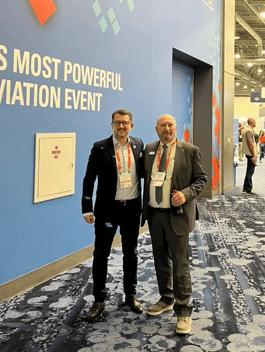
GlobalAir.com was named the official sales representative for the newly established, pre-owned aircraft market at AERO Friedrichshafen. (Photo courtesy AERO)
The pre-owned market aircraft area will provide exhibitors and attendees with enhanced visibility for available aircraft and offer aircraft sellers attractive participation packages within the outdoor static display. The initiative is designed to enhance engagement between buyers, sellers, brokers, and operators during the show.
“AERO Friedrichshafen is delighted to have GlobalAir.com as partner for the Pre-Owned Aircraft Area to bring together more buyers and sellers. This partnership with GlobalAir.com not only further strengthens its offering for the pre-owned aircraft segment, but also expands AERO Friedrichshafen’s outreach into private/corporate aviation as part of the growth path of our AERO Business Aviation Show Hub,” said Tobias Bretzel, Show Director of AERO Friedrichshafen. Learn more at https://www.aero-expo.com.



Coast Avionics, Inc. is the original FAA Certified Repair Station for Avionics at Treasure Coast International Airport (KFPR) in Fort Pierce, Florida. We have been serving pilots and aircraft owners in the Southeastern United States since 1990. Treasure Coast International Airport (KFPR), 3800 Saint Lucie Blvd., Fort Pierce, FL 34946 Phone: 772-464-3148 • Fax: 772-464-3197 • Se Habla Español tcavionics@gmail.com • www.treasurecoastavionics.com
U.S. Department of Transportation Secretary Sean P. Duffy and Federal Aviation Administrator Bryan Bedford on Jan. 8 announced two new test sites for Unmanned Aircraft Systems (UAS). The sites, which will be located in The Choctaw Nation of Oklahoma and Indiana Economic Development Corporation, are the first new UAS testing grounds in nearly a decade.
The UAS Test Site program supports development, testing, and evaluation of public and civil unmanned aircraft and related technologies and helps advance the safe integration of drones into the National Airspace System. In August, Secretary Duffy unveiled a new proposed Beyond Visual Line of Sight (BVLOS) rule to significantly expand the use-case for drone technologies.
“From delivering lifesaving medicine to surveying pipelines, drones are already reshaping industries and changing how people and products interact. It’s our job to make sure the United States safely leads the way with this exciting technology – not China,” said Duffy. “We’ve added these new test sites to help us gather critical data and test new systems so we can safely unleash innovation in our skies.”
“These test sites help the U.S. assess emerging technologies to modernize methods for cargo delivery, Beyond Visual Line of Sight Operations and multiple drone operations while informing safety and security,” said Bedford. “Together, we will usher in the safe commercialization of drone technologies and fully integrate UAS into our NAS.”
This announcement delivers on President Trump’s Executive Order “Unleashing American Drone Dominance” to enhance United States productivity, create high-skilled jobs, and reshape the future of aviation.
“The Trump Administration is ensuring Indian country doesn’t get left behind in its efforts to bring in the Golden Age of Transportation. These new technologies can save lives on reservations with useful practices including the transportation of medical supplies to far reaching corners of these tribal lands. Under President Trump and Secretary Duffy, USDOT is redefining how
transportation shapes the daily lives of Americans,” said Assistant Secretary of Tribal Government Affairs James A. Crawford.
The Choctaw Nation of Oklahoma and Indiana Economic Development Corporation test sites will become the eighth and ninth test sites in the U.S. The first seven UAS Test Site locations include:
• Alaska Center for Unmanned Aircraft Systems Integration, AK
• Northern Plains UAS Test Site, ND
• New Mexico State University UAS Test Site, NM
• State of Nevada UAS Test Site, NV
• New York UAS Test Site, NY
• Texas A&M University Corpus Christi Autonomy Research Institute, TX
• Mid-Atlantic Aviation Partnership, VA
The FAA UAS Test Sites will support the development, testing, and scaling of American drone technologies, with a focus on Beyond Visual Line of Sight (BVLOS) operations, increasingly autonomous operations, advanced air mobility, and other advanced operations. The nine sites will facilitate the safe commercialization of drone technologies, advance the full integration of UAS into the NAS, and help reshape the future of aviation.
The FAA Reauthorization Act of 2024 authorizes the Administrator to designate up to two new UAS test ranges.
More information on the UAS Test Site Program and its research activities is available online at https://www. faa.gov/uas/programs_partnerships/ test_sites.
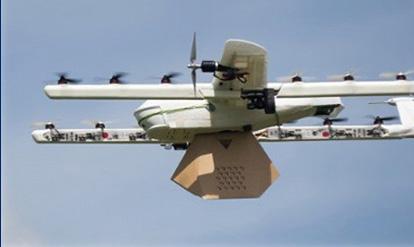
Package delivery by drone for research at Virginia Tech. (Photo courtesy FAA)
By Cameron Rolfe
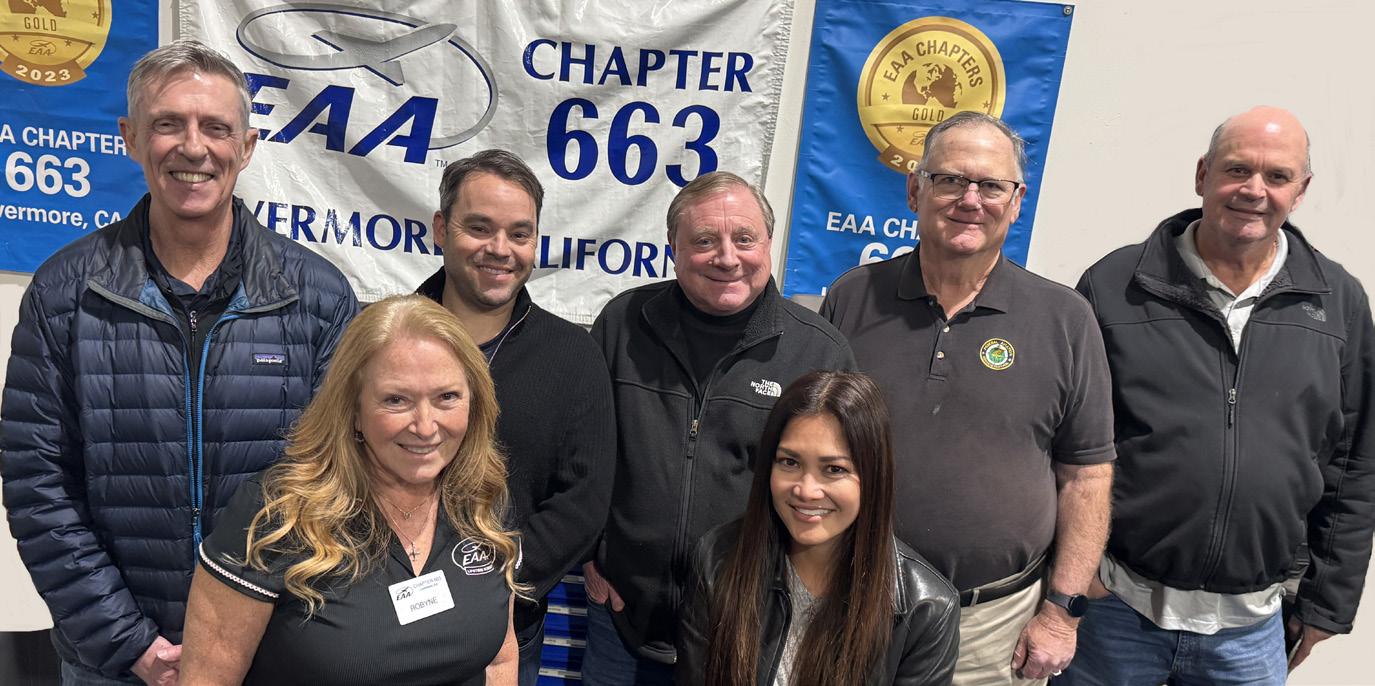
More than one hundred student pilots to flight instructors met recently at Livermore (KLVK) Airport’s Experimental Aircraft Association’s Chapter 663 hangar hoping to learn a “secret handshake” that would help them through the final chapter of each of their own – or their students’ – obtaining aviation certificates.
Chapter President Robyne Teslish hosted four of the Oakland Flight Standards District Office (FSDO) Designated Pilot Examiners. These DPEs, every pilot knows, is the final step in a pilot’s quest. These are the people shoulder-tapped by the FAA to award each advancing level of pilot certification. If the applicant meets the Airman Certificate Standards (ACS), these are the people who issue the appropriate certificate tied to the pilot’s check ride. If the pilot does not meet the ACS requirements, or when an applicant requires additional instruction or training, the DPE issues a “Notice of Disapproval.”
Sitting with the distinguished panel of DPEs was Oakland’s FAA representative Kevin Sullivan and after a brief introduction by each of the DPEs, 90 minutes was dedicated solely to answering questions from the audience. Of course, the number one question was, “What is the most common reason for a DPE to issue a “Disapproval?”
All replied: improper paper work. Sometimes this lack of accurate bookkeeping ends the check ride even before the process starts. It many include inappropriate application information, followed by not having everything from a certificate of a required pitot/static check to an aircraft annual inspection report. Shouldering the majority of problems rests with the flight instructor. From no record of required ground instruction, to aircraft maintenance requirements (e.g., ELT battery limitations or two-year
transponder inspections) are sometimes forgotten, but are all a required factor in aircraft airworthiness.
Mike Healey commented that if a question has a one-word answer, say just that required word. If you start a second sentence, you might be diving into a rabbit hole… and they would all like to follow you into that hole wondering how you are going to dig yourself out. Pilots and DPEs alike are all bound by the ACS and logbook (pilot and aircraft) requirements. It’s all simply you either meet the requirements, or you come back. You want the “secret handshake,” all on the panel agreed: First of all, make sure ALL paperwork is complete, correct and included.
A lot of questions might be “scenario based.” If a question is asked of an applicant about a problem that might arise during a flight, asking question back to the DPE such as, “What gauges that might support the problem indicate?” shows a thoughtful flow of problem solving. If it’s on the aircraft panel, you’d better know how to use it. If it has a GPS, a Private Pilot candidate should understand the basic operations, but an instrument applicate must know about the approach applications. Safety is the number one item… every DPE agreed part of their approval rating would have them asking themselves, would I let a family member fly with you? Do you exhibit command authority? Are your decision-making processes sound? Are you truly “The pilot in command?”
Here is the biggest secret: They all truly, truly want to hand you that “Temporary Certificate” for which you are applying, although they are not allowed to show any positive “feedback” and are required to remain stoic…(don’t let that rattle you); secretly inside they are all cheering you on… It’s your chance to “show your stuff.”












By Lea Buonocore
If you are someone who enjoys road trips, then you are probably all too familiar with Route 66, one of the United States’ most well known routes for great adventures in road traveling (and maybe flying). I have always personally dreamed of being able to pack up and take Route 66 from Chicago all the way to California. There are so many fun and interesting things to explore along the way. This classic American route is often referred to as “The Mother Road.”
If you want to take to the skies, there are many small and large airports along Route 66. Pick a starting point, make a flight plan and enjoy the Mother Road from above while make stops along the way.
Route 66 is one of the oldest highways in the United States, and was
first established nearly 100 years ago in 1926. The highway begins in Chicago, Illinois and runs through several different states including Oklahoma, Texas, Arizona, New Mexico, Kansas, and ends near Southern California. Route 66 consists of more than 2,400 miles.
The Blue Whale of Catoose
This historic route has many exciting, interesting, and educational attractions. One of these attractions is the Blue Whale of Catoosa in, of course, Catoosa, Oklahoma, often considered the starting point for Route 66. This giant blue whale figure is a fun and interesting attraction for people of all ages. It was built in 1972 by a zoologist named Hugh Davis and was originally a gift for his wife. The giant structure appears bigger-thanlife at 20-feet tall and 80-feet long.


You can walk into the mouth and search for a small ladder that leads to a secret compartment in the whale’s head. Bring a picnic lunch and enjoy at day with the Blue Whale of Catoosa.
Cadillac Ranch in Amarillo, Texas
Another brightly colored and amusing sight along Route 66 is the Cadillac Ranch in Amarillo, Texas. The line of 10 rainbow-painted Cadillac sedans are buried nose-first in the ground. They are certainly a unique display and something that will catch your eye even from a distance. The cars appear to be standing on two wheels and are spray-painted in bright colors. You can even buy spray paint at the site and add “leave your mark.” The display was originally created in 1974 by the Ant Farm group of San Francisco in collaboration Panhandle native Stanley Marsh 3. Their idea was to build something that would represent the hardwork of the American people.
Wigwam Hotel, Holbrook, Arizona A particularly historic sight on Route 66, especially for those interested in Native American history is the Wigwam Motel, which lives on Route 66 in Holbrook, Arizona. This hotel is part of a chain of motels that first opened in the 1930s. The Holbrook site is Wigwam Motel #6. These motels hold historic information about Native American tribes and can serve as interesting sight seeing as well as educational resources. Of course, the most fun is actually staying in the wigwam, which features original furnishing. Adding to the historic fun are classic cars that line the parking lot.

Delgadillo’s Snow Cap in Seligman, Arizona.
As for anyone taking a road trip, we all know and understand the importance of good food along the way. Delgadillo’s Snow Cap, in Seligman, Arizona, is an absolute must visit along the way. This cool and eclectic snack spot serves burgers, malts, root beer floats, tacos, burritos, and much more. The Snow Cap holds a traditional diner appearance and creates a memorable road trip dining experience. Opening in 1953, the diner still serves classical drive-in food and is a favorite of many travelers. Just looking at a photo of this adorable diner made me want to enjoy a strawberry shake and some fries.
While there are many amazing attractions for all audiences on Route 66, we cannot forget the significant role of airports and their presence along the route. Route 66 is home to many airports, some of the largest air traveling hubs such as the Chicago O’Hare International Airport (ORD) and Los Angeles International (LAX), as well as some small and important airports.
If you don’t live close to Route 66, flying to reach it is the best option. For example, you might chose to fly in to New Mexico, where you’ll find the Santa Rosa Route 66 Airport (KSXU), a small public airport owned by the town of Santa Rosa and located in the central business district.
Others include:
• Wiley Post Airport (OKC, WPA): A reliever airport for Oklahoma City, it’s located very close to Route 66 and has two full-service FBOs.
• Van Nuys Airport (Los Angeles,
Continued on Page 18



































The Air Race Classic, Inc. (ARC) announced that registration for the 2026 Air Race Classic officially opened on Jan. 15, and runs through March 31. Women pilots from across the globe are invited to secure their spot in the 49th annual race, a historic 2,400-statute-mile journey that celebrates the skill and heritage of female aviators.
The 2026 race will take off on June 23 from St. Louis Regional Airport (KALN) in East Alton, Illinois, and conclude on June 26 at Mount Vernon Airport (KMVN) in Illinois. This year’s route features a diverse array of stops, including Frankfort, Kentucky; Spartanburg, South Carolina; Douglas, Georgia; Tanner, Alabama; McComb, Mississippi; Russellville, Arkansas; St. Joseph, Missouri; and Prairie du Chien, Wisconsin.
All teams that submit their completed registration by Feb. 15 will be eligible for the Top Ten Team Number
drawing. Securing a 1-10 team number is a long-standing tradition in the Air Race Classic, and this drawing provides an early incentive for teams to finalize their entries well before the final March 31 registration deadline.
Complete information regarding team and airplane qualifications is available online. To be eligible, teams must consist of at least two female pilots, and aircraft must meet specific certification and performance criteria to ensure a fair, handicapped speed competition. All pilots must also meet the flight experience requirements detailed in the E-01 Rules.
Prospective contestants can find the E-01 Rules, airplane requirements, and the registration portal by visiting the Air Race Classic website at www.airraceclassic.org.
Registration closes March 31 at 6 p.m. Eastern time.
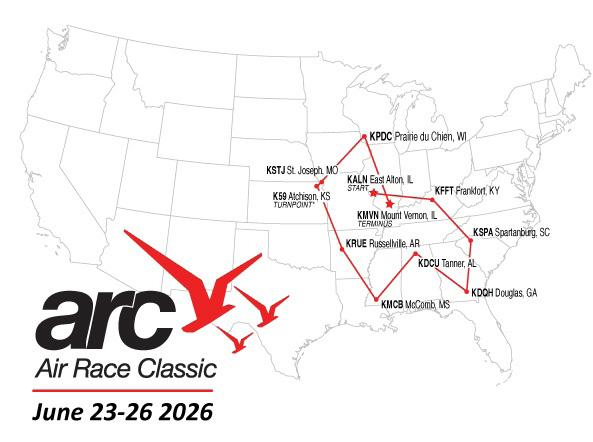
The 2026 ARC race will take off on June 23 from St. Louis Regional Airport (KALN) in East Alton, Illinois, and conclude on June 26 at Mount Vernon Airport (KMVN) in Illinois. (Image courtesy ARC)
Rotorcraft and vertical lift technology will be the featured highlights at the new EAA Vertical Lift Center to be unveiled during EAA AirVenture Oshkosh 2026. The 73rd EAA fly-in convention is July 20-26 at Wittman Regional Airport.
“While homebuilt rotorcraft have long been a judged category at Oshkosh and we’ve always welcomed other rotorcraft, drones, and similar technology as part of the world of flight. The EAA Vertical Lift Center is a unique area that focuses on this unique segment and its potential,” said Ren Scott, EAA’s vice president of business development, sales, and events. “Working with Robinson Helicopter and VAI brings the expertise in this area that connects the rotorcraft and vertical lift communities with the international visibility available only at Oshkosh.”
As announced at EAA AirVenture Oshkosh 2025, this area will feature an emphasis on helicopters and VTOL aircraft as part of a partnership with the Robinson Helicopter Company and Vertical Aviation International (VAI), a membership organization dedicated to
supporting the vertical lift industry. The dedicated space within AirVenture’s Aviation Gateway Park will display aircraft as well as promote rotorcraft education, industry recruitment, and innovative technology in the vertical lift industry.
“Vertical aviation is entering a period of fast growth and real change, and the new Vertical Lift Center at EAA AirVenture Oshkosh gives us a high-visibility place to show the public where this sector is headed,” said François Lassale, president and CEO of Vertical Aviation International. “VAI is proud to partner with Robinson Helicopter Company and EAA to highlight the full spectrum of vertical lift, from today’s rotorcraft operations to emerging VTOL technologies, while inspiring the next generation of pilots, maintainers, and engineers who will power this industry upward.”
Those involved in the rotorcraft and vertical lift community see the AirVenture connection as an innovative way to reach a broader audience with the technology and innovations that are advancing that aviation segment.
“The future of flight is vertical, and EAA AirVenture in Oshkosh is an ide-
al stage to sponsor and showcase the innovation happening across our industry, from traditional rotorcraft to the next generation of piloted, remotely piloted, and unmanned systems,”
said David Smith, president and CEO of Robinson Helicopter and sponsor of the inaugural Vertical Lift Center
Continued on Page 19


Compelling content -


Professional Branding & Graphics
Powerful Web Sites & SEO
Social Media Management
Engaging Podcasts
Profitable Webinars
On-Site or Virtual Services
Studio Time Available in SLC
Sales Process Consulting & Tools articles, videos, and posts.
Continued from Page 14
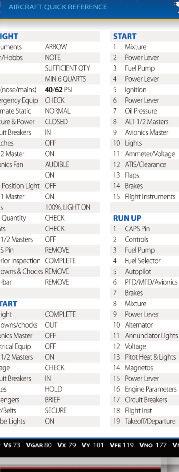
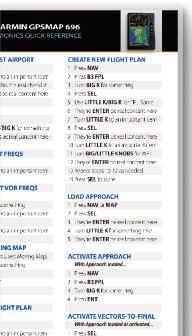
� Available in both Qref® Book, Card and new iPad editions
� Over 50 years of professional experience in every checklist
• Flabob Airport (Riverside, CA, RIR): A unique airport with a flight school, maintenance facility, and cafe, situated near the end of the historic route in Southern California.
� Written by Master CFIs with workflow and ease of use in mind
� Professional design, rugged construction
Beechcraft Bonanza A36 285HP1968-1983
Beechcraft Bonanza C/D 35 1951-1953
Beechcraft Bonanza J/K/M 35 1958-1960
Beechcraft Bonanza N/P 35 1961-1963
Beechcraft Bonanza V35 A/B 1966-1982
Cessna 150 1959-1977
Cessna 152 1978-1986
Cessna 172 Universal Universal
Cessna 172M 1973-1976
Cessna 172N 1977-1980
Cessna 172P 1981-1986
Cessna 172R 1998-2006
Cessna 172RG 1980-1985
Cessna 172S 1998-2006
Cessna 172S G1000 2005+
Cessna 177RG 1971-1978
Cessna 182P 1972-1976
Cessna 182R 1981-1986
Cessna R182 Skylane RG 1978-1986
Cessna 182RG Turbo 1979-1986
Cessna 182T Analog Gauges 2001+
Cessna 182T/G1000 2004+
Cessna 210N Centurion 1979-1984
Cessna Turbo 182T 2001+
Cessna Turbo 182T/G1000 2006+
Cessna Turbo 206H 1998+
Cessna Turbo 210M Centurion1977-1978
Cirrus SR20 Analog Gauges 2000-2003
Cirrus SR20 G1-G2 2003-2007
Cirrus SR20 G3 2007+
Cirrus SR20 Perspective 2008+
Cirrus SR22 G1-G2 2003-2007
Cirrus SR22 G3 2007+
Cirrus SR22 Perspective 2008+
Cirrus SR22 G3 Turbo 2007+
Cirrus SR22 Turbo Perspective 2008+
Diamond DA20 C1 1998+
Diamond Star DA40 2001+
Piper Archer II PA-28-181 1976-1994
Piper Archer III PA-28-181 1995-2002
Piper Arrow 180 PA-28R-180 1967-1971
Piper Arrow II PA-28R-200 1969-1976
Piper Arrow III PA-28R-201 1977+
Piper Arrow III Turbo PA-28R-201T1977-1978
• Winslow Airport (Arizona, IWA): This airport has historical significance as a former transcontinental air stop, chosen by Charles Lindbergh.
• Seligman Airport (Arizona): An airport within walking distance of Route 66, with a nearby cafe that is popular with pilots.















Piper Arrow IV PA-28RT-201 1979-1982
Piper Arrow IV Turbo PA-28RT-201T1979-1990
Piper Cherokee 140 PA-28-1401964-1977
Piper Cherokee 150 PA-28-1501961-1967
Piper Cherokee 160 PA-28-1601961-1967
Piper Cherokee 180 PA-28-1801963-1973
Piper Dakota PA-28-236 1979-1994
Piper Cherokee Lance PA-32R-3001976-1978
Piper Navajo PA-31-310 B/C 1972-1980
Piper Navajo Chieftain PA-31-3501973-1984
Piper Saratoga SP PA-32R-3011980-1992
Piper Saratoga SP Turbo PA-32R-301T1980-1987
Piper Tomahawk PA-38-112 1978-1982
Piper Warrior 151 PA-28-151 1973-1977
Piper Warrior II PA-28-161 1976-1986
MANY MORE MODELS COMING SOON!

Another small airport located on Route 66 is the Kingman Airport in Arizona. The Kingman Municipal Airport, which has also been referred to as Kingman Army Airfield, was founded toward the beginning of World War II. After the war ended the airport served as a historic and educational hub for military aircraft. The airport opened to the public in 1949, but maintained historic materials. This airport can serve as an interesting and educational place to visit along a road trip on Route 66.
Overall, there are many interesting and educational stops along Route 66; there is literally something for everyone of all ages and interests. From aviation lovers to Native American history fans to classic American road-stand food lovers, there is a memory that can be made for everyone.







Avidyne Entegra
Garmin G1000 Non-WAAS
Garmin G1000
Garmin G1000 WAAS
Garmin G600/G500
Cirrus Perspective by Garmin
Bendix/King KLN 89
Bendix/King KLN 90B
Bendix/King KLN 94
Garmin GMX 200
Garmin GPS 400
Garmin GNS 430




Garmin GNS 480
Garmin GNS 530
Garmin GTN 750/650
Garmin GX Series
Garmin MX 20
Garmin 300XL/250XL
AnywhereMap ATC
AvMap EKP IV / IV Pro AvMap EKP V (coming soon)
AvMap Geopilot II / II Plus
Bendix/King
Bendix/King




Continued from Page 16
~ My Services ~
• AVIATION/TRAVEL INDUSTRY Content Creation
• GHOSTWRITING
• YOUR STORY TOLD w. AI’S Powerful Emotional Content
at AirVenture 2026. “As the demand for skilled engineers, A&P mechanics, and test pilots reaches an all-time high, Robinson is committed to supporting education and careers across vertical lift. We encourage everyone to visit the Vertical Lift Center to discover how these advancements are shaping the
• INFORM & ENGAGE your CUSTOMERS with Profiles,
next era of flight and how they can become a part of it.”
~ More Contact Info ~
Companies interested in exhibiting or displaying an aircraft in the inaugural year of the EAA Vertical Lift Center should contact the EAA Business Development team at Exhibits@EAA.org. For general information about AirVenture, visit eaa.org.
Facebook: https://www.facebook.com/BertBotta1
Email:
“Thank you for ful and touching es Aviation Inter It had a very deep impact on me, something that doesn’t happen often.
Jim Holahan is the only other person in the aviation field who can write lime that.
Hats off to you.”
Rotorcraft and vertical lift technology will be the featured highlights at the new EAA Vertical Lift Center to be unveiled during EAA AirVenture Oshkosh 2026. This area will feature an emphasis on helicopters and VTOL aircraft as part of a partnership with the Robinson Helicopter Company and Vertical Aviation International (VAI), a membership organization dedicated to supporting the vertical lift industry. (Photo courtesy EAA)
Janice K Barden President, Aviation Personnel International (API)
Seaplane access should be allowed here in Colorado. We have made great strides by establishing two charted seaplane bases in Colorado (the first ever), planning and managing several splash-in events (the first ever), establishing an invasive species inspection and decontamination program for seaplanes (the first), and becoming the first ever pilot to receive all the training and obtaining certification totally within the State of Colorado (yep, you heard it right, the first).
Despite these successes, our battle rages on. The state is still adamantly opposed and so we are continuing the fight. There is no level of problem that imagination and creativity cannot overcome. And so, we must continue to be the first with solutions.
We must demonstrate by example the strength and resolve of an idea whose time has come!

Hire an Aviation Writer! (Who Doesn’t Know the Language or Hasn’t Walked the Talk!) Your Brand is Your Story You Need an Aviation Expert to Tell it Exceptionally Well!
Your Brand is your Story: You Need an Aviation Expert to Tell it Exceptionally Well!

~ My Services ~ • Ghostwrite your Book or Articles
• Engage your customers with • Gifts of short, attentiongrabbing Ebooks
(415) 320-9811 • botajet@gmail.com Website & Blog: www.bertbotta.com https://www.facebook.com/BertBotta1 https://www.linkedin.com/in/bertbotta/ NetJets Pilots & F/A Facebook page: https://www.facebook.com/groups/447755025256768
Cell: 1-415-320-9811
E-mail: botajet@gmail.com
Website: www.bertbotta.com



For more than four decades the Washington Aviation Association has presented the Northwest Aviation Conference & Trade Show at the Washington State Fair Events Center in Puyallup, Washington. This year, the conference and trade show takes place on Feb. 21-22.
This event is an opportunity to support the Northwest aviation industry, share ideas, learn new skills, be a safer pilot and create relationships with businesses, aircraft owners, and pilots.
The conference has been bringing aviators together every February since 1982.
In recent years the event has added components to provide interaction for aviation students as well as career pilots. Officials say they are thrilled with the continued support from the commercial aviation industry in helping to guide the next generation of mechanics and pilots on their career paths. The majority of conference attendees are pilots and aircraft owners, however, many who attend are students, maintenance staff or career pilots.
Guests to the conference and trade show will find aircraft manufacturers, non-profits and clubs, aviation memorabilia, airlines, airports, fly-in destinations, airplane parts, propeller shops, flying schools, aviation colleges, appar-
el and map retailers, avionics, electronics, hangar and airport suppliers…. the list is endless… as exhibitors.
“The beauty part is we strive to keep this amazing event reasonably priced, relevant, and mainstream so that even the smallest shop can attend and the biggest provider can’t afford to not be part of the energy,” said an event organizer.
This event has grown to more than 75 hours of safety seminars and 122,000-square-feet of aviation displays with an annual attendance of more than 10,000!
Events slated during the two-day event include:
• Top Tips For Mountain Flying
• Introduction to Aviation Careers
• Condensed Ground School: Seaplanes 101
• Logbook Do’s and Don’ts
• A Different Approach to Autopilot Training and Use
• The Immense Value of Upset Recovery Training (UPRT)
• Mission in Motion: How Volunteer Flying Connects Patients to Care
• Avoiding Loss of Control
• Funding the Dream
• AOPA Pilot Town Hall
• Flying to Historic Pearson Field, Part 93 SFRA Operations
• Saving Seconds, Saving Lives:
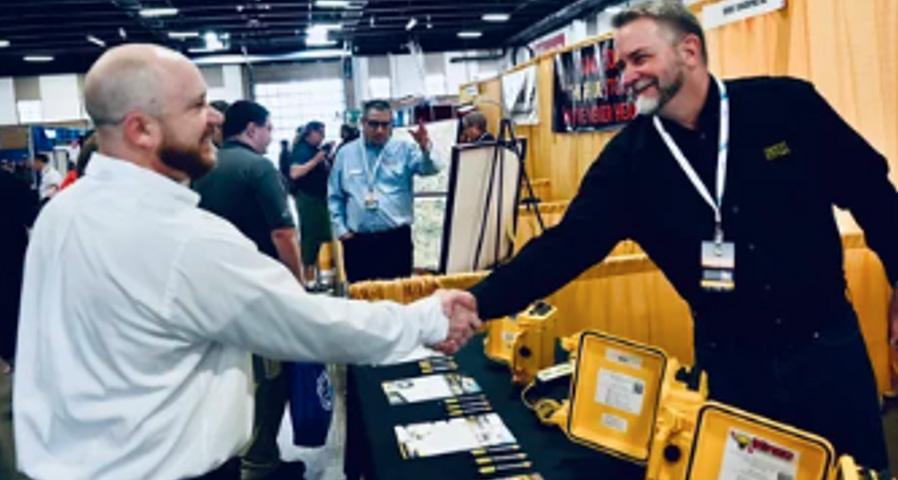
The Northwest Aviation Conference & Trade Show, slated for Feb. 21-22 in Washington state, draws some 10,000 attendees but is well-known as a trade show and conference where “connections” are made. (Photo courtesy Washington Aviation Association)
The Future of Emergency Training through Full-Motion Simulation
• How to Get the Elephants Off of Your Air Hose
• The Original “Flying Cowboys”
• How to Prepare for A Successful Flight Review 100 years of Airmail, Airlines and Commercial Aviation
• Exploring the Fascinating World of Gliding
• Stayin’ Alive: Accident Case Studies
For a complete schedule, including all events, seminars and times, visit the
event webstie at washingtonaviation. org.
The Northwest Aviation Conference & Trade Show takes place at the Washington State Fairgrounds Showplex, 110 9th Ave. Southwest, Puyallup, WA, 98371. Event hours are 9 a.m. to 5:30 p.m. Saturday, Feb. 21 and 10 a.m. to 4 p.m. Sunday, Feb. 22. Tickets are available online at the event website, https:// www.washingtonaviation.org/. Admission is $10 per day or $15 for a two-day pass. Parking is free in the Blue lot.
Willis, a WTW business announced on Jan. 27, its return to the light and recreational general aviation market after a 30-year absence, marking a significant milestone in the company’s ongoing commitment to providing industry-leading insurance solutions.
The move has been enabled by the arrival of the Crispin Speers team, whose established structured solutions and expertise has allowed the team to broaden insurance offerings for the first time.
Through this expansion, Willis offers a fully comprehensive range
of insurance solutions tailored to the unique needs of light and recreational general aviation operators, including microlights, balloons, gliders, commercial drones, as well as light fixedwing aircraft. In addition, Willis is now equipped to offer commercial insurance solutions for non-aviation risk exposures, by leveraging the expertise of its extensive network.
The arrival of the Crispin Speers team introduces established, turnkey services, underpinned by technology, which allows the prompt and efficient handling of a large volume business of-
fering.
John Rooley, Head of Global Aviation and Space at Willis said: “Our re-entry into the light and recreational general aviation sector closes a long-standing gap in Willis’s portfolio, enabling the delivery of an A-Z suite of insurance solutions. Clients can now benefit from a seamless, one-stop approach for all their aviation insurance requirements, backed by Willis’s global reach and trusted reputation.
“This expansion reflects Willis’s unwavering commitment to its clients, partners, and industry stakeholders. By
broadening our capabilities and embracing innovation, we are confident in our ability to deliver market-leading insurance solutions and drive positive change across the aviation sector and beyond.”
WTW provides data-driven, insight-led solutions in the areas of people, risk and capital. Leveraging the global view and local expertise of their colleagues serving 140 countries and markets, Willis helps organizations sharpen their strategy, enhance organizational resilience, motivate their workforce and maximize performance. Learn more at www.wtwco.com.

Every new year in aviation begins with efforts to examine past performance with expressed goals of improving flight safety and driving optimism for the future. Organizations and individuals alike, committed to maximizing flight safety, study incidents, mistakes, errors, policies, procedures, techniques, and more to realize any gain in their endeavors. For an individual, this process may ignite in a resolution proclaimed at the start of the new year, or at any other time.
This month, CALLBACK presents recent, reported incidents from aviation personnel and disciplines wherein reporters have made deliberate, distinct resolutions to change for better the way they may accomplish a specific task or goal. Many are stated directly. Others are implied or may be gleaned, deduced, or inferred. Appreciate each of the reporters’ New Year’s Resolutions, as well as your own.
An AMT and an Inspector described this incident and failures that spawned at least one new Maintenance policy.
From the Technician’s report:
■ Was finishing up a [C172] engine change. Installed cable linkages without cotter keys so rigging adjustments could easily be made. Started having issues with the alternator producing power. For this reason, I was not able to do a full range engine operational check because the aircraft’s only power source was off the aircraft battery. Had to leave…to pick my son up. I informed the other mechanic that I had to leave, and he was to install the new alternator and to call me if the new alternator passed an operational check. I did not hear anything back. Found out… that there was an in-flight emergency for the aircraft in regards to the throttle linkage. The other mechanic released the aircraft by signing the log books. I did not have the opportunity to finish the maintenance procedures. From this point forward, no one will be signing log books for someone else’s work, regardless of the owner/operator pushing for a timeline.
From the Inspector’s report:
■ I was the inspector who returned the airplane to service after engine in-
stallation. I suspect that the cotter pin was not installed in the bolt and castle nut connecting the cable to the lever arm on the carburetor. I must have failed to see that when I inspected the installation.
Engine vibration resulted in personal insight for the First Officer on this commercial fixed wing aircraft. The revelations will likely result in some resolutions.
■ Whilst beginning the descent via the STAR, we experienced icing conditions, and Engine 2 started to experience high vibrations (4.1). I noticed this immediately as pilot monitoring and informed the Captain, who was pilot flying. He passed control over to me and proceeded to go into the QRH. We worked together to resolve the issue, passing the controls back and forth a total of two times. During this event, neither of us had realized that the aircraft was in the wrong automation mode and would not respect the crossing altitudes. As soon as the aircraft had gone through the altitude we noticed and corrected. Cause: Task saturation. Captain used VS mode to expedite the descent in order to get us out of the conditions that were causing the event, however, I failed to notice that we were in an automation mode that did not respect crossing altitudes due to task saturation. Suggestions: Smoother passing of controls. Ensuring the aircraft is in the desired automation before passing over, or being clearer as to what mode is currently being used. Instead of passing controls back and forth, as pilot monitoring initially, I could have been the one to read the QRH, reducing the number of role swaps and, therefore, chance of miscommunication.
Parts 91 and 121 – A Priority Dilemma
Priorities and competing responsibilities combined to produce original thoughts and probable new personal policies for this Air Traffic Controller.
■ I was working satellite radar. CVG was landing Runway 27. Aircraft X called me VFR 6 miles north of the Runway 27 final, southbound approximately 1800 feet, asking for his IFR clearance to Walton at 3000 feet, 20
miles due south. Due to the airspace configuration and complexity, this was not a great space to be in. I immediately felt pressure, due to the Runway 27 final being full of aircraft at that time. I made the foolish decision to issue the IFR [clearance], thinking I could maneuver him through the traffic, particularly once he got to 3000 feet. Given his type aircraft and the small confines of the space I had, this quickly turned to the wrong call. Approximately 4 miles north of final, still below MVA, I turned the aircraft west to avoid the aircraft on final, though ensuring he could provide his own obstacle and terrain clearance, making another mistake. As a result, Aircraft X got 2.75 miles and 500 feet from Aircraft Y on final, paralleling him. In retrospect, the obvious thing I should have done is told Aircraft X to maintain VFR and vector east to where the aircraft on Runway 27 final are at a higher altitude, though this would have immediately conflicted with LUK airport to the east. My urgency to issue the IFR was unnecessary. Recommendation: I need to remember that an aircraft that is VFR asking for their IFR is not entitled to it immediately, and they can maintain VFR until I can get them into a better position to issue IFR. Also, I cannot issue headings below the MVA. That was somewhat of a panic vector and not something I’ve done before.
A commercial fixed wing crew shared some resolutions after being deceived and seduced by a false glideslope.
From the First Officer’s report:
■ As we were approaching ALB, we were on a downwind leg vector of 350 degrees. The weather was hazy with few clouds around 3,000 feet, but VMC. The Tower queried us if we had the airport in sight. The Captain confirmed he saw it to his left and informed the Tower that we had it in sight. We were then cleared to accomplish a visual approach. I continued on 350 degrees to slow the aircraft and begin adding flaps. We also began a descent to 2,000 feet prior to initiating a left base leg. As we were descending, we saw indications that we were well above glideslope, which turned out to be a false glideslope. We entered 1,600 into the altitude selector
on a dogleg to final of 19. We had the ILS 19 approach loaded and selected to back up our visual approach to 19. We still showed to be considerably high, so we selected 1,000 feet. As we approached 1,000 feet, we realized the glideslope had been false, as we visually looked low…I disconnected the autopilot and flew visually to a normal landing. The Tower also notified [us] right after we realized we were following a false glideslope of a low altitude indication. Cause: Task saturation along with experiencing a false glideslope on a visual approach backed up with an ILS led to descending lower than a desired altitude on an approach. Suggestion: Crews…need to be aware of a false glideslope…approaching ILS 19 at ALB on a left base. I also should extend downwind longer in the future to give more time and recognize a false glideslope more quickly. In hazy conditions with only the pilot monitoring having the runway continually in sight, it would be more prudent to have vectors to a longer final.
From the Captain’s report:
■ Cause: PF was distracted by a bad glideslope indication and followed it down to an undesirably low altitude. PM was distracted running a checklist and did not notice the undesired descent being initiated. Suggestion: Proper adherence to SOP would have both pilots verify changes to the altitude preselector. This allows either pilot to catch and correct a potential mistake before it becomes an issue.
A B767 Captain faced the fog of fatigue during the landing. Introspection and presumed recurring resolutions followed.
■ During landing…into ZZZ, just before flare, we got slow and I added power. As we got into the flare region, the tail strike warning went off, and I immediately pressed the go-around switches and called, “Go around.” During go-around, the aircraft made contact with the runway. It did not bounce, nor was it a hard landing. We stayed in the pattern and returned on the ILS.… During post flight we inspected the tail strike indicator with Maintenance, and there were indica-

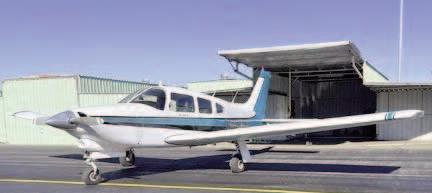
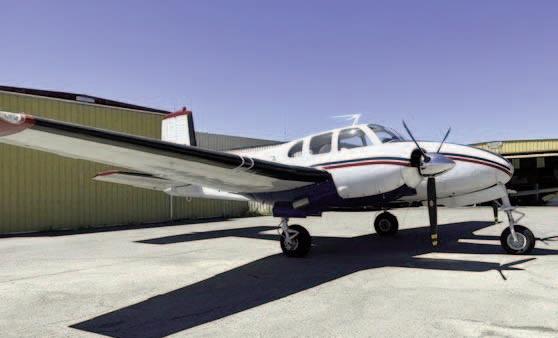
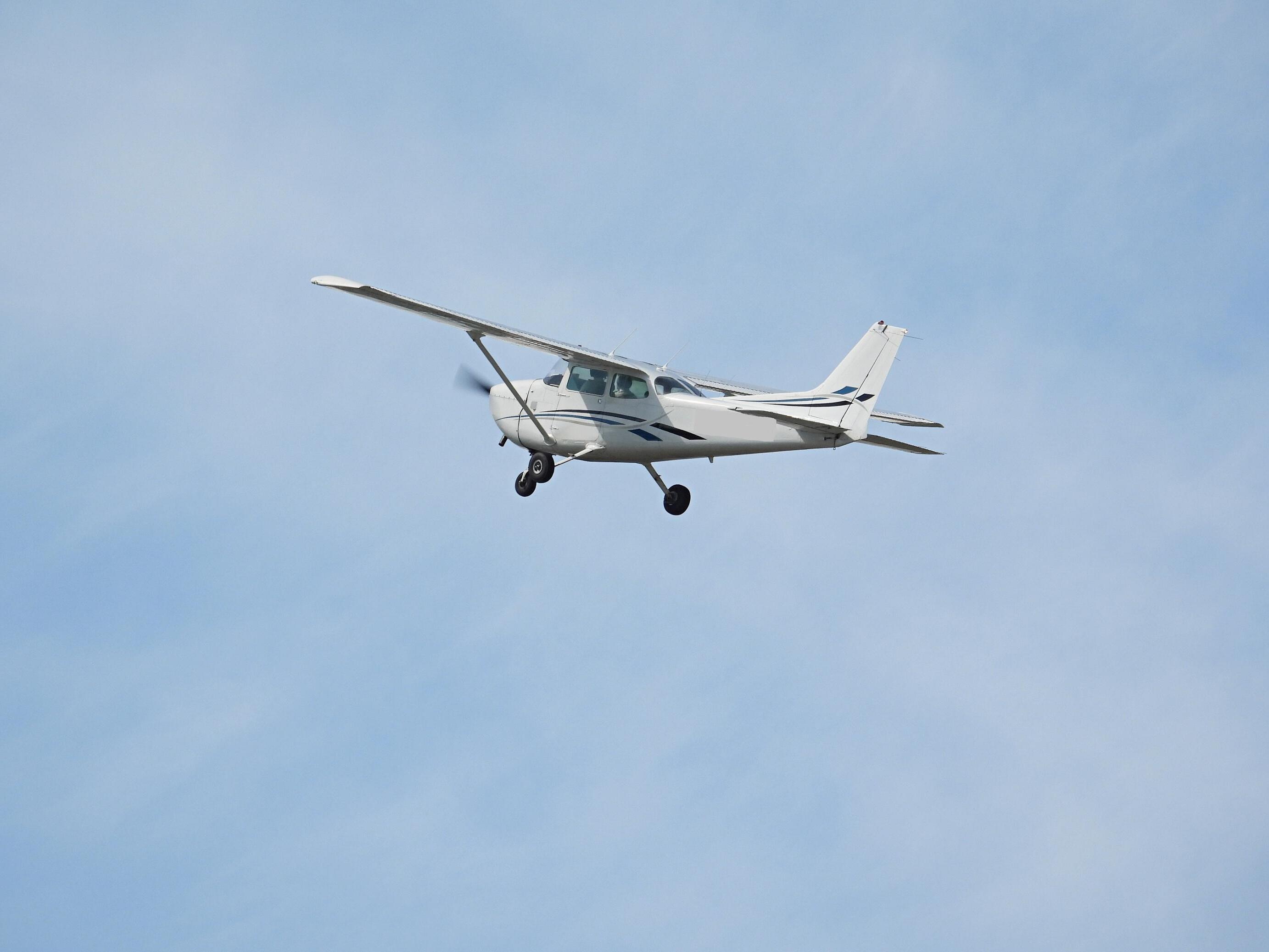
LOOKING GOOD! This solid low-times turbo Arrow shows very well, inside and out. 1978 PIPER TURBO
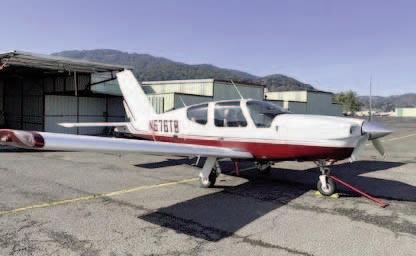
COMFORT IS KEY! Fly at the service ceiling of 20,000 feet and land in comfort with rare factory A/C. Loaded with a Garmin GTN-750 WAAS GPS, Garmin GNC-255A NAV/COM, full co-pilot instruments and much more, European style with gull-wing doors, beautiful paint and interior.
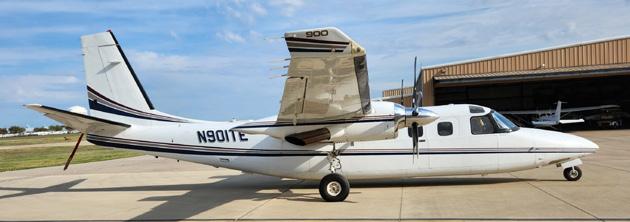
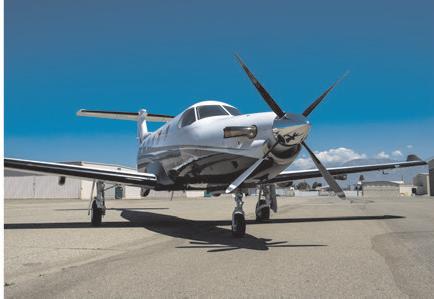
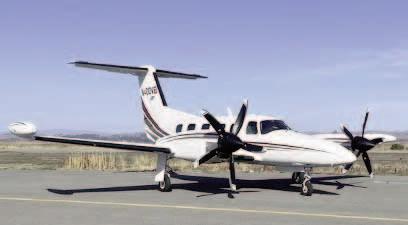
IMPRESSIVE TURBO-PROP PERFORMANCE! Certified to 41,000 ft. in pressurized comfort. More than 5 hours endurance with near 350 kt cruise speed. One-owner airplane, same pilot since 1993. Originally a factory demonstrator. Call T.J. for details.
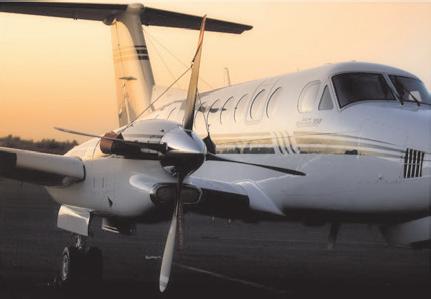
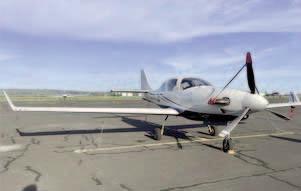
INCREDIBLE PERFORMANCE! Super fast. Super high-flying in pressurized turbineengine comfort with 750 horses. What happens when you buy a jet? You have to sell your turbo-prop. Even a gorgeous one like this.
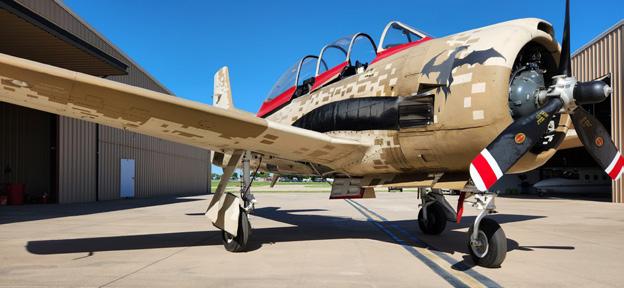
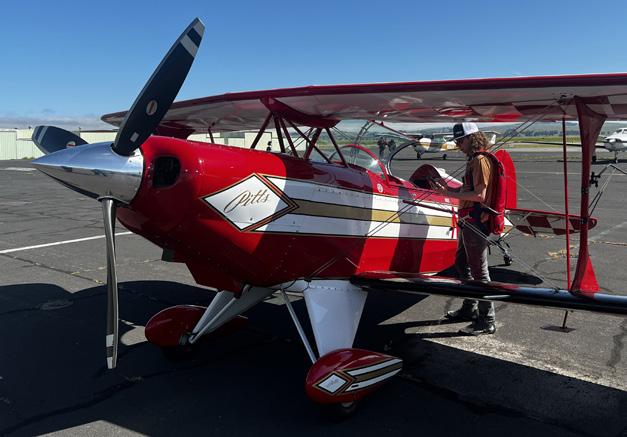
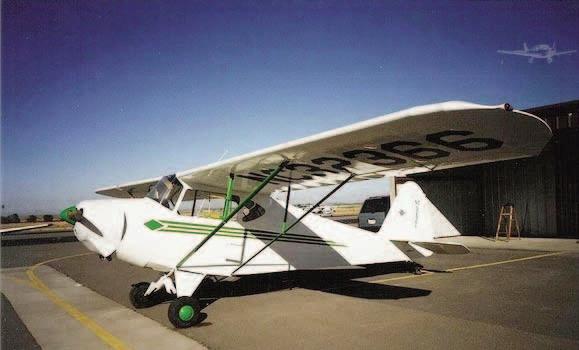
trainer. Fly solo from the front seat. An absolute hoot to fly. Comes with a spare overhauled pickled engine. Add $2,500 to price with electric start







Tecnam on Jan. 19 announced the launch of the P2006T NG (Next Generation) in the United States and Canada. The P2006T NG represents the latest evolution of Tecnam’s highly successful twin platform, building on the outstanding global track record of the P2006T MkII and the strong market reception of the P2006T NG, which is already in active delivery and operation across multiple international markets.
Over the years, the P2006T family has become one of the most trusted and widely used twin-engine aircraft worldwide, particularly within professional flight training organizations. This success has been driven by its proven reliability, low operating costs, and suitability for modern multi-engine training environments. The Next Generation version further refines this platform with extensive enhancements developed in close cooperation with operators and training academies around the world.
A Clear Roadmap for the U.S. & Canadian Market
Tecnam has defined a structured entry plan for North America:
• Official Launch: January 19, 2026
• FAA Certification: Expected in Q4 2026
• First Deliveries: Scheduled to begin in Q1 2027
The P2006T NG is already validated and operating in several countries outside North America, reinforcing Tecnam’s confidence in the platform’s readiness for the U.S. and Canadian markets.

the United States and Canada, with FAA certification expected late this year and deliveries expected to begin in early 2027. (Photo courtesy Tecnam)
The P2006T NG has been designed to meet the demanding requirements of today’s flight schools while offering an uncompromised experience for private owners:
• Exceptional Operating Efficiency
Powered by twin fuel-injected Rotax 912iSc3 engines, the aircraft delivers extremely low fuel consumption, enabling operators to significantly reduce direct operating costs while maintaining excellent performance and redundancy.
• Increased Payload and Mission
The aircraft benefits from an increased Maximum Take-Off Weight, providing greater payload capability and flexibility for training, private travel, and special mission operations.
• Improved Accessibility and Ergonomics
A new pilot-side door increases ease of access for instructors and students, improving training efficiency and cockpit flow during high-tempo operations.
• Advanced Avionics Suite
The cockpit features the Garmin G1000 NXi, including the GCU 477 FMS keyboard and GFC 700 digital autopilot, ensuring pilots train on avionics
Continued from Page 4
they are located. If an aircraft has been grounded, underutilized, or simply needs the right strategy and team to move forward, we welcome the conversation.
On a personal note, this phase of growth reflects my own journey in aviation.
Over time, I’ve learned that credibility isn’t built on volume or visibili-
ty, but on consistency, follow-through, and results. I believe strongly that quality must always come before production. Doing fewer things well will always outperform doing many things halfway.
Today, I’m proud to lead a company that reflects my values: integrity, accountability, and the willingness to take on projects others may pass over.
At Cielo Blu, we focus on delivering thoughtful, well-executed solutions
architectures fully aligned with modern airline and commercial aviation environments.
Configurations for the North American Market
The P2006T NG will be offered in multiple configurations to meet diverse operational needs:
• Trainer – Optimized for professional flight training and multi-engine instruction
• Sport – A refined version with premium interior finishes
• Special Mission Platform (SMP) –Configurable for surveillance, mapping, and utility missions
“The success of the P2006T MkII worldwide has confirmed the strength of this platform, and the P2006T NG represents its natural evolution,” said Walter Da Costa, Tecnam Chief Sales Officer. “With the NG, we are bringing to the United States and Canada a twin-engine aircraft that has already proven its value internationally, combining efficiency, reliability, and modern technology tailored to the needs of today’s flight academies and private operators.”
Availability
Production slots for the United States and Canada are now being allocated, with deliveries planned to commence in Q1 2027, subject to FAA certification.
For more information and to secure production slots, visit www.tecnam. com or contact your local dealer https:// tecnam.com/locator/.
rather than chasing scale for its own sake. That approach has shaped how we grow, who we partner with, and the kinds of aircraft and opportunities we pursue. This mindset continues to guide where we’re headed next, and it’s one I’m committed to carrying forward as Cielo Blu expands its reach and impact within the aviation market.
Cielo Blu’s future is focused, global, and grounded in what we do
best. We are expanding our brokerage reach, deepening strategic partnerships, and continuing to serve aircraft owners at every stage of ownership.
If you’re an owner considering a sale, a buyer in need, holding an underutilized aircraft, or facing a project that needs the right expertise to move forward, I invite you to reach out.
To reach Kayla DiLullo, email Kayla@cieloblu.aero

One of the truly great things about being an aviation buff is the number of “Goodies and Gadgets” available to play with. Here In Flight USA has collected a few new ones worthy of your consideration.
Aircraft Spruce & Specialty Co. has been the supplier that aircraft builders, owners, pilots, and aviation businesses have depended on since 1965. They carry a wide selection of aircraft parts, building materials, avionics, and pilot supplies, all of which are offered on their website (www.aircraftspruce.com) and in the famous Aircraft Spruce catalog, now over 1,000-pages available for download or for free in print. You can depend on Aircraft Spruce for prompt shipping and competitive pricing on all orders.
They call February the month of “love,” or the month with “heart,” and the month of romance! There are a couple of past presidents to acknowledge, as well. If you happen to find a nice, brisk, clear day, flying is a great way to “romance” the skies. Otherwise, curl up with a good “aviation-related” book and call it day! No matter what your plans include this month, Aircraft Spruce has you covered. Visit their website for great gift ideas for your pilot or for your own airplane/pilot/hangar needs… www.aircraftspruce.com. Questions and ordering can be done online or by calling 1-877-477-7823. And, look for Aircraft Spruce at upcoming events. See their calendar below. No matter how you interact – dare we say – the team at Aircraft Spruce has heart!
The Cannibal Queen - A Flight Into The Heart Of America Book by Stephen Coonts
heat elements located in each cylinder assembly and one pad heat element on the engine crankcase/oil sump/tank. This multipoint configuration fully preheats the engine and attached accessories. Power is routed to the elements through a dedicated wiring assembly with LED system power indication and circuit overload protection standard. The system is self-regulating through design. Heated components reach an average state of thermal equilibrium in approximately six hours.
There are two different systems to select from:
Tanis STC Engine Preheat Kit - Austro AE300 - 115 Volt #SE03232Ch..Also Tcca & EASA Approved TA3001-1 sells for $1,750.
Tanis STC Engine Preheat Kit - Austro AE300 - 230 Volt #SE03232Ch..Also Tcca & EASA Approved TA3001-2 sells for $1,905.
• Integrated Intercom Functionality: Built-in 4-place VOX-controlled intercom with dual circuits, supporting separate PTT controls for pilot and co-pilot.
• Memory and Scanning: Dual-watch mode for monitoring a secondary frequency and automatic storage of the last 9 used channels for seamless operation.
• Audio Enhancements: Auxiliary audio input and RF signal indicator for improved situational awareness.
• Tandem Operation: Supports dual-panel setups with the RCU6201 remote control unit for maximum installation flexibility.
Design Excellence
• Compact and Lightweight: Available in various formats (AR6201, AR6203, RT6201) for versatile installations.
awesome combination of strength, comfort, and dexterity.
Select from sizes medium, large or x-large. Each unit contains 100 blue gloves and sells for $11.55 each.


Stephen Coonts, New York Times bestselling author of Flight of the Intruder, Under Siege, and Cuba, has been hailed as the best contemporary author writing about flying. In The Cannibal Queen, he turns his storytelling genius to nonfiction with an exultant account of the summer of ‘91 – of three glorious months spent exploring America from the cockpit of a 1942 Stearman vintage biplane. Joining the ranks of John Steinbeck and Charles Kuralt, Coonts takes us on an extraordinary adventure, touching down in all 48 of the continental United States, from sea to shining sea. The book is published by Gallery Books (1999) and contains 352 pages. It sells for $23.95.

Tanis Austro Preheat Kits FAA-STC STC Engine Preheat Kit for Austro AE300 engines.
This preheat kit contains threaded
Tanis Aircraft Products is the leading manufacturer of aircraft engine preheat systems. Aircraft Spruce features 60 Tanis products and accessories. Visit the Aircraft Spruce website (aircraftspruce. com) for a full listing and details.
Becker AR6213-(012) VHF Transceiver 10W - 8.33KHZ
• Sunlight Readable Display: Ensures clear visibility in all lighting conditions.
• Maintenance-Free Build: Robust design with no forced cooling or ventilation slots, ensuring durability and reliability in extreme environments.
The fleet of general aviation aircraft is aging. Mandated maintenance promotes reliability, but experienced pilots know mechanical issues can still arise, sometimes far from an open FBO. This Pilot’s Tool Kit provides the most common tools and other contents to help get you airborne, including a set of combination wrenches, 8” adjustable wrench, tire pressure gauge, locking pliers, 6-in-1 screwdriver, hex wrenches, and diagonal cutters. A special aviation spark plug socket handles most spark plug makes, and a way-cool mini-ratchet and socket set provide additional utility.
Finally, a telescopic mirror, cable ties, and 30 feet of aviation-grade safety wire are included. Everything is nicely organized into a tough roll-up pouch.

The Becker Avionics AR62XX VHF transceivers are the pinnacle of aviation communication technology, offering unmatched reliability, advanced functionality, and user-centric designs. Tailored for the demands of general aviation, light sport aviation, and ultralight aircraft, these robust and compact radios set the standard for performance and durability.
Unrivaled Features and Benefits
• Frequency Versatility: Operates with 8.33 kHz and 25 kHz channel spacing for compliance with international standards.
• Power Output Options: Choose between 6 W and 10 W transmitters for optimal performance in any aircraft.
• Enhanced Pilot Safety: User-centric front panels feature an automatic safe-lock system to prevent accidental changes.
• Certified Quality: EASA certified and FCC approved (25 kHz versions), meeting the highest standards in the aviation industry.
• 2-Year Warranty: All units are backed by a comprehensive standard warranty for peace of mind.
Visit the Aircraft Spruce webiste (www.aircraftspruce.com) for more information. Each unit sells for $2,600.

These gloves get the job done in automotive, industrial, janitorial, food service, sanitation, and safety uses, premium, industrial-grade nitrile glove is an
Tools carry a lifetime warranty and are made to precision tolerances using pro-grade alloys, but more importantly they are absolutely dependable when called upon.
Each tool kit sells for $89.95.
Aircraft Spruce on the Go
Look for Aircraft Spruce at upcoming airshows and events around the country.
Feb. 13-15: AOPA Fly-In at the Buckeye Air Fair, Buckeye, AZ, booth 34-35.
Feb. 21-22: Northwest Aviation Conference & Trade Show, Puyallup, WA, booth 127-128.
Feb. 25-27: FSANA 2026 Conference and Trade Show, Coronado, CA.
March 9-12: Verticon, Atlanta, GA, booth B9023.
March 23-26: AEA International Convention & Trade Show, Dallas, TX, booth 408.
April 14-19: Sun ‘n Fun, Lakeland, FL, Hangar B, booths 1-9.

Continued from Page 22
tions of a probable tail strike. I got in really late from ZZZ1…and there were no rooms available. I got on the waiting list, and by the time I actually got a room and got into said room and lay down, the phone rang shortly thereafter. I got no rest. Further, ZZZ1 was day one, and despite my best attempts to get significant sleep, I only averaged around 5 hours. In retrospect, at the time of arrival, I was more tired than I planned or anticipated.
This Mooney M20 solo pilot will, no doubt, practice some new resolutions following this Human Factors incident.
■ Planned landing on Runway XX. Post annual check flight. Checklist consulted on downwind and gear switch lowered. Proceeded to downwind and
final. No gear horn audible, but down gear position light not confirmed. Aircraft landed gear up. No injuries, no major damage except prop, belly [panels], and possibly engine. Gear lowered normally when raised off ground. Incident could have been prevented by checking and rechecking gear down indicator light, as gear switch was not completely down.
Editor’s Note:
The reports featured in CALLBACK are offered in the spirit of stimulating thought and discussion. While NASA ASRS does not verify or validate reports, we encourage you, our readers, to explore them and draw your own conclusions.
■ Indicates an ASRS report narrative
[ ] Indicates clarification made by ASRS
















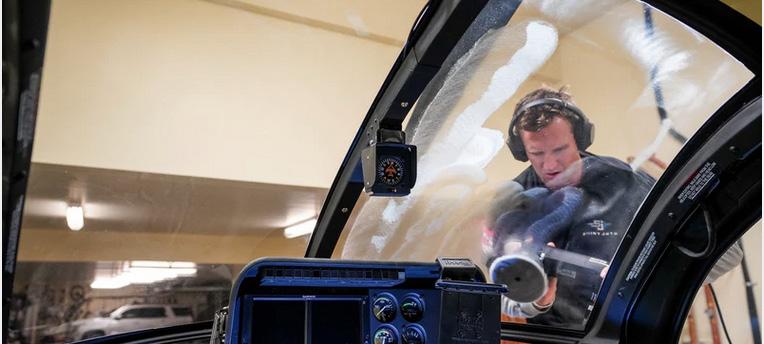
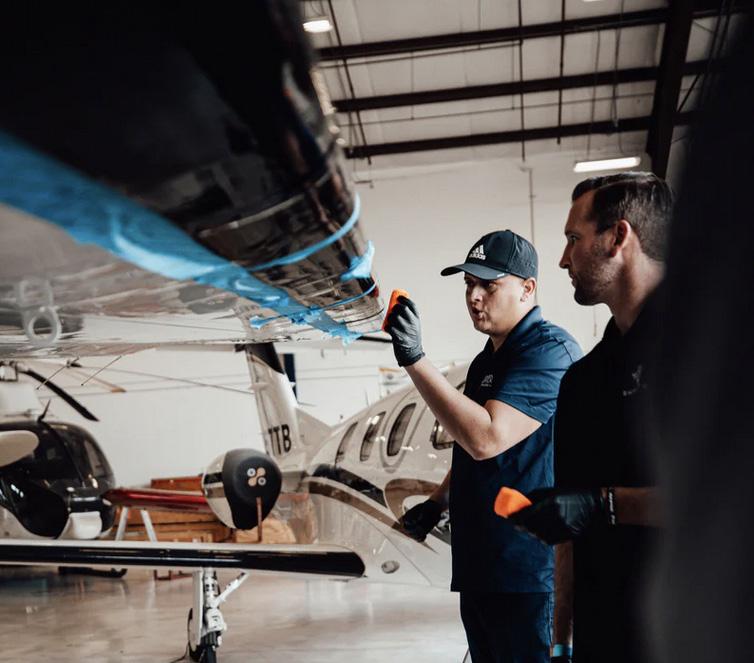
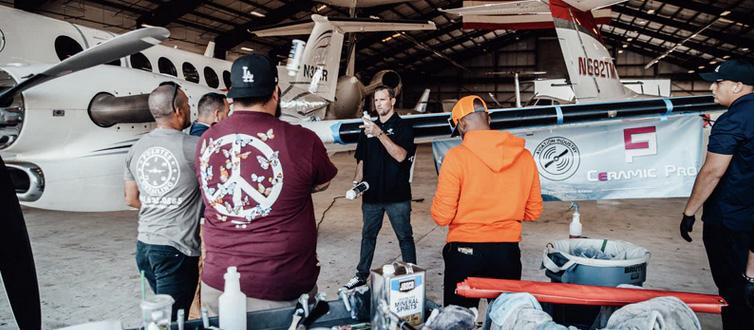
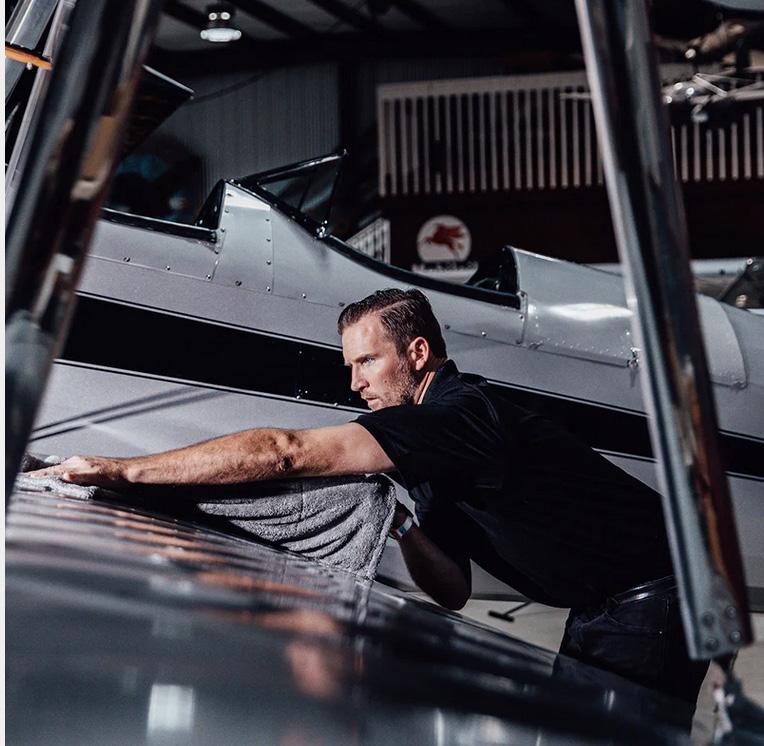
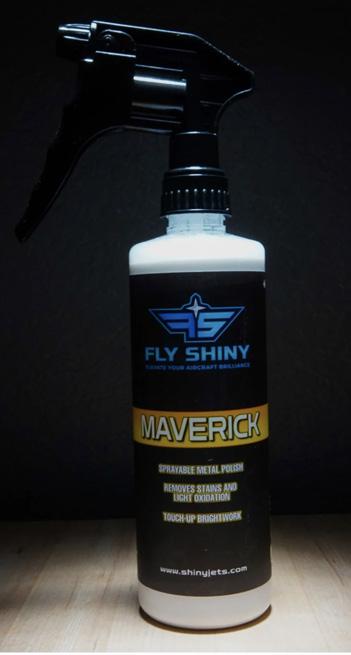
By Darren Pleasance / AOPA President and CEO
As we start the new year, I’ve got a list of topics that are consuming my attention. Throughout my travels across the country listening to members, it’s clear these issues matter to you, so they matter to AOPA.
Let’s start with the topic of unleaded fuel and why we are working hard to find a solution. Many members ask me why it matters. After all, they say, the amount of lead general aviation aircraft use is so small, and the current administration could dismiss this mandate to change. But these points are a red herring. For one, it is widely acknowledged that no level of lead is safe. Aviation fuel emissions remain the last, albeit small, producer of airborne lead. And there is only one producer in the world of tetraethyl lead (TEL), the lead additive in 100LL, and it is planning to shut down the plant. Being dependent on a single provider of anything is risky, particularly one that plans to cease production as new alternatives emerge. Experience shows that engines ultimately are happier without lead, and there are three compelling unleaded fuels that are on the path to providing a solution. Each has hurdles to overcome, but testing is promising, and the commitment is high to meet this challenge and reap the benefits of engines that run better and longer, while also taking away a talking point for those who view GA negatively.
It was the tragic accident in Washington, D.C. airspace last January that put the spotlight on the need for ATC modernization, and it has fueled a commitment unlike we’ve seen in decades in the U.S. government. The need to update the systems and procedures that support the safest airspace in the world is imperative. AOPA is a core member of the Modern Skies Coalition, working to bring the aviation industry together — GA, airlines, policy makers, labor, and manufacturers — to focus on modernizing the ATC system. This industry unity is
unprecedented, and it shows that we are stronger when we work together. The effort has resulted in a $12.5 billion down payment to get our nation’s ATC modernization underway. While on this journey, we must avoid the distraction of privatization — AOPA has beaten back past proposals to privatize the air traffic control system, but it continues to show up in op-eds and forums each week. We must remain vigilant.
It’s been two years since an off-duty Alaska Airlines pilot attempted to sabotage a flight when he suffered a mental breakdown after being sleep-deprived and ingesting drugs days prior to the incident. The event exposed serious concerns about pilot mental health. YouTube creator Xyla Foxlin and others brought this issue before Congress after her medical certificate was denied because she sought mental health care for a hormone imbalance. Hats off to Federal Air Surgeon Susan Northrup and her staff, as the FAA proactively leaned into these issues in thoughtful ways. Because of strong leadership on multiple fronts, the U.S. House of Representatives passed the Mental Health in Aviation Act, which is now in the
Senate for consideration. Our medical specialists in the AOPA Pilot Information Center tell me that many of their calls reference mental health concerns. I am proud that helping people through this process is one of the core things we do.
Something I am angry about is the use of ADS-B to impose landing fees. We backed the ADS-B system to improve safety. Any other use of ADS-B data is wrong, and it could result in pilots not installing or utilizing this important safety measure. AOPA is 100 percent behind technology that improves safety. If airports believe that charging landing fees is needed for airport viability, I suggest they focus on actions that help and promote aviation activity such as compatible use improvements including hangars, flight schools, maintenance facilities, and light manufacturing. If aviation activity expands, it would preclude the need for landing fees. The last thing we want is to have pilots foregoing the landing practice required for currency and safety or avoiding the use of an important safety tool like ADS-B.
Speaking of fees, we’ve been battling egregious fees charged by

large FBOs, and while some groups like Signature Aviation have made thoughtful actions to lower the costs for core GA users, others continue to levy ridiculous fees on small GA aircraft in favor of larger users. GA contributes much to the economic heartbeat of this country, but the fees we’re increasingly seeing at public-use airports across the country are driving activity down and favoring the big jets at the expense of the typical GA user.
These are my top action items for the coming year, but there are many more issues that concern me (insurance cost and availability, for example). Your association is engaged every day to rally our members and influence decision makers in the cause of protecting your freedom to fly. See you in the skies!
Contact Darren by email at darren@aopa.org.
AOPA President and CEO DARREN PLEASANCE is a CFII and has flown more than 8,000 hours in more than 80 different aircraft.
cross-country flying but simply follow what their tablet comes up with. They are not “navigating” any longer, but simply “following” a display. Situational awareness regarding position and knowing where one will be in the next 30 minutes
is nearly nonexistent. The majority of students preparing for the IFR exam have never used a VOR or shot a ground based instrument approach. Many have little, if any, experience “hand flying” an IFR procedure, but depend almost entirely upon automation. When queried about “what is your back-up,” the answer is often
“ATC and flight following.” But didn’t the Space Weather article point out that the very event that can disrupt GPS satellite capabilities (at minimum, kill RAIM) also affects your positional output to ATC? Not much of a back-up!
Okay, so one might be thinking, “just another old pilot who still knows how to fold a paper chart.” But let’s take a look

at the official word from the FAA as contained in Section 1-2-4 of the Aeronautical Information Manual (AIM). Does the subject title “Recognizing, Mitigating and Adapting to GPS Interference (Jamming or Spoofing)” get your attention? This is a must read for those dependent upon GPS navigation.
To quote a few lines, “When flying IFR, pilots should have additional navigation equipment for their intended route to crosscheck their position. Routine checks of position against VOR or DME information for example, could help detect a compromised GPS signal. Pilots transitioning to VOR navigation in response to GPS anomalies should refer to the Chart Supplement to identify airports with available conventional approaches associated with the VOR Minimum Operational Network (MON) program.” Does this sound a bit like the paranoia of an old pilot who still carries an E6-B in his flight kit?
But consider the following. Information was received just this morning (as this opinion piece is being written) in an AOPA newsletter regarding GPS interference testing scheduled to take place from Fort Hood, Texas. For most of February (as you are reading this editorial), GPS Interference Testing will take place during the late evening/early morning hours. A detailed NOTAM will have been issued by the time you read this, but the risk of GPS loss is very real in large segments of Texas, Oklahoma, and Louisiana. This one test will have an effected radius of some 600 miles at 20,000 feet and will interrupt ground GPS systems (auto, cell phones, smart watches, and other GPS-related toys) for a radius of some 180 miles. This writer recently experienced such a non-aviation related GPS failure while attempting to navigate a complex highway interchange, at night, in an unfamiliar, large city. In this case, the RAIM fail message was so subtle as not to be seen. It continued to give commands, but in error. Not Fun! The Fort Hood Interference Test will affect major airports like Houston, Dallas/Fort Worth, and Oklahoma City, plus many smaller airports with GPS approaches. This includes ADS-B OUT, limiting radar vectors. IFR clearances will be VOR based. Yep, just because one is paranoid does not mean they are NOT out to get you! MON? Did the AIM caution say something about “MON?” What the heck is the Minimum Operational Network? Ask almost any pilot flying a GPS aircraft, especially newly minted Flight Instructors, and one will be assured that VOR is on the way out and that there
NBAA President and CEO Ed Bolen took the keynote stage on opening day of the 2025 NBAA Business Aviation Convention & Exhibition (NBAABACE) for “an absolute celebration of business aviation” and its role not only in driving economic growth and technological innovation, but also in inspiring future generations to aim higher.
The Aircraft Owners and Pilots Association (AOPA) Foundation announced the regional winners of its 2026 Flight Training Experience Awards, recognizing outstanding flight schools and flight instructors across the United States.
“We’re a vital link in the global transportation system,” Bolen said. “We create jobs. We help companies be efficient and productive in an intensely competitive global marketplace. We provide humanitarian assistance to those in need, and we are on a mission to net-zero. It is great to be part of a great industry.”
The awards are based on feedback received from thousands of student pilots, newly certificated pilots, and pilots completing flight reviews or pursuing advanced certificates or ratings. Many reviewers praised not only the quality of instruction they received, but also the encouragement, support, and sense of community fostered by these flight schools and instructors.
Bolen emphasized that safety also remains of paramount importance not only in the business aviation community but throughout all other industry sectors following a series of high profile, fatal accidents earlier this year.
a brand-new air traffic control system,” Bolen said. “Airlines, airports, labor, all of general aviation [and] alignment between the president, the secretary of transportation, both houses of Congress and a public demanding that we build a new ATC system.”
tastic job providing this training, but to recognize those who go above and beyond. For example, it’s not uncommon to hear about instructors and schools helping students arrange transportation or housing, and ensuring they have the resources needed to stay on track with their training.”
Bolen also recognized in the audience the two most recent enshrinees to the National Aviation Hall of Fame, aviation safety consultant and former NTSB member John Goglia and NBAA Chair Emeritus Gen. Lloyd “Fig” Newton. “We’ve gotten to our point today by standing on the shoulders of giants,” he said.
for Walmart, Walton is the co-founder and chairman of Game Aerospace and a prominent leader in fostering the development of advanced air mobility (AAM) aircraft. He also restores and flies a variety of vintage aircraft, some of which are on display during NBAABACE at the NBAA Aircraft Connection at Henderson Executive Airport (HND).
Virginia
» Great Lakes | Moore Aviation, Inc. | Beaver Falls, Pennsylvania
» Pacific | Mike Smith Aviation International, Inc. | Napa, California
» Southern | Centennial Aviation Academy | Atlanta, Georgia
» Pacific | Austin Smith (ATP Flight School; KCMA) | Newbury Park, California
» Southern | Tiziano Bernard (Savannah Aviation; KLHW) | Pooler, Georgia
» Western | Sierra Charlie Aviation | Scottsdale, Arizona
• Flight Instructors
Those aircraft, along with Walton’s work to make Thaden Field (VBT) in Bentonville, AR, a hub of community activities both related to aviation and not, serve an important purpose in his life.

» Western | Andrew Hamouda (Leopard Aviation; KFFZ) | Scottsdale, Arizona
“Learning to fly an airplane or earn additional certificates and ratings is challenging,” said AOPA Foundation Senior Director of Flight Training Education Chris Moser. “We’re proud to not only present awards to flight schools and instructors who do a fan-
“We saw the entire aviation community coming together on the plan to build
Six flight schools and six individual flight instructors were selected as regional winners for 2026. From among these regional honorees, one flight school and one flight instructor will be named national winners at Redbird Migration, which will be held at the Aerospace Center for Excellence in Lakeland, Florida, on March 3-4.
Steuart Walton: Aviation is a Tool to ‘Connect, Meet and See What’s Going On’
Regional Winners
• Flight Schools
Aviator, entrepreneur and business leader Steuart Walton then joined Bolen to receive NBAA’s Meritorious Service to Aviation Award, the association’s highest honor.
» Central Southern | Neu Aviation | Benton, Louisiana
» Eastern | Nova Pilots | Leesburg,
In addition to serving as a director
» Central Southern | Ty Ashe (JKA, LLC; KAUO) | Notasulga, Alabama
“Aviation is just an absolutely unparalleled platform for inspiration to young folks, or people looking for the opportunity to find a new career,” said Walton. “The more you can tell that story about what aviation is and what it can be, you open people’s eyes to it. And the more people that come into it, the stronger it gets.”
» Eastern | Grayson Bertaina (FlyHdg360 LLC; KFIT) | Cambridge, Massachusetts
» Great Lakes | Sydney Pilling (Illinois Aviation Academy/Spartan Education Group; KDPA) | Third Lake, Illinois
Business aviation has also played a
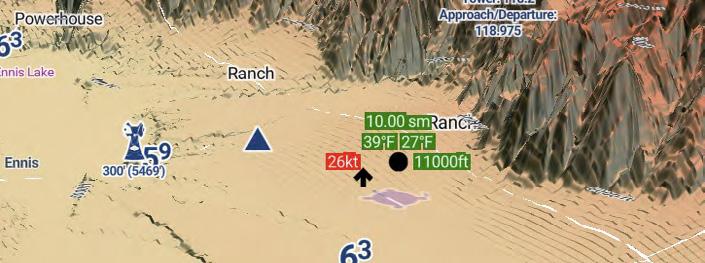

See the full list of award winners on the AOPA website, aopa.org or directly at https://www.aopa.org/ training-and-safety/flight-schools/ flight-training-initiative/flight-trainingawards/previous-winners.
NBAA President and CEO Ed Bolen. (Photo courtesy NBAA)
vital part in Walmart’s growth, from the early days when Steuart’s grandfather, Sam Walton, flew a two-seat Ercoupe to visit stores, to now operating one of the largest business aircraft fleets in the world.
The You Can Fly program and the AOPA Air Safety Institute are funded by charitable donations to the AOPA Foundation, a 501(c)(3) organization. To learn more or to make a donation, visit www.aopafoundation.org/donate.
Continued on Page 38



Continued from Page 35
is no need to know how to use VOR or VHF ground based instrument approaches. Yep, VOR is obsolete and can be ignored… just use the GPS. Perhaps even more disturbing is that many IFR applicants this writer works with for flight test or written exam prep are totally confused by terms like “heading” and “course,” not knowing the difference between the two. Toss in the apparently brain numbing principles of assessing latitude and longitude (not taught in schools anymore?) along with the weirdness of magnetic variation, and you have a pilot that clings to their tablet and GPS as if it were a life preserver in a tsunami!
At least this is the impression this
writer gets when an IFR student discovers that using VOR is still in all written exams (although admittedly, old, and obsolete presentations and questions) and that the Airman Certification Standard for all ratings requires demonstration of groundbased navigational skills. This is where MON comes in. Simply stated, MON is a dedicated network of VOR’s that will allow an aircraft flying in the United States and Territories, at an altitude of at least 5,000 feet, to receive a VOR that can take them to an airport within 100 miles that has a ground-based instrument approach. Does this sound like a specifically designed system to back up the GPS structure… you bet… and you have a responsibility to know how to use it.
The reality is that GPS is delicate…
a low-powered system subject to the interference described in the AIM and regularly shut down by the military for interference training. Bad guys have learned how to use the weaknesses of GPS to do some pretty evil things, like misdirect aircraft and/or fly autonomous drones that can cause all sorts of mischief. The 24-satellite “constellation” that makes up the U.S. GPS system is granted to the FAA each morning by the military, which owns the GPS system. Should a “bad guy” threat reach the point of being recognized as probable, GPS will be shut down for security purposes. One must also keep in mind that use of GPS for IFR flights depends upon the availability of Receiver Autonomous Integrity Monitoring (RAIM). RAIM is dependent upon
WAAS (Wide Area Augmentation System) ground towers, which are subject to power outages and damage from weather events. The MON backup system looks like a pretty good idea, eh?
In round numbers, the current 950plus VORs in the Lower 48 are being reduced to about half that number, but not on a random basis. In the MON, all VORs will be retained in Alaska, the Western U.S. Mountainous Area (WUSMA), and U.S. Islands and territories. Stakeholder inputs are considered in selecting VORs to be decommissioned. Most VORs getting the ax no longer serve the modern airway structure or are low-powered Terminal VORs used for limited instrument
Continued on Page 40

By Jay Wiles, AOPA
AOPA members now have access to Windsock, an aircraft valuation tool designed specifically for general aviation, at no cost as a new member benefit.
Windsock is a market-based, data-driven aircraft valuation tool that uses real-world market data to provide insights into how much an aircraft may be worth, offering an unbiased and transparent approach to aircraft valuation.
To generate a report, members enter details such as year, make, model, total time, engine time, avionics, and equipment. Windsock then analyzes current market data to generate an aircraft-specific valuation.
“Aircraft valuation tools have historically been one of our most popular benefits. A tool like Windsock provides a valuable reference point for pilots as they consider buying or selling an aircraft. We’re excited to partner with Windsock to offer this benefit available only through AOPA,” said AOPA Senior Vice President of Marketing Strategy and Growth Katie Pribyl.
Members exploring aircraft ownership can also work with AOPA Aviation Finance for guidance and financing options tailored toward general
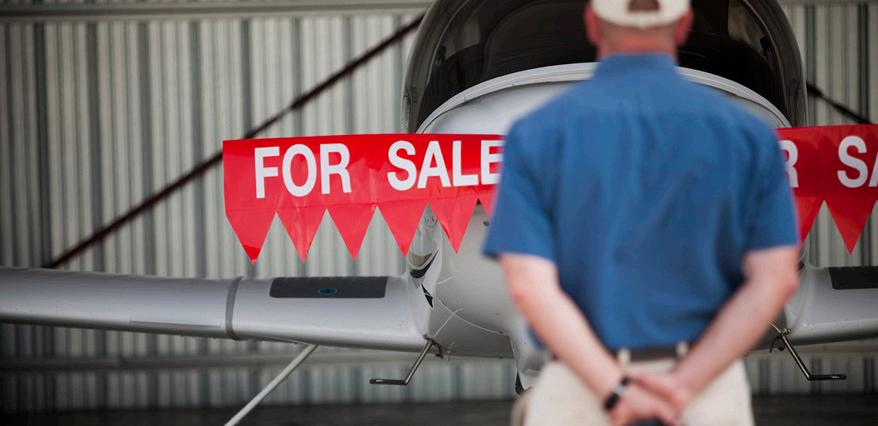
aviation aircraft purchases.
Windsock Founder Ian Hoyt said the partnership brings greater clarity to a part of aircraft ownership that has traditionally relied on limited or incomplete data.
“We’re thrilled to partner with AOPA to give aircraft owners and pilots access to Windsock and the insights it provides,” said Hoyt. “Together, we’re helping AOPA members make some of the most important decisions in their ownership journey with greater confidence and peace of mind.”
As part of the new offering, AOPA members receive 12 free Windsock valuation reports each year. Unused valua-
tion reports reset on a rolling 12-month cycle, and members receive a 50-percent discount on any additional reports they choose to purchase.
In addition, members also receive a 50-percent discount on Windsock’s logbook analysis tool, which analyzes scanned or digital maintenance records with artificial intelligence, and creates a searchable, structured maintenance history; identify inspections and compliance items; and share findings with partners, buyers, or advisors.
AOPA members can also explore Windsock’s price index, which provides real-time market pricing for nearly 5,000 aircraft make, model, and year
combinations, allowing pilots to track trends across a wide range of aircraft.
“Windsock delivers instant, aircraft-specific valuation reports that give owners and pilots a clear, real-time view of what an aircraft could be worth,” added Hoyt. “Powered by advanced machine learning and statistical modeling, Windsock turns complex market data into actionable insight, helping pilots and aircraft owners move forward with confidence at every stage of ownership.”
“We’ve worked closely with the Windsock team over the last few months to help ensure AOPA members can get the most out of this valuable resource,” said AOPA Senior Manager of Operations Charles Lehman. “The depth of insight available through Windsock reinforces our confidence that this will be a highly valuable tool for members exploring aircraft ownership and valuation, and we’re excited to introduce a platform we believe will become an important part of the member experience.”
“We’re constantly looking for new ways to make AOPA membership more valuable to pilots,” said AOPA President Darren Pleasance. “Tools like Windsock give our members access to better information, helping them make informed and confident aircraft transaction decisions.”
Ready to trade the runway for the water? Sporty’s has announced the launch of its all-new Seaplane Rating Course, a visually stunning, experience-driven training program designed to prepare pilots for the unique challenges and rewards of seaplane flying. From first taxi to advanced water operations, this course blends expert instruction, real-world scenarios, and breathtaking on-location footage to deliver a truly immersive learning experience.
Filmed across Florida, Maine, and Alaska, Sporty’s course uses cinematic 4K video, multiple camera angles, and detailed animations to show seaplane flying as it really happens — on moving water, in changing conditions, and
in some of the most beautiful flying environments in the world.
Pilots will learn:
• How to transition confidently from landplanes to seaplanes
• The key differences between floatplanes, amphibious aircraft, and flying boats
• Proven techniques for taxiing, taking off, and landing on water
• How to evaluate wind, water conditions, and landing areas
• Best practices for docking, beaching, mooring, and securing a seaplane
A standout feature of the course is its in-depth coverage of advanced seaplane operations — the kind of practical insight that comes from experience.
Topics include glassy water and rough water techniques, confined area operations, river flying, flap management, and hull speed considerations. These lessons go beyond rote procedures, focusing instead on judgment, decision-making, and safety margins that define proficient seaplane pilots.
Aviation legend Patty Wagstaff, one of aviation’s most respected pilots and educators, leads the instruction. Best known for her precision, discipline, and safety-focused approach to flying, Wagstaff brings that same clarity and professionalism to seaplane operations. Drawing on decades of flying experience, across a wide range of aircraft and environments, she emphasizes techniques that are practical, repeat-
able, and grounded in sound aeronautical decision-making.
In addition to structured training, the course includes a unique 360-degree/VR Adventure Flying module, offering immersive, non-instructional flights in unique aircraft and locations. These chapters invite pilots to simply experience seaplane flying from Alaska to Florida — the sights, sounds, and perspectives — and simultaneously provide a behind-the-scenes look at how the course was created. It’s an inspiring and relaxing complement to formal study.
The course also includes: • Lesson quizzes and a comprehensive course review quiz

The Aircraft Owners and Pilots Association (AOPA) on Feb. 4 announced a leadership transition as President and CEO Darren Pleasance steps out of the day-to-day CEO role and into an advisory capacity to support AOPA and the Board of Trustees during the search for AOPA’s next leader.
Over time, it’s become increasingly clear that the AOPA CEO role should be based full-time in Frederick, Maryland, at AOPA’s headquarters. The AOPA Board appreciates the substantial time Darren has spent traveling from his home in Bend, Oregon, to be present in Frederick and with members across the country. Recognizing this, now is the right time to transition leadership in a way that best supports the organization’s long-term needs.
“Darren has brought energy, perspective, and a deep commitment to serving pilots and protecting the freedom to fly,” said Jim Hauslein, Chairman of the AOPA Board of Trustees. “He has been deeply engaged with our members across the country, taking time to listen to their experiences, understand their challenges, and represent their voices in the work we do every day. We are grateful for his leadership and are pleased he will continue to support AOPA during this transition.”
“I’m incredibly proud of what we
were able to set in motion at AOPA in a relatively short period of time,” Pleasance said. “In addition, I had the opportunity to meet thousands of members across the country, hear their stories, and work on issues that matter to everyday pilots, which has been deeply meaningful. The most special part of AOPA, though, is the staff. The people here care deeply about pilots and the mission, and it’s been a privilege to work alongside them.”
Effective immediately, AOPA’s dayto-day operations will be jointly led by Chief Financial Officer Jill Baker and Senior Vice President of Membership Strategy and Growth Katie Pribyl, who will serve as Acting Co-Presidents during this interim period. Both are members of AOPA’s executive leadership team and will lead the organization’s operations, staff, and strategic execution, ensuring continuity of leadership and decision-making across the association.
AOPA’s leadership team and staff remain fully focused on the work pilots rely on every day, including advocacy at all levels of government, advancing aviation safety and training, and delivering trusted member programs and services as the Board conducts a thoughtful search for AOPA’s next leader.
The AOPA Board of Trustees will
Continued from Page 37
approaches.
While the MON network will be useful for VFR navigation (with sometime circuitous routes) it will have less usefulness for enroute IFR flying. A plus of the MON system is that reliability, reception quality, and range of VOR transmitters is being significantly improved. The new MON VORs will not be as sensitive to blockage by surrounding terrain or obstructions. Have a look at the following link for a very informative “White Paper” offered by AOPA, Microsoft Word - White Paper v4.docx.
The bottom line is that pilots who are
dependent upon GPS are setting themselves up for a loss of navigational capabilities. Maybe it is time to dig up an old timer that still knows how to actually navigate and do a little refresher training. Maybe that old Private Pilot training book you used 30 years ago is still gathering dust on a bookshelf, just waiting to explain the difference between a course and a heading. Just for fun, visit your favorite aviation goodies sales site and order a paper chart (low-altitude IFR and sectional) of your region, and carry it as a back-up? See if you can get it unfolded without blocking your view of the entire outside world, a skill worth having!
initiate a formal search shortly for the next President and CEO. The process will be designed to be thoughtful, inclusive, and aligned with the long-term needs of AOPA’s members and the general aviation community.
Earlier, AOPA announced GA visionary Dale Klapmeier, co-founder and former CEO of Cirrus Aircraft, has been appointed to the AOPA Board of Trustees. Klapmeier’s decades of leadership in advancing aircraft safety, innovation, and pilot engagement add important industry perspective to the Board.
To learn more about AOPA, visit their website, aopa.org.


Story and Photos by Mike Heilman
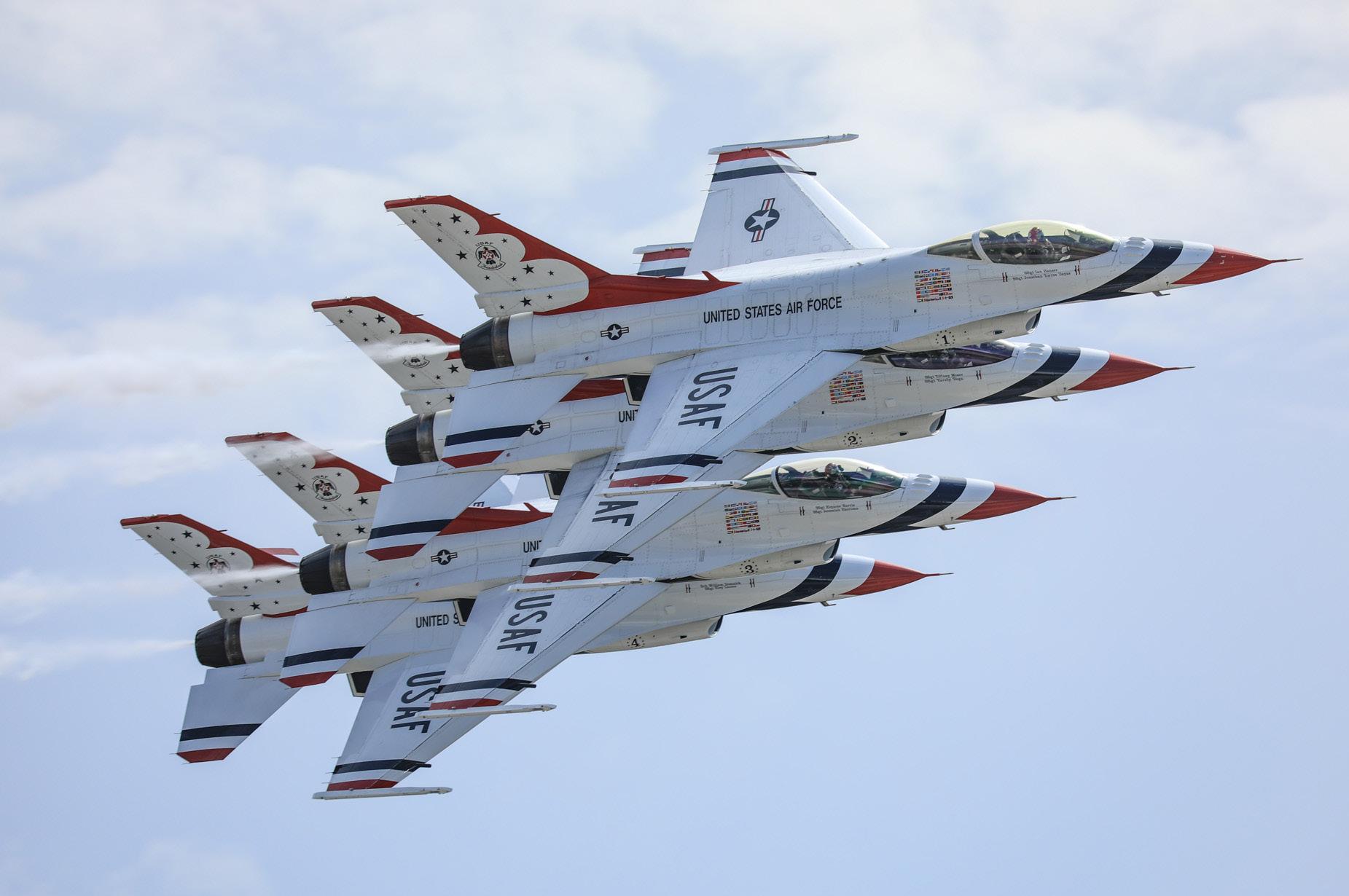
It has been three years since the 122nd Indiana Air National Guard Fighter Wing hosted an open house and air show at the Fort Wayne, Indiana base. The twoday event was at the 122nd base at Fort Wayne International Airport. The Fort Wayne air show was free to the public and drew massive crowds both days of the event. The United States Air Force Thunderbirds headlined the show flying in their F-16C “Fighting Falcons” Major Tyler Clark, call sign “Slasher” is the number four slot pilot for the 2025 Air Force Thunderbirds. Major Clark is a 2009 U.S. Air Force Academy graduate and is the first Air National Guard demonstration pilot for the Thunderbirds. Major Clark comment on the Thunderbirds season so far: “It’s been a lot of fun I got to tell you there’s something about every single weekend going to a different city somewhere in the United States. It’s getting to meet people from all over the United States from different communities, different backgrounds and the different regions.
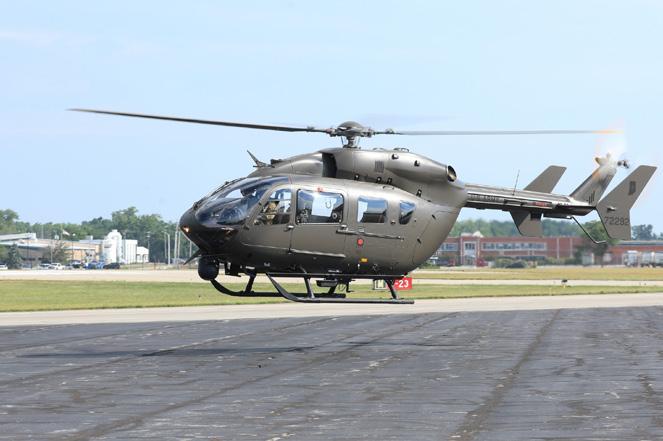
“In terms of the shows and the qualities of the show, I think we’re really excited and we’re definitely proud of where we are right now. The beauty of air demonstration is that there’s what a beginning season team looks like and what an end of season team looks like. They are very drastic differences, not only for us (but) with the Blues, the Snowbirds you name it and so what people view as a show, for us is also a show but it’s also a practice. We’re always looking for these little ways to make it tighter and better towards the end of the season before we basically go back to the chopping block and start all over.”
This is Major Clark’s second year with the Thunderbirds, as he explains, “This is my second year on the team, so when I made the team, I came in as number three on the right wing and then you do that for one year. Then number three always goes to the slot as number four the second year and you are essentially the overall Delta instructor for the team.”
The change in Major Clark’s position in
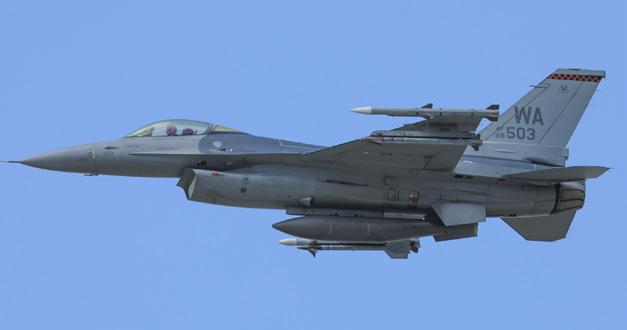
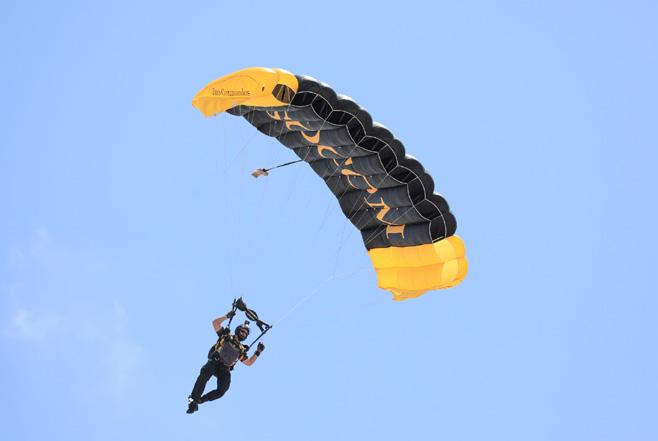
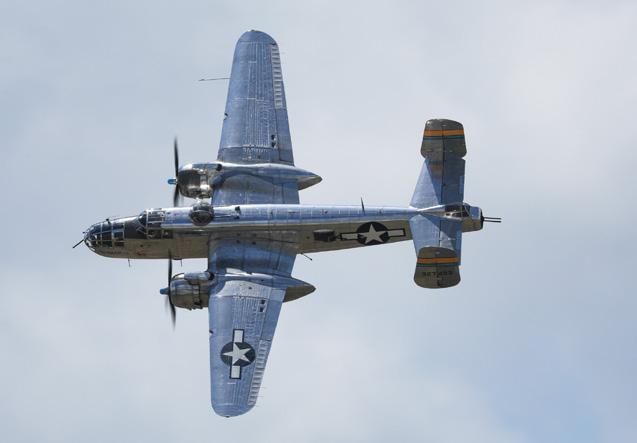
Special Operations Command Aerial Parachute Demonstration team member landing
the team from Right Wing to Slot pilot in Delta formation is not an easy change as he commented: “The flying is completely different because you’re flying directly under boss. There’s just a lot of different nuances flying here, for example, this season number two and number three are brand new. When you have a brand-new wingman, there’s a lot of inherent instabilities (while) they are trying to learn to fly in formation –while learning how number two flies on the left but also learning how number three flies on the right. (It is important) to notice (nuances) over time as we fly together and build that blind trust in each other. Those little nuances that I see in the movements out of their airplanes and being able to telegraph that for potential overall performance or what to expect throughout the show allows me to kind of manage how I fly.”
Major Clark explains that change in the position in the formation comes with added responsibilities: “Outside the flying environment, you’re now flowing into a leadership role as number four as one of the diamond and Delta instructors for the team. It’s putting together a training program to basically start square one
with a brand-new team. Then to create essentially an airshow ready product within about four-and-a-half months to figure out ways to continue that progression but I’ll keep the camaraderie higher and the spirits high. We got to be on the road with each other for 250 days out of the year and so you can’t just be constantly cracking the whip the entire time. It also needs to be an enjoyable experience so we can showcase that to the American public.”
Fort Wayne International Airport is home to the 122nd Indiana Air National Guard known as the “Blacksnakes.” The 122nd Fighter Wing started converting from the unit’s A-10 “Thunderbolt” to the F-16 “Fighting Falcon” in 2023. The fighter wing showcased the unit’s F-16s with static and flying displays. The 122nd opened the show with a four-ship formation flyby with a KC-135R from the 434th Air Refueling Wing based at nearby Grissom Air Reserve Base in Peru, Indiana. The 122nd also showcased some of the F-16 capabilities with a simulated ground attack complete with
Continued on Page 43
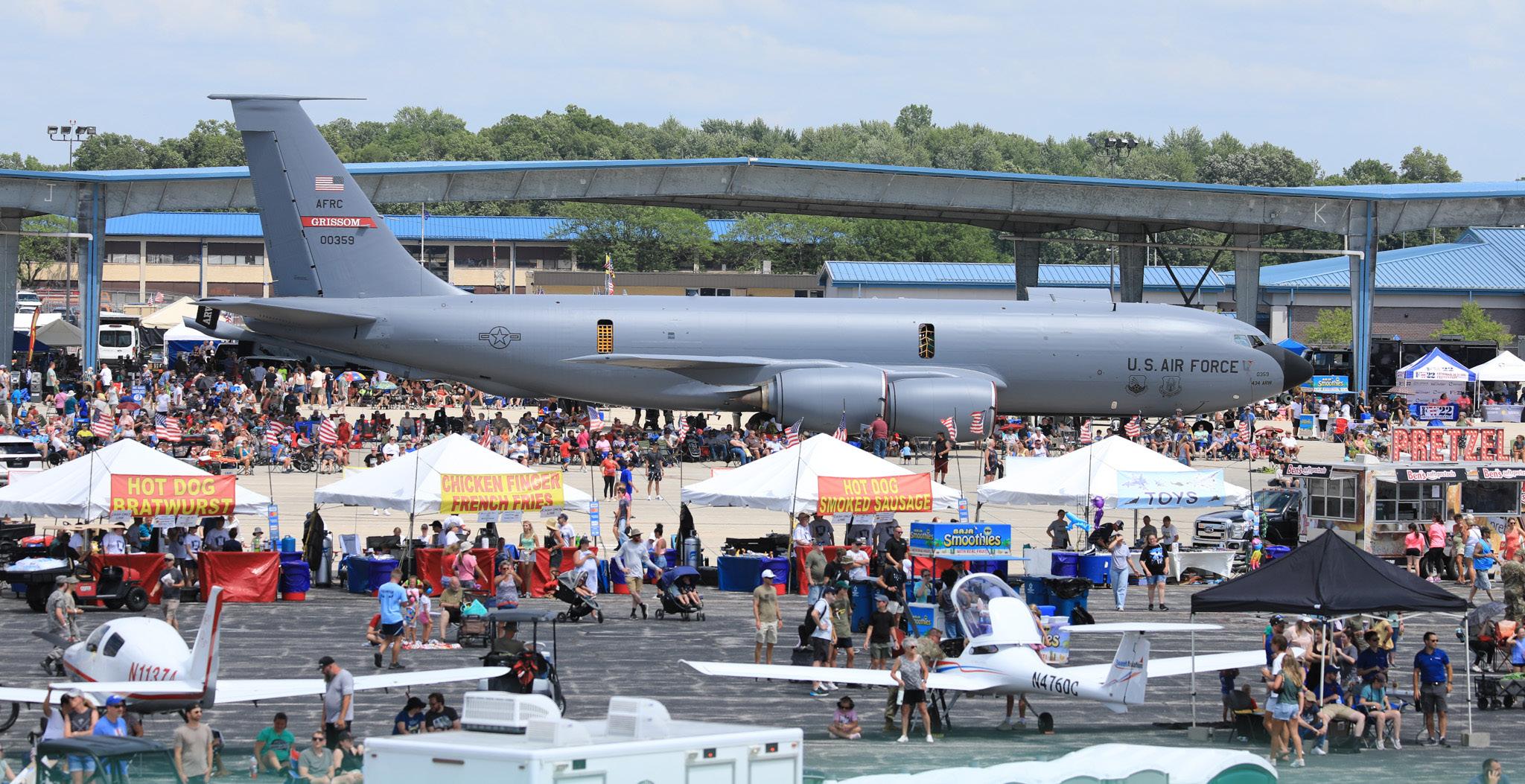
Continued from Page 38
• A completion certificate
• Downloadable reference materials, including the Seaplane Flying Handbook and FAA safety resources
• Access on any device via the Sporty’s Pilot Training app
• Accepted for WINGS credit
Whether you are pursuing a sea-
plane rating or simply drawn to the freedom and challenge of flying on water, Sporty’s Seaplane Rating Course will deliver an experience that is as engaging as it is educational.
The Seaplane Rating Course, featuring Patty Wagstaff, is available for $99. To learn more, preview the course, and to purchase, visit Sportys.com
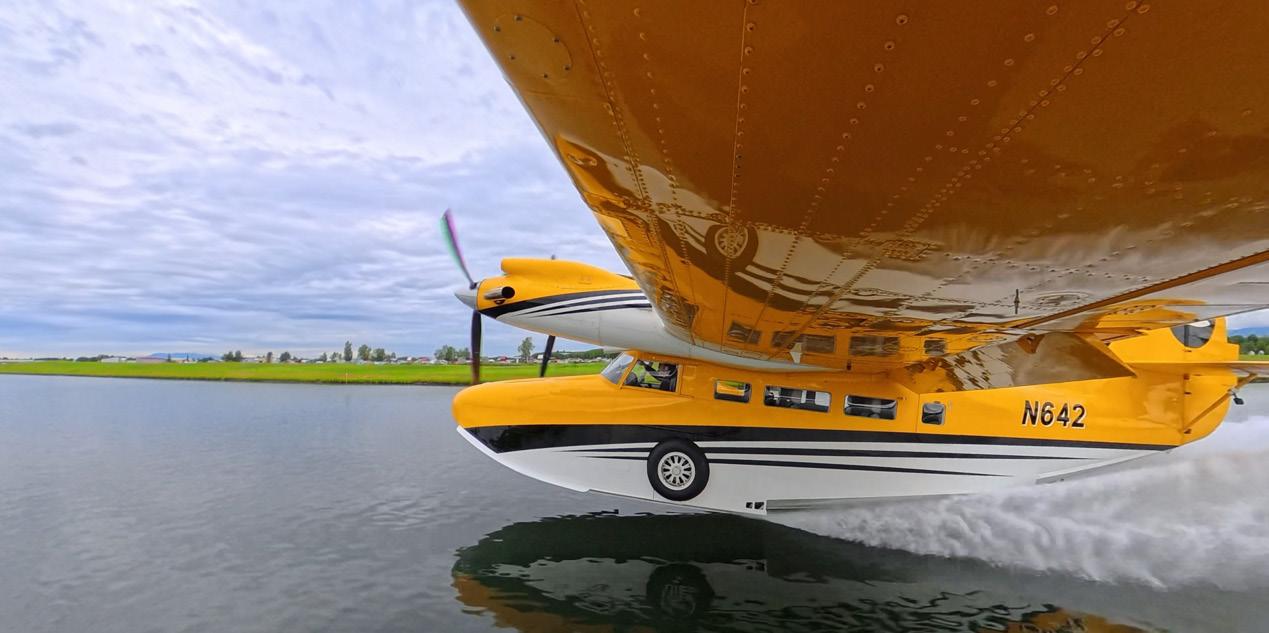
Filmed across Florida, Maine, and Alaska, Sporty’s new seaplane course uses cinematic 4K video, multiple camera angles, and detailed animations to show seaplane flying as it really happens. (Photo courtesy Sporty’s)
Continued from Page 42
pyrotechnics.
The U.S. Special Operations Command Aerial Demonstration the SOCOM Para-Commandos Team performed several parachute jumps during the Fort Wayne show. The Para-Commandos team is made up of representatives from today’s special forces. The members are from Army Special Forces, Army Rangers, Navy SEALS, Air Force Combat Controllers and Marine Raiders.
A World War II Era North American Aviation B-25J known as “Miss Mitchell” bomber was on static display and flew at the show. The B-25J is maintained and flown by the Minnesota Wing of the Commemorative Air Force. The “Miss Mitchell” served in the 310th Bomb Group, 57th Bomb Wing of the 12th Air Force that served in North Africa and Italy. “Gunfighter” a Commemorative Air Force P-51D Mustang performed a power demonstration at the show. The P-51D served at the end of World War II in the 8th Air Force in England.
The civilian portion of the show featured some of the biggest air show acts in the industry. The lineup included Skip Stewart and Melissa Burns. They flew solo high-powered acts and then they




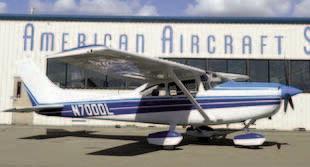

joined the Smoke-n-Thunder JetCar for an explosive and smoke-filled routine called Tinstix of Dynamite. JetCar driver Bill Braack thrilled the crowd with a lot of speed, smoke and fire. The JetCar is powered by a Westingtonhouse J34-48 jet engine and is capable of almost 400 mph.
Kyle Franklin entertained the crowd with his comedy themed air show that includes his flying circus routine. Franklin has been a full-time air show performer for more than 25 years and won the highest air show honor, the Bill Barber Award for Showmanship. Nathan Hammond flew his de Havilland Chipmunk in an aerobatic and skywriting routine at the show. The KC Flight Formation Team flew their Van’s RV Experimental aircraft in a ten-plane formation routine. The team is from Kansas City and has performed several large public events. The 122nd Indiana Air National Guard Fighter Wing air show organizers estimated that a crowd of 65,000 attended the two-day event. The great weather and world class lineup led to the large turnout. The last two Fort Wayne Air Shows in 2019 and 2022 were named Military Air Show Site of the year by the U.S. Air Force Thunderbirds. It looks like the 2025 show could make it three consecutive times winning that honor.





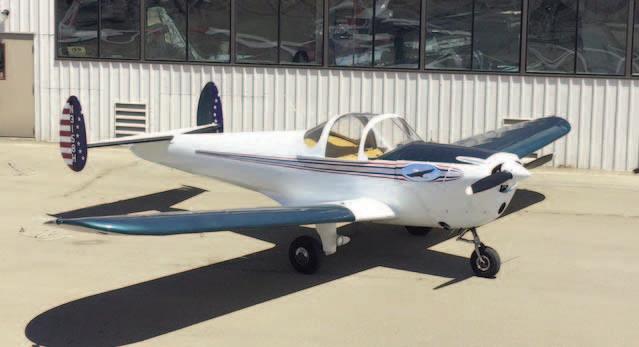


AIRCRAFT FOR SALE
American Aircraft Sales, Livermore Airport, CA, americanaircraft.net, cell (510) 783-2711, (925) 449-5151. 3/13
From Trade-ins to Aircraft Management, financing and appraisals. T.J. Aircraft Sales, Novato, CA, (415) 898-5151, tjair.com. 3/13
AirplanesUSA Aircraft Sales, San Carlos, CA, Airport, (650) 394-7610, airplanesusa.com. 1/16
Quality aircraft since 1948. Volare Air, a TECNAM dealership, (940) 800-8020, volareair.aero. 1/23
Historically significant 1950s-era aircraft for sale or trade. All in restorable condition with minimum corrosion. Inventory includes a Piasecki XHJP-1 and a Sikorsky S-55. American Helicopter Museum, West Chester, PA. Contact info@ americanhelicopter.museum for more information. 231000.TFN
1968 Nanchang CJ-6 Chinese warbird. Reliable Day/VFR, light weight. Apollo GX-65 nav/com, Digital Xpndr., intercom, Delco alternator. New seat cushions and canopy glass. Includes all support equipment, wing jacks, manu- als, spare parts. Much more! $70,000. Located N. Calif., text/cell (530) 957-9760, dennis@nickson.biz. 24900:11
1966 Piper PA30 Twin Camanche for sale near Oceanside, CA. Call for pricing. Andrew Wignot, (760) 717-0640. 241100:12
Small Manned Aerial Radar Target, Model 1. Tiny jet aircraft, long-range tank. SMART-1, Tucson, AZ, (202) 2132400, smart-1.us. 5/21
SPORT/ULTRALIGHTS
RV12i5. Total performance perfected. Easy to build, fly and own. Van’s Aircraft www.vansaircraft.com. 11/18 Bristell LSA 915 Turbo, 180 mph @18,000. Bristell Aircraft, (516) 658-1847. bristellaircraft.com. 2/24
STOL
The STOL Super Breezy with fully covered fuselage. Yakima Aerosport, (509) 453-3412, superbreezy.com. 5/23
AIRCRAFT SALES AIDS
Aviation Sales & Marketing by ABCI. Ideal for a startup or side hustle in the aviation industry. (702) 987-1679 or aviationsalestraining.com/startup. 1/21
FLIGHT INSTRUCTION
Sunshine Flyers. Flight & tailwheel instruction, rentals, mountain flying, and aerobatics., Auburn, CA, (530) 820-3442, sunshineflyersaviation@gmail.com. 3/20
Arizona Type Ratings
CE-500/CE-525 type ratings or recurrent. Insurance approved, staff examiner. arizonatyperatings.com, (602) 614-7994. 9309:TFN
Recurrent pilot training and services. L/D Aerospace, Grace Passmore, (916) 790-0501, ldaerospace.com. 1/22
Fly for fun or career. Discovery flights, pilot training, AOPA Distinguished Flight School & Cessna Pilot Center. Smith Aviation, Napa County Airport, (707) 3456526, mikesmithaviation.com. 4/22
Come fly with us! CFIs encouraged to apply. For more information, call Sue Clark/RV to the Rescue at 925-997-4778
XL Aviation - Aircraft Maintenance.
Custom-tailored programs for all aircraft. Livermore, CA, (925) 961-6135, xlaviationtailwheel.com. 8/20
Iconic Aircraft Restoration. Repairs, refurbishments, parts fabricated, consulting at reasonable rates. The Wright Experience, (540) 379-9092. 8/21
Custom aircraft & high-quality composite parts. Aviation Composites, Sandersville, GA, (937) 243-7303. 1/22
Serving the GA Community since 1981. Wisconsin Aviation, Watertown Municipal Airport, WI, (920) 261-4567, WisconsinAviation.com. 3/13
World’s largest network of FBOs with over 200 locations offering consistent, exceptional service. Signature Flight Support, signatureflight.com. 4/23
Full-service center. Vista Aviation, Whiteman Airport, Pacoima, CA, (818) 896-5224, vistaair.com 9/23
Avionics for Every Mission. All major brands. Airtronics, Calaveras County Airport, CA, airtronicsavionics.com, (209) 736-9400. 11/14
Basic installs to complete panel and glass retrofits. Pacific Coast Avionics, (800) 353-0370, PCA.aero. 7/15
Update your avionics. FAA-Certified repair station. Treasure Coast Avionics, Ft. Pierce, FL, (772) 464-3148, treasurecoastavionics.com. 2/23
AIRCRAFT PARTS
Keeping “classic” aircraft flying since 1946. Univair Aircraft Corp., Aurora, CO, (888) 433-5433, univair.com. 3/21
Iconic Aircraft Restoration for all the classics. Reasonable rates. The Wright Experience, (540) 347-1909. 2/23
SAVAGE Magneto Service since 1946. Hayward, CA, (510) 782-7081, 2/23
Wingtips with total lighting solutions, aveoengineering.com. 9/23
Aviation wood, composite or metal propellers. Sensenich, (813) 752-3711, (717) 569-0435 or sensenich.com. 4/21
OXYGEN SUPPLIES
Cannula or Mask? For aircraft service ceil- ings to FL180 & FL250. Ask “The Oxygen Lady,” info@aviationoxygen.com 4720:TFN 2/23

Fuel Cells. Repair, overhaul or new with 10-year warranty. Hartwig Aircraft Fuel Cell Repair, hartwigfuelcell.com. 2/09
Home of GAMIjectors® fuel injectors! STCs and PMAs on over 300 different engine models! General Aviation Modifications, Ada, OK, (888) 359-4264, (580) 436-4833, gami.inc. 3/23
aviation safety solutions and
Parachute Recovery Systems for a variety of aircraft, including for sport, UAVs, more. AviationSafetyResources.com. 2/22
Get ahead of your daily in-flight risks with SAFETYLINQ flight risk assessment. argus.aero/safetylinq. 1/22
AIRCRAFT FINANCING
Get Top Retail Value for Your Aircraft! Sell now! Find your dream aircraft! Shop now! Become an area broker with one of the largest networks in the U.S.! Visit our USA Aircraft Brokers page on Facebook or visit usaaircraft.com. 9/23
Specializing in personal, business and charter aircraft. Best price, cover- age & customer service. Zanette Aircraft Insurance Center, (650) 593-3030, (888) 7233358. 10/06
Insurance solutions for all aviation-related services. Business Aviation Insurance, bizavins.com, (925) 825-1900. 7/20
Informed, accurate aircraft appraisals. jetvaluesjeremy.com, (636) 751-3987. 7/20
Complete Aviation Sales & Marketing Services. Use Promo Code “INFLIGHT” to save 10%. AviationBusinessConsultants.com/Lab, (702) 987-1679. 4/23
No cheap imitation watches at HME! Special pricing on ATP series multi- functional watches with Altimeter. To order or for information, (323) 464-6660 or hmewatch.com. 11/16
Aircraft Spruce & Specialty. Free 700page catalog, Corona, CA, & Peachtree City, GA, aircraftspruce.com. 10/06
Protective covers for every make and model. Bruce’s Custom Covers, Morgan Hill, CA, (800) 777-6405, (408) 738-3959, aircraftcovers.com.10/19
Apparel as unique as your journey. Discounts to members. AOPA Pilot Gear, aopapilotgear.com. 9/21
Mountain Bike, Full-size, pilot-friendly, rugged. FLATBIKE, flatbike.com. 10/18
AVIATION RESOURCES
Emergency services, group trips, consulting services. BizAvJets, Inc., Business Aviation Services, bizavjets.com, (702) 465-2027. 10/20
Wherever business takes you. Navigate It. (575) 615-2091, vatit.com. 10/21
Scheduling Software that connects to your flight department. Simple, affordable. airplanemanager.com. 9/22
PROFESSIONAL SERVICES
Aero & Marine Tax Pros
Legally avoid sales tax on your aircraft purchase. In El Grove, CA, (916) 691-9192, aeromarinetaxpros.com. 18500:TFN
Left Seat Pilot Medical Solutions. A confidential solution for pilot medical certification. Free FAA medical consultations. Left Seat, (800) 699-4457. 1/21 Global Aircraft Group. USPAP bank values for all aircraft, aircraft management, insurance claims & certified aircraft appraisals. Mark Parry, (855) 6GBL- AIR, (413) 335-7507. 4/22
At Thirty1 Hybrid, we help aviation companies, including flight schools, manufacturers, mechanics, brokers, and
more, build a cohesive website that positively impacts their bottomline. And it’s not just a website — it’s an Experience. We’ll take your prospects on a journey they’ll love (and you’ll love, too — because the final destination is a new client and more money in your pocket). It’s a win-win for everyone! Contact us today at hello@thirty1hybrid. com or by visiting thirty1hybrid.com. 24500:6
One-piece doors. Hydraulic or bifold. Schweissdoors.com,(800)746-8273. 1/15
Aviation Building Systems, custom designed hangars. R&M Steel Co., Caldwell, ID, (208) 454-1800, aviationbuildingsystem.com, (866) 454-1800 51217:TFN
New Runway & Taxiway Homesites Available in amentity-rich community, Granbury, TX. From $179,900. Pecan Plantation, AviationHomesites. com, (833) 273-2159. 2/24
Become an Aircraft Broker — #1 Largest USA Network of Aircraft Start with USA’s proved system for listing and selling everything from high-performance single-engine airplanes, cabin class through jets, and helicopters & jet fractional shares. Includes multi-million-dollar inventory to start. Complete turnkey proved system. No experience necessary. Will train. Licensed USA Aircraft brokerage. Call (504) 723-5566 or visit Business Opportunity Section at usaaircraft.com. 4208:TFN
Free avgas 100LL and free tie-down parking in exchange for help with projects for an airport in Southern California. Email: wignot@hotmail.com. 23600:TFN
ART/VIDEOS/GIFTS
Specializing in aviation photography. horizontalrain.com. 1/15
Need a gift? Give a ride in an open cockpit biplane. WACO Air Museum, Troy, Ohio, wacoairmuseum.org, (937) 3359226. 20601:TFN
Fly By Wire Air, a one-stop site for aviators.flybywireair.com. 4/21
Aces High Aviation & Military Art. (800) 528-0887, aceshighgallery.com. 10/21
Shirts Made to Fly. Unique, original fabrics embedded with your sectional chart. Save 20% with “INFLIGHT20” code. PilotQuarters.com. 2/24
Avionics Checklists & Quick Reference guides. Available in book, card & new iPad editions. qref.com. 8/14
SEAK, Expert Witness Directory, by Bert Botta for aviation accidents and incidents. (415) 320-9811, bert@bertbotta. com, bertbotta.com. 4/22
“Ghosts,” Phil Makanna’s legendary warbird calendars are back! Visit ghosts. com, (800) 331-8231. 2/23
New Pocket guide to avoid pain & stiffness during travel by a leading pain expert. “Pain-Free Vacation/Travel,” (980) 785-8128, goptfirst@gmail.com. 2/4
PILOT POSITION WANTED
SoCal pilot desires Turbine/Jet SIC time. Comm/Instru/Multi-Eng with SIC for Gulfstream G-IV and scores of hours in the Citation V560. Many years of aircraft design/ flight test/aerospace industry experience. Willing to travel as needed (and for repositioning). Contact Paul at (562) 714-6686 or ptglessner@ aol.com. 23700:TFN
HELP WANTED
IN FLIGHT USA, the leading source of general aviation news, seeks writers and photographers to cover all aspects of aviation. Send an SASE for writer’s guidelines to: In Flight USA, P.O. Box 5402, San Mateo, CA 94402. TFN
Oakland Aviation Museum recruiting volunteers. Oakland, CA, (510) 638-7100, oaklandaviationmuseum.org. 12/23
Rowland Freedom Center Vacaville, CA, (707) 449-3402, rowlandfreedomcenter.org Castle Air Museum Atwater, CA, (209) 723-2178 castleairmuseum.org American Helicopter Museum West Chester, PA, (610) 436-9600 americanhelicopter.museum
Florida Air Museum (Aerospace Discovery) Lakeland, FL, (863) 904-6833 floridaairmuseum.org, flysnf.org
War Eagles Air Museum Santa Teresa, NM, (575) 589-2000 wareaglesairmuseum.com
Warhawk Air Museum Nampa, ID, (208) 465-6446 warhawkairmuseum.org
National WASP WWII Museum Avenger Field, Sweetwater, TX (325) 235-0099, waspmuseum.org
Hiller Aviation Museum San Carlos Airport, CA (650) 654-0200, hiller.org Owls Head Transportation Museum Owls Head, ME (207) 594-4418, owlshead.org Planes of Fame Air Museum Chino, CA, (909) 597-3722 planesoffame.org Palm Springs Air Museum Palm Springs, CA (760) 778-6262, psam.org
DONATIONS Needed! Non-profit youth aviation program teaching High School kids to build a Zenith 750 Cruzer — then learn to fly in it! It’s 70% completed. Need a usable O-200 engine to make kids’ dreams come true! Full value tax benefit. Bill (818) 634-9762.








Unlike FAA Medical Examiners or other pilot groups, Pilot Medical Solutions activates our exceptional team of experts to confidentially support and resolve your FAA Medical certifications challenges.
Pilot Medical Solutions is the only service which collaborates with private physicians to produce documentation required by the FAA. Other services typically only list FAA requirements, Pilot Medical Solutions helps you comply with them.




"The professionals at Pilot Medical Solutions provide superior, pilot-focused services and help during your time of need. I would, without hesitation, recommend their services to an airman in need."
– Anthony Ison, Aviation Attorney
"Because they assist you in getting your records properly prepared and walking the information through the FAA, they can often accomplish in days what may take months for other sources, including your AME, to do."
– Erwin L. Samuelson, M.D
"I can strongly recommend Pilot Medical Solutions for consideration because they are sympathetic to pilots with medical certification problems. Pilot Medical Solutions also organizes the records which supports the FAA’s requirements."
– Bob Hoover
“They do all the work while we get the
and the thanks from the pilot. They are knowledgeable, quick, well known to the FAA Aeromedical
and make the