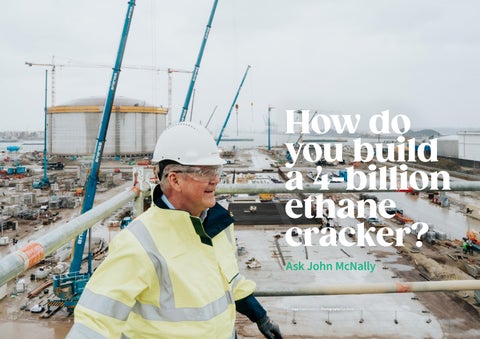
— A day in the wake of John McNally. As CEO of Project One, Ineos' €4bn petrochemical construction project, he leads a team spread across three continents. "INEOS had no experience in megaprojects. But we built a team that does!”
— 06:30
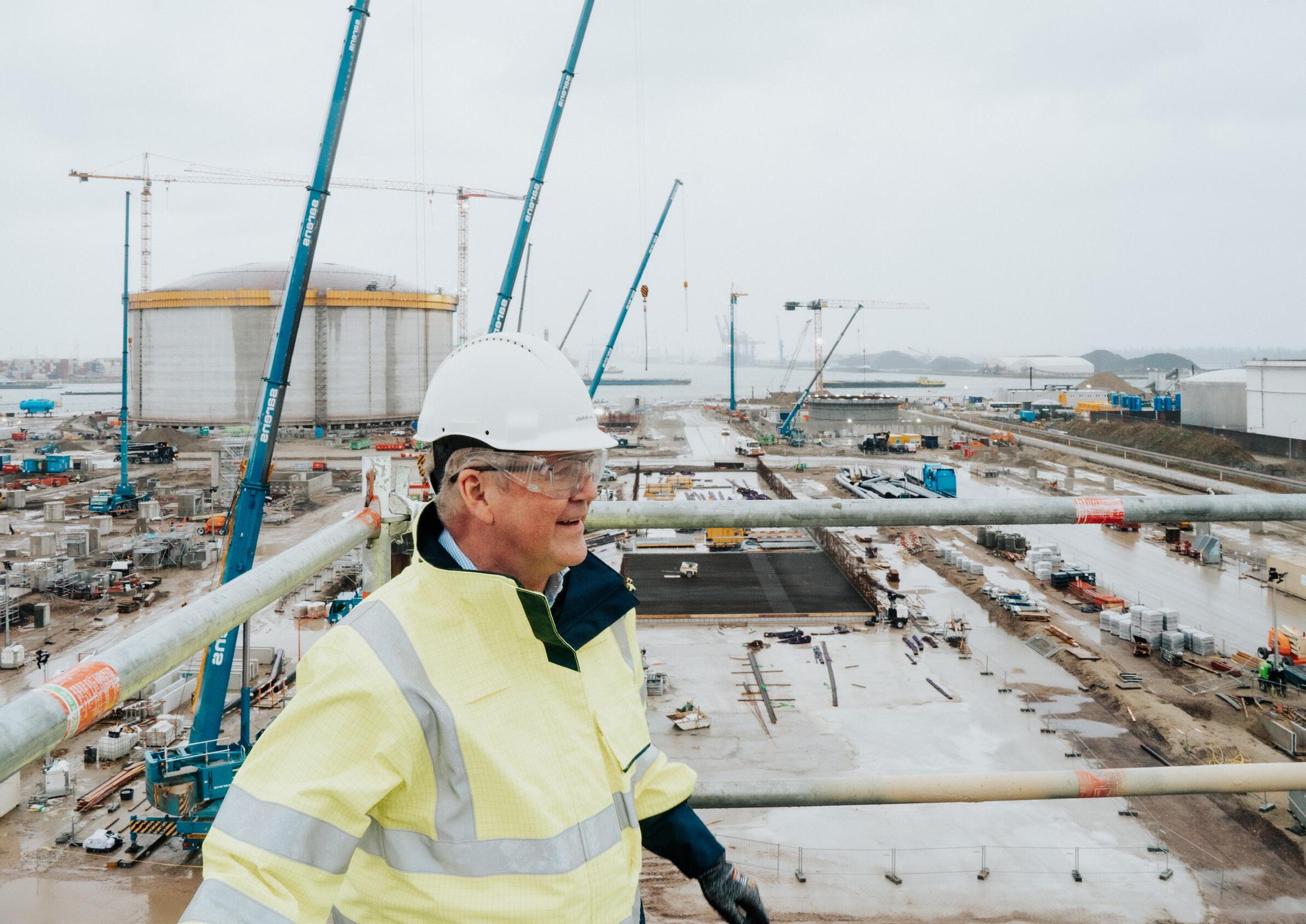
Anyone who thinks John McNally starts his day with an inspection at the Project One shipyard is wrong. Every day, between 1,500 and 2,000 people are at work in the port of Antwerp to get Europe's most sustainable ethane cracker out of the ground. That will convert ethane into ethylene, an essential building block for packaging, medicines, household appliances, building materials and countless other applications
"The last thing this project needs is for me to be here too often," McNally says. "I distract too much." He works most from his headquarters in Switzerland, with his wife Thelma. "I have always travelled a lot in my career. I only accepted this job on the condition that me and my wife had to travel less."
— 08:47
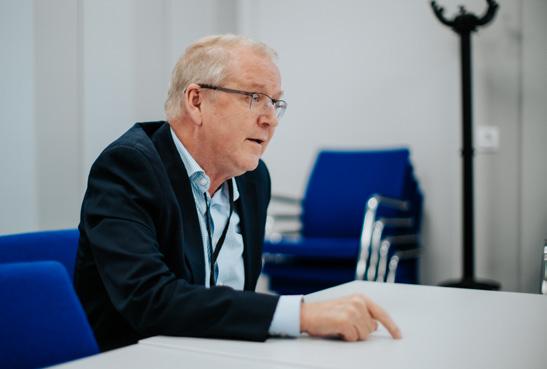
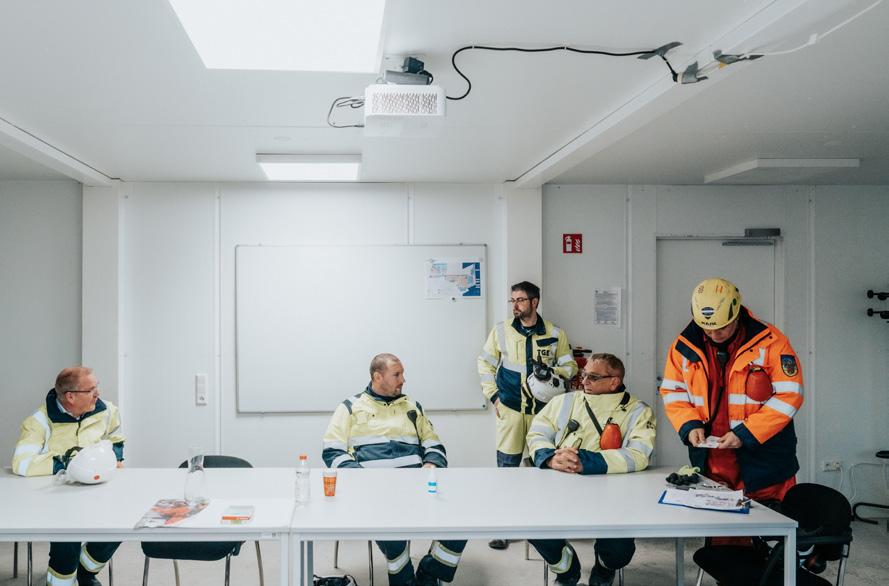
We meet John McNally in the containerised office buildings on the site. He does not have a permanent office there and the meeting in the small room his communications manager Nathalie Meert reserved for us is running late. "You must excuse us," says the lady who is the first to leave the meeting room. "We were looking at where we can cut costs."
McNally jokes that the meeting could easily have gone on a bit longer if it would have provided additional savings. He explained that due to inflation, the cost of the project had increased significantly All raw materials for the construction of the cracker were more expensive than planned. "We are constantly asking our teams if we can do things more cheaply or efficiently without sacrificing quality. The financial aspect of this project is a shared responsibility. Suppliers and contractors are also constantly thinking along with us."
— 10:02
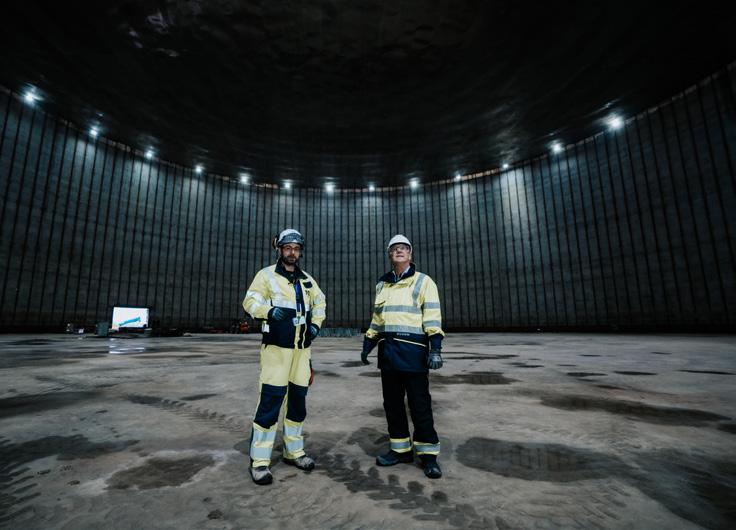
McNally chuckles when we ask him why Jim Ratcliffe, the owner of Ineos, asked him to manage this mega project. He had only just finished building a huge tank at the Grangemouth (Scotland) refinery when Ratcliffe addressed him with the following words. "If you can build a tank worth 150 million, a cracker worth 4 billion must also succeed."
“When things go wrong, you don't want to have to call a CEO and introduce yourself first.”
From day one, that proved easier said than done. At the start of the project, McNally and his colleagues approached 60 contractors for construction. 52 of them refused because the project was too big. "In the end, eight contractors were considered, but none of them could do the whole project, which only added to the complexity."
— 12:35 uur
How to master that complexity? Beyond masses of spreadsheets and strategic calls, building relationships turns out to be a crucial piece of the puzzle. For John McNally, personal relationships are crucial to making the thousands of moving parts of Project One work. "When things go wrong, you don't want to have to call a CEO and introduce yourself first. You want to be able to say, 'Dave, we have a problem. Can we fix this?' You can only make that call if you've established a rapport."
That strategy proved no luxury. "When our licence was revoked, it not only cost us time, that was also a period of intense negotiations. In such situations, it is appropriate to know how other parties think and what they consider important. I had underestimated the political dimension when I started this project."
— 14:02
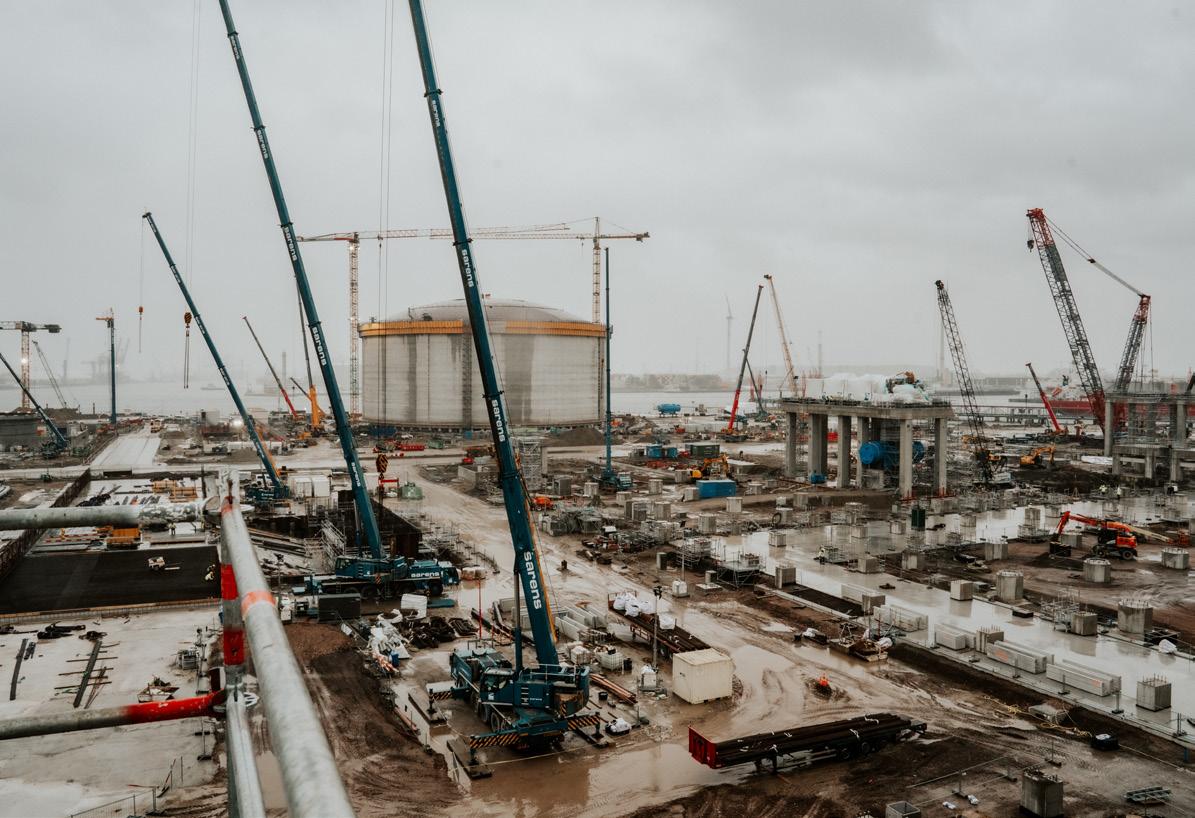
Anyone who gets the chance to watch the construction of Project One should take it. The site is of a scale not seen here in years. "In other words, there are no ready-made processes to bring this project to completion." This is where McNally's technical experience comes in handy. "We have to reinvent everything, so to speak. We are also bumping up against the lack of scale. Should Project One have been built in a city like Houston, we could have found one contractor who would take care of the whole of our civils work."
That lack of experience need not be a disadvantage, according to the top executive. "Just because we lack experience, we are open to new techniques," he said.
— 16:42
The bulk of McNally's day consists of meetings, mostly digital. Recurring meetings to monitor the project's financial and operational developments. His role? "To listen and watch. I want everyone to turn on their camera. A body posture or facial expression usually says more than words." McNally stresses that his team consists of experienced people he can trust. His role is to create an environment in which they can function as well as possible.
The welfare of all employees is paramount for McNally. Something he learned during his time in the US. He was working in Chicago when two planes flew into the WTC towers. "The way my manager reacted then, sending people home to be with their families, left a deep impression on me. That was a lesson I try to put into practice every day."
— 19:17
Unsurprisingly, the CEO of Project One works long hours, but that does not mean there is no time for relaxation. "A good chemist likes to cook. Thelma (his wife nvdr.) and I get along well in the kitchen. We are a well-oiled team. Cooking for friends who come to visit is one of the best things there is."
In addition, McNally is a hiker. This summer, he walked to Santiago De Compostella with his wife. "Forty days without a motorised vehicle, that cleanses the soul. It gives you time to think about the things that really matter. I won't build another cracker that way, I think. Though you never know. It's hard to say no to Jim Ratcliffe." (laughs)