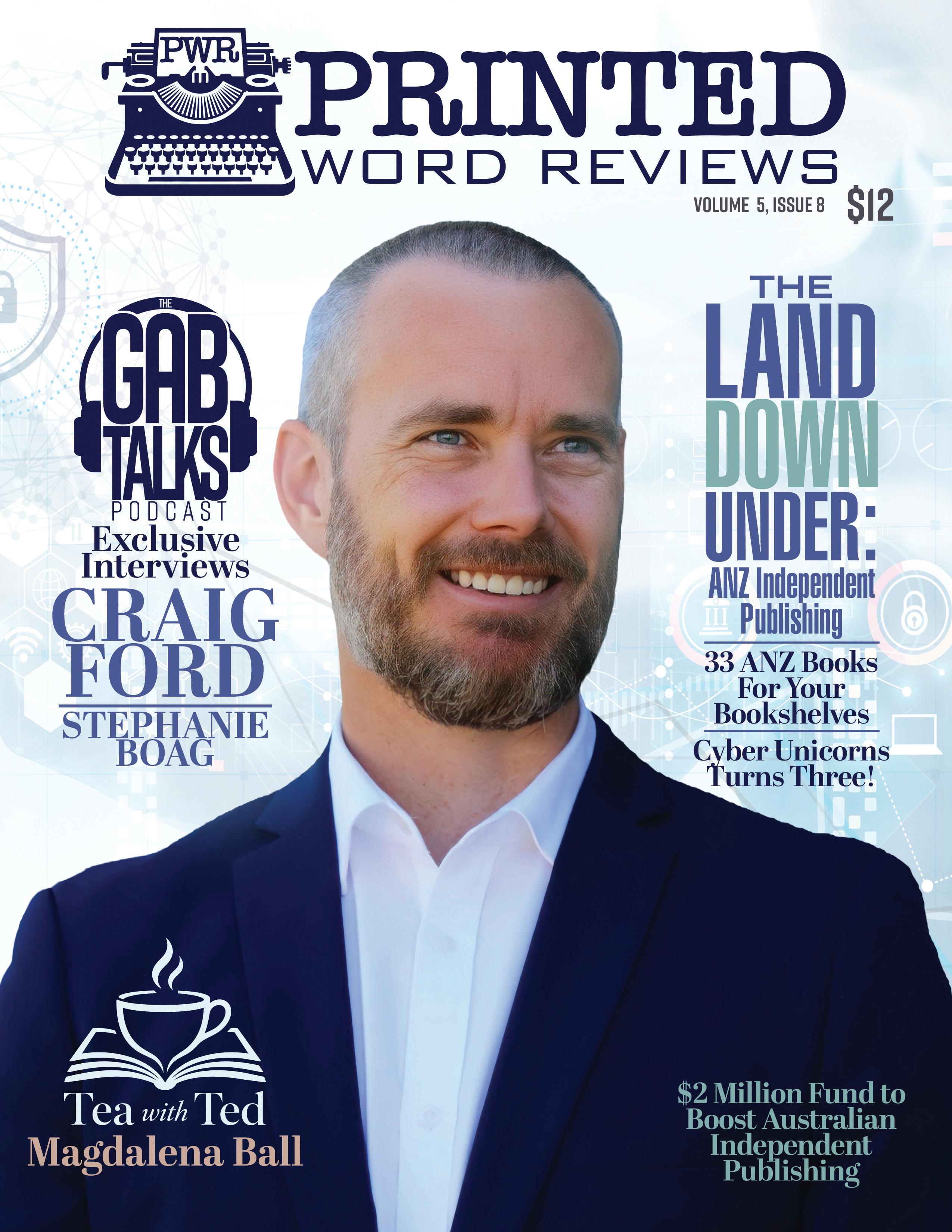
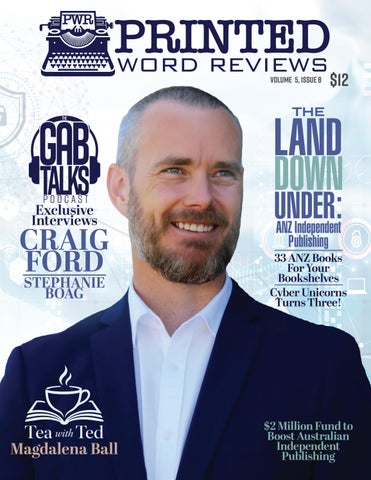

In this issue, we cover the vibrant and evolving world of Australian and New Zealand (ANZ) publishing. As the industry navigates new shifts, this edition celebrates the independent voices, fresh funding, and strategic moves shaping the ANZ literary landscape.
Independent publishing is the heartbeat of the region's storytelling, and we shine a spotlight on it. We are thrilled to highlight 33 ANZ independently published titles that deserve a spot on a bookshelf. Supporting this creative ecosystem is more critical than ever, which is why we cover the massive news of a new $2 million fund dedicated to boosting Australian independent publishing, a game-changing injection of support for local creators and presses.
The global footprint of local publishing continues to expand. In an industry move, Amsterdam University Press acquired the Australian ATF Press Publishing Group, marking a new chapter for scholarly and cultural exchange. We also take a macro-look at the ANZ region's numbers.
This issue features two exclusive GAB TALKS interviews. Gabby sits down with the five-time award-winning author Craig Ford to discuss his Teen series and the societal impact of cybersecurity. Then, Gabby talks with Stephanie Boag about her creative process and Boag’s important communication framework. Her books provide a practical, gentle tool that helps parents, children, educators, and psychologists navigate the complex conversations around IVF and child conception.
From a writer’s view, we are raising a glass to the team at Cyber Unicorns, who are celebrating three years of innovation in the cybersecurity industry.
In a major exclusive interview, I exchange words on books, life, and everything in between with the wonderful Magdalena Ball.
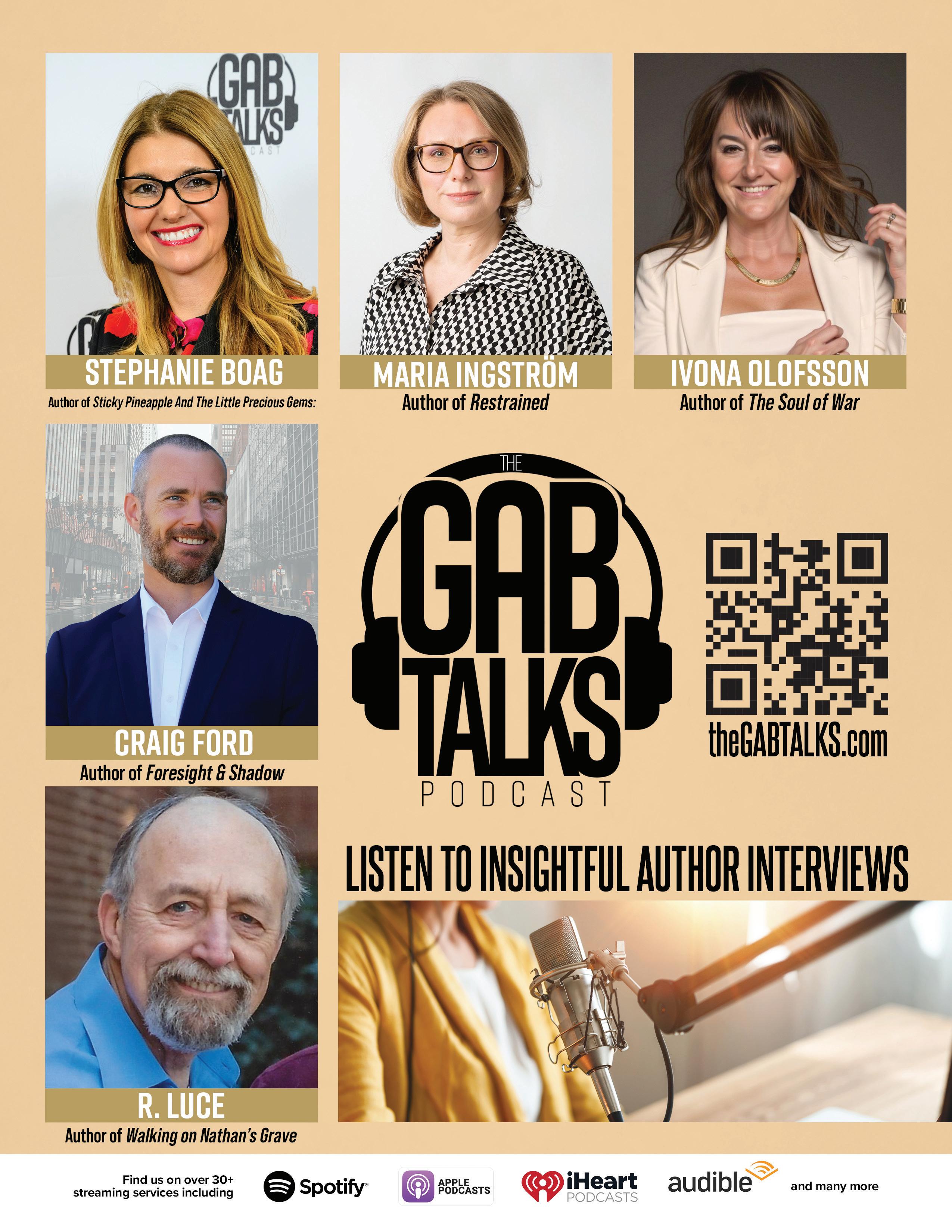
And don't miss our roundup of current GAB TALKS podcast guests highlighted in this issue to catch up on who else is making waves on the airwaves
Whether you are a publisher, an author, or a passionate reader, we hope the stories, data, and voices in this issue inspire you to keep championing great writing.
And if you have a good book, submit it to our Independent Press Award program today at www.independentpressaward.com.
Until next time, keep on reading,
TED OLCZAK Ted Olczak
Publisher, Printed Word Reviews
The Printed Word Reviews magazine has been issued the following ISSNs by the U.S. ISSN Center, Library of Congress, Washington, D.C.: Format: Online Format: ISSN 3067-011X and is published 10 times per year. The title was previously published under the Independent Press Award and NYC Big Book Award Present with the following ISSNs by the U.S. ISSN Center, Library of Congress, Washington, D.C.: Format: Online Format: ISSN 2836-9157; and the Print Format: ISSN 2836-9149.
Any questions or comments, please contact the Publisher Ted Olczak at Ted@GabbyBookAwards.com or Ted@PrintedWordReviews.com.
No portion of this magazine may be reproduced without express permission from the publisher.
All rights reserved. No part of this magazine may be reproduced or transmitted in any form or by any means, electronic or mechanical, including photocopying, recording, or by an information storage and retrieval system - except by a reviewer who may quote brief passages in a review to be printed in a magazine or newspaper - without permission in writing from the publisher. To submit your book for review, send to: Printed Word Reviews, 63 Clinton Rd, Glen Ridge, NJ 07028. Allow 8 -12 weeks. Unpaid reviews are not guaranteed. More details available on our website at www.printedwordreviews.com
To submit your book for our award programs, visit the websites: Fall 2026: https://www.nycbigbookaward.com/ (More consumer focused; different judging; allows for all authors and publishers to participate; closes every August 15th, winners announced in October of every year.)
Spring 2027: https://www.independentpressaward.com/ (Independent press and authors consideration; does not permit the big 5 publishing houses to participate; closes December 15th every year, winners announced in March of every year.)
To advertise, please contact: Ted@GabbyBookAwards.com or Ted@PrintedWordReviews.com, or visit our website, https://www.independentpressaward.com/advertise
by Boris Plamenov Konstantinov
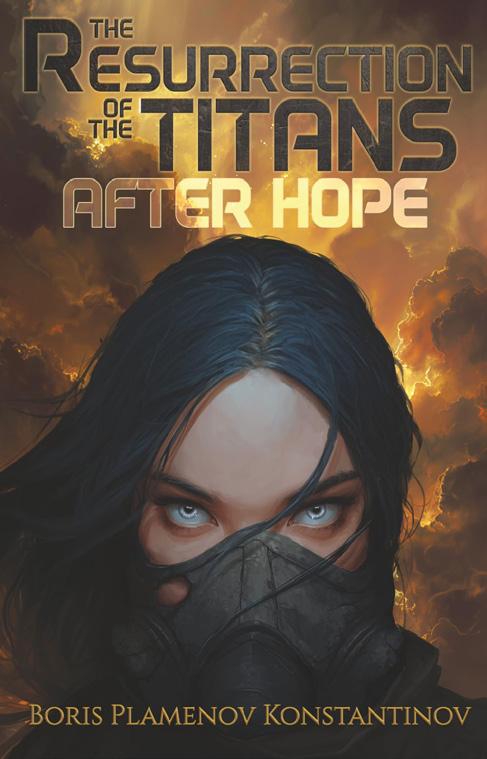
When a hidden water contamination crisis and a blackmail threat expose the fragility of humanity’s dome-bound civilization, ruthless Chancellor Teresa and rebel survivor Martin race against collapsing systems, political betrayal, and a dying planet to secure the last hope for humankind.
In After Hope, Boris Plamenov Konstantinov delivers an unapologetically grim dystopian science fiction epic that strips away the romanticism often found in post-apocalyptic stories. Set against a dying Earth where the remnants of humanity are trapped within massive domes and surrounded by toxic, squalid “outer bubbles,” the novel functions as a tense, multi-perspective thriller. It balances macro-level political maneuvering with the visceral, dirt-under-the-fingernails survival of genetically altered outcasts.
After Hope is a terrifyingly plausible existential crisis: the water is running out. When Chancellor Teresa discovers that an untreated underground source has contaminated the domes’ water supply, leaving civilization with mere months of life, the novel shifts into a dark exploration of political preservation.
Rather than uniting humanity, the impending extinction triggers an elaborate, ruthless cover-up. Teresa’s descent into tyranny is chillingly pragmatic; to prevent societal panic and preserve her own grip on power, she enforces media blackouts, orchestrates public executions, and creates military scapegoats. Konstantinov excels at portraying the cold math of authoritarian survival, making Teresa a compelling, monstrously logical antagonist who believes that sacrificing millions is the only way to save a chosen few.
As the environment decays, the book weaves together disparate storylines that explode into conflict halfway through the novel. The world-building is starkly divided between the sterile corruption of the Capital Dome and the brutal reality of places like the Rio bubble, where everyday life is a meat-grinder of forced labor and violence.
The middle of the book features a catastrophic turning point when the insurgent group Earth For All, led by the zealous Martin Carter, launches a massive assault. The resulting destruction of the Rio dome elevates the stakes from a localized rebellion to an all-out war for survival. Amidst this chaos, the novel introduces its most fascinating element: Antony and Miranda, two brutalized survivors possessing unusual healing abilities who discover they are the products of a defunct, classified genetic experiment.
What begins as a standard “hidden refuge” hunt evolves into something far grander and desperate. As toxic black rain storms signal the absolute end of Earth’s habitability, the race between the tyrannical government, the violent resistance, and the genetically altered fugitives converges on the legacy of scientist Josef Petrov.
The final act of the novel is relentless. Konstantinov pulls no punches, subjecting his characters to torture, blinding, and betrayal. First, the fall of Sydney, a visceral public revolt where propaganda fails, and the furious, poisoned populace tears down the old regime. Also, the spaceport revelation, a narrative pivot where the “hidden underground sanctuary” is revealed to be an interstellar ark. Lastly, a claustrophobic, violent final battle at the rocket gantry that leaves almost the entire cast dead, culminating in a desperate launch into the unknown.
After Hope is a heavy, macroscopic piece of speculative fiction that will appeal to adult fans of classic, uncompromising sci-fi like Children of Men or The Expanse series. It is not a story of saving the world, it’s escaping its corpse.
While the relentless grimness and rapid-fire political betrayals might overwhelm readers looking for a heroic journey, those who appreciate complex grey-and-black morality, detailed world-building, and high-concept cosmic pivots will find Konstantinov’s series opener to be a haunting ride. The final image of two scarred survivors, floating in the silence of space with a cargo of embryos bound for a 700-year journey, lingers long after the final page is turned.
www.printedwordreviews.com/bookreviews/9786199383506

By Gabby Olczak
he GAB TALKS recently had the pleasure of sitting down with award-winning author, freelance cyber journalist, and cybersecurity professional Craig Ford from Brisbane, Australia. Craig and I first met at this year's BookCAMP in April during a mini Gab Talks session, and I knew then that his passion for technology, storytelling, and cybersecurity would make for a fascinating conversation.
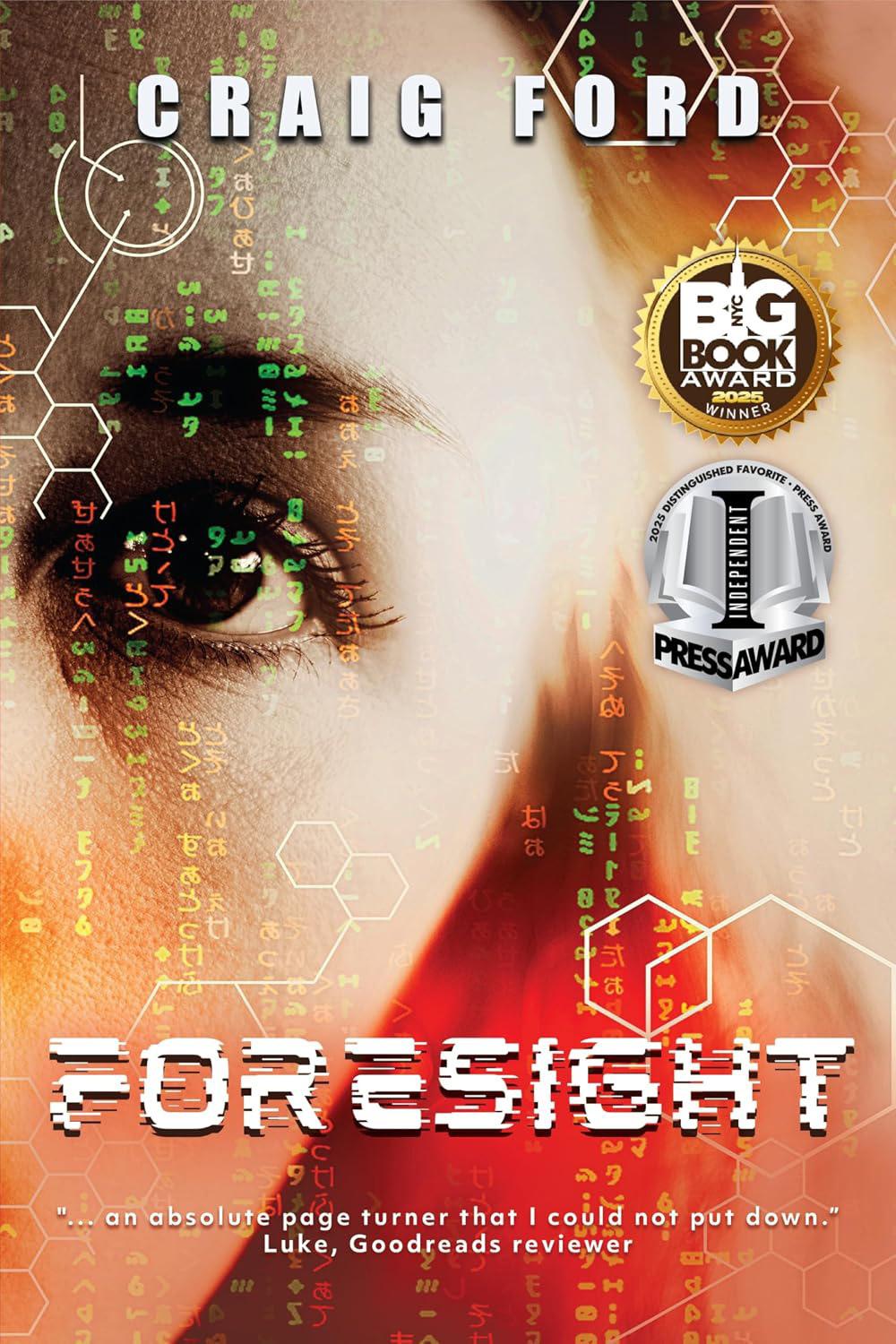
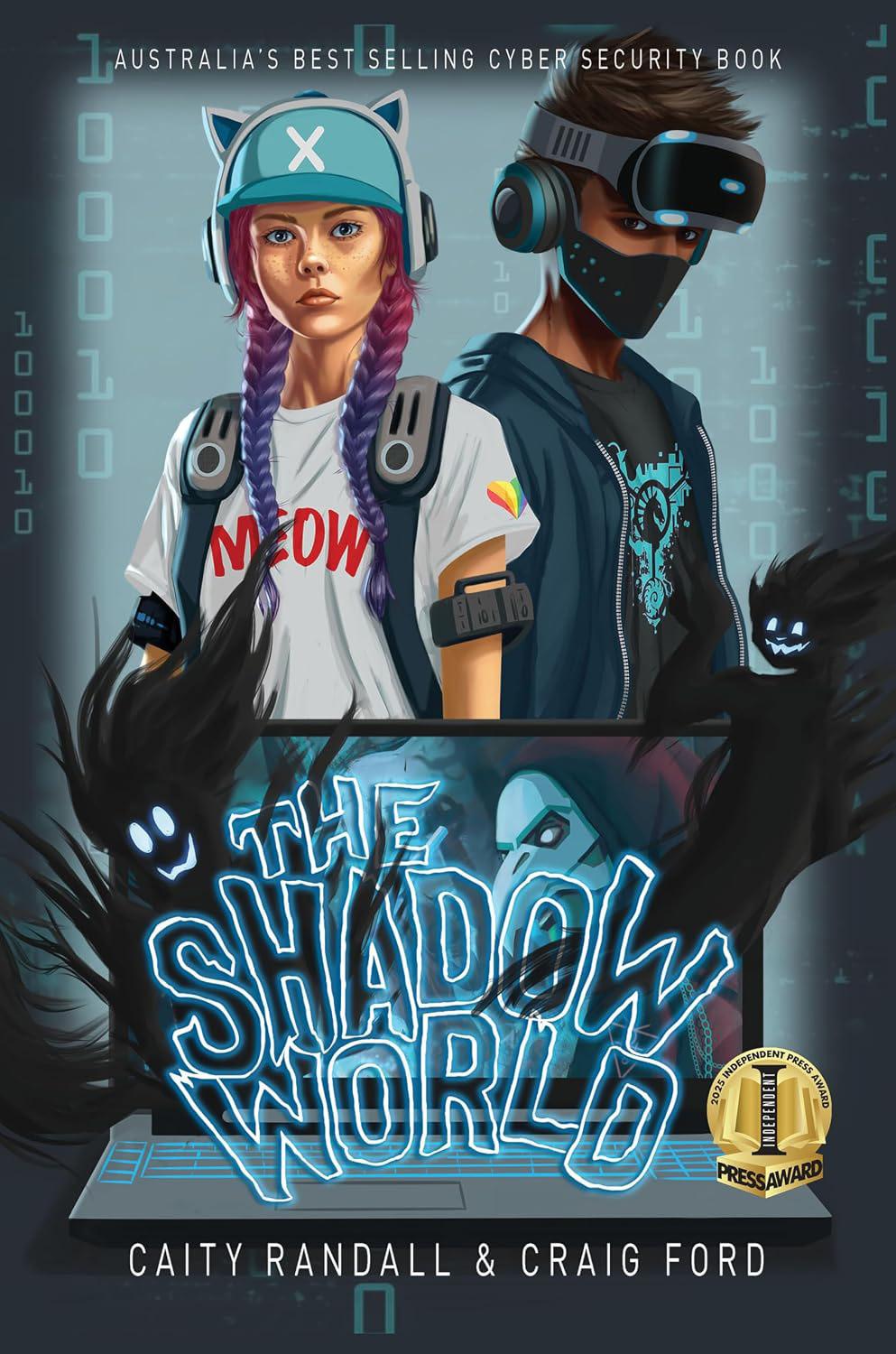
Craig is the author of the A Hacker, I Am series, including A Hacker, I Am and A Hacker, I Am – Vol. 2, which were written to raise cybersecurity awareness and safety. He is also the award-winning author of the acclaimed Foresight series, cyberpunk novels that immerse readers in the world of ethical hacking. Most recently, he co-authored The Shadow World, a cybersecurity awareness series designed to introduce primary school students to the importance of staying safe online and fostering an open line of communication between students and parents.
Beyond his writing, Craig is an accomplished cybersecurity engineer and ethical hacker. He is the founder of Cyber Unicorns, an education platform that empowers users to stay safe online, avoid cyber threats, and navigate the digital world.
Craig is also a respected voice in the cybersecurity community, regularly contributing as a columnist for Women in Security magazine since its launch in 2021. His work has also appeared in Top Cyber News, Cyber Today, Cyber Australia, and Careers with STEM magazine.
He holds a Master of Management (Information Technology) and a Master of Information Systems Security from Charles Sturt University. In 2020, he was named the Australian Information Security Association (AISA) Cyber Security Professional of the Year. His leadership within AISA has included serving on the Queensland Committee, as Queensland Branch Chair from 2021 to 2023, and since January 2023, as a member of the AISA Board of Directors.
With an impressive career spanning cybersecurity, education, journalism, and fiction, Craig Ford is helping readers of all ages better understand the digital world one story at a time.
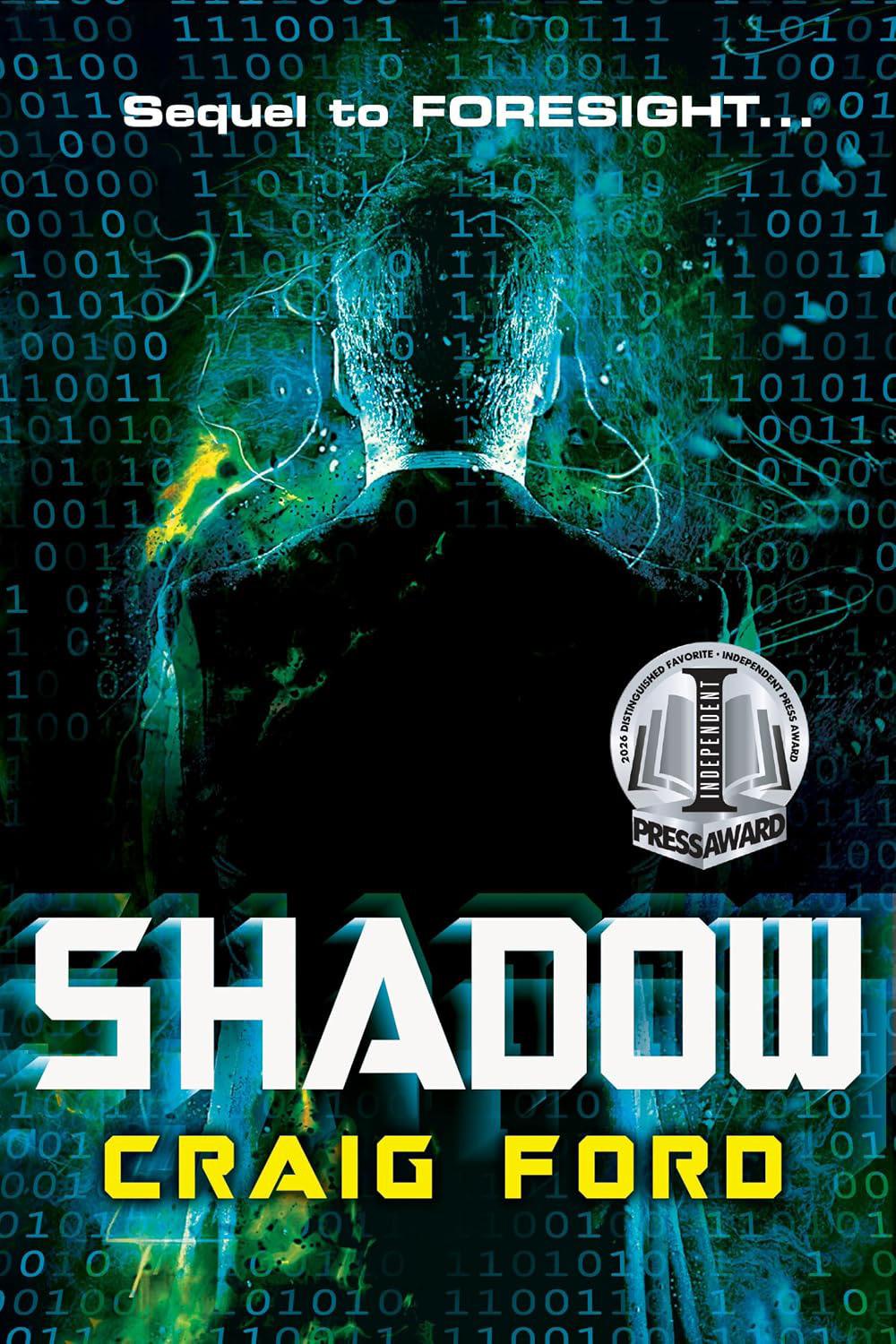
Gabby: You’ve written seven books. There are four books in the Foresight series: Foresight, Shadow and Vulcan, and your newest installment Glimmer. Foresight received a winner in 2025 NYC Big Book Award in the Teen Category and a Distinguished Favorite of the 2025 Independent Press Award in the teen category. Tell our listeners what the series is about, and what inspired you to write it.
Craig: In Foresight, the young female protagonist, Sam is an ethical hacker. I wanted to show a real world look of what a life as a hacker would be for people who want to have a bit of an interest in that space. You get to be in her mind, follow her decisions, why she goes down certain paths, and really dive deep into that ethical hacker space, When I created the series, I wanted it to be as real-world and grounded as you could with a little bit of a Hollywood flair to make it a bit more fun. In book two in the series, I switched to Shadow, which is the actual bad guy’s perspective, to show the yin and the yang of where decisions in
the ethical hacking world can send you down the good path or the bad path. As a man in the industry and a regular columnist for the Women in Security magazine, I want to help share my knowledge and encourage more young girls in cyber. Foresight was born to create a lead female character, spark a bit of an interest in the teenage audience, and show them that it’s not a boys’ club.
Gabby: You’ve spent more than 20 years in cybersecurity and are widely regarded as one of Australia’s leading cybersecurity experts. You’ve become a passionate advocate for women in cybersecurity and are a regular columnist for Women in Security magazine. You were also one of seven children, raised by your father alongside four older sisters. How did your upbringing shape your passion for supporting women in the industry?
Craig: The problems we have are so complex and so challenging and so difficult for us to try and solve. Particularly from the bad guys’ perspective, it only takes them one thing to find and get into our systems, but we have to get a million things right to stop them. The different perspectives from both men and women and the different backgrounds we can have are so important in our space. Our backgrounds and our experiences and even, you know, growing up with four older sisters makes me look at something differently. It’s really important to kind of support that diversity as much as possible.
important as learning to swim or learning to ride a bike when you’re growing up. This book and cyber education for those younger generations will help them form the right kind of habits straight from the beginning. Teaching them good habits, the correct way to interact, and how to identify risks sets them up better for life, like learning to swim. If you have those skills, you’re much stronger in that sort of world. The Shadow World was written to give them the life skills that they need before they start interacting too strongly with that online space.
There are roughly nineteen topics inside the book. The questions at the end of each topic are a deliberate way to educate both the parents and the children, to open those conversations so the parents learn what the kids are interacting with, what they’re doing. The whole idea was to give them the understanding and the skills so they can feel safe to have a conversation with a trusted adult and know that it’s okay to ask for help in this space.
Gabby: You don’t just talk about making a difference—you put your beliefs into action. It seems like your whole career is about education and advocacy. You co-authored The Shadow World with Caity Randall, which won the 2025 Independent Press Award for eBooks. It’s designed to help children aged 7–14—and their parents—navigate the digital world safely. You’ve helped donate more than 8,000 copies of The Shadow World to schools across Australia. Tell us about the book and what your goal was when you created it.
Craig: Online safety and how to interact with this space is just as
Gabby: You were an outspoken critic of Australia’s social media ban for children under 16. What were your concerns when it was introduced? Now that it’s in place, do you see any positives or unintended benefits?
Craig: I was very much a vocal advocate against it. I love the idea that they’re trying to do something to help protect these kids. Social media is a horrible place. I call it the petri dish of the online world. If you look at the Australian version of it, 60 or 70 percent of teens are still using social media. So it hasn’t completely removed teens from social media. The problem with the social media ban is essentially not the fact that they’re trying to help reduce the effects of social media but as soon as you ban something, those teens will then hide it. They won’t have open conversations, particularly if we’re talking about sextortion or cyberbullying. If they’re not supposed to be in that environment and it’s against the rules, they’re not going to have a conversation with their parents.I think the conversations are more important than keeping them out of the space.
Tech Exec to Cyberpunk Author
Gabby: How did you go from being an executive in the tech world to writing teen cyberpunk series of books? Can we hope for more?
Craig: I think I’m up to book number seven now, writing number eight. I’ve probably written more than four hundred articles for online magazines and different publications. It was never really an aspiration to do it. It was really out of finding a problem that I wanted to talk about, I wanted to spread the message and I wanted to do the education. It’s strange how the career changes and you grow to love something that you never expected. Foresight in the first book, then you switch to Shadow, the bad guy’s perspective; Vulcan is where they come together and they form a bit of a more hacking group. Glimmer is my newest one that just came out a few months ago. It introduces one of those characters in her story and dives deeper into that gritty kind of space in the hacker world. Now I’m writing the next instalment.
Gabby: We first met at BookCAMP in New York earlier this year, where you went on to receive several major awards, including the 2025 NYC Big Book Award for Foresight and Independent Press Award honors for both Foresight and The Shadow World. What did that recognition mean to you personally, and how has it influenced your future writing and your mission to educate through storytelling?
Craig: As an Australian author, receiving international awards from New York is exceptional.
I love the effect that they have on pushing those books and getting that message out there. That drive to get that message out is amazing, particularly having that recognition and helping build the profile, not just in Australia, but it’s now growing to be a bit more of a global space. Getting that cyber
education going can actually make a difference in this space and keep spreading that communication because alone you can’t succeed. You need that community.
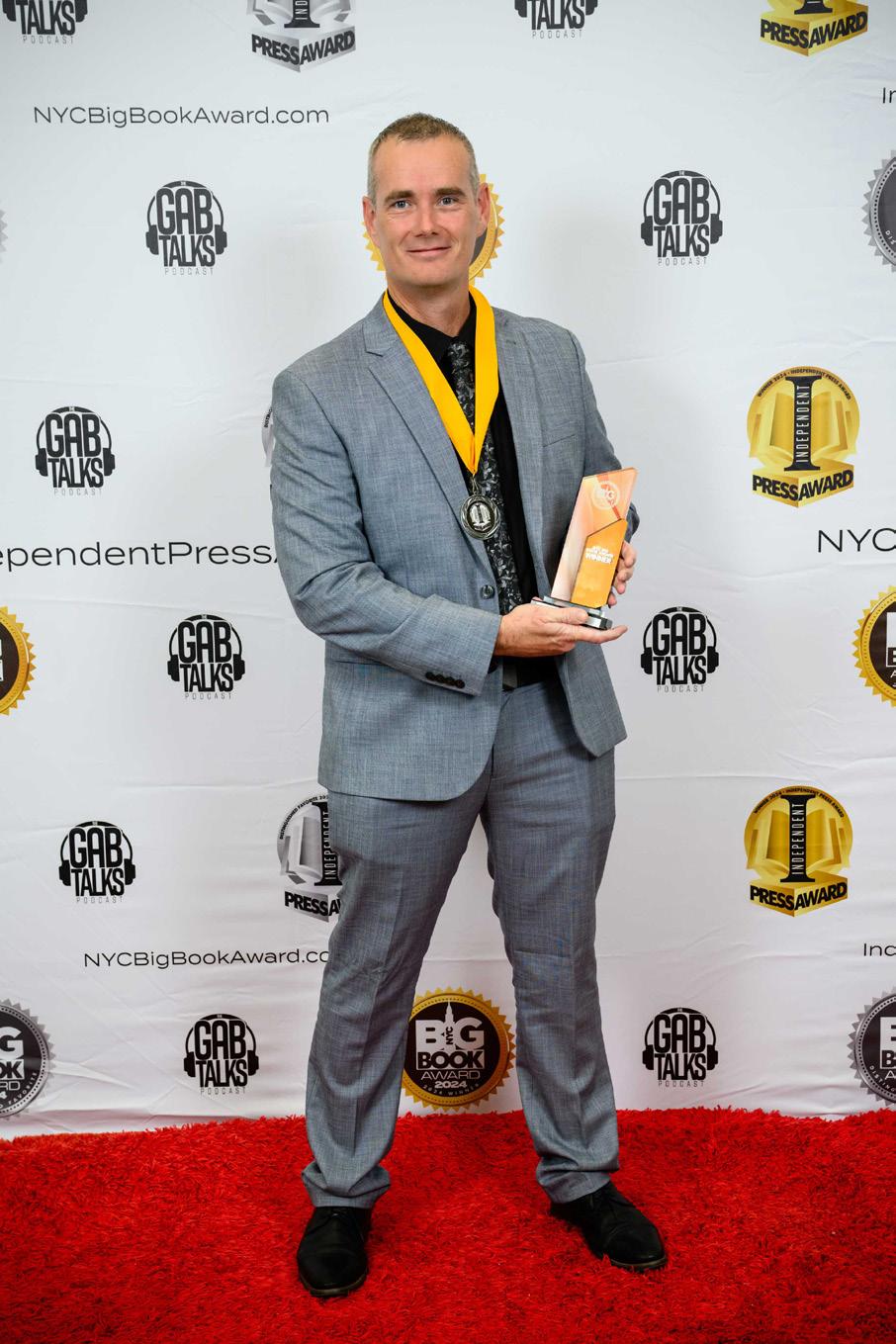
Whether he's writing award-winning fiction, educating users about online safety, or helping organizations strengthen their cybersecurity, Craig is making a lasting impact both on and off the page.
You can watch and listen to the full interview at www.theGabTalks.com. To learn more about Craig Ford and purchase his novels visit craigfordauthor.com
This curated collection of modern Australian and New Zealand literature offers a vibrant cross-section of the ANZ creative and intellectual landscape, proving that local voices have a powerful knack for tackling universal truths. Spanning raw, soul-baring memoirs and pragmatic self-help strategies to imaginative speculative fiction, whimsical children’s tales, and innovative lifestyle guides, these books mirror the grit, warmth, and diverse perspectives of their authors.
Whether you are looking to scale your business, find personal healing, or escape into beautifully crafted new worlds, this lineup showcases the incredible depth and authentic storytelling defining contemporary Australian writing today.
Memoirs & Personal Journeys
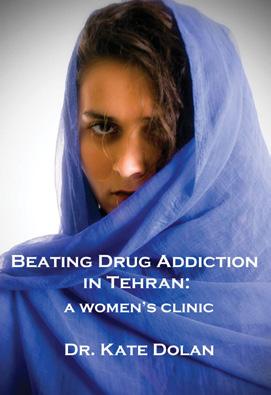
Beating Drug Addiction in Tehran: a Women's Clinic
by Dr. Kate Dolan
An eye-opening and compassionate memoir detailing an Australian doctor's experiences helping women battle substance abuse in a pioneering Iranian clinic.
www.nycbigbookaward.com/team-1/9781922332325
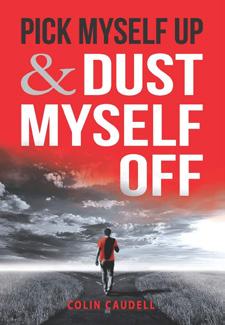
by Dr. Colin Caudell
A candid and inspiring memoir of personal resilience, detailing one man's path through profound life struggles and mental health challenges.
www.independentpressaward.com/2020distinguishedfavorites?lightbox=dataItem-k9e6lu35
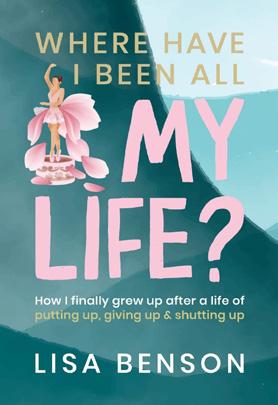
Where Have I Been All My Life: How I Finally Grew Up After A Life of Putting Up, Giving Up and Shutting Up
by Lisa Benson
A highly relatable, empowering memoir about breaking free from people-pleasing patterns and reclaiming personal agency in midlife.
www.nycbigbookaward.com/2023distinguishedfavorites/9780645569124
Self-Help, Mindset & Personal Development
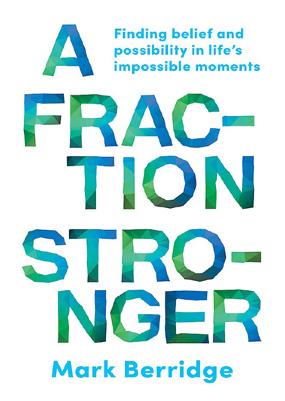
by Mark Berridge
Written after the author survived a catastrophic bicycle accident, this book offers actionable strategies to find strength in micro-moments and navigate life's unexpected disruptions.
www.independentpressaward.com/2024winners/9781922611284
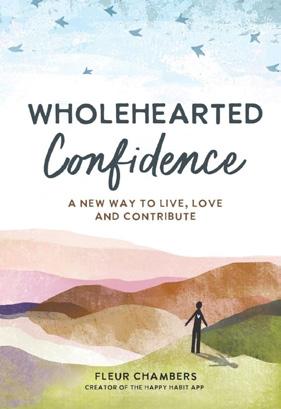
by Fleur Chambers
A gentle and practical guide designed to help readers quiet their inner critic, heal self-doubt, and cultivate a quiet, authentic confidence through mindfulness.
www.nycbigbookaward.com/2024winners/9780645867046
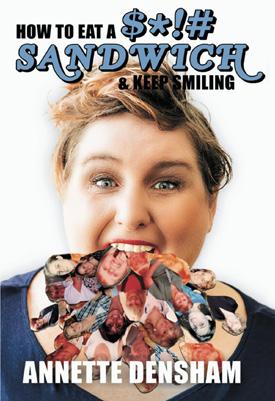
by Annette Densham
A witty, down-to-earth manual filled with practical advice on how to build emotional resilience and survive the inevitable bumps of life and business.
www.nycbigbookaward.com/team-1/9780645178012
by Pat Grayson
A heartwarming compilation of uplifting stories and reflections crafted to inspire optimism and plant seeds of hope in daily life.
www.independentpressaward.com/2022distinguishedfavorites?lightbox=dataItem-l0e5obyx8
by K P Weaver
An empowering self-discovery handbook that guides readers to tap into their innate wisdom, trust their intuition, and live authentically.
www.nycbigbookaward.com/2021distinguishedfavorites?lightbox=dataItem-kv5o9jnr1
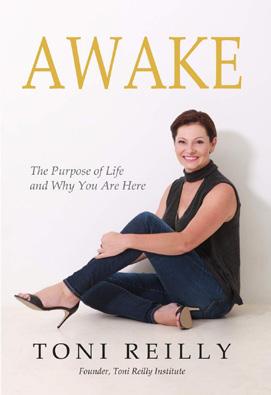
by Toni Reilly
An illuminating guide to understanding your soul’s journey, reincarnation, and unique life purpose, written by one of Australia’s leading regression therapists. www.nycbigbookaward.com/2017winners?lightbox=dataItem-j9iszb7a5
Business,
by Shirin Danesh
A step-by-step branding roadmap designed to help corporate professionals and entrepreneurs amplify their visibility and stand out as industry leaders.
by Lauren Clemett
A masterclass in personal branding that helps business owners clarify their messaging, align with their values, and organically attract their ideal audience.
www.nycbigbookaward.com/2023winners/9780645498608
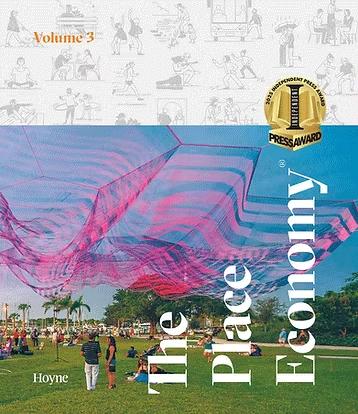
by Andrew Hoyne
A visually stunning, research-driven resource that showcases how creative placemaking and thoughtful urban design drive immense economic and social value.
www.independentpressaward.com//2025winners/9780645765809
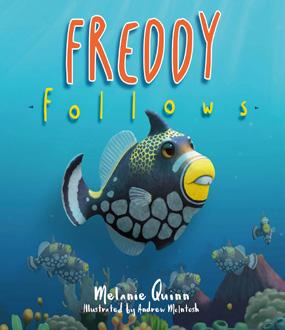
by
Melanie Quinn
A charmingly illustrated children's story that helps young readers understand the safety and benefits of listening to guidance.
www.nycbigbookaward.com/2018winners?lightbox=dataItem-jnri221w
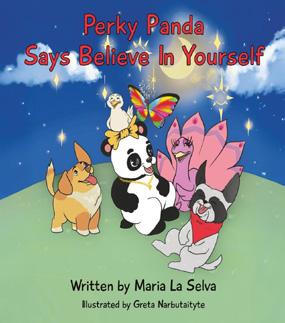
Perky Panda Says Believe in Yourself by
Maria La Selva
An engaging children's book series that uses a lovable panda to teach kids emotional intelligence, empathy, and early friendship skills.
www.nycbigbookaward.com/2025-favorites/9781923277939
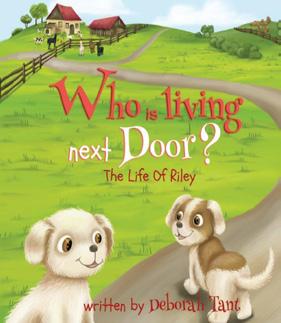
by Deborah Tant
A playful, educational picture book following Riley the dog's backyard escapades, gently introducing young kids to pool safety.
www.nycbigbookaward.com/2024df/9780645945027
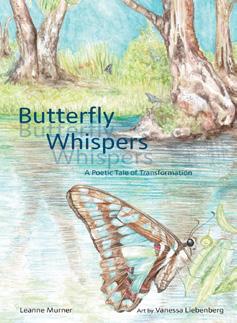
by
Leanne Murner
Step into the enchanting world of Butterfly Whispers, where a single act of kindness rewards an inquisitive young explorer with a mesmerizing sequence of events.
www.nycbigbookaward.com/2024df/9780645643527
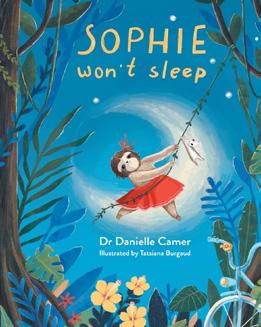
by
Dr. Danielle Camer
A gentle, sleep-promoting bedtime tale written by a medical researcher to help establish soothing night routines for toddlers.
www.nycbigbookaward.com/2023distinguishedfavorites/9780645243000
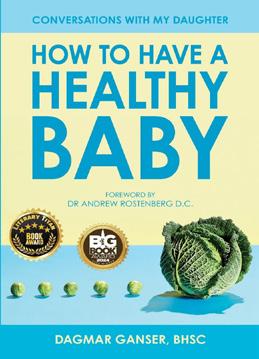
by
Dagmar Ganser
A holistic and comprehensive guide offering maternal nutrition, lifestyle, and preconception care tips for a healthy pregnancy.
www.nycbigbookaward.com/2024winners/9780645906707
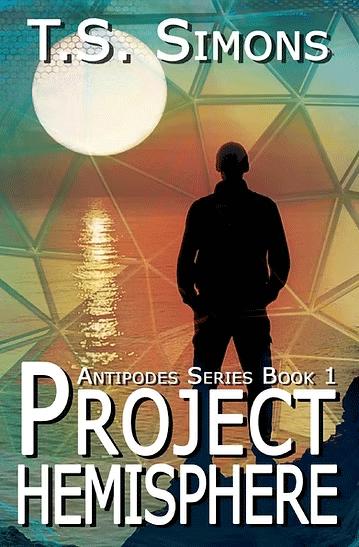
by T.S. Simons
A high-octane dystopian thriller set in an atmospheric future world where survival requires navigating dangerous political conspiracies.
www.independentpressaward.com/2024df/9781644503706
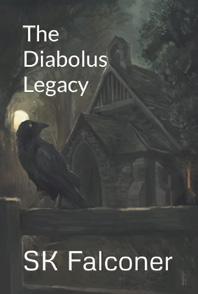
by Saul Falconer
A dark, supernatural thriller exploring ancient curses and dark family secrets that catch up to the present generation.
www.independentpressaward.com/2022distinguishedfavorites?lightbox=dataItem-l00xji28
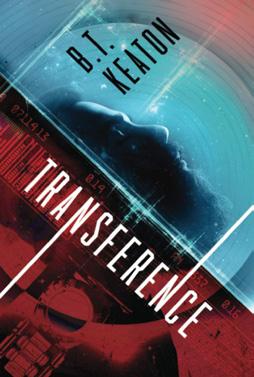
by B.T. Keaton
A mind-bending sci-fi epic that explores the corruption of power, identity, and the heavy cost of human consciousness transference. .
www.nycbigbookaward.com/2020winners?lightbox=dataItem-kgc2i6jo
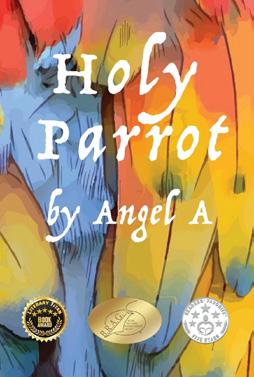
Holy Parrot by Angel A
A whimsical, satirical fantasy that blends spiritual wisdom with unexpected cosmic humor delivered by a very outspoken bird.
www.nycbigbookaward.com/2023distinguishedfavorites/9780987622259
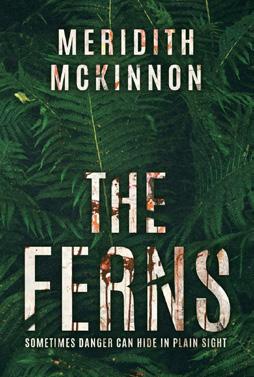
The Ferns by
Meridith McKinnon
An atmospheric fantasy story exploring deep connections between magical nature, ancient lineages, and human survival.
www.independentpressaward.com//2025favorites/9781779419828
Contemporary Fiction, Poetry & Drama
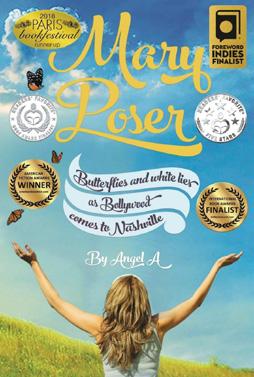
Butterflies and White Lies as
comes to Nashville by Mary Poser
A delightful, cross-cultural romantic comedy that blends Southern charm and energetic Bollywood sparkle with a story about love and family secrets.
www.nycbigbookaward.com/2018winners?lightbox=dataItem-jnri221e6
Amsterdam University Press (AUP in the Netherlands) has officially announced the acquisition of ATF Press Publishing Group, a prominent independent academic publisher based in Adelaide, Australia. The deal, which takes effect on July 1, 2026, marks a major strategic expansion for AUP in the fields of theology, religious studies, and social ethics.
The acquisition incorporates ATF Press’s entire backlist of more than 400 titles produced over its 34-year history. Moving forward, ATF Press’s established collections will continue to exist under the ATF imprint within AUP. The complete integration process is scheduled to be finalized by the end of 2026.
Jan-Peter Wissink, Director of Amsterdam University Press, hailed the acquisition as a major milestone for the organization. "ATF Press has an impressive history of internationalisation, including translations, and an extensive backlist covering theology, history, and social ethics," Wissink said. "Its inclusion within Amsterdam University Press represents an exciting new chapter for us and will significantly expand our list of theological and religious publications."
Founded in Adelaide in 1993, ATF Press has built a reputation for publishing influential books and peer-refereed journals centered on ethical and social issues, ranging from religion and art to the environment and space exploration.
Professor Paul Babie, Chair of ATF Press (Australia) Ltd., noted that
the acquisition ensures the long-term preservation of the independent publisher's legacy. "We are proud of our history as an independent publisher, and our contribution to theology as a science," Babie stated. "With this acquisition, our backlist will be in capable hands to ensure continuity. Other publishing houses in this region have come and gone, but we have survived – a mark of international recognition of what we have achieved."
As part of the structural transition, ATF’s Hilary Regan will remain involved as a commissioning editor, working alongside the incoming ATF Managing Director, Jörg Persch.
AUP plans to leverage its global distribution network to make ATF’s backlist, including key English translations of theological works, more widely available in both digital and print formats. A number of these titles will become accessible to international audiences for the first time.
Once the transition wraps up at the end of the year, all ATF Press titles and new commissions will be available directly through the Amsterdam University Press website. Current distribution agreements will remain active until December 1, 2026, at which point global distribution will officially transfer to Taylor & Francis.
To commemorate the new partnership, a reception celebrating ATF's publishing history will be held in Adelaide on Wednesday, July 8, 2026, coinciding with the Society of Biblical Literature (SBL) International Meeting.
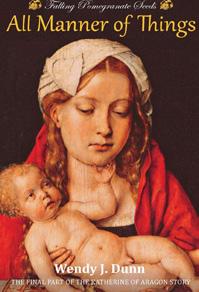
by Wendy J. Dunn
A deeply researched historical novel centered on the early life of Katherine of Aragon and the powerful, complex legacy of her mother, Queen Isabella www.independentpressaward.com/2022distinguishedfavorites?lightbox=data Item-l00xji2z2
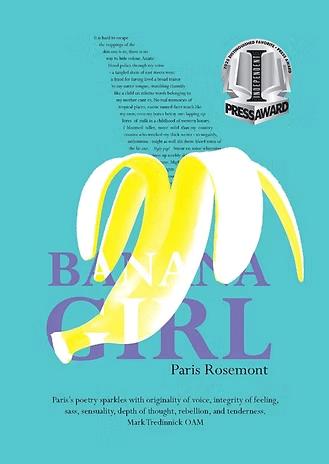
Banana Girl
by Paris Rosemont
A striking, lyrical collection of poetry exploring heritage, racism, the female body, and growing up Asian-Australian.
www.independentpressaward.com/2025favorites/9781923044074
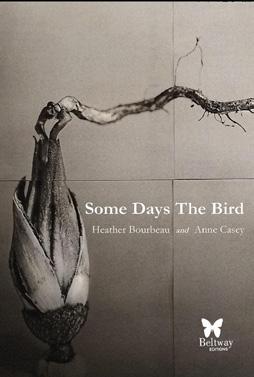
by Heather Bourbeau and Anne Casey
An elegant poetic dialogue written across continents that explores resilience, nature, and shared human connections during periods of global isolation.
www.nycbigbookaward.com/2023distinguishedfavorites/9781957372013
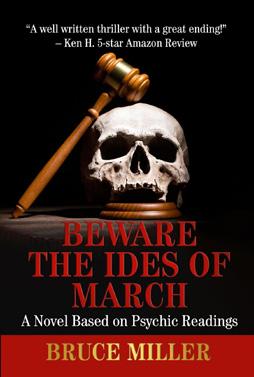
Intuition, Spirituality & The Esoteric
by Bruce Miller
A suspenseful narrative thriller that explores the impact of accurate psychic predictions and premonitions on destiny.
www.nycbigbookaward.com/2023distinguishedfavorites/9781537596655
Philosophy
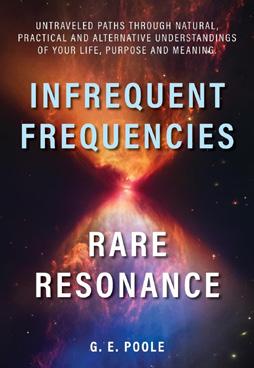
by G.E. Poole
A thought-provoking exploration of cosmic frequencies, spiritual resonance, and historical narratives that bridge science and faith.
www.nycbigbookaward.com/2024winners/9781923156562
Wellness, Lifestyle & Creative Non-Fiction
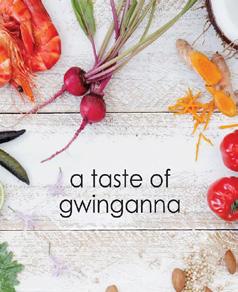
by Gwinganna Lifestyle Retreat
An aesthetic lifestyle guide containing recipes, movement plans, and self-care rituals to recreate a world-class wellness experience at home.
www.independentpressaward.com/2017winners?lightbox=dataItem-j20aqlae
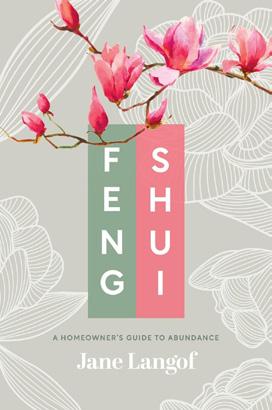
Feng Shui: A Homeowner's Guide to Abundance by Jane Langof
A practical, modern approach to using traditional Feng Shui principles to design harmonious spaces that support well-being and prosperity.
www.nycbigbookaward.com/2024winners/9780975627648
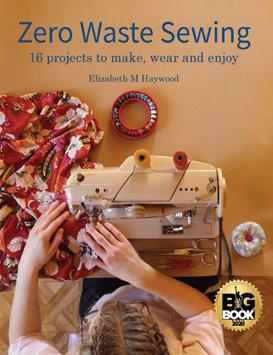
Zero Waste Sewing: 16 projects to make, wear and enjoy by Elizabeth
M. Haywood
A sustainable garment-making guide that shows crafters how to cut and sew beautiful, functional clothing with zero fabric waste.
www.nycbigbookaward.com/2020winners?lightbox=dataItem-kgc2i6i06
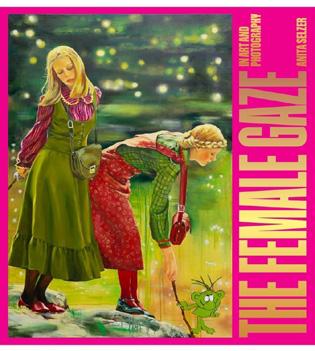
The Female Gaze in Art and Photography by Anita
Selzer
An art history study analyzing how female artists challenge traditional visual perspectives and assert female agency through photography and portraiture.
www.independentpressaward.com/2025winners/9781743799925
Publishers, authors, submit your book today: www.IndependentPressAward.com

By Gabby Olczak
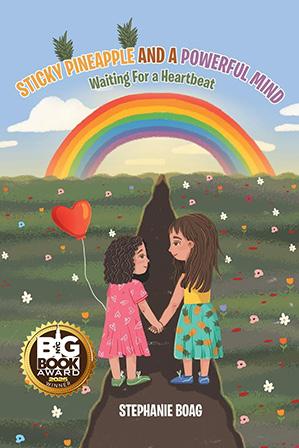
his past April during our annual BookCAMP Conference, The GabTalks Live had the opportunity to chat with international, multi-award-winning Australian author Stephanie Boag. Her Sticky Pineapple Series offers compassionate, accessible guidance for families navigating IVF. Her children’s book Sticky Pineapple And The Little Precious Gems: How I Came Into This World was named a 2025 New York City Big Book Award Distinguished Favorite in the Children’s-Educational category, while the companion adult title Sticky Pineapple And A Powerful Mind: Waiting For A Heartbeat won the 2025 New York City Big Book Award in Pregnancy and Childbirth.
Raised on a farm in Hamilton, Australia, Boag’s early life was shaped by a wool mill-running father and an educator mother. Her passion for storytelling began at 15 during a student exchange in Canada, leading her into journalism studies, an MBA, and a global media career that included work as a BBC radio broadcast journalist in the UK. Her work carried her across the globe refining a voice shaped by empathy. It was also in the UK where she met her husband, Nathaniel, and the two were married in Vietnam. They are the proud parents of two beautiful daughters, 6 year old Alice and 4 year old Ruby! Stephanie’s experiences have shaped her deeply empathetic writing.
Gabby: Your IVF story is so courageous. You were 37 years old when you first started this journey.
Stephanie: Like every young married couple, we assumed that everything would be pretty straightforward. After our wedding in Vietnam at the age of 35, we started trying to get pregnant. Naturally, after a couple of years, it became pretty clear that nothing was happening and we needed some supported help. We got referred to a major infertility clinic in Melbourne, Australia. That set off a very long journey. Ten cycles of IVF over a number of years before we were finally successful in having our first and second child.
Gabby: Your children’s title, Sticky Pineapple and the Little Precious Gems was inspired by your first child, Alice.
hind the story, Sticky Pineapple and the Little Precious Gems How I Came Into This World.
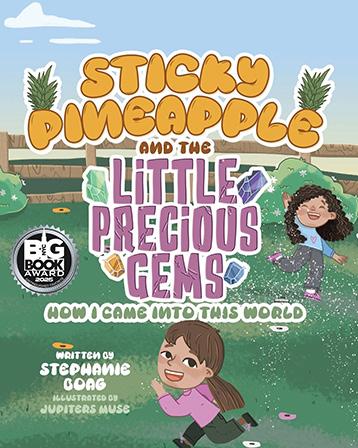
Stephanie: During the course of reading a bedtime story to Alice she said, mummy, “how did I come into this world?”. I took a pause and a deep breath, and I thought, I’m just actually going to tell her the truth in a very creative and imaginary way. So she was the inspiration be-
Gabby: Sticky Pineapple is so catchy. What is the significance of it?
Stephanie: Sticky pineapple is actually a symbol of women going through infertility and IVF. So often when you turn up to clinics at embryo transfer, you might see women wearing a pineapple symbol. It symbolizes the crown of their head, like the pineapple. It encourages and reminds women to stand tall and be proud and resilient for everything that they are navigating personally.
Gabby: Your adult title, Sticky Pineapple and a Powerful Mind Waiting for a Heartbeat is a selfhelp book for adults navigating their own IVF journey. You outline all the key steps of the process from hormonal injections to embryo transfer. What do you hope your book offers women and men out there who are struggling with infertility and navigating their own difficult physical and emotional journey?
Stephanie: My goal of writing the book was to help millions of others who have or are navigating infertility and IVF. There are over 40 million people around the world who suffer from infertility and it’s growing every day. For people embarking on this process, it’s no small feat. Not many people talk about it. About why the stigma, the taboo.
What would other people think about why you weren’t able to get pregnant naturally? What’s wrong with you? You’re constantly asking those same questions of yourself. Even in our own personal situation, we had what was called unexplained infertility, which meant there was no rhyme or reason as to why we wouldn’t be able to get pregnant.
Gabby: What recommendations do you have for friends, caregivers, siblings, or spouses on how to approach and help a person going through the IVF journey?
Stephanie: A lot of my messages about IVF are akin to when someone’s suffering mental health issues. I wrote a chapter in the book about how friends, family, and colleagues can help someone going through IVF. If someone feels that they want to open up and speak up, then you’ve provided a safe environment and place for them to do that. Just listen. Don’t ever stop asking someone each and every day if they are okay.
Gabby: What was the biggest takeaway from your IVF journey?
Stephanie: Self-care. If you can’t take the time out in your life to really care for yourself and put yourself in the best possible state, mind and body, then things are going to break down in your life, no matter what is happening and what is going on. Stress creeps in, and that affects your relationships. Then you start to lose who you are and your sense of self.
That was very profound for me. Writing the book sort of burst that wide open. These are brilliant resources for the millions of men and women out there who have or are thinking about navigating similar journeys. Whether it’s through my adult book or my children’s book, if I can help others realize some of these things earlier, then I’ve made a significant impact.
To listen to and watch the full interview visit www.theGabTalks.com
To learn more about Stephanie Boag and purchase the Sticky Pineapple Series, visit stickypineapple.com
In a major boost to the nation’s literary landscape, Writing Australia has officially opened applications for the Australian Publishing and Promotion Fund 2026–27.
Established under the Australian Government’s landmark National Cultural Policy, Revive, the initiative will inject $2 million into the local independent publishing sector to foster a more viable, innovative, and competitive domestic market. Eligible Australian independent publishers can apply for co-investment grants ranging from $50,000 to $200,000 to support their operations, administration, and promotional activities.
In a move designed to directly support creators, Writing Australia has announced that successful applicants will receive an additional 10% financial top-up on top of their base grant. This bonus funding must be passed directly to authors and illustrators as non-recoupable payments.
According to Writing Australia, these bonus payments acknowledge the significant editorial and personal costs incurred by creators during the publication process. The top-ups are slated to prioritize First Nations authors, creators from underrepresented communities, writers of niche or high-cultural-value titles with limited commercial potential, and those working on collaborative or long-term projects like children's picture books.
To ensure the fund supports genuine human creativity and local business viability, Creative Australia has set strict eligibility criteria.
Applicants must be majority Australian-owned, have operated in the country for at least three financial years, and primarily publish physical trade books. Furthermore, the guidelines explicitly target emerging technologies: books wholly or substantially created by generative artificial intelligence (AI) technologies are ineligible for funding. Publishers must transparently disclose any instances where AI was used to assist in the creation or publication of a work.
The fund is open exclusively to trade publishers of fiction, poetry, and non-fiction who have a proven history of paying standard advances and royalties to creators. Educational, spiritual, self-help, and purely electronic/e-book publishers are among those excluded from applying.
Publishers must register in Creative Australia’s application management system at least two business days prior to the closing deadline. Applications will be assessed by a panel of industry peers based on the viability, impact, and strategic alignment of the proposed publishing programs. Supported activity must start between 1 July 1, 2026 and June 30, 2027.
For full guidelines and eligibility details, visit the official Creative Australia Portal.

Cybersecurity education consultancy, Cyber Unicorns, turns three this August. The company, which Craig Ford cofounded with his wife Melissa, runs cyber education sessions for a variety of groups, from your standard business cyber awareness training to teaching kids and grandparents as individuals. But Ford says what makes him unique in the space is his storytelling approach to cybersecurity.
Ford, author of seven books, recipient of five writing awards, and business owner, Craig Ford believes cyber and storytelling aren’t as distant as one might think.
“ I like to do it in a writer’s style,” Ford said. “I tell the stories and then pull the curtain back a little bit and try and educate that way. From being in the industry a long time, I’ve seen cyber education as just being, ‘Turn on multi-factor authentication,’ or ‘Do better passwords.’ But if you don’t give people a real personal connection to things, they don’t remember it. And they don’t really see the need to do it.”
Cybersecurity is a field with ever-growing importance in the digital world, but has more recently become particularly critical thanks to the advent of artificial intelligence. Over the past few years, numerous high-profile stories of AI-based monetary scams have emerged. As new AI models become both increasingly accurate and increasingly easy to access, good digital hygiene becomes crucial to avoiding these kinds of scams. Ford frequently uses this kind of story as an entry point to his cyber education programs.
“There’s one story I like to tell in a lot of sessions,” he said.
By Jules Roscoe
“A grandfather basically receives a scam call one day. It sounds like his daughter on the other end of the line, asking him to pay and support her so she can get her grandkids off the side of the road in a car that’s broken down. But, essentially, it’s a voice clone. People sit there and go, ‘Ooh, hang on. That could actually be some situation I’m in.’ That helps engage people and helps it be a little bit more memorable.”
That unfurling approach, first telling a story and then diving into the details behind it, is something that makes threeyear-old Cyber Unicorns unique. But Ford first developed it years earlier, at an Australian cybersecurity conference where he noticed a huge gap.
When he attended that conference, Ford was working at a managed service provider, the cyber industry term for a third-party company that is hired to handle a business’s IT and cybersecurity needs. The conference was about the cybersecurity risks that government entities have.
“ But the companies where I worked basically held the keys to the kingdom for everybody,” Ford said. “They had access to pretty much everyone’s accounts. And I was going, ‘Why isn’t anyone talking about this?’”
After that conference, Ford pitched his first article to Cyber Security Online, which kickstarted his contribution of over 200 journalistic pieces to the outlet. Ford said CSO loved his approach of telling a story and then pulling it apart to show the audience how it happens. That was where he got the encouragement for his first book.
A Hacker, I Am, which Ford self-published in 2019, covers a wide swath of cyber awareness topics, broken down into vignettes. “It explains topics in stories, scenarios, without all the Jargon,” the description of the book on Ford’s website reads. “It’s fun, educational and you can read any chapter you want in any order you want. This book has been created to help everyone, not just the technical folk understand cybersecurity and the associated risks. If you use a computer or the internet you should read my book, you will gain a much better understanding of the risks and how you can be more secure.”
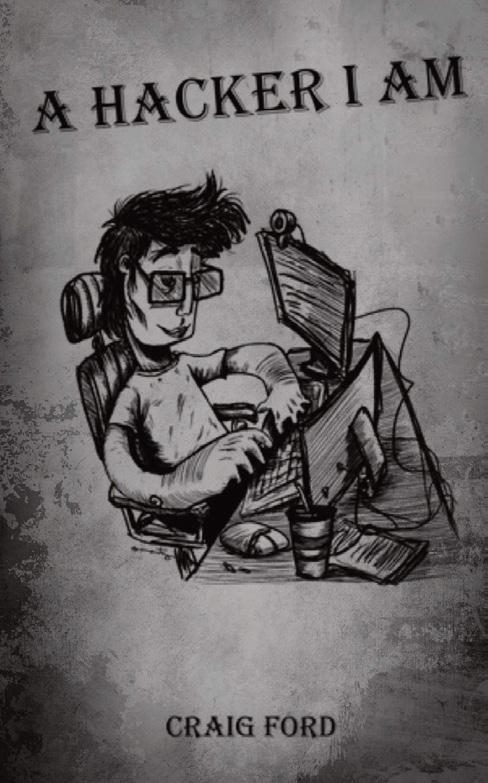
Ford subsequently published a second volume of A Hacker, I Am, before moving into longform fiction. His first young adult novel series, Foresight, centers on a “good-hearted teenager” who leads a secret life as an ethical hacker. The first book in the set won two awards in 2025.
Even in his fiction, Ford strives for education.
“ Particularly with the Foresight series, I always wanted to make sure that I make this as realistic as I can,” he said. “Obviously you still need a bit of Hollywood flair. Things have to happen fast, so you have to make the progress a little bit quicker and things like that.
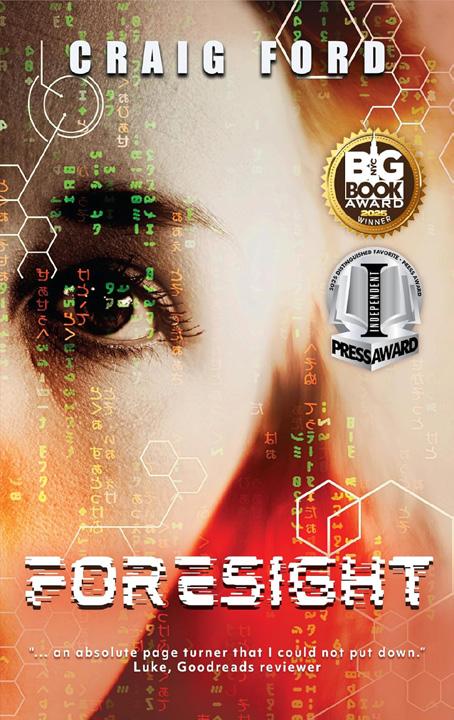
But it’s grounded in what really could happen. There’s a few points where the character will flag something, and it kind of draws attention to it deliberately to force that education side.”
Ford intentionally intertwines his writing with his cyber education consultancy. As part of its third birthday, Cyber Unicorns is launching a children’s cyber education program designed to go hand-in-hand with Ford’s latest children’s nonfiction book about cybersecurity, The Shadow World, which won an Independent Press Award last year.
The program pairs video courses with reading from The Shadow World, and currently has 34 topics including items like “The Digital Stranger Danger,” “Gamer Scams”, and “The Art of the Trick,” an approachable course on so-
cial engineering. Ford says he has been in discussions with local Australian schools to start implementing the program, as well as building relationships over time with some Australian governmental education departments.
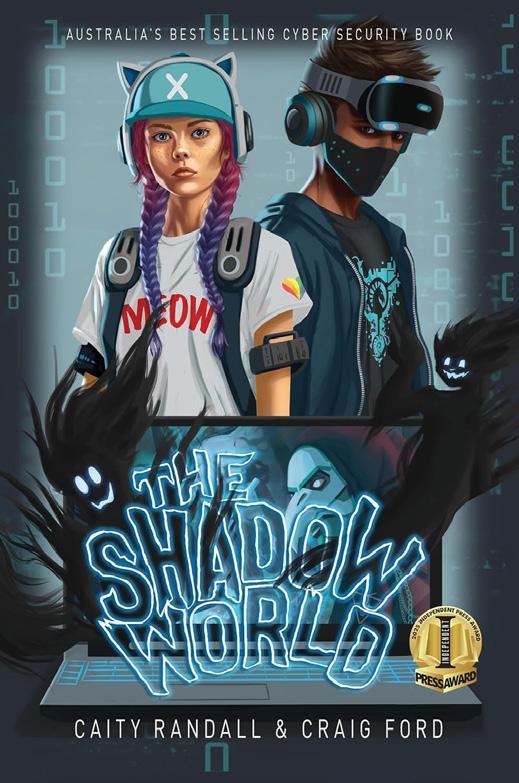
Currently, there is a cost for schools to run the program, but Ford said if Cyber Unicorns got governmental support or sponsorships, they would make the program free for all schools. If all goes well, he’ll then look at expanding into international markets like the U.S. and Europe.
“These skills will be as important moving forward as learning to swim or ride a bike,” Ford said. “I am very passionate about helping kids and their parents navigate the online world safely and with better knowledge. It was the mission behind why Cyber Unicorns was built in the first place, and that’s where the cyber education ecosystem I am trying to build starts. With the kids, the teachers and then the parents.”
His writing escapades across both adult and youth audiences, he believes, have also impacted his ability to teach cyber awareness. So he’s a firm believer that you don’t have to “pigeonhole” yourself into only one aspect of a career.
“I wear all the hats all the time,” he said, laughing. “[Writing] helps me form those stories and find better ways to get people to connect with the story and make it both realistic but memorable at the same time. It definitely makes me a better educator, but a better writer at the same time, because I’m crossing all the time.”

The Australia and New Zealand (ANZ) book publishing industry has demonstrated stable performance driven by robust local narratives, cross-Tasman structural transformations, and high per-capita consumer engagement. Total combined annual book sales revenue across the two nations safely surpasses A$1.58 billion.
According to official market snapshots provided by NielsenIQ BookData, the Australian book market experienced an upward trajectory, closing at a valuation of A$1.30 billion. This represents a value increase of 3.2% compared to the previous year, recovering fully from the minor 3% contraction noted during the broader retail adjustments.
Volume sales within Australia expanded by 1.4%, translating to approximately 70 million books sold within a single calendar year. While higher average shelf prices contributed modestly to the absolute value increase, steady volume metrics underscore a durable book-buying habit within the Australian public.
Adult Fiction remains a significant economic engine, consistently generating hundreds of millions of dollars in value. Meanwhile, specialized promotions such as Black Friday have institu tionalized high-velocity trading periods; Black Friday week volume sales regularly spike 40% above standard weekly baselines, moving upwards of 2.05 million units within a seven-day window.
activity formats.
The Publishers Association of New Zealand Te Rau o Tākupu (PANZ) Market Size Report highlights total publishing revenue increased by 1.8% to NZ$287.4 million, while total volume rose by 2.4% to 18.6 million books sold annually.
The defining narrative of the New Zealand sector is the aggressive growth of homegrown intellectual property.
Domestic revenue rose by a remarkable 6.1% to NZ$54.3 million, while export earnings from local titles achieved a 4.3% expansion to reach NZ$15.1 million.

The Children’s and Young Adult (CYA) sector is an area of intense market activity, growing by 8% in value to reach A$395.9 million, supported by a 4% growth in total volume (32.6 million units). Within this sector, structural deviations are evident:
• Young Adult (YA) Fiction: Surged dramatically, posting a 20% value increase to reach A$44.0 million, driven heavily by demographic communities on digital platforms and a rising average selling price of A$19.51.
• Children's Picture Books: Expanded by 11% in unit volume to 7.1 million units, yielding a total market value of A$80.3 million.
Children's Fiction: Remains the largest single CYA asset class by value at A$90.7 million, despite enduring marginal volume softening (-5%) as consumer preferences migrated toward graphic novels and non-fiction
Māori language and bilingual publishing have moved firmly from a niche category to a central financial and cultural pillar of the Aotearoa market. In the latest annualized tracking period, sales of Māori language publications reached 328,000 units, marking a third consecutive year of sustained volume growth. This unique segment highlights a systemic consumer commitment to indigenous cultural preservation and educational literacy.
The commercial infrastructure of ANZ publishing has undergone rapid evolution. The independent publishing tier has experienced intense consolidation. Key independent mainstays have been absorbed by global conglomerates looking to secure localized market share: notable acquisitions include Affirm Press integrated into Simon & Schuster Australia, and Pantera Press acquired by prominent independent network Hardie Grant.
On the retail front, booksellers have adapted creatively to regulatory and structural shifts. Following domestic institutional changes—such as the implementation of youth social media restrictions—major retailers like QBD Books reported instant changes in consumer engagement, noting immediate double-digit increases in physical store foot traffic and a 30% year-on-year surge in secondary analog categories like puzzles and physical activities.

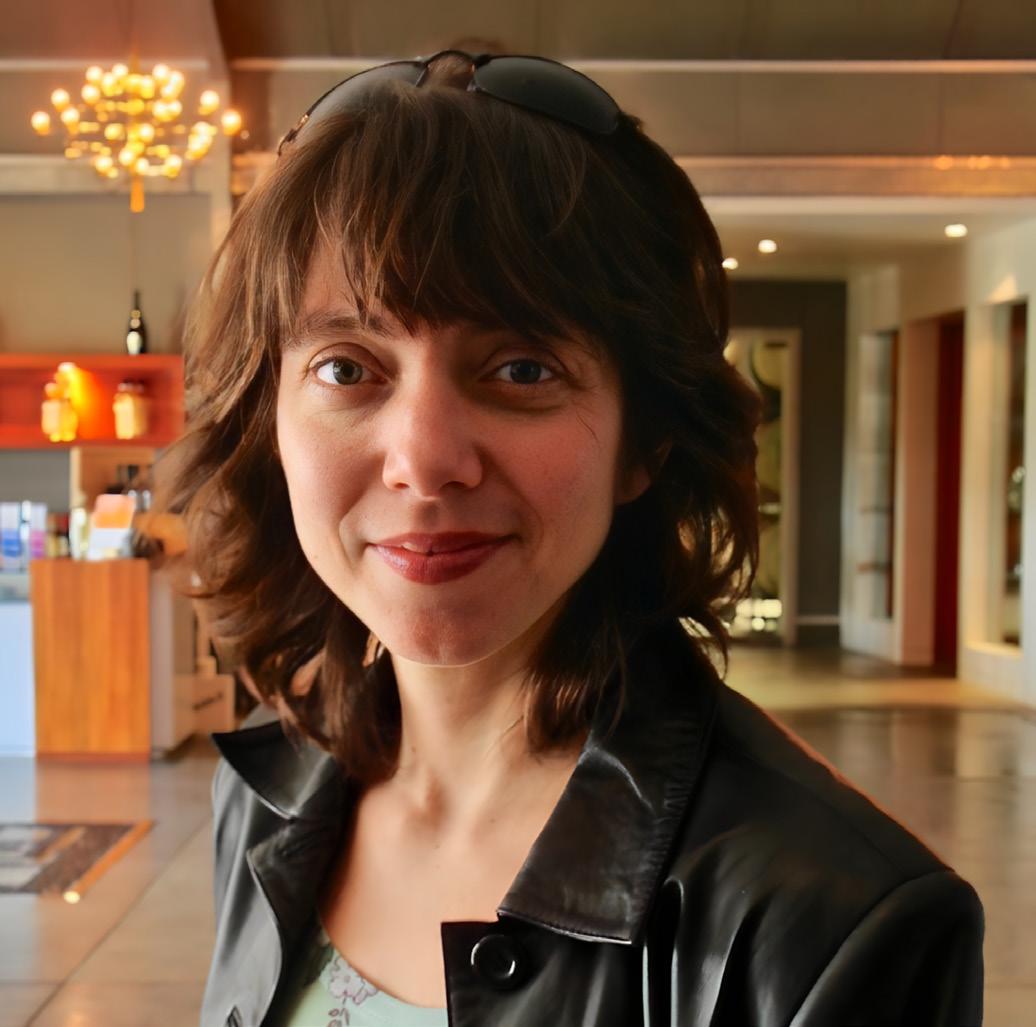
Magdalena (Maggie) Ball is an American-born Australian novelist, poet, reviewer, and interviewer based in New South Wales. Armed with an honors degree in English Literature from the City University of New York and postgraduate studies at the University of Oxford, she is the founder and Managing Editor of the long-running literary site Compulsive Reader. Her diverse body of work—which includes novels like Black Cow and highly acclaimed poetry collections and verse-memoirs like Bobish—frequently weaves together themes of history, climate change, and human spirit. When she isn't deep in the literary world or presenting at writers' festivals, she balances her creative life by working as a corporate sustainability manager.
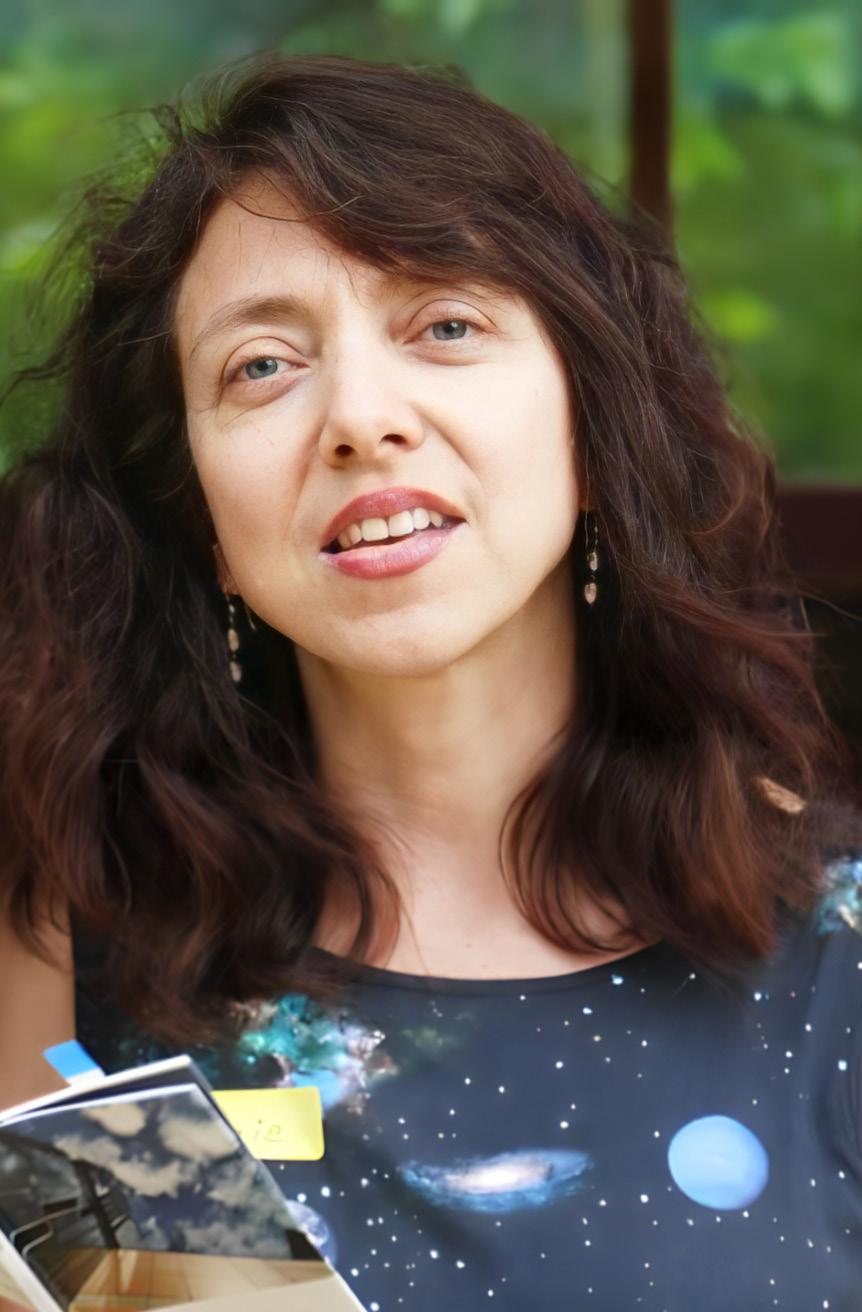
Printed Word Reviews publisher Ted Olczak discusses Ball’s influence, realities, and achievements in the independent ANZ literary ecosystem. Her impact stretches far wider than a tireless advocate for local voices. Read on as she shares her market insights and invaluable advice for emerging writers, talks about the shrinking space for mainstream book reviews, and explains why writing about books is never labor.
You moved from New York and eventually to rural New South Wales some three plus decades ago. How has the distinct landscape, ecology, and cultural rhythm of Australia reshaped your voice as a poet compared to your early literary influences in the US?
I went from New York to Oxford in England and then from Oxford to rural NSW (via a brief diversion in North Carolina). As a young poet and Eng Lit student in NYC, my focus and interests were directly shaped by the city and the vibrant life there in which I was immersed—theatre, concerts, relationships, buildings and bitumen. I had the interests and concerns of a young person and was very influenced by my literary studies, particularly early 20th Century modernists like Woolf, Faulkner and Joyce, so the poems I wrote, which are now lost in the ether, were very much city poems and full of youthful intensity and experimentation. I now live in a rural, heavily forested area which has been influencing my work for some 36 years. I walk almost every day
through the woods, and the forest is very present in my life. The distinctive Australian birdsongs, lyrebirds and kangaroos, the eucalyptus trees with their astringent fresh scent, the deep, rich leaf litter, even the fungus which I take lots of pictures of (last week I found a line of bioluminescent ghost fungus which glows a beautiful green shade at night) all inhabit my work. Of course the terrible bushfires we had here in 2020 and the ongoing visible impact of climate change also make it into my work. But I’m also an older person now, and my life experiences are different and who I am now and the many experiences I’ve had over the years is also a part of my work. The voices I hear in my head are Australian voices, and those rhythms, cadences and concerns are my concerns.
In addition I’m immersed in the Australian poetry world (fiction too—I read and write all genres but poetry is certainly where my writing tends to concentrate at the moment). I read local poets, I hang out with poets and we talk poetry together, I go to open mics and more formal
readings, and to writers festivals where I’m often in formal ‘conversation’ with other poets. These influences also colour my work. Also, I’m much more aware now than I was when I was 20 of the many layers of displacement and the First Nations people whose unceded lands I live and work on. I’m always conscious of the ghosts—my own—the people I love who are no longer alive that I carry, and those that belong to the spaces I inhabit.
As someone who has hosted panels at major events like the Sydney Writers Festival and Melbourne Jewish Book Week, what shifts have you noticed in the themes dominating contemporary Australian and New Zealand fiction over the last few years?
I do read broadly and am constantly surprised by the way authors continue to create fresh, innovative, and exciting new fiction. In the past few years I’d say that there are few books I read that don’t have at least some kind of ecological underpinning. There may be some self-selecting there, but even books that are seemingly about something else always seem to come back to the fragility of our world and grief at what’s coming in some form or another, as the impact of climate change becomes increasingly visceral. I’m also excited by the increasing diversity of voices—the different cultural backgrounds, First Nations, multi-lingual, multi-genred work that blurs all sorts of boundaries. In the past year, AI has started to appear in stories—as a character (I’m thinking, for example, of Tim Winton’s Juice) or as catalyst, but also, notoriously, as an author proxy (for example, the controversy of the Commonwealth prize story winner, Jamir Nazir's The Serpent in the Grove, which critics said had ‘obvious markers’ of AI). This is a new subject for novelists but I suspect it’s a theme that will be increasingly explored.
In your role as Vice President of Flying Island Books, you are deeply involved in the poetry community. What are the unique challenges and triumphs facing independent poetry publishers in the ANZ region right now?
I think the biggest challenge facing independent poetry publishers the world over is funding. Poetry is a small, niche market and retail sales generally happen by hand selling from the poets themselves. It’s a hard gig with increasingly limited funding from traditional sources like universities. Creating a book is expensive—you need to pay for a high-quality editor, a good cover, nice paper, printing and then distribution, launches/promotion/prize entries, and lastly (always last!) royalty payments to authors.
The triumphs pivot around the fact that poetry “survives In the valley of its making where executives/would never want to tamper" (to quote Auden). To put this in less poetic terms, because poetry isn’t going to make a lot of money for its authors or its publishers, anyone who does it anyway is probably doing it for love, and love is a powerful force. If you’re running an independent press you can publish books
even if they are resolutely non-commercial. Also, the big publishers have limited timeframes for publicity. If a book doesn’t sell quickly, get good reviews fast (often on advanced review copies before publication), and potentially win a prize, the book is at risk of being pulped (this has happened to friends of mine) or at least ignored entirely as the big budgets turn to the latest shiny release. With poetry at an indie press, the work tends to continue to be promoted, read, passed around and reviews can come many years later. It’s a more sustainable model because it is not built on a profit-making platform. But you have to have people willing to volunteer their time and the poets have to really muck into the process to promote the work.
Australian and New Zealand poetry is experiencing an incredible resurgence, yet commercial distribution remains difficult. How can indie presses and review platforms better cooperate to get local poets into the hands of global readers?
The print-on-demand model—Lightning Source, a business unit of Ingram, being one of the most well-known—is one way to get books into online shops without having to ship books around the world expensively. Books can be listed in bookstores like Amazon (or even in Indie bookstore catalogues) and then just printed locally for local distribution. That was used for my book Bobish and although it was only published in Australia, it was able to be purchased and shipped locally for local ship rates around the world. E-books of course are able to be globally distributed cheaply but a poetry e-book is never as nice as a book-in-hand. Other than that, I think joining in online zooms and networking with poets around the world can help. There’s always an open mic somewhere so if you’re able to join in, you’ll increase visibility. But that’s more down to authors than to publishers. We do have some great publicists here who get to know the type of work a reviewer likes and they will do direct and quite personal pitches. It’s more time-consuming than relying on automated processes (or worse, AI pitches which are usually pretty obvious), but they almost always work. There are a few here who know me well enough so that when they tell me they think I’ll really enjoy a book, I’ll usually give it a go even if I don’t know the author. There’s no substitute for human interaction and connection.
Through Compulsive Reader, you review an international catalog, but you maintain a strong commitment to local voices. Do you feel that Australian and New Zealand writing receives the critical depth it deserves from local media, or is there a gap that independent platforms like yours have to fill?
Book review space the world over is shrinking. Space in mainstream media for reviewing books—especially the long form review which is a real engagement—is becoming increasingly hard to find. Reading a book and then writing a deep and insightful review about it is time consuming and if you get paid at all the rates are more tokens than anything—you can’t make a living that way. You have to love it—love reading and love writing about it, and in our time poor society, not everyone is willing to spend their time that way—we are all in the midst
of busy lives. Poetry gets even less coverage. Often the books that do get reviewed are already doing well and get reviewed over and over in publication after publication. So it’s hard and books published in countries like Australia and New Zealand with smaller populations than say, the United States, often struggle to get the critical attention that books from more populous places do. There are more consumer evaluation sites than ever but they can be superficial (and sometimes faked). So yes, I do think there’s a gap that independent (not for profit) platforms like Compulsive Reader have to fill, and I get a huge amount of pleasure in not only filling that gap and shining the light on great work no matter whether the author is a big star or a first time literary writer from a small place (and I do focus just a wee bit more on local indie books because of the limitations they face). That said, I am the kind of person who would rather be reading and writing about books than doing almost anything else—so it’s not labour for me—it’s just pleasure. The engagement itself is a privilege. That Compulsive Reader is able to fill a gap and support the work of great writers is icing on the cake.
In your guide The Art of Assessment outline the mechanics of being a profes sional reviewer. What specific advice do you have for emerging ANZ crit ics trying to break into a relatively small, tight-knit local publishing market?
I wouldn’t say that the local market for critics is tight-knit—everyone wants more critical readers and there are few barriers to doing that! It’s surprisingly easy to break into this because there is such a need. Authors and publish ers are always looking for reviewers. Yes, it’s time consuming, but if you’re already reading for pleasure and enjoy writing it’s not much more of an effort (and so much more satisfying) to go back and write about the book. Also, there are so many authors trying to get books published (the publishing market itself is tight-knit). Getting published is hard and the publishing market is indeed tight-knit. But if you’re a good reader and can write, reviewing is one way to become part of the broader writing community—to help others, make connections, and get yourself known. Publishers and publicists court reviewers (they definitely do not court new writers). To break in, just find a site (mine is as good as any—but make sure you follow the style of other reviews on site—don’t submit a one paragraph review to a site that does long form reviews for example), read a few that you like, write a review of a book you love, and submit it. Get a few clips and then you can either pitch directly to publishers for books you want or ask the publications that have published you if you can join their review crew. It’s really that easy. Once you’ve got a bit of a dossier you can apply to the bigger venues and magazines, though again these are fewer, as much because
they struggle to find reviewers. You could also just create your own blog or site and start reviewing straightaway without going through any hurdles. This particularly makes sense if you have a particular genre or taste. It can take a while to build up an audience, but not long to get publishers to provide you with material, particularly if you’re willing to use Netgalley and other electronic sources of books to begin with.
Your verse-memoir Bobish explores deep ancestral roots, Jewish diaspora, and the concept of 'home.' As an immigrant to Australia writing about historical displacement, how does the Australian context influence how you process themes of inheritance, geography, and memory?
Although Bobish was set primarily in NYC in the early 20th Century, I wanted to bring in my own, modern, Australian perspective and also to play with the notion of migration between us. There are several times when I juxtapose myself on a rock in the Australian forest and Rebecca (my Bobish) for example, a poem in the book called “Tikkun Olam” (a Hebrew world that means "repairing the world” - the notion of having a responsibility towards social justice:
In a primordial forest of lost childhood, she sits on a mossy rock, alive and not, in this Schrödinger’s moment of superposition, where she has not yet died and I have not yet been born.
I wanted to play games with time and use our shared DNA like a portal to connect who I am now with who she was then, as a way into this woman I knew through my mother and grandmother (I was particularly close with Rebecca's daughter, my grandmother, who is also in the book as Eva) but never met directly as she died before I was born. Also I wanted to explore trauma and it was impossible, as I was exploring my own family history of trauma, to ignore the trauma that would have been experienced in the places that Rebecca migrated to long before she got there—the forced displacement of the Lenape people in NY. In my own case, the displacement of the Awabakal people, the traditional custodians of the land I was writing on. I didn’t necessarily see these aspects of migration, inheritance, geography and memory as being distinct—me here, her there, now and then, us and them, but as intrinsically linked—we are all connected.