
Dear Representative

2026 is already off to a strong start at IFG, and we’re excited about everything happening across the firm. From celebrating our Elite Advisors in Rome to welcoming new team members and sharing firm achievements, the year has already built real momentum.
This spring, we had the opportunity to gather in Rome for our Elite Advisor Conference with 58 Elite qualifiers, 14 strategic partners, and 11 Home Office team members. It was an incredible week of meaningful conversations, memorable experiences, and well-deserved recognition for our Elite Advisors. We’re grateful to everyone who joined us and helped make the event so special.
We’re also excited to welcome Miles Weatherup to IFG as Director of Advisory Product Management. With more than 18 years of industry experience, Miles brings valuable insight and leadership as we continue enhancing our advisory platform and advisor support resources.
This issue focuses on ideas that can help advisors grow their businesses and strengthen client relationships. From client experience and personal branding to advisor-led events and financial education, we hope these articles give you practical takeaways you can put to use right away.
Our Compliance team also shares perspectives on financial literacy this quarter and the importance of transparency and education in helping clients make informed decisions and build confidence in their financial future.
We’re proud to share several recent recognitions for the firm as well. IFG was named a finalist for InvestmentNews’ Broker-Dealer of the Year, with winners announced on June 24th. We were also ranked #1 for Women as a Percentage of Producing
Advisors in Financial Planning’s IBD Elite 2025, #9 in payout growth among independent brokerdealers, and #7 for highest revenue per advisor in Financial Advisor Magazine’s 2026 IBD Review & Ranking. These recognitions reflect the strength of our advisors and the continued growth of the IFG community.
Looking ahead, we hope you’ll join us at our upcoming events. National Conference returns August 5th–9th at the Sheraton San Diego Resort, followed by the Practice Management Exchange, October 25th–28th at The Phoenician in Scottsdale. Both are great opportunities to connect, learn, and share ideas with fellow advisors, sponsors, and Home Office team members.
We also encourage you to explore IFG’s new Advisor Branding Package, designed to help advisors build a stronger and more consistent brand identity. And our Impact For Good initiative continues to highlight the positive impact the IFG community makes in the lives of others and the communities we serve.
Thank you for being part of the IFG family. We truly appreciate your partnership and look forward to everything still ahead in 2026.
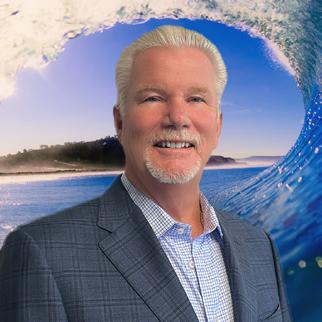


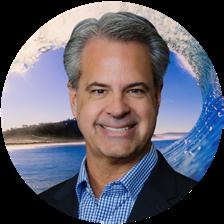
Scott Heising
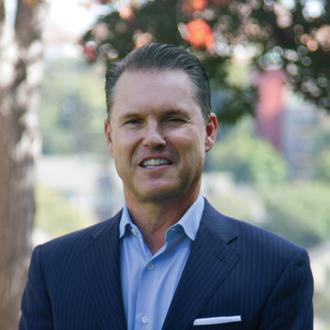
David Fischer
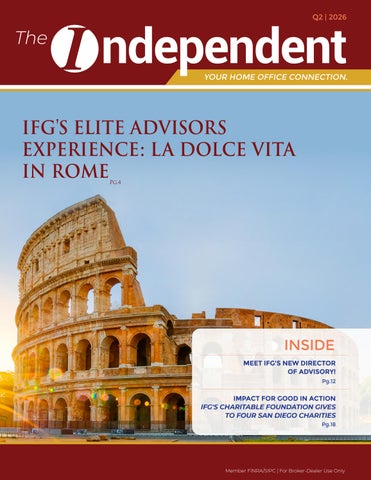
EAC 2026: LA DOLCE VITA IN ROME CORPORATE EVENTS
WHAT DO YOUR CLIENTS SAY WHEN YOU’RE NOT IN THE ROOM? ADVISORY SOLUTIONS
(CX)
RECENT PROMOTIONS
MEET MILES WEATHERUP: DRIVING ADVISORY STRATEGY AND PLATFORM INNOVATION AT IFG EMPLOYEE SPOTLIGHT
NEW REPRESENTATIVES
TURNING CLIENT EVENTS INTO A GROWTH ENGINE ALTERNATIVE INVESTMENTS
“FINANCIAL LITERACY” …BUZZWORD OR BUZZWORTHY? COMPLIANCE
WHAT GREAT ADVISORS DO IN THE FIRST 90 DAYS (THAT OTHERS DON’T) PARTNER SPOTLIGHT NEXPOINT
CONFERENCE QUALIFICATIONS
WELCOME NEW TEAM MEMBERS
ANNIVERSARIES


EAC 2026: La Dolce Vita in Rome
By Alexis Tamayo-Romo Marketing Specialist
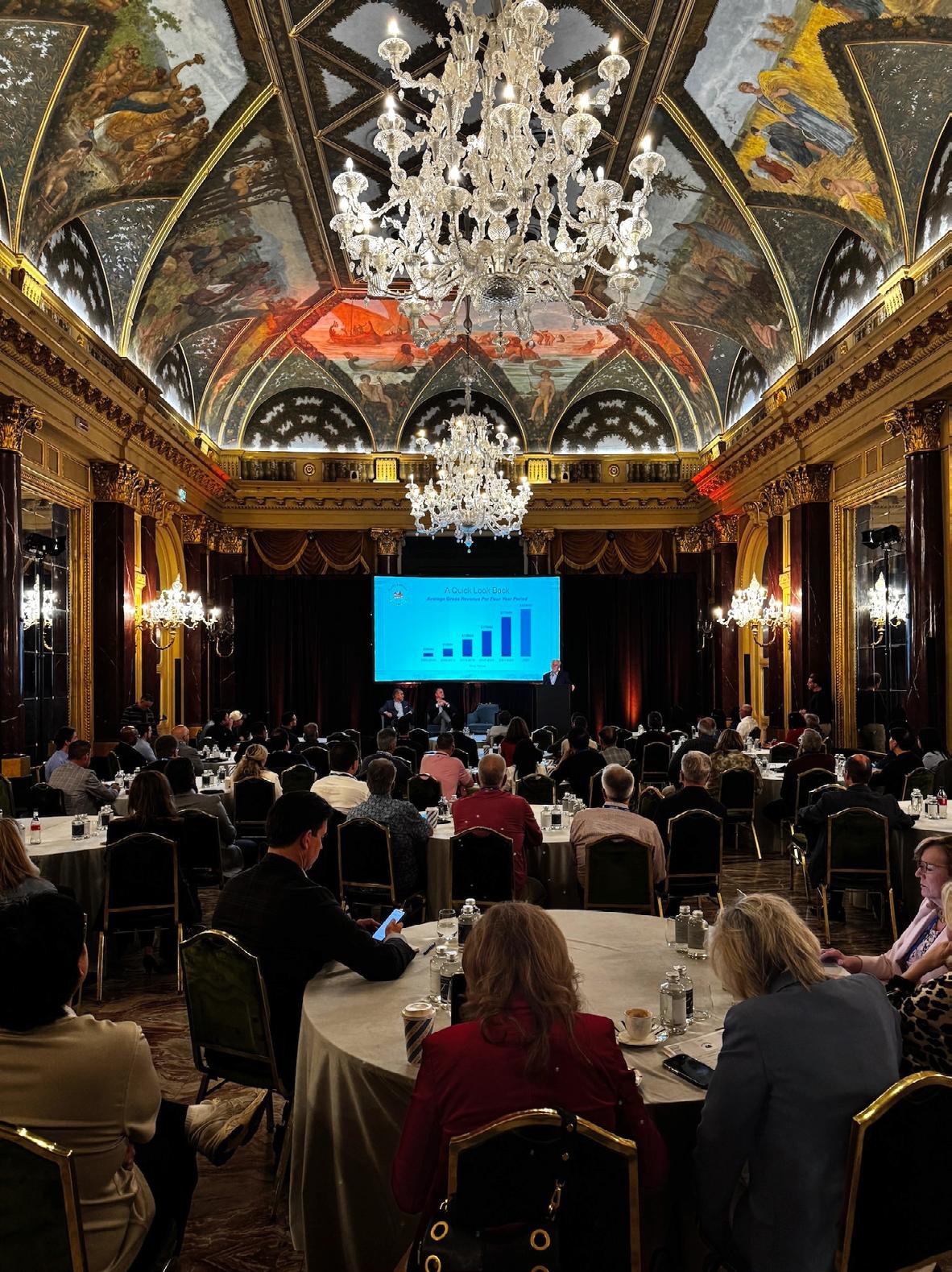
From March 1 through March 5, 2026, IFG’s Elite Advisor Conference brought our top advisors, valued partners, and Home Office team to the heart of Rome for an unforgettable experience at the iconic St. Regis. With 58 advisors, 26 partners from 14 strategic partner firms, and 11 Home Office team members, along with guests and families, in attendance, this year’s conference was a true celebration of excellence, connection, and culture.


Rome,

The experience began with a warm Italian welcome at our Registration Hospitality Suite. Guests arrived to an inviting atmosphere filled with small bites, refreshing drinks, and a charming gelato cart that set the tone for the days ahead. A highlight of the day was the Italian leather shopping experience available to both advisors and their guests. Attendees selected from a beautifully curated collection of handbags, laptop cases, wallets, jewelry holders, and more, each piece made even more special with personalized initials stamping, creating a timeless keepsake from Rome.




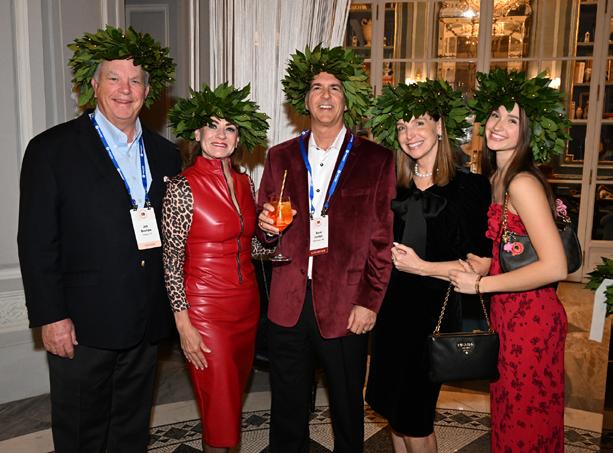
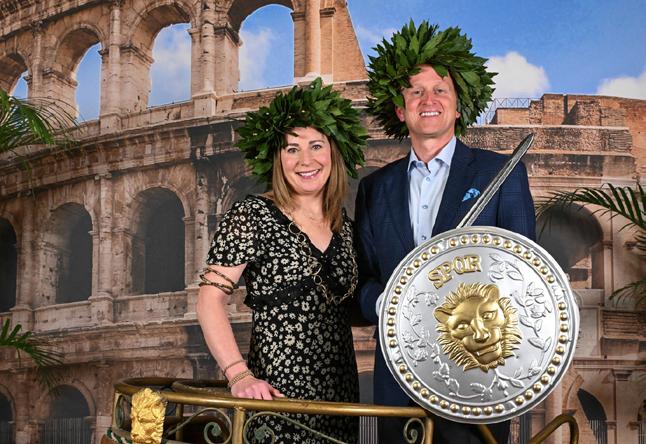
As the sun set, the evening transformed into an immersive journey back in time with our Ancient Roman-themed Welcome Reception. Guests were greeted with traditional bay leaf laurel crowns as they entered, immediately stepping into the spirit of ancient Rome. The night was filled with lively entertainment, including a strolling trio in togas, a Roman chariot photo experience, and themed props that brought the setting to life. Laughter, conversation, and exceptional cuisine carried through the evening as guests captured memories with instant photos to relive it all.


Rome, Italy
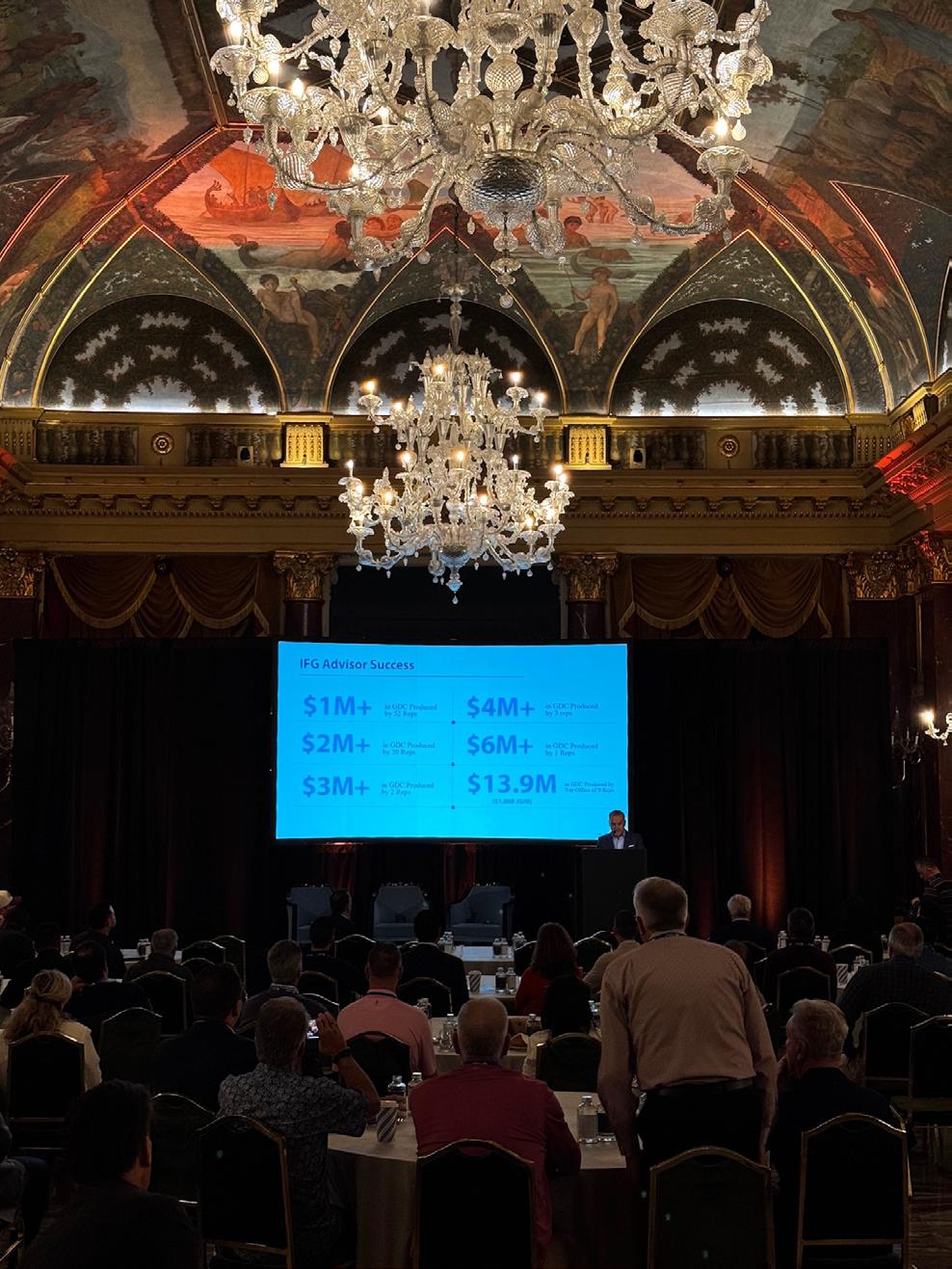
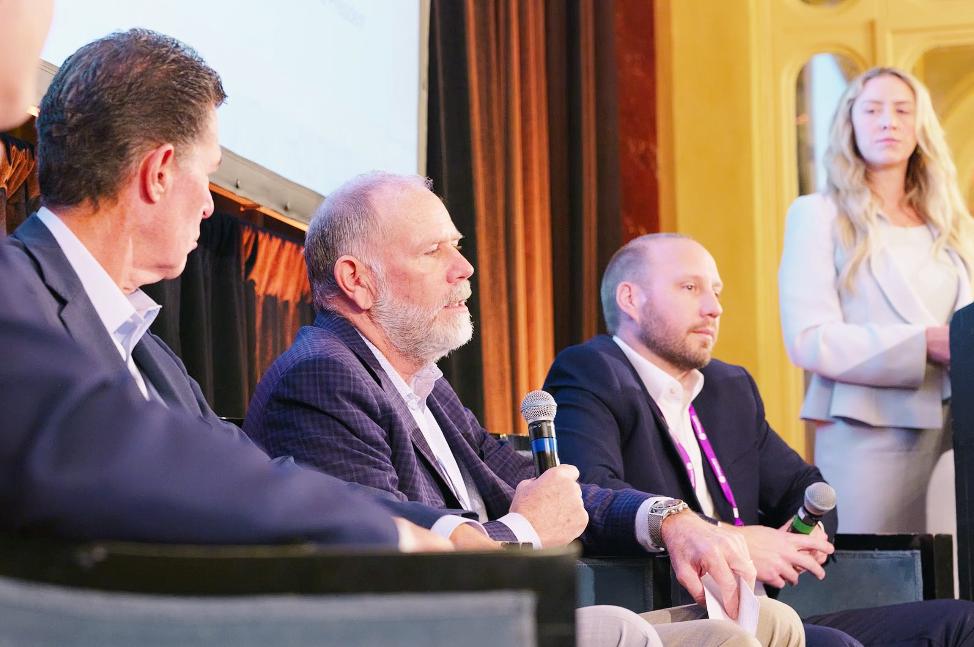
The following morning opened with a welcome from David Fischer, Co-Founder & CMO of IFG, followed by firm updates from Scott Heising, Founder & CEO, Kevin Keefe, President & COO, and David Fischer. These sessions set the tone for thoughtful discussion and forward-looking insight. Partner presentations followed, offering valuable perspectives and meaningful
Rome, Italy

Each afternoon invited attendees to experience Rome in its full character. From walking through the Colosseum and St. Peter’s Square to discovering hidden gems like the Aventine Keyhole, venturing into the Catacombs, or enjoying the vibrant flavors of a Street Food Tour, every experience brought the city’s history and charm to life.
The third day continued with IFG Department Highlights and Insights, followed by another engaging morning of partner presentations before guests once again stepped into the rhythm of Rome.





On March 4th, guests embraced a day at leisure, allowing them to experience the city at their own pace. Some found themselves wandering the elegant streets near the Spanish Steps, browsing boutiques and taking in the effortless beauty of Roman shopping culture. Others lingered over long lunches in sunlit piazzas, while some ventured into the countryside for a hands-on pasta making experience, fully embracing the spirit of Italian living.




Italy
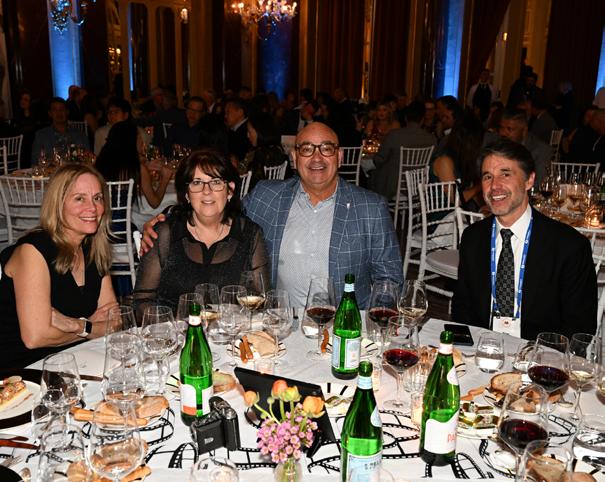
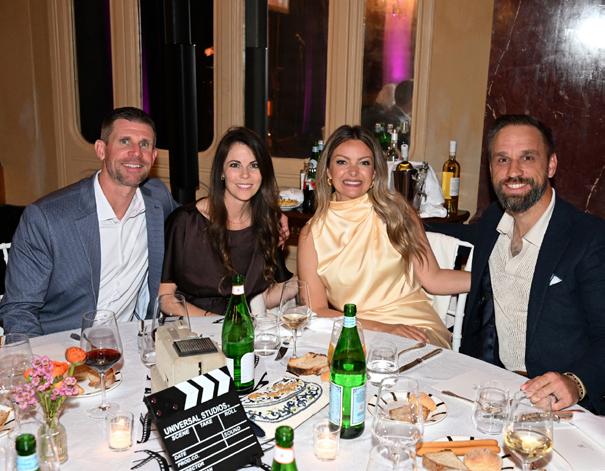
That evening, the celebration reached its crescendo with a special recognition of IFG’s Elite Women, honored with a toast and photo moment before the La Dolce Vita-themed Farewell and Awards Dinner. As guests transitioned into the evening, they enjoyed a beautifully curated dinner while a live pianist and vocalist filled the room with music that enhanced the atmosphere. Following dessert, the awards presentation honored the remarkable achievements of our Elite Advisors, Product Leaders, Office of the Year, and Elite Advisor of the Year celebrating the success and dedication of the IFG community.


In addition to celebrating individual achievements, this year’s conference also highlighted the generosity of our advisor community. A total of 34 advisors chose to forgo their Elite Advisor trophies and instead donate the cost of their awards to charity, raising $9,800. In recognition of this generosity, IFG proudly matched the contribution with an additional $10,200, resulting in a $20,000 donation to Second Chance of San Diego.
Rome, Italy
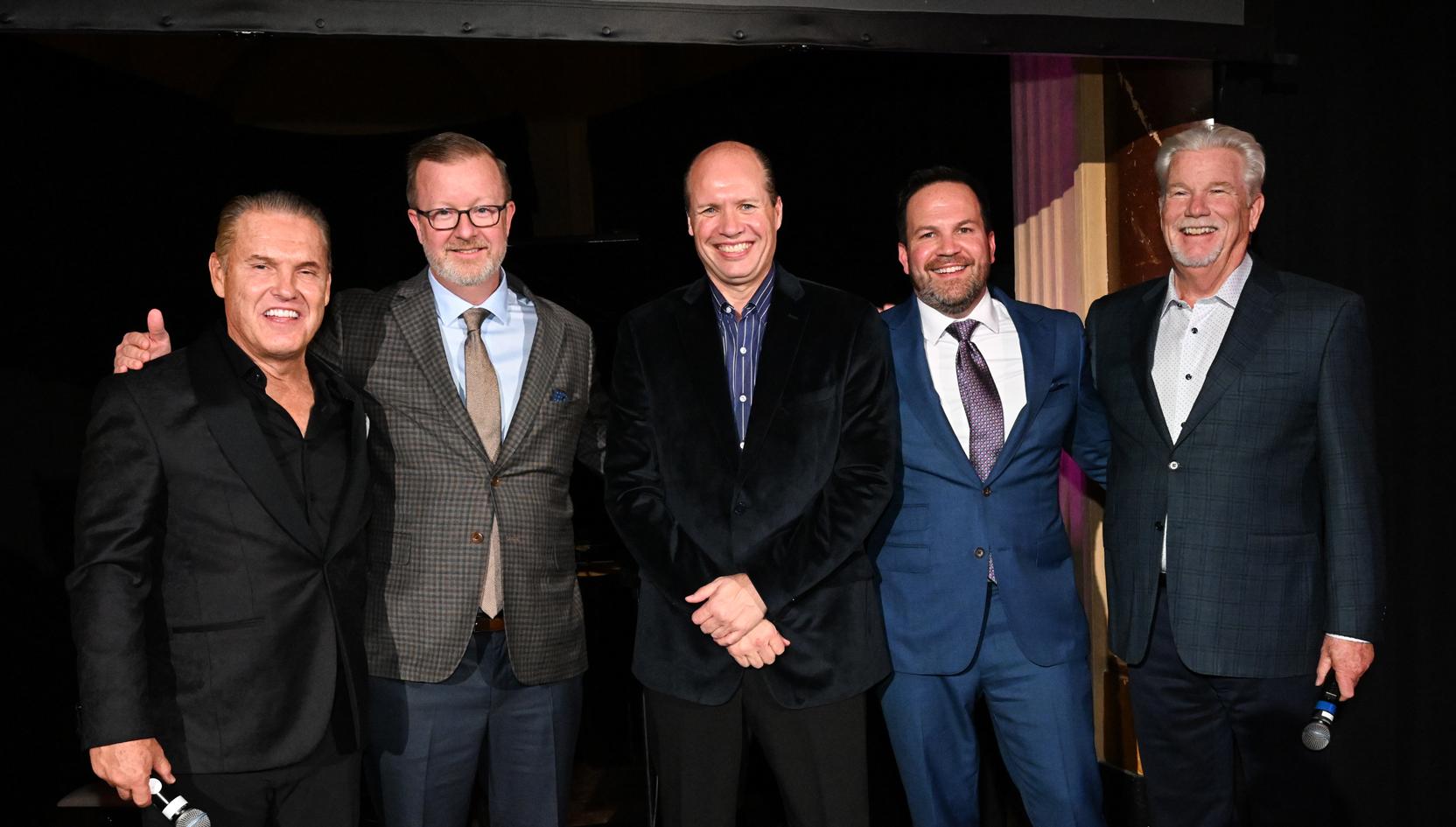
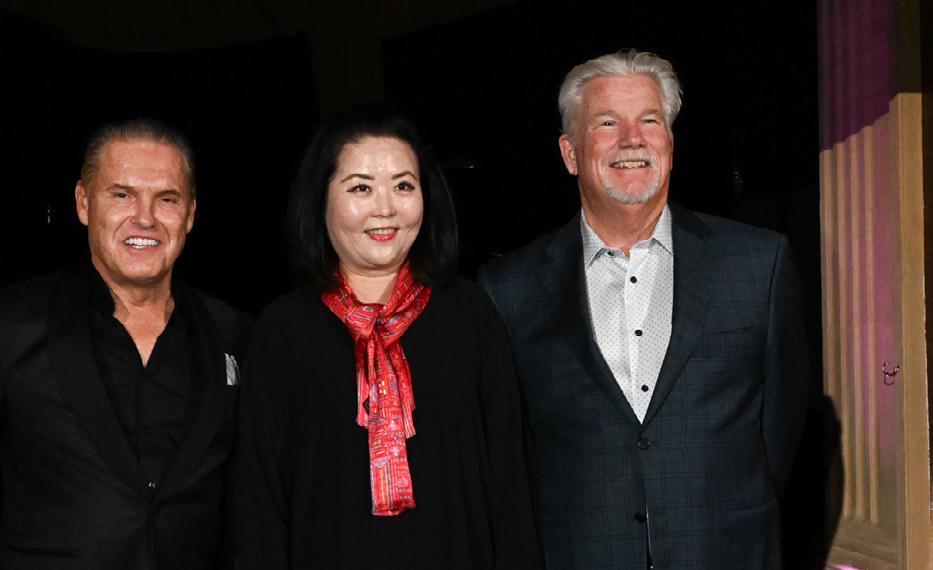
Second Chance of San Diego is a nonprofit organization dedicated to helping individuals overcome barriers to employment through job training, hands-on work experience, and supportive services that create pathways to long-term independence and stability.
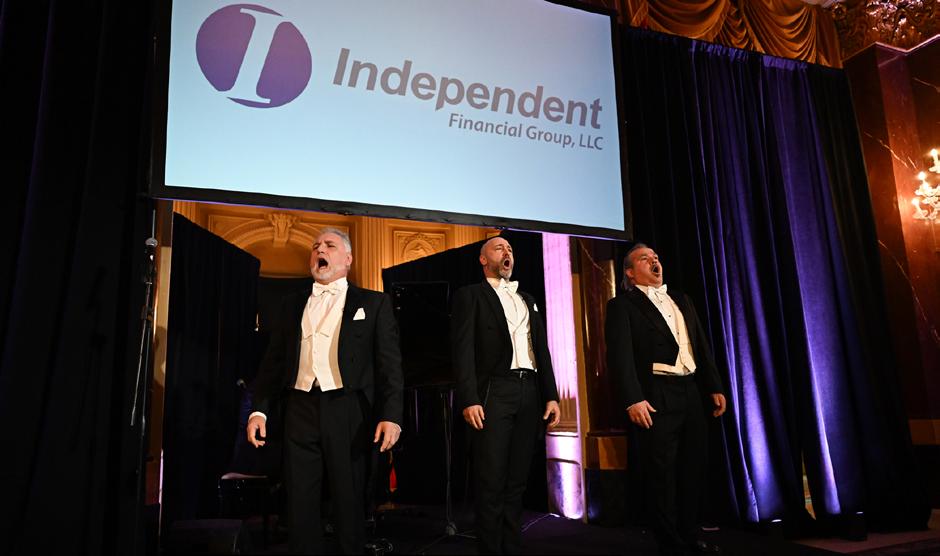
To close the evening, and the conference, on a truly unforgettable note, the Great Three Tenors of Florence delivered a breathtaking performance that left the room in awe.
EAC 2026 was more than a conference, it was an experience shaped by history, culture, and celebration. Rome, with its timeless beauty and effortless elegance, left a lasting impression on all who attended, and the memories created will be carried forward long after the journey home.
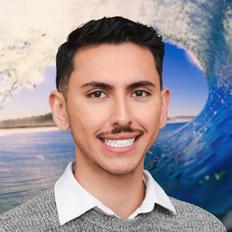
Rome, Italy
March 1 - 5 2026
IFG Advisor of the Year 2025, Joyce Thomas The grand finale the Three Tenors of Florence
Representing the Office of the Year, Scarborough Capital Management Greg Ostrowski, Ian Arrowsmith and Jay Sprinkel

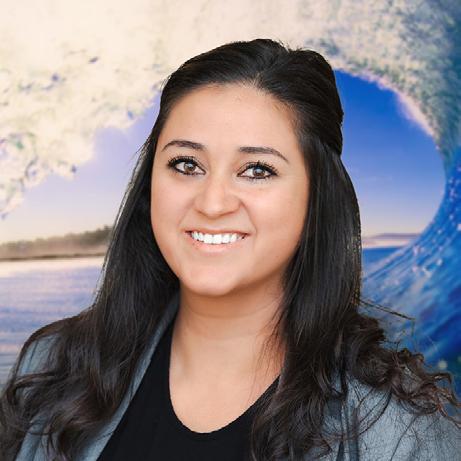
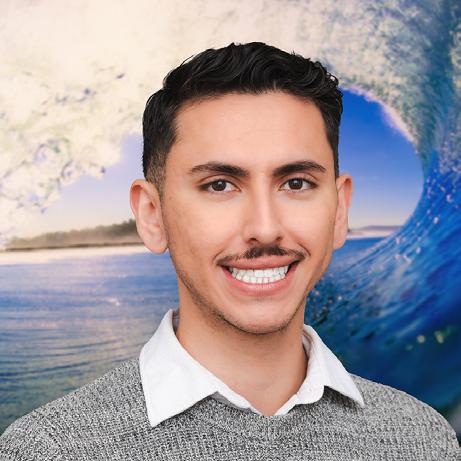
ALEXIS TAMAYO-ROMO
MERCEDES MONTANEZ
Meet Miles Weatherup: Driving Advisory Strategy and Platform Innovation at IFG
By Alexis Tamayo-Romo Marketing Specialist
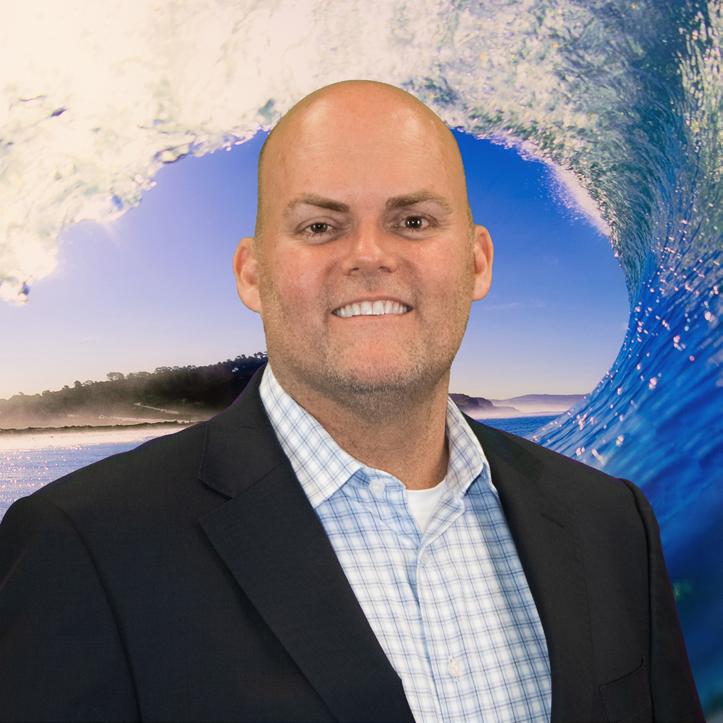
IFG recently welcomed Miles Weatherup as Director of Advisory Product Management. With more than 18 years of experience supporting broker-dealers and registered investment advisors, Miles has built a career focused on developing advisory platforms, improving operational efficiency, and helping firms scale their advisory business.
He joins IFG from Realta Wealth, where he served as Senior Vice President of Strategic Initiatives, leading efforts to launch a new advisory platform while overseeing key strategic initiatives. Prior to that, Miles held leadership roles at Cetera and LPL Financial, where he gained extensive experience across operations, platform development, and advisory strategy. Throughout his career, he has worked across firms of varying sizes and structures, giving him a well-rounded perspective on how advisory platforms
can best support advisors and their clients. Miles maintains his FINRA Series 7, 9, 10, and 63 licenses.
At IFG, Miles is responsible for defining and executing the firm’s long-term advisory product strategy, aligning platform offerings with growth objectives, and enhancing the overall advisor and client experience. He oversees the corporate advisory platform, manages key technology relationships, and works closely with compliance, operations, and consulting teams to support platform adoption, drive fee-based growth, and expand assets under management.
Now, let’s hear from Miles as he shares more about his background, approach to advisory strategy, and what excites him most about joining IFG.
Tell us a little bit about yourself and your background.
I’m a San Diego native. There’s something about this city that makes it impossible to leave. I started in this industry a few days after turning 18. Since then, my career has taken me across some of the most recognizable names in the industry, and each stop has taught me something different about how this business works, and how to make it work better for advisors and their clients. I don’t come at problems from just one angle, and I think that breadth is one of my greatest strengths. Ask anyone who knows me, and they’ll tell you I tend to know a little about a lot, both professionally and personally. I’m the kind of person who dives headfirst into whatever I’m learning or exploring at the moment, whether that’s a new corner of the industry or a new corner of the city.
Where did you go to school, and what initially drew you to the finance industry—specifically the advisory space?
I went to the University of San Diego, where I earned a degree in Accounting and Finance. During school, I landed an unpaid internship at Smith Barney.
I came in thinking I wanted to be a stockbroker. I quickly discovered that cold calling wasn’t my calling, but what drew me in was a genuine admiration for the entrepreneurial spirit of financial advisors. These are people who build their own businesses, earn the trust of their clients, and take real responsibility for their financial futures. Getting a front-row seat to how the business operates was formative for me.
Where are you joining IFG from, and what experiences there have shaped your approach to advisory products?
I was previously at Realta Wealth, a small but ambitious independent broker-dealer. It was a startup in spirit: lean, fast-moving, and full of the kind of problems that require you to figure things out as you go. I was brought in to help launch a new advisory platform and simultaneously oversee a full clearing conversion. We got it done.

Before Realta, I spent over a decade at Cetera Advisor Networks, where I led enterprise operations. Before that, I was at LPL Financial during a period of rapid growth, where among other things, I helped build their proprietary managed accounts platform. So, across my career, I’ve had the chance to see advisory platforms at every scale, global wirehouse, large independent, and small startup. That perspective shapes everything about how I approach this work.
What attracted you to IFG, and what stood out during the interview process?
IFG has an excellent reputation. When you talk to people in this industry you hear the same things over and over. This is a firm that genuinely takes care of its people, operates with integrity, and feels like a family. That’s not something you can manufacture, and it’s not something every firm can say.
I started at a mid-size broker-dealer once, and after a decade of rapid growth, I was in the break room one day and someone said to me, ‘You must be new, I’ve never seen you before.’ That was a moment that
Miles hiking at the Tonto Natural Bridge in Arizona.
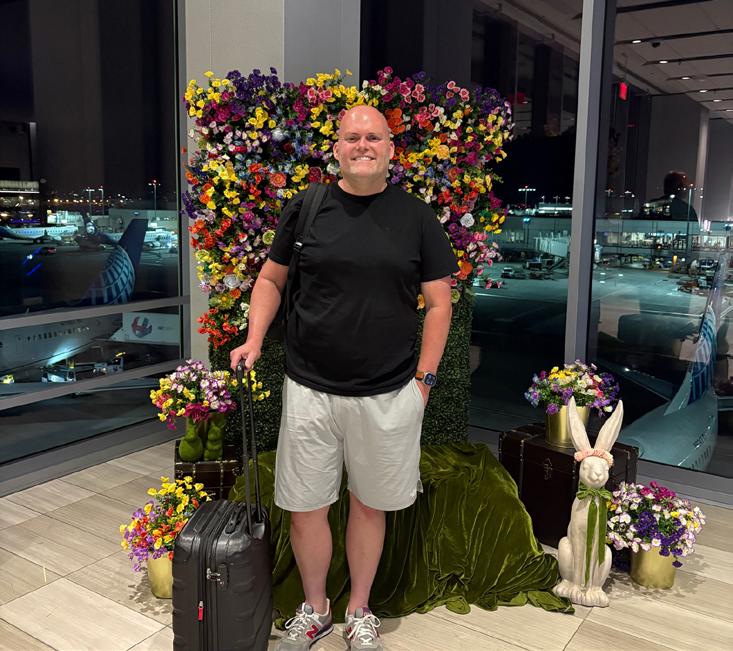
stuck with me. The firm had gotten so large that it was easy to become invisible. I didn’t want that anymore. I wanted to be part of a team that felt like a family, where the relationships you build actually mean something. I was drawn to a firm with real character, solid foundations, a genuine commitment to doing right by clients, and a desire to grow thoughtfully.
How would you describe your approach to advisory strategy and platform development?
My approach starts with listening. Before you can build or improve anything, you need to understand how advisors are actually using the tools available to them, including what’s working, what’s creating friction, and where they feel limited.
From there, I focus on removing friction. The best platform in the world doesn’t help if advisors can’t navigate it easily or if the technology doesn’t work together. When systems work together seamlessly, advisors spend less time on administration and more time with their clients.
I also believe strongly in not doing things a certain way just because that’s how they were done at the last firm. Every organization has its own culture, its own advisors, its own needs. My job is to understand what IFG’s advisors need and build toward that.
In your view, what makes a strong and competitive advisory platform today?
A few things stand out to me. First, integration. Advisors are consolidating around platforms that work as a unified system rather than a collection of disconnected tools.
Second, flexibility. No advisor wants to feel like they’re in a box. A strong platform gives advisors access to a robust product shelf and the freedom to build their practice the way they see fit.
But underneath all of that, the foundation has to be doing what’s right for the client. Technology, pricing, and product shelf should serve the ultimate goal of helping advisors deliver better outcomes for the people they serve.
What are you most excited about in this role, and what are your top priorities in your first year?
I’m most excited about the people. IFG has a reputation for being a place where advisors and employees genuinely love what they do and feel supported in doing it.
As for year one, my priority is simple: listen and learn. I want to understand the platform, advisors, and culture deeply before I start proposing changes. Once I have that foundation, I’ll focus on identifying efficiencies, finding opportunities to modernize, and making sure we’re staying current as the industry evolves. IFG already has a strong platform and a solid product shelf. My job is to build on that thoughtfully, not reinvent it for the sake of reinventing it.
How should advisors be thinking about TAMPs and platform selection in today’s environment?
The right TAMP or platform relationship can meaningfully improve an advisor’s ability to serve clients and scale their practice. The wrong one creates friction, limits flexibility, and can be very painful to unwind.
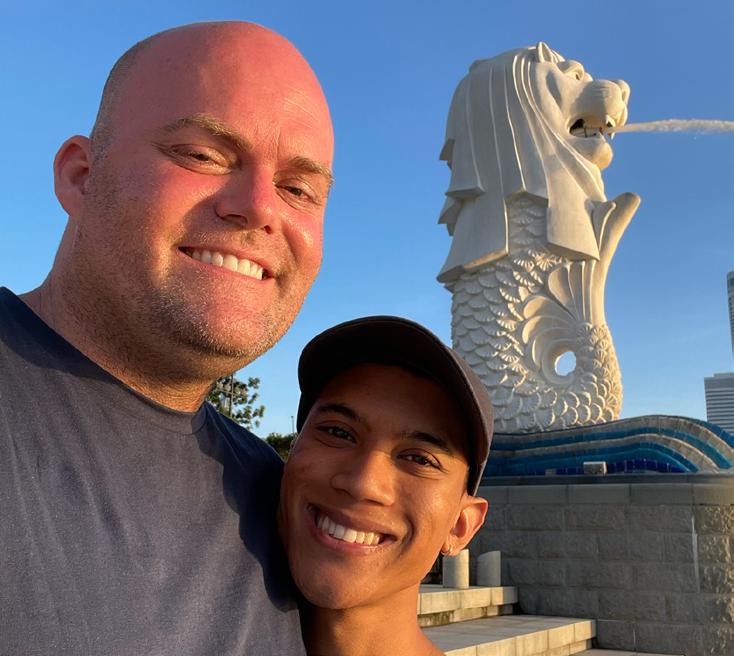
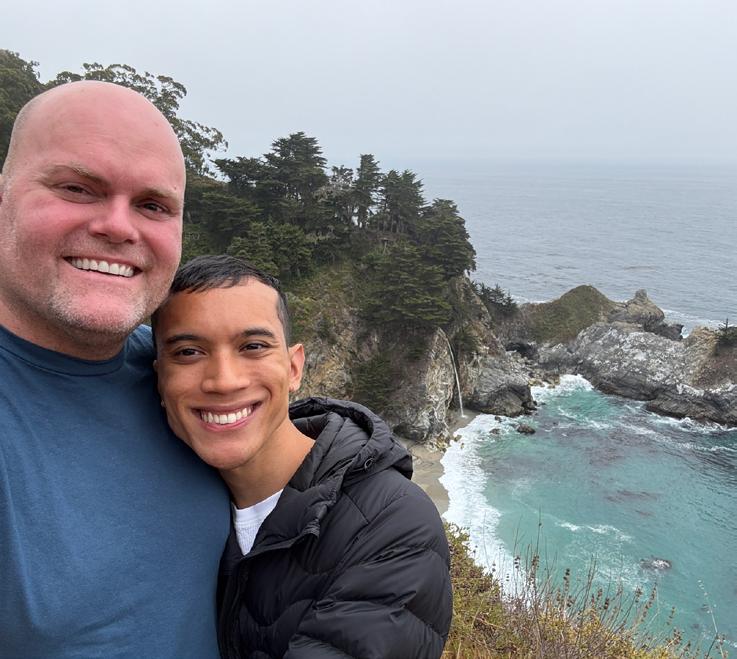
From Singapore to California's Big Sur Coastline, Miles and his husband, Marty share a love of travel.
I’d encourage advisors to think beyond pricing. The questions I’d ask are: Does this platform integrate well with my existing technology? Does it give me the product flexibility I need to serve my clients the way I want to serve them? And perhaps most importantly: Will I be well-supported by the people behind the platform, or will I feel like a number?
What’s one thing you’d like IFG advisors to know about how you plan to support their growth and success?
My job is to make it easier for advisors to grow their business, serve their clients, and operate without unnecessary friction standing in their way. Every decision I make about the platform, the products, or the processes will be filtered through that lens.
I also want advisors to know that I’m accessible. If something isn’t working, I want to hear about it directly. The best feedback I’ll ever get is from the people in the field who live with these systems every day.
If an advisor takes away one thing from working with you or your team, what do you hope it is?
That they feel genuinely supported, and that they feel we understand their world and care about their success. I want advisors to walk away from every interaction with my team feeling like we’re on the same side, because we are.
Where do you see the advisory space heading over the next few years?
The push toward integration and unified platforms isn’t slowing down. Advisors increasingly want technology that works together, and firms that can deliver that will have a real advantage. Services like tax planning, estate planning, and retirement income are becoming table stakes, and so is the ability to personalize at scale. Direct indexing, taxmanaged strategies, and values-based investing are no longer niche capabilities. Advisors who can offer these tools in a seamless, accessible way will have a competitive edge.
Artificial intelligence is going to reshape a lot of the operational and administrative work that currently consumes advisor time. That’s an opportunity to free up advisors to focus on building relationships.
I’m lucky to share life with a husband who loves to travel as much as I do, so we try to take advantage of that whenever we can. There’s something about experiencing new places that resets your perspective in a way that not much else can.
Closer to home, I’m involved in my neighborhood and community, something I don’t take for granted as a lifelong San Diegan. I also have what I’d generously call ‘too many hobbies.’ I’m constantly picking up something new, which I think says something about how I approach most things in life: with curiosity, a hunger to keep learning, and a willingness to be a beginner again.
On a personal note, what do you enjoy doing outside of work?
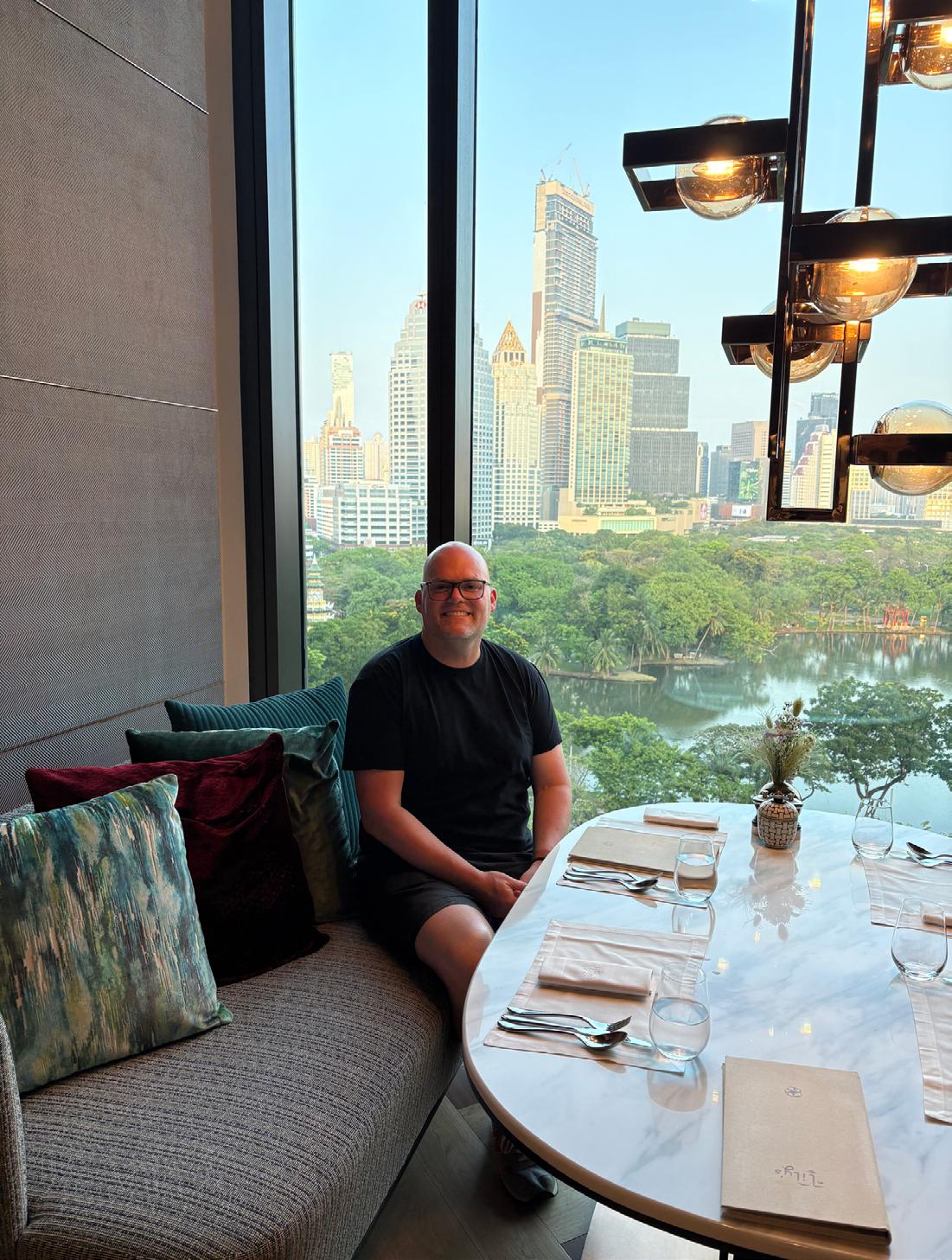
Miles in Bangkok, Thailand.
WELCOME ABOARD 24 NEW REPRESENTATIVES
WHO JOINED THE IFG FAMILY IN Q1
Sam Baaklini of Dana Point, CA Allstate Financial Services
Travis Bashaw of Houston, TX
Newly Registered
Andrew Cashiola of Houston, TX
Morgan Stanley
Benjamin Dixon of Watauga, TX
Newly Registered
Richard Dwinell of Harker Heights, TX Cetera Financial Group
Adrianne Flores of San Jose, CA
Newly Registered

J. Eric Hoemeyer of St. Louis, MO Osaic Wealth Inc.
John Hoemeyer of St. Louis, MO Osaic Wealth Inc.
Seiko Kuribayashi of Torrance, CA
Newly Registered
Ron Martin of St. Louis, MO Osaic Wealth Inc.
Mary-Jo Morello of Willoughby Hills, OH LPL Financial, LLC
Chrissy Nguyen of Fort Smith, AR
Newly Registered
Jacob O’Banion of Everett, WA Ameritas
Sara Rasmussen of Tacoma, WA Ameritas
Christopher Roming of Goodyear, AZ
Newly Registered
Nathan Sloan of Harker Heights, TX Cetera Financial Group
Colton Smith of Lehi, UT LPL Financial, LLC
Parker Spencer of Lehi, UT LPL Financial, LLC

Paula Strumbly of Willoughby Hills, OH LPL Financial, LLC
Justin Tanquist of Goodyear, AZ Newly Registered
Nicholas Teal of St. Louis, MO Osaic Wealth Inc.
Craig Venard of St. Louis, MO Osaic Wealth Inc.
William Wagner, Jr. of Fair Oaks, CA Summit Financial
David Wibbenmeyer of St. Louis, MO Osaic Wealth Inc.
Impact For Good in Action
By Paige Heising Manager, Marketing & Events President, Impact for Good

At IFG, giving back is an important part of who we are. Through our Impact for Good foundation, our employees help identify charitable organizations making a meaningful difference in communities we serve. We’re proud to share the recipients selected during our Q1 giving cycle.
Q1 Charity Donation Recipients

Mama’s Kitchen – $7,500
Mama’s Kitchen provides medically tailored meals at no cost to individuals and families affected by critical illnesses. Their work ensures that vulnerable community members receive nutritious meals and vital support during times of medical need.

Urban League of San Diego – $5,000
The Urban League of San Diego works to advance economic empowerment, educational opportunities, and civil rights for underserved communities. Their programs focus on workforce development, youth education, and strengthening long-term financial stability.

Rancho Coastal Humane Society – $2,500
Rancho Coastal Humane Society is dedicated to animal welfare through rescue, shelter, adoption services, and community education. In addition to their shelter operations, they also operate a nonprofit thrift shop that helps fund their mission, turning donated goods into direct support for animal care, rescue efforts, and community programs that promote humane treatment and responsible pet ownership.
Looking Ahead: National Conference Silent Auction
We are also now accepting submissions for charitable organizations to benefit from proceeds raised through the Silent Auction at our National Conference.
Advisors are invited to nominate organizations creating positive change in their communities. To submit a charity for consideration, please fill out the charity submission form here and email it to impactforgood@ifgsd.com
As we continue to grow, so does our commitment to giving back. We are grateful to our employees, advisors, and partners for helping us support organizations that strengthen the communities we serve. Together, through Impact for Good, we look forward to creating even greater impact in the months ahead.

What Do Your Clients Say When You’re Not in the Room?
By Miles Weatherup Director, Advisory Product Management
Your Portfolio Is Not Your Brand
In a world where managed account solutions are more accessible than ever, what truly sets an advisor apart is no longer what they offer; it’s the experience they deliver and the story they tell.
Think about the last time a client referred someone to you. What did they say? Chances are, they did not open with, “My advisor uses separately managed accounts with a sophisticated UMA overlay and a tax-loss harvesting strategy.” They probably said something closer to “She really gets us” or “He always makes us feel like we’re the only client he has.”
That is your brand. For many advisors, it’s the most underdeveloped asset in their entire practice.
The Commodity Trap
The managed accounts industry has never offered more sophisticated solutions. SMAs, UMAs, FSPs, TAMPs, and Direct Indexing give advisors access to institutional-quality investment management that was once reserved for the very largest clients. These are genuine capabilities, but every other advisor on your block has access to them, too.
When the tools become table stakes, the tools stop being the differentiator. A prospect sitting across from three advisors (all of whom can offer a customized managed account proposal with taxaware strategies and third-party manager access)
is not choosing based on the product menu. They choose based on how each advisor made them feel, how clearly each one understood their situation, and which one they trust to be there when things get hard.
From Product to Promise
Reframing your brand around client experience doesn’t mean abandoning investment excellence; it means contextualizing it. The shift is small but powerful. Instead of describing what you offer, describe what your clients gain, feel, and avoid because of how you work.
Consider the difference between these two positioning statements. The first: “We provide customized separately managed accounts with taxloss harvesting and access to third-party managers.”
The second: “We build portfolios as personal as your fingerprint - and we handle the complexity, so you never have to think about it.” Both describe the same capability. Only one builds a brand.
Advisors who are winning on client experience today are doing a few things consistently. They have a clear point of view, not just a process but a perspective on what good advice looks like and who it’s for. They communicate in the language of client outcomes rather than product features. They design every touch point, from the first prospect meeting to the annual review, to reinforce the same feeling: that you are known, heard, and taken care of.
The Experience Is the Marketing
In advisory services, client experience and marketing are not separate disciplines; they are the same discipline, expressed at different moments. The way you onboard a new client is a marketing act. The way you explain a portfolio change during a volatile quarter is a marketing act. The follow-up note you send after a hard conversation is a marketing act.
Referrals, still the dominant growth engine for most independent advisory practices, are not the result of a marketing campaign. They are the result of experiences so consistently positive that clients feel compelled to share them. That means that the investment in brand is not a logo refresh or a new website; it’s a commitment to the quality and consistency of every interaction your clients have with your practice.
The most durable brands in this business are built on a simple foundation: clients who feel genuinely well-served, who trust that their advisor sees them as more than just an account, and who cannot imagine working with someone else. No product, however sophisticated, creates that; only the experience does.

Impact Partnership gives you more than marketing support.
You get a dedicated Chief Marketing O cer who knows your business, understands your audience, and works alongside Impact’s creative marketing team to turn proven strategies into a winning game plan.
No guesswork. No generic campaigns. Just a smarter approach to filling your calendar with the right prospects and moving them forward.
So here is a question worth sitting with: If your clients described your practice to a friend, what three words would they use? And are those the three words you would choose? SCAN OR CLICK to get a complimentary script designed to help you navigate client objections, attract more qualified prospects, book stronger meetings, and lead conversations instead of reacting to them.
Client Experience (CX) Is the New Growth Engine
By Steven Gensler, CFP®, MBA, MSBA SVP, Advisor Growth and Development
As competition accelerates across financial services, one reality has become clear: client experience (CX) is now the most powerful driver of organic growth. Products are commoditized. Information is everywhere. The firms that stand out are those that intentionally design an experience that is consistent, differentiated, and aligned with client expectations.
A remarkable client experience doesn’t happen by accident. It is intentionally architected, refined, and implemented.
How IFG Is Supporting the CX Evolution
We are actively investing in the future of advisorled client experience and is rolling out a suite of CX resources over the coming months. Resources will be posted on the IFG Rep Portal under the Practice Management/Tools page.
Below is a seven-part framework you can use to turn CX into a strategic advantage.
1. Ideal Client: Start With Who You Serve Best
Every exceptional experience begins with clarity. You should define your Ideal Client Profile (ICP)—the type of client for whom the practice delivers its best work and wants to replicate.
Key actions:
• Identify the goals, values, and life stages shared by your top clients.
• Understand the specific service, communication, investment, and planning needs of that segment; including what their evolving needs might require in the future.
• Understand your core competency and profit centers to ensure the client experience is meaningful to the client and sustainable within your practice.
When you know exactly who the experience is built for, decisions become sharper and more effective.
Example: Maria finds her best clients are dualincome parents in their 40s. She identifies shared goals (college + retirement planning), challenges (time scarcity, tax complexity), desired experience (simple communication, proactive outreach), and that in the future they might need help navigating resources for aging parents. Tailoring her service around this segment increases engagement and referrals.
2. Client Lifecycle: A Clear, Repeatable Journey
A strong CX is built around a structured lifecycle that outlines how prospects become clients and how clients become advocates.
The journey typically includes:
Awareness → Connection → Discovery → Recommendations → Implementation → Service → Advocacy
For each phase, you should document:
• What clients expect
• What the team delivers
• Operational steps and who performs them
A mapped journey creates predictability, scalability, and consistency.
Example: Jason outlines each phase, from a webinar that generates awareness to discovery via a digital fact finder, a structured three-part recommendations meeting, and quarterly service check-ins. Clients know what to expect, and his team follows a clear roadmap for every relationship.
3. Moments That Matter: Delivering at the Emotional Touchpoints
Clients remember how you make them feel. Certain interactions—first impressions, onboarding, recommendation delivery, and life events—carry more emotional weight than others.
You should:
• Identify 5–7 “moments that matter” for their ICP
• Define how to deliver “excellence” during each
• Build communication and follow-through standards
These moments shape trust and long-term loyalty.
Example: Danielle sends a personalized welcome video to new clients and uses a delivery checklist to highlight what’s been solved, what’s next, and what will be revisited in 90 days. For major milestones, she sends handwritten notes or small gifts, creating emotional resonance and longterm loyalty.
4. Service Model: What You Deliver, When, and How
To shift from hoping the client experience is consistent to ensuring it is, you should consider adopting a structured service model defining:
• WHAT: deliverables, meetings, reports, planning updates
• WHEN: timing, cadence, annual service calendar
• HOW: communication channels, tools, expectations, workflows
A documented service model elevates professionalism, sets clear expectations, and reduces friction for the team.
Example: Stephen designs a 12-month service calendar, so clients know exactly what happens throughout the year. For example:
• January: Goal-setting + tax prep checklist
• March: Portfolio review + savings alignment
• June: Mid-year planning meeting
• September: Insurance and risk tolerance refresh
• November: End-of-year tax strategies
5. Standardized Communication: Consistency That Builds Trust
Clients value clarity—knowing what’s happening, why, and what’s next. Standardized communication strengthens trust while saving time.
You can:
• Build templates for onboarding, scheduling, reviews, and follow-ups
• Establish standards for tone and messaging
• Maintain a resource library for common explanations and FAQs
Consistency reduces uncertainty and reinforces professionalism.
Example: Alex creates templates for intro calls, discovery prep, asset transfer expectations, review reminders, and post-meeting recaps. During volatility, he uses a pre-written reassurance message instead of starting from scratch—saving hours and ensuring clients receive timely, confident communication.
6. Operational Workflows: Behind-the-Scenes Excellence
World-class CX requires world-class operations. Every client-facing moment depends on precise backstage execution.
You should build workflows that detail:
• Step-by-step tasks
• Team roles and responsibilities
• Required documents and tools
• Quality standards and follow-through steps
This ensures the experience is delivered the same way every time, even as the practice grows.
Example: Before annual reviews, Kirk’s team follows a CRM-based workflow: the CSA gathers statements and checks social platforms for life updates; the paraplanner updates projections; the advisor reviews recommendations; and the CSA confirms the meeting and sends the agenda. Post-meeting tasks are assigned with deadlines. Clients experience polished professionalism due to this consistent backstage structure.
7. Signature Touches: Personalization at Scale
Signature touches are meaningful gestures that make the experience feel personal, even as the practice grows.
Examples include:
• Personalized welcome videos
• Milestone and anniversary celebrations
• Life event outreach
• A post-review “Three Outcomes Summary” delivered within 24 hours
These aren’t complicated. They’re intentional, human moments that distinguish the advisor.
Example: When a client is retiring, Nathan sends pastries to the client’s office with a congratulatory note, then follows up with a short video outlining the key financial steps for the next 90 days. This blends personalization with value, deepening loyalty and advocacy.
Summary: What You Gain From a Purpose-Built CX System
When you intentionally design their client experience, they gain:
• A clear and differentiated value proposition
• A repeatable experience clients notice
• Greater operational efficiency and reduced team stress
• Stronger emotional connections and higher retention
• More referrals and deeper engagement
• Organic growth powered by client advocacy
In today’s environment, client experience—not products, pricing, or strategies—is the true differentiator. The future belongs to advisors who design their client experience as deliberately as their investment recommendations.


















What does that look like in practice?























































We go beyond the traditional TAMP model by offering a competitive toolbox of comprehensive, personalized services that support every stage of an advisory firm’s lifecycle. With robust back-office operations, evidence-based investment models, and best-practice guidance, we help enhance the wealth management experience for both advisors and their clients, empowering firms to dedicate more time to client relationships.























Introducing IFG’s New Advisor Branding Package
By Paige Heising Manager, Marketing and Corporate Events
Define. Refine. Elevate Your Brand.
In today’s competitive landscape, your brand is more than just a logo. It is your first impression, your reputation, and your story all in one. It shapes how clients perceive you, how they remember you, and ultimately, why they choose to work with you.
That is why we are excited to introduce IFG’s Advisor Branding Package, a new offering designed to help you build a cohesive, professional, and memorable brand that reflects who you are and where you are going.
Unlike working with an outside agency, you are partnering with a team that already understands your environment, your compliance needs, and what success looks like for your practice. This allows us to create a brand that is not only visually strong but strategically aligned from day one.



What Is the Advisor Branding Package?
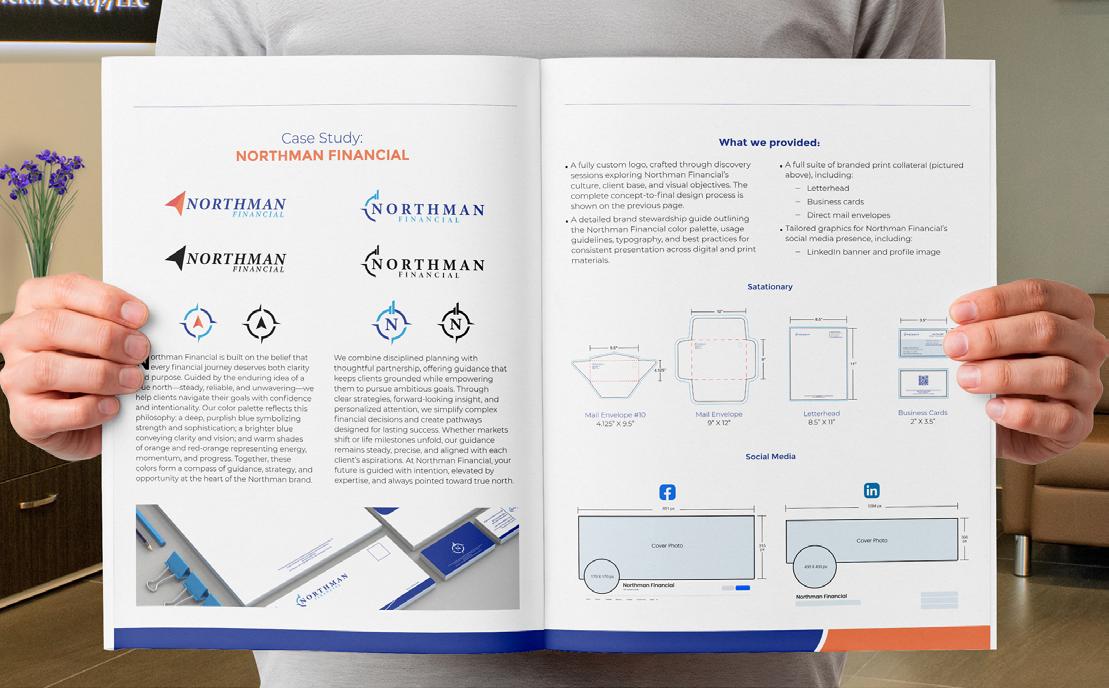
The Advisor Branding Package is a fully customized, hands-on branding experience where our Marketing team partners with you one-on-one to create a distinct identity for your business. From messaging to visuals, every element is thoughtfully developed to align with your goals, attract your ideal clients, and strengthen your connection with those you already serve.
This is not a one-size-fits-all solution. It is a strategic process built around your unique value.
Our Process: Built Around You
We guide you through every step of building your brand, removing the guesswork and making the process seamless:
1. Discovery & Intake – We learn about your business, your goals, and your audience
2. Brand Audit – We evaluate your current brand and identify opportunities
3. Concept Development – We bring your vision to life through logos, colors, and mood boards
4. Refinement & Approval – We fine-tune every detail for consistency and impact
5. Brand Guidelines – You receive a comprehensive Brand Book outlining how to use your brand
6. Implementation Support – We provide templates and assets so you can confidently launch your new look
What You’ll Receive
This package delivers everything you need to present a polished image across all touchpoints:
• Custom logo design with multiple concepts and revisions
• Defined color palette and typography
• Core messaging and company profile
• Brand guidebook for consistency
• Business cards, letterhead, and envelopes
• Social media graphics for strong digital presence
You will walk away with a complete, ready-to-use brand system that elevates how you show up in front of clients.
Invest in Your Brand. Invest in Your Growth.
A strong brand builds recognition, conveys trust, and creates an emotional connection with your audience. It helps differentiate you in a crowded market and positions you as a professional clients can confidently rely on. Whether you are launching a new practice, refreshing your identity, or looking to grow your business, investing in your brand is one of the most impactful steps you can take.
Through this process, advisors have transformed their businesses with clear, compelling identities that align with their vision. From logo development to full collateral suites, the results are not just visually appealing, they are strategic, intentional, and built for long-term growth.
The Advisor Branding Package is available for $2,500 and includes a full suite of branding essentials to get you started with confidence. If you are ready to elevate your brand and stand out in today’s market, we invite you to take the next step.
Your brand is one of the most important investments you can make in your business. Let us help you build one that truly represents you.

What Great Advisors Do in the First 90 Days (That
Others Don’t)
You worked hard to earn this client – now the real work begins: onboarding them with clarity, momentum, and confidence.
Make Onboarding Your Retention Strategy
Every touchpoint shapes how a client perceives you and your practice. In those early months, clients aren't just getting comfortable with their portfolio, they 're deciding whether they made the right choice in choosing you. Follow these three steps and your practice will be set up for success.
1.Send a Welcome Kit That Sets the Tone
Send a welcome kit within the first 48 hours to communicate these three things clearly: who you are, how you work, and what the client can expect next.
What to include:
A small personal touch - Something that signals “We listened.”
Personalized welcome letter - Keep it to 6-10 sentences and reference something specific from your conversations: their retirement timeline, a goal they mentioned, a concern they shared.
Your communication promise - Outline how/when you'll be in touch and introduce other members of your practice that clients may hear from when it comes time for scheduling meetings.
A simple onboarding roadmap - Show them exactly what happens and what you need from them.
Relevant educational resources - Include a short guide on how their investment strategy works, a glossary of terms they 'll encounter, or an overview of the planning process.
About Us section
How-To guide – Include steps on how they can access their portal and account setup guide. – Share your experience and value with a short biography on your practice.
2.Follow a Structured 90-Day Timeline
DAYS 1 - 30 ORIENT + CONFIRM
DAYS 31 - 60 DELIVER EARLY VALUE
DAYS 60 - 90 ESTABLISH THE RHYTHM
Hold a kickoff meeting (within 2 weeks): goals, priorities, key concerns. Confirm logistics: accounts, transfers, beneficiaries, key dates. Set preferences: how they want updates and who to contact for what. Document expectations: meeting cadence + response-time promise.
Send timely, relevant resources: market context, planning checklist, tax reminder, etc.
Do a short check-in: “What’s clear? What’s still confusing?” Identify one quick win: consolidate accounts, automate savings, update coverage, beneficiary review.
Hold a 90-day review: what’s been done, what’s next, open questions. Confirm the ongoing cadence: next meeting date + how updates will work. Ask for feedback: “What should we keep doing? Start doing? Stop doing?”
3.Align on Expectations — Then Exceed Them
Don’t assume clients know how your relationship works. Be direct about timelines, touchpoints, and what to do when questions come up.
Be explicit: tell them how often you meet, how quickly you return calls, and what they should do if something feels off. Then consistently deliver on what you said. Over time, that consistency becomes visible in moments like acknowledging milestones without being prompted, showing clients you’re paying attention long after the paperwork is signed.
The Bottom Line
The first 90 days don't just onboard a client — they define the relationship. Structure those first three months with the same care you give to their financial plan. The return on that investment is loyalty, referrals, and a practice built on relationships that last.




Turning Client Events into a Growth Engine
By Colby Taylor, MSA Director, Alternative Investment Consulting
What Top Alternative Investment Teams Are Doing Differently in Branding, Marketing & Client Experience
As client expectations continue to evolve, advisors are being asked to deliver more than performance. They are being asked to provide perspective, access, and experience. Across IFG, some of the most successful Advisors in alternative investments are doing exactly that, using client events as a core part of how they educate, engage, and grow.
While these Advisors are among the firm’s top alternative investment producers, their approach is not out of reach. A common misconception is that high impact events require large teams or complex infrastructure. In practice, the most effective strategies are built on clear messaging, repeatable formats, and strong partnerships.
Education
as the Entry Point: South Coast Investment Advisors
South Coast Investment Advisors:
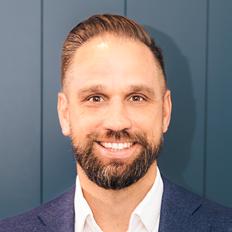
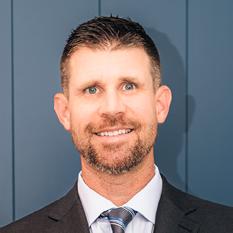
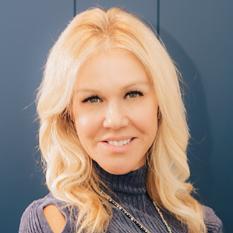
South Coast Investment Advisors leads with education.
Their South Coast Summit brings clients together for a focused discussion on private markets, economic trends, and broader portfolio construction. The emphasis is on context, helping clients understand how different parts of the market function and why diversification beyond traditional assets is increasingly relevant.
The Summit is designed to open the conversation, not finish it.
Following the event, the team hosts a series of targeted webinars that explore specific strategies and themes in greater depth. This creates a natural progression, allowing clients to first engage with big picture ideas and then continue learning in a more focused, convenient format.
A key part of their approach is how topics are introduced.
Rather than starting with technical details, discussions often center on areas clients already find interesting, such as data centers, energy infrastructure, professional sports, and real estate development. These real-world themes make more complex concepts easier to understand and lead to more engaged, productive conversations.
Chris Vizzi Kelly Clyde Michelle Vizzi
Bringing Personality into the Experience: Western Skies Advisory
Western Skies Advisory:
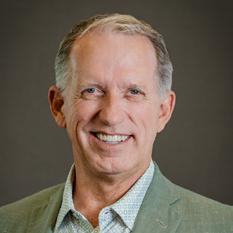
Scott Pilchard
Western Skies Advisory takes a more personal approach to client engagement.
As a solo advisor, Scott has built his event strategy around what is both meaningful to him and easy to execute. His Masters Party, featuring a golf simulator and themed food and drinks, creates a relaxed environment where clients can connect in a more informal setting.
These events serve a different, but equally important purpose.
They strengthen relationships and build trust in a way that is difficult to replicate in a traditional meeting. That trust often becomes the foundation for more in-depth planning conversations later on.
For advisors who may feel limited by team size or resources, this is an important takeaway.
Effective client events do not need to be complex. A well thought out idea that reflects your personality and resonates with your clients can be just as impactful as a larger, education-structured event.
Creating a Clear Path to Growth: Cinergy Financial
Cinergy Financial:
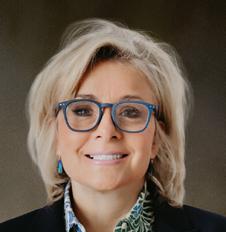
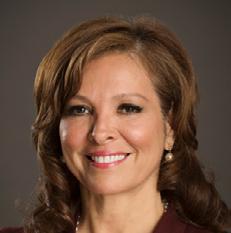
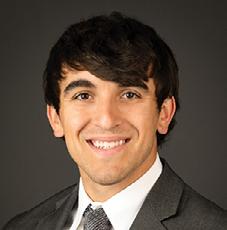

Kobe Couyoumjian Makenzie Frank
Cinergy Financial uses events as a deliberate business development strategy.
Through prospect focused dinners, the firm introduces its planning philosophy in a conversational setting. Retirement planning provides a natural anchor, while broader discussions around private markets, alternative investments, and macroeconomic trends help frame the bigger picture.
This structure allows prospects to engage with both the “why” and the “how.”
By starting with broader economic themes and longterm planning considerations, the conversation feels relevant and accessible. From there, more specific strategies can be introduced in context, helping prospects understand how different approaches may fit into their overall plan.
The format itself is straightforward and repeatable.
With a clear topic, the right partner, and a focus on dialogue, these events provide a consistent way to engage new prospects without requiring a complicated setup.
Leveraging Partnerships to Expand Capabilities
Across all three practices, sponsor partnerships play a meaningful role.
Wholesalers can provide not only financial support but content and subject matter expertise, allowing advisors to enhance their events while keeping them manageable to execute. For many advisors, particularly those operating independently, this can be a significant advantage.
Engaging these partners early in the planning process can simplify logistics and elevate the overall experience for clients.
Cindy Couyoumjian Leticia Hewko
Blending In Person and Virtual Engagement
Another common theme is the use of both in person and virtual formats.
Virtual events such as breakfast or lunch-and-learn webinars using UberEATS or DoorDash make it easier for clients to attend and engage with educational content. In-person events, on the other hand, provide a stronger setting for building relationships and creating memorable experiences.
Used together, these formats allow advisors to stay connected with clients throughout the year while offering flexibility in how they engage.
Making Complex Topics More Accessible
These advisors also share a consistent approach in how they introduce more sophisticated ideas.
Instead of leading with technical structures, they begin with themes that feel familiar and relevant. Conversations around data centers, energy, real estate development, or even professional sports investments create a natural entry point, helping clients connect real-world trends to broader investment concepts.
Over time, those conversations can evolve, giving clients the context and confidence needed to evaluate new strategies within their overall plan.
Ideas for Advisors Looking to Get Started
Most advisors have thought about hosting client events. Many have not taken the next step. Often, it comes down to uncertainty around where to start or how to execute.
For advisors looking to build or expand their event strategy, there are several approachable formats to consider:
• Targeted webinars or virtual lunch and learns for ongoing engagement
• Client appreciation events built around shared interests

• Small group dinners that encourage more in depth conversations
• Document shred events that provide a practical service and drive attendance
• Educational summits or market updates focused on big picture themes
Each of these can be supported and enhanced through sponsor partnerships, making them easier to implement.
Bringing It All Together
The most effective event strategies are not built around a single format, but around consistency and intent.
Whether hosting a large event, a small gathering, or a virtual session, the goal is the same. Create opportunities for meaningful conversation, provide relevant insights, and stay engaged with clients over time.
For advisors considering where to begin, the most important step is simply to start.
If you are looking to explore ideas, connect with sponsor partners, or build out a plan that fits your practice, I am always happy to help brainstorm and collaborate.
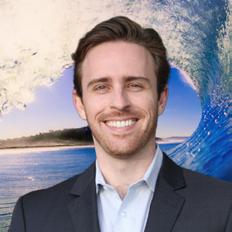

Tax-Advantaged En ergy Investin g
Now Available

Private Capital III is designed to do more than generate income—it’s built to grow By reinvesting excess cash flow into new energy assets, the par tnership compounds capital over time instead of simply paying it out.
Compounded Effect

NATIONAL CONFERENCE
August 5th - 9th, 2026
Sheraton San Diego Resort - San Diego, CA
$0 - $174,999 GDC*
Invitation to attend.
$175,000 - $274,999 GDC*
50% coverage of room and tax up to four nights within conference dates.
$275,000 - $499,999 GDC*
Four nights of coverage of room and tax within conference dates.
$500,000 - $999,999 GDC*
Four nights of coverage of room and tax within conference dates. Waived registration fee and one night of coverage room and tax within conference dates for one registered admin assistant to attend conference and admin training.
$1,000,000+ GDC*
Four nights of coverage of room and tax within conference dates. Economy airfare reimbursement for one. Waived registration fee and two nights of coverage room and tax within conference dates for one registered admin assistant to attend conference and admin training.


*Total 2025 GDC production
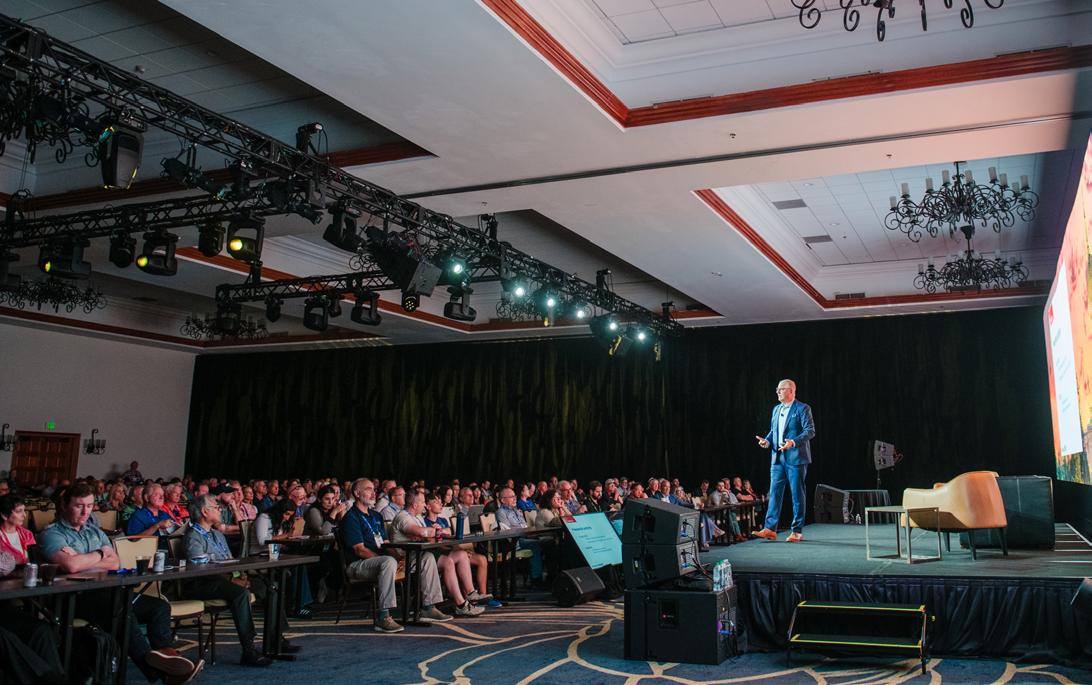
National Conference
Known as the “Best Conference in the Industry,” the 2026 IFG National Conference will take place at the Sheraton San Diego in Downtown San Diego, California. The National is IFG’s most widely attended event of the year, incorporating multiple continuing education tracks with product sponsor seminars, a tradeshow hall, motivational speakers, and fun activities for the entire family.
Stay tuned for conference registration opening end of May!
PRACTICE MANAGEMENT EXCHANGE
October 25th - 28th, 2026
The
Phoenician - Scottsdale, AZ

*Total 2025 GDC production
$500,000+ GDC*
Includes three nights of accommodation at conference hotel; elite qualifiers receive round-trip economy airfare for one.
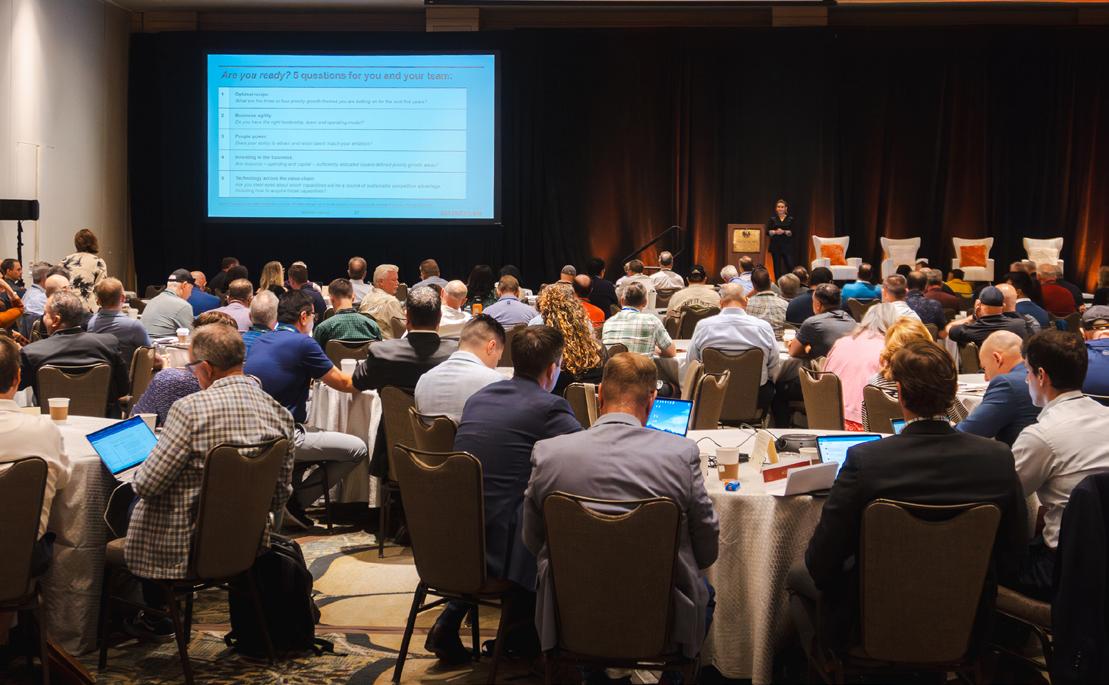
This advisor-led, two-and-a-half-day conference is built around the most innovative practice management ideas, with topics including proven sales ideas, training & hiring, technology adoption, marketing & branding, and client experience. Our program includes case studies and panels that will introduce you to advanced tools and strategies that you can immediately implement into your practice. The PME also offers you constructive networking time with leading industry partners and ample opportunities to connect with and learn from your peer advisors.
Practice Management Exchange
“Financial Literacy” …buzzword or buzzworthy?
By Sarah Kreisman Senior Vice President & General Counsel
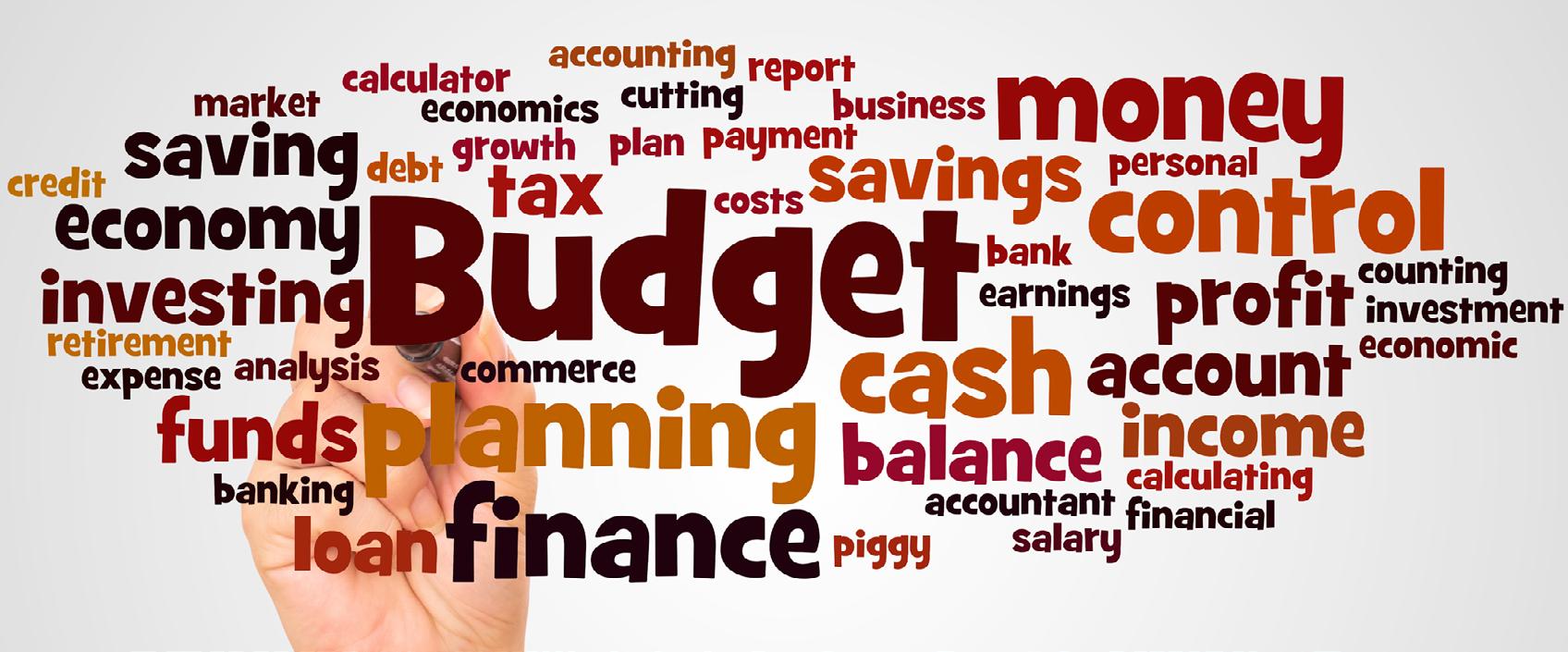
Financial Literacy is defined by CoPilot (where else would I go but AI?) as the ability to understand and manage everyday money decisions, empowering individuals to make informed financial choices and improve their financial well-being. Seems simple enough, but what does all that REALLY mean and, more importantly, what does it mean for you and your business and how can you make it a tool in your tool chest that helps you define and differentiate? Let’s explore…
There was a slogan for a men’s clothing store I used to hear growing up for a men’s discount clothing store called Syms, where the owner, Sy Syms used to say, “An educated consumer is our best customer.” A simple yet catchy way to emphasize how helpful and valuable it is to work with individuals who are informed about what they are buying (or even looking to buy). That simple concept easily translates to other businesses, financial services included. By educating customers about products, having transparency and clear communication on
pricing and tying that in to the value you bring to the equation you are building an environment that fosters trust and loyalty and will easily make you stand out in a space filled with individuals who are not taking the time and putting forth the effort to ensure their customers are educated.
Syms believed that when customers are knowledgeable, they make better decisions which is mutually beneficial and empowering. Customers who are informed can then do their part to evaluate recommendations and participate in the decision making process which is critical to ensuring they understand what they are buying and do not turn around thereafter and make claims that they “just signed what was put in front of them” or “had no idea this was a long-term investment”. I see these types of claims all the time and while most of them are just part of the formulaic approach claimants attorneys take, having proof of the steps you took to inform and educate can (and will) go a long way to proving the invalidity of statements like these.
For any of you who missed Financial Literacy Month which was in April, fear not… thankfully EVERY month (and day and week) can (and should) be that for you. Whether it is sharing a topic or some thoughts by email, using a newsletter or just relaying this information when you speak with your clients, there is never a wrong time to infuse elements of financial literacy into your day-to-day business operations. Also, more good news—EVERYONE needs financial literacy. It is not just for beginners or just for people who do not have a lot of money. Just because you have been able to accumulate wealth does not mean that you are financially literate and certainly does not mean that your financial education is complete.
First of all, there are always new products on the market, second, true financial literacy goes beyond the basics and includes understanding how to trust your gut and better follow your instincts and also helps people who may not be worried about ensuring they have enough money for life from making decisions or investments (away from you) that are not in their best interest or are, in fact, worse (think scam). Just having the skills and ability to build and accumulate wealth does not mean you are immune from the traps and other behaviors that can quickly and easily negatively impact how they manage their money. No one likes to lose money, even those who have plenty of it.
The Basics
There are five known and documented pillars/core components of financial literacy:
• Budgeting: Understanding what you have and how you are using it for spending, saving, investing and giving.
• Investing: Knowledge of interest rates, diversification, risk management and how the market works overall.
• Borrowing: Understanding the cost of use for loans, credit and also how that pool compounds over time; this also entails having a repayment strategy to avoid cycles where interest devours any earnings, risking or impeding the ability to keep up with the debt.
• Taxes: Awareness of how taxes affect income and planning (present and future).
• Decision Making: Ability to evaluate options, not fall into “quick money” or other “too good to be true” traps; being part of the solution by actively and effectively participating in the process.
Yeah, so?
If you find yourself (or a client) asking, “Why is this important?” other than “because I said so,” being financially literate helps:
• Avoid debt and unnecessary fees by understanding when fees apply, what the rate of interest is when you borrow money, what triggers a fee for your account (thinking also of bank accounts that have low balance fees, check fees, wire fees, etc.).
• Plan for the future by providing insight into budgeting, saving, investing and how simple concepts like the time value of money and compounding can make a big difference.
• Plan for the future through budgeting, saving and investing but also through forcing people to think ahead, set savings (or retirement) goals to work toward and contemplating scenarios where things do not go as planned (think rainy day fund) or where a significant, unexpected expense (leaky roof?) can potentially derail years and years of hard work and saving (literally and figuratively).
• Navigate complex products…such as mortgages, pensions, insurance (think things with “fine print”).
• Increase financial resilience and the ability to emotionally withstand market fluctuations and gyrations so they do not create an undue amount of stress and anxiety.
It would not be an article without some thoughts on “best practices.” How many of these are you already doing? Which ones would be a good addition to the education you already provide to your clients?
Letting Go
It is human nature to look for the ability to control your own destiny. In behavioral finance, the illusion of control refers to the instinct, often reinforced by past success, that increased control can shape outcomes that are inherently uncertain. Investing provides a great example. Increased involvement, such as tinkering with a portfolio on a daily basis, can undermine long-term results. Pointing this out to someone who is otherwise inclined to feel this way and/or to micromanage the job you are doing can have consequences. Help your client channel their want/desire to be in control (this could even entail suggesting they set aside a small amount of money in a self-directed account).
There IS such a thing as being too cautious
Sometimes the concept or even the performance of a diversified portfolio entails some delicate handling. Sometimes, people become apprehensive about taking a level of risk (despite the fact that it is aligned with their objectives), and they may balk or suggest pulling back in a way that concerns you from a longterm performance of the portfolio perspective. This loss aversion mentality goes to the fact that people often feel the pain of losses more significantly than the joy of an equal or even more significant gain. The takeaway here is to stress (and remind) that the goal is not to avoid risk entirely (as that is impossible), rather it is to balance it appropriately with the knowledge, skills, tools and experience you have and that trusting the process is an important part of the overall potential for success
YOU need to control the narrative
No matter how hard we try, and how much we work to convince clients that if it seems too good to be true it probably is, human nature is working against us. Make sure the first person they call is you and they trust you and your opinion. They are not swayed by… a friend of a friend or a friend of a relative or… whoever who can get them in on the ground floor of the next big thing.
Think beyond your client…educate the next generation
Beyond the current client’s financial literacy needs, think about the second and even third generation. Find ways to expose your services to them (it does not need to be a client meeting, include them in a client appreciation event to start). There are lots of ways to provide education even to a generation that is years away from having money of their own to invest. It is not about that, it is about groundwork, foundation and relationship building. Maybe there is a 529 Plan set up, use that to show the next generation how compounding works. Start dispelling the myth that all they have to do is ask AI to create a portfolio. The world is changing and moving so fast that every interaction is important—reserve your seat at the table as early as possible.
Go with “The More You Know” concept
Investing is not (and should not be) a spectator sport, arm your clients with enough information to countermand the “noise” that is out there and the concept that someone can Google, read an AIgenerated article and do it themselves. Don’t get me wrong, they don’t need to know or understand the infield fly rule or when you have to tag the runner versus just step on the base (sorry, it’s baseball season), just the basics like how many outs in a full inning or better yet how many bases you get for a double
Perhaps the best part is it is never too early or too late to start so what are you waiting for? People at every income level and in every stage of their financial life can benefit from expanding their financial knowledge. Wealth does not always equal literacy or mean that they are done learning and growing. Staying informed about products, the market and what types of strategies are available and align with their goals will help them adapt better as needed, be part of the solution and play a role in the achievement of their financial goals.
Map out a plan to help your clients be the best, most-educated clients around.
Each client is unique.
Help yours prepare for retirement with some of the highest rates 2 in the industry.

Whether your clients are looking for income security, added growth potential or a way to fill an income gap in retirement, you can meet their individual needs with an annuity that delivers flexibility, choice and some of the highest rates in the industry.
Offer Nationwide Destination® B 2.0 or Nationwide Destination® Navigator variable annuities with the Nationwide Lifetime Income Rider+® (Nationwide L.inc+®) living benefits suite, available at an additional cost.
• Up to 100% equity exposure
• 110+ investment options with 50+ Morningstar 4-star and 5-star funds1
• Rates as high as 9.10% (with Nationwide L.inc+ Max®, Single Life, ages 80+)2
Nationwide is on your side
Learn how your clients can benefit from some of the highest rates in the industry with the L.inc+ Suite.
1 Morningstar as of 12/30/2024.
2 The rates are based on taking income at age 80 or older, as of 2/12/24. This material is not a recommendation to buy or sell a financial product or to adopt an investment strategy. Investors should discuss their specific situation with their financial professional.
When evaluating the purchase of a variable annuity, your clients should be aware that variable annuities are long-term investment vehicles designed for retirement purposes and will fluctuate in value; annuities have limitations; and investing involves market risk, including possible loss of principal. All guarantees and protections are subject to the claims-paying ability of Nationwide Life Insurance Company.
Variable products are sold by prospectus. Carefully consider the investment objectives, risks, charges and expenses. The product and underlying fund prospectuses contain this and other important information. Investors should read them carefully before investing. To request a copy, go to nationwide.com/prospectus or call 1-800-848-6331.
— NOT FOR DISTRIBUTION TO THE PUBLIC VAM-3732AO.2 (06/25)

WELCOME
NEW HOME OFFICE TEAM MEMBERS

Scott Little Regional Business Development, Midwest
Scott Little joins IFG as Regional Business Development – Midwest, reporting to David Fischer. He brings more than 30 years of experience in business development and advisor recruiting within the financial services industry. Previously, he held leadership roles at Woodbury Financial, Advisor Group, and Osaic, where he helped drive recruiting growth, strengthen retention, and identify new market opportunities. Most recently, Scott served as Senior Vice President at Osaic, where he contributed to strategic initiatives that enhanced the firm’s competitive positioning. Throughout his career, he has led recruiting and growth strategies that align marketing, sales, and client experience to deliver measurable results. In his role at IFG, Scott leads full-cycle recruiting efforts across the Midwest region. He focuses on identifying, qualifying, and onboarding advisors, developing strategic recruiting initiatives, and building relationships across the broker/dealer community to support IFG’s continued growth.
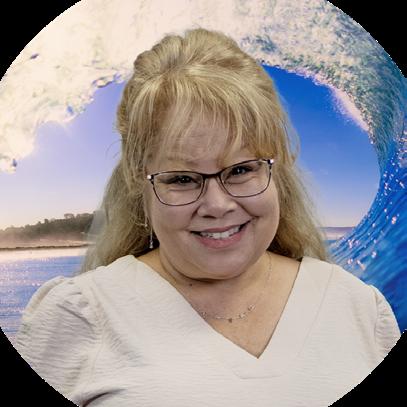
Christina Oyama Executive Assistant

Christina Oyama joins IFG as Executive Assistant, reporting to Kevin Keefe. She brings more than 25 years of experience supporting senior leadership across financial services, healthcare, technology, and nonprofit organizations. She has supported C-suite and senior executives at organizations including LPL Financial and Biosero, where she was known for her strong organizational skills, discretion, and ability to keep executives operating efficiently. Christina is experienced in managing complex, multi-time-zone calendars, coordinating domestic and international travel, overseeing executive communications, and ensuring timely expense reporting. She holds a Bachelor of Science in Business Administration from the University of Phoenix and an Associate of Arts in General Studies from Southwestern College. In her role at IFG, Christina provides executive support to the President and assists the broader executive team. She manages calendars, coordinates meetings and travel, prepares materials for executive and board meetings, and supports project coordination to keep key initiatives organized and on track.
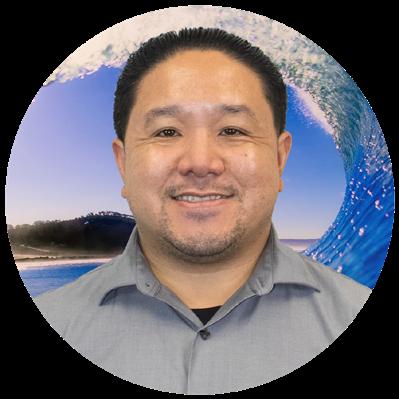
Alex Phomphakdy Branch Inspector

Alex Phomphakdy joins IFG as Branch Inspector, reporting to Jeff Kulik. He brings experience from LPL Financial, where he served as a Branch Examiner and Senior Registration Specialist, building a strong foundation in compliance, branch examinations, and registration processes within the financial services industry. In his role at IFG, Alex oversees the scheduling, preparation, and execution of virtual and on-site branch office examinations, ensuring alignment with firm policies and regulatory requirements. He compiles audit findings, delivers reports to branch principals, and follows up on items requiring remediation. Alex also monitors industry and regulatory changes and conducts reviews to assess their impact on branch operations. He supports the enhancement of internal audit policies and procedures, helping strengthen compliance efforts and maintain consistent standards across the firm.
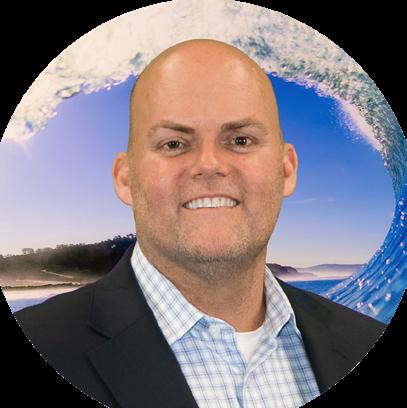
Miles Weatherup Director, Advisory Product Management
Miles Weatherup joins IFG as Director, Advisory Product Management, reporting to Madison Turbeville. He brings more than 18 years of experience supporting broker-dealers and registered investment advisors. Previously, he served as Senior Vice President of Strategic Initiatives at Realta Wealth and held roles including Director of Operations at Cetera and Assistant Vice President of Operations and Strategy at LPL. Miles holds a Bachelor’s Degree in Accounting and Finance from the University of San Diego and maintains his FINRA Series 7, 9, 10, and 63 licenses. He has developed deep expertise in advisory platforms, operations, and strategic growth initiatives. In his role at IFG, Miles leads the firm’s advisory product strategy, aligning platform offerings with growth objectives and overseeing key technology relationships. He also collaborates with compliance and operations to support regulatory alignment, drive adoption, and enhance the advisor and client experience.
19
14
17
16
13
12 YEARS
Diane Rook-Johnson
10 YEARS
Yuehua Yuan
Jason Yamamoto
Thomas Kehoe
Ernest Cox
John Velez
Carl Riding
Kenneth Burkett
9 YEARS
Ronald Appler
Tatyana Bunich
Dean Crouthamel
Matthew Belardes
8 YEARS
Katherine Salter
Shunsuke Fukushi
Futoshi Hoshino
Gary Keller
7 YEARS
Frank Ruggeri
Blake Bonner
George Dobbs
Gail Urban
6 YEARS
Kirk Weldy
Matthew Mundy
James Yee
5 YEARS
Rachel Hoang
Kyle Wong
Tom Dahl
Zach Dahl
Matthew Newman
Makenzie Frank
4 YEARS
Huong Nguyen-Muth
Mark Elmore
Keen Butcher
Alec Kozak
Ben Arie
Rourke Martin
Wesley Chapman
Jim Fahy
Jeff Nero
3 YEARS
Scott Berg
Rebecca Leonard
James Franklin
Michael Kolacz
Bradley Epstein
Kathleen Bing
Matthew Scanlon
Robert Cain
2 YEARS
Jesse Bristow
Terry Griffith, Jr.
Trevor Rupp
Jeffery Iseler
Thorne O'Connell
Wei Ping Lo
Justin Tanquist 1 YEAR
Andrew Fairchild
Conrad Tarte
John H Kim
Anthony Scola