Filtration: Enabling The Energy Transition By Rachael S. Davis, Chief Content Officer & Publisher
Tech Spotlight
Research Shows Moringa Tree Can Filter 98 Percent Of PVC Microplastics From Tap Water
Tech Notes
New Technology Briefs
Green Economy
Fine Metal Fibers In Process-Critical
Filtration: Bekaert, Optical Film And Life Cycle Value By Philippe Wijns, Principal, CleverSustainability
Movers & Shakers
Industry News & Notes
to
Philippe Wijns Principal, CleverSustainability, Filtration Expert and Sustainable Business Development Advisor philippe.wijns@ cleversustainability.com
Gregory Hoverson Vice President and Chief Technical Officer, Atmus Filtration Technologies Gregory.W.Hoverson@Atmus.com
Tonja Dickson Battles Proposals Team Manager, Merichem Technologies 713.428.5000
C NTRACT PLEATING
With
Dr. Iyad Al-Attar Global Correspondent, Technology & Innovation, Visiting Academic Fellow, Cranfield University i@driyadalattar.com
Arun Rao International Correspondent Owner, Taurus Communications arun@tauruscomm.net
Joe Bodle Director of Customer Service, Valin Corp. 800.774.5630
Geoff Fisher European Editor gfisher@textilemedia.com +44 1603.308158
We offer the following services to our customers:-
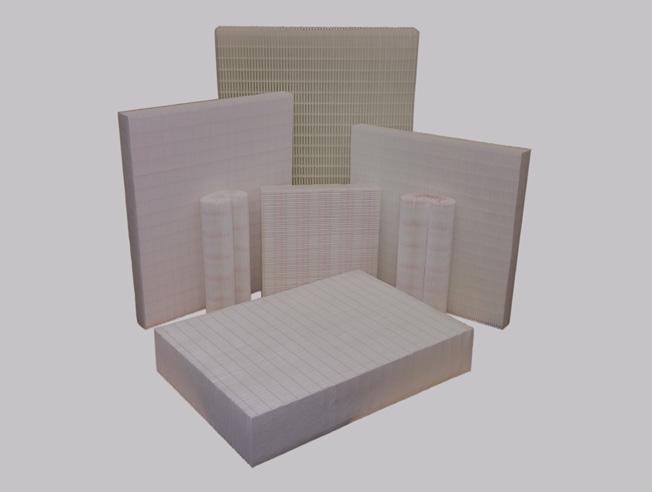
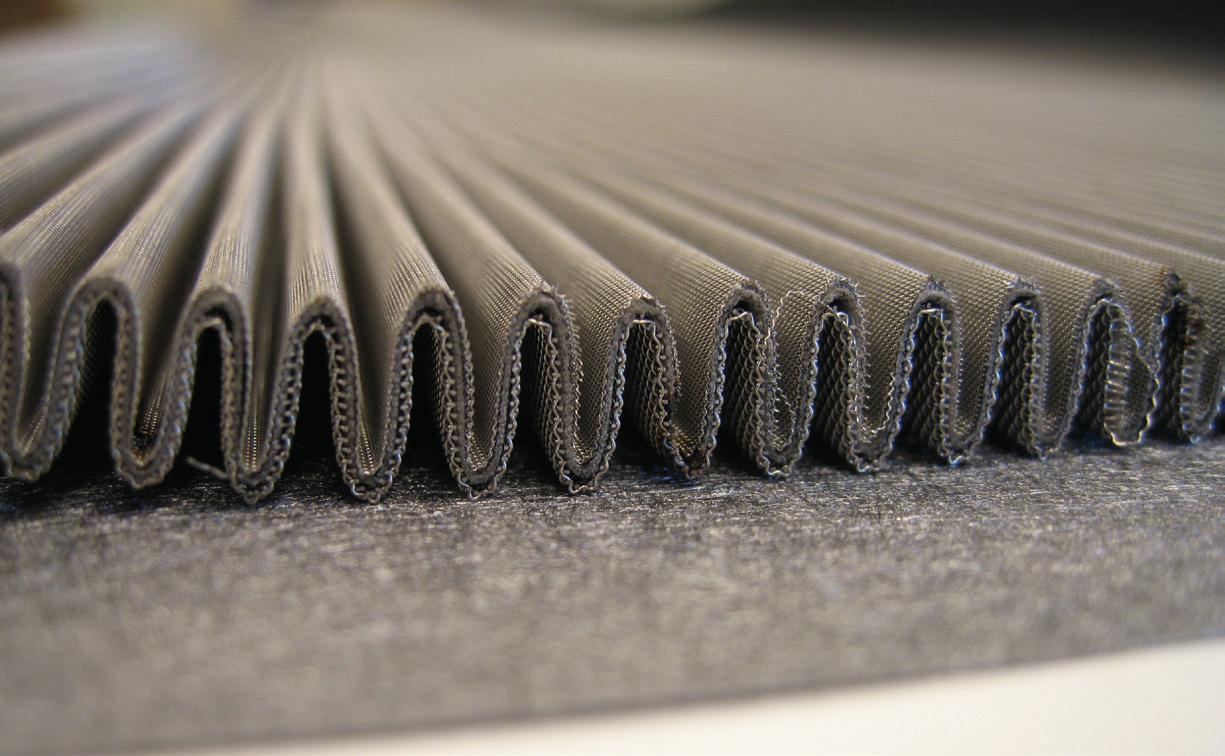
MINI-PLEAT-GLASS
Mini-Pleat: H.E.P.A., ULPA & ASHRAE
Pleat heights 1/2” to 12” upto 39” wide. Interrupted beads, many configurations.
MINI-PLEAT-SYNTHETIC
Mini-Pleat: H.E.P.A. & ASHRAE
Pleat heights 3/4” to 4” upto 25” wide. Interrupted beads, many configurations.
VIEWPOINT
Filtration: Enabling The Energy Transition
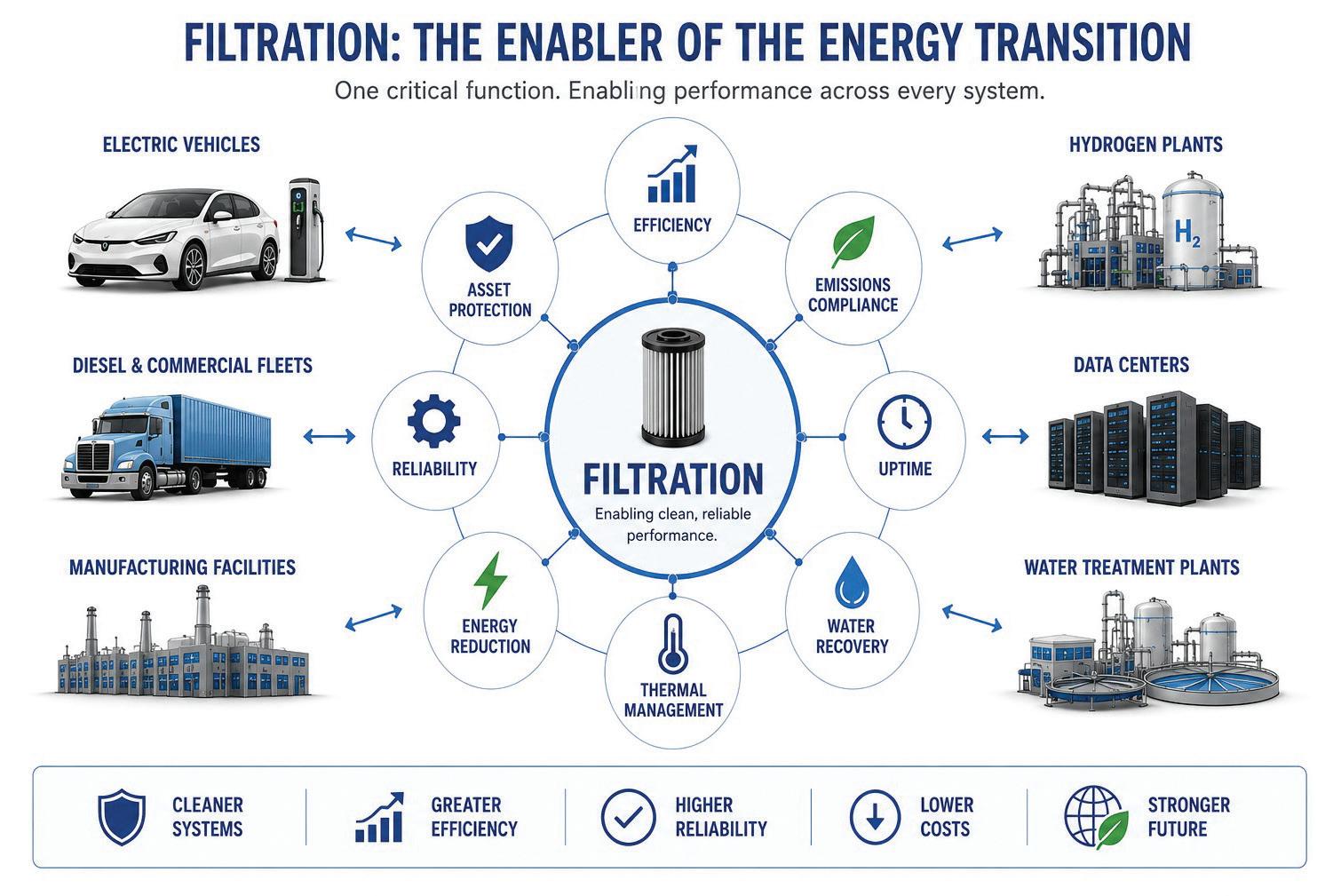
The energy transition is often described in terms of electric vehicles, renewable fuels, hydrogen, batteries and emissions targets. But those technologies do not operate in isolation. They depend on complex systems — and those systems depend on filtration. In this issue of International Filtration News , we explore that idea through articles that show filtration is moving beyond its traditional role as a background component. Across energy, manufacturing, infrastructure, environmental control and indoor air quality, filtration is becoming a more visible part of how complex systems perform.
In the cover story, “Why Filtration Is The Unsung Enabler Of The Energy Transition” on page 14, Greg Hoverson notes that the energy transition will not be driven only “by the technologies that generate power or move vehicles.” It will also depend on “the technologies that allow increasingly complex systems to operate more efficiently, reliably and cleanly during a prolonged period of disruption.” He posits that filtration is one of those technologies. Whether the platform is powered by diesel, hydrogen or electricity — or even some emerging energy source — contamination control remains essential to performance.
Extending that idea into other applications, Philippe Wijns’ article on fine metal fiber filtration media looks at filtration through the lens of processcritical performance, where pressure stability, cleanability, product quality and life cycle value can determine whether a filtration choice succeeds in the real world (See “Fine Metal Fibers In Process-Critical Filtration: Bekaert, Optical Film And Life Cycle Value,” page 11).
That same focus on real-world performance carries into articles on
monitoring, maintenance and digitalization. On page 20, Joe Bodle and Jay Jett take a practical view in “Preventing Filter Failure Through Differential Pressure Monitoring,” showing how one measurement can provide critical insight into filter life, system health, operating cost and failure risk. “Differential pressure is far more than a number on a gauge,” they note. “It is one of the clearest indicators of filtration performance and operational efficiency in industrial particulate filtration systems.”
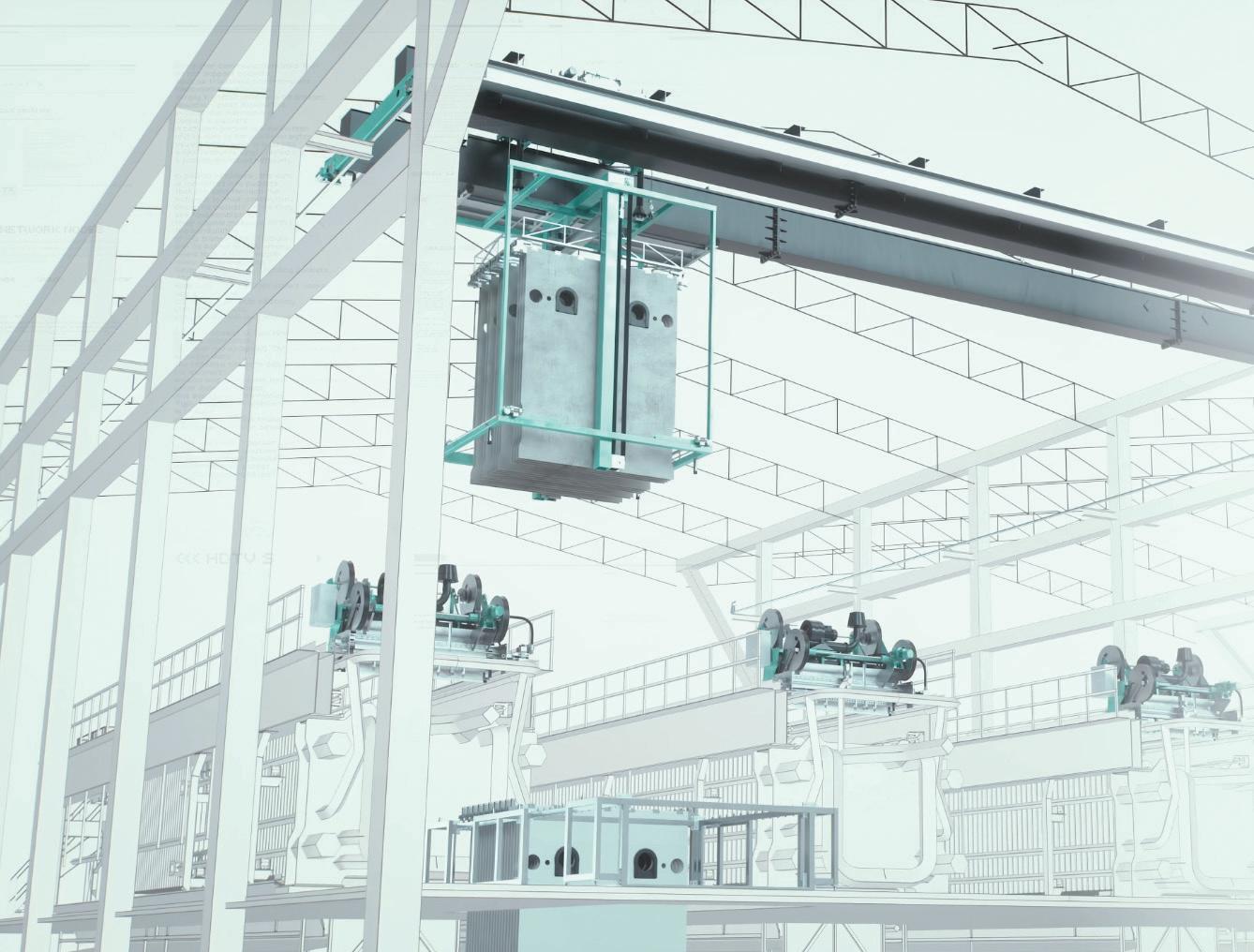
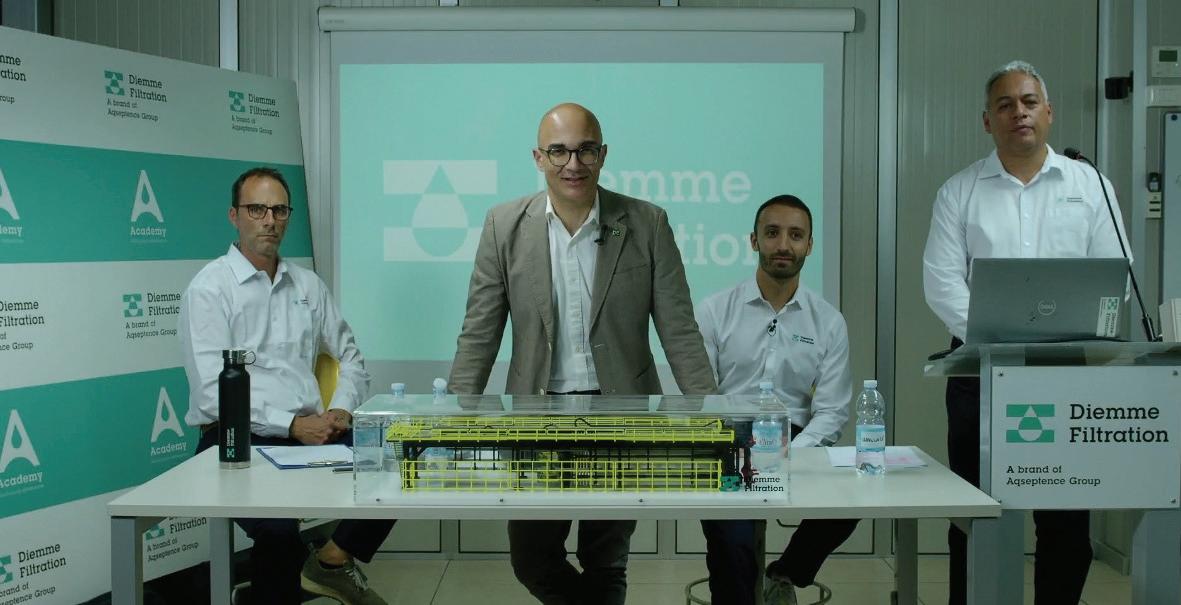
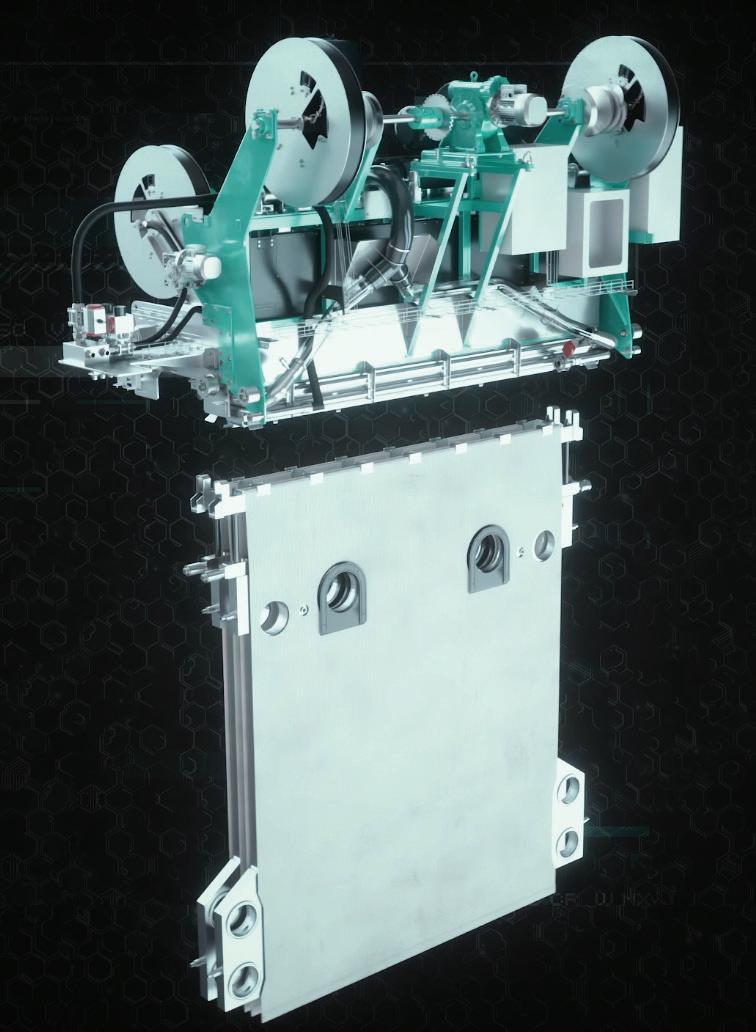
Geoff Fisher’s article examines an integrated approach to filter media based on a recent webinar hosted by Diemme Filtration ( See “Beyond The Cloth: The Synergy Between Filter Media and Digital Innovation,” page 36). “The event explored how filter media, automated cloth replacement and digital intelligence can work together to support more efficient, reliable and data-driven filtration solutions,” Fisher writes.
Together, these stories point to a broader shift. Filtration is increasingly tied to efficiency, uptime, product quality and environmental control. It helps industries manage transition while keeping critical systems running.
This issue also includes the 2026-27 IFN Buyer’s Guide, designed to help readers connect with quality suppliers across the filtration and separation industry. The guide is also available online at filtnews. com/buyers-guide. As filtration becomes more central to system performance, those connections matter more than ever.
Rachael S. Davis Chief Content Officer & Publisher, INDA Media, IFN
SPOTLIGHT TECH
Research Shows Moringa Tree Can Filter 98 Percent Of PVC Microplastics From Tap Water
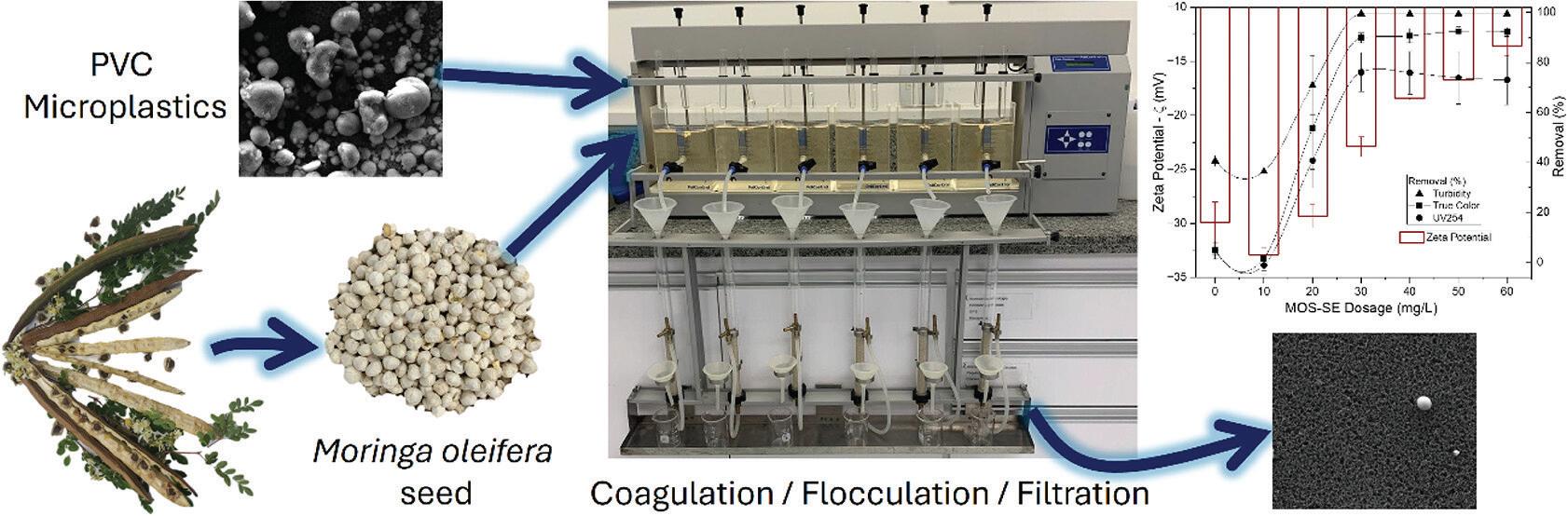
The moringa tree, widely known as the “miracle tree” or “tree of life” is celebrated for its nutritional density and traditional healing uses. Now, new research highlights another benefit: its seeds can efficiently filter microplastics from drinking water.
A study led by researchers at São Paulo State University in Brazil in collaboration with UK scientists demonstrates that a saline extract from moringa oleifera seeds (MOS-SE) acts as a powerful natural coagulant, removing up to 98.5 percent of polyvinyl chloride (PVC) microplastics from tap water.
The findings, published in the American Chemical Society’s ACS Omega journal, position moringa as a sustainable alternative to conventional chemical treatments. Moringa has been used for water purification for millennia. Ancient Greeks, Romans and Egyptians relied on it, noted study author Adriano Gonçalves dos Reis, a professor at the Institute of Science and Technology of São Paulo State University. His team has studied the tree’s seeds for more than a decade, focusing on their coagulant properties — the ability to make tiny particles clump together for easier removal. With rising concerns about microplastic pollution, they tested the seeds specifically against these contaminants.
PVC microplastics are particularly concerning due to their prevalence and potential toxicity in drinking water. In the study, researchers used aged PVC microplastics with an average size of 18.8 micrometers — roughly a quarter the thickness of a human hair. They tested the moringa seed extract in real tap water conditions using both direct filtration — coagulation, flocculation and filtration — and simplified in-line filtration systems that skip the flocculation step.
Under optimized in-line filtration at pH 6.0, 30 milligrams per liter (mg/L) of MOS-SE achieved a 99.4 percent reduction in turbidity, comparable to 98.6 percent with 9 mg/L of aluminum sulfate (alum). Scanning electron microscopy (SEM) confirmed microplastic removal reached 98.5 percent with moringa extract and 98.7 percent with alum. The SEM images showed complete removal of particles larger than 15 micrometers, with turbidity measurements proving to be a reliable proxy for microplastic removal performance. There was no statistically significant difference in efficiency between systems with and without flocculation. While flocculation increased aggregate sizes by about 41 percent — from 43.5 μm to 61.4 μm for MOS-SE — the larger flocs did not improve overall removal. This suggests that the flocculation step may be unnecessary for low-turbidity water, potentially simplifying treatment processes and reducing costs at drinking water facilities.
Moringa extract also outperformed alum across a wider pH range. Compared to alum, moringa seeds offer significant environmental benefits. They are renewable, biodegradable and produce far less sludge. The plant-based solution is also associated with fewer health risks.
One seed can treat approximately 10 liters of water, making the method promising for small communities or areas with limited access to chemical coagulants. However, scaling large urban treatment plants would require substantial quantities of seeds. A key tradeoff is the increase in dissolved organic carbon (DOC) from residual compounds in the seed extract. While higher MOS-SE dosages raised DOC levels, they also reduced specific ultraviolet absorbance by 88 percent at 30 mg/L or more, indicating effective removal of harmful hydrophobic organic matter linked to disinfection byproducts. Additional research is needed to assess long-term degradation of the extract, the fate of captured microplastics, cost-effectiveness at scale, and performance against other microplastic types and nanoplastics, the smallest particles most likely to enter human tissues.
The original research was done and report written by Gabrielle S. Batista, Victoria A. S. Ferreira, Luiz G. R. Godoy, Rodrigo B. Moruzzi, Soroosh Sharifi, and Adriano G. dos Reis.
To read the entire report visit: https://pubs. acs.org/doi/10.1021/acsomega.5c11569?fig=a bs1&ref=pdf
For more information visit: international.unesp.br
p The Moringa seed process during research
S T 4 – 6, 2026
H, NORTH CAROLINA
Where Filtration Innovation Meets Technical Textiles
Connect with leading filtration and nonwovens suppliers from around the world, participate in on-floor Tech Talk sessions, and gain valuable industry insight through the recognized Symposium program.
NOTES TECH
Flocean,
WaterConnect Partner To Advance Subsea Desalination
Project
Norway-based Flocean and WaterConnect, Kansas City, Mo., announced they have signed a development agreement for a subsea desalination project in the Maldives designed to deliver sustainable, energy-efficient water supply to Malé and Hulhumalé.
The partnership will pair WaterConnect’s financing capabilities with Flocean’s subsea desalination system, creating an investment-ready project that will improve the reliability of water supply while reducing the total cost of water for the two Maldivian islands.
The project will be developed in close coordination with the Malé Water and Sewerage Co. (MWSC) and is anchored in a memorandum of understanding signed between MWSC and Flocean. The first stage of the collaboration is a feasibility study, aimed at providing MWSC with the data and analysis required to evaluate the project and determine the optimal path forward, including business model and technical solution. waterconnectglobal.com
Ahlstrom Launches Glass Microfiber Media
Finland-based Ahlstrom has introduced a new generation of glass microfiber media for heating, cooling and air conditioning (HVAC) filtration applications. Produced in Italy, this platform is made without any intentionally added per- and polyfluoroalkyl substances while maintaining the durable water-repellent properties essential for HVAC systems.
According to the company, the media delivers measurable performance gains — achieving up to 20 percent lower initial pressure drop and improved pressure buildup compared with standard glass media on the market. This contributes to better energy efficiency while maintaining stable filtration performance throughout the filter’s lifetime.
Covering particulate efficiencies from ePM1 65 percent to ePM1 80 percent (ISO 16890), the range is suitable for a broad set of HVAC applications, from residential and commercial systems to more demanding industrial environments. ahlstrom.com
MANN+HUMMEL Launches Global Technology & Innovation Center
AAF International’s HEPA Filter Supports Artemis II Mission
Louisville, Ky.-based AAF International, a member of the Daikin Group, engineered a custom, highefficiency particulate air (HEPA) filter for NASA’s Artemis II spacecraft. The filter supported the spacecraft’s filtration system during the historic 10-day, 694,481-mile journey around the moon and back. The mission marked the first time humans have traveled to the moon in more than half a century.
According to AAF, the custom-built HEPA filter, capable of capturing 99.97 percent of airborne particles, was engineered to meet the precise air filtration system design and air quality specifications required for deep space travel.
AAF International’s relationship with NASA and human spaceflight spans more than five decades. The company provided filtration solutions in support of the Apollo 11 mission in July 1969, when astronauts Neil Armstrong and Buzz Aldrin became the first humans to walk on the moon. AAF has also supported filtration needs aboard the International Space Station, contributing to the life support systems that allow astronauts to live and work in the extreme environment of space. aafintl.com
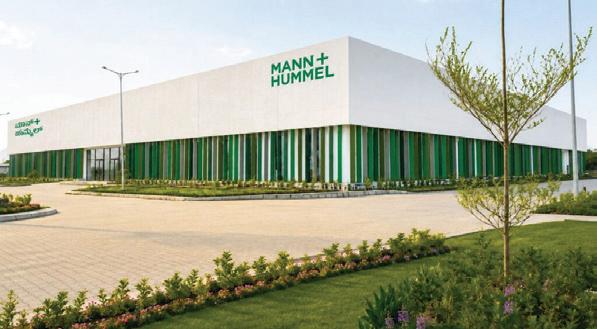
Germany-based MANN+HUMMEL has announced a new Global Technology & Innovation Center in Tumkur, India, as part of its global growth strategy. Positioned as Mann+Hummel’s largest development center outside Germany, the facility reinforces India’s role as a hub for engineering, innovation and advanced filtration technologies.
p Mann+Hummel’s Global Technology & Innovation Center in Karnataka, India
The Tumkur facility is designed to accelerate global product development and customer-centric innovation by integrating advanced research labs, testing infrastructure, digital engineering and data analytics under one roof. This approach supports filtration solutions across mobility, industrial applications, and clean air and water purification. The center will enable faster time-to-market and deeper collaboration with customers worldwide. mann-hummel.com
p (left to right): NASA astronauts Reid Wiseman, Christina Koch, Victor Glover and Canadian Space Agency astronaut Jeremy Hansen during a livestream event while aboard Artemis II. NASA/Mark Sowa
t Flocean subsea seawater reverse osmosis technology
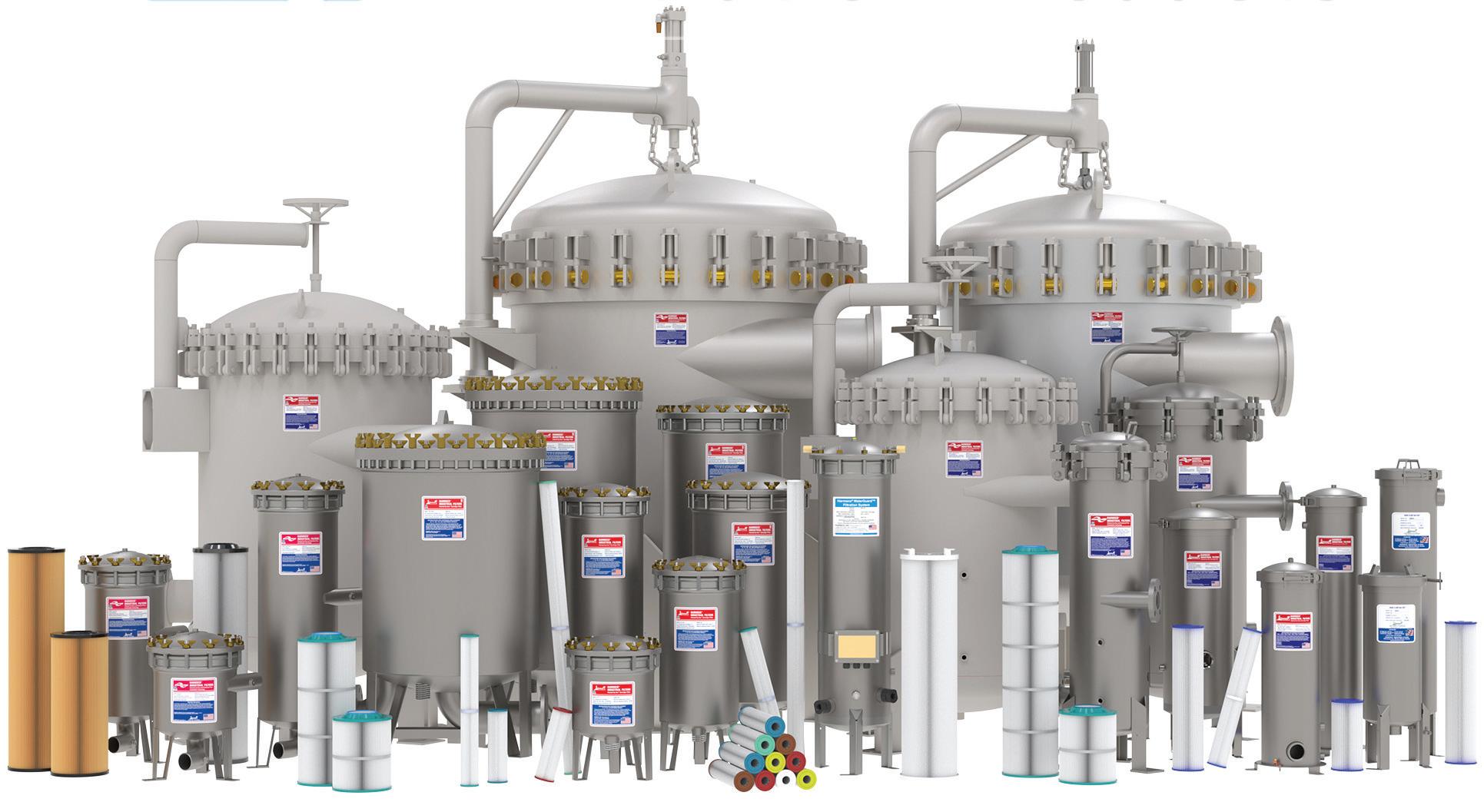
Proven Stainless Steel Harmsco® Filtration Solutions for All Industrial, Commercial, and Municipal Applications
Driven by innovation and built on decades of engineering expertise, Harmsco designs high-performance industrial filtration systems trusted across industries worldwide.
Founded in 1958 in West Palm Beach, Florida, Harmsco began with a simple mission: to engineer better, longer-lasting filters. From hand-crafted stainless-steel pool filters to advanced industrial filtration solutions, the Harmsco name has become synonymous with quality, durability, and performance in liquid filtration technology.
John F. Harms pioneered the first pleated polyester filter cartridges—an industry-changing advancement that continues to define Harmsco’s superior filtration efficiency and cost savings. Under the leadership of Harold “Hank” Harms II,
the company expanded into commercial, industrial, and municipal water treatment markets, introducing the acclaimed Hurricane® XP filtration systems and municipal water treatment markets, addressing the LT2 compliance rule, and GWUDI (Ground water under direct influence). Harmsco also prides itself in the fact that we have the largest offering and selection of cartridges and media, specifically designed to resolve the many challenges normally faced by the water treatment industry. Whether it is a potable drinking water facility, wastewater, or a myriad of industrial applications, Harmsco will assist with technical support and provide solutions to a substantial number of applications around the world.
Strategically partnered with its distri-
bution network in the US and around the world, the company stands ready to meet any challenge, anywhere.
Now led by the third generation, Harmsco remains a family-owned American manufacturer dedicated to engineering excellence, reliability, and customer satisfaction. With state-of-the-art manufacturing facilities in Florida and a global distribution network, Harmsco continues to develop innovative filtration technologies that meet the toughest water quality and liquid process challenges—delivering cleaner, safer, and more efficient results for industries everywhere.
For further information, please visit our website – www.harmsco.com or contact us at sales@harmsco.com or 800.327.3248
Separation, Filtration, & Purification Technology
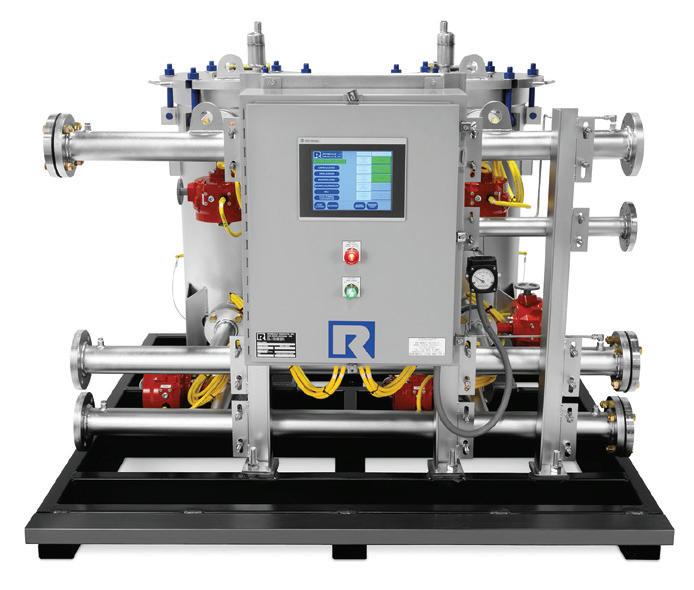
Rosedale Products, Inc. is a leading technology developer in the field of liquid filtration systems and waste minimization products for customers around the globe. With more than 50 years of experience, Rosedale offers an exceptional product line that includes high-performance filtration solutions for multiple industries. Rosedale technicians help customers find the best, most cost-effective approaches to their filtration needs.
Rosedale product lines set the industry standard in versatility and reliability and includes bag and cartridge filters, basket strainers, automatic back washing filters, filter cartridges, and many special application products. Together with ongoing consulting, troubleshooting, and support from our team of in-house experts, Rosedale provides comprehensive solutions for every critical industry filtration need.
Rosedale is committed to your vision. Rosedale manufactures industrial filtration products for virtually any industry where liquid and gas flows are present.
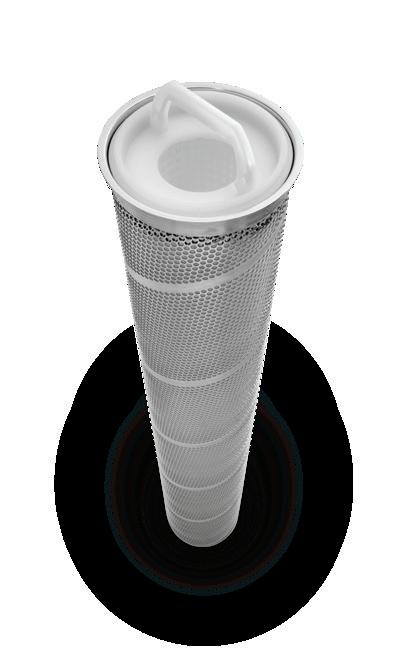
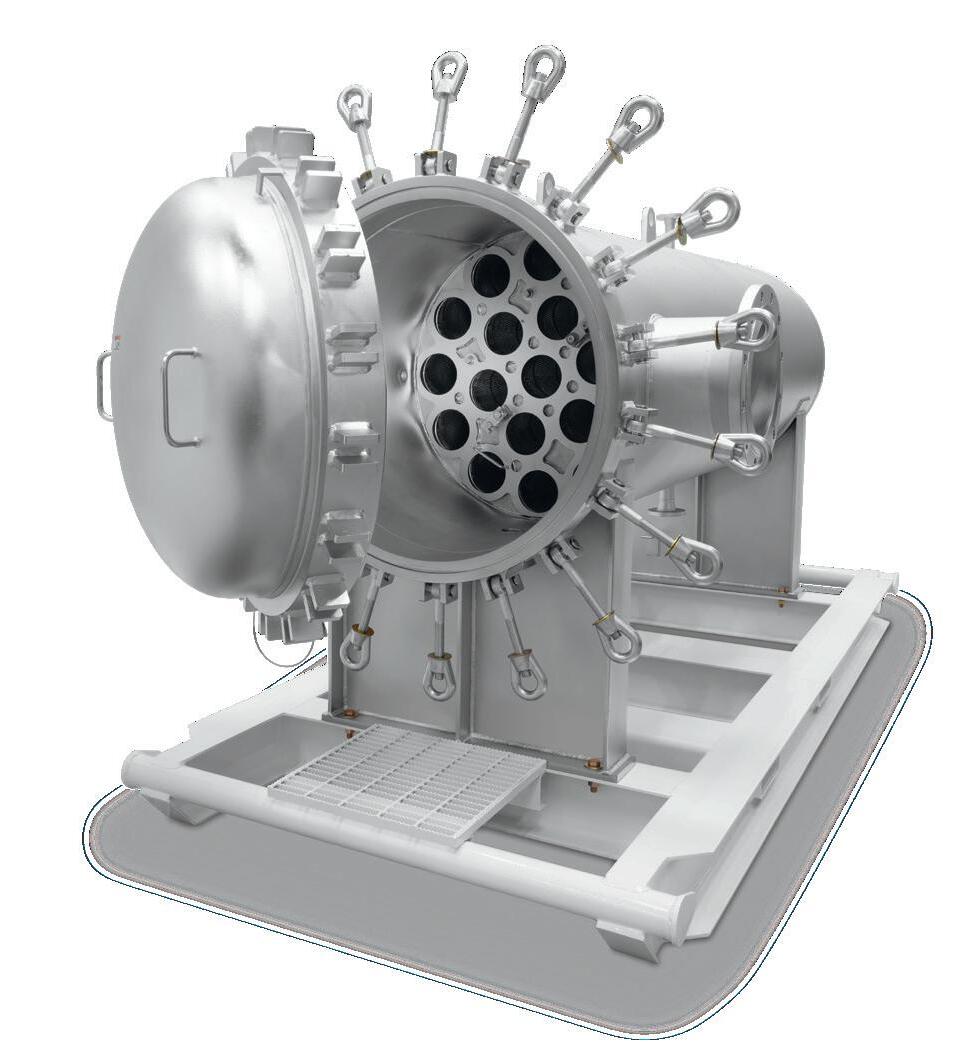
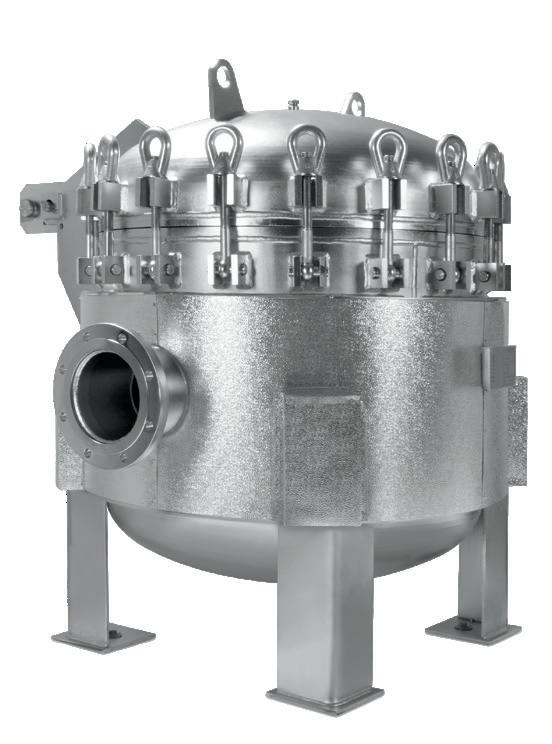
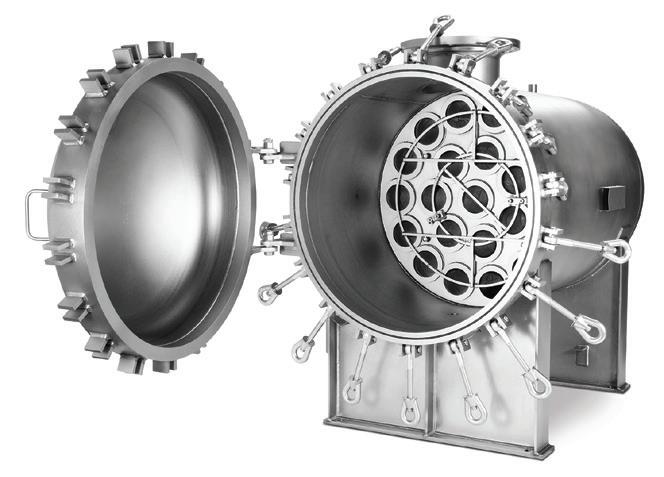
With a vast product line that suits many needs, as well as the flexibility to customize standard products. Rosedale’s sales staff has knowledge of many industrial practices, giving customers the confidence that their filter solution is the best available for their specific need. The most popular products are bag filters, pleated cartridge filters, and basket strainers. Rosedale High Flow horizontally mounted filter vessels are setting the industry standard with containing 1 to 31 large pleated cartridges in 40 or 60 inch lengths. The High Flow product line boasts flow rates of up to 400 gallons per minute for each element in select applications.
Whatever your filtration application, Rosedale Products, Inc. offers a product designed to meet your needs. From
filters that accept high-efficiency filter cartridges to filter bags, Rosedale products deliver superb performance at an exceptional value.
Rosedale product offering:
• Single Bag Housings
• Multi-Bag Housings
• Polypropylene Housings
• High Flow Housings
• Basket Strainers
• Centrifugal Separators
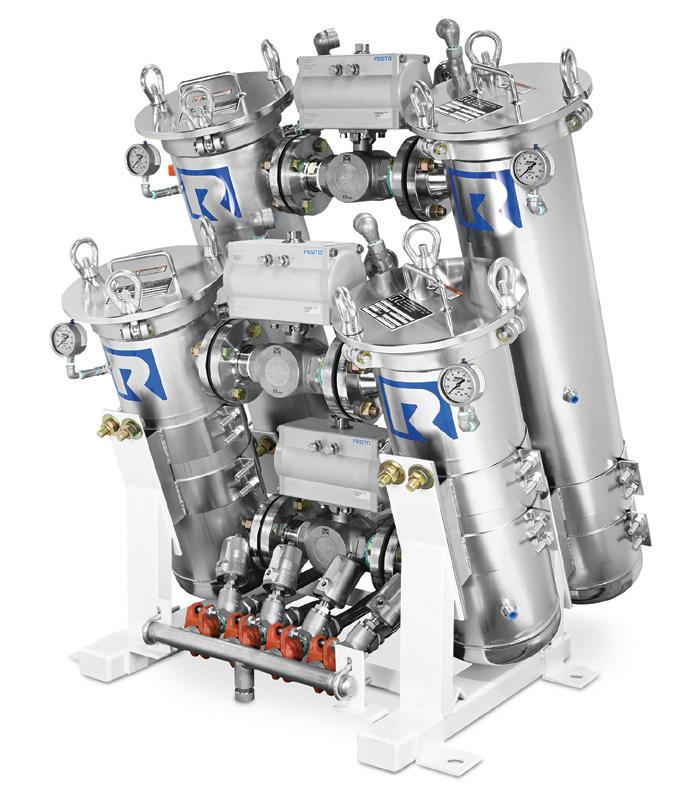
• Duplex Filter Systems
• Multiplex Filter Systems
• Backwashing Filter Systems
• Coolant Filter Systems
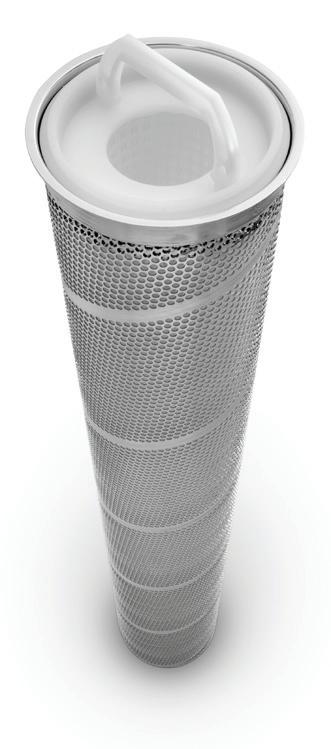
• Filter Bags
• Filter Cartridges
Rosedale Products Multi-Bag Filter Housing
Rosedale Products Custom Filtration Systems
By Philippe Wijns Principal at CleverSustainability, Filtration Expert and Sustainable Business Development Advisor
Fine Metal Fibers In Process-Critical Filtration: Bekaert, Optical Film And Life Cycle Value
Fine metal fiber media can support demanding filtration applications where pressure and stability, cleanability, product quality and life cycle value are critical.
Fine metal fiber filtration is used where conventional filter media can reach their practical limits in high-temperature polymer melts, aggressive chemical streams, hot gases, hydraulic fluids, fuels, lubricants and other processcritical duties. In these applications, filtration is not only about removing particles. The filter must combine retention, permeability, mechanical strength, temperature resistance, corrosion resistance, cleanability and predictable service life under industrial stress.
That is why the market for sintered metal fiber media is increasingly driven by process engineering. A pressure rise, gel defect, cleaning cycle or unplanned change-out can quickly become a business issue through off-spec product, downtime, energy use, scrap or premature replacement. The relevant question is therefore not only “What is the micron rating?” but also “How does the medium behave in the process over time?”
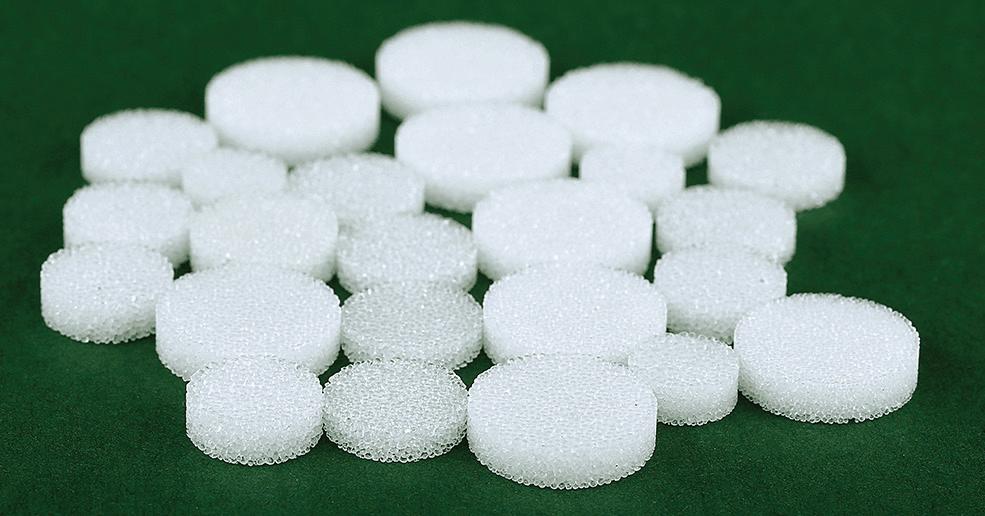
Sintered metal fiber media answer this question through structure, although final filtration performance depends on more than the medium alone. Fine metallic fibers, often stainless steel or specialty alloys, are formed into a 3D network and
bonded by sintering. This creates a stable pore structure without binders. The network can support surface filtration, depth filtration or a combination of both, depending on how the medium is designed and converted into a filter element. High porosity creates multiple flow paths, helping to manage pressure drop as contaminant load increases. Mechanical stability helps the pore structure remain predictable under pressure, thermal cycling and cleaning, while element design, assembly and manufacturing quality determine how reliably that structure performs in service.
Belgium-based Bekaert is an established global supplier in this specialized field. Its Bekipor® portfolio is positioned for applications requiring high permeability, dirt-holding capacity, robustness, high-temperature resistance and cleanability. For polymer filtration, Bekaert offers media for leaf-disc, candle and spin-pack filters, as well as stainless steel filter media panels for continuous and batch polymerization plants. The company states that its polymer-filtration portfolio covers filter ratings from 1 micrometer (µm) to 150 µm, with a broad range of metal fiber and media designs tailored to polymers such as polyethylene terephthalate (PET), polyamide (PA), polypropylene (PP), polyethylene (PE), polycarbonate (PC) and other materials, including specialty polymers.
The important point for the filtration industry is simple: In high-end processes, media design is no longer a secondary detail. Fiber diameter, pore distribution, layer configuration, nonwoven homogeneity, alloy selection and sintering quality can influence pressure stability, cleanability, product quality and total life cycle value. At the same time, the performance achieved in practice also depends heavily on sound filter design, converter know-how, assembly and manufacturing consistency. The opportunity is not to replace every existing medium, but to identify duties where process uncertainty is expensive: high-temperature operation, difficult cleaning, long qualification cycles, strict quality limits or a high cost of defects. In these cases, the filter media decision becomes a process-risk decision.
Philippe Wijns is principal at consultancy CleverSustainability, and serves as a filtration expert and sustainable business development advisor. He is a certified expert in Sustainable Finance, Climate Finance, and Renewable Energy from the Frankfurt School of Finance and Management, and market positioning.
The multi-layer structure of Bekipor® filtration media increases its dirt-holding capacity, according to Bekaert. Bekaert
Why Optical Film Brings The Challenge Into Focus
The strongest filtration solutions are not simply those that capture more, they combine advanced media, robust element design and consistent manufacturing to protect product quality, uptime and life cycle value under real operating conditions.
Optical polymer film is an excellent example because defects are highly visible and commercially costly. The production of optical films requires strict control of melt cleanliness. Gel-related imperfections can come from crosslinked or highly entangled polymer domains, unmelted resin fragments, recycled or contaminated feedstock, die buildup, thermal degradation or foreign contamination. Some gels behave like hard particles. Others are soft, deformable and more difficult to control.
When gel inclusions meet elevated shear stresses in downstream extrusion zones, they can elongate in the machine direction. The result is a gel-shearing defect, often more visually disruptive than an isolated gel particle. This is especially critical as film producers move toward thinner structures at or below 4 µm. At these thicknesses, a small defect can become a large quality problem.
For the filter medium and the filter element, this changes the design target. It is not enough to capture contamination in a nominal rating test. The medium must help control what happens to retained gels under pressure, temperature, flow and cleaning, and the element must support that performance through robust design and manufacturing. The filtration system must retain particles and gels while limiting excessive pressure rise and preserving structural integrity. In optical film, filtration performance is therefore directly connected to film appearance, yield and customer acceptance.
This is also why optical film is a useful showcase for Bekaert’s
broader filtration capabilities. It brings together the main reasons customers consider sintered metal fiber media in the first place: stable pore structure, high permeability, cleanability, mechanical integrity and the ability to operate under severe thermal and chemical conditions.
From Media Structure To Filtration Performance Evidence
Across Bekaert’s filtration materials and technical presentations, the same shift in emphasis is visible. The discussion moves from a simple filter element alone to a pore network, from capture efficiency to load behavior, and from purchase price to total cost of ownership (TCO). In polymer filtration, Bekaert also stresses that cleanable filter elements require proper post-cleaning validation to confirm that performance and integrity have been restored, using practical checks such as bubble point, backflow and weighing tests. These are not academic details. They are the control points that determine whether a filter can return to a reliable state after use, and they are influenced by both media properties and the quality of filter element design and manufacturing execution.
At FILTECH 2026 in Cologne, the company will also contribute to the technical conference with the paper “Filter Media Design for Mitigation of Gel Shearing Defects in Optical Polymer Film Processing.”
The study is relevant because it links media design to a final product defect that producers can observe. Stainless steel
p In polymer filtration, Bekipor® offers a high porosity, high strength medium with an increased dirt holding and gel retention capacity. Bekaert
The sintered bonds create a highly stable pore structure in the filter media. Bekaert
316L fiber panels were evaluated on polymer film extrusion filtration equipment using the biaxially oriented PET (BOPET) polymer family at melt temperatures up to 280°C and pressure differentials of 60 to 80 bar. Differential pressure was monitored to assess fouling behavior, filtration stability and mechanical robustness. Downstream film quality was evaluated through optical inspection and inline defect detection, with attention to gel frequency per 100 square meters (m²), gel size distribution and gel shearing. Cleanability and structural integrity were also evaluated over repeated filtration and cleaning cycles.
The study should be read as evidence for its application, not as a generic comparison of all filter technologies. Its value lies in the link between media structure, process conditions and downstream defect morphology. This distinction matters for IFN readers because it moves the discussion from product claims toward qualification logic: Which medium, in which process, under which pressure and cleaning conditions, delivers the quality result the producer needs? Wijns observes: “For optical film, the filter is not only a protection device. It becomes part of defect control. The real question is what happens to gels after capture, before the polymer reaches the next high-shear zone.”
TCO: The Commercial Test
For premium metal fiber media, the commercial discussion should not start and stop at the purchase price of a disc, candle or media panel. TCO includes pressure drop and energy demand, cleaning cost, validated cleaning recovery, element lifetime, downtime, scrap, defect-related quality losses, inventory and endof-life handling. A lower-cost medium can become expensive if it causes faster pressure rise, more frequent replacement, shorter runs or unstable product quality.
Compared with disposable polymeric or composite depth media, sintered metal fiber media can offer high-temperature resistance, dimensional stability and repeated cleanability. Compared with conventional wire mesh packs, the fine, 3D fiber network offers a different balance of porosity, dirt-holding capacity and depth-filtration performance. Compared with some powder-based sintered metal media, fiber-based structures can be designed for high permeability and low pressure drop. The right choice remains application-specific, but the decision should be based on cost per kilogram of acceptable product, cost per operating hour and cost per validated cleaning cycle, not only cost per filter element.
For optical polymer films, this TCO perspective is especially important. If a media design helps reduce gel-shearing defects, especially at reduced film thicknesses, and remains cleanable over multiple cycles, it creates value through yield improvement, uptime and process continuity. That is a stronger business case than a general claim of higher efficiency. A practical TCO review should ask six direct questions: How fast does differential pressure rise? How stable is quality during the run? How many cleaning cycles are validated? How much scrap is avoided? How much downtime is removed? How much confidence does the operator gain in the process window?
Sustainable Impact
The same logic supports sustainability and circular economy goals. Durable, cleanable media can reduce replacement frequency and waste. Lower pressure drop can reduce energy demand. Better defect control can reduce scrap. Reusable metal media may also offer clearer end-of-life pathways than mixed disposable constructions, provided the system is designed and validated correctly. To make this credible, sustainability claims should be tied to operating data: pressure curves, cleaning validation, run length, rejection rate, scrap rate and end-of-life handling. That fits the direction of modern filtration publishing: fewer generic statements, more evidence that links media design to performance.
The conclusion for the filtration industry is clear. Fine metal fiber and sintered metal fiber media belong to a premium segment, but their value must be demonstrated in the customer’s process. Bekaert’s contribution is the integration of media engineering, polymer filtration experience and application testing with sound filter design and high-quality manufacturing execution. The strongest filtration solutions are not simply those that capture more; they combine advanced media, robust element design and consistent manufacturing to protect product quality, uptime and life cycle value under real operating conditions.
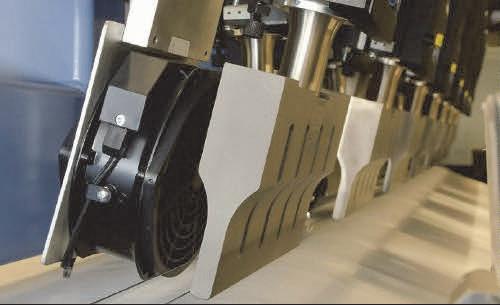
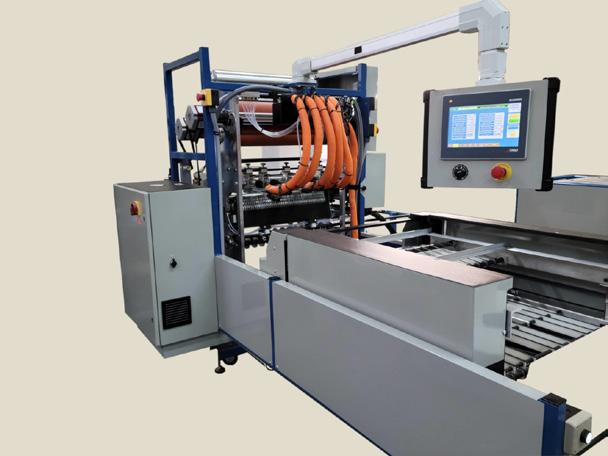
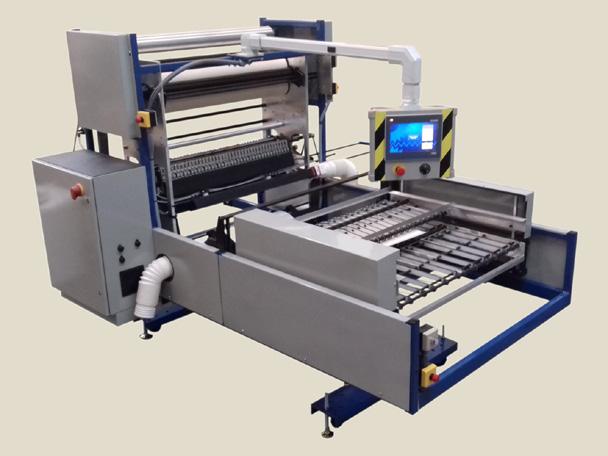
CUSTOM CONVERTING EQUIPMENT FOR THE FILTRATION INDUSTRY
• Unwinds / Rewinds
• Pocket filter machines
• Slitters (Ultrasonic, Laser or Conventional)
• Laminators (Ultrasonic,Thermal and Adhesive)
• Traverse and Spiral winders
• Membrane / Hollow fiber lines
• Festooners
• Accumulators
• Ultrasonic sewing machines
• Pleat welders
• Ring Welders
• Custom assembly machines
We employ our 70 years of web handling experience to benefit our customers. Contact Chase Machine today for your equipment needs!
324 Washington St.,West Warwick, RI USA 02893 401.821.8879
www.chasemachine.com
Why Filtration Is The Of The Energy Transition Unsung Enabler
Filtration provides the foundational infrastructure emerging energy systems need to function efficiently, reliably and cleanly.
By Gregory Hoverson
The energy transition will not be won solely by the technologies that generate power or move vehicles. It will be won by the technologies that allow increasingly complex systems to operate more efficiently, reliably and cleanly during a prolonged period of disruption. Filtration is one of those technologies.
Yet filtration is rarely part of the public conversation around energy transition. Headlines focus on electric vehicles, hydrogen, renewable power and artificial intelligence (AI)-driven infrastructure. Meanwhile, the ecosystems surrounding those technologies face mounting pressure to reduce emissions, improve efficiency, extend asset life and comply with tightening environmental standards — outcomes that are increasingly delivered through advancements in filtration.
That reality is transforming filtration from a background component into an essential system-level performance enabler.
A Nonlinear Transition
Electric vehicles accounted for roughly 8 percent of new passenger vehicle sales in the United States last year, down from the year prior, which means more than 90 percent of the market still depends on hydrocarbon fuels. Across industries, incumbent and emerging technologies are competing at the same time.
p Filtration supports both incumbent and emerging energy systems by improving efficiency, reducing emissions, protecting equipment and enabling reliable operation across increasingly complex infrastructure.
That matters because energy transitions are never linear. They are messy, overlapping and highly competitive. History makes that clear. At the beginning of the 20th century, steam, gasoline and electric vehicles all competed simultaneously for market share. Coal did not disappear when oil emerged. Oil did not disappear when natural gas expanded. Every major energy transition has unfolded over decades while old and new systems coexisted.
What makes the current transition different is the scale and compression of change occurring simultaneously
across mobility, industrial systems, water infrastructure and energy production.
The challenge is to keep economies running while changing nearly everything that powers them.
That means mixed fleets operating longer than expected. It means tighter efficiency margins, stricter environmental regulations and entirely new contamination profiles created by emerging fuels and technologies. At the center of this transition sits a technology category that increasingly determines whether systems succeed or fail: filtration.
Filtration In Mobility Applications
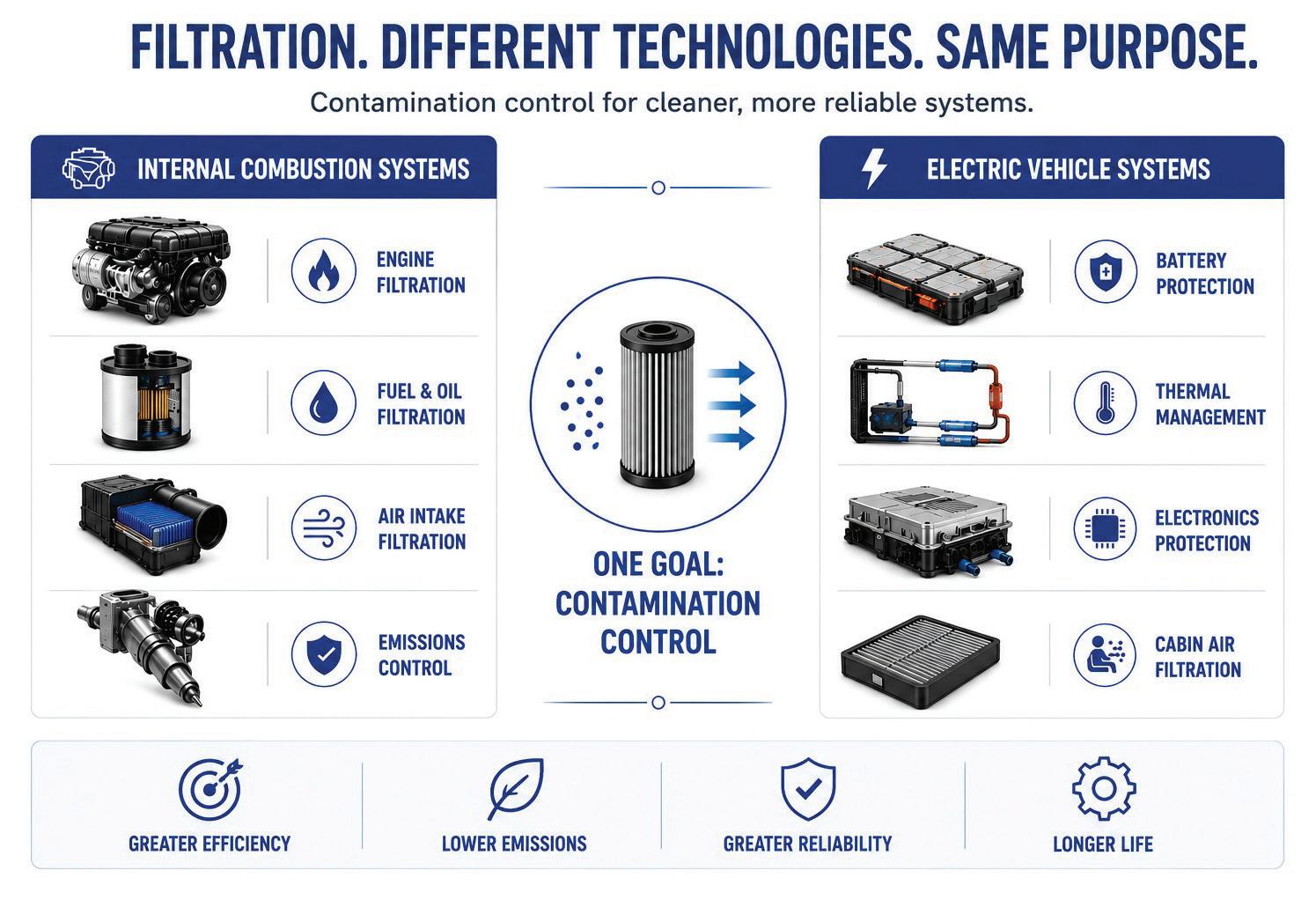
Filtration supports both incumbent and emerging mobility systems simultaneously. It helps incumbent systems operate cleaner and more efficiently while enabling emerging technologies to scale and perform reliably.
Consider mobility. Traditional internal combustion platforms continue to face pressure to lower emissions, improve fuel economy and extend equipment life. At the same time, advanced biodiesel fuels and ultra-low sulfur diesel create more demanding filtration requirements than conventional fuels. Modern highpressure injection systems also require dramatically higher levels of cleanliness.
In that environment, filtration becomes essential to maintaining performance, controlling emissions and protecting increasingly sensitive systems.
Electric mobility introduces a different set of filtration challenges. Battery thermal management loops require coolant cleanliness to protect battery life and reliability. Power electronics and inverters require advanced air filtration. Battery and semiconductor manufacturing depend on highly controlled cleanroom environments. Cabin air quality standards continue to tighten, particularly in dense urban environments.
The requirements change, but the need for filtration does not disappear.
Filtration In Air And Water Applications
The same dynamic exists across industrial and process air applications. Existing industrial infrastructure is under pressure to improve process efficiency, capture emissions, reduce energy consumption and extend asset life. Meanwhile, new industrial builds are centered around hydrogen production, alternative fuel systems, smart buildings and largescale data center infrastructure, each introducing new cleanliness and thermal management demands.
Industrial water systems face a similar challenge. Utilities and industrial operators are being asked to process more water, consume less energy, reuse more resources and comply
with increasingly strict environmental standards simultaneously. At the same time, new contaminants such as perand polyfluoroalkyl substances (PFAS) and microplastics are creating filtration demands that legacy systems were not designed to address. Advanced filtration and purification technologies are becoming essential to water reuse, recovery and compliance strategies.
This is why filtration should no longer be viewed as a background technology. Cleaner systems run more efficiently. Efficient systems consume less energy. Reliable systems reduce downtime and operating costs. Compliant systems reduce regulatory risk. Whether the platform is powered by diesel, hydrogen, electricity or some future energy source, contamination control remains fundamental to performance.
In many cases, filtration also represents one of the lowest-cost pathways to operational improvement. Organizations can reduce emissions, improve efficiency and extend asset life without waiting for complete infrastructure replacement.
Making The Future Possible
Filtration is not a supporting character in the energy transition. It is foundational
infrastructure that allows both incumbent and emerging energy systems to function. The companies and industries that recognize this early will be better positioned to compete in a transition defined by efficiency, compliance, uptime and operational resilience.
The future of energy depends on technologies that keep systems running while everything around them changes. Filtration is one of the technologies making that future possible.
Gregory Hoverson is vice president and chief technical officer of Nashville, Tenn.-based Atmus Filtration Technologies, where he leads the global Research & Engineering organization, which spans five technical centers across four countries. Hoverson has 31 years of experience in commercial vehicle and equipment filtration, where he has played a pivotal role in launching filtration technologies that deliver cleaner, more energy-efficient and maintenance-efficient solutions for clients worldwide. He has been awarded 65 global patents during his career. Hoverson holds a bachelor’s degree in mechanical engineering from North Dakota State University.
p As mobility systems evolve, filtration remains critical across both traditional combustion engines and emerging electric vehicle platforms by supporting efficiency, thermal management, emissions reduction and reliability.
BRIDGING THE GAP: Clinical Realities And The Case For Air Quality Governance
A conversation with Dr. Ciara Steele on public health, indoor environmental quality and the drive for mandated monitoring
By Dr. Iyad Al-Attar, Global Correspondent for Technology and Innovation
For too long, the narrative surrounding building envelopes and heating, ventilation and air conditioning (HVAC) infrastructure has been heavily skewed toward energy efficiency, often at the expense of human health. As research continues to show that air pollution affects more than respiratory health, strong air quality governance remains essential to protecting public health. True sustainability cannot exist without prioritizing the well-being of building occupants, which demands a critical shift from treating ventilation as a fit-and-forget afterthought to adopting a rigorous, hardware-first approach to engineered filtration.
IFN ’s Dr. Iyad Al-Attar recently interviewed Dr. Ciara Steele, an Irelandbased general practitioner (GP), GP trainer and co-founder of Clean Air Advocacy Ireland (CAAI), to talk about the gap between engineering infrastructure and medical outcomes.
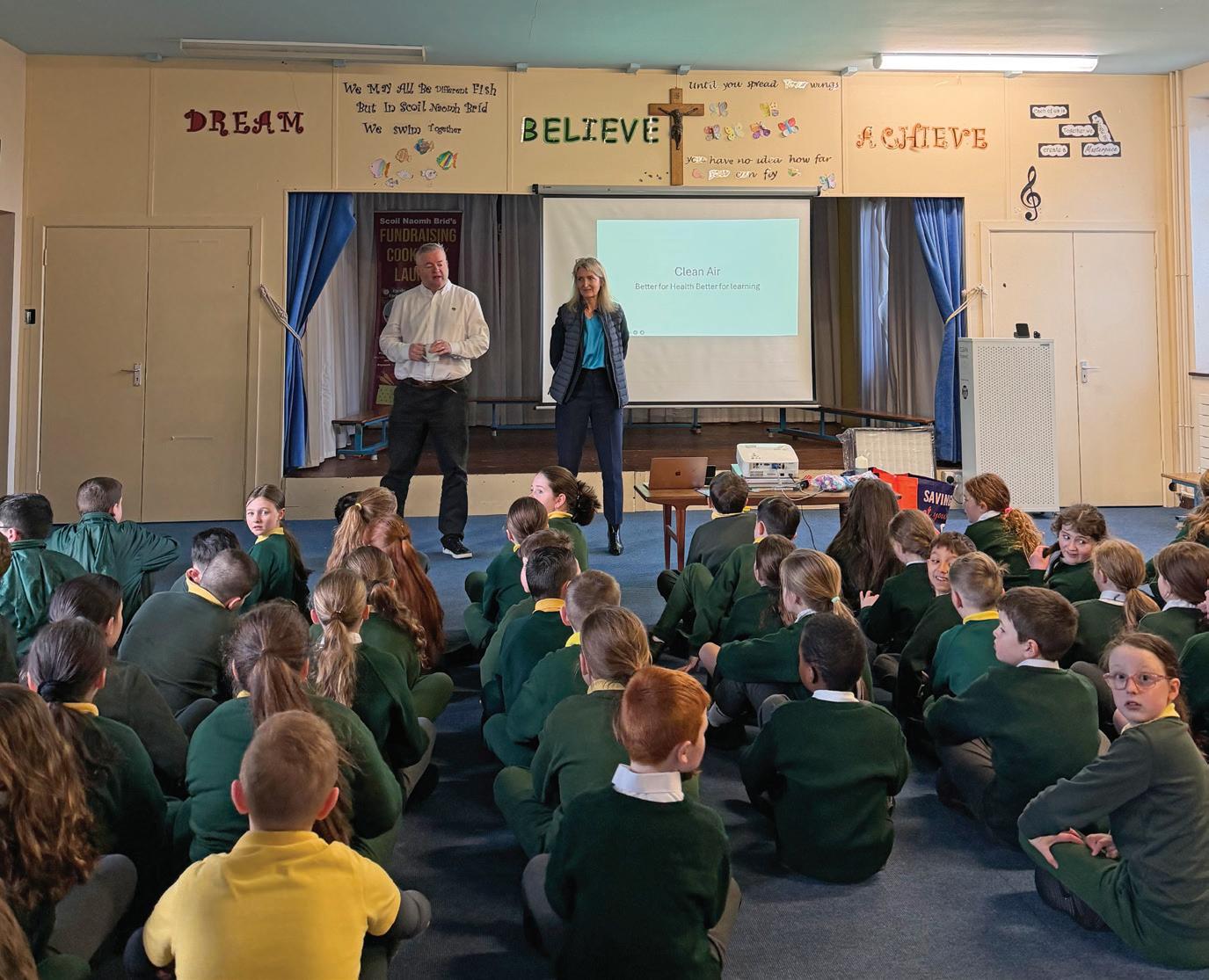
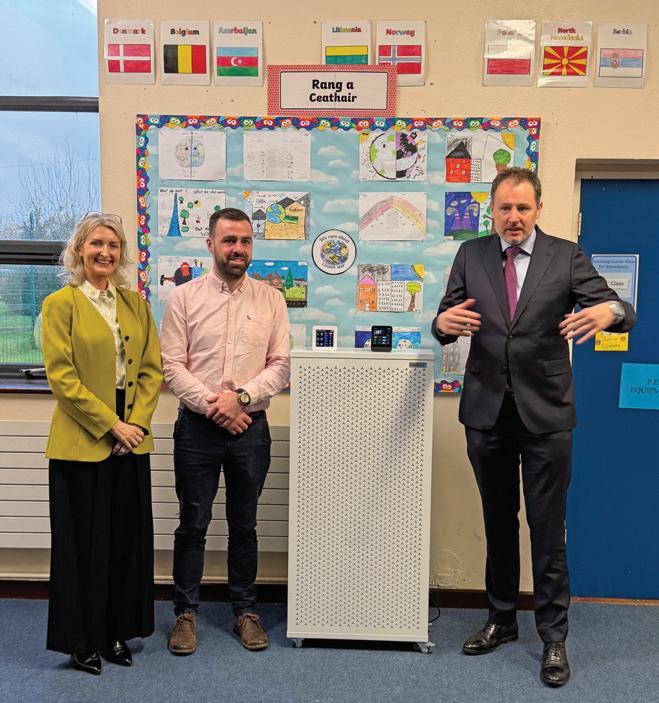
Dr. Steele’s work represents a powerful blueprint for localized, grassroots action driving global mandates. From championing the transformative wholeschool high-efficiency particulate air (HEPA) pilot at Scoil Naomh Bríd to representing CAAI at a conference on healthy indoor air at the United Nations, her advocacy emphasizes making the
AQ+IN THIS ISSUE:
DR. CIARA STEELE
General Practitioner and Founder of Clean Air Advocacy Ireland
invisible visible through mandated monitoring. With a clinical focus on the intersection of indoor air quality (IAQ) and holistic health, Dr. Steele provides an essential medical perspective on why optimizing existing mechanical systems is a non-negotiable requirement for protecting our communities. She is a regular contributor to health-related radio
segments on Highland Radio and is active in promoting clean air initiatives in her community.
The following conversation navigates the challenges of indoor environmental quality (IEQ), the insidious nature of airborne pathogens and particulate matter, and the collaborative policies required to elevate public health metrics to the forefront of global building standards.
Dr. Iyad Al-Attar: As a clinical practitioner and co-founder of CAAI, you witness the daily health impacts of poor indoor environments. How can we reframe global air quality governance so that public health and well-being metrics truly drive policy change, rather than continuing to let energy efficiency dictate building standards?
Dr. Ciara Steele: The answer to this question is simple — by mandating, monitoring and IAQ. If we make visible the air quality within our schools, classrooms, hospitals and offices, we will see the link between poor air quality and health outcomes.
Are there more students with asthma attacks in one classroom than another? Are there more people off sick with respiratory illness in one office or another? Are there higher rates of health care acquired infection in one ward more
than another? The reasons can become immediately correlated with air quality when air quality is visible.
This can be enhanced with technology such as the Boston public schools’ live dashboard,1 where real-time data sensor information and hundreds of thousands of data points revealed the urgent remediation of air quality. The program has enabled translation of this data into action and health impact through teamwork science, awareness and funding. The result is better health outcomes, saving costs over time and improving health for decades.
If we make visible the air quality within our schools, classrooms, offices and hospitals, we will see the link between poor air quality and health outcomes.
— Dr. Ciara Steele
The importance of establishing this link is that the problem of poor air quality and its related health impacts can often be remediated with immediate effect by introducing ventilation and air purification such as portable HEPA filters known to reduce indoor particulate matter 2.5 (PM2.5) by up to 68 percent.
p Air filter performance is central to maintaining a healthy and breathable environment in schools Dr. Iyad Al-Attar
start somewhere, and if some countries lead, others will follow.
In contrast to sealing buildings for energy efficiency, we must establish health as a primary driver for generating global IAQ standards. Promoting health in all policies acknowledges that public health is determined by policies that guide actions beyond the health sector. Both are important. Patients intuitively understand that which affects their breathing. We can all sense a stuffy afternoon meeting room and if you ask someone with asthma, Where do you notice your symptoms are worse?” they commonly will tell you either at home, in school or in traffic. Visibly quantifying these risks allows us to take individual action by increasing mechanical and natural ventilation rates, reducing humidity, exercising indoors when pollen is high and planning travel routes among some examples.
With the INQUIRE2 project, further study and recommendations progress in Europe. Establishing a clear road map for mandating air quality monitoring is essential; global application demands we
Dr. Al-Attar: The whole-school HEPA pilot you championed at Scoil Naomh Bríd is a tremendous milestone for reducing illness-related absences. When assessing our educational and community buildings, how critical is it to adopt a hardware-first mindset by optimizing the mechanical integrity and filtration capabilities of existing HVAC systems before overlaying newer technologies?
Dr. Steele: The first point here is to understand the heterogeneity in classroom occupancy, activity and building quality. Ventilation systems may be old, poorly maintained and fitted with an attitude of “fit and forget” or not even fitted at all. Buildings may be old, moldy and have faulty windows that don’t open, and climates in different countries lead to differing design requirements.
Again, regulation is imperative to include delivered air quality as the important metric, and this requires adaptability and monitoring over time with a maintenance program built in at the design stage. Live monitoring can lead
to time-sensitive remediation with any issue in building infrastructure that may impact health. So, assessment and monitoring of what is already present is an essential first step in developing bespoke solutions for individual buildings.
In real terms, a holistic approach was taken by Principal Derek Foster and Scoil Naomh Bríd where awareness of air quality through assessment and monitoring has led to the removal of old and dusty soft furnishings, curtains and carpets, and the removal of old equipment and clutter piles that can accumulate dust and house dust mites. The removal of carpets in the main hall and installation of low volatile organic compound (VOC) flooring has led to increased light, space and immediate well-being.
An old, unused rostrum was also removed to open up space, make cleaning easier and give children a better indoor space to exercise when outdoor weather is poor. In addition, monitors in classrooms tell children when to open windows and there are “clean air champions” in every classroom leading calls to respond to air quality measurements.
Environmental health and awareness of outdoor air as well as indoor air have become a key science, technology, engineering and mathematics (STEM) topic for the children, which one hopes will foster increased community awareness as children bring ideas home. Understanding indoor and outdoor air as a continuum and the benefits of improving air quality in and around classrooms has generated excitement for STEM subjects.
Retrofit is important for mediumand long-term estate planning, but sometimes simple assessment can lead to quality, low-cost interventions like fixing windows and lifting carpets, encouraging walking to school and a no-car-idling policy. Green barriers can also protect and are easy to install.
Intervention streams can be done synergistically and simultaneously.
Dr. Al-Attar: To move beyond the initial construction phase and ensure long-term health outcomes, what specific policies and practices do you believe are urgently required to elevate IEQ and maintain the integrity of building envelopes against airborne pathogens?
Dr. Steele: Firstly, there must be recognition that aerosol transmission is problematic and secondly that it can be addressed. Is it really still acceptable to allow high levels of respiratory disease transmission in schools when respiratory illness is known to adversely affect longterm respiratory health?
Respiratory infections can lead to a higher risk of asthma3 and asthma exacerbations. Some 21 percent of children have ever had a diagnosis of asthma in Ireland, and globally, respiratory illnesses like chronic obstructive pulmonary disease (COPD) are rising, affecting 80 million people. Tragically, death occurs in children each season due to respiratory syncytial virus (RSV), influenza and COVID. Indoor environments in an inclusive modern society need to be safe for all.
Those with respiratory infections in childhood had twice the likelihood of dying from respiratory disease in adulthood4, and the Children’s Health in London and Luton (CHILL) study found children living in the highest areas of traffic-related air pollution (TRAP) had the smallest lung volumes. Long COVID occurs in children.5 And attenuating child respiratory function earlier in life impacts the trajectory of respiratory health for the rest of their lives. This leaves easily applicable public health interventions
underused, despite their potential to prevent acute and chronic disease.
Government awareness and embedding health in policy to liaise with architecture, engineering and estate planning will prevent value-engineering exercises deprioritizing ventilation. Embedding air quality as a public health intervention in all policies and across departments is urgently necessary and this may demand a dedicated government department for indoor air quality assessment, monitoring, regulation, standards review and funding.
A “Scores on the Doors” type healthy air building standard can offer us the choice of when and whether to enter a building. If the air quality is not acceptable or does not meet standards this system is transparent, offers choice and ultimately will benefit businesses for building managers taking it on in terms of productivity and improved cognitive function as well as learning for occupants of healthier buildings. This is something that we call for at Clean Air Advocacy Ireland.
Dr. Al-Attar: The discourse around air pollution often focuses broadly on surfacelevel respiratory issues, occasionally obscuring the more insidious crises tied to how the physicochemical properties of
airborne pollutants compromise human health. From your clinical perspective, how vital is engineered, optimized filtration in addressing these deeper, often overlooked physiological impacts in our daily environments?
Dr. Steele: The average person spends
p Dr. Ciara Steele championed a HEPA pilot program at Scoil Naomh Bríd in Ireland.
90 percent of their time indoors and we breathe 20,000 times per day on average. The assumption is that the air we breathe is wholesome, especially in our places of refuge like our home. But we cannot know what is in our food and water without quality standards otherwise the water we drink and the food we eat might potentially be hazardous. So, we must apply the same rigor to the quality of the air we breathe. We breathe up to 11,000 liters of air per day on average and 438 million liters in a lifetime. Molecules inhaled and absorbed can be larger than those absorbed through the gut — the premise for inhaled medication. The lungs are a fantastic delivery system.
Our lungs have the surface area of a tennis court. To think that we have overlooked the physiological impacts of our environment on our lungs and bodies is astounding really. Particulate matter less than 2.5 microns is known to cross the alveolar-capillary barrier, travel around our bodies attached to blood cells, and deposit in heart, kidneys and brain. Ultrafine particles and PM2.5 are risk factors for all-cause mortality and cardiovascular disease including stroke, ischemic heart disease and cancer. Air pollutants are accepted risk factors for dementia, although identifying and ranking the specific pollutants involved requires further study. Even short exposures can impact cognition.6, 7 The Partnership for Evidence and Action on Clean Air (PEACE-Air)8, a Special EU Programmes Body (SEUPB) funded PEACEPLUS project, is looking at speciation of particulate matter and studying health impacts.
Dr. Al-Attar: You have successfully empowered local school communities to actively monitor and clean their air. As we rethink air filtration for sustainable buildings, how can these localized, grassroots victories in Ireland serve as a blueprint to enforce stricter, health-centric air filtration mandates on a global scale?
Dr. Steele: Teamwork is key. Bringing science, industry, concerned parents, school leaders, and political and medical advocates together is the recipe for
success. In unison, the common goal of healthier indoor spaces is achievable on small or large scales. We can only ever occupy one classroom at a time, so every classroom counts and every positive change counts.
The ripple from a small pebble can travel far. I quote a teacher from Scoil Naomh Bríd, Ms. McNally, and thank her for her dedication. McNally said: “We hope that the knowledge and awareness gained through this project will extend beyond the classroom, with pupils bringing their learning home and into the wider community. By encouraging conversations around the quality of the air we breathe and the small changes that can help improve it, we hope this initiative will have a lasting and widerreaching impact.”
Europe’s Energy Performance of Buildings Directive (EPBD) has been updated to integrate indoor environmental guidance for the first time. Harmonizing guidance across member states may offer the framework sought to bridge the gap between energy efficiency and health.
However, we must start somewhere and why not today? Every oak tree starts life as an acorn. We are becoming aware as parents, family members, health care workers, office workers, students and businesses that we no longer want constant sick days, taking leave to care for unwell children. Neither do we want to continue dealing with the personal and global costs of illnesses such as long COVID, leading to loss of productivity and personal tragedy, all while knowing that prevention is possible.
We are now in a position to reflect and learn from our justified and enforced focus on indoor air and environmental
quality through the pandemic9 with a positive and progressive lens that action can and must be taken to address what we now understand as fundamentally detrimental to our health.
It is time to act and address poor IAQ.
Author’s Thoughts
The interview with Dr. Steele was eyeopening and highlighted the necessity of addressing air pollution directly through a clinical lens. With public health and well-being emerging as the core pillars of any sustainable urban development, embedding robust air quality governance must become a nonnegotiable priority from day one of city planning. The historical trajectory of IAQ has traditionally revolved around filter performance, routine HVAC maintenance practices and technological integration. However, Dr. Steele illustrates that viewing air quality through a combined governance and clinical lens — alongside mechanical engineering and city design perspectives — will prove invaluable in rendering our modern built environments healthier for generations to come.
Dr. Al-Attar is IFN ’s global correspondent, Technology and Innovation. He is a visiting academic fellow in the School of Aerospace, Transport, and Manufacturing at Cranfield University in England, consulting for air quality and filter performance relevant to landbased gas turbines. His expertise is on the design/performance of high-efficiency filters for HVAC and land-based gas turbine applications, focusing on chemical and physical characterization of airborne pollutants. Dr. Al-Attar is also the strategic director, instructor, and advisory board member of the World Filtration Institute. In 2020, Eurovent Middle East appointed Dr. Al-Attar as the first associated consultant for air filtration, as well as an IAQ patron for EUROVENT.
Preventing Filter Failure Through Differential Pressure Monitoring
Monitoring differential pressure provides insight into filtration performance and operational efficiency in industrial particulate filtration systems.
By Joe Bodle and Jay Jett
Differential pressure is one of the most important measurements in particulate filtration systems. Whether the application involves bag filters or cartridge filters, monitoring differential pressure gives operators direct insight into both filter performance and life, as well as the overall health of the process.
In its simplest definition, differential pressure is the difference in pressure between the inlet and outlet of a filter housing. In practice, however, that measurement can reveal whether a filter is operating efficiently, nearing the end of its usable life or potentially failing altogether.
For many operators, differential pressure becomes the starting point for troubleshooting. However, before assuming there is a problem with the filter media itself, experienced filtration specialists typically begin by asking a series of process questions: Has anything changed in the application? Was the system shut down properly? And, most importantly, at what differential pressure is the filter being changed?
Surprisingly, many do not know the answer.
In some systems, no gauges or monitoring devices were ever installed on the filter housing, which means operators have no way to track the condition of the filter over time. Without that information, diagnosing filtration issues becomes significantly more difficult.
Understanding Differential Pressure
Differential pressure is measured between the inlet and outlet of the filter vessel. The inlet pressure represents the pressure entering the filter housing, while the outlet pressure reflects the pressure leaving the housing after the fluid has passed through the filter media. The difference between those two values indicates how much resistance the filter is creating within the system. For example, if the inlet pressure reads 100 pounds per square inch (psi) and the outlet pressure reads 95 psi, the differential pressure across the filter is 5 psi.
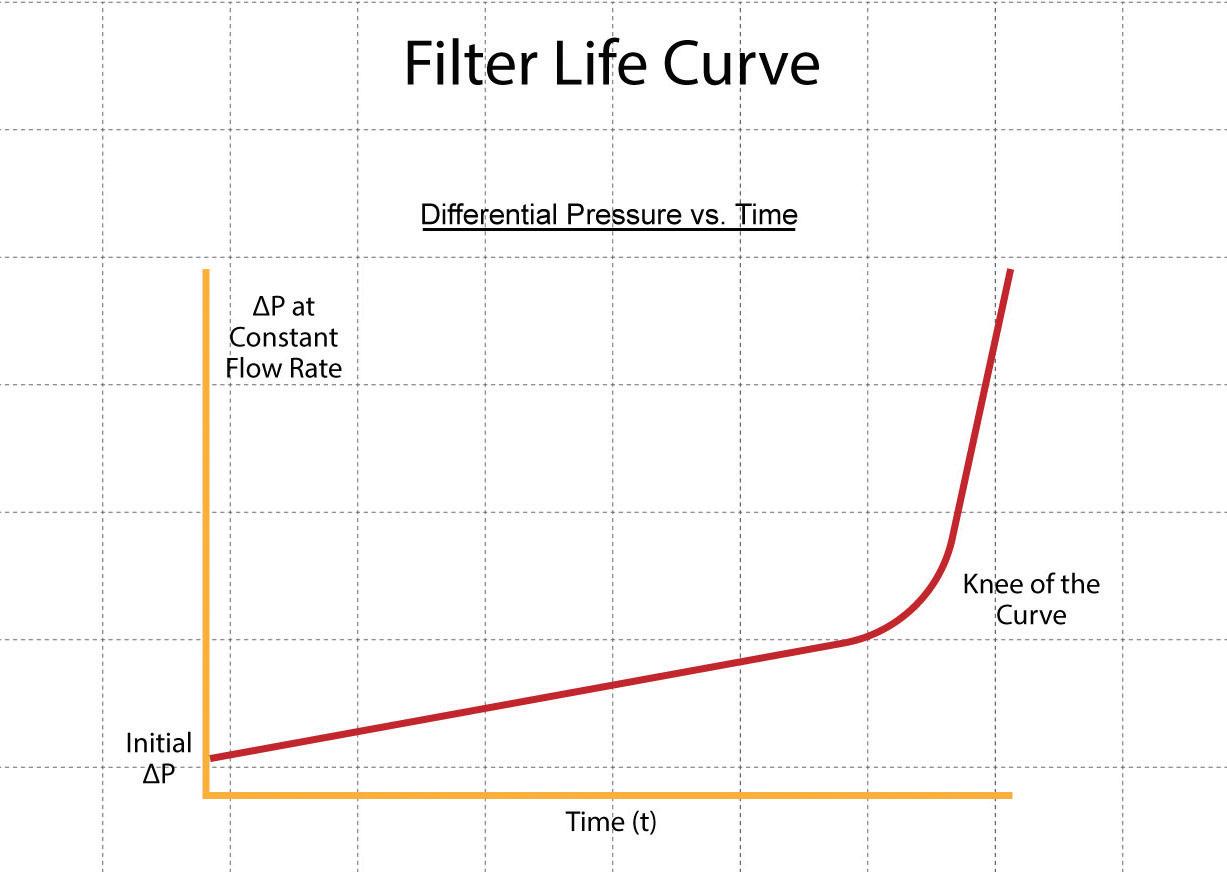
As contaminants accumulate in the filter media, resistance increases and differential pressure rises. Eventually, the filter reaches a point where it should be replaced. Most filter manufacturers provide recommended changeout differential pressures along with maximum allowable differential pressures. A common misconception among users is that operating a filter all the way to the maximum pressure rating will significantly extend filter life. However, this assumption is often incorrect because differential pressure does not rise linearly.
In many industrial bag and cartridge filtration applications, differential pressure begins rising exponentially once it reaches approximately 15 to 20 psi. A filter rated for changeout at 15 psi and maximum operation at 30 psi will not necessarily provide twice the service life
if pushed to the higher limit. Once the filter reaches elevated loading conditions, pressure can increase rapidly over a short period of time.
Measuring Differential Pressure
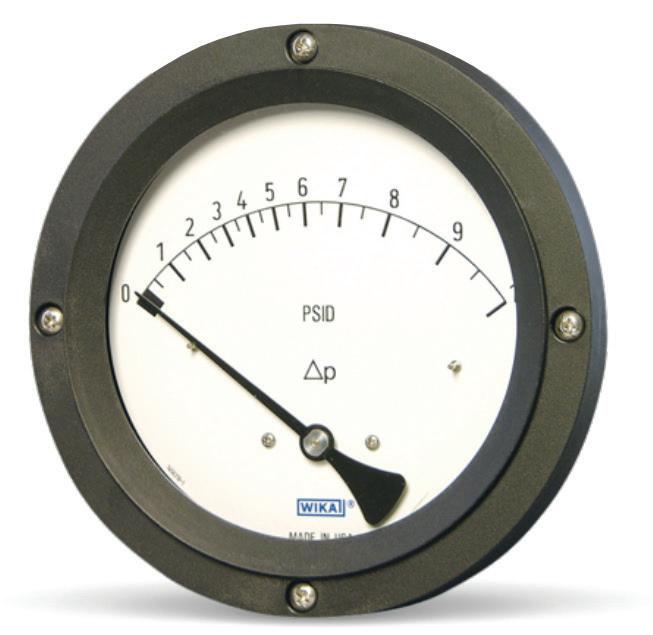
Most filter housings are designed with ports that allow operators to install pressure-monitoring equipment. One common approach is to use two separate pressure gauges, one on the inlet side and one on the outlet side. Operators then manually calculate the difference between the two readings. Another option is a dedicated differential pressure gauge that automatically displays the pressure difference directly.
More advanced systems may use differential pressure switches or electronic sensors connected to a programmable logic controller (PLC) or control panel. These systems can continuously monitor differential pressure and provide digital readouts with alarms or automated responses when preset thresholds are reached. In fact, modern automated systems often eliminate the need for constant manual monitoring. Instead, operators receive alerts whenever the filter reaches a specified differential pressure limit.
Filter Performance
Differential pressure does more than indicate when a filter needs to be changed. It also provides insight into the overall sizing and efficiency of the filtration system. When a clean filter is first installed, the initial differential pressure helps determine whether the filtration setup is appropriately sized for the application. If the starting differential pressure is already high, it may indicate that the filter has insufficient surface area or that the housing itself is undersized.
Many general industrial particulate filtration systems are designed so that clean differential pressure remains below 2 psi at startup. Starting with a low clean pressure drop gives the filter more usable operating range before reaching replacement conditions. A system that begins operation at 5 psi, for example, has already consumed a significant portion of the filter’s useful pressure range. Since
many systems require filter replacement around 15 to 20 psi, beginning at a higher clean differential pressure
reduces overall filter life. This becomes especially important during equipment specification and system design.
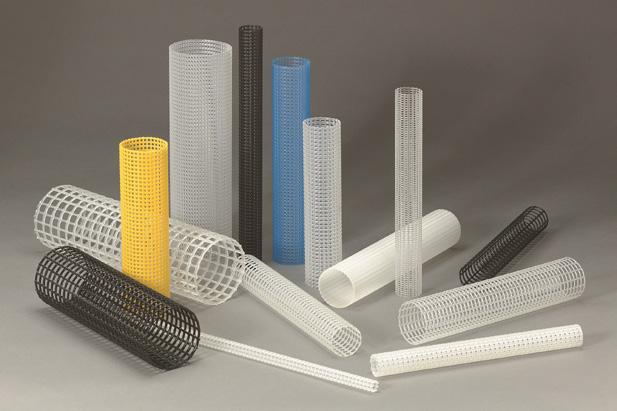
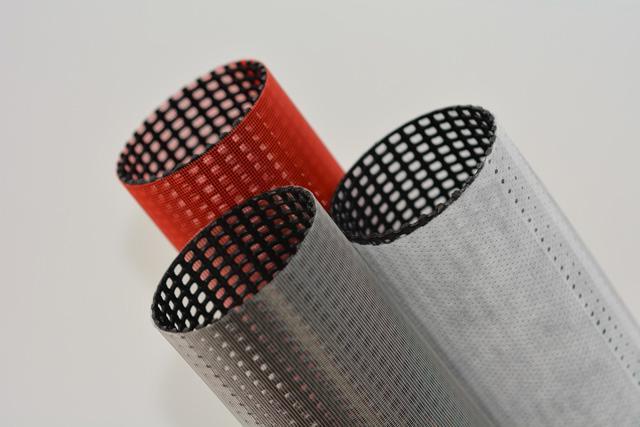
• Rigid plastic cores
• Flexible tubular sleeves
• Flow channel spacers
• Media, pleat support
• Welded tube overwraps
• You design it, we create it!
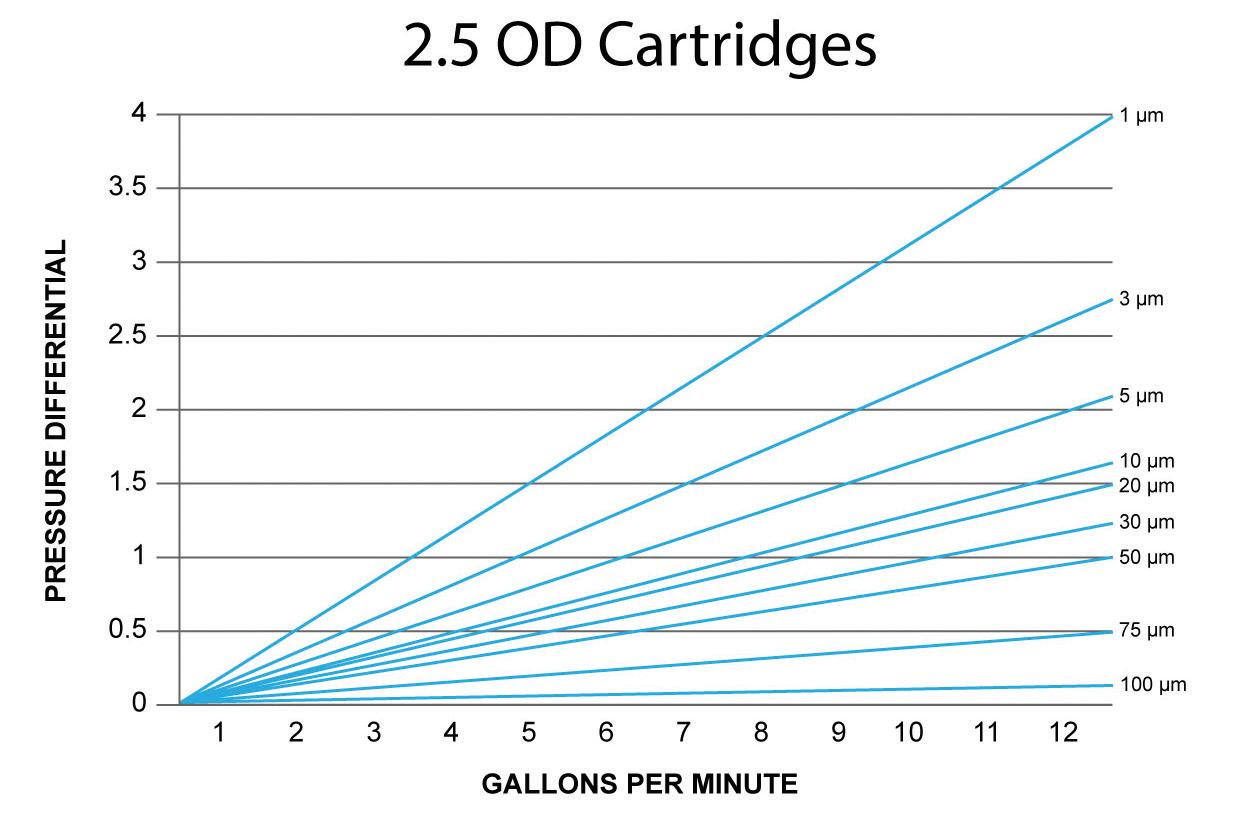
p This chart exemplifies normal flow rate for a cartridge length of 10" with water at an ambient temperature as the test fluid. Cartridge length does not cause change in differential pressure, but increasing flow across the housing does.
Engineering And Cost Implications
Differential pressure also affects equipment sizing and operating costs. When engineers size filtration vessels, they consider several process variables, including flow rate, pressure, temperature, viscosity and filtration requirements. Differential pressure plays a major role in determining the correct vessel size and filter configuration.
A smaller housing may reduce upfront equipment costs, but it can also create higher initial differential pressure and shorter filter life. Conversely, a larger vessel may cost more initially while providing lower clean differential pressure and longer operating intervals between filter changes.
Some operators will prioritize lower initial equipment costs over filtration performance. A lower-cost housing might operate acceptably at startup, but over time the operator may experience more frequent filter replacements and increased operational expenses.
In that sense, differential pressure becomes both an engineering consideration and a sales discussion. Properly evaluating the application allows filtration specialists to recommend systems that balance capital cost with long-term operating efficiency.
Downstream Equipment
Rising differential pressure can also
negatively impact downstream equipment. As differential pressure increases, outlet pressure decreases. Lower downstream pressure can reduce flow and create problems for pumps or other process equipment located after the filter housing. For example, insufficient downstream pressure may cause pumps to cavitate, potentially damaging the equipment and reducing system reliability.
Additionally, if differential pressure becomes excessively high and operators fail to replace the filter, the filter media itself may clog or rupture. When this occurs, contaminants trapped within the filter can migrate downstream, rendering the filtration system useless.
Monitoring trends in differential pressure is critical because sudden decreases in differential pressure can also signal a problem. Under stable operating conditions, differential pressure generally rises over time as the filter loads with particulate. If differential pressure unexpectedly drops without a corresponding reduction in flow or process demand, it may indicate filter breakthrough or media failure.
Specialized Applications
Although many standard industrial filtration systems operate within relatively modest differential pressure ranges, certain applications require
filters capable of handling significantly higher pressures.
Highly viscous fluids may generate greater resistance during filtration. In these applications, filters are often designed with higher collapse ratings to withstand elevated differential pressure conditions. For example, while a filter may still be changed around 20 to 25 psi, its structural collapse rating could be substantially higher to accommodate demanding process conditions.
Hydraulic filtration systems often operate at higher pressures simply because the processes themselves involve elevated system pressures.
Duplex Filtration Systems
Modern filtration systems increasingly use differential pressure as a trigger for automated process control. One example is automatic duplex filtration assemblies. These systems contain two parallel filter housings connected by automated valves and actuators.
When differential pressure across the active filter reaches a preset threshold, a PLC sends a signal to actuate the valves. One filter housing is isolated while flow is redirected through the second housing, allowing continuous operation without shutting down the process.
In these systems, differential pressure serves not only as a maintenance indicator but also as an active control parameter within the broader process automation strategy.
Differential pressure is far more than a number on a gauge. It is one of the clearest indicators of filtration performance and operational efficiency in industrial particulate filtration systems.
Joe Bodle (far left) is a director of Customer Service and Jay Jett is an Application Engineer – Filtration at Valin Corp., a subsidiary of Graybar based in San Jose, Calif. Valin provides technical solutions for the technology, energy life sciences, natural resources and transportation industries. To learn more, visit valinonline.com.
p As the filter does its job, particles will be stopped by the pores and differential pressure will rise.
Engineering Approaches To Hydrogen Sulfide Removal In Landfills
Hydrogen sulfide generated from sulfate-containing landfill waste presents safety, odor and emissions challenges that require engineered gas treatment solutions.
By Tonja Battles
The United States ranks third on the list of most populous countries and is one of the largest generators of waste.
According to the Sensoneo Global Waste Index 2025, the United States consistently ranks as the top producer of municipal solid waste (MSW) per capita and generates more than 2,000 pounds per person, more than any other country.1
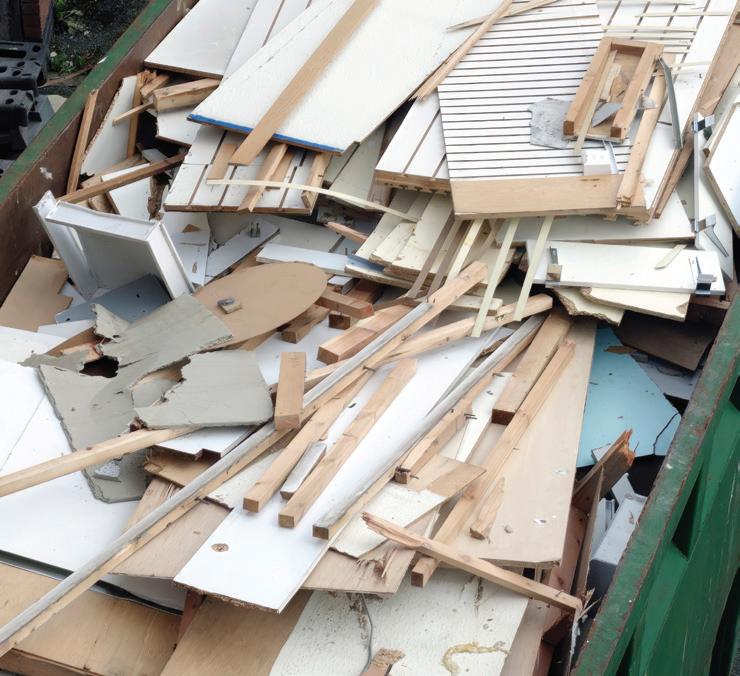
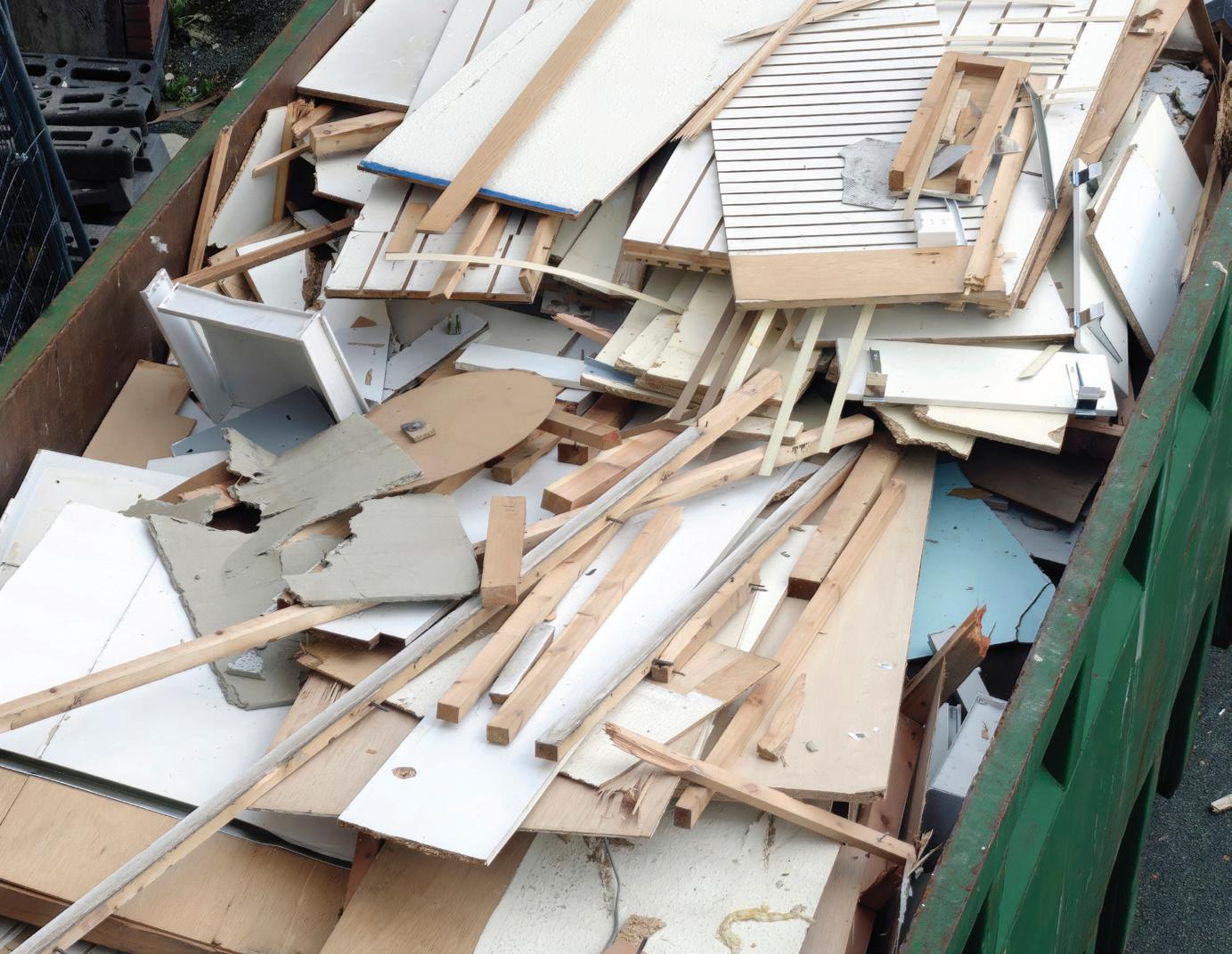
Construction and demolition (C&D) waste accounts for a significant portion of landfill volume in the United States — some 600 million tons in 2018, according to the Environmental Protection Agency (EPA). C&D debris was more than twice the amount of MSW that year. A significant portion of the total waste is materials like concrete, wood, drywall and asphalt.
According to Transparency Market
Research, citing EPA data, C&D waste is expected to exceed 2.2 billion tons by 2025. Most troublesome are gypsum drywall and other sulfate-containing materials that break down under anaerobic conditions to form hydrogen sulfide (H2S) gas.2
At low levels, H₂S smells like rotten eggs and can be irritating in humans. At its worst, its presence can manifest into serious health issues such as neurological conditions, gastrointestinal distress and, in extreme cases, unconsciousness or death. Upon entering the atmosphere, it oxidizes into sulfur dioxide (SO₂) and then sulfates, contributing to acid rain and atmospheric cooling.
Landfill emissions are primarily regulated on the federal level. The EPA regulates environmental emissions through the Clean Air Act wherein it sets ambient air quality standards, while
the Occupational Safety and Health Administration (OSHA) sets permissible exposure limits in the workplace. While OSHA has set a ceiling limit of 20 parts per million (ppm) with workplace exposure not to exceed 15 minutes if there is no other exposure, the National Institute for Occupational Safety and Health recommends a 10-minute ceiling limit of 10 ppm.
The EPA has not set a specific, numerical maximum ppm ambient air standard for H₂S, but the organization acknowledges that it is a toxic air pollutant and requires reporting under the Toxic Release Inventory when thresholds are met. However, the EPA’s Standards of Performance for New Stationary Sources and National Emission Standards for Hazardous Air Pollutants require large MSW landfills to install gas collection and control systems.3
The wet scrubbing liquid redox system is designed to avoid toxic chemicals and hazardous waste byproducts.
Historically, landfill hydrogen sulfide was controlled by installing active gas management systems that would extract and burn the gas. It was later recognized that, when burned, the highly flammable gas produces other toxic vapors and gases, such as SO₂. In a quest to identify and adopt the best transformative solution for treating H₂S, landfills took into consideration solutions used by the largest industrial sources of H₂S — oil and gas production. The oil and gas industry treats H₂S primarily through chemical scavenging, stripping and oxidation.
The most logical treatment that fits within landfills’ critical operational, environmental and regulatory constraints is a liquid reduction-oxidation (redox) system that uses a chelated iron solution to convert H₂S into solid elemental sulfur.
Landfill Desulfurization:
A Solution For Removing H2S
Liquid redox technology, initially developed in the late 1950s for the removal of H₂S from gas streams in the oil and gas industry, has since undergone significant proprietary advancements. Iron-based chelating systems have emerged as the most widely licensed and implemented variants. Over the decades, these processes have been refined and adapted for broader applications, including landfill gas treatment.
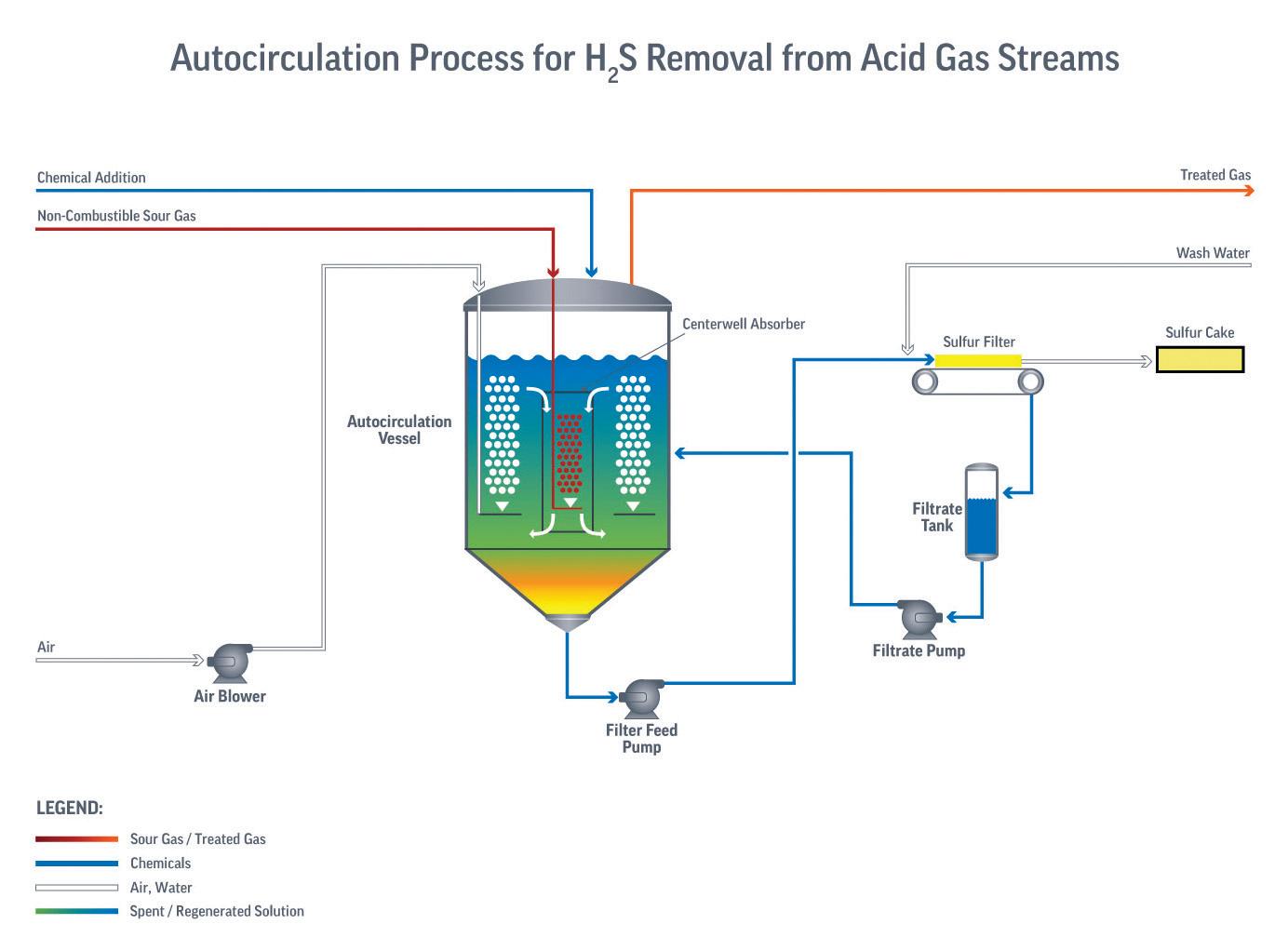
The wet scrubbing liquid redox system is designed to avoid toxic chemicals and hazardous waste byproducts and offers an economically viable solution for H₂S removal in landfill applications. The liquid redox process operates as a continuous loop, using a proprietary aqueous ironchelate catalyst solution to absorb H₂S. The gas stream containing H₂S enters an absorber, where it is dissolved into the
p Merichem Technologies' patented liquid redox system uses a chelated iron solution to convert H2S into innocuous, elemental sulfur. Merichem Technologies
alkaline chelated iron solution. Ferric iron (Fe3+) ions in the solution oxidize the sulfide ions to elemental sulfur (S°) and are reduced to the ferrous (Fe2+) state.
The ferrous solution then flows to an oxidizer or regeneration section within the same vessel or system. If it is the same vessel, it uses an autocirculation design, where air is sparged through the solution. Oxygen in the air reoxidizes ferrous iron to the active ferric state, preparing the catalyst for reuse. The treated H₂S gas and the air are then vented to the atmosphere. A direct treatment unit design is also available.
The elemental sulfur produced in the reactions forms as particles suspended in the solution. These particles are concentrated in a settler and then separated using a filter system. The resulting product, known as “sulfur cake” — which is typically 65 percent sulfur and 35 percent moisture — can be used in agricultural applications or disposed of in a non-hazardous landfill. The recovered filtrate is returned to the process.
The liquid catalyst readily adapts to variations in flow and concentration. Flexible operation enables a wide turndown in gas flow and H₂S
concentrations. The units require minimal operator attention.
The Longevity Of Liquid Redox
In 1992, Hurricane Andrew made landfall as a Category 5 storm in the southeastern part of Florida before making a second landfall in Louisiana, resulting in $27.3 billion in total damage. At the time, it was considered the costliest and most damaging hurricane ever to hit the United States, a record it maintained for 13 years.4
A major waste-handling company operating a large landfill in Florida experienced a substantial increase in C&D waste following the storm. Consequently, H₂S concentrations rose significantly. The company evaluated multiple technologies for H₂S removal from landfill gas with concentrations as high as 5,000 parts per million by volume (ppmv) and sulfur generation rates of 2 to 3 tons per day in the landfill gas.
This presented an issue for the landfill owners, who were planning to burn the landfill gas to generate up to 11 megawatts of power from three to five turbine power plants. Among all combustion equipment, turbines have one of the lowest H₂S tolerances, with a maximum of 100 ppmv.
To address this issue, the owners implemented a proprietary liquid redox process for H₂S removal. The H₂S Oxidation System was designed and delivered to the landfill within 22 weeks. Commissioned in 1994, the unit has operated continuously, producing gas with H₂S concentrations below 50 ppmv.
Following Hurricane Andrew, modifications were made to the types of waste accepted at the site. Alongside the planned development of additional C&D waste facilities, projections indicated increased gas flow and H₂S concentrations exceeding the existing treatment capacity, necessitating an expansion of the liquid redox H₂S oxidation system.
In 2001, the landfill owners initiated an evaluation of options to expand treatment capacity. Considerations included transporting gas off-site for treatment and utilization, implementing alternative H₂S removal technologies to replace the liquid redox system, or expanding the existing system to accommodate increased loads.
The owners proceeded with a plan to expand the unit’s capacity for treating sour C&D waste gas. Multiple modeling exercises assessed gas and
H₂S production, as well as current and projected waste types and quantities, to establish a design basis. Although several alternatives were evaluated, none matched the cost-effectiveness, operational experience and performance guarantees provided by the existing liquid redox unit.
Construction of the liquid redox expansion system commenced in 2002. The upgrade increased the sulfurhandling capacity from 2.3 to 10.8 long tons per day, enabling treatment of gas with H₂S concentrations up to 33,350 ppmv and reducing output to less than 50 ppmv. The expansion required integration with existing units and gas lines during a scheduled plant-wide maintenance turnaround. The tieins were completed successfully, and the expanded unit began operation in January 2003, achieving H₂S emissions below the anticipated outlet levels.
Desulfurization Projects Reduce Emissions, Improve Air Quality
Landfills are designed to safely and permanently dispose of solid waste while protecting public health and the
environment. Although modern landfills are well-engineered and managed, H₂S is produced when naturally occurring bacteria break down sulfur-containing waste in a wet, oxygen-deprived environment.
Under specific environmental conditions, hydrogen sulfide can pose a health hazard to humans and may be toxic if inhaled at certain concentrations.
Removing H₂S from landfill gas is critical for worker safety, community protection and emissions control. Chemical oxidation is among the most effective removal methods. Liquid redox systems, operating at peak performance, achieve more than 99.9 percent removal efficiency and convert H₂S to elemental sulfur, improving environmental quality around landfills. Liquid redox is reliable, efficient, and cost-effective, and can be licensed with guarantees for removal efficiency, sulfur capacity and chemical consumption.
References:
1. EnvironmentAmerica Research & Policy Center, Trash in America 2021 - https:// environmentamerica.org/center/resources/ trash-in-america-2/#:~:text=The%20U.S.%20 produces%20more%20than,product%20 is%20purchased%20or%20used.
2. U.S. EPA, Sustainable Management of Construction and Demolition Materials - https://www.epa.gov/smm/sustainablemanagement-construction-and-demolitionmaterials#:~:text=600%20million%20 tons%20of%20C&D,materials%20in%20 the%20C&D%20debris.
3 Regulations.gov, Standards of Performance for Municipal Solid Waste Landfills - https:// www.regulations.gov/document/EPA-HQOAR-2003-0215-0210
4 NOAA National Weather Service, Hurricane Andrew 1992 - https://www.weather.gov/ lch/1992Andrew#:~:text=Hurricane%20 Andrew%20caused%207%20 deaths,%2427.3%20billion%20in%20 total%20damages.
Tonja Dickson Battles is the manager of Houston-based Merichem Technologies’ proposals team. As a former senior project manager and senior process engineer, Battles has extensive experience in licensor packages, refining, petrochemicals, gas processing and chemicals in the oil and gas industry.
p Gypsum drywall and other sulfate-containing materials break down under anaerobic conditions to form hydrogen sulfide gas.
Back To The 1970s: When Energy Scarcity Overshadowed The Sky
As energy insecurity returns to global policy discussions, air quality goals risk being pushed aside by the urgent demand for affordable and reliable power.
By Dr. Iyad Al-Attar, Global Correspondent, Technology and Innovation
Squinting at the headlines today, it might appear that time has traveled backward.
The world is confronting an energy crisis that feels eerily familiar to anyone who remembers the long gas lines and thermostat wars of the 1970s. Back then, a geopolitical shock sent the price of fossil fuels skyrocketing, and the Western world confronted a sobering realization — the power once taken for granted was a finite, fragile lifeline. From that panic, a new global imperative was born: energy efficiency.
In the 1970s, fossil fuel scarcity forced the world to embrace energy efficiency while air quality was pushed to the periphery. Today, a hauntingly similar reality has emerged, a pervasive fear that the urgent pursuit of survival can once again cause air quality to be pushed down the list of global priorities.
The Doctrine Of Doing More With Less
During that original crisis, efficiency was not just a suggestion, it was an economic survival strategy. Gas-guzzling muscle cars were traded for compact imports, homes were insulated with newfound urgency, and turning off lights became a way of life. Over the next few decades, energy efficiency transitioned from a panic response into a core doctrine. It became deeply embedded in building codes,
appliance ratings and corporate standards. Every step taken was engineered to use a little less power, creating a world where doing more with less was the standard operating procedure.
But as the decades rolled on, priorities shifted. The world stopped worrying quite as much about the immediate scarcity of energy and started worrying about the atmospheric consequences of its use. Air quality and decarbonization became pressing issues in global policy, shaping a future that prioritized the sky over the socket. Until today.
The Return Of The Crisis
Welcome back to the 1970s. Global conflicts, fractured supply chains and volatile markets have thrust us back into an era of energy insecurity, fundamentally reshaping the trajectory of our future. The grid is strained, utility bills are exorbitant, and the fear of winter blackouts has returned to the public consciousness. Just like that, the hierarchy of needs has reasserted itself. When faced with the immediate threat of industrial paralysis or homes without heat, longterm environmental goals are abruptly
p Figure 1. Typical example of insulated industrial piping network within a mechanical room forming a key component of a complex HVAC distribution system
p Figure 2. Multi-stage air filtration installation within a typical air handling unit
p Figure 3. (above left): Scanning electron micrograph (SEM) detailing the morphology of extensive particulate accumulation on a single filter fiber. (above right): Energy Dispersive X-ray Spectroscopy (EDS) characterizing the elemental composition of captured airborne pollutants.
Figure 4. Malfunctioned air handling unit with failing filters and their frame (A) and the consequential contaminated cooling coil (B).
forced to take a back seat as we reach for the nearest lifebuoy. When the choice is between burning dirty fuel and freezing in the dark, governments often choose the former to sustain day-to-day operations. Cracks are already showing in the transition strategy: nations that once prided themselves on embracing sustainable technologies are now pausing the phase-out of fossil fuels and considering bringing retired coal-fired power plants back online. Regulations are being bypassed, and the pursuit of raw, reliable power is once again overriding the quest for pristine air and the momentum that once drove environmental priorities.
The Paradox Of Protection: Air Quality In The Crosshairs
The irony of this retreat is most visible in urban centers. As cities revert to dirtier energy sources to keep the wheels of the economy turning, the quality of the breathable air inevitably degrades. This triggers a dangerous feedback loop involving the very technologies designed
to protect us. Modern public health, particularly in dense urban environments, now relies heavily on advanced air filtration and purification. To make city air safer to breathe, public health depends heavily on heavy-duty HVAC systems (see Figure 1) and high-efficiency filters (see Figure 2). However, these systems do not exist in a vacuum. The manufacturing and logistics of these filters, along with the specialized machinery required to house them, represent an incredibly energyintensive industrial process. Furthermore, the operational cost of running large-scale filtration systems to scrub pollutants from schools, hospitals and offices requires a massive, constant draw of electricity. Herein lies the paradox of the 2020s: to protect public health from the deteriorating air quality caused by an energy crisis, even more energy must be consumed to capture or reduce the emissions being continuously produced. If the power grid falters or if electricity simply becomes too expensive to afford, the very systems that ensure the air is safe
to breathe are the first to be throttled or shut down. Limited power is being used to mitigate the side effects of how that power was generated in the first place.
The Execution Gap: Precision Versus Promises
While the intention to enhance air quality both outdoors and indoors may be genuine, practical realities create a vicious circle. It is difficult to achieve tangible results when the tools lack precision. Broad filtration selection methods, classification systems and performance metrics often miss the mark in accounting for the complex physicochemical properties of realworld aerosols (see Figure 3), while and strategic plans lack actionable road maps. This technical shortfall is further compounded by an industry that too often treats air quality challenges as commercial opportunities. By clinging to outdated approaches in the design and operation of heating, ventilation and air conditioning (HVAC) systems
and by prioritizing profit-driven business models, the bigger picture is lost. A wider lens is urgently needed — one that, at the very least, recognizes that technologies for optimal indoor air quality must be accessible and affordable. Consequently, collective actions lag far behind the universal promise of clean air, a goal that remains frustratingly unattainable when metrics for success are vague, knowledge is incomplete and implementation is dictated by commercial interests rather than equitable public health.
Without precise data and a clear path forward, the desire for cleaner air remains an aspiration rather than a measurable outcome. The result is a cycle where the ambition is high, but execution is stalled by technical, logistical and scientific gaps.
The Bitter Pill: Losing Momentum
Are these recurring power crises permanently impeding the ability to propel air quality in the right direction?
Evidence suggests they may be. Every time a scarcity event occurs, the momentum of environmental progress stalls. Resources originally earmarked for clean innovation are diverted into emergency subsidies for fossil fuels. The capital required to maintain and upgrade air purification infrastructure is instead swallowed by the rising cost of the raw electricity needed just to keep the status quo.
Now And Then
The current moment is delivering a harsh lesson in pragmatism. Just as the 1970s
taught efficiency through desperation, the 2020s are proving that filtered air cannot be taken for granted. Rather, it is a resource that demands a stable, affordable energy foundation. Until the alternative energy infrastructure becomes as robust and reliable as the fossil fuel systems it is intended to replace, air quality and public health will remain high-stakes chips on the table of the global energy market. In many ways, the 1970s have returned. The question now is how long it will take to find a way out this time.
Dr. Al-Attar is IFN ’s global correspondent, Technology and Innovation. He is a visiting academic fellow in the School of Aerospace, Transport, and Manufacturing at Cranfield University in England, consulting for air quality and filter performance relevant to land-based gas turbines. His expertise is on the design/performance of high-efficiency filters for HVAC and land-based gas turbine applications, focusing on chemical and physical characterization of airborne pollutants. Dr. Al-Attar is also the strategic director, instructor, and advisory board member of the World Filtration Institute. In 2020, Eurovent Middle East appointed Dr. Al-Attar as the first associated consultant for air filtration, as well as an IAQ patron for EUROVENT.
Compiled
By
Dr. Iyad Al-Attar
To Measure Is To Know: The Opportunity In IAQ Regulations
In recent decades, ambient air quality monitoring has changed significantly as governments and public health organizations have worked to better protect communities worldwide. In 2021, the World Health Organization (WHO) published its global air quality guidelines and, for the first time, issued recommendations for best practices regarding ultrafine particles (UFPs) to reduce their concentrations in ambient air. These guidelines stipulate that UFPs should be measured as particle number concentration (PNC) with a lower limit of 10 nanometers, and that regulation should distinguish between low and high PNC to control emissions from UFP sources. Starting in 2027, all EU countries will begin to continuously monitor and report PNC data — and, in some cases, particle size information — at certain locations including hotspots, and rural and urban background sites. This new approach is being implemented more than 15 years after the introduction of EURO 5 vehicle exhaust filter solutions in the automotive industry, reflecting the recognition that many more emission sources must be taken into account.
Indoor spaces — where most people spend the majority of their time — often lack real-time air quality data. Monitoring indoor air quality (IAQ) parameters — including carbon dioxide, volatile organic compounds, particulate matter and PNC — would aid in the development of advanced filtration and heating, ventilation and air
conditioning (HVAC) solutions to ensure a healthier indoor environment. Continuous air quality data can especially help identify and improve areas with inadequate performance due to significant emission sources or dirty filters that become loaded with particles during their service life.
Designers of indoor air quality systems for new and existing buildings may consider using a high-efficiency filter or a filtration solution consisting of pre-filters and main filters that meet standard filtration performance requirements. But what about designing filter solutions that can adapt to current and future challenges based on active measurements and controls?
Smart buildings require smart solutions. A more flexible filtration system design or active adaptation to outdoor air quality helps maintain and ensure a healthy indoor environment, regardless of external factors such as dust storms from the Sahara or high local outdoor emissions combined with temperature inversion conditions. Likewise, HVAC systems should not operate based on fixed schedules or simple occupancy criteria. Smart filter solutions can help control energy costs because the highest filter performance is not always required — which plays a particularly important role in high-end manufacturing environments.
Measurement solutions in the lowand mid-price ranges are increasingly being used, and new regulations will drive further development of sensor technologies specifically designed for IAQ monitoring, including cost-effective sensors for particles down to 0.1 micron. These could include both standalone filterbased solutions and complete networks for monitoring indoor air quality within and between indoor spaces.
Carsten Kykal holds a master’s degree in atmospheric physics and earned his doctorate in aerosol spectroscopy. In 2008, he began his professional career as an application engineer at TSI Inc., Shoreview, Minn., in the field of fluid mechanics and particle measurement technology. Today, he is a TSI sales manager for particle measurement technology, responsible for the EMEA region.
The Invisible Paradox: Why Practice And Policy Must Align For The Future Of Filtered Air
Look around the room you are currently occupying. What do you see? At first glance, the answer is nothing. Yet that apparent void is actually a dense, dynamic matrix of the invisible fluid that sustains us: the air we breathe. We treat this atmospheric resource as an infinite, inexhaustible commodity — and it can remain so only if it is managed, monitored and treated with precision. After four decades advocating for optimized indoor environments, I still frequently encounter a fundamental question from stakeholders and industries alike: “Why worry now?”
We must worry because the gap between building energy metrics and true human wellness is widening. For too long, the global approach to sustainability has leaned heavily on energy efficiency, sometimes at the expense of indoor air quality. Air filtration is arguably one of the most straightforward, mathematically verifiable methods available to protect public health, yet it remains profoundly misunderstood and undervalued. To bridge this gap and implement advanced filtration technologies responsibly, the industry must commit to a hardware-first philosophy, rigorous data transparency and a structural shift in global air quality governance.
True responsibility in innovation begins by optimizing our existing mechanical foundations. Before overlaying complex, energy-heavy air treatment technologies onto our infrastructure, we must first
p Mitch McCreary
p Carsten Kykal
maximize the efficiency of our core HVAC systems and physical filter media. Going the extra mile means evaluating how the physical and chemical properties of local ambient pollutants — from particle morphology to regional dust chemistry — interact with filter materials over time. By ensuring that core hardware is carefully selected, properly sealed and matched to the specific environmental realities of a region, we can secure immediate, verifiable gains in both air purity and mechanical longevity.
Furthermore, going the extra mile requires shifting the entire paradigm from simple equipment protection to public health preservation. Advanced filtration technologies must be deployed with human biology in mind, accounting for how submicron particulates can penetrate deep into cardiovascular and respiratory systems. Responsible implementation means treating clean air not as a premium luxury,
but as a foundational human right and a core metric of a building’s integrity. Ultimately, this pursuit cannot rely solely on the goodwill of individual actors; it requires robust regulatory frameworks and absolute corporate accountability. This means holding manufacturers and building operators to real-world performance metrics, engineering filtration solutions that achieve superior particle capture efficiency without causing excessive pressure drops, and drafting building codes that protect future generations from escalating urbanization. By viewing our built environment through a fresh lens of stewardship, we can successfully navigate the paradox of the invisible fluid. The tools are already in hand; what is needed now is the collective resolve to deploy them.
Mitch McCreary has a B.S. and M.S. in Biochemistry from the University of Missouri, Columbia, Mo., and an MBA from Webster University, Webster Groves, Mo. He
has filtration market experience spanning more than 40 years with Pall Corp. Lydall Filtration, Johns Manville, Fiberweb, now part of Berry Global, and Polyester Fibers LLC, now known as Fibrix LLC.
From Nuclear Plants To Gold Jewelry: The Many Faces Of Sansuk Filtration
Sansuk Industries’ Director Pratham Shanbhag discusses the company’s 50-year evolution in sintered porous plastic filters and its plans for global growth.
By Arun Rao, International Correspondent
Established in 1974, Indiabased Sansuk Industries manufactures sintered porous plastic filters. As a provider of sintered polyethylene (PE) filters, sintered polypropylene (PP) filters and sintered ultra-highmolecular-weight polyethylene (UHMWPE) filters in India, Sansuk is looking toward the global market to increase the company’s footprint. Sansuk is already well established in the air filter, battery vent plug filter and selfsealing filter markets, and is targeting the dissolution filter industry and fragrance wick industry over the next few years.
Arun Rao, IFN ’s international correspondent in India, recently had the opportunity to meet with Sansuk Industries’ Director Pratham Shanbhag to learn more about the company.
IFN: Sansuk Industries is just over 50 years old. How did the business get started?
Pratham Shanbhag: Like any other business, the socioeconomic conditions are a starting point for any business. People want to do something additional to generate more income to support the family. My grandfather, RS Shanbhag, came from a technical background. He used to work for a company in the late 1960s, but decided to do something to generate additional income. That was the
Q+
AIN THIS ISSUE: PRATHAM SHANBHAG Director, India-based Sansuk Industries
time, when polymers such as polyethylene and polypropylene came into existence. While experimenting with polymers, my grandfather came across sintered porous plastic and realized that this could be used effectively as filters. At that time there were no manufacturers of sintered porous filters in India, and very few manufacturers in the world. A few months of trial and error later, he figured out how to control the porosity and mean pore
size of the sintered porous plastic filter. The first product that he developed was a filter cartridge used in resin traps and for demineralized water (DM) treatment.
IFN : Sansuk was among the first manufacturers of porous plastic products in India. How much have the company’s products transformed over the last five decades?
Shanbhag: Since the 1970s, we have witnessed significant changes of demand for filters in the market. In the 1980s, we focused heavily on sintered porous air filters. In the 1990s, we became one of the first companies in the world to manufacture porous plastic discs for battery vent plugs. In the early 2000s, our business moved toward manufacturing pneumatic mufflers and silencers. In the last few years, the majority of our business is in the medical field, especially selfsealing hydrophobic filters.
IFN : What are the various applications for Sansuk filtration products, and which industries do you primarily serve?
Shanbhag: As per our understanding, every industry needs a filter in some capacity. In the last 50 years, we have served a vast range of sectors, including automobile, textile, pharmaceutical, biomedical, hospitality, agriculture and electric power. Applications include air
While experimenting with polymers, my grandfather came across sintered porous plastic and realized that this could be used effectively as filters.
— Pratham Shanbhag
filtration, water filtration, biomedical filtration, battery filtration, self-sealing filters (ESR), diffusion and emission, fragrance wicking and more.
We also supply plastic filters to nuclear power plants. Our resin traps are used to pass water, without letting the resins pass through in nuclear power plants. Our filter cartridges are also used in nuclear power plants to distribute DM water.
We have also developed a filter that we call “porous protector,” for the horn of an automobile. This filter disc prevents any water from passing through and adversely affecting the mechanism of the automobile horn. Recently we further worked on these protectors, and developed sensor protectors. These porous sensor protectors will prevent environmental damage to sensors, primarily from moisture in the atmosphere and soil.
In the gold jewelry sector, a lot of gold dust flies around and mixes with the water that is used during the jewelry making process. Here too, we developed a filter that separates the gold dust from the water. All put together we may have manufactured around 5,000 various filter elements to date, each with a different design and micron pore size.
IFN: How has the company's identity and product range transformed from its early years to where it stands today?
Shanbhag: Our product range has diversified with the passage of years. We have porous plastic filters that are 1 meter long, and also supply those which are just 2 millimeters long. Similarly, we can adjust the mean pore size of the filter to anything from 1 micron to 500 microns.
IFN: Filter elements made from which raw materials have the highest sales?
Shanbhag: The highest sales of filters are filter elements made from textiles. However, if we are talking about our segment, sintered PE filters and sintered PP filters are most in demand.
IFN : To date, what has been the most challenging product development initiative?
Shanbhag: The most challenging assignment we faced was when some of our customers in the medical pathology industry had requirement of self-sealing hydrophobic filters, such that air could pass through the filters, but any liquid should not. These filters are used in intravenous (IV) cannulas, negative pressure wound therapy (NPWT) and erythrocyte sedimentation rate (ESR) tests. It took us 18 months to develop these filters and now they are one of our most successful products. IV Cannulas need self-sealing filters because they need air to pass through, but stop blood from flowing. ESR filter tips are used to separate blood
from plasma for medical diagnoses. NPWT suction filters are used to protect the suction machine from damage from liquids.
IFN : How do you decide which filter material best suits a given application?
Shanbhag: The polymer is selected based on the end application, and also other parameters like the budget of the customer, and the pressure and temperature that the filter will have to withstand. We also give samples in various polymers for the customer to decide which polymer best suits their requirements.
IFN : Do you have a research and development (R&D) department? Are there any filtration problems that were challenging to solve?
Shanbhag: R&D is our major strength and is the main pillar of our company. Most of the products that we manufacture and supply are a result of our R&D. Our R&D team is continually working toward developing better products and sourcing the best raw material. Recently our R&D team had a breakthrough in sintered UHMWPE filters and was able to develop a flexible filter rod.
IFN : How do you ensure your products remain competitive at an international level?
Shanbhag: When products are
p Battery filtration discs
p Breathers
Pneumatic mufflers
standardized, it is difficult to compete with Chinese manufacturers. We are competitive when it comes to manufacturing customized products, while also offering faster turnaround times. I recall one incident where a company that needed a filter gave us and a competitor a product design.
We delivered the sample product while the other company was still studying the design. Our objective has always been to remain competitive. With each passing year, the automotive battery industry is constantly trying to reduce prices for the battery components. We have been able to continuously meet their demands.
IFN : How significant is your export business today, and which international markets are you most active in?
Shanbhag: We do both direct and indirect exports and they account for around 15 percent of our revenue, while the domestic market accounts for the rest. We export to the United States, Mexico, the United Kingdom, Germany, Singapore, France, Russia and also a few African countries. We are exhibiting at Filtech 2026 in Germany to expand our export markets.
IFN : Are there markets or any strategy you're actively targeting for expansion in the next three to five years?
Shanbhag: In the next five years we
envisage a lot of demand for sintered porous plastic filters in automotive battery vent plug industries, dissolution filter industry and fragrance wick industry. These three industries are growing rapidly.
IFN: If you could change one thing about how Indian manufacturing is perceived globally, what would it be?
Shanbhag: Supplying products of consistent quality is the most important change that Indian companies need to do. Secondly, globally, customers are reducing the tolerance limits in the products they purchase after which Indian manufacturers act and do the needful. All of us together need to work on reducing tolerance levels before the customer’s demands it and thereby be faster in implementing changes.
IFN: What does the next chapter of Sansuk Industries look like?
Shanbhag: We are now open to white labeling or producing on a job work basis and we would like to increase penetration and the business of our products supplied to the healthcare and agriculture industry.
IFN : In another 50 years from now, what would you want Sansuk Industries to be known for?
Shanbhag: We would like Sansuk
Industries to be known as an excellent producer of porous plastic filter elements. In the past, we have been able to sell to buyers who were buying Chinese plastic filter elements and will strive to be the first choice for customers.
IFN : What products is your company displaying at the upcoming Filtech 2026?
Shanbhag: This is the first time we are exhibiting at Filtech 2026. To date, we have had customers approaching us with their requirements and challenges, and we have never actively marketed our products. But we now feel the need to be closer to our customers and promote our products in the global market.
We are displaying all our major products, including porous plastic filter discs, porous plastic filter rods, porous plastic filter candles, air filters, self-sealing filters, SPE frits, HPLC filters, dissolution filters, micropipette tip frits, ESR filter tips, dissolution filters, fuel filters, pneumatic silencers, pneumatic mufflers, fragrance diffusers, fragrance wicks, fluidization sheets and battery vent plug filters.
Arun Rao started his career in the textile industry and has worked in spinning and weaving production. He forayed into sales, beginning with branded innerwear and later selling clothing of well-known brands. He then joined Fibre2fashion, a B2B textile website, as news editor for seven years. Recently, Rao launched Taurus Communications, a public relations and advertising agency focused on the textile industry value chain. With a love for journalism, he freelances for textile magazines, along with managing the agency. He is an international correspondent for IFN
Fragrance diffusing discs
Filter candles
p Porous sheets for powder coating
t Battery vent plugs
Filter candle elements
FILTCON26 Focuses On Energy Transition, Regulation And Critical Infrastructure
The AFS conference brought filtration and separation professionals to Pittsburgh for two days of learning and networking.
IFN Special Report
Pittsburgh served as the backdrop for the recent American Filtration and Separations Society (AFS) FILTCON26 conference. Under the theme “Energy Transition & Regulatory Compliance,” approximately 150 members of the filtration and separations industry gathered to learn, network and collaborate.
One day ahead of the conference, AFS hosted short courses on solid/liquid filtration taught by a team of instructors composed of Chris Wallace, Filtration Technology Corp., filtration expert Dr. Wu Chen, and Dr. Wenping Li, director of research and development, Agrilectric Research Co.; a “Polymer Aerogels as Filter Media” course taught by Dr. Sadhan C. Jana, B.F. Goodrich endowed chair and professor in the School of Polymer Science and Polymer Engineering at The University of Akron; as well as a course on Liquid Filter Testing taught by Dr. Nicholas Petillon, chief technology officer at Francebased Institut de la Filtration et des Techniques Séparatives (IFTS).
the way processes are optimized and conducted in the research lab and outlined funding opportunities with the U.S. Department of Energy (DOE).
Greg Hoverson, vice president and chief technical officer at Nashville, Tenn.based Atmus Filtration Technologies, was the keynote speaker on day two of the conference. His presentation titled
Interspersed with the rich technical program were lunchtime panel discussions about data center water realities and reusable water, tabletop exhibits, a student research poster competition, and the 2026 AFS awards. Dr. George Chase received the inaugural AFS Legacy Award and he was joined by his family during the recognition. A full list of the 2026 honorees as well as the winners of the student poster competition is available at afssociety.org/ awards-recognitions.
To cap off the conference, AFS organized two facility tours for interested attendees — one at a data center and a second at a public waterworks. These tours connected the week’s technical discussions to real-world infrastructure, highlighting filtration’s role in critical systems.
Both days of FILTCON26 began with a keynote speech. On day one, Dr. Rigoberto Advincula, a Governor’s Chair Professor from Oak Ridge National Laboratory and the University of Tennessee, gave his talk on the topic of “Critical Minerals Separations: AI/ML-Driven Laboratories and DOE Opportunities.” He spoke about how artificial intelligence (AI) and machine learning (ML) have transformed
“Filtration: The Unsung Enabler of the Energy Transition” examined the role of filtration in the move from carbonintensive systems toward cleaner and more efficient energy solutions (see page 14, this issue)
After each of the keynotes came conference sessions organized along three tracks. The deeply technical programming highlighted advances in filtration and separations processes and technology.
“FILTCON26 reinforced that the filtration and separations industry is operating in a period of rapid change, driven by evolving technologies, sustainability goals and regulatory expectations,” shared AFS Executive Director Stefan Bradham. “What stood out most was the willingness of industry professionals to come together, share knowledge and learn from one another. The conversations that began in Pittsburgh will continue well beyond the conference, and AFS looks forward to building on that momentum at FILTCON27 in Raleigh, North Carolina, April 20-22, 2027.”
Mark your calendar!
p (left to right): Jianyu “Jerry” Zhou, technology leader of filter media, Parker Hannifin; FILTCON Student Poster Competition first-place winner Mattie Brock, University of Kentucky; Daniel Miller, operations director & business development, SGS - IBR Laboratories, sponsor of the Student Poster Competition; and Dr. Wenping Li, Student Poster chair, and director of research and development, Agrilectric Research Co. AFS
The Synergy Between Filter Media And Digital Innovation Beyond The Cloth:
An integrated approach to filter media combines specialized services, intelligent cloth analysis and advanced cloth replacement.
By Geoff Fisher
In today’s industrial environment, filtration efficiency depends on more than just mechanical performance. Choosing and managing the right filter cloths, reducing downtime during cloth changes and using intelligent monitoring systems can all improve productivity, lower operating costs and increase process reliability.
These topics were discussed at a recent webinar hosted by Italy-based Diemme Filtration S.r.l., a brand of Germany-based Aqseptence Group GmbH. The event explored how filter media expertise, automated cloth replacement and digital intelligence can work together to support more efficient, reliable and data-driven filtration solutions.
Integrated Filter Performance
Wallace Bacelar, global business development manager, Filter Media, described how filter cloths directly affect the key performance indicators of the filter press, in particular cake moisture, throughput and equipment availability.
He said the main things to consider are:
• Slurry behavior during filtration and its impact on final cake moisture;
• Pressure distribution across the filter plates and its influence on filtration capacity;
• Cake formation and discharge dynamics, which are essential for stable cycles and high availability; and
p X-Change is an automatic and unattended system designed for safer filter cloth replacement.
• The impact of filter cloth selection on overall productivity and equipment service life.
Filter cloth issues directly affect filter press efficiency and uptime, Bacelar said. Customers face challenges such as downtime issues, filter cloth performance and high operation costs.
He explained that Diemme offers a comprehensive portfolio that is tailormade to the customer’s application
by selecting the right filter cloth, offering both remote and on-site technical support, using process data for continuous monitoring to improve filtration performance. “All this is part of an integrated solution aimed at reducing costs, improving reliability and maximizing performance,” he said.
The company’s approach combines expertise, technology and intelligence to provide “real value for customers,” added
Diemme Filtration
The Diemme Filtration brand was established in the early 1970s when the filter press moved on from the food industry to establish itself in other industrial sectors as a process technology for solid-liquid separation.
Andrea Pezzi, director of Marketing and Sustainability Manager.
Image Analysis In Real Time
Filter cloths have a limited service life, such as 1,000 filter cycles, and when damage occurs immediate replacement is essential. “A strategy is therefore needed to minimize the operational impact and avoid over-conservative practices,” said Francesco Dalmonte, AI solution developer. “An effective inspection system will optimize cloth usage, enable rapid damage localization and minimize downtime and operator workload.”
Standard filter presses, such as the GHT-F filter press unit, include a motorized trolley carrying a highpressure (HP) washing system that travels longitudinally on the beams, deploying a washing bar between the plates.
Optycare is an intelligent, vision-based cloth inspection system from Diemme that provides simultaneous scanning and washing, with no impact on cycle time. In this system, a vision box is added between the HP bar to acquire high-resolution linear scans of the filter cloths. This provides real-time analysis and results in a resolution of 0.2 millimeters per pixel, enabling visibility of fine, 3D details.
Using multi-light technology, the system captures a full cloth image in less than 20 seconds. A machine-learning model can be trained to detect anomalies, with the algorithm passed to AIDA, Diemme’s IIoT (Industrial Internet of Things) platform designed to transform data, technology and application knowledge into concrete decision-support tools.
“The Optycare technology provides
Optycare is an intelligent, vision-based cloth inspection system that provides simultaneous scanning and washing, with no impact on cycle time. Diemme Filtration
effective early-stage damage detection that enables a reactive maintenance strategy,” Dalmonte said. “This maximizes cloth lifetime while minimizing downtime and operator workload. This type of system will be the foundation for a fully automated cloth maintenance approach.”
In principle, Optycare can be retrofitted on any existing GHT-F filter press unit, he added. As of May 2026, the first Optycare system has already been installed with more in the planning stage, according to Diemme.
Automated Rapid Media Replacement
Diemme Filtration’s X-Change advanced cloth replacement system completes the company’s integrated approach to help minimize plant downtime and improve operational continuity.
“X-Change is a robot installed on a smart overhead crane that automatically executes cloth replacement in total safety,” said Davide Collini, director of R&D and innovation. “Depending on the filter press layout it can serve multiple machines, completely unattended.”
Currently available for the GHT2500F and GHT5000F Domino filter presses, X-Change enables a total cloth replacement of around 10 minutes.
Wide Range Of Filters
The Diemme Filtration brand was established in the early 1970s when the filter press moved on from the food industry to establish itself in other
industrial sectors as a process technology for solid-liquid separation.
Since then, the filter press has become the machinery of choice for the treatment of industrial and municipal sewage sludge, a role that it still maintains today in applications such as the mining and the chemical industries, power plants and the oil and gas sector, where high dewatering performance, low operational expense and reliability are key drivers in the selection of technology.
Diemme Filtration offers a wide range of filters in terms of size, design and technical characteristics. The equipment is tailor-made and designed according to the needs of the specific application.
diemmefiltration.com
Geoff Fisher is the European editor of International Fiber Journal , IFN ’s sister publication, and a director of England-based Textile Media Services, a UK-based B2B publisher covering technical textiles, transport textiles, smart materials and emerging markets. He can be contacted at gfisher@textilemedia.com
p (left to right): Davide Collini, director of R&D and Innovation; Andrea Pezzi, director of Marketing and Sustainability Manager; Francesco Dalmonte, AI Solution Developer; and Wallace Bacelar, Global Business Development manager, Filter Media. Diemme Filtration
Components: A2Z Filtration Specialities manufactures over 7000 part numbers of end caps, components and parts to suit the assembly of all types of filters. A2Z supplies products in sheet metal duly Stamped, Machined, Cast as well as Injection Molded parts, Filter Frames, Panel sets, Perforated & Expanded Metal Sheets. We offer the broadest range of end caps on earth.
Filter Manufacturing Lines: A2Z Filtration offers customer centric solutions in filter manufacturing and excels in providing superior value, durability and service, with the widest range of filter manufacturing lines A2Z offers unique fit-to-purpose solutions for Air, Oil, Fuel, Hydraulic, Medical, HVAC, Aerospace and Industrial applications.
Air Filtration Equipment I Automation (Assembly) Equipment I Cabin Filter Production Line I Engineering Services Design/Build I Expanded Metal I Filter Caps/ Components/Frames/CNC Machined Parts I HVAC –Automation/Assembly Cells I Metal Expander I Mini Pleat I Plastic Filtration Components I Pleaters Rotary Type I Pleating Machinery I Filter Testing Equipment I Ultrasonic Custom Machinery Building
APC Filtration Inc.
10 Abbott Court Building “C” Unit 303 Brantford, ON N3S 0E7
APC Filtration Inc., a RENSA Filtration company, is an ISO 9001:2015 certified manufacturer of critical air filters for global OEM’s providing over 45 years’ experience in filter design, engineering, and manufacturing capabilities. HEPA and ULPA panel filters and radial/cartridge filters are tested and certified to North American and European test standards. Industries served include Aerospace, Air Purification, Biological Equipment, Cabin Air, Disaster Restoration, Infection Isolation, Laboratory, Manufacturing Equipment, Medical, Off-Road HVAC, Pharmaceutical and Protective Environment Rooms. Air Filters & Media I Cartridge Filtration I Filter Manufacturing I Filter Products I HVAC/HEPA/ULPA
PREMIERE LISTING
Beverlin Specialty Tube
3515 Raleigh Drive SE
Grand Rapids, MI 49512
TEL: 1-616-949-5990
FAX: 1-616-949-0873
EMAIL: sales@beverlinmfg.com
WEBSITE: www.beverlinmfg.com
The industry leader for 46 years. We provide perforated filter cores, tubes, strainers, CNC machined components and perform welded assemblies for industries worldwide including: Industrial, Oil & Gas, Aerospace, Nuclear, Defense, and more. ISO 9001:2015
Center Cores I Filter Caps & Components I Filter Products I Perforated Tubes I Spiral Tubes
G. Bopp USA Inc.
4 Bill Horton Way Wappingers Falls, NY 12590
TEL: 1-845-296-1065 • FAX: 1-845-296-1282
EMAIL: info@bopp.com
WEBSITE: www.bopp.com
CONTACT: Mike Millard
G. Bopp USA is one of the world's leading manufacturers of precision woven wire cloth for diverse applications such as aerospace, pharmaceutical, electronics, acoustics and many more. Our meshes are often vital components in highly complex areas. Our decades of experience lead to convincing solutions in many of our customers' processes.
Filter Cloth I Filtration Components I Filter Media I Wire Mesh I Woven Fabrics, Wire
Chase Machine & Engineering Inc.
324 Washington Street West Warwick, RI 02893
TEL: 1-401-821-8879 • FAX: 1-401-823-5543
EMAIL: guygil@chasemachine.com
WEBSITE: www.chasemachine.com
CONTACT: Guy Gil
Custom Converting and Assembly Machine Builders for Air, Liquid, and Membrane Filters Specializing in Integrating Technologies such as Ultrasonics, Impulse welding, Hot Air, Band Sealing and Adhesive Dispensing Equipment.
We specialize in pleating glass or synthetic medias into pleated mini pleat packs. We can use our medias or media supplied by our customers. No job is too large or too small.
Air Filters & Media | Air Filtration & Media | Contract Pleating | Filter Components | Filter Manufacturing | Filtration Components | HVAC|HEPA|ULPA | Mini Pleat
Custom Service & Design, Inc.
Auburn Hills, MI
TEL: 1-248-340-9005
EMAIL: info@csdfilters.com
WEBSITE: www.csdfilters.com
Custom Service & Design, Inc. (CSD) is a leading manufacturer of filter vessels designed for bag, cartridge & strainer separation. CSD’s diverse designs & extensive inventory ensure that we have the solution to either advance your existing technologies or to design solutions to meet filtration requirements. CSD products are made in the USA of high quality industrial components, built for quality, safety and ease of use. Our wide-range of products make CSD a full service resource for your filtration needs.
Bag & Filter Systems I Filter Bags Housing I Filter Manufacturing I Liquid Filtration I Stainless Steel Vessels
PREMIERE LISTING
EDANA
AVENUE DES NERVIENS 85 1040 Brussels, Belgium
PHONE: +32 2 734 93 10
CONTACT: Felipe Cossio Cuartero
EMAIL: felipe.cossio@edana.org
WEBSITE: www.edana.org
Comprising over 260 members, EDANA is the leading global association advocating the benefits of nonwovens for society. Since 1971, EDANA has been providing a comprehensive range of services to enhance the industry's goals and performance, including supporting sustainability ambitions, responsible product stewardship, and addressing common technical, regulatory and market challenges. EDANA also organizes several application-specific and geographicfocused industry events.
Enpress Group
34899 Curtis Blvd.
Eastlake, OH 44095
TEL: 1-866-859-9274 • FAX: 1-440-510-0202
EMAIL: info@enpress.com
WEBSITE: www.enpressgroup.com
CONTACT: Michael P. Mormino
ENPRESS Group™ is a leading global manufacturer and distributor of advanced liquid filtration solutions. As a premier conglomerate in the filtration industry, ENPRESS Group™ is a family-owned business with our history going back to the beginning of the water treatment industry in 1954. The Group unites several top-tier companies including ENPRESS, essef, Applied Cartridge Systems, and United Filters International. With a robust network of five state-of-the-art manufacturing and distribution facilities under more than 175,000sqft of manufacturing, the Group is dedicated to delivering cutting-edge, patented products that set the standard for performance, filtration efficiency, and water conservation. All ENPRESS Group™ products are proudly Made in the USA, ensuring superior quality and reliability for diverse global markets. www.enpressgroup.com
Cartridge Filters I Cartridge Filtration I Filter Housings I Filtration Systems
PREMIERE LISTING
Epic Resins
600 Industrial Blvd.
Palmyra, WI 53156
TEL: 1-800-242-6649
EMAIL: sales@epicresins.com
WEBSITE: www.EpicResins.com
CONTACT: Jon Zarnstorff / Matthew Veenhuis Since 1958, Epic Resins has been helping customers solve tough application challenges with reliable epoxy and polyurethane solutions. Whether you need a proven product or a custom formulation, we start by listening— so we can deliver exactly what your project requires. Our deep industry knowledge and commitment to quality ensure consistent performance and long-term value. As an ISO 9001/14001 registered company, we’re dedicated to supporting your success with dependable materials and responsive service.
Epoxies, Urethanes I Filter Components I Liquid Adhesives/Sealants for Filter Applications
Filters S.p.A.
Via della rimembranza, 1
10060 Piscina (TO)
Italia
TEL: + 39 0119866231 (230)
EMAIL: info@filters.it
WEBSITE: www.filters.it
CONTACT: Dr. Stefania Pistore (Ms.) Marketing & Proposal Specialist
Established in 1989, Filters SpA has continually evolved to become a leading manufacturer of filtration systems, filter elements, pressure vessels, and complete skid-mounted units for the treatment and conditioning of liquids and gases. With a strong presence in sectors such as Oil & Gas, naval, water treatment, and aerospace; FILTERS SpA continuously seeks innovation to meet the needs of its customers worldwide.
Cartridge Filtration I Filter Manufacturing I Filtration Systems I Oil/Water Separation I Water Filtration
FiltXPO™ | International Filtration
Conference & Exhibition
1255 Crescent Green, Suite 145
Cary, NC 27518
PHONE: + 1-919-459-3754
EMAIL: sales@inda.org
WEBSITE: www.filtxpo.com
CONTACT: Dan Noonan, Exhibit Sales
GESSNER
Global production sites in Europe, USA, and Asia
EMAIL: gessner@mativ.com
WEBSITE: www.gessner-filtration.com
GESSNER Provides Filtration Solutions to solve the most complex customer challenges
As a global leader in the filtration industry we're protecting people, machineries, and the environment with our filter media, pleat supports, cores & tubes to ensure a better, cleaner, and healthier world.
Air Filtration & Media I Filter Media I Liquid Filtration I Plastic Netting & Tubing I Water Filtration
Global Expanded Metals
TELEPHONE: 1-770-641-1052
CELL: 1-770-595-9592
EMAIL: jzauderer@zauderer.com
WEBSITE: www.globalexpandedmetals.com
Global Expanded Metals is a manufacturer of expanded metal in many patterns utilizing steel, aluminum, aluminized steel, copper, pre-painted steel & pre-painted aluminum.
We supply coil, sheared parts and die cut over 1,000,000 conical blanks per year. In house state of the art powder coating system for the HEPA Filter Industry.
Global is ISO 9001 Certified. In business since 1978. Expanded Metal
Graver Technologies LLC
200 Lake Drive
Glasgow, DE 19702
TELEPHONE: 302-731-1700
EMAIL: info@gravertech.com
WEBSITE: https://www.gravertech.com/
Graver Technologies specializes in trace contaminant removal for industrial filtration, separation and purification needs of companies. We offer a broad selection of highperformance specialty ion exchange resins, proprietary adsorbents and filtration products to efficiently remove particulate and soluble contaminants from a broad range of fluids and gases.
Cartridge Filtration I Coalescers I Compressed Air & Vacuum Filtration I Filter Housings I Liquid Filtration
PREMIERE LISTING
Harmsco Filtration Products
7169 49th Terrace N. Riviera Beach, FL 33407
PHONE: 561-848-9628 X6177
EMAIL: ggutierrez@harmsco.com
WEBSITE: www.harmsco.com
CONTACT: German Gutierrez
Established in 1958, Harmsco Filtration Products has manufactured innovative and cost-effective solutions for liquid filtration challenges. With 3 divisions and a global footprint our Made In America, Family Owned Business provides energy savings, proven products, and enduring value. As a pioneer in the filtration industry, Harmsco holds numerous U.S. Patents for innovative filtration technologies while maintaining our focus and commitment on quality and value for the end user.
Cartridge Filtration I Filter Bags Housing I Liquid Bags Housings I Filter Cartridge Housings I Filter Manufacturing I Filtration Systems I Liquid Filtration I Pleating Machinery I Reverse-Osmosis Pre-Filtration I Stainless Steel Vessels I Activated Carbon I Filter Components
PREMIERE LISTING
Helix International
950 Hollywood Avenue Itasca (Chicago), IL 60143
TEL: 1-847-709-0666 • FAX: 1-847-709-0667
EMAIL: dnaismith@helixinternational.com
CONTACT: Drew Naismith
Helix International has been the world’s leading producer of Spiral Filter-Core Machines for almost 40 years. As an industry leader in the production of spiral metal and plastic filter tubes, we can service any of your filtration requirements from one of our North American facilities. Our Machines and Tubes are made
with a passion for design, quality, and reliability — all at fair prices. Contact us today!
Air Filtration Equipment I Center Cores I Expanded Metal I Filter Caps I Filter Caps & Components I Filter Components I Filter Products I Filtration Components I Metal Expander I Perforated Tubes I Plastic Filtration Components I Spiral Tubes
PREMIERE LISTING
INDA, Association of the Nonwoven Fabrics Industry
1255 Crescent Green, Suite 145 Cary, NC 27518
PHONE: + 1-919-459-3754
EMAIL: sales@inda.org
WEBSITE: www.inda.org
CONTACT: Dan Noonan, Director of Memberships and Business Development
Industrial Netting
10300 Fountains Drive
Maple Grove, MN 55369
TEL: 1-763-496-6355 • FAX: 1-763-496-6356
TOLL-FREE: 1-800-328-8456
EMAIL: contact.us@industrialnetting.net
WEBSITE: www.industrialnetting.com
CONTACT: Corey New
Discover the world’s largest inventory of plastic netting, rigid extruded mesh tubes, and woven mesh products, along with high-quality custom converting services such as precision slitting, die cutting, and sonic welding, all tailored to meet your specific needs.
Center Cores I Filter Media I Filter Ultrasonic Sealing & Die Cutting I Filtration Components I Plastic Filtration Components I Plastic Netting & Tubing
Innovative Resin Systems, Inc.
257 Wilson Avenue
Newark, NJ 07105
TEL: Tel: 1-973-465-6887 • FAX: 1-973-465-0592
EMAIL: info@rez-cure.com
WEBSITE: www.rez-cure.com
CONTACT: Manny Nerantzoulis
IRS, Inc. is a leading formulator and manufacturer of high performance epoxy, polyurethane acrylic and radiation cured systems. We have more than 50 years of technical expertise in developing and implementing new chemistries that help our customers optimize performance and maximize cost effectiveness.
Epoxies I Urethanes
Intermas Nets Sau
Ronda Collsabadell, 11 (P.I. Collsabadell)
08450 Llinars Del Valles - Spain
TEL: +34 938 425 700
TOLL FREE: +34 656 859 423
EMAIL: industry@intermas.com
CONTACT: Baptiste Gindre
WEBSITE: www.intermas.com
lntermas designs and extrudes precision netting for air, liquid and membrane filtration. Our meshes protect media, stabilize pleats, act as spacer/support layers and optimize flow in reverse osmosis and membrane modules. We supply tailor-made polymers and geometries, plus converting (slitting, die-cutting, lamination) to streamline customers' production and performance.
Air Filters & Media I Filter Components I Hydraulic Filtration I Membrane Filtration (RO, NF, UF, MF) I Netting
IZUMI AMERICA, Inc.
92 Argonaut, Suite 220
Aliso Viejo, CA 92656
TEL: 1-949-916-1840
EMAIL: info@IzumiAmerica.com
WEBSITE: www.IzumiAmerica.com
CONTACT: Ken Ennis / Kazuya Oimatsu
Izumi America offers AXTAR™ spunbond non-woven a 100% polyester continuous filament, made by Toray Industries, Inc. It’s the ideal material for a wide range of uses, including filter materials in industrial applications, gas turbines, automotive. It has been the top choice for manufactures in the North America for over 30 years. Master & slit rolls are available in the U.S. and available for immediate delivery.
Air Filters & Media I Air Filtration & Media I Cartridge Filtration I Filter Media I Filtration Components
JCEM Inc.
2606 River Green Circle
Louisville, KY 40206
TOLL-FREE: +1-866-866-8931
EMAIL: Chris.Lyons@JCEM.group
WEBSITE: www.jcem.ch
CONTACT: Chris Lyons
JCEM GmbH
Engineering Manufacturing Industrie Allmend 27
CH-4629 Fulenbach / Switzerland
TEL: + 41 62 926 44 80
EMAIL: Jannis.Christakos@JCEM.group
CONTACT: Jannis Christakos
TAG GmbH
Engineering Manufacturing
An den Ritterhufen 5
D-14513 Teltow / Germany
TEL: + 49 3328 4595 21 • + 49 3328 4595 0
EMAIL: Martin.Hilpert@JCEM.group
CONTACT: Martin Hilpert
JCEM Group, which includes JCEM GmbH (Switzerland), TAG GmbH (Germany) and JCEM INC (USA), is the global leader for all types of pleating equipment, offering the world’s most innovative, efficient, and robust pleating systems available anywhere in the globe. Our equipment lineup consists of the latest generation P7 model which offers world-record pleating speeds, Turnkey Blade & Mini Pleat systems, Cabin Air lines, Custom requirements, and much more.
Pleaters Blade Type I Pleaters Rotary Type I Pleating Custom I Pleating Machinery I Pleating Scoring
Kimberly-Clark Corporation
1400 Holcomb Bridge Rd. Roswell, GA 30076
TEL: 1-404-281-5911
EMAIL: ann.imsangjan@kcc.com
WEBSITE: www.kcprofessional.com
CONTACT: Ann Imsangjan, Senior Marketing Manager – Filtration and Building Materials
For more than 150 years, Kimberly-Clark® has been a leader in non-woven technology. Utilizing this expertise, Kimberly-Clark® Filtration offers a broad range of highly efficient air filter media solutions for a variety of HVAC applications including pleat, bag/pocket and minipleat filters for Commercial, Residential, and Industrial applications, designed to meet the needs of a variety of markets. These products provide better indoor air quality and deliver superior quality and performance. When it comes to indoor air quality, partner with the world leader in nonwoven innovation.
Air Filtration & Media I Filter Media I Filter Media, Nonwoven (Synthetic) I Filtration Components I Liquid Filtration & Media I Nanofiber
Lenzing Filtration
a division of Lenzing Group
Werkstrasse 2
4860 Lenzing/Ager, Austria
TEL: +43/7672-701-3479
EMAIL: filter-tech@lenzing.com
WEBSITE: www.lenzing-filtration.com
Lenzing Filtration is specialized in the development and manufacturing of high-quality filtration devices for solidliquid separation.
Our product portfolio ranges from simple filter bags, cartridges, and housings in the CoreLine series to a wide variety of automatic backwash filtration systems of the OptiFil, ViscoFil, and CanFil types, as well as cake building and precoat filtration systems of the CakeFil brand. Depending on customer requirements, we offer pilot installations, product deliveries, and even turnkey filtration systems.
Filter Manufacturer I Filters Automatic I Filters & Strainers I Filtration Systems I Liquid Filtration I Water Filtration
Magnetool, Inc.
505 Elmwood
Troy, MI 48083
TEL: 1-248-588-5400 • FAX: 1-248-588-5710
EMAIL: magnetool@aol.com
WEBSITE: www.magnetoolinc.com
CONTACT: Michael Wright
MADE IN USA
Manufacturer of magnetic coolant cleaners, in-line magnetic filters, filter bag magnets, magnetic tubes, magnetic material handling and work holding equipment.
Fabric Filter Bags I Filter Fabric I Liquid Filtration I Magnetic Separation I Strainer In-Line
PREMIERE LISTING
Mezger, Inc.
170 Metro Drive
Spartanburg, SC 29303 USA
TEL. 1- 864-542-8037
EMAIL: info@mezgerinc.com
WEBSITE: www.mezgerinc.com
MEZGER INC is a leading distributor of a wide range of products for various types of high-quality filtration devices for solid-liquid separation. We also provide thermal cleaning systems and ultrasonic systems for the removal of polymers from metal filter medias and process equipment. Applications range from air filtration, polymer filtration, water, oil & gas, and many others requiring liquid-solid separation.
Air Filters & Media I Cartridge Filtration I Fabric Filter Bags I Filter Bags Housing I Filter Cartridge Housings I Filter Cleaning I Filter Housings I Filter Media I Filters Automatic I Filters & Strainers I Filtration Systems I Liquid Filtration
Newark Wire Cloth 25 Rutgers Avenue Cedar Grove, NJ 07009
TEL: 1-973-778-4478 • FAX: 1-973-778-4481
EMAIL: Sales@newarkwire.com
WEBSITE: www.newarkwire.com
Industry supplier for over 100 years. We supply wire cloth and fabrications including stamping, welding, forming, laser and water jet cutting. Largest supplier of specialty alloys. DFARS Compliant material available. ISO 9001, AS9100, NADCAP welding and brazing certified. We supply to all industries from our multiple loca-tions in the US, Export also available.
Filter Cloth I Stainless Steel Vessels I Strainer In-Line I Wire Mesh I Woven Fabrics, Wire
EMAIL: info@phifer.com
WEBSITE: www.phifer.com
CONTACT: Greg Rhoden
Aluminum, steel, bronze, vinyl-coated fiberglass and polyester meshes for filtration. Broad mesh ranges, precision slitting and custom packaging. Custom annealing and epoxy, polyester and acrylic coatings for aluminum, steel and bronze mesh. ISO registered.
Filter Cloth I Filter Components I Media Fabrics, Woven I Wire Mesh I Woven Fabrics, Wire
PREMIERE LISTING
Pleating Systems & Equipment, LLC
132 Citizens Boulevard
Simpsonville, KY 40067
TEL: 1-502-722-3740
EMAIL: chris.pierce@pseusa.com
WEBSITE: www.pseusa.com
CONTACT: Chris Pierce
As a leading supplier of high quality manufacturing equipment, Pleating Systems & Equipment offers a wide range of filter manufacturing solutions. Our product lines include: Precision CNC servo driven blade pleaters, high speed rotary pleaters, mini-pleat systems for glass and synthetics, cabin air production lines and much more. When it comes to cost effective high-end automated production lines, we are proven to be North America’s choice from the top brands in filter manufacturing. PSE continuously runs multiple high-end contract pleating lines to accommodate customer’s overflow pleating requirements & interim machine sale pleating. Our capabilities include 3-300mm pleat heights including glue bead application, complex multi-layer configurations of up to 10+ layers, inline slitting, and more!
Cabin Air Lines I Contract Pleating I Mini Pleat I Pleaters Blade Type I Pleaters Rotary Type I Pleating Custom I Pleating Machinery I Pleating Scoring
Polyset
65 Hudson Avenue • PO Box 111 Mechanicville, NY 12118
TEL: 1-518-664-6000 • FAX: 1-518-664-6001
EMAIL: filter.adhesives@polyset.com
WEBSITE: www.polyset.com
PREMIERE LISTING
Rosedale Products, Inc.
3730 W. Liberty Road
Ann Arbor, MI 48103
TEL: 1-800-821-5373 • TEL: 1-734-665-8201
FAX: 1-734-665-2214
EMAIL: filters@rosedaleproducts.com
WEBSITE: rosedaleproducts.com
Rosedale Products, Inc. is a leading technology developer of liquid filtration systems and waste minimization products. Their products set the industry standard in versatility and reliability and includes bag and cartridge filters, basket strainers, back washing systems, and custom products.
Bag & Filter Systems I Cartridge Filters I Cartridge Filtration I Fabric Filter Bags I Filter Bags Housing I Filter Bags Liquid I Filter Elements I Filter Housings I Filters & Strainers I Filtration Systems I Liquid Filtration I Separators
CONTACT: Winfried Schaefer, Senior Sales Manager Your Performance - Made by Roth Roth Composite Machinery GmbH are ranging the tailor-made solutions being offered for your technical requirements.
We offer a worldwide extensive, high-performance machine program for your pleating production procedures. Every working widths and pleat heights can be realized. We develop a specific mechanical solution for you resulting in the decisive advantage in the market competition.
Mini Pleat I Pleaters Blade Type I Pleaters Rotary Type I Pleating Machinery I Pleating Scoring
Phifer Incorporated
P.O. Box 1700
Tuscaloosa, AL 35403-1700
TEL: 1-205-345-2120 • FAX: 1-205-750-4890
CONTACT PERSON: Niladri Ghoshal For more than 40 years, Polyset has been a leading custom formulator of two-component polyurethane adhesive, elastomer, and foam systems for commercial and industrial filtration applications. These polyurethane systems meet many different requirements including low-outgassing for HEPA filters, excellent chemical/temperature resistance for Oil/Gas filter applications, chlorine and mildew/mold growth resistance for Pool/Spa filters, and exceptional hydrolysis resistance for Reverse Osmosis/Ultrafiltration applications. Our polyurethane products also feature soft to rigid durometers, high tear strength, flame retardancy, super adhesion, ultra-low viscosity to thixotropic, and are FDA and NSF compliant. Polyset is both ISO 9001 and MBE (Minority Business Enterprise) certified. Epoxies, Urethanes I Filter Components I Liquid Adhesives I Sealants for Filter Applications
Shelco Filters
100 Bradley Street
Middletown, CT 06457
TEL: 1-860-854-6121 • FAX: 1-860-854-6120
EMAIL: info@shelco.com
WEBSITE: www.shelco.com
Leading manufacturer of commercial and industrial filters, including stainless steel filter housings; filter bags & bag filter housings; Wound, pleated and depth style cartridges. Cartridge Filters I Filter Bags Housing I Filter Products
Solent Technology, Inc.
85 Old Barnwell Road
West Columbia, SC 29170
TEL: 1-803-739-0770 • FAX: 1-803-739-0814
EMAIL: cps@solentech.com
WEBSITE: www.solentech.com
CONTACT: Ken Lucas
We specialize in pleating glass or synthetic medias into pleated mini pleat packs. We can use our medias or media supplied by our customers. No job is too large or too small.
Air Filters & Media | Air Filtration & Media | Contract Pleating | Filter Components | Filter Manufacturing | Filtration Components | HVAC/ HEPA/ULPA | Mini Pleat
Sonobond Ultrasonics
1191 McDermott Drive
West Chester, PA 19380
TEL: 1-610-696-4710
FAX: 1-610-692-0674
TOLL-FREE: 1- 800-323-1269
EMAIL: sk@sonobondultrasonics.com
WEBSITE: www.sonobondultrasonics.com
CONTACT: Sara Karmilowicz
Ultrasonic Cutting & Bonding for Filtration Assembly
We manufacture ultrasonic equipment, including our SeamMaster™, which cuts and seals in a single pass, bonds varying material thicknesses, and operates without consumables—ideal for efficient, fast filtration product assembly.
Filter Manufacturing I Filter Ultrasonic Sealing & Die Cutting I Pleating Machinery I Ultrasonic Bonding
STOCKMEIER Urethanes USA, Inc.
20 Columbia Boulevard
Clarksburg, WV 26301-9606
TEL: + 1-304-624-7002
CELL: 1-304-880-8709
EMAIL: b.blundell@stockmeier.us.com
WEBSITE: www.stockmeier-urethanes.com
CONTACT: Ben Blundell
STOCKMEIER Urethanes GmbH & Co. KG
Im Hengstfeld 15
32657 Lemgo, Germany
TEL: + 49 (0) 52 61 / 66 0 68 0
EMAIL: f.steegmanns@stockmeier.com
WEBSITE: www.stockmeier-urethanes.com
CONTACT: Frank Steegmanns
STOCKMEIER Urethanes develops and manufactures high-performance polyurethane adhesives, sealants, and elastomers for industrial filter applications— including air, oil, and fuel filtration. With production sites and dedicated R&D facilities across the globe, we deliver innovative solutions tailored to the needs of the filtration industry.
Adhesive Fluid Dispensing Equipment I Epoxies, Urethanes I Liquid Adhesives/Sealants for Filter Applications I Meter, Mix, Dispense Equipment I Urethane Dispensing Equipment
PREMIERE LISTING
Superior Felt & Filtration
1150 Ridgeview Drive
McHenry, IL 60050
TOLL-FREE: 1-800-255-3358
FAX: 1-815-759-1212
EMAIL: sales@superiorfelt.com
WEBSITE: www.superiorfelt.com
CONTACT: Dennis Cook (CEO), Mark Rath (Filtration Product Manager) and Ping Hao (Technical Nonwoven Product Manager)
Superior Felt & Filtration, LLC is a global leader in the technical nonwovens industry. We provide injection molding, pleating, ultrasonic lamination, and finished goods contract manufacturing solutions for the medical, retail, and personal care markets. Offering a large inventory of spunbond, meltblown, spunlace and needlepunch roll goods. We also offer valueadded adhesive coating, slitting, laminating, and dry fabricated sub-components. Our nonwoven market base solutions include cosmetic pads, medical wipes, wound care, hygienic, podiatry pads, and filtration for oxygen concentrators, respiratory, anesthesia, and CPAP filtration, as well as micron and sub-micron liquid and air filtration applications.
Air Filters & Media I Air Filtration & Media I Felts I Filter Components I Filter Fabric I Filter Media I Filter Ultrasonic Sealing & Die Cutting I Filtration Components I Laminating I Liquid Filtration I Plastic Injection Molding I Pleating I Omniflux™ Nylon Membrane Media
PREMIERE LISTING
WPT Nonwovens
985 West 7th Street
Beaver Dam, KY 42320
TEL: 1-270-274-7115
EMAIL: trobbins@wptnonwovens.com
WEBSITE: www.WPTNonwovens.com
CONTACT: Travis Robbins
WPT Nonwovens is a leading U.S. manufacturer of engineered nonwoven filtration media. With decades of industry expertise, we deliver custom-designed solutions that meet precise performance requirements. Our advanced manufacturing capabilities ensure consistent quality, scalability, and innovation for air and liquid filtration applications across global markets.
Air Filters & Media I Air Filtration & Media I Bicomponent Fibers, PP Monocomponent Fibers I Fabrics Suppliers I Filter Cloth I Filter Components I Filter Fabric I Filter Media I Hydraulic Filtration I Liquid Filtration I Oil/Water Separation I Water Filtration
SUBSCRIBE
Xylem Expands Long-Term Water Partnership With Dow
Washington-based Xylem Inc. has announced an agreement with Dow, Midland, Mich., to design, build and operate advanced water systems at its large-scale industrial complex in Fort Saskatchewan, Alberta. The agreement expands Xylem’s long-standing collaboration with Dow, supporting expanded operations related to Dow’s Path2Zero project.
Under the agreement, Xylem will deliver an end-to-end solution that includes engineering, system design and long-term operation. This arrangement provides Dow with a single partner responsible for system performance, water quality and supply. The project is designed to support reliable, high-quality water supply, treatment and reuse across the site. The system, expected to be operational by August 2028, will:
• treat raw water for industrial use;
• convert water from cooling and industrial processes into reusable, high-quality supply; and
• optimize performance through long-term system operation.
The project spans a large and complex facility that combines both scale and long-term operational accountability, marking a shift in how industrial water systems are delivered and managed. xylem.com
Jowat SE Establishes New Subsidiary In South Korea
J
owat SE, a manufacturer of industrial adhesives, is continuing the expansion of its global presence with the opening of a new subsidiary in South Korea. This move reinforces the company’s commitment to the Asia-Pacific region with focused access to a major industrial market in the region.
Jowat Korea Co. Ltd., headquartered in Seoul, will be led by Managing Director Dr. Ralf Schelbach. Drawing on many years of experience in the adhesives industry, Dr. Schelbach will be responsible for market development and building the local organization.
“With the foundation of our subsidiary in South Korea, we are consistently advancing our international growth strategy,” said Klaus Kullmann, member of Jowat SE’s Board of Directors. “The South Korean market offers significant potential for our innovative adhesive solutions, particularly in the sectors automotive, electronics and packaging. Our local presence enables us to engage more effectively with our customers and to develop solutions tailored to their specific requirements.” jowat.com
ENPRESS Group Corp. To Acquire Johnson Filtration Products Inc.
ENPRESS Group Corp. announced plans to acquire Johnson Filtration Products Inc. (JFPI). For nearly 40 years, JFPI has provided liquid filtration solutions, serving a wide range of industries from drinking water, photography, beverage processing, plating, automotive production, textiles and more. According to ENPRESS, JFPI is one of the largest manufacturers of depth-wound filters in the world and adds to the expansive product line offered through the ENPRESS Group.
“The acquisition of JFPI will continue to add to our vertical integration in the field of filtration, their proprietary product lines and market penetration will deliver efficiencies and growth opportunities to ENPRESS and our distribution partners,” said Michael P. Mormino, vice president of sales & marketing. “We welcome the team of JFPI to the ENPRESS Group and look forward to a bright future with the team.” enpressgroup.com
Atmus Filtration Technologies Inc., Nashville, Tenn., announced the appointment of Kevin Carpenter as senior vice president and chief supply chain officer.
Carpenter brings more than 25 years of experience leading global industrial organizations through transformation, growth and operational excellence. He joins Atmus from The Toro Co., where he served as vice president of Global Operations and Integrated Supply Chain.
In this role, Carpenter is responsible for procurement, manufacturing, health, safety and environment, transportation and logistics across the enterprise, supporting Atmus’ strategy to transform its supply chain and better serve its global customers.
Carpenter holds a Bachelor of Science in Electrical Engineering from the Georgia Institute of Technology and a Bachelor of Science in General Engineering from Morehouse College. He earned an MBA from the Weatherhead School of Management at Case Western Reserve University and a Master of Science in Industrial Engineering and Engineering Management from Youngstown State University. atmus.com
p Kevin Carpenter
p Dr. Ralf Schelbach, managing director, Jowat Korea Co. Ltd.
MANN+HUMMEL Appoints New President For Life Sciences & Environment Division
MANN+HUMMEL named Eric Steinbecher president of its Life Sciences & Environment (LS&E) division. In this role, he is responsible for the company’s global Air Filtration and Water & Membrane Solutions businesses and will report directly to Kurk Wilks, president and CEO of the Mann+Hummel Group.
Steinbecher brings more than 20 years of international leadership experience across multiple sectors, with a strong track record in profitable growth, business transformation and building high-performing global teams.
Steinbecher held the position of president of Vehicle Lifetime Solutions Americas at Schaeffler Group, where he led a business transformation and helped drive profitable growth. He also served in several senior global roles at Schaeffler, including president, Global Strategy & Business Development and global vice president of Strategic Planning & Pricing. mann-hummel.com
Camfil Malaysia Breaks Ground On Expansion Site
Camfil Malaysia recently held a groundbreaking ceremony for a 14,400-square-meter site next to its existing Plant 1 and Plant 2 facilities in Malaysia. The purchase is the company’s third land acquisition at the location and marks another step in its expansion in Malaysia.
The event brought together Camfil Group executives along with regional and local teams to mark the start of development.
“We’ve been growing here for years, and this expansion is the next practical step,” said Mark Simmons, CEO of Camfil Group. “It gives us the space we need to increase capacity and support our customers in the region.”
Camfil Malaysia has operated since 1997 and has become an important manufacturing hub for the Asia-Pacific region. The new site will allow further expansion beyond current research and development, warehouse and production facilities, supporting increased capacity and more stable supply. The additional land strengthens Camfil’s presence in the region and supports its ability to supply customers across Malaysia and the wider APAC market.
The company continues to focus on responsible operations, including environmental, social and governance priorities, in line with its global standards. camfil.com
Air Products Membrane Solutions Holds Ribbon-Cutting Event For $70 Million Expansion
Air Products, Allentown, Pa., a producer of gas separation and purification membranes, recently hosted a ribbon-cutting celebration at a $70 million expansion at its Missouri Manufacturing and Logistics Center in Maryland Heights, near St. Louis.
The expansion, Air Products Membrane Solutions’ largest investment to date in a single location, is driven by growing product demand in biogas and hydrogen recovery applications, as well as customer needs for the use of nitrogen for the aerospace industry and cleaner fuels for the marine industry.
Products manufactured at the new facility will include the PRISM® GreenSep membrane separator for bio-LNG production and the PRISM® N2Sep membrane separator designed to separate nitrogen from compressed air.
Air Products Membrane Solutions specializes in the development of hollow fiber membrane separators and systems for on-site gas generation. airproducts.com
Donaldson Completes Acquisition Of Facet Filtration
Bloomington, Minn.-based Donaldson Company Inc. has completed the previously announced acquisition of Facet Filtration.
Facet operates in the jet fuel filtration market, where its products are used at multiple stages of the supply chain, from refinery to end fueling point. The acquisition broadens Donaldson’s exposure to durable end markets, including aerospace and defense, and power generation.
“Facet brings a highly complementary product portfolio with attractive margins and growth rates, enhancing our Industrial Solutions business,” said Rich Lewis, president and CEO. “We are excited to welcome the Facet team to Donaldson Company.” donaldson.com
p (left to right): Wally Nelson, Air Products president, Equipment Businesses & Technical Solutions; Andy Schollenberger, PARIC Corp.; Erin Sorensen, general manager, Air Products Membrane Solutions; Kayla Kueckelhan, deputy director, Missouri Department of Economic Development; Mike Moeller, Maryland Heights mayor; and Rob Smegner, site manager, Air Products Membrane Solutions in St. Louis.
p (left to right): Jayant Kaushal, Alan O’Connell and Mark Simmons.
p Eric Steinbecher
The Future Flows Here
International Filtration Conference & Exhibition
Oct 28-29, 2026
Minneapolis, MN
Why Attend FiltXPO™?
Improve your processes, products, and bottom line over three dynamic days of innovation, insights, and industry connections.
Discover the latest filtration technologies and solutions from leading suppliers
Network with global professionals shaping the future of filtration
Advances in Filtration Conference
Strategies to transform indoor air quality
Balancing airflow, filtration, and energy efficiency in data centers
Gain critical knowledge in the 2-day Advances in Filtration Conference featuring top experts and real-world case studies
Innovations in nonwoven filtration media Sustainability, circularity, and next-gen performance
INDA and AFS are partnering for the FiltXPO™ 2026 Conference Program
Make plans to attend and advance your filtration business.
Bottler Chooses WaterSurplus™ Reverse Osmosis System
WaterSurplus™, Loves Park, Ill., announced that a major U.S. bottler has selected a 500 GPM ImpactRO™ reverse osmosis system to produce ingredient water at a new bottling plant in New York.
The project continues WaterSurplus’s relationship with the confidential customer, which already operates ImpactRO systems at multiple bottling plants across the United States. The new installation also will include NanoStack™coated membrane elements designed to support consistent process water quality and long-term performance.
ImpactRO is a high-recovery reverse
osmosis platform engineered to reduce membrane fouling and lower operating costs in production environments. The steady-state technology is designed to deliver consistent permeate quality while helping reduce the performance drift, fouling and maintenance issues associated with dynamic high-recovery RO technologies. With recovery capabilities of up to 96 percent, the system helps reduce water sent to drain while maintaining stable operation.
The system also integrates NanoScope™, a direct membrane monitor that provides performance tracking and analytics to help operators identify changes in RO
Cleanova Announces Relocation Of UK Operation
leanova, a filtration solutions company based in Chattanooga, Tenn., has announced plans to relocate its Berkshire, England, operation. As part of the company’s continued growth and transformation, operations will transition from the historic Hambridge Road facility to a new location within Berkshire, reinforcing Cleanova’s long-term commitment to the region and its customers.
“The move to Rivergate House marks an exciting step forward for Cleanova while maintaining our strong local presence in Berkshire,” said Chris Nixon, sales director, Eurasia, and director of Product Management, Cleanova. “We are proud of the heritage established at Hambridge Road, grateful to the teams who helped shape that legacy, and excited about the future as we continue to grow as a global filtration company.”
Today, Cleanova brings together 19 specialist filtration brands and more than 1,600 employees worldwide, building on generations of engineering expertise and trusted customer relationships established through the Plenty legacy. cleanova.com
operation before they affect production.
NanoStack-coated membranes feature an NSF/ANSI/CAN 61-certified hydrophilic surface modification engineered to reduce foulant adhesion and improve cleanability.
“Over more than three decades, we have built a strong reputation as a deeply customer-focused solutions provider, and we are proud of the continued trust this major bottler has placed in our team, our expertise, and our ongoing innovation,” said WaterSurplus President John Barelli. watersurplus.com
CORE STRENGTH
Manufacturing philosophy built on trust and independence.
Beverlin Specialty Tube and Perforated Tubes deliver complete solutions for welded assemblies, perforated cores and filter elements. From large-scale industrial applications to specialized projects, our products are custom-built to fit your needs and exacting standards. With over 115 years of combined experience, we don’t lead the industry—we created it.
Visit beverlin.com/core to request a quote for your next project.