
CORE KNOWLEDGE
Manufacturing philosophy built on trust and independence.
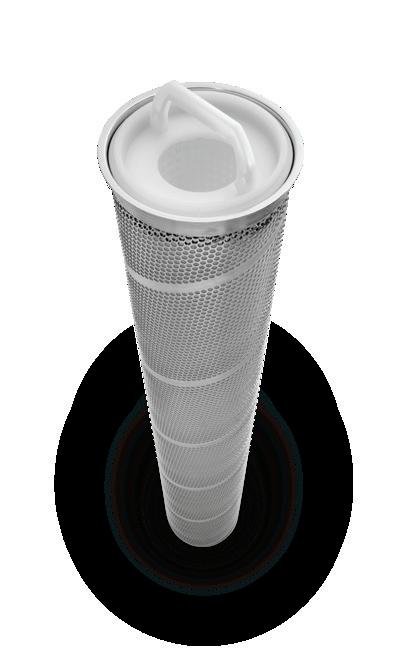
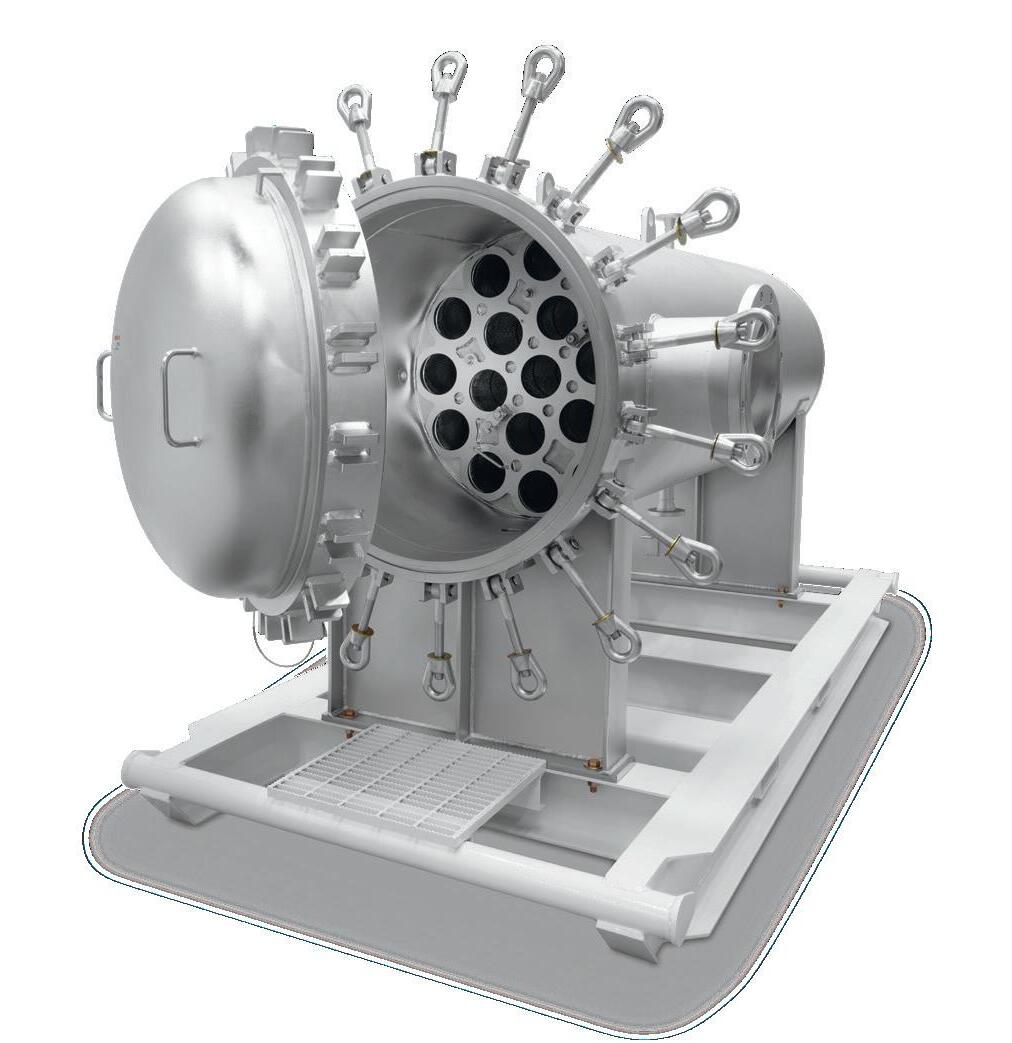
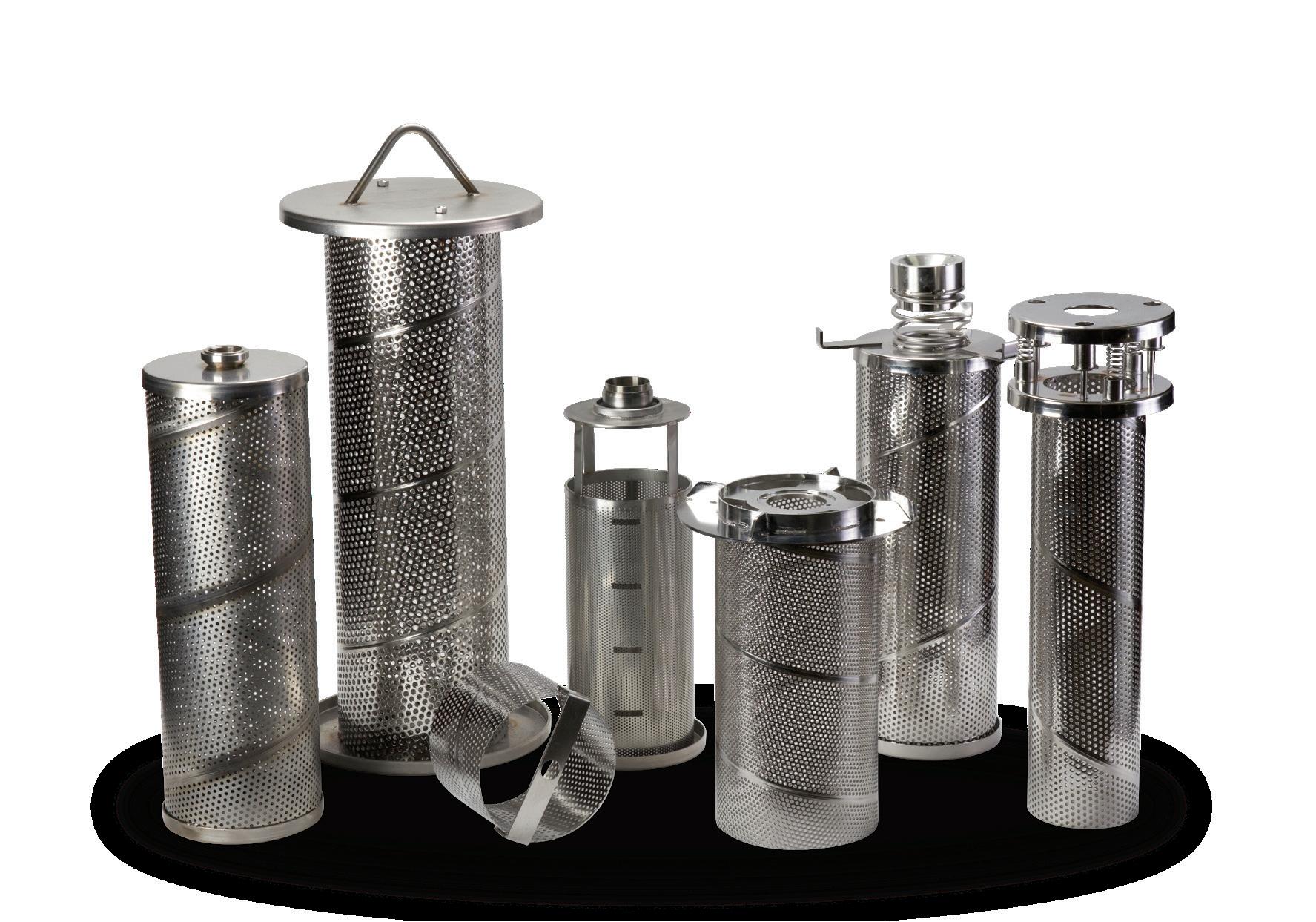
Beverlin Specialty Tube and Perforated Tubes deliver complete solutions for welded assemblies, perforated cores and filter elements. From large-scale industrial applications to specialized projects, our products are custom-built to fit your needs and exacting standards. With over 115 years of combined experience, we don’t lead the industry—we created it.
Visit beverlin.com/core to request a quote for your next project.
Solution Center
SGS North America Inc. (formerly IBR Laboratories)
Strategic Deals Redefining The Global Filtration Landscape
By Adrian Wilson, International Correspondent
The Lungs Of The Machine: The Critical Role Of Effective Air Filtration In Land-Based Gas Turbine Performance
By Dr. Iyad Al-Attar, Global Correspondent, Technology and Innovation, and Paul Lambart
Excerpts From The Experts
By Dr. Iyad Al-Attar, Global Correspondent, Technology and Innovation
Hidden In Plain Sight — The Growing Complexity Of Vehicle Filtration
By Adrian Wilson, International Correspondent
PPS Netting: Pleat Support Solution For Demanding Filtration Applications
IFN Special Report
The Mirage Of Clean Air
By Dr. Iyad Al-Attar, Global Correspondent, Technology and Innovation
From Components To Intelligence: How Filter Concept Adapted Its Business Model By Arun Rao, International Correspondent
Show Preview FILTECH 2026
The Future Of Clean: How Nonwoven Technology Is Redefining Global Filtration IFN Special Report




COLUMNS & DEPARTMENTS
Viewpoint
Filtration Education Without Borders By Rachael S. Davis, Chief Content Officer & Publisher
Tech Spotlight
Textile Cascade Filter For Removing Microplastics From Wastewater Tech Notes
New Technology Briefs
Emergence
Trending University & Institutional Research
Compiled By Ken Norberg, Editor and Digital Products Manager
Green Economy
From Hydraulic Oil To Hydrogen: Filtration As Invisible Infrastructure In The Energy Industry By Philippe Wijns, Principal, CleverSustainability Movers & Shakers
Industry News & Notes








































































Philippe Wijns Principal, CleverSustainability, Filtration Expert and Sustainable Business Development Advisor philippe.wijns@ cleversustainability.com

Adrian Wilson International Correspondent adawilson@gmail.com +44 7897.913134

Dr. Iyad Al-Attar Global Correspondent, Technology & Innovation, Visiting Academic Fellow, Cranfield University i@driyadalattar.com
CALL FOR COLUMNISTS & WRITERS

Paul Lambart
Managing Director of Operations, Europe and Asia, for Engine Cleaning Technologies Inc. plambart@ectinc.net
International Filtration News is actively seeking viewpoints from qualified industry professionals and those allied to the filtration industry for insightful columns on topics such as trends, innovation, equipment, processes, etc.
E-mail Rachael Davis, rdavis@inda.org with feature and column ideas.
Arun Rao International Correspondent Owner, Taurus Communications arun@tauruscomm.net


Sorptive materials for customized filtration solutions
Applications
- Cabin air filtration in aircraft, agricultural and landfill vehicles
- Odour removal in households, such as in kitchen hoods, refrigerators, and vacuum cleaners
- Surgical smoke purification
- Purification of contaminated breathable and process air
- Filtration of hazardous substances in air conditioning systems
- Indoor air purifiers
- Solvent recovery systems
Get in contact:
+49 3386 21 11 2-0 info@talamon.de
Because clean air is our most essential good

June 30 – July 02, 2026
Meet us at Booth E28, Hall 8 FILTECH 2026 in Cologne
Foam filter
- Variable dimensions, shapes, and adsorbent content
- High adsorbent capacity at very low pressure drop
Pleatable filter media
- Very well suited for limited construction space
- Combined solutions with particle filters or different covers
Customized coating of sorptive composite materials
- Variable layer structure and widths
- Carrier cover material and roll size according to customer specifications
- Provision of the required materials possible: spherical and granulated activated carbon, ion exchangers, zeolite, superabsorber etc.











VIEWPOINT
Filtration Education Without Borders
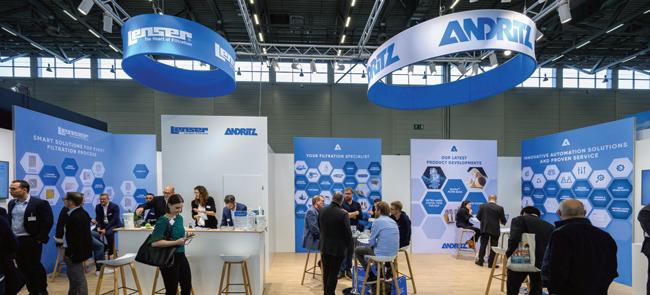
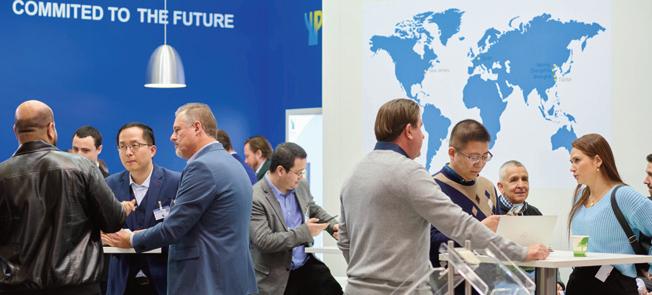
Trade shows and industry events serve as a marketplace of ideas — showcasing innovation, comparing solutions, building relationships, exchanging technical knowledge and identifying where the market is headed next. They can be vital forums for connection with industry experts and even competitors looking to build relationships.
For the filtration industry, there are many upcoming opportunities to gather and take stock. The first half of the year sees FILTCON26 in Pittsburgh organized by the American Filtration Society, and FILTECH 2026 in Cologne organized by FILTECH Exhibitions Germany GmbH (see “FILTECH 2026: Key To Safety And Quality,” IFN, this issue).
The second half of the year brings WEFTEC 2026 organized by the Water Environment Federation; Filtrex™ India organized by EDANA — the international association representing the nonwovens industry; and FiltXPO™, organized by INDA, the Association of the Nonwoven Fabrics Industry.
But how does one connect and learn if travel to an event is not possible?
The Clarksville, Tenn.-based World Filtration Institute (WFI) — a “global nonprofit organization dedicated to advancing the filtration and separation industry toward a cleaner, healthier, smarter and more sustainable future” — recently held an opening ceremony and kickoff event for its 2026 Certified Filtration and Separation Specialist (CFSS) program. CFSS comprises a series of online webinars that are designed to be costeffective and time-efficient for participants.
People from more than 30 countries joined the kickoff webinar where 11 panelists discussed a variety of topics including trends, market statistics and innovations.
WFI President Dr. Christine Sun was the first speaker with her “2026 Global Filtration Market Overview.” The following presenters covered healthy buildings, water filtration, fuel-cell applications and regulatory trends, among other topics.
More than 30 unique online training
courses will be held during 2026, and registrants can attend live sessions or watch later on demand. At the end of the year, WFI will also host its 2026 Annual Virtual Conference under the theme “Filtration for a Healthy, Resilient and Sustainable World.” CFSS participants will receive a complimentary registration for the conference.
To learn more about WFI, CFSS and the annual conference, please visit wfius.org.
In this issue of IFN , contributors offer a look at hydraulic filtration requirements, as well as gas turbine systems.
Green Economy column author Philippe Wijns considers filtration in the energy sector and why it deserves a more strategic role in the energy conversation. “[Filtration] may be largely invisible during normal operation, but when properly engineered, it ensures reliability, efficiency, compliance and progress throughout the energy transition,” he notes.
IFN ’s Global Correspondent Dr. Iyad Al-Attar collaborated with Paul Lambart to examine the mechanics of gas turbine operation and the need for advanced filtration noting “… the sophisticated aerodynamics of gas turbines are inherently vulnerable to the very air they require to operate.” Gas turbines consume large volumes of air and often operate in challenging geographic environments. “If this massive air stream is not properly filtered before it enters the engine, the resulting degradation can be damaging to both machine performance and the plant’s bottom line,” Dr. Al-Attar and Lambart point out.
Together, these articles underscore the same message reflected in filtration events and educational programs: filtration may operate behind the scenes, but its role is anything but secondary.
Enjoy the issue, and please reach out if you have feedback or ideas for future articles.

Rachael S. Davis Chief Content Officer & Publisher, INDA
The Future Flows Here
International Filtration Conference & Exhibition
Oct 28-29, 2026
Minneapolis, MN

Why Attend FiltXPO™?
Improve your processes, products, and bottom line over three dynamic days of innovation, insights, and industry connections.
Discover the latest filtration technologies and solutions from leading suppliers
Network with global professionals shaping the future of filtration
Advances in Filtration Conference
Strategies to transform indoor air quality
Balancing airflow, filtration, and energy efficiency in data centers
Gain critical knowledge in the 2-day Advances in Filtration Conference featuring top experts and real-world case studies
Innovations in nonwoven filtration media Sustainability, circularity, and next-gen performance
INDA and AFS are partnering for the FiltXPO™ 2026 Conference Program
Make plans to attend and advance your filtration business.
SPOTLIGHT TECH
Textile Cascade Filter For Removing Microplastics From Wastewater
Microplastics are found almost everywhere, even in remote regions of Antarctica. They enter the human body through the food chain. Studies indicate that microplastics may have negative effects on human health.
One contributor to microplastic pollution is washing textiles. When washing textiles made using synthetic fibers, some amount of microplastics are released into wastewater and then enter aquatic ecosystems. To address this problem, the German Institutes of Textile and Fiber Research Denkendorf (DITF), Germany, has developed a textile-based cascade filter system.
The amount of microfibers released per wash cycle and per kilogram of textiles is estimated to range from 12 to 1,400 milligrams. Wastewater treatment plants are already able to remove a large portion of microplastic particles from wastewater, with removal rates of up to 99 percent. However, because of the high volume of wastewater discharged every day, these plants can still contribute significantly to microplastic pollution in the environment.
To date, various mechanical and chemical technologies have been used in wastewater treatment. Filter cascades, on the other hand, have mainly been applied for the analysis and characterization of microplastic particles. In their study, DITF researchers demonstrated that specialized textile-based filter cascades are capable of effectively removing microplastics from rinse water in industrial laundries. This is possible even at low water pressure. In addition, the system has a simplified design and requires little maintenance.
The cascade microfilter developed by the Denkendorf research team consists of three filtration stages. Each stage uses a 3D textile
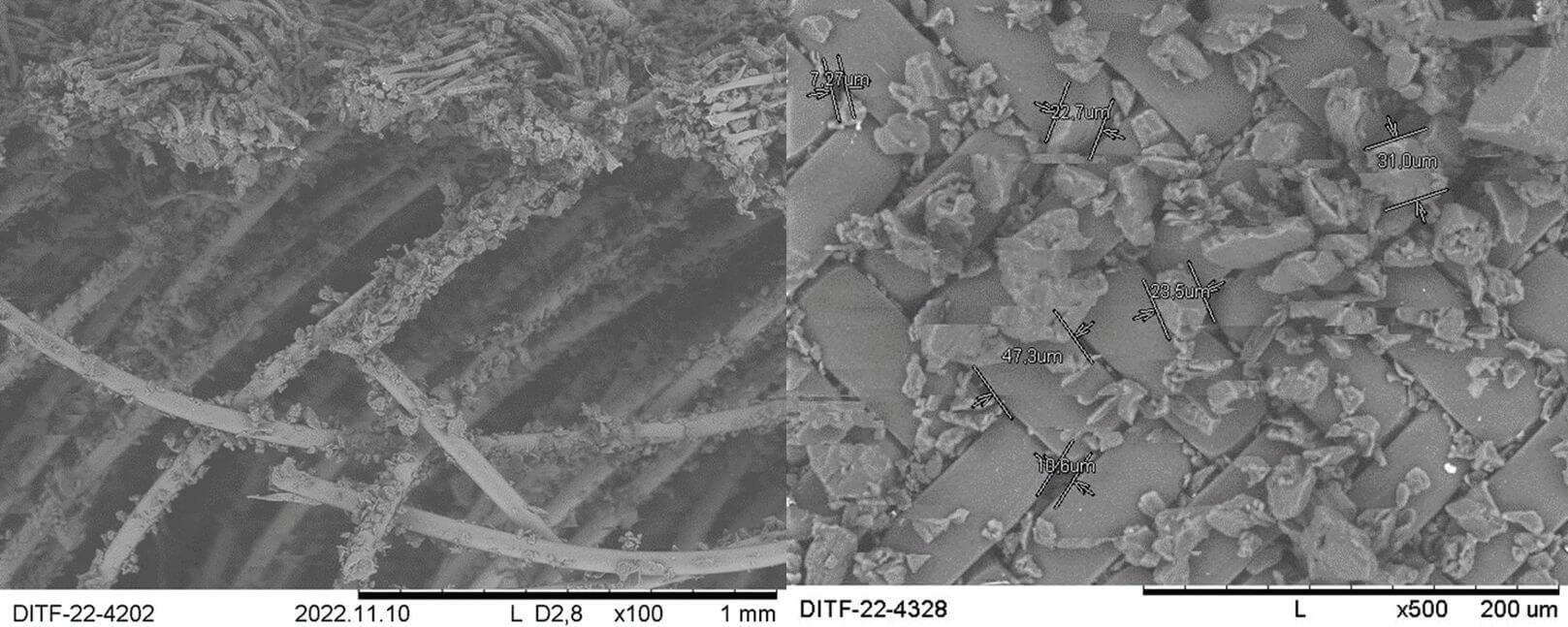
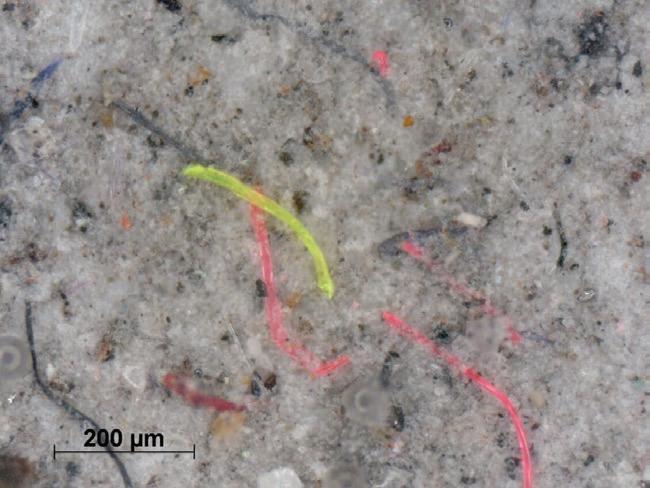
p Left: Filter cake structure on 3D warp-knitted fabric cross-section, upstream side. Right: Microplastic particles on the filter’s woven fabric, upstream side.
Picture of a filter cake with deposited microplastic fibers Images: DITF
The solution …“can be tailored to meet a variety of filtration requirements …”
sandwich composite made from a polypropylene fabric and a 3D spacer knit. The stages have progressively smaller pore sizes, allowing the removal of microplastic particles down to 1.5 micrometers.
A compressed-air backwashing system is integrated to clean the filter and restore its performance. Because the filter cake moves from the fabric to the spacer layer, backwashing is needed less often, and the operating time can be increased by up to 155 percent, according to DITF.
Field trials at an industrial laundry and a municipal wastewater treatment plant confirmed a separation efficiency of 89.7 percent and 98.5 percent for the microfilter cascade, which suggests the system can make a significant contri-
bution to reducing microplastic pollution.
The high microplastic separation efficiency and the long service life of the filter medium make the system a promising solution for wastewater treatment. It is cost-effective, space-saving, and can be adapted to different applications and scales, according to DITF.
The textile composite medium developed at DITF can be tailored to meet a variety of filtration requirements beyond its application in microplastic filtration.
For more information visit ditf.de
For details on how to submit your company’s technology for consideration as a “Technology Spotlight” in IFN , contact Ken Norberg at ken@filtnews.com or +1 202.681.2022.

Your Trusted Partner for Advanced Filtration Performance, Verification & Compliance
For more than 40 years, SGS North America (formerly IBR Laboratories) has been a global leader in filtration testing, supporting manufacturers, OEMs, end users, and consumers in validating the performance, safety, and reliability of air, liquid, and gas filtration systems. Our ISO/ IEC 17025 accredited laboratories offer one of the industry’s broadest scopes— covering air, water, oil, fuel, hydraulic fluids, HVAC, PPE, HEPA/ULPA, automotive, medical, and consumer product filtration.
Why SGS?
SGS provides state of the art filtration analysis for particles as small as 10 nanometers, testing to international standards including ISO, SAE, IEC, ASTM, IEST, and NSF, as well as OEM specific and customdeveloped methods.
Our Grass Lake, Michigan, laboratory — long recognized as IBR Laboratories — delivers independent, confidential, rapid turnaround filtration verification across air, water, oil, and fuel applications.
Unmatched Expertise, Grounded In Global Standards Leadership
SGS IBR experts actively participate in international standards bodies including ISO, ASTM, IEC, and SAE, helping shape next generation filtration test protocols. Manufacturers trust SGS data not only for technical validation and regulatory compliance, but also for supporting product claims, patent evaluations, and legal defensibility.
Global Filtration Expertise — Strengthened by SGS Suzhou
SGS’s globally harmonized filtration network is further enhanced by the SGS Suzhou Filtration Performance Laboratory in Jiangsu Province, China. This advanced facility increases SGS’s global coverage and ensures uniform, high precision filtration testing for customers across Asia, Europe, and North America.
The Suzhou lab complements SGS’s established filtration center in Grass Lake, Michigan, ensuring consistent methodologies, defensible performance data, and accelerated development cycles for companies serving both domestic and international markets.
Together, Grass Lake and Suzhou form a globally harmonized filtration testing network, giving manufacturers a unified, internationally reliable pathway to performance verification.
Litigation & Compliance Support (Updated HEPA Focus)
The filtration industry faces increasing legal scrutiny over false or misleading performance claims, especially amid heightened public concern regarding wildfire smoke, airborne pathogens, and overall indoor air quality. Recent lawsuits underscore the necessity of independent, standards based performance validation.
Comprehensive Filtration Testing Capabilities
• Air Filtration: Compressed air/gas, HVAC, ASHRAE, general ventilation, HEPA/ULPA, room air cleaners
• Liquid Filtration: Water purification (NSF), hydraulic fluids, oil & fuel separation, contaminant retention
• Microbial Filtration: BFE,
VFE, pathogen retention, microbial cleanliness
• Component Cleanliness: Automotive, aerospace, hydraulic, and medical systems
• PPE Filtration: Respirators, medical masks, barrier materials
• Consumer Appliances: Vacuum cleaners, air purifiers, and filterbased household devices
All testing is performed under SGS’s ISO/IEC 17025 accreditation, with extensive operational ranges and particle size capabilities as detailed in the SGS North America scope.
SGS: Your Global Filtration Partner
With over 100,000 employees and more than 2,500 laboratories and facilities worldwide, SGS provides unmatched global reach and local expertise to help organizations innovate faster, meet regulatory demands, validate performance, and build consumer trust.
Contact SGS North America –Filtration Testing
Grass Lake, Michigan Laboratory (formerly IBR Laboratories) Phone: 517 522 8453 Email: us.cp.filtration@sgs.com www.sgs.com/filtration-testing
NOTES TECH
Compass Wire Cloth Optimizes Screening Performance For Industrial Laundry Operations
Compass Wire Cloth, Vineland, N.J., supports the industrial laundries with replacement round separator screens, dryer screen mesh and critical screener components engineered to improve water reclamation, reduce downtime and protect plant equipment.
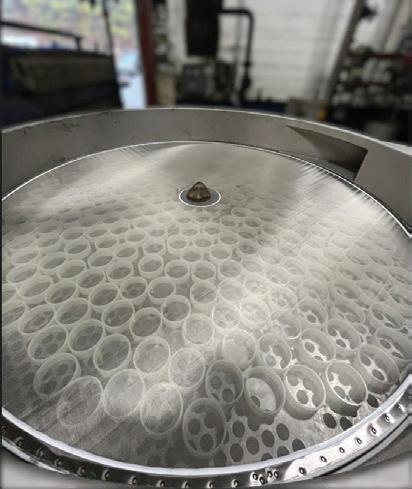
In commercial and industrial laundries, Compass Wire Cloth round separator screens sit at the front end of the water reclamation system to remove lint, sand, pins and other solids from heavily loaded wash water before it reaches downstream filtration and heat exchangers. By capturing these contaminants early, the screens help laundries recycle more hot water, reduce freshwater and energy demand, and prevent plugging and premature wear in heat exchangers and other process equipment.
Compass Wire Cloth’s solutions are designed to combat common pain points such as screen blinding caused by a combination of near-size particles and oily residues from uniforms, hospital textiles and restaurant linens. In addition to supplying high-quality replacement screens that interchange with common OEM brands including Sweco and Thermal Engineering of Arizona (TEA), Compass Wire Cloth provides application expertise to help maintenance teams improve flow rates, extend screen life and stabilize throughput.
Beyond water reclamation, Compass Wire Cloth offers replacement dryer screen mesh and assemblies to capture lint in dryer exhaust systems, helping laundries address environmental and compliance concerns while avoiding OEM pricing on replacement screens. The company also stocks key screener components such as Italvibras vibrating motors, flexible connectors, springs, clamp rings, perforated plates, and sliders, enabling plants to maintain critical spares and minimize unplanned downtime when a screen or motor fails. compasswire.com
Camfil Unveils CC X-Series: A
KROHNE Pre-Launches FLEXMAG 6100 Electromagnetic Flowmeter
Germany-based industrial process instrumentation provider KROHNE Group has announced the pre-launch of its next-generation single-use electromagnetic flowmeter, the FLEXMAG 6100. Building on the success of the FLEXMAG 4050 C, the FLEXMAG 6100 represents a step forward in single-use flow measurement technology, according to the company.
The FLEXMAG 6100 enhances features of the FLEXMAG 4050 by integrating a fully digital interface using the Ethernet/IP communication protocol, improving connectivity and data management. An improved current output, combined with a completely galvanically isolated power supply architecture, ensures high measurement accuracy even in challenging applications, according to KROHNE. Additionally, the FLEXMAG 6100 introduces advanced diagnostic functions and error indication via built-in LEDs, enhancing monitoring and troubleshooting capabilities. With a reduced footprint for the sensor unit, the FLEXMAG 6100’s transmitter is now designed as a separate unit, offering greater flexibility and ease of installation. This new model continues to feature the single-barb fitting, meeting biopharmaceutical requirements for adaptation to single-use systems and is compatible with both braided and non-braided hoses. Disposable single-use flow tubes are packed in double-sealed individual pouches, and the transmitter can accommodate two different flow tube sizes, allowing end users to handle two different flow ranges by simply exchanging the tube without the need for recalibration. us.krohne.com
Smarter, More Efficient Generation Of Industrial Air Cleaners
Camfil, Stockholm, has launched the new CC X-Series, a next-generation range of intelligent industrial air cleaners designed to support cleaner, healthier and more energyefficient facilities, particularly in industrial environments such as manufacturing plants, logistics centers and food production facilities where dust and airborne contaminants can create operational challenges.
Built for today’s evolving industrial environments, the CC X - Series combines high - performance PM1 filtration, molecular
filtration, long filter life and energy efficiency to deliver the latest innovation to the market.
According to the company, the CC X-Series integrates seamlessly with BACnet and Modbus BMS systems, giving facility managers real-time oversight of indoor air quality and system performance.
Its modular design supports multiple configurations — including wall, ceiling, floor, and mobile installation — making it ideal for logistics hubs, manufacturing plants, and food and beverage production facilities.
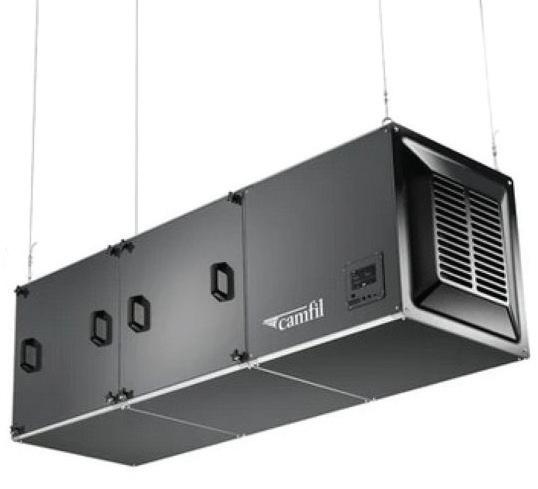
Airflow capacities ranging from 3,400 to 10,000 cubic meters per hour ensure scalable clean-air performance for both large and compact industrial spaces. camfil.com p CamCleaner CC X-Series from Camfil
p Compass Wire Cloth’s vibratory screen with sliders
Gore Expands Leadership In Membrane Chromatography
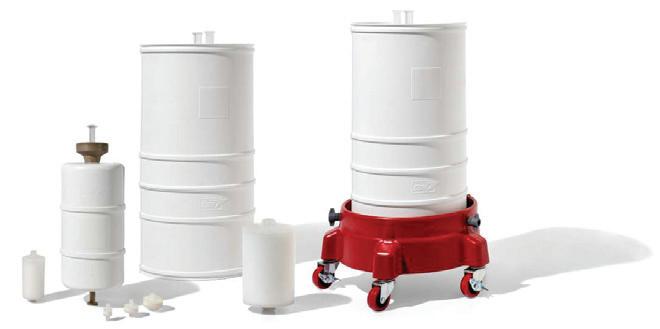
W. L. Gore & Associates Inc. — a global materials science company based in Newark, Del. — is developing new affinity membrane devices for membrane chromatography in collaboration with customized ligand partners. These alliances will integrate partner-developed ligand technologies with Gore’s high-productivity membrane platform to deliver purification solutions for a broader range of biotherapeutic modalities.
The new products are designed to enhance purification productivity, improve scalability and cost-effectiveness, and reduce risk across applications such as cell and gene therapies and more specialized antibody-based therapies. Through these collaborations, Gore and, in some cases, Gore’s ligand partners will market and distribute the affinity membrane devices under their respective brands, ensuring broad accessibility and customer support worldwide.
According to Gore, the affinity membranes offer a scalable and intensified purification platform that delivers reliable performance from R&D, process development, clinical bioprocessing, through to GMP-scale manufacturing. With high binding capacity at fast residence times, low pressure drop, and sharp and consistent elution performance, Gore membranes are engineered to meet the evolving needs of modern bioprocessing.
“Our high-productivity membranes are designed to deliver consistent high speed, capacity and reliability at scale,” added Jeff Cassel, Chromatography director for Gore PharmBIO Products. “Partnering with ligand technology innovators allows us to broaden our membrane chromatography portfolio and helps customers achieve higher productivity, flexibility, and cost-effectiveness across multiple purification challenges and modalities.” gore.com
Donaldson Launches ArmorSeal Air Filtration Technology
Donaldson Co., Bloomington, Minn., has introduced ArmorSeal, a next-generation air filtration technology designed to improve seal integrity and durability in heavy-duty, construction and offhighway applications.
The company reports the new system builds on its legacy Axial Seal and RadialSeal technologies, targeting equipment operating under high vibration, heavy dust loads and frequent service cycles.
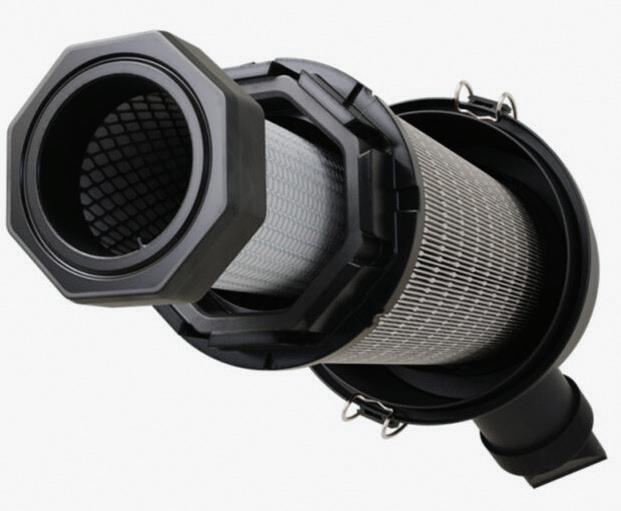
According to Donaldson, the ArmorSeal technology integrates a precision spin-welded joint in place of snaps and adhesives, eliminating common failure modes, with a geometry-based engineered seal interface, which prevents micromovement, debris intrusion and improper installation, lowering filter removal force by 30 percent compared to current RadialSeal technology.
The technology is designed for compatibility with multiple air cleaner architectures, including Donaldson’s legacy FPG platform. It is also engineered for automated manufacturing and global production consistency, with validation through modeling and OEM durability testing. donaldson.com
New Linear 6-Inch And 8-Inch Duplex Basket Strainers From Hayward Flow Control
Hayward Flow Control, Clemmons, N.C., continues to expand its thermoplastic basket strainers with the addition of the Linear Design Duplex Basket Strainer to its DB Series product range. According to the company, the new design now offers more flexibility and ease of installation for those critical installations where continuous flow is required as well as highcost sensor and pump protection.
Available in 6-inch and 8-inch sizes, or DN150 and 200, the new linear design DB Series Basket Strainer is constructed from polyvinyl chloride (PVC) or chlorinated PVC with ethylene propylene diene monomer (EPDM) or fluoropolymer elastomer seals. Flange rings are injection-molded, glass-filled polypropylene. Shut-off valves are Hayward BYV Series butterfly valves with gear operators. All sizes are fully pressure rated for 150 psi/PN10 at 70°F/23°C non-shock. End connections are flanged with standard ANSI 150/PN10 bolt pattern. Each Duplex Basket Strainer includes two thermoplastic 1/8-inch perf baskets as standard. Other perforations and mesh sizes are available upon request.
Other key features and benefits include:
• In-line or loop flow configurations;
• No system shutdown for basket cleaning;
• Ergonomic hand-removable cover;
• Liquid-displacing covers;
• Integral flat mounting bases;
• Hand-removable vents on covers;
• Hand removable drains on bodies;
• Backed by Hayward’s global 3-year warranty; and
• Made in the USA.
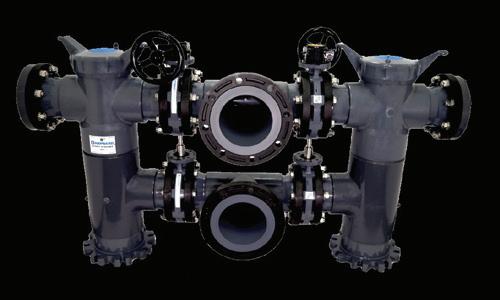
Typical applications or installations for the new Linear Design Duplex Basket Strainer include, but are not limited to, municipal waste and water treatment, clean water technology, chemical transfer and processing, aquatic and animal life support systems, mining and mineral processing, metal plating/surface finishing, marine, pulp and paper, landfills/environmental infrastructure, and other demanding applications. haywardflowcontrol.com
p Donaldson ArmorSeal
p Gore membrane chromatography platform family of devices
p Hayward Flow Control DB Series
Duplex Basket Strainer
EMERGENCE
Compiled by Ken Norberg, Editor & Digital Products Manager
I
International Filtration News Explores Trending Innovation
FN highlights research from universities and institutions around the world. If you have a project you would like to be considered for inclusion, email rdavis@inda.org. Please send a press release and/or summary of the research as you would want it to be printed, and all high resolution photographs/charts/graphs, as well as short researcher bio(s). Submissions, if selected, may be edited for length.
LOUGHBOROUGH UNIVERSITY
Coffee Waste Could Be Used To Clean Contaminated Water
Source: Loughborough University
Two research publications from experts at Loughborough University in the UK have demonstrated how coffee waste can be used to clean water.
Published in Biomass and Bioenergy and Clean Technologies, the studies show how coffee waste could be used effectively to filter heavy metals, such as lead, copper and zinc, from water.
Coffee is one of the most widely consumed beverages worldwide. In 2021–22, global coffee consumption exceeded 176 million bags — around 60kg per bag — marking a notable rise from approximately 167 million bags in the previous year, according to the university.
Growing global consumption generates substantial waste, particularly spent coffee grounds (SCGs), a byproduct rich in organic matter. SCGs are porous, plant-derived materials that have excellent potential as adsorbents that could prevent coffee from going to waste.
Various other adsorption materials have also been tested for filtering water and metal ion removal, including resins, clay, rice husks, banana peels, and tea leaves.
By heating used coffee grounds, taken from Loughborough University’s Edward Herbert Building cafeteria, the research team, in collaboration with Banaras Hindu University, India, produced highly porous biochar, a carbon-rich material, often used to improve soil quality.
After optimizing the temperature and
duration of the heating, they could remove up to 98 per cent of lead from water, with the biochar holding 4.9 mg of lead per gram.
The study by researchers at Loughborough University demonstrated that the raw coffee waste, also collected from the Edward Herbert Building cafeteria, can be used directly without any further processing to remove heavy metals such as copper and zinc from water at low metal concentrations.

into a practical solution for real-world water treatment challenges.”
The new research also demonstrates that coffee waste can be used in combination with other materials including rice husks to achieve heavy metal treatment.
Academics examined how contact time, type of adsorbent, and metal concentration affected heavy metal removal efficiency and found that more than 96 percent of metals could be removed. They found that the raw coffee waste performed better at low metal concentrations — 2.5 parts per million (ppm) copper, 10 ppm zinc — whereas a coffee and rice husk mix performed slightly better at higher metal concentrations of >5 ppm copper, >25 ppm zinc.
Dr. Monika Mahajan, lead author on the first study, said: “This work demonstrates how an everyday waste such as spent coffee grounds can be transformed into a high-value, sustainable adsorbent for removing toxic metals from water. By optimizing the decomposition conditions, we were able to significantly enhance the material’s performance while keeping the process low-cost and environmentally friendly. It is exciting to see a circular-economy approach translate
Dr. Basmah Bushra, lead author on the second study, added: “Our studies show that what we often dismiss as waste, like spent coffee grounds, can actually become powerful materials in tackling environmental pollution. By turning waste into adsorption material, we can not only reduce landfill burdens but also create affordable materials for cleaning up contaminants. This is a simple but effective illustration of circulareconomy thinking in action.”
“It is fantastic to see the excellent work that Monika Mahajan and Basmah Bushra have carried out, together with all other colleagues,” said Dr. Diganta B. Das, Reader in Porous Media at Loughborough University. “They have worked incredibly hard to deliver these results and show that coffee waste is not a waste at all — it can be transformed into high-value materials, enhance material circularity in our day-to-day activities and clean the environment.”
By using biochar to filter water, the findings have created a low-cost and ecofriendly way to clean water and reuse coffee waste. This practice supports the circular economy and can be scaled up for real-world water treatment.
These findings further showed that using coffee waste is a cheap and widely available material for cleaning heavy metals from contaminated water.
For more information visit: www.lboro.ac.uk
UNIVERSITY OF MISSOURI
Lab-Grown Algae Removes Microplastics From Water
By Brian Consiglio
Source: The University of Missouri
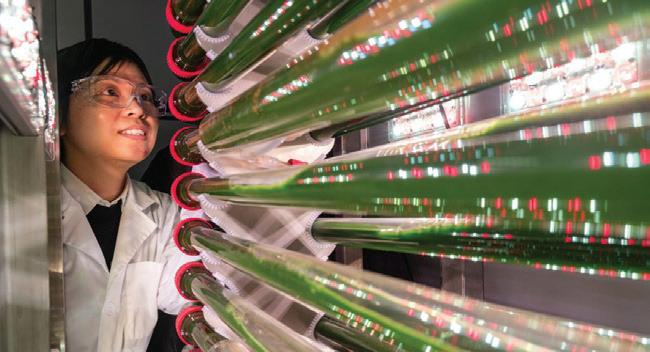
AUniversity of Missouri researcher is pioneering a solution to remove tiny bits of plastic pollution from our water. Susie Dai recently applied a revolutionary strain of algae toward capturing and removing harmful microplastics from polluted water. Driven by a mission to improve the world for both wildlife and humans, Dai also aims to repurpose the collected microplastics into safe, bioplastic products such as composite plastic films.
“Microplastics are pollutants found almost everywhere in the environment, such as in ponds, lakes, rivers, wastewater and the fish that we consume,” said Dai, a professor in the Department of Chemical and Biomedical Engineering and principal investigator at the Bond Life Sciences Center. “Currently, most wastewater treatment plants can only remove large particles of plastic, but microplastics are so small that they slip through and end up in drinking water, polluting the environment and harming ecosystems.”
A Three-Pronged Approach
In a recent study, Dai used genetic engineering to create a new kind of algae that produces a volatile natural oil called limonene — the same chemical that gives oranges their refreshing scent.
Limonene makes the new algae waterrepellent. Because microplastics are also water-repellent, the two come together like magnets when they meet in water, forming clumps that sink to the bottom and create a solid layer of biomass that is
easy to collect and remove. The specially engineered algae can grow in wastewater, feed on excess nutrients and clean the water as it grows.
“By removing the microplastics, cleaning the wastewater and eventually using the removed microplastics to create bioplastic products for good, we can tackle three issues with one approach,” Dai said. “While our research is still in the early stages, our eventual goal is to integrate this new process into existing wastewater treatment plants so cities can clean their water more effectively and reduce pollution while creating useful products at the same time.”
Scaling Up
Dai’s lab grows algae in large tank bioreactors. Her lab has built a 100-liter bioreactor named “Shrek” to process industrial flue gas to help clean air pollution. Dai hopes to build bigger versions of Shrek going forward that could be adapted for wastewater treatment and other pollutant removal purposes.
“Remediation and upcycling of microplastics by algae” was published in Nature Communications.
For more information visit: showme.missouri.edu
UNIVERSITY OF SURREY:
Human Urine Could Help Tackle Global Fertilizer And Wastewater Challenges
Source: The University of Surrey
Human urine — often flushed away without thought — could be key to making agriculture and wastewater treatment more sustainable and energy efficient, according to new research from the University of Surrey, England. Although urine only makes up around one per cent of wastewater, it contains the majority of essential nutrients for plants, including nitrogen, phosphorus and potassium.
In a study published in the Journal of Environmental Chemical Engineering, researchers looked into how these nutrients can be recovered and reused by concentrating urine into a fertilizer-rich stream. Using a low-energy process known as
forward osmosis, the team were able to remove water and retain high levels of nutrients without the energy demands of conventional wastewater treatment technologies. This approach could reduce the burden on treatment plants while supporting more sustainable fertilizer production.
“… our pee is an underutilized resource,” said Dr. Siddharth Gadkari, lecturer in Chemical Process Engineering. “Even though it contains the key nutrients we need for agriculture, we currently treat it as waste. Our research shows that with the right treatment approach; we can recover these nutrients efficiently while reducing the energy demands of wastewater treatment.”
A major challenge for membrane-based systems is membrane fouling — where biological and organic material builds up on the surface over time and reduces performance. The study provides one of the first detailed insights into how human urine behaves under repeated operation, showing how different conditions affect fouling, system efficiency and cleaning.
The research team found that simple pre-treatment steps, such as filtration, can significantly improve performance, while most fouling can be reversed through cleaning — making the system more viable for long-term use.
The work was carried out in collaboration with the University of KwaZulu-Natal in South Africa, where source-separated urine systems are already being explored at scale.
Researchers believe that their work could help reduce reliance on energyintensive fertilizer production, lower carbon emissions and support more sustainable water and nutrient management worldwide.
p Professor Susie Dai hopes to build bigger versions of her bioreactors going forward. Abbie Lankitus/ University of Missouri
p Siddharth Gadkari in the lab

By Philippe Wijns Principal at CleverSustainability, Filtration Expert and Sustainable Business Development Advisor
From Hydraulic Oil To Hydrogen: Filtration As Invisible Infrastructure In The Energy Industry
As the energy sector moves from conventional rotating equipment to wind, LNG, hydrogen, and new carrier systems, filtration is turning from a maintenance topic into a strategic technology for uptime, purity, compliance and long-term efficiency.
Energy infrastructure is rarely purely electric. Even in advanced power plants and modern renewable assets, many critical subsystems still depend on fluids, gases, and fine contamination control. Bearings need clean lubrication oil. Gearboxes need a stable oil condition. Hydraulic actuators need reliable fluid cleanliness. Compressors, valves, fuel systems, and gas handling lines all depend on controlled particle and water levels. This is why filtration continues to grow in the power and energy sector rather than lose relevance.
For many years, energy filtration was treated mainly as a support function. It sat in the background, protecting equipment and extending service intervals, but it was rarely seen as a central design topic. That view is changing. Operators today face higher asset utilization, more flexible operating regimes, greater pressure on maintenance costs, and tighter purity requirements in newer energy chains. Under these conditions, filtration is no longer only about keeping machines running. It is about protecting efficiency, ensuring compliance, supporting predictive maintenance, and reducing waste throughout the plant’s full life cycle.
Why Hydraulic & Lubrication Oil Filtration Still Matters
The basic engineering logic remains simple: contamination destroys performance. Solid particles create abrasive wear. Water reduces lubrication quality, accelerates corrosion, and can trigger additive breakdown. Oxidation byproducts and varnishforming compounds reduce system stability and can interfere with valves, bearings, and precision components. In hydraulic and lubrication systems, these effects often develop slowly until they lead to costly failures.
This is especially important in power generation, where small contamination issues can create large economic consequences. A filter is inexpensive compared with a gearbox, turbine bearing, actuator, pump, or unplanned outage. In that sense, filtration is one of the highest-leverage protection measures in the entire balance of plant. It protects not only mechanical parts, but also the availability.
The energy transition increases this importance. Wind farms, flexible gas-fired power stations, LNG infrastructure, hydrogen production units, and storage terminals all add new equipment that depends on clean process fluids or gas streams. Every new rotating machine, hydraulic control loop, compression stage, and purification step adds another place where contamination control matters.
Why Wetlaid Glass Media Became The Benchmark
In hydraulic and lubrication filtration, wetlaid glass microfiber media has become a benchmark because it offers a strong balance of fine particle capture, dirt-holding capacity, and pressure-drop control. Produced through a wetlaid process that is conceptually similar to papermaking, this media type allows highly uniform fiber distribution. That uniform structure helps produce repeatable filtration performance and stable loading behavior across the filter surface.
For energy applications, this matters a great deal. Filters in turbine lubrication systems, gearbox
Philippe Wijns is principal at consultancy CleverSustainability, and serves as a filtration expert and sustainable business development advisor. He is a certified expert in Sustainable Finance, Climate Finance, and Renewable Energy from the Frankfurt School of Finance and Management, and market positioning.

circuits, and hydraulic units are expected to combine high efficiency with low resistance and long service life. Wetlaid glass media has been well suited to that requirement. It also converts well into pleated element designs, which increase effective surface area and help maintain flow under demanding conditions.
But modern filtration media are rarely single-layer products. Today’s energy systems increasingly require engineered media packages rather than one simple sheet. A filter may combine a prefiltration layer, a fine efficiency layer, and a support layer. It may need anti-static behavior, pulse resistance, improved chemical compatibility, or stronger mechanical support. It may also need to perform with fire-resistant fluids, biodegradable oils, or changing duty cycles caused by intermittent power generation.
This is why the discussion has moved from “which media is best?” to “which media architecture is best for the application?” Wetlaid glass remains highly important, but the market is clearly moving toward more specialized and more integrated designs.
Where Filtration Protects Energy Assets Today
In conventional power plants and turbine systems, lubrication oil filtration remains a core function. Oil does more than reduce friction. It also carries heat away from loaded components, helps stabilize operating conditions, and in some systems supports control hydraulics. Clean oil, therefore, contributes directly to both equipment life and operational stability.
In wind energy, the importance of filtration becomes even more visible. Wind turbines operate under changing load, changing weather, and often difficult access conditions. Offshore installations add another layer of logistical complexity. When a gearbox, hydraulic pitch system, or lubrication unit suffers contamination-related damage, the cost is not limited to the failed part. It also includes lost production, access to vessels or
cranes, weather delays, and service labor.
This is why wind filtration is not a minor maintenance detail. It is part of risk management. Gearbox protection, moisture control, and reliable hydraulic cleanliness are central to turbine availability. As turbines become larger and service intervals become more demanding, the need for stable filter performance grows.
Liquid natural gas (LNG) and gas infrastructure create a similar picture from a different angle. Compressors, turbines, pumps, valve systems, and auxiliary hydraulic functions all rely on cleanliness control. Even where the public discussion focuses on fuel transition or energy security, the operating reality is still mechanical. Rotating equipment remains sensitive to fine particles, water, and degradation products. Filtration therefore continues to play a quiet but essential role in reliability.
From “Clean Oil” To “Clean Molecules” In Hydrogen
Hydrogen changes the filtration discussion in an important way. In lubrication systems, the goal is usually to keep contamination low enough to protect equipment and extend service life. In hydrogen systems, cleanliness often becomes a specification at the point of use. The target is no longer only machine durability. It is also gas purity.
This is particularly relevant for fuel cells and high-purity hydrogen applications, where particles, aerosols, moisture, and trace contaminants can damage downstream systems or prevent compliance with required quality levels. In other words, filtration moves closer to product quality assurance.
That shift changes design priorities. Gas filtration and coalescing become critical. Operators may need to remove solid particles, liquid aerosols, compressor carryover, water droplets or process-generated contamination before compression, storage, dispensing, or final use. In electrolyzer systems, filtration also
iStock/ fokkebok
Risk management is important in wind filtration where turbines operate under changing loads and variable weather.
iStock/Suphanat Khumsap
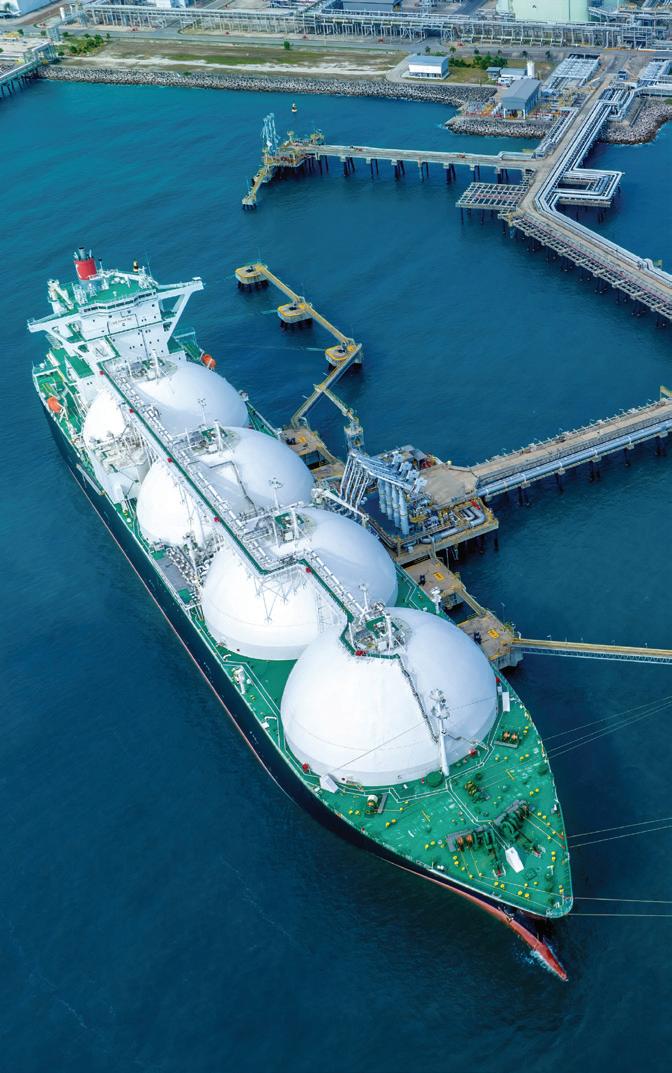
p Liquid natural gas infrastructure requires strategic filtration planning to ensure smooth operation.
The important conclusion is that filtration is no longer just a background consumable. In the energy industry, it is becoming an invisible layer of infrastructure.
begins earlier in the chain, with feedwater preparation, coolant protection, liquid-gas separation and downstream gas polishing.
The move into hydrogen does not make traditional filtration knowledge obsolete. On the contrary, it extends it. Many of the same engineering principles still apply — stable media structure, controlled pressure drop, reliable retention of fine contaminants, and compatibility with the process environment. What changes is the cleanliness logic. The acceptable contamination window becomes smaller, and the filtration train often becomes more complex.
Other Media Used Today Beyond Wetlaid Glass
Wetlaid glass remains highly relevant, but it is no longer the whole story in power, energy, and hydrogen-related systems. Several other media classes are now important, depending on the fluid, gas, pressure, temperature, and purity target.
One major group is cellulose and synthetic media, vital in hydraulic and lubrication uses where cost, prefiltration, or flow are key, often with blended fibers to balance cost, efficiency, strength, and capacity.
Another important group includes water-management media. In oil systems, water is often as damaging as solid contamination. For that reason, absorbent or water-removal layers are used in many energy applications, especially in lubrication systems exposed to condensation, humidity, or variable thermal cycles. Their purpose is not just filtration in the narrow sense, but also the control of the fluid’s condition.
Coalescing media are also becoming more important. In gas systems and some liquid circuits, the task is not only to stop particles but also to combine very fine droplets into larger ones that can then be separated efficiently. This is highly relevant in hydrogen, natural gas, and other process-gas applications where aerosols, oil mist, or condensed liquids must be removed before the gas reaches sensitive downstream equipment.
With rising purity standards, membranes and adsorption media are increasingly used in hydrogen systems. Filtration is part of a broader purification process that may include membrane separation and adsorptive polishing, all of which complement it. Filtration protects sensitive purification steps by removing solids and liquids that could reduce their efficiency or shorten their lifespan.
In liquid organic hydrogen carrier (LOHC) systems, media selection differs from that in traditional hydraulic design. These systems may need protection against catalyst fines, corrosion, or particulate degradation in the liquid and gas phases. Depending on the process stage, engineers might use depth media, surface filters, adsorbent materials, or coalescing stages to maintain carrier quality and safeguard reactors, heat
exchangers, and downstream components. Sintered porous metal and metallic media are increasingly crucial in demanding clean-energy processes. Operating at high pressure, temperature, or in chemically aggressive environments, metallic media offer structural strength, precise pore control, and durability. They can also be cleaned and reused, reducing waste and enabling different maintenance approaches, especially in process applications.
Standards, Sensors & The Shift To Smarter Filtration
As energy systems become more complex, filtration is becoming more measurable. Standards remain important because they provide a common basis for evaluating filter performance and contamination classes. In hydraulic systems, the industry continues to rely on established cleanliness and multi-pass test methods. In hydrogen, purity specifications bring filtration closer to formal quality assurance.
At the same time, sensors are changing the role of the filter from a passive component into an information point. Particle counters, water sensors, differential pressure monitoring, and condition-monitoring systems can now give operators a much clearer picture of what is happening in the circuit. Instead of changing elements only on a fixed schedule, operators can increasingly move toward condition-based decisions.
This development matters for energy assets because maintenance windows are expensive and often limited. Better filtration data can reduce unnecessary filter changes, prevent bypass operation, and reveal early signs of wear or water ingress. In a wind turbine, a gas compressor, or an electrolyzer support system, this information can have a direct financial impact.
Filtration As Invisible Infrastructure
The most important conclusion is that filtration is no longer just a background consumable. In the energy industry, it is becoming an invisible layer of infrastructure. It supports uptime in conventional power plants, reliability in wind, cleanliness in LNG systems, and purity in hydrogen and carrier-based energy chains. It connects mechanical reliability with product quality, sensor data, maintenance strategy, and sustainability goals.
Wetlaid glass media remains vital in hydraulic and lubrication uses. However, the market is moving toward multi-material solutions like synthetic blends, water-management layers, membranes, adsorbents, and porous metal structures. The future of energy filtration depends on how effectively various media and monitoring tools are integrated to safeguard entire systems.
That is why filtration deserves a more strategic role in the energy conversation. It may be largely invisible during normal operation, but when properly engineered, it ensures reliability, efficiency, compliance, and progress throughout the energy transition.
March 23–25, 2027
Kansas City Convention Center
Kansas City, Missouri
Exhibit Where Global Nonwovens Business Happens
At IDEA®27, your booth is more than just space—it’s your launchpad for new business. Over three powerful days, you’ll engage directly with decision makers from major nonwoven manufacturers, showcase your latest products and technologies, and build partnerships that drive results.
IDEA®27 is the world’s preeminent event for nonwovens and engineered fabrics— where innovation meets opportunity.
Why Exhibit at IDEA®27
Join thousands of professionals from over 60 countries who come to IDEA® to source solutions, form collaborations, and shape the future of nonwovens. Exhibiting at IDEA®27 positions your company at the center of it all.
• Connect with brand owners, converters, roll goods producers, material and equipment suppliers, and service providers.
• Achieve in three days what would take months of calls, emails, and travel.
• Meet current customers and new prospects ready to do business.
• Collaborate on solutions that improve product performance and sustainability.
• Expand into new markets and grow your business globally.
Reserve your exhibit space today and position your company at the center of the nonwovens world.

STRATEGIC DEALS
The Global Filtration Landscape Redefining
The filtration industry is evolving from a component-level business to a strategic technology platform.
By Adrian Wilson, International Correspondent
Over the past five years there have been many significant mergers and acquisitions across the global filtration industry, reflecting both the strategic importance of filtration technologies and the fragmented nature of many of its markets.
Between roughly 2021 and early 2026, activity has been shaped by a mix of consolidation among industrial filtration specialists, diversification by larger engineering groups and a growing emphasis on high-value applications such as life sciences, clean air and data centers.
Drivers
Many large engineering and industrial groups have looked to increase exposure to
filtration technologies that generate stable aftermarket revenue through replacement filters, service and consumables.
In addition, there has been a steady pattern of regional “tuck-in” acquisitions, designed to expand manufacturing footprints, distribution networks and installed customer bases in air filtration and industrial process filtration.
Life sciences and bioprocessing filtration have emerged as very attractive niches in this sector, supported by long-term growth in biopharmaceutical manufacturing, cell and gene therapies and single-use processing technologies.
Meanwhile, even conservative estimates are predicting that planned new investments in data centers by Amazon, Google, Meta, Microsoft et al. before 2030
will result in one of the largest infrastructure buildouts ever, with planned investments of anywhere between $2 trillion and $7 trillion presenting a huge opportunity for key players in the filtration industry.
Parker Hannifin
One of the most significant recent transactions was Parker Hannifin Corp.’s agreement to acquire Austin, Texas-based Filtration Group Corp. for approximately $9.25 billion. Parker Hannifin, headquartered in Mayfield Heights, Ohio, makes a wide range of hydraulic, pneumatic and electromechanical systems used in industrial, aerospace and mobile equipment applications. Filtration has long been a key part of its strategy, and the acquisition represents a major expansion of its platform.
Between roughly 2021 and early 2026, activity has been shaped by a mix of consolidation among industrial filtration specialists, diversification by larger engineering groups and a growing emphasis on high-value applications such as life sciences, clean air and data centers.
Filtration Group operates a very diversified portfolio of filtration businesses with its product portfolio spanning air, liquid and gas filtration technologies for multiple end-use markets. The group itself is based largely on a series of bolt-on acquisitions made over the past decade.
Thermo Fisher Scientific
In another landmark deal closed late last year, Waltham, Mass.-based Thermo Fisher Scientific Inc. acquired the purification and filtration business of Solventum Inc. for approximately $4.1 billion. Thermo Fisher Scientific is one of the world’s largest providers of analytical instruments, lab equipment and bioprocessing technologies used across pharmaceutical research, biotechnology manufacturing and clinical diagnostics. The acquisition was part of a broader strategy to deepen its capabilities in biopharmaceutical production workflows.
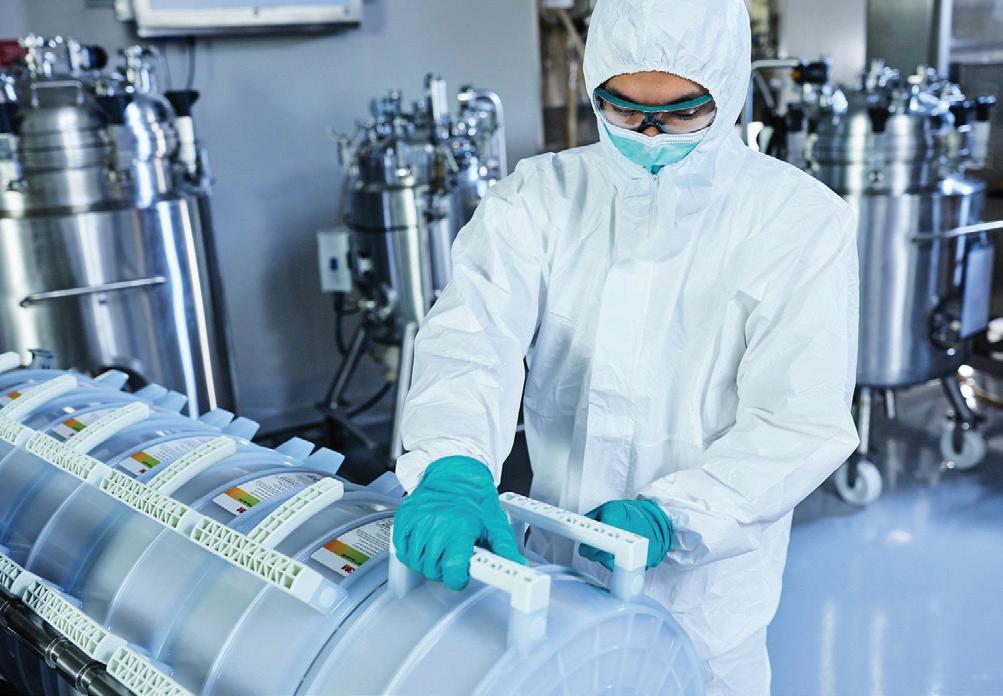
Solventum, headquartered in St. Paul, Minn., was created in 2024 as a spin-off from 3M’s healthcare division. Its purification and filtration business develops advanced membrane filtration, chromatography and purification technologies used in the manufacture of biologic drugs, vaccines and other high-value pharmaceutical products.
Atmus
Meanwhile, Nashville, Tenn.-based Atmus Filtration Technologies Inc. was founded by the separation of the filtration interests of engine manufacturer Cummins Inc., followed by its IPO in June 2023. Cummins has been de-
signing and manufacturing filter media technology since 1958, building up a broad IP portfolio with more than 1,300 worldwide active or pending patents and patent applications, and approximately 400 worldwide trademark registrations and applications.
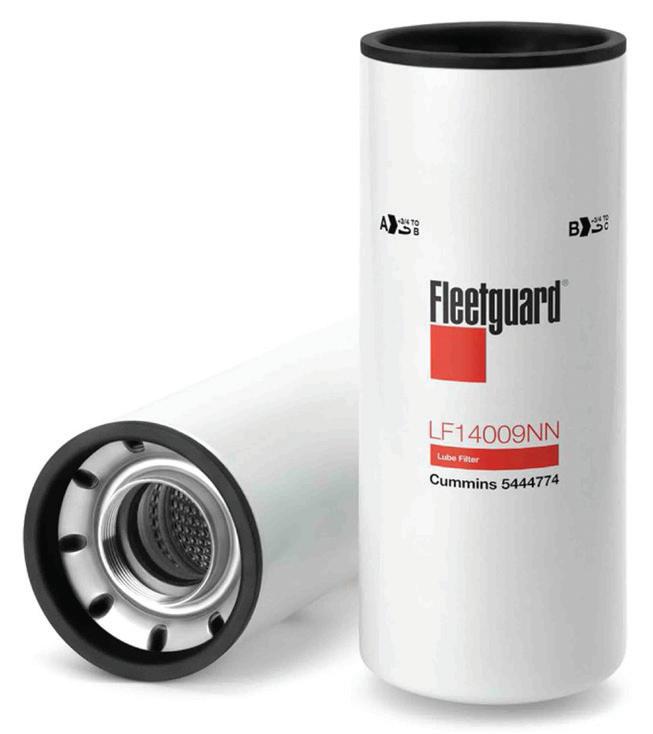
The company’s Fleetguard® branded filter products are sold in more than 160 countries and are available through thousands of distribution points worldwide.
Atmus now serves customers across the truck, bus, agriculture, construction, mining, marine, and power generation vehicle and equipment markets, along with comprehensive aftermarket support and solutions.
Donaldson
Among traditional filtration specialists, Donaldson Co. has been one of the most
Solventum, now part of Thermo Fisher Scientific, was created in 2024 as a spin-off from 3M’s healthcare division. Solventum
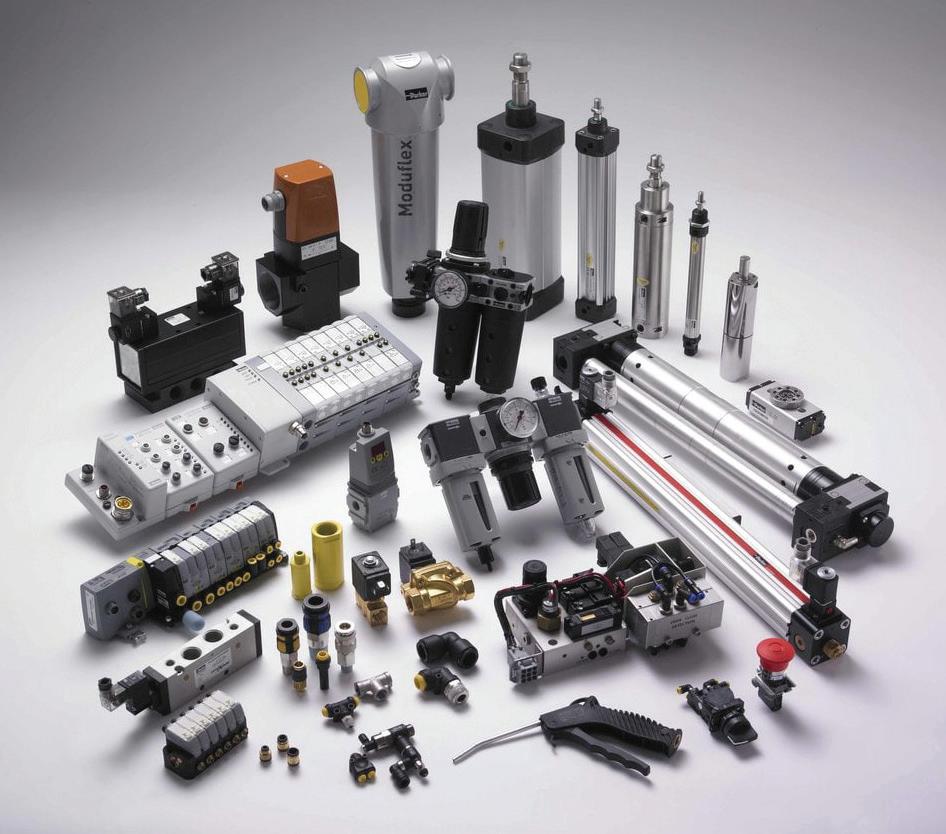
q Parker Hannifin makes a wide range of hydraulic, pneumatic and electromechanical systems used in industrial, aerospace and mobile equipment applications. Parker Hannifin
active buyers in recent years. Headquartered in Bloomington, Minn., Donaldson is a long-established global manufacturer of filtration systems used in industrial equipment, engines, gas turbines and process industries.
In 2021, it acquired Italy-based Solaris Biotechnology, a specialist developer of bioreactors and fermentation systems used in biotechnology research and production.
Donaldson followed this in 2023 with the acquisition of Isolere Bio, headquartered in Durham, N.C., which develops reagent-based purification technologies used in the downstream processing of biologic drugs. Later the same year the
Cummins Fleetguard branded filter products are sold in more than 160 countries and available through thousands of distribution points worldwide. Cummins
company acquired Belgium-based Univercells Technologies, which develops compact manufacturing platforms designed to make the production of cell and gene therapies more scalable and efficient. Together, these acquisitions signaled a clear shift by Donaldson towards highervalue bioprocessing technologies that complement its core filtration expertise.
The company continued its expansion in the sector in 2024 with the acquisition of a 49-percent stake in Medica, headquartered in Medolla, Italy. Medica develops hollow-fiber membranes and filtration devices used in medical technologies, including blood purification systems and pharmaceutical manufacturing processes.
Mann+Hummel
Germany-based filtration specialist Mann+Hummel has pursued a somewhat different approach. Historically known for automotive filtration, the company has been repositioning itself more broadly as a global filtration and environmental technology provider.
As part of this repositioning, the company divested its high-performance plastic parts business in 2022 and has expanded selectively through acquisitions. A few years ago it acquired a majority stake in Finland-based M-Filter, which produces high-performance air filtration products used in commercial buildings, healthcare facilities and industrial environments.
Mann+Hummel also acquired a majority stake in Suzhou U-Air Environmental Technology, a China-based specialist in air filtration systems used in residential, commercial and industrial buildings, including high-efficiency particulate air filters and air purification systems designed to improve indoor air quality.
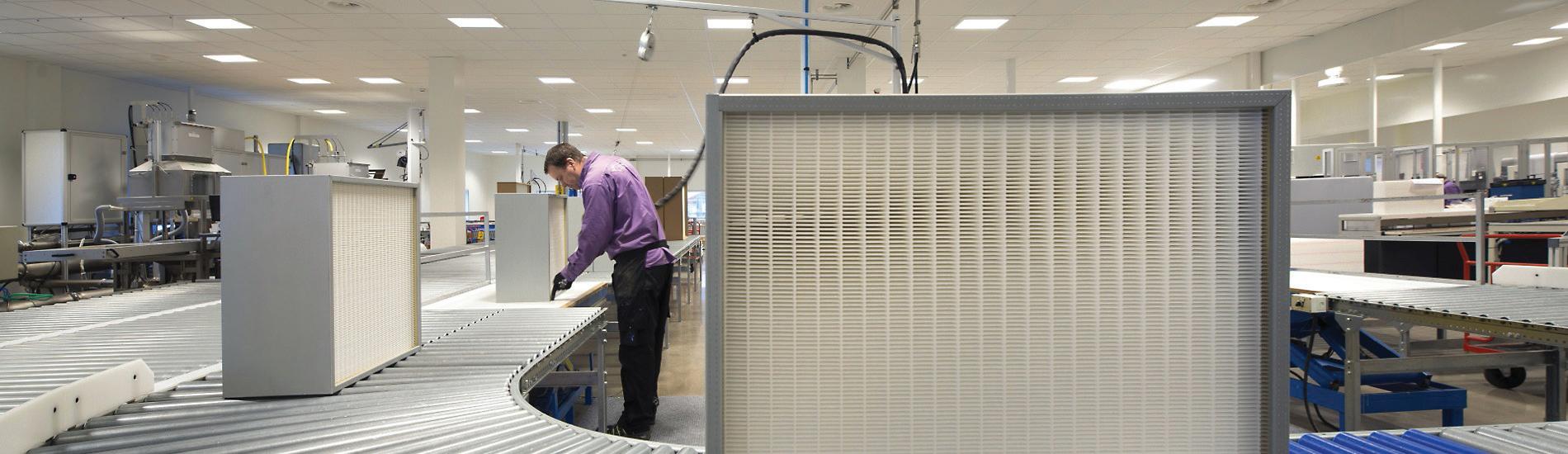
t Camfil is among companies who have developed filtration solutions specifically designed for data center environments. Microsoft
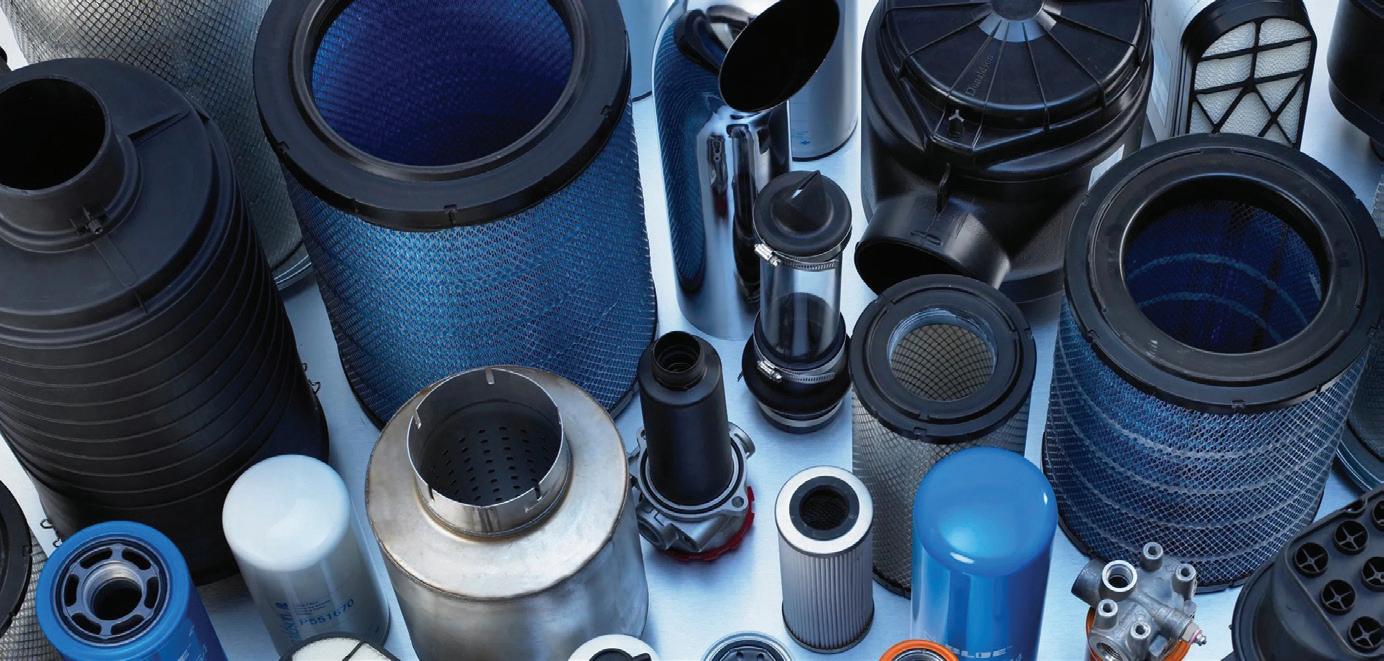
q Donaldson is a long-established global manufacturer of filtration systems used in industrial equipment, engines, gas turbines and process industries. Donaldson
Cleanova
Private equity has also played a significant role in recent consolidation within the filtration sector. One of the most visible examples is England-based Cleanova, which was created in 2023 as a platform for building a global filtration group through the integration of several established brands specializing in liquid and air filtration technologies.
Since its formation, Cleanova has pursued an active acquisition strategy. In 2024, it acquired Sidco Filter Co. headquartered in St. Louis, which produces filtration cartridges and elements used in liquid and gas filtration applications. In the same year it also acquired St. Charles, Mo.-based Shawndra Products, a producer of filter housings, strainers and custom filtration systems used in industrial fluid handling and process filtration.
Cleanova continued its expansion in 2025 with the acquisition of another UK-based operation, Allied Filter Systems, whose products are widely used in industrial air pollution control systems designed to reduce particulate emissions. Cleanova also acquired Micronics Engineered Filtration Group, headquartered in Portsmouth, N.H., a manufacturer of filter presses, filter cloths and other
solid-liquid separation technologies used extensively in mining, wastewater treatment and chemical processing.
At the beginning of the year, Cleanova added further capabilities through the acquisition of Cincinnati-based Airflotek and TES-Clean Air Systems based in Tracy, Calif., both specialists in filtration systems used in controlled environments such as laboratories, cleanrooms and pharmaceutical manufacturing facilities.
Rensa Filtration
Since its acquisition by private equity firm Audax, Aurora, Ill.-based Rensa Filtration has also pursued a deliberate expansion strategy, completing nine acquisitions in relatively quick succession. Early acquisitions focused on strengthening its regional footprint and core product offering, while subsequent additions have introduced more specialized technologies and niche expertise. As the program progressed, integration became as important as expansion, with each business contributing to a more cohesive and vertically aligned platform.
Rensa’s most recently acquired Germany-based company Irema-Filter and its U.S. subsidiary Archdale, N.C.-based Aeolus Filter Corp., completed late last year.
Camfil
Another smaller but illustrative transaction early this year came from Camfil, headquartered in Stockholm. Camfil is a global manufacturer of air filtration solutions used in commercial buildings, healthcare facilities, cleanrooms and industrial plants. The company has built a strong reputation in high-efficiency air filtration, particularly in applications requiring strict contamination control.
At the beginning of the year, Camfil acquired Italy-based FCR, a regional specialist in air filtration technologies. Although modest in scale compared with some of the larger transactions in the sector, the acquisition reflects a broader trend toward regional consolidation.
This measured approach is consistent with Camfil’s longer-term strategy. Between 2015 and 2020, the company undertook a small number of similarly targeted acquisitions, including Servifiltro in Spain, England-based MC Air Filtration and
Chimbault-Peyridieux in France, before expanding into the Asia-Pacific region through the acquisition of Airepure Australia Group. These transactions were not transformative in scale, but were focused on strengthening local market positions, enhancing service capabilities and adding technical expertise. Taken together, they underline Camfil’s preference for selective, bolt-on acquisitions that reinforce its regional presence and high-performance filtration offering, rather than pursuing large-scale consolidation.
Evolution In The Industry
Taken together, these transactions illustrate how the filtration industry is evolving. What was once often regarded primarily as a component-level business focused on mechanical separation is increasingly being recognized as a strategic technology platform underpinning critical processes across healthcare, manufacturing, environmental protection
and digital infrastructure. As regulatory standards tighten and industries place greater emphasis on product purity, emissions control and operational reliability, filtration technologies are becoming more central to industrial systems.
This shift helps explain why the sector is attracting growing interest from both strategic industrial buyers and private equity investors. For large engineering groups, filtration offers a combination of technological differentiation and recurring consumables revenue. For investors, the fragmented structure of many filtration segments provides opportunities to build larger platforms through consolidation and targeted acquisitions.

Adrian Wilson is an international correspondent for IFN . He is a leading journalist covering fiber, filtration, nonwovens and technical textiles. He can be reached at adawilson@gmail.com.
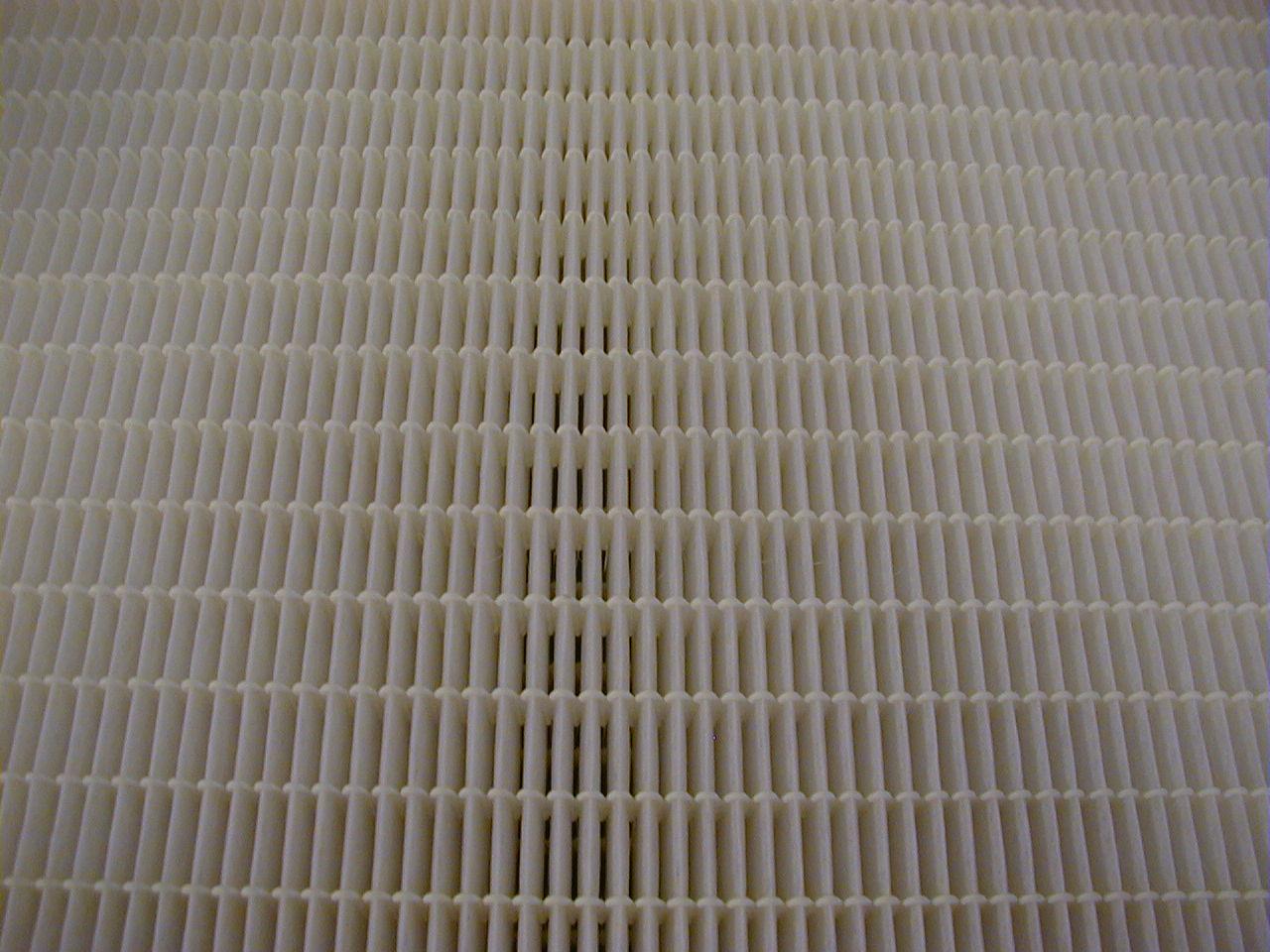
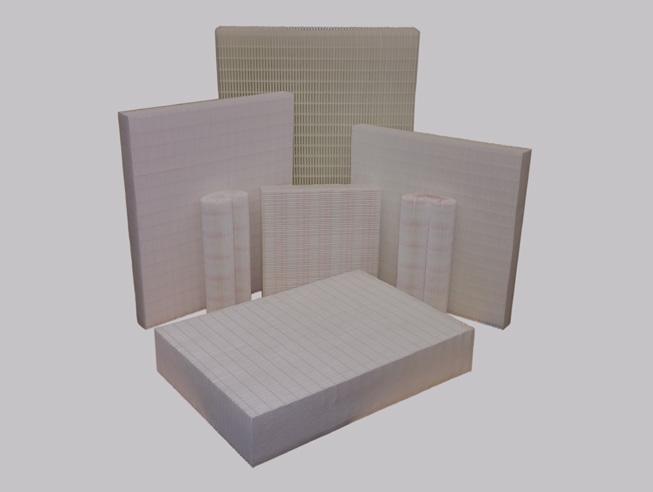

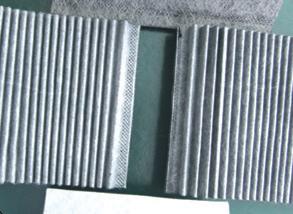
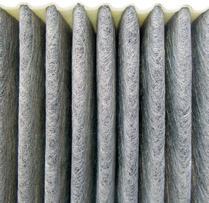
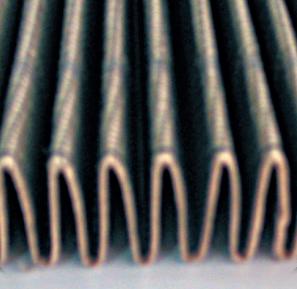
Mini-Pleat:
Pleat heights 1/2” to 12” upto 39” wide. Interrupted beads, many configurations.
Mini-Pleat: H.E.P.A. &
Pleat heights 3/4” to 4” upto 25” wide. Interrupted beads, many configurations.
The Lungs Of The Machine: The Critical Role Of Effective Air Filtration In Land-Based Gas Turbine Performance
Selecting the right air filter helps protect turbine health, optimize fuel consumption and support more sustainable power plant operation.
By Dr. Iyad Al-Attar, Global Correspondent for Innovations and Technology, and Paul Lambart
In the modern landscape of global power generation, land-based gas turbines are workhorses. They are relied upon to deliver availability, reliability, and efficiency to meet ever-growing energy demands and minimize the economic impacts of unexpected outages. However, the operational success of these highly engineered machines depends fundamentally on a resource that is often taken for granted — the ambient air they ingest.
Gas turbines consume massive volumes of air — often drawing in upwards of 500
kilograms per second (kg/s) to feed their continuous combustion cycles. Because these turbines are deployed across a range of challenging geographic environments — from dusty arid deserts and humid tropical zones to highly corrosive coastal regions — they are constantly subjected to a barrage of atmospheric contaminants (See Figure 1). If this massive air stream is not properly filtered before it enters the engine, the resulting degradation can be damaging to both machine performance and the plant’s bottom line. Therefore, the implementation of effective, high-
efficiency air filtration technologies is not optional; it is the primary defense for gas turbine integrity.
Understanding The Gas Turbine Cycle
To understand the necessity of advanced filtration, one must first examine the fundamental mechanics of gas turbine operation, which is governed by the thermodynamic principles of the Brayton cycle. The essence of this operation lies in accelerating a gas to high velocities by increasing its specific enthalpy and converting it into kinetic energy.
Atmospheric air is drawn through a filter house, typically installed at an elevated level, and passed through various filtration stages before entering the compressor via a bell mouth. Inside the compressor, the cleaned air is pressurized and heated before entering the combustion chamber, where fuel is introduced and ignited at a constant pressure. The resulting highenergy hot gases expand through the turbine section, converting thermal energy into mechanical work. Crucially, up to 50 percent of the total energy extracted by the turbine is required just to drive the compressor, with the remainder used to drive the generator for power output. Because the compressor consumes the lion’s share of the turbines generated work, any inefficiency in the compression stage disproportionately impacts the overall power output and heat rate of the entire system.
Contaminants And Compressor Fouling
When a filtration system is inadequate, airborne particulates bypass protective barriers and enter the engine, leading to compressor fouling. Fouling is the progressive deposition of particulate matter — such as dirt, sand, salt and industrial smog — onto the surfaces of the compressor blades and stators.
This deposition physically alters the highly precise aerodynamic profile of the blading (See Figure 2). As particles accumulate, the throat area between the blades narrows, choking the airflow through the compressor. Furthermore, the accumulation of dirt drastically increases the surface roughness of the blades. Aerodynamically, a rough surface disrupts the airflow boundary layers, leading to earlier flow separation, increased profile losses, and higher aerodynamic drag.
Consequently, the compressor's pressure ratio and isentropic efficiency drop significantly (See Figure 3). The combination of these effects forces the compressor to perform more specific work to achieve the required pressure ratios. Because the compressor is mechanically coupled to the turbine, this energy loss directly robs the generator of power. For the plant operator, this manifests as a noticeable reduction in megawatts produced and an
increase in fuel consumption (heat rate) just to maintain baseline operations.
The Limitations Of Compressor Washing
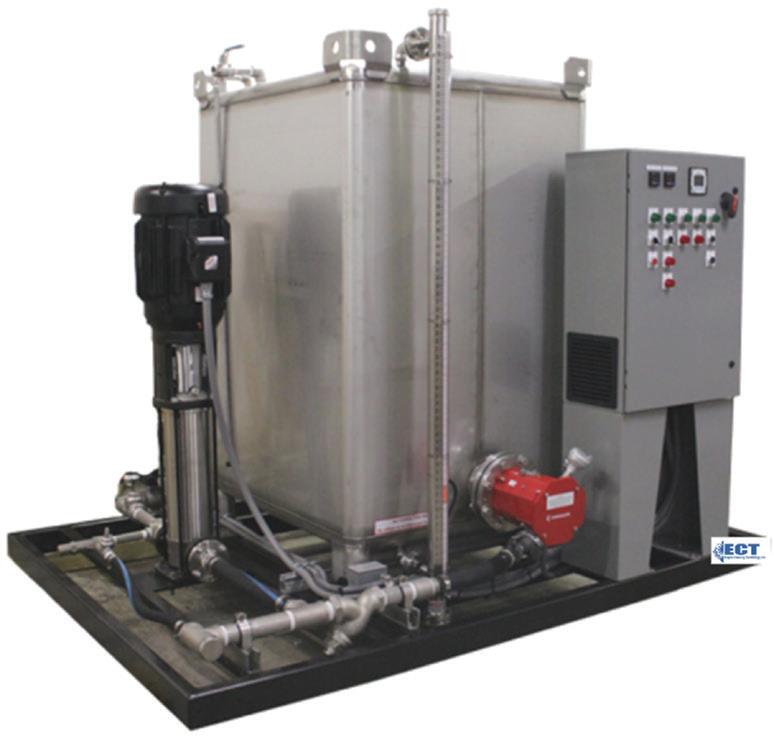
Historically, the industry has relied heavily on compressor washing — both on-line, during operation, and off-line, during shutdown — to recover the performance lost to fouling (See Figure 4). While physically washing the deposited particles off the blades is a widely used maintenance practice, it is essentially a reactive rather than a preventive measure.
The effectiveness of compressor washing depends heavily on site conditions, and the chemical and physical characteristics of the contaminants. A washing regime that works perfectly in a temperate climate might fail completely in a coastal region where sticky, salt-laden moisture binds aggressively to the blades. Furthermore, washing does not reverse the microscopic erosion or corrosion caused by particulate impact over time. Because washing alone is rarely a sufficient barrier to long-term performance deterioration, a strong consensus has emerged: it is far more economical and practical to remove contaminants from the air stream in the first place through absolute filtration.
Rethinking The Pressure Drop Dilemma
For decades, the “pressure drop dilemma” was the central governing compromise in gas turbine filtration design and a major barrier to optimal utilization. The traditional concern was rooted in basic physics: pushing air through a denser, less permeable medium inherently increases resistance, and a starved compressor is highly inefficient, posing severe economic and technical challenges. However, in a modern context, the industry must pivot from historical limitations to current aerodynamic innovations and advanced filter media. The assumption that high efficiency strictly results in an unacceptable pressure-drop penalty is outdated.
While the principles of fluid dynamics dictate that pressure drop is proportional to the velocity of the air flowing through a medium, modern filtration engineering bypasses this penalty by altering filter geometry rather than fighting fundamental physics. By moving away from traditional flat-panel filters to advanced, extended-surface-area designs — such as pleated V-shape cartridges — engineers dramatically increase the total effective media area within the same housing footprint, increasing residence time
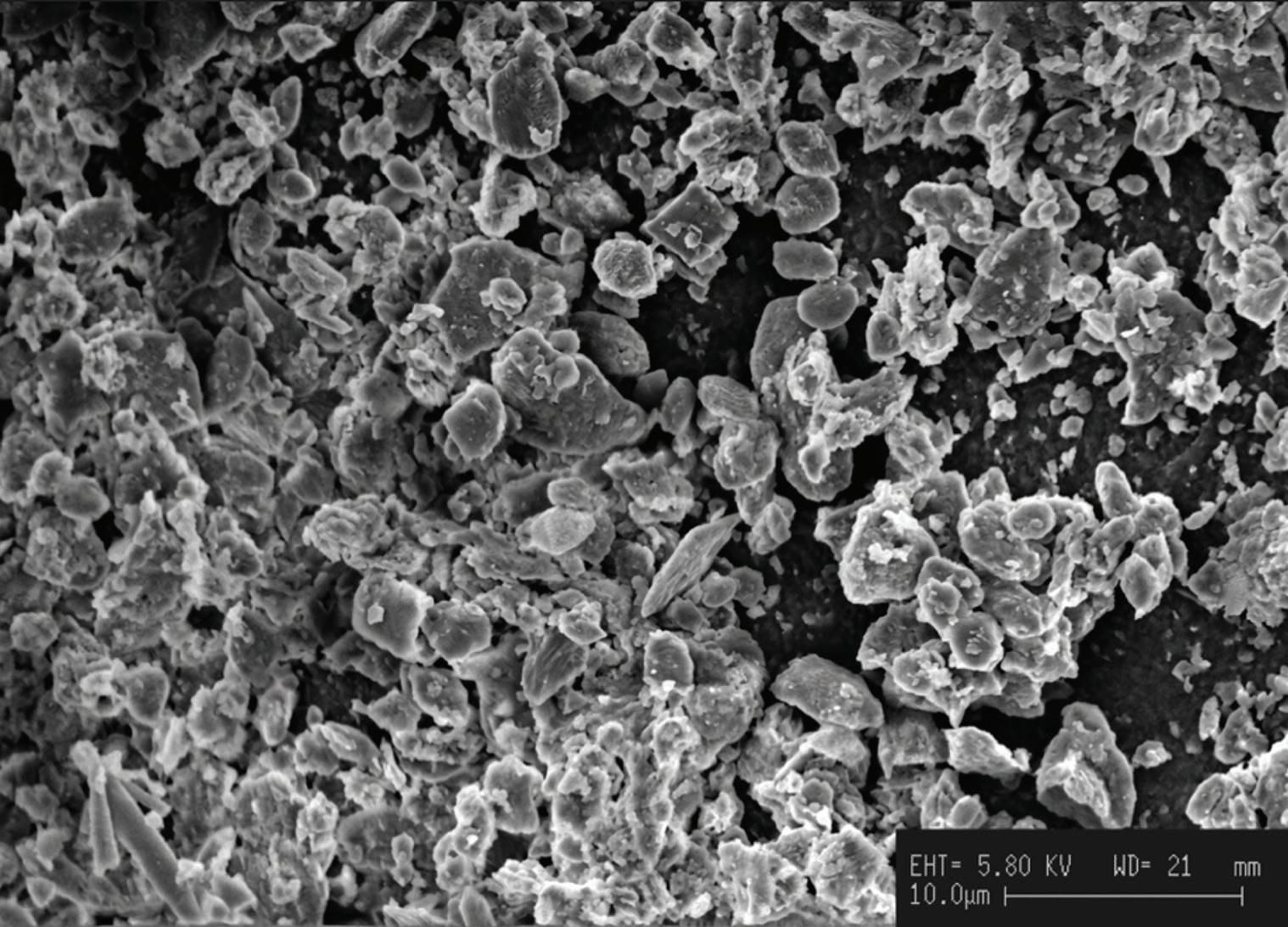
p Figure 1: SEM image of diverse particulate matter — including angular grains, aggregates and fine dust — captured from a land-based gas turbine intake filter, illustrating a highly complex filtration environment (10 µm scale).
Dr. Iyad
Al-Attar
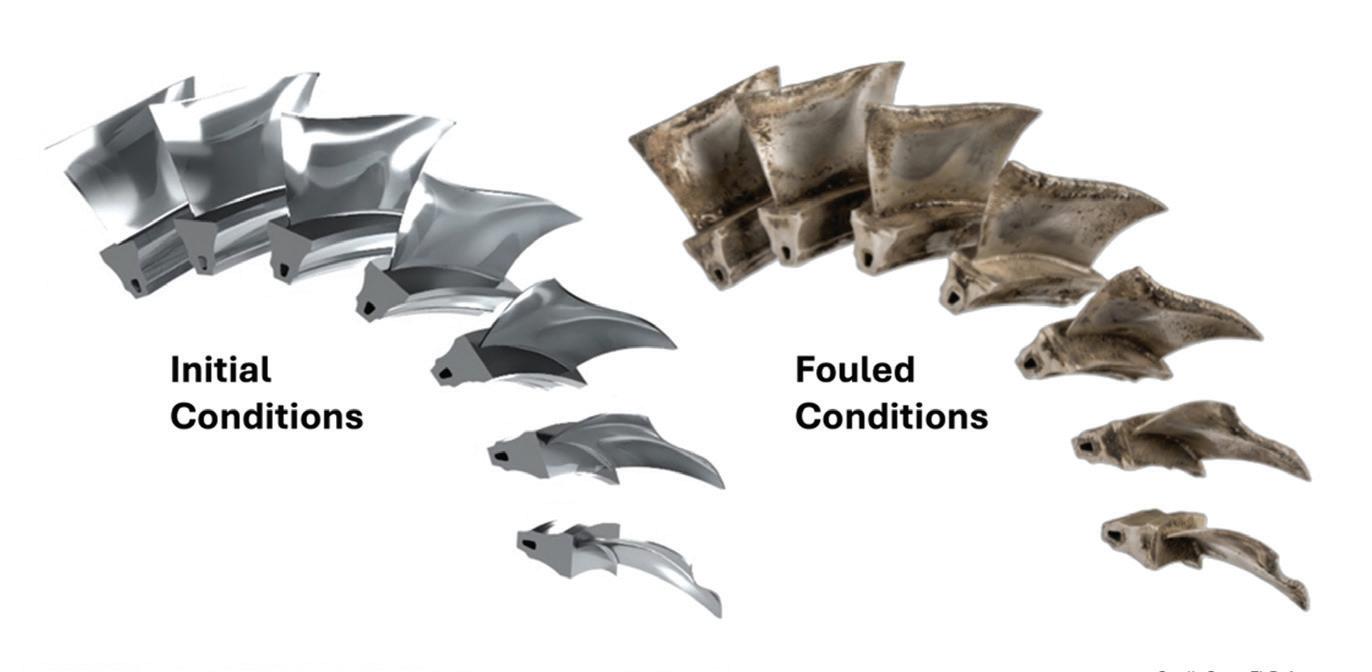
p Figure 2: A visual comparison of initial versus fouled gas turbine compressor blades. Notably, measurable performance penalties — such as reduced compressor efficiency and altered pressure ratios — often precede visually detectable particulate accumulation.
Figure 3: This compressor map highlights the potential dangers of a fouled compressor resulting from reduced mass flow. The operator is forced to reduce output until the situation can be corrected. The resulting reduction in power output is compounded when the gas turbines are operating in high-temperature climates.
for particle-fiber contact and enhancing overall capture efficiency. Because the same mass flow of air is now distributed over a vastly larger surface, the localized velocity of the air passing through the actual media — known as face velocity — is drastically reduced. By minimizing this face velocity, modern high-efficiency filters can maintain pressure drops lower than those conventionally experienced with older, much coarser filters, significantly reducing the risk of compressor starvation and subjecting the filter media to less aerodynamic stress during operation.
loading and keeping pressure rise negligible. Selecting an appropriate air filter tailored to the specific physical and chemical characteristics of the airborne pollutants at the turbine’s intake ensures a consistently predictable pressure drop. This prevents the sharp, unexpected spikes in differential pressure that historically forced operators to take turbines offline.
off-line washing — far exceeds the simple investment of embracing a strategic and effective filtration system from the outset.
The industry no longer has to choose between a clean compressor and a starved one. Advanced geometric designs and sophisticated media technologies have successfully decoupled efficient filtration from high-pressure drops, allowing the turbine to draw in air freely while remaining entirely protected.
Next-Generation Filtration: Redefining The Cartridge
To completely break this historical compromise, the filtration industry and aerodynamic engineers have focused on structural redesigns and advanced materials science. The goal is clear: to provide optimal filtration efficiency at an ultra-low pressure drop that rivals that of traditional, lower-efficiency coarse filters.
One of the most significant breakthroughs has been the transition from traditional panel filters to advanced V-shape cartridge designs. These aerodynamic configurations maximize the filter's total effective surface area without expanding the physical footprint of the filter housing. By increasing the pleat count and optimizing pleat density, the face velocity of the air as it passes through the media itself is substantially reduced. This lower face velocity directly improves particle-fiber capture, resulting in higher overall filter efficiency due to a greater probability of particle separation and retention.
Furthermore, concerns about premature clogging and rapid dust-cake formation apply primarily to environments with high particle concentrations, which challenge traditional depth-loading filters by forcing them to act as surface strainers at the outermost layer of the media. This rapid particle surface deposition hinders the utilization of the filter’s full depth capacity, necessitating early replacement and triggering forced, unplanned outages that result in lost power generation. Modern filters use submicron media with progressive enclosures that effectively manage particle deposition, maintaining stationary filter
Finally, attempting to weigh the energy loss from reduced-permeability filters against the efficiency penalty of a fouled compressor relies on an economic equation that no longer holds true. When submicron particles bypass installed filters, they alter the precise aerodynamic profile of the compressor blades, physically choking the throat area and disrupting boundary layers. Inappropriate filter selection, installation, and operation lead to severe consequences. The damage incurred — from the additional power required to drive a fouled compressor to permanent blade degradation, elevated heat rates, and downtime for frequent
However, an unchecked increase in pleat density can be counterproductive. Pressure drop inherently increases at low pleat counts due to reduced surface area and higher media face velocity; conversely, it also rises at excessively high pleat counts due to increased viscous drag within the tight pleat spacing. Addressing this delicate balance, Rabei et al. proposed the existence of two distinct optimal pleat counts: one that maximizes filter capacity and another that minimizes pressure drop, identifying the point at which the combined effects of viscous drag and media resistance are minimized.1,2 Additionally, Chen et al. utilized a numerical finite element model to optimize pleat density for
Dr.
Dr. Iyad
Al-Attar
filter materials with varying permeabilities.3 Their findings demonstrate that for a given pleat height and specific filter medium, the optimal pleat count increases as the medium’s permeability decreases. Furthermore, the future of filter media holds immense promise for engineered technologies that utilize reusable materials, resonating with the circular-economy principles that the modern filtration market is working hard to embrace. Moving forward, continued innovations in filter design and media technologies are required to ensure that air filters used in power generation remain highly resilient to varying operational conditions, environmental extremes, and fluctuating flow rates.
The Techno-Economic Perspective
The decision to employ advanced filtration technologies must ultimately serve the core objective of operating the gas turbine engine at its designed point. While the transition toward highly efficient, ultra-low-pressure-drop filtration is rapidly gaining momentum in the gas turbine market — yielding profound and measurable techno-economic benefits — it is critical to recognize that this is not a zero-sum game between filtration and compressor washing. Rather, the two approaches must be viewed as
complementary components of a holistic operational strategy. They must be carefully balanced to best serve the engine: high-efficiency filtration acts as the frontline defense to minimize fouling rate, while optimized, site-specific compressor washing regimes recover any incremental losses. By harmonizing these two practices, plant operators can successfully mitigate environmental challenges, seamlessly facilitate continuous design-point operation, and achieve maximum thermodynamic and economic performance.
Conclusion
As global energy markets demand higher efficiency and stricter environmental compliance, the margins for operational losses in power generation continue to shrink. Land-based gas turbines remain central to this energy matrix. The job of a gas turbine is to generate reliable power, and fulfilling this role dictates that every auxiliary element within the engine assembly must perform in accordance with this core premise, sustainably helping the engine perform at its designed operating point.
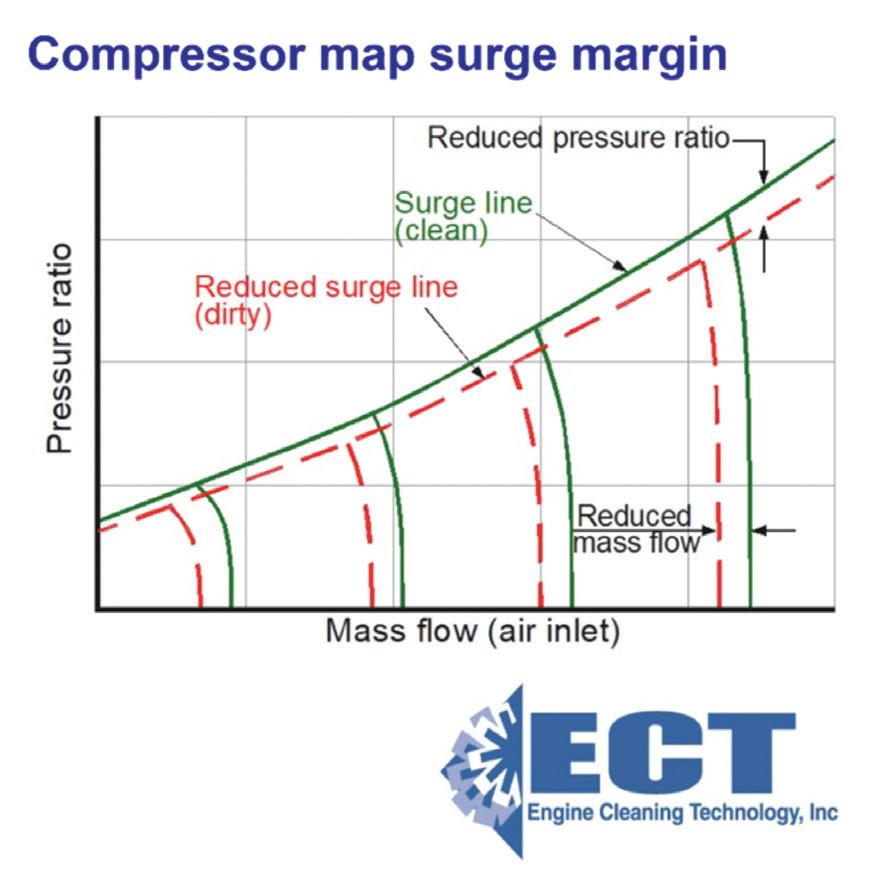
However, the sophisticated aerodynamics of gas turbines are inherently vulnerable to the very air they require to operate. While compressor washing serves as a necessary remedial tool, it cannot replace the protective barrier provided by a highly engineered intake system. Ultimately, appropriate air filter selection is not a generic, one-size-fits-all decision; rather, it is a function of several parameters, foremost among them being the physical and chemical characteristics of the outdoor air pollutants challenging the specific installation site. By recognizing these site-specific challenges and utilizing advanced geometric cartridge designs that resolve the historic conflict be -
tween high filtration efficiency and low pressure drop, modern filtration technologies act as a critical enabler. They safeguard turbine health, optimize fuel consumption, and ensure that power plants operate sustainably at the peak of their economic and thermodynamic potential.
References:
1. Rebai M., Prat M., Meireles M., Schmitz P. and Baclet R. 2010a. “A semi-analytical model for gas flow in pleated filters”, Chem Engineering Science 65(9), 2835-2846.
2. Rebai M., Prat M., Meireles M., Schmitz P. and Baclet R. 2010b. “Clogging modeling in pleated filters for gas filtration” Chemical Engineering Research and Design, 88(4), 476-486.
3. Chen D.R., Pui D.H. and Liu B.Y.H., 1995. “Optimization of pleated filter designs using a finite-element numerical model,” Aerosol Science and Technology, 23, 579-590.

Dr. Al-Attar is IFN ’s Global correspondent, Technology and Innovation. He is a visiting academic fellow in the School of Aerospace, Transport, and Manufacturing at Cranfield University in England, consulting for air quality and filter performance relevant to land-based gas turbines. His expertise is on the design/performance of high-efficiency filters for HVAC and land-based gas turbine applications, focusing on chemical and physical characterization of airborne pollutants. Dr. Al-Attar is also the strategic director, instructor, and advisory board member of the Waterloo Filtration Institute. In 2020, Eurovent Middle East appointed Dr. Al-Attar as the first associated consultant for air filtration, as well as an IAQ patron for EUROVENT.

Paul Lambart is a veteran engineering executive with more than 25 years of experience in developing environmentally focused technologies for gas turbines. Currently the managing director of Operations, Europe and Asia, for Engine Cleaning Technologies Inc., Pottstown, Pa., he specializes in advanced compressor wash systems and performance analysis. He is a visiting fellow at Cranfield University, where he has mentored more than a dozen PhD candidates and chaired the Thermal Power MSc Industrial Advisory Board. Lambart can be reached at plambart@ectinc.net.
EXCERPTS FROM THE EXPERTS
Compiled By
Dr. Iyad Al-Attar
Compiled By Dr. Iyad Al-Attar
Championing The Air We Share

Although we spend 90 percent of our lives indoors — inhaling a small swimming pool’s worth of air every day — the quality of that air remains dangerously invisible. While we can easily spot wildfire smoke or sense when a room has an odor or temperature issue, we cannot smell microscopic threats like PM2.5, which can harbor respiratory viruses and harmful pollutants. To protect public health, we need to make indoor “air visible” through monitoring and alarms, and ensure people know how to react when those alarms sound. Fortunately, the core solution is straightforward: pushing air through filters effectively cleans it. The economic argument for doing so is staggering, with research showing that the benefits of clean indoor air — such as improved health, increased productivity and reduced absenteeism — may outweigh the costs by 3 to 100 times. However, a major structural hurdle remains. While buildings are designed to meet U.S. standards such as ASHRAE 62.1 and 62.2, these codes typically ignore ongoing operations and maintenance, allowing air quality to quietly degrade over time. Addressing this gap requires a long-term legislative strategy, and the gap gained major traction with the 2023 development of the Model Clean Indoor Air Act. This comprehensive 35-page framework is designed to help states monitor, regulate and improve indoor air quality (IAQ). It establishes precise, protective airflow rates and allowable contaminant levels while mandating regular testing and public posting so occupants know exactly what they are breathing. The model also autho -
rizes state agencies to collect data and develop IAQ plans, while creating complaint systems, noncompliance penalties and incentives for building owners to make necessary upgrades. This framework is already inspiring action. For example, Pennsylvania recently passed House Resolution 271 to study IAQ specifically for seniors and children, and to propose tax credits for related facility improvements. Action is also happening at the federal level with the September 2025 introduction of the “Indoor Air Quality and Healthy Schools Act of 2025“ (H.R. 5123) by Representatives Tonko and Fitzpatrick. This bill focuses on school ventilation data and proposes creating a national IAQ index to keep the public informed and protected.
Dr. Paula J. Olsiewski is a contributing scholar at the Baltimore-based Johns Hopkins Center for Health Security, where she leads the center’s work on IAQ policy to mitigate airborne disease and global catastrophic biological risks. Dr. Olsiewski is a commissioner of the Global Commission on Healthy Indoor Air, a member of the Academy of Fellows of the International Society for Indoor Air Quality and Climate, and an AAAS fellow in chemistry. She received a Ph.D. in biological chemistry from the Massachusetts Institute of Technology and a B.S. in chemistry, cum laude, from Yale University.
Healthy Indoor
Air Isn't A Luxury — Why Filtration Must Move To The Center
Let’s face a hard truth: We spend up to 90 percent of our lives inside buildings, yet the air we breathe indoors is often more polluted than the air on a busy street cor-
ner. Healthy indoor air is not a luxury perk for high-end offices or homes; it is a fundamental human necessity.
The good news? Unlike ambient outdoor pollution, IAQ is largely within our control. When we combine high-quality filtration with precise measurement and intelligent systems, we unlock one of the most powerful, immediate levers we have for improving public health.
From Guesswork To Action: The Power Of Measurement
You can’t fix what you can’t see, and meaningful improvement has to start with real-time data.
Today, distributed sensor networks utilizing multiple low-cost devices allow us to map actual exposure patterns within rooms and entire buildings. These systems act as invisible detectives, identifying hidden pollution sources — like laser printers, poorly vented fireplaces or off-gassing chemical processes — so we can target our interventions. Continuous monitoring finally lets us see the full picture — how our daily activities, building occupancy and even weather patterns directly dictate the air we breathe.
The Core Fix: Uncompromising Filtration
Once we identify the sources, the only practical response is a one-two punch of source control and aggressive filtration.
• The Sweet Spot: In residential homes and office environments, the gold standard right now is integrating HEPA filtration — to catch fine particles — with activated carbon — to neutralize gases and odors all backed by robust air exchange rates.
• At Scale: For larger buildings, centralized heating, ventilation and air conditioning (HVAC) systems must step up. Upgrading to high-efficiency filters — MERV 13 to 16 or true HEPA — provides a highly scalable solution to keep entire populations safe.
• The Printer Problem: We need to be honest about specific high-emission devices. Laser printers, for example, require strict, targeted measures. The evidence is clear: they belong in separate, well-ventilated rooms with dedicated exhaust systems and man-
p Dr. Paula J. Olsiewski
p Heike Krüger
datory retrofit filtration right at the device level.
The Rise Of Intelligent, Adaptive Systems
We are moving beyond static filters into the era of smart sensing and artificial intelligence (AI)-driven control. These hybrid systems don't just run on a timer; they continuously adapt to the reality of the room:
• Reacting to life: Ramping up when cooking events trigger a spike in particulates.
• Battling the seasons: Working harder when seasonal changes drastically increase pollen loads.
Predictive filtration takes this a step further by learning our habits over time. By anticipating pollution events before they peak, these systems adjust proactively, perfectly balancing pristine air quality with energy efficiency.
Toward An “Atmospheric Memory”
We are entering an era where future-ready buildings won’t just monitor air quality in
the moment — they will maintain a continuous, historical record. Building this “atmospheric memory” provides the exact data foundation we need for long-term health evaluations, system optimizations and the creation of vastly superior standards for indoor environments.
A Call For Clear PM0.1 Standards: An Urgent Message Echoing The Nano-Control International Foundation
As Dr. Dean Schraufnagel noted in 2020: “Air pollution is a silent epidemic, and PM0.1 is perhaps the quietest of all pollutants.” Despite a mountain of growing evidence, indoor air remains shockingly underregulated. Thousands of reported cases of individuals suffering from laser printer emissions highlight massive, systemic gaps in both our monitoring and our enforcement. Right now, sensitive individuals are often the ones detecting ultrafine pollutants long before our building systems do. They are acting as the canaries in the coal mine, providing early warning
Tailored Solutions for Air & Liquid Filtration
Meet our team & learn more about our latest filter media & pleat support developments at Filtech
• Filter Media with Reduced Product Carbon Footprint - best filtration performance with eco-friendly cellulose filter media
• Pleat Support & Separation Netting for extreme operating conditions - made of PPS
• Fuel Filter Media for Bio-Diesel - designed for a reliable efficiency
• HME Cellulose Filter Media - reliable moisture exchange & multiple medication dosing
signals that we are failing to heed.
To truly protect public health, we must demand mandatory measurement, fully transparent reporting, and — most importantly — enforceable filtration standards. Clean indoor air is entirely achievable right now, but only if we stop treating filtration as an optional upgrade and start treating it as essential human infrastructure.
Heike Krüger is a voluntary chair who has been advocating for healthy indoor air for more than 15 years, driven by her personal experience in offices with poor ventilation. Together with a dedicated team of volunteers, she supports individuals affected by emissions from laser printers. She has authored several specialist publications and serves as an ambassador for ultrafine particles at Global Open Air Quality Standards. Her work focuses on promoting mandatory regulations, raising awareness and networking to make invisible threats in indoor environments visible. She can be reached at heike.krueger@nano-control.org. For more information, visit nano-control.org.
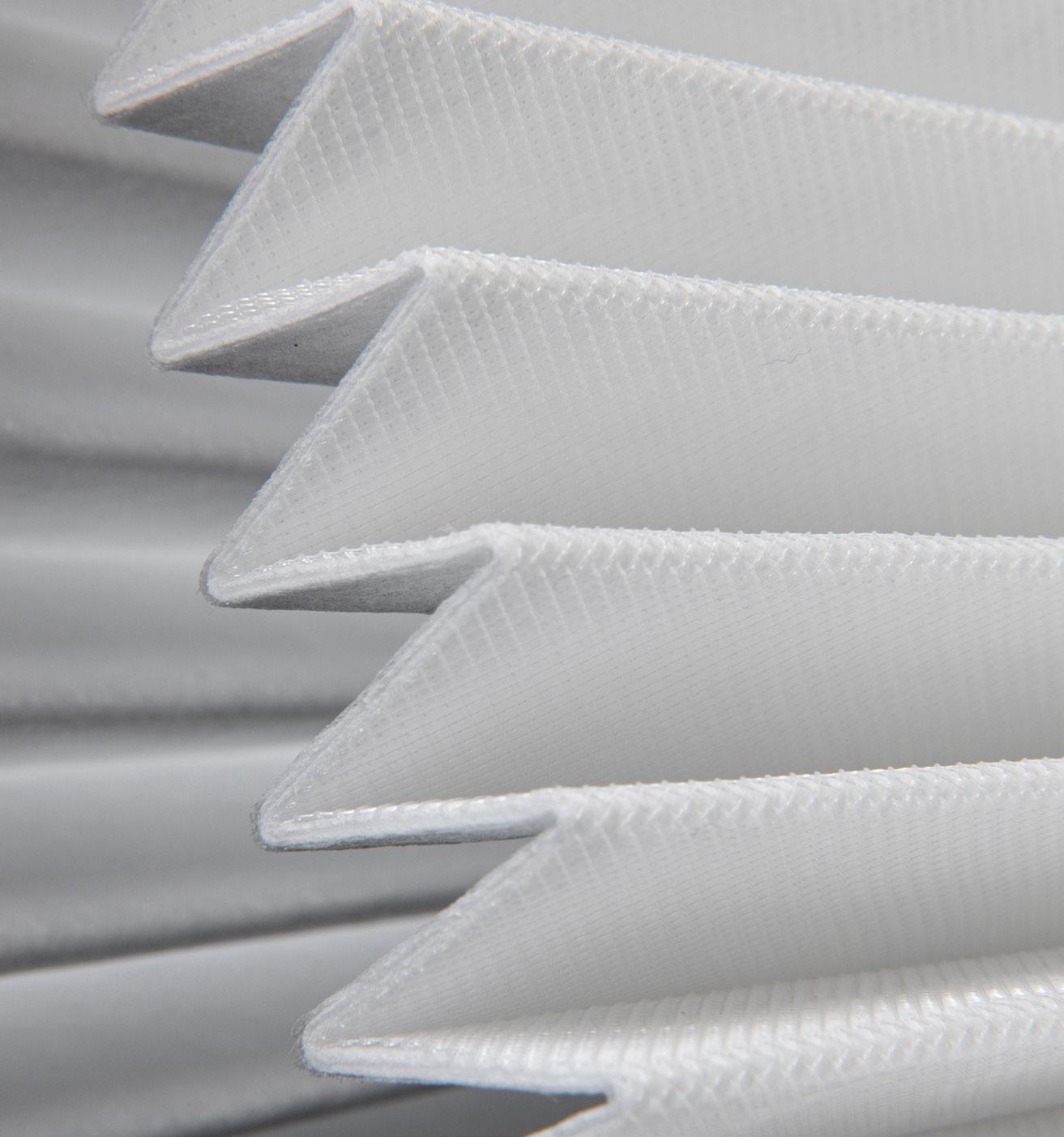
Compiled By Dr. Iyad Al-Attar
Pioneering Safe And Sustainable Climate Solutions

In residential settings and the broader hospitality industry — including homes and hotels — natural convection remains the primary method for maintaining climate control. When air handling units (AHUs) are used, some basic filtration is typically applied. However, the dominant ambient control systems continue to be traditional HVAC setups, notably mono- and multisplit units. It is also important to note that recent EU legislation is shifting this landscape, making energy-efficient heat pumps paired with ventilated convection systems increasingly common across the market.
Public spaces have experienced a distinct shift in recent years. Following the COVID-19 pandemic, there has been a widespread mandate to implement enhanced filtration within existing AHUs to better protect public health and safety.
In the industrial sector, ventilation strategies are quite diverse. Systems generally fall into three broad categories — natural ventilation, forced air systems and dedicated AHUs. The choice largely depends on the specific manufacturing processes and the manufacturers’ preferred system type. Interestingly, despite the wide availability of advanced mechanical systems, the vast majority of industries in Portugal still rely primarily on natural ventilation.
Finally, hospitals represent the most critical environment for air quality management. Because preventing the spread of infections and airborne contamination is paramount, health care facilities employ a highly rigorous approach to air purification. Their setups utilize a wide array of advanced filtration technologies, including ac-
tivated carbon filters, HEPA filters and UV-C systems for continuous disinfection. These sophisticated systems are not uniformly installed but instead strategically deployed based entirely on the specific risk levels of different areas within the hospital.
Alfredo Oliveira is a mechanical engineer, Fluids and Heat, with more than 20 years of expertise in refrigeration and air conditioning. He is a key contributor to ISO, IEC and CENELEC standards, including his role as convenor for ISO TC86/SC8/WG8, Burning Velocity Test Methods.
The Air We
Share: Why
It’s Time To Mandate Proper IAQ
Through Filtration

Can filtration truly achieve safe, proper IAQ? The short answer is an emphatic yes!
Years ago, the answer might have been no, but filtration technology has advanced lightyears. Today, thanks to low-pressure filtration and highly efficient motors, we no longer need expensive, clunky air cleaners. We can easily integrate additional filters into existing systems with minimal added static pressure or implement side-stream and after-filtration options. The technology is already here. The real question isn‘t whether we can do it, but why we aren‘t doing it right now.
Breaking The “Minimum Effort” Cycle
Currently, we treat IAQ as an afterthought. We rely on baseline standards that often translate to minimum effort. We let thermostats shut off blowers when the room hits the right temperature, completely ignoring whether the air itself is actually clean. To fix this, we need to completely shift our approach. First, we must seal the built-in bypasses in standard HVAC equipment that
currently allow dirty air to slip through untreated. Furthermore, we can upgrade our system motors to different fan curves, allowing them to easily overcome the slight pressure increases caused by higher-quality filters. Most importantly, blowers should be controlled by IAQ monitors, ensuring the air keeps moving until it is demonstrably clean, rather than just shutting off when a room reaches a comfortable temperature.
The Microscopic Threat: PM0.4
This level of control is crucial because of what is hiding in our air. The air we breathe delivers oxygen straight to our bloodstream, but it also delivers microscopic dangers. Particles measuring PM0.4 and smaller are particularly hazardous because they can easily cross directly into the bloodstream. It makes no sense to allow these ultra-fine particles to endlessly recycle through our buildings when establishing a baseline of HEPA filtration — capturing 99.97 percent of contaminants — can easily control them. We need mandatory monitoring of these specific, ultrafine particles. Turning off a blower without knowing if these contaminants have been cleared is a major health risk, especially for our most vulnerable populations in schools and senior centers.
The Missing Link: Legislation
We have government departments and regulations ensuring the safety of the food we eat and the water we drink. You can go days without food and a few days without water, but only minutes without air. Yet the indoor air we constantly breathe remains largely unregulated. Proper IAQ is a complex problem that requires the entire industry to work together, but without laws to enforce performance, products and monitoring systems have no benchmarks to meet or maintain. We absolutely can achieve safe IAQ by taking control of both what enters our buildings and what we recycle within them. However, one thing is absolutely certain: we will never accomplish this vital goal if we keep doing things the way we are today.
Mack Allen Barnhardt is the owner of Las Vegas-based Air Filtration Systems Corp. and a consultant in filtration, energy and air quality.
p Mack Allen Barnhardt
p Alfredo Oliveira
The Growing Complexity Of Vehicle Filtration Hidden In Plain Sight
Modern vehicles contain a complex network of protective filtration elements, and the rise of electric vehicles is redefining how and where filters are used.
By Adrian Wilson, International Correspondent
The assertion that a modern conventional car with an internal combustion engine (ICE) contains up to 40 filters appears repeatedly in articles, presentations and marketing material, often without much supporting detail.
But how true is it?
Most drivers can only name a handful of filters and even those familiar with vehicle servicing rarely think beyond the obvious few.
Yet the figure is not entirely unfounded and simply depends on how broadly the definition of what constitutes a “filter” is applied.
If the term is taken in its everyday sense — referring to serviceable components that are replaced at intervals — then the number is small and well understood.
Every ICE vehicle now relies on a core set of filtration elements that are fundamental to its operation:
• The engine air filter ensures that incoming air is free from dust and particulates before entering the combustion chamber.
• The oil filter continuously removes wear debris and contaminants from circulating lubricant.
• The fuel filter protects injectors and pumps from impurities.
Cabin Air Filters
The cabin filter — a surprisingly recent introduction — is meanwhile now viewed as essential to maintaining air quality for occupants.
Cabin air filters were first introduced in

Europe in the 1980s, initially by Swedenbased SAAB, but only really started to gain traction in North America and Asia in the late 1990s and early 2000s, appearing first in premium models. Through the 1990s, they became more sophisticated and more widespread as manufacturers began integrating filters more deliberately into heating, ventilation and air conditioning (HVAC) systems, and activated carbon filters were introduced to absorb odors and harmful gases such as nitrogen oxides and hydrocarbons. Since then, the technology has continued to evolve. Modern vehicles increasingly use multi-layer filtration systems, sometimes incorporating high-efficiency particulate air (HEPA)-grade materials or antimicrobial coatings, and in some premium electric vehicles, even hospital-grade air purification systems. What began as a simple pollen filter in a handful of European cars has, in just a few decades, become a universal expectation.
Emissions Standards
These few filters then, would be the most widely recognized by drivers since they form the basis of routine maintenance schedules and from this perspective, a car appears to contain no more than four or five filters. Modern vehicles, however — and particularly those engineered to meet increasingly stringent emissions standards — incorporate a far wider range of filtration functions. Diesel engines, and now many gasoline engines too, employ particulate filters within the exhaust system to capture soot and fine particles before they are released into the atmosphere. Crankcase ventilation systems include oil separators or filter elements to prevent vapor-borne contaminants from re-entering the intake and even within intake and exhaust gas recirculation systems, small protective screens may be present to shield sensitive components from debris.
Including these additions, the number of filtration elements begins to move beyond the handful most people would instinctively list.
Drivetrain
The scope broadens further when the drivetrain is considered. Automatic transmissions typically incorporate internal filters designed to protect valves and clutch packs from wear particles circulating in the fluid.
Some dual-clutch systems employ multiple filtration stages, reflecting the precision of their hydraulic control sys-
p The first car to introduce cabin air filtration as a standard, integrated system was the Saab 900 introduced in 1994. Saab
tems. Power steering reservoirs may include filters to maintain fluid cleanliness, and gearboxes and differentials are fitted with breather systems that often incorporate filtering membranes to prevent the ingress of dirt and moisture. These are all integral to long-term reliability.
Beyond this, filtration extends into a range of auxiliary and fluid systems that are easily overlooked. Brake fluid reservoirs commonly include fine mesh screens to prevent contamination during servicing and coolant systems can incorporate strainers or debris traps, particularly in more complex thermal management architectures. Even the windscreen washer system typically features a small pickup filter to protect the pump from debris in the reservoir. Within the fuel tank, the pump itself is protected by a strainer, ensuring that larger particles are captured before fuel reaches the main filter and injectors.
Under The Microscope
It’s at the microscopic level, however, that the notion of “40 filters” begins to take shape.
Modern vehicles are filled with small, often hidden filtration elements designed to protect highly sensitive components. Fuel injectors frequently contain their own miniature filters, meaning that a four-cylinder engine may include four. Variable valve timing systems rely on fine screens within their control solenoids and turbochargers are protected by small oil feed filters to prevent damage from debris. Anti-lock braking systems can incorporate internal filtration within their hydraulic control units and air conditioning systems use receiverdriers to remove moisture and particulates from the refrigerant circuit.
When each of these elements is included — no matter how small or inaccessible — then a modern ICE vehicle can indeed contain up to 40 filters.
Air, fuel and oil must all be continuously cleaned, while combustion itself generates particulates that require further downstream treatment. Around this core, a network of supporting systems introduces additional filtration needs — from hydraulic circuits to emissions control components.
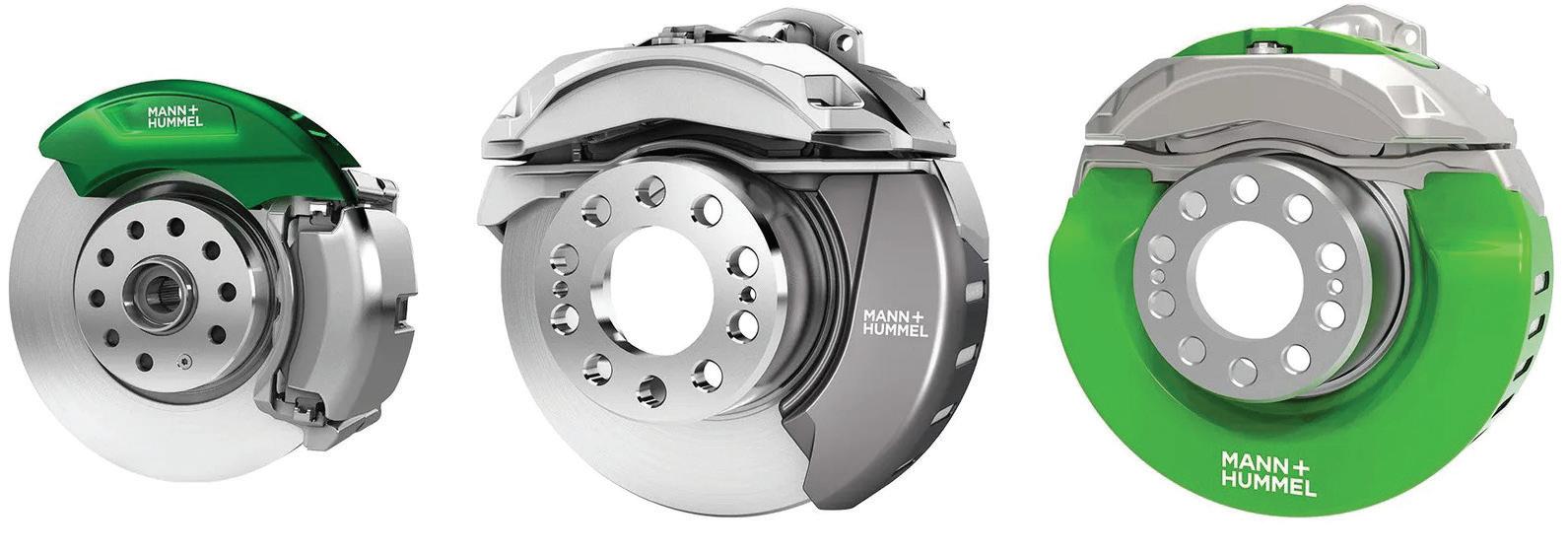
p The passive brake dust particle filter from Mann+Hummel is made from nonwoven metal fibers and fitted directly to the caliper to retains particle emissions on brakes. Mann+Hummel
Under its Mann-Filter brand, Germany-based Mann+Hummel supplies some 6,800 separate vehicle filters for the aftermarket, with more than 300,000 potential applications. Mann+Hummel
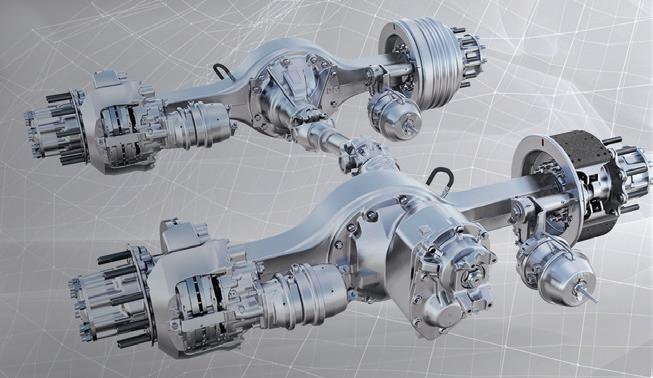
Electric Vehicles
This entire framework is removed at a stroke in electric vehicles.
With no combustion process, there is no requirement for an engine air filter, no oil circulating through a contaminationheavy environment and no fuel system requiring protection.
In addition, exhaust aftertreatment systems, including particulate filters, disappear entirely and along with them goes a cascade of smaller elements — injector micro-filters, crankcase ventilation filters and many of the protective screens associated with combustionrelated subsystems.
Electric vehicles, however, are far from filtration free.
The cabin air filter continues to play the same role in maintaining interior air quality, brake systems still require clean hydraulic fluid, and reservoirs often retain mesh screens. Washer systems continue to use small pickup filters and thermal management circuits for batteries and power electronics may incorporate strainers or debris traps.
These shared elements ensure that
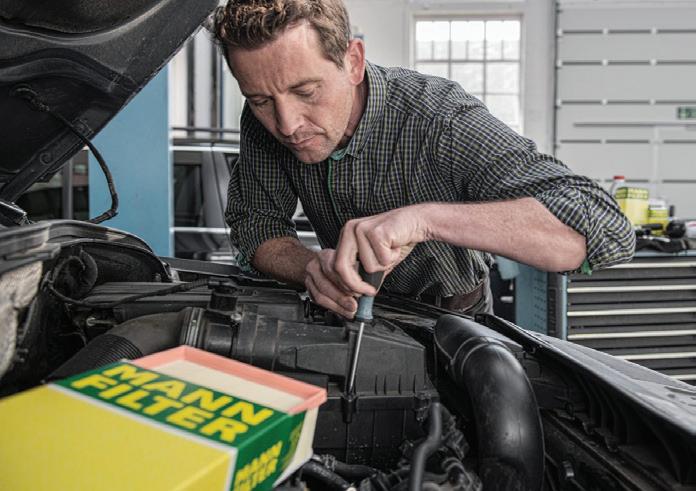
even the simplest electric vehicle retains a baseline level of filtration.
Battery Packs
In addition, electric vehicles introduce their own specialized requirements. Battery packs are highly sensitive to both moisture and particulate contamination, leading to the use of breather systems with membrane filters or desiccant elements that manage pressure changes while preventing ingress. Cooling systems for batteries and inverters may include fine filtration to protect narrow channels and heat exchangers.
Drive units and reduction gearboxes can incorporate filters or magnetic debris collectors, although these are typically simpler than those found in conventional transmissions. Power electronics, operating at high voltages, demand controlled internal environments, sometimes requiring filtered venting or sealed enclosures designed to exclude contaminants.
From Open To Closed Systems
Even when these elements are taken into account, the overall number of filters in an electric vehicle remains lower. Using the same expansive definition applied to
t In a drivetrain, automatic transmissions typically incorporate internal filters designed to protect valves and clutch packs. Cummins
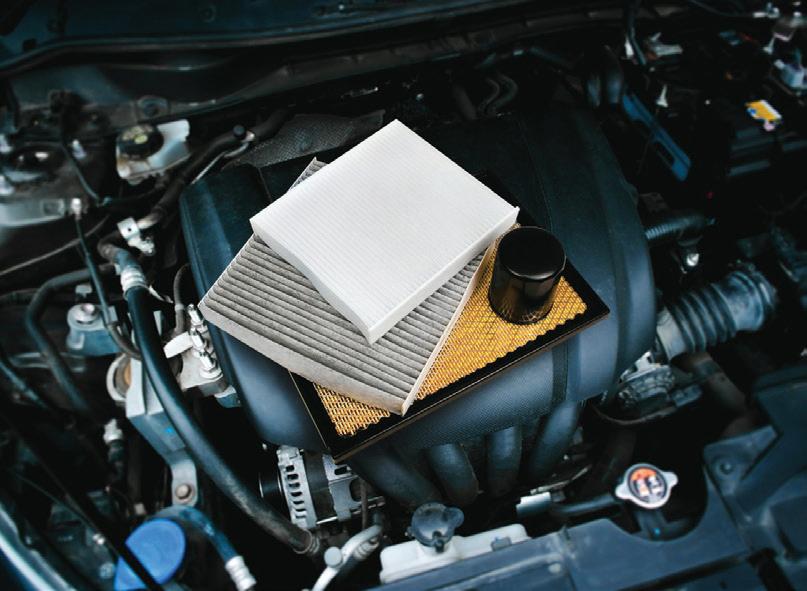
ICE vehicles, it can reasonably be asserted that there are somewhere in the region of 10 to 20 filtration elements in a modern electric car.
What this comparison ultimately reveals is not simply a reduction in the number of filters, but a shift in how filtration is conceived within the vehicle. In ICE systems, filtration is
largely about managing contamination in open, dynamic environments where particulates and by-products are continuously generated. In electric vehicles, the emphasis moves toward sealing, environmental control and the protection of closed systems.
The filtration that remains is often less visible, more integrated and more closely tied to the longterm integrity of critical components, so if anything, the importance of these remaining filter elements increases.
A blocked ICE oil filter is a well-understood and manageable issue.
Contamination within a battery pack or power electronics module, however, presents a far more complex challenge, often with less predictable consequences.
Shift In Definition
Ultimately, the oft-quoted figure of “up
to 40 filters” is less a precise count than a reflection of how extensively filtration is embedded within a modern vehicle. What appears at first glance to be a simple set of serviceable components reveals itself as a complex, distributed network of protective elements operating at every scale — from the very visible to the microscopic.
As the industry transitions from combustion to electrification, this complexity isn’t disappearing but instead being redefined. Filtration is shifting from managing the by-products of open systems to safeguarding the integrity of tightly controlled environments, becoming quieter, more integrated and in many ways, more critical than ever.
Adrian Wilson is an international correspondent for IFN . He is a leading journalist covering fiber, filtration, nonwovens and technical textiles. He can be reached at adawilson@gmail.com.
p Freudenberg’s automotive filters are supplied under the Filtura brand. Freudenberg

PPS Netting: Pleat Support Solution For Demanding Filtration Applications
Filtration performance depends on netting architecture and manufacturing precision, as well as material properties.
IFN Special Report
In advanced filtration systems, pleat support layers ensure pleat geometry, spacing uniformity, airflow distribution and mechanical stability, all of which are essential for long term filter performance. In demanding environments — where high temperatures, aggressive chemicals, or extended service intervals are the norm — standard polymer meshes often reach their functional limits.
In these applications, polyphenylene sulfide (PPS) netting is increasingly used as a high performance pleat support solution. Its value lies not only in its material properties, but in how those properties translate into stable pleat formation and reliable structural support under combined thermal, chemical, and mechanical stress.
Engineered For Extremes: Thermal Stability And Reliability
PPS is a semi-crystalline, high-temperature thermoplastic with a continuous service temperature of up to 240°C (464°F) and a melting point of ~275-290°C. In pleated filter designs, thermal exposure can lead to softening, shrinkage or deformation of conventional polymer support meshes, resulting in pleat collapse, uneven spacing or restricted airflow. Thanks to its low thermal shrinkage and
high stiffness, PPS netting preserves pleat geometry under heat and load, ensuring consistent airflow distribution and effective utilization of filter media over time.
Chemical And Hydrolytic Resistance For Harsh Environments
Pleat support nettings are often exposed to aggressive process media, condensates, cleaning agents, and humidity. PPS exhibits strong resistance to acids, bases, fuels and organic solvents, combined with very low moisture absorption and high hydrolysis stability.
In pleated filter systems, this resistance prevents swelling, embrittlement, or loss of stiffness that could otherwise lead to
pleat deformation or structural failure. PPS netting helps maintain pleat spacing and mechanical support even in chemically aggressive environments, making it well suited for long-term use in industrial and aerospace filtration.
Inherent Flame Retardancy And PFAS-Free Safety
PPS netting achieves inherent flame retardancy without the use of additives, meeting UL 94 V-0 requirements and exhibiting a Limiting Oxygen Index (LOI ~33%). While flame resistance is not a primary pleat-support function, it becomes critical in safety-relevant applications such as aerospace, energy and high-temperature
Overview Of PPS Technical Characteristics
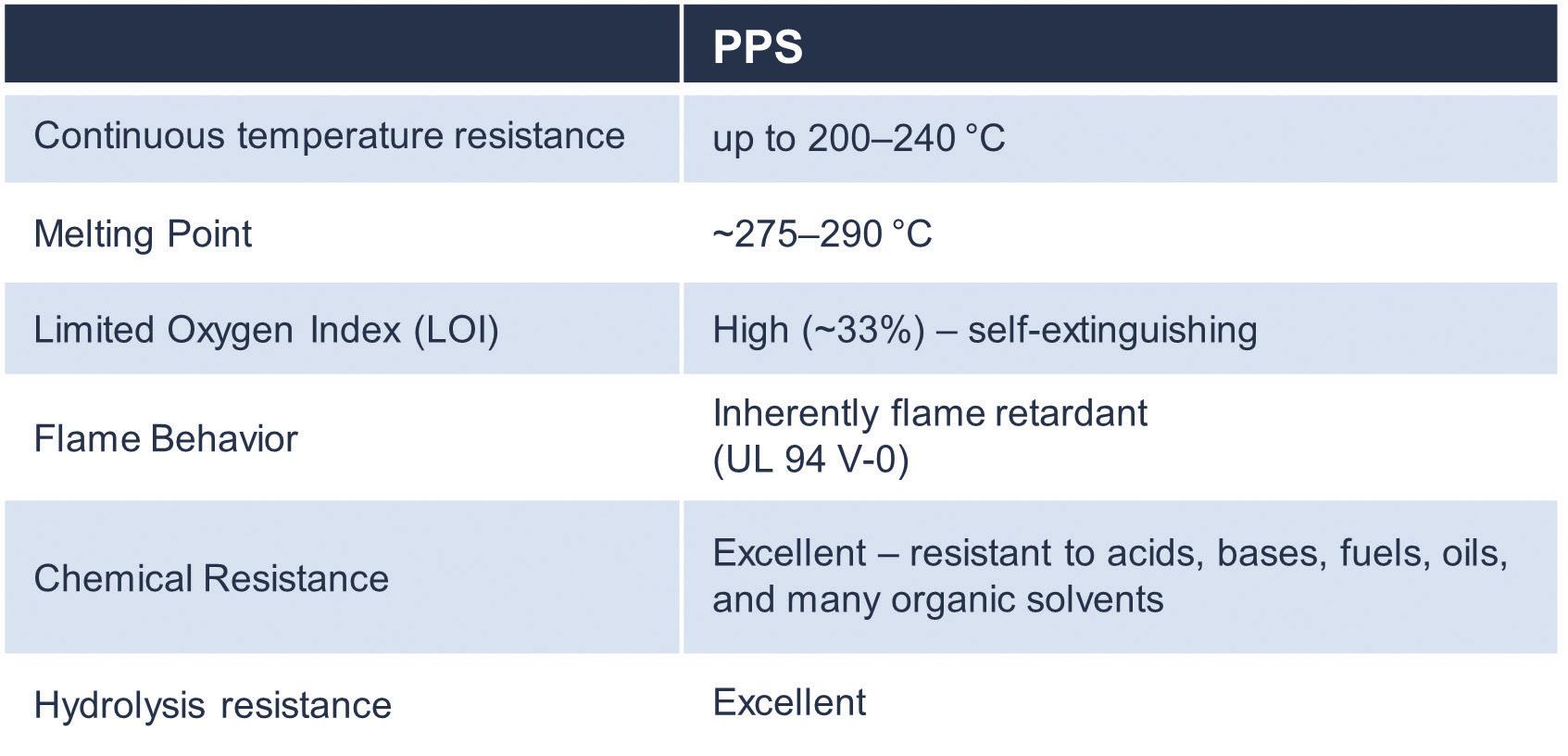
industrial filtration where support layers contribute to overall system integrity.
In addition, PPS netting is per- and polyfluoroalkyl substances- (PFAS)-free, enabling compliance with increasingly stringent environmental and regulatory requirements. It can also replace metal pleat supports and sleeves, offering advantages such as lower weight, corrosion resistance, and easier handling, while still maintaining the required structural rigidity.
Understanding The Limits
Like all polymer materials, PPS has defined performance limits. Strong oxidizing environments at elevated temperatures require careful evaluation. For pleat support layers, material selection alone is not sufficient — the interaction between pleat geometry, media stiffness, operating loads and environmental conditions must be considered. This is where applicationspecific engineering and manufacturing expertise becomes decisive in selecting
the best possible material solution for each application.
Another potential downside of PPS netting may be its higher initial material cost compared to standard polymer meshes. This is primarily due to the more complex polymer chemistry, higher processing temperatures and tighter manufacturing controls. However, in demanding applications, PPS netting typically enables longer filter life, reduces pleat collapse or deformation, and minimizes filter change-outs — often resulting in lower total lifecycle costs despite the higher upfront investment.
Precision Engineering For Reliable Performance
Material properties alone don’t guarantee success — performance also depends on netting architecture and manufacturing precision, determining how effectively the netting supports pleat structure, distributes mechanical loads
and maintains airflow channels.
PPS netting offers a future-ready solution for filters operating under extreme conditions. It is not only used as pleat support in aerospace filter systems, but also applied as separator in battery and semiconductor applications, or as sleeve and rigid tube in highly demanding filtration applications replacing metal components.
As a long-standing specialist in engineered netting solutions, GESSNER brings decades of experience in designing and manufacturing nettings, filter media and components for diverse filtration applications. By tightly controlling critical parameters and processing conditions, GESSNER ensures reliable performance and consistent quality, even for highly specialized and demanding filtration systems.
Editor’s Note: Please visit gessner-filtration. com for more information about PPS netting for filtration applications.


THE MIRAGE OF CLEAN AIR
To fix the broken promise of indoor air quality, the industry needs to look beyond filter classification and prioritize holistic system optimization.
By Dr. Iyad Al-Attar, Global Correspondent, Technology and Innovation
Thermal comfort is frequently mistaken for respiratory safety. While occupants instinctively view modern, climate-controlled buildings as sanctuaries, standard single-stage filtration systems are often ill-equipped to provide the necessary stages to confront the complex mixture of urban particulates and gases that define today’s pollutant matrix. This article examines the “filtration fallacy,” the misconception that high-grade filter media alone guarantee clean air. By analyzing mechanical vulnerabilities such as pleat crowding and fiber shedding alongside Life Cycle Cost (LCC), it can be demonstrated that achieving true indoor environmental air quality requires
holistic system optimization rather than simple material selection.
The False Sense Of Security
The safety of the air we breathe is often neglected, particularly within modern infrastructure. Upon entering high-end commercial or residential buildings, the sudden shift to a quiet, climate-controlled environment induces a psychological sense of safety. Yet this tranquility masks a rigorous engineering challenge: the precise physical and chemical characterization of contaminants has necessitated a fundamental evolution in air handling unit (AHU) design. Modern systems now demand expanded spatial footprints to accommodate multi-stage filtration banks,
each targeting specific fractions of a complex pollutant matrix ranging from coarse particulates and molecular gases to varying bioaerosols. Despite this operational complexity, occupants instinctively view the building as a sanctuary, assuming that standard HVAC systems, often limited to single-stage filtration, will provide the comprehensive isolation capabilities found only in the multi-stage filtration layout (See Figure 1). Typically, the sight of a thermostat and the sound of the HVAC system lead one to believe a space is ready and safe for human occupancy. It is further assumed that simply because the HVAC equipment is running, it is functioning optimally for human health and providing fit-for-purpose filtered air.
Structural Instability And Effective Surface Area
Contrary to the “sieve” myth, air filters rely on probability rather than geometry, capturing particles through mechanisms like inertial impaction, interception, and diffusion within a chaotic fiber web. Depth filtration maximizes this efficiency by forcing air through a tortuous 3D matrix, trapping contaminants throughout the media’s entire volume rather than allowing a cake to form on the surface. This is often achieved through a density gradient — coarser layers for large debris and denser layers for fine particulates — which balances particle distribution to prevent premature clogging. To further increase surface area and capacity, manufacturers utilize pleating; however, this geometric solution introduces a new challenge known as the “pleat density paradox.”
Excessive “pleat crowding” narrows air channels, increasing velocity in accordance with fluid dynamics principles. High-velocity air streams impinge upon the pleat tips, causing “cake bridging” that seals off the valleys between folds. Consequently, the internal surface area becomes dead space, causing pressure drops to rise sharply and negating the theoretical benefits of the increased surface area. When filters begin to particle-load, predicting their performance becomes increasingly complex. Higher flow rates can compress both the filter media substrate and the developing surface dust cake, further reducing permeability.
Beyond geometric constraints, environmental factors frequently drive deviations from laboratory-predicted performance. While filters may maintain their geometry during low face velocities, the aerodynamic forces present in operational HVAC systems induce mechanical deformation. When combined with the physicochemical heterogeneity of particulate matter, these forces can lead to particle re-entrainment. Under stress events, such as pleat ballooning or sudden airflow spikes, previously captured contaminants may be released, compromising air filter performance and potentially rendering indoor air quality (IAQ) inferior to unfiltered baselines.
Determining the optimal surface area for a filter utilizing pleated media presents a significant challenge. Conventional wisdom suggests that increasing the surface area of the filter media will invariably lower the pressure drop; however, this relationship is non-linear. There is a critical tipping point where adding more media becomes counterproductive.
At low pleat counts, the media face velocity is high, which naturally increases the pressure drop. Conversely, over-pleating also drives up the pressure drop due to increased viscous drag within the narrowed pleat spacing. While higher pleating densities theoretically provide additional surface area, the effective surface area diminishes as velocity increases because the airstream cannot access the deep recesses of the pleats. The rise in pressure drop associated with high pleat
High-magnification SEM micrograph showing captured particulate matter adhering to individual fibers of typical filter media used in HVAC applications.

density is driven by flow dynamics within the pleat, where viscous and inertial forces eventually outweigh the benefits of the added surface area.
Potential Failure Modes
The mechanical stresses induced during the pleating process can lead to distinct failure modes, most notably fiber shedding and media delamination. Fiber shedding is evidenced by loose, elongated fibers extending from the pleat tip — visible in the top right and center of Figure 2. This disruption occurs because fibers at the outer radius are subjected to high tensile stress, while those at the crease undergo compression. In HVAC applications, these compromised fibers present a significant risk of fiber migration; under high airflow velocities, they may detach and enter the airstream, fouling
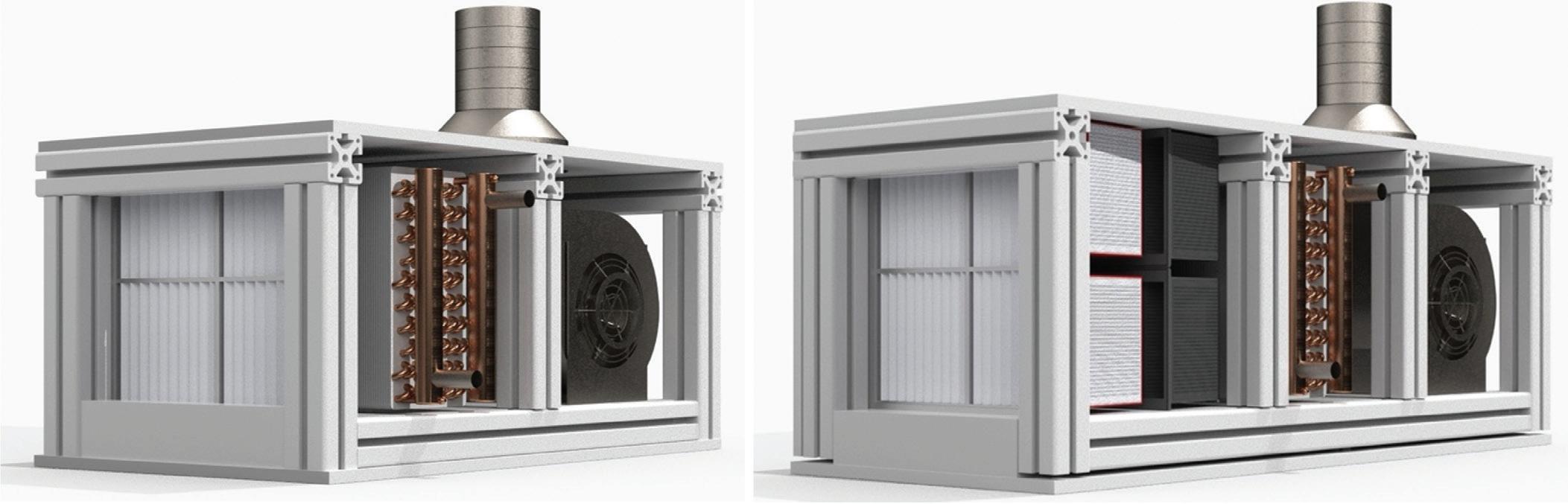
p Figure 1: A typical air handling unit installed in buildings with single-stage filtration [left] compared to multi-stage one [right]
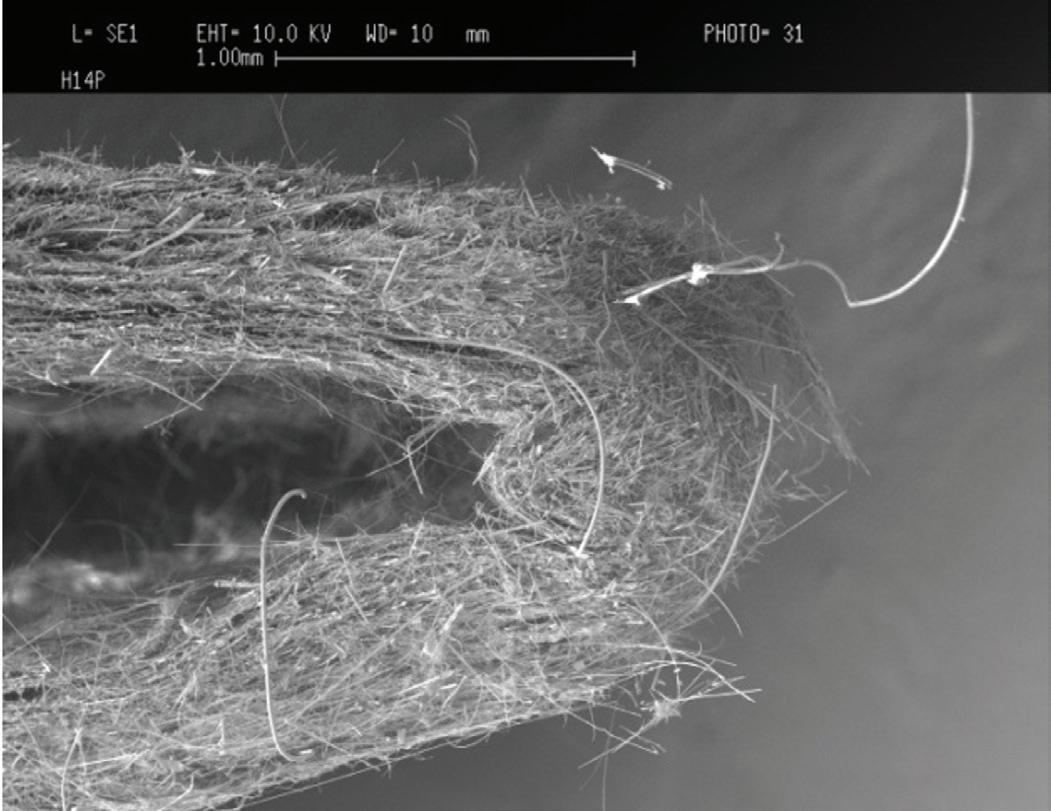

downstream components such as cooling coils or secondary fine filters. Conversely, Figure 2 indicates potential media delamination within the fold's interior — the “throat.” If the media utilizes a composite structure — as in a dual-layer density gradient, for example — the compressive forces of pleating can drive layer separation. This structural failure may create bypass channels that ultimately compromise filtration efficiency.
Pleat Density
Fluid flow through the air filter pleat is assumed to be low-speed, incompressible and Newtonian. This flow is governed by Darcy’s Law, which describes the pressure drop across the filter ΔP at constant elevation by the following simple, proportional relationship:
number of pleats into the panel. As pleat density increases, the pleats press against one another, “blinding” adjacent surfaces and effectively reducing the permeable area available for filtration.
• Panel Deflection: In the absence of sufficient backing support, the entire pleated panel may deflect. This deformation, driven by shear forces or permeability reduction at the pleat corners, significantly exacerbates surface area loss.
• Pleat Distortion: At higher face velocities, the fiber layers may delaminate from the filtration medium, causing distortion at the pleat corners. This structural failure reduces the medium’s permeability; the higher the pleat count, the more pronounced this effect becomes.
The Physics Of Adhesion
where μ is the viscosity of the flow, U represents the volumetric flow rate, h stands for the medium thickness of the filter, ∆P denotes the permeability of the porous medium and A is the cross-sectional area.
Several studies1-4 indicate that reductions in the effective surface area of the media typically result from one or a combination of the following mechanisms:
• Pleat Crowding: A geometric effect caused by packing an excessive
• Medium Compression: Physical compression reduces the medium’s thickness and porosity, resulting in a higher pressure drop. This can be caused by the drag force exerted by the fluid on captured particles and fibers, or by medium folding, which creates tension in the outer regions and compression in the inner regions. As shear stress on the fiber surfaces increases, compression intensifies, further elevating the pressure drop.
At the microscopic level, particle capture is typically governed by the diffusion, interception or impaction of the particles, but also in some cases by electrostatic forces. Contrary to common belief, the smallest particle sizes in the lower nanometer size range are exposed to the strongest adhesion relative to their size and mass. This is due to van der Waals forces, which are an electromagnetic interaction between the filter fibers and the particles that is inversely proportional to particle diameter. Van der Waals forces make sure nanometer-sized particles stay attached after the initial contact and bind them to the fibers. They also play an elemental role in their secondary aggregation, leading to fractal-like structures, as shown in Figure 3. The bonds of secondary aggregation due to van der Waals forces exist in tension against aerodynamic drag. When media deformation occurs or humidity creates water films, the drag force overcomes the adhesive attraction, shearing particles off the fiber and reintroducing them into the airstream.
Economic Implications And Life Cycle Analysis
Filtration failure represents a financial liability often driven by inadequate Life Cycle Cost (LCC) analysis. While pro-
p Figure 2: SEM micrograph of the cross-sectional tip of a single pleat in fibrous HVAC filter media
p Figure 3: SEM micrograph of particles captured on fibrous filter media in typical air conditioning applications, retained by Van der Waals forces.
While occupants instinctively view modern, climate-controlled buildings as sanctuaries, standard single-stage filtration systems are often ill-equipped to provide the necessary stages to confront the complex mixture of urban particulates and gases that define today's pollutant matrix.
curement strategies frequently prioritize the initial purchase price, research demonstrates that energy consumption to move the airflow through a filter accounts for up to 80 percent of its total ownership cost5-7.
Mechanical inefficiencies, such as premature dust-cake formation or structural pleat deformation, drive up the filter’s operating pressure drop. Consequently, air handling units (AHUs) must consume excessive power to maintain the required flow rate. Furthermore, in systems prone to duct leakage, this high resistance can force air to bypass the filter entirely. The result is a lose-lose scenario: increased energy expenditure is effectively utilized only to circulate contaminated air.
Conversely, although individual monitoring of pressure drop and particle efficacy may seem costly, it is essential for ensuring that in-situ performance matches laboratory benchmarks. This approach empowers maintenance teams to replace filters based on data, not date, maximizing the filter’s service life. Early replacement wastes capital, while operating a clogged filter beyond its final pressure drop defeats the entire purpose of investing in efficient, low-pressure-drop filter technology. Furthermore, extending the lifetime of products such as air filters aligns perfectly with the principles of the circular economy, broadening a perspective that often fixates solely on reuse, reduction, and recycling.
Solution: Value Engineering And Condition-Based Maintenance
To mitigate these inefficiencies, facility management must shift from fixed-schedule intervals to Condition-Based Maintenance (CBM), utilizing real-time particle and pressure drop monitoring to
dictate precise replacement timing.
True Value Engineering requires holistic synthesis rather than isolated component selection. Achieving systemic efficacy necessitates balancing the “Filtration Triad” against real-world constraints:
• Spatial: Preventing pleat crowding through optimized filter geometry and design;
• Environmental: Accounting for the specific physical and chemical characteristics of pollutants that challenge the installed media; and
• Economic: Ensuring that any energy penalty is justified by a tangible,
References:
engineered gain in particle capture efficiency. Ultimately, we must look beyond filter classification as the sole performance metric and prioritize holistic system optimization. Undeniably, energy expended to protect human health is energy well spent.
Conclusion
To truly dispel the "Mirage of Clean Air" we must transcend the simplistic reliance on filter classification. The filtration fallacy demonstrates that even superior media is rendered ineffective without holistic system optimization. There are no short-cuts to HVAC design. While expediency may appear to cut costs at the start, it accelerates building depreciation and endangers public health. By replacing haste with deliberate engineering precision, these compounding liabilities can be mitigated. Ultimately, the energy expended to safeguard human health is not merely an operational cost. It is a most vital investment.
1. Wakeman R.J., Hanspal N.S., Waghode A.N. and Nassehi V., 2005. “Analysis of Pleat Crowding and Medium Compression in Pleated Cartridge Filters”, Chem. Eng. Research and Design, 83(A10), 1246–1255.
2. Chen, D. R., Pui, D. Y. H., & Liu, B. Y. H. (1995). Optimization of pleated filter designs. Aerosol Science and Technology, 23(4), 579–592. https://doi.org/10.1080/02786829508965339
3. Rebaï, M., Prat, M., Meireles, M., Schmitz, P., & Baclet, R. (2010). Clogging modeling in pleated filters for gas filtration. Chemical Engineering Science, 65(22), 5935–5943. https:// doi.org/10.1016/j.ces.2010.08.028
4. Al-Attar, I.S., 2011. The effect of pleating density and dust type on performance of absolute fibrous filters (Doctoral dissertation, Loughborough University).
5. Stephens, Siegel, Novoselac (2010): “The Effects of Filtration on Pressure Drop and Energy Consumption in Residential HVAC Systems” (HVAC&R Research / now ScienceDirect) Field + modeling work explicitly linking filter pressure drop to fan power, airflow, system performance.
6. Eurovent. (2018). Recommendation 4/21: Energy Efficiency Evaluation of Air Filters for General Ventilation Purposes (3rd ed.). Eurovent Association.
7. (Recent) Energies (MDPI) (2025/2026 timeframe), ERV study with standardized dust loading up to “200%” loading: Explicitly tests clean → loaded resistance and tracks airflow/static/ power impacts. Newer, very direct on “loading beyond recommended range.”

Dr. Al-Attar is IFN ’s Global correspondent, Technology and Innovation. He is a visiting academic fellow in the School of Aerospace, Transport, and Manufacturing at Cranfield University in England, consulting for air quality and filter performance relevant to land-based gas turbines. His expertise is on the design/performance of high-efficiency filters for HVAC and land-based gas turbine applications, focusing on chemical and physical characterization of airborne pollutants. Dr. Al-Attar is also the strategic director, instructor, and advisory board member of the Waterloo Filtration Institute. In 2020, Eurovent Middle East appointed Dr. Al-Attar as the first associated consultant for air filtration, as well as an IAQ patron for EUROVENT.
From Components To Intelligence: How Filter Concept Adapted Its Business Model
Realizing competing on price for a commodity product was not a viable business model, Filter Concept developed a more customized, engineered solution approach.
By Arun Rao, International Correspondent
India-based Filter Concept Pvt. Ltd. was built from day one as a solutions company rather than a conventional filter manufacturer, a distinction that has defined its growth across 23 years of operation and a presence in more than 90 countries.
Rather than selling filters as a commodity, the company invested in understanding the specific filtration challenges of each customer and engineering a solution around that requirement. Filter Concept now operates three manufacturing plants in India, a production facility in Saudi Arabia, an office and warehouse in Dubai, and an office in Abu Dhabi.
Today, the company serves more than 5,000 customers and more than 50 industries. Every industry that Filter Concept serves has 15 to 20 distinct filtration applications. The top revenue-generating verticals include oil and gas, refineries, power generation, desalination, pharmaceuticals, fertilizers, food and beverages, and automotive, among other markets.
A cornerstone of the company’s operational intelligence is its proprietary engineering framework, FC-PDS™, or filter concept process design standard, which documents filtration requirements and pain points across every industry it serves, and provides the team with a structured foundation for engineering the right solution for every customer inquiry.
Arun Rao, IFN’s international correspondent in India, recently sat down with Filter Concept’s Chairman and Managing
Q+A

IN THIS ISSUE: MEHUL PANCHAL
Chairman and Managing Director, India-based Filter Concept
Director Mehul Panchal to learn more about the company.
IFN: What was the founding vision behind Filter Concept, and what were the biggest hurdles in getting the company off the ground?
Mehul Panchal: I graduated as a chemical engineer and Filter Concept is a first-generation business started in 2002. Our first observation of the filtration industry was that it was treated as a components business across all sectors. Purchase indents would be raised, the procurement team
would collect three or four quotes, and the order would go to the lowest bidder with very little consideration of whether that filter was actually the right solution for the application.
Building credibility as a young, firstgeneration entrepreneur was the biggest initial challenge. Established companies preferred dealing with suppliers they already knew. We quickly concluded that competing on price for a commodity product was not a viable path. So we chose a different approach: we began by understanding the specific filtration challenges our customers were facing and offering an engineered solution, rather than simply selling a filter product. That shift became the foundation of everything we have built since.
IFN: Can you talk about how much Filter Concept has evolved since it was established? Are there any key milestones?
Panchal: Our first significant breakthrough came through a dyes and intermediates manufacturer that had received a closure notice from the pollution control board for non-compliance with pollution standards. They came to us with the problem. We designed a filtration solution that helped bring their emissions into compliance, effectively saving their operation.
That outcome spread quickly through the dyes and intermediates cluster, where companies operate in close proximity and word travels fast. Multiple companies
reached out to us with similar challenges, and that is how our customer base began to grow. Our strength was deep application knowledge and a network of reliable manufacturing partners to whom we outsourced production.
In 2003, we moved into a rented office. Customer references then opened doors to chemical companies, refineries, and eventually to the largest oil and gas producer in India at that time. That oil and gas company was a genuine turning point. They gave us the opportunity to present our track record, shared their challenges in water injection filtration, and we resolved them. Their recommendation gave us access to oil and gas producers across the Middle East, and from there, project consultants and EPC companies extended our reach into global markets.
By 2006, we had sufficient customer depth to justify setting up our own manufacturing facility. Shortly after establishing our manufacturing base, a multinational filter manufacturer approached us to design and produce filters under a white-label arrangement. The volume this brought gave us the confidence to approach other OEM partners. At that point, we were actively serving end users and OEM clients simultaneously.
IFN: Please share details about manufacturing infrastructure and the company’s annual capacity.
Panchal: After several years of outsourced manufacturing, we established our first plant in 2006, spread over a builtup area of 2,000 square meters. Our second manufacturing facility followed in 2014, located close to the first to allow efficient resource sharing. In 2016, recognizing the need for significantly larger capacity, we acquired a larger site and spent four years designing and building a plant to international standards.
When the facility became operational in 2020, a market research study confirmed it as India's largest dedicated filter manufacturing plant. The facility is extensively automated, including robotic systems enabling consistent quality across both filter housings and filter elements. In 2020, we established a presence in
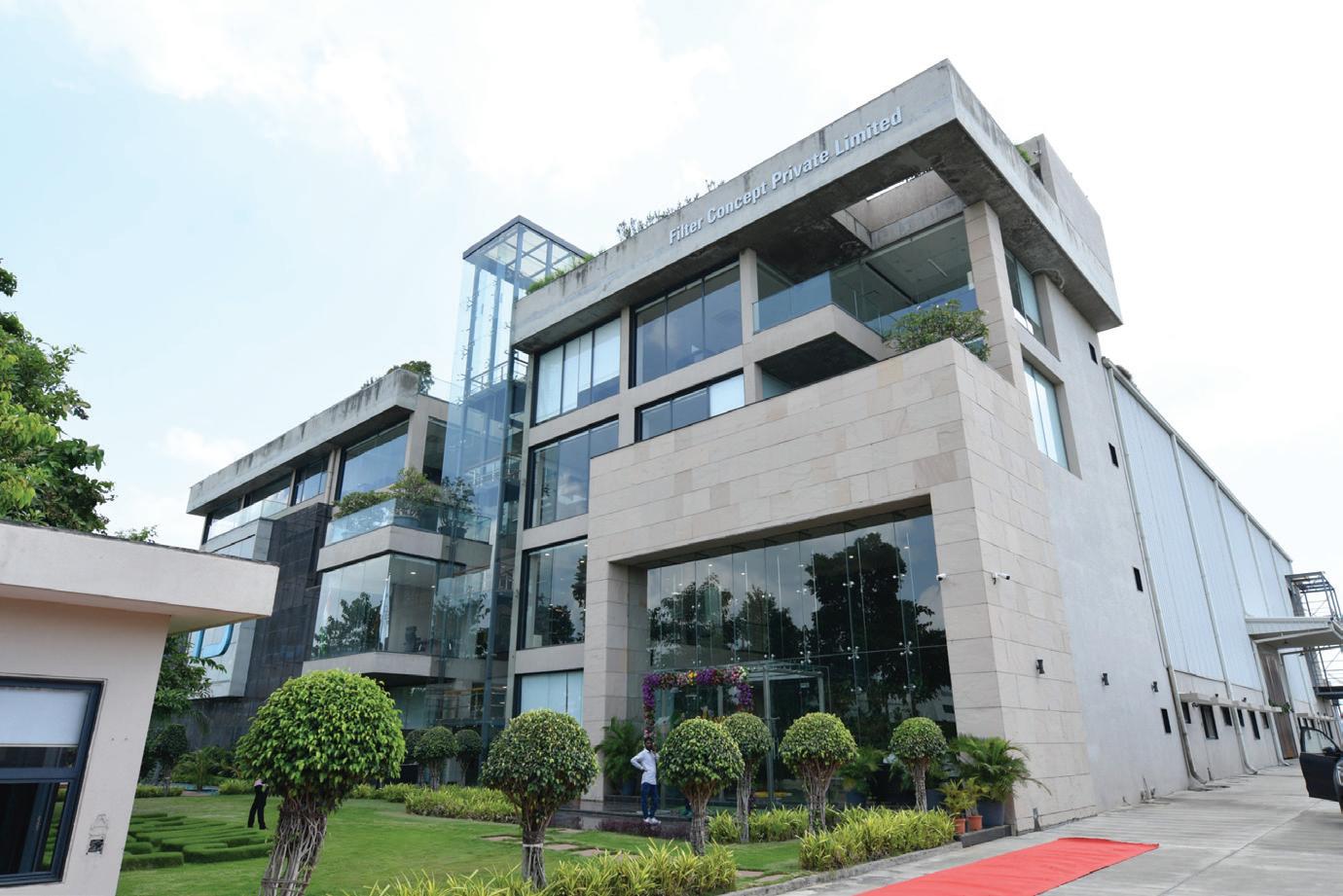
Jebel Ali Free Trade Zone in Dubai comprising an office and warehouse to hold inventory for Gulf and African markets, since shipping from Dubai is geographically more efficient than direct export from India. We subsequently established a production facility in Saudi Arabia through the country’s localization program, initially focused on filter elements for the oil and gas sector, with full filter body manufacturing now also underway. Our Abu Dhabi office was established in 2024.
IFN: How has your company built and sustained growth in both domestic and international markets over the past 23 years?
Panchal: After 23 years, whether in domestic or international markets, we consistently work with the leading companies in each sector where relationships have been built on engineering outcomes, not on price competition. Our business development has grown primarily through customer referrals and word of mouth, which reflects the quality of results we deliver. Today, we also have a structured business development team supporting both domestic and international market expansion.
IFN : Can you share details of a project where Filter Concept made a measurable difference?
Panchal: In 2010, we were approached by the largest crude oil producer from the GCC [Gulf Cooperation Council] and invited to visit their facility by bypassing the standard vendor registration process,
which was a significant indicator of the urgency and trust involved. They asked us to design a solution for a critical filtration application. We designed and manufactured the filter, which was installed in one of their pilot plants. The performance met and exceeded their expectations both in filtration quality and in filter element longevity compared to what the incumbent OEM had been supplying. A bulk order followed.
The cost impact was equally significant and since establishing our Saudi Arabia production facility, that cost has reduced further. For a filter that is a consumable and needs regular replacement, this represents a substantial long-term saving that has cemented a strong and ongoing customer relationship.
IFN : What makes Filter Concept’s approach to filtration technology distinct from others in the industry?
Panchal: The industries we serve have come to recognize us as a solutions provider rather than a components supplier and that distinction is the core of our competitive positioning. Most filtration procurement still follows a transactional model — create a purchase request, collect three quotes and award to the lowest price. We have consistently worked to change that conversation.
Our approach begins with understanding the process, the fluid characteristics, the contamination profile, the operating conditions, and the performance outcome the customer needs. We then engineer a
t Filter Concept’s new facility in India.
solution around those parameters, underpinned by our proprietary FC-PDS framework. We also actively educate customers on why specification-led procurement produces better long-term economics than price-led purchasing. Specificationled procurement offers reduced downtime, longer filter life, and lower total cost of ownership — outcomes that a lowestprice tender process rarely delivers.
IFN: Are there any product launches or innovations you’re particularly proud of?
Panchal: One innovation we are particularly proud of is our Air Purifiers range, powered by our proprietary Shield7 technology, which is a seven-stage air purification architecture designed to address the full spectrum of indoor air quality threats — particulate matter, volatile organic compounds, microbial contaminants and odor — within a single integrated system. Most air purification products address one or two of these vectors. Shield7 addresses all of them systematically, and it was developed entirely in-house using our filtration media engineering expertise.
On the operational intelligence side, our FC-PDS framework — our proprietary engineering standard that documents filtration requirements and pain points across every industry and application we serve — has been a defining innovation. It functions as the institutional knowledge base of our organization: when a customer shares their process conditions, our team can immediately draw on a structured body of application intelligence to engineer the right solution. FC-PDS was built to institutionalize the filtration knowledge we have developed over 23 years, ensuring that our engineering standards are embedded in how we operate, independent of any individual.
IFN : How has the industry changed over the past decade, and how has Filter Concept adapted?
Panchal: The filtration industry has evolved significantly since 2002, and the pace of change has accelerated in the past decade. Three shifts stand out. The first is the move from product-centric to
performance-centric procurement. Sophisticated industrial buyers, particularly in oil and gas, power and pharmaceuticals, increasingly want to buy a filtration outcome rather than a filter component. This has driven the growth of service models and performance-based agreements. Our Filter as a Service (FaaS) model, where we take ownership of filtration performance outcomes for a customer under an annual agreement, is a direct response to this shift.
The second is the inten -
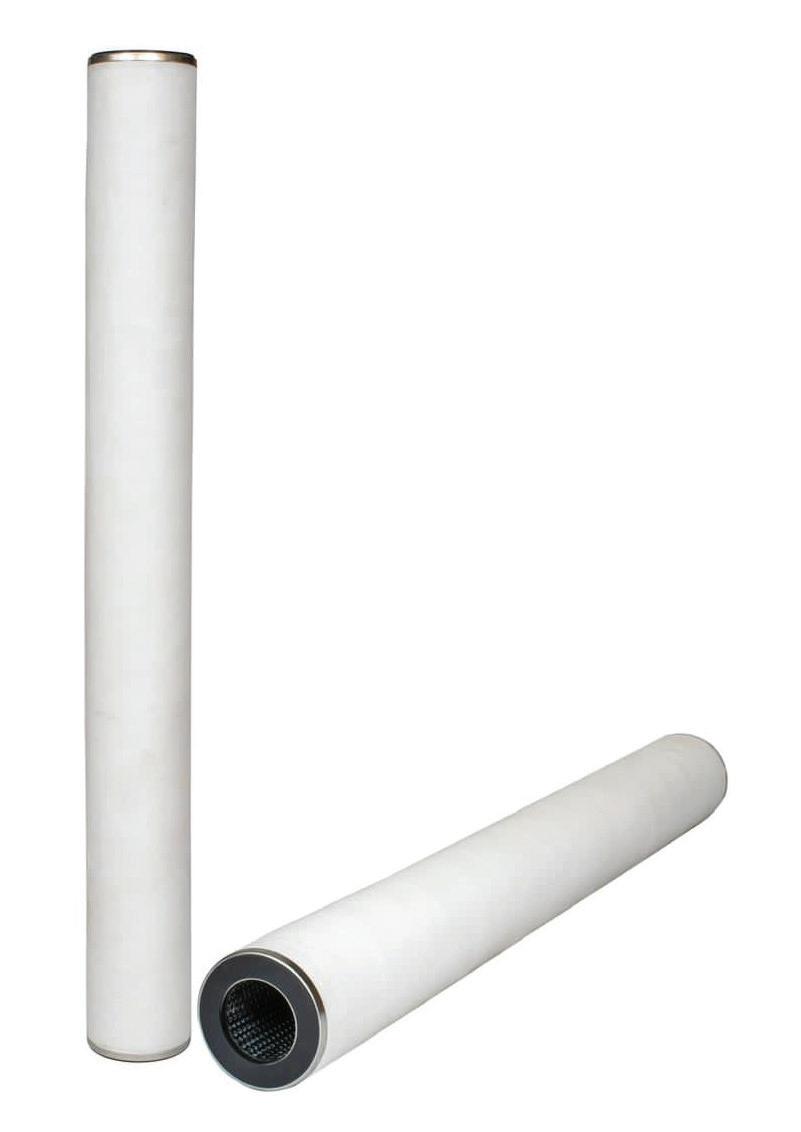
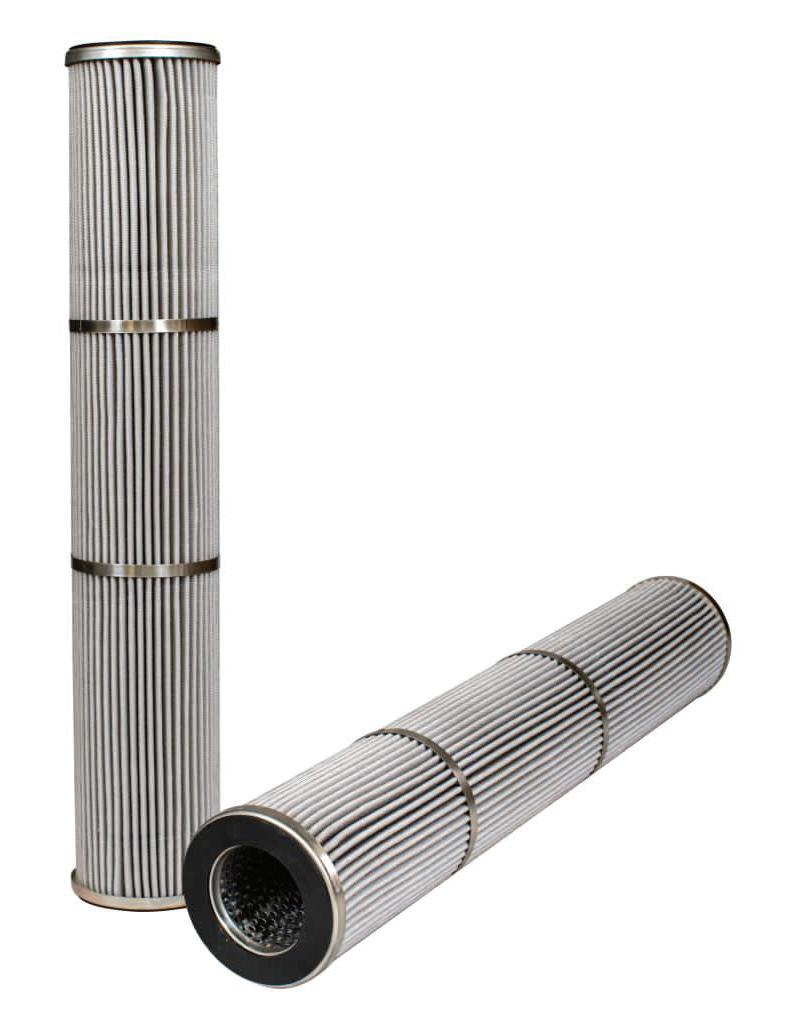
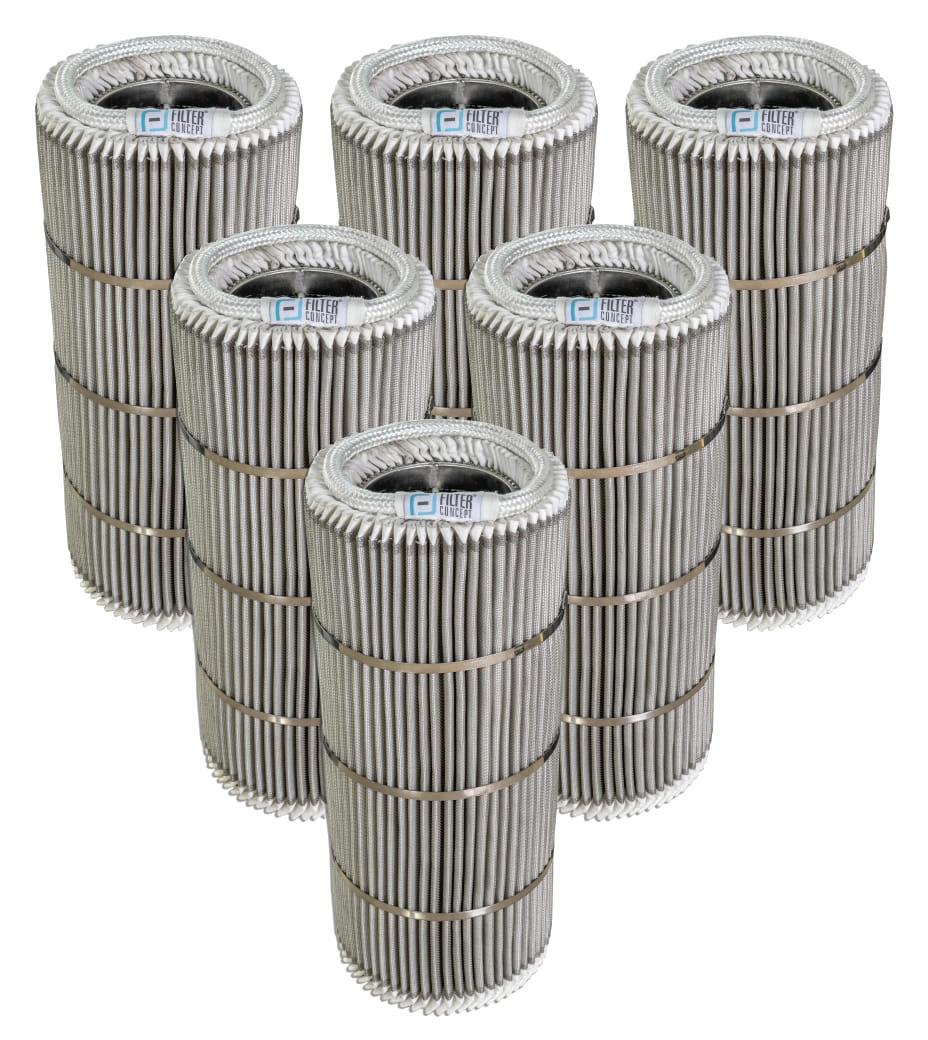
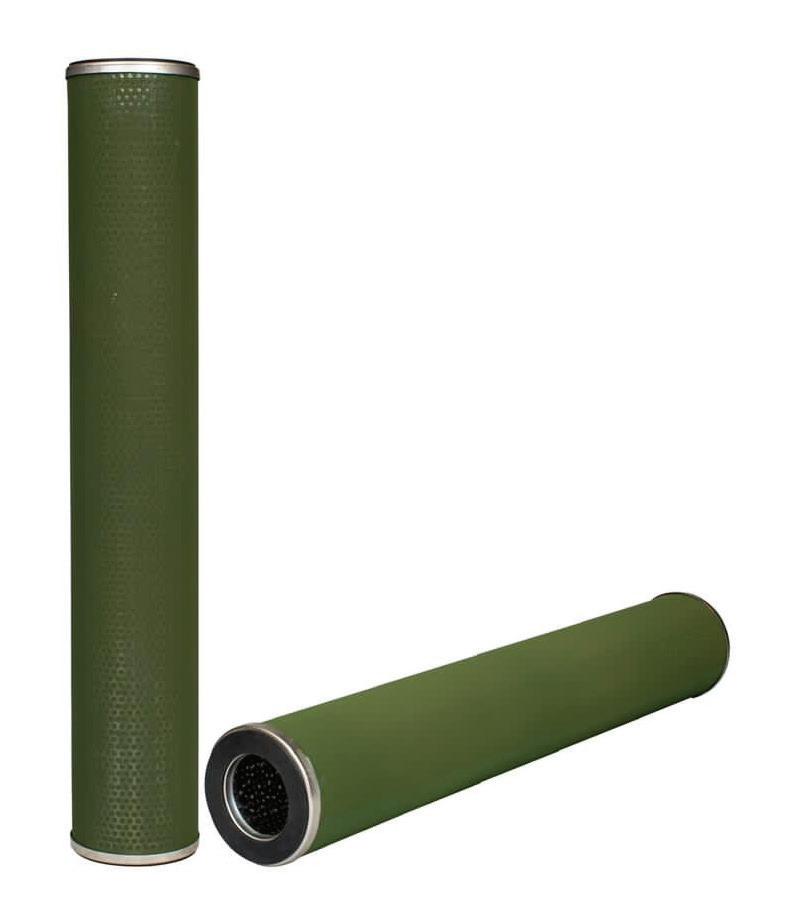
pectation in premium industrial applications. We have been developing and integrating these capabilities, and they form a central part of what we will be showcasing at Filtech 2026 in Cologne.
IFN : How does Filter Concept align with sustainability and contribute to a greener future?
sification of sustainability requirements. Environmental compliance, environmental, social and governance (ESG) reporting, and circular economy thinking have become procurement considerations, not just regulatory obligations. Our Refurbishment and Sustainable Filters business model focuses on extending filter life, reducing waste and supporting customers' decarbonization goals.
The third is digitalization. The Internet of Things (IoT)-enabled filtration systems — which can transmit real-time data on filter condition, differential pressure trends, and predicted replacement intervals — are now a genuine customer ex-
Panchal: Sustainability is embedded in both how we operate and what our products enable for our customers. Within our own manufacturing operations, we have designed a clear roadmap to net zero. Our newest plant already operates at zero carbon emissions; modernization of the two older facilities is underway to bring them to the same standard. One hundred percent of our electricity needs are met through solar power. We have built a rainwater harvesting tank with a storage capacity of 8.5 million liters, supplemented by two percolation wells that recharge groundwater reservoirs.
Our new plant and administration building were designed to operate with natural light throughout, maintaining a highest lux value in every area of the building for comfortable reading without eye strain. The entire facility, including offices,
t Filter Concept produces a variety of filters including coalescer filters.
t A pre-filter produced by Filter Concept
t A Filter Concept separator filter
p A Filter Concept coalescer filter featuring a radial fin element
maintains an air quality index below 10.
On the customer-facing side, our filters support ESG compliance directly including systems that capture and restrict toxic gas emissions from industrial processes. We have also developed four business models specifically oriented around extending the life of filtration assets and reducing waste. Our Retrofit model optimizes filtration efficiency within the existing system. The refurbishment model returns filter bodies and filter elements to our facility, replaces the filter media, and returns the asset to service rather than sending the entire assembly to incineration, which is the conventional industry practice.
Our Sustainable Filters model focuses on designing filters from materials that can be reused at end-of-life. And our FaaS model, where we charge an annual managed service fee and take full ownership of filtration performance, means customers no longer need to hold filter inventory and replacements are managed proactively based on performance data rather than failure events.
IFN: How does your R&D process work?
Panchal: Our R&D is driven by real application challenges, not by theoretical development cycles. When a limitation is identified in the field, whether in a system we have installed or in a customer's incumbent filtration setup, that challenge is brought back to our technical team and framed as an engineering problem to be solved. The Retrofit concept we offer required extensive reverse engineering and the development of new filter media configurations that work. This has been one of the most productive areas for our R&D team.
One specific example we are proud of relates to an India-based pipe manufacturer producing 80-inch-diameter pipes for government infrastructure projects that needed to be epoxy-coated for corrosion protection. Approximately half of the epoxy powder was lost during the coating process which resulted in tons of waste every single day. Our R&D team designed a negative suction capture system to recover the waste powder and direct it into a filter for reuse. The economic and envi-
ronmental impact was immediate and significant. We subsequently replicated this solution across multiple other pipe manufacturers in India.
IFN: What is the percentage share of revenue between domestic customers and exports? What export markets do you serve?
Panchal: Exports currently account for 85 percent of our revenues, with the Indian domestic market accounting for the balance. Our export business is growing at a faster pace than the domestic market. Our primary export markets are across the GCC including Saudi Arabia, UAE, Oman, Qatar, Kuwait and Bahrain. We also serve customers across Southeast Asia, Africa, Europe, the United States and Russia, as well as broader Middle East and North Africa markets. In total, we are present across more than 90 countries, and we are now actively building our European market presence with Filtech 2026 in Cologne serving as an important strategic milestone in that expansion.
IFN: Any planned capacity expansion or new investments?
Panchal: Our expansion strategy is focused on getting closer to our customers geographically. In the near term, we have plans to establish a production facility in Oman, which would further strengthen our GCC manufacturing footprint and reduce lead times for that region. We also retain 10,000 square meters of land available for expansion at our third India facility, which provides headroom for future domestic capacity growth as demand warrants.
IFN : Where do you see Filter Concept in five years? Are there new markets, technologies, or geographies on the horizon?
Panchal: Our five-year ambition is to establish FC-PDS as a recognized engineering standard within the global filtration industry, one that other manufacturers can adopt to ensure that filters are specified and supplied to consistent, application-appropriate performance benchmarks. If the industry as a whole moves toward standardized filtration specifications, everyone benefits — customers
receive filters that actually suit their process, and manufacturers compete on engineering value rather than on price alone.
Geographically, Europe — and particularly Germany, the Netherlands and the Nordic countries — represent our most significant growth horizon. We are building this presence deliberately, starting with Filtech 2026 in Cologne. On the technology side, IoT-enabled filtration monitoring and our FaaS model will become increasingly central to how we engage with global industrial customers.
IFN : What innovative products is your company displaying at the upcoming Filtech 2026?
Panchal: Filtech 2026 is a significant moment for us. The global trend towards preventive maintenance driven by the need to reduce machinery and equipment downtime is directly aligned with what we will be showcasing. We are launching an IoT-based filtration monitoring solution that tracks filter condition in real time and provides advance notification of when replacement is required, before performance degradation occurs. This moves customers from reactive maintenance to true predictive filtration management.
We are also launching a proprietary selfcleaning filter mechanism that significantly extends the operational life of the filter element, reducing replacement frequency and the associated costs and downtime. Both launches represent our commitment to making filtration smarter not just more efficient, but genuinely intelligent.

Arun Rao started his career in the textile industry and has worked in spinning and weaving production. He forayed into sales, beginning with branded innerwear and later selling clothing of wellknown brands. He then joined Fibre2fashion, a B2B textile website, as news editor for seven years. Recently, Rao launched Taurus Communications, a public relations and advertising agency focused on the textile industry value chain. With a love for journalism, he freelances for textile magazines, along with managing the agency. He is an international correspondent for IFN

FILTECH 2026: Key To Safety And Quality
The 2026 edition of FILTECH will gather the filtration and separation industry in Cologne, Germany, for three days of learning and networking.
IFN Special Report
Organizers of FILTECH 2026 — a trade show focused on technological advancements and innovations in the field of filtration and separation — note that filtration is key to efficiency and quality in production and that without separation technology, there is no purity. “Whether it’s purified air, cleanroom technology or liquid media free of contaminants: filtration and separation are the key to safety and quality,” reports organizer Germany-based FILTECH Exhibitions Germany GmbH.
The event is held every 18 months, with the next edition taking place Tuesday, June 30 to Thursday, July 2, 2026, at the Cologne Exhibition Center (KoelnMesse) in Cologne, Germany. Halls 7 and 8 will fill with more than 600 exhibitors from more than 40 countries showcasing a comprehensive overview of the latest technologies and material developments. Visitors can learn about current trends in filtration, network with suppliers and find solutions for their specific requirements.
FILTECH 2024 was the largest event to date for the trade show hosting more than 590 exhibitors. Some 61.4 percent of participants came from outside Germany, with significant increases seen in registered guests from South America, Northern Africa and the Middle East. This international and intercultural event hosted participants from 80 nations and every continent. In a post-event review, organizers reported that exhibitors noted a high number of contacts with decision makers, as well as an openness from visitors to invest with concrete business deals and contract negotiations taking place on site.
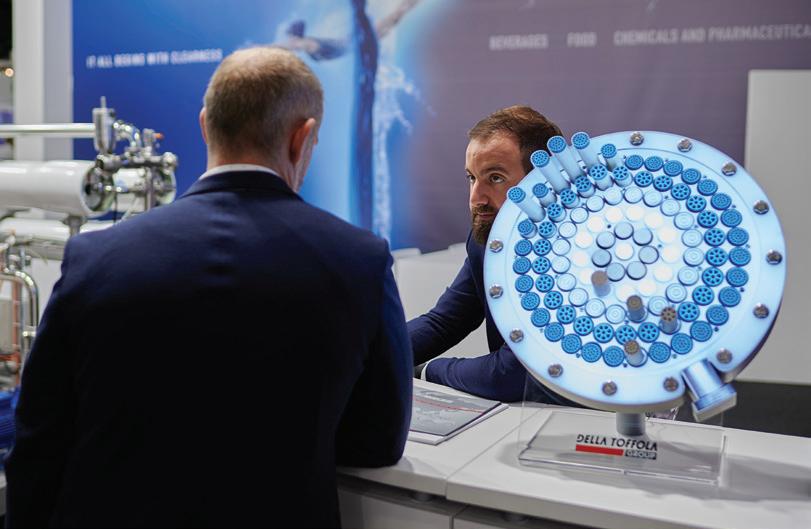
Educational Opportunities
The 2026 FILTECH conference will offer more than 160 scientific presentations hosted by industry and academic experts. The program opens with a plenary session by Dr. Habil Ioannis Nicolaou, owner and director of Cyprus-based Nikifos who will present “Cake-Forming Filtration of Suspensions — Challenges and Solutions.” Over the three days, the conference will host multiple other keynote presentations (See sidebar).
The conference program aims to offer a representative look at all processes and applications within the fields of filtration and separation. Sessions are broken down into eight topic areas: Solid-Liquid Separation; Solid-Gas Separation; Membrane Processes; Testing, Instrumentation, Control; Simulation and Modeling; Filter Media; Product Related Processes; and Special Topics. To help attendees locate the sessions of greatest interest, the schedule is also color coded into four groups — Filter Media, Gas, Liquid and Membrane.
As a platform for scientific exchange, the conference also offers an opportunity for discussion as well as education.
For visitors wanting a deeper dive into
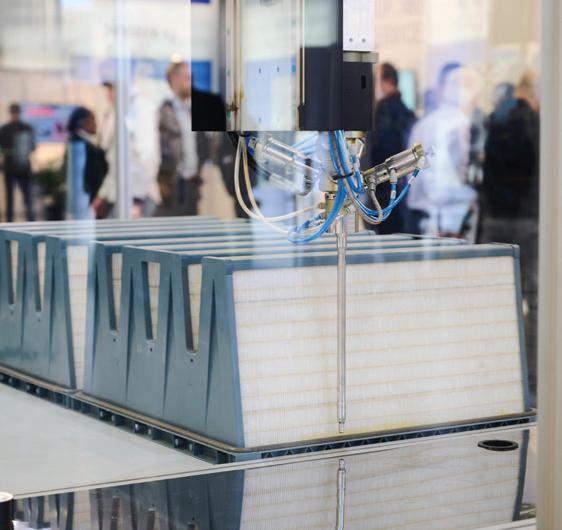
filtration education, FILTECH 2026 offers three short course options taking place on June 29 from 9 a.m. until 6 p.m. The available courses are:
• “Solid/Liquid Separation”— a comprehensive review of the processes involved in the separation of solids from liquids.
• “Air Cleaning and Dust Separation” — a comprehensive review of the processes involved in the separation of solid or liquid particles from gases.
• “The World of Nonwovens” — an introductory course covering topics like raw materials, introduction to the different nonwoven manufacturing technologies, as well as characterization and testing of nonwovens. Course instructors are industry experts and university professors. More in-depth information and a registration link for the courses can be found on the FILTECH website.
Register To Attend
FILTECH 2026 presents an opportunity for visitors to learn about new technologies and industry developments, witness trends and discover solutions for improving their processes.
“The filtration industry is constantly evolving with new technologies and solutions to address various environmental, industrial and health challenges,” noted FILTECH 2024 participant Karan Bhardwaj, CMS Global. “FILTECH is yet another platform, which has evolved as one of the biggest filtration shows to showcase the latest solutions for filtration technologies.”
Charlie Easey, engineering director at England-based Purex International Ltd. also took part in FILTECH 2024. “Spoke to some great people and it’s fantastic to see so many companies committed to filtration,” he said. “The research papers on display showed some really good innovations.”
The FILTECH show floor is open from 9 a.m. until 6 p.m. June 30 and July 1, and from 9 a.m. until 5 p.m. July 2.
For more information about FILTECH 2026 and to register, please visit filtech.de
Plenary/Keynote Talks During FILTECH 2026
Opening Plenary Session: “Cake-Forming Filtration of Suspensions — Challenges and Solutions”
Prof. Dr.-Ing. Habil Ioannis Nicolaou, owner and director, Nikifos June 30, 10:45 a.m.-noon
Keynote: “Carbon Negative Biochar Filter: Market Development for ESG and Climate Solutions”
Prof. Dr. Yong Sik Ok, Korea University June 30, 1:00 p.m.-2:15 p.m., Room 1
Keynote: “Insights into shearenhanced dynamic filtration: Advancements and applications in solid-liquid separation”
Prof. Su-En Wu, Chung Yuan Christian University June 30, 2:45 p.m.-4:00 p.m., Room 1

Keynote: “How can we bridge the gap between indoor air quality and energy efficiency?”
Prof. Dr. Jennifer Niessner, Heilbronn University of Applied Sciences June 30, 4:45 p.m.-6:00 p.m., Room 1
Keynote: “The dirty side of filtration — possibilities, limits and new developments in filter cake washing”
Prof. Dr.-Ing. Bernhard Hoffner, Technical University of Applied Science Mannheim; and Prof. Dr. Urs Peuker, TU Bergakademie Freiberg July 1, 10:45 a.m.-noon, Room 1
Keynote: “PM removal from combustion fumes: How to tackle regulation, energy efficiency and decarbonization”
Prof. Dr. Laurence Le Coq, IMT Atlantique Nantes
July 1, 1:00 p.m.-2:15 p.m., Room 1

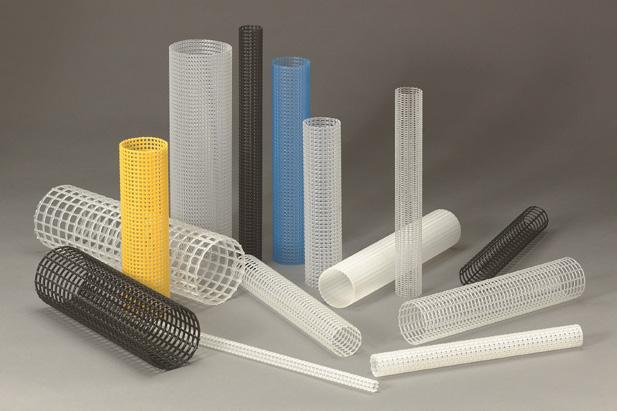
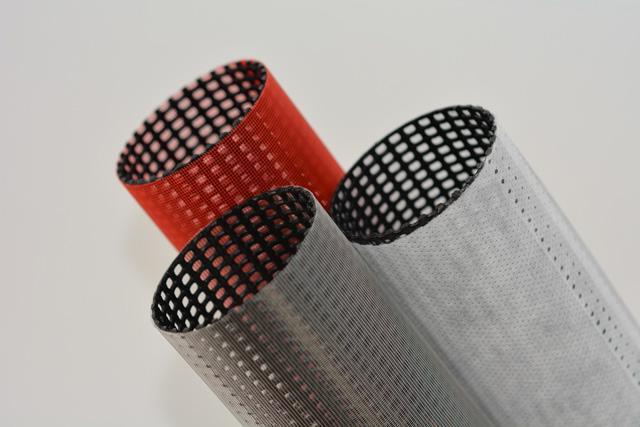

The Future Of Clean: How Nonwoven Technology Is Redefining Global Filtration
IFN Special Report
Filtration has undergone a fundamental transformation, moving from the periphery of industrial processes to the very heart of the global sustainability movement. As international mandates for resource conservation and air quality become more rigorous, nonwoven technologies have emerged as a primary driver of technical progress. INDEX™26 — taking place this spring at Geneva’s Palexpo — serves as a platform for this evolution. This triennial gathering — organized by EDANA, the international association representing the nonwovens industry, in partnership with Palexpo SA — serves as a vital nexus for the entire supply chain to exchange the breakthroughs that dictate the industry's trajectory. The energy level is always high at INDEX. With an anticipated turnout of more than 600 exhibitors and 12,000 attendees, the event unites everyone from raw material providers to finished product manufacturers. While the exhibition covers a broad spectrum — ranging from consumer wipes to advanced medical textiles — filtration is a standout priority. This shift is particularly evident in the EDANA seminar lineup, where industry leaders are pivoting from abstract concepts to practical strategies for achieving a quantifiable environmental impact.

p Sandra Schäfer, senior scientist at Hollingsworth & Vose GmbH
A Shift Toward High-Performance Sustainability
The central narrative at this exhibition is the move away from basic “commodity” media toward sophisticated, highperformance solutions. Leading this discourse is Dr. Sandra Schäfer, senior sci-
entist at Hollingsworth & Vose’s Germany-based regional office, whose research in polymer science addresses the critical need to harmonize high-performance filtration with environmental responsibility. Dr. Schäfer’s work challenges the industry to rethink material architecture. By utilizing 3D-structured filter media, manufacturers can move beyond traditional flat designs to significantly enhance dust-holding capacity and optimize airflow, which directly reduces global waste. Furthermore, her focus on pressure-drop management highlights a key economic truth: filters that maintain efficiency throughout their lifespan lower both energy consumption and the Total Cost of Ownership. In an era of volatile energy markets, these efficiently breathing materials offer a necessary competitive advantage while upholding rigorous purity standards.
The Digital Frontier In Material Engineering


EDANA events INDEX™ and FILTREX™ highlight the increasing role of nonwoven technologies in filtration.
structure before production begins. This precision allows for tailored applications across diverse sectors, including:
• Automotive cabin air for electric vehicles;
• High-purity environments in the life sciences; and
• Green hydrogen membranes and advanced water treatment.
This synergy between digital engineering and 3D innovation represents the dual-track approach required for modern filtration excellence.
Collaborative Growth And Global Reach
The filtration seminars at INDEX26 emphasize that the industry’s success relies on cross-sector synergy. Trade shows provide the unique eureka moments where a polymer developed for one sector solves a durability crisis in another. These physical forums facilitate a level of strategic networking and live technical demonstration that digital alternatives cannot match, connecting global sustainability goals with practical, achievable engineering.
p Martin Klein, senior vice president, Engineering Filtration Materials at MANN+HUMMEL
Complementing this structural focus is a digital-first philosophy championed by industry experts like Martin Klein, senior vice president of Engineering Filtration Materials at Germany-based MANN+HUMMEL. Over two decades, Klein has observed nonwovens transition from rudimentary barriers into highly engineered, complex systems. His perspective positions these materials as the essential catalysts for low-impact, high-efficiency solutions.
Through the integration of digital media design and virtual modeling, engineers can now perfect a nonwoven’s
While Geneva remains the current focal point, the momentum of the filtration sector extends globally. Looking ahead, EDANA’s FILTREX™ India 2026 will address the urgent pollution challenges of one of the world's fastest-growing markets, while the 2027 edition of EDANA FILTREX will provide a specialized deep dive into the finer points of material science and clean-tech.
Ultimately, the message for the nonwovens community is one of leadership and readiness. By embracing circular economy principles and cutting-edge design, the sector is proving that industrial performance and environmental stewardship are no longer mutually exclusive. The path to a cleaner future is being built right now, one nonwoven innovation at a time.











We FILTER



International Filtration News has served the global community of industry leaders, in uencers, and technical professionals, covering the topics and technologies that will shape the future of ltration and separation.
Using subject matter experts from all parts of the industry, IFN is the leading source for the dialogues, debates and innovations across the full spectrum of ltration and separation applications and processes.
IFN provides thoughtful insights and perspectives to global producers, users and business leaders who need to know about what’s next in laments, separations, equipment, and processing solutions.
Our readers are quali ed industry professionals who are engaged in production, research and development, sales, marketing, and purchasing in ltration and related technologies and applications.
Check out IFN’s sister publication!
Since 1986, International Fiber Journal has served industry and technical professionals involved with textile ber applications worldwide.
IFJ covers ber-related trends and material science developments and how they impact the supply chain from raw material to end use.
Subscribe Today! www. berjournal.com/subscription
Read about the trends powering the industry at www. ltnews.com
Subscribe to get needto-know information!







Aston University, Mondelēz Launch Flavor Filtration Research
England-based Aston University and Mondel ē z International, Chicago, have launched a research and innovation partnership to develop filtration-based technologies that can fine-tune the flavors, nutrients and aromas of food.
The collaboration brings together membrane science experts at the Aston Institute for Membrane Excellence (AIME) with the global confectionery and snacks manufacturer’s England-based research and development team.
It will be the first time that AIME’s expertise in biological and industrial membranes has been applied within the food sector. The team will explore a range of applications for next-generation filtration techniques to support new approaches in food engineering. The technologies were originally developed
German Industrial Pump Specialist Lutz Holding Expands Into Italy
Lat Aston University for water and waste processing through the BIOMEM and MEMetic projects.
Through PhD and research projects supported by Mondel ē z, AIME researchers will focus on harnessing taste receptor proteins found on the tongue. These proteins will be used to develop experimental techniques that can capture and filter specific compounds in food, like those responsible for flavor or aroma.
Once developed, the technology has several potential uses including capturing and enhancing highly desirable food aromas, or removing unwanted compounds during production — such as those responsible for bitterness — so high-cocoa chocolate can be made without the need for additional sugar.
The partnership between Aston Uni-
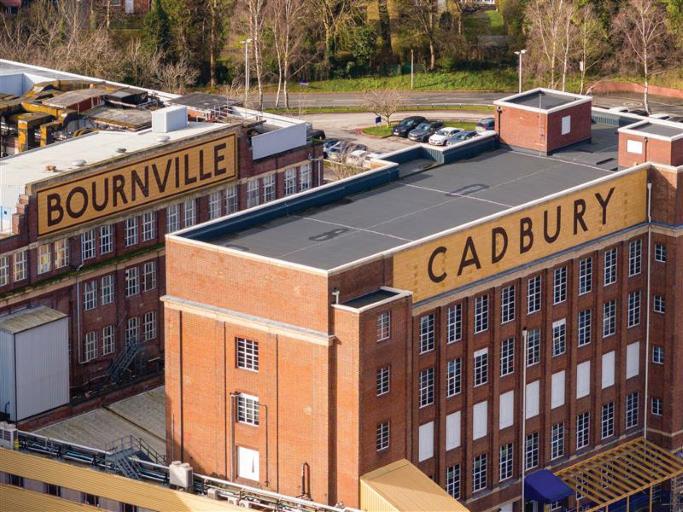
versity and Cadbury owner Mondel ē z, underscores both organizations’ commitment to anchoring innovation in the West Midlands, supporting food enterprise in the region where Cadbury’s legacy began. The research aims to advance food chemistry and engineering to transform how food and snacks are developed with highly distinctive flavor profiles. aston.ac.uk
Metso Appoints Jonathan Allen As Chief Growth Officer

utz Holding GmbH, a Germany-based group specializing in professional fluid management, is expanding its international presence. The new branch office, Lutz-Jesco Italia S.r.l., in Milan is set to become the foundation for long-term growth in one of Europe’s key regions. The new branch office builds upon an established sales partnership with Italybased pump manufacturer Argal S.r.l.
The Italian market has gained increasing importance for Lutz Holding in recent years. “Italy has a strong industrial base and is one of the key markets in Southern Europe for water and wastewater technology, chemical dosing and environmental technology,” said Susanne Maurer, member of the management board of Lutz Holding GmbH and CEO of Lutz-Jesco Italia S.r.l.
In these sectors, the group’s industrial pumps and water treatment technologies are playing an increasingly important role. “The new branch office strengthens our local presence, enabling us to assist customers in Italy more effectively throughout the entire process — from planning and commissioning to after-sales service,” Maurer added. lutz-holding.de
Jonathan Allen has been appointed Metso’s chief growth officer. He is responsible for the business growth function consisting of Strategy, Mergers and Acquisitions; Artificial Intelligence; Data & Analytics; Sustainability; Safety; Quality; Communications and Public Affairs; Marketing and Brand; and Corporate Procurement. Allen is a member of the Metso leadership team and reports to President and CEO Sami Takaluoma. Allen succeeds Claudia Genin who will leave Metso latest by August 2026, as previously announced.
Allen joined Metso in 2005 and has most recently held the role of senior vice president, Grinding, Bulk, Pyro and Smelting business line and is part of the Services business area leadership team. During his more than 20 years at Metso, he has held several leadership positions in France and the United States. He has a bachelor’s degree in mechanical engineering from Penn State University. metso.com
DuPont Wins WateReuse Award For Wastewater Reuse Membrane
Wilmington, Del.-based DuPont announced it has received a 2026 WateReuse Award for Excellence in the Transformational Innovation category for its FilmTec™ Fortilife™ XC160UHP elements. The reverse osmosis solution is designed to help industrial users advance wastewater treatment and reuse while enabling minimal- and zero-liquid discharge strategies.
The FilmTec Fortilife XC160UHP enables a more efficient and sustainable approach to water reuse and wastewater treatment. With the ability to operate under ultra-highpressure conditions, FilmTec Fortilife XC160UHP elements enable high water recovery to support industrial users facing stringent discharge regulations while reducing energy consumption, carbon emissions and operational costs, according to DuPont. dupont.com

p The historic Cadbury chocolate factory located in Bournville, England.
p Susanne Maurer
Yardney Water Filtration Systems Obtains New Patent
Y
ardney Water Filtration Systems — a Riverside, Calif.-based manufacturer of high-performance water filtration solutions for agriculture, golf, turf, landscape, industrial, commercial and municipal markets worldwide — has announced that the U.S. Patent and Trademark Office has issued a new patent to the company for its Valve with Stepped Bushing Design. This patent expands Yardney’s intellectual property portfolio and demonstrates its leadership, as well ongoing commitment to innovation in water filtration technologies.
The awarded U.S. Patent No. US 12,352,370 B2: “Valve with Stepped Bushing Design” covers a valve design featuring a specialized bushing that applies controlled axial pressure to its seals, enabling easier assembly and disassembly. This configuration streamlines maintenance and helps protect the seals from damage.
The company remains focused on performance, engineering-driven design and long-term results, providing proven, innovative filtration technologies. In addition to this issued patent, Yardney has two additional patents pending. yardneyfilters.com
Rensa Filtration Acquires Air Filters Northwest, AFNW® Services
Rensa Filtration, an Aurora, Ill.-based Audax Private Equity portfolio company, announced that it has acquired Air Filters Northwest and AFNW® Services.
AFNW was founded more than 30 years ago in Portland, Ore., and has since established air filter distribution and service teams in several locations across the United States. Air Filters Northwest and AFNW Services provide air filtration solutions for applications including health care, semiconductor fabs and data centers. The purchase marks the tenth air filtration acquisition since Audax invested in Rensa in 2022. “In the last year, the Rensa team has organized its North American business into two divisions: Rensa Filter Manufacturing, which produces air filters for OEMs, distributors and major end-users, and Rensa Filter Distribution, which has filter distribution centers supported by sales and service teams in multiple locations across the U.S.,” noted Joe Rogers, a partner at Audax Private Equity. rensafiltration.com
Southern Water Purchases Phosphorus Filtration Technology
Southern Water, a wastewater company based in the southeast of England, has purchased two phosphorus filtration units after a successful trial of the technology at its Storrington Wastewater Treatment Plant (WwTP) in Sussex. The two Flocell XFM20 filtration units comprising four modular filters were supplied by England-based wastewater treatment specialist Marlowe Environmental Services. The system can process flows of up to 40 liters per second (L/s) collectively. Supplied in a 6-meter container and requiring no additional civil engineering expertise, the technology has been installed to enhance existing tertiary
Atmus Opens Expanded Testing Laboratory In France
Atmus Filtration Technologies Inc., Nashville, Tenn., has opened a new stateof-the-art laboratory facility at its Quimper, France, location, reinforcing the company’s commitment to advancing filtration technology and reducing testing lead times for customers.
According to the company, the modernized testing facility strengthens its global laboratory network, resulting in better support for its customers and positions the company to meet future needs. By enhancing the European infrastructure, testing that previously required support from other global sites will now be performed locally, improving speed, flexibility and coordination within Atmus’ global testing network.
Designed as a modern, purpose-built environment, the facility provides a foundation to enable future testing capabilities, including multivariate testing that more accurately simulates real-world operating conditions. With upgraded infrastructure, Atmus can conduct more comprehensive validation testing to meet the requirements of original equipment manufacturer (OEM) specifications.
The Quimper laboratory is certified to automotive IATF 16949 and laboratory ISO 17025 standards and conducts more than 5,000 filter tests annually, supporting both liquid and air, or aerosol applications.
The facility is one of five Atmus testing laboratories worldwide that operate as “One Global Lab,” atmus.com
treatment processes at the plant.
At peak flows of 47 L/s, the installation enables Storrington WwTP — which serves a population equivalent of around 8,000 — to consistently meet its phosphorus consent limit of 0.5 milligrams per liter (mg/L).
The investment comes as utilities contend with tightening environmental regulations. The Environment Act of 2021 requires an 80-percent reduction in phosphorus in treated wastewater by 2038, with interim targets prompting upgrades across treatment works in England and Wales.
For the Storrington WwTP, operators required a compact solution capable of improving treatment performance without
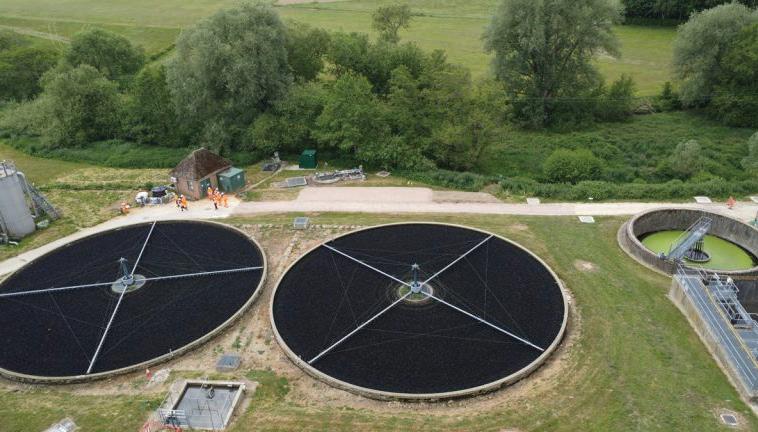
p Aerial view of Storrington wastewater treatment plant with prepared flat base for Flocell XFM units
WCS Environmental Engineering
extensive civil engineering works and with a short lead time. The plant must meet regulation limits of 15 mg/L biological oxygen demand, 20 mg/L total suspended solids, 0.5 mg/L phosphorus, 4 mg/L iron and 10 mg/L ammonia. southernwater.co.uk
Hengst Filtration Acquires B&S Filtration Group
Hengst Filtration, Germany, is taking another significant step in its corporate transformation from an automotive supplier to a cross-industry filtration specialist. The company recently acquired the Germany-based B&S Filtration Group consisting of B&S Filtration GmbH, Bestair GmbH and FTS GmbH & Co. KG. The acquisition extends Hengst’s portfolio with a specialist in air filtration focused on particulate filters, gas filters and combinations thereof.
B&S was founded in 1992 and currently employs 150 people. The company manufactures particle and carbon filters, HEPA/ULPA filters, activated carbon filters and other air filtration products for the automotive sector, building services, industry, power generation and cleanroom technology. Business relationships already exist with Hengst and its subsidiary Artemis Control AG for cleanroom filters in semiconductor production.
B&S’ technical expertise, particularly in the field of adsorption, as well as its ability to achieve “quick to market” with small series production, complement Hengst’s existing product lines and capabilities. hengst.com
Pall Corp. Appoints Dr. Roland Folz As President
all Corp. — a provider of filtration, separation and purification technologies based in Port Washington, N.Y. — recently announced the appointment of Dr. Roland Folz as president.
As president, Dr. Folz will lead Pall’s global business and set the company’s strategic direction, working closely with the leadership team to drive long-term growth, advance innovation and strengthen operational and commercial execution across the organization.

Dr. Folz brings more than two decades of leadership experience across the industrial, food and beverage and water technology sectors, along with a strong commitment to agility, innovation, collaboration and efficiency. He joins Pall from Pentair, where he spent the past 12 years and most recently served as group president, Industrial Solutions. In that role, he led a diverse portfolio spanning food and beverage, sustainable gas, membrane technologies, air systems, oil and gas and water applications. pall.com
ADVERTISER INDEX
CLASSIFIED MINI MART
FOR SALE

•
•
p Dr. Roland Folz