

































































PRESIDENT Q&A: Panda, Culturewell Build Hemp Fiber-To-Yarn Supply Chain In India By
Rachael S. Davis, Chief Content Officer
Africa’s Untapped Biofiber Economy: The Next Strategic Opportunity In Global Nonwovens And Fashion Materials By
Raymond Chimhandamba, International Correspondent,
Natural Fibers Move From Eco-Alternative To Engineered Mainstay By Geoff
Fisher, European Editor
The Circular Economy Built By Consumers By
Adrian Wilson,
International Correspondent, Europe
Five Key Changes: What NFPA 1850 Means For Organizations Now By Brian
Marenco
Africa










Rachael Davis
Chief Content Officer & Publisher, INDA Media rdavis@inda.org +1 404.518.9599




Raymond Chimhandamba
International Correspondent, Africa Handas Consulting ray@raychimhandamba.com


Geoff Fisher
European Editor gfisher@textilemedia.com +44 1603.308158


Brian Marenco
Director of Major Accounts Gear Wash gearwash.com








Dr. Sanjay Wahal
Founder Decarbonization LLC sanjay.wahal@gmail.com +1 920.562.9639








Dr. Matt O’Sickey Director of Education & Technical Affairs, INDA mosickey@inda.org
+1 919.459.3748




Adrian Wilson
International Correspondent adawilson@gmail.com +44 7897.913134


Kevin Conrogy
Senior Manager, Government and Regulatory Affairs, INDA kconroy@inda.org


Arun Rao
International Correspondent Owner, Taurus Communications arun@tauruscomm.net
International Fiber Journal is seeking contributed technical articles and editorial columns from qualified industry professionals and those allied to the fiber industry. If you would like to pitch an article for publication in IFJ, please contact Rachael Davis at rdavis@inda.org.

Rolls, godets, heating elements and custom built machines for heat treatment and drawing of synthetic filaments. Win – OLT ® yarn tension on-line monitoring systems.
Engineered and produced in Switzerland
Retech Aktiengesellschaft CH-5616 Meisterschwanden
CONTENT | EDITORIAL
CHIEF CONTENT OFFICER & PUBLISHER
Rachael Davis rdavis@inda.org | +1 404.518.9599
EDITOR & DIGITAL PRODUCTS MANAGER
Ken Norberg ken@ifj.com | +1 202.681.2022 ART
EUROPEAN









Materials innovation may begin in the laboratory, but the journey sometimes runs in the opposite direction. Pressures from consumers, brands and regulators increasingly shape the materials, processes and business models developed by the industry.
Marie O’Mahony
INTERNATIONAL CORRESPONDENT, CHINA
Jason Chen
INTERNATIONAL CORRESPONDENT, INDIA Arun Rao
ADVERTISING | SALES
See Sales Representative Contact Details in Movers & Shakers Section
For Inquiries to Your Sales Representative, e-mail advertising@inda.media
Download the IFJ Media Kit at www.fiberjournal.com/advertise
AUDIENCE | CIRCULATION circulation@inda.org
International Fiber Journal is published by INDA Media, the B2B publishing arm of INDA, Association of the Nonwoven Fabrics Industry. +1.919.459.3715 info@fiberjournal.com | www.fiberjournal.com News & Press Releases to IFJNews@inda.media
2026 BUYER’S GUIDE www.fiberjournal.com/buyers-guide
SUBSCRIBE: www.fiberjournal.com/subscription
International Fiber Journal
The articles in this issue of IFJ raise some important questions: What should materials be made from? How should products feel and perform? And how long should products remain in use?
Part one of Sanjay Wahal’s feature on biofabricated materials looks at alternatives to animal-derived leather and conventional synthetic materials such as polyurethane (See “Beyond Animals And Plastic: The Emerging Technologies Of Biofabricated Leather,” page 26). Interest in biofabricated materials reflects a combination of consumer concerns, brand sustainability goals and regulatory pressure. Mycelium, agricultural residues, bacterial cellulose and engineered proteins may show promise, yet market interest alone will not determine whether these materials succeed. These materials also must meet requirements for performance, consistency, cost and industrial-scale production. Part two, coming in IFJ Issue 5, will examine those commercialization challenges in greater detail.
Adrian Wilson’s report on air-through bonding technology (ATB) examines consumer influence from another direction (See “Softness As A Strategy With Trützschler ATB,” page 37). In this case, the defining quality is not what a material contains, but how it feels. Consumer demand for softer hygiene products, initially established in Japan, helped guide fiber development, nonwoven production and machinery investment in Taiwan and later in China. Softness evolved from a product characteristic into an engineering target
and manufacturing strategy. As Wilson notes, “something as intangible as touch can become a powerful force in both industrial innovation and brand differentiation.”
Consumer behavior is even more visible in Wilson’s examination of the secondhand apparel market (See “The Circular Economy Built By Consumers,” page 19). While much of the industry’s circularity work has focused on fiber-to-fiber recycling, consumers are extending garment life by purchasing used apparel. Resale does not eliminate the need for recycling, but as discussed at the recent Textiles Recycling Expo USA, it can delay the recycling stage by keeping finished products in circulation longer.
Across these sectors, no single material or process will determine how these markets evolve. A sophisticated product may struggle without the ability to manufacture at scale or clear market demand. A sustainable material must still perform its intended function, meet cost requirements and fit within a supply chain. Likewise, consumer interest alone cannot overcome limitations in quality, scale or infrastructure.
The connection among these articles is the point at which materials meet the market. Innovation may begin in a laboratory, on a production line or with a new raw material, but its direction is increasingly shaped by what products are expected to do, how they are expected to feel and how long they are expected to remain useful.
This issue also includes the 2026-27 IFJ Buyer’s Guide, designed to help readers connect with suppliers across the supply chain. The guide is also available online at fiberjournal.com/buyers-guide.

Rachael S. Davis Chief Content Officer & Publisher, INDA Media, IFJ
Engineers at The University of Texas at Austin have created a wearable jacket that harvests drinkable water directly from the atmosphere. The technology is an interesting innovation for anyone who spends extended time in areas with limited access to clean water — including hikers, campers, runners, agricultural workers, emergency responders and soldiers.
“Water harvesting from air is usually imagined as a stationary device such as a box, a panel or a large sorbent bed,” said lead researcher Guihua Yu, chair professor in the Cockrell School of Engineering’s Walker Department of Mechanical Engineering and Texas Materials Institute. “Here, we wanted to rethink the form of the technology. If the fabric itself can collect water from air, it opens a new direction for personal and portable water access.”
The jacket features a specially designed textile that captures moisture from the air and channels it to detachable harvesting units. These units sit in a foldable collector that is gently heated to release and condense the water into liquid form. Depending on humidity levels, the jacket can produce 400 to 900 milliliters — or about 14 to 30 ounces — of clean drinking water per day.
Compared to conventional waterharvesting materials, the new textile delivers a three- to 10-fold improvement in performance at scale. By engineering the fibers rather than adding a bulky device, the team solved a limitation in the field.
“The important advance here is that the team did not simply make another material that absorbs water,” said Keith Johnston, co-author and chair professor in the Cockrell School of Engineering’s McKetta Department of Chemical Engineering. “They designed a
Compared
to conventional water-harvesting materials, the new textile delivers a three- to 10-fold improvement in performance at scale.
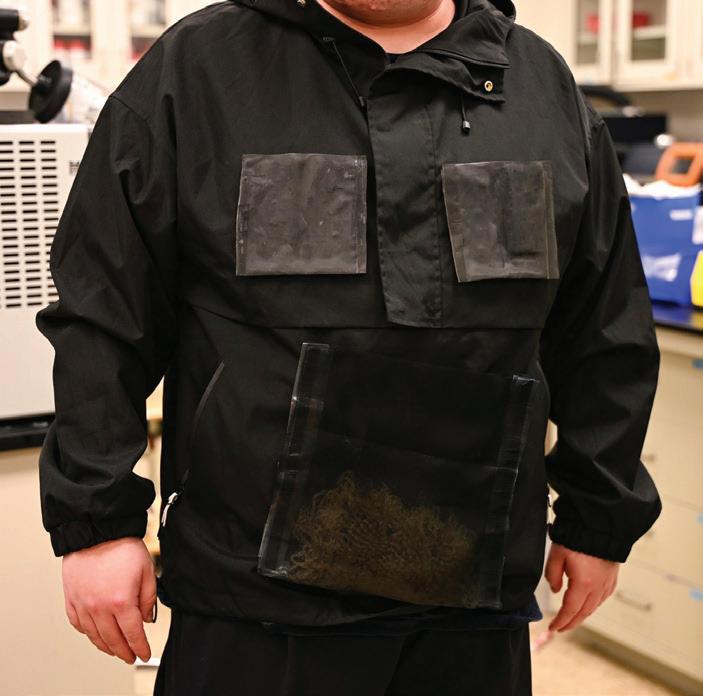
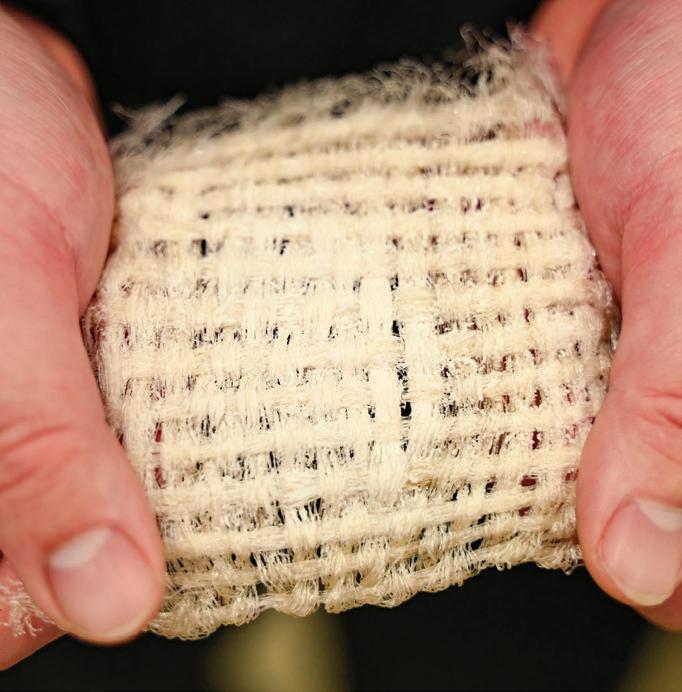
pathway for water to move quickly, from vapor in the air, to liquid on the fiber surface, and then into the textile. That transport design is what allows the material to work not just in a small lab test, but in a wearable system.”
The researchers see broad potential beyond clothing. Applications may include backpacks, tents, emergency shelters and other everyday outdoor gear that could passively collect water. The team plans to expand testing for outdoor recreation, remote operations, disaster response, and waterscarce or infrastructure-limited regions.
The university has already filed a patent application for the technology.
This textile builds on the same team’s earlier success with a separate portable device that set new records for pulling drinking water from the air. In field tests across the hot, arid Chihuahuan Desert in
New Mexico and the more humid climate of Austin, that device consistently captured 1.3 liters of clean water per day — equivalent to 4.3 liters per kilogram of material — outperforming all previous research efforts.
“This is a big stride toward practical atmospheric water harvesting,” said Weixin Guan, lead author of the related paper in Nature Water. “This goal has been incubated over years of work, from molecular design to real-world operation, and it is especially meaningful to see those pieces finally come together in a field-ready system.”
For more information, visit the University of Texas at utexas.edu
For details on how to submit your company’s technology for consideration as a “Technology Spotlight” in IFJ, contact Ken Norberg at ken@ifj.com or +1 202.681.2022.
A new report from the environmental nonprofit group Canopy, Vancouver, BC, has found that wheat straw has the potential to be a raw material for viscose and lyocell fibers for the fashion industry, reducing reliance on forest fibers while also cutting air pollution and creating new income opportunities for rural communities. The report, From Wheat Straw to Wardrobes: Fashioning a New Fibre Future, outlines the results of a pilot project examining whether pulp made from Indian wheat straw could successfully replace conventional wood-derived pulp in the production of viscose and lyocell fibers. According to the report’s findings, wheat straw pulp can directly replace wood-based pulp in fiber production while also producing yarns and fabrics that meet brands’ performance and technical standards across a range of applications.
Pulp derived from wood is widely used to manufacture manmade cellulosic fibers such as viscose and lyocell. Although these fibers are often promoted as environmentally preferable alternatives to polyester and cotton, Canopy notes that more than 300 million trees are cut down annually to produce these fibers, including trees from climate-critical and biodiversity-rich forests.
The pilot project, known as Project Latvus, brought together Canopy and Fashion for Good alongside brands including C&A, H&M Group and Reformation. Supply chain partners included Chempolis, TITK, Inovafil, Yee Chain, Shahi, Filpucci and DBL, with Textile Genesis providing traceability technology and A2P Energy supplying wheat straw. The initiative was supported by Laudes Foundation. The project aimed to integrate every stage of the supply chain, from farm to garment, in order to identify and address challenges that often slow the commercialization of new materials. canopyplanet.org
Germany-based Barmag has run trials to investigate processing recycled polyester (rPET) for bulked continuous filament (BCF) yarn in collaboration with Object Carpet GmbH and the Institute for Textile Technology (ITA), both based in Germany, and Austriabased Next Generation Recyclingmaschinen GmbH (NGR). The goal was to evaluate the suitability of 100 percent recycled carpet material for reuse in carpet yarn production to create a closed-loop system in carpet manufacturing.
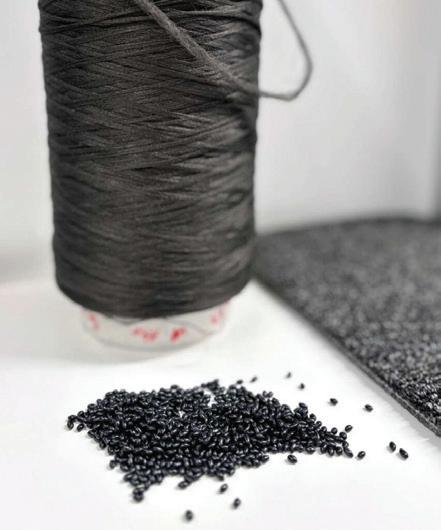
From carpet to carpet: Flexible process control on
systems enables recycled
to be processed and lays the foundation for closed-loop material cycles in carpet production.
The tests were conducted on a Neumag BCF line at the research and development center in Neumünster, Germany. As part of the investigations, rPET from 100 percent polyester NEOO carpet material supplied by Object Carpet was processed without the addition of virgin polymer. The trials, conducted on a practical production scale, demonstrated that it is possible to feed the material back into the spinning process. Dr. Kirsten Prehn, who is responsible for the Neumag BCF processes, said: “During the trials, we observed that, as expected, material quality — particularly viscosity and purity — significantly influences process stability and yarn quality. Using the Neumag BCF system, we were able to adapt the process control specifically and flexibly to the particular requirements of the recycled polymer and thus produce BCF yarn.”
Part of the recycled yarn was subsequently used to produce a carpet sample. barmag.com
At the recent Textiles Recycling Expo in Brussels, Bangkok-based Indorama Ventures demonstrated how brands and textile manufacturers can build traceable, circular textile supply chains by working with proven partners that deliver recycled materials on an industrial scale.
“Brands need full transparency in their textile supply chains, and they often find this difficult to achieve, especially at the polymer, fiber and yarn sourcing level,” said Claire Mattelet, head of the Global Sustainability Program for Indorama Ventures’ fibers business. “Through our global network, we help connect brands and manufacturers with proven supply chain partners, allowing all players along the chain to improve transparency and reduce the time needed to qualify new sources.”
Indorama Ventures showed how it helps brands move faster from circular goals to practical implementation through:
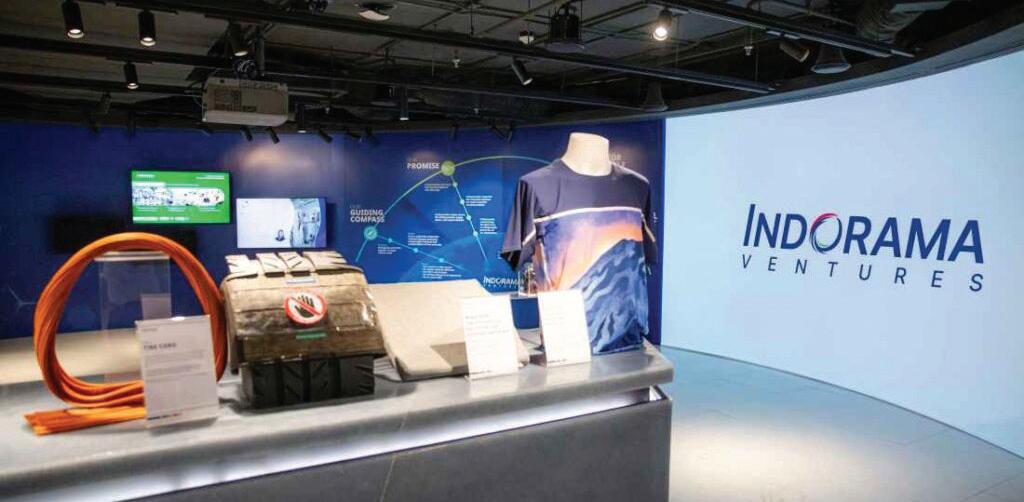
Ventures demonstrated how to scale circular textiles through proven, traceable supply chains at the Textiles Recycling Expo.
• Industrial-scale production to support reliable supply;
• Global and regional supply networks with proven partners;
• Technical and commercial expertise across the value chain; and
• A broad portfolio of recycled fibers and yarns from the company’s deja™ product family, focusing on recycled textile and biobased solutions. indoramaventures.com
Germany-based BB Engineering GmbH unveiled its patented ValuePack spinning package for the first time at the recent ITM 2026 exhibition in Türkiye. The spinning package features a two-stage filtration system, which is particularly beneficial for recycling processes.
Until now, spinning packs have used either metal powder — “sand” — or filter candles as filter media. The two options are suitable for different applications, and each has its own specific advantages and disadvantages. Sand packs are characterized above all by high melt homogeneity and are therefore particularly suitable for virgin material. Packages with filter candles, on the other hand, offer a larger filter area and were originally developed specifically for recycling applications. The increased filter area improves filtration performance and extends service life, but is also associated with a lower flux rate and less shear, which can have a negative effect on homogeneity.
In the new ValuePack spinning package, BB Engineering combines both approaches — metal



powder and filter cartridges — in a two-stage filtration process. The melt first flows through the filter cartridge, where it is efficiently filtered down to 15 micrometers across a large filter surface area. It then passes through the sand chamber, where homogenization and shearing take place. The design improves temperature and viscosity homogeneity, and offers better spinning performance and higher yarn quality, according to the company. In recycling applications, the system enables the production of higher-quality products, and the twostage filtration configuration can also offer advantages in other demanding or quality-critical applications, BB Engineering reports.
Another advantage of the ValuePack is its pressureindependent seal. This helps prevent leaks that can occur with self-sealing packages. The seal also allows for a wider process window. Existing systems can be easily retrofitted to accommodate the ValuePack, which is slightly longer due to its design. bbeng.com
Poland-based Harper Hygienics S.A. recently introduced Cleanic Probiotic, a new line of menstrual pads offering reliable protection, everyday comfort and a more conscious approach to intimate hygiene.
The pads have been enriched with carefully selected Lactobacillus strains, which support the natural balance of the microbiome. With probiotics incorporated into the absorbent layer, the product not only helps maintain a feeling of freshness and comfort but also supports the natural protective barrier of intimate areas.
The pads feature a topsheet made from 100 percent organic cotton, providing softness and gentleness in contact with sensitive skin. Their triple absorbent core effectively absorbs moisture, helping ensure reliable protection throughout the day and night. Hydrophobic wings provide additional stability and comfort, keeping the pad securely in place during everyday activities.
The line includes two variants — day pads with wings sold in packs of 10, and night pads with wings sold in packs of eight. harperhygienics.com
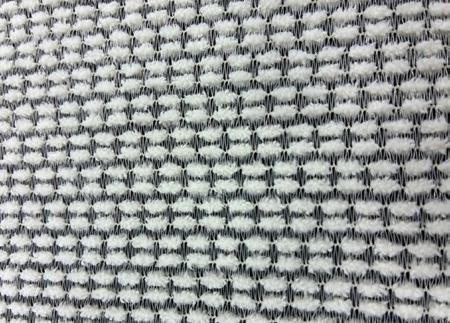
Japan-based Teijin Frontier Co. Ltd., has announced the development of a polyester fiber-based textile that, according to the company, achieves excellent heat retention based on its structure and reduced stuffiness provided by its high breathability. Designed for thermal apparel used in sports and outdoor activities, this new product features a unique appearance created by its distinctive 3D texture, along with a light and airy feel.
Teijin Frontier reports that it will position this multifunctional textile as a key material for sports and outdoor apparel for the fall/winter 2027 season.
The sports and outdoor market has become increasingly diverse, ranging from performance-oriented activities to health-oriented activities such as jogging and trail running. In addition, sportswear is increasingly being incorporated into everyday fashion. As a result, demand is growing for thermal apparel that delivers conventional heat-retention performance and enhanced mobility, comfort and an attractive appearance.
Teijin has developed a polyester fi ber-based multifunctional textile with a bulky, raised-fiber structure. This new textile — which uses low-crimp yarn in the ground structure and bulky, high-crimp textured yarn in the intermediate knot portions within the fabric — was created by splitting a double-Raschel knit fabric in half. The fabric achieves a uniform, lofty, air-containing, granular raised-fiber structure. This multifunctional textile can be produced using recycled polyester fiber as well as conventional polyester, giving customers a sustainable option. In addition, thanks to its non-brushed design using filaments, the material sheds few fi bers and can help reduce the generation of ocean-bound microplastics during laundering. Teijin Frontier is targeting sales of 50,000 meters of the new textile in fiscal 2027, and 250,000 meters in fiscal 2029. teijin.com
By Rachael S. Davis, Chief Content Officer
Founded in 2019, not long after industrial hemp farming became legal in the United States, Dallasbased Panda Biotech LLC is dedicated to advancing hemp fiber materials for a variety of end-uses.
The company’s 500,000-square-foot Panda Hemp Gin in Wichita Falls, Texas, processes 22,000 pounds of Americangrown hemp straw feedstock per hour. Using proprietary decortication technology, Panda produces textile-grade and nonwoven-grade fiber, hurd, micronized hemp and a blend of short fibers and hurd. The fiber and hurd are used in a wide variety of applications including textiles and nonwovens as well as construction and transportation materials.
Hemp is a sustainable and eco-friendly product, and Panda’s Hemp Gin is USDA BioPreferred® as well as OEKO-TEX® STANDARD 100 certified.
Panda recently announced a partnership with India-based Culturewell Trading LLP and its subsidiary Culturewell Hemp Pvt. Ltd. to establish an integrated hemp fiberto-yarn supply chain in India. According to a recent press release issued by Panda, the partnership will “transform U.S.-grown hemp from mechanically cottonized fiber into finished yarn, including degumming and spinning capabilities that were previously unavailable in India.”
“What we have built with Panda Biotech is not simply a supply agreement, it is the foundation of an entirely new industrial framework for hemp in India,” Culturewell CEO Rajesh Raizada said. “Indian customers have been asking for hemp yarn, not just fiber. For the

technical relationships needed to support degumming and spinning, and believed, as we did, that commercial adoption depends on solving the entire supply chain—not simply supplying raw fiber.





first time, we can deliver it — certified American-grown hemp, degummed, spun and ready for the mills.”
International Fiber Journal recently spoke with Panda Biotech President Dixie Carter about the partnership.
IFJ: How did the partnership with Culturewell Trading come about?
Dixie Carter: Culturewell wanted a partner and mentor that was a world leader in the hemp processing sector and its research pointed to us. Our ability to deliver quality and consistency at scale to support the burgeoning Indian textile and apparel supply chain is what cemented the partnership. Culturewell understood the Indian textile industry, had the
IFJ: What were the biggest technical or logistical gaps that had to be solved to establish an integrated fiber-to-yarn supply chain in India?
Carter: One of the initial challenges was overcoming skepticism created by inconsistent hemp fiber sourced from other parts of the world. Many manufacturers had experienced wide variations in quality and performance, so our first priority was demonstrating that Panda’s American-grown hemp fiber could consistently deliver the quality, traceability and regenerative benefits global brands increasingly expect.
Historically, India could import hemp fiber, but there wasn’t an established commercial system for consistently converting imported textile-grade fiber into yarn at scale. As a result, mills often had to solve technical challenges themselves or rely on materials that varied significantly in quality from shipment to shipment.
Our partnership with Culturewell closes that gap by connecting every step of the value chain. Panda has invested in the infrastructure needed to make hemp commercially reliable, producing mechanically cottonized fiber with consistent specifications, low hurd content and full traceability. Culturewell then provides the local expertise to degum, spin and distribute that fiber for export or into yarns and products that

Indian manufacturers can immediately incorporate into their operations.
Just as importantly, we’ve aligned quality standards across the entire supply chain. Every shipment is supported by OEKO-TEX STANDARD 100 and USDA BioPreferred certifications, giving brands and manufacturers confidence that they’re sourcing fiber that meets increasingly rigorous quality, traceability and compliance expectations.
IFJ: Why is India the right market for Panda Biotech’s next stage of growth, and what kinds of Indian textile producers are showing the strongest early interest?
Carter: The growing Indian domestic market combined with the export sector makes it a very attractive destination. India is one of the world’s premier textile manufacturing centers, serving global apparel brands across denim, knitwear, woven fabrics, home textiles, technical textiles and nonwovens. In addition, it has a rich tradition alive and thriving today of woven textiles with complex dobby and jacquard designs dating back several hundred years. The confluence of the past and the present makes it a natural market for expanding the commercial adoption of hemp.
What we’ve found is that Indian manufacturers are extremely
sophisticated. They’re looking for natural fibers that deliver consistent performance, competitive pricing, traceability, and scalability. Those requirements align directly with what Panda has built.
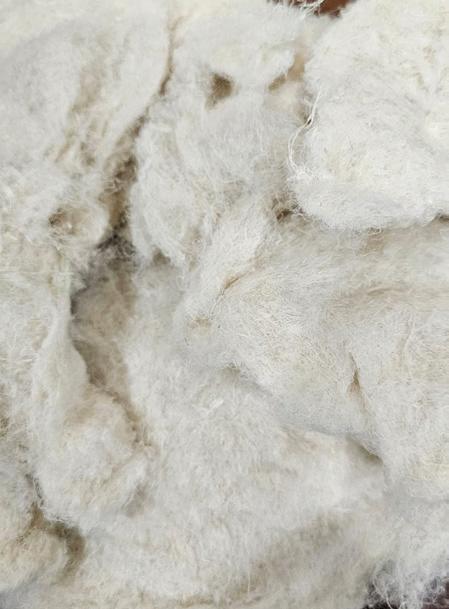
We’ve seen particularly strong interest from spinning mills, denim manufacturers, knitwear producers and companies supplying export markets where sustainability documentation and certified sourcing have become increasingly important. Interest at the recent Yarns & Fibers Expo in Mumbai reinforced that demand, especially for degummed fiber and hemp yarn in 20s and 30s yarn counts.
IFJ: How does mechanically cottonized hemp behave in existing spinning systems, and do spinning mills need to make any adjustments when blending it with other fibers?
Carter: Panda’s mechanically cottonized hemp fiber is unique, as it is produced without water or chemicals, making it a very sustainable product. It is friendly with staple fiber spinning systems and can be spun into coarse-count yarns used for woven fabrics. For finer yarn counts used in knitwear and lightweight shirting, the
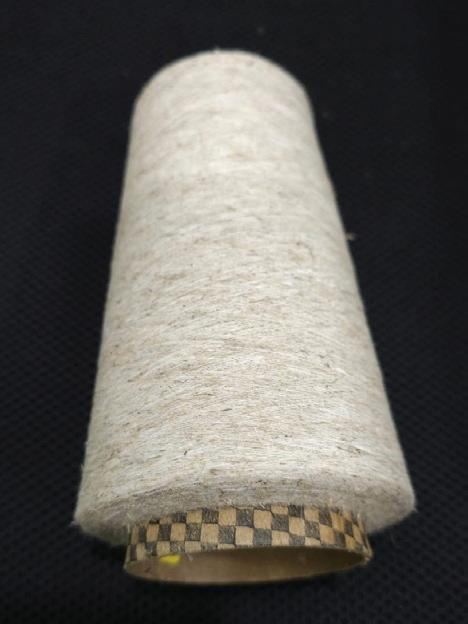
fiber can be further optimized to support those applications. Today, Panda fiber has been successfully spun into 20 percent and 30 percent hemp-blend yarns in counts up to 30s for knit applications, and we’re continuing to work with spinning partners to expand those capabilities. Our fiber also blends well with cotton, viscose, lyocell and other cellulosic fibers. As with any natural fiber, mills optimize processing parameters based on the desired blend and yarn characteristics, but our objective has always been to produce a consistent fiber that works within existing manufacturing systems rather than requiring manufacturers to adapt to the fiber. This kind of compatibility is one of the keys to accelerating commercial adoption.
IFJ : What applications are most realistic in the near term for Panda Biotech’s different hemp fiber products, from mechanically cottonized fiber to degummed fiber and yarn?
Carter: Each product serves a different segment of the textile market.
Mechanically cottonized fiber is wellsuited for coarser yarns used in denim, canvas, twills, knitwear, and a wide range of nonwoven applications, including insulation, acoustic materials, carpet backing, mattress components and other industrial products.
Degummed fiber supports finer yarn counts for lightweight woven and knitted fabrics where softness and appearance become increasingly important. It also creates opportunities in absorbent hygiene products, filtration, wipes and certain medical textile applications.
Finished yarn gives mills and brands the fastest entry point because it removes another processing step from the supply chain. Customers can immediately begin developing fabrics and products using hemp blends ranging from 20 to 100 percent, depending on the intended application.
IFJ: How is Panda Biotech addressing fiber uniformity, traceability and quality control from the United States through to processing, export and spinning in India?
Carter: Consistency is one of the biggest factors determining whether hemp can scale commercially. At Panda, quality begins with American-grown hemp sourced through our contracted grower network and continues through our mechanical processing operation in Wichita Falls. Each bale is marked and we know what field it came from; which farmer grew it; the details from the genetics used; and the amount of rain the fields received. Since every bale is processed within a single commercial facility using a standardized cottonization process, we’re able to deliver fiber with consistent specifications, very low hurd content, repeatable performance, and complete visibility from cultivation through processing, export and downstream manufacturing.
Every shipment is fully traceable and supported by OEKO-TEX STANDARD 100 and USDA BioPreferred certifications. Our partnership with Culturewell extends that same commitment to quality throughout
degumming, spinning and delivery to customers in India, ensuring consistency across the entire supply chain.
For global brands and manufacturers, traceability has become as important as fiber performance. We believe both are essential to building long-term confidence in hemp as a commercially viable, mainstream textile fiber.
IFJ: Beyond apparel and denim, where do you see the greatest opportunity for hemp in nonwovens or technical textile applications?
Carter: Some of hemp’s most exciting opportunities extend well beyond apparel.
The fiber’s strength, durability, lightweight properties, and renewable origin make it well-suited for nonwoven and technical textile applications where performance often outweighs aesthetics. We’re already seeing interest in thermal and acoustic insulation, automotive components, vacuum insulation panels, filtration media, carpet backing, mattress materials and geotextiles.
Many of these markets are actively seeking lower-impact alternatives to petroleum-based synthetic materials while maintaining performance requirements. Hemp is uniquely positioned to meet both objectives, particularly as commercialscale, consistent fiber becomes more widely available.
Panda is developing a fire-retardant hemp fiber as well as building products using our FR-treated fiber that complies with the ASTM E84 standard for flame spread and smoke development.
We believe nonwovens will be an important driver of hemp adoption alongside traditional textile applications.
IFJ: How important will cost competitiveness be in driving hemp adoption, and where do you see the strongest economic advantages for U.S.-grown hemp processed through this India-based supply chain?
Carter: Cost competitiveness will absolutely be a major driver of hemp adoption, and together with our value proposition of a sustainable, traceable, reliable, coveted source of U.S. origin, it should become a household name
in the industry. For hemp to become a mainstream textile fiber, it can’t remain a specialty material. It has to compete on reliability, availability, processing efficiency and ultimately economics.
That’s where Panda’s model creates a distinct advantage. We’ve invested in commercial-scale processing capable of producing consistent, mechanically cottonized hemp fiber that integrates into existing spinning systems with minimal disruption. That reduces the need for mills to make capital investments or fundamentally change how they manufacture yarn — lowering both the cost and risk of adoption.
Our partnership with Culturewell extends those advantages even further by connecting American-grown, certified hemp fiber, as well as developing the world’s most advanced hemp textile manufacturing ecosystem. Instead of selling raw fiber into a fragmented supply chain, we’ve created an integrated pathway from cultivation and processing in the United States through degumming, spinning and yarn production in India. That improves efficiency, shortens the path to market, and provides brands with the traceability and consistency they increasingly require.
We also believe there are meaningful economic advantages for customers serving global markets. By pairing U.S.grown hemp with India’s world-class textile manufacturing capabilities, manufacturers gain access to a reliable supply of certified fiber while leveraging one of the most competitive and efficient spinning ecosystems in the world. For products exported back to the United States and around the world, that model may also create favorable trade and duty opportunities, depending on the finished product and applicable regulations.
Ultimately, our goal isn’t simply to make hemp more sustainable. It’s to make hemp commercially practical. When manufacturers can source a consistent, traceable fiber that performs reliably, fits within existing manufacturing systems and makes economic sense, that’s when hemp begins to move from a niche material to a mainstream textile fiber.





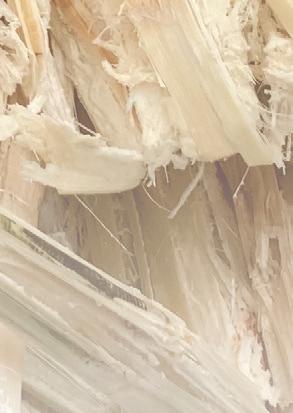


Agricultural waste streams across Africa offer promising fiber sources for nonwovens, fashion, packaging and composites, but infrastructure and investment remain key to scale.
By Raymond Chimhandamba, International Correspondent, Africa
The global fiber and materials landscape is undergoing a structural shift. As sustainability pressures intensify, brands across fashion, hygiene, packaging and technical textiles are accelerating their transition away from resource-intensive cotton, chemically processed cellulosics and petrochemical synthetics. Biobased materials — particularly those derived from agricultural waste — have moved from niche experimentation to strategic necessity.
Yet one region with extraordinary potential remains largely absent from global sourcing conversations: Africa.
Across the continent, millions of metric tons of agricultural by-products are generated every year. Much of this biomass is burned, composted or left to decompose. Embedded within these waste streams, however, are celluloserich fibers with the performance characteristics needed for nonwovens,
fashion textiles, packaging and biocomposites. Africa’s agricultural systems, climate and land availability position it as a future powerhouse in the global biofiber economy — but the opportunity remains underdeveloped and under-recognized.
As global brands seek new, traceable, low-carbon materials, Africa’s biofiber potential offers a compelling frontier. The question is no longer whether Africa can participate in the next generation of sustainable fibers, but how quickly industry stakeholders will engage.
Africa’s agricultural sector is vast and diverse. It produces enormous volumes of biomass that require no additional land, water, or fertilizer to generate — making these fibers inherently low impact and strongly aligned with circular economy principles.
The following are among the most promising African biofibers for nonwovens and fashion.
Kenya and Tanzania are key global producers of sisal. Historically used for ropes and twine, sisal’s long, coarse fibers offer high tensile strength, abrasion resistance and biodegradability. These properties make sisal suitable for geotextiles, automotive composites, insulation materials, reinforcement in needlepunched nonwovens, as well as construction and civil engineering applications.
With modern decortication and fiber
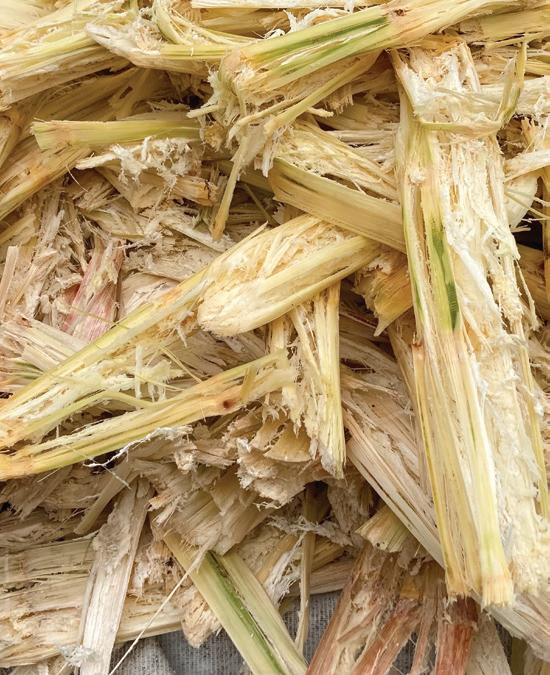
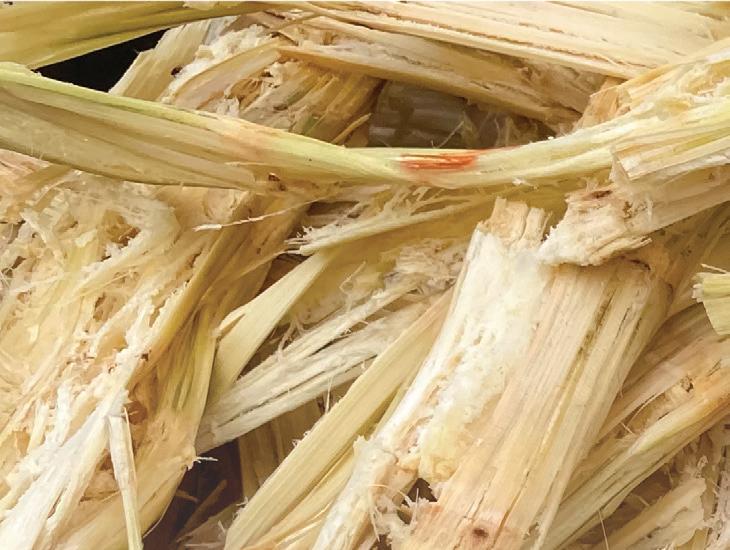
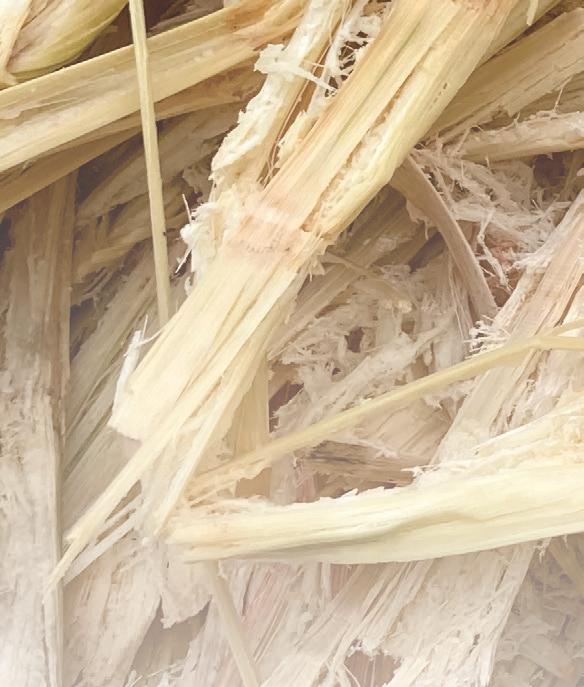
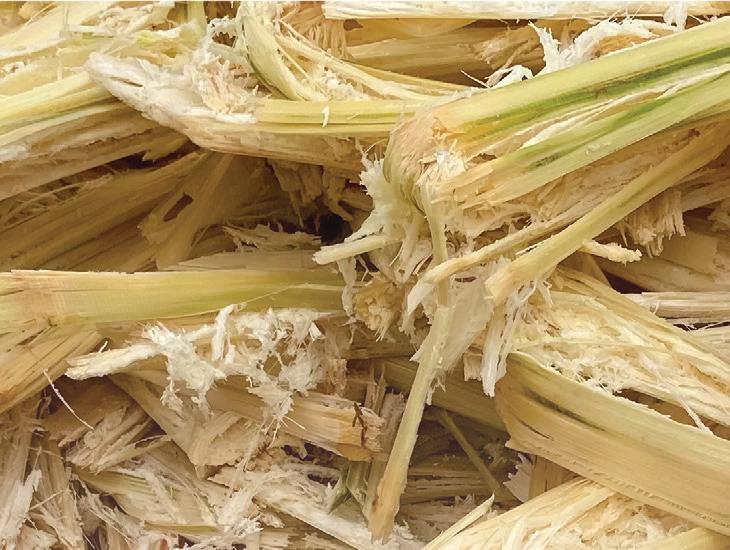
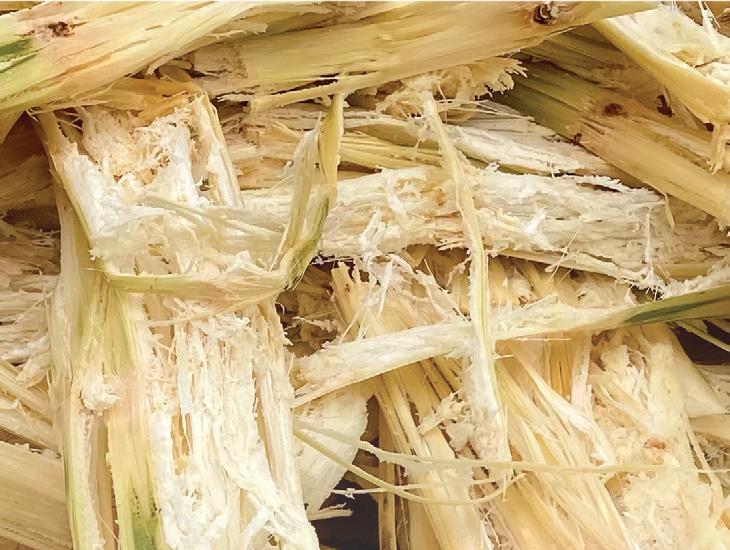
Sugarcane bagasse is the fibrous residue left after the juice is extracted during the sugar production process. Bagasse can be refined into pulp and turned into a variety of textile products including nonwovens and packaging.
iStock/Pipitan Lerdpipiton
The question is no longer whether Africa can participate in the next generation of sustainable fibers, but how quickly industry stakeholders will engage.

refinement, sisal can also be processed into shorter staple fibers suitable for carded nonwovens and blended fabrics. As global demand for natural reinforcement fibers grows, sisal’s relevance is increasing.
Sisal also aligns with global decarbonization goals. Compared to synthetic reinforcement fibers, sisal has a significantly lower carbon footprint and can be produced in rain-fed systems with minimal chemical inputs. This positions East Africa as a strategic supplier for industries seeking to reduce Scope 3 emissions.
In addition, initiatives among consumer goods companies to reduce their carbon footprint have elevated sisal fiber’s value proposition, as the material exhibits minimal environmental impact throughout its life cycle, from cultivation to end-of-life biodegradation. Investment in sustainable sourcing has intensified across the supply chain, with major retailers committing to 25 to 35 percent natural fiber content in textile products by 2030, according to a Data Intelo report.
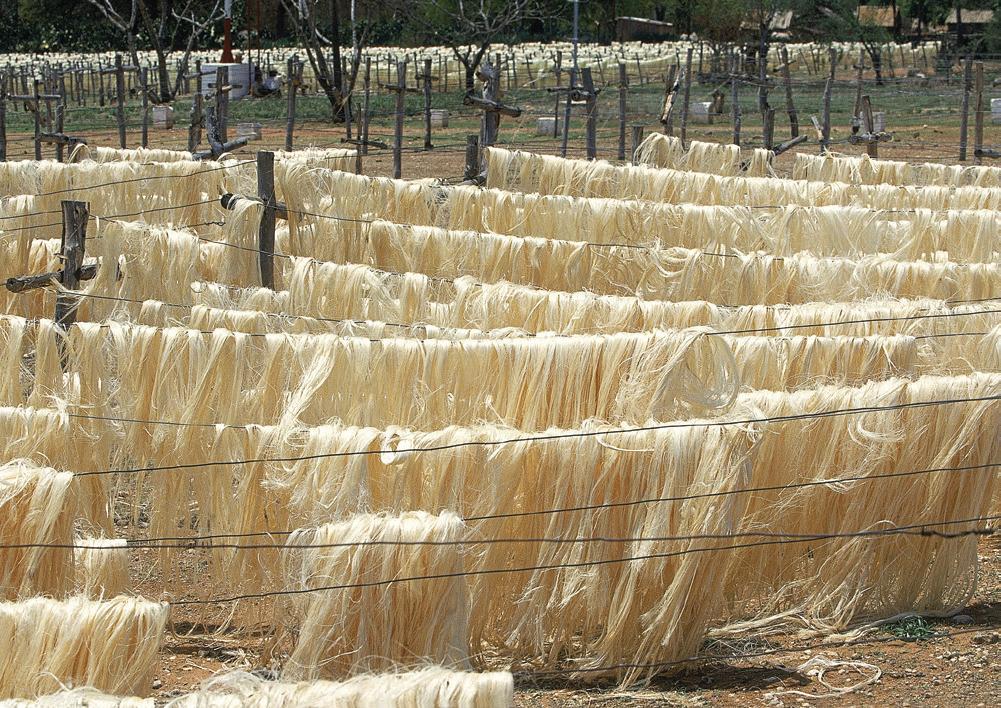
Drying fibers on a sisal farm in Madagascar. iStock/slowmotiongli
For every metric ton of pineapple fruit harvested, 2 to 3 tons of leaf waste are generated, which can be turned into fiber for textile applications. iStock/Teen00000
Piñatex, a leather alternative owned by Ananas Anam and used by fashion brands such as Hugo Boss and H&M. Piñatex sources some of its pineapple fiber from Côte d’Ivoire, demonstrating that African PALF can meet international quality and consistency requirements.
The same report highlights how research institutions and fiber manufacturers have in recent years invested heavily in process optimization, reducing chemical waste by 40 to 50 percent while simultaneously improving fiber tensile strength. These technological breakthroughs allow manufacturers to fetch premium pricing for processed sisal variants. Bleached and dyed products command 15 to 25 percent price premiums over natural fiber equivalents, enhancing manufacturer profits and margins.
Ghana, Kenya and Côte d’Ivoire are major pineapple producers. For every metric ton of fruit harvested, 2 to 3 metric tons of leaf waste are generated. Pineapple leaf fiber (PALF) is lightweight, soft and flexible, strong relative to its fineness, biodegradable and compatible with viscose, polylactic acid (PLA) fiber and natural fiber blends.
PALF has gained global visibility through
The patented Piñatex material is used for fashion textiles, specialty nonwovens and lightweight composites. PALF’s combination of softness and strength makes it particularly attractive for premium wipes and hygiene products — categories where consumers increasingly demand natural, skinfriendly materials.
Uganda, Rwanda, and Tanzania produce vast quantities of bananas. After harvest, the pseudostem — a thick, fibrous stalk — is typically discarded. Yet the stalk contains long, strong fibers with high cellulose content and excellent absorbency.
Banana fiber is suitable for spunlace wipes, hygiene topsheets, packaging, fashion textiles and molded fiber products. Ugandan cooperatives already extract banana fiber for artisanal textiles and pulp. With mechanization and investment, these operations could scale to industrial levels.
Banana fiber’s high absorbency and biodegradability make it a strong candidate for hygiene applications — particularly in markets where consumers are shifting toward natural, plant-based materials.
Kenya, South Africa, Eswatini, and Mauritius have established sugar industries. Bagasse — the fibrous residue left after juice extraction in the sugar production process — is abundant and underutilized.
Bagasse can be refined into pulp for wipes and tissues, molded fiber packaging, airlaid nonwovens, biodegradable trays and containers, and specialty papers. South Africa’s sugar mills already use bagasse for energy generation, which is better than burning the material in the fields, as happens elsewhere. However, energy generation remains a comparatively low-value option when measured against the material’s potential for fiber applications.
Bagasse pulp can be blended with recycled fibers or natural fibers to create biodegradable wipes and packaging — categories experiencing rapid global growth.
Kenaf thrives in Nigeria, Sudan, and parts of West Africa. With a cellulose content of 60 to 70 percent, kenaf is suitable for automotive nonwovens, insulation, biocomposites, technical textiles and reinforcement fibers.
It has a 4,000-year cultivation history in Africa. Its rapid growth cycle, low water requirements, and low pesticide demand make it an attractive crop for climateresilient fiber production. As automotive OEMs seek natural fiber composites to reduce vehicle weight and carbon footprint, kenaf offers a compelling alternative to glass fiber.
Beyond sisal, PALF, banana fiber, bagasse, and kenaf, Africa offers several emerging fibers with niche potential.
These include coconut coir, which is abundant in East and West Africa; rice straw, which is widely available in West Africa; maize husk fibers, with abundant stock in Southern Africa; and hemp and flax, which have relevance in South Africa and Morocco.
These fibers have potential in packaging, geotextiles, biocomposites and specialty nonwovens.
Despite its potential, Africa has not yet emerged as a major player in global biofiber supply chains. Several structural factors explain this:
1. Limited processing infrastructure — decortication, pulping, and fiber refinement facilities are still scarce. Without processing, fibers cannot meet global quality standards.
2. Fragmented smallholder production — most crops are grown by smallholder farmers, making aggregation and consistent supply challenging.
3. Low visibility in global supply chains — African fibers are rarely included in global sourcing maps, certification schemes or R&D pipelines.
4. Limited investment in fiber research and development (R&D) — most agricultural research focuses on food security rather than fiber extraction or material science.
5. Perceived risk — global brands often view Africa as a high-risk sourcing region due to infrastructure gaps and inconsistent supply.
However, these barriers are not insurmountable, and early innovators are already proving what is possible.
Africa’s biofiber ecosystem is not hypothetical. Several initiatives already demonstrate commercial viability.
Ananas Anam, the owner of Piñatex and Piñayarn, a premium fiber derived from pineapple leaf, is already sourcing PALF from Côte d’Ivoire. Kenyan sisal




Our customers trust us to provide the best quality and service. They rely on our commitment to their needs day to day and when exploring new opportunities to grow and to improve their manufacturing operations.
Africa's agricultural landscape offers a unique, underexploited opportunity to supply the next generation of sustainable fibers.
estates are supplying fiber for composites and specialty applications. Ugandan banana fiber cooperatives are producing yarns, pulp and artisanal textiles, with some materials being piloted in feminine care applications. South African bagasse initiatives are piloting molded fiber packaging and pulp for wipes. In Nigeria, kenaf projects are exploring automotive and insulation applications.
These examples show that Africa’s biofiber potential is real, but still far from fully realized.
African biofibers offer strong compatibility with modern processing technologies. Depending on the fiber and level of refinement, they can be adapted for spunlace, carded nonwovens, airlaid blends, needlepunched geotextiles, wetlaid pulp products and biocomposites.
They also offer strong blending potential. African biofibers can be combined with viscose, lyocell, PLA, recycled polyester, cotton and other natural fibers to achieve different performance and sustainability profiles. Depending on the fiber, benefits include high tensile strength, biodegradability, absorbency, breathability, low density and thermal insulation. These attributes open up applications across hygiene topsheets and backsheets, wipes, fashion textiles, geotextiles, packaging, automotive interiors, insulation and molded fiber products.
This versatility makes African biofibers attractive to manufacturers seeking sustainable alternatives that are not only renewable but also functional.
There are five reasons why global brands should pay attention to Africa’s biofiber potential today.
First, Africa offers supply chain diversification. Most biobased fibers today come from Asia. Asia undoubtedly offers many advantages that are not necessary to repeat here, but climaterelated disruptions, including typhoons in parts of the region, can create supply chain risk. Africa offers an additional sourcing base with geographic and climatic diversity.
Second, Africa offers lower-carbon inputs. Agricultural waste fibers require minimal additional inputs and have significantly lower carbon intensity than cotton or synthetics.
Third, biofiber extraction creates social impact. It can generate rural jobs, support smallholder farmers, and strengthen local value chains.
Fourth, African biofibers can help brands meet emerging requirements around biodegradability, traceability, deforestation-free sourcing, and extended producer responsibility.
Fifth, Africa represents a long-term strategic opportunity. The continent’s demographics — a young population, expanding agricultural output and growing manufacturing base — position the continent as a future materials hub.
Despite the potential, several challenges must be addressed before these opportunities can become a reality.
Processing infrastructure remains the first priority. Decortication, pulping and fiber refinement capacity is limited. Investment in machinery and industrial hubs is essential.
R&D and standardization are also still lacking. Fiber quality varies widely. Standards, testing and certification systems are needed to meet global buyer requirements.
Logistics and aggregation remain another challenge. Smallholder farming
systems require coordinated collection models to ensure consistent supply.
Partnerships are also needed. Global brands and nonwoven producers have not yet formed enough long-term sourcing partnerships in Africa. These investments and partnerships are what will unlock the potential to scale.
Policy support is the final piece. Governments can accelerate growth through incentives, circular economy frameworks and export support.
Africa’s agricultural landscape offers a unique, underexploited opportunity to supply the next generation of sustainable fibers. As global demand for biobased materials accelerates, the continent’s sisal, pineapple leaf fiber, banana fiber, bagasse, kenaf and other resources can play a transformative role in nonwovens, fashion, packaging and composites.
For brands seeking sustainable, traceable and socially impactful materials, Africa represents a frontier worth engaging now — before the rest of the world catches up.
Africa’s biofiber moment has not fully arrived yet. But the foundations are visible, the materials are available and the global need is growing. The companies that engage early will not simply source new fibers; they will help shape a strategic supply base for sustainable materials.






Raymond Chimhandamba, an international expert, author and speaker on Africa’s absorbent hygiene products (AHP) sector is the founder/CEO of Handas Consulting, a boutique consulting company based in South Africa. He has presented at global conferences on the Africa region, such as those led by INDA and EDANA. He is also CEO at Kunakisa Recycling, a plastic recycling start up based in Pretoria, South Africa, that he started in 2021. Reach him at ray@ raychimhandamba.com or +27 81 487 6785.
Technical textile producers worldwide are upscaling plant, animal and mineral fibers into regulation‑ready, high‑performance yarns and composites — driven by carbon savings, circularity and original equipment manufacturer's sustainability targets.
By Geoff Fisher, European Editor
Sustainable fibers and yarns are among the fastestgrowing segments in technical textiles. Producers worldwide are increasingly turning to natural and biobased solutions, driven by their performance, carbon dioxide savings, biodegradability, recyclability and independence from fossil resources.
Derived from plant, animal and mineral sources, natural fibers in particular are now being engineered into high-performance technical textiles across the transport, construction, filtration and performance apparel systems and latterly in marine restoration. The latest developments show a shift from “eco-friendly alternatives” to fully engineered, regulation-ready materials with measurable performance gains.
Natural fibers are gaining ground in technical textiles for a number of reasons: regulatory pressure, such as the European Union Green Deal and microplastic restrictions; original equipment manufacturer (OEM) sustainability targets in the automotive, aerospace, construction and apparel sectors; improved performance through hybridization and fiber modification; economic viability as biobased materials upscale; and circularity and recyclability becoming commercial requirements — not optional extras.
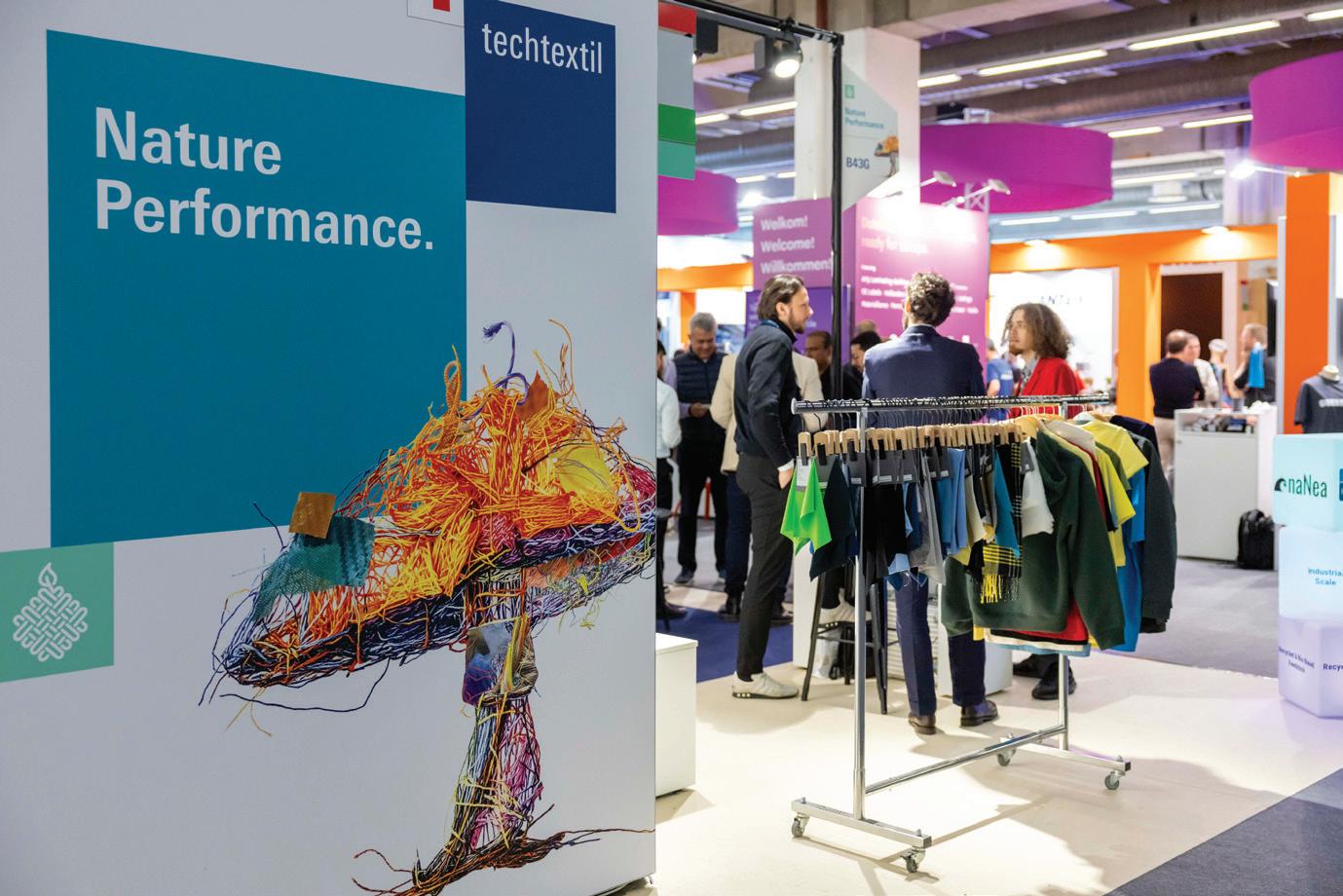
The Discover Natural Fibres Initiative represents an international alliance of more than 40 associations, organizations, natural fiber manufacturers and research institutes that aims to raise awareness of natural fibers and promote their application.
According to the alliance’s statistician, Dr. Terry Townsend, fibers such as jute with a volume of 3 million metric tons per year, coir at 1.2 million metric tons, short
flax fibers at 200,000 metric tons, sisal at 300,000 metric tons, industrial hemp at 400,000 metric tons, kapok at 80,000 metric tons, and abaca at 50,000 metric tons are already being used in technical applications and have excellent prospects for expanded recovery and recycling.
“Potential applications for recycled natural fibers range from composites used in automobiles to reduce weight and improve sustainability, to insulation materials made from hollow fibers and to
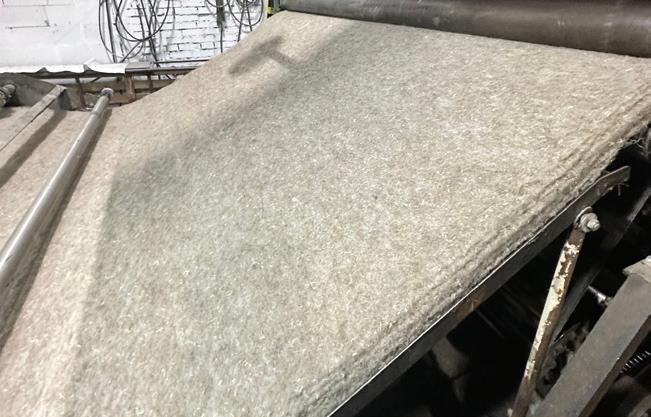
construction materials made with natural fibers as a binder,” Dr. Townsend said.
In the automotive and transportation sector, for example, natural fibers already feature in interior panels, trims and composites, in upholstery and acoustic insulation, and as hybrid yarns for durability and fire performance.
In the construction and geotechnical market, natural fibers can be used to make biodegradable geomats and erosion-control textiles and also find use as fiber reinforcement in composite materials.
In the marine and environmental sector, seagrass restoration mats and biodegradable underwater substrates are now beginning to feature natural fibers, while in performance apparel, examples include technical wool base layers, engineered cotton for moisture and thermal control, and in hybrid natural/ synthetic performance yarns.
A 2026 review in RSC Advances, published by the England-based Royal Society of Chemistry, highlighted a number of recent breakthroughs for natural fibers in terms of advanced extraction and fiber - modification technologies. These include the enzymatic and green-chemical extraction of bast fibers, surface modification to improve bonding in composites, functionalization — such as antimicrobial, hydrophobic and flame retardant — and performance/ sustainability optimization for natural-fiber materials.
These developments will strengthen natural fibers’ competitiveness with synthetics in technical applications, explained the authors from the
Department of Fabric Engineering, Barishal Textile Engineering College, Bangladesh.
This year’s Techtextil exhibition held in Frankfurt, Germany, highlighted the ongoing growth in biobased, recyclable and circular-economy textile developments. Prominent among these was the increasing use of natural fibers, not just as “traditional” textile materials, but for use in high - performance, regulation-ready technical applications as biobased and recyclable alternatives to synthetic technical textiles.
Notably, more than 15 percent of the exhibitors already have natural fibers and materials in their product ranges, according to trade fair organizer Messe Frankfurt. This suggests that natural fibers are now central to the “alternative materials” segment highlighted at the exhibition, driven by sustainability regulations and OEM requirements for lower-impact materials.
yarn, biobased polymers and composites, as well as recyclable and circular-design materials. In addition, some 90 exhibitors focused on recycled or recyclable fibers and yarns. For example, the Dutch Circular Textile Pavilion featured SaXcell’s chemical fiber-to-fiber recycling process that converts discarded cotton waste into new cotton-like material, while Vodde presented a complete fiberto-fiber supply chain using 100-percent textile waste, turning discarded textiles into yarns and socks.
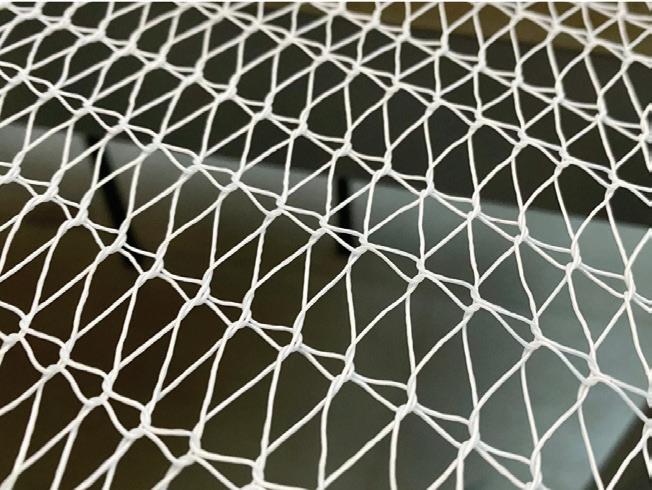
With more than 20 years of experience, K.Tex, a Ukraine-based manufacturer of nonwoven materials and a first-time Techtextil exhibitor, displayed technical textiles for various industries, made from hemp and other raw materials, including recycled polyethylene
A major structural change at this year’s Techtextil show was the introduction of the Nature Performance label, which grouped together more than 119 exhibitors working with natural fibers, biobased materials and circular textile systems — a label that will likely become a long-term platform for natural-fiber innovation at future Techtextil editions. This area showcased natural fibers and
terephthalate (rPET), using advanced nonwoven technologies such as needlepunching/calendering, air-through bonding and airlaid.
Applications include construction such as insulation materials and acoustic panels, apparel for paddings and insole materials, fire-resistant insulation and geotextiles, agriculture in mulching materials and growbags, furniture such as hemp-based materials and filling
materials, and automotive in prepreg and sound-absorbing materials.
In the agricultural segment, K.Tex presented solutions under the Greenery Land brand, designed for plant cultivation and landscaping. These materials are used to manage growing conditions, including moisture retention, soil protection and temperature stability. In addition to growbags and hemp-based mulching materials, the product range includes tree circles and other solutions for use in horticulture, greenhouse production and landscaping.
For the construction sector, the company showcased Novoisol — hempbased nonwovens used for thermal and acoustic insulation. These materials can be applied in building structures where moisture regulation and indoor climate control are important as well as insulation performance; acoustic solutions were also presented.
Another key area was materials for
the textile and apparel industry. K.Tex produces insulation materials under the Termoloft, Slimtex and Holosoft brands, which provide thermal performance, structural stability and comfort in use. The company also presented Embertex — a flame-retardant material designed for protective clothing and high-temperature environments.
With production facilities in Irpin, near Kyiv, and Kalush, and an annual capacity of 5,000 metric tons, K.Tex forms an integrated business ecosystem in Ukraine together with industrial hemp producer Ma’Rijany and textile recycling company Reinventex.
At the joint stand at Techtextil, Reinventex featured materials made from recycled textile fibers. These included acoustic panels, mattress fillings and other solutions where secondary raw materials are used to create new functional materials with defined properties, where the focus is not only on
the origin of the material, but also on its performance in the final application.
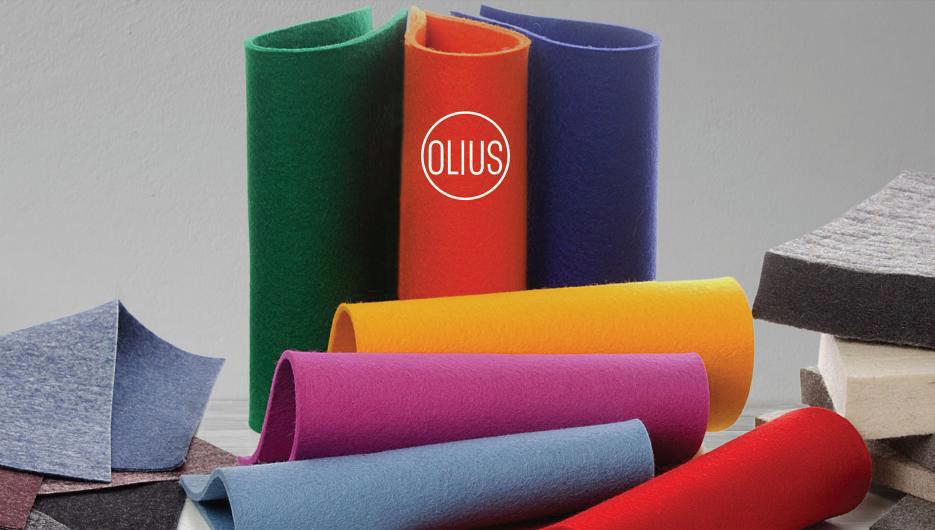
Spain-based company Textil Olius produces wool felts — nonwoven textiles that leverage the natural properties of wool and the technical characteristics of nonwovens. This combination allows the company to manufacture products for a wide range of end-uses in interior design and acoustic absorption, industrial applications and consumer goods, explained commercial director Virginie Tissot.
These technical and sustainable materials are ideal for industries and projects where durability, strength, acoustic insulation and liquid absorption properties are crucial. Various types of finishing can be applied to give the felts unique properties for specific applications, such as flame retardant, water repellent, anti-mold, anti-pilling, antistatic, antistain, mothproof and anti-slip.

Also in the wool sector, Germanyheadquartered Südwolle Group, well known for its wool-based worsted yarns, showed technical yarn solutions together with its sister company Tenowo/Hoftex Group, for applications including safety and personal protection equipment, transportation, upholstery and interior textiles, and body and performance support for sportswear and activewear.
Biobased
A major innovation this year saw the introduction of biobased geomats and underwater restoration textiles. These include biodegradable natural-fiber geomats designed for seagrass meadow regeneration, erosion-control mats using natural fibers instead of plastic and marine-safe biodegradable substrates.
In Frankfurt, Italy-based Tex Tech presented a biobased marine geomat, a biodegradable underwater anchoring and restoration textile designed specifically for the regeneration of Posidonia oceanica seagrass meadows — one of the Mediterranean’s most ecologically important but threatened habitats.
Restoring P. oceanica requires planting cuttings on the seabed. Traditional anchoring systems often rely on plastics, synthetic nets and materials that risk becoming “ghost gear” or microplastic pollution.
Tex Tech’s solution eliminates these issues by using biobased, biodegradable polyester materials, such as polybutylene succinate-co-butylene adipate-based systems, and textile architecture that is optimized for underwater handling, anchoring and natural degradation within a controlled timeframe, usually within 12
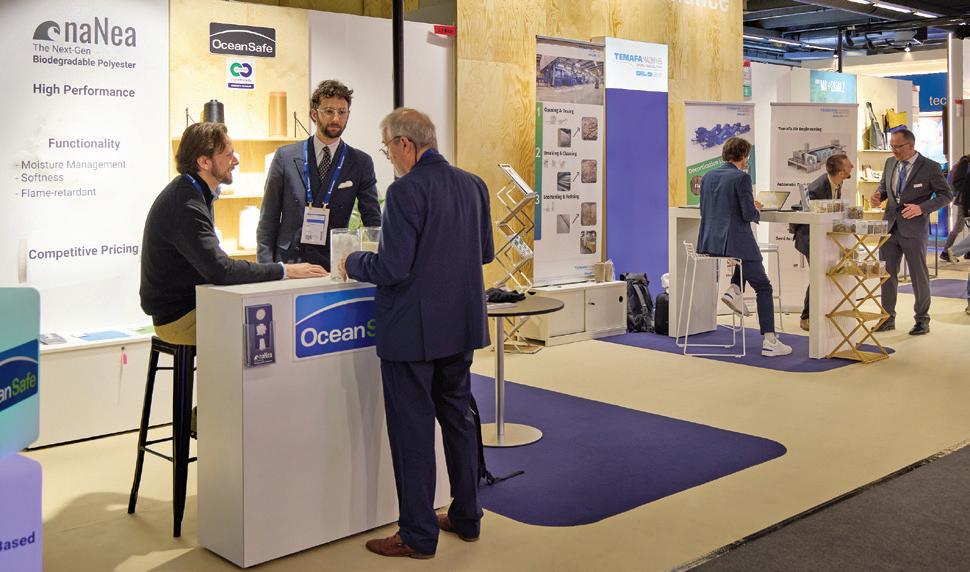
OceanSafe presented naNea, a novel co-polyester designed for both biodegradability and recyclability.
Jean-Luc Valentin/Messe Frankfurt GmbH
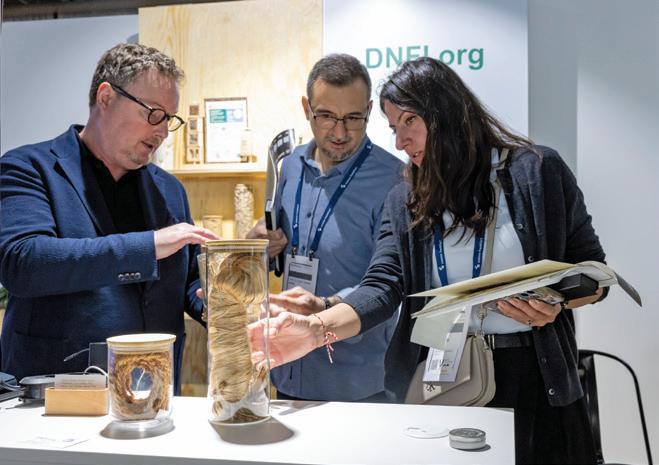
The aim of the Discover Natural Fibres Initiative is to promote all natural fibers in the face of competition from man-made fibers, to raise awareness of the benefits of natural fibers and to encourage greater demand for natural fibers. Thomas Fedra/Messe Frankfurt GmbH
to 24 months, depending on the thickness of the geomat.
The materials are selected on a caseby-case basis, including the use of hightenacity and cut-resistant fibers, and validated through structured prototyping and laboratory characterization, explained CEO and COO Fabrizio Picariello.
The geomat is being evaluated with research partners including ISPRA (the Italian Institute for Environmental Protection and Research) and several universities through tank-based pilot trials, including the Aquarium of Livorno, and open-sea trials, with testing including biodegradation mechanisms, durability and ecotoxicity.
This represents one of the first fully biobased, textile-engineered solutions aimed at large-scale marine meadow restoration, the company explained. It added that it aligns with EU biodiversity restoration goals, the shift toward biobased technical textiles and the need for non-plastic marine restoration tools.
Switzerland-based polymer science company OceanSafe presented naNea, a novel copolyester designed for both biodegradability and recyclability. The
material is made from biobased, recycled or virgin feedstocks, and its polymer structure enables rapid biodegradability in the open environment — more than 93 percent within 99 days, according to ASTM D6691-17 — without the use of additives or enzyme technology.
The company said naNea offers a range of built-in functional features, including higher hydrophilicity, faster water penetration and greater absorption capacity compared with conventional polyester. In addition, it has lower evaporative resistance and high-wicking properties, which enable a quicker drying rate, while maintaining moisture regain levels comparable to standard polyester.
naNea does not release persistent micro- or nano-plastics and is claimed to be the world’s only synthetic textile material to receive the Cradle to Cradle Certified Gold certificate.
The company reports naNea is compatible with existing textile machinery across the entire value chain with no equipment investment needed. It is suitable for weaving, knitting and regular dyeing and finishing processes, including low-temperature dyeing.
The halls of Messe Frankfurt demonstrated that natural fibers are moving into mainstream technical-textile applications, supported by new processing technologies and performance enhancements. Biobased composites and recyclable fiber systems are also gaining traction with automotive, construction and interior materials buyers in particular. As one Techtextil exhibitor commented: “Circularity is now a commercial driver, not just a sustainability talking point.”


Geoff Fisher is the European editor of IFJ and a director of England-based Textile Media Services, a B2B publisher of news and market reports on transport textiles, medical textiles, smart materials and emerging markets. He has 40 years of experience reporting on fibers and technical textiles and can be contacted at gfisher@textilemedia.com.
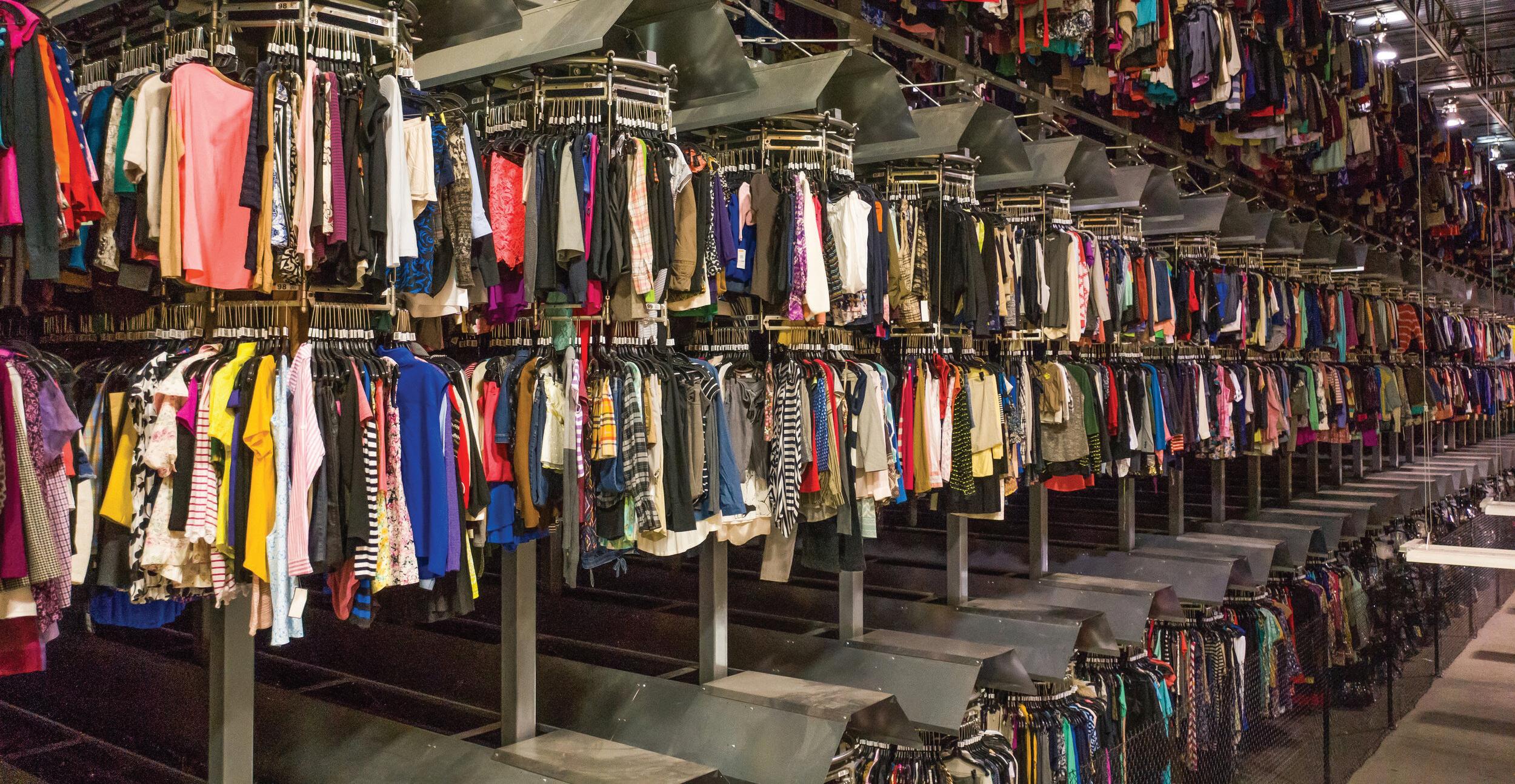



Consumer‑led resale is moving apparel circularity beyond recycling by extending garment life and reshaping expectations for durability, value and design.
By Adrian Wilson, International Correspondent, Europe
The wastefulness of the $1.8 trillion global apparel industry has by now been widely documented. An estimated 150 billion garments are produced each year, yet a significant proportion are never sold or are discarded after only a few wears. Around 92 million tons of textile waste are generated annually worldwide, with most ending up in landfill or the incinerator, while the rise of fast fashion has only accelerated the problem by encouraging frequent purchases, shorter product lifespans and low-cost production.
For the past decade, much of the industry’s attention has focused on building a circular economy through fiber-to-fiber recycling. Governments have introduced extended producer responsibility (EPR) schemes, Digital Product Passports (DPPs), Ecodesign requirements and restrictions on textile waste, while companies have invested billions in mechanical and chemical recycling technologies.
Yet alongside this primarily policydriven transformation, a separate and
largely consumer-led revolution has quietly been gathering pace. Rather than waiting for discarded garments to be recycled into new fibers, millions of consumers are simply buying them again. Ironically, while fiber-to-fiber recycling continues to attract much of the investment, political attention and technological innovation, resale has become the first truly global circular business model to achieve commercial scale. It is extending the useful lives of garments today, rather than promising to do so tomorrow.
For years, the secondhand clothing market was portrayed as a fast-growing niche, driven primarily by environmentally conscious consumers seeking to reduce fashion’s environmental footprint.
According to the latest 2026 Resale Report from Oakland, Calif.-based ThredUp, however, that description no longer fits.
Compiled in partnership with market analyst GlobalData, the report estimates the global resale market reached a value of $289 billion in 2025 and forecasts it will
grow to $393 billion by 2030, expanding at around twice the rate of the overall apparel market. In the United States alone, resale grew by 19 percent during 2025 — almost four times faster than retail clothing as a whole.
The figures suggest that secondhand clothing has moved beyond complementing the primary apparel market and is now competing directly with it.
Worth the equivalent of around one dollar for every six dollars spent on new clothing, resale has become comparable in scale to the apparel markets of some of the world’s largest economies.
Perhaps the report’s most significant finding is not simply the pace of growth, but why consumers are embracing resale.
Environmental considerations remain important, particularly among younger consumers, but they are now matched by economic realities. Inflation, rising living costs and pressure on household budgets have transformed secondhand clothing from an ethical choice into a practical financial decision.
Almost six in 10 consumers surveyed by ThredUp said they would be inclined to purchase more secondhand clothing if the price of new apparel increased further.
The implications are significant because affordability broadens resale’s appeal far beyond environmentally engaged consumers. What was once viewed as an alternative shopping channel is increasingly becoming the default starting point for millions of purchases.
Technology has played a decisive role in this transformation.
Secondhand shopping was once associated with charity shops, flea markets and hours spent searching through clothing rails in the hope of discovering an unexpected bargain.
Today’s leading resale platforms operate sophisticated digital marketplaces supported by artificial intelligence (AI), computer vision and personalized recommendation engines.
In many ways, resale presents one of the most compelling applications for AI in retail.
Unlike conventional online fashion retailers, which may be selling thousands of identical garments, resale platforms are managing millions of unique items. Every listing has different colors, sizes, brands, conditions and histories. AI enables these individual garments to be identified, categorized, priced and matched with potential buyers at a scale that would have been impossible only a few years ago.
Image recognition, automated descriptions, intelligent search and personalized recommendations are making unique products easier to discover, while social commerce and livestream shopping are introducing secondhand fashion to entirely new audiences.
The rise of resale also has profound implications for textile manufacturing.
For decades, success in apparel production was largely measured by the number of new garments entering the market. As clothing increasingly
circulates through multiple owners, however, longevity itself is becoming a commercial advantage.
Consumers are beginning to recognize this. Around 60 percent now say they consider an item’s future resale value when purchasing new clothing, encouraging greater emphasis on quality, durability and timeless design.
For textile manufacturers, this changes the equation. Fiber performance, colorfastness, seam strength, abrasion resistance, dimensional stability and resistance to pilling all become more valuable when garments are expected to survive second, third or even fourth ownership.
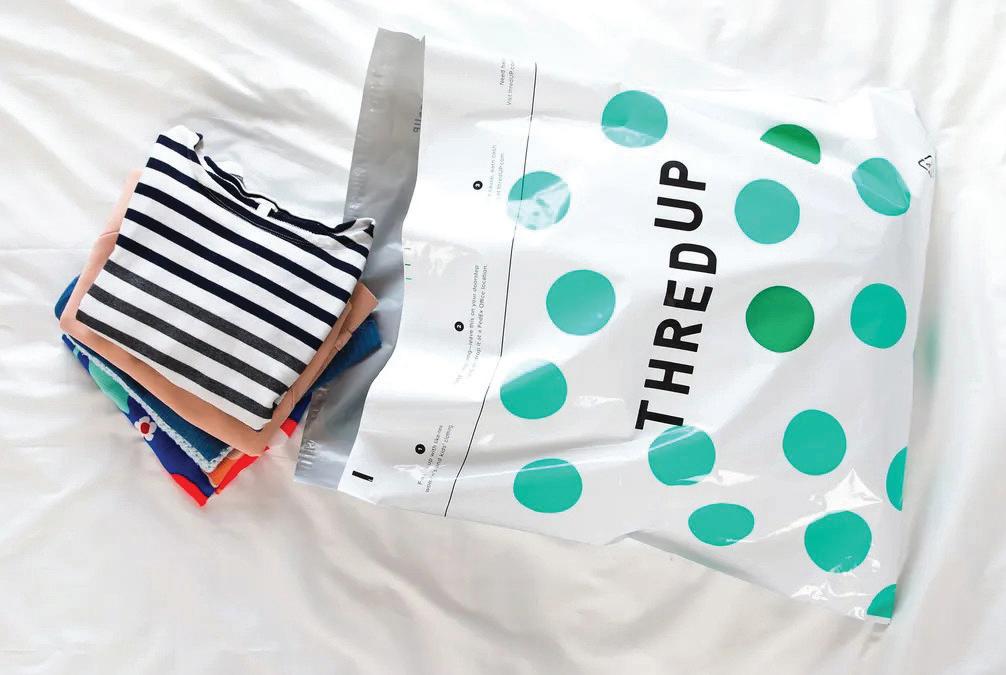
ThredUp generated revenue of $311 million in 2025. ThredUp
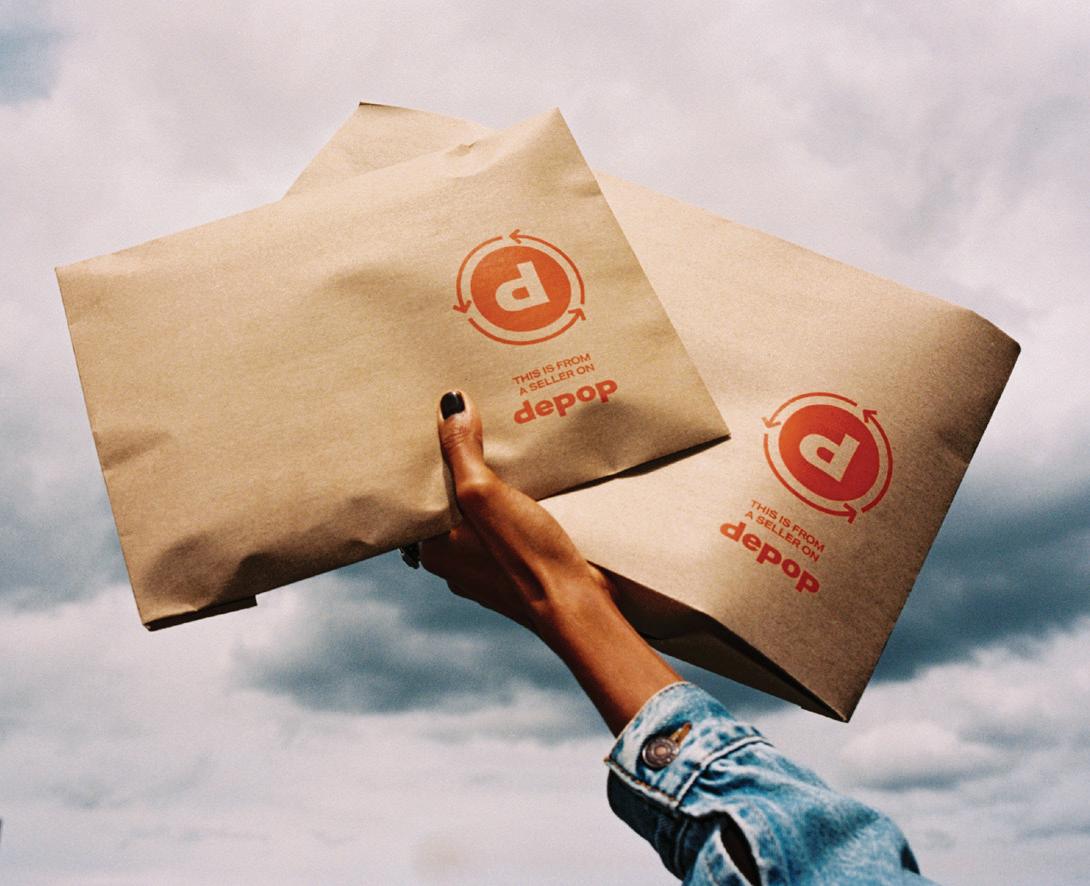
In February this year, eBay announced plans to acquire Gen-Z-focused fashion resale platform Depop from Etsy in an all-cash deal valued at approximately $1.2 billion. Depop
low-cost, trend-led garments designed for rapid consumption. The other will increasingly favor products capable of retaining both their physical quality and their financial value through repeated resale.
For brands operating in the second market, longevity becomes a competitive advantage rather than a manufacturing cost.
There is, of course, reason to view the ThredUp report with a degree of caution since the company is itself one of the world’s largest resale platforms and naturally has an interest in highlighting
In effect, durability is no longer simply a quality attribute. It has become an economic one.
The emergence of resale may also be reshaping the structure of the wider apparel industry.
Rather than replacing fast fashion altogether, it appears increasingly likely that two parallel markets will continue to develop. One will remain driven by
the sector’s momentum. Nevertheless, because the market analysis is independently produced by GlobalData, its conclusions have gained considerable credibility across the fashion industry.
ThredUp generated revenue of $311 million in 2025, although Europe’s largest specialist platform is now Lithuania-based Vinted, which reported annual revenue of $1.26 billion (1.1 billion euros) in 2025 while continuing its rapid international expansion. London-based Depop has established a particularly strong following among Generation Z consumers, while other leading specialist platforms include France’s Vestiaire Collective, U.S. luxury marketplace The RealReal, and Poshmark, now owned by South Korea’s Naver. It would be misleading, however,
to focus solely on specialist resale businesses. In terms of transaction volumes, larger marketplaces such as eBay, Facebook Marketplace and, increasingly, Amazon, facilitate enormous volumes of secondhand clothing sales, even though fashion represents only one category within their much broader businesses.
eBay, in particular, has successfully repositioned itself around “pre-loved fashion”, partnering with brands including Marks & Spencer while strengthening its appeal among younger consumers through its acquisition of Depop. Amazon, too, has pursued a strategy of using partnerships with authenticated luxury resale specialists such as Rebag rather than attempting to build its own consumer-to-consumer marketplace.
Perhaps the clearest indication that resale has become mainstream is the changing attitude of fashion brands themselves.
Rather than viewing secondhand clothing as competition, increasing numbers now regard it as another stage in the customer relationship. Patagonia, lululemon, Levi’s, COS and Marks & Spencer are among those brands introducing take-back programs, repair services, trade-in schemes or branded resale platforms, often working alongside specialist technology providers.
The benefits extend beyond sustainability. Resale allows brands to maintain contact with customers long after an initial purchase while generating valuable insight into which garments retain their desirability, durability and value over time.
European legislation is likely to accelerate this trend. From July 2026, major brands are prohibited from landfilling or incinerating unsold clothing under new EU rules, with smaller companies to follow by 2028. At the same time, the forthcoming introduction of EPR schemes, DPP and Ecodesign requirements all encourage garments to remain in productive use for longer before eventually entering recycling systems.
This also has implications for returned goods. According to the National Retail Federation’s 2025 Retail Returns Landscape report, retailers expect almost 16 percent of merchandise sold to be returned by consumers, with apparel, footwear and accessories accounting for one of the largest categories. Much of this clothing will increasingly find its way into resale channels rather than being written off as waste.
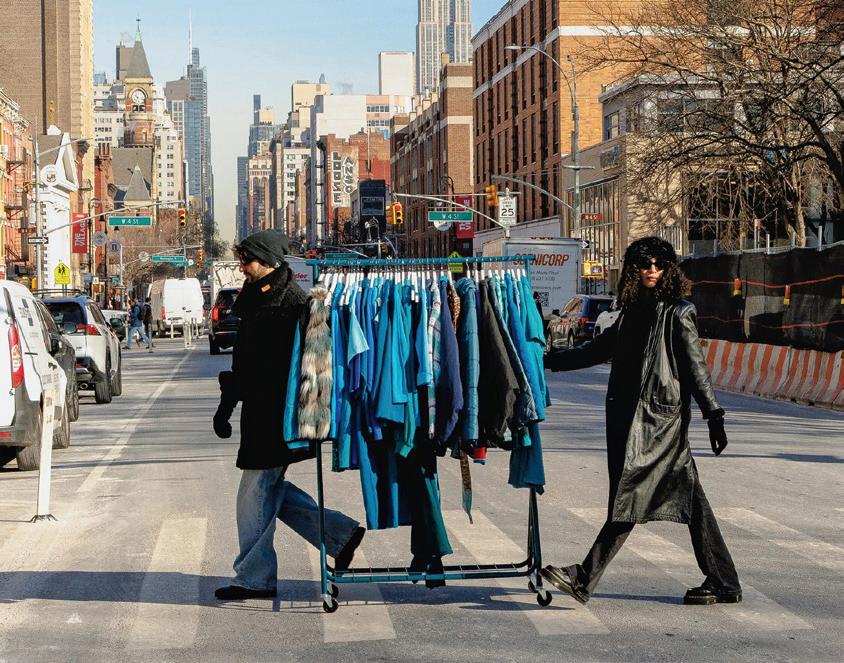

None of this diminishes the importance of fiber-to-fiber recycling. On the contrary, recycling will remain essential for garments that have genuinely reached the end of their useful lives.
The emerging hierarchy is becoming increasingly clear, however. Before garments are mechanically shredded or chemically dissolved back into raw materials, they will first be repaired, resold and reused wherever possible. Companies specializing in sorting, grading and textile collection are already adapting to this reality by maximizing opportunities for reuse before directing lower-grade products toward recycling.
This approach reflects the principles of the circular economy itself. Preserving the value already embedded within a finished garment generally delivers greater environmental benefit than recovering only the fibers from which it was made.
The most important message emerging from this year’s ThredUp report is therefore not simply that the resale
market continues to grow rapidly, but that its role within fashion has fundamentally changed.
For decades, the apparel industry measured success by how many new garments it could produce and sell. The rapid growth of resale suggests a different measure may now become equally important — how many times each garment can be sold before it eventually reaches the end of its life.
This shift has implications far beyond online marketplaces. It reaches back through the entire textile supply chain, influencing the fibers selected, the fabrics engineered, the garments designed and the technologies used to manufacture them.
The future of fashion will not be shaped solely by what is produced, but increasingly by how long products remain in circulation.






Adrian Wilson is an international correspondent for IFJ in Europe. As a journalist, he covers fiber, filtration, nonwovens and technical textiles. He can be reached at adawilson@ gmail.com.
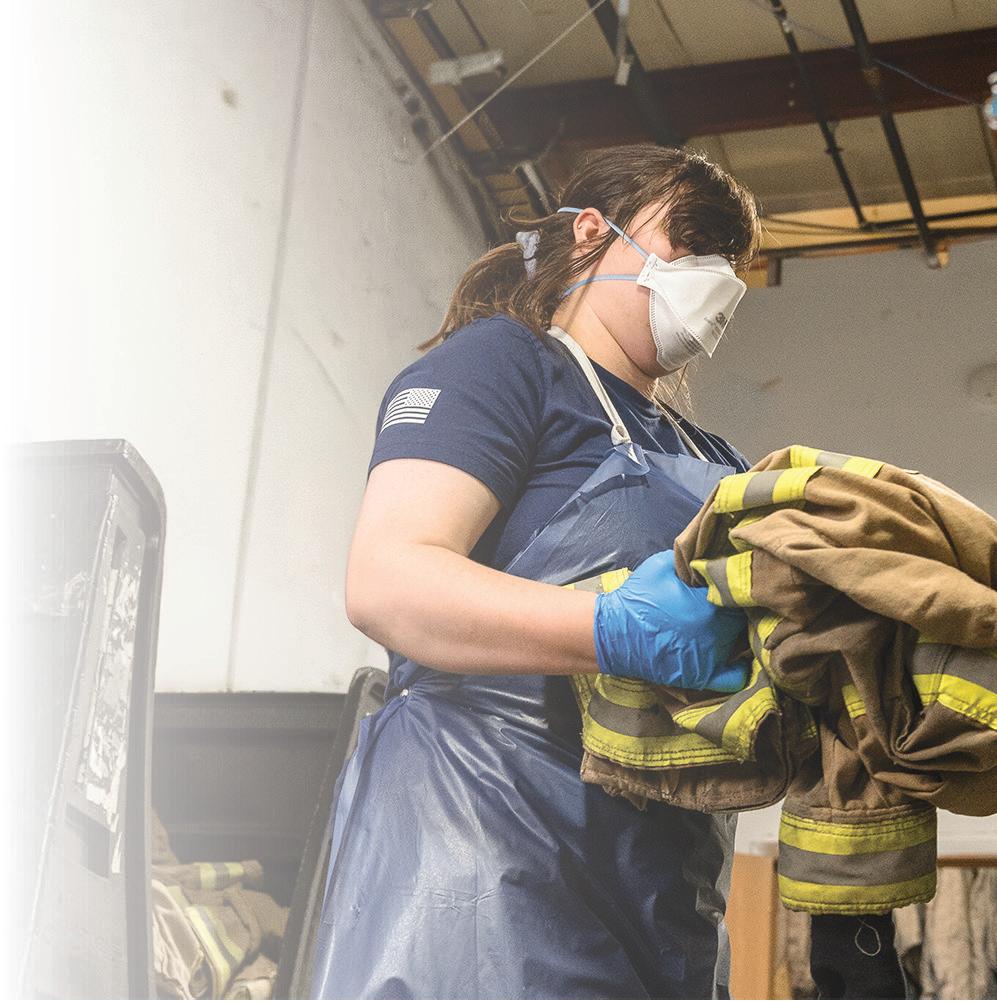
The 2026 edition of NFPA 1850 updates care requirements for firefighter gear, with new guidance on cleaning, water quality, validation, documentation and contamination control.
By Brian Marenco
The updated National Fire Protection Association (NFPA) 1850 standard reinforces a simple point: Firefighter gear must be properly cared for to stay ready for the next call.
The 2026 edition of NFPA 1850 brings several important updates to how organizations maintain their personal protective equipment (PPE). Some of these changes refine long-standing practices while others provide new details to manage.
It can feel like a lot, but the larger point is that there are many cleaning options based on type and level of contamination that organizations must consider prior to cleaning. Under NFPA 1850, cleaning is part of a larger PPE care program that supports firefighter health and gear performance.
Dirty gear is not a badge of honor. Contaminated gear can carry harmful substances back into the apparatus, the station and living areas. Without clear documentation, it becomes
difficult to show which items were cleaned, when they were cleaned and how the process was performed.
NFPA 1850 defines two key roles within the PPE maintenance program: Personal Protective Clothing (PPC) manager and Personal Protective Clothing technician.
The PPC manager has overall responsibility for the program including policies, training, life-cycle management, and contamination control; while the PPC technician is more hands-on, helping
manage cleaning schedules, inspections, repairs, documentation and tracking. In many organizations, this work may already be happening informally, while the update gives it clearer ownership.
NFPA 1850 also reinforces the longstanding requirement that issued PPE must receive advanced cleaning at least once every six months, as well as after exposure to combustible materials. But several important items refine these practices:
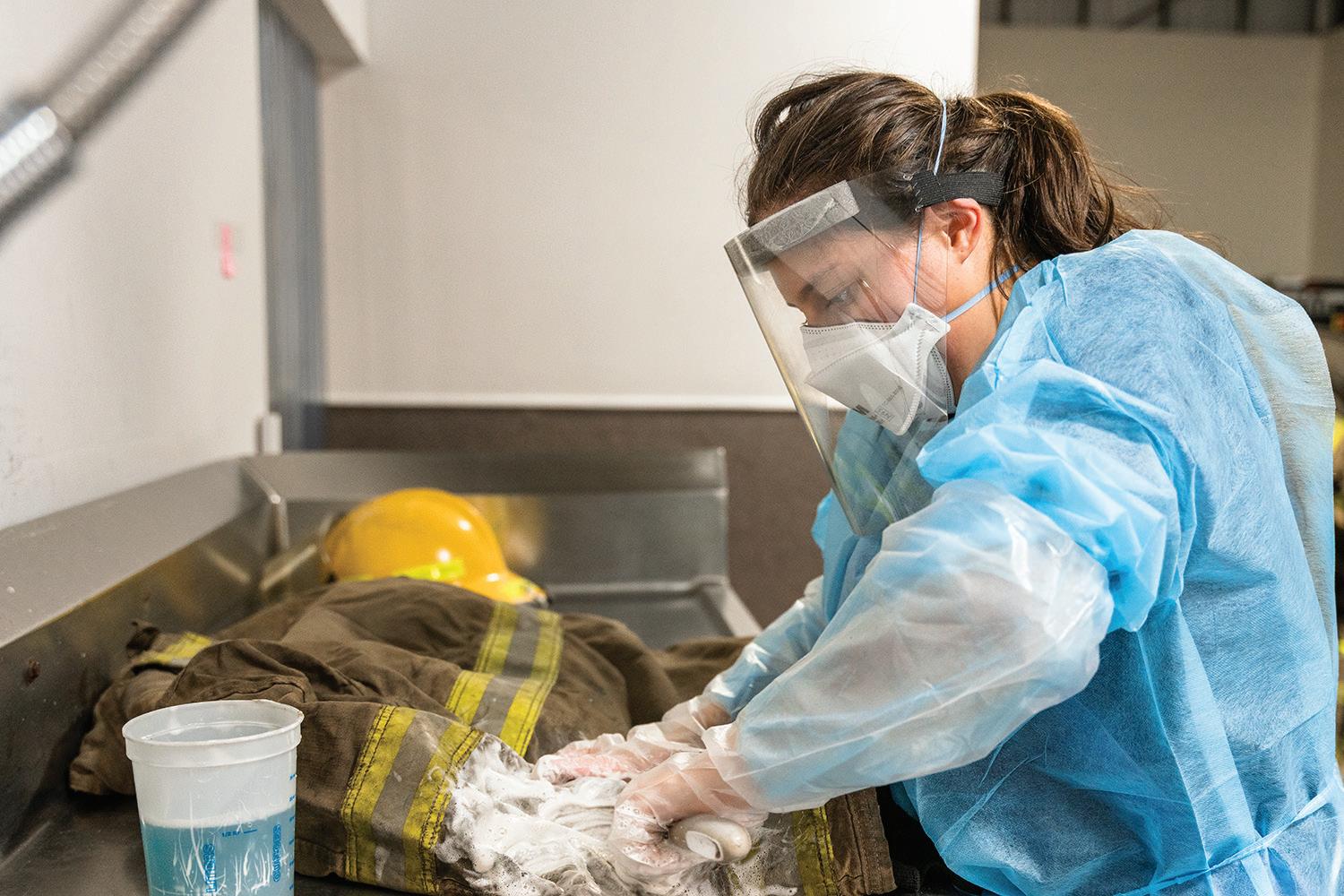
1. Recommendation to wash brandnew PPE prior to issue Organizations should now consider washing new gear before it is issued to firefighters. Laundering PPE prior to issue can help remove manufacturing residues before garments go into service and may slightly improve thermal protective performance, helping the gear more closely reflect the manufacturer’s performance expectations.
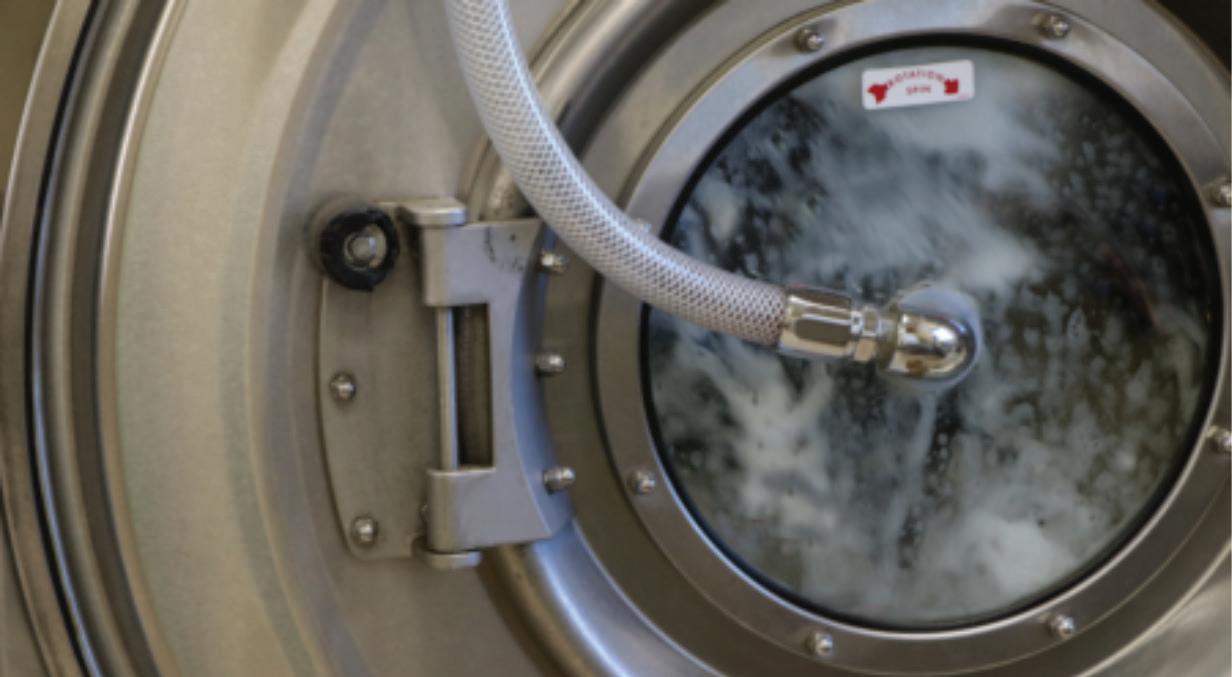
2. Wash temperature limits have changed
NFPA 1850 raises the maximum wash temperature from 105°F to
120°F, giving organizations and verified cleaning providers a little more room to enhance contaminant removal while still protecting the integrity of the gear.
3. Water quality plays a bigger role
The new requirements also place greater emphasis on water quality. Water hardness should be kept below 60 parts per million because hard water can make the cleaning process less effective and more difficult to remove heavy metal contamination.
Furthermore, organizations need to evaluate how wastewater from PPE cleaning is handled according to local, state and federal rules, as NFPA 1850 provides two years from the effective date of the 2026 edition to implement any needed changes.
4. Cleaning validation
Cleaning validation is another area where NFPA 1850 adds clarity. Verified cleaning providers must demonstrate that their process can remove specific contaminants from PPE, and the standard now prohibits manual scrubbing of testsample fabrics during that validation process. Remember, NFPA 1850 is an enduser document. The goal is to provide a realistic advanced cleaning method that reflects how PPE is laundered in the field by the end user.
5. Lithium-ion contamination added to the decision-making process
NFPA 1850 now accounts for lithiumion contamination in its decontamination decision trees, giving organizations and PPE care providers more guidance on how to mitigate contamination and utilize specialized cleaning when gear may have been exposed during batteryrelated events.
Even though cleaning is the focus of many NFPA 1850 updates, it cannot stand alone. The standard reinforces the importance of routine and advanced inspections.
Routine inspection is a firefighter responsibility. Firefighters should look over gear after each use and at the start of each shift, checking for soiling, contamination, burns, charring, melting,
The 2026 edition of NFPA 1850 brings several important updates to how organizations maintain their personal protective equipment (PPE).
standard operating procedure (SOP). The SOP should explain when gear is cleaned, who performs or coordinates the cleaning, when gear needs advanced inspection, how contamination decisions are made, where records are kept and which NFPA 1850 third-party-verified providers are qualified to perform the work.
Ultimately, NFPA 1850 is about helping organizations keep gear ready for the next call while reducing avoidable risk for the firefighters who wear it. The cleaning updates make that responsibility more specific, measurable and transparent.

Personnel responsible for PPE cleaning, inspection and repair must complete updated training within one year of a new standard revision.
discoloration, damaged reflective trim, seam issues, missing hardware, and signs of chemical or thermal damage.
Advanced inspections should be performed by someone with documented training, whether that is a verified independent service provider, a manufacturer-trained organization, or the element manufacturer.
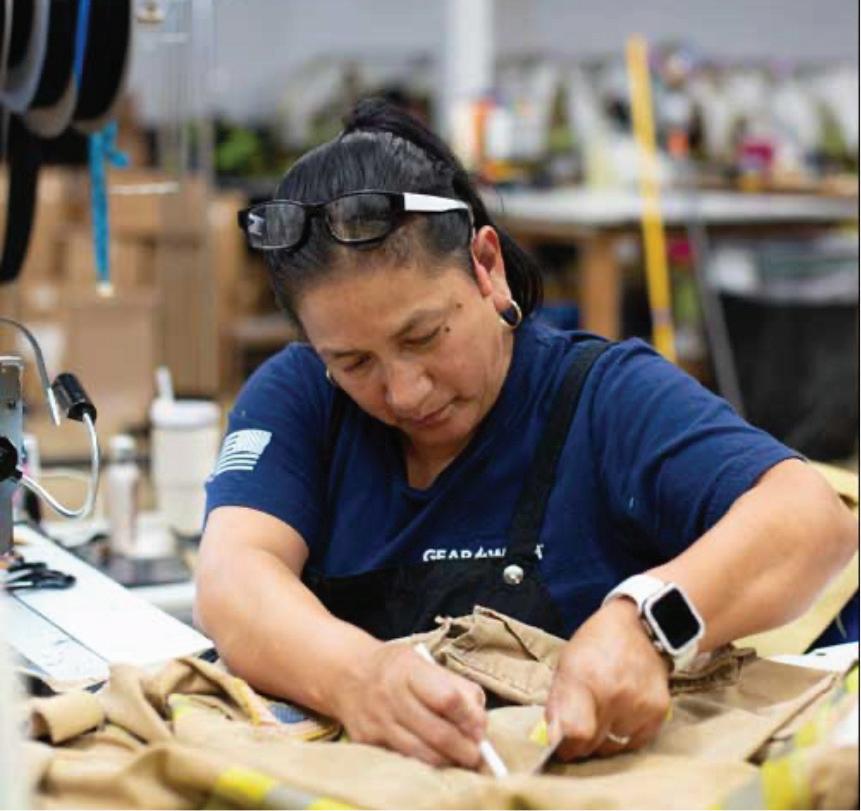
Recordkeeping also remains critical. Every advanced cleaning, advanced inspection, repair and retirement decision must be documented so that each garment has a clear history throughout its service life. If an organization has to show the history of a specific garment, those records become essential.
For many organizations, the challenge is translating the updated standard into daily practice, which starts with a written
inspections help


Brian Marenco is director of Major Accounts at Gear Wash, a verified independent service provider of personal protective equipment care and maintenance with 14 service locations in the United States.


By Kevin Conroy Senior Manager of Government and Regulatory Affairs, INDA, the Association of the Nonwoven Fabrics Industry
For the nonwovens sector, navigating the legislative landscape has increasingly felt like tracking a moving target. From fragmented state level packaging rules to shifting environmental mandates, manufacturers and raw material suppliers are facing a highly complex regulatory ecosystem. These shifting policies carry significant implications for product design, material selection and cross-border trade.
In response, targeted industry advocacy has stepped up to push back against burdensome mandates while advancing critical, uniform federal standards. From Capitol Hill to statehouses, strategic engagement is actively shaping a more predictable policy environment for nonwoven manufacturers across the country.
Here are the key policy battlegrounds and legislative milestones defining the industry’s regulatory frontlines currently, and the critical issues slated to dominate the horizon.
A major operational pain point for nonwovens manufacturers is the growing patchwork of conflicting state-level regulations. Operating under multiple, localized frameworks complicates packaging design, inflates compliance costs, and threatens the fluid movement of goods in interstate commerce. Ongoing federal advocacy focuses on securing unified national standards to bring longterm stability to the marketplace.
In a major bipartisan victory for the industry, the Wastewater Infrastructure Pollution Prevention and Environmental Safety (WIPPES) Act recently secured unanimous approval on the U.S. Senate floor.
Industry coalitions are now mobilizing to secure final passage in the U.S. House of Representatives. Once fully enacted, the WIPPES
Kevin Conroy is senior manager of Government and Regulatory Affairs, INDA, the Association of the Nonwoven Fabrics Industry. He can be reached at kconroy@inda.org.
Act will establish a clear, nationwide “Do Not Flush” labeling standard for non-flushable wipes. This federal benchmark is designed to protect municipal wastewater infrastructure while providing manufacturers with a single, clear compliance standard across all 50 states.
Introduced by U.S. Representative Randy Weber, the Packaging and Claims Knowledge (PACK) Act represents another cornerstone of the federal push. This legislation aims to establish a uniform Federal Trade Commission (FTC) framework for environmental packaging claims. By replacing subjective and conflicting state-by-state packaging metrics with a centralized federal rule, the act will help protect interstate commerce and streamline green marketing verification for manufacturers.
In tandem with domestic regulatory compliance, trade policy has introduced significant headwinds this year. Unpredictable tariff structures and fluctuating duties on key equipment, processing aids, and raw material inputs have created pricing volatility and squeezed margins across the nonwovens supply chain.
To mitigate these disruptions, industry advocacy has prioritized direct engagement with federal trade officials. Over the past year, INDA has coordinated high-level briefings with the Office of the U.S. Trade Representative (USTR) and the U.S. Department of Commerce. These sessions provide a crucial platform to directly press administration regulators on the specific trade, tariff exemptions, and domestic manufacturing priorities required to maintain a competitive and resilient supply footprint.
Beyond federal legislation, an aggressive, coastto-coast defense is being waged in state capitols. Industry advocates are deeply engaged with lawmakers throughout the country to manage and shape rapidly emerging bills targeting critical raw

materials and product life cycles — specifically focusing on perand polyfluoroalkyl substances (PFAS), microplastics, extended producer responsibility (EPR) and advanced recycling.
As polymer science and nonwoven producers invest heavily in the circular economy, a critical legal battleground has emerged over the definition of “recycling.” Advocates are actively opposing state-level legislative efforts that seek to arbitrarily exclude or ban advanced chemical recycling technologies from official frameworks. Key targets of this defense include New York’s Packaging Reduction and Recycling Infrastructure Act, Maryland’s HB 796, Rhode Island’s 2026-H 7620, and similar restrictive state-level proposals.
Excluding molecular and chemical recycling pathways from state frameworks severely limits the sector’s ability to process complex synthetic nonwoven structures back into high-quality virgin resins. Defending these advanced pathways is vital to preserving viable circular economy options and protecting multimillion-dollar investments in next-generation material recovery.
EPR programs are rapidly transitioning from abstract policy concepts to enforceable state laws, most notably through the ongoing rollout of California’s SB 54. Broad industry representation is required in these implementation workshops to ensure that the unique performance, safety, and hygienecritical functionality of nonwoven materials are accurately and
fairly considered in post-consumer management frameworks.
Simultaneously, dedicated state legislative teams are working diligently to stop poorly designed product bans, restrictive microplastics definitions, and unworkable chemical restrictions — including sweeping PFAS mandates that threaten manufacturing operations, supply chain continuity, and consumer access to essential hygiene and medical products.
Where state-level wipes labeling laws are already in motion, direct collaboration with state regulators remains a priority. The goal is to align emerging state requirements with established industry labeling guidelines, preventing operational friction and ensuring that manufacturers do not have to manage fragmented labeling pipelines for different regional markets.
While recent legislative progress marks a significant step forward, the regulatory pressure cooker is not cooling down. Looking to the immediate horizon, we anticipate that these foundational issues, particularly PFAS phase-outs, evolving microplastics metrics, complex EPR frameworks, and chemical recycling definitions will remain at the absolute forefront for the industry during the 2027 legislative sessions throughout the country.
As state houses prepare to reconvene in the new year, INDA and allied trade associations are already aligning to ensure the nonwovens supply chain remains protected and proactive rather than reactive.
Biofabricated leather platforms based on mycelium, agricultural residues and microbial fermentation are reshaping the search for alternatives to animal derived and synthetic leather.
By Sanjay Wahal
This article is part one in a two-part series focused on biofabricated leather. Part one focuses on the reason for leather disruption, terminology and the major technologies and material development. Look for part two — which examines commercialization from manufacturing, scaling, regulation, adoption and future outlook — in Issue 5 of International Fiber Journal
lobal leather and leatheralternative markets collectively exceed $100 billion annually, making the search for sustainable alternatives not merely an environmental initiative but a significant industrial and economic opportunity. The global materials industry is entering a period of profound transition. Mounting environmental pressures, consumer demand for sustainable products, advances in biotechnology, and growing scrutiny of both animal-derived and fossil-fuel-based materials are reshaping how industries think about leather and flexible material systems. In response, a new generation of biofabricated leather platforms — derived from mycelium, agricultural residues, bacterial cellulose, engineered proteins and other biological feedstocks — is rapidly emerging. While these materials have
Ggenerated considerable excitement across fashion, automotive and consumer goods sectors, their long-term success will ultimately depend not only on biological innovation but on industrial scalability, manufacturing integration, durability, economics and supply-chain maturity.
Few materials occupy as complex a position in modern manufacturing as leather. For centuries, animal-derived leather has been associated with durability, luxury, craftsmanship and status. Yet in recent years, growing environmental scrutiny, animal welfare concerns, regulatory pressures, and changing consumer preferences have accelerated the search for alternatives.
At the same time, conventional synthetic leather — primarily polyurethane (PU) and polyvinyl chloride (PVC)-based materials — faces increasing criticism due to fossil-fuel dependence, microplastic generation, difficult end-oflife disposal, and concerns over volatile organic compounds (VOCs) and toxic additives.
This convergence of sustainability pressures, biotechnology advances and investor enthusiasm has given rise to a rapidly expanding category broadly described as “biofabricated leather.”
Today, startups, luxury brands, material innovators and biotechnology companies are racing to commercialize alternatives derived from mycelium, pineapple leaves, cactus fibers, apple waste, bacterial cellulose, collagen fermentation and engineered biomaterials. Fashion brands eager to demonstrate environmental leadership have embraced these materials in limited-edition products, while investors have poured hundreds of millions of dollars into biomaterials ventures promising to redefine the future of textiles and consumer products.
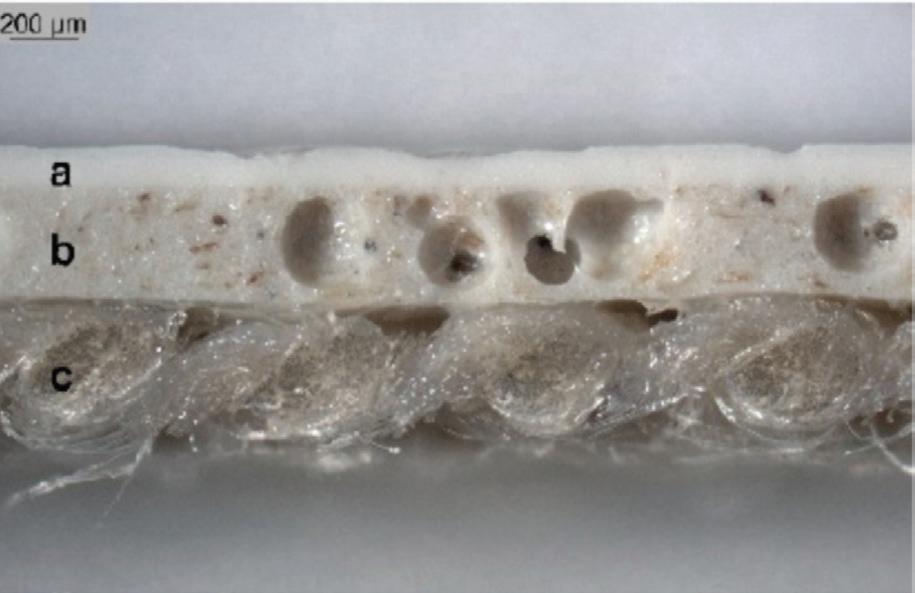
Yet beneath the enthusiasm lies a more complicated industrial reality.
Despite impressive scientific advances and compelling sustainability narratives, many
… a new generation of biofabricated leather platforms — derived from mycelium, agricultural residues, bacterial cellulose, engineered proteins and other biological feedstocks — is rapidly emerging.
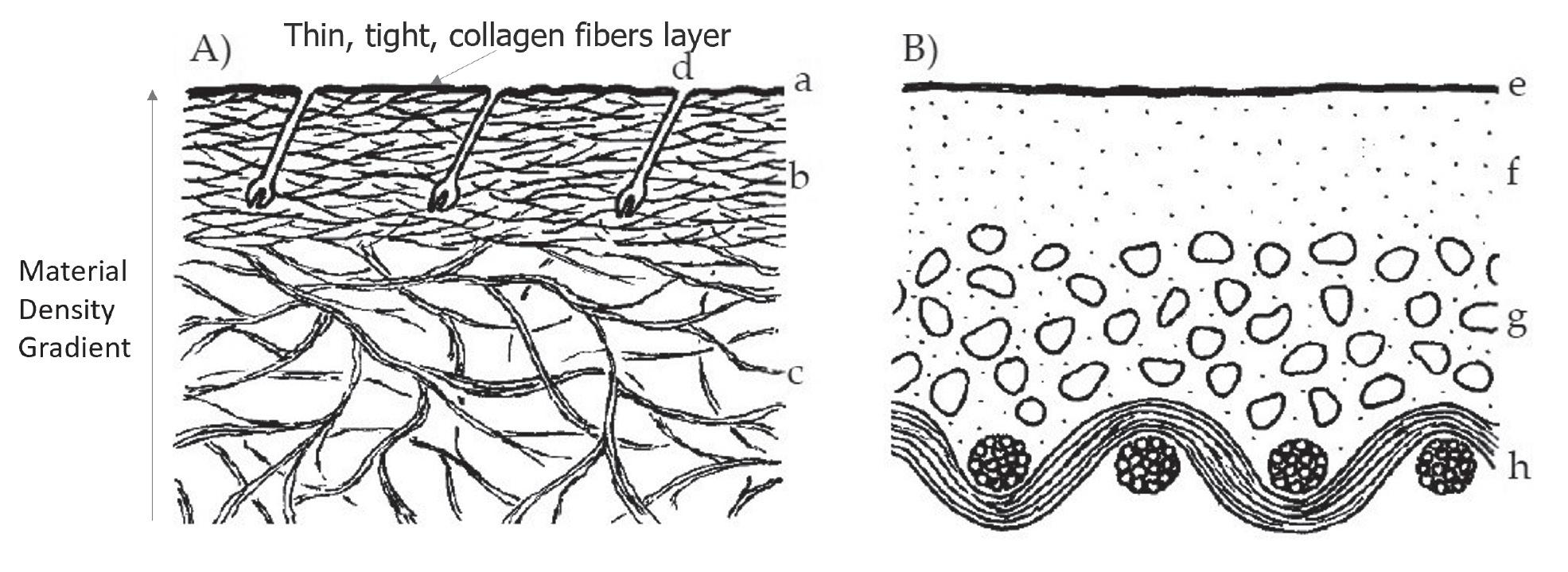
biofabricated leather platforms remain challenged by issues involving scalability, consistency, durability, economics, coatings chemistry, manufacturing integration and supply-chain readiness. In numerous cases, the gap between laboratory success and industrial-scale deployment remains substantial.
The future of leather alternatives may ultimately depend not only on biology itself, but on the industry’s ability to integrate biology into robust manufacturing systems capable of delivering consistent performance at competitive cost and scale.
One of the first challenges facing the industry is terminology itself. Terms such as “biofabricated leather,” “vegan leather,” “biobased leather,” “next-generation leather,” and “lab-grown leather” are often used interchangeably despite representing fundamentally different technologies and material systems.
In practice, the category encompasses several distinct approaches:
• mycelium-based materials derived from fungal root structures;
• plant-fiber composites utilizing agricultural residues or natural fibers;
• bacterial cellulose systems grown through microbial fermentation;
• precision-fermented proteins and collagen; and
• hybrid biomaterial composites incorporating both biological and synthetic components.
Importantly, many so-called biofabricated leathers are not fully biological materials. Instead, they are often multilayer engineered composites involving nonwoven or textile substrates, polymer binders, coatings, reinforcement layers and chemical finishing systems.
This distinction matters because marketing narratives sometimes imply fully biodegradable or fully natural materials when the industrial reality may involve substantial synthetic content.
In many cases, the biological component functions primarily as a structural or aesthetic element within a broader engineered materials platform.
As the industry matures, clearer terminology and standardized definitions will become increasingly important for regulators, brands, investors and consumers alike.
Among all biofabricated leather technologies, mycelium-based materials have arguably generated the greatest excitement.
Mycelium — the root-like filamentous structure of fungi — can be cultivated under controlled environmental conditions to produce interconnected fibrous networks capable of forming sheet-like materials. Companies such as MycoWorks, Bolt Threads, and Ecovative have helped elevate mycelium from a niche biomaterials concept into a globally recognized innovation platform.
The appeal is understandable.
Figure 2: Principal Structure of Leather (A), PlantPolymer Hybrid Leather (B)
Leather (A) still reflects the histological structure of skin with grain membrane (a), papillary layer (b), reticular layer (c) and hair channels (d)
Hybrid leather (B) is composed of a polymer topcoat (e), a compact layer (f), a foamed middle polymer layer (g) and the textile/nonwoven support (h)
Mycelium can grow rapidly using agricultural feedstocks, requires comparatively low land inputs relative to livestock systems, and offers the potential for tunable material architectures through controlled growth conditions.
However, the industrialization of mycelium leather is far more complex than simply growing leather.
In practice, most commercial mycelium materials require extensive downstream processing and finishing operations to achieve the durability, flexibility, abrasion resistance, water resistance and aesthetics expected by fashion and consumer goods markets.
Critical industrial challenges include achieving consistent morphology and density, controlling growth uniformity, preventing contamination, scaling bioreactor or tray-based systems, drying and stabilization, ensuring mechanical reinforcement, and developing suitable coating chemistries.
One of the least discussed realities is that many commercial mycelium leather systems rely heavily on polymeric coatings and finishing layers — often including PU formulations — to meet performance requirements. As a result, the overall sustainability profile may differ substantially from simplified public narratives.
This does not diminish the significance of the technology. Rather, it highlights an important truth: successful biofabricated materials are likely to emerge not as purely biological systems, but as highly engineered hybrid materials integrating
biology with advanced manufacturing and materials science.
Luxury markets may continue to serve as an important early entry point for mycelium materials, where premium pricing can partially offset current production costs. However, broader penetration into automotive, footwear, upholstery, and mass-market consumer goods will require major advances in manufacturing efficiency, durability, reproducibility and cost reduction.
A second major category of leather alternatives utilizes agricultural waste streams and plant-derived cellulosic fibers. Prominent examples include:
• pineapple leaf fibers such as Piñatex from Ananas Anam;
• cactus-based materials such as Desserto® from Adriano Di Marti S.A. DE C.V. (See Figure 1);
• apple peel-based leather such as AppleSkin™ from VegaTex Biotech (HK) Ltd.;
• grape waste composites such as GrapeSkin® from VEGEA®;
• mango pulp and peel-based leather from Fruitleather Rotterdam and Aamati Green;
• cork-derived materials from HZCORK, Suberise and MB Cork;
• banana waste stem-derived fibers from Banofi; and
• walnut, almond, pecan, pistachio and peanut shells as well as seaweedderived components such as NutLeather from Ecoatex.
These platforms are particularly attractive because they align strongly with circular economy narratives by valorizing agricultural residues that might otherwise be discarded or underutilized.
Piñatex, for example, utilizes fibers extracted from pineapple leaves, transforming an agricultural byproduct into a nonwoven substrate subsequently coated and finished for leather-like applications. Table 1 summarizes the technical approaches of representative companies manufacturing both plant-
Plant-Based Polymer Hybrid And Naturally Grown Alternate Leather Materials: Technical Approaches and Representative Companies
Technical Approach
Naturally Grown Materials
Coated Textile Composites
Nonwoven Fiber-Based Composites
Material Description Representative Companies/Products
Polysaccharide-based, singlelayer materials grown naturally without textile support and without a topcoat.
Knitted or woven polyester textile coated with plant-based additives — typically multilayer composite structures.
Nonwoven fabrics made from plant or cellulose fibers and impregnated or coated with polymers such as PLA or acrylates.
based polymer hybrids and naturally grown leather alternatives.
Yet here again, industrial nuance matters.
Most plant-based leather alternatives are not standalone biological materials. They typically involve fiber extraction, mechanical processing, nonwoven formation, resin impregnation, polymer binders, surface coatings, embossing and protective finishes.
In many cases, synthetic polymers remain essential to achieving required mechanical performance and durability. Consequently, the overall renewable content may vary significantly across products. Thus, they are also referred to as plant-based plastic/polymer hybrids. Figure 2 compares the principal structure of natural leather and plantplastic/polymer hybrid leather. Table 2 lists various plant-based/hybrid leather products and their composition.
Performance tradeoffs also remain important: flexibility versus stiffness, softness versus abrasion resistance, biodegradability versus durability, and aesthetics versus manufacturability.
Furthermore, agricultural feedstock variability presents ongoing supplychain and quality-control challenges. Biological raw materials inherently vary according to climate, growing conditions, seasonality, harvesting methods and storage conditions. These variables complicate efforts to achieve consistent
Leather, Muskin®, Kombucha
Desserto®, GrapeSkin®, Teak Leaf Leather, AppleSkin™
Leather
industrial-scale manufacturing. Nonetheless, plant-based systems may hold important advantages in terms of scalability and feedstock accessibility compared with more biologically complex fermentation platforms.
Beyond mycelium and plant fibers lies a more advanced frontier involving bacterial cellulose, synthetic biology, and precision fermentation.
Bacterial cellulose systems utilize microorganisms — often kombucha cultures or bacteria fed on nutrient-rich agricultural or food waste — capable of producing highly pure cellulose networks through controlled fermentation processes. These materials can exhibit remarkable structural properties such as high tensile strength and offer intriguing possibilities for engineered textiles and flexible biomaterials.
Meanwhile, advances in precision fermentation and cellular agriculture are enabling efforts to produce collagen and other structural proteins without animals. The scientific potential is enormous. Yet the industrial barriers are equally substantial.
Key challenges include bioreactor capital costs, fermentation yields, contamination control, downstream purification, drying and finishing energy
requirements, water consumption, and scale economics.
One key manufacturer of fermented bacterial cellulose products is Mexicobased Polybion, which offers Celium. FABULOSE, an EU-funded biotech research project coordinated by the German Institutes of Textile and Fiber Research (DITF), is developing scalable manufacturing processes for fossil-free
leather alternatives made from bacterial cellulose and cyanophycin.
The transition from laboratoryscale fermentation to industrialscale continuous production remains one of the most difficult hurdles in biotechnology commercialization. In many cases, the bottleneck is no longer proof-of-concept science. Rather, it is the economics of manufacturing.
Plant-based Polymer Hybrid And Naturally Grown Alternate Leather Products And Their Composition2
Shoe-upper leather brown
Muskin® brown
Kombucha brown
PUR coated textile grey
Desserto® beige
AppleSkin™ black
GrapeSkin® black
Teak Leaf® russet
Pinatex® black
SnapPap brown
Noani® mixed
PUR = Polyurethane
Full-grain bovine leather; typical leather structure; finished with a very thin topcoat
Finely fibrous, porous, and naturally grown material in a single layer; natural fibers based on polysaccharides; without any coating or textile backing
Dense compact material based on polysaccharides, contains talcum, some heterogeneous inclusions of unclear origin
Coated textile with thin compact topcoat (PUR), a layer underneath (PUR) filled with heterogenous particles made of modified cellulose and a textile carrier based on polyester, material made by coagulation process
Coated textile with a compact layer (PUR) and partially foamed layer (PUR) filled with heterogenous particles of organic origin, textile carrier based on polyester, material made by a reverse coating process
Coated textile with thin compact layers (PUR), a foamed layer (PUR) filled with organic particles and a PUR impregnated textile carrier, material made by coagulation process
Coated textile with a compact layer (PUR), a partially foamed layer (PUR) filled with some particles, and a cellulose-based textile carrier
Coated and laminated leaves, topcoat: a transparent film based on polyolefin wax, leaves, lamination on back of leaves with two nonwoven textile layers (light brown-cellulose-based fibers with acrylate-based binder and white-polypropylene fibers)
Nonwoven material made of cellulose-based natural fibers, coated with a thin polymeric layer (similar to polyurethane acrylate)
Dense single layer material with a nonwoven structure made of cellulosic fibers and impregnated with acrylate-based polymer
Composite material made up of three individual main layers: Upper layer polyester microfiber material, core layer leather fiberboard, backside layer coated textile with a compact layer (PUR), a foamed layer PVC, and a textile carrier
For these technologies to achieve meaningful commercial penetration, they must eventually compete not only against premium animal leather, but also against extremely low-cost, globally optimized synthetic materials supply chains.
References
1. Grand View Research. Leather Goods Market Size, Share & Trends Analysis Report; and Synthetic Leather Market Size, Share & Trends Analysis Report. Market summaries accessed 2026.
2. Huber, T., et al. (2024). Biofabricated Leather Alternatives: Current Status and Future Directions
3. Meyer, M., et al. (2021). Comparison of the Technical Performance of Leather, Artificial Leather, and Trendy Alternatives
4. Jones, M., Bhat, T., Wang, C.H., et al. (2021). Mycelium Composites: A Review of Engineering Characteristics and Growth Kinetics. Journal of Bionanoscience.
5. Elsacker, E., Vandelook, S., Van Wylick, A., et al. (2020). A Comprehensive Framework for Mycelium-Based Materials . Journal of Cleaner Production.
6. Huber, T., et al. (2022). Alternative Leather Materials Based on Fungal and Plant Biomass Materials Today Sustainability.
7. Appels, F.V.W., et al. (2019). Fabrication Factors Influencing Mechanical Properties of Mycelium-Based Composites . Materials & Design.
8. Montalvo-Navarrete, J.I., et al. (2023). PlantBased Leather Alternatives: Materials, Processing and Sustainability. Sustainability.
9. Spierling, S., et al. (2018). Bio-Based Plastics and Fiber-Based Composites: Environmental Assessment and Market Outlook. Journal of Cleaner Production.
10. Gorgieva, S., Tr č ek, J. (2019). Bacterial Cellulose: Production, Modification and Applications. Nanomaterials.
11. Jozala, A.F., et al. (2016). Bacterial Cellulose Production and Industrial Applications Applied Microbiology and Biotechnology.






Dr. Sanjay Wahal is the founder of Decarbonization LLC, a strategic advisory and consulting firm committed to accelerating low-carbon transitions through innovation in materials, manufacturing and energy systems guided by a strong foundation in policy and systems thinking. With more than 30 years of executive leadership spanning technology commercialization, advanced materials and sustainable industrial practices, Dr. Wahal offers a multidisciplinary approach to climate-focused innovation. He holds a Ph.D. in Chemical Engineering and an MBA in Strategy and Innovation.


With new capacity planned for 2027, Eximius Innovative is building a just in time supply chain model for India’s growing diaper and hygiene markets.
By Arun Rao, International Correspondent, India
Eximius Innovative Pvt. Ltd. was founded in 2011 in Rajkot, India. Beginning with a single 1,600-ton spunbond line producing packaging fabrics, the company progressively advanced into high-specification hygiene and medical fabrics.
By 2025, Eximius had installed four production lines with production capacity totaling to 20,000 tons per year and is widely regarded as one of India’s top five hygiene fabric manufacturers. A key turning point came when Eximius successfully modified its double-beam production line to manufacture hygiene fabrics for diaper applications, despite hygiene fabrics traditionally being produced on triple-beam lines.
With a fifth spunbond-spunbondspunbond (SSS) production line planned for 2027, Eximius aims to dedicate individual plants to specific diaper fabric variants, enabling just-in-time deliveries and reducing inventory costs for customers.
The name says it all. Eximius is a Latin word meaning “set apart” and describes something that stands out and is extraordinary. The company’s pivot to nonwovens came through family friends active in the plastics industry, with knowledge of the nonwovens sector, who initially joined Eximius as partners. The partnership helped Director Apurva
Zalawadia place an order for a singlebeam spunbond production line with a capacity of 1,600 tons per year. However, citing concerns about overcapacity in nonwoven packaging fabrics, the partners withdrew while the plant was under construction.
“Since we had already placed orders for the production line and the plant was under construction, we decided to go ahead on our own,” Zalawadia said.
It was a bold move for a team with limited industry knowledge. But Zalawadia and his team persevered, overcame early challenges, and began earning repeat orders — enough to give them the confidence to stay the course.
The early years at Eximius centered on packaging fabrics, which typically require a weight of 40 grams per square meter (gsm) and above. By 2017, buoyed by growing confidence, the company expanded with a double-beam spunbondspunbond (SS) plant at a new location, adding 3,600 tons per year of capacity.
Then came the turning point. A diaper manufacturer approached Eximius and encouraged them to produce 15 gsm hygiene fabrics — a very different technical proposition since the company had a SS production line.
“Normally, hygiene fabrics of this grade are produced on triple-beam (SSS) production lines, while the Eximius SS line had been designed entirely for

packaging,” Zalawadia explained. “We undertook modifications on the SS production line. It took us two months to start commercial production, but we overcame every challenge. A diaper manufacturer has stringent quality control standards. The diaper assembly line runs at more than 750 pieces per minute, and if one fabric component is not of good quality, all diapers produced in that minute are rejected.”
Meeting those demanding standards, despite producing the diaper fabrics on a line not designed for hygiene applications was a landmark achievement. It set Eximius on a new trajectory. In those days, hygiene-grade nonwoven fabrics were predominantly imported into India, as domestic production capacity could not meet demand. Eximius’ success encouraged other double-beam line operators to begin experimenting with hygiene fabrics.
The first single-beam spunbond line was installed at Eximius in 2011, the plant’s double-beam SS line was set up in 2017, and its SSS line was brought online in 2020 with a capacity of 4,800 tons per year. According to the company, this line is the first SSS line installed in India with pre-delivery modifications for enhanced loft and softness in fabrics. A fourth machine, a spunbond-spunbondmeltblown-meltblown-spunbond (SSMMS) line, was installed in 2025 and has a capacity of 10,800 tons per year. Total capacity at Eximius now is 20,000 tons per year.
The first and second production lines are currently dedicated to nonwovens packaging fabrics, while the third and fourth production lines produce fabrics for only hygiene and medical applications. Weights range from 8 to 30 gsm for hygiene fabrics and up to 150 gsm for packaging fabrics. Eximius also provides 25 color options for packaging fabrics.
When asked how Eximius differentiates itself in a market dominated by margin pressure and volume competition, Zalawadia is clear. “We may currently be the fifth largest hygiene fabrics manufacturer in India,” he said. “The nonwovens fabrics industry works on the game of volumes and there is constant pressure on margins. But we are able to offer volumes with quality.”
The diaper industry follows seasonal cycles and demands high volumes at peak times, driving the company’s ongoing capacity additions. Beyond volume, the company emphasizes consistency. Every batch is held to the same quality specification. “When we exhibit at trade shows, the story does not just end with the hand feel of the fabric or whether it is soft,” Zalawadia noted. “The customer also checks packaging quality, winding tension, labeling, data provided, material handling and many other parameters. Hygiene fabric is made to order — every diaper manufacturer has different parameters. We supply super soft, cotton
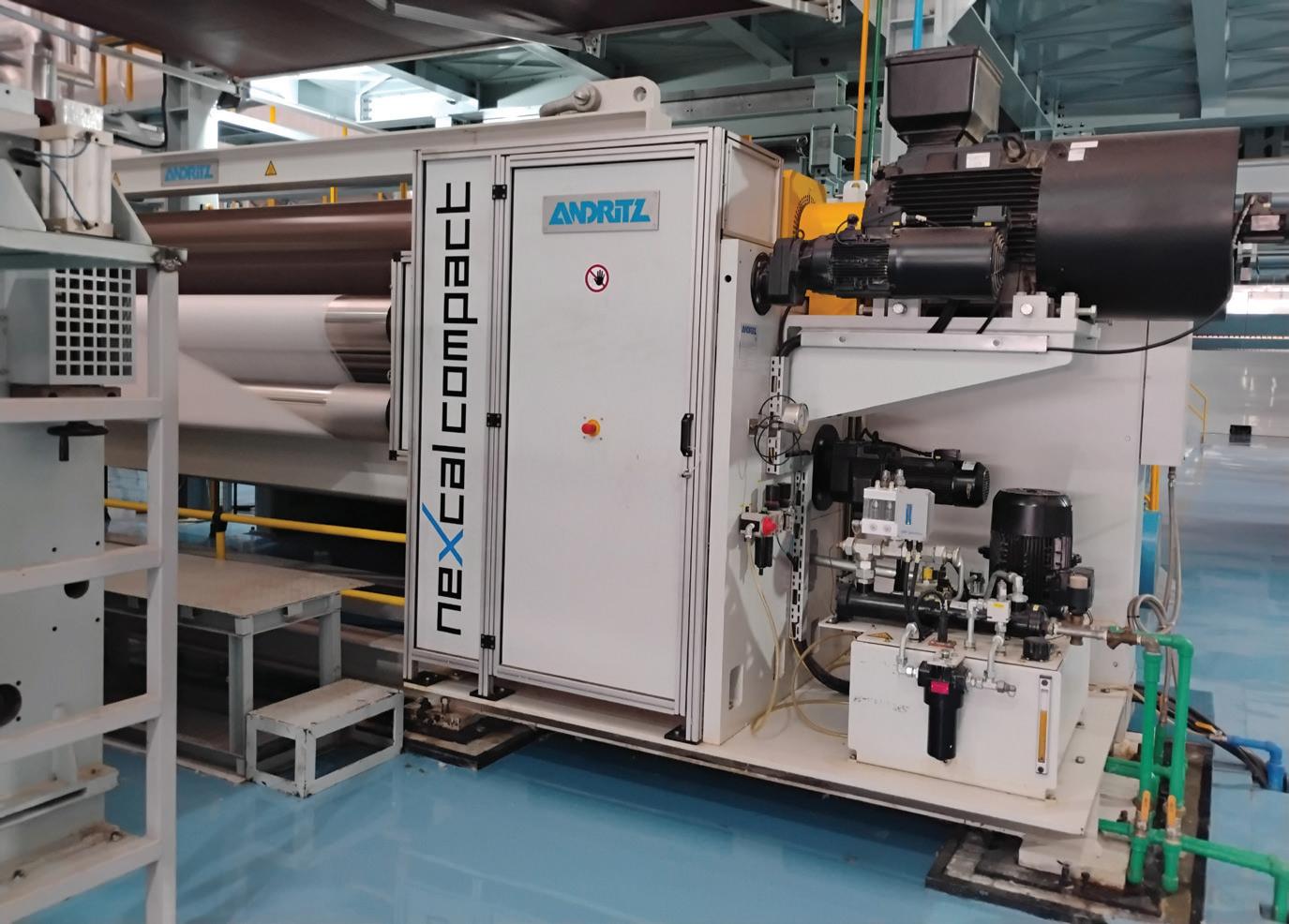
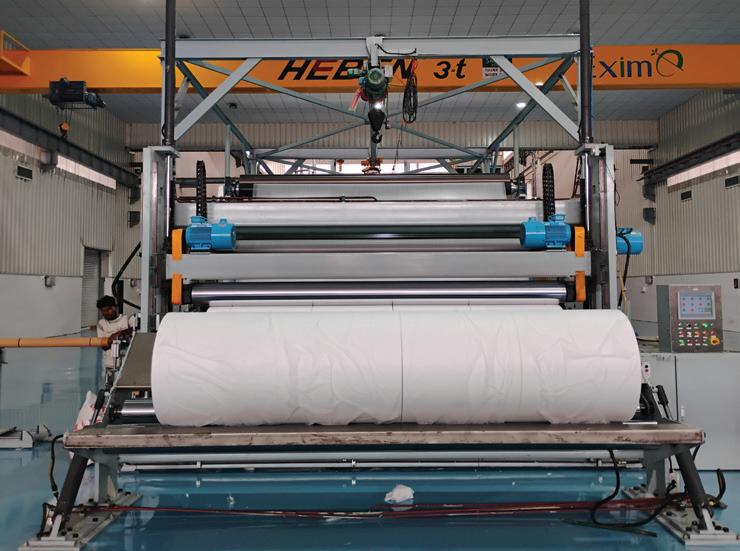
Eximius Innovative produces a variety of high-specification hygiene and medical nonwovens on its four production lines. A fifth line is planned next year so it can dedicate lines to specific fabric variants.
soft, feather soft, baby soft and many other variants in hand feel alone.”
A modern diaper incorporates three distinct nonwoven fabric components — a hydrophilic fabric used in the top sheet, a spunmelt fabric for leg cuff applications, and a hydrophobic fabric for the waistband. Spunbond fabric accounts for 50 percent of the nonwovens used in a diaper, while 30 percent of the fabric components are hydrophobic or hydrophilic spunbonds, and the remaining 20 percent is spunmelt.
Today, Eximius produces each of these variants, but in batches of 10 to 20 tons per customer order. This means each customer must maintain approximately one month’s worth of inventory for each variant, which is a capital burden.
Once the fifth production line becomes operational in 2027, Eximius plans to dedicate each line exclusively to one fabric variant — one plant for hydrophilic fabrics, another for spunmelt fabrics and the new 2027 equipment for hydrophobic fabrics.
“Currently, a customer buys one
truckload of fabric for each variant,” Zalawadia said. “Once we dedicate each line to a variant, we will be able to provide all three fabric variants in one truckload. Secondly, we will be able to supply within 24 hours, compared to seven to 10 days currently.
“This will allow diaper manufacturers to cut raw material inventory dramatically, free up working capital, and order fabric on a just-in-time basis,” he added. “It will also give them unprecedented flexibility to plan production across diaper sizes and variants — something the current batch system does not permit.”
Quality at Eximius begins with technology choices. Key components of the nonwoven production lines including calenders, dies, pumps and winders have been sourced from established German, Japanese and American manufacturers. Every production parameter is codified in a standard operating procedure, and the company has a deliberate staff retention policy to ensure key production personnel remain with the business over the long term. “This, in a small way,
too helps maintain consistent quality,” Zalawadia said.
The company holds ISO 9001, ISO 14001, and ISO 45001 certifications. Its fabrics carry OEKO-TEX,® REACH and cytotoxicity certifications. Notably, Eximius applies these compliance standards to all production — domestic, as well as export.
“We believe in following ethics which we will never compromise,” Zalawadia said. “We produce fabrics meeting all compliance certifications irrespective of whether we sell in domestic or export markets.”
An in-house laboratory, equipped with technology sourced from Austria-based Lenzing Instruments GmbH & Co. KG, includes tensile strength testing machines, denier testing equipment and equipment for hydrophilic fabric runoff and strikethrough testing. The plants producing hygiene and medical fabrics feature a closed-room facility with entry through an air shower — conditions necessary to ensure hygiene-grade output. An artificial intelligence-integrated online defect detection system is installed on the production lines, and all lines operate under programmable logic controller automation.
Eximius uses 100 percent polypropylene that is free of phthalates. Although phthalate-free polypropylene is required only for EU exports, the company applies this standard to all production, including domestic sales, a cost Zalawadia views as non-negotiable.
Sustainability is not an afterthought at Eximius. The company has established a solar park and installed rooftop solar panels across its facilities, together accounting for 60 percent of its electricity requirements, which is the maximum threshold permitted under its state regulations.
Beyond nonwovens, Eximius operates a manufacturing plant producing solar films and components, and another plant making biodegradable tableware, reflecting a broader corporate commitment to environmental responsibility.
Zalawadia is unambiguous about where Eximius sees its greatest growth opportunity — hygiene fabrics for India’s domestic market. “Per capita income is on the rise in India and with increase in incomes, the growth in sales of diapers and sanitary pads is also assured,” he notes. “Until a few years ago, diapers were a want-based product. In current times they are need-based.”
He cited several structural drivers. The diaper industry in India is growing at a compound annual growth rate (CAGR) of around 18 percent, while the adult diaper segment is expanding even faster at 20 to 22 percent CAGR. Tier III and IV Indian towns represent a big, largely untapped market. Maternity hospitals are introducing mothers to disposable baby diapers, while other hospitals are introducing elderly patients to adult diapers. In both cases, usage continues after discharge.
“Ten years ago, there were just five or six Indian private label diapers or sanitary pad manufacturers. Now there are more than 50,” Zalawadia remarked.
Manufacturing technology has also leapt forward. Diaper production machinery that once ran at 300 to 400 pieces per minute now operates at up to 900 pieces per minute. Indian and multinational brands have significantly expanded capacity over the past decade. All of this underpins a longterm structural demand for high-quality nonwoven fabrics.
Eximius began exporting in 2024 and exports now account for approximately 10 to 12 percent of revenue. Current markets include Nepal and several African countries. The company has plans to enter the United States and EU markets beginning in 2026.
The REACH and OEKO-TEX certifications, combined with phthalatefree production standards already applied domestically, position Eximius well for regulatory compliance in these markets.
Corporate social responsibility at Eximius is expressed through a range of initiatives. All employees have access to cafeteria facilities where food is provided at no cost. The company also maintains a facility housing roughly 250 cows and bulls — each with a physical impairment in some way. Across its production plants, which together span 25 acres and approximately one million square feet of built-up area, some 1,000 trees have been planted at each location.
Looking ahead, Zalawadia’s vision for Eximius is anchored in two pillars — customer convenience and capacity growth. “Our main vision is to provide convenience to our customers in terms of their inventory control,” he said. “We will keep increasing our capacity at regular intervals, thereby providing more employment opportunities.” The company also has plans to introduce hot-air-through nonwovens — a product used in premium diaper applications that commands higher value and more demanding technical specifications.
For Eximius, the next phase of growth is tied not only to added capacity, but to how that capacity is organized. By dedicating lines to specific hygiene fabric variants, the company aims to reduce lead times, simplify inventory planning for diaper manufacturers and strengthen its position in India’s expanding hygiene market.



Arun Rao started his career in the textile industry and has worked in spinning and weaving production. He forayed into sales, beginning with branded innerwear and later selling clothing of well-known brands. He then joined Fibre2fashion, a B2B textile website, as news editor for seven years. Recently, Rao launched Taurus Communications, a public relations and advertising agency focused on the textile industry value chain. With a love for journalism, he freelances for textile magazines, along with managing the agency. He is the India foreign correspondent for IFJ
The premier event for professionals in baby diapers, adult incontinence, and period care.
Nov 16–19, 2026
Houston, TX
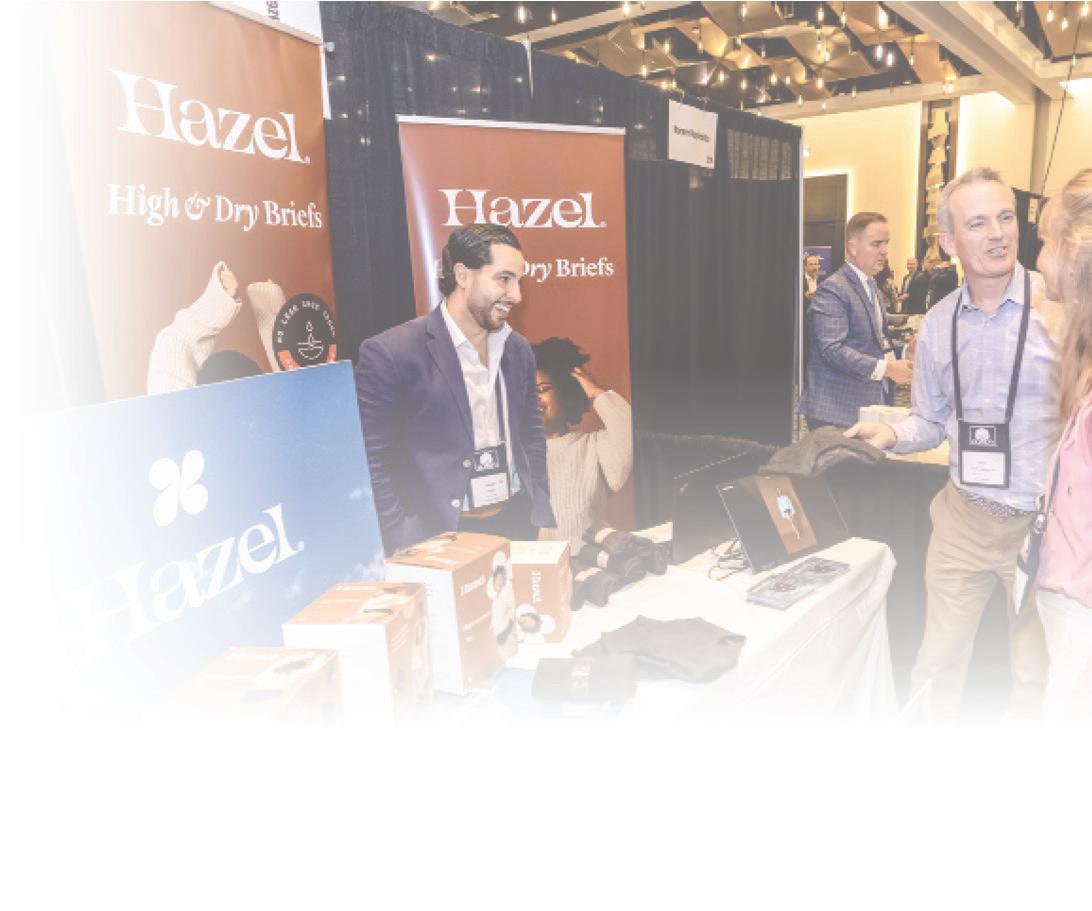

The hygiene industry is evolving at unprecedented speed. From shifting global trade dynamics to the urgent demand for sustainable end-of-life solutions, the challenges are real—but so are the opportunities. Hygienix™ 2026 brings the leaders, innovators, and disruptors together to move the industry forward.
• Market Intelligence & Global Economics: Get a 360° view of the forces shaping the industry worldwide.
• Regulatory & Trade Navigation: Stay ahead of changing standards, stewardship requirements, and tariffs.
• Sustainability & Innovation: Discover cutting-edge materials, processes, and eco-forward solutions.
• Consumer Insights: Understand what end users truly need—backed by real-world data.
• Startups & Emerging Tech: Connect with innovators redefining what’s possible.
Lunch Arounds:
Casual, topic-driven networking over lunch.
Lightning Talks: Rapid-fire, 5-minute presentations showcasing the latest innovations.
• Diaper Entrepreneurs Panel: Unfiltered insights from founders building the next generation of brands.
• The Global Access Crisis: A critical conversation on affordability, access, and scalable solutions.
• Interactive Workshops: Hands-on sessions covering menstrual products, diaper design, and baby pants.
Exhibit Hall:
Put your brand at the center of industry attention.


Whether you’re looking to gain insight, build connections, or showcase innovation, Hygienix™ 2026 is where the industry moves forward.
Register now and reserve your exhibit space.






By Adrian Wilson, International Correspondent, Europe
Attracting 625 exhibitors from 44 countries and 11,452 visitors over its four days, EDANA’s INDEX 26 trade fair for nonwovens, co-organized with Palexpo, successfully reinforced Geneva’s role as the go-to hub for the industry’s innovation every three years.
A defining theme of the latest edition was the integration of technical enhancements and environmental responsibility across the supply chain, with a major focus on circular design and carbon footprint reduction as primary performance indicators. The strong response to the specialized seminar program also highlighted how global collaboration and smart technologies are helping to shape a path for a circular manufacturing landscape.
“Despite the current geopolitical issues affecting travel conditions and budgets, the industry demonstrated a strong commitment to being in Geneva,” said INDEX Director Magali Fakhry Dufresne.
“Our participants proved keen to meet in person, reconnect with their peers and advance discussions and INDEX is also a great opportunity for the younger generation to discover many innovations all under one roof. Exhibitors played a decisive role in the success of the edition, with stands that reflected the strength and ambition of the sector.”
A major seminar in Geneva examined the performance of the main markets of North America, Greater Europe and Asia, with some telling distinctions between the three.
The five leading nonwovens production countries in Asia — China, India, Japan, South Korea and Taiwan — produced some 7.7 million tons of nonwovens in 2025, according to Kazuaki Baba,


secretary general of ANFA, the Japanheadquartered Asia Nonwoven Fabrics Association, and China’s growth has been unprecedented.
China’s production climbed from 3,260,000 tons in 2016 to 6,090,000 tons in 2025, with hygiene and medical products accounting for 49 percent of 2025 output. Growth peaked at 25 percent in 2019 but actually fell to -1 percent in 2021 due to COVID-19, before climbing back to a healthy 6 percent in 2025.
Yet hindering this growth in capacity over the past few years has been a gradual fall in the profitability of China’s crucial exports. ANFA figures show that in 2023, exports from China amounted to 1.3 million tons with a value of $3.8 billion, equating to a value of $2.9 per kilo. A year later in 2024, exports climbed to 1.5 million tons with a value of over $4 billion, equating to $2.6 per kilo. In 2025,
“Nonwovens: In Every Layer of Life” — an interactive digital display — was one of the most talked-about additions to the exhibition. EDANA
this value dropped further with 1.7 million tons of product netting roughly $4.3 billion with a value of $2.51 per kilo.
Nonwovens production in India has meanwhile almost doubled since 2019, when production was 536,000 tons. It reached 934,000 tons in 2025 following some notable investments in high capacity spunmelt technology.
One unique feature of India’s market is that 26 percent of output is serving the packaging market, primarily nonwoven shopping bags which have become increasingly popular across the country over the past decade, driven by restrictions on single-use plastics, low production costs and the rapid expansion of organized retail. Made primarily from polypropylene spunbond nonwovens, these bags offer retailers an inexpensive
alternative to conventional plastic carriers while providing consumers with products perceived as more durable and reusable. Their lightweight construction, printability and suitability for high-volume automated production have helped create a large domestic manufacturing sector, particularly in states such as Gujarat, Maharashtra and Tamil Nadu. Their sustainability credentials, however, remain debated — especially since reuse rates remain low and disposal infrastructure is limited.
By comparison, nonwovens production in the United States and Europe has been comparatively stable.
North American production was 5.7 million tons in 2025, evenly split in terms of durable and disposable end markets. In presenting the figures, INDA, the Association of the Nonwoven Fabrics Industry’s President and CEO Tony Fragnito observed that operating rates at North American plants had fallen to 78 percent in 2025, largely as a result of the installation of a number of newer and faster machines, but imports are also growing — despite the Trump Administration’s imposition of corrective tariffs.
Overall nonwovens production in Europe fell by around 2.2 percent in 2025, reaching 2,919,000 tons, according to EDANA market analysis and economic affairs director Jacques Prigneaux. He put this down largely to a slowdown in demand across some key market segments, but also increasing competition from overseas.
Coinciding with INDEX 2026, EDANA welcomed the European Commission’s imposition of provisional anti-dumping duties of 45 to 50 percent on imports of certain polyethylene terephthalate (PET) spunbond fabrics from China, after eight months of investigation.
“It is encouraging to see the EU institutions are determined to support EU industries during these globally difficult times,” Prigneaux said. “EU production creates a lot of added value for our economy and it is essential for the
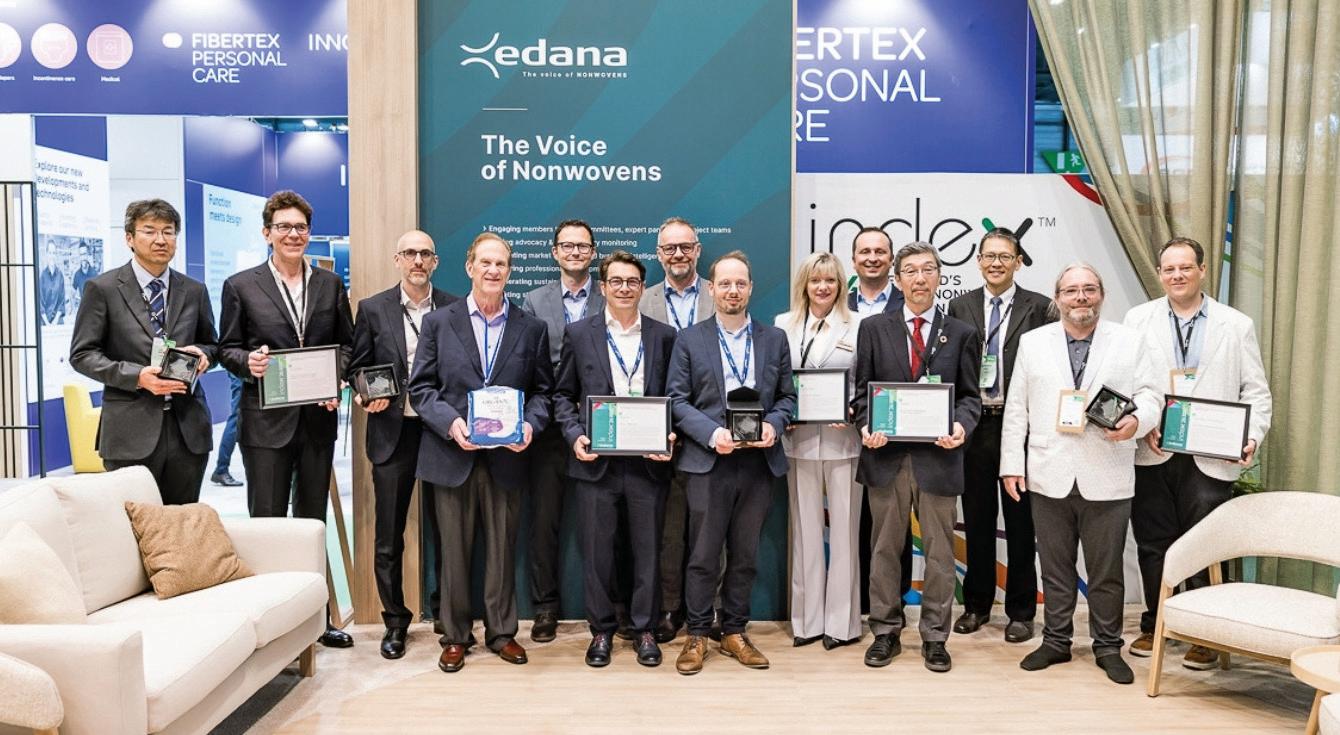
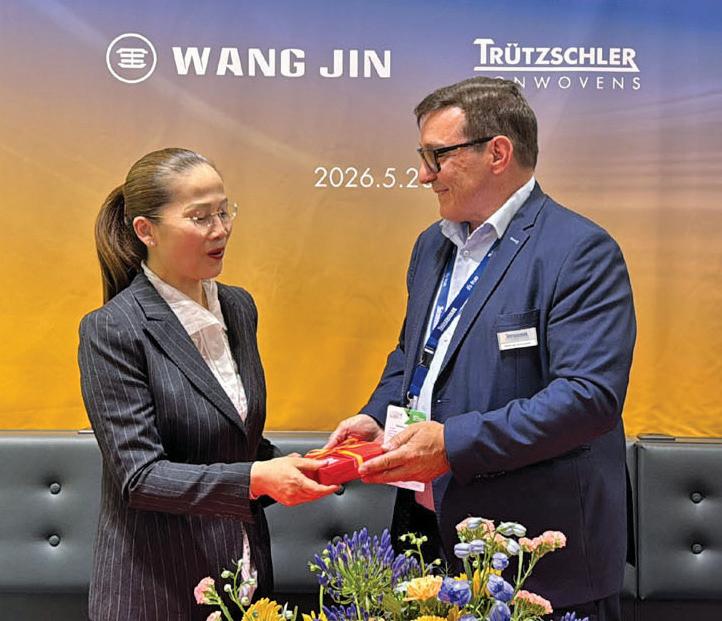
stability and prosperity of our continent that industrial value chains are not exposed to unfair, state-supported market behavior on their home markets.”
Technical excellence and innovation were recognized in Geneva with five companies receiving INDEX 2026 Awards.
Lenzing took the award in the nonwoven roll goods category for Dualwipe, a high-performance cleaning wipe produced from regenerated cellulose. Its dual-surface construction combines abrasion and absorbency within a single material, with one surface engineered to remove dirt, grease and residues through mechanical action and the reverse providing a softer, highly absorbent finish for liquid uptake and surface cleaning. The new material is designed to integrate with existing converting and processing infrastructure, supporting straightforward implementation.
Corman claimed the award in the singleuse finished products category for its development of the Organyc Personalized Protection light incontinence pad.
Five companies received INDEX 2026 Awards.
Yuping Wang, chairwoman of Wangjin Holdings and Trützschler Nonwovens MD Matthias Schemken sign the contract for new complete lines. Trützschler
The pad’s Smart-Cotton cover combined with a citric acid buffer helps maintain skin at a pH of 5.5 to reduce irritation. Meanwhile, a cotton-balanced core directs liquid towards superabsorbent polymers that retain moisture and expand towards the body to enhance leak protection. The pad also incorporates a natural odor control system that binds ammonia and slows odor formation rather than masking it. Clinically validated, the product addresses three key concerns associated with light incontinence — leakage, odor and skin comfort.
In the durable finished products category, Confitex Technology was recognized for its reusable nonwoven bed pads which introduce a new application area for nonwoven materials through machine washability and tumble drying.
The company’s proprietary fiber stabilization process enables absorbent nonwoven structures to maintain performance through more than 30 wash and drying cycles. The construction combines a fast-wicking top layer with a highly absorbent core capable of retaining more than two liters of liquid, while a bonded frame helps prevent leakage across the full surface, including at the edges.
Bostik meanwhile received the award in the raw materials and components category for Kizen Miles 9.0, an adhesive that introduces debonding on demand to disposables.
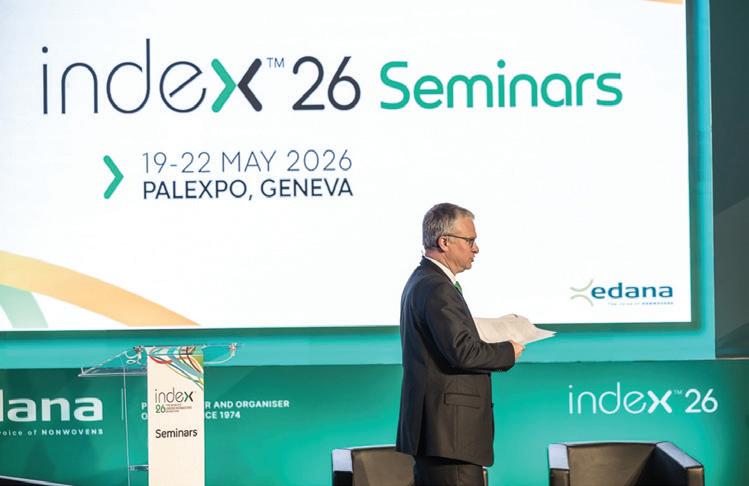
When exposed to a specific chemical trigger under controlled temperature and mechanical conditions, the adhesive enables rapid separation of plastic components while remaining attached to the substrate. The process supports cleaner recycling streams while maintaining reliable bonding performance during use. Containing up to 75 percent renewable content, the material performs across a broad range of substrates including polypropylene (PP), polyethylene (PE) and polylactic acid (PLA) and remains stable under wet conditions.
The machinery innovation award went to Zuiko for its reclosing baby diaper converting machine, developed to produce adjustable pull-on pant diapers that combine secure fit with softness and stretch.
Unlike conventional pant diapers, which are produced symmetrically, the machine’s design has an asymmetric construction and a precise adhesive-free attachment process during folding. At the center of the line is Zuiko’s “stretch repitch drum” technology, which regulates elastic tension and product spacing while allowing panel folding to remain aligned with machine flow. The system enables production speeds of more than 700 diapers per minute without the need for multiple folding units.
A number of significant new contracts were concluded by major technology providers in Geneva, recognizing both the demand for nonwoven products in comparatively new regions and the drive for additional value, particularly by Chinese manufacturers.
Austria-based Andritz, for example, announced the sale of new lines to companies in both the Democratic Republic of Congo (DRC) and Uzbekistan. Despite facing numerous issues —
including regional conflicts, as well as the latest Ebola outbreak — DRC is an extraordinary country in terms of scale and resources, with huge rivers, vast farmland and some of the world’s richest deposits of copper, cobalt and other minerals.
Its population of 120 million is growing by roughly 3 to 4 million people per year and its capital Kinshasa alone, with a current population of 20 million, is seeing around 800,000 babies born each year — more, for example, than are conceived across the entire United Kingdom with its population of 70 million.
Andritz announced it is supplying a first of two baby diaper production lines and a sanitary napkin line to Sanitex, which is establishing a new plant in Maluku, Kinshasa.
“This investment is a major step in establishing reliable local production of modern absorbent hygiene products in DRC,” said Sanitex managing partner Thierry Lasoen in Geneva. “With this proven technology and the support of Andritz, we will provide local consumers with high-quality baby diapers and sanitary napkins faster and more efficiently. As part of our growth strategy, we will continue to strengthen our production capacity with additional investments in new production lines from Andritz.”
Andritz also announced a contract to supply a new baby diaper production line to ATCO Hygienics based in Tashkent, Uzbekistan.
A subsidiary of Türkiye-based Aim Global Consumer Goods, ATCO Hygienics is now one of the leading manufacturers of hygiene products in the Central Asian region.
“The demand for high-quality baby diapers is growing in Central Asia,” said Aim Global chairman Ali Akyuz. “Andritz impressed us with its advanced technology and expertise in hygiene
Sanitex is establishing a new diaper plant in Kinshasa, DR Congo. Pictured in Geneva are (left to
Ettore Paolini, Andritz Nonwoven vice-president, Sanitex managing partner Thierry Lasoen and Andritz area sales manager Carlo Franceschini. A.Wilson
EDANA market analysis and economic affairs director Jacques Prigneaux: “It is essential that EU industrial value chains are not exposed to unfair, state-supported market behavior on their home markets.” EDANA
products and we look forward to a successful cooperation.”
Both Andritz and Italy-based A.Celli also announced new supply contracts with Dalian Ruiguang in China — a company now operating some 18 advanced production lines, capable of producing more than 140,000 tons of various nonwoven fabrics annually
Since 2014, Dalian Ruiguang has already installed two Andritz Wetlace lines and three of its semi-crosslapped spunlace lines. It is now installing a third Wetlace line to meet the demand for sustainable wipes and hygiene products that are pulp-based, biodegradable and disperse quickly in sewage systems.
As another long-term supplier to Dalian Ruiguang, A.Celli will meanwhile supply the company with an E-Wind Stream winder and an E-Wind Rapid rewinder both with working widths of 3.6 meters.
Trützschler Nonwovens, headquartered in Germany, also highlighted its growing strength in China by announcing three significant agreements with Fujian Liao Group, Wisdom-Greentech and Wangjin Holdings, reinforcing longterm partnerships and securing major investments across sustainable nonwovens production.
Wangjin Holdings has ordered a new Trützschler Pulp X spunlace production line while also commissioning a third production line at subsidiary Zhejiang Jinnuo Medical New Material Technology.
Both Fujian Liao Group and WisdomGreentech ordered new air-through bonding (ATB) lines and the significance of these orders — as China pushes to achieve more value from its nonwovens production — is detailed in a separate feature on page 37 in this issue of International Fiber Journal.
Consumer demand for softer hygiene products has transformed air through bonding from a Japanese premium concept into an East Asian manufacturing strategy.
By Adrian Wilson, International Correspondent, Europe
At the recent INDEX™26 in Geneva, two major contracts for air-through bonding (ATB) technology were announced by Germany-based Trützschler Nonwovens, highlighting the growth of a differentiated approach to nonwovens manufacturing that is somewhat distinct to East Asia.
For much of the history of industrial nonwovens manufacturing, production economics, machine productivity, absorbency and tensile strength have generally dictated material development — particularly in hygiene applications where huge volumes and relentless cost pressures have shaped technology choices.
Gradually, however — first in Japan, then Taiwan and now in China — softness has evolved from being merely a desirable product characteristic into a measurable performance parameter and marketing tool, ultimately shaping an industrial strategy.
The rise of ATB technology is frequently explained simply by referencing consumer demand for softer diapers, but the reality is considerably more nuanced, reflecting changing demographics, evolving consumer psychology, shifting supply chains and the development of industrial manufacturing centers that increasingly treat tactile perception as something that can be engineered with the same precision as absorbency or tensile strength.
The origins of this lie in Japan during the 1980s, when disposable hygiene products began moving rapidly beyond purely functional products and into premium consumer categories. As birth rates declined and household spending
power increased, competition among manufacturers increasingly shifted away from simple leakage protection towards comfort, convenience and perceived product quality.
Companies such as Kao, through its Merries brand, and Unicharm with Moony and later MamyPoko, increasingly competed not only on technical performance but on the sensory experience their products delivered.
Japanese consumers proved particularly receptive to products that delivered not only superior function but also a premium sensory experience, and diaper manufacturers rapidly recognized that parents associated softness with care, safety and product quality and were willing to pay premiums for it.
As such, products that felt softer, quieter and more textile-like, gradually transformed softness from a marketing claim into a measurable product attribute and meeting this need called for a new approach.
The traditional calender bonding of nonwovens creates strength through pressure and heat applied between
rollers, producing strong and efficient structures but also creating compressed bond points that inevitably reduce loft and create denser materials. ATB offered an alternative route. Instead of compressing fibers mechanically, hot air is passed through the web structure, allowing the outer sheath of bicomponent fibers to soften and bond while largely preserving the bulk and openness of the material.
Combined with advances in sheathcore bicomponent fibers from companies such as Asahi Kasei, Mitsui Chemicals and Toray, ATB materials created products that felt fundamentally different from conventional hygiene substrates, being noticeably softer, bulkier and more textile-like in their appearance and feel.
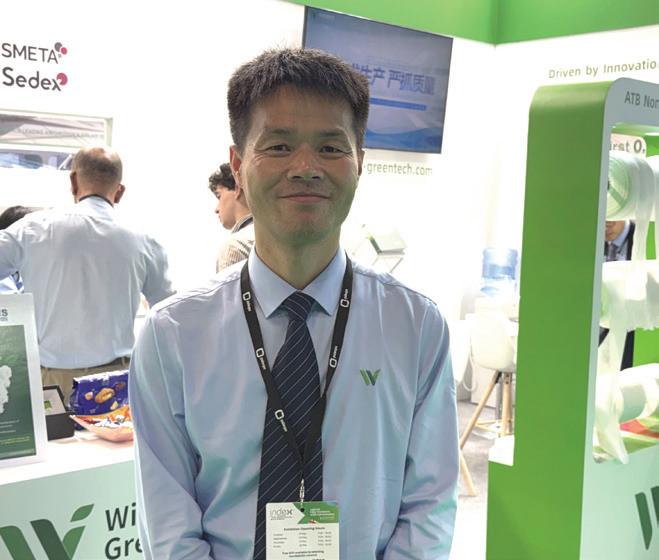
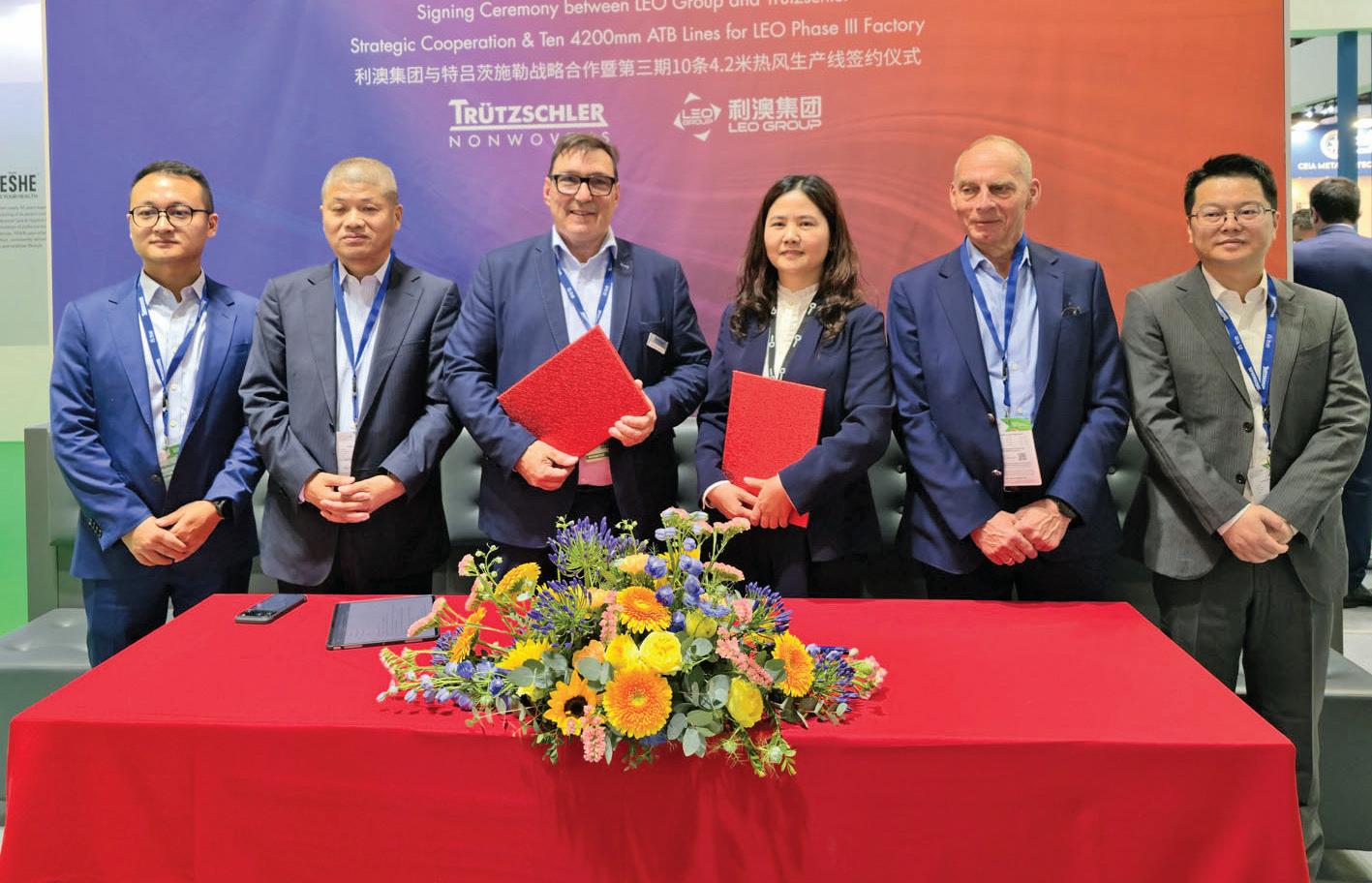
Liao Group announced a major expansion program during the recent INDEX™26 in Geneva, involving 10 additional 4.2 meter ATB lines. (left to right): ZhengYu Hu and WeiZhong Zhu of Trützschler Jiaxing, Trützschler Nonwovens MD Matthias Schemken, MeiLing Chen, Liao Group’s director of procurement, Trützschler China general manager Harald Schoepp and Weiping Zhang of Trützschler Jiaxing. Trützschler
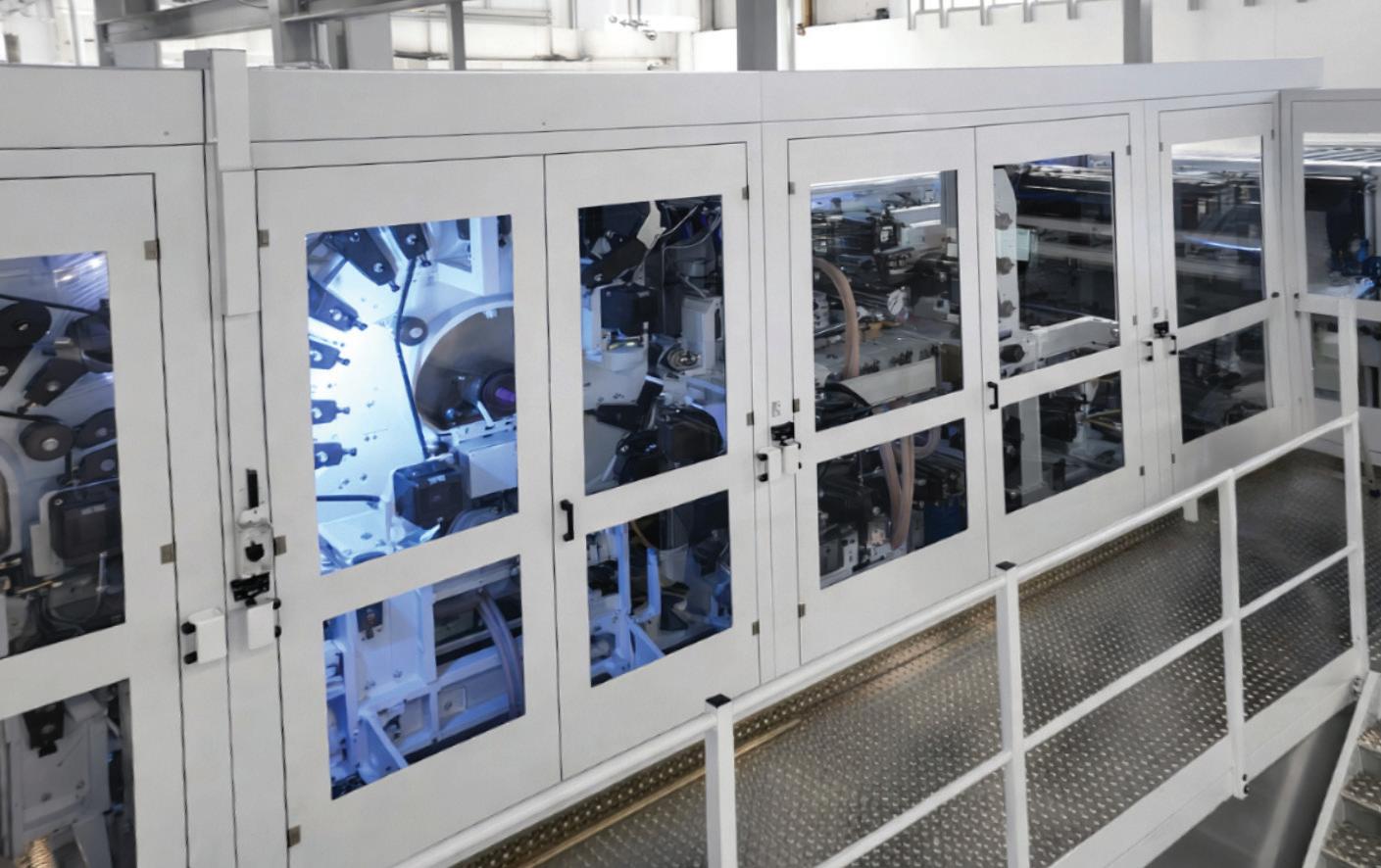
These characteristics aligned perfectly with the direction in which Japanese hygiene brands were evolving. Softness against skin became important, but so too did quieter products that rustled less during movement and materials that visually resembled textiles rather than industrial substrates. ATB structures offered advantages across all of these characteristics simultaneously, and premium products increasingly standardized around such materials.
By the 1990s, Japan had effectively created an entire industrial ecosystem around premium hygiene materials. Fiber producers invested heavily in specialized bicomponent fiber systems while machinery builders refined production platforms capable of producing the sophisticated structures.
Brand owners, converters and material suppliers evolved together, reinforcing a supply chain in which premium performance inevitably became inseparable from softness itself. Once consumers became accustomed to such tactile qualities, softness gradually ceased to function as a differentiator and instead became an expectation.
Taiwan has played a critical, although sometimes overlooked role in transforming Japanese softness from a domestic premium concept into a broader Asian manufacturing philosophy. Through close commercial relationships with Japanese hygiene producers and converters, Taiwanese manufacturers gradually became integrated into premium hygiene supply chains during the 1990s and early 2000s.
The rise of ATB technology is frequently explained simply by referencing consumer demand for softer diapers, but the reality is considerably more nuanced …
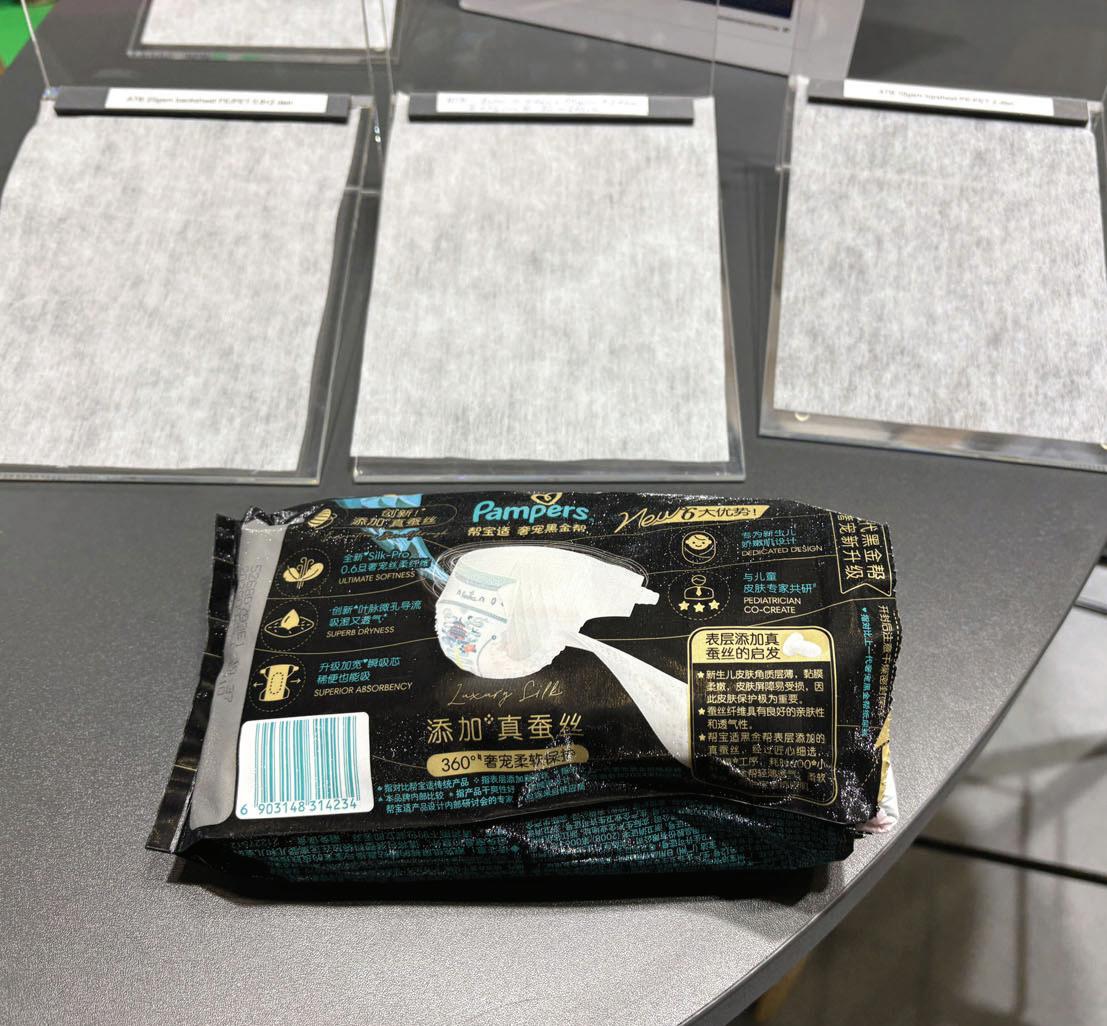
elsewhere in Asia, and especially China. By the time hygiene markets accelerated across mainland China, much of the expertise surrounding premium nonwoven structures, bicomponent fiber processing and ATB production had already spent years moving through Taiwanese supply chains.
Companies such as Nan Liu Enterprise and KNH Enterprise expanded rapidly into these hygiene substrates, while fiber producers including Far Eastern New Century and Formosa Plastics helped create the material infrastructure necessary to support them. Rather than competing solely on volume, Taiwanese manufacturers began specializing in producing higher-value substrates where softness created meaningful differentiation and stronger margins.
Taiwan effectively became the industrial bridge between Japanese consumer expectations and the much larger manufacturing systems emerging
China’s initial growth differed significantly. Throughout much of the 2000s and early 2010s, hygiene market growth was driven primarily by penetration rather than premiumization. Conventional thermal bonded materials remained widespread because they supported lower production costs and enabled rapid manufacturing expansion. Consumer expectations, however, were changing rapidly and Japanese diaper brands increasingly acquired premium status among Chinese consumers, because imported products were associated with superior softness,
comfort and infant care.
Domestic manufacturers recognized that softness itself had become commercially valuable and competition gradually shifted away from purely functional performance, with Chinese manufacturers initially attempting to reproduce Japanese premium characteristics before developing their own approaches to engineering softness more systematically.
Over time, softness has also ceased to be treated simply as a characteristic for diaper topsheets and instead became integrated into entire products as manufacturers increasingly optimized acquisition and distribution layers, fastening systems, backsheet materials and external surfaces.
This background helps explain why Chinese investment in ATB technologies has accelerated so dramatically in recent years and why the two companies buying new lines from Trützschler Nonwovens — Liao Group and Wisdom Greentech, both based in Fujian, illustrate what the next phase of softness engineering will look like.
Liao’s strategy is fundamentally industrial. At INDEX, the company announced a major expansion program involving 10 additional 4.2 meter ATB lines, bringing its total number of Trützschler ATB systems to 20. This follows earlier investments that included nine 3.8-meter production lines and one existing 4.2-meter system, creating one of the world’s largest concentrations of ATB production capacity.
Through wider production lines, higher productivity and increasingly automated process control, Liao is pursuing perhaps the most characteristically Chinese interpretation of Japanese softness — transforming a premium sensory characteristic into an industrial manufacturing architecture capable of delivering softness economically and repeatedly at enormous scale.
Wisdom Greentech, by contrast, is increasingly focused on extending the technical boundaries of softness itself.
At INDEX26, the company’s research and development director Luis Wu explained that working with Trützschler, an ultra-high-speed 4.2-meter ATB line has been developed to operate at designed speeds approaching 200 meters per minute and capable of successfully converting fibers as fine as 0.4 denier. This represents Wisdom’s 14th ATB installation from Trützschler.
The market for ATB nonwovens, however, is still very much niche in the overall picture of nonwovens production in Asia.
According to ANFA figures, in 2025, spunbonded and meltblown (spunmelt) materials — with much faster production speeds than carded products — accounted for around 3.6 million tons of the overall 7.7 million tons produced, while needlepunched materials accounted for a further 1.7 million tons and spunlaced nonwovens for 1.4 million tons.
Thermal bonded materials represented just 5 percent, or 362,000 tons of the market, with specific ATB presumably just a percentage of that last figure.
Nevertheless, the recent history of ATB in Asia demonstrates something unusual, because in many industrial sectors technology shapes consumer expectations, but the history of ATB in Asia illustrates the reverse — consumer expectations shaped the technology.
Japanese consumers transformed softness into a premium expectation, Taiwan helped industrialize that expectation and China is now scaling, refining and increasingly redefining it.
The result is that a tactile sensation which cannot be measured in tons or production speeds has nevertheless influenced fiber development, machine design, supply-chain investment and manufacturing strategy across an entire region.
As such, while ATB may remain a niche technology in volume terms, its development demonstrates how something as intangible as touch can become a powerful force in both industrial innovation and brand differentiation.

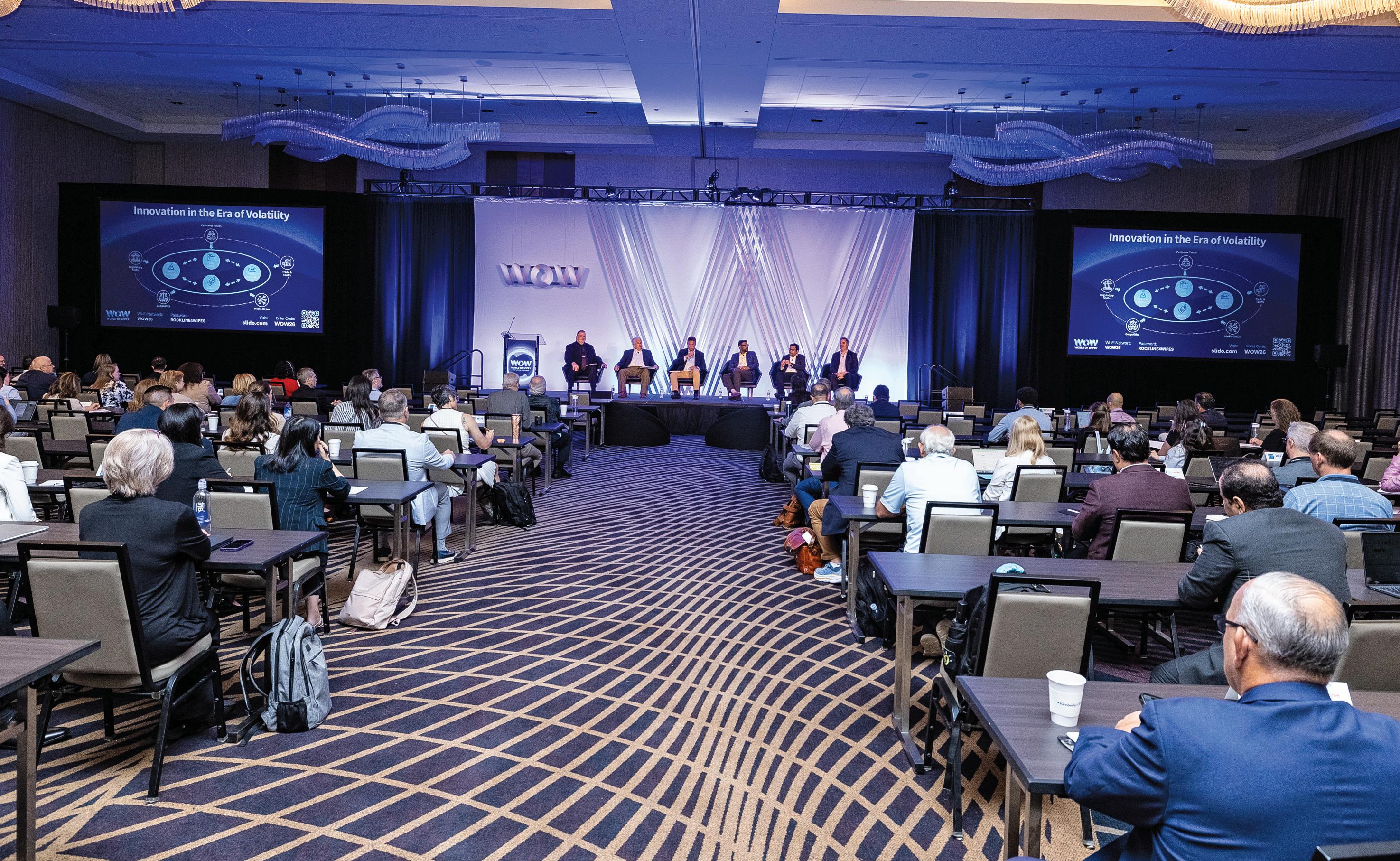
INDA’s World of Wipes® conference highlighted innovation, regulation, sustainability AI and supply‑chain collaboration.
NDA — the Association of the Nonwoven Fabrics Industry based in Cary, N.C. — held the 2026 edition of its World of Wipes® (WOW) conference in Nashville, Tenn., June 29July 2 under the theme “Redefining Wipes: Smart. Sustainable. Scalable.” With three days of conference sessions and almost 50 exhibitors, this year’s WOW was a content-rich experience for the more than 400 attendees.
Monday began with a newly revamped Wipes Development course. Delivered by Crown Abbey’s Heidi Beatty and Dr. Paul Davies, the course covered everything needed to bring a new wipe to market, including market and concept development, material sourcing and selection, converting and packaging, regulatory topics, and scale-up.
A valuable component of WOW is networking — whether via the wellattended welcome reception, morning “Breakfast Connections,” conference session coffee breaks, hosted innovation networking group lunches, or two
evenings of exhibits and receptions. During the evening activities, nearly 50 companies showcased recent innovations.
While the entire exhibition hall was bustling with activity, the three booths devoted to the WOW Innovation Award finalists — The Clorox
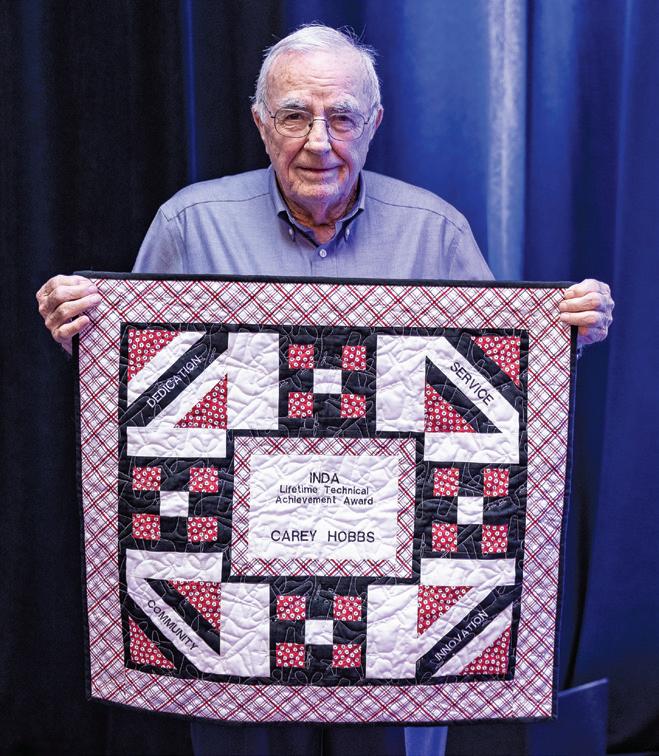
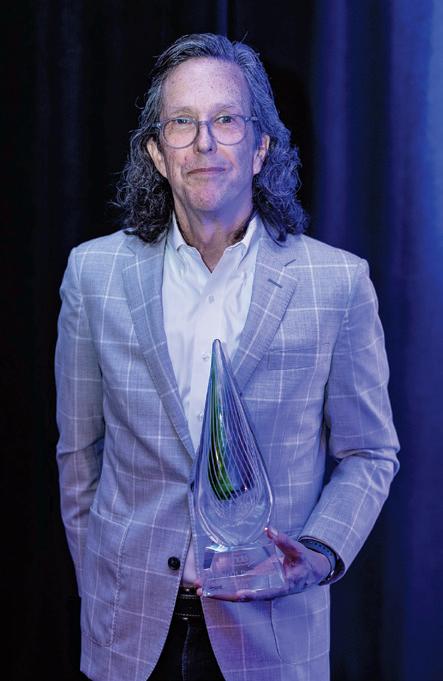
Co., for its Clorox™ Refreshables™; Lenzing Fibers Inc., for its Lenzing™ DualWipe; and Rockline Industries, for its First Defense™ Fentanyl Detection Wipe — were non-stop hives of activity. After the votes were counted, Rockline Industries was presented with the 2026 World of Wipes Innovation Award. Since INDA first began arranging lunch-arounds — lunch time discussion and networking sessions — during conferences, the option has grown in popularity. At each conference two to four organizations are selected to host a group lunch in which they discuss their startup journey, technologies and unique strategies for dealing with industry challenges, among other topics. Host companies range from nascent startups to some of the largest corporations in the industry. The hosts for this year’s event were Drankful, makers of Butt Napkins, which shared its start-up and pivot journey; and Bell Flavors &
Fragrances, which provided some handson interaction with different scent and flavor profiles.
Reflecting the conference theme, the event opened with a panel addressing “Innovation in the Era of Volatility.”
Panelists represented the supply network from fiber suppliers through to producers of branded products. They provided insights into the need for greater collaboration among all elements of the traditional supply chain, reframing it as an interconnected supply network or web. Greater cooperation is necessary because innovation is accelerating, and all points of the supply network must anticipate and respond to external pressures, including changing regulations, geopolitical events, trade and tariff disruptions, evolving consumer preferences, and social media (mis) information. Each panel participant also noted how artificial intelligence (AI) was
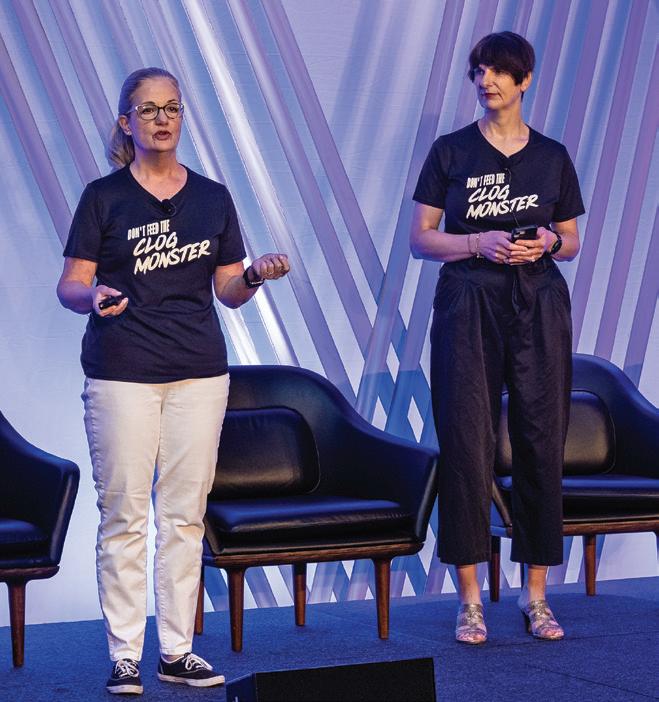
being incorporated into their innovation processes. One panelist noted that AI can almost be considered as an employee, while another panelist shared the need to corroborate AI insights with the caution “Be careful, that employee may be a liar.”
The closing sessions of the conference provided a bookend to this opening discussion with in-depth dives into the topics of regulatory shifts and tariffs. In between, sessions focused on consumer pull and industry supply-side statistics, advances in manufacturing and converting technology, improvements in sustainable materials, the evolution of disinfecting wipes from the pre-COVID period through post-COVID, the rapidly changing world of packaging in an extended producer responsibility-driven world, and formulation topics.
During WOW, INDA recognized two industry giants for their lifetime of technical contributions to the industry.
Tom Daugherty, retired from Procter & Gamble (P&G) and most recently The Nonwovens Institute (NWI) at NC State, was acknowledged for both the many nonwoven-based consumer products he helped develop while working at P&G, and for helping shape the next generation of nonwoven professionals during his tenure as NWI associate director.
Honoree Carey Hobbs, retired from Hobbs Bonded Fibers, contributed to five decades of nonwoven innovation serving military, automotive, medical, industrial and craft industries. The Heirloom and Tuscany quilt batting developed by Hobbs has long been considered the gold standard for quilters and has touched many generations of crafters. Both Daugherty and Hobbs additionally served as INDA board and/or executive committee members during their careers.
The next installment of WOW will be held June 7-10, 2027, in Indianapolis.

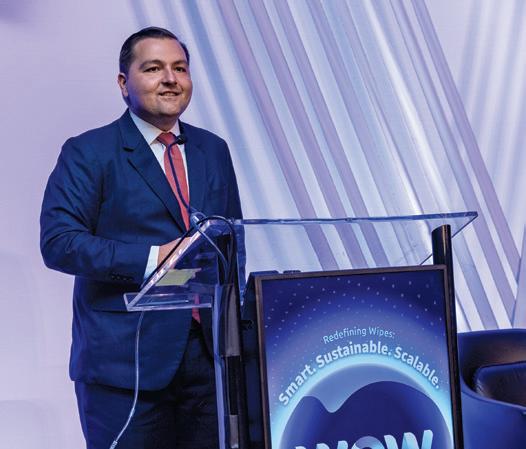



Programming at FEDTEX highlighted federal procurement needs, Berry Amendment compliance, textile innovation and the role of domestic manufacturing in supply chain resilience.
By Dr. Matt O’Sickey
The Federal and Defense Textile and Tactical Equipment Summit (FEDTEX), an annual event held recently in Raleigh, N.C., provides a venue for manufacturers of textile-based apparel and tactical equipment to engage with U.S. Department of Defense (DoD) and federal agency clothing and equipment buyers. The event, hosted by the North Carolina Military Business Center (NCMBC) in conjunction with the offices of U.S. Senators Thom Tillis and Ted Budd, combines a tabletop exhibition with three tracks of programming. With more than 60 tabletop exhibits, FEDTEX showcased a range of innovations including fibers and yarns, tactical and medical apparel, fabric coatings and treatments, cut-andsew technologies, and textile fasteners, as well as the latest from textile laboratories, certification groups and academic researchers.
The breakfast plenary session provided insight into reorganization of the DoD procurement process and priorities from Brig. Gen. Sean P. Kelly, commander of Defense Logistics Agency Troop Support, and the current landscape for doing business in a Berry-compliant
industry. It was especially interesting to hear that Berry Amendment compliance is considered beyond the DoD to other government agencies such as the Department of the Interior and Customs and Border Protection. The lunchtime plenary included remarks from North Carolina Secretary of State Elaine Marshall who covered the state’s efforts to strengthen and grow North Carolina’s presence in the federal textile product supply chain. David Hinks, dean of the Wilson College of Textiles at NC State University, followed Marshall with a detailed review of the statewide alignment of North Carolina’s higher education programs to support the entire textile industry.
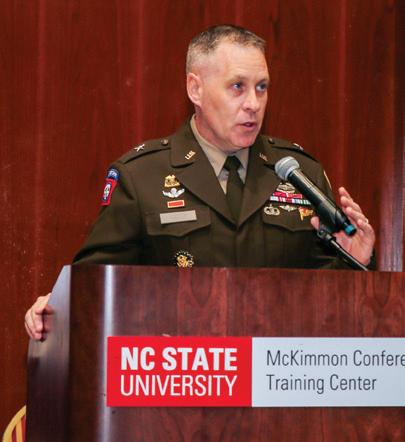
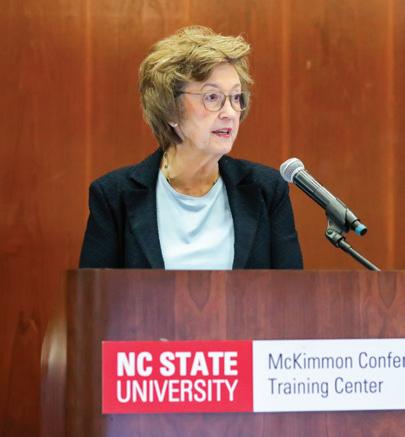
The three tracks of programming were generally split into three major topic areas: instructional presentations on how to do business with the federal government; the current needs of the various branches of the military and government agencies; and technical innovations. First-time attendees reported that the how to do business
with the government sessions were exceptionally useful. One attendee noted that prior to attending these sessions they had not fully appreciated how different the federal request for proposals (RFP) process was in contrast with the businessto-business world. Another FEDTEX attendee shared that with the information gained, their organization would be better prepared with respect to needed pre-work such as Cybersecurity Maturity Model Certification (CMMC). One attendee even noted, half jokingly, that attendance at FEDTEX helped decipher the dozens of government and DoD acronyms!
And Supply Chain Resilience
Technical topics covered during
FEDTEX included smart textiles in the military, advances in robotics for textile manufacturing, sustainability in textiles, per- and polyfluoroalkyl substances (PFAS), and workforce resources. The robotics discussion emphasized the potential for driving quality and consistency of textile-based product fabrication and assembly. These technologies can help improve reliability in the field and reduce waste of critical textile resources. Speakers noted that recent simulated war games identified the global interconnected textile supply chain as a potential point of strategic vulnerability. Reducing waste is one component of addressing this risk.
The session on sustainability highlighted the strategic need for textile recycling to maximize resource utilization along with advances supporting these endeavors. The PFAS session presented an overview of PFAS replacement technologies including cost, effectiveness
and durability considerations. This was coupled with a discussion of how to revise military specifications away from a “de facto requirement of PFAS as a oneshot chemistry that does everything” and instead consider which attributes were being specifically addressed by PFAS and which attributes are not critical to performance. This shift in thinking allows manufacturers and specifiers to prioritize those attributes, potentially allowing manufacturing to adopt a systems



approach rather than relying upon PFAS as a one-shot solution.
Overall, FEDTEX provided an actionable combination of insight into how to do business with the U.S. federal government, the current needs of various departments, agencies and branches, and the current state of technology. The event also pointed to continued growth for FEDTEX as federal textile procurement, domestic supply chain resilience and technical innovation remain priorities.



Dr. Matt O’Sickey is the director of Technical Affairs and Education at INDA, the Association of the Nonwoven Fabrics Industry. He has prior experience leading operations, in R&D, marketing, and product management with RKW North America and Tredegar Corp. O’Sickey has multiple patents, has received industry innovation awards, provided innumerable presentations, is a training course instructor, and is a contributing columnist for IFJ and International Filtration News . Dr. O’Sickey has a Ph.D. in Chemical Engineering and is an alumnus of Purdue University and Virginia Tech, where his studies had heavy emphasis on the processing-structure property relationships of polymeric materials. For more information about joining a Technical Advisory Group, committee, or working group, please reach out to Dr. O’Sickey at mosickey@inda.org.








EDANA’s OUTLOOK™ 2026 will mark its 25th anniversary edition in Cascais, Portugal, with programming focused on market growth, sustainability, technology and regulation in hygiene and personal care nonwovens.
The global hygiene and personal care nonwovens sector will gather this September for a milestone edition of OUTLOOK™. Organized by Brussels-based EDANA, the European association representing the nonwovens and related industries, OUTLOOK™ 2026 will mark its 25th anniversary edition September 2224 in Cascais, Portugal. The choice of venue — the Hotel Miragem — is a deliberate nod to the event’s history, bringing the international nonwovens community back to a coastal location familiar to many long-standing industry participants.
The three-day conference serves as a centralized hub designed to bring more than 500 senior professionals and decision-makers from across the entire supply chain together under one roof.
The educational core of OUTLOOK 2026 targets the critical trends shifting the market. Plenary sessions will feature insights from industry experts analyzing the macro-environmental forces impacting businesses globally. Specifically, the program is built around four core pillars designed to help companies navigate a complex commercial landscape:
■ Growth Trends: Market intelligence evaluating where demand is expanding;
■ Sustainability Initiatives & Innovations: New materials and design practices shaping eco-friendly products;
■ Technological Advancements: Engineering and manufacturing updates driving sector efficiency; and
■ Regulatory Updates: Compliance strategies to manage shifting legislative requirements.
These targeted presentations will address the latest commercial developments across the primary product sectors of the absorbent hygiene and wipes industries, including baby diapers, consumer wet wipes, menstrual products and adult incontinence solutions.
While market intelligence anchors the conference program, the structural design of OUTLOOK focuses heavily on face-to-face commercial interaction. The venue accommodates a focused tabletop exhibition area featuring 20 dedicated booth spaces, giving suppliers a direct line to present their technical capabilities to prospective buyers.
The high demand for private business dialogue at this 25th edition is already evident: The private meeting rooms allocated for confidential, closed-door negotiations are almost sold out as of IFJ ’s press time. For attendees seeking less formal networking opportunities, the event balances its technical hours with structured coffee breaks, lunches and evening receptions.

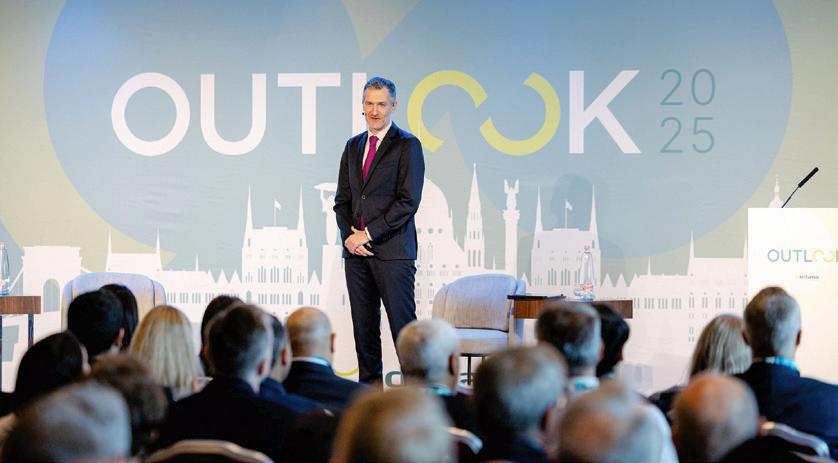
The networking events take full advantage of the Portuguese coast. The day-one cocktail reception will be hosted poolside at the Hotel Miragem, looking out over Cascais Bay, the local marina and the Atlantic Ocean. On day two, the evening reception moves to the Valverde Sintra Palácio de Seteais — an 18th-century palace located in the nearby hills of Sintra, a UNESCO World Heritage site.
The 2026 gathering follows the momentum of last year’s event in Budapest, which drew 475 delegates representing 207 distinct companies across 37 countries. That iteration highlighted a shared corporate focus on converting strict European and global regulations into distinct competitive advantages through rapid, credible innovation.
With a stable of confirmed industry players — including key sponsors and exhibitors like Investkonsult Sweden, Lenzing, Birla Cellulose, Optima, Saudi German Co., Americhem and Pulsar Engineering — OUTLOOK 2026 continues to serve as a major forum for the personal care value chain. Registration is ongoing via EDANA’s website for organizations looking to secure their place in Cascais.
For more information about OUTLOOK 2026, please visit edana.org/events/ outlook/outlook-2026
The 65th Dornbirn Global Fiber Congress will feature 100 presentations, a new Innovation Day & Forum, and various awards.
By Geoff Fisher, European Editor
The 65th Dornbirn Global Fiber Congress, to be held September 16-18 in Dornbirn, Austria, is gearing up to bring together around 600 international experts for three days of high-level technical exchange, with 100 presentations across parallel tracks and a sharpened focus on innovation, sustainability and global industry collaboration.
A major program update is the launch of the Dornbirn GFC Innovation Day & Forum on September 17. The new compact format will consolidate all innovation-focused activities into a single day, including company touchpoints, on - stage pitches and a jury - voted innovation award.
Participants will address the core questions — What? Why? How? — to clearly position the novelty, value and commercial readiness of their technologies. A jury of fiber industry experts, together with the audience, will evaluate the presentations and vote for the most innovative idea, with the winner receiving the Dornbirn GFC Innovation Day & Forum Award 2026.
Companies pitching their latest developments include Teijin Aramid, the Netherlands; AeoniQ, Switzerland; CeNTI, Portugal; the University of Leeds, England; Innovo Fiber/Fibre52™, Houston; Senbis Polymer Innovations, the Netherlands; re.solution, Germany; FibreCoat, Germany; BB Engineering, Germany; and Evoralis, England.
The opening morning of the congress will feature high-level keynote perspectives from across the fiber value chain, including Lenzing’s Christian Skilich on reinventing man - made cellulosics through new technologies, resource efficiency and circularity; Elke Hortmeyer, Bremen Cotton Exchange, on how the European Union Green Deal and Product Environmental Footprint methodologies are reshaping fiber assessment and market access; EDANA’s Marines Lagemaat on the success factors and challenges defining the nonwovens sector; and Barmag’s Georg Stausberg on the systemic transformation required for circular and low-impact textile production.
Dedicated sessions during the event will highlight ReHubs on textile-to-textile recycling, with a focus on workwear and circular systems; and Natural Fibers,
curated by the Bremen Cotton Exchange, featuring the Discover Natural Fibres Initiative, Polyvlies, Wilhelm G. Clasen and RWTH Aachen.
RWTH Aachen will also host an industry session outlining joint research with Barmag, Technofibres and Solid Air Dynamics, showcasing applied fiber-technology development.
The congress will award the 2026 winners of the Paul Schlack Prize, which supports visionary and exceptional researchers in the field of man-made fibers, and the Lenzing Young Scientist Award, which this year focuses on high - performance cellulosics for next-generation applications.
Following a successful event in Seoul in May, attended by more than 250 fiber industry experts, the Dornbirn GFC Asia platform continues to expand, with South Korean delegates to participate at the Dornbirn event in September. With an additional knowledge platform already established in India, discussions are now underway for a one-day event in China later this year.
Founded in 1961 by Professor Wilhelm Albrecht and Kommerzialrat Seidl of Lenzing, with just 13 presentations and 130 participants from six countries, the Dornbirn GFC has grown into one of the fiber sector’s most influential global forums, with its Asian platforms now extending its reach further.
For more information, please visit www.dornbirn-gfc.com.













Absorbent Hygiene
Fiberpartner ApS
Accessory Equipment, Supplies
Fi-Tech, Inc.
Mezger, Inc.
Accumulators/Festooners
Chase Machine & Engineering Inc.
Automation Equipment
Chase Machine & Engineering Inc.
eurolaser GmbH
Tentoma Packaging Solutions
Coatings
Eeonyx Corporation
Composite Materials
Eeonyx Corporation
Cutting & Joining Equipment
Chase Machine & Engineering Inc.
eurolaser GmbH
Extrusion Machinery
Chase Machine & Engineering Inc.
Fi-Tech, Inc.
Fiber Finishes and Surfactants
Fi-Tech, Inc.
BW Packaging
8020 Forsyth Blvd.
Clayton, MO 63105
Tel: (314) 862-8000
Email: connect@bwpackaging.com
Website: www.bwpackaging.com
Contact Person: Bryce Maddray
Fibers – Bio-Based
Fiberpartner ApS
Filter Elements
HYDAC Process Technology GmbH
Filtration Equipment
HYDAC Process Technology GmbH
Finishing Equipment
eurolaser GmbH
Fi-Tech, Inc.
Filtration - Liquid Nonfood
Eeonyx Corporation
HYDAC Process Technology GmbH
Geosynthetics
Eeonyx Corporation
Godet Rolls
Fi-Tech, Inc.
Home & Office Furnishings - Bedding
Fiberpartner ApS
Lab/Testing Equipment
Fi-Tech, Inc.
Mezger, Inc.
Needle-punched carpets and mats
Eeonyx Corporation
BW Packaging’s Hayssen brand delivers industry leading flow wrapping solutions for wet wipes manufacturers. Powered by patented servoring jaw technology, the Hayssen X850 enables up to 2x higher speeds with exceptional seal integrity, helping protect moisture-sensitive products while maximizing throughput. Smart anti-jam features, intuitive operation, seamless line integration, and lifetime support help producers optimize performance.
Packaging Equipment I Wipes - Baby I Wipes - Industrial or Institutional I Wipes - Specialty
Needle-punched felts
Eeonyx Corporation
Needle-punched non-woven fabrics
Eeonyx Corporation
Nonwoven Materials
Eeonyx Corporation
Fiberpartner ApS
Packaging Equipment
BW Packaging
Tentoma Packaging Solutions
Plastics Machinery
Fi-Tech, Inc.
Polymer Filtration
HYDAC Process Technology GmbH
Polymer Filtration Systems
HYDAC Process Technology GmbH
Roll Packaging Equipment
Tentoma Packaging Solutions
Separator Rolls Fi-Tech, Inc.
Spinnerets, Dies & Jet Strips
Fi-Tech, Inc.

Ultrasonic Laminators & Slitters
Chase Machine & Engineering Inc.
Unwind/Rewind
Chase Machine & Engineering Inc.
Web Bonding Machinery
Fi-Tech, Inc.
Web & High-Loft Forming
Machinery Components Fi-Tech, Inc.
Web Forming Machinery, Complete Processing Lines Fi-Tech, Inc.
Wipes - Baby
BW Packaging
Wipes - Industrial or Institutional
BW Packaging
Wipes - Personal Care Fiberpartner ApS
Wipes - Specialty
BW Packaging
Woven Materials
Eeonyx Corporation
Yarn blends
Eeonyx Corporation
Chase Machine & Engineering Inc.
324 Washington Street West Warwick, RI 02893
Tel: 1-401-821-8879
Fax: 1-401-823-5543
Email: guygil@chasemachine.com
Website: www.chasemachine.com
Contact: Guy Gil

Founded in 1954, Chase Machine and Engineering designs and builds custom converting machinery for Film, Foil and Woven /Nonwoven Fabrics. We utilize 3D modeling to design equipment such as Unwinds/ Rewinds, Slitters and Laminators, Festooners, Blockers, and Spoolers/ Traverse Winders, while integrating technologies such as Ultrasonics, Glue Dispensing, Impulse and RF welding as well as Thermal bonding. When you have a web converting project, contact CHASE!
Accumulators/Festooners I Automation Equipment I Cutting & Joining Equipment I Extrusion Machinery I Ultrasonic Laminators & Slitters I Unwind/Rewind
EDANA
AVENUE DES NERVIENS 85
1040 Brussels, Belgium
Phone: +32 2 734 93 10
Contact: Felipe Cossio Cuartero
Email: felipe.cossio@edana.org
Website: www.edana.org
Comprising over 260 members, EDANA is the leading global association advocating the benefits of nonwovens for society. Since 1971, EDANA has been providing a comprehensive range of services to enhance the industry’s goals and performance, including supporting sustainability ambitions, responsible product stewardship, and addressing common technical, regulatory and market challenges. EDANA also organizes several application-specific and geographic-focused industry events.
Eeonyx Corporation
750 Belmont Way
Pinole, CA 94564
Tel: 1-510-741-3632
Email: j.holliman@eeonyx.com
CONDUCTIVE FIBERS FOR TEXTILES
Website: www.eeonyx.com
Contact: Jimmy Holliman
Eeonyx specializes in industrial-scale conductive coatings for textiles. Statex, its line of coated natural and synthetic staple fibers, delivers customizable electrical resistance tailored to diverse application requirements. Engineered for conductive, static dissipative, and antistatic (low charging) performance, Statex offers a flexible and efficient alternative to traditional anti-static treatments and conventional material solutions. Incorporated in California in 1989, Eeonyx is ISO 9001:2015 certified.
Coatings I Composite Materials | Filtration - Liquid Nonfood | Geosynthetics | Needle-punched carpets and mats | Needle-punched felts | Needle-punched non-woven fabrics | Nonwoven Materials | Woven Materials | Yarn blends
eurolaser GmbH
Borsigstraße 18 21339 Lüneburg Germany
Tel: +49 (0) 413 I 9697 500
Email: sales@eurolaser.com
Website: www.eurolaser.com

Contact Person: Nicholas Gerstein
eurolaser is one of the world’s leading manufacturers of laser cutting systems. Since its foundation in 1994, eurolaser has specialized in processing systems for non metallic materials. Today, the universal systems are used for cutting technical textiles such as filters, automotive interiors, protective textiles, sunshades and more.
Automation Equipment I Cutting & Joining Equipment I Finishing Equipment
Fiberpartner ApS
Havnegade 23
7100 Vejle, Denmark
Tel: +45 79 44 77 22
Email: sales@fiberpartner.com
Website: www.fiberpartner.com
Contact: Thomas Wittrup
Fiberpartner is a Danish advisor and supplier of textile fibers on a clear mission. We aim to be a key global player in the transition towards a nonpetroleum-based future within fibers. With a global client base, we act as a trusted advisor, connecting fiber producers with clients within nonwoven and filling. We supply polyester, polypropylene, and bi-component stable fibers: virgin, recycle and bio.
Absorbent Hygiene I Fibers - Bio-Based I Home & Office FurnishingsBedding I Nonwoven Materials I Wipes - Personal Care
Fi-Tech, Inc.
2400 Pari Way Midlothian, VA 23112 USA

Tel: 1-804-794-9615 • Fax: 1-804-794-9514
Email: sales@fi-tech.com
Website: www.fi-tech.com
Contact: Jeffrey Bassett
Fi-Tech is the leading manufacturer’s agent and distributor serving the synthetic fiber, nonwoven fabric and technical textile industries in N. America. Our extensive offering of complete lines, machinery, technical components and spare parts gives manufacturers a single source access to the leading global suppliers. Fi-Tech is responsible for sales, marketing, customer service and other duties for these component and machinery suppliers: AstenJohnson, Autefa Solutions, Baldwin, Benninger, Brückner Textile Technology, Cason, Corino, Enka Tecnica, Futura, Galan Textile Machinery, Guarneri, Hansa Mixer, Hastem, Heberlein, Idrosistem, Mario Crosta, Mayer & Cie, Mozart Blades, Ontec, ProJet, Reifenhauser Reicofil, Sauer Fibrevision, Saueressig Surfaces, Schill & Seilacher, Shelton Vision, Spoolex / Decoup+, Tecnorama, TEMCO, Testa, T.EN Zimmer, Tokuden and Zimmer Maschinenbau.
Accessory Equipment, Supplies I Extrusion Machinery I Fiber Finishes and Surfactants I Finishing Equipment I Godet Rolls I Lab/Testing Equipment I Plastics Machinery I Separator Rolls I Spinnerets, Dies & Jet Strips I Web Bonding Machinery I Web Forming Machinery, Complete Processing Lines I Web & High-Loft Forming Machinery Components
HYDAC Process Technology GmbH
Am Wrangelflöz 1
D- 66538 Neunkirchen, Germany
Tel: +49 (0) 6897-509-1241
Email: peter.mehlem@hydac.com
Website: www.hydac.com
Contact: Peter Mehlem
HYDAC Process Technology GmbH as part of HYDAC group is your contact for fluid filtration in the production of polymers. Filter elements made out of Chemicron® are pleated as standard or tailor-made and have proven most effective in this field. Our filters are high performance quality products so we can ensure the function and the extension of the service life of components, systems and machines.
Filter Elements I Filtration Equipment I Filtration - Liquid Nonfood I Polymer Filtration I Polymer Filtration Systems
INDA, Association of the Nonwoven Fabrics Industry
1255 Crescent Green, Suite 145
Cary, NC 27518
Tel: + 1-919-459-3754
Email: sales@inda.org
Website: www.inda.org
Contact: Dan Noonan, Director of Memberships and Business Development
INDA serves hundreds of member companies in the nonwovens/ engineered fabrics industry to achieve business growth. Since 1968, INDA helps members convene and connect, innovate and develop their businesses. INDA’s educational conferences and courses, business intelligence and market insights, test methods, consultancy and issue advocacy help members succeed by providing information they need to better plan and execute their business strategies.
INDA Media is the B2B publishing arm of INDA and publisher of International Fiber Journal and International Filtration News , which reach a vast network of professionals who employ fibers, filaments, and filtration systems to optimize their application environments.
Contact: Rachael Davis, Publisher and Chief Content Officer
Email: rdavis@inda.org
Government I Agencies I Associations I Publishing
170 Metro Drive
Spartanburg, SC 29303 USA

Tel: 1- 864-542-8037 • Fax: 1-864-542-8039
Email: info@mezgerinc.com
Website: www.mezgerinc.com
Contact: Mark Mezger
MEZGER INC is a leading distributor of equipment, testing instruments and accessories for the fiber and filament yarn extrusion processes. Such as online sensors, spinnerets, spin packs, screens, gaskets, ovens, inspection systems and much more. EQUIPMENT & MACHINERY
Accessory Equipment, Supplies I Lab/Testing Equipment
Smøl 1
Dk-6310 Broager
Denmark
Tel: +45 79 30 62 10
Email: info@tentoma.com
Website: www.tentoma.com

Tentoma designs and manufactures RoRo StretchPack ® packaging machines that set the standard for efficient, six-sided protection of large rolls of fiber materials, nonwovens, and similar products. RoRo StretchPack® delivers a fully sealed, 100% waterproof packaging solution using advanced stretch hood film technology. Packaging and sealing are completed in a single, fully automated process significantly reducing both energy and film consumption by 25-60% compared to conventional packaging methods. With installations worldwide and a dedicated service organization in Europe and North America, Tentoma is a trusted partner for reliable, sustainable, and high-performance packaging solutions. Automation Equipment | Packaging Equipment | Roll Packaging Equipment



Order today!





Learn more at: inda.org/market-intelligence
Obtain the 2025 capacity, production, and trade data for North America.
The 2025 INDA North American Nonwovens Supply Report is now available—your essential resource for understanding where the industry is headed and how to align your strategy for success.
A Review and Forecast of the North American Nonwovens Demand for 2019, 2024 & 2029.
Discover the latest intelligence in vital demographic trends and how it could affect your business. Make better business decisions with accurate, reliable data.
Report: A Comprehensive Survey and Outlook 2023-2028
Get the insights you need to navigate the future of nonwovens.
This in-depth report offers regional forecasts, production trends, investment opportunities, and an enhanced trade section, covering North America, Greater Europe, Asia, and South America.
Austria-based Lenzing AG has appointed Georg Kasperkovitz CEO. He will retain his role as COO and serve a three-year CEO term through May 31, 2029.
Kasperkovitz joined Lenzing’s Management Board as COO in June 2025. He oversees fiber production and will assume global responsibility for fiber sales, supply chain and human resources.
“I would like to thank the Supervisory Board for their trust and for appointing me as CEO, and I am very much looking forward to actively shaping Lenzing’s future,” Kasperkovitz said. “A clearly prioritized strategy focused on premium products, the consistent execution of our performance program, and a strong leadership team are key drivers of Lenzing’s continued transformation.”
Before joining Lenzing, he held leadership roles at Mondi plc and Rail Cargo Austria AG and was a partner at McKinsey & Co. Lenzing’s Management Board structure will remain unchanged. lenzing.com
he Netherlands-based RE&UP recently announced the official launch of the RE&UP Fiber Club. This initiative introduces a collaborative consortium framework, originally developed as an umbrella framework by innovation platform Fashion for Good, designed to dismantle traditional supply chain barriers and accelerate the global adoption of premium recycled materials.



r. Sanjay Wahal, founder and CEO of Decarbonization LLC, and an IFJ contributing writer, has published his second book. Titled “A Quantum Walk Through Sustainability: Nonlinear Thinking for a Nonlinear World,” the book explores why sustainability challenges behave as complex, nonlinear systems and why solving these challenges requires new ways of thinking. “We are living in a world where climate change, industrial transformation, technological disruption, resource scarcity and societal instability are increasingly interconnected — yet many of our solutions remain stubbornly linear,” Dr. Wahal said. “[The book] examines how small interventions can create outsized impacts, how interconnected systems generate unexpected outcomes, and why resilience, adaptability, and systems thinking will define the future of sustainable development.”
The book, which includes a foreward by Pete Dulcamara, former chief scientist at Kimberly-Clark, is available in both hardback and paperback. sanjaywahal.com
The Dornbirn Global Fiber Congress (GFC) has named Béatrice Moureaux managing director. Moureaux brings more than 25 years of experience in technical textiles, nonwovens and specialty materials, including leadership positions with DuPont Protective Technologies and Glatfelter/Magnera. She also serves as a board advisor to ReHubs, supporting strategic partnerships focused on textile-to-textile recycling.
“Béatrice brings exactly the combination of experience, energy and international perspective that the Dornbirn GFC needs for its next chapter,” said Fritz Weninger, a member of the nomination committee. “She combines deep industry knowledge with a strong record in innovation and sustainability, an established international network, and the ability to connect people across disciplines and value chains.”

Moureaux will oversee the strategic development of the congress and strengthen its international partnerships. dornbirn-gfc.com
For years, the integration of high-quality, next-generation recycled textiles has been hindered by fragmented supply chains, restrictive minimum order quantities, and prohibitive upfront costs, which frequently traps sustainability initiatives in a perpetual “pilot phase.” RE&UP aims to change that.
The Fiber Club is structured to be straightforward is designed to reduce risk, guiding brand partners through four clear operational phases:
1. Consortium structure and alignment: Establishing the framework and aligning key supply chain stakeholders.
2. Initial material sampling: Reviewing standardized material specifications and aligning on specific supply terms.
3. Pilot collection development: Designing and launching an initial commercial collection at the individual brand level.
4. Long-term partnership: Securing longterm fiber purchase commitments at predictable, discounted rates, transitioning brands to a permanent circular supply chain.
“The technology to recycle textiles is only half the battle; the real hurdle is commercial alignment,” said Andreas Dorner, RE&UP general manager. “With RE&UP and its Fiber Club, the baseline for high-volume, compliant circularity is active and operationally ready today. We are giving forward-thinking brands the plug-and-play infrastructure required to stop experimenting with sustainability and start scaling it.” reandup.com
CHT Group GmbH, Germany, has received a 2026 Best Managed Company award presented through a program organized by Deloitte Private, UBS, Frankfurter Allgemeine Zeitung and the Federation of German Industries.
The recognition follows CHT’s organizational transformation, which has focused on customer value, clearer responsibilities and simplified structures. The selection process assessed the company’s strategy, innovation, performance, corporate culture, governance and financial management through interviews and an independent jury review.
“This award is not an end in itself for us, but rather an incentive,” said CHT CEO Eva Baumann. “We will steadfastly continue on our path of transformation with the goal of further strengthening our competitiveness and creating real added value for our customers.”
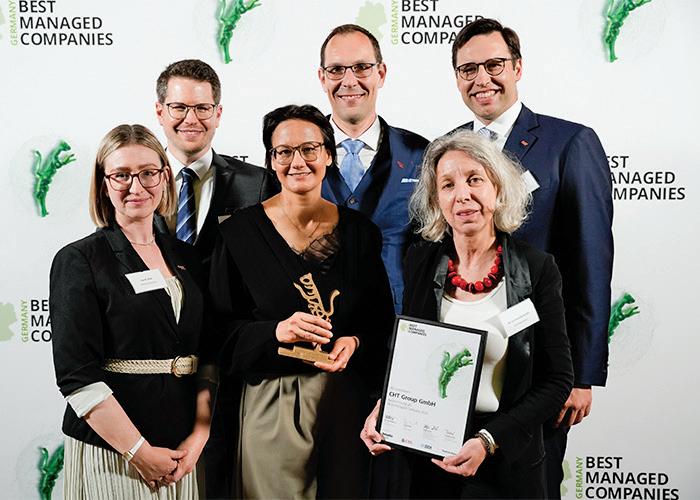
Baumann accepted the award in Frankfurt on behalf of the company’s employees. CHT plans to continue its transformation with a focus on competitiveness and customer value. cht.com

Portugal-based A Penteadora S.A. — a vertically integrated company within the Paulo de Oliveira Group and producer of worsted and woolen fabrics used in fashion, uniform and technical applications — has commissioned a complete mechanical textile recycling line and a needlepunch nonwoven line supplied by Austria-based ANDRITZ.
This investment enables A Penteadora to expand its industrial capabilities and develop a new generation of solutions based on pre- and post-consumer recycled textiles. The input materials originate from its own production waste and other textile waste streams. Both lines are fully operational, and the first products are expected to reach the market in July 2026. The installation includes advanced picker technology that enables the removal of hard elements such as buttons and zippers, thereby improving material quality and process efficiency.
The mechanical textile recycling line comprises cutting, blending, fiber opening, and carding. It is designed to process complex materials, including wool/synthetic blends and technical fibers. The needlepunch nonwoven line enables the production of high-performance materials for applications such as thermal insulation, acoustic barriers, and protective solutions.
Miguel Fernandes, administrator of A Penteadora, said: “With the new ANDRITZ recycling and nonwoven technologies, we can transform textile waste into high-value materials for industrial applications. This investment strengthens our commitment to sustainability and circularity while creating new opportunities for innovative nonwoven products and more efficient use of resources.” penteadora.pt
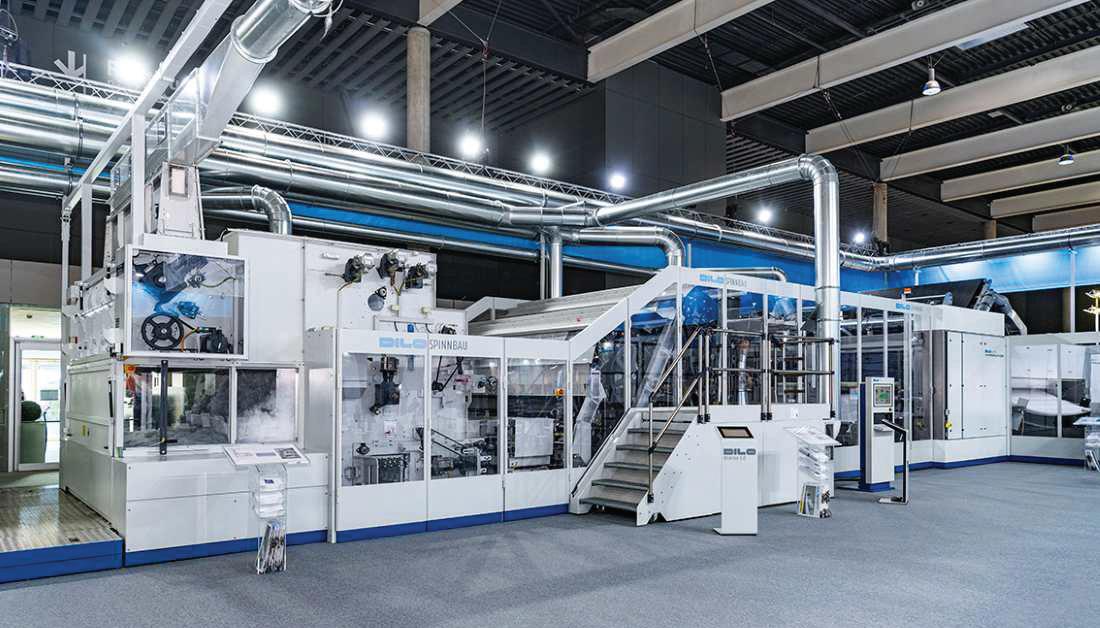
DiloGroup has received an order for a complete needling line designed for the production of hygiene materials in the United States. This project further strengthens the company’s position in the American hygiene sector and reflects the continued demand for reliable, high-performance nonwoven equipment. The scope of supply includes all process stages, beginning with fiber opening. The line includes the latest TEMAFA fiber-opening and filtration system, ensuring stable operation, precise fiber preparation, and efficient dust and particle management throughout the process.
At the core of the installation are a card feeding and carding system from Dilo Spinnbau, as well as crosslapping and high-performance needlelooms from DiloMachines supported by the CV1 system. This configuration ensures controlled fiber processing, stable web formation, and high throughput.
With this new line, the customer will operate a modern and efficient production setup tailored to the requirements of the U.S. hygiene market. Dilo reports that the order confirms the trust placed in DiloGroup’s complete solutions and long-standing expertise in nonwoven production systems. dilo.de

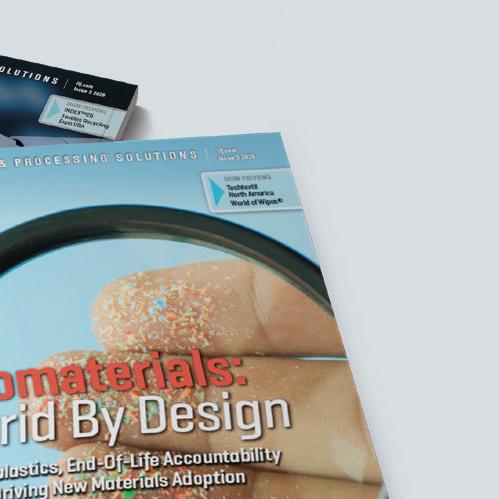

International Fiber Journal serves the global fiber community — including industry leaders, and technical professionals and academics — with coverage of the topics and technologies shaping the fiber industry
Drawing on expertise from across the industry, IFJ provides reporting and analysis on developments and innovations across fiber applications and processes.
IFJ provides thoughtful insights and perspectives to global producers and business leaders who need to know what’s next in materials, fibers, equipment and processing solutions.
Our readers are qualified industry professionals who are engaged in production, research and development, sales, marketing and purchasing across the fiber and broader textile industries. Read

DANA announced five new board members at its 2026 Annual General Meeting (AGM) and Board Meeting. The following people joined the existing Board of Governors for a three-year term that began July 1, 2026.
• Giulia Antonioli will serve as executive officer on the EDANA Board. With more than 20 years of experience shaping brand communication, reputation, and advocacy at Procter & Gamble (P&G), Antonioli brings a blend of EU institutional insight — with the European Commission and Italian Chamber of Commerce in Belgium — and deep consumer industry experience. Since 2019, she has led Europe’s Brand Communications, Reputation, and Advocacy for Baby Care at P&G.
• Carles Moix leads Finance for Europe, the Middle East and Africa (EMEA) and Asia at Magnera. Moix is an international executive with a strong track record in manufacturing, packaging, and industrial sectors, and he brings deep expertise in profit and loss leadership, global operations, financial transformation, large-scale restructuring and cross-border mergers and acquisitions.
• Dr. Robert A. Friedline leads EMEA Product Development at Kenvue across women’s health, skin health, oral care and more. He joined Kenvue in February 2022 and has led research and development (R&D) organizations across the full innovation lifecycle, stewarding brands including o.b.®, Carefree®,
ADVERTISING | SALES
General Inquiries: advertising@inda.media
Rachael Davis PUBLISHER rdavis@inda.org | +1 404.518.9599
Vickie Smead BUSINESS DEVELOPMENT SALES ASSOCIATE vsmead@inda.org | +1 919.459.3715
Angelica Gonzalez IFJ BUYER’S GUIDE agonzalez@inda.org | +1 919.459.3718
Sabine Dussey GERMANY, FRANCE, AUSTRIA, SWITZERLAND, SCANDINAVIA, BENELUX sabine.dussey@dussey.de | +49 2129.348390
Filippo Silvera ITALY & SPAIN info@silvera.it | +39 02.284.6716
Zhang Xiaohua CHINA ifj_china@126.com | +86 13522898423
Ask for the 2026 Media Kit!

Neutrogena® and Listerine®.
• Brian Udengaard brings more than 20 years of nonwovens industry experience, primarily in the hygiene field. He recently joined Nitto Advanced Film Solutions to lead strategic R&D initiatives, where the company combines in-house nonwoven production with external technology partnerships.
• Thomas Peter Schiele is a senior executive and economist at the University of Mannheim. He has extensive international leadership across the chemical and materials industry. His career at BASF SE spans vice presidential roles in polymers, energy procurement, paper coating chemicals and adhesives across Europe, South America and Asia.
edana.org
Cary, N.C.-based Cotton Incorporated has released “Cotton in the Nonwoven Tissue & Hygiene Market,” a report examining opportunities for cotton in tissue and hygiene applications.
Drawing on global consumer survey findings, the report links cotton with comfort, softness and quality. It examines market conditions, consumer expectations and product attributes relevant to items that contact the skin.
The report also addresses material sourcing and opportunities for cotton in engineered nonwoven substrates and emerging product formats.
“The nonwoven tissue and hygiene category continues to evolve, and this report helps companies evaluate where cotton can fit in future product development,” said Neil Demarse, director of new market development at Cotton Incorporated. cottonworks.com
Kansas City Convention Center Kansas City, Missouri
At IDEA®27, your booth is more than just space—it’s your launchpad for new business. Over three powerful days, you’ll engage directly with decision makers from major nonwoven manufacturers, showcase your latest products and technologies, and build partnerships that drive results.






Join thousands of professionals from over 60 countries who come to IDEA® to source solutions, form collaborations, and shape the future of nonwovens. Exhibiting at IDEA®27 positions your company at the center of it all.
• Connect with brand owners, converters, roll goods producers, material and equipment suppliers, and service providers.


IDEA®27 is the world’s preeminent event for nonwovens and engineered fabrics— where innovation meets opportunity.


• Achieve in three days what would take months of calls, emails, and travel.
• Meet current customers and new prospects ready to do business.
• Collaborate on solutions that improve product performance and sustainability.

• Expand into new markets and grow your business globally.






Reserve your exhibit space today and position your company at the center of the nonwovens world. ideashow.org