PROJECT BRIEF
The scientific fundamental of quantum physics was built in the early 20th century. The theory explains how light and matter behave at very small, sub-atomic scale, beyond atoms and electrons). Objects can be in different states at the same time (superposition) and can be connected without physical interaction (entanglement). This resulted already in transistor and laser technologies, which impacted our daily life with computers, mobile phones and the internet. QT will be applied in healthcare, aerospace, banking, self-driving cars.
Mathematics is the language to perfectly express the “quantum reality” and to guide the science discourse. But, how can we visually represent and communicate fragile, unexplainable non - logical counter-intuitive of quantum universe to everyone? Art has alternative visual language, and ways to visually represent, and approximate complex ideas. Only artists could develop alternative styles: for example, metaphors, innovative interactions, signs, icons, and stories to visually communicate and make the complex science of invisible easier to understand.
DURATION
Suggested duration 4 -5 weeks
ASSESSMENT
Weekly Progress: 45%
• Ability to formulate idea
• Ability to research
• Ability to explore
• Participate actively in class discussion and critiques.
Final Outcome: 45%
• Ability to apply the principles of design
• Ability to apply research
• Evidence of process
• Craftsmanship and technical proficiency
AIM
Identify one concept from Quantum Vocabulary that you want to translate into Graphic Form (Superposition, Entanglement, to Be or Not to Be, Particle, Cause and Effect, Double-slit experiment, Wave and Particle duality, QT paradox, Teleportation, Quantum Consciousness, and many more). What is the artist’s approach?
Come up with keywords (Order/Chaos, Time/Eternity, Light/Darkness). Develop a visual graphic form that would approximate the concept you have chosen. Consider these references:
• Cultural archetypes*, primordial images, symbols, collective unconsciousness, myths, stories, nature (tree, seawater, waves) folk - art allegories.
• Semiotics : combine metaphors, simile, allegory, paradox, contrast, juxtaposition do not represent total reality but are bringing the notions closer to us, transposing, and transforming reality.
• Graphic marks, motifs, symbols, signs and icons. Using gestalt
SUGGESTIONS
Material as Form: Consider various techniques: drawing or mark-making using unconventional tools such as collage, scanning: from 2d to 3d, regurgitation, deconstruction, reconstruction to create form that will resonate with your concept.
Homage: Research art movements and artists resources**. For example, Picasso and cubism. He worked a lot with probabilities/uncertainties. He worked as a scientist with cubistic work as he realized he could develop a language that offers possibilities to express reality. A new visual language which shows in simultaneous perspective profiles.
Refinement: Appropriation, Personification, Modification. Shape Abstraction, Humor Memes
PLAN OF ACTION
Week 1 and 2: Research + Ideation ( Mood/Idea Board and Sketching) Week 3: Building Assets + Refining + Digitizing Week 4/5: Final Submission
DELIVERABLES
Final output dimensions: A4 format (210 by 297 millimeters)
Include evidence of progress from original to stylized to final graphic.
REFERENCE
* Cultural Archetypes: https://en.m.wikipedia.org/wiki/Jungian_archetypes
**Some artists reference: Reference artists and art movements that would fit your theme. Bruno Murani: Design as Art, Bizarre object, OpArt (Impossible objects, M.C.Escher) Illusions, Neo-Fauvism Outsider art, Psychedelic art, Futurism, Suprematism (Vladimir Tatlin, El Lissitzky), Abstract art (Pollock, Ed Moses, Sol LeWitt, Cai Guo-Qiang, Hilma af Klint, Emma Kunz, Agnes Martin, Andy Warhol’s Shadows, Oxidations ) Cubism (Pablo Picasso, Georges Braque, Paul Klee, Kazimir Malevich, Marcel Duchamp), Surrealism, Minimalism, Yayoi Kusama and many others.
*** Pinterest for reference: QT concepts for stylization, figures of speech, graphic form and logo: https://www.pinterest.com/inaconradi/graphicform-vc-1/
,. PROJECT DV 2001 VISUAL COMMUNICATION I 2019-202012 AUGUST / LESSON 1 1 DV 2001 VISUAL COMMUNICATION I 2019-20
“QUANTUM VOCABULARY PART I GRAPHIC FORM OF SUB-ATOMIC”
Presentation: 10% • Level of readiness • Organization of presentation • Ability to present, discuss, and evaluate
QUANTUM VOCABULARY SUGGESTIONS
List of Quantum Concepts
The following are just some suggestions for key concepts. But you can choose any other concept from Qunatum Physics. Youtube and NOVA: Brian Green videos recommended as a resources
Concept Brief Explanation
QUANTUM COGNITION
ANTIMATTER
(QUANTUM) COSMOLOGY
DARK MATTER
DOUBLE SLIT EXPERIMENT
EINSTEIN’S THEORY OF RELATIVITY
ENTANGLEMENT Spooky Action at The distance
EXPANDING UNIVERSE GENERAL RELATIVITY
Is an emerging field which applies the mathematical formalism of quantum theory to model cognitive phenomena such as information processing by the human brain.
The observed imbalance between matter and antimatter is a puzzle yet to be explained and the key property of the world we know. Without it, the universe today would certainly be a much less interesting place. https://www. scientificamerican.com/article/what-is-antimatter-2002-01-24/
Quantum cosmology is the attempt in theoretical physics to develop a quantum theory of the Universe. This approach attempts to answer open questions of classical physical cosmology, particularly those related to the first phases of the universe. It also links to the roots of mythological beliefs from many cultures.
One explanation for dark energy is that it is a property of space. Albert Einstein was the first person to realize that empty space is not nothing. Space has amazing properties, many of which are just beginning to be understood. https://science.nasa.gov/astrophysics/focus-areas/what-is-dark-energy
An example of a physically observable manifestation of the wave nature of quantum systems is the interference peaks from an electron beam in a double-slit experiment. The pattern is very similar to the one obtained by diffraction of classical waves.
It introduced a new framework for all of physics and proposed new concepts of space and time. This is a large concept and could be divided.
The ability of separated objects to share a condition or state—as “spooky action at a distance.” Particles become inseparably entwined, sharing a single physical description that specifies their possible combined states. Both entities maintain the same intertwined state regardless of distance / time. https://youtu.be/ZuvK-od647c
Hubble’s observations showed that the universe was indeed expanding. This model of cosmos later become known as big bang.One implication of general relativity is the expanding universe. https://www.newscientist.com/article/mg20727672-200-general-relativity-the-expanding-universe/
GRAVITATIONAL WAVES
Gravitational waves are ‘ripples’ in space-time caused by some of the most violent and energetic processes in the Universe. Albert Einstein predicted the existence of gravitational waves in 1916 in his general theory of relativity. https://www.ligo.caltech.edu/page/what-are-gw
GRAVITY EFFECTS TIME Caused by massive objects that warp the fabric of space & time.
HIGGS BOSON
The Higgs Boson? Why Is It Called The ‘God Particle’? https://www.scienceabc.com/nature/universe/why-is-higgs-boson-called-the-god-particle.html “SPOOKY ACTION AT A DISTANCE” OR “VERSCHRÄNKUNG”
SINGULARITY
SCHRÖDINGER’S CAT THEORY (PARADOX)
A point at which a function takes an infinite value, especially in space–time when matter is infinitely dense, such as at the centre of a black hole.
Schrödinger’s Cat paradox (1935). A cat is placed in a box with a vial of poison, an apparatus which can be triggered to smash the vial, and a random timer based on observing radioactive decay. After a period of time t, QM says there are equal chances to observe a live cat or a dead cat.....
STRING THEORY String theory is sometimes described as possibly being the “theory of everything.
SUPERPOSITION
TELEPORTATION
TO BE OR NOT TO BE
UNCERTAINTY
WAVE – PARTICLE DUALITY
WORMHOLE THEORY
Quantum superposition is a fundamental principle of quantum mechanics. It states that much like waves in classical physics, any two (or more) quantum states can be added together (“superposed”) and the result will be another valid quantum state; and conversely, that every quantum state can be represented as a sum of two or more other distinct states
Quantum teleportation provides a mechanism of moving a qubit from one location to another, without having to physically transport the underlying particle to which that qubit is normally attached.
To be, or not to be? What is a quantum state? How would you unscramble what you see through a kaleidoscope? What is a reality? https://www.aaas.org/be-or-not-be-what-quantum-state
It is impossible to determine accurately both the position and the direction and speed of a particle at the same instant.
There are no particles and no waves; just fields. Both “particles” and “waves” are merely two ways in which we naively interpret quantum fields. When i can’t see you, you are a wave.
The wormhole theory postulates that a theoretical passage through space-time could create shortcuts for long journeys across the universe.
PROJECT 2019-202012 AUGUST / LESSON 1 1 DV 2001 VISUAL COMMUNICATION I 2019-20 2
DV 2001 VISUAL COMMUNICATION I
PROCESS: MIND MAP AND SKETCHING
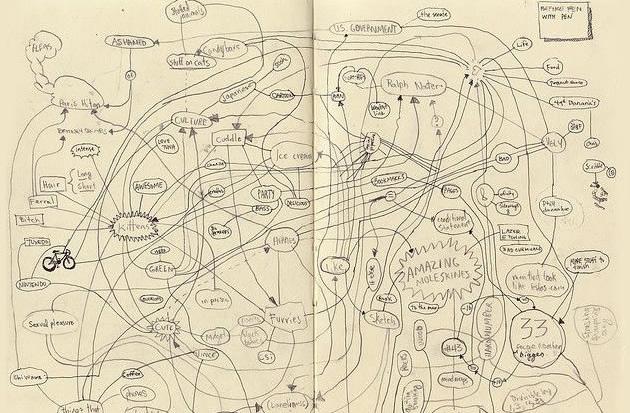
The images and texts are taken from Airey, David. Logo Design Love (Voices That Matter) (pp. 86-87). Pearson Education. Kindle Edition. How to Make A Mind Map: https://www.studentartguide.com/articles/how-to-make-a-mindmap-creative-ideas
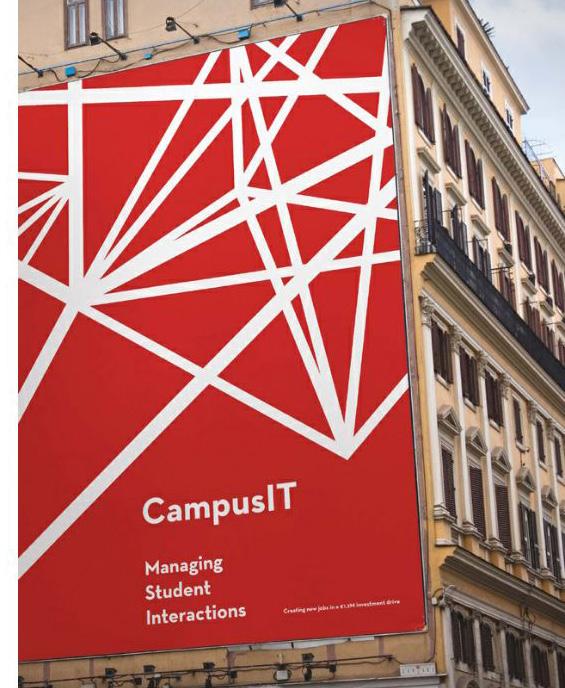
....by removing the computer from how you create, you gain much more freedom when translating your thoughts.......
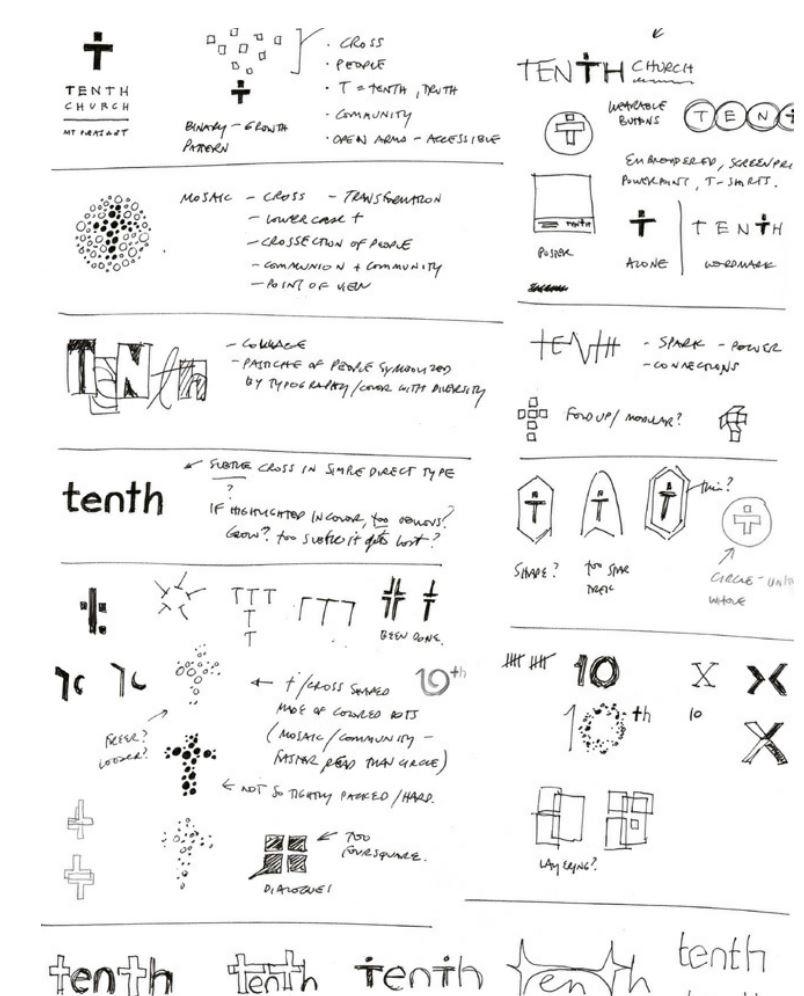
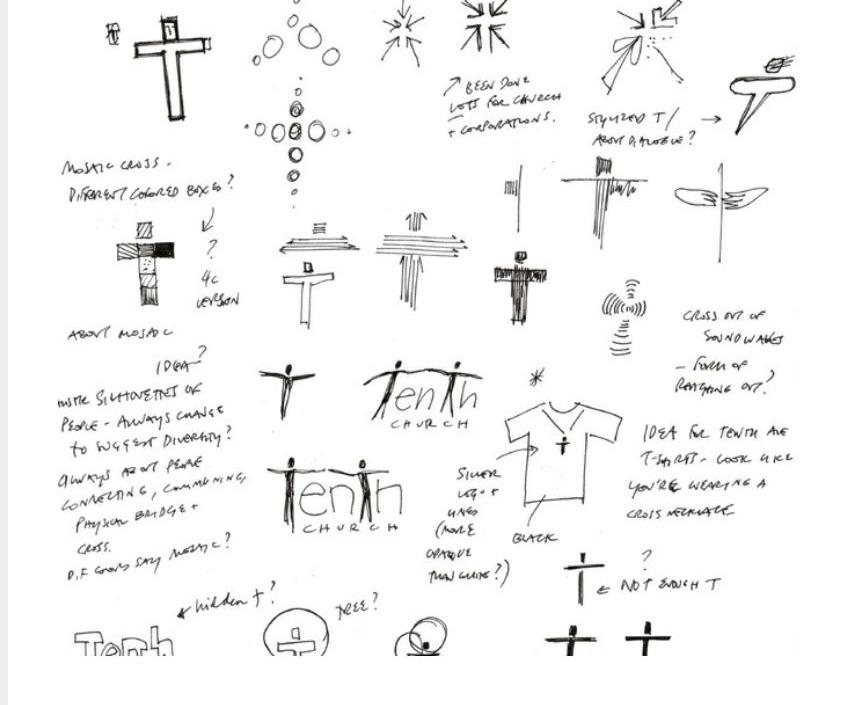
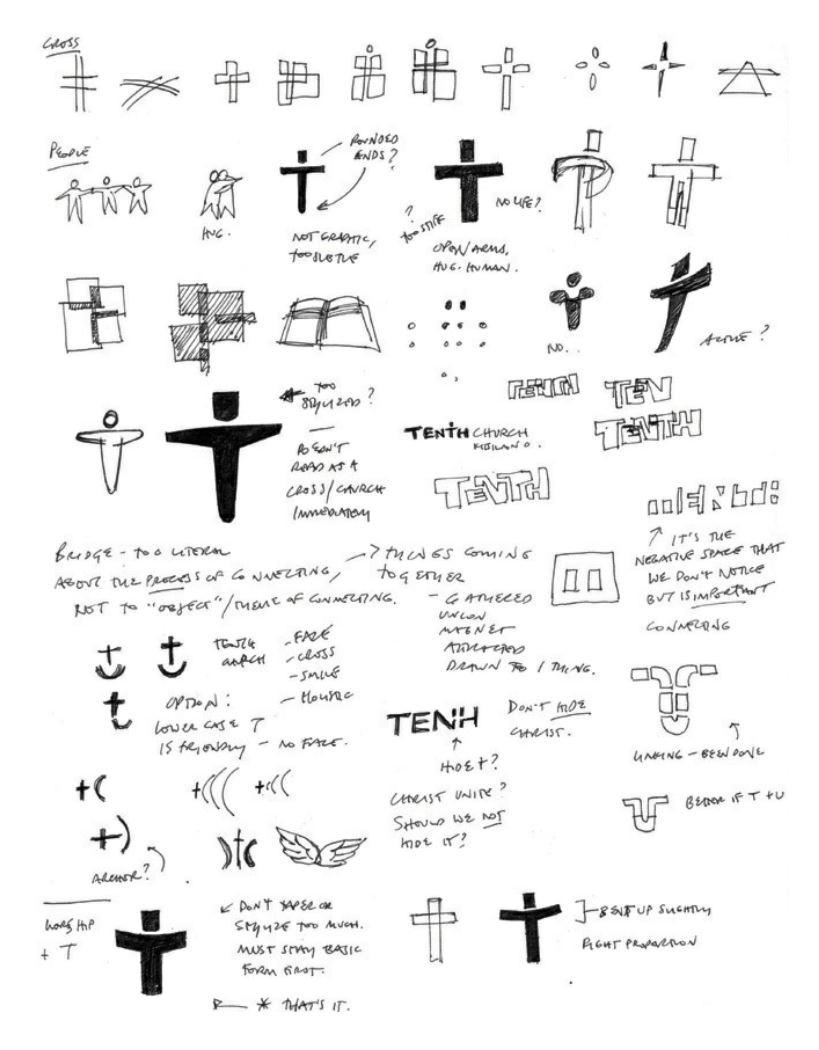
The Tenth Commandment Designer Nancy Wu was hired to cre ate a logo and collateral for Tenth Avenue Alliance Church in Van couver, British Columbia (popularly known as just “Tenth Church”). Nancy’s clever result was born from these sketches. Preliminary sketches for Tenth Church “I average 4 to 18 pages of sketches de pending on time and budget allowances. “We took our time to get it right and spread the project work out over seven and a half months. The actual amount of time taken was likely half of that.” (Nancy Wu)
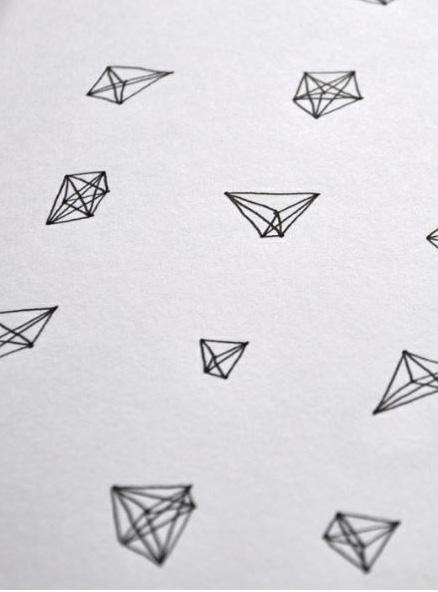
Turning the map into actual shapes and symbols and patterns is fairly straightforward. For instance, some of the words in this one include thread, laces, line, and circle.
Remember, too, that your drawing skills aren’t important. What is im portant is that you produce as many ideas as possible before turning to your computer. Your mind map gives you access to the most important thoughts you can associate with the company you’ve been hired to identi fy. Sketch based on a single thought. Merge two together. Combine a group. There should be a huge array of possibilities.
PROJECT DV 2001 VISUAL COMMUNICATION I 2019-202012 AUGUST / LESSON 1 1 DV 2001 VISUAL COMMUNICATION I 2019-2020` 3
VISUAL REFERENCES
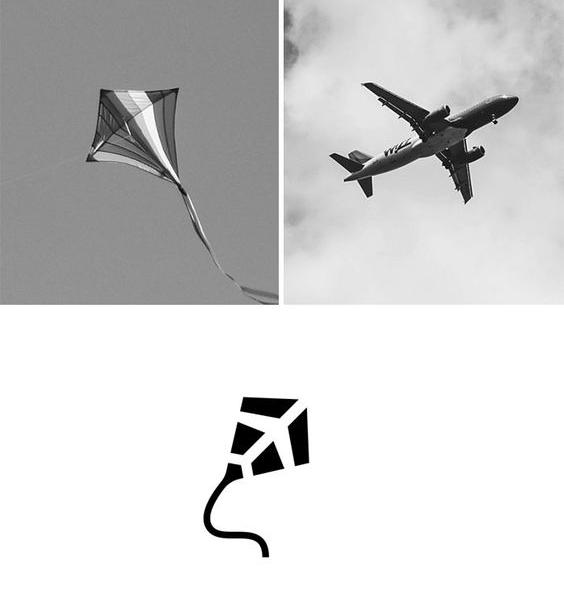
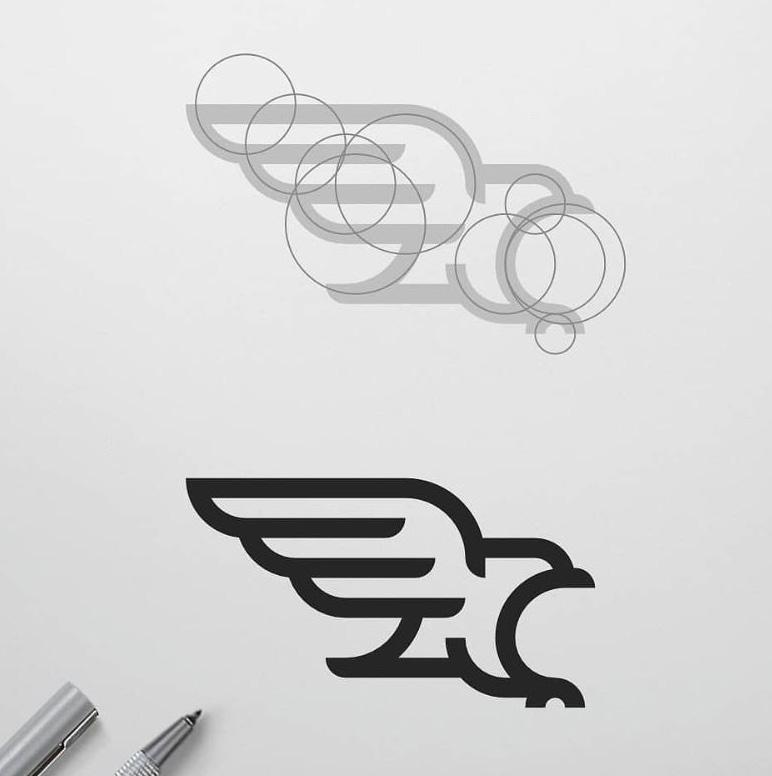
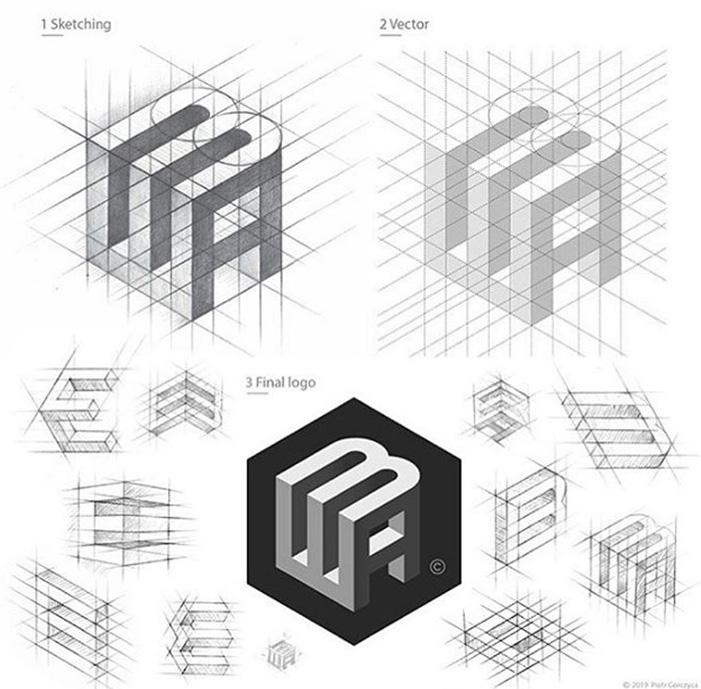
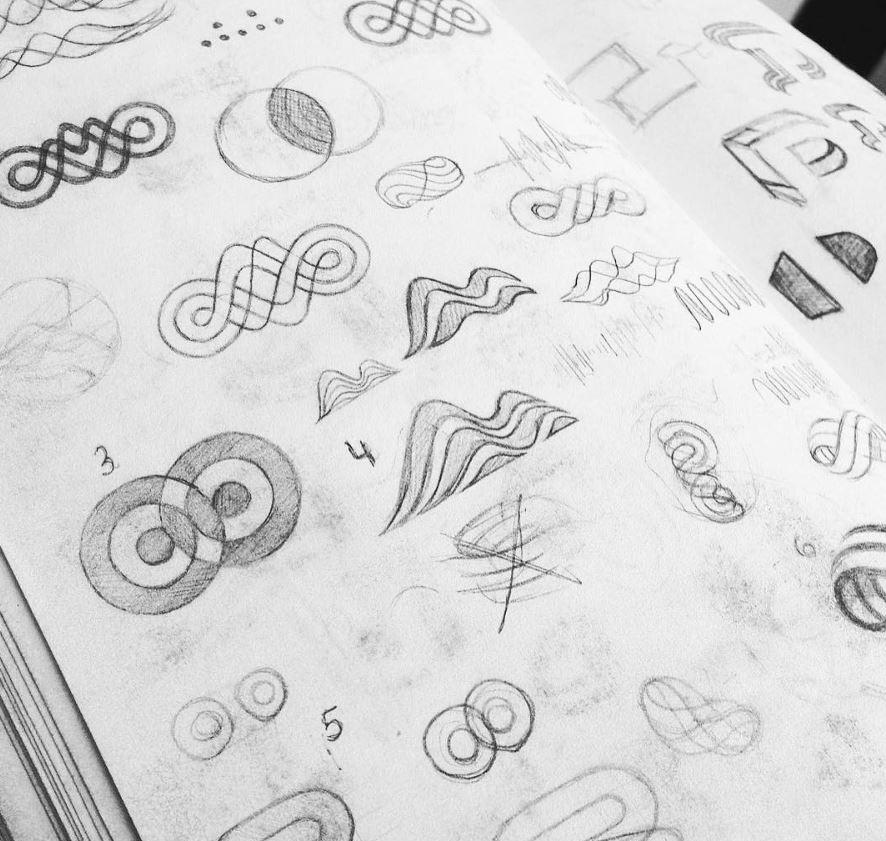
DV 2011 VISUAL COMMUNICATION 1 2019-2020 4 DV 2001 VISUAL COMMUNICATION I 2019-202012 AUGUST / LESSON 1PROJECT 1
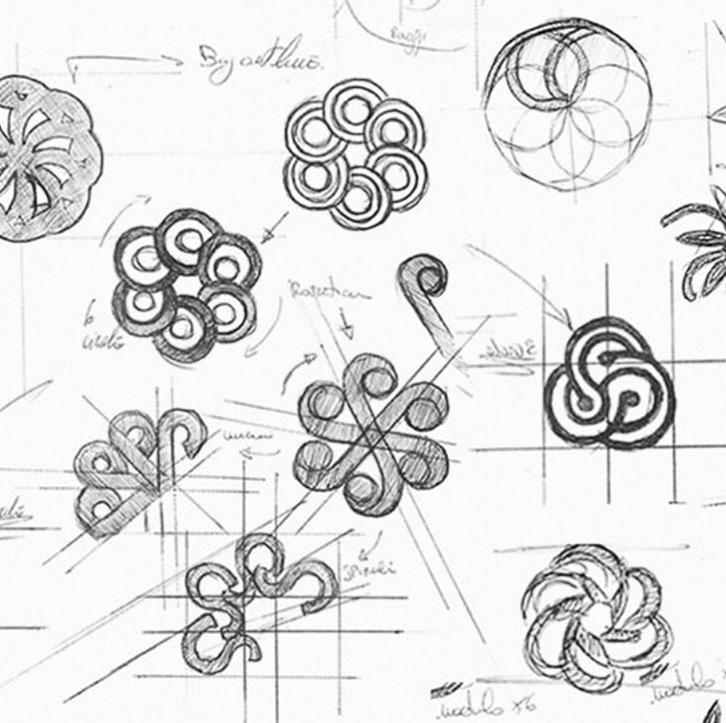
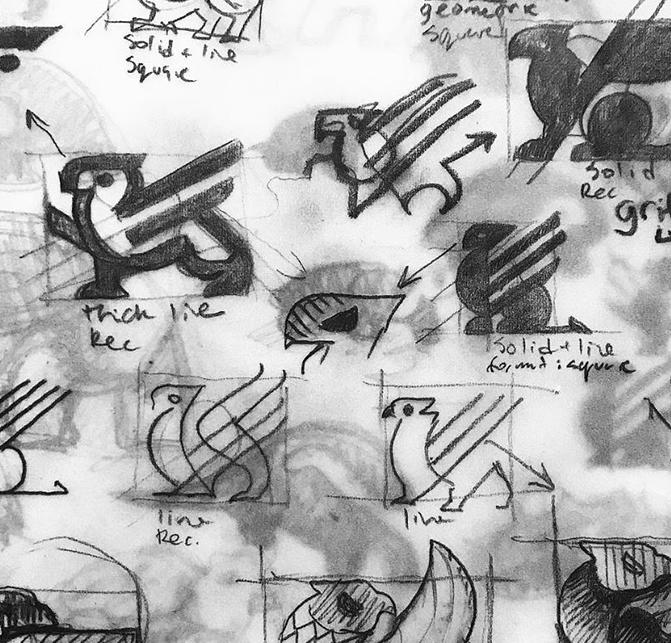
The images are referenced from “Instagram Logo Learn; https://www.instagram.com/p/Bauh2GAFhnr/ Shibu PG Logos With Grid, Behance https://www.behance.net/gallery/50676119/Logos-with-Grid Building Assets: Combining
reference images
Building Assets: Sketching after reference
Building Assets: Drawing, Tracing, Using Grids
Building
Assets: Drawing, Tracing, Using Grids
Digitizing, Stylizing, Using Grids, Refining
Digitizing, Stylizing, Using Grids, Refining
VISUAL REFERENCES
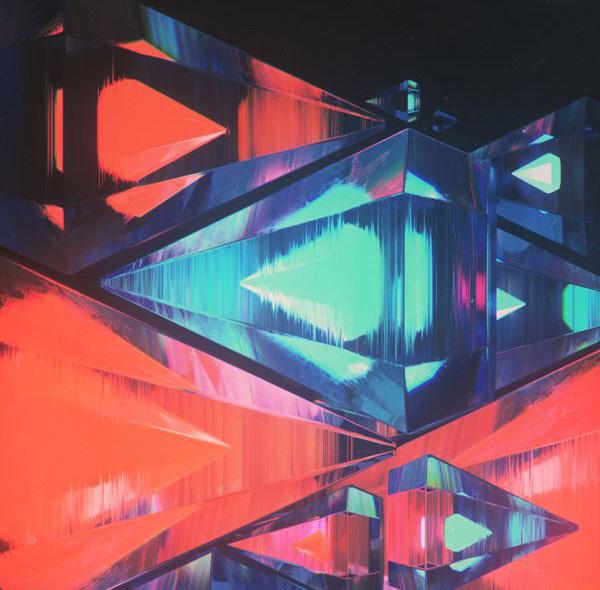
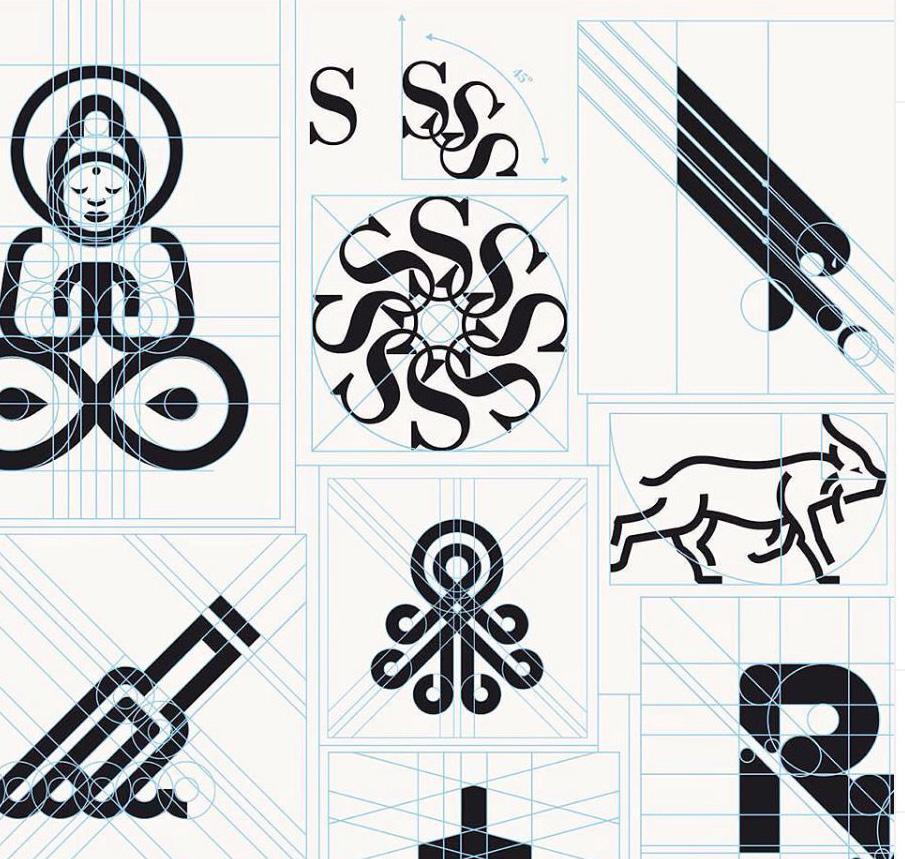
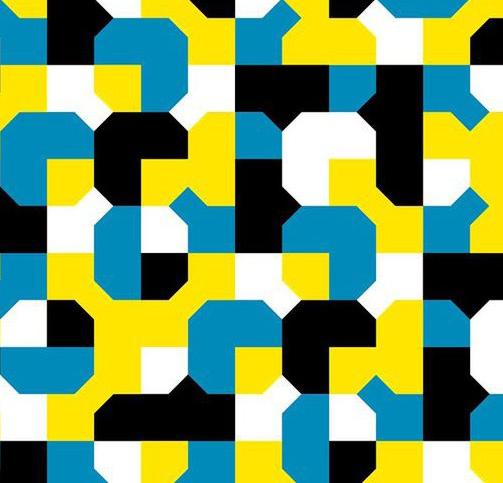
DV 2011 VISUAL COMMUNICATION 1 2019-2020 5
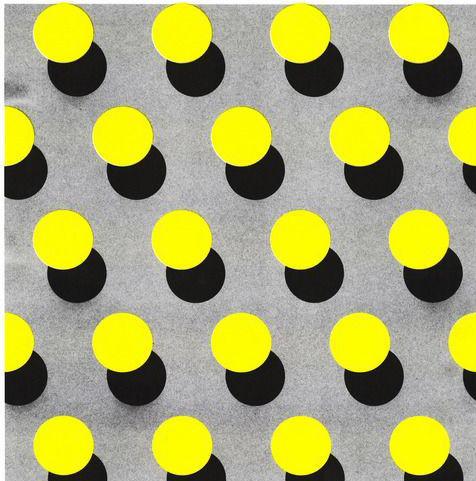
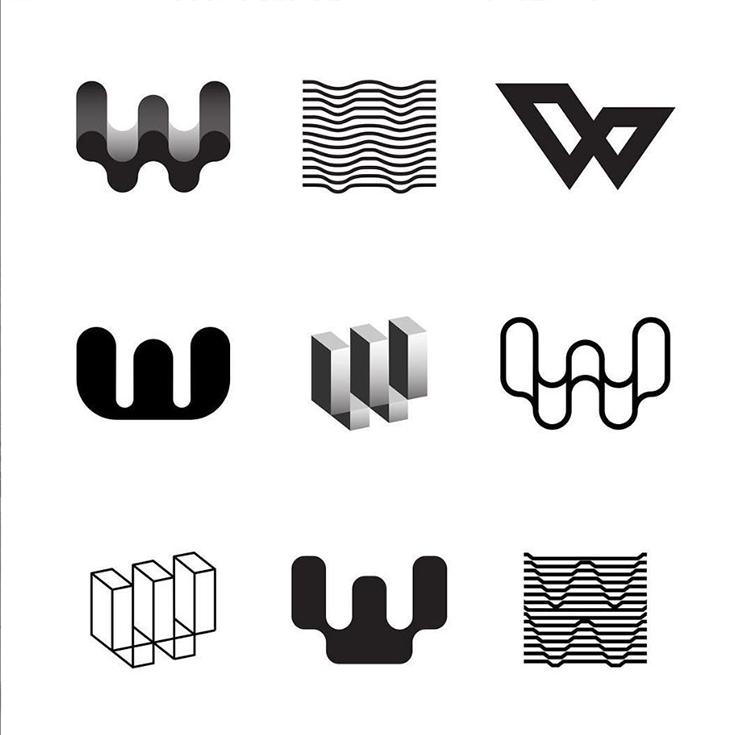
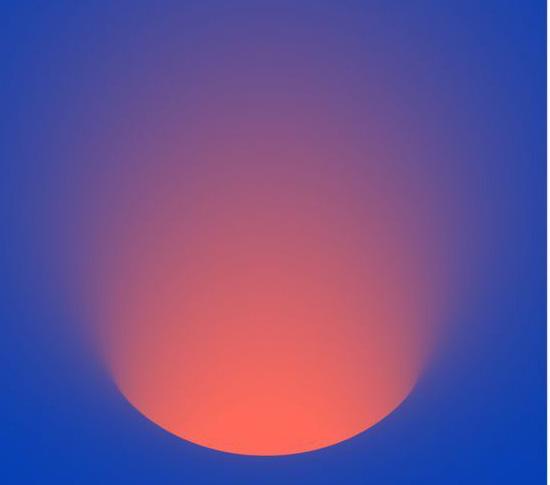
DV 2001 VISUAL COMMUNICATION I 2019-2020 12 AUGUST / LESSON 1PROJECT 1 The images are referenced from “Instagram Logo Learn; https://www.instagram.com/p/Bauh2GAFhnr/ Shibu_PG - “Designer Creates Clever Brand Logos by Combining Two Different Objects into One” https://digitalsynopsis.com/ design/brand-logos-made-by-combining-two-objects/ Stunning Illustration https://fromupnorth.com/43-stunning-illustrations-drawings-a157b858e19f Digitizing, Stylizing, Using Grids, Refining Digitizing, Stylizing, Using Grids, Refining Colour
Refining
Colour Refining
DV 2011 VISUAL COMMUNICATION 1 2019-2020 5
SUBMISSION 1x A4 Format
FINAL GRAPHIC FORM
EVIDENCE OF PROCESS
From sketch to refined and stylized final form (210 mm by 297 mm)
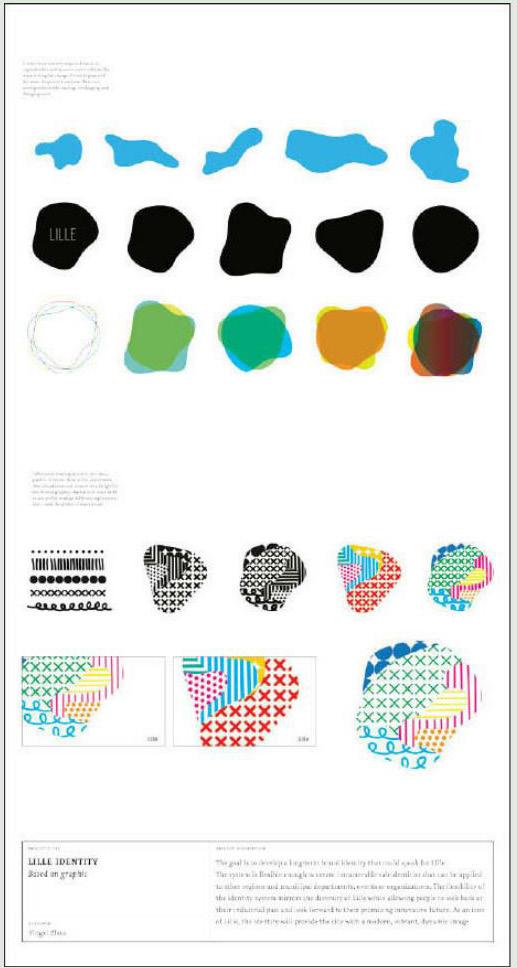
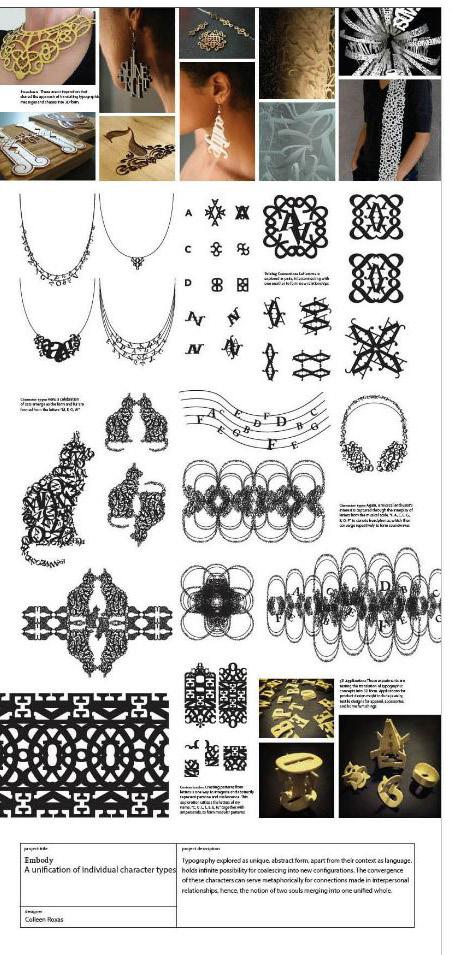
Design Investigation Undergraduate seniors at MICA are required to frame and solve a semester-long design investigation of their choosing. Often daunted by the open-ended nature of this chal lenge, they turn to formstorming templates, which help them organize and deepen their work.
Reference: Lupton, Ellen. Graphic Design: The New Basics . Princeton Architectural Press. Kindle Edition.
PROJECT DV 2001 VISUAL COMMUNICATION I 2019-202012 AUGUST / LESSON 1 1 DV 2001 VISUAL COMMUNICATION I 2019-2020` 6
