Top Home Design Trends Defining the Best House Architecture in India
Top Home Design Trends Defining the
House Architecture in India
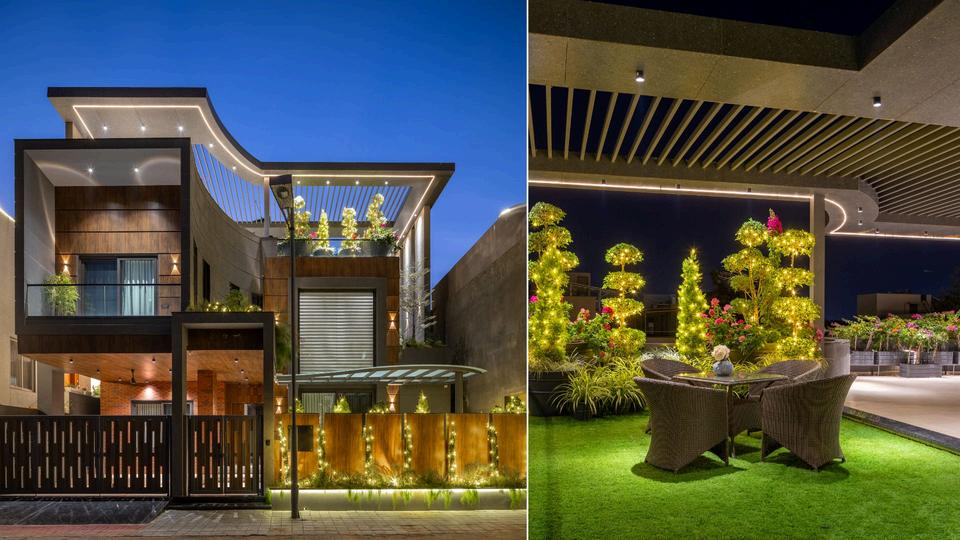
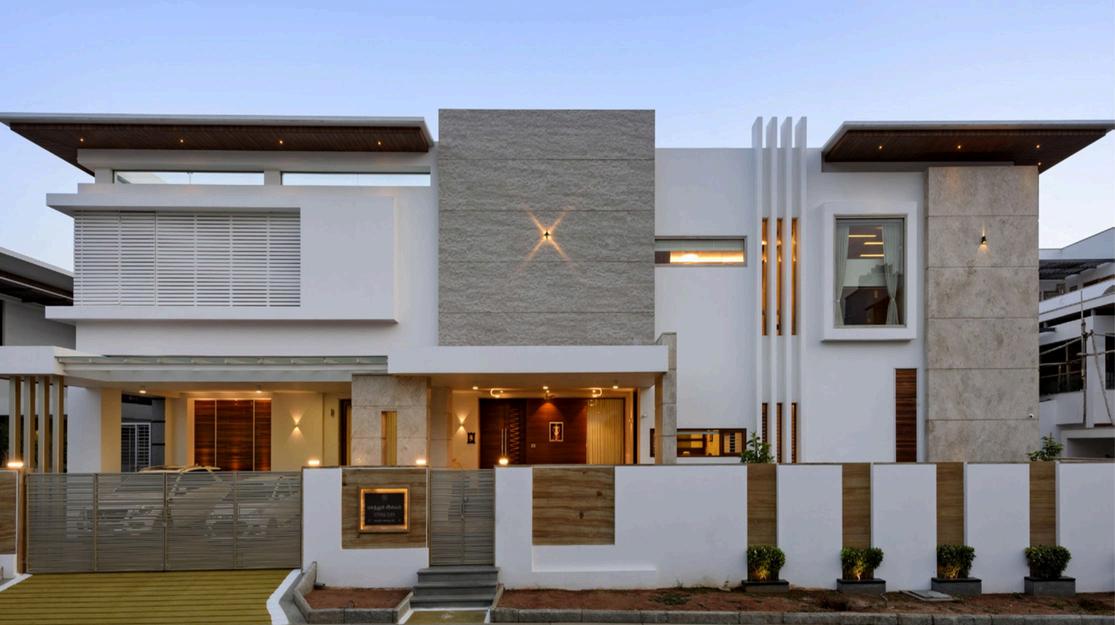
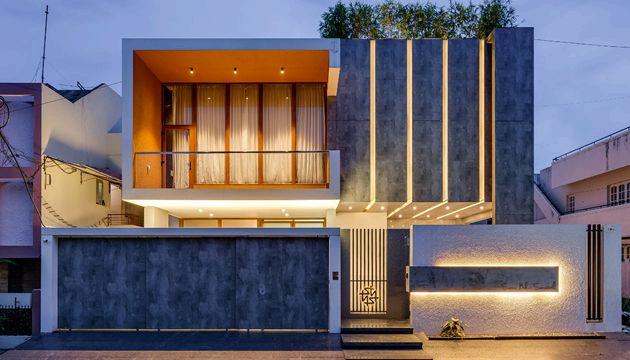
The evolution of residential design in India has led to a striking mix of styles, innovations, and philosophies that redefine how we perceive home architecture. Today’s homeowners are looking beyond aesthetics; they want homes that are energy-efficient, culturally rooted, tech-friendly, and adaptable to modern lifestyles. This growing demand has resulted in the emergence of several new design trends that represent the best house architecture in India.
In this PDF, we’ll explore these trends in detail, drawing insights from the design practices followed by Impressive Architecture, a leading name in India’s architectural landscape.
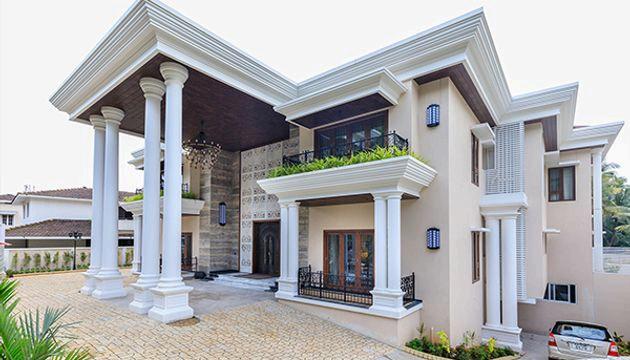
Fusion of Traditional and Modern Design Principles
One of the most unique features of the best house architecture in India is the harmonious blending of traditional Indian styles with contemporary designs. Rather than discarding heritage elements, architects are preserving them through creative integration.
Key architectural elements include:
Central courtyards (aangan) for ventilation and light
Jaalis (latticed screens) for natural cooling and privacy
Sloped or tiled roofs in monsoon-prone areas
Ornamental wooden doors and hand-carved pillars
Impressive Architecture has successfully fused these traditional design elements with modern materials like glass, steel, and concrete. The outcome is homes that look rooted yet modern a blend that resonates with India’s cultural diversity.
Spatial Planning with Open Floor Concepts
Modern Indian families want homes that feel spacious, interconnected, and open. That’s why the best house architecture in India often includes open floor plans that minimize barriers between rooms.
Features of open layouts include:
Seamless integration of living, dining, and kitchen areas
Elimination of non-structural walls to increase natural light
Flexible use of large rooms based on changing needs
Impressive Architecture often designs homes with expansive glass doors, double-height ceilings, and open kitchens to encourage more interaction among family members. These designs also offer better ventilation and make smaller homes feel larger.
Emphasis on Sustainable and Eco-Friendly Building Solutions
Environmental consciousness is becoming a central part of Indian home design. The best house architecture in India places a strong focus on sustainability without compromising on aesthetics.
Sustainable features include:
Rainwater harvesting systems
Solar panels for electricity and water heating
Passive cooling techniques like cross-ventilation
Locally sourced building materials (e.g., laterite stone, terracotta)
Impressive Architecture takes a holistic approach by aligning with eco-friendly certifications and implementing climate-responsive architecture suited for different Indian regions — whether humid, dry, or tropical.
Use of Local Materials and Craftsmanship
Regional identity plays a vital role in shaping Indian home design. The use of native building materials not only supports the local economy but also ensures that homes are more durable and suitable for regional climates.
Common locally used materials:
Red bricks and lime plaster in North India
Cuddapah stone and granite in South India
Bamboo, mud blocks, and clay tiles in the Northeast
Besides raw materials, the best house architecture in India incorporates local artisanship. Impressive Architecture integrates custom stonework, wood carving, and indigenous art forms to give homes a timeless charm.
Use of Local Materials and Craftsmanship
Regional identity plays a vital role in shaping Indian home design. The use of native building materials not only supports the local economy but also ensures that homes are more durable and suitable for regional climates.
Common locally used materials:
Red bricks and lime plaster in North India
Cuddapah stone and granite in South India
Bamboo, mud blocks, and clay tiles in the Northeast
Besides raw materials, the best house architecture in India incorporates local artisanship. Impressive Architecture integrates custom stonework, wood carving, and indigenous art forms to give homes a timeless charm.
Integration of Smart Home Technologies
As cities become more tech-centric, homeowners are opting for smart home systems to enhance convenience and safety. The best house architecture in India now includes seamless technological integration.
Smart home features include:
Lighting and HVAC automation
Motion sensor-based security systems
App-controlled door locks and surveillance cameras
Energy monitoring and smart switches
Impressive Architecture collaborates with technology experts to embed these features discreetly within the design, ensuring functionality doesn’t interfere with beauty.
Minimalist Design for Urban Efficiency
With rising property prices and compact urban spaces, the concept of “less is more” is gaining ground. The best house architecture in India is moving towards minimalism — but with warmth and functionality.
Minimalist elements include:
Clean lines and geometric layouts
Monochromatic or neutral color palettes
Built-in storage and concealed cabinetry
Multifunctional furniture and flexible room uses
Impressive Architecture champions minimalist design with maximum efficiency. Their spaces avoid unnecessary ornamentation, promoting mental clarity and easy maintenance.
Adaptability to Urban Lifestyles
Today’s homes need to adapt to multiple roles — work, relaxation, family interaction, and more. The best house architecture in India prioritizes functionality through smart design solutions.
Features enhancing adaptability:
Convertible furniture and modular kitchens
Home offices or study corners with sound insulation
Utility areas with dual purposes
Vertical expansions in limited plot sizes
Impressive Architecture approaches each design with flexibility, ensuring homes can evolve with the homeowner’s changing needs — whether it’s the birth of a child or shifting to work-from-home.
Regional Design Identity and Climate-
Sensitive Architecture
India's diverse climatic zones significantly influence home architecture. The best house architecture in India considers local weather patterns, cultural preferences, and topography.
Examples of regional design adaptation:
Courtyards and deep verandahs in Rajasthan for desert cooling
Sloped roofs and cross-ventilation in Kerala for monsoon management
Raised plinths and stilt houses in flood-prone regions like Assam
Impressive Architecture does not follow a one-size-fits-all model. They tailor each design to regional requirements, ensuring thermal comfort, reduced energy use, and architectural relevance.
Connection Between Indoor and Outdoor Spaces
Modern Indian homeowners appreciate the value of outdoor living.
Courtyards, balconies, rooftop gardens, and landscaped patios are increasingly integrated with interiors.
Outdoor design elements include:
Pocket gardens within living areas
Water features for cooling and ambience
Shaded verandahs and pergolas for family time
Kitchen gardens for sustainability
The best house architecture in India uses biophilic design to connect nature with living spaces. Impressive Architecture often blurs boundaries between indoors and outdoors, allowing natural views and light to flow seamlessly throughout the house.
Conclusion: Reimagining Indian Living with Design Excellence
What defines the best house architecture in India is not just beauty — it’s relevance. It’s about creating homes that are culturally meaningful, environmentally responsible, technologically advanced, and emotionally comforting.
Architectural firms like Impressive Architecture are at the forefront of this change. By fusing traditional knowledge with modern techniques, they are redefining Indian homes to suit the aspirations of new-age homeowners.
Whether you're building from scratch or upgrading your existing house, staying informed about design trends and working with experienced architects can help you achieve a home that is timeless, sustainable, and truly yours.
Let your home reflect who you are — with the best architectural innovations India has to offer.