
Fashion Forward Exploring sustainable trends

Building a Better Fashion Industry
Fashion trends are constantly evolving, with new styles and materials emerging every season. In recent years, a growing awareness and demand for sustainable and ethical fashion practices has been happening, finally.
Despite being the world's fourth largest economic sector, Fashion is the second most polluting. It contributes to greenhouse gas emissions, water and air pollution, and uses toxic chemicals. The fashion industry is also known for social injustices, including underpaid and unsafe working conditions for garment workers in developing countries. Moreover, lack of transparency and accountability seem to be prevalent, with many companies producing disposable garments which are not meant to last.
In the past two years, we at Impact Hub Lisbon have immersed ourselves in the theme of circular and sustainable fashion. Through one of our business support programs, Small But Perfect, we have had the opportunity to explore a whole universe of new practices, resources, and conscious brands that are making fashion more circular.
In the next pages, we share 5 trends that we have observed and which have the potential to shape the fashion industry for years to come.
Small But Perfect is an acceleration program that supports European SMEs in launching new circular solutions for the fashion industry.
Know more at: lisbon.impacthub.net/program/small-but-perfect/

It takes an estimated to produce one kilogram of leather¹: that's the same amount of water that a human being drinks in 25 years.
20.000 liters of water
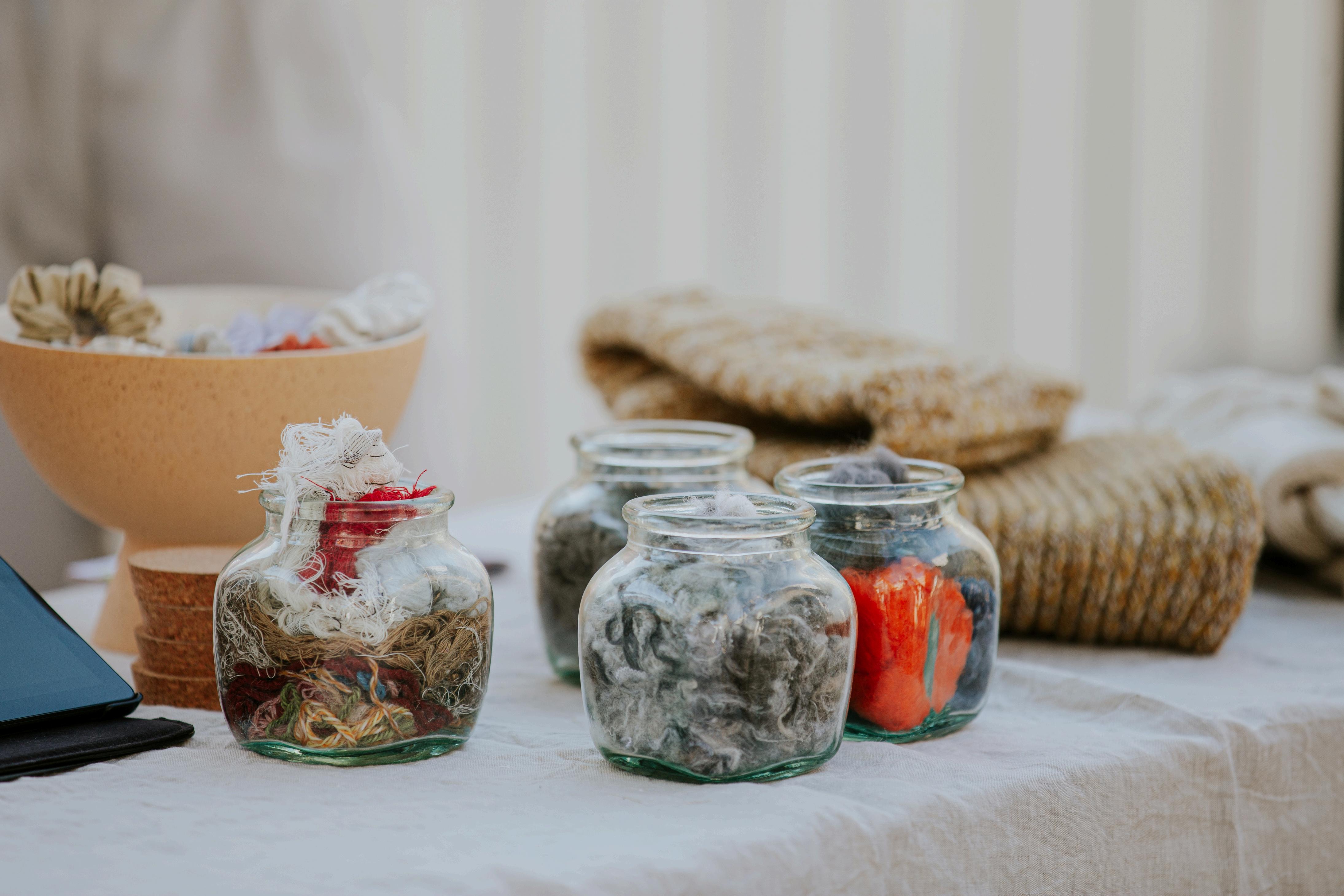
Textile waste is rated between , ending up in landfills.² 30% and 40% each season
Over $500 billion
Less than 1%
of value is lost every year due to underutilized clothing and lack of recycling. ⁴ of material used to produce clothing is recycled into new clothing. ³
The consumption of clothing produces 1.5 tons of CO2 per family per year, which is equivalent to driving .
6.000 cars
Source material:
¹ One 4 Leather article: Water usage in leather tanneries
²³⁴ A New Textiles Economy: Redesigning fashion’s future - Ellen MacArthur Foundation
⁵ Report Fashion Revolution #Hauternative
Product Repair
Why has it become a strong trend?
People are realizing that they cannot go on buying products, using them for short periods, or not using them much, and throwing them away, creating more waste. This growing awareness creates more pressure on brands around the quality of their products and their after-sales services (product care, repair, and recycling). The trade-off between price and quality/durability is becoming more important to the consumer. This trend comes along with thrifting and reselling.
What opportunities or solutions emerged with this trend?
This is a great opportunity for brands to rethink their business models. Focus on better quality and after-sales services will be mandatory. Producing less and repairing more means some revenue streams will have to change. Focusing on product values: fair prices every year, instead of promotions, will be very important to educate consumers and promote better buying habits. Brands should also rethink the way they measure the environmental footprint of their products. Should a product be considered "eco-friendly", because it's made with recycled materials, if it's not durable and has a low life span?

Pedro Maçana Wayz
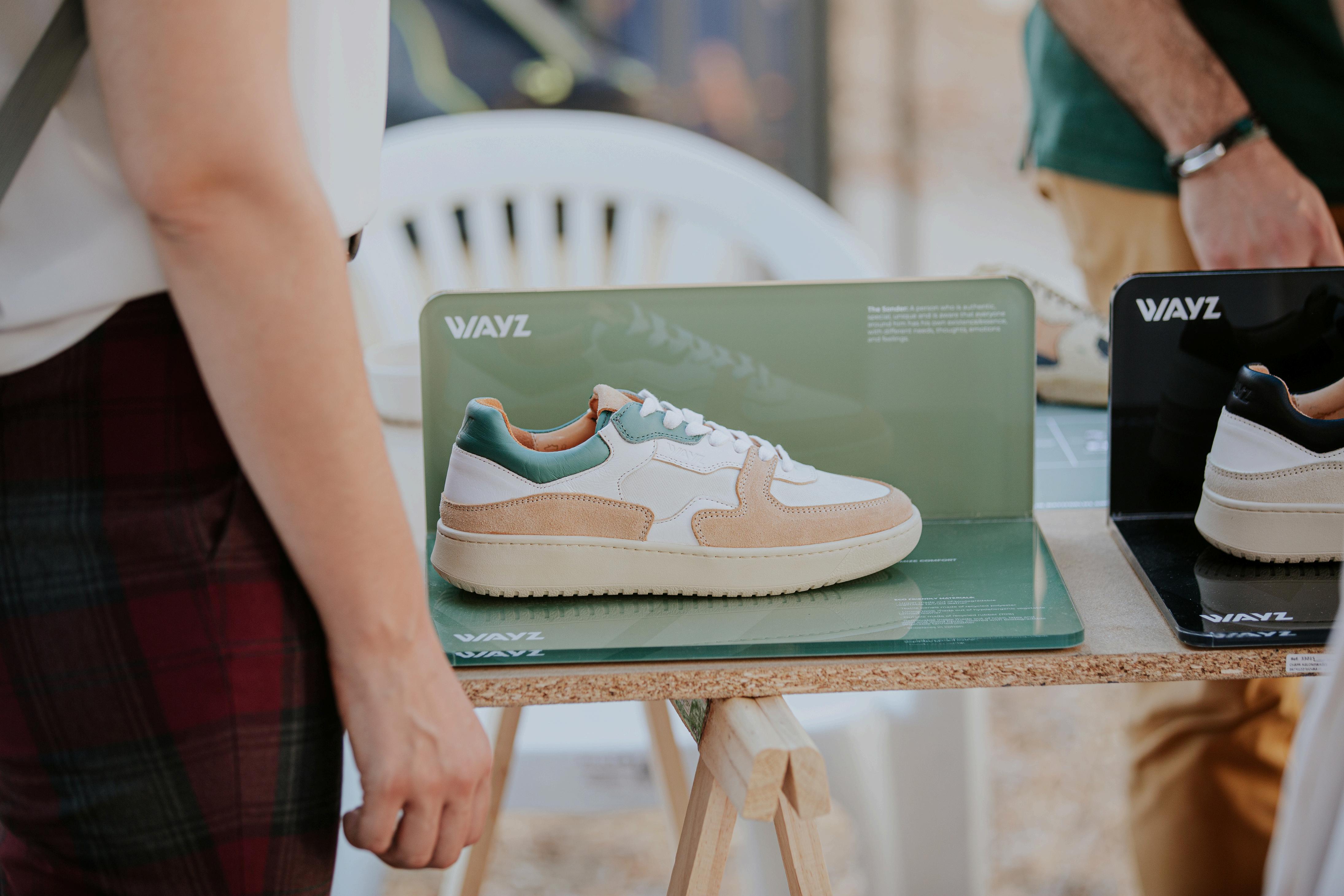
"Brands should make repairable products and facilitate the access to repairability in order to empower users to do it. Repairing is caring!"
Metaverse
Why has it become a strong trend?
Fashion and textile industries leverage the metaverse to reduce the environmental impact and engage consumers, through 3D modeling and virtual try-ons. It is estimated that digital product development tools can reduce sample-making costs by up to 50% and cut lead times by up to 70%, representing a retail market that is projected to reach $1.6 trillion by 2025 (McKinsey).

What opportunities or solutions emerged with this trend?
Virtual try-on and visualizations help customers make informed purchasing decisions, which minimize waste and reduce returns. By adopting these practices, brands can enhance their reputation among sustainability-conscious consumers. Virtual events and activations can also generate social media buzz and drive traffic to online and physical stores by creating immersive and interactive experiences, creating a true omnichannel experience.

Carlos Soares Sustainability Consultant

"By leveraging digital technology and creating immersive experiences, brands can connect with consumers in new and exciting ways, while creating more sustainable business models."
Plant Leather
"Our planet cannot sustain the current rate of animal leather consumption, nor the toxic chemicals being used in the tanneries, nor the forests being cut down for more cattle to be used for the leather industry. It is time for urgent change."
Why has it become a strong trend?
The exposure of the controversial animal leather industry is leading to a backlash and a serious want for change. I believe that this is a long-term trend and not a fad. According to the World Health Organisation, 90% of Bangladesh's Hazaribagh tanning factory workers die before they're 50. It is outrageous and has to be stopped.
What opportunities or solutions emerged with this trend?
Material Innovation Initiative estimates that "The global wholesale market size for next-gen materials will be approximately $2.2 billion (USD) in 2026, representing a 3% share of an addressable market of over $70 billion.”
The new and rising Designers and Brands are looking for new planet, people and animal respectful plant-based leathers to work with, which is really exciting.

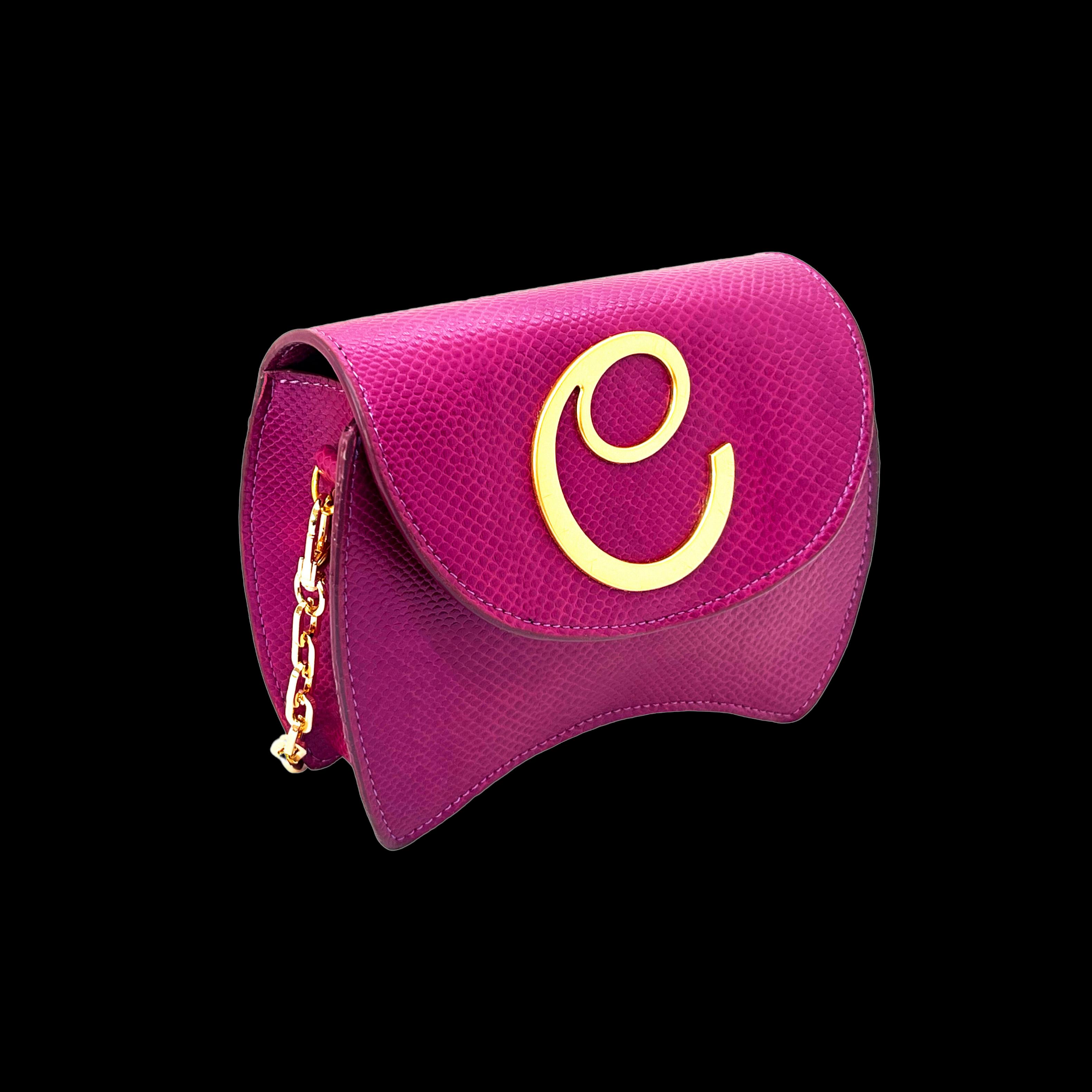

Samantha Mureau Planet of the Grapes
Odette Bag, a collab of Planet of the Grapes & Under Her Eyes
Placemaking
Why has it become a strong trend?
With the rise of hyper-commercialism and fast fashion, a quiet backlash is happening. A new wave of fashion systems and mindsets is on the rise around themes like localism, repair, made-to-order, and preservation of know-how. People are starting to reclaim these aspects and are calling it Placemaking.
What opportunities or solutions emerged with this trend?
If Placemaking stays grounded in sustainable practices, social justice and localism, we will start to see real solutions for fashion's future reemerge through age-old practices in newfound places. The opportunities are for completely new roles and ways of working for fashion professionals, opportunities for connections, care and a deeper understanding of how clothes are made.
Jocelyn Whipple The Right Project and Mend Assembly
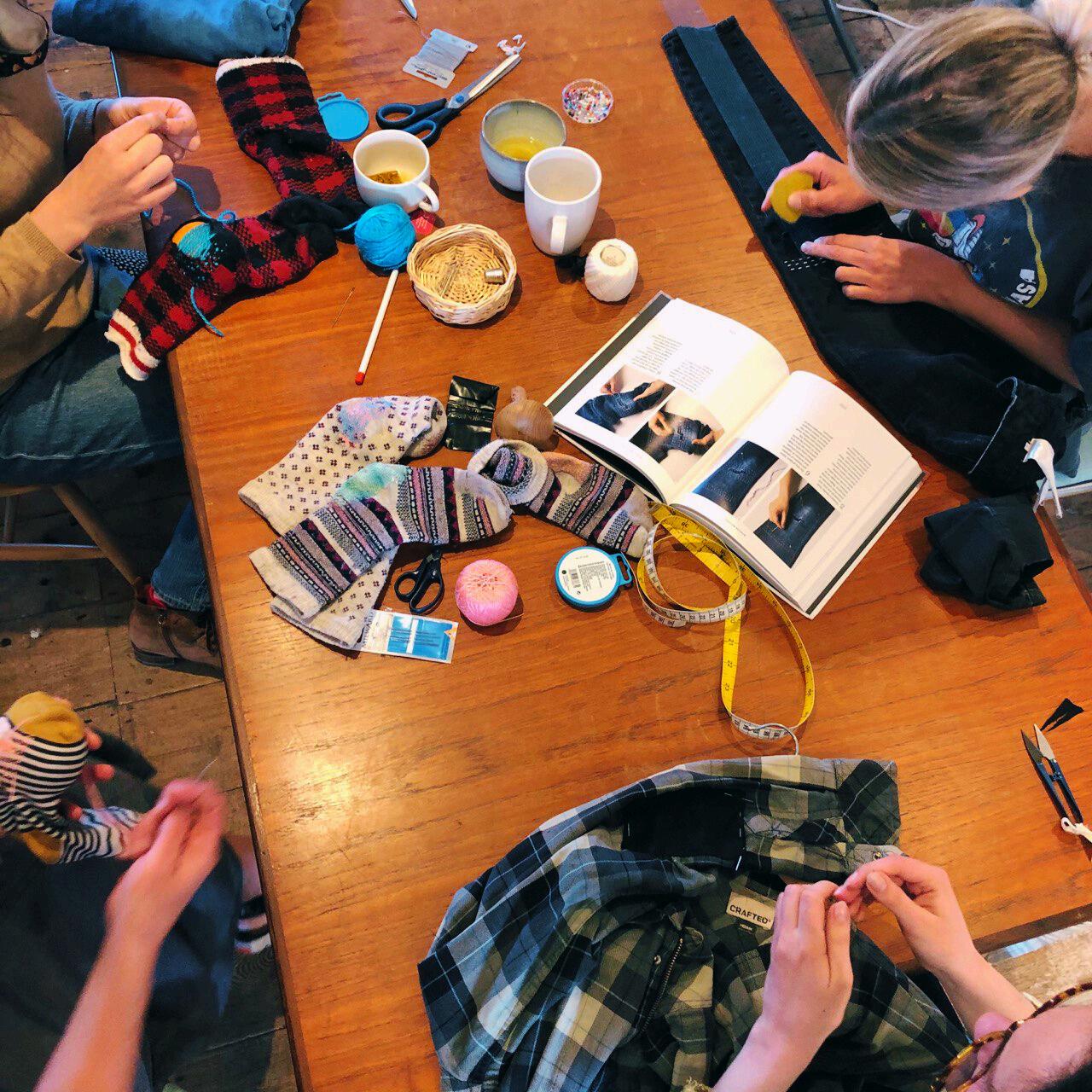
"It's time to reclaim offline spaces for collaborative slow fashion and textile practice."
Traceability
Why has it become a strong trend?
“Brands must hold themselves accountable for their sustainability claims through verified evidence and help users make more informed choices, not the other way around."
The fashion industry is under increasing pressure to address sustainability issues in its value chain, from reducing carbon emissions to improving working conditions. The debate around the lack of evidence to support brands' sustainability claims and ethical practices has now been held at the European Commission level and is pushing for regulation. In addition, users are becoming increasingly aware of the power of their purchasing choices, making transparency a crucial aspect in their decision-making process.
What opportunities or solutions emerged with this trend?
Traceability systems not only enable transparency but also assist companies in making more accurate decisions, from material sourcing to asset tracking and after-sales uses, supporting the transition towards circular fashion. The technology element here is of course the main enabler and possibly the main barrier of implementation. Through Digital Product Passports, using QR Codes and NFC tags (among other hardware), brands can trace their products and embed circular practices, such as repair, rental and upcycling, into their business models.

Luisa Rodrigues Impact Hub Lisbon
Keep investigating
Our recommendations for you to follow & build a more conscious fashion industry.

Fashion Revolution
Common Objective
Monitor for Circular Fashion
Research Centre for Sustainable, Ethical & Circular Fashion and Textiles
Fair Trade Fashion Catalogue
EU Policies on Fair and Sustainable Textiles