PAIN TO PARENTHOOD


Care that starts with listening
Women make 80% of healthcare decisions, often serving as “chief medical officers” for their families and loved ones. Yet when seeking care for themselves, many women experience delays in diagnosis, fragmented care or symptoms that go unrecognized for too long.
At the University of Chicago Medicine, women’s health is not a niche specialty. We understand that gaps in care can have profound consequences. That’s why we are committed to delivering expert care that takes women’s concerns seriously and supports them through every stage of life.
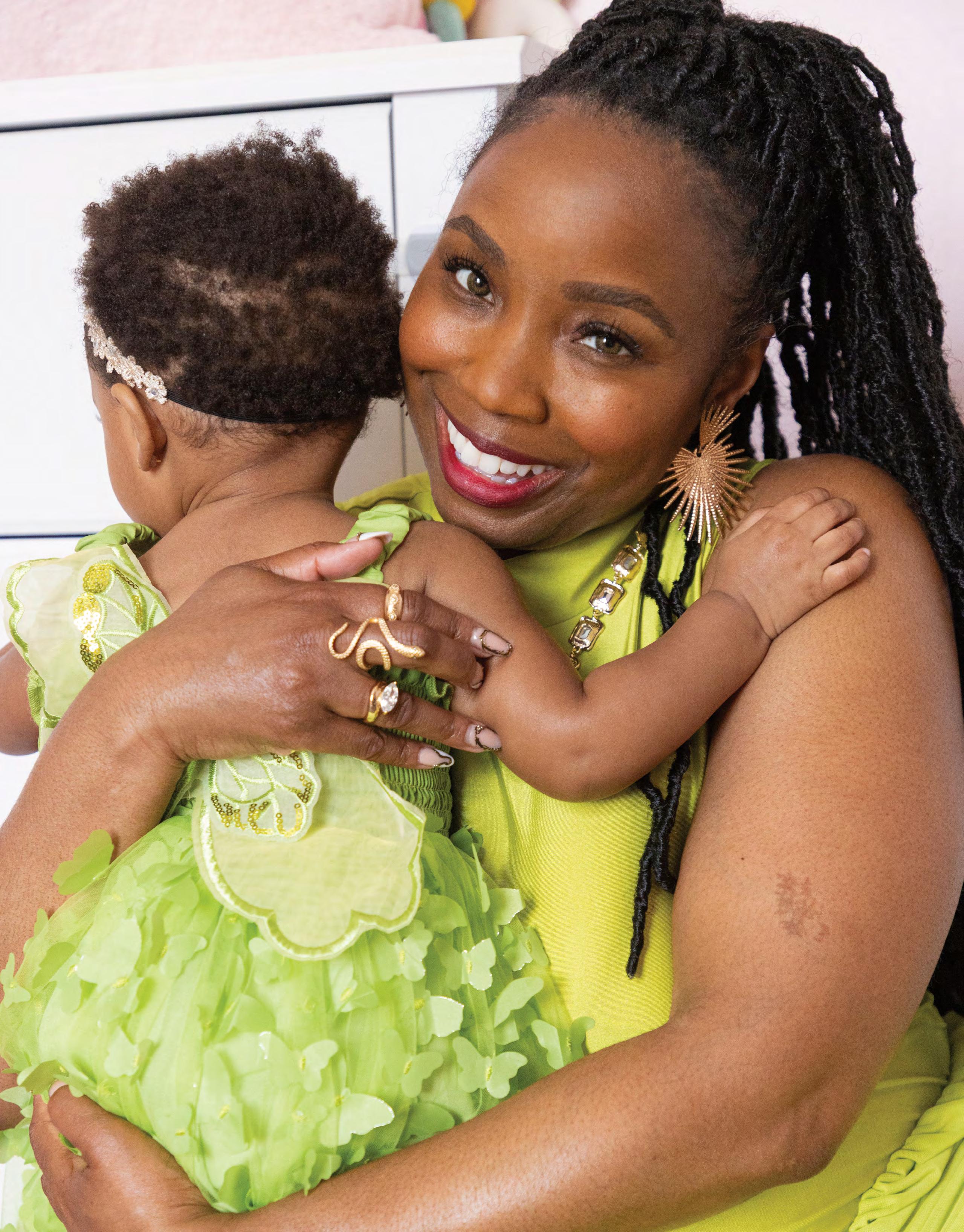
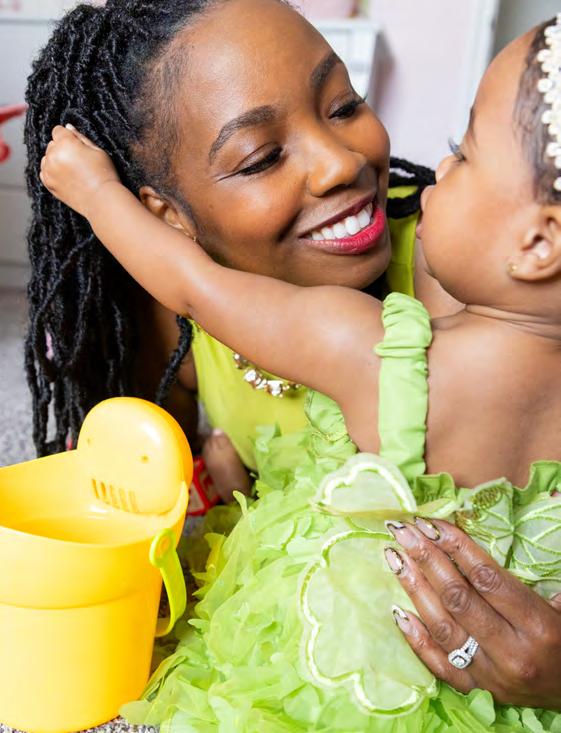
Our cover story shares the journey of Kiki Battle, who struggled for years with chronic pain and infertility before specialists at UChicago Medicine diagnosed her with endometriosis. Kiki’s care team listened, explored treatment options and developed a plan that also supported her goals for building a family.
Every woman deserves this kind of coordinated, compassionate care — with timely diagnoses, clear answers and treatment tailored to her individual needs.
UChicago Medicine is redefining women’s healthcare — from our new urogynecology outpatient center in Northbrook to our recently opened women’s health clinic at UChicago Medicine Ingalls Memorial in Harvey, and across our network of clinics and hospitals throughout Chicagoland and Northwest Indiana.
In April 2027, we will open the state’s first freestanding facility dedicated to cancer care and research, further expanding access to advanced, comprehensive care for patients across the region.
In this issue of The Forefront, I hope you’ll find stories and insights that inform, inspire and support your health and well-being.


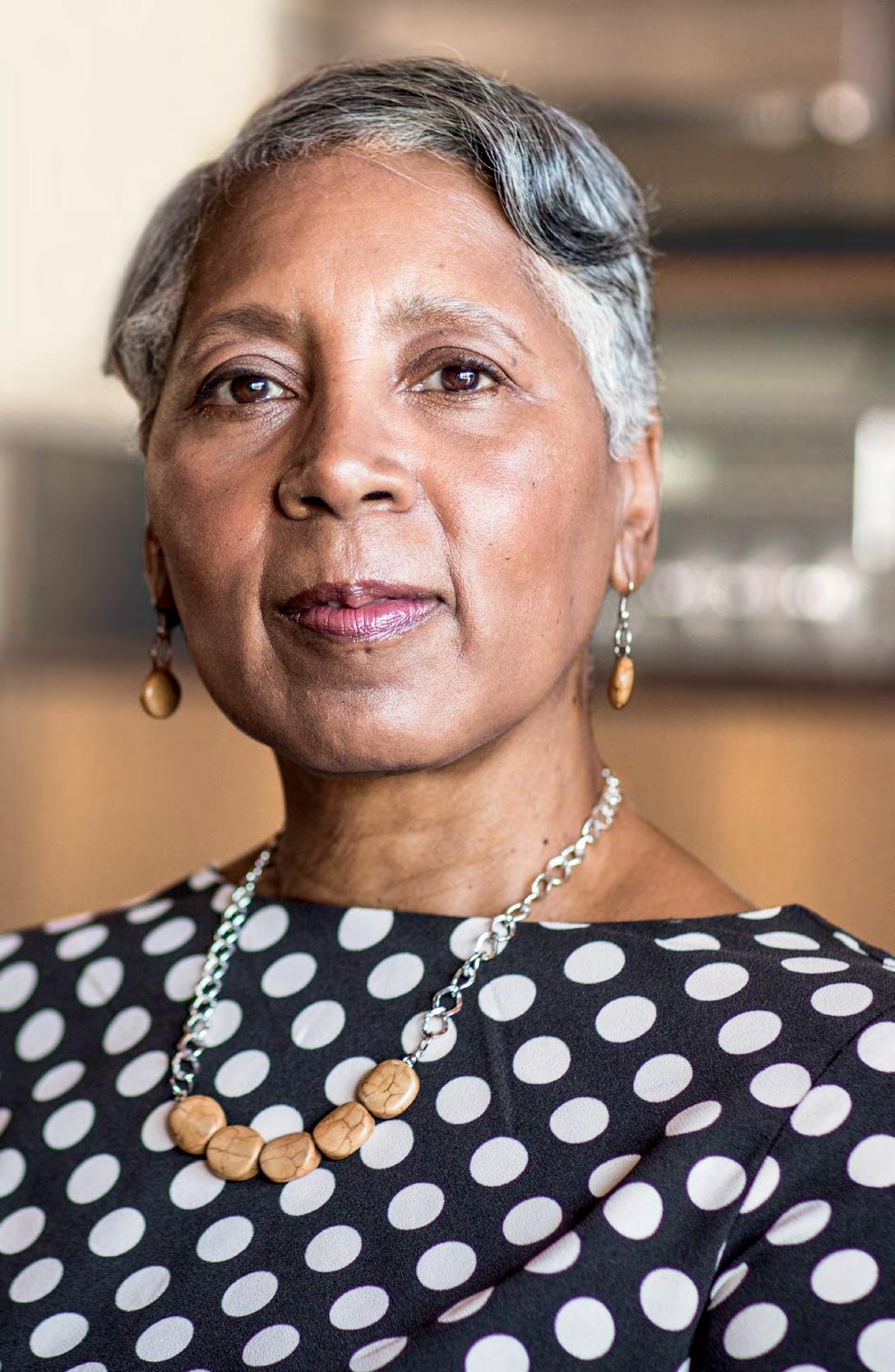
Tom Jackiewicz President, University of Chicago Health System
Contributing
Free dental care on wheels
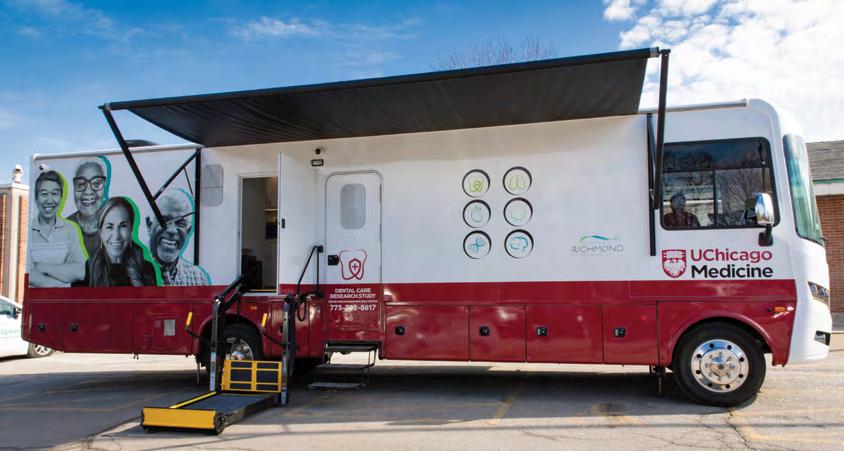
The University of Chicago Medicine has launched a mobile dental clinic* that offers no-cost exams, preventive treatments, extractions, dentures and more to eligible Illinois residents over 50 without dental insurance. Visit voices.uchicago.edu/oralhealthstudy to learn more.
*Dentists providing services in the mobile clinic or at the UCM Dental Research Study Clinic in the UCM Clinical Research Center as part of the Dental Care Research Study are not employees of the University of Chicago Medicine or affiliated with the University of Chicago Medical Center.
‘Blue’s Clues’ star visits Comer Children’s
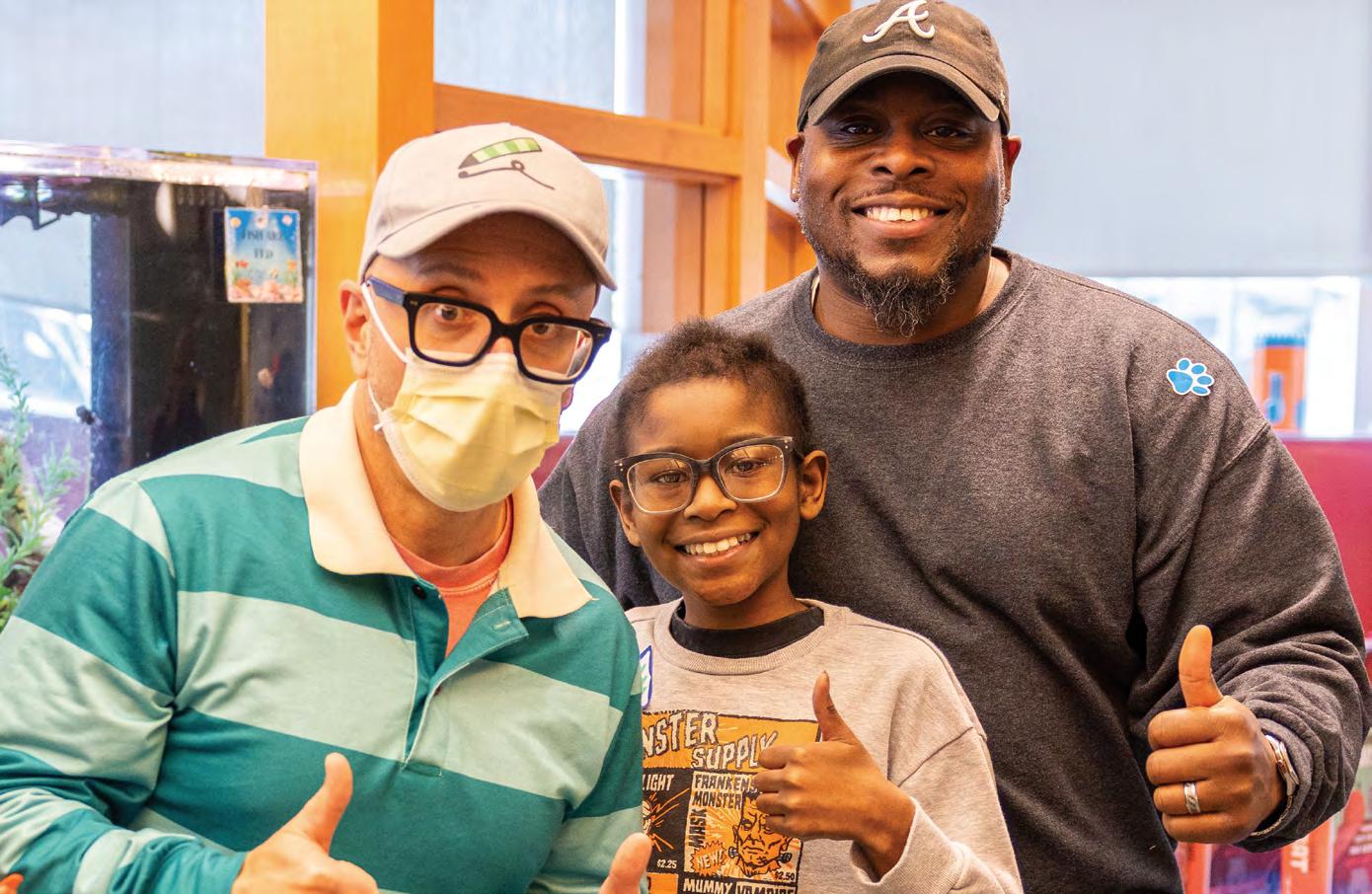
No clue was needed to spot a special guest at UChicago Medicine Comer Children’s Hospital: Steve Burns, the “Blue’s Clues” television star. In March, Burns read books with patients, passed out toys and took selfies with employees. The visit was organized by the Starlight Children’s Foundation, a nonprofit that delivers happiness to hospitalized children.
UCMC gets 29th ‘A’ for hospital safety
The University of Chicago Medical Center (UCMC) earned its 29th “A” from The Leapfrog Group, an independent nonprofit, for exceptional performance in protecting patients from preventable harm. UCMC is one of just 11 hospitals to achieve an “A” in every cycle since 2012. UChicago Medicine AdventHealth hospitals in the western suburbs also received top marks, with both the Hinsdale and La Grange campuses earning an “A.”
$1.1 billion invested in community
UChicago Medicine invested $1.1 billion in community benefits in fiscal 2025, according to the academic health system’s latest Community Benefit Report. It represents a 54% increase over the $715 million reported in fiscal 2024. Highlights include:
» 1,830 patients served by the Violence Recovery Program
» $640,000 in assistance for bedside support through Recovery Legal Care
» 91,650 pounds of food distributed via Feed1st for area pantries
» 1 in 3 new health system hires live in communities UChicago Medicine serves
» 21% increase (over fiscal 2024) in local construction contracts
To read the report, visit UChicago Medicine.org/community-benefit
Ralph Lauren Center expands cancer care
A grant from the Ralph Lauren Corporate Foundation will establish the UChicago Medicine Ralph Lauren Center, offering cancer prevention, diagnosis, treatment and support. The first of two sites, at UChicago Medicine Ingalls Memorial in Harvey, will launch in 2026. The other will be inside the new AbbVie Foundation Cancer Pavilion, scheduled to open in April 2027.
Endometriosis is caused by tissue similar to the lining of the uterus growing on other parts of the body, such as the ovaries, fallopian tubes and bladder. Symptoms include painful periods, pelvic pain and pain during sexual intercourse.
Infertility is also a risk. That’s because inflammation can impact egg quality and cause scarring, making it difficult for sperm and eggs to connect.
“When endometriosis continues to go unchecked, it can have a potential long-term impact on the reproductive organs,” said Laura Douglass, MD, a gynecologic surgeon at the University of Chicago Medicine.
Battle tried for years to conceive a child, and she didn’t feel that her physical pain was taken seriously elsewhere.
But with expert care from trusted UChicago Medicine endometriosis and fertility experts, Battle was able to take control of her health and realize her dream of becoming a mother.
DIFFICULT DIAGNOSIS
Even though endometriosis affects 1 in 10 reproductive-age women, it can be hard to diagnose.
Many of its symptoms overlap with other diseases, such as pelvic inflammatory disease, fibroids and primary dysmenorrhea (painful periods).
Further complicating matters, Douglass said, is the false belief that Black women have higher pain tolerances, which can lead to their pain being dismissed. They are also less likely to be diagnosed than white women, she said, allowing the disease to progress before a diagnosis.
Battle recalled that scenario when she sought care in her younger years.
“I felt like in the early stages of sharing my symptoms, people tried to make it seem like maybe I was making it up or the way I was describing it wasn’t accurate,” she said. “I was like, ‘No, I really am having this pain.’”
LEADING-EDGE CARE, TOOLS
At UChicago Medicine, specialists in gynecology, minimally invasive surgery, fertility and pain management collaborate closely to provide personalized care.
“When you have physicians who are passionate about these highly specific,
New women’s clinic opens at UChicago Medicine Ingalls Memorial
UChicago Medicine Ingalls Memorial has opened a health clinic on its main campus in Harvey for women with complex needs.
The clinic brings UChicago Medicine experts in maternal-fetal medicine, minimally invasive gynecologic surgery and gynecologic oncology into a single, dedicated space.
“This new clinic reflects our long-term commitment to ensuring women in the Southland can access high-quality, specialized care close to home,” said Andrea Loberg, MD, OB/GYN Section Chief at UChicago Medicine Ingalls Memorial.
Services include cervical cancer screening, contraception and
challenging areas of women’s health, you get that expertise and phenomenal care,” said Douglass. “We seamlessly work together.”
Pelvic imaging tools — including transvaginal ultrasound and pelvic MRI — can help detect advanced endometriosis. UChicago Medicine also offers augmented
menopause care, minimally invasive surgery for conditions such as fibroids and endometriosis, advanced care for high-risk pregnancies, and treatment for gynecologic cancers. Complex family planning services will be added in the fall.
The new women’s health clinic at UChicago Medicine Ingalls Memorial is located at 71 W. 156th St. in Harvey. Call 888-824-0200 to make an appointment.
*Dr. Horn is a UChicago Medicine Medical Group provider. UChicago Medicine Medical Group comprises UCM Medical Group, Inc., f/k/a UCM Care Network Medical Group, Inc., and UCM Medical Group Sub, LLC f/k/a Primary Healthcare Associates, S.C. UChicago Medicine Medical Group providers are not employees or agents of the University of Chicago Medical Center, the University of Chicago, or UChicago Medicine Ingalls Memorial.
dynamic pelvic ultrasound, an advanced technique for diagnosing and assessment.
To make a definitive diagnosis, doctors perform laparoscopic surgery that involves inserting a camera into the abdomen. Endometrial and scar tissue can be removed
(CONTINUED ON NEXT PAGE)
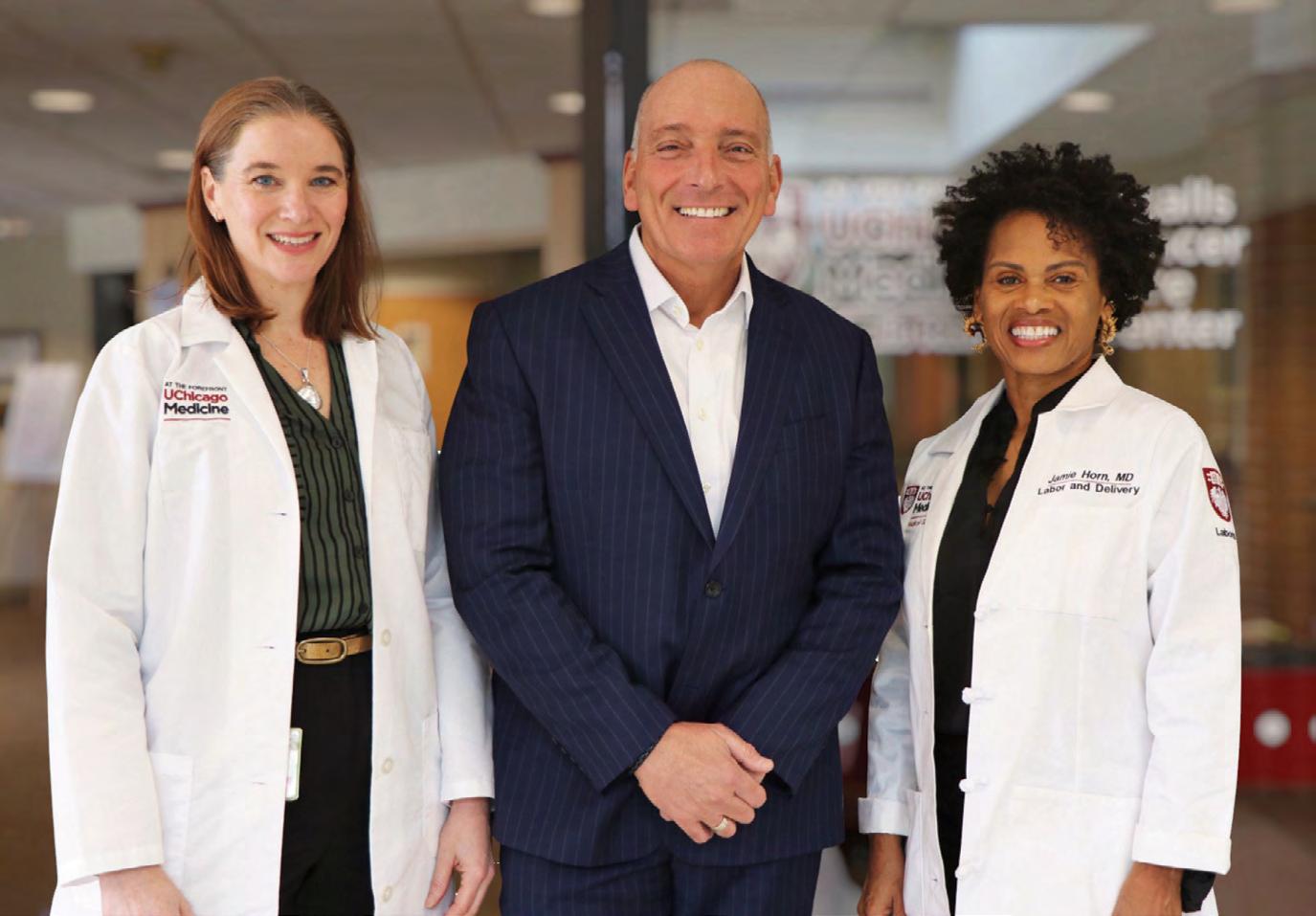
From left: Andrea Loberg, MD, OB/GYN Section Chief; Michael Antoniades, President; and Jamie Horn, MD*, Medical Director of Labor and Delivery, UChicago Medicine Ingalls Memorial.
(CONTINUED FROM PREVIOUS PAGE)
during this time, as long as it isn’t too close to vital organs like the bowel or bladder, which can help improve the chances for pregnancy.
In addition to surgery, treatments for endometriosis include pain management, physical therapy, behavioral support and hormone therapy.
FERTILITY BREAKTHROUGH
Battle tried fertility treatments for several years at a private clinic before seeking care at UChicago Medicine.
After embryo transfers did not work, fertility specialist A. Musa Zamah, MD, PhD, referred Battle to Douglass in 2023 for laparoscopic surgery.
“She had a more challenging than average case,” Zamah said. “Endometriosis was causing her infertility, making her not respond to fertility treatments and impeding effective implantation, even when we got good embryos from IVF treatment.”
About 30% to 50% of women with endometriosis face fertility issues, but treatment approaches vary.
They can include advanced diagnostics, hormone therapy and minimally invasive surgery, with guidance from board-certified fertility specialists.
“We don’t just use the same fertility protocol for everybody,” Zamah said. “Individualization of treatment plans is important for optimal outcomes.”
After laparoscopic surgery, patients may be prescribed several weeks of hormone therapy, such as progestin or birth control pills, to help quiet the hormones that cause endometriosis before starting fertility treatments such as in vitro fertilization (IVF) or intrauterine insemination (IUI).
“Patients need to heal after surgery, but you don’t want them to wait too long,” Zamah said. “If you can do fertility treatments within three or four months, that’s often considered ideal.”
MOTHERHOOD JOURNEY
Battle’s second IVF treatment after surgery resulted in her delivering a healthy, full-term baby girl at UChicago Medicine. She feels
blessed that she’s now living the days that she prayed for.
“You have to keep trusting and believing in the process,” Battle said. “I was determined.”
She says women with endometriosis should know their options for building a family, ensure their voices are heard and seek additional opinions if they feel overlooked.
“At the end of the day, I have my baby,” Battle said. “I am truly grateful to God for that, and I’m also grateful for the doctors who helped me go through this journey.”
Why
choose UChicago Medicine for endometriosis care
» Top specialists in endometriosis and gynecologic surgery
» Advanced imaging, including augmented dynamic pelvic ultrasound
» Multidisciplinary approach and personalized treatment
» Direct access to pelvic pain experts
» Comprehensive fertility care
» Convenient appointments across Chicagoland
To make an appointment with a UChicago Medicine endometriosis specialist, call 773-985-5247 or visit UChicagoMedicine.org/endo-info
Laura
Douglass, MD
A. Musa Zamah, MD, PhD
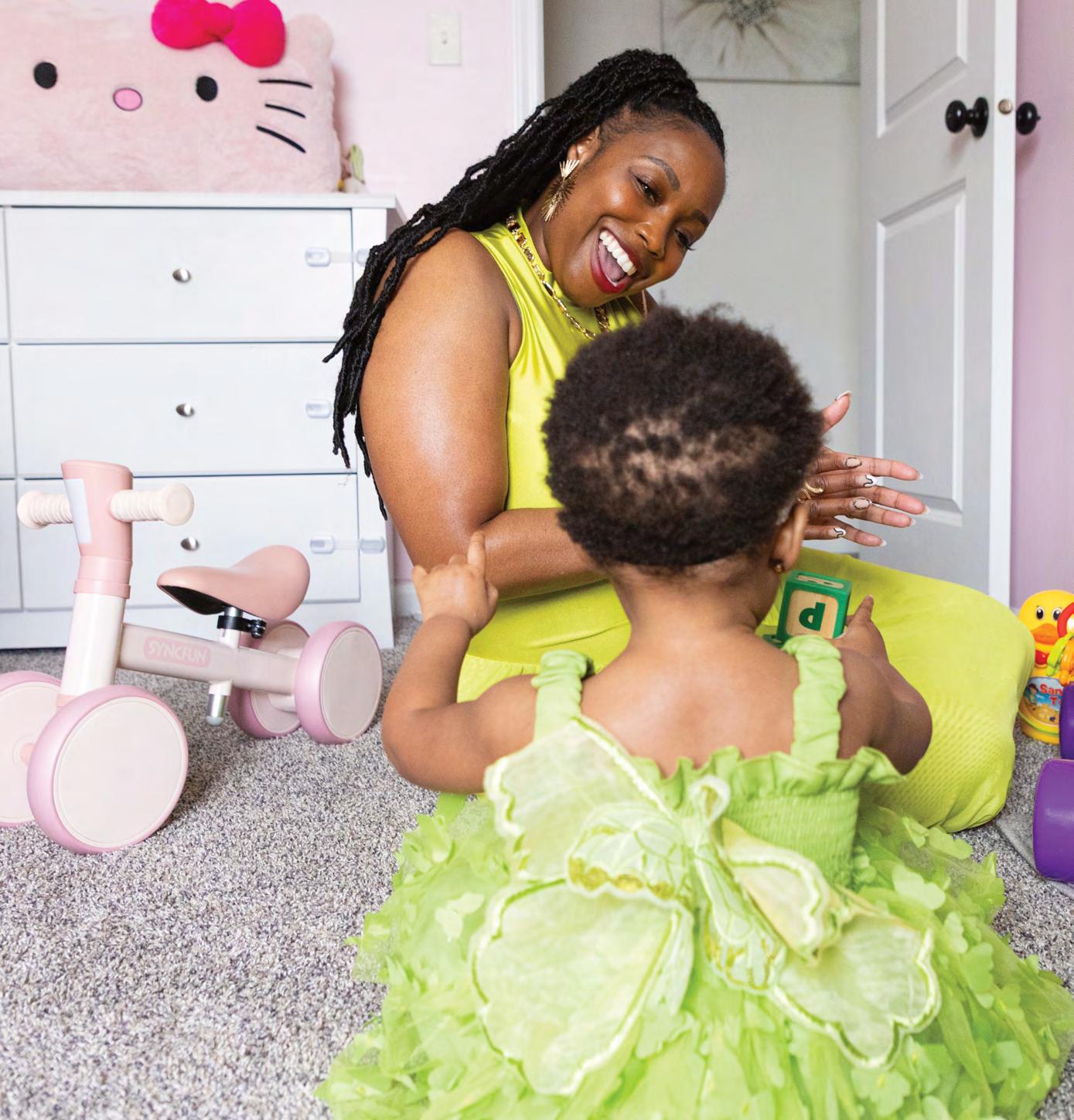
Battle spends time at home with her baby daughter.
Don’t neglect a nerve injury
Nerves are your communication network that carries messages between the brain, spinal cord and every part of the body. But when a nerve is injured, it can have a major impact on your life. UChicago Medicine orthopaedic surgeon Jeffrey Stepan, MD, MSc, explained why fast, expert care matters.
WHAT IS A NERVE INJURY?
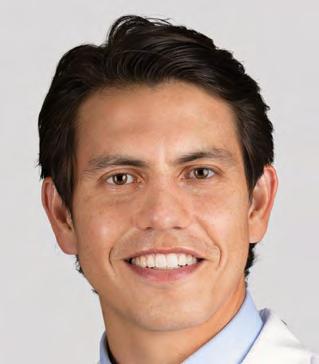
Jeffrey Stepan, MD, MSc
Nerve injuries can be caused by events ranging from a basic cut to serious trauma. A nerve injury may disrupt your ability to feel, move or perform normal tasks, such as lifting, gripping and walking.
WHAT DOES IT FEEL LIKE?
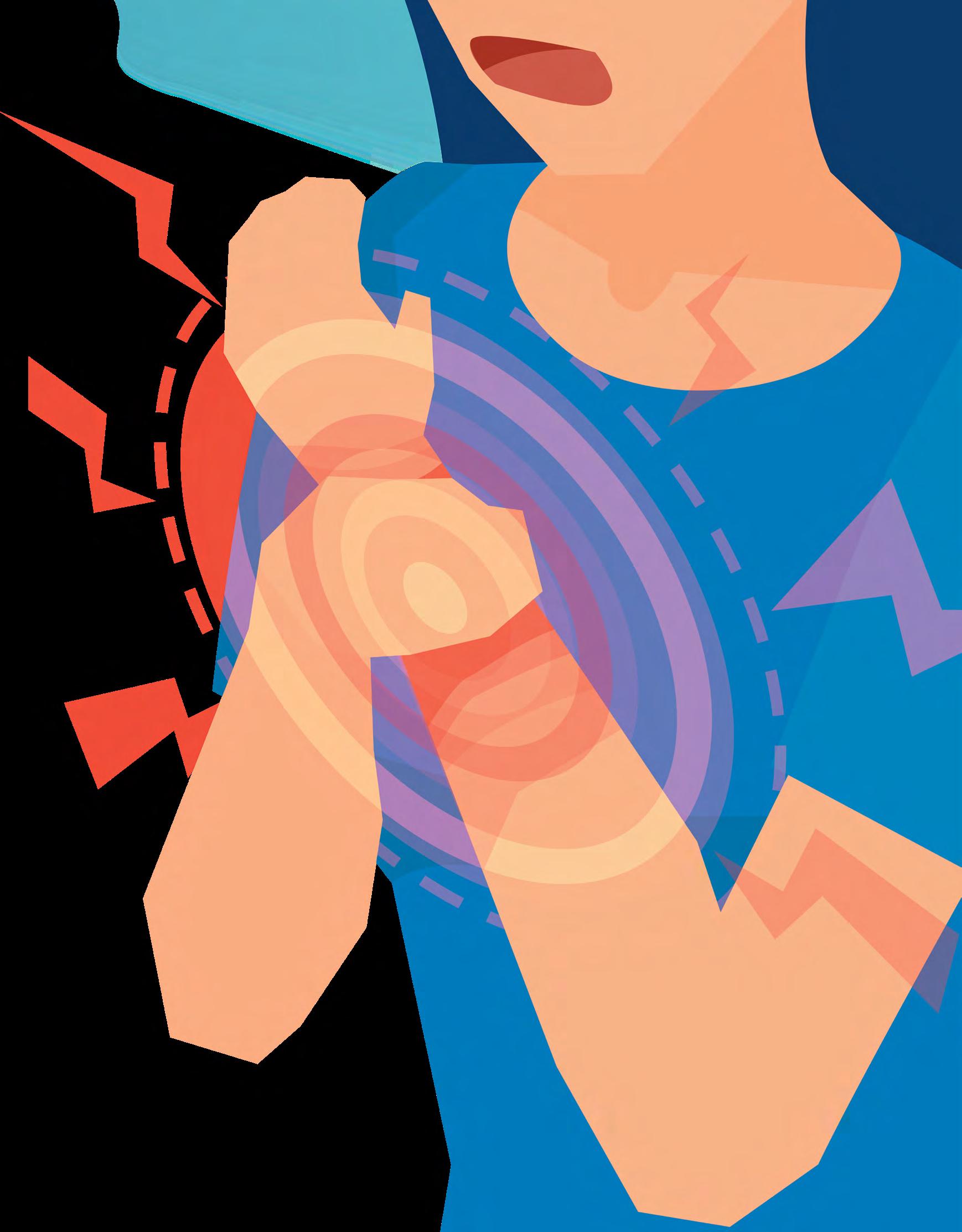
Early warning signs of nerve injury include sudden or electric pain, loss of sensation, muscle weakness or tingling and numbness in your limbs. Don’t ignore any of these symptoms — see a nerve specialist quickly.
HOW IS IT DIAGNOSED?
Diagnosis starts with a physical exam. Your doctor may conduct nerve conduction tests, muscle evaluation and imaging such as ultrasound or special MRI scans to pinpoint a nerve injury and its severity.
WILL I NEED TREATMENT OR SURGERY?
Get your nerve back
UChicago Medicine’s Nerve Injury Clinic offers leading-edge care to reduce pain, restore mobility and function, and promote nerve regeneration. Benefits include:
In some cases, surgical repair, grafting or transferring nerves and tendons is necessary to regain function. Pain management, nerve blocks and neuromodulation devices that alter nerve signals to the brain may be used to control pain.
WHY IS MEDICAL CARE IMPORTANT?
Cut or severely injured nerves often require timely surgery to allow the nerve to regrow to the muscle — within six months or sooner for the best chance at restored function. Waiting longer increases the risk of irreversible muscle loss.
» Multidisciplinary expert team
» Care for motor, sensory and mixed-nerve injuries
» Addressing key symptoms such as pain and numbness
» Management of damage from trauma and neuromas
» Nerve blocks, neuromodulation and surgical options
» Personalized plans focused on quality of life
Symptoms are often confused with minor conditions like hemorrhoids, making early detection more difficult.
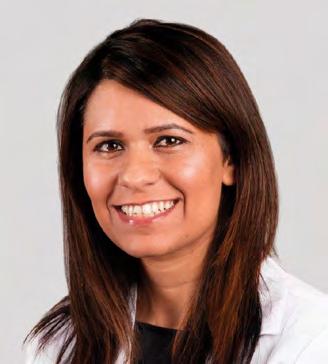
“With a lot of patients, it’s easy to attribute these symptoms to other causes instead of malignancy,” said Ardaman Shergill, MD, an oncologist at the UChicago Medicine Comprehensive Cancer Center.
Available treatments include surgery, chemotherapy, targeted therapy, and immunotherapy.
At UChicago Medicine, specialists create plans tailored to each patient’s molecular profile.
Options include hepatic arterial pump therapy, histotripsy, intraoperative radiation, stereotactic body radiation, liver transplant and clinical trials.
SUCCESSFUL TREATMENT
Because Knezevic’s cancer had spread, surgery was not possible. But genetic tests revealed her tumor would respond well to chemotherapy and targeted therapy.
In January 2021, she started weekly chemotherapy at the UChicago Medicine Duchossois Center for Advanced Medicine, and managed biweekly at-home chemo infusions.
“COVID was still in full force,” Knezevic said. “No one could come with me, and I started my chemo journey alone.”
She also received palliative care for emotional and symptom support. “I’m going to beat this,” Knezevic told the team.
Eventually, Knezevic showed no evidence of disease. “She went for a colonoscopy, and her primary cancer was completely gone,” Shergill said. “She’s done exceptionally well.”
After 13 months, Knezevic rang the chemo bell at the end of her treatment.
MOVING FORWARD
Now 53, Knezevic volunteers at her church in Merrillville and, after work and family commitments, loses herself in a good book.
She’s lost the 100 pounds gained during chemotherapy with GLP-1 medication, improving her blood pressure and blood sugar.
Still, there are quieter moments. Recently, Knezevic found scarves she used to cover her head during chemo.
It made her think about what Shergill told her: She’s in remission now, but there is always a risk of recurrence. She cried in her husband’s arms, then threw out the scarves.
“It’s a journey that hasn’t stopped,” Knezevic said. “You’re going to be scared, and that’s OK. You’re going to have bad days — but have it as a moment, get through it and then keep going.”
To make an appointment with the UChicago Medicine Comprehensive Cancer Center, call 855-292-2461 or visit UChicagoMedicine.org/ colorectal-info

5 signs of colorectal cancer
The disease can be silent in its early stages, and the signs may look like other conditions. See a doctor right away if you have any of these symptoms, said UChicago Medicine gastroenterologist Sonia Kupfer, MD.
CHANGES IN BOWEL HABITS
Persistent diarrhea, constipation or narrowing of your stool can occur from a partial blocking of the colon.
BLOOD IN THE STOOL
Whether it’s bright red or dark, this can indicate bleeding from a tumor inside the colon or rectum.
ONGOING ABDOMINAL PAIN, CRAMPS OR BLOATING
Tumors may cause discomfort by irritating the bowel or causing partial obstruction.
UNEXPLAINED WEIGHT LOSS
Cancer can affect your body’s ability to absorb nutrients and increase metabolism.
FATIGUE
Chronic bleeding from a tumor can cause anemia, making you feel weak or tired.
5 4 Sonia Kupfer, MD
Knezevic volunteers weekly in the kitchen at her church in Merrillville, Indiana.
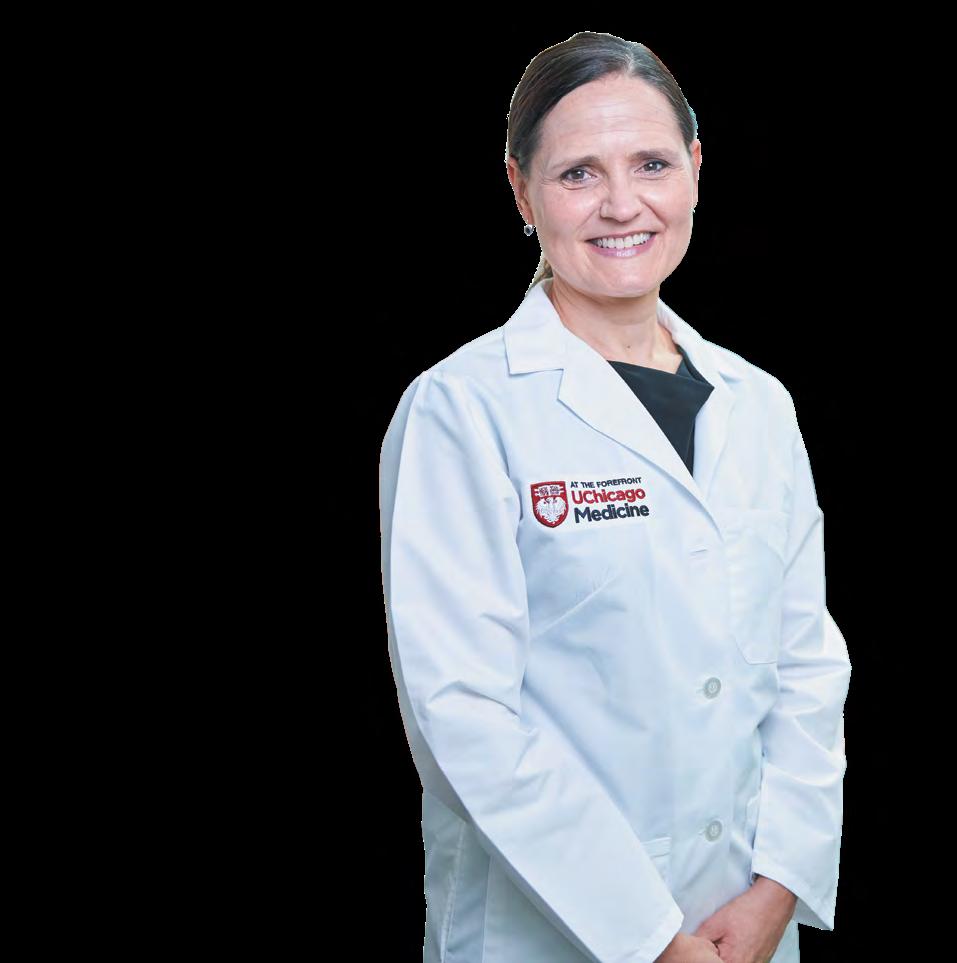
Ardaman Shergill, MD
Blueprint for a stronger heart
Newly updated cholesterol guidelines could help cut heart attack and stroke rates in half, thanks to smarter screenings and a fresh approach to risk.
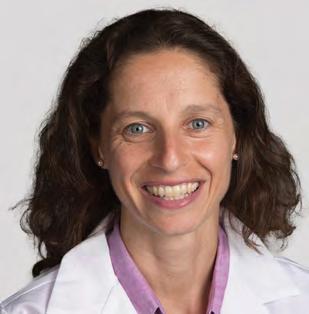
Tamar Polonsky, MD, MSCI, a University of Chicago Medicine cardiologist who helped write the guidelines released this year by the American Heart Association and 10 other professional organizations, explained several updates.
KIDS NEED CHOLESTEROL CHECKS TOO
Low-density lipoprotein (LDL), or “bad” cholesterol, is the main cause of arteryblocking plaque. The new guidelines recommend children get their first LDL test around age 10 to catch inherited conditions sooner. Adults should begin regular cholesterol checks by age 19.
LOWER LDL LEVELS FOR HIGHRISK PATIENTS
People with a history of heart attack or stroke should aim for LDL below 55 mg/ dL (the prior guidelines’ benchmark: 70 mg/dL). For others, the target may be less than 70 mg/dL or 100 mg/dL, depending on their medical history. “There really is no LDL too low when trying to lower your cardiovascular risk,” Polonsky said.
Since the 2018 guidelines, doctors know more about how this inherited type of cholesterol affects heart health. Get a one-time blood test to measure lipoprotein(a), especially if heart disease runs in the family. People with levels above 125 nmol/L may need medication and lifestyle changes.
What is cholesterol?
Cholesterol is a fat made by your liver and found in animal-based foods. Your body needs some cholesterol for healthy cells and hormone production, but too much can be harmful.
MAKE A LONG-TERM PLAN
Your LDL risk adds up over time. Just like you might take a long view with investments, you should do the same with cholesterol, Polonsky said. The new PREVENT calculator can help forecast a person’s 10- and 30-year risk of heart disease, informing medication decisions.
HDL vs. LDL
LDL (“bad” cholesterol) can build up in your arteries and raise your risk of heart disease and stroke. HDL (“good” cholesterol) helps clear excess cholesterol from your bloodstream, protecting your heart.
HEALTHY HABITS MAY HAVE LIMITS
“Diet and exercise are the foundation of cardiovascular disease prevention,” Polonsky said. Still, medications like statins, which are drugs designed to lower LDL, may be needed for many at-risk individuals. Supplements are not an effective way to lower levels.
Who is at risk?
High cholesterol can stem from an unhealthy diet, lack of exercise, smoking, genetics and certain medical conditions. Lifestyle changes and, when needed, medication can help manage your levels.
Do teens need an EKG?
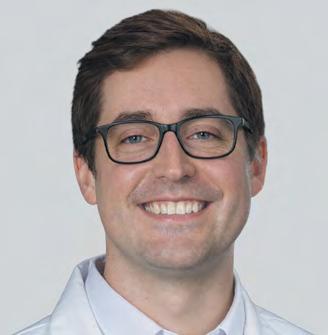
As parents gear up to cheer from the sidelines, many wonder if an electrocardiogram, or EKG, should be part of the playbook. This quick test can reveal hidden heart conditions, offering the promise of peace of mind. But adding EKGs for every young athlete may do more harm than good, said University of Chicago Medicine pediatric cardiologist Matthew Moehlmann, DO.

WHAT DOES AN EKG SHOW?
EKGs help spot issues such as hypertrophic cardiomyopathy (thickened heart muscle) or rhythm disorders. Healthy teens without symptoms that have a normal physical examination and don’t have a family history of serious cardiac disease may not benefit from the test.
NOT SUITABLE FOR ALL
Making EKGs a requirement would be costly and keep some kids from playing sports, Moehlmann said. EKGs sometimes produce false alarms — showing issues in healthy hearts — that cause anxiety, extra tests and sideline days. National health guidelines support a basic pre-participation screening with a child’s doctor.
MAKE SAFETY A STRATEGY
Moehlmann advises keeping watch for any red flags (such as chest pain or fainting) and seeing a doctor at the first instance of concern. Having a strong emergency plan — which includes staff trained in CPR and easy access to a defibrillator — is an effective strategy to help athletes play safely.
The sports physical: A playbook for parents

Checks play-readiness: Sports physicals make sure the heart, bones and joints are ready for athletic activity.
Often a requirement: Most schools require a sports physical before each season; younger athletes can benefit too.
See your regular provider: Your child’s doctor, pediatrician or nurse practitioner knows their health history best.
Don’t delay the visit: Schedule a sports physical before your child joins a new team or activity.
Matthew Moehlmann, DO
Breathing without burden
Detroit woman’s rare lung disease leads to pioneering heart-lung transplant
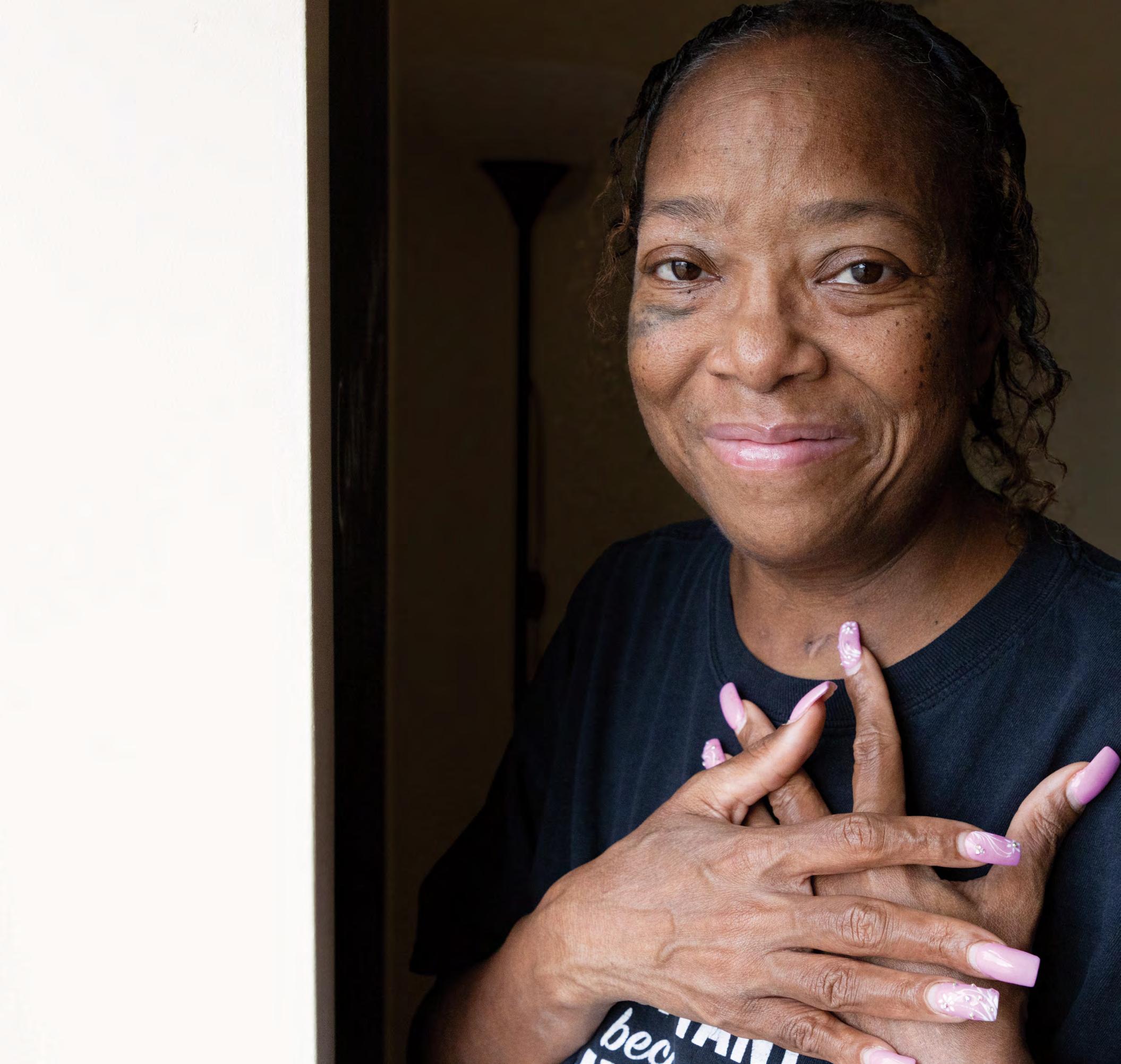
Donna Parks first noticed something was off in 2014 during everyday tasks like taking out the garbage.
“I was out of breath,” said Parks, now 47, who worked as a rehabilitation caregiver in Detroit at the time. “Something wasn’t right. I shouldn’t have been tired walking to the curb.”
A pulmonologist diagnosed Parks with pulmonary arterial hypertension, or PAH — a serious condition where arteries in the lungs narrow and become damaged, forcing the right side of the heart to work extra hard.
Over time, this strain can cause heart failure, fluid buildup, kidney problems and even death if untreated.
“PAH is one of the rarest but most lethal forms of pulmonary hypertension,” said Manreet Kanwar, MD, Director of the Heart Failure and Pulmonary Hypertension program at the University of Chicago Medicine.
HIGH-RISK
CASE
Pulmonary hypertension, or PH, is sometimes called “high blood pressure of the
lungs.” Symptoms include shortness of breath, fluid retention, fatigue, rapid heartbeat and sometimes losing consciousness — making it tough to diagnose.
PH can be caused or worsened by factors that include heart failure, faulty heart valves, chronic lung disease, blood clots or damage to lung arteries.
Doctors never found the exact cause of Parks’ condition.
There is no cure for PH, but medications can slow its progression. Parks was
Donna Parks
prescribed drugs to relax the blood vessels in her lungs. Her symptoms improved at first but then worsened.
“The numbers weren’t getting better,” Parks said.
By 2025, the left side of Parks’ heart began to fail, and doctors said her only option was a heart and lung transplant. But because she was highly sensitized — meaning her immune system had developed many antibodies — several hospitals considered her too high-risk.
EXPERT TRANSPLANT CARE
Parks turned to UChicago Medicine, one of the few centers in North America experienced in transplants for highly sensitized patients.
“She was essentially walking around in a state of low-grade shock at all times,” said UChicago Medicine pulmonologist Scott Vasher, MD. “It was amazing she felt as well as she did.”
Parks temporarily moved to Chicago, where doctors used a procedure called plasmapheresis to filter her blood and remove problematic antibodies before and after surgery.
After six weeks in the hospital, Parks got the call last September: A matching heart and lungs were available.
TEAM-BASED APPROACH
During the 12-hour operation, UChicago Medicine surgeons Valluvan Jeevanandam, MD, and Pablo Sanchez, MD, PhD, removed her diseased organs in one piece.
“It’s a little like changing the engine block of a car,” said Sanchez, Surgical Director of UChicago Medicine’s Lung Transplant Program. “You take the whole engine out, and there’s this big empty space.”
The donor organs were carefully placed and connected, and Parks was gradually taken off the bypass machine. She spent another six weeks recovering.
“All aspects of care — the surgery, the preoperative and postoperative care, the immunology — had to work perfectly in unison for a good outcome,” said Jeevanandam, Director of the UChicago Medicine Heart & Vascular Center.
“This is what UChicago Medicine is known for: having great results on cases no one else can or is willing to tackle.”
— Valluvan Jeevanandam, MD, Director, UChicago Medicine Heart & Vascular Center
“This is what UChicago Medicine is known for: having great results on cases no one else can or is willing to tackle.”
‘A CHANCE TO LIVE’
Today, Parks uses a walker and attends rehab therapy twice a week. She’s eager to reduce her medication and return to Detroit to see her 93-year-old mom, Thelma — whom she credits for her own tenacity.
With each breath, Parks is reminded of her organ donors. And she’s forever grateful.
“I am so glad people are willing to help other people like me,” she said. “They didn’t have to donate, and they chose to. Because of that, they are giving someone else a chance to live.”
To make an appointment with the UChicago Medicine, call 773-974-6603 or visit UChicagoMedicine.org/ PH-info
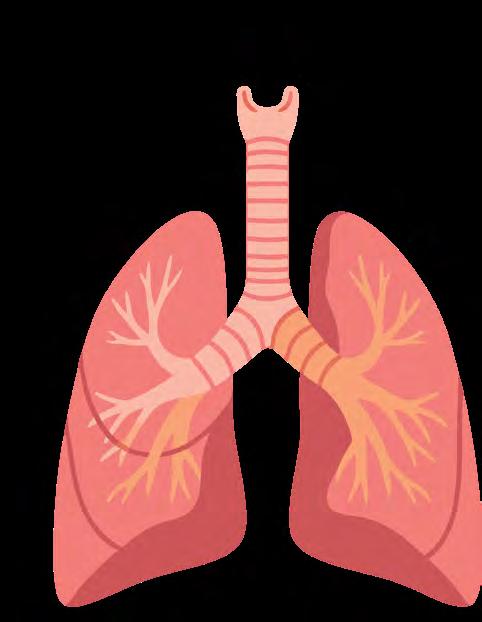
the facts about pulmonary hypertension (PH)
WHAT IS PH?
PH is a serious condition where the blood vessels in the lungs become narrowed or blocked, raising blood pressure in the lungs and forcing the right side of the heart to work harder.
IS IT DIFFERENT FROM REGULAR HIGH BLOOD PRESSURE?
PH affects just the blood vessels in the lungs, unlike regular high blood pressure (systemic hypertension) that affects the rest of the body.
HOW IS IT DIAGNOSED?
Doctors use your medical history, a physical exam and tests such as echocardiograms, lung function tests, CT scans and a right heart catheterization, which measures pressures in your heart and lungs.
CAN PH BE MANAGED?
Medications open blood vessels and reduce fluid buildup; supplemental oxygen and lifestyle changes are also important. In severe cases, lung or heart-lung transplants may be options.
DO LIFESTYLE CHANGES HELP?
Eating heart-healthy foods, limiting salt, avoiding smoking and staying active can help manage PH symptoms.
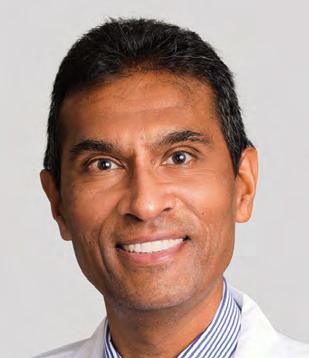
Valluvan Jeevanandam, MD
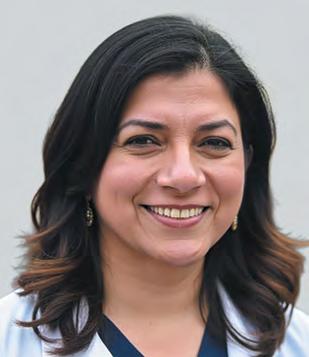
Manreet Kanwar, MD
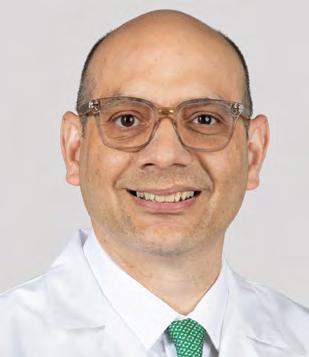
Scott Vasher, MD
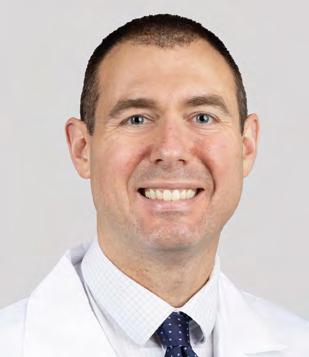
Pablo Sanchez, MD, PhD
‘Walking-miracle stuff’
Minimally invasive robotic spine fusion surgery cures severe leg pain
Kara Galbraith didn’t expect walks with her dogs to become difficult. So, when her right leg started to ache, she brushed it off.
“It was hurting” the 59-year-old said. “I kept walking and thinking, ‘Just push through it, whatever.’”
Years earlier, Galbraith was diagnosed with spondylolysis — a stress fracture in the lower back, often seen in athletes or people with naturally thinner vertebrae.
surgery: Mohamad Bydon, MD, Chair of the Department of Neurological Surgery at the University of Chicago Medicine.
If not treated early, it can turn into spondylolisthesis, a more serious condition where one spinal bone slips out of place, causing nerve pain and risking long-term damage.
SEARCH FOR ANSWERS
Scans revealed spondylolisthesis in Galbraith’s lower spine. Physical therapy and steroid injections didn’t help. Finally, a neurosurgeon recommended fusing her vertebrae to relieve pressure and stabilize her spine.
Fusion surgery can be difficult — especially with a damaged spine — so Galbraith contacted a national expert in complex spinal
“She had a significant amount of movement between the L5 and S1 vertebral bodies of the spine,” Bydon said.
But treatment would have to wait: A bone density test revealed osteoporosis, or loss of bone, which makes invasive spine surgery riskier.
“I could have just cried,” Galbraith said. “I was very concerned about whether I was going to be able to walk again.”
EXPERT TEAM CARE
UChicago Medicine’s Comprehensive Spine Center offers multidisciplinary evaluations and treatments, including nonsurgical.
Neurosurgeons and orthopaedic surgeons use minimally invasive methods whenever possible to treat degenerative changes, nerve damage, trauma, infection and structural abnormalities — all with the goal of reducing or eliminating spine pain.
Bydon is a leader in robotic and minimally invasive fusion surgery. In September, he performed Galbraith’s fusion in just 75 minutes, using an incision the size of a grape.
“This approach meant we could avoid a large open incision and a lot of muscle dissection, as well as blood loss,” said Bydon, who is also Health System Leader for Neurological Surgery at UChicago Medicine.
“We were also able to avoid fusing more than one level of her spine, which means she has more movement than she would have in a more traditional surgery.”
BACK IN ACTION
After surgery, relief was immediate.
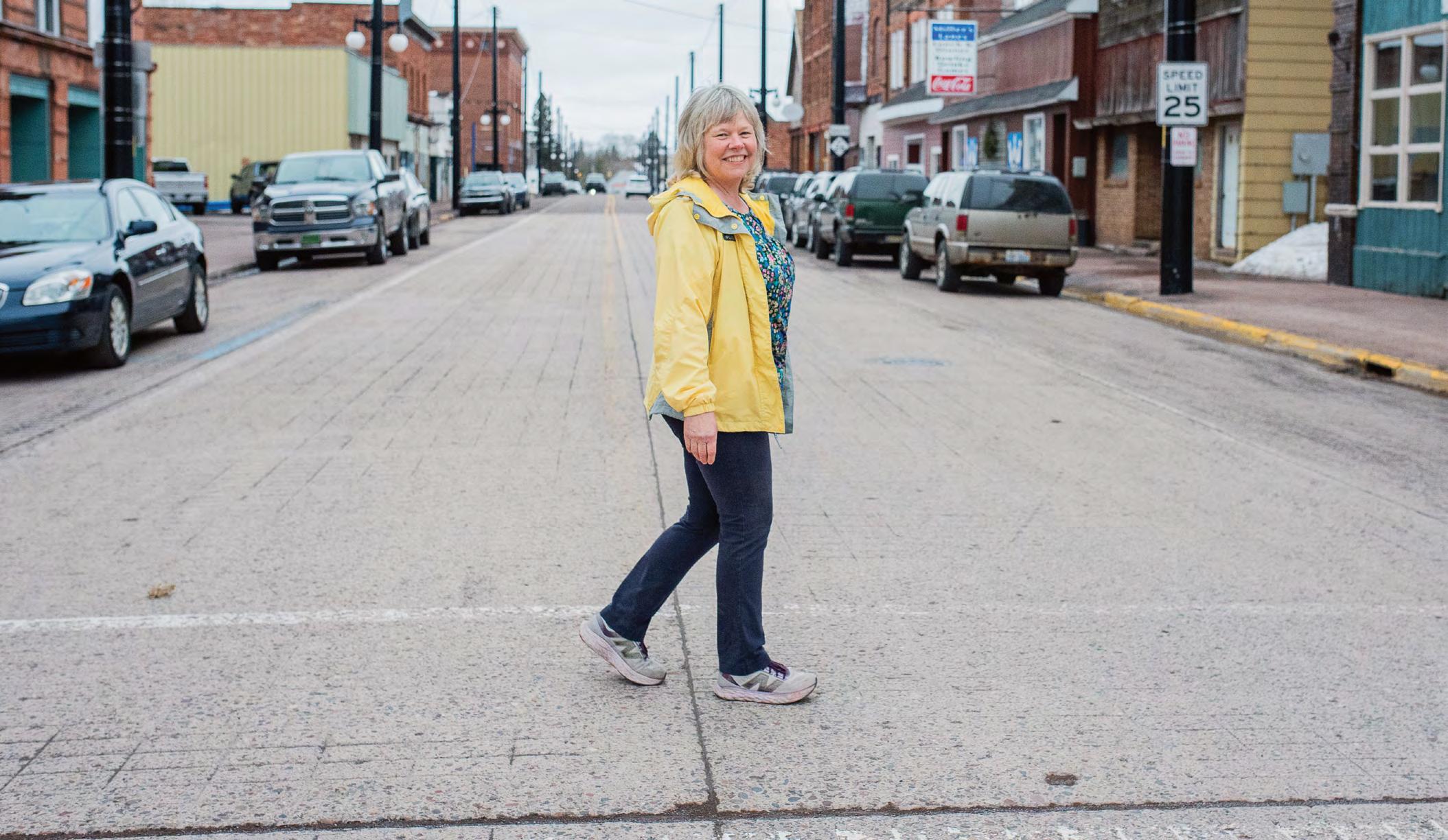
“As I woke up, there was no pain in my leg,” said Galbraith, a resident of Laurium, Michigan, in the state’s Upper Peninsula.
She has returned to work at a local hospital and is enjoying an active life that has her back outside once again.
“It’s amazing — I mean, walking-miracle stuff,” Galbraith said. “That’s how I describe it to people.”
Kara Galbraith has resumed an active life and is walking without pain.
Mohamad Bydon, MD
Lifeline of support
Gift establishes center for rare blood cancers
A first-of-its-kind center for rare blood cancers has launched at the University of Chicago Medicine, thanks to a generous gift from philanthropists Mark and Maureen Miller.
For the couple and their family, the gift is personal: A routine blood test two years ago revealed Mark Miller had an elevated white blood cell count. Doctors diagnosed him with chronic myeloid leukemia, or CML.
Miller, a Colorado businessman, began contacting experts and researching the disease. He turned to UChicago Medicine hematologist/oncologist Michael Drazer, MD, PhD, to guide his care journey.
During this time, the two spoke about the understudied and underfunded field of rare blood cancers. Drazer told Miller about his vision to lead a collaborative team focused on research and new therapies, and to establish a global data-sharing hub known as a data commons.
TRANSFORMATIVE GIFT
On the path to remission, Miller felt compelled to help. The Miller Family Center for Rare Blood Cancers, which began its work last summer, builds on UChicago’s history in the study and treatment of CML.
In 1973, UChicago doctor and pioneering geneticist Janet Rowley, MD, discovered the genetic abnormality that causes CML. This paved the way for the creation of targeted therapies, and it marked the first time a particular chromosomal abnormality was tied to a single kind of cancer.
“Philanthropy is critical for research on rare diseases,” Miller said. “As I learned more about CML, I realized that patients like me are really dependent on unique research discoveries, which most likely come from academic institutions.”
REAL-WORLD TREATMENTS
Gathering more information on rare blood cancers fuels the Miller Center’s key goal: to turn breakthroughs into real-life treatments more quickly.
“There’s always a 10- to 15-year gap between what we can do in the laboratory at the cutting edge and what we can do in the clinic,” said Drazer, Director of the center and and an Assistant Professor of Medicine. “We all want projects that have the most potential for helping patients.”
The center’s data hub is led by Samuel Volchenboum, MD, PhD, MS, a Professor of Pediatrics and Associate Chief Research Informatics Officer for the Biological Sciences Division.
Volchenboum is the creator of Data for the Common Good, a unified platform for research data that has launched multiple international data commons across many disease areas.
Sonali Smith, MD, UChicago Medicine Chief of the Section of Hematology and Oncology, said the Millers’ gift helps support a rich legacy of research.
“The University of Chicago has constantly been involved with discovery and trying to study some of the hardest questions and the hardest diseases,” Smith said.
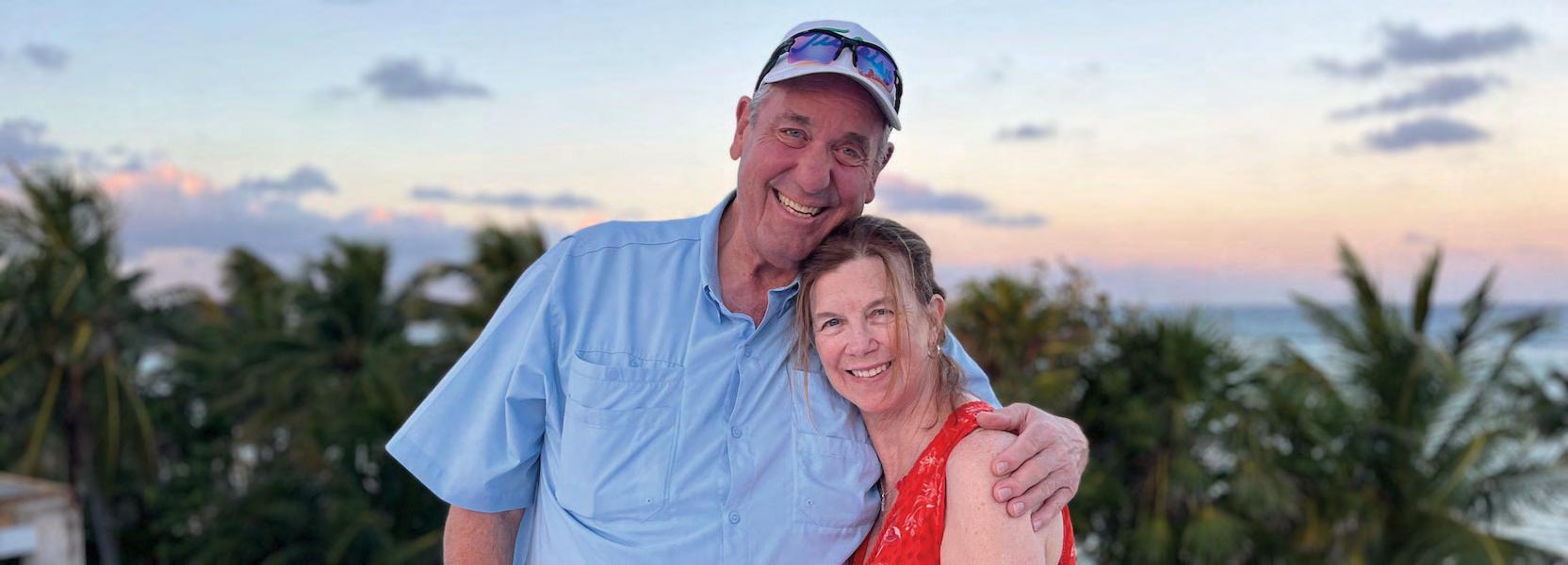
Mark and Maureen Miller
Michael Drazer, MD
Sonali Smith, MD
Samuel Volchenboum, MD, PhD, MS