GLP-1s AND HAIR LOSS
REGENERATIVE THERAPIES AND THEIR ROLE IN MODERN AESTHETIC PRACTICE
SAFE AND EFFECTIVE INJECTIONS FOR BLACK PATIENTS
GLP-1s AND HAIR LOSS
REGENERATIVE THERAPIES AND THEIR ROLE IN MODERN AESTHETIC PRACTICE
SAFE AND EFFECTIVE INJECTIONS FOR BLACK PATIENTS
Introducing
from the innovators who perfected microneedling comes the next evolution in skin treatment.
Innovative multi-technology
Cleanse, extract, infuse, regenerate
Intelligent handpieces for targeted treatment
Customisable protocols
Non-invasive, zero downtime
Acne – CLEAR
Rosacea – CALM
Ageing – FIRM
Pigmentation – EVEN
Sun damage – BRIGHT
Harness the ultimate Synergy of Solutions
Combine treatments, multiply results
Optimise with Dermapen 4
Transform with Dp Dermaceuticals™
Engineer every patient’s skin success
AESTHETIC MEDICINE IS EVOLVING RAPIDLY, WITH REGENERATION emerging as a key focus. Globally, practitioners are shifting from traditional corrective procedures to protocols that enhance skin health, optimise tissue quality, and support long-term rejuvenation. This issue examines the trends, technologies, and treatment philosophies driving this new direction in aesthetics.
Our cover feature highlights the global rise of Korean regenerative aesthetics and the increasing use of PDRN and polynucleotide therapies. First popular in Korea’s advanced aesthetic market, injectable PDRN protocols have gained international recognition for improving hydration, stimulating collagen, accelerating healing, and achieving the luminous ‘glass skin’ look associated with K-Beauty. As demand for natural-looking rejuvenation grows, practitioners are combining regenerative injectables with energy-based devices, exosomes, skin boosters, and microneedling to deliver personalised treatment plans.
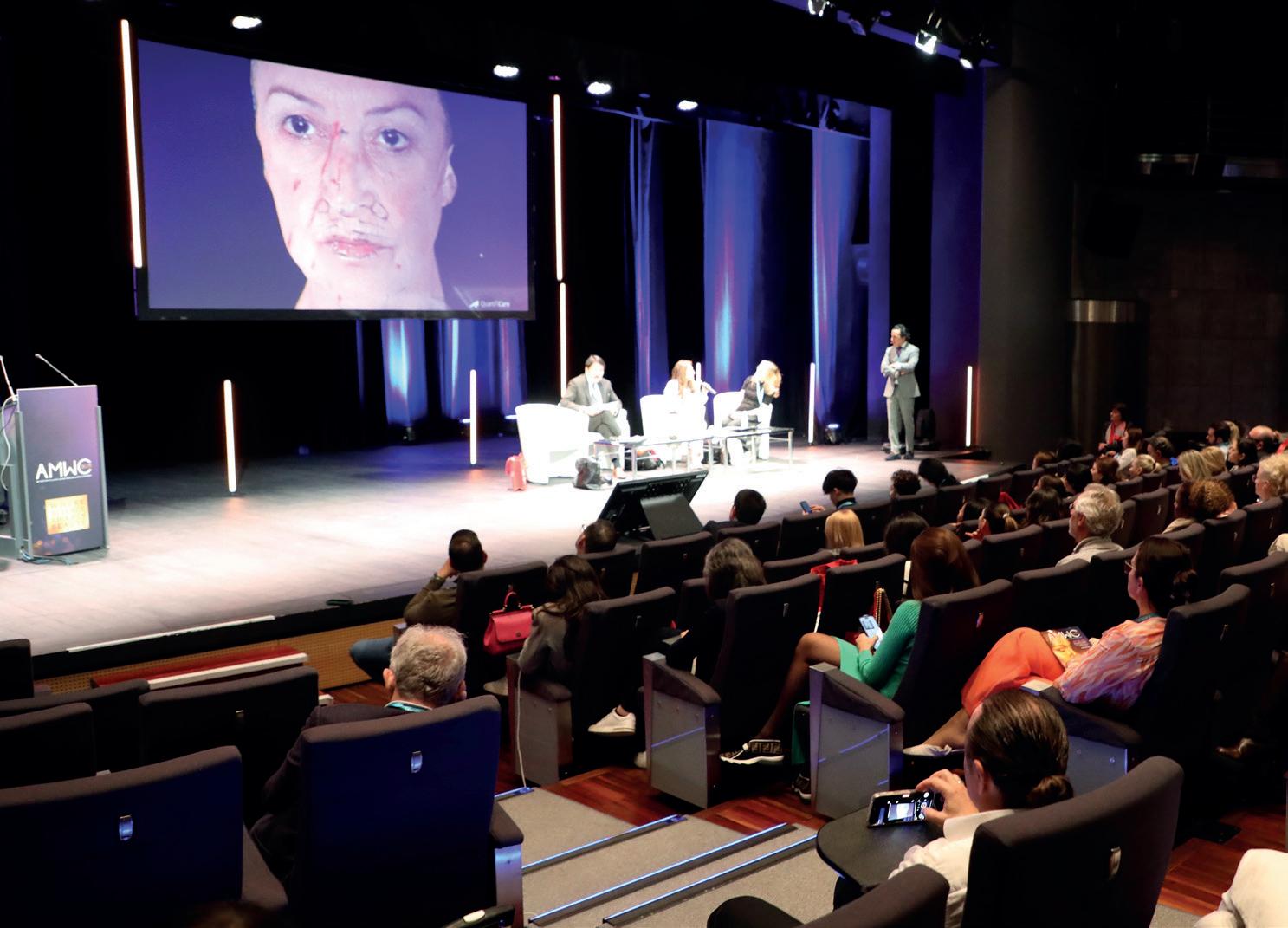
The timing of this issue coincides with AMWC Korea, taking place in Seoul on June 19–20, further highlighting the growing influence of the Korean aesthetics market on global clinical practice. As one of Asia’s leading congresses dedicated to aesthetic and anti-ageing medicine, AMWC Korea brings together international experts, cutting-edge technologies, live demonstrations, and scientific education focused on the future of regenerative and minimally invasive treatments. Korea continues to set the pace for innovation in areas such as skin boosters, combination therapies, regenerative injectables, and advanced device integration.
Affiliated partners:

International Journal of Aesthetic and Anti-Ageing Medicine
Informa Australia, Level 4/24 York St, Sydney, NSW, 2000, Australia ISSN 2159-8908 (print) ISSN 2159-8916 (online)
Editor Balraj Juttla
balraj.juttla@informa.com
Art Director David ‘Spike’ McCormack
Digital Marketing Manager Slim Hakimi slim.hakimi@informa.com
Production & Ads Department balraj.juttla@informa.com
Please send your manuscripts and press releases to: balraj.juttla@informa.com All submitted
Regenerative medicine remains a major focus throughout this issue. Dr Vincent Wong examines the expanding role of autologous regenerative therapies, including PRP, nanofat, and autologous exosomes, while other features explore plant-derived exosomes for eyebrow restoration and broader applications of exosomes in aesthetic dermatology and intimate wellness. These articles reflect the growing demand for biologically driven treatments that work with the body’s own repair mechanisms rather than simply masking signs of ageing.
We also address several important shifts taking place across the wider industry. Fatou Diouf presents a thoughtful discussion on advancing safer, more inclusive injection strategies for Black patients and those with melanin-rich skin; while Kam Dogan explores the rise in hair loss associated with GLP-1 weight-loss therapies and the growing demand for regenerative hair restoration solutions.
As always, we hope this issue provides valuable clinical insight, practical guidance, and inspiration as aesthetic medicine continues to move toward a more regenerative, personalised, and patient-centred future.
Balraj Juttla Editor, PRIME balraj.juttla@informa.com



More injectables, more energy based treatments, and, of course, VISIA Skin Analysis
Now in for masterful communication and effortless conversions
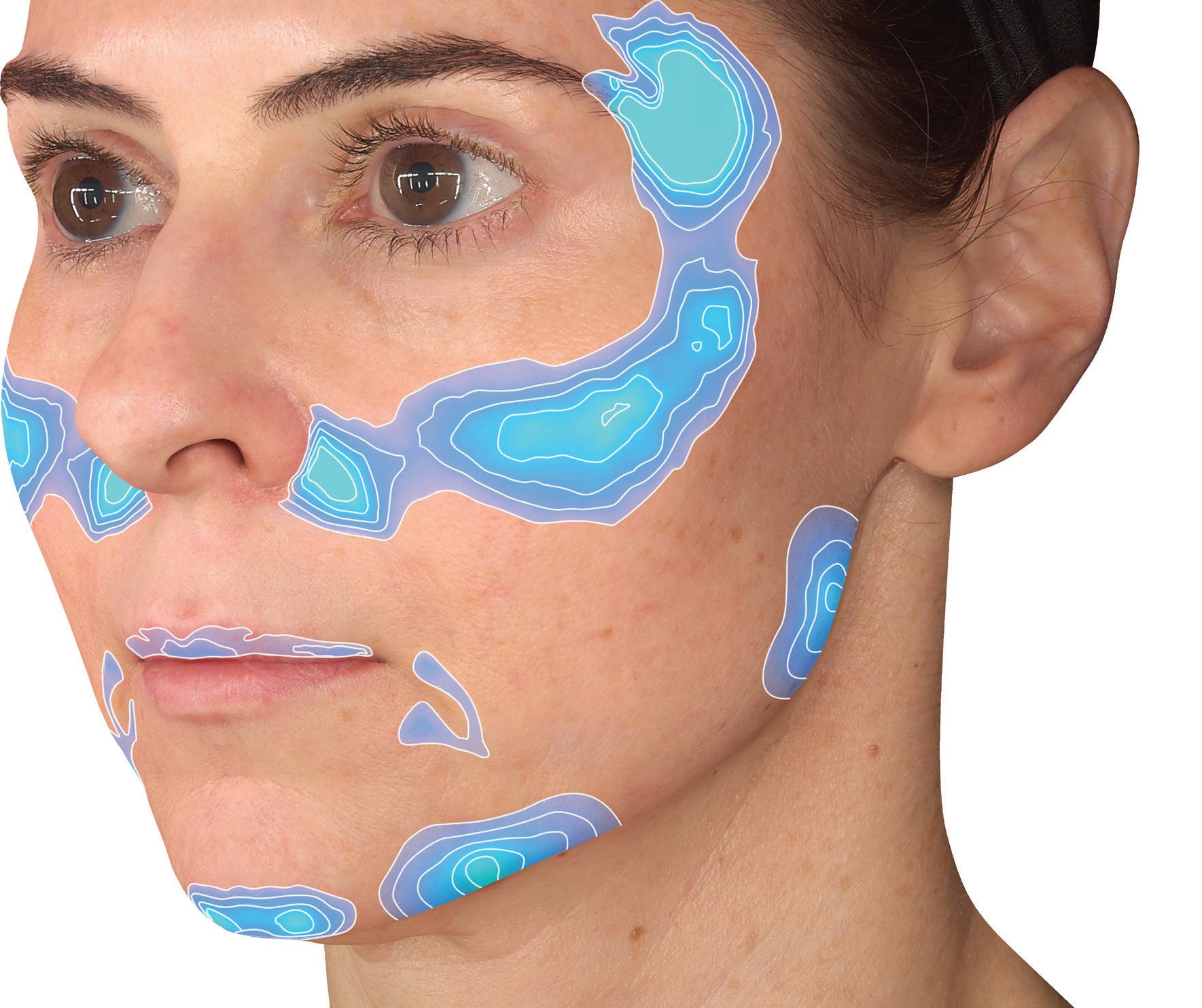
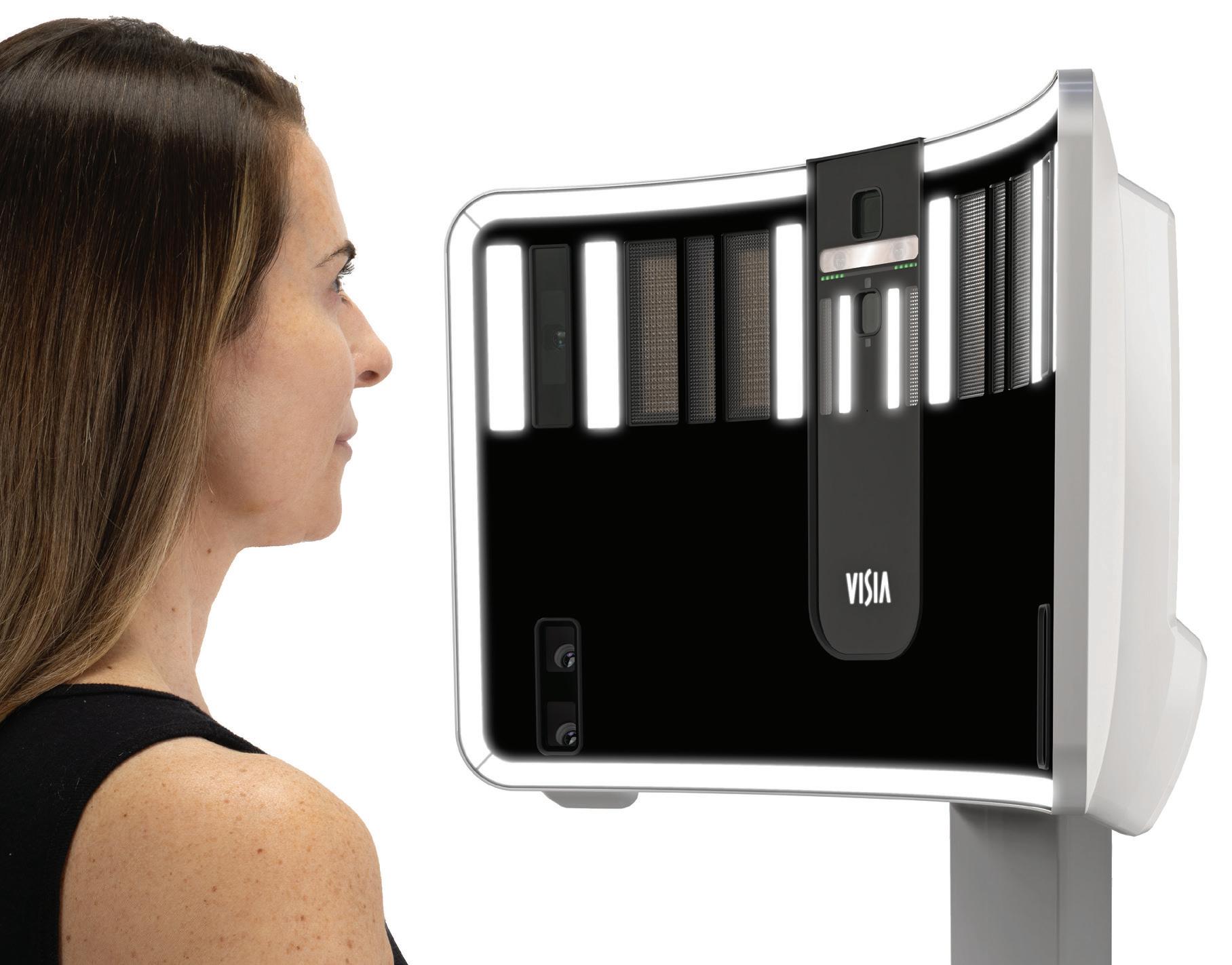
The only system with instant capture delivering 3D with standard, cross‑polarized, and UV lighting modes. Includes video capture

10 28 24

6 New study suggests diluted CaHA fillers may deliver stronger skin-regeneration benefits
8 Busy, burnt out, and booked solid: inside the aesthetic business strain
INDUSTRY INSIDER
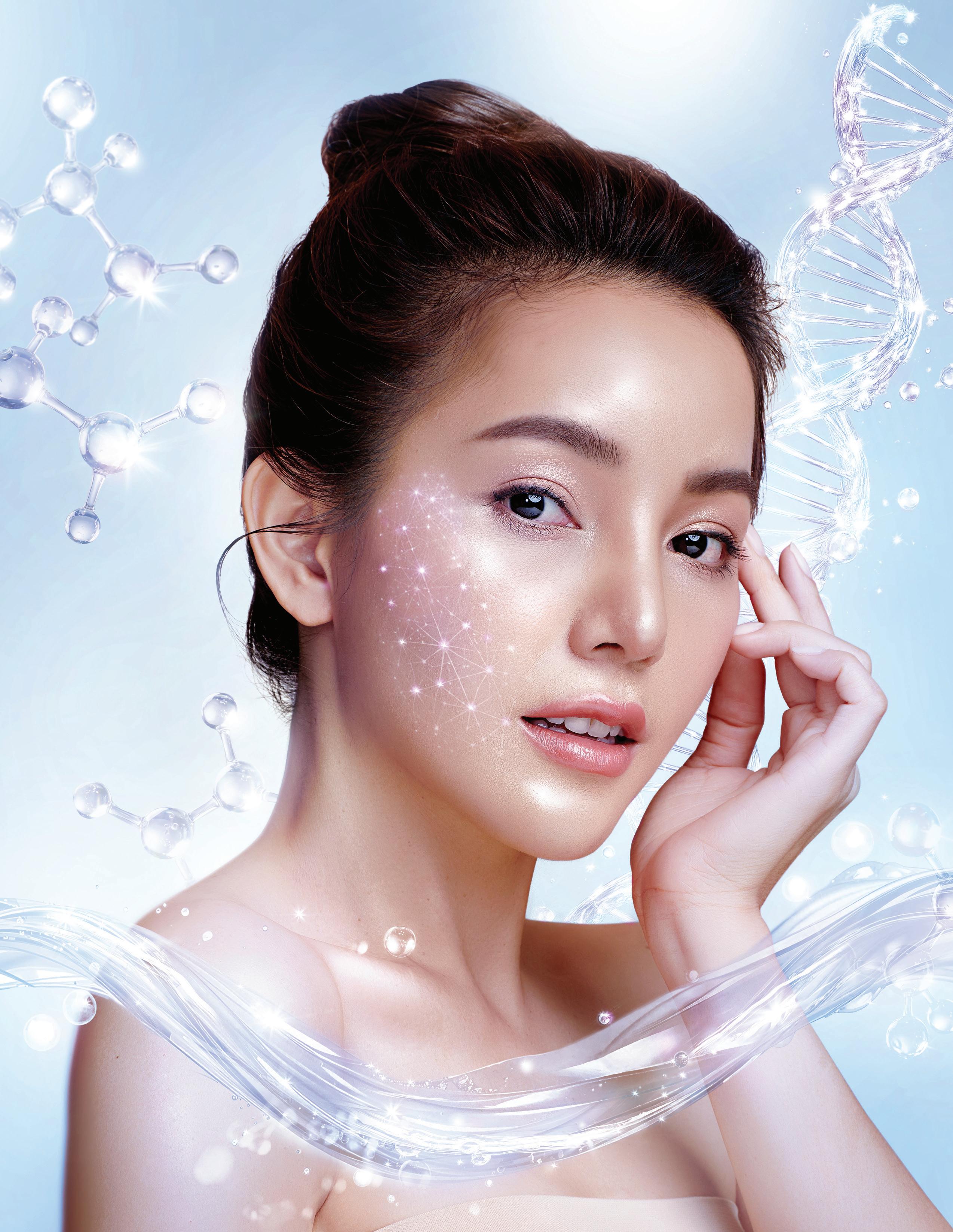
10 K-Beauty’s regenerative revolution: The global rise of PDRN in aesthetic medicine
As Korean regenerative aesthetics continues to shape global treatment trends, aesthetic practitioners are increasingly turning to PDRN and polynucleotide therapies to improve hydration, skin quality, healing, and the sought-after ‘glass skin’ effect
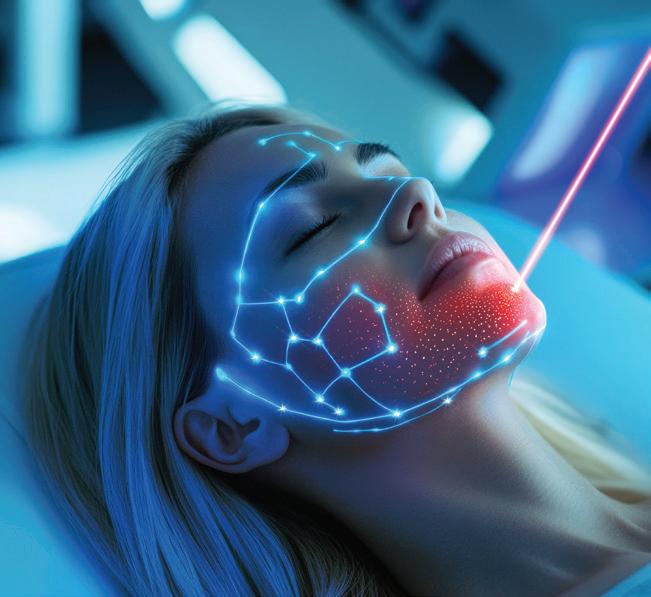
14 The future of laser skin resurfacing
As laser resurfacing technologies evolve, practitioners are combining advanced fractional platforms, AI-assisted assessment, and regenerative therapies to deliver safer, more personalised skin rejuvenation with reduced downtime
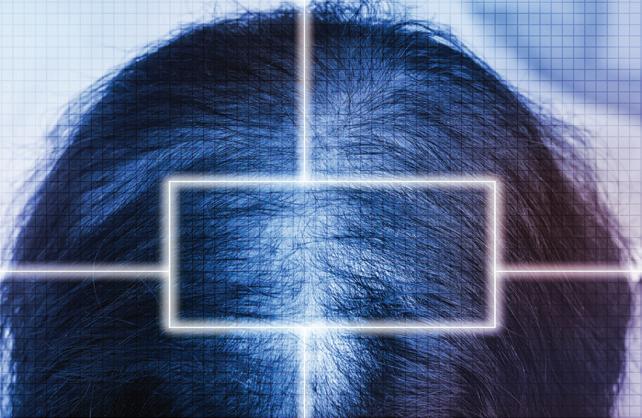
20 From weight loss to hair loss: Rise of the invisible hair transplant in the GLP-1 era
As GLP-1 weight loss medications continue to rise in popularity, clinics are seeing a growing number of patients presenting with hair shedding driving demand for personalised regenerative therapies and minimally invasive hair restoration techniques
20
14
24 Autologous regenerative therapy: PRP, nanofat and autologous exosomes
Vincent Wong, MD, explores the mechanisms, evidence, and clinical applications of three leading autologous regenerative therapies PRP, nanofat, and extracellular vesicles and their growing role in modern aesthetic practice
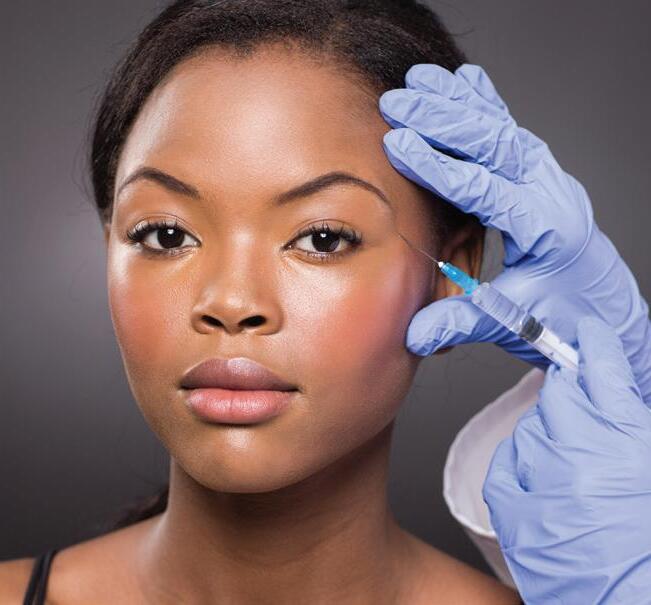
28 Advancing safe and effective injections for black patients
As aesthetic medicine works toward greater inclusivity, Fatou Diouf, MD, explores how injection strategies, consultation methods, and safety protocols must evolve to better serve Black patients and melanin-rich skin
34 A novel approach for eyebrow thinning and patchiness: Plant-derived stem cell exosomes
36 Exosomes in clinical practice: Applications in aesthetic dermatology and intimate wellness
38 Use of poly-l-lactic acid in adult patients: Aesthetic applications for the face and body
42 ProDeep® by Vydence: a technology redefining deep dermal treatment
PRODUCT NEWS
44 The latest product news for the aesthetic and anti-ageing industry
50 A round-up of the major industry events around the world over the next 12 months
A
Anew study published in the Journal of Cosmetic
Dermatology suggests that diluted calcium hydroxylapatitecarboxymethylcellulose (CaHA-CMC) formulations may offer superior skin-regeneration benefits compared with undiluted product, particularly when the treatment goal is improving skin quality rather than adding volume.
Researchers found that a 1:1 dilution of CaHA-CMC produced the most consistent improvements in collagen production, skin thickness, elastosis, and microcirculation over six months, supporting its growing use in regenerative aesthetic medicine.
CaHA-CMC, marketed as Radiesse (Merz Aesthetics), is already widely used for facial contouring and biostimulation. While its ability to stimulate collagen has long been recognized, the new study aimed to examine the broader extracellular matrix (ECM) remodeling process triggered by different dilutions of the product.
The prospective study enrolled 10 adults undergoing abdominoplasty procedures. Participants received injections of undiluted CaHA-CMC, 1:1 diluted CaHA-CMC, 1:2 diluted CaHA-CMC, and saline control into designated abdominal sites at multiple time points before surgery. Researchers then analyzed tissue samples and ultrasound findings to assess collagen, elastin, proteoglycan activity, skin thickness, elastosis, and blood flow changes.
Among the key findings was a significant increase in collagen deposition across all CaHA-CMC dilutions compared with saline controls. However, the strongest response was observed with the 1:1 dilution at the three-month mark. Collagen induction remained elevated through six months across all treatment groups.
The 1:1 dilution also demonstrated the greatest improvements in skin thickness. Ultrasound measurements showed a 21.7%
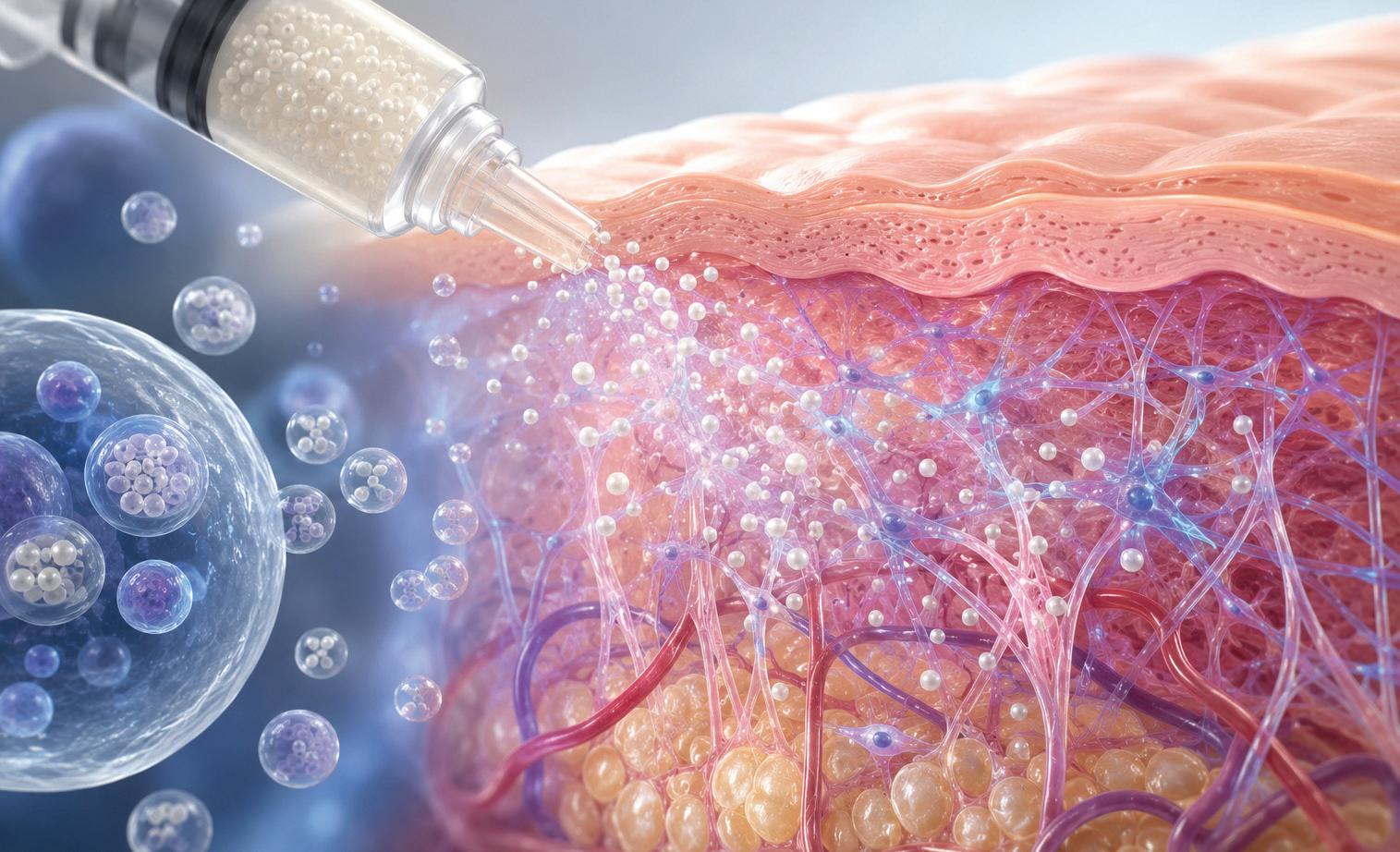
increase in skin thickness at three months and an 18.4% increase at six months versus baseline, both statistically significant.
Researchers additionally reported improvements in elastosis — a marker of dermal aging and ECM disorganization — particularly with undiluted CaHA-CMC and the 1:1 dilution. By six months, the proportion of patients showing no detectable elastosis was highest in the 1:1 group.
Another notable finding was enhanced microcirculation. At six months, 100% of patients treated with the 1:1 dilution demonstrated augmented microcirculation on Doppler ultrasound, suggesting improved tissue perfusion and possible microvascular remodeling.
Beyond collagen, the study examined proteins involved in ECM maturation, including decorin, versican, elastin, and fibulin-5. The data suggest CaHA-CMC stimulates a coordinated regenerative cascade rather than isolated collagen production alone. Researchers
described the process as ‘biphasic,’ with early provisional matrix formation followed by later elastic fiber maturation.
The authors concluded that while undiluted CaHA-CMC remains valuable for structural support and volumization, diluted formulations — especially 1:1 — appear more efficient for widespread skin-quality improvement and tissue regeneration. They suggest the 1:1 dilution should be considered the preferred option when the primary treatment goal is biostimulation rather than lifting or contouring.
The authors noted that dilution changes not only the product’s lifting capacity, but also how CaHA microspheres spread through tissue and interact with fibroblasts. According to the paper, undiluted CaHA-CMC is better suited to areas requiring structural support and contouring, such as the jawline, chin, and midface, while more diluted formulations are optimized for diffuse tissue remodeling and skin tightening.
The study was funded by Merz Aesthetics.

The specialty of aesthetic medicine has never been more in demand. Schedules are full. Revenue is up. The waiting lists are real. But a new national survey of 628 US aesthetic practice owners tells a different story about what it actually feels like to run one of these businesses, and it’s not the one showing up on Instagram.
The average number of vacation days taken by an aesthetic practice owner in the past year: one day. Not a week. Not even a long weekend. And 60% of owners surveyed couldn’t manage more than two days completely off. Only 7% took a full week away from their practice in the past 12 months.
Those are among the findings in the Moxie 2026 State of Aesthetic Business Report, released by Moxie, the clinical-grade growth platform built exclusively for aesthetic medicine. The report, based on the largest independent study of its kind, paints a picture of a specialty that is booming on the surface and structurally fragile underneath.
‘The data in this report reinforces what we already understand as providers and business owners: clinical excellence, patient experience, and operational performance are not separate priorities but are fundamentally interconnected. Sustainable success requires all three to work in alignment,’ said Dr Sheila Barbarino, MD, FAAO, FAACS, FACS, founder and CEO of Barbarino Surgical Arts, an award-winning multi-location aesthetic practice. ‘Without a clear grasp of your numbers, long-term viability is nearly impossible. Strong businesses do not just support care delivery; they actively shape and elevate the patient experience. Over the next decade, the practices that will truly stand out in this specialty are those that approach both clinical care and business operations with equal discipline and intent.’
The stakes are particularly pronounced given who is running these practices. According to the American Med Spa Association, 70% of aesthetic practice owners are women, making aesthetic medicine one of the most women-led entrepreneurial segments in healthcare. Research from Wells
Fargo found that women-owned businesses generate roughly 40% of the revenue of their male-owned counterparts, not because of capability, but because of infrastructure.
‘Aesthetic practice owners are clinically excellent and operationally under-resourced. Growth is often seen as the ultimate goal for aesthetic practices, but our data tells a more nuanced story,’ said Kamau Massey, CEO of Moxie. ‘Success in 2026 is about stability, operational clarity, and delivering exceptional patient experiences—not just a full schedule or more revenue.’
The hidden cost of a full schedule
The survey data shows a specialty under ongoing strain that largely goes unnoticed publicly. Key findings include:
■ 60% took 2 days or fewer completely off in the past 12 months
■ 100% work unplanned after-hours at least occasionally. Zero owners said ‘never.’ More than half (55.7%) do it 3-4 or more times per week.
■ 95% reported experiencing at least one operational incident in the past year, such as a patient complaint, refund, negative review, corrective action, or regulatory scrutiny.
■ 70% say running their practice is more stressful than expected. 73% say day-to-day
complexity has increased in the past two years.
■ 85% carry key practice details in their head because there isn’t a system they fully trust, including approvals, compliance tasks, vendor contacts, and protocols.
■ 0 out of 628 owners surveyed said their practice runs well without them.
The financial picture is equally striking. Despite strong revenue, many practice owners lack basic visibility into the health of their own business:
■ 68% experienced a period where the schedule felt full, but cash flow came in tighter than expected
■ 71% worry their practice looks healthier on the surface than it actually is, despite growing revenue
■ 34% have never received formal training on how to read a profit and loss (P&L) statement. Nearly 40% have no repeatable monthly rhythm for reviewing business performance
■ 51% review their practice’s financial performance only quarterly—the most common answer. Only 2% review it daily.
growth:

The report also documents a clear performance divide between practices with operational discipline and those without, directly supporting Moxie’s Clinically-Led Growth thesis:
Practices that feel ‘very sustainable’ are 2.5x more likely to be high-growth (11%+ revenue increase) than practices that feel unsustainable (40% vs 16%)
Practices with operational discipline— defined as P&L training, consistent financial reporting, and a monthly performance review rhythm—achieve strong growth at 2x the rate of undisciplined practices (39% vs 19%).
‘This is the core of Clinically-Led Growth,’ said Massey. ‘Operational discipline and clinical standards don’t compete with growth. They drive it. The data across hundreds of practices is unambiguous on this point.’

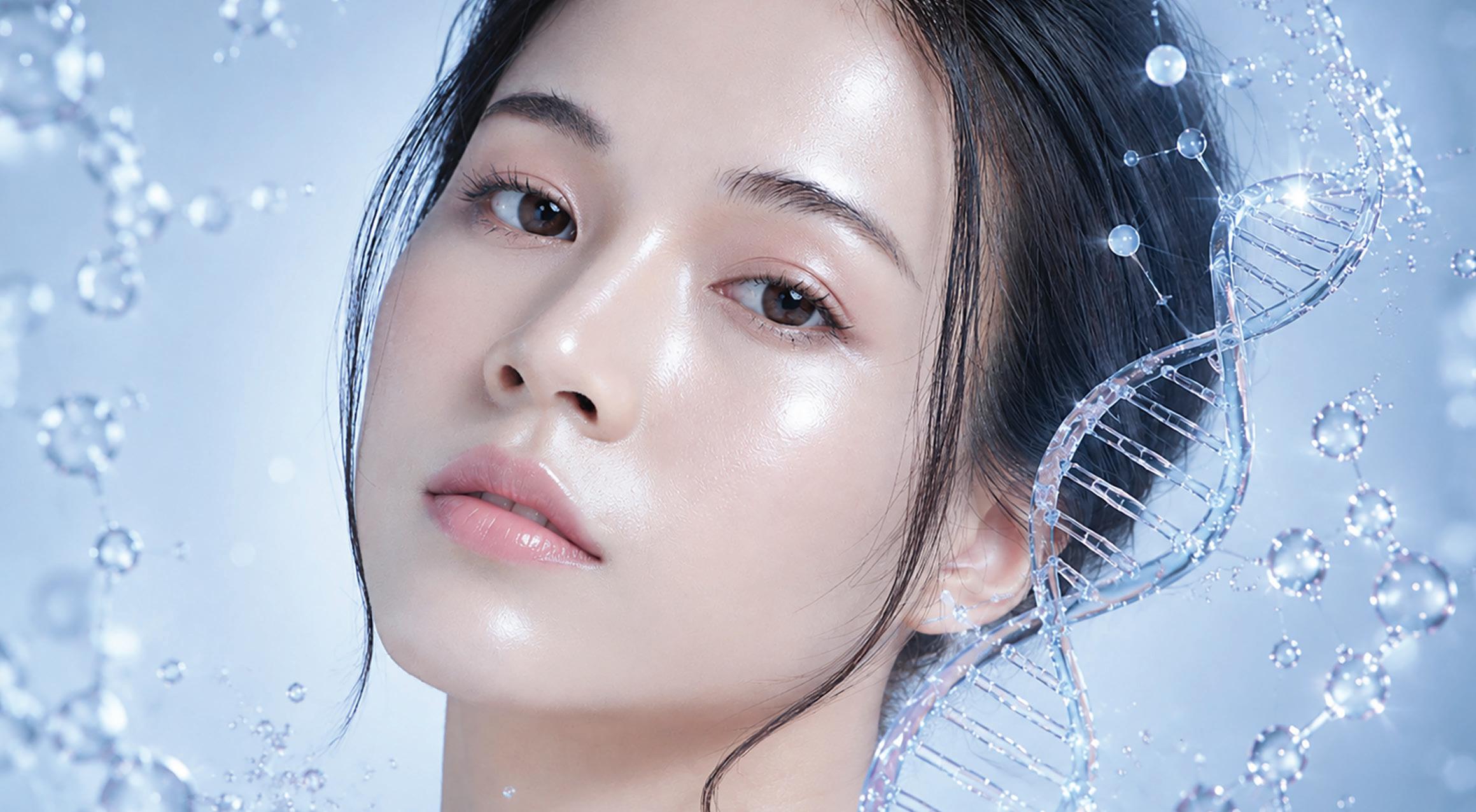
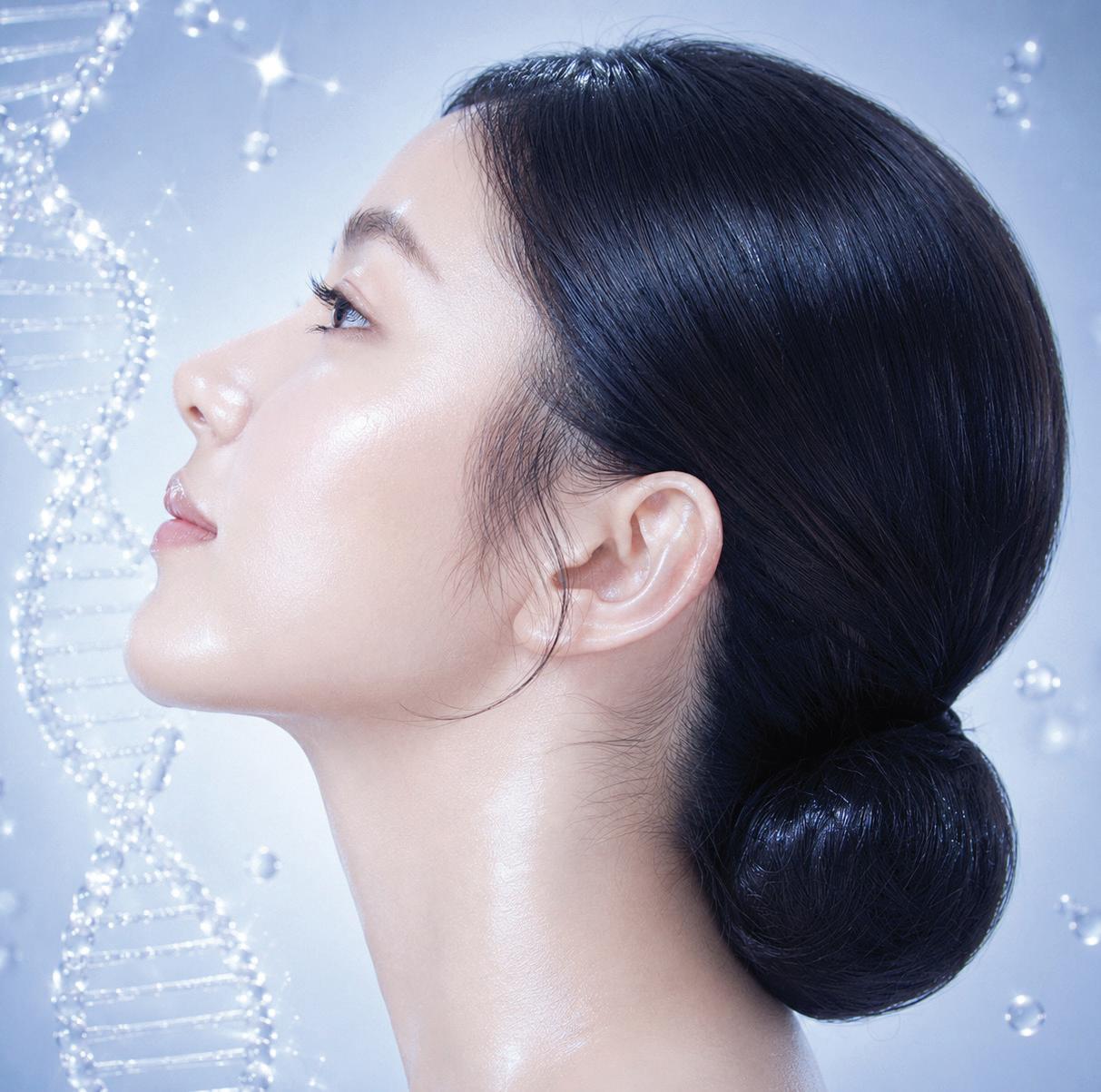
As Korean regenerative aesthetics continues to shape global treatment trends, aesthetic practitioners are increasingly turning to PDRN and polynucleotide therapies to improve hydration, skin quality, healing, and the sought-after ‘glass skin’ effect
OVER THE PAST DECADE, THE international aesthetic medicine landscape has been transformed by the influence of Korean beauty, popularly known as K-Beauty. Renowned for its pursuit of radiant ‘glass skin’ and advanced anti-ageing protocols, K-Beauty has set new standards in skin health, rejuvenation, and innovation. Central to this movement is the emergence and global adoption of polynucleotide (PN) therapies, particularly polydeoxyribonucleotide (PDRN), a DNA-based regenerative material with robust clinical benefits.
‘PDRN is a DNA fraction that contains a mixture of deoxyribonucleotide polymers of varying lengths, typically ranging from 50 to 2000 base pairs,’ reported Dr Hanbit Hong, general practitioner at Lux Well Clinic in South Korea. ‘PDRN supports dermal rejuvenation through multiple well-documented mechanisms. It activates A2A adenosine receptors, which play a central role in reducing inflammation and promoting tissue regeneration and angiogenesis. This is particularly beneficial for repairing photoaged or UV-damaged skin. Additionally, PDRN stimulates fibroblast proliferation and enhances the synthesis of collagen (types I and III), contributing to extracellular matrix remodelling and improved skin texture. It also accelerates wound healing by increasing VEGF expression and supporting vascularisation. Furthermore, PDRN provides nucleotides that feed into the salvage pathway, aiding in DNA repair and cell regeneration in damaged tissues. These combined effects make PDRN a reliable regenerative option for patients experiencing signs of photoageing, dryness, and loss of dermal density.’
PDRN’s unique ability to stimulate fibroblast proliferation and enhance synthesis of collagen types I and III underpins its powerful anti-ageing effect. According to cosmetic dermatologist Suneel Chilukuri, MD, FAAD, FACMS, founder of Refresh Dermatology (Houston, TX), it also suppresses matrix metalloproteinases (MMPs), facilitating extracellular matrix remodelling and improving skin texture.
As PDRN is not yet approved by the FDA for injection in the United States, Dr Chilukuri commonly combines PDRN treatments with energy-based devices. ‘For patients that have fine lines and textural issues, you can use any delivery system such as a 1927 nm thulium laser, an Er:YAG laser or a light CO2 laser. I often use it with the Tetra PRO with the CoolPeel® setting (Deka Aesthetics) or a Pixel® fractional laser (Alma Lasers), then I topically apply PDRN.’ He added that providers who do not invest in energy-based devices can still get great results using PDRN with mechanical microneedling. ‘You don’t have to go deep; you only need to administer the solution below the dermoepidermal junction (DEJ), which allows for a skin-tightening effect,’ he clarified.
PDRN supports dermal rejuvenation through multiple well-documented mechanisms.
‘I see it working for texture, dullness, fine lines, and especially hyperpigmentation,’ Dr Chilukuri continued. ‘And when used in combination with exosomes, we see great results with hyperpigmentation, including some cases of melasma. Additionally, exosomes are unmatched for reducing inflammation, and with the combination of exosomes and PDRN, we can provide optimal results, including the glass skin effect, when delivered into the skin with microneedling or an energy device. Injection depths for both mesotherapy and energy devices should be from 0.3 to 0.5mm for effective administration of PDRN.’
A comparative analysis of PDRN, PRP, exosomes, and hyaluronic acid
PDRN, first popularised in Korea through brands such as Rejuran (PharmaResearch), has garnered international interest for its anti-inflammatory, hydrating, and collagenstimulating properties. As regulatory frameworks and clinical evidence evolve, aesthetic professionals worldwide are increasingly exploring PDRN as a cornerstone of antiageing protocols, both as a monotherapy and in combination with energy-based devices, injectables, and skin boosters. Dr Hong reported that, for his patients, skin dullness may improve quickly with PDRN due to its antiinflammatory properties, and that injecting PDRN using a subcision technique has shown very good results for fine lines and minor acne scars. ‘Because PDRN treatments are lightweight and can be done every 1–2 months without much burden, they are popular among patients in their 20s to 40s who are looking to improve skin hydration, radiance, and smoothness. In my clinic, the most commonly used protocol is a combination of PDRN, non-crosslinked hyaluronic acid (HA), and botulinum toxin, delivered with a negative-pressure injector. This method takes less than 10 minutes per session and provides consistently high patient satisfaction.’
The evolution of regenerative medicine has led to several injectable and topical options, including platelet-rich plasma (PRP), exosomes, HA, and PDRN. While PDRN treatments are reliable and consistently effective, comparisons with other topicals remain relevant.
PRP varies due to patient-specific factors, such as platelet quality, hydration, and medication use. ‘There are inconsistencies from patient to patient with PRP due to factors like patient age, health or hydration levels,’ reported Gideon Kwok, DO, co-founder of The Aesthetic Immersion, an educational platform for healthcare professionals in aesthetic medicine (Brea, CA) and co-owner and medical director of eight Skin Perfect Medical Clinics in Southern California. ‘For example, dehydration can cause platelets to clump together so you get a higher concentration of platelets, while someone who is super hydrated may have fewer platelets. Therefore, PRP and PRF offer a very wide range of responses based on the quality and quantity of the patient’s blood. Additionally, PRP is actually proinflammatory and so swells up and creates inflammation, which is why I prefer PN.”
‘Exosomes include mRNA, DNA fragments, cytokines, and a milieu of components, which can make them

difficult to work with,’ Dr Kwok continued. ‘However, they can significantly reduce inflammation, and I think that’s where the power of exosomes lies. But again, you have to consider the source, quality, and messaging within the exosomes. Overall, I believe that exosomes with the growth factors can expand the benefits of PDRN. Exosomes decrease inflammation quicker, while PN’s create deeper hydration, and that’s where the glass skin effect happens. The effect is similar to when you first spray something onto the skin and it has a nice, glassy look. If you are able to hold that hydration effect in the tissue for a longer period of time, you get that nice glassy skin. Because of this hydration effect, I think PNs provide that immediate effect of hydrated, dewy skin, and a series of treatments can prolong the biostimulation effect.’ He noted that while exosome products offer potent anti-inflammatory benefits, regulatory hurdles and variability in product quality remain obstacles to their widespread adoption.
HA skin boosters are a dominant injectable treatment used in aesthetic treatments for hydration. According to Dr Chilukuri, HA injections may carry risks, such as superficial vascular occlusion and persistent papules that last 13-14 months in some cases. When asked whether he believes PDRN might replace HA, he noted that, due to its longterm hydration effects, HA stands alone, leading many providers to develop their own treatment combinations that include both PDRN and HA to create protocols tailored to each individual patient.
‘The smaller DNA fragments of PDRN are known for hydrating, healing, and targeted repair of local concerns, while PN’s larger molecules are often associated with more robust regenerative properties,’ noted Dr Kwok. ‘When PNs are injected as a series, there is a deeper hydration component that is very significant and can often be noticed within 1-3 treatments. In the US, we use it as a topical formulation, so mainly combine the topicals with energy-based devices that open the skin barrier and create microchannels, which allows us to push the PDRN into the tissue for a more significant and longer-lasting effect.’
flexibility supports a patient-centred approach, allowing practitioners to address specific aesthetic priorities and respond to evolving skin needs with creative, evidencebased interventions.
Dr Kwok offered some of his combination approaches and pointed out that managing patient expectations is key. ‘Volume loss still requires fillers,’ he emphasised. ‘Biostimulators like Sculptra® (Galderma Laboratories) and hyperdilute Radiesse® (Merz Aesthetics), as well as exosomes, PRP, and PNs, all have some effect on volume as far as improved collagen and skin thickness, but the biostimulators are longer lasting and more robust. If you need to build a lot of collagen and elastin for a long period of time, biostimulators are still on the mark and can be used as part of a combination protocol.’
Dr Kwok continued, ‘To treat hyperpigmentation, I mix PDRN with glutathione, tranexamic acid, or one of the many Korean skin boosters that focus more on skin brightening and melasmas. If a patient needs more targeted treatment for pigmentation and hydration, or maybe pigmentation, fine lines and wrinkles, I create different combinations for each. Education is the foundation to match the products with rejuvenation goals. It is up to the provider to be creative and mix products that are precisely tailored to your patients’ needs.’
Dr Hong added a note of caution that while PDRN is generally safe, it is derived from salmon DNA; therefore, caution is advised when treating patients with known fish allergies. He also noted that because PDRN is mildly acidic, it can cause discomfort when injected and may produce a stinging sensation when applied to ablated or resurfaced skin.
Aesthetic providers benefit greatly from PDRN’s remarkable adaptability, which can be integrated into diverse treatment protocols tailored to each patient’s unique concerns. The versatility of PDRN enables clinicians to combine it with complementary agents to expand its clinical utility across a spectrum of indications, including hydration, pigmentation, fine lines, and textural irregularities. By adjusting delivery modalities, such as microneedling, fractional lasers, or topical application, providers can further refine therapeutic outcomes and customise regimens to achieve precise clinical goals. This
Education is the foundation to match the products with rejuvenation goals. It is up to the provider to be creative and mix products that are precisely tailored to your patients’ needs.
As awareness of PDRN grows, aesthetic professionals worldwide are adapting Korean-inspired regenerative protocols to local contexts. In Korea, PN and PDRN injections are performed frequently, while combinations with non-crosslinked HA, botulinum toxin, and adjunctive therapies are being refined to maximise patient outcomes. In the US, FDA approval is pending, and practitioners anticipate broader access within a few years, requiring innovation from providers to maximise results. While South Korea and the US are prominent in its adoption, PDRN’s use is expanding globally due to its regenerative and healing properties and can be found in cosmetic and anti-ageing applications in other parts of Asia and Europe.
Gideon Kwok, DO
The source of PDRN and PN remains a marketing point. Korean brands, such as Rejuran, emphasise their use of wild salmon and their commitment to reducing their environmental impact. In contrast, other sources may include farm-raised salmon or trout, but the molecular similarities remain consistent.
The aesthetic regenerative revolution is not just about products; it is about empowering practitioners to personalise treatments for diverse patient concerns. Rather than replicating set recipes, clinicians are encouraged to create their own mixtures customised for each patient. Ongoing education is vital for understanding the nuanced effects of PDRN, PN, and combination therapies. As the landscape evolves, practitioners must keep abreast of new evidence, product developments, and regulatory changes. Building expertise in molecular mechanisms, patient selection, and protocol customisation will be essential to delivering optimal results.
I want reproducible results every single time, and I believe PDRN will help me achieve that goal.
Suneel
MD
Current research is exploring additional uses for PDRN, including keloid treatment and enhanced wound healing. Preliminary data suggest PN injections into keloids may perform better than traditional corticosteroid therapies.1 Future studies may further delineate optimal molecular weights, application techniques, and synergistic protocols.
K-Beauty’s anti-ageing trend, embodied by PDRN and polynucleotide therapies, is reshaping global aesthetic medicine, while its integration into modern aesthetic practice reflects a strategic advancement in personalised skin rejuvenation. By leveraging their complementary regenerative and hydrating properties, providers can target specific concerns such as pigmentation, hydration, and fine lines. By embracing education and creative formulation, aesthetic professionals can effectively harness the transformative potential of PDRN to support the pursuit of the coveted ‘glass skin’ effect characterised by a luminous, poreless, and even-toned complexion that aligns with contemporary ideals of radiant, healthy skin. ‘I think in the future we will be able to address a lot more skin concerns in a much more efficient fashion by adding these to the tools we are already using in regenerative medicine,’ concluded Dr Chilukuri. ‘I want reproducible results every single time, and I believe PDRN will help me achieve that goal.’
Written by Cindy Papp, contributing editor
A B
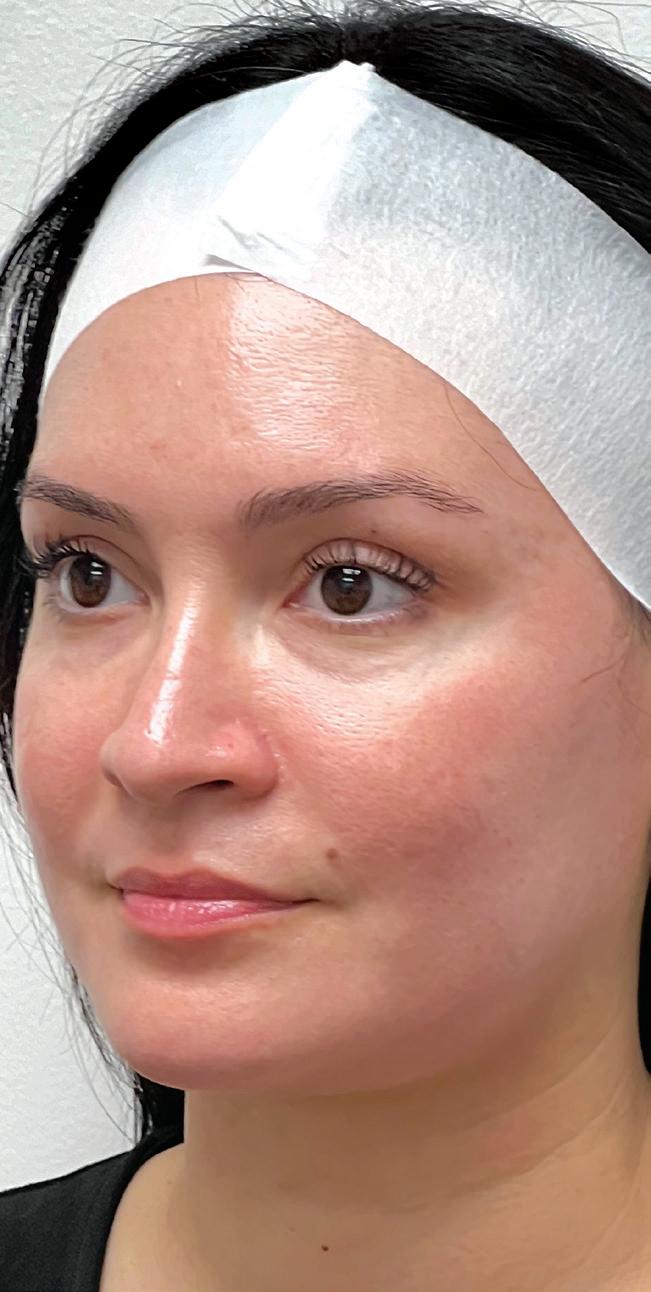
As laser resurfacing technologies evolve, practitioners are combining advanced fractional platforms, AI-assisted assessment, and regenerative therapies to deliver safer, more personalised skin rejuvenation with reduced downtime
EVOLVING TECHNOLOGIES IN LASER SKIN
resurfacing offer aesthetic providers a dynamic array of technologies that promise transformative results for patients seeking skin rejuvenation. As advancements in energy-based devices, combination therapies, and artificial intelligence reshape the landscape, practitioners are now able to tailor treatments more precisely to individual skin needs and expectations. The latest innovations, emerging protocols, and the integration of digital tools are redefining standards in safety, efficacy, and patient satisfaction—pointing toward a future for laser skin resurfacing that is both bright and highly personalised.
Facial plastic surgeon Sheila Barbarino, MD, FAACS, FACS, founder of Barbarino Surgical Arts (Austin, TX), uses ablative fractional CO₂ or Er: YAG, which remain the workhorses when deep tissue ablation and maximal collagen remodelling and depth are required, but employs ablative radiofrequency when collagen induction with shorter downtime is preferred. To improve results and shorten healing time, she often couples these treatments with topical polydeoxyribonucleotides (PDRN), platelet-derived growth factors (PDGF), uncrosslinked hyaluronic acid, Sculptra (Galderma Laboratories), neurotoxin, peptides, or exosomes. However, advancements in the field are rapidly changing the approach to patient care and treatment outcomes, setting the stage for even greater innovations in the field.
‘There are quite a few technologies that are new and exciting,’ reported Dr Barbarino. ‘The new fractional picosecond and laser-induced optical breakdown (LIOB) platforms create intradermal vacuoles and stimulate collagen/elastin remodelling with very limited epidermal disruption, promising for pigment and textural work with reduced downtime. Hybrid/dual wavelength devices are gaining traction, allowing simultaneous or sequential superficial ablation plus deeper non-ablative dermal heating in one pass, improving efficacy with potential for reduced singlemodality (traditional CO₂ and Er:YAG) side effects.’ She noted that advances in fractional delivery, beam shaping, and real-time cooling enable precise energy placement, predictable depth control, and improved safety for higher Fitzpatrick types. Digital planning and artificial intelligence (AI) analytics, including lesion mapping and automated scoring, are increasingly supporting personalised parameter selection in aesthetics.
require true tissue removal and maximal dermal collagen remodelling such as deep rhytids, severe atrophic scarring, and full-thickness photodamage. Evolving alternatives like fractional picosecond, combined energy/hybrid devices, energy-based microneedling, advanced topical biologics, and combination medical-device protocols will further surpass the dominance of single-modality CO₂ for patients prioritising minimal downtime, extraordinary outcomes, and/or safety in darker skin. ‘The future is blended; device selection will be more algorithmic and individualised rather than device-centric,’ she added.
‘AI tools are certainly going to improve our future objective baseline assessment such as quantitative scar depth, erythema/pigment mapping, and wrinkle severity scales, as well as standardise parameter selection algorithms and model risk complications based on composite patient factors,’ Dr Barbarino continued. Today, early AI apps have demonstrated feasibility for automated scoring and personalised regimen suggestions.

AI tools are certainly going to improve our future objective baseline assessment such as quantitative scar depth, erythema/pigment mapping, and wrinkle severity scales, as well as standardise parameter selection algorithms and model risk complications based on composite patient factors.
Louai Salah, MD, consultant dermatologist at East Jeddah General Hospital (Jeddah, Saudi Arabia), also finds that AI is changing how providers plan and monitor treatments. Currently, AI tools can objectively assess skin tone, vascularity, and scarring depth, and recommend safer settings for different skin types. Additionally, it can accurately predict PIH risk and provide real-time beforeand-after comparisons to improve follow-up care. He emphasised that, despite advancements, AI will not replace clinical judgment. Still, it will be an excellent assistant, especially for treating complex skin conditions, which are important for his patient demographic. ‘In my practice in Saudi Arabia, many of my patients come in for acne scars, PIH, melasma, uneven skin tone, texture issues and stretch marks,’ he reported. To address these concerns, he typically customises combination treatments based on his patient’s needs.



According to Dr Barbarino, due to its unique mechanism of controlled ablation with thermal remodelling and the magnitude of effect achievable in one or a few sessions, ablative fractional laser resurfacing will likely remain the gold standard for the foreseeable future for indications that
Some of Dr Salah’s protocols include the use of a fractional CO₂ laser followed by topical corticosteroids, such as clobetasol, for 3 days to help reduce PIH in darker skin. ‘For hypopigmented scars, I use CO₂ to target the basal layer, then apply bimatoprost twice a day for a week,’ he continued. ‘Sometimes I add tacrolimus to support repigmentation. My patients usually respond very well, especially when we take it step by step and explain the plan clearly. They appreciate that we’re not rushing things, especially those who have had bad laser experiences elsewhere.’
Dr Salah is careful to adjust his protocols for treating skin of colour when needed. ‘This is where the real skill in laser dermatology comes into play,’ he emphasised. ‘For
darker skin types, I am very careful with fluence, density, and pulse duration. I use longer wavelengths, lower-energy settings, and longer pulses. And I always apply some form of cooling, such as cryogen spray, sapphire tip, or cold air. Pre-treatment is just as crucial. I usually start patients on a bleaching agent and SPF for two to four weeks before we even use a laser. Post-treatment, I emphasise sun protection and often add topical steroids or calcineurin inhibitors to reduce inflammation and the risk of pigmentation.’
In Dr Salah’s opinion, today’s laser technologies have increased customisation and include other exciting developments such as hybrid fractional lasers that combine ablative and non-ablative in one pass, picosecond lasers with lens arrays, which are great for tone and texture with minimal downtime, and ultrashort CO₂ pulses that minimise thermal damage, which is especially helpful for patients prone to PIH. ‘These innovations have significantly improved the safety of treating darker skin,’ he noted.
It is clear that today’s technologies are making treatments safer for patients with Fitzpatrick skin types IV to VI. ‘This group has often been overlooked in laser research and frequently told they’re not good candidates,’ stated Dr Salah. He explained that new technologies make it possible to treat hormonal pigmentation, post-acne scarring in young adults, and textural issues in darker skin with fewer risks and better outcomes.
‘I’d like to see more regionspecific protocols and research focused on darker skin types,’ Dr Salah continued. ‘We still rely too much on data from lighter skin populations. Additionally, I’m starting to use laser-assisted drug delivery more frequently. Fractional channels help deliver tranexamic acid, PDRN, or skin boosters with improved penetration and synergy. This is a very promising area.’
methods, fibre laser coring employs meticulously calibrated energy pulses for micro-ablation, offering a gentler alternative that minimises bleeding, discomfort, and recovery time while delivering impressive cosmetic outcomes.
‘Laser skin resurfacing effectively treats a multitude of skin concerns, including skin texture and tone, lines, prejuvenation, age spots and discolouration, scars, wrinkles and the effects of gravity,’ reported Glynis Ablon, MD, FAAD, founder of Ablon Skin Institute (Manhattan Beach, CA).
‘One of the most exciting advances today is Fiber Laser Coring™️ (performed with UltraClear® Cold Fiber Laser system), a breakthrough in collagen remodelling that combines fractional tissue coring and laser rejuvenation to improve skin laxity and redundancy.’ She explained that nm fibre laser platform, with a pulsing mechanism, allows her to deliver an optimal balance of thermal effects and ablation simultaneously within the same microchannel, eliminating excess skin without scalpels or stitches.
Fibre laser coring represents an innovative, non-surgical aesthetic solution, harnessing advanced ‘cold’ fibre laser technology to generate minute, precisely targeted columns within the skin. This sophisticated approach initiates the body’s natural collagen regeneration and healing mechanisms, leading to noticeably firmer skin, enhanced texture, and a significant reduction in deep wrinkles and scars. Unlike traditional mechanical coring
For darker skin types, I am very careful with fluence, density, and pulse duration. I use longer wavelengths, lower-energy settings, and longer pulses.
‘Patients are thrilled by the limited downtime, minimal bleeding, and outstanding cosmetic results, for acne scarring and tissue tightening.’
Dr Ablon said that while hybrid lasers traditionally require multiple wavelengths to achieve superficial and deep resurfacing, the 2910 nm fibre laser has seven modalities in one device to treat all skin depths with superior outcomes and can safely treat all skin types, young and mature patients, and carries a lower risk of PIH. The fibre hardware provides the benefits of fast treatment times, less discomfort and a speedy healing and recovery progression. In her opinion, all patients stand to benefit from the next generation of laser resurfacing technologies, especially with the 2910 nm fibre laser that can be used on patients of all skin colours, all complexion types and all ages.
Louai Salah, MD
‘One of the most gratifying advantages is the use of the fibre laser in paediatric patients with scars who benefit from the super-fast and supercomfortable treatment,’ she stated. ‘For the mature patient, including post-menopausal women, laser coring combination technology is transformative and has revolutionised laser resurfacing solutions.’
Sian Keane specialises in medical aesthetics and device innovation, translating advanced technologies into safe,
commercially successful approaches across diverse skin types. According to her, hybrid fractional platforms such as CO₂ with 1470 nm or Er:YAG with 1570 nm deliver CO₂like textural improvement with mid-range downtime and reduced risk of PIH. ‘In high-sun regions such as the Middle East, hybrid fractional platforms are increasingly favoured for their balance of efficacy and downtime — particularly among Fitzpatrick IV–V patients seeking visible results with minimal social disruption,’ she stated. ‘This aligns with cultural preferences for discreet recovery and reinforces the importance of pigment-safe protocols in global practice.’
Ms Keane described how fractional lasers do more than simply improve the skin’s surface — they actually influence gene expression linked to the skin’s structure, immune signalling, and protective barrier. Research involving human tissue samples has shown that these treatments can gradually reverse signs of ageing at a cellular level.1 Additionally, emerging evidence suggests that lasers may alter epigenetic factors, though it’s still unclear how this relates to long-term human lifespan. She added that scientific findings suggest lasers can be used not only to refresh the skin’s appearance but also to help regenerate and restore its underlying health.
According to Ms Keane, Fitzpatrick IV–VI will benefit from next-gen resurfacing technology, as current nonablative fractional lasers (1550–1565 nm) and cautious use of 1927 nm thulium are safe and effective for dyschromia and acne scarring. She stated that PIH mitigation depends on parameter restraint, cooling, melanin suppression when indicated, and barriersupportive aftercare, and evidence supports the 1550 nm nonablative fractional laser (NAFL) for acne scarring in darker skin types when densities are conservative.
Laser
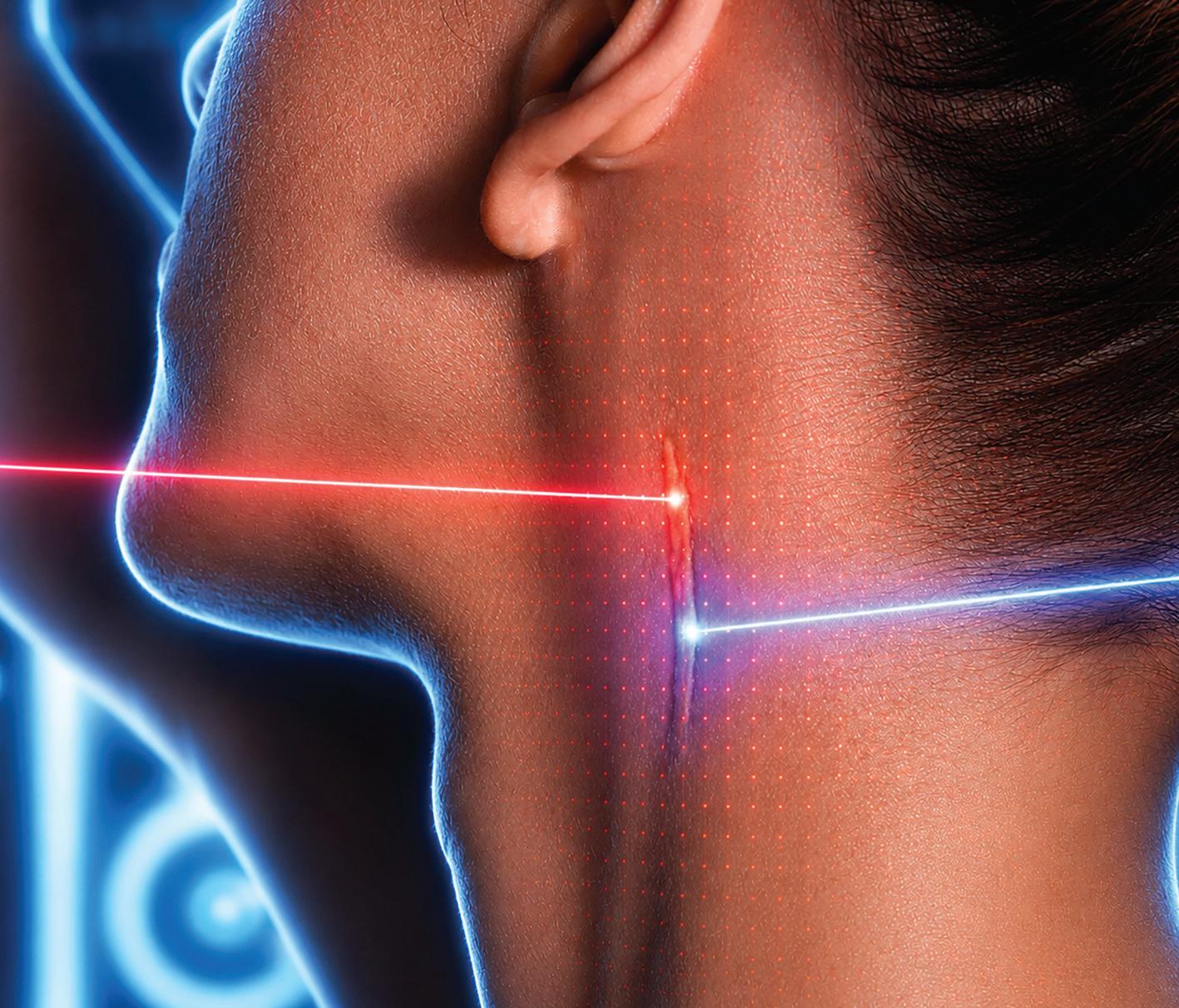
skin resurfacing effectively treats a multitude of skin concerns, including skin texture and tone, lines, prejuvenation, age spots and discolouration, scars, wrinkles and the effects of gravity.
Glynis Ablon, MD
strategies. Clinics that prioritise proof over hype, pairing measurable outcomes with clear patient education, will earn trust and market share.’
Ms Keane explained that while fractional lasers remain the backbone of resurfacing, the future is not deviceexclusive, as photochemical platforms such as 1,726 nm sebaceous-targeting lasers (e.g., AviClear by Cutera) and low-level photo-biomodulation systems are expanding the conversation beyond rejuvenation into inflammation modulation, sebaceous regulation, and mitochondrial support. These systems integrate naturally with longevity frameworks by addressing oxidative stress, metabolic signalling, and tissue resilience.
Declining estrogen levels contribute to collagen depletion and increased barrier vulnerability in menopausal and hormonally impacted skin. Ms Keane recommends a staged fractional treatment protocol, initiated with NAFL and advancing to hybrid or targeted Er:YAG modalities to effectively restore dermal resilience. Mechanistic research has demonstrated activation of extracellular matrix (ECM) genes following such interventions, supporting their regenerative potential. For patients presenting with inflammatory pigmentary disorders, low-fluence thulium and fractional picosecond lasers offer encouraging results; however, she added that rigorous management of PIH risk and thorough patient education regarding realistic expectations are essential for optimal outcomes.
‘We’re moving from rejuvenation to regeneration and prevention,’ Ms Keane stated. ‘Expect treatments that explicitly target gene-expression normalisation and field cancerisation risk, especially in high-sun populations. The future lies in personalised pathways, not single devices. AIassisted assessment, hybrid/thulium/picosecond menus, and cadence-based skincare will define next-gen care
The evolution of laser skin resurfacing is moving rapidly toward a future defined by personalisation, safety, and true regeneration. The integration of advanced fractional and hybrid technologies, coupled with photo-biomodulation and evidence-based protocols, is transforming outcomes for patients of all skin types and ages. As technology continues to advance, the next generation of laser therapies promises not just rejuvenation but also prevention and restoration, empowering individuals to take charge of their skin health and overall well-being.
Written by Cindy Papp, contributing editor
Reference

Commemorating Excellence in Aesthetic and Anti-Aging Medicine!
In collaboration with the Aesthetic Multispecialty Society (AMS), the 2026 AMWC Awards meticulously evaluated more than 1000 submissions hailing from 39 countries, contending for top accolades in categories across Best Products & Devices and Best Clinical Cases. Following an exhaustive review and shortlisting process, 282 standout entries emerged as finalists, ready for evaluation. The final round was judged by a distinguished panel of physicians specializing in aesthetics and anti-aging medicine, alongside over 26,000 votes from industry peers. The ultimate winners across the 27 categories were unveiled at a prestigious ceremony held at AMWC Monaco on March 26th, 2026.
Discover all finalists and winners on the AMWC website: www.amwc-conference.com

BEST ANTI-AGING SUPPLEMENTS
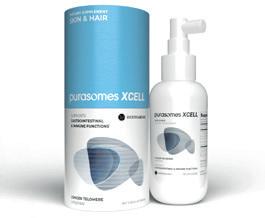
Purasomes Xcell
DERMOAROMA
www.dermoaroma.com
Purasomes XCell supports gut health, immunity, and telomere longevity. With organic bovine colostrum, spirulina, and astragalus, it enhances digestion, reduces inflammation, and slows aging at a cellular level. Designed for radiant skin, stronger hair, and overall well-being.








BEST COSMETICS
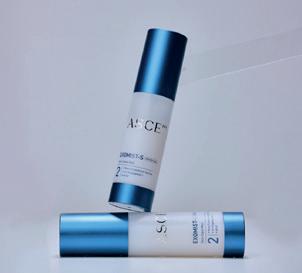
ASCE®plus EXOMIST
ExoCoBio INC
www.exocobio.com
Purasomes Xcell is a science-led oral spray that supports vitality from within. It promotes gut health, immune balance, and cellular renewal, including telomere support. Formulated with bioactive colostrum, astragalus, and spirulina, it enhances overall wellbeing, skin, and hair through fast sublingual absorption.
BEST INNOVATION IN TREATMENT
PROTOCOLS
Nano Excellence Method HA APTOS
aptos.global
Nano Excellence NAMICA hybrid P(LA/CL)+HA barbed thread is a complete treatment plan in one device, combining lift, biostimulation and hydration. Delivers immediate contouring with progressive collagen renewal and sustained skin quality improvement through one minimally invasive procedure.
BEST LASER, LIGHT AND ENERGY-BASED DEVICE
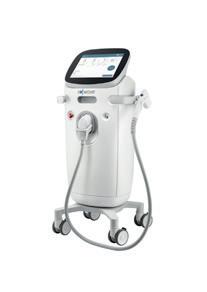
StarWalker® PICO Pro
Fotona www.fotona.com
Fotona’s StarWalker® PICO Pro is a high-performance picosecond laser system for aesthetics and dermatology, designed for fast and precise treatment of pigmentation, tattoos, scars, and skin rejuvenation.
Advanced photoacoustic technology, intuitive operation, and broad clinical versatility maximize efficiency and results for modern practices.
BEST AESTHETIC DEVICE
LifeViz® Mini Pro 2
Quartier Latin (Aesthetics by QuantifiCare) www.qlatin.com
LifeViz® Mini Pro 2 is a Revolutionary cloud-based imaging system with AI-powered 3D, direct-to-cloud upload, and a no-click automated workflow.
Encrypted data transfer enables multi-site clinics to deliver flawless, reproducible imaging, bringing science and efficiency to aesthetic medicine.
BEST AESTHETIC DEVICEENERGY-BASED INNOVATION
Sofwave
Sofwave www.sofwave.com
Sofwave’s SUPERB™ ultrasound delivers precise, controlled energy to the mid-dermis, stimulating collagen, elastin, and hyaluronic acid.
With integrated Sofcool™ cooling, it ensures safety and comfort. The technology enables targeted depth, optimized heating, and efficient volumetric coverage for effective skin revitalization.
BEST AESTHETIC PRODUCT & DEVICE INTEGRATION
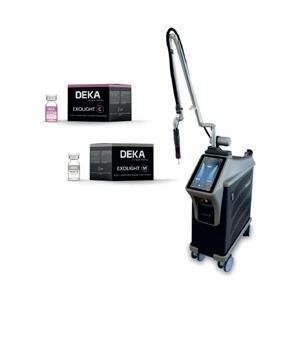
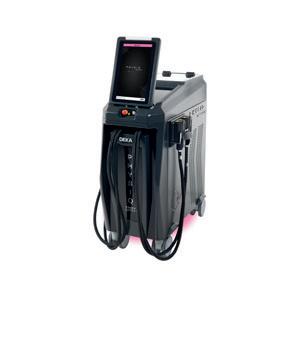
EXOLIGHT & TORO
DEKA www.dekalaser.com
DEKA’s EXOLIGHT C and M exosomes are designed to work synergistically with the TORO hybrid laser platform, highly appreciated by Asian and Middle Eastern patients for its extremely low risk of post treatment PIH.


BEST SUSPENSION THREAD
JawVèLine
(Light Lift Thread Method Blunt)
APTOS
aptos.global
Bidirectional PLLA/PCL barbed threads for targeted jawline ptosis correction. Inserted subcutaneously, they reposition descended tissues and stimulate collagen regeneration, delivering immediate lifting and long-term firmness through a quick, minimally invasive procedure with no downtime.
BEST INJECTABLES FOR SKIN REVITALIZATION
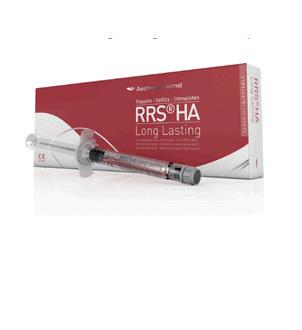
RRS® HA LONG LASTING SKIN TECH PHARMA GROUP www.skintechpharmagroup.com
RRS® HA Long Lasting is a cross-linked hyaluronic acid injectable with dual-action skin builder properties that enhances hydration, firmness, and texture while restoring natural facial volume. It delivers immediate, naturallooking results, progressive improvement in skin quality, and a proven high safety profile.
BEST INJECTABLE BODY FILLER
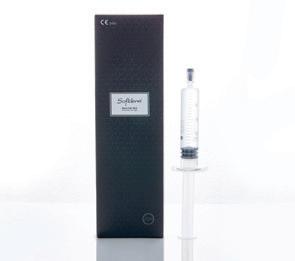
Sofiderm Derm Sub-Skin 20ML
Hangzhou Techderm Biological Products www.techderm.com
Sofiderm Derm Sub-Skin elevates body volumization to a new level, with high-performance technology and delivering superior, natural, and long-lasting results. Its clinical efficacy and safety excellence establish it as the Best Injectable Body Filler.
BEST INJECTABLE DERMAL FILLER
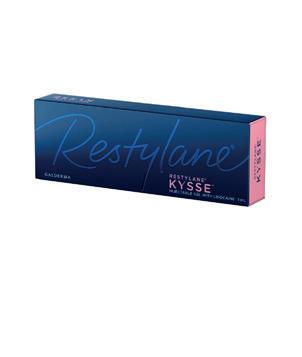
Restylane® Kysse™
GALDERMA www.galderma.com
Restylane® Kysse™ specifically designed to create natural looking and natural feeling, kissable lips.
Restylane Kysse delivers long lasting results of up to 12 months, with less product injected vs other lip fillers and is proven to provide even more kissable lips for high patient and partner satisfaction.
BEST NEUROMODULATOR
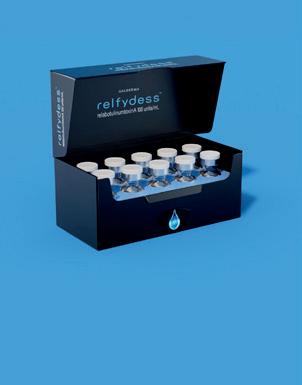
Relfydess ® (relabotulinumtoxin A)
GALDERMA
www.galderma.com
Relfydess® is the next-generation neuromodulator designed with PEARLTM technology.
It delivers an advanced performance with fast and sustained results for GLs and LCLs, giving patients a natural, revitalized look with a well-tolerated, readyto-use, liquid formulation that is optimized for simple volumetric dosing.
BEST NON-INVASIVE BODY SHAPING TECHNOLOGY
PHYSIQ 360
DEKA www.dekalaser.com
PHYSIQ 360 targets localized fat and tones muscles using PURE BEAM laser and EMS.
It treats multiple body areas and all phototypes, offering four emission modes, four independent applicators, and customizable, non-invasive, operator-independent body contouring programs.
BEST REGENERATIVE AESTHETIC
SOLUTION
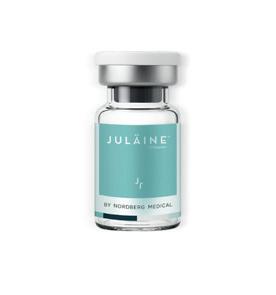
JULÄINE
NORDBERG MEDICAL www.nordbergmedical.com
JULÄINE™ of Sweden is a new dermal bio-activator that regenerates collagen to smoothen wrinkles and tighten the skin. Its unique LASYNPRO™ microsphere technology ensures long-lasting, natural-looking results. Developed by Nordberg Medical, it sets a new standard in biomaterial science.












BEST HAIR RESTORATION
Dr Alicia Hann, Hong Kong
Hair Restoration in Trichotillomania Using Minimally-invasive Techniques
BEST INTEGRATIVE MEDICINE
Dr Diego Araya Bruna, Chile
An Integrative, Patient-Centered Approach to Gender Transition: Medical, Dermatologic, Aesthetic, and Psychosocial Support
BEST COMPLICATION TREATMENT
Dr Manaka Tagaya, Japan
Late Intervention Yet Successful Outcome with High-dose Pulsed Hyaluronidase for Forehead Filler Vascular Complication
BEST GENITAL REJUVENATION
Dr Jose Togo, Mexico
Comprehensive Hybrid Diode Laser-Assisted Gynaecoplastic Surgery: Labiaplasty, Hoodectomy, Perineoplasty and Labia
Majora Augmentation in a Single-Session Approach
BEST ENERGY-BASED TREATMENTS
Dr Susanna Marini, Italy
Thermo-Fractional Laser Assisted Photodynamic Therapy for Facial Rejuvenation, Prevention, and Cure: A Comprehensive Single-Session Protocol
BEST CONDITION IMPROVEMENT TREATMENT
Dr Sebastian P. Nischwitz, Austria
Facial Reconstruction After Extensive Melanoma: Restoring Aesthetic Harmony After Oncologic Resection
BEST CONDITION IMPROVEMENT
TREATMENT - RESTORATIVE IMPACT
Dr Mariam Tsivtsivadze, Georgia
Regain Life Through Multimodal Restoration for Hemifacial Palsy
BEST SKIN ENHANCEMENT & SCAR TREATMENT
Dr Aura Ibet Ruiz Rosas, Colombia
Regenerative Synergy: Innovation in the Treatment of Post-Traumatic Ulcers Using Laser Therapy and Exosomes
BEST NON-SURGICAL BODY SHAPING
Dr Roberto Chacur, Brazil
Treatment for Cellulite - GoldIncision Protocol
BEST THREADS TREATMENT
Dr Valentin Bernales-Odino, Chile
Cervicofacial Contour & Definition: Ultrasound-Guided AnchorPoint PDO Threads Following Skin-Quality Optimization
BEST NON-SURGICAL FACIAL BEAUTIFICATION
Dr Viviane Pessoa, Portugal
Non-surgical Approach for Periocular Aesthetic Reconstruction with Hyaluronic Acid: Report of an Innovative Technique with 18-Month Follow-Up
BEST SURGICAL FACIAL REJUVENATION
Dr Adam Scheiner, United States
Full Face Transformation Through Upper and Lower Eyelid Surgery and Deep Laser Skin Resurfacing
BEST NON-SURGICAL FACIAL REJUVENATION
Dr Nina Cebalo, Croatia
Beautification after Chemotherapy and Molecularly Targeted Therapy
As GLP-1 weight loss medications continue to rise in popularity, clinics are seeing a growing number of patients presenting with hair shedding driving demand for personalised regenerative therapies and minimally invasive hair restoration techniques
KAM DOGAN Founder, Director & Lead Practitioner at The PRP Lab, London, UK
KEYWORDS
GLP-1 weight loss, hair loss, PRP, hair restoration
HAIR LOSS REMAINS A COMPLEX ISSUE; WHILE WE UNDERSTAND and acknowledge many contributing factors, a definitive, permanent ‘cure’ has yet to be discovered. This is simply because the root causes are not always singular and not fully understood. Stress, genetic predispositions, hormonal imbalances, vitamin deficiencies, unhealthy habits, and side effects of medication these are what we know and have been studying for decades, but what about the unknowns? There are patterns we cannot explain and overlapping influences that are complex to understand, making hair loss a long-term problem.
Nevertheless, it's not all negative, we have seen some astonishing results in our clinic and have had the pleasure of changing the lives of many patients who were once suffering from hair loss.
treatment approach
If the problem is a combination of factors, then the solution should be a combination of treatments. Over a decade in the aesthetics industry, I have conducted extensive research into hair loss, starting with my postgraduate studies in 2015; my haematology master's degree was dedicated to platelet-rich plasma (PRP) and hair loss. And now, running a clinic dedicated to PRP for the last 9 years, we have collected more data on hair loss than any other clinic, most likely globally.
A single treatment is never the answer we need to tackle hair loss from all angles. This holistic approach maximises regrowth potential, reduces hair loss, and helps maintain longterm hair health, especially in complex cases such as GLP-1-related shedding, where internal and external factors overlap.
When it comes to hair loss, we have a full menu of options available to our patients. During the initial consultation, we do a comprehensive analysis of the patient's medical history and perform an on-site blood test to check the baseline platelet count. This is very important; without understanding the platelet concentration and having a target concentration in mind, the PRP will simply not work. This is further supported by a recent study, which stated, “The recommended platelet concentration in PRP for the treatment of various dermatological conditions is 1–1.5 million platelets/μL.”1

This is why every PRP system/centrifuge is not the same yes, it’s the patient's own blood, but not all PRP kits will achieve the optimal and correct concentrations. Choose wisely; the cheapest clinic is usually not the best option.
At our clinic, we also offer a diagnostic genetics test working in partnership with Fagron Genomics (Barcelona, Spain), we use the TrichoTest™ to evaluate 48 different gene variations associated with hair loss and
A single treatment is never the answer – we need to tackle hair loss from all angles.
response to specific treatments. This genetics test is based on the patient's own DNA profile, and by using this service, we avoid the trial-and-error approach. Taking an oral swab sample from the patient, TrichoTest analyses multiple genetic pathways involved in hair loss, including androgen sensitivity, inflammation, circulation, metabolism, collagen synthesis, and nutrient factors. The goal is to help identify which therapies may be more suitable for the patient, such as topical, oral, mesotherapy, or surgical options. We combine the genetic test with an in-depth laboratory blood test looking at hormonal imbalances, vitamin deficiencies, kidney and renal function, liver function, nutritional and protein status, cardiovascular and lipid profile, inflammation markers, muscle and tissue health, thyroid function, and autoimmune screening.
Depending on the diagnosis, we have the facilities to offer a whole range of treatments, including PRP, stem cells, exosomes, mesotherapy, vitamin cocktails, IV drips for vitamin deficiencies, supplements, hair loss shampoo, topical
Aand oral minoxidil/finasteride, and even hair transplant surgery.
In the last 2 years, we have seen a significant increase in hair loss enquiries linked to GLP-1 use. This is no surprise since the demand for these drugs is currently at its highest a recent UK study conducted by UCL (2026) estimated that 1.6 million adults in England, Wales and Scotland used weight-loss medications between 2024 and 2025.2 Their popularity has also been fuelled by social media, celebrity visibility, easier access through online platforms and private clinics, and growing recognition that obesity is a chronic medical condition rather than simply a willpower issue. GLP-1 injections have shifted the conversation from shortterm dieting toward evidence-based medical weight management.
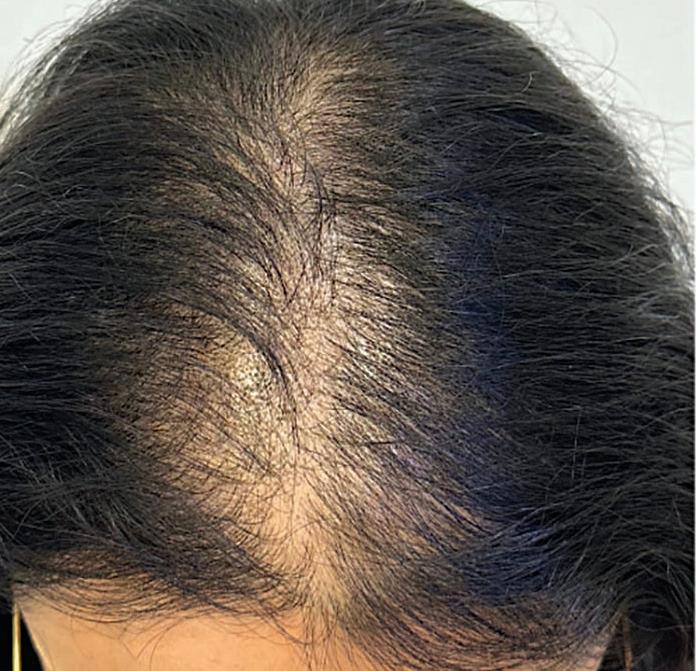
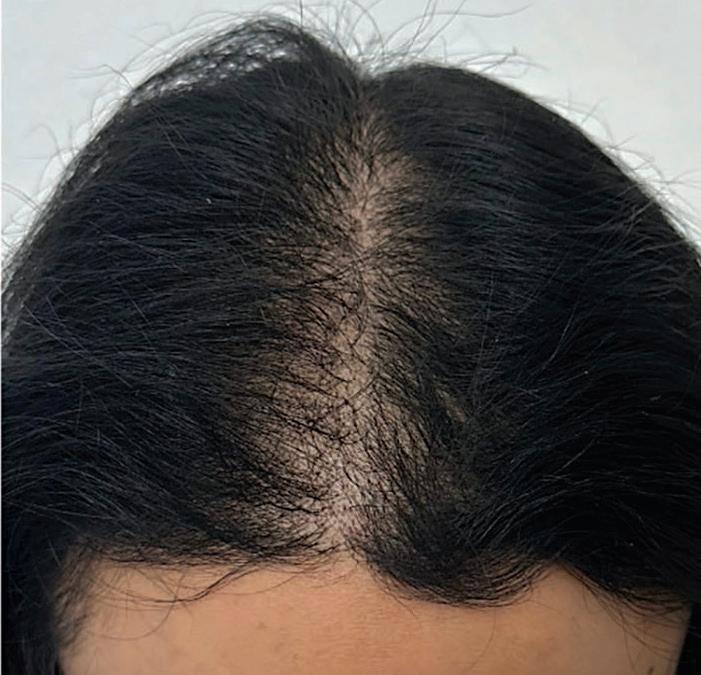
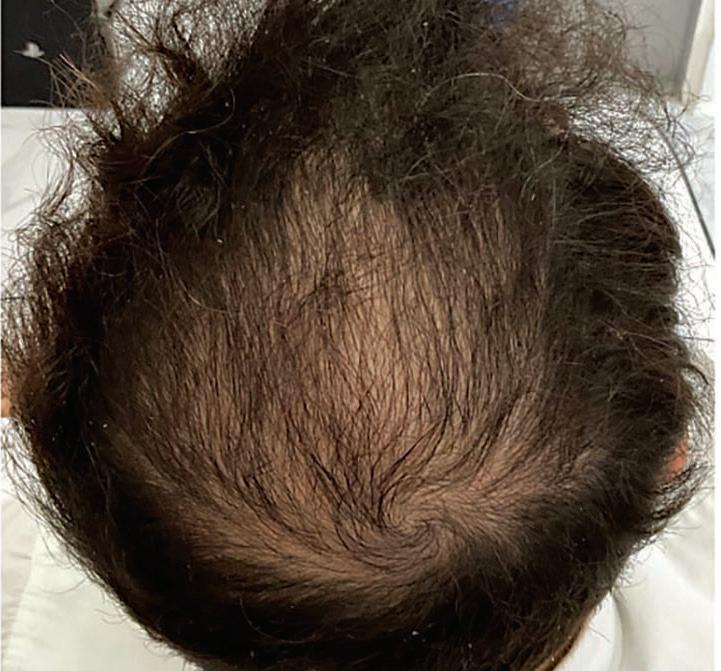
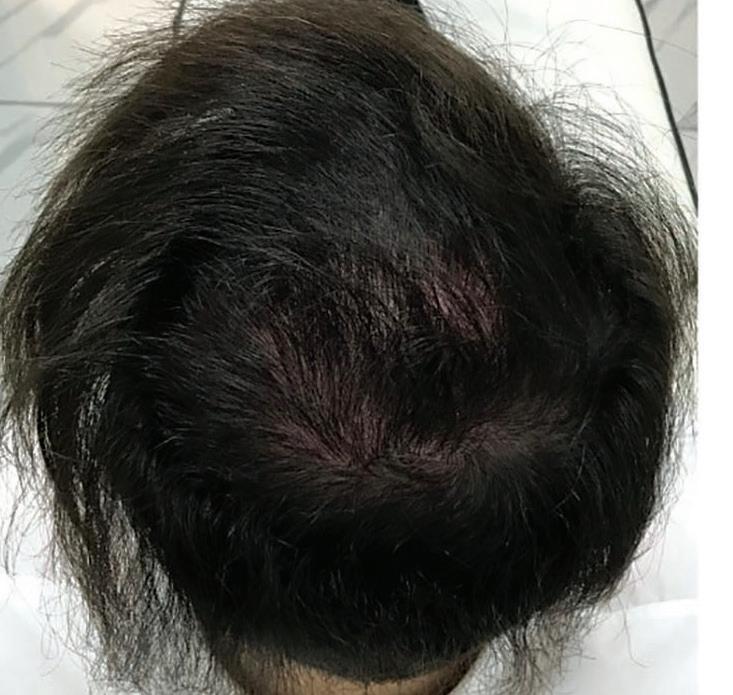
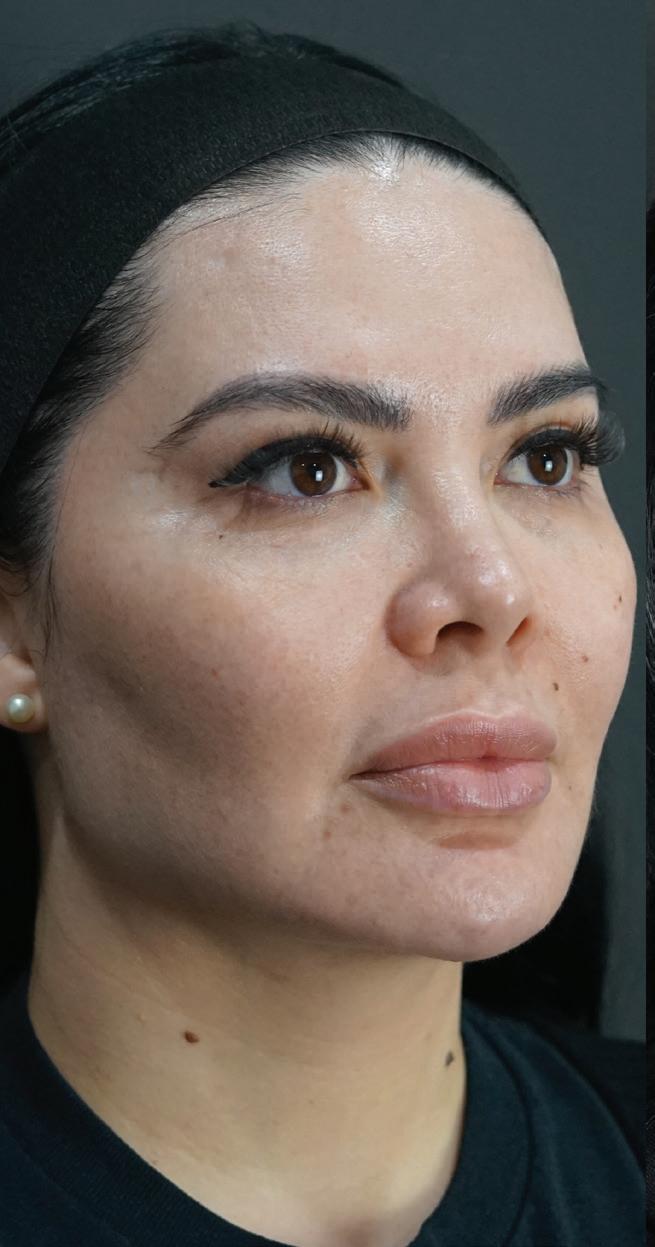
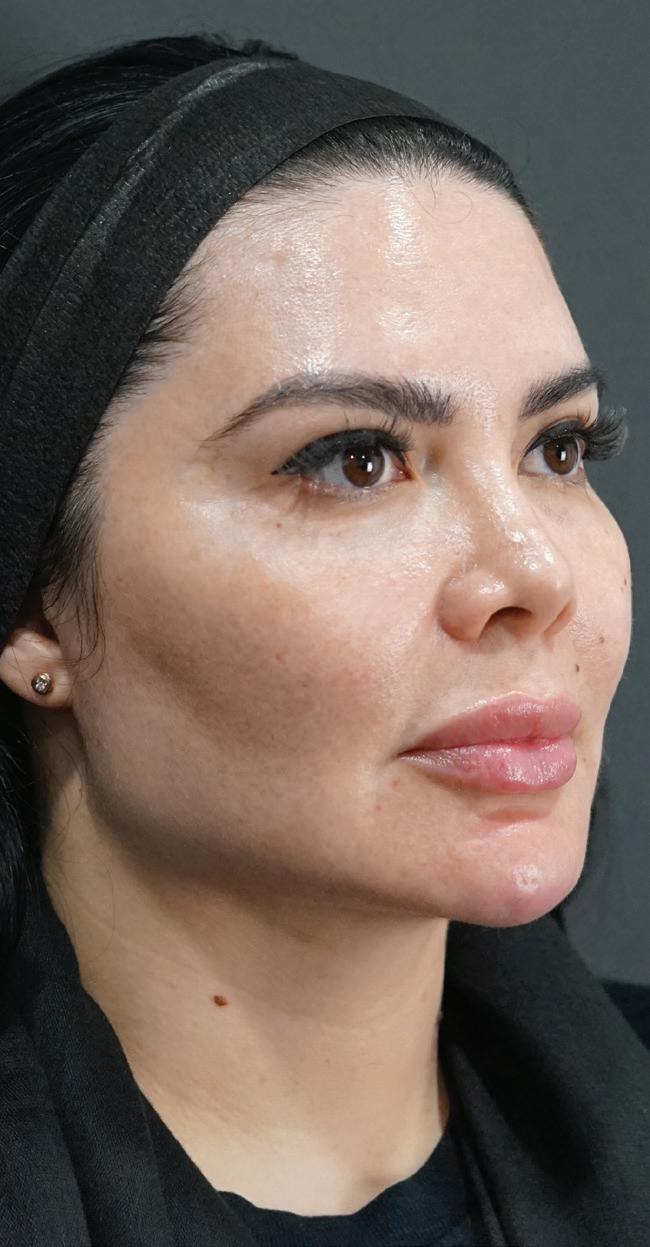
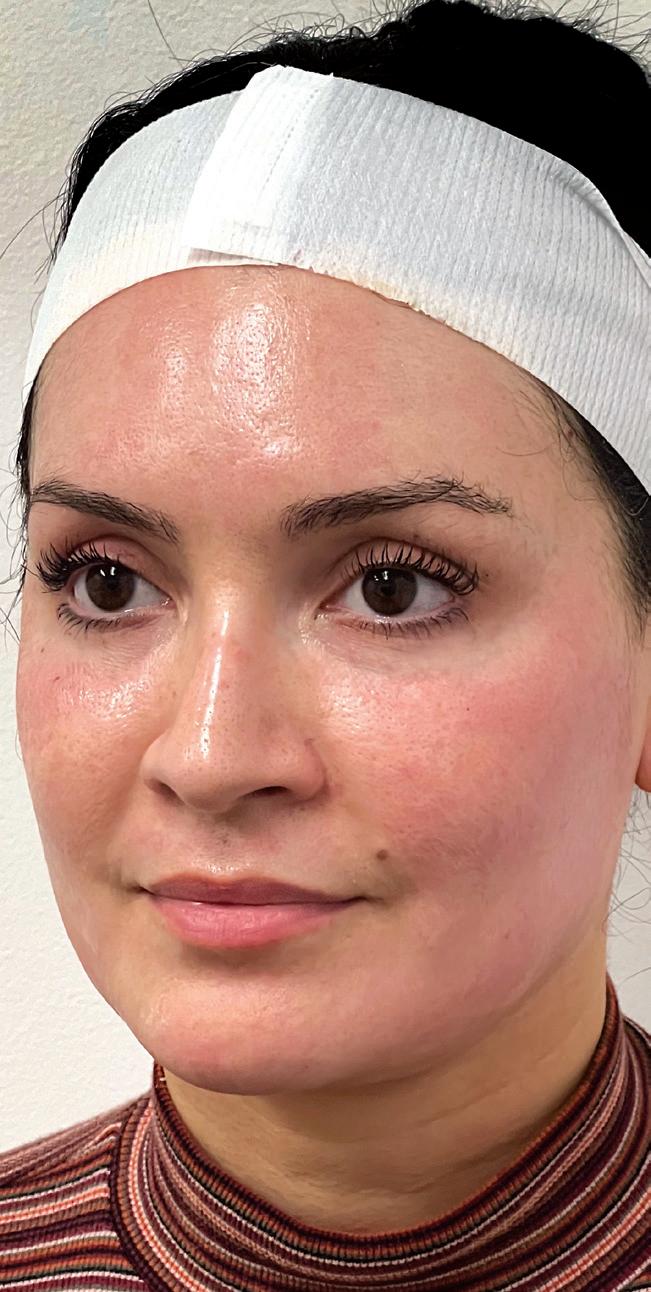
2 (A) Non-surgical case. (A) Before and (B) 9 months after. Male patient in his early 30s
treatment approach, non-surgical
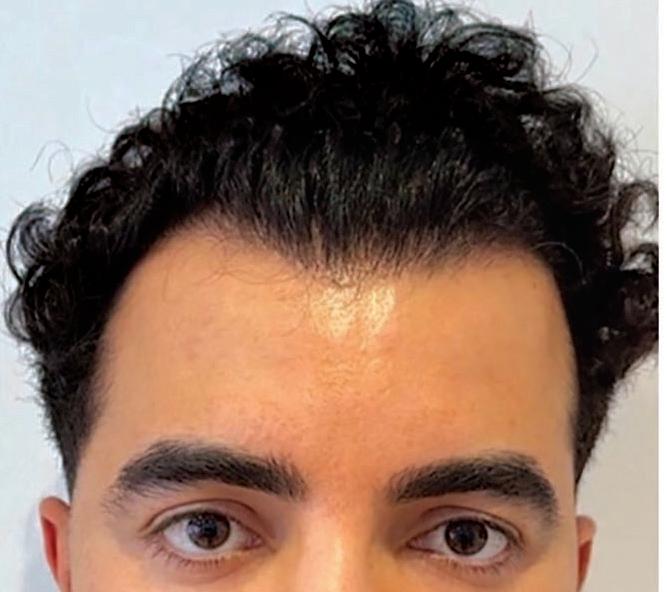
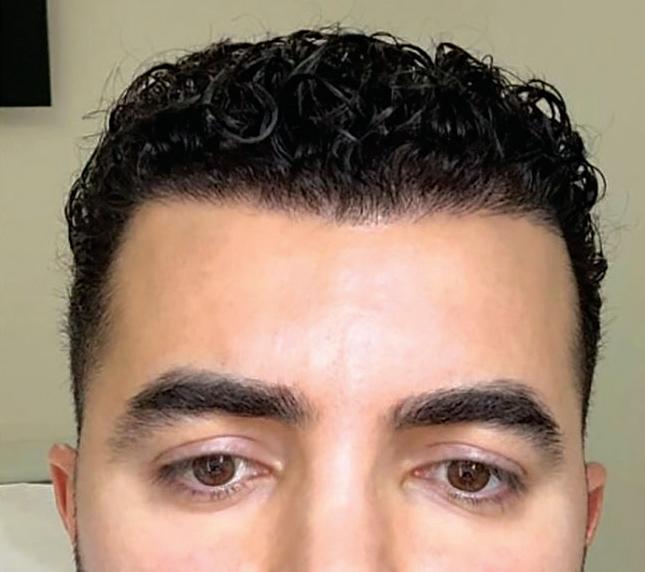
Phototherapy, supplements from Bioniq and Scandinavian Biolabs Bio-Pilixin® Shampoo for maintenance. No minoxidil or finasteride
The healing process in the transplanted area after an Invisible Hair Transplant is progressive and natural-looking.
As good as it may be, it comes with side effects. Hair loss is a commonly recognised concern among patients using GLP-1 drugs; rapid weight loss and metabolic changes can cause hair loss, which is an indirect side effect. When the body experiences significant weight loss, calorie restriction, or nutritional shifts, it can trigger telogen effluvium, a temporary form of hair shedding in which more hairs than usual enter the resting phase of the hair cycle. This often occurs 2-4 months after rapid weight loss, illness, stress, or a major dietary change. Reduced intake of protein, iron, zinc, vitamin D, B12, or overall calories can increase the risk of hair loss.
There is currently no proven evidence that GLP-1 drugs directly damage hair follicles or cause permanent hair loss. While hair shedding has been reported as a side effect in some clinical trials, it is not fully understood whether this is caused by the drug itself. Possible direct mechanisms include changes in hormonal and metabolic signalling, temporary disruption of the hair growth cycle, or physiological stress responses to the medication. In most cases, any shedding is considered temporary rather than permanent.
At our clinic, we have combined and made adjustments to the FUE and DHI techniques to achieve a new method that we call Invisible Hair Transplant™.
We can perform the procedure with minimal downtime and minimal invasion while preserving the donor area and achieving a natural-looking result in the recipient area.
Using our unique techniques, we aim to make the hair transplant look unnoticeable. With an increase in hair loss cases in the last few years, hair transplant surgery is definitely becoming less taboo and more popular.
With our unique technique, the donor area healing process is designed to be fast and discreet. There is no need to shave all your hair off before a hair transplant; that was the case 10 years ago. In the first 1-3 days after the Invisible Hair Transplant, mild redness and tiny extraction marks may be visible as the scalp begins to heal. By week 1, the area typically settles significantly, with redness reduced and the donor area blending naturally into the surrounding hair. By month 1, the scalp appears largely restored with minimal visible signs of the procedure, and by month 3 the donor area is usually fully healed, with no obvious evidence of extraction, allowing patients to recover with confidence and return to normal styling.
The healing process in the transplanted area after an Invisible Hair Transplant is progressive and natural-looking. In the first 1-3 days, mild redness and slight swelling may be present, with tiny implantation points visible but easily concealed with styling. By week 1, any scabs typically shed naturally, and the scalp already appears close to normal in everyday settings. Between months 1-3, transplanted hairs often enter a temporary shedding phase as the follicles reset before new growth begins. From months 4-6, early regrowth becomes visible, with fresh hair emerging and gradually thickening. Between months 6-12, density continues to build, and the hair appears fuller and more defined. By months 1218, the final mature result is usually achieved, with natural growth that blends seamlessly and is virtually indistinguishable from native hair.
In contrast, conventional hair transplant methods are typically more invasive, may involve greater discomfort, longer recovery, full scalp shaving, and a higher risk of visible donor scarring.
Disclaimer: With all the diagnostic tests and treatments/ results mentioned in this article, individual results will always vary. A full face-to-face consultation in clinic is required before any treatments can commence.
1. Dashore S, Chouhan K, Nanda S, Sharma A. Preparation of Platelet-Rich Plasma: National IADVL PRP Taskforce Recommendations. Indian Dermatol Online J. 2021 Nov 25;12(Suppl 1):S12-S23. doi: 10.4103/idoj.idoj_269_21. PMID: 34976877; PMCID: PMC8664176.
2. Jackson, S.E., Brown, J., Llewellyn, C. et al. Prevalence of use and interest in using glucagon-like peptide-1 receptor agonists for weight loss: a population study in Great Britain. BMC Med 24, 1 (2026). https://doi.org/10.1186/s12916-025-04528-7
Vincent Wong, MD, explores the mechanisms, evidence, and clinical applications of three leading autologous regenerative therapies PRP, nanofat, and extracellular vesicles and their growing role in modern aesthetic practice

VINCENT WONG, MD, Founder of OMNIERE Aesthetics London, UK
email: info@drvincentwong.com
ABSTRACT
Autologous regenerative therapies have become central to modern aesthetic and cutaneous practice. Among them, platelet-rich plasma (PRP), nanofat grafting, and autologous extracellular vesicles (EVs, commonly termed 'autologous exosomes') are particularly prominent. Each modality differs in biological source, preparation, mechanism, and evidence base. PRP provides concentrated growth factors that stimulate angiogenesis and fibroblast activity; nanofat delivers adipose-derived stromal cells and paracrine signals that enhance dermal regeneration; and EVs mediate intercellular communication with microRNAs and proteins that regulate inflammation and repair. This article
REGENERATIVE MEDICINE HAS ADVANCED rapidly in aesthetic and dermatologic fields, offering tools that leverage the patient’s own biology to repair, restore, and rejuvenate tissues. Unlike traditional fillers or pharmacological interventions, autologous regenerative therapies operate by enhancing cellular signaling, stimulating tissue remodeling, and modulating inflammation. The three modalities most commonly discussed in cutaneous practice are platelet-rich plasma (PRP), nanofat, and autologous extracellular vesicles (EVs, often referred to colloquially as 'autologous exosomes').
KEYWORDS
Regenerative aesthetics, PRP, platelet-rich plasma, nanofat, exosomes
Each therapy originates from a different autologous tissue source PRP from peripheral blood, nanofat from adipose tissue, and EVs from plasma or cellderived preparations. While all aim to enhance tissue quality, their mechanisms and clinical effects differ significantly. PRP is growth-factor driven, nanofat is stem cell and stromal vascular fraction (SVF) driven, and EVs are vesicle and RNA/protein driven. Consequently, their indications in practice range from hair restoration to skin rejuvenation, scar management, and wound healing. This review explores mechanistic insights, summarises available clinical evidence, and
reviews the mechanistic foundations, preparation methods, safety considerations, and clinical evidence for these therapies, focusing on major indications such as hair loss, photoageing, scars, pigmentation, and wound healing. A pragmatic framework is proposed to help clinicians select the most appropriate modality, alone or in combination, for specific clinical scenarios.
provides guidance on selecting the most appropriate treatment modality for specific patient presentations.
Mechanistic foundations
Platelet-rich plasma (PRP)
PRP is a plasma fraction enriched in platelets, usually three to five times baseline concentration. Upon activation, platelets release growth factors such as PDGF, TGF- β , VEGF, EGF, and IGF-1. These factors stimulate fibroblast proliferation, angiogenesis, and extracellular matrix remodeling. Studies indicate a non-linear dose response: moderate enrichment improves fibroblast proliferation, whereas excessively high concentrations may inhibit activity. Classification systems such as PAW and DEPA have been developed to standardise reporting, recognising that PRP preparations vary widely in platelet concentration, leukocyte content, and activation method.
Nanofat
Nanofat is obtained through mechanical emulsification and filtration of lipoaspirate, which removes mature adipocytes while retaining the stromal vascular fraction (SVF). The SVF includes adipose-derived mesenchymal stromal cells (ADSCs), endothelial progenitors, pericytes, and macrophages. Unlike microfat or macrofat, nanofat
Unlike traditional fillers or pharmacological interventions, autologous regenerative therapies operate by enhancing cellular signaling, stimulating tissue remodeling, and modulating inflammation.

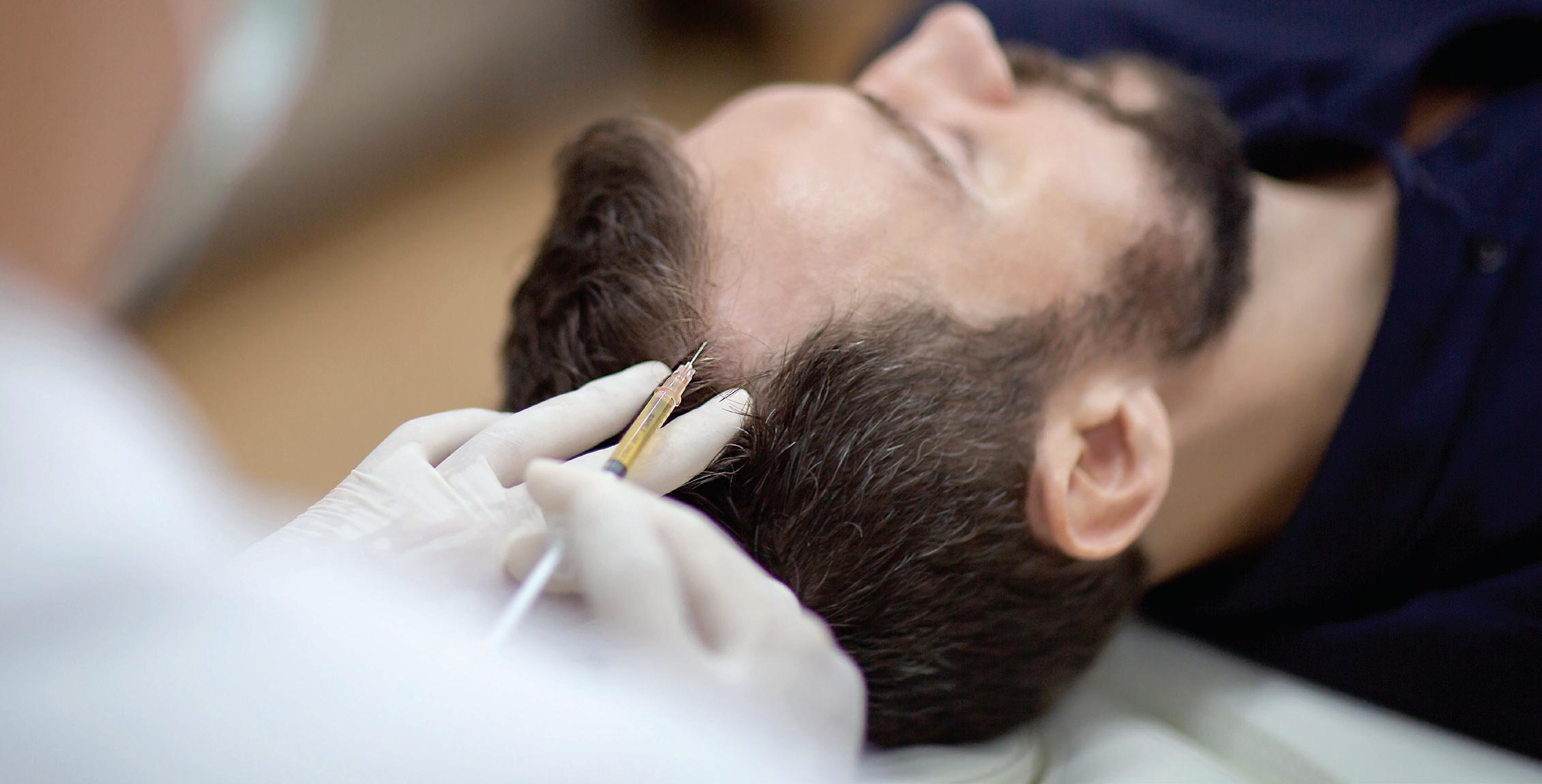
Among the three modalities, PRP has the strongest evidence base for the treatment of androgenetic alopecia (AGA). PRP has also shown comparable or superior efficacy to minoxidil in some small trials.
lacks volumetric filling capacity but is valued for its regenerative signalling. Experimental and clinical studies demonstrate increases in dermal collagen and elastin after nanofat injection.
EVs are nanosized lipid bilayer vesicles secreted by virtually all cells. Exosomes, typically 30–150 nm, carry microRNAs, messenger RNAs, proteins, and lipids that regulate angiogenesis, inflammation, and tissue repair. In clinical practice, autologous EVs are usually derived from blood or platelets using centrifugation or filtration techniques. Preclinical studies show that EVs modulate all stages of wound repair and enhance angiogenesis, while clinical evidence is still emerging.
Among the three modalities, PRP has the strongest evidence base for the treatment of androgenetic alopecia (AGA). Randomised controlled trials and systematic reviews consistently report increases in hair density and thickness compared to placebo. PRP has also shown comparable or superior efficacy to minoxidil in some small trials. Typical regimens involve three to four monthly sessions followed
by maintenance. Autologous EVs are promising but less studied. Reviews highlight preclinical data supporting follicle stimulation, but human evidence remains preliminary and heterogeneous. Nanofat plays a more limited role in AGA, though SVF-enriched grafts may be useful in scarring alopecias or post-traumatic scalp injuries.
PRP is widely used in combination with microneedling or laser resurfacing. Meta-analyses show improved outcomes for acne scars and skin texture compared with energybased devices alone. PRP also reduces post-procedure downtime. Nanofat has demonstrated improvements in wrinkles, fine rhytides, elasticity, and pigmentation in several prospective studies. A 2024 systematic review concluded nanofat is a promising tool for skin rejuvenation, though more controlled studies are required. Autologous EVs have shown potential to reduce inflammation and accelerate healing after laser or microneedling. Reviews suggest they may play an important adjunctive role, although clinical data are still sparse.
PRP has shown benefit in acne scars when combined with microneedling or fractional lasers. For pigmentation disorders such as melasma, randomised controlled trials report significant reductions in MASI scores, though recurrence remains common. Nanofat hwas been tested in acne and surgical scars. A 2024 randomised split-scar trial found nanofat improved early scar maturation, reducing erythema and texture irregularities. Nanofat may also improve skin quality in radiation- or burn-induced damage. Evidence for EVs in scars or melasma remains largely preclinical.
Preclinical studies consistently show EVs accelerate wound closure, enhance angiogenesis, and modulate inflammation. Clinical translation in dermatology is still in early stages but holds promise. PRP has also been used successfully in chronic ulcers, while nanofat is being investigated in radiation ulcers and scleroderma-related skin changes.
Preclinical studies consistently show EVs accelerate wound closure, enhance angiogenesis, and modulate inflammation. Clinical translation in dermatology is still in early stages but holds promise.
Although autologous therapies are often perceived as inherently safe, risks remain. PRP is associated with transient erythema, oedema, and bruising, but serious complications such as vascular occlusion and vision loss have been reported with improper injection technique. A recent CDC investigation highlighted the first documented cases of HIV transmission associated with cosmetic PRP microneedling performed in an unlicensed spa with poor infection control. This underscores the need for strict aseptic technique and medical oversight. Nanofat is generally safe when performed with small-volume harvest and superficial injection, with minimal donor-site morbidity. The regulatory status of autologous EVs is less clear. In the United States, the FDA currently classifies exosome-based therapies as biological drugs, subject to strict regulation. Similar frameworks apply in the EU, where exosomes may be considered advanced therapy medicinal products. Clinicians should therefore exercise caution and comply with local regulations when offering such therapies.
The available evidence suggests that PRP, nanofat, and EVs each occupy a unique niche in regenerative dermatology. PRP is most effective in early androgenetic alopecia and as an adjunct in skin rejuvenation and scar treatment. Nanofat is suited for conditions requiring dermal regeneration and repair, including periorbital rejuvenation, atrophic scars, and dyschromia. Autologous EVs hold promise as a precision signalling therapy, particularly for wound healing and post-procedural recovery, but remain investigational in most jurisdictions. Combination strategies appear biologically rational. One practical approach is to begin with nanofat for structural dermal regeneration, follow with PRP for fibroblast stimulation and angiogenesis, and finally add EVs to modulate inflammation and accelerate recovery after energy-based devices. Such sequencing reflects the strengths of each modality: nanofat’s regenerative matrix, PRP’s growth-factor pulse, and EVs’ precision intercellular signalling. Despite encouraging outcomes, limitations remain. Many studies are small, heterogeneous in methodology, and lack standardised reporting of preparation protocols. Future research must prioritise long-term outcomes, cost-effectiveness, and patientreported quality-of-life measures.

PRP, nanofat, and autologous exosomes each work through distinct regenerative mechanisms, making them suitable for different aesthetic and dermatological indications
PRP currently has the strongest evidence base for androgenetic alopecia, acne scars, and skin rejuvenation, particularly when combined with microneedling or laser treatments
Autologous extracellular vesicles show promise in wound healing, inflammation control, and post-procedure recovery, although clinical evidence and regulatory frameworks are still evolving
1. Shapiro J, et al. Randomised placebo-controlled trial of platelet-rich plasma for androgenetic alopecia. J Am Acad Dermatol. 2020.
2. Qu Q, et al. PRP mechanisms and clinical outcomes in androgenetic alopecia. Signal Transduct Target Ther. 2021.
3. Zhang XX, et al. Systematic review and meta-analysis of PRP in androgenetic alopecia. Dermatol Ther. 2023.
4. Asim M, et al. Platelet-rich plasma versus minoxidil for androgenetic alopecia: a randomised trial. Cureus. 2023.
5. Kang C, Lu L. Meta-analysis: microneedling with and without PRP for acne scars. Dermatol Ther. 2022.
6. Sarkar R, et al. Platelet-rich plasma in melasma: systematic review. Dermatol Surg. 2022.
Autologous regenerative therapies represent a paradigm shift in aesthetic and cutaneous medicine. PRP, nanofat, and autologous EVs are complementary rather than interchangeable. Clinicians should select the appropriate modality based on the indication and patient profile. PRP is best suited for androgenetic alopecia, fine lines, texture, and scars. Nanofat is optimal for dermal regeneration in atrophic skin, periorbital rejuvenation, and scar quality improvement. Autologous EVs should be reserved for investigational use in wound healing, recovery after energy devices, and resistant conditions. Safety, transparency in preparation, and adherence to regulatory frameworks remain paramount. When deployed thoughtfully, alone or in combination, these therapies can deliver natural and durable outcomes by harnessing the patient’s own biology.
7. Tonnard P, et al. Nanofat grafting: basic research and clinical applications. Plast Reconstr Surg. 2013.
8. Tonnard P, Verpaele A. Nanofat for facial rejuvenation: clinical applications. Clin Plast Surg. 2020.
9. Tran VVT, et al. Systematic review of nanofat in plastic and reconstructive surgery. Plast Reconstr Surg Glob Open. 2024.
10. Ramaut L, et al. Split-scar randomised trial of nanofat for early scar maturation. J Clin Med. 2024.
11. Dayel SB, Hussein RS. Exosomes in dermatology: comprehensive review. Pharmaceutics. 2025.
12. De A, et al. Extracellular vesicles in dermatology: present and future perspectives. J Clin Med. 2024.
13. Prasai A, et al. Systematic review of
exosomes in dermal wound healing. J Tissue Eng Regen Med. 2022.
14. Hou Y, et al. Platelet-derived extracellular vesicles and tissue repair. Front Cardiovasc Med. 2023.
15. Magalon J, et al. DEPA classification for PRP reporting. Knee Surg Sports Traumatol Arthrosc. 2016.
16. Giusti I, et al. Platelet concentration influences fibroblast proliferation. Transfus Apher Sci. 2014.
17. Wang CK, et al. Regulation of exosomes as biologic medicines. Clin Transl Sci. 2024.
18. Stadelman-Behar AM, et al. HIV transmission linked to cosmetic PRP microneedling in New Mexico. MMWR. 2024. 19. Al-Okbi Y, et al. Safety review of PRP complications in aesthetic practice. Aesthetic Surg J. 2024.
As aesthetic medicine works toward greater inclusivity, Fatou Diouf, MD, explores how injection strategies, consultation methods, and safety protocols must evolve to better serve Black patients and melanin-rich skin

FATOU DIOUF, RN, BSN, Founder, Fatou Aesthetics | Treat Different™, Columbus, OH, USA
email: info@fatouaesthetics.com
ABSTRACT
Despite growing global interest in diversity within aesthetic medicine, Black patients remain significantly underserved in clinical training, safety protocols, and outcome standards. Traditional injection techniques and product guidelines are often derived from Eurocentric skin norms, overlooking the anatomical, physiological, and cultural nuances of melanin-rich skin. This oversight not only
AKEYWORDS
Black skin, Skin of colour, aesthetic inclusivity, injectables, dermal fillers
increases the risk of complications, such as post-inflammatory hyperpigmentation, vascular compromise, and unsatisfactory aesthetic results, but also perpetuates patient mistrust and underrepresentation in the field.
This article introduces The Fatou Aesthetic Blueprint™, a new framework designed to advance safe, effective, and culturally competent injection strategies for Black patients. Rooted in
ESTHETIC MEDICINE IS EXPERIENCING
a pivotal shift. One that demands we expand our standards, our definitions of beauty, and our approach to safety. Nowhere is this more urgent than in the treatment of Black patients, whose needs remain critically underserved in both aesthetic training and clinical application. Despite decades of innovation in injectables, the protocols taught, researched, and marketed to practitioners are overwhelmingly based on lighter skin tones, narrower facial norms, and assumptions that do not account for the unique presentation of melanin-rich skin.
For Black patients, the result has been a longstanding lack of trust in the aesthetic industry, fueled by adverse outcomes, inadequate consultation practices, and cultural disconnects in how beauty is defined and pursued. Clinicians, many with limited exposure to diverse skin types, may unknowingly apply techniques that compromise pigment health, weaken tissue structure, or yield unnatural results. Meanwhile, Black patients are often misdiagnosed, under-treated, or excluded from aesthetic opportunities altogether.
This article seeks to bridge that gap through the introduction of The Fatou Aesthetic Blueprint™, a groundbreaking protocol for safe and effective injection
evidence-based principles and real-world injector experience, the Blueprint redefines aesthetic success by prioritising pigment integrity, tissue respect, and individualised care. By examining key clinical considerations, provider biases, and implementation strategies, this paper aims to elevate both safety and satisfaction in the aesthetic treatment of Black patients, while challenging the industry to build new protocols that reflect every shade of beauty.
treatments tailored specifically for Black skin. Developed through both clinical experience and evidence-based insight, this framework serves as a call to action for practitioners, manufacturers, and educators to expand their scope, correct training blind spots, and adopt an inclusive, anatomically respectful approach to beauty.
As the aesthetics field grows in global influence, it is no longer enough to add Black faces to marketing campaigns. We must redesign how we inject, consult, and care, starting at the needlepoint.
Aesthetic medicine, while rapidly evolving in technology and popularity, remains deeply rooted in a narrow historical context. One that has long excluded the anatomical, physiological, and cultural realities of Black patients. From the earliest dermal filler studies to the gold-standard injection techniques taught in certification courses, the 'ideal' aesthetic subject has traditionally been white, female, and within a specific set of facial dimensions. The ripple effect of this bias extends across product development, practitioner education, clinical trials, and even beauty algorithms.
This systemic underrepresentation has real clinical consequences. Black patients are less likely to be featured
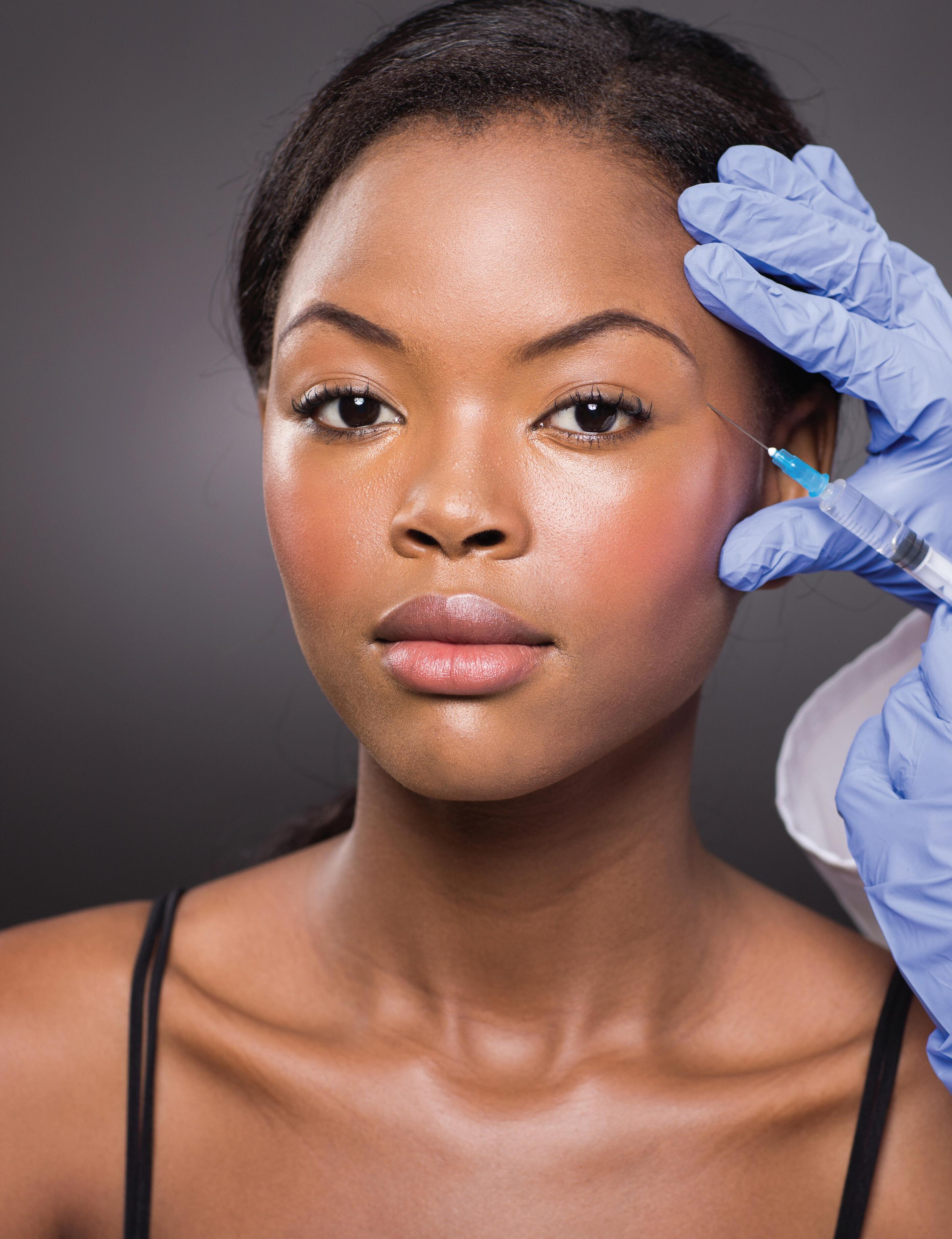
We must redesign how we inject, consult, and care, starting at the needlepoint.
in educational materials or training modules, resulting in fewer opportunities for injectors to develop confidence treating melanin-rich skin. The absence of targeted injection protocols for Black patients increases the likelihood of complications such as post-inflammatory hyperpigmentation (PIH), keloids, or under-correction due to misplaced fear of overfilling. Additionally, products may be misapplied in the lower face due to a lack of understanding around collagen density and facial movement in Black skin.
The problem is not just technical; it’s conceptual. Black beauty has often been measured against Eurocentric ideals, leading to injection patterns that attempt to slim, lift, or recontour features that do not require modification, but celebration. When injectors are trained to chase symmetry or lift based on Caucasian bone structure and fat pad distribution, they may unintentionally erase ethnic features, contributing to identity loss and dissatisfaction.
Moreover, Black patients may arrive at consultations with a deep history of aesthetic trauma, rooted in negative experiences with skincare, hair removal, or prior injections. This history is often unspoken, but it colours the dynamic between patient and provider. Addressing this gap requires more than inclusive marketing or diversity statements; it calls for a deliberate shift in education, product formulation, and clinical humility.
It is within this void that The Fatou Aesthetic Blueprint was born, not as a correction to Black features, but as a correction to the industry's lack of vision.
overcorrection or excessive volume can result in exaggerated fibrosis or nodularity.
Sebaceous activity and scarring tendencies
Increased sebaceous activity is common in Black skin, which can complicate product integration or increase post-treatment congestion if not addressed properly. Additionally, a heightened predisposition to keloids and hypertrophic scarring must be considered, especially when treating areas prone to friction, tension, or trauma. Even superficial injection errors can manifest differently in Black skin, often more visibly and with longer healing time.
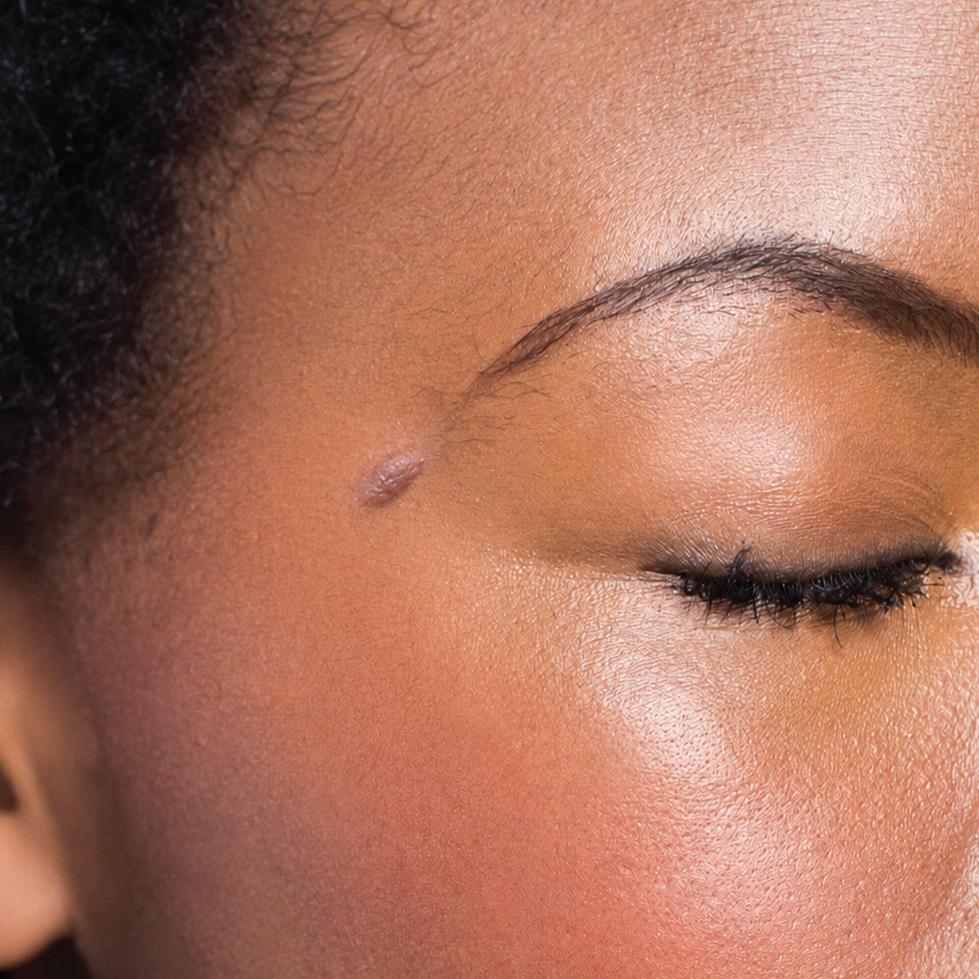
Anatomy, physiology, and risk in Black skin
The clinical success of any aesthetic treatment depends on an intimate understanding of anatomy and physiology— but for Black patients, the nuances of melanin-rich skin are often overlooked or oversimplified. While the Fitzpatrick scale is commonly referenced in aesthetics, it offers an incomplete framework, categorising pigmentation without accounting for the full spectrum of physiological and structural differences in Black skin.
Melanin density and barrier function
Black skin contains larger, more active melanocytes, producing melanosomes that are more widely distributed and persistent than those in lighter skin types. This biological advantage offers a natural defence against photoageing but also increases the risk of PIH when the skin barrier is disrupted. Even minor trauma, such as aggressive needling, poorly placed filler, or toxin diffusion, can lead to long-lasting pigment changes.
Collagen structure and dermal density:
Studies have shown that Black skin often possesses greater dermal thickness and fibroblast activity, contributing to a more robust collagen network and delayed visible ageing. However, this can also make the skin more reactive to foreign materials or unnecessary manipulation. Biostimulatory products must be used thoughtfully, as
A heightened predisposition to keloids and hypertrophic scarring must be considered, especially when treating areas prone to friction, tension, or trauma.
While many injection guidelines are mapped onto Caucasian vascular studies, emerging data shows that vascular depth, position, and skin tension can differ in patients with darker skin tones. Black patients may have more fibrous soft-tissue planes or denser subcutaneous layers, which can alter product diffusion and increase the risk of vascular occlusion if standard depths are blindly adhered to.
Psychocultural overlay
Beyond the technical layer, the lived experience of Black patients adds complexity to the treatment plan. Aesthetic trauma from misdiagnosis, pigment alteration, or unmet expectations often leaves a lasting impression; making trust, safety, and communication as important as technique.
To treat Black patients safely, injectors must recalibrate not only their hands but their assumptions. Evidence-based training must reflect anatomical realities and expand beyond the one-size-fits-all models that dominate aesthetic education. The Fatou Aesthetic Blueprint answers this call with intentional, melanated-specific guidance that honours structure, function, and pigment equally.
The Fatou Aesthetic Blueprint is a pioneering clinical framework developed to address one of the most urgent gaps in aesthetic medicine: the absence of safe, effective, and culturally conscious protocols for treating Black patients. Rather than applying corrective techniques to fit Eurocentric ideals, the Blueprint offers an intentional approach to celebrating, protecting, and enhancing melanin-rich features through personalised injection strategies.
Rooted in three core pillars, the Fatou Aesthetic Blueprint is both a mindset and a method:
This pillar places pigment safety at the core of aesthetic planning. Melanin-rich skin is biologically more reactive to trauma, making pigment preservation a clinical priority, not a cosmetic afterthought. Injections, lasers, and even
skincare can lead to PIH if protocols do not account for melanin behaviour.
Respecting the hue means using products and techniques that minimise inflammation. It includes choosing pigment-safe injectables, avoiding aggressive injection patterns, and pre-treating with barrier-repair products where needed. It also involves mastering how even small trauma, like toxin diffusion or filler depth miscalculation, can disrupt pigment integrity. Practitioners must be able to evaluate pigment risk before every procedure and guide patients accordingly. In this pillar, the injector evolves from an artist to a pigment protector.
Pillar two: Honour the tissue
Black skin is not only more pigmented, but also often thicker, more fibrous, and more resistant to trauma. These anatomical characteristics demand a different touch. Injectors must avoid defaulting to Caucasian injection norms, which often involve larger boluses, vertical lift techniques, and aggressive volumisation.
Honouring the tissue means adapting to the natural density and elasticity of melanin-rich skin. That includes slower product deposition, careful use of cannulas, and choosing lifting over filling when collagen is naturally abundant. It also means working with the patient’s facial identity, not against it, by respecting ethnic features instead of reshaping them. This pillar encourages clinical humility, technical precision, and a deep understanding of how Black skin heals and holds structure differently.
Pillar three: Rebuild the standard
This pillar challenges the industry to go beyond inclusion statements and actually update the clinical playbook. It’s not enough to offer aesthetic services to Black patients if the standards of safety, consultation, and education were never designed with them in mind.
Rebuilding the standard means reshaping aesthetic training to include melanin-first anatomy, evidence-based treatment protocols, and revised consultation tools that acknowledge beauty trauma and lived experience. It also calls for clinical trials that include Fitzpatrick IV–VI skin types, visual guides that reflect a full range of facial diversity, and product testing that accounts for pigment reactivity. This pillar is where providers become changemakers, not only adjusting their own practice but pushing the entire field forward.
What makes the Fatou Aesthetic Blueprint distinct is its dual commitment to clinical excellence and cultural humility. It does not aim to universalise Black skin into another rigid protocol but instead invites injectors to adapt their skillset, expand their education, and see pigment-rich skin as a canvas of possibility—not limitation.
This framework is already transforming how patients are consulted, injected, and followed up in my clinical setting. The result? Higher safety, greater satisfaction, and a new generation of Black patients who finally feel seen, celebrated, and protected in the aesthetic space.
The strength of any aesthetic framework lies not only in
its philosophy but in its clinical utility. The Fatou Aesthetic Blueprint is designed to be actionable, guiding injectors step by step as they work with melanin-rich skin. Here, we translate its three pillars into specific, real-world injection strategies across commonly treated areas of the face.
Rather than chasing vertical lift, cheek treatments in Black patients should focus on preserving structure and creating gentle support without overprojection. Many patients of African descent already possess midface fullness or high-set malar contours, and unnecessary filler can lead to unnatural results or facial masculinisation.
Recommended approach:
■ Use of biostimulators such as PLLA or CaHA in diluted form to enhance collagen naturally over time
■ Placement: deep subdermal or supraperiosteal, avoiding overly lateral points of lift.
In Black patients, the lower face often has high collagen density and natural fullness. Neurotoxins used for slimming or softening in this region can lead to loss of definition and unwanted sagging.
Recommended approach:
■ Use biostimulators over neurotoxins to enhance firmness without compromising structural integrity
■ For contouring, employ small boluses of HA filler in the pre-jowl sulcus or along the mandibular angle, but avoid aggressive sculpting or chin elongation that distorts facial harmony.
While lip injections are popular across all demographics, injecting Black patients requires attention to vascular variation, natural lip tone, and softness of outcome. Volume should be intentional
Recommended approach:
■ Use a soft HA filler with low G’ to preserve movement and avoid stiffness
■ Avoid unnecessary eversion or Cupid’s bow sharpening that erases ethnic lip identity
■ Technique: Microdroplet layering using a 27G cannula or 30G needle for precision and comfort.
Tear trough and undereye rejuvenation
This area carries increased risk of Tyndall effect, pigmentation shifts, and puffiness if treated improperly. Black patients may present with hyperpigmentation rather than hollowing.
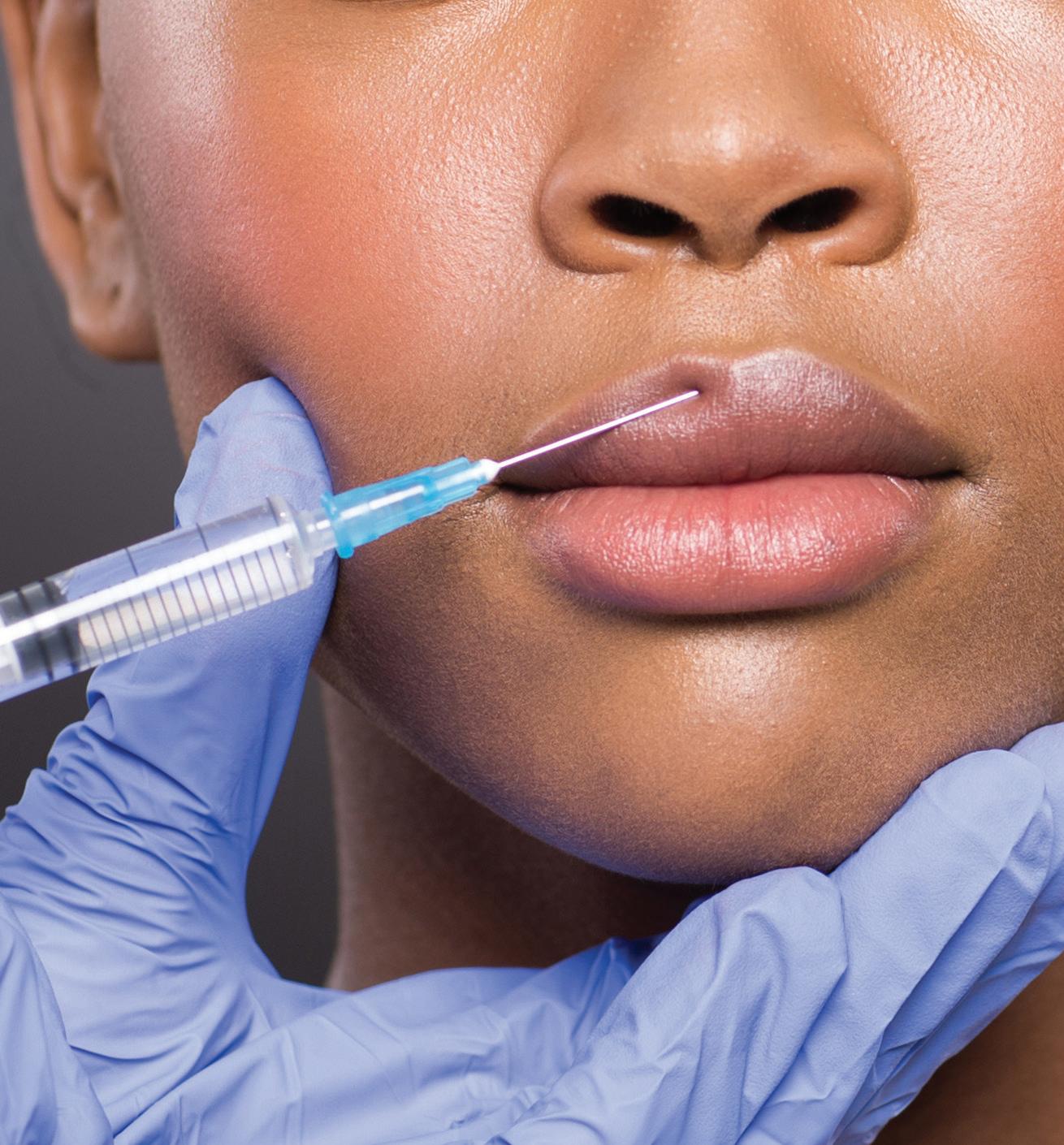
Recommended approach:
■ Only treat true volume loss, not discolouration
■ Consider polynucleotides (PDRNs) or diluted biostimulators as safer alternatives to HA filler
■ Treat surrounding skin with barrier-repairing skincare pre- and post-treatment.
Consultation, dosing, and aftercare
■ Every treatment plan begins with photo analysis and pigment evaluation.
■ Dosing is conservative and layered, building over multiple sessions instead of rushing volume in one sitting
■ Patients are given aftercare tailored to melanin skin, including pigment-safe sunscreens, gentle antiinflammatory support, and close follow-up.
By respecting facial identity, protecting pigment, and choosing stimulation over saturation, injectors can elevate results from 'corrective' to truly transformative. These protocols have been refined in clinical practice, and outcomes show not only safer injections, but more confident, empowered patients.
Beneath every syringe and skincare plan lies something deeper the dynamic between provider and patient. For Black patients, this relationship is often shaped by years of aesthetic invisibility, unmet expectations, and subtle harm. Even the most skilled injector can fail if they do not address the psychological and emotional layers of care.
Unconscious bias remains one of the most unspoken threats in aesthetic medicine. It shows up in how treatment plans are created, how concerns are prioritised, and how much time is spent educating versus assuming. Black patients may be offered fewer options, gentler results, or 'safe' compromises, not based on clinical need, but on provider discomfort or unfamiliarity.
Equally important is the beauty trauma many Black patients carry. From childhood messages about needing to soften features or lighten skin, to negative experiences with lasers or fillers, this trauma often enters the treatment room quietly, but powerfully. Recognising its presence is the first step toward delivering care that heals as much as it enhances.
Rebuilding trust begins with listening. It’s in the tone of the consultation, the precision of the treatment plan, and the courage to say 'I want to make sure I get this right for you.' It’s also in the choice to say no when a procedure may not serve the patient’s long-term health or identity.
1. Taylor SC, Cook-Bolden F, Rahman Z, Strachan D. Acne vulgaris in skin of color. J Am Acad Dermatol. 2002;46(2 Suppl Understanding):S98-S106.
2. Alexis A, Callender V, Baldwin HE, Taylor SC. Global epidemiology and treatment of acne. J Drugs Dermatol. 2016;15(4 Suppl 1):s21-s26.
3. Draelos ZD. The effect of glycolic acid on photodamaged skin. J Am Acad Dermatol. 1997;36(1):59-62.
4. Davis EC, Callender VD. Postinflammatory hyperpigmentation: a review of the epidemiology, clinical features, and treatment options in skin of color. J Clin Aesthet Dermatol. 2010;3(7):20-31.
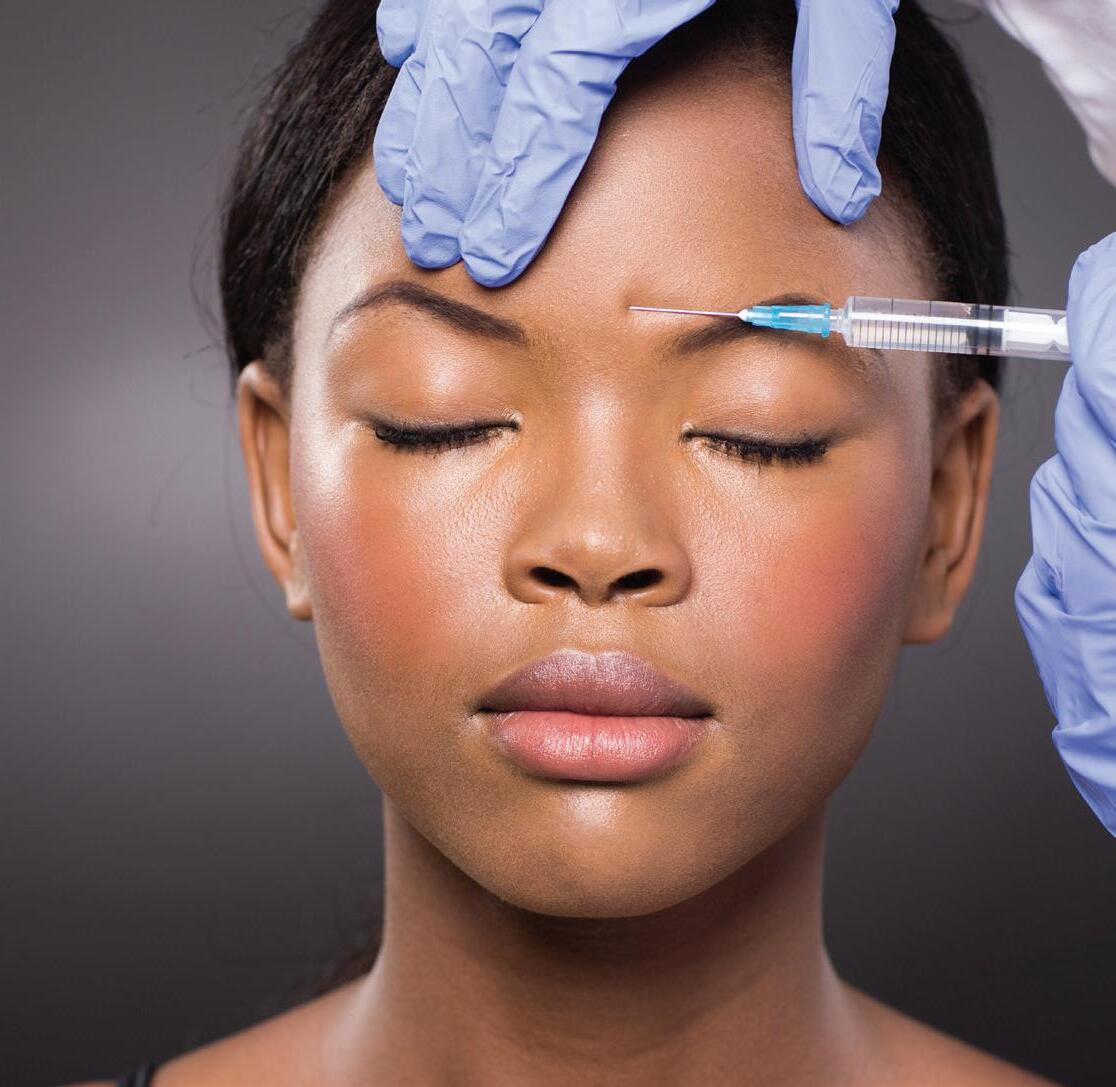
By respecting facial identity, protecting pigment, and choosing stimulation over saturation, injectors can elevate results from 'corrective' to truly transformative.
Traditional injection protocols are largely based on Eurocentric facial norms and lighter skin types, which can increase the risk of complications and dissatisfaction in Black patients
The Fatou Aesthetic Blueprint™ introduces a three-pillar framework focused on pigment preservation, tissue respect, and rebuilding clinical standards for melanin-rich skin
The article advocates for conservative, personalised injection strategies that prioritise stimulation, structural support, and preservation of ethnic identity over aggressive reshaping or volumisation
It is no longer enough for the aesthetic industry to acknowledge diversity it must actively adapt to it. The standard injection maps, safety algorithms, and beauty ideals that dominate education and practice today were not built for Black skin. And yet, Black patients deserve the same level of precision, personalisation, and aesthetic excellence as anyone else.
The Fatou Aesthetic Blueprint is more than a clinical framework, it is an invitation. For injectors, it calls for continuing education that challenges old assumptions and embraces melanin as a variable worth studying, not avoiding. For training academies, it demands curricula that include pigment-safe techniques, culturally informed consultation, and anatomy that reflects every face in the waiting room. For manufacturers, it opens the door to research that includes Black patients in clinical trials and expands product guidance to cover Fitzpatrick IV-VI
The stakes are high. Without change, Black patients will continue to be underserved, overcorrected, or excluded. But with the right tools and mindset, injectors can usher in a new era, one where beauty is not a borrowed standard, but a reflection of one’s own identity, safely and skillfully enhanced.
In sharing this framework and its real-world protocols, I hope to spark not just clinical change, but systemic accountability. We are no longer waiting to be included; we are building the blueprint ourselves. One face, one injector, one treatment at a time.
Declaration of interest None
5. Narurkar VA, Fabi SG, Bucay VW, et al. Use of calcium hydroxylapatite (CaHA) for skin tightening of the neck and lower face: a consensus review and clinical experience. J Drugs Dermatol. 2017;16(5):488-495.
6. Sundaram H, Voigts B, Beer K, Meland M. A 52-week, multicenter, open-label study of calcium hydroxylapatite (Radiesse) for facial soft tissue augmentation in subjects with HIV-associated lipoatrophy. Dermatol Surg.
2005;31(11 Pt 2):1510-1518.
7. Fitzgerald R, Vleggaar D. Facial volume restoration of the aging face with poly-L-lactic acid. Dermatol Ther. 2011;24(1):66-72.
8. Goldie K, Jansen M, Goldberg DJ, et al. Calcium hydroxylapatite (Radiesse) for correction of facial volume loss: consensus recommendations on its use. J Clin Aesthet Dermatol. 2009;2(4):20-24.
9. Uitto J. Collagen and elastin: basic science aspects. In: Fitzpatrick’s Dermatology in General Medicine. 6th ed. McGraw-Hill;
10.
2006;1(3):255-259.












































As demand grows for natural solutions to eyebrow thinning, Bruna Vallcorba, MD , examines how exosome therapy may offer a regenerative alternative to traditional cosmetic and surgical treatments

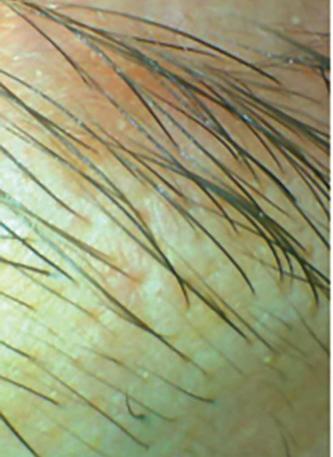
EYEBROWS PLAY AN essential role in facial expression and aesthetic balance. Even subtle alterations in density or symmetry can profoundly affect a patient’s appearance and psychological well‑being. Eyebrow thinning and patchiness are increasingly common complaints in dermatological practice1. Conventional solutions such as micropigmentation and eyebrow transplantation present
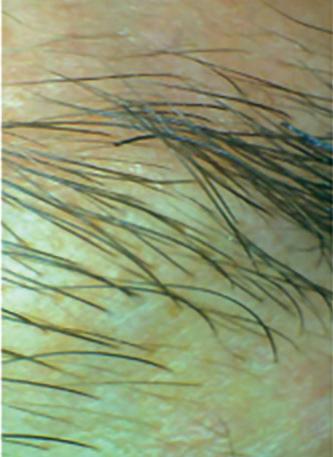
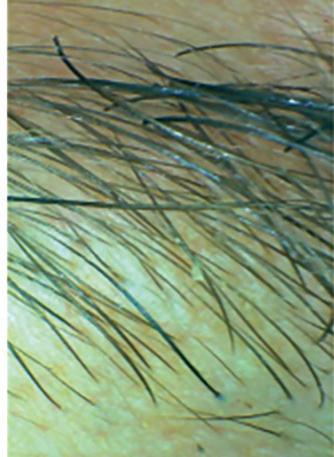
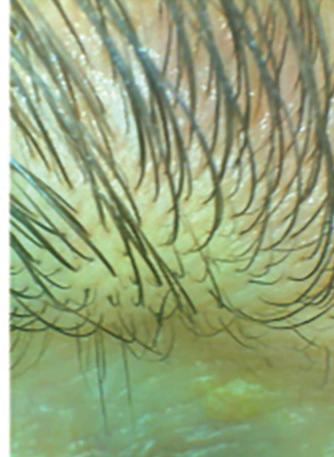
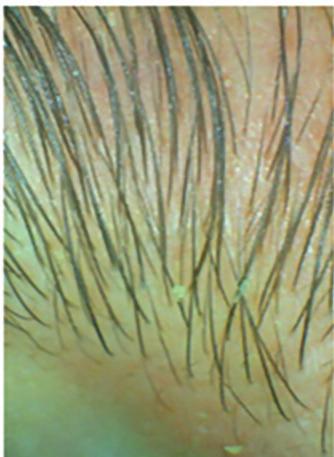
limitations regarding durability, naturalness, and safety1,2. Seeking more natural and biologically active alternatives to improve eyebrow density, Dr Bruna Vallcorba, from Brazil, describes through this case series the clinical use of plant‑derived stem cell exosomes as a novel, non‑invasive therapeutic approach for eyebrow restoration.
Exosomes, small extracellular vesicles involved in intercellular communication, have demonstrated potential benefits in hair regeneration, modulation of the hair cycle, and anti‑inflammatory activity3 Although scientific literature supports their use for scalp androgenetic alopecia, evidence for eyebrow treatment is still lacking4. Based on these mechanisms, plant‑derived stem cell exosomes were introduced as an experimental therapeutic option.
ExoCoBio® ASCEplus HRLV contains extracellular vesicles derived from Damask rose stem cells, obtained through ExoSCRT™, an exclusive purification process ensuring high purity and quality. The formulation includes hair growth factors, miRNAs with anti‑inflammatory action, and essential hair nutrients. When applied to the eyebrow region, exosomes are believed to
increase dermal papilla cell proliferation, stimulate growth factor production, regulate the hair follicle cycle, and promote stronger, denser hair shafts4 6 Dr Bruna Vallcorba treated five patients with ASCEplus HRLV. Her protocol consists of ASCEplus HRLV diluted with 6 mL of 0.9% saline; application was performed topically via drug delivery using a pen shaped microneedling device or RF microneedling device at 0.5 mm depth. Each patient received 1 mL of the exosome formulation per session. Four sessions spaced 1 month apart were recommended.
Across the cases, treatment with ASCEplus HRLV demonstrated consistent and progressive improvements in eyebrow density, thickness, and overall follicular activity regardless of patient age or baseline severity. The 60‑year‑old male in Case 1 (Figure 1) responded noticeably after just a single session, suggesting that even minimal exposure to exosomes may activate dormant follicles. Cases 3, 4, and 5 resulted in pronounced gains in volume, reduced patchiness, and visible new hair growth after additional sessions, reinforcing the cumulative effect of repeated applications (Figure 2).
Collectively, these cases highlight a clear pattern: exosome therapy offers a
reproducible regenerative response across diverse demographics, with improvements appearing early and intensifying with subsequent sessions, supporting its potential as a safe and effective option for eyebrow restoration.
When compared with traditional approaches such as micropigmentation, eyebrow transplantation, and topical medications, the clinical outcomes observed in the five exosome‑treated cases demonstrate several important distinctions. Traditional techniques generally focus on camouflage or mechanical replacement rather than biological regeneration.
Micropigmentation can improve the appearance of symmetry and density but does
not stimulate follicular activity and may fade over time or appear artificial7
Transplantation, while capable of creating permanent results, is invasive, costly, and limited by donor availability, with risks such as scarring, improper hair direction, and graft failure8.
Topical therapies such as prostaglandin analogues or minoxidil may stimulate some growth, but results are variable, require ongoing use, and often result in incomplete restoration, particularly in areas of true follicular miniaturization9.
By contrast, the ASCEplus HRLV exosomes approach in these cases produced biological regeneration rather than cosmetic masking. Patients across a broad age range demonstrated improvements in
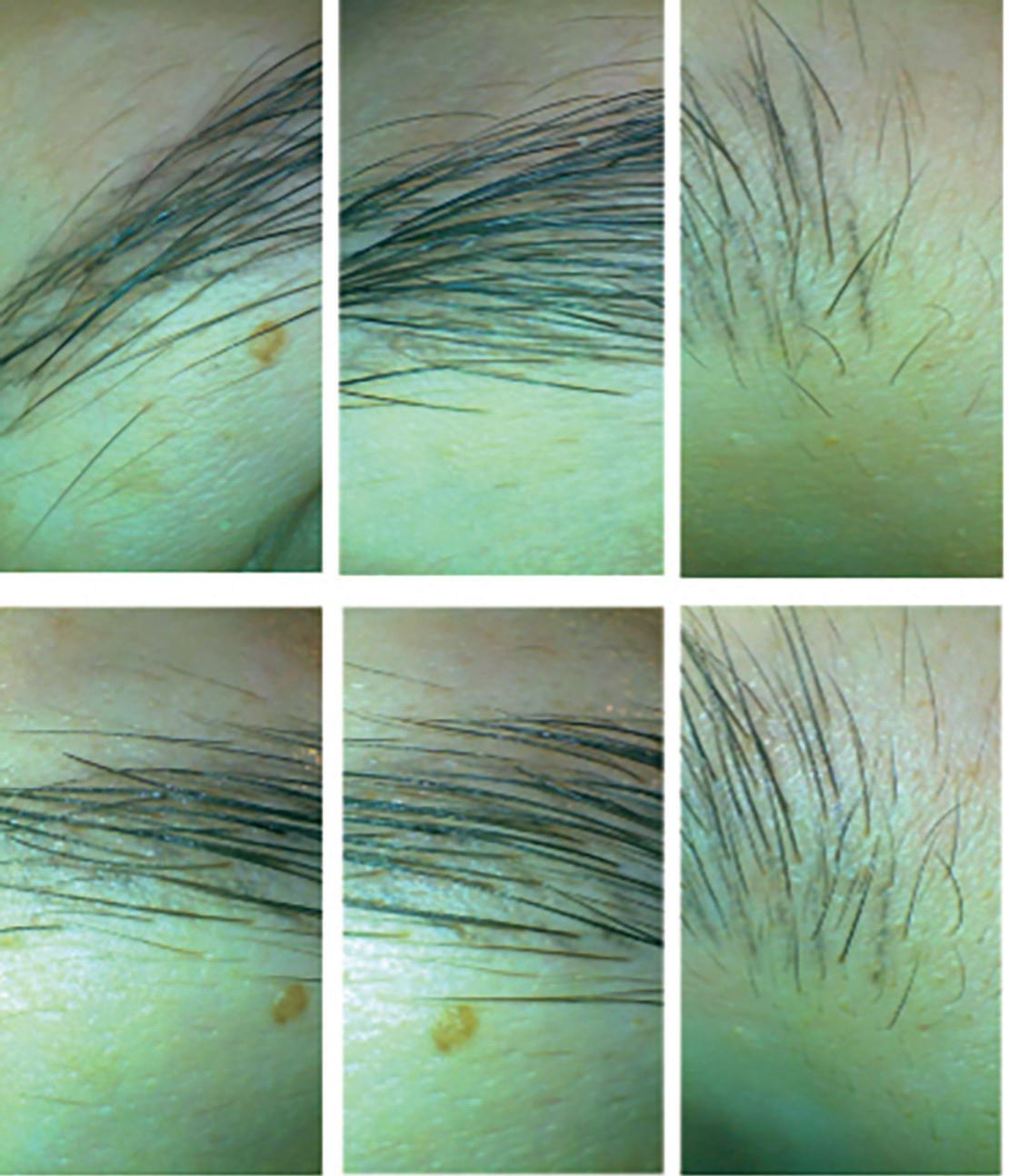
“While
still emerging and requiring more standardised protocols, exosome therapy shows potential to offer a less invasive, safer, and more physiological alternative that can restore natural eyebrow architecture rather than merely simulating it.”
hair density, thickness, and uniformity, with visible new follicular activity after as few as one to three sessions. Outcomes appeared natural and progressive, and no adverse effects were reported.
Importantly, exosomes address underlying dysfunction by stimulating dermal papilla cells and supporting hair cycling, mechanisms not targeted by traditional treatments. While still emerging and requiring more standardised protocols, exosome therapy shows potential to offer a less invasive, safer, and more physiological alternative that can restore natural eyebrow architecture rather than merely simulating it.
Find out more at: www.exocobio.com
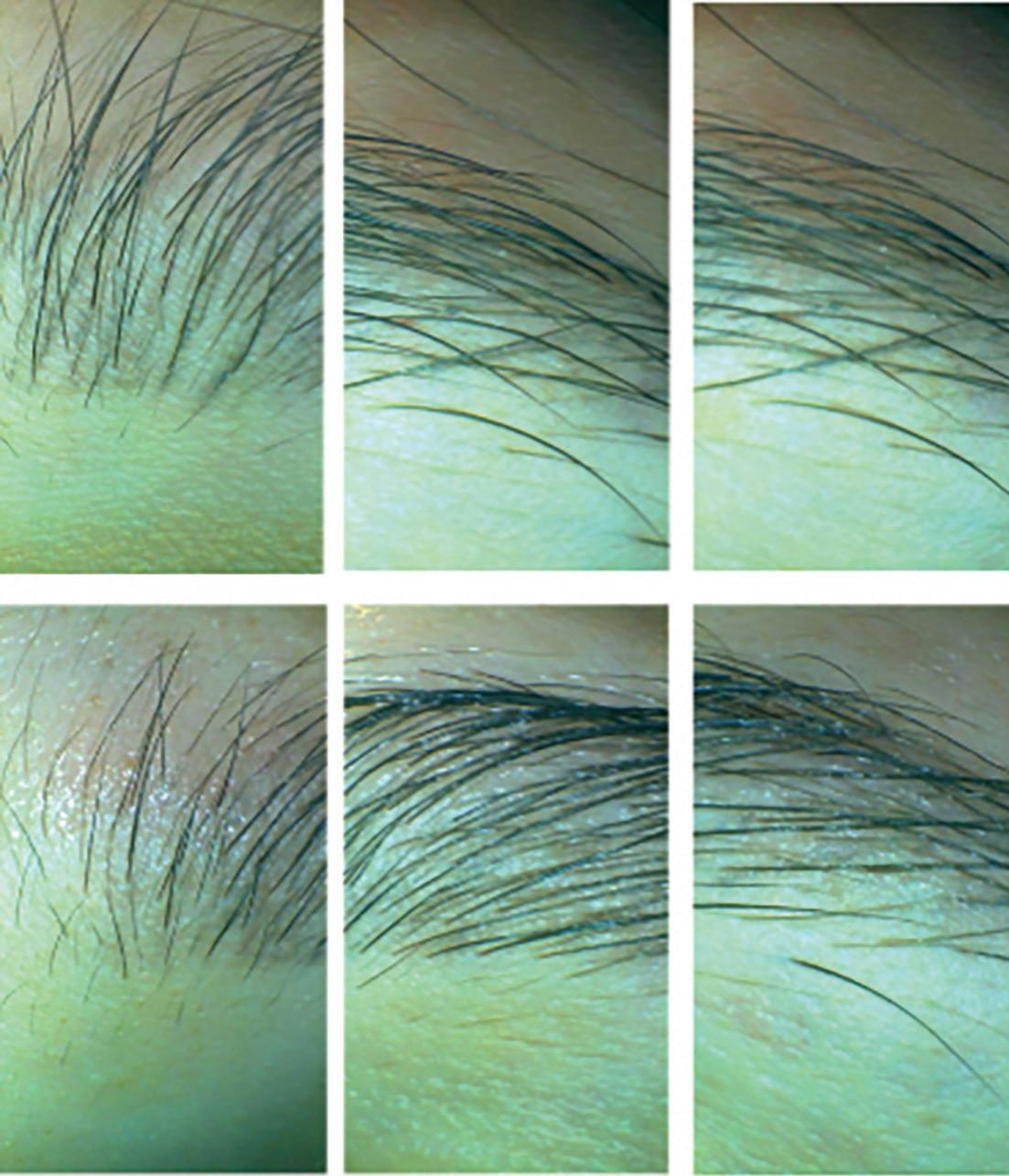
1. Associação do Microagulhamento e Fatores de Crescimento para Estímulo do Crescimento das Sobrancelhas. (2022). Revista Saúde Em Foco, 9(1), 66–81.
2. Bosniak S, Cantisano-Zilkha M, Ziering C, et al. (2001). Eyebrow rejuvenation: A multi-disciplinary approach. Operative Techniques in Oculoplastic, Orbital and Reconstructive Surgery, 4(2), 100–103.
3. Cho, Byong & Duncan, Diane. (2023). Development of Exosomes for Esthetic Use. 10.5772/intechopen.111846.
4. Rudnicka, L. and Olszewska, M. (2024), The emerging role of exosomes in the treatment of hair loss. Int J Dermatol, 63: 1124-1125.
5. Ablon G. An Exosome Regenerative Complex Plus Microneedling Promotes Hair Growth in Subjects With Self-Perceived Thinning Hair. J Drugs Dermatol. 2025 Oct 1;24(10):988-994. doi: 10.36849/ JDD.9244. PMID: 41037530.
6. Koumprentziotis IA, Kroumpouzos E, Delavar S, Kroumpouzos G. Microneedling radiofrequency followed by topical exosome application therapy for pattern hair loss: A scoping review and prospective study. Clin Dermatol. 2025 Sep-Oct;43(5):742-751. Epub 2025 Jul 29. PMID: 40744280.
7. Liu, Q., Sun, M., Zhang, J., & Zhao, H. (2025). Scalp Micropigmentation Is an Effective Treatment for Localised Alopecia: Technical Analysis and a Series of Ten Case Reports. Journal of Cosmetic Dermatology, 24(9).
8. Natural Reconstruction: A Comprehensive Standardized Operating Procedure for Restoring Eyebrow Loss Due to Scarring. (2022). 150(4), 877–886.
9. Kim, D. Y., & Park, S.-J. (2020). Pharmacological therapeutics in androgenetic alopecia. Journal of The Korean Medical Association, 63(5), 277–285.
Two case-led reports explore the expanding role of exosomes in aesthetic dermatology and intimate wellness, demonstrating their potential to restore skin function, improve pigmentation, and support tissue regeneration across diverse indications
EXOSOMES HAVE EMERGED
as one of the most promising regenerative tools in modern aesthetic medicine. These nanosized (30–200 nm) extracellular vesicles act as biological messengers, transferring proteins, nucleic acids, and lipids that regulate tissue repair and intercellular communication. In aesthetic practice, exosomes represent a shift from corrective procedures to regenerative medicine, particularly in
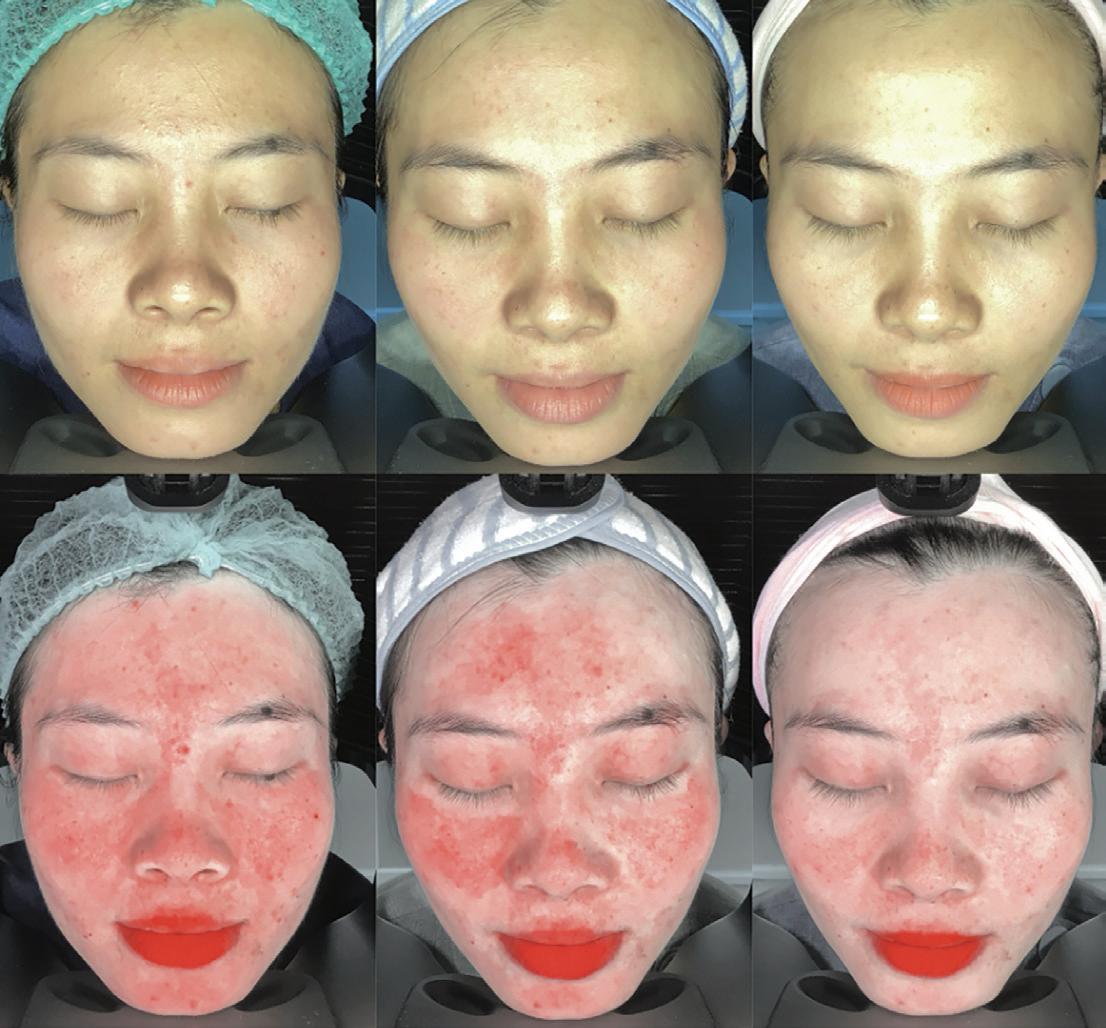
conditions involving uneven skin tone and barrier dysfunction.
ASCE+ Exosomes (ExoCoBio, Korea) have demonstrated clinical benefits through multiple mechanisms of action, including anti-inflammatory cytokine modulation, stimulation of fibroblast activity, promotion of angiogenesis, barrier repair via activation of ceramide synthesis, and regulation of melanogenesis. These combined actions make exosomes ideal for conditions involving pigmentation imbalance and barrier disruption.
A 19-year-old female presented with uneven skin tone and persistent post-inflammatory hyperpigmentation(PIH) following recurrent acne flares. Treatment consisted of three monthly sessions of microneedling radiofrequency(MnRF) with immediate topical ASCE+ application. Strict daily sunscreen was emphasised.
■ Week 4: Visible lightening of hyperpigmented lesions and smoother tone.
■ Week 8: Marked reduction in residual acne marks, with more uniform complexion.
■ Week 12: sustained improvement in skin brightness and patient satisfaction.
This case highlights the dual role of exosomes in pigment modulation and healing acceleration.
A second case involved a 26-year-old female with allergic dermatitis presenting with recurrent erythematous flares, dryness, and sensitivity. A protocol of weekly ASCE+ application combined with red LED therapy was performed over six weeks.
■ Week 2: Reduction in erythema and subjective itchiness.
■ Week 4: Clinical improvement in barrier strength, hydration, and skin comfort.
■ Week 6: Normalised tolerance to skincare products and sustained barrier integrity.
■ 3-Month Follow-Up: No relapse of dermatitis with maintenance care. This case demonstrates the role of exosomes in restoring the barrier and supporting long-term skin health.
Exosomes are routinely integrated with energy-based devices to optimise results, including microneedling, fractional lasers, and LED therapy. By shortening recovery and amplifying outcomes, exosomes enhance both the efficacy and patient experience of aesthetic treatments. Exosomes mark a new era in aesthetic medicine, shifting from temporary correction to biological regeneration.
Find out more at: www.exocobio.com

LAE KYI AUNG SOE, MD
Dermatologist and Aesthetic Physician, DSC Dermatology & Aesthetic Clinic, Myanmar
INTIMATE WELLNESS FOR women is an essential part of overall health, encompassing physical, emotional, and sexual wellbeing. Vaginal atrophy results from estrogen-related thinning of the vaginal epithelium, reduced elasticity, elevated pH, and decreased mucosal hydration. Symptoms often include dryness, dyspareunia, burning, and irritation, which can significantly impact quality of life. While topical estrogen therapy remains the standard treatment, many patients seek non-hormonal options due to contraindications or concerns regarding long-term hormone use.
Exosomes are spherical extracellular vesicles that mediate intercellular
communication and promote tissue repair, reduce inflammation, and stimulate regeneration of damaged cells. Rose stem cell–derived exosomes(RSCE) have demonstrated proliferation of fibroblasts, increased collagen and elastin production, and reduction of inflammatory cytokines. Exosome-based therapy, therefore, holds potential for vaginal rejuvenation by restoring tissue integrity and function.
ASCEplus IRLV from ExoCoBio, Korea, is an intimate rejuvenation lyophilised vial formulation using ExoSCRT technology, which is a high-purity exosome isolation. It contains a rose stem cell exosome extract and growth factors to relieve complex vaginal skin problems. It is acclaimed to increase skin defences & hydration, improve discomfort and correct vaginal balance.
A 36-year-old woman presented with worsening vaginal dryness, burning sensation, and dyspareunia over the past three years. The treatment protocol consisted of fractional CO₂ laser therapy followed by topical application of ASCEplus IRLV exosomes to both the intra-vaginal and external areas. The whole treatment was repeated once a
“In
aesthetic practice, exosomes represent a shift from corrective procedures to regenerative medicine, particularly in conditions involving uneven skin tone and barrier dysfunction.”
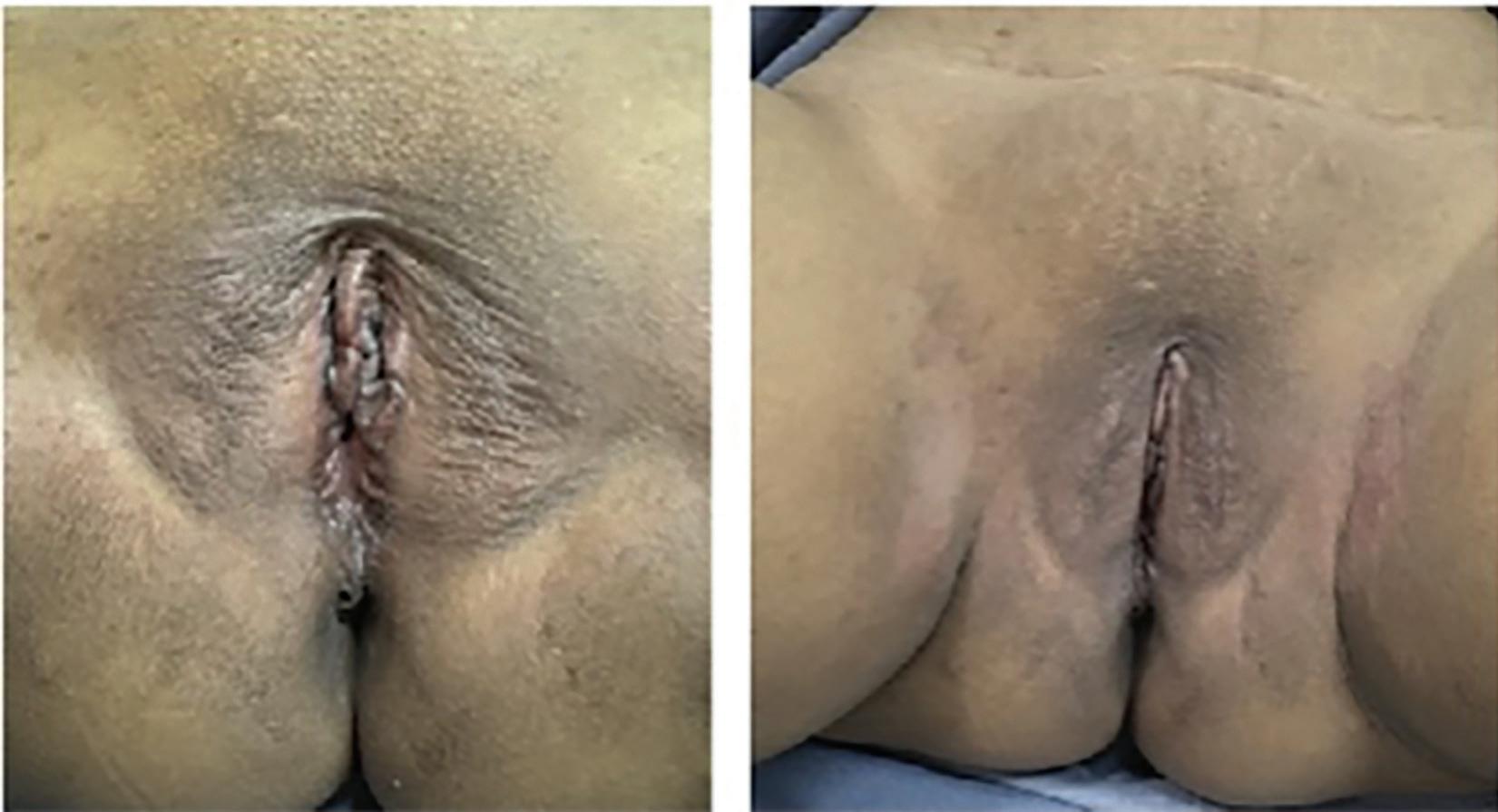
“The combination of fractional CO2 laser and ASCEplus IRLV exosomes showed meaningful improvement in vaginal wall contraction, skin rejuvenation, and overall vaginal health.”
month for three sessions. The patient reported tightening and rejuvenating effects after the first session, with significant improvement in itching and dryness. No adverse events or complications were reported. A noticeable colour change to her previously pigmented labia, and she was very satisfied with the results.
This case highlights the potential of exosome therapy as a non-hormonal regenerative
approach for intimate wellness. The combination of fractional CO₂ laser and ASCEplus IRLV exosomes showed meaningful improvement in vaginal wall contraction, skin rejuvenation, and overall vaginal health. Exosomes may fill an important gap as a regenerative therapy for patients unresponsive to conventional treatments.
Find out more at: www.exocobio.com
Rocco Carfagna, MD, explains how poly-l-lactic acid continues to evolve beyond traditional volumisation, offering practitioners a regenerative approach to improving skin quality, firmness, and tissue support across both facial and body indications
POLYLACTIC ACID (PLA), also known as poly-l-lactic acid (PLLA), is a synthetic polymer derived from lactic acid and belongs to the class of resorbable biostimulatory agents. It has been used in aesthetic medicine since the early 2000s, initially for the correction of facial lipoatrophy in HIV-positive patients, and later as a treatment for global facial and body rejuvenation1,2
The therapeutic mechanism of PLLA is not based on immediate volumisation, but rather on biostimulation: it activates fibroblasts to produce new endogenous collagen, predominantly type I collagen, leading to a gradual improvement in skin elasticity, texture density,
radiance, and tone. This progressive and natural effect makes PLLA particularly suitable for patients aged 30 to 60, in whom both prevention and correction of skin laxity are complementary objectives3.
Mechanism
Following intradermal or subcutaneous injection, PLLA microspheres induce a low-grade inflammatory response, characterised by macrophage activation and fibroblast stimulation. This reaction leads to the gradual deposition of type I and III collagen over 6 to 8 weeks, with clinical effects that become more pronounced in the following months4.
The material is progressively metabolised through hydrolysis into monomeric lactic acid, which is subsequently eliminated via the Krebs cycle. Complete resorption occurs within 18 to 24 months; however, clinical effects may persist for up to 2–3 years due to the formation of stable neocollagen5.
The main indications for PLLA in adult patients can be divided into facial treatments and body treatments.
Facial applications
In the facial area, PLLA is indicated for:
■ Volumetric remodelling of the zygomatic region, temples, and jawline
■ Correction of lipoatrophy (both HIV-related and non-HIV-related)
■ Improvement of skin laxity and dermal quality in the cheeks, submental area, and jawline contour
■ Preventive treatment of chrono-photoageing in patients aged 30–40 years, with the goal of stimulating collagen production before significant ptosis appears6. Poly-l-lactic acid is not indicated for superficial periorbital or perioral treatments, where the risk of nodules or irregularities is higher due to the thinness of the subcutaneous tissue.
In recent years, the use of PLLA has also spread to body contouring, thanks to its ability to improve tissue tone and firmness. The most commonly treated areas are:
■ Buttocks: enhancement of projection and improvement of skin texture7
■ Arms and inner thighs: treatment of mild to moderate skin laxity
■ Abdomen and knees: improvement of skin texture and reduction of crepey appearance
■ Décolleté: increase in dermal
density and improvement of photodamage8,9.
The combined effect of neocollagenesis and dermal thickening gives a smoother and firmer appearance, with gradual and natural results.
The protocol varies according to age, patient condition, individual needs and expectations, specific skin ageing, and the treated area.
For this study, a commercially available PLLA formulation (Ecolla™, JETEMA, Seoul, Korea) was used. Each vial contains 150 mg of PLLA with carboxymethyl cellulose (CMC) and mannitol, with a total package weight of 365 mg per vial.
According to the manufacturer’s guidelines, the recommended injection plane is subcutaneous (Sub-Q), with a treatment regimen of three sessions at 1-month intervals. The product can be administered using an 18G needle or a 21–23G cannula.
One vial was administered every 25 days, for a total of three treatment sessions targeting the malar–zygomatic region and neck, in 25 patients (20 women and 5 men) aged 26–59 years.
For body treatments, one vial of Ecolla every 15–20 days was used for a total of four sessions in areas such as:
■ Buttocks (3 female patients
aged 29–46 years)
■ Bicipital-brachial region (6 female and 1 male patients aged 58–62 years).
However, in selected cases, modified protocols were applied depending on clinical objectives.
Dosage was individualised according to tissue laxity, thickness, treatment goals, and anatomical area, rather than based on a fixed surface-area formula.
Standard reconstitution protocols of Ecolla provided by the manufacturer are as follows:
■ Standard reconstitution: 8 mL of normal saline, followed by adequate homogenisation and a sufficient standing time for hydration
■ Quick reconstitution: initial addition of 5 mL of normal saline with vigorous shaking, followed by a short resting period (approximately 5 minutes), then addition of 3 mL of normal saline prior to use.
The vial should be thoroughly agitated again before administration to ensure a homogeneous suspension.
Ecolla is supplied as a lyophilised powder containing 150 mg of PLLA, 90 mg of carboxymethyl cellulose (CMC), and 125 mg of mannitol.
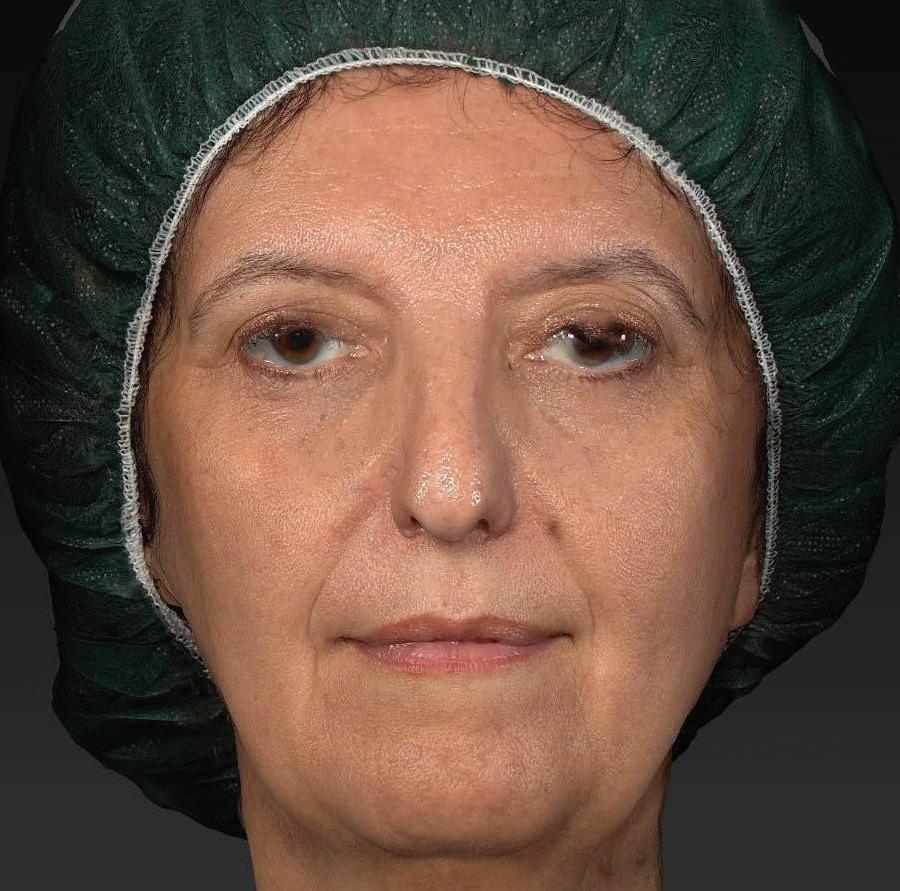
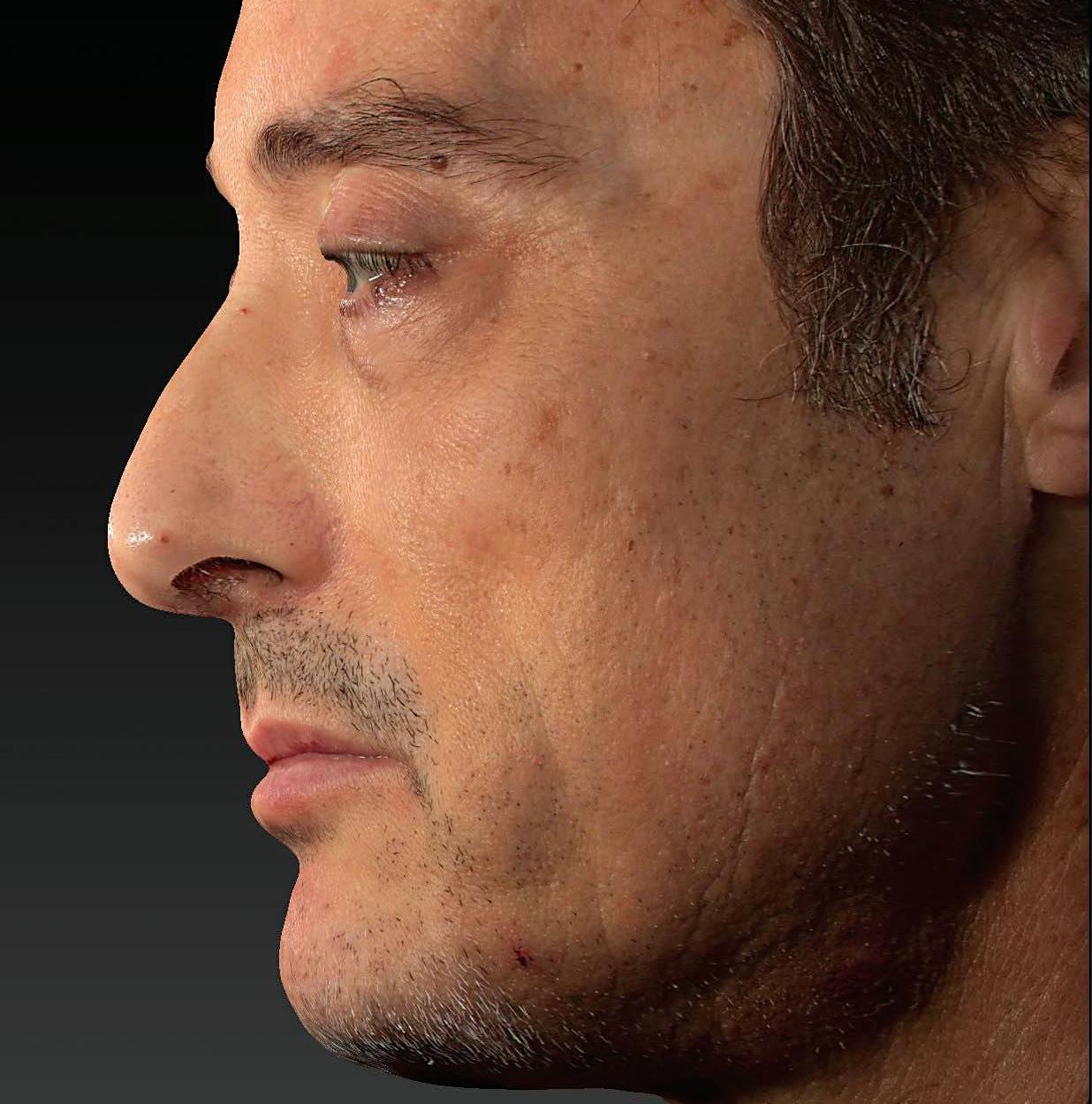
In the present case series, the product was reconstituted according to the quick reconstitution protocol, allowing same-day preparation and use without prolonged hydration. A total of 8 mL of normal saline was used to achieve the standard concentration.
Lidocaine (1 mL, 2%) may be optionally added prior to injection to improve patient comfort.
“In recent years, the use of PLLA has also spread to body contouring, thanks to its ability to improve tissue tone and firmness.”
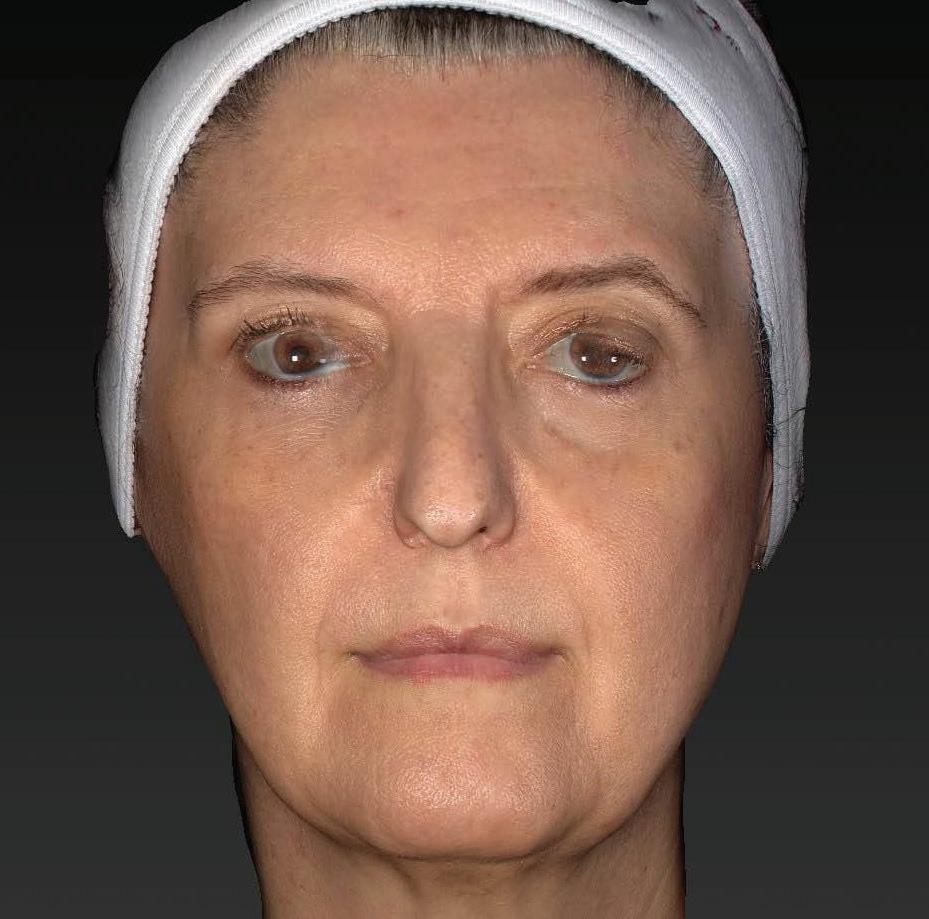
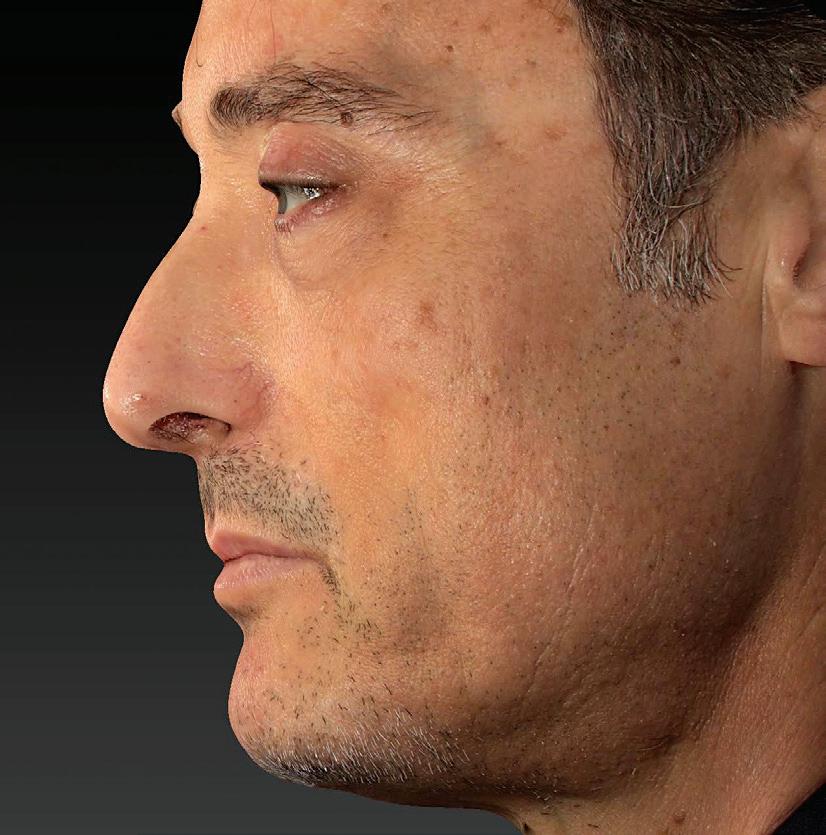
Before administration, the suspension was confirmed to be homogeneous and free of visible aggregates.
Injection technique
Face: Deep injections were
performed at the subcutaneous or supraperiosteal level using linear retrograde or fanning techniques, utilising an 18G needle or a 21–23G cannula depending on the anatomical
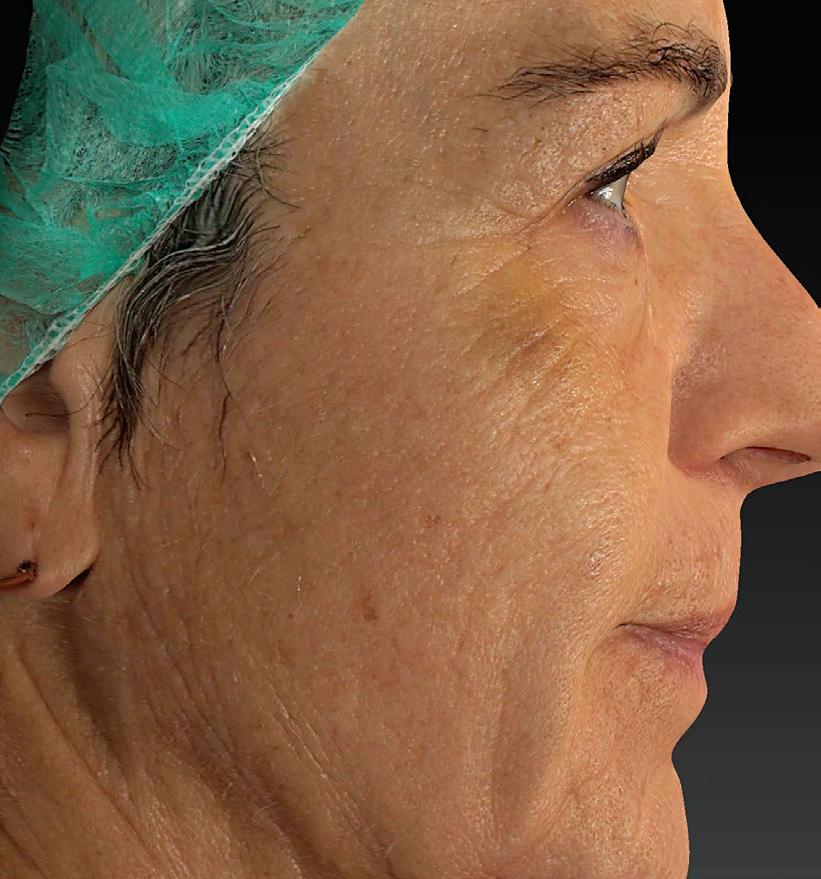
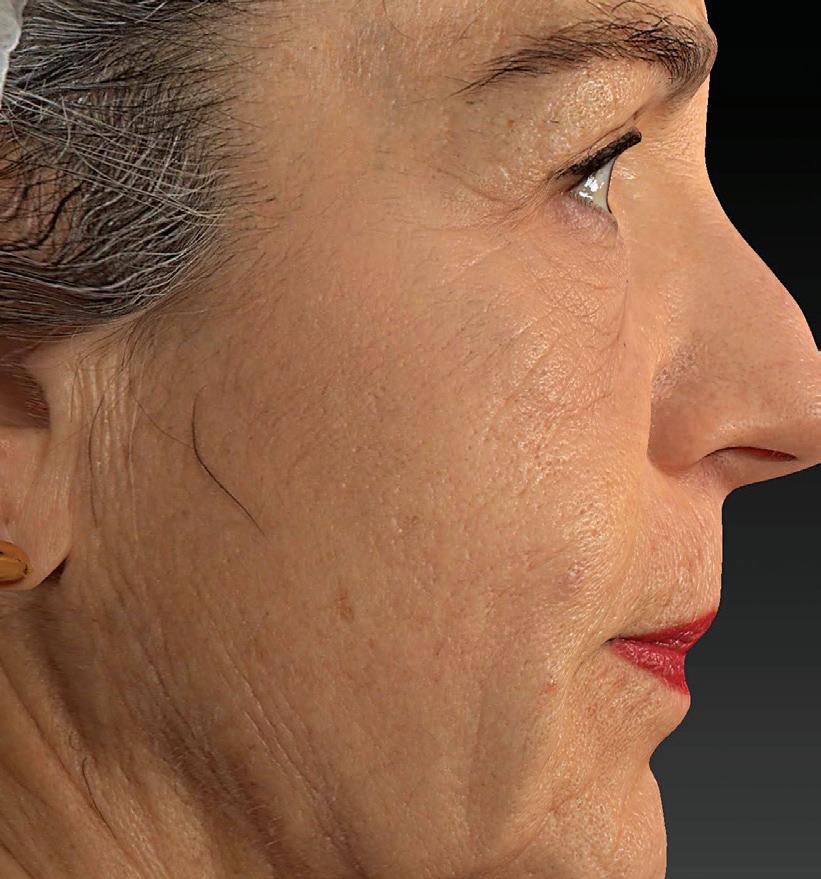
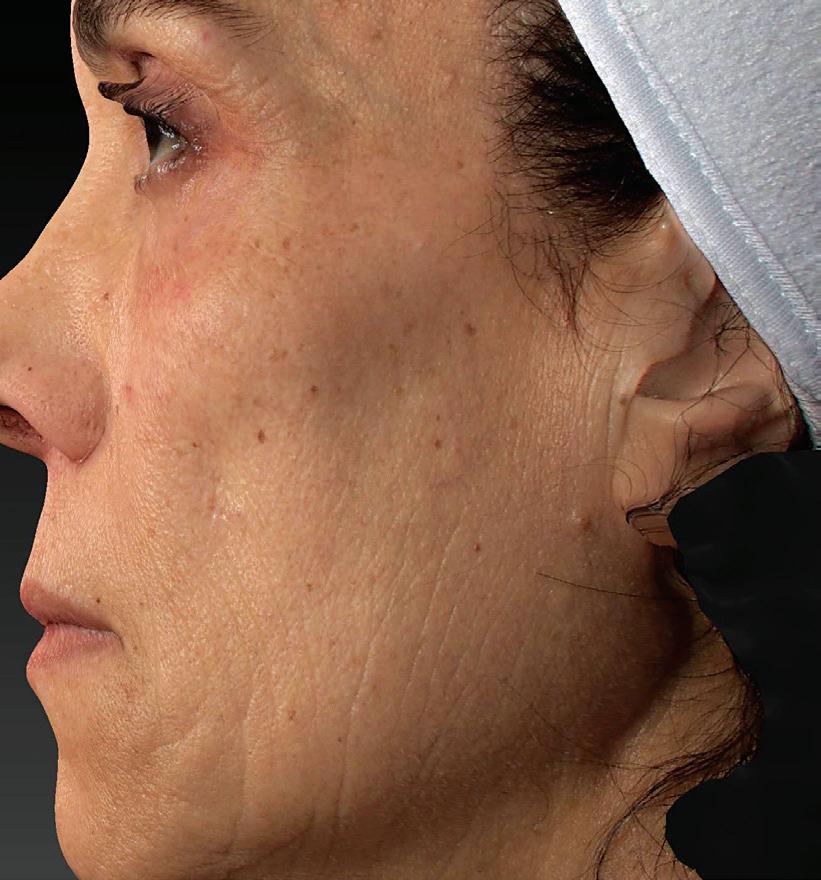
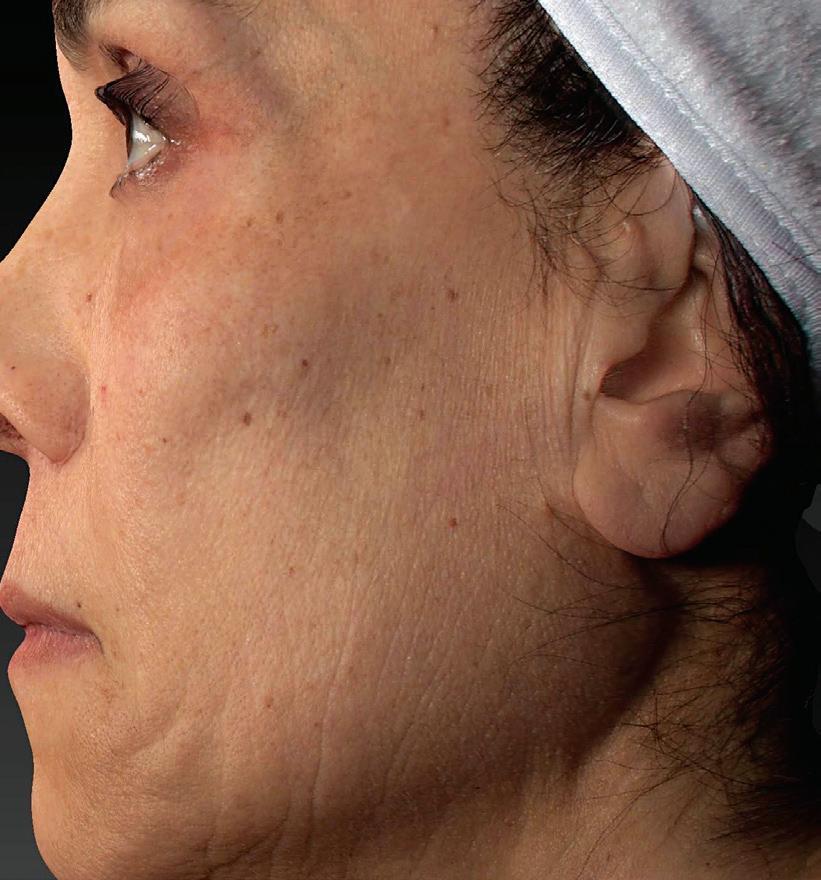
area and operator preference
Body: Injections were performed in the deep dermis or subcutaneous plane using a 22–25 G cannula, with uniform distribution via fanning or grid-like patterns depending on the treated area.
After injection, a vigorous massage was recommended for 5 minutes, 5 times a day for 5 days (5-5-5 rule) to prevent nodule formation10.
Objective assessment of treatment outcomes included both 3D volumetric imaging and
skin quality analysis, using appropriate modalities depending on the endpoint:
■ VECTRA 3D imaging system (Canfield Scientific) was used to quantitatively assess volumetric changes and contour correction in facial (e.g., malar, temporal regions) and body (e.g., buttocks) treatments through standardised before-and-after comparison.
■ VISIA imaging system (Canfield Scientific) was used to evaluate skin surface
safety of PLLA in improving skin quality and restoring soft tissue volume.
In a multicentre study involving 233 patients, Vleggaar et al. (2014) reported sustained improvement in facial volume and skin quality for up to 25 months following treatment11
Histological analyses have also demonstrated a progressive increase in type I collagen production, with reported increases of approximately 66% at 6 months and up to 90% at 12 months post-treatment12
A total of 34 patients (age range: 26–62 years) were treated with Ecolla across different anatomical areas.
Facial treatments (n=18)
Patients underwent treatment of the malar and zygomatic regions. Clinical improvement was observed in facial contour and volume restoration, supported by standardised photographic assessment and, where available, 3D volumetric analysis (VECTRA).
Buttock remodeling (n=7)
Patients were treated using either the standard four-session protocol or a modified threesession protocol at 30-day intervals, depending on the treatment strategy.
An average increase in projection of approximately 1.4 cm was observed.
parameters, including texture, wrinkles, and overall skin quality.
This distinction is essential, as PLLA acts as a biostimulator rather than an immediate volumising filler, with peak clinical effects typically observed several weeks to months after treatment.
Published evidence
Several clinical studies have demonstrated the efficacy and
Improvement in projection was noted in the majority of patients, with high patient-reported satisfaction.
These findings are consistent with previously published outcomes in gluteal PLLA treatments7,13
Body skin laxity (upper arms, inner thighs, abdomen) (n=9)
Treatment resulted in improved skin firmness and reduction in laxity, based on clinical assessment and patient-reported outcomes, in line with prior reports on PLLA use in non-facial
areas14
Across all treated areas, improvements were gradual and became more evident over time, consistent with the known mechanism of PLLA-induced neocollagenesis.
The safety profile of PLLA is well established. The most commonly reported adverse events are mild and transient, including:
■ Erythema, oedema, and post-injection pain, typically resolving within 48–72 hours
■ Non-visible subcutaneous nodules (reported incidence: approximately 1–10%), which are generally self-limiting or responsive to massage and, if needed, intralesional corticosteroid treatment15,16
In our case series (n=34), no clinically palpable subcutaneous nodules were observed during the follow-up period.
The incidence of adverse events can be minimized through appropriate injection technique, adequate dilution, and strict adherence to post-treatment massage protocols.
PLLA should be used with caution in patients with active autoimmune or connective tissue disorders, as treatment response may be less predictable. It is generally avoided in the presence of active infection, known hypersensitivity to product components, or granulomatous conditions.
Use during pregnancy and breastfeeding is generally avoided due to insufficient safety data.
In order to tailor treatments effectively for different age groups, it is essential to understand the specific needs and goals associated with each stage of life.
■ 30–40 years: the purpose is preventative, with reduced dosages aimed at dermal stimulation
■ 40–50 years: combined approach for biostimulation and volumetric correction
■ 50–60 years: more structured treatment, often integrated with hyaluronic fillers or energy-based devices (radiofrequency, microfocused ultrasound) to maximize results17. In this age group, polylactic acid stands out as a biological and regenerative treatment, improving tissue quality beyond mere aesthetic correction.
Poly-l-lactic acid represents a significant evolution in regenerative aesthetic medicine. Unlike traditional fillers, its effect is indirect, mediated by neocollagenesis, making it more physiological and long-lasting. In patients aged 30–60 years, the biological response is optimal, as fibroblastic activity remains sufficient to ensure robust collagen synthesis in response to PLLA stimulation18
However, patient selection remains crucial in cases of severe ptosis or excessive adiposity, results may be limited.
In this case series, treatment with poly-l-lactic acid (Ecolla, JETEMA, Seoul, Korea) demonstrated a favourable safety profile and contributed to progressive improvement in skin quality and tissue characteristics in patients aged 30–60 years.
The observed outcomes are consistent with the known mechanism of PLLA-induced neocollagenesis, resulting in gradual and natural-looking changes over time.
Within the limitations of this study, Ecolla may represent a clinically applicable option in both facial and body aesthetic treatments when appropriate patient selection and technique are applied.
Find out more at: www.jetema.com
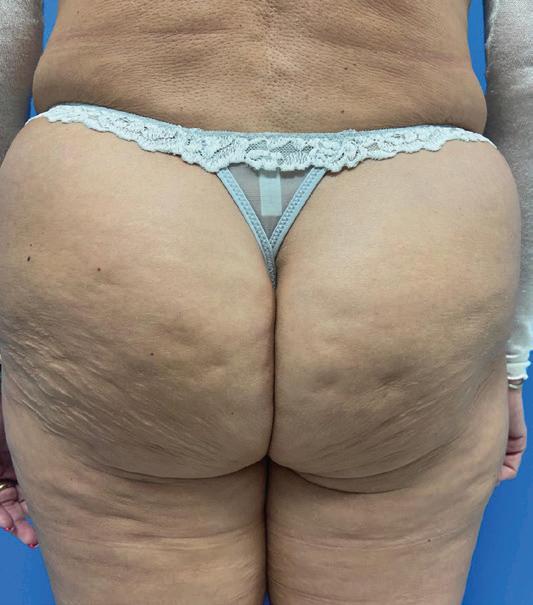
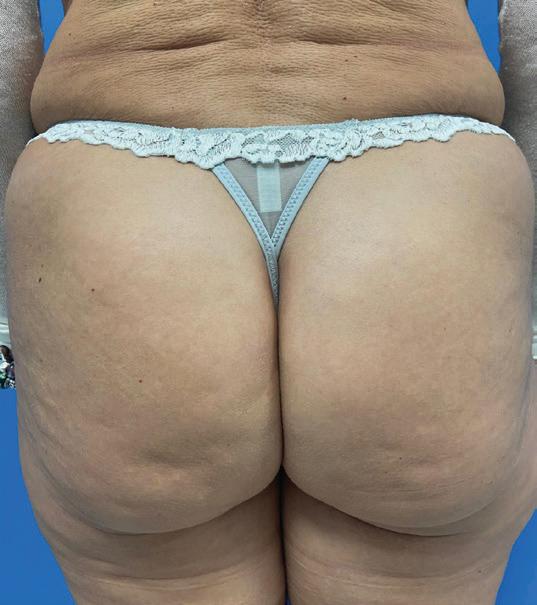
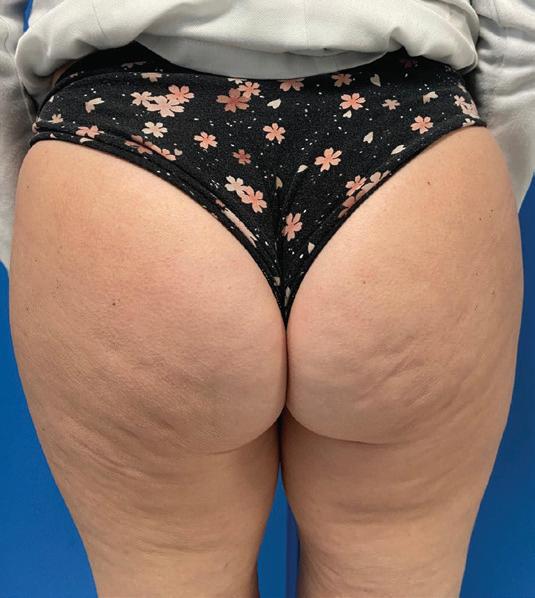
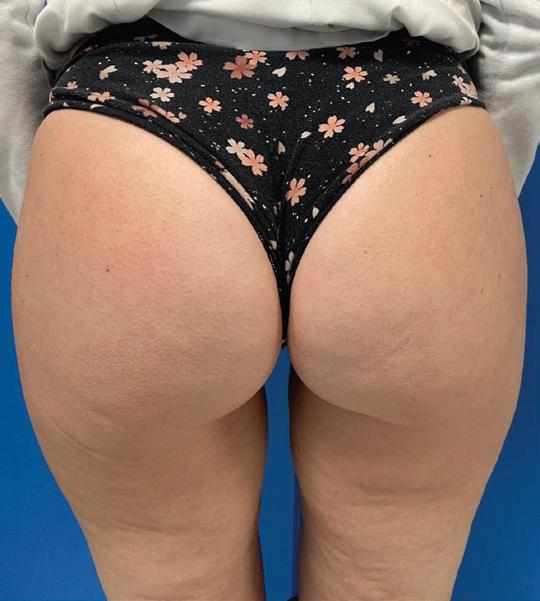
“In
this case series, treatment with poly-l-lactic acid (Ecolla, JETEMA, Seoul, Korea) demonstrated a favourable safety profile and contributed to progressive improvement in skin quality and tissue characteristics in patients aged 30–60 years.”
1. Vleggaar D, Fitzgerald R. Polylactic acid: clinical applications for soft-tissue augmentation. Aesthet Surg J. 2008;28(4):439–446.
2. Burgess CM, et al. Safety and efficacy of poly-L-lactic acid injections for the correction of nasolabial fold wrinkles. Dermatol Surg. 2010;36(1):37–46.
3. Polder KD, et al. Poly-L-lactic acid for volume restoration: a review of the literature. J Cosmet Laser Ther. 2012;14(6):296–302.
4. Narins RS, et al. A randomized study of the efficacy and safety of injectable poly-L-lactic acid for the treatment of nasolabial folds. Plast Reconstr Surg. 2010;125(6):1741–1754.
5. Andre P. Evaluation of the safety of poly-L-lactic acid in aesthetic medicine. J Eur Acad Dermatol Venereol. 2014;28(1):1–5.
6. Vleggaar D. Soft-tissue augmentation and the role of poly-L-lactic acid. Plast Reconstr Surg. 2006;118(3 Suppl):46S–54S.
7. Sarubi J, et al. Targeted and individualized gluteal poly-L-lactic acid injection for optimal aesthetic results in the gluteal region. J Clin Aesthet Dermatol. 2023;16(6):30.
8. Mcloughlin E, et al. Non-surgical gluteal enhancement with injectable poly-L-lactic acid. Aesthetic Plast Surg. 2020;44(2):373–381.
9. Hedén P, et al. Polylactic acid for body contouring and skin tightening: a review of current evidence. Aesthet Surg J. 2021;41(9):NP1155–NP1165.
10. Bui P, et al. Best practices for poly-L-lactic acid reconstitution and injection technique. J Clin Aesthet Dermatol. 2020;13(7):E61–E68.
11. Levy JL. Post-treatment massage and its importance in PLLA protocols. J Cosmet Dermatol. 2019;18(3):726–732.
12. Vleggaar D, et al. Long-term evaluation of PLLA-induced collagen neogenesis. Dermatol Surg. 2014;40(9):1045–1053.
13. Beer K, et al. Histologic evidence of collagen stimulation after PLLA injection. Aesthet Surg J. 2013;33(3):438–443.
14. Mcloughlin E, et al. Injectable poly-L-lactic acid for gluteal reshaping: prospective outcomes. Plast Reconstr Surg Glob Open. 2020;8(5):e2811.
15. Lorenc ZP, et al. Applications of PLLA in non-facial areas. J Drugs Dermatol. 2019;18(4):328–334.
16. Lowe NJ, et al. Adverse events associated with poly-L-lactic acid: review of 4000 injections. Dermatol Surg. 2009;35(Suppl 1):S96–S103.
17. Wollina U, et al. Granuloma formation after poly-L-lactic acid injection: prevention and management. Clin Cosmet Investig Dermatol. 2011;4:167–172.
18. Fabi SG, et al. Combination therapies in aesthetic dermatology: PLLA with energy-based devices. J Cosmet Dermatol. 2022;21(5):1820–1828.
19. Goodman GJ. The role of biostimulation in modern aesthetic practice. Aesthetic Plast Surg. 2023;47(4):1234–1242.
Gwenaelle Volant, MD, explains how a 1340 nm Nd:YAP laser technology is offering practitioners a non-ablative approach to deep dermal remodelling, delivering gradual, natural-looking improvements with minimal downtime

IN MY DAILY PRACTICE, I constantly seek technologies that deliver visible, natural, and long-lasting results without compromising patient comfort. The integration of ProDeep®, developed by Vydence (São Carlos, SP, Brazil), quickly became an obvious choice. Very early on, this technology stood out for its ability to act where many other treatments reach their limits— the deep dermis.
ProDeep® is based on a specific wavelength of 1340 nm (Nd:YAP), whose key feature is its ability to penetrate deep into the skin while preserving the superficial layers. This parameter is far from trivial. The 1340 nm wavelength has a strong affinity for water in
the skin, enabling controlled, homogeneous thermal diffusion in the dermis. Unlike more superficial or ablative technologies, it enables deep dermal action without visible damage to the epidermis. In practical terms, this changes everything. While some technologies focus on superficial results or require significant downtime, ProDeep® enables deep dermal remodelling without visible surface alteration. This allows patients to resume their daily activities quickly, which is precisely what today’s patients are looking for: effective treatments without constraints.
What I particularly appreciate about ProDeep® is its biological approach. We do not ‘correct’ the skin — we stimulate its natural capacities. The delivered energy induces controlled heating in the deep dermis, triggering a cascade of well-documented physiological responses:
■ Fibroblast activation
■ Progressive neocollagenesis
■ Remodelling of elastic fibres
■ Reorganisation of the extracellular matrix.
Over time, the skin restructures itself. It becomes denser, firmer, and more homogeneous. This is a
gradual, foundational process that produces subtle yet real results — exactly what I seek in a modern approach to skin rejuvenation.
I have been using this handpiece for three years now, as part of Vydence’s versatile Zye Alx platform. It has become an integral part of my daily treatments. Over the past three years, I have treated more than 50 patients with this technology, with a very high satisfaction rate.
Patient expectations have evolved significantly. Today, they seek minimally invasive treatments with little to no downtime, yet with visible and lasting results. This is exactly what ProDeep® delivers.
Today, I use ProDeep® for:
■ mild to moderate skin laxity
■ fine lines and wrinkles
■ acne scars
■ stretch marks
■ overall skin quality improvement.
Gradually, I have expanded its
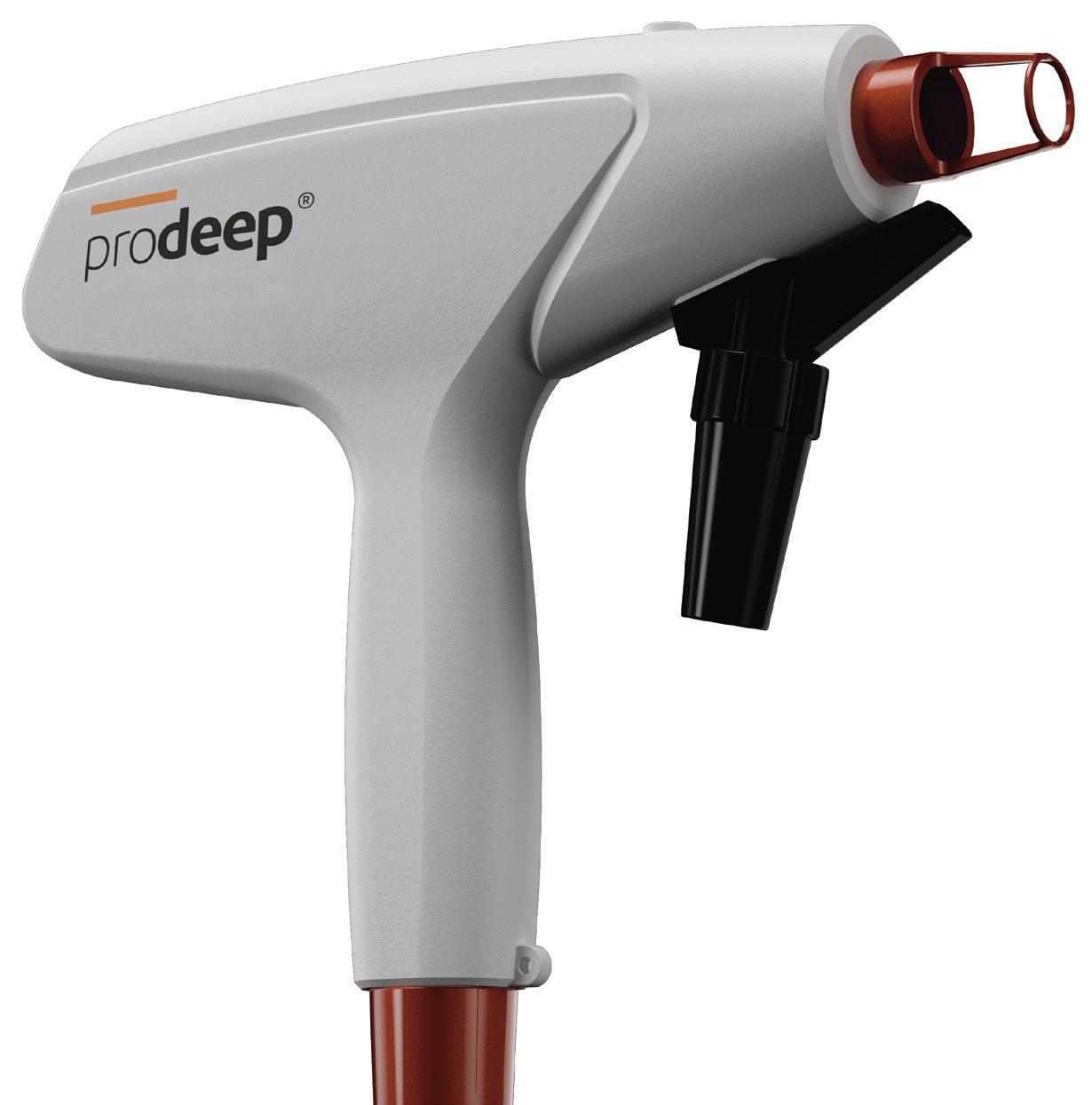
applications. I now treat areas such as the lips, knee wrinkling, arm laxity, and the periumbilical region. Interestingly, these new indications often come directly from patient requests: ‘Doctor, could you also treat my arms?’ Its versatility is particularly valuable. It integrates easily into combination protocols, allowing me to tailor treatments to each individual patient.
In my daily practice, patient adherence is essential and ProDeep® fully meets this requirement. Feedback is consistently very positive:
■ The treatment is well tolerated
■ Discomfort remains moderate
■ Side effects are minimal, often limited to transient redness. Downtime is short, typically 24 to 48 hours. Patients can quickly return to their daily activities, which significantly changes their perception of aesthetic treatments.
With ProDeep®, there is no immediate ‘spectacular’ effect — and that is precisely its strength. Results appear progressively:
■ Improved skin firmness
■ Refined skin texture
■ Reduction of irregularities
■ More even and radiant complexion.
The most frequent comment I hear is: ‘My skin looks better, but I can’t explain why.’ This is exactly the type of outcome I aim for: natural, subtle, yet deeply effective.
Today, ProDeep® is an essential part of my therapeutic approach. It has enabled me to:
■ offer a credible alternative to more invasive treatments
■ target deep dermal structures without major constraints
■ meet the growing demand for natural results.
It is a reliable and reproducible technology, fully aligned with the evolution of our field.
My experience with ProDeep® reflects a major shift in aesthetic medicine we are no longer trying to transform, but to enhance, support, and stimulate. With this technology, we work with the skin not against it. And that is undoubtedly where its greatest strength lies.
Find out more at: https://emea.vydence.com/ vydence-precision-power-
“My experience with ProDeep® reflects a major shift in aesthetic medicine — we are no longer trying to transform, but to enhance, support, and stimulate.”
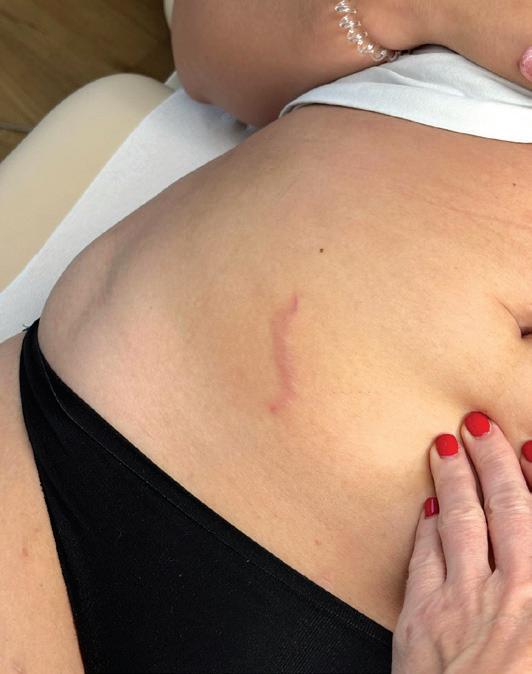
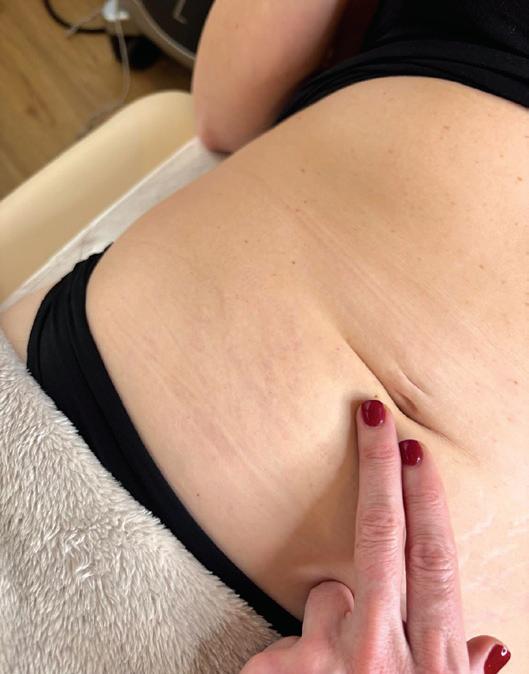
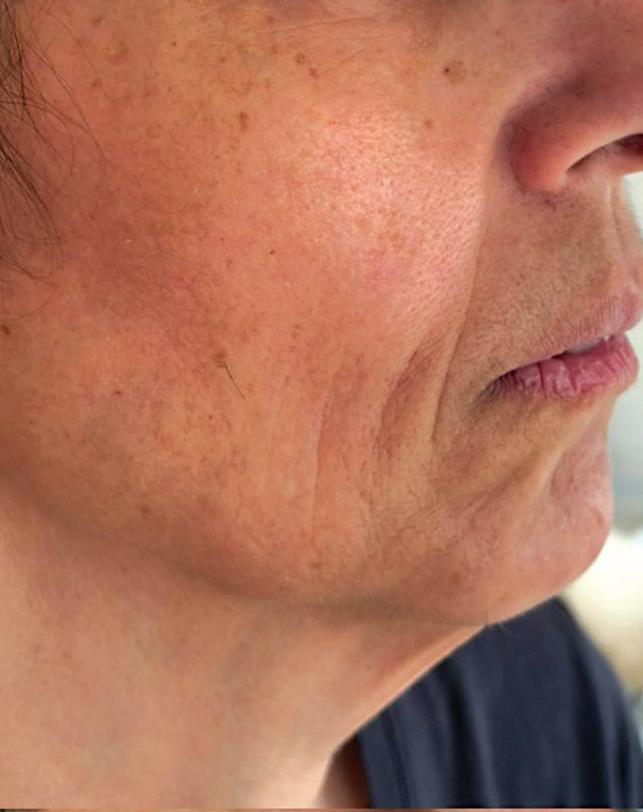
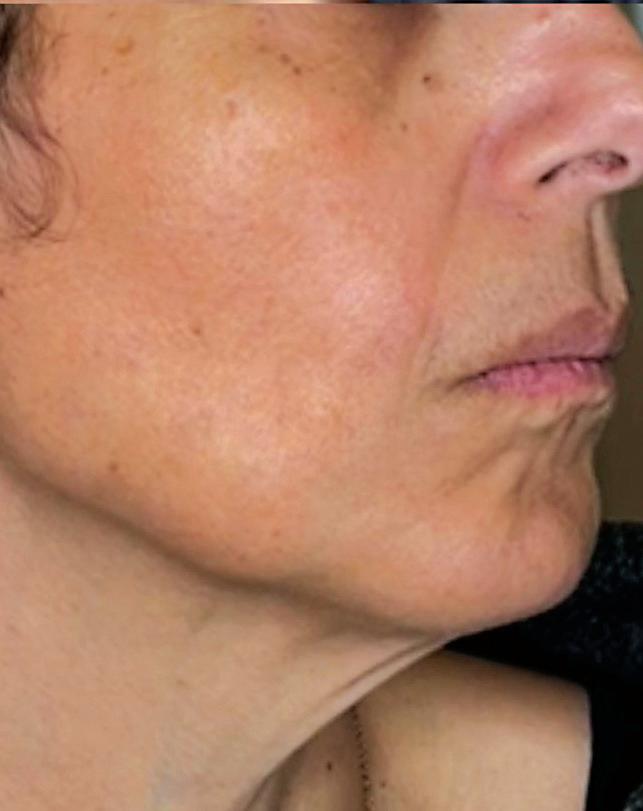
“Over time, the skin restructures itself. It becomes denser, firmer, and more homogeneous. This is a gradual, foundational process that produces subtle yet real results exactly what I seek in a modern approach to skin rejuvenation.”
Application Injectable skin booster Plenhyage XL is a polynucleotide-based gel designed to support skin quality through a regenerativeoriented approach. Formulated with high-molecularweight PDRN derived from purified DNA extracted from selected high-quality raw material, it is intended for aesthetic protocols aimed at improving hydration, elasticity, and overall skin texture while preserving natural facial dynamics. Thanks to its hydrophilic activity, Plenhyage XL helps the skin appear smoother and more luminous. Its biostimulatory action supports a favourable tissue environment and promotes a refreshed, progressive result over time. Plenhyage XL is frequently integrated into combination treatment plans, allowing clinicians to tailor treatment intensity and target areas, including delicate zones. The gel format is engineered for controlled placement and comfortable handling, supporting precise, patient-focused application in daily practice. The range includes different viscosities and concentrations to match skin thickness and clinical objectives, from sensitive areas to deeper tissues.
Contact Bioformula ● sales@bioformula.it
Application Drinkable beauty supplement
Longevity X Skincare by Beyond Age is a physician-grade, science-based drinkable beauty supplement designed to support skin health from within. Each daily sachet delivers a high-potency formulation featuring 10,000 mg of collagen (9,000 mg bioactive collagen peptides plus 1,000 mg highly bioavailable collagen tripeptides), 200 mg hyaluronic acid, 10 mg niacin, and 4 mg astaxanthin — one of nature’s most potent antioxidants. The formula is further enhanced with vitamin C from acerola extract, and a curcumin-piperine complex for optimised bioavailability and anti-inflammatory support. Developed in Switzerland with a commitment to transparent dosing, purity-tested ingredients, and evidence-informed formulation, Longevity X Skincare bridges the gap between aesthetic medicine and longevity science. Ideal as an adjunct to in-clinic procedures, it supports collagen synthesis, skin hydration, and photoprotection — addressing skin ageing at the molecular level. Available globally (sent from Switzerland), B2C and wholesale.
Contact Beyond Age ●
Application Lymphatic treatments
Flow Vibrate is a handheld vibration tool designed specifically for the delicate tissues of the face and neck. Using gentle, targeted vibration, it helps stimulate lymphatic flow, encouraging the natural drainage of excess fluid that can contribute to puffiness and facial congestion. This makes it a valuable addition to aesthetic and anti-ageing routines focused on maintaining healthy skin and facial definition. Beyond lymphatic support, Flow Vibrate also helps release tension held in the facial muscles, particularly around the jaw, temples, and neck, where stress often accumulates. By relaxing these areas, the device can promote a softer, more refreshed appearance while enhancing overall treatment outcomes. Practitioners can incorporate Flow Vibrate into facials, lymphatic treatments, or post-procedure care to support circulation and tissue health. The result is a soothing, non-invasive approach to facial contouring, relaxation, and skin vitality, helping clients look and feel more revitalised.
Contact Medella Health Ltd. ● diane@flowpressousa.com
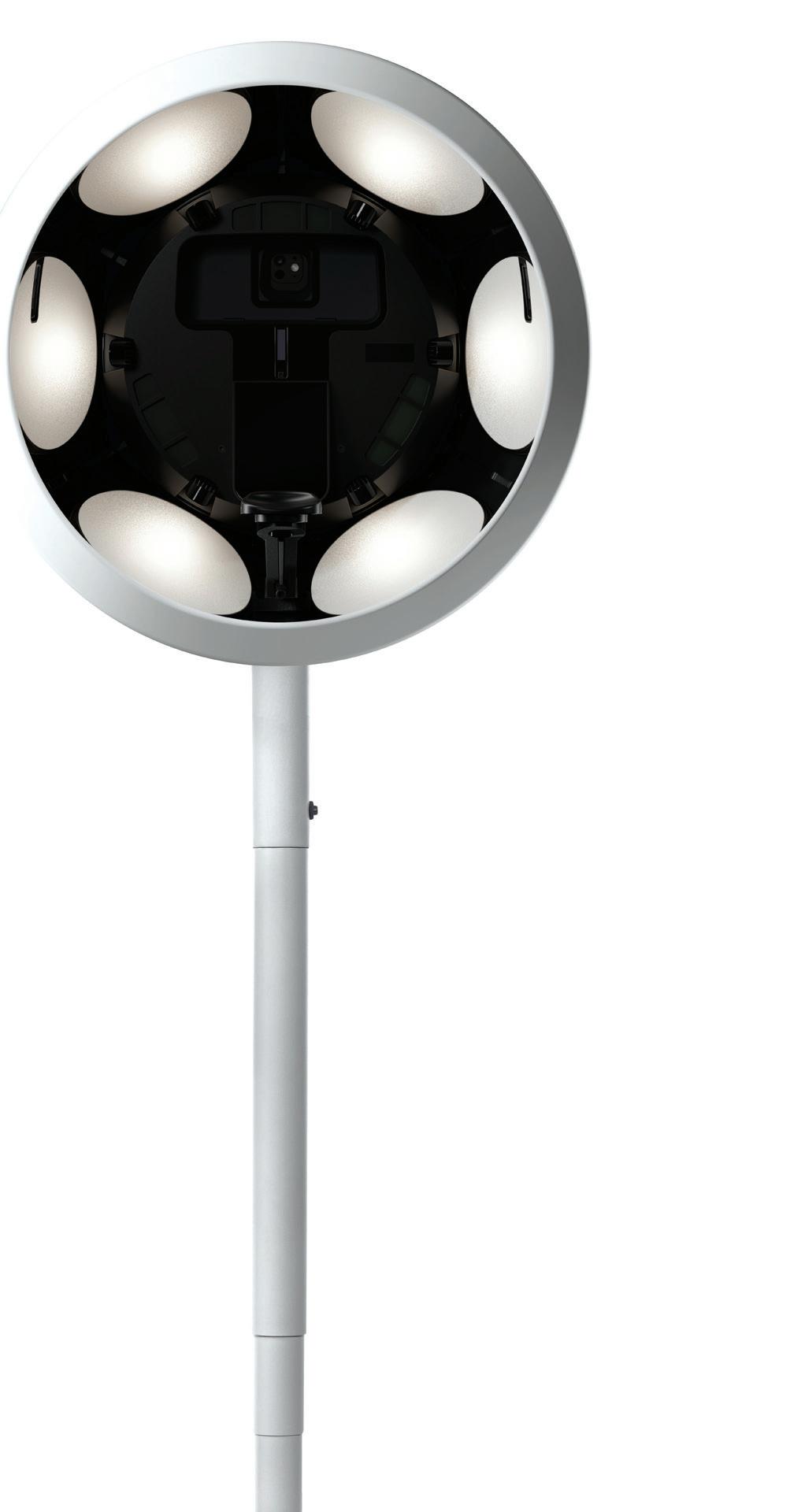
Application Injectable fat-dissolving
Rongzhi™ is the first and only NMPA-approved injectable fat-dissolving product in China. Its active ingredient, deoxycholic acid (DCA), physically disrupts fat cell membranes, leading to a permanent reduction in fat cells. Indicated for the improvement of moderate to severe convexity or fullness associated with submental fat (‘double chin’) in adults, it offers precise, lasting, and safe fat reduction. Its key advantages include precision (targeting the fat layer), lasting effects (reducing fat cell count with low rebound, plus collagen stimulation for skin tightening), and safety (internationally certified raw materials with a favourable safety profile in trials). Phase III clinical data showed 84% of subjects achieved noticeable improvement. As the pioneering ‘drug-grade’ fat-reducing injection, Rongzhi™ introduces a new compliant ‘subtractive’ treatment paradigm to the medical aesthetics market, addressing the demand for safe, regulated, and effective solutions.
Contact Minova Pharma ● +86-133 8276 7716
Application Skin imaging
The Observ 520x by Sylton is an advanced skin imaging system to elevate every consultation with powerful, precise, and intuitive skin visualisation. Capturing 10 different light modes in just 10 seconds, it reveals both surface-level and underlying skin conditions with unmatched efficiency. Its exceptionally high image quality ensures that every detail is visible with clarity, enabling professionals to educate patients confidently and accurately. The Observ 520x transforms each consultation into an engaging, insight-rich patient journey that strengthens trust and enhances treatment outcomes. With its rapid capture, high-definition imaging, and intelligent skin insights, the Observ 520x empowers you to truly Show. True. Beauty.
Contact Sylton ● contact@sylton.com
LABORATORIES HYAMED SA
Application Hyaluronic acid dermal fillers
Hyamax HA+ is a portfolio of monophasic hyaluronic acid dermal fillers engineered using patented CD™ cross-linking technology and manufactured in full compliance with EU-MDR standards. Developed to meet the expectations of modern aesthetic medicine, the range enables practitioners to precisely sculpt, contour and enhance facial structures such as the chin, jawline, and midface while maintaining harmonious and natural-looking results. The Hyamax HA+ portfolio includes several specialised formulations designed to address a wide spectrum of aesthetic indications. Each product within the range offers distinct rheological properties, allowing practitioners to tailor treatments according to individual patient anatomy and desired outcomes, from restoring volume and redefining facial contours to achieving subtle rejuvenation and improved skin quality. By combining advanced material science with consistent product performance, Hyamax HA+ delivers immediate and visible aesthetic improvement while supporting long-term skin integration. The result is a versatile filler system that empowers practitioners to create balanced, refined, and naturally youthful appearances.
Contact Laboratories Hyamed SA ● info@hyamax.com
MARE NOSTRUM
Application
Medical and science publisher
Thieme is an award-winning international medical and science publisher serving health professionals and students for more than 125 years. Thieme promotes the latest advancements in clinical practice, publishes the latest research findings, and advocates medical education. Thieme’s premier collection of Aesthetic, Plastic and Reconstructive surgery books provide practical procedure guidelines and specialist references on complex cases. Exploring a range of topics including rhinoplasty, dermal fillers and more, Thieme’s comprehensive collection of books are suited for education, exam prep, and clinical practice. The upcoming publication of Reconstructive Surgery: A Problem-Based Approach fills a gap among plastic surgery textbooks. Covering the entire spectrum of reconstructive surgery, this resource defines the current state of the art and provides an essential portable companion for all trainee and seasoned surgeons to consult in the clinic and operating room. Receive an exclusive 20% off Thieme books using discount code PRIME20 at mngbookshop.co.uk.

Contact Mare Nostrum ● mngbookshop.co.uk/publisher/thieme/
SUISSELLE SA
Application Personalised bioreparative aesthetics
In 2025, aesthetic demand is increasingly driven by healthy ageing and skin quality, with around three quarters of consumers prioritising fresh, healthy looks over purely corrective outcomes. This shift is increasing demand for personalised and natural-looking treatments. CELLBOOSTER® (Swiss Made MD CLASS III) represents an innovation in regenerative aesthetics and meets this need through Swiss-patented CHAC Technology, designed for targeted bioreparative support. CHAC technology stabilises high-molecular-weight hyaluronic acid as a carrier for amino acids, vitamins, antioxidants, and oligo-elements, supporting gradual release, effective intracellular delivery, and prolonged bioavailability for immediate and long-term effect. Used as monotherapy or in combination, CELLBOOSTER® supports natural bioreparative processes. CELLBOOSTER® LIFT improves firmness, hydration, and skin density; CELLBOOSTER® Glow targets dullness, uneven tone, and hyperpigmentation; CELLBOOSTER® Shape addresses puffiness, oedema, and localised fat accumulation; and CELLBOOSTER® Hair supports scalp quality, weakened follicles, and hair loss. Together, they support personalised protocols, natural-looking outcomes, and long-term tissue quality improvement.
Contact Suisselle SA ● suisselle.com/products/cellbooster/



SIMILDIET
Application Skin rejuvenation
Is it possible to halt oxidative stress and restore the skin’s pure radiance? The answer is Dermathion Complex, Simildiet’s advanced solution that redefines rejuvenation through its biochemical foundation. This is more than a beauty treatment; it is a high-performance formula engineered for skin that demands medical-grade results. Its star ingredient, glutathione 400 IU, acts as the master antioxidant, neutralising free radicals and reprogramming melanin synthesis to transform a dull complexion into uniform, radiant skin. Why choose Dermathion Complex? Biological glow effect: Restores the face's natural transparency and freshness. Depigmenting power: Evens out skin tone by visibly reducing pigmentary imperfections. Anti-ageing shield: Counteracts cellular damage caused by sun exposure and pollution. Dermathion Complex is the ultimate tool for professionals seeking excellence. Optimise cutaneous biology and offer your patients a superior standard of care.
Contact Simildiet ● info@simildiet.com
MEDSPA LABORATOIRES
Application Skin rejuvenation
At MEDSPA LABORATOIRES, skincare is bio-architecture—a disciplined dialogue with the skin’s natural structure, preserving balance, reinforcing integrity and cultivating lasting resilience. This approach has been refined in our French laboratories since 1965, where dermatological precision meets living intelligence. The Chitosan Soothing Peel-Off Mask embodies this philosophy through a synergy of marine-derived actives. Hydrating chitosan, protective alginate and purifying diatomaceous earth form a biomimetic mineral film that strengthens barrier integrity while respecting the skin’s evolving ecosystem. Rooted in collaboration with aesthetic practitioners, the mask stems from a long-standing commitment to supporting skin exposed to aesthetic or procedural stress. The powder-to-film transformation creates a dense, adaptive layer that conforms precisely to facial contours, ensuring controlled, uniform application. By optimizing moisture retention and supporting structural cohesion, it helps calm visible reactivity and promote a more resilient, balanced complexion. Minimalist and fragrance-free, it embodies our commitment to intelligent, high-tolerance innovation. Distinguished by the Victoires de la Beauté Clean 2025–2026. Available in professional and retail formats.



26–27 JUNE 2026
The Aesthetic Show London, UK www.im-aesthetics.com
30 JUNE – 2 JULY 2026
Annual Meeting of the British Association of Dermatologists Manchester, UK badannualmeeting.co.uk
3–5 SEPTEMBER 2026
European Congress for Plastic, Reconstructive & Aesthetic Surgery Bern, Switzerland espras2026.meister-concept.ch/
18–19 SEPTEMBER 2026
5-CC
Madrid, Spain www.5-cc.com
30 SEPTEMBER – 3 OCTOBER 2026
EADV Congress 2026 Vienna, Austria eadv.org/congress
1–3 OCTOBER 2026
BAAPS 2026
London, UK baaps.org.uk/asm
15–17 OCTOBER 2026
Agorà International Congress of Aesthetic Medicine
Milan, Italy en.agoracongress.com/
1–3 APRIL 2027
AMWC 2027
Cannes, France www.amwc-conference.com/


25–28 JUNE 2026
The Aesthetic Show Las Vegas, Nevada www.aestheticshow.com
16–19 JULY 2026
AAD Innovation Academy New York, NY www.aad.org
13–15 FEBRUARY 2027
AMWC Americas Miami, Florida www.amwcamericas.com/


19–20 JUNE 2026
AMWC Korea Seoul, Korea www.amwc-korea.com
21–23 OCTOBER 2026
AMWC Dubai Dubai, UAE www.amwc-dubai.com
26–28 NOVEMBER 2026
AMWC SEA Bangkok, Thailand www.amwc-southeastasia.com

Total Skin Health. 1 Intelligent System.
Innovative multi-technology
Cleanse, extract, infuse, regenerate
Intelligent handpieces for targeted treatment
Customisable protocols
Non-invasive, zero downtime
Acne – CLEAR
Rosacea – CALM
Ageing – FIRM
Pigmentation – EVEN
Sun damage – BRIGHT
Harness the ultimate Synergy of Solutions
Combine treatments, multiply results
Optimise with Dermapen 4
Transform with Dp Dermaceuticals™
Engineer every patient’s skin success
APRIL 1-2-3