To develop and provide services that enable children and families to realize their fullest potential.
WHAT WE DO
Camelot's Independent Living Services (ILS) program provides youth and young adults (at-risk, in foster care, unaccompanied homeless, runaway, pregnant, justice involved, LGBTQ+, or displays exceptional needs) with opportunities and encouragement that empowers them to achieve their personal goals. Our coaching style and techniques help youth and young adults get to where they want to be in life!
TABLE OF CONTENT
Manage Your Schedule So Your Relationships Thrive
“One of the greatest discovery of all time is that people can change their future by merely changing their attitude".
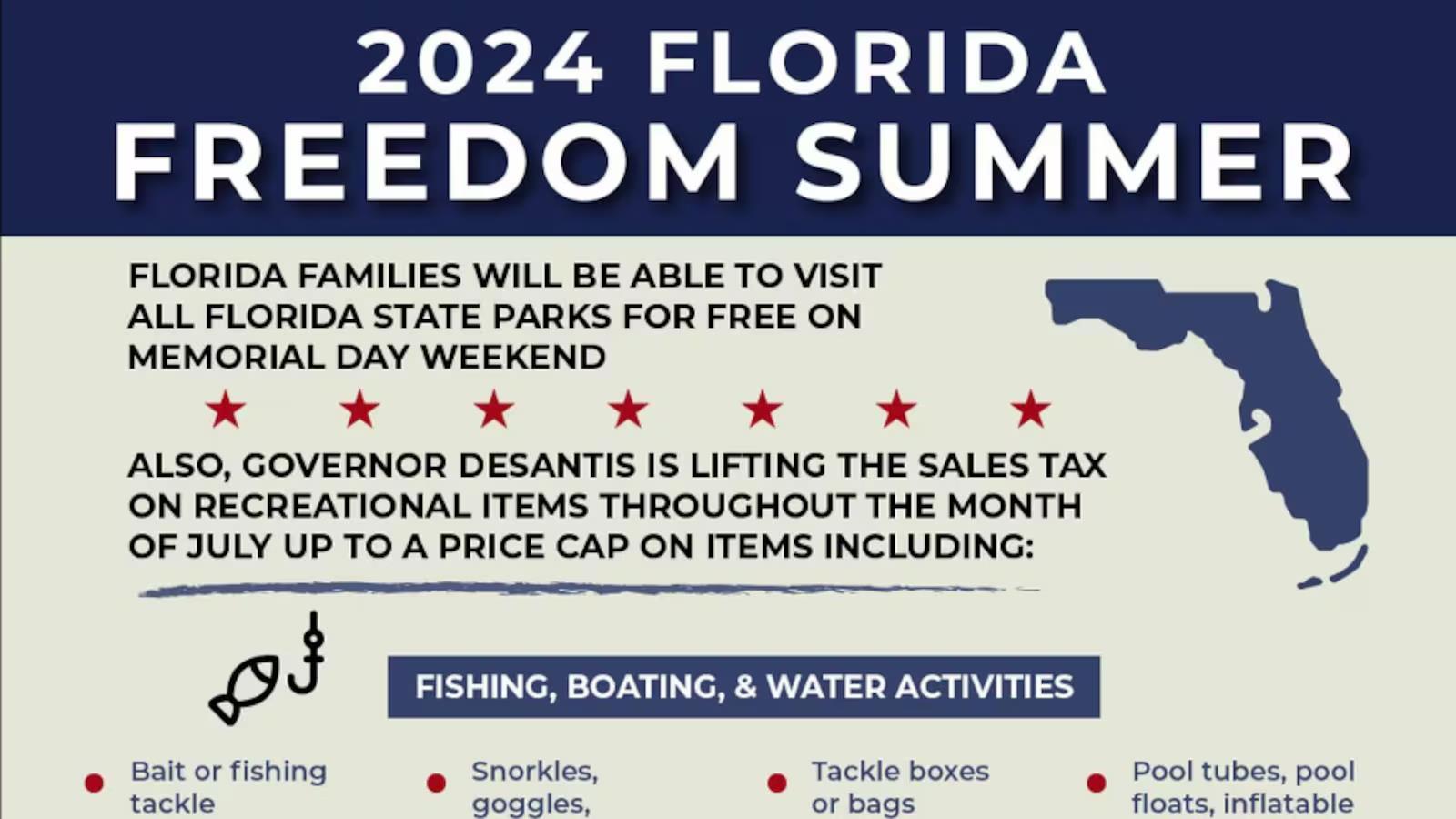
GOVERNOR RON DESANTIS IS LIFTING THE SALES TAX
ON RECREATIONAL ITEMS THROUGHOUT THE MONTH OF JULY UP TO A PRICE CAP ON THESE ITEMS INCLUDING:
PANAMA CITY, Fla. (WJHG/WECP) - To alleviate financial strain on families amidst rising costs, Governor Ron DeSantis has unveiled an initiative set to bring relief to Florida residents this summer. Recently, he declared the implementation of the “Freedom Month Sales Tax Holiday,” a move poised to make essential summer items more accessible to Floridians.
Set to span the entire month of July, this taxfree period will encompass a wide array of commodities, ranging from fishing supplies to outdoor recreation gear.
“Florida is stepping up to make summer more affordable for families,” Governor Ron DeSantis affirmed during the announcement. “While the federal government is causing high inflation and skyrocketing costs for families, Florida’s smart fiscal policies allow us to reduce taxes and help reduce the burden on Floridians.”
Under this initiative, a diverse range of goods essential for summer activities will be exempted
from sales tax. Boating and water activity supplies, fishing gear, camping essentials, outdoor accessories, and even admissions to various events are among the items eligible for tax exemption. The governor’s office has emphasized that this move aims to empower families to enjoy the natural splendors of the Sunshine State without undue financial strain.
Department of Environmental Protection Secretary Shawn Hamilton echoed the sentiment: “Florida’s 175 award-winning state parks are second to none. I encourage all of Florida’s residents and visitors to take advantage of these extra savings and discover the unique experiences the real Florida has to offer.”
The comprehensive list of items exempt from sales tax includes various products essential for outdoor activities. From goggles and snorkels to camping gear and bicycles, the initiative covers a broad spectrum of goods catering to diverse recreational interests. Additionally, admissions
to a plethora of events, including live music performances, sporting events, and festivals, will be exempted from sales tax, providing further incentive for families to partake in summer festivities.
In summary, Governor Ron DeSantis’s unveiling of the “Freedom Month Sales Tax Holiday” represents a significant milestone in Florida’s
ongoing efforts to support its residents. By alleviating the financial burden associated with summer activities, the initiative seeks to foster a spirit of community and engagement while reaffirming the state’s commitment to the wellbeing of its citizens.
Visit WJHG for complete story
JR Year of High School: The Dos & Don’ts
Welcome to your junior year of high school, often cited as the most important year when it comes to college admissions. Why? Because it’s the last full year of high school that colleges will see when reviewing your applications. Here are some do’s and don’ts to remember throughout junior year to help you stay on track for college.
DON’T: TAKE IT EASY
Junior year isn’t a time to kick back. Your GPA is important, obviously, but so is taking challenging courses. Most selective colleges want to see honors and Advanced Placement (AP) courses on your transcript if they are available at your school. To show colleges you are ready for college-level work, it’s important to challenge yourself. Take the most difficult course load that you can handle and do as well as you can.
DO: ATTEND COLLEGE FAIRS
College Fairs are one of the easiest ways to learn about many colleges at once, connect with admissions reps, and even get tips on applying to college. The National Association of College Admissions Counselors (NACAC) holds several college fairs throughout the year free
of charge. During COVID, these fairs were held virtually. Now students can attend them in person or online. Your high school may also hold college fairs.
DON’T: IGNORE THE PSAT, SAT OR ACT
The Preliminary SAT (or PSAT) is held in October of junior year. The PSAT not only provides practice for the SAT, it also qualifies students for the National Merit Scholarship.
Although many colleges have adopted testoptional or test-blind admissions, most counselors still recommend that juniors study for and take the ACT or SAT, especially if they are applying to highly selective test-optional schools. A good score – one that is at or above the average for that college’s freshman class will likely count in your favor even at a testoptional college. Test scores may also be required for some merit scholarships.
Sign up for a test date early in the fall or winter of junior year, if you can. You also have the option to take the test between the spring of your junior year and the fall of your senior year. However, starting the testing process earlier will give you more time to retake the test if
necessary. Getting a head start may also help free up the beginning of your senior year to focus on your applications, particularly if you’re applying Early Decision or Early Action.
DON’T: AVOID YOUR COUNSELOR & TEACHERS
Your guidance counselor and one or two of your teachers will be writing your letters of recommendation. Make the effort during your junior year to get to know them and help them get to know you. The better they know you, the stronger recommendation letter they will be able to write. Share with them your dreams about college, your academic interests and your school accomplishments.
At the beginning of your junior year, make an appointment with your counselor to discuss your college goals and make sure you are on track to meet college admission requirements. Your counselor may also be able to help you with your applications, apply for fly-in programs and scholarships, and provide other resources to help you on your college journey.
DO: GET INVOLVED
How you spend your time outside of class can give colleges an idea of your passions, character, and other personal qualities. If you haven’t been active in clubs, volunteering, or extracurricular activities as a freshman or sophomore, now is the time to get involved. When it comes to your extracurricular resume, many counselors encourage students to focus on quality over quantity. In other words, it’s better to show deep commitment to just one or two activities as opposed to shallow commitment to many. Taking leadership in extracurriculars you care about is also a plus.
DON’T: WAIT TO PLAN YOUR SUMMER
Just as junior year is critically important for college admissions, so is the summer between junior and senior years. Most colleges like to see that you’ve been productive over the
summer, whether it’s with a job, an internship, a community service or volunteer opportunity, a college class, or a combination of these. It’s important to start researching summer programs early, so you can meet application deadlines in the spring.
DO: HAVE A “MONEY TALK” WITH PARENTS
Before you start your college search, it’s a good idea to talk with your parents or guardians about college and how much your family can contribute financially to your college education. Understanding this will save you from applying to schools that are out of reach financially and help give you an idea of how much financial aid you may need.
DO: START A COLLEGE RESUME
Not all colleges require or even accept a resume or portfolio, but it’s a good idea to begin a list of your high school accomplishments and update it throughout the year. Creating a resume can be helpful to you as you write your college and scholarship applications, and it may also be helpful to anyone writing you a letter of recommendation.
DON’T: PUT OFF COLLEGE RESEARCH
College research can be fun, but it also takes a lot of time, so start early. Look at some college websites, ask people you know about the colleges they attend or attended, and do some virtual tours. If you think you know what you want to major in, find out which schools have the top programs in your major. And, if you can, visit some colleges near you to get an idea of the college qualities that appeal to you. In the spring, you’ll want to get more focused on your college research and visit more campuses, if possible.
You can start exploring colleges today with CollegeData’s College Search and find out your odds of getting in with College Chances.
How To Recognize The Symptoms of Heat Exhaustion & Heatstroke
Heat-related illnesses range in severity from mild heat cramps to potentially life-threatening heatstroke. It's important to recognize the symptoms of each to take appropriate action.
Here are the symptoms of the three main heatrelated illnesses:
Heat Cramps:
Cause the muscles to painfully contract, generally from sweating a lot during strenuous activity; If cramps occur, stop all activity, sit in a cool place and drink clear juice or a sport beverage. Do not return to activity for a few hours after cramps subside. Seek medical attention if the cramps do not subside in an hour.
Heat Exhaustion:
Caused by extreme body heat. Excessive heat and dehydration can cause the body to overreact thus raising your body temp to more than 102 degrees.
Some Symptoms: Dizziness, dry mouth, headache, weak and rapid pulse, sweating, fatigue or weakness, nausea, and sometimes vomiting.
Heatstroke:
This occurs when the body is unable to regulate its temperature. The body loses its ability to sweat and cool down. Heatstroke can cause death or permanent disability if emergency treatment is not provided.
Some Symptoms: Headache, dilated pupils, convulsions, temperature of 106 or higher, rapid pulse, seizures, weak pulse, deep
breathing and fast pulse then Shallow breathing and weak pulse, Hot, dry red skin, loss of consciousness, confusion, delirium and hallucinations
Preventing:
Hydration – drink plenty of water before during and after outdoor activities.
Ventilation- stay in shade, if indoors use fan and open windows.
Clothing – Loose-fitting, light weight clothing, wear a wide brimmed hat and sunglasses and use sunscreen!
Limit outdoor activities – try to keep outside activities to in the morning and evening hours.
IN CASE OF AN EMERGENCY
:
- Do not give the person medications to treat fever.
- Do not give the person salt tablets.
- Do not give the person liquids that contain alcohol or caffeine.
- Do not use alcohol rubs on the person’s skin.
- Do not give the person anything by mouth if the person is vomiting or unconscious.
Treating Heatstroke:
If someone appears to be suffering from heatstroke, call for medical help immediately. In severe cases, start CPR, move to cooler location (only if person has not been in an accident or fall). While waiting for an ambulance, lay person in a cool area, elevate legs, remove sweat soaked clothing if possible and apply ice packs to the neck, underarms, wrists and ankles.
What Are Teens Having The Most Fun Doing?
Teens today enjoy a variety of activities that cater to their interests and provide opportunities for fun, social interaction, and relaxation. Some of the most popular activities that teens find fun include:
1. Social Media & Online Interaction
Social Networking: Platforms like Instagram, TikTok, Snapchat, and Twitter allow teens to connect with friends, share content, and stay updated on trends.
Video Sharing: Creating and watching videos on YouTube and TikTok.
2. Gaming
Video Games: Playing video games on consoles, PCs, or mobile devices. Popular games include Fortnite, Minecraft, Among Us, and Call of Duty.
Esports: Watching and participating in competitive gaming and esports tournaments.
Online Multiplayer Games: Engaging in online multiplayer games with friends.
3. Sports and Physical Activities
Team Sports: Participating in team sports like soccer, basketball, baseball, or volleyball.
Individual Sports: Enjoying individual sports such as tennis, swimming, skateboarding, or running.
Outdoor Activities: Hiking, biking, and other outdoor adventures.
4. Music & Entertainment
Listening to Music: Streaming music on platforms like Spotify, Apple Music, and YouTube.
Concerts and Festivals: Attending live music events, concerts, and festivals.
Movies and TV Shows: Watching movies and binge-watching TV shows on streaming services like Netflix, Hulu, and Disney+.
5. Creative Pursuits
Art and Crafts: Drawing, painting, and engaging in various DIY projects.
Writing and Blogging: Writing stories, poems, or maintaining a blog.
Photography and Videography: Taking photos and creating videos for personal enjoyment or social media.
6. Social Activities
Hanging Out with Friends: Spending time with friends at home, parks, malls, or other social spots.
Parties and Gatherings: Attending or hosting parties, get-togethers, and celebrations.
Volunteering: Participating in community service and volunteering activities.
7. Learning and Personal Development
Hobbies: Pursuing hobbies like cooking, baking, gardening, or playing musical instruments.
Educational Activities: Engaging in educational activities, attending workshops, or taking online courses in subjects of interest.
Clubs and Organizations: Being involved in school clubs, interest groups, or youth organizations.
8. Travel & Exploration
Traveling: Exploring new places, whether it’s a family vacation, a school trip, or a local adventure.
Day Trips: Visiting nearby attractions, amusement parks, or natural sites.
9. Digital Content Creation
Vlogging and Blogging: Creating vlogs or blogs to share experiences and interests.
Podcasting: Starting or participating in podcasts to discuss various topics.
10. Relaxation and Leisure
Reading: Enjoying books, comics, or graphic novels.
Relaxation: Taking time to relax, meditate, or practice mindfulness.
Teens today have a wide range of activities they find enjoyable, combining traditional pastimes with modern digital interactions. Encouraging a balance of these activities can help ensure they have fun while also developing various skills and interests.
Article by Vital Guidance, Inc.
How To Manage Your Time So Your Relationships Thrive
Balancing a busy lifestyle with maintaining healthy relationships can be challenging, but it's crucial for your well-being and the well-being of those you care about. Here are some strategies to help you manage your time effectively and ensure that your relationships don't suffer due to busyness:
1. Prioritize Quality Time
- Schedule Time: Make a conscious effort to schedule time for your loved ones. Treat these appointments with the same importance as work meetings.
- Be Present: When you're with your loved ones, be fully present. Put away distractions like your phone or laptop and focus on meaningful interactions.
2. Communicate Openly
- Share Your Schedule: Keep your loved ones
informed about your busy schedule. This helps them understand your time constraints and plan accordingly.
- Express Your Feelings: Talk openly about your need to balance work and personal life. Sharing your struggles and listening to theirs can foster mutual understanding.
3. Set Boundaries
- Work-Life Balance: Establish clear boundaries between work and personal time. Avoid letting work spill over into your personal life by setting limits on after-hours work.
- Learn to Say No: Recognize your limits and don't overcommit. Saying no to extra work or social obligations can free up time for your important relationships.
4. Make the Most of Small Moments
- Short but Meaningful Interactions: Even brief
moments, like a quick coffee break or a short walk, can be meaningful if you try to connect.
- Daily Check-Ins: A simple daily check-in, whether through a quick text or call, can maintain a sense of closeness.
5. Plan Joint Activities
- Shared Interests: Plan activities that both you and your loved ones enjoy. This could be a hobby, a sport, or simply watching a movie together.
- Regular Dates: For romantic relationships, plan regular date nights to keep the spark alive and maintain your connection.
6. Delegate and Share Responsibilities
- Household Tasks: Share household responsibilities with your partner or family members to reduce stress and free up time.
- Work Delegation: If possible, delegate tasks at work to manage your workload more effectively.
7. Self-Care
- Personal Time: Ensure you have time for selfcare, as taking care of yourself allows you to be more present and engaged in your relationships.
- Stress Management: Practice stress management techniques like exercise, meditation, or hobbies to keep your stress levels in check.
8. Use Technology Wisely
- Stay Connected: Use technology to stay connected with loved ones when you can't be physically present. Video calls, social media, and messaging apps can help maintain relationships.
- Avoid Overuse: However, be mindful of overusing technology and allowing it to distract from in-person interactions.
9. Seek Professional Help if Needed
- Counseling: If you're struggling to balance your
busy life and relationships, consider seeking help from a counselor or therapist. They can provide strategies and support to improve your situation.
10. Reflect and Adjust
- Regular Check-Ins: Periodically assess how well you're balancing your work and personal life. Be open to adjusting as needed.
- Listen to Feedback: Pay attention to feedback from your loved ones and be willing to make changes to better meet their needs.
Conclusion
Maintaining healthy relationships while managing a busy life requires intentional effort and communication. By prioritizing quality time, setting boundaries, and staying connected, you can ensure that busyness doesn't negatively impact your relationships. Remember, nurturing your relationships is essential for your overall well-being and happiness.
If you need to speak with someone about your relationships, please call us at 813-833-3495 to learn how we can help.
Article By Carnell Moore, Vital Guidance, Inc.
Young Pros’ Strategies To Making Money
Young professionals are making millions through a combination of innovative strategies, leveraging technology, and seizing opportunities in high-growth industries. Here are some keyways they are achieving significant financial success:
1. Tech Startups and Entrepreneurship:
- Many young professionals are founding or joining tech startups. With a successful product or service, these startups can attract substantial investment, grow rapidly, and potentially reach valuations in the millions.
- Examples include tech entrepreneurs who have launched successful apps, software platforms, or e-commerce businesses.
2. Investing and Stock Market:
- Some young professionals are making significant money through savvy investing in stocks, cryptocurrencies, and other financial markets. By understanding market trends and making informed investment decisions, they can
achieve high returns.
- Platforms like Robinhood have made investing more accessible to younger generations.
3. Social Media and Influencers:
- Social media influencers and content creators on platforms like YouTube, Instagram, TikTok, and Twitch can earn substantial income through brand partnerships, sponsorships, ad revenue, and merchandise sales.
Successful influencers build large followings and monetize their content effectively.
4. Real Estate:
- Investing in real estate, whether through purchasing rental properties, flipping houses, or investing in real estate crowdfunding platforms, can generate significant income and wealth.
- Young professionals are leveraging low interest rates and innovative real estate investment strategies.
- The gig economy allows individuals to offer their skills and services on a freelance basis. Talented professionals in fields such as graphic design, programming, marketing, and writing can earn high incomes by working with multiple clients.
- Platforms like Upwork, Fiverr, and Freelancer provide opportunities to connect with clients globally.
6. High-Demand Careers:
Certain high-demand fields, such as software engineering, data science, cybersecurity, and healthcare, offer lucrative salaries and opportunities for rapid career advancement.
- Young professionals with expertise in these areas can command high wages and bonuses.
7. E-commerce and Drop Shipping:
- E-commerce and drop shipping businesses allow young entrepreneurs to sell products online without needing to hold inventory. Successful e-commerce stores can generate substantial revenue.
- Utilizing platforms like Shopify, Amazon, and eBay, these businesses can scale quickly.
- Professionals are building personal brands and offering online courses, coaching, and consulting services. Sharing expertise in areas such as business, personal development, fitness, and technology can attract a large audience willing to pay for valuable insights.
- Websites like Teachable, Udemy, and Patreon facilitate monetizing knowledge and skills.
9. Networking and Mentorship:
- Building strong professional networks and seeking mentorship from successful individuals can provide valuable opportunities and guidance. Networking can lead to high-paying job offers, investment opportunities, and partnerships.
10. Continuous Learning and Adaptation:
- Young professionals who continually learn and adapt to new trends, technologies, and market demands are better positioned to seize emerging opportunities and stay ahead in their fields.
By combining innovation, strategic thinking, and leveraging technology, young professionals are finding diverse ways to achieve financial success and build wealth.