





















































You may have seen the yellow and black signs throughout the County - but do you know what they mean?
Safe Place is a national initiative that has been locally managed by Hillsborough County Children's Services for over 30 years. It provides access to immediate help and supportive resources for youth in need.
Whether they've had a fight with their parents or are fleeing domestic abuse in the home, youth ages 10-17 can visit any of the dozens of Safe Place locations in Hillsborough, most of which are open 24/7, to get assistance. From fire stations to libraries, and even many McDonald's locations, there are staff ready to help.
Kids and teens in crisis can text SAFE with their current location (address, city, state) to 4HELP (44357) and within seconds receive a message with the closest Safe Place site and the phone number to Children's Services Here’s how it works:
Step 1: A young person aged 10-17

enters a Safe Place and asks for help.
Step 2: The employee at the Safe Place location finds a comfortable place for the youth to wait while the employee calls the licensed Safe Place agency, Hillsborough County Children's Services .
Step 3: Within 30 to 60 minutes, a qualified Safe Place volunteer or agency staff member will arrive to talk to the youth, and, if necessary, provide transportation to the Hillsborough County Children's Services campus.
Once at the campus, counselors meet with the youth and provide support. Children's Services staff makes sure the youth and their family receive the help and professional services they need.
How can you help? Awareness is key. By learning more about Safe Place, you can share this resource with youth you think may need it. It will help keep them safe and get them the support they need.
Article From Hillsborough County Florida


Confidence is a cornerstone of personal and professional success, shaping the way individuals perceive themselves and how others respond to them. It is not just a personality trait but a vital life skill that influences decision-making, resilience, relationships, and overall well-being. Understanding the importance of confidence and its impact can inspire individuals to nurture and strengthen this essential quality.
At its core, confidence is the belief in one’s own abilities and worth. When individuals are confident, they trust their skills and judgment, which empowers them to take on challenges and pursue opportunities. This self-belief creates a positive feedback loop the more someone believes in their ability to succeed, the more likely they are
to achieve their goals. Conversely, a lack of confidence can lead to self-doubt, hesitation, and missed opportunities. Cultivating confidence helps individuals step out of their comfort zones and embrace new experiences with optimism.
Confidence is a critical factor in achieving success. In academic, professional, and personal settings, confident individuals tend to set ambitious goals and work diligently to accomplish them. Confidence fosters a proactive mindset, enabling individuals to take initiative, adapt to setbacks, and persist in the face of obstacles. Employers and leaders often seek confident individuals because they inspire trust, communicate effectively, and handle challenges with composure. Whether it’s presenting a proposal at work
or competing in a sports event, confidence enables individuals to perform at their best and stand out from the crowd.
Effective communication is a key component of confidence. Confident individuals are more likely to express their thoughts and ideas clearly, listen actively, and engage in meaningful conversations. They project authority and credibility, making it easier for others to trust and respect them. In social and professional settings, confidence helps individuals navigate interactions, whether they’re networking, negotiating, or resolving conflicts. By fostering open and assertive communication, confidence strengthens relationships and builds connections that can lead to personal and professional growth
Life is full of challenges and setbacks, and confidence plays a vital role in how individuals respond to adversity. Confident individuals view failures as opportunities for growth rather than as reflections of their worth. This perspective allows them to bounce back from disappointments, learn from mistakes, and maintain a positive outlook. Confidence also helps individuals manage stress and uncertainty, enabling them to stay focused and motivated even in difficult circumstances. By building resilience, confidence empowers individuals to face life’s challenges with determination and strength.
Confidence has a profound impact on

mental and emotional health. When individuals feel confident, they are more likely to experience positive emotions, such as happiness and satisfaction. Confidence reduces feelings of anxiety and self-doubt, which can otherwise contribute to stress and mental health issues. It also promotes a sense of self-worth and self-acceptance, helping individuals maintain a healthy selfimage. By fostering emotional stability and inner peace, confidence contributes to overall well-being and a higher quality of life.
While some people may appear naturally confident, confidence is a skill that can be developed with practice and effort. Here are some strategies for building confidence:
1. Set Achievable Goals: Start with small, manageable goals that build a sense of accomplishment. As confidence grows, gradually take on bigger challenges.
2. Focus on Strengths: Identify and celebrate personal strengths and achievements. Acknowledging what you do well can boost self-belief.
3. Learn and Practice: Developing skills and gaining knowledge can enhance competence and confidence. Practice regularly to improve and reinforce abilities.
4. Adopt a Growth Mindset: Embrace challenges as opportunities to learn and grow. View setbacks as temporary and part of the process.
5. Surround Yourself with Positivity: Spend time with supportive and encouraging people who uplift and inspire you
6. Maintain Good Posture and Body Language: Confident body language, such as standing tall and making eye contact, can influence how you feel and how others perceive you.
7. Practice Self-Care: Prioritize physical and mental well-being through regular exercise, healthy eating, and adequate rest.
8. Celebrate Progress: Recognize and reward yourself for efforts and achievements, no matter how small.
Confidence doesn’t just benefit individuals; it has a ripple effect that influences those around them. Confident individuals inspire and motivate others, creating positive and supportive environments in both personal and professional contexts. Their selfassurance encourages collaboration, innovation, and teamwork. By modeling confidence, individuals can empower others to believe in themselves and strive for success.
In conclusion, confidence is a powerful force that shapes every aspect of life. It drives success, enhances communication, builds resilience, and improves overall wellbeing. While building confidence takes time and effort, the rewards are immeasurable. By nurturing self-belief and adopting strategies to strengthen confidence, individuals can unlock their potential, overcome challenges, and lead fulfilling lives. Confidence is not just an asset it’s a necessity for achieving personal and professional greatness.

Creating a simple job or side hustle can be an exciting and empowering journey for teens and young adults. Not only does it open the door to earning income, but it also provides invaluable real-world experience, teaches critical life skills, and fosters independence. In a world where traditional part-time jobs might not always be available or appealing, taking the initiative to create a unique opportunity can be a life-changing adventure.
Let’s explore why and how teens and young adults can dive into creating their own simple jobs, and the amazing benefits they’ll reap along the way.
Earning money through your own effort is a liberating experience. For teens and young adults, this means covering their own expenses, saving for future goals, or even contributing to their families. Whether it’s funding hobbies, saving for college, or simply enjoying some financial freedom, creating a job empowers young people to take charge of their finances. It’s not just about the money it’s about the pride and satisfaction that comes from being selfreliant.
Forget hypothetical scenarios in textbooks—creating and running your own job throws you into the real world of responsibility and problem-solving. You’ll learn how to manage time, handle money, and communicate effectively with customers. These experiences provide a foundation that goes beyond academic knowledge, preparing you for life’s challenges and opportunities.

When you create a job, you’re not just earning money; you’re building skills that will last a lifetime. Whether it’s learning how to market your services, mastering customer service, or developing a knack for managing schedules, the skills gained are highly transferable. Employers love seeing these qualities in candidates, and you’ll be setting yourself apart from the crowd.
Starting something from scratch and watching it grow is an incredible confidence booster. Each milestone your first customer, your first paycheck, or your first positive review—proves that you’re capable of achieving your goals. Confidence gained through your own initiative will inspire you to take on bigger challenges in the future.
Unlike traditional jobs with fixed hours and routines, creating your own job allows you to tailor your work to your schedule and interests. Love animals? Start a pet-sitting service. Passionate about art? Sell your handmade creations. The possibilities are endless, and the creative freedom makes the experience enjoyable and fulfilling.
If you love kids or animals, babysitting or pet sitting is a fantastic option. These jobs are always in demand, require minimal startup costs, and allow you to work close to home. Build trust in your community by offering reliable and friendly services you’ll soon have a loyal client base.
Are you great at math, science, or another subject? Share your knowledge by tutoring younger students. This not only helps others succeed but also sharpens your teaching and communication skills. You can even expand into test prep or online tutoring to reach more clients.
Seasonal services like lawn mowing, leaf raking, or snow shoveling are practical and highly needed. Start by offering your services to neighbors, then expand through word-of-mouth referrals. With dedication, you can turn this into a steady source of income.
Do you have a talent for graphic design, writing, or video editing? Freelance platforms like Fiverr and Upwork are great places to showcase your skills. Build a portfolio and start small, then watch your reputation and earnings grow.
If you’re crafty, turn your creativity into cash by making and selling handmade items like jewelry, candles, or artwork. Platforms like Etsy or local craft fairs are perfect for reaching customers who appreciate unique, handmade products.
A car washing and detailing service is easy to start with just basic supplies. Offer your services in your neighborhood or advertise on social media for a wider reach. The key is providing excellent service so customers keep coming back
Many small businesses need help managing their social media accounts. If you’re savvy with Instagram, TikTok, or Facebook, you can offer to create content, schedule posts, and engage with followers. It’s a fun and modern way to combine creativity with income
If you’re passionate about photography, offer your services for events, portraits, or product shoots. Start by practicing with friends and family, then expand your portfolio to attract paying clients. With a decent camera and editing software, you’re ready to go.

1.
The first step is to figure out what you’re good at or passionate about. Are you great at organizing? Do you love working with your hands? Choosing something you enjoy makes the work more rewarding and increases your chances of success.
2.
Take some time to understand what services or products are in demand. Look around your community or online to see what’s missing. For example, if neighbors struggle to find reliable dog walkers, that could be your niche.
3.
You don’t need a big investment to get started. Use what you have and grow gradually. For instance, if you’re starting a lawn care service, begin with your own equipment and reinvest your earnings into better tools as your business grows.

Define what you want to achieve. Whether it’s earning a certain amount of money, gaining a specific number of customers, or mastering a new skill, clear goals keep you focused and motivated.
Marketing doesn’t have to be complicated. Spread the word through flyers, social media, and word-of-mouth. A simple website or social media page showcasing your work can attract more clients and build credibility.
Learning to budget and track your income and expenses is a vital part of running a job. Set aside savings, reinvest in your business, and keep detailed records to understand your financial progress.
The rewards of creating your own job go far beyond immediate earnings. You’ll develop resilience, adaptability, and an entrepreneurial mindset that will serve you for a lifetime. These qualities are invaluable whether you choose to continue running your own business, pursue a traditional career, or explore other opportunities.
Creating a simple job isn’t just a way to earn money; it’s a powerful opportunity for teens and young adults to grow, learn, and thrive. By taking initiative, they gain realworld experience, build confidence, and develop skills that will last a lifetime. Encouraging young people to create their own jobs sets them on a path of independence, creativity, and success. So why wait? The journey to personal and professional growth begins with one small step and the possibilities are endless.

Joining a group or club during the teenage and young adult years can be a transformative experience that fosters personal growth, builds lifelong skills, and creates meaningful connections. These formative years are pivotal for developing social, emotional, and professional competencies that will shape an individual’s future
Becoming part of a club or group provides structured opportunities to explore interests, gain confidence, and cultivate a sense of belonging. Here are the key reasons why joining a group or club is important and the benefits it offers for teens and young adults.
One of the primary benefits of joining a group or club is the chance to dive deeper into specific interests and passions. Whether it’s a drama club, robotics team, debate society, or environmental organization, these groups allow young people to engage in activities they are genuinely excited about. This exploration helps them discover potential career paths, develop hobbies, and find purpose. Moreover, it encourages curiosity and a love for learning, which are essential for personal and academic growth.
For many teens and young adults, navigating social situations can be challenging. Clubs and groups provide a supportive environment where members can interact with peers who share similar interests. This setting fosters the development of critical social skills, such as communication, teamwork, and conflict resolution. By working together toward common goals, members learn how to

collaborate effectively, appreciate diverse perspectives, and build stronger interpersonal connections. These skills are invaluable for both personal relationships and professional success.
Participating in clubs or groups can significantly boost self-confidence. Whether it’s performing on stage, presenting a project, or leading a team, these experiences help individuals overcome fears and embrace challenges. Achieving milestones, receiving positive feedback, and contributing to the success of the group reinforces a sense of accomplishment and self-worth. This confidence carries over into other aspects of life, empowering young people to take on new opportunities and responsibilities with assurance.
Adolescence and early adulthood are often marked by a search for identity and belonging. Being part of a group or club provides a sense of community and inclusion. Members share experiences, support one another, and celebrate achievements together, creating a strong.
bond. This sense of belonging can reduce feelings of isolation and loneliness, which are common during these developmental stages. A supportive community also promotes emotional well-being and resilience, helping members navigate life’s challenges
Many clubs and groups offer opportunities for members to take on leadership roles, such as becoming a team captain, club president, or project leader. These positions teach valuable leadership and organizational skills, such as decisionmaking, delegation, and time management. Leading a group also instills responsibility and accountability, preparing young adults for future roles in the workplace and society. Even for those not in formal leadership roles, participating in group activities helps develop problem-solving and planning abilities
Joining a group or club can open doors to valuable networking opportunities. Members often connect with mentors, professionals, and like-minded peers who can provide guidance and support. These connections can lead to internships, scholarships, and career opportunities. For example, a member of a business club might gain access to workshops, competitions, and industry events that enhance their resume and professional prospects. Networking within a club or group is an excellent way to build relationships that may prove beneficial in the long term.
Certain clubs, such as sports teams or fitness groups, encourage physical activity, which is essential for overall health. Regular exercise improves physical fitness, reduces

stress, and boosts mood. Beyond physical health, the camaraderie and support found in clubs contribute to mental well-being. Engaging in group activities and sharing common goals fosters a sense of purpose and happiness, reducing anxiety and depression.
Finally, one of the most cherished benefits of joining a group or club is the opportunity to form lifelong friendships. Shared experiences, challenges, and victories create lasting bonds that often extend beyond the club itself. The memories made during these activities become a source of joy and nostalgia, enriching life for years to come.
Joining a group or club is a powerful way for teens and young adults to grow personally, socially, and professionally. From exploring passions and building confidence to developing critical life skills and forming meaningful relationships, the benefits are vast. By seizing these opportunities, teens and young adults can unlock their potential and embark on a path of lifelong learning and success.




The prestigious Family Fellowship Scholarship is now accepting applications! The $60,000 scholarship program is specifically designed to aid current and former foster youth throughout their college journey by offering up to five years of academic assistance and familylike emotional support. Are you attending college in pursuit of a bachelor's degree? Apply today!:


The American Industries Trade Scholarship provides up to $10,000 to support foster youth pursuing a trade degree or certification. This innovative program supports individuals with tuition costs, housing, and academic materials including tools and equipment, and provides a sense of community among our young professionals. Learn more about our trade scholarship and apply now!:

The Vet Tech Scholarship provides up to $24,000 to tackle the financial roadblocks that often come with pursuing a veterinary technician certification, licensure, or vocational degree. Beyond financial support, scholarship recipients are enriched by personal and professional mentoring, as well as comprehensive career development opportunities:

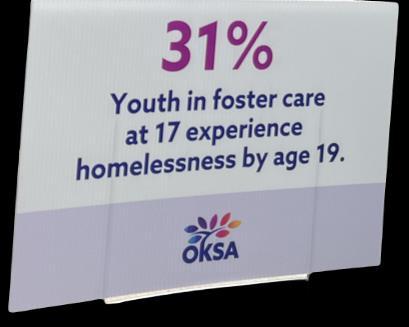
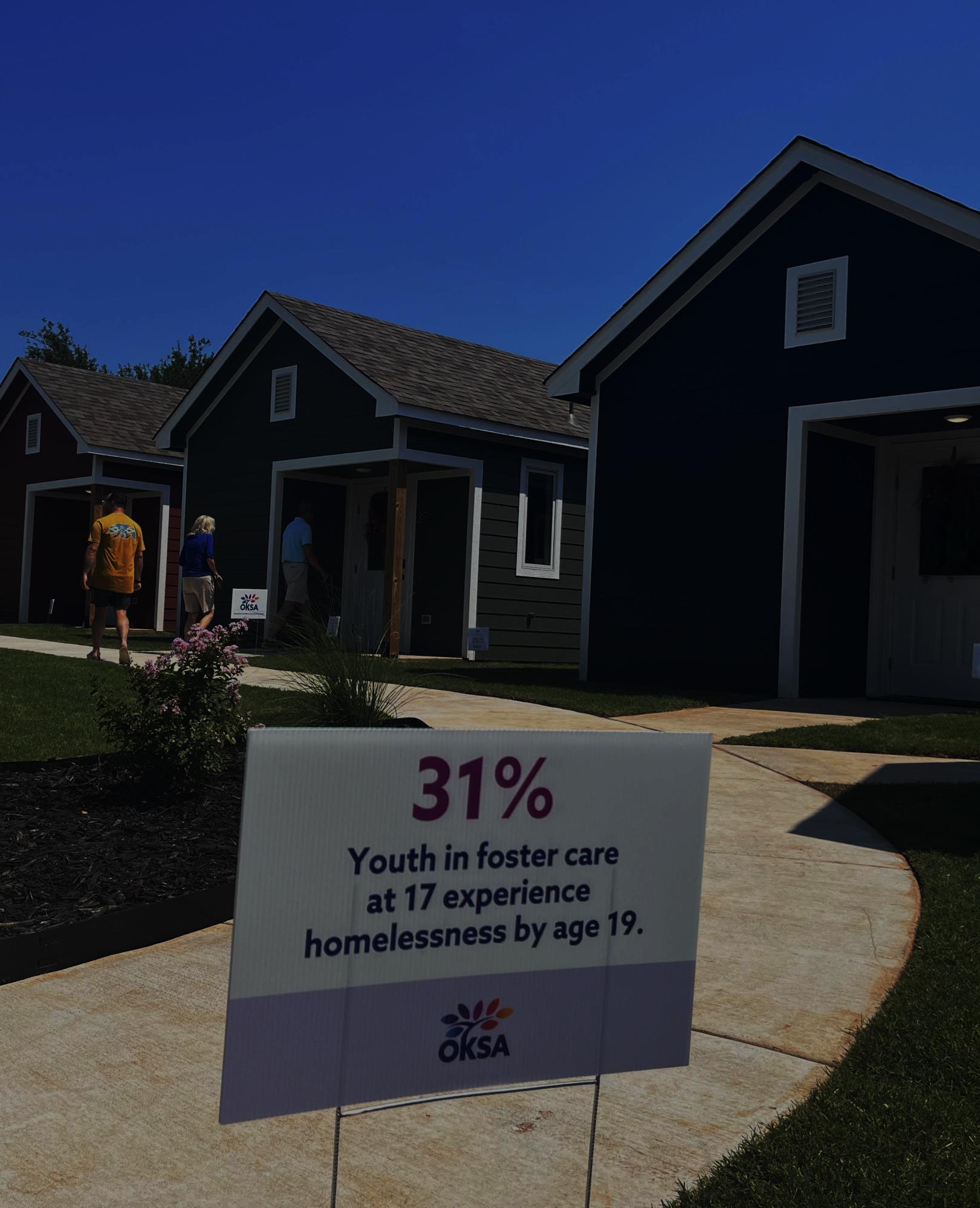
Affordable housing is a critical issue for young adults as it directly impacts their financial stability, mental well-being, and ability to build a secure future. With rising rents and stagnant wages, many young people find themselves struggling to secure safe and stable living conditions. Addressing the importance of affordable housing for young adults is essential for fostering a society where everyone has the opportunity to thrive.
For young adults, affordable housing can mean the difference between achieving financial independence and falling into a cycle of debt. Housing costs are often one of the largest expenses in a person’s budget. When rent consumes a disproportionate share of income, young adults have little left for essentials such as food, transportation, and healthcare. This


financial strain also limits their ability to save for long-term goals, such as purchasing a home, investing in education, or starting a family.
Affordable housing provides stability by ensuring that young adults can allocate their income more effectively. When housing costs are manageable, they can build emergency savings, invest in skill development, and participate in the economy. This financial security also reduces reliance on credit cards or highinterest loans, which can trap individuals in long-term financial hardship.
The stress of unaffordable housing takes a significant toll on young adults' mental and emotional health. Constant worries about paying rent, potential eviction, or living in substandard conditions can lead to chronic stress, anxiety, and depression. These challenges are especially pronounced for young adults who are just starting their careers and may not have established support systems.
Affordable housing not only provides a stable living environment but also fosters a sense of security and peace of mind. When young adults have a safe and comfortable place to live, they can focus on personal growth, education, and career advancement without the constant distraction of housing instability. This stability can also improve relationships, social connections, and overall quality of life.
Housing affordability significantly affects young adults’ career choices and opportunities. High housing costs in urban
areas often force individuals to live far from their workplaces, resulting in long commutes and reduced productivity. In some cases, young adults may turn down promising job offers because they cannot afford to live in proximity to employment hubs.
Affordable housing initiatives, particularly in areas with high economic activity, can bridge this gap by allowing young adults to live near their workplaces. This proximity reduces commuting times, enhances worklife balance, and opens up access to better job opportunities. Furthermore, young professionals who are not burdened by excessive housing costs can invest in professional development and take calculated risks, such as starting a business or pursuing a passion project.
Affordable housing is a key driver of social mobility and economic equality. For young adults from low-income or marginalized backgrounds, access to affordable housing can break the cycle of poverty and provide a foundation for upward mobility. Stable housing enables individuals to pursue higher education, vocational training, and career advancement, which are crucial for long-term economic success.
Moreover, affordable housing initiatives contribute to community diversity and inclusivity. Mixed-income neighborhoods, where people from various socioeconomic backgrounds live together, promote social cohesion and reduce segregation. Young adults who grow up or reside in such communities benefit from a richer social environment and greater exposure to diverse perspectives, which can enhance personal and professional development


To address the growing need for affordable housing among young adults, policymakers, communities, and organizations must work together to implement effective solutions. Here are some recommendations:
- Increase Funding for Affordable Housing Programs: Governments should allocate resources to build and maintain affordable housing units, particularly in high-demand areas. Expanding subsidies and tax incentives for developers can also encourage the construction of affordable housing.
- Promote Rent Control and Tenant Protections: Implementing rent control policies can prevent excessive rent increases and protect tenants from displacement. Strengthening tenant rights ensures that young adults have access to fair and stable housing agreements.
- Encourage Public-Private Partnerships: Collaboration between the public and private sectors can accelerate the development of affordable housing projects. For instance, private developers can partner with local governments to create mixed-use developments that include affordable units.
- Expand Access to Housing Vouchers: Housing vouchers can help low-income young adults bridge the gap between market rents and their ability to pay. Expanding these programs ensures that more individuals have access to safe and affordable housing.
- Support Co-Living and Innovative Housing Models: Co-living spaces and micro-apartments offer affordable alternatives for young adults. These models optimize space and provide shared amenities, reducing costs while fostering a sense of community.
- Invest in Transportation Infrastructure: Improving public transportation systems can make it easier for young adults to access affordable housing in suburban or rural areas without sacrificing job opportunities in urban centers.
Affordable housing is not just a necessity for young adults; it is a fundamental pillar of a thriving society. By ensuring that young people have access to stable and affordable living conditions, we empower them to build secure futures, contribute to the economy, and lead fulfilling lives. Addressing the housing crisis