
Navigating the repair sector's capacity conundrum.
The insurance, repair, and salvage sectors are navigating a landscape marked by unprecedented change and mounting pressures.
On 26 March 2025, ILC in partnership with Activate Group brought together industry leaders at Uncommon, Holborn, London, for a crucial roundtable discussion under Chatham House Rules – a setting that fostered candid, unfiltered dialogue. The focus of the day was clear: addressing the capacity conundrum within the repair sector amid evolving market dynamics.
The discussion underscored the reality of a shifting repair landscape. Market data revealed a significant contraction in repair volumes, with February 2025 witnessing approximately 30,000 fewer repairs than 2019, driven by changing consumer behaviour and insurance cost dynamics.
Yet, as repair volumes decline, the complexity and cost of individual repairs are rising, particularly for electric vehicles and newer, technologically advanced models. This divergence is creating a critical inflection point for repairers, insurers, and supply chains alike.
Central to the conversation was the impact of emerging technologies, from Advanced Driver Assistance Systems (ADAS) to evolving triage systems that now direct claims – often bypassing traditional repair channels.
Another pressing theme was the industry’s approach to sustainable practices, particularly the use of green parts. While pilot programmes have shown promising results, broader adoption remains hampered by logistical challenges and the availability of quality recycled components.
Throughout the day, the dialogue oscillated between the immediate economic pressures and the longer-term strategic imperatives. Whether addressing the skills gap, investment in advanced repair capabilities, or the integration of independent repairers outside insurer networks, the discussions underscored the urgent need for a collaborative, future-focused approach to repair sector resilience.
This foreword sets the stage for a deeper examination of the key themes, insights, and potential pathways identified during the roundtable, all of which are explored in greater detail within the pages of this whitepaper.
Event Sponsor:
In late March 2025, industry leaders from across the insurance, repair, and salvage spectrum gathered at Uncommon, Holborn, London for an ILC roundtable powered by Activate Group.
The focus was clear and timely: understanding the evolving dynamics of the repair sector’s capacity and exploring solutions to build resilience amid unprecedented change.
The session was held under Chatham House Rules to encourage open dialogue, enabling participants to candidly share challenges, innovations, and aspirations. As the day unfolded, a complex picture of pressures, innovations, and cultural shifts came to light.
The session opened with a deep dive into market statistics and dataled insights, helping set the tone for strategic discussion.
Key indicators demonstrate a sharp drop in repair estimates year-on-year, notably in February 2025, with around 30,000 fewer repairs than in 2019. The shift, largely driven by consumer behaviour and insurance cost dynamics, has sent ripples through the sector.
“February highlighted 30,000 fewer estimates compared to 2019, and 20,000 down year-onyear,” highlighted an attendee.
“February highlighted 30,000 fewer estimates compared to 2019, and 20,000 down year-on-year”
This data, paired with falling insurance premiums and reduced claims frequency, paints a picture of contraction but also opportunity. Several participants highlighted that while frequency has dropped, the complexity and cost of repairs are increasing, especially for newer and electric vehicles.
Participants agreed that the sector is feeling the strain too of multiple forces - from parts shortages to labour market disruptions, and increased writeoff volumes due to various factors.
“There’s less frequency with newer vehicles… but more non-fault claims as they’re still being hit by older cars.”
A recurring theme was how driving behaviours and technology are reshaping the industry. Advanced Driver Assistance Systems (ADAS), autonomous braking, and remote working habits have all contributed to a decrease in traditional accident types.
One contributor observed, “There’s less frequency with newer vehicles… but more non-fault claims as they’re still being hit by older cars.”
Another commented: “20 is Plenty zones cover 28 million people now. That’s definitely having an effect on accident frequency.”
While safety technology has successfully reduced low-speed accidents, more severe damage from higher-impact incidents remains. This divergence introduces added complexity for both insurers and repairers, particularly as vehicles become increasingly challenging to repair affordably.
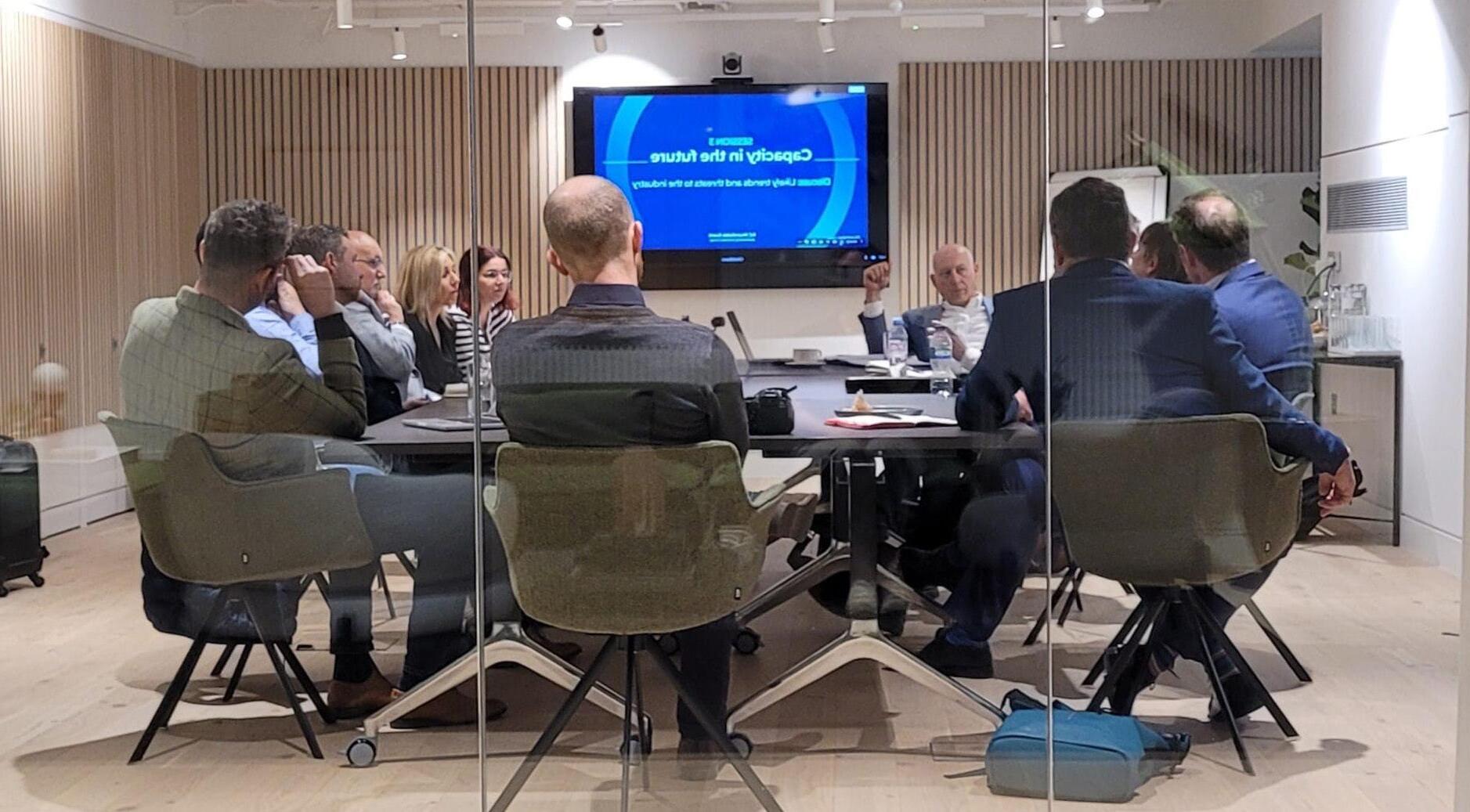
Participants noted the growing trend of triage systems determining outcomes before vehicles reach repairers, with some claims bypassing workshops altogether and heading straight to salvage.
“There’s a whole portion now of claims the repairers don’t even see. It’s triaged away before it gets there” highlighted one delegate – a view supported by several in the room.
Several noted the key role that repair inflation has played in the shift toward total losses: “Repair inflation has outpaced new car cost inflation - therefore more cars are going to be written off.”
This ‘direct to salvage’ approach – initially introduced to support throughput and streamline clear and obvious cases – it was suggested is now seeing potentially repairable cases bypass any opportunity for repair.
Concern emerged about algorithms and AI-driven decisions being at the centre of this change within the market. “We’ve heard from certain parties that one in every two vehicles is going in the bin” highlighted one delegate. Often these vehicles then reappear as Cat N vehicles for sale online.
“We’ve totally lost that vehicle in the last year. The same vehicle gets looked at by the technology tool today - it’s going say it’s a total loss. But our market now is completely different” observed one attendee.
One discussion centred on how this trend affects volume availability across the sector. With fewer light-accident repairs flowing through, bodyshops are facing more significant jobs with higher material and skill costs. Simultaneously, the rise in electric vehicles (EVs) and associated technical demands places further strain on capability and investment needs.
“Repair inflation has outpaced new car cost inflation - therefore more cars are going to be written off.”
“There’s a whole portion now of claims the repairers don’t even see. It’s triaged away before it gets there”
Closely connected to this is one of the industry's defining debates - repair Vs replace - which underscores most decisions around capacity and claims handling.
Multiple attendees shared frustration that vehicles are written off unnecessarily, often due to costs of specific parts like headlights or bumpers.
One delegate said: “You can have a car with light front-end damage but pop the two headlights and suddenly it's in the bin, and it’s three years old.”
Some are actively investing in remanufacturing and repair innovation, exploring options like restoring bumpers and retrofitting headlights.
“What can we do with headlights? I don’t just
“vehicles that aren’t sustainable to repair instantly wipe out any ESG agenda.”
mean repairing the lug brackets but I mean the whole unit,” commented one attendee.
The debate extends to the design decisions of OEMs, who can often make vehicles difficult or costly to repair.
It was highlighted that “vehicles that aren’t sustainable to repair instantly wipe out any ESG agenda.”
It was suggested that regulatory change - potentially through government or ABI intervention - could realign incentives toward more sustainable repair models.
A hopeful thread emerged around green parts - recycled or refurbished components - as a viable pathway to reduce total losses and meet ESG targets. While uptake has historically been limited, several reported strong results from recent pilots.
One leader noted, “We had a green parts policy post-COVID. Initially, we said you need to get the customer’s permission. Then we piloted just doing it - and honestly, no complaints. After three to six months, we opened it up to the whole network.”
This shift reflects changing consumer attitudes. ESG is no longer niche; it’s mainstream. However, green parts accessibility and logistics remain a sticking point. Repairers have noted that most available green parts are being funnelled to online marketplaces, rather than back into the national repair network.
“If you look at actual opportunities or availability of green parts, it’s significant and we have a long way to go” highlighted an attendee.
However, many smaller repairers still face massive headaches in integrating green parts - due to clunky ordering systems, variable part quality, and logistical delays. It was noted: “From an independent point of view… it’s just a headache.”
But there is real optimism that this may change, especially with new platforms and collaborations surfacing to simplify the process - “We're seeing a bit of a groundswell now. We couldn’t have had this conversation a few years ago.”
And this advancement is helping shift the conversation from “should we use green?” to “how do we do it better?”
A robust debate unfolded regarding the treatment of independent repairers outside insurer networks. Some reported increasing challenges due to insurer-imposed penalties or additional policy excesses for customers who choose non-approved shops.
“I’ve seen £1,000 additional excess just because they went to a non-approved repairer” suggested one attendee. “In other markets, that would be classed as ‘steering’ but the UK is different” said another contributor.
This sparked a broader conversation about access, fairness, and the role of customer choice. Some defended and supported the current market approach, citing duty of care and risk management imperatives – amongst various other service provision and business performance imperatives - especially as vehicle repair becomes more sophisticated.
“That guy who’s repaired your Peugeot 208 for 20 years… might not have the kit or training to touch an EV” said one guest who emphasised how the market has and continues to evolve.
Without question there was broad consensus on the need to support capable, compliant repairers especially independents - particularly those investing in green parts, skills, and ESG standards.
A stark warning was issued at the outset: “This is a jungle. If you're not fit for purpose, you're going to get eaten. There's not enough food on the table for everyone to survive.”
As market volume drops and competition intensifies, panelists highlighted a worrying trend - some repairers, particularly smaller ones, are offering unsustainable discounts to secure volume.
One delegate commented: “It’s a race to the bottom. The question is how do we still invest in new skills if we’re competing on price like this?”
Another observed, “We’re already seeing invoice discounting and factoring coming back in… a dangerous sign.”
It was suggested that these market trends create a dangerous cycle, particularly as repairers face rising wages, energy costs, and capital investment demands. The consensus was that responsible procurement by insurers and realistic commercial models were essential to preserving capability.
“This is a jungle. If you’re not fit for purpose, you’re going to get eaten. There’s not enough food on the table for everyone to survive.”
Despite the challenges, optimism remained for those willing to innovate. As the fleet evolves, so too must the training models.
Despite a noted shortage of EV skillsetscompounded by current market conditions, the ongoing question marks relating to EV adoption and the cost of training and certification - many contributors pointed to proactive investments in new skills, equipment, and relationship-building with EV manufacturers - particularly emerging Chinese brands - as the way forward.
“We’re already talking to the industry about a non-network charter. It’s not a fixed rate, but a framework for confidence.”
A core theme was the cultural shift required to embed sustainable repair practices - particularly in training and workforce development.
There is growing concern about the ageing workforce within independent bodyshops, and the lack of succession planning.
One leader declared: “We’ve got repairers who will not take on an apprentice. We’ve got an influx of people - but we haven’t got enough people to take them on.”
Some voiced a need to incentivise or even mandate apprentice integration – a view which divided the room.
“We’re talking to EV manufacturers directly now… where are your parts? What’s the discount? How can we make this commercial?” said one delegate.
Additionally, there was strong interest in collaborative models - such as a proposed ‘nonnetwork charter’ - to provide insurers with the visibility and confidence to use high-quality independents outside their direct networks.
It was highlighted, “We’re already talking to the industry about a non-network charter. It’s not a fixed rate, but a framework for confidence.”
The need for flexibility, transparency, and long-term thinking underpinned this part of the session, with many keen to avoid a repeat of past boom-and-bust repair cycles.
“We work really hard to keep the staff. We can all buy buildings, but we need people to actually repair cars.”
In contrast, large repair groups are investing heavily in talent pipelines, apprenticeships, and workforce retention.
Another contributor explained: “We work really hard to keep the staff. We can all buy buildings, but we need people to actually repair cars.”
Yet this commitment is not evenly shared across the market, and it was agreed there are real risks of “losing a generation” of skills - especially in hightech repairs such as EVs and ADAS calibration.
Participants also touched on the evolving expectations of customers. With the basics of repair quality now a given, customer experience is increasingly judged on communication, speed, and transparency - areas where network models typically outperform.
“Customers expect seamless digital journeys and rapid updates – keeping close to repairers is key” it was suggested.
It was also highlighted how communication plays such a vital role in managing a claim successfully.
One delegate suggested the real issue often lies in use of terminology. Saying a car might be a total loss can trigger a chain reaction of assumptions and decisions that rush the process. “The pressure is on. Straightaway, a customer will be on AutoTrader or speaking to the dealer.”
It was widely acknowledged that language, speed, and transparency matter deeply in managing customer expectations.
This places pressure on all suppliers including repairers to keep pace, not only in tools and systems but also in customer service and expectations management. Several panelists stressed the importance of integration, automation, and consistency.
Event Sponsor:
“Customers expect seamless digital journeys and rapid updates – keeping close to repairers is key”
The closing debate focused on whether the market was stabilising or in transition. While repair frequency may have levelled off for now, few expect a return to historic levels.
One delegate used the analogy: “It’s like the air is coming out of the tyre. We’re just deciding how fast.”
Others argued for a fundamental reset in expectations, business models, and industry behaviours, particularly around claims management, cost predictability, and sustainable operations.
It was stated: “We’ve gone from crisis to crisis. Now’s the time to build the right model for what’s next.”
“It’s like the air is coming out of the tyre. We’re just deciding how fast.”
“We’ve gone from crisis to crisis. Now’s the time to build the right model for what’s next.”
“Great exchange between what the insurer networks are seeing compared to the independent networks”
“Good to see debate around the state of the market and predictions for the future”
“ The data shared to set the scene was extremely helpful, and discussion around approaches to triage and total loss”
“ Very good insights and an excellent debate. Definitely feel we have come away with some collaborative initiatives to get stuck into”
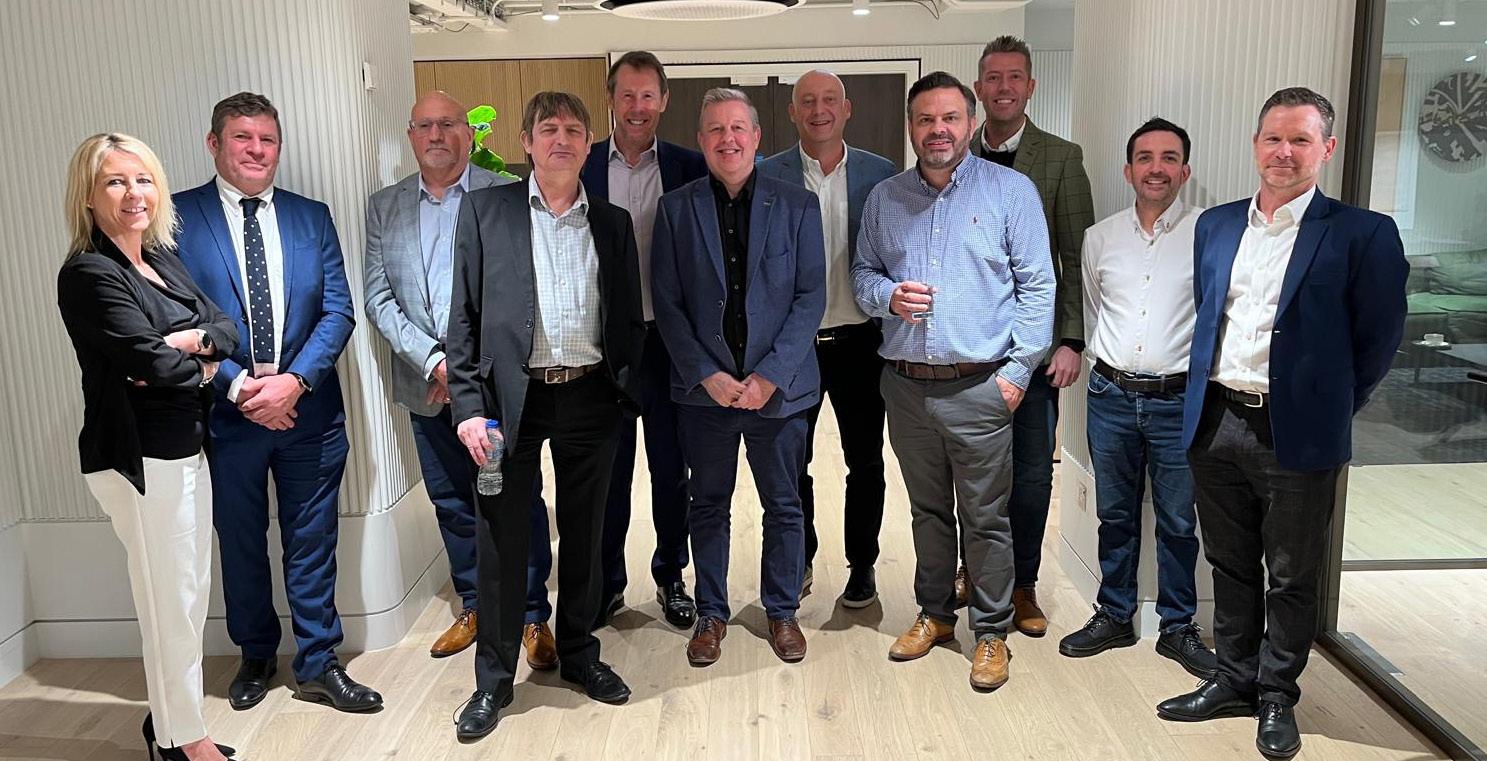
Adrian Furness
Managing Director, Motor Repair Network, Activate Group Ltd
Chris Ashworth Founder & Chairman ILC Motor, ILC
Dawn Marsden Head of Claims Supplier
Management and Engineering Services, esure
Richard Steer
Chief Executive Officer, Steer Automotive Group Ltd
Michael Golding Network Manager, Allianz
Robert Williams
Claims Director – Right Choice Insurance, Lucida Group
Event Sponsor:
Andrew Eade Head of AD Strategy & Fullfilment, 1st Central
Martyn Rowley
Executive Director, National Body Repair Association
Paul Sell Director, Trend Tracker
Nicholas Kelsall
Claims Director, Marshmallow
Martyn Buchan
Business Development Director, Activate Group Ltd