
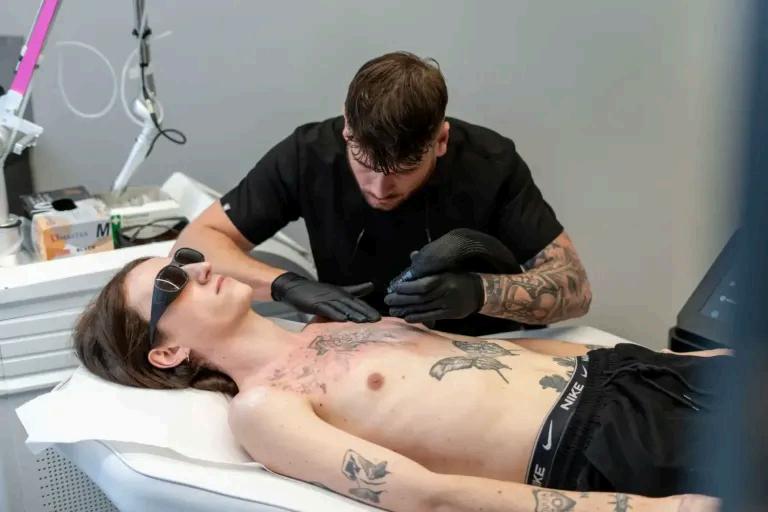
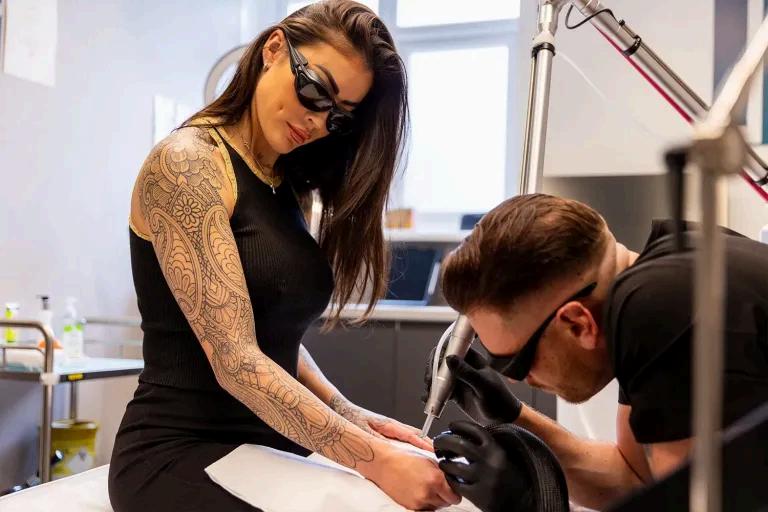
One of the most common questions people ask before booking a tattoo removal consultation is “Does removing a tattoo hurt?” While different people have different opinions, let’s delve into this blog post to understand what actually happens! Many people assume that if getting a tattoo involves needles and discomfort, removing it must be even worse. Add in a few online horror stories and conflicting opinions from friends, and it’s easy to feel nervous before your first appointment. However, the reality is usually far less dramatic than many people expect. Let’s discuss it further to find out the answer to the question, “Does removing a tattoo hurt?”
If you’ve searched online for answers about tattoo removal pain, you’ve probably come across completely different experiences. One person says it barely bothered them. Another claims it was unbearable, and some people else compare it to getting the tattoo itself. The problem is that none of these experiences automatically applies to you. You must always consider online opinions as individual experiences rather than guarantees of how your treatment will feel. As experts at Illusion Clinic, we often meet patients who arrive feeling anxious after reading stories online. We tell them that while personal experiences can provide some insight, factors such as tattoo size, location, ink density, skin type, and individual pain tolerance all influence how the treatment feels.
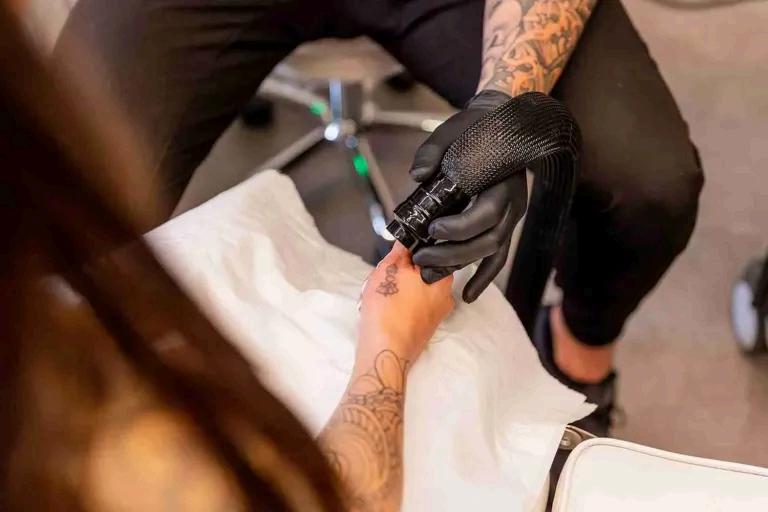
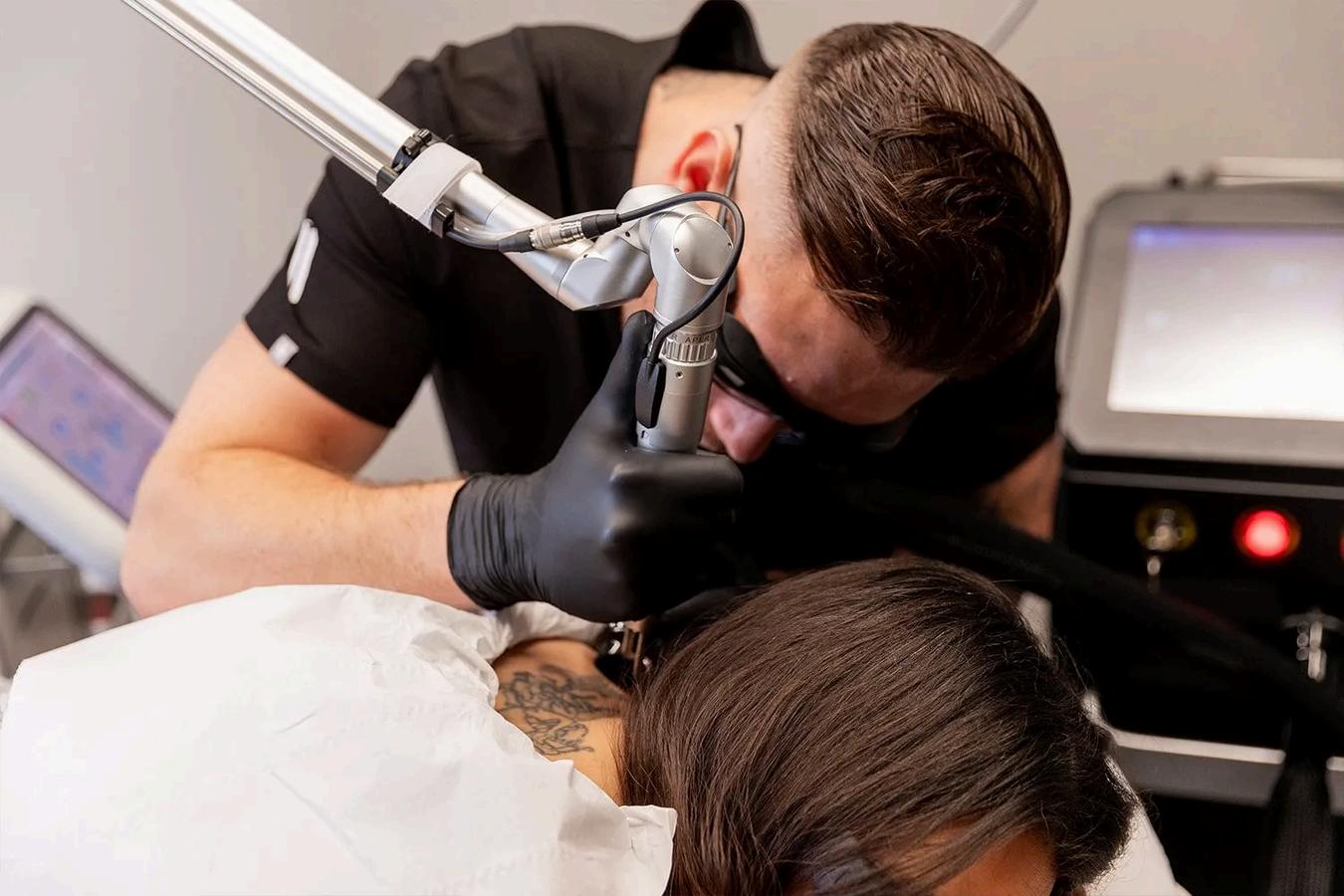
Most people naturally compare tattoo removal with getting a tattoo. After all, one process places ink into the skin, while the other removes it. Getting a tattoo often involves hours of continuous needlework. Depending on the design’s size and complexity, sessions can last several hours. Laser tattoo removal works differently. It delivers short pulses of energy that target the tattoo pigment beneath the skin. Many patients describe the sensation as quick and sharp, but importantly, the treatment itself is usually completed much faster than a tattoo session. As experts at Illusion Clinic, we explain to patients that modern laser technology enables efficient, precise treatment. Rather than sitting for long hours, patients undergo brief treatment sessions that break down ink particles so the body can gradually remove them.
Something interesting happens during many consultations.
Patients who are most worried about discomfort often spend weeks imagining worst-case scenarios before treatment begins. They’ve watched videos, read forum posts, and convinced themselves they’re about to experience extreme pain.
This doesn’t mean the procedure feels like nothing. Rather, the reality often falls well below the frightening expectations people have built up beforehand.
Our practitioners at Illusion Clinic regularly hear patients say, “It wasn’t nearly as bad as I expected.” In many cases, fear of the unknown creates more anxiety than the treatment itself. A thorough consultation can help replace uncertainty with accurate information and realistic expectations. www.illusionclinic.uk

No two tattoos are the same. A small black tattoo on the upper arm presents different challenges compared to a large, colourful design covering a significant portion of the body. Several factors can influence both the treatment process and how it feels, including:
Tattoo size
Ink colour
Ink density
Tattoo age
Body location
Individual skin characteristics
Before treatment begins, discomfort tends to dominate the conversation. After the first session, that focus often shifts. Patients start paying more attention to fading ink, treatment progress, and the tattoo’s overall response.
Once you’ve experienced a session for yourself, the uncertainty disappears. You’re no longer relying on online comments or secondhand stories. You know what the process feels like for you personally. For many patients, this is the point where anxiety begins to fade, and confidence in the process grows.
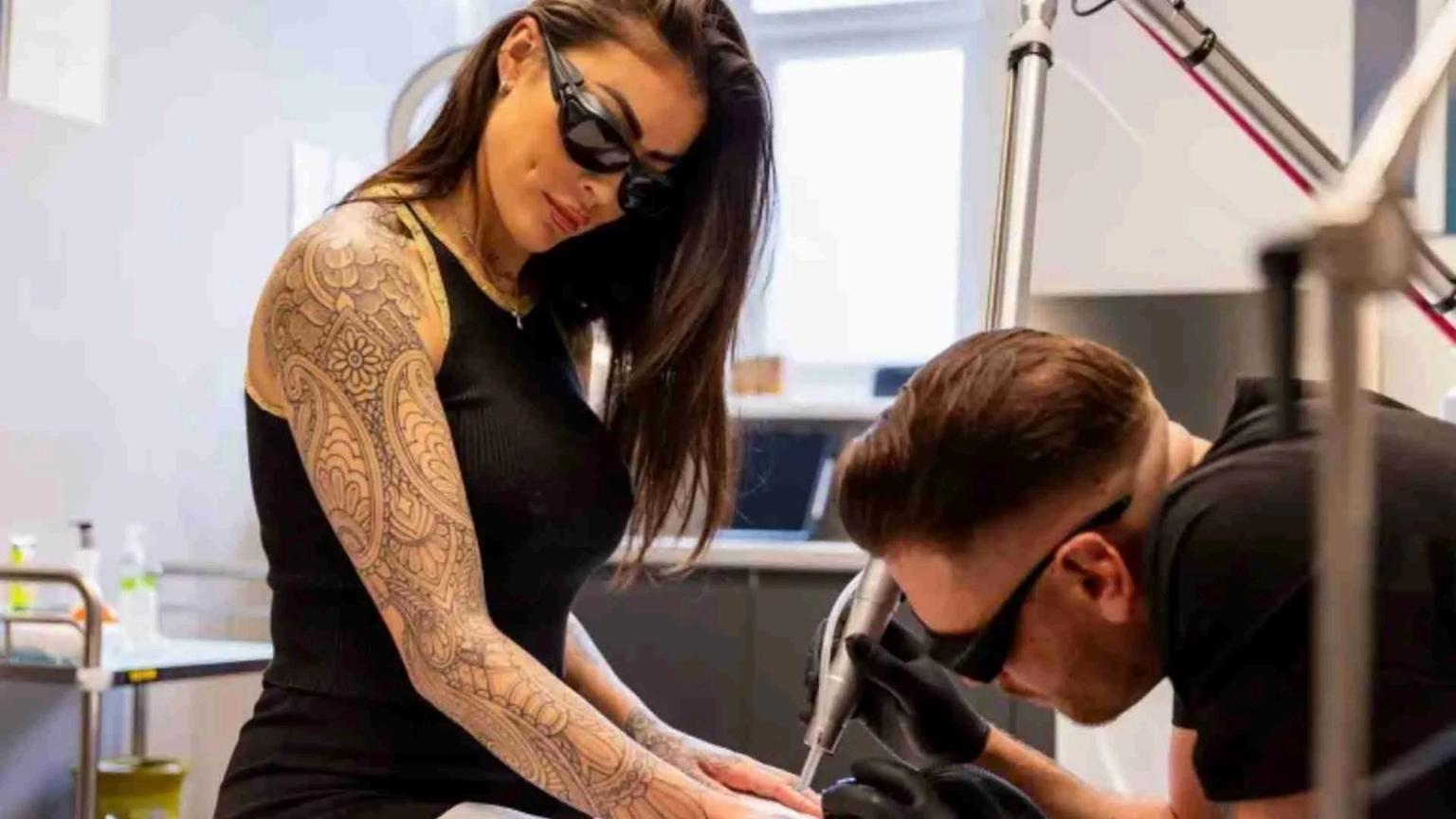
So, does removing a tattoo hurt? Yes, there is some discomfort involved, and anyone suggesting otherwise would be giving an unrealistic picture of the process.
However, many people discover that laser tattoo removal is far more manageable than they expected before treatment began. The best way to understand what tattoo removal may feel like isn’t through online horror stories or second-hand opinions. It’s through a professional consultation that takes into account your individual tattoo, skin type, and treatment goals.
If you’re looking for laser tattoo removal, remember that accurate information can help you make decisions based on facts rather than assumptions. At Illusion Clinic, we offer expert-led
laser tattoo removal in Bournemouth, where every treatment journey begins with a detailed assessment and an open conversation about your concerns, expectations, and desired outcomes. Get in touch with our experts to experience premium laser tattoo removal with safe, state-of-the-art technology!