


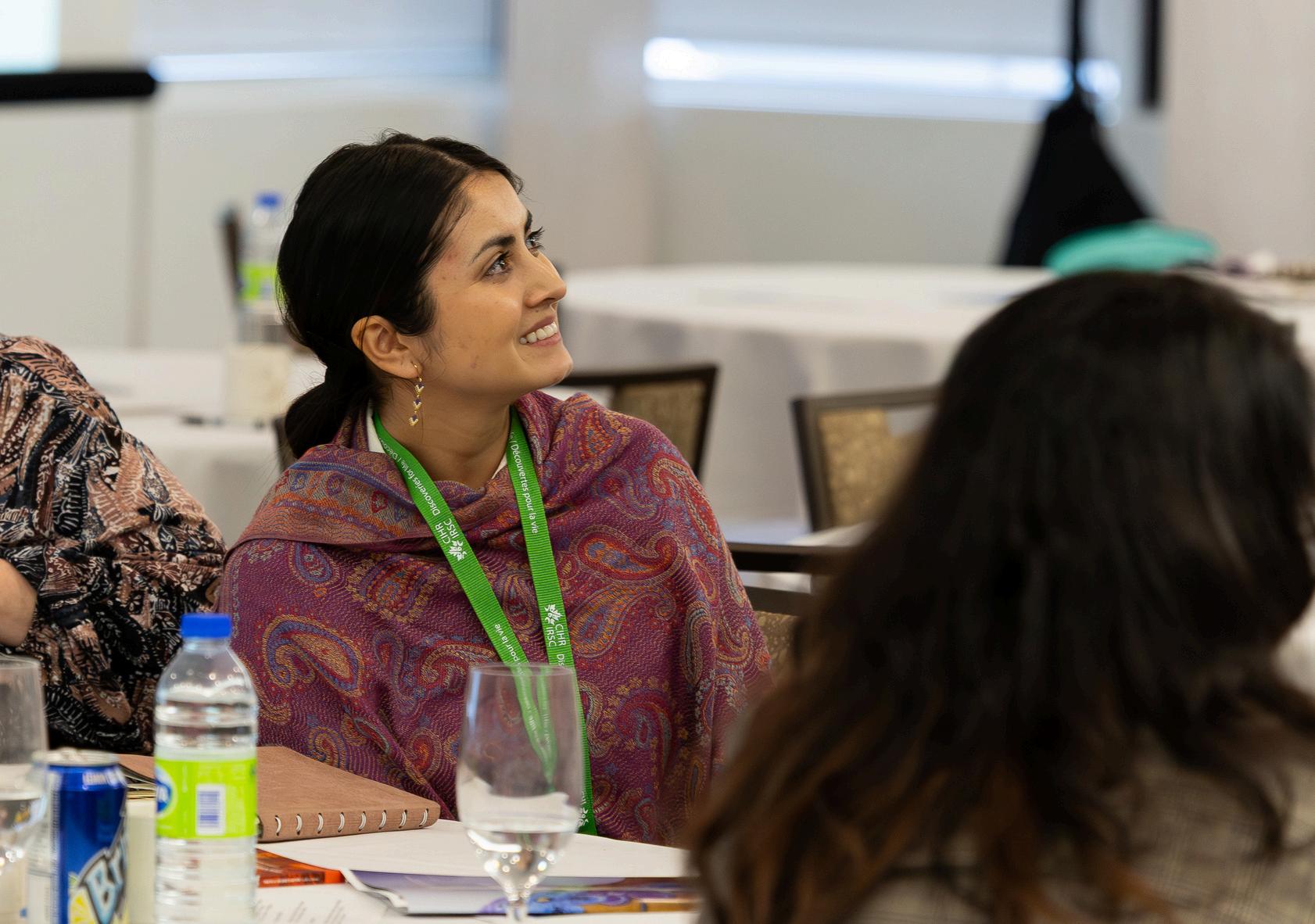
This report provides background on the meeting and summarizes key discussion areas, emerging themes, and considerations raised by participants. It is intended to support ongoing planning and shared understanding as CIHR-IIPH and NEIHR leaders continue this work.
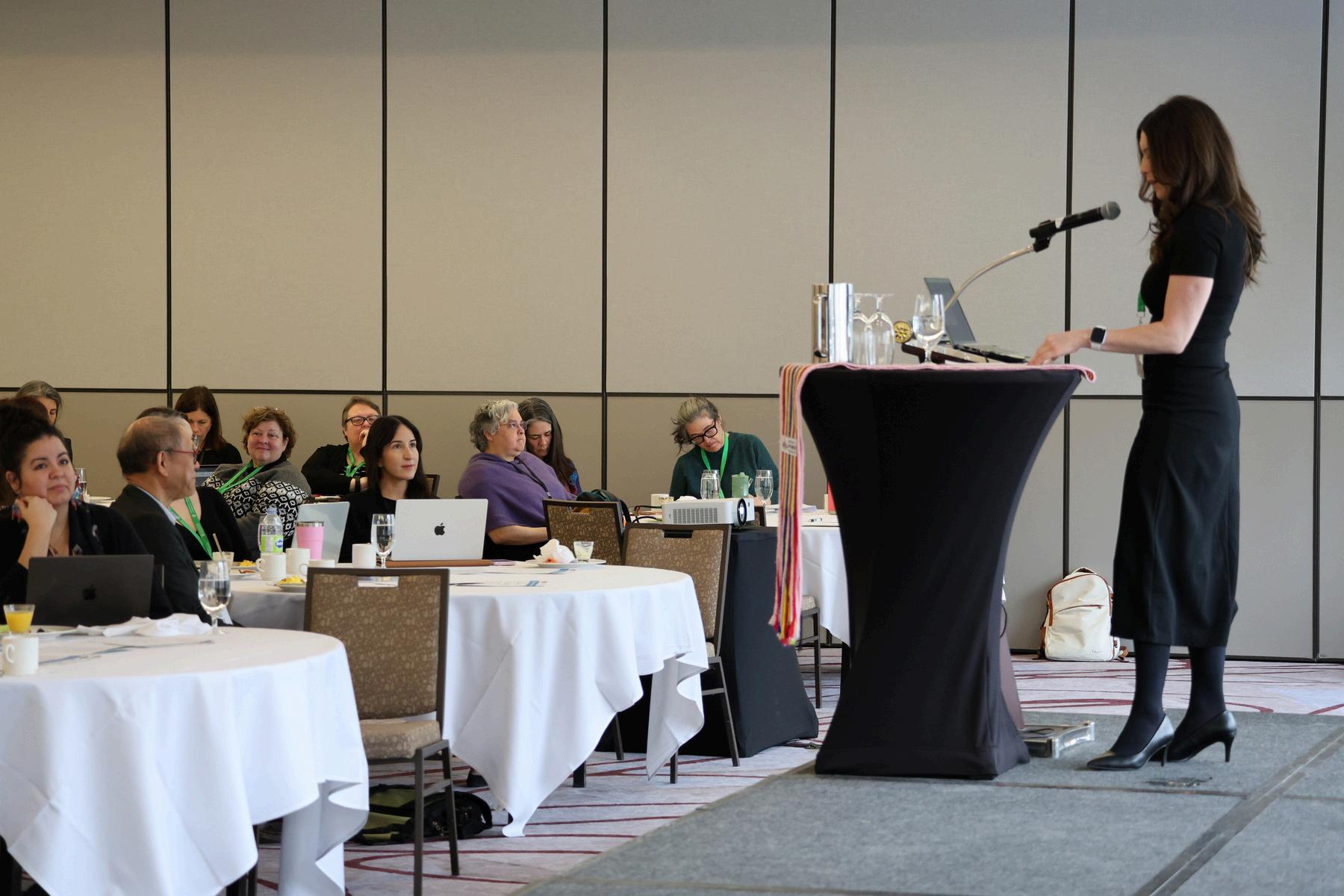
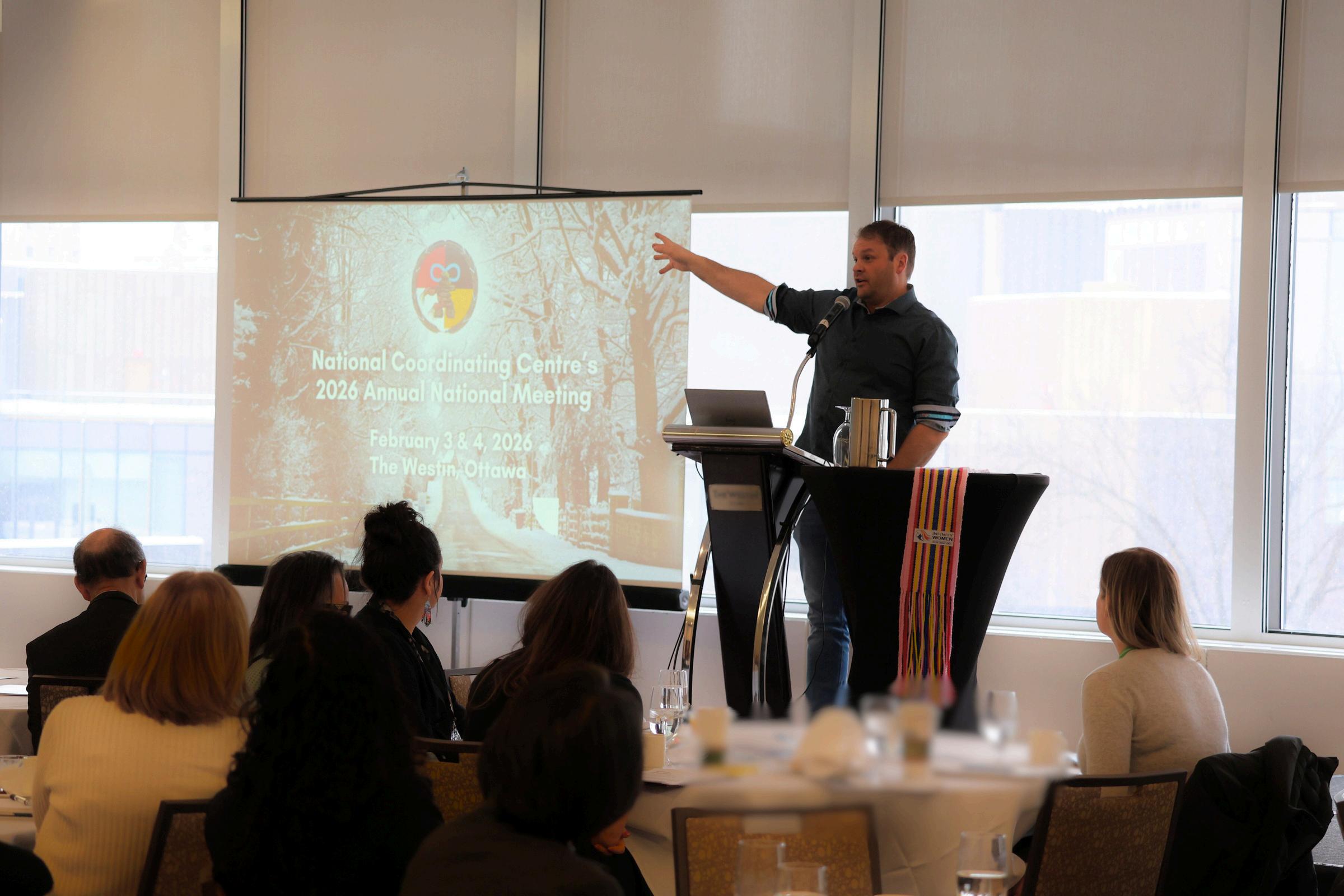
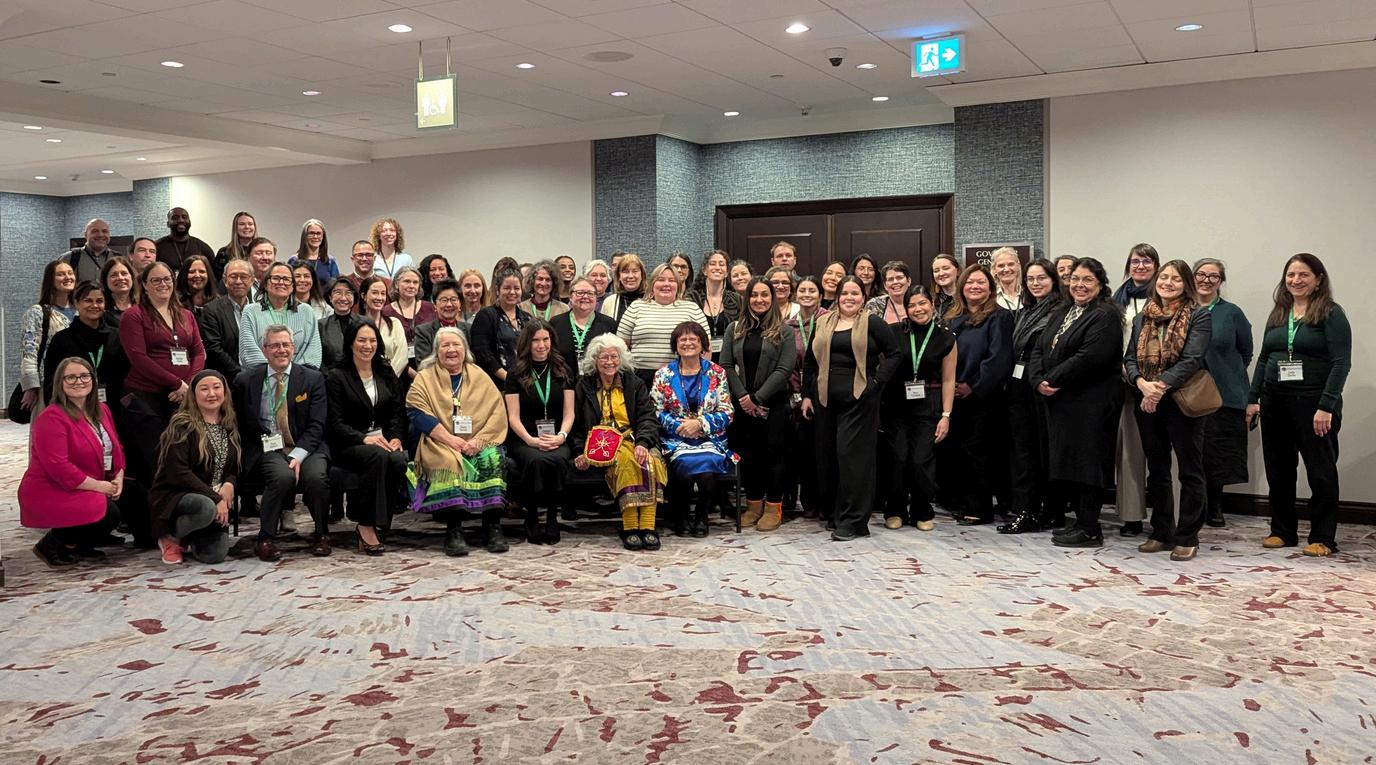
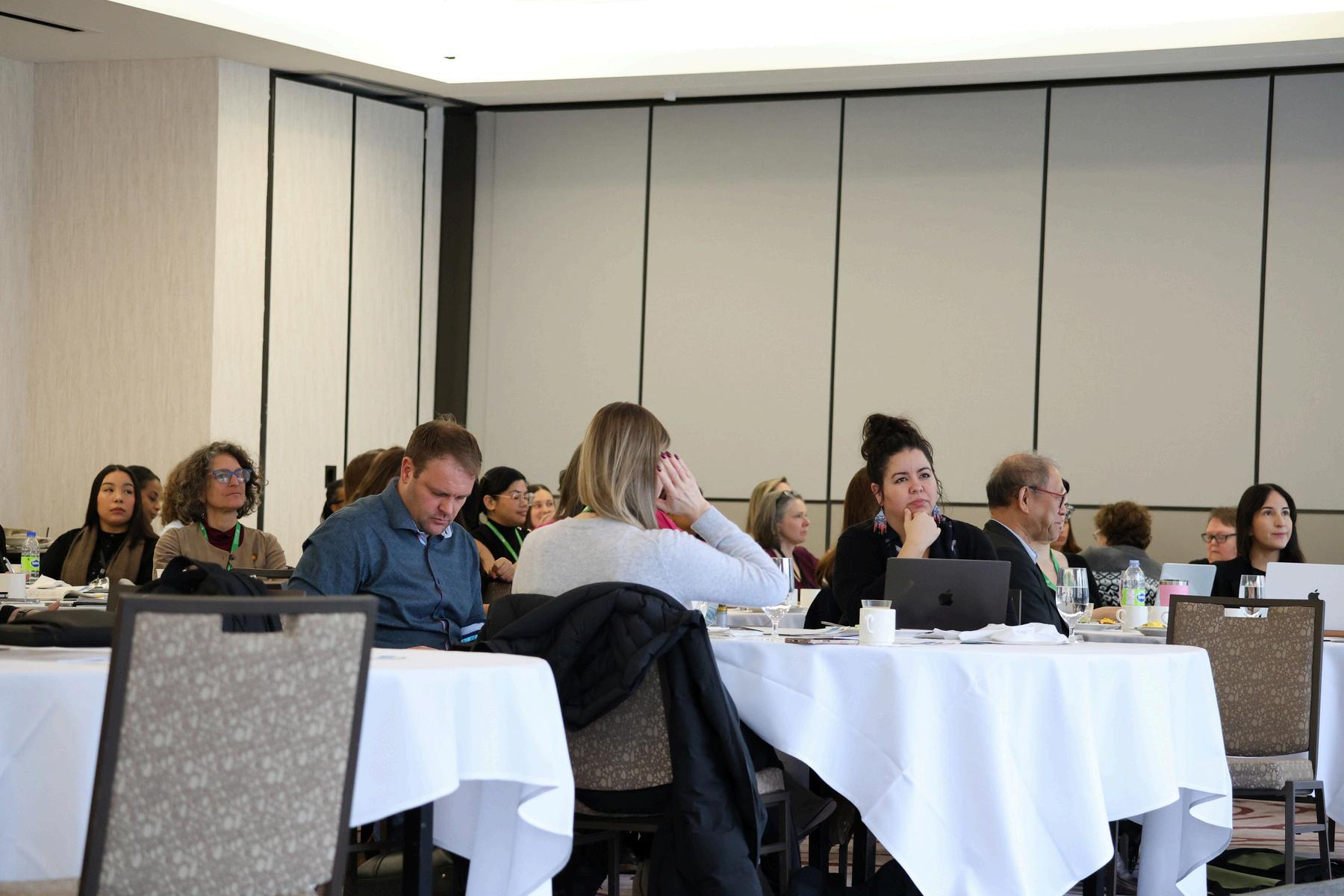
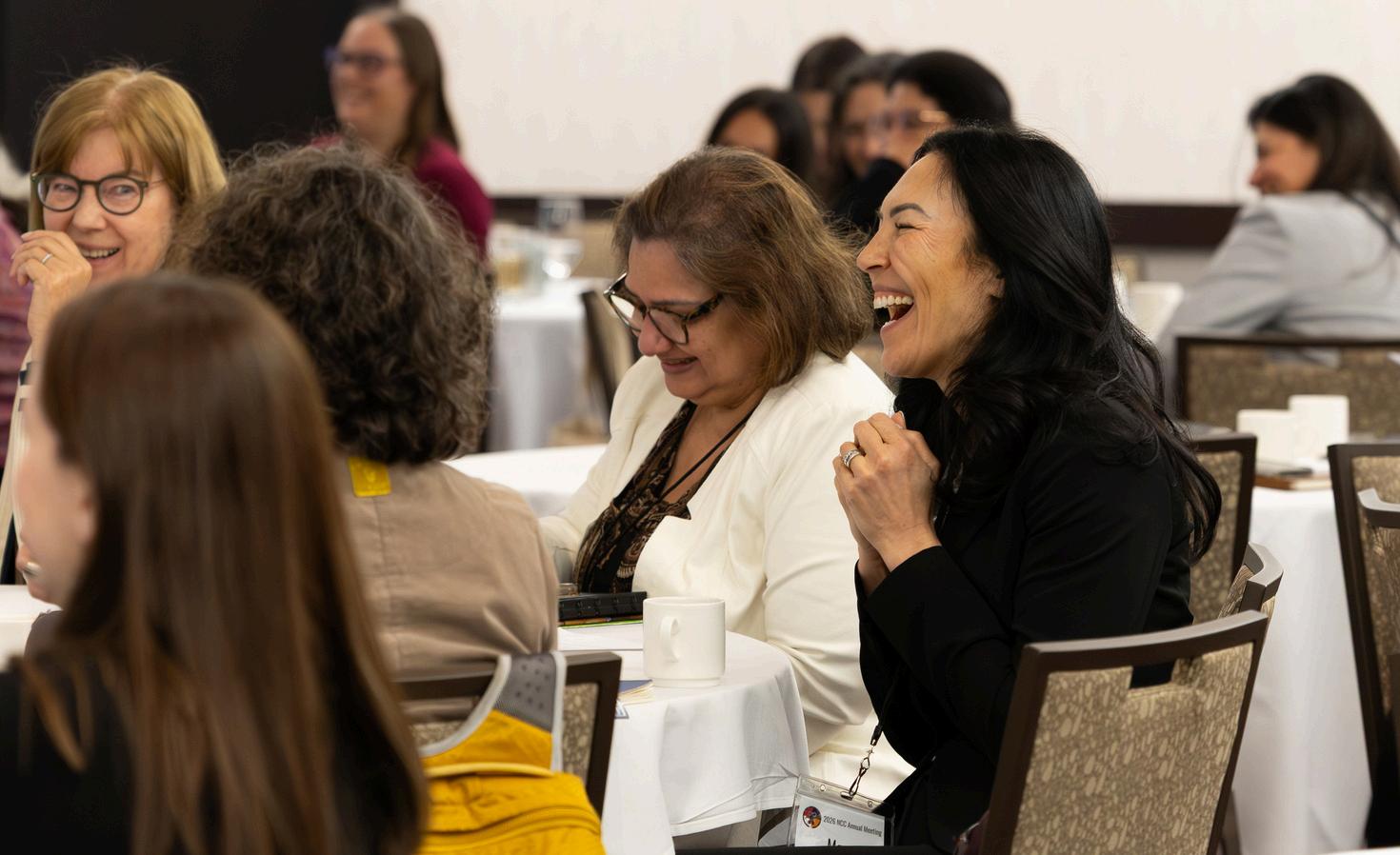
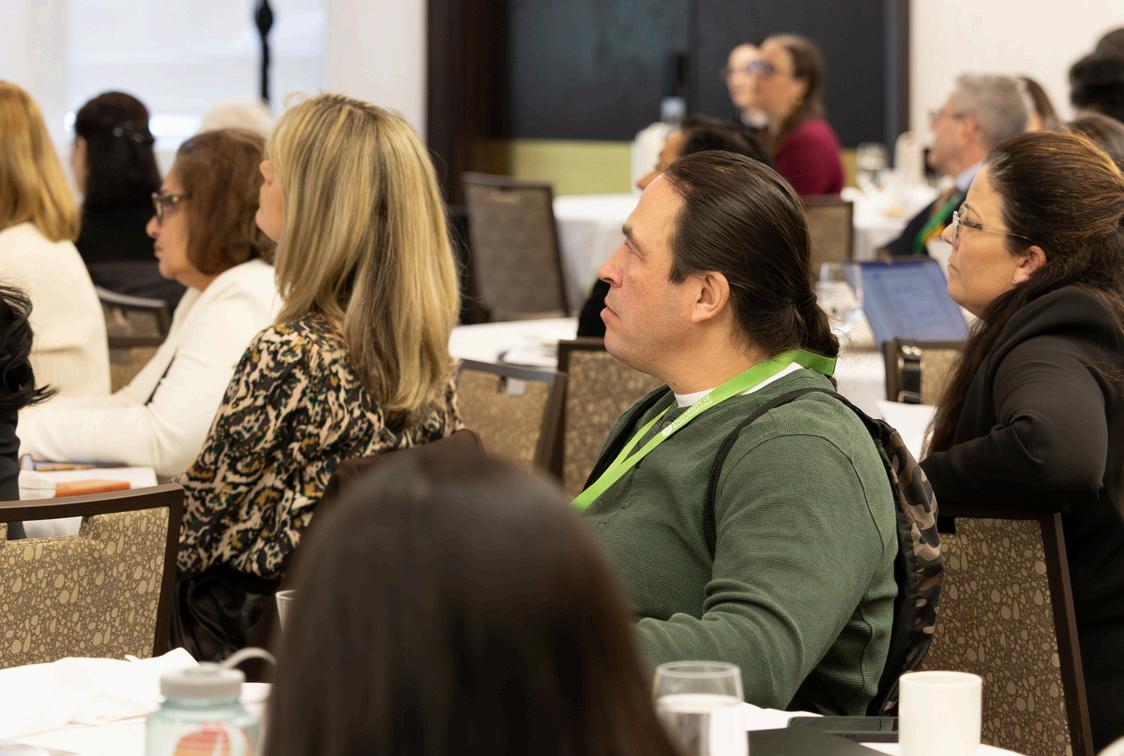
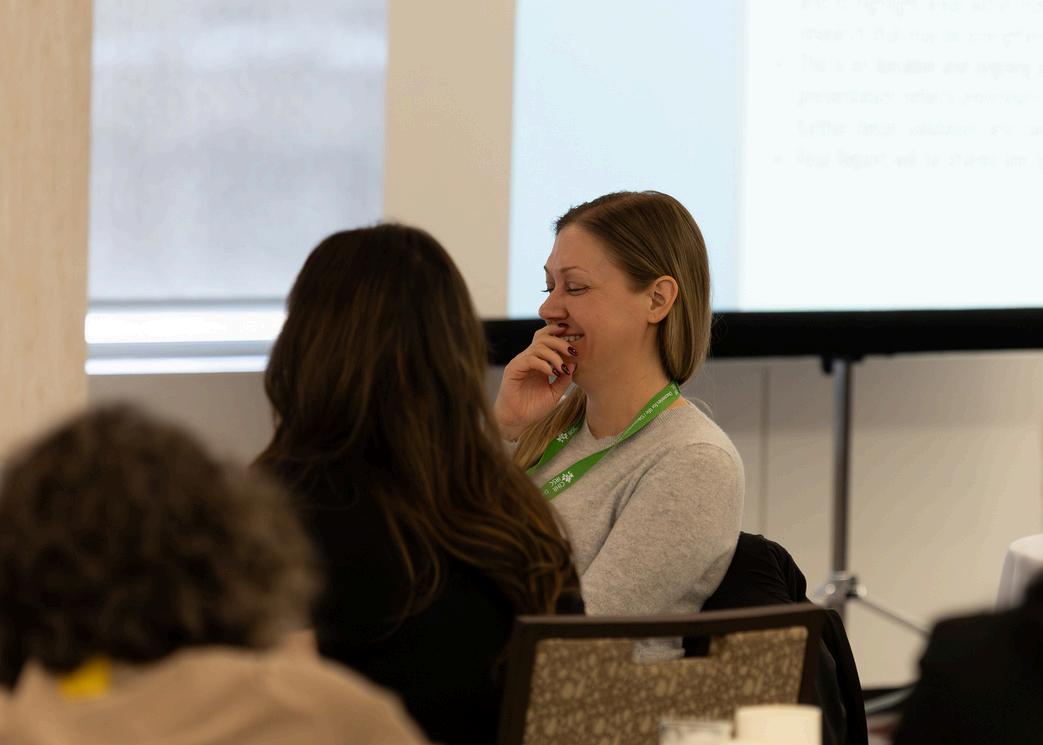
The NEIHR–CIHR Strategic Planning Meeting brought together 82+ attendees from across the NEIHR network, CIHR Institutes, the Tri-Council, government, and key partners to engage in focused dialogue on strengthening Indigenous health research environments and advancing collective priorities. The meeting centred on presentations from the Institute of Indigenous Peoples’ Health, the NEIHR Research Matrix, wildfire rapid-response initiatives, and broader Indigenous health research activities, followed by facilitated reflections and interactive discussions guided by key strategic questions. Emphasis was placed on shaping shared strategic direction, strengthening alignment across organizations, and advancing partnership building between the NEIHR networks, CIHR Institutes, TriCouncil, and invited partners to support coordinated action and long-term impact.
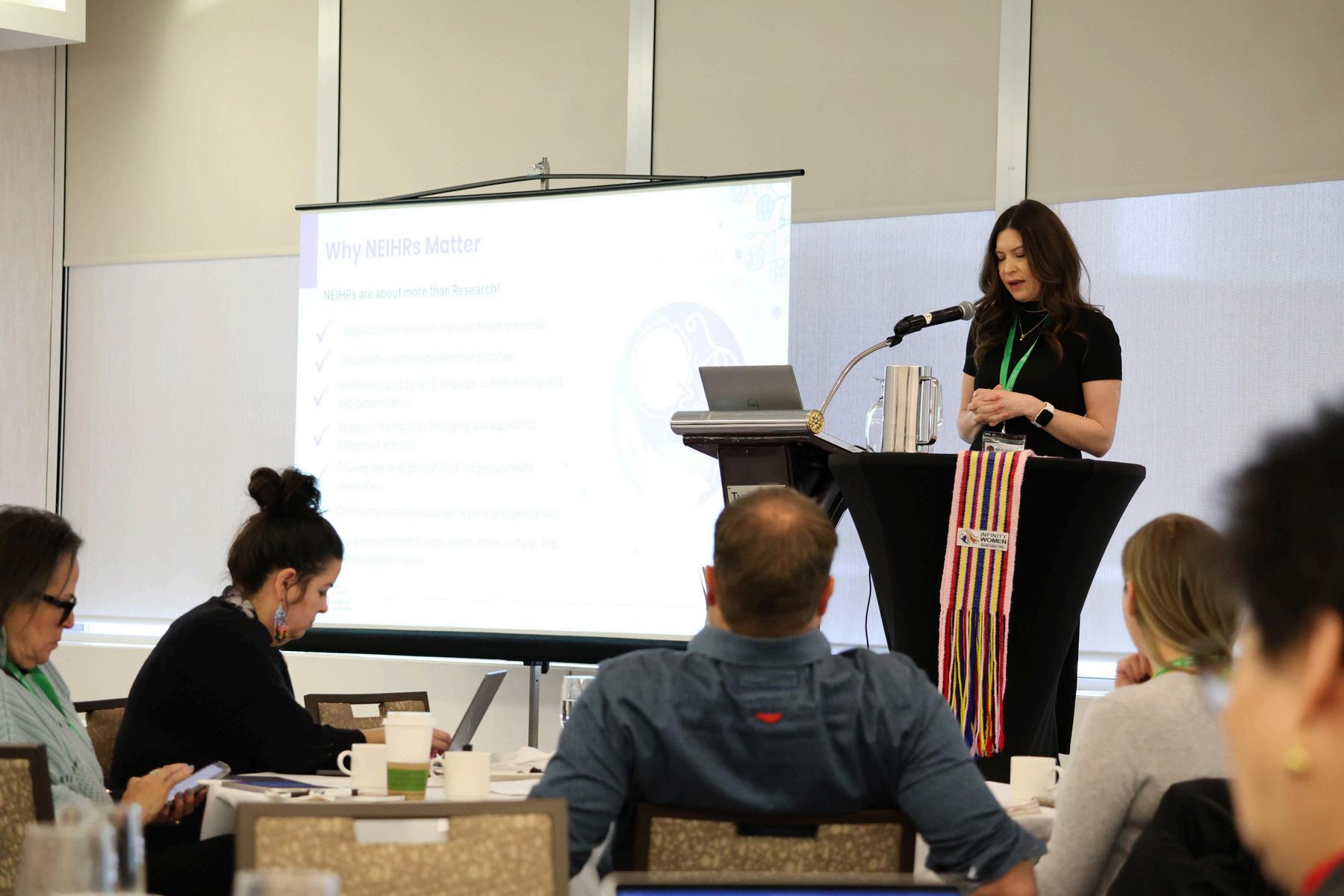
Opening & Welcome, Amelia Tekwatonti McGregor; Terri Hansen-Gardiner
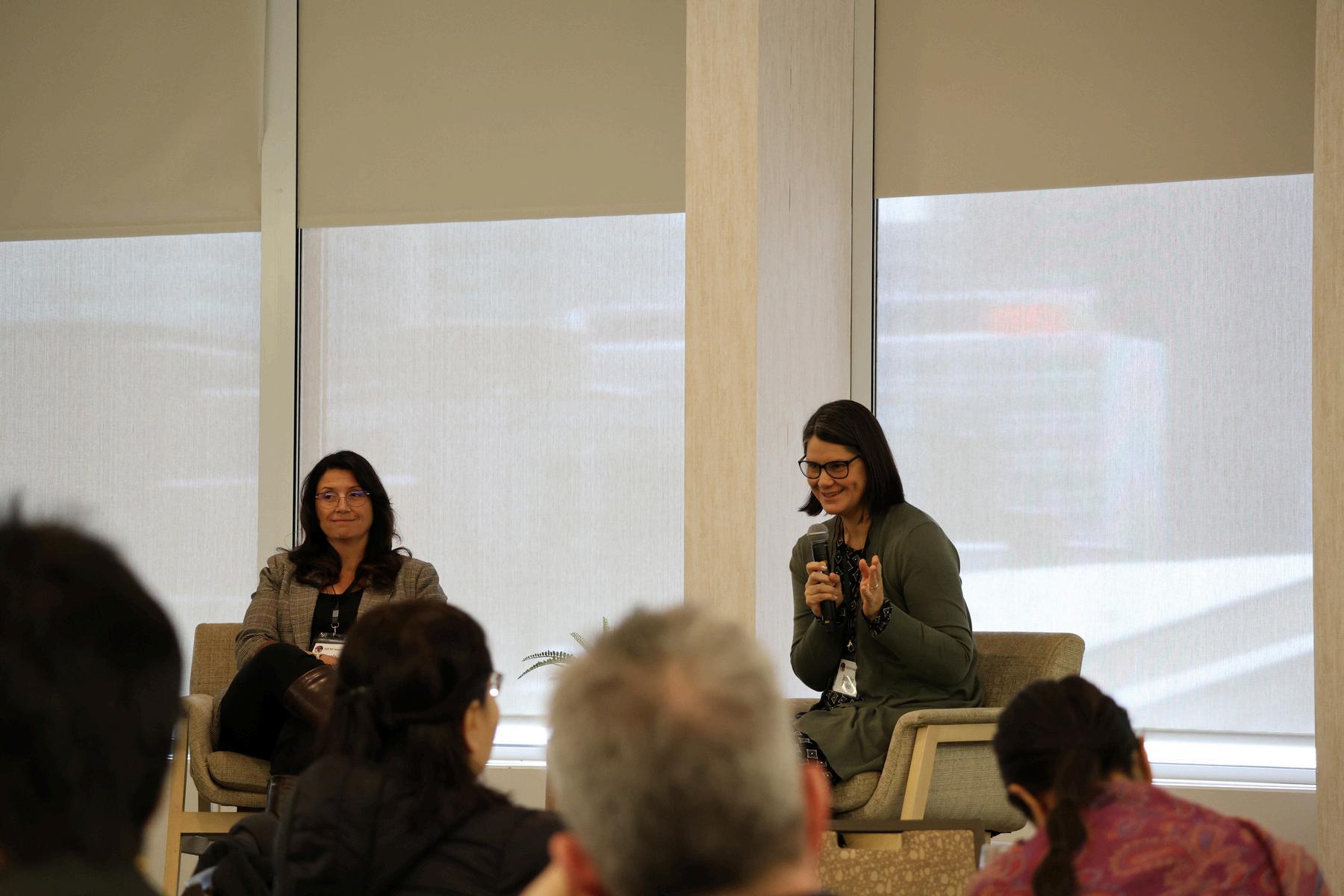
CIHR Institute of Indigenous Peoples’ Health (IIPH) Presentation, Dr. Chelsea Gabel
NEIHR Research Matrix Presentation, Dr. Robert Henry and Tara Erb
NEIHR Wildfire Grant Update, Dr. Robert Henry
Introduction to Non-NEIHR Indigenous Health Research, Dr. Chelsea Gabel
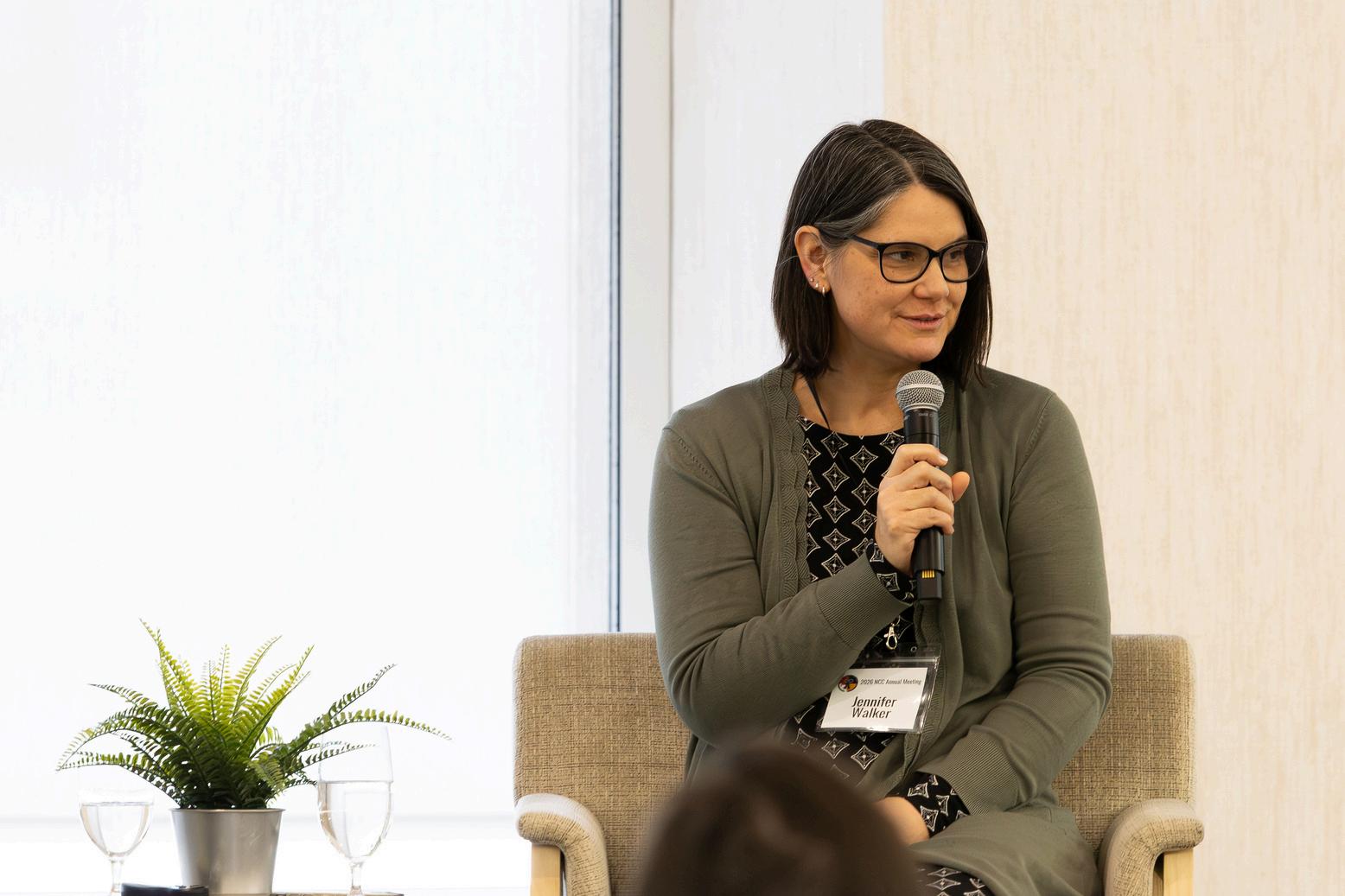
Indigenous Health Research Presentations, Drs. Jennifer Walker and Pamela Roach
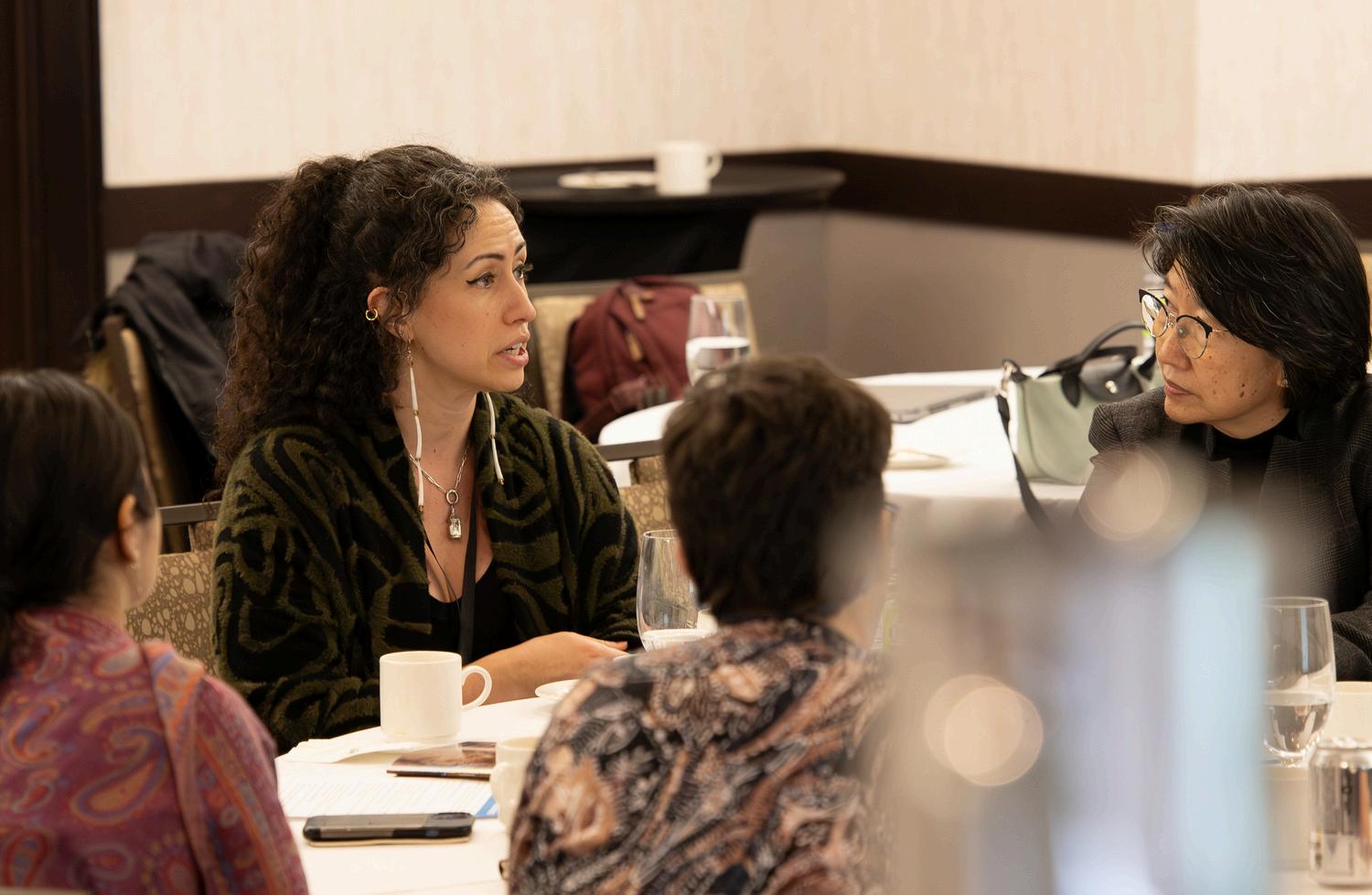
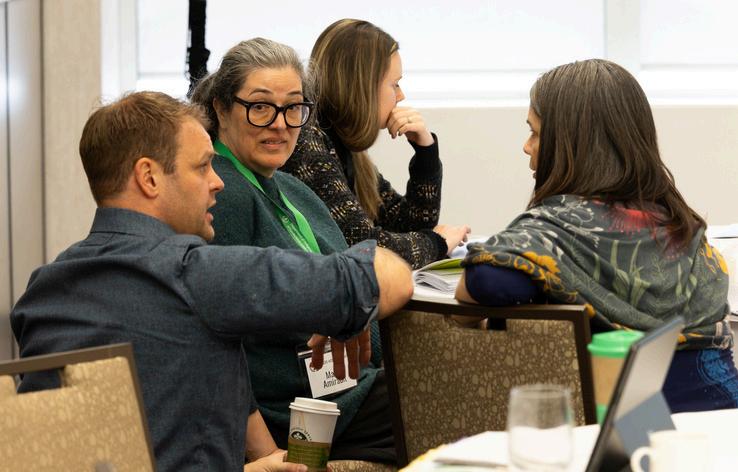
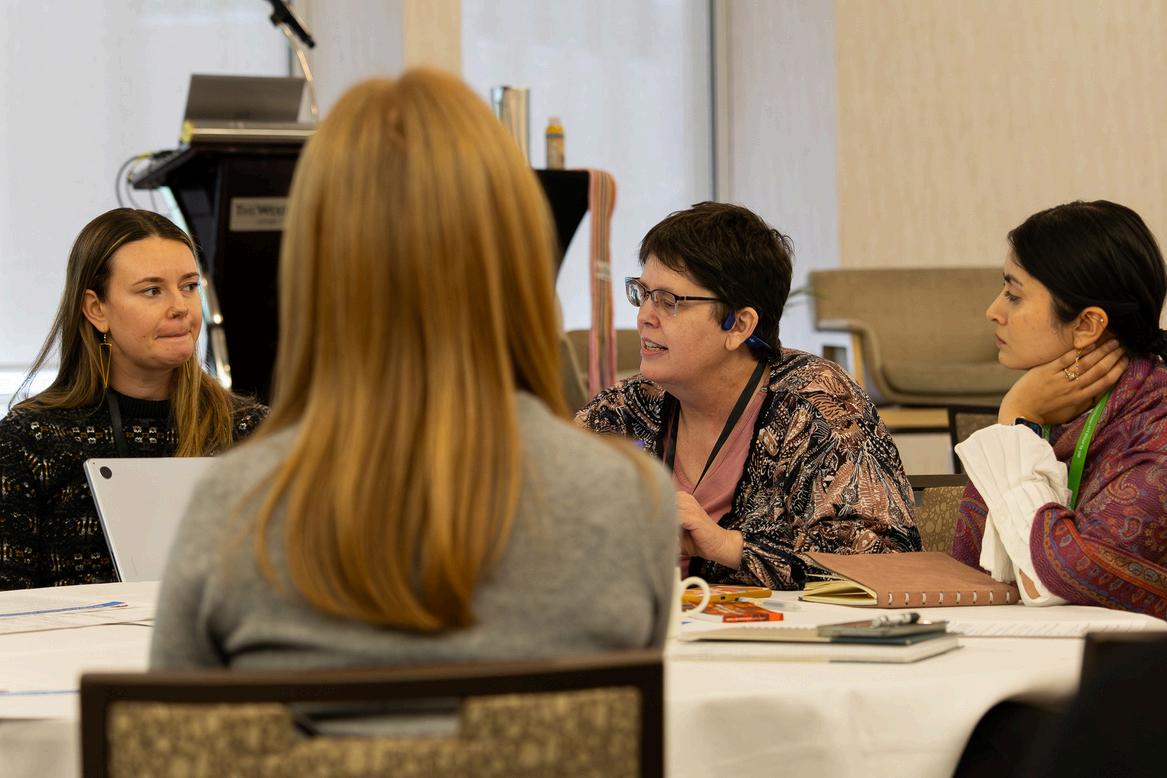
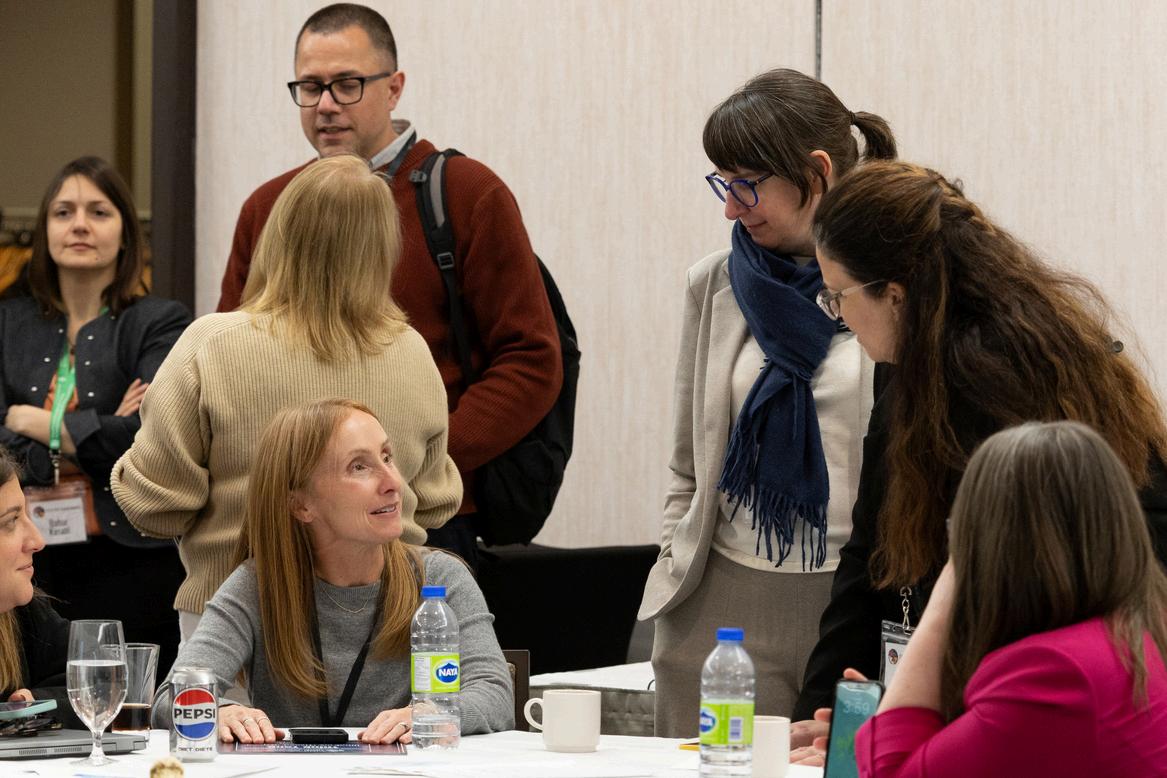
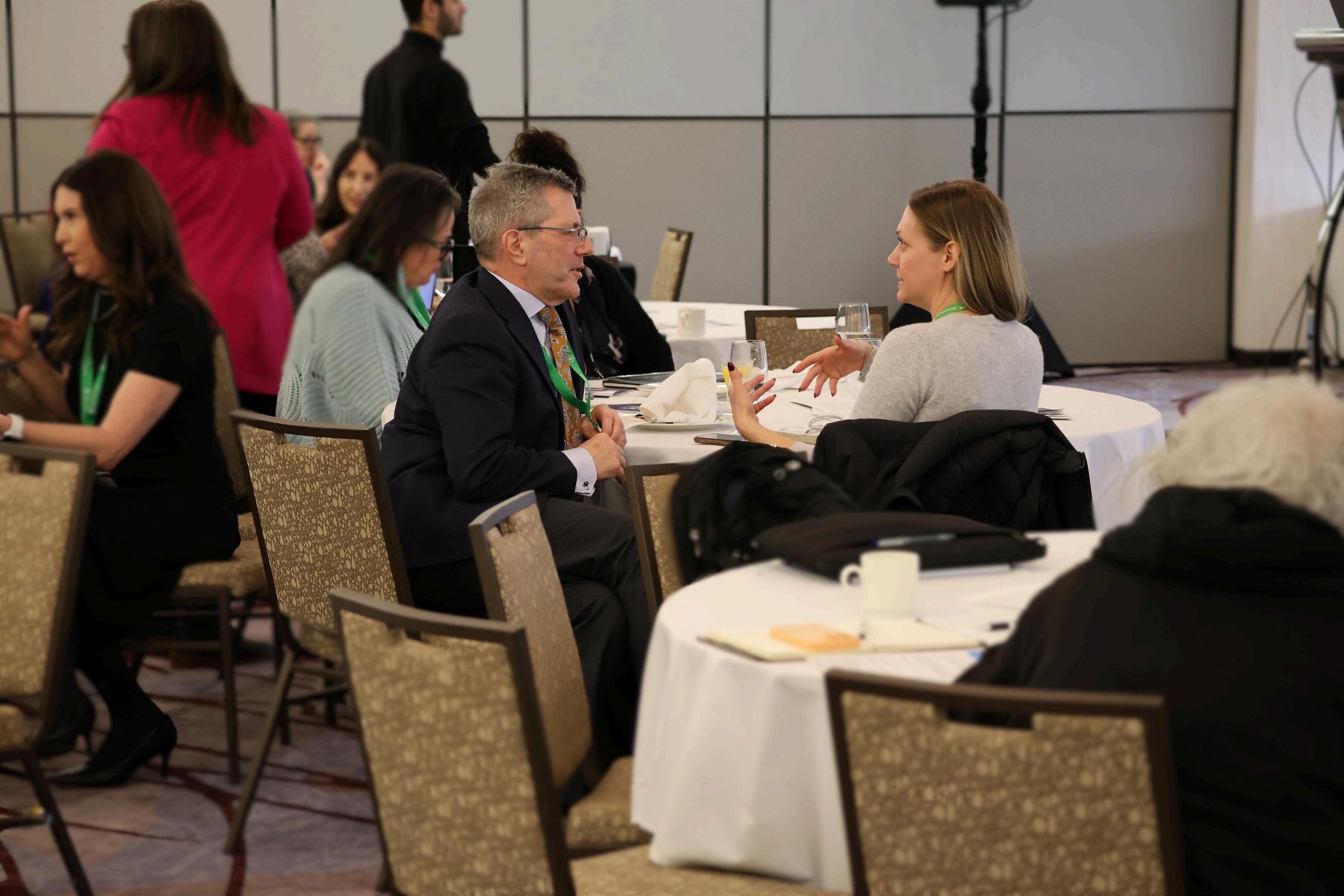
Interactive Breakout Session guided by key strategic questions; all attendees
Closing, Amelia Tekwatonti McGregor; Terri Hansen-Gardiner
The meeting opened with ceremony, reflections from Elders and Knowledge Keepers, and acknowledgements grounding the gathering in relationship, humility, and collective responsibility. Participants emphasized that Indigenous health research must remain rooted in service, relational accountability, and the Truth and Reconciliation Calls to Action, particularly those focused on health systems transformation.
The day’s objectives centered on three interrelated priorities: (1) reflecting collectively on the evolution and future of the NEIHR program; (2) strengthening relationships across NEIHRs, CIHR Institutes, Tri-Council and government or other partners; and (3) engaging in forwardlooking dialogue about sustainability— financial, relational, intellectual, and community-driven. Participants emphasized that the gathering intentionally included a broader Indigenous health research ecosystem beyond NEIHR leadership, reflecting the interdisciplinary and crossagency nature of the work.
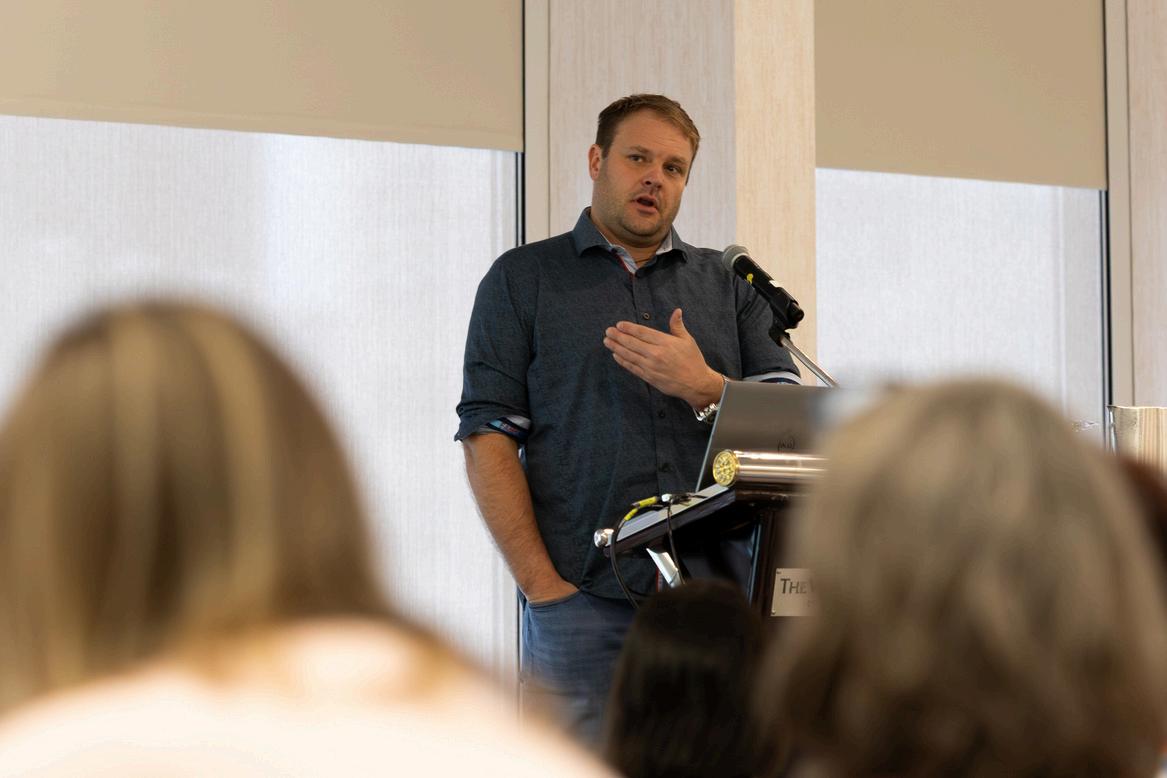
Indigenous health research must remain rooted in service, relational accountability, and the Truth and Reconciliation Calls to Action, particularly those focused on health systems transformation.
Speakers traced the development of Indigenous health research infrastructure from early capacity-building initiatives (ACADREs) through to NEIHRs, emphasizing that the networks were never intended solely to fund projects but to build the capacity of people and communities, institutions, relationships, and ethical pathways for Indigenous leadership in research.
Participants highlighted defining characteristics of NEIHR impact, including strong mentorship ecosystems for Indigenous students and earlycareer scholars, cross-disciplinary and crossregional collaboration, community-driven and ethically grounded research approaches, and contributions across CIHR, SSHRC, and NSERC domains. The networks were framed as an IIPH flagship initiative demonstrating how Indigenous knowledge systems, methodologies, and priorities can transform national research agendas.
CAPACITYBUILDING

A major focus of the meeting was the NEIHR research Matrix mapping developed by the NCC through cross-country engagement with all networks. The Matrix maps NEIHR Principal Investigator projects that are based on and connected to community-identified priorities across CIHR Institute priorities, revealing patterns of alignment, convergence, and gaps.
Participants emphasized that the Matrix is relational and descriptive rather than evaluative or competitive, that mapped work reflects community priorities due to its engaged nature, and that the tool remains iterative with ongoing refinement planned. The mapping revealed extensive cross-cutting work spanning multiple Institutes and disciplines, alongside gaps such as clinical trials and cohort research, and misalignment in some Institute priorities relative to Indigenous needs.
Participants highlighted the importance of grounding coordination efforts in Indigenous epistemologies. The NCC described a “River Methodology” that was conceptualized and developed by Tara Erb (NCC Research Manager), which guides the mapping work and reflects that relational movement, reciprocity, and cyclical learning rather than linear mapping or evaluation frameworks.
Discussions also highlighted that Indigenous researchers often must justify their work within Western systems, that Indigenous science is ongoing and holistic, and that ethical space requires awareness of power imbalances and privilege in research contexts. Participants emphasized that Indigenous health research inherently spans multiple domains and reinforces the need for integrated systems approaches.
Speakers consistently emphasized that meaningful impact begins with community priorities and relationships. Community-driven approaches were identified as the strongest pathway to effective outcomes, ensuring relevance, uptake, and sustainability.
Key themes included co-design from the outset of research initiatives, trust-based partnerships with Elders, youth, and community organizations, and accessible knowledge mobilization approaches such as storytelling, radio, and visual tools. Examples included rapid-response initiatives addressing infectious disease outbreaks and community-driven training gatherings that led to tangible behavioral and system change. Participants emphasized that impact should be defined broadly, including relational outcomes, healing processes, and multigenerational change.
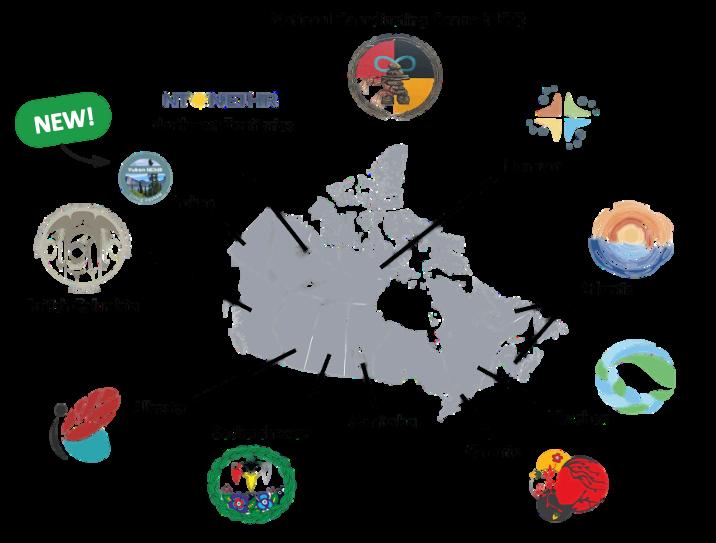
Participants emphasized the importance of strengthening rapid response capacity across NEIHRs. Ongoing efforts supported regionally tailored strategies for emergencies such as wildfires, evacuations, pandemics, and substance use crises. Discussions highlighted the importance of real-time data collection, policy translation, closer relationships with policymakers, and shared preparedness frameworks across regions.
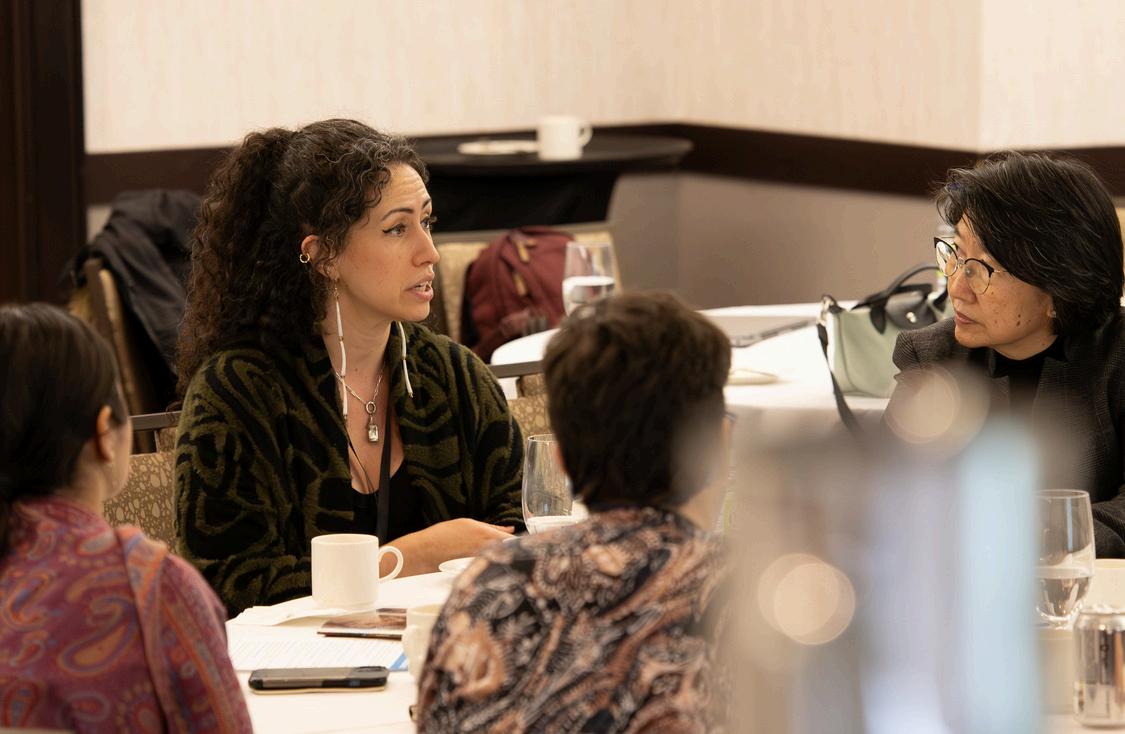
Participants underscored the importance of coordination across NEIHRs, Institutes, TriCouncil agencies and other partners. The NEIHR ecosystem was described as inherently interdisciplinary and interagency, with examples of collaboration spanning CIHR, SSHRC, and NSERC.
Key discussion points included the need for stronger communication pathways across institutions, shared governance mechanisms such as advisory boards and joint convenings, and funding models that support collaboration rather than competition. Institutional challenges included communication gaps, misaligned timelines, and capacity constraints across networks.
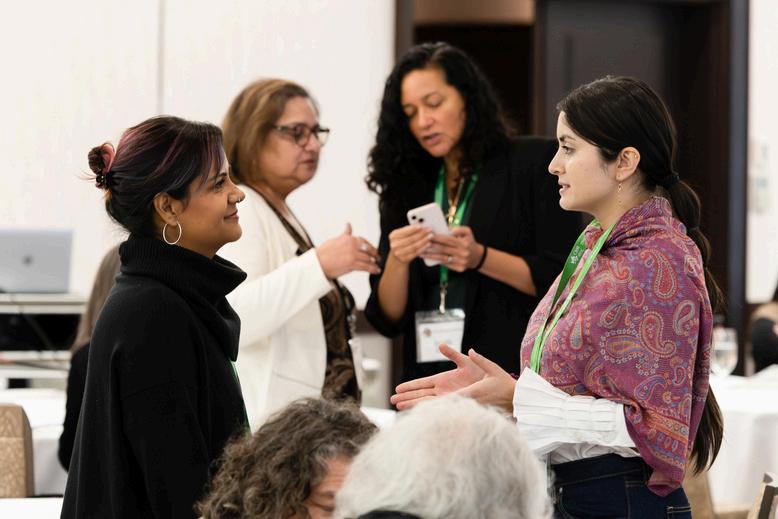
Sustainability was framed as multidimensional, requiring investment beyond project funding. Priorities included leadership succession and institutional memory, training pathways for Indigenous students across disciplines, and shared responsibility models to reduce burnout among Indigenous leaders and Elders. Participants emphasized the importance of stable funding cycles and infrastructure support to maintain community relationships and continuity.
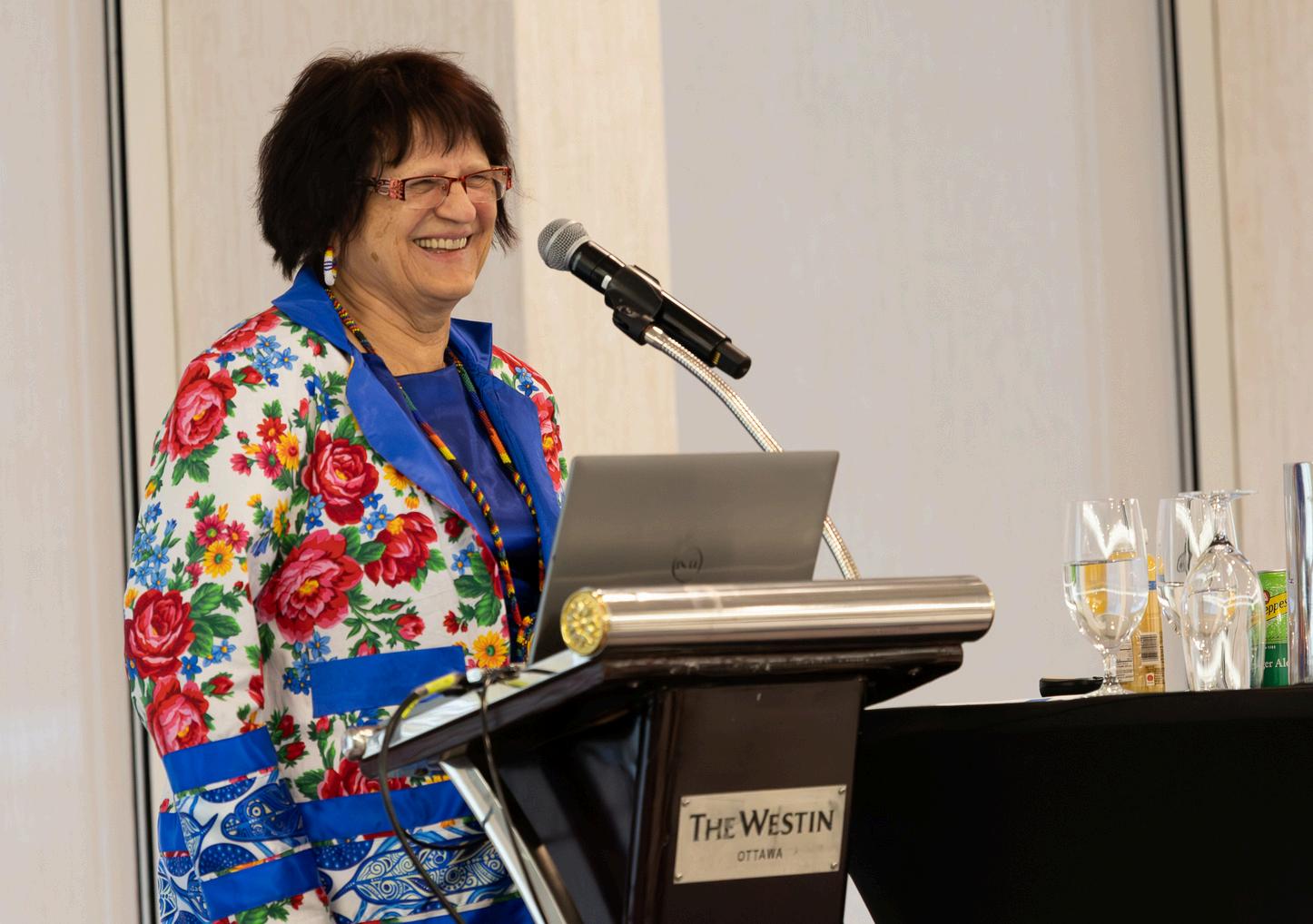
Ensuring research systems remain responsive to community priorities and realities.
BREAKOUT SESSION #1
Questions: What stands out to you about the Matrix? Are there projects, themes, or areas that seem underrepresented or not fully captured in the Matrix?
Participants broadly viewed the Matrix as a valuable and innovative first step in visualizing the relationship between NEIHR research activities and CIHR Institute priorities. The Matrix was seen as a helpful tool for identifying where Indigenous health research aligns with CIHR priorities and where gaps remain, supporting accountability, collaboration, and strategic planning. Participants also highlighted the Matrix as an effective knowledge mobilization tool that presents complex information in a clear and visual format.
At the same time, participants emphasized that the Matrix should be considered an initial mapping exercise rather than a comprehensive representation of all Indigenous health research activities.
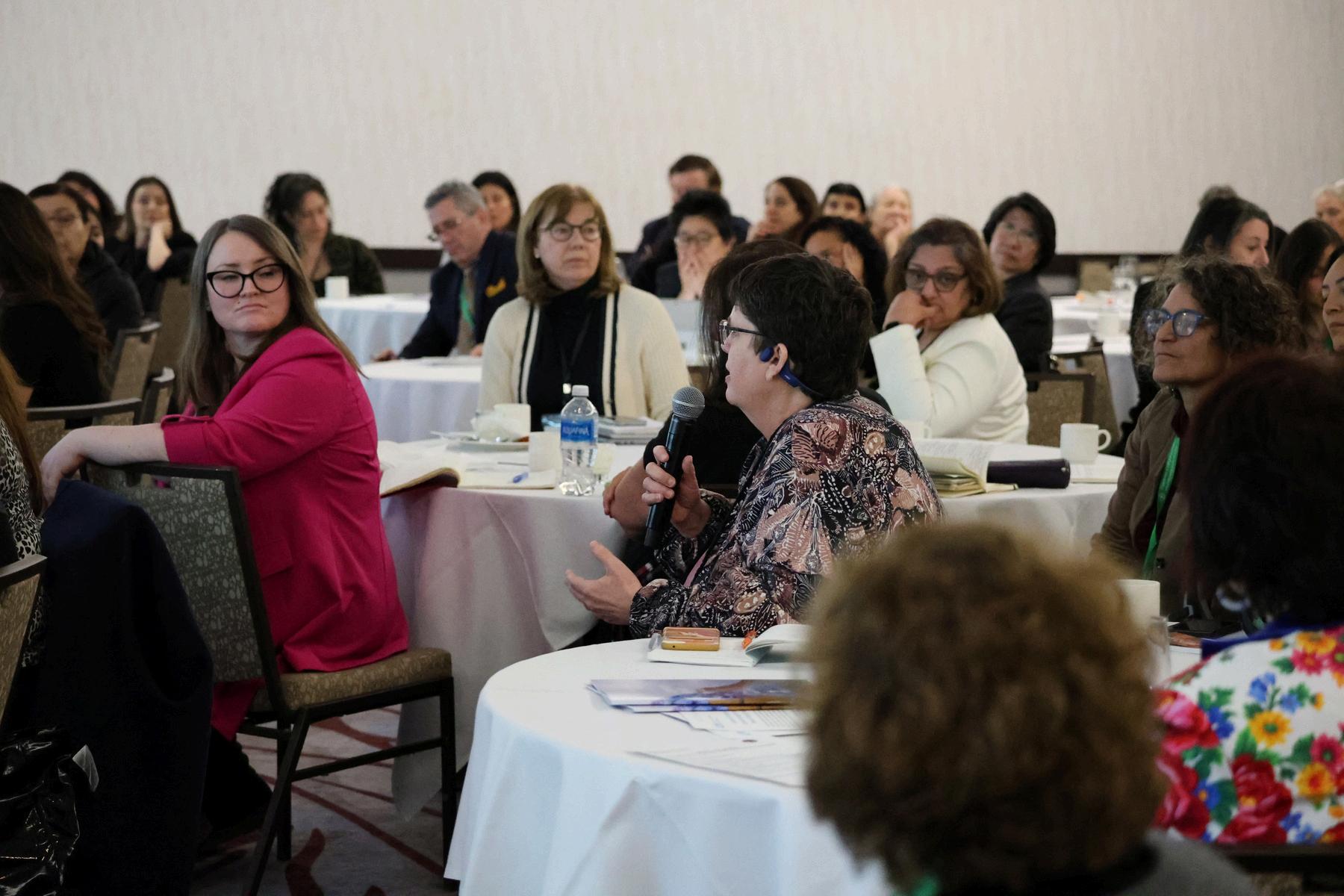
Participants appreciated the visual format of the Matrix and its ability to reveal connections between NEIHR research and CIHR Institute priorities. The Matrix highlighted areas where research capacity exists as well as areas where gaps remain. It was also viewed as a tool that could support CIHR Institutes in identifying opportunities for collaboration with NEIHRs and demonstrate the breadth of Indigenous health research occurring across Institutes. Several participants noted that this mapping approach could strengthen accountability and support strategic dialogue with CIHR, particularly during periods of funding constraints.
Participants identified several areas where the Matrix revealed potential gaps or underrepresentation. These included limited projects in areas such as genetics and cancer, which may reflect capacity constraints or historical concerns related to research in these fields. Participants also noted that environmental and landbased health perspectives may be underrepresented due to the way CIHR Institutes are structured. These gaps were seen not simply as deficits but as opportunities to build future research capacity and partnerships.
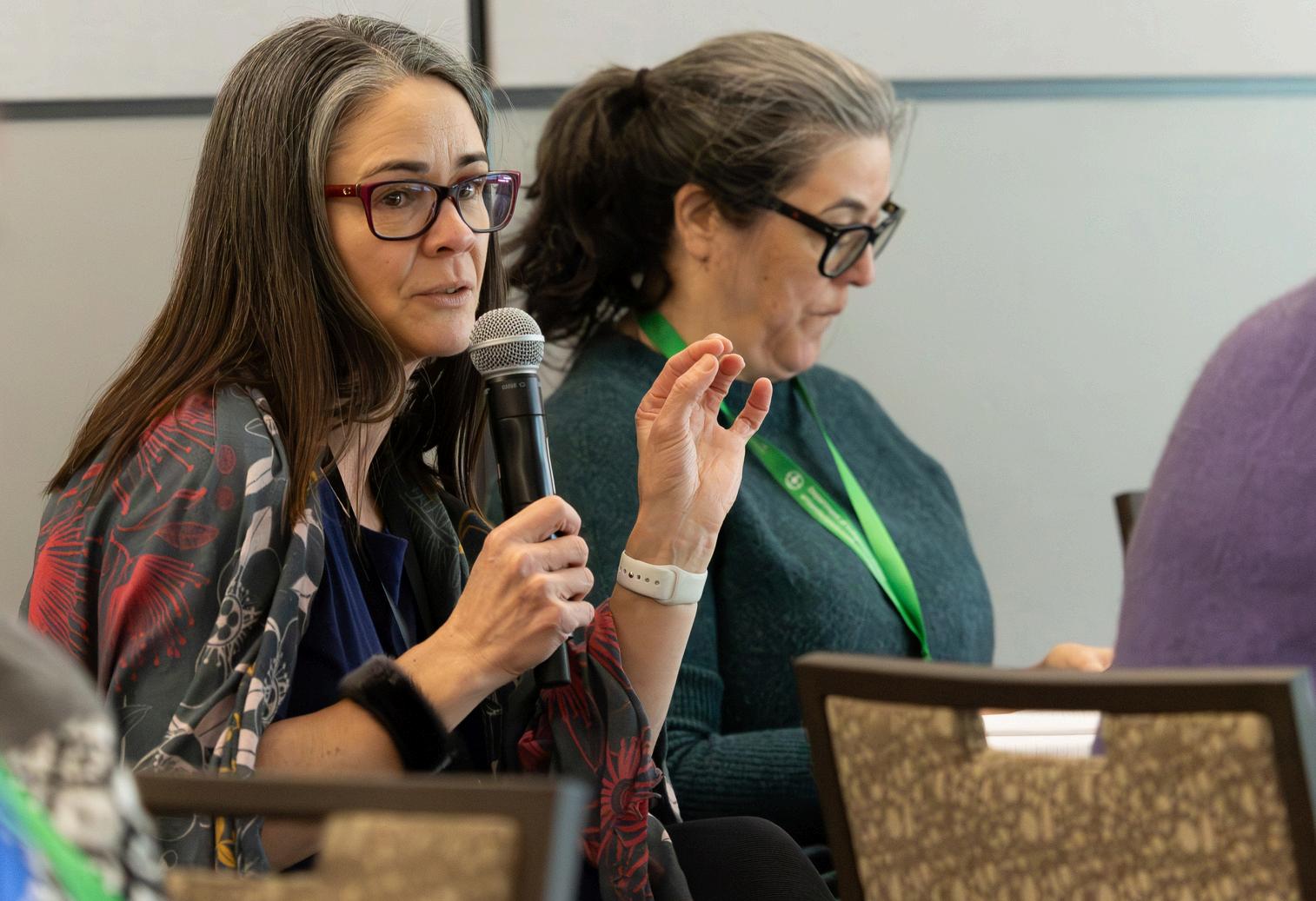
Participants suggested that the Matrix could be strengthened by incorporating additional information, including trainee and student involvement, capacity-building activities, community-based projects, and collaborations between NEIHRs. It was also recommended that CIHR-funded Indigenous health research that is not directly connected to NEIHR networks be considered to provide a more comprehensive view of the research ecosystem.
Participants requested greater clarity regarding the methodology used to construct the Matrix. This includes explaining how projects were identified and included, the data sources used, and the inclusion and exclusion criteria applied. Clarification was also requested on whether the projects represented NEIHR network initiatives, individual PI projects, or both. Participants noted that clearly communicating the limitations of the data would help avoid misinterpretation.
Participants acknowledged the significant effort required to develop the Matrix but emphasized the importance of maintaining it as a living resource rather than a static snapshot. Suggestions included updating the Matrix regularly, inviting CIHR to participate in validation, and using the tool to support ongoing collaboration between CIHR Institutes and NEIHR networks.
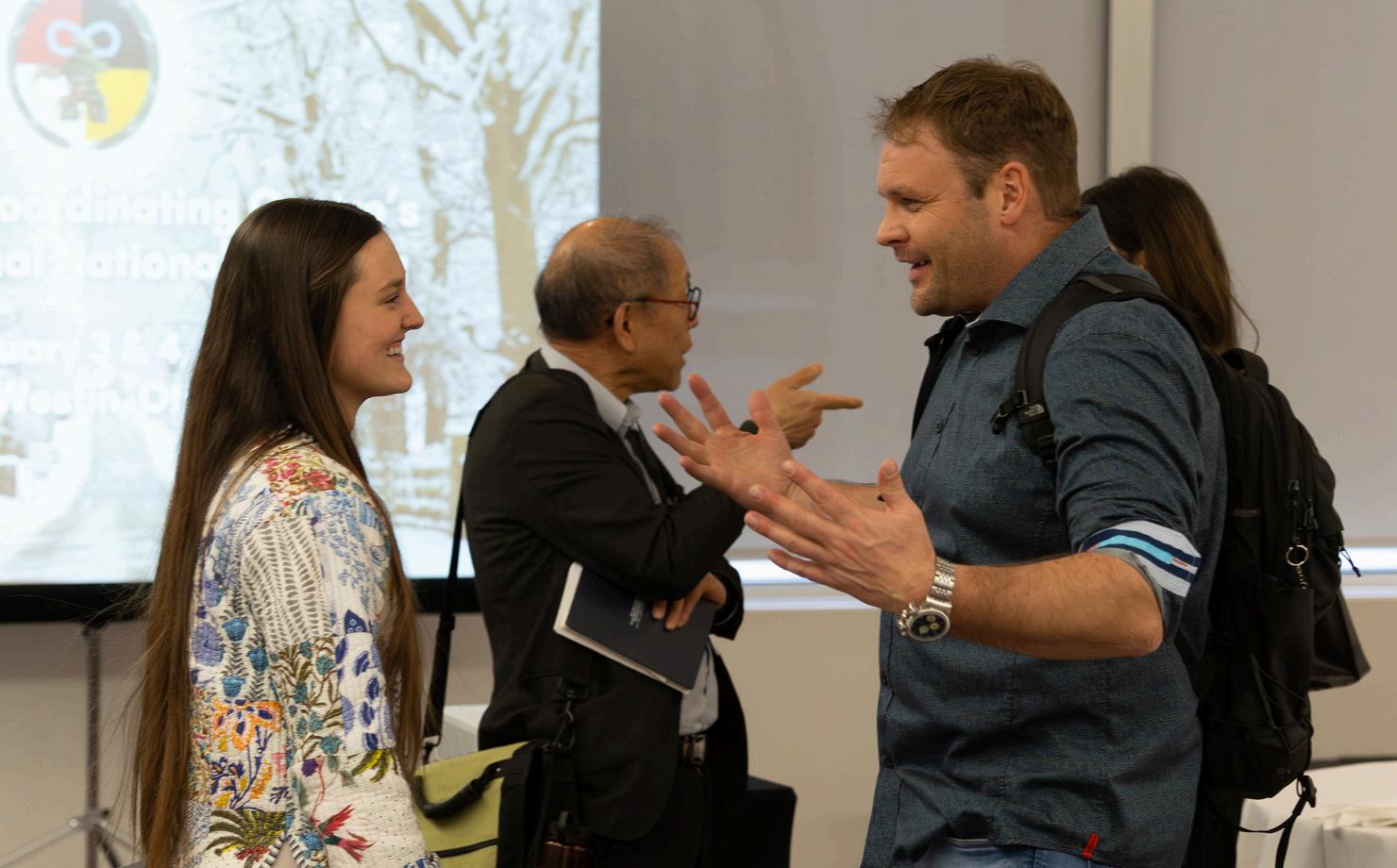
Participants identified several themes and areas that appear underrepresented or not fully captured in the current Matrix, including: capacity building and training initiatives; student involvement and career pathways; community engagement and communityled research; collaborative work across NEIHR networks; CIHR-funded Indigenous health research outside NEIHR structures; large-scale crosscutting initiatives such as emergency preparedness, SPOR, and clinical trials; environmental and land-based health research; and work conducted by Indigenous researchers who are not formally connected to NEIHR networks.
Overall, participants viewed the Matrix as a promising pilot tool that provides valuable insight into the alignment between Indigenous health research and CIHR priorities. While the Matrix highlights important patterns and gaps, participants emphasized that it should continue to evolve through expanded data collection, clearer methodological documentation, and ongoing collaboration between NEIHR networks and CIHR Institutes.
Questions: How can this information strengthen alignment and priorities between NEIHRs, Institutes, the Tri-Council, and Governments? How might Scientific Directors, the Tri-Councils, or Governments have a stronger role in connecting related Indigenous-focused work that is currently happening in silos?
Participants emphasized that the research mapping Matrix strengthens alignment by offering a national view of Indigenous health research activity, making visible both gaps and strengths across regions and helping guide coordinated priority-setting. The Matrix supports Institutes and governments in understanding regional structures and capacities, while also helping NEIHRs identify areas for collaboration and avoid duplication. Participants also noted that the Matrix should be expanded to include Tri-agency and broader research investments to ensure gaps are interpreted accurately.

Alignment can be strengthened further by embedding community-driven priorities into institutional planning. Participants noted that Indigenous communities’ interconnected priorities often extend beyond single mandate areas, and that funders should support community-identified priorities rather than imposing topdown agendas. Strategic planning processes across Institutes present an opportunity to integrate what NEIHRs are hearing from communities while fostering complementary and not competitive approaches to funding and collaboration.
Strengthening the role of Scientific Directors, Tri-Councils, and Governments in connecting siloed work
Participants highlighted several ways leadership bodies could play a stronger convening and coordination role. Integrating NEIHR representation into Institute Advisory Boards, establishing regular Indigenous health agenda items, and hosting IAB meetings in NEIHR regions were proposed as mechanisms to strengthen governance alignment and relationship-building. Scientific Directors were encouraged to take a more proactive role by engaging directly with NEIHRs through site visits, annual meetings, and collaborative planning processes.
At the systems level, participants stressed the importance of Tri-council coordination (CIHR, SSHRC, NSERC), noting that many Indigenous health issues are socio-economic and require interdisciplinary approaches. Coordinated funding models, shared evaluation frameworks, and review processes aligned with Indigenous methodologies were identified as key opportunities to reduce duplication and fragmentation.
Finally, ongoing coordination mechanisms such as a shared portal for continuous updates to the Matrix, annual alignment meetings, and stronger cross-regional knowledge exchange were viewed as essential for sustaining collaboration and reducing silos over time.
Questions: Where do you see the most promising opportunities for new crossNEIHR, cross-Institute, or cross Tri-Council initiatives? Are there shared platforms, infrastructures, or collaborative mechanisms that could strengthen coordination and collective impact?
Promising opportunities for cross-NEIHR, cross-Institute, and cross-Tri-Council initiatives
Participants identified strong potential for interdisciplinary collaboration that intentionally resists siloed approaches, drawing lessons from the pandemic response where coordinated action addressed interconnected issues such as poverty and substance use. There was broad agreement that Indigenous health priorities require cross-disciplinary engagement including stronger involvement from the social sciences and more coordinated collaboration between CIHR and NEIHRs, supported through joint funding opportunities and clearer alignment on Indigenous-focused funding mechanisms.
Capacity building and training emerged as major opportunities for shared initiatives. Participants highlighted expanding existing programs (e.g., REDI program and undergraduate mentorship models), supporting Indigenous student pathways across the training continuum, and building peer-review capacity so Indigenous researchers are not overburdened. Additional opportunities include coordinated efforts around climate and environmental health, Indigenous data governance, community-defined health indicators, and trust-building initiatives within health systems and communities.
Participants also emphasized the importance of shared governance and relationship-building approaches, such as joint Institute Advisory Board engagement with NEIHRs, annual convenings, and culturally grounded approaches (including ceremony and land-based gatherings) to support meaningful collaboration across institutions.
Shared platforms, infrastructures, and collaborative mechanisms to strengthen coordination
Several shared infrastructure opportunities were identified. Participants pointed to emerging training platforms such as CBPR training being developed by NT NEIHR and existing national initiatives (e.g., CRISM, IYS-Net, CRISM Indigenous Engagement Platform) as models that could be scaled or integrated across NEIHRs. Strengthening system-level capacity was seen as urgent, including leveraging the Health Training Research Institute and developing shared education programs for Institute staff and researchers.
Participants also highlighted the need for practical tools and guidance to operationalize Indigenous data governance and research partnerships, including case examples and scenariobased guidance for researchers navigating complex governance landscapes. Across discussions, there was recognition that sustainable coordination will require distributed leadership models to reduce burnout among Indigenous leaders, Elders, and researchers while strengthening collective responsibility across networks.
Questions: What roles should NEIHRs and the NCC have, relative to Scientific Directors, the Tri-Council, and Governments in driving cross-network alignment? Where could Tri-Council policies, funding mechanisms, or guidance better enable coordination and collaboration across NEIHRs?
Roles for NEIHRs and the NCC in driving cross-network alignment
Participants emphasized that NEIHR engagement should remain relationship- and trustdriven rather than mandated, reflecting their community-rooted mandates and diverse regional infrastructures. NEIHRs were seen as critical for supporting community-led research, mentorship, and methodological guidance, while continuing to respond primarily to local priorities. At the same time, participants cautioned against placing too much responsibility for cross-network alignment on NEIHRs alone, given capacity constraints and risks of burnout.
The NCC was widely viewed as having a central coordination role across NEIHRs, Institutes, and broader research communities. Participants suggested the NCC continue leading the Matrix work, strengthen communication and visibility (e.g., reporting, storytelling, and CIHR communications engagement), and potentially develop shared tools such as a national research portal linking projects, researchers, and Institutes. The NCC was also identified as a key facilitator of cross-network relationships, convenings, and connections with Scientific Directors and policymakers.
Participants further emphasized the importance of stronger, clearer communication pathways between Institutes, NEIHRs, and CIHR leadership, noting confusion about whether engagement should flow directly or through the NCC. Scientific Directors were seen as important bridge-builders with policymakers and as partners in strengthening relational alignment across systems.
Tri-Council
Participants identified several policy and structural barriers limiting coordination. A key issue raised was indirect costs for community organizations holding grants, which remain inconsistently addressed across the Tri-Council and constrain community-led research infrastructure. Participants also highlighted inconsistencies in honoraria practices for Elders, Knowledge Keepers, and cultural advisors, suggesting the need for harmonized guidance and equitable compensation structures.
Participants noted broader opportunities for Tri-Council coordination through joint initiatives, funding streams for cross-NEIHR thematic collaborations, and stronger alignment with existing platforms such as SPOR units. Continued investment in shared infrastructure particularly the Matrix and standardized reporting mechanisms was seen as essential for reducing duplication and strengthening national coordination.
Finally, participants underscored the importance of creating funded mechanisms for sustained network engagement (e.g., facilitated connections, policy forums, and collaborative projects), while ensuring efforts remain grounded in community priorities and the hyper-local strengths of the NEIHR model.
BREAKOUT SESSION #5
Questions: Where do you see the strongest pathways from research activity to meaningful real-world impact? How might improved coordination accelerate impact for patients, communities, and health systems, particularly in relation to Indigenous priorities?
Participants consistently emphasized that the most effective pathway to impact begins with communitydriven research questions and co-design from the outset, ensuring projects align with community priorities, timelines, and realities. Strong, sustained relationships with communities including Elders, youth, and local partners were seen as foundational to impact, with examples highlighting how trust-based collaboration enables faster uptake, relevance, and sustained outcomes.
Integrated knowledge translation and practical responsiveness to community needs were also identified as key pathways. Participants highlighted real-world examples such as rapid-response initiatives addressing infectious disease outbreaks through coordinated action across families, health centres, and service providers, as well as community-driven training and gatherings that led to tangible behavioral and system change. Accessible knowledge mobilization strategies such as storytelling, radio, visual tools, and community-focused outputs were seen as essential for translating research into meaningful outcomes.
Participants also emphasized that impact must be defined more broadly than traditional academic metrics, recognizing relational outcomes, healing processes, community engagement, and multigenerational knowledge transfer as core indicators of success.
Improved coordination across NEIHRs, Institutes, and the Tri-Council could accelerate impact by strengthening knowledge mobilization infrastructure, policy engagement pathways, and shared learning across regions. Participants noted that NEIHRs’ existing relationships and networks enable rapid response to urgent health issues and policy needs, but sustained coordination requires greater investment in knowledge translation, continuity across funding cycles, and shared dissemination platforms.
Embedding decision-makers within research teams, strengthening policy linkages, and supporting cross-network learning forums were identified as strategies to improve system uptake and implementation. Participants also highlighted the importance of coordinated approaches to ethics, governance, and trauma-informed engagement, alongside strengthened infrastructure for community research facilitators and long-term capacity building.
Overall, participants stressed that coordinated, relationship-based systems
Paul Hébert – CIHR President –paul.hebert@cihr-irsc.gc.ca
Tammy Clifford – CIHR Vice President, Research –tammy.clifford@cihr-irsc.gc.ca
Alejandro Adem – President of NSERC – exec@nserc-crsng.gc.ca
Sylvie Lamoureux – Acting President, Research Programs (SSHRC) –sylvie.lamoureux@sshrc-crsh.gc.ca
Helina Tadesse – Lead, Program Design and Delivery, CIHR –helina.tadesse@cihr-irsc.gc.ca
Tiffany Richards – Deputy Director, Program Design and Delivery, CIHR –tiffany.richards@cihr-irsc.gc.ca
Samantha Fauteux – Associate, Major Initiatives, CIHR –samantha.fauteux@cihr-irsc.gc.ca
Michèle Lefebvre – Program Officer, Program Design and Delivery, CIHR –michele.lefebvre@cihr-irsc.gc.ca
Jenny Mathias Phillips – Manager, Major Initiatives, CIHR –jenny.mathiasphillips@cihrirsc.gc.ca
Jane Rylett – Scientific Director –jane.rylett@schulich.uwo.ca
Joanne Goldberg – Assistant Director – joanne.goldberg@uwo.ca
Institute of Cancer Research
Fei-Fei Liu – Scientific Director – fei-fei.liu@uhn.ca
Circulatory and Respiratory Health
Annina Spilker – Assistant Scientific Director –annina.spilker@gmail.com
Institute of Gender and Health
Angela Kaida – Scientific Director – kangela@sfu.ca
Sheila Nyman – Elder-in-Residence –bearrockconsulting@gmail.com
Institute of Genetics
Anne-Cecile Desfaits – Associate Scientific Director –anne-cecile.desfaits@cihr-irsc.gc.ca
Rick Glazier – Scientific Director – rick.glazier@ices.on.ca
Jessica Nadigel – Associate Scientific Director –jnadigel.ihspr@ices.on.ca
Meghan McMahon – Associate Scientific Director –mmcmahon.ihspr@ices.on.ca
Christine Chambers – Scientific Director –christine.chambers@dal.ca
Tracey Prentice – Senior Lead, Strategic Initiatives –tracey.prentice@cihr-irsc.gc.ca
Chelsea Gabel – Scientific Director – gabelc@mcmaster.ca
Robyn Sabourin – Associate Scientific Director –robyn.sabourin@cihr-irsc.gc.ca
Joshua Bodnarchuk – Strategic Initiatives Lead –joshua.bodnarchuk@cihr-irsc.gc.ca
Angie Tucker – Projects Lead – tuckea8@mcmaster.ca
Silvia Vejar Morales – Communications and Knowledge Mobilization Specialist – vejarmos@mcmaster.ca
Institute of Infection and Immunity
Charu Kaushic – Scientific Director – kaushic@mcmaster.ca
Suzete Dos Santos – Assistant Director, Strategic Operations – suzete.dossantos@cihr-irsc.gc.ca
Rae Yeung – Scientific Director – rae.yeung@sickkids.ca
Addi
Patricia Conrad – Scientific Director –patricia.conrod@cihr-irsc.gc.ca
John Ngala – Manager, Communications and Knowledge Mobilization – john.ngala@cihr-irsc.gc.ca
Teodora Riglea – Project Lead, Mental Health Research – teodora.riglea@cihr-irsc.gc.ca
Lazaro Sanchez-Rodriguez – Lead, Brain Health Strategy – lazaro.sanchez-rodriguez@cihr-irsc.gc.ca
Instit
Mary Jung – Scientific Director –mary.jung@cihr-irsc.gc.ca
Mary-Jo Makarchuk – Assistant Director –mary-jo.makarchuk@sickkids.ca
Instit
Bahar Kasaai – Assistant Scientific Director –bahar.kasaai@cihr-irsc.gc.ca
Tom Wong – Indigenous Services Canada, Chief Medical Officer of Public Health and the Chief Science Officer – tom.wong@sac-isc.gc.ca
Adrienne Meyers – Indigenous Services Canada, Lab Integration – adrienne.meyers@sacisc.gc.ca
Pamela Wolfe-Roberge – Indigenous Services Canada, Communicable Diseases – pamela.wolferoberge@sac-isc.gc.ca
April MacNaughton – Indigenous Services Canada, Public Health Operations –april.macnaughton@sac-isc.gc.ca
Jamie Lundine – Centre for Research on Pandemic Preparedness and Health Emergencies, Senior Advisor – jamie.lundine@cihr-irsc.gc.ca
Rod McCormick – Thompson University, Professor & BCIC Research Chair in Indigenous Health – rmccormick@tru.ca
Jennifer Walker – McMaster University, Professor, MIRI Researcher – walkej45@mcmaster.ca
Pamela Roach – University of Calgary, Associate Scientific Director, Population Health, O'Brien Institute for Public Health, pamela.roach@ucalgary.ca
NEIHR Participants
Alberta NEIHR
Stephanie Montesanti – Principal Investigator – montesan@ualberta.ca
Adam Murry – Principal Investigator – adam.murry@ucalgary.ca
Atlantic NEIHR
Debbie Martin – Nominated Principal Investigator – dhmartin@dal.ca
Tara Pride – Principal Investigator –tarapride@dal.ca
Marni Amirault – Research Manager –marni.amirault@dal.ca
British Columbia NEIHR
Krista Stelkia – Nominated Principal Investigator – krista_stelkia@sfu.ca
Namaste Marsden – Governing Council
Elizabeth Hunter – Research Manager –bcneihr@sfu.ca
Manitoba NEIHR
Ashley Hayward – Principal Investigator –a.hayward@uwinnipeg.ca
Hera Casidsid – Research Manager –hera.casidsid@umanitoba.ca
National Coordinating Centre NEIHR
Robert Henry – Nominated Principal Investigator – rob.henry@usask.ca
Tara Erb – Research Manager –tara.erb@usask.ca
Rigel Smith – Project Coordinator –rigel.smith@usask.ca
Northwest Territories NEIHR
Anita Daniels-Black – Nominated Principal Investigator – anita@ichr.ca
Janat Ibrahimi – Research Manager – janat@ichr.ca
Nunavut NEIHR
Ceporah Mearns – Director – ceporah.mearns@qhrc.ca
Micah Inutiq – Research Manager – micah.inutiq@qhrc.ca
Becky Mearns – Community Partner
Ontario NEIHR
Suzanne (Ethsi) Stewart– Nominated Principal Investigator – suzanne.stewart@utoronto.ca
Mikaela Gabriel – Principal Investigator – mikaela.gabriel@utoronto.ca
Sabina Mirza – Postdoctoral Fellow – sabina.mirza@utoronto.ca
Shanti Aguilar-Cardenas – Research Manager – ontarioneihr.dlsph@utoronto.ca
Québec NEIHR
Treena Delormier – Nominated Principal Investigator – treena.delormier@mcgill.ca
Amelia Tekwatonti McGregor –Elder/Knowledge Holder
Dave Bergeron – Principal Investigator –dave_bergeron@uqar.ca
Leila Qashu – Executive Director –leila.qashu@errsaqc-qcneihr.ca
Camille Roberge – Network Coordinator –c.roberge@errsaqc-qcneihr.ca
Coreen Delormier – Program Director (KSDPP) – coreen@ksdpp.org
Judith Jacobs – Community Partner
Saskatchewan NEIHR
Terri Hansen Gardiner – Elder/Knowledge Holder
Sarah Oosman – Principal Investigator –sarah.oosman@usask.ca
Heather Foulds – Principal Investigator –heather.foulds@usask.ca
Fleur Macqueen Smith – Research Manager –fleur.macqueensmith@usask.ca
Sugandhi del Canto – Research Manager –sugandhi.delcanto@usask.ca
Tammy Popova – Financial Officer –tammy.popova@usask.ca