







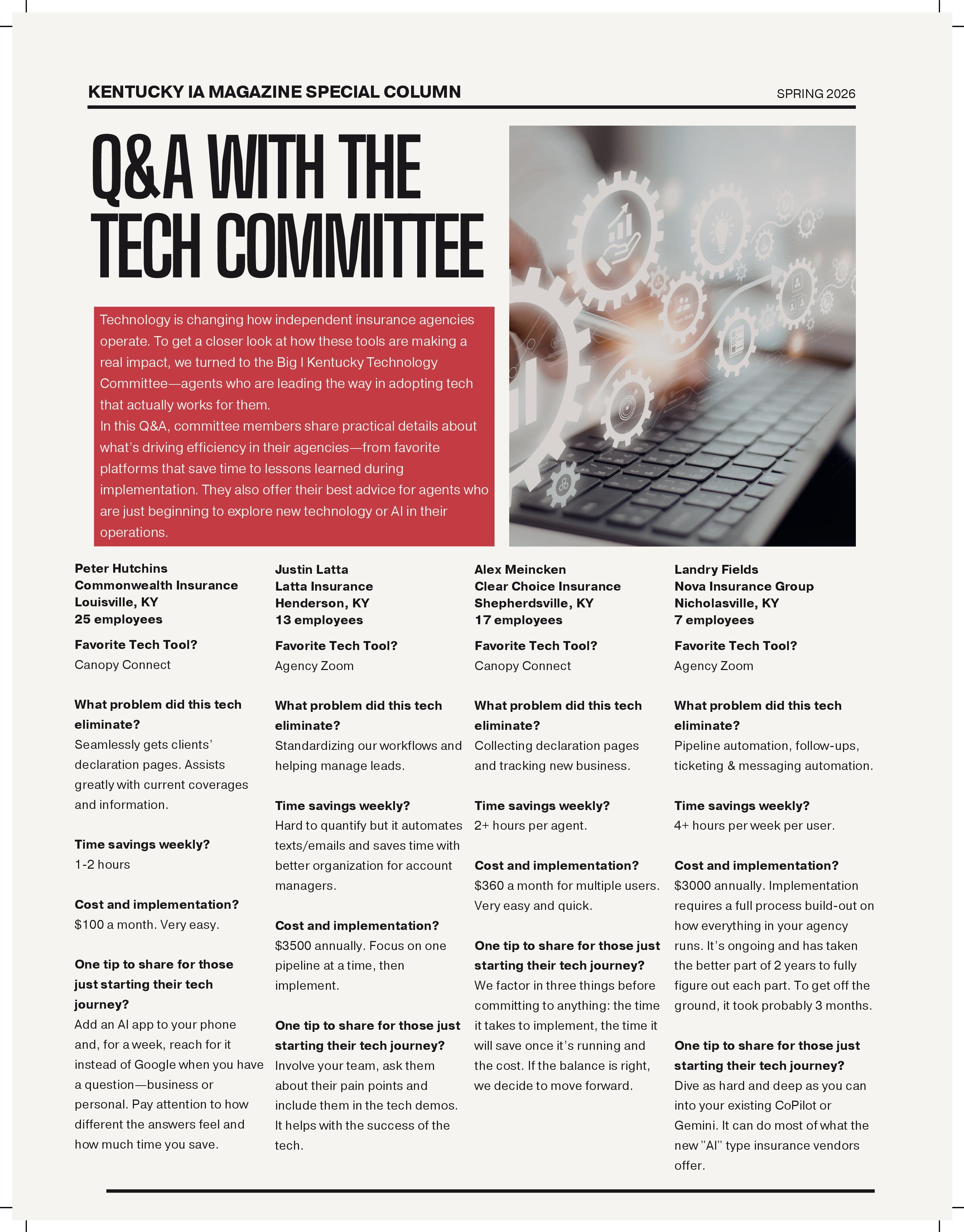
Happy spring, friends in Big I Kentucky! I’m excited to share thoughts from this month’s magazine – it’s packed with reminders of how we protect what matters most. This month’s issue gives such a clear picture of where our industry is going. From meeting Nathan Shanks, your Emerging Leader Chair, to hearing from our Technology Committee on their favorite tools, there’s so much to take in.
I was struck by the pieces on fraud. The new verification standard for carrier identity fraud, red flags in jewelry insurance and AI-generated claimant fraud all remind us that dishonest behavior is getting more creative. We have to stay one step ahead to protect our clients and our agencies.
The technology articles hit home, too. The “Dirty Dozen” on tech contracts warns us to read the fine print carefully. Rethinking growth in the AI era and the new AI-driven auto comparison app show how we can use these tools to serve clients better and grow smarter. Our younger team members often spot these opportunities first—they’re comfortable with what’s new and practical.
And speaking of our next generation, Nathan Shanks and the Emerging Leaders group are doing great work. They bring fresh energy and ideas to our committees and events. As agency owners, I hope you’ll make it a priority to send your young employees to association gatherings. I know firsthand how important it is to get – and stay – engaged. My time as Young Agent Chair in 2010 and my service on the National Young Agent Committee revealed the blessings of being part of this association. My professional and personal growth would not have looked the same without those experiences, and our agency benefited as well. When you give your young agents room to connect with peers, learn from experts and bring back new ideas, you are investing in your whole team. Those relationships and lessons will pay off for years to come.
Finally, this issue also touches on mental health and how we care for each other. In a fast-paced business, those reminders feel especially important right now. Our people are our greatest strength. When we invest in their growth, their tools, and their well-being, we build stronger agencies and a brighter future for independent insurance in Kentucky. •


As I write this column, the 2026 Regular Session is in high gear as the calendar enters the last three weeks before the veto period. There have been numerous bills introduced regarding the subject of insurance. I have over 20 years of experience at the Department with legislative sessions and I am still waiting for that “quiet” year when very few insurance bills are introduced. It is not unusual for the Department to review over 50 bills each session. In our review, we determine the impact of each proposal on current statute, the impact on the insurance marketplace and any unintended consequences.
The many bills dealing with annuities, life insurance, health insurance, property and casualty insurance, consumer protection and insurance fraud are a testimony to how important insurance is to Kentuckians and their economic future—how much insurance touches everyone’s lives.
Each session, most of the bills are rational in concept, some are to update our insurance code as advances in the insurance industry change or advance. There are always 1-2 bills that are just foolish. I tell myself that is understandable because insurance is a complex topic and that understandably most of our citizens do not understand that complexity.
That is another reason why your role as an agent is so important. You do understand and as professionals, you should give your best advice to your clients. The Department often receives telephone calls or emails from our consumers asking advice on purchasing insurance or with questions on their insurance policies. The Department answers questions with objectivity – not recommending specific insurance companies but we always recommend that they contact their insurance agent
or find an insurance agent in their community who can advise them.
After the session, we will give an update on our website on what insurance legislation has passed and in the meantime, keep advising and protecting your clients. We, at the Department, thank you for the good work you perform each and every day.


COMMISSIONER


We’re with you every step of the way
Behind every Progressive agent is the support of more than 50,000 Progressive employees. It’s our mission to make sure you have the tools and resources you need to succeed.
From caring field sales reps to dedicated agent service teams, we’re ready to help you grow. Plus, we supplement your counsel and guidance with aroundthe-clock claims and customer service via our mobile app and online servicing.
Whether it’s sales, service, claims or anything in between, you’ve got a partner every step of the way.
Search for us online at Agents of Progressive, Progressive Connect, or Progressive Appointment.

BY DAVID KALLMAN, Rough Notes
The need for insurance hasn’t changed. But how insurance agencies work, how they grow, and how they serve clients—that’s evolving fast, as artificial intelligence (AI) becomes an everyday tool for clients and agents alike.
As we look at 2026 and beyond, independent agencies are entering a new era of growth strategy where success will be defined by how well they balance human expertise with smart, responsible technology adoption.
To succeed in this environment, agencies must lean into their unique qualities and skills.
With AI-enabled search and ChatGPT at their fingertips, insurance clients are showing up to conversations armed with more information. And not all that information is correct or current. That’s where the value of an agent’s experience really matters.
Every agency needs to invest in knowledge infrastructure in order to ensure accuracy and consistency.
Think about what’s happening in medicine. Patients come in with a ChatGPT diagnosis. But doctors bring their professional training and their
knowledge of a patient’s history and personal circumstances to recommend the right treatment.
In our complex and highly regulated industry, it takes expertise to evaluate risks and guide clients to the right coverage. That means agents need to be ready with meaningful insights that go beyond what clients can find on their own.
Forward-looking agencies are responding by up-skilling their agents on advising and industry knowledge. Their growth plans include additional investment in insurance-specific knowledge databases to make sure that their teams have access to the most up-to-date information—giving agents (especially new ones) a boost in confidence and accuracy. The most advanced tools are also layering in natural language AI search capabilities so that agents can quickly find relevant, vetted answers without needing to sift through hundreds of pages of material.
Here’s an uncomfortable truth: AI may change how clients buy coverage for simpler risks. More sophisticated chatbots, AI-assisted search, and embedded insurance options will make it easy and fast for clients to find coverage for uncomplicated insurance needs.
Diversification is not optional if agencies want to stay competitive as AI simplifies personal lines. One of the most strategic shifts we’re seeing? Agencies are rethinking their book of business.
Some are expanding into new lines—life, health, employee benefits, cyber, and specialty commercial—as a hedge against commoditization in personal lines. Others are going deep, developing hyper-specialized expertise in industries where their guidance can’t be easily replaced by AI or a direct quote.
And AI features in insurance-specific tools are lowering the barrier to entry for agencies. From digital life insurance platforms to agent-friendly MGA portals, it’s getting easier to sell new products without reinventing the wheel. But here’s the key: Agents who make the move to new lines of business will need a stronger, more reliable knowledge base to support credibility.
That’s where risk advisory tools and AI-powered research can help producers build credibility fast in new lines of business. Agents who make the move will also need a stronger, more reliable knowledge base to support credibility. The future favors those who combine curiosity, commitment, and access to the right knowledge.
Deeper advising and diversification are possible only when agents have the time to invest in them. For years, our industry has talked about streamlining manual work to free up time for more growth-focused activities, like deeper account rounding and better producer development. AI is finally making that shift real.
Today, AI can assist with document comparison, quoting workflows, intake forms, and more, to reduce hours of back-office legwork into seconds. And this isn’t just theoretical. Agencies are already using embedded AI in their management systems to automatically surface client data, verify application info, and flag gaps before they become E&O risks.
Modern analytics tools... ...can quickly surface actionable growth opportunities...” “
By automating low-value tasks, agencies unlock capacity for the high-value work that unlocks sustainable, long-term growth: advising clients, developing staff, and building relationships. The AI-equipped agency isn’t buried in paperwork; it’s able to focus on impact.
Data insights are table stakes for agency growth in the age of AI. To lead the game, agencies need tools that guide smart action, not just show data.
Modern analytics tools – especially those that are deeply integrated with an agency’s core management system and tech stack – can quickly surface actionable growth opportunities, like retention risks, cross-selling, and profitable products or markets.
For example, if a client changes ZIP codes, analytics, paired with agency data, should be able to look at information from similar clients in that region and guide the agent to provide coverage advice tailored to their new part of town.
This is where we’re seeing AI-backed data analysis really shine. It can go beyond surfacing information to spotting meaningful trends and suggesting timely, business-moving actions. That might mean prompting a renewal conversation, identifying needed coverage based on peer benchmarks, or alerting the team to cross-sell potential within a household.
But data alone isn’t enough. Clients expect more than insight. They expect relevance. That’s where personalization takes center stage.

Several years ago, our industry was buzzing about providing an “Amazon experience.” The goal was to match the speed, ease, and tailored service that consumers had come to expect from e-commerce. In response, agencies pushed themselves to raise the bar on their client experience, and they saw higher retention rates and more connected clients as a result.
Today, personalization has evolved much, much further. It’s not just about preferences or buying histories. Consumers are used to a “for you” experience in their social media feeds and highly tailored content in every app. They now expect the same from their insurance experience.
With AI, agencies can once again evolve their client experience. Far from dehumanizing our industry, AI-enabled communications enable agents to provide personalized content and advising at scale. From customized renewal reminders to timely advice based on life changes or local risk trends, even small agencies can now deliver tailored communications across their client base without a full marketing department.
Most important, with tech-assisted personalization, agencies don’t have to choose between efficiency and building relationships. Personalization isn’t meant to replace relationships but, rather, to enable them at a higher standard. AI-powered tools can get the right information to the right clients at the right time—delivering on the promise of service that sets independent agents apart.
Agencies are on the cusp of a new frontier: AI agents customized for their individual business. These purpose-built tools can quickly query internal systems, analyze client histories, and spot trends and patterns in an agency’s book of business. And when those internal agents connect with AI agents in trusted industry knowledge databases, they can
generate personalized insights that are backed by the most current industry information.
Imagine this: A CSR sits down and asks, “Which clients in this ZIP code have homeowners policies, and what other coverages are common for similar households?”
The AI agent answers instantly by pulling information from the agency’s own pool of related clients and the latest publications from carriers and industry analysts.
These assistant-style agents are already being prototyped. Some agencies are building their own. Others will connect to emerging tools from their technology providers. What they share is the ability to act as both a memory bank and a strategic advisor, fusing the agency’s institutional knowledge with the insurance industry’s collective intelligence.
We’re not far from seeing this become a daily part of agency workflows. It’s a future that puts tailored insights at an agent’s fingertips and makes every conversation more impactful.
Agencies that are finding new paths to growth in the AI era aren’t chasing trends. They’re keeping an eye on how AI is reshaping what clients expect and making deliberate decisions about how AI fits into their business. And above all, they’re keeping the “human” in the loop.
Growth in the AI era won’t come from flashy tools or one-time campaigns. It will come from building a culture that embraces change, prioritizes impact, and never stops learning.
The agencies that win in the next decade will be the ones that stay grounded in their purpose while evolving how they deliver on it.? •
David Kallman, vice president of product management, is the product leader shaping Vertafore’s ReferenceConnect solution and its next-generation AI search capabilities.
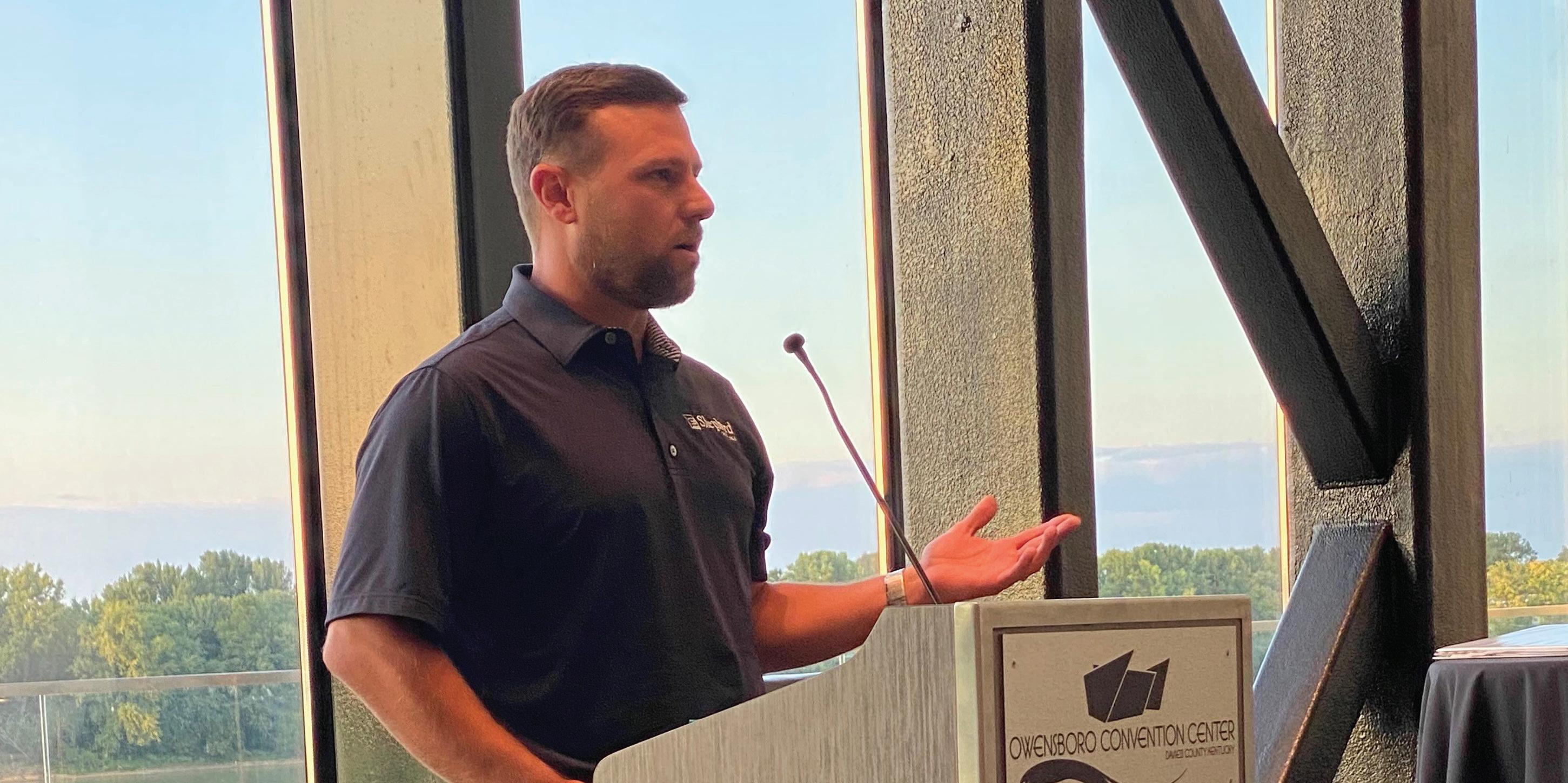
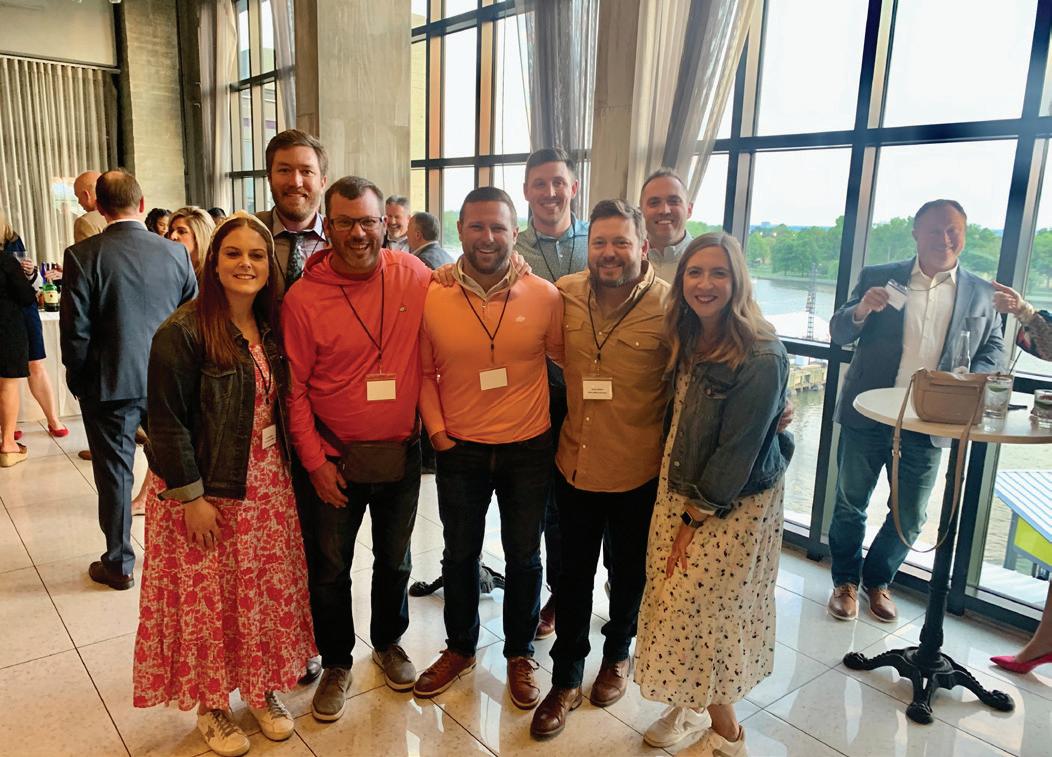
Please join us in welcoming Nathan Shanks, Partner and Insurance Advisor at Shepherd Insurance in Louisville, Kentucky, as the new Emerging Leader Chair for Big I Kentucky. Nathan steps into this role with a genuine commitment to strengthening connections among emerging professionals and ensuring young professionals have the tools they need to succeed in the industry.
Nathan’s journey into insurance began much like many of our members’ stories, through the influence of a trusted mentor who recognized his potential and introduced him to the profession. Early in his career, Nathan worked on the wholesale side of the business, supporting independent agents and gaining valuable insight into coverage placement, agency operations and market relationships. While that experience built a strong technical foundation, he soon realized his passion centered on working directly with clients for more influence over the outcome. That realization ultimately led him to the agency side, where he found both his professional footing and his long-term home.
Today, as a Partner and Insurance Advisor at Shepherd Insurance, Nathan focuses on property and casualty insurance, including a niche focus of construction and real estate. His approach reflects a deep understanding that insurance is ultimately a people business, grounded in preparation, partnership and service.
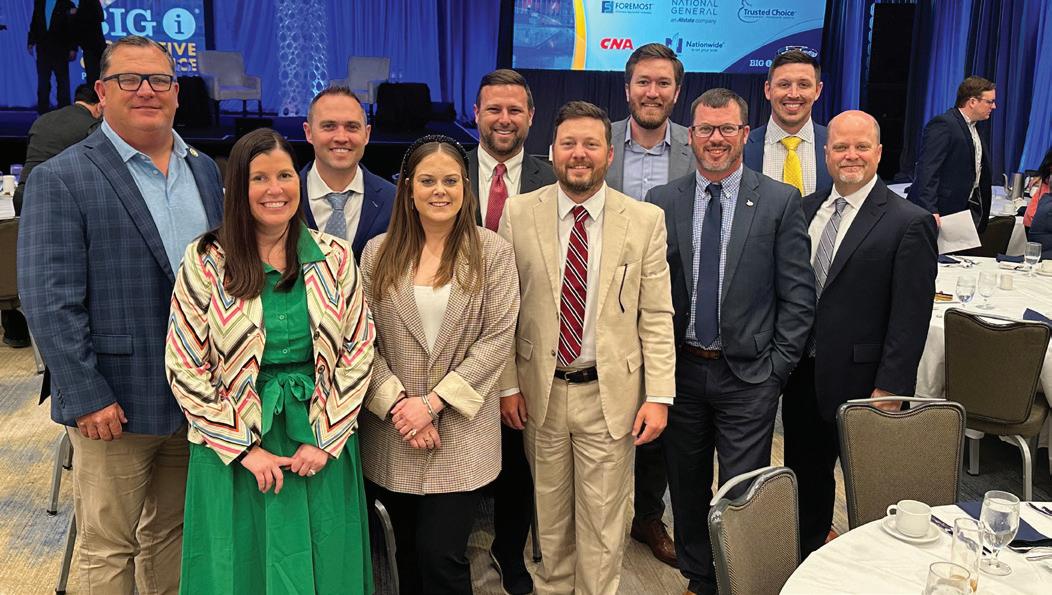
Those who know Nathan quickly recognize that relationships are at the heart of everything he does. When asked what he values most about involvement with the Big I, his answer is immediate and
sincere. The relationships formed through the association. His list of “Big I Besties” is long, some of those friendships going back to 2018, when he first got involved with the association. Nathan sees the Emerging Leaders program as a place where professional connections are first formed and, over time, become personal friendships.
He often encourages newer members to approach involvement with a spirit of contribution rather than expectation. “Go into it with a give mindset, not a ‘what am I getting out of this’ mindset.” And consistency matters. “If you only attend once or twice, you might miss the payoff.” That philosophy reflects the culture he hopes to continue fostering within Kentucky’s Emerging Leader community.
Nathan also recognizes the importance of keeping members connected between major association events. At their recent planning meeting, Nathan and the Emerging Leader Committee brainstormed opportunities for smaller, regional morning coffee meetups that encourage connection at the local level. This year’s committee members are a “group of visionaries; Collaborative and consistent. We’re looking forward to the year ahead.” Their vision reflects an understanding that engagement does not happen all at once but grows through long-term interaction and shared experiences.
Looking to the year ahead, Nathan is passionate about equipping young professionals with tools for long-term success, particularly through sales training and giving people a clearer roadmap for success in the industry. He understands that many entering the industry may see only the outward success of experienced agents without fully appreciating the discipline and learning required behind the scenes. Through Emerging Leaders, he hopes to help create clearer pathways for growth while ensuring new professionals feel supported as they build their careers.
Above all, Nathan brings a steady presence, thoughtful leadership and a genuine care for people to this role. He represents the very best of Kentucky’s independent agency system, and looks forward to his direction in the year ahead!
Here are a few fun facts to help you get to know him a little better.
Kentucky IA: Tell us about your family.
“Sarah and I have been married for 11 years. We have two children Collins (6) and Sam (1),”

Kentucky IA: Binging any shows right now?
“I just finished ‘Landman’. So good.”
Kentucky IA: Cards or Cats?
“This is unheard of for Kentucky but I cheer for both UofL and UK. My actual favorite team though is the Cincinnati Bengals.”
Kentucky IA: Coffee order?
“Black coffee. Heine Brothers over Starbucks.”
Kentucky IA: Morning person or night owl?
“Morning for sure.”
Kentucky IA: What is something others would be surprised to know about you.
“Hmm, that’s hard. Maybe I’m a big reader. I average about a book per week.
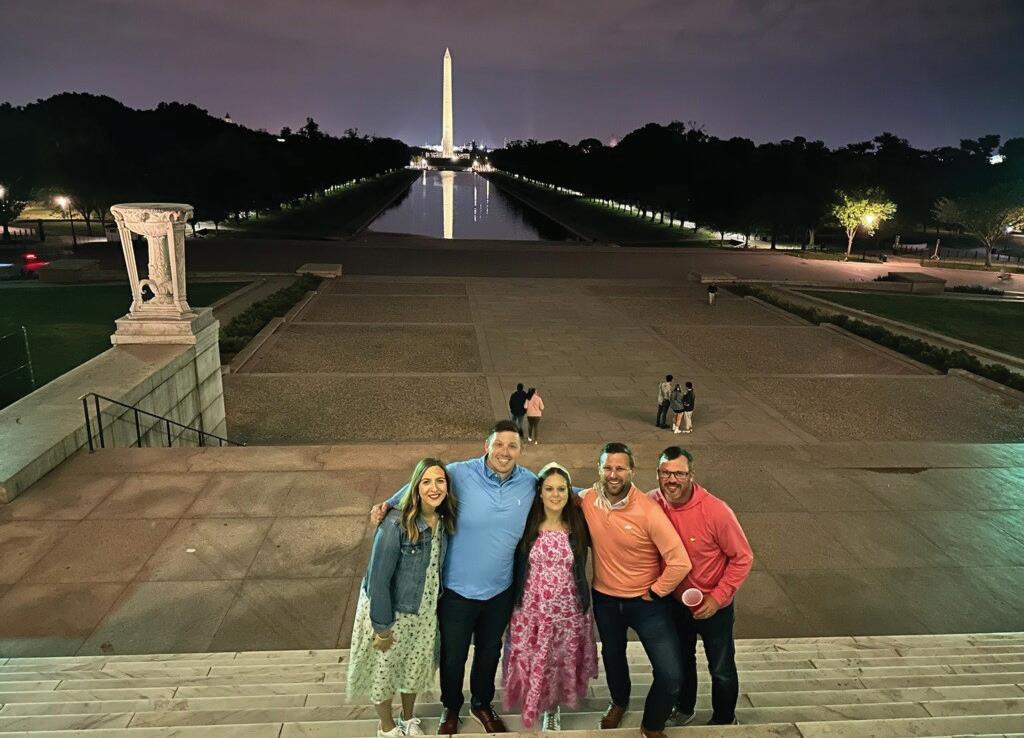
Kentucky IA: Favorite Big I Kentucky memory. “DC trips to the National Legislative Conference. There are too many reasons to share and some
probably shouldn’t leave the inner circle. If you have the opportunity to go, do not miss out.”
We’re excited to work with Nathan in 2026! •




















BY MAURA C. CICCARELLI, for Rough Notes

The following story mentions mental health struggles and suicidal ideation. Reader discretion is advised.
Insurance work often means taking care of customers after a crisis. But who takes care of industry employees when they face a life crisis of their own, such as the death of a loved one or a divorce, or have other mental health challenges, such as depression, addiction and more?
While mental health services through insurance programs and employee assistant programs (EAPs) jump to mind, Project 55 co-founders Justin Goodman and Brenden Corr are concerned that even with these resources being available to some, more than half of all American adults aren’t getting the help they need.
“Getting professional help can take a long time and insurance industry employees say EAPs don’t go far enough,” says Justin.
So, they created a solution. Project 55 is a nonprofit designed to serve people working for agencies, brokerages, insurers and other companies in the insurance sector, which is where they work, too. Justin is CEO of TotalCSR, an online onboarding and training platform for insurance agencies. Brenden is director of sales for Faura, a risk-mitigation services company.
The organization’s totally free online community and educational platform gives people and organizations a proactive way to understand and improve mental health challenges for others as well as themselves.
Project 55’s new and innovative training program for lay people—aka mental health first responders—debuts in June, going even further to help, the co-founders say.
“Mental Health Awareness month shouldn’t be
limited to just May—it should extend throughout the entire year,” Brenden emphasizes. “We need resources available consistently—not only in May, but also in June, July, August, and beyond. Our goal is to equip everyone with the tools they need to support and talk openly about mental health every single day.”
The name was inspired by a stat from the 2023 The State of Mental Health in America study from Mental Health America, a mental health promoting nonprofit, which reported that almost 55% of U.S. adults with a mental health condition aren’t getting the care they need. Some insured people can’t get to see a therapist quickly. Those without coverage may not be able to afford care. There’s also the continuing stigma against talking openly about mental health issues.
Both Justin and Brenden have seen how sharing their stories can have a big impact. They met about two years ago when they sat on a well-attended mental health panel discussion at Applied Net. When Justin emailed fellow panelists to ask if they wanted to get involved in creating Project 55, Brenden jumped on board.
Justin has also heard firsthand from clients how difficult it is to connect employees with helpful resources.
“There aren’t that many mental health professionals available, so you have to wait four to six months if you’re trying to get [therapy] through insurance,” he says. “Resources do exist, but people either don’t know how to access them or are concerned about asking their employer about them. Oftentimes, what is available doesn’t come close to meeting their needs.”
Brenden also noted that most of the nation’s agencies and brokerages have under 50 employees and few have owners or HR managers who are trained to handle mental health issues.
“If a friend or co-worker comes to you with a prob-
lem, such as suicidal ideation or addiction, most people feel unprepared to handle that,” says Brenden. “We’re trying to give you not only the ability to understand where that person is coming from, but also the tools on how to re-engage back with them.”
Justin says conversations with empathetic listeners can help the person label and identify the pain, which has been proven to reduce the intensity of the emotions.
Today, the Project 55 leaders want to help as many people in the insurance industry as possible.
“Our industry is in crisis and there is not enough help to go around,” Justin says. “We did this because so many people kept approaching us about feeling ill-equipped to help those who were struggling and, worse yet, those struggling with guilt over a friend or family member who had taken their own life. Advocacy alone wasn’t enough.”
Justin himself grew up struggling with depression, severe social anxiety, and bipolar II disorder. Those challenges were exacerbated by a serious and painful degenerative spinal disorder that forced him to abandon his dream of playing college golf, which was tightly tied to his identity.
Because a risky, aggressive surgery would stop the progression but not the pain, Justin’s spinal surgeon recommended a wait-and-see approach while managing pain with medication. While the pills helped alleviate some of the pain and let him physically function, he ultimately became addicted, taking 15 to 20 extra strength Vicodin a day.
He says that as the addiction continued, his depression became worse because he didn’t have a hopeful future. “In a moment of weakness, I tried to put a permanent end to my suffering,” he says.
Fortunately, his fraternity brothers were there to intervene. One of them also had a family member who struggled with addiction and had been
through the intervention process. Shortly thereafter, he was brave enough to confront Justin, insisting that he come clean to his family and get the help needed, or the friend would personally go and talk to his family. “He valued saving my life even if it cost him our friendship,” Justin added.
That intervention made the difference, convincing Justin to go home, get clean and take responsibility for his mental and physical health.
As for Brenden, he began having major mental health issues in high school, where being an athlete also was a major part of his identity. He had to quit sports after five concussions and hadn’t yet learned ways to cope with such a drastic shift in his life.
“Instead of running out of the tunnel on a Friday night for a football game, I became the guy hosting kegs after the games, because I wanted to still be a part of it,” he says.
Over the next five years, he became addicted to anti-anxiety medicine, getting about 67 refills over 18 or so months. In November 2019, he checked himself into a rehab facility in California, where he recovered over 90 days.
“It was the best 90 days I’ve ever done. It saved my life. I feel incredibly grateful,” Brenden says, noting that he celebrated five years of sobriety in November 2024. “When I removed alcohol and the addiction, that allowed me to be the person I was always supposed to be and shine a light on my best qualities that were previously being dimmed out.”
Project 55’s public and members-only webpages offer a wealth of information for visitors who are seeking help for others or even for themselves. Resources include educational webinars, events, a quick resource guide, links to professional directories for in-person and online therapists, and books and websites for more information.
People can also participate in an online commu-
nity where they can connect with others who are struggling with challenges and those who have successfully overcome them. Justin and Brenden also host The Project 55 Podcast. “It’s just us two knuckleheads asking mental health experts questions and getting free advice,” Justin says with a smile.
In June, the nonprofit expects to launch a free online certification course for “mental health first responders” – insurance professionals who want to learn the skills needed to support their colleagues, employees, and loved ones when they are struggling with mental health challenges.
“This is the most comprehensive and tactical mental health training that has ever been provided to the layperson,” says Justin, who has reviewed many available programs and found them wanting. “We are equipping people to step in because there are not enough therapists or lay counselors to meet the need.”
The eight-hour training program is designed for people to step in and support when others are in crisis. Life events can include death of a loved one, severe illness, divorce/separation, marriage, job loss, etc.
The program teaches people how to engage with those who are in crisis by explaining what to watch for, ways to start the conversation, how to support someone, and knowing when it’s time to refer them to professionals, such as when a person has suicidal thoughts. It can also help people who are aware of problems but don’t know how to start a conversation.
Justin believes people who take this course will be equipped to intervene with the skills necessary to provide support and resources to those in crisis. “We have a paint-by-numbers approach to engage people in crisis, actively listen, provide support, em-power them, and refer to professionals when appropriate,” says Justin.
Project 55’s ultimate goal, Justin says, is “to save lives by getting this free training to as many insurance professionals as possible. All anyone needs to access the training is a name and email address.” •


The independent agent channel is many years into a race for the best tech stack. Vendors are ubiquitous and aggressive in promising the next best way to identify leads, manage relationships, price and propose insurance, manage claims, and on and on.
Your agency likely receives a constant barrage of technology opportunities, most of which come with contracts heavily favoring the vendor. It is tempting to simply sign off or “click through” without careful analysis of your agency’s and the vendor’s rights and responsibilities under the contract. All the same considerations applicable to any contractual business arrangement apply to technology vendor contracts, along with some added twists, so these contracts require serious attention.
There is no one-size-fits-all way to review proposed contracts, but there are some recurring issues and terms to watch for.
How does the proposed contract and the services and products it promises mesh with your agency’s contracts with insurance companies? Are there conflicting terms or obligations that could put your agency in breach of any of those contracts?
Legal compliance is non-negotiable. If your agency enters the contract and starts using the services and products offered, will it present any regulatory compliance issues? Are any recordkeeping, privacy, or other legal obligations implicated? If the vendor will have access to personal information, you should consider including language that limits how your vendor uses and discloses personal information under the agreement. Further, if you are subject to any of the numerous and often complex privacy laws and regulations, there may be contract language that you are required to include with your vendors. If you are unsure of potential legal obligations on the privacy front, you need to consult with your attorney.

If the vendor will have access to your agency’s and clients’ confidential information, it is important that there are safeguards to protect such information. You want to ensure that the language (a) is mutual; (b) requires the return or deletion of your confidential information at the end of the agreement; (c) requires the vendor to utilize appropriate controls as necessary to protect your confidential information; and (d) requires the vendor to notify you in the event they have violated any of the confidentiality obligations noted in the agreement.
Third-party vendor breaches are on the rise, and contract language should be in place to mitigate this risk. When negotiating, data security language can be adjusted in consideration of the amount and sensitivity of data and the level of risk involved in your relationship with a vendor. At minimum, the agreement should include (a) a requirement for appropriate and reasonable security measures and or security measures in line with any regulatory requirements; (b) an obligation to notify you of, investigate, and mitigate any unauthorized access, use, disclosure, or modification of your data; and (c) cost shifting language requiring the vendor to reimburse you for costs incurred due to the unauthorized access, use, disclosure, or modification of your data.
With the emergence and widespread use of generative AI, some vendors now include language within their agreements that (a) permits the use of AI in the provision of services; and (b) allows the vendor to utilize your data to train their AI model. If you are in a regulated space or if your vendor will have access to sensitive and or confidential information, you should consider removing this language from the agreement and or inserting guardrails to mitigate potential risks. One potential guardrail is to only permit the use of AI with deidentified and aggregated data.
When reviewing the intellectual property sections of an agreement, you need to think about (a) whether the vendor is creating any custom software for your agency; and (b) who might need access to the software, internally and externally (for example, affiliates or vendors). If the vendor is creating custom software on your behalf, you should consider whether the contract language explicitly passes ownership of that custom software over to you.
Trust but verify. Audit rights in an agreement provide a mechanism to ensure your vendor is doing what they say they will do. Ultimately, the goal is to prevent or detect potential risks and assess your vendor’s practices and data usage. To accomplish this, your agreement should include a provision allowing auditing of the vendor’s related practices, policies, and all related records as necessary to verify the vendor’s compliance with the agreement terms.
Many hands make light work, but they also amplify risk. Your agreement should not allow your vendors to utilize subcontractors without limitations or obligations. As you increase the number of individuals who have access to your data and your systems, the higher the risk becomes. Exercise due diligence on current subcontractors and insist on approval requirements for them to work on your account. Last, but not least, your vendor must agree to be responsible and liable for the acts of their subcontractors under the agreement.
Provided Warranty. Warranties in tech contracts are crucial as they provide a level of protection ensuring that the products and services provided meet certain standards and that any issues are addressed in a timely and satisfactory manner. For example, this may include a warranty that the services and products will comply with their documentation,
applicable law, and that they will not contain or introduce any malicious code.
Provided Remedy. Along with the provided warranties, there should also be a clear remedy for violations of the warranties. The remedy should include a time limit for resolving the violation and an option to terminate and or receive a refund due to the defective service or product if the violation is not remedied.
In many cases, a vendor will try to severely limit their liability for direct damages and fully disclaim liability for any indirect damages. Further, this limitation on liability language may be one-sided, leaving your agency’s potential liability uncapped. First, you should ensure that the limitation on liability is mutual. Next, depending on the value of the contract, you may adjust the liability cap for direct damages to a higher number that is more in line with the actual spend and risk associated with the agreement. Although a disclaimer on indirect damages is common, a good way to mitigate the risk that certain damages may be disclaimed or not fully covered is to include carve-outs, meaning specific types of damages for which the vendor cannot be shielded from liability.
Indemnification provisions are essential in tech and software contracts because they allocate risk between parties and serve to protect your agency from potential legal and financial liabilities arising from third-party claims, particularly in situations like intellectual property infringement, data breaches, or software malfunctions. In drafting or revising indemnity language, you should ensure that the language effectively holds your agency harmless from any applicable third-party claims and enables you to adequately recover all reasonable losses, including attorney’s fees. Further, you should consider whether you would prefer the right to assume and control the defense of the third-party suit.
Requiring insurance coverages and minimums in your agreements ensures there is a financial mechanism in place to cover potential damages or losses that arise. Insurance requirements should be instituted and should not be reduced during the term of the agreement. For example, if your vendor will have access to sensitive data or your systems, you should insist on a contractual requirement to maintain cyber liability insurance.
If this seems like a lot to consider, you are right, it is. This guide is not a checklist or roadmap, but rather an exercise in issue spotting and a wakeup call. Technology is both a blessing and a curse, combining opportunity and risk. Contracting with vendors to deploy and help manage technology for your agency cannot be taken lightly. •
Although this document provides concepts to consider when reviewing and revising technology and software contracts, this is not an exhaustive list, and your agency should consult with competent counsel when evaluating contracts.

You work hard to grow your agency. You deserve business partners who share your passion.
#InsurBanc _ Can


Welcome to InsurBanc. We were created by independent agents for agents. Unlike many other banks that don’t “get” insurance, we embrace your challenges and opportunities. Our financial insight, capital and cash management services help you increase value. Or perpetuate your firm. Or acquire new talent, books of business, and other agencies. Let's partner for your success. Your industry. Your agency. Your bank.



BY JONATHAN KOLOZSVARY for Entrepreneur magazine
As small and medium-sized businesses evolve, a new generation of decision-makers is emerging, known as “Next Gen” SMBs. These individuals, defined as those between 18 and 35 years of age, are reshaping business practices with their openness to innovative solutions, a mix of digital and traditional banking preferences, and a strong reliance on social media for education.
For financial institutions, understanding the unique characteristics and needs of this segment is crucial to providing the right tools, resources and banking experiences. Key insights from a recent survey reveal how these decision-makers are driving change and what financial institutions can do to support their growth.
One of the most striking characteristics of Next Gen is their willingness to experiment with new tools and technologies. Unlike previous generations, who might have established routines and preferred tools, Next Gen is in a phase of exploration. According to recent data from Visa’s survey, Next Gen Small Business Owners: Understanding the Banking Preferences of Gen Z and Young, Millennial SMB Owners, 41% of these decision-makers are currently using between six to nine banking innovations, compared to only 24% of prior generations. This openness to new things highlights a critical shift in the SMB landscape. They are actively searching for what works best for them and are willing to integrate a variety of tools and solutions to meet their needs.
Next Gens are notably more inclined to take risks (+8%), as compared to more seasoned SMB decision-makers, who tend to be more conservative with their business strategies. This propensity for risk-taking translates into higher usage of innovative and emerging technologies. E-invoicing stands out as the most popular innovation, utilized by 56% of Next Gen.
There are significant gaps in the adoption of other advanced technologies: Virtual Cards (+18%), Tap to Phone (+15%) and Biometrics (+15%) all see higher usage among Next Gen. These technologies are crucial for modernizing business operations, offering scalable and secure financial solutions.
Next Gen also utilize a wide range of financial tools more commonly, including cashflow/money management (+7%), spend management tools (+7%), online marketplaces for SMB loans (+9%), supplier payment management (+7%) and SMB lender or credit resources online (+7%).
Despite their inclination towards digital innovation, Next Gen still holds a strong appreciation for the traditional in-person banking experience. A significant 68% of these decision-makers maintain their primary business accounts at traditional banks. While they complete approximately two-thirds of their banking activities digitally, they still perform a larger proportion of their banking in-person. This dual approach indicates that while they are open to digital-only fi-
nancial institutions and fintech solutions, the trust and reassurance of a physical branch remain invaluable.
Next Gen values building personal relationships and trust, receiving customized guidance and completing complex banking tasks in person. Regular check-ins for assistance are desired by more Next Gens, indicating that they welcome proactive communication. This combination of digital and traditional banking allows them to manage their finances effectively. Lower confidence in business insights
A notable challenge for Next Gens is their confidence in business insights. The data reveals that 57% of them prioritize high-quality, customized tools over those that fully integrate with their existing financial systems, which only 43% prioritize. This focus on quality and customization, however, has led to siloed data and less cohesive insights.
Almost a quarter of Next Gens report struggling with extracting meaningful business insights. This fragmentation can be a barrier to making informed decisions, suggesting a need for more integrated and comprehensive solutions. Tools that provide valu-
able insights into spending patterns, cash flow and customer behavior can help Next Gens make data-driven decisions, optimize operations and identify growth opportunities.
In our connected world, social media has become a pivotal resource for Next Gens. A significant 41% of them rely on social media for information about banking, more than any other source. This trend underscores the role of social channels not just as a platform for promotion and customer engagement but as a crucial educational tool. Next Gens are leveraging these platforms to stay informed about the latest in banking and financial tools, reflecting a shift towards more dynamic and accessible forms of learning.
Next Gens have a larger portion of their revenue coming from international sales, which may be influenced by their higher social media usage and pre-existing sales networks. They are more likely to use social media platforms, online store platforms and specialized platforms to sell online, while prior generations prefer their own direct-to-consumer websites. •


BY WILL JONES, IA magazine
Last month, Insurify, an online insurance comparison platform, released a ChatGPT app that allows users to browse, research and compare auto insurance directly through the artificial intelligence (AI) platform’s new app library.
According to Insurify, the app is the first insurance app in ChatGPT’s library, sparking tumult among insurance broker share prices as fears of potential disruption were raised. The ChatGPT app library is a collection of tools and third-party integrations available within the ChatGPT app. The Insurify app is a digital insurance comparison tool that lets consumers shop for and compare insurance quotes in one place.
Within ChatGPT, users can access the Insurify app to view tailored rate estimates based on their driver profile, including factors such as location, vehicle, age, credit, driving history and coverage needs. It allows shoppers to compare options from top insurance companies in their area side by side, view key information about each insurer, and weigh trade-offs across price, customer service, coverage options, discounts, policy transparency, and overall value.
When consumers are ready to purchase, they can continue the shopping experience on Insurify – a digital insurance agent licensed in all 50 states and D.C. – to finalize coverage and buy the policy.
“Shopping for car insurance has traditionally been time-consuming, confusing, and frustrating for many drivers,” said Snejina Zacharia, founder and CEO of Insurify, in a statement.
“With our ChatGPT app, we’re redefining the insurance shopping experience by making it feel as simple as having a conversation. Drivers can ask questions in plain language, explore personalized quotes, and review real customer feedback, all in one place.”
“People are increasingly turning to AI to help them make everyday decisions,” Zacharia added. “We see this as a natural next step in our mission to make insurance shopping easier, more transparent, and more personalized.”
Shares of U.S. insurance brokers tumbled after Insurify made the announcement, highlighting concerns that this could create substantial disruption across the industry Willis Towers Watson PLC was the worst performer in the group, closing 12% lower and suffering its worst trading session since November 2008. Arthur J Gallagher & Co. followed with a 9.9% decline and Aon PLC fell 9.3%.
“The insurance broker stocks are getting hammered,” Bloomberg Intelligence’s insurance analyst Matthew Palazola said earlier this week, noting “there could be concerns about the new Insurify tool.”
The rise of AI is reshaping nearly every industry, from finance and healthcare to retail and transportation. Tools like Insurify’s ChatGPT app illustrate how AI can streamline certain tasks and purchasing journeys that once required significant time and expertise, posing a significant disruption to the status quo.
Over the years, the insurance broker and independent agent community has weathered numerous so-called disruptions – from direct-to-consumer platforms and online quote aggregators.
While each new threat has made headlines, none has fundamentally undermined the independent agency system. Instead, brokers and agents continue to thrive by leveraging personal relationships and local expertise that technology has not yet replaced. In recent years, the proportion of U.S. personal lines insurance written by independent agents has grown, according to the Big “I” Agency Universe Study. •


BY JUAN GARRETT, Kentucky DOI, Dept. of Insurance Fraud Investigation
Fraudsters have the ability to commit insurance fraud by using Artificial Intelligence (AI) generated models through visual manipulation, synthetic documents, synthetic identity, and voice hoaxing.
The greatest threat is self-reporting of damages or accidents by claimants which could potentially be a FERTILE GROUND for AI generated insurance fraud.
The ability for claimants to submit photos, videos, and descriptions of damage or accidents have inadvertently created an atmosphere for Claimant AI Generated Insurance Fraud.
Digital submissions without physical inspection can enable the creation of synthetic evidence that looks realistic.
Kentucky Department of Insurance, Division of Insurance Fraud Investigation (DIFI), investigated a complaint where fake AI digital images were presented to an insurance company by a claimant that looked realistic.
Insurers can counter Claimant AI Generated Insurance Fraud by having AI detection tools or systems to analyze metadata to check to see if a photo or video was captured by a camera or has been AI altered.
AI detection tools or systems can scan for discrepancies that indicate digital manipulation, or insurers can use real-time virtual remote video to inspect damage which would make it more difficult for Claimant AI Generated Insurance Fraud to occur. •


As a Big “I” Kentucky member, you’re independent but not alone. It’s time to take full advantage of your member-exclusive market access options from Big “I” Alliance!
Our Big “I” Alliance Blue members have free access to multiple personal and commercial markets through our online platform.
Our Big “I” Alliance Gold members enjoy the benets of joining an agency alliance without the hefty fees and tough-to-escape contract terms common in the marketplace. If you choose to exit Alliance Gold, you will maintain ownership of your directly appointed agency codes.
Log on to learn more and plug in to the power of market access through Big “I” Alliance. Join us!

BY Brad Wilson, Insurance Program Manager for the Strengthen Kentucky Homes Program, Kentucky Department of Insurance
Kentucky is no stranger to extreme weather: Since 2020, the Commonwealth has faced 15 federally declared weather disasters.
When bad weather hits, insurers and homeowners share the challenge of finding solutions that will lower the risk of catastrophic damage and the high cost of rebuilding. Research from the Insurance Institute for Business and Home Safety (IBHS) shows that stronger roofs and better installation and repair methods can reduce losses.
That is why Team Kentucky is taking a proactive approach to prepare and protect Kentuckians and their wallets through resilient building. In April of 2024, Gov. Andy Beshear signed House Bill 256, creating the Strengthen Kentucky Homes (SKH) Program and appropriating $5 million in grant funds for Kentucky homeowners.
SKH grants provide up to $10,000 for qualified homeowners to upgrade their roofs to Fortified standards set by IBHS. This program will help Ken-
tucky homeowners strengthen their roofs to better withstand high wind and hail damage and goes beyond local building codes to provide superior protection against wind and water intrusion. The new program operates within the Property and Casualty Division of the Kentucky Department of Insurance, offering homeowners a financial incentive to upgrade their properties to help secure their home in severe weather.
From the IBHS research, a standard emerged for Fortified Roofs. A Fortified Roof system includes:
• Stronger Edges to prevent wind from getting underneath the roof edge and ripping it away. Fortified requires specific materials and installation methods, including a wider drip edge and fully adhered starter strip.
• Sealed Roof Deck prevents water damage that typically comes through exposed wood decking when roof coverings are blown away.
• Better Attachment requires ring-shank nails instead of common smooth nails, which help keep the roof attached to the home in high winds. This nearly doubles the strength of the roof against wind.
• Impact-Resistant Shingles are required for the High Wind and Hail Fortified Designation. Stronger shingles can withstand hail up to two inches in diameter and offer better protection in harsh weather.
To be sure that a home is a good candidate for a Fortified roof, homeowners must qualify for the SKH program through an evaluation process. Evaluators will look for the following conditions to be sure the home is a good match:
• The applicant must be the owner of the property to be mitigated and must also be a resident of Kentucky.
• Homes must be in good repair as determined by a Fortified Evaluator.
• Condominiums and mobile homes are not eligible to participate in the program; modular homes can qualify.
• Homes on a foundation constructed of unrestrained stacked masonry or stone (dry-stack foundation) are not eligible without an approved retrofit of the foundation.
• Homes must be an insurable, owner-occupied primary residence located in Kentucky and either a single-family home, duplex, or town home.
Program applications are available exclusively at SKH.ky.gov. The portal is currently accepting applications for evaluators, contractors, and homeowners.
The application process is user-friendly and keeps homeowners updated on their progress. Once an application is approved, homeowners will hire an IBHS Certified Fortified Evaluator to inspect the property for eligibility. Once deemed eligible, the homeowner requests bids for mitigation from
SKH’s list of IBHS Certified Fortified Contractors. After the work is completed and certified, grant funds are paid directly to the contractor.
Many homeowners are looking for ways to decrease their premiums. The SKH program is one tool to increase resilient building. In Kentucky, insurance companies must also offer the following:
• For homeowners’ insurance policies issued or renewed on or after March 1, 2026, insurers must offer an optional rider or endorsement that covers the cost to upgrade a roof to the Fortified Standards during a claim-related replacement.
• All insurance companies writing property insurance for wind or hail coverage of any property located in Kentucky that has been certified as complying with the most recent version of any applicable Fortified Home Standards published by IBHS (or a successor entity) shall provide a premium discount or rate reduction on the coverage if:
1. the discount or rate reduction is actuarially justified; and 2. there is sufficient and credible evidence of cost savings that can be attributed to the construction standards.
Ultimately, the Strengthen Kentucky Homes Program is about more than just a new roof, it’s a proactive investment to protect our people, their homes and their financial security. This program is a critical step to create housing that can withstand the increasingly severe high wind and hailstorms that have devastated local communities in recent years.
Stay informed at SKH.ky.gov to ensure your clients are first in line for an upgrade that will keep them safe and provide insurance savings for years to come.
•
The following Q&A on the program can provide more perspective on the process.

As Kentucky rolls out the Strengthen Kentucky Homes Program, many agents are encouraging clients to explore the opportunity to build stronger, more resilient homes. But what does the process actually look like from start to finish?
To answer that question, we turned to someone who understands both sides of the equation. Phil Denny, a member agent with RH Clarkson Insurance Group in Louisville, recently went through the program firsthand as a homeowner. With experience in commercial insurance and risk management, Phil approached the grant process with a professional eye, and walked away with insights every agent can use when guiding clients through the opportunity.
In the following Q&A, he shares what the application process was really like, what surprised him along the way and how his experience is shaping conversations with clients across Kentucky.
1. What made you decide to apply for the Strengthen Kentucky Homes grant for your own home?
In the simplest terms, I needed a new roof. I bought the house that my father grew up in, and the home my grandmother resided in for years. In her old age, it had become dated and needed improvements. The roof was something that I was planning to address soon (anyway), so the grant was a great “push to action.” It really helped alleviate some of those costs.
2. As an insurance agent, were you already familiar
with the Fortified Roof concept before applying?
Yes, I heard the DOI Commissioner speak at the BIG I convention and attended the BIG I’s continuing education to learn about the program. Shout out to them. The Big I is always covering relevant topics affecting our industry!
3. What kind of roof or storm damage concerns did you have before starting the process?
I was concerned that my current roof didn’t have much life left. With spring storms soon to be rolling through I was concerned about loose shingles and water leakage. Water is your home’s worst nightmare.
4. Did your experience in the insurance industry influence your decision to apply?
Well, I wouldn’t say it influenced me, but it educated me on its benefits. I think anyone that takes the time to learn about this program will be able to realize the benefits it provides. Not only do you get a grant to help subsidize the cost of your roof, but you increase the value of your home, reduce your insurance costs, and have a better-quality roof that will resist wind and hail damage more efficiently. Less headaches. I also anticipate a return to flat rate deductibles (in time) vs the 1% wind/hail deductibles a lot of insurance carriers are requiring now. High deductibles can really hurt your payout when filing a claim! The benefits of this program are many.
5. Walk us through the application process. What were the first steps?
The first thing I did was check the requirements to make sure I qualified (SKH.ky.org). I live in the home, own the home, and am a KY resident, etc. I had to have a piece of mail to prove it was my current residence, along with my drivers license. After that I had an evaluator come out to do an evaluation/inspection. He made sure there were no foundation issues, checked the roof decking, took attic pictures, etc. Once I created an account on the website and gave my evaluator my application number, he was able to upload his report to the state website.
6. How long did it take from submitting your application to receiving approval?
Approval came fast. I don’t remember exactly how long until I received my notification of approval, but it was quick. I would say less than 24 hours.
7. What paperwork or documentation did you have to provide?
You can upload your ID and Mail and all the documentation required directly from your online portal with an easy to upload system. It was seamless and most information I had readily available.
8. Were there any parts of the application process that surprised you?
No, not really. Most everything made perfect sense to me. I understood why they would need it and nothing seemed unnecessary.
9. If another homeowner were applying, what is the one thing you would tell them to prepare ahead of time?
Go on the website and schedule your evaluator. That will let you get in line for a timely evaluation. You can
create an account and upload your documents while you wait for your evaluation. That will save time.
10. What was the Fortified evaluation process like?
Easy. I went on the website, clicked on evaluators, selected my county from the drop down menu (to view who was available for my area), and I picked the closest to where I live. My evaluator (Eric from GuardianPro) was knowledgeable and easy to work with. He was on time and professional. I let him inside to get in the attic & basement. He did his thing, and I paid him directly for the evaluation. He uploaded my evaluation to the site, so I didn’t have to do much except show him to the attic access and basement. Everything on the porch and outside he was able to do without me.
11. How easy was it to find a certified contractor through the program?
I followed the same steps to find a roofing contractor. I reviewed the approved fortified roofers from the website after selecting my county. I have already received a quote from Raphael at Big League Roofers. He was awesome and answered all my questions. I am going to get 3 quotes as directed from the SKH website. I have additional quotes coming in the following days.
12. Did the contractor help guide you through the Fortified requirements?
Yes. There are some changes I will probably have to make with my roof decking, but I understand why after having a good conversation with the expert contractor.
13. How long did the roof upgrade process take from start to finish?
I am not done yet, I am still getting quotes, but it will be done within 90 days of being awarded the grant.
14. How much did the Fortified roof project cost?
Still gathering quotes.
15. How much of that cost was covered by the grant?
$10K
16. Did you see any insurance premium changes or potential discounts after certification?
I am expecting 20%+ premium reduction on my homeowners insurance. I have seen a few different quotes with several different insurance carriers. Obviously, there is more at play than just the premium. I am reviewing coverages and making sure I have the right fit.
17. From a financial standpoint, would you recommend this program to other homeowners?
If you need a new roof, I 100% recommend using the Fortified Program. After the grant I will have a better-quality roof at a lower overall cost. I will also be increasing the value of my home and paying reduced insurance premiums.
18. After going through the program yourself, how has it changed the way you talk with clients about roof resilience?
I have seen the Fortified Roofs in action from their testing facility. I feel like an expert on the fortified roofing process after all of the education I received on it, and by going through the process myself. I can explain the increased resistance to wind and hail… which is what causes the majority of roofing damage. 19. Do you see the Strengthen Kentucky Homes program becoming a useful tool for agents when discussing risk mitigation with customers?
Absolutely. It will reduce your risk of wind/hail claims and increase the longevity of your roof.
20. What misconceptions do homeowners have about Fortified roofs or the grant process?
That it’s a difficult process to navigate. The process has been easy, educational, and seamless.
21. If one of your clients asked about this program tomorrow, what advice would you give them?
Start the process yesterday! I can help walk clients through every step of the program from eligibility to getting the endorsement added to their homeowners policy following the completion of the program.
22. What would you say to a Kentucky homeowner who is considering applying for the grant?
You’re smart to consider it…now take the first step! I would encourage any homeowners to visit the website to read about the requirements and check their eligibility. I also think that the Strengthen KY Homes recommendations to get a few contractor bids is a good suggestion as well. I would echo those sentiments.
23. Looking back, what part of the process was easier than you expected?
The application process, the actual evaluation, and the way the evaluators provide their report to the state without you having to be involved in that process. This process has been much easier than anticipated. I think the state did an amazing job with the rollout. I hope there’s additional funding coming to KY Homeowners in the future!
24. What part required the most patience?
No one has patience anymore. We’re in America. We want it, and we want it now. I think this program has been designed to flow. Although there are a few steps you must take on your own, things move along in a timely manner and there isn’t much waiting around. •

BY ANNE MARIE McPHERSON SPEARS, IA magazine
Jewelry may be the quintessential Valentine’s Day gift, but it has also become the darling of would-be fraudsters, according to Melissa Segel, fraud claim law specialist and commercial litigation attorney with law firm Swift Currie.
“There was a time when certain areas of the country were known for arson and family members would take turns burning property,” Segel says. “But now, you can get a policy on a non-existent Rolex for $50,000 and ‘lose’ it three months later. That’s much easier and less invasive than a house fire.”
“We’re seeing more and more crime rings where, instead of having to drive up to a department store and break a window to steal items, criminals can just pretend they own the stuff and make the claim,” she continues.
Another factor that makes jewelry insurance fraud so appealing is “the value of the item is based on
appraisals, which are not supervised,” Segel says. Independent insurance agents can be on the lookout for some common red flags that could indicate a prospect is buying a policy to commit jewelry fraud. “One red flag is you have no background with the person contacting you—they’re coming to you for a jewelry policy, but they don’t have a renters or homeowners insurance policy with you,” she says. “Why do they have a $100,000 piece of jewelry but no home or apartment?”
Another red flag is the lack of a receipt for the initial jewelry purchase. “We frequently see an item of jewelry being passed around a ring of people. They might get individual appraisals in their own names, but won’t have the receipt,” she continues. “If they do have one, we often see fraud cases where there’s white-out on a receipt, the name or date have been cut off, or there’s no store name.”
“And, of course, if the style or the cost of the item doesn’t match the rest of the person’s lifestyle—say
if I drove up in my little Toyota to get a $300,000 piece of jewelry insured—that’s a red flag,” she says.
Other than refusing to sell the policy, there’s not much agents can do at the front end of the policy sale before a fraudulent claim has occurred. But when a potentially fraudulent claim is submitted, agents should alert the carrier’s special investigative unit with questions or concerns.
One indicator of a fake claim is a short period of time between the policy sale and the claim. “Another red flag is that the person doesn’t have a good story for how they lost the item—they might have the crux of what happened, but they haven’t thought about the details,” she says.
“Often, the first contact is the agent. So, they may call you and say, ‘I lost the necklace when I was at the beach,’ but won’t be able to answer a follow-up question about where they were staying.”
Social media is increasingly used to help fraud investigators gather evidence. Segel recalls one case in which a woman filed a claim for an item and afterward posted a picture of herself wearing the item online.
Social media also helps investigators gather clues about lifestyle misalignment. “I had one case where a woman filed an expensive jewelry claim, and she said she was an exotic dancer overseas and bought it with cash. But in all her social media pictures, she was wearing cheap jewelry,” Segel adds. “If someone is a frequent social media poster who wears normal stuff but then all of a sudden claims fancy designer items, it’s a sign to dig deeper.” •
AnneMarie McPherson Spears is IA news editor.


Selective makes writing flood insurance easy through quality customer service and superior technology. Together, Big “I” Flood and Selective’s relationship helps deliver members an unparalleled flood program by offering:
An enhanced quoting and policy issuance system
Direct access to dedicated and skilled underwriters, assigned to each agency rather than a TPA call center
Competitive commission structure
Localized and experienced flood territory managers with intimate knowledge of flood insurance
Access to free customizable marketing materials and campaigns
Notifications of important NFIP program changes
On site book roll-over assistance
Carrier appointed claim adjusters and in-house claim examiners following a flooding event
The knowledge that participation supports Big “I” advocacy efforts on Capitol Hill
Page
Page

Page
Page
Page
Page
Page BC Johnson & Johnson
OUR 2026 SUPPORTERS as of 3-1-2026


AF Group
Bailey Special Risks
Berkshire Hathaway GUARD Branch
Burns & Wilcox




Countryway
EMC
Encova
FCCI Insurance Group
First Benefits Mutual
First Insurance Funding
Frankenmuth Insurance
Grange Insurance
The Hartford
Commercial Sector Ins. Brokers
ICW
Iroquois Group
JenCap

Johnson & Johnson
Market Finders Insurance
National General
Nationwide
Peoples Premium Finance
RT Specialty
Summit Holdings
Swiss Re/Westport
Travelers
Westfield Insurance
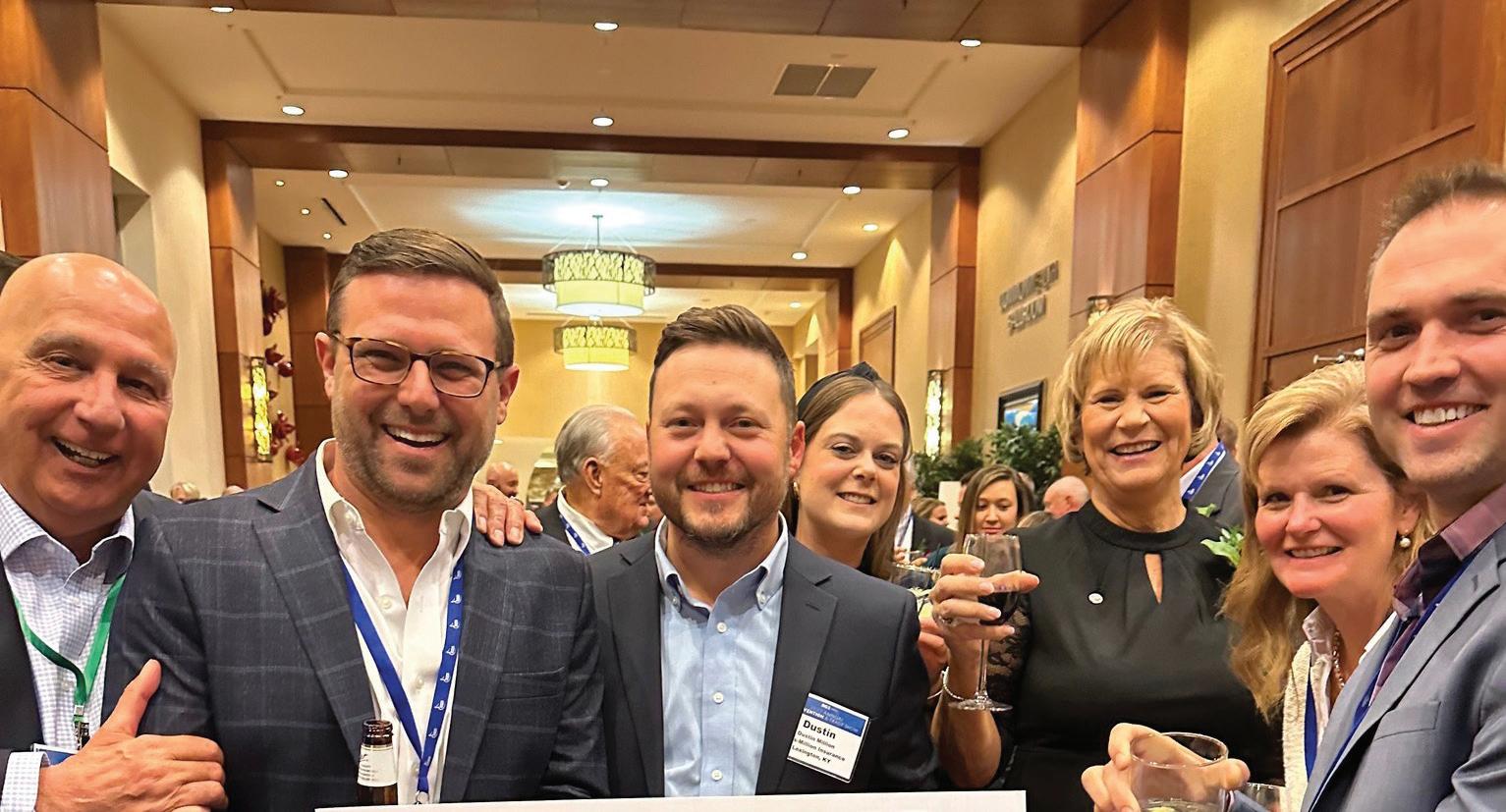
Big I Kentucky gratefully acknowledges these fine companies, our 2026 Industry Partners. Without their assistance, fees for the events and programs throughout the year would be significantly higher and/or the quality of the program would be restricted.
TO
Empower Your Agents with
FREE for all Big “I” members!



Help your appointed agencies grow their business and strengthen their digital presence. Trusted Choice offers Big “I” member agencies access to free marketing tools and educational materials that make it easier to compete and connect with consumers in the modern marketplace.
Enhanced online presence by leveraging our social media automation and website monitoring tools.
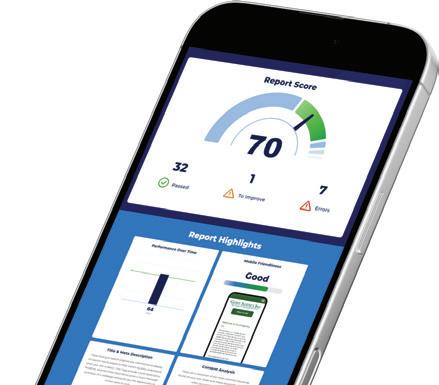
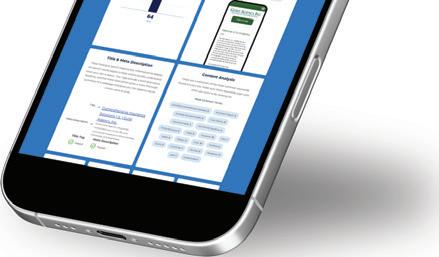
The Digital Performance Hub: Monitors an agency website and identifies key SEO insights and metrics in an easy-to-read dashboard.
Social Jazz: Creates a unique content calendar populated with professionally designed graphics and posts to agency social accounts automatically.
Access to professionally designed marketing and advertising materials
Agents can access a comprehensive library of videos, print and digital ads that can all be customized in-house to feature their headshot, logo, and agency information.
Reimbursement funds and reliable vendor support
Trusted choice provides agents with up to $1000 in reimbursement funds for consumer marketing efforts or working with our network of vendor partners.
Informative toolkits and guides that help agencies navigate topical challenges
Leveraging a.i. for marketing
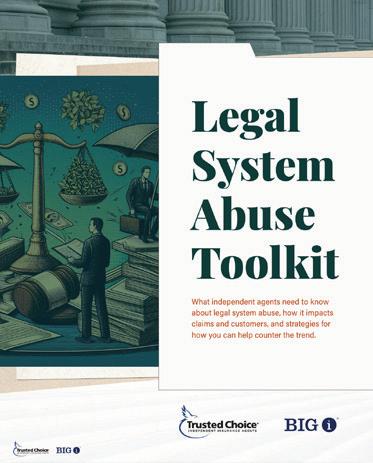
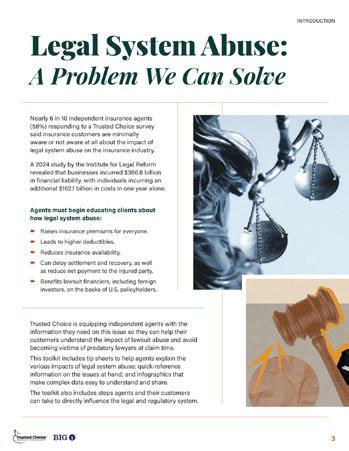
Legal System Abuse
Social Media Advertising And more






























what sets us apart:
• Experienced Team — decades of truck underwriting experience and strong carrier relationships - delivering expert guidance to our Agency partners
• Responsive Support — calls always answered, emails returned quickly
We're proud to represent six of the top wholesale truck markets our target accounts:



• Insureds that have operated in the same name for 2 or more years (5 or more for fleets)
• Low driver turnover, low loss frequency and good loss experience
• Clean drivers with 5+ years of experience
• For-hire truckers with 1-250 power units (any radius)
• Van, flatbed, & reefer operations (no logging or coal operations)
• Flexible Billing — interest-free installment plans quote@jjins.com Send Your