
GUATEMALA
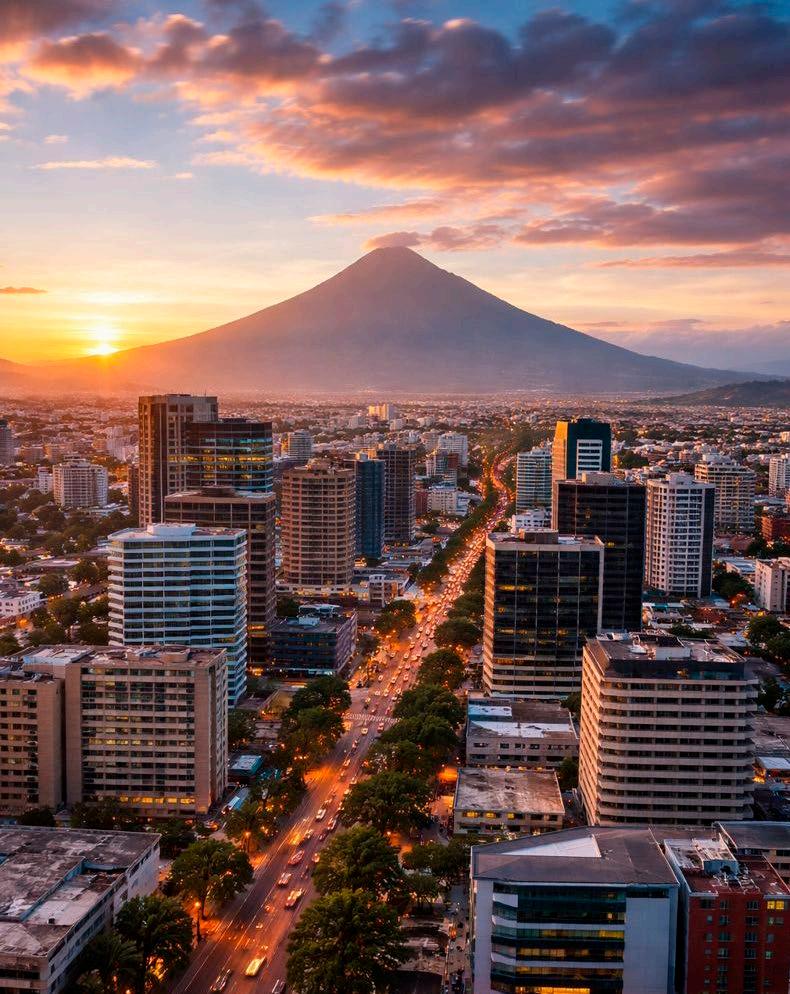


What If the Most Underrated Economy in the Americas Has Been Hiding in Plain Sight?
There is a country where ancient pyramids rise from the jungle floor with a quiet authority that stops time. Where a lake so magnetic it has inspired myths for centuries reflects sixteen volcanoes at dawn. Where a thousand shades of woven color tell stories older than any stock index — and where, beneath all of that beauty, one of the most quietly powerful economies in the Western Hemisphere has been building itself, block by block, for decades.
Guatemala. The Land of Eternal Spring. And increasingly, the land of undeniable opportunity. In 2025, economic output expanded by 4.1%, above the regional average of 2.4% and the global rate of 3.2%, while inflation fell to 1.65% — its lowest point in more than a decade. Growth and price stability are not accidents here. They reflect macroeconomic discipline that has made Guatemala a consistent outlier in a region too often defined by volatility.
External inflows underpin that momentum. Remittances reached USD 25.5 billion in 2025, channeling spending into housing, retail and transportation, while foreign direct investment climbed from USD 1.45 billion in 2022 to USD 1.85 billion in 2024, signaling growing confidence. These flows keep the economy closely tied to external markets, particularly the United States.
The productive base is as diverse as the landscape. Agribusiness accounts for close to 20% of GDP and more than 40% of exports — coffee, sugar and palm oil generating foreign exchange across twenty-two departments. Nearly 69% of exports move through DRCAFTA. Food processing generates around USD 3.4 billion in shipments, reflecting a strong concentration in a limited number of markets.
Yet the story expands well beyond traditional sectors. Information and communications now represent 3.8% of GDP. The contact center and









Official name: Republic of Guatemala
President: Bernardo Arévalo
Population (2025) 18,687,881
Surface: 108,889 km²
Annual Growth 2025: 4.3%
Official languages: Spanish and 22 Maya languages, Xinca and Garífuna
Currency: Quetzal (GTQ)
Country Risk Assessment (2025): S&P: BB+ with Stable outlook (2025).
Global Rater: Moody’s: Ba1 with Stable outlook (2025).


BPO industry generates over USD 1.05 billion in exports, employing more than 50,000 people. Private healthcare is growing at an estimated 6 to 8% annually and health expenditure has reached around 6.8% of GDP.
Public debt remains near 27% of GDP, the fiscal deficit near 2%, and banking assets now exceed Q528 billion. Financial access now reaches a majority of the adult population.
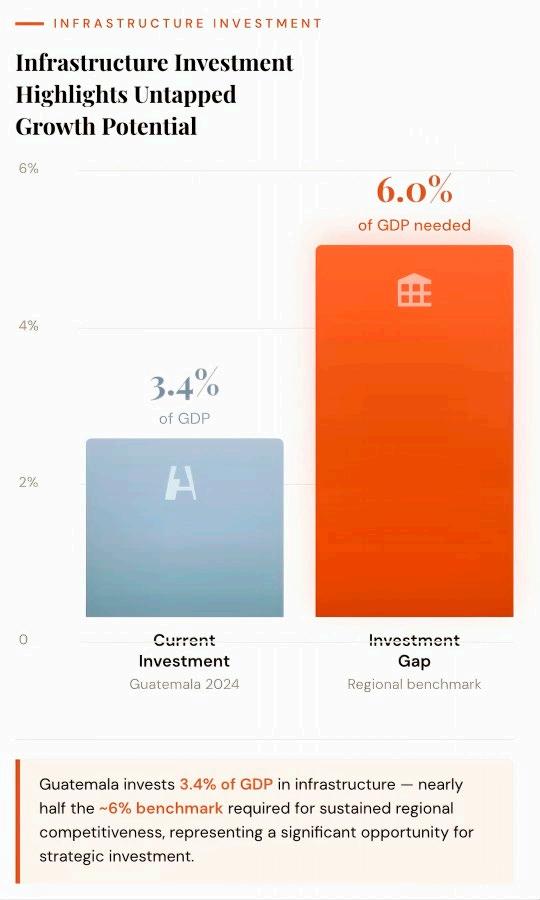
Infrastructure gaps continue to affect transport efficiency, logistics performance and energy distribution. Construction represents around 5.5% of GDP and supports more than 700,000 jobs, while public investment is increasing with the 2025 budget allocating close to Q29.6 billion to economic infrastructure. Closing existing gaps will require sustained investment of over 3% of GDP annually.
Tourism revenues reached USD 1.39 billion, domestic travel surpasses 27 million trips annually and restaurants represent more than 4.5% of GDP.
Agriculture and manufacturing remain central while newer activities add depth to the productive base. Private enterprise drives investment and employment backed by macroeconomic stability.
Somewhere in the Petén jungle — reachable only by helicopter or days of trekking — La Danta holds a World Record: by volume, at 2.8 million cubic meters, it surpasses Egypt’s Great Pyramid of Giza. You do not stand at its base. You stand on top of it. And something shifts inside you. The scale of what was built here — without modern tools or capital markets, deep in a jungle that still breathes — puts ambition in perspective. Guatemala has always known how to build for the long term.
The fundamentals are in place. The momentum is real. The question is not whether Guatemala is ready — it is whether you are.
Nearshore with Discipline: Guatemala’s Manufacturing Platform Expands
Manufacturing accounts for a significant share of Guatemala’s exports and supports thousands of formal jobs across the country. Much of this output is directed toward external markets, particularly the United States, which continues to receive most Guatemalan industrial exports.
Figures from 2024 and 2025 suggest that shipments stabilized after the pandemic disruptions, even if they remained below earlier peaks. Across sectors, production continued as companies adjusted to slower export growth and changing demand conditions.
Textile Manufacturing and Global Supply Integration
Textile production in Guatemala faces competition from regional and Asian suppliers, as well as increasingly demanding international clients. Within this context, Eltitex Group has maintained a steady export presence over several decades.
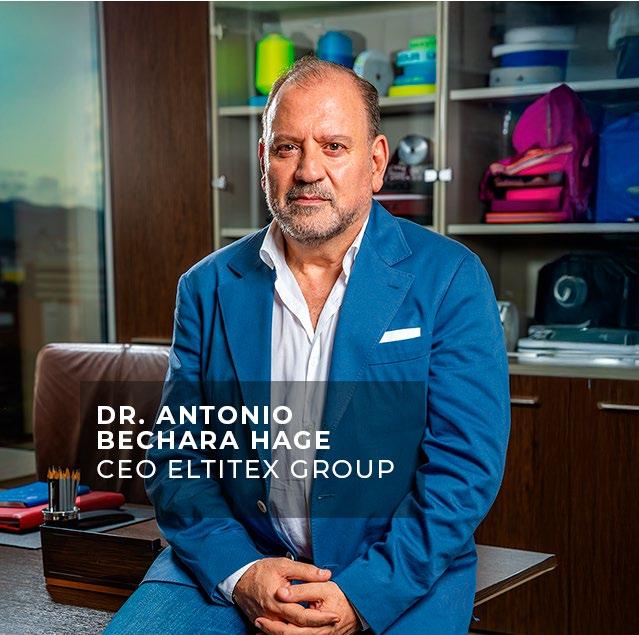
Dr. Antonio Hage, chief executive officer of Eltitex Group, described the textile sector as dynamic and competitive. He said the company exports to more than 35 countries and operates as a strategic partner to over 50 global brands. Guatemala’s experience in export manufacturing, he noted, has allowed companies to position themselves within international production networks.
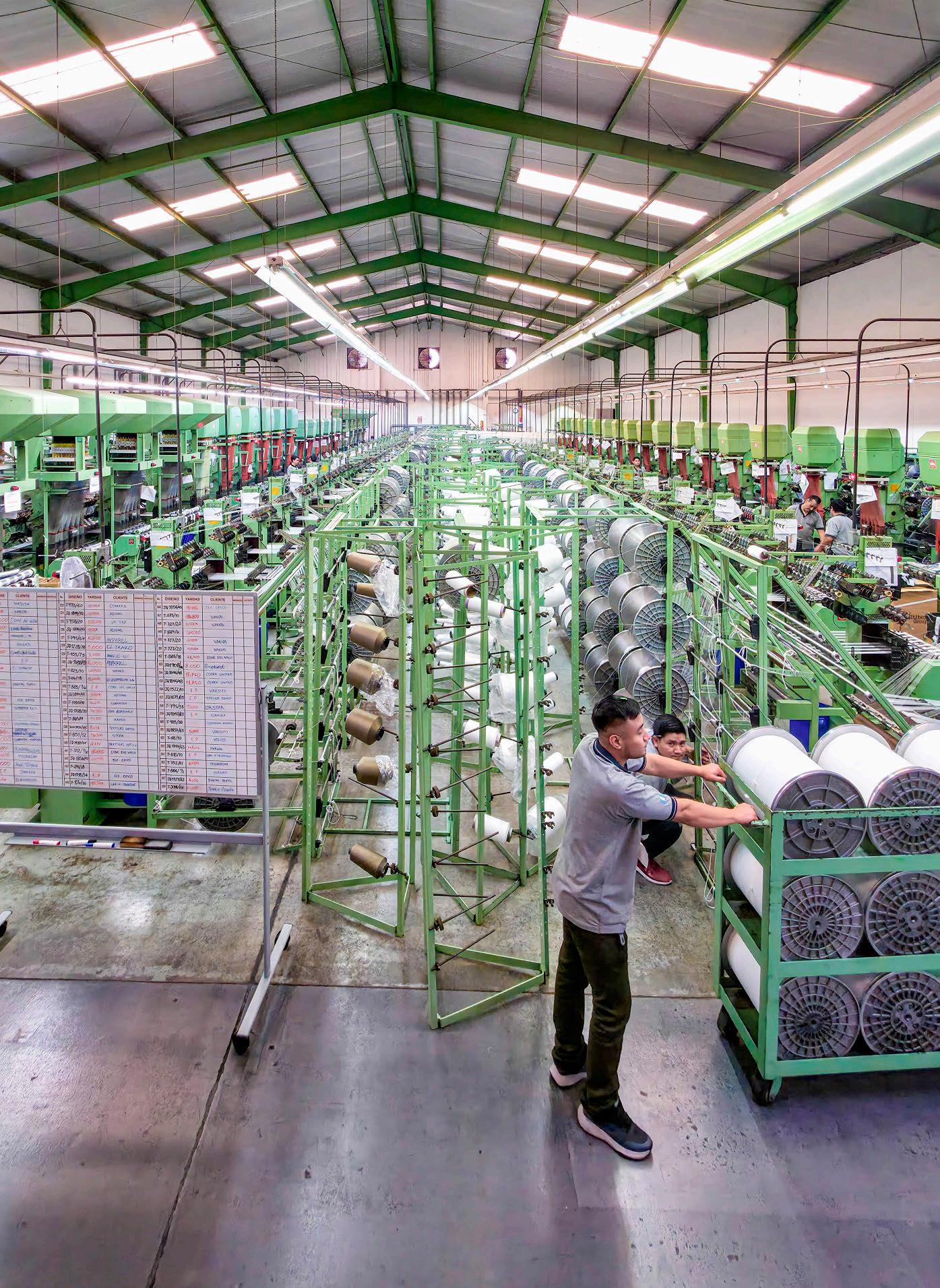
Eltitex was founded 35 years ago with the objective of becoming a leading exporter of narrow fabrics. Over time, it expanded its operations and is now the largest producer of elastic fabrics in Central America and one of the leading manufacturers in Latin America.
Hage said the company’s position is supported by its vertically integrated structure, with production, quality control and product development managed internally. Its operations are supported by international certifications such as OEKO-TEX, Bluesign and Bureau Veritas, which are required by global clients.
The company operates more than 300,000 square feet of industrial facilities and employs over 300 people. Part of its energy consumption is supplied through solar panels, while water recovery systems are integrated into production processes.
“Being good is good business,” Hage said, describing the company’s approach to compliance and long-term relationships.
The United States remains the company’s main market and one of the most demanding. Hage said Guatemala should be seen not only as a supplier but as a strategic partner. With clear rules and competitive conditions,
he added, the country could absorb greater global production and attract investment.
Food Processing and Product Development
Food manufacturing in Guatemala often begins with domestic demand before expanding into external markets. Alimentos C&Q has followed that trajectory over time.
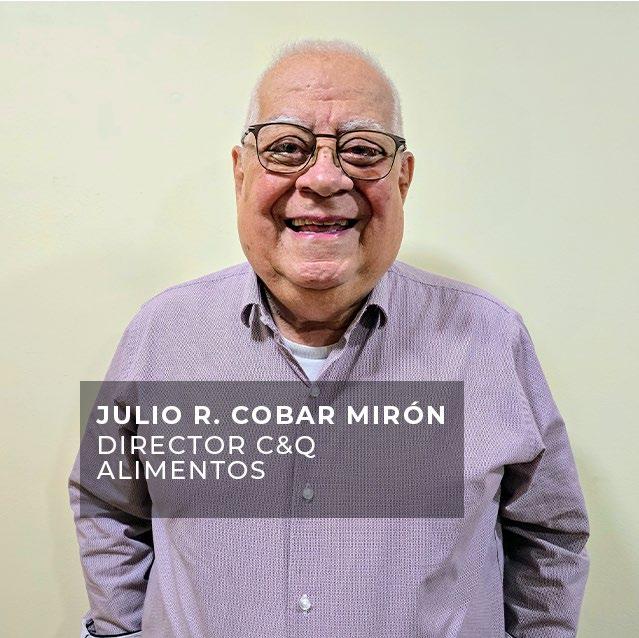
The company was established with a small production team and has grown to employ around 110 people. Julio Roberto Cobar, director, said the company has focused on maintaining product quality and consistent processes as it expanded.
The company imports inputs from countries such as Chile to maintain consistency and quality standards. This approach has supported both domestic operations and export-related processes.
Alimentos C&Q has held certification from the US Food and Drug Ad-

Its product range has broadened over time. What began with basic sauces has expanded to include syrups, pre-mixes and pancake products. Among its developments are pancake products combined with maple and blueberry honey, using raw materials sourced internationally.

Eltitex Group facilities.
ministration for more than 20 years, allowing it to participate in export activities and maquila operations linked to international markets.
Cobar said the company prioritizes
workforce stability, offering competitive salaries and maintaining longterm employment. As production capacity has expanded, the company has prepared to enter the US market directly, with plans to begin operations there in 2025.
Export Markets and Trade Concentration
Guatemala’s manufacturing exports remain concentrated by destination. In 2025, shipments under DR-CAFTA accounted for close to 69% of total exports, despite a moderate decline in absolute terms since 2022. ADA followed as a secondary framework, although it recorded one of the sharpest contractions over the same period. Exports to countries without a trade agreement represented the second-largest share by value.
Performance across smaller agreements varied. Exports under EFTA expanded by more than 50% between 2022 and 2025, while shipments to Taiwan grew by around 10%, albeit from a smaller base. In contrast, trade with Chile, Colombia and Panama declined.
A large share of exports remains concentrated in textiles and processed foods, particularly in shipments to the United States. This concentration has supported export volumes but also reflects dependence on a limited number of markets.
Key Manufacturing Segments and Industrial Composition
Food and beverage processing remains one of Guatemala’s most significant manufacturing segments, generating approximately USD 3.4 billion in exports and representing around 18% of total shipments. The segment is closely linked to domestic agricultural production and established commercial relationships in regional and US markets.
Manufacturing activities classified as “diverse” account for roughly 24% of exports and include a mix of industrial inputs, packaging materials and consumer goods.
Plastics producers supply packaging and components used in food processing, construction and consumer goods. In recent years, some have introduced recycling practices in response to market requirements. Cosmetics and personal care manufacturers rely on natural inputs and often operate under contract for regional brands. Artisanal production remains active in smaller communities, providing income for women participating in local value chains.
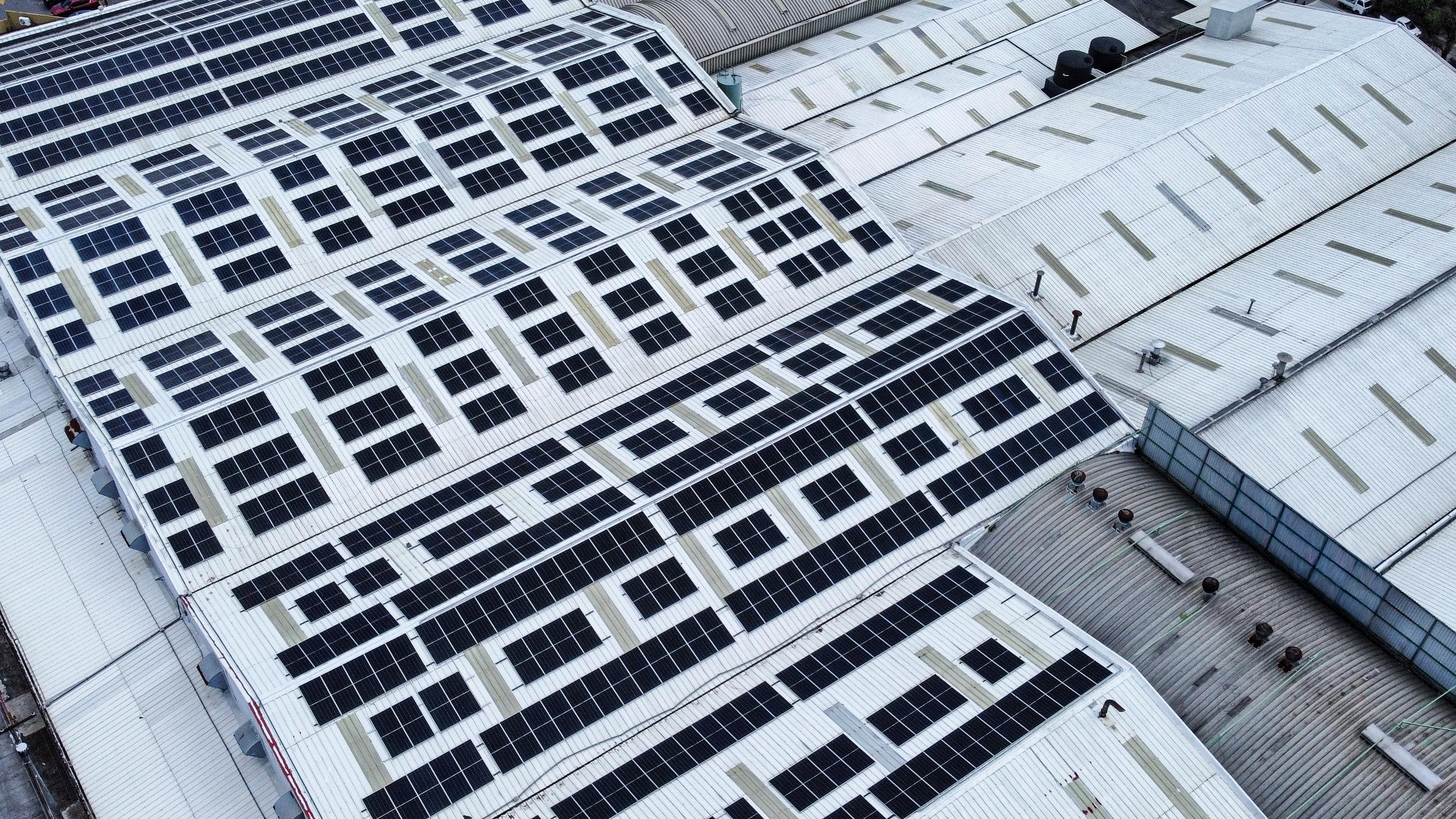
Trade data indicate where Guatemala’s exports are directed, but industrial plants show how those goods are produced. Across the country, manufacturers are investing in automation, logistics and technical training to compete in more specialized markets, where performance depends increasingly on precision, compliance and delivery reliability.
Precision at Scale in Aluminum Packaging
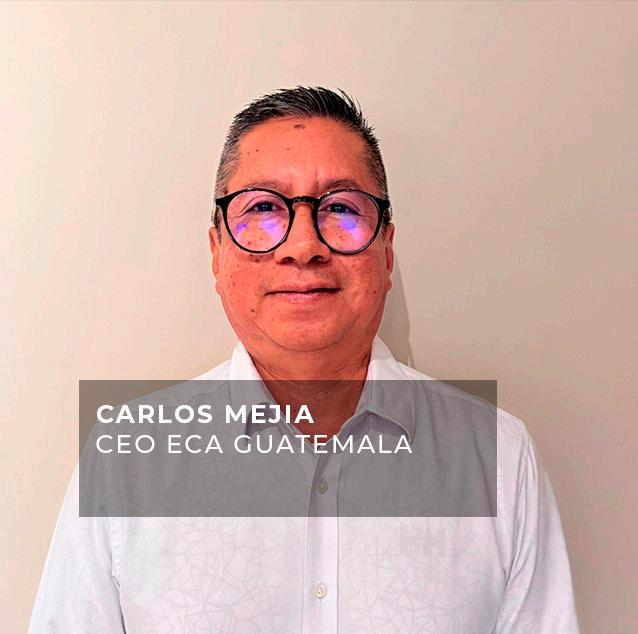
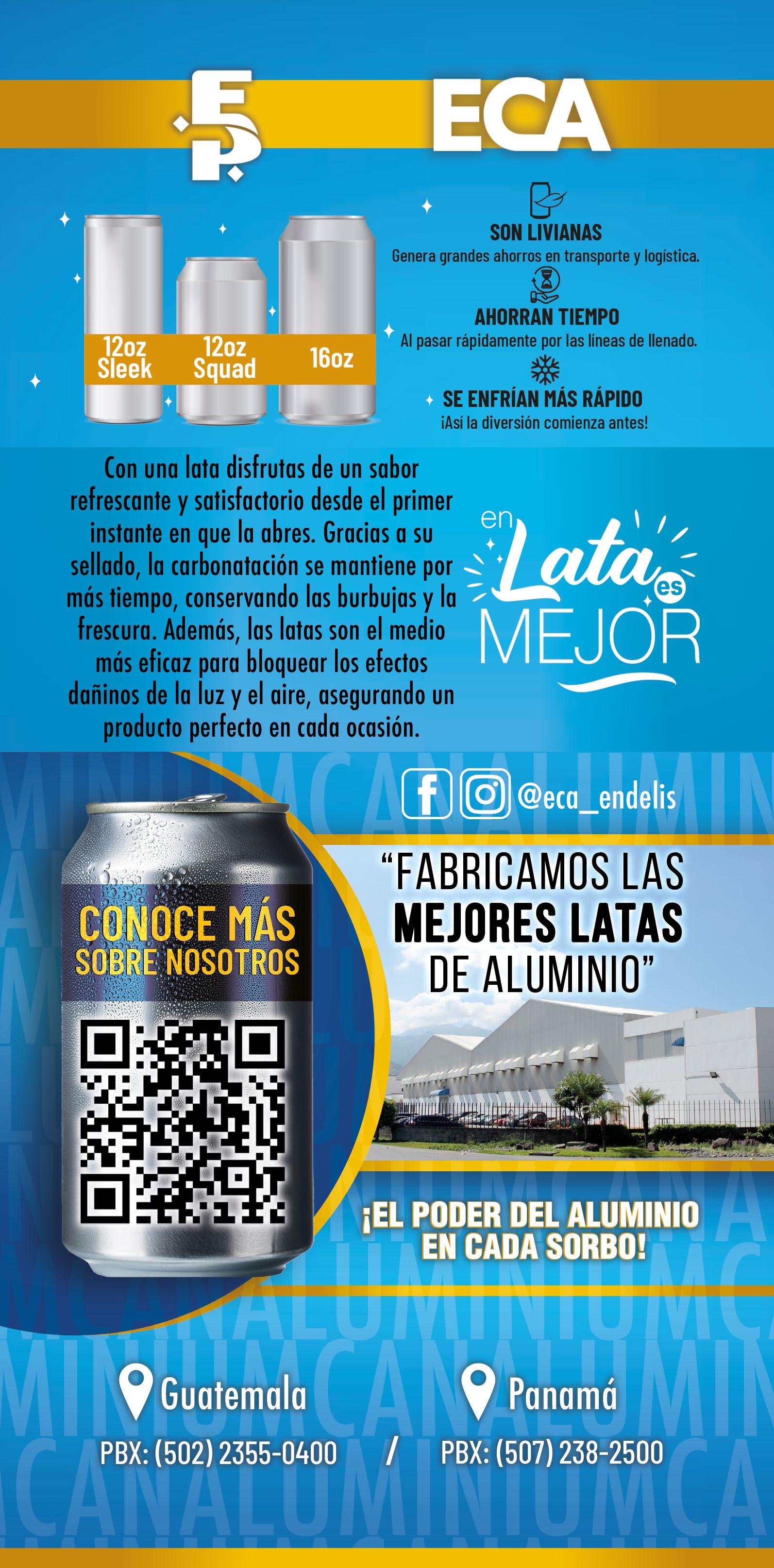
In aluminum packaging, precision and scale leave little room for error. ECA Guatemala operates in this segment, supplying major beverage producers in the region while meeting international technical standards. Carlos Mejía, director, said the company was created to offer a local production solution, reducing dependence on imports from the United States and South America.
The plant began operations in 2006 with robotized systems and high-speed production lines. Before production started, the first group of Guatemalan employees spent eight months in Mexico receiving technical training, creating a strong technical base that continues to support operations today. Installed capacity has grown steadily over time. The company plans to add a new production line that will contribute an additional one billion units per year, while developing a 24/7 logistics dispatch center to maintain continuous operations across Central America.
Aluminum cans produced at the plant are fully recyclable and can return to shelves within approximately 60 days.
Mejía said this cycle reflects a circular production model aligned with environmental standards. The company operates under ISO certifications and has received the Shingo Prize for Operational Excellence, as well as the
Sello Azul, which recognizes energy efficiency, water management and environmentally responsible practices.
Technology, equipment and training remain closely connected to US industrial networks, allowing the company to adopt advanced systems and maintain high operational standards. Mejía said the objective is to demonstrate that Guatemala can operate advanced manufacturing with trained technical talent and sustained investment.
Packaging Solutions for Export Competitiveness
If advanced manufacturing represents one dimension of Guatemala’s industrial base, packaging and labeling represent another. Corporación DACSA operates in this segment, providing solutions that allow products to meet international requirements and reach export markets without relying on imported packaging.
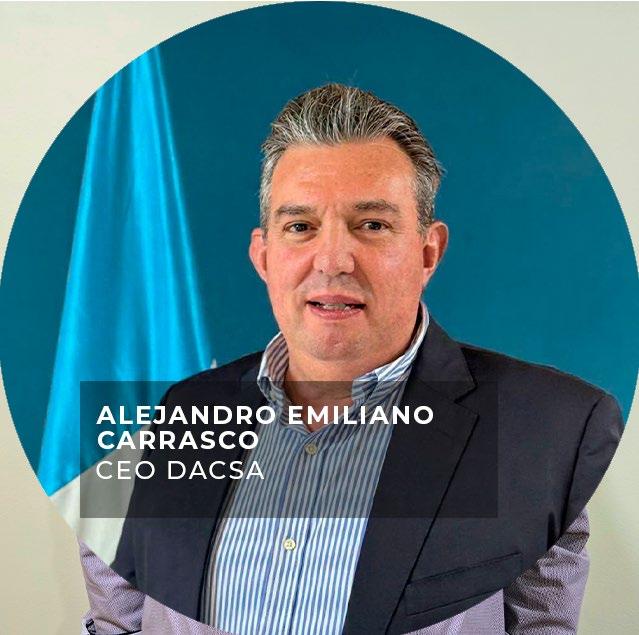
Founded in 1962, the company has grown alongside the country’s industrial sector. Alejandro Emiliano Carrasco, chief executive officer, said expansion has been financed primarily through internal capital, allowing continuous investment in machinery, specialized software and workforce training while maintaining financial stability.
DACSA operates two production plants: one focused on labels and adhesive materials, and another dedicated to flexible packaging. Both facilities are equipped with technology comparable to international operations and are designed to meet export standards across different markets.
The company reported revenue of approximately USD 43 million in 2024 and employs around 400 people.
For 2025, it expects growth of around 15%, supported by diversification into thermo-shrink sleeves, collapsible tubes and other specialized formats. Recent developments include packaging solutions for fresh produce exports, designed to maintain product freshness through controlled gas exchange during shipments to the United States. Carrasco said that US standards frequently define technical requirements. Aligning with those benchmarks allows Guatemalan producers to package goods locally while remaining competitive in international markets.
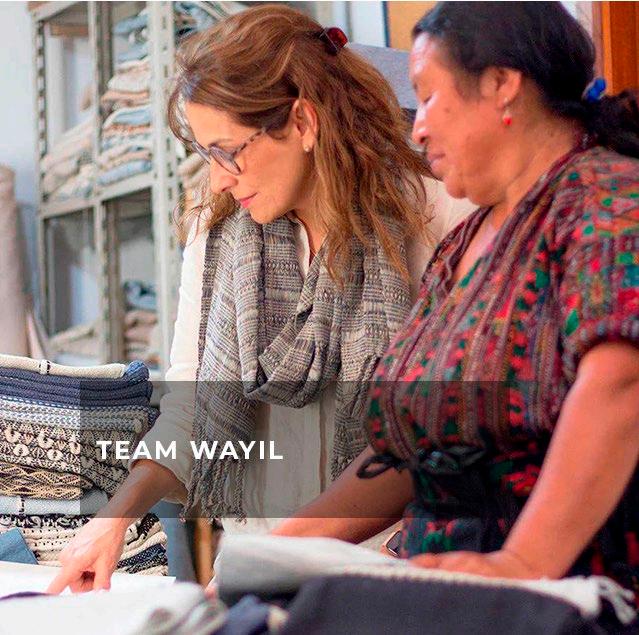
Natural fibers, ancestral techniques and full traceability stand out in Guatemala’s artisanal textile segment. Luisa Villavicencio, creative director and chief executive officer of Wayil by Algodones Mayas, said the company was founded in 1993 to rescue Guatemala’s native naturally colored cotton and began as a family project focused on valuing local fiber and working directly with rural communities.
The company does not use chemical dyes; colors come from the cotton itself or from recycled fibers, Villavicencio noted. Each piece combines contemporary design with ancestral techniques, she added.
Wayil works with more than 60 artisan families and other communities across the country, Villavicencio said. It also collaborates with rural women through training in weaving, quality control and sustainable resource management. This work supports the preservation of artisanal textile weaving and contributes to a responsible and resilient production chain, she noted.
The United States is the company’s main export market and a place where there is strong interest in products with purpose and traceability, Villavicencio said. The company is open to alliances with companies, designers and distributors that share its sustainability and fair-trade values, she added.
Industrial activity also depends on companies that provide outsourcing, workforce management and business services across production chains.
Workforce Management and Outsourcing Services
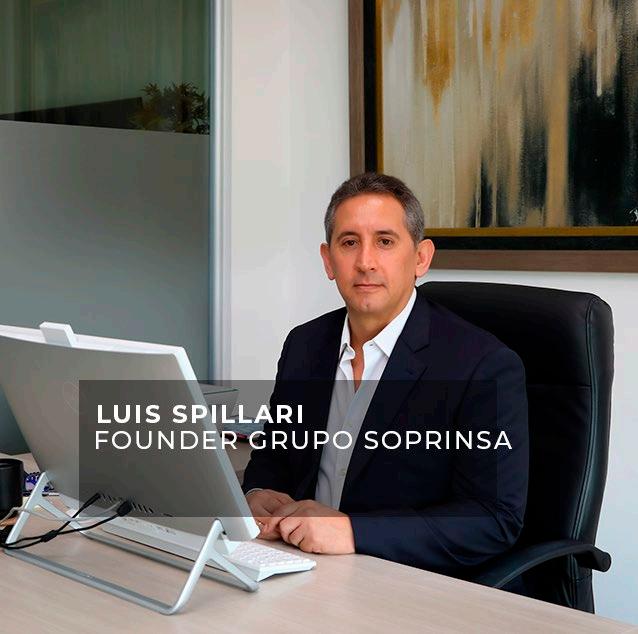
Outsourcing and workforce management are experiencing sustained growth in Guatemala, particularly in retail, logistics and business services, Luis Spillari, owner of Grupo SOPRINSA, said. Companies are turning to specialized providers to manage personnel and deliver outsourcing solutions, he added.
Grupo SOPRINSA has more than 30 years of history, marked by growth, resilience and long-term vision. Spillari said the company has maintained financial solidity and high standards, becoming a strategic partner for multinational clients. Several of these relationships date back to 2002, reflecting trust, compliance and consistent results over time.
Certifications play a central role in operations. COFACE evaluates financial stability across Guatemala, El Salvador and Honduras, while SMETA assesses labor conditions, business ethics, environmental practices and regulatory compliance. Spillari said these certifications ensure that workers receive their rights in accordance with local laws and international standards. The company operates in Guatemala, El Salvador, Honduras and the Dominican Republic, offering solutions across Central America through a single provider. Spillari said this model allows companies to access integrated outsourcing services across multiple markets.
Formal employment remains a central contribution of the company. Spillari said SOPRINSA provides jobs with full legal benefits, supports workforce development and contributes to productivity and competitiveness across sectors.
Beyond firm-level operations, trade policy has returned to the centre of Guatemala’s manufacturing agenda. The reciprocal tariff agreement signed with the United States in early 2026 restored zero tariffs for a majority of exports, replacing temporary duties applied the previous year. Together with DR-CAFTA, the agreement introduces clearer rules on customs coordination and digital documentation.
After reaching USD 15.6 billion in 2022, exports declined before stabilizing at around USD 14.3 billion in 2025, while imports remained between USD 30 and 32 billion, driven by demand for machinery, fuel and intermediate goods. Total trade approached USD 46 billion, reflecting continued industrial activity.
Across the industrial base, investment is directed toward efficiency, technical compliance and process standardization. At the same time, supply networks continue to expand alongside manufacturers, supporting more integrated production systems and improving c


The Art of Beauty Awaits: Guatemala, Your Ultimate Destination for Aesthetic Surgery, Treatments and Medical Tourism
Guatemala’s private healthcare sector is growing at an estimated 6 to 8 percent annually, driven by specialized clinics, premium aesthetic services and a rising wave of international patients who are discovering that world-class results do not have to come with a world-class price tag.
Across the country, hospitals, boutique surgical centers and aesthetic clinics have expanded steadily as demand for cosmetic procedures, reconstructive surgery and advanced treatments reaches new heights.
This momentum reflects something deeper than infrastructure growth — it signals a cultural shift in how patients, particularly women, approach beauty, self-care and the decision to invest in themselves. Guatemala’s medical landscape is no longer just a domestic story. It is a regional one.
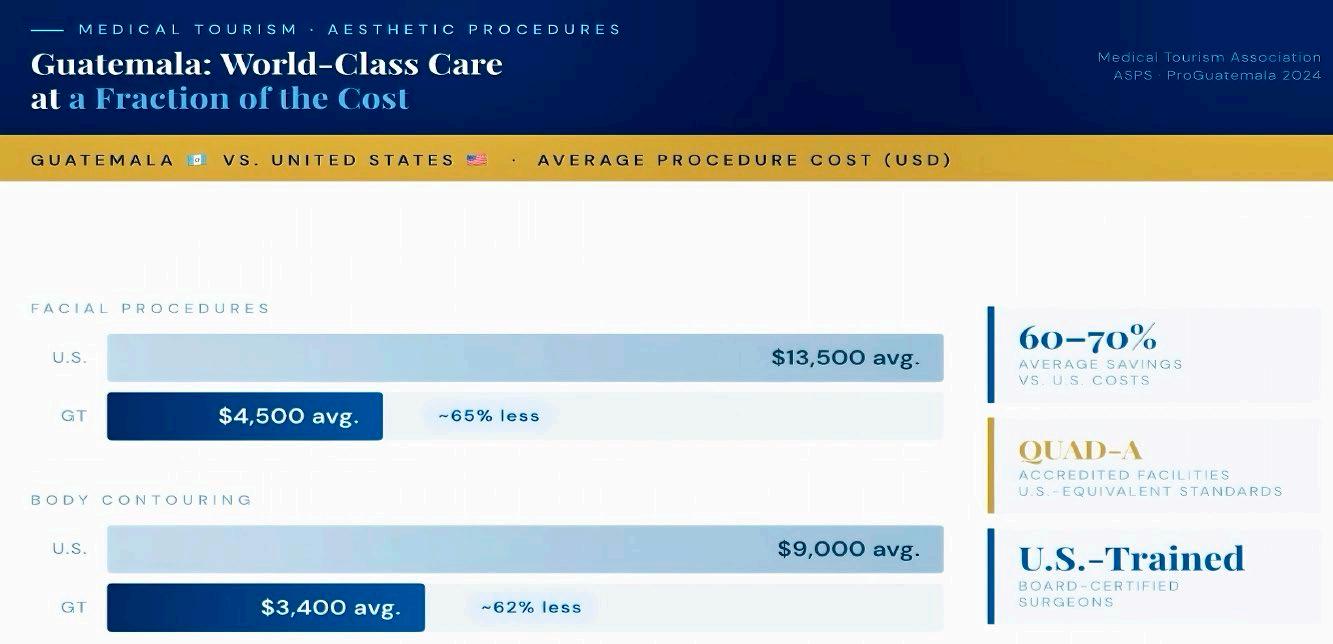
The numbers tell a compelling story. According to the World Bank, health expenditure represented approximately 6.8% of Guatemala’s GDP in 2023. More strikingly, procedures in Guatemala cost between 40 and 70 percent less than equivalent treatments in the United States, according to data referenced by the Medical Tourism Association — a price advantage that, combined with internationally trained surgeons and accredited facilities, is turning the country into one of Central America’s most attractive destinations for aesthetic medicine and medical tourism.
The Rise of Aesthetic Surgery
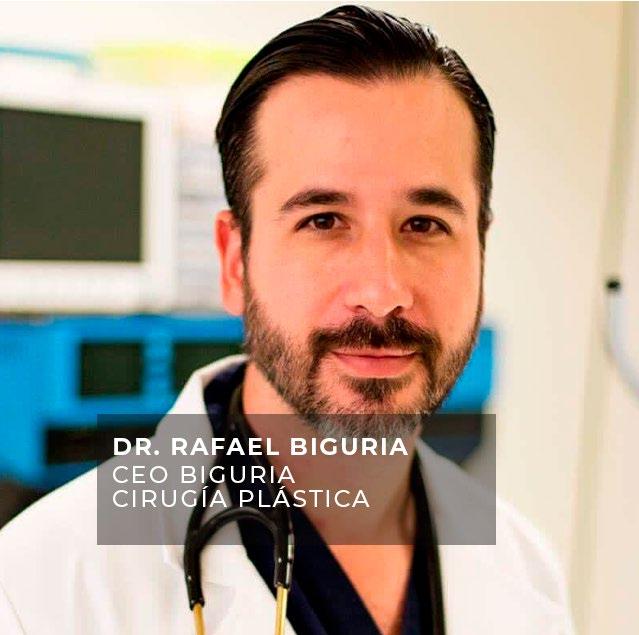
When Dr. Rafael Biguria returned to Guatemala in 2017 after completing his surgical training abroad, he found a market already awakening to the possibilities of aesthetic medicine. What followed exceeded even his expectations.
Today’s consultations bear little resemblance to those of a decade ago. Patients — many of them women researching procedures through social media and medical platforms — arrive informed, precise and emotionally invested in their results.
They ask about recovery timelines, surgical techniques and realistic outcomes with a confidence that reflects a gene-
ration that has decided to take ownership of how they look and feel. Patients are significantly more demanding and knowledgeable, Biguria noted, and that raises the standard for everyone in the room.
Demand has grown so rapidly that waiting times at his clinic stretched from roughly one month to over a year — a telling indicator of just how quickly this market is expanding. A significant share of that demand arrives from abroad. Guatemalan women living in the United States increasingly return home to undergo procedures, planning surgeries around family visits and taking advantage of cost differences that can reach 60 percent or more compared to U.S. clinics, alongside the personalized attention that boutique practices here provide
Biguria trained at Universidad Francisco Marroquín before specializing in plastic surgery in Guadalajara, Mexico — an international foundation he brought back to Guatemala and continues to build upon. Inside the operating room, he maintains a disciplined schedule, limiting daily procedures to protect both patient safety and surgical precision. Fatigue, he insists, is the silent enemy of consistent results.
evaluates surgical centers against the highest quality and safety protocols. In a market where patient confidence is everything, that credential carries real weight.
Vargas built the institution after completing specialized reconstructive surgery training in Guadalajara, Mexico, returning to Guatemala with a clear vision: create a space where plastic and aesthetic medicine could be practiced at the highest standard, within a facility designed specifically for that purpose.
Not a general hospital with an aesthetic wing — but a dedicated surgical environment where every detail serves the patient’s experience and safety.
The clinic has continued to grow. A new floor has been added to the main building, expanding the number of operating rooms alongside recovery suites designed to make patients feel as comfortable as they are well-cared for.
“A growing industry powered by skilled hands and rising demand”
Future plans include gynecological endoscopic surgery, trauma care and the integration of private medical insurance — moves that will broaden access while deepening the institution’s clinical portfolio.

rism are no longer side stories in Guatemala’s economy — they are central to it.
Guatemala’s private healthcare sector is expanding at an estimated 6 to 8 percent annually, with plastic surgery, aesthetic medicine and dentistry identified as the fastest growing subsegments, according to ProGuatemala. Hospitals, specialized clinics and aesthetic centers have scaled their operations in response to a population — and an international patient base — that increasingly demands access to premium care.
Employment across the sector continues to grow as doctors, nurses, technicians and support staff meet rising demand. Private investment has been the engine behind this expansion, funding diagnostic technologies, surgical equipment and the kind of premium facilities that attract patients willing to travel for results.
Beyond aesthetic work, Biguria contributes to Operación Sonrisa, performing reconstructive surgeries for children with cleft lip and palate — often without charge — a commitment that reflects the broader ethos of surgical excellence applied with purpose.
Artificial intelligence and advanced imaging tools are now part of his pre-surgical consultations, allowing patients to visualize potential outcomes before committing to a procedure. This transparency, he believes, is essential for building trust — and for positioning Guatemala as a destination where international patients feel safe, informed and genuinely cared for.
Investing in Surgical Infrastructure Behind every successful aesthetic outcome is a clinical environment built to deliver it. Guatemala’s leading surgical centers have invested heavily in that foundation, and the results are internationally recognized.
Altra Medic, founded in 2005 by plastic surgeon Dr. Germán Vargas Florido, stands as one of the sector’s clearest examples. What began as a boutique hospital focused on aesthetic and reconstructive surgery has grown into a benchmark institution — one that earned QUAD-A accreditation, a rigorous U.S.-based certification that

Technology is woven into every stage of the patient journey. Telemedicine consultations allow international patients to begin their process from home, while AI-assisted imaging tools help set realistic expectations before surgery ever takes place. For the growing number of women traveling from the United States, Mexico and neighboring countries to undergo procedures in Guatemala, this combination of accessibility, affordability and accredited excellence is precisely the proposition they are looking for.
Vargas envisions a future in which Guatemala becomes a recognized regional hub for medical tourism in aesthetic and reconstructive surgery — not by competing on price alone, but by building the professional standards, research partnerships and institutional credibility that make patients choose Guatemala first.
Healthcare as an Economic Driver
The beauty industry and medical tou-
Medical tourism is where these forces are most visible. Patients from Mexico, El Salvador, Honduras, and the United States choose Guatemala for aesthetic and cosmetic procedures, attracted by lower costs. Additional factors include internationally trained surgeons and a location that allows short, direct flights from major North American cities.
The Medical Tourism Association recognizes Guatemala as an emerging destination in this space — a status that clinics like Altra Medic and Biguria Plástica are actively working to solidify through accreditation, international partnerships and a patient experience designed to exceed expectations from the first consultation to the final follow-up.
For the women who travel here — whether from United States, or Latam. Guatemala is not just a more affordable option. It is increasingly the preferred one.

Entertainment and the Experience Economy: Redefining Urban Leisure in Guatemala
Private capital is flowing into sports complexes, mixed-use districts and large-scale venues, reflecting Guatemala’s transition toward an experience-based urban economy.
Guatemala’s leisure and entertainment sector is changing. Much of that change is tied to the rise of the experience economy, where value comes less from products alone and more from shared, social and recreational activities. The effects are visible across cities and commercial districts. In 2025, international tourism revenues reached approximately USD 1.39 billion, while Guatemalans made more than 27 million domestic trips. Demand for organized recreational space is clearly growing.
The shift is not limited to tourism. Restaurants account for more than 4.5% of national GDP — and over 10% when related sectors are included — supporting more than 400,000 jobs across 18,000 establishments. Retail developments continue to expand as well. In 2023, shopping center revenues rose 20%, with more than USD 158 million invested in new commercial space. Hotel capacity is also increasing, with nearly 400 properties operating nationwide and additional international brands entering the market.
Rather than isolated growth stories, these developments point to something broader. Leisure is becoming more organized, more structured and more
permanent. New infrastructure is being built to support year-round activity, not just seasonal peaks. Entertainment is gradually moving from the margins into a more defined economic role.
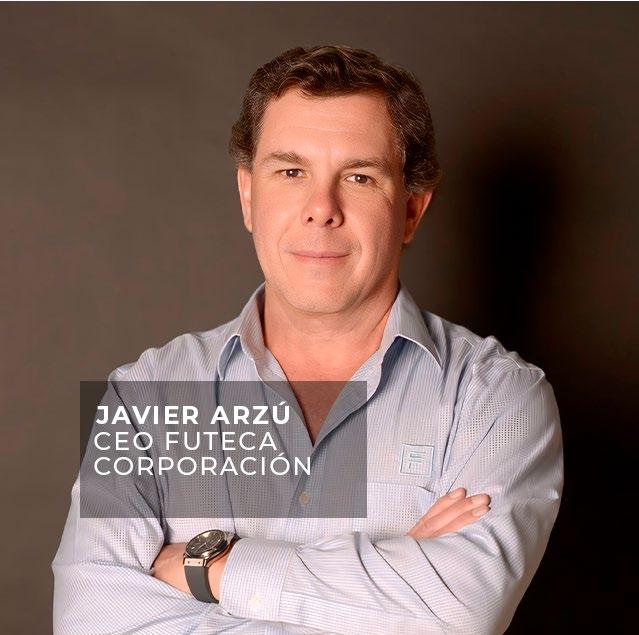
In this context, Futeca Corporación offers a clear example of how private investment is shaping urban recreation. Founded in 1988, the company began with a straightforward idea: integrate sport and wellbeing into everyday life. Over 37 years, that idea expanded into sports complexes, fitness centers, bowling facilities, commercial services and structured academies.
Futeca now employs more than 1,200 people and receives over 5 million visits each year. Many of its projects are located in densely populated neighborhoods, where access to organized recreational space has historically been limited. What started as a sports initiative has gradually developed into a broader leisure platform responding to steady demand for year-round activity.


A defining feature of the company’s approach is its mixed-use model. Projects such as Distrito Futeca combine sports facilities with commercial services, creating spaces that remain active throughout the day rather than operating only around scheduled events. By integrating recreation with everyday urban activity, the model anchors leisure within communities instead of treating it as a separate destination.
The company’s next step is a multifunctional complex designed to host between 5,000 and 35,000 people. Plans include convention halls for up to 3,000 attendees, International-standard fields, auditoriums and adaptable venues suitable for concerts and international competitions.
The company is also in discussions with U.S.-based partners, including leading U.S. promoters. Arzú believes Guatemala offers a stable environment for long-term investment, particularly in projects that combine financial sustainability with tangible community benefits.
“We firmly believe in the importance of continuing to contribute to the well-being of the population”
Futeca’s growth reflects wider investment in recreation across the country. IRTRA, Guatemala’s largest recreational operator, has surpassed 4 million annual visits and recently marked 100 million cumulative visitors. Continued capital investment in parks and infrastructure has expanded capacity and reinforced demand.
Director Javier Arzú says the intention is to create a space that operates throughout the year and can adjust to different types of events. He describes it as a project with a Guatemalan identity, created to transcend borders.
For Arzú, the project also reflects a wider national discussion. Guatemala’s private sector, he notes, is strong across several industries. Yet logistics, infrastructure and connectivity remain areas where additional investment could unlock further competitiveness. From that perspective, entertainment facilities are part of a broader modernization effort.
As consumers increasingly seek organized experiences, projects of this scale signal a move toward more permanent leisure ecosystems.
Beyond large venues, Futeca continues to focus on youth programs. Its 32 sports academies promote structured training, discipline and health among children and young adults. Several scholarship recipients have gone on to study in the United States, and some have reached Guatemala’s national teams.
Natural destinations such as Tikal and Semuc Champey are also drawing increasing numbers of visitors. Improved access and services have strengthened their role in local economies. Leisure, in many regions, is no longer limited to tourism alone. It is connected to employment, retail activity and urban development.
The expansion of venues such as Futeca also reflects a generational shift. Younger urban populations are demanding safer, professionally managed spaces for sport and entertainment. Families increasingly look for environments that combine recreation, dining and retail in a single setting. That demand is gradually influencing how capital is allocated.
Across urban complexes, parks and heritage sites, a more structured leisure ecosystem is taking shape. Investment in physical infrastructure and rising domestic demand are reshaping how entertainment functions within the broader economy. What once played a secondary role is becoming part of the country’s evolving economic fabric.

UN NUEVO ÍCONO DE LA REGIÓN en la ciudad de Guatemala
Infrastructure as Strategy: Advancing Guatemala’s Productive Capacity
Road modernization, urban development and industrial efficiency are shaping a more coordinated framework for growth and competitiveness.
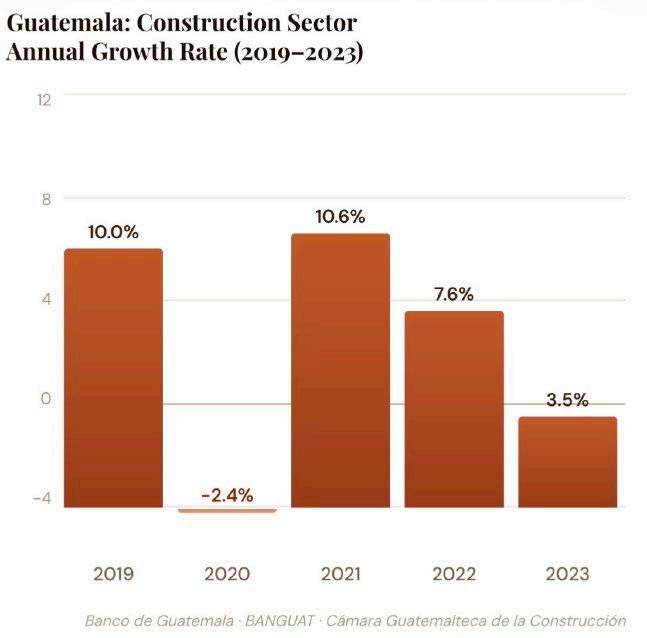
Infrastructure has become one of Guatemala’s most decisive economic variables. The construction sector represents roughly 5.5% of national GDP and supports close to 715,000 direct jobs, underscoring its weight within the country’s productive base. Beyond its direct contribution, it generates multiplier effects across logistics, housing, commerce and industry.
Public investment is beginning to reflect that centrality. The 2025 national budget allocates Q29,653 million to economic infrastructure — a 45.9% increase over the previous year — signaling renewed emphasis on connectivity and competitiveness. Still, the challenge remains structural. The Inter-American Development Bank estimates that Guatemala would need to invest approximately 3.12% of GDP annually through 2030 to close its infrastructure gap. That deficit is especially visible in the country’s road network and logistics corridors, where connectivity directly shapes productivity and trade flows.
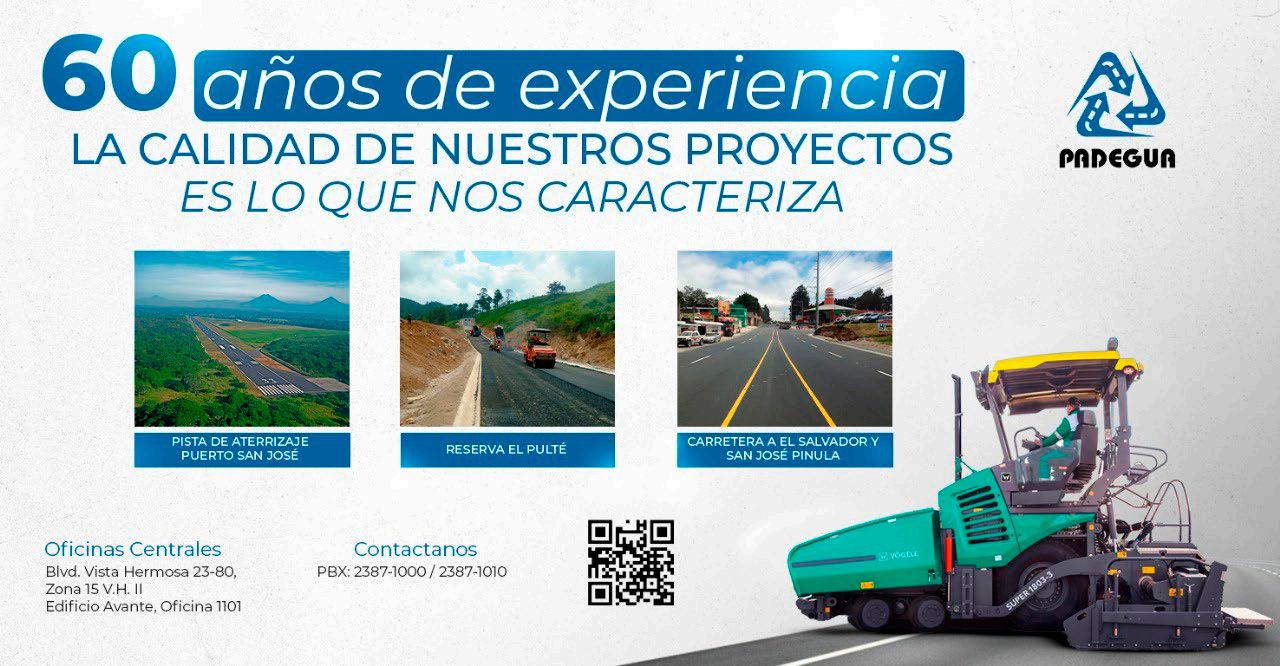
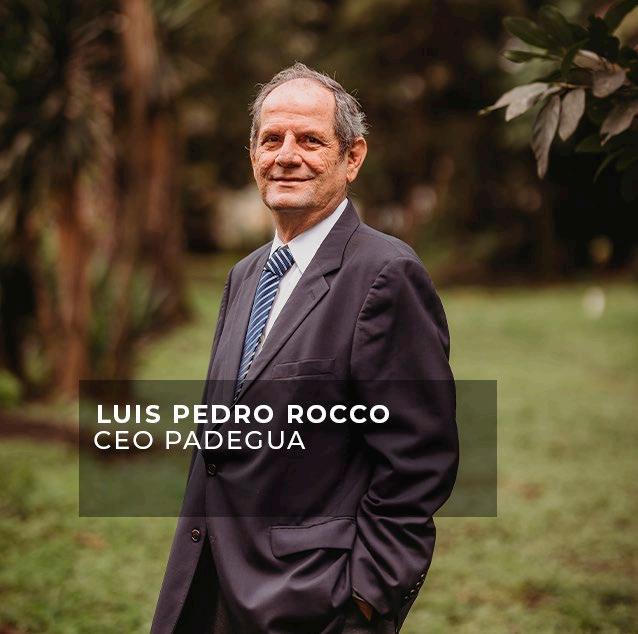
For Pedro Luis Rocco, CEO of Padegua, infrastructure is not a secondary policy issue but the foundation of national development. A modern port or airport, he argued, cannot generate sustained progress without reliable road connectivity linking production centers and communities. Guatemala, he noted, continues to carry a historical debt in road infrastructure, both in expansion and in long-term maintenance planning.
That conviction has shaped Padegua’s specialization in highway engineering and asphalt production. Over time, the company has concentrated on durability and technical rigor rather than scale alone. Among its most complex assignments was the maintenance and repaving of the main runway at La Aurora International Airport, which underwent three major interventions between 2000 and 2017. The work required nighttime operations, strict logistical coordination and asphalt mixtures capable of withstanding heavy aircraft loads and seismic stress. Asphalt’s elastic properties, Rocco explained, make it particularly resilient and cost-efficient over time, especially in a country exposed to seismic risk.
Innovation has also defined Padegua’s operating model. More than fifteen years ago, the company became the first in Guatemala to incorporate recycled material into asphalt mixtures, introducing more sustainable production practices. Its in-house laboratory retains the authority to halt output if quality standards are not met, a system Rocco said ensures discipline and alignment with international benchmarks, including those applied in the United States.
Road infrastructure, he maintained, is inseparable from competitiveness and public safety. Improving corridors reduces logistics costs, but it also lowers accident rates and improves territorial integration. After decades in operation, Rocco added, Padegua has built its reputation around quality, compliance, trust and solidity in Guatemala’s road construction sector.
Highways, however, are only one dimension of infrastructure. Urban form itself increasingly shapes economic performance, particularly in metropolitan areas where demographic growth continues to exert pressure on housing and services.
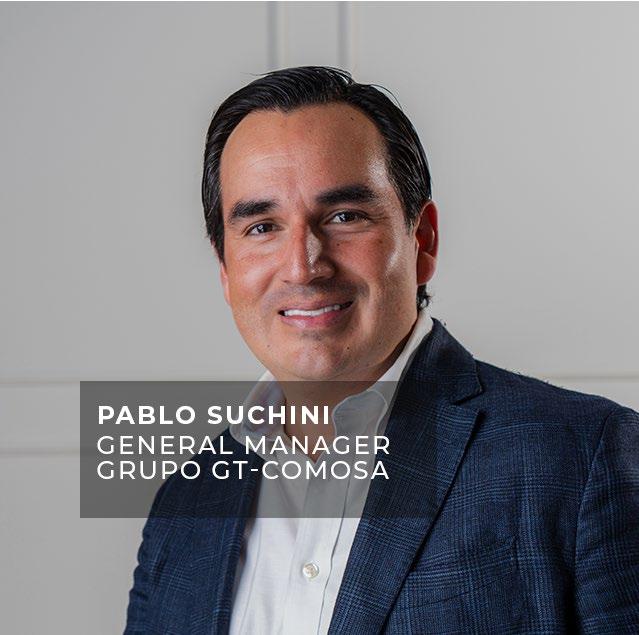
Urban development should be treated as infrastructure rather than isolated real estate activity, said Pablo Suchini, CEO of Grupo GT. Coordinated investment in housing, mobility and services, he argued, is essential to avoid disorderly expansion and sustain long-term competitiveness. Under that approach,
COMOSA has delivered approximately 200 projects totaling more than 1.5 million square meters of construction across Guatemala.
Much of the country’s demand lies within middle-income segments, yet COMOSA has sought to elevate standards within what it defines as Segment C developments. The objective, Suchini explained, is to integrate design, security and amenities typically associated with higher-end projects while maintaining accessibility. Several developments have obtained Best Place to Live certification, and newer projects incorporate EDGE standards aimed at improving energy efficiency and longterm operating performance.
The Inara project reflects a broader shift toward a more polycentric urban structure. Vertical construction in emerging corridors, Suchini noted, reduces commuting pressures and encourages mixed-use growth beyond traditional city centers. These new nodes attempt to balance density, access and livability, particularly in areas where infrastructure expansion must keep pace with population growth.
Cross-border capital has become increasingly relevant in that equation. Approximately 20% of COMOSA’s buyers are based in the United States, and cumulative U.S. investment in its developments has exceeded US$1.3 billion. Suchini said that demand reflects confidence not only in individual projects but in Guatemala’s demographic fundamentals and sustained urban expansion.
COMOSA traces its origins back to 1953 — more than 70 years ago — and Suchini noted that longevity has required adaptation across multiple economic cycles. With construction activity projected to grow 2.8% in 2025, he said housing demand remains resilient, supported by remittances and continued urbanization trends.
If transport corridors and housing define two pillars of infrastructure, industrial capacity forms a third. Construction ultimately depends on the reliability of domestic materials, and in Guatemala that chain includes Samboro, a manufacturer of ceramic roofing tiles and flooring products with national and regional reach.
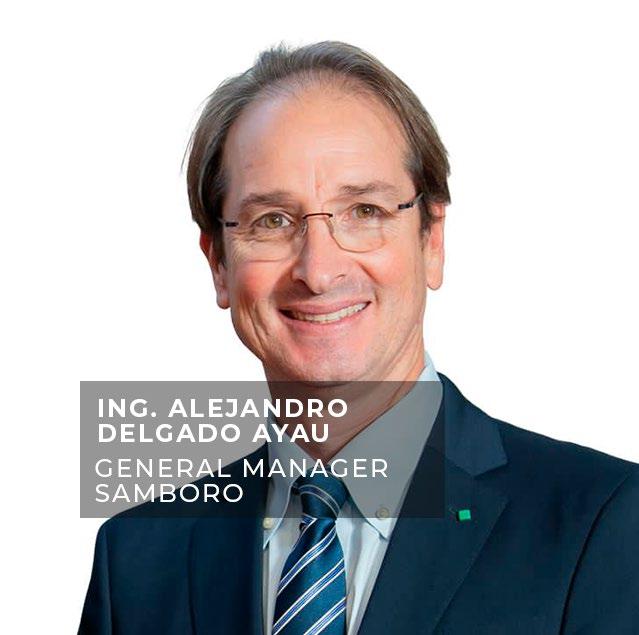
Ceramic production in the country has undergone significant modernization in recent decades, said Alejandro Delgado Ayau, General Manager of Samboro. The company, established in the aftermath of the 1976 earthquake, has expanded its manufacturing scale while incorporating advanced technology into its production lines. Delgado Ayau explained that recent investments include kilns that are three times more efficient than previous generations, as well as a 2.5-megawatt solar installation designed to reduce the plant’s carbon footprint.
Samboro operates under a zero-waste philosophy, Delgado Ayau noted, reintegrating production remnants back into the manufacturing cycle. Efficiency, he added, is not only environmental but economic. Proximity to the U.S.
market has become increasingly strategic as nearshoring reshapes supply chains. Delivery times of roughly one week — compared to 30 to 45 days from Asian suppliers — strengthen regional competitiveness. Samboro currently supports approximately 750 direct jobs and more than 3,000 indirect positions, and Delgado Ayau maintained that reinforcing domestic industrial capacity is essential to long-term infrastructure resilience.
Beyond individual companies, Guatemala’s infrastructure agenda continues to evolve. Public–private partnership initiatives currently under development — including the proposed Escuintla–Puerto Quetzal corridor — aim to strengthen logistics efficiency, while a broader portfolio of connectivity projects valued at more than US$2.6 billion seeks to improve transport capacity and trade flows. Cooperation with the United States has also expanded in recent years through financing mechanisms designed to support port upgrades and reinforce supply chain resilience.
Execution remains the central challenge. Sustaining investment continuity, aligning public and private incentives and maintaining technical standards will ultimately determine whether infrastructure can keep pace with economic ambition.

Beyond transport corridors, urban expansion and industrial production, Guatemala’s infrastructure agenda is increasingly centered on energy transmission, distribution networks and essential public systems that sustain long-term operational capacity.
The National Infrastructure Agency’s action plan identifies USD 1.65 billion in electricity transmission, USD 900 million in energy distribution and USD 1.25 billion in solid waste management, alongside additional upgrades to port and airport capacity.
The Inter-American Development Bank notes that closing the infrastructure gap will require sustained progress across transport, energy, water and telecommunications. That broader scope places greater weight on execution, supply chain reliability and specialized technical capacity capable of sustaining complex projects over time.
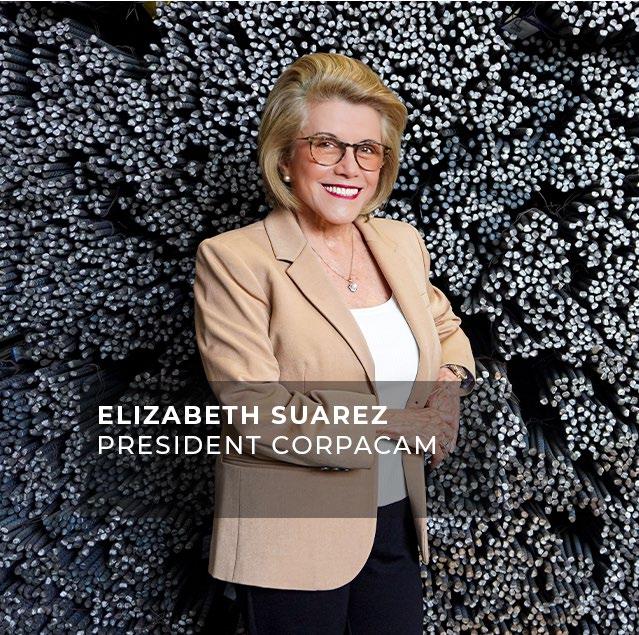
Demand for structural steel has risen as energy transmission and industrial facilities move from planning to construction. The metalworking sector represents approximately 3.9% of Guatemala’s GDP and recorded yearon-year growth of 13.1%, said Elizabeth Suárez, President of Corpacam, reflecting sustained momentum tied to infrastructure activity. Corpacam operates as a technical support com-
pany serving large-scale developments across the country.
Suárez described the company’s role as less visible than that of developers or contractors, yet fundamental to project delivery. Structural steel solutions, fabrication and logistical coordination determine whether engineering plans translate into operational assets. Precision manufacturing and timely material availability, she explained, are critical to maintaining schedules and cost discipline.
Guatemala accounts for more than 55% of Central America’s metallurgical exports. Demand has strengthened alongside investment in transmission systems and industrial facilities, Suárez noted, with steel components forming the structural backbone of towers and large-scale installations linked to expanding energy and logistics networks.
Corpacam has built its operations around flexibility and long-term client relationships. Sustained investment in fabrication capacity and technical standards, Suárez argued, determines whether infrastructure pipelines translate into operational results. She added that maintaining domestic fabrication capacity reduces dependency on external supply chains and allows major projects to advance without significant material bottlenecks.
Energy transmission and industrial expansion also depend on reliable water systems. In Guatemala, groundwater management has emerged as one of the country’s most pressing infrastructure challenges.
Manrique Fuentes, General Manager of Aquasistemas, said the principal structural gap lies in the absence of effective regulation governing groundwater extraction. Guatemala does not yet have strict laws controlling underground water use, and new projects can drill wells without comprehensive oversight. In some regions, wells now reach depths of up to 350 meters — a sign that the water table continues to decline, Fuentes explained.
Groundwater is a finite resource, he emphasized, and extraction frequently occurs without sufficient recirculation or treatment mechanisms, increasing long-term depletion risks. Although rising demand for pumping systems has supported sector growth, environmental responsibility must remain central to infrastructure planning.
Founded more than 30 years ago, Aquasistemas provides integrated water
Orgullosamente la primera fábrica productora de barras de acero corrugadas para refuerzo de concreto desde 1960 en Guatemala y los primeros productores de vigas estructurales de acero desde 2014 en Centroamérica

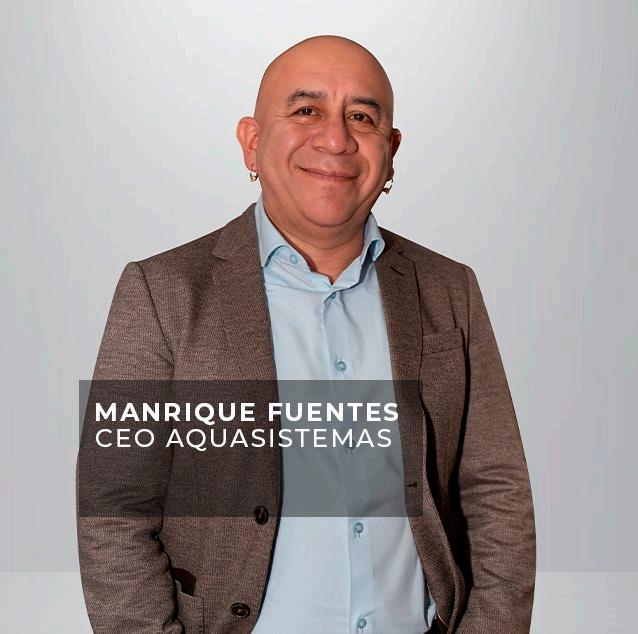
management solutions that extend beyond equipment supply. The company accompanies clients with technical advisory, system design, installation and preventive maintenance. Aquasistemas currently holds approximately 60% of the national pumping systems market.
Fuentes noted that demand from hotels, agro-industrial facilities and residential developments has grown as urban density expands, reinforcing the need for structured groundwater management and stronger technical oversight.
That leadership carries responsibility, Fuentes added. Ensuring reliable and safe water supply for homes, hotels, industries and municipalities requires not only equipment but sustained service capacity and training. Aquasistemas conducts ongoing technical education programs to promote responsible water management practices nationwide.
For Fuentes, strengthening Guatemala’s water infrastructure requires regulatory modernization, technical discipline and greater investment in treatment and reuse systems. Infrastructure expansion, he argued, cannot be considered sustainable if groundwater resources are not protected for future generations.
The scale of the challenge extends beyond water systems alone. According to the Inter-American Development Bank, Guatemala would need to mobilize approximately USD 48.2 billion in cumulative infrastructure investment by 2030 to close its national gap. That requirement is distributed across transport (24%), energy (20%), water and
sanitation (19%) and telecommunications (37%), underscoring the breadth of sectors that must advance simultaneously.
Energy and digital infrastructure together account for more than half of the projected deficit. The Inter-American Development Bank has also identified approximately USD 370 million in rural electrification needs, linking infrastructure expansion directly to territorial inclusion and productivity outside major urban centers. Transmission networks, distribution systems and broadband connectivity therefore represent parallel priorities within a shared development framework.
The National Infrastructure Agency’s portfolio reflects that breadth. Beyond transmission and distribution projects, its pipeline includes roughly USD 3.06 billion in port and airport modernization initiatives and approximately USD 550 million in security and monitoring systems designed to reinforce logistics corridors and trade flows. These investments expand physical capacity while increasing the need for regulatory coordination and long-term maintenance planning.
Taken together, the figures indicate that Guatemala’s infrastructure strategy is defined less by isolated projects than by sustained sector-wide implementation. Transport efficiency, industrial performance, water availability and digital connectivity must progress under aligned financing, oversight and operational standards if current investment momentum is to translate into durable economic capacity.


65 años de trayectoria nos convierten en el referente de calidad del acero en la región centroamericana.
Conoce nuestras sedes escaneando este QR


From AI to Infrastructure: Scaling Guatemala’s Digital Economy
Artificial intelligence, cybersecurity and integrated infrastructure are driving Guatemala’s digital expansion as local firms scale telecom networks and intelligent systems beyond the domestic market.
Guatemala’s technology sector is no longer operating at the margins of the economy. In 2024, information and communications represented 3.8% of GDP and grew 5.2% in real terms, with authorities projecting expansion of between 5% and 6% this year. A significant share of that growth has come from digital services. The contact center and BPO industry alone generates more than USD 1.05 billion in exports and employs over 52,000 people, after several years of average growth close to double digits. For a country long associated primarily with agriculture and manufacturing, these services have become a visible source of foreign exchange and formal employment.
The shift rests on connectivity that now reaches most of the population. Mobile penetration stands at 118 lines per 100 inhabitants, while 12.5 million people use mobile internet and 4G coverage extends across more than 85% of populated areas. On top of that infrastructure, an entrepreneurial layer has emerged. Guatemala ranks 102nd globally in the StartupBlink ecosystem index and counts at least 57 active startups, with USD 27.4 million in funding reported in Guatemala City in 2025. Since 2019, local ventures are estimated to have raised between USD 150 and 200 million, suggesting that investor attention, while still selective, is becoming more consistent.
As the digital economy expanded beyond startups and service exports, large-scale integrators became increasingly important in sustaining that growth. Grupo PBS is one of them. Although the PBS brand was unified in 2009, its regional operations date back more than five decades, originally linked to Xerox businesses across Cen-
tral America and the Caribbean. Today the company operates in 19 countries and employs close to 3,000 collaborators, around 400 of whom are based in Guatemala, where it established a shared services center covering finance, treasury, marketing and systems.
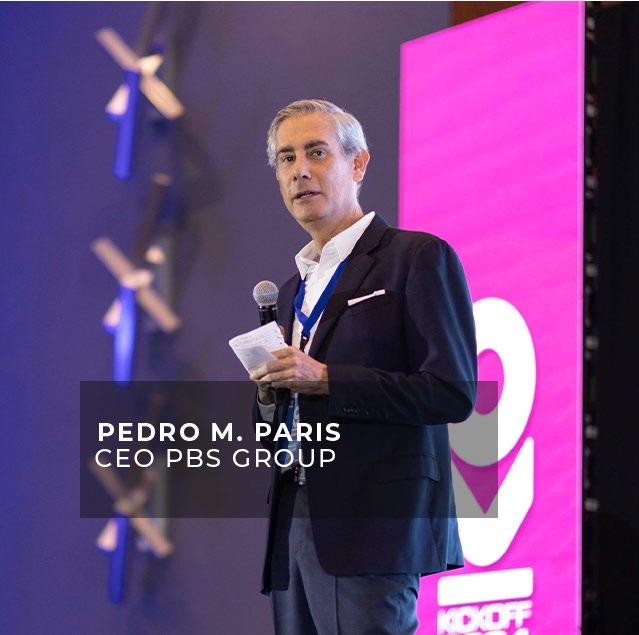
When Pedro M. París, CEO of Grupo PBS, assumed responsibility for consolidating multiple legacy operations, there was no unified ERP, no common processes and no shared identity. He recalled that the early years focused on aligning culture and systems across borders.
The objective, he explained, was to build what he called One Company, capable of delivering consistent standards throughout the region. That integration later allowed PBS to provide infrastructure, hybrid cloud, cybersecurity, analytics and managed services to corporations undergoing structural modernization.
For companies across Central America, artificial intelligence marked a new phase of acceleration, París argued. Technological revolutions have historically reshaped entire industries, he noted, and Guatemala would face similar pressure to adapt. Stronger coordination between universities, government and the private sector remained essential, he emphasized, if the country expected to compete at scale. Momentum around AI is now visible beyond corporate strategy discussions.
A study conducted by the Centro de Investigaciones Humanismo y Empresa (CIHE) at UNIS Business School, based on responses from 206 senior executives, found that 41% of companies were still evaluating how to integrate these tools into their operations, while concerns over data privacy and cyberattacks ranked among the most significant perceived risks.
At the policy level, the AI Landscape Assessment supported by the United Nations Development Programme placed Guatemala in an early opportunis-




tic stage of development, citing gaps in regulation, governance and advanced computing capacity. Interest is rising, but so are the structural gaps that accompany it.
Cybersecurity as Competitive Infrastructure
That growing focus on digital resilience reshaped conversations inside many Guatemalan companies. Cybersecurity moved closer to the core of business strategy, and demand for specialized expertise increased steadily.
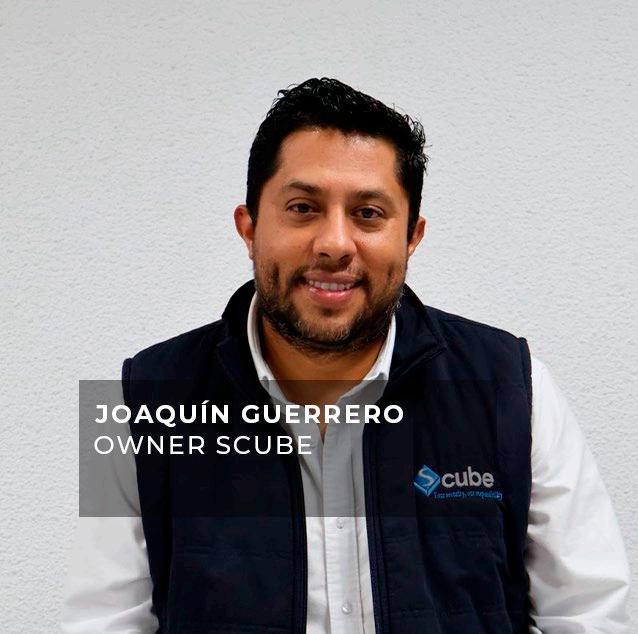
SCUBE’s CEO, Joaquín Guerrero, said the cybersecurity market that has grown significantly in recent years, particularly after the pandemic accelerated remote operations and exposed new digital risks.Founded in 2020 with 100% Guatemalan capital by three Guatemalan partners, the company was created with the vision of building a local firm capable of competing globally in information security and cybersecurity.
Guerrero explained that many organizations came to understand that security cannot be limited to technological tools alone, but must also include good practices and continuous training. Regional cyber incidents reinforced that awareness, leading to increased investment in cybersecurity across companies of all sizes.
In just four years, SCUBE expanded into Central America, Mexico and the United States. The firm offers security assessments, penetration testing, forensic analysis, CISO as a Service, incident response, training workshops and cybersecurity technology integration. It represents more than 20 international cybersecurity brands, all of U.S. origin, allowing it to implement global standards such as PCI-DSS for financial data protection.
Guerrero acknowledged that demand for specialized professionals continues to exceed available local talent, describing the talent gap as both a challenge and an opportunity. In response, SCUBE invests in professional training and is developing its own Security Operations Center to provide continuous
monitoring and rapid incident response capabilities.
Digital protection, however, is only part of the equation. Companies continue to rely on structured security services to operate with stability. More than 7,000 people receive formal salaries through CASSESA, all with full benefits, in a labor market where informality remains widespread.
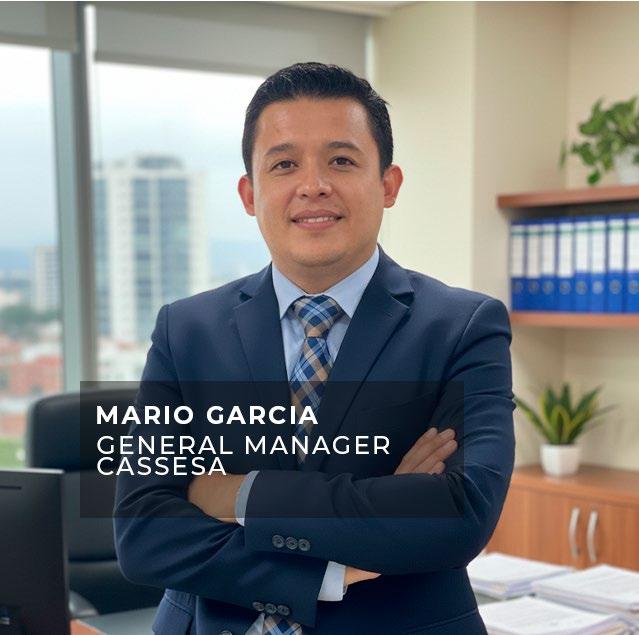
Mario García, CEO of CASSESA, described private security as a pillar of Guatemala’s economy, both for its contribution to national stability and for its capacity to generate formal employment. He explained that when jobs are formalized, families gain economic stability, migration pressures decrease and community ties are strengthened. CASSESA was founded in 2015 and began formal operations in 2017. From the outset, García said, the company’s vision was to support the country’s development by creating dignified employment and offering security services that make a tangible difference.
Today the firm serves clients in banking, industry, energy, retail and construction, and has expanded operations into El Salvador. García noted that technological advances now allow the sector to provide more efficient, transparent and secure services.
Professionalization remains a challenge across the industry. Through collaboration with ACNUR, CASSESA supports labor reintegration programs for migrants and refugees. Participation in AmCham Guatemala initiatives has also strengthened executive training and the adoption of international best practices.
Growth in Guatemala’s technology ecosystem did not stall after its expansion into digital services. Companies that initially focused on connectivity and outsourcing moved toward integration, automation and higher-value infrastructure. The discussion shifted from access alone to performance and scalability. Investors increasingly evaluated projects on their capacity to sustain long-term growth rather than isolated upgrades.
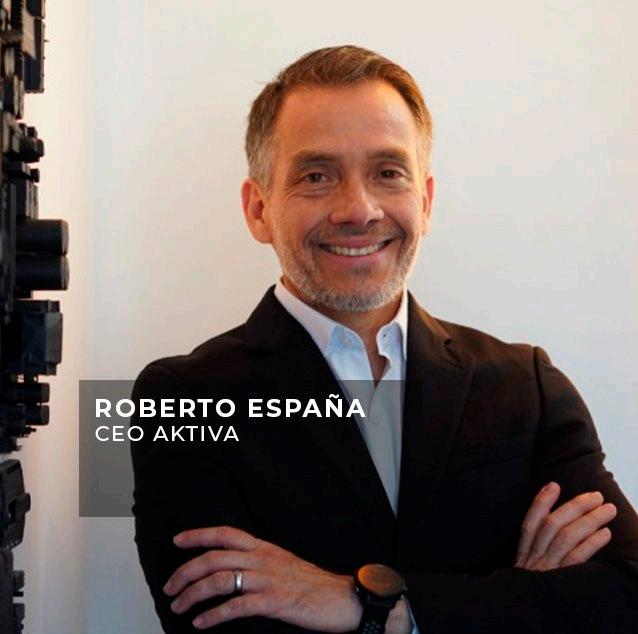
That transition created space for firms such as Aktiva. Roberto España, CEO of the company, described a market that has evolved significantly in Guatemala and El Salvador, where automation is no longer perceived as a luxury but as a functional necessity and source of added value. Developers increasingly incorporate lighting controls, motorized shades, climate systems, intelligent access and robust connectivity from early design stages.
Founded in 2006, Aktiva adopted an integration-focused model rather than promoting a single brand. España explained that no single manufacturer can provide a complete solution, which led the company to evolve from residential automation into comprehensive technological integration across corporate, commercial, institutional and industrial sectors.
Over the past eight years, Aktiva has worked closely with developers on vertical construction projects, integrating vehicular and pedestrian access systems, CCTV, fire detection and connectivity solutions. The company accompanies clients from planning through post-sale support, building long-term relationships.
España noted that automation today represents efficiency, well-being and modernity — elements that add tangible value to properties and users.
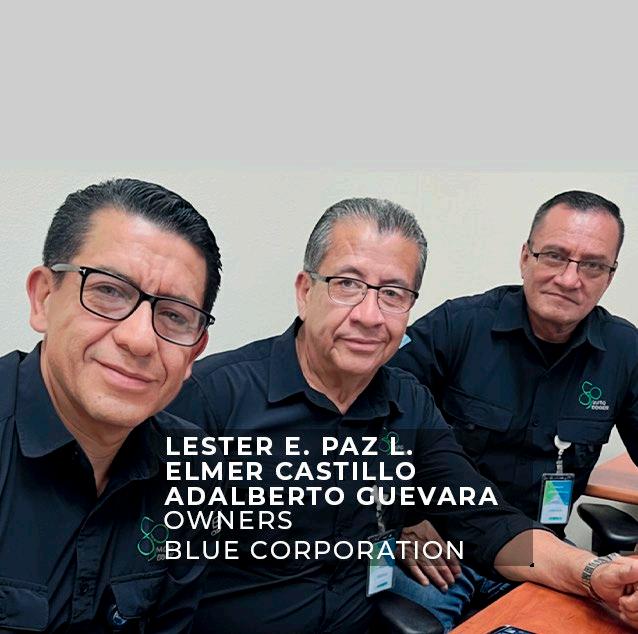
Telecom as the Backbone of Scale Connectivity formed the layer beneath that progress. Blue Corporation, co-founded by Lester Paz and Elmer Castillo, entered Guatemala’s telecommunications market with the intention of delivering services under standards typically associated with multinational operators. Paz recalled that when the company began nearly two decades ago, regulatory barriers and bureaucratic processes left little room for local entrepreneurs to scale.
The company was founded in 2006 with what Paz described as a commitment to building a fully legal network in a market often marked by informality. Securing the necessary permits took five years while technical operations continued in parallel, a period that strengthened internal discipline and resilience. In 2024, the firm signed what Paz characterized as a historic contract, positioning Blue alongside multinational competitors.
He added that the company is now the only 100% Guatemalan firm authorized by EPM to operate in both Guatemala and El Salvador.
Castillo emphasized that structural modernization must extend beyond

individual firms. Updating the Telecommunications Law, enacted in 1984, remained urgent in order to align regulation with current technological realities. He also pointed to the presence of improvised providers and low residential penetration as persistent weaknesses affecting service quality and user confidence.
The company currently maintains activity in Guatemala, El Salvador and Honduras, with expansion toward Nicaragua under consideration, Castillo said.
The United States plays a strategic role as well. Paz highlighted active participation in AmCham Guatemala and confirmed plans to establish a physical presence at strategic data centers in Miami.. Collaborations with American companies are already underway, and additional alliances remain part of the firm’s expansion strategy.
Castillo added that the Blue Academy certifies Guatemalan technicians to work legally on fiber and telecommu-
nications projects abroad, positioning local talent within international markets.
Guatemala’s digital evolution reflected greater coordination across sectors. Automation systems and stronger networks moved in the same direction as companies expanded regionally and invested in compliance. For international investors, local firms demonstrated technical capability, governance discipline and regional ambition. The next phase of growth will depend on structured expansion anchored in infrastructure and talent.









Cultivating Competitiveness: Reinforcing Guatemala’s Agroindustrial Platform
Innovation at the soil level and sustainability across supply chains are strengthening Guatemala’s export-driven agroindustry.
Agribusiness remains one of the defining pillars of Guatemala’s economy, accounting for nearly 20% of expanded GDP and more than 40% of total

exports. Bananas, coffee, sugar, palm oil and cardamom generate billions of dollars in foreign exchange each year, with the United States standing as the country’s principal trading partner.
The sector supports rural livelihoods, regional supply chains and national competitiveness. Maintaining that export capacity, however, requires more than favorable climate and fertile land. It demands sustained technical execution, disciplined input management and continuous improvement across every stage of the agricultural cycle.
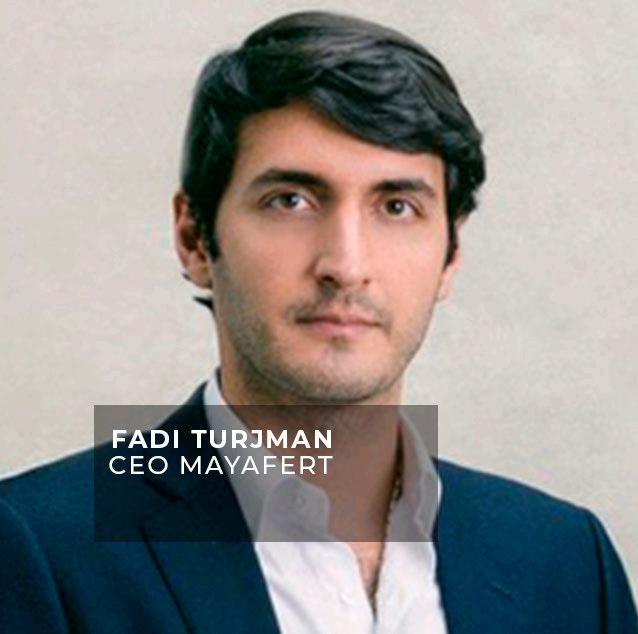
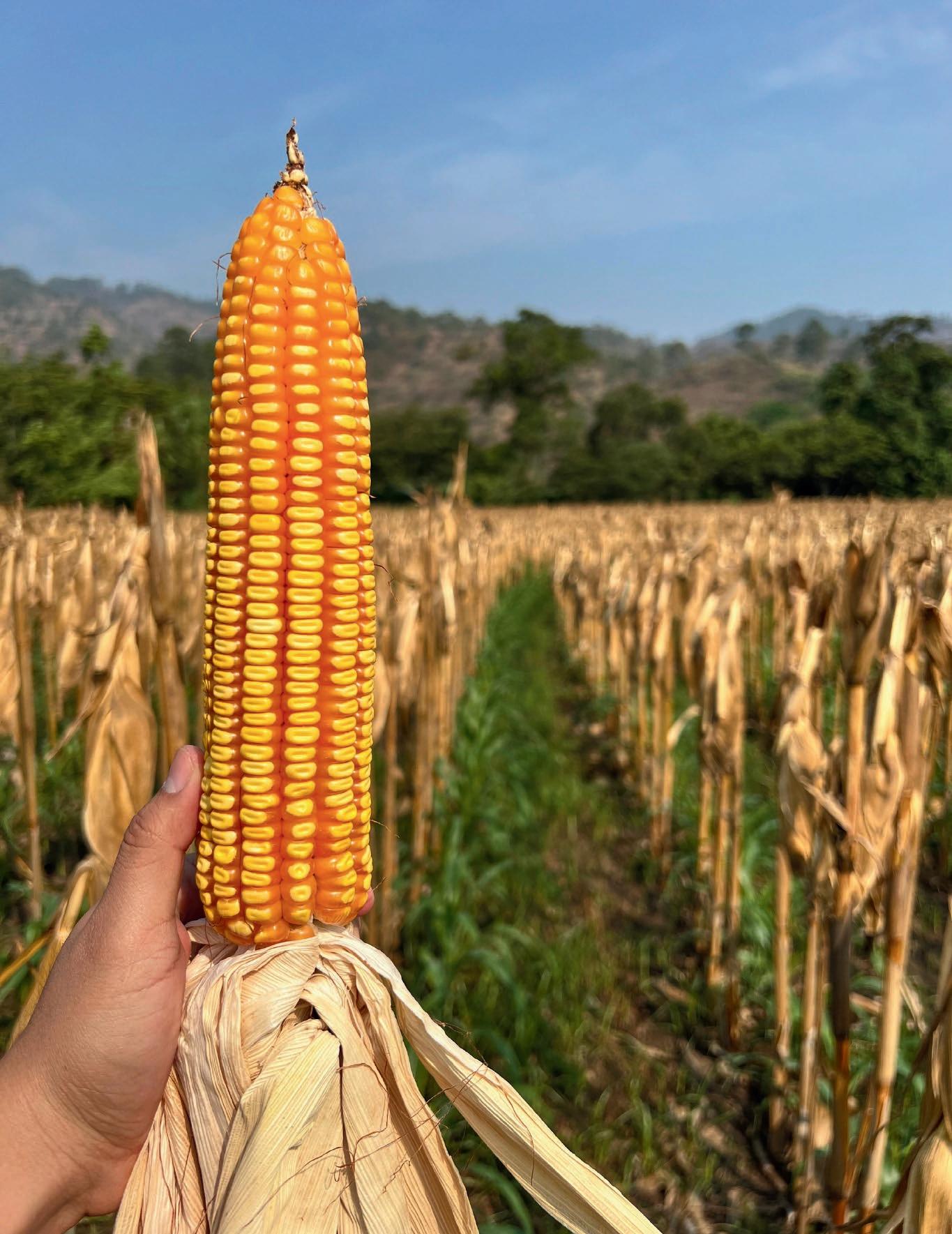
That technical execution becomes particularly visible in the fertilizer segment, where productivity gains begin at the soil level. Fadi Turjman, CEO of Fertilizantes Maya S.A., has positioned Mayafert around quality, consistency and adaptability in an agricul-

CALIDAD QUE DISTINGUE
Experiencia que Nutre la Tierra
tural market shaped by volatility and shifting export requirements. Rather than acting as a commodity supplier, Mayafert presents itself as a provider of tailored agronomic solutions that reinforce long-term confidence among producers, he said.
Precision agriculture forms the backbone of Mayafert’s strategy. The company develops specialized formulas calibrated to specific soil profiles and crop demands, incorporating micronutrients and advanced inputs that have grown in relevance as international markets tighten standards. These formulations are designed to deliver measurable field performance while helping farmers protect margins in an increasingly competitive environment, Turjman noted.
Constant reinvention is not optional but structural, Turjman said. Innovation must remain continuous if Guatemalan agriculture is to sustain its export position and respond to shifting global demand, he added. For Mayafert, that emphasis on adaptation has shaped product development, technical advisory services and its broader investment strategy.
Even as companies refine precision and efficiency, the parameters of competitiveness continue to expand. International buyers increasingly evaluate production through the lens of traceability, environmental stewardship and long-term soil health. What once centered primarily on output now includes sustainability benchmarks that influence access to premium markets and long-term contracts.
Organic inputs are gaining structural relevance within Guatemala’s export
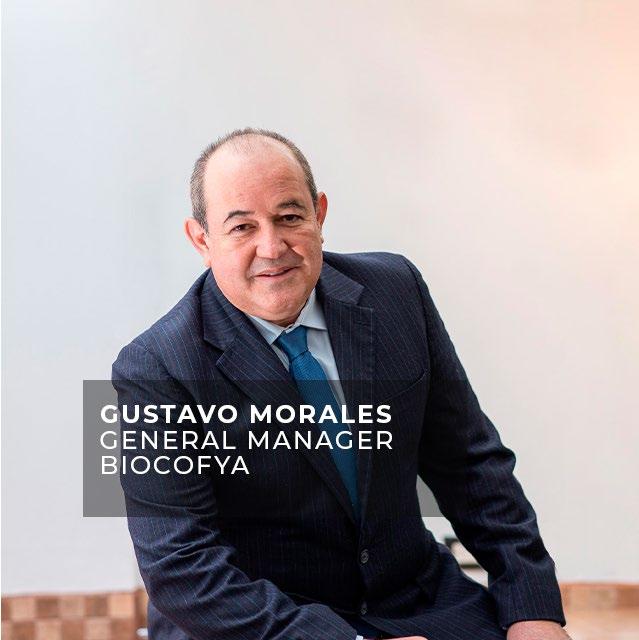
supply chains as sustainability standards tighten across global markets. In that environment, Biocofya has positioned itself as a long-standing domestic producer operating under strict internal quality controls and formula consistency developed over four decades.
Gustavo Morales, CEO of Biocofya, argues that the shift is no longer limited to niche producers. Adoption is expanding across the agricultural spectrum, he said, from small-scale farmers to large agroindustrial groups integrating organic components into structured plant nutrition programs. In a segment often associated with variability, Morales noted that Biocofya differentiates itself through measurable field performance and disciplined production standards rather than price competition alone. Beyond certification requirements, Biocofya emphasizes soil regeneration and the responsible transformation of organic waste into agricultural inputs. Morales described this approach as both an environmental and economic opportunity, particularly in rural regions where sustainable practices increasingly influence purchasing decisions and long-term supplier relationships.
Compliance with US-linked certification frameworks remains commercially significant for exporters targeting North American markets. Morales said regulatory modernization, technical education and continued research in biofertilization and soil regeneration will determine how quickly Biocofya and the broader organic segment scale within Guatemala’s agroindustrial model.
With the United States as its principal trading partner and geographic proximity to major consumer markets, Guatemala’s agroindustrial platform is strategically positioned for expansion. Continued investment in infrastructure, regulatory modernization and technical capacity will determine the pace of growth. The sector today represents more than primary production. It stands as a sophisticated, export-driven ecosystem prepared for deeper international partnerships and long-term capital engagement.
Markets in Motion: Commerce and Mobility in Guatemala
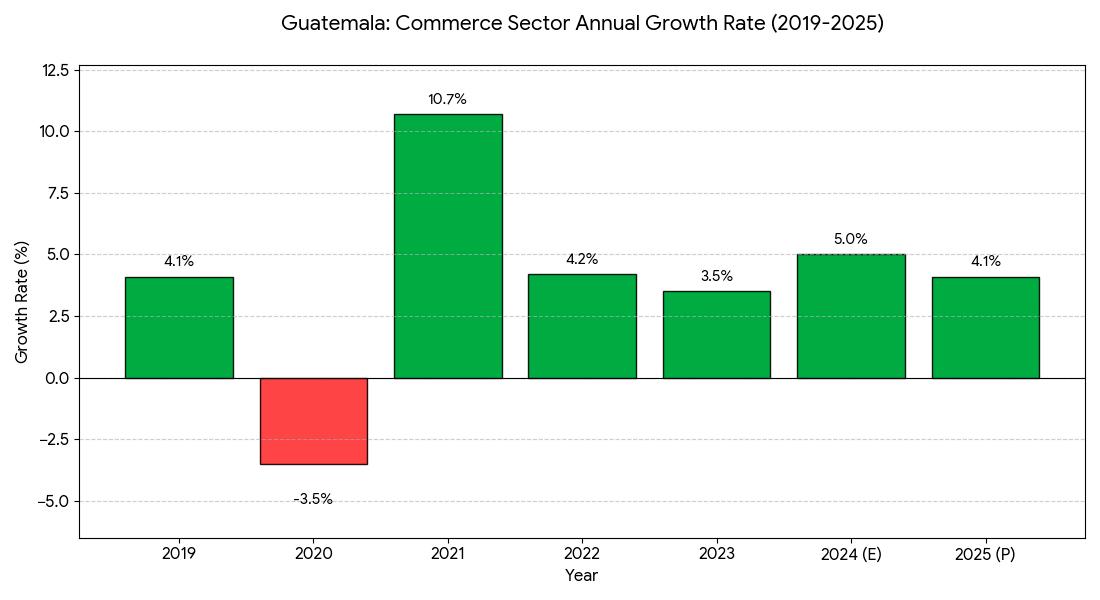
Guatemala’s commerce and services sector is evolving within a macroeconomic environment defined by stability, demographic dynamism and expanding domestic demand.
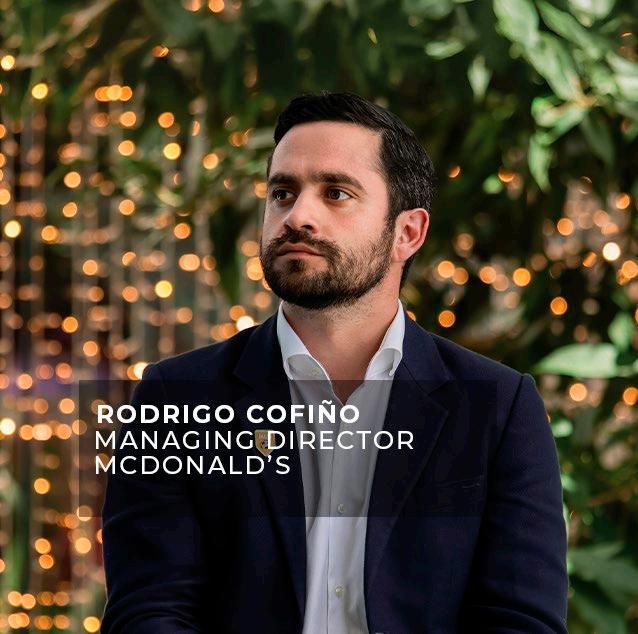
According to Juan Carlos Zapata, executive director of the Foundation for the Development of Guatemala (FUNDESA), the country has demonstrated remarkable economic consistency over the past decade.
Guatemala has maintained moderate but steady growth, supported by prudent fiscal policy, a young and expanding workforce and strong levels of remittances from Guatemalans living abroad. International organizations project growth between 3% and 4% annually in the coming years, reinforcing confidence in the country’s economic fundamentals.
For Zapata, Guatemala’s next stage of development will depend on improving infrastructure, modernizing logistics and attracting greater levels of investment.
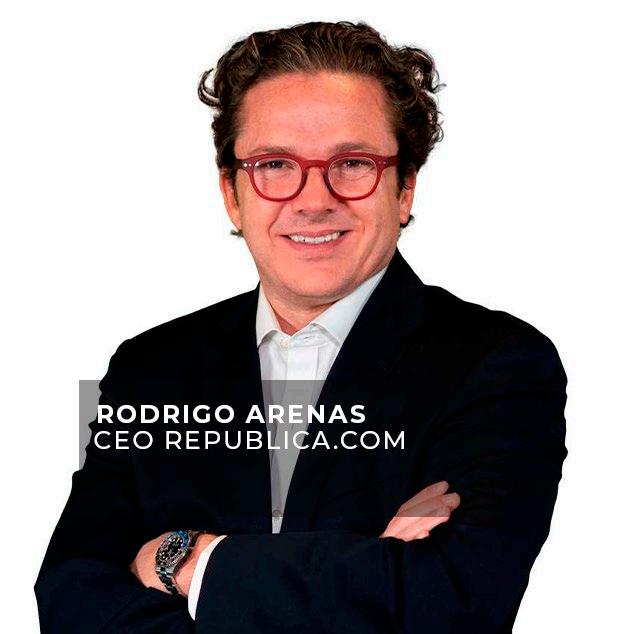
Rodrigo Arenas, founder of Republica. com, points to remittances as one of the most powerful forces shaping Guatemala’s domestic economy. Money sent home by Guatemalans living abroad flows directly into households and quickly translates into consumption, construction and improvements in quality of life.
Many families invest these resources in building or expanding homes, creating strong demand for materials, appliances and household goods. This process generates multiplier effects across several sectors of the economy.
Arenas believes the continued growth of domestic consumption, supported by remittances and demographic expansion, will remain a key driver of Guatemala’s commerce sector in the years ahead.
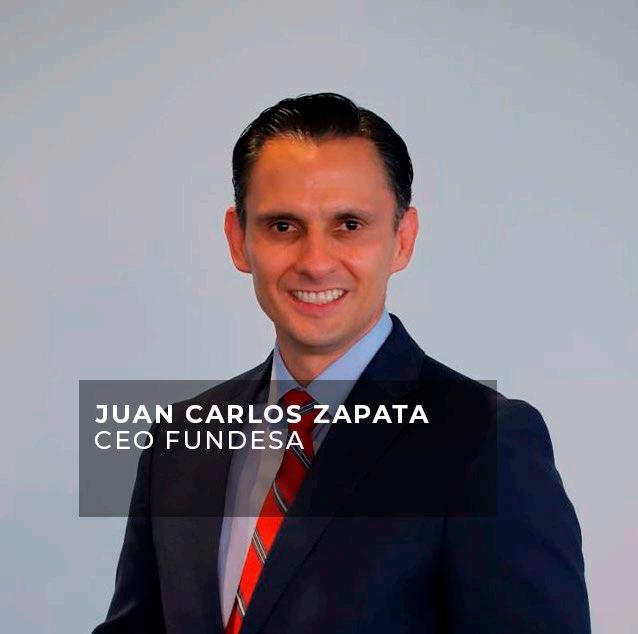
Within this expanding consumer landscape, international brands have found fertile ground to grow while building strong local identities. Few companies illustrate this dynamic better than McDonald’s Guatemala, led by Mananging director Rodrigo Cofiño.
The story of McDonald’s in Guatemala is not simply about the expansion of a global brand—it is a story of family en-
trepreneurship, resilience and deep connection with the country’s communities. The company first arrived in Guatemala in 1974, when José María Cofiño introduced the brand to the country and opened the first restaurant in Guatemala City.
Just two years later, the devastating 1976 earthquake struck the nation, destroying infrastructure and disrupting economic activity across the country. For many companies, the crisis would have meant retreat. For the Cofiño family, however, it became a moment that defined their long-term commitment to Guatemala.
With belief in the country’s future, the company continued investing and expanding. Over the following decades, McDonald’s Guatemala grew steadily, building a nationwide network of restaurants and becoming one of the most recognizable brands in the country’s service economy.
Today the company operates more than a hundred restaurants across Guatemala and employs thousands of people, making it one of the largest employers in the country’s restaurant sector. Yet the story behind the growth is often told through small moments that illustrate the company’s philosophy.
Guatemala is widely associated with the origins of the “Happy Meal” concept, with local accounts tracing it back to 1978, when Yolanda Fernández de Cofiño introduced the “Ronald Menu,” a children’s offering with smaller portions and a toy. The idea later evolved into one of the brand’s most recognized products worldwide, symbolizing childhood memories shared across generations.
Beyond business growth, McDonald’s Guatemala has also developed a strong culture of social responsibility. Through Ronald McDonald House Charities, the company provides housing and support for families whose children must travel to cities for specialized medical treatment.
Rodrigo Cofiño recalls a story frequently shared within the family. When his grandfather opened the second restaurant in Guatemala City’s Zone 9, a real estate agent remarked that the location was perfect because it was close to another hamburger restaurant. “That restaurant is long gone,” Cofiño says with a smile. “But McDonald’s Guatemala kept growing.”
The anecdote reflects a deeper lesson about perseverance and long-term vision—qualities that have defined the company’s journey for more than five decades.
Innovation has also played a key role in the company’s expansion. Over the years McDonald’s Guatemala introduced new formats and services that transformed how Guatemalans interact with restaurants. AutoMac drive-through service, McDelivery and McCafé expanded the brand beyond traditional dining spaces, adapting to the evolving lifestyles of urban consumers.
The initiative has helped thousands of families stay close to their children during difficult moments, reinforcing the company’s belief that business success should be accompanied by social impact.
Events such as the annual McDía Feliz campaign further mobilize customers and employees to raise funds for programs dedicated to children’s health and development. For many Guatemalans, the brand has therefore become associated not only with food, but also with solidarity and community engagement.
Cofiño believes that the company’s success ultimately lies in its ability to balance global standards with local identity.
In that sense, the golden arches in Guatemala symbolize something larger than a restaurant chain. They represent the intersection of global enterprise and local culture, a story
of resilience and adaptation that mirrors the country’s own economic evolution.
More broadly, Guatemala’s commerce and services sector reflects a similar trajectory of transformation and opportunity. The country’s young population, expanding urban centers and growing middle class continue to drive demand for retail, restaurants, entertainment and professional services.
Shopping centers, mixed-use developments and new commercial districts have multiplied across Guatemala City and other major urban areas, reshaping the landscape of consumption and leisure. These spaces increasingly integrate retail, dining and entertainment, reflecting a shift toward experience-driven consumer culture.
Private investment has flowed steadily into commercial infrastructure designed to serve a modern and increasingly urban population. Retail chains, hospitality groups and service providers are expanding operations to meet rising demand.
At the same time, Guatemala’s geographic position in the heart of the Americas offers significant potential as a logistics and distribution hub for Central America. Improvements in ports, highways and digital connectivity could further strengthen the competitiveness of the country’s commerce sector.
Entrepreneurs and businesses are also embracing digital transformation. E-commerce platforms, delivery services and digital payment systems are gradually reshaping how Guatemalans shop, dine and interact with brands.
These changes are helping modernize the country’s retail ecosystem while opening new opportunities for innovation and entrepreneurship.
Taken together, these trends suggest that Guatemala’s commerce and services industries are entering a new phase of development—one driven by macroeconomic stability, rising consumer demand and a growing capacity to blend global expertise with local creativity.
For companies operating in the country, the message is clear: Guatemala is not only a market of today, but also a landscape of long-term opportunity
Markets in Motion: Commerce, Mobility and the Ecosystems That Connect Them
Guatemala’s commerce and services sector is more interconnected than it first appears. Behind every retail transaction, construction project or logistics operation runs a web of supporting industries — vehicle fleets, legal advisors, environmental managers and automotive distributors — whose performance determines whether the broader economy moves efficiently or stalls. As the country urbanizes and its supply chains grow more complex, these industries are gaining visibility and strategic importance. Guatemala’s logistics and mobility systems are evolving as vehicle fleets expand and distribution networks reach deeper into metropolitan areas. Retail supply chains, vehicle distribution and transport services increasingly connect manufacturers, wholesalers and urban consumers across a rapidly growing commercial landscape. Freight carriers move goods daily between production zones, industrial parks and urban centers, while delivery fleets and independent drivers keep commercial activity circulating across the country.
Guatemala’s vehicle fleet has grown steadily over the past decade, reflecting the increasing scale of distribution networks and the fundamental role of mobility in domestic logistics. Commercial fleets, delivery services and small businesses depend on reliable transport to sustain their operations. These conditions have strengthened the role of firms that support the vehicle service ecosystem — from parts distributors and repair workshops to importers and mobility providers.
Circular Economy: Baretec and the Business of Responsible Recycling
Rising vehicle ownership brings environmental responsibilities alongside economic opportunity, particularly in the management of industrial materials generated by the automotive industry.
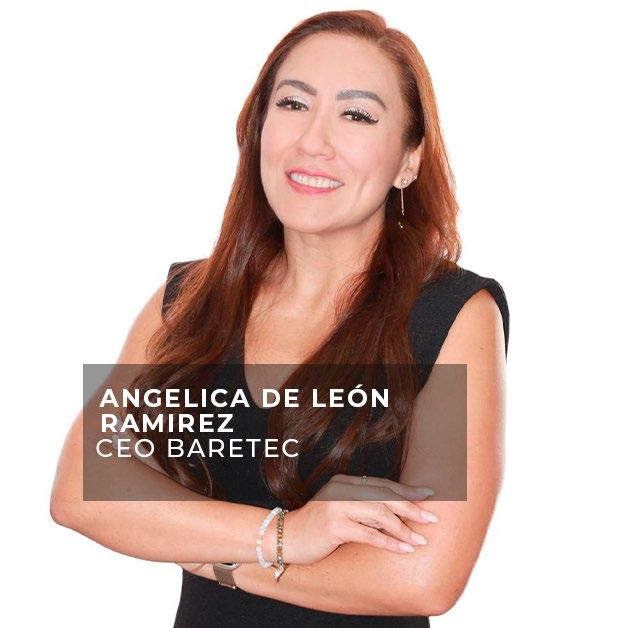
Baretec Guatemala operates in this field by focusing on the responsible collection and export of used lead-acid batteries. These materials require specialized handling to prevent environmental contamination, said Angélica de León Ramírez, CEO of the company. The firm operates under a circular economy model in which industrial waste is reintroduced into production cycles rather than discarded. Through its recycling operations, the company has exported more than 68,000 tons of used batteries, equivalent to over five million units, De León said. Lead and plastic recovered from these materials can be reused in manufacturing processes. According to De León, up to 99.9% of the components contai-
ned in a lead-acid battery can be recycled and reintroduced into industrial supply chains. Recycling also reduces the need for new raw materials — in some cases, recovered lead can reduce demand for primary extraction by as much as 75%, lowering the environmental pressure associated with mining activities, De León added.
The company was founded in 2009 after De León observed advanced recycling systems while living in South
Korea. Those experiences helped shape a model focused on exporting hazardous materials to specialized facilities abroad where they can be processed safely. For Baretec, environmental responsibility is not a constraint on business — it is the business model.
Legal Certainty: The Foundation of Long-Term Investment
As logistics networks expand and industrial investment continues, institutional certainty remains an important factor for businesses evaluating long-term projects. Florencio de Mata explained that companies expanding operations often require guidance on regulatory frameworks, contractual structures and compliance processes.
Infrastructure projects, distribution networks and industrial facilities frequently involve complex legal arrangements that must be structured carefully from the outset. Clear regulations allow firms to plan projects with greater confidence and reduce uncertainty when committing capital to long-term investments. According to De Mata, continued efforts to strengthen institutional transparency could help attract additional domestic and international investment into Guatemala. Improvements in administrative procedures can facilitate the creation of new operations while making it easier for businesses to expand existing projects.
Clear legal frameworks help sustain investor confidence, De Mata said. Strong institutions and transparent processes contribute to a more stable environment for companies evaluating opportunities in sectors such as logistics, transportation and manufacturing.
markets in Central America. That steady increase has supported the aftermarket industry even during periods of broader economic uncertainty.
Transport vehicles require regular servicing regardless of economic cycles. Parts such as braking systems, clutches and suspension components must be replaced periodically to maintain safe operation, particularly for trucks and commercial units used in freight transport and logistics, Granai added.
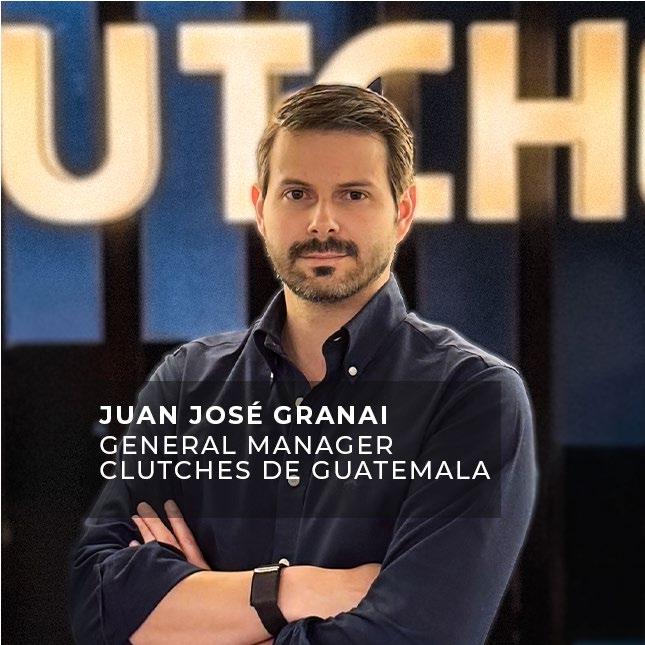
Clutches de Guatemala has expanded alongside this market. The business began more than five decades ago as a small workshop specializing in clutch and brake reconstruction. Over time it evolved into a national distributor of automotive parts. Today the company operates 23 retail locations across the country, along with two Clutches Express branches designed to provide faster service and wider geographic coverage. A new store scheduled to open later this year will bring the network to 26 locations nationwide, Granai noted.
“Guatemala’s vehicle economy runs on precision and resilience.”
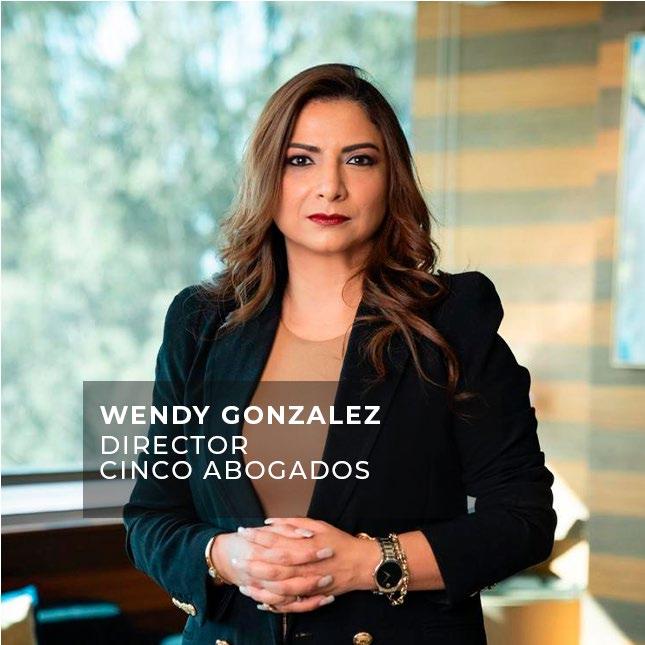
Corporate legal advisory firms also support business expansion across Guatemala’s commercial sectors. Wendy González of Cinco Abogados said companies entering new markets or expanding their operations often require assistance structuring contracts, reviewing regulatory obligations and navigating compliance frameworks. Legal advisors frequently work with businesses during the planning stages of major projects, helping define corporate structures, investment vehicles and operational agreements, González said.
Careful legal planning can reduce operational risks while ensuring that firms comply with national legislation and regulatory procedures. Maintaining compliance remains particularly important in sectors linked to infrastructure, trade and industrial activity, where projects often involve multiple stakeholders and complex contractual relationships. By providing guidance on regulatory frameworks and corporate governance, legal advisors help businesses operate with greater certainty while expanding their presence in Guatemala’s evolving economic landscape, González added.
Automotive Distribution: Parts, Guarantees and a Growing Market
Growth in Guatemala’s vehicle market is creating sustained opportunities for firms supplying spare parts and maintenance services. Demand for replacement components remains strong as more cars and trucks enter the country each year, said Juan José Granai, general manager of Clutches de Guatemala.
A large share of vehicles arriving in Guatemala are imported used units, particularly from the United States and South Korea. Many require mechanical attention soon after entering circulation, creating steady demand for components and technical services across the national territory, Granai explained. Guatemala’s vehicle fleet has expanded by roughly 5% to 8% annually, making the country one of the most dynamic automotive

Relationships with repair workshops remain central to the distributor’s strategy. Mechanics form the backbone of the automotive service industry and depend heavily on trusted suppliers when selecting replacement parts. Maintaining close ties with these workshops allows distributors to understand demand patterns and respond quickly to the needs of technicians working across Guatemala, Granai explained. Providing guarantees has become a key differentiator — few suppliers in Guatemala offer full warranties on their products, but doing so has helped the company build long-term relationships with workshops, fleet operators and transport firms across the country. The distributor is also expanding its product portfolio while investing in logistics infrastructure. A new distribution center scheduled to begin operations in 2026 will increase storage capacity and improve inventory management and delivery efficiency.
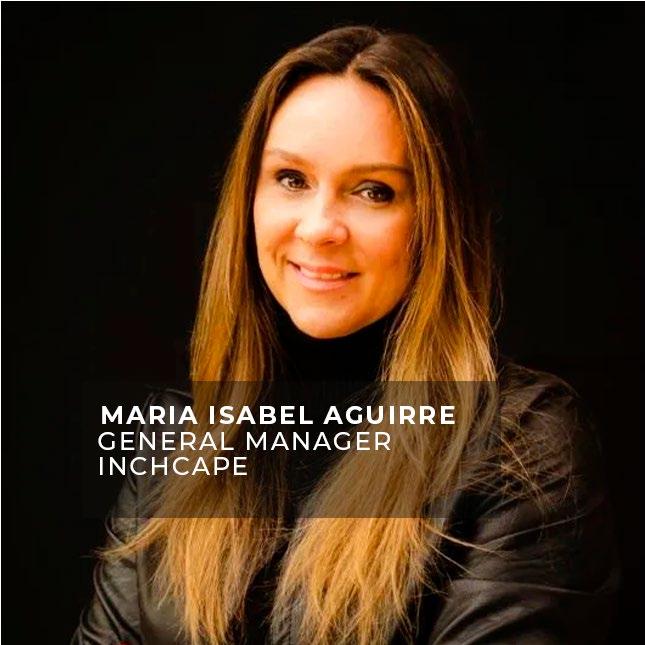
Vehicle distributors also shape market dynamics beyond the aftermarket. María Isabel Aguirre, general manager of Inchcape Guatemala, explained that vehicle demand often reflects broader economic trends. When consumer confidence improves and access to financing expands, vehicle sales typically increase. Expansion in the automotive industry also stimulates related activities such as insurance, repair workshops, financing services and fuel distribution, Aguirre said.

Following the pandemic, the automotive market experienced a rebound of nearly 21%. Growth has since stabilized between 6% and 8%, a pace that continues to outpace the broader national economy. Technological change is also influencing the sector — hybrid and electric vehicles are gradually gaining presence as manufacturers expand their offerings and consumers show increasing interest in efficiency and sustainability. Pickup trucks remain one of the most dynamic segments, given their versatility as both personal transportation and work vehicles, making them particularly attractive for small businesses and independent workers, Aguirre noted.
Inchcape forms part of a global automotive distribution group with more than 175 years of history and operations in over 40 markets. In Guatemala the company began operations in 2021 the long-term objective is to reach close to a 10% share of Guatemala’s automotive industry by 2030, Aguirre added.
An Interconnected Commercial Ecosystem
The development of Guatemala’s vehicle and commerce ecosystem shows how several industries interact within the country’s broader economy. Transportation networks, maintenance services, vehicle distribution and environmental management form part of a system that supports the circulation of goods and people across the national territory.
As urban areas expand and commercial activity grows, mobility and logistics have become increasingly relevant. Freight transport connects industrial zones with distribution centers, while delivery networks support the daily flow of products to retailers, restaurants and households.
Firms operating in the aftermarket industry help ensure that vehicles remain operational across the country’s transport network. Legal advisors and regulatory specialists contribute to the stability of this ecosystem by helping businesses navigate administrative frameworks and compliance requirements.
Environmental management has also become an essential component of this landscape. As vehicle ownership expands, responsible recycling and waste management practices help reduce the environmental footprint associated with automotive materials.
Together these industries show how Guatemala’s commercial environment is becoming more sophisticated. Businesses capable of combining reliable logistics, technical expertise, regulatory compliance and responsible environmental practices are likely to play a central role in supporting the country’s evolving commerce and services sector.

From Classrooms to Competitiveness: Advancing Guatemala’s Education Ecosystem
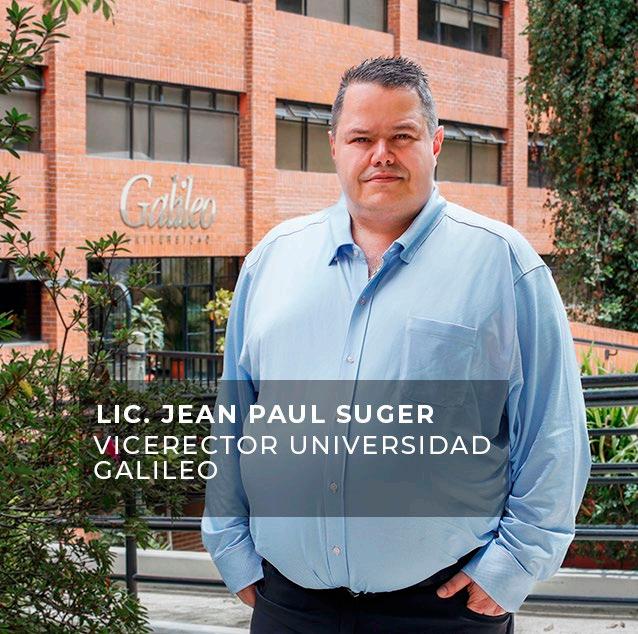
Technology-driven institutions, applied research and international collaboration are reshaping the country’s talent pipeline for a more productive economy.
Guatemala’s economic transformation is often measured through highways, logistics corridors and export volumes. Yet beneath those visible drivers lies a quieter foundation: education. As the country seeks to strengthen productivity, attract nearshoring operations and develop higher-value industries, the structure and quality of its human capital become decisive variables. Public investment in education stands at around 3% of GDP, according to UNESCO reports, reflecting both the scale of the sector and the responsibility it carries in shaping long-term competitiveness.
The breadth of that network is considerable. As of June 1, 2024, the Ministry of Education reported 3,197,809 students enrolled across 36,058 official public institutions nationwide. Millions of children enter primary classrooms each year.
The greater challenge lies in ensuring that more students continue into secondary and diversified education, where scientific, digital and technical skills are consolidated. Strengthening that progression is central to preparing Guatemala’s future workforce and aligning
Ingeniería de Sistemas, Informática y Ciencias de la Computación (FISICC), leading the introduction of systems engineering studies in Guatemala. In 1994, the institution moved into open education, and in 2000, under the leadership of Dr. Eduardo Suger, it was formally established as Universidad Galileo — the first Guatemalan university oriented toward technology and applied sciences.
Lic. Jean Paul Suger, administrative vice rector of Universidad Galileo, said higher education is the foundation of competitiveness. Artificial intelligence, robotics and automation are transforming production models and increasing efficiency across industries, he said. For Guatemala to compete globally, the country must increase the number of professionals trained in applied sciences and engineering. Access to STEM disciplines remains essential for sustained economic development, he added.
Brazil and the United States. Programs in renewable energy, robotics and artificial intelligence form part of a broader applied science agenda.
In biomedical engineering, a team led by Dr. Andrea Lara is developing technologies that allow rural midwives to conduct prenatal evaluations using scanners supported by artificial intelligence. The initiative brings diagnostic tools to historically underserved communities and reflects the institution’s focus on innovation with measurable social impact.
“The scale of Guatemala’s education landscape is also reflected in its personnel”
The university’s orientation toward science and digital learning predates recent global shifts. Since 2015, guided by the vision of Rector Dr. Eduardo Suger, Universidad Galileo had already developed its online education platforms. When the pandemic forced closures, operations continued without interruption.
That preparation also broadened its global reach. Through edX, the platform created by MIT and Harvard, more than 1.2 million people worldwide have taken courses developed by Universidad Galileo. The institution was also the first university in Latin America to offer massive open online courses (MOOCs),

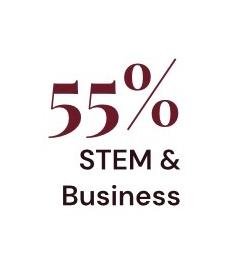
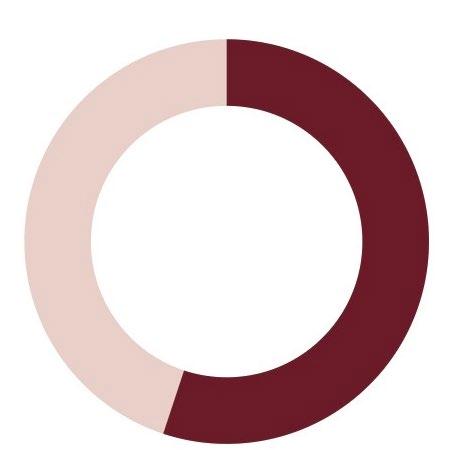
education with the demands of a more innovation-driven economy.
One institution that has aligned its academic model with those workforce demands is Universidad Galileo, where specialization in applied sciences has shaped its trajectory for decades.
Universidad Galileo traces its origins to 1977, when it began as an institute within Universidad Francisco Marroquín. In 1982, it became the Facultad de
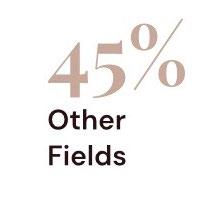
reinforcing its early commitment to digital access. Internal innovation has complemented external partnerships.
Galileo Educational Systems (GES), a proprietary platform built by Guatemalan engineers, supports its virtual education model. The university also organizes the BALAM Robot Competition and the National Robotics Olympiad, initiatives that have identified talent now competing in Japan, Austria,
Universidad Galileo maintains alliances with elite academic institutions and leading global technology companies. These partnerships facilitate certification programs, academic exchanges, internships and technology transfer. The United States represents a natural strategic partner because of its scientific leadership and longstanding educational ties with Guatemala, Suger said. The university remains open to deeper cooperation in joint programs, scientific development and applied initiatives.
Automation and digitalization will continue to advance across academic processes. Traditional programs are incorporating stronger digital and analytical competencies, while cross-border agreements and collaborative projects remain priorities. Expanding work in biomedical engineering, energy systems, robotics and artificial intelligence is also part of that direction. Positioning Guatemala more firmly on the global scientific map remains a stated objective, he noted.
The future of education, Suger said, will be hybrid, personalized and connected, with Universidad Galileo prepared to lead that transition across the region.
The university defines its contribution through four core pillars: specialized talent formation, particularly in STEM disciplines; accessible education through virtual programs reaching students across the country and the region; applied investigation addressing challenges in health, energy, industry and technology; and community development initiatives, including teacher training, digital literacy and social innovation. Elevating national competitiveness and transforming lives through knowledge remains its guiding purpose, Suger said.
Suger studied in Guatemala before continuing his education in the United States, an experience he said broadened his professional perspective. He has
worked at Universidad Galileo since 2002, beginning in administrative and financial areas and currently serving as administrative vice rector.
Institutional Capacity and Capital Flows
The scale of Guatemala’s education landscape is also reflected in its personnel. Approximately 298,041 teachers operate nationwide. The size of this professional base illustrates the depth of the country’s human infrastructure. Training standards, geographic distribution and the ability to incorporate digital tools influence how effectively enrollment translates into workforce readiness.
At the tertiary level, the Council of Private Higher Education recognizes 15 private universities alongside one public institution, Universidad de San Carlos de Guatemala. In August 2024, a university was authorized, adding to the national network. Continued institutional growth reflects sustained demand and diversification of academic offerings.
External financing has also influenced sector development. The Inter-American Development Bank approved a USD 100 million loan aimed at strengthening secondary education and supporting human capital formation.
The World Bank has previously supported basic education through initiatives such as the Basic Education Project associated with Loan 2328. On the private side, BID Invest reported financing designed to reach more than 13,000 young people.
Public institutions, private universities and multilateral financing together shape the broader framework within which Guatemala’s education sector operates. The long-term impact will depend on how effectively these elements converge to reinforce productivity, workforce development and institutional resilience.
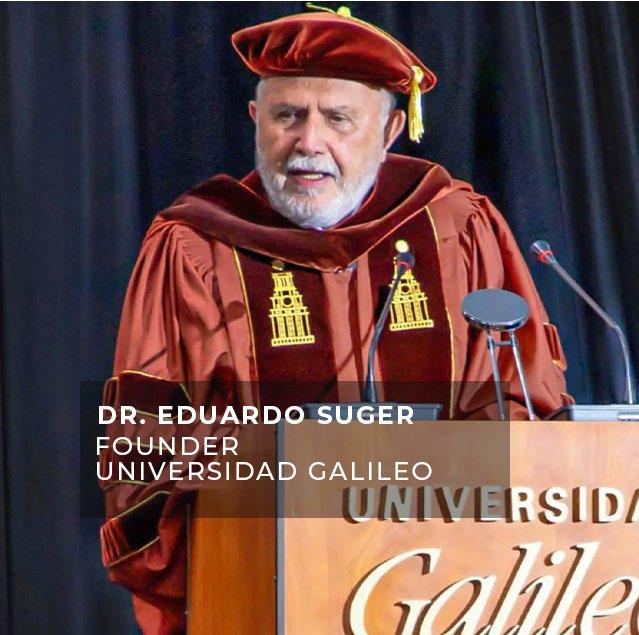
“Early exposure to computing led me to found Universidad Galileo and apply technology to professional fields.”
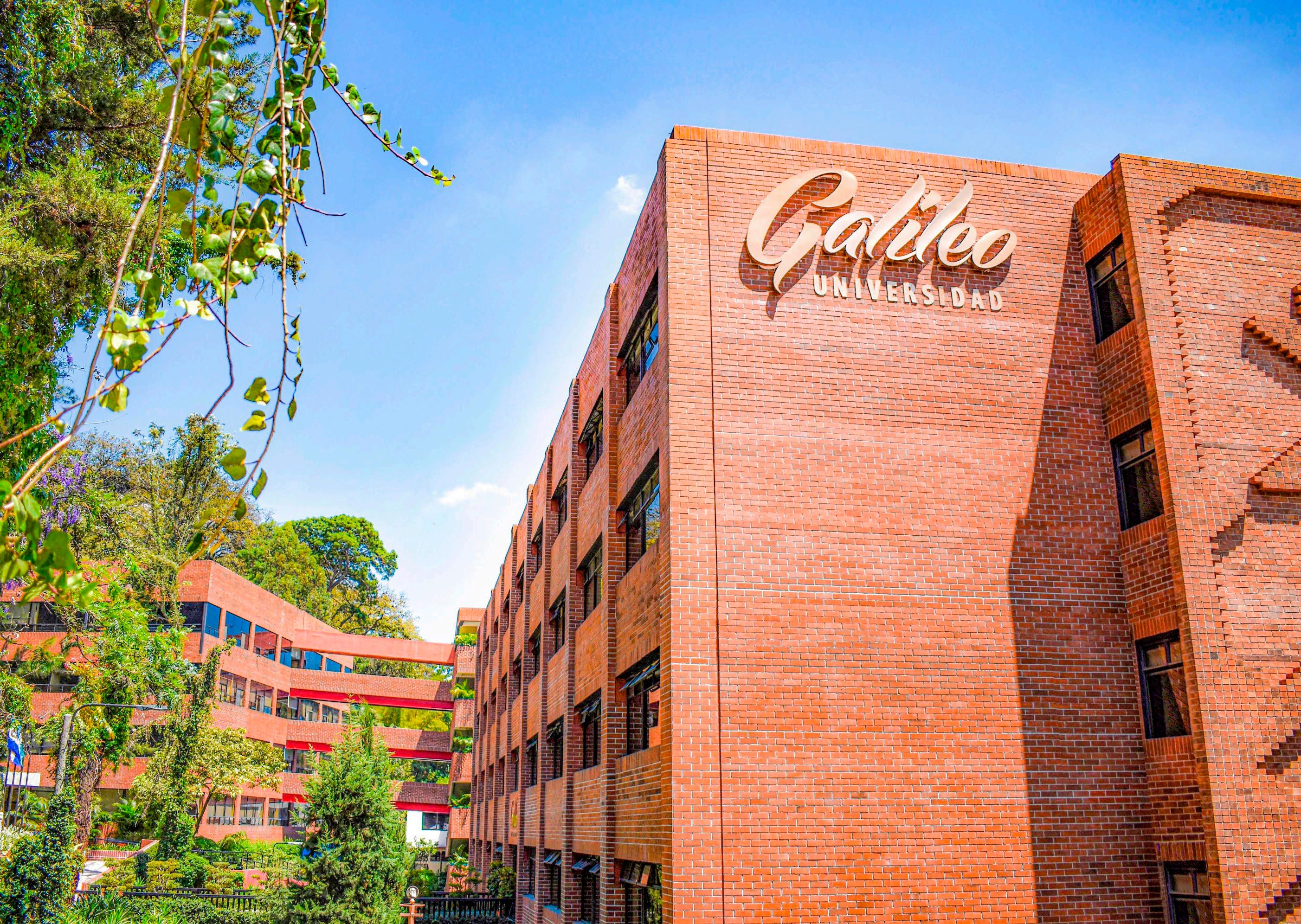







Capital and Confidence: Guatemala’s Financial System in Transition
Strong capitalization and prudent supervision have helped Guatemala maintain a resilient banking system over the past decade. Financial institutions play a central role in channeling savings into credit that supports commerce, infrastructure and productive investment across the country. Capital adequacy ratios remain comfortably above regulatory requirements, reflecting cautious risk management and a regulatory framework that has helped preserve stability even during periods of global economic volatility.
Data from the Superintendencia de Bancos show that the sector continues to operate with solid liquidity levels and relatively low non-performing loan ratios compared with several regional peers. Assessments by the International Monetary Fund similarly highlight Guatemala’s stable macroeconomic fundamentals, including moderate public debt and consistent fiscal discipline. These conditions have allowed financial institutions to expand lending while maintaining a stable environment for long-term investment.
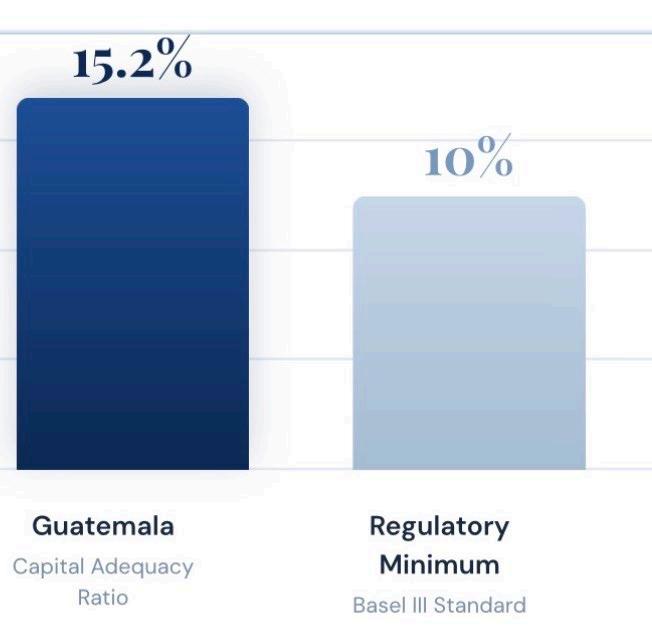
Insurance services form an important component of Guatemala’s financial ecosystem as financial institutions broaden their range of services beyond traditional banking activities. Daniel Aguilar, general manager of Seguros Bantrab, said the insurance industry has expanded steadily in recent years, with companies increasingly incorporating wellbeing and prevention services alongside traditional coverage models.
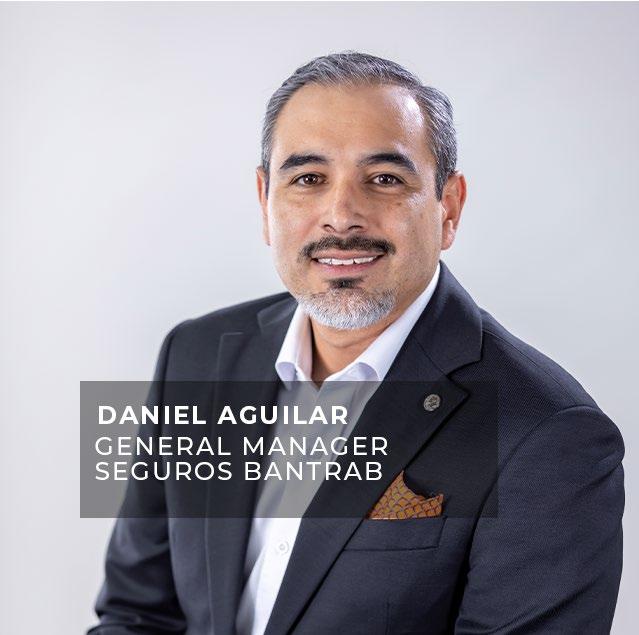
Seguros Bantrab has grown within this evolving environment by expanding its portfolio while strengthening distribution channels linked to the Bantrab financial group. The company offers life, health and credit-related policies designed to respond to the needs of workers and families throughout the country. Aguilar said the sector is gradually shifting toward integrated protection models that combine financial security with services aimed at improving quality of life.
Prevention has become a central element of this approach. Aguilar explained that Seguros Bantrab has developed services designed to assist clients before risks materialize rather than focusing solely on compensation after an incident occurs. These initiatives include telemedicine consultations, psychological guidance and medical assistance services delivered through digital channels.
Technology is also transforming how insurance services are delivered. Digital channels allow clients to access information, activate services and communicate with providers more efficiently than through traditional processes.
These improvements simplify procedures and expand access to protection products while maintaining operational efficiency, Aguilar noted. The integration of digital tools with health and financial services is expected to play an increasingly important role in the development of Guatemala’s insurance market.
Alongside the evolution of traditional financial services, new technological models are beginning to reshape how capital is mobilized and allocated. Financial technology firms are introducing mechanisms that allow investors to participate in projects that previously required substantial capital commitments, helping broaden access to investment opportunities historically limited to institutional investors.
Nostrum Capital operates within this emerging landscape by developing blockchain-based investment structures that connect investors with real economic projects. The company focuses on tokenization, a model that divides large assets into smaller digital units and enables broader participation in capital markets. José Luis Guillén, chief executive officer of Nostrum Capital, said the platform aims to democratize access to investment by allowing individuals to participate in projects that were previously accessible only to large investors.
Projects structured through this model may include real estate developments or renewable energy initiatives. Guillén said dividing investments into smaller units allows participants to support projects that generate tangible economic value while maintaining diversified exposure.
These technological tools complement rather than replace traditional financial institutions, Guillén added. The platform connects investors with real economic projects through tokenized investment structures designed to broaden access to capital markets.
Beyond these new platforms, Guatemala’s financial ecosystem includes commercial banks, insurance providers and investment advisory firms that connect savings with productive investment across the economy. Large banking groups such as Banco Industrial and Bantrab remain central to this ecosystem by financing corporate expansion, trade operations and infrastructure projects that support economic growth.
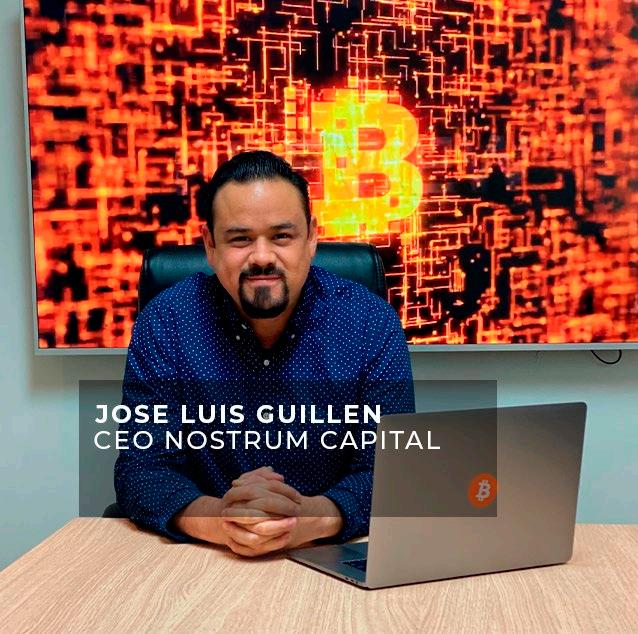

Investment advisory firms are also contributing to the diversification of financial services. Organizations such as Coincaex provide corporate financial structuring and advisory support for companies seeking capital to expand operations or develop new projects. These services help businesses evaluate financing alternatives that range from traditional bank credit to more specialized investment structures.
Sector data from the Superintendencia de Bancos and international assessments by the International Monetary Fund indicate that Guatemala’s financial system continues to combine prudent regulation with steady credit expansion. Maintaining this balance between stability and innovation remains essential for sustaining economic development. As institutions broaden their services and new technologies open additional investment channels, Guatemala’s financial ecosystem is likely to remain a key driver of productive investment and long-term economic growth.

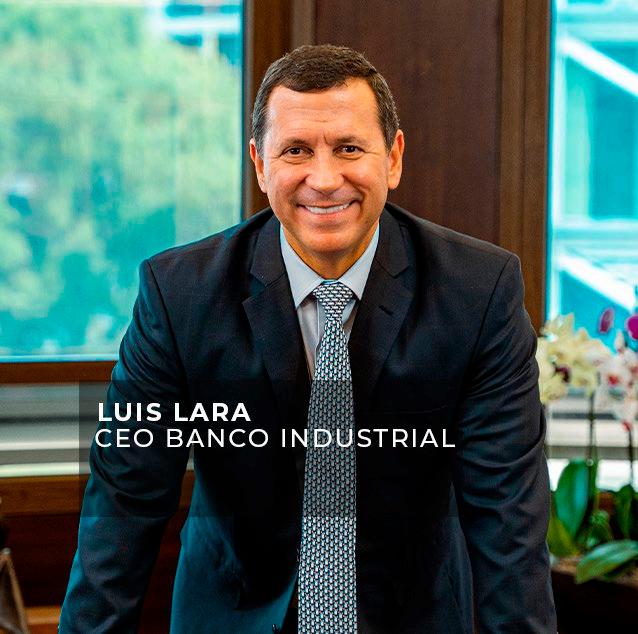
The financial system has expanded steadily over the past decade, supported by macroeconomic stability, a growing domestic market and increasing financial inclusion. Banking institutions remain the central intermediaries within this system, channeling savings toward productive investment and supporting the activities of businesses across sectors such as manufacturing, logistics, agriculture and trade. Digital technologies have also expanded access to financial services and reshaped how individuals and companies interact with financial institutions.
The banking industry operates alongside a dynamic private sector that plays a central role in national economic development. Luis Lara, chief executive officer of Banco Industrial, explained that the foundations of the financial system rest on macroeconomic stability and the strength of private enterprise. Lara said macroeconomic stability forms the central pillar supporting financial development.
He noted that several indicators continue to reinforce confidence in the banking sector. Public debt remains close to 27% of GDP, while the fiscal deficit has historically remained around 2%. The national currency has remained stable for more than twenty-five years, and interest rates remain relatively low compared with other markets in the region.
These conditions allow businesses to operate within a predictable economic environment and support long-term investment decisions. Lara explained that access to credit remains an important driver of economic activity. Entrepreneurs are able to obtain financing at interest rates close to 7%, a level that supports productive investment and business expansion.
Private enterprise remains the primary engine of economic growth. Lara noted that approximately 92% of GDP is generated by the private sector. Companies continue operating, reinvesting and expanding across the economy, creating employment and driving productive activity. Financial institutions therefore work closely with businesses that support investment and economic expansion across multiple sectors.
Banco Industrial operates within this environment as one of the region’s largest financial institutions. Lara explained that the bank has expanded its operations beyond its domestic market while maintaining strong connections
with economic activity at home. Today the institution operates across Central America and the Caribbean. Lara noted that Banco Industrial has grown to become the largest banking group in the region extending from Guatemala to Panama, including the Dominican Republic. This regional scale allows the institution to accompany companies operating across several markets while facilitating financial flows associated with trade and investment.
Technological transformation has also shaped the bank’s development. Lara explained that digital platforms and mobile technologies are changing how financial services are delivered.
Digitalization, mobile usage and electronic platforms are accelerating the adoption of financial services and allowing institutions to reach a broader population.
Looking forward, Banco Industrial intends to continue expanding its operations to remain competitive in an evolving financial environment. Lara explained that growth remains necessary for maintaining efficiency and adapting to technological and market changes. Expanding operations allows the institution to strengthen services, develop new financial products and continue supporting companies operating across regional markets.
“Credit expansion has played an important role in this development.”
Banco Industrial has integrated these digital tools across much of its operational structure. Lara explained that approximately 85% of the bank’s transactions are now carried out without human intervention through automated systems. Clients are able to complete transfers, payments and other financial activities through electronic platforms, improving efficiency while expanding access to financial services.
During the past year Fundación BI supported close to ten thousand entrepreneurs through innovation centers and advisory programs. These initiatives provide guidance for individuals seeking to transform business ideas into sustainable enterprises. Lara explained that supporting entrepreneurship forms part of the institution’s broader commitment to economic growth and social development.
Another factor behind the bank’s trajectory lies in its internal organizational culture. Lara explained that Banco Industrial maintains a strong relationship between shareholders, the board of directors and employees. This alignment creates an institutional environment built on trust, collaboration and long-term performance. Lara noted that this internal cohesion allows the bank to adapt to changing financial conditions while maintaining strategic continuity.
Several characteristics distinguish Banco Industrial from other financial institutions operating in the region. Lara pointed to the bank’s strength in corporate banking, its advanced digital infrastructure and its role in financing projects that support economic development. The institution combines technological innovation with financial strength supported by international credit ratings and structured corporate governance practices.
The bank also views its role as closely linked to broader economic development. Lara explained that Banco Industrial contributes to growth by financing productive sectors, supporting small and medium-sized enterprises and promoting financial education initiatives. These activities strengthen the financial infrastructure that supports business development and investment.
The broader financial system has also expanded alongside these institutional developments. The banking sector currently includes eighteen commercial banks managing assets exceeding Q528 billion. This represents a significant expansion compared with previous years. In 2018 total banking assets were approximately Q329 billion, illustrating the rapid growth experienced by the sector over a relatively short period.
Credit expansion has played an important role in this development. The loan portfolio of the banking system increased from roughly Q178 billion in 2018 to more than Q300 billion by 2023. This growth reflects increasing demand for financing among households and businesses across the economy.
Access to financial services has also improved significantly. By 2025 approximately 65.9% of the adult population held at least one active bank account. This represents an important advance in financial inclusion, particularly in a country where many individuals historically relied heavily on cash transactions.
Digital banking services have contributed strongly to this transformation. Mobile banking platforms allow individuals to perform financial transactions without visiting traditional bank branches, improving accessibility in rural and underserved regions. Correspondent agents and digital access points have expanded the reach of financial services across the country. Remittances have also had a major influence on the financial system. Transfers sent by citizens living abroad have increased significantly over the past decade. In 2018 remittances totaled approximately USD 9.3 billion. By 2023 they had reached nearly US$19.8 billion, and by 2025 they exceeded USD 25 billion. These flows now represent roughly 19% of GDP.
Remittances support the financial sector by strengthening deposits and supporting household consumption. Financial institutions have developed products designed to channel these funds into formal financial services, including savings accounts and credit programs connected to remittance flows.
Technological innovation continues to reshape the financial ecosystem. The country currently has nearly eleven million internet users, representing roughly 60% of the population, while mobile phone penetration exceeds 100% due to widespread use of multiple lines. This digital infrastructure has supported the rapid growth of electronic payments and digital financial platforms.
The fintech ecosystem has expanded alongside these developments. More than ninety-five fintech companies currently operate in the market, offering services ranging from digital payments and online lending to investment platforms and financial management applications.
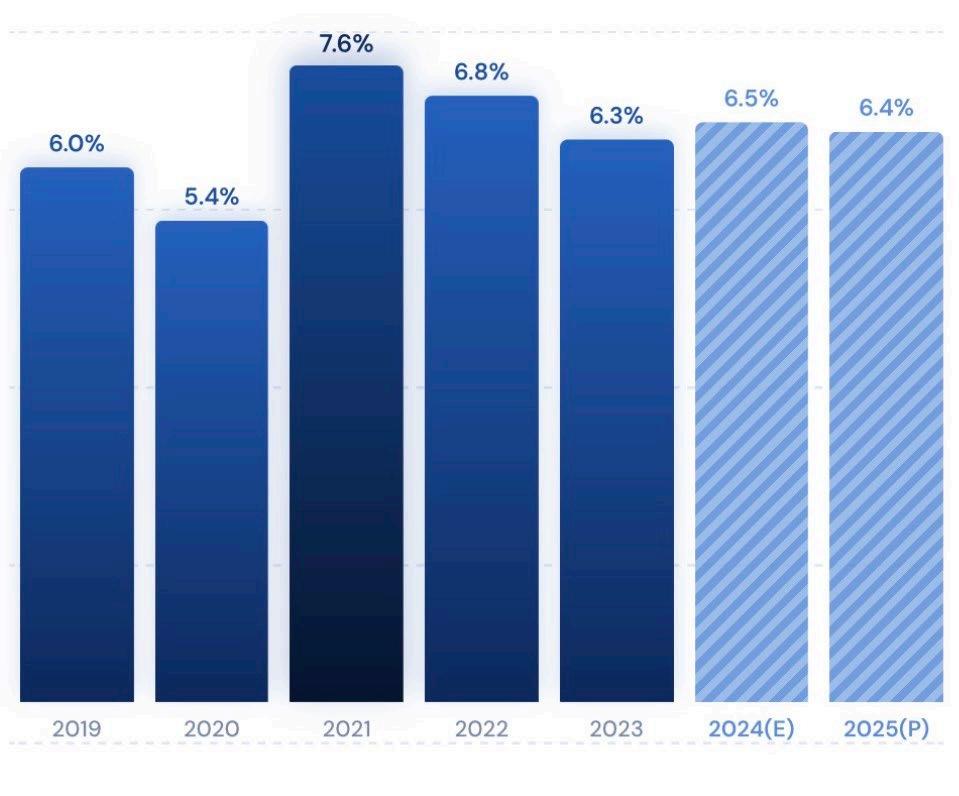
Capital markets are also showing signs of development. The national stock exchange recorded trading volumes of approximately Q761 billion in 2024, while activity in 2025 exceeded Q1.3 trillion. Most transactions involve government securities and corporate debt instruments, although continued development of the capital market could broaden financing alternatives for companies and infrastructure projects. Cooperatives and microfinance institutions complement the formal banking sector by expanding financial access in rural areas. These institutions provide savings accounts and microcredit products for farmers, small entrepreneurs and households that may not always have access to traditional banking services.
The financial sector continues to evolve alongside a strong private economy and expanding digital infrastructure. Institutions such as Banco Industrial illustrate how domestic financial organizations can operate across regional markets while supporting entrepreneurship, investment and financial inclusion at home.