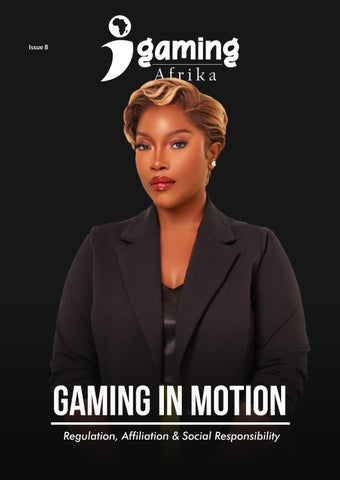

GAMING IN MOTION
Regulation, Affiliation & Social Responsibility








EDITOR’S NOTE
From Storytelling to Stage: The Evolution of iGaming AFRIKA
This issue marks a defining moment in our journey. Over the years, we have been privileged to serve as custodians of the African iGaming story, capturing the voices, insights, challenges, and triumphs that continue to shape this dynamic industry. From emerging operators to global leaders, from regulatory shifts to technological breakthroughs, this platform has been a reflection of an ecosystem in motion.
But as the industry evolves, so must we. Telling the story is no longer enough. Creating the space where these stories come to life, where connections are made, ideas are challenged, and opportunities are unlocked, has become equally important.
The upcoming iGaming AFRIKA Summit 2026 is a natural culmination of this journey. It represents more than an event; it is the physical convergence of the very conversations we have nurtured through these pages. A platform where industry players move beyond dialogue into collaboration, innovation, and action.
In this edition, our cover story featuring Borah Ndanyungu offers a powerful reflection of the industry’s direction, where marketing meets meaning, and where growth is increasingly tied to responsibility and community impact. Her perspective embodies the balance the industry must continue to strike as it scales across diverse African markets.
As we continue to document, connect, and now convene the industry, our commitment remains clear: to drive conversations that matter and to play an active role in shaping the future of iGaming in Africa.
The story continues, now, we bring it to life.
Baraka Jefwa
Editor, iGaming AFRIKA



Balancing Growth and Governance: Inside Nigeria’s Evolving Gaming Landscape
As Nigeria’s gaming industry continues to grow, the need for structure and collaboration becomes more urgent. Gift Tamunopreye Tuadibofa, Executive Secretary at the Association of Nigerian Bookmakers, shares her experience navigating regulatory fragmentation, while highlighting the importance of trust and accountability in shaping the sector’s future.
Balancing Growth and Regulation: Inside Kenya’s Gaming Policy Landscape
At a pivotal moment for Kenya’s betting industry, the conversation around regulation and sustainability is more important than ever. Drawing from over two decades of experience, John Mutua, Chief Executive Officer at the Association of Gaming Operators Kenya, reflects on policy challenges and the need for a unified industry voice.
41. Outpaced by Technology: The Awareness Gap
As mobile betting continues to reshape the industry, traditional approaches to responsible gambling are being tested. Lombo Mphande, Founder of Bet Chats South Africa, highlights the challenges of this shift and the growing need for stronger player education and awareness.
47. Inside betPawa’s Marketing and CSR Strategy
Blending innovation with community impact, Borah Ndanyungu, Head of Local Marketing & CSR at betPawa, shares how the brand is approaching marketing and social responsibility across Africa. She reflects on navigating diverse markets and regulatory landscapes, while showing how meaningful CSR and local understanding are shaping the iGaming space. 20 25 43 49
57 67 76 86
Scaling Performance Marketing: Building Ethical Affiliate Ecosystems in Africa
Performance marketing in Africa is evolving rapidly, demanding more transparency and smarter systems. Kevin Muema, Marketing Lead at DBBet, highlights the need for scalable affiliate ecosystems built on trust, while showing how data, localisation, and ethical practices can drive sustainable growth.
Beyond One-Size-Fits-All: Rethinking Successful Strategies for Africa’s Gaming Market
Success in Africa’s gaming market goes beyond simply importing global models. With experience across both European and African markets, Kaan Bulakeri, Head of Gaming at KingMakers, explains why customer-first thinking, localisation, and agile operations are key to creating meaningful player experiences.
Regulation as Moral Architecture: Rethinking Governance in Africa’s iGaming Industry
In a fast-evolving, digitally driven world, governance is taking centre stage. Brenda Mabaso, Board Member at the Mpumalanga Economic Regulator, explores ethical leadership, regulatory challenges, and the push for more women in leadership, offering a grounded perspective on sustainable gaming in Africa.
Building from Scratch: Inside Nigeria’s First Rehabilitation Centre
The launch of Nigeria’s first free gambling rehabilitation centre in 2025 marked a significant step forward but also exposed deeper gaps. Ladipo Abiose Akolade, Founder of GamblePause Initiative Africa, Nigeria, reflects on the urgent need to recognise gambling addiction as a public health priority.


KEYFEATURES
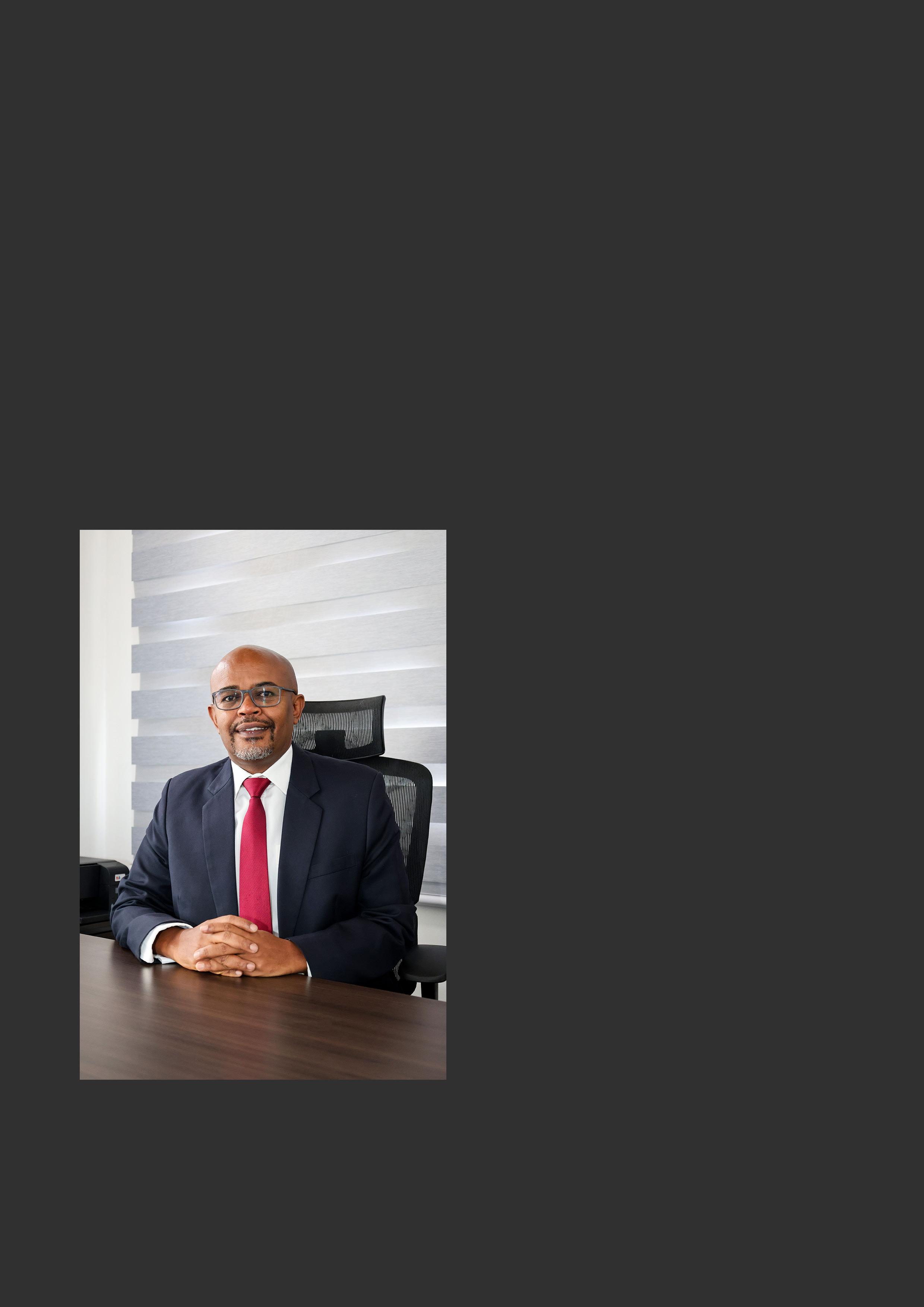
Borah Omary
John Mutua
Ladipo Abiose
Gift Tuadibofa
KEYFEATURES
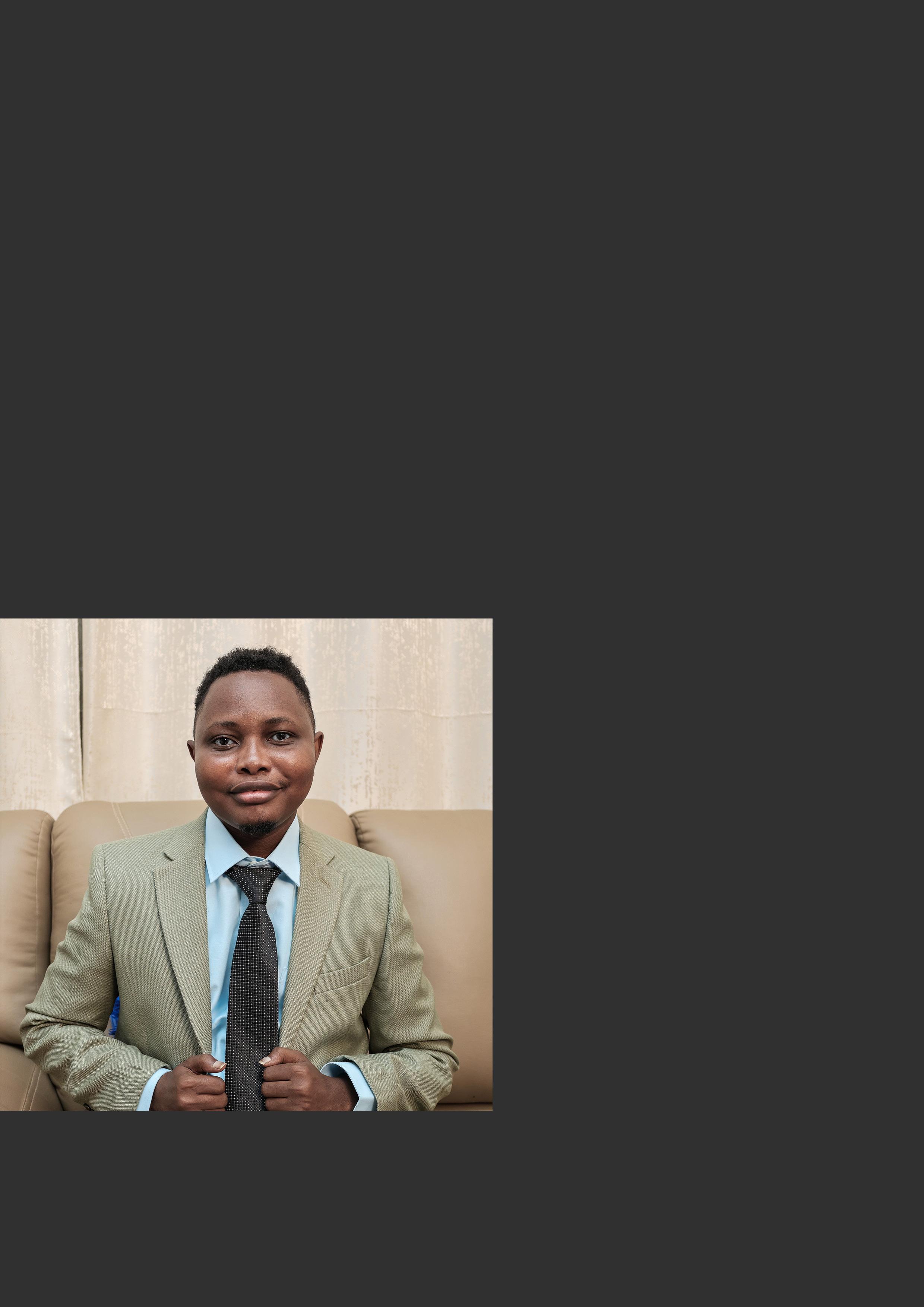
Lombo Mphande
Kevin Muema
Kaan Bulakeri
Brenda Mabaso


CEO’S NOTE
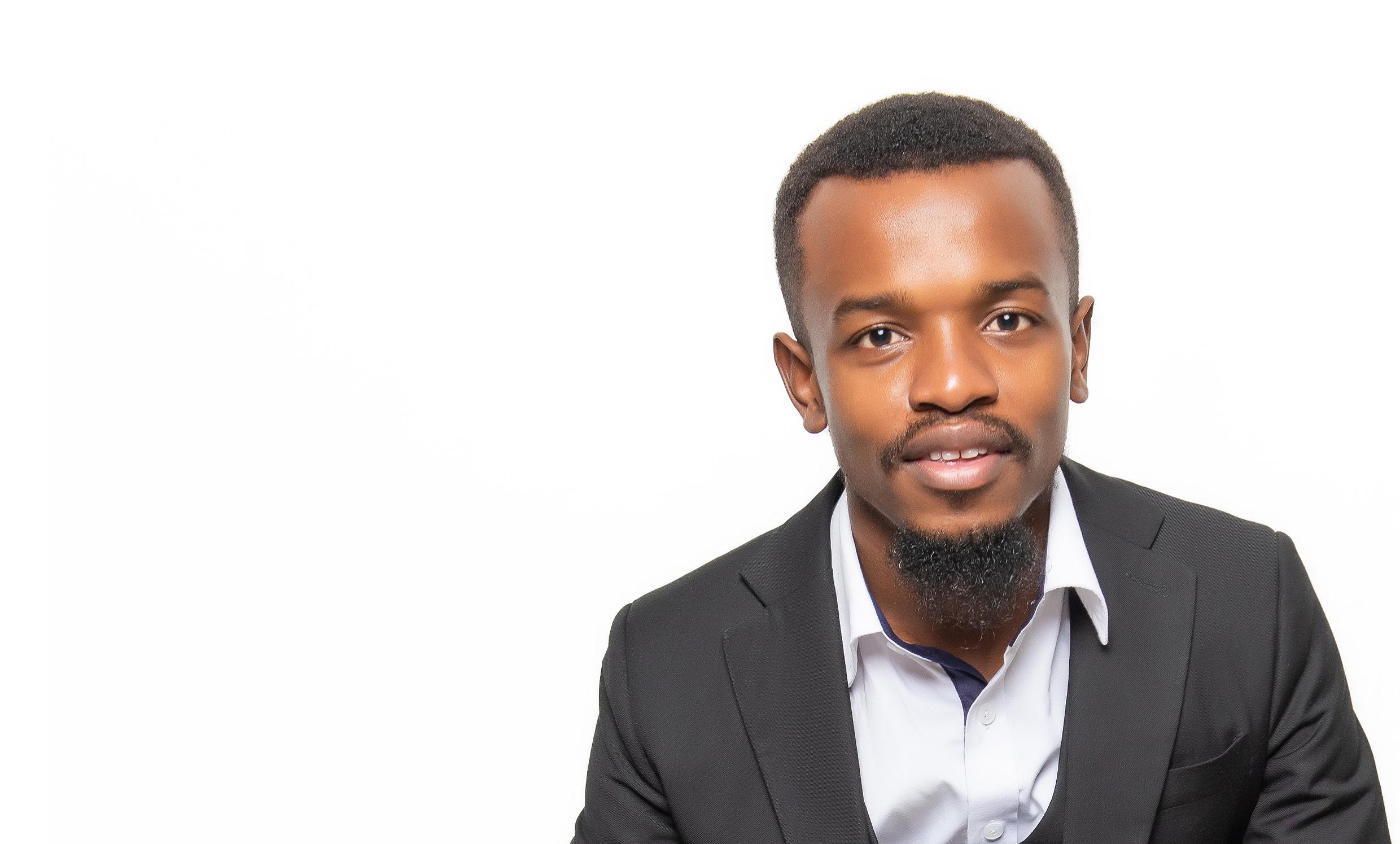
We are excited to introduce the 8th issue of iGaming AFRIKA Magazine, arriving at an exciting moment as we count down to the inaugural iGaming AFRIKA Summit 2026. The anticipation is building, I mean, we can hardly contain our excitement. We are delighted to welcome the African gaming community to Nairobi from May 4-6 for this landmark event.
This summit will serve as a vital platform for African operators to access cutting-edge technology solutions, including top-tier games & platforms by leading global studios, innovative platform providers, payment service providers, and affiliate management system developers, among others.
Bringing together our extensive community of followers from across the globe, the summit anticipates welcoming over 3,500 delegates, 350+ affiliates, 500+ industry operators, and more than 100 sponsors and exhibitors. These participants will showcase their products within our 3,300-square-meter exhibition space at the Sarit Expo Centre between the 4th and 6th of May 2026. Attendees will also engage in insightful discussions led by key figures in Africa's iGaming sector, gaining valuable industry insights.
I am pleased to invite all stakeholders across the African gaming ecosystem to participate in this summit as the event provides a valuable platform to connect with industry leaders and peers, fostering meaningful engagement and collaboration. It’s an excellent opportunity to learn from global experts and to push the boundaries of innovation, with a particular focus on leveraging technology to advance the African gaming industry.
The Summit. The magazine. It’s all here…for you!
Jeremiah Maangi
CEO, iGaming AFRIKA


















“
Working on this issue felt like stepping into the many layers of an industry that’s constantly evolving. Every conversation carried its own weight; from regulation and responsibility to innovation and market realities. There’s a clear sense that things are shifting, not just in scale, but in how the industry thinks and operates.
Bringing Issue 8 together was about capturing those honest perspectives without overpolishing them. Some ideas challenge the norm, others reinforce what we’re already seeing across the market, but together, they paint a picture of where we are and where we could be heading. I hope something in these pages stays with you.
Anne Jelagat Editorial Designer, iGaming AFRIKA

Balancing Growth and Governance: Inside Nigeria’s Evolving Gaming Landscape
With Nigeria's gaming industry booming, it’s become crucial to establish clear regulations, foster effective collaboration, and prioritise responsible development. In a recent chat with iGaming AFRIKA, Gift Tamunopreye Tuadibofa from the Association of Nigerian Bookmakers opened up about her experiences navigating legal compliance and advocating for the industry. She highlighted the challenges of regulatory fragmentation, stressed the importance of building trust through collaboration, and discussed how the sector can balance innovation with accountability to ensure long-term sustainability.
Could you tell us about your journey into Nigeria’s gaming industry? What led to your role at the Association of Nigerian Bookmakers?
My path began with a foundational engagement that provided a practical introduction to the sector from both legal and operational perspectives. Initially, my focus was strictly on compliance, ensuring business alignment with licensing requirements and evolving legal frameworks. What started as a purely legal function quickly transformed as I saw a dynamic ecosystem driven by technology and consumer behaviour. As I moved from managing organisational compliance to broader industry engagement, participating in discussions around policy and responsible gaming, I was drawn to the Association of Nigerian Bookmakers. Serving here allows me to operate strategically, contributing to industry advocacy and helping shape a more structured, transparent, and sustainable sector.
Coming from a legal and compliance background, how has that shaped your approach to industry advocacy?
My background has instilled in me a deep appreciation for balance. While I understand the necessity of regulation for consumer protection and financial transparency, I have also seen the challenges operators face when navigating overlapping requirements. Consequently, my advocacy is grounded in practicality. I don't view advocacy as pushing back against regulation, but as refining it. I aim to translate operational realities into policy discussions, ensuring that regulatory objectives are met without creating unnecessary friction for compliant businesses. In my experience, clarity is the best remedy for compliance challenges.
What is the core mandate of the Association of Nigeria’s Bookmakers today?
We serve as a collective platform for licensed sports betting operators across Nigeria, focusing on advocacy, promoting regulatory compliance, responsible gaming, consumer protection, and the sustainable growth of the gaming sector. In a complex landscape where gaming oversight involves both national and subnational institutions, the Association acts as an organised voice to provide feedback on proposed policies. We also function as a bridge, promoting ethical standards and helping members understand regulatory expectations through training and stakeholder engagement.
Kwa tasnia ya michezo ya kubahatisha ya Nigeria kuwa na maendeleo makubwa, imerahisika sana kuanzisha sheria wazi, kukuza ushirikiano wa ufanisi, na kuipa kipaumbele maendeleo ya kuwajibika. Katika mazungumzo ya hivi karibuni na iGaming AFRIKA, Gift Tamunopreye Tuadibofa kutoka Association of Nigerian Bookmakers, alifungua moyo kuhusu uzoefu wake wa kuendesha mwelekeo wa kisheria na kueneza maslahi ya tasnia hiyo. Alisisitiza changamoto za mgawanyiko wa udhibiti, akasisitiza umuhimu wa kujenga imani kupitia ushirikiano, na kujadili jinsi sekta inaweza kuoanisha ubunifu na uwajibikaji ili kuhakikisha uendelevu wa muda mrefu.
Tafadhali tuambie kuhusu safari yako katika tasnia ya michezo ya kubahatisha Nigeria. Nini kilikusukuma kuingia kwenye Association of Nigerian Bookmakers.
Njia yangu ilianza na ushirikiano wa msingi uliotoa utangulizi wa vitendo kwa sekta hii kutoka pande zote za kisheria na uendeshaji. Awali, nilikuwa nikizingatia tu usimamizi wa sheria, kuhakikisha biashara inaendeshwa kwa mujibu wa leseni na mifumo ya kisheria inayobadilika. Kazi hiyo ilipoanza kama jukumu la kisheria tu, ilibadilika haraka nilipoona mfumo wenye nguvu unaoendeshwa na teknolojia na tabia za wateja. Nilipohamia kutoka kusimamia tu usimamizi wa mashirika hadi kushiriki katika majadiliano kuhusu sera na michezo ya kuwajibika, nilihamasika kujiunga na Association of Nigerian Bookmakers. Kufanya kazi hapa kunanisaidia kufanya kazi kwa mkakati, kuchangia uenezi wa tasnia na kusaidia kuunda sekta yenye muundo wa kina, uwazi, na endelevu zaidi.
Kutokana na uzoefu wako katika masuala ya kisheria na uzingatiaji wa kanuni, hilo limeathirije mtazamo wako katika kutetea maslahi ya sekta?
Msingi wangu umejenga kuelewa kwa kina umuhimu wa usawa. Ingawa naelewa haja ya udhibiti kwa ajili ya ulinzi wa watumiaji na uwazi wa kifedha, pia nimeona changamoto zinazokumba waendeshaji wanapojaribu kufuata mahitaji yanayokinzana. Kwa hiyo, uenezi wangu uko kwenye utendaji wa vitendo. Sitaki uenezi kuwa ni kupinga udhibiti, bali ni kuboresha. Ninalenga kubadilisha hali halisi za uendeshaji katika majadiliano ya sera, kuhakikisha kuwa malengo ya udhibiti yanapatikana bila kuleta ugumu usio wa lazima kwa biashara zinazofuata sheria. Kwa uzoefu wangu, uwazi ni dawa bora ya changamoto za usimamizi wa sheria.
Jukumu kuu la Association of Nigerian Bookmakers leo ni lipi?
Tunatoa jukwaa la pamoja kwa waendeshaji waliothibitishwa wa michezo ya kubahatisha nchini Nigeria, tukielekeza kwenye uenezi wa maslahi, kukuza kufuata sheria, michezo ya kuwajibika, ulinzi wa watumiaji, na ukuaji wa kudumu wa sekta ya michezo. Katika mazingira magumu ambapo uangalizi wa michezo unahusisha taasisi za kitaifa na za chini, Jumuiya inachukua nafasi ya sauti iliyopangwa kutoa maoni kuhusu sera inayopendekezwa. Pia, tunahudumu kama daraja, tukihamasisha viwango vya maadili na kusaidia wanachama kuelewa matarajio ya udhibitikupitia mafunzo na ushirikiano wa wadau.

Association of Nigerian Bookmakers
What are the most pressing issues currently facing licensed bookmakers in Nigeria?
The challenges are largely structural, with regulatory fragmentation being a major hurdle. Navigating multiple layers of oversight increases the cost of doing business and creates uncertainty. However, the introduction of a Universal Reciprocity Licence by the Federation of State Gaming Regulators of Nigeria (FSGRN) is a very positive step toward easing this burden. Other critical issues include the presence of unlicensed operators who create an uneven playing field, the need for sustainable tax frameworks, and the ongoing challenge of improving public perception of the industry.
How does the Association balance operator advocacy with regulatory objectives?
We recognise that regulation and growth are not mutually exclusive; in fact, effective regulation enables sustainable growth. Our role is to encourage policies that are practical to implement. This involves active dialogue where we can share operational insights to help regulators adjust implementation mechanisms without compromising their policy goals. We also work internally to encourage operators to adopt high compliance standards and responsible gaming practices.
Has regulation kept pace with the rapid growth of the sector?
The growth has been remarkable, driven by technology and a youthful population. While regulation is gradually adapting, there are still areas where policy clarity could improve. The industry has become increasingly digital, and traditional structures weren’t always designed for technology-driven platforms. That said, current efforts toward modernising policy and improving coordination are very encouraging.
What are the biggest misconceptions about the Nigerian gaming industry?
The most persistent misconception is that operators function in an unregulated environment. In reality, licensed operators operate within a robust regulatory framework that encompasses taxation, anti-money laundering obligations, and consumer protection requirements.
Another common misunderstanding is that responsible gaming is not a priority. On the contrary, operators make significant investments in player protection tools and safeguards across their platforms.
In further demonstration of this commitment, the industry has introduced the SafePlay platform. This platform serves as a centralised responsible gaming and self-exclusion system, specifically designed to enhance player protection, with implementation already underway in Lagos State.
Furthermore, there has been a formal request for this initiative to be scaled across the industry through the FSGRN, in order to ensure a more unified and effective approach to responsible gaming nationwide.
What makes Nigeria distinct compared to other African jurisdictions?
It is a unique combination of scale and complexity. We have a massive population with a strong sports culture and high mobile technology adoption. Nigerian operators are also highly innovative and adapt quickly to consumer behaviour. However, the multi-layered regulatory structure adds a level of complexity that requires a very high degree of compliance awareness compared to other markets.
Ni changamoto zipi kubwa zaidi zinazokumba waendeshaji waliothibitishwa Nigeria hivi sasa?
Changamoto kubwa ni muundo wa taasisi, hasa kutokana na mgawanyiko wa udhibiti. Kupitia ngazi nyingi za usimamizi, gharama za kufanya biashara huongezeka na hali ya utata huibuka. Hata hivyo, kuanzishwa kwa Leseni ya Pamoja ya Kimataifa na Federation of State Gaming Regulators of Nigeria (FSGRN) ni hatua chanya sana ya kupunguza mzigo huu. Mengineyo ni pamoja na kuwepo kwa waendeshaji wasio na leseni wanaoleta usawa usio wa haki, hitaji la mifumo ya kodi endelevu, na changamoto ya kuboresha mtazamo wa umma kuhusu tasnia.
Jumuiya inasawazisha vipi maslahi ya waendeshaji na malengo ya udhibiti?
Tunatambua kuwa udhibiti na ukuaji sio vitu vinavyopingana; kwa hakika, udhibiti mzuri huwezesha ukuaji wa kudumu. Nafasi yetu ni kuhimiza sera zinazo tekelezeka kwa vitendo. Hii inahusisha mazungumzo ya moja kwa moja ambapo tunaweza kushiriki maarifa ya uendeshaji ili kuwasaidia wadhibiti kubadilisha mbinu za utekelezaji bila kuathiri malengo ya sera. Pia, tunashirikiana ndani ya taasisi kuhamasisha waendeshaji kuchukua hatua za juu za usimamizi wa sheria na michezo ya kuwajibika.
Je, udhibiti umekuwa ukifuatilia kwa kasi kubwa ya ukuaji wa sekta?
Ukuaji umekuwa wa ajabu, ukiendeshwa na teknolojia na idadi ya vijana. Ingawa sheria zinabadilika hatua kwa hatua, bado kuna maeneo ambapo uwazi wa sera unaweza kuboresha. Sekta imekuwa zaidi ya kidigitali, na miundo ya jadi haikuwahi kuundwa kwa ajili ya jukwaa yanayotegemea teknolojia. Hata hivyo, juhudi za sasa za kuimarisha sera na uratibu zinazoonyesha maendeleo makubwa na yenye matumaini.
Ni dhana gani potofu zaidi kuhusu tasnia ya michezo ya kubahatisha Nigeria?
Dhana potofu inayoendelea zaidi ni kwamba waendeshaji hufanya kazi katika mazingira yasiyodhibitiwa. Kwa uhalisia, waendeshaji wenye leseni hufanya kazi ndani ya mfumo madhubuti wa udhibiti unaojumuisha ushuru, wajibu wa kuzuia utakatishaji fedha, pamoja na masharti ya ulinzi wa watumiaji.
Dhana nyingine ya kawaida ni kwamba michezo ya kubahatisha kwa uwajibikaji si kipaumbele. Kinyume chake, waendeshaji huwekeza kwa kiasi kikubwa katika zana na mifumo ya kulinda wachezaji kwenye majukwaa yao.
Kama uthibitisho zaidi wa dhamira hii, sekta imeanzisha jukwaa la SafePlay. Jukwaa hili linatumika kama mfumo wa kati wa michezo ya kubahatisha kwa uwajibikaji na kujiondoa binafsi, uliobuniwa mahsusi kuimarisha ulinzi wa wachezaji, na utekelezaji wake tayari unaendelea katika Jimbo la Lagos.
Aidha, kumekuwa na ombi rasmi la kupanua mpango huu katika sekta nzima kupitia FSGRN, ili kuhakikisha mbinu iliyoratibiwa na yenye ufanisi zaidi katika kukuza michezo ya kubahatisha kwa uwajibikaji nchini kote.
Ni nini kinachofanya Nigeria kuwa tofauti na maeneo mengine barani Afrika?
Gift: Ni mchanganyiko wa kipekee wa ukubwa na ugumu. Tuna idadi kubwa ya watu wenye tamaduni imara za michezo na matumizi makubwa ya teknolojia za simu. Waendeshaji wa Nigeria pia ni wa ubunifu sana na wanajitahidi kwa haraka kuendana na tabia za wateja. Hata hivyo, muundo wa udhibiti wa wenye ngazi nyingi unaongeza ugumu unaohitaji kiwango cha juu cha uelewa wa uzingatiaji ikilinganishwa na masoko mengine.
How can collaboration improve public trust in the industry?
Trust is built on transparency and shared responsibility. Collaboration allows for unified standards across the industry. When every operator adopts the same ethical advertising and anti-money laundering measures, it sends a strong signal to the public. It also enables joint awareness campaigns to demystify the industry, such as educating the public on self-exclusion tools and the SafePlay platform.
Looking ahead, what should be the priority for sustainable development?
Sustainable growth must remain the guiding principle for the industry. This begins with strengthening responsible gaming frameworks to better protect vulnerable players and preserve public trust. A credible industry is one that demonstrates, consistently, that player protection is not optional but central to its operations.
Regulatory clarity and coordination are equally critical. Operators require a predictable and cost-effective regulatory environment to plan, invest, and scale sustainably, while regulators benefit from improved transparency and accountability across the market. Initiatives such as the Universal Reciprocity Licence represent positive progress, but deeper alignment across states will be essential to achieving a truly unified and efficient system.
Finally, sustained collaboration between regulators, operators, and industry associations is key. Through coordinated engagement, stakeholders can establish consistent standards, share data-driven insights, and implement practical solutions that balance compliance with innovation.
If these priorities are effectively pursued, Nigeria’s gaming sector can achieve long-term sustainable growth—positioning itself as a leading model of responsibility, regulatory coherence, and innovation across Africa and beyond.
Jinsi gani ushirikiano unaweza kuboresha imani ya umma kwa tasnia?
Imani inajengwa kwa uwazi na majukumu ya pamoja. Ushirikiano unaruhusu viwango vya pamoja katika tasnia, kila mwendeshaji anayotumia sera za matangazo ya maadili na hatua za kupambana na fedha haramu, hupeleka ujumbe mkali kwa umma. Pia, huwezesha kampeni za pamoja za uhamasishaji ili kufanya tasnia kuwa wazi zaidi, kama vile kuelimisha umma kuhusu zana za kujitenga na jukwaa la SafePlay.
Kwa mbele, ni lipi ambalo linapaswa kuwa kipaumbele kwa maendeleo endelevu?
Ukuaji endelevu unapaswa kuwa dira kuu ya sekta. Hii inaanza kwa kuimarisha mifumo ya michezo ya kubahatisha kwa uwajibikaji ili kulinda wachezaji walio hatarini na kudumisha imani ya umma. Sekta yenye kuaminika ni ile inayoonyesha kwa vitendo kuwa ulinzi wa mchezaji si hiari bali ni msingi wa shughuli zake.
Uwazi na uratibu wa udhibiti pia ni muhimu sana. Waendeshaji wanahitaji mazingira ya udhibiti yanayotabirika na yenye gharama nafuu ili kupanga, kuwekeza na kupanuka kwa njia endelevu, huku wadhibiti wakinufaika na uwazi na uwajibikaji zaidi sokoni. Mipango kama Leseni ya Urejeshaji wa Pamoja inaonyesha maendeleo chanya, lakini uratibu wa kina zaidi kati ya majimbo utahitajika ili kufikia mfumo uliounganishwa kikamilifu.
Hatimaye, ushirikiano endelevu kati ya wadhibiti, waendeshaji na vyama vya sekta ni muhimu. Kupitia ushirikiano huu, wadau wanaweza kuweka viwango vinavyolingana, kushiriki maarifa yanayotokana na data, na kutekeleza suluhisho za vitendo zinazolinganisha uzingatiaji na ubunifu.
Ikiwa vipaumbele hivi vitatekelezwa ipasavyo, sekta ya michezo ya kubahatisha nchini Nigeria inaweza kufikia ukuaji endelevu wa muda mrefu na kujijengea nafasi kama mfano bora wa uwajibikaji, uratibu wa udhibiti na ubunifu barani Afrika na kwingineko.

“
Through coordinated engagement, stakeholders can establish consistent standards, share data-driven insights, and implement practical solutions that balance compliance with innovation.
Balancing Growth and Regulation:
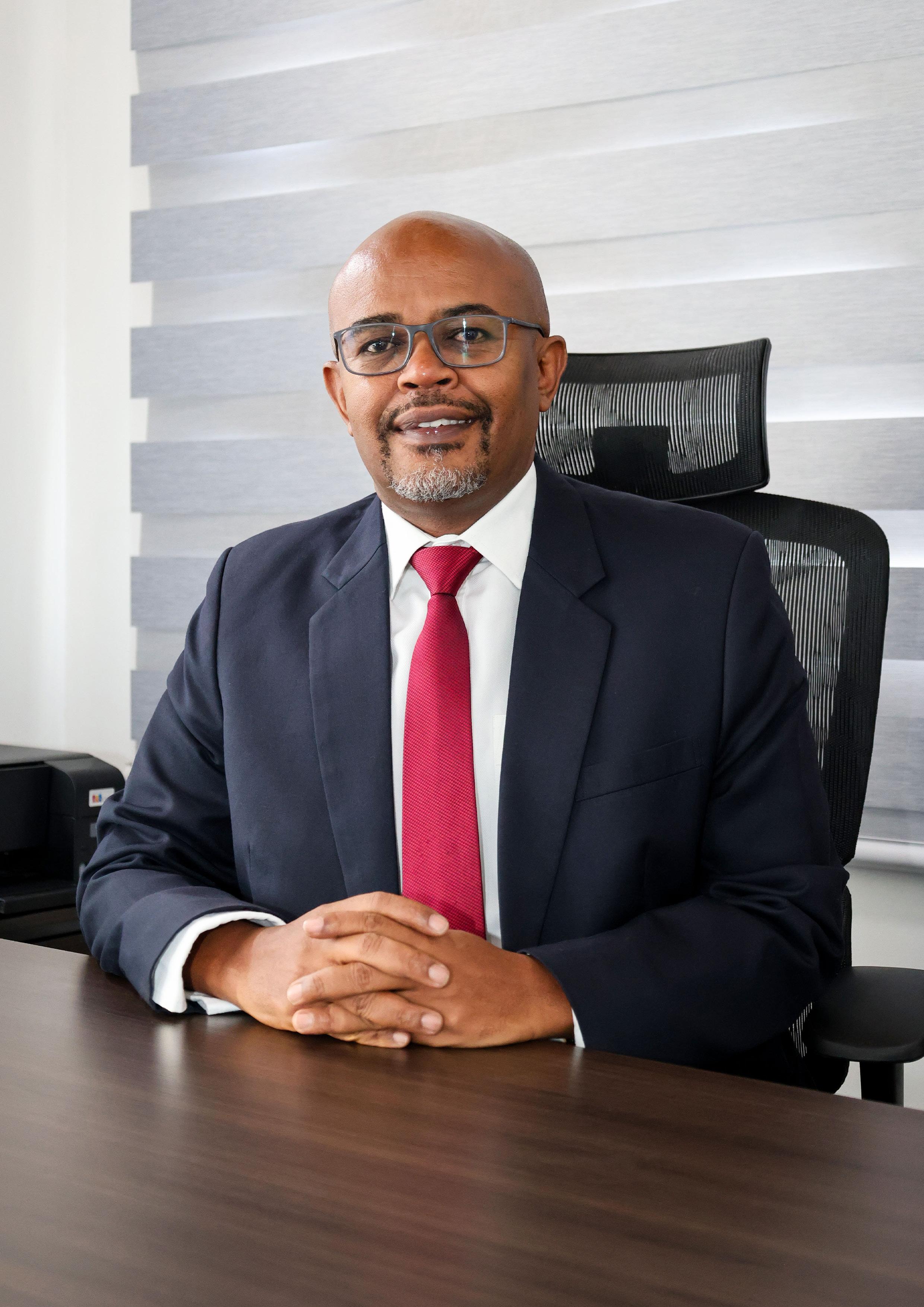
John Mutua, the Chief Executive Officer at the Association of Gaming Operators Kenya, highlights a crucial turning point for Kenya’s betting industry, one of the most developed markets in Africa. With over twenty years of experience in the field, he sheds light on the need for regulation, innovation, and sustainability to come together harmoniously. In this discussion, he addresses the complexities of policy engagement, the dangers of regulatory overreach, the significance of a united industry voice. The conversation dives into the essential structural reforms required to foster long-term stability and promote responsible growth in the sector.
Could you briefly introduce yourself and share your journey into the gaming industry, and what led you to your current role at AGOK?
I have spent the better part of twenty years in the gaming industry, and I say that with a lot of humility because I think it is an important context for understanding where I am coming from. I did not arrive at AGOK suddenly: I arrived here through the trenches, through two decades of building, operating, and sometimes fighting to sustain gambling businesses across multiple product verticals and multiple jurisdictions.
I started in horse racing, which is in many ways the oldest and most nuanced form of regulated gambling there is. Horse racing teaches you things about this industry that no other product does, the relationship between the regulator and the racecourse, knowing and understanding your customers as well as making deliberate steps to take care of them, the economics of the totalisator, the deeply embedded cultural traditions that surround it, and the very particular challenge of keeping a legacy product viable in a market that is moving fast. From there I moved into sports betting, which was a completely different animal: high volume, technology-driven, margin-sensitive, and operating at a pace that demands constant product evolution and innovation with a constant eye on customer behaviour, retention and sustained engagement. Now I understand land-based casinos, where the regulatory relationship is perhaps the most intimate of any gambling vertical, you have inspectors on the floor, detailed surveillance requirements, and a compliance culture that leaves very little room for improvisation. And more recently, crash and virtual games, which represent the frontier of where digital gambling is going, real-time, algorithmic, and built for a generation of players whose relationship with risk and reward looks very different from their parents'.
What that journey has given me is something I genuinely believe is rare: a rounded, first-hand understanding of products across the full spectrum of gambling. I know what a good product looks like, I know what a compliant operation looks like, and I know the difference between a regulation that is designed to protect consumers and one that is designed to protect the regulator from criticism. That distinction matters enormously when you are sitting in an advocacy role.
The other dimension that has shaped me significantly is international work. A part of my career has been spent in French-speaking Africa and that experience has been as instructive as anything I have done in Kenya. Every market entry in different jurisdictions required building relationships with regulators who came from completely different administrative traditions, navigating licensing frameworks that were sometimes nascent and sometimes deeply political, and figuring out how to build sustainable businesses in environments where the rules were still being written. You learn very quickly in that kind of work that sustainability is not just about product or technology, it is about regulatory relationships, local partnerships, and understanding the social and political context in which you are operating.
John Mutua, Afisa Mkuu Mtendaji katika Chama cha Waendeshaji wa Michezo ya Kubahatisha Kenya, anaangazia hatuamuhimuyamabadilikokwatasniayakamariyaKenya,moja ya masoko yanayoendelea zaidi barani Afrika. Akiwa na uzoefu wa zaidi ya miaka ishirini katika uwanja huu, anaangazia hitaji la udhibiti, uvumbuzi, na uendelevu kuungana kwa amani. Katika majadiliano haya, akizungumzia ugumu wa ushiriki wa sera, hatari za udhibiti kupita kiasi, umuhimu wa sauti ya pamoja ya tasnia. Mazungumzo yanaangazia mageuzi muhimu ya kimuundo yanayohitajika ili kukuza utulivu wa muda mrefu na kukuza ukuaji wa uwajibikaji katika sekta hiyo.
Je, unaweza kujitambulisha kwa ufupi na kushiriki safari yako katika tasnia ya michezo ya kubahatisha, na ni nini kilikuongoza kwenye jukumu lako la sasa katika AGOK?
Nimetumia sehemu kubwa ya miaka ishirini katika tasnia ya michezo ya kubahatisha, na nasema hivyo kwa unyenyekevu mwingi kwa sababu nadhani ni muktadha muhimu wa kuelewa ninakotoka. Sikufika AGOK ghafla: Nilifika hapa kupitia mitaro, kupitia miongo miwili ya kujenga, kufanya kazi, na wakati mwingine kupigana ili kuendeleza biashara za kamari katika maeneo mengi ya bidhaa na mamlaka nyingi.
Nilianza katika mbio za farasi, ambazo kwa njia nyingi ni aina ya zamani na yenye umbo la juu zaidi ya kamari inayodhibitiwa iliyopo. Mbio za farasi hukufundisha mambo kuhusu tasnia hii ambayo hakuna bidhaa nyingine inayofanya hivyo, uhusiano kati ya mdhibiti na uwanja wa mbio, kuwajua na kuwaelewa wateja wako pamoja na kuchukua hatua za makusudi ya kuwatunza, uchumi wa mtoza ushuru, mila za kitamaduni zilizojikita ndani yake,nachangamotomaalumyakuwekabidhaayazamanikatika soko linalosonga mbele kwa kasi. Kuanzia hapo nilihamia kwenye kamari za michezo, ambayo ilikuwa mnyama tofauti kabisa: ujazo mkubwa, unaoendeshwa na teknolojia, unaozingatia margin, na kufanya kazi kwa kasi inayohitaji mageuzi ya bidhaa na uvumbuzi wa mara kwa mara kwa kuangalia tabia ya wateja, uhifadhi na ushiriki endelevu. Sasa ninaelewa kasino za ardhini, ambapo uhusiano wa udhibiti labda ndio wa karibu zaidi kuliko wima yoyote ya kamari, una wakaguzi waliopo, mahitaji ya ufuatiliaji wa kina, na utamaduni wa kufuata sheria ambao huacha nafasi ndogo sana ya uboreshaji. Na hivi majuzi, crash na mchezo wa mtandaoni, ambayo inawakilisha mpaka mahali ambapo kamari ya kidijitali inaelekea, ya wakati halisi, ya kialgoriti, na iliyojengwa kwa ajili ya kizazi cha wachezaji ambao uhusiano wao na hatari na zawadi unaonekana tofauti sana na wa wazazi wao.
Safari hiyo imenipa kitu ambacho naamini kwa dhati ni nadra: uelewa wa moja kwa moja wa bidhaa katika wigo mzima wa kamari. Ninajua bidhaa nzuri inavyoonekana, najua operesheni inayozingatia inavyoonekana, na najua tofauti kati ya kanuni ambayo imeundwa kuwalinda watumiaji na ile iliyoundwa kumlinda mdhibiti kutokana na ukosoaji. Tofauti hiyo ni muhimu sana unapokuwa katika nafasi ya utetezi.
Kipengele kingine ambacho kimeniumba kwa kiasi kikubwa ni kazi ya kimataifa. Sehemu ya kazi yangu imetumika katika Afrika inayozungumza Kifaransa na uzoefu huo umekuwa wa kufundisha kama kitu chochote ambacho nimefanya nchini Kenya. Kila kiingilio cha soko katika mamlaka tofauti kilihitaji kujenga uhusiano na wasimamizi ambao walitoka katika mila tofauti kabisa za kiutawala, kupitia mifumo ya leseni ambayo wakati mwingine ilikuwa changa na wakati mwingine kisiasa sana, na kutafuta jinsi ya kujenga biashara endelevu katika mazingira ambapo sheria zilikuwa bado zimeandikwa. Unajifunza haraka sana katika aina hiyo ya kazi kwamba uendelevu si kuhusu bidhaa au teknolojia tu, ni kuhusu mahusiano ya udhibiti, ushirikiano wa ndani, na kuelewa muktadha wa kijamii na kisiasa wanaofanya kazi.
By the time I came to AGOK, I had sat across the table from many different regulators, in many different countries, at many different stages of regulatory development. I had seen what good regulation enables and what poor regulation destroys. I had watched markets thrive when operators and regulators found a common language, and I had watched markets collapse, taking jobs, tax, revenue, and consumer protection with them when that relationship broke down. That accumulated experience is what I bring to this role. Not theory. Not a policy paper. Twenty years of lived reality across products, jurisdictions, and regulatory regimes, and a very clear sense of what this industry can be when it is given the right framework to grow in.
For those who don't understand AGOK's core mandate, how would you define the Association's primary responsibility within Kenya's gaming ecosystem, and how has that mandate evolved in response to recent regulatory and industry developments?
At its core, AGOK exists to ensure that licensed, tax-compliant, responsible gambling operators have a credible and organised voice in Kenya's regulatory and policy conversations. That sounds straightforward, but when you look a bit deeper, you understand just how consequential that voice is, and how costly the absence of it can be.
Historically, the industry here was fragmented, operators competing intensely with each other and, in doing so, leaving the field clear for regulators and policymakers to make decisions without meaningful industry input. Not always because they didn't want engagement, but because there was no single, credible, structured body to engage with. I have seen what that vacuum produces: reactive legislation, inconsistent enforcement, and a regulatory environment that satisfies nobody. AGOK was built to close that gap.
AGOK was founded over twenty years ago. It traces back to an informal meeting of gaming operators at the Mayfair Casino in June 2003, where the idea of a collective association was floated and immediately embraced. That origin story actually tells you a great deal about what the association is and what it is not. It was not created by the government. It was not created by the regulator. It was created by operators who recognised that fragmentation was costing them, and ultimately costing the industry its ability to engage meaningfully with the people making decisions about it. The mission that came out of that founding moment has remained consistent: to promote a profitable and viable gaming industry in Kenya that also provide direct benefit to society. Those two things, commercial viability and social benefit, are not in tension. They are the twin pillars of everything AGOK does.
In practical terms, the mandate organises itself around several interconnected functions. The first and most visible is representation and advocacy, being the unified voice of licensed operators before the GRA, the Kenya Revenue Authority, the Financial Reporting Centre, the National Treasury, Parliament, and any other body whose decisions affect the industry. Having spent time in the industry, I know from experience what it means when that voice is absent. Policy gets made without the people who understand the product, without the people who understand what compliance actually costs on the ground, and without the people who can tell you whether a proposed regulation will strengthen the licensed market or simply shrink it. AGOK's job is to make sure that voice is always in the room, not just when there is a crisis, but as a structural feature of how policy in this sector is developed.
Nilipofika AGOK, nilikuwa nimekaa kando ya meza kutoka kwa wasimamizi wengi tofauti, katika nchi nyingi tofauti, katika hatua nyingi tofauti za maendeleo ya udhibiti. Nilikuwa nimeona kanuni nzuri zinavyowezesha na kanuni mbaya zinaharibu nini. Nilikuwa nimeona masoko yakistawi wakati waendeshaji na wasimamizi walipata lugha ya kawaida, na nilikuwa nimeona masoko yakiporomoka, yakichukua kazi, kodi, mapato, na ulinzi wa watumiaji pamoja nao wakati uhusiano huo ulipovunjika. Uzoefu huo uliokusanywa ndio ninaouleta katika jukumu hili. Sio nadharia. Sio karatasi ya sera. Miaka ishirini ya uhalisia wa maisha katika bidhaa, mamlaka, na mifumo ya udhibiti, na ufahamu wazi wa kile ambacho tasnia hii inaweza kuwa inapopewa mfumo sahihi wa kukua.
Kwa wale ambao hawaelewi agizo kuu la AGOK, unawezaje kufafanua jukumu kuu la Chama ndani ya mfumo ikolojia wa michezo ya kubahatisha wa Kenya, na agizo hilo limebadilikaje kutokana na maendeleo ya hivi karibuni ya udhibiti na sekta?
Katika msingi wake, AGOK ipo ili kuhakikisha kwamba leseni, inayozingatia kodi, inawajibikaWaendeshaji wa kamari wanaowezekana wana sauti inayoaminika na iliyopangwa katika mazungumzo ya udhibiti na sera ya Kenya. Hilo linasikika kuwa rahisi, lakini unapoangalia kwa undani zaidi, unaelewa jinsi sauti hiyo ilivyo muhimu, na jinsi kutoa kuwepo kwake kunavyoweza kuwa ghali.
Kihistoria, tasnia hapa ilikuwa imegawanyika, waendeshaji wakishindana sana na, kwa kufanya hivyo, wakiwaacha wasimamizi na watunga sera wazi kufanya maamuzi bila mchango wenye maana katika tasnia. Sio kila wakati kwa sababu hawakutaka ushiriki, lakini kwa sababu hakukuwa na chombo kimoja, kinachoaminika, na chenye muundo wa kushirikiana nacho. Nimeona kile ombwe hilo linazalisha: sheria tendaji, utekelezaji usio thabiti, na mazingira ya udhibiti ambayo hayaridhishi mtu yeyote. AGOK ilijengwa ili kufunga pengo hilo.
AGOK ilianzishwa zaidi ya miaka ishirini iliyopita. Inarudi nyuma kwenye mkutano usio rasmi wa waendeshaji wa michezo ya kubahatisha katika Kasino ya Mayfair mnamo Juni 2003, ambapo wazo la chama cha pamoja liliwekwa wazi na kukubaliwa mara moja. Hadithi hiyo ya asili inakuambia mengi kuhusu chama hicho ni nini na si nini. Hakikuundwa na serikali. Hakikuundwa na mdhibiti. Iliundwa na waendeshaji ambao walitambua kwamba mgawanyiko ulikuwa unawagharimu, na hatimaye kuigharimu tasnia uwezo wake wa kushirikiana kwa maana na watu wanaofanya maamuzi kuihusu. Dhamira iliyotokana na wakati huo wa kuanzishwa imebaki thabiti: kukuza tasnia ya michezo ya kubahatisha yenye faida na inayoweza kuegemea nchini Kenya ambayo pia hutoa faida ya moja kwa moja kwa jamii. Mambo hayo mawili, uwezekano wa kibiashara na manufaa ya kijamii, hayako katika mvutano. Ni nguzo pacha za kila kitu ambacho AGOK hufanya.
Kwa maneno halisi, agizo hilo linajipanga kulingana na kazi kadhaa zinazohusiana. La kwanza na linaloonekana zaidi ni uwakilishi na utetezi, likiwa sauti ya pamoja ya waendeshaji walioidhinishwa mbele ya GRA, Mamlaka ya Mapato ya Kenya, Kituo cha Kuripoti Fedha, Hazina ya Kitaifa, Bunge, na chombo kingine chochote ambacho maamuzi yake yanaathiri tasnia. Baada ya kutumia muda katika tasnia, najua kutokana na uzoefu maana yake wakati sauti hiyo haipo. Sera inatengenezwa bila watu wanaoelewa bidhaa, bila watu wanaoelewa ni gharama gani ya kufuata sheria, na bila watu wanaoweza kukuambia kama kanuni iliyopendekezwa itaimarisha soko lenye leseni au kuipunguza tu. Kazi ya AGOK ni kuhakikisha kwamba sauti iko kila wakati, si tu wakati kuna mgogoro, bali kama kipengele cha kimuundo cha jinsi sera katika sekta hii inavyotengenezwa.
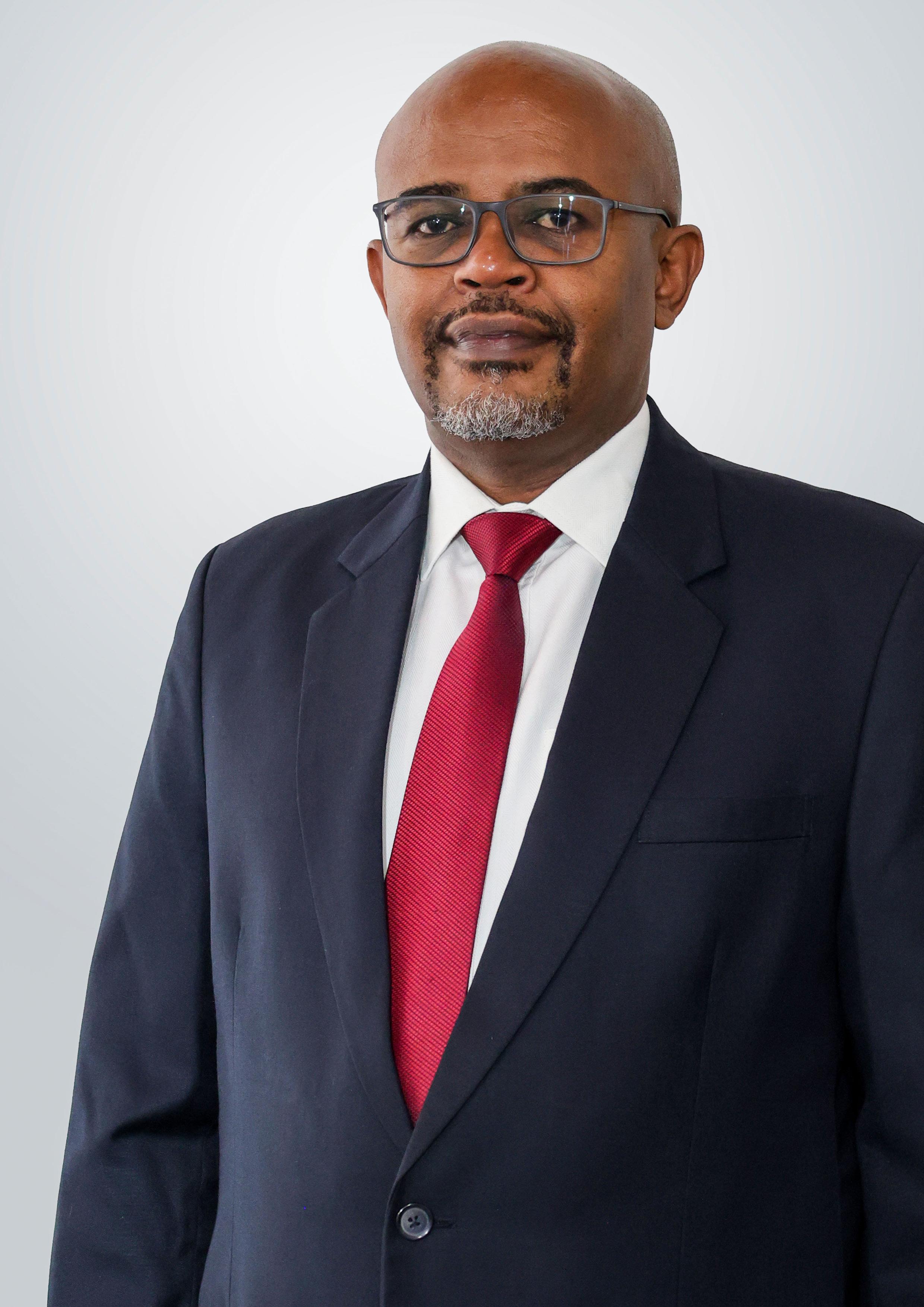
John Mutua Chief Executive Officer at the Association
of Gaming Operators Kenya
The second function is professionalism, upholding ethical and operational standards across the membership. This matters to me personally. When I look at some of the reputational challenges this industry has faced, a significant part of the problem has been that not every operator has held itself to the same standards. AGOK exists in part to change that, to commit to best practice, not just a matter of individual operator choice, but a collective expectation that comes with membership. Inbuilt in the AGOK rules and regulations is a robust code of conduct that every member subscribes to. That includes our responsible gaming advocacy, which is something AGOK takes seriously, not as a PR exercise but as a genuine obligation. Late last year and early this year, we ran a strong campaign on radio and TV called the CHUKUA CONTROL CAMPAIGN, where we were actively involved in educating both operators and the public on responsible gaming practices, because the long-term health of this industry depends on it.
The third function, and one that I think is underappreciated, is community engagement and social responsibility. AGOK members collectively contribute to national programmes and community initiatives, from health causes to education to conservation to the support of sports at all levels in the country. The industry contributes over KES 26 billion in taxes annually. These are not small numbers, and they represent a level of economic and social contribution that deserves to be part of the public conversation about gaming in Kenya. Part of how the mandate has evolved in recent times is a sharper awareness that AGOK needs to tell this story more consistently and more credibly.
And then there is the governance dimension, ensuring that AGOK itself operates with the integrity and structure that earns it credibility as a representative body. We have a defined executive committee, sub-committees covering legal matters, finance, and image and public affairs, and a membership framework that is open to any licensed gaming operator in Kenya. With the Gambling Control Act now in force and a new regulatory architecture being built, the mandate has never demanded more of us. We are not just representing an industry; we are helping to shape the regulatory framework it will operate in for the next generation. That is a responsibility I take very seriously.
AGOK has often advocated for balanced taxation and sustainable policy frameworks. How would you describe your recent discussions with policymakers?
Honest, constructive, and at times genuinely difficult, but always worth having. And I come to those conversations with something that I think carries real weight: I have been on the operator side of these discussions for twenty years. I have sat in boardrooms calculating whether a new levy makes a product line viable. I have made the call to exit a market because the tax structure crossed a line beyond which you cannot build a sustainable business. I know this terrain from the inside, and that changes the nature of the conversation.
What I have found with policymakers in Kenya is that there is genuine goodwill. The challenge is rarely bad faith; it is an information gap. When a policymaker looks at the gaming industry, they often see it through the lens of public concern rather than economic analysis. The social issues are real, and we do not dismiss them. But the full picture is rarely told: the direct employment, the downstream economic activity, the tax contribution, and, this is the point I keep returning to, the critical role that a viable licensed sector plays in protecting consumers from the far more dangerous alternative, which is an unregulated market that pays no tax and offers no protections whatsoever.
Kazi ya pili ni taaluma, kudumisha viwango vya maadili na uendeshaji katika uanachama wote. Hili ni muhimu kwangu binafsi. Ninapoangalia baadhi ya changamoto za sifa ambazo sekta hii imekabiliana nazo, sehemu kubwa ya tatizo imekuwa kwamba si kila mhudumu amejishikilia kwa viwango sawa. AGOK ipo kwa kiasi fulani ili kubadilisha hilo, kujitolea kwa utendaji bora, si tu suala la chaguo la mhudumu binafsi, lakini matarajio ya pamoja yanayotokana na uanachama. Sheria na kanuni za AGOK zilizojengwa ndani yake ni kanuni thabiti za maadili ambazo kila mwanachama anafuata. Hiyo inajumuisha utetezi wetu wa michezo ya kubahatisha unaowajibika, ambao ni jambo ambalo AGOK inachukua kwa uzito, si kama zoezi la PR bali kama wajibu wa kweli. Mwishoni mwa mwaka jana na mapema mwaka huu, tuliendesha kampeni kali kwenye radio na TV inayoitwa CHUKUA CONTROL CAMPAIGN, ambapo tulishiriki kikamilifu katika kuelimisha waendeshaji na umma kuhusu mbinu za michezo ya kubahatisha zinazowajibika, kwa sababu afya ya muda mrefu ya tasnia hii inategemea hilo.
Kazi ya tatu, na ambayo nadhani haithaminiwi sana, ni ushiriki wa jamii na uwajibikaji wa kijamii. Wanachama wa AGOK kwa pamoja huchangia katika programu za kitaifa na mipango ya jamii, kuanzia shughuli za afya hadi elimu hadi uhifadhi hadi usaidizi wa michezo katika ngazi zote nchini. Sekta hii huchangia zaidi ya shilingi bilioni 26 kwa kodi kila mwaka. Hizi si idadi ndogo, na zinawakilisha kiwango cha mchango wa kiuchumi na kijamii unaostahili kuwa sehemu ya mazungumzo ya umma kuhusu michezo nchini Kenya. Sehemu ya jinsi agizo hilo limebadilika katika siku za hivi karibuni ni ufahamu mkali zaidi kwamba AGOK inahitaji kusimulia hadithi hii kwa uthabiti na uaminifu zaidi.
Na kisha kuna mwelekeo wa utawala, kuhakikisha kwamba AGOK yenyewe inafanya kazi kwa uadilifu na muundo unaoipa uaminifu kama chombo kinachowakilisha. Tuna kamati ya utendaji iliyofafanuliwa, kamati ndogo zinazoshughulikia masuala ya kisheria, fedha, na taswira na masuala ya umma, na mfumo wa uanachama ambao uko wazi kwa mtoa huduma yeyote wa michezo ya kubahatisha aliyeidhinishwa nchini Kenya. Kwa kuwa Sheria ya Udhibiti wa Kamari sasa inafanya kazi na usanifu mpya wa udhibiti unajengwa, agizo hilo halijawahi kutudai zaidi. Hatuwakilishi tu tasnia; Tunasaidia kuunda mfumo wa udhibiti utakaotumika kwa kizazi kijacho. Hilo ni jukumu ambalo nalichukulia kwa uzito mkubwa.
AGOK mara nyingi imekuwa ikitetea utozaji wa kodi uliosawazishwa na mifumo endelevu ya sera. Ungeelezeaje mazungumzo yako ya hivi karibuni na watunga sera?
John: Waaminifu, wenye kujenga, na wakati mwingine magumu kweli, lakini daima yanafaa kuwa nayo. Na mimi huja kwenye mazungumzo hayo na kitu ambacho nadhani kina uzito halisi: Nimekuwa upande wa mwendeshaji wa majadiliano haya kwa miaka ishirini. Nimekuwa nikikaa kwenye vyumba vya bodi nikihesabu kama ushuru mpya unafanya mstari wa bidhaa uwezekane. Nimetoa wito wa kutoka sokoni kwa sababu muundo wa kodi umevuka mstari ambao huwezi kujenga biashara endelevu. Ninajua eneo hili kutoka ndani, na hilo hubadilisha asili ya mazungumzo.
Nilichogundua na watunga sera nchini Kenya ni kwamba kuna nia njema ya kweli. Changamoto mara chache huwa ni nia mbaya; ni pengo la habari. Mtunga sera anapoangalia tasnia ya michezo ya kubahatisha, mara nyingi huiona kupitia lenzi ya wasiwasi wa umma badala ya uchambuzi wa kiuchumi. Masuala ya kijamii ni halisi, na hatuyapuuzii. Lakini picha kamili haielezwi sana: ajira ya moja kwa moja, shughuli za kiuchumi zinazoendelea, mchango wa kodi, na, hili ndilo jambo ninalorudia kila mara, jukumu muhimu ambalo sekta yenye leseni inayoweza kutekelezwa inachukua katika kuwalinda watumiaji kutokana na njia mbadala hatari zaidi, ambayo ni soko lisilodhibitiwa ambalo halilipi kodi na halitoi ulinzi wowote.
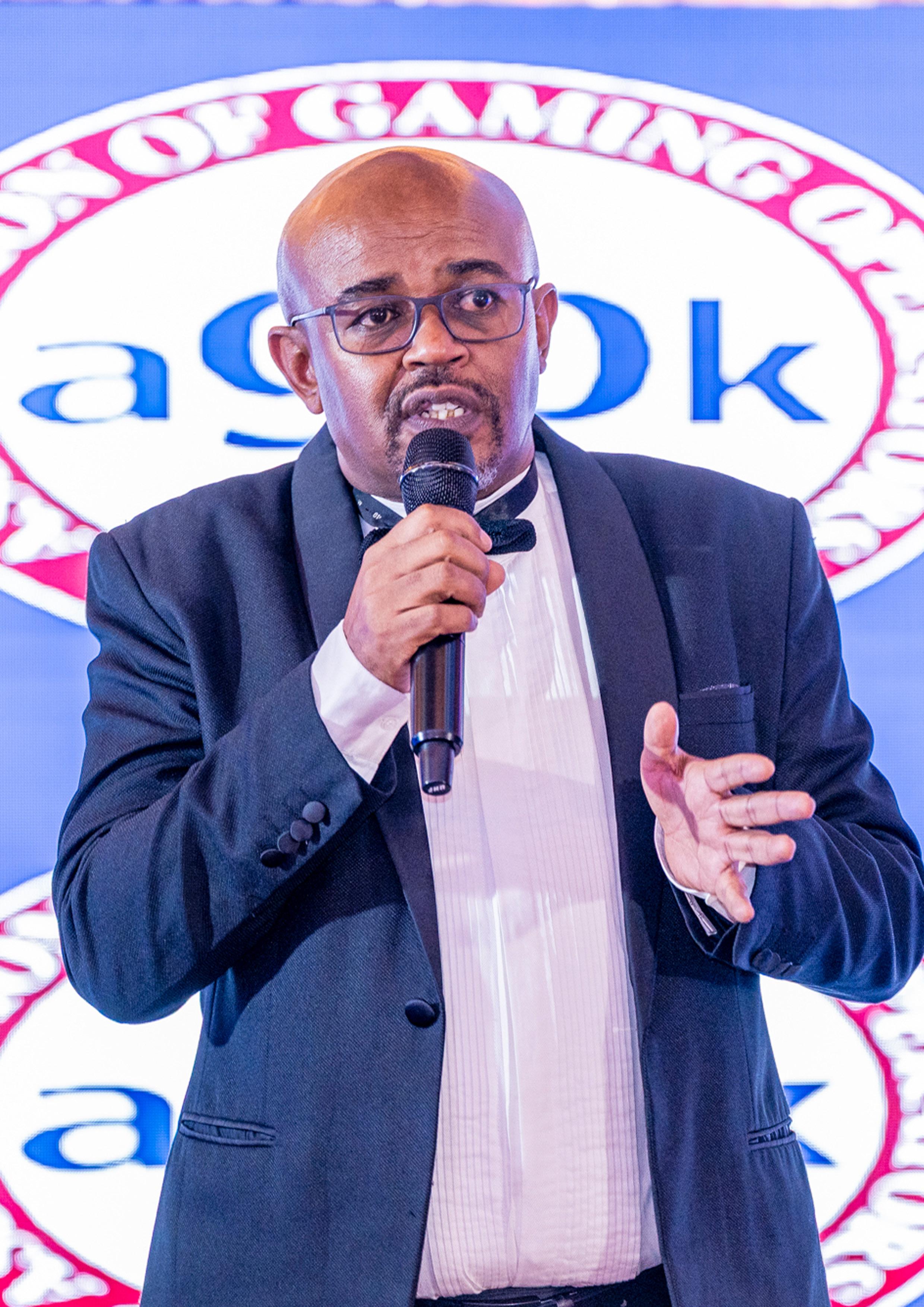
“ Regulatory overcorrection is just as damaging as under-regulation, and it almost always produces the same outcome, market informalisation.
In the last financial year, we made a proposal to parliament that departed from the traditional focus of collecting tax based on stakes and shifted the taxing point to the deposit and withdrawal of every customer on their mobile money wallet. What this has done is increase tax collection by 21% compared to the same period of the previous year. This is a very good example of how much of a difference can be made when policymakers listen to the industry.
One of the things that my experience in other parts of Africa taught me is that regulatory overcorrection is just as damaging as under-regulation, and it almost always produces the same outcome, market informalisation. When you make the cost of compliance prohibitive, whether through excessive levies, disproportionate bond requirements, or unworkable operational restrictions, you do not make the industry disappear. You make the licensed part of it smaller and the unlicensed part of it larger. That is a worse outcome for consumers, for the country, and ultimately for the credibility of the regulator.
That is the argument I have been making in our recent engagements, clearly, persistently, and with the numbers to back it up. I think it is beginning to resonate. Policymakers, when presented with regional comparisons and concrete economic modelling, are increasingly willing to engage with the nuance. The conversation is maturing, and that gives me genuine confidence about where it can go.
You've consistently spoken on matters affecting licensed operators in Kenya. From your recent engagements, what do you believe is the biggest regulatory misconception about the Kenyan gaming industry?
The biggest misconception, and it is one I have encountered in almost every market I have worked in, not just Kenya, is that tightening regulation and growing a responsible industry are fundamentally in tension with each other. That if you make things more workable for operators, you are somehow compromising consumer protection. That is a false choice, and it has driven a great deal of misguided policy.
The most robustly consumer-protective gambling markets in the world are also the most commercially developed ones. The UK, Australia, Malta, in all of those jurisdictions, operators invest heavily in responsible gambling tools, problem gambling support, self-exclusion systems, and player protection mechanisms precisely because they operate in frameworks that make viability and responsibility mutually reinforcing, not mutually exclusive. When you build a regulatory environment where legitimate operators can sustain themselves, you create the conditions for those investments to happen.
The second misconception that I feel deeply about is the idea that licensed operators in Kenya are indifferent to the social consequences of gambling. I have spent two decades building and operating gambling businesses, and I can tell you that the operators I know, the ones running licensed, tax-compliant businesses, are acutely aware of their social responsibility. Not just because they are required to be, but because problem gambling and reputational damage are existential business risks. Nobody in this industry benefits from an addicted customer base. That is not how sustainable businesses are built.
Katika mwaka uliopita wa fedha, tulitoa pendekezo kwa bunge ambalo liliacha mwelekeo wa kitamaduni wa kukusanya kodi kulingana na dau na kuhamisha sehemu ya ushuru hadi kuweka na kutoa kila mteja kwenye pochi yao ya pesa za simu. Hili limefanywa ni kuongeza ukusanyaji wa kodi kwa 21% ikilinganishwa na kipindi kama hicho cha mwaka uliopita. Huu ni mfano mzuri sana wa jinsi tofauti inavyoweza kufanywa wakati watunga sera wanaposikiliza tasnia.
Mojawapo ya mambo ambayo uzoefu wangu katika sehemu zingine za Afrika ulinifundisha ni kwamba marekebisho ya kisheria kupita kiasi yanaharibu kama vile kutofuata kanuni, na karibu kila mara hutoa matokeo sawa, urasimishaji wa soko. Unapofanya gharama ya kufuata sheria kuwa kubwa, iwe kupitia ushuru mwingi, mahitaji yasiyolingana ya dhamana, au vikwazo vya uendeshaji visivyoweza kutekelezeka, hufanyi tasnia hiyo kutoweka. Unaifanya sehemu yake yenye leseni kuwa ndogo na sehemu yake isiyo na leseni kuwa kubwa zaidi. Hilo ni matokeo mabaya zaidi kwa watumiaji, kwa nchi, na hatimaye kwa uaminifu wa mdhibiti.
Hiyo ndiyo hoja ambayo nimekuwa nikitoa katika mazungumzo yetu ya hivi karibuni, waziwazi, kwa kuendelea, na kwa nambari za kuunga mkono. Nadhani inaanza kusikika. Watengenezaji sera, wanapowasilishwa kwa ulinganisho wa kikanda na modeli halisi ya kiuchumi, wanazidi kuwa tayari kushiriki na nukta hii. Mazungumzo yanakomaa, na hiyo inanipa ujasiri wa kweli kuhusu mahali yanaweza kwenda.
Umezungumza mara kwa mara kuhusu masuala yanayoathiri waendeshaji walio na leseni nchini Kenya. Kutokana na mazungumzo yako ya hivi karibuni, unaamini ni kosa gani kubwa zaidi la kisheria kuhusu tasnia ya michezo ya kubahatisha ya Kenya?
Dhana potofu kubwa zaidi, na ni moja ambayo nimekutana nayo katika karibu kila soko ambalo nimefanya kazi, sio Kenya pekee, ni kwamba kuimarisha kanuni na kukuza tasnia inayowajibika kimsingi kuna mvutano kati yao. Kwamba ukifanya mambo yawe rahisi zaidi kwa waendeshaji, kwa namna fulani unahatarisha ulinzi wa watumiaji. Huo ni chaguo la uwongo, na umesababisha sera nyingi potofu.
Masoko ya kamari yanayolinda watumiaji kwa nguvu zaidi duniani pia ni yale yanayoendelea kibiashara zaidi. Uingereza, Australia, Malta, katika mamlaka hizo zote, waendeshaji huwekeza sana katika zana za kamari zinazowajibika, usaidizi wa kamari zenye matatizo, mifumo ya kujitenga, na mifumo ya ulinzi wa wachezaji haswa kwa sababu zinafanya kazi katika mifumo inayofanya uwezekano na uwajibikaji viwe vya pamoja, si vya pande zote mbili. Unapojenga mazingira ya udhibiti ambapo waendeshaji halali wanaweza kujiendeleza, unaunda mazingira ya uwekezaji huo kutokea.
Dhana potofu ya pili ambayo ninahisi sana ni wazo kwamba waendeshaji walioidhinishwa nchini Kenya hawajali matokeo ya kijamii ya kamari. Nimetumia miongo miwili kujenga na kuendesha biashara za kamari, na naweza kukuambia kwamba waendeshaji ninaowajua, wale wanaoendesha biashara zenye leseni, zinazozingatia kodi, wanajua vyema uwajibikaji wao wa kijamii. Sio tu kwa sababu wanatakiwa kuwa hivyo, lakini kwa sababu kamari zenye matatizo na uharibifu wa sifa ni hatari za kibiashara. Hakuna mtu katika tasnia hii anayefaidika na msingi wa wateja walio na uraibu. Hiyo si jinsi biashara endelevu zinavyojengwa.


What frustrates me is that this misconception persists in part because the industry has not always been effective at telling its own story. That is something I am determined to change at AGOK. We need to be more visible, more articulate, and more data-driven in the public conversation about what this industry actually does, the jobs it creates, the responsible gambling programmes it funds, and the consumer protections it implements. The narrative will not change on its own. We have to change it.
Industry unity is not always easy in competitive environments. What have you personally done to strengthen cohesion among AGOK members?
The first thing I did when I came into this role was listen, properly listen. Not to the loudest voices, but to everyone. The large operators, the smaller ones, the ones who had been members for years and felt their concerns were going unheard, and the sceptics who were not sure collective action was even possible in an industry this competitive. I wanted to understand what people actually needed from AGOK before I started telling them what AGOK was going to do.
What I found was consistent across almost every conversation. Beneath the competition, which is real and it is fierce, there was a shared frustration with the external environment. Regulatory uncertainty. Taxation. Inconsistent enforcement. A public narrative that painted everyone with the same brush, regardless of how well or poorly they operated. Those are common problems, and common problems are the foundation of collective action. My job was to help people see that clearly.
Coming from an operator background myself was important here. When I sit with AGOK members and talk about the challenges of navigating a regulatory inspection, or the commercial impact of a sudden policy change, or the difficulty of building a sustainable product in a market where the rules can shift without notice, I am not speaking abstractly. I have lived those experiences. That changes the dynamic in the room. People engage differently when they know you understand the problem from the inside.
Practically, I have worked to make AGOK's advocacy more genuinely collective, ensuring that when we take a position on a regulatory matter, it has been properly workshopped across the membership, not just driven by the interests of some players. I have also been deliberate about framing our advocacy in terms that transcend any individual operator's commercial interest. When we argue for proportionate regulation or a sensible tax structure, we are arguing for the health of the entire sector. That framing, where the goal is bigger than any one member, is ultimately what makes coalitions durable in competitive industries.
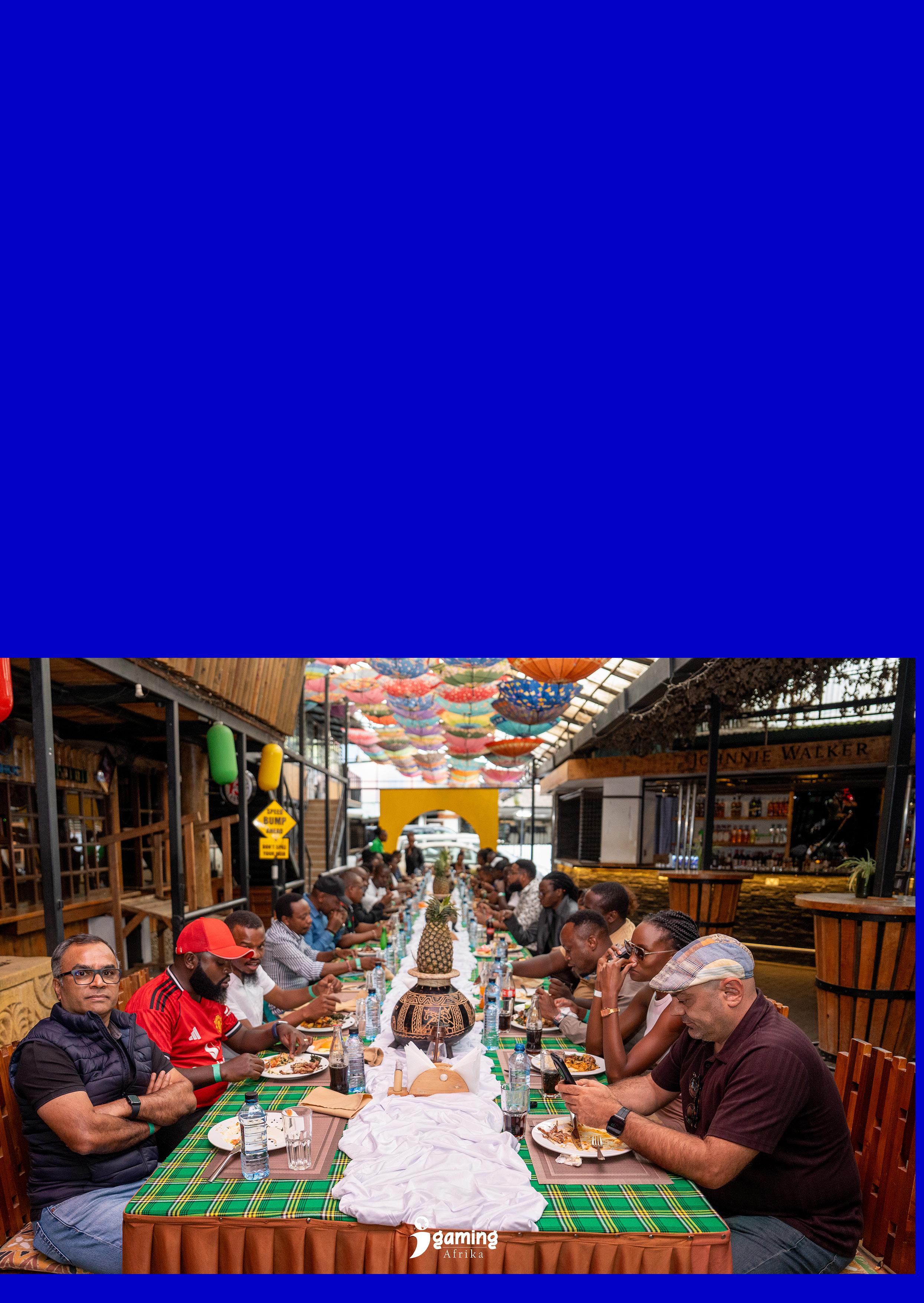
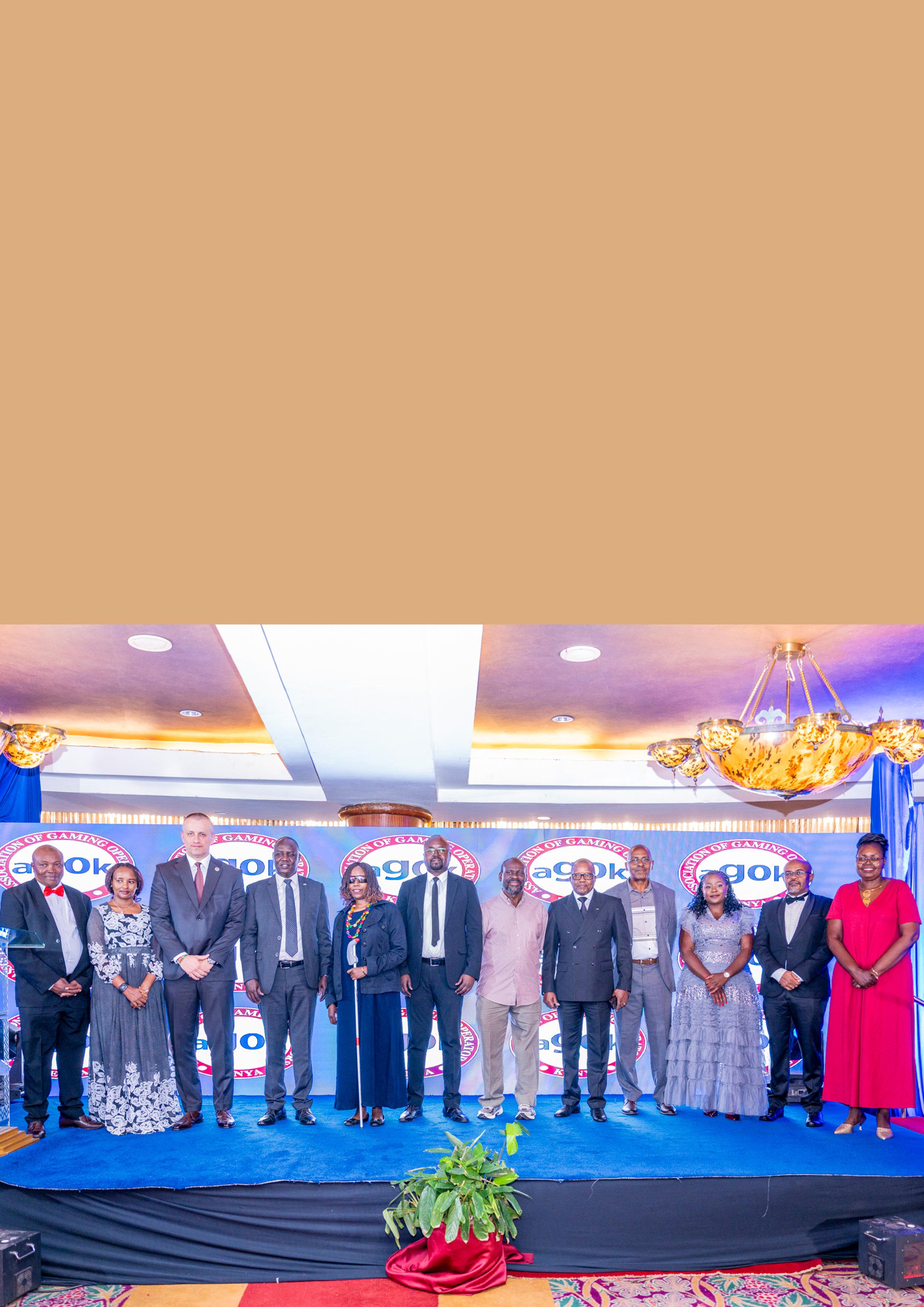
What we are also doing that has become a conversation point, is having the CEOs Koroga – (koroga is the Swahili word for stirring, where we all seat together and cook the meal together as part of the conversation) a relaxed evening of socialising with special invitees at every session where we have a shared meal and cocktails, very informally, is gaining traction and building understanding and friendships among guests. Look out for pictures from the next Koroga evening.
Kinachonikatisha tamaa ni kwamba dhana potofu hii inaendelea kwa sehemu kwa sababu tasnia haijawa na ufanisi kila wakati katika kuelezea hadithi yake yenyewe. Hilo ni jambo ambalo nimeazimia kulibadilisha katika AGOK. Tunahitaji kuonekana zaidi, kuwa na uwazi zaidi, na kuongozwa zaidi na data katika mazungumzo ya umma kuhusu kile ambacho tasnia hii inafanya, kazi inazounda, na mpango wa kamari unaowajibika. Inafadhili, na ulinzi wa watumiaji inaotekeleza. Simulizi halitabadilika lenyewe. Tunapaswa kulibadilisha.
Umoja wa sekta si rahisi kila wakati katika mazingira ya ushindani. Wewe binafsi umefanya nini ili kuimarisha mshikamano miongoni mwa wanachama wa AGOK?
John: Jambo la kwanza nililofanya nilipoingia katika jukumu hili lilikuwa kusikiliza, kusikiliza ipasavyo. Sio kwa sauti kubwa zaidi, bali kwa kila mtu. Waendeshaji wakubwa, wadogo, wale ambao wamekuwa wanachama kwa miaka mingi na waliona wasiwasi wao haukuwahi kusikilizwa, na wenye shaka ambao hawakuwa na uhakika kwamba hatua za pamoja zinawezekana hata katika tasnia yenye ushindani kama huu. Nilitaka kuelewa kile ambacho watu walihitaji kutoka kwa AGOK kabla sijaanza kuwaambia kile ambacho AGOK ingefanya.
Nilichokipata kilikuwa sawa katika karibu kila mazungumzo. Chini ya ushindani, ambao ni halisi na ni mkali, kulikuwa na kuchanganyikiwa kwa pamoja na mazingira ya nje. Kutokuwa na uhakika wa udhibiti. Ushuru. Utekelezaji usio thabiti. Simulizi ya umma iliyowachora kila mtu kwa brashi moja, bila kujali jinsi walivyofanya kazi vizuri au vibaya. Hayo ni matatizo ya kawaida, na matatizo ya kawaida ndiyo msingi wa hatua za pamoja. Kazi yangu ilikuwa kuwasaidia watu kuona hilo wazi.
Mimi mwenyewe kutoka katika historia ya mwendeshaji ilikuwa muhimu hapa. Ninapoketi na wanachama wa AGOK na kuzungumzia changamoto za kupitia ukaguzi wa udhibiti, au athari za kibiashara za mabadiliko ya ghafla ya sera, au ugumu wa kujenga bidhaa endelevu katika soko ambapo sheria zinaweza kubadilika bila taarifa, sizungumzii kwa ufupi. Nimeishi uzoefu huo. Hilo hubadilisha mienendo katika chumba. Watu hushiriki tofauti wanapojua unaelewa tatizo kutoka ndani.
Kivitendo, nimefanya kazi ili kufanya utetezi wa AGOK uwe wa pamoja zaidi, kuhakikisha kwamba tunapochukua msimamo kuhusu suala la udhibiti, umeandaliwa ipasavyo katika wanachama wote, si tu kwa kusukumwa na maslahi ya baadhi ya wachezaji. Pia nimekuwa nikikusudia kutunga utetezi wetu kwa maneno ambayo yanapita maslahi ya kibiashara ya mwendeshaji yeyote. Tunapobishana kuhusu kanuni sawia au muundo wa kodi unaofaa, tunabishana kwa ajili ya afya ya sekta nzima. Kutunga huko, ambapo lengo ni kubwa kuliko mwanachama yeyote mmoja, hatimaye ndiko hufanya miungano iwe imara katika tasnia za ushindani.
Tunachofanya pia ambacho kimekuwa sehemu ya mazungumzo, ni kuwa na Wakurugenzi Wakuu Koroga - (koroga ni neno la Kiswahili linalomaanisha kuchochea, ambapo sote tunaketi pamoja na kupika mlo pamoja kama sehemu ya mazungumzo) jioni tulivu ya kujumuika na waalikwa maalum katika kila kikao ambapo tunakula mlo wa pamoja na vinywaji, visivyo rasmi, vinapata mvuto na kujenga uelewa na urafiki miongoni mwa wageni. Tafuta picha kutoka jioni inayofuata ya Koroga.
The third thing, and this is something I think is underappreciated, is the sophistication of the Kenyan consumer. Kenyan bettors are informed, demanding, and quick to migrate to platforms that offer better value, better user experience, or better odds. That has forced operators here to invest in product quality and customer experience in ways that have genuinely raised the standard of the market. It is a demanding environment to operate in, I know that from experience, but that demand has produced a market maturity that most other African jurisdictions are still working towards.
Mobile money has fundamentally shaped betting behaviour in Kenya. How has this influenced both growth and regulatory scrutiny?
It has been the engine of everything, both the growth and the scrutiny. And having operated across markets where that infrastructure either did not exist or was far less developed, I can speak with some authority on the difference it makes. In the Francophone African markets I worked in, a significant part of the operational challenge was always payments, getting money in and out of a player's account cleanly, quickly, and affordably. In Kenya, M-Pesa essentially solved that problem, and in doing so, it unlocked a mass market that no amount of marketing or product development alone could have created.
The numbers that followed were extraordinary. When you reduce the friction of participation to a few clicks on a phone that the vast majority of adult Kenyans already carry, you democratise betting in the most literal sense. People who would never have walked into a betting shop, because of distance, because of social stigma, because of the time it takes, suddenly had access. And they used it. The growth of the Kenyan betting market over the last decade is not primarily a story about product innovation or marketing. It is a story about payment infrastructure meeting latent demand.
But scale always amplifies both the benefits and the risks of any activity. When millions of people are participating, the consequences of inadequate consumer protection, problem gambling, unauthorised access by minors, and misleading advertising become correspondingly more visible. Regulators responded, sometimes thoughtfully and sometimes reactively. The introduction of transaction limits, the crackdown on certain advertising practices, the push for stricter age verification, many of those measures were all appropriate responses to real concerns. Others were blunt instruments applied to problems that required more precision.
What mobile money has also done, and this is the part of the conversation that I think is often missed, is create powerful tools for responsible gambling if used intelligently. Transaction data, real-time monitoring, instant deposit controls, spending limits — these are capabilities that most gambling regulators around the world can only dream of. The mobile money infrastructure gives Kenya a genuine advantage in building a responsible gambling ecosystem if the regulatory framework is designed to leverage it rather than just restrict it. That is an opportunity we are very deliberately trying to build into the policy conversation.
From your perspective, what structural reforms are still necessary to create long-term industry stability?
There are several, and I want to be specific because I have seen enough markets, at enough different stages of regulatory development, to know that vague calls for "better regulation" are not particularly useful. What is needed is a precise, structural change in a few key areas.
Jambo la tatu, na hili ni jambo ambalo nadhani halithaminiwi sana, ni ustadi wa watumiaji wa Kenya. Wadau wa kamari wa Kenya wana taarifa, wanadai, na wana haraka kuhamia kwenye majukwaa ambayo hutoa thamani bora, uzoefu bora wa mtumiaji, au nafasi nzuri zaidi. Hilo limewalazimisha waendeshaji hapa kuwekeza katika ubora wa bidhaa na uzoefu wa wateja kwa njia ambazo zimeinua kiwango chao Kuhusu soko. Ni mazingira magumu ya kufanya kazi, najua hilo kutokana na uzoefu, lakini mahitaji hayo yametoa ukomavu wa soko ambao mamlaka nyingi za Afrika bado zinafanya kazi kuelekea.
Fedha za simu za mkononi zimeunda kimsingi tabia ya kamari nchini Kenya. Hii imeathiri vipi ukuaji na uchunguzi wa udhibiti?
Imekuwa injini ya kila kitu, ukuaji na uchunguzi. Na baada ya kufanya kazi katika masoko ambapo miundombinu hiyo haikuwepo au haikuendelezwa sana, naweza kuzungumza na mamlaka fulani kuhusu tofauti inayoleta. Katika masoko ya Afrika ya Kifaransa niliyofanyia kazi, sehemu kubwa ya changamoto ya uendeshaji ilikuwa malipo kila wakati, kuingiza na kutoka kwenye akaunti ya mchezaji kwa usafi, haraka, na kwa bei nafuu. Nchini Kenya, M-Pesa kimsingi ilitatua tatizo hilo, na kwa kufanya hivyo, ilifungua soko kubwa ambalo hakuna kiasi cha uuzaji au uundaji wa bidhaa pekee ambacho kingeweza kuunda.
Nambari zilizofuata zilikuwa za ajabu. Unapopunguza msuguano wa ushiriki hadi mibofyo michache kwenye simu ambayo Wakenya wengi wazima tayari wana, unabadilisha demokrasia ya kuweka kamari kwa maana halisi. Watu ambao hawangewahi kuingia kwenye duka la kamari, kwa sababu ya umbali, kwa sababu ya unyanyapaa wa kijamii, kwa sababu ya muda unaochukua, ghafla walipata ufikiaji. Nao walitumia. Ukuaji wa soko la kamari la Kenya katika muongo mmoja uliopita sio hadithi kuhusu uvumbuzi wa bidhaa au uuzaji. Ni hadithi kuhusu miundombinu ya malipo inayokidhi mahitaji yaliyofichwa.
Lakini kiwango huzidisha faida na hatari za shughuli yoyote. Wakati mamilioni ya watu wanashiriki, matokeo ya ulinzi duni wa watumiaji, kamari ya matatizo, ufikiaji usioidhinishwa na watoto, na matangazo ya kupotosha yanaonekana zaidi. Wasimamizi walijibu, wakati mwingine kwa kufikiria na wakati mwingine kwa vitendo. Kuanzishwa kwa mipaka ya miamala, ukandamizaji wa baadhi ya mazoea ya utangazaji, kushinikiza uthibitishaji mkali wa umri, hatua nyingi kati ya hizo zote zilikuwa majibu sahihi kwa wasiwasi halisi. Nyingine zilikuwa vyombo butu vilivyotumika kwa matatizo ambayo yalihitaji usahihi zaidi.
Kile ambacho pesa za simu pia zimefanya, na hii ni sehemu ya mazungumzo ambayo nadhani mara nyingi hukosewa, ni kuunda zana zenye nguvu za kamari zenye uwajibikaji ikiwa zinatumiwa kwa busara. Data ya miamala, ufuatiliaji wa muda halisi, udhibiti wa amana za papo hapo, mipaka ya matumizi haya ni uwezo ambao wasimamizi wengi wa kamari kote ulimwenguni wanaweza tu kuota. Miundombinu ya pesa za simu huipa Kenya faida halisi katika kujenga mfumo ikolojia wa kamari unaowajibika ikiwa mfumo wa udhibiti umeundwa kuutumia badala ya kuuzuia tu. Hiyo ni fursa tunayojaribu kwa makusudi kujenga katika mazungumzo ya sera.
Kutoka kwa mtazamo wako, ni mageuzi gani ya kimuundo bado ni muhimu ili kuunda utulivu wa tasnia ya muda mrefu?
Kuna kadhaa, na ninataka kuwa maalum kwa sababu nimeona masoko ya kutosha, katika hatua tofauti za maendeleo ya udhibiti, kujua kwamba wito usio wazi wa "udhibiti bora" sio muhimu sana. Kinachohitajika ni mabadiliko sahihi na ya kimuundo katika maeneo machache muhimu.
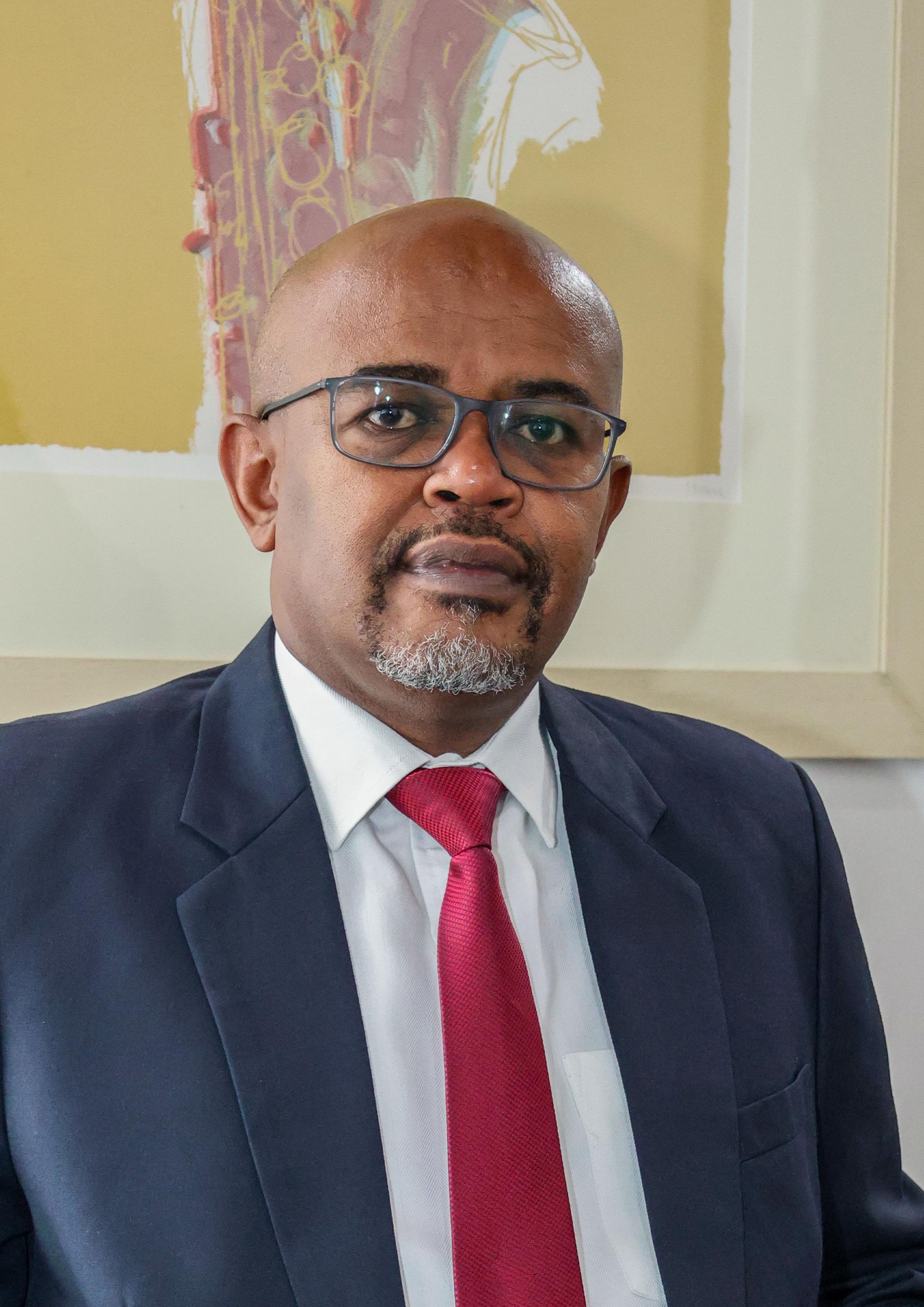
“We need to be more visible, more articulate, and more data-driven in the public conversation about what this industry actually does, the jobs it creates, the responsible gambling programmes it funds, and the consumer protections it implements. The narrative will not change on its own. We have to change it.
The first is resolving the jurisdictional tension between the national regulator and county governments. This is something I feel strongly about because I have watched dual-layer licensing frameworks destroy market development in other jurisdictions. When you have an operator who is nationally licensed by the GRA but can be effectively blocked, delayed, or harassed at the county level, without clear grounds, without a defined timeline, and without an efficient dispute resolution mechanism, you do not have a functioning licensing regime. You have a compliance obstacle course. The Gambling Control Act creates the architecture for a more coherent framework, but the implementing regulations need to be far more specific about how national and county-level oversight interact. Without that, the uncertainty continues, and uncertainty is the enemy of investment.
The second reform is getting the tax and levy structure onto a stable, evidence-based footing. I have made this call before in markets where it was not well received initially, but the evidence is consistent: there is a revenue-maximising point in gambling taxation, and beyond it, higher rates produce lower returns because operators exit or contract and consumers migrate to unregulated platforms. Kenya needs a structured, consultative review of the gambling tax framework, one that looks at the total effective burden on operators, compares it to regional benchmarks, and models the relationship between levy rates and the size of the licensed market. That analysis should drive policy, not political expediency.
The third, and this is the reform I am perhaps most personally invested in, is building a genuine responsible gambling infrastructure. A centralised self-exclusion register that all operators are required to check. A mandatory, industry-co-funded problem gambling helpline with real reach. Standardised responsible gambling training for all licensed operators. These are not concessions to critics; they are the foundations of a mature industry, and they are things that licensed operators, when properly engaged, are willing to support. The question is whether the regulatory framework creates the right incentives for that investment to happen. Right now, it does not do that consistently enough.
Taken together, these three reforms, jurisdictional clarity, rational taxation, and a proper, responsible gambling infrastructure, would not just stabilise the industry. They would transform it into something Kenya could genuinely be proud of.
Advocating for an industry that often faces public criticism requires resilience. What personally motivates you to continue representing this sector?
Twenty years. That is a long time to have stayed in any industry, and I have stayed in this one not by accident. I did not come to gambling because it was the easiest path or the most socially celebrated one. I came because I found it genuinely, intellectually interesting: the product design, the regulatory complexity, the economics, the cultural dimensions of how different societies relate to risk and chance. And two decades later, that interest has not faded. If anything, it has deepened.
But motivation at this level, in an advocacy role, in a sector under sustained public scrutiny, needs to be more than intellectual interest. What actually keeps me going on the hard days is a very clear-eyed sense of what is at stake. I have seen, in Kenya and across the markets I have worked in, what happens when the licensed industry retreats or is regulated out of viability. The industry does not disappear. The activity does not stop. What disappears is the protection.
La kwanza ni kutatua mvutano wa mamlaka kati ya mdhibiti wa kitaifa na serikali za kaunti. Hili ni jambo ambalo ninahisi sana kwa sababu nimeona mifumo ya leseni ya safu mbili ikiharibu maendeleo ya soko katika mamlaka zingine. Unapokuwa na mwendeshaji ambaye amepewa leseni ya kitaifa na GRA lakini anaweza kuzuiwa, kucheleweshwa, au kunyanyaswa katika ngazi ya kaunti, bila sababu zilizo wazi, bila ratiba iliyoainishwa, na bila utaratibu mzuri wa utatuzi wa migogoro, huna mfumo unaofanya kazi wa leseni. Una njia ya vikwazo vya kufuata sheria. Sheria ya Udhibiti wa Kamari huunda usanifu wa mfumo thabiti zaidi, lakini kanuni zinazotekeleza zinahitaji kuwa maalum zaidi kuhusu jinsi usimamizi wa kitaifa na ngazi ya kaunti unavyoingiliana. Bila hiyo, kutokuwa na uhakika kunaendelea, na kutokuwa na uhakika ni adui wa uwekezaji.
Mageuzi ya pili ni kuweka muundo wa kodi na ushuru katika msingi thabiti, unaotegemea ushahidi. Nimetoa wito huu hapo awali katika masoko ambapo haukupokelewa vizuri hapo awali, lakini ushahidi ni thabiti: kuna hatua ya kuongeza mapato katika ushuru wa kamari, na zaidi ya hayo, viwango vya juu hutoa faida ya chini kwa sababu waendeshaji huondoka au huingia mkataba na watumiaji huhamia kwenye majukwaa yasiyodhibitiwa. Kenya inahitaji mapitio yaliyopangwa na ya ushauri ya mfumo wa kodi ya kamari, unaoangalia mzigo mzima unaofaa kwa waendeshaji, unaoulinganisha na vigezo vya kikanda, na kuonyesha uhusiano kati ya viwango vya ushuru na ukubwa wa soko lenye leseni. Uchambuzi huo unapaswa kuendesha sera, si urahisi wa kisiasa. La tatu, na hili ndilo mageuzi ambayo labda nimewekeza zaidi ndani yake, ni kujenga miundombinu halisi ya kamari inayowajibika. Daftari la kujitenga ambalo waendeshaji wote wanatakiwa kufanya.
hundi. Nambari ya usaidizi ya kamari ya lazima, inayofadhiliwa na sekta kwa ushirikiano na inayoweza kufikiwa kwa urahisi. Mafunzo ya kamari yenye uwajibikaji sanifu kwa waendeshaji wote wenye leseni. Haya si makubaliano kwa wakosoaji; ni misingi ya tasnia iliyokomaa, na ni mambo ambayo waendeshaji wenye leseni, wanaposhiriki ipasavyo, wako tayari kuyaunga mkono. Swali ni kama mfumo wa udhibiti unaunda motisha sahihi kwa uwekezaji huo kutokea. Hivi sasa, haifanyi hivyo mara kwa mara vya kutosha.
Kwa pamoja, mageuzi haya matatu, uwazi wa mamlaka, kodi ya busara, na miundombinu sahihi na yenye uwajibikaji ya kamari, hayangeimarisha tasnia tu. Yangeibadilisha kuwa kitu ambacho Kenya inaweza kujivunia kweli.
Kutetea tasnia ambayo mara nyingi inakabiliwa na ukosoaji wa umma kunahitaji ustahimilivu. Ni nini kinachokuchochea kibinafsi kuendelea kuiwakilisha sekta hii?
Miaka ishirini. Hiyo ni muda mrefu kukaa katika tasnia yoyote, na nimebaki katika hii si kwa bahati mbaya. Sikuja kucheza kamari kwa sababu ilikuwa njia rahisi au ile inayosherehekewa zaidi kijamii. Nilikuja kwa sababu niliona ni jambo la kuvutia kiakili kweli: muundo wa bidhaa, ugumu wa udhibiti, uchumi, vipimo vya kitamaduni vya jinsi jamii tofauti zinavyohusiana na hatari na nafasi. Na miongo miwili baadaye, shauku hiyo haijafifia. Ikiwa kuna chochote, imeongezeka.
Lakini motisha katika kiwango hiki, katika jukumu la utetezi, katika sekta inayochunguzwa kwa umma kwa muda mrefu, inahitaji kuwa zaidi ya shauku ya kiakili. Kinachonifanya niendelee na siku ngumu ni hisia safi ya kile kilicho hatarini. Nimeona, nchini Kenya na katika masoko ambayo nimefanya kazi, kinachotokea wakati tasnia yenye leseni inaporudi nyuma au inadhibitiwa nje ya uwezo wa kuishi. Sekta haitoi. Shughuli haikomi. Kinachotoweka ni ulinzi.
The consumer who was betting with a licensed operator, one with responsible gambling tools, one that honours withdrawals, one that pays its taxes, ends up on an offshore platform that has none of those characteristics and answers to no one. That outcome is worse for everyone except the unregulated operator.
I also think about the people, the employees, the small business owners, the technology entrepreneurs building products in this space, whose livelihoods depend on whether this industry is given a reasonable framework to operate in. When I represent AGOK in a policy meeting, I am not just representing corporate interests. I am representing an ecosystem of Kenyan businesses and Kenyan jobs that deserve the same serious policy consideration as any other significant sector of the economy.
And honestly, something is motivating about being in a position where you can actually change things. I have spent twenty years as an operator, watching policy get made, sometimes well and sometimes badly, feeling the consequences of it on the businesses I was running. Now I have a seat at the table where some of those decisions are made. That is not something I take lightly, and it is not something I am inclined to walk away from just because the work is sometimes difficult or the headlines are sometimes unkind.
If we were to evaluate your leadership three years from now, what achievement would you want to be remembered for?
I want to be remembered for changing the terms of the conversation, and I mean that in a very specific, structural sense, not just rhetorically.
When I look at where this industry is today, the deepest problem is not any single tax rate or any single regulatory provision. It is that gambling in Kenya has not yet succeeded in establishing itself as a credible, trusted partner in the policy process. There is still too much distance, suspicion, between operators, regulators and policy makers. There is still a tendency for the industry to be consulted after decisions have already been made, rather than engaged during the process of making them. And there is still a public narrative that is shaped more by the worst examples in the industry than by what responsible, compliant operators actually do every day.
Three years from now, I want AGOK to be the organisation that systematically closes those gaps. I want us to have been the body that brought the industry's voice into the development of the Gambling Control Act's implementing regulations in a way that produced measurably better outcomes, for operators, yes, but also for consumers and for the credibility of the regulatory framework in our country. I want us to have built a responsible gambling infrastructure that Kenyans can point to with genuine pride, a centralised self-exclusion register, a properly funded helpline, standards that operators comply with not just because they are required to but because they are invested in the outcome.
And I want the markets I understand best, the operators across Kenya, and the emerging markets across Africa that look to Kenya as a reference point, to look at what AGOK achieved in this period and see a template for what organised, credible, responsible industry representation can accomplish.
That is the legacy I am working towards. Not a title or a recognition. A framework that is better than the one I inherited, and that outlasts whatever contribution I personally made to building it.
Mtumiaji ambaye alikuwa akiweka dau na operator mwenye leseni, mmoja mwenye zana za kamari zinazowajibika, mmoja anayeheshimu uondoaji, mmoja anayelipa kodi zake, anaishia kwenye jukwaa la nje ya nchi ambalo halina sifa hizo na majibu kwa mtu yeyote. Matokeo hayo ni mabaya zaidi kwa kila mtu isipokuwa operator ambaye hajadhibitiwa.
Pia nawafikiria watu, wafanyakazi, wamiliki wa biashara ndogo, wajasiriamali wa teknolojia wanaojenga bidhaa katika eneo hili, ambao riziki yao inategemea kama tasnia hii imepewa mfumo unaofaa wa kufanya kazi. Ninapowakilisha AGOK katika mkutano wa sera, siwakilishi tu maslahi ya makampuni. Ninawakilisha mfumo ikolojia wa biashara za Kenya na kazi za Kenya ambazo zinastahili kuzingatiwa kwa sera sawa na sekta nyingine yoyote muhimu ya uchumi.
Na kwa kweli, kuna kitu kinachonitia moyo kuhusu kuwa katika nafasi ambapo unaweza kubadilisha mambo. Nimetumia miaka ishirini kama mwendeshaji, nikiangalia sera ikitengenezwa, wakati mwingine vizuri na wakati mwingine vibaya, nikihisi matokeo yake kwenye biashara nilizokuwa nikiendesha. Sasa nina kiti mezani ambapo baadhi ya maamuzi hayo hufanywa. Hilo si jambo ambalo nalichukulia kirahisi, na si jambo ambalo huwa na mwelekeo wa kuliepuka kwa sababu tu kazi wakati mwingine ni ngumu au vichwa vya habari wakati mwingine si vya ukatili.
Kama tungetathmini uongozi wako miaka mitatu kuanzia sasa, ungependa kukumbukwa kwa mafanikio gani?
Nataka nikumbukwe kwa kubadilisha masharti ya mazungumzo, na namaanisha hivyo kwa maana maalum sana, ya kimuundo, si kwa maneno tu.
Ninapoangalia tasnia hii iko wapi leo, tatizo kubwa zaidi si kiwango chochote cha kodi au kifungu chochote kimoja cha udhibiti. Ni kwamba kamari nchini Kenya bado haijafanikiwa kujitambulisha kama mshirika anayeaminika na anayeaminika katika mchakato wa sera. Bado kuna umbali mkubwa, tuhuma, kati ya waendeshaji, wasimamizi na watunga sera. Bado kuna tabia ya tasnia hiyo kushauriwa baada ya maamuzi kufanywa tayari, badala ya kushirikishwa wakati wa mchakato wa kuyafanya. Na bado kuna simulizi ya umma ambayo imeundwa zaidi na mifano mibaya zaidi katika tasnia kuliko kile ambacho waendeshaji wanaowajibika na wanaofuata sheria hufanya kila siku.
Miaka mitatu kuanzia sasa, nataka AGOK iwe shirika linalofunga mapengo hayo kimfumo. Nataka tuwe mwili ulioleta sauti ya tasnia katika maendeleo ya kanuni za utekelezaji wa Sheria ya Udhibiti wa Kamari kwa njia ambayo ilitoa matokeo bora zaidi, kwa waendeshaji, ndio, lakini pia kwa watumiaji na kwa uaminifu wa mfumo wa udhibiti katika nchi yetu. Nataka tujenge miundombinu ya kamari inayowajibika ambayo Wakenya wanaweza kuielekeza kwa fahari ya kweli, rejista ya kujitenga iliyo kati, simu ya usaidizi inayofadhiliwa ipasavyo, viwango ambavyo waendeshaji hufuata si kwa sababu tu wanahitajika bali kwa sababu wamewekeza katika matokeo.
Na nataka masoko ninayoyaelewa vyema, waendeshaji kote Kenya, na masoko yanayoibuka kote Afrika ambayo yanaitazama Kenya kama sehemu ya marejeleo, yaangalie kile ambacho AGOK inakiona.
Iliyopatikana katika kipindi hiki na uone kiolezo cha kile ambacho uwakilishi wa sekta uliopangwa, unaoaminika, na unaowajibika unaweza kutimiza. Huo ndio urithi ninaofanyia kazi. Sio cheo au utambuzi. Mfumo ambao ni bora kuliko ule niliourithi, na unaodumu zaidi ya mchango wowote niliotoa binafsi katika kuujenga.


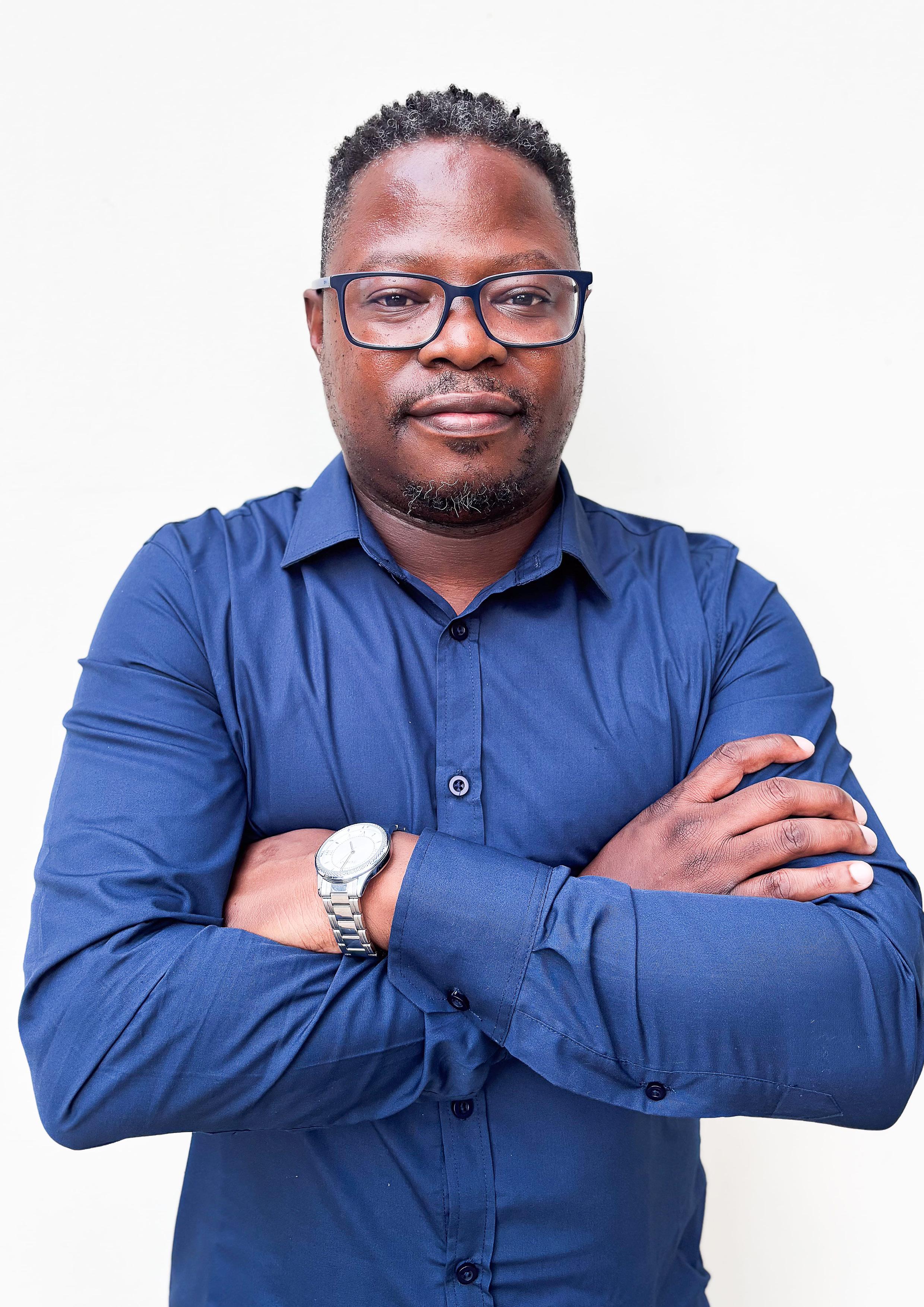
Lombo Mphande Founder , Bet Chats South Africa
Outpaced by Technology: The Awareness Gap
In a recent interview with iGaming AFRIKA Magazine, Lombo Mphande, the founder of Bet Chats South Africa, emphasised how mobile betting is changing the landscape of gambling. He pointed out that as we shift from traditional retail venues to the always-accessible world of online betting, established methods of promoting responsible gambling are struggling to keep up. This transition creates new challenges in understanding player behaviour, making it even more crucial to focus on education and awareness in this evolving digital space.
Could you briefly introduce yourself and what you do?
I’m Lombo Mphande, founder of Bet Chats South Africa. We are a responsible gambling education and outreach platform focused on driving awareness, behavioural understanding, and early intervention across South Africa, with a strong emphasis on youth and vulnerable communities.
Your journey spans executive leadership and entrepreneurship. What moment or realisation pushed you to found Bet Chats SA?
Having worked as an operator, particularly during and after COVID, I saw firsthand the acceleration of online gambling and its impact on everyday lives across the Southern Hemisphere. What stood out was how few meaningful conversations were taking place around responsible gambling, especially with younger audiences. That gap led to the creation of Bet Chats SA, and later to partnerships with organisations like the South African Responsible Gambling Foundation, to broaden and deepen those conversations at a national level.
Bet Chats SA has positioned itself as an education-first platform in a highly commercial industry. Why do you believe responsible betting education has been so overlooked in South Africa?
I wouldn’t say it’s been overlooked as much as it has been outpaced by technology. Mobile betting has removed the visibility that existed in retail environments, betting now happens privately, silently, and at any hour. This anonymity makes it difficult to understand who is betting, how often, and at what point it becomes harmful. Our role is to bring awareness to those realities and to encourage mindfulness around behaviour, not just participation.
You’ve spoken about shared accountability across the betting ecosystem. Where does the greatest responsibility lie, and what practical changes would you like to see?
Lombo: Responsibility has to be shared, but operators sit on the most powerful data. They know when behaviour shifts from recreational to excessive. What we need is stronger use of technology that encourages players to pre-declare affordability limits, combined with effective blockers once those limits are exceeded. Responsible gambling must move from being a message to being a system.
Katika mahojiano ya hivi karibuni na Jarida la iGaming AFRIKA, Lombo Mphande, mwanzilishi wa Bet Chats Afrika Kusini, alisisitiza jinsi kamari ya simu inavyobadilisha mazingira ya kamari. Alibainisha kuwa tunapohama kutoka kumbi za kawaida za rejareja hadi ulimwengu unaopatikana kila wakati wa kamari mtandaoni, mbinu zilizoanzishwa za kukuza kamari inayowajibika zinajitahidi kuendelea. Mabadiliko haya yanaleta changamoto mpya katika kuelewa tabia za wachezaji, na kufanya iwe muhimu zaidi kuzingatia elimu na uelewa katika nafasi hii ya kidijitali inayobadilika.
Je, unaweza kujitambulisha kwa ufupi na unachofanya?
Mimi ni Lombo Mphande, mwanzilishi wa Bet Chats SA. Sisi ni jukwaa la elimu ya kamari inayowajibika na ufikiaji linalolenga kuendesha uelewa, uelewa wa tabia, na uingiliaji kati wa mapema kote Afrika Kusini, tukiwa na msisitizo mkubwa kwa vijana na jamii zilizo katika mazingira magumu.
Safari yako inahusisha uongozi mtendaji na ujasiriamali. Ni wakati gani au utambuzi gani uliokusukuma kuanzisha Bet Chats SA?
Baada ya kufanya kazi kama mwendeshaji, haswa wakati na baada ya COVID, niliona moja kwa moja kasi ya kamari mtandaoni na athari zake kwa maisha ya kila siku kote Kusini mwa Ulimwengu. Kilichojitokeza ni jinsi mazungumzo machache yenye maana yalivyokuwa yakifanyika kuhusu kamari inayowajibika, haswa na hadhira changa. Pengo hilo lilisababisha kuundwa kwa Bet Chats SA, na baadaye kwa ushirikiano na mashirika kama Wakfu wa Kamari Inayowajibika wa Afrika Kusini, ili kupanua na kuimarisha mazungumzo hayo katika ngazi ya kitaifa.
Bet Chats SA imejiweka kama jukwaa la kwanza la elimu katika tasnia ya kibiashara sana. Kwa nini unaamini elimu ya kamari inayowajibika imepuuzwa sana nchini Afrika Kusini?
Singesema imepuuzwa sana kama ilivyopitwa na teknolojia. Kuweka kamari kwa simu kumeondoa mwonekano uliokuwepo katika mazingira ya rejareja, kuweka kamari sasa hufanyika kibinafsi, kimya kimya, na wakati wowote. Kutokujulikana huku kunafanya iwe vigumu kuelewa ni nani anayeweka kamari, mara ngapi, na wakati gani inakuwa hatari. Jukumu letu ni kuleta ufahamu kwa hali halisi hizo na kuhimiza kuzingatia tabia, sio ushiriki tu.
Umezungumzia kuhusu uwajibikaji wa pamoja katika mfumo mzima wa kamari. Jukumu kubwa zaidi liko wapi, na ni mabadiliko gani ya vitendo ungependa kuona?
Jukumu lazima lishirikiwe, lakini waendeshaji huzingatia data yenye nguvu zaidi. Wanajua wakati tabia hubadilika kutoka burudani hadi kupita kiasi. Tunachohitaji ni matumizi makubwa ya teknolojia ambayo huwahimiza wachezaji kutangaza mapema mipaka ya uwezo wa kumudu, pamoja na vizuizi vinavyofaa mara tu mipaka hiyo inapozidi. Kamari inayowajibika lazima ibadilike kutoka kuwa ujumbe hadi kuwa mfumo.
Having worked across South Africa and the SADC region, what systemic gaps have you observed?
One of the biggest gaps is structural independence. In many cases, the same entities that profit from gambling are also responsible for defining and policing responsible gambling standards. That creates an inherent conflict. Responsible gambling initiatives often rely on operator funding, which limits autonomy. For the ecosystem to mature, there needs to be clearer separation and alternative funding models that allow player protection to stand independently.
Online and mobile betting are growing rapidly. What risks does this pose if education and regulation don’t keep pace?
Unchecked growth will inevitably lead to increased problem gambling and underage participation. Accessibility has improved dramatically, but education, monitoring tools, and parental awareness have not kept up. Without stronger safeguards and smarter technology, particularly around youth access, the social cost will escalate alongside industry growth.
Many bettors believe betting can be a sustainable income stream. How do you challenge this perception?
The moment betting is viewed as income rather than entertainment, the risk profile changes completely. Gambling should never be approached as an occupation or a financial solution. Our education focuses on reframing betting as discretionary entertainment, not a means to pay bills or replace employment. Changing that mindset is critical to long-term harm reduction.
Bet Chats SA engages actively with students and young adults. What has surprised you most?
The normalisation of betting as income among students has been alarming. We’ve seen students using stipends intended for food and transport to wager online. Combined with the easy availability of top-up vouchers in local stores, access is almost frictionless. That combination significantly increases indulgence and risk among young people.
Technology and AI are reshaping betting. How should players adapt to remain protected?
While AI is heavily used for odds setting and player acquisition, its application in responsible gambling remains limited. There is a real opportunity to develop AI-driven tools that detect behavioural risk and prompt intervention. Players must educate themselves, but the industry also needs to invest more seriously in protective technology, not just commercial optimisation.
What regulatory changes would have the greatest positive impact on responsible gambling in South Africa?
Advertising regulation is key. Gambling promotion is widespread and often positioned during family viewing times, particularly around slot-style products. When gambling is constantly visible and aspirational, demand is artificially created. Tighter advertising controls would go a long way in reducing early exposure and normalisation.
Baada ya kufanya kazi kote Afrika Kusini na kanda ya SADC, ni mapungufu gani ya kimfumo ambayo umeyaona?
Mojawapo ya mapungufu makubwa ni uhuru wa kimuundo. Mara nyingi, vyombo vile vile vinavyofaidika na kamari pia vinawajibika kufafanua na kudhibiti viwango vya kamari vinavyowajibika. Hilo husababisha mzozo wa asili. Mipango ya kamari inayowajibika mara nyingi hutegemea ufadhili wa waendeshaji, ambayo hupunguza uhuru. Ili mfumo ikolojia ukue, kuna haja ya kuwa na mifumo iliyo wazi zaidi ya utengano na mbadala ya ufadhili ambayo inaruhusu ulinzi wa wachezaji kusimama kwa kujitegemea.
Kubashiri mtandaoni na simu kunakua kwa kasi. Je, hii inaleta hatari gani ikiwa elimu na kanuni haviendani na kasi?
Ukuaji usiodhibitiwa utasababisha kuongezeka kwa kamari yenye matatizo na ushiriki wa watoto. Upatikanaji umeimarika sana, lakini elimu, zana za ufuatiliaji, na ufahamu wa wazazi haujaendelea. Bila ulinzi imara na teknolojia nadhifu, hasa kuhusu upatikanaji wa vijana, gharama ya kijamii itaongezeka sambamba na ukuaji wa sekta.
Wadau wengi wanaamini kamari inaweza kuwa mkondo endelevu wa mapato. Unapingaje mtazamo huu?
Lombo: Wakati kamari inapoonekana kama mapato badala ya burudani, wasifu wa hatari hubadilika kabisa. Kamari haipaswi kuzingatiwa kama kazi au suluhisho la kifedha. Elimu yetu inazingatia kubadilisha kamari kama burudani ya hiari, si njia ya kulipa bili au kubadilisha ajira. Kubadilisha mawazo hayo ni muhimu kwa kupunguza madhara kwa muda mrefu.
Bet Chats SA inashirikiana kikamilifu na wanafunzi na vijana wazima. Ni nini kimekushangaza zaidi?
Kurekebishwa kwa kamari kama mapato miongoni mwa wanafunzi kumekuwa kwa kutisha. Tumeona wanafunzi wakitumia posho zilizokusudiwa kwa chakula na usafiri wa kuweka dau mtandaoni. Pamoja na upatikanaji rahisi wa vocha za kuongeza katika maduka ya ndani, ufikiaji karibu hauna msuguano. Mchanganyiko huo huongeza kwa kiasi kikubwa raha na hatari miongoni mwa vijana.
Teknolojia na AI zinabadilisha muundo wa kamari. Wachezaji wanapaswa kuzoea vipi ili kubaki salama?
Ingawa AI inatumika sana kwa kuweka nafasi na ununuzi wa wachezaji, matumizi yake katika marekebisho ya kamari yanayowajibika bado ni wa kiwango kidogo. Kuna fursa halisi ya kutengeneza zana zinazoendeshwa na akili bandia zinazogundua hatari ya kitabia na kuingilia kati haraka. Wachezaji lazima wajielimishe, lakini tasnia pia inahitaji kuwekeza kwa umakini zaidi katika teknolojia ya kinga, sio tu uboreshaji wa kibiashara.
Ni mabadiliko gani ya kisheria ambayo yatakuwa na athari kubwa zaidi kwa kamari inayowajibika nchini Afrika Kusini?
Udhibiti wa matangazo ni muhimu. Utangazaji wa kamari umeenea na mara nyingi huwekwa wakati wa kutazama kwa familia, haswa karibu na bidhaa za mtindo wa sloti. Wakati kamari inaonekana kila wakati na inatamaniwa, mahitaji huundwa kwa njia bandia. Udhibiti mkali wa matangazo ungesaidia sana kupunguza mfiduo wa mapema na urejeshaji wa kawaida.
What legacy do you hope Bet Chats SA will leave?
We want to leave behind a legacy of sustainability and balance. A future where regulators, operators, and service providers all succeed, supported by healthier, more informed customers. Our goal is for Bet Chats SA to be recognised as a platform that helps shape responsible participation and long-term viability for the entire ecosystem.
Unatarajia Bet Chats SA itaacha urithi gani?
Tunataka kuacha urithi wa uendelevu na usawa. Mustakabali ambapo wasimamizi, waendeshaji, na watoa huduma wote wanafanikiwa, wakisaidiwa na wateja wenye afya njema na wenye taarifa zaidi. Lengo letu ni kwamba Bet Chats SA itambulike kama jukwaa linalosaidia kuunda ushiriki wenye uwajibikaji na uwezekano wa kudumu kwa mfumo mzima wa ikolojia.
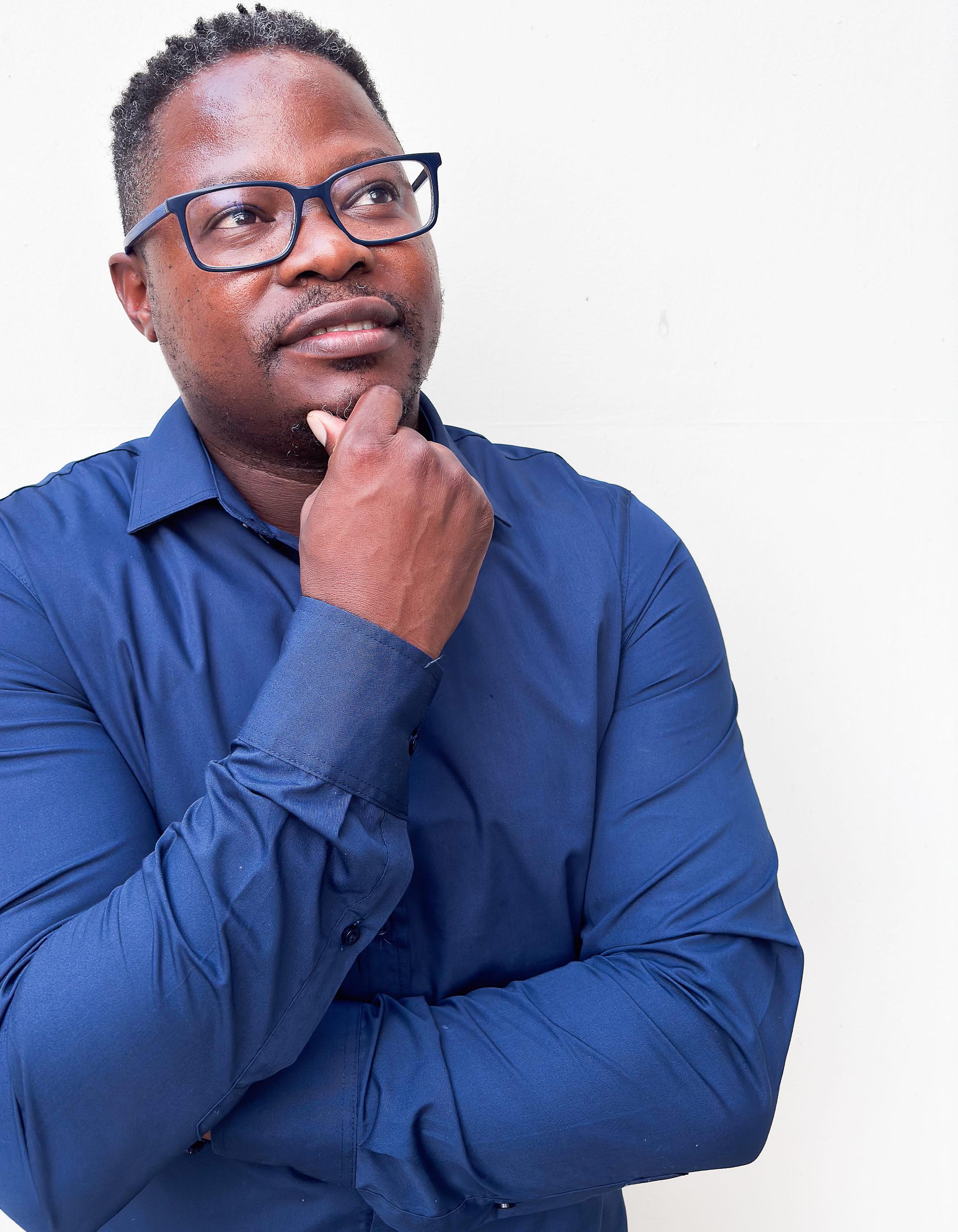
artificially created. Tighter advertising controls would go a long way in reducing

Gain Access to Africa’s Licensed PSPs from One API
Bitlipa connects your business to reliable payment providers across African markets. through one seamless integration.
One integration , multiple markets
Centralized dashboard for collections & payouts
No need to manage multiple PSPs
Faster, more predictable settlement options
Scale across African markets without payment complications




Inside betPawa’s Marketing and CSR Strategy
iGaming AFRIKA sat down with Borah Ndanyungu, the Head of Local Marketing & CSR at betPawa, who offers an inside look at betPawa’s dynamic approach to marketing and corporate social responsibility across Africa. Her leadership blends innovation, community impact, and a profound understanding of local markets. From navigating diverse regulatory landscapes to driving meaningful CSR initiatives, she shares valuable insights into the evolving iGaming ecosystem.
Briefly introduce yourself. What inspired your journey into the iGaming industry, and how has it been so far?
I am Borah Ndanyungu, the Head of Local Marketing & CSR at betPawa. My entry into the iGaming sector was motivated by the compelling synergy of technology, entertainment, and societal contribution. It has proven to be an exceptionally fulfilling experience, with continuous innovation and significant opportunities for positive change.
Congratulations on being named among the Top 50 Women in Gaming in Africa. What does this recognition mean to you, personally and professionally?
This recognition is a tremendous honour, both personally and professionally. Personally, it's a validation of the hard work, passion, and dedication I've poured into my career. It's also incredibly humbling to be recognised alongside so many inspiring women who are making significant contributions to the industry. Professionally, it highlights betPawa's commitment to fostering a diverse and inclusive environment, and it reinforces our efforts to empower and uplift women in the gaming sector. It motivates me to continue pushing boundaries, innovating, and driving positive change within the African iGaming landscape.
As Head of Local Marketing and CSR for betPawa across Africa, what unique challenges and opportunities have you encountered in navigating such a dynamic and diverse East African market?
One of the primary challenges is navigating the diverse regulatory landscapes and cultural nuances across different East African countries. Each market has its own set of rules and player preferences, requiring a highly localised approach to marketing and CSR. Opportunities, however, lie in tailoring our strategies to resonate deeply with local communities, fostering trust, and building long-term relationships. The rapid growth of mobile penetration in the region also presents a massive opportunity to reach a wide audience and innovate in how we engage with our players through accessible digital platforms. Advertising regulations vary significantly across different markets, necessitating a highly localised marketing approach when developing advertising strategies.
iGaming AFRIKA ilikaa na Borah Ndanyungu, Mkuu wa Masoko ya Ndani na CSR katika betPawa, anayetoa mtazamo wa ndani kuhusu mbinu shupavu za betPawa za masoko na uwajibikaji wa kijamii kote Afrika. Uongozi wake unachanganya ubunifu, athari kwa jamii, na uelewa wa kina wa masoko ya wenyeji. Kutoka na kusimamia mazingira tofauti ya udhibiti hadi kuendesha juhudi muhimu za CSR, anashiriki maarifa muhimu kuhusu mfumo unaobadilika wa iGaming.
Jitambulishe kwa ufupi. Nini kilikusukuma kuingia katika tasnia ya iGaming, na imekuwa vipi hadi sasa?
Mimi ni Borah Ndanyungu, Mkuu wa Masoko ya Ndani na CSR katika betPawa. Kuingia kwangu katika sekta ya iGaming kutokana na muunganiko wa kuvutia kati ya teknolojia, burudani, na mchango kwa jamii. Kumekuwa ni uzoefu wa kuridhisha sana, ukijumuisha ubunifu wa kudumu na fursa kubwa za mabadiliko chanya.
Hongera kwa kutajwa miongoni mwa wanawake 50 bora katika michezo Afrika. Tuzo hii inamaanisha nini kwako, binafsi na kitaaluma?
Tuzo hii ni heshima kubwa, kwa mimi binafsi na kitaaluma. Binafsi, ni uthibitisho wa juhudi, shauku, na kujituma nilivyoweka katika kazi yangu. Pia ni jambo la kupendeza sana kujulikana pamoja na wanawake wengi wenye msukumo wanaochangia kwa kiasi kikubwa sekta hii. Kitaaluma, inasisitiza dhamira ya betPawa ya kuendeleza mazingira tofauti na jumuishi, na inathibitisha juhudi zetu za kuweza kuwapa nguvu na kuinua wanawake katika sekta ya michezo. Inahamasisha niendelee kusukuma mipaka, kuleta ubunifu, na kuendesha mabadiliko chanya ndani ya tasnia ya iGaming Afrika.
Kama Mkuu wa Masoko ya Ndani na CSR kwa betPawa kote Afrika, ni changamoto na fursa gani za kipekee umekutana nazo katika kusimamia soko la kipekee na lenye utofauti wa Mashariki mwa Afrika?
Mojawapo ya changamoto kuu ni kusimamia mazingira tofauti ya udhibiti na tofauti za kitamaduni kati ya nchi za Mashariki mwa Afrika. Soko kila moja lina sheria zake na mapendeleo ya wachezaji, ambayo yanahitaji njia maalum ya masoko na CSR. Fursa, hata hivyo, ni katika kubadilisha mikakati yetu ili iweze kuambatana kwa kina na jamii za eneo hilo, kukuza imani, na kujenga uhusiano wa muda mrefu. Ukuaji wa haraka wa matumizi ya simu za mkononi pia unatoa fursa kubwa ya kufikia hadhira pana na kuleta ubunifu katika namna tunavyoshirikiana na wachezaji wetu kupitia majukwaa rahisi kupatikana ya kidijitali. Kanuni za matangazo zinatofautiana sana kati ya masoko, hivyo inahitaji mbinu maalum za masoko wakati wa kuandaa mikakati ya matangazo.

Borah Ndanyungu
Head of Local Marketing & CSR at betPawa,
What are some of the key metrics or indicators you consider most effective for assessing the real impact of CSR initiatives within the gaming industry?
At betPawa, we focus on a blend of quantitative and qualitative metrics. Quantitatively, we track reach (number of beneficiaries), engagement rates with our programs, and financial contributions to community projects. We also look at long-term outcomes like improved developments in sports, e.g., basketball and football, in areas where we operate through our Locker Room Bonus Initiative. This initiative includes a player incentive program, which immediately rewards members of the winning team upon their return to the locker room, enhancing player welfare and motivation.
Key insights About betPawa Locker Room Bonus Sponsorship
•Sponsorship currently covers only football and basketball.
•LRB primarily targets BIG leagues.
•Direct mobile money payment to players, ensuring transparency & efficiency.
•A minimum of 60% of the total LRB costs is paid directly to players, excluding public relations expenses.
•A maximum of 40% of the total LRB costs is allocated to federations and league administration to facilitate easy coordination with teams, ensuring efficient onboarding of teams and players for LRB operations.
Qualitatively, we gather feedback through surveys and direct engagement with beneficiaries to understand the perceived impact and the positive changes in the leagues we are sponsoring. The most effective indicators are those that demonstrate tangible, sustainable benefits to the sports in the markets we operate, rather than just short-term publicity.
With the rapid evolution of digital platforms and the growing popularity of mobile betting, how is betPawa innovating to stay ahead of the curve and enhance the player experience?
At betPawa, innovation is at the core of our strategy to enhance the player experience, especially with the rise of mobile betting. We're constantly investing in technology to ensure our platforms are not only robust and secure but also incredibly user-friendly and accessible on any mobile device. This includes optimising our mobile app for speed and intuitive navigation. We also prioritise responsible gaming tools, e.g., self-exclusion, making it easy for players to manage their activity. Our focus is on creating a seamless, engaging, and safe environment that keeps players at the forefront.
We're seeing a wave of stringent taxation policies across African countries, often justified as player protection measures. What’s your perspective on this trend, and how can regulators strike a balance between market growth and responsible gaming?
This is a critical issue that requires a nuanced approach. While the intention behind stringent taxation policies, often framed as player protection, is understandable, the reality can be complex. Overly burdensome taxes can inadvertently push operators/ players into grey markets or make it difficult for licensed operators to compete, ultimately harming the very players they aim to protect by driving them to unregulated platforms.
Ni vigezo au viashiria gani muhimu zaidi unavyotumia kutathmini athari halisi za juhudi za CSR katika sekta ya michezo?
Borah: Katika betPawa, tunazingatia mchanganyiko wa viashiria vya takwimu na vya ubora. Kwenye takwimu, tunafuata kufikia (idadi ya walengwa), viwango vya ushirikishaji na programu zetu, na mchango wa kifedha kwa miradi ya jamii. Pia, tunazingatia matokeo ya muda mrefu kama maendeleo bora ya michezo, mfano wa mpira wa kikapu na soka, katika maeneo tunayofanyia kazi kupitia mpango wa locker room bonus. Mpango huu unajumuisha mfumo wa motisha kwa wachezaji, ambao huwalipia wanachama wa timu ya kushinda mara moja wanaporudi kwenye chumba cha kubadilishia, kuongeza ustawi wa wachezaji na motisha yao.
Maoni Muhimu Kuhusu Udhamini wa locker room bonus ya betPawa
•Udhamini kwa sasa unahusisha tu soka na mpira wa kikapu.
•LRB inalenga ligi kubwa zaidi.
•Malipo ya moja kwa moja ya fedha kupitia simu, kuhakikisha uwazi na ufanisi.
•Angalau 60% ya gharama zote za LRB hulipwa moja kwa moja kwa wachezaji, bila kujumlisha gharama za mahusiano ya umma.
•Asilimia 40% ya gharama zote za LRB inapelekwa kwa vyama na uendeshaji wa ligi ili kurahisisha ushirikiano na timu, kuhakikisha uanageni wa timu na wachezaji kwa shughuli za LRB.
Kwenye ubora wa hali ya juu, tunakusanya maoni kupitia tafiti na ushirikiano wa moja kwa moja na walengwa ili kuelewa athari inayoonekana na mabadiliko chanya kwenye ligi tunazounga mkono. Viashiria bora ni zile zinazo thibitisha manufaa ya kudumu na yanayoweza kuonekana kwa michezo katika masoko tunafanya kazi, kuliko tu matangazo
Kwa mabadiliko ya haraka ya majukwaa ya kidigitali na ukuaji wa umaarufu wa kamari za simu za mkononi, betPawa inavumbua vipi ili kubaki mbele na kuboresha uzoefu wa mchezaji?
Katika betPawa, ubunifu ni kiini cha mkakati wetu wa kuboresha uzoefu wa mchezaji, hasa kwa kuibuka kwa kamari za simu za mkononi. Sote tunaendelea kuwekeza katika teknolojia ili kuhakikisha majukwaa yetu siyo tu imara na salama bali pia yanayofaa kwa urahisi wa matumizi na yanapatikana kwenye simu yoyote ya mkononi. Hii inajumuisha kuboresha programu yetu ya simu ili iwe na kasi na usambazaji wa kirahisi. Pia tunazingatia zana za michezo yenye uwajibikaji, kama vile kujiondoamwenyewe,ilikuwafanyawachezajikuwanaurahisiwa kudhibiti shughuli zao. Lengo letu ni kuunda mazingira bila mshono, yanayovutia na salama yanayowafanya wachezaji kuwa wa mbele.
Tunaona wimbi la sera kali za kodi nchini Afrika, mara nyingi zikielezwa kama hatua za kulinda wachezaji. Unayo maoni gani kuhusu mwelekeo huu, na wadhibiti wa masoko wanaweza vipi kupatikana kwa usawa kati ya ukuaji wa soko na michezo yenye uwajibikaji?
Hili ni suala nyeti linalohitaji mtazamo wa kina. Ingawa nia ya sera kali za kodi, mara nyingi zikielezwa kama hatua za kulinda wachezaji, ni jambo la kueleweka, hali halisi inaweza kuwa tata. Kodi zinazobeba mzigo mzito sana zinaweza kwa bahati mbaya kuwasukuma wakandarasi/wachezaji kwenye masoko ya kijani au kufanya iwe vigumu kwa waendeshaji waliothibitishwa kushindana, hatimaye kuharibu wachezaji wenyewe waliokusudia kulinda kwa kuwasukuma kwenye jukwaa zisizo na leseni.

“ Success in African iGaming requires navigating complex regulations, adapting to diverse infrastructure, and deep localisation. Expect global competition; differentiate through strong community relationships. Patience, adaptability, and local commitment are crucial.
To strike a balance, regulators should consider a multi-pronged strategy. Firstly, taxation should be reasonable and proportionate, allowing licensed businesses to thrive and invest in responsible gaming initiatives. Secondly, collaboration between regulators and operators is crucial. Open dialogue can help create policies that are effective, fair, and conducive to a healthy market. Thirdly, player protection should go beyond taxation to include robust licensing frameworks, strict advertising guidelines, and accessible responsible gaming tools.
Education is key, both for players to understand responsible gaming practices, and for policymakers to understand the dynamics of the iGaming industry and the potential unintended consequences of their policies. The goal should be to foster a regulated, responsible, and sustainable gaming environment that benefits all stakeholders.
Unlicensed operators and grey markets remain a challenge across the continent. From your experience, what practical steps can African governments and regulators take to address these issues effectively?
Addressing unlicensed operators and grey markets requires a multi-faceted approach, which includes:
•Strengthening regulation is crucial, involving clear licensing, strict penalties, and active monitoring for illegal digital operations.
•Collaboration among governments, regulators, and licensed operators is vital. Sharing intelligence and joint strategies will enhance efficiency in combating illicit activities.
•Educating the public about the risks of unregulated platforms and the benefits of licensed sites can help players make informed choices.
•Reasonable taxation and streamlined processes create an attractive, competitive regulated market, incentivising licensed operators and reducing grey markets.
betPawa is known for its strong commitment to compliance across its markets. What values, systems, or practices do you believe have contributed most to building this reputation?
At betPawa, compliance is foundational, driven by integrity; conducting business ethically and transparently, proactively adhering to local regulations. Our systems prioritise compliance with secure data management and fraud prevention through technology, audits, and training. Our practices involve proactive engagement with regulators and industry bodies, fostering collaboration to shape responsible gaming frameworks. This approach, combined with accountability, solidifies betPawa's reputation as a trusted, compliant operator in Africa.
The iGaming industry is often fast-paced and perceived to be male-dominated. What leadership principles or lessons have been most valuable in helping you carve out your space and succeed?
In the fast-paced, historically male-dominated iGaming industry, I thrive by applying strong leadership principles. Authenticity builds trust, resilience helps navigate challenges, and continuous learning is vital given rapid technological and market shifts. Empowering my team and fostering collaboration are also crucial; true success involves uplifting others. These principles have been key to my effectiveness.
Kuweka sawia, wadhibiti wanapaswa kuzingatia mkakati wa njia nyingi. Kwanza, kodi inapaswa kuwa ya busara na inayolingana na hali; hii itawawezesha biashara zilizo na leseni kuendelea kufanya kazi na kuwekeza katika mikakati ya michezo yenye uwajibikaji. Pili, ushirikiano kati ya wadhibiti na waendeshaji ni muhimu sana. Mazungumzo wazi yanaweza kusaidia kuunda sera zinazofaa, za haki, na zinazochochea soko lenye afya. Tatu, ulinzi wa wachezaji unapaswa kuendeleazaidi ya kodi ili kujumuisha mifumo imaraya leseni, miongozo madhubuti ya matangazo, na zana za michezo yenye uwajibikaji zinazoweza kufikiwa.
Elimu ni muhimu sana, kwa wachezaji kuelewa mbinu za michezo yenye uwajibikaji, na kwa watunga sera kuelewa mienendo ya tasnia ya iGaming na athari zisizokusudiwa zinazoweza kutokea kutokana na sera zao. Lengo ni kukuza mazingira ya michezo yaliyodhibitiwa, yenye uwajibikaji, na endelevu ambayo yanawafaidi washikadau wote.
Waendeshaji wasio na leseni na masoko yasiyodhibitiwa bado yanakumba changamoto bara. Kutoka kwa uzoefu wako, ni hatua gani za kiutendaji zinazoweza kuchukuliwa na serikali za Afrika na wadhibiti ili kushughulikia masuala haya kwa ufanisi?
Kushughulikia waendeshaji wasio na leseni na masoko yasiyodhibitiwa kunahitaji mbinu nyingi. Hizi ni pamoja na:
•Kukuza udhibiti ni muhimu, ikiwa ni pamoja na kutoa leseni wazi, adhabu kali, na ufuatiliaji wa shughuli za mtandaoni zisizo halali.
•Ushirikiano kati ya serikali, wadhibiti, na waendeshaji waliothibitishwa ni muhimu sana. Kushiriki taarifa na mikakati ya pamoja kutaboresha ufanisi wa kupambana na shughuli haramu.
•Kuelimisha umma kuhusu hatari za majukwaa yasiyo na udhibiti na faida za tovuti zilizo na leseni kunaweza kuwasaidia wachezaji kufanya maamuzi yaliyojua.
•Kodi za busara na mchakato rahisi huunda soko la ushindani na la kuvutia, linalowahamasisha waendeshaji waliopitishwa na kupunguza masoko yasiyodhibitiwa.
betPawa inajulikana kwa kujitolea kwa nguvu kwa kufuata sheria katika masoko yake yote. Maadili, mifumo, au taratibu gani unahisi yamechangia kwa kiasi kikubwa kujenga sifa hii?
Katika betPawa, kufuata sheria ni msingi wa kila kitu, kinachochochewa na uadilifu; kufanya biashara kwa maadili na uwazi, na kwa makusudi kuzingatia sheria za ndani. Mifumo yetu inasisitiza kufuata sheria kwa usimamizi salama wa data na kuzuia udanganyifu kwa kutumia teknolojia, ukaguzi, na mafunzo. Taratibu zetu zinahusisha ushirikiano wa makusudi na wadhibiti na mashirika ya viwanda, ili kuunda mfumo wa michezo yenye uwajibikaji. Mbinu hii, ikijumuisha uwajibikaji, inathibitisha sifa ya betPawa kama mwendeshaji anayeaminika na anayefuata sheria barani Afrika.
Sekta ya iGaming mara nyingi ni ya kasi sana na inachukuliwa kuwa inatawaliwa na wanaume. Kanuni au mafunzo gani ya uongozi yamekuwa na thamani zaidi katika kukusaidia kujenga nafasi yako na kufanikiwa?
Katika sekta ya iGaming inayokimbia kwa kasi sana na iliyotawaliwa kihistoria na wanaume, najitahidi kwa kutumia kanuni imara za uongozi. Uadilifu kujenga imani, ustahimilivu husaidia kukabiliana na changamoto, na kujifunza kila wakati ni muhimu kutokana na mabadiliko makubwa ya kiteknolojia na soko. Kuwezesha timu yangu na kuhimiza ushirikiano ni muhimu pia; mafanikio halisi yanahusisha kuinua wengine. Kanuni hizi zimekuwa nyenzo muhimu za ufanisi wangu.
As digital transformation continues to reshape Africa, how do you see the iGaming industry evolving in response to changing player behaviours, preferences, and expectations?
Africa's digital transformation is reshaping the iGaming industry, leading to key trends. Players will demand highly personalised, immersive experiences. Mobile-first strategies will intensify, with more sophisticated apps and seamless payment solutions. Responsible gaming will be deeply integrated, using AI for player protection, self-exclusion, and proactive communication, making player well-being a core value.
Kadri mabadiliko ya kidijitali yanaendelea kubadilisha Afrika, unaona sekta ya iGaming inavyo badilika kwa namna gani kwa kujibu mwenendo wa tabia, matakwa, na matarajio ya wachezaji wanao badilika?
Mabadiliko ya kidijitali ya Afrika yanabadilisha tasnia ya iGaming, na kuibua mwenendo muhimu. Wachezaji watahitaji uzoefu wa kibinafsi sana, wa kujaza na wa kipekee. Mikakati ya kuanzia kwenye simu za mkononi itazidi kuimarika, na programu za kisasa na suluhisho za malipo zisizo na mshono zitakuwa sehemu ya kawaida. Michezo yenye uwajibikaji itachukuliwa kwa umakini mkubwa zaidi, ikitumia AI kulinda wachezaji, kujiondoa wenyewe, na mawasiliano ya kuchukua hatua mapema, ili kuhakikisha ustawi wa mchezaji kuwa thamani kuu.




Kevin Muema
Marketing Lead at DBBet

Scaling Performance Marketing: Building Ethical Affiliate Ecosystems in Africa
In a recent chat with iGaming AFRIKA Magazine, Kevin Muema, the Marketing Lead at DBBet, shared some valuable thoughts on the changing landscape of performance marketing in Africa. He emphasised the need for developing affiliate ecosystems that are scalable and built on trust, transparency, and compliance. By harnessing data and technology, businesses can achieve sustainable growth.
Kevin also pointed out essential strategies, including localising approaches and prioritising mobile-first solutions, while addressing issues like fraud prevention and partner management. He believes operators can successfully merge ambitious growth with a focus on ethical practices and creating long-term value in our fast-paced digital world.
Could you please share an overview of your role as Marketing Team Lead at DBbet?
As the African Marketing Lead at DBBet, I focus on driving growth across key markets by developing localised marketing strategies that fit each region's unique player behaviour.
My role heavily involves building and managing affiliate partnerships, onboarding high-value partners, negotiating deals, and scaling performance-based campaigns to boost acquisition and revenue.
I also rely on data to track performance, optimise campaigns, and ensure strong ROI, while maintaining compliance with local regulations.
Overall, my goal is to build a scalable and high-performing marketing network across Africa.
Affiliate marketing thrives on relationships and trust. How do you ensure affiliates not only drive traffic but also represent the brand ethically and transparently?
Affiliate marketing is built on trust, so at DBBet, we focus on clear expectations, continuous communication, and accountability.
First, we onboard affiliates with strict guidelines on brand positioning, responsible gaming, and compliance, so they clearly understand what ethical promotion looks like.
Second, we maintain close relationships through regular check-ins, performance reviews, and open communication. This helps us guide partners, align on goals, and address any concerns early.
Katika mazungumzo ya hivi karibuni na Jarida la iGaming AFRIKA, Kevin Muema, Kiongozi wa Masoko katika DBBet, alishiriki mawazo muhimu kuhusu mabadiliko ya mazingira ya uuzaji wa utendaji barani Afrika. Alisisitiza hitaji la kukuza mifumo ikolojia ya ushirika ambayo inaweza kupanuliwa na kujengwa juu ya uaminifu, uwazi, na kufuata sheria. Kwa kutumia data na teknolojia, biashara zinaweza kufikia ukuaji endelevu.
Kevin pia alitaja mikakati muhimu, ikiwa ni pamoja na kuweka mbinu za ujanibishaji na kuweka kipaumbele suluhisho za simu za mkononi, huku akishughulikia masuala kama vile kuzuia ulaghai na usimamizi wa washirika. Anaamini waendeshaji wanaweza kuunganisha ukuaji mkubwa kwa kufanikiwa kwa kuzingatia mazoea ya maadili na kuunda thamani ya muda mrefu katika ulimwengu wetu wa kidijitali unaoendana na kasi.
Je, unaweza kushiriki muhtasari wa jukumu lako kama Kiongozi wa Timu ya Masoko katika DBbet?
Kama Kiongozi wa Masoko wa Afrika katika DBBet, ninazingatia kuendesha ukuaji katika masoko muhimu kwa kutengeneza mikakati ya masoko ya ndani ambayo inafaa tabia ya kipekee ya kila kanda.
Jukumu langu linahusisha sana kujenga na kusimamia ushirikiano wa washirika, kuwaunganisha washirika wenye thamani kubwa, kujadili mikataba, na kuongeza kampeni zinazotegemea utendaji ili kuongeza upatikanaji na mapato.
Pia ninategemea data kufuatilia utendaji, kuboresha kampeni, na kuhakikisha faida kubwa ya uwekezaji, huku nikidumisha kufuata kanuni za ndani.
Kwa ujumla, lengo langu ni kujenga mtandao wa masoko unaoweza kupanuka na kufanya kazi kwa kiwango cha juu kote Afrika.
Masoko ya washirika unastawi kwa mahusiano na uaminifu. Unahakikishaje washirika sio tu wanaendesha trafiki lakini pia wanawakilisha chapa kimaadili na kwa uwazi?
Masoko ya washirika umejengwa juu ya uaminifu, kwa hivyo katika DBBet, tunazingatia matarajio wazi, mawasiliano endelevu, na uwajibikaji.
Kwanza, tunaunganisha washirika kwa miongozo madhubuti kuhusu uwekaji wa chapa, michezo ya kubahatisha inayowajibika, na kufuata sheria, ili waelewe wazi jinsi ukuzaji wa maadili unavyoonekana.
Pili, tunadumisha uhusiano wa karibu kupitia ukaguzi wa mara kwa mara, mapitio ya utendaji, na mawasiliano ya wazi. Hii inatusaidia kuwaongoza washirika, kuoanisha malengo, na kushughulikia wasiwasi wowote mapema.
How has technology impacted affiliate marketing in Africa, especially with the rise of mobile devices and data-driven marketing?
Technology has significantly transformed affiliate marketing in Africa, especially with the rise of mobile usage.
With most users accessing platforms via smartphones, affiliates now focus on mobile-first strategies- from optimised landing pages to app-based conversions and mobile payment integrations.
Data-driven marketing has also improved performance. Affiliates can now track user behaviour in real time, optimise campaigns, and target the right audience more accurately, leading to better conversion rates and ROI.
Overall, technology has made affiliate marketing more efficient, targeted, and scalable across African markets.
You're engaging younger demographics in African markets that are mobile-first and social. How do you tailor affiliate campaigns to resonate authentically with that audience?
To engage younger, mobile-first audiences, we focus on localisation, content style, and platform relevance.
We work with relatable influencers and affiliates who understand the culture and communicate in an authentic, social tone, especially on platforms like TikTok, Telegram, Instagram, X and Facebook.
Campaigns are designed to be mobile-first, with simple user journeys, fast-loading pages, and seamless payment options.
We also leverage data insights to understand behaviour and tailor offers, content, and timing to what resonates most.
Ultimately, it's about being native to the audience, real content, real voices, and a smooth mobile experience.
With your experience in digital marketing, what emerging trends do you believe will redefine affiliate engagement in Africa over the next few years?
From my experience in digital marketing, several key trends will redefine affiliate engagement in Africa over the next few years.
First is AI and data-driven personalisation. Affiliates are moving beyond basic tracking to predictive analytics, understanding user behaviour and delivering highly targeted, personalised offers that significantly improve conversion and retention.
Second is the dominance of mobile-first ecosystems. With over 70% of traffic coming from mobile, success will depend on fast, app-driven funnels, seamless payments, and content designed specifically for small screens.
Third, we’re seeing a shift to micro-influencers and native social content. Platforms like TikTok, Telegram, and WhatsApp are driving a large share of conversions, with authentic, localised content outperforming traditional ads.
Another major trend is hyper- localisation using local languages, culture, and region-specific offers to increase engagement and trust across diverse African markets.
Teknolojia imeathiri vipi masoko ya washirika barani Afrika, haswa kutokana na kuongezeka kwa vifaa vya mkononi na uuzaji unaoendeshwa na data?
Teknolojia imebadilisha kwa kiasi kikubwa masoko ya washirika barani Afrika, haswa kutokana na kuongezeka kwa matumizi ya simu.
Kwa watumiaji wengi wanaotumia majukwaa kupitia simu janja, washirika sasa wanazingatia mikakati ya kwanza kwa simukuanzia kurasa za kutua zilizoboreshwa hadi ubadilishaji unaotegemea programu na ujumuishaji wa malipo ya simu.
Uuzaji unaoendeshwa na data pia umeboresha utendaji. Washirika sasa wanaweza kufuatilia tabia ya watumiaji kwa wakati halisi, kuboresha kampeni, na kulenga hadhira sahihi kwa usahihi zaidi, na kusababisha viwango bora vya ubadilishaji na ROI.
Kwa ujumla, teknolojia imefanya uuzaji wa washirika kuwa na ufanisi zaidi, unaolenga, na unaoweza kupanuliwa katika masoko ya Afrika.
Unawashirikisha vijana katika masoko ya Afrika ambayo ni ya kwanza kwa simu na ya kijamii. Unabadilishaje kampeni za washirika ili ziendane na hadhira hiyo?
Ili kuwashirikisha vijana, hadhira ya kwanza kwa simu, tunazingatia ujanibishaji, mtindo wa maudhui, na umuhimu wa jukwaa.
Tunafanya kazi na watu wenye ushawishi na washirika wanaohusiana ambao wanaelewa utamaduni na kuwasiliana kwa sauti halisi, ya kijamii, hasa kwenye majukwaa kama vile TikTok, Telegram, Instagram, X na Facebook.
Kampeni zimeundwa kuwa za kwanza kwa simu, zenye safari rahisi za watumiaji, kurasa zinazopakia haraka, na chaguzi za malipo zisizo na mshono.
Pia tunatumia maarifa ya data ili kuelewa tabia na kurekebisha ofa, maudhui, na wakati kulingana na kile kinachovutia zaidi. Hatimaye, ni kuhusu kuwa asili ya hadhira, maudhui halisi, sauti halisi, na uzoefu laini wa simu.
Kwa uzoefu wako katika uuzaji wa kidijitali, ni mitindo gani inayoibuka unaamini itafafanua upya ushiriki wa washirika barani Afrika katika miaka michache ijayo?
Kutokana na uzoefu wangu katika uuzaji wa kidijitali, mitindo kadhaa muhimu itafafanua upya ushiriki wa washirika barani Afrika katika miaka michache ijayo.
Cha kwanza ni AI na ubinafsishaji unaoendeshwa na data. Washirika wanasonga mbele zaidi ya ufuatiliaji wa msingi hadi uchanganuzi wa utabiri, kuelewa tabia ya mtumiaji na kutoa ofa zinazolengwa sana, za kibinafsi ambazo zinaboresha kwa kiasi kikubwa ubadilishaji na uhifadhi.
Cha pili ni utawala wa mifumo ikolojia ya kwanza kwa simu. Kwa zaidi ya 70% ya trafiki inayotokana na simu za mkononi, mafanikio yatategemea njia za haraka, zinazoendeshwa na programu, malipo yasiyo na mshono, na maudhui yaliyoundwa mahsusi kwa ajili ya skrini ndogo.
Tatu, tunaona mabadiliko kuelekea watu wenye ushawishi mdogo na maudhui ya kijamii ya asili. Mifumo kama vile TikTok, Telegram, na WhatsApp inaendesha sehemu kubwa ya ubadilishaji, huku maudhui halisi na ya ndani yakizidi matangazo ya kitamaduni.

Finally, affiliate marketing is evolving from pure acquisition to long-term partnership models focusing on player retention, lifetime value, and sustainable growth rather than just traffic volume.
Overall, the future is about being data-driven, mobile-native, and locally relevant, while building deeper, long-term relationships with users.
What are the key areas of focus for operators looking to implement affiliate marketing for the first time in Africa, and what challenges should they be aware of?
For operators entering affiliate marketing in Africa, the key areas of focus are localisation, partner selection, and tracking infrastructure.
First, localisation is critical because markets differ widely, so operators must tailor offers, payment methods, and messaging to each country.
Second, choosing the right affiliates is key. Working with trusted, experienced partners who understand local audiences ensures quality traffic and long-term growth.
Third, having strong tracking and analytics systems in place is essential to monitor performance, prevent fraud, and optimise campaigns effectively.
In terms of challenges, one major issue is traffic quality and fraud, especially with inexperienced affiliates. There’s also regulatory variation across countries, which requires careful compliance.
Additionally, payment limitations, market fragmentation, and trust-building with partners can slow down scaling if not handled properly.
Overall, success comes from being locally relevant, data-driven, and relationship-focused, while staying adaptable to each market's realities.
Emerging markets often face fragmentation in payment systems, connectivity, and trust barriers. When launching affiliate campaigns in underpenetrated regions, what innovations or tactics have you found most effective at bridging those gaps?
In underpenetrated markets, success comes from simplifying access, building trust, and localising deeply.
On payments, we integrate mobile money solutions and offer flexible deposit options to match local habits. This removes one of the biggest conversion barriers.
To address connectivity challenges, we focus on lightweight, mobile-first funnels, fast-loading pages, low-data creatives, and app-based experiences that work even on slower networks.
Trust is built through local influencers and community-driven channels like WhatsApp and Telegram. Users relate more to familiar voices than traditional ads.
We also prioritise education-led marketing, simple onboarding guides, demos, and transparent messaging to help new users understand the product.
Finally, using data and smart tracking, we quickly identify what works in each micro-market and adapt fast.
Overall, it’s about removing friction at every step while staying locally relevant and transparent.
Mwelekeo mwingine mkubwa ni ujanibishaji mkubwa kwa kutumia lugha za ndani, utamaduni, na ofa maalum za kikanda ili kuongeza ushiriki na uaminifu katika masoko mbalimbali ya Afrika.
Hatimaye, masoko ya washirika unabadilika kutoka upatikanaji safi wa mifumo ya ushirikiano wa muda mrefu inayozingatia uhifadhi wa wachezaji, thamani ya maisha yote, na ukuaji endelevu badala ya ujazo wa trafiki tu.
Kwa ujumla, mustakabali unahusu kuendeshwa na data, asili ya simu, na muhimu ndani ya nchi, huku ukijenga uhusiano wa kina na wa muda mrefu na watumiaji.
Ni maeneo gani muhimu ya kuzingatia kwa waendeshaji wanaotafuta kutekeleza uuzaji wa washirika kwa mara ya kwanza barani Afrika, na ni changamoto gani wanapaswa kufahamu?
Kwa waendeshaji wanaoingia katika uuzaji wa washirika barani Afrika, maeneo muhimu ya kuzingatia ni ujanibishaji, uteuzi wa washirika, na miundombinu ya kufuatilia.
Kwanza, ujanibishaji ni muhimu kwa sababu masoko hutofautiana sana, kwa hivyo waendeshaji lazima wabadilishe ofa, mbinu za malipo, na ujumbe kwa kila nchi.
Pili, kuchagua washirika sahihi ni muhimu. Kufanya kazi na washirika wanaoaminika na wenye uzoefu ambao wanaelewa hadhira ya ndani huhakikisha trafiki bora na ukuaji wa muda mrefu.
Tatu, kuwa na mifumo imara ya ufuatiliaji na uchanganuzi ni muhimu ili kufuatilia utendaji, kuzuia ulaghai, na kuboresha kampeni kwa ufanisi.
Kwa upande wa changamoto, suala moja kubwa ni ubora wa trafiki na ulaghai, haswa na washirika wasio na uzoefu. Pia kuna tofauti za kisheria katika nchi, ambazo zinahitaji kufuata kwa uangalifu.
Zaidi ya hayo, vikwazo vya malipo, mgawanyiko wa soko, na ujenzi wa uaminifu na washirika vinaweza kupunguza kasi ya ukuaji ikiwa havitashughulikiwa ipasavyo.
Kwa ujumla, mafanikio hutokana na kuwa muhimu katika eneo husika, kuendeshwa na data, na kuzingatia uhusiano, huku yakiendelea kubadilika kulingana na hali halisi ya kila soko.
Masoko yanayoibuka mara nyingi hukabiliwa na mgawanyiko katika mifumo ya malipo, muunganisho, na vikwazo vya uaminifu. Unapozindua kampeni za washirika katika maeneo ambayo hayajapenya sana, ni uvumbuzi au mbinu gani ambazo umeona kuwa na ufanisi zaidi katika kuziba mapengo hayo?
Katika masoko ambayo hayajapenya sana, mafanikio hutokana na kurahisisha ufikiaji, kujenga uaminifu, na kubinafsisha kwa undani.
Katika malipo, tunaunganisha suluhisho za pesa za simu na kutoa chaguzi rahisi za amana ili kuendana na tabia za ndani. Hii huondoa mojawapo ya vikwazo vikubwa vya ubadilishaji.
Ili kushughulikia changamoto za muunganisho, tunazingatia njia nyepesi, za kwanza za simu, kurasa zinazopakia haraka, ubunifu wa data ya chini, na uzoefu unaotegemea programu unaofanya kazi hata kwenye mitandao ya polepole.
Uaminifu hujengwa kupitia watu wenye ushawishi wa ndani na njia zinazoendeshwa na jamii kama WhatsApp na Telegram.
Affiliate fraud, mismatched traffic quality, and compliance risk are real challenges. What mechanisms have you put in place to preserve brand integrity while still pushing aggressive growth?
To balance aggressive growth with brand integrity, we at DBBet focus on strict control, smart monitoring, and selective scaling.
First, we implement rigorous affiliate vetting and clear compliance guidelines, only onboarding partners who meet our standards on traffic sources and ethical promotion.
Second, we use advanced tracking and fraud detection tools to monitor traffic quality in real time, flagging suspicious activity like incentivised traffic, duplicate accounts, or abnormal conversion patterns.
We also structure deals around quality-based KPIs (retention, LTV, deposit behaviour), not just volume, which discourages low-quality traffic.
Regular audits and close communication with affiliates help us correct issues early or cut off non-compliant partners quickly. Ultimately, it’s about scaling with control, rewarding high-quality partners while protecting the brand from short-term, risky growth.
In your leadership role, how do you balance creativity and compliance, ensuring innovation while staying within regulatory limits?
I balance creativity and compliance by treating them as complementary, not conflicting, priorities.
On one side, I encourage affiliates and teams to be creative in how they engage audiences through localised content, influencers, and innovative campaigns that resonate with each market.
On the other side, we operate within a clear compliance framework with non-negotiable rules around messaging, responsible gaming, and traffic sources.
The key is early alignment. We educate partners on boundaries from the start, so creativity happens within a safe structure rather than being corrected later.
We also maintain a review process where innovative ideas are tested against compliance standards before scaling. Ultimately, the goal is to create space for innovation while protecting the brand, so growth is both creative and sustainable.
As a young leader, what values or principles drive your work, and how do they influence how you manage teams and partners?
The core values that drive my work are integrity, performance, and long-term partnership thinking.
Integrity ensures that in everything we do, from affiliate selection to campaign execution, we operate transparently and protect the brand.
Performance keeps us focused on results, but not at the expense of quality. I always emphasise sustainable growth over short-term spikes.
Watumiaji huhusiana zaidi na sauti zinazojulikana kuliko matangazo ya kawaida.
Pia tunaweka kipaumbele katika uuzaji unaoongozwa na elimu, miongozo rahisi ya uandikishaji, maonyesho, na ujumbe wa uwazi ili kuwasaidia watumiaji wapya kuelewa bidhaa.
Hatimaye, kwa kutumia data na ufuatiliaji mahiri, tunatambua haraka kinachofanya kazi katika kila soko dogo na kuzoea haraka.
Kwa ujumla, ni kuhusu kuondoa msuguano katika kila hatua huku tukibaki kuwa muhimu na wazi ndani ya nchi.
Ulaghai wa washirika, ubora wa trafiki usiolingana, na hatari ya kufuata sheria ni changamoto halisi. Ni mifumo gani umeweka ili kuhifadhi uadilifu wa chapa huku bado ukisukuma ukuaji mkali?
Ili kusawazisha ukuaji mkali na uadilifu wa chapa, sisi katika DBBet tunazingatia udhibiti mkali, ufuatiliaji mahiri, na uongezaji wa kuchagua.
Kwanza, tunatekeleza ukaguzi mkali wa washirika na miongozo ya wazi ya kufuata sheria, ni washirika wanaojiunga tu wanaokidhi viwango vyetu kwenye vyanzo vya trafiki na ukuzaji wa maadili.
Pili, tunatumia zana za hali ya juu za ufuatiliaji na kugundua udanganyifu kufuatilia ubora wa trafiki kwa wakati halisi, kuashiria shughuli zinazotiliwa shaka kama trafiki inayohamasishwa, akaunti zinazorudiwa, au mifumo isiyo ya kawaida ya ubadilishaji.
Pia tunapanga mikataba inayozunguka KPI zinazotegemea ubora (uhifadhi, LTV, tabia ya amana), sio tu ujazo, ambao hukatisha tamaa trafiki ya ubora wa chini. Ukaguzi wa mara kwa mara na mawasiliano ya karibu na washirika hutusaidia kurekebisha masuala mapema au kuwakatisha tamaa washirika wasiofuata sheria haraka.
Hatimaye, ni kuhusu kuongeza viwango kwa udhibiti, kuwazawadia washirika wa ubora wa juu huku wakilinda chapa kutokana na ukuaji wa muda mfupi na hatari.
Katika nafasi yako ya uongozi, unawezaje kusawazisha ubunifu na kufuata sheria, kuhakikisha uvumbuzi huku ukizingatia mipaka ya udhibiti?
Kevin: Ninasawazisha ubunifu na kufuata sheria kwa kuzichukulia kama vipaumbele vinavyosaidiana, visivyopingana.
Kwa upande mmoja, ninawahimiza washirika na timu kuwa wabunifu katika jinsi wanavyo washirikisha hadhira kupitia maudhui ya ndani, watu wenye ushawishi, na kampeni bunifu zinazoendana na kila soko.
Kwa upande mwingine, tunafanya kazi ndani ya mfumo wazi wa kufuata sheria na sheria zisizoweza kujadiliwa kuhusu ujumbe, michezo ya kubahatisha inayowajibika, na vyanzo vya trafiki. Jambo la msingi ni upatanifu wa mapema. Tunawaelimisha washirika kuhusu mipaka tangu mwanzo, ili ubunifu ufanyike ndani ya muundo salama badala ya kusahihishwa baadaye.
Pia tunadumisha mchakato wa ukaguzi ambapo mawazo bunifu hujaribiwa dhidi ya viwango vya kufuata sheria kabla ya kuongeza viwango.
Hatimaye, lengo ni kuunda nafasi ya uvumbuzi huku tukilinda chapa, kwa hivyo ukuaji ni wa ubunifu na endelevu.
Long-term partnership thinking shapes how I manage both teams and affiliates. I believe in building relationships, not transactions, supporting partners to grow with us rather than just deliver traffic.
These principles influence my leadership style by promoting accountability, open communication, and continuous improvement, while still allowing flexibility and innovation across teams.
Kama kiongozi kijana, ni maadili au kanuni gani zinazo endesha kazi yako, na zinaathiri vipi jinsi unavyosimamia timu na washirika?
Kevin: Maadili ya msingi yanayoendesha kazi yangu ni uadilifu, utendaji, na mawazo ya ushirikiano wa muda mrefu.
Uadilifu unahakikisha kwamba katika kila kitu tunachofanya, kuanzia uteuzi wa washirika hadi utekelezaji wa kampeni, tunafanya kazi kwa uwazi na kulinda chapa.
Utendaji hutuweka tukizingatia matokeo, lakini si kwa gharama ya ubora. Mimi husisitiza ukuaji endelevu kila wakati kuliko ongezeko la muda mfupi.
Mawazo ya ushirikiano wa muda mrefu huunda jinsi ninavyosimamia timu na washirika. Ninaamini katika kujenga mahusiano, si miamala, kusaidia washirika kukua nasi badala ya kutoa trafiki tu.
Kanuni hizi zinaathiri mtindo wangu wa uongozi kwa kukuza uwajibikaji, mawasiliano ya wazi, na uboreshaji endelevu, huku bado zikiruhusu kubadilika na uvumbuzi katika timu zote.

“Choosing
the right affiliates is key. Working with trusted, experienced partners who understand local audiences ensures quality traffic and long-term growth.
Beyond One-Size-Fits-All:
Rethinking Successful Strategies for Africa’s Gaming Market
Head of Gaming at KingMakers
Kaan Bulakeri

As global operators make their way into Africa; it’s becoming clear that finding success isn’t just about taking established models and dropping them into new markets.
Kaan Bulakeri, who has led the Gaming division at KingMakers, views the business from a customer-first angle, drawing on his experience in both well-established European markets and the fast-growing landscapes in Africa. In this interview, he dives into why tailoring experiences for local audiences, focusing on mobile-friendly personalized designs, and having agile operations are key to creating gaming experiences that go beyond what initial performance numbers might say.
Could you take us through your journey into the gaming industry — and what ultimately drew you to focus on African markets?
It’s been quite an exciting ride so far in the world of iGaming with a steep learning curve and its fast-paced challenges. I initially joined Evolution and thereafter Amusnet to gain substantial experiences and learnings in the B2B space which has helped me hone my commercial and management skillsets further with a deeper understanding of most regulated markets across the European continent. Seeking a more dynamic and growth-oriented environment with untapped opportunities, I’ve then not only transitioned into the B2C sphere but also created a clear focus on the main African markets Nigeria, South-Africa and Zambia by joining KingMakers. It’s certainly been a very demanding but also rewarding journey with lots of new knowledge and experiences with such fundamentally different market dynamics, technology landscape and player behavior. Truly never a dull moment!
How do you evaluate long-term value in markets where regulatory, economic, and infrastructural volatility are part of the operating reality?
In volatile markets such as in Africa, where the infrastructural and economical volatility is a given, you cannot look at LTV through a purely European lens of "stable monthly spend". Instead, we evaluate resilience. The keyword is Trust. Long-term value comes from building a brand that the customer trusts even when the economy is tough. And when I say everyone, I mean the full spectrum of players, regulators, global game-providers, local service-providers, and all 3rd party business partnerships. Our focus has been on low-friction user engagement and localized content. Stability doesn't come from the environment; it comes from our ability to pivot our business and products quickly when regulations or currency values shift, the infrastructure gets strained; in Africa an agile operational model as well as the mindset is imperative and vital.
Your contribution to the 2026 iGaming Trendbook by ACE Alliance focused on responsible gaming. What is the biggest disconnect today between technological innovation and responsible play safeguards?
I was humbled with ACE Alliance’s invitation to contribute to their much-anticipated annual trendbook in a section that is very central to my standpoint in the iGaming industry and as core values of the organisations I chose to work for and represent. From my view on this very question, the disconnect is that innovation is funded to drive revenue (ROI), while safeguards are treated as a "compliance check-box." In my section in ACE Alliance Trendbook 2026, I argued that the future is "Brand as Trust".
Wakati waendeshaji wa kimataifa wanapoingia Afrika; inaonekana wazi kwamba kupata mafanikio si tu kuchukua mifano iliyopo na kuyapakia sokoni mpya. Kaan Bulakeri, ambaye ameongoza idara ya Michezo katika KingMakers, anachunguza biashara hiyo kwa mtazamo unaoipa mteja kipaumbele, akitegemea uzoefu wake katika masoko ya Ulaya yaliyothibitika na katika maeneo yanayokua kwa kasi barani Afrika.Katika mahojiano haya, anachunguza kwa kina kwa nini kubinafsisha uzoefu kwa hadhira ya wenyeji, kutilia mkazo miundo binafsi inayofaa kwa simu za mkononi, na kuwa na shughuli zenye ufanisi ni muhimu katika kuunda uzoefu wa michezo unaozidi kile ambacho takwimu za utendaji wa awali zinaweza kuashiria.
Je, unaweza kutuongoza katika safari yako katika tasnia ya michezo ya kubahatisha, na ni nini hatimaye kilikuvutia kuzingatia masoko ya Afrika?
Imekuwa safari ya kusisimua sana hadi sasa katika ulimwengu wa iGaming yenye mkondo mkali wa kujifunza na changamoto zake za haraka. Mwanzoni nilijiunga na Evolution na baadaye Amusnet ili kupata uzoefu na mafunzo muhimu katika nafasi ya B2B, ambayo yamenisaidia kuboresha ujuzi wangu wa kibiashara na usimamizi zaidi kwa uelewa wa kina wa masoko mengi yanayodhibitiwa katika bara la Ulaya. Nikitafuta mazingira yenye nguvu zaidi na yanayolenga ukuaji yenye fursa ambazo hazijatumika, nimebadilika sio tu katika nyanja ya B2C lakini pia nimeunda mwelekeo wazi katika masoko makuu ya Afrika, Nigeria, Afrika Kusini, na Zambia kwa kujiunga na KingMakers. Hakika imekuwa safari ngumu sana lakini pia yenye thawabu na maarifa na uzoefu mwingi mpya na mienendo tofauti ya soko, mazingira ya teknolojia na tabia ya wachezaji. Kwa kweli haijawahi kuwa wakati wa kuchosha!
Unatathminije thamani ya muda mrefu katika masoko ambapo tete ya udhibiti, uchumi, na miundombinu ni sehemu ya ukweli wa uendeshaji?
Katika masoko tete kama vile Afrika, ambapo tete ya miundombinu na uchumi ni jambo la kawaida, huwezi kuangalia LTV kupitia lenzi ya Ulaya ya "matumizi thabiti ya kila mwezi". Badala yake, tunatathmini ustahimilivu. Neno muhimu ni Trust. Thamani ya muda mrefu hutokana na kujenga chapa ambayo mteja anaiamini hata wakati uchumi ni mgumu. Na ninaposema kila mtu, namaanisha wigo kamili wa wachezaji, wasimamizi, watoa huduma za michezo duniani, watoa huduma za ndani, na ushirikiano wote wa biashara wa watu wengine. Lengo letu limekuwa katika ushiriki mdogo wa watumiaji na maudhui ya ndani. Utulivu hautokani na mazingira; unatokana na uwezo wetu wa kugeuza biashara na bidhaa zetu haraka wakati kanuni au thamani za sarafu zinapobadilika, na miundombinu inapoharibika. Barani Afrika, mfumo wa uendeshaji unaobadilika pamoja na mawazo ni muhimu na muhimu.
Mchango wako katika iGaming Trendbook, 2026 na ACE Alliance kinazingatia michezo ya kubahatisha yenye uwajibikaji. Ni tofauti gani kubwa leo kati ya uvumbuzi wa kiteknolojia na ulinzi wa michezo wenye uwajibikaji?
Nilinyenyekezwa na mwaliko wa ACE Alliance wa kuchangia Kitabu chao cha Mwelekeo cha kila mwaka kinachotarajiwa sana katika sehemu ambayo ni muhimu sana kwa mtazamo wangu katika tasnia ya iGaming na kama maadili ya msingi ya mashirika niliyochagua kufanyia kazi na kuwakilisha. Kwa mtazamo wangu kuhusu swali hili, mgawanyiko ni kwamba uvumbuzi unafadhiliwa ili kuongeza mapato (ROI), huku ulinzi ukichukuliwa kama "kisanduku cha kuangalia kufuata sheria."
As Fisayo Oke (Gamble Alert) also said in the 2nd issue of iGaming Afrika Magazine, we must move "from advocacy to concrete action". If we don’t protect the player first and foremost, we don’t have a sustainable business and even a whole industry’s future will be in jeopardy. For this, the innovation must take place not only by private businesses with shareholder value as primary objective but in a conjunction between operators, regulators, game-providers and NGO’s.
As Head of Gaming at KingMakers, responsible for shaping the gaming experience across your portfolio, what key factors determine whether a game truly resonates with African audiences beyond initial performance metrics?
I firmly challenged the one-size-fits-all approach from a global view. “What worked here well, must work well in Africa too”. Instead, we firmly believed in a healthy mix of highly customized content and a rather simple but seamless player experience within our Gaming domain. From my role perspective it’s been a very fruitful journey with a large spectrum of multi-disciplinary internal teams and external business partners to deliver the best value with our player-first principle. The initial performance metrics are a good indicator however we are adamant on high retention numbers and long-term player life-cycle. The stickiness of a ‘game’ depends heavily on an adequate collaboration within the internal product, tech and marketing teams while definitely keeping the finger on the pulse at our own, distinct player base that is very versatile and agile in their adoption and varying preferences.
African players are predominantly mobile-first. How does this reality influence how you curate and design gaming experiences?
Mobile-first in Africa really means "mobile-only" and "data-sensitive." We don’t just design all our UX for a small screen; we design for low bandwidth and interrupted connections. Every kilobyte matters. We curate our games portfolio to prioritize "light" games that load instantly. If a game takes 10 seconds to load, you have already lost the player. The UI must be thumb-friendly and the flow to the "bet" button must be as short as possible. As I mentioned in a previous iBet Afrika’s Webinar on Grey to Gold, this laser-focus, local approach significantly helps define the main strategy for not only B2C Operators but also B2B content providers.
When evaluating potential game studio partnerships, what do you look for beyond strong mechanics and performance metrics?
This is one of the most key components of my role and as I highlighted in the previous question, I personally value those game provider partners that truly understand the technological landscape in Africa, by focussing and also investing in this promising environment. I can clearly see those game studios struggling that take a ‘global’ approach, as the game provider names aren’t as popular in Africa as in Europe or the US, since the market is still quite novice. The players’ association is much higher with local operators’ brand-value rather than a global game studio. On the other hand, those pure locally-brewed studios also struggle with technological stability and the reliability of their games, given the limited range and testing. The game providers that I distinctly see prevail in these tough markets are those that combine a global approach (multi-jurisdictional) with a sharp local focus and knowledge, as well as a long-term strategy in investment. They partner with highly recognized operators to produce customized and hyperlocalized gaming content addressing a big range of evolving player preference and behavior, so they triumph.
Katika sehemu yangu katika Kitabu cha Mwenendo cha ACE Alliance 2026, nilisema kwamba mustakabali ni "Chapa kama Uaminifu".
katika Kitabu cha Mwenendo cha ACE Alliance 2026, nilisema kwamba mustakabali ni "Chapa kama Uaminifu". Kama Fisayo Oke ( Gamble Alert) pia alivyosema katika toleo la 2 la Jarida la iGaming Afrika, lazima tubadilike "kutoka utetezi hadi hatua halisi". Tusipomlinda mchezaji kwanza kabisa, hatuna biashara endelevu, na hata mustakabali wa tasnia nzima utakuwa hatarini. Kwa hili, uvumbuzi lazima ufanyike sio tu na biashara za kibinafsi zenye thamani ya wanahisa kama lengo kuu lakini kwa kushirikiana kati ya waendeshaji, wasimamizi, watoaji wa michezo na mashirika yasiyo ya kiserikali.
Kama Mkuu wa Michezo ya Kubahatisha katika KingMakers, anayehusika na kuunda uzoefu wa michezo ya kubahatisha katika kwingineko yako, ni mambo gani muhimu yanayoamua ikiwa mchezo unaendana na hadhira ya Kiafrika zaidi ya vipimo vya awali vya utendaji?
Nilipinga vikali mbinu ya ukubwa mmoja inayofaa wote kutoka kwa mtazamo wa kimataifa. "Kilichofanya kazi vizuri hapa, lazima kifanye kazi vizuri pia barani Afrika". Badala yake, tuliamini kabisa katika mchanganyiko mzuri wa maudhui yaliyobinafsishwa sana na uzoefu rahisi lakini usio na mshono wa wachezaji ndani ya uwanja wetu wa Michezo ya Kubahatisha. Kwa mtazamo wangu wa jukumu, imekuwa safari yenye matunda mengi na wigo mkubwa wa timu za ndani zenye taaluma nyingi na washirika wa biashara wa nje ili kutoa thamani bora kwa kanuni yetu ya mchezaji wa kwanza. Vipimo vya awali vya utendaji ni kiashiria kizuri; hata hivyo, tunasisitiza kuhusu idadi kubwa ya wachezaji wanaoweza kuhifadhiwa na mzunguko wa maisha wa muda mrefu wa wachezaji. Uimara wa 'mchezo' unategemea sana ushirikiano wa kutosha ndani ya timu za ndani za bidhaa, teknolojia na uuzaji, huku tukizingatia mapigo ya wachezaji wetu tofauti ambao ni rahisi sana na wenye wepesi katika kupitishwa kwao na mapendeleo tofauti.
Wachezaji wa Kiafrika wanaongoza kwa kiasi kikubwa kwenye simu. Ukweli huu unaathiri vipi jinsi unavyopanga na kubuni uzoefu wa michezo?
Simu-kwanza barani Afrika inamaanisha "simu pekee" na "nyeti kwa data." Hatubuni tu UX yetu yote kwa skrini ndogo; tunabuni kwa kipimo data cha chini na miunganisho iliyokatizwa. Kila kilobaiti ni muhimu. Tunapanga kwingineko yetu ya michezo ili kuipa kipaumbele michezo "nyepesi" inayopakia mara moja. Ikiwa mchezo unachukua sekunde 10 kupakia, tayari umepoteza mchezaji. Kiolesura cha mtumiaji lazima kiwe rahisi kutumia, na mtiririko wa kitufe cha "dau" lazima uwe mfupi iwezekanavyo. Kama nilivyosema katika Wavuti ya awali ya iBet Afrika kuhusu Grey to Gold, mbinu hii ya ndani inayolenga leza husaidia sana kufafanua mkakati mkuu sio tu kwa Waendeshaji wa B2C lakini pia watoaji wa maudhui ya B2B.
Unapotathmini ushirikiano unaowezekana wa studio za michezo, unatafuta nini zaidi ya mitambo na vipimo vya utendaji?
Hii ni moja ya vipengele muhimu vya jukumu langu, na kama nilivyoangazia katika swali lililopita, mimi binafsi ninawathamini washirika wa watoa huduma za michezo ambao wanaelewa kikweli mazingira ya kiteknolojia barani Afrika, kwa kuzingatia na pia kuwekeza katika mazingira haya yenye matumaini. Ninaweza kuona wazi studio hizo za michezo zikipambana na kuchukua mbinu ya 'kimataifa', kwani majina ya watoa huduma za michezo si maarufu sana barani Afrika kama Ulaya au Marekani, kwani soko bado ni jipya kabisa.

In a recent iGaming AFRIKA webinar titled “Build vs Buy”, you emphasised that platform decisions should begin by prioritising the demands and dynamics of the customer base before business considerations. Building on that, how should founders in African markets balance customer-centric innovation with business scalability when choosing between building a proprietary platform and buying an existing solution?
During the webinar we discussed multiple aspects of this critical decision. Our customer-first approach acts as a guiding principle in any such decision we take, that extends far beyond plug-and-play but emphasizes a long-term game with the right technological ‘future-proof’ness, flexibility and differentiation. Like ‘content’, localisation of the overall platform of an iGaming operator prepares the business for the ever-changing environment when it comes to new regulation, taxation, bonus-abuse, and other player-centric decisions. The initial cost should be melted into a mid-to-long term strategic approach. However, for a new entrant, time-to-market is a key determination as always. The scalability depends as usual on the budget and appetite of these entrepreneurs that rightly see the big potential of these markets. In our fast-paced industry with the growing state of AI and adolescent technologies, the experimental growth-mindset is the only way.
Africa’s gaming market is growing rapidly, but it is also incredibly diverse. According to you, what’s one assumption about Africa’s gaming growth that the global industry continues to get wrong, and how should leaders rethink it?
As widely mentioned before across various panels and webinars,the biggest mistake is treating Africa as one single market. Global leaders might see "Africa" on a spreadsheet and try to apply one holistic strategy. Let alone a comparison between a well matured, regulated European market to a novice African market, most countries differ from each other and even player demographics and behavior vary between states and cities. The player in Nairobi is totally different from the player in Lagos, whose preferences are also not the same as his fellow Abujan’s. The varying and constantly developing regulatory landscapes pose the second main challenge as we’ve recently seen successful global giants entering various African markets, not being able to capture short-term business value and leaving a lot of opportunity on the table by quickly departing again. The simplest advice I can give is that a local presence with an office is a must, focussing on marketing and operational processes. As I emphasized throughout my contribution in this Issue 8, the answers lay in the Focus, the Local Trust and the Long game.
“ Stability doesn't come from the environment; it comes from our ability to pivot our business and products quickly when regulations or currency values shift, and the infrastructure gets strained.
Uhusiano wa wachezaji uko juu zaidi kwa thamani ya chapa ya waendeshaji wa ndani kuliko studio ya michezo ya kimataifa. Kwa upande mwingine, studio hizo safi zinazotengenezwa ndani pia zinapambana na utulivu wa kiteknolojia na uaminifu wa michezo yao, kutokana na aina na majaribio machache. Watoa huduma za michezo ambao ninaona waziwazi wanashinda katika masoko haya magumu ni wale wanaochanganya mbinu ya kimataifa (ya mamlaka nyingi) yenye umakini na maarifa ya ndani, pamoja na mkakati wa muda mrefu katika uwekezaji. Wanashirikiana na waendeshaji wanaotambulika sana kutoa maudhui ya michezo yaliyobinafsishwa na ya ndani zaidi yanayoshughulikia aina mbalimbali za mapendeleo na tabia za wachezaji zinazobadilika, ili washinde.
Katika semina ya hivi karibuni ya iGaming AFRIKA yenye kichwa cha habari "Build vs Buy", ulisisitiza kwamba maamuzi ya jukwaa yanapaswa kuanza kwa kuweka kipaumbele mahitaji na mienendo ya msingi wa wateja kabla ya kuzingatia biashara. Kwa kuzingatia hilo, waanzilishi katika masoko ya Afrika wanapaswaje kusawazisha uvumbuzi unaozingatia wateja na uwezo wa kupanua biashara wanapochagua kati ya kujenga jukwaa la wamiliki na kununua suluhisho lililopo?
Wakati wa semina ya mtandaoni, tulijadili vipengele vingi vya uamuzi huu muhimu. Mbinu yetu ya kwanza kwa wateja hufanya kazi kama kanuni inayoongoza katika uamuzi wowote tunaochukua, ambao unaenea zaidi ya kuziba na kucheza lakini unasisitiza mchezo wa muda mrefu wenye 'uthibitisho wa kiteknolojia', kubadilika na utofautishaji sahihi wa kiteknolojia. Kama 'maudhui', ujanibishaji wa jukwaa la jumla la mwendeshaji wa iGaming huandaa biashara kwa mazingira yanayobadilika kila wakati linapokuja suala la kanuni mpya, ushuru, matumizi mabaya ya bonasi, na maamuzi mengine yanayozingatia wachezaji. Gharama ya awali inapaswa kuyeyushwa kuwa mbinu ya kimkakati ya muda wa kati hadi mrefu. Hata hivyo, kwa mshiriki mpya, muda wa soko ni kigezo muhimu kama kawaida. Uwezo wa kupanuka unategemea, kama kawaida, bajeti na hamu ya wajasiriamali hawa, ambao wanaona kwa usahihi uwezo mkubwa wa masoko haya. Katika tasnia yetu inayoendelea kwa kasi na hali inayokua ya AI na teknolojia za vijana, mawazo ya ukuaji wa majaribio ndiyo njia pekee.
Soko la michezo ya kubahatisha la Afrika linakua kwa kasi, lakini pia lina utofauti mkubwa. Kulingana na wewe, ni dhana gani moja kuhusu ukuaji wa michezo ya kubahatisha wa Afrika kwamba tasnia ya kimataifa inaendelea kukosea, na viongozi wanapaswa kufikiria upya vipi?
Kama ilivyotajwa sana hapo awali kwenye paneli na wavuti mbalimbali, kosa kubwa zaidi ni kuichukulia Afrika kama soko moja. Viongozi wa kimataifa wanaweza kuona "Afrika" kwenye lahajedwali na kujaribu kutumia mkakati mmoja kamili. Achilia mbali kulinganisha kati ya soko la Ulaya lililokomaa vizuri na linalodhibitiwa na soko la Afrika jipya, nchi nyingi hutofautiana, na hata idadi ya watu na tabia za wachezaji hutofautiana kati ya majimbo na miji. Mchezaji huko Nairobi ni tofauti kabisa na mchezaji huko Lagos, ambaye mapendeleo yake pia si sawa na yale ya wenzake wa Abujan. Mazingira tofauti na yanayoendelea ya udhibiti yanaleta changamoto kuu ya pili, kwani hivi karibuni tumeona makubwa ya kimataifa yenye mafanikio yakiingia katika masoko mbalimbali ya Afrika, yakishindwa kupata thamani ya biashara ya muda mfupi na kuacha fursa nyingi mezani kwa kuondoka haraka tena. Ushauri rahisi zaidi ninaoweza kutoa ni kwamba uwepo wa ndani na ofisi ni lazima, ukizingatia michakato ya uuzaji na uendeshaji. Kama nilivyosisitiza katika mchango wangu katika Toleo hili la 8, majibu yako katika Mkazo, Uaminifu wa Ndani na mchezo wa Long.
If you had to bet on one factor that will define African gaming over the next five years, payments innovation, regulatory evolution, AI-driven personalisation, or player maturity, where would you place your bet, and why?
I am putting my bet on Maturity, the speed and the level of it, as the most important factor in the African iGaming industry. Maturity means different things to players, operators and regulators. Player maturity will be to understand and experience the gaming and entertainment sector from a content point of view, in 5-year player preferences and behaviour will be much more stable, in my opinion. For operators, organisational maturity is another must. Streamlining businesses and internal processes will enable eminent operators to focus on innovation, transparency and responsible gaming that will foster the right player behaviour and long-term value as discussed in previous insights. I foresee that the maturity for regulators might gravitate towards a rather consolidated approach instead of a very fragmented and dispersed one, not only within diverse governing bodies and states of the same country, but perhaps a regional or continental overarching legislation. As I discussed in the 2026 iGaming Trends Webinar on the regulation part, the key here is to deeply study and follow the highly mature markets, but certainly not to pursue a copy-paste strategy. Africa must and will have its own unique, full-fledged iGaming regulation.
Ikiwa ilibidi uweke dau kwenye jambo moja ambalo litafafanua michezo ya kubahatisha ya Kiafrika katika miaka mitano ijayo, uvumbuzi wa malipo,, mageuzi ya udhibiti, ubinafsishaji unaoendeshwa na akili bandia, au ukomavu wa mchezaji, ungeweka dau lako wapi, na kwa nini?
Ninaweka dau langu kwenye Ukomavu, kasi na kiwango chake, kama jambo muhimu zaidi katika tasnia ya iGaming ya Afrika. Ukomavu unamaanisha mambo tofauti kwa wachezaji, waendeshaji na wadhibiti. Ukomavu wa mchezaji utakuwa kuelewa na kupata uzoefu wa sekta ya michezo ya kubahatisha na burudani kutoka kwa mtazamo wa maudhui, kwa maoni yangu, kwa mapendeleo na tabia ya mchezaji ya miaka 5 itakuwa thabiti zaidi. Kwa waendeshaji, ukomavu wa shirika ni lazima lingine. Kurahisisha biashara na michakato ya ndani kutawawezesha waendeshaji mashuhuri kuzingatia uvumbuzi, uwazi na michezo ya kubahatisha inayowajibika ambayo itakuza tabia sahihi ya mchezaji na thamani ya muda mrefu kama ilivyojadiliwa katika maarifa ya awali. Ninaona kuwa ukomavu wa wadhibiti unaweza kuelekea mbinu iliyoimarishwa badala ya ile iliyogawanyika sana na iliyotawanyika, si tu ndani ya vyombo na majimbo tofauti ya utawala ya nchi moja, lakini labda sheria kuu ya kikanda au bara. Kama nilivyojadili katika Webinar ya Mitindo ya iGaming ya 2026 kuhusu upande wa udhibiti, jambo muhimu hapa ni kujifunza kwa undani na kufuata masoko yaliyokomaa sana, lakini hakika si kufuata mkakati wa kunakili na kubandika. Afrika lazima na itakuwa na kanuni zake za kipekee na kamili za iGaming.
AFRICA'S IGAMING REVOLUTION STARTS HERE


Launch a fully-featured iGaming platform - casino, sportsbook, poker or lottery with transparent pricing, no hidden fees, and a team that treats you like a partner, not a number.

POWERED BY QUANTM AI, BUILT FOR SCALE Transparent







Regulation as Moral Architecture:
Rethinking Governance in Africa’s iGaming Industry
In a fast-changing world driven by digital advancements, shifting regulations, and a growing emphasis on social responsibility, governance has never been more essential. Brenda Mabaso, a Board Member at the Mpumalanga Economic Regulator, provides insightful commentary on how regulatory leadership can foster sustainable gaming environments. She delves into the challenges posed by digital disruption, the importance of ethical governance, and the promotion of women in leadership roles, while also exploring the current landscape and prospects of iGaming in Africa.
Could you briefly introduce yourself and share how your journey into the iGaming sector began, including the pivotal moments that shaped your path into regulatory leadership?
I am Lindiwe Brenda Mabaso, a Governance Practitioner, women’s leadership advocate, and currently a Board Member of the Mpumalanga Economic Regulator (MER). My career has largely been anchored in economic regulation, trade policy, and institutional governance across public entities and the Parliament of South Africa. I have been involved with the establishment of Industrial Zones in South Africa, and in my stint with the International Trade Administration Commission (ITAC), where I was a Deputy Chief Commissioner, which gave me exposure to the regulatory space at the international level, as we dealt with the administration of tariffs and trade negotiations. Moreover, having been an Economic Content Advisor in Parliament really gave me a broader understanding of the importance of Governance structures and the need to ensure that these structures are well governed and regulated to support economic growth.
My entry into the gaming and gambling sector was therefore not accidental; it was a natural extension of regulatory oversight within economic development. What became pivotal for me was realising that gambling is not just an entertainment economy; it is a high-impact regulatory environment that intersects revenue generation, social risk, technological disruption, and ethical governance. A defining moment was recognising how governance quality in this sector directly shapes public trust. In gambling, regulation is not administrative; it is moral architecture. That realisation deepened my commitment to regulatory leadership.
As a board member of the Mpumalanga Economic Regulator, how would you describe the current regulatory climate in Mpumalanga and, more broadly, within South Africa’s gambling sector?
Mpumalanga operates within a nationally structured framework, but implementation remains provincial. The current climate is both stable and under pressure. Stable in terms of legislative architecture. Under pressure due to digital acceleration.
Katika dunia inayobadilika kwa kasi inayotokana na maendeleo ya kidigitali, mabadiliko ya kanuni, na msisitizo unaoongezeka juu ya uwajibikaji wa kijamii, uongozi haujawahi kuwa wa muhimu zaidi. Brenda Mabaso, Mwanachama wa Mpumalanga Economic Regulator Bodi wa Mamlaka ya Uchumi ya Mpumalanga, hutoa maoni ya kina kuhusu jinsi uongozi wa udhibiti unaweza kuhimiza mazingira endelevu ya michezo ya kubahatisha. Anachambua changamoto zinazotokana na mabadiliko ya kidigitali, umuhimu wa uongozi wa maadili, na kukuza wanawake katika nafasi za uongozi, huku pia akichunguza hali ya sasa na matarajio ya iGaming barani Afrika. Unaweza kujitambulisha kwa ufupi na kushiriki jinsi safari yako katika sekta ya iGaming ilianzia, pamoja na nyakati muhimu zilizobadilisha njia yako ya kuingia katika uongozi wa udhibiti?
Mimi ni Lindiwe Brenda Mabaso, Mtaalamu wa Uongozi, mhadhiri wa uongozi wa wanawake, na kwa sasa ni Mwanachama wa Mpumalanga Economic Regulator (MER). Kazi yangu imekuwa ikitegemea sana usimamizi wa kiuchumi, sera za biashara, na uongozi wa taasisi katika mashirika ya umma na Bunge la Afrika Kusini. Nimehusika na uanzishwaji wa Eneo za Viwanda nchini Afrika Kusini, na pia wakati nikiwa Naibu Kamishna Mkuu wa International Trade Administration Commission (ITAC), ambapo nilipata uzoefu wa nafasi za udhibiti wa kimataifa, wakati tulishughulikia utawala wa kodi na mazungumzo ya biashara. Zaidi ya hayo, kuwa Mshauri wa Maudhui ya Kiuchumi katika Bunge kulinipa uelewa mpana kuhusu umuhimu wa miundo ya Uongozi na hitaji la kuhakikisha kuwa miundo hii inasimamiwa vyema na kudhibitiwa ili kuunga mkono ukuaji wa kiuchumi.
Kuingia kwangu katika sekta ya michezo na bahati nasibu hakukuwahi kuwa bahati tu; ilikuwa ni maendeleo ya asili ya usimamizi wa udhibiti ndani ya maendeleo ya kiuchumi. Kile kilichonifanya kuwa na msukumo mkubwa ni kugundua kuwa bahati nasibu siyo tu uchumi wa burudani; ni mazingira ya udhibiti yenye athari kubwa ambayo huunganisha uzalishaji wa mapato, hatari za kijamii, mabadiliko ya kiteknolojia, na uongozi wa maadili. Wakati wa kuamua ulikuwa ni kugundua jinsi ubora wa uongozi katika sekta hii unavyoathiri moja kwa moja uaminifu wa umma. Katika bahati nasibu, udhibiti siyo tu wa kiutawala; ni muundo wa maadili. Uelewa huu ulinifanya niwe na ari zaidi kwa uongozi wa udhibiti.
Kama mwanachama wa Mpumalanga Economic Regulator, ungefafanua hali ya sasa ya udhibiti katika Mpumalanga na, kwa ujumla, ndani ya sekta ya bahati nasibu ya Afrika Kusini?
Mpumalanga inafanya kazi ndani ya mfumo wa kitaifa, lakini utekelezaji unabaki wa mkoa. Hali ya sasa ni thabiti na iko chini ya shinikizo. Thabiti kwa maana ya muundo wa sheria. Iko chini ya shinikizo kutokana na kuongezeka kwa kasi kwa teknolojia mpya. Sekta ya bahati nasibu ya Afrika Kusini ni ya kukomaa katika udhibiti wa ardhi.
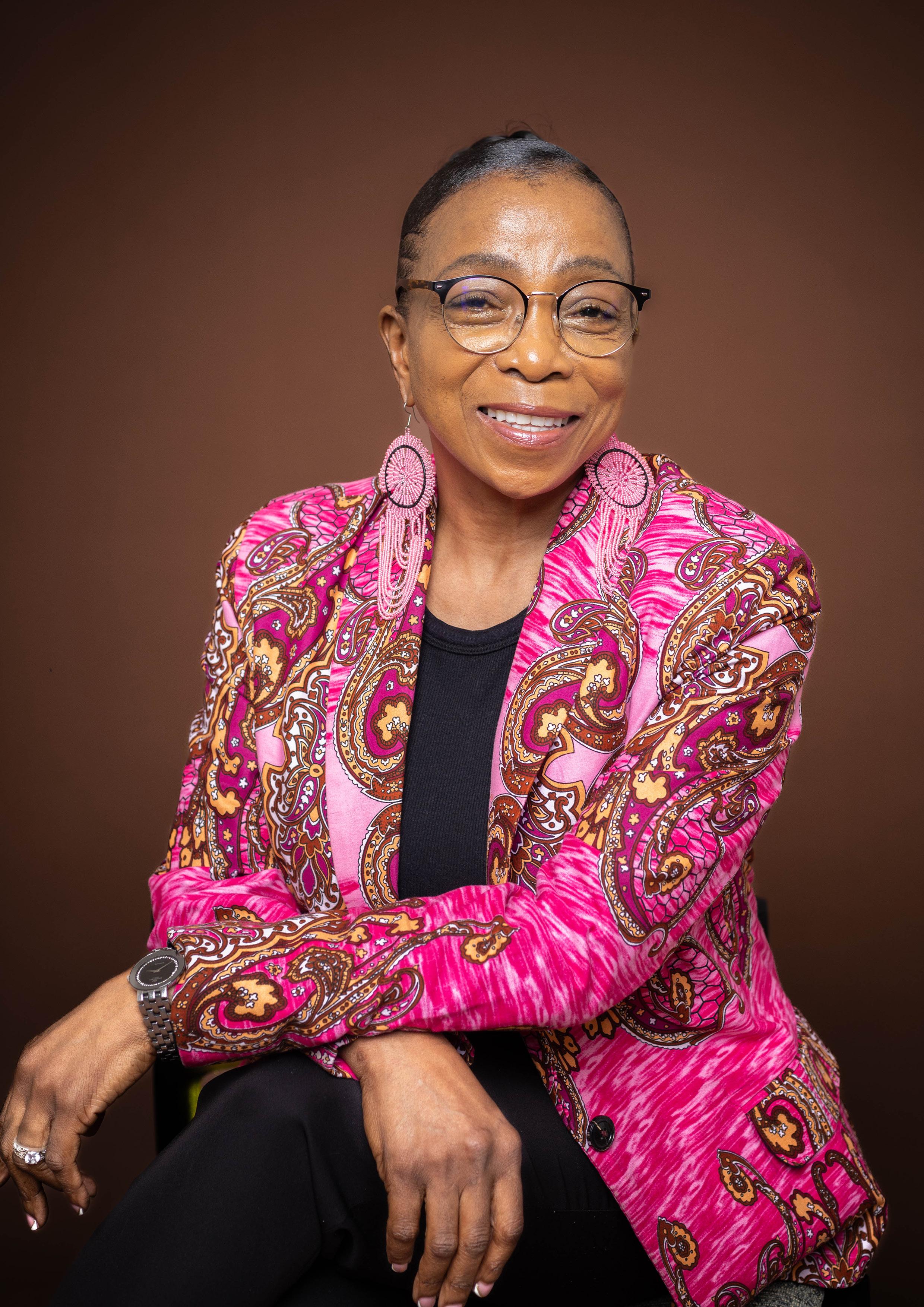
Brenda Mabaso
Board Member at the Mpumalanga Economic Regulator
South Africa’s gambling sector is mature in land-based regulation. However, the exponential growth of online betting, particularly mobile-based wagering, is testing institutional agility. Regulators are navigating a rapidly evolving technological environment while ensuring compliance, transparency, and social safeguards remain intact. The regulatory conversation has shifted from “control” to “adaptive governance.”
Regulation requires balancing economic growth, revenue generation, consumer protection, and social responsibility. In practical terms, what are the most pressing challenges provincial regulators are navigating today?
Brenda: Indeed the sector has very pressing emerging challenges and there are immediate tensions that stand out for me, which truly come with the evolving economic dynamics and these are the: Digital expansion vs. enforcement capacity, with online betting platforms scaling faster than traditional oversight models; secondly, the revenue generation aspect vs. social harm mitigation, noting that Provinces also rely on gambling taxes to drive economic activities vs the regulatory lag; thirdly Artificial Intelligence (AI) betting algorithms,
Provinces rely on gambling taxes, yet must mitigate problem gambling, offshore operators, and crypto-based transactions, which introduce new governance risks.
The central challenge is not whether to regulate but rather how to regulate intelligently in a borderless digital economy.
The rapid growth of online betting has significantly altered the gambling landscape. From a governance standpoint, are current provincial frameworks sufficiently equipped to regulate digital gambling, or are there still structural gaps that require urgent reform?
The frameworks were designed for a geographically bounded industry. Online betting is borderless, data-driven, and algorithmic; the sufficiency of the frameworks is being tested, and fortunately, the discussion and action on this has started at the national level. While legislation provides authority, structural gaps remain in cross-provincial coordination, real-time data monitoring, technological audit capacity and enforcement on how to integrate offshore operators. We need a more harmonised national-provincial digital oversight model, supported by advanced regulatory technology (RegTech). Governance must be technologically fluent indeed.
What has been the most complex or challenging decision you’ve contributed to in your regulatory capacity, and what did it reveal about the realities of regulatory leadership?
Complex decisions often involve licensing determinations where economic opportunity meets community concern. What I have learned is that regulatory leadership is rarely about popular decisions; it is about defensible decisions. You must balance evidence, law, stakeholder interest, and long-term impact. Regulatory leadership requires intellectual independence and ethical steadiness.
When you reflect on your tenure at the Regulator, what impact do you hope your contribution will have on the integrity and long-term sustainability of the sector?
I hope to contribute to strengthening institutional integrity, ensuring that decisions are transparent, evidence-based, and resilient against undue influence.
Hata hivyo, ukuaji wa kasi wa kubashiri mtandaoni, hasa kwa kutumia simu za mkononi, unajaribu ufanisi wa taasisi. Wadau wa udhibiti wanashughulikia mazingira ya kiteknolojia yanayobadilika kwa kasi huku wakihakikisha kuwa utii, uwazi, na tahadhari za kijamii zinahifadhiwa. Mazungumzo ya udhibiti yamehamia kutoka kwa "udhibiti" kwenda kwa "uongozi wa kubadilika."
Udhibiti unahitaji kusawazisha ukuaji wa kiuchumi, uzalishaji wa mapato, ulinzi wa walaji, na uwajibikaji wa kijamii. Kwa vitendo, ni changamoto gani za haraka zinazokumba udhibiti wa mkoa hivi sasa?
Ndio, sekta ina changamoto nyingi zinazojitokeza na kuna mvutano wa haraka unanifanya niangalie, ambazo ni: Upanuzi wa kidigitali dhidi ya uwezo wa utekelezaji, ambapo majukwaa ya kubashiri mtandaoni yanakua kwa kasi kuliko mifumo ya udhibiti wa jadi; pili, suala la uzalishaji wa mapato dhidi ya kupunguza madhara ya kijamii, ikizingatiwa kuwa mikoa pia inategemea kodi za bahati nasibu kuendesha shughuli za kiuchumi dhidi ya kuchelewa kwa udhibiti; tatu, algorithm ya kubashiri ya (AI).
Mikoa inategemea kodi za bahati nasibu, lakini inapaswa kupunguza matatizo ya kubashiri, waendeshaji wa nje, na shughuli za sarafu za kidijitali, ambazo zinaingiza hatari mpya za uongozi.
Changamoto kuu siyo kama waudhibiti bali ni namna ya kufanya udhibiti kwa akili katika uchumi wa kidijitali usio na mipaka.
Kuongezeka kwa kasi kwa kubashiri mtandaoni kumebadilisha kwa kiasi kikubwa mazingira ya kubashiri. Kwa mtazamo wa uongozi, je, mifumo ya udhibiti ya mikoa bado iko vizuri kukidhi mahitaji ya udhibiti wa bahati nasibu ya kidijitali, au kuna mapungufu ya muundo yanayohitaji marekebisho ya haraka?
Mifumo hiyo iliundwa kwa ajili ya tasnia yenye mipaka ya kijiografia. Kubashiri mtandaoni usio na mipaka, unaotegemea data,nawaalgorithm;ufanisiwamifumohiiinasubirikupimwa,na kwa bahati nzuri, majadiliano na hatua kuhusu hili yameanza kitaifa. Wakati sheria zinatoa mamlaka, mapungufu ya muundo bado yapo katika ushirikiano wa mikoa, ufuatiliaji wa data kwa wakati halisi, uwezo wa ukaguzi wa kiteknolojia, na utekelezaji wa jinsi ya kuingiza waendeshaji wa nje. Tunahitaji mfumo wa usimamizi wa kidijitali wa kitaifa na wa mkoa ulio unganishwa zaidi, unaounga mkono na teknolojia za udhibiti wa hali ya juu (RegTech). Uongozi wa kudhibiti unapaswa kuwa wa kidijitali na uelewa wa kiteknolojia.
Ni uamuzi gani wa kipekee au mgumu zaidi uliouchangia katika uwezo wako wa udhibiti, na umebaini nini kuhusu hali halisi ya uongozi wa udhibiti?
Maamuzi magumu mara nyingi yanahusisha uamuzi wa leseni ambapo fursa ya kiuchumi hukutana na masuala ya jamii. Nimejifunza kuwa uongozi wa udhibiti si wa kuhusu maamuzi maarufu sana; ni wa kuhusu maamuzi yanayoweza kujitetea. Unahitaji kusawazisha ushahidi, sheria, maslahi ya wahusika, na athari za muda mrefu. Uongozi wa udhibiti unahitaji uhuru wa kiakili na ustawi wa maadili.
Ukirudiwa na utumishi wako kwa Mamlaka, unatarajia mchango wako unaweza kuathiri uadilifu na uendelevu wa muda mrefu wa sekta?
Natumaini kuchangia kuimarisha uadilifu wa taasisi, kuhakikisha kuwa maamuzi ni wazi, yanayotegemea ushahidi, na yanayostahimili shinikizo zisizo za haki.
Long-term sustainability depends on three things: Strong governance systems, Responsible industry conduct, and public trust.
If the public trusts the regulator, the sector survives.
In 2021, you founded The Mentorship Academy to build a pipeline of young women leaders through structured mentorship. What inspired you to establish the programme, and what specific gap were you aiming to address?
I founded The Mentorship Academy (TMA) after observing that talented young women often lack structured access to leadership exposure, strategic networks, and confidence-building ecosystems. The gap was not competence; it was access and structured development.
Leadership is rarely accidental. It is architected. The Academy provides structured, sequenced, and intentional mentorship, not informal advice, but developmental infrastructure. What is unique about this platform is that it connects women with highly experienced networks, who become mentors, and these mentors come from diverse sectors internationally, allowing women to interact even online - this is an e-mentoring platform.
It is important to note that on the establishment of TMA, I realised the importance of backing up this initiative with evidence-based solutions, thus I am doing academic research with the University of Northampton in the United Kingdom, just to ensure that we have a well-informed, transformative and impactful mentorship program. By so doing, we are also ensuring that the activities of Women in Gaming (WiG) are not just event-driven but also technically sound to provide the sector with competent women leadership. “So, this is not just about WiG and TMA but rather an initiative to ensure that we drive diversity, efficiency and productivity in the sector; thus, we call upon industry players to partner with us in making this initiative a success.
How did the partnership between The Mentorship Academy and Women in Gaming Africa come about, and what shared objectives underpin this collaboration?
The partnership emerged from a shared recognition: representation in gaming leadership must be deliberate.
Women in Gaming Africa understands industry realities. The Mentorship Academy provides structured developmental architecture. Together, we aim to:
•Build leadership pipelines.
•Demystify regulatory and technical pathways.
•Increase female participation in compliance, technology, operations, and executive leadership.
The TMA-WiG partnership is therefore a strategic alignment between sector access and structured empowerment.
In a historically male-dominated gaming industry, how critical are structured mentorship initiatives in creating sustainable representation at the leadership level?
They are not optional; they are extremely foundational, especially in an environment where technical competency is not the only driver of efficiency, but ensuring the Holistic development of people is becoming a strategic imperative, and mentorship provides just that. You ignore mentorship at your own organisational peril, unfortunately.
In male-dominated industries, informal networks tend to reproduce themselves. Structured mentorship disrupts that pattern by intentionally creating pathways.
Uendelevu wa muda mrefu unategemea mambo matatu: mifumo madhubuti ya uongozi, tabia za kiwanda zinazo wajibika, na uaminifu wa umma.
Ikiwa umma unaamini mamlaka, sekta huishi.
Mnamo mwaka wa 2021, ulianzisha The Mentorship Academy ili kujenga njia ya kuwaendeleza wanawake vijana kuwa viongozi kupitia ushauri wa kupanga. Nini kilikusukuma kuanzisha mpango huu, na ni pengo gani maalum ulikuwa ukilenga kulitatua?
Niliianzisha The Mentorship Academy (TMA) baada ya kubaini kuwa wanawake vijana wenye vipaji mara nyingi hawana fursa zilizopangiliwa za kupata mwanga wa uongozi, mitandao ya mikakati, na mazingira yanayojenga kujiamini. Kengeo halikuwa umahiri; lilikuwa ni fursa na maendeleo yaliyopangwa.
Uongozi si wa bahati tu. Ni wa kujenga. Academy inatoa ushauri wa kupanga, uliopangiwa, na wa makusudi, siyo ushauri wa kawaida bali miundombinu ya maendeleo. Kinachofanya jukwaa hili kuwa la kipekee ni kwamba linaunganisha wanawake na mitandao yenye uzoefu mkubwa, ambao walikuwa wakufunzi, na wakufunzi hawa wanatoka katika sekta tofauti kimataifa, kuruhusu wanawake kushirikiana hata mtandaoni - hii ni jukwaa la e-mentoring.
Ni muhimu kutambua kwamba baada ya kuanzishwa kwa TMA, niligundua umuhimu wa kuunga mkono mpango huu kwa suluhisho zinazotegemea ushahidi. Hivyo, ninafanya utafiti wa kitaaluma na Chuo Kikuu cha Northampton nchini Uingereza ili kuhakikisha kuwa tunakuwa na programu ya ulezi iliyo na taarifa sahihi, yenye mabadiliko chanya na athari kubwa. Kwa kufanya hivyo, tunahakikisha pia kwamba shughuli za Women in Gaming (WiG) hazitegemei matukio pekee bali zina msingi thabiti wa kitaalamu ili kutoa uongozi wenye uwezo kwa wanawake katika sekta hii. Hivyo basi, hili si suala la WiG na TMA pekee, bali ni mpango mpana wa kukuza utofauti, ufanisi na tija katika sekta; na tunatoa wito kwa wadau wa sekta kushirikiana nasi kufanikisha mpango huu.
Ushirikiano kati ya The Mentorship Academy na Women in Gaming Africa ulianzaje, na ni malengo gani ya pamoja yanayouongoza?
Ushirikiano huu ulitokana na uelewa wa pamoja kwamba uwakilishi wa wanawake katika uongozi wa sekta ya michezo ya kubahatisha unahitaji hatua za makusudi.
Women in Gaming Africa inaelewa uhalisia wa sekta, huku The Mentorship Academy ikitoa mfumo ulioandaliwa wa maendeleo ya kitaaluma. Kwa pamoja, tunalenga:
•Kujenga njia za kukuza viongozi wapya
•Kuweka wazi na kurahisisha uelewa wa mifumo ya udhibiti na kiufundi
•Kuongeza ushiriki wa wanawake katika maeneo ya uzingatiaji, teknolojia, uendeshaji na uongozi wa juu
Kwa hiyo, ushirikiano wa TMA-WiG ni muunganiko wa kimkakati kati ya upatikanaji wa fursa katika sekta na uwezeshaji uliopangwa.
Katika sekta ambayo kihistoria imetawaliwa na wanaume, mipango ya ulezi iliyoandaliwa ina umuhimu gani katika kuunda uwakilishi endelevu katika uongozi?
Si chaguo; ni msingi muhimu sana. Hasa katika mazingira ambapo ujuzi wa kiufundi pekee hauendeshi ufanisi, bali maendeleo ya jumla ya mtu mzima yanakuwa hitaji la kimkakati, na ulezi hutoa
Without structured intervention, representation stagnates. With it, leadership diversification accelerates.
What measurable outcomes or impact have you observed from these mentorship initiatives to date?
I wish I could say we have achieved what we aimed for, but yes, we understand gender issues are still a work in progress, but we are happy that the mentorship initiative is taking shape”. Our key deliverables and outcomes include increasing confidence and leadership agency among participants, which I can proudly say that we have achieved in the short space of time we started. Some of our mentees have reported career progression into managerial and regulatory roles, and both Mentees and Mentors are quite excited and benefiting from the expanded professional networks created through this platform, noting that the networks are not just within women in the sector but also across the board. We are seeing a small glimpse of women’s aspiration to take up higher roles, but our key aim and achievement would be to see greater retention of women in high-pressure environments. Most importantly, mentees report identity restoration, moving from self-doubt to strategic clarity.
You operate across regulation, mentorship, and gender leadership advocacy. How do these roles intersect in shaping your perspective on governance and industry transformation?
They intersect seamlessly. Regulation is about systems. Mentorship is about people, and transformation requires both. You cannot build ethical industries without developing ethical leaders. Governance reform without leadership development is incomplete - unfortunately.
How do you see the partnership between The Mentorship Academy and Women in Gaming Africa evolving to support more women entering the gaming industry in the coming years?
I see three phases: First, is the Exposure – Introducing young women to regulatory, compliance, and tech roles. Secondly, the Capacity Building – Technical and governance training, and third, is Placement & Sponsorship – Active placement pipelines and executive sponsorship.
The future must move beyond inspiration toward institutional integration. We must see a future where the sector is serious about gender diversity and inclusion, a sector that buys into the establishment of an Academy to drive these developmental priorities whilst enabling them to focus on the bottom line“income generation”. The WiG-TMA initiative is a support structure within the sector, and truly, other sectors have established such structures, for example, the Chartered Accounting sector.
Finally, if you could offer one strategic piece of advice to a young woman in Africa aspiring to leadership in gaming, regulation, or technology, what would it be?
Brenda: Do not wait to be invited into the room; Build competence relentlessly; Understand the regulatory architecture of your industry; Develop digital literacy, and seek mentors who challenge you, not just encourage you - I abbreviate this as the BUDS tool.
hilo. Kupuuza ulezi kunaweza kuwa hatari kwa taasisi yoyote.
Katika sekta zinazotawaliwa na wanaume, mitandao isiyo rasmi hujizalisha yenyewe. Ulezi uliopangwa huvunja mzunguko huo kwa kuunda njia mpya kwa makusudi.
Bila hatua za kimfumo, uwakilishi hubaki palepale; lakini kwa uwekezaji katika ulezi, utofauti wa uongozi huongezeka kwa kasi.
Ni matokeo gani yanayoonekana au athari zipi mmeanza kushuhudia kutokana na mipango hii ya ulezi hadi sasa?
Ningependa kusema tumefikia malengo yote, lakini ukweli ni kwamba masuala ya kijinsia bado ni mchakato unaoendelea. Hata hivyo, tunafurahi kuona mpango wa ulezi ukichukua mwelekeo mzuri. Matokeo yetu muhimu ni pamoja na kuongezeka kwa kujiamini na uwezo wa uongozi miongoni mwa washiriki, jambo ambalo tayari limeanza kuonekana katika muda mfupi tangu tuanze. Baadhi ya wanufaika wetu wamepiga hatua katika taaluma zao na kuingia katika nafasi za usimamizi na udhibiti. Aidha, washiriki wananufaika na mitandao mipya ya kitaaluma iliyopanuliwa kupitia jukwaa hili, si tu miongoni mwa wanawake, bali katika sekta nzima. Tunaona dalili za wanawake wengi kutamani kushika nafasi za juu zaidi, lakini lengo letu kuu ni kuona wanawake wengi zaidi wakidumu katika mazingira ya kazi yenye shinikizo kubwa. Muhimu zaidi, washiriki wanaripoti kurejea kwa kujiamini binafsi, kutoka hali ya kujitilia shaka hadi kuwa na mwelekeo wa kimkakati ulio wazi.
Unafanya kazi katika maeneo ya udhibiti, ulezi na utetezi wa uongozi wa wanawake. Majukumu haya yanaingiliana vipi katika mtazamo wako kuhusu utawala na mabadiliko ya sekta?
Yanaingiliana kwa urahisi kabisa. Udhibiti unahusu mifumo; ulezi unahusu watu; na mabadiliko yanahitaji vyote viwili. Huwezi kujenga sekta yenye maadili bila kuendeleza viongozi wenye maadili. Mageuzi ya utawala bila maendeleo ya uongozi hayajakamilika.
Unaonaje ushirikiano kati ya The Mentorship Academy na Women in Gaming Africa ukikua ili kusaidia wanawake wengi zaidi kuingia katika sekta hii katika miaka ijayo?
Naona hatua tatu kuu: Kwanza ni ufahamu - kuwatambulisha wanawake vijana katika nafasi za udhibiti, uzingatiaji na teknolojia. Pili ni kujenga uwezo - mafunzo ya kiufundi na ya utawala.Tatu ni uwekaji na udhamini - kuunda mifumo ya kuwawezesha kupata nafasi za kazi na uongozi.
Mustakabali unapaswa kuondoka katika kuhamasisha tu na kuelekea katika ujumuishaji wa kimfumo. Tunapaswa kufikia hatua ambapo sekta inachukua kwa uzito masuala ya utofauti wa kijinsia na ujumuishaji, na inaunga mkono uanzishwaji wa taasisi kama hii ili kuendesha maendeleo hayo, huku ikiendelea kuzingatia pia malengo ya mapato. Mpango wa WiG-TMA ni mfumo wa msaada ndani ya sekta, kama ilivyo katika sekta nyingine kama vile uhasibu wa kitaaluma.
Mwisho, ungependa kumpa ushauri gani wa kimkakati mwanamke kijana barani Afrika anayetaka kuwa kiongozi katika michezo ya kubahatisha, udhibiti au teknolojia?
Brenda: Usisubiri kualikwa; jitengenezee nafasi. Jenga uwezo wako bila kuchoka; elewa mifumo ya udhibiti ya sekta yako; boresha ujuzi wa kidijitali; na tafuta walezi wanaokupa changamoto, si kukupongeza tu. Hii ndiyo ninaiita mbinu ya BUDS.
“
We must see a future where the sector is serious about gender diversity and inclusion, a sector that buys into the establishment of an Academy to drive these developmental priorities whilst enabling them to focus on the bottom line“income generation”.

Building from Scratch:
Inside Nigeria’s First Rehabilitation Centre
The launch of Nigeria’s first free gambling rehabilitation centre in 2025 marked a major step in addressing behavioural addiction. However, as shared by Ladipo Abiose Akolade, Founder of GamblePause Initiative Africa, Nigeria, in an interview with iGaming AFRIKA Magazine, the process exposed significant structural gaps. Gambling addiction remains under-recognised, underfunded, and often misunderstood, highlighting its continued absence within Africa’s public-health priorities.
Could you briefly introduce yourself and tell us a bit about what you do?
My name is Ladipo Abiose Akolade. I work at the intersection of player protection, public health, and responsible gambling policy in Africa. My work focuses on understanding how gambling harm manifests within African socio-economic realities and building practical systems that reduce harm before it escalates. Over the years, this has involved counselling, community engagement, policy advocacy, and designing prevention-first digital tools that place protection directly in the hands of players and families. At its core, my work is about translating lived experience and data into systems that work at scale.
What specific structural or operational gaps did you observe early in your engagement with the gaming industry, and how have those observations evolved as the African market has expanded and matured?
Ladipo: Early on, the most visible gap was the absence of structured player protection despite rapid market growth. Access expanded quickly, but safeguards did not. Over time, as markets matured, the gap became more nuanced: not only were protections missing, but many that existed were imported models poorly suited to African contexts. As the industry expanded, the gap shifted from “no tools” to “tools that exist but don’t work for how people actually live, earn, and gamble in Africa.”
Before founding GamblePause Initiative Africa, what concrete cases, data, or recurring patterns convinced you that gambling harm was being systematically under-addressed?
Ladipo: The strongest signal came from repetition. We saw the same patterns across different countries and communities: young adults betting with rent or school-fee money, family members calling on behalf of someone who had withdrawn socially, and individuals seeking help only after debt or relationships had already collapsed. These were not isolated incidents; they were systemic. The absence of early-stage intervention meant people were reaching out for support only at the crisis point, which is the most expensive and least effective stage for intervention.
Uzinduzi wa kituo cha kwanza cha urekebishaji wa kamari bila malipo nchini Nigeria mnamo 2025 uliashiria hatua kubwa katika kushughulikia uraibu wa tabia. Hata hivyo, kama ilivyoshirikiwa na Ladipo Abiose Akolade, Mwanzilishi wa GamblePause Initiative Africa, Nigeria, katika mahojiano na Jarida la iGaming AFRIKA, mchakato huo ulifichua mapungufu makubwa ya kimuundo. Uraibu wa kamari bado hautambuliwi, haujafadhiliwa, na mara nyingi haueleweki, ikionyesha kutokuwepo kwake ndani ya vipaumbele vya afya ya umma barani Afrika.
Unaweza kujitambulisha kwa ufupi na kutuambia kidogo juu ya kile unachofanya?
Jina langu ni Ladipo Abiose Akolade. Ninafanya kazi katika makutano ya ulinzi wa wachezaji, afya ya umma, na sera ya kamari inayowajibika barani Afrika. Kazi yangu inazingatia kuelewa jinsi madhara ya kucheza kamari yanavyojidhihirisha ndani ya hali halisi ya kijamii na kiuchumi ya Kiafrika na kujenga mifumo ya vitendo ambayo inapunguza madhara kabla ya kuongezeka. Kwa miaka mingi, hii imehusisha ushauri nasaha, ushiriki wa jamii, utetezi wa sera, na kubuni zana za kidijitali za kuzuia kwanza ambazo huweka ulinzi moja kwa moja mikononi mwa wachezaji na familia. Kwa msingi wake, kazi yangu ni juu ya kutafsiri uzoefu wa kuishi na data katika mifumo inayofanya kazi kwa kiwango.
Ni mapungufu gani mahususi ya kimuundo au uendeshaji uliyoona mapema katika ushiriki wako na tasnia ya michezo ya kubahatisha, na uchunguzi huo umebadilikaje wakati soko la Afrika limepanuka na kukomaa?
Mapema, pengo lililoonekana zaidi lilikuwa kutokuwepo kwa ulinzi wa wachezaji uliopangwa licha ya ukuaji wa haraka wa soko. Ufikiaji ulipanuka haraka, lakini ulinzi haukufanya hivyo. Baada ya muda, masoko yalipokomaa, pengo lilizidi kuwa tofauti: sio tu kwamba ulinzi ulikosekana, lakini nyingi zilizokuwepo zilikuwa mifano iliyoagizwa kutoka nje isiyofaa kwa muktadha wa Kiafrika. Kadiri tasnia ilivyopanuka, pengo lilibadilika kutoka "hakuna zana" hadi "zana ambazo zipo lakini hazifanyi kazi kwa jinsi watu wanavyoishi, kupata mapato, na kucheza kamari barani Afrika."
Kabla ya kuanzisha GamblePause Initiative Africa, ni kesi gani madhubuti, data, au mifumo gani ya mara kwa mara ilikushawishi kuwa madhara ya kamari yalikuwa hayajashughulikiwa vya kutosha kwa utaratibu?
Ladipo: Ishara kali ilitoka kwa kurudia. Tuliona mifumo sawa katika nchi na jamii tofauti: vijana wanaocheza kamari kwa kodi au pesa za ada ya shule, wanafamilia wanaopiga kwa niaba ya mtu ambaye alikuwa amejiondoa kijamii, na watu binafsi wanaotafuta msaada tu baada ya deni au mahusiano tayari kuporomoka. Haya hayakuwa matukio ya pekee; yalikuwa ya kimfumo. Kukosekana kwa hatua za mapema kulimaanisha watu walikuwa wakitafuta msaada tu katika hatua ya shida, ambayo ni hatua ya gharama kubwa zaidi na yenye ufanisi mdogo wa kuingilia kati.
Ladipo Abiose Akolade
Founder of GamblePause Initiative Africa, Nigeria

Responsibility must be shared, but not evenly. Regulators must enforce standards, operators must design safer products, governments must fund prevention and treatment, and players must be empowered with real tools.
In mid-2025, GamblePause launched Nigeria’s first free gambling rehabilitation centre. What challenges had to be overcome, and what did this reveal about public-health support for gambling addiction?
The biggest challenges were structural, not operational. Gambling addiction sits in a grey zone, neither fully recognised as a public-health priority nor clearly resourced within existing systems. Navigating regulatory clarity, funding sustainability, and professional capacity all required deliberate problem-solving. The process revealed that while substance addiction services receive some institutional recognition, behavioural addictions like gambling remain largely invisible in public-health planning, despite their growing impact.
Since the centre’s launch, what metrics or evaluation frameworks do you use to assess long-term impact?
We track both quantitative and qualitative indicators. These include waiting times, session completion rates, relapse intervals, self-reported behavioural change, and referral outcomes. Equally important are qualitative markers, such as improved family relationships, employment stability, and reduced financial distress. Long-term impact in this field is not about instant cessation; it’s about sustained behavioural control and restored agency.
Being named Clarion Gaming’s Safer Gambling Charity Partner places GamblePause on a global platform. How does this recognition change expectations?
It raises the bar significantly. Recognition at that level brings heightened expectations around governance, transparency, and measurable outcomes. It also creates responsibility: to demonstrate that African-led solutions can meet global standards while remaining locally relevant. Internally, it reinforced our commitment to strong data discipline, ethical partnerships, and long-term credibility.
How does untreated gambling harm typically progress over time, and which stage is hardest to reverse?
Gambling harm often begins quietly, with occasional overspending, secrecy, and rationalisation. It then progresses into loss-chasing, emotional volatility, and social withdrawal. The most difficult stage to reverse is when gambling becomes intertwined with identity and hope, when individuals believe gambling is their only remaining option. At that point, the harm is psychological as much as financial.
How do financial pressure and social-media narratives distort young bettors’ understanding of risk?
Social media compresses time and reality. Wins are visible, losses are hidden. In environments of economic pressure, this creates a dangerous illusion: that success is common, and failure is personal. Probability becomes emotional rather than mathematical. Young bettors often understand odds intellectually, but emotionally, they are influenced by narratives of escape and urgency.
Where should responsibility sit between operators, regulators, governments, and players?
Responsibility must be shared, but not evenly. Regulators must enforce standards, operators must design safer products, governments must fund prevention and treatment, and players must be empowered with real tools. Currently, too much responsibility is placed on individual self-control and not enough on system design.
Katikati ya 2025, GamblePause ilizindua kituo cha kwanza cha urekebishaji wa kamari bila malipo nchini Nigeria. Ni changamoto gani zilipaswa kushinda, na hii ilifunua nini juu ya msaada wa afya ya umma kwa uraibu wa kamari?
Changamoto kubwa zilikuwa za kimuundo, sio za kiutendaji. Uraibu wa kucheza kamari unakaa katika eneo lisilodhibitiwa kikamilifu, halitambuliwi kikamilifu kama kipaumbele cha afya ya ummaaurasilimaliwazindaniyamifumoiliyopo.Kuongozauwazi wa udhibiti, uendelevu wa ufadhili, na uwezo wa kitaaluma vyote vilihitaji utatuzi wa matatizo kwa makusudi. Mchakato huo ulifunua kuwa wakati huduma za uraibu wa dawa za kulevya zinapokea kutambuliwa kwa kitaasisi, uraibu wa kitabia kama kamari bado hauonekani kwa kiasi kikubwa katika mipango ya afya ya umma, licha ya athari zake zinazoongezeka.
Tangu kuzinduliwa kwa kituo hicho, ni metriki gani au mifumo ya tathmini unayotumia kutathmini athari za muda mrefu?
Tunafuatilia viashiria vya upimaji na ubora. Hizi ni pamoja na nyakati za kusubiri, viwango vya kukamilika kwa kipindi, vipindi vya kurudi tena, mabadiliko ya tabia yaliyoripotiwa, na matokeo ya rufaa. Muhimu sawa ni alama za ubora, kama vile kuboresha uhusiano wa kifamilia, utulivu wa ajira, na kupunguza shida ya kifedha. Athari za muda mrefu katika uwanja huu sio juu ya kukoma papo hapo; ni juu ya udhibiti endelevu wa tabia na wakala uliorejeshwa.
Kutajwa kuwa Mshirika wa Misaada ya Kamari Salama ya Clarion Gaming huweka GamblePause kwenye jukwaa la kimataifa. Je, utambuzi huu unabadilishaje matarajio?
Inainua kiwango kwa kiasi kikubwa. Kutambuliwa katika kiwango hicho huleta matarajio makubwa kuhusu utawala, uwazi, na matokeo yanayoweza kupimika. Pia inajenga wajibu: kuonyesha kwamba suluhisho zinazoongozwa na Kiafrika zinaweza kufikia viwango vya kimataifa wakati zinabaki muhimu ndani ya nchi. Kwa ndani, iliimarisha kujitolea kwetu kwa nidhamu thabiti ya data, ushirikiano wa kimaadili, na uaminifu wa muda mrefu.
Je, madhara ya kamari ambayo hayajatibiwa kwa kawaida yanaendeleaje baada ya muda, na ni hatua gani ambayo ni ngumu zaidi kubadilika?
Madhara ya kamari mara nyingi huanza kimya kimya, na matumizi ya ziada ya mara kwa mara, usiri, na usawazishaji. Kisha inaendelea katika kutafuta hasara, tete ya kihisia, na kujiondoa kwa kijamii. Hatua ngumu zaidi kubadili ni wakati kamari inaunganishwa na utambulisho na matumaini, wakati watu binafsiwanaaminikamarindiochaguolaopekeelililobaki.Wakati huo, madhara ni ya kisaikolojia kama vile kifedha.
Je, shinikizo la kifedha na masimulizi ya mitandao ya kijamii yanapotosha vipi uelewa wa vijana wanaocheza kamari kuhusu hatari?
Ladipo: Mitandao ya kijamii inabana wakati na ukweli. Ushindi unaonekana, hasara zimefichwa. Katika mazingira ya shinikizo la kiuchumi, hii inaunda udanganyifu hatari: kwamba mafanikio ni ya kawaida, na kutofaulu ni ya kibinafsi. Uwezekano unakuwa wa kihemko badala ya hisabati. Wadau wachanga mara nyingi huelewa viwango vya ushindi kiakili, lakini kihisia, huathiriwa na masimulizi ya kutoroka na uharaka.
Uwajibikaji unapaswa kukaa wapi kati ya waendeshaji, wasimamizi, serikali, na wachezaji?
Wajibu lazima ushirikiwe, lakini sio sawasawa. Wasimamizi lazima watekeleze viwango, waendeshaji lazima watengeneze bidhaa salama, serikali lazima zifadhili kinga na matibabu, na wachezaji lazima wawezeshwe na zana halisi. Hivi sasa, jukumu kubwa
If regulators enforced only one evidence-based requirement in the next 12 months, which would have the most impact?
Universal, friction-free self-exclusion across platforms. Not fragmented tools, but systems that genuinely interrupt access. Evidence consistently shows that reducing exposure reduces harm faster than awareness campaigns alone.
What barriers prevent people from seeking help, and how must interventions adapt?
The biggest barriers are stigma, fear of judgment, and cultural expectations around self-reliance, most especially in Africa. Many Africans see gambling harm as a moral failure rather than a behavioural health issue. Interventions must therefore be discreet, culturally aware, language-inclusive, and accessible without requiring public disclosure.
What would indicate that Africa has moved to a prevention-led ecosystem?
When protection tools are embedded by default, not added after harm occurs. When funding prioritises prevention over crisis response. And when success is measured not only in revenue, but in reduced harm indicators.
If you could speak directly to someone struggling silently right now, what would you say?
You are not weak, broken, or alone. Gambling harm thrives in
limewekwa kwa kujidhibiti kwa mtu binafsi na haitoshi kwenye muundo wa mfumo.
Ikiwa wasimamizi wangetekeleza hitaji moja tu la msingi wa ushahidi katika miezi 12 ijayo, ni ipi ingekuwa na athari zaidi?
Kujitenga kwa wote, bila msuguano kwenye majukwaa yote. Sio zana zilizogawanyika, lakini mifumo ambayo inakatiza ufikiaji kwa kweli. Ushahidi unaonyesha mara kwa mara kuwa kupunguza mfiduo hupunguza madhara haraka kuliko kampeni za uhamasishaji pekee.
Ni vizuizi gani vinavyozuia watu kutafuta msaada, na hatua zinapaswa kubadilikaje?
Vizuizi vikubwa ni unyanyapaa, hofu ya hukumu, na matarajio ya kitamaduni karibu na kujitegemea, haswa barani Afrika. Waafrika wengi wanaona madhara ya kucheza kamari kama kutofaulu kwa maadili badala ya suala la afya ya tabia. Kwa hivyo hatua lazima ziwe za busara, zinazofahamu kitamaduni, zinazojumuisha lugha, na kupatikana bila kuhitaji ufichuzi wa umma.
Ni nini kinaweza kuonyesha kuwa Afrika imehamia kwenye mfumo wa ikolojia unaoongozwa na kuzuia?
Wakati zana za ulinzi zimepachikwa kwa chaguo-msingi, hazijaongezwa baada ya madhara kutokea. Wakati ufadhili unatanguliza kuzuia juu ya majibu ya shida. Na wakati mafanikio yanapimwa sio tu katika mapato, lakini kwa viashiria vya madhara vilivyopunguzwa.

Ikiwa ungeweza kuzungumza moja kwa moja na mtu anayehangaika kimya kimya sasa hivi, ungesema nini?
Wewe si dhaifu, umevunjika, au peke yako. Madhara ya kamari hustawi kimya kimya, sio kwa sababu unakosa nguvu, lakini kwa sababu mfumo haukujengwa kukulinda. Kutafuta msaada sio kushindwa; Ni kitendo cha kwanza cha udhibiti.
Historia inapoangalia nyuma, unatumai GamblePause itakumbukwa kwa nini?
Natumai GamblePause itakumbukwa kwa kuchangia mabadiliko katika jinsi madhara ya kamari yanavyoeleweka na kushughulikiwa barani Afrika. Kwa kuonyesha kuwa suluhisho za ndani ni muhimu, kwamba kinga inawezekana, na kwamba ustawi na utu wa wachezaji unabaki kuwa kipaumbele cha juu.





The Quiet Revolution:
Why Africa's Next iGaming Winners Will Be Built for Friction, Not Around It

KateWainaina HeadofGrowthandPartnerships,EuroVirtuals
A few months ago, I sat in a small office in Kampala with an operator who had just lost three days of revenue to a single point of failure. His aggregator had pushed an update that assumed stable, high-throughput connectivity on the player side. The update worked perfectly in the test environment, which happened to be hosted in Frankfurt. It failed on a Tecno Spark in Jinja, and with it, the evening session of a few thousand paying users. He was not angry at the aggregator. He was angry at himself for forgetting a rule he had learned years earlier and quietly stopped enforcing: in Africa, the product is never just the game. The product is the game, plus the network, plus the wallet, plus the device, plus the power grid.
That conversation has stayed with me because it captures something the global iGaming industry still does not fully internalise about this continent. African markets are not slower versions of European ones waiting to catch up. They are structurally different environments that reward a completely different kind of product thinking. The operators and suppliers that are winning here are not the ones with the flashiest lobbies or the most aggressive bonus ladders. They are the ones who have stopped trying to paper over friction and started designing for it.
The
Infrastructure
Truth Most Decks Skip Over
Every pitch deck I see from a European supplier entering Africa has a slide on smartphone penetration. Very few have a slide on what those smartphones do under load. A meaningful share of active bettors in Kenya, Uganda, Tanzania, and across West Africa are playing on devices with two to four gigabytes of RAM, on networks that oscillate between 3G and spotty 4G, often while the user is on a matatu or walking between a kiosk and a shop. The median session is short, interrupted, and fragile.
This has real product consequences. A sportsbook front end that loads 1.8 megabytes of JavaScript before the first odds render is not a sportsbook in Kisumu. It is a blank screen and a lost deposit. A live casino stream that assumes 2 Mbps of sustained downstream is a buffer wheel. A virtual sports product that re-downloads video assets on every round is a battery drain and a data bill that the player will remember the next time he chooses where to stake his hundred shillings.
The suppliers who understand this are not necessarily the biggest names. Some of the best-engineered products I have seen in the virtual category in the past two years are built around aggressive asset caching, deterministic round generation that can survive a reconnect, and fallback rendering modes that degrade gracefully to lower frame rates instead of failing outright. These are unglamorous engineering decisions. There also happens to be the difference between a 40% retention curve and a 12% one.
The B2B Conversation Has Finally Matured
For a long time, the commercial dynamic between African operators and international suppliers was lopsided in a way that did not serve either side well. Suppliers treated the continent as a tier-three distribution opportunity, pricing products on revenue share models designed for European margins and then being surprised when operators pushed back. Operators, in turn, accepted terms they could not sustain because they felt they had no leverage, and then quietly underinvested in the integrations, which produced poor player experiences, which suppliers then blamed on the market.
That is changing, and it is changing fast. The operators I work with now come to the table with their own data, their own cost-per-acquisition math, and a clear-eyed view of what a given product is worth to their GGR. They are asking harder questions. Why is a sportsbook provider charging a percentage fee on revenue, where the provider's role is essentially pass-through? Why is a casino aggregator bundling fifty studios when player behaviour data shows that eight of them drive 80 per cent of spin volume? Why is a virtual supplier quoting a minimum guarantee based on a European benchmark that has no relevance to a market where stake sizes are a tenth of the size?
This is a healthy development. The B2B relationships that will define the next five years in African iGaming are going to be partnerships in the real sense of the word, where suppliers take on meaningful skin in the game around localisation, latency, and payment rail integration, and operators commit to depth of integration rather than breadth of logos on a lobby page. The middle ground, where a supplier drops a generic integration and hopes for the best, is closing quickly.
Payments Are Still the Most Underestimated Variable
If Icouldchangeonething about how foreign suppliersapproach the African market, it would be their relationship with payments. Mobile money is not a payment method. It is the nervous system of the entire commercial environment. M-Pesa in Kenya, MTN Mobile Money across West and Central Africa, Wave in Côte d'Ivoire and Senegal, Airtel Money almost everywhere. These rails shape how players deposit, how they withdraw, how they think about balance, and crucially, how they decide whether to trust you.
A withdrawal that takes forty minutes on a Saturday night is not a back-office inefficiency. It is a churn event. A deposit that fails silently because the aggregator did not handle an OMCI timeout properly is not a bug ticket. It is a permanent loss for that player. I have watched operators lose more value to payment reconciliation issues in a quarter than they lost to bonus abuse in a year, and the conversation in their weekly stand-ups was still almost entirely about bonus abuse.
The suppliers who are going to win the next phase of African market share are the ones who treat payment integration as a first-class product surface, not a plumbing problem handed off to a junior engineer. That means native support for the quirks of each rail, intelligent retry logic, and honest settlement reporting that operators can reconcile against their PSP statements. It is not glamorous work. It is the work.
Regulation Is Becoming the New Competitive Moat
The regulatory landscape across Africa is tightening, and in my view, this is a good thing, even when the specific provisions are imperfect. Kenya's Gambling Control Act of 2025 and the draft Conduct of Gambling Operations Regulations that followed it in 2026 have set a tone that other jurisdictions are watching closely. The requirements around real-time API monitoring, server localisation, and the treatment of virtual assets are going to separate the operators who have been running on thin compliance from those who have invested in proper infrastructure.
For suppliers, this creates an interesting dynamic. The cost of serving an African market compliantly is going up. The cost of serving it non-compliantly is going up faster.
The operators who have been cutting corners on jurisdictional licensing or running grey payment flows are going to face a reckoning in the next twelve to eighteen months, and the ones who have been doing the harder, slower work of building properly are going to find themselves with a moat that did not exist two years ago. I would rather be in the second group.
What This Means for the Next Wave
When I talk to people at conferences in London or Lisbon about the African opportunity, I still hear the same framing: huge young population, rising smartphone penetration, massive, untapped demand. All of that is true. None of it is the point. The point is that the operators and suppliers who will capture this opportunity are going to be the ones who stop thinking about Africa as an expansion market and start thinking about it as a product market with its own grammar.
That grammar has a few rules. Build for the device the player owns, not the device you wish they owned. Design for an unreliable network as the default condition, not the exception. Treat payments as a core product. Localise beyond language into the actual rhythms of how money moves, how trust is earned, and how entertainment fits into a working-class evening. Price commercial terms against real market economics, not imported benchmarks. Take regulations seriously before it becomes expensive to do so.
None of this is revolutionary. It is the opposite of revolutionary. It is the kind of patient, unglamorous work that has always separated durable businesses from fashionable ones. The quiet revolution in African iGaming is not a new product category or a breakthrough technology. It is the growing number of operators and suppliers who have stopped looking for shortcuts and started building properly. The next five years will belong to them.
“
The quiet revolution in African iGaming is not a new product category or a breakthrough technology. It is the growing number of operators and suppliers who have stopped looking for shortcuts and started building properly. The next five years will belong to them.


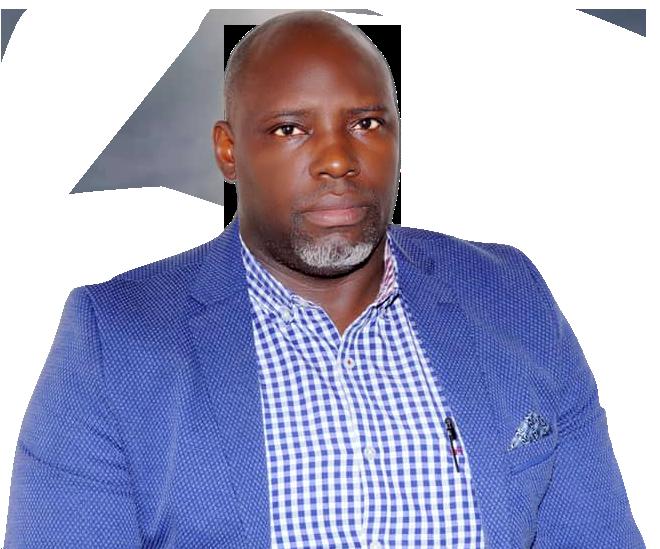
Mr.










SCAN ME

Empowering Financial Inclusion: The Role of Sports Betting in Driving Mobile Wallet Penetration in Developing Economies
Norman Ondego, COO,
Convex Technologies Plc
In a previous article, I delved into the convergence of sports betting, gaming, and digital payment solutions, highlighting how this transformative synergy shapes the entertainment and commerce landscape across Africa. In this Article, let’s zoom in on a crucial aspect of this convergence: the pivotal role of sports betting in orchestrating a dynamic transformation, driving mobile wallet penetration, and advancing financial inclusion in developing economies.
This confluence is shaping entertainment and commerce and ushering previously marginalised populations into the folds of the digital financial ecosystem. As we explore the intersection of these sectors, we unearth a roadmap to foster economic growth, innovation, and widespread prosperity. Bearing in mind that punters ideally experience digital banking mechanics quite early, and yet most are still considered underbanked or lacking in knowledge, simply because the industry is outside of the traditional financial rails. Yet here lies your lowest-hanging fruit in the digital economy.
Expanding Horizons Through Mobile Wallets
As developing economies continue to experience rapid technological advancements, mobile wallets have emerged as a game-changing force. These digital wallets empower individuals by providing them with secure, accessible, and convenient avenues for financial transactions. In regions where traditional banking infrastructure is limited, mobile wallets bridge the gap, allowing unbanked and underbanked populations to participate in the modern financial ecosystem. Enter sports betting, a dynamic industry perfectly positioned to leverage mobile wallets for the greater good.
Unlocking Financial Inclusion
The marriage between sports betting and mobile wallets is propelling financial inclusion to new heights. Previously excluded from mainstream financial services, millions are now finding a gateway through sports betting platforms. By embracing mobile wallet options, individuals gain the ability to deposit funds, place bets, and withdraw winnings seamlessly. This newfound access empowers them to engage in economic activities that were once distant dreams.
The Path to Prosperity
Mobile wallet-enabled sports betting is nurturing economic growth in developing economies. As these platforms flourish, so does the demand for mobile money services. This demand, in turn, fuels the expansion of mobile wallet infrastructure, creating a positive feedback loop. Mobile money providers are scaling up their networks, establishing partnerships, and enhancing services to cater to the surge in users facilitated by sports betting.
This collaborative growth results in a more robust and inclusive financial ecosystem.
Crafting an Enhanced User Experience
The transformation extends beyond financial transactions; it encapsulates the very experience of users. The fusion of sports betting, gaming, and mobile wallets offers a user-friendly, efficient, and safe way to engage in these activities. The days of handling wads of cash are giving way to quick, reliable digital transactions. This digitalisation allows for personalisation, tailoring promotions, and fostering loyalty. The user is no longer just a consumer; they are an integral part of a digitally woven tapestry.
Challenges and Opportunities
While the convergence of sports betting and mobile wallets brings promise, it is essential to navigate the challenges prudently. Regulatory frameworks play a pivotal role in shaping this landscape, ensuring fair play, consumer protection, and responsible gambling practices. Striking a balance between innovation and safeguarding individuals from potential risks is paramount. Collaborative efforts between regulatory bodies, sports betting operators, and mobile money providers are imperative to create an environment where financial inclusion thrives without compromising integrity.
Beyond Borders
The impact of this convergence extends beyond individual economies. Collaborative efforts are fostering knowledge exchange and best practices among developing nations. As various countries witness the positive influence of sports betting on mobile wallet penetration, they are inspired to implement similar strategies tailored to their unique contexts. This cross-border knowledge sharing not only accelerates financial inclusion but also drives international collaboration towards a more inclusive global economy.
Charting the Future
As we reflect on the exciting developments at events like SBEA2023, SBWA2023 and Sigma Africa, it’s evident that the conversation surrounding sports betting, gaming, and digital payment solutions is gaining momentum. This convergence, coupled with the rise of mobile wallet penetration, represents a landmark step towards a more inclusive and prosperous future for developing economies. By leveraging the power of technology, innovation, and collaboration, we are forging a path where everyone, regardless of their socio-economic background, can actively participate in the economic journey.
The intertwining narratives of sports betting and mobile wallet penetration are scripting a story of financial inclusion, empowerment, and transformation. As the digital era continues to unfold, these forces are at the forefront of shaping the way we engage with entertainment, commerce, and finance.
Together, we are authoring a narratiFve that underscores the true essence of progress, one that is inclusive, empowering, and fueled by the convergence of possibilities – it's more than a trend, it’s a TIDE OF TRANSFORMATION that is empowering communities, enriching experiences, and fostering financial inclusion. Let’s build a prosperous future where no one is left behind, and the potential for economic growth knows no boundaries. And as we stand on this precipice of change, let us seize the opportunity to propel these sectors forward with innovation, responsibility, and a shared vision.

“The intertwining narratives of sports betting and mobile wallet penetration are scripting a story of financial inclusion, empowerment, and transformation.
Social Media in iGaming:
It’s Not About Reach, It’s About Relevance
Eugene Marira, Affiliate Marketing Manager, BetJam



For a long time, iGaming operators approached social media the same way they approached traditional marketing. Push the brand, push the offer, and hope volume does the rest. That doesn’t work anymore. Especially not in markets like Africa.
Today, social media in iGaming is less about broadcasting and more about conversation, trust, and localisation. The players we are trying to reach are not sitting on websites waiting to be converted. They are in WhatsApp groups, Telegram channels, Twitter threads, and TikTok comment sections. Already talking, already sharing tips, already influencing each other. This shift is backed by data. WhatsApp penetration across key African markets exceeds 90% of internet users, according to industry estimates, while Telegram-based communities have seen rapid growth, expanding by over 180% between 2023 and 2024, particularly among younger audiences.
At the same time, mobile dominance reinforces this behaviour; markets like Kenya report over 96% of bets placed via mobile devices, making social platforms the natural interface for discovery, engagement, and conversion. On platforms like TikTok, influence has become currency, with creators directly shaping betting behaviour in real time, often outperforming traditional advertising. The implication is clear: in Africa, betting is no longer just digital,
it is social, community-driven, and happening in real time within the platforms where users already live and interact.
The real question is no longer how many people we reach. It’s whether we connected with the right people, in the right way.
The Shift to Community-Driven Marketing
In African markets, the strongest acquisition channels are not always polished influencer campaigns or high-budget ads. They are micro communities. A Telegram betting group with 500 active users can outperform a large page with 50,000 passive followers. Why? Because there is trust. There is interaction. There is a sense of belonging.
The affiliates who understand this are winning. They don’t just post links. They engage, guide, and follow up. They speak like insiders, not advertisers. And that’s where most brands get it wrong. They try to enter these spaces as brands, instead of becoming part of the conversation.
Localisation Is Not Translation
A big mistake operators make is thinking localisation means changing language. It doesn’t.
Localisation is about understanding how people bet, when they bet, why they bet, and how they talk about betting.
In Kenya, for example, betting is deeply tied to footballculture, weekend routines, and even social identity. The tone is different. The humour is different. The urgency is different. You cannot copy a campaign from Europe and expect it to work. You have to build for the market, not import into it.
That’s why the most effective campaigns are driven by people who actually live in these markets. Creators, affiliates, and community leaders who understand the nuances and can communicate naturally.
From Traffic to Value
Another shift we’re seeing is the move from traffic-focused marketing to value-focused marketing.It’s no longer enough to drive registrations.
Operators are now asking if these players are depositing, if they are coming back, and what their long-term value is.
Social media plays a huge role here, not just in acquisition, but in retention and engagement.
The same channels used to acquire players can be used to share betting insights, highlight winning moments, promote responsible play, and build loyalty over time. When done right, social media becomes more than a funnel. It becomes part of the product experience.
The Human Element Still Wins
With all the advancements in tracking, automation, and performance tools, it’s easy to think technology is an advantage.
It’s not. The real advantage is still human.
The affiliates and marketers who are winning today are the ones who understand people, communicate clearly, build trust, and know how to convert attention into action.
Because at the end of the day, behind every click, every bet, and every deposit, a person is making a decision.
And social media, when used right, is where that decision is influenced the most.
The platforms will keep evolving, the tools will keep improving, but the real edge will always belong to those who understand people and know how to turn conversations into conversions.
The same channels used to acquire players can be used to share betting insights, highlight winning moments, promote responsible play, and build loyalty over time. When done right, social media becomes more than a funnel. It becomes part of the product experience. “ “

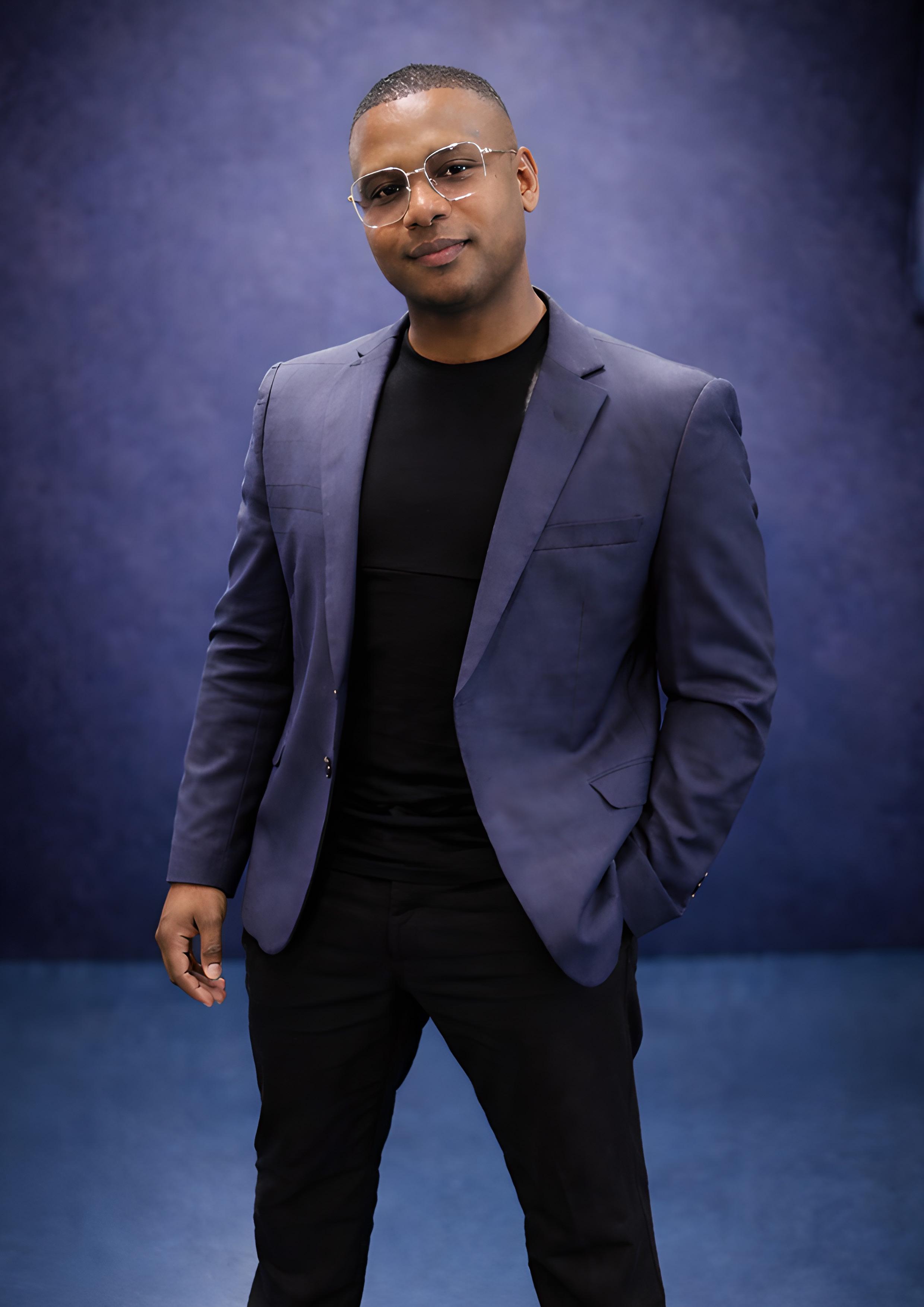
Mukhudwana
BusinessDevelopmentManager inAfrica
Aluwani
B2B vs B2C in Africa’s iGaming Market:
Who Really Makes Money?
Africa’s iGaming industry is no longer an emerging story; it’s a growth market with real scale, real competition, and increasingly sophisticated players. Across markets like South Africa, Nigeria, and Kenya, we are seeing rapid expansion driven by mobile adoption, localised content, and a strong betting culture.
According to data from Statista, the online gambling market in Africa is forecasted to hit $2.36 billion by 2028, with a compound annual growth rate (CAGR) of 6.28% between 2024 and 2028. Sports betting is anticipated to play a major role in this growth, fueled by an increase in interest and participation in sports-related gaming throughout the continent. The market also shows a rising user value, with the average revenue per user (ARPU) expected to be around $309.30, and a user base projected to grow to 7.1 million by 2028. This points to significant opportunities both in scale and revenue generation.
Yet one question continues to come up in boardrooms, at conferences, and in partner discussions:
Who is really making the money in Africa, B2C operators or B2B providers?
B2C: The Revenue Engine
B2C operators sit at the front line. They own the player relationship, manage acquisition and retention, and ultimately generate Gross Gaming Revenue (GGR).
In Africa, this position comes with clear advantages:
•Full control of the customer lifecycle
•Direct access to deposits and betting activity
•Strong brand visibility in competitive local markets
Top operators can generate substantial monthly revenues, particularly in sports betting-driven markets. However, this comes at a cost.The reality on the ground is that B2C is a high-pressure environment:
Customer acquisition is expensive and increasingly competitive
Bonus structures and promotions eat into margins
Payment inefficiencies and regulatory shifts add complexity
Retention requires constant innovation and investment
While B2C businesses often show impressive top-line numbers, profitability is not always guaranteed. Scale helps, but efficiency is what ultimately determines success.
B2B: The Infrastructure Advantage
B2B providers operate behind the scenes but play a critical role in enabling the entire ecosystem. These include platform providers, game aggregators, sportsbook solutions, game providers and affiliate systems.
Their value proposition is simple: power multiple operators at scale. Key advantages include:
Revenue share and fixed-fee models across multiple clients
No real direct exposure to player acquisition costs
Scalable infrastructure that grows with each new integration
Predictable and recurring revenue streams
In Africa, this model is particularly effective. Many operators, especially emerging or mid-tier brands, rely heavily on B2B partners for technology, content, and operational support.
One well-positioned B2B provider can integrate with 10, 20, or even 50 operators across different markets. While the percentage per operator may seem smaller, the aggregated revenue becomes significant, and more importantly, sustainable.
Africa’s Market Reality: A Dependency on B2B
What makes Africa unique is the imbalance between ambition and infrastructure. There is no shortage of operators entering the market, but many face challenges:
• Limited technology capabilities
• Fragmented payment ecosystems
• Gaps in retention tools and analytics
• Increasing regulatory oversight
This creates a natural dependency on strong B2B partners who can provide:
•Reliable platforms
•Access to diverse gaming content
•Tools to improve player engagement and lifetime value
In this environment, B2B providers are not just vendors; they are growth enablers.
So, Who Really Makes the Money?
The answer depends on how you define “making money.”
•
If we look at revenue volume, B2C operators lead. They generate the largest share of GGR and dominate market visibility.
•
If we look at profitability, scalability, and consistency, B2B providers often come out ahead.
B2C is a high-reward, high-risk game.
B2B is a lower-risk, compounding business model.
The Strategic Reality: It’s Not Either/Or
The most successful players in Africa understand that this is not a competition, it’s an ecosystem.
Operators need strong B2B partners to scale efficiently. B2B providers need strong operators to drive volume.
From a strategic standpoint, the real opportunity lies in:
•Building strong B2C relationships
•While leveraging B2B infrastructure to scale across multiple markets
In other words, the real power is not just in owning the player, but in enabling the entire network.
Final Thoughts
Africa’s iGaming market is still evolving, and with that comes opportunity. As the industry matures, we will likely see clearer separation between operators that can sustain growth and those that cannot.
At the same time, B2B providers that offer flexibility, localisation, and true partnership value will continue to expand their footprint across the continent.
The future of iGaming in Africa will not be defined by B2C or B2B alone, but by how effectively the two work together to unlock scale, efficiency, and long-term profitability.
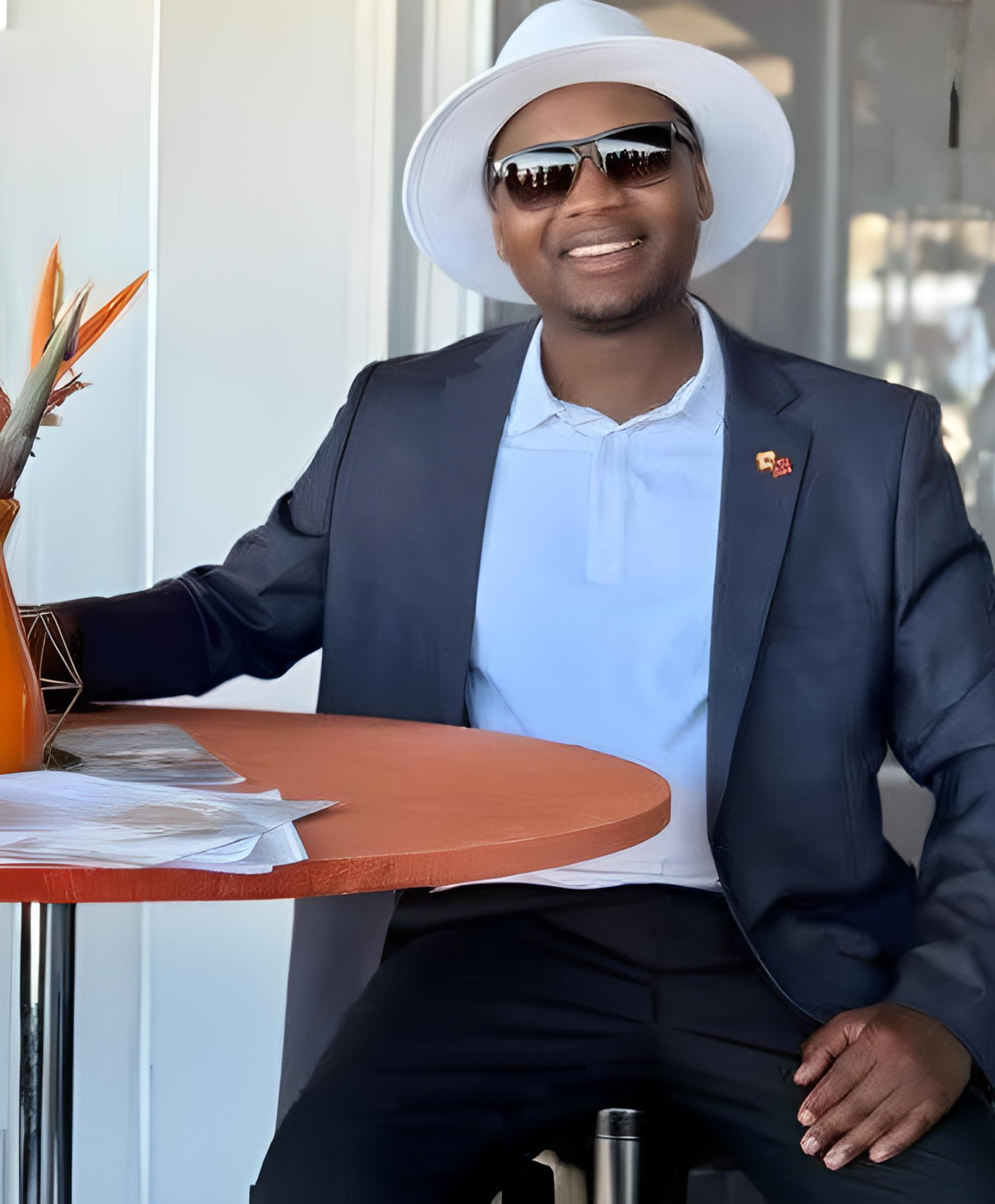

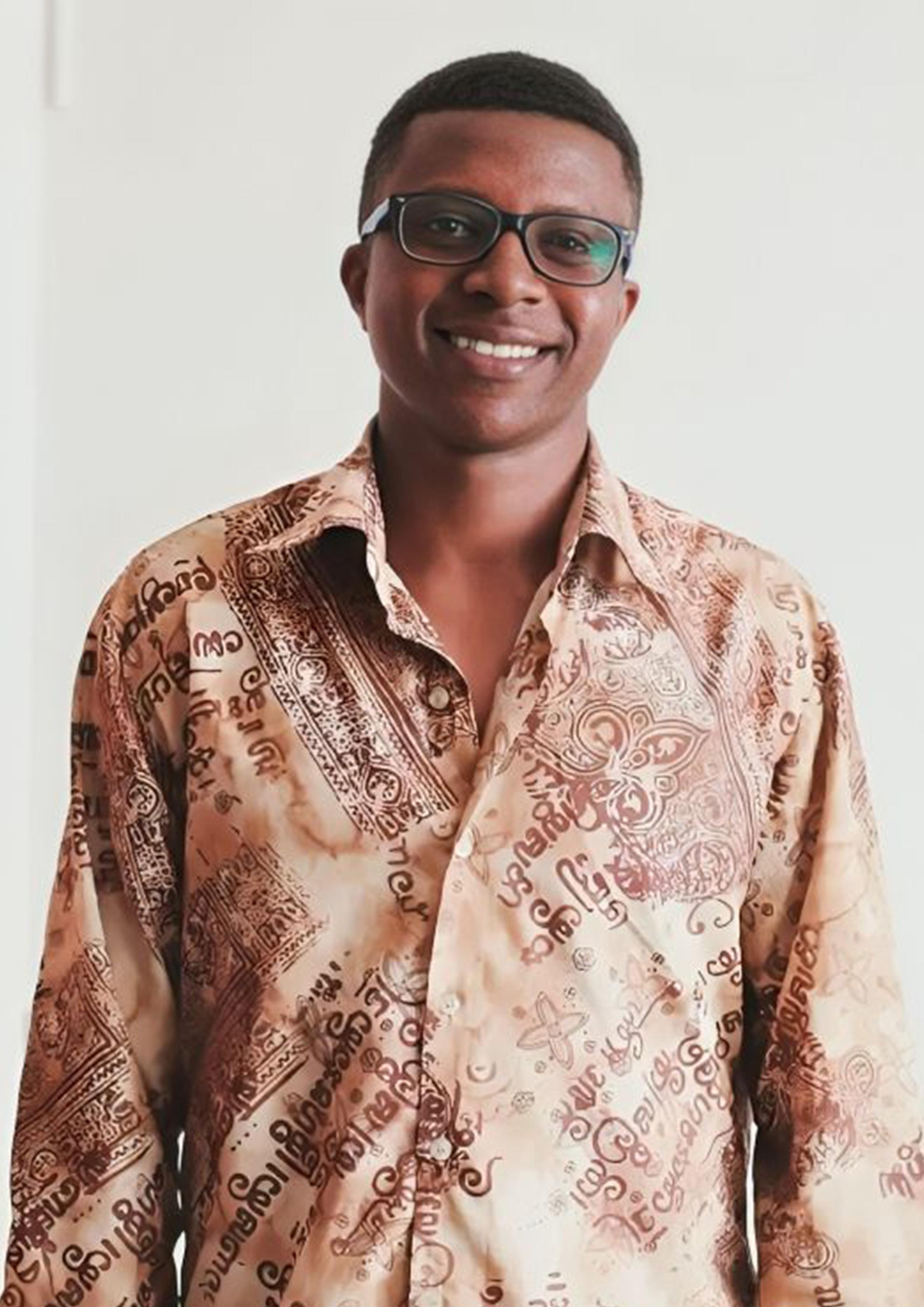
Derrick Omwakwe | Country Manager, Mulasport Kenya
Africa is not a future growth market; it is a present one. Kenya alone sits at the epicentre of one of the continent's most active iGaming ecosystems, and the numbers confirm what operators on the ground already know: the window for early-mover advantage is narrowing fast.
Kenya’s iGaming market continues to demonstrate strong upward momentum, with revenues surpassing $100 million in 2024 and projected to grow at a CAGR of 12.3% through 2031, according to iGamingToday. Sports betting dominates the landscape, accounting for over 60% of total market share, underscoring the country’s deep-rooted betting culture.
Across Sub-Saharan Africa, the scale is even more compelling. Sub-Saharan Africa is expected to surpass 100 million active sports bettors by 2025, as reported by Yournotify. This surge reflects a broader generational shift, fueled by widespread mobile connectivity, the rise of mobile money ecosystems, and a young, football-driven demographic.
The strategic implication is clear: traditional, desktop-first advertising models are no longer effective in this environment. Success in Africa demands mobile-first, locally relevant, and culturally aligned marketing strategies.
Mobile is the Foundation
As early as 2019, 88% of Kenyan bettors were placing wagers via mobile devices, according to Slotegrator, a figure that has only continued to rise. The mobile device is simultaneously the marketing channel, the payment terminal, and the product interface. Any operator still treating mobile optimisation as secondary has already lost the acquisition battle.
Beyond the platform itself, SMS and push notifications remain highly effective direct channels in the Kenyan market, particularly when campaigns are segmented by user behaviour, preferred sport, and lifecycle stage. A well-timed, personalised pre-match offer consistently outperforms a generic broadcast, and the discipline of structured segmentation is what separates operators with sustainable CRM programmes from those burning budget on noise.
From Broadcast to Intelligence
The 2026 marketing landscape has moved decisively beyond segmentation into AI-driven personalisation. According to Fgx, businesses deploying AI-powered personalisation agents have seen revenue lifts of over 30%. In iGaming, this manifests as dynamic bonus calibration, real-time event-triggered promotions, and churn-prediction models that flag at-risk players before they lapse. However, AI is only as strong as the data beneath it; operators must invest in clean, first-party data pipelines before personalisation can deliver commercial returns
Findmoreafrica recently revealed that Aviator, the fast-paced crash game, has already become the primary product preference for 19% of African bettors, representing a structural shift toward high-frequency, instant-feedback formats. Operators whose marketing still treats the entire user base as sports bettors are leaving meaningful revenue on the table.
Organic Channels Compound: Paid Channels Drain
The operators posting the best acquisition economics are those investing in search optimisation, authoritative content, and community-building, channels that compound over time. Fgx points out that, in 2026, content is no longer written for keywords but for intent and context. Brands that appear as cited sources in AI-powered search results gain visibility that no paid strategy can fully replicate. On social platforms, short-form video tied to live football moments, and micro-influencer partnerships consistently outperform traditional display creative with the 18–35 demographic that drives most betting volume.
Compliance as Competitive Advantage
The Gambling Control Act 2025 imposes a genuine compliance burden, but operators who frame regulation purely as a cost are missing the strategic point. In a market where unlicensed platforms have historically eroded player trust, full BCLB licensing, transparent bonus terms, and visible responsible gambling tools are trust signals that discerning players actively evaluate. As the Kenyan market matures, the platforms that built trust through transparency will hold a structural retention advantage over those that competed purely on bonus value.
The Mandate for 2026
The data is unambiguous: the African iGaming market is large, growing rapidly, and structurally favourable for operators who invest in the right capabilities. Mobile infrastructure, first-party data, organic content, rigorous measurement, and compliance are not optional pillars; they are the foundation. The platforms making those investments now are building the competitive moats that will define the next decade of African iGaming. The race is already underway, and late movers will find it increasingly difficult to catch up.
Traditional, desktop-first advertising models are no longer effective in this environment. Success in Africa demands mobile-first, locally relevant, and culturally aligned marketing strategies. “

FromScepticismtoScale:
TheRemarkableRiseofiGamingAffiliate PartnershipsinAfrica
KelvinNjogu(Rezodds)-SuperAffiliate



Eight years ago, I found myself in one of the most misunderstood, yet highly lucrative, corners of the digital economy: iGaming affiliate marketing. This is not merely a story about commissions and conversion rates; It is a story about pioneering a market, surviving its turbulence, and thriving through its evolution. If you are an affiliate marketer, whether seasoned or aspiring, or an operator looking to understand the African affiliate landscape, this article is written for you.
Humble
Beginnings.
Entering an Untested Market
When I first entered the betting affiliate marketing space eight years ago, the concept was virtually unknown across Africa. A friend who had been approached and signed up as an affiliate and subsequently an affiliate manager pulled me aside and explained the mechanics: refer players to a betting platform, earn a commission on their activity, repeat. It sounded straightforward. The reality was anything but.
My first affiliate partnership was with BetWinner, a foreign operator that, like many of its peers at the time, was trying to crack the African market with limited success. My traffic was modest, and my audience was small. But the real challenge was not my numbers; it was the market itself.
] Kenya, at the time, was firmly in the grip of SportPesa, a local betting giant that had captured the imagination and the wallets of Kenyan bettors with extraordinary speed. The brand was everywhere on football jerseys, on billboards, on the lips of every sports fan in the country. Competing against that kind of brand dominance as a small affiliate pushing a relatively unknown foreign platform was, to put it plainly, an uphill battle.
Beyond the competition, there was the trust problem. When I tried to bring other marketers into the affiliate space alongside me, the conversations were difficult. The idea that you could earn a legitimate weekly commission simply by driving new registered and active players onto a betting platform was met with deep scepticism. Many people conflated it with pyramid or multi-level marketing schemes. A comparison that fundamentally misunderstands the model. Convincing eligible affiliates was a conversation that rarely ended in agreement. The market was not ready. The education was not there. And the infrastructure was barely in place.
The Commission Landscape Then
and Now
When foreign operators first entered the African market, they came bearing two primary commission structures: Revenue Share (RS) and Cost Per Acquisition (CPA).
Revenue share arrangements at the time ranged between 25% and 40%. A figure that felt generous then, but tells a very different story when viewed against today's standards. CPA deals were straightforward: a fixed payment for every qualifying player deposited and verified.
Personally, I gravitated towards a combination of commission and CPA. It offered the best of both worlds with immediate income from acquisitions and long-term recurring revenue from active players. It was a model that rewarded quality as much as volume.
Fast forward to today, and the landscape has shifted dramatically. New platforms entering the African market, many of them aggressively hungry for market share, have pushed revenue share offerings to between 25% and 50%, with some operators dangling commissions as high as 60%. A figure that would have
been entirely unheard of eight years ago is now a negotiating chip on the table.
The commission structure itself has also matured. Where operators once leaned heavily on pure RS or pure CPA arrangements, the market has moved towards hybrid models. A combination of revenue share, CPA, and fixed payments that reflects the increasingly sophisticated understanding operators now have of affiliate value. Heavy competition between brands has driven this evolution, and affiliates who understand how to leverage it stand to benefit enormously.
How the Ecosystem Evolved Around Us
Affiliate marketing does not exist in isolation. It is shapedby every player in the broader iGaming ecosystem. And over the past eight years, that ecosystem has undergone a profound transformation.
Payment infrastructure is perhaps the most visible example. In the early days, affiliate commissions were paid almost exclusively in cryptocurrency. For many affiliates across Africa, this created a significant barrier. Navigating crypto wallets, managing exchange rates, and converting digital assets into usable local currency were not skills most people possessed. It was a friction point that quietly limited the growth of affiliate networks across the continent.
Today, the picture is radically different. Local payment platforms like mobile money services, local bank transfers, and region-specific digital wallets have been integrated into affiliate payment systems across the board. The ability to receive commissions directly into an M-Pesa wallet or a local bank account has removed a critical barrier to entry and opened the affiliate model to an entirely new demographic of marketers across Africa.
Gaming platform providers have equally shaped the affiliate space. As the technology powering betting platforms became more sophisticated, better user interfaces, faster cashouts, more diverse betting markets and live casino products, the affiliate's job of selling the platform became easier. A product that genuinely delights users generates organic retention, and retained players mean sustained revenue share income for the affiliate. The quality of the underlying product and the affiliate's earning potential are inextricably linked.
The Regulatory Revolution. A Double-Edged Sword
No honest discussion of iGaming affiliate marketing in Africa can avoid the subject of regulation. It is simultaneously the most disruptive and the most necessary force shaping the space today. Eight years ago, the regulatory environment across most African markets was thin. Operators entered with relative ease, affiliates promoted freely, and the conversation around responsible gambling was largely absent. That era is behind us.
Across the continent and most acutely in Kenya, regulators have tightened their grip on the gambling industry with increasing conviction. Licensing requirements have become more stringent. Advertising restrictions have been introduced. Tax frameworks have been restructured. Operators have been suspended, fined, and in some cases shut down entirely for non-compliance.
For affiliates, the consequences are direct. The platforms we promote must hold valid licenses in the jurisdictions we target.
The promotional content we produce must comply with advertising standards that vary from market to market. The player audiences we reach must be of legal gambling age and must be presented with responsible gambling messaging.
This is not a burden to be resented but a standard to be embraced. Affiliates who build compliant, responsible promotional ecosystems are the ones that operators trust with their best deals and their highest commission tiers. Compliance is not the enemy of profitability, increasingly its prerequisite.
Start Chasing Quality and Stop Chasing Volume
This is perhaps the most important lesson I have learned in eight years and one that I see violated constantly by affiliates at every level of experience.
The temptation in affiliate marketing is always to chase numbers with more clicks, more registrations and more sign-ups. Traffic volume becomes the metric by which affiliates measure their own worth and by which they negotiate with operators. It is an understandable instinct. It is also a fundamentally flawed strategy.
Here is what I have observed repeatedly over nearly a decade in this space. Some affiliates command enormous followings with tens of thousands of social media followers, high-traffic websites, substantial email lists and yet their conversion rates are poor, and their players churn quickly. The volume is there. The quality is not. Conversely, I have watched affiliates with relatively modest audiences generate disproportionate revenue. It is not because they drive more players but because they drive the right players. Players who deposit consistently engage with the platform regularly and remain active over extended periods. These are the players that operators value most highly. These are the players that generate sustainable revenue share income month after month.
The difference lies in audience alignment. An affiliate whose audience genuinely shares an interest in sports betting or casino gaming will always outperform an affiliate whose audience is broad but disengaged. A football community of five thousand passionate fans will deliver better player quality than a general lifestyle page of fifty thousand passive followers.
Quality over volume is not only a good philosophy, but it is also good business.
Negotiating Affiliate Deals
One of the most consistent mistakes I see affiliates make, particularly those newer to the space, is entering commercial negotiations with operators armed with nothing but enthusiasm and vague claims about their reach.
Let me be direct. Operators have seen everything. They have heard every pitch. What moves the needle in a negotiation is not passion; it is data.
Before you sit down to negotiate a deal, whether for a higher revenue share tier, a better CPA rate, or a hybrid arrangement, you need to know your numbers intimately. What is your monthly traffic volume? What is your conversion rate from click to registration? What is your conversion rate from registration to first deposit? What is the average deposit value of your referred players? What is their retention rate at thirty, sixty, and ninety days?
These are the metrics that operators care about. They tell the story of your true value as an affiliate partner far more compellingly than raw follower counts or website visitor numbers ever could.
Equally important is understanding what operators want from affiliates in 2026. The answer has evolved significantly. Today's operators are not simply looking for affiliates who can deliver volume; they are looking for affiliate partners who can deliver compliant, high-quality, well-retained players through credible and brand-safe promotional channels. They want affiliates who understand their products, represent their brands accurately, and build long-term relationships with their audiences rather than chasing one-time sign-up bonuses.
The affiliates who command the best deals in today's market are those who can demonstrate with data that they deliver exactly that.
“
Affiliates who build compliant, responsible promotional ecosystems are the ones that operators trust with their best deals and their highest commission tiers. Compliance is not the enemy of profitability, increasingly its prerequisite.
Looking Ahead: The African Affiliate Opportunity in
2026 and Beyond
The African iGaming affiliate market that exists today bears almost no resemblance to the one I entered eight years ago. The infrastructure is better, the commissions are higher, the payment systems are more accessible, and the operators are more sophisticated in how they engage with affiliate partners.
But the fundamental opportunity connecting quality players with quality platforms and earning a share of the value that the relationship creates remains as compelling as it has ever been.
The affiliates who will thrive in the years ahead are those who treat this space as a profession rather than a side hustle. Those who invest in understanding their audiences, building compliant promotional channels, mastering their data, and negotiating from a position of informed confidence.
Eight years ago, I entered this space with a small audience, a basic understanding of the model, and the naïve optimism of someone who had no idea what they were getting into. Today, I can say without hesitation that iGaming affiliate marketing, done properly, professionally, and done responsibly, remains one of the most rewarding commercial opportunities available to digital entrepreneurs across Africa.
The market has grown up. The question is whether we, as affiliates, are growing with it.
Defining the iGaming AFRIKA Summit: A Continental Platform for Growth
Speaking as CEO and Founder of iGaming Afrika and the visionary behind the iGaming AFRIKA Summit, Jeremiah Maangi outlines the purpose and ambition of the event. The iGaming AFRIKA Summit is designed as a dedicated industry platform that connects African gaming operators with cutting-edge technologies, global solutions, and key stakeholders shaping the future of the sector. Beyond technology, it serves as a critical space for dialogue, collaboration, and networking between operators, regulators, affiliates, and industry leaders across the continent.
Could you elaborate on what the iGaming Afrika Summit is and its core objectives?
The iGaming AFRIKA Summit, abbreviated as iGA Summit, is an event tailored for the gaming industry in Africa, with the primary goal of connecting gaming operators across the continent to cutting-edge gaming solutions, technologies, and products. This enables their sports betting and casino platforms to compete on a global scale by adopting the most advanced innovations in the industry. Additionally, the summit serves as a platform for dialogue, engagement, and networking among industry stakeholders, including operators, regulators, affiliates, and other high-level professionals who benefit directly or indirectly from these interactions.
As a gamer and a seasoned attendee of global iGaming summits, what gap or opportunity did you identify that inspired you to conceptualise and launch the iGaming Afrika Summit?
The gaming industry in Africa has traditionally been distinct from global gaming events, primarily due to various challenges. These include the vast distances between African countries and regions such as Europe, Asia, and the Americas, high travel costs, language barriers, and difficulties obtaining visas for those wishing to attend international events. As a result, there was a clear need for an event of international quality and standards to be hosted within Africa, bridging this gap. Additionally, many existing events are often inaccessible due to expensive access ticket prices. Recognising Africa's status as a developing continent, the summit was designed to provide delegates and attendees with easier access through free and highly discounted premium passes, enabling more industry players to participate. The structure of our summit specifically addresses these issues, ensuring broader inclusivity and engagement.
With an expected attendance of up to 3,500 participants, what unique experiences, innovations, or value propositions can attendees expect from this inaugural summit?
The iGaming AFRIKA platform has always been a vibrant community hub. By participating in this summit, you are joining a network that truly understands the intricacies of the gaming industry in Africa. You gain exclusive access to learn from leading individuals and businesses that are highly advanced in navigating the African market. Our community includes a diverse range of industry players, such as service providers, technology experts, business consultants, media brands, and operators in both the sports betting and casino sectors. All these stakeholders are part of our network, ensuring that you can find solutions to virtually any challenge or problem you face in the industry.
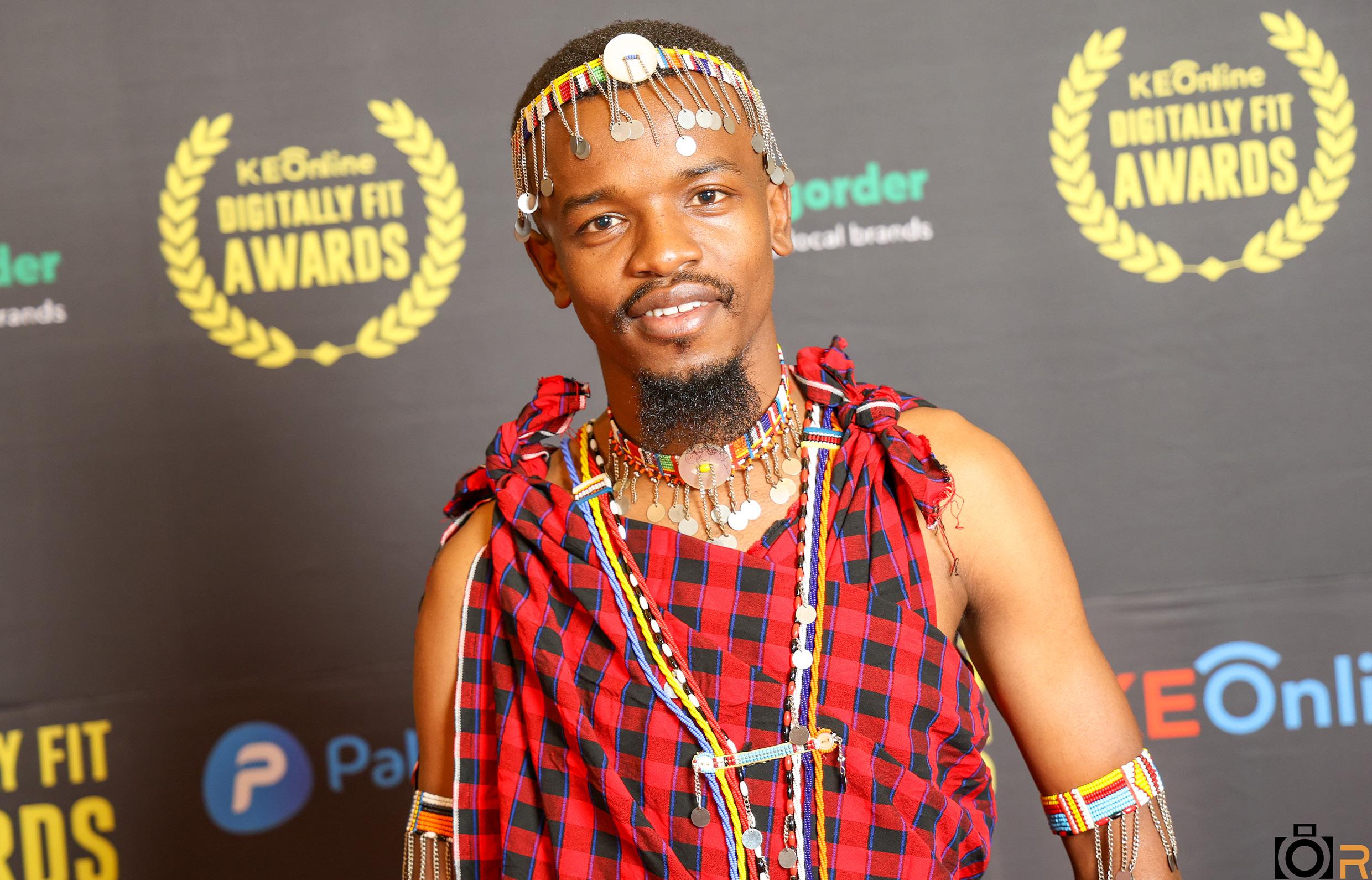
Whether you're an operator seeking affiliates, a provider looking for operators, or an operator in need of payment solutions, you’ll find the right connections within our community. There’s something valuable for everyone.
The iGaming Afrika Summit will be held in Nairobi, at the Sarit Expo Centre, from May 4th to 6th. As the first event of its kind in Africa, what informed the decision to host it in Nairobi?
Nairobi, located in Kenya, is renowned for its vibrant gaming industry. Among Africa’s over 53 countries, Kenya ranks among the top three in both gaming population and revenue generation, benefiting investors, government, and industry stakeholders alike. Additionally, Nairobi’s strategic position is strengthened by recent government policies that have simplified visa requirements, making Kenya a highly accessible destination for business travellers and tourists alike. Furthermore, Nairobi is uniquely positioned as the only African city with a national park at its core, adding to its appeal as a top tourist destination. The city’s rich cultural diversity and heritage among its various ethnic communities further enhance its attractiveness. Given these factors, choosing Nairobi as the host city for our inaugural summit was a decision that truly resonated.
What are your plans for the future of the iGaming Afrika Summit beyond its Nairobi debut?
The future of the summit hinges on the growth and success of Africa’s gaming industry, both in terms of regulatory development and technological innovation. We are approaching this through a three-pronged framework:
a) Regulatory: Through the discussions and collaborations at the summit, we aim to foster positive changes within the industry across Africa by promoting more standardised regulatory practices. In particular, the development of unified regulatory systems that enable data sharing across borders will help create safer and more responsible gambling environments. When regulators speak with a unified voice, it will lead to greater industry integrity and consumer protection.
b) Technological: The products and solutions showcased on the summit floor are expected to empower African gaming operators, whether in sports betting or casino sectors, with access to cutting-edge gaming technology. Embracing these advanced solutions will open new business opportunities, enhance operational efficiency, and pave the way for future success. Ultimately, this will benefit existing operators and inspire new ventures to adopt similar innovative platforms, fueling continued growth across the industry.
c) Opportunities for the Youth in Africa: We are optimistic that the summit will help in the creation of numerous opportunities for Africa’s youth, especially those fresh from colleges and universities, by giving them a chance to join careers in the ever-growing iGaming industry. Careers in gaming span various fields such as technology, sales, marketing, and more, providing young professionals with exciting avenues for growth and innovation. Ultimately, this will benefit existing operators, inspire new ventures, and contribute to the industry’s continued expansion across the continent.


A Win Lose Situation
Africa’s Growing Gambling Industry and Its Impact on Youth, Communities, and Economies
The African betting and gambling industry has experienced rapid growth over the years. According to the GeoPoll 2025 report, “Betting in Africa 2025,” South Africa now leads in betting participation with 83%, surpassing Kenya at 79%. Tanzania follows with 74%, and Nigeria with 73%. These high participation rates, combined with the large populations in these countries and others across the continent, lead analysts to estimate that approximately 400–500 million people in Africa engage in betting activities.
A primary catalyst for this shift is the widespread use of smartphones and the accessibility of internet services, which have transformed gambling into a constant, on-the-go activity. The GeoPoll report reveals that 94% of African bettors use their mobile phones to place wagers. This mode of access offers privacy, convenience, and automation, enabling gambling at any time and from any location.
The industry is predominantly populated by young people, many of whom start gambling during high school or university. Driven by the desire to supplement their income, sustain their university lifestyles, or simply fit into social circles, they often see gambling as an easy way to make quick money. In Kenya, according to data from the Kenya National Bureau of Statistics (KNBS), youth unemployment stands at approximately 34.27% among those aged roughly 15–34, meaning over 4 million young people were unemployed at the time of the survey. Many of these unemployed youth turn to betting as a quick escape from financial pressures. Many of whom are introduced to gambling through friends, ‘glamorized’ advertising, and exposure to digital media platforms that promote betting activities.
While the industry generates revenue and entertainment, its rapid growth raises serious concerns about "disordered gambling," which is now classified by the DSM-5 as a behavioral addiction. After placing their first bet, young bettors often experience a mixture of excitement and illusions, with psychological traps quickly taking hold. The initial rush of anticipation triggers dopamine release, the brain’s “feel-good” chemical, creating a rewarding sensation that persists even after losses. Many then fall prey to the Gambler’s Fallacy, the mistaken belief that past losses increase the likelihood of future wins, and, when they do win early, it can foster a false sense of control. Over time, the focus shifts from strategic play to chasing emotional highs and recovering losses, transforming gambling from entertainment into a compulsive cycle driven by anticipation, betting, outcomes, and repeat behaviors. The true addiction becomes the thrill and emotional rush, not the game itself.
While football remains the dominant market, high-speed digital games like Aviator are gaining popularity. Experts note that interface systems such as mobile wallets and credit cards facilitate addiction, as users often feel they are not spending real money, leading to increased losses.
Gambling addiction impacts more than just individual punters as it disrupts financial stability, mental health, and relationships, especially in African and developing regions with limited safety systems. It can cause bettors to isolate from their families and communities, resulting in broken trust, conflict, and social withdrawal. Economically, money that could support households or small businesses is diverted into betting, deepening poverty and hindering local growth.
Psychologically, addiction hijacks the brain’s reward system, leading to anxiety, depression, and hopelessness. Many fall into a cycle of chasing losses, incurring mounting debts, borrowing, or even resorting to theft to fund their bets.
In Africa, as in other developing countries, these problems are exacerbated by weak regulatory enforcement, limited access to mental health support, and low awareness of gambling addiction as a serious issue. Early initiation of gambling among youth increases their vulnerability to long-term addiction. Without stronger education, policy intervention, and support systems, gambling addiction risks becoming a deeply rooted challenge across the continent’s young population.
To address these issues, many operators are implementing Responsible Gambling (RG) tools. These digital resources include self-imposed limits to track expenditure and time-outs, algorithmic detection of risky behaviors such as multiple bets per day or chasing losses, and automated analysis of communication for signs of distress or abusive tone. Targeted notifications, like pop-up messages during play, are used to promote self-awareness and provide information on potential risks.
Across African markets, regulators are gradually shifting from outright bans to harm-reduction policies. Several countries have already introduced measures similar to those outlined. For example, South Africa has a more structured approach, with the National Gambling Board working alongside provincial regulators to enforce responsible gambling policies, including access to counseling through the National Responsible Gambling Programme (NRGP). It also boasts one of the continent’s most established self-exclusion programs, allowing individuals to voluntarily ban themselves from licensed venues and platforms. There is an increased focus on data-driven intervention, encouraging operators to monitor player behavior and flag problematic patterns. While South Africa leads with structured systems, other countries like Kenya, Nigeria, Ghana, and Uganda are still in the process of developing and strengthening their frameworks as the industry continues to grow.
In light of technological advancements, artificial intelligence (AI) is being incorporated as a practical tool in addressing gambling addiction, especially in online betting where player behavior is tracked in real time. Instead of relying solely on awareness campaigns or self-control, AI enables operators and regulators to identify risky behaviors early and intervene before addiction develops. By analyzing patterns such as betting frequency, deposit amounts, and chasing losses, AI systems can flag high-risk users. Predictive models built with machine learning forecast the likelihood of addiction, allowing real-time interventions like pop-up reminders, break suggestions, or deposit limits. AI also personalizes responsible gambling messages based on individual behavior, making interventions more relevant. Additionally, chatbots and virtual assistants offer 24/7 guidance and support, especially in regions with limited access to mental health services. However, there is concern that these same AI tools could be used to increase engagement and prolong betting, highlighting the importance of regulatory oversight to ensure AI primarily serves player protection rather than profit.
Industry stakeholders, such as the Association of Gaming Operators of Kenya, have also launched initiatives like the “Chukua Control” campaign, which was aimed at educating the public, especially young adults, about the risks of excessive gambling and encourage responsible behavior.
The gambling industry in many African countries is considered an important economic contributor. It generates significant government revenue through licensing, taxes, and levies, which fund public services like infrastructure, healthcare, and education. For example, South Africa’s industry earned over ZAR59.3 billion in the 2023/2024 financial year, largely from online betting, translating into substantial tax revenue. In Uganda, non-tax revenue collections reached Shs8.79 billion in the 2024/2025 financial year, reflecting increased participation and stronger enforcement.
Beyond revenue, the industry creates jobs across various sectors, from retail staff to tech developers, providing income and experience, especially in high-unemployment areas. It also drives technological innovation, promoting digital financial inclusion through mobile payments and data analytics, particularly in markets like Kenya and Nigeria. Additionally, foreign investment and international operators bring capital, expertise, and improved standards, benefiting local economies. However, these benefits depend on effective regulation. When managed well, gambling can be an asset to national development, without proper controls, social and financial harms can outweigh the gains. Countries like South Africa and Uganda demonstrate that a structured approach can turn gambling into a positive force for economic growth.
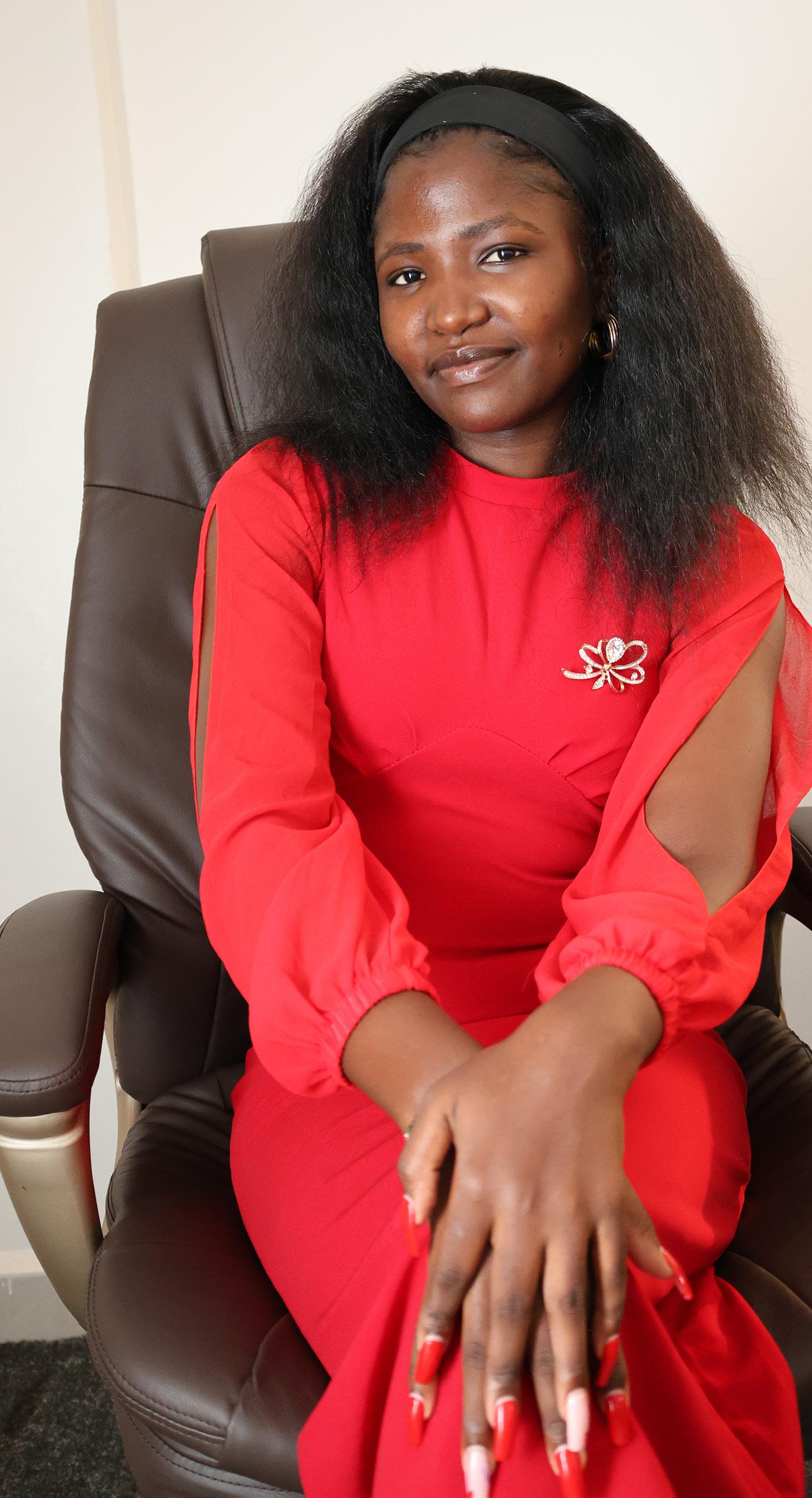
Jaime Carvajal
Business Development Manager at 1spin4win
ABOUT 1SPIN4WIN
1. To start, could you give us an overview of 1spin4win and what it specializes in as an iGaming studio?
1spin4win is a game provider founded in 2021 by developers with over 15 years of experience in the gambling industry. On May 14, we are celebrating our 5th anniversary — a major milestone in our journey as a company.
The studio specializes in classic online slots and offers a portfolio of over 200 titles. Recognized for its timeless charm and modern mechanics, 1spin4win content is trusted by over 1,000 operators and aggregators worldwide.
2. Which regions does 1spin4win prioritize for its game distribution and partnerships?
While Europe remains our core market, our top priority for 2026 is expanding 1spin4win’s presence in Africa and Latin America. We see enormous growth potential in these regions.
Speaking of Africa, we began actively expanding into this market in 2025, and recent performance numbers highlight the success of our strategy. Compared to 2024, 1spin4win saw GGR grow 11.8x, while bets increased 9.2x.
This growth has continued into 2026. Comparing the first three months of 2026 with the last three months of 2025, bets rose by a further 9.73%, while player numbers increased by 8.23%. This indicates a stable upward trend.
At the same time, our partner network expanded significantly, growing 1.7x between the end of 2024 and the end of 2025. Today, 1spin4win collaborates with leading iGaming brands, including BC.Game, 1xBet, 22Bet, N1Bet, and 1Win.
3. 1spin4win is attending the iGaming AFRIKA Summit this year. What are your goals for the event as Business Development Manager?
We see the upcoming summit as an excellent opportunity to reinforce 1spin4win’s standing in the African market. My personal goal is to connect with as many local stakeholders and potential partners as possible, highlighting the studio’s reliability, expertise, and strong product performance. Meanwhile, our team will highlight our classic games and promotional tools at our branded stand and engage with guests to raise the overall brand awareness.
1SPIN4WIN’S APPROACH TO CLASSIC SLOTS
1. What sets 1spin4win’s classic slots apart in today’s crowded market?
From the beginning, 1spin4win has focused on bringing the timeless appeal of traditional gambling into the digital space. This philosophy is captured in our slogan: “No nonsense. Pure gambling.”
To stay true to this vision, we rely on our signature approach: advanced mathematics, intuitive mechanics, and well-balanced gameplay. These elements not only shape how we design our games, but also play a key role in keeping players returning. As a result, our month-to-month retention rate consistently exceeded 40% throughout 2025 and into 2026.
2. With so much iGaming content available, what’s your secret to keeping players engaged?
It’s essential to maintain a steady stream of fresh content so players always have something new to explore. At 1spin4win, we release four to five new slots each month, including fruit classics, themed games, and seasonal titles.
While staying true to the classic slot niche, we remain open to fresh ideas and creative experiments. In 2025 alone, we released 52 new titles and introduced 12 new mechanics. As a result, our player numbers grew by 64% last year. This highlights the importance of balancing familiar elements with modern features to drive engagement.
3. What key factors shape game development for African markets, and how do you ensure your titles meet local player expectations?
At 1spin4win, we put players at the heart of our game development. We closely analyze their behavior and preferences, and use these insights to create high-quality gaming experiences.
In Africa, our focus is on clear, intuitive gameplay built on proven mathematical models. We prioritize mechanics that resonate locally, such as Hold and Win. Classic fruit and coin-based formats also remain highly popular among African players, delivering consistently strong performance in the Kenyan and Nigerian markets.
Speaking of slots that appeal most to local audiences, Mega Booming Fruits, Cash The Gold, and Cash and Fruits Hold and Win stand out. In African markets, they consistently rank among the most-played 1spin4win titles by bet volume. Their structure, featuring frequent win triggers and short session cycles, supports higher retention, increased betting frequency, and stronger lifetime value.
DRIVING ENGAGEMENT BEYOND SLOTS
1. Aside from game content, what additional solutions do you offer to help operators increase player engagement?
1spin4win offers a comprehensive suite of marketing and promotional tools designed to boost player activity, drive revenue, and support long-term retention. These include exclusive pre-releases, free spins, bonus offers, challenges, tournaments, branded games, and Cash & Drops campaigns.
Our promos are available in two formats: Standard, where players can claim monetary prizes, and Multiplier-driven, where random multipliers can be triggered during non-winning rounds for an extra layer of excitement.
Operators particularly value 1spin4win’s Cash & Drops promotions for their ability to deliver measurable growth across key metrics and sustain player activity even during low-traffic periods. For example, our “Multiplier Madness” campaign resulted in a 69% increase in player numbers.

Customisable design, official data and non-stop support: How Altenar can power market growth for South African operators
Brendon Jeacocks joined sportsbook provider Altenar last year as Regional Director. He gives an exclusive update on the company’s support for operators in South Africa.
How customisable is Altenar’s sportsbook solution for South African operators?
Very, in fact, this is a USP for Altenar. Our front end is fully widgetised, so things like banners, contingency carousels, and other elements are completely customisable. This means an operator using Altenar’s software won’t look like another operator on the same platform. The real upside is that the operator stays in control, they can make as many changes as they want, and those changes can take effect immediately.
How important is integration with local payment providers and banking systems?
Critical - if customers can’t transact with the operator, there’s no point in getting them through the door. While South Africa does have traditional payment options like EFT and cards, voucher-based deposits and cash withdrawal options are hugely popular. If an operator doesn’t offer these, customers will simply take their business elsewhere.
In what ways can Altenar support existing operators looking to expand by adding sports betting or casinos to their offering?
Altenar has more than 20 official sportsbook feeds, which means a broader range of sporting events and a deeper set of contingencies per event. Beyond simply expanding the offering, using official feeds, rather than scraped pricing, removes pricing delays and the risks that come with them.
On the casino side, we will launch with more than 15 gaming providers, and plan to steadily and consistently expand our range of providers and games over time.
How scalable is the infrastructure for operators looking to grow rapidly?
We can launch a brand in the South African market without offering the full range of sportsbook markets. As the brand grows and demand increases, additional feeds can be activated, allowing the sportsbook to scale alongside the operator.
On the casino side, we continuously onboard new gaming providers, ensuring that our offering expands over time and allowing the operator to grow and scale in tandem with us.
From a support perspective, we’re committed to providing operators with 24/7/365 assistance, no matter the operator size or stage of growth.
What differentiates Altenar’s technology stack from other B2B sportsbook providers active in the region?
I touched on this earlier, but it’s worth emphasising that our front end is fully widgetised and entirely under the operator’s control.They can update and refresh the overall look of their front end as often as they want, with changes taking effect immediately.
In addition, we help operators reduce the trading risk on their sportsbook by using official feeds, removing the delays and exposure that come with scraped pricing.
How flexible is your commercial model for South African operators of different sizes?
Very - firstly, we don’t denominate our commercials in foreign currency and expect the local bookmaker to onboard that FX risk.
We’re also open to flexible, dynamic pricing that reflects the size of the operator and where they are in their growth journey.
While we need to ensure our business model in South Africa is sustainable, we see the foundation of our relationships with operators as being built around long-term success and mutual benefit for both parties. While everyone knows a sustainable punter is the best customer for an operator, so is a sustainable operator for us.
What onboarding and integration support do you offer new partners?
We keep onboarding practical and hands-on. From day one, our project and tech teams work closely with the operator to guide the integration through to go-live, providing clear documentation, staging environment access, testing support, and help with configuration.
It’s not just about plugging in the tech. We assist with trading setup, risk parameters, localisation, and making sure everything is aligned from a compliance and commercial perspective.
How do you support operators beyond launch?
As mentioned, Altenar provides 24/7/365 operational support. Beyond that, I stay actively involved post-launch rather than stepping back once onboarding is complete.
What trends should local operators be preparing for over the next few years?
We’ve seen online gaming transform our industry, with operators rushing to offer this type of contingency. Beyond the innovation and creativity in this space, regulation has also been a key topic in our market.
Whether it’s the unenacted Remote Gambling Bill, National Treasury’s proposed 20% tax hike, the recent SCA ruling, responsible gambling workshops held by different PLAs or general conversation by the public, operators shouldn’t be caught off guard when industry compliance requirements evolve.
We can’t predict every regulatory change, but operators need to make sure they’re ready to stay compliant and manage new operational parameters when new rules come into play.
What advice would you give to operators considering entering or scaling in South Africa?
• Be clear about how you want to position yourself in the market.
• Make sure that positioning makes commercial sense.
• Have sufficient financial backing to support your plans.
• Hire the right team with the skills you need.
• Pick a software provider that can truly support and enable your operations.
What factors should operators consider when choosing a sportsbook provider in South Africa?
Many operators have moved away from hands-on trading, instead focusing on online marketing and relying on their software teams to manage the book for them. If you’re not trading yourself, having official feeds alongside well-supported MTS is essential for running a profitable book.
While marketing is obviously important, it’s crucial to remember that we’re bookmakers first. If your provider can’t give you genuine support on the trading side, it will inevitably affect your profitability.
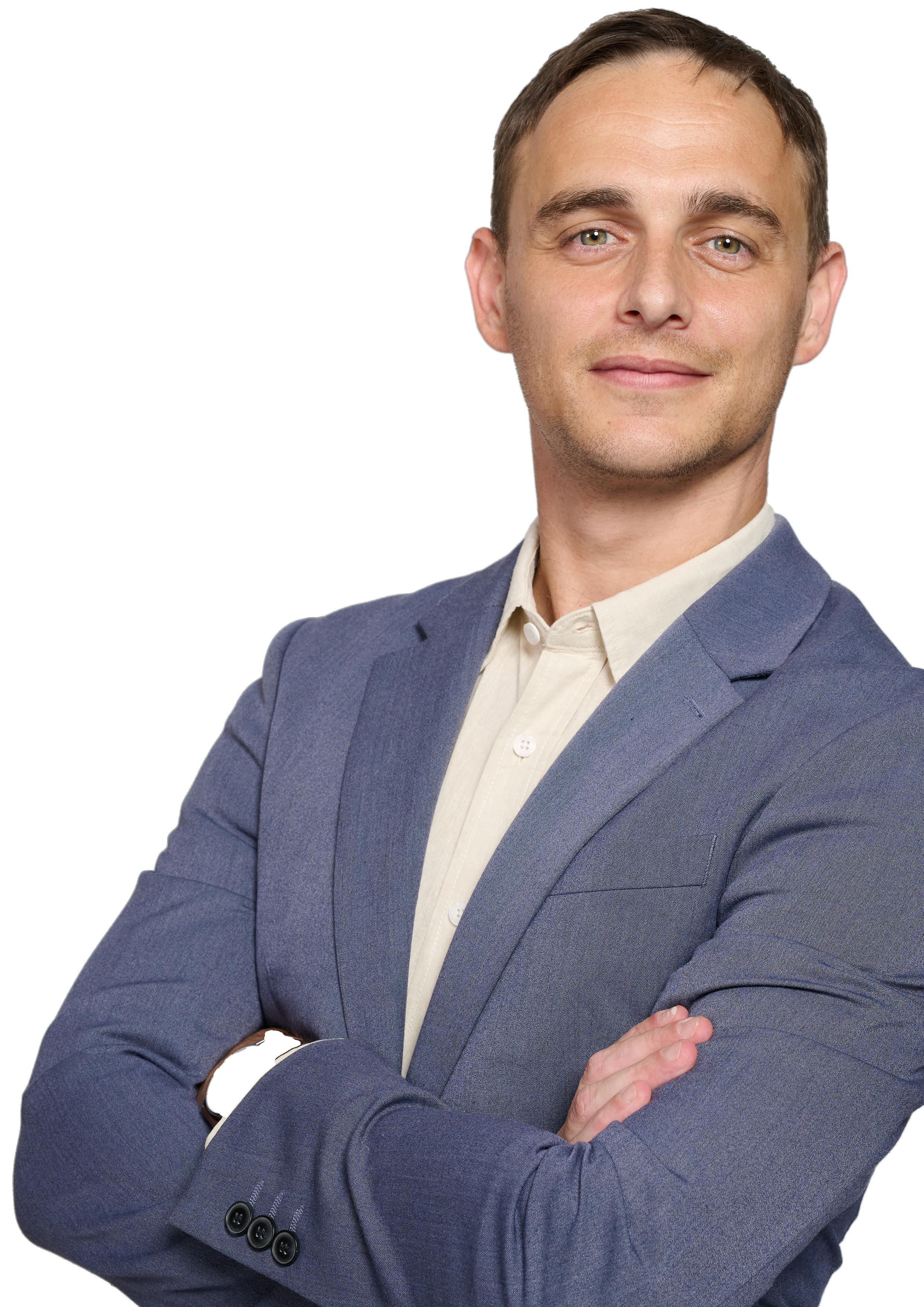
Brendon Jeacocks
Regional Director, Altenar



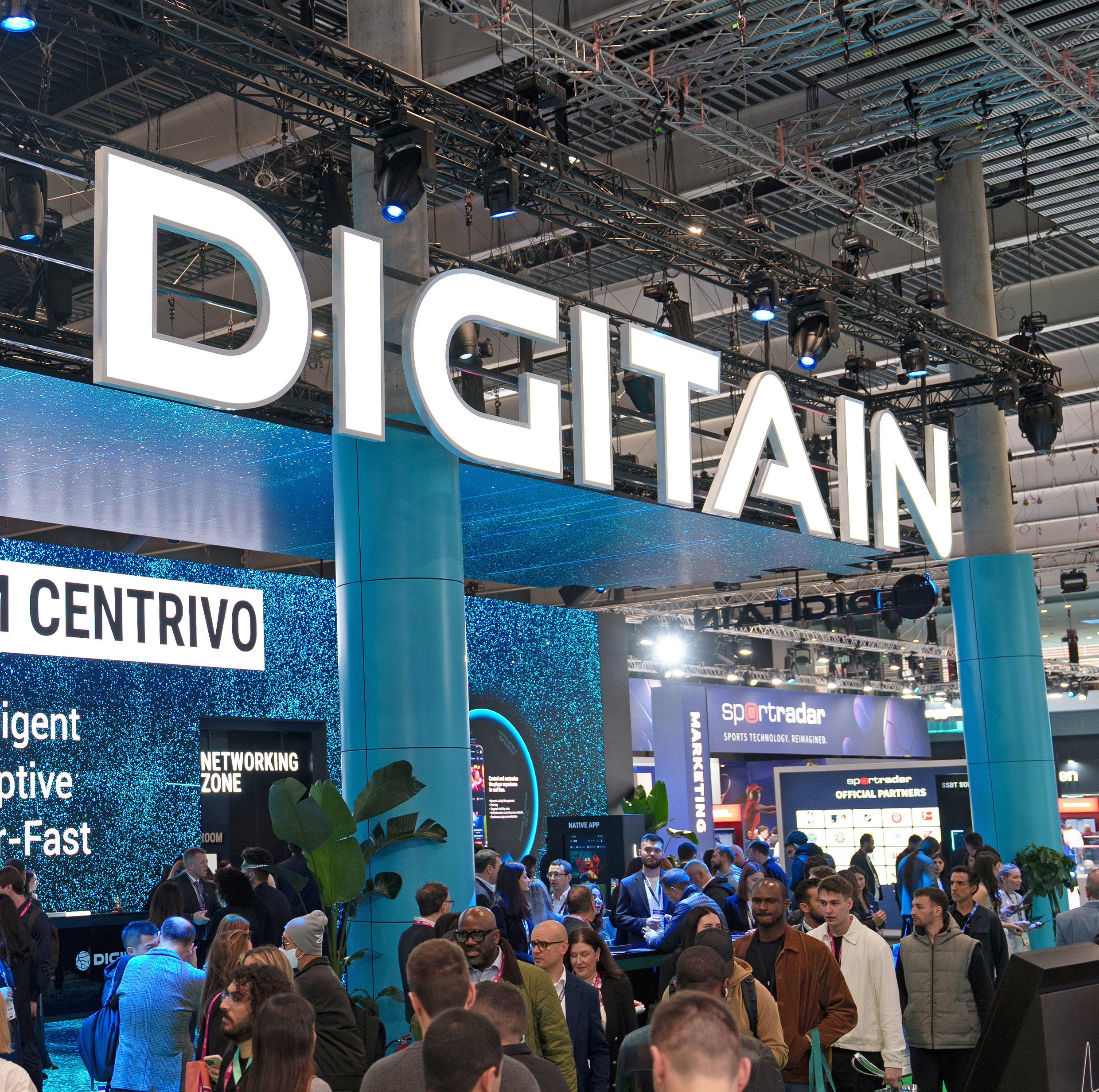
Digitain Sportsbook:

Performance, Personalization, and Control in Modern Betting



POdcast iGaming AFRIKA
Jeremiah Maangi, C.E.O iGaming AFRIKA
Building Access in a Fragmented Market
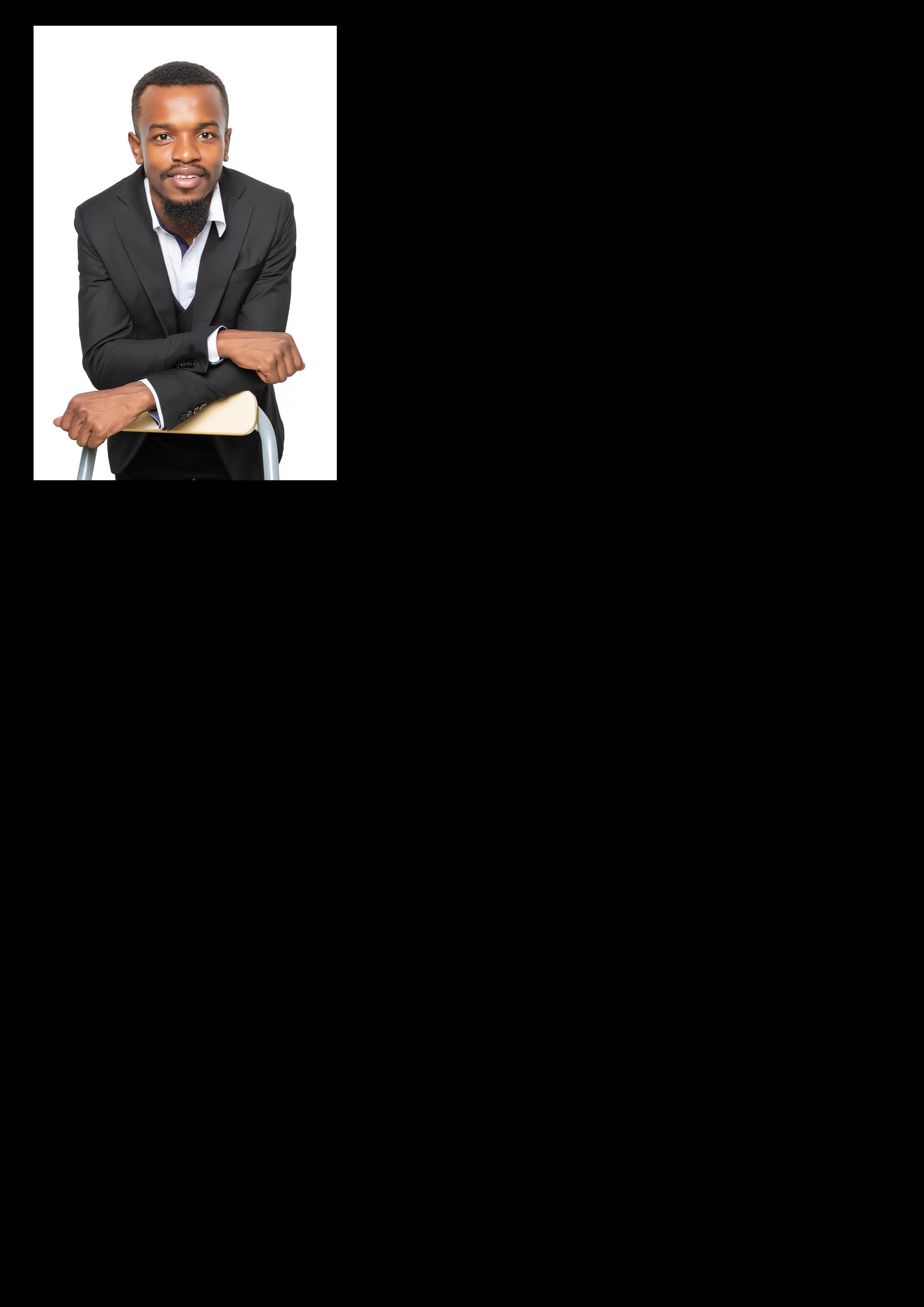
Events, Regulation, and Why Kenya Matters
We have this as the first ever event within the gaming industry in Africa to offer delegates a free entry ticket. This, of course, will guarantee limited access to various areas within the Expo. If you need full experience of the entire exhibition, conference, etc., you will need to upgrade your ticket and get one of the paid tickets. We are ensuring that there is inclusivity by having this free entry ticket that will give you at least some form of access to the summit,” said Jeremiah.
Location is equally strategic. Nairobi’s relatively open visa policy and strong international connectivity make it one of the continent’s most accessible cities for global delegates, removing a logistical friction point that has historically constrained African participation in international industry events.
Kenya’s appeal as a host country for the summit is further reinforced by recent tax reforms that have reshaped its gaming landscape. Under the 2025 Finance Act, excise duty on betting and gaming was reduced to 5%, while withholding tax on player winnings was cut from 20% to 5%. A 15% tax on gross gaming revenue continues to apply across several segments of the market, regulations that are favorable to industry players already operating in the market or looking to enter it.
These regulatory and operating conditions, Jeremiah mentioned, attract operators and shape how products are designed, marketed, and ultimately consumed.
Why Localisation Matters
One of the most common mistakes made when analysing African iGaming markets is assuming that player behavior follows patterns seen in more established markets. In practice, player preferences are shaped by very local factors including disposable income, attitudes to risk, and levels of trust in platforms and payment systems. Across several African markets, this has translated into a clear preference for games and features that give players a sense of control. Cash-out functionality and crash-style games have gained traction because they allow players to make decisions during play rather than wait passively for outcomes.
“Players feel comfortable playing where they feel like they are in control. That’s why games like crash games have really skyrocketed within a very short period of time, because when players play these games, they 100% feel like they are the ones who are determining at what point they can win or not,” Jeremiah said.
Bonuses and promotions remain important tools for attracting players across African iGaming markets, but Jeremiah was clear that they come with risks that are often underestimated. In environments where identity verification systems may be uneven and enforcement capacity varies from market to market, poorly structured bonus offers can quickly be exploited. Jeremiah warned that without strong internal controls, promotional strategies can expose operators to abuse and reputational damage. In that line, Jeremiah argued that technical capability and fraud prevention are as critical to long-term success as marketing creativity. Operators entering African markets, he suggested, must invest as much in backend systems and monitoring tools as they do in acquisition campaigns.
“You have to ensure that your teams are up to the task, so that players do not see this as a loophole to come and play and win without following the due procedures,” he said. “Players can always come and take advantage of bonuses, register multiple accounts, and if you do not have a system that can track some of these things, it will harm your reputation and brand.”
According to Jeremiah, products that perform well in African markets increasingly reflect local cultural references rather than relying on generic global designs. Visual identity, colour palettes, and sound design all play a role in making games feel familiar and relevant to local audiences. Just as important is whether those games actually work in everyday conditions. Network quality, device capability, and data availability vary widely across the continent, and those realities shape the player experience as much as game design.
“The games you produce must be able to be used on light versions, so that they can work on any device and actually under extreme circumstances, where the networks are not very well off. That shows you the experience that people have on the ground, that the games you produce must be able to be used on light versions, so that they can work on any device,” he said.
For much of the conversation, Jeremiah returned to the idea that African iGaming has historically prioritised speed over sustainability. In many markets, the early priority was scale; getting a brand live, building awareness quickly, and capturing market share before competitors arrived. That focus made sense in young or loosely structured environments, where longevity often felt uncertain. What is changing, according to him, is the growing recognition that acquisition alone is no longer enough. As more operators enter the same markets and players are presented with more choice, poor experiences are punished quickly and retaining players becomes increasingly difficult.
“Globally, customer service has been one of the key pillars of most of the brands,” Jeremiah said. “We didn’t see that in Africa in the past, but now we are seeing companies trying to focus a lot of emphasis on making their customers happy because it automatically leads to more and improved retention.”
That same logic underpins his observations on affiliate marketing. While structured affiliate ecosystems have long been standard in Europe, Jeremiah noted that African operators are only now beginning to build comparable networks. Rather than relying solely on broad advertising and brand-led acquisition, operators are increasingly working with local publishers and community platforms that already carry credibility with specific audiences.
“Affiliate marketing in the global gaming ecosystem is quite developed. You look at brands such as Bet365, they have a very strong affiliate network and platform. It is something that I’m starting to see being deployed by most African companies in the gaming space. And therefore, it’s because it comes with unique audience and traction,” Jeremiah said.
Jeremiah believes that in the days to come, adaptability will define the next generation of African iGaming leadership. “You have to be adaptable to different changes in the environment you operate in,” he said. “If you are not a person who is willing to move that direction, then you can be left behind.”
Gambling stakeholders in Kenya expressed strong opposition to the proposed bill of 2026 licensing regulations. Stakeholders described the proposed fee structures as "unprecedented" and "punitive."
The opposition was voiced during The public participation forums for the Gambling Control Act, organized by the Gambling Regulatory Authority (GRA) at the Kenyatta International Convention Centre (KICC) on March 31 and April 1, 2026. The forum provided a platform for lively debate among industry players, who took the opportunity to raise concerns about the drafted bill.
A primary focus of the discussions was the proposed fee structure with many operators labeling it "unreasonable, unprecedented and punitive." Operators cited the substantial application fees, high security bonds, and a new 10% levy on all advertising budgets, in addition to existing excise duties. They argued the levies could potentially collapse the industry. This could lead also to widespread business closures, significant losses in tax revenue, and the displacement of legitimate businesses into the hands of unregulated, offshore entities.
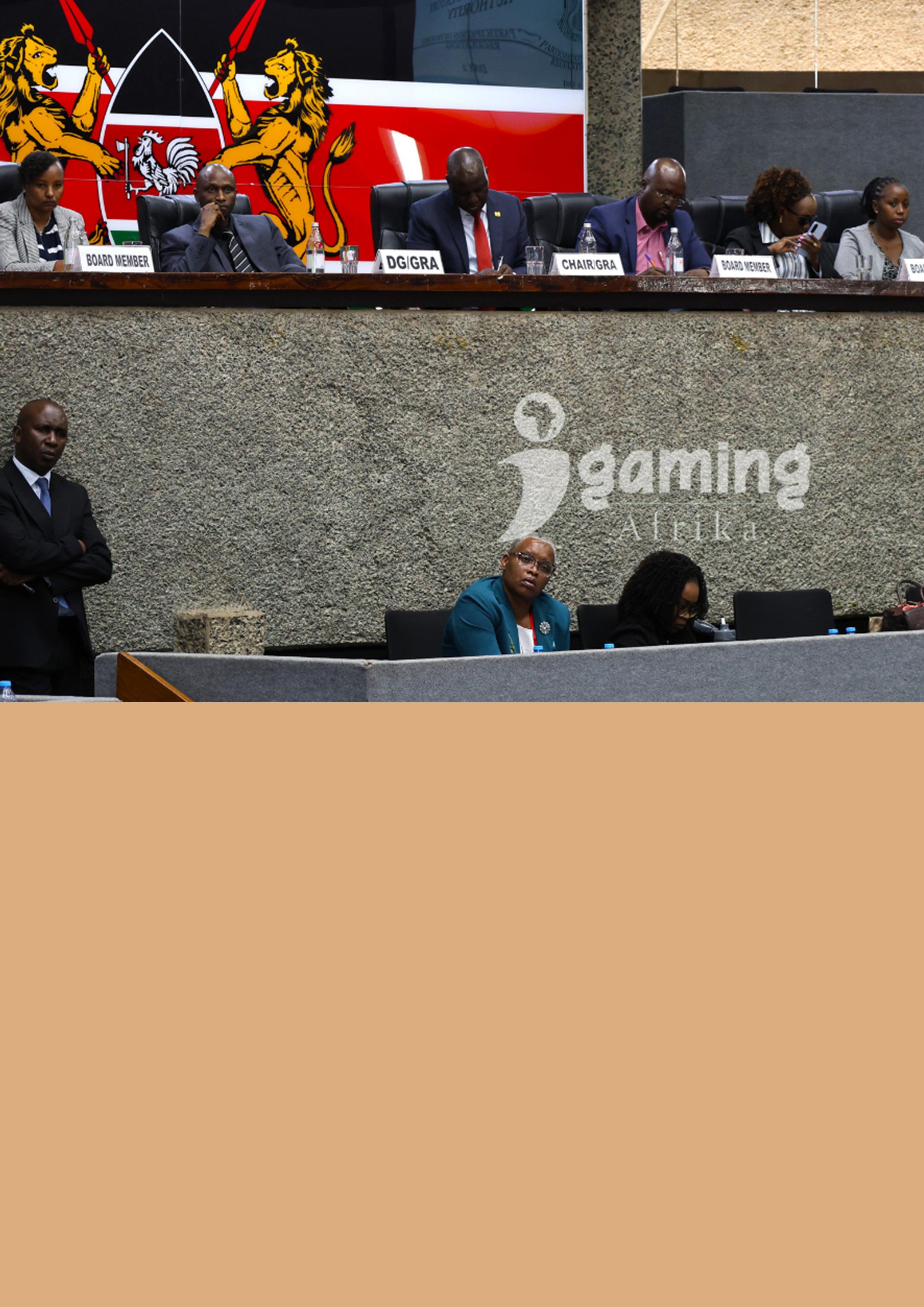
Paul Mutegi, an operator and a representative of Association of Gaming Operators in Kenya (AGOK), stated: " We're already a very heavily taxed industry and you're taxing the same base. The punters are still the same. So even the 15% GGR that you know pays for sporting infrastructure that's going to go away or it's going to take a very, very big hit. If indeed we push for this new cost regime. “
Supporting this statement, Judith Kiragu of Golden Key Casino and an AGOk Board member said, "The application fee is higher than the license fee. It is 5 million, while the license fee is 4 million. How can an application fee, which is just for obtaining a document, be higher than the license fee?"
Furthermore, Andrew from Safety Bet added, "They are very unreasonable. There's a notion that betting companies make so much money that they can afford high fees, especially with new entrants coming into the market. But when you set the fees so high, you create a loophole for uncontrolled companies. I think the board should review the fees and guarantee requirements while keeping the capital requirement as it is."
The financial burdens extend beyond licensing fees. Operators highlighted that foreign-based operators are required to have a paid-up capital of 100 million shillings. Added to this is an extra security bond or guarantee of 200 million shillings.
John Mutua, the CEO of the Association of Gaming Operators in Kenya (AGOK), raised significant concerns regarding the proposed fee structures for jackpots as well. He argued that the new categories impose an unnecessary financial burden on a sector already subject to high license fees and levies. He contended that jackpots should be treated as standard products. In contrast to them being being singled out for additional charges, especially since operators are already required to maintain fixed deposit accounts to secure prize pools.
"Our proposal is to waive all the introduced fees. Jackpot is still a product like any other. You do not charge fees for any of the other products that we have," He said.
Mutua further emphasized that the cumulative impact of the new regulations could be counterproductive to the industry’s stability. Noting: "No additional fees should be levied on operators considering the license fees and levies already paid."
Beyond the immediate financial costs, Mutua challenged the administrative frequency of the new oversight measures. He criticized the requirement for quarterly computation of minimum capital adequacy. Mutua suggested instead that such reviews be moved to a bi-annual basis. Saying that a quarterly schedule is "too frequent" and creates a situation where the authority is constantly "looking down over your shoulder." Potentially hindering the operational efficiency of gambling businesses.
In response, the GRA maintained that the industry has been "under-regulated" for decades. They pointed to a legal framework dating back to the 1960s that they say is "grossly inadequate" for modern needs.
While acknowledging operator concerns, Director General Peter Karimi emphasized the government's priorities, stating: “His Excellency the President has been very clear that the player must be protected. Player responsibility, responsible gambling, and safeguarding players. Especially those online, youth, and children, are our primary concerns as regulators. Everything else, including ensuring a fair operating environment and tax collection, comes after that. We are listening to Kenyans from all walks of life, and these principles will guide how we incorporate their feedback into the final document.”
Beyond fee structures, the GRA is advocating for tighter player protection measures and the introduction of a national lottery operated by a licensed private entity rather than direct state management. Officials estimate this could generate up to 2% of Kenya’s gross domestic product.
Addressing concerns about the community impact of this revenue, Madam Jacky stated, "We aim to enter the industry not only because we are established by the state but also to set a good example of what a responsible gambling operator can be. At our core, player protection, fairness, and transparency come first. ‘Tucheze Tujenge Kenya’ ”
As the public participation period closes on April 13, 2026, the GRA encourages all stakeholders to submit written feedback before the final draft is forwarded to Parliament for ratification.
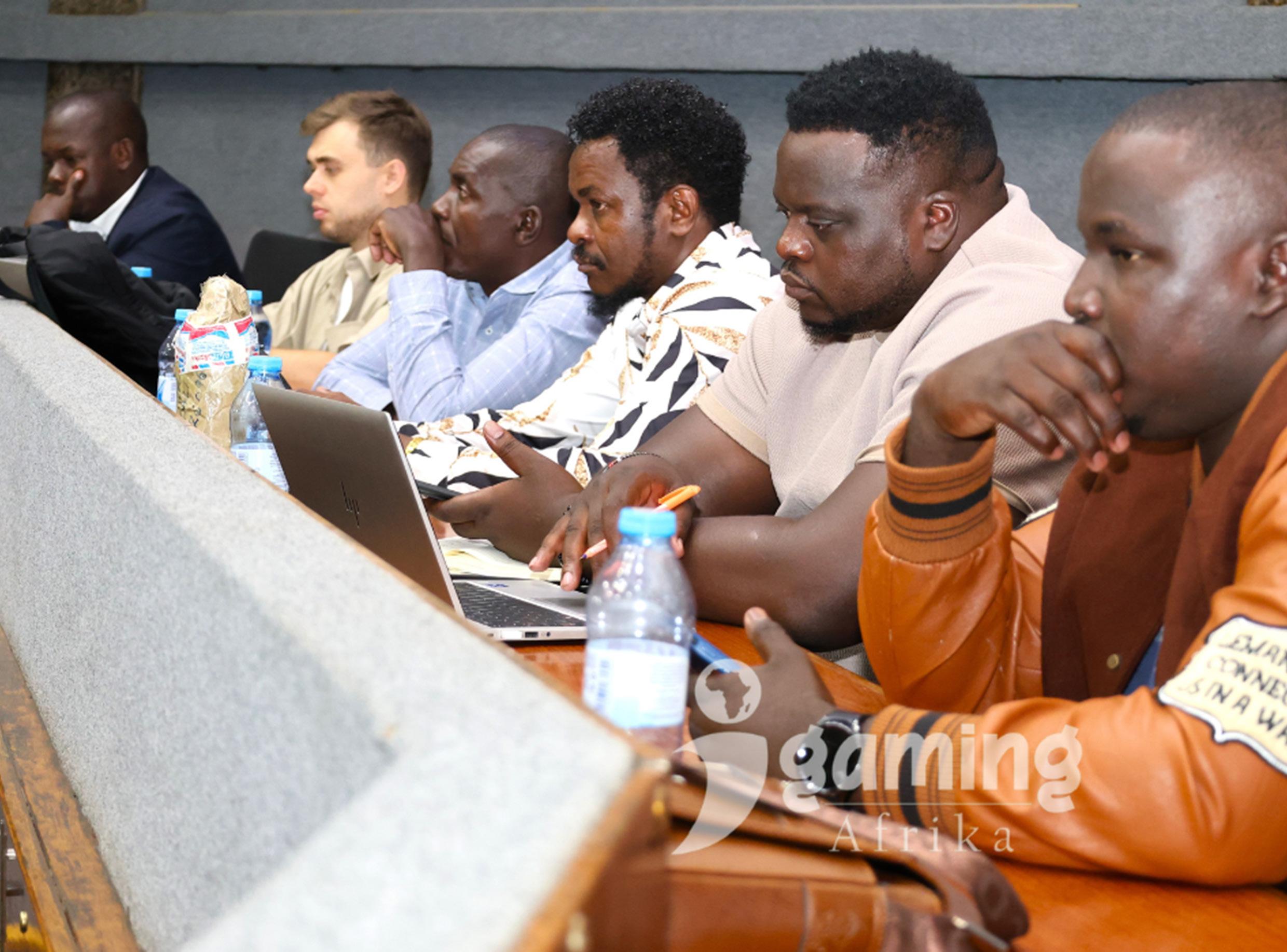



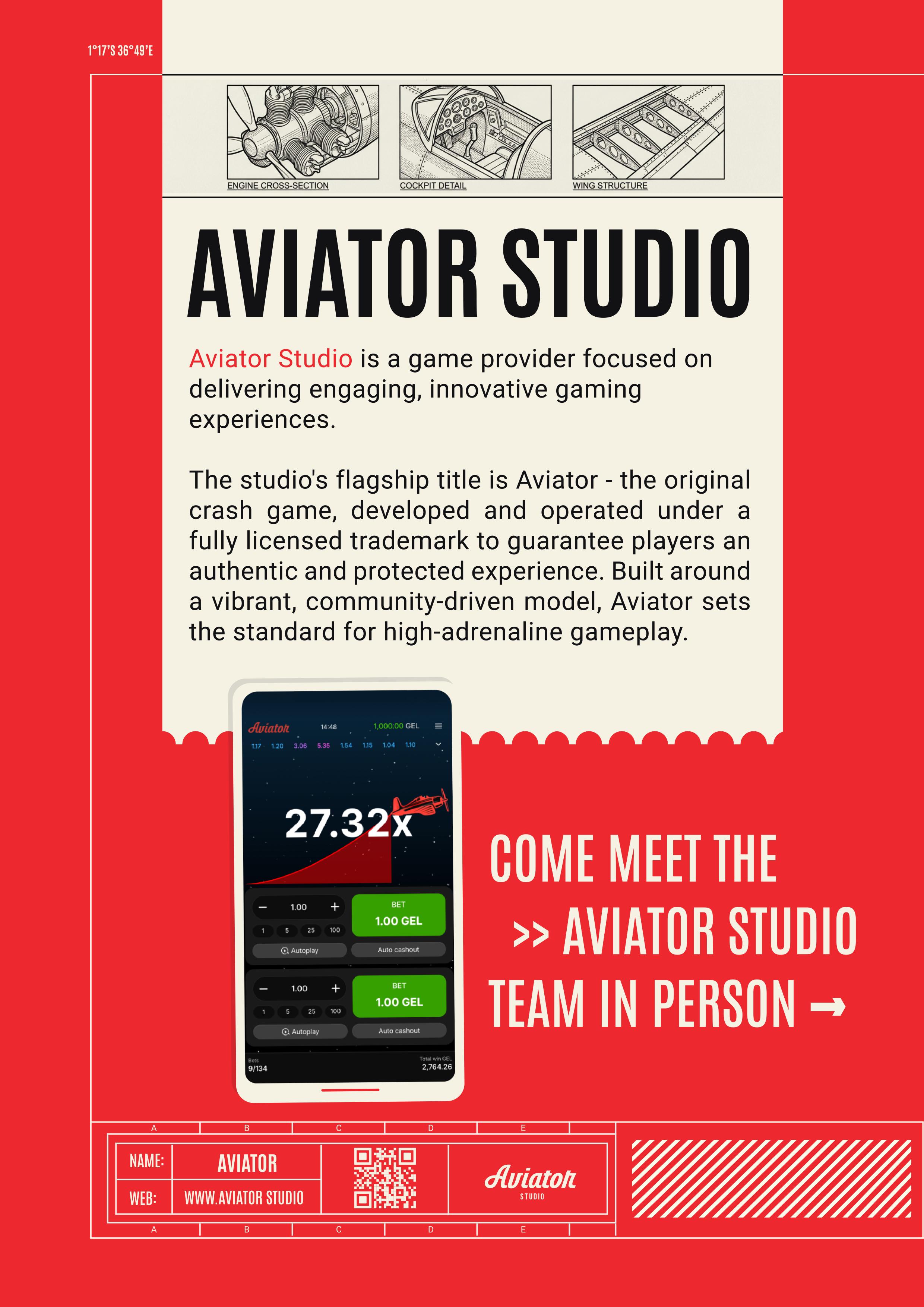

Google has tightened its rules on offline gambling advertising, extending its restrictions to seven African nations as part of a broader global crackdown. Effective November 19, 2025, the updated policy clarifies what counts as “offline gambling” and where such promotions are prohibited.
According to Google, the update covers “legal physical, real-world gambling activity or establishments,” citing examples such as “brick-and-mortar casinos, gaming parlors such as pachinko parlors and even the streaming of offline poker tournaments.”
The seven African countries newly affected by the restrictions are Algeria, Djibouti, Egypt, Libya, Morocco, Sudan, and Tunisia. In these locations, any advertising for offline gambling is now strictly prohibited. Google emphasizes that it enforces these rules according to local law, stating that offline gambling promotion “is prohibited in locations where it is illegal to advertise offline gambling.”
Read Also: Uganda Strengthens Player Protection with Responsible Gambling Directives
For gambling operators, the update is more than a regulatory footnote. Advertisers promoting real-world venues in the affected countries risk disapproved campaigns, and repeated violations could lead to account suspension. As a result, many companies may shift marketing strategies toward online gambling promotions, social media campaigns, or partnerships that comply with Google’s certification requirements.
Over the past year, Google has expanded its list of jurisdictions where offline gambling ads are banned. At the same time, the company has cautiously allowed advertising in some regulated online gambling markets, showing that the goal is not to restrict all gambling content, but to align advertising with local laws and licensing frameworks.




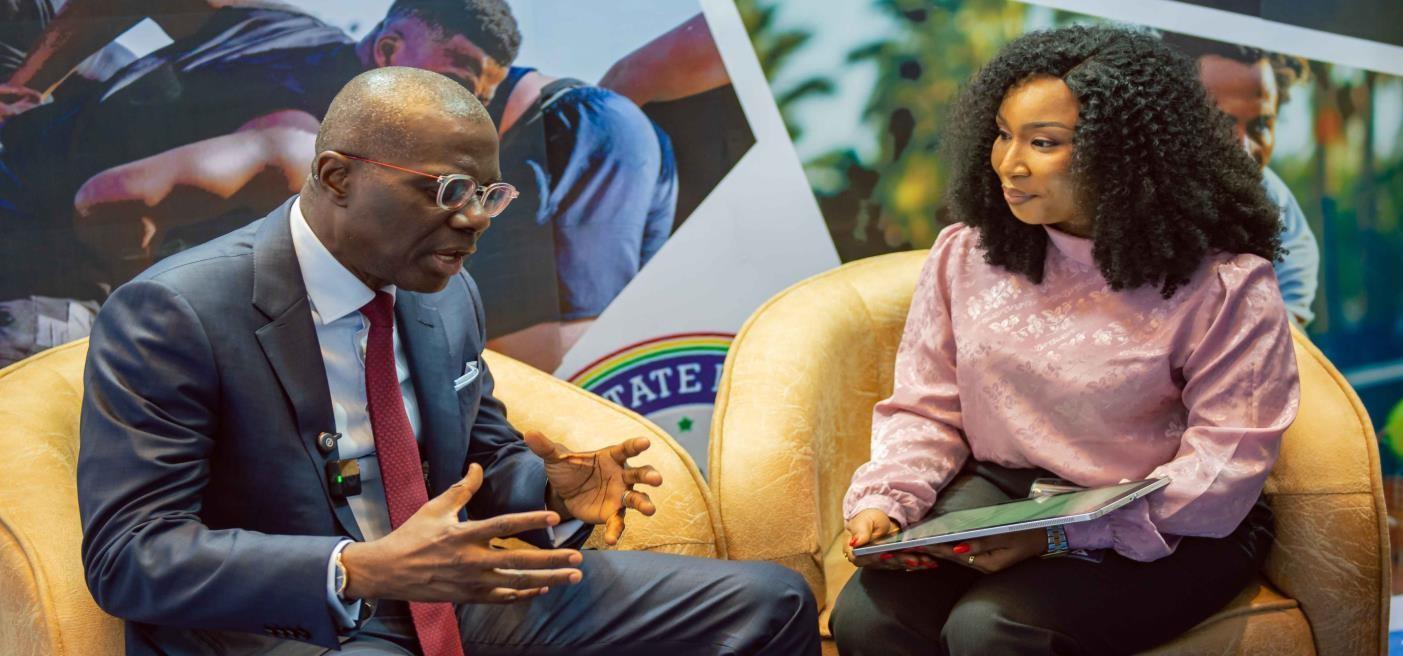
All About iGaming AFRIKA
Undraping Excellence iniGaming Reporting: iGamingAFRIKA
In the expanse of iGaming media, one name stands out as a beacon of excellence iGaming AFRIKA. As a leading award winning iGaming media publication platform, we have redefined the narra tive, delivering unparalleled coverage of iGaming news acro ss the African continent. Our journey, marked by passion, integrity, and a commitment to excellence, has solidified our position as the go-to source for all things iGaming in Africa
Our History
ounded with a vision to elevate the iGaming conversation in Africa, iGaming AFRIKA embarked on its journey in 2024 . Over the years, we have cultivated a rich history marked by insightful reporting, industry- shaping interviews, and a dedication to fostering a deeper understanding of the iGaming landscape. One of the key milestones is our commitment to reaching the entire continent with our content.
Our journey with the iGaming AFRIKA magazine a ground-breaking initiative that is quickly becoming the cornerstone of our commitme nt to providing localized, Africa-centric content.
Why Choose iGamingAFRIKA
istinguishing ourselves from the norm, we here at iGaming AFRIKA stand out not merely for the content we deliver but, more importantly, for the distinctive manner in which we approach reporting. At the heart of this distinctiveness lies our team of dedicated professionals, a collective force fuelled by a passion for iGaming and a commitment to journalistic excellence. Beyond the conventional boundaries of reporting, we delve into the intricacies of the iGaming space, presenting our readers with a depth of insight that surpasses surface-levelnarratives.
Moreover, our network of industry insiders, cultivated over time, enables us to go beyond the obvious and access exclusive perspectives, insider knowledge, and behind-the-scenes narratives that add a layer of richness to our coverage.

The iGamingAFRICA Vision:
mbedded within the foundational principles of iGaming AFRIKA lies an unwavering commitment an earnest pledge to ascend to the pinnacle ofiGaming journalism in Africa and stand as the undisputed leader within the continent.This commitment is not merely a proclamation but a deeply rooted vision that propels us forward, steering our endeavours toward a future where our platform goes beyondits current standing. In this envisioned future, iGaming AFRIKA emergesas the unparalleled primary source of information, a beacon that illuminates the iGaming landscape across the African continent.
Our vision extends beyond the dissemination of news; it encompasses a holistic role where we become architects of industry dialogue. We see ourselves as catalysts, shaping and influencing conversations, trends, and narratives that define the contours of the iGaming sector. By assuming a central role in industry discourse, we aim to foster a community where knowledge flows seamlessly, innovations are celebrated, and challenges are met with collective solutions. In this envisioned future, our platform becomes more than a news provider it becomes a dynamic hub that facilitates a robust exchange of ideas, insights, and expertise, fostering an ecosystem that propels the growth and maturation of the iGaming sector on the African continent.
Uniqueness Redefined:
iGaming has become a global phenome non, and our unwavering dedication to delivering localized, Africa-centric content is the cornerstone of our commit ment. It ensures that our readers not only stay abreast of the latest development s in the dynamic realm of iGaming but also receive news and insights meticulo usly tailored to the unique intricacies and vibrant nuances that define the African iGaming landscape. By maintaining a steadfast focus on the specific dynamics and diverse facets of the African gaming industry, we go beyond the surface, providing a comprehensive and insightful understanding of the challenges, innovations, and opportunities that shape the ever-evolving iGaming sector within the African continent. In essence, our approach transcends the globalized norm, allowing our readers to engage with content that resonates with the rich tapestry of Africa's gaming culture and industry trends.
ThrBestInAfrica:
s the premier iGaming media publication in Africa, we take pride in being recognized as the bestin ourfield.Our dedicationto journalistic integrity, timeline ss, and the highest editorial standards has garnered the trust of industry stakeholders, making iGaming AFRIKA the go-to platform for the latest and most reliable iGaming news on the continent. In a world where iGaming is constantly evolving, iGaming AFRIKA remains steadfast in its mission to inform, educate, and inspire. We aim to have Africa and the rest of the world emb ark on this exciting journey with us as we continue to be the heartbeat of iGaming news in Africa, setting the standard for excellence in journalism.
Your key to iGaming in Africa
Important Quotes “
“
I think the challenge in Africa is that gambling is viewed as a life-changing financial gain experience rather than an entertainment experience. So we really need to focus on player protection in that prism. We need to educate players, that yeah you can win but you can also lose and you can't keep betting to try and change your life. Player protection is a key component of everything you do in regulated markets. It's to ensure that the player has a fun enjoyable experience but a safe experience.

“
For investors, the Gambling Control Act, 2025 reshapes the commercial landscape. Compliance costs will increase, and speculative or short-term market entry will become more difficult. At the same time, the law offers improved regulatory clarity, reduced enforcement uncertainty, and stronger institutional oversight. These factors are particularly attractive to long-term investors seeking stable, well-regulated markets. Kenya remains one of Africa’s most commercially significant gambling jurisdictions, but the new framework clearly favors’ well-capitalized, compliance-focused participants.

Richard Metcalf, Sales and Mentorship Manager at RavenTrack

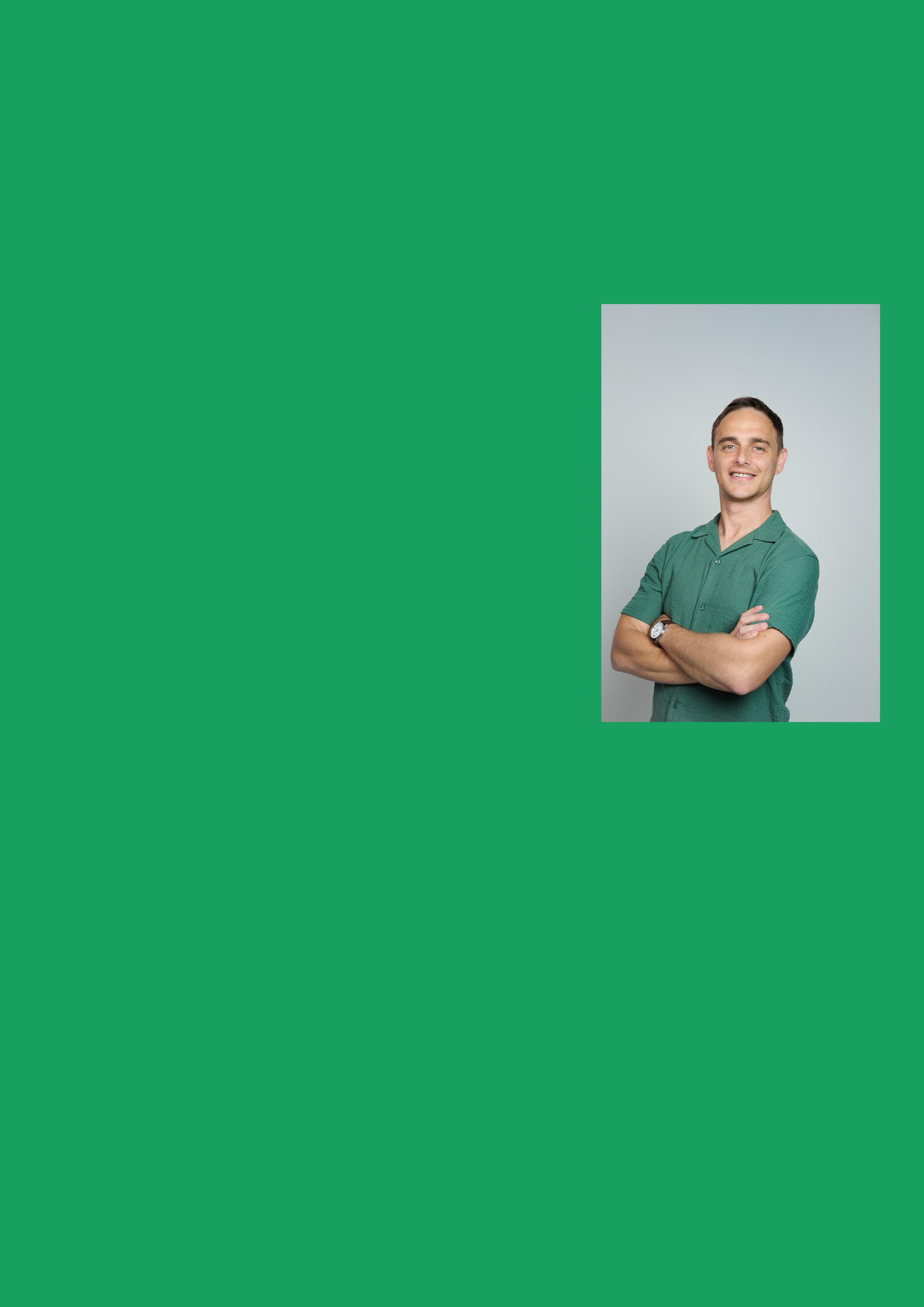
Shanta Segabon, Senior iGaming Conversion & Retention Strategist at Game Plan Consulting
Brendon Jeacocks, Regional Director at Altenar