
OFFICERS
Aidan Connolly Ronald Guendel
ACADEMIA
Jack Bobo Esteban Brenes
Brian Briggeman Sylvain Charlebois
Bernard Killian Jayson Lusk
Trey Malone Damien McLoughlin
Bernardo Pizzardi Johan van Rooyen
Longbao Wei
INDUSTRY | GOVERNMENT | NGO
Yvonne Colomer Robert Erhard
Catherine Keogh Yoav Levsky
Nicola Shadbolt Mary Shelman
Robert Walker
COUNSELORS
Marcos Fava Neves Ed Mabaya
Woody Maijers R. Brent Ross
Loïc Sauvée Raj Vardhan
IFAMA YOUNG BOARD
Michelle Marais Comfort Adaora Onyaga
Tatevik Avetisyan Artoonian Rebecca Bennett
Jorge Bittner Burgos Ebenezer Bold
Vinícius Cambaúva Chikomborero Chiobvu
Teffany Kartopawiro Jessica Souto


IFAMA President
As we look toward the horizon of 2026, the global food and agribusiness sector stands at a critical “collision year.” We are navigating a landscape defined by stacked uncertainty: from shifting geopolitical alliances and trade tensions, to the accelerating impacts of climate change and the disruptive potential of generative AI. Yet, continuing to be inspired by our founder Ray Goldbeg who passed away in February at age 99, it is within these challenges that the International Food and Agribusiness Management Association (IFAMA) finds its greatest purpose.
The hurdles we face are significant. Agribusinesses today are contending with increased price volatility, labor shortages, and a complex regulatory environment. Digital technologies and AI offer solutions to our agri-food chain challenges, but GLP-1 drugs and Agentic AI may reshape our businesses in ways we never imagined. As we navigate these uncharted waters, the agribusiness and food industry must move up the “risk maturity curve.” Our mission at IFAMA
remains clear: to provide the strategic focus and transparency needed to ensure the global food system is not only productive but resilient.
The success of IFAMA in recent years have been built on the three strategic pillars that define IFAMA.org:
Fostering Agribusiness Talent: Our Global Student Case Competition continues to be the world’s premier pipeline for emerging leaders. By bridging the gap between the classroom and the boardroom, we are ensuring the next generation is equipped with the analytical and digital skills required to manage tomorrow’s complexity. The recent development of regional case competitions extends our ability to use this as a force for education and change.
Thought Leadership: Through the International Food and Agribusiness Management Review (IFAMR) and our Academic Symposium, we are generating leading-edge research. In 2026, our focus is squarely on “Rooted in Resilience,” exploring how breakthrough technologies like AI, LLMs and autonomous digital tools can be practically deployed to stabilize the value chain.
Connecting the Ecosystem: IFAMA remains the unique meeting place where academia, industry, and government intersect. Whether through our agri-food tours in conjunction with our conferences, or our regional chapters in Africa, Europe, and Oceania, we are breaking down silos to solve the industry’s most pressing management issues.
The upcoming IFAMA 2026 World Conference in Cork, Ireland (June 15–19), serves as a testament to our organization’s growth. Themed “Rooted in Resilience: Revitalizing Agri-Food Systems for an Uncertain Tomorrow,” the conference will highlight real-world sustainability examples — including Ireland’s Origin Green initiative — and facilitate dialogue on the “true pricing” of food. Registration is already tracking at record levels, with program innovations attracting a new wave of attendees.
Our digital hub at IFAMA.org supports this community year-round, from the Food Matters Agri-Podcasts to our “Rising Star” and “Women in Agriculture” awards, we are celebrating the innovators who are transforming threats into opportunities.
As the President, and concluding my three years, I am inspired by the progress we have made. IFAMA is not just an association; it is a global movement dedicated to feeding the world, better. Together, we are building a more resilient, transparent, and sustainable future for all.
Your President, Aidan Connolly
aconnolly@agritechcapital.com
WhatsApp +18594943978

After 35 years of connecting people across food and agribusiness, IFAMA has a new visual identity. The winning design comes from Adrián Orsetti, a Buenos Aires-based graphic designer with FONTAGRO, the Latin American agricultural innovation fund. His entry rose to the top of a global contest, producing a mark that is modern, human-centered, and aligned with IFAMA’s mission. Watch the videos below to see the meaning he wove into each element and the values it carries forward.
IFAMA President Aidan Connolly talks about the need for a new logo.

Adrián Orsetti explains his process designing the winning logo.

Who is IFAMA? IFAMA members describe our organization in one word.
Ray A. Goldberg, the George M. Moffett Professor of Agriculture and Business, Emeritus, at Harvard Business School, died peacefully at home on February 16, 2026, at age 99.
Ray Goldberg was not only a founder of IFAMA. He founded a discipline, shaped a generation of leaders, and changed how the world thinks about food.
In 1957, he coined the term “agribusiness” as a connected system, linking farmers, processors, retailers, finance, and consumers long before “value chains” entered common language. His vision was radical in its simplicity.
In 1990, he gathered a small group of like-minded leaders in Cambridge, Massachusetts, and out of that meeting, IAMA (later IFAMA) was born. Ray served as our first president. The inaugural conference followed in Boston in 1991. Decades later, when most men his age had long since stepped away, he remained actively connected to IFAMA.
His leadership was quiet but transformative: asking better questions, convening unlikely partners, and encouraging leaders to think far beyond the farm gate.
Ray Goldberg helped ignite and define IFAMA’s mission. Together, we will carry it forward.

“IFAMA is so much more important than you realize today. The food system is how you bring the world’s economy together, and that is a mission worth dedicating your lives to. We exist to find a way of working with the private, public, nonprofit, and governmental sectors of the global food system so that everybody is in a win-win relationship. I have faith in you, and the world is counting on you.”
— RAY GOLDBERG , delievered to IFAMA’s next generation at the 2022 World Conference


Ronald E. Guendel (Germany), serves as an Advisory Board Member for ELFIN Consulting GmbH and as an Independent Advisor. He will assume IFAMA’s presidency in June 2026. With over two decades at Bayer CropScience AG in various leadership roles, most recently as Global Vice President of Smallholder Farming, Guendel has built extensive expertise in agricultural sustainability, certification, and global food value chains, forging partnerships with major retailers, NGOs, and international organizations. A Fellow of IFAMA, Guendel has led transformational initiatives impacting over 100 million smallholder farmers globally and established strategic partnerships with organizations including FAO, IFAD, and IICA.

Bernard Kilian (Costa Rica) is a Full Professor at INCAE Business School, specializing in operations management, agricultural economics, and sustainability. He served as Dean of Faculty (2021–2025) and Associate Dean for Full-time MBA Programs. Holding a Ph.D. from the University of Hohenheim, Germany, his expertise includes coffee value chains, sustainability standards, and carbon footprinting. His research, published in leading journals such as World Development and Ecological Economics, focuses on sustainable agriculture and smallholder economic development.

Trey Malone (USA) is the Boehlje Endowed Chair in Managerial Economics for Agribusiness at Purdue University and North American Managing Editor of the International Food and Agribusiness Management Review. His research focuses on how agribusinesses make better decisions in an increasingly complex world, evaluating how entrepreneurs, managers, and policymakers adapt to changing technologies, markets, and public expectations. Named to Farm Journal’s “40 Under 40,” he has published nearly 100 peer-reviewed articles and been featured in The New York Times, TIME, and CNBC.

Robert (Robbie) Walker (Ireland) serves as Growth Officer at Alltech and CEO of Keenan, an iconic Irish agri-brand acquired by Alltech in 2016. With an international agribusiness career spanning three continents, Walker has driven global business development from leadership positions in South Africa, Ireland, the UK, Italy, and the USA. He specializes in business strategy, innovation, and sustainable growth in the ag-tech and bio-tech sectors. Walker holds a BSc in Agriculture from the University of KwaZulu-Natal and completed executive education programs at SDA Bocconi and Purdue University.
See the entire board roster.
THIA HENNESSY
Professor & Head College of Business and Law, University College Cork (Ireland); IFAMA 2026 Conference Chair
Article co-authored by Tracy Bradfield, University College Cork
Ireland has a highly advanced economy shaped by a strong Foreign Direct Investment base, but agri-food remains the country’s oldest and largest indigenous industry, particularly important in rural areas where it underpins local economies, employment, and community life. Production is predominantly from family-run farms and, though small in scale compared to major agricultural nations, Ireland has built a powerful international reputation based on quality, traceability, and a sustainable pasture-based livestock production model.
Ireland’s defining agricultural strength is its grass-based system. A mild, damp climate supports long grazing seasons, allowing livestock, particularly dairy and beef, to be raised primarily on pasture rather than imported feed. As a small, open economy, Ireland is a highly export-oriented agri-food producer, with around 90% of its beef and dairy output sold overseas and products reaching over 190 markets worldwide — supplying enough food to feed an estimated 50 million people, ten times the domestic population.
Ireland has long marketed itself internationally as
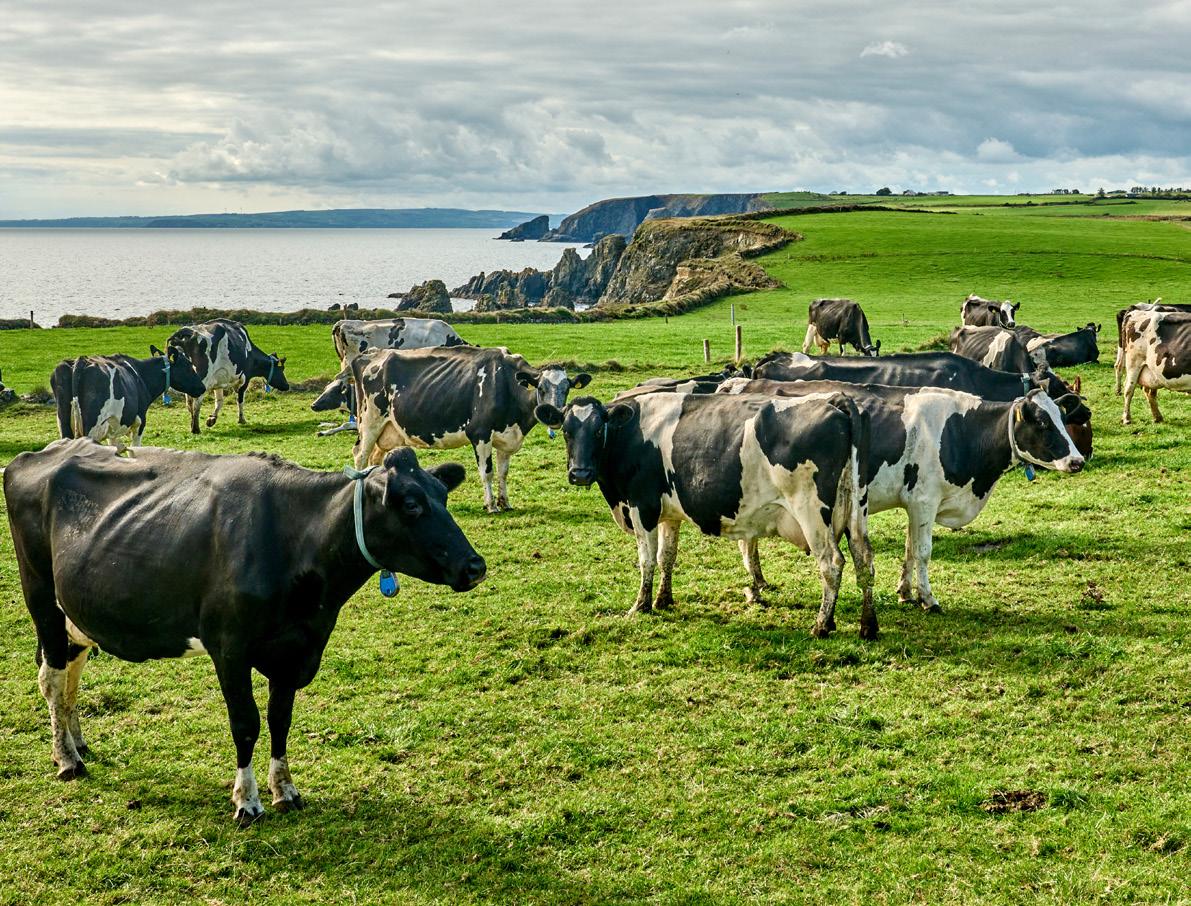
Cattle graze across Ireland’s lush, open landscapes—an efficient, pasture-driven system shaped by climate and tradition. This natural approach supports premium dairy and beef production while reinforcing the country’s reputation for quality and environmental stewardship.
a “food island,” and today that identity is evolving toward a more sustainable, accountable food system. Central to this transformation is Origin Green, the world’s first national sustainability programme for the entire food and drink sector, which brings together
farmers, processors, and food companies under a single framework of measurable environmental targets. Closely aligned is Food Vision 2030, the government’s long-term strategy for a climate-smart, economically resilient sector that emphasizes higher-value, lowerimpact production over simple volume expansion.
Irish agriculture is also knowledge and technology driven. Teagasc , Ireland’s unique public institution combining research, advisory services, and education, moves discoveries quickly from laboratory to farm. That foundation has produced global success stories like

Across Ireland, family farms form the heart of rural life. Generations of farmers blend experience with modern practices, sustaining local economies while producing trusted food products that carry a strong sense of place.
Kerry Group, which grew from a local dairy co-operative into a leader in taste and nutrition solutions operating in over 140 countries, and a revitalized Irish whiskey industry that has expanded dramatically into US and Asian markets.
Conference attendees can experience this agri-food system firsthand with a post-conference Agri-Tech Tour on June 19, including a visit to Teagasc’s Moorepark dairy research center, a field-to-glass tour of the
Jameson Midleton Distillery, or a guided walk through Cork’s historic English Market.
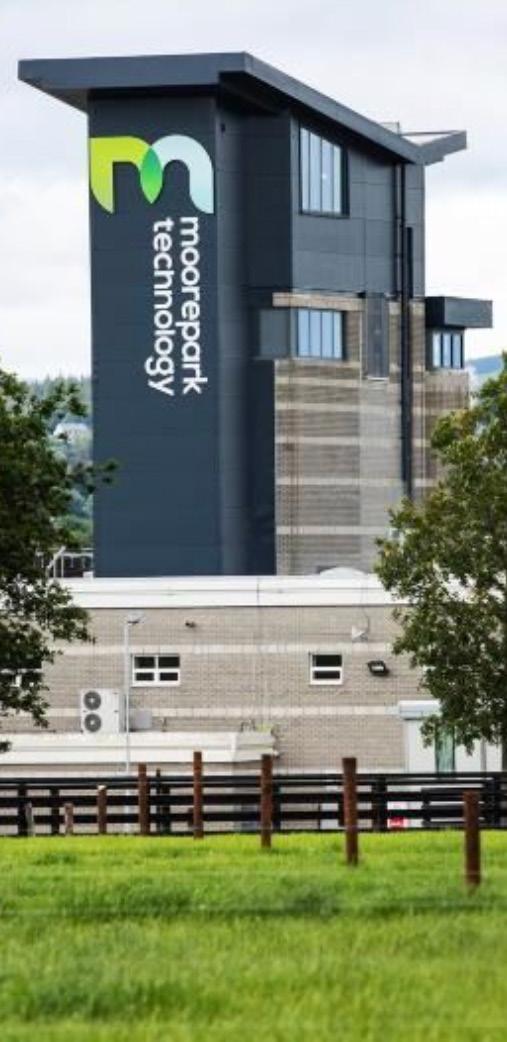

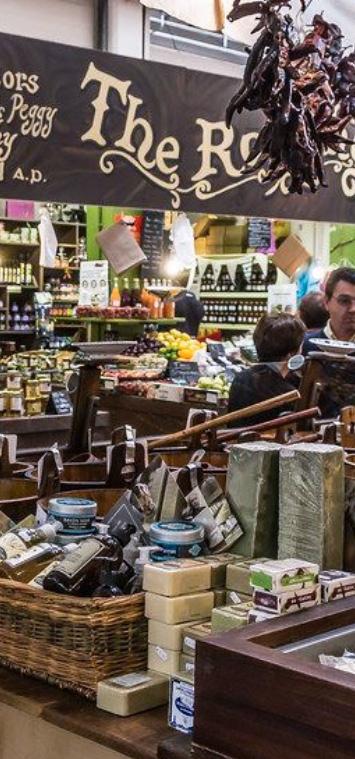
Conference attendees can join a post-conference tour on Friday, 19-June, to explore Ireland’s top dairy and whiskey producers, or the English Market, a historic, covered food market operating since 1788 in Cork city center.
As global agriculture grapples with feeding a growing population while reducing environmental impact, Ireland’s experience — balancing natural advantage, innovation, and sustainability — offers practical insights the IFAMA community will recognize immediately. It is precisely this intersection of tradition, resilience, and reinvention that sets the stage for the 2026 World Conference Business Forum.
June in Ireland is something special. Cork has a warmth that goes well beyond the weather. We have planned a remarkable week, and we hope you will make the most of it — bring your family, add a few days, and let Ireland surprise you.
Student Case Competition (SCC) Orientation SCC Preliminary Round 1 SCC Semi Finals Round 2 (Grand Finalists announced)
Symposium
Reception
Grand Finale presentations during the Business Forum
Business Forum
Young Board Quiz Bowl
Young Board Speed Networking
Banquet and Award Ceremony
Innovation drives Ireland’s agri-food success, with farmers adopting precision tools, advanced breeding, and data-driven systems. Institutions like Teagasc connect research, education, and on-farm application— accelerating progress from discovery to practical impact across the sector.
Post-Conference Agri-Tech Tours

Global Hackathon
JUNE 17–18
The University College Cork Business School has hosted its Annual Food and Beverage Finance Conference for five years, building a program with institutional credibility and strong industry networks. Sponsored by AIB, A&L Goodbody, Goodbody, and KPMG , the conference has become a trusted Summit for the stakeholders committed to shaping Ireland’s food and beverage sector. This year, IFAMA joins as a partner to broaden that foundation and to bring a global lens to challenges that have outgrown any one market’s ability to solve.
Together, IFAMA and UCC Business School are building a two-day Business Forum on the theme: “Rooted in Resilience: Revitalizing Agri-Food Systems for an Uncertain Tomorrow” that addresses the challenges global leaders are currently navigating — how to hold supply chains together when geopolitics and climate keep shifting the ground beneath them, how to finance the transformation of food systems
at scale, and how to lead organizations through structural and market change without losing sight of long-term value.
The 2026 program brings that tension to life across a full slate of sessions. Leaders from global meat processing, dairy co-operatives, and scaled companies will examine whether resilience, as a strategy, is still enough — or whether the moment calls for something closer to reinvention. Sessions on the future of protein, food retail in a volatile economy, and dairy from farm gate to global markets place the most consequential questions in agri-food side by side, drawing on perspectives from producers, processors, retailers, and investors.
The program also addresses the investment landscape, functional food innovation, consumer trust, and the accelerating role of AI in agribusiness — covering the full arc from capital deployment to market reality.









JUNE 15–16
CO-CHAIRS:

TTRACY BRADFIELD
Lecturer in Economics of Sustainable Business, Department of Economics, University College Cork, Ireland

VERENA OTTER
Associate Professor for Supply Chain Network Organization and Innovation, Wageningen University, Netherlands
he 2026 World Conference kicks off on the University College Cork (UCC) campus on June 15–16 with the Academic Symposium and Student Case Competition running in parallel. This year’s paper reviewing committee assessed more than 320 papers, proposals, and case studies submitted by academics worldwide — the largest submission pool in IFAMA history — and the result is a robust two-day program built for learning alongside peers and tackling hard problems together.
In a welcome addition, members of the Agricultural Economics Society of Ireland were invited to submit papers and join the Symposium this year, bringing a rich contribution from Irish scholars whose research and perspectives will weave naturally into the international conversation.
Opening Plenary: Co-Creating a Research Agenda for the European Agrifood System A diverse panel of distinguished researchers and practitioners from the IFAMA European Chapter addresses the tensions at the heart of Europe’s agrifood model — climate, biodiversity, geopolitics, and the push for just

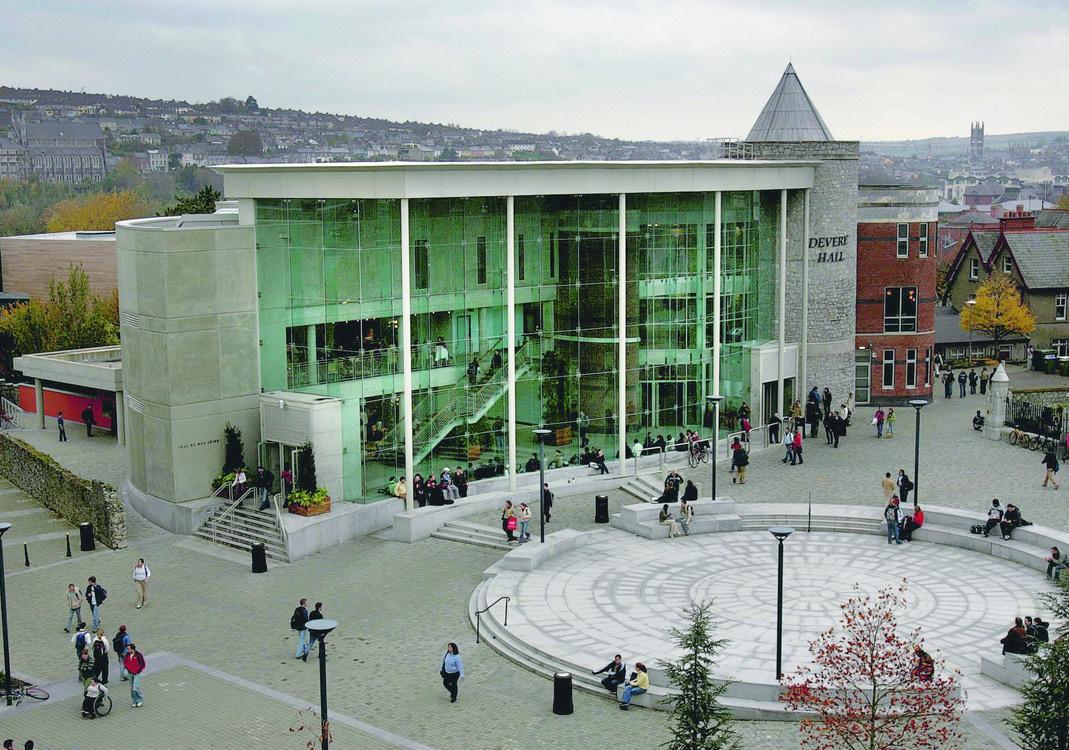
University College Cork campus.
transitions — through keynote addresses and a high-level roundtable featuring leaders from business, academia, and public policy. Session Organizers: Loïc Sauvée, UniLaSalle, France; and Mariantonietta Fiore, University of Foggia, Italy.
Symposium Bridge Session: Consulting in the Age of AI As major firms restructure around AI, what does that mean for agribusiness professionals on both sides of the advisory relationship? A moderated panel followed by structured audience discussion on repositioning consulting value in an AI-shaped market. Session Organizer:

The Editorial team from the IFAMRJournal OEIC will host a workshop that answers common questions of How to Get Your Research Published in an Academic Journal. Kevin Z. Chen, Rui Mao and Yunyi Zhao, China.
The Best Paper Competition will have its own dedicated track during the Symposium, led by the Best Paper Chair, Ram Acharya, New Mexico State University, USA and the Scientific Review Committee.

Building Resilient Food Systems in Fragile Economies Research previews from the forthcoming IFAMR Special Issue, with a discussion on agribusiness adaptive capacity in conflict-affected and climate-stressed settings. Shahriar Kibriya, IFAMR Managing Editor.
Testing the Power of Global Market Data Practical solutions for overcoming barriers to digital tool adoption in fresh produce operations, drawing on Extension expertise and real-time audience engagement. Martha Montoya, AgTools; Suzanne Thornsbury, University of Florida; Kimberly Morgan, University of Tennessee.
A Bio-Psycho-Financial Framework for Farm Dissolution One team, one table, one conversation — a radically different approach to supporting farm families facing debt, identity loss, and mental health crisis simultaneously. Kevin M. Fitzpatrick, University of Arkansas.
Community-Scale Food Infrastructure as a Catalyst for Innovation Cork’s own Glass Pickle shared production facility as a working model for overcoming infrastructure bottlenecks facing small producers and food entrepreneurs across Europe. Megan Tarr, Impact Harvester, Ireland.
Can Regenerative Agriculture Transform Irish Farming — and Prove It? Project BASELINE puts measurement frameworks, policy levers, and farmer experience in the same room to build a scalable model for farm system change. Ronan O’Neill, Fresh Concept Ireland.
Finding Common Ground: Generational Collaboration in Agribusiness An interactive session that moves beyond stereotypes to build practical tools for managing diverse teams and turning generational differences into organizational strengths. IFAMA Young Board and Kristin Pronschinske, LookUp LLC.
CO-CHAIRS:



SUSANA FALCÃO
Fondation Ondjyla, Switzerland
IBERNARDO PIAZZARDI
Austral University, Argentina
FAMA is committed to developing and showcasing excellence in case study writing, teaching, and application. Cases serve as powerful learning tools in both academic and corporate settings, enabling problem-solving and knowledge transfer across all levels of agri-food management.
This year features a dedicated case study track alongside a Fundamentals workshop for
delegates who want to learn how to use cases effectively in a classroom or business setting — or how to write them.
The following outstanding teaching cases will be showcased in 90-minute sessions. Delegates will have an opportunity to download and read the cases prior to the sessions, so they are ready to participate in the discussion.
ROCÍO REINA
PANIAGUA
San Telmo Business School, Spain

Sidwell Enterprises Mary Shelman, Mary Shelman Group, USA.
Livestock Improvement Corporation (LIC) Nicola Shadbolt, Massey University, New Zealand.
New Paths for Cooxupé: Diversification Strategies and Challenges for Entering the Grain Market Vinicius Cambauva and M.F. Neves, Harven Agribusiness School; R.B. Rosalino, University of São Paulo, Brazil.
Huevos San Juan Rocío Reina, San Telmo Business School, Spain.
14–18
CO-CHAIRS:

JUAN JOSÉ BOLAÑOS
Ceiba Consulting Co., Costa Rica
The Student Case Competition is the crown jewel of the IFAMA annual conference. More than 20 teams representing universities from around the world will vie for the prestigious title of world champion in agribusiness management in Cork, Ireland.
LUIS UMAÑA TIMMS
Global Agroindustrial Business School, Spain
The competition kicks off with a team orientation on Sunday afternoon on the UCC Campus, setting participants up to dive straight into the Preliminary Round on Monday, June 15. The teams will receive
Saturday, June 13: Latest arrival in Cork, Ireland
Sunday, June 14: Teams Orientation
Monday, June 15: Preliminary Round 1
Tuesday, June 16: Semi Finals Round 2
Wednesday and Thursday, June 17–18: Grand Finale presentations during the Global Business Forum
Thursday, June 18: Presidential Banquet and Awards
Thursday, June 17 and 18, presenting before a panel of high-level judges and the full conference audience. The winners are announced and awards will be presented during the Presidential Banquet.
Ready to compete? Visit our website to Learn More. Questions? Email the SCC Chairs at conference@ ifama.org.
The IFAMA Student Case Competition is not just a business competition; it is a sector-immersion experience. Three factors set it apart.
The “Biology and Business” Hybrid. In a standard business case, “inventory” is a number. In an IFAMA case, “inventory” might be a living crop subject to weather, pests, and spoilage. Students must demonstrate a working understanding of the biological and environmental constraints that make agribusiness fundamentally different from manufacturing or software.
Case Study Relevance and Real-Time Industry Challenges. Unlike many academic competitions that rely on historical or static cases, IFAMA is grounded in real-life, current industry challenges. The cases are often newly written or specifically developed for the competition, ensuring that participants engage in problems that are both timely and directly relevant to the sector. This approach exposes students to the complexity, uncertainty, and decision-making pressure faced by industry leaders, bridging the gap between theory and practice.



Radical Inclusivity: The Individual Pathway. While most competitions require a pre-formed university team, IFAMA allows individuals to apply. The organization then pairs these solo applicants with students from other countries to form International Teams, mirroring the real-world dynamics of global agribusiness, where professionals from diverse cultural and disciplinary backgrounds must collaborate under pressure to deliver results.
Executive-in-the-Room Judging Panel. IFAMA’s judging panels include not only academics but also C-suite executives from leading food and agribusiness companies. Presentations are treated as genuine boardroom pitches, with judges challenging teams on strategy, sustainability, social license to operate, and global trade dynamics.



MICHELLE MARAIS Chair, IFAMA Young Board
Michelle.Marais@urbanfarmer.co.za
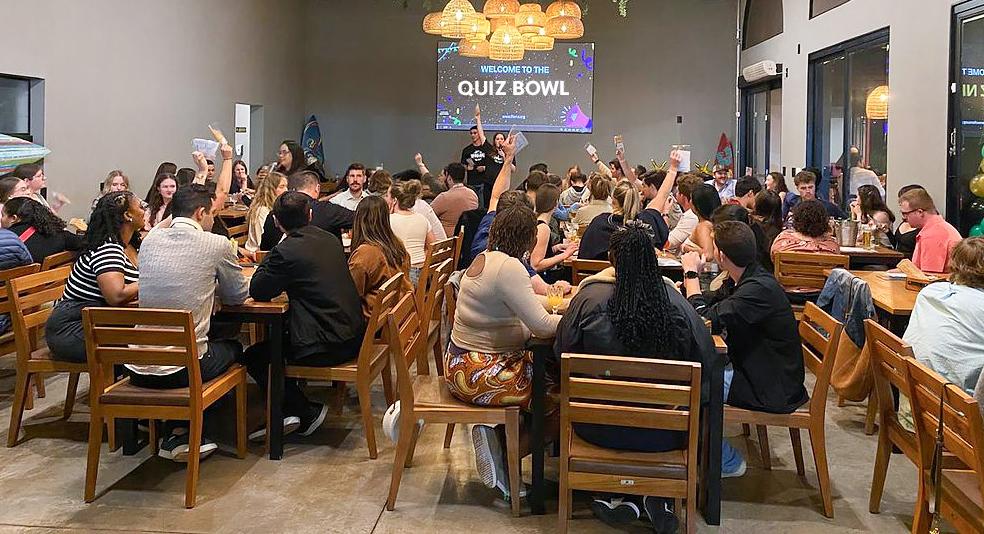
twist. This much-loved IFAMA event takes place Wednesday, June 17 at the Franciscan Well — a pub built on the site of a Franciscan monastery dating to 1219 AD. Tickets are €24 and include pizza and a beverage. Space is limited to 100 guests; register in advance on the conference registration webpage.
access to global agribusiness leaders through facilitated networking. Companies can Contact Michelle at michelle.marais@urbanfarmer.co.za for more information.
International Mentoring Program
The IFAMA Young Board develops the next generation of food and agribusiness leaders by giving students and young professionals opportunities to build skills, expand their networks, and gain real-world experience.
The Young Board is hosting the following events at the IFAMA 2026 Conference in Cork:
Finding Common Ground: Generational Collaboration in Agribusiness An interactive session occurring on Day 2 of the Symposium for early-career professionals and academics, in partnership with Kristin Pronschinske, CEO and Founder of LookUp, a specialist in generational communications and effective coaching. More details coming soon.
Third Annual Quiz Bowl A lively evening of agrifood trivia, new connections, and an Irish
session connects executives with more than 150 young professionals attending the conference. Companies can identify talent and showcase their brand, while students and early-career professionals gain direct
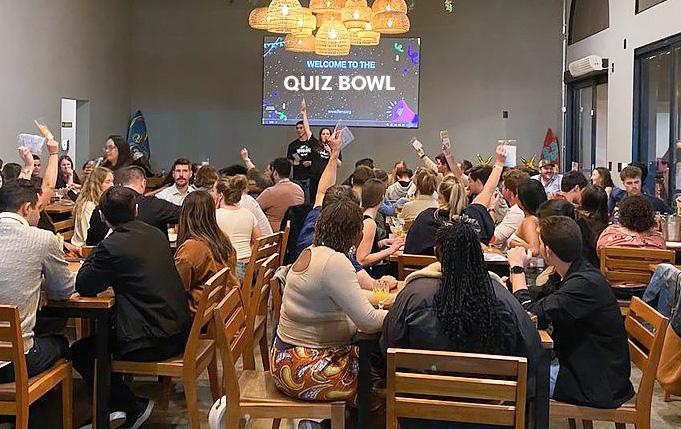
At the Young Board’s 2025 Quiz Bowl, over 100 attendees gathered at a local eatery for a fun, competitive evening of agribusiness trivia.
This program matches young professionals with global mentors based on their goals and interests, with the aim of pairing 12 mentors and mentees for a year-long relationship. Details will be shared during the conference.
Make the most of your time in Cork .
Check out “ Network Like a Boss,” a webinar Masterclass I produced ahead of the IFAMA 2024 World Conference, drawing on my own experience after attending a few IFAMA conferences and other large events. It offers practical tools and tips that remain relevant.
The Young Board recently launched global Subcommittees where members can volunteer on projects and learn more about IFAMA. To get involved, email iyb@ifama.org.
We look forward to welcoming familiar and new faces in Cork .

JUNE 18–19
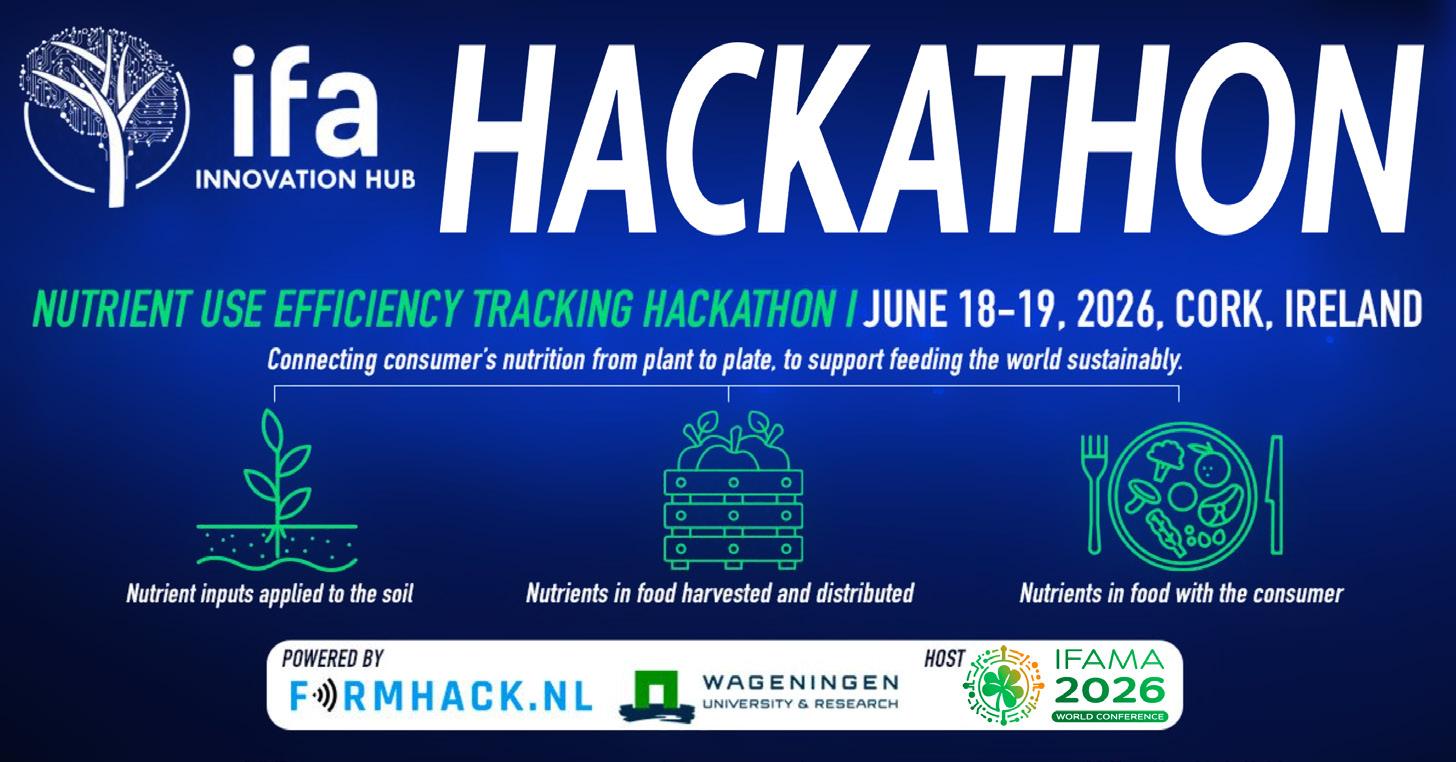
Just added to the IFAMA 2026 World Conference Program: The IFA Global Hackathon!
nutrient use efficiency from fertilizer production to human nutrition.
IFAMA is proud to announce that our World Conference in Cork will host the inaugural International Fertilizer Association (IFA) Global Hackathon on Nutrient Use Efficiency Tracking, taking place on the UCC campus and online Thursday and Friday, June 18–19.
Co-delivered by FarmHack and the University of Wageningen, the IFA Hackathon brings together participants from across the plant nutrition ecosystem to tackle a pressing challenge: connecting fragmented data across agriculture, food systems, technology, and nutrition to track
Participation is FREE for IFAMA conference registrants, with all catering covered by IFA. Registration is open to students, recent graduates, young professionals, and academics, entretreneurs, data scientists, and senior leaders. Sign up as an individual or bring a full team. Register for the Hackathon .
Not able to attend IFAMA 2026 but you want to compete online?
Learn more.
“TheIFAHackathonisaperfectextensionforthosewho wanttoapplytheirskillsfromtheIFAMAGlobalStudentCase CompetitionorresearchfromtheAcademicSymposiuminto areal-lifecontext,orsimplyusetheGlobalHackathonasa high-impactentrypointintothisexcitingecosystem,wherewe’re usinginnovationforthevisionoffeedingtheworldsustainably.”

Jack Keeys is the IFA Innovation Hub Program Manager, and IFAMA member. He served as the former IFAMA Young Board Chair and his team took 1st Place in IFAMA 2022 Case Study Competition, Early Career Professionals Division. Jack is the Chair of the IFA Global Hackathon.


WDR. ELMÉ COETZER-BOERSMA CEO, Agraya GmbH
hen FoodPLUS GmbH became Agraya GmbH in 2025, people asked us: why change a name that worked? The honest answer is that the name no longer told the full story of what we do, or what we need to become. For 25 years, this organization built something genuinely valuable in GLOBALG.A.P. and the GGN label. Nearly 200,000 producers in over 130 countries rely on our frameworks. That doesn’t change. But the world those producers operate in has changed considerably, and we were not doing ourselves any favors by operating under a name that looked backward rather than forward.
Farmers today are not just being asked to comply. They are being asked to report, to adapt, to demonstrate impact across increasingly complex supply chains. The expectations landing at farm level now include continuous improvement, evolving regulatory requirements, more sophisticated data use, and greater transparency

across the chain. That is a fundamentally different ask than it was a decade ago.
Certification answers part of that challenge. It provides a structured, verifiable foundation that buyers depend on. But it was never designed to do everything. There are coordination problems that run across entire value chains that certification alone cannot solve.
That is the space Agraya is moving into. We call it trusted intelligence: connecting verified data, technical knowledge, and genuine
stakeholder dialogue in ways that help everyone in the chain make better decisions. Not instead of certification. Alongside it.
For producers, this means better access to sourcing systems that increasingly depend on structured reporting. For a producer in Kenya trying to access a European retail sourcing system, the barrier is often not willingness. It is the gap between what they know and what the system requires them to prove. Trusted intelligence is about closing that gap, not just measuring it.
Climate exposure, regulatory change, market volatility, and transparency expectations do not sit neatly within one segment of the supply chain. They move across all of them. Addressing these pressures requires stakeholders who have historically related mainly through certification requirements or transactional exchange to start working differently together.
Agraya is organized around five focus areas to guide that work: scaling regenerative and climatesmart practices, advancing farmer empowerment and agency, promoting inclusive technology and innovation, enabling collaborative governance and systemic change, and driving equitable value chains.
The IFAMA community understands this kind of thinking. The Venture Building Challenge—the online global case competition we sponsored last year asked students to solve a real problem for real smallholder farmers. That is exactly the type of challenge Agraya exists to support, at scale, across the value chain.
Agraya is not just changing names. We’re stepping into a future that agriculture actually needs.

Senior Director, Agri-Food Analytics Lab
Dalhousie University (Canada)
For decades, the global food system was engineered for efficiency. Supply chains stretched across continents, sourcing decisions prioritized cost minimization, and just-in-time logistics became the industry standard. That model delivered abundance and affordability for many. But in 2026, the same system is revealing its limits. The shocks confronting global food supply chains are no longer episodic— they are structural, persistent, and increasingly geopolitical in nature.
What has changed is not simply the frequency of disruptions, but their origin and transmission. Food systems are now deeply entangled with geopolitical dynamics, where conflicts, trade tensions, and strategic chokepoints directly influence the availability and affordability of food. In this new environment, resilience is no longer a defensive concept. It is a strategic imperative.
Recent events in the Middle East illustrate this shift with unusual clarity. The vulnerability of the Strait of Hormuz—a narrow maritime corridor
through which a significant share of global oil, natural gas, and fertilizer flows—has once again come into focus. Roughly one-fifth of global oil supply and a substantial portion of traded fertilizers transit through this route. When tensions rise or flows are constrained, the effects are immediate and far-reaching. Energy prices increase, shipping costs rise, insurance premiums escalate, and input markets tighten. These pressures are quickly transmitted along the food supply chain, from farm to processor to retailer, ultimately reaching consumers. The relationship between energy and food prices is well established, but it is often underestimated in policy debates. Energy is embedded in nearly every
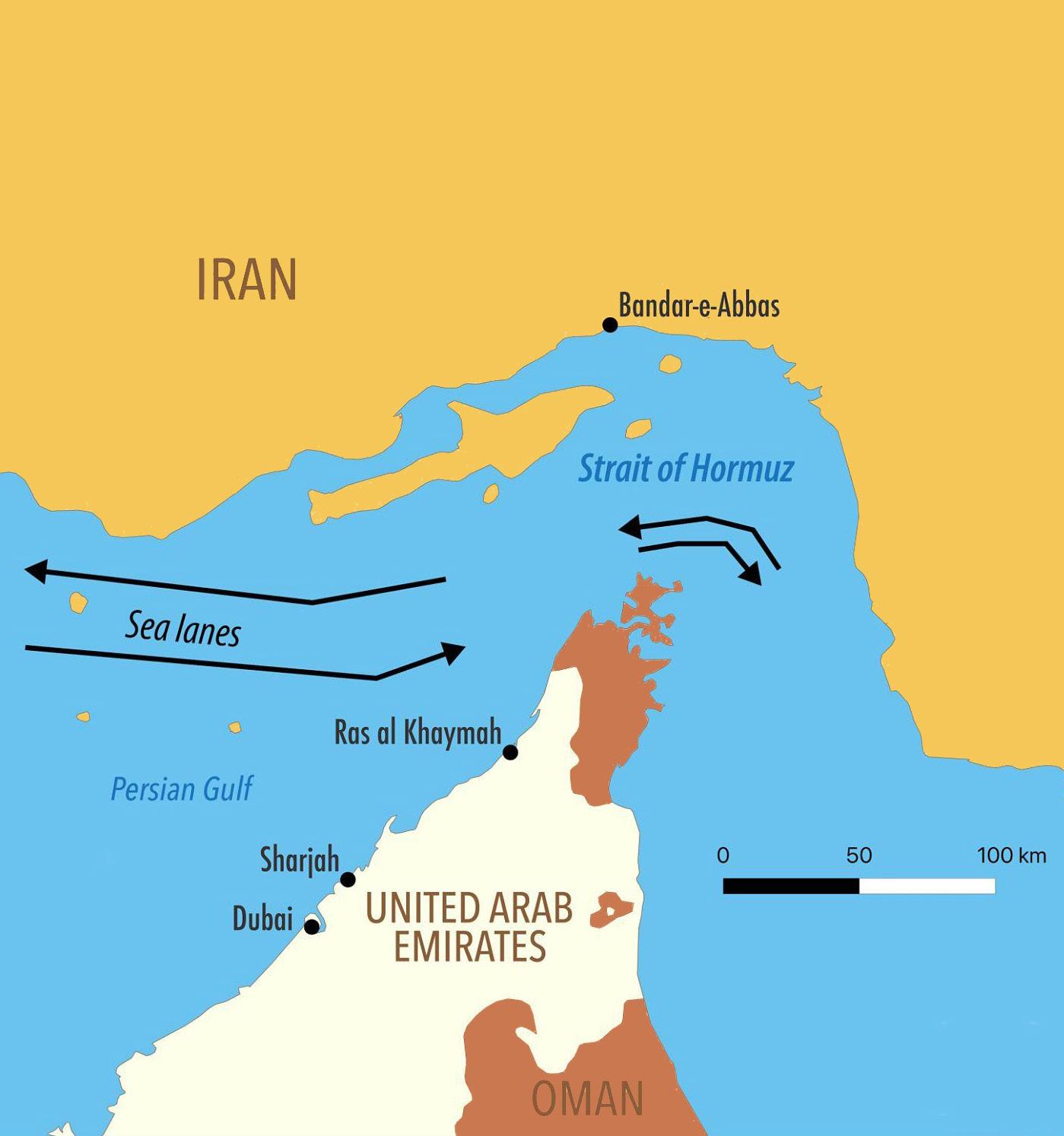
Critical chokepoints like the Strait of Hormuz expose global food systems to geopolitical risk.
stage of the food system: production, processing, packaging, and distribution. When oil prices surge, transportation costs rise, but so do the costs of fertilizers and other energy-intensive inputs. The result is a cascading effect that typically reaches retail food prices with a lag of several months. As the International Monetary Fund has noted, geopolitical conflicts that disrupt energy markets tend to generate both inflationary pressures and slower economic growth, complicating policy responses (Georgieva, 2026).
If energy is the visible driver, fertilizer is the quieter but equally critical
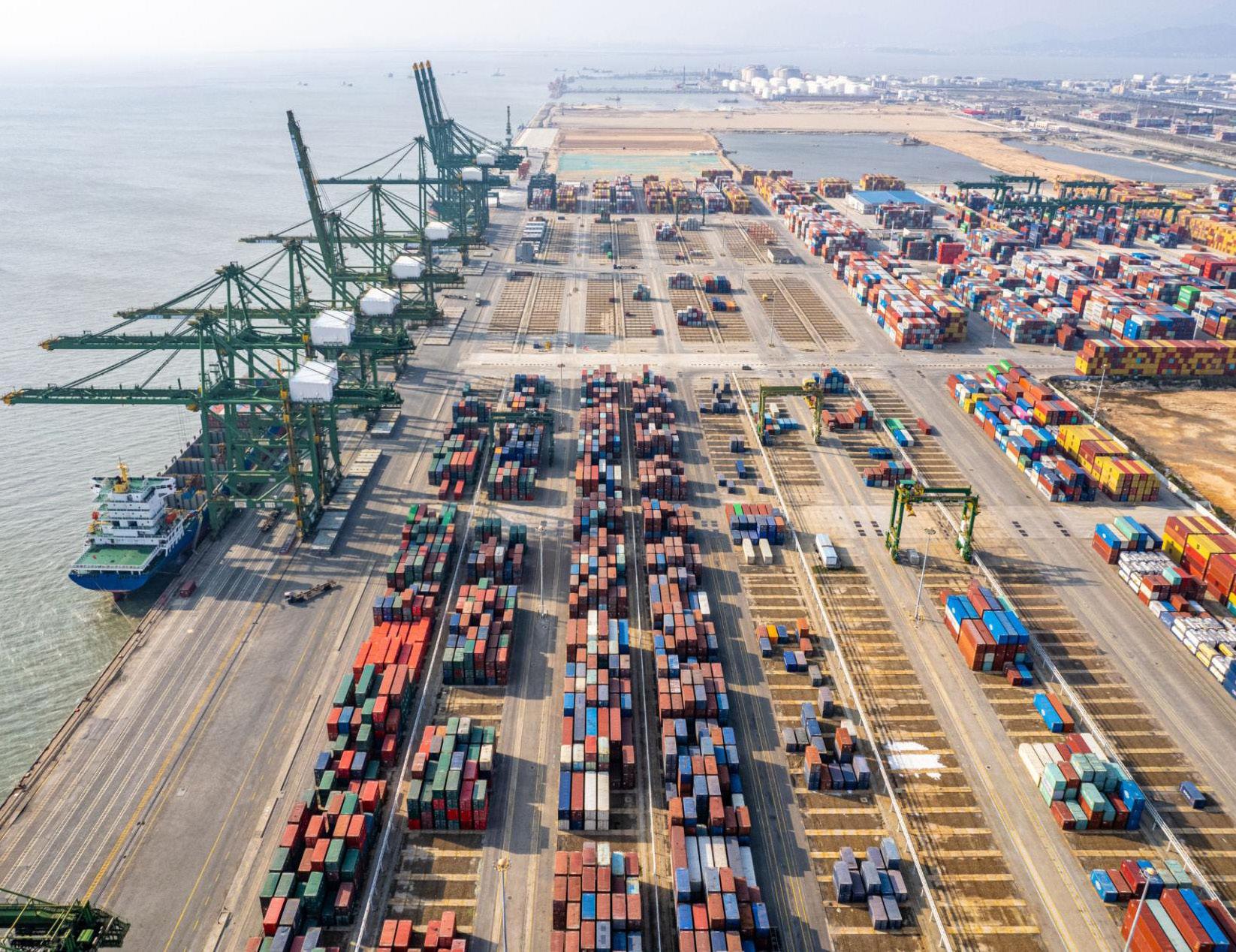
Global food systems rely on vast, interconnected supply chains optimized for efficiency over resilience.
factor. Fertilizers underpin global agricultural productivity, yet their supply chains remain concentrated and vulnerable. Disruptions in key exporting regions can significantly constrain availability and increase prices. When farmers face higher input costs, they often respond by reducing application rates or shifting cropping decisions. These adjustments may not be immediately visible, but they manifest in lower yields and tighter global supplies in subsequent seasons. In this sense, food inflation is not merely a reflection of current conditions; it is also the delayed outcome of earlier constraints and uncertainties.
Recent analyses suggest that fertilizer disruptions linked to geopolitical tensions could have lasting effects on food prices, potentially driving sustained increases even after conflicts subside (Goodman, 2026). This temporal dimension is critical. Policymakers and industry leaders often focus on immediate price movements, but the more consequential impacts are those that unfold over time, embedded in production decisions and supply dynamics.
At the same time, logistics networks—the connective tissue of global supply chains—are under increasing strain. Maritime routes that were once considered stable are now subject to disruption, forcing shipping companies to reroute vessels and extend transit times. These adjustments increase costs and reduce reliability, particularly for perishable goods. In some cases, exporters have experienced dramatic declines in volumes and significant delays, illustrating how quickly logistical disruptions can translate into market dislocations (Sharma, 2026).
Humanitarian supply chains are equally affected. The World Food Programme has warned that disruptions to global logistics are contributing to delays in food deliveries, with potentially severe consequences for food-insecure populations (World Food Programme,
2026). This underscores a broader point: supply chain resilience is not only an economic issue, but also a humanitarian one.
The cumulative effect of these pressures is a fundamental reassessment of how food supply chains are designed. The traditional model, built on efficiency and cost optimization, is giving way to a more complex framework that prioritizes resilience. This does not mean abandoning globalization, but rather reconfiguring it. Firms are diversifying suppliers, investing in regional production, and adopting technologies that enhance visibility across supply networks. Governments, for their part, are reconsidering the role of strategic reserves and exploring policies to strengthen domestic capacity for critical inputs.
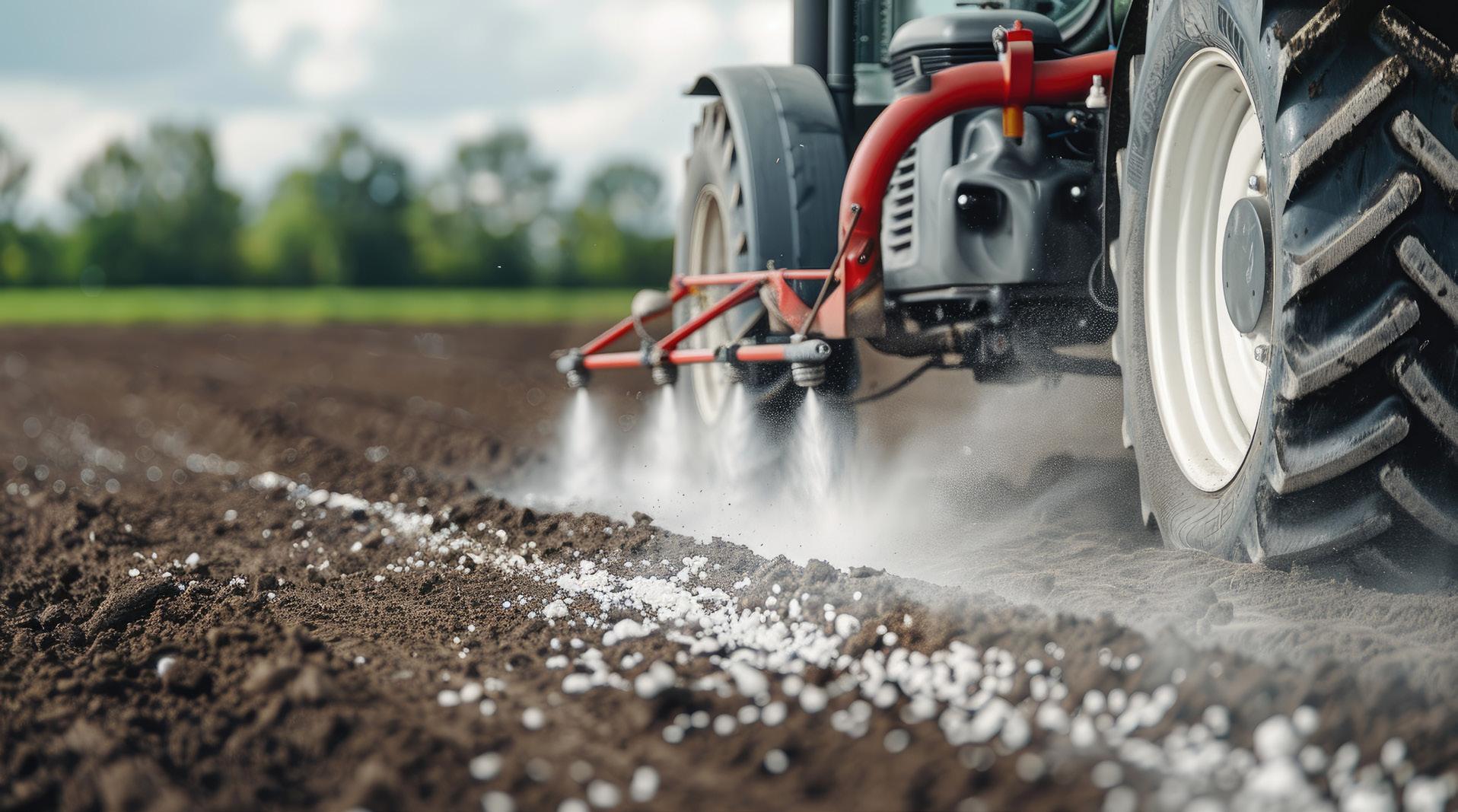
Energy and fertilizer costs ripple through agriculture, shaping yields, prices, and long-term supply.
These adjustments reflect an important realization: resilience is not about eliminating risk, but about managing it in a way that preserves functionality under stress. In practice, this often involves trade-offs. Redundancy and diversification can increase costs, and these costs may ultimately be borne by consumers. The challenge is to find a balance that maintains affordability while reducing vulnerability.
For countries like Canada, this balance is particularly delicate. The Canadian agri-food sector is deeply integrated into global markets, benefiting from trade but also exposed to external shocks. The country’s reliance on imported inputs, including fertilizers, highlights the importance of building resilience not only within national borders, but also through international partnerships and diversified supply
networks. Investments in infrastructure, data transparency, and innovation will be essential to navigating this new landscape.
What is emerging is a more fragmented global food system. Trade flows are being reshaped by geopolitical considerations, and supply chains are becoming more regional and, in some cases, more insulated. While this may enhance resilience, it also introduces new complexities and costs. The era of frictionless globalization is giving way to a more contested and uncertain environment.
In this context, resilience must be understood as a dynamic capability rather than a static goal. It requires continuous adaptation, informed by
data and guided by strategic foresight. For agri-food leaders, this means integrating geopolitical risk into core decision-making processes, from sourcing and procurement to investment and policy engagement.
Ultimately, the lesson from recent events is clear. Food supply chains are no longer merely conduits for goods; they are strategic systems shaped by forces that extend far beyond agriculture. A disruption in a distant chokepoint can reverberate through global markets, affecting farmers, businesses, and consumers alike. The capacity to anticipate, absorb, and adapt to such shocks will define the resilience of the food system in the years ahead.
Efficiency built the modern food system. Resilience will determine its future.
Georgieva, K. (2026). War in the Middle East will lead to slower growth and higher inflation. International Monetary Fund. Goodman, J. (2026). Fertilizer shortages could drive long-term food inflation. Business Insider.
Sharma, R. (2026). Global trade disruptions hit food exports amid geopolitical tensions. The Times of India.
World Food Programme. (2026). Global disruptions to supply chains are driving tomorrow’s hunger crisis. WFP.
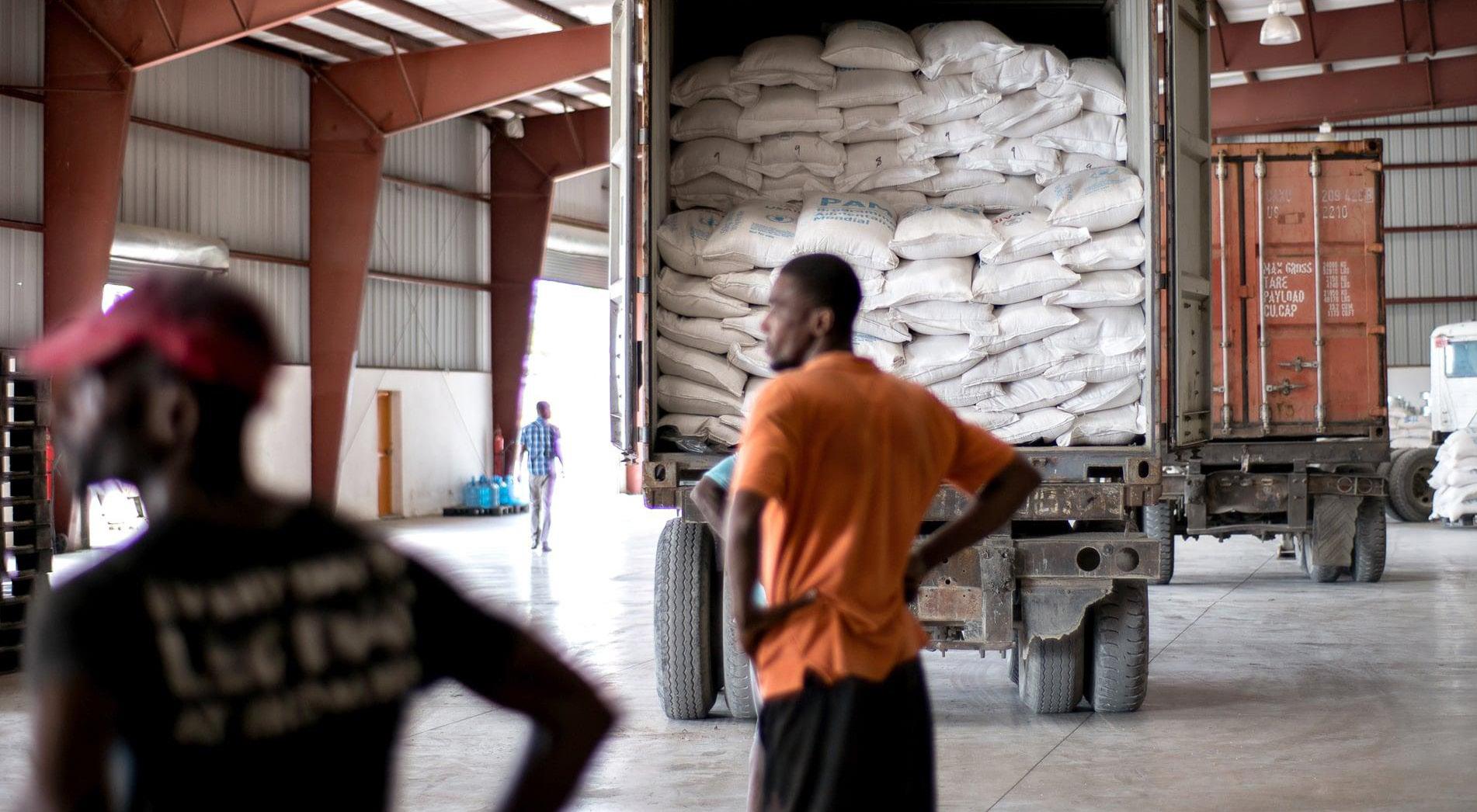
Logistical disruptions delay food movement, increasing costs and threatening both markets and humanitarian supply.
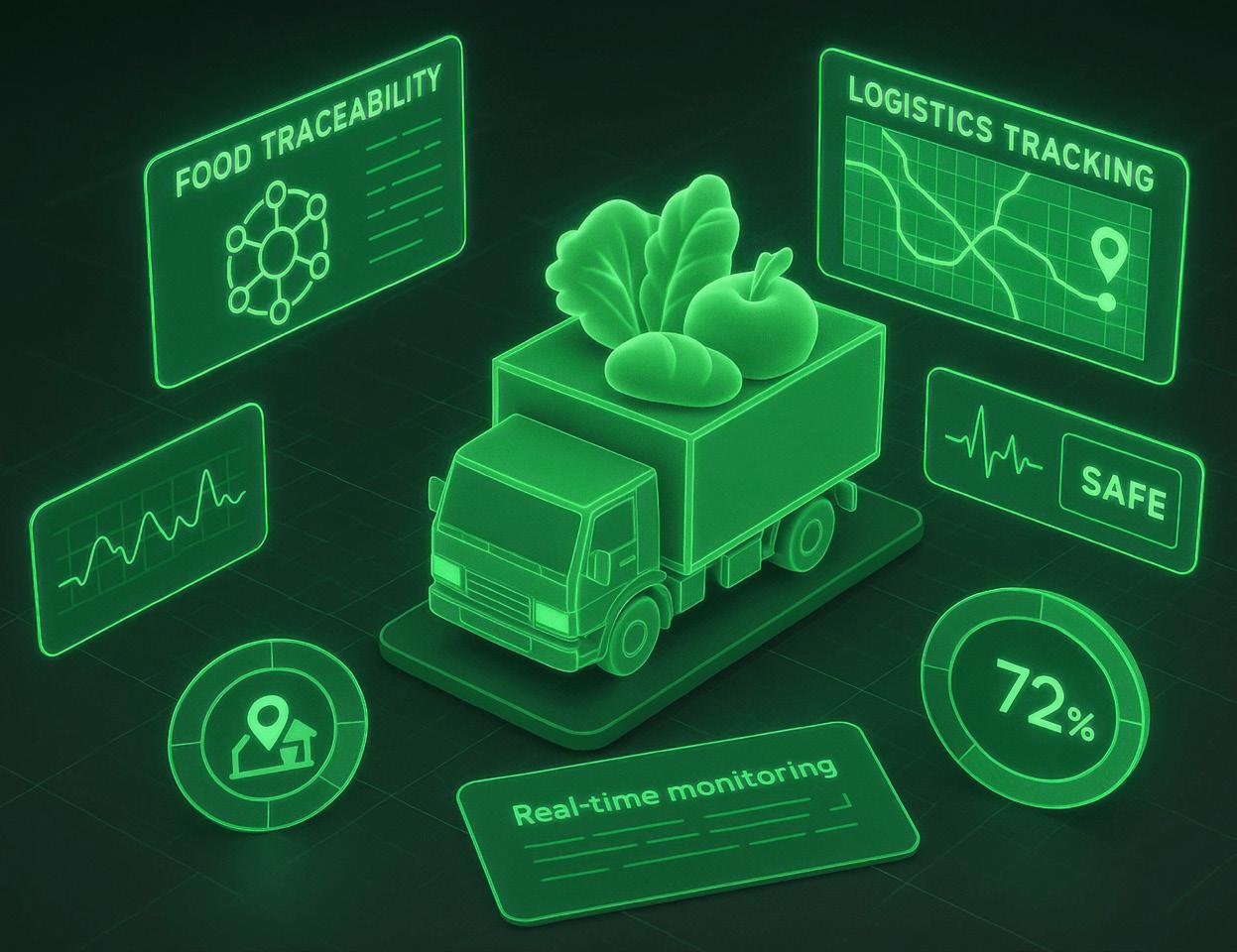
Resilient food systems prioritize diversification, regional strength, and adaptability in an uncertain world.
The future of our food system does not call for incremental improvements, but for fundamental changes. That realization is at the core of my work.
My name is Gerry Kouwenhoven, and I work at the intersection of agri-food, horticulture, and business administration as an Associate Professor of Transformative Entrepreneurship at Inholland University of Applied Sciences in the Netherlands. My research focuses on the question: “To what extent can investments in regenerative solutions, new business models, and innovative forms of collaboration enable entrepreneurs to become socially, economically, and ecologically future proof?”
I grew up in an entrepreneurial family within the agri-food sector, where I developed a strong connection to the realities faced by farmers and growers. After a career in finance, I transitioned into higher education, where teaching and management roles gradually evolved into a focus on practice-based research, innovation, and systemic change.
I have been a member of the IFAMA network since 2008. My first symposium in Monterey marked the beginning of a long-standing engagement.
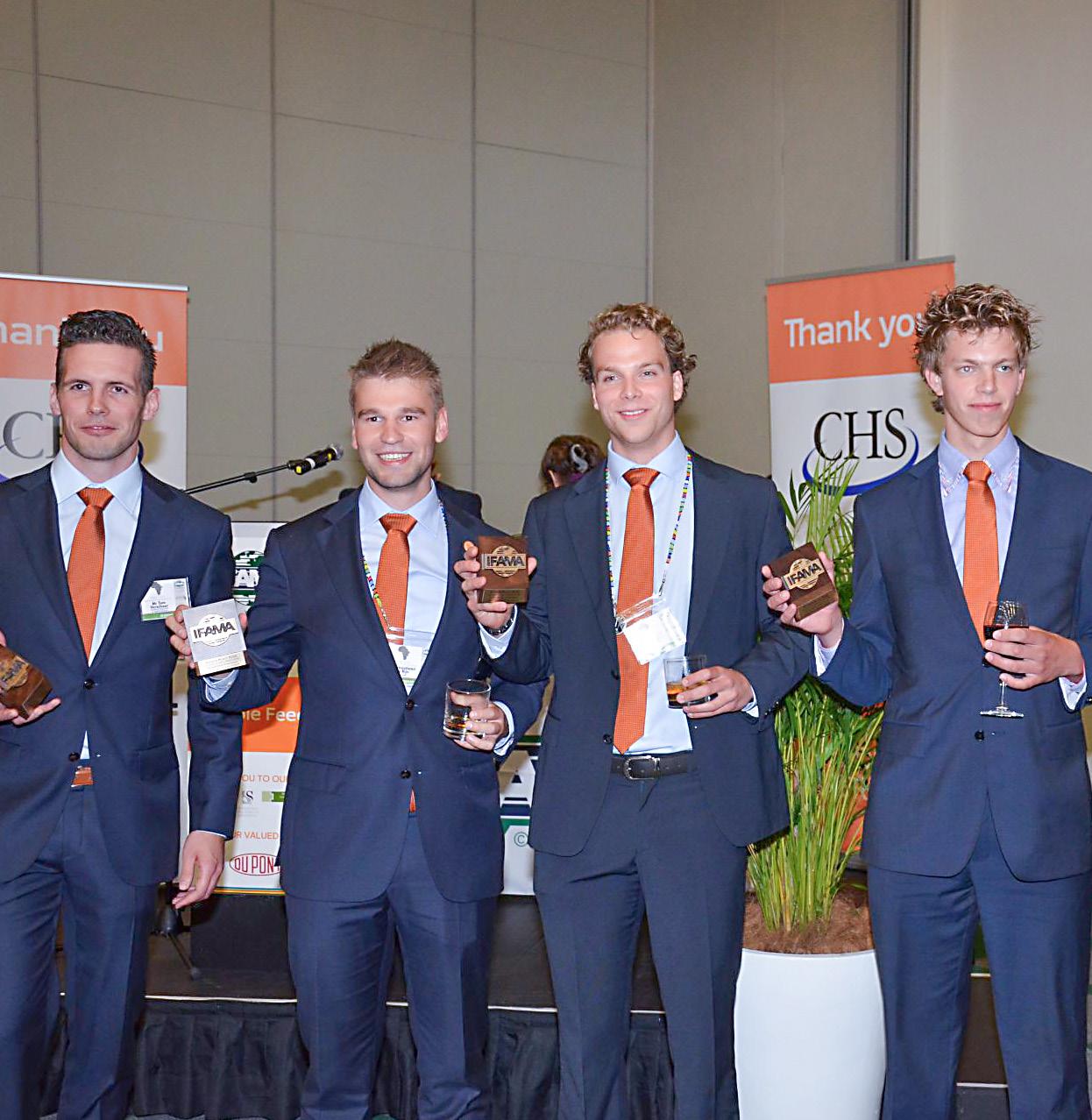
Over the years, I have coached several student teams (known to some as the team with the orange ties) which repeatedly reached the finals. I am particularly proud of this, as our students combine a strong practical orientation with a deep understanding of real-world challenges. When the pandemic hit in 2020, our planned World Conference in the Netherlands had to be cancelled. I took the lead in pivoting the Student Case Competition from an in-person event to our first ever Global Essay Competition.
Curiosity drives my work: a continuous desire to learn, question assumptions, and explore new perspectives. I strongly believe that complex challenges in the agri-food sector cannot be solved within the boundaries of a single discipline or institution. They require transdisciplinary collaboration between entrepreneurs, researchers, students, policymakers and industry partners.

Gerry Kouwenhoven — Associate Lecturer, Inholland Business Research Centre; Program Leader, Research & Innovation Centre Agri, Food & Life Sciences (Netherlands)
Collaboration is therefore central to everything I do. I bring together stakeholders to explore new forms of value creation in regenerative agriculture. One of the tools I use
is the “valueweb,” a visual method to map relationships and interdependencies within ecosystems. It helps reveal how economic, ecological, and social value is created and where it remains underutilized.
In the broader sustainability debate, an important shift is needed. Too often, the focus is on reducing negative impact: less emissions, less waste. These steps are essential, but not sufficient. The key question is whether we are willing to move from “doing less harm” to

actively “doing good.”
Regenerative agriculture offers that perspective. Not as a fixed model, but as a set of principles adapted to local contexts. It focuses on strengthening ecosystems, restoring soils, and building resilient businesses and communities, requiring new business models, collaboration, and broader recognition of value.
To me, transformative entrepreneurship is about connecting worlds: practice and
research, economy and ecology, present and future. Innovation is not only about technology, but about people, relationships, and new ways of thinking.
My ambition is to contribute to agri-food systems that are regenerative, economically viable, and socially meaningful. The question that guides me is simple: are we creating systems that deplete, or systems that enable life to flourish?
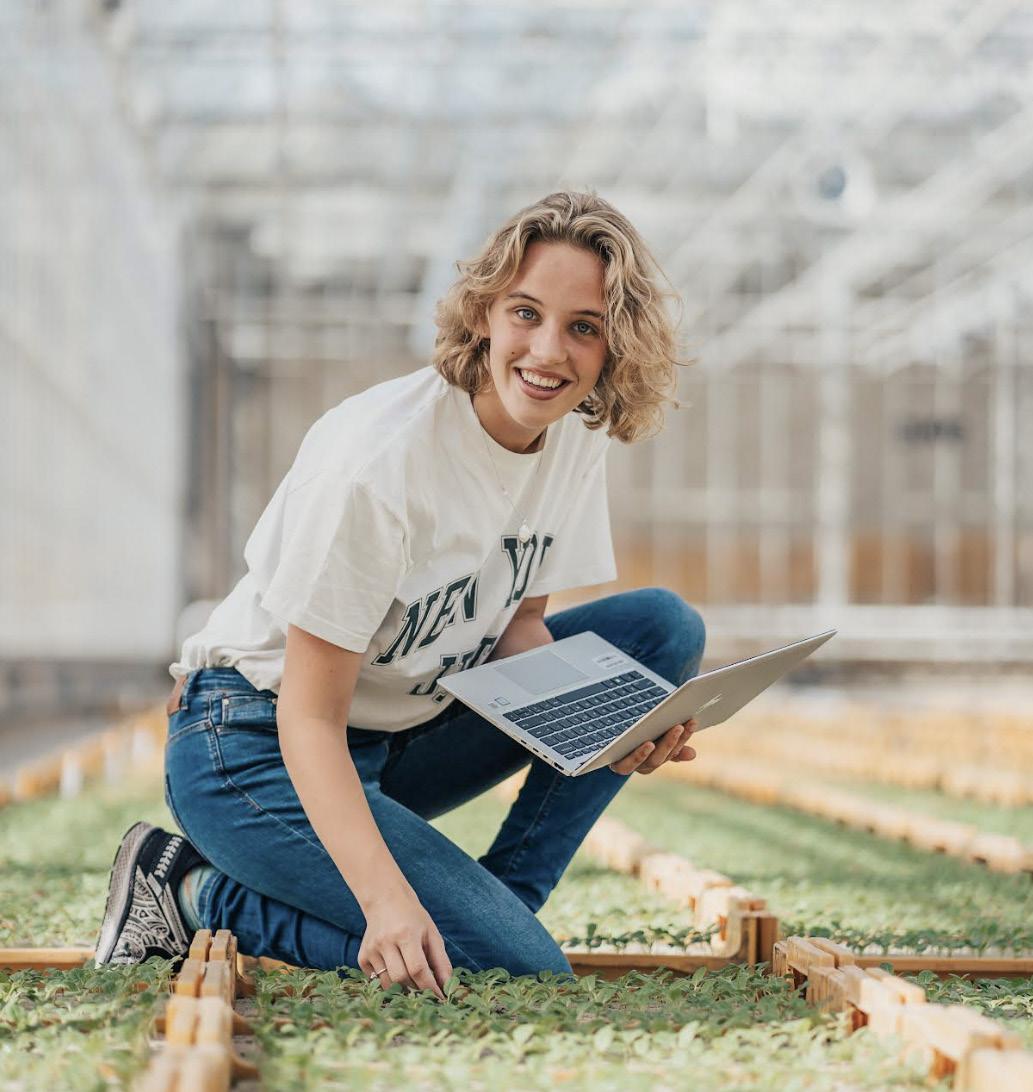


Esteban R. Brenes joined the IFAMA Board in 2015 and is a Professor at INCAE Business School (Costa Rica). He has been honored with the 2026 Cuervo-Cazurra & Newburry Award, granted by the Academy of International Business (AIB), Academy of International Business (AIB) Latin America & the Caribbean Chapter (AIB-LAC), one of the most prestigious academic communities globally in the field of hashtag#InternationalBusiness. This honor recognizes his significant contributions to advancing research capacity in the region, mentoring future scholars, and strengthening academic networks.
Throughout his career, Brenes has promoted international collaboration and a people-centered approach to academia, while also bridging research and business to support economic development. He previously led INCAE’s Steve Aronson Chair in Strategy and Agribusiness and received the award at the 2026 AIB-LAC Conference in Lima, Peru, in March.

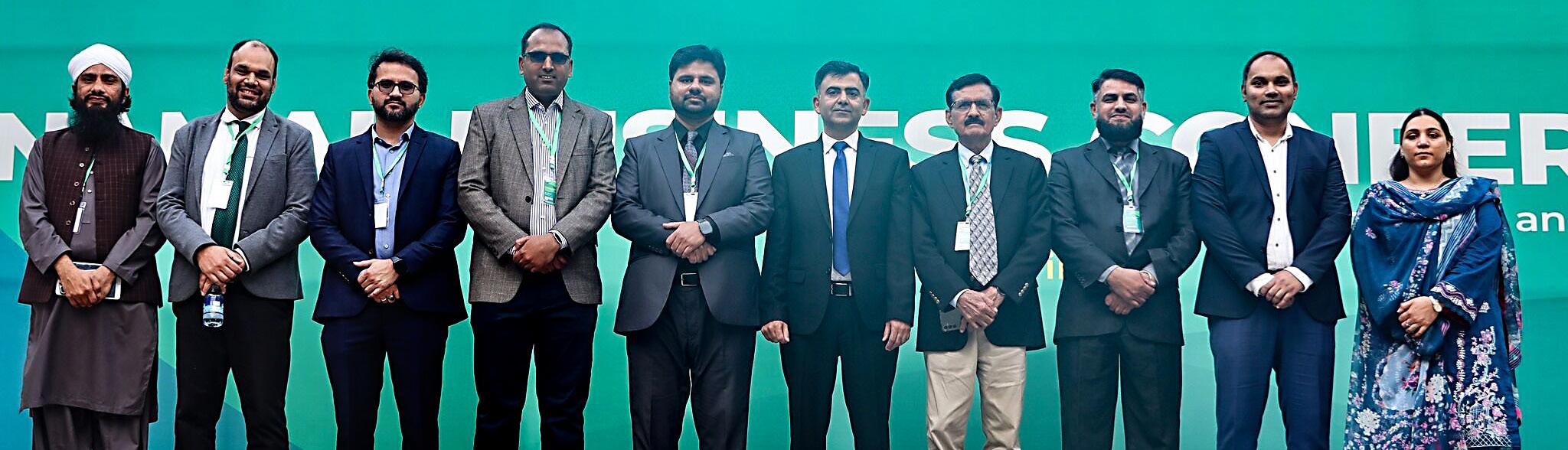
IFAMA member Dr. Hafiz Azhar Rasool, Assistant Professor of Agribusiness at the Department of Business Studies, Namal University (Pakistan), played a key role in advancing agribusiness dialogue through the Namal Business Conference 2026 (NBC 2026).
A member of IFAMA since 2018, he served as Session Co-Chair and contributed to both the Scientific Review Committee and Organizing Team.
NBC 2026 brought together leading scholars and practitioners from across Pakistan, featuring over 120 research submissions from 40 universities. Through initiatives like NBC, NUM is strengthening value chains, fostering innovation, and supporting rural livelihoods in Pakistan.


Congratulations to IFAMA member Professor Richard Kwasi Bannor on his promotion to Full Professor of Agribusiness Management at the University of Energy and Natural Resources (UENR)—the first in Ghana to attain this rank in the discipline.
A globally engaged scholar, his research spans consumer behavior, agrifood value chains, MSME development, food standards, and sustainable supply chains, with 89 widely cited publications informing policy bodies including FAO, CGIAR, OECD, and other international organizations. His work examines how markets function, how value and risk are distributed across chains, and the conditions under which agricultural activities become viable enterprises.
At UENR, he has shaped agribusiness education by establishing PhD, MBA, and MPhil programmes, while contributing to national curriculum development and quality assurance. Through leadership, mentorship, and enterprise initiatives, he continues to strengthen agribusiness scholarship, workforce development, and professional identity in Ghana and beyond, while advancing global collaboration across academia, industry, and policy communities.

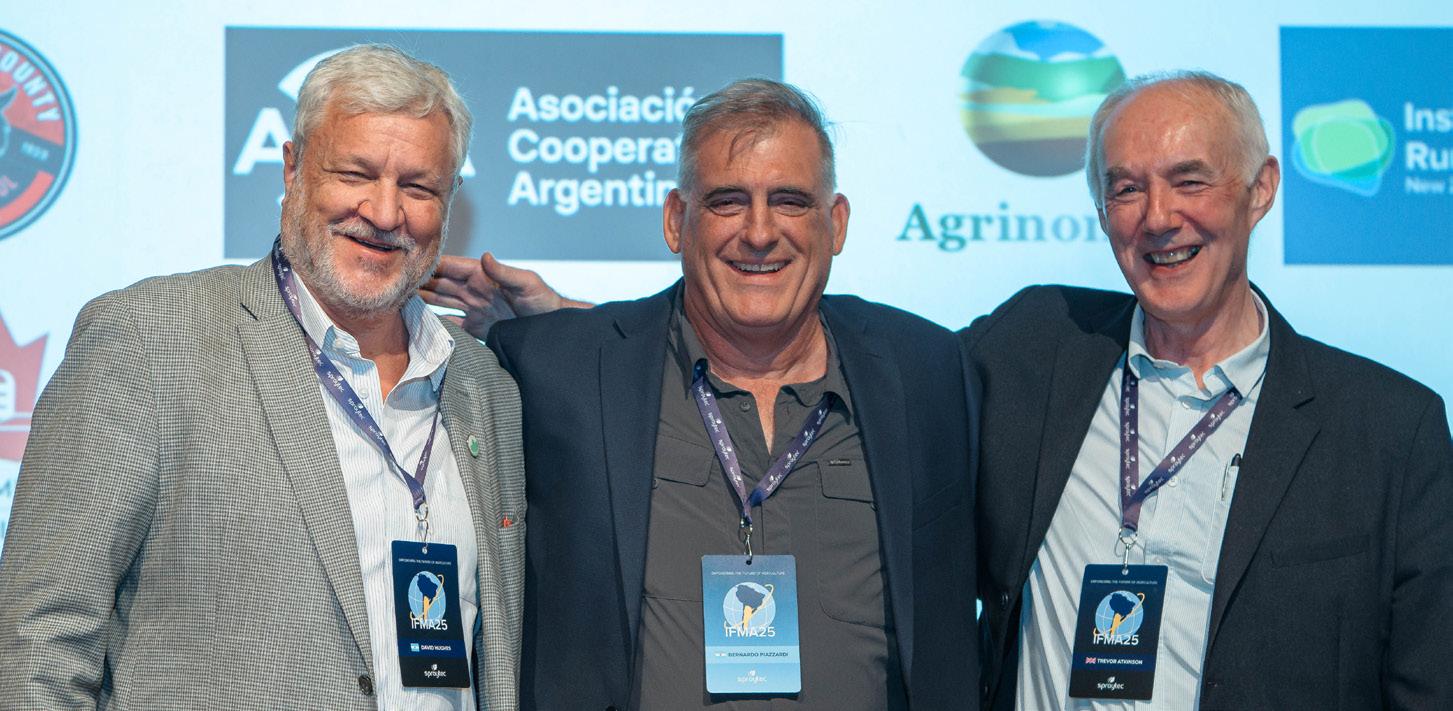
Bernardo Piazzardi, an IFAMA member since 2006, led the Center for Agribusiness at Universidad Austral (Argentina) in hosting the International Farm Management Congress (IFMA25) in Rosario, February 15–22, 2026. The event convened global delegates to exchange insights, explore agricultural challenges, and engage with Argentina’s agri-food sector. Attendees experienced the country’s innovation, resilience, and hospitality while building international collaborations. Supported by partners including UPL, Bayer, Embrapa, and Ohio State University, IFMA25 underscored the importance of global dialogue and partnerships in advancing farm management and strengthening agri-food systems worldwide.

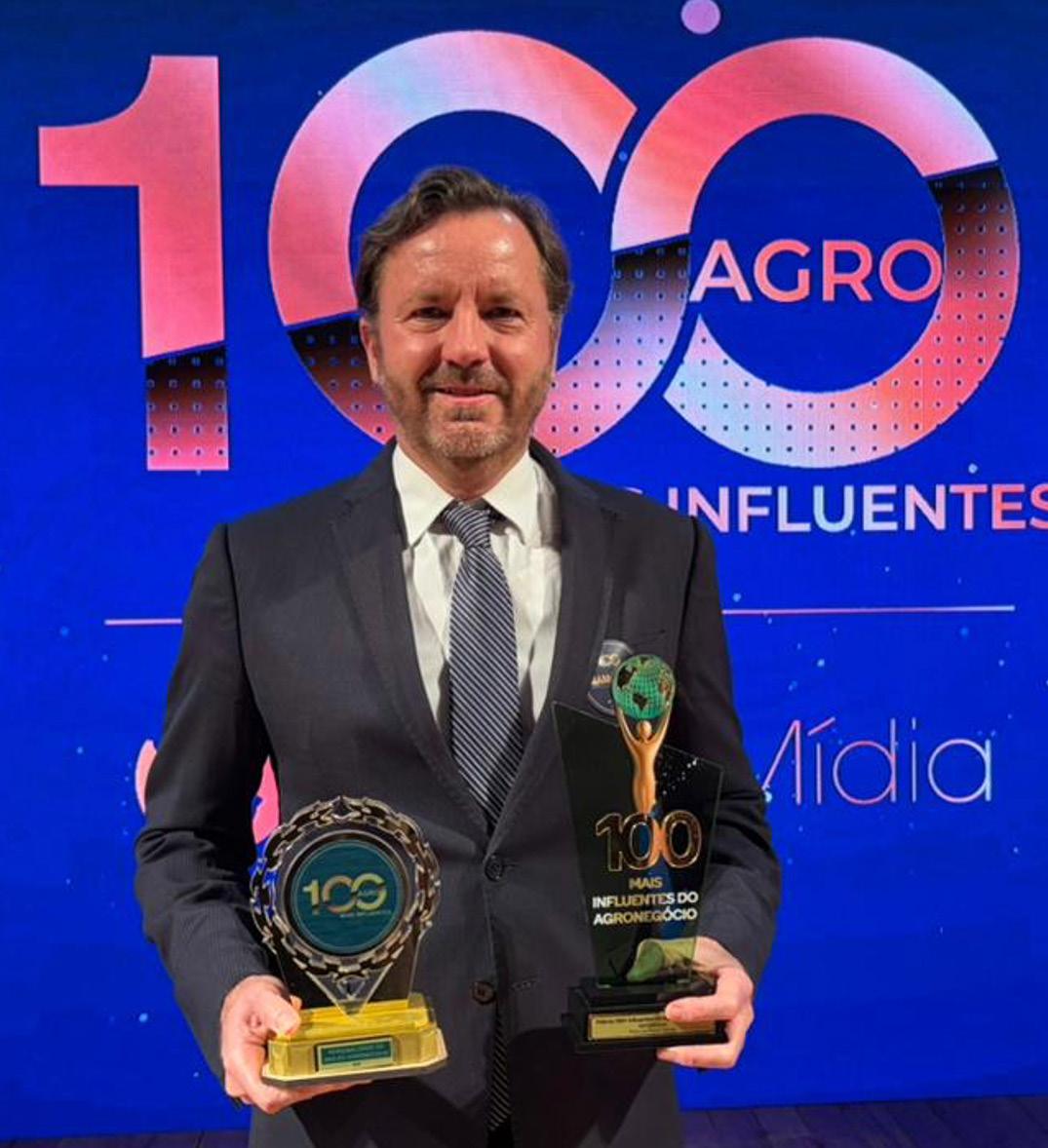
Marcos Fava Neves, an IFAMA member since 1994 and CNN Brasil columnist, was named among the 100 Most Influential in Agribusiness 2026 by Grupo Mídia, which honors leaders driving impact across the production chain. Known as Dr. Agro, he is a full professor at USP with international training at Wageningen University and guest professorships at Purdue and the University of Buenos Aires. Returning to CNN Brasil in March 2026 as a weekly analyst on CNN Money and CNN Brasil Prime Time, he delivers strategic insights on agribusiness trends, market dynamics, and the sector’s role in Brazil’s GDP. With 80+ books, 200+ articles, and 1,850+ lectures across 23 countries, he is one of Brazil’s most impactful scholars and a partner at Harven Agribusiness School and Markestrat Group.

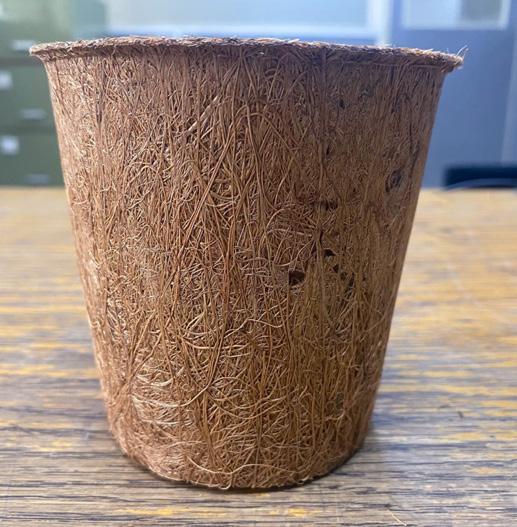
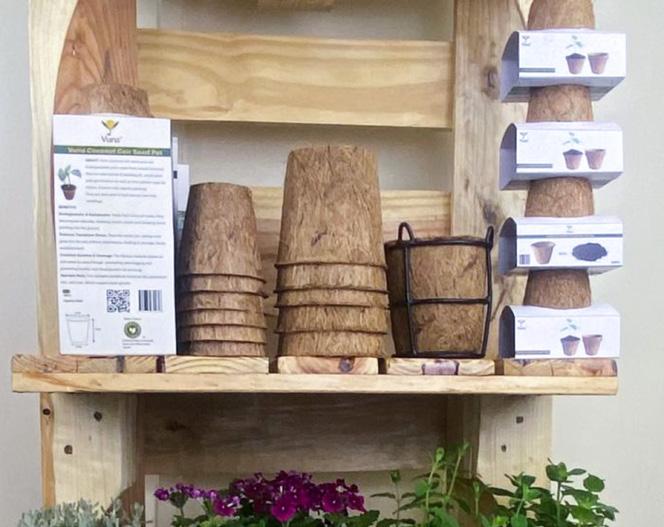
Congratulations to IFAMA member John Tanui on launching innovative solutions for plant nurseries and smallholder farmers. His biodegradable coconut coir seed pots—made from locally sourced coconut husk in Kenya— offer a sustainable alternative to plastic, allowing seedlings to be planted directly with minimal root disturbance. Paired with his nutrient-infused soil tablets, these products support healthier plant growth and improved yields. Now featured prominently in Carrefour supermarkets in Kenya, with plans for global expansion, Tanui’s launch marks an exciting step forward in sustainable agribusiness innovation.


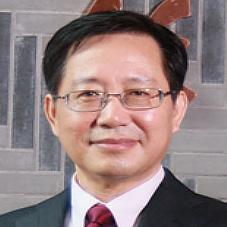
KEVIN CHEN
IFAMR Editor-in-Chief
ifamroeic@zju.edu.cn
he International Food and Agribusiness Management Review (IFAMR) is an internationally recognized platform for discussion on issues related to the global food and agribusiness system. In 2025, IFAMR has continued its trajectory of growth and influence. The journal is now classified as Q2 in the Journal Citation Indicator (JCI) and Q3 in the Journal Impact Factor (JIF) for the Agricultural Economics & Policy category (Clarivate, 2025). The Journal’s CiteScore is 3.7 and positioning IFAMR in Q2 within both the Business & International Management and Food Sciences categories (Scopus, 2025).
These achievements would not have been possible without the continued support of our
authors, whose high-quality and policy-relevant contributions remain the foundation of the journal. We are equally grateful to our referees, representing over 40 countries, for their rigorous and constructive reviews, as well as to the members of our dedicated global editorial team for their commitment and professionalism. Together, these efforts have enabled an efficient review process, with an average of 190 days to acceptance and 40 days to rejection
IFAMR Office of Editor-in-Chief (IFAMR OEIC) is now rewarding the annual best paper, with an objective to encourage and recognize
excellent scholarship published in the journal. Ten candidates for the 2025 Best Paper Awards have been nominated by IFAMR OEIC among papers published in Volume 27, 2024. Voting for the award rests with a review committee composed of the Editor in Chief, Chair of the IFAMR Advisory Board, and Managing Editors of the listed papers. The review criteria for the best paper include Originality, Significance, Methodology, and Writing.
Impact of Digital Transformation in Agribusinesses on Total Factor Productivity, by Yuxin Cui (Renmin University of China), Chunyan Zhao (Jiangsu University), and Qiang Zhang (Renmin University of China), was awarded 2025 Best Paper. Using a novel firm-level digital transformation index constructed through textual analysis of A-share listed agribusinesses (2007–2022), the study provides robust evidence that digital transformation significantly enhances total factor productivity. It further identifies key mechanisms as improved risk-taking capacity, reduced information asymmetry, and alleviated financing constraints,
and reveals important heterogeneity across firms. The paper offers timely and policy-relevant insights into how digitalization can drive high-quality development in the agribusiness sector. The manuscript was handled by former IFAMR managing editor Derek Baker (University of New England).
EDITOR-IN-CHIEF
Kevin Z. Chen Zhejiang University
Ajuruchukwu Obi University of Fort Hare (South Africa)
Dereje Teklemariam Ethiopian Civil Service University (Ethiopia)
Camillus Wongnaa Kwame Nkrumah Univ. of Science &Technology, (Ghana)
Elena Garnevska Massey University (New Zealand)
Fu Jeff Jia University of York (UK)
Rui Mao Zhejiang University (China)
Souryabrata Mohapatra Indian Institute of Technology Jodhpur (India)
Sudarshan Naidu Shiv Nadar University (India)
Yu Sheng Australian National University (Australia)
Fu-Sheng Tsai Cheng Shiu University (Taiwan/China)
NORTH AMERICA
Ram N Acharya New Mexico State University (USA)
Shahriar R. Kibriya Texas A&M University (USA)
Trey Malone Purdue University (USA)
Eric Micheels University of Saskatchewan (Canada)
William Nganje North Dakota State (USA)
Brent Ross – Case Study Editor Michigan State University (USA)
Alexsan Shanoyan Kansas State University (USA)
Cheryl Wachenheim North Dakota State University (USA)
Nicole Widmar Purdue University (USA)
EUROPE
Laura Carraresi Nofima (Norway)
Alessio Cavicchi University of Pisa (Italy)
Christina Santini University San Raffaele (Italy)
Loïc Sauvée UniLaSalle, Beauvais (France)
Hans De Steur Ghent University (Belgium)
Aziz Da Silva Júnior Federal University of Viçosa (Brazil)
Luis Emilio Morales University of New England (Australia)
Esteban Brenes INCAE Business School (Costa Rica)
Roberto Feeney Austral University (Argentina)
Jeff Jia University of York (UK)
Melissa van der Merwe Stellenbosch University (South Africa)
Johan Van Rooyen Stellenbosch University (South Africa)
Brent Ross University of Michigan (USA)
Gerhard Schiefer University of Bonn (Germany)
For questions about submissions:
Publisher: BRILL Publishers
Leiden, The Netherlands
Email: Marc Jarmuszewski marc.jarmuszewski@brill.com
Office of Editor-in-Chief
Zhejiang University
Hangzhou, Zhejiang, China PRC
Email: ifamroeic@zju.edu.cn
Editorial Coordinator: Prof. Rui Mao
Editorial Assistant: Yunyi Zhou
The International Food and Agribusiness Management Association (IFAMA) invites applications for an incoming Co-Editor-in-Chief of the International Food and Agribusiness Management Review (IFAMR). This recruitment reflects IFAMR’s transition to a Co-Editor-in-Chief model designed to strengthen the journal’s global reach and editorial capacity. Full details here.
Published through De Gruyter Brill Academic Publishing, IFAMR serves as a vital bridge between academic research and industry
practice, publishing original research that generates actionable insights for managers, policymakers, and industry leaders, as well as high-quality teaching cases that support IFAMA’s global community of scholars and practitioners.
IFAMA seeks a visionary scholar to serve as incoming Co-Editor-in-Chief for a four-year term (June 2026 to June 2030). The incoming Co-Editor-in-Chief will hold formally equivalent standing with the incumbent and will carry primary editorial responsibility for manuscript submissions from the Americas and Europe. IFAMR oversees approximately 200 submissions annually, publishing roughly 50 papers across four quarterly issues plus approximately two special issues per year.
IFAMA provides an annual stipend in recognition of the Co-Editor-in-Chief’s scholarly service.
The ideal candidate will be based in the Western hemisphere and will demonstrate a distinguished record of scholarship in food and agribusiness management, editorial experience with peer-reviewed journals, and strong leadership capabilities. Institutional support for the role is required.
Application materials — including a cover letter, statement of editorial philosophy, proposed approach to advancing IFAMR’s SSCI/SCIE indexing goals, evidence of institutional support, CV, and three references — should be submitted confidentially to Kathryn White, Executive Director, at mkwhite@ifama.org.
Applications are reviewed on a rolling basis. For full details, including a complete description of responsibilities and qualifications, visit [link].
IFAMA is committed to diversity, equity, and inclusion and encourages applications from scholars representing the full spectrum of backgrounds and experiences.

Linda Snippe, Inholland UAS, The Netherlands


Woody Maijers, Inholland UAS, The Netherlands
Loïc Sauvée, UniLaSalle, France
Sjoukje Goldman, Amsterdam UAS, The Netherlands
Pieter Jansen, Groningen University and Flynth accountants & advisors, The Netherlands
increasingly recognized as a major barrier to building sustainable, resilient, and equitable food systems, while positive outcomes from sustainable practices remain under-rewarded.
Although regulatory initiatives are improving transparency and accountability, many actors—especially farms and SMEs—remain outside their scope, limiting coordinated progress across value chains. Transparency alone is therefore unlikely to drive the systemic change required.
The International Food and Agribusiness Management Review (IFAMR) invites submissions for this Special Issue. Details here.
Global agrifood systems deliver essential benefits, yet they also generate significant environmental, social, health, and economic costs that remain largely hidden in current pricing systems— estimated at over $12 trillion annually. These externalities are
At the same time, True Cost Accounting (TCA) and True Pricing (TP) are gaining traction as approaches to quantify and integrate these hidden costs into pricing and decision-making. Despite growing practical adoption, rigorous academic research remains limited—particularly on how True Pricing can inform strategy, governance, and coordination across agrifood systems.
This IFAMR Special Issue invites interdisciplinary contributions that address these gaps and advance the role of True Pricing in sustainable agrifood transformation.
October 31, 2026: Submission deadline of full papers
Wanglin Ma, Lincoln University, New Zealand
Dil B. Rahut, Asian Development Bank Institute, Japan
Marco A. Marini, University of Rome La Sapienza, Italy
Bambang Brodjonegoro, Asian Development Bank Institute, Japan
environmental impacts, and strengthen climate resilience. It also examines how these organizations enable participation by vulnerable groups, including smallholders, women, youth, and farmers in remote or resource-constrained settings.
As climate change and resource pressures intensify, advancing inclusive and sustainable agricultural transitions is increasingly urgent. Green technologies offer strong potential to reduce environmental pressures while improving productivity, livelihoods, and long-term food security. However, access to these technologies remains uneven across regions and farmer groups.
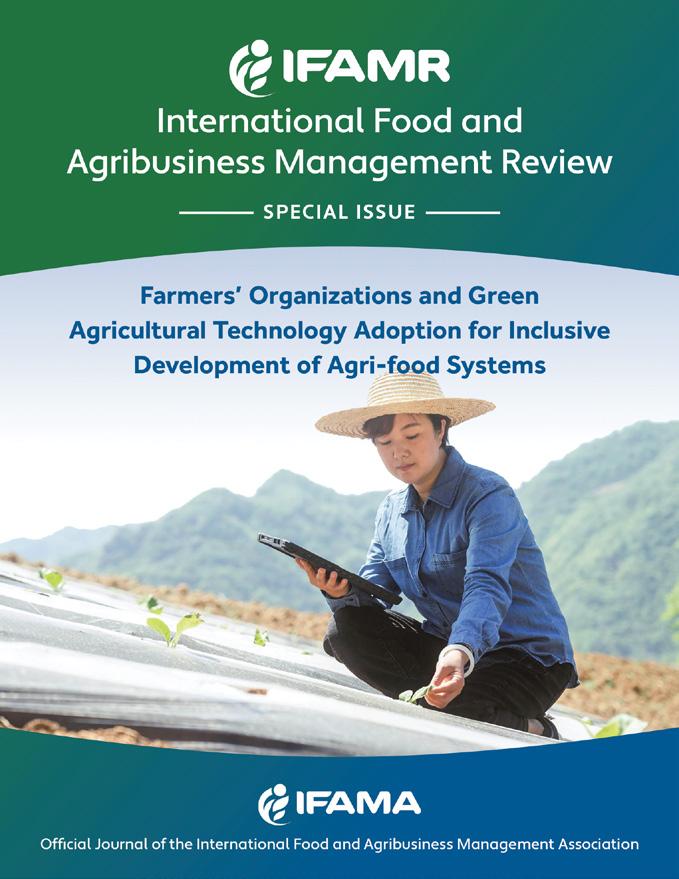
The International Food and Agribusiness Management Review (IFAMR) invites submissions for this Special Issue. Details here.
This Special Issue explores how farmers’ organizations such as cooperatives, producer groups, and other forms of collective action support the adoption of green agricultural technologies that reduce chemical inputs, improve resource-use efficiency, mitigate
Farmers’ organizations can play a critical role by improving access to inputs, knowledge, markets, and services, while lowering information and transaction costs and strengthening collective capacity. Despite growing interest, empirical evidence remains limited on how these organizations drive inclusive technology adoption. This Special Issue invites interdisciplinary research to advance understanding and inform policy and practice.
30-September, 2026: Submission deadline for full papers.