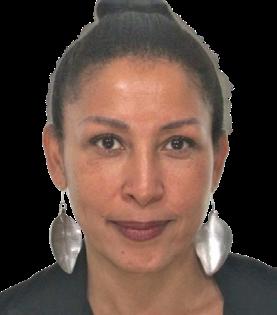
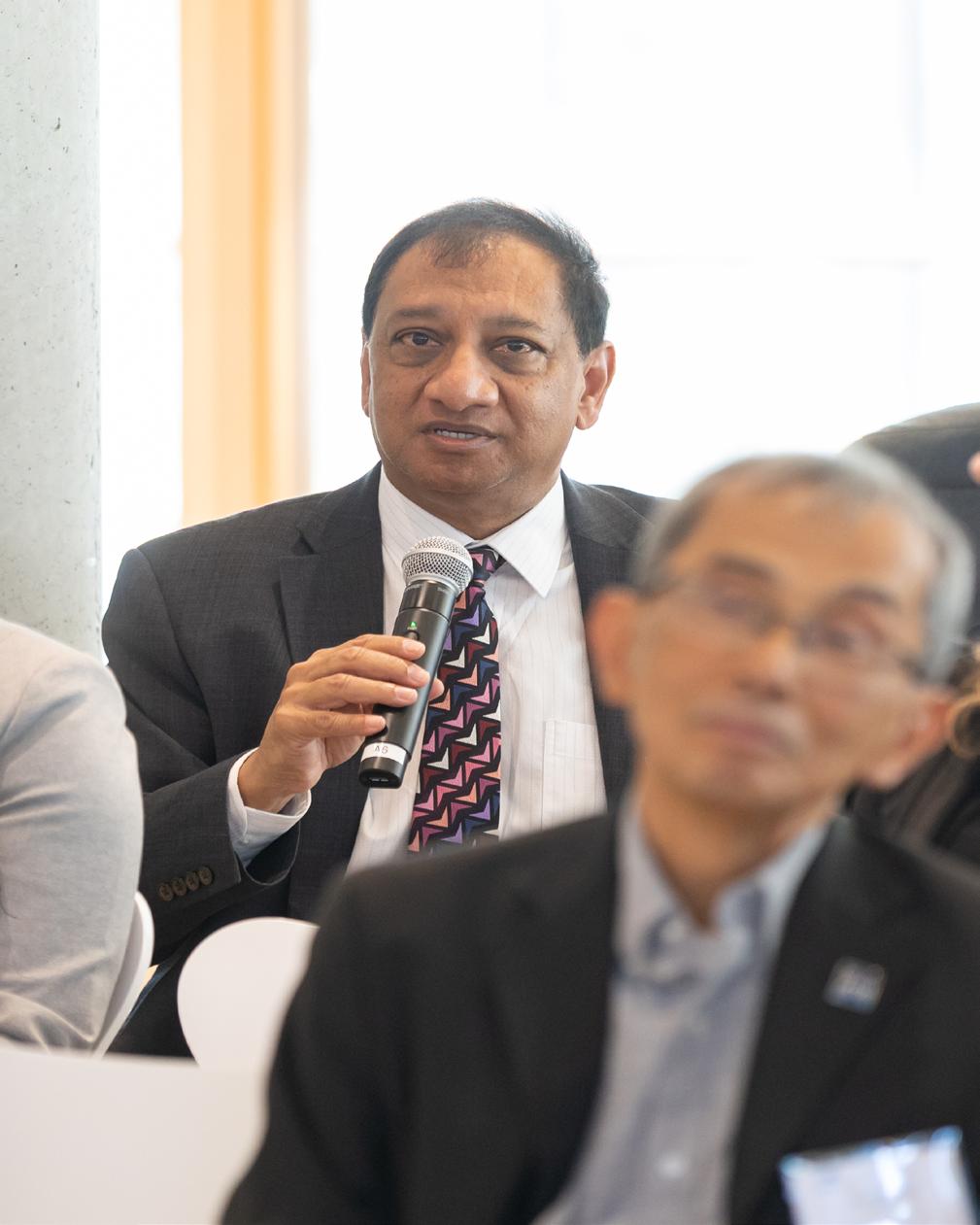
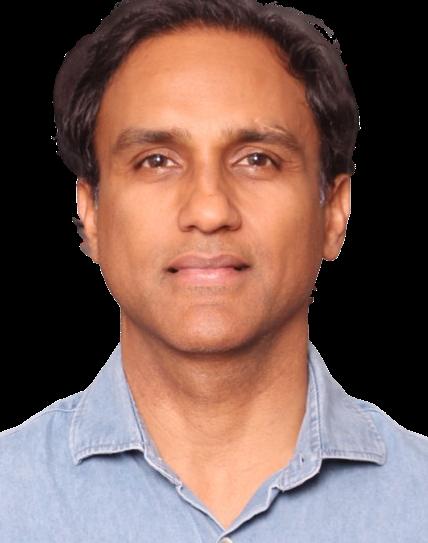
Dr Indran A. Naidoo Director Independent Office of Evaluation
It is a great pleasure to introduce the 15th edition of Independent Magazine. Over the past four months, IOE has continued to broaden the scope of independent evaluation, moving beyond the assessment of country-level programmes to contribute meaningfully to the global discourse on accountability, reform, transparency and democracy. Independent evaluation thrives in democratic contexts, but its very nature can also reinforce democracy by promoting greater transparency and accountability. At a time when the world is confronting multiple crises, from conflict and climate change to profound geopolitical shifts, relationships are being reshaped and new coalitions are emerging to advance development.
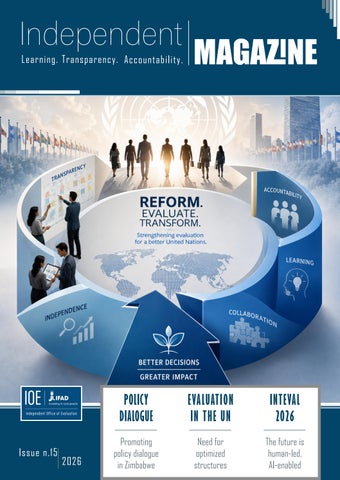
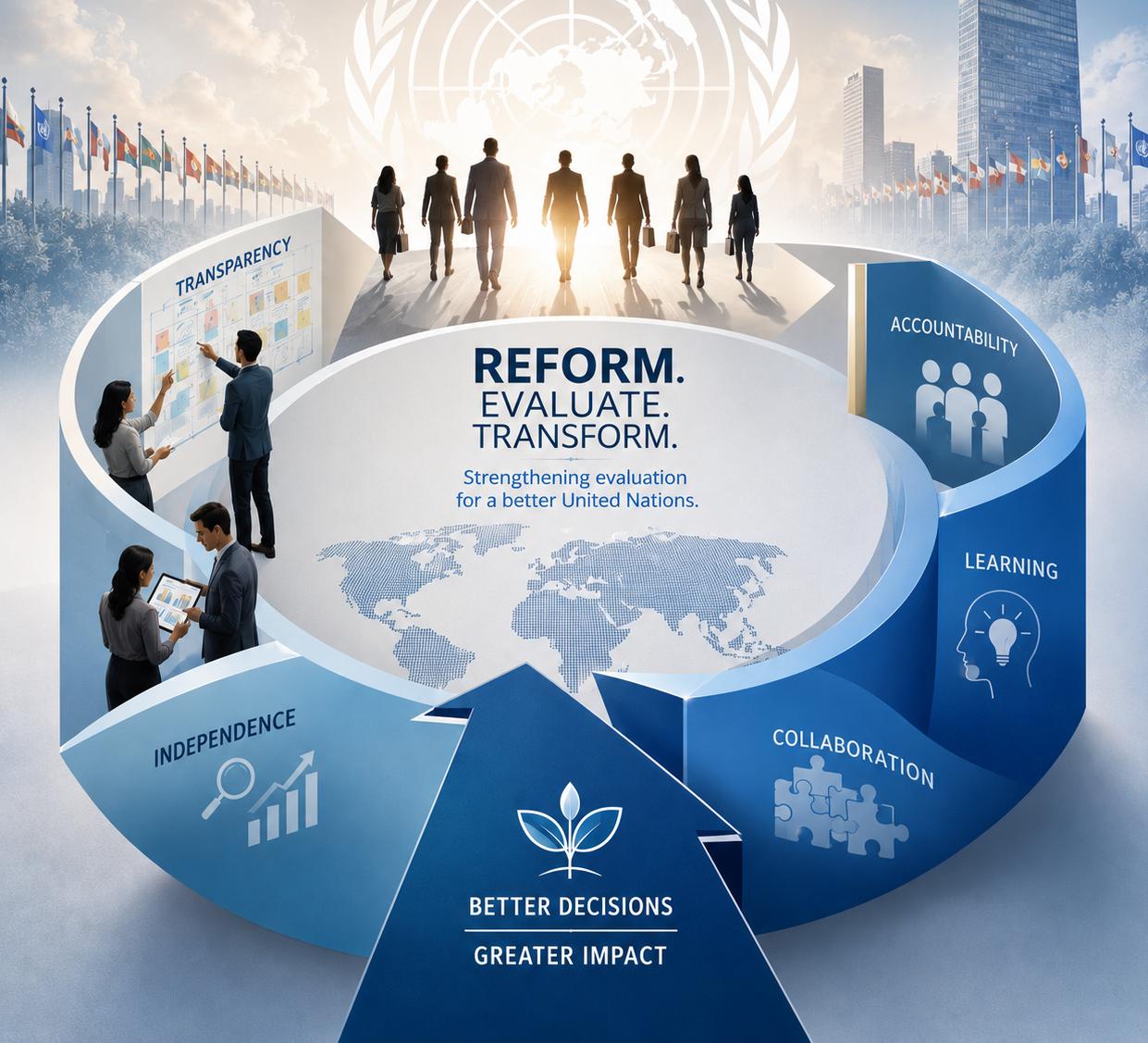
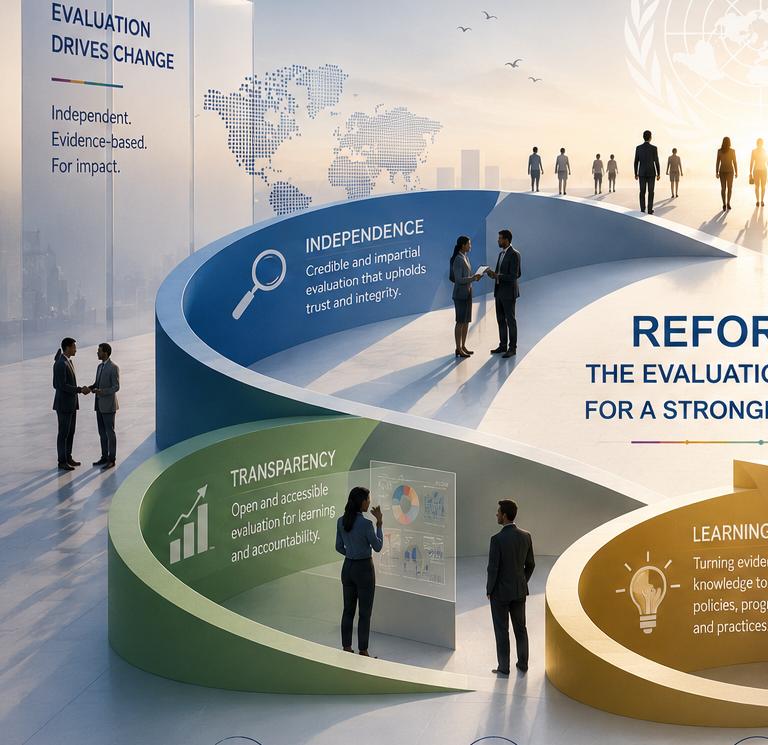
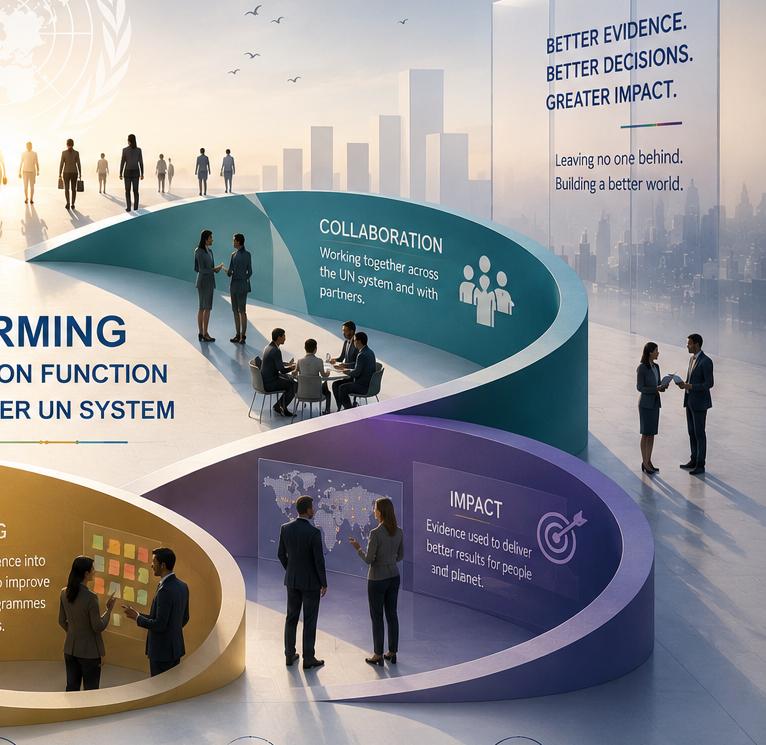
The theme of this edition is reform. Our feature story on the need to optimise evaluation structures across the United Nations system highlights the scale of change required to ensure that evaluation informs programme improvement more effectively and that decision-making remains firmly grounded in evidence.
The portfolio of country programme evaluations continues to gather momentum, and in this edition we report on our engagement with the governments of Bolivia, Côte d’Ivoire, Djibouti, Honduras and Zimbabwe on the findings of these evaluations. Together, these experiences underscore the importance of sustained investment in the agricultural sector, which remains central to food security and income generation for vulnerable populations. Our evaluation of small island developing states also highlights both the complexity of working across geographically dispersed contexts and the value of targeted investment in strengthening the resilience of communities.
Profile
As a member of the Evaluation Cooperation Group, IOE participated in the Spring Meeting hosted by the Asian Development Bank in Manila. Such gatherings help energize the network and enable members to advance a shared vision of ensuring that programmes are evaluated to the highest standards of quality. IOE also continued to support the broader evaluation community through its participation in important meetings hosted by the independent evaluation offices of the European Bank for Reconstruction and Development and the European Investment Bank, where we delivered an important presentation on the role of neuroscience in advancing learning.
We conclude with insights into IOE Deputy Director Mona Fetouh’s participation in the National Conference on Monitoring & Evaluation, in India, which is complemented by an interview with Donal Brown, Associate Vice-President of the Department for Country Operations, who reflects on IFAD’s experiences in the country.
We trust that this edition will continue to engage and inspire its readers, while underscoring the importance of critical reflection and helping to keep our attention focused on the broader questions of development.
Dr Indran A. Naidoo Director
Independent Office of Evaluation of IFAD
Editorial Board
Proofreading
Revisioning
Independent Magazine brings to the forefront of the global development dialogue the major efforts undertaken by the Independent Office of Evaluation of IFAD, while seeking to advance the organization’s vision of vibrant, inclusive and sustainable rural economies, where people live free from poverty and hunger. To present the richness of rural life, and detail facets of local community lifestyle, Independent Magazine also zooms in on cultural activities and landmark occurrences in countries featured by IOE’s evaluations.
IFAD ACTIVELY PROMOTES POLICY
Over the past ten years, IFAD has actively supported the Government for policy dialogue across irrigation reform, gender equality, social inclusion, market innovation, food systems transformation, nutrition, and biofortification in Zimbabwe. The fund has applied a prudent, relevant and pro -
active partnership approach, anchored in strong strategic engagement with government and shaped through consultative processes. These findings have emerged from the Country Strategy and Programme Evaluation (CSPE) report of Zimbabwe, produced by the Independent Office of Evaluation of IFAD (IOE). The report was presented during a national workshop which took place in Harare, on 20 May 2026.
Discussions highlighted that operational partnerships with government structures con-
tributed to enhancing implementation and to strengthening the capacity of parastatal and decentralized institutions to support rural communities. IFAD leveraged its strategic positioning and relationships with key ministries, including Agriculture and Finance, as well as in mobilizing co-financing. Policy engagement contributed to tangible results in irrigation development, food and nutrition security, biofortification, the Agriculture and Food Systems Transformation Strategy, and horticulture recovery.
POLICY DIALOGUE IN ZIMBABWE
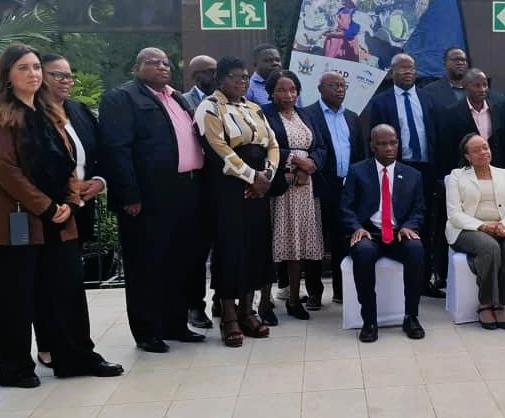
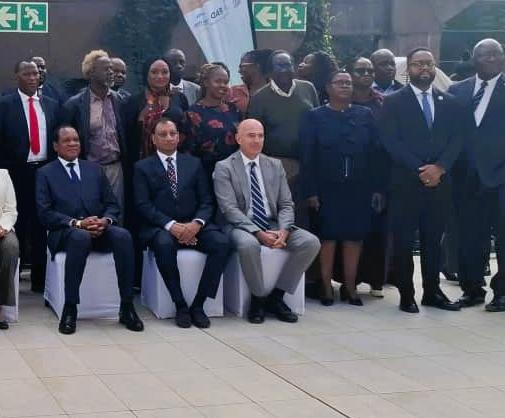
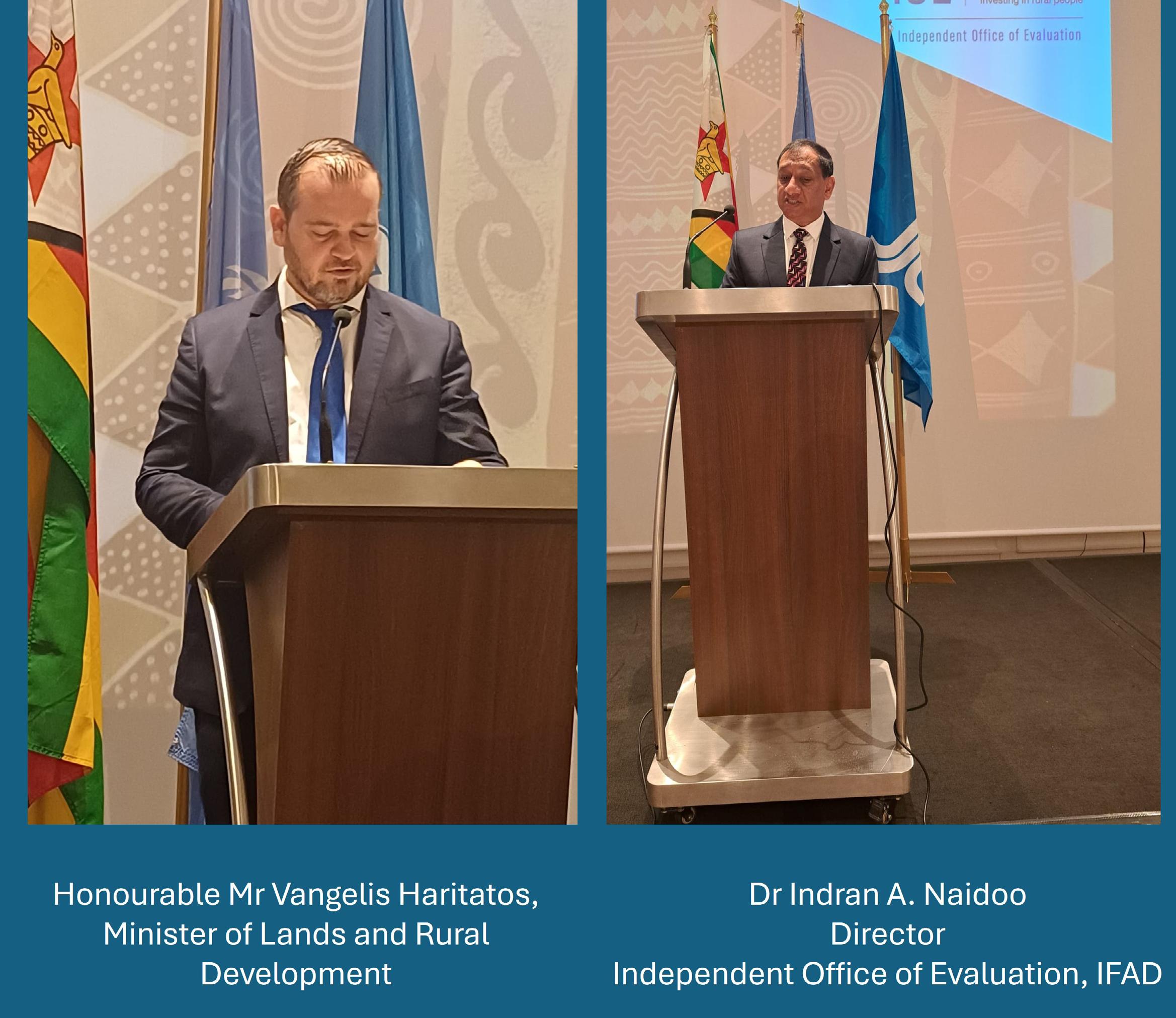
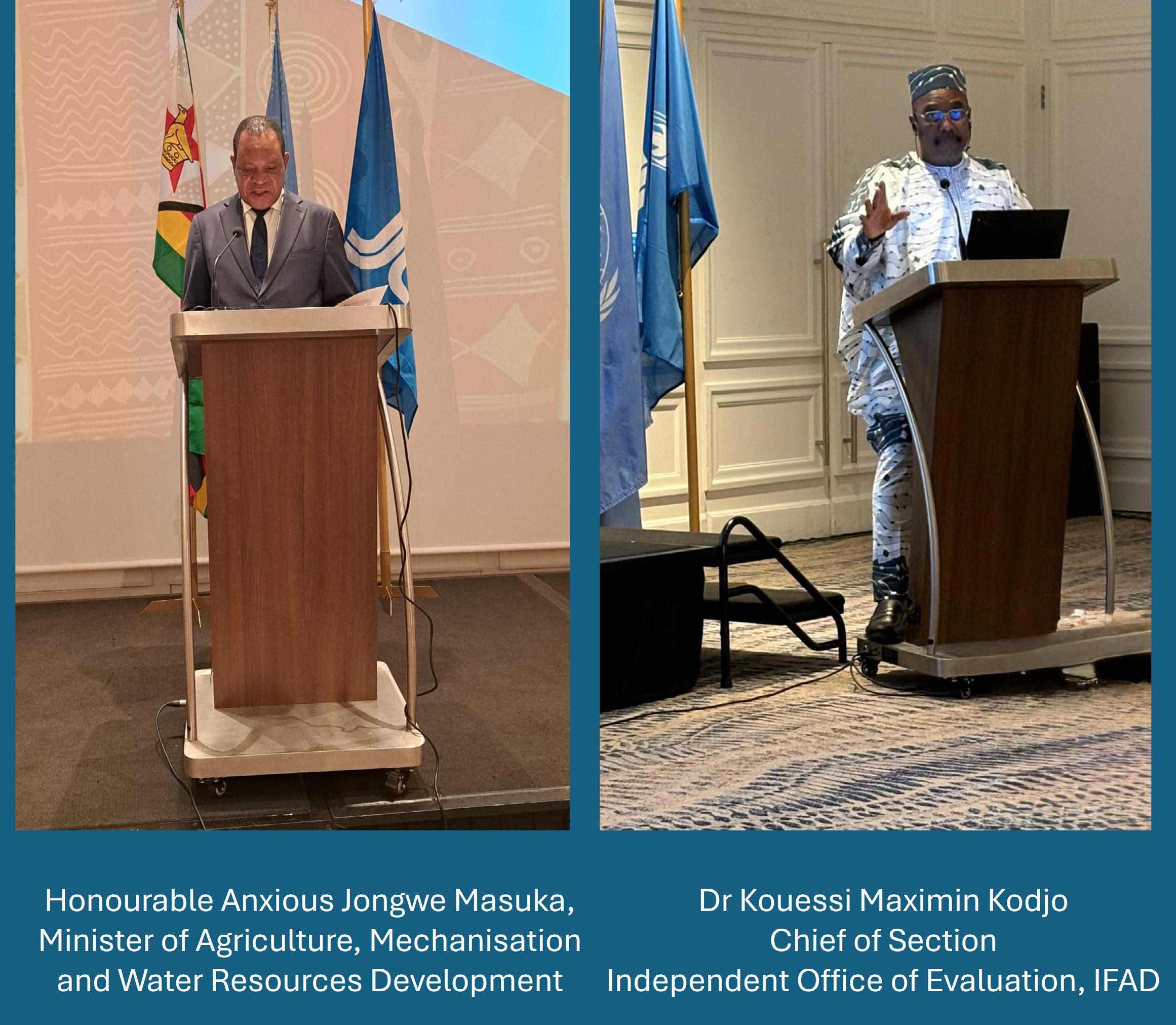
Co-organized by the Government of Zimbabwe and IOE, in collaboration with IFAD’s Eastern and Southern African Division, the workshop brought together a wealth of high-level attendees, including the Honourable Anxious Jongwe Masuka, Minister of Agriculture, Mechanisation and Water Resources Development (opening session) and the Honourable Mr Vangelis Haritatos, Minister of Lands and Rural Development (closing session). Over 70 participants joined the event, representing the government of Zimbabwe,
development partners, civil society and farmers’ organizations, private sector partners, and representatives of IFAD management and staff.
During the workshop, participants discussed the main findings, recommendations and issues emerging from the CSPE. The meeting also provided an opportunity to focus on the opportunities and challenges of the partnership between IFAD and the Government in the near future, and discuss strategic priorities for IFAD’s upcoming programme.
The CSPE examined IFAD’s engagement in Zimbabwe over the period 2016–2025. The evaluation included three projects with total financing of US$187.7 million, of which IFAD provided US$98.3 million.
Discussions during the workshop echoed the findings of the report, according to which IFAD’s portfolio contributed to measurable and sustained increases in agricultural productivity, particularly within rehabilitated irrigation schemes. IFAD-supported interventions also strength-
ened upstream segments of selected value chains, and explicit value-chain orientation became gradually systematic; improved food security and nutrition markedly among participating households, particularly irrigators, as nutrition training diversified diets and increased production of nutrient-rich crops; and enhanced water availability and the adoption of the block system approach were key drivers of productivity gains.
The Zimbabwe country programme served as a fertile
space for technological, institutional and social innovations that addressed water scarcity, climate stress and malnutrition among smallholders. Most initiatives adapted proven solutions to local agroecological and social contexts rather than introducing entirely new approaches. Although none of the projects developed explicit scale-up strategies, the programme demonstrated very good scaling results, driven mainly by government action. IFAD also made efforts to mobilize co-financing, with notable successes.
Discussions also brought to the forefront ongoing challenges. For instance, sustainability was constrained by technical support gaps, poor diversification, and smallholders’ limited capacity to manage irrigation schemes, compounded by restricted resources and weak government technical and financial support. Furthermore, weak coordination limited learning among agricultural actors, constraining result scaling, while opportunities for joint programming with UN partners, including RBAs, and for
additional co-financing, were largely missed.
In addition, delays in completing irrigation works affected smallholders’ linkages to private-sector off-takers, with benefits mostly favouring the latter. Farmers faced risks, including debt from a sorghum out-grower scheme during drought. Limited trust, weak community cohesion, and ongoing extension needs threatened market engagement.
Looking ahead, it is recommended that IFAD and the
Government of Zimbabwe should prioritize, in the next strategy, strengthening the resilience of smallholders in a more holistic manner. This requires establishing and effectively operating government coordination mechanisms within the agricultural sector. IFAD and the Government of Zimbabwe should also systematically leverage non- lending activities and address institutional capacity gaps. In this regard, IFAD and the Government of Zimbabwe may wish to roll out sound thematic approaches aligned
with the Zimbabwean context, that further strengthen rural resilience strategies. These may include inclusive financial services, value chain development and access to markets.
Zimbabwe CSPE (Unedited) Presentation by Dr Kouessi Maximin Kodjo
THE FUTURE OF EVALUATION IS HUMAN-LED AND AI-ENABLED
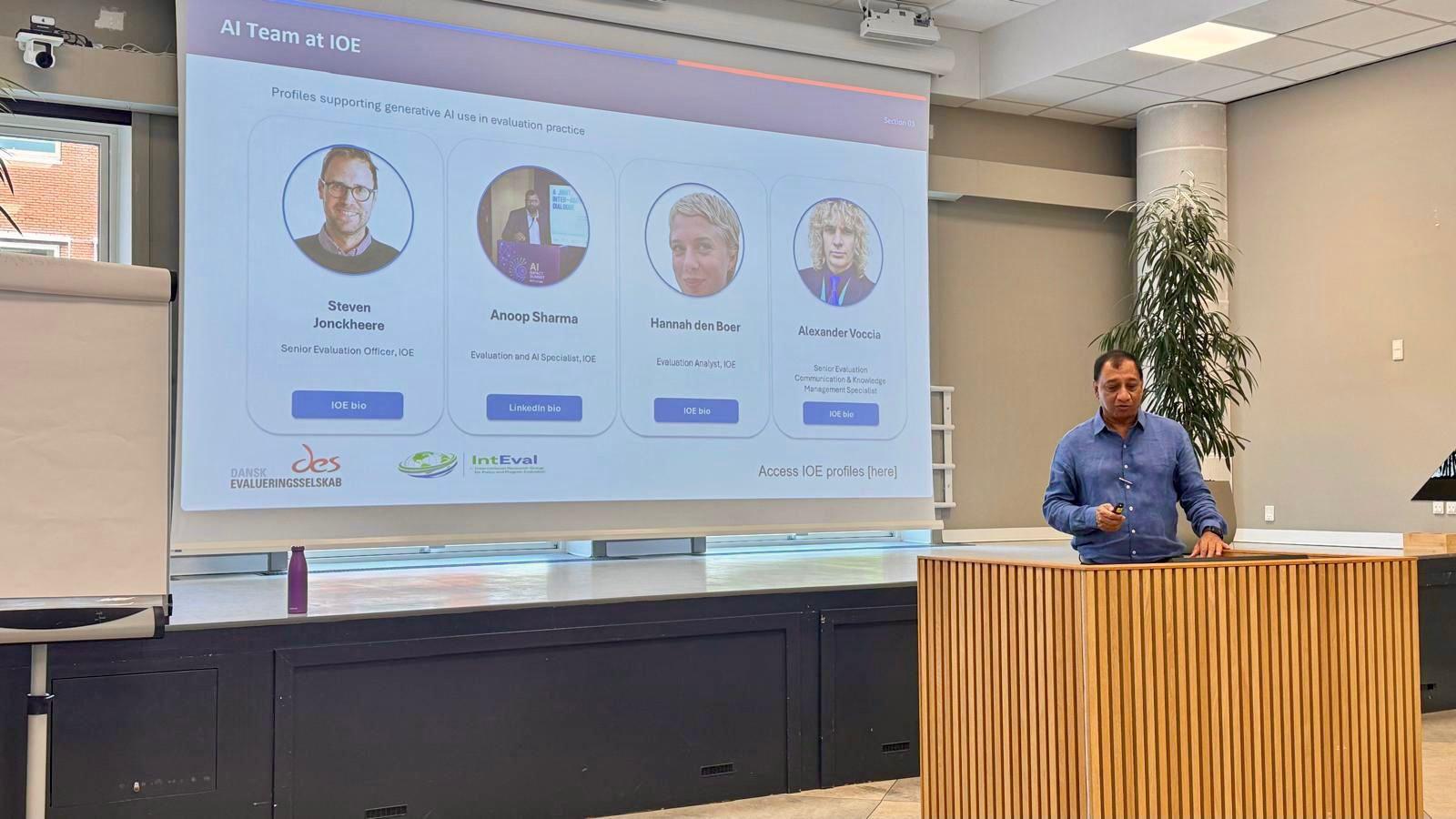
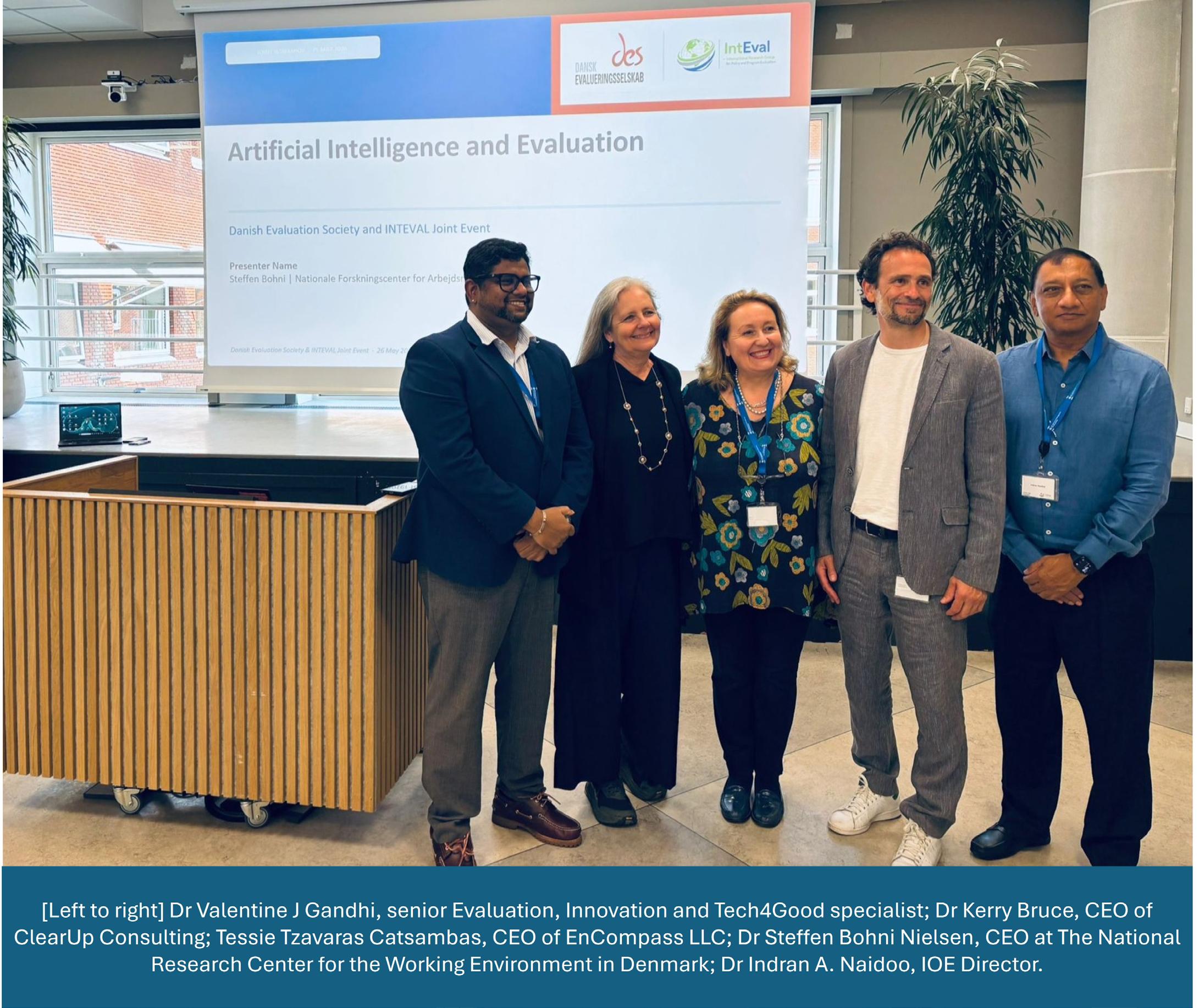
The future of evaluation practice is human-led and AI-enabled. Generative AI (GenAI) can support the heavy lifting of evidence processing at scale, but interpretation, accountability and ethical judgment must remain firmly with evaluators. Scaling up will require moving from isolated experiments to institutional practice, supported by shared prompt libraries, structured validation checkpoints and senior evaluator oversight. Dr Indran A. Naidoo, IOE Director, made
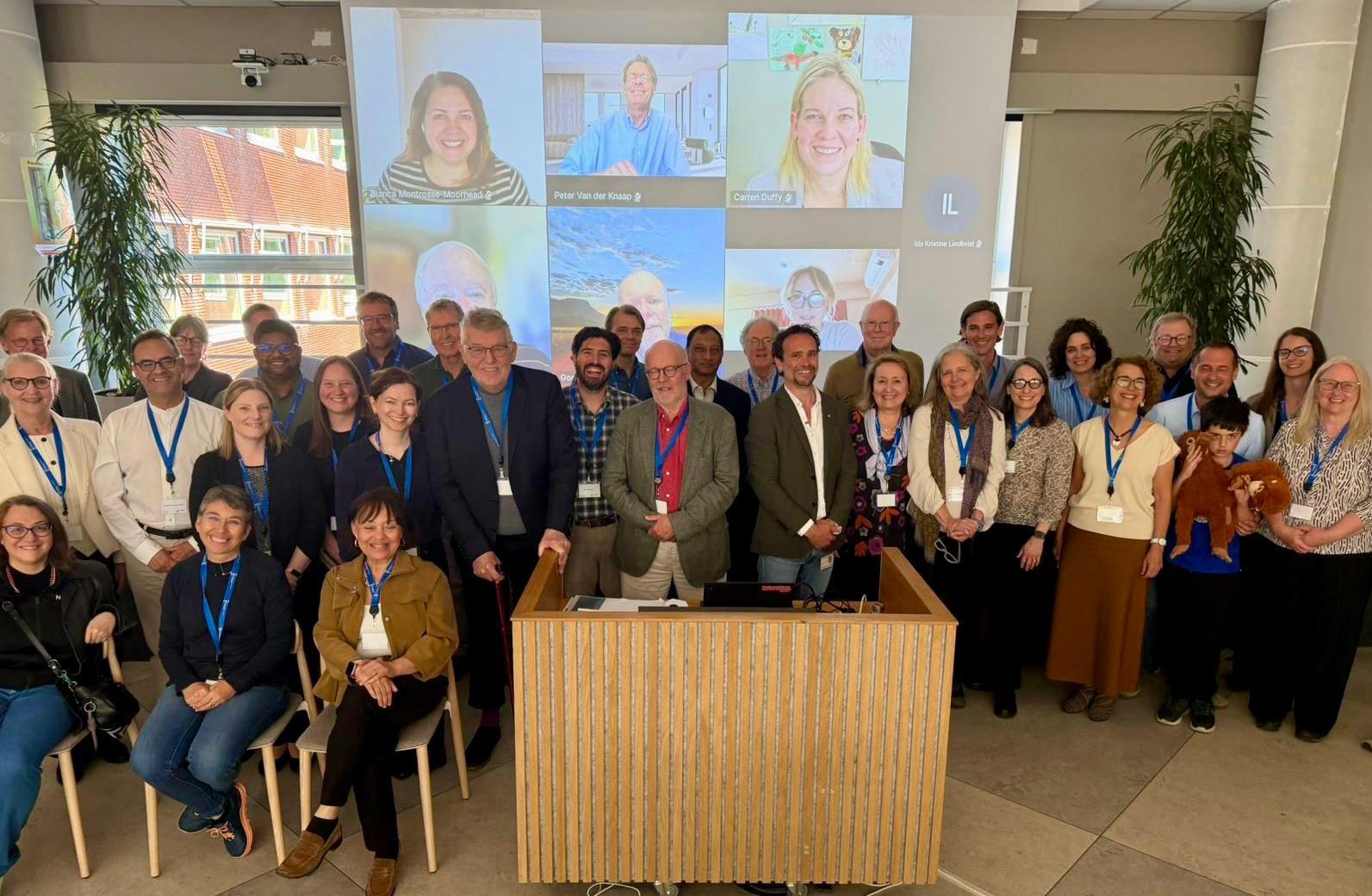
these points during the 41st annual meeting of the International Research Group for Policy and Program Evaluation (INTEVAL), which took place from 25 May 2026 to 27 May 2026.
The Danish National Research Centre for the Working Environment hosted the event, which brought together a multidisciplinary constellation of world-renown expert evaluation leaders and distinguished authors. Discussions focused on finished books, current projects, new work and challenges. In addition, the Danish Evaluation Society hosted a joint event on 26 May 2026. Over 100 people attended the hybrid session, which featured presentations based on an upcoming book on GenAI and evaluation. Dr
Naidoo, Steven Jonckheere (Senior Evaluation Officer), Anoop Sharma (Evaluation Specialist) and Hannah den Boer (Evaluation Analyst) are co-authoring one of the chapters of the book.
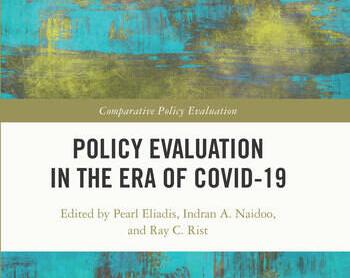
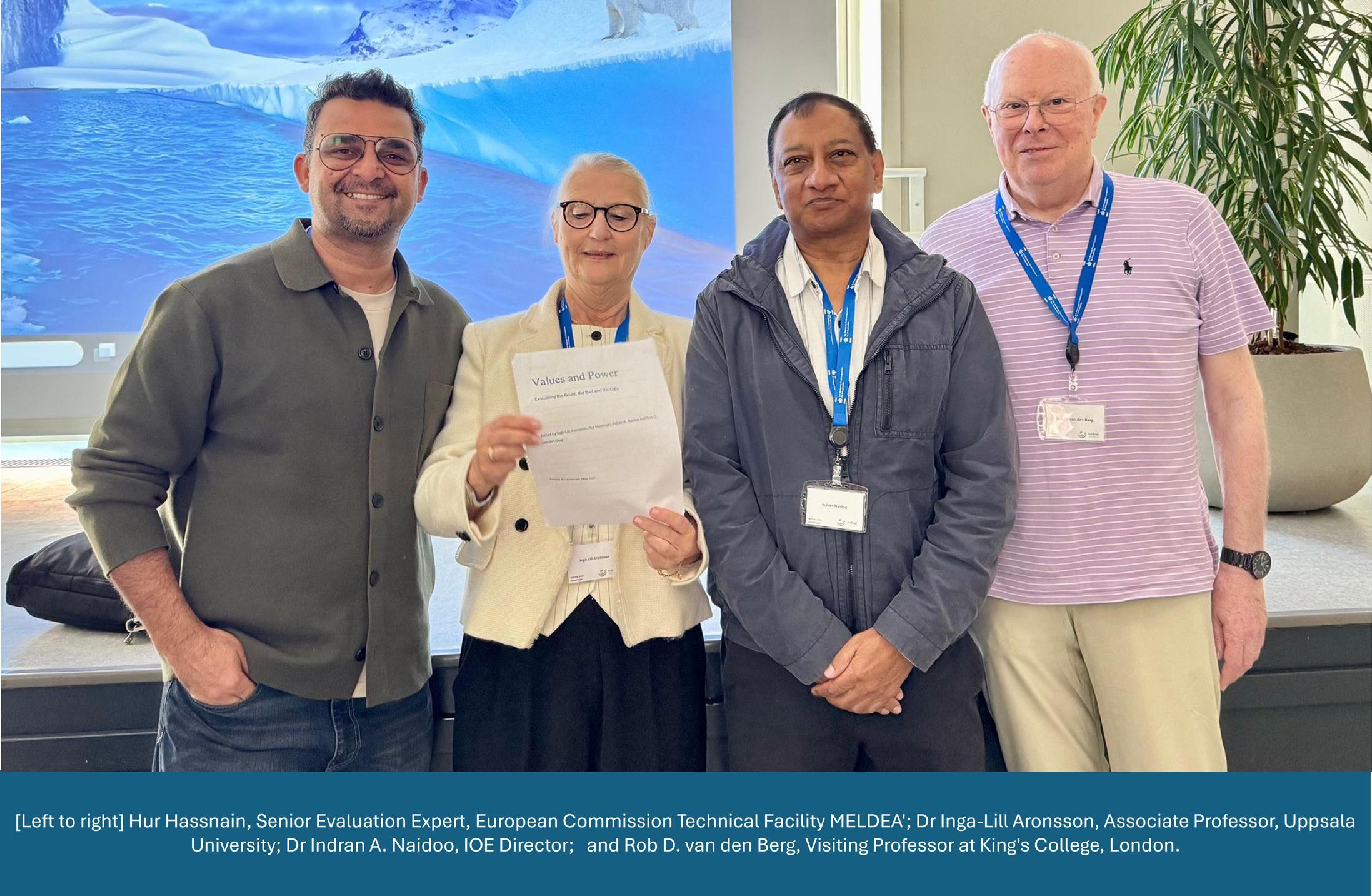
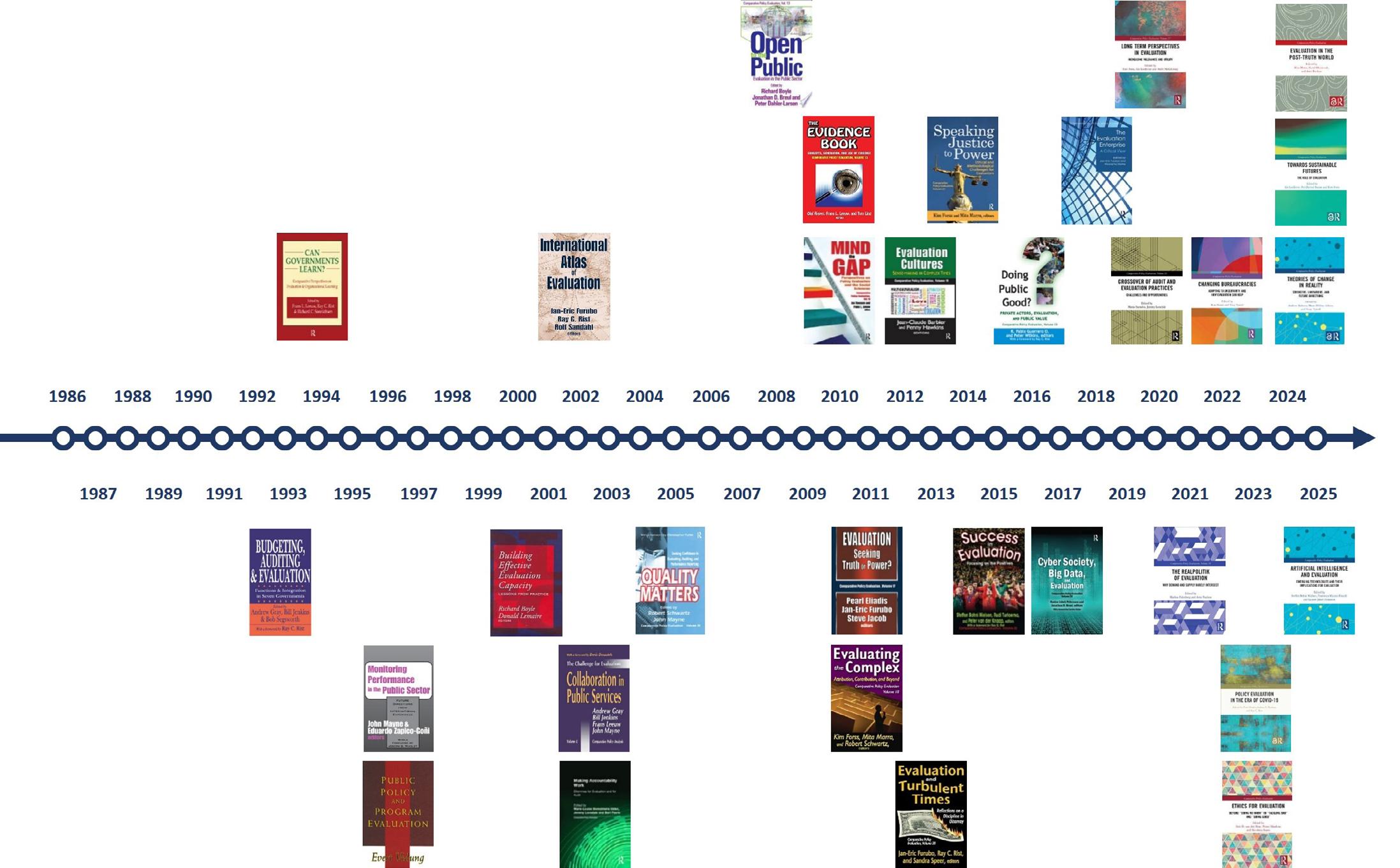
This publication will follow Dr Naidoo’s previous contributions to the INTEVAL book series, which include co-editing the volume titled ‘Policy Evaluation in the Era of COVID-19’, with Ray Rist and Prof. Pearl Eliadis; contributing a chapter to the book on ‘Crossover of Audit and Evaluation Practices’, edited by Maria Barrados and Jeremy Lonsdale; and co-editing a forthcoming volume on values-based evaluation alongside Inga-Lill Anderson, Hur Hassnain and Rob D. van den Berg.
During the session, Dr Naidoo presented a case study on how IOE piloted GenAI for structured interview analysis in a complex corporate-level evaluation. The key message was simple: GenAI did not replace evaluators. It helped structure large volumes of interview evidence so evaluators could focus more on validation, triangulation and judgment. The pilot was conducted in the context of the corporate-level evaluation of IFAD11 and IFAD12 replenishment commitments, which assessed how IFAD delivered on its ambition to become “bigger, better and smarter” in driving rural transformation. The evaluation was complex because it covered multiple countries,
stakeholder groups and eight evidence streams. Each remote country case study within the evaluation generated around 20 to 25 hours of audio and approximately 150,000 to 200,000 words of transcripts. Manual coding at that scale is possible, but it is slow, inconsistent and vulnerable to loss of nuance. Thus, the question was: Can GenAI help process this evidence more systematically while preserving traceability and ethics?
The answer was: “yes”. Manual analysis was reduced from 3–4 weeks to 4–5 days per case study. AI also ensured that no stakeholder input was lost, reducing the risk of omission common in partial manual coding. It is important to note that the team had already developed a structured protocol linking evaluation criteria to evaluation questions and sub-evaluation questions; and then to tailored interview questions for different stakeholder groups. As a result, AI was not guessing what matters: it was extracting and organizing evidence according to the evaluation protocol.
Based on IOE’s experience, Dr Naidoo concluded that future evaluation practice will require hybrid teams combining evaluator judgment with data science support. Data scientists will help refine scripts, manage prompts, and ensure workflows are reliable, auditable, and scalable. Evaluators,
meanwhile, will shift from manual “coders” to curators of evidence - validating AI outputs, identifying contradictions, cross-checking findings, and preserving methodological rigor.
INTEVAL is a multidisciplinary group of expert evaluation leaders and distinguished authors. The group’s members address the key strategic issues that define the evolution of the evaluation function, shaping the international debate, and advancing the discipline within the context of the ever changing global landscape. Every year, INTEVAL affiliates have met in different countries across the globe. The group’s first meeting took place in Brussels, back in 1986, while IOE hosted the 38th gathering, which unfolded in Rome, at IFAD headquarters. Over the years, renown universities, research centres, national entities and international agencies have hosted the INTEVAL an-
nual meetings, which have benefitted from the generous funding of multiple donor institutions.
The next annual meeting of INTEVAL will take place in Johannesburg, in May 2027.
Open access [here]
INTEVAL journey: 41 years
IFAD to help strengthen the role of downstream economic actors in Côte d’Ivoire
There is scope for IFAD to support the strengthening of downstream economic actors and the establishing of an effective and inclusive rural finance ecosystem in Côte d’Ivoire. Diane Abi Khalil, Senior Evaluation Officer at the Independent Office of Evaluation of IFAD (IOE) and lead author of the Côte d’Ivoire Country Strategy and Programme Evaluation (CSPE) noted this to be the case during the national learning workshop organized to take stock of the findings and recommendations of the CSPE, on 15 April 2026.
Ms Abi Khalil noted that the next IFAD portfolio in the country should aim to position cooperatives, small and medium enterprises, and private companies as drivers of economic value creation, based on fair commercial relationships and an inclusive and diversified financial architecture. Post-harvest investments should be accompanied by a focus on the interests of leading com-
panies in agri-hubs, to ensure inclusive arrangements and stimulate the emergence of competitive rural enterprises.
Co-organized by the Government of Côte d’Ivoire and IOE, in collaboration with IFAD’s West and Central Africa Division, the online virtual workshop brought together a wealth of high-level attendants, including Jean-Michel Gba, Deputy Director, Ministry of Agriculture and Rural Development of Côte d’Ivoire. Over 70 participants joined the event, representing the government of Côte d’Ivoire, development partners, civil society organizations, and IFAD senior management and staff.
During the workshop, participants discussed the main findings, recommendations and issues emerging from the CSPE. The meeting also provided an opportunity to focus on the opportunities and challenges of the partnership between IFAD and the Government in the near future, and discuss strategic priorities for IFAD’s upcoming programme.
This was the first CSPE carried out by IOE in Côte d’Ivoire. It covered the period 2013-2024, during which time the partnership between IFAD and the Government has followed a trajectory from post-crisis recovery toward an ambition of agricultural transformation, development of agricultural and agro-industrial value chains, climate resilience, and promotion of the rural private sector. The portfolio covered by the evaluation comprises six projects, with a total cost of approximately US $502.73 million.
Ms Mona Fetouh opened the meeting, noting the need to boost agriculture producing, improve local infrastructure and strengthen local agri-business organizations. She also highlighted ongoing challenges in the areas of climate change and natural resource management, as well
Diane Abi Khalil Senior Evaluation Officer Author, Côte d’Ivoire CSPE
Profile
as the lack of sustainability of project interventions. Mr Gba echoed these observations, affirming that persistent structural challenges need to be addressed, and that this calls for concrete operational interventions that can make a tangible difference on the ground.
The discussions and presentations during the workshop further compounded these initial reflections, in line with the main findings and conclusions of the CSPE report which highlighted that results fell short of targets due to recurring delays, inadequate sequencing between infrastructure, inputs, and training, insufficient coverage of advisory support, and the fragility of seed systems, which limited the scale and consolidation of gains in productivity and resilience.
Furthermore, the impact of value chain development, product value enhancement, and access to markets and financial services was limited by a lack of working capital, high co-financing requirements, a production shortfall, persistent high postharvest losses, and weak organized marketing channels.
In addition, contract farming initiatives remain in their in-
fancy, and the Service Companies and Producer Organizations partnership model has proven ineffective, and the numerous financing mechanisms tested have not led to improved and inclusive access to credit, especially for the most vulnerable producers, due to restrictive criteria and financial contributions that are difficult to mobilize.
Also of concern is that lack of public resources jeopardizes the sustainability of support, while insufficient maintenance of infrastructure and underutilization of equipment limit technical sustainability.
Positive achievements of IFAD’s efforts in the country were also captured during the workshop. These include the introduction of technical, agroecological, and environmental innovations, of simple and effective post-harvest solutions, as well as organizational innovations. These innovations have improved productivity, environmental sustainability, economic value, and the organizational structure of the value chains.
IFAD-supported projects have helped strengthen producers’ technical capacities, improve access to goods and services
such as telephone and electricity, and organize communities around collective initiatives, thereby promoting social cohesion and local human capital. Progress has also been noted in food diversification, the reduction of the lean season, and improved nutritional knowledge.
Looking ahead, it is recommended that IFAD continue and expand strategic support for the structural transformation of the agricultural sector, while maintaining the sustainable improvement of agricultural production and the strengthening resilience of production systems. It is also recommended to develop a clear strategy for providing phased support to producer organizations to promote their professionalization and gradual empowerment, as well as to develop a differentiated and inclusive targeting strategy to tailor intervention programs to the capacities of rural households and ensure that the most marginalized groups benefit equitably from the portfolio. Côte d’Ivoire CSPE (unedited)
PEOPLE IMPLEMENT RECOMMENDATIONS
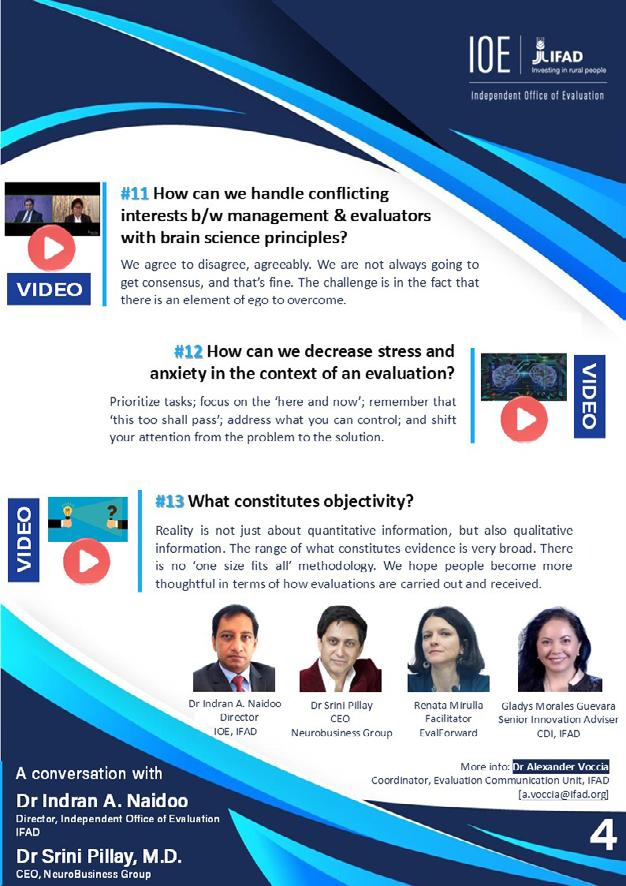
“Neuroscience tells us that people are far more likely to act upon and implement recommendations that they deem to be credible. This credibility is often tied to the extent to which they see their thoughts, perspectives and needs reflected in the content being presented. As a result, people are much more likely to implement evaluation recommendations in which they see themselves”. Dr Alexander Voccia, Senior Evaluation Communication and Knowledge Management Specialist, and Coordinator of the Evaluation Communication Unit at the Independent Office of Evaluation of IFAD (IOE) made this point during the European Investment Bank (EIB) Evaluation Conference 2026, on 30 April 2026.
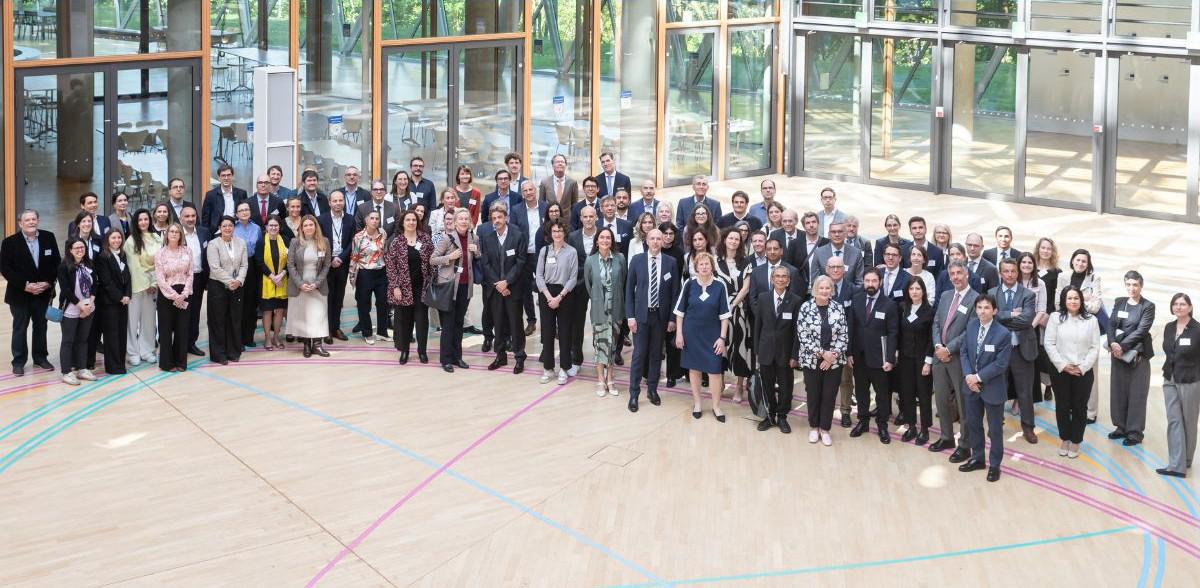
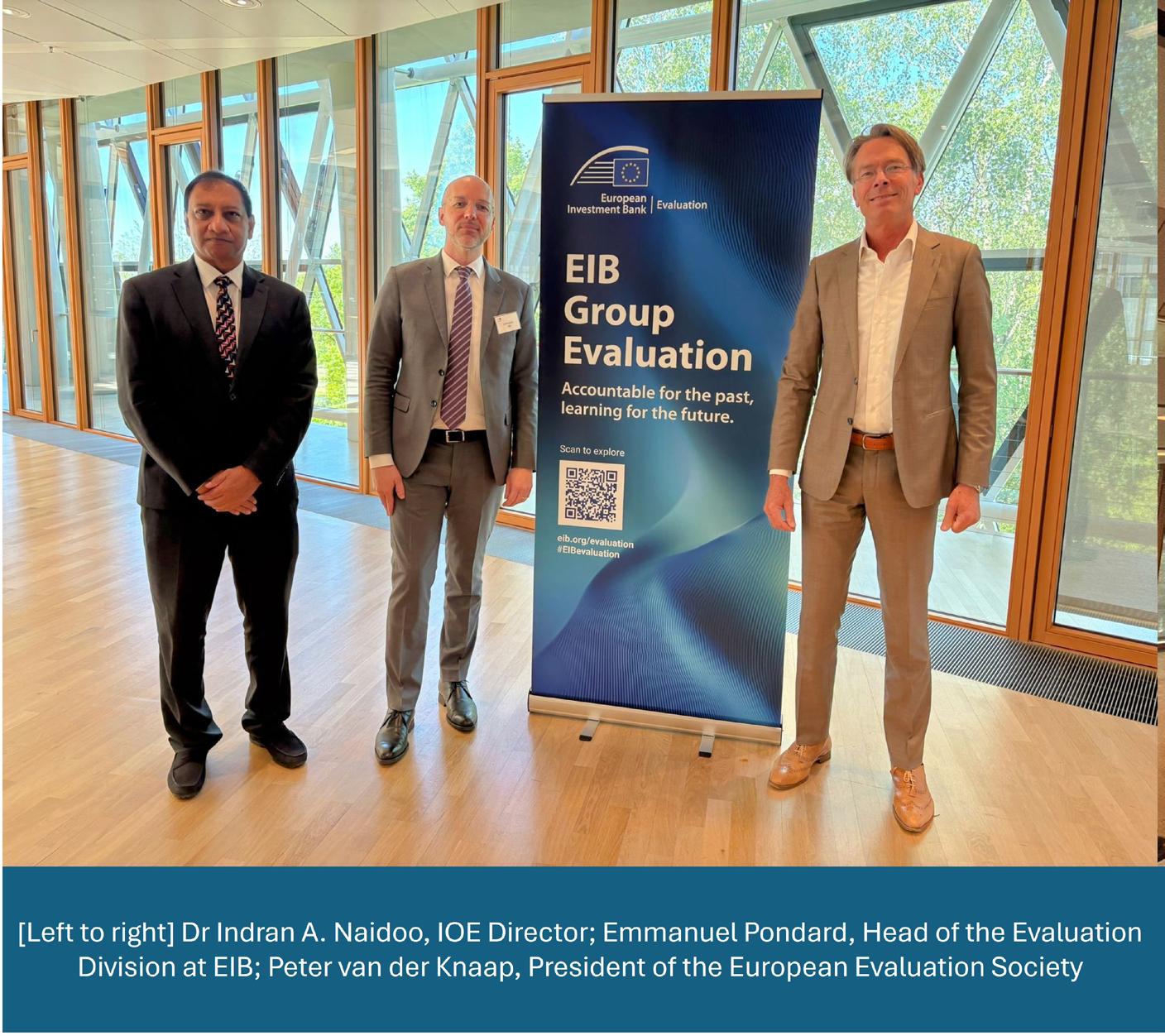
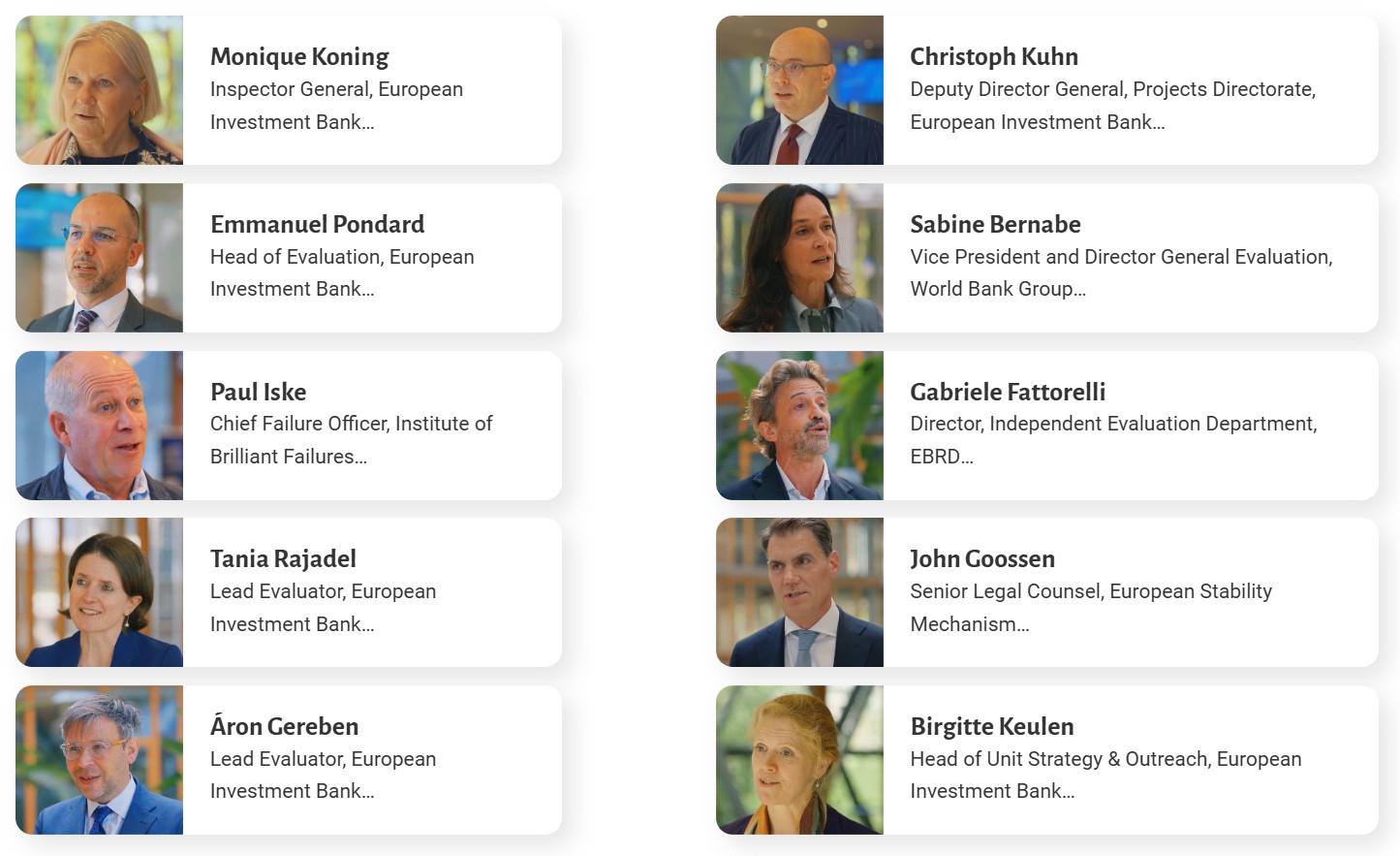
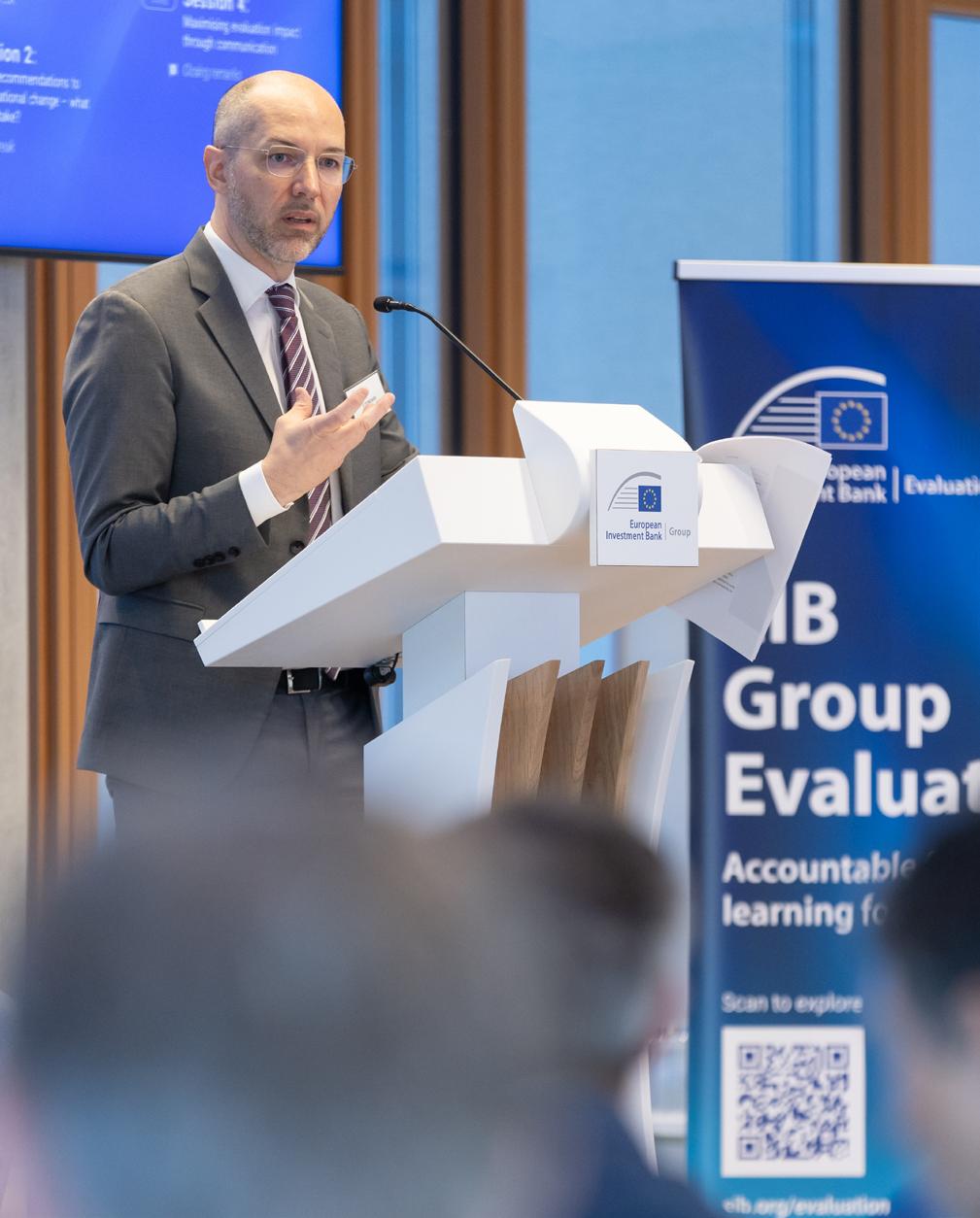
The EIB organized the event to celebrate 30 years of its evaluation function. Hosted by Emmanuel Pondard, Head of the Evaluation Division at EIB, the conference was held at the EIB headquarters, in Luxembourg, from 29 to 30 April 2026. The event was titled ‘Stronger together to drive impact’, and brought together evaluation users, producers, and professionals from EU institutions, national promotional banks, international financial Institutions (IFIs), and the wider evaluation community to exchange on how evaluation strengthens relevance, accountability, learning, and impact. Mr Pondard and Dr Naidoo were joined by the heads of the evaluation offices of other IFIs, including Sabine Bernabè, Vice President and Director General of Evaluation at the World Bank Group; Emmanuel Jimenez, Director General of the Independent Evaluation Department at the Asian Development Bank; and Todor Dimitrov, Head of the Independent Evaluation Office, Black Sea Trade and Development Bank.
Over the course of the two days, the conference addressed several salient issues and topics of relevance to the work of evaluation offices of IFIs, including IOE, such as the need for evaluation to balance simplification and impact; how evaluations drive change, moving from insights to action; the importance of enhancing collaboration and knowledge sharing; the role of learning as part of the evaluation construct; the establishment of frameworks for measuring value added; and what it takes to move from recommendations to organizational change.
On the first day of the conference, high-level panels explored how evaluation makes financing more relevant and impactful. Sessions focused
Dr Indran A. Naidoo Director IOE IFAD
Profile
Dr Alexander Voccia Senior Specialist Evaluation Communication
Profile
RECOMMENDATIONS IN WHICH THEY SEE THEMSELVES
on additionality, simplification and accountability, evidence driving change and knowledge sharing. Participating in the discussions, Dr Indran A. Naidoo, IOE Director, put the spotlight on the opportunities and challenges afforded by the rise of artificial intelligence (AI). In particular, Dr Naidoo raised questions regarding the pathways necessary to upscale the skill sets necessary to make effective and efficient use of the growing AI tools and resources at our disposal, while dealing with the risks inherent in its mass application.
Wrapping up the discussions on the first day, Mr Pondard highlighted that evaluation must evolve to stay useful. Evaluation cannot be understood simply as a supplier of
evidence. Evaluation should be designed to be influential, act as a knowledge broker, a feedback loop that connects past performance to future choices and helps decision makers adjust course along the way.
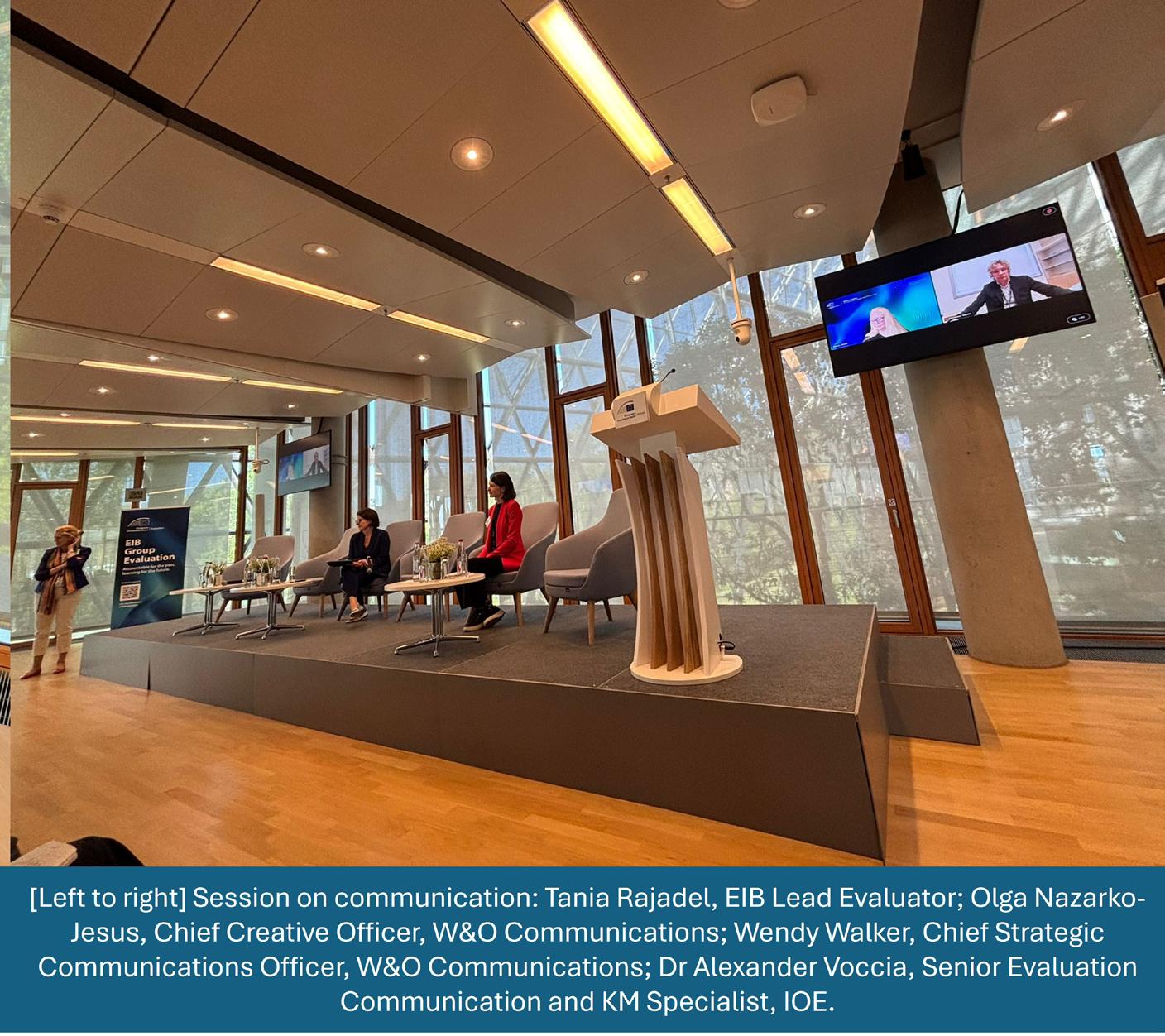
Designed especially for evaluation practitioners, the second day of the conference opened the conversation to a wider audience to exchange experiences on innovative tools, methodologies, and communication products that support learning and knowledge uptake. The day included the session titled ‘maximizing evaluation impact through communication’, which featured Dr Voccia among the panellists.
During this session, participants were invited to broaden their understanding of how to engage stakeholders in ways that effectively support the uptake of evaluation findings. The discussion explored different communication formats and outreach approaches, audience needs, and the challenge of balancing reach with nuance. Participants left the session with practical lessons and best practices they can apply immediately in their work.
In his interventions, Dr Voccia explained that the importance of balancing the need for clear, simple messages—messages that decision-makers can remember and use—with the need to preserve nuance. Since evaluation findings are
rarely black and white, and part of our role is to articulate a nuanced judgement grounded in evidence, the question is how we navigate this tension.
“The answer to this question is never to compromise on substance. At IOE, we do not water down the findings of an evaluation report. Our job, from a communications perspective, is not to make the messages more appealing per se. We don’t do ‘clickbaite’. What we strive for is to make the messages more understandable by the right people, by reaching them with the right communication products through the most appropriate outreach channels”, explained Dr Voccia.
The Senior Communication Specialist further emphasized that it is essential that the right products are going to the right people, that messages are resonating with the right audiences, and that these results are achieved without the
need for additional financial or human resources. At IOE, this has been achieved through stronger product targeting, greater message tailoring and enhanced return on investment of communication activities.
The EIB’s Evaluation function conducts independent assessments of the EIB Group’s operations to ensure accountability, transparency, and learning. It evaluates the relevance, efficiency, and impact of financing and advisory activities, guided by the EIB Group Evaluation Policy.
IOE Evaluation Pills [access]
[click to access]
Full live event recording (day 1)
Full live event recording (day 2)
The importance of deepening inclusive territorial development in Bolivia
In a structurally difficult period, IFAD’s well-established track record in support of rural development in Bolivia successfully transitioned from a sector-based approach to a more territorial approach, built on climate resilient agricultural production systems. However, neither the activities related to public policy dialogue nor the development of synergies with other agencies and programs or with local governments reached a level sufficient to scale up IFAD-supported operations. These and other related findings have emerged from the Country Strategy and Programme Evaluation (CSPE) of Bolivia carried out by the Independent Office of Evaluation of IFAD (IOE), which was presented and discussed during a stakeholder workshop on 19 May 2026.
“The country programme faced difficulties regarding the design of differentiated strategies that responded to the growing heterogeneity of Bolivian rural areas”, noted Mona Fetouh,
Dr Mònica Lomeña-Gelis Senior Evaluation Officer Author, Bolivia CSPE
IOE Deputy Director, during her opening remarks.
Mònica Lomeña-Gelis, IOE Senior Evaluation Officer and lead author of the Bolivia CSPE highlighted that the evidence gathered by the CSPE suggests that it is important to rethink what IFAD’s distinctive contributions in Bolivia might be. In this regard, the future strategy should be based on prioritizing the management of knowledge derived from the operations supported by the Fund and the qualitative aspects of that support, seeking partnerships with other stakeholders to collaborate on the formulation of public policies and contribute to sustainable and inclusive territorial development.
Co-organized by the Government of Bolivia and IOE, in collaboration with IFAD’s Latin American and the Caribbean Division, the online virtual workshop brought together a wealth of high-level attendees, including José Luis Llanos Rocha, Vice Minister of State for Strategic Planning, Ministry of Development Planning and the Environment and Karel Adin Rivero Marin, Vice Minister of Agricultural and Integrated Development, Ministry of Productive, Rural, and Water Development. Over 70 participants joined the event, representing the government of Bolivia, development partners, civil society organizations, and IFAD senior management and staff.
During the workshop, participants discussed the main findings, recommendations and issues emerging from the CSPE. The meeting also provided an opportunity to focus on the opportunities and challenges of the partnership between IFAD and the Government in the near future and discuss strategic priorities for IFAD’s upcoming programme. The event also featured a panel discussion focusing on new territorial dynamics, which addressed the issue of cooperation and knowledge for inclusion and sustainability.
Profile
This is the third evaluation of its kind that IOE has conducted in the country. The current CSPE covered two IFAD country strategic opportunities programmes (COSOPs) (2015–2020 and 2021–2025), fifteen grants and five lending operations. The total cost of activities evaluated amounted to US$ 154 million, of which US$ 84.72 million was financed by IFAD and the remainder came from the Government of Bolivia, project participants, and other international organizations.
Presentations and discussions during the workshop highlighted that the projects and programmes met or exceeded their physical and coverage targets, benefiting more than 120,000 households in municipalities with high poverty and climate vulnerability. Overall, notable progress was made in the provision of productive assets, such as the construction of sheds and fences, which improved primary productivity in the camelid sector, and in the implementation of resilient practices across more than 13,000 hectares. In this regard, José Luis Llanos Rocha noted that the technical support provided by IFAD contributes to consolidate initiatives aimed at strengthening economic inclusion of rural communities.
Most notably, IFAD’s portfolio demonstrated a good adaptation to the specific ecological contexts of the intervention areas. A trend toward greater rigor in incorporating climate change adaptation into the project cycle was observed. Moreover, interventions succeeded in strengthening wa-
ter resource management and soil protection through adapted infrastructure, including irrigation, water harvesting, and rangeland management. This constituted significant progress for the conservation of agrobiodiversity in the country.
Discussions also brought to the forefront ongoing challenges. Among these was the fact that no differentiated strategies were identified for the currently highly diversified livelihoods of the rural population. Although targeting was effective, the resulting investment projects and technical services tended to be standardized, without being adapted to the diverse profiles of the stakeholders and the various local strategies.
Another issue was the fact that the results did not meet the COSOP’s expectations regarding the role of the policy dialogue in terms of sustainability and scaling up. This was partially due to a lack of strategic alignment between IFAD and the Government regarding the scope and modalities of the policy dialogue. Likewise, although the COSOPs and the projects and programmes assigned a strategic role to knowledge management, its implementation was approached through ad hoc communication or training activities, without unified planning, and yielded limited results in terms of learning.
Furthermore, a fragmented investment approach, high geographical dispersion, and increasing administrative complexity of the public-pri-
vate partnerships hindered the creation of the critical mass of investment needed to contribute to the transformation of local agri-food systems.
Sustainability and scaling-up were also identified as issues of concern. There were few strategies for scaling up the projects, and no institutional and territorial framework that would allow systematically expanding successful models. This becomes even more concerning given that the lack of post-investment technical assistance threatens the sustainability of these ventures. Some exceptions were found during field visits, mainly through virtuous synergies with some Autonomous Municipal Governments.
In light of these findings, it is suggested that IFAD promote concurrent investments and services, in collaboration with municipal governments, to support local planning through analysis by public and private development agencies operating within their jurisdictions to achieve greater reach and sustainability. IFAD should also redefine the target groups and the mechanisms for addressing their needs in a differentiated manner, promote training and technical assistance as strategic activities to strengthen national and local capacities in the area of sustainability,
Bolivia CSPE (unedited)
FEATURE STORY Need for optimized structures
optimized evaluation across the UN system
“As we look towards the future, there may be a need for the UN system to think of umbrella evaluation functions, where you get a strong office that deals with many agencies, with the necessary capacity, independence and credibility, rather than to rely on multiple small offices that have limited capacity to make a difference and are challenged to safeguard the principles of independence, credibility and utility.” Dr Indran A. Naidoo, Director of the Independent Office of Evaluation put this issue on the table during a session of the gLOCAL Evaluation Week, on 2 June 2026.
Titled ‘The Donor Perspective: How the Evaluation Capacity Development Landscape Is Shifting’, the session was convened by the Global Evaluation Initiative (GEI). Over 80 participants attended online. The session offered GEI partners a space to compare perspectives with peer agencies on shared questions, from shifting priorities to emerging tools, and to explore whether a common outlook on the future of evaluation is taking shape. In addition, it also provided evaluators and M&E practitioners an
opportunity to hear directly from commissioning agencies about how they see the evaluation landscape evolving, and what that means for the people and systems they work with.
Patrizia Cocca, Communications and KM lead at GEI moderated the discussions, while Jozef Vossen, Chief Evaluation Officer and the World Bank Independent Evaluation Group chaired the event, which featured a panel composed by Dr Naidoo, Nea Marie Heinonen, Lead Evaluation Specialist at Finland’s Ministry of Foreign Affairs, and Robin Cordes, Senior Policy Officer at BMZ.
Throughout his interventions, the IOE Director underscored that independence is non-negotiable, and that learning comes through the accountability. Therefore, independence needs to be entrenched now, more than ever, globally. Independence is critical to move the world forward. For this to happen, initiatives like GEI can help international organizations to put their heads together and think about completely new models to achieve what is needed, which is deliver optimal results for trans-
formative purposes, rather than stick with old modalities that have become quite outdated.
Dr Naidoo also stressed that if we want stronger accountability plus learning, we also need stronger capacity at country level. Governments need the ability to use evaluation. This requires a culture shift to ensure results are presented transparently, to show the value for money and identify what needs to be done to improve programmes on the ground. Without this, evaluation findings risk sitting on the shelf instead of shaping better policies and programmes.
“For me, the message is simple: independent evaluation matters, learning matters, and investing in national evaluation capacity is part of making both work in practice. That is why partnerships like the Global Evaluation Initiative, which IFAD supports, are so important, as this is the platform we use to channel resources into countries to build their evaluation capacities”, Dr Naidoo affirmed.
Throughout the session, discussions further focused on the fact that the evaluation capac -
ity development landscape is rapidly being reshaped. Across the globe, political volatility is testing the foundations of evidence-based governance. Funding for evaluation faces growing pressures. The politicization of data and science threatens the legitimacy of evidence itself. Public trust in institutions, and in the facts, they present, continues to erode. Bilateral and multilateral partners who commission a significant share of evaluative work are navigating this period of transition. As their institutional priorities, funding approaches, and evidence needs evolve, so too do the expectations placed on evaluators and national monitoring and evaluation systems.
Full live event recording
IFAD to increasingly build country programmes around partnerships and policy leverage
Recommendations from the Country Strategy and Programme Evaluations (CSPEs) of IFAD’s Independent Office of Evaluation (IOE) consistently call for deeper and more diversified partnerships with national governments, private sector actors, civil society, research, and donors to enhance policy dialogue, co-financing, innovation and scaling pathways. These efforts should reflect IFAD’s catalytic rather than financial comparative advantage. Dr Indran A. Naidoo, IOE Director, made these points dur-
ing the 2026 Spring meeting of the Evaluation Cooperation Group (ECG), on 11-12 March 2026.
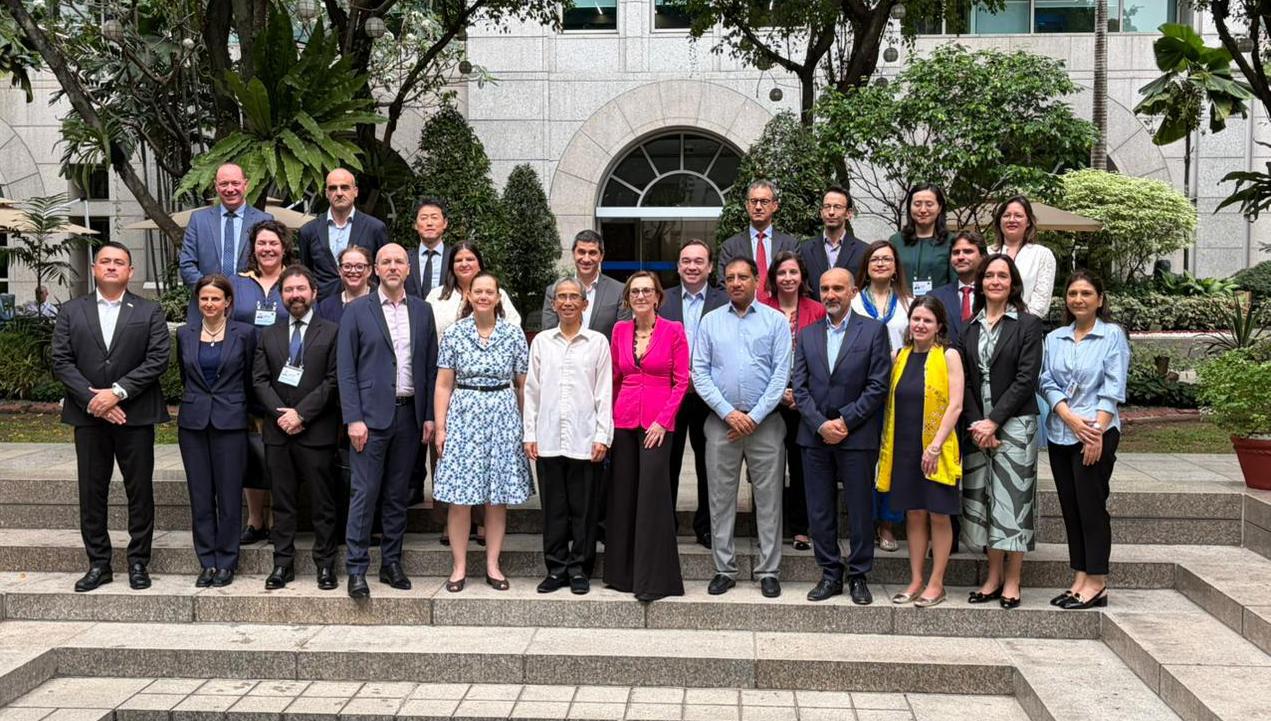
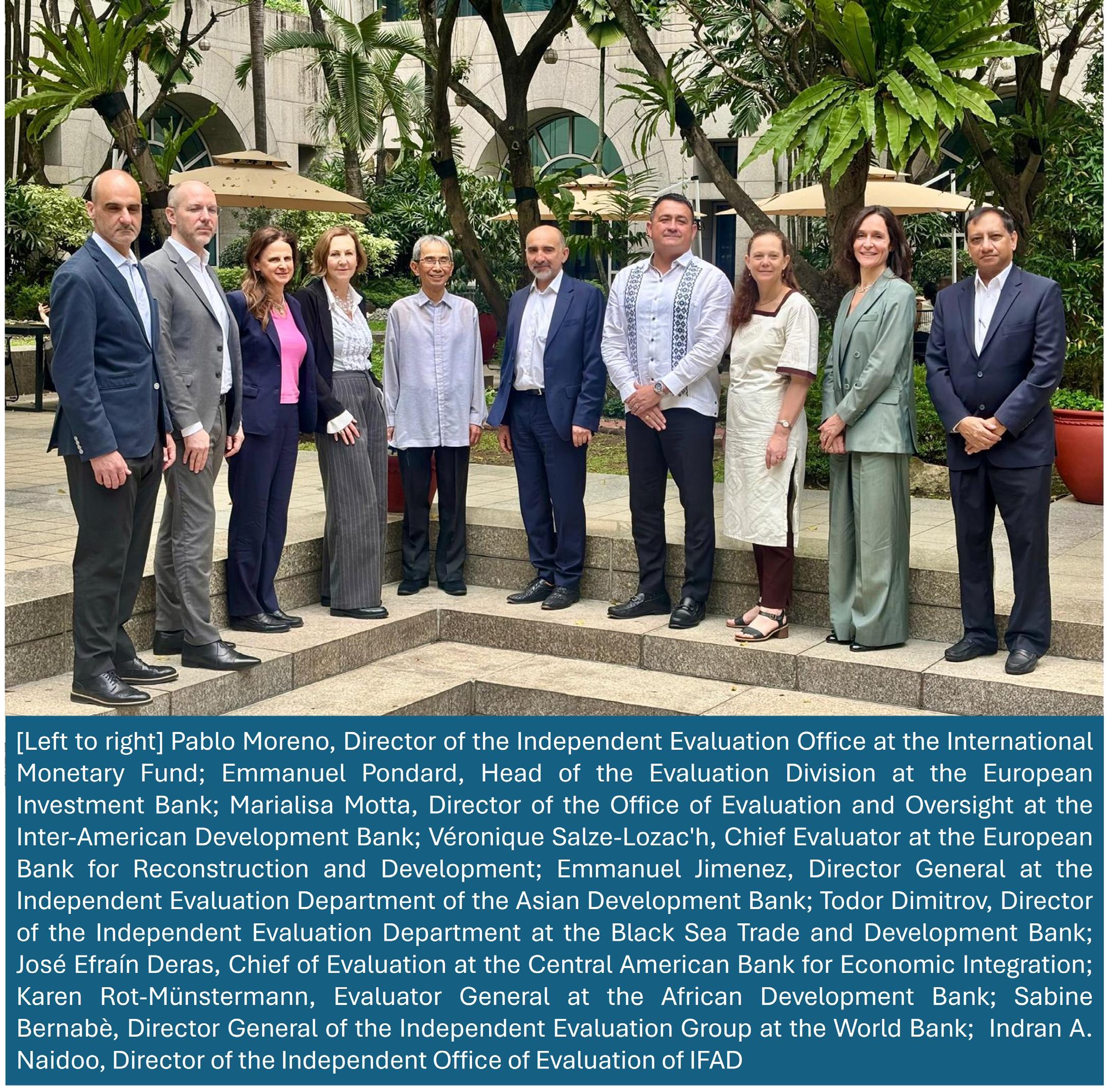
The meeting took place in Manila and was hosted by the Independent Evaluation Department of the Asian Development Bank (IED-ADB). Dr Emmanuel Jimenez, Director General of IED-ADB, took over the mantle of Chair of the ECG from Dr Naidoo, who had chaired the 2025 Spring and Autumn sessions of the ECG in Rome, at IFAD headquarters.
The heads of the ECG evaluation offices attended, including Karen Rot-Münstermann, Evaluator General at the African Development Bank; Dr Emmanuel Jimenez, Director General
IED-ADB; Todor Dimitrov, Head of Independent Evaluation at the Black Sea Trade and Development Bank; Dr José Efraín Deras, Chief of Evaluation at the Central American Bank for Economic Integration; Dr Véronique Salze-Lozac’h, Chief Evaluator at the European Bank for Reconstruction and Development; Emmanuel Pondard, Head of the Evaluation Division at the European Investment Bank; Marialisa Motta, Director of the Office of Evaluation and Oversight at the Inter-American Development Bank; Dr Sabine Bernabè, Director General of the Independent Evaluation Group at the World Bank; Pablo Moreno, Director of the Independent Evaluation Office at the International Monetary Fund; Henrique Pissaia, Principal Profession-
al at the New Development Bank Independent Evaluation Office; Fabrizio Felloni, Deputy Director of the Independent Evaluation Office at the Global Environmental Facility; and Isabelle Mercier, Chair of the UN Evaluation Group. In addition to Dr Naidoo, IOE was also represented by Mona Fetouh, IOE Deputy Director.
On the second day of the gathering, Dr Naidoo Co-Chaired a session alongside Ms Rot-Munstermann, Evaluator General at the African Development Bank, titled ‘country-level evaluations’. The session shared good practices on country-level evaluation for transformative change. Ms Fetouh was one of the panel members and presented IOE’s approach to country-level evaluations. A
number of issues emerged during the discussions, including the benefits and constraints of country-level evaluations; the most beneficial and relevant methodological approaches in evaluating country-level portfolios, for better accountability and credibility; and how stakeholder engagement has promoted utility, buyin and ownership among national partners.
Dr Naidoo explained that CSPEs are IOE’s highest demand evaluations, as they are key inputs into the development of IFAD country strategies. Over the years, CSPEs have addressed numerous themes that are aligned with the core IFAD’s mandate to enabling rural transformation. Recommendations have contributed to improving strategic and operational approaches of IFAD’s engagement in the countries; enhancing support for value-chain development and for creation of economic opportunities; and improving social inclusion, especially support for gender equality and women empowerment, youth and marginalized groups.
As a foundation for CSPEs, IOE uses theory-based evaluation approach. Thus, a reconstruction of the strategy and programme theory is a must. A contribution analysis is conducted, as attribution of change is extremely difficult, almost impossible. Additionally, mixed-methods approach is applied. Stakeholders are engaged throughout the evaluation process, as this is critical to ensure relevance and buy-in.
During the two days, ECG heads also focused on the importance of identifying and tracking the influence of evaluations. Discussions looked at common understandings of what is meant by influence, how it is tracked and how to land on a common pool of evidence indicators. Participants shared the dominant pathways through which evaluations shape decisions in their institutions, and how they capture both mandatory follow-up and voluntary uptake.
In this context, Dr Naidoo and Ms Fetouh highlighted that stakeholder engagement is one of the most critical paths to influence. Moreover, one of IOE’s key operating principles is maintaining structural and behaviour independence while ensuring regular consultation and engagement with IFAD management and national and local stakeholders
throughout the process. To this end, IOE has engaged neuroscience-based approaches to understand how to best communicate and facilitate buy-in and ownership – moving from evaluation phobia to embracing evaluation.
IOE has seen the effects of this approach, which has resulted in a growing demand and indeed welcoming of evaluation from IFAD management – which in turn has led to an increase in the office’s work programme.
The meeting also offered the ECG heads the opportunity to acknowledge the excellent contributions of Dr Salze-Lozac’h to the work of the group over the years. As Chief Evaluator of EBRD, Dr Salze-Lozac’h was Chair of the ECG in 2024. This was her last participation in the ECG, as she is now retiring.
The ECG was established in 1996. The Group contributes to excellence in evaluation. To this end, it is dedicated to harmonizing evaluation work among MDBs by working to strengthen the use of evaluation; providing a forum to share lessons; developing harmonized performance indicators, and evaluation methodologies and approaches; enhancing the professionalism of evaluation; and helping build evaluation capacity. ECG has a three-tier membership structure composed of: full members, permanent observers and temporary observers, which are institutions in the process of applying for full membership. ECG members and observers meet twice a year, in Spring and Autumn, to discuss and share experiences on current evaluation issues. The meetings are hosted by the ECG Chair, the role of which rotates among ECG members. Full live event recording
IFAD supports improved food security in small island developing States
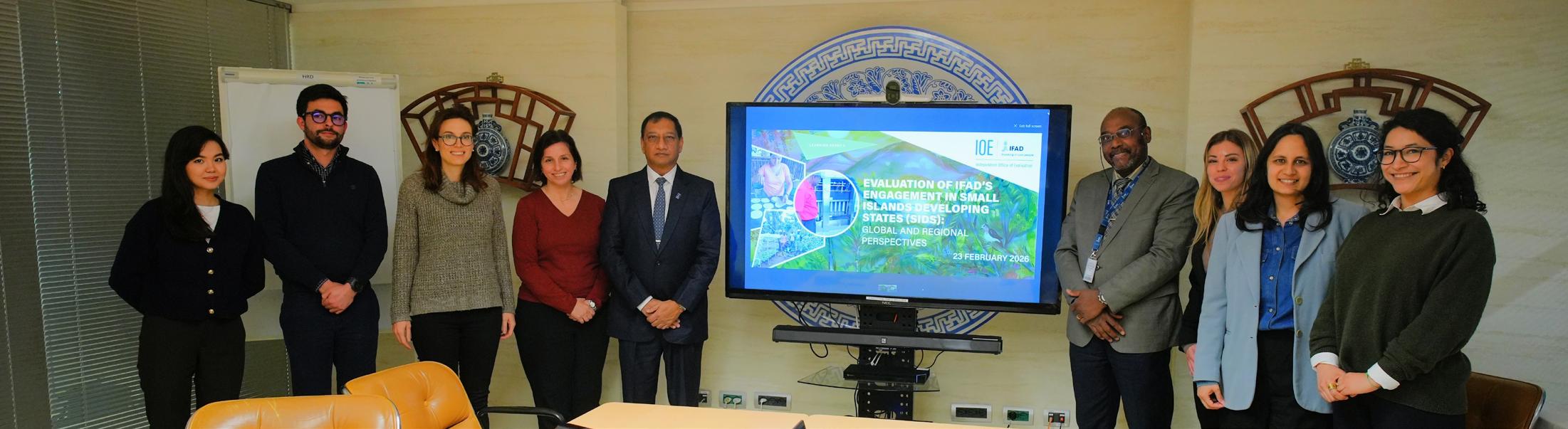
Evidence suggests contributions of IFAD-supported projects to improved food security in Small Island Developing States (SIDS). Food security gains have been achieved following the increase in production, agricultural diversification and higher incomes, with robust evidence in Cabo Verde, Sao Tome and Principe, and Solomon Islands and evidence in Comoros, Grenada, Haiti and Tonga. These and other related findings were discussed during a learning event focused on the Evaluation of IFAD’s Engagement in SIDS, on 23 February 2026.
“This evaluation marks a milestone for IOE. It is the first global assessment of IFAD’s engagement in SIDS. Findings show that investments have strengthened food security and nutrition, especially in the Caribbean.” Stated Dr Indran A. Naidoo, IOE Director, opening the event.
Kouessi Maximin Kodjo Chief of Section Author, SIDS evaluation
Organized by the Independent Office of Evaluation of IFAD (IOE), the workshop brought together a wealth of attendants from international, regional and national partners, government representatives from SIDS, IFAD senior management and staff, and technical experts. Over 70 participants joined the event, including from IFAD’s Latin America and the Caribbean Division (LAC),
East and Southern Africa Division (ESA), and West and Central Africa Division (WCA).
“This event is very important. It helps us to turn evidence into practical improvements in how we design, deliver and learn in SIDS contexts.” Affirmed Sara Mbago-Bhunu, ESA Regional Director, speaking on behalf of Carola Alvarez, Managing Director, Office of Development Effectiveness of IFAD.
In 2024, IOE conducted an evaluation of IFAD’s engagement in SIDS, over the evaluated period 2015–2024, covering 30 IFAD-financed loan operations across 18 SIDS, totalling nearly US$800 million in investments. IOE organized a first learning event that presented evaluation findings, conclusions, and recommendations relevant to SIDS in the Asia and Pacific Region. This second learning event focused on SIDS loans in the LAC, ESA and WCA.
Dr
Profile
The meeting provided an opportunity to focus on the opportunities and challenges of IFAD’s work in SIDS and discuss strategic priorities for IFAD’s upcoming programmes. Specific issues addressed included delivering results under high transaction costs and small scale; scaling up and sustainability beyond the project boundary; tailoring design and implementation to the SIDS operating reality; and partnership models that respond to regional needs, and cross-learning among SIDS.
The workshop highlighted several successful examples of IFAD’s work in SIDS.
“IFAD-supported strategies and operations were relevant and focused, and IFAD’s niche was reaffirmed
in the promotion of inclusive and resilient smallholder agriculture, particularly by targeting underserved and remote islands”, explained Dr. Kouessi Maximin Kodjo, IOE Chief of Section and lead author of the SIDS evaluation.
Evidence from countries including Cabo Verde, Cuba, Fiji, Haiti, Kiribati, Sao Tome and Principe, Solomon Islands and Tonga suggests that households obtained higher earnings due to greater agricultural productivity (mainly in crops), expanded market access or the diversification of income sources. These improvements contributed to greater economic resilience in rural communities.
IFAD investments also contributed to strengthening
farmers’ cooperatives, producers’ groups and community-based organizations in several SIDS, and promoted sustainable production approaches. Sustainable practices included small-scale irrigation systems, agroforestry, drought-resistant crops, soil and water conservation techniques, organic farming, rehabilitation of farmlands and sustainable fishery practices.
Furthermore, good progress was achieved in the promotion of climate-smart practices. These include rainwater harvesting systems, drought-resistant crops, renewable energy, hydroponic farming and greenhouse techniques. These approaches were well suited to increasing climate resilience at the community level.
Discussions also brought to the forefront ongoing challenges. For instance, institutional strengthening, particularly within government structures, remained incomplete. While many projects included components aimed at capacity-building for public actors, efforts often did not translate into sustained institutional reforms or improved governance.
Furthermore, in most SIDS, social sustainability remained fragile due to limited ownership and the financial vulnerability of community-based organizations. Economic and financial sustainability was also modest, challenging in isolated island contexts, where high transport costs, limited market size and supply chain disruptions reduced
viability. These were compounded by weak governance, dependence on external inputs, limited credit access and market volatility. Technical and institutional sustainability was also low, largely due to limited financial and technical capacity in partner institutions.
In addition, successful scaling up occurred in only few instances, often driven by robust engagement with strategic partners, including governments, NGOs and private sector actors, which facilitated resource mobilization and policy alignment.
To address these ongoing challenges, it is recommended that IFAD adopt a comprehensive, multidimensional approach to resilience-building in SIDS; strengthen and leverage
strategic and operational partnerships to improve performance in SIDS contexts; and tailor operational approaches to SIDS contexts for more effective resilience-building support, including in the areas of market access, income diversification, nutrition and inclusiveness.
SIDS are among the most vulnerable countries globally. They are a distinct group of countries marked by their small geographic size, ecological fragility and remoteness – factors that collectively heighten their vulnerability. Despite their differences, SIDS share structural characteristics such as limited natural resources, economic dependence on climate-sensitive sectors such as tourism and fisheries, and minimal industrial activity.
SIDS evaluation (unedited)
Photo: Ragnar
FRAMEWORKS NEEDED TO ASSESS SMALLHOLDER CLIMATE RESILIENCE
Corporate conceptual frameworks and methodologies are needed to assess changes in smallholder climate resilience. These are necessary to clarify how beneficiary numbers are counted, the link between national climate strategies and project objectives, and how results will be sustained after project completion. Dr Indran A. Naidoo, Director of the Independent Office of Evaluation of IFAD, made these points during the Europe-
an Bank for Reconstruction and Development (EBRD) Evaluation Week, on 4 March 2026.
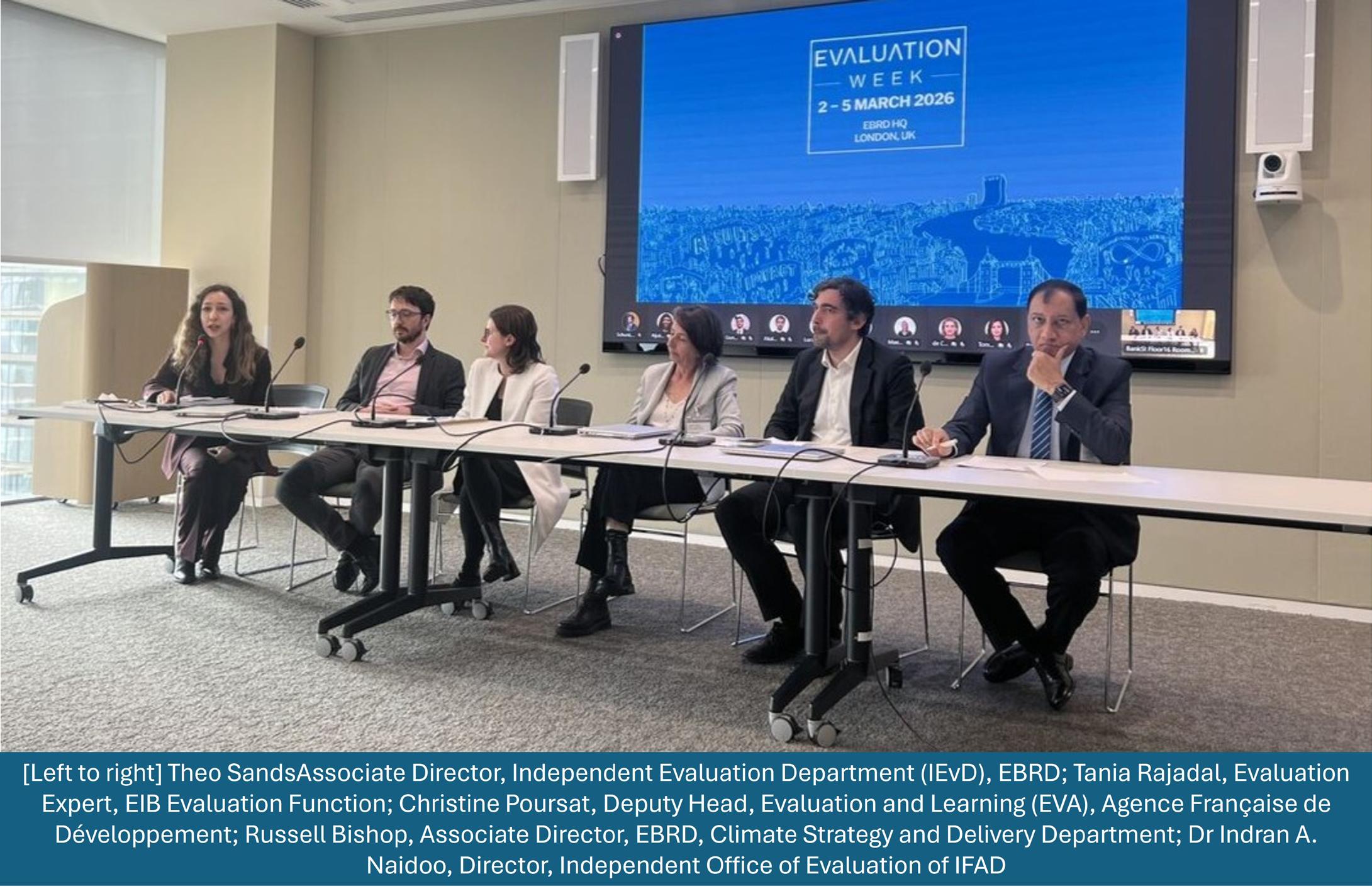
Organized by EBRD’s Independent Evaluation Department (IEvD), this year’s Evaluation Week was framed around the theme “Pathways to Resilience: Supporting Private Sector Success for a Sustainable Future”, building on our recent work on resilience, additionality and the role of evaluation in navigating uncertainty and shocks. Repeated shocks have highlighted vulnerabilities not only in member countries but also in the way MDBs conceptualize, implement, and assess resilience. The event brought together many heads of evalua-
tion offices of multilateral development banks (MDBs) and international financial institutions.
Dr Naidoo participated as panellist in the session titled ‘From strategy to impact: the future of green action’. The session focused on the core theme of how MDBs, bilaterals and partners can move from scaling green finance to delivering credible, measurable, and systemic green impact through stronger strategies, metrics, and implementation practices. This includes moving beyond mainstreaming green finance to achieving green impact; unlocking adaptation and nature-finance pipelines; and the adoption of credible green outcome targets and metrics whilst preserving operational flexibility. Panellists included Tania Rajadel Evaluation Expert, European Investment Bank; Christine Poursat Deputy Head, Evaluation and Learning, Agence Française de Développement; Russell Bishop Associate Director, Climate Strategy and Delivery Department, EBRD; and Theo Sands Associate Director, Independent Evaluation Department, EBRD.
In his interventions, Dr Naidoo explained that the sustainability of projects is frequently constrained by weak institutional anchoring, limited provision for operations and maintenance, and inadequate exit strategies. To address these, there is need to institutionalize sustainability at design; build country team technical depth, including the ability to monitor results; and adopt a corporate resilience and ecosystem results architecture.
Discussions also stressed that a large number of disparate indicators related to climate means the overall story can be difficult to say, and in several cases, climate-related indicators are difficult to understand and costly to collect. Thus, there is a need to be more realistic about ambition in terms of what data is necessary. Streamlining outcome indicators will be important, as will be developing indicators that are easily understood by all, and which all can relate to.
Other key topics discussed during the event included joining forces for enhancing private sector resilience; enhancing MDB’s Additionality for stronger private sector resilience; and how to move from volatility to versatility by leveraging sustainable infrastructure for resilient economies.
At the EBRD, IEvD evaluates the strategies, policies, and operations, ensuring accountability and learning. It implements its Work Programme in line with its strategic plan, conducts independent evaluations, and disseminates its findings, lessons and recommendations to various internal and external audiences. IEvD collaborates with management, as appropriate, to enhance evaluation standards and capacity-building.
Photo: Etienne Girardet/unsplash
Towards a stronger territorial approach to rural development in Honduras
In Honduras, IFAD has established itself as a strategic partner in rural development, with a clear comparative advantage in inclusive and comprehensive approaches related to issues such as gender, food security, indigenous peoples, and climate change. This has allowed the Fund to gain legitimacy with key stakeholders. To fully translate this positioning into broader coordination or structural scaling up, it is recommended future projects be designed in a multidimensional and systemic manner, combining social, productive, environmental, and governance dimensions. Dr Indran A. Naidoo, Director of the Independent Office of Evaluation of IFAD (IOE), made these points in his opening remarks during the Honduras Country Strategy and Programme Evaluation (CSPE) learning workshop, on 7 April 2026.
Co-organized by the Government of Honduras and IOE, in collaboration with IFAD’s Latin America and the Caribbe-
an Division, the online virtual workshop brought together a wealth of participants who joined the event from the Secretariat of Agriculture and Livestock and other relevant public institutions of Honduras; international financial institutions and United Nations agencies; private sector entities linked to rural value chains; and producer organizations and territorial organizations; as well as IFAD senior management and staff.
Participants discussed the main findings, recommendations and issues emerging from the CSPE. The meeting also provided an opportunity to focus on the opportunities and challenges of the partnership between IFAD and
the Government in the near future, and discuss strategic priorities for IFAD’s upcoming programme.
The CSPE covered the period 2013-2024 and focused on six investment projects. The total estimated cost of the projects amounts to US$ $203.3 million. During the period under review, IFAD’s country strategic and opportunity programmes (COSOP) in Honduras shared the goal of reducing rural poverty, with varying emphases.
During the workshop, Steven Jonckheere, IOE Senior Evaluation Officer and lead author of the Honduras CSPE report, noted that the portfolio generated positive impacts on productive capacities, with significant increases in household income, improvements in productive and household assets, and progress in financial inclusion through producer organizations and rural credit unions. Favourable effects were also observed in human and social capital, reflected in organizational strengthening, the participation of women, youth, and indigenous peoples, and the consolidation of community governance structures.
Discussions also highlighted the innovative contributions of
Steven
Profile
the projects, with a focus on new technical, organizational, financial, and institutional practices tailored to the local context. These included payments for environmental services, community funds, rural digitization, clean technologies, and participatory models for infrastructure.
Progress was also achieved in the areas of natural resource management, environmental protection, and climate change adaptation, with the promotion of adaptive practices and technologies. These included agroforestry systems, water harvesting, and micro-irrigation, which yielded short-term productive and environmental benefits, and strengthened community capacities with support from climate finance.
At the same time, participants noted that achievements were constrained by persistent structural limitations—such as access to land, markets, ongoing technical assistance, and institutional capacity— which limited the depth and sustainability of the impact, particularly for the most vulnerable groups. Furthermore, the results obtained are fragile and run the risk of stagnating or declining because of structural constraints related to efficiency, sustainability, and the institutional environment were not addressed.
In this regard, policy dialogue was ad hoc and reactive, lacking a strategic agenda, defined goals, or resources, and was affected by institutional instability and IFAD’s absence in the country. In the same vein,
weak institutionalization within the Secretariat of Agriculture and Livestock, high staff turnover, fragmented monitoring systems, and the lack of clear exit strategies limited the sustainability of results. These and other related challenges were compounded by limited and scattered targeting, which reduced equity and effectiveness in serving the most vulnerable groups.
To address these shortcomings, the CSPE recommended that the future IFAD COSOP should define and implement robust, differentiated, and context-specific targeting strategies to effectively reach the most vulnerable groups. Furthermore, interventions should strengthen access to markets and financial services through structured, comprehensive interventions coordinated with key actors in the economic ecosystem; and strengthen monitoring, evaluation, and learning systems to promote evidence-based decision-making, improve sustainability, and foster scalability.
Honduras is a lower-middle-income country with an estimated population of around 10.6 million, of whom approximately 45 percent live in rural areas. Despite some macroeconomic progress, the country faces high levels of poverty and inequality, particularly in rural areas.
ENSURING SYSTEMATIC AND RESPONSIBLE
The Independent Office of Evaluation of IFAD (IOE) is moving from experimentation to an increasingly structured, systematic and increasingly responsible use of AI. The aim is not to automate evaluation, but to help evaluators engage with evidence more systematically while preserving independence, credibility and accountability. Future use will depend on clear safeguards, source traceability, confidentiality protection, human validation, quality control and transparent documentation of where and how AI has been used. This approach was presented and discussed across four separate sessions during the gLOCAL 2026 Evaluation Week. IOE team members involved included Hansdeep Khaira and Steven Jonck-
heere, Senior Evaluation Officers at IOE, along with Anoop Sharma, Evaluation Specialist, and Hannah den Boer, Evaluation Analyst.
Mr Sharma participated as a speaker in the session titled ‘Ethical Usage of AI for Efficient Evaluation’. The session was moderated by Dr. Abinash Dash, Director at Development Monitoring and Evaluation Office of the National Institution for Transforming India (NITI Aayog). The session explored a uture-oriented balanced approach that combines the use of AI tools with proper adequate safeguards to undertake efficient and meaningful evaluations of government schemes.
Mr Khaira was among the panellists of the session titled ‘Leveraging AI Across the Evaluation Cycle: Insights from MDB Evaluations’. The session brought together perspectives from evaluation functions in Multilateral Development Banks and UN agencies to examine how AI is being integrated into real evaluation products, what benefits it brings, what limitations remain, and what institutional safeguards are required.
Mr Jonckheere spoke at the roundtable session titled “Doing More with Less while Not Losing Trust: How Should Eval-
uation Standards Evolve in an AI Augmented World?”, while Mr Sharma acted as moderator. The roundtable, organized by EvalforEarth, explored questions around how evaluation standards, competencies, and institutional frameworks adapt to ensure AI strengthen rather than undermine ethical practice, methodological rigor, and public trust.
Ms den Boer moderated the panel discussion titled ‘Grounding AI in Evaluation Practice: Lessons from Nepal, and Georgia.’ The panel brought together members of the EvalforEarth Community of Practice to examine how evaluation can remain credible, inclusive, and context-responsive in an AI-augmented world. Drawing on experience from Nepal, and Georgia, the
Hansdeep Khaira Senior Evaluation Officer IOE
Profile
Steven Jonckheere Senior Evaluation Officer IOE
Profile
RESPONSIBLE USE OF AI IN EVALUATIONS
session offered a cross-contextual reflection on the intersection of policy, practice, and methodology in the use of artificial intelligence for evaluation across food security, agriculture, and rural development.
Throughout these sessions, IOE team members explained that in the Office the current use of AI is guided by the IOE AI strategy, which was developed in 2024, and which aims to integrate AI systematically in the evaluation cycle and processes in a responsible manner. The strategy emphasises data protection, safeguards and staff capacity development.
“IOE’s most concrete example is the corporate level evaluation of IFAD’s replenishment
commitments that was done last year. This was a complex evaluation that required a very comprehensive evidence base, going back several years. Following its AI Strategy, IOE used this evaluation as an incubator to test AI in terms of transcription analysis, document classification, identification of patterns and support synthesis. The results were very satisfying”, Mr Khaira explained.
Importantly, IOE does not treat AI outputs as findings, but rather as analytical inputs that need to be checked by evaluators. To do that, IOE ensures traceability to source evidence, which must include references, transcript links, speaker quotes, time stamps, etc, so that evaluators can go back to the original material. IOE also uses human quality assurance. This includes conducting fact checks, comparing AI outputs with original transcripts, and adjusting as needed. Furthermore, IOE validates differently depending on the task. If it is more a classification task, then it looks at performance metrics, if it is more related to retrieval or generation, it assesses if outputs are relevant, accurate, coherent, complete and faithful to the source evidence.
“We triangulate AI outputs with other evidence. We always keep an audit trail that includes
document prompts, workflows, outputs, corrections, etc. AI helps us to process more evidence faster, but validation, interpretation and final judgment remain with the evaluator”, Jonckheere noted.
Looking ahead, IOE’s plan for using AI is systematic. The Office sees potential in three areas. One is knowledge management, by making past evaluations and institutional evidence more searchable and usable. The second is analytical support. This would include evidence gap analysis. The third is quality assurance. This would include checking if findings were clearly linked to evidence and if recommendations are consistent with conclusions.
Anoop Sharma Evaluation Specialist IOE
Hannah den Boer Evaluation Analyst IOE
Profile
Vulnerable groups benefit from networks of microfinance institutions in Djibouti
IFAD’s contribution to the creation of a network of microfinance institutions is a major achievement of the Fund’s work in Djibouti. Vulnerable groups, particularly women, have benefitted from these networks, which have enabled the mobilization of several sources of funding, including a substantial contribution from the Government. Today, these institutions are still fully functional and are supported by the government and other partners. Rami Assaf, Evaluation Analyst at the Independent Office of Evaluation of IFAD (IOE) made this point during the Djibouti Country Strategy and Programme Evaluation (CSPE) national workshop, speaking on behalf of Dr Genny Bonomi, Senior Evaluation Officer and lead author of the CSPE evaluation report. The event took place on 5 March 2026.
Co-organized by the Government of Djibouti and IOE, in collaboration with IFAD’s Near East, North Africa and Europe Division (NEN) Division,
the online virtual workshop brought together a wealth of high-level attendants, including M. Ali Mohamed Del Wais, Director of General Administration representing the Secretary General of the Ministry of Agriculture, Water, Fisheries, Livestock, and Fisheries Resources of Djibouti, and M. Abdallah Mohamed Bourhan, Deputy Director in charge of disbursement and project monitoring, representing the Minister of Economy and Finance of Djibouti. Over 50 participants joined the event, representing the government of Djibouti, development partners, UN agencies, civil society organizations and IFAD senior management and staff.
This is the first evaluation of
its kind conducted by IFAD in Djibouti and covers the period from 2010 to 2024. During the workshop, participants discussed the main findings, recommendations and issues emerging from the CSPE. The meeting also provided an opportunity to focus on the opportunities and challenges of the partnership between IFAD and the Government in the future and discuss strategic priorities for IFAD’s upcoming programme.
In her opening remarks, Mona Fetouh, IOE’s Deputy Director, stated that IFAD’s interventions in Djibouti have addressed the major challenges facing rural communities, particularly access to water. The country programme has made significant progress in the areas of water infrastructure, microfinance development, and support for the fisheries sector.
In a similar vein, Abdallah Mohamed Bourhan also noted the positive impacts of IFAD’s interventions and highlighted that the country programme has contributed to sustainable natural resource management and climate change adaptation. These efforts have resulted in several actions to restore degraded land and promote vegetative regenera-
Dr. Genny Bonomi Senior Evaluation Officer Author, DJibouti CSPE
Profile
tion through the construction of water and soil conservation structures and soil protection and restoration structures.
Other successes achieved by the fund, discussed during the event, include those attained in the fisheries and water infrastructure sectors. In the fisheries sector, the country programme has contributed to the introduction of a data collection system, the establishment of infrastructure, the provision of equipment, and the creation of a dedicated line of credit for actors in the sector. With regard to water infrastructure, the construction of facilities such as underground cisterns and water reservoirs improved access to water for households and animals. This infrastructure has significantly reduced water stress in the intervention areas.
Discussions also brought to the forefront ongoing challenges. The country program me did not sufficiently take into account the development of pastoral systems as a whole. Indeed, important aspects were not adequately addressed, including capacity development for stakeholders, guidance and technical support for producers, and animal health. Furthermore, the rehabilitation of grazing land in terms of vegetation cover has been limited due to the ineffectiveness of protective measures, successive droughts, and techniques that were sometimes unsuited to the characteristics of the sites.
Other challenges include insufficient local supervision and technical support to
grassroots community organizations that have been set up, including local steering committees and water point and pasture management committees, which are not yet fully operational. In addition, lack of ownership of tools such as the water and pastoral development plan reduces the chances of sustainability. It should also be noted that onethird of the income-generating activities created under these projects suffered from viability problems due to the lack of commercial networks to sell the products and insufficient means of transport.
Looking ahead, several recommendations were put forward during the event, in line with the CSPE report. These include the need to further invest in improving and diversifying agro-pastoral production, as well as the development of economic activities geared towards this sector and giving priority to women. It is also recommended that approaches to planning and implementing interventions should be strengthened and better adapted to the needs of project participants and the realities of the context; and that, in the area of gender, the country programme should adopt a holistic approach by developing operational strategies that are connected to the realities of rural communities in the country.
Djibouti CSPE (unedited)
EVALUATORS AS KNOWLEDGE BROKERS
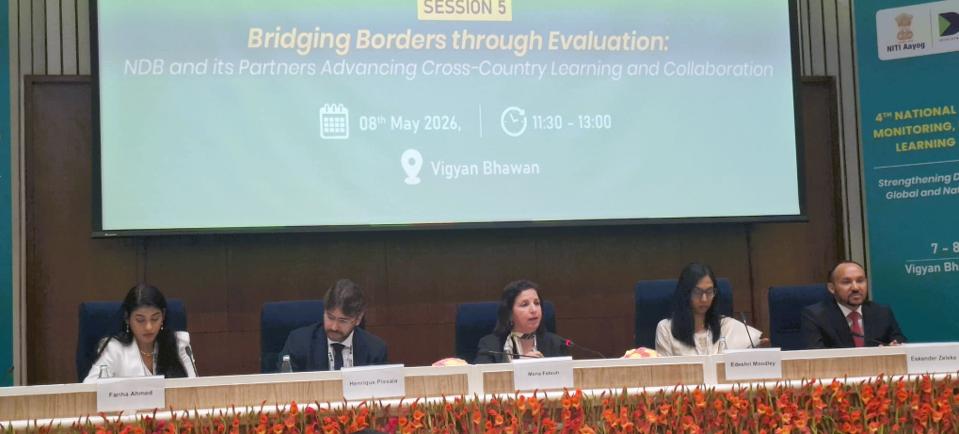
“We need to play a role in insuring that information flows in multiple directions and move away from old models where the North drives evidence demand. Learning from and across the global south is where truly rich information lies, and we in international organizations need to ensure that we’re facilitating this exchange rather than reinforcing old structures”, stated Mona Fetouh, IOE Deputy Director, during the National Conference on Monitoring & Evaluation (NCMEL), on 8 May 2026.
The NCMEL 2026 was organized by the Development Monitoring and Evaluation Office (DMEO), NITI
Aayog, Government of India, and was held on 7–8 May 2026 in New Delhi, India. Anchored in the overarching theme ‘Strengthening Development through Global and National M&E Practices,’ the conference served as a platform bringing together policymakers, practitioners, international organizations, and academia to advance monitoring, evaluation, and learning systems through knowledge exchange, innovation, and collaboration, with a focus on strengthening evidence-based decision-making and cross-country learning.
In alignment with this focus, the Independent Evaluation Office (IEO) of the New Development Bank (NDB) convened a high-level panel session titled ‘Bridging Borders through Evaluation: NDB and its Partners Advancing Cross-Country Learning and Collaboration’. IOE’s Deputy Director was among the panel members.
The session afforded an opportunity to share evaluation-based evidence and insights from cross-country experiences across multilateral development banks and national systems, with
Mona Fetouh Deputy Director IOE
Profile
a view to demonstrate how evaluation supports policy learning, adaptation, and improved development outcomes across different country contexts. Panellists highlighted best practices in promoting collaboration between multilateral institutions, governments, and academia, and explored approaches to institutionalising cross-country learning within evaluation systems.
In her interventions, Ms Fetouh addressed the role that international organizations should play in bridging global knowledge with local implementation realities. In this regard, she explained that conducting evaluations with a strong global reach, enables IOE to build an evidence base that can help to identify commonalities across operating contexts. This fosters cross-learning that allows knowledge transfer across countries with differing capacities and conditions; supports organization-level strategy; identifies common patterns, results and constraining and enabling factors across contexts; and helps to share lessons and innovations for scaling-up.
“In a world of excess information but low trust, rigorous evidence has an even greater value to cut through the noise on what works and how we can better deliver for the communities we serve”, Ms Fetouh emphasized.
The IOE Deputy Director also noted that rural people are seen as risky investments by many private sector financers. This makes looking at lessons across internationally co-financed rural development interventions very important, insofar as it can help identify how to address this barrier. The Independent Office of Evaluation of IFAD (IOE) has been doing just that.
“We recently looked at evidence from evaluations of IFAD’s private sector engagement in the context of value chain development – linking smallholder producers with buyers, processors, or service providers through structured partnerships, leading to increased market access and bargaining power for small producers and better livelihoods and incomes. Strong integration of private sector actors at design stage and clear roles were shown to support results in several contexts. ”, Ms Fetouh explained.
Through these discussions, participants gained practical insights into the application of evaluation evidence across country contexts; developed a deeper understanding of mechanisms that facilitate effective cross-country learning and collaboration; and learned from concrete examples of partnerships and evaluation-driven knowledge exchange.
FURTHER INSIGHT
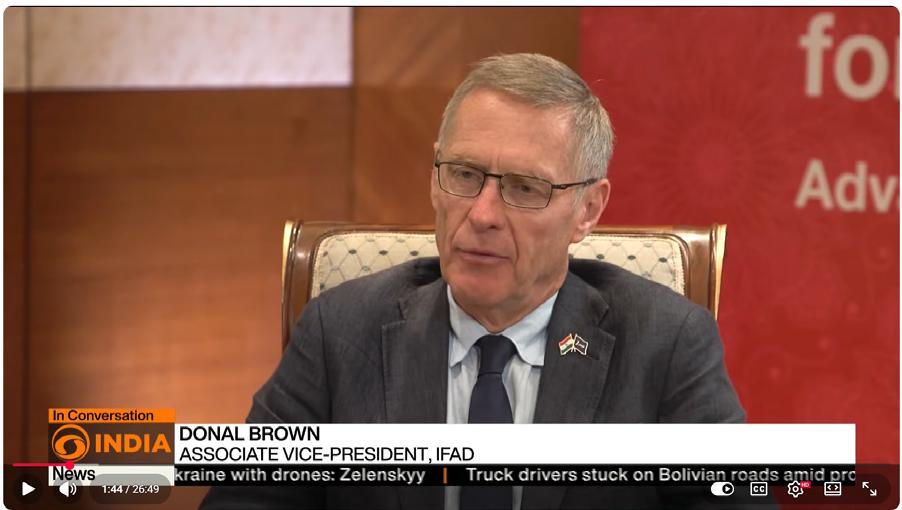
In Conversation with Donal Brown
In an exclusive interview with DD India – the country’s 24x7 international news channel from the Public Service Broadcaster, Prasar Bharati – the Associate Vice-President of IFAD’s highlighted India’s transformation from tackling rural poverty to driving rural prosperity. Mr. Brown praised India’s large-scale rural development programs, digital transformation, climate resilience initiatives, and the growing role of small farmers, women-led self-help groups, and agroecology. Discussions also covered climate change, food security, millet promotion, digital agriculture, and the future of India’s rural economy under the Viksit Bharat 2047 vision.
Where do youth add most value to evaluations in a complex world?
“Over 60% of the population in the Middle East and North Africa (MENA) is young, so the question is no longer whether youth can add value to evaluations, but why their inclusion has taken so long”. Rami Assaf, Evaluation Analyst at the Independent Office of Evaluation of IFAD (IOE), put forth this thought-provoking question during the global inauguration of the Youth in Evaluation Forum 2026, on 19 May 2026.
The Youth in Evaluation Forum 2026 was a threeday global digital convening designed as an inclusive platform where voices of young people are not only heard but actively influence how evaluation responds to today’s evolving development environment. Bringing together young, emerging and experienced evaluators, regional partners, Voluntary Organizations for Professional Evaluation, and global stakeholders, the Forum celebrated Youth in Evaluation champions and advanced dialogue on
Rami Assaf Evaluation Analyst IOE
Profile
Photo: Monstera Production/pexels
Photo: Mikhail Nilov/pexels
the Future of Evaluation from the perspective of young and senior evaluators. The Forum began with a global inauguration led by Eval4Action, followed by two days of regionally-led events organized by regional and national partners.
Addressing the context of the MENA region, Mr Assaf highlighted that young people are living regional complexities in real time, not observing them through reports or news. This makes them uniquely qualified, ground-level evaluators. More to the point, youth bring two defining strengths: digital fluency and methodological adaptability; qualities that enable proactive and flexible responses to complexity. From artificial intelligence and GIS to emerging platforms, young evaluators are the most technical generation and less constrained by institutional loyalty. This means that they are willing to question, test, and challenge more freely.
The MENA region sits at the intersection of rapid change and deep uncertainty, a position that sharpens youth’s ability to identify what is working, what is not, and what was never going to work. For this reason, excluding youth from evaluation is not just a missed opportunity, it is a gap in the evidence. As evaluations anticipate futures in addition to measuring pasts, youth participation becomes non-optional. It is a necessity to shape generational outcomes.
The global inauguration also featured discussions that spotlighted youth leadership and innovation in evaluation, amplifying diverse perspectives across regions, and highlighting inspiring examples of meaningful youth engagement in evaluation practice and systems. Through high-level reflections and interactive elements, the global inauguration catalyzed action, strengthened global solidarity, and positioned young evaluators as key actors in shaping the future of evaluation.
The inauguration was followed by two days of regional events, which stimulated context-specific dialogue and generate actionable commitments to Youth in Evaluation from stakeholders across the region. Discussions helped the identification of regional priorities for engaging youth in evaluation, and the emergence of ideas and entry points for cross-regional collaboration on youth participation in evaluation beyond the Forum.
Photo: Kampus Production/pexels
Photo: Yan Krukau/pexels
Photo: Josiah Matthew/pexels
WHY EVALUATION MATTERS
With billions invested annually in development programs, evaluation provides essential tools to measure progress and assess how effectively these efforts achieve their objectives. Governments and international organizations rely on evaluation to identify strengths and weaknesses, answer critical questions such as “Did the programme work?”
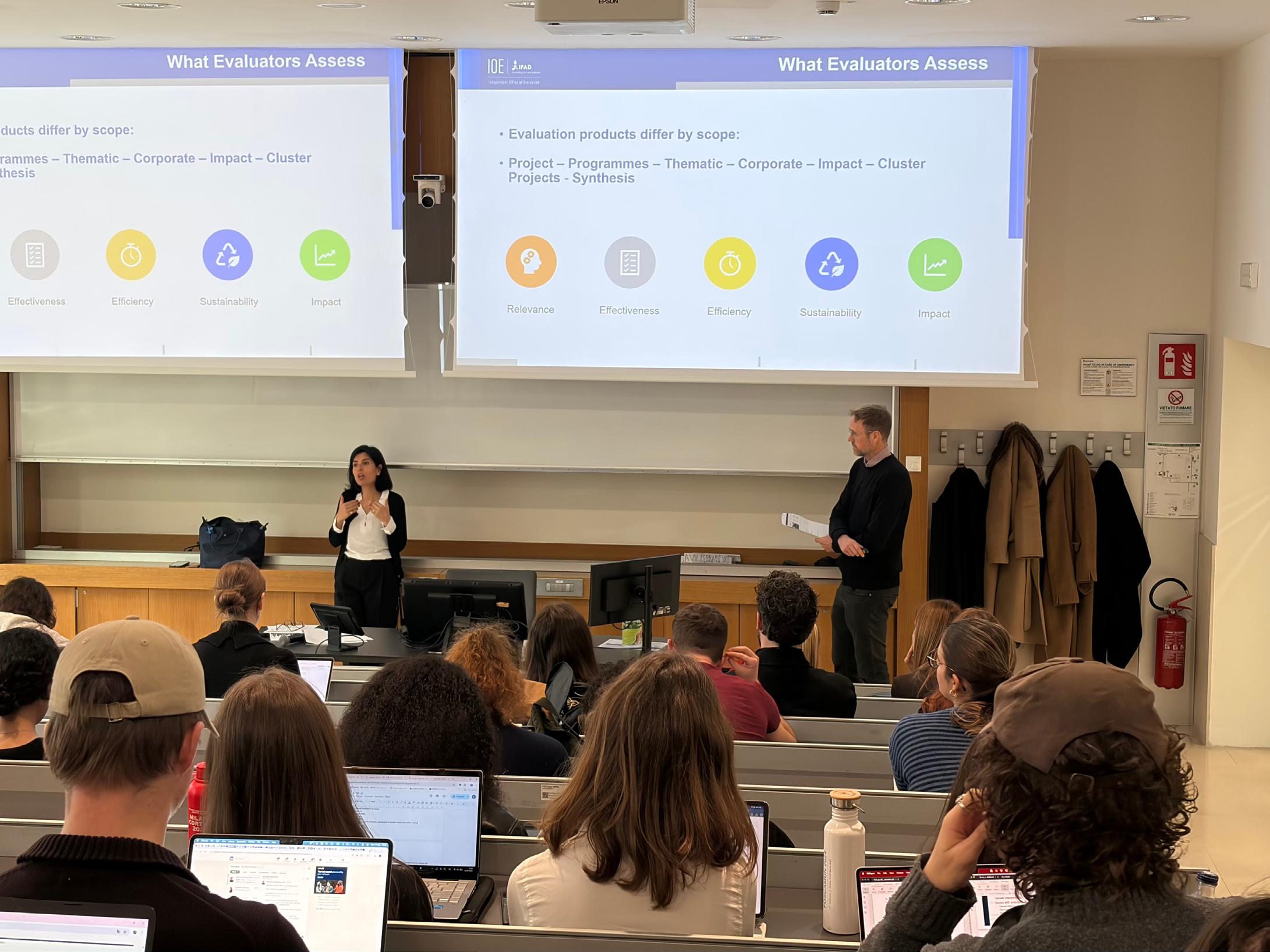
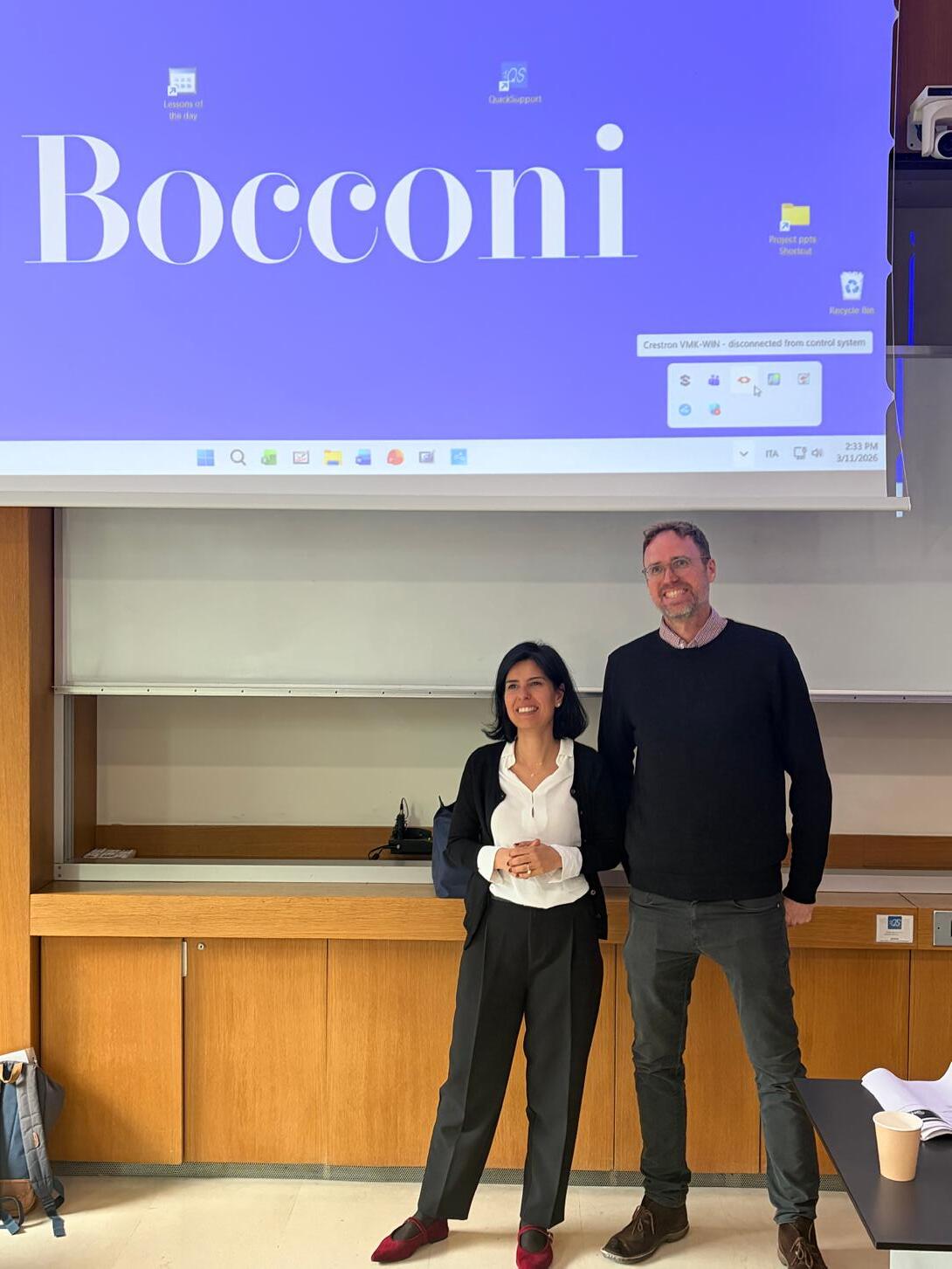
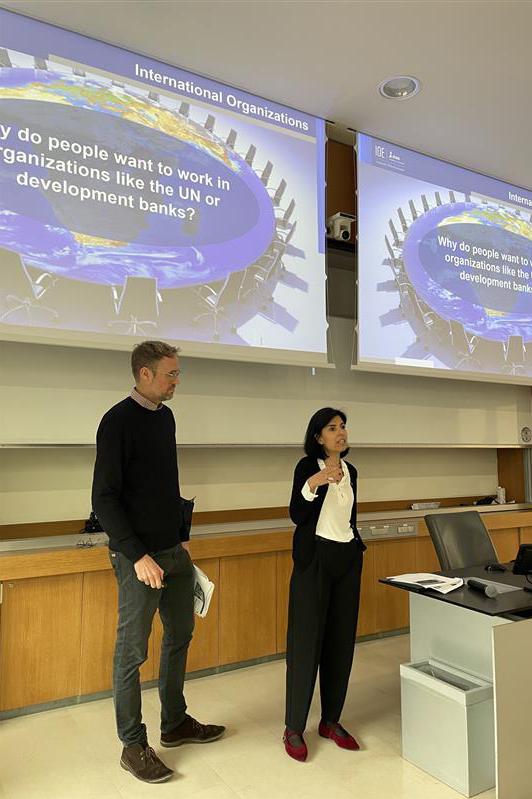
and “Did it improve people’s lives?”, and support ongoing improvements. Steven Jonckheere and Diane Abi Khalil, both Senior Evaluation Officers at the Independent Office of Evaluation of IFAD (IOE), explained these principles to students of the Bocconi University, on 11 March 2026.
Organized by the University of Bocconi, the session took place during the ‘Careers in Government & International Organizations’ series, an initiative designed to support Bocconi students and graduates interested in careers within EU institutions, international organizations, and the public sector. MSc and Bachelor students attended the event and gained valuable information about the role of independent evaluators and IFAD’s broader mandate.
IOE’s Senior Evaluation Officers highlighted that evaluation ensures accountability, optimizes the allocation of resources, and offers guidance to enhance programme effectiveness and successfully meet goals. They also explained how IOE’s work closely relates to IFAD’s mission, which consists in eradicating poverty and hunger, empowering small-scale farmers, and promoting sustainable agriculture. In this context, evaluation is not an isolated event at the end, but it closes a cycle and informs the next one. This cycle is constituted by phases that include strategic planning, project design, approval and start-up, implementation, monitoring and learning, and evaluation.
In simple terms, evaluators try to answer questions such as “Did the project reach the intended beneficiaries?”, “Did it improve livelihoods?” and “Are the results sustainable?”. Answering these questions involves following an articulate process that includes defining the objectives of an evaluation, methodology and data collection, analysis and reporting, and feedback and presentation. The latter is especially important to ensure the uptake of recommendations and consists in sharing the report with stakeholders for feedback, incorporate comments, and present final results to all involved parties. Key evaluation criteria assessed during the process are relevance, effectiveness, efficiency, sustainability, and impact.
Key skills to become an evaluator typically include analytical thinking, economics, policy analysis, data analysis, writing and communication, and understanding institutional dynamics. These are complemented by soft skills, such as diplomacy, negotiation, and cross-cultural collaboration.
Bocconi is a leading European research and teaching university with a strong international orientation and an offer that encompasses the areas of economics, management, finance, legal studies, political science, data and computer science with a growing focus on AI.
BALANCING CLEAR MESSAGES AND
The Independent Office of Evaluation of IFAD (IOE) has developed a creative tool that supports the delivery of clear, simple messages to stakeholders, while simultaneously safeguarding the nuancing of complex evaluation findings. This tool fosters this result by improving product targeting, strengthening message tailoring and improving the return on investment of communication efforts. Dr Alexander Voccia, Senior Evaluation Communication and Knowledge Management Specialist, and Coordinator of IOE’s Evaluation Communication Unit, presented this tool during a webinar, on 6 May 2026.
EvalforEarth hosted the webinar, which was titled ‘If Communication Doesn’t Lead to Use, What Are We Missing? Rethinking how we communicate evaluation’. During the event, Dr Voccia was joined by a group of esteemed panellists, including Nicola Theunissen, Communications Officer at WFP; Jimmy Silvester, Senior Communications Officer at the GEF; Silvio Galeano, Communications Specialist at FAO; and Federica Bottamedi, Evaluation Outreach Specialist at CGIAR. Domagoj Vrbos, Senior Manager at CGIAR delivered opening remarks, while Dr Leonard Makombe, communications professional, chaired the event which was administered by Innocent Chamisa, EvalforEarth Coordinator. Over seventy participants joined online, comprising evaluation practitioners, communication experts and development specialists.
The event offered a cross-agency learning exchange to explore how communication can move beyond dissemination to become a driver of learning and use. To this end, the session not only showcased practical experiences, but
Dr Alexander Voccia Senior Specialist Evaluation Communication
Profile
EVALUATIVE NUANCING IS POSSIBLE
also critically examined why communication efforts often fall short and what needs to change for evaluation to truly inform decisions and action.
In his presentation, Dr Voccia started by emphasizing that there is no one-size-fitsall approach to churning out messages. Instead, it is necessary to assemble the pieces of the ‘communications’ puzzle, which is composed by four main elements, namely stakeholders, evaluation reports, communication tools, and dissemination platforms. To analyse these four dimensions in a synergistic fashion, IOE developed the communications cube. The tool allows to understand the synchronicities between the four dimensions, and to use them to maximize the value of the communication deliverables being produced.
This is not a one-off process but requires continuous finetuning. For this reason, IOE continually tracks and periodically reviews the performance of all its communication assets. Based on these findings, points of intersection within the communications cube are revised
and adjusted over time. This cyclical approach of monitoring, reviewing, adjusting and re-implementing has helped IOE to significantly improve its outreach. Notable results have included increased readership, since the right products are going to the right people; increased engagement levels, since messages are resonating with the right audiences; and improved return on investment, since these results are being achieved without the need for any additional resources.
Other panellists explored how early engagement, stakeholder participation, and collaboration with local actors can strengthen ownership and uptake; discussed how we can better understand and assess whether communication is influencing learning, decisions, and action; and shared experiences that illustrate not only what works, but what had to change to make it work.
EvalforEarth is a dynamic community of practice dedicated to advancing evaluation in food security, environment, agriculture and rural development.