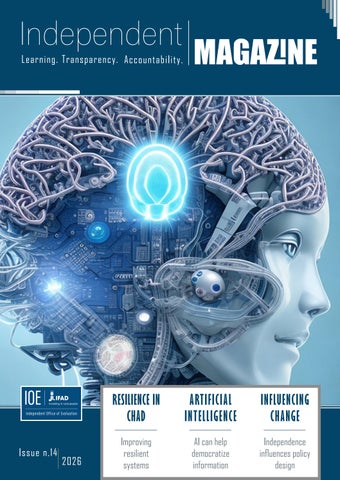
ARTIFICIAL INTELLIGENCE AI can help democratize information INFLUENCING CHANGE Independence influences policy design
Independent Office of Evaluation
International Fund for Agricultural Development
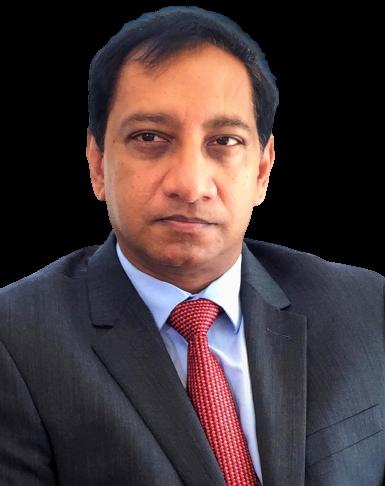
Dr Indran A. Naidoo Director Independent Office of Evaluation
Welcome to the 14th edition of Independent Magazine.
In this edition we continue our coverage of evaluative work and results achieved in several countries, highlighting how evaluations help in course correction, and how they feed into new programming in a tangible manner. Over the past five years we have undertaken over 60 evaluations of projects and programmes in IFAD’s diverse portfolio and provided insights into how successful and durable the collaboration and partnership between IFAD and governments has been. The high uptake of IOE recommendations by both IFAD and governments indicates the value accorded to independent evaluation, which has the necessary gravitas and credibility to drive utility and change.
The evaluations covered here of Chad, Senegal, Zambia, Sri Lanka and Montenegro reflect how challenging it is to achieve results in vulnerable contexts. This notwithstanding, IFAD’s programmes contribute to supporting and fuelling development and to driving improvements in livelihoods, as is the case in Peru, where a visit of IFAD Executive Board members took place late last year. The visit was informed by the findings of an earlier IOE evaluation in Peru and this same evaluation will serve as a benchmark against which to view progress in the soon-to-be-completed country strategy and programme evaluation of IFAD’s programme in the country.
IFAD has a distinctive niche in supporting Small Island Developing States across Asia and the Pacific. We report on the Fund’s work in these countries, including climate-smart agricultural practices.
We report on the first thematic evaluation of IFAD’s support to nutrition and on the learning event organized to present its findings. We also discuss evaluative work on gender equality and wom-
In my own words
Profile
en’s empowerment.
IOE is deeply engaged in the field of artificial intelligence, and we report on our progress in leveraging AI tools and resources to enhance evaluative efficiency, as well as data collection and analysis. IOE and IFAD’s work in this area was recently presented at the inaugural Artificial Intelligence Impact Summit, held in India. During the event, we engaged with fellow Rome-based UN agencies to discuss the implications of AI for improving rural livelihoods.
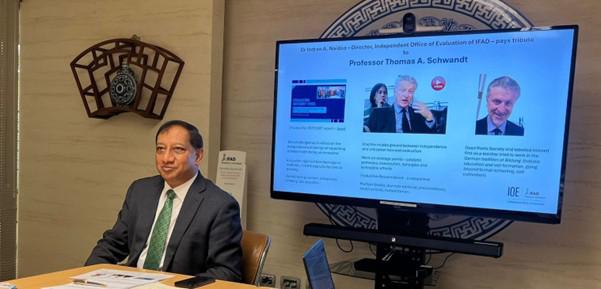
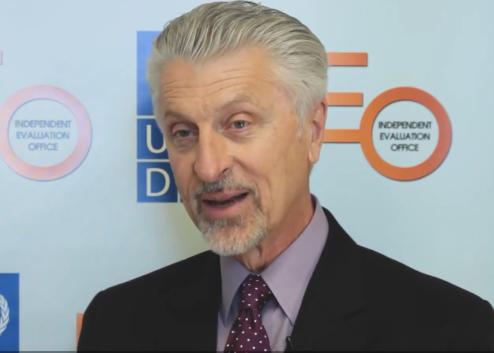
We also pay tribute to an evaluation luminary, Professor Thomas Schwandt, and share the resources and perspectives through which he has shaped global evaluative thinking.
We trust that you will find this edition useful for your understanding of the work of IFAD, and that it will contribute to debates and discussions on how to optimize development investments.W
Dr Indran A. Naidoo Director
Independent Office of Evaluation of IFAD
Editorial Board
Proofreading
Revisioning
Independent Magazine brings to the forefront of the global development dialogue the major efforts undertaken by the Independent Office of Evaluation of IFAD, while seeking to advance the organization’s vision of vibrant, inclusive and sustainable rural economies, where people live free from poverty and hunger. To present the richness of rural life, and detail facets of local community lifestyle, Independent Magazine also zooms in on cultural activities and landmark occurrences in countries featured by IOE’s evaluations.
incomes improve in SIDS across Asia and the Pacific
from IOE’s use of artificial intelligence
Decade of climate change efforts continues to pay off
makes notable contribution to Zambia’s policy landscape
planting and tea replanting in Sri Lanka
gender equality and women’s empowerment
clusters enhance market access in Montenegro
Prof. Thomas A. Schwandt
IMPROVED AGRICULTURAL PRODUCTIVITY SYSTEMS ACHIEVED
Interventions promoted and supported by IFAD have led to improved agricultural productivity and production, as well as more sustainable and resilient production systems. These include improved agricultural practices, small
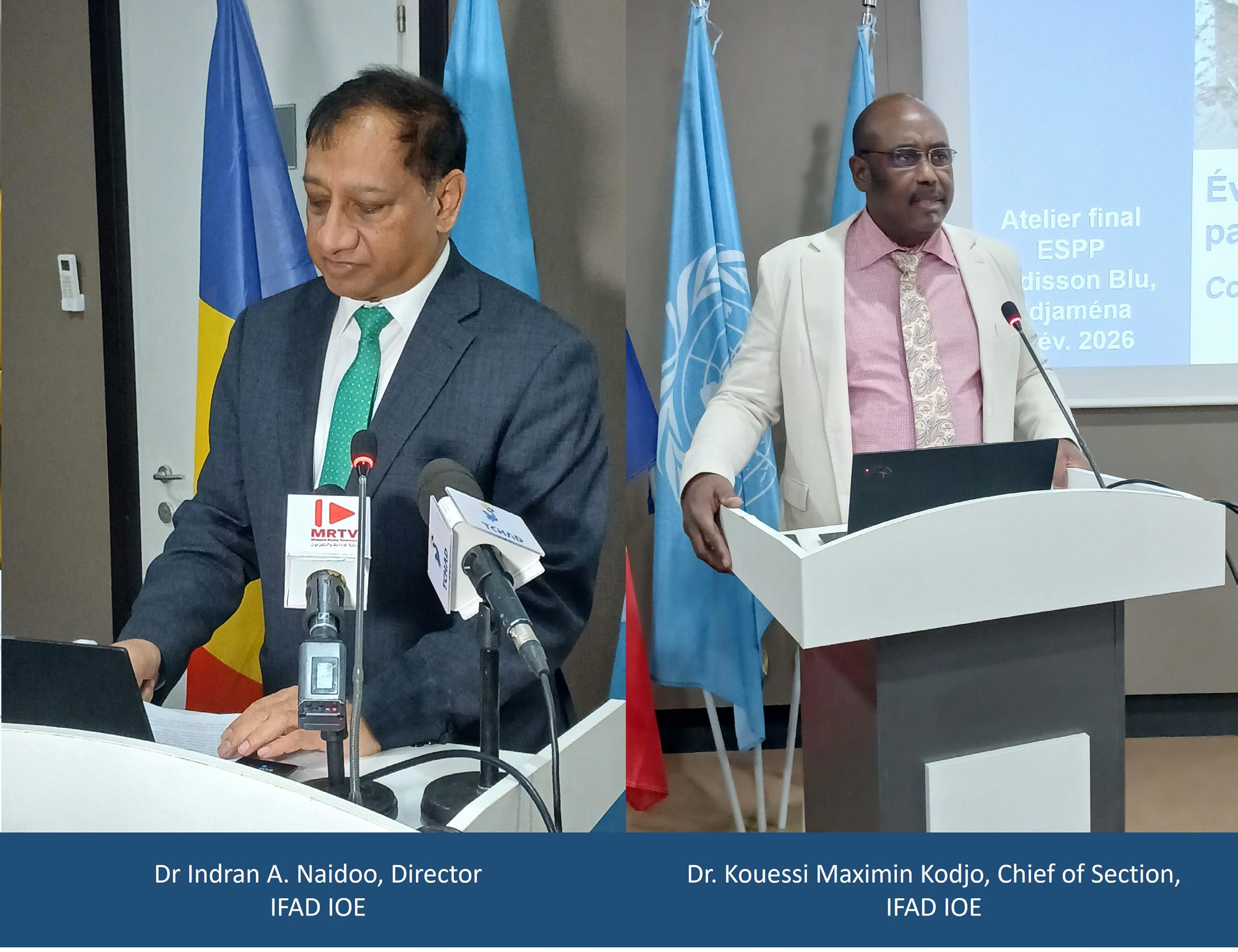
dams, the use of compost and manure, and small mechanization. Water and soil conservation techniques, diversification of farmers’ incomes, and environmental education have also been decisive to strengthen smallholders’ climate resilience. These findings emerged from the Country Strategy and Programme Evaluation (CSPE) of the Republic of Chad. The Independent Office of Evaluation of IFAD (IOE) carried out the CSPE, the results of which were presented and discussed during a national workshop
in N’Djamena, on 5 February 2026.
“Investments in hydro-agricultural infrastructure, animal health services, dissemination of climate-smart agricultural practices, including organic farming and soil management and conservation, and for the diversification of income sources, contributed to strengthening the resilience of production systems in the intervention areas”, explained Dr Indran A. Naidoo, Director of the Independent Office of
PRODUCTIVITY
AND MORE RESILIENT PRODUCTION
ACHIEVED IN CHAD
Evaluation of IFAD.
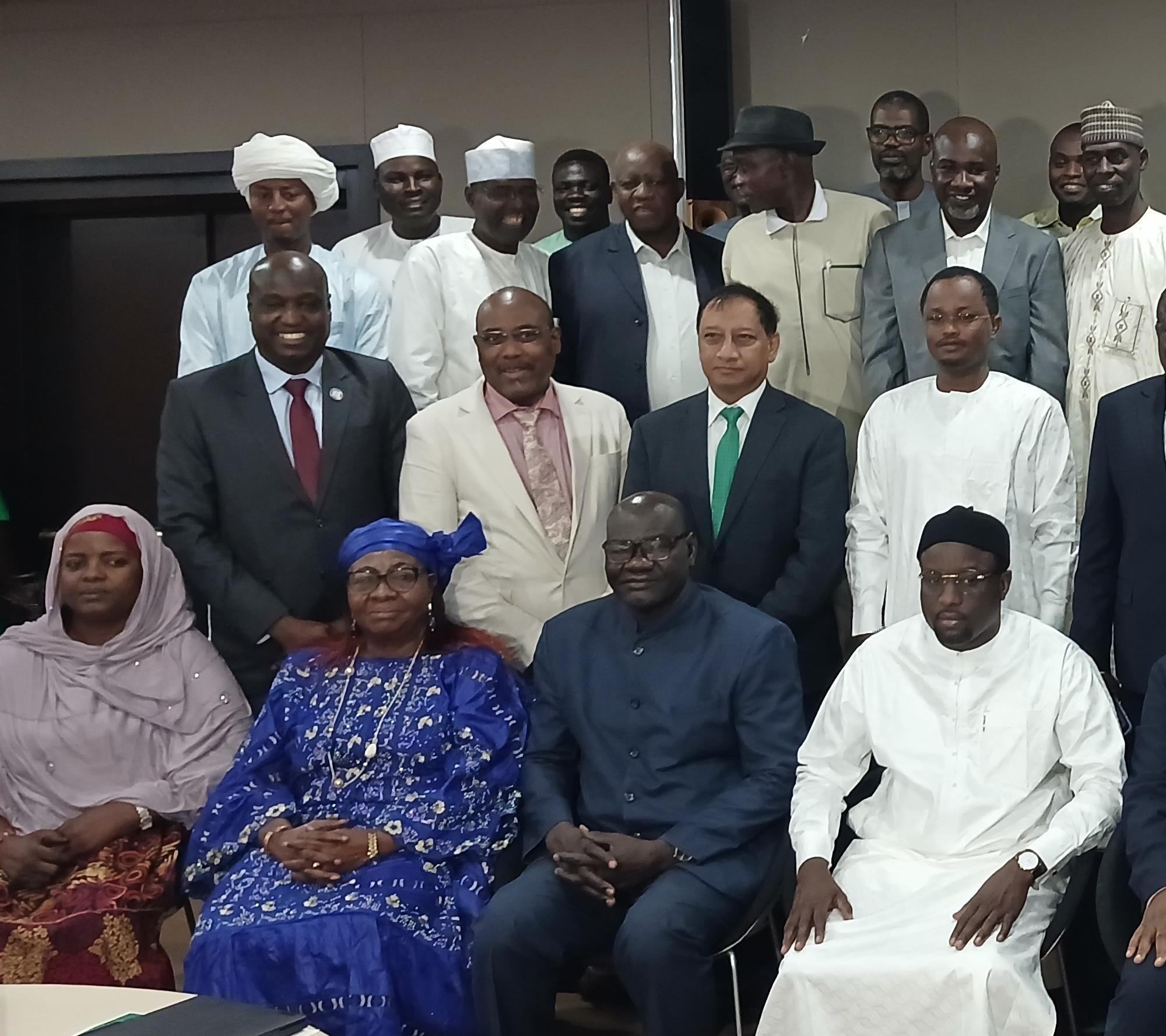
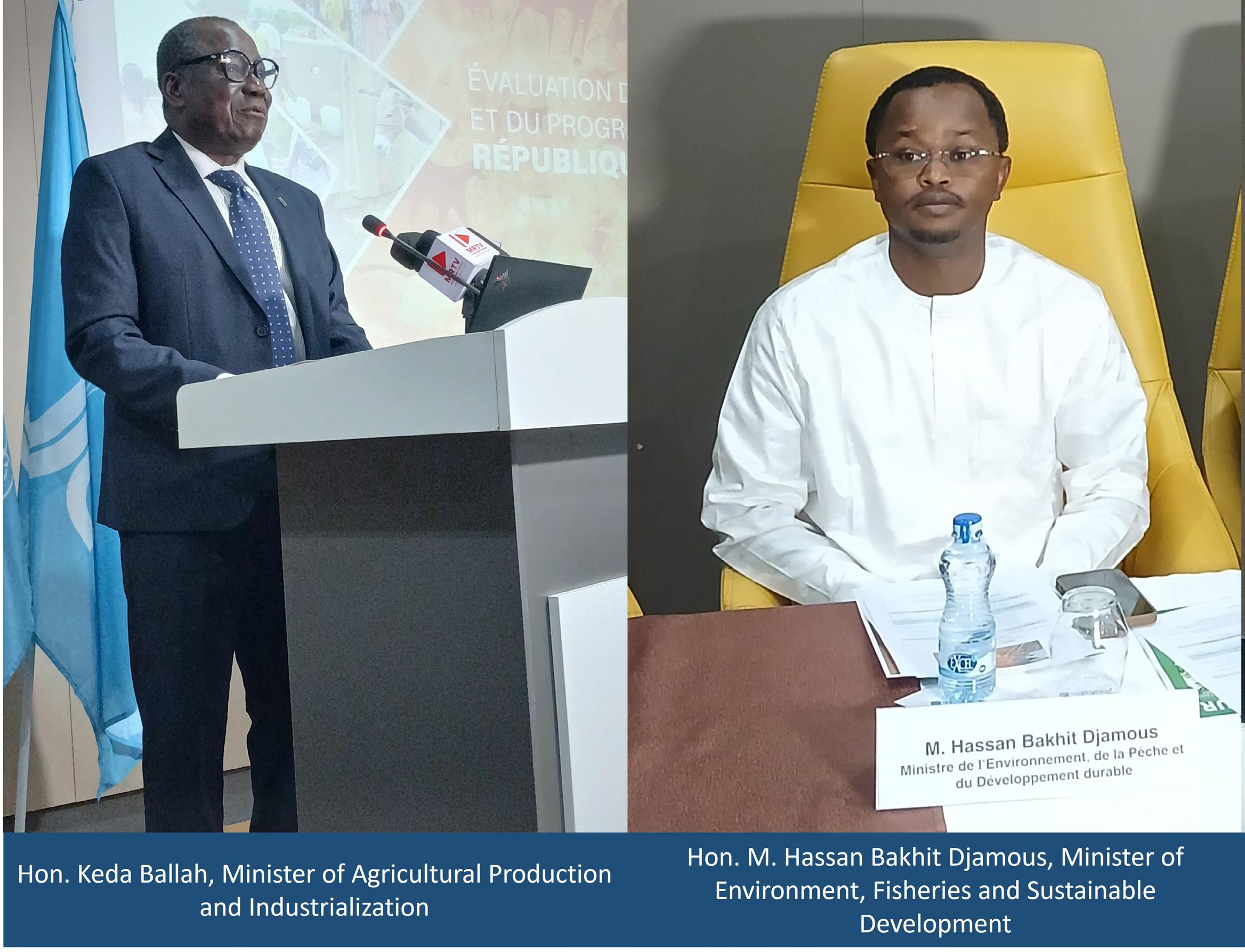
Co-organized by the Government of Chad and IOE, in collaboration with IFAD’s West and Central Africa Division (WCA), the in-person workshop brought together a wealth of high-level attendee, including the Minister of Agricultural Production and Industrialization, Mr. Keda Ballah, and M. Hassan Bakhit Djamous, Minister of Environment, Fisheries and Sustainable Development. Over 50 participants joined the event,
representing the Government of Chad, development partners, civil society organizations, and IFAD senior management and staff.
The investment portfolio covered by the CSPE comprised six projects, with a total value of approximately US$371.65 million, including US$186.693 million in IFAD loans. Three of these projects had been closed at the time of the evaluation. The evaluation also included five grants or donations totalling US$11.02 million,
financed in whole or in part by IFAD.
During the workshop, participants discussed the main findings, recommendations and issues emerging from the CSPE. The meeting also provided an opportunity to focus on the opportunities and challenges of the partnership between IFAD and the Government in the near future, and discuss strategic priorities for IFAD’s upcoming programme.
Presenting the findings of the
CSPE, Dr Kouessi Maximin Kodjo, IOE Chief of Section, noted that despite a structurally difficult context, IFAD and the Government of Chad have developed a strong and sound strategic partnership, resulting in a high degree of relevance and coherence between the strategic themes supported by IFAD and national development priorities. IFAD’s interventions have strategically targeted the most vulnerable rural areas, which face poverty, food insecurity, and fragile production systems. The outreach of women by interventions was satisfactory as it went above the initial targets.
In terms of access to rural
infrastructure, the support provided improved access to social infrastructures, and the quantitative targets were exceeded, despite delays in implementation. The evaluation confirms the usefulness of the infrastructure built, such as storage facilities, spreading thresholds, small dams, and rural tracks. IFAD’s interventions have also promoted a wide variety of innovations, many of which have been replicated by successive projects.
Workshop participants also noted that the project portfolio has contributed positively to improving incomes and accumulating assets among beneficiary rural households. The
results also indicate positive contributions to household food and nutritional security.
Discussions also brought to the forefront ongoing challenges. For instance, with regard to engagement in agricultural policy dialogue, there have been few concrete actions, and therefore rather insufficient results. With regard to value chain development, the evaluation found that little attention has been paid to this issue, which has remained at the conceptual stage and has not yet yielded any concrete results. Of great concern is the institutional weakness within the agricultural sector, a structural gap that has been
undermining the overall performance of the country programme.
Furthermore, in terms of sustainability, while there is a clear desire among NGOs and civil society actors to continue post-project support, persistent fragility gaps among state, non-governmental partners and communities are an obstacle to the sustainability of results.
In addition, while the projects in the portfolio are not integrated into the government’s budget programmes, even though they respond to national priorities, the government’s scaling up of proven
results is insufficient.
To address these issues, it is recommended that IFAD continue and increase strategic support to strengthen the resilience of small producers, mainly in highly vulnerable geographical areas of the country. The challenge of institutional weakness among strategic and operational priorities must be included in future strategies in order to increase IFAD’s strategic and programmatic successes in Chad, and the value chain development approach must be specifically applied to promote inclusive and sustainable sectors.
Since 2006, Chad has been on
the list of countries in a fragile situation and remains one of the poorest countries in the world, with 44.8% of the population living below the national poverty line in 2022. The country’s economy, dominated by the oil sector, remains undiversified and extremely vulnerable to external shocks. As for the agricultural sector, its contribution to GDP was 25.1% in 2023, and it remains the main source of employment, particularly for women.
Chad CSPE Executive Summary
Credibility and independence of evaluation influence changes in policy, design and practice at IFAD
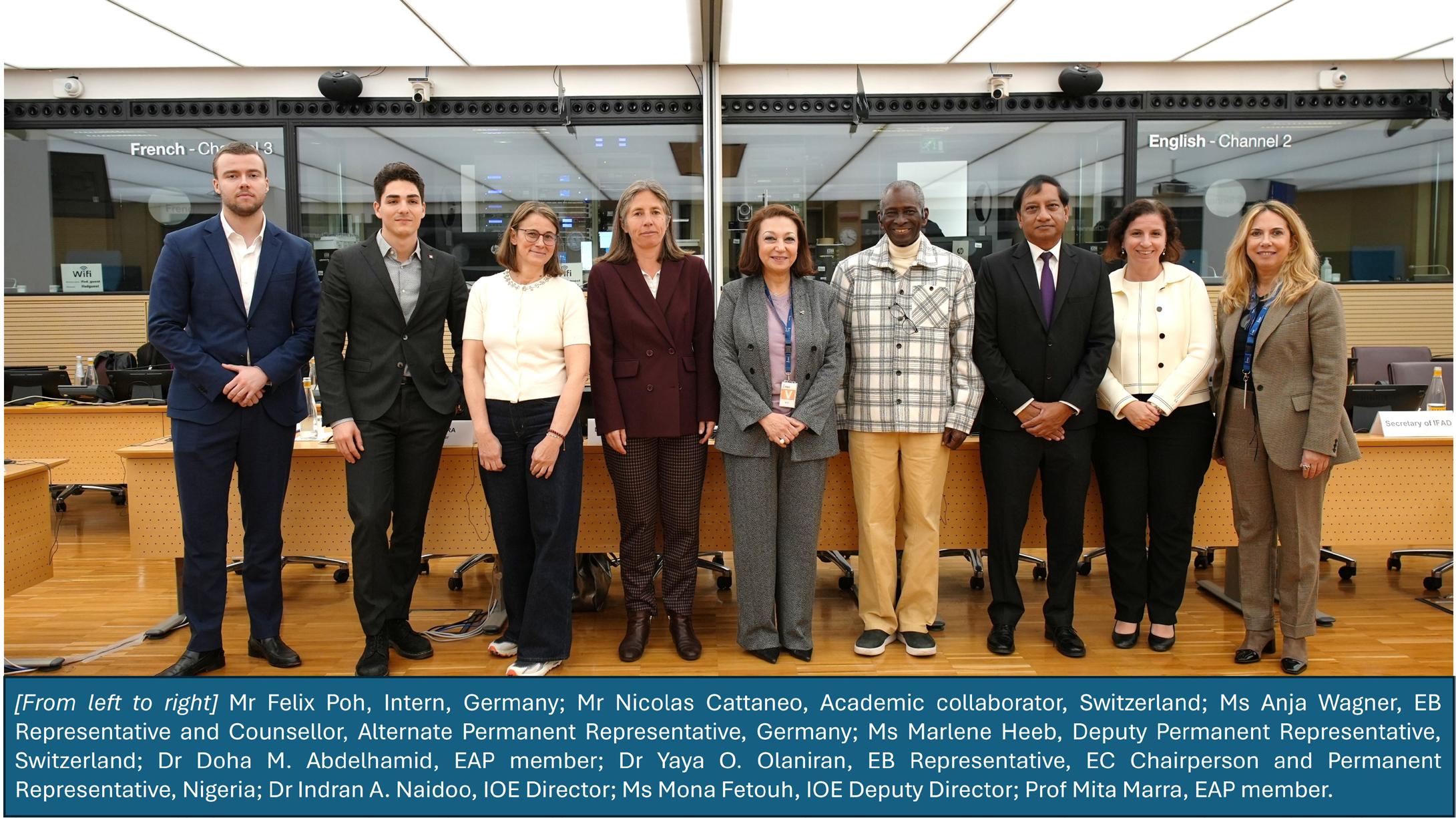
The strong credibility of the Independent Office of Evaluation of IFAD (IOE) underpins the influence that evaluation findings exercise in discussions and decisions of the Executive Board and of IFAD senior management. This high level of trust facilitates uptake of evaluation recommendations, which are increasingly leading to changes in policy, design, and practice. These and other findings emerged from a review carried out by IOE’s Evaluation Advisory Panel (EAP), the results of which were presented during the EAP’s fourth annual meeting, on 18-19 November 2025.
Hosted by IOE at IFAD headquarters in Rome,
the annual meeting provided advice to IOE on several strategic issues and paid special attention to following up on areas for methodological development. The members of IOE EAP are Dr Juha I. Uitto, Visiting Scholar at the Environmental Law Institute and former Director of the Independent Evaluation Office of the Global Environment Facility; Dr Doha M. Abdelhamid, Senior Consultant and Senior International Evaluation Expert at the Islamic Bank for Development Group; and Dr Mita Marra, Associate Professor of Economic Policy at the Department of Social Sciences of the University of Naples.
Distinguished Member State representatives
also attended the event, including Anja Wagner, Alternate Permanent Representative of Germany to the UN Rome-based agencies; Marlene Heeb, Deputy Permanent Representative of Switzerland; and Dr Yaya O. Olaniran, Chairperson of the IFAD Evaluation Committee and Permanent Representative of Nigeria.
The two-day gathering drew attention to various topics for discussion, and featured three presentations delivered by EAP members on evaluating at the nexus of environment and development, by Dr Uitto; insights from a systematic literature review of sustainability assessments, by Dr Marra; and evaluating policy engagement in fragile contexts by Dr Abdelhamid.
These and other related discussions built on the findings of the EAP review, which consisted of a survey and interviews with IOE staff, IFAD Management and Member State representatives, which were presented during the event. The review focused on numerous areas of work of IOE, including evaluation influence, coverage, quality, engagement, and how findings translate into programmatic and policy change.
With very high scores for relevance, rigor, engagement, and clarity, the survey and interviews highlighted that IOE’s independence and technical quality are the key drivers of its credibility and of the notable uptake of its recommendations. In this regard, the results identified clear influence pathways, as evaluative evidence informs the design choices of IFAD’s country strategic opportunities programmes, and catalyses policy and regulatory shifts. Moreover, senior management generally agrees with IOE findings. The evolving issue lies more in the realism of commitments and follow-through, constrained by budgets, politics, and operational realities.
Challenges in the uptake of recommendations at country level are found to reflect frequent political turnover, which calls for strategic targeting and accessible synthesis in order to widen the circle of influence
EAP members also underscored that the recent expansion of evaluative geographic coverage, carried out by IOE in response to requests by IFAD Management and the Executive Board, is taking place effectively and with no perceived
quality loss. This increased coverage will also further support increased stakeholder engagement, especially at the country level. In this regard, discussions revealed that IOE’s evaluation engagement process is appreciated for its transparency and inclusion. The quality of said engagement shapes legitimacy, ownership, and the practicality of recommendations.
Equally important has been IOE’s surge in transparency, with the sharing of working documents and preliminary findings, and its innovative approach to strategic communications which is highly valued, and ensures continuous information flow and fosters learning through its many products and tools, such as Independent Magazine and the IOE website.
The EAP provides the IOE Director, Dr Indran A. Naidoo, with systematic advice, by reviewing and commenting various aspects of IOE’s work to enhance the professionalism of the evaluation function. The panel also serves as a critical friend, drawing on its substantive experience and expertise to help improve IOE’s independence, credibility and utility. Specific areas of advice and insights include quality standards for development evaluation, methodology innovation in evaluation, usefulness and use of evaluations, and global trends in international and rural development.
The first EAP served from 2022 to 2024, and comprised Dr Donna M. Mertens, Dr Bagele Chilisa, Rob D. van den Berg, Dr Gonzalo Hernández Licona and Hans Erik Lundgren. They provided comments on various IOE products, including the Office’s multi-year strategy, the Evaluation Manual, the thematic evaluation on climate change adaptation, and the corporate-level evaluation on knowledge management, among others.
IFAD IS RECOGNIZED AS A KEY PLAYER
IFAD’s corporate commitments to nutrition are strong and have kept pace with major global commitments and policy developments. Thanks to this, IFAD is recognised as a key player in nutrition by international partners. IFAD’s internal enabling environment for delivering
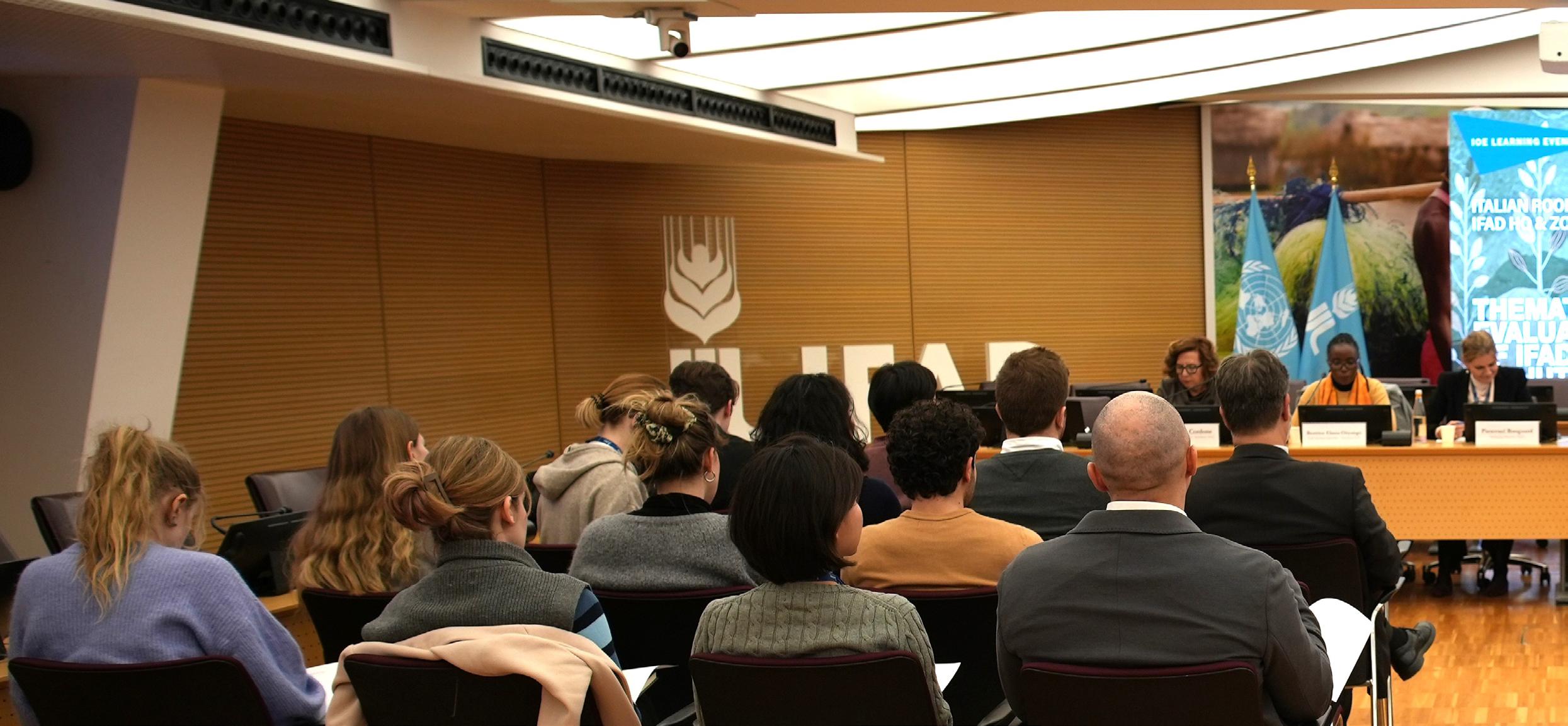
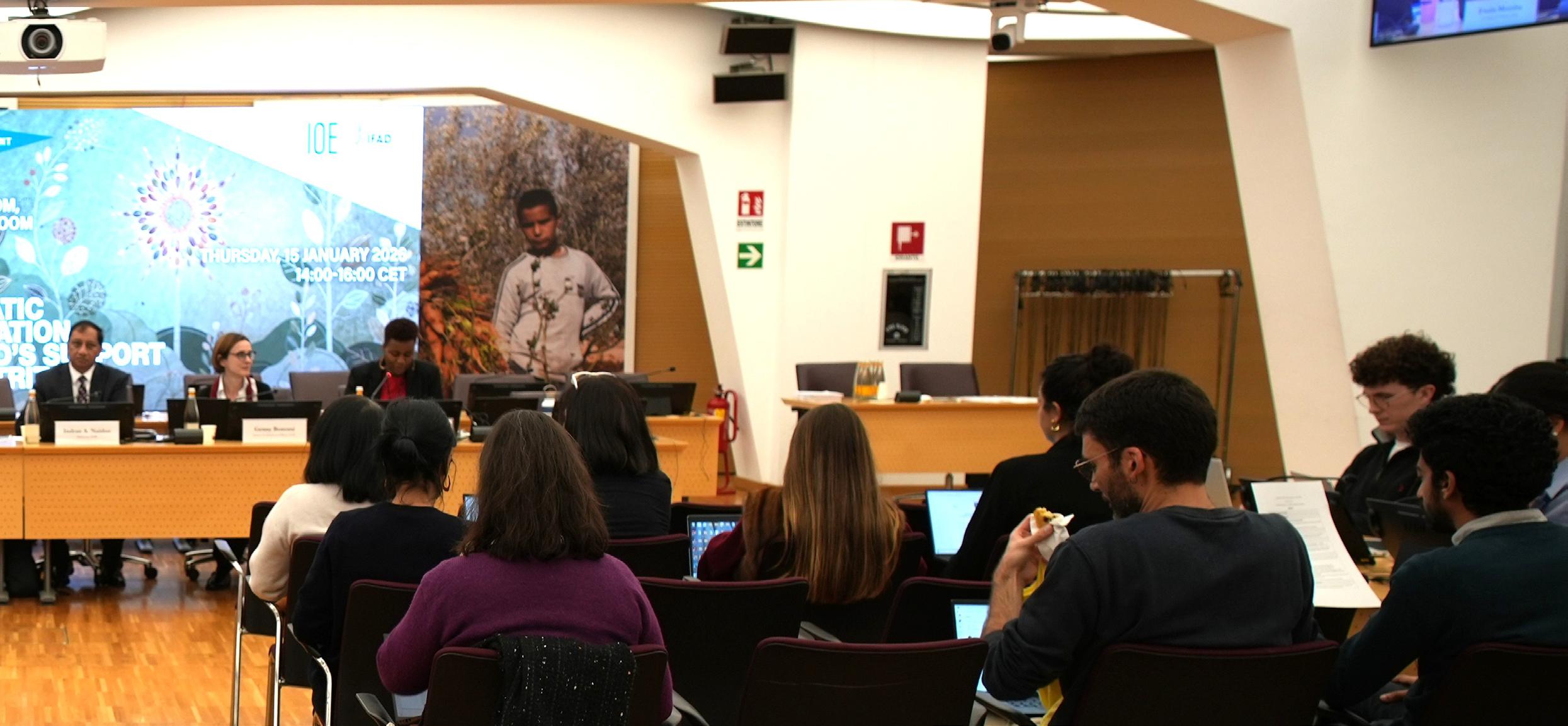
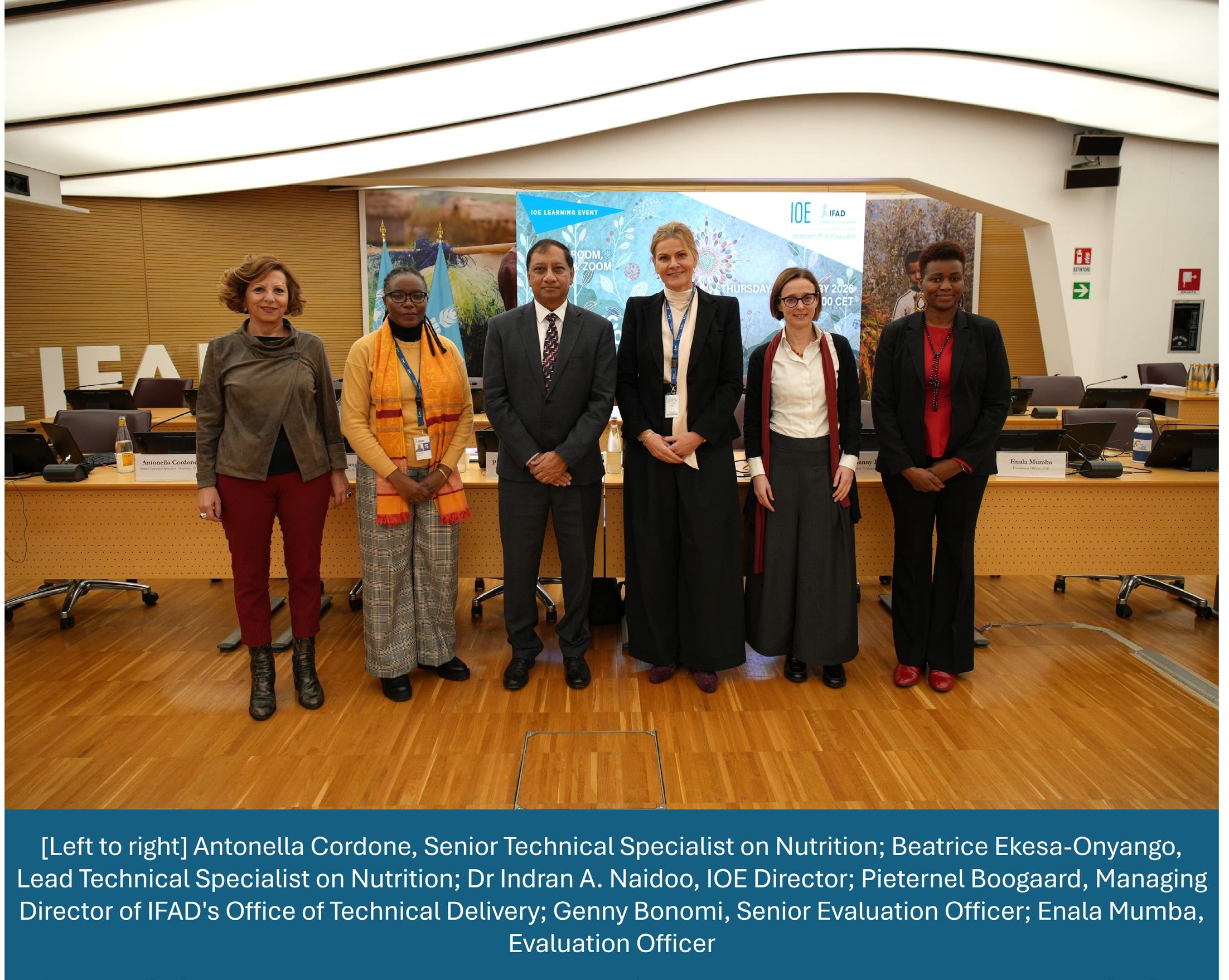
tion (TE) of IFAD’s Support to Nutrition, on 15 January 2026.
This TE is the first corporate-level evaluation of the organization’s global nutrition portfolio. It covers the period from 2016, when IFAD’s first Nutrition Action Plan (NAP) was adopted, to 2024 and in-
robust nutrition-sensitive approach across IFAD’s portfolio and among partners moving forward.
“IFAD’s work and results in nutrition have covered a number of critical impact pathways among which the most frequent have been growth and
on nutrition has also evolved positively. Country strategic opportunities programmes and project designs have progressively included IFAD’s nutrition priorities and corporate targets. Dr Indran A. Naidoo, Director of the Independent Office of Evaluation, made these points in his opening remarks during a learning event organized to discuss the findings of the Thematic Evalua-
cludes the second NAP. The pressing need for effective interventions to address hunger and malnutrition made it timely to assess IFAD’s nutrition entry points. The evaluation was therefore pitched to enhance understanding of IFAD’s proof of concept, and to identify barriers to progress including financial and organizational dimensions that need to be addressed to ensure a
diversification of production, nutrition knowledge and practices and women empowerment”, noted Dr Naidoo.
Against this backdrop, the purpose of the learning event was to promote ownership and use of the evaluation. The workshop facilitated a better understanding across IFAD of the key evaluation findings and recommendations and
PLAYER IN NUTRITION INTERNATIONALLY
promoted organization-wide discussions around how the evaluation informed the update of the Nutrition Action Plan and guides future interventions to enhance the impact of IFAD’s work on nutrition.
Organized by IOE, the event
and Pieternel Boogaard, Managing Director of IFAD’s Office of Technical Delivery. Thereafter, Genny Bonomi, Senior Evaluation Officer, presented the key evaluation findings and recommendations, followed by Juan Carlos Mendoza Casadiegos, Director of Environment, Climate, Gender
us to look ahead and clearly identify areas where improvements are needed”, said Ms. Boogaard.
The second part of the event was organized around a panel discussion aimed at guiding future interventions to accelerate IFAD’s work on nutrition.
was held in a hybrid manner with the possibility of in-person participation of staff in headquarters and online participation by field staff. Over 130 people attended. The workshop was co-designed with IFAD’s Environment, Climate, Gender and Social Inclusion Division (ECG) Nutrition Team. The event featured introductory remarks by Dr Indran A. Naidoo, IOE Director,
and Social Inclusion, and Beatrice Ekesa-Onyango, Lead Global Technical Specialist Nutrition and Social Inclusion, who presented IFAD’s updated Nutrition Action Plan.
“This evaluation has been instrumental in helping us understand what has worked in IFAD’s approach to nutrition over the past decade. The findings have also allowed
Enala Mumba, Evaluation Officer, moderated the session, which saw substantive contributions from IFAD staff from all the Fund’s regional divisions and the nutrition team in ECG. Contributions covered various aspects identified by the evaluation including the promotion of integrated approaches to nutrition, the nutrition-climate change nexus, mainstreaming of nutrition in value
chains, policy and multi-stakeholder engagement and how to frame the case for nutrition in middle-income countries, including from a food systems perspective.
Presenters and panellists noted that IFAD’s commitment to nutrition in the NAP (20192025) reflects Sustainable Development Goal 2, recognizes global malnutrition challenges and aligns with the global agenda on nutrition, to which the organization has been actively participating and contributing, in addition to the global consensus on the importance of school feeding. Strong commitments including corporate replenishment targets have contributed to
setting the bar higher for the organization and have pushed the nutrition agenda. This has reinforced the image of IFAD as an organization with strong ambitions in the realm of nutrition making IFAD an attractive partner for collaborations.
The evaluation shed light on shortcomings in IFAD’s approach to supporting nutrition. These include that IFAD has not fully grasped the significant role it has to offer in promoting sustainable healthy diets and sustainable food systems, which is directly related to its mandate. There is also still a lack of understanding among staff of how IFAD contributes to improving nutrition.
“IFAD has missed opportunities to frame its contribution to nutrition through sustainable healthy diets and food systems transformation”, explained Ms Bonomi.
In addition, IFAD-supported nutrition interventions are not always sufficiently tailored to existing nutrition needs and to context specificities, and nutrition activities targeted only a small percentage of total IFAD beneficiaries. Furthermore, value chains for nutrition do not fully consider how the crops or livestock can impact nutrition or the entry points along the whole value chain are not sufficiently explored. It also noted that insufficient attention has been paid
to water access, despite its importance for nutrition, and in articulating the nexus with climate change.
Participants emphasized that nutrition has been part of IFAD mandate since its foundation and that IFAD’s work on nutrition is, through nutrition sensitive agriculture, to contribute to sustainable healthy diets. Discussants shared successful experiences in integrating nutrition in IFAD’s investments highlighting the challenges but also the very important progresses the organization has made in this domain and the variety of existing opportunities. They stressed that nutrition objectives should not be included through separate activities, but they should be taken into account throughout investments.
In light of the evaluation results, IOE has suggest that in the revised NAP, IFAD should frame its nutrition work within the sustainable food systems approach with the ultimate goal of achieving sustainable healthy diets and define a more flexible approach to reflect context specificities.
IFAD should also prioritize and scale up its efforts to ensure human resources and capacities at different levels are commensurate with its nutrition ambitions and commitments, and strengthen its nutrition related knowledge management and its monitoring system of nutrition sensitive interventions and use this knowledge to improve the accountability for, and delivery against, its nutrition agenda.
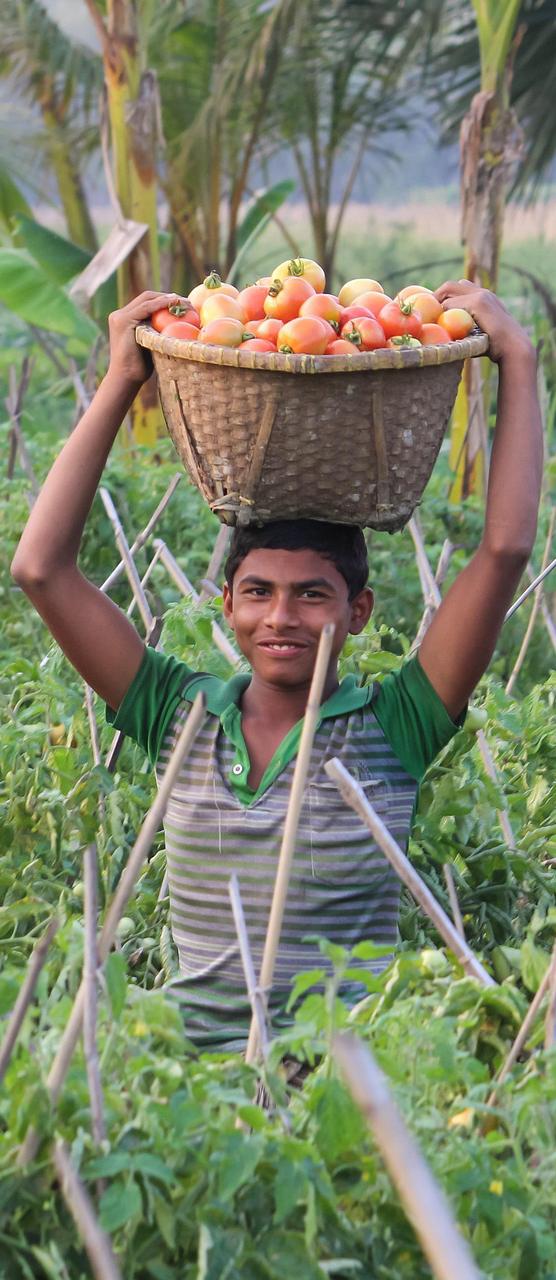
Photo: shantomr9/pixabay
Executive Board sees how valuing rural culture is transforming livelihoods in Peru
One of the most compelling findings of Peru’s 2018 Country Strategy and Programme Evaluation (CSPE) was that IFAD-supported projects helped dignify rural culture by turning traditional knowledge and skills into valued economic assets. This transformation not only strengthened cultural identity but also stimulated innovation and scaling up across territories. These and other lessons were presented by Dr Indran A. Naidoo, Director of the Independent Office of Evaluation (IOE), to representatives of IFAD’s Executive Board during their recent visit to Peru.
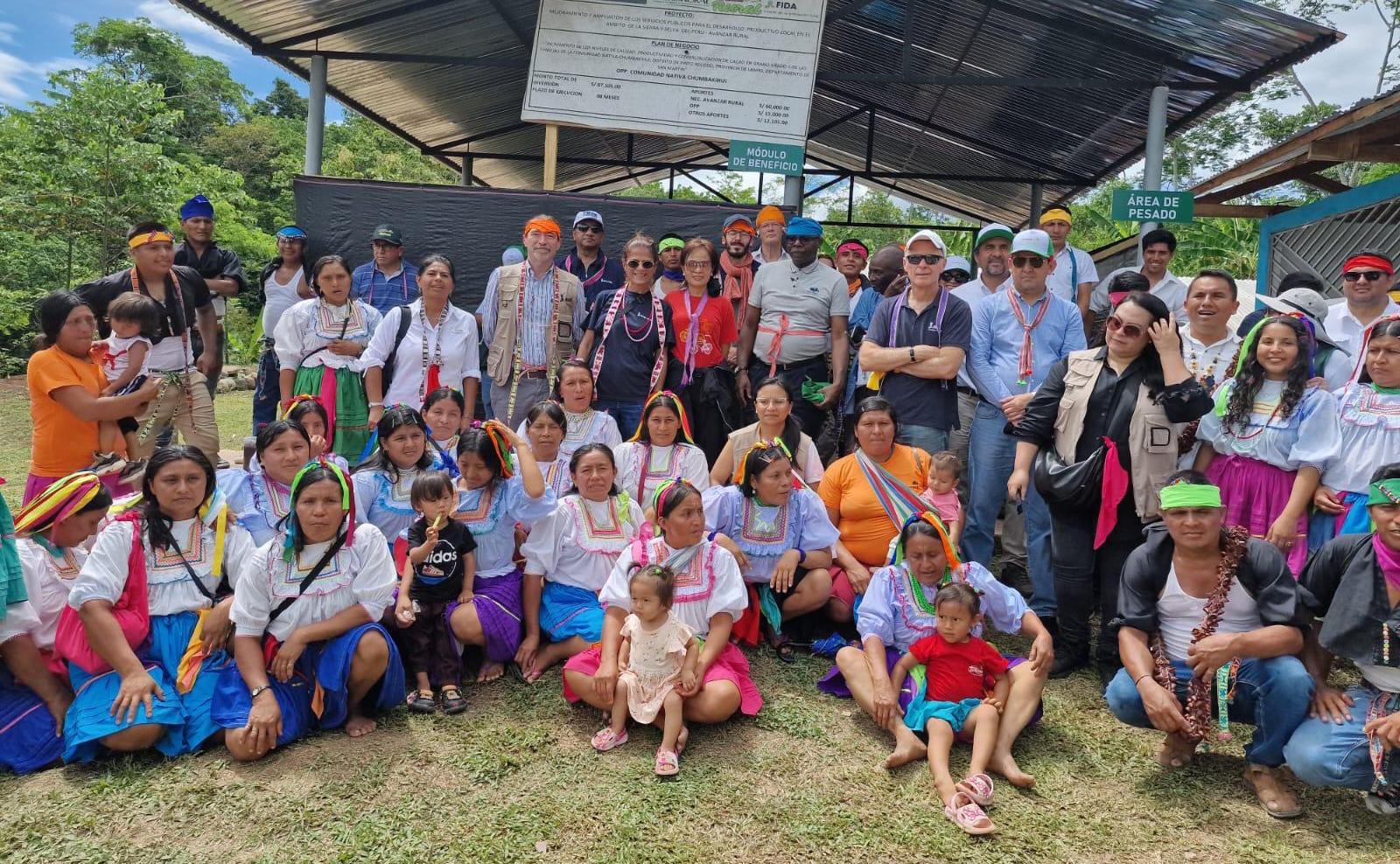
Organized from the 8th to the 15th of November 2025, the visit enabled the EB representatives to witness IFAD’s work on the ground and observe first-hand the opportunities and challenges that the Fund faces in carrying out its mandate. Delegates included Médi Moungui, Second Secretary of Permanent Mission of Cameroon to IFAD; Nalan Yuksel, Deputy Permanent Representative of Canada to the Food and Agriculture Agencies of the UN in Rome; Sui Li, Deputy Permanent Representative of the People’s Republic of China; Antoine Bergerot, Chief, bureau of Multilateral Development Financing and Climate Change of France; Jan Bade, Counsellor, Permanent Mission of the Netherlands;
Yaya O. Olaniran, Permanent Representative of Nigeria; Marlene Heeb, Counsellor, Permanent Mission of Switzerland; and Estalina Aimara Baez Ramirez, First Secretary, Deputy Permanent Representative of Venezuela. Donal Brown, Associate Vice-President of IFAD’s Department for Country Operations, also joined the mission, alongside Juan Diego Ruiz Cumplido, Andean and Southern Cone Hub Head, and Kenyi Cansino Montanez, Country Programme Coordinator, Latin America and the Caribbean.
The mission promoted dialogue with state and local government officials regarding the role of IFAD role in Peru, allowed Board representatives to meet beneficiaries, and provided an insight into the importance of public policy as a means of promoting rural development. In addition, EB members also gained a better understanding of the lessons emerging from the 2018 CSPE carried out by IOE. Dr Nadioo’s presentation offered an opportunity to discuss what the Government and IFAD have learned from this CSPE, and how these lessons were used in shaping the current country strategy.
Dr Naidoo explained that results of the partnership between IFAD and the Government were positive overall. The CSPE found significant impacts on poverty reduction in rural areas thanks to increased assets. There was also an improvement in user empowerment and natural resource management in communities. IFAD’s specialis zed role and its contribution to combating poverty and promoting rural development will continue to be important for Peru, given the per-
sistent rural/urban inequality and the leading role of family farming as an engine of production and food supply for the population. Despite the significant results achieved, some weaknesses were observed in the credit portfolio, non-credit activities and at the strategic level.
Dr Naidoo also informed delegates that IOE has launched a new Country Strategy and Programme Evaluation (2025–2026), covering the 2017–2024 period. This evaluation will feed directly into the preparation of Peru’s next country strategy foreseen for 2026. The new CSPE will assess rural transformation pathways, IFAD’s contribution to territorial development and rural markets, policy engagement, and results for Indigenous Peoples and youth, while identifying opportunities to scale up successful models.
The findings shared by Dr Naidoo were complemented by the information that the EB members gathered first-hand during their field visits to IFAD supported operations in San Martín Region. During the field visit, Board representatives had an opportunity to hold discussions with project participants, farmers’ groups, SME’s representatives and local government authorities.
At central government’s level, Board representatives met with the Ministry of Agrarian Development and Irrigation, Ministry of Economy and Finance, and the Ministry of Foreign Affairs. In addition, they also met with the United Nations Resident Coordinator in Peru and members of the UN Country Team.
Looking ahead, the EB representatives will report on the country visit at a future session of the Board, and in doing so will provide informed guidance on strategic and operational matters to the rest of the EB to enhance their critical oversight and strategic role.
Since 1980, IFAD has granted Peru eleven loans, totalling around US$ 197 million. Most of the projects were implemented in the Peruvian highlands, where, according to official data, rural poverty is concentrated.
Peru Country Strategy and Programme Evaluation
Food security and household incomes improve in small island developing states across Asia and the Pacific
Evidence suggests contributions of IFAD-supported projects to higher household incomes and improved food security in several small island developing states (SIDS) across Asia and the Pacific region. These and other findings have emerged from an upcoming evaluation report produced by the Independent Office of Evaluation of IFAD (IOE), which focused on IFAD’s engagement in SIDS. The report was presented during a learning event on 26 November 2025, which focused on the specific findings relative to SIDS of the Asia and the Pacific region (APR). Separate learning workshops will be organized for other SIDS regions at a later date.
Dr. Kouessi Maximin Kodjo Chief of Section Lead author, SIDS evaluation
“Investments of IFAD-supported projects in SIDS promoted climate-smart agriculture and sustainable natural resources management, leading to an in-
crease in agricultural production and crop diversification. Investments also enable the increase of household incomes, and improved food security and nutrition”, affirmed Dr Indran A. Naidoo, IOE Director, in his opening remarks at the learning event.
Regarding income, evidence from countries including Fiji, Kiribati, Solomon Islands and Tonga suggests that households have obtained higher earnings due to greater agricultural productivity, expanded market access or the diversification of income sources. These improvements have contributed to greater economic resilience in rural communities. Regarding food
Profile
security, gains were achieved following the increase in production, agricultural diversification and higher incomes, with robust evidence in several countries. Investments aimed at increasing agricultural production, primarily focused on crops rather than livestock, helped boost productivity and to some extent supported economic resilience. Activities included land rehabilitation, small-scale irrigation systems, farmer training and the promotion of improved agricultural inputs and techniques.
“Evidence collected through the evaluation highlights that projects have made positive contributions to improving food security and nutrition”, explained Dr Kouessi Maximin Kodjo, IOE Chief of Section and main author of the SIDS evaluation report.
Organized by IOE in collaboration with IFAD’s Asia and the Pacific Division (APR), the online virtual workshop brought together high-level attendees, including Dr Mohamed Yam-
mai, Chief Resource Mobilization Executive in the Ministry of Finance and Planning of the Maldives, and Dr Reehana Raza, Regional Director APR at IFAD. Over 40 participants joined the event, representing development partners, civil society organizations and IFAD senior management and staff. During the workshop, participants discussed the main findings, recommendations and issues emerging from the CSPE. The event included a feature presentation of the evaluation, a moderated panel discussion, an interactive dialogue, and a session dedicated to insights and future directions.
The evaluation covered the period 2015 to 2024. The main objective of the evaluation was to derive insights from past and ongoing IFAD strategies and operations in SIDS and provide actionable recommendations for improving IFAD’s future engagement in these contexts. The scope of the evaluation included 30 IFAD-financed loan operations
across 18 recipient SIDS in APR, East and Southern Africa, Latin America and the Caribbean, and West and Central Africa.
Participants highlighted good progress in the promotion of climate-smart practices, fostering a moderate improvement in climate resilience. In APR, climate-smart agriculture techniques, including drought-resistant crops and improved irrigation systems, boosted adaptive capacity, though their application at the broader level was limited. These practices include rainwater harvesting systems, drought-resistant crops, renewable energy, hydroponic farming and greenhouse techniques. These approaches were well suited to increasing climate resilience at the community level.
“IFAD’s work has made a positive difference. We have seen expanded climate-smart practices and stronger community groups across SIDS. These are encouraging findings, and
they reflect the dedication of governments, project teams and communities across the islands”, noted Dr Raza.
Findings presented indicated good progress in promoting sustainable production approaches, which have contributed to a moderate improvement in environmental resilience. Sustainable practices included small-scale irrigation systems, agroforestry, drought-resistant crops, soil and water conservation techniques, organic farming, rehabilitation of farmlands and sustainable fishery practices.
Evidence also suggests satisfactory results in strengthened human and social capital, as well as effective grassroots organizations. IFAD investments contributed to strengthening farmers’ co -
operatives, producers’ groups and community-based organizations in several SIDS. Projects supported training, knowledge exchange and organizational development, which increased community cohesion and participation.
“Farmers have benefited from the interventions. Empowering farmers through training was important. We found practical demonstration-based learning to be the most effective. Smart production and technical training, supported by a financial product, has enabled farmers to implement activities more independently”, explained Dr Yammai.
During the discussions, challenges also emerged. These included the fact that project designs failed to fully reflect the multidimensional nature of vulnerabilities in SIDS. As a result, the comprehensive-
ness of interventions aimed at fostering long-term resilience across economic, social and environmental fronts was limited.
Furthermore, efforts to foster partnerships with private actors were uneven, limiting smallholders’ access to broader markets; blue economy aspects and marine ecosystems were not adequately mainstreamed into broader resilience strategies; and there was little evidence of the use of knowledge management systems to inform policymaking or strategy development on rural resilience in SIDS.
Another concern raised what that, in most SIDS, social sustainability remained fragile due to limited ownership and the financial vulnerability of community-based organizations. Weak governance, dependence on external inputs, limited credit access and mar-
ket volatility hindered broader sustainability.
To address these and other related ongoing challenges, the report recommends to adopt a comprehensive, multidimensional approach to resilience-building in SIDS; to strengthen and leverage strategic and operational partnerships to improve performance in SIDS contexts; to tailor operational approaches to SIDS contexts for more effective resilience-building support; and to improve the focus of knowledge management (KM) systems in recipient SIDS in line with vulnerability versus resilience topics and leverage policy and scaling-up outcomes.
While some SIDS have relatively high gross national income per capita, often driven by tourism and remit-
tances, their economies remain structurally vulnerable and heavily reliant on external financing. Socioeconomic conditions vary widely across and within SIDS, with marked disparities in GDP per capita, poverty rates and human development indicators. Persistent issues such as youth unemployment, gender inequality, food insecurity and environmental degradation further exacerbate vulnerability and fragility.
SIDS evaluation (unedited) [here]
Evaluation helps coherence between corporate long-term vision and measurable development results on the ground
Mona Fetouh
IOE Deputy Director
There is not always alignment between the ambitions of IFAD’s development projects, which reflect corporate strategies and policies, and the actual implementation on the ground. Especially in fragile contexts, where IFAD is increasingly working, objectives may exceed the implementation capacity of some member states and project units. In this regard, evaluation has a crucial role to play in helping to maintain coherence between corporate long-term vision and measurable results on the ground. Mona Fetouh, Deputy Director of the Independent Office of Evaluation of IFAD (IOE), explained this to be the case during the symposium titled ‘How self- and independent evaluation learnings can inform institutional strategies?’, on 13 November 2025.
Organized in the context of the Islamic Development Bank (IsDB) Group Results and Evaluation
Week, the hybrid symposium brought together over eighty strategy, results and evaluation professionals, as well as development effectiveness practitioners, thought leaders and technical experts from multilateral development banks, international financial institutions, academia and strategic partners from across the globe.
During the symposium, Ms Fetouh was joined by a distinguished panel who engaged in reflective dialogue about closing the loop between evaluation and strategy, addressing challenges in translating evaluation recommendations into concrete strategic action, and identifying practical ways to strengthen evaluative learning and adaptation across the IsDB Group.
Discussions centered on how learning from both self-assessment and independent evaluation can effectively influence the formulation of corporate strategy. IsDB’s Independent Evaluation Department presented ‘IsDB Group Strategy Synthesis Report,’ showcasing how evaluative evidence from its recent evaluations can be synthesized to inform strategic direction and institutional priorities.
In her interventions, IOE’s Deputy Director spoke
Profile
about two of the Office’s recent thematic evaluations, one on gender equality and empowerment and one on nutrition, and some of its recent corporate level evaluations (CLEs), namely that on IFAD’s decentralization experience, on knowledge management (KM), and on the 11th and 12th replenishment cycles of IFAD. While the CLE on IFAD 11 and 12 coincided with the evolution of IFAD’s business model, the CLE on KM was timed to feed into IFAD’s new KM strategy, to be developed in 2026, and also coincided with IFAD’s decentralization and the restructuring of its headquarters units. These changes helped ensure high uptake on recommendations.
The evaluations were able to shed light on some of the operational trade-offs, challenges and complexities in project design. In doing so, they highlighted instances when strategic objectives were not well-defined or when the linkages between objectives and result indicators were not clear.
Other discussants touched upon how translating evaluation findings into real learning and behavioural change still needs improvement; how challenges persist in risk assessment, results logic, and readiness; and how – in the context of IsDB’s work – regional integration has been dominated by physical connectivity with limited attention to policy alignment and institutional linkages.
These examples helped to shed light on how, across many organizations, performance gaps often stem from behavioural and systemic factors rather than technical ones, leading to strong institutional aspirations but uneven execution.
The IsDB Group Results and Evaluation Week was an engaging and purpose-driven event. It featured a combination of seminars, training sessions, keynote addresses, and high-level panel discussions, each tailored to specific target audiences across the Bank and its entities. The format was designed to facilitate deep dives into strategic topics while enabling cross-functional collaboration and shared learning.
Successful institutional partnerships to increase incomes, assets, and food availability in Senegal
Institutional partnerships are one of the strengths of IFAD’s portfolio in Senegal, thanks to strong integration into national structures and the involvement of farmers’ organizations, as well as co-financing mobilized with major partners such as the World Bank and the Green Climate Fund. This is one of the main findings of the Senegal Country Strategy Programme Evaluation (CSPE), carried out by the Independent Office of Evaluation of IFAD (IOE), and presented during a national learning workshop on 11 December 2025.
“Institutional partnerships are among the key aspects of IFAD’s contribution to public policies. IFAD’s contribution is tangible, with targeted support to reforms and strategic frameworks to promote wider and inclusive development”, explained Oanh Nguyen, IOE Chief of Section, during the workshop.
Evidence suggests that IFAD’s
country program has successfully evolved from support focused on agricultural productivity to a more integrated approach, including climate resilience, youth and women’s entrepreneurship, and food sovereignty. The portfolio has been driven by a dynamic of innovation, strengthening IFAD’s relevance and credibility.
“The evaluation found that IFAD’s programme, over the past decade, has delivered important progress, with the strongest achievements seen in agriculture productivity and profitability of farmer farms, the strengthening of certain value chain actors, as well as the inclusion of youth and women”, noted Mona Fetouh, IOE Deputy Director, in her
opening remarks.
Co-organized by the Government of Senegal and IOE, in collaboration with IFAD’s West and Central Africa Division, the on-line virtual workshop brought together a wealth of high-level attendees, including the Secretary General of the Ministry of Agriculture, Food Sovereignty and Livestock, Ousmane Mbaye. Over 50 participants joined the event online, representing the government of Senegal, development partners, civil society organizations, private sector partners, and IFAD senior management and staff.
“The evaluation confirms the strong relevance of IFAD’s structure in the country and alignment with Government priorities, whether supporting agricultural transformation, youth employment, sustainable value chains, climate resilience or, more recently, food sovereignty”, affirmed Donal Brown, Associate Vice-President of IFAD’s Department for Country Operations.
During the workshop, participants discussed the main findings, recommendations and issues emerging from the CSPE. The meeting also provided an opportunity to focus on the opportunities and
Oanh Nguyen Chief of Section Lead author, Senegal CSPE
Profile
challenges of the partnership between IFAD and the Government in the near future and discuss strategic priorities for IFAD’s upcoming programme.
“The partnership between the Government of Senegal is a strong and ambitious partnership, which will help us to move towards food sovereignty. There will be strong alignment between the next COSOP and the new strategy that we have at the department level that is strongly correlated with the national transformation agenda”, said Mr Ousmane Mbaye.
This evaluation was the third CSPE conducted by IOE in Senegal, the first having taken place in 2004 and the second in 2014. The evaluation covered the period 2014-2025. The evaluated portfolio includes 12 projects: 9 projects financed by loans and 3 projects with IFAD financing or cofinancing in the form of grants.
During the workshop, discussants noted that IFAD’s portfolio of projects in Senegal have contributed to an increase in beneficiaries’ incomes, assets, and food availability, with varying positive effects depending on the sector and region. Completed projects have strengthened human capital through training and local support, as well as sector structuring and governance. Interventions have contributed to economic diversification and climate change adaptation among beneficiaries, who show strong interest in in-kind subsidies.
Innovation has been a major cross-cutting theme of IFAD’s
program at Senegal between 2014 and 2025, covering financing instruments, implementation models, targeting mechanisms, and technical solutions adapted to the local context.
Discussions also brought to the forefront ongoing challenges. For instance, while the program has contributed to policy dialogue and the dissemination of technical innovations, its impact remains sporadic and poorly consolidated due to the lack of a clear advocacy, capitalization, and scaling-up strategy. Despite progress, several promising initiatives have not been scaled up due to a lack of monitoring and financing mechanisms.
Also, the adoption of climate-smart technologies remains limited, and the governance of rural infrastructure is lacking. Delays in implementation and shortcomings in governance have undermined both the value and long-term sustainability of the infrastructures. Sector dynamics are promising but still fragile, and the potential of downstream links remains under-exploited, which is slowing down structural transformation. Furthermore, synergies with UN agencies and the private sector remain limited by institutional constraints, insufficient monitoring, and a lack of documentation.
In addition, the socio-economic sustainability of loosely structured or newly formed community organizations remains limited, and groups informal users remain the most
vulnerable. Partner institutions have limited capacity to preserve achievements.
Drawing on these findings, a number of recommendations were put on the table during the event. These included to make food system transformation and climate change adaptation a strategic priority for the next COSOPs; to also make youth employment and socio-economic integration a priority for the next COSOP; and to position social equity as a lever for economic competitiveness and job creation, ensuring that vulnerable groups can fully contribute to and benefit from food sovereignty dynamics.
Senegal has a population of around 19 million, half of whom live in urban areas and a quarter in Dakar. The population is young and growing rapidly. A stable democracy, Senegal experienced a peaceful change of government in 2024, while remaining weakened by hidden loans representing a quarter of its gross domestic product, even though its economy has grown by an average of more than 5% over the last decade. However, poverty remains high, especially in rural areas, and food security remains a concern, with nearly a third of households facing insecurity.
Artificial
democratize FEATURE STORY
Intelligence can help democratize information
Photo: Numan Ali/unsplash
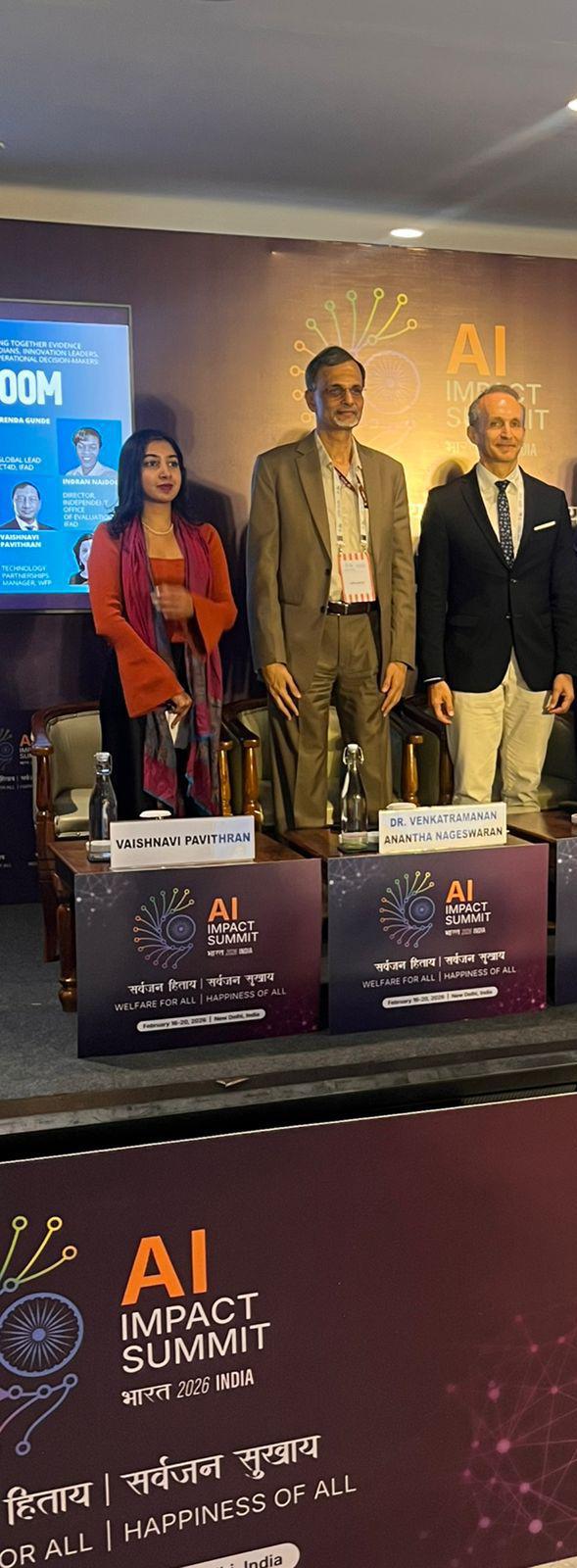
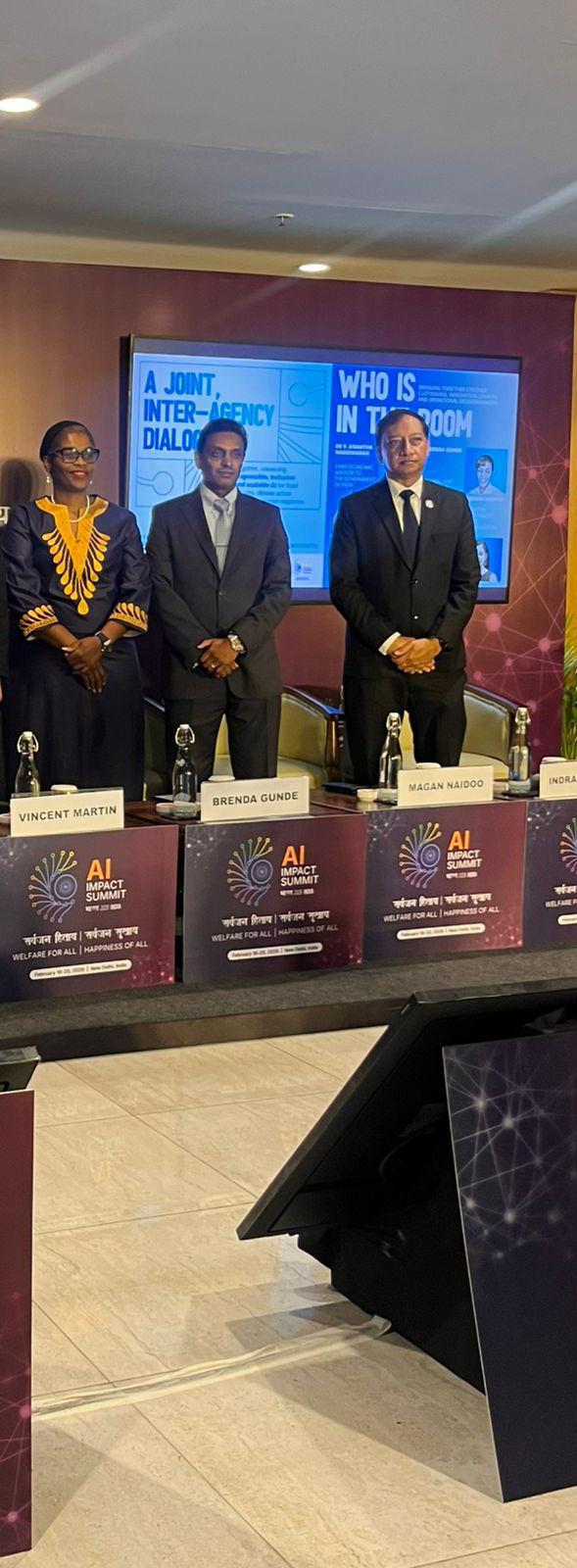
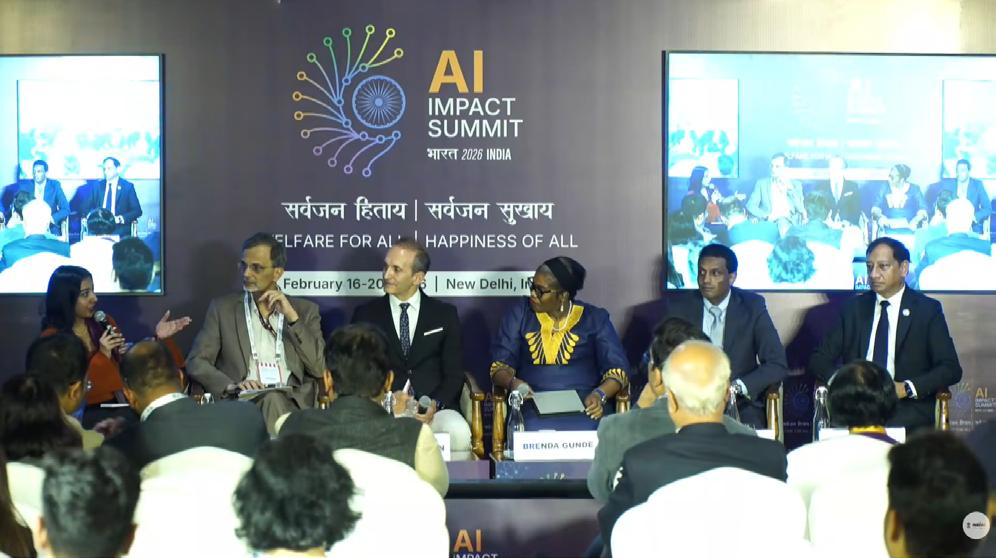
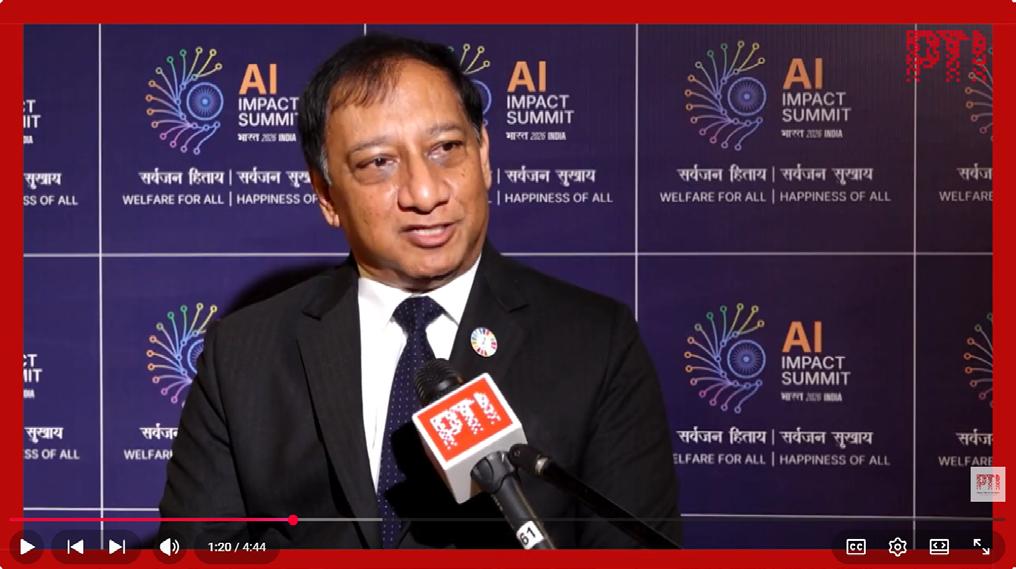
“Artificial Intelligence (AI) has an ability to provide multiple and simultaneous benefits to a range of actors all of which are mutually reinforcing. One is communities and the individuals who live in them, for whom AI provides high quality information and helps to democratize it by fostering inclusivity”, said Dr Indran A. Naidoo, Director of the Independent Office of Evaluation of IFAD (IOE), during the AI Impact Summit 2026, on 18 February 2026.
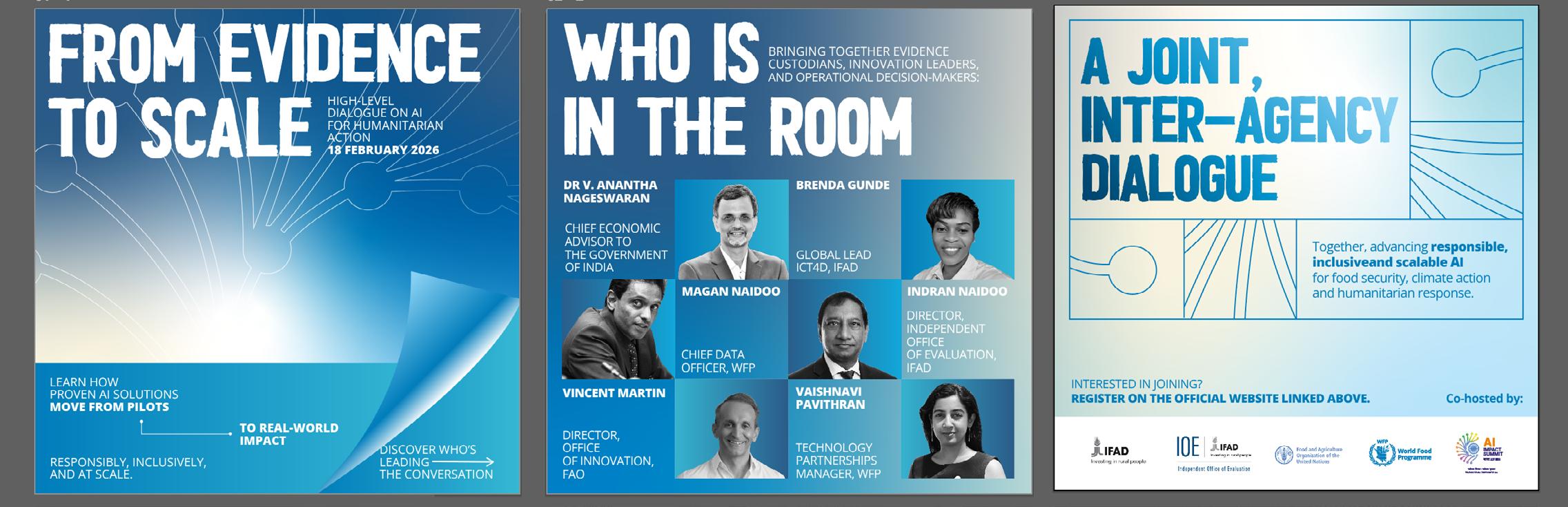
The Government of India hosted the Summit, which took place from 16-20 February 2026. To mark the first edition of this global series to be held in the Global South, IFAD, FAO and WFP convened a high-level inter-agency dialogue to advance responsible, inclusive & scalable AI for food security. Titled: “From Evidence to Scale: Testing, Financing and Operationalizing Technology & AI for Development and Humanitarian Action”, the dialogue brought together policymakers, evaluators, technologists and operational leaders, to examine how AI is already delivering results across agriculture, rural transformation, humanitarian response and institutional efficiency.
In addressing these issues, Dr Naidoo was joined by fellow panellists Dr V. Anantha Nageswaran, Chief Economic Advisor of the Government of India; Vincent Martin, Director of the Office of Innovation at FAO; Magan Naidoo, Chief Data Officer at WFP; and Brenda Gunde, Global Lead for ICT4D at IFAD. Vaishnavi Pavithran, Tech Partnerships Officer at WFP, moderated the session.
Participants underscored the critical impor-
tance of shaping effective policy to both regulate AI and enable its adoption across the public sector. As AI moves from pilot projects to a central driver of agricultural transformation, deliberate investment is essential. In his interventions, Dr Naidoo noted that governments and international organizations, such as IFAD are using AI to enhance their interventions.
“AI provides us with customized information and customized solutions. As an evaluator, we now have access to broader and deeper information that helps us to triangulate in a more sophisticated way. It is an assisted technology, which does not replace people, but which helps to make us more productive”, he stated.
In this regard, the IOE Director explained that his office is deploying AI to develop a better stories and better narrative, to further promote learning. AI reduces research costs. For evaluation, this time can now be used to produce deeper analysis and recommendations that are more customized.
“We need to recognize that evaluation tends to work on samples that can be limited in size. With AI we can sample broader, increase the scale, the depth and the scope. This will hopefully help to increase the reliability of the data coming in”, he noted.
Looking ahead, IOE will also be evaluating whether AI interventions on the ground are sustainable, relevant, transparent and impactful. Only when AI demonstrably improves outcomes for farmers, communities or institutions does it earn its place.
“When we look at AI, I would urge everyone to look at it in terms of relevance, efficiency and impact for scale. We don’t have the results yet, because it is new, but I am sure that in years to come the results of IFAD’s investments in AI will be very interesting”, Dr Naidoo said.
Discussions concluded by reaffirming that responsible and ethical AI is not about hype. It is about proof, governance, and sustainable financing, so innovations that work can reach the people who need them most.
On 18 February 2026, IFAD participated in the AI Impact Summit, in New Delhi. Participation was coordinated through the IFAD India Country Office and the Regional Bureaux for Asia and the Pacific. At the event, Brenda Gunde, Global Lead for ICT4D, and Dr Indran A. Naidoo, Director, Independent Office of Evaluation, spoke during the session titled ‘From Evidence to Scale: Testing, Financing and Operationalizing Technology & AI for Development and Humanitarian Action’. They also participated in several media engagements. Below are summaries and links to the relevant coverage of said engagement.
• Press Trust of India: Interview with Brenda Munde, Global Lead, ICT4D, IFAD [here]
• Press Trust of India: Interview with Dr Indran A. Naidoo, Director, IOE, IFAD [here]
• DD News: UN Agencies and India Push to Scale AI for Food Security and Humanitarian Action [here]
• DD News: AI4Agri Summit 2026: Investing in India’s AI Agriculture Future [here]
• Devidourse.com: UN Agencies, India Call to Scale AI for Food & Climate Action | Technology [here]
• United Nations News: Inclusive AI key to transforming agriculture, says UN agriculture fund [here]
• United Nations News: Full Hindi interview [here]
• Strait Times : AI tech to aid starving as funding collapses [here]
• Daily Tribune : UN hopes AI tech can aid the starving [here]
• News Vision.co.ug: UN hopes AI tech can aid the starving as funding coll [here]
• Economic Times: UN hopes AI tech can aid the starving as funding collapses [here]
• Nampa.org: UN hopes AI tech can aid the starving as funding collapses [here]
• Trading View: Famine: l’IA, fragile espoir de l’ONU pour remédier à la chute des financements [here]
• IFAD: Rome-Based UN Agencies Convene High-Level Panel on Scaling AI for Development [here]
• IFAD IOE: Artificial Intelligence can help democratize information [here]
Watch the full event recording [HERE] Post-summit
Dr. Naidoo [HERE]
The conversation about Artificial Intelligence (AI) in evaluation is well underway within EvalforEarth Community of Practice (CoP). Through a rich series of webinars, blogs, and discussions, from exploring the ethical implications to sharing practical skills, the EvalforEarth community has collectively laid the groundwork for understanding implications of AI in evaluations. This blog post contributes to that trajectory by sharing the journey and lessons learned from IFAD’s Independent Office of Evaluation (IOE).
Ten years ago, few evaluators imagined they would be working alongside AI. Today, tools that once seemed futuristic are reshaping how we collect, analyze and validate evidence. At IFAD’s IOE, this transformation is already underway. Early work with AI has generated not only results, but also important lessons about what it takes to use these tools well and ethically.
Lesson 1: From Strategy to Practice: Exploring Where AI Adds Value
IOE IFAD’s engagement with AI started as a strategic decision, a deliberate step to understand how new technologies could enhance evaluation quality, efficiency and learning. Building on experiences from sister UN agencies, international financial institutions (IFIs) and early in-
When Evaluators Meet AI: Independent Office
ternal pilots, IOE IFAD explored where AI could add value, not only across the evaluation cycle but also in key support functions.
Early experiments focused on well-defined, high-impact applications, such as structured interview analysis and classification of non-lending activities. These demonstrated how AI can accelerate evidence processing, broaden coverage and free up evaluator time for higher-value work.
Importantly, not every pilot worked as intended. Some attempts fell short due to limitations in model accuracy, complexity of prompts, or contextual nuance. Rather than setbacks, these experiences became critical learning moments that helped IOE IFAD clarify what AI can and cannot do, refine task design, and improve its internal learning processes.
Lesson 2: New Skills, New Roles: Building Internal Capacity for Responsible AI Use
If AI is to create real value in evaluation, it must be accompanied by a shift in skills, roles, and ways of working. IOE IFAD’s early engagement with AI has shown that the most significant breakthroughs often come not from the tools themselves, but from the people learning how to use them effectively.
AI: Lessons from IFAD’s
Office of Evaluation
A central pillar of this journey has been building internal capacity through hands-on experimentation. Internal learning sessions, ‘prompt engineering’ clinics, and peer-to-peer exchanges have enabled evaluators to test ideas, refine prompts, validate outputs, and critically assess limitations. This learning-by-doing approach has boosted confidence, encouraged responsible use, and helped demystify AI across the team.
Crucially, this has also changed the evaluator’s role. Rather than acting only as data collectors or analysts, evaluators are increasingly positioned as critical reviewers, curators, and validators of AI-generated insights. This shift allows staff to focus more on strategic, analytical, and interpretive work, ensuring that human judgment remains central to evaluation practice.
This evolution directly addresses the provocative question posed in a prior CoP blog: ‘Will Artificial Intelligence Replace Us as Evaluators?’. Our experience suggests a different future: AI will not replace evaluators, but evaluators who use AI will redefine their role towards higher-order critical thinking and validation.
Lesson 3: Trust by Design: Safeguards for AI in Evaluation
Responsible use has been at the heart of IOE
IFAD’s AI journey from the outset. While experimentation drives learning, it must be anchored in safeguards that protect quality, transparency and accountability. IOE IFAD has taken practical, concrete steps to ensure this.
All AI-generated outputs are prompt-logged, allowing for traceability and peer review. Any use of AI in the preparation of reports or analytical products is disclosed transparently in annexes, ensuring that stakeholders understand where and how these tools were applied. Moreover, experiments and operational use take place in secure digital environments, protecting data confidentiality and maintaining evaluators’ control over sensitive information.
These measures are not just procedural—they help build confidence among evaluators, partners and stakeholders that AI is being used as a tool, not a decision-maker. They also reinforce IOE IFAD’s broader commitment to ethics, quality assurance and learning, ensuring that innovation goes hand in hand with rigor.
Article by Steven Jonckheere (Senior Evaluation Officer) and Anoop Sharma (AI Evaluation Specialist)
This blog was first published on EvalforEarth in English, French and Spanish.
AI chatbot supports interview-based evidence retrieval
The Independent Office of Evaluation of IFAD (IOE) has recently used an AI chatbot for interview-based evidence retrieval in a large and complex evaluation.
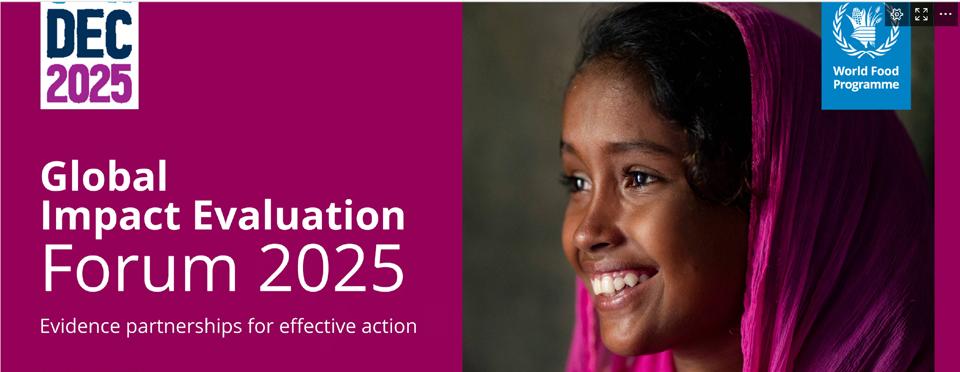
Speaking about this experience at the 2025 Global Impact Evaluation Forum, Hannah den Boer, IOE Associate Evaluation Officer, explained that “the model was very strong in linking very subtle and latent pairings that would have most probably been missed by an individual coder. Manual coding rarely surfaces and catches these synergies because analysis may be coding theme by theme but not necessarily pairing patterns”.
Ms den Boer was among the panellists of the session titled ‘future tense: how will impact evaluations use AI, machine learning and innovations in data’, which took place on 10 December 2025. The panel brought together researchers and evaluators who are actively experimenting with and applying these technologies. During the session, they shared their insights on how digital innovation can bridge gaps and unlock
new possibilities, while offering candid reflections on the realities of implementation.
Discussions highlighted that advancements in artificial intelligence, machine learning, and data collection technologies are rapidly transforming the landscape of research and evaluation. These tools are not only expanding the methodological toolbox but also enabling practitioners to ask and answer entirely new questions.
Yet, alongside these exciting opportunities come complex challenges, including ethical considerations, data security concerns, and issues of reproducibility. As the field navigates a steep learning curve, integrating these innovations into established research and evaluation practices requires both vision and adaptability.
In her intervention, Ms den Boer presented several gains observed in the use of AI chatbot for interview-based evidence retrieval. These included enhanced iterative efficiency, with considerable time savings especially in terms of faster iterative searching, which allowed for testing hypothesis in real time. This was possible given that the AI can run queries across the whole documentation in a matter of seconds. Other advantages included structural transparency; co-occurrence patterns; collaborative advantages.
At the same time, challenges were also encountered, such as loss of contextual weighting; loss of embodied familiarity with the data; and confirmation bias.
“If one asks the model only to look for evidence in support of any findings or insight, you risk
Hannah Den Boer Evaluation Analyst, IOE
Profile
having confirmation bias. The researcher can mitigate this by incorporating into the prompt a negative case analysis, meaning to ask the model to return and examine cases that contradict or complicate an emerging finding”, Ms den Boer explained.
The 2025 Global Impact Evaluation Forum, hosted by WFP, in partnership with BMZ and Norad, built on the momentum of the 2023 WFP Forum in Rome, and the 2024 WFP-UNICEF Forum in New York, pivoting from exploration to joint action. As the UN marks its 80th anniversary and advances a Humanitarian Reset, the call is clear: UN agencies and other stakeholders must decisively bridge the gap between rigorous evidence and action.
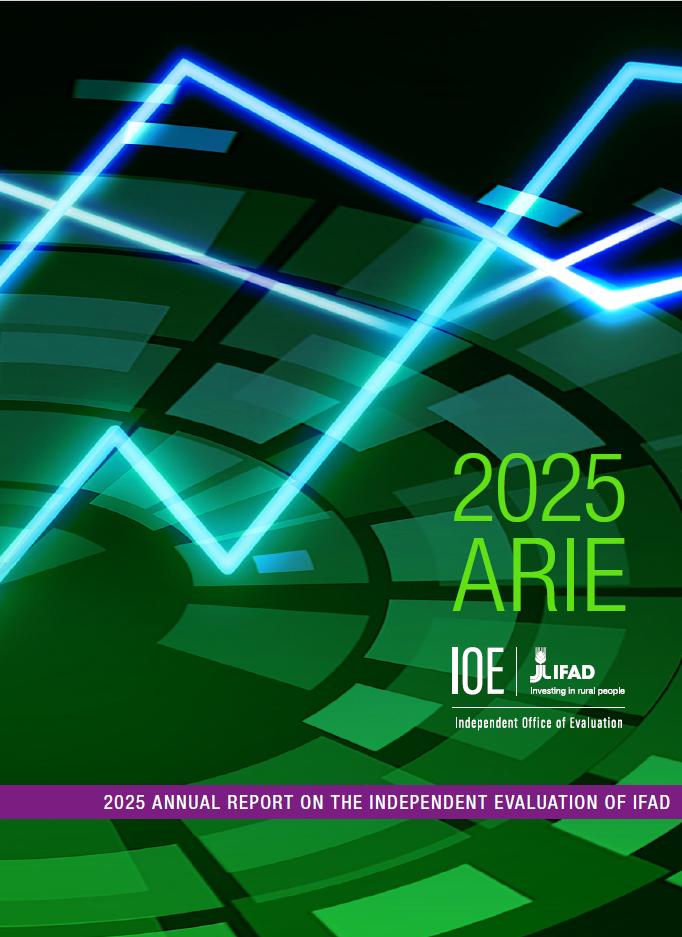
Over the past decade, performance in of IFAD projects in environment and natural resources management (ENRM) and climate change adaptation (CCA) have improved overall and continue to show strong results. Performance reflects a decade of sustained efforts by IFAD to prioritize climate change responsiveness and integrate environmental and climate considerations across its operations. The twenty-third Annual Report on the Independent Evaluation of IFAD (ARIE) captured these trends.
Produced by the Independent Office of Evaluation of IFAD (IOE), the ARIE presents an overview of the performance of IFAD-supported operations. The 2025 report assesses project performance based on the ratings analysis of 280 projects completed from 2014 to 2023. It analyses non-lending activities in country programmes based on 46 country strategy and programme evaluations conducted between 2015 and 2024. The thematic focus of the 2025 ARIE is a perspective that has been crucial to IFAD’s development effectiveness: the sustainability of benefits from IFAD-funded projects.
The report shows that performance patterns remain broadly consistent with recent years. Most projects were rated moderately satisfactory or better across all evaluation crite-
DECADE OF SUSTAINED EFFORTS CLIMATE CHANGE CONTINUES
ria, although only few achieved highly satisfactory ratings. Among these, the highest proportion was recorded in the Asia and the Pacific region. In addition to ENRM and CCA, relevance and innovation of IFAD’s projects continue to show positive trends. Furthermore, the enhanced performance in scaling up has narrowed the gap between projects that perform well in scaling up and in innovation when compared to the 2024 ARIE.
From an operational perspective, IFAD’s strengthened country presence and increased engagement in policy dialogue have helped promote more sustained results, particularly where programming was aligned with national strategies and local institutional frameworks.
Efficiency remains the lowest-rated criterion, while performance in gender equality and women’s empowerment experienced a notable decline. Unfortunately, the consistent improvements in effectiveness observed from 2014 to 2019 have recently stalled, with the proportion of well-performing projects falling from 80% in 2017–2019 to 71% in 2019–2021.
Performance on rural poverty impact has continued to decline, falling from a high of 81% of projects performing well in 2014–2016 to 69% in 2021–2023. Projects implemented in fragile
EFFORTS TO PRIORITIZE CONTINUES TO PAY OFF
contexts again perform comparatively lower in effectiveness, efficiency and sustainability.
The review of discrepancies between IOE evaluations and project completion report ratings indicates continued gaps in relevance and scaling up, alongside wider divergences in effectiveness and rural poverty impact. These discrepancies suggest a reinforced need for more robust self-evaluation practices.
Of particular concern for IFAD is the sustainability of development interventions, particularly in ensuring that the benefits of investments are durable and resilient for rural communities beyond project completion. Evidence from 51 evaluations conducted between 2020 and 2024 shows that sustaining results after project completion remains a central challenge. Efforts to this end are often constrained by weak institutional anchoring, limited provision for operations and maintenance and inadequate exit strategies
To address the sustainability challenges identified, the review calls for early integration of sustainability measures, strengthened exit strategies and enhanced partnerships with governments to ensure that IFAD-supported interventions continue delivering long-term benefits for rural communities.
Access full report [HERE]
The ARIE synthesizes findings across evaluations and presents performance trend analysis through a study of the time series of ratings. It expands on existing evaluations to present a performance-based narrative of IFAD, emphasizing the organization’s mandate and assessing its global work.
Photo: Matt Palmer/unsplash
IFAD makes notable contribution of Zambia’s policy landscape
IFAD has made notable contributions to Zambia’s rural development policy landscape particularly in crop and livestock production and productivity inclusive rural finance and inclusive value chain development, often leveraging its investment operations as platforms for dialogue, strengthening regulatory frameworks and introducing innovative financial products. These findings emerged during the Zambia Country Strategy and Programme Evaluation (CSPE) learning workshop, which presented the forthcoming CSPE report prepared by the Independent Office of Evaluation of IFAD (IOE). The event took place on 27 November 2025.
“The strategic continuity of IFAD’s approach allowed it to maintain its relevance and alignment with Zambia’s evolving development priorities, in line with both Government and IFAD’s policies and strategies”, affirmed Dr Indran A. Naidoo, IOE Director.
S. Mubayiwa Senior Evaluation Officer Lead author, Zambia CSPE
Evidence suggests that IFAD supported the formulation of key frameworks, including the National Agricultural Investment Plan, the Rural Finance Policy and Strategy, the National Livestock Policy and Livestock Development Act, and the Zambia National Agribusiness Development Strategy. Projects financed played pivotal roles in shaping policy on inclusive finance and livestock sector governance, while grant-funded initiatives informed national strategies on youth employment, land policy, and conservation agriculture.
“IFAD’s strategic choices directly support the Government’s agenda under the sixth, seventh and eighth national development plans, as well as
the national agricultural policy, rural finance policy, and the national livestock policy”, noted Dr Brown.
Co-organized by the Government of Zambia and IOE, in collaboration with IFAD’s East and Southern Africa (ESA) Division, the on-line virtual workshop brought together a wealth of high-level attendees, including John Mulongoti, Permanent Secretary, Technical Servies, Ministry of Agriculture; Dr Max M. Choombe, Permanent Secretary for the Ministry of Fisheries and Livestock; and Dr Donal Brown, Associate Vice-President, Department of Country Operations, IFAD. Over 90 participants joined the event, representing the government of Zambia, development partners, civil society organizations, and IFAD senior management and staff.
This is Zambia’s second CSPE and it covered the period 2014–2024 and assessed two country strategic opportunities programmes (COSOPs): 2011–2018 and 2019–2024. The ongoing 2019 COSOP was extended in 2025 and will expire in 2026. The evaluated portfolio covered by the CSPE includes 6 projects, four completed and two ongoing. The evaluated portfolio totals US$222.4 million.
Raymond
Profile
“Our collaboration with IFAD has significantly contributed to advancing our national transformation agenda and inclusive growth. Through IFAD support, various interventions have fostered food, food security, employment opportunities and growth creation for small scale farmers”, said Mr Mulongoti.
During the workshop, participants discussed the main findings, recommendations and issues emerging from the CSPE. The meeting also provided an opportunity to focus on the opportunities and challenges of the partnership between IFAD and the Government in the near future, and discuss strategic priorities for IFAD’s upcoming programme.
“IFAD’s thematic focus on value chains, livestock development, and inclusive rural finance gave the country programme a clear strategic identity and forced internal coherence”, explained Raymond S. Mubayiwa, IOE Senior Evaluation Officer and lead author of the Zambia CSPE.
Discussions highlighted that effective technological and institutional innovations were promoted. These innovations advanced rural financial inclusion and strengthened smallholder productivity. Through the Innovation and Outreach Facility, digital tools such as e-wallets, mobile apps, and shared banking infrastructure enhanced the efficiency and transparency of community-based financial institutions.
Interventions supported by
IFAD also contributed to increases in household income through higher crop and livestock productivity, expanded market participation, and improved access to rural finance and savings, though evidence of scale remains limited due to inconsistent impact measurement.
Participants noted that support to rural finance and digital financial services demonstrated strong prospects for institutional sustainability through their integration into national systems and regulatory frameworks. Infrastructure such as feeder roads and bridges showed better continuity where maintenance mechanisms were in place.
Discussions also brought to the forefront ongoing challenges. For instance, support to farmer organizations and savings groups built early ownership and cohesion but was constrained by weak governance and instrumental group formation particularly producer groups. Also, capacity-building for cooperatives and producer groups was often short-term and poorly embedded, with limited follow-up on governance, financial literacy, and group management.
Furthermore, despite promising innovations for example extension delivery methodologies such as lead farmer follower farmer approaches, FaaBs and FBS , institutional challenges constrained the scaling up of value chain models. Many interventions remained pilot- or programme-bound due to limited integration and uptake by key ministries. In
addition, uptake of good agricultural practices was limited mainly by the labour-intensive nature of promoted practices and poor adaptation to local agroecological conditions.
In light of these findings, the workshop took note of the CSPE’s recommendations, including the need to develop the next COSOP with a strategic food systems resilience lens to enhance production, productivity, and nutrition outcomes in line with Zambia’s transformation agenda; to leverage a strategic, propoor, market-led value chain approach through private sector engagement using both sovereign and non-sovereign instruments; to strengthen the targeting strategy to more effectively reach and empower poor/vulnerable men, women and youth through focused geographic coverage and differentiated approaches; and to also strengthen the strategic use of non-lending activities, fully aligned with IFAD’s lending operations, to enhance influence, learning, scaling, and leveraging.
Zambia’s agriculture sector contributes 3.4 per cent to GDP, both crop and livestock production are central, with signs of recovery following recent drought and El Niño shocks. Zambia has 42 million hectares of arable land, yet only 1.5 million hectares are actively farmed each year, this large gap presents an opportunity for growth in the sector.
Zambia CSPE (unedited) [here]
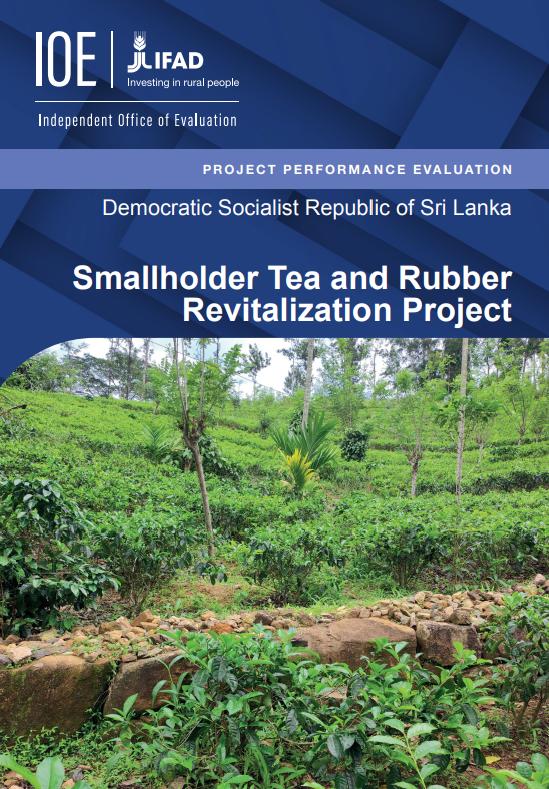
Rubber planting and tea replanting contribute to increased household resilience in Sri Lanka
Implemented in Sri Lanka, with the support of IFAD, the Smallholder Tea and Rubber Revitalization (STaRR) Project has given a boost to smallholders to replant tea, and to start new planting of rubber in non-traditional areas. These results were achieved through changes to the modality and amount of tea subsidy payments, and by enabling a higher volume of quality rubber-planting material in non-traditional areas. The successes are likely to provide smallholders with long-term sources of income, and to contribute to household resilience. These and other findings are captured in the STaRR project performance evaluation report, recently published by the Independent Office of Evaluation of IFAD.
The STaRR project was designed to increase the incomes and resilience of poor tea and rubber smallholders in six tea-growing districts
and two non-traditional rubber-growing districts. It was funded by an IFAD loan, the Government of Sri Lanka, beneficiaries, domestic banks and the local private sector.
The IOE report found that STaRR was a sound investment. Core investments were valued by smallholders and aligned with government priorities for agricultural and economic development. STaRR reached 36,696 households and nearly met its smallholder tea-replanting and rubber-planting targets – 4,500 and 3,000 hectares, respectively. This was a commendable achievement given the external challenges of
COVID-19 and the political and economic crises during the project.
As mentioned, the success can be attributed largely to the project’s ability to motivate farmers to clear tea plots for replanting or establish new rubber plantations. Other contributing factors include the adoption of a value chain approach for smallholder rubber development. This approach was appropriate, given the sector’s undeveloped state in the target districts. Support for village rubber processing centres (VRPCs) was also important insofar as it helped smallholders produce high quality ribbed smoked sheets for the tyre industry.
While the operating VRPCs are likely to continue, they require further support to ensure sustainability. Moreover, the evaluation found that the longterm goal of strengthening the resilience of poor rural people has not been given enough attention, limiting the sustainability of investments. Escalating labour shortages were also not addressed by the targeting strategy, which missed opportunities for employment creation in tea plucking and rubber tapping.
Jeanette Frances Cooke Evaluation Officer Lead author, Sri Lanka PPE
Profile
Design of the project was overly complicated and insufficiently informed by the local context, limiting the relevance and effectiveness of some investments. Multiple activities in two very different sectors with different actors, challenges and opportunities, detracted from the project’s core purpose of augmenting the Government’s efforts to encourage planting and replanting.
al level, the evaluation report put forward a number of recommendations, including that IFAD and the Government continue investing in tea and rubber smallholder development based on contemporary context analysis and clear projections of resources. In addition, future project design should be more highly focused on the core intervention logic to achieve project objectives; investments in smallholder tea and rubber development should emphasize resilience as the long-term goal; and IFAD and the Government should find a functional project management structure that works within, and strengthens, existing institutions and systems.
Since 2020, the country has faced a severe economic crisis caused by high trade deficits, low foreign exchange reserves and reduced government earnings, following a tax cut in 2019. Sri Lanka is the third largest tea exporter in the world, and tea generated 10 to 14 per cent of total exports in the country over the project period. For natural rubber production, Sri Lanka ranks as the 23rd largest exporter, but it remains an important agriculture-based export earner for the country. ACCESS HERE
In light of these findings, while smallholder tea and rubber production remain important sources of employment and reliable year-round income in rural households and of foreign exchange at the nation-
IFAD commits to building additional capacity towards gender equality and women’s empowerment
IFAD has committed to developing more capacity and to improve its measurement framework towards gender equality and women’s empowerment. This decision was informed by the recommendations of the 2025 thematic evaluation on IFAD’s support to gender equality and empowerment, which also helped guide the development of IFAD’s new gender action plan. Carried out by the Independent Office of Evaluation of IFAD (IOE), the evaluation found that the resources that IFAD has allocated towards gender equality and women’s empowerment have not always kept pace with its strong ambitions, between 2012 and 2023. Mona Fetouh, IOE Deputy Director, discussed these and other findings of the evaluation during a virtual learning event, on 5 November 2025.
Titled ‘Gender and Development: Lessons from Across Multilateral Development Banks’, the event was convened by Center for Global Development (CGD). A group of esteemed panellists joined Ms Fetouh, including Dr Sabine Bernabè, Vice President and Director General, Inde-
pendent Evaluation Group, World Bank Group; Dr Emmanuel Y. Jimenez, Director General, Independent Evaluation Department, Asian Development Bank; and Mr. Emmanuel Pondard, Head of the Evaluation Division, European Investment Bank. Each evaluation head presented some of the findings, conclusions and recommendations of the gender-focused evaluations recently concluded by their respective offices. Over 220 people joined the livestream online.
Speaking at the event, Ms Fetouh explained that IOE’s evaluation found that, overall, IFAD has demonstrated high commitment towards gender equality and women’s empowerment. This commitment is well-reflected in the three strategic objectives of its gender policy, which focuses on women’s economic empowerment, decision-making and representation, and equitable workloads and in its Gender Action Plan which reinforced a commitment towards mainstreaming gender-transformative approaches.
Much of IFAD’s support during the evaluation period has been on the economic empowerment pillar of the IFAD Gender policy, with emphasis on access to rural finance, and less attention to the other areas. However, evidence shows that implementing a combination of these practices is what is really needed to
Mona Fetouh Deputy Director IOE
Profile
address the root causes of gender inequality and contribute to transformative changes. The evaluation found also that policy engagement –which is another critical component to address the root causes of gender inequality – is another area where greater efforts are needed by IFAD.
In response to these findings and the related recommendations, efforts are underway in IFAD to improve competencies and capacities to address gender equality and women’s empowerment priorities. Furthermore, in the new Gender Action Plan, the development of which was directly informed by the evaluation, there are commitments related to resource mobilization to deepen IFAD’s support to gender equality and empowerment.
During the event, participants highlighted that pursuing gender equality is not only a core human right, but also a strategic imperative. Gender equality helps to boost economic growth, improves governance, promotes social cohesion, and improves well-being for all. In the face of deepening crisis and the reduction of international assistance, rather than scaling back investments for gender equality, now is
the time for governments and the international community to come together and intensify efforts to close gender gaps. Multilateral development banks are uniquely positioned to support country efforts to transform gender equality.
CGD works to reduce global poverty and improve lives through innovative economic research that drives better policy and practice by the world’s top decision makers. It strives for excellence and intellectual rigor and believes global prosperity starts with smart policy based on evidence. It is willing to challenge powerful institutions and the status quo for better development practices.
Watch the full event recording [HERE]
Evaluation on IFAD’s support to gender equality and empowerment
Photo:
Agribusiness clusters enhance market access in Montenegro
IFAD financed activities successfully established agribusiness clusters across four key value chains in Montenegro – namely meat, dairy, raspberries and seed potatoes – as well as enhancing collaboration between semi-subsistence farmers, agribusinesses and processors. These clusters played a crucial role in building trust, fostering collective decision-making, enhancing market access for semi-subsistence farmers and reducing scepticism rooted in past zadruga cooperative models. This achievement was captured by the project performance evaluation of the Rural Clustering and Transformation Project (RCTP), published by the Independent Office of Evaluation of IFAD (IOE).
The project’s successful implementation highlighted IFAD’s strategic value as a key government partner, particularly in targeting semi-subsistence producers who are often excluded from mainstream support measures
Raymond S. Mubayiwa Senior Evaluation Officer Lead author, Montenegro CSPE
to climate change by improving market access, reducing transportation costs and ensuring the availability of reliable water for livestock, crop production and, in some cases, domestic use.
The RCTP contributed to strengthened investment environments across key value chains, with notable successes in the dairy sector, where milk collection centres enhanced linkages between smallholders and larger buyers, improving farmers’ bargaining power and reducing price volatility.
The RCTP was the first IFAD-supported project in Montenegro since the country became a member in 2015. It was implemented for six years, between 12 May 2017 and 30 June 2023. The project aimed to transform smallholder livelihoods in the northern mountainous regions by enhancing their commercial competitiveness and resilience to climate change. It focused on value chain clustering, rural infrastructure improvements, and strengthening market linkages for smallholder farming households.
The evaluation found that investments in rural infrastructure, including building access roads and water systems, enhanced the resilience of semi-subsistence farmers
Furthermore, mechanization support through Value Chain Facility (VCF) grants enabled semi-subsistence and commercial farmers to reduce their post-harvest losses, expand cultivated land and increase productivity, which partly addressed labour shortages exacerbated by rural outmigration.
By encouraging engagement across multiple value chains, the project also helped smallholders adapt to climatic shocks, with evidence showing a higher likelihood of recovery among infrastructure beneficiaries.
At the same time, evidence suggests that long-term sustainability remains fragile due
Profile
to uncertainty surrounding institutional mechanisms, particularly responsibility for the operations and maintenance of rural water systems.
Going forward, the report recommends that IFAD continue to prioritize semi-subsistence producers, align financing with Montenegro’s EU accession agenda and strengthen policy frameworks to support farmers to transition to main-
competitiveness through a market-oriented approach, addressing the supply demand challenges, structured contracting and price risk mitigation, particularly in volatile sectors like berries.
In 2021, Montenegro’s Human Development Index (HDI) was 0.83, ranking it 48th among countries with a high level of human development. This was an improvement from 2015, when the equivalent score was 0.81, with a ranking of 51.
stream support measures. A multi-tiered capacity building strategy should enhance governance, business management and sustainable agricultural practices. Additionally, IFAD and the Government should strengthen value chain
The agricultural sector in Montenegro, including forestry and fishing, contributes 6.3 per cent to the GDP and employs 4.5 per cent of the economically active population.
According to the 2023 Global Hunger Index report, Montenegro is one of 20 countries out of 125 with a score of less than 5, indicating a level of hunger that is low. However, challenges remain, particularly in addressing micronutrient deficiencies, diet-related non-communicable diseases and malnutrition.
IFAD has promoted sustainable and climate-smart agricultural practices in small island developing States (SIDS). Efforts undertaken have included the promotion of drought- and salinity-tolerant crops, of soil and water conservation techniques, of green houses and hydroponic production techniques, of water-harvesting and water management practices, of small-scale irrigation systems, of integrated pest management and organic agriculture, and of reforestation and land rehabilitation. Drawing on the findings of an upcoming evaluation of the Independent Office of Evaluation of IFAD (IOE), Dr Kouessi Maximin Kodjo, Chief of Section, and Massiel Jiménez, Evaluation Officer, presented these and other examples during a session of the Evidence for Climate Action (E4CA) Pavilion at COP30, on 20 November 2025. IOE Deputy Director, Mona Feouh, moderated the session.
The E4CA Pavilion at COP30 in Belém, Brazil, was the first dedicated space at a COP to showcase and discuss evaluative evidence on climate mitigation, adaptation, just transitions, and loss and damage. The pavilion sought to bridge the gaps between climate finance,
SUSTAINABLE AND CLIMATE-SMART AGRICULTURAL SMALL ISLAND DEVELOPING
implementation, and measurable outcomes. The German Institute for Development Evaluation (DEval) coordinated the event, which was organised in partnership with various members of the Evaluation Cooperation Group, including the Independent Evaluation Group of the World Bank; the Independent Evaluation Office of the Global Environment Facility; and the Independent Development Evaluation function of the African Development Bank. The event ran from the 10th to the 21st of November 2025.
With accelerating implementation at the core of COP30, insights from evaluative evidence on what is working, what is not, and what has the potential to scale, are vital for informing the way forward. Bringing together evaluators, researchers, policymakers, and development partners, the Pavilion facilitated the exchange of credible evidence, lessons, and innovations through dialogue, interactive sessions, and access to knowledge products — helping to shift global climate discussions from commitments to concrete, evidence-based solutions that deliver impact on the ground.
A series of in-person and virtual sessions featured discussions on a range of key issues, from adaption and climate finance to forestry
AGRICULTURAL PRACTICES PROMOTED IN DEVELOPING STATES
management and the role of indigenous peoples and local communities.
IOE featured prominently, with presentations in two important sessions. On 19 November, Enala Mumba, IOE Evaluation Officer, facilitated the session titled ‘linkages between nutrition and climate actions’, which featured a presentation by Dr Genny Bonomi, IOE Senior Evaluation Officer, and Dr Beatrice Ekesa-Onyango, Lead Technical Specialist in Nutrition at IFAD. In her intervention, Dr Bonomi explained that IFAD applies a nutrition lens in investments to optimize its contribution to improving nutrition. Moreover, IFAD works on a number of focus areas to contribute to diverse, safe and nutritious diets. Its entry point to nutrition is through nutrition-sensitive agriculture. She also highlighted that the food systems approach offers an opportunity to strengthen the climate-nutrition nexus with the final goal of ensuring sustainable healthy diets.
On 20 November, Ms Fetouh facilitated the session titled ‘solutions for resilient environmental management in Small Island Developing States’, which featured the presentation by Dr Kodjo and Ms Jiménez. In their intervention, they touched upon findings of an upcoming evaluation on IFAD support to SIDS. Resilience building has been
IFAD’s main entry point in its engagement with SIDS. The evaluation found environmental and climate change resilience to be consistently good in IFAD’s support in SIDS across all regions. It also highlighted that IFAD’s strategies and programmes complement well broader SIDS regional initiatives. This has led to a strong focus on sustainable agricultural production and climate-smart practices, which have contributed to improved management of soil, water, and other natural resources.
The session also included a lively Q&A segment, which featured further discussions on the role and importance of grassroots organizations in achieving natural resource management and climate change resilience in SIDS, and the contributions of specific groups, such as indigenous people, in this regard. Discussions also helped to shed light on specific approaches promoted through IFAD’s support across the SIDS regions for effective resilience of agroecological systems.
Access all IOE presentations [HERE]
Tribute to Professor Thomas A. Schwandt
An evaluative legacy from an intellectual provocateur by Dr Indran A. Naidoo
Introduction to Thomas A. Schwandt’s Influence
Dr. Naidoo first encountered Schwandt during a European Evaluation Society meeting focused on the philosophy of evaluation. Schwandt, a philosopher and ethicist, profoundly influenced Dr. Naidoo’s thinking and later inspired the creation of the evaluation advisory panel (EAP) at UNDP in 2013, which included leading experts like Schwandt to infuse high-level thinking into evaluation practice.
Independence and Objectivity in Evaluation
Schwandt challenged the prevailing “independence mania” within evaluation teams, cautioning against an obsession with independence that ignores other important aspects. He argued that pure independence (being completely disconnected to maintain unbiased evaluation) is an oversimplification and that there is no such thing as pure objectivity due to inherent biases and prejudices everyone carries. Instead, intellectual rigor and reflective thinking should precede methodological rigor.
Balancing Independence and Utilization
Schwandt proposed a balanced approach between two schools of thought: the pure independence model (detached, donor-driven evaluations) and the utilization-focused model (evaluation aimed solely at use). He emphasized the need to bridge these perspectives by ensuring credibility and independence while also producing high-quality, persuasive work that influences stakeholders. This balance is reflected in IOE’s approach, which combines independence with co-creation and stakeholder engagement.
Evolution of the Evaluation Advisory Panel (EAP)
Initially, Schwandt critiqued the EAP’s focus on staff reporting accomplishments rather than identifying their needs. He recommended flipping this approach to focus more on supporting staff needs with methodological assistance, a shift that has since been adopted in recent EAP iterations. This change underscores the importance of co-creation and collective knowledge in evaluation.
Evaluation as a Democratic and Complex Practice
Schwandt viewed evaluation as a democratic activity that promotes transparency, accountability, and learning, drawing parallels with South Africa’s Public Service Commission’s constitutional mandate to evaluate state operations without fear or favor. He also advocated for embracing complexity thinking instead of sequential, linear approaches, acknowledging the dynamic and evolving nature of evaluation environments.
Commitment to Social Justice and Staff Autonomy
Schwandt emphasized that evaluation should serve social justice by improving the lives of the poor and marginalized. This commitment entails being rigorous and sometimes conservative in ratings to reflect reality accurately rather than appeasing those evaluated. The goal is to prioritize citizens’ welfare over institutional egos, striking a middle ground between independence and utilization.
Schwandt’s Reflective Scholarship and Holistic Philosophy
Later in his career, Schwandt engaged in deep self-reflection about the value and impact of his work, culminating in his book Evaluation Reconsidered. He questioned his previous assumptions and embraced a holistic view of education and self-formation, inspired by the German concept of Bindung, which integrates formal and informal learning and personal cultivation. Beyond academia, Schwandt found fulfillment in non-academic pursuits such as cooking, gardening, and humanitarian work, reflecting his philosophy of being a whole human being.
Conclusion and Tribute
Dr. Naidoo closes the tribute by expressing gratitude for Schwandt’s profound contributions to evaluation theory and practice, inviting reflection on his ideas and their relevance to IOE and the wider evaluation community. Schwandt is remembered as a thinker who challenged norms, fostered intellectual rigor, and advocated for evaluation as a democratic, socially just, and evolving practice.