The Colton City Council on April 7 approved updates to the Community Services Department Fees and Rental Policy, adopting Resolution No. R-21-26 after a public hearing and council discussion.
During the hearing, Colton Recreation Manager Heidi Strutz, representing the
Community Services Department, presented the proposed changes and asked council members to approve the updated fees and rental policy.
Strutz said the department’s request had been reviewed twice by the Recreation and Parks Commission and was brought before the City Council with the goal of implementing the changes by summer 2026.
The proposed updates include the addi-
tion of some fees, including aquatic fees, late fees and fees for the city’s drop-in sports program. Strutz also requested fee reductions for swim passes, day camp and rentals.
The policy update also revises several sections related to facility use and program operations. Changes include Section 6.8, which clarifies when rental discounts may
By Daphne Marquez
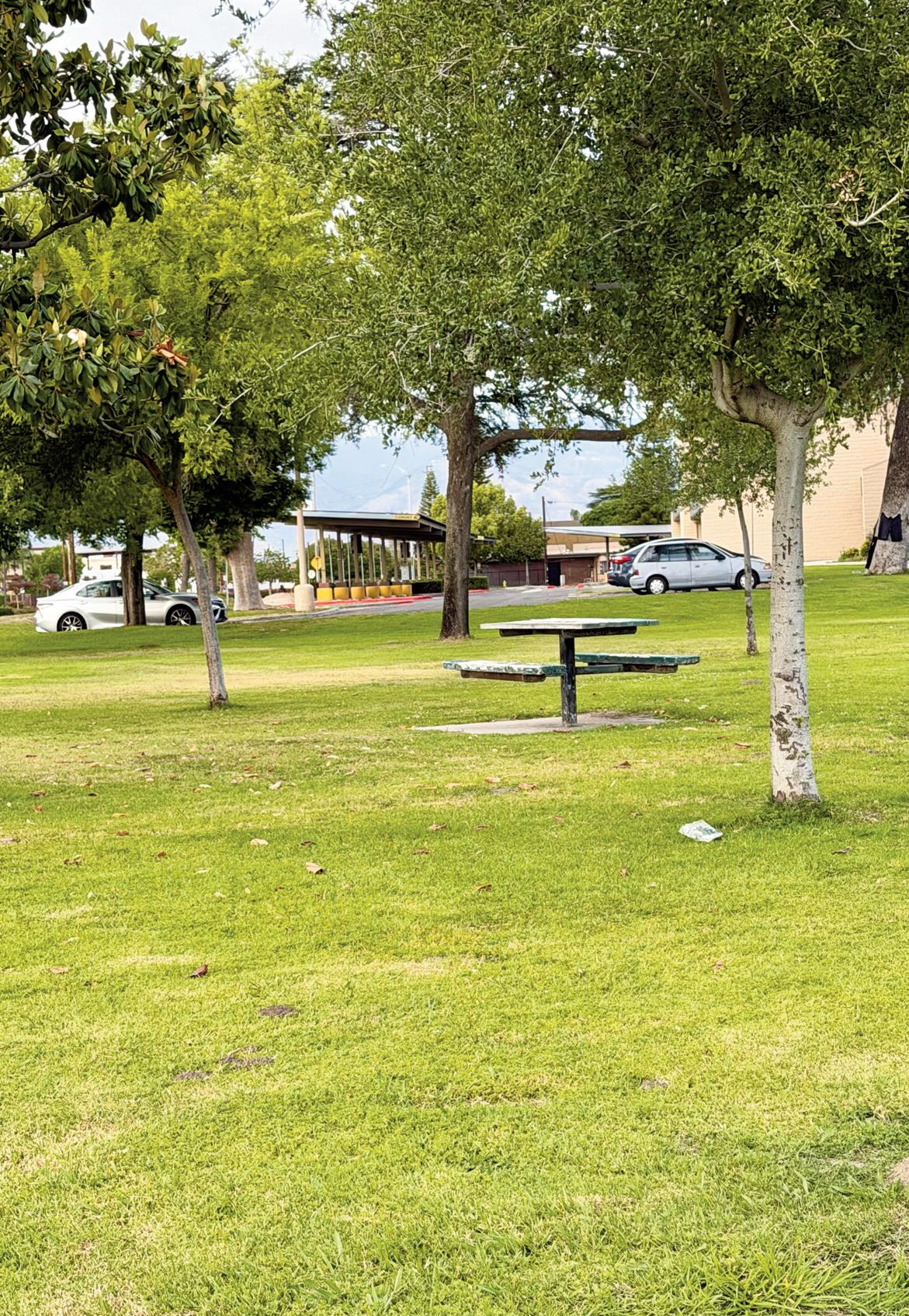
Colton City Council held a discussion on April 7, where they went over the possible renaming of Cesar Chavez Park and the direction the City is currently taking to manage it.
Across California, deceased Political Activist Cesar Chavez's name is being removed from schools, streets, and holidays.
The decision to remove his name was followed after Activist Dolores Huerta came forward with allegations in March 2026 that he sexually abused young girls, including herself over several decades.
These allegations, which include reports that some victims were minors, have led to a rapid movement to remove his statues and rename landmarks.
Councilmember Dr. Gonzalez opted to rename the park to its original name, Colton Municipal Park.
He stated “We do have a for-
mal procedure for naming… going back to the original name is probably a good idea because there's a lot of personal and emotional feelings of what to name the park after, and I think we should give that some time to digest.”
Gonzalez continued to say that renaming Chavez Park back to its original name would bring back some of Colton's history.
Councilmember Chastain had expressed that she also supports the idea of reverting back to the Parks original name if City officials and locals petitioned to have the park renamed.
The item ended off with Councilmembers Chastain and Gonzalez motioning to change the name to Colton Municipal Park if it came down to it, however as of now the City Council plans to look into the process of renaming and will bring the item back at another meeting at a later date.
City Fees, cont. next pg.
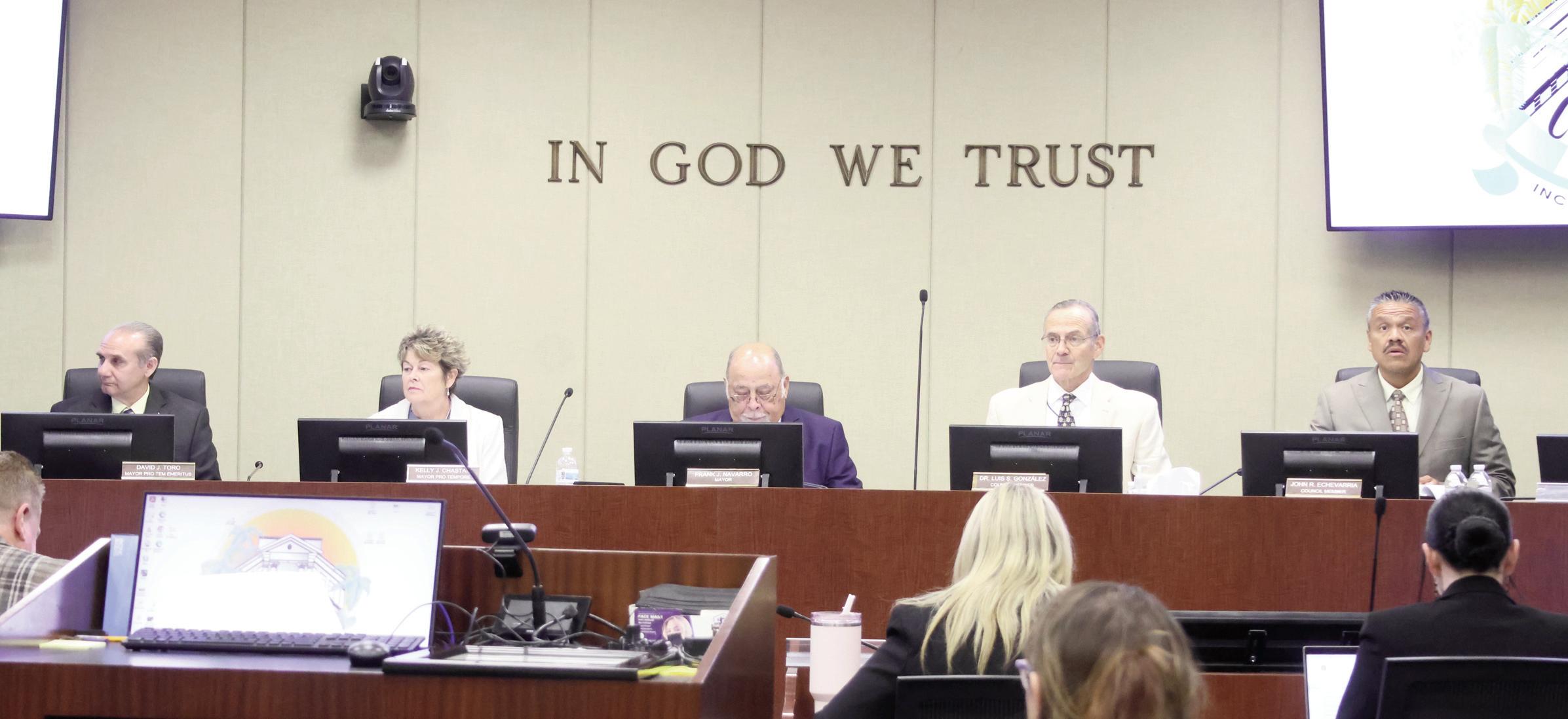
PHOTO DAPHNE MARQUEZ
Colton City Council listens to the public hearing presentation led by Heidi Strutz.
PHOTO MANNY SANDOVAL
Chavez Park, located
is at the
Colton Municipal Park.
City Fees (cont.)
- be applied, and Section 8.3, which limits access to service animals in accordance with federal ADA guidelines. Sections 8.13 through 8.16 establish stricter regulations for food and beverage vendors operating at city facilities. Additional updates address volunteer requirements for organizations and youth sports leagues under Section 12.2, as well as background check requirements and adjusted on-site supervision standards under Section 12.4.4.
After the presentation, discussion opened and council members began asking questions for clarification on the fee changes and policy updates.
Councilmember Dr. Gonzalez asked for clarification on a newly proposed $25 late fee for parades.
Strutz explained that the fee specifically pertained to Colton’s Veterans Parade, where getting parade entries submitted
on time had become increasingly difficult. She said that last year, after the department noted there would be a late fee for late applications, all applications were ultimately received on time.
Gonzalez also asked for more information about the updated policies, specifically the volunteer requirements for youth leagues.
Councilmember Chastain asked for clarification on several of the policy revisions. In discussing how service animals would be identified under Section 8.3, Strutz said, “We have that policy within our employee manual that identifies how to assess if there is a service animal. We follow the federal ADA guidelines to provide accommodations.”
The public hearing concluded with all council members voting to approve the updated Community Services Department Fees and Rental Policy, Resolution No. R-21-26.
San Bernardino Bans Airbnb, Vrbo Rentals After 5 Documented Complaints in Contentious 4-3 Vote
By Manny Sandoval
San Bernardino city leaders voted 4-3 on April 15 to ban short-term rentals citywide, siding with residents and council members who argued the city lacks the resources to control party houses, nuisance properties and safety risks tied to Airbnb- and Vrbo-style rentals in residential neighborhoods.
Councilman Fred Shorett made the motion to ban, and Councilmember Treasure Ortiz seconded it. Councilmembers Mario Flores and Juan Figueroa joined them in support. Mayor Pro Tem Kim Knaus and Councilmembers Theodore Sanchez and Sandra Ibarra voted against the ban. The public hearing drew nine speakers, reflecting a chamber nearly as divided as the dais.
The vote followed months of debate over whether San Bernardino should regulate short-term rentals or prohibit them outright. City staff returned to council with both options, while City Manager Eric Levitt recommended regulation in the agenda materials. But during the hearing, concerns about enforcement, fire danger, neighborhood disruption and quality of life pushed the majority toward a ban.
Gabriel Elliott, the city’s director of community development and housing, told the council that about 108 properties in San Bernardino are currently listed across short-term rental platforms and said the city’s development code does not specifically recognize the use.
National Orange Show Fair Opens With Massive Crowds, New Attractions and Reimagined Layout
By Manny Sandoval
“So part of what we’re trying to do here is to build some standards by which we would actually either regulate or ban the land use,” Elliott said. “Either way we have to go into our zoning code and modify certain parts of the zoning code.”
Elliott said staff had explored both the cost and potential revenue of a regulatory program, including permit fees and transient occupancy tax. He said the city had estimated a potential annual contribution of up to $324,000, with enforcement and related costs still attached.
“We have 108 properties already engaging in this activity and we have no recourse to collect anything out of it,” Elliott said.
According to official city documents, San Bernardino has received five formal complaints, or CRMs, over the last four years regarding short-term rental operations, mostly through the Police Department. Those complaints involved parking violations and blocked driveways, public drinking and lewd acts in vehicles, fights in the street, loud music from homes and vehicles, confrontations with neighbors, reports of attendees being charged admission, and alcohol containers and trash left on neighboring properties, streets and gutters.
The general locations tied to those complaints included the 400 block of South D Street, which had two CRMs, the 500 block of Edgerton Drive, which had one CRM, and the 400 block of Edgerton Drive, which had one CRM.
Read the full story at IECN.com.
Long before the gates opened at 5 p.m. on April 15, about 1,000 people were already lined up outside the National Orange Show as San Bernardino’s 109th fair kicked off with free opening-day admission.
Running April 15-19, this year’s fair introduced a redesigned circular layout that made it easier for visitors to move through the grounds and experience everything from food vendors and carnival rides to games, exhibits and live entertainment.
“We’re here on the opening day of the National Orange Show. It’s our 109th Citrus Fair,” National Orange Show CEO Sheri Raborn said at the opening ceremony. “We have a brand-new layout this year that we feel everyone will enjoy.”
Raborn said the fair also expanded its entertainment lineup with attractions that offered families more to do in one place; which also included treating Veterans to an appreciation dinner.
“We have a circus this year, which we have not had in the past,” she said. “We also have food galore, and the Orange Pavilion has memorabilia, a kids corner and our art competition items, along with a lot of fun for children.”
Among the major additions this year were weekend "Midget Wrestling”, Saturday speedway racing, a live circus, an aquarium and exhibits centered on butterflies, reptiles and art.
The fair’s art exhibit opened a day earlier during a private kickoff event for artists, their families and members of the community. The exhibit featured citrus-themed fine art along with historic pieces highlighting Inland Empire heritage.
Opening night also drew a large crowd for Soul Pointe, a student-rooted performance group connected to the San Bernardino Teen Music Workshop. The band delivered live vocals, live instrumentation and choreography, performing high-energy hits including Bruno Mars’ “24K Magic” and Beyoncé’s “Crazy in Love.”
Gwendolyn “Gwen” Dowdy-Rodgers, president of the San Bernardino County Board of Education, said Soul Pointe reflects the strength of young local talent and the importance of arts education.
“They’re representing San Bernardino County everywhere they go,” Dowdy-Rodgers said. “They can compete anywhere, anytime, and we’re so proud of them.”
She said the students’ growth and performance quality have made the group stand out well beyond the region.
“They really come together with a passion for music,” she said. “They’re not just singing — they’re entertaining.”
Dowdy-Rodgers also highlighted performer Jumani Chess, praising his stage presence and versatility.
“Jamani Chess and his Motown singing is my favorite,” she said. “They’re all good, but he is a performer.”
For Dowdy-Rodgers, the Orange Show remains more than a fairgrounds tradition. It is also a reminder of family, childhood, San Bernardino’s sense of community and her longtime habit of going and getting a corn dog.
“The Orange Show is one of the things we still have that lets us remember family,” she said.
“You see young people, older people, everybody there. It’s the community all in one space, coming together.”
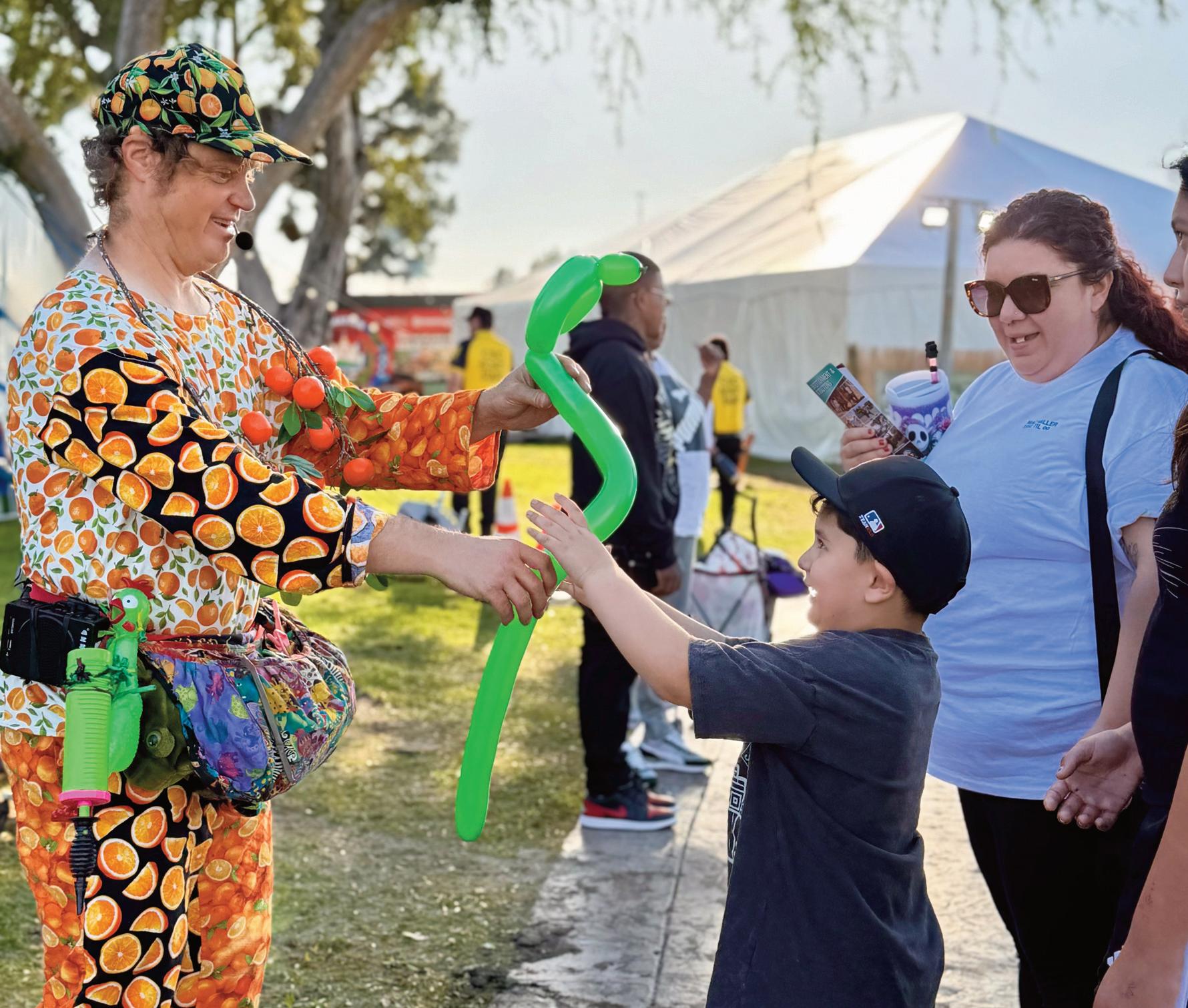
That feeling was visible across the grounds on opening night, where side-show performers greeted guests at the entrance and children received free balloon animals before heading toward the rides and exhibits.
And, of course, the food remained central to the fair experience. IECN sampled a fried Snickers, an Oreo lava flow funnel cake, a fried potato twist and a chicken-avocado wrap. Fairgoers looking for something beyond the classic carnival menu could also find authentic Mexican food through a section of vendors from 909 TacoLandia.
This year’s fair leaned into both nostalgia and expansion — offering longtime traditions while widening its entertainment and food lineup. For many in San Bernardino and across the Inland Empire, that mix remains a big part of what keeps the Orange Show relevant after 109 years.
PHOTO MANNY SANDOVAL
A balloon artist entertains families outside the circus on April 15 during opening day of the National Orange Show Fair in San Bernardino.
ACLU Files State Complaint Over Riverside's Denial of Housing Project
By Aidan Mcgloin, CalMatters
After the Riverside City Council voted Jan. 13 to return $20.1 million in state funds for a housing project that would have turned the Quality Inn at 1590 University Ave. into 114 low-income studio apartments, a coalition of attorneys threatened lawsuits. The city asked for the state funding themselves 10 months ago.
The attorneys argued some of the council members
who voted against the project were improperly biased, and that the decision was in violation of the council's own housing plan. The city council said the deadline to reconsider the funding had already passed. On March 11, the Associated Students of UCR passed a resolution calling for the city to approve the project.
After the city council discussed the threats to sue in closed session April 7, the city attorney did not announce any changes. Yesterday, the American Civil Liberties Union of Southern California filed a complaint with the
Op-Ed
21st Century Tech in the Streets, Will Keep us Safer at Home
By CNUSD Board Member & Law Enforcement Professional Christopher Raahauge
Cameras are everywhere. From doorbells to home security systems, they help protect families and solve senseless crimes. This important conversation about new technologies keeping neighborhoods safe in good faith, is essential to maintain the public’s trust.
As an Eastvale resident, elected public servant for CNUSD, and public safety officer in OC, I’ve witnessed firsthand how the right tools used thoughtfully make a meaningful difference. Responsible transparency is non-nego-
tiable, it’s why the public demanded body worn cameras by sworn officers. License plate reader (LPR) technology is also one of those tools.
LPRs help law enforcement connect vehicles to crimes across jurisdictions and generate real time leads. This tool supports local law enforcement in real time, providing leads that could otherwise take days.
In a sizable region as interconnected as OC and the IE, efficiency matters. Having the ability to share timely, relevant information assists agencies working together more effectively to address crime, fight it and prevent it.
It’s tangentially important, as these tools are implemented, that
concerns in communities they serve are addressed. That means maintaining open communication between law enforcement and the public.
LPR’s don’t replace the human element in policing, they support it. In my experience, the conversation around public safety is best when communities and public safety work together. The technology is sound. Accountability requires a balanced conversation, educating the community it serves, it’s essential.
Christopher Raahauge serves on the Corona-Norco Unified School District Board of Trustees and works in public safety in Orange County.
Alliance Unions Ratify New Contracts
By Kaiser Permanente
Southern California
After nearly 11 months of negotiations, Kaiser Permanente welcomes the ratification of 52 collective bargaining agreements covering more than 61,000 employees represented by unions within the Alliance of Health Care Unions across our markets.
A key component of these agreements is a wage offer first presented in early October 2025, providing a 21.5% wage increase over the life of the contracts. With step increases and other factors included, employees will see wage growth of 30% on average
over the length of the contract, which is well above comparable health care contracts. As health care costs continue to rise and millions of Americans risk losing access to coverage, we were steadfast in underscoring our responsibility to provide fair, competitive pay while protecting affordability.
The agreements reflect this careful balance — delivering meaningful improvements in pay, benefits, and career development that align with the priorities union-represented employees shared with us, while also helping to safeguard access to affordable care for our members and keeping Kaiser Permanente a best place to
work in health care.
Our journey to reach these agreements was not easy. It involved two significant work stoppages, including a five-week strike in California and Hawaii. In January, Kaiser Permanente made the decision to transition open topics of bargaining from the national table to local bargaining tables, where progress was being made. This transition enabled us to break the gridlock in national bargaining by providing an effective and timely path to reach new contracts that included wage increases, and enhanced benefits for our Alliance-represented employees.
California Civil Rights Department.
"The council members voting against the project did so based on explicitly discriminatory remarks against the people who would stand to benefit from this project," the complaint says.
The state funding will be available to the city if they change their mind until May 30, according to the ACLU's complaint.
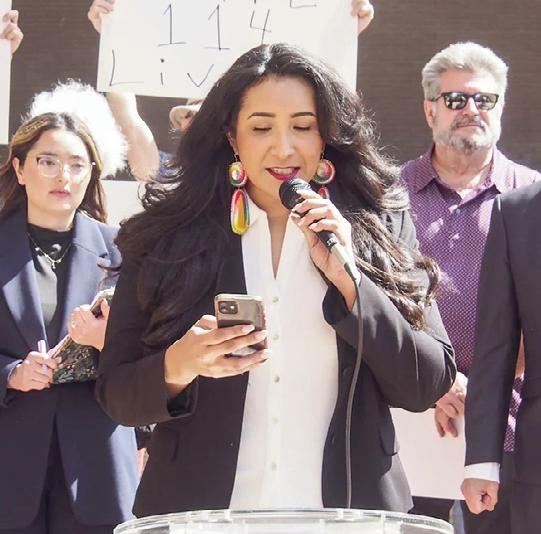
PHOTO AIDAN MCGLOIN/CALMATTERS
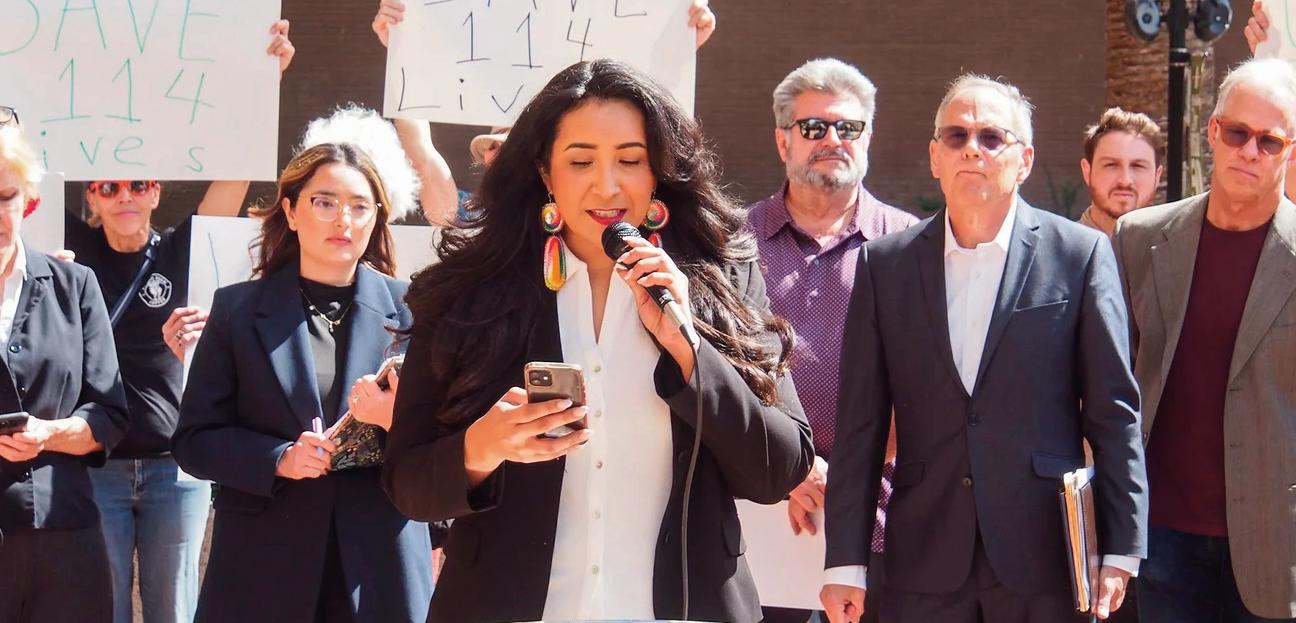
Riverside City Council Member Clarissa Cervantes, who championed the Quality Inn remodel, speaks during a pro-project rally outside Riverside City Hall on March 3, 2026.
Prado Regional Park Unveils New Gatehouse, Food Court, Boat Dock and More Upgrades
Community News
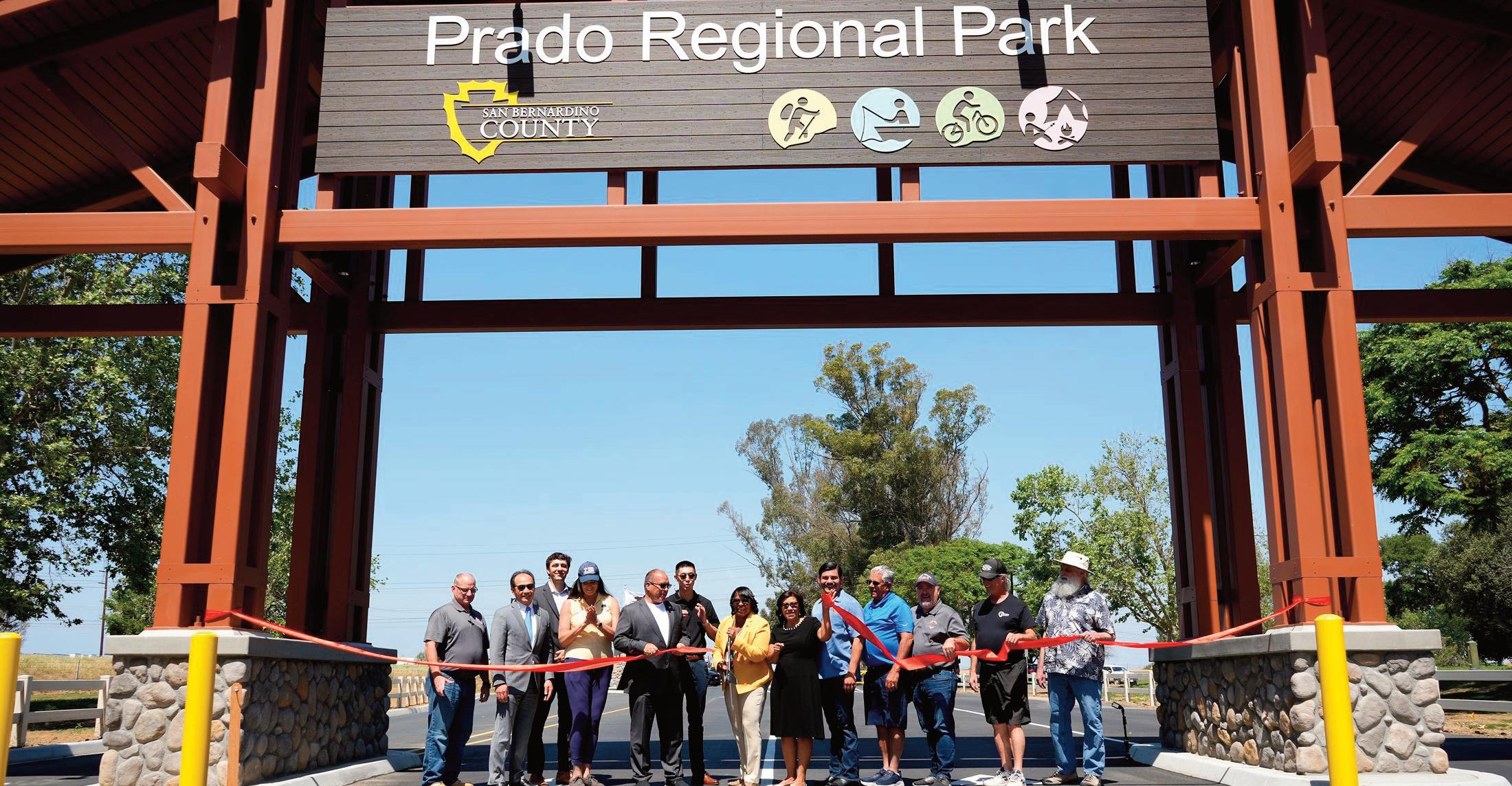
San Bernardino County Regional Parks, joined by the office of Fourth District Supervisor Curt Hagman, celebrated the completion of Prado Regional Park’s newly renovated gatehouse, monument sign, food court and boat dock Wednesday with a ribbon-cutting ceremony in Chino.
The upgrades are part of a broader master plan aimed at modernizing the park and adding amenities for residents, with future improvements expected to include new sports courts, expanded camping options with glamping, and additional campground restrooms and showers.
County officials said the investment is intended to strengthen Prado’s role as a regional destination where families can gather, spend time outdoors and enjoy expanded recreational opportunities. Hagman said the improvements reflect what residents have long wanted from the park.
“At Prado Regional Park, these improvements are really about what our visitors and community have been looking forward to,” Hagman said. “A place where families can come together and create lasting memories, whether that’s fishing, kayaking, grabbing a snack or relaxing by the lake. All of this is possible thanks to strong federal partnerships and continued county investment. Together, we’re delivering the kind of park our community deserves.”
Regional Parks Director Beata Davis said the new gatehouse is expected to improve traffic flow and make entering the park easier, especially during large events.
“The new gatehouse makes it easier for people who come in,” Davis said. “When you turn into the park now, instead of it being a two-lane road, now there is a three to four-lane road, so when we have those larger events, we can open up four lanes and get people off Euclid Avenue and into the park sooner.”
Davis also highlighted the new food court and patio area, boat dock, pier and ADA path of travel connecting the snack bar and playground.
“The food court not only offers a place for people to get food, but also a place where you can sit in the serene area and just enjoy the lake and nature all around us,” Davis said. “It provides another area where families can gather to enjoy lunch, dinner or a pedal boat ride on the lake.”
U.S. Rep. Norma Torres, who secured federal funding for the new food court, attended the event and presented Regional Parks with a certificate of
recognition. Torres said she helped secure more than $3.13 million in federal funding for improvements at Prado Regional Park.
“As an appropriator, I was proud to secure more than $3.13 million in federal funding to improve Prado Regional Park and expand access for families across San Bernardino County,” Torres said. “This investment is helping rehabilitate the park’s food court area to not only meet modern health and accessibility standards, but to give park visitors a natural space to sit and enjoy the beautiful lake view while dining outdoors.”
For some residents, the upgrades are already making an impression. Antonio Davila, a Chino resident who attended the ceremony with his daughter, Diana, said it was his first time visiting Prado and that he is now considering buying an annual pass.
“On Easter Sunday, we were at Guasti Regional and we really like all the amenities there, but being a Chino resident, this is my first time here and I am looking at the splash pad and I said … this is so beautiful … I am looking into the annual pass now,” Davila said. “I live right across the street and I am so mad this is my first time here in four years. The tax dollars are being used very well here.”
Another project nearing completion is a new campground restroom and shower facility. Torres also secured federal funding in 2024 for that project, which county officials said is expected to be completed by Memorial Day.
“Delivering a brand-new restroom and shower facility at the campground is a critical upgrade for visitors to fully enjoy extended stays at the park,” Torres said. “These projects are about more than infrastructure, they are about ensuring our public spaces are safe, accessible and welcoming for everyone in our community. I look forward to celebrating these improvements with our local partners and the families who will benefit for years to come.”
Davis said additional improvements are already planned under Prado’s master plan, including new sports courts near the soccer fields.
“What’s next for Prado Regional Park are some new sports courts that are going to be over on the soccer fields,” Davis said. “When completed we invite everyone to come on out to play some pickleball, tennis or maybe even some basketball.”
Regional Parks also received certificates of recognition from Torres, the city of Chino, Sen. Susan Rubio, Chino Valley Fire District and Assemblymember Phillip Chen. After the ceremony, attendees were offered refreshments at the food court and free use of pedal boats on the lake.
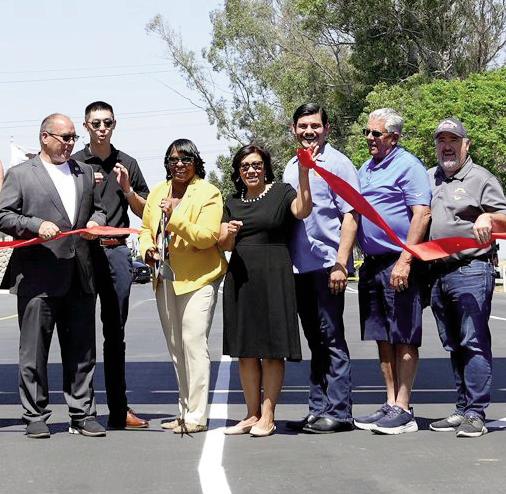
PHOTO IECN
Fourth District Supervisor Curt Hagman, Regional Parks Director Beata Davis and other county and community representatives stand beneath Prado Regional Park’s newly completed entrance gatehouse during Wednesday’s ribbon-cutting ceremony in Chino.
Notice
NOTICE OF PETITION TO ADMINISTER
NOTICE OF HEARING
that the LOCAL AGENCY FORMATION COMMISSION for San Bernardino County will hold a public meeting: May 20, 2026 MAIN AUDITORIUM - NORTON REGIONAL EVENT CENTER 1601 E. 3rd STREET, SAN BERNARDINO
9:00 A.M. – Convene Regular Meeting
Comments from the Public (By Commission policy, the public comment period is limited to three minutes per person for comments related to other items under the jurisdiction of LAFCO not on the agenda.)
Consideration of: (1) CEQA Exemption as CEQA Lead Agency for LAFCO SC#557; and (2) LAFCO SC#557 – City of Colton Extra-Territorial Sewer Service Agreement (Assessor Parcel Number 0274-131-59)
The proposed service contract relates to Assessor Parcel Number 0274-131-59, generally located on the south side of Olive Street, between Walnut Cove and Grand Ave, within the City of Colton’s sphere of influence.
The Commission may adjourn for lunch from 12:00 to 1:30 p.m. The Commission may take action on any item listed in this Agenda whether or not it is listed for Action.
In its deliberations, the Commission may make appropriate changes incidental to the above-listed proposals.
Materials related to an item on this Agenda submitted to the Commission or prepared after distribution of the agenda packet will be available for public inspection in the LAFCO office at 1601 E. 3rd Street, Suite 102, San Bernardino, during normal business hours, and on the LAFCO website at www.sbclafco.org
Current law and Commission policy require the publishing of staff reports prior to the public hearing. These reports contain technical findings, comments, and recommendations from staff. The staff recommendation may be accepted or rejected by the Commission after its own analysis and consideration of public testimony.
IF YOU CHALLENGE ANY DECISION REGARDING ANY OF THE ABOVE PROPOSALS IN COURT, YOU MAY BE LIMITED TO RAISING ONLY THOSE ISSUES YOU OR SOMEONE ELSE RAISED DURING THE PUBLIC TESTIMONY PERIOD REGARDING THAT PROPOSAL OR IN WRITTEN CORRESPONDENCE DELIVERED TO THE LOCAL AGENCY FORMATION COMMISSION AT, OR PRIOR TO, THE PUBLIC HEARING.
The Political Reform Act requires the disclosure of expenditures for political purposes related to a change of organization or reorganization proposal which has been submitted to the Commission, and contributions in support of or in opposition to such measures, shall be disclosed and reported to the same extent and subject to the same requirements as provided for local initiative measures presented to the electorate (Government Code Section 56700.1). Questions regarding this should be directed to the Fair Political Practices Commission at www.fppc.ca.gov or at 1-866-ASK-FPPC (1-866-275-3772).
A person with a
order to participate in the public meeting. Later requests will be accommodated to the extent feasible.
ESTATE OF:
PATRICIA D CRAWFORD AKA
PATRICIA CRAWFORD CASE NO
PROVA2600220
To all heirs, beneficiaries, creditors contingent creditors and persons who may otherwise be interested in the WILL or estate or both of PATRICIA D CRAWFORD AKA
PATRICIA CRAWFORD
A PETITION FOR PROBATE has been filed by LISA MACCARLEY in the Superior Court of California County of SAN BERNARDINO THE PETITION FOR PROBATE requests that LISA MACCARLEY be appointed as personal representative to administer the estate of the decedent THE PETITION requests authority to administer the estate under the Independent Administration of Estates Act (This authority will allow the personal representative to take many actions without obtaining court approval Before taking certain very important actions, however, the personal representative will be required to give notice to interested persons unless they have waived notice or consented to the proposed action ) The independent administration authority will be granted unless an interested person files an objection to the petition and shows good cause why the court should not grant the authority A HEARING on the petition will be held in this court as follows: 05/14/26 at 9:00AM in Dept F1 located at 17780 ARROW BLVD , FONTANA, CA 92335
IF YOU OBJECT to the granting of the petition, you should appear at the hearing and state your objections or file written objections with the court before the hearing Your appearance may be in person or by your attorney
pal Place of Business: SAN BERNARDINO Business mail ng address: 2732 MELISSA STREET SAN BERNARDINO CA 92407 # of Employees: 1 Name: V&G VENTURE GROUP LLC 127 WEST 40TH STREET SAN BERNARDINO CA 92407 State of Inc /Org /Reg : CA Inc /Org /Reg No : B20260104449 This bus ness is/was conducted by (a/an): LIMITED LIABILITY COMPANY Registrant commenced to transact business under the fictit ous bus ness name
IF YOU ARE A CREDITOR or a contingent creditor of the decedent you must file your claim with the court and mail a copy to the personal representative appointed by the court within the later of either (1) four months from the date of first issuance of letters to a general personal representative as defined in section 58(b) of the California Probate Code, or (2) 60 days from the date of mailing or personal delivery to you of a notice under section 9052 of the California Probate Code Other California statutes and legal authority may affect your rights as a creditor You may want to consult with an attorney knowledgeable in California law YOU MAY EXAMINE the file kept by the court If you are a person interested in the estate, you may file with the court a Request for Special Notice (form DE-154) of the filing of an inventory and appraisal of estate assets or of any petition or account as provided in Probate Code section 1250 A Request for Special Notice form is available from the court clerk
Attorney for Petitioner
CHRISTOPHER R MILTON - SBN 220361 MILTONLAW LAW 2626 FOOTHILL BLVD STE 200 LA CRESCENTA CA 91214 Telephone (818) 463-3780 CNS-4029935# PUBLISHED COLTON COURIER 4/9,
A New Model for Schools? Fontana Unified Expands CrisisAlert,
Launches Derek Fisher’s Be Better Pilot
By Manny Sandoval
Fontana Unified School District closed out the spring with two new initiatives already in motion — one designed to speed emergency response on campuses, the other to give students new opportunities to build teamwork, leadership and mentorship skills.
The larger of the two efforts is the district’s expansion of the CENTEGIX CrisisAlert emergency response platform, a wearable badge system that allows staff to trigger different levels of alerts depending on the situation. The system has already been piloted at Sierra Lakes Elementary, Canyon Crest Elementary, Almeria Middle School and A.B. Miller High School.
Adam Perez, a Fontana Unified school board member who also works as a city detective, said the technology helps first responders move faster by pinpointing where help is needed.
“Seconds can save lives,” Perez said. “This gives us the ability to focus directly on where the threat or need is and respond as quickly as possible.”
Michael Garcia, the district’s chief of staff, said the platform has proven especially valuable in medical situations, when teachers need immediate help but cannot leave students unattended.
“What we’ve really seen is the value in medical distress situations,” Garcia said. “A teacher can stay with a student, press the badge and get help to that classroom quickly.”
District officials said the response at pilot campuses has been positive. Craig Baker, Fontana Unified’s associate superintendent of student services, said some early concerns centered on whether the badges could interfere with a pacemaker or track employees throughout the day, but those questions were addressed through training and support from the district’s school police department.
District leaders said they want to expand CrisisAlert districtwide, though additional funding will be needed. Perez said the broader rollout is expected to cost more than $1 million. The district recently secured a $418,000 investment, in partnership with San Bernardino County Supervisor Jesse Armendarez, to help continue the expansion.
Alongside that safety effort, Fontana Unified also launched a spring break pilot with Derek Fisher’s Be Better Foundation at Wayne Ruble Middle School.
The free program served 50 students during spring break and ran Tuesday through Thursday from 11 a.m. to 1 p.m. District leaders said it included basketball instruction, but was designed more broadly to help students strengthen communication, collaboration and leadership skills.
Baker said the district intentionally began with one campus before weighing whether the program should expand further.
“We’re starting with a pilot at Wayne Ruble Middle School, where 50 students signed up to participate during spring break,” Baker said. “It included basketball skills, but it was also about leadership, teamwork and
collaboration.” Baker said the program’s purpose extended well beyond athletics.
“It’s not only about sharpening basketball skills,” Baker said. “A big part of it is learning how to communicate, work together and get along with one another. If you don’t have that skill set, it doesn’t work out so well.” Perez said conversations about bringing the program to Fontana Unified began around December 2025 after local connections introduced district leadership to the foundation. He said the partnership fit naturally with the district’s broader focus on after-school opportunities, mentorship and financial literacy.
“This foundation brings a powerful message,” Perez said. “It shows students that with consistency, accountability and strong mentorship, anything is possible.”
Perez said that message also aligns with financial literacy efforts already underway in the district. He pointed to Fontana Unified’s “Vital Reality” program, which places high school seniors in simulations involving rent, bills, credit and other real-life financial decisions. Garcia added that the district has also partnered with Junior Achievement of Southern California to support financial literacy programming for students and families.
Together, the two initiatives show how the district is trying to strengthen both safety and student support on campus.
“We want people to recognize the great work our staff is doing and the great things our students are doing,” Perez said.
Senate Education Committee Approves Cervantes’ Bill to Prevent CSU Faculty from AI Replacement
Community News
On April 15th, the Senate Education Committee approved Senate Bill 928 by Senator Sabrina Cervantes (D-Riverside) by unanimous vote. Senate Bill 928 is a California Faculty Association (CFA)-sponsored bill to prevent California State University (CSU) faculty from being replaced by AI. This bill would require that a faculty member and an instructor of record for a course must be human beings. SB 928 would protect the quality of education for students and teaching professionals, including CSU faculty
“We cannot overstate the value of being taught by a person,” said Senator Cervantes. “AI must be used in ways that improve the lives of workers, not undermine them. SB 928 proactively ensures that CSU students will have access to teachers who are expert scholars in their fields.” One impetus for introducing this measure was the February 2025 decision by CSU Chancellor Mildred García, without consulting faculty, staff, or students, to
partner with technology companies, including Alphabet (Google), AWS, Microsoft, and OpenAI, to make the CSU the first AI-powered university.
“The chancellor’s decision was made recklessly and without any guardrails,” said Margarita Berta-Ávila, CFA president and Sacramento State professor. “There was no forethought on how this would impact faculty jobs, instruction, and research, or how AI perpetuates harmful racial and gender biases and may introduce new forms of discrimination that endanger students’ mental health. These large corporations only seek profit, and the chancellor’s decision, motivated largely by financial interests as well, has made it significantly easier for all of them to prey on our campus community.”
“SB 928 highlights the personal connection, guidance, and expertise our CSU faculty provides that simply cannot be replaced by automation or artificial intelligence. In order to protect good union jobs and preserve the human element that makes our educational institutions the best in the world, we must ensure that California
keeps faculty human,” said Lorena Gonzalez, President of the California Federation of Labor Unions.
While CFA members do not inherently oppose the use of AI in the CSU system, they have expressed concerns about its potential role in faculty job replacement, violations of academic freedom and intellectual property, surveillance, and students’ critical thinking skills and emotional regulation.
Senator Cervantes, a strong advocate on this issue, previously authored two bills at the California Community College level—Assembly Bill 2370 and Senate Bill 241, both of which make clear that human beings must hold faculty and teaching positions. Governor Newsom signed both bills into law.
This bill is being co-sponsored by the California Federation of Labor Unions, which represents more than 1,300 unions and 2.3 million union members in manufacturing, retail, construction, hospitality, public sector, health care, entertainment, and other industries.
PHOTO FUSD
CENTEGIX CrisisAlert badges, now being expanded by Fontana Unified, allow school staff to send rapid alerts and speed response times during medical emergencies and campus crises.
PHOTO FUSD
A CENTEGIX demo badge displays the range of alert levels available to Fontana Unified staff, from campus lockdowns to medical emergencies and shelter-in-place responses.