





Spring/Summer 2026 Impact Newsletter

Page 1


F R O M T H E D I R E C T O R

Dear iEARN community, donors, and partners,

I am pleased to share this annual impact report with you, serving as iEARN-USA’s interim executive director and board advisor. While my tenure bridges a leadership transition, our vital mission moves forward without pause. In a world that often feels fractured, our collective commitment to ensuring young learners have the tools to understand, connect with, and deeply appreciate the global community has never been more urgent. Looking at the milestones achieved this past year, I write to you today with a simple, profound message: Thank you.

To our Educators: Thank you for being the architects of global connection. You do not simply teach daily lessons; you intentionally build bridges across geographic borders, diverse cultures, and distinct languages. In your classrooms, you prove to our youth that the world is far more interconnected, accessible, and compassionate than it often appears. This work does not happen without you.

To our Institutional Partners and Donors: Thank you for providing the critical resources, seed funding, and strategic alliances that allow this cross-cultural work to flourish. Your financial investment and unwavering belief in the power of global, collaborative learning are what sustain our infrastructure and expand our reach. You turn a visionary curriculum into accessible global learning.
F R O M T H E D I R E C T O R

iEARN has always been far more than a digitally connected network; it is a dynamic movement fueled by the foundational belief that we learn with the world, not just about it.

Seeing the breadth and impact of our global projects, spanning critical preparation of young people for the 21st century to profound peer-to-peer cultural exchanges, reminds us why this work is indispensable.

As we look toward the future, our focus is clear: we are actively strengthening iEARN-USA’s organizational foundations, reinforcing our baseline technologies, and expanding stakeholder partnerships. This strategic growth ensures that our unique model of global civic engagement remains vibrant, secure, and impactful for generations of students to come.

We are honored to navigate this journey alongside you, and I am personally grateful for the warm welcome and steadfast dedication you have demonstrated during this transition. Together, we are shaping global citizens who will inherit and improve our world.

With deepest gratitude,

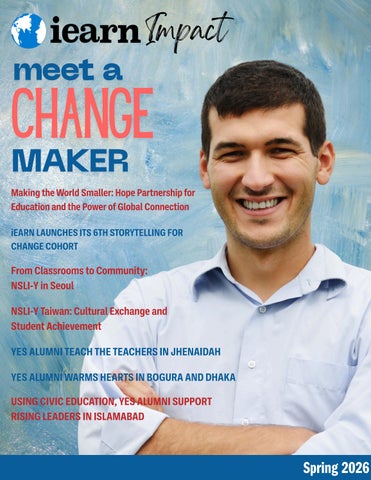
MakingtheWorldSmaller:HopePartnershipforEducationand thePowerofGlobalConnection

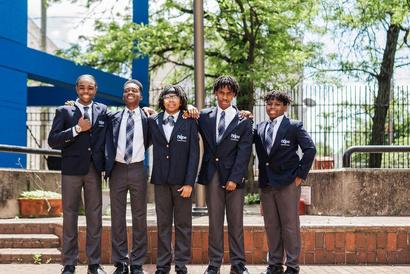
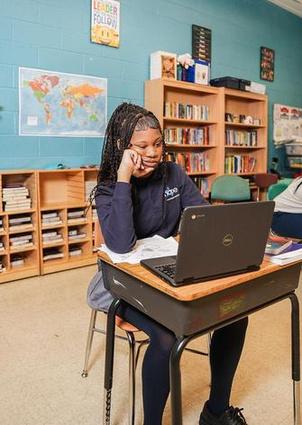
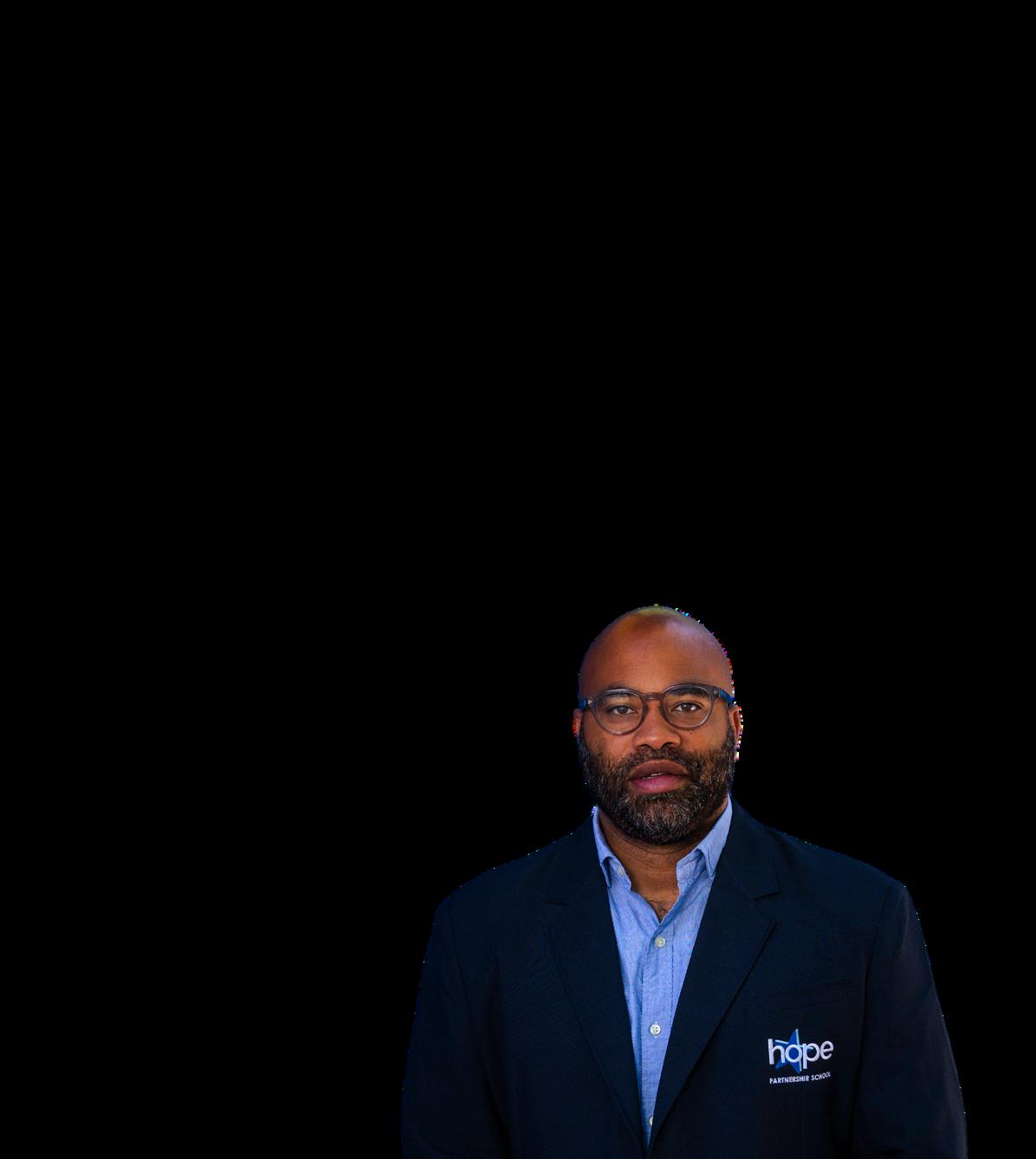
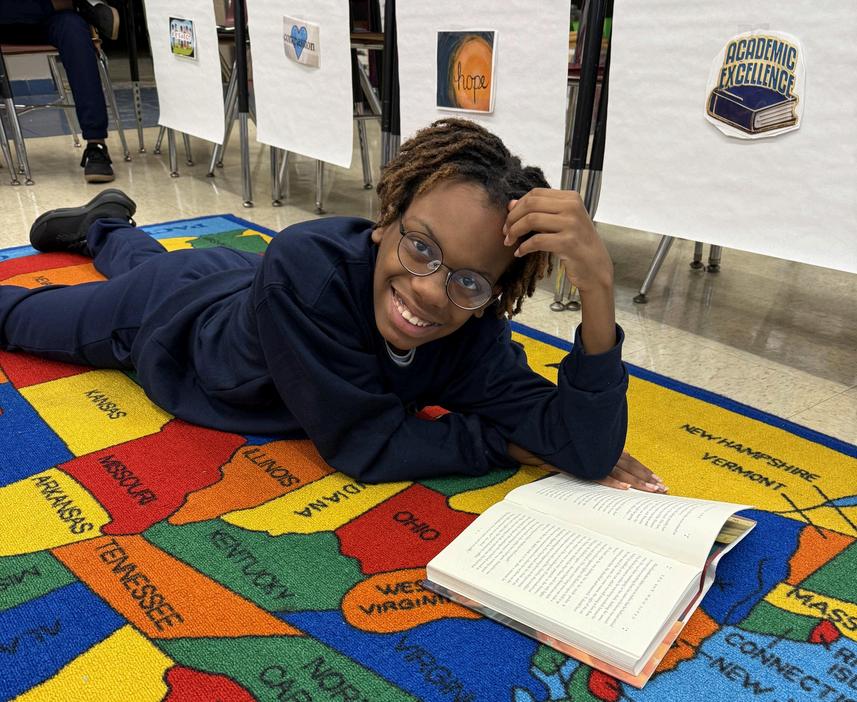
Virgil Sheppard has spent nearly 25 years building something different in North Philadelphia. As President and CEO of Hope Partnership for Education, he leads a tuition-free independent school serving grades 5 through 8 in one of the city's most under-resourced communities. The school's model is distinctive: small class sizes, extended school days and years, and a graduate support program that follows alumni through post-secondary planning. Students are admitted not on academic merit, but on a family's willingness to partner and the school's ability to meet each young person ' s needs. When they leave Hope Partnership, they move on to private, Catholic, or selective public schools, including in some cases Bodine High School for International Affairs. Sheppard and his team take that transition seriously.

Global citizenship is one of Hope Partnership's hallmarks, so when iEARN's Meet the World program came across Sheppard's desk, it aligned immediately with what the school was already working toward.

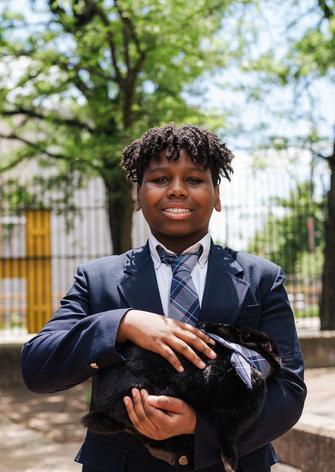
All 60 students participated in exchanges with a school in Moldova. The preparation happened through social studies class, but the most memorable moments came from the conversation itself. Students were caught off guard to discover that their peers in Moldova all spoke English fluently. It prompted new questions about language learning and opened up something harder to teach in a classroom: the recognition that young people, wherever they are, have more in common than they might expect. Students who had formed impressions of the world through social media and TikTok found those impressions tested and expanded. They discussed global affairs. They talked about video games. "Kids are kids anywhere," Sheppard said, "regardless of where they are. "
The experience continued to reverberate after the exchanges ended. Conversations at Hope Partnership grew to include the United Nations, global policy, and the organizations working to support peace. The school hosted a state representative and a city council member, drawing connections between international affairs and local legislation. The world, for these students, was getting a little smaller.

The program came to Hope Partnership through lead teacher Angela Keeler, who with a background in international affairs, became the engine behind the effort. There was some initial hesitation, Sheppard acknowledged, but it passed quickly once the partnership felt solid. "She just ran with it," he said.

For other administrators weighing similar programs, Sheppard offered grounded advice: get clear early on what successful implementation actually requires, and communicate those needs upfront. Scheduling and structure are essential. And resist the instinct to frame it as additional work. At Hope Partnership, the program lived inside the curriculum rather than alongside it, which made Angela Keeler's job easier and the experience more cohesive for students.

The results, Sheppard said, were immediate and lasting. Students left the exchange hungry for more knowledge, more connection, a better understanding of their place in the world. "To see the joy on the kids' faces was really a treat," he said. For a school that spends every day preparing young people to step beyond their zip code, that kind of hunger is exactly the point.
IEARNLAUNCHESITS6

STORYTELLINGFORCHANGECOHORT

We are thrilled to announce that the 6th cohort of Storytelling for Change officially launched on March 30th! This international virtual exchange program brings together high school students from Algeria, Tunisia, and the United States to explore the transformative power of narrative. Throughout the program, participants engage in cross-cultural dialogue and media analysis, focusing on core themes of identity, community, and social change. Supported by their educators, students dedicate just 45 minutes per week to connect with international peers through bi-weekly live sessions and complete hands-on, asynchronous audiovisual assignments. The program culminates in powerful, youth-led digital storytelling projects 60 to 90-second films that highlight pressing issues within their local communities through a blend of interviews, photography, and creative media.

Participating Schools (US):

Londonderry High School, New Hampshire; Mather High School, Illinois; Horizon Science Academy - Columbus High School, Ohio.

FromClassroomstoCommunity: NSLI-YinSeoul

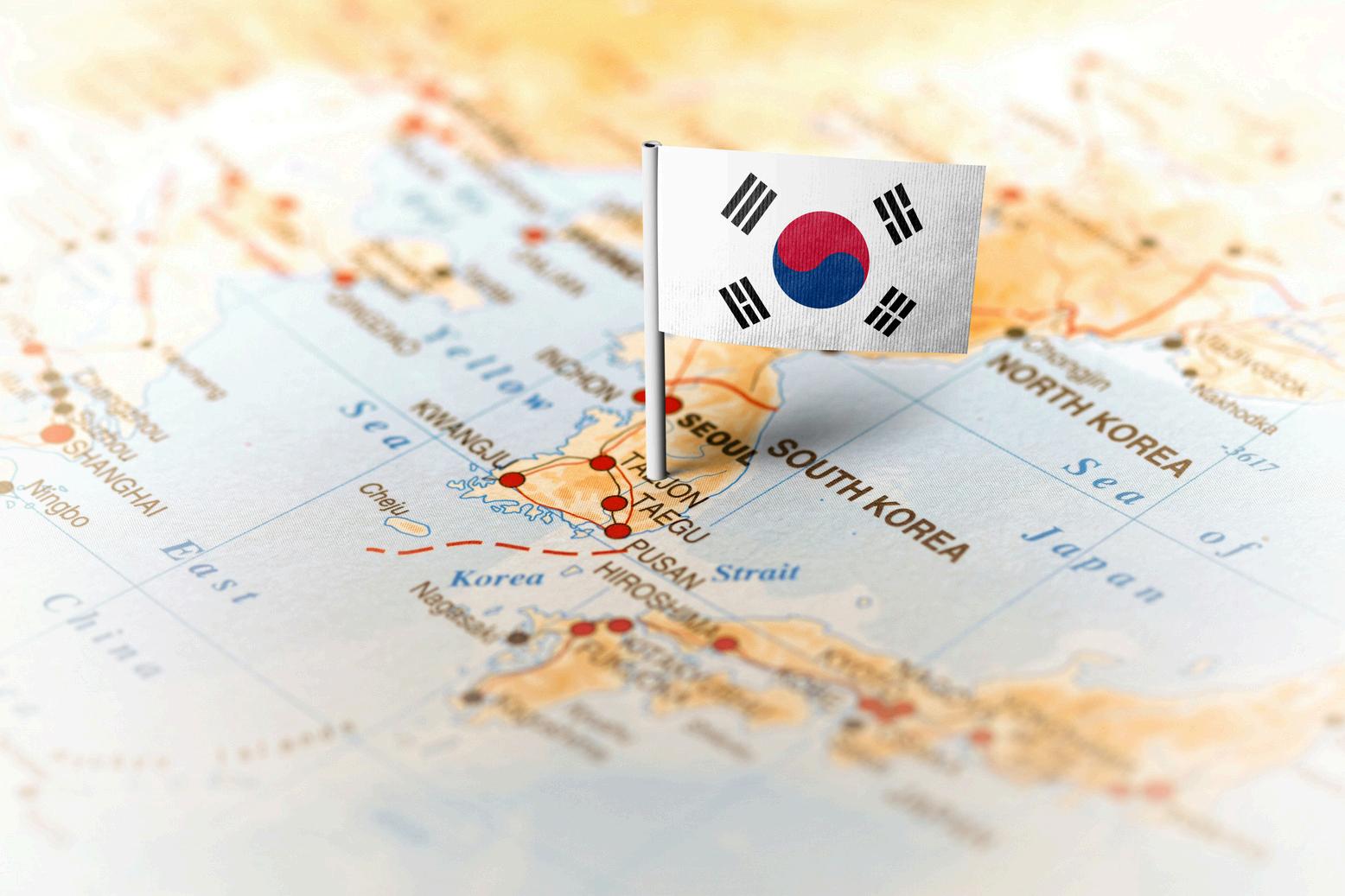
iEARN’s Kyle Sandman conducted a site visit to South Korea in January to meet with iEARN's NSLI-Ypartners in Seoul. He met with potential new language partners, observed Korean language classes, and met with the NSLI-Ystudents at their community service. The site visit resulted in a new partnership with a new Korean language institution ahead of the upcoming NSLI-Y summer programs.

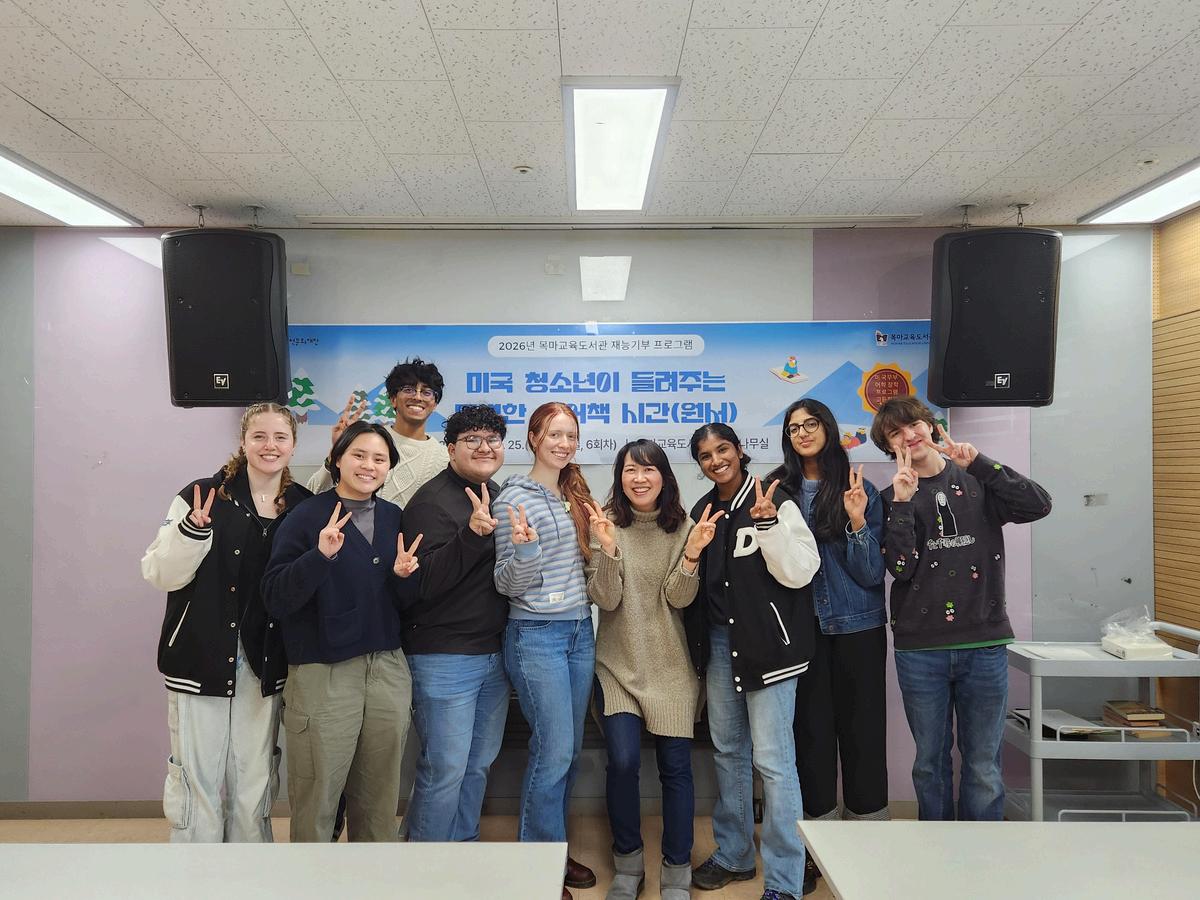
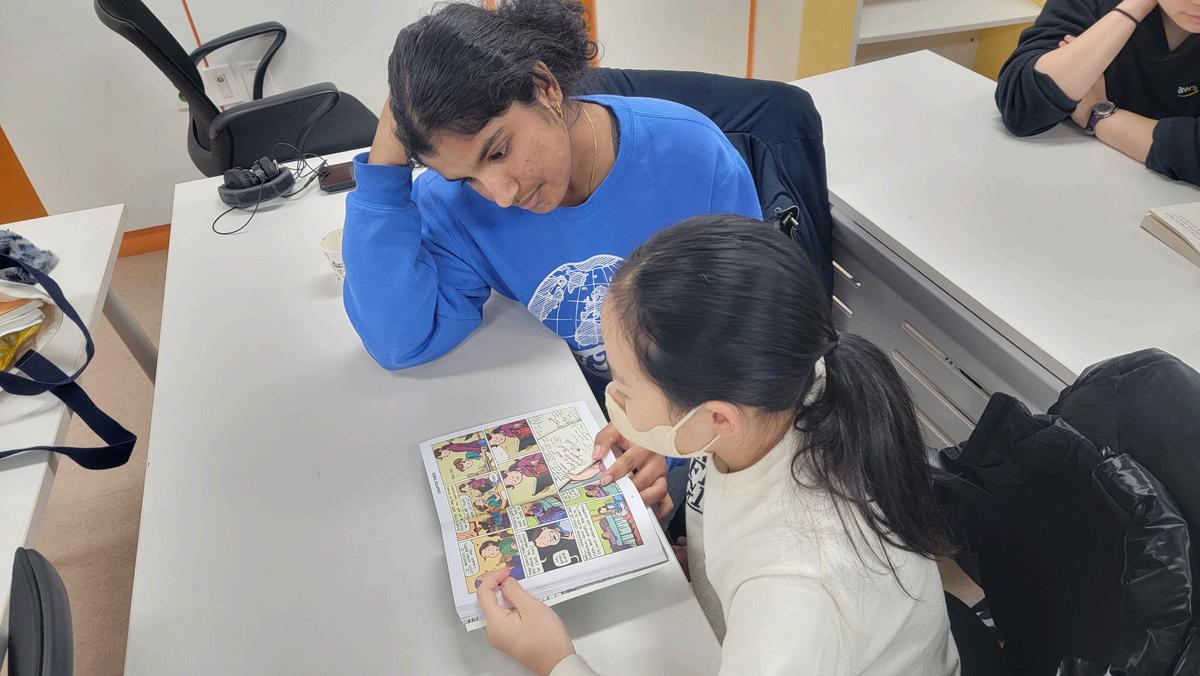
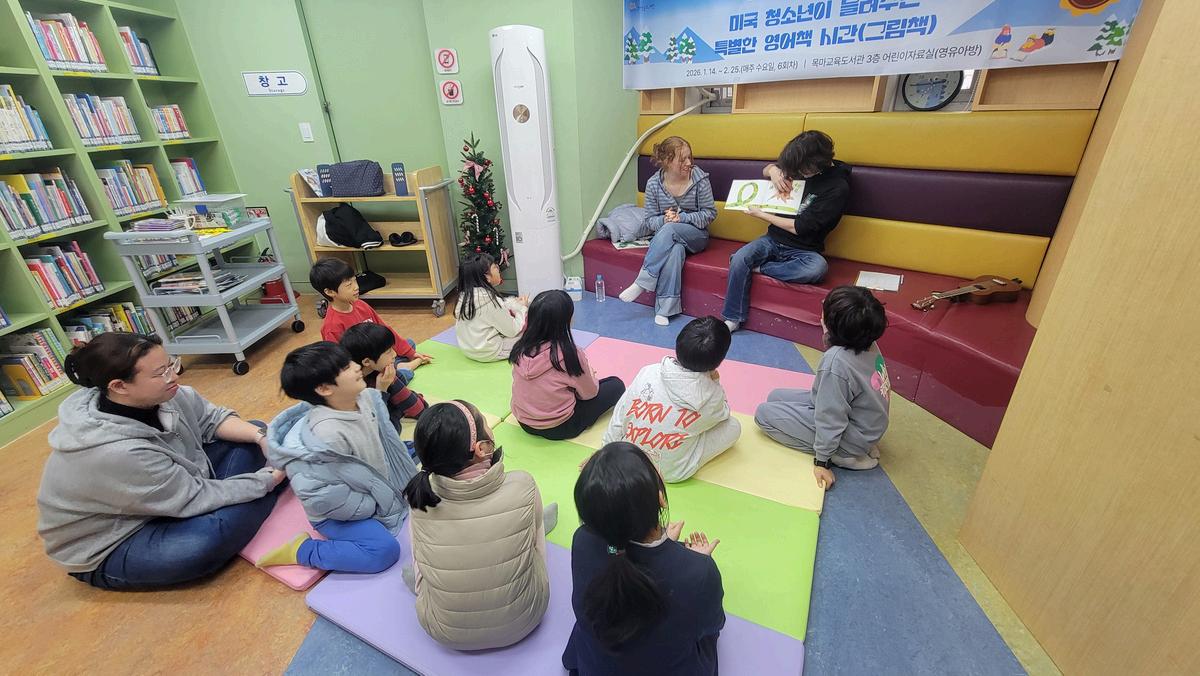
Throughout the winter, NSLI-Y Korean students completed community service at Mokdong Educational Library. NSLI-Y student attendance at Wednesday classes was highly anticipated by the local families; the librarian told staff that there was even a waiting list in the case of absences! One-on-one reading sessions allowed NSLI-Y students to form a relationship with the elementary school student they were paired with, working together to read English books of varying difficulties. Graham and Elizabeth led a read-along with singing and activities for the younger (6-9 year old) students.

Students spent the two-month winter break working together with language partners to prepare their research projects The eight students worked in teams of two to produce a presentation entirely in Korean about a topic of their choosing within the realm of Korean culture and commerce. Topics included comparisons between the Seoul and NewYork City transport systems and the development of democracy and protest culture in Korea.

NSLI-YTaiwan:CulturalExchangeand StudentAchievement

On March 26, our Local Coordinator in Taiwan, along with NSLI-Y student Sylvia, went to 983 Best Radio to take part in the radio podcast “好事瘋什麼. ” During the local radio podcast appearance, Sylvia and the Local Coordinator shared insights into the NSLI-Y program experience, discussing cultural exchange, student life in Kaohsiung, and the impact of host families and community support. The conversation highlighted personal experiences, language learning journeys, and how international exchange fosters mutual understanding and global perspectives.

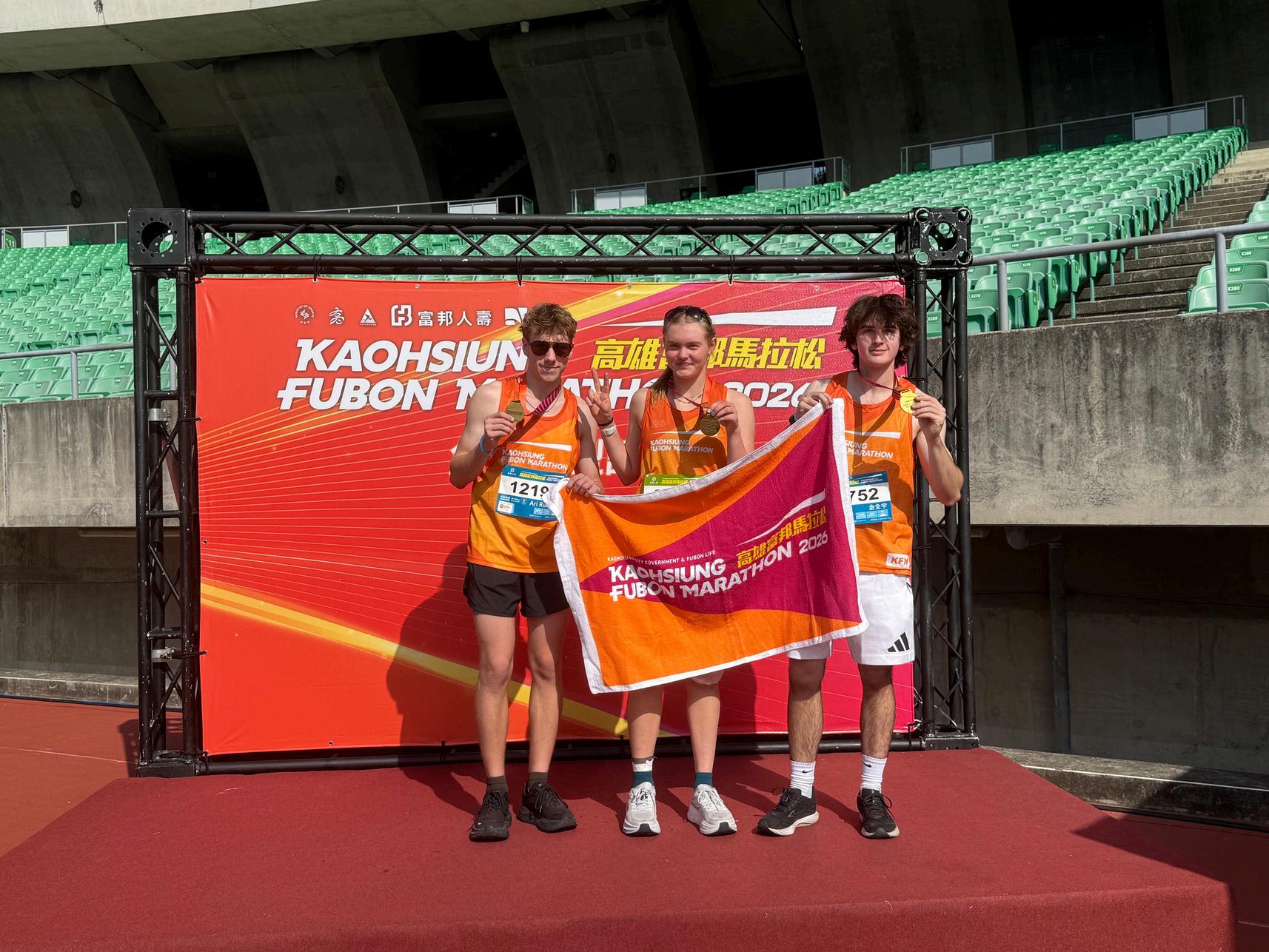
In Taiwan, NSLI-Y students Ari, Sylvia, and Trent signed up for a full marathon when they first arrived in Kaohsiung and trained consistently through the fall to get ready for the race on January 11. Other cohort members cheered them on with signs as all three runners finished their first marathon!

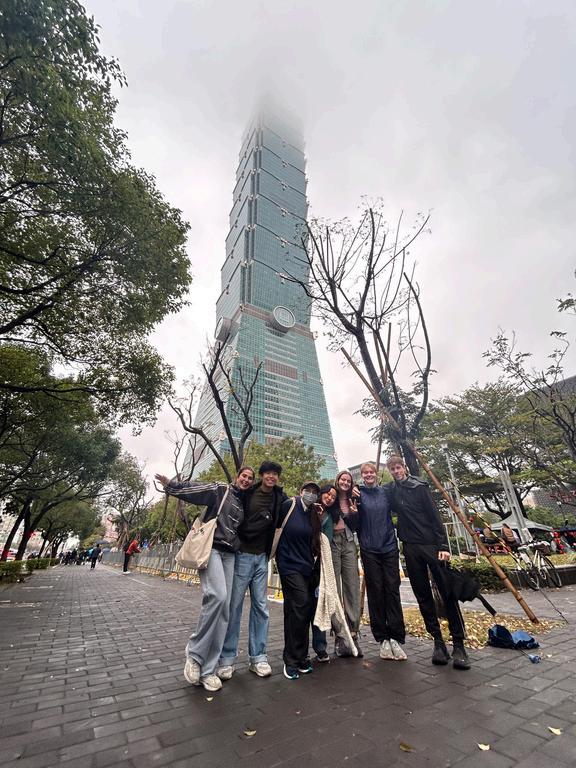
Our NSLI-Y students planned numerous day trips over the past few months, traveling to new places within their host countries in order to go hiking, see flower and butterfly shows, and visit museums and historical sites. These trips require students to propose a detailed itinerary, take local public transportation, and navigate in their target language.

YESALUMNITEACHTHETEACHERSINJHENAIDAH

On Dec. 23, 2025, Munif Khan (YES ‘12) held “Introduction to Lesson Planning and Classroom Facilitation” workshop at Kumroil Model Technical Institute. The workshop included classroom management, lesson planning, micro-teaching sessions, and reflection. There were 75 teachers from 56 institutions from Jhenaidah district attended the workshop.

After completion, they were provided with a participation certificate. Many teachers from the rural school had limited prior exposure to fundamental classroom management strategies. Participants reported that the techniques they learned would substantially enhance their ability to manage large classrooms.

As many teachers do not have consistent access to email or the internet, in-person training proved the most effective and inclusive approach for delivering this professional development.

YES ALUMNIWARMS HEARTS IN BOGURA AND DHAKA

Winter can be a very difficult season for some families without resources. However, this winter, YES Alumni came in to provide some support to families.

On January 9 and 10, 2026, YES Alumni Bangladesh held a winter drive initiative. They distributed blankets to low-income families in Bogura and Dhaka The team in Bogura successfully distributed blankets to 500 families and the team in Dhaka distributed blankets to approximately 211 families.

Based on an average of four members per household, the program reached approximately 2,800 individuals across both cities.

USINGCIVICEDUCATION,YESALUMNI SUPPORTRISINGLEADERSINISLAMABAD

What does it take to be a good citizen? On February 28, YES alumni Hadia Tariq ’25, Tooba Noor ’25, Samavia Shezad ’23, and Marium Ahmad ’23 hosted a Civic Leadership Camp dedicated to teaching young people just that.

Campers, aged 10-17, met at the Muhammadi Agosh Center in Islamabad to learn about civic awareness, and leadership skills. During the session, the campers engaged in lectures and activities. By the end, participants signed a pledge to show their commitment to being good citizens.

During their KLYES exchange year, the organizers attended many volunteer and community activities focused on civic education. As alumni, they wanted to bring some of the experience to their own communities.

Please consider making a gift today to help us continue connecting young minds across the globe.

Turn static files into dynamic content formats.

Create a flipbook
Spring/Summer 2026 Impact Newsletter by iEARN-USA - Issuu