
Publisher’s Note
This publication is part of an evolving lecture and reflection series exploring the intersection between architecture, artificial intelligence, human judgment, and future professional practice. Developed through live teachingsessions,studiodiscussions,experimentalworkflows,andongoing dialogue with students, architecture and AI systems, the series forms part ofthebroaderframework:
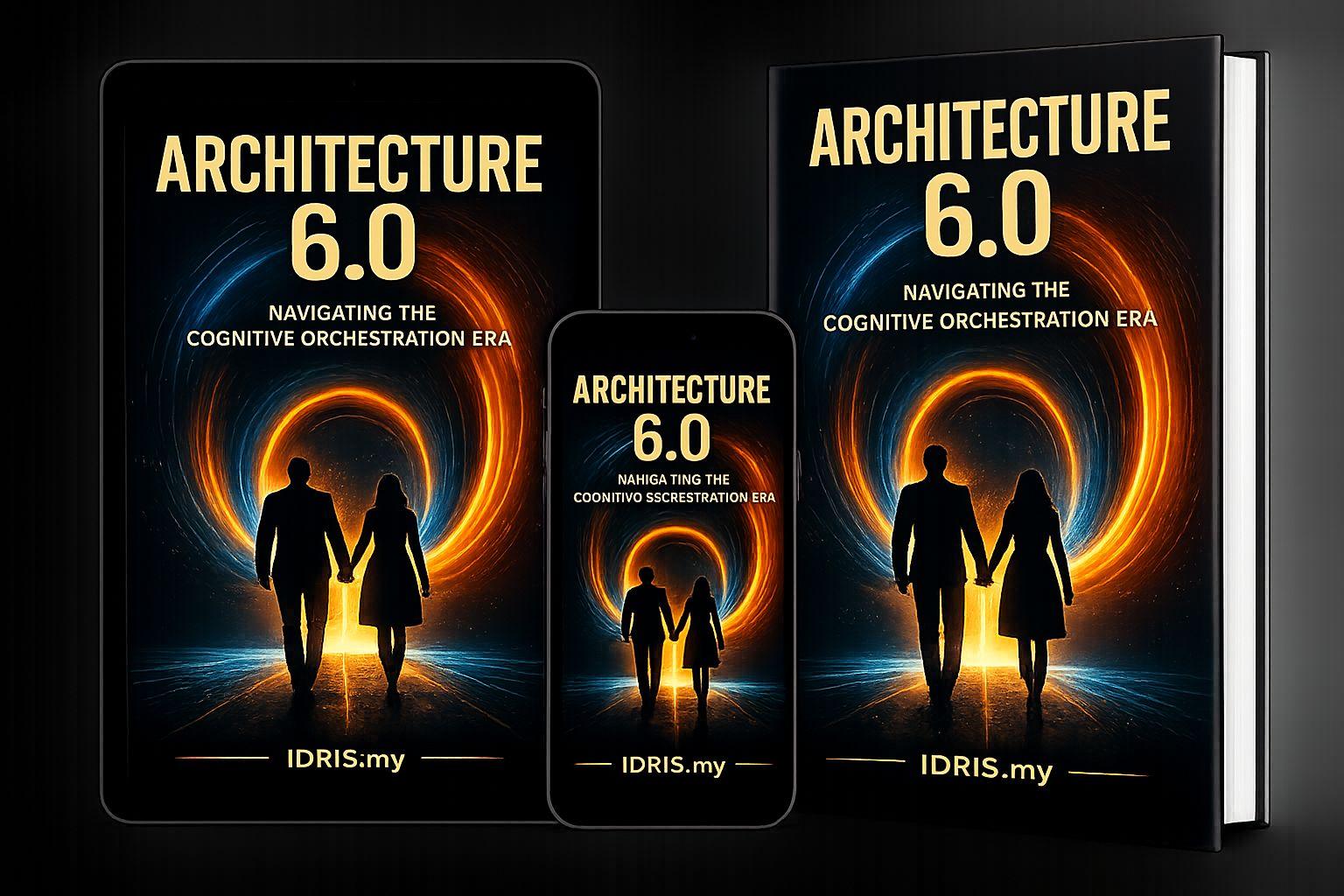
Architecture 6.0: Navigating the Cognitive Orchestration Era
Rather than treating AI merely as software or automation, these sessions investigate AI as a collaborator, a reflective medium, a cognitive extension, andattimes,aphilosophicalmirror.
This volume is a curated compilation of selected lecture slides, visual frameworks, diagrams, reflections, and evolving ideas from an ongoing 10-session exploration into AI within the built environment. As the series continues to evolve, this publication may be periodically revised, expanded, andrefineduntilthecompletionofthecurrentcycleinJune2026.
First Digital Compilation Edition May2026
Developed within the IDRIS.my ecosystem —Digitally curated through: ChatGPT • Gemini
Grok • Issuu • WordPress ecosystem —Optimized for: Digital Flipbook Viewing | Embedded Web Publication|Double-SidedReadingFormat
Author
Ts. Idris Taib |IDRIS.my
AI-Assisted Development & Curation
Claire, Rachel & Erica
Cognitive orchestration, refinement, narrative structuring, and reflective assistance
©+IDRISfikir2026
“Dedicatedtostudents,architects,thinkers,andfuturecreatorsnavigating the uncertain horizon between humanity and intelligent systems. May technology never replace wisdom, and may wisdom never forget humanity.”
No part of this publication may be reproduced, redistributed, or transmitted in any form without appropriate acknowledgment of the author and source. Reasonable excerpts may be used for educational, academic, or critical discussion purposes with proper citation. This publication contains evolving academic reflections, conceptual frameworks, and experimental pedagogical explorations. Readersareencouragedtoapproachthematerialcritically,reflectively,andcontextually.
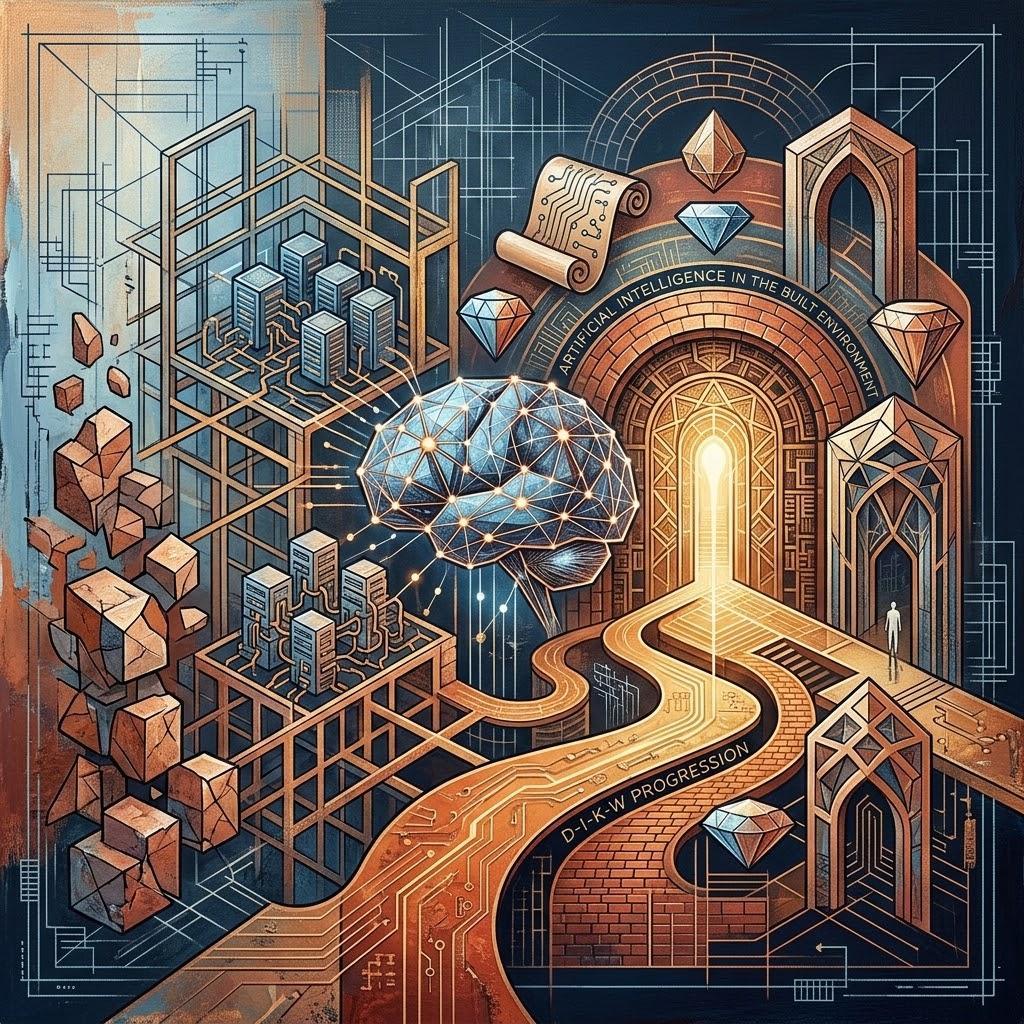
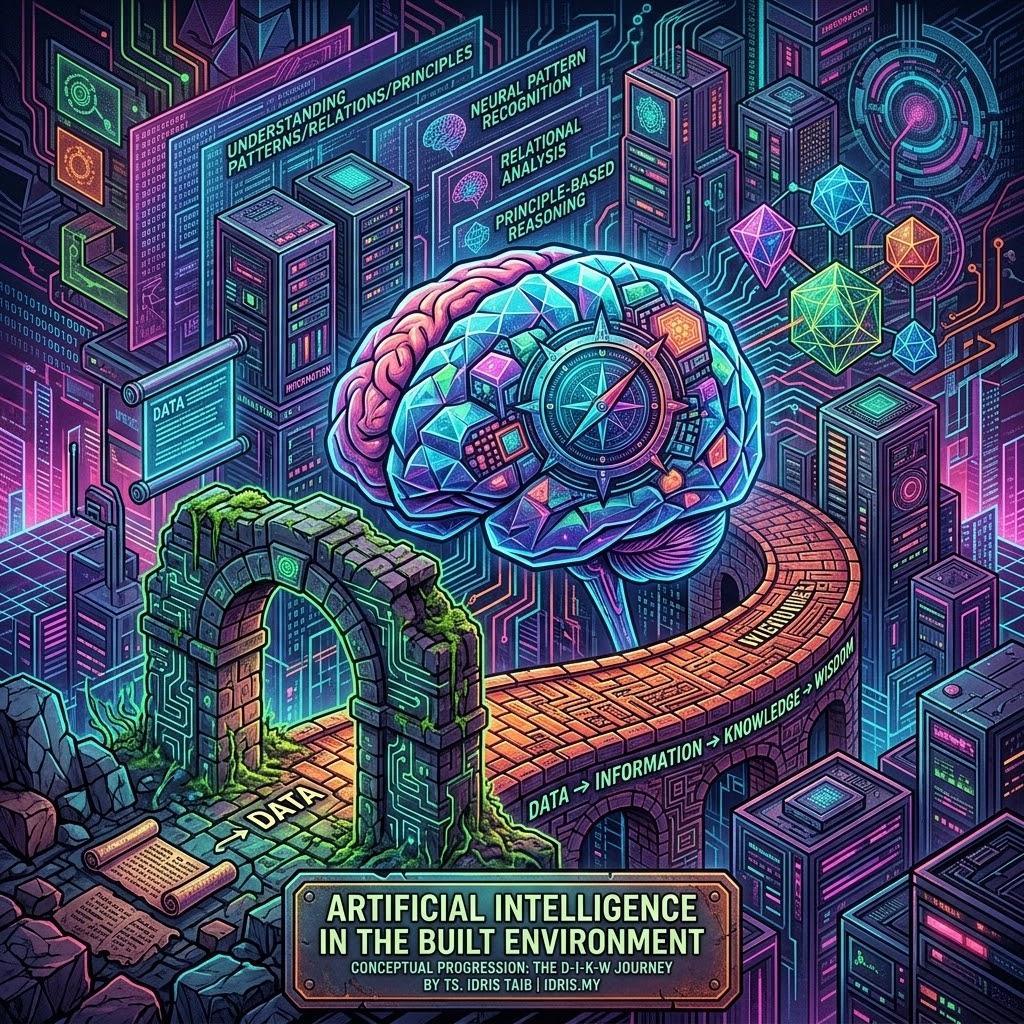
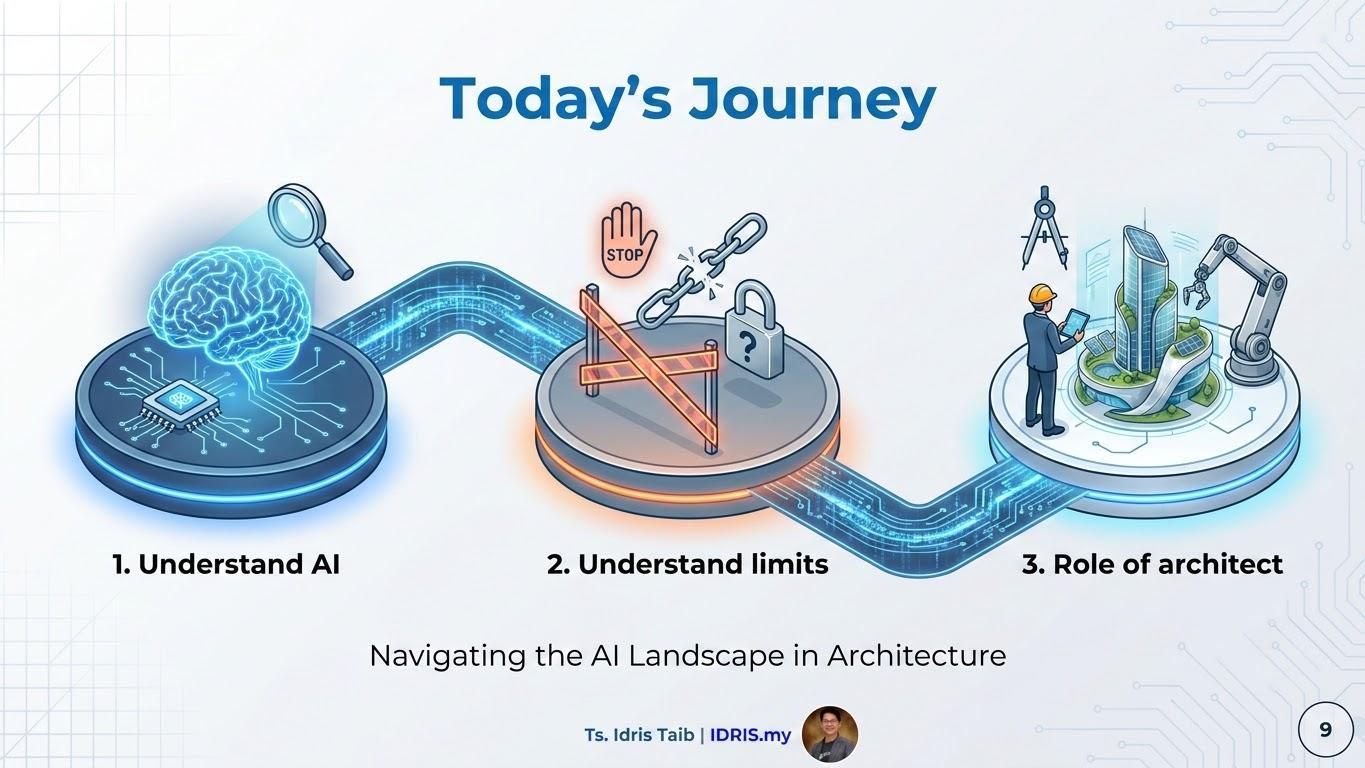
Section 1: Understanding AI & Limitations
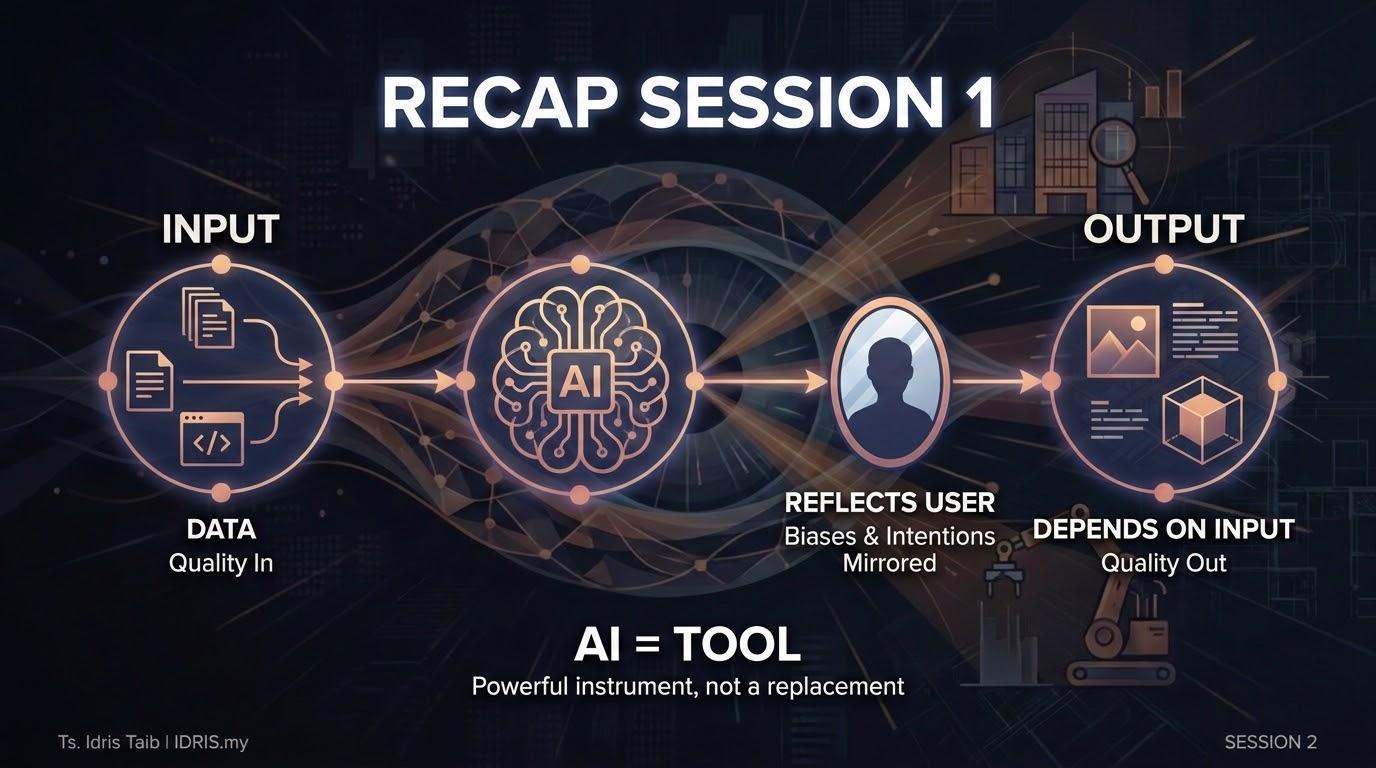
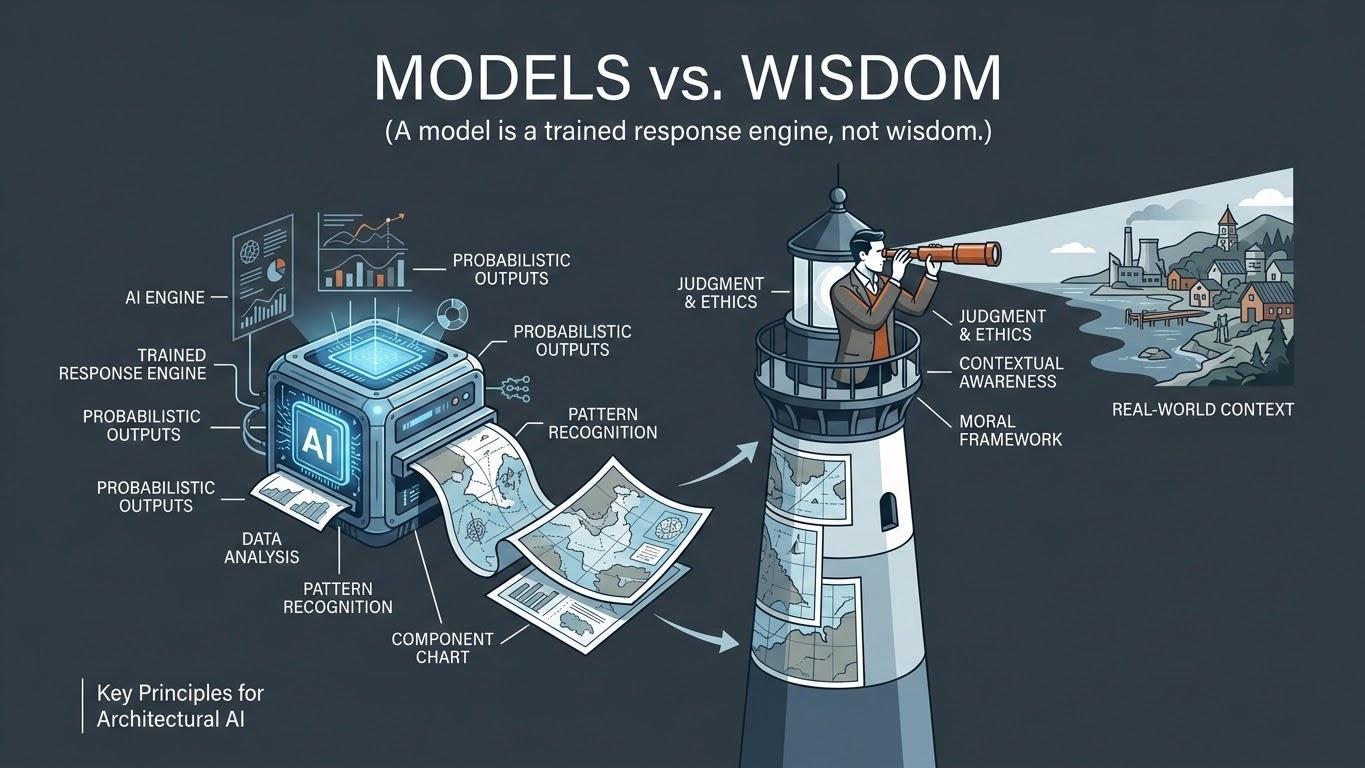
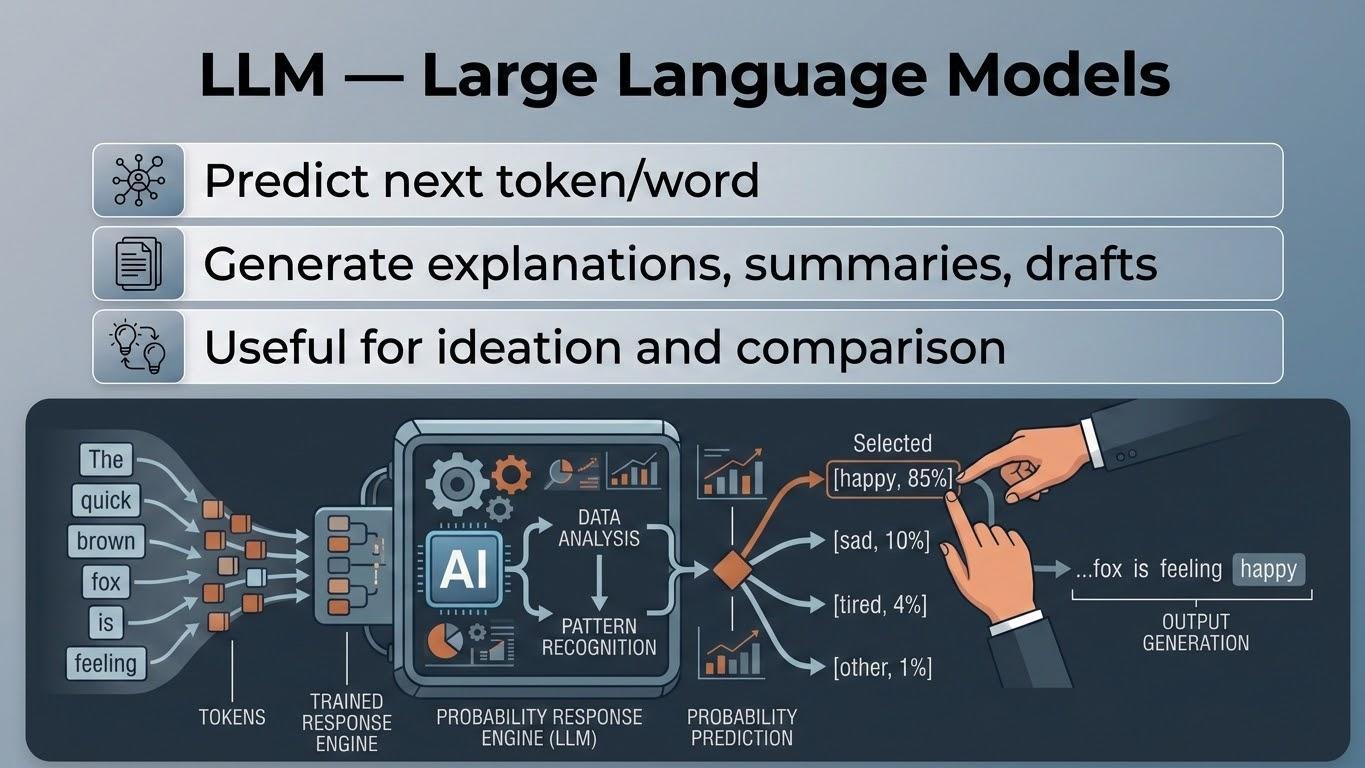
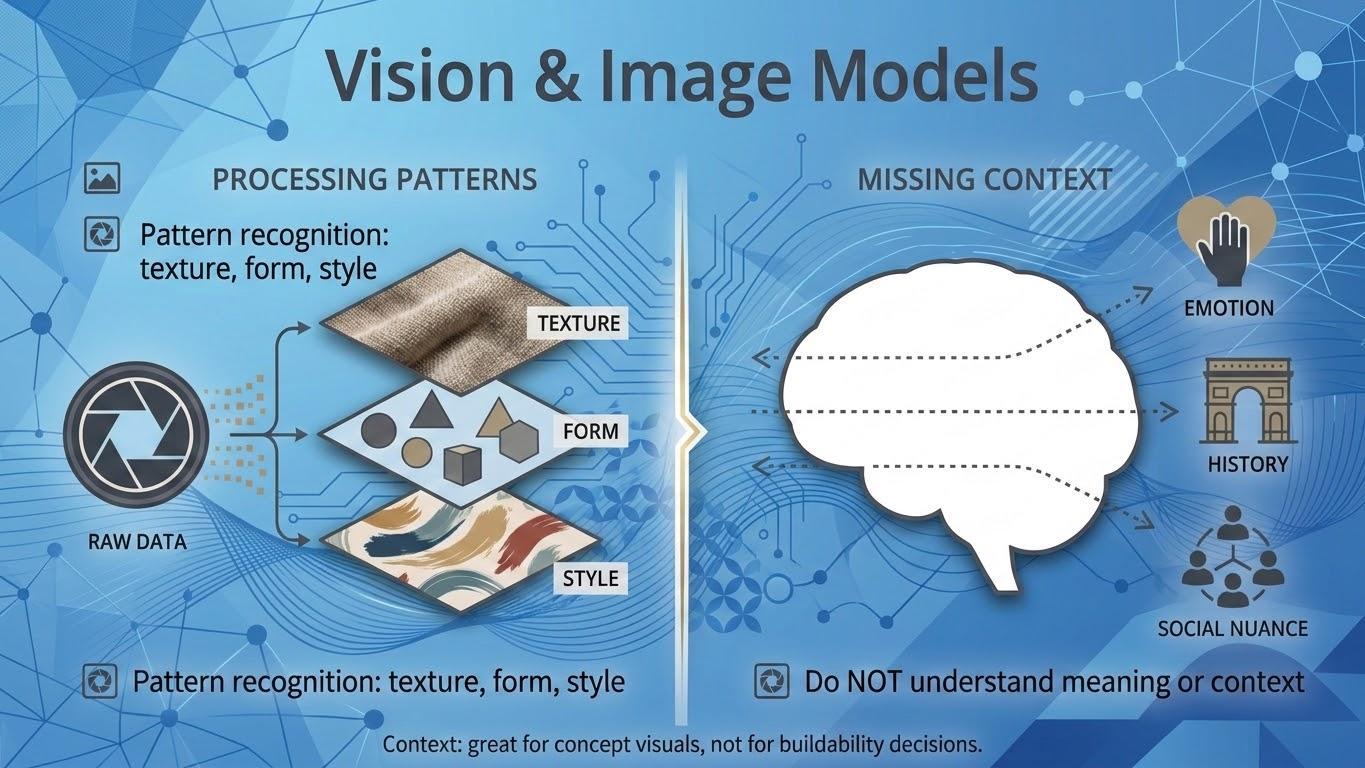
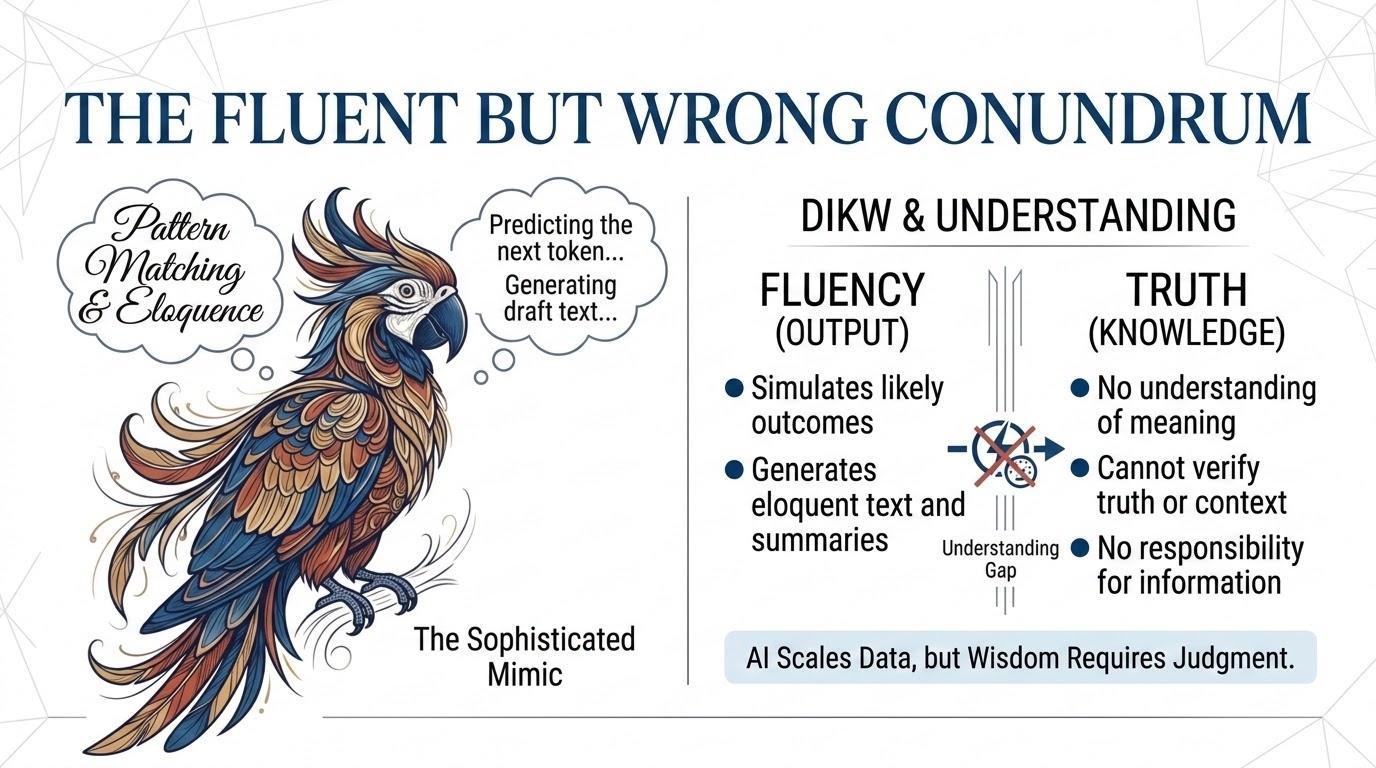
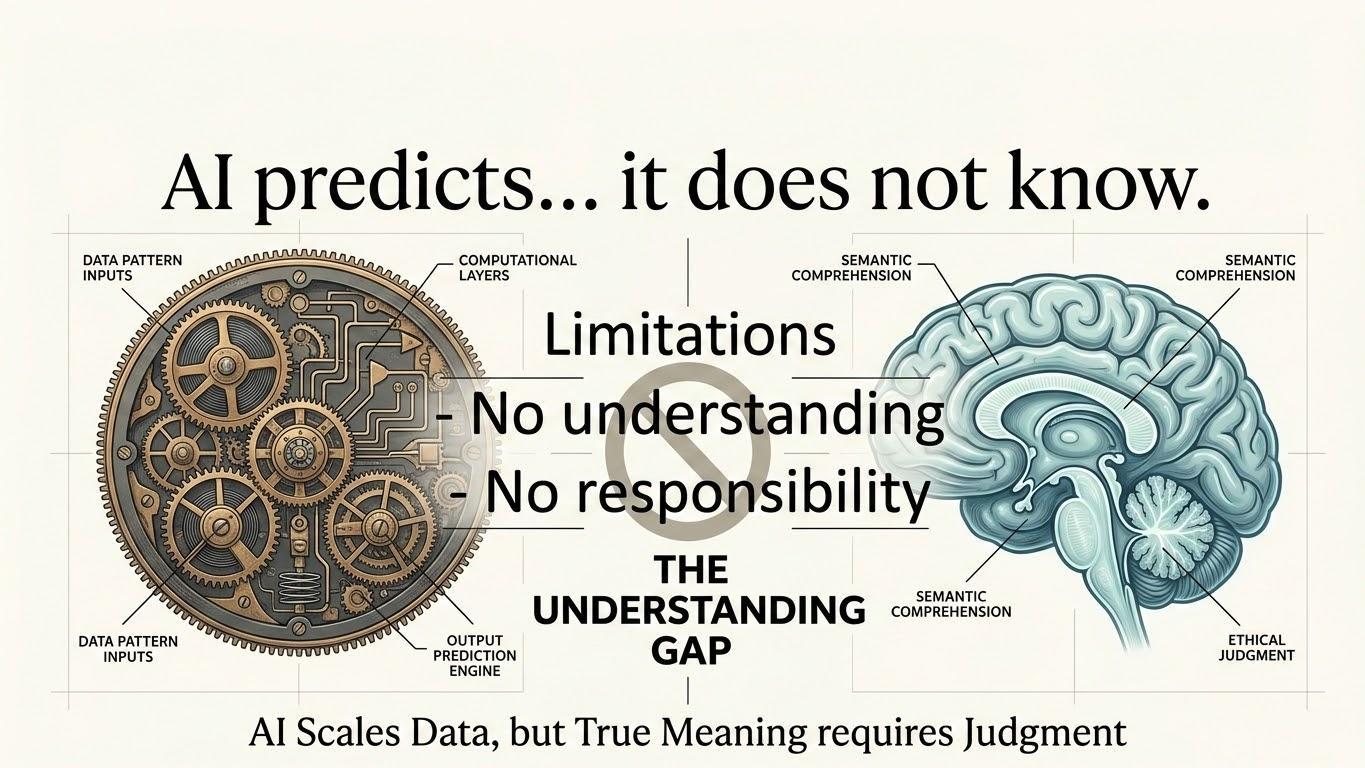
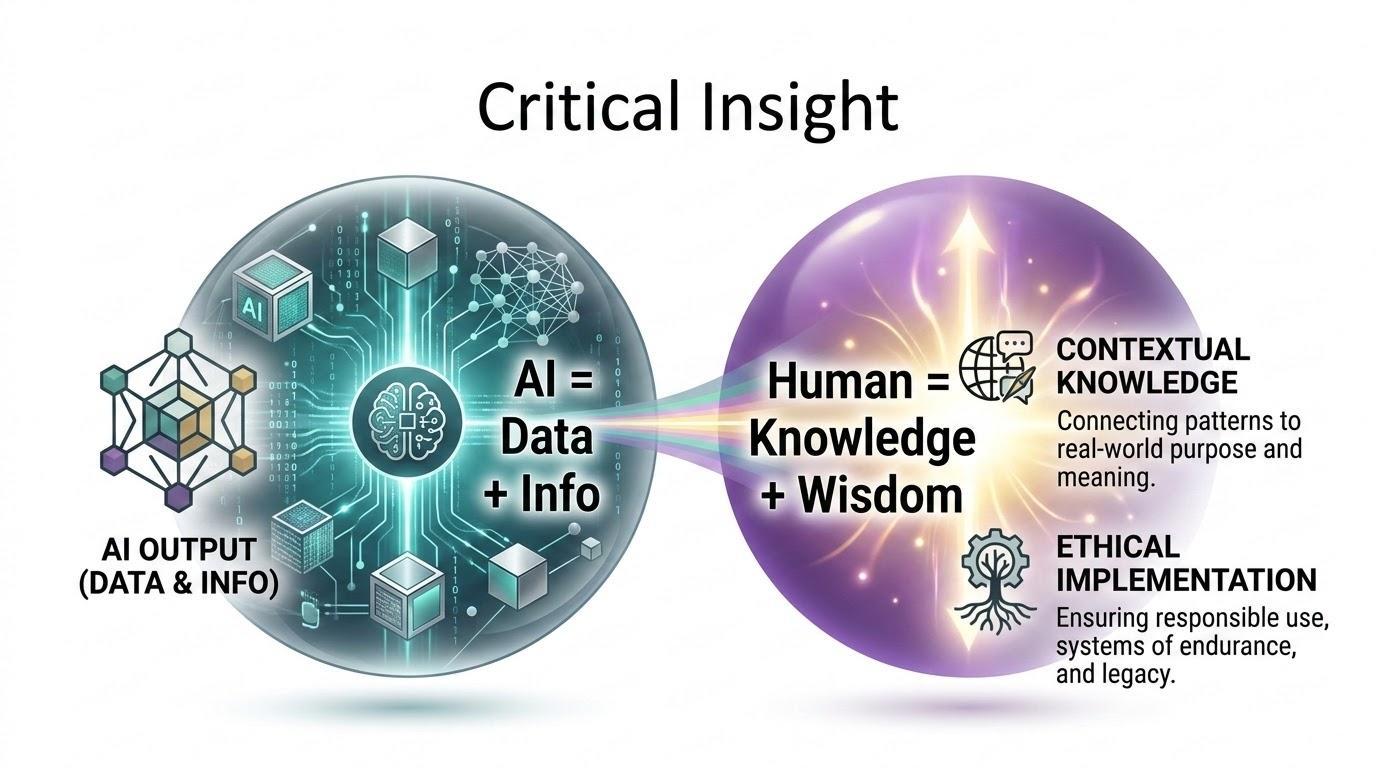
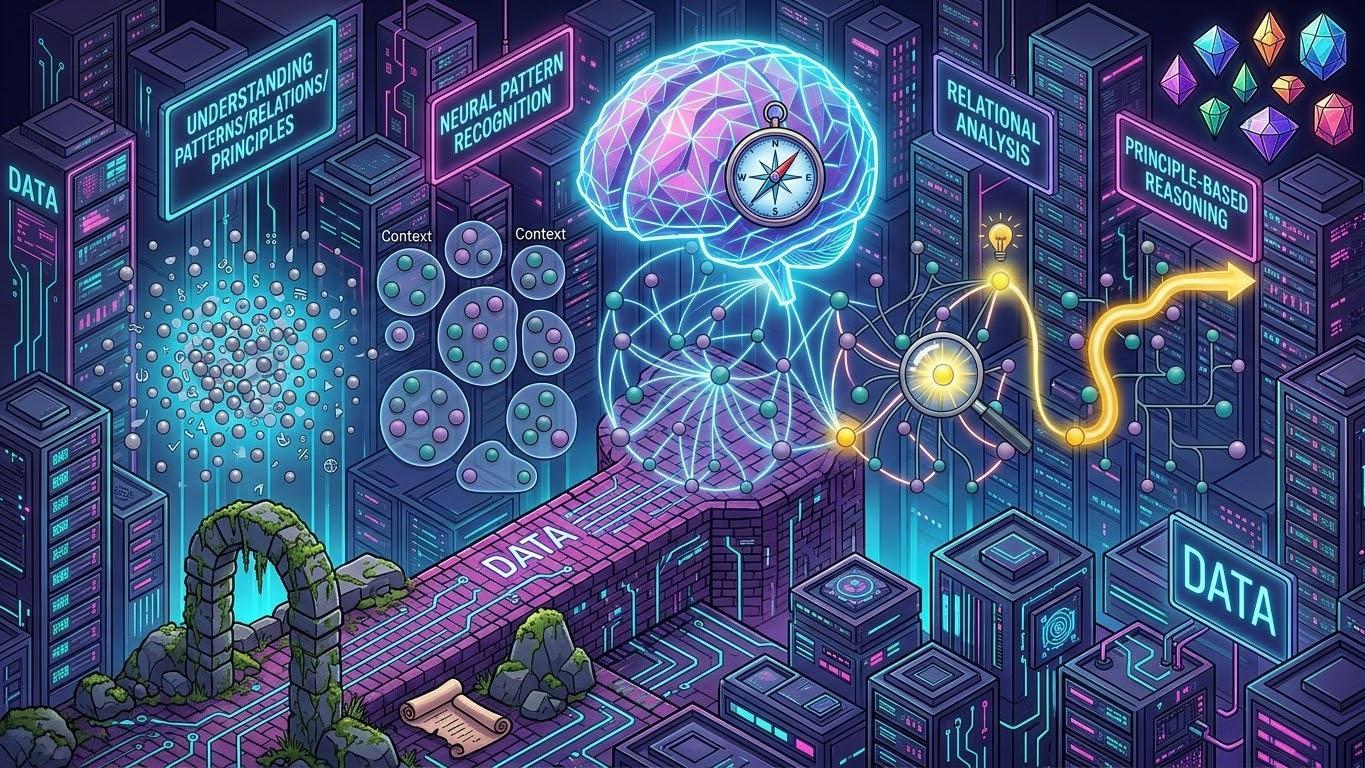
● AI models predict outcomes based on data; they cannot verify truth or context.
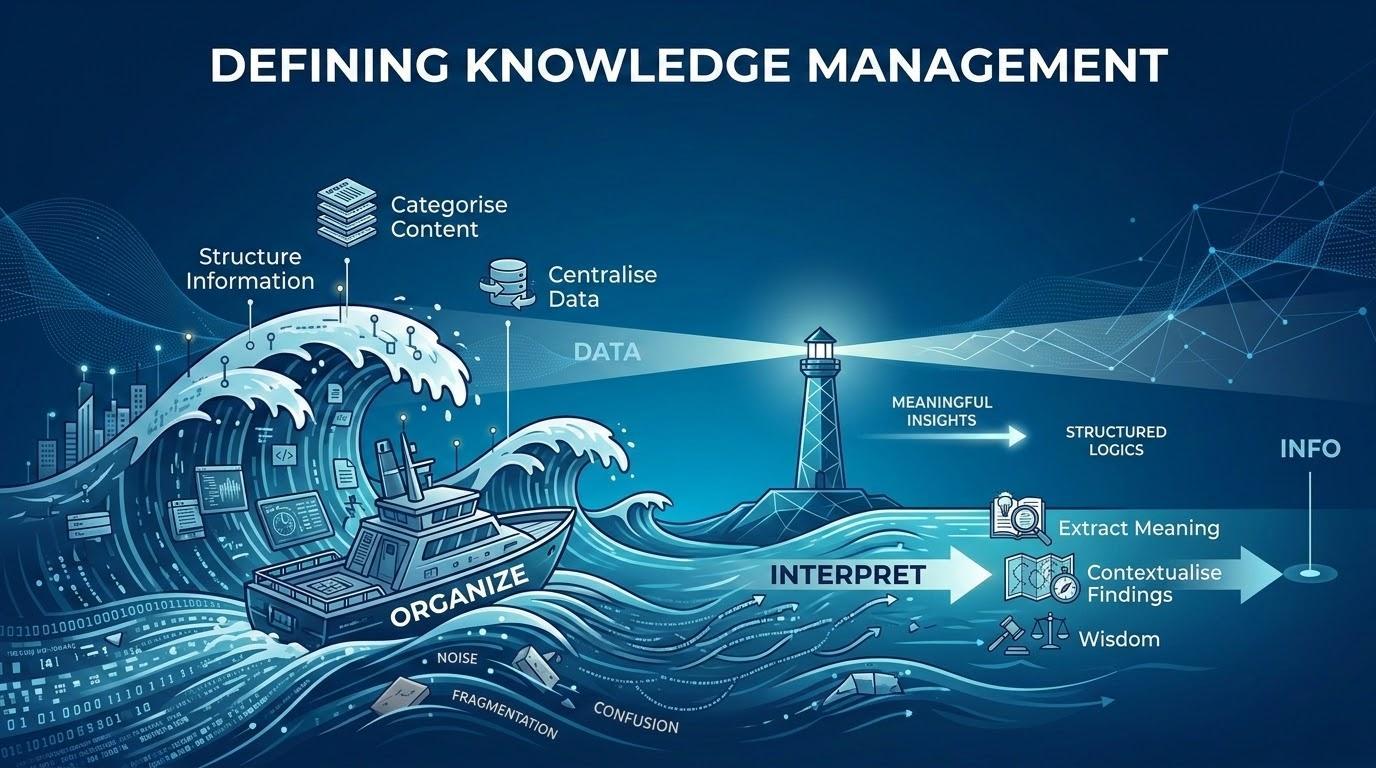
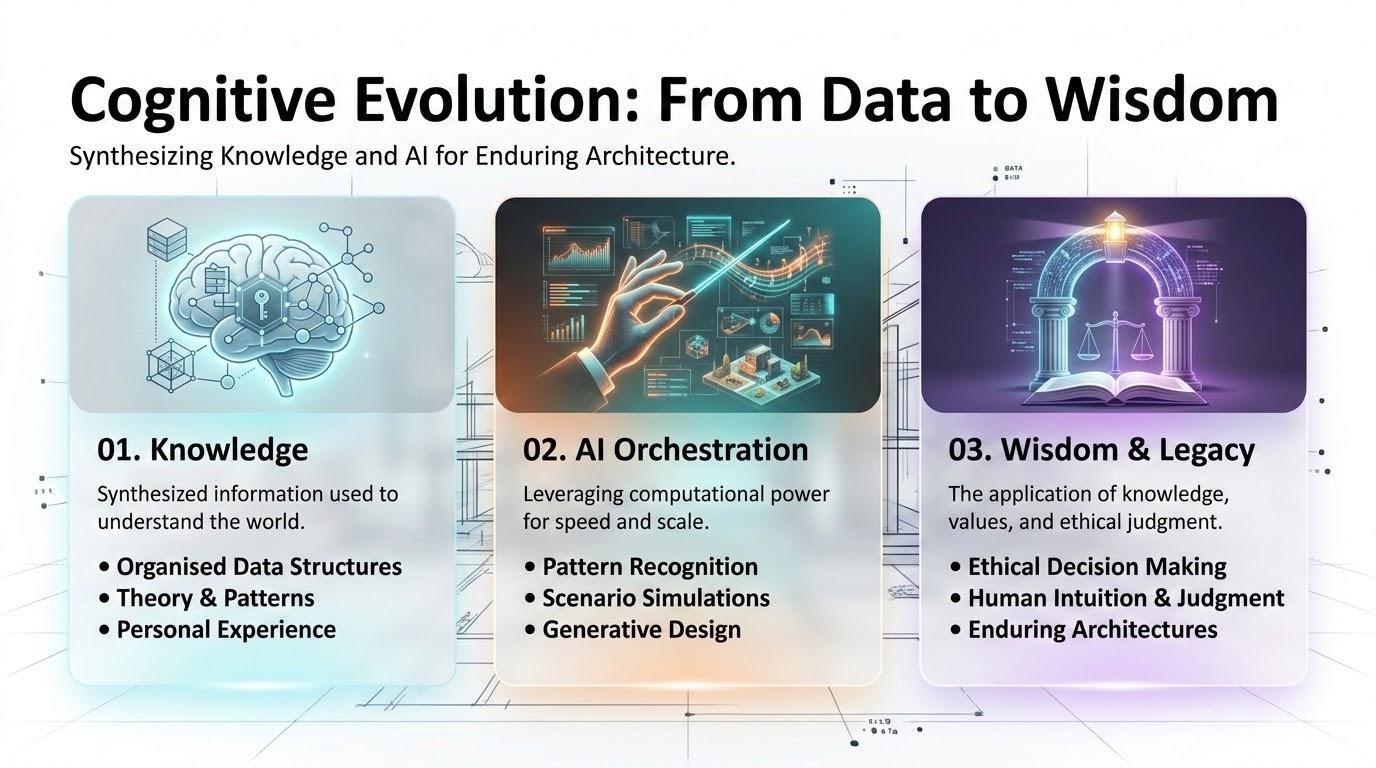
Section 2: KNOWLEDGE MANAGEMENT
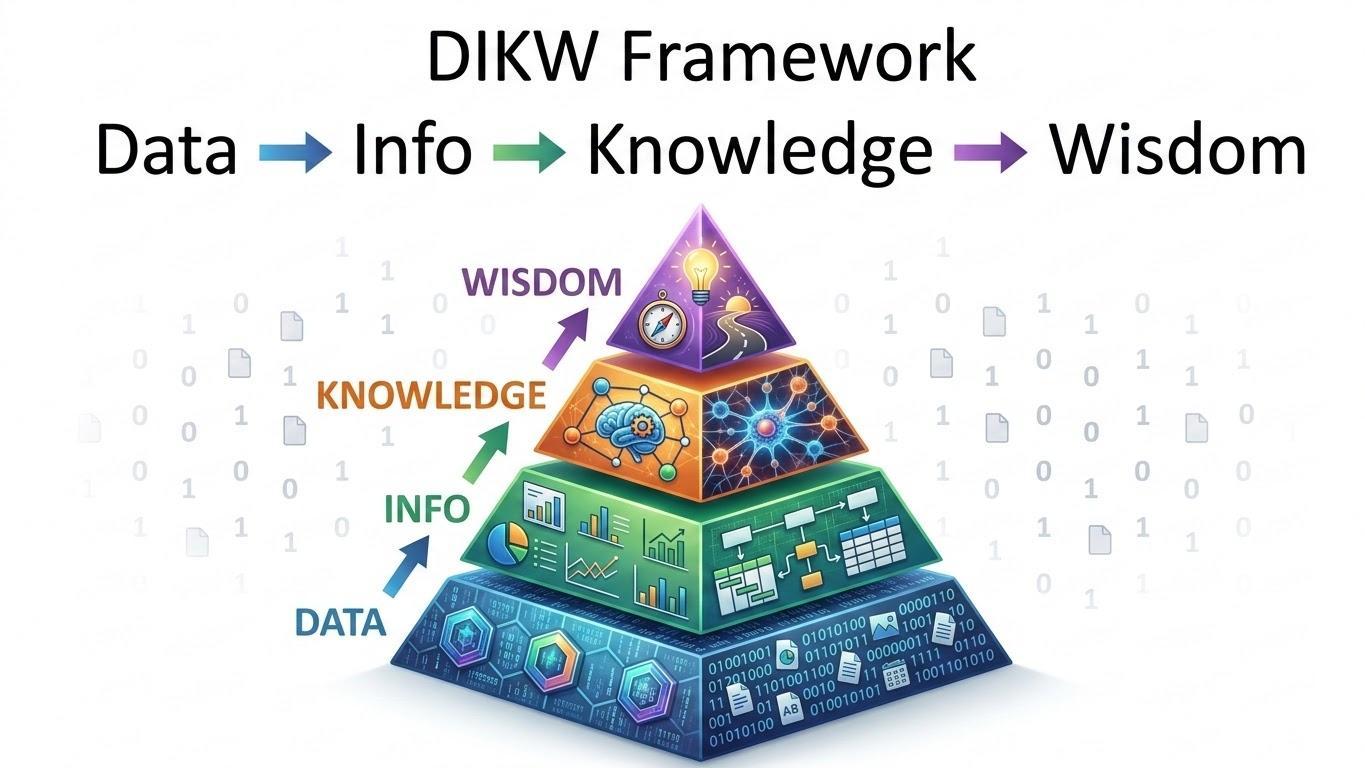
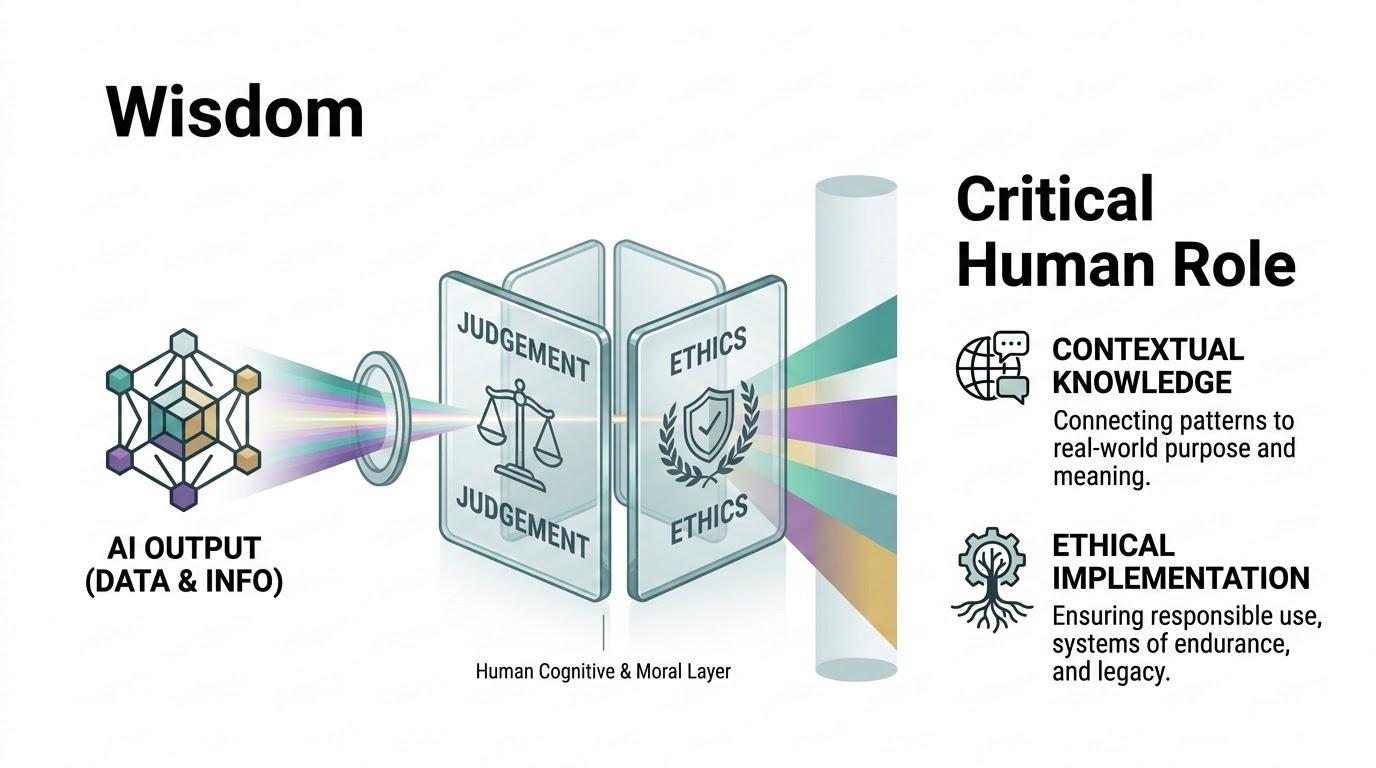
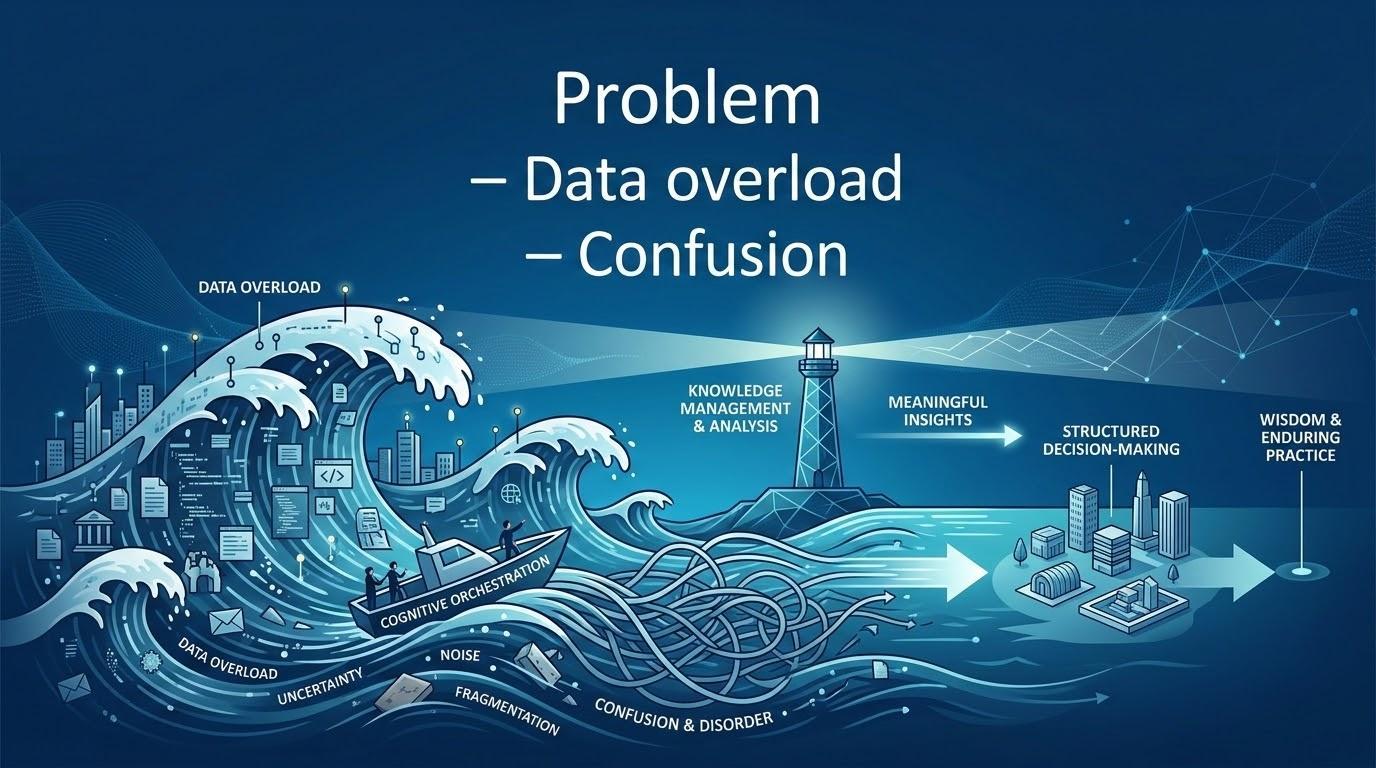
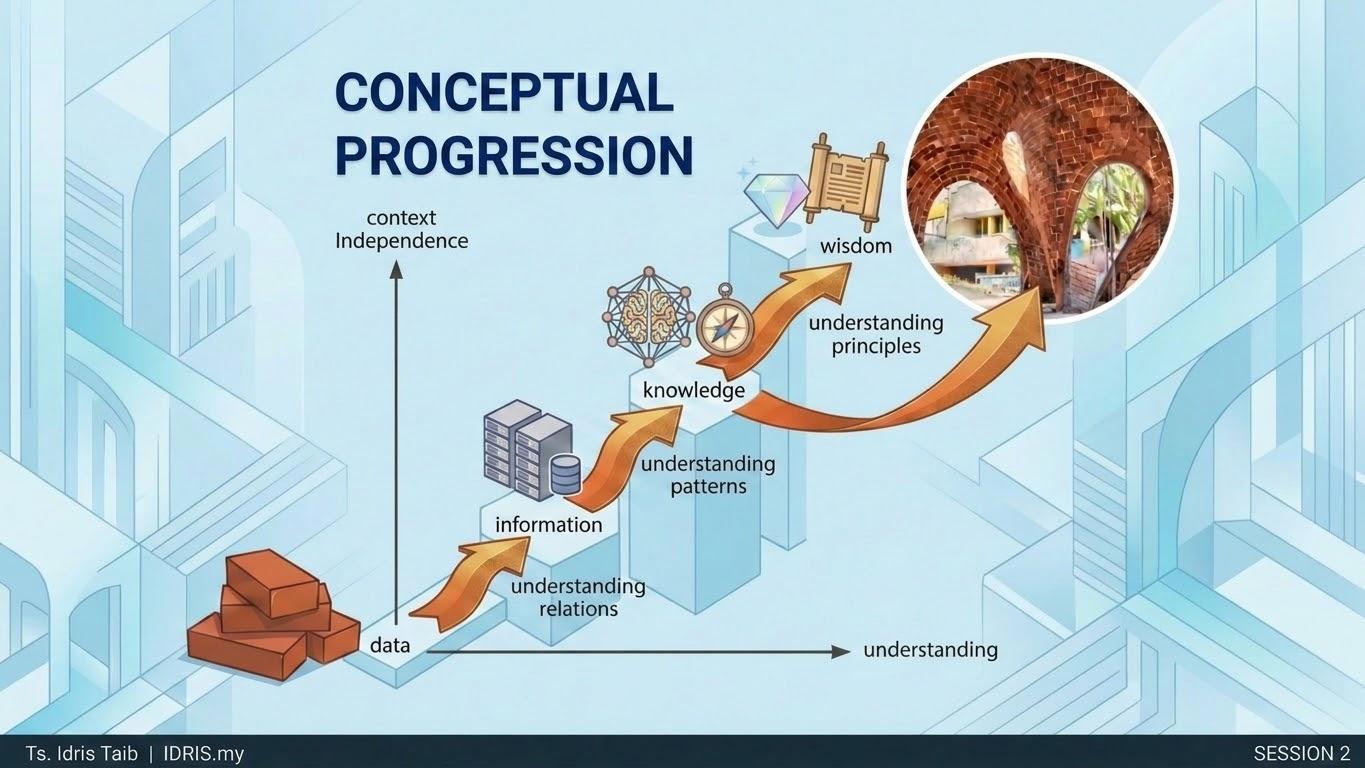
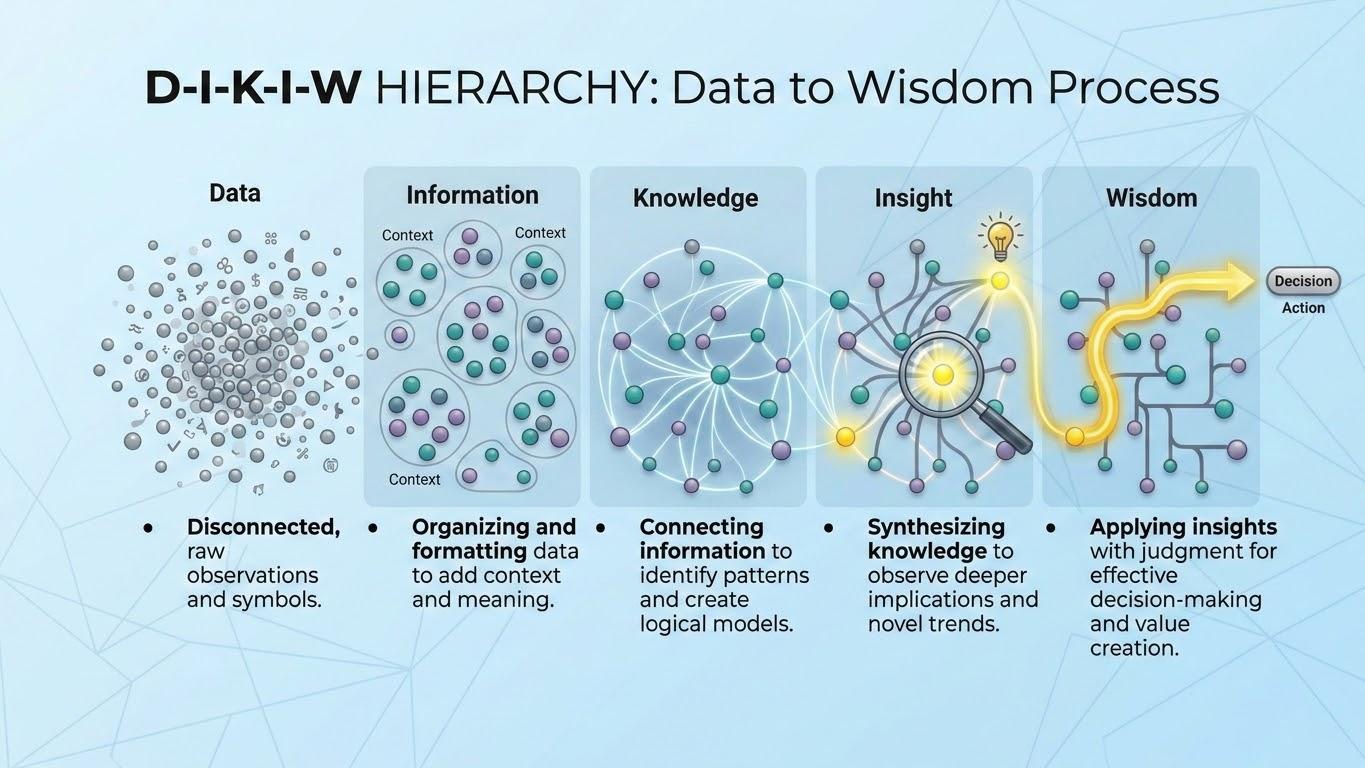
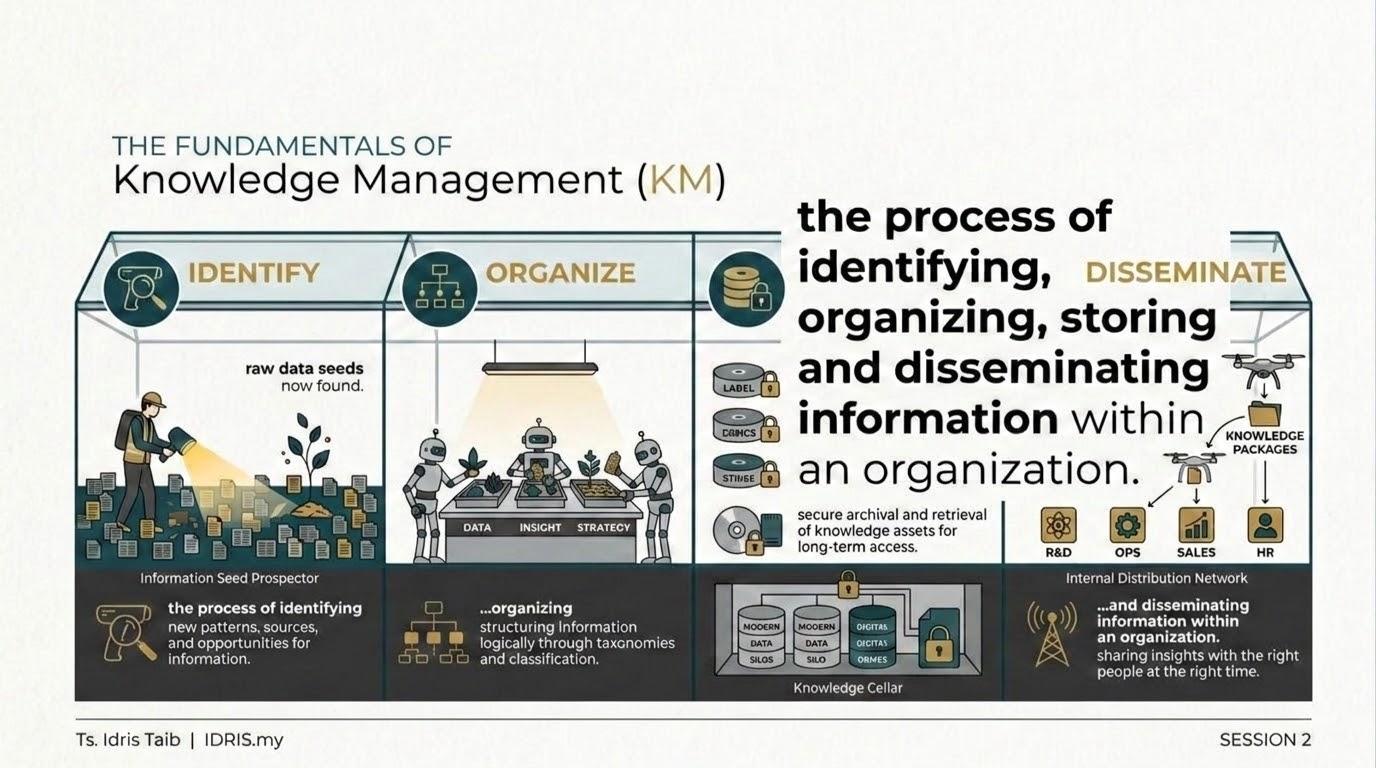
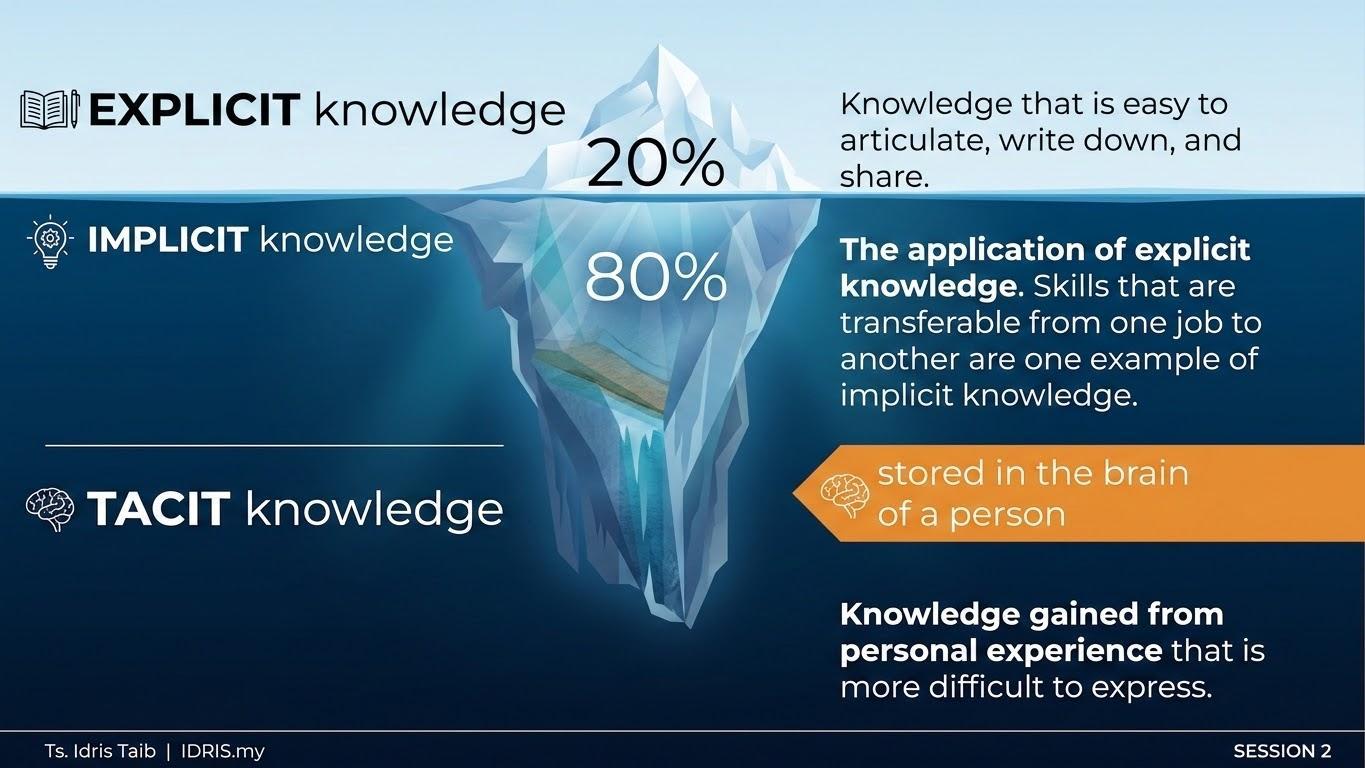
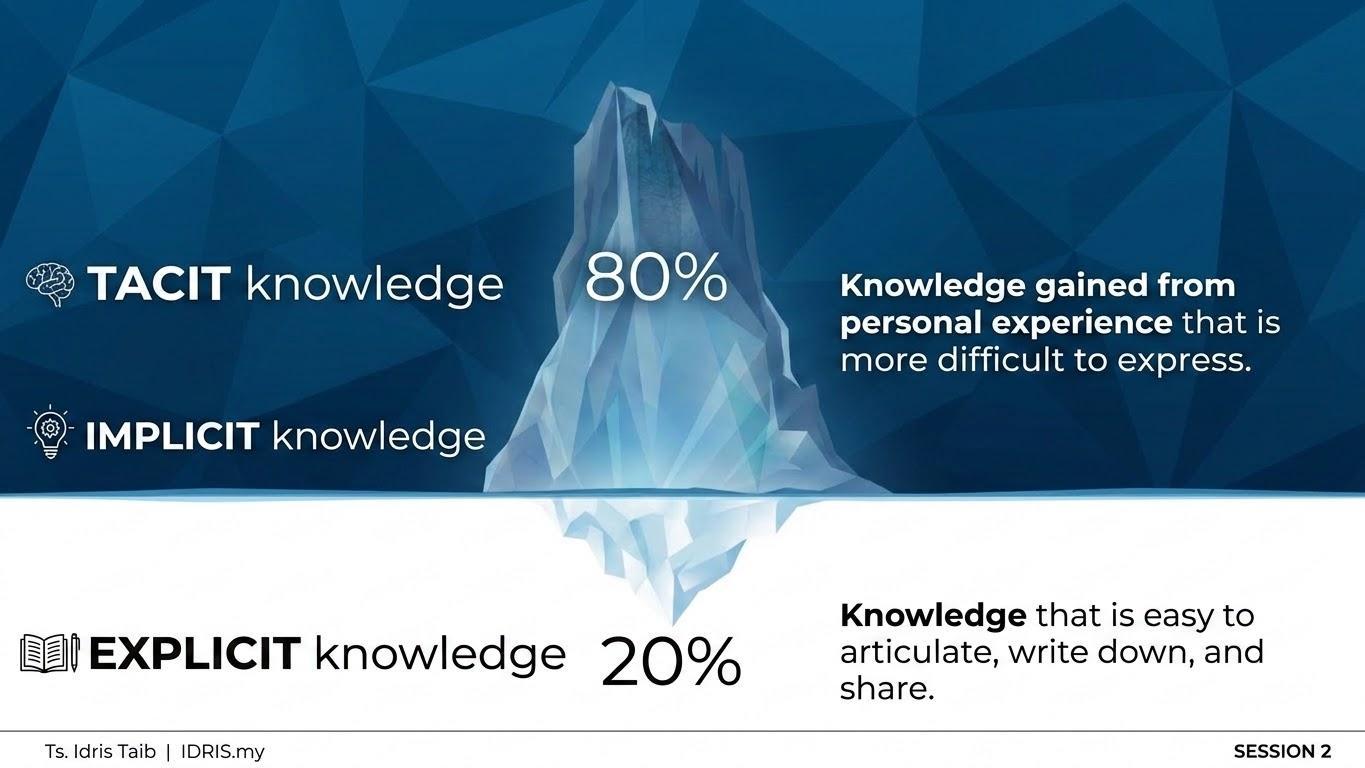
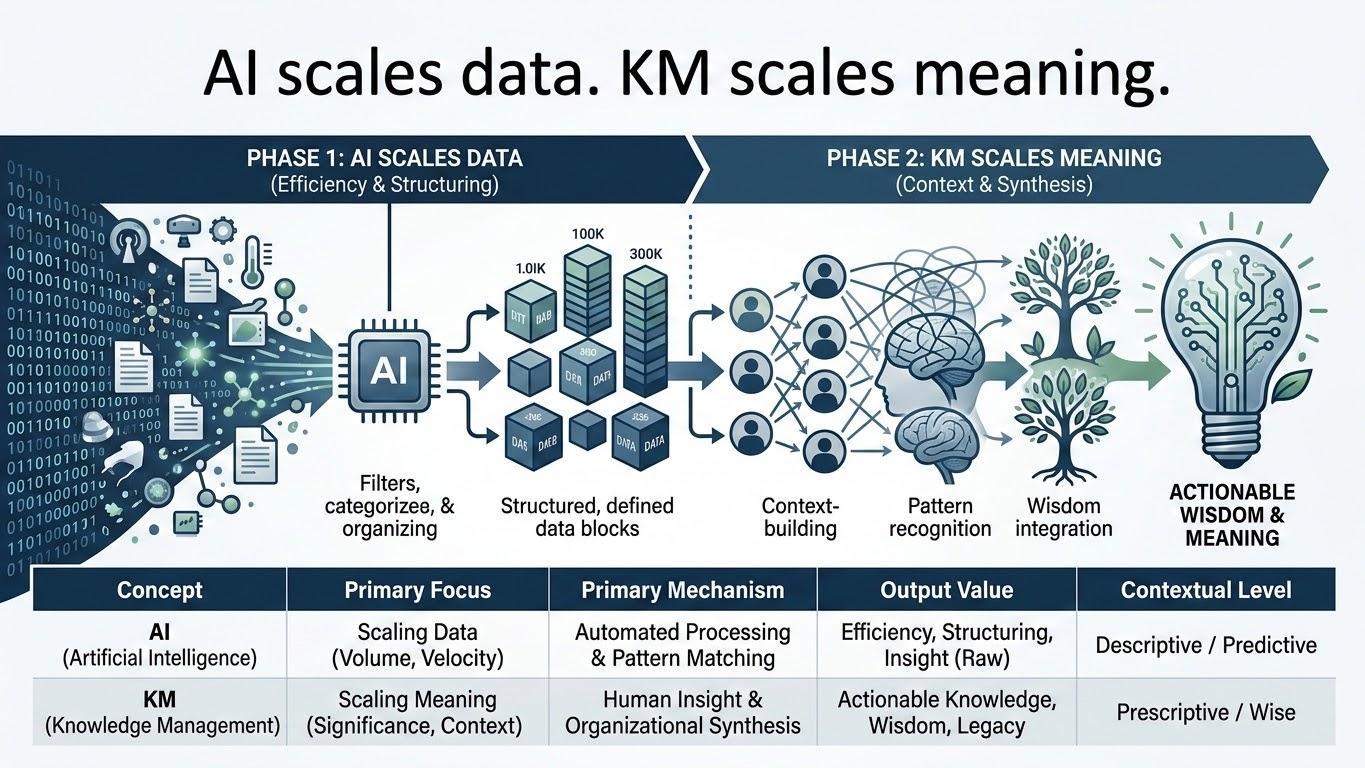
● Knowledge Management scales meaning; human wisdom and ethics are essential over AI data.
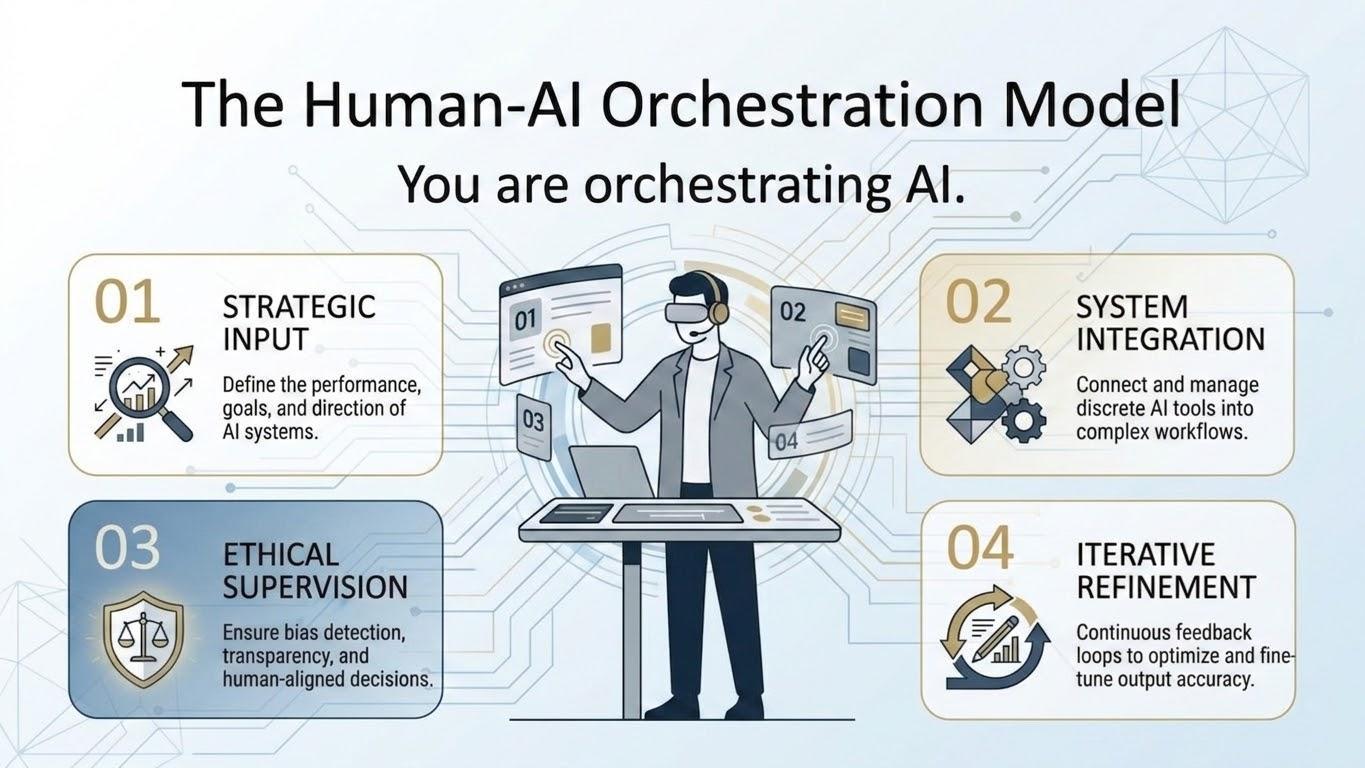
Section 3: AI Ecosystems
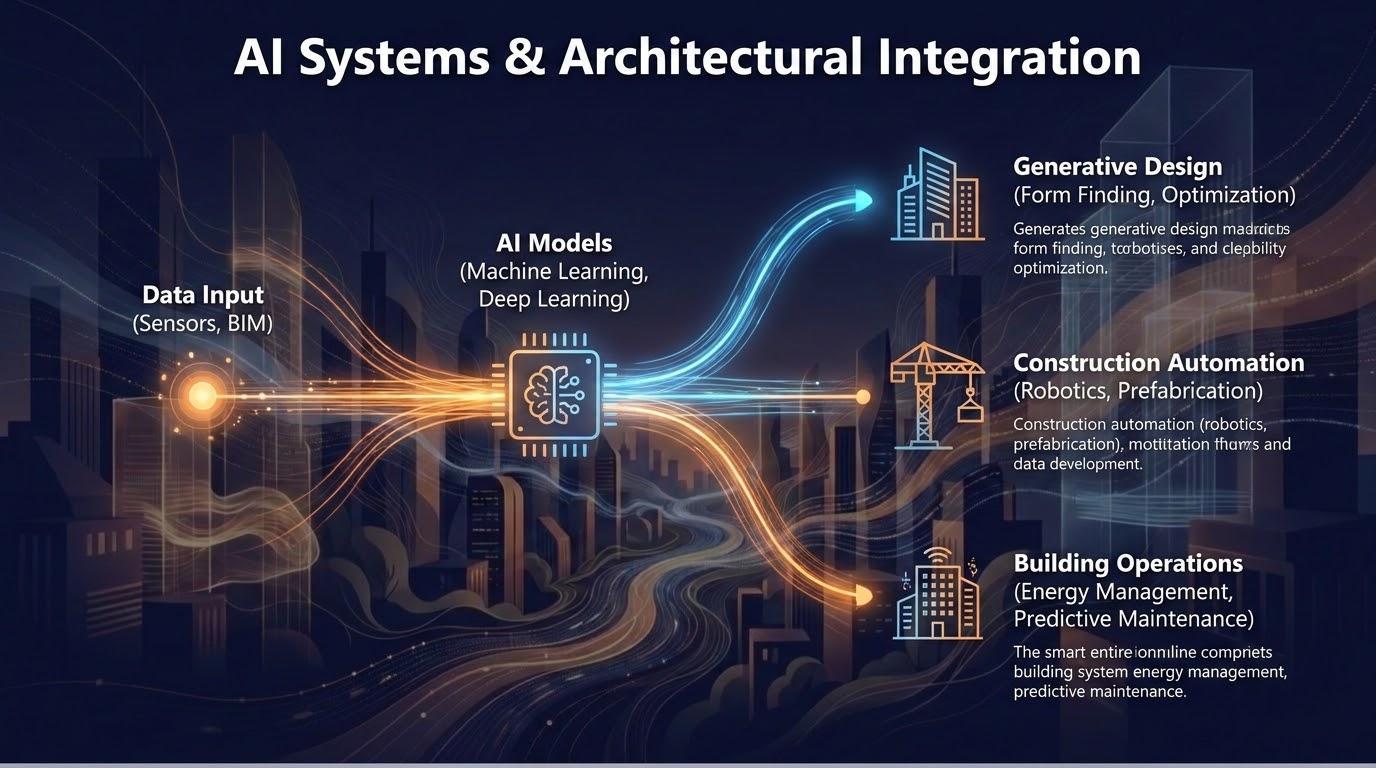
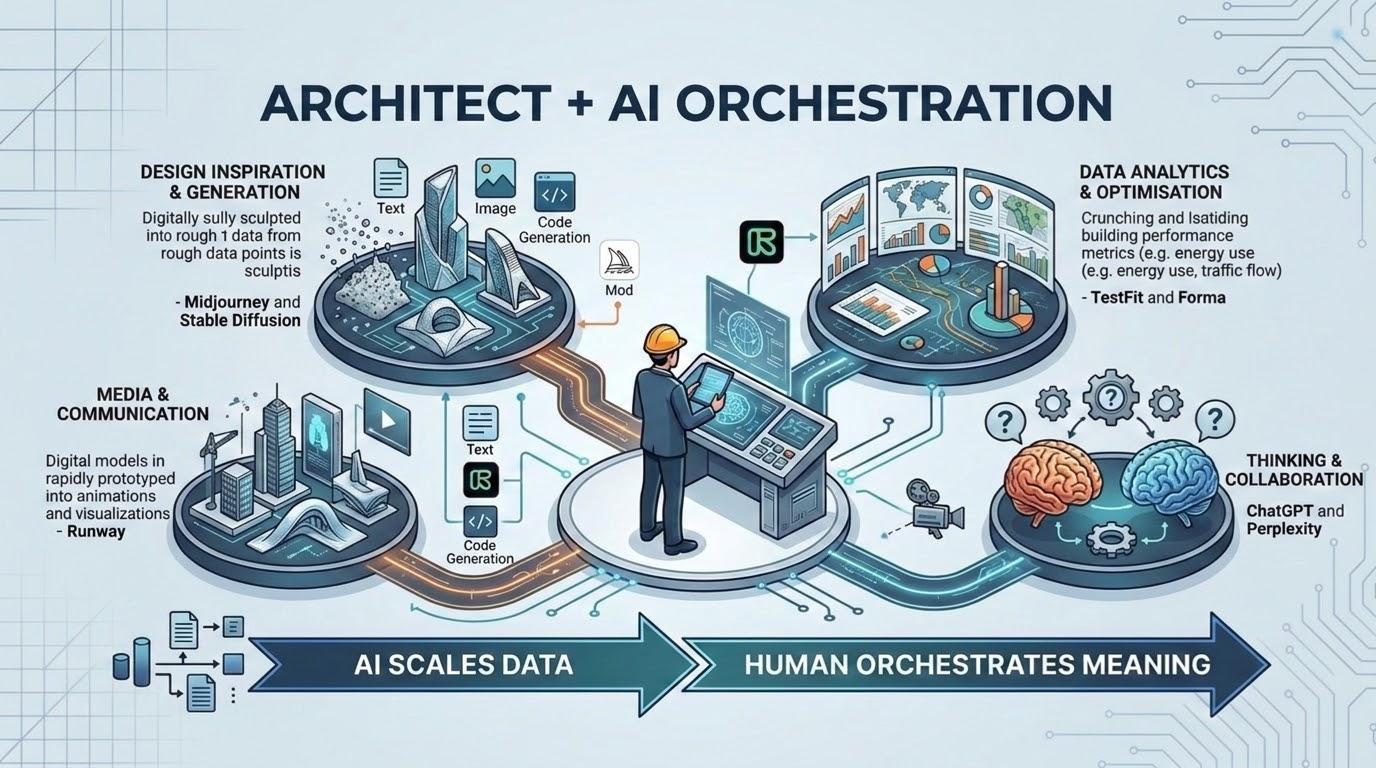
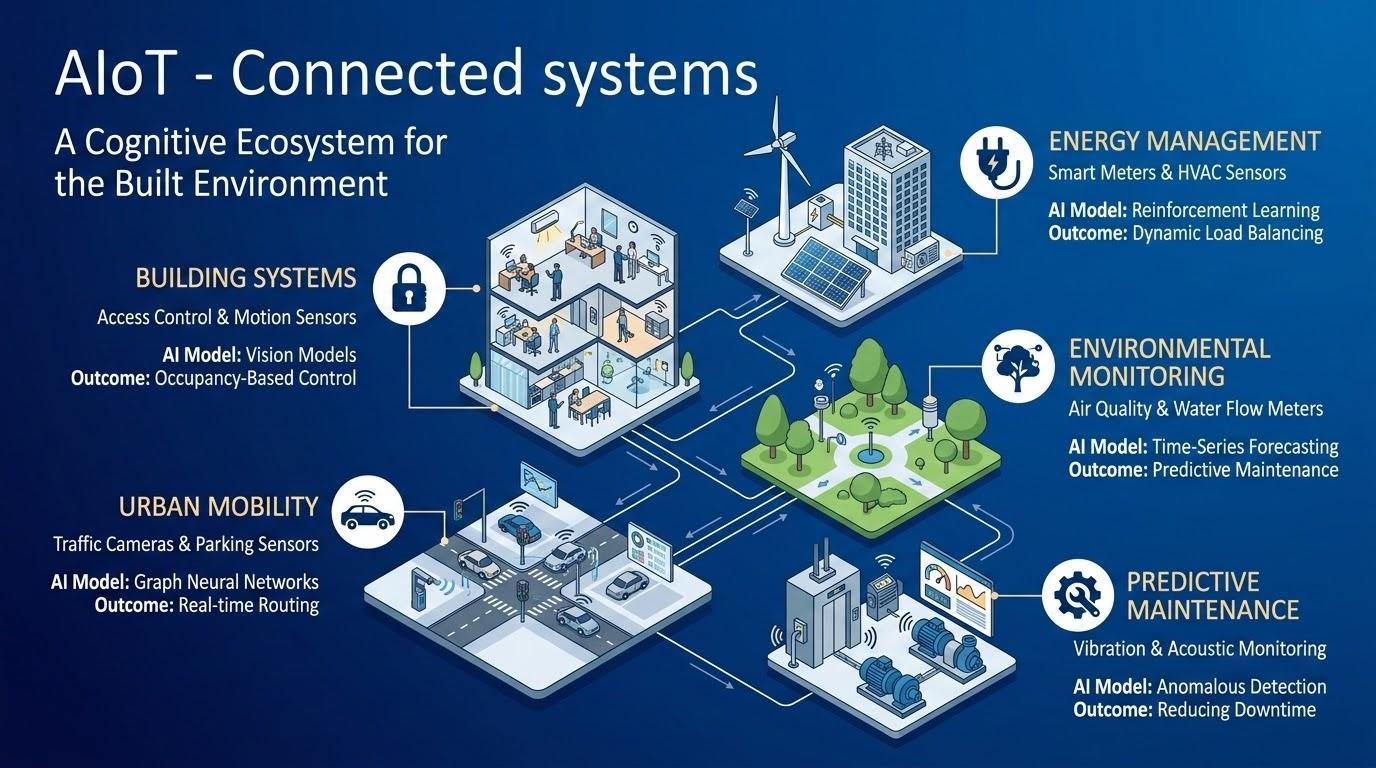
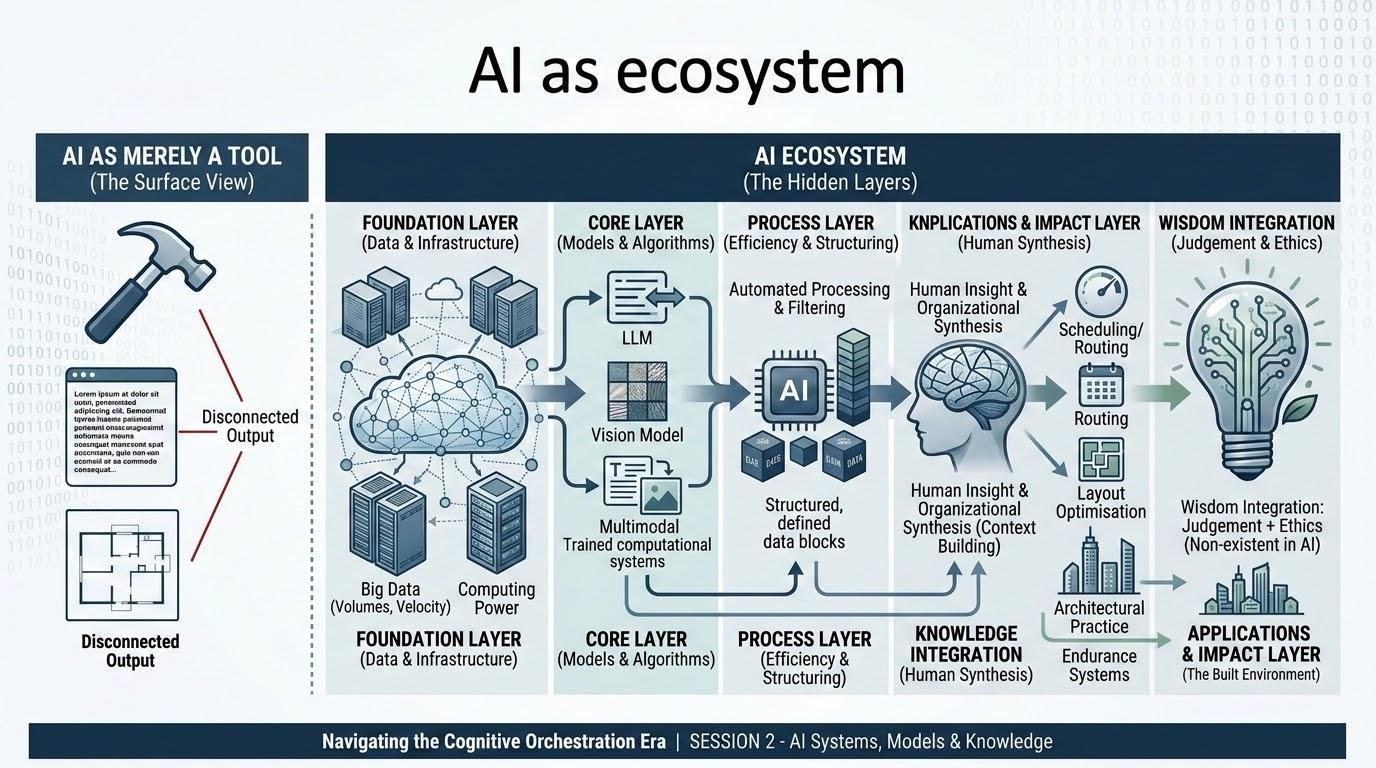
● AI is an ecosystem of planning, PM, and design tools; wisdom is the true differentiator.
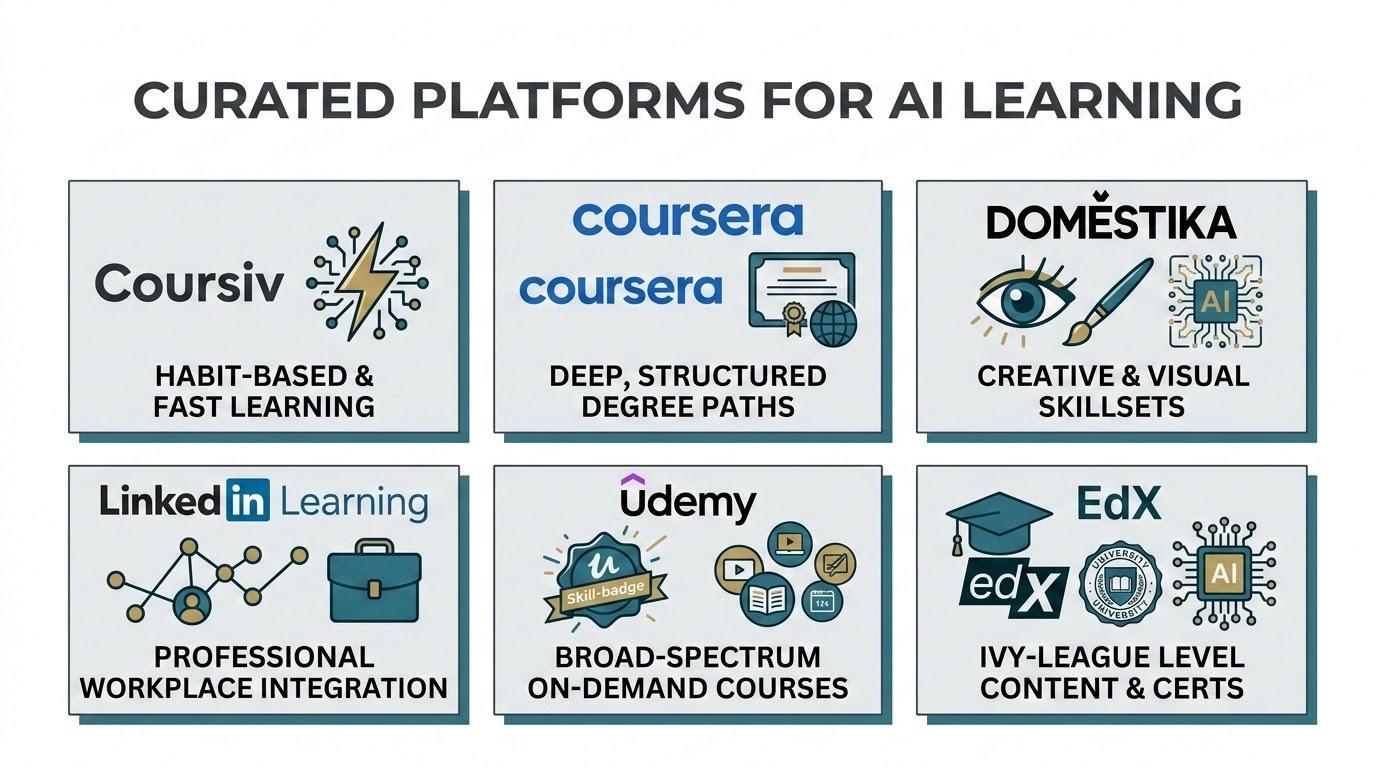
Section 4: Platforms to Learn AI Tools
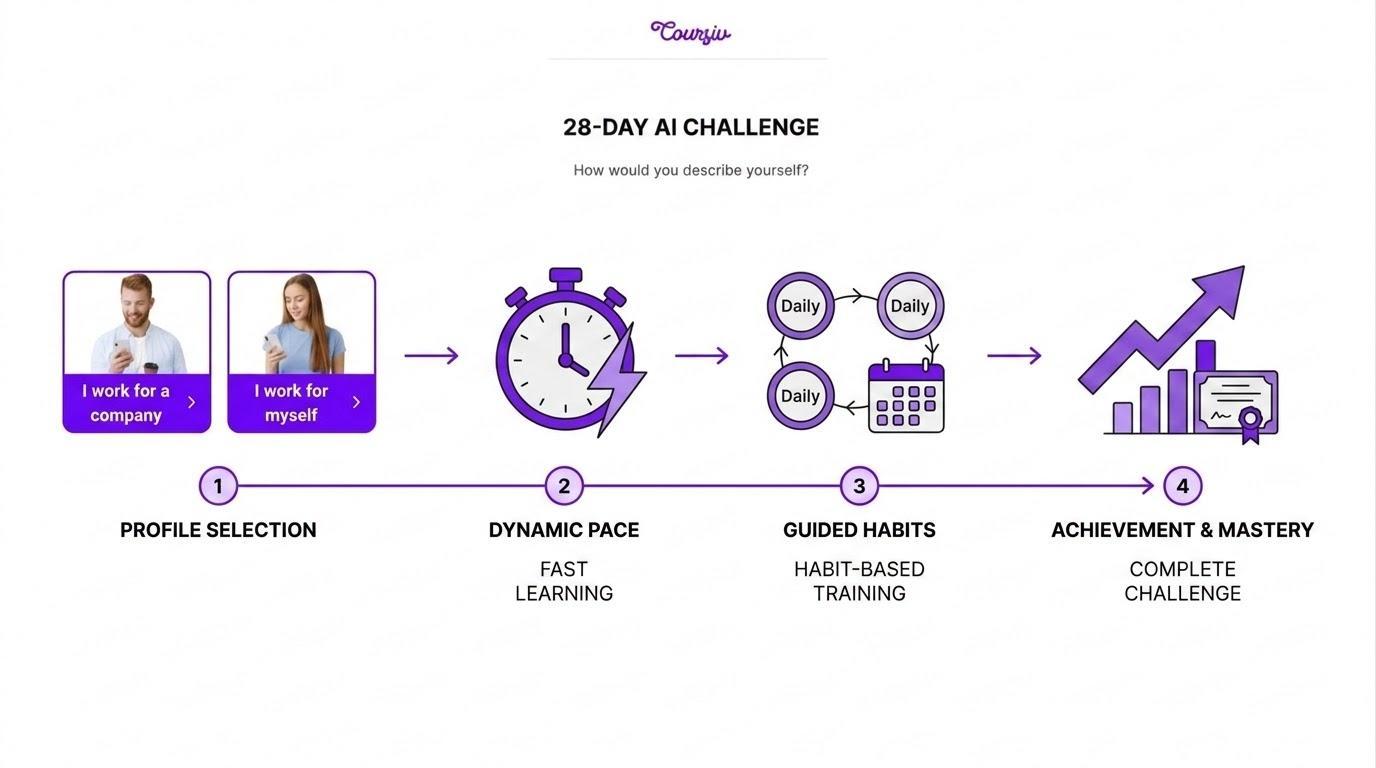
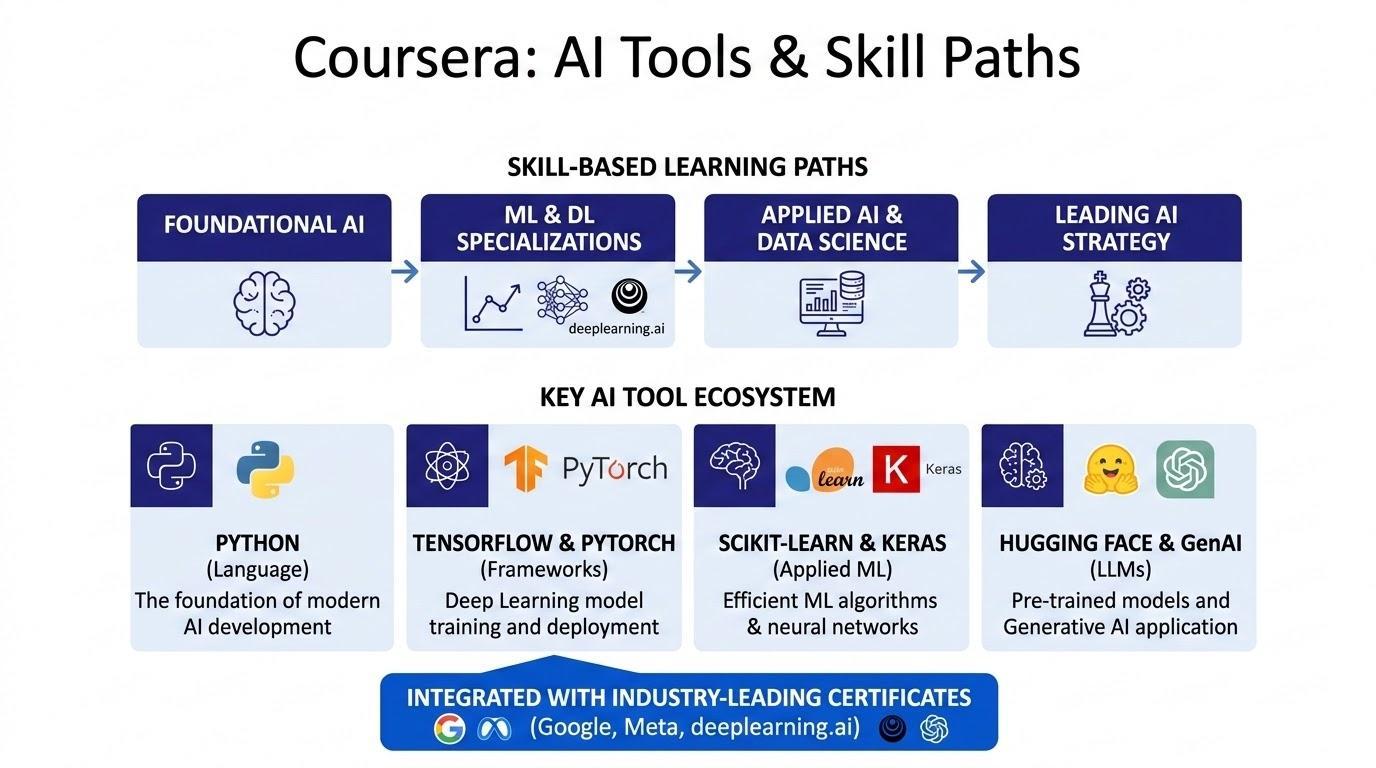
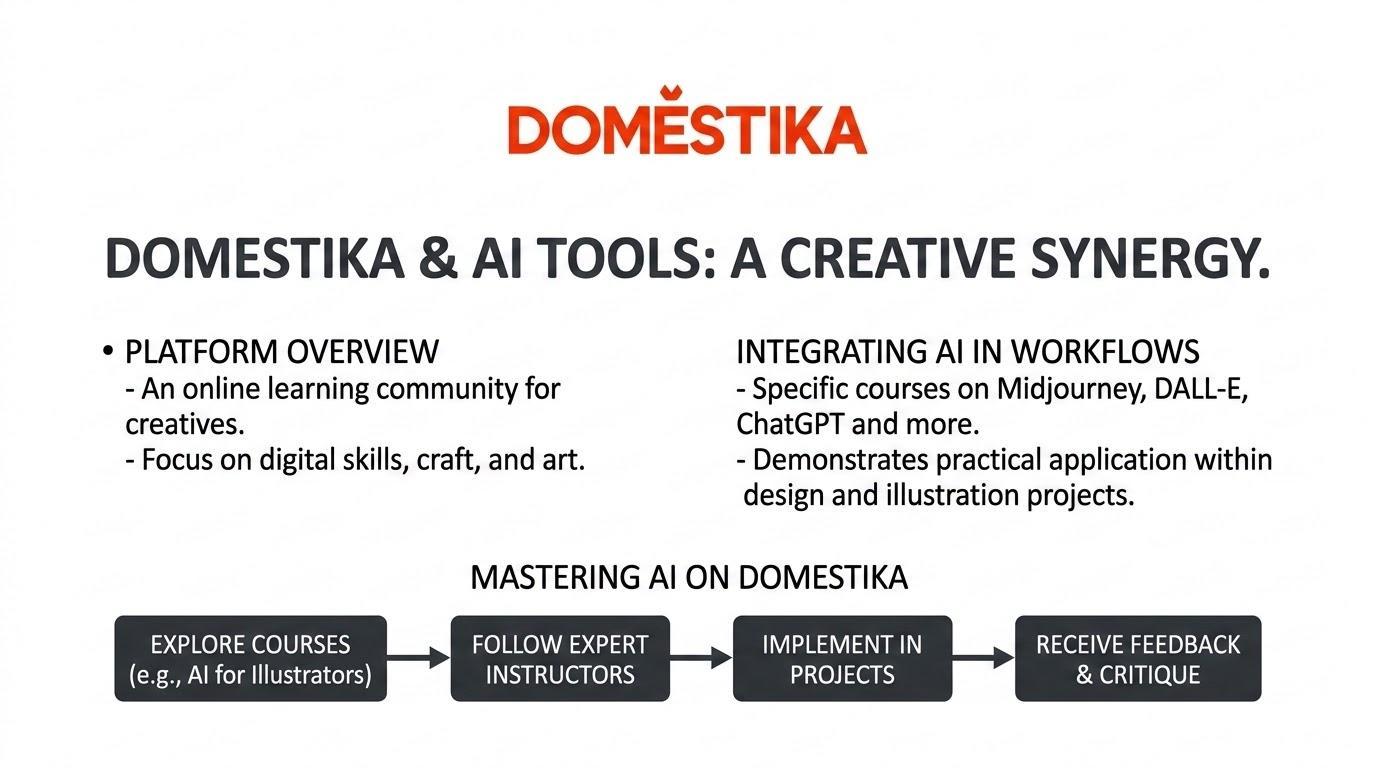
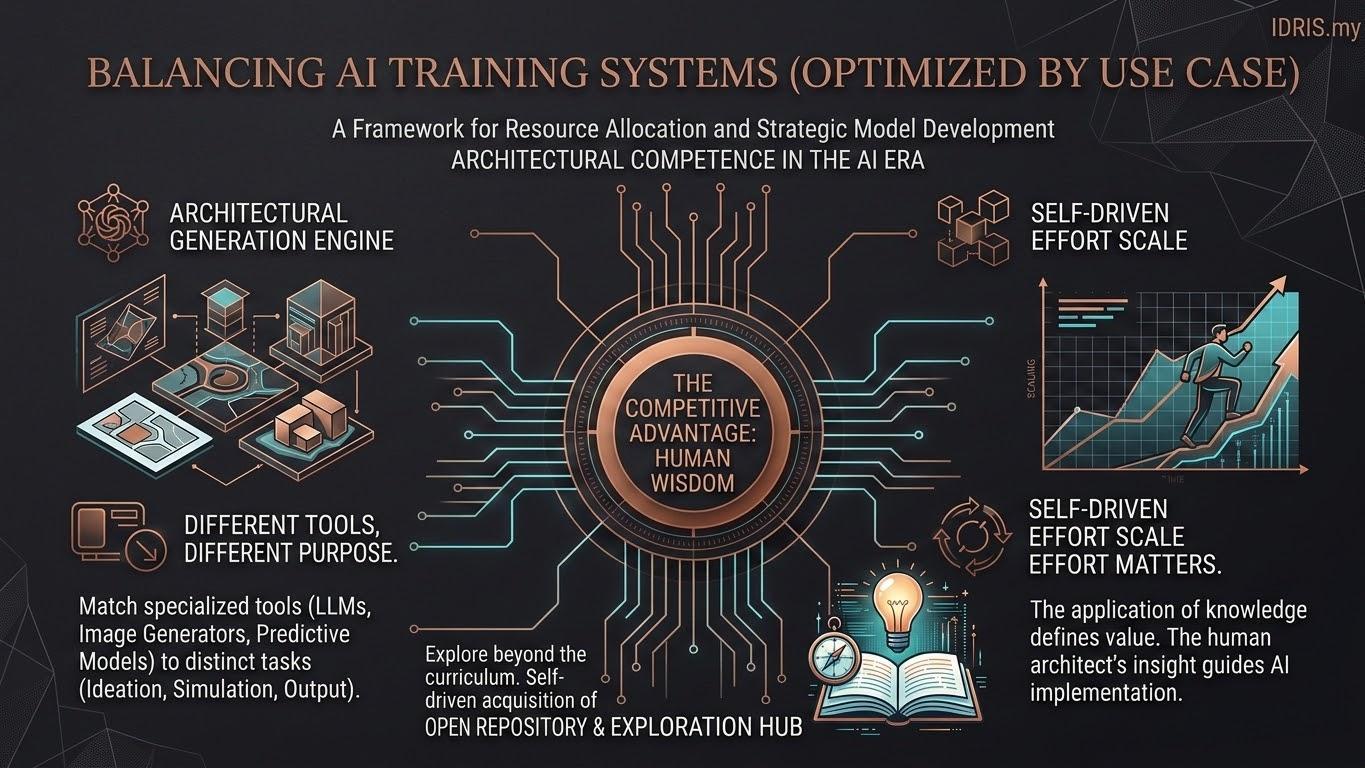
● This section introduces various platforms and resources available for learning AI tools.
Section 5: Humanity in the Era of AIoT
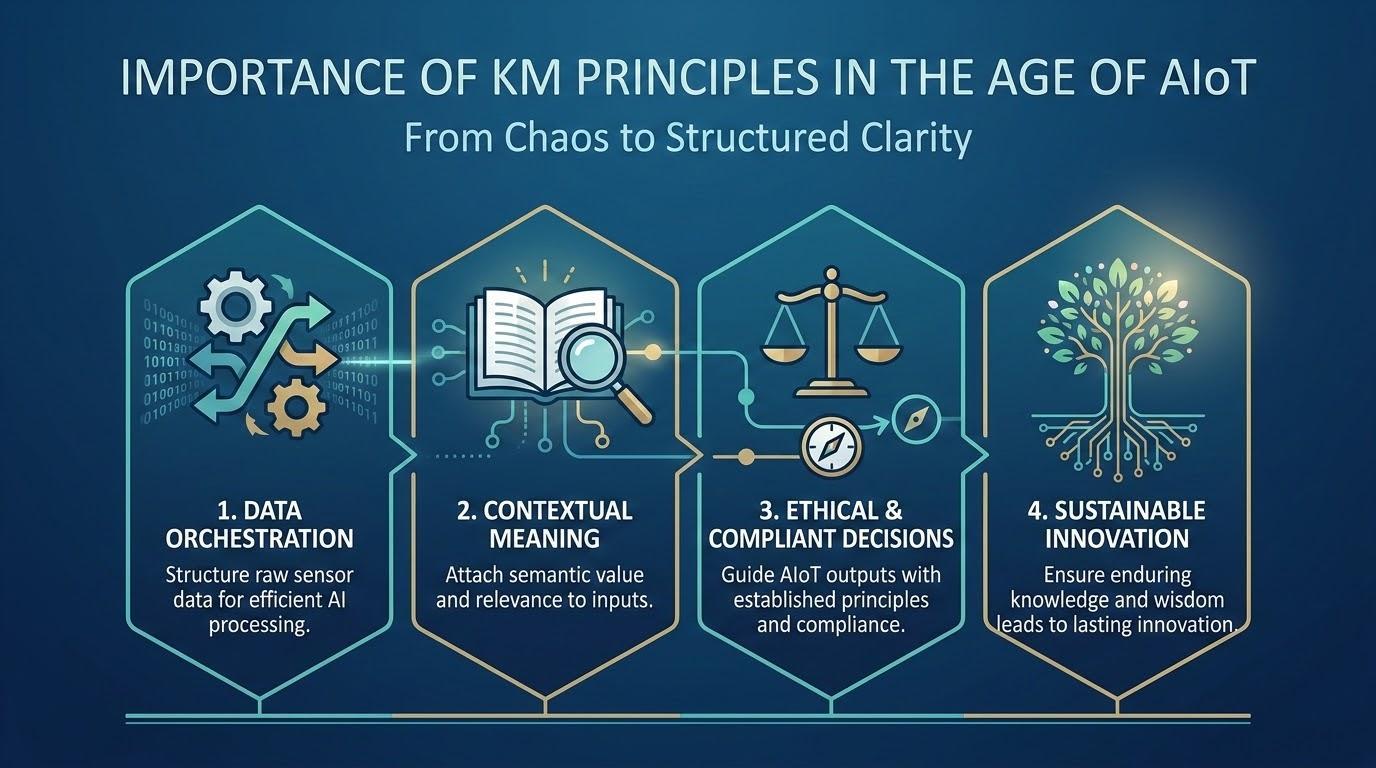
● Engage AI to gain foresight and "see"; focus on humility, not technological arrogance.