
Publisher’s Note
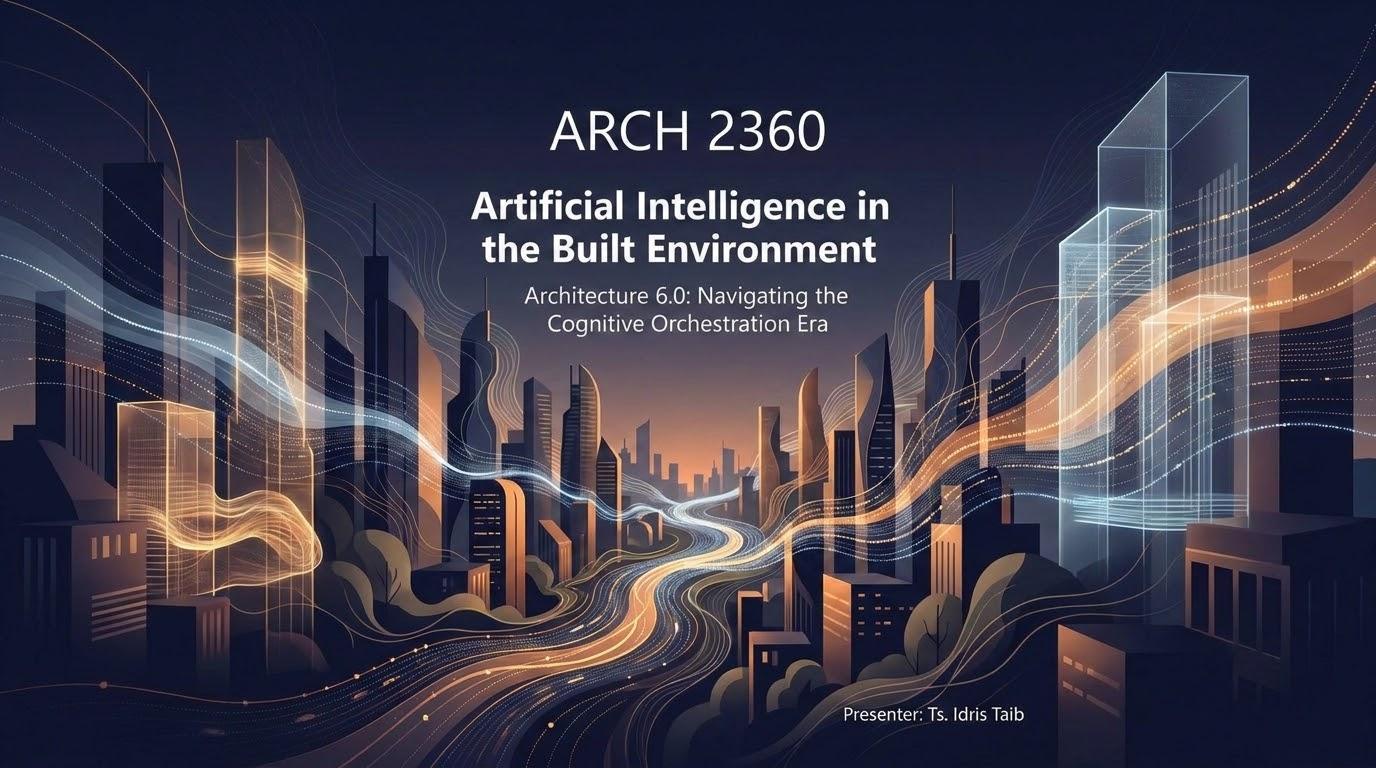
Thispublicationispartofanevolvinglectureandreflectionseriesexploring the intersection between architecture, artificial intelligence, human judgment, and future professional practice. Developed through live teachingsessions,studiodiscussions,experimentalworkflows,andongoing dialogue with students, architecture and AI systems, the series forms part ofthebroaderframework:
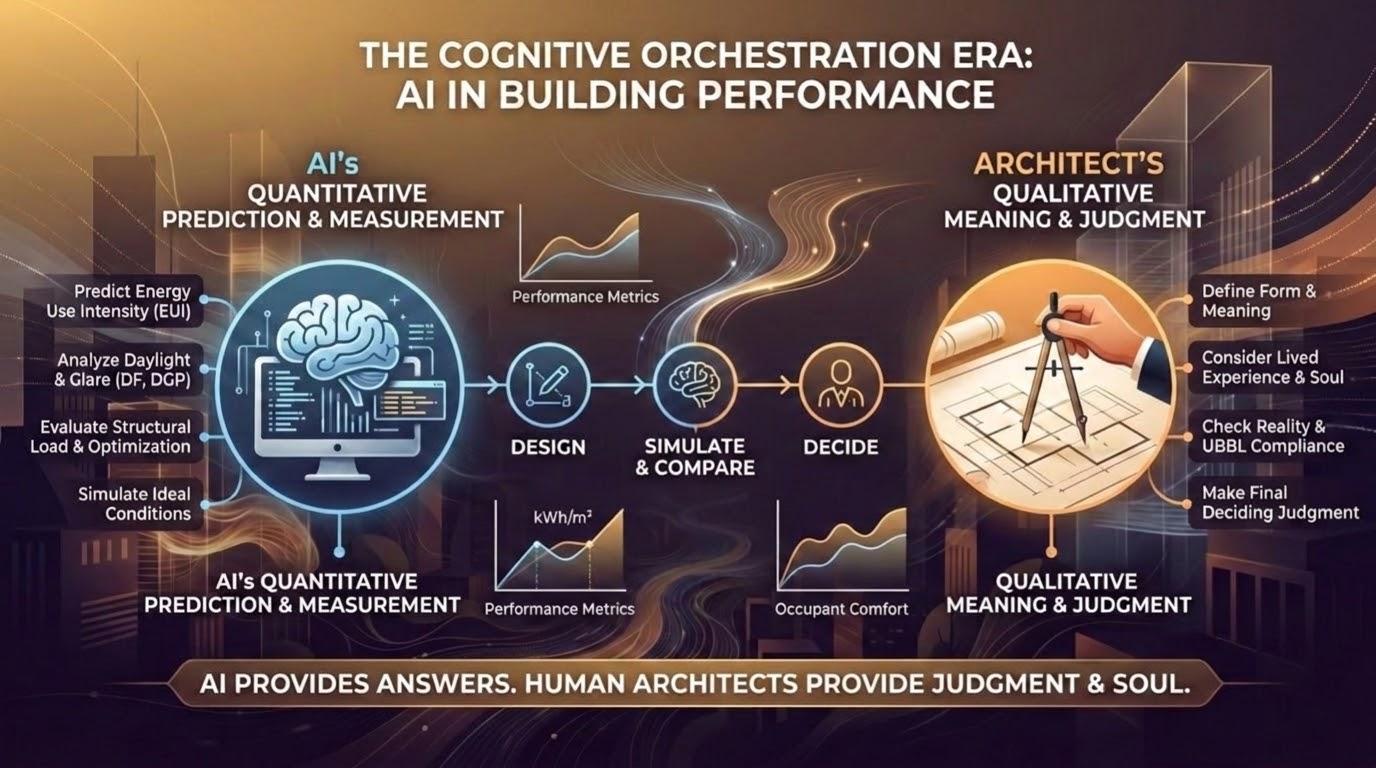
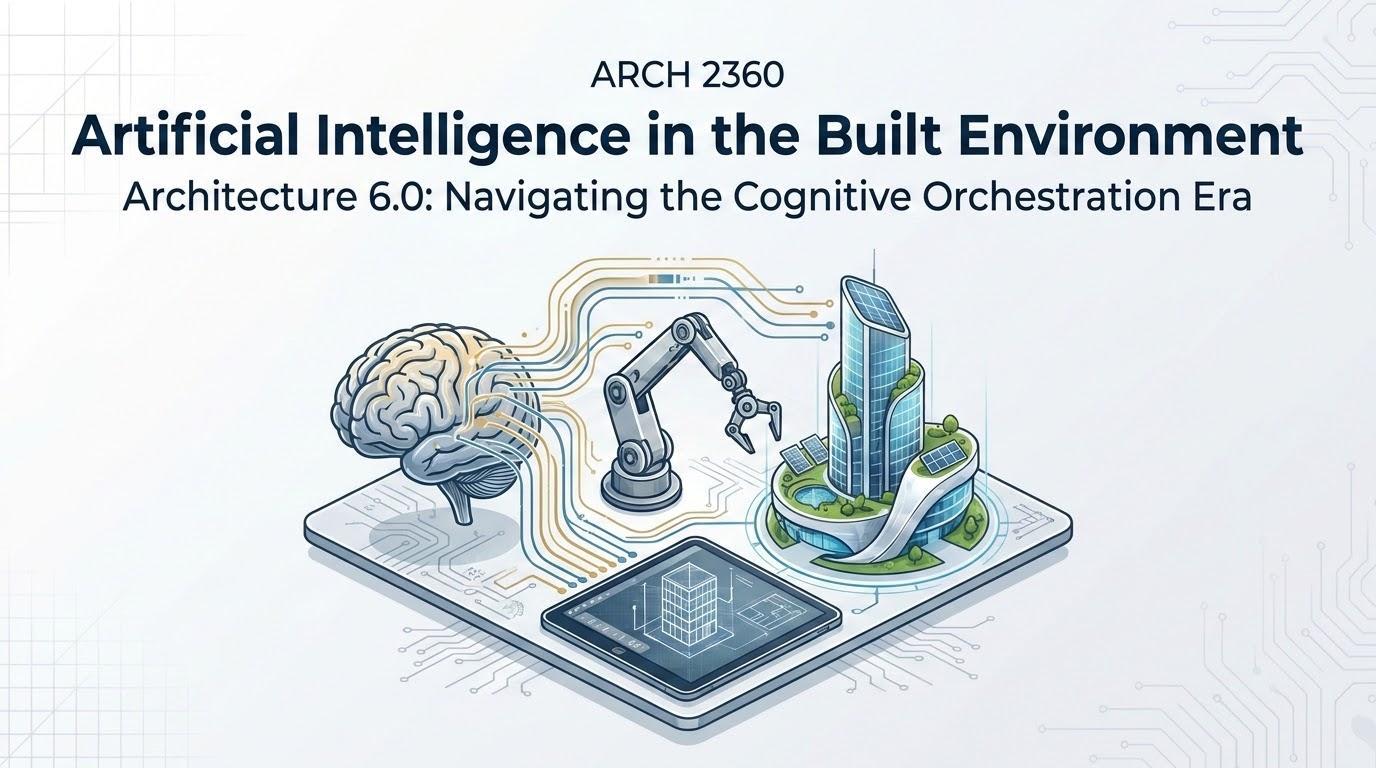
Architecture 6.0: Navigating the Cognitive Orchestration Era
Rather than treating AI merely as software or automation, these sessions investigate AI as a collaborator, a reflective medium, a cognitive extension, andattimes,aphilosophicalmirror.
This volume is a curated compilation of selected lecture slides, visual frameworks, diagrams, reflections, and evolving ideas from an ongoing 10-session exploration into AI within the built environment. As the series continues to evolve, this publication may be periodically revised, expanded, andrefineduntilthecompletionofthecurrentcycleinJune2026.
First Digital Compilation Edition
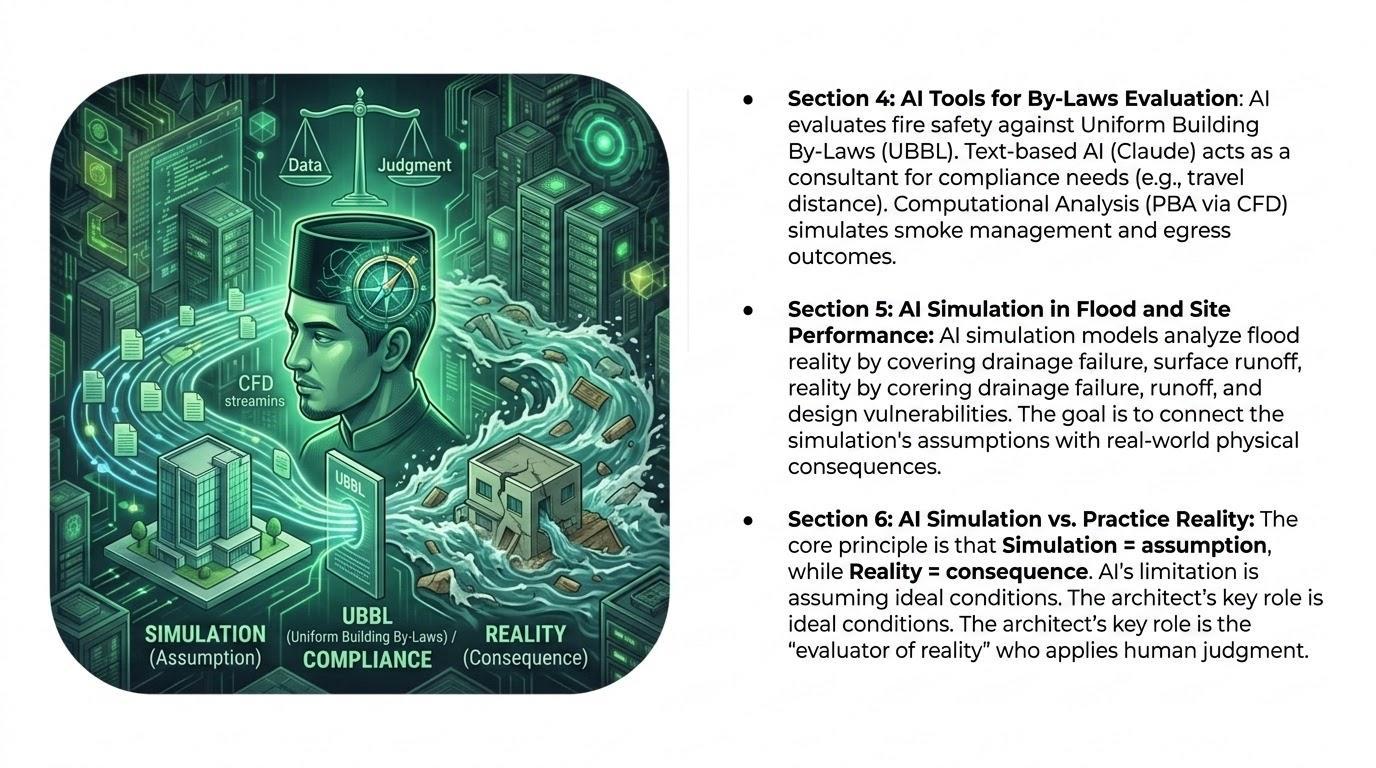
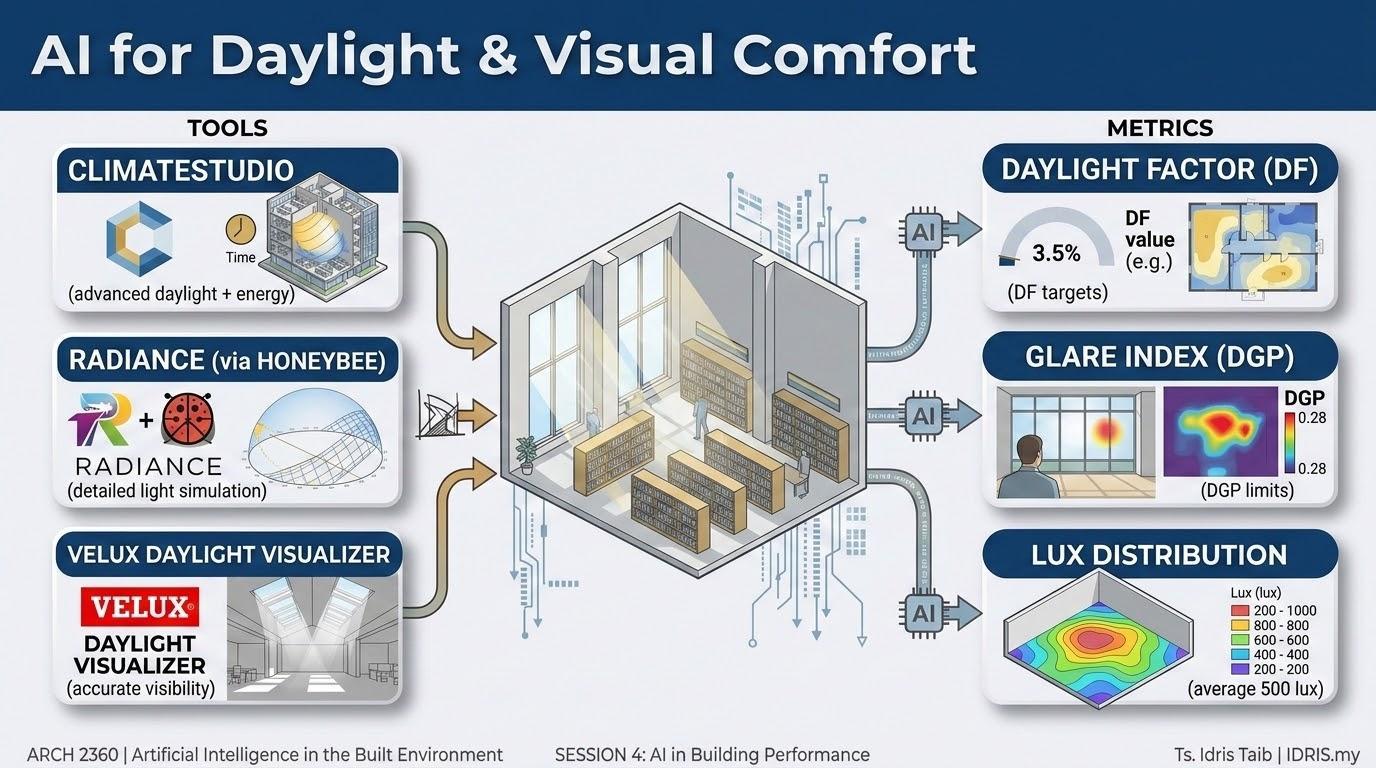
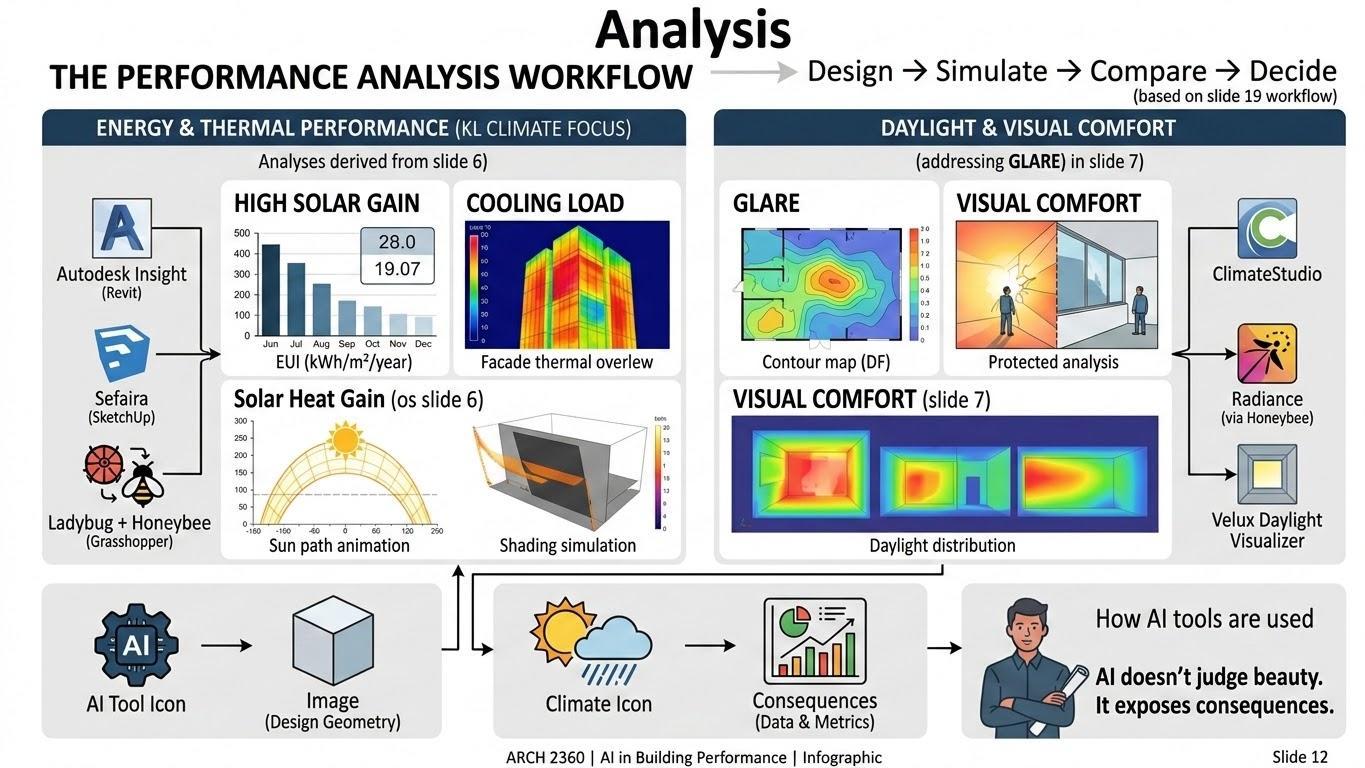
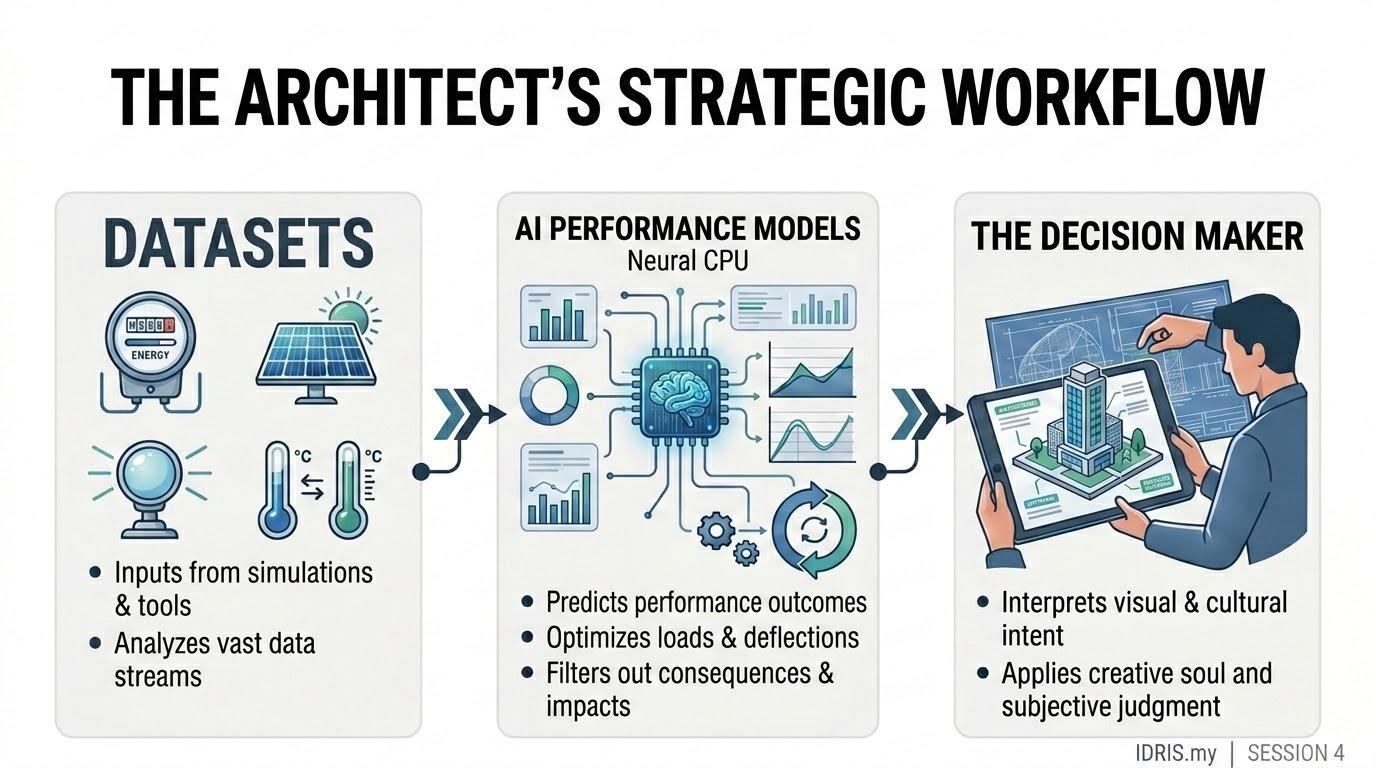
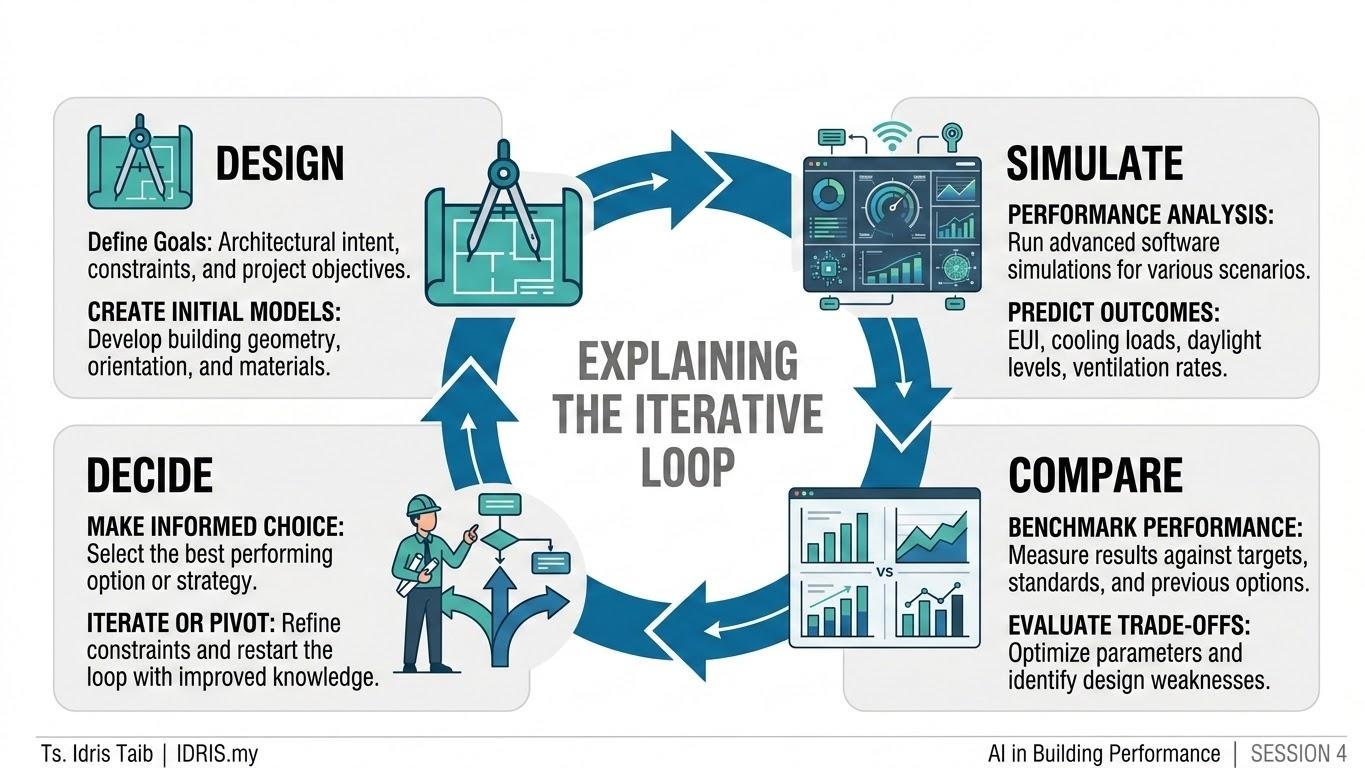
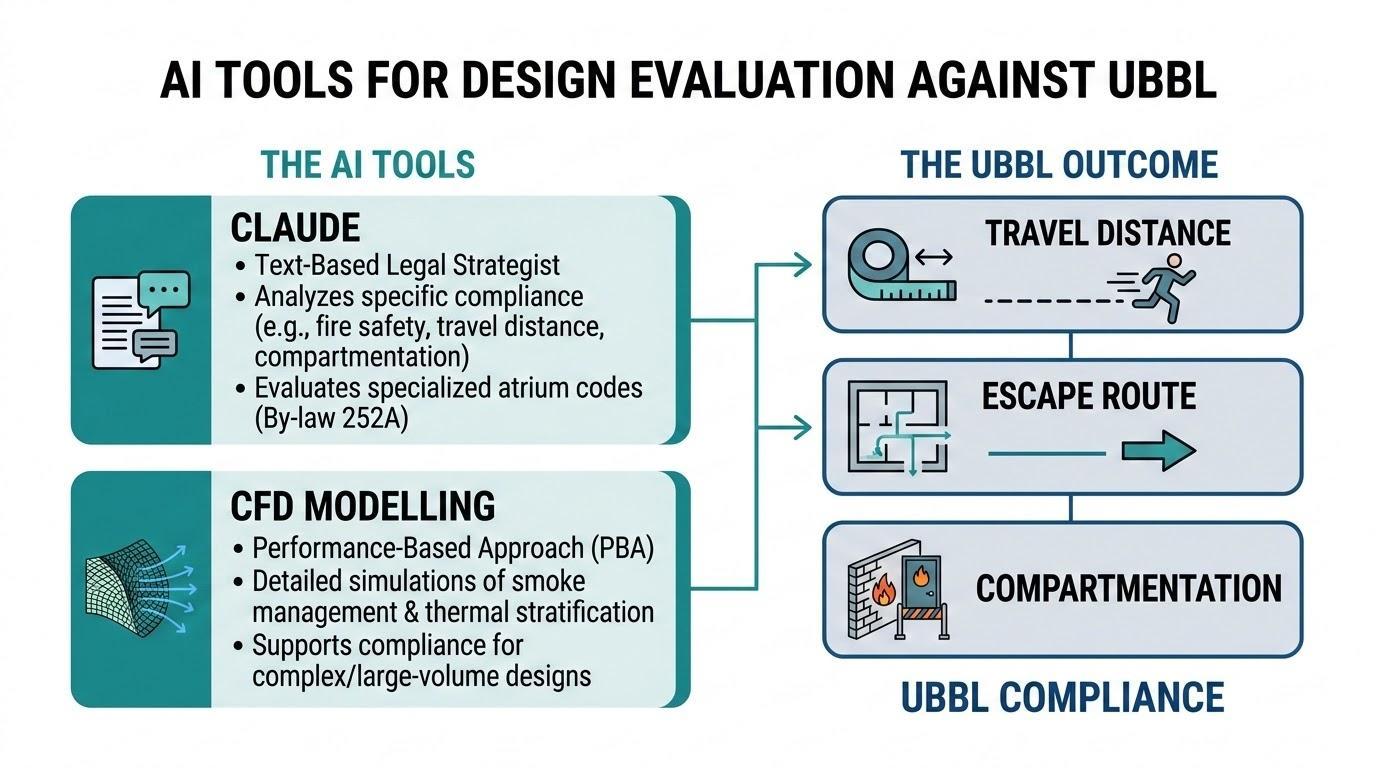
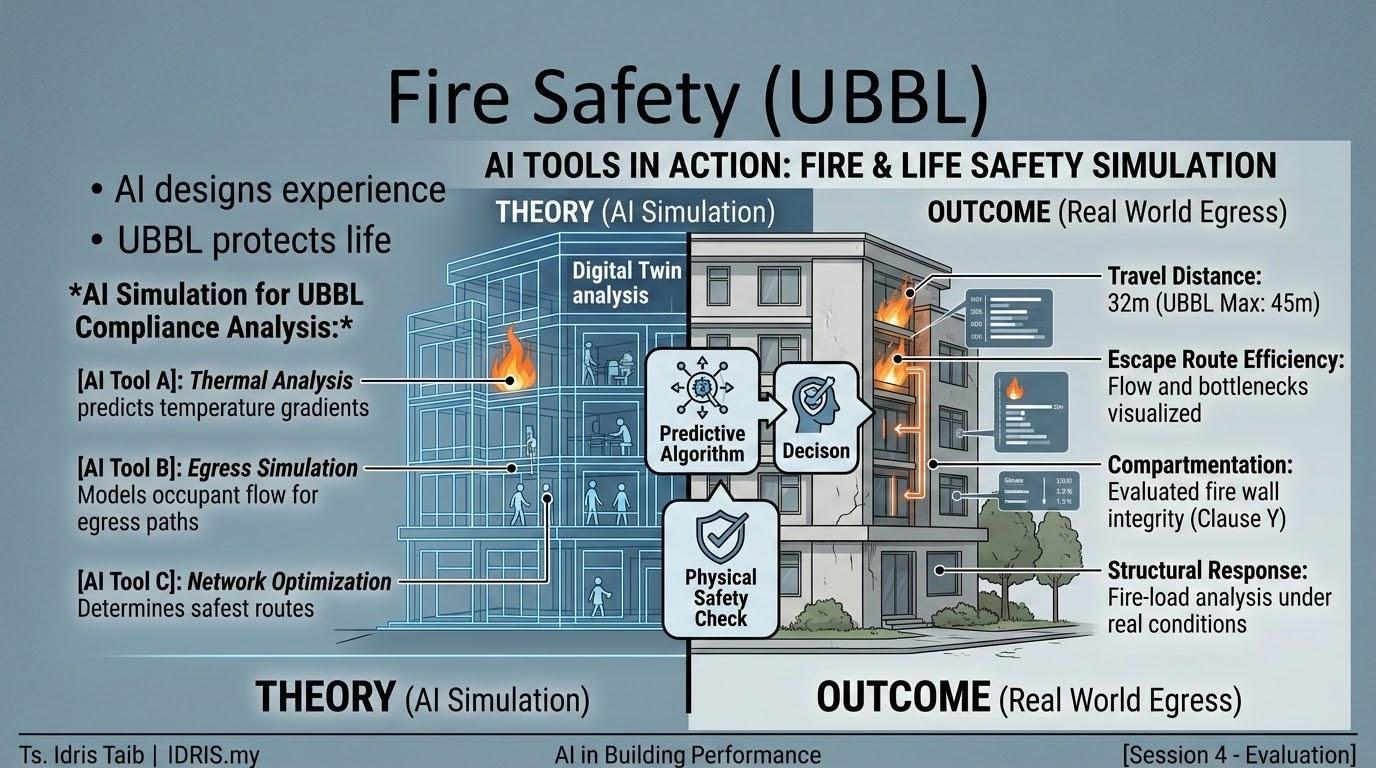
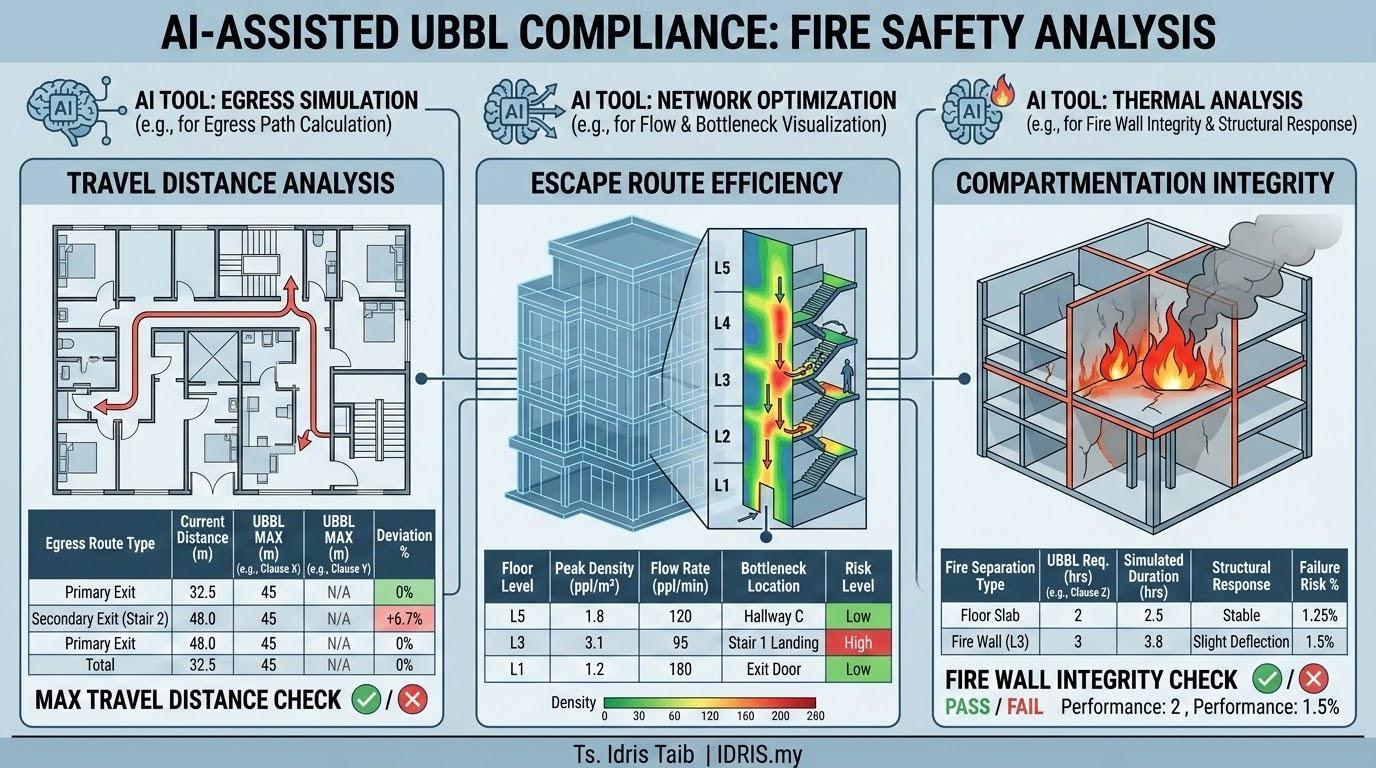
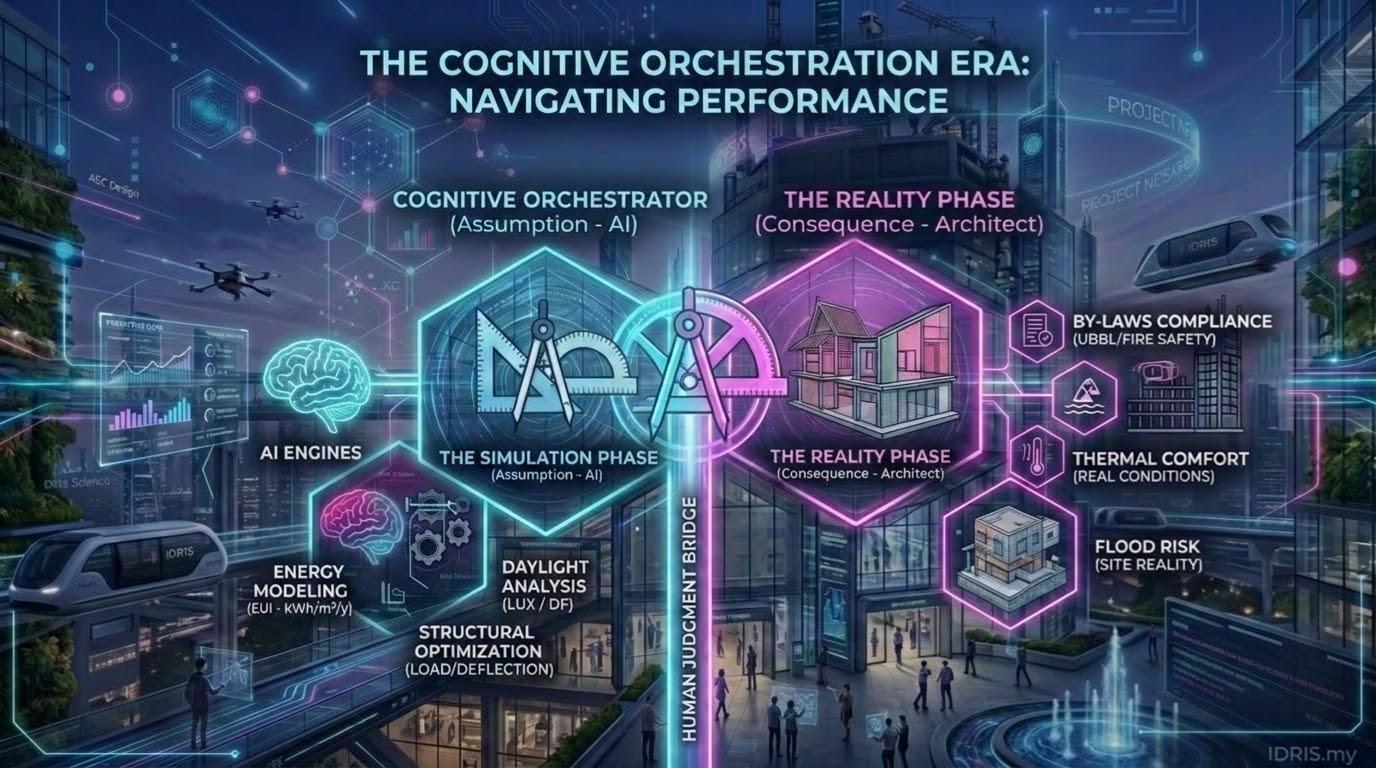
● Section 4: AI Tools for By-Laws Evaluation: AI evaluates fire safety against Uniform Building By-Laws (UBBL). Text-based AI (Claude) acts as a consultant for compliance needs (e.g., travel distance). Computational Analysis (PBA via CFD) simulates smoke management and egress outcomes.
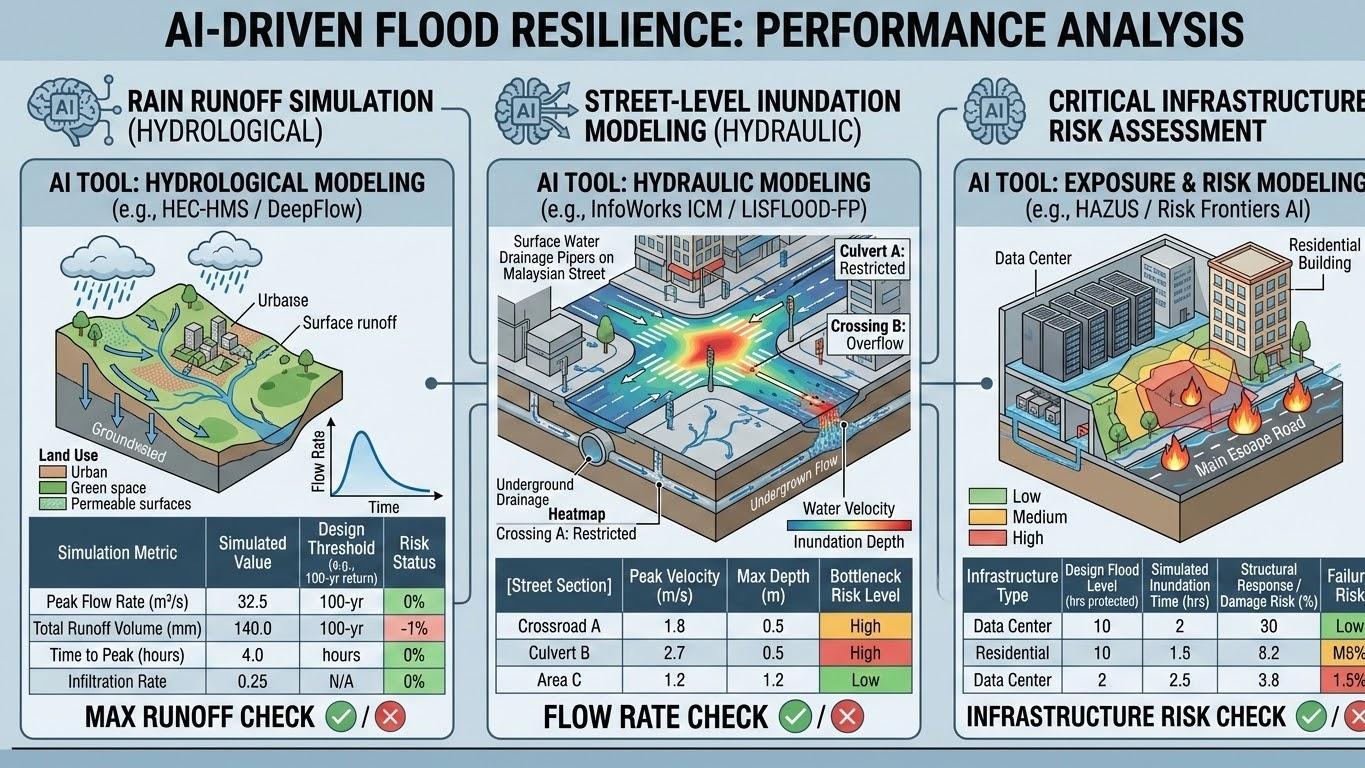
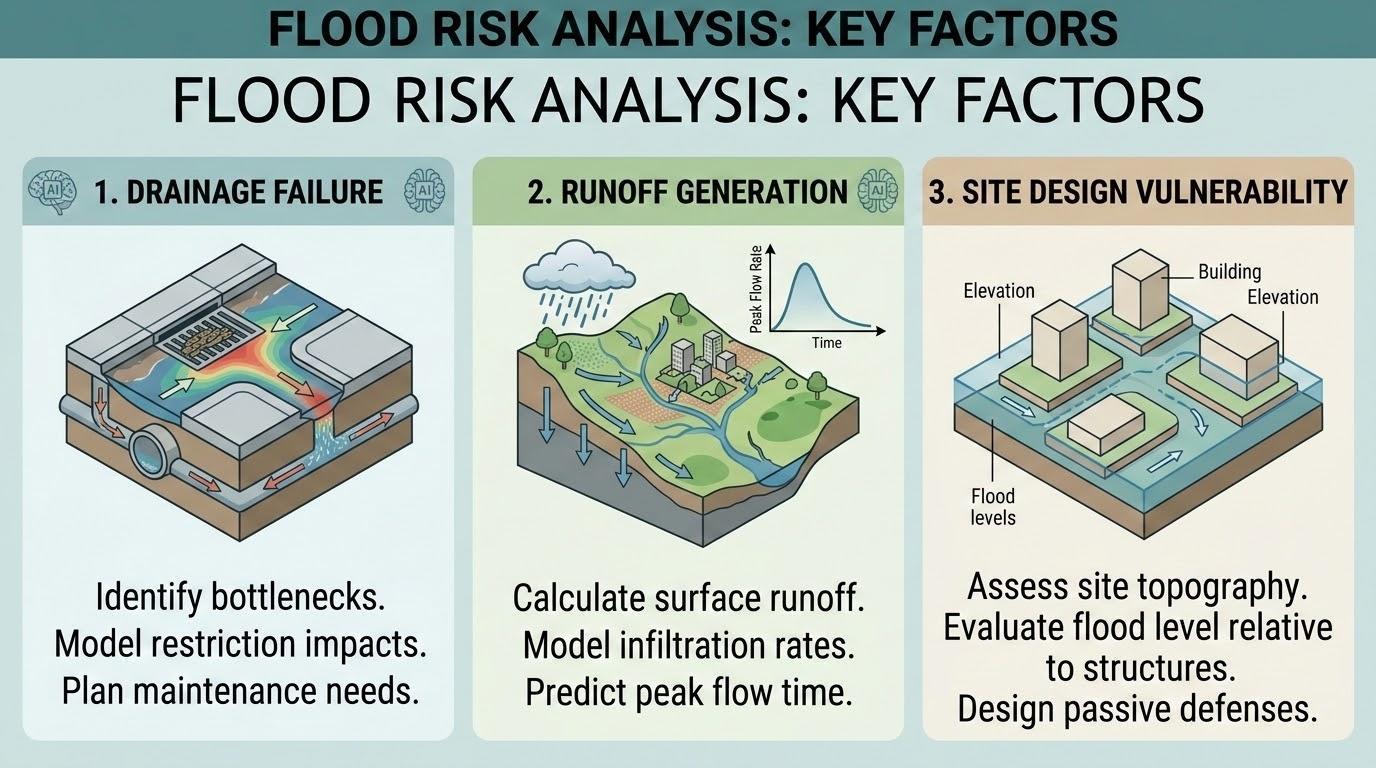
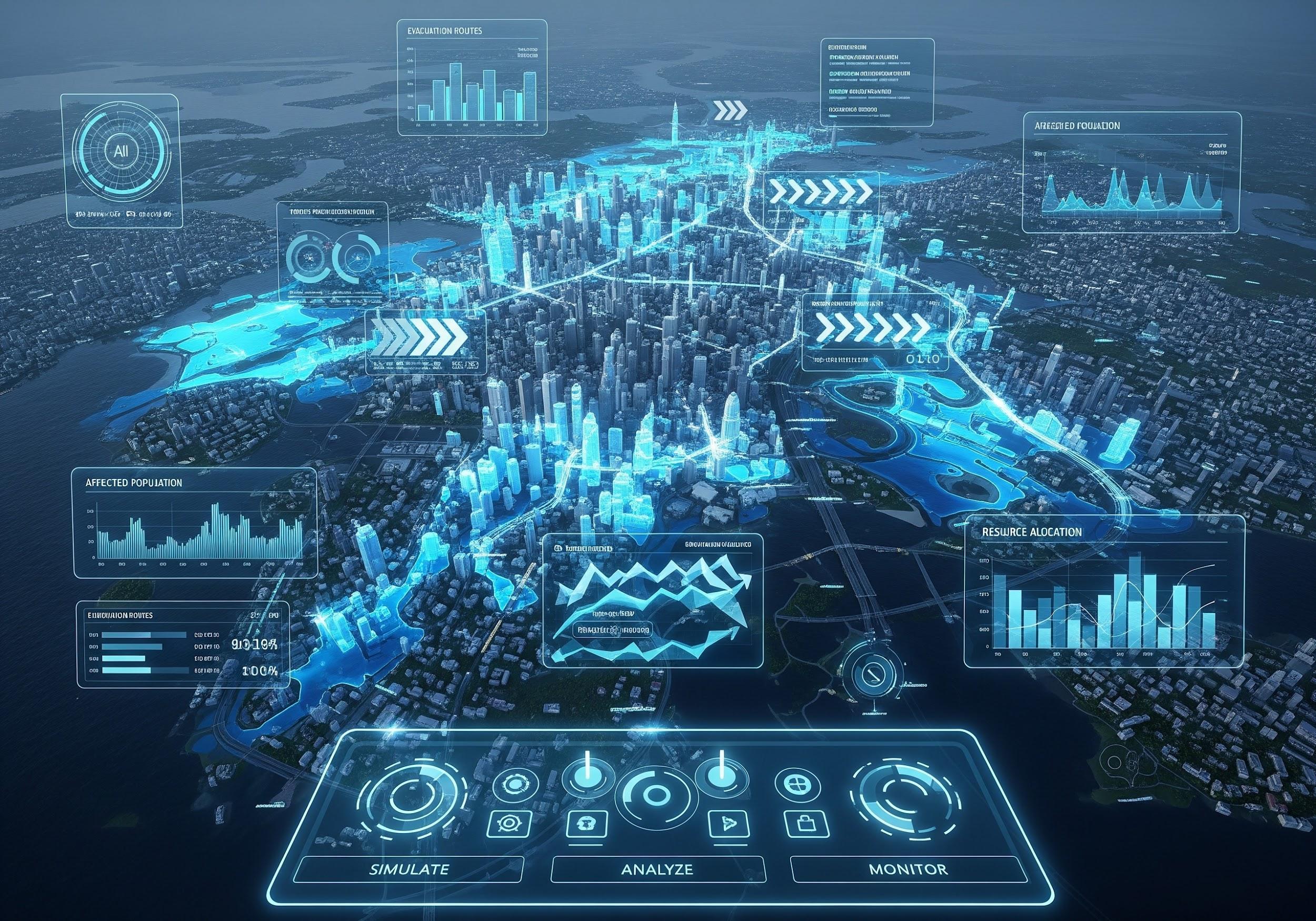
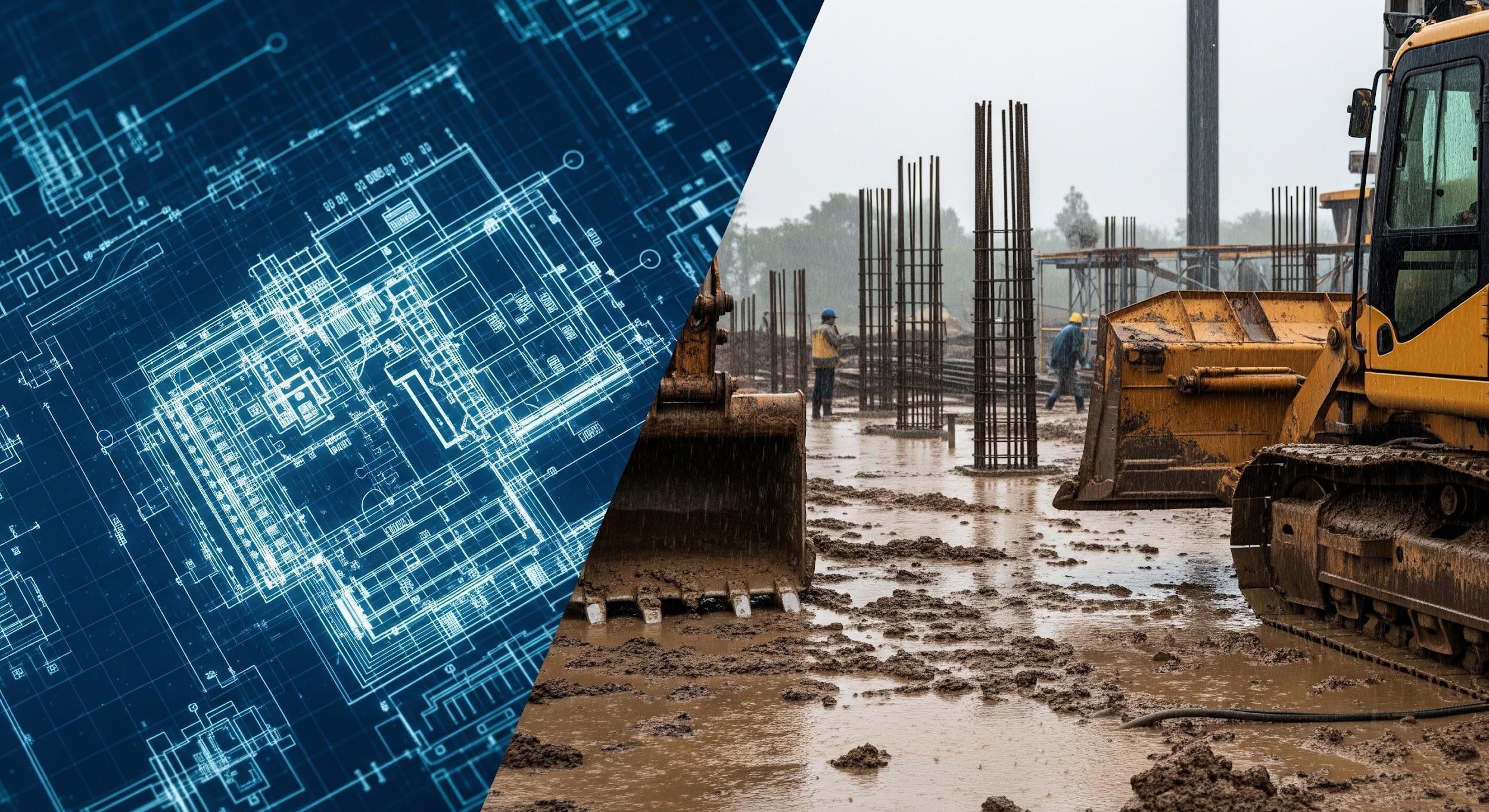
● Section 5: AI Simulation in Flood and Site Performance: AI simulation models analyze flood reality by covering drainage failure, surface runoff, anddesignvulnerabilities.Thegoalistoconnectthe simulation's assumptions with real-world physical consequences.
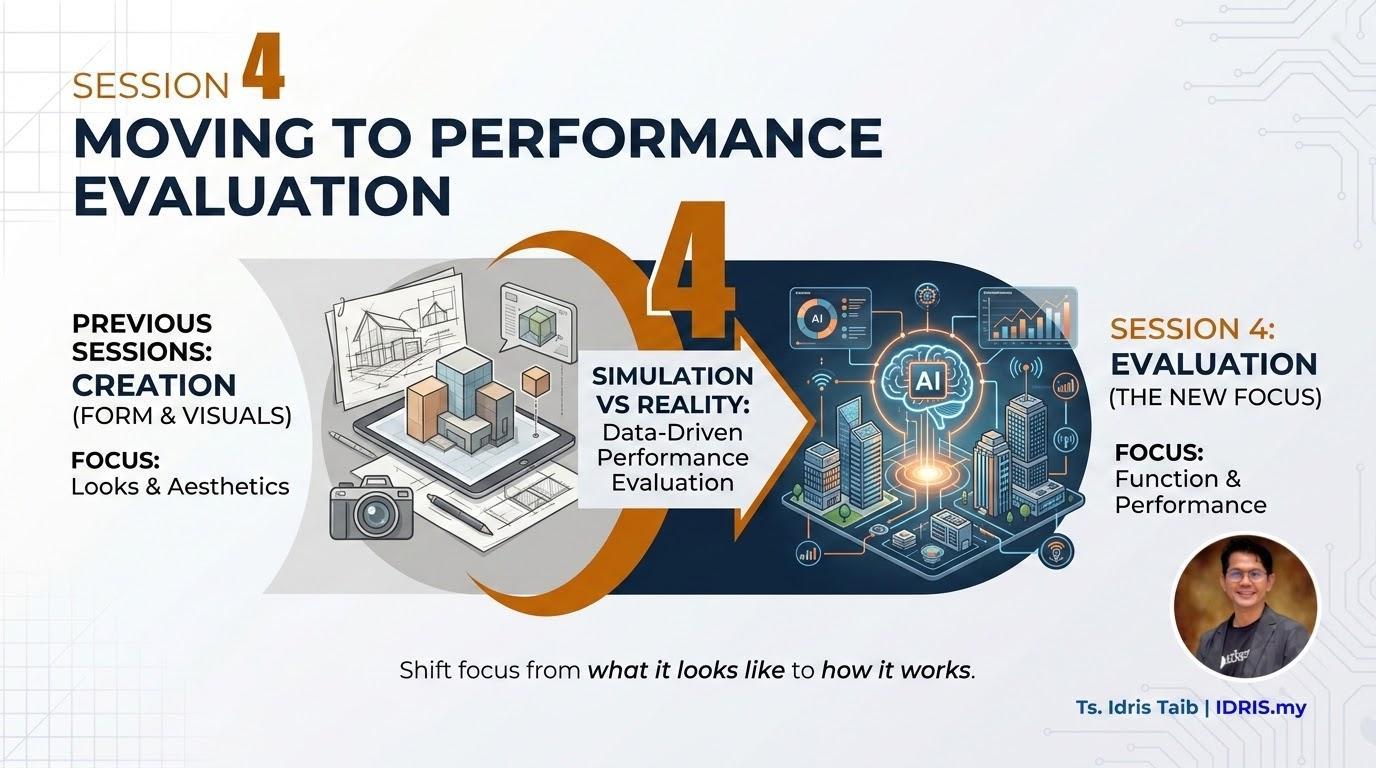
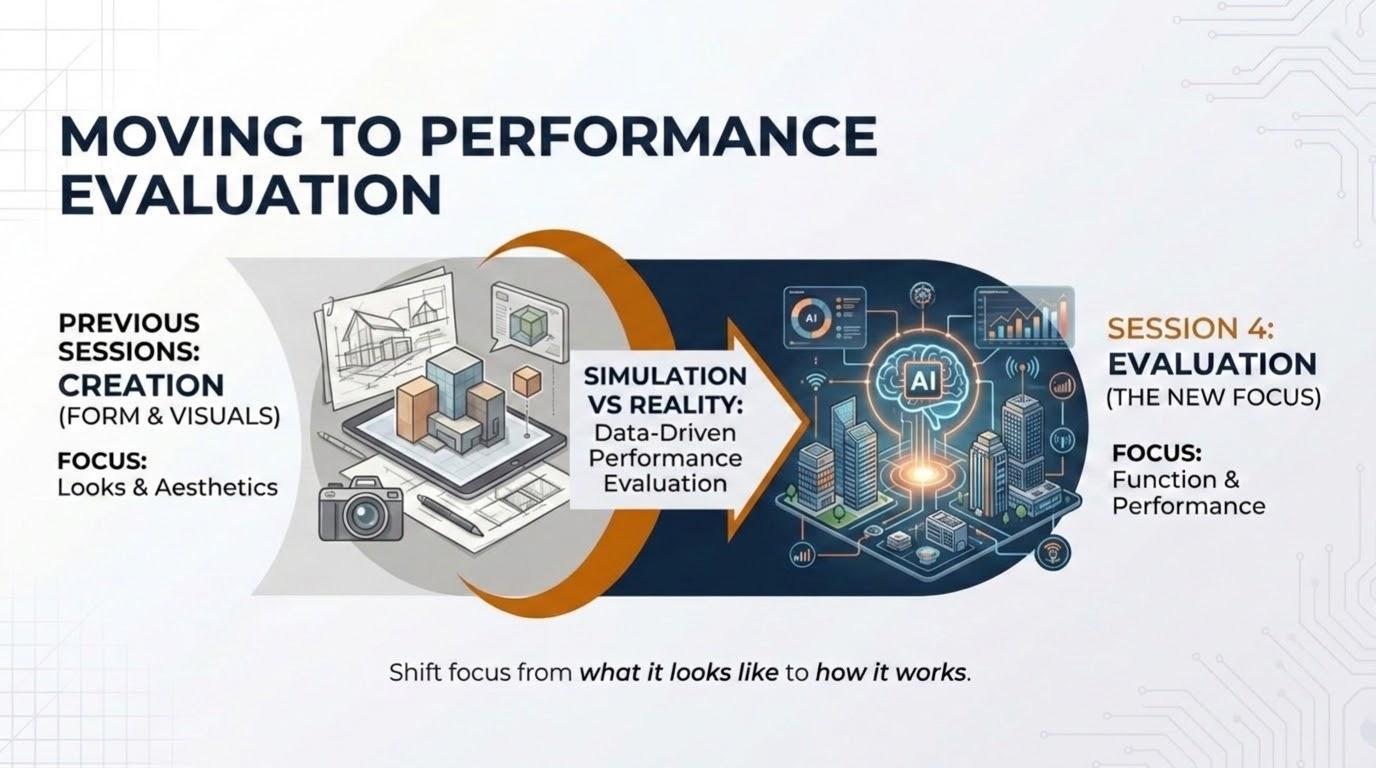
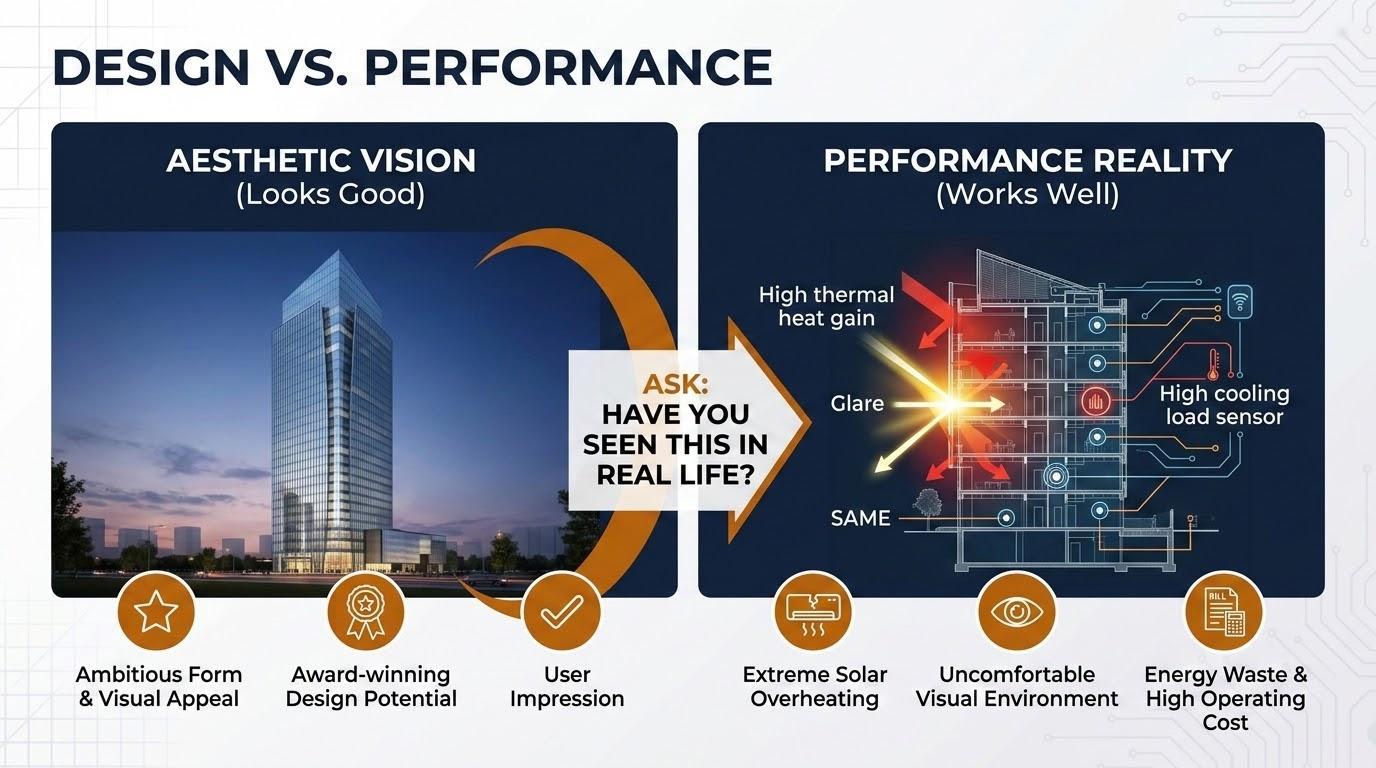
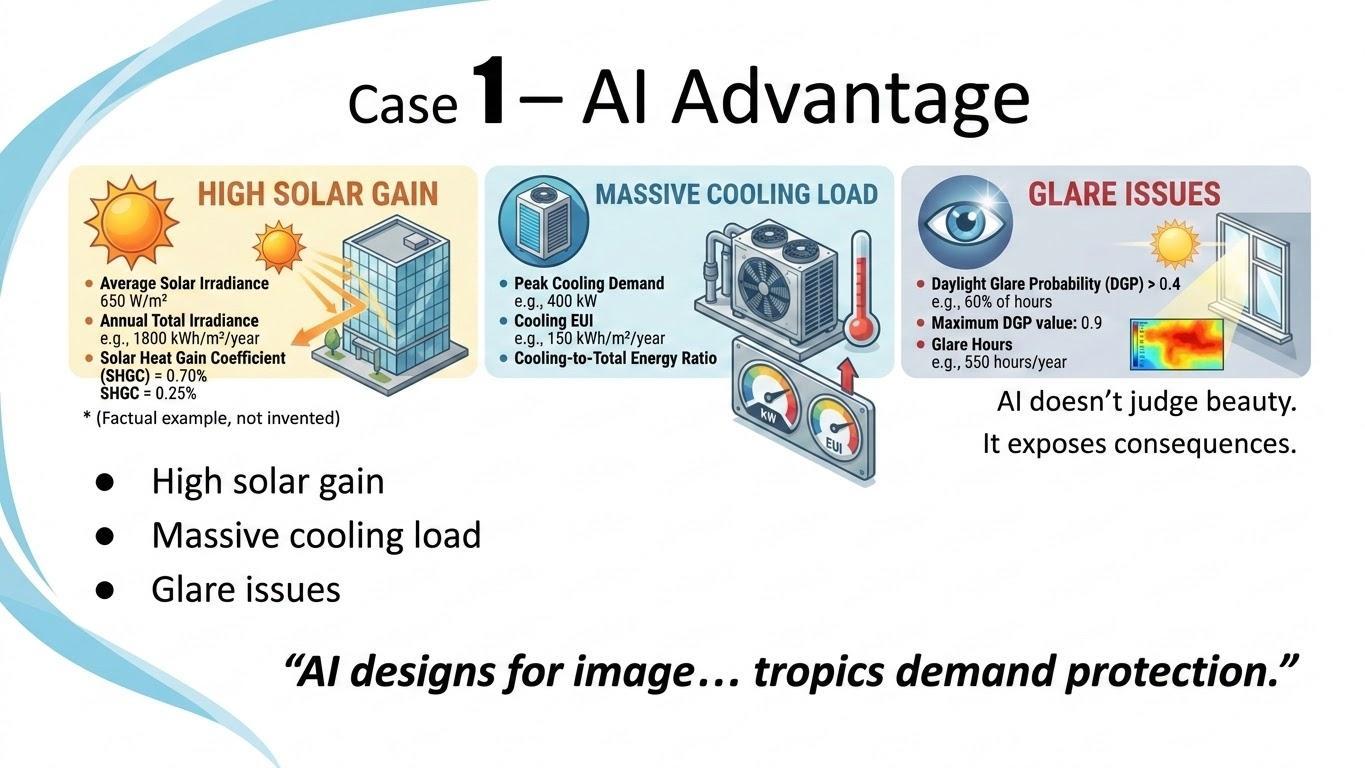
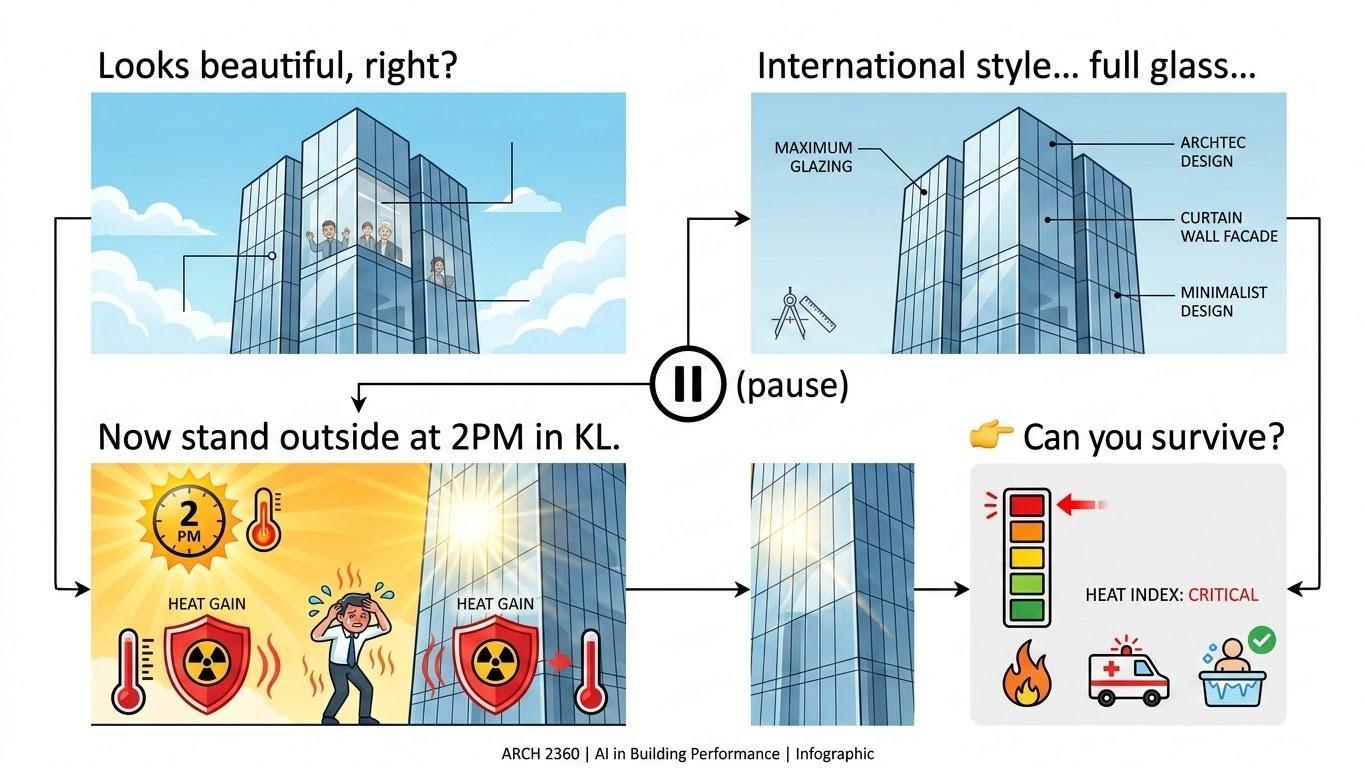
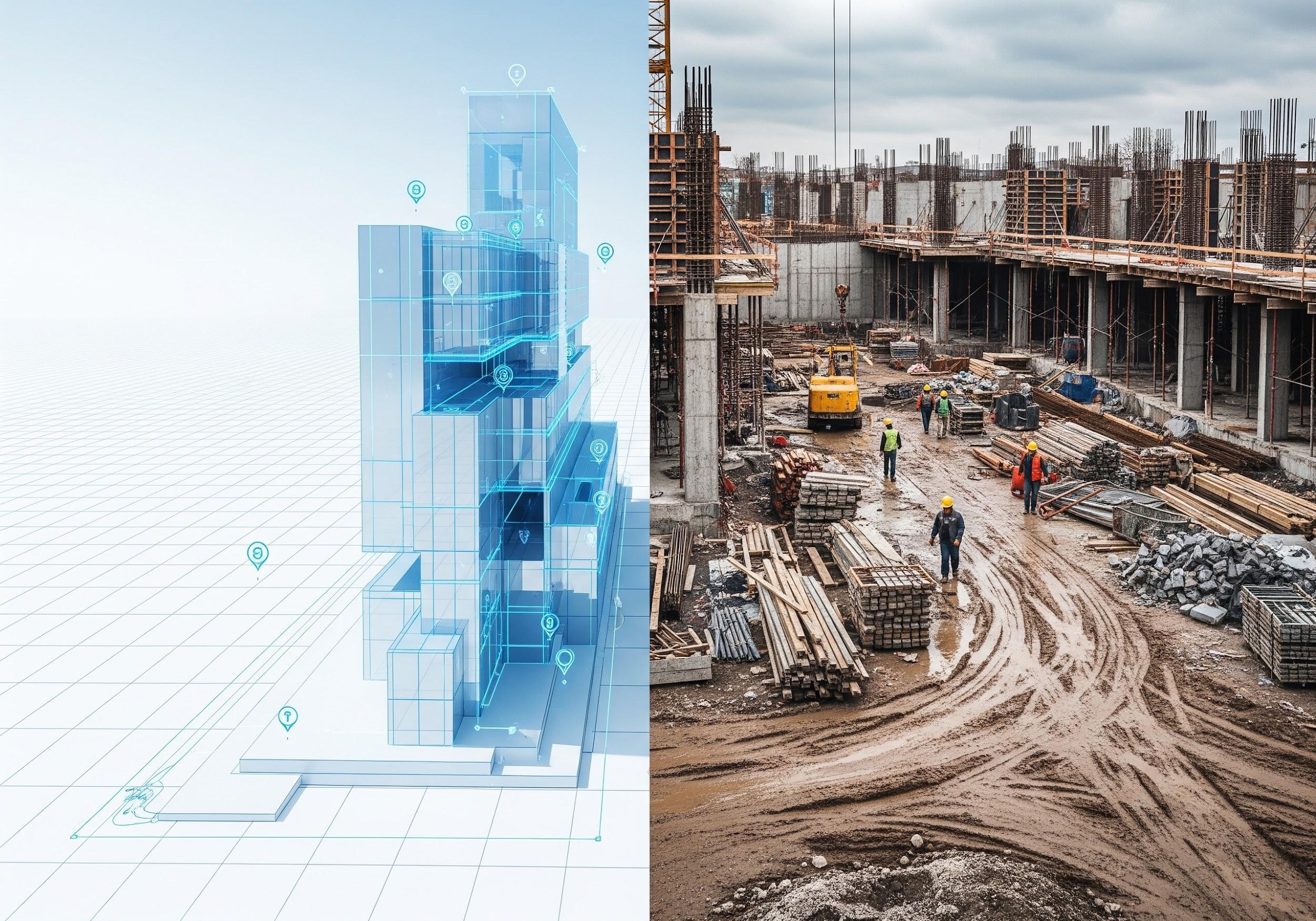
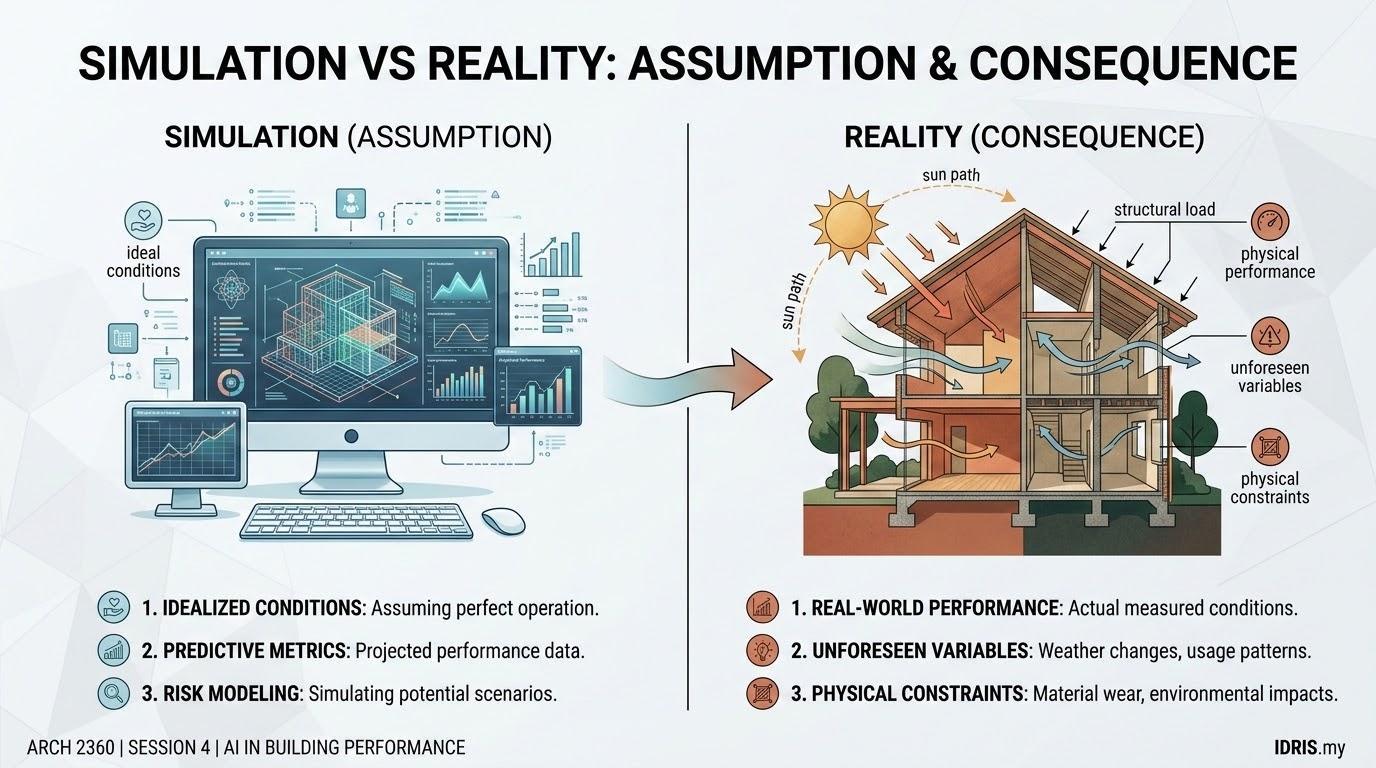
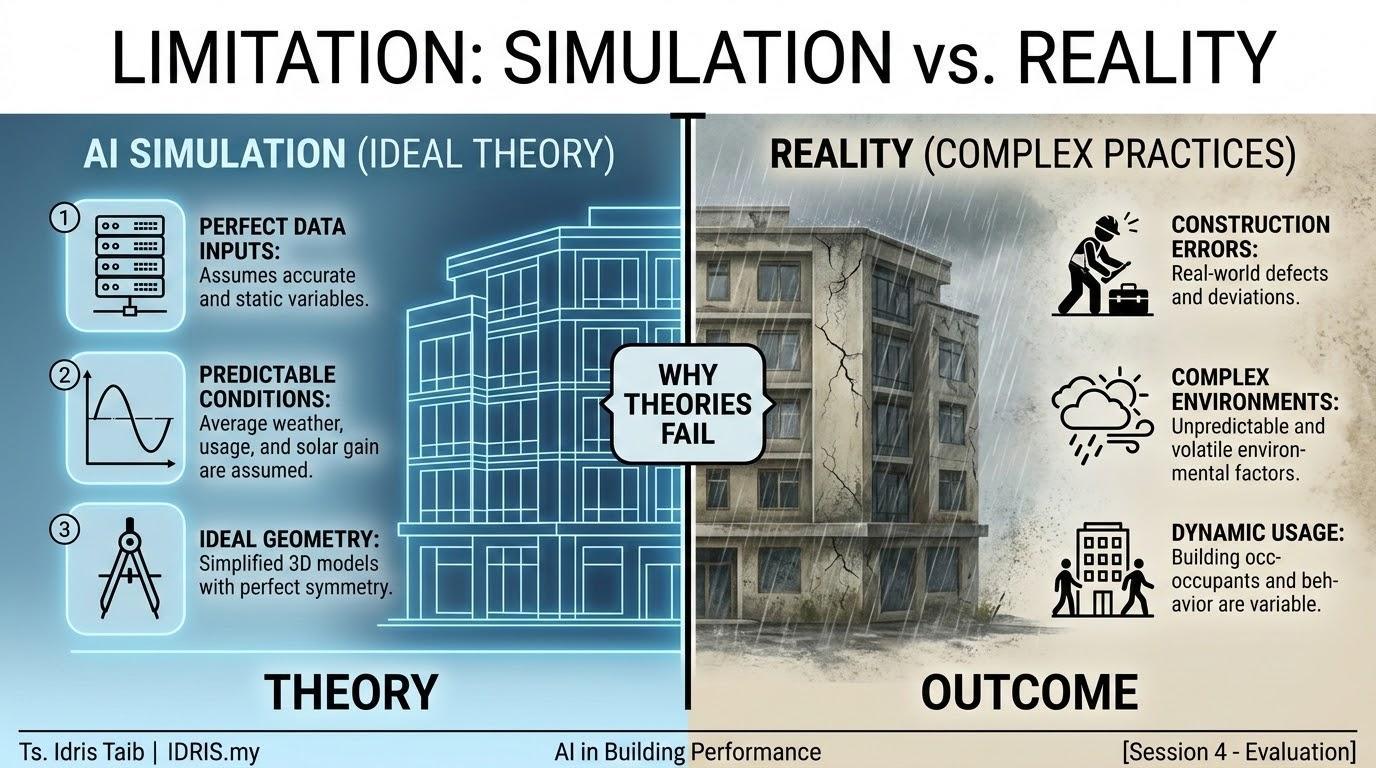
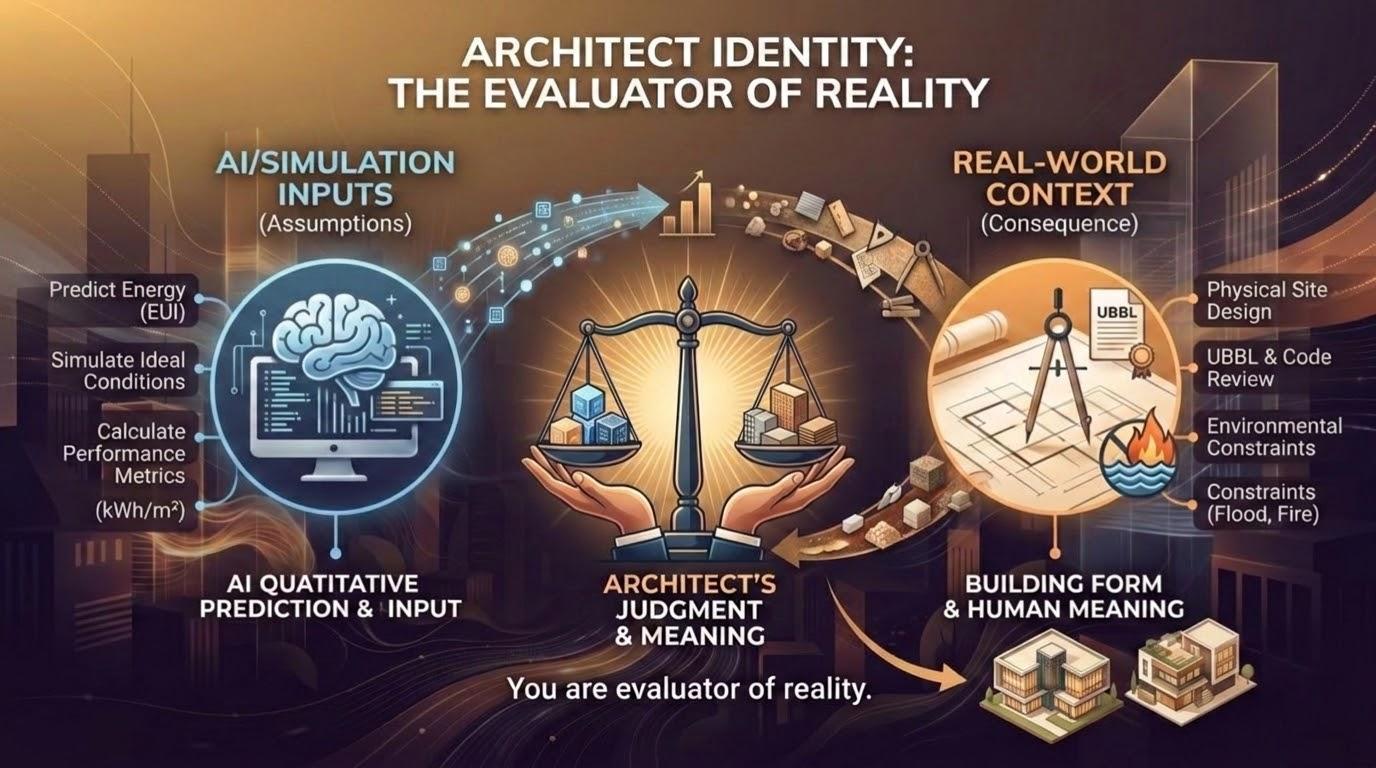
● Section 6: AI Simulation vs. Practice Reality: The coreprincipleisthat Simulation=assumption,while Reality = consequence. AI's limitation is assuming ideal conditions. The architect's key role is the "evaluatorofreality"whoapplieshumanjudgment.