
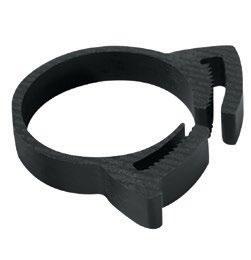
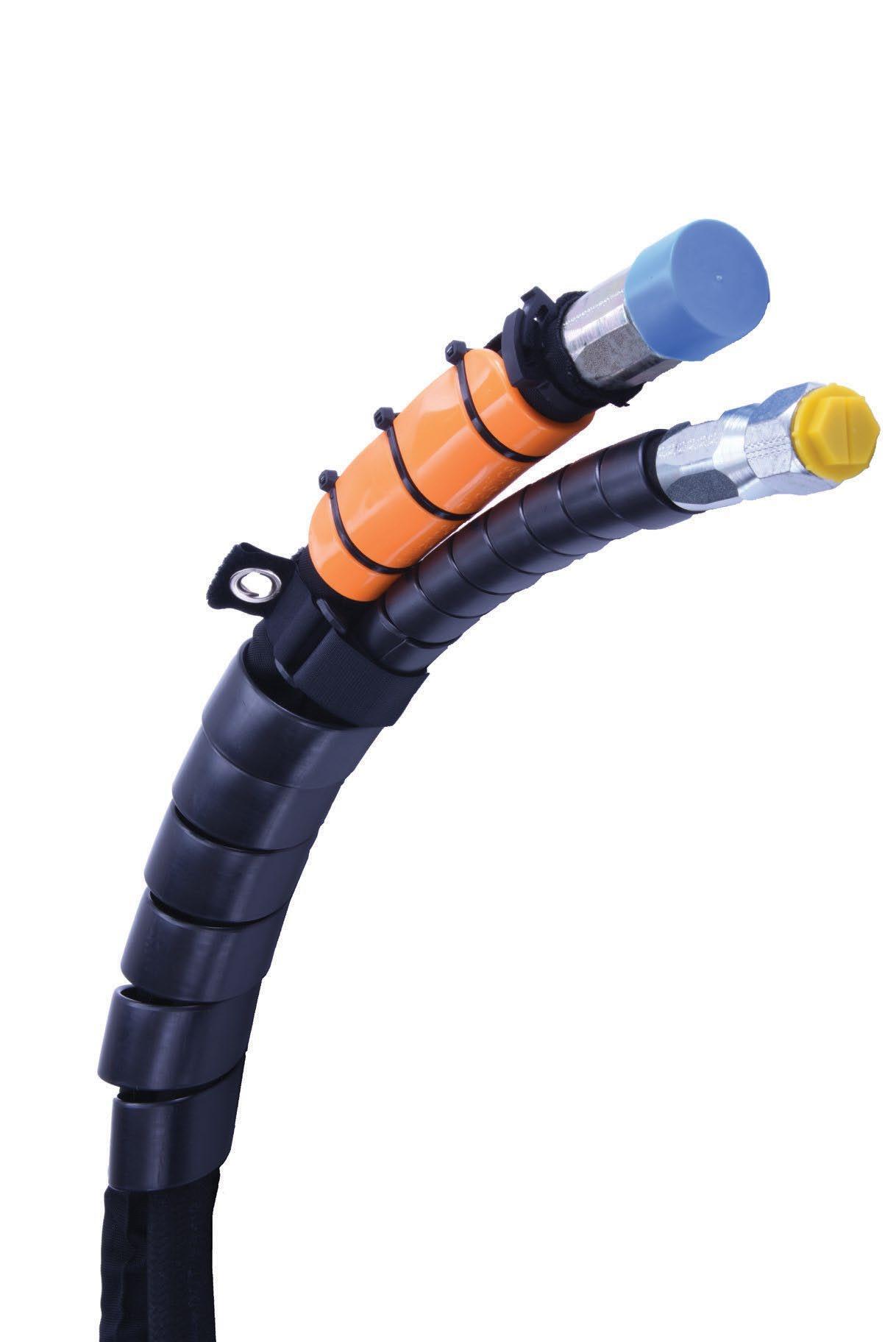
Avoid costly downtime from ruptures, contamination, and damaged ttings by protecting your entire hydraulic hose assembly with Essentra’s complete line of protection products.


Avoid costly downtime from ruptures, contamination, and damaged ttings by protecting your entire hydraulic hose assembly with Essentra’s complete line of protection products.
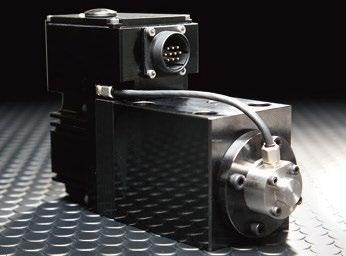

We are glad to offer our unique high-speed Servo Valve, employing “dual halbach magnet array” which reinforces magnetic fields for driving a voice coil having differential moving coils, as a result higher response and surpassing anti-contamination characteristics can be obtained.
• optimum design of sleeve and spool to minimize flow forces
• high speed response of spool by non-contact detecting system of displacement and velocity


14 Fluid Power Professional's Day
Celebrate with us on June 19th, 2026!
» TEST YOUR SKILLS
15 Predicting Directional Control Valve Operation From Performance Curves
Stay sharp with this monthly lesson from the IFPS's study guide.
15 Automate 2026 for the Fluid Power Industry
Get a sneak peek at Automate 2026.
16 Precision First: The Use of Miniature Shock Absorbers
Miniature shock absorbers are used for ideal damping of linear drives inside of dip molding machines.
18 Delivering Motion Control in Harsh and Controlled Manufacturing Environments
Two types of manufacturing environments work together using motion control subsystems.
» COVER STORY
20 Securing Medical Hydraulic & Pneumatic System Finishing
HPLC tubes, ion blocks, diverter, hypotubes, and manifolds call for the highest quality.
22 Bringing Automation to Metalworking Fluid Management
A team bridges a costly gap that undermines efficiency gains.
24 Preventing Fluid-Induced Valve Failures in Modern Fluid Power Applications
Fluid chemistries evolve, and system cleanliness requirements become more stringent.
Publisher’s Note: The information provided in this publication is for informational purposes only. While all efforts have been taken to ensure the technical accuracy of the material enclosed, Fluid Power Journal is not responsible for the availability, accuracy, currency, or reliability of any information, statement, opinion, or advice contained in a third party’s material. Fluid Power Journal will not be liable for any loss or damage caused by reliance on information obtained in this publication.



















Get your free copy of Practical Design for Fluid Power Motion Control by
Delta Motion’s former President Peter Nachtwey. This guide offers proven strategies for building reliable, highperformance hydraulic systems with precise position and pressure control.
Request your free guide today
Delta Motion
+1 360 254 8688 deltamotion.com




Construction, agricultural and mining vehicles need to be durable and perform in the most demanding environments. We’ve put together this short guide to help design engineers, OEMs, and hydraulic designers choose the small components they’ll need to ensure reliable operations, reduced downtime, and low maintenance costs. sales@essentracomponents.com 800-847-0486

Brochure offers a comprehensive overview of the company’s complete line of compressed air filtration products. Highlighted is the patented family of Extractor/Dryers. These two-stage, point of use filters remove contaminates to a 5-micron rating with flow ranges of 15 to 2,000 scfm. Additional products available include the SuperStar Membrane Dryer, .01 Micron Filter, Refrigerated Extractor/Dryer, and much more.
La-Man Corporation
800.348.2463 www.laman.com
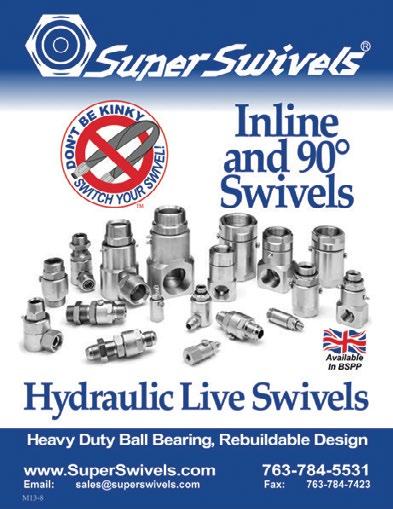

Inline and 90° hydraulic live swivels.
Available in sizes from 1/8” to 2-1/2”, rated to 10,000 PSI, heat treated, superior quality alloy steel, chrome or stainless steel ball bearings, withstands heavy side loads, burnished (micro smooth) barrel bores, Viton®, Aflas®, or Teflon® encapsulated seals, zinc or nickel plated, available in 304 and 440 stainless steel, full flow - low pressure drop, rebuilding kits available.
Super Swivels
Phone: 763.784.5531
Fax: 763.784.7423
Website: www.superswivels.com
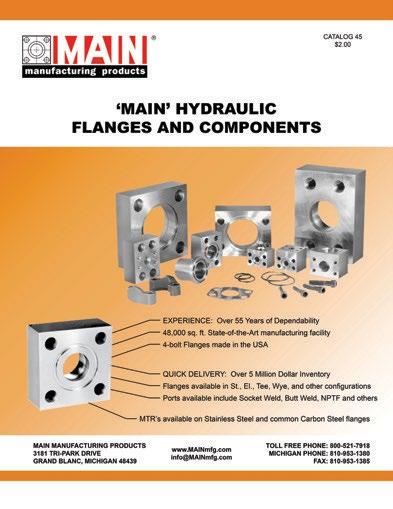
New 120 page catalog includes popular styles of MAIN Manufacturing’s extensive offering of carbon and stainless Hydraulic Flanges and Components – ready for immediate shipment. Metric ordering information, weld specs, and dimensional information included. The “Quick Reference Guide” helps specify less popular items often stocked or quickly manufactured (generally 3-4 days) at our US plant.
MAIN Manufacturing Products, Inc. Grand Blanc, MI
800.521.7918; FAX: 810.953.1385
E-mail: info@mainmfg.com www.mainmfg.com


By Hannah Coursey, Publisher, Fluid Power Journal

» THE FOURTH INDUSTRIAL Revolution, or 4IR, represents the ongoing transformation of traditional industrial practices with smart technology, interconnected systems, and data-driven processes. 4IR builds on the Third Industrial Revolution (digital revolution) but represents a new era due to its disruptive technologies like AI, IoT, robotics, and quantum computing. Characterized by the fusion of digital, physical, and biological technologies, 4IR is reshaping industries, economies, and societies, driving a new era of innovation and efficiency.
The impact of 4IR on industries is profound, encompassing automation, artificial intelligence, the Internet of Things (IoT), data analytics, and more. This revolution facilitates the creation of smart factories and interconnected supply chains, optimizing production, reducing waste, and enhancing overall productivity. Industries worldwide are adapting to stay competitive in this era of rapid technological advancement.
In this transformative era, smart hydraulics plays a pivotal role in advancing industrial processes. Traditional hydraulic systems are evolving with smart technologies, incorporating sensors, connectivity, and data analytics. Smart hydraulics contribute to increased
efficiency, predictive maintenance, and improved decision-making. By integrating hydraulic systems into the digital landscape of 4IR, industries can achieve higher levels of automation, precision, and sustainability. Smart hydraulics drive innovation by providing real-time data on system performance, enabling proactive maintenance and reducing downtime. The integration of intelligent sensors allows for condition monitoring, and the data collected can be analyzed to optimize hydraulic processes. This level of connectivity and automation enhances efficiency, making hydraulic systems more adaptive, responsive, and aligned with the goals of the Fourth Industrial Revolution. As industries embrace smart hydraulics, they position themselves at the forefront of technological advancement and competitiveness in the evolving landscape of 4IR.
The integration of the Internet of Things (IoT) into traditional hydraulic systems marks a significant leap in industrial technology. By connecting hydraulic components to the digital realm, IoT transforms these systems into smart, interconnected networks capable of real-time monitoring, data analysis, and enhanced performance.
IoT-enabled hydraulic systems leverage advanced connectivity solutions to transmit data seamlessly. Wireless technologies such as Bluetooth, Wi-Fi, or Industrial IoT (IIoT) protocols enable the communication between hydraulic components and a centralized control system. This connectivity forms the foundation for data-driven insights and remote management.
Various sensors play a crucial role in monitoring hydraulic systems. Pressure sensors measure fluid pressure, providing insights into the system's load and performance. Temperature sensors prevent overheating by monitoring fluid temperatures. Proximity sensors detect the position of hydraulic cylinders, optimizing
precision and control. These sensors collectively contribute to a comprehensive understanding of the system's operational status.
IoT facilitates condition monitoring in hydraulic systems, enabling predictive maintenance. Vibration sensors detect irregularities or potential failures, allowing maintenance teams to address issues before they escalate. Fluid quality sensors assess the condition of hydraulic fluid, indicating when it requires replacement or filtration. Predictive maintenance minimizes downtime and extends the lifespan of hydraulic components. With IoT, hydraulic systems generate real-time data that can be collected and analyzed for actionable insights. Flow meters measure the rate of fluid flow, optimizing energy efficiency. This data-driven approach allows operators to identify inefficiencies, detect anomalies, and make informed decisions to enhance overall system performance.
IoT empowers remote monitoring and control of hydraulic systems. Through web-based platforms or dedicated applications, operators can access real-time data from anywhere. This capability is particularly beneficial for offsite diagnostics, troubleshooting, and making adjustments to the system parameters, contributing to increased operational efficiency. By harnessing the power of IoT, traditional hydraulic systems become more efficient and sustainable. Optimized performance, predictive maintenance, and data-driven decision-making contribute to resource efficiency, reduced energy consumption, and minimized environmental impact.
In conclusion, the integration of IoT into traditional hydraulic systems brings about a revolution in industrial processes, offering enhanced monitoring, predictive maintenance, and overall operational efficiency. As industries embrace these technological advancements, they position themselves at the forefront of innovation in the evolving landscape of smart manufacturing.
Innovative Designs & Publishing, Inc.
3245 Freemansburg Avenue, Palmer, PA 18045-7118
Tel: 800-730-5904 or 610-923-0380
Fax: 610-923-0390 • Email: Art@FluidPowerJournal.com www.FluidPowerJournal.com
Founders: Paul and Lisa Prass
Associate Publisher: Hannah Coursey
Editor: Lauren Schmeal
Technical Editor: Dan Helgerson, CFPAI/AJPP, CFPS, CFPECS, CFPSD, CFPMT, CFPCC
Senior Marketing Consultant: Bob McKinney
Graphic Designer: Nicholas Reeder
Accounting: Leza Ovten
Circulation Manager: Josh Shoup
INTERNATIONAL FLUID POWER SOCIETY
1930 East Marlton Pike, Suite A-2, Cherry Hill, NJ 08003-2141
Tel: 856-424-8998 • Fax: 856-424-9248
Email: AskUs@ifps.org • Web: www.ifps.org
2026 BOARD OF DIRECTORS
President: Garrett Hoisington, CFPAI, CFPS, CFPMHM
Immediate Past President: Jeff Hodges, CFPAI/AJPP, CFPMHM - Altec Industries, Inc
First Vice President: Chauntelle Baughman, CFPHSOneHydraulics, Inc.
Treasurer: Elisabeth DeBenedetto, CCFPS, GS Global Resources
Vice President Education: Daniel Fernandes, CFPS, CFPECS, Hydra-Power Systems
Vice President Membership: Brian Wheeler, CFPAI/AJPP - The Boeing Company
Vice President Certification: Bruce Bowe, CFPAI/AJPP - Altec Industries, Inc.
Vice President Marketing: Bradlee Dittmer, CFPPS - IMI Precision Engineering
DIRECTORS-AT-LARGE
Tyler Janecek, CFPHS - Engineering Systems, Inc
John Juhasz, CFPS - Kraft Fluid Systems
Stephen Blazer, CFPE- Altec Industries, Inc.
Brian Kenoyer, CFPS - Cemen Tech
Jeff Curlee, CFPS -Cross Mobile Hydraulics & Controls
Quest Duperron, CFPIHM, CFPCC - Coastal Hydraulics, Inc.
Cary Boozer, CFPE - Motion Industries, Inc.
Steven Downey, CFPAI, CFPS - Hydraulex Deepak Kadamanahalli, CFPS - CNH Industrial Kyler Craig Ridgeway, CFPHS - Bradbury Company
Alex Kummer, CFPE, - National Oilwell Varco
Wade Lowe, CFPS - Hydraquip Distribution, Inc.
CHIEF EXECUTIVE OFFICER (EX-OFFICIO) Donna Pollander, ACA HONORARY DIRECTOR (EX-OFFICIO)
Ernie Parker, Hydra Tech, Inc. CFPAI/AJPP James O'Halek, CFPAI/AJPP, CFPMM, CFPMIP, CFPCCThe Boeing Company IFPS STAFF
Chief Executive Officer: Donna Pollander, ACA
Communications Coordinator: Stephanie Coleman
Director Training/Development: Bradley (BJ) Wagner, CFPAI/ AJPP
Assistant Director: Jenna Mort
Certification Logistics Manager: Kyle Pollander
Bookkeeper: Diane McMahon
Instructional Designer & Layout: Chalie Clair
Fluid Power Journal (ISSN# 1073-7898) is the official publication
International Fluid Power Society published monthly with four supplemental issues, including a Systems Integrator Directory, Off-Highway Suppliers Directory, Tech Directory, and Manufacturers Directory, by Innovative Designs & Publishing, Inc., 3245 Freemansburg Avenue, Palmer, PA 18045-7118.
All Rights Reserved. Reproduction in whole or in part of any material in this publication is acceptable with credit. Publishers assume no liability for any information published. We reserve the right to accept or reject all advertising material and will not guarantee the return or safety of unsolicited art, photographs, or manuscripts.
» FLUID POWER EDUCATION just got a little easier, and a lot more accessible. Now through July 30, students and teachers can receive 20% off their full purchase with IFPS, including training materials, study guides, online training modules, and certification tests.
Whether you are new to hydraulics and pneumatics or helping students build a stronger technical foundation, IFPS offers practical tools that make learning easier to follow. Online training modules, study guides, and certification resources give students and instructors flexible options to support classroom learning, independent study, and career development.
Students and instructors are also encouraged to consider an IFPS membership to get even more value from their

instant download learning materials, additional discounts, and other member benefits designed to support education, training, and professional development. During this promotion, instructors can also receive a free 1-year IFPS membership to try out our recourses!
To learn more about programs, instructional tools, student resources, membership

» FLUID POWER PROFESSIONALS Day is June 19th! It’s a day to recognize the individuals who play a critical role in designing, maintaining, and supporting fluid power systems across a wide range of industries. These professionals are essential to keeping equipment running efficiently and safely, often working behind the scenes to ensure systems perform as expected under demanding conditions. Their knowledge and hands-on experience contribute directly to operational success, reduced downtime, and improved system longevity.
At IFPS, we celebrate Fluid Power Professionals Day by continuing our commitment to training, certification, and professional development. By providing structured learning paths and recognized credentials, IFPS helps individuals strengthen their skills and advance their careers while supporting companies in building more knowledgeable and capable teams. This ongoing investment in people is what drives higher standards across the industry.
CONNECTOR & CONDUCTOR
Zahra Al-Azadi, The Boeing Company
Alicia Alaniz, The Boeing Company
Phillip Barker, The Boeing Company
Ronald Barraza, The Boeing Company
Patrick Brennan
Gregory Campbell, The Boeing Company
Riley Cruz, The Boeing Company
Alexis Cutsforth, The Boeing Company
Cubi Decastro, The Boeing Company
Steven Dogris, The Boeing Company
Dutch Kiyota, The Boeing Company
William Krokhalev, The Boeing Company
Grayson Marriner, Altec Industries, Inc.
Ronald Miller, Jr, Gestamp Mason
Jason Painter, The Boeing Company
Tony Santos, Hydradyne, LLC
Tony A. Santos, Hydradyne, LLC
Samuel Spagnoli, The Boeing Company
William Ybarra, The Boeing Company
ELECTRONIC CONTROLS SPECIALIST
Robert Delaat, GS Global Resources
ENGINEER
Damon Frashure, The Boeing Company
Daniel Libby, The Boeing Company
HYDRAULIC SPECIALIST
Anthony Albert, Progressive Hydraulics
Muhammad Arif, MFP Automation Engineering
Alayna Bennett, MFP Automation Engineering
Allister brackett, ESI
Eric Braun, MFP Automation Engineering
Jonathon Campbell, Best Metal Products
Robert Delaat, GS Global Resources
Gilles Dufour, Engrenage Provincial Inc.
Monte Ebersole, EBR Services
Laszlo Garda
Matthew Garner, Motion Industries
John Gustafson, Dakota Fluid Power Inc.
Anthony Haines, Motion Industries
David Haines, Motion Industries
Kirt Hammond
Sean Henderson, Kraft Mobile Systems
Jonathon Jallo
Folli Kangni-Dossou, Texas Hydraulic
Aaron Krueger, MFP Automation
Engineering
Jack McKeown, MFP Automation
Engineering
TJ Mead, MFP Automation Engineering
Ethan Mercado, Sun Hydraulics
Vince Osadchuck, Parker Hannifin
Corporation
Jade Paulseth
Luke Penning, MFP Automation
Engineering
John Ridl, Bosch Rexroth
Dan Sarsland, Danfoss Power Solutions
Asghar Shahsavani
Brockton Shea, Trelleborg
Kirk Toltzman
Michael Vande Voort
Mark Walser
Timothy Werner
Max Winebrake
Maxwell Winebrake
Terry Witmer, RG Group
Jackson Wright, Parker Hannifin
INDUSTRIAL HYDRAULIC MECHANIC
Ronald Miller, Jr, Gestamp Mason
MOBILE HYDRAULIC MECHANIC
Enoch Abell, Altec Industries, Inc.
Davila Adrian, ComEd
Jordan Allegro, Southern Cal Edison
Cody Alvarado, Altec Industries, Inc.
Antonio Alvarez, Bado Equipment Service Company
Brandon Alvarez, ComEd
Domanic Arendt, SunSource
Zane Armstrong, Altec Industries, Inc.
Alex Aulabaugh, Altec Industries, Inc.
Aaron Bachtel, American Electric Power Co.
Rob Balandran, Southern Cal Edison
Eli Balkin, American Electric Power Co.
William Bearss, Georgia Power Company
Michael Boruff
Joshua Braddock, Satilla REMC
Ruben Briones, Altec Industries, Inc.
Ryan Bruce, Altec Industries, Inc.
Jason Buttel, SunSource
Ricardo Campbell, SunSource
Keith Cerny, ComEd
Rich Clark, SunSource
Christopher Coleman, Entergy Corporation
Emily Cook, SunSource
Cody Cowan, Altec Industries, Inc.

» NATIONAL SAFETY MONTH highlights the importance of maintaining safe work environments, especially in industries where fluid power systems operate under high pressure and demanding conditions. Proper training, system understanding, and adherence to safety protocols are critical to preventing accidents and ensuring equipment operates reliably. A strong focus on safety not only protects personnel but also reduces downtime and long-term operational risk.
IFPS plays a key role in promoting safety through its certification programs and training resources, which are designed to reinforce best practices and industry standards. By equipping professionals with the knowledge needed to properly design, maintain, and troubleshoot systems, IFPS helps organizations create a culture where safety is built into everyday operations. Investing in training is one of the most effective ways to improve both performance and safety across the board.
Kassie Cramer, Entergy Corporation
Eric Cueva, Altec Industries, Inc.
Caleb Curtiss, Clark Public Utilities
Jeffrey Curtiss, Clark Public Utilities
Matthew Davidson, Altec Industries, Inc.
Michael Delfraisse, Southern California Edison
Brian Doles, Entergy Corporation
Rene Escobar, Altec Industries, Inc.
Feruby Famadico, Southern Cal Edison
Adam Feliciano, SunSource
Matthew Fipps, Wilson Const
Andrew Fleck, Altec Industries, Inc.
Blake Frees, ABC Professional Tree Services
John Gabbert, Entergy Corporation
Jeff Gonsman
Francisco Gonzalez Angel, Altec Industries, Inc.
Levi Gordon, Duke Energy
F. Jeffrey Gossett
Ben Grant, Altec Industries, Inc.
Eduardo Guzman, ComEd
Gavin Hasse, SunSource
Phillip Hensel, ComEd
Timothy Hunter
Kelly Jones, Altec Industries, Inc.
Christopher Koop, ComEd
Dylan Kubiak, SunSource
Austin Lane, Altec Industries, Inc.
Jeff Lawrence, Altec Industries
Derrick Le, Southern Cal Edison
Rachel Li, Southern Cal Edison
Andrew Lowensen, Altec Industires, Inc.
Nicholas Machuca, Southern Cal Edison
Julia Marks, Altec Industries, Inc.
Salvador May, Puckett Rents Brandon
Justin Mayfield, Altec Industries, Inc.
Paul Meloy
Warren Miller, Altec Industries, Inc.
Daniel Mottweiler, Altec Industries, Inc.
Sean O'Brien, Altec Industries, Inc.
Travis Olsen, SunSource
Jason Painter, The Boeing Company
Alex Parga, El Paso Electric Co.
Jerred Parker, Altec Industries, Inc.
Ariel Perez, Southern Cal Edison
Robert Pickett, Altec Industries, Inc.
Jon Pledger, Entergy Corporation
David Pomeroy
Jared Pomeroy
Javid Rahim, SunSource
Stacia Ricco, SunSource
Juan Rodriguez, Southern Cal Edison
Jeff Roehm, Altec Industries, Inc.
Elizabeth Salai, Altec Industries, Inc.
Elijah Sandoval, Altec Industries, Inc.
Bradley Shelman, Entergy Corporation
Brandon Simoes, Southern Cal Edison
Gagandeep Singh, ComEd
Zachary Sligar, Grant County PUD
Eric Smith, Altec Industries, Inc.
Jeremy Smith, Altec Industries, Inc.
Logan Smith, Altec Industries, Inc.
Michael Soverino, ComEd
Michael Stempfle, ComEd
Sean Tatum, Altec Industries, Inc.
Daniel Taylor, Altec Industries, Inc.
Rickey Teer, Entergy Corporation
Kris Thompson, SunSource
Ben Wedding, SunSource
Nikolas Wells, Altec Industries, Inc.
Anthony White, Altec Industries, Inc.
PNEUMATIC MECHANIC
Ronald Miller, Jr, Gestamp Mason
Cody Scott, The Boeing Company
Ian Shuart, The Boeing Company
PNEUMATIC SPECIALIST
Jonathon Anderson
Isaac Bolden
Zachary Dehmer
Trevor McNamara
Timothy Murray, Texas Hydraulics
Dan Sarsland, Danfoss Power Solutions
Brockton Shea, Trelleborg
Sergei Simonovich, Hennipen Tech
Kyle Thill, Airline Hydraulics
Timothy Werner
PNEUMATIC TECHNICIAN
Carson Bussard, D.A.S. Services, Inc.
Parker Willms, D.A.S. Services, Inc.
SPECIALIST
Alayna Bennett, MFP Automation
Engineering
Monte Ebersole, EBR Services
John Gustafson, Dakota Fluid Power Inc.
Anthony Haines, Motion Industries
David Haines, Motion Industries
Jade Paulseth
John Ridl, Bosch Rexroth
Dan Sarsland, Danfoss Power Solutions
Brockton Shea, Trelleborg
Kirk Toltzman
Timothy Werner
SUPPORT ASSOCIATE
Brandon Holt, Supreme Integrated Technology
Individuals wishing to take any IFPS written certification tests can select from convenient locations across the United States and Canada. IFPS is able to offer these locations through its affiliation with the Consortium of College Testing Centers provided by National College Testing Association. Contact Kyle Pollander at Kpollander@ifps.org if you do not see a location near you. Every effort will be made to accommodate your needs.
Alabama Auburn, AL Birmingham, AL Calera, AL Decatur, AL Huntsville, AL Jacksonville, AL Mobile, AL Montgomery, AL Normal, AL Tuscaloosa, AL
Alaska Anchorage, AK Fairbanks, AK
Arizona Flagstaff, AZ Glendale, AZ Mesa, AZ Phoenix, AZ Prescott, AZ Scottsdale, AZ
Sierra Vista, AZ Tempe, AZ Thatcher, AZ Tucson, AZ Yuma, AZ
Arkansas Bentonville, AR Hot Springs, AR Little Rock, AR
JUNE 2026
Tuesday 6/9 • Thursday 6/25
JULY 2026
Tuesday 7/7 • Thursday 7/23
AUGUST 2026
Tuesday 8/11 • Thursday 8/27
SEPTEMBER 2026
Tuesday 9/1 • Thursday 9/24
JOB PERFORMANCE TEST LOCATIONS
Arizona California Colorado Florida Georgia
Maine Michigan Minnesota Montana New Jersey Nova Scotia Pennsylvania Texas Washington Wyoming Western Australia
California Aptos, CA Arcata, CA Bakersfield, CA Dixon, CA Encinitas, CA Fresno, CA Irvine, CA
Marysville, CA Riverside, CA Salinas, CA San Diego, CA San Jose, CA San Luis Obispo, CA Santa Ana, CA Santa Maria, CA Santa Rosa, CA Tustin, CA Yucaipa, CA Colorado Aurora, CO Boulder, CO Springs, CO Denver, CO Durango, CO Ft. Collins, CO Greeley, CO Lakewood, CO Littleton, CO Pueblo, CO
Delaware Dover, DE Georgetown, DE Newark, DE
Florida
Avon Park, FL
Boca Raton, FL Cocoa, FL Davie, FL
Daytona Beach, FL
Fort Pierce, FL Ft. Myers, FL Gainesville, FL Jacksonville, FL
Miami Gardens, FL Milton, FL
New Port Richey, FL Ocala, FL Orlando, FL
Panama City, FL
Pembroke Pines, FL
Pensacola, FL
Plant City, FL Riviera Beach, FL Sanford, FL Tallahassee, FL Tampa, FL
Georgia
Albany, GA
Athens, GA
Atlanta, GA
Carrollton, GA
Columbus, GA
Dahlonega, GA
Dublin, GA
Dunwoody, GA
Forest Park, GA
Lawrenceville, GA
Morrow, GA
Oakwood, GA
Savannah, GA
Statesboro, GA
Tifton, GA
Valdosta, GA
Hawaii Laie, HI
Idaho Boise, ID
Coeur d ‘Alene, ID
Idaho Falls, ID
Lewiston, ID
Moscow, ID
Nampa, ID
Rexburg, ID
Twin Falls, ID
Illinois
Carbondale, IL
Carterville, IL
Champaign, IL
Decatur, IL
Edwardsville, IL
Glen Ellyn, IL
Joliet, IL
Malta, IL
Normal, IL
Peoria, IL
Schaumburg, IL
Springfield, IL
University Park, IL
Indiana
Bloomington, IN
Columbus, IN
Evansville, IN
Fort Wayne, IN
Gary, IN
Indianapolis, IN
Kokomo, IN
Lafayette, IN
Lawrenceburg, IN
Madison, IN
Muncie, IN
New Albany, IN
Richmond, IN
Sellersburg, IN
South Bend, IN
Terre Haute, IN
Iowa Ames, IA
Cedar Rapids, IA
Iowa City, IA
Ottumwa, IA
Sioux City, IA
Waterloo, IA
Kansas
Kansas City, KS
Lawrence, KS
Manhattan, KS
Wichita, KS
Kentucky
Ashland, KY
Bowling Green, KY
Erlanger, KY
Highland Heights, KY
Louisville, KY
Morehead, KY
Louisiana
Bossier City, LA
Lafayette, LA
Monroe, LA
Natchitoches, LA
New Orleans, LA
Shreveport, LA
Thibodaux, LA
Maryland
Arnold, MD
Bel Air, MD
College Park, MD
Frederick, MD
Hagerstown, MD
La Plata, MD
Westminster, MD
Woodlawn, MD
Wye Mills, MD
Massachusetts
Boston, MA
Bridgewater, MA
Danvers, MA
Haverhill, MA
Holyoke, MA
Shrewsbury, MA
Michigan
Ann Arbor, MI
Big Rapids, MI
Chesterfield, MI
Dearborn, MI
Dowagiac, MI
East Lansing, MI
Flint, MI
Grand Rapids, MI
Kalamazoo, MI
Lansing, MI
Livonia, MI
Mount Pleasant, MI
Sault Ste. Marie, MI
Troy, MI
University Center, MI
Warren, MI
Minnesota
Alexandria, MN
Brooklyn Park, MN
Duluth, MN
Eden Prairie, MN
Granite Falls, MN
Mankato, MN
Mississippi
Goodman, MS
Jackson, MS
Mississippi State, MS
Raymond, MS
University, MS
Missouri
Berkley, MO
Cape Girardeau, MO
Columbia, MO
Cottleville, MO
Joplin, MO
Kansas City, MO
Kirksville, MO
Park Hills, MO
Poplar Bluff, MO
Rolla, MO
Sedalia, MO
Springfield, MO
St. Joseph, MO
St. Louis, MO
Warrensburg, MO
Montana
Bozeman, MT
Missoula, MT
Nebraska
Lincoln, NE
North Platte, NE
Omaha, NE
Nevada
Henderson, NV
Las Vegas, NV
North Las Vegas, NV
Winnemucca, NV
New Jersey
Branchburg, NJ
Cherry Hill, NJ
Lincroft, NJ
Sewell, NJ
Toms River, NJ
West Windsor, NJ
New Mexico Albuquerque, NM
Clovis, NM
Farmington, NM
Portales, NM
Santa Fe, NM
New York
Alfred, NY
Brooklyn, NY
Buffalo, NY
Garden City, NY
New York, NY
Rochester, NY
Syracuse, NY
North Carolina Apex, NC
Asheville, NC
Boone, NC
Charlotte, NC
China Grove, NC
Durham, NC
Fayetteville, NC
Greenville, NC
Jamestown, NC
Misenheimer, NC
Mount Airy, NC
Pembroke, NC
Raleigh, NC
Wilmington, NC
North Dakota
Bismarck, ND
Ohio Akron, OH
Cincinnati, OH
Cleveland, OH
Columbus, OH
Fairfield, OH
Findlay, OH
Kirtland, OH
Lima, OH
Maumee, OH
Newark, OH
North Royalton, OH
Rio Grande, OH
Toledo, OH
Warren, OH
Youngstown, OH
Oklahoma Altus, OK
Bethany, OK
Edmond, OK
Norman, OK
Oklahoma City, OK
Tonkawa, OK
Tulsa, OK
Oregon Bend, OR Coos Bay, OR Eugene, OR
Gresham, OR
Klamath Falls, OR
Medford, OR
Oregon City, OR
Portland, OR
White City, OR
Pennsylvania Bloomsburg, PA Blue Bell, PA
Gettysburg, PA
Harrisburg, PA
Lancaster, PA
Newtown, PA Philadelphia, PA Pittsburgh, PA
Wilkes-Barre, PA York, PA
South Carolina
Beaufort, SC
Charleston, SC
Columbia, SC
Conway, SC
Graniteville, SC
Greenville, SC Greenwood, SC Orangeburg, SC
Rock Hill, SC
Tennessee Blountville, TN
Clarksville, TN
Collegedale, TN
Gallatin, TN
Johnson City, TN
Knoxville, TN
Memphis, TN
Morristown, TN
Murfreesboro, TN
Nashville, TN
Texas
Abilene, TX
Arlington, TX
Austin, TX
Beaumont, TX
Brownsville, TX
Commerce, TX
Corpus Christi, TX
Dallas, TX
Denison, TX
El Paso, TX
Houston, TX
Huntsville, TX
Laredo, TX
Lubbock, TX
Lufkin, TX
Mesquite, TX
San Antonio, TX
Victoria, TX
Waxahachie, TX
Weatherford, TX
Wichita Falls, TX
Utah Cedar City, UT
Kaysville, UT
Logan, UT
Ogden, UT
Orem, UT
Salt Lake City, UT
Virginia
Daleville, VA
Fredericksburg, VA
Lynchburg, VA
Manassas, VA
Norfolk, VA
Roanoke, VA
Salem, VA
Staunton, VA
Suffolk, VA
Virginia Beach, VA
Wytheville, VA
Washington
Auburn, WA
Bellingham, WA
Bremerton, WA
Ellensburg, WA
Ephrata, WA
Olympia, WA
Pasco, WA
Rockingham, WA
Seattle, WA
Shoreline, WA
Spokane, WA
West Virginia
Ona, WV
Wisconsin
La Crosse, WI
Milwaukee, WI
Mukwonago, WI
Wyoming
Casper, WY
Laramie, WY
Torrington, WY
CANADA
Alberta
Calgary, AB
Edmonton, AB
Fort McMurray, AB
Lethbridge, AB
Lloydminster, AB Olds, AB Red Deer, AB
British Columbia Abbotsford, BC
Burnaby, BC
Castlegar, BC
Delta, BC
Kamloops, BC
Nanaimo, BC
Prince George, BC Richmond, BC Surrey, BC
Vancouver, BC
Victoria, BC
Manitoba Brandon, MB
Winnipeg, MB
New Brunswick Bathurst, NB Moncton, NB
Newfoundland and Labrador St. John’s, NL
Nova Scotia Halifax, NS
Ontario
Brockville, ON Hamilton, ON London, ON Milton, ON Mississauga, ON Niagara-on-the-Lake, ON
North Bay, ON North York, ON Ottawa, ON Toronto, ON Welland, ON Windsor, ON
Quebec
Côte Saint-Luc, QB Montreal, QB
Saskatchewan Melfort, SK
Moose Jaw, SK Nipawin, SK
Prince Albert, SK Saskatoon, SK
Yukon Territory Whitehorse, YU
UNITED KINGDOM
Elgin, UK
GHAZNI
Kingdom of Bahrain, GHA Thomasville, GHA
EGYPT Cairo, EG
JORDAN Amman, JOR
NEW ZEALAND Taradale, NZ
West Palm Beach, FL
Wildwood, FL Winter Haven, FL
Spartanburg, SC
CFPAI
Certified Fluid Power Accredited Instructor
CFPAJPP
Certified Fluid Power Authorized
Job Performance Proctor
CFPAJPPCC
Certified Fluid Power Authorized Job Performance Proctor Connector & Conductor
CFPE
Certified Fluid Power Engineer
CFPS
Certified Fluid Power Specialist (Must Obtain CFPHS & CFPPS)
CFPHS
Certified Fluid Power Hydraulic Specialist
CFPPS
Certified Fluid Power Pneumatic Specialist
CFPECS
Certified Fluid Power
Electronic Controls Specialist
CFPMT
Certified Fluid Power Master Technician (Must Obtain CFPIHT, CFPMHT, & CFPPT)
CFPIHT
Certified Fluid Power
Industrial Hydraulic Technician
CFPMHT
Certified Fluid Power
Mobile Hydraulic Technician
CFPPT
Certified Fluid Power Pneumatic Technician
CFPMM
Certified Fluid Power Master Mechanic
(Must Obtain CFPIHM, CFPMHM, & CFPPM)
CFPIHM
Certified Fluid Power
Industrial Hydraulic Mechanic
CFPMHM
Certified Fluid Power
Mobile Hydraulic Mechanic
CFPPM
Certified Fluid Power
Pneumatic Mechanic
CFPMIH
Certified Fluid Power
Master of Industrial Hydraulics
(Must Obtain CFPIHM, CFPIHT, & CFPCC)
CFPMMH
Certified Fluid Power
Master of Mobile Hydraulics (Must Obtain CFPMHM, CFPMHT, & CFPCC)
CFPMIP
Certified Fluid Power
Master of Industrial Pneumatics (Must Obtain CFPPM, CFPPT, & CFPCC)
CFPCC
Certified Fluid Power
Connector & Conductor
CFPSD
Fluid Power System Designer
CFPSA
Certified Fluid Power Support Associate
IFPS offers onsite review training for small groups of at least 10 persons. An IFPS accredited instructor visits your company to conduct the review. Contact kpollander@ifps.org for details of the scheduled onsite reviews listed below.
For custom IFPS training inquiries, please contact Bj Wagner (bwagner@ifps.org)
For custom IFPS training inquiries, please contact Bj Wagner (bwagner@ifps.org).
For custom IFPS training inquiries, please contact Bj Wagner (bwagner@ifps.org)
CONNECTOR & CONDUCTOR
For custom IFPS training inquiries, please contact Bj Wagner (bwagner@ifps.org).
MOBILE HYDRAULIC MECHANIC
For custom training IFPS inquiries, please contact Bj Wagner (bwagner@ifps.org)
Online Mobile Hydraulic Mechanic certification review for written test is offered through CFC Industrial Training. This course surveys the MHM Study Manual (6.5 hours) and every outcome to prepare you for the written test. Members may e-mail for a 20% coupon code off the list price. Test fees are not included.
INDUSTRIAL HYDRAULIC MECHANIC
For custom IFPS training inquiries, please contact Bj Wagner (bwagner@ifps.org).
INDUSTRIAL HYDRAULIC TECHNICIAN
For custom IFPS training inquiries, please contact Bj Wagner (bwagner@ifps.org).
» For dates, call CFC Industrial Training at (513) 874-3225 or visit www.cfcindustrialtraining.com.
MOBILE HYDRAULIC TECHNICIAN
For custom IFPS training inquiries, please contact Bj Wagner (bwagner@ifps.org).
PNEUMATIC TECHNICIAN & PNEUMATIC MECHANIC
For custom IFPS training inquiries, please contact Bj Wagner (bwagner@ifps.org).
» For dates, call CFC Industrial Training at (513) 874-3225 or visit www.cfcindustrialtraining.com.

»THE LATEST DATA published by the National Fluid Power Association shows that total fluid power shipments, including pneumatic and hydraulic segments, continued a recent upward trend through January 2026. Total fluid power shipments rose 3.6% month-over-month but still represented a decline of -7.8% year-over-year. The 3/12% and 12/12% rates of change remained negative at -5.5% and -7.8%, respectively, showing that despite recent gains, there’s still ground to make up from the decreases of the past year. Total hydraulic shipments increased 3.1% monthover-month, but remain at -5.9% year- over-year. The 3/12 and 12/12 index remain negative, but will trend toward positive if increasing orders activity continues. The data and charts above are from NFPA’s Confidential Shipment Statistics (CSS) program where over 60 manufacturers of fluid power products report their monthly orders and shipments. More market information is available to NFPA members, allowing them to better understand trends and anticipate change in fluid power and the many customer markets it serves. Contact NFPA at 414-778-3344 for more info.
INDEX DATA: 3 MONTH MOVING AVERAGE & 12 MONTH MOVING AVERAGE
This graph of index data is generated by the total dollar volume reported to NFPA by CSS participants. This graph uses moving averages to smooth out the data and clearly identify trends. (Base Year 2024 = 100).
INDEX DATA: 12/12 RATE OF CHANGE
Each point on this graph represents the most recent 12 months of shipments compared to the previous 12 months of shipments. For example, 7.3% (the August 2023 level of the pneumatic series) indicates that the value of pneumatic shipments from September 2022 to August 2023 were 7.3% higher than the value of pneumatic shipments from September 2021 to August 2022.
INDEX DATA: 12/12 RATE OF CHANGE
Each point on this graph represents the most recent 12 months of orders compared to the previous 12 months of orders. For example, 8.5% (the August 2023 level of the industrial hydraulic series) indicates that the value of industrial hydraulic orders received from September 2022 to August 2023 were 8.5% higher than the value of industrial hydraulic orders received from September 2021 to August 2022.
The table above shows various rates of change for the month of September 2024. Interpretation for each rate of change calculation:
- M/M %: The percent change between the current month and the previous month.
- Y/Y %: The percent change between the current month and the same month one year ago.
- 3/12 %: The percent change between the three most recent months and those same three months one year ago.
- 12/12 %: The percent change between the twelve most recent months and those same twelve months one year ago.
*Preliminary data subject to revision.

FLUID POWER FORUM is a fluid power industry- focused podcast with Eric Lanke, President & CEO of the National Fluid Power Association, that highlights the people, technologies, and unique applications that are moving the industry forward. New episodes are released every other Monday.
Available on all of your favorite platforms, including Apple Podcasts, iHeart Radio, Spotify, and Stitcher. Find and share more interesting fluid power technologies and unique applications using #onlyfluidpowercan and follow podcast and other fluid power industry-related updates at @TheNFPA.
SUBSCRIBE TODAY AND NEVER MISS AN EPISODE!

» ELECTRIFICATION IS RESHAPING the conversation about fluid power, but it can be viewed as an opportunity rather than a threat. As mobile and industrial machines become quieter, cleaner, and more connected, the hydraulic pump is assuming a new role: it must deliver high efficiency, low noise, and smooth performance in systems where every decibel and every watt count.
That perspective was clear in a recent Fluid Power Forum conversation with Greg Shtrahman, Business Development Manager at Marzocchi Pumps, a manufacturer of external gear pumps and motors serving the industrial, mobile, and automotive markets. For Marzocchi, the rise of electrification is not shrinking the market for hydraulics. It is creating demand for smarter, quieter, more efficient fluid power solutions.
Shtrahman’s path into the industry reflects the staying power of fluid power itself. He began his career at Parker Hannifin, spent 12 years at Booker Hydraulics in sales, and later joined Marzocchi in 2013. Although he is not an engineer by training, having earned degrees in economics and international trade, he built his fluid power knowledge the same way many industry veterans do, through years of hands-on experience.
At Marzocchi, that experience is paired with a manufacturing model that is increasingly uncommon. The company designs and produces high-performance gear pumps and gear motors with a vertically integrated approach, machining gears, casting housings, assembling units, and testing performance in-house. That control over the full process, Shtrahman said, helps the company maintain the tight tolerances needed to achieve strong
mechanical efficiency and reliable performance, especially in small-displacement pumps where margins are extremely thin.
The company’s ELIKA series is a case in point. Developed in partnership with the University of Bologna, the helical gear pump platform uses patented gear profiling and balancing technology to address two persistent pain points in gear pump design: noise and frequency. Shtrahman noted that a pump can post acceptable decibel levels and still produce an unpleasant sound signature. Marzocchi’s design aims to improve both, creating a quieter and more operator-friendly machine.
Just as important, the ELIKA platform is designed to operate efficiently at very low speeds. In many applications, it can run below 200 rpm while still achieving a volumetric efficiency of 96-97%. That capability makes the technology especially attractive in variable frequency drive applications, where pumps must maintain performance across a wide operating range.
The timing is significant. As diesel engines disappear from the machine, the sound of the hydraulic system becomes more noticeable. In electric vehicles, off-highway machines, and industrial equipment, the pump is often no longer hidden behind engine noise. That makes acoustic performance a real design issue, not just a comfort feature.
Marzocchi has found that this shift is opening doors in more places than expected. The company originally expected the ELIKA platform to gain traction in industrial markets, including variable frequency drive systems, medical beds, and medical carts, where low
noise and cleanliness are essential. But the mobile market has emerged as a major growth area. Electric trucks, buses, loaders, excavators, and mining machines all need efficient hydraulic support systems, especially for steering, suspension, and auxiliary functions.
That trend reinforces a broader industry truth: electrification is not eliminating hydraulics. In many cases, it is making hydraulics more important. As battery-powered machines grow larger and more complex, engineers need ways to conserve electrical energy while still delivering the force and control that only hydraulics can provide. In that environment, hybrid systems are becoming the practical answer.
Shtrahman sees potential in exactly those kinds of combinations. He pointed to electric trucks, off-highway equipment, and mining machines as examples where hydraulics will continue to play a central role even as powertrains become more electric. The goal is not to replace one technology with the other, but to use each where it makes the most sense.
That is the real story behind Marzocchi’s ELIKA platform and the company’s broader market outlook. Electrification may be changing the machines, but it is also sharpening the requirements for the fluid power systems inside them. For manufacturers that can deliver quieter operation, higher efficiency, and lower-speed performance, the opportunity is expanding.
For further insights, follow the National Fluid Power Association on LinkedIn and tune into future episodes of Fluid Power Forum, where the achievements of students, educators, and engineers continue to drive progress in fluid power.
#FPJPhotoContest
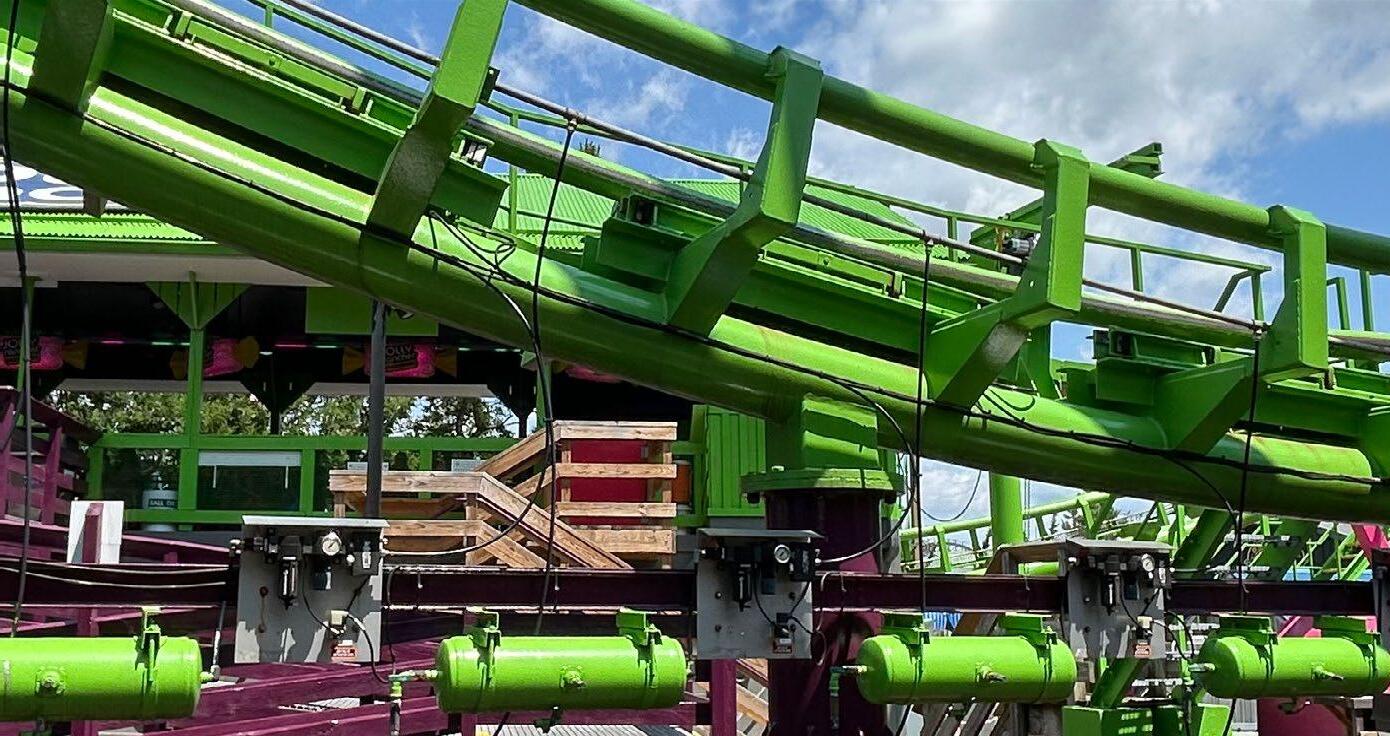
» THANK YOU TO all our Fluid Power Professionals’ Day photo and reel contest participants. It was a difficult voting decision by Fluid Power Journal and the IFPS, with so many captivating photos. However, the votes are in! We would like to extend a thanks to our selection committee, chaired by BJ Wagner, for its expertise. Enjoy our winning entries!
REEL WINNER! SEE IT IN ACTION
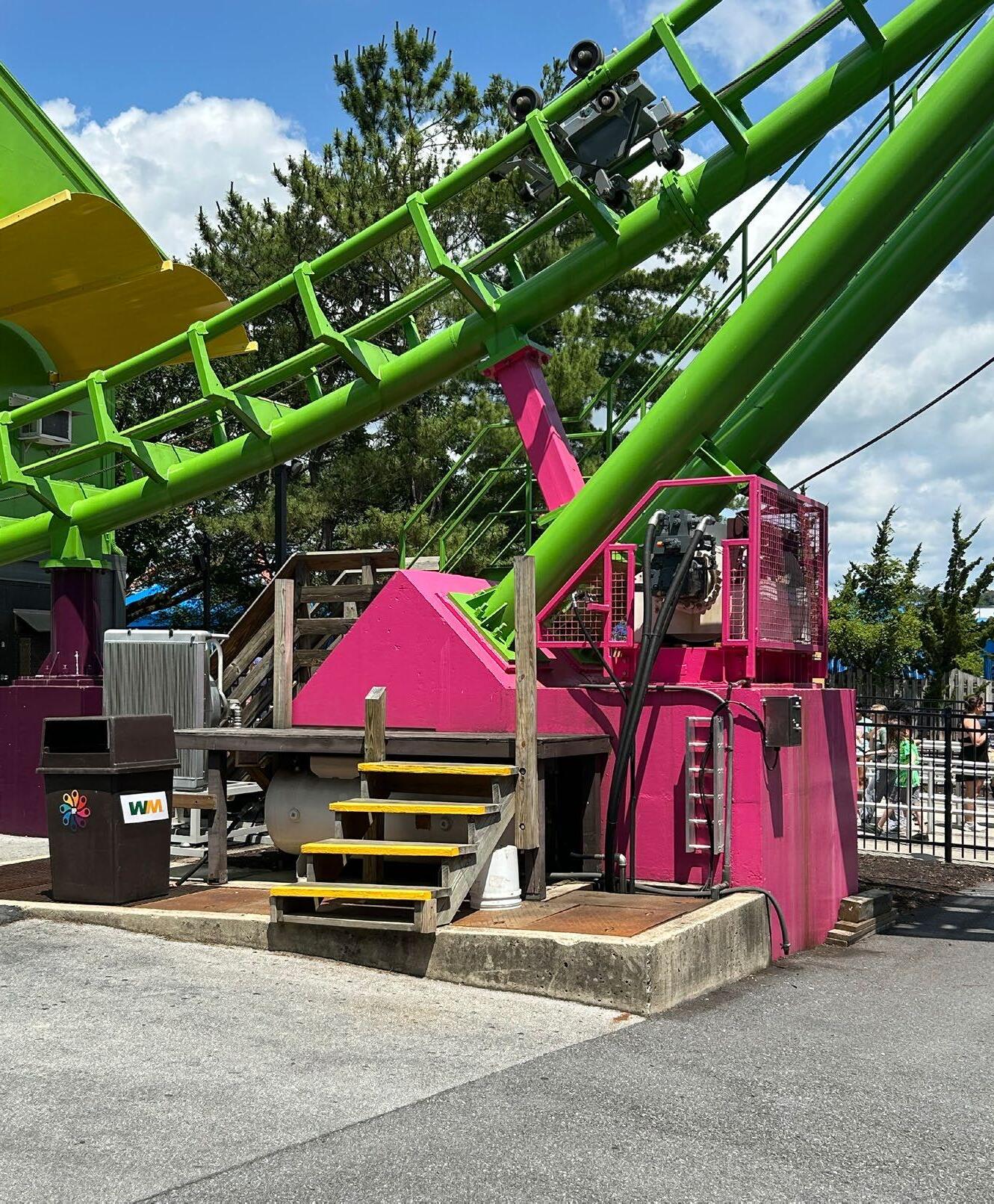
Pneumatic Operation of Twizzlers Twisted Gravity Roller Coaster at Hershey Park
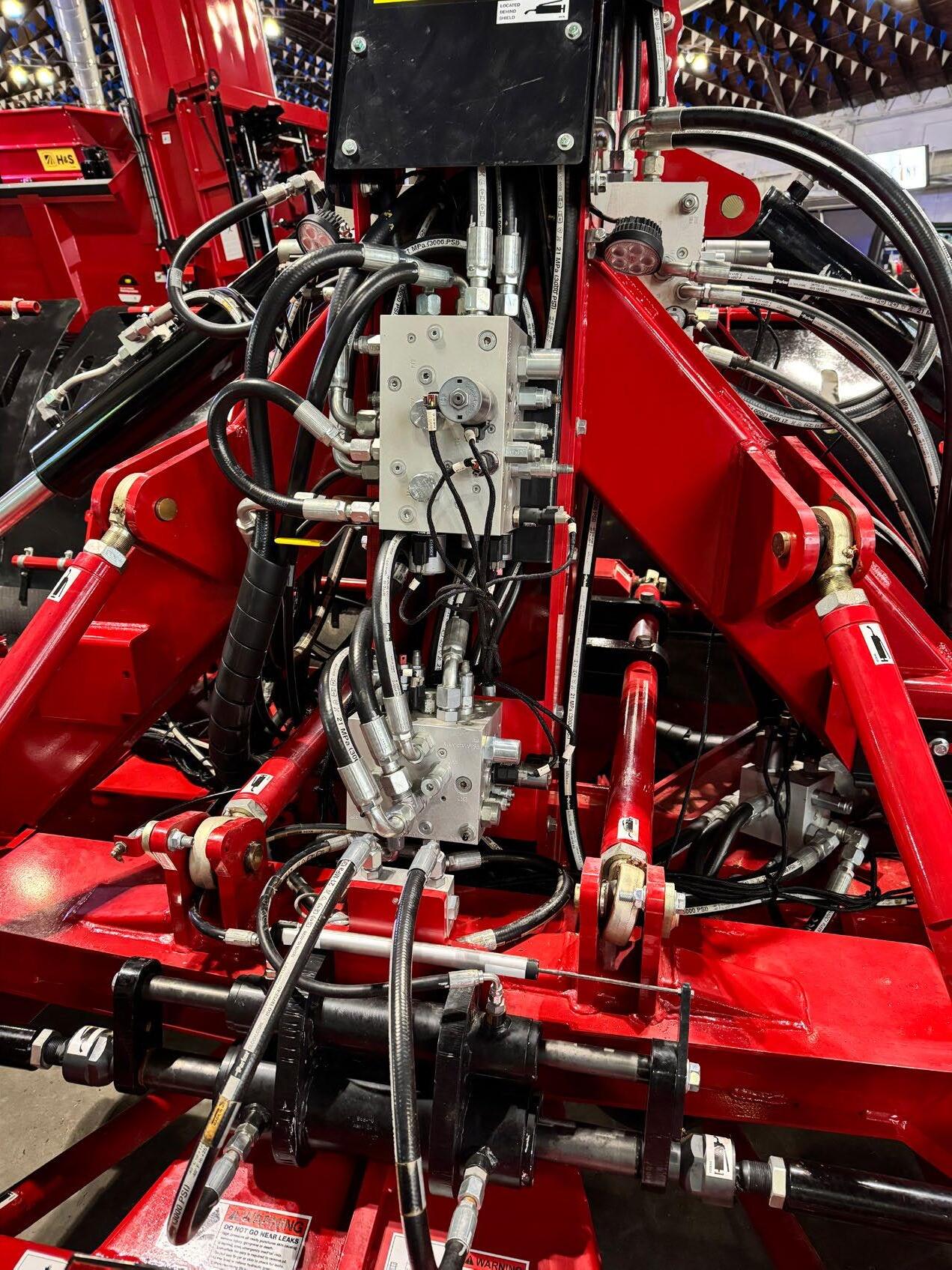
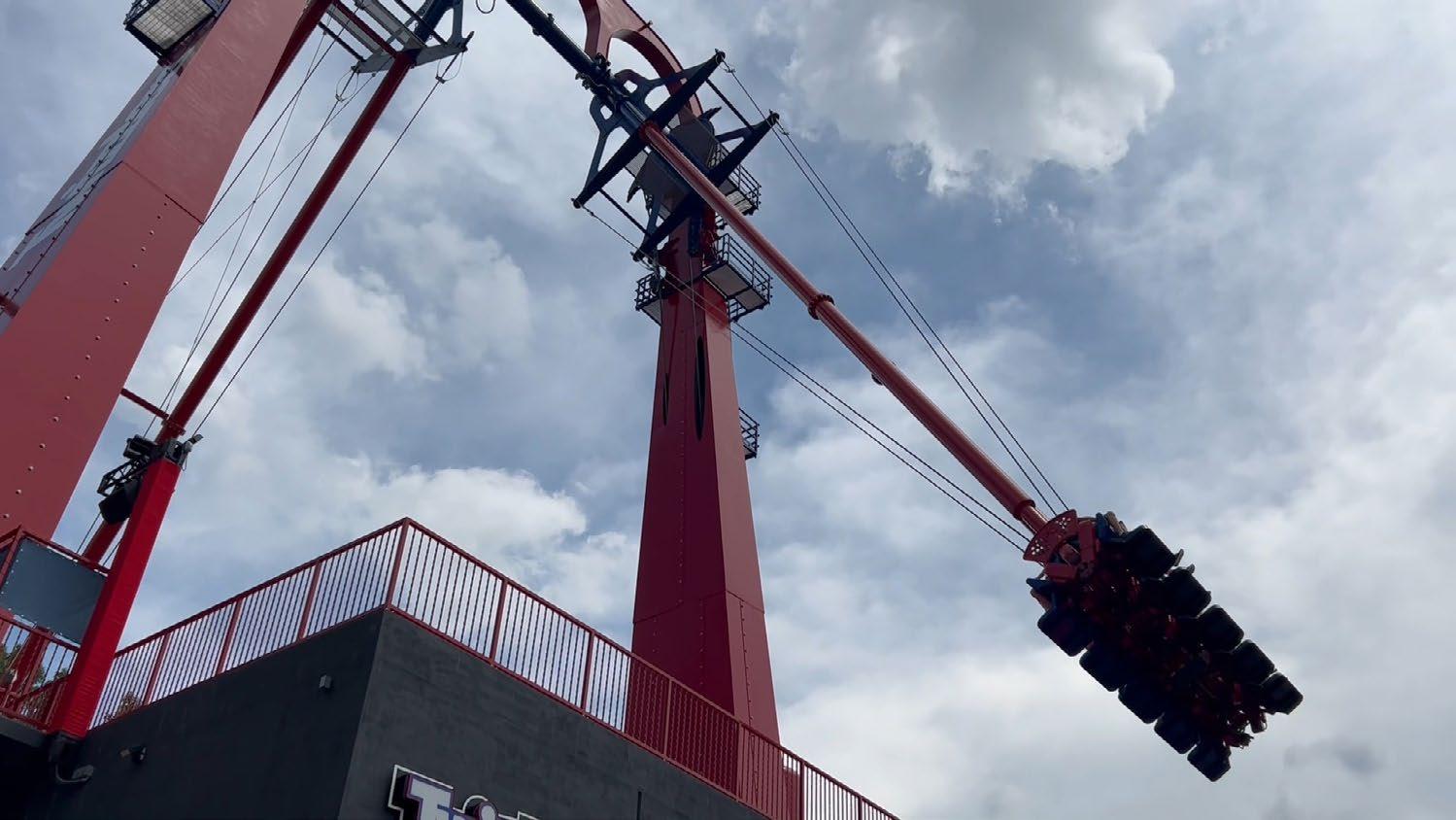

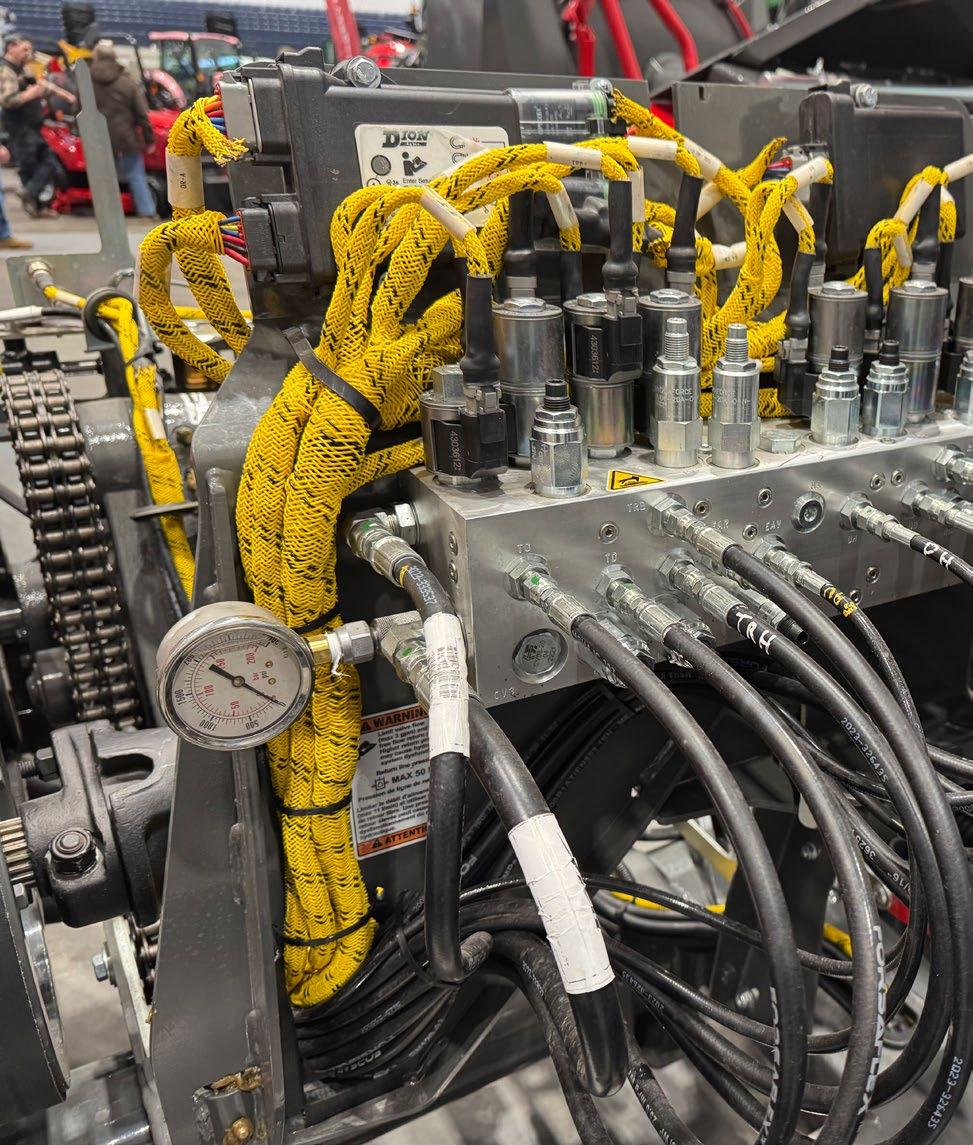
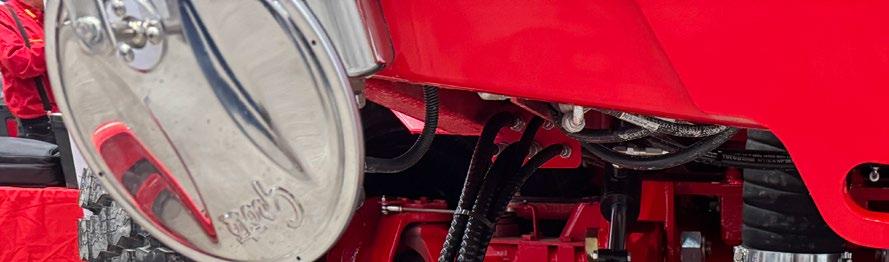
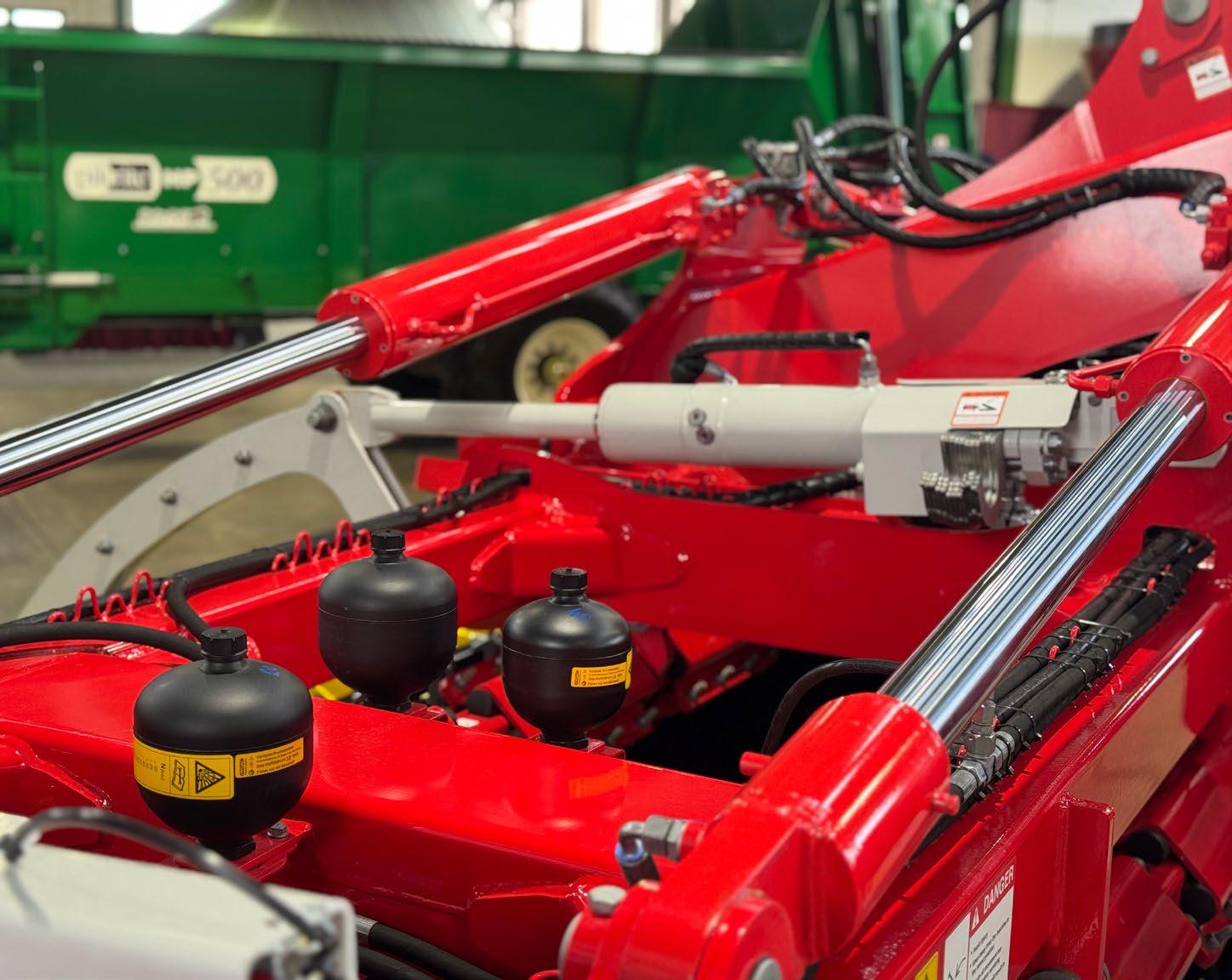
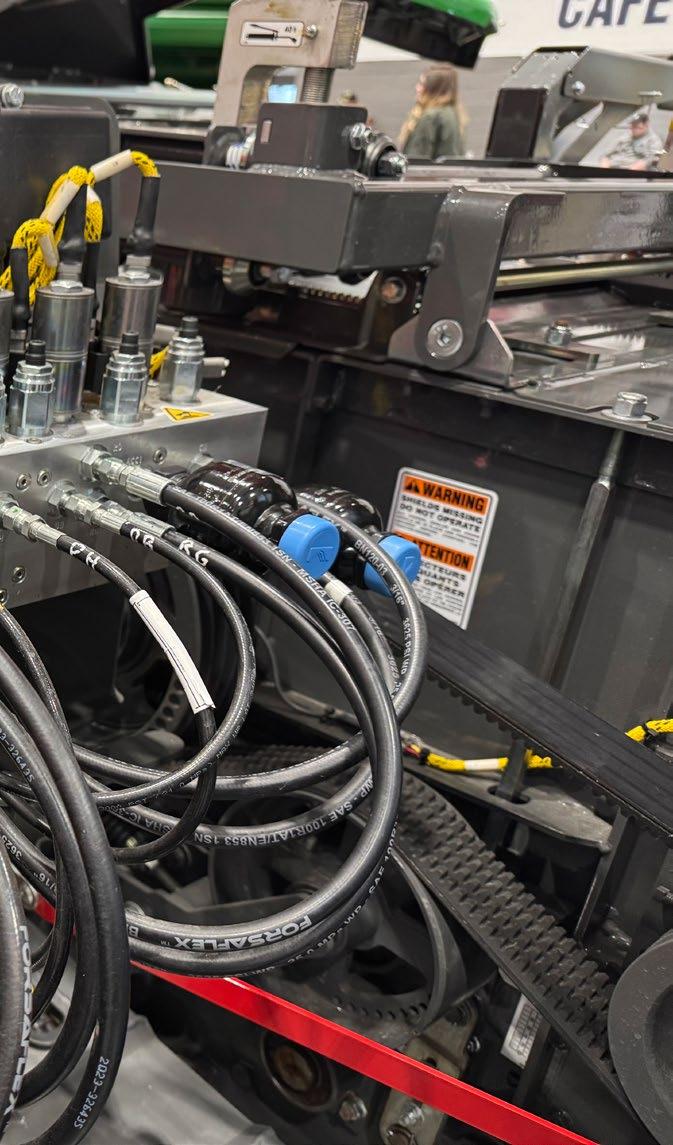
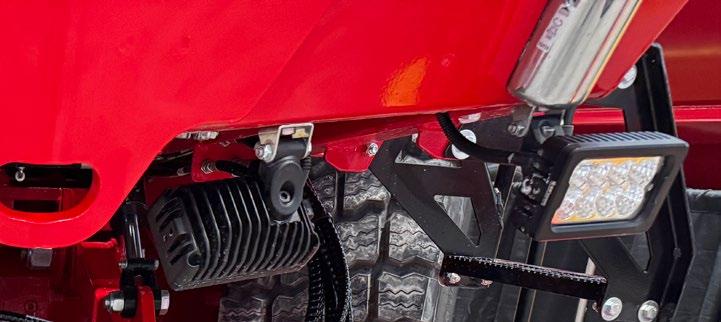
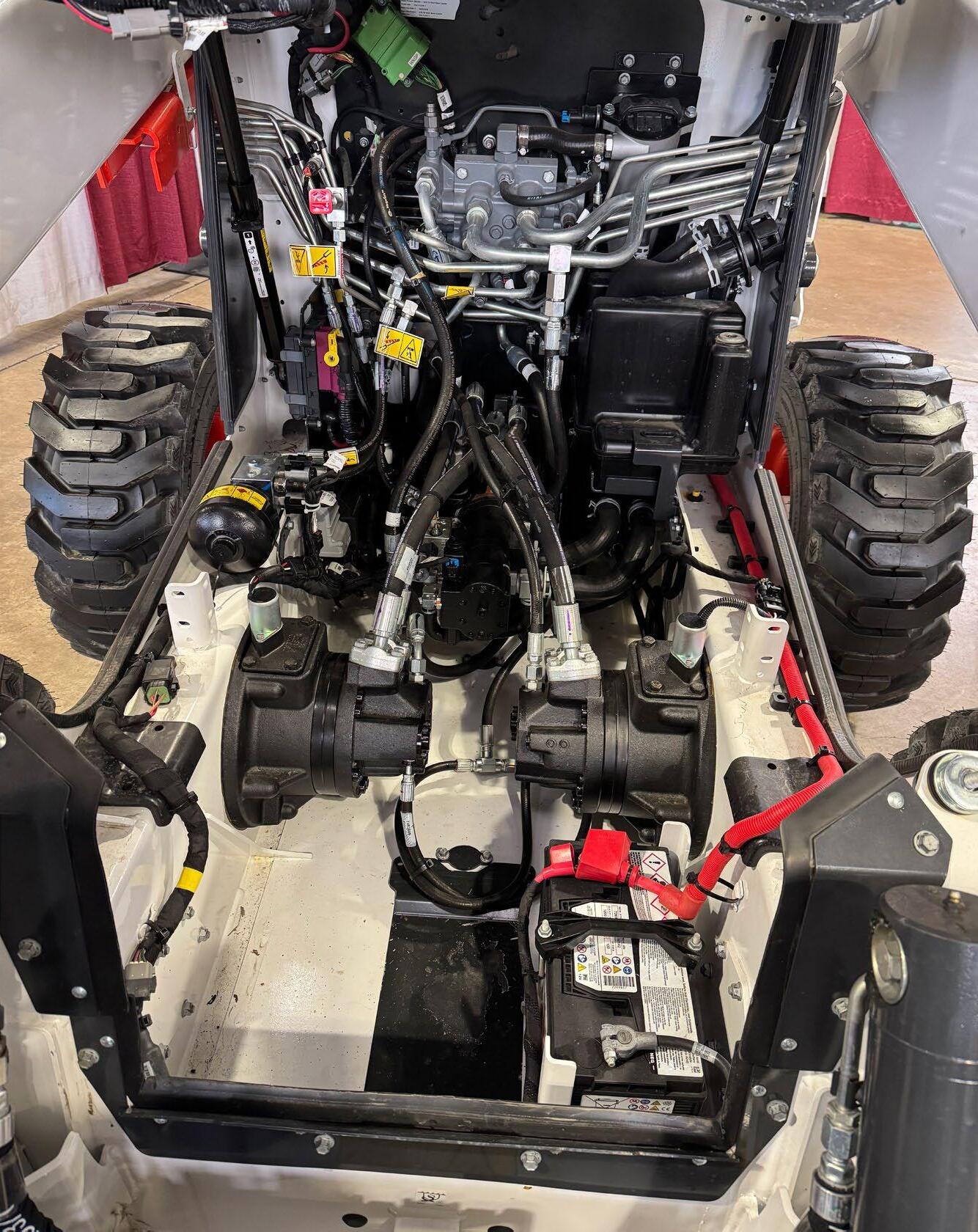
Skidsteer Loader
Hydrostatic System at the NY Farm Show
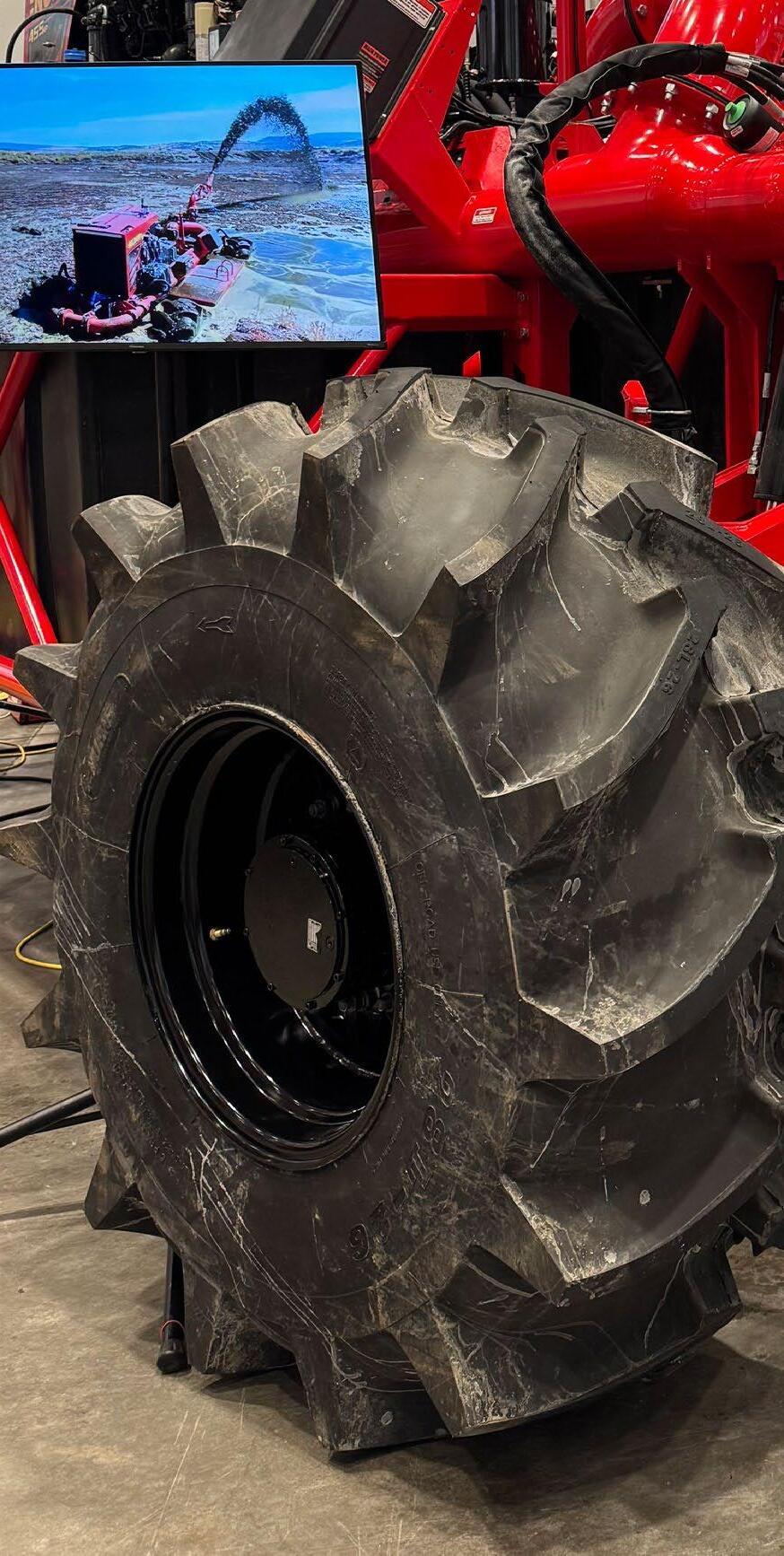
Roller Coaster Hydraulics at Hershey Park
» THE INTERNATIONAL FLUID Power Society (IFPS) celebrates Fluid Power Professionals’ Day on June 19th to acknowledge all professionals dedicating their careers to fostering innovation and growth within the industry. Fluid power is a quiet but impactful, common force in our daily lives. Automobiles, planes, trains, and ships operate using fluid power as an indispensable component of operation. Additionally, many consumer items, from electronics to food, depend on fluid power for their very existence.
From the ancient waterwheels of an emerging agrarian economy through the renaissance of industrial revolution and the automation and IT age of today, fluid power technology has advanced to improve productivity, safety, and the quality of life. This month’s issue focuses on fluid power in the medical, food processing, and plastics industries. Learn more below about its role in each field to discover more about the importance of fluid power across sectors.
In the medical industry, fluid power systems play a crucial role in ensuring the precision, reliability, and safety of healthcare applications. Pneumatic and hydraulic systems are used in devices inclusive of patient lifts, diagnostic equipment, and surgical tools. Pneumatics are particularly valuable in applications requiring clean, oil-free air, such as ventilators and dental instruments. Hydraulic systems provide seamless, controlled movement in equipment including hospital beds, MRI tables, and mobility aids. Additionally, fluid power enhances the functionality of rehabilitation devices and robotic surgical systems by offering responsive, precise motion control.
Fluid power systems are also essential in the food processing industry, where efficiency and sanitization are vital to operations. Pneumatic actuators and valves are used frequently due to their contamination-free operation. They’re ideal for use in tasks such
as sorting, packaging, and filling. Hydraulic systems provide the force required for heavyduty applications such as meat processing, canning, and bottling. Furthermore, fluid power enables automation in conveyor systems and robotic arms, increasing throughput and maintaining consistent product quality. Specialized components made from stainless steel and food-grade materials ensure adherence to sanitization standards.
Within the plastics industry, fluid power systems drive manufacturing such as injection molding, blow molding, and extrusion. Hydraulic systems are used in injection molding machines to generate ample pressure needed to shape plastic materials. Pneumatics deliver precise control over clamping, ejection, and material handling. Advanced fluid power technologies also contribute to energy efficiency and faster cycle times. Specific to servo-hydraulic systems, manufacturers can increase both accuracy and repeatability, ensuring high-quality product development while minimizing waste. Fluid power's durability and reliability make it indispensable in high-volume production settings.
The IFPS observes Blaise Pascal’s birthday as a day to honor all industry professionals. Pascal was a French inventor, writer, philosopher, physicist, and mathematician, touted as the developer of the bus which served as the first mode of modern public transportation. Born over 400 years ago, the earliest stages of his career were centered on projective geometry, but Pascal ultimately focused his overarching career on science including hydrodynamics and hydrostatics. To his credit is the invention of the hydraulic press, which set the tone for future innovations. He spearheaded pneumatics experiments as well, such as studying how air in a vacuum operates. His work validated the labor of Evangelista Torricelli, who invented the barometer and studied under Galileo.
The scientific foundation of thermodynamics and fluid power was built upon for those who followed, largely due to Pascal and his achievements. Fluid power technology benefits the lives of so many individuals, so we dedicate this day to those whose hard work, grit, and determination benefit the greater good of society on a global scale.
Celebrate with your industry friends and colleagues! Here are some ways to enjoy the day:
» Wear emblems, pins, badges, and shirts to help others identify your fluid power affiliation or organization.
» Treat your staff/co-workers to a pizza π. If time permits, it may be fun to plan a larger event such as an amusement park outing, picnic or company cookout. Include practical hydraulics by hosting a squirt gun battle!
» Distribute this issue of the Fluid Power Journal to your local customers and/or fluid power vendors. On June 19th, deliver goodies to those same recipients.
» Go see a movie with hydraulics in action or watch a movie of your choice in a 4-D motion theater that features moving seats.
» Facilitate a scavenger hunt to detect fluid power applications you observe while out and about for fun, or during your work commute.
Help the next generation of fluid power professionals by donating to the Fluid Power Educational Foundation (www.fpef.org) that supports individual scholarships for students entering the industry. You may also donate to the NFPA Foundation (www.nfpafoundation. org) to help the organization build more fluid power educational resources at colleges and universities. Take this opportunity to pay it forward and give back to an industry that has supported the career aspirations and growth of countless fluid power professionals.
Manufacturers commonly include flow characteristic graphs with directional control valve literature so that performance can be predicted for different operating pressures.
The graph in Figure 16 relates the operating pressure, scfm flow rate, and pressure drop

for a specific valve. There are a number of ways to read the graph.
To determine the flow scfm, first locate the curve that represents the ideal operating pressure, and then move along the curve, up and to the right, until the curve intersects with the horizontal line leading to the left margin that gives the required air flow. Then look along the bottom margin to determine the pressure drop. If the pressure drop is greater than allowed, the next higher operating pressure is selected, and the process is repeated.
To determine available scfm from a given valve, locate the operating pressure along the curves, and then the allowable pressure drop across the bottom. The available scfm flow rate is then given along the left margin.
By Lauren Schmeal, Editor, Fluid Power Journal
Automate 2026, scheduled for May 22-25, 2026, at McCormick Place in Chicago, Illinois, will bring together leaders in robotics, automation, and advanced manufacturing for one of the industry’s most comprehensive events. Automate will gather leaders in robotics, automation, and advanced manufacturing. For fluid power professionals, the show offers a valuable, timely look at automation technologies that support and enhance hydraulic and pneumatic systems across material handling, assembly, and industrial robotics.

Advanced Technology Products (ATP) 3353
Airtec Pneumatics 31009
Alro Steel Corp. 2179
Balluff, Inc. 15027
Bosch Rexroth Corp. 2810
Camozzi Automation 4012
Canfield Industries 3981
Compact Automation 4209
DESTACO 2218
Deublin Co. 4873
Emerson 13054
Enidine 4209
Festo Corp. 831
FreudenbergNOK Sealing Technologies 1867
Jergens, Inc. 35032
J.W. Winco 3670
Kaesar Compressors, Inc. 33034
Kyntronics, Inc. 233
Mindman Industrial Co. Ltd. 3253
COVAL Vacuum Technologies 133 Delta Motion 3727
Murrelelektronik, Inc. 21030
Nason Co. 3848
Norstat, Inc. 4433
PHD, Inc. 2214
PIAB USA, Inc. 2010
Pinnacle Systems, Inc. 2581
Proportion Air, Inc. 36024
Schmalz, Inc. 15000
SCHUNK 2206
SMC Corporation of America 3105
Staubli 1801
Temposonics 3627
Tolomatic, Inc. 120
Vektek 3971
With live demonstrations, exhibits, expert presentations, and networking opportunities, Automate 2026 will showcase how fluid power technologies continue to evolve within smarter, more interconnected manufacturing environments. The event will also include programs designed to engage students and educators, supporting the next generation of automation and fluid power talent. • 2026 AUTOMATE SHOW EXHIBITORS LIST
By Jens Frantzen, MA and Robert Timmerberg, MA, Editor, Journalist (DFJV), plus2 GmbH
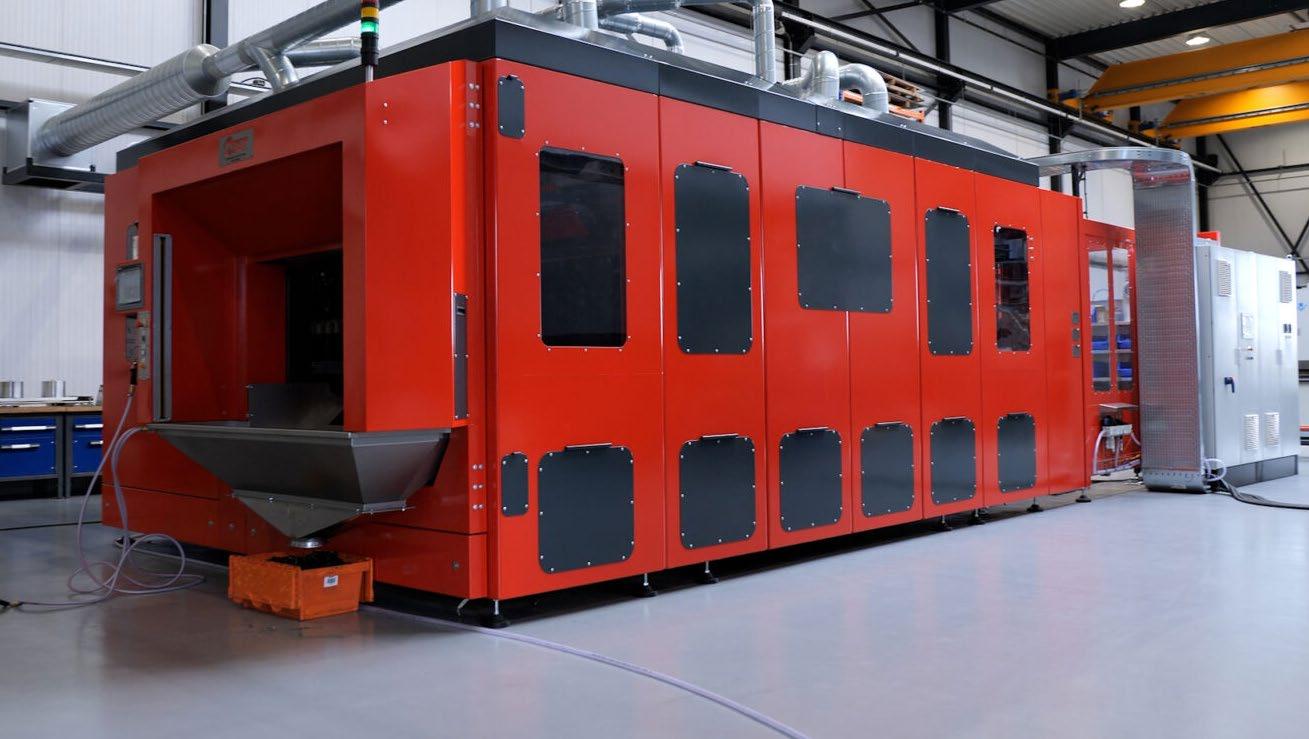
Dip molding is a cost-effective, economical method to produce sealing caps, handles, or other components made of PVC, rubber, or latex. The Dutch BIS Group develops and manufactures the special machines needed by the plastics industry. The damping technology from ACE in Langenfeld, Germany, is also involved. Their expertise and miniature shock absorbers decelerate linear movements. This leads to greater accuracy and longer service life. Smooth production of plastic molded parts is possible with ACE’s miniature shock absorbers.
How does one manufacture handles, latex gloves, or seamless protective caps needed for pipe ends? The short answer is dip molding. The process, however, is more complex. It relies on the thermal properties of the materials. Heated molds, or mandrels shaped like the final product, are always needed. The preheated mold is dipped in a bath of liquid plastisol or a polymer bath with PVC particles, for example. The mold’s temperature makes the particles bond to it. Layer thickness can be influenced by changing the temperature or dipping time. After removal, the plastic layer is baked and cured in an oven at the next station. Then, it is cooled in a water bath and finally goes to a stripping station, where finished products are removed.
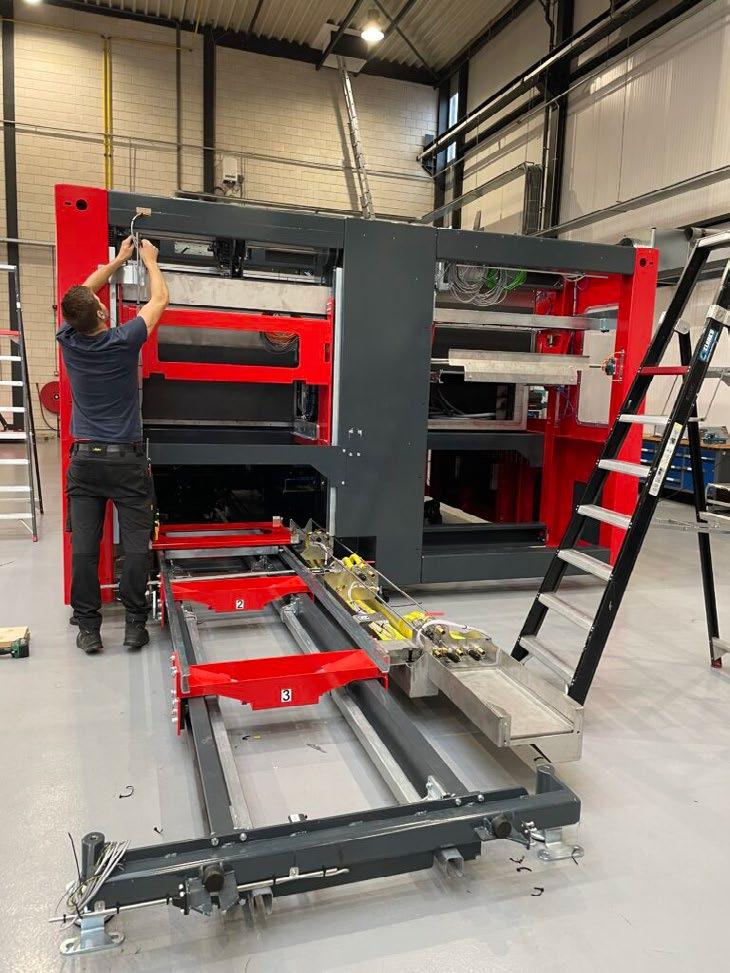
A specialist in the manufacture of the special machines required for dip molding is based in Waalwijk, in the Dutch province of Noord-Brabant. The BIS Group, with its BIS Machinery division, specializes in mechanical engineering, automation, and serving customers in the plastics industry. For one of these customers, engineers from the TST Group, which has been part of BIS since 2025, developed a compact dip molding machine that arranges the various stations for producing plastic parts along a linear travel path. This is comprised of an immersion side at one end and the cooling and breakout position at the other. It was important to the development team that damping be provided at both end positions, but this initially proved challenging for BIS.
Therefore, Dutch project manager Niels Kuipers contacted the Benelux team of the
Langenfeld-based damping specialist ACE, part of the Stabilus Group. BIS had originally opted for a package solution consisting of an electric linear drive and integrated hydraulic shock absorbers. "The drive, coming from a renowned German supplier, worked perfectly, but the performance of the supplied shock absorbers was insufficient for our purposes," reports Niels Kuipers. The forces of the masses being moved placed strain on the entire structure through harsh stop movements when reaching the end positions.
As ACE's sales engineer for the Benelux region, Ralf Küppers was the right contact. He received the essential technical data regarding mass, speed, and drive force from his Dutch namesake, as well as several videos showing various perspectives of the construction itself, its drive, and dampers. This gave the ACE team enough information to develop a design and arrange a trial delivery of appropriately selected miniature shock absorbers.
The dampers were delivered from the ACE headquarters warehouse within 24 hours and immediately assembled and tested on-site by BIS. Niels Kuipers later sent new videos to ACE, which suggested the miniature shock absorbers had been selected with damping properties that were too hard. Therefore, the engineers in Langenfeld again experimented with the mass, speed, and drive force values, using the software. No combination could explain why the dampers weren't working in harmony with the linear drive. Engineers inquired as to whether additional pneumatic damping had been activated in the system
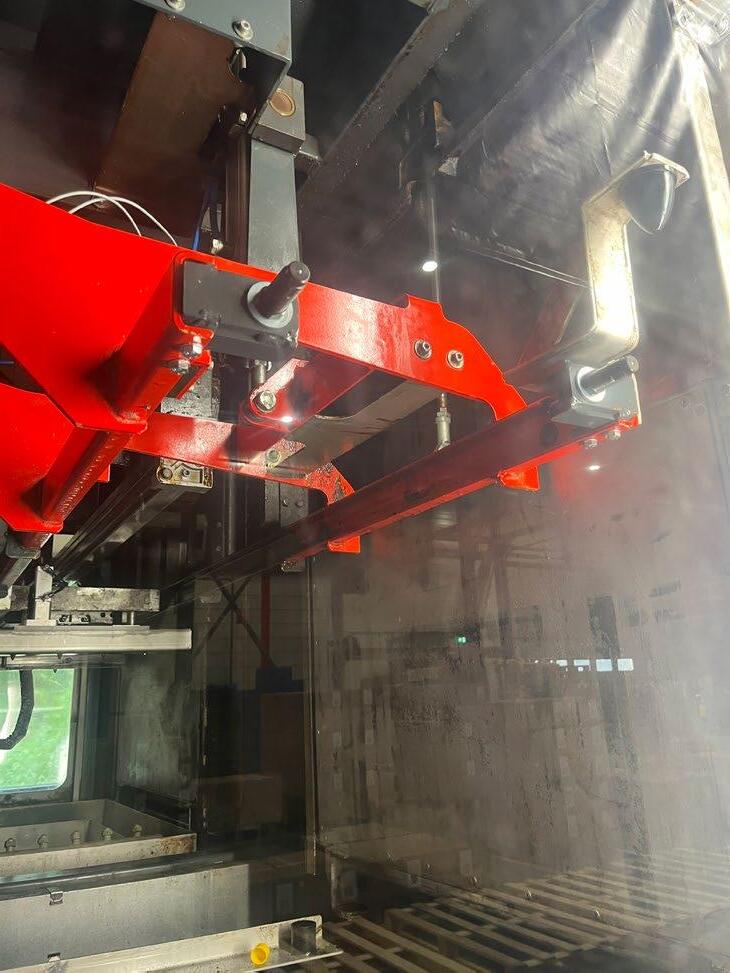
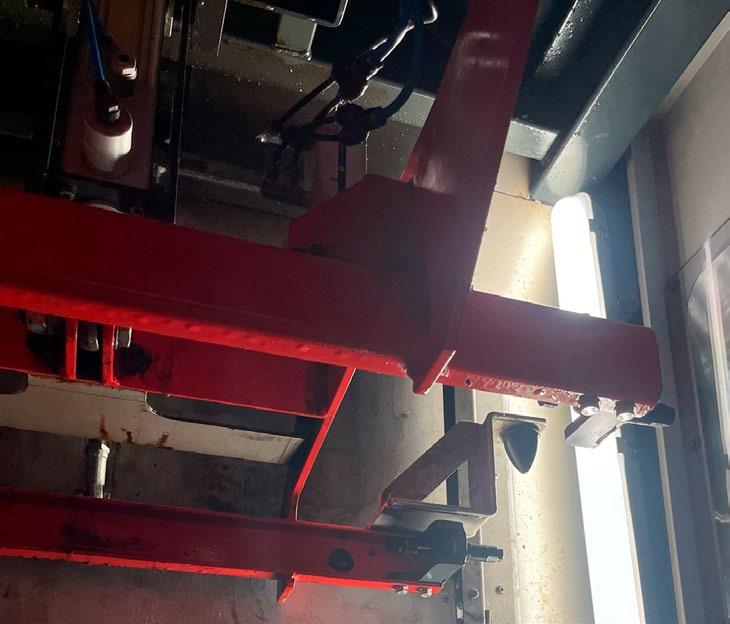
settings. Another video of the linear drive not moving the mass proved that additional compressed air damping was activated.
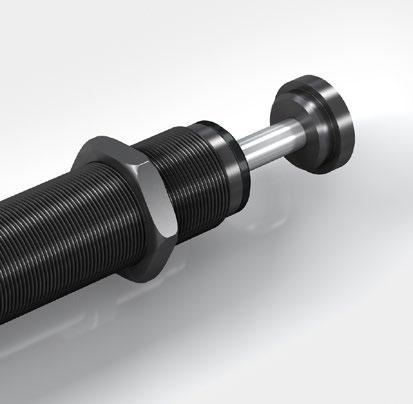
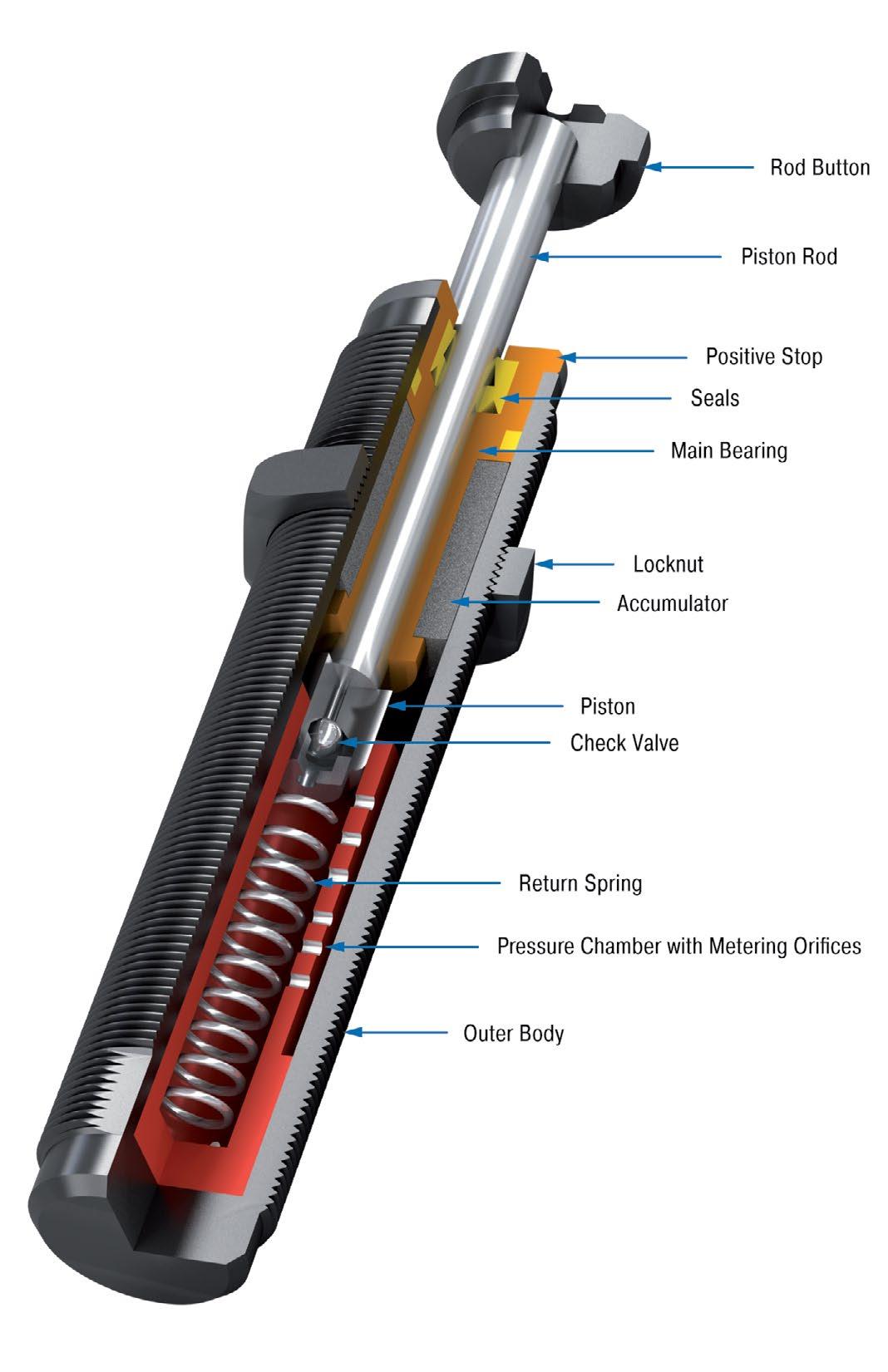
Once pneumatic damping was deactivated, the miniature shock absorbers selected matched the requirements. Soft damping and a long stroke are emphasized due to the BIS dip molding machine only reaching its end positions 30 times per hour. Consequently, designers aren’t primarily concerned with high cycle rates for rapid product output. They’re focused on precise manufacturing and protecting the machine. The miniature shock absorbers, machined from solid steel, can be designed with either a linear or a progressive deceleration curve. Their soft damping characteristics are achieved through
their especially long strokes, which result in very low support forces. Specifically, the family offers strokes from 0.6 in. to 1.6 in (16 to 40 mm) and an energy capacity from 18.5 to 81 ft-lbs./cycle (25 to 110 Nm/cycle).
The maintenance-free, ready-to-install hydraulic machine elements are equipped with an integrated positive stop. Thanks to the designed overlapping effective weight ranges, these dampers cover an effective load range of below 2.2 lbs. (1 kg) to more than 4,400 lbs. (2,000 kg). This makes them a valuable productivity, comfort, and safety component in mechanical engineering, especially in the key areas of handling and automation.
5 Self-adjusting miniature shock absorbers, manufactured from solid steel, can be configured with either a linear or progressive deceleration curve. They can be tuned by modifying their high-quality internal components.
Miniature shock absorbers are highly versatile. Installed in millions of industrial constructions worldwide, they reliably and effectively optimize a wide variety of machine types by stopping masses quickly and non-destructively. They reduce the load on handling equipment, rotary and pivoting drives, linear cylinders, and many other industrial applications, thanks in part to their versatility.
A key component of efficiency in mechanical engineering is keeping the dimensions of overall designs compact. For example, if a drive is required to decelerate at the end of a travel distance, a more powerful, larger drive is often installed, consuming more resources. Alternatively, non-electric products can be used as a braking solution, reducing both the structural and ecological footprint. Savings arise from the fact that miniature and industrial shock absorbers allow masses to be moved with the smallest possible pneumatic cylinder, enabling the use of smaller valves and maintenance units.
Compressed air and the electricity required for distribution are also permanently saved. Considering pick-and-place solutions, for
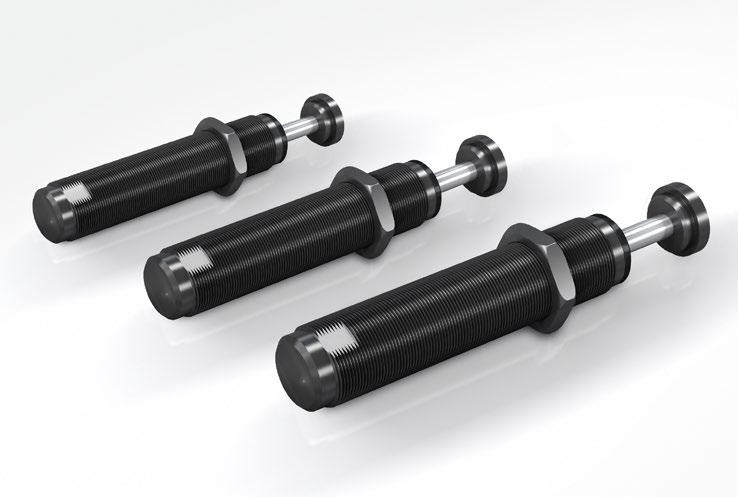
miniature
are available in
with strokes up to 40 mm and energy capacities from 25 Nm/cycle to 110 Nm/ cycle. They are primarily used in handling and automation tasks. | Credit: ACE
example, pneumatic end-of-stroke cushioning requires approximately three to four cubic centimeters of air, which is often compressed to up to 100 psi (7 bar). This isn't necessary with miniature shock absorbers, as they decelerate movements safely and quickly when they reach their end positions. Hydraulic components allow cycle rates to be increased and protect machines and materials.•
By Shannon Winkler, National Sales Manager, Compact Automation Products
Environments that are controlled, harsh, or both can be among the most technically rigorous types of industrial manufacturing spaces. Medical equipment, clean rooms, food processing, and pharmaceuticals are examples of manufacturing spaces that are often both controlled and harsh environments. Controlled environments in industrial manufacturing are tightly governed spaces designed to prevent contamination, ensure product quality, achieve regulatory compliance, support worker safety, and maintain process consistency. These manufacturing areas operate within precise parameters for variables such as temperature, humidity, air quality, air flow patterns, lighting, vibration, cleanliness, and more. Harsh conditions are often present within these controlled environments. Characteristics may include extreme temperatures, abrasion, particulate loading, high vibration or mechanical stress, corrosive chemicals, and washdown processes.
When controlled and harsh environments co-exist, intricate manufacturing systems and solutions that can withstand harsh conditions and maintain precise environmental tolerances are necessary. A vital subsystem within this multifaceted manufacturing system is one that delivers precise motion
control. Because some of the most regulated industries, environments, and applications can also be among the harshest on equipment and materials, motion control subsystems that operate within them must perform at extremely high levels. In environments marked by challenging manufacturing conditions, motion control systems need to deliver precision, repeatability, cleanability, and reliability, minimize contamination risk, maximize equipment uptime, and support regulatory compliance.
Applications of motion control subsystems in these hybrid controlled/harsh spaces include automated surgical instrument and imaging equipment assembly systems in medical equipment manufacturing, pick-and-place chip placement systems in clean room manufacturing, packaging and cutting systems in food processing manufacturing, and vial filling and table pressing systems in pharmaceutical manufacturing. If motion is inconsistent in these or related applications, quality and compliance can be compromised.
The right hydraulic and pneumatic automation components are essential in enabling motion control subsystems to perform at high levels within controlled and harsh environments. Several types of these
components are described below, including many common applications.
All stainless-steel round line cylinders are designed for use in a broad range of applications, including those in washdown and caustic environments. These cylinders include a nitrile rod wiper to keep potential contaminants from penetrating inside the cylinder.
Corrosion-resistant stainless steel round line cylinders are suited for applications where equipment cleanliness is critical. With their corrosion resistance characteristics, these cylinders boast a Delrin® head and can withstand harsh environments that require frequent use of hot water and chemicals.
Composite cylinders are designed for medical and food-grade applications where lightweight, washdown, or corrosion-resistant features are required. Stainless steel inch cylinders are designed for extremely tough and limited space applications. They’re used in harsh environments found in industries such as chemical and petroleum, pharmaceutical, nuclear, medical equipment, and food processing.
Corrosion-resistant stainless steel non-adjustable shock absorbers (CRS Series) are suited for wash down and various harsh environment applications, including medical
equipment, food processing, packaging, electronics, chemical, and marine. The shock absorber is comprised of a 17-4PH stainless steel cylinder, piston rod, and piston cap. Automation and motion control components for the food and beverage industry, where clean and sterile conditions must be maintained for food safety, include PET blow molding shock absorbers for plastic bottle production as well as custom double-acting grippers for pick-and-place robotic operations, case packing and palletizing, harsh area washdown applications, and more. Custom motion control components for packaging applications include indexing cylinder arrays for use in equipment that performs filling, capping, sealing, labeling, and high-load guided actuators used primarily for end-ofline production activities. •
An OEM for semiconductor manufacturing needed an actuator to gently and quickly lift a wafer pedestal in and out of a process chamber to serve as a sealed conduit for cooling lines. The lines run into the chamber and cool the pedestal. There were many challenges with designing this product.
First, the cylinder needed to handle a 5-pound, off-center load as well as maintain a vibration-free stroke and tight tolerance of the rod alignment. Next, the cylinder required a hollow rod for a pass-through and a stationary conduit for the pedestal cooling lines. Additionally, it had to accommodate a rod-mounted bellows to seal the chamber. And the unit had to be competitively priced.
Compact Automation modified an ARFHD 3x12 cylinder with the addition of an oversized hollow rod and piston and internal stroke cushioning. The design included chrome plating for clean room compliance, a "windows" pattern cut into the frame that enabled access to attach the sealing bellows, and a stroke clearance tolerance of .001” - .003” between the bushing and rod.
Since the initial application, the customer has produced more than 1,000 similar tools.
A medical manufacturer of various supplies had equipment that would bond different materials together through a combination of heat and pressure. The manufacturer’s products include monitor patches, sterile devices, surgical film, medical tape, and product packaging, among others.
They were using air springs in the heat-sealing area to apply pressure to the materials. However, the air springs were failing due to the high-temperature environment. Compact provided the manufacturer with a custom stainless-steel linear actuator with high-temperature grease, along with Viton seals, to withstand the high heat of the application.
The OEM maintenance costs were reduced by 50%, and the equipment throughput for the end user was improved by 20%.

By
Hidden risks are present in medical flow systems. HPLC tubes, ion blocks, diverters, hypotubes, and manifolds all function as critical flow components in medical hydraulic and pneumatic systems, not just as simple metal parts. Whether they carry liquids, gases, or mixed phases, any defect inside these flow paths can compromise dosing accuracy, analytical reliability, and ultimately patient safety. Modern medical devices combine tight tolerances, miniaturized geometries, and demanding cleanliness requirements. In this context, burrs, sharp edges, and poor surface quality can induce pressure losses, flow instability, and trapped contaminants in both fluid and gas circuits.
Across hydraulic and pneumatic medical systems, engineers want clean edges, predictable flow, and stable surface quality. Yet even the best machining processes often leave micro burrs or surfaces that are too rough for tightly controlled flow.
For components that meter or distribute fluids and gases, any remaining burr can create turbulence and flow separation and shed particles into sterile circuits. There is potential to distort pressure profiles through restrictions or partial blockages. Additionally, leakage paths in sealing and valve interfaces may occur. When traditional finishing leaves burrs, drives rework and scrap, or simply cannot reach micro features, more advanced finishing methods are required to secure system performance.
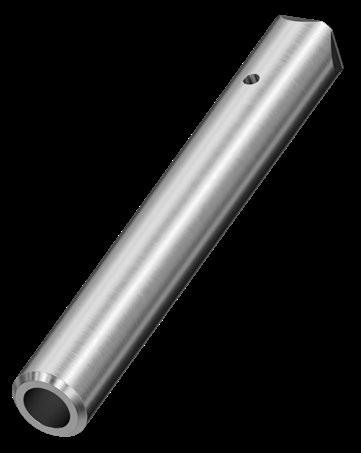
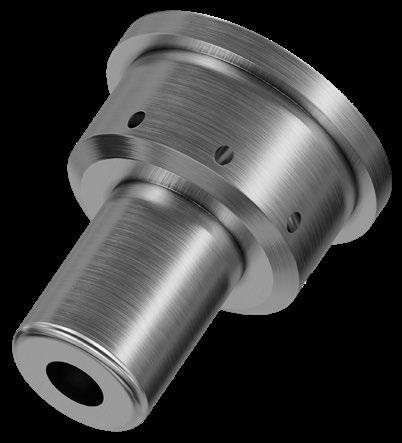
There are 3 key technologies that address these challenges in complex, miniature fluid and gas components: Abrasive Flow Machining (AFM), MICROFLOW, and Electrochemical Machining (ECM). These processes are particularly effective where passages have no line of sight and micro holes intersect with long bores. They’re also optimal when multiple channels converge in compact manifolds, or high-pressure/controlled pneumatic dosing demands repeatable, calibrated flow. Together, they deliver deburring, edge rounding, and surface improvement in internal geometries that conventional tools cannot reach.
AFM was developed to polish internal flow paths that conventional tools cannot effectively reach. A viscous, non-Newtonian medium loaded with abrasive grits is pushed back and forth through the passages under pressure, gently removing high spots and burrs while improving surface finish.
Process performance depends on fixture design and gap control around the part. Media recipe comes into play, inclusive of polymer viscosity, abrasive type, grit size, and abrasive loading. Process parameters, such as volume, flow rate, pressure, and operating temperature, are important. With the right combination of these factors, AFM provides the surface consistency and edge quality needed for stable hydraulic and pneumatic performance in medical devices.
Two-Way Flow AFM uses 2 opposing media cylinders to alternately push media through the tooling and working areas. One-Way Flow AFM drives media continuously in a single direction and is suited to applications requiring large media volumes, such as hot runner blocks or large pump impellers that condition fluid flow. MICROFLOW extends AFM principles to very small orifices, enabling flow tuning and micro-deburring in holes down to about 40 µm. This is ideal for nozzles, spray features, and calibrated restrictions in
medical dosing systems where both liquids and gases must be metered accurately.
HPLC tubes act as precision hydraulic conduits, ensuring consistent flow of the mobile phase and sample mixture under high pressure. Inside the tube, often called a column or cartridge. The internal surface quality directly affects flow stability, separation performance, and analytical repeatability.
Poor finishing can lead to turbulence from rough surfaces that distort separation, along with contamination or residue buildup in dead zones. In addition, premature wear under repeated high-pressure cycles, and chemical interaction or corrosion that affects long-term integrity, can also occur.
AFM is well-suited for polishing the internal surfaces of cannular tubes used in chromatography. By flowing abrasive-laden media through the tube under controlled pressure, AFM removes microscopic peaks and smooths the bore at the micron level, improving hydraulic behavior and flow uniformity. Manufacturers can adjust media composition, pressure, and flow rate to reach a defined roughness range that supports stable back-pressure profiles. It reduces turbulence in liquid paths and improves reproducibility in production batches. These same principles translate directly into other medical hydraulic circuits, where accurate liquid dosing, flushing, or sampling depends on stable internal geometry and surface finish.
Ion blocks in mass spectrometers also function as precision gas handling structures in a controlled vacuum and flow environment. Their internal surfaces and transitions influence how ions, carried by gas flows and electric fields, move through the instrument. Even minor irregularities can disturb ion trajectories, reduce sensitivity, or introduce noise into the measurement. For medical and pharmaceutical use, this directly impacts the reliability of analytical results.
AFM can be applied to critical channels and cavities in the ion block to remove burrs at internal edges and transitions. It can smooth surfaces to reduce scattering and stagnation zones, and improve repeatability of gas and vapor flow conditions. The same AFM control strategies used for liquid systems help stabilize gas handling in these high-precision analytical assemblies.
Hypotube shafts used in Minimally Invasive Surgery (MIS) are hollow, thin-walled tubes that combine flexibility and pushability while routing fluids or instruments. Many designs include multiple micro holes intersecting a central bore, creating complex internal hydraulics in a very small envelope. These intersecting holes must be burr-free to ensure clean passage for flushing or infusion fluids. This also guarantees reliable performance of guidewires and devices passing through, along with an absence of loose particles in sensitive vascular environments. Manufacturing processes such as laser cutting, EDM, and micromachining routinely leave micro burrs at hole intersections. Given the scale and geometry, conventional finishing often cannot reach or control these features.
ECM is particularly effective for hypotubes with micro holes that have a direct line of sight. It is a selective electrochemical process in which a cathode tool and an external DC power source dissolve metal from targeted areas. In a typical shaft configuration, a small-diameter cathode is introduced into the central bore to the region where perpendicular micro holes intersect. An FDA-approved electrolyte carries a charge through the working gap. From there, dissolved material is flushed away as hydroxide, leaving clean, rounded edges at the intersections. This approach removes burrs without mechanical contact, preserves thin walls, and produces repeatable internal geometry needed for controlled hydraulic flow through the hypotube.
Diverters used in micro-pumping systems for medical fluids feature multiple micro holes grouped around a central passage. Hole diameters can be as small as 0.15 mm, making them extremely sensitive to burrs and surface defects. In fluid circuits where contamination and cavitation must be avoided, every edge and intersection in these micro passages must be free of burrs and loose particles. Traditional deburring methods cannot access such small, densely packed passages.
MICROFLOW uses a low-viscosity, pourable liquid filled with abrasive particles to reach tiny channels and holes. In a 2-way MICROFLOW configuration, media is pumped
through the part in both directions, creating a radius and removing burrs at both ends of each passage. Key benefits in diverter applications include complete micro-deburring at the inlet and outlet edges of angled holes. Formation of small, controlled radii to reduce cavitation, along with Improved surface quality within the channels that stabilize flow and minimize stagnation zones, also proves beneficial. All of this directly reinforces reliability in hydraulic medical circuits where precise volume and pressure control depend on unobstructed micro passages.
In anesthesia machines, manifolds distribute oxygen and anesthetic agents within a compact pneumatic network. What appears to be a simple block is, in practice, a critical gas-handling component with multiple intersecting channels and valve pockets. Each machined intersection can generate micro burrs, which are unacceptable in systems that must maintain clean, stable gas flows to life-support equipment. The geometry, thin walls, and density of internal features make these manifolds hard to deburr using conventional methods.
TEM removes burrs by exposing the part to a transient, extremely hot combustion wave in a closed chamber. Temperatures can reach roughly 3,300 °C in milliseconds, burning away burrs and small protrusions in all internal passages simultaneously.
Because anesthesia manifolds often have thin walls and intricate structures, robust fixturing is essential to support the part against the combined effects of heat and pressure. It’s vital to maintain geometry while exposing all burrs to the thermal pulse. Another important benefit is avoiding deformation while still achieving total internal deburring. With appropriate tooling and cycle design, TEM provides clean, burr-free gas manifolds in under a minute, reinforcing safety and reliability in critical pneumatic systems.
AFM, MICROFLOW, ECM, and TEM each address specific finishing challenges in medical, hydraulic, and pneumatic components. They extend finishing capability into internal features and micro geometries where conventional methods fail, while delivering consistent quality, repeatability, and throughput. By deploying these technologies across HPLC tubing, ion blocks, hypotubes, diverters, and anesthesia manifolds, manufacturers can stabilize liquid and gas flow behavior, as well as eliminate burr-related contamination risk. They can also reduce dependence on manual deburring and scarce specialized labor, and lower cost per part while enhancing overall system safety and performance.
These finishing strategies are already securing critical medical fluid and gas systems worldwide, positioning manufacturers to meet the growing demands of advanced hydraulic and pneumatic medical devices. •
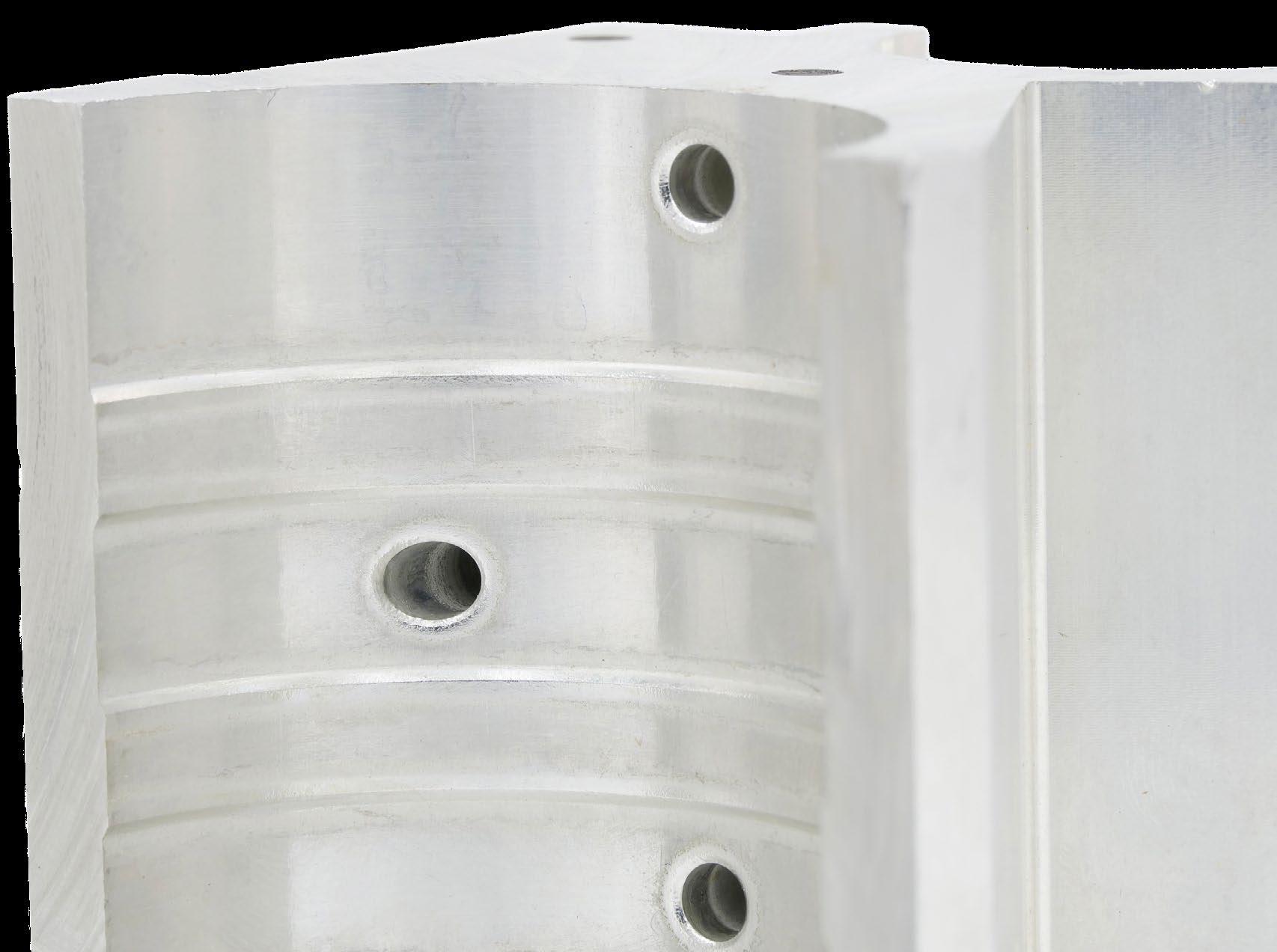
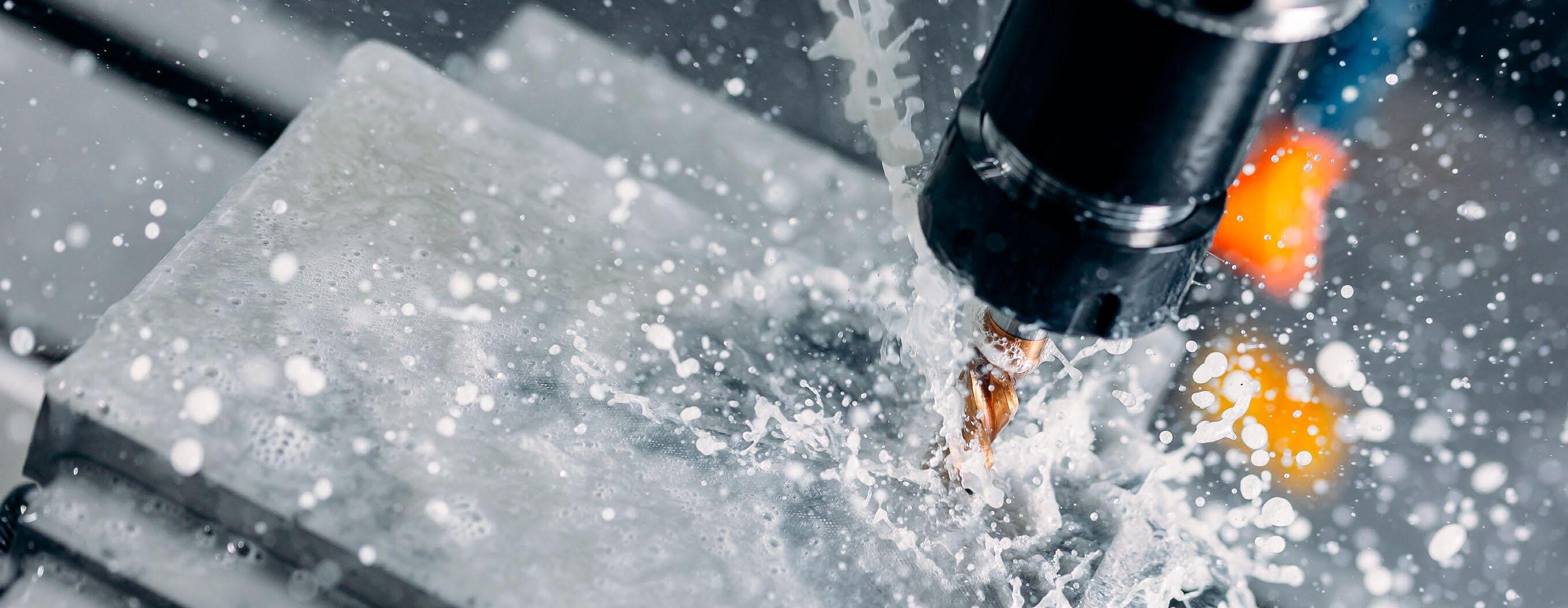
Modern manufacturing has embraced automation across nearly every production process. Advanced machining centers, sophisticated control systems, and integrated quality management platforms drive efficiency and consistency. Yet fluid management often remains manual and reactive. Despite millions invested in production automation, an expensive disconnect exists that prevents efficiency improvements.
For an industry that recognizes the critical importance of hydraulic fluid quality in motion control systems, it's surprising how often metalworking fluids, equally critical to production outcomes, are managed with decades-old manual processes. Closing this gap requires moving through three distinct stages: manual, digital, and intelligent fluid management. Understanding this progression and where your operation sits within it is essential for manufacturers looking to close the automation loop.
Traditional fluid management relies on scheduled sampling, manual monitoring, manual fluid additions, and a reactive maintenance methodology that typically uncovers problems only after they've impacted production. Operators manually check coolant concentration multiple times per week. Even so, seemingly minor variations between checks accumulate daily, creating a cumulative impact. Manual sampling provides only snapshots in time, with laboratory results arriving hours or days later, long after corrective action could have prevented costly issues.
This reactive cycle creates fundamental challenges in modern manufacturing environments. When fluid concentration drifts outside optimal ranges, surface quality
suffers, tools wear prematurely, and scrap rates increase. Manual procedures consume valuable labor hours in some operations; manual top-up procedures can consume 3 hours per shift on average. While manual coolant management can be executed effectively with the right operator discipline, doing so demands constant attention. This pulls skilled workers away from higher-value production tasks and introduces inefficiency that compounds across every shift.
The disconnect becomes particularly costly for manufacturers machining high-value precision components, where even small improvements in fluid management translate to substantial returns. Concentration variations lead to unpredictable tool life, while manual top-off procedures are labor-intensive and prone to error. The gap between cutting-edge machinery and outdated fluid management practices represents one of the most significant untapped opportunities for operational improvement in modern metalworking.
Automated fluid management systems break the reactive cycle through continuous monitoring and immediate response. Digital systems use industrial-grade sensors to automatically measure and track critical parameters in realtime, including concentration, temperature, pH, conductivity, flow rates, and pressure. When variations are detected, automated controls adjust parameters without manual intervention. This allows for maintaining stable conditions throughout production runs. This digital transformation fundamentally changes how fluid management integrates with manufacturing operations. Systems integrate seamlessly with existing CNC systems and manufacturing infrastructure, redirecting
resources from manual fluid management to higher-value activities.
The practical benefits are measurable. A global aerospace OEM producing wing ribs expanded its facility with six new CNC machines that required frequent coolant additions to maintain proper concentration levels. Manual top-up consumed on average three hours per shift and resulted in inconsistent concentration. This led to production variability and quality concerns.
After implementing automated monitoring and control systems that continuously recorded fluid parameters and provided automated dosing responses, the manufacturer maintained stable coolant concentration while eliminating labor-intensive manual procedures. The results included improved tool life, enhanced operational efficiency, and better health and safety conditions by reducing worker exposure to metalworking fluids. The shift from manual to digital fluid management delivers consistent results: extended tool life, reduced downtime through early detection, optimized fluid consumption, minimized waste, and reduced labor. These improvements create a foundation for the next stage of automation evolution.
The transition from digital monitoring to intelligent optimization represents the next frontier in fluid management automation. While automated systems provide continuous monitoring and control, intelligent platforms leverage machine learning algorithms and predictive analytics to actively optimize performance based on specific applications, materials, and production conditions.
Intelligent solutions, including QH FLUID INTELLIGENCE™, exemplify this advancement.
A complete ecosystem combines four integrated elements: world-class process fluids, deep application expertise, advanced hardware, and intelligent software. Fully digital and automated platforms are customizable, scalable, and integrated into manufacturing systems.
Platforms such as these pair hardware used for automated monitoring and control with intuitive, user-friendly software that provides continuous, real-time, accurate, and actionable insights. By digitally optimizing fluids, whether coolants, lubricants, or grinding fluids via automation, metalworking operations can redirect resources from manual fluid management tasks to higher-value activities.
Platform architecture supports multiple deployment configurations, from large, centralized fluid systems to plant-wide systems fed by individual sumps. The platform's architecture supports multiple deployment configurations, from large, centralized fluid systems to plant-wide systems fed by individual sumps. The software continuously monitors and captures fluid data and parameters, providing the ability to analyze both historical and real-time data to optimize fluid performance. This gives manufacturers a clearer, more accurate picture of their fluid conditions over time. This enables smarter decisions that go beyond maintaining setpoints and genuinely improve performance outcomes.
As Industry 4.0 technologies become standard practice, fluid management systems are becoming more integrated with broader manufacturing execution platforms. What drives real results today is the combination of continuous real-time data monitoring, the proven performance of the fluids themselves, and the depth of process expertise behind every recommendation.
The operational benefits of intelligent fluid management extend far beyond the machine shop floor. When fluid parameters stabilize and optimize automatically, the ripple effects touch nearly every aspect of manufacturing operations. This ranges from supply chain predictability to workforce allocation to financial planning.
Inconsistent fluid conditions lead to unpredictable production outcomes, thus complicating scheduling and capacity planning. When tool life varies due to fluid concentration drift, production planners must build buffer time into schedules to account for unexpected tool changes and machine
downtime. Intelligent fluid management eliminates this variability, transforming tool life from an unpredictable variable into a reliable constant. This predictability allows production schedulers to maximize machine use, reduce buffer inventory, and commit to tighter delivery windows.
For job shops running mixed production with frequent changeovers and multiple shifts, this consistency becomes even more valuable. When fluid conditions remain stable across different materials and operations, process engineers can develop reliable cycle time estimates and accurate job quotes. The elimination of fluid-related variables reduces the safety margins traditionally built into production estimates, improving competitiveness and on-time delivery.
Traditional preventive maintenance schedules for fluid systems rely on calendar-based intervals, e.g., change fluids every X weeks and clean sumps every Y months. These fixed schedules waste resources by servicing systems prematurely or risk failures by extending service intervals too long. Intelligent fluid management enables condition-based maintenance strategies that optimize service timing based on actual fluid condition rather than arbitrary schedules.
Continuous real-time data monitoring makes it possible to identify gradual trends that aren't visible when fluid checks are limited to a few manual data points spread across days or weeks. Subtle shifts like slowly increasing bacterial contamination or declining corrosion inhibitor levels become detectable early. This gives maintenance teams sufficient lead time to schedule interventions during planned downtime rather than reacting to emergency breakdowns. This shift from reactive to condition-aware maintenance reduces both unplanned downtime and the operational disruption that comes with it.
The data generated by intelligent systems also informs broader equipment maintenance strategies. Correlation analysis can

reveal relationships between fluid conditions and machine tool performance. This helps maintenance teams identify equipment issues before they cause failures.
Regulatory requirements for wastewater discharge, fluid disposal, and worker exposure continue to tighten across manufacturing regions. Intelligent fluid management systems help environmental health and safety teams maintain compliance through precise control and comprehensive documentation. Automated dosing eliminates the over-concentration that increases disposal costs and environmental impact. Optimized fluid life extension reduces the volume of waste fluid requiring treatment and disposal.
Sustainability is increasingly a shared commitment that manufacturers and their customers are working toward together. For operations actively advancing those goals, intelligent fluid management systems provide quantifiable metrics that bring real visibility to resource efficiency improvements. Detailed consumption data supports carbon footprint calculations and sustainability reporting, while precise documentation of fluid usage, waste reduction, and resource optimization gives manufacturers and their partners the evidence needed to measure progress and validate the impact of their collective efforts.
For manufacturers evaluating operational efficiency and product quality improvements, intelligent fluid management represents one of the most impactful investments available. This is a shop floor improvement and a strategic capability that enhances competitiveness across operations, quality, maintenance, and sustainability. This technology transforms a traditionally reactive aspect of manufacturing into a proactive competitive advantage, delivering measurable improvements in cost, quality, and efficiency. The future of precision manufacturing is intelligent, connected, and optimized, enabled by actionable insights from real-time fluid management data that cascade throughout the entire manufacturing enterprise. •
Michael Kosalko is the Global Senior Director of Fluid Intelligence at Quaker Houghton, with 20 years of experience in formulating and applying process fluids across the Metals and Metalworking industries. He has held a range of technical and leadership roles, including leading global Metalworking product development laboratories. Michael holds a Master of Science in Chemistry from Lehigh University and a Bachelor of Science in Biochemistry from Kutztown University.
Fluid power systems have traditionally relied on solenoid valves operating in stable, predictable environments. These systems control compressed air, water, or inert fluids under well-understood conditions. However, modern equipment in medical, food and beverage, laboratory, and industrial applications uses fluids with very different properties. Examples include reverse osmosis (RO) water, biological washdown solutions, chemical cleaning agents, and viscous or tacky process media.
Many newer media exhibit characteristics that can negatively affect valve operation, unlike conventional process fluids. Some fluids contain aggressive chemical properties, which can gradually degrade internal metal components. Others are viscous or form residues that interfere with mechanical motion. These effects can build up in applications requiring frequent cycling or continuous operation. Over time, the risk of mechanical sticking, reduced responsiveness, or premature valve failure increases.
Reverse osmosis water presents a particularly unique challenge. Because RO water has had dissolved minerals removed, it becomes highly reactive and capable of gradually extracting ions from exposed metal surfaces. This process can lead to material degradation, surface corrosion, and reduced component integrity when internal valve components are directly exposed to the process fluid.
Valve designs that were sufficient in traditional applications may no longer provide the same level of reliability. Understanding the mechanisms behind fluid-induced valve failures and the engineering approaches used to prevent them has become increasingly important for equipment designers and system engineers seeking to ensure long-term reliability in modern fluid power systems.
In direct-acting valve designs, electromagnetic force moves a plunger assembly that opens or closes the valve orifice, allowing or restricting fluid passage. When process media introduces chemical or physical conditions that interfere with these factors, valve performance and reliability can be affected.
In applications involving viscous or residue-forming fluids, deposits can accumulate on surfaces exposed to the media. Over time, these deposits can increase friction or create resistance to plunger movement.
In systems requiring precise timing or frequent cycling, this degradation can lead to inconsistent system behavior or eventual valve failure. Material compatibility presents an additional challenge, particularly in applications that use highly purified fluids, such as reverse osmosis water. Compared to untreated water, which contains dissolved minerals that help stabilize chemical interactions, RO water lacks these minerals and exhibits a greater tendency to interact with exposed metal surfaces. Over time, this degradation can affect sealing surfaces, compromise dimensional tolerances, and reduce the valve’s ability to maintain reliable operation.
Environmental and operational factors can further accelerate these effects. Valves used in medical washdown systems, food processing equipment, and laboratory environments may be exposed to frequent cleaning cycles, varying temperatures, and continuous duty operation. As these application requirements become more common across multiple industries, the limitations of traditional valve designs have become more apparent. Valve architectures that allow direct contact between process media and sensitive internal components are more vulnerable to these forms of degradation. This has led to increased emphasis on design approaches that reduce or eliminate direct media exposure while preserving reliable mechanical actuation.
Fluid power systems are increasingly used in applications involving fluids that differ significantly from traditional compressed air or clean water. In industries such as food and beverage processing, medical equipment, and sanitation systems, valves may be exposed to fluids containing sugars, biological materials, cleaning agents, or other compounds that can alter the mechanical interaction between the valve and the process media. These fluids often exhibit higher viscosity, residue-forming properties, or adhesive characteristics that can affect valve performance over time.
In addition to residue buildup, certain process fluids may contain compounds that change their behavior under varying temperature or environmental conditions. For example, syrups used in food and beverage processing may thicken or become more adhesive when exposed to cooler temperatures, increasing the likelihood of mechanical resistance. Similarly, biological washdown fluids used in
medical or sanitation applications may contain organic compounds that adhere to exposed surfaces.
Over time, this interaction between the process media and internal valve components can lead to reduced actuation reliability. Valves may exhibit slower response times, inconsistent cycling, or increased power requirements to achieve proper actuation. In severe cases, mechanical sticking can prevent the valve from actuating entirely, resulting in system downtime and maintenance intervention.
The use of reverse osmosis (RO) water and other high-purity fluids has expanded significantly across various industries, including medical equipment, laboratory instrumentation, food processing, and pharmaceutical manufacturing. These fluids are often required to meet strict purity standards to ensure product quality, prevent contamination, and comply with regulatory requirements. However, the very properties that make these fluids desirable for process applications can also introduce unique challenges for valve reliability and material compatibility.
Reverse osmosis is a filtration process that removes dissolved minerals, ions, and impurities from water. While this produces a highly purified fluid, it also creates a chemically aggressive environment when the fluid encounters exposed metal surfaces. Because RO water lacks dissolved ions, it has an increased tendency to interact with and extract ions from materials it contacts. This process, sometimes referred to as de-mineralization or leaching, can gradually alter the surface properties of exposed metal components.
In solenoid valves where internal metal components are directly exposed to process media, this interaction can lead to gradual material degradation. Over time, the extraction of ions from metal surfaces can contribute to corrosion, surface roughening, or dimensional changes. These effects may not be immediately visible, but they can alter the mechanical and sealing characteristics of internal components, potentially affecting valve performance and reliability. Material degradation can also influence sealing integrity and mechanical motion within the valve assembly.
As fluid compositions and application requirements have evolved, valve design strategies have adapted to address the mechanical and material compatibility challenges associated with modern process media. One of the most effective approaches involves minimizing or eliminating direct contact between process fluids and the valve’s sensitive internal mechanical components. This design philosophy, commonly referred to as media separation, provides a means to protect critical actuation elements while maintaining reliable valve operation.
In traditional direct-acting valve designs, process media flows directly through the valve body and around the plunger assembly and associated internal components. While this approach is effective in many conventional applications, it allows the process fluid to interact directly with mechanical surfaces that are responsible for valve actuation and sealing. When the media contains viscous
continued on page 26
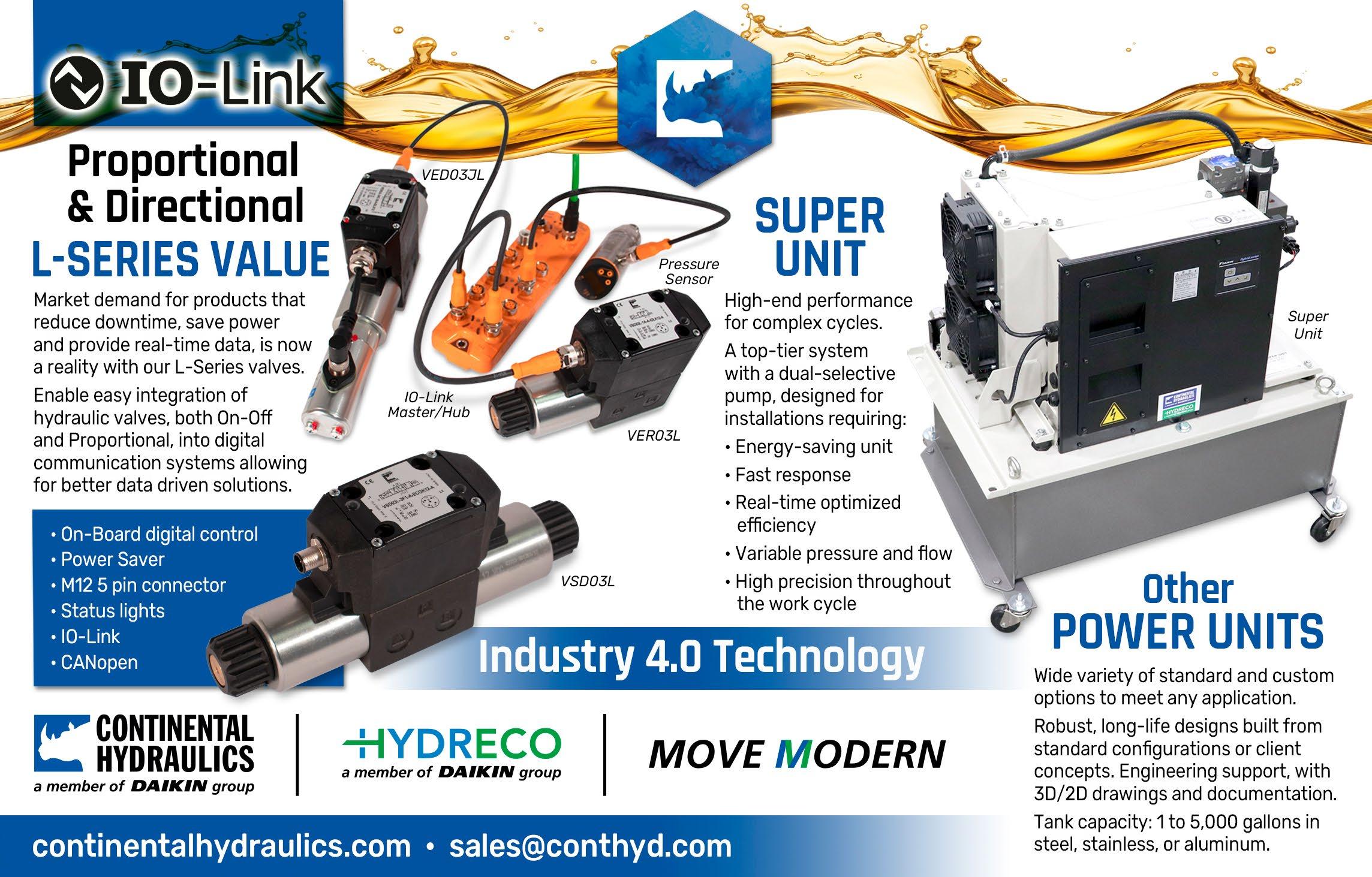
compounds, contaminants, or chemically aggressive properties, this direct exposure can contribute to the mechanical sticking and material degradation mechanisms previously described.
Media-separated valve designs address this challenge by introducing a physical barrier between the process fluid and the internal actuation mechanism. This barrier is typically implemented using a flexible diaphragm that transmits motion from the electromagnetic actuator to the valve orifice without allowing the process fluid to contact internal metal components. The diaphragm acts as a sealed interface, isolating the media while enabling precise control of fluid flow.
By isolating sensitive internal components from direct fluid exposure, Media-separated valve architectures significantly reduce the potential for residue buildup, corrosion, or material degradation within the actuation mechanism. This approach also helps maintain consistent mechanical clearances and predictable actuation performance, even in applications involving viscous, contaminating, or high-purity fluids.
Media-separated solenoid valves are specifically designed to tackle reliability challenges posed by viscous, contaminating, or chemically aggressive fluids. By incorporating a diaphragm barrier between the process media and internal actuation components, these valves protect critical mechanical elements while ensuring consistent fluid control.
A key design feature is the flexible diaphragm that transmits actuation force while isolating the process media from internal components.
When the electromagnetic coil is energized, the plunger assembly moves in a controlled manner, transferring motion through the diaphragm to open or close the valve orifice. This design prevents direct exposure of internal components to harmful media.
The plunger assembly's design is crucial for reliable operation. In media-separated configurations, the plunger is typically attached to the diaphragm, ensuring consistent motion regardless of fluid viscosity or residue characteristics. This prevents process media interference with plunger movement, maintaining a reliable response even with tacky or viscous fluids.
Material selection and component geometry further enhance reliability. Diaphragm materials offer chemical resistance and durability while maintaining flexibility over repeated cycles. Media-separated valve designs excel in applications such as medical washdown systems, food and beverage dispensing, laboratory instrumentation, and fluid control systems using reverse osmosis water, preventing mechanical degradation common in traditional valves.
Medical and laboratory equipment represents one of the fastest-growing application areas requiring Media-separated valve architectures. Washdown systems used in biohazard containment, sterilization, and diagnostic equipment frequently rely on fluids that may contain biological residues, disinfectants, or cleaning agents. These fluids are essential for maintaining sterile operating conditions but can introduce contaminants or residue that may interfere with traditional valve mechanisms. Media-separated valves help ensure consistent actuation performance while protecting internal components from direct exposure to these fluids.


Food and beverage processing equipment also presents unique challenges. Fluid control systems used for dispensing flavor syrups, concentrates, and other viscous ingredients must operate reliably despite the adhesive and residue-forming properties of these media. Maintaining consistent valve response is essential for accurate dispensing and overall process reliability. Media-separated valve designs help prevent residue accumulation within critical actuation components, supporting consistent performance over extended operating periods.
The growing use of reverse osmosis water in medical, laboratory, and food processing systems has further increased the importance of media compatibility. Because RO water can gradually degrade exposed metal components, isolating internal valve mechanisms from fluid contact helps preserve material integrity and extend operational life. As fluid power systems continue to operate with a wider range of media types, the ability to maintain reliable valve operation in challenging fluid environments has become increasingly important. Media-separated valve designs provide an effective solution for addressing these evolving application requirements while supporting consistent system performance.
As fluid power systems continue to evolve, the characteristics of process media are becoming an increasingly important factor in valve reliability and long-term system performance. As equipment designers seek to improve reliability while meeting stricter sanitation, purity, and process control requirements, valve architecture has become a critical consideration in system design. •
•
•
•
•



almomanifold.com
» Talk to your account rep or visit fluidpowerjournal.com/advertise
Almo Manifold 27
Canfield Connector 5, 28
Continental Hydraulics/Hydreco 25













Web
989-984-0800 almomanifold.com
1-800-554-5071 canfieldconnector.com
Clippard Instruments Lab Inc 28, OBC 877-245-6247 clippard.com
952-894-6400 continentalhydraulics.com
Delta Motion 3, IBC 1-360-254-8688 deltamotion.com
Essentra Components IFC, 3 1-800-847-0486 essentracomponents.com
Exsenco/Santest Co IFC, 28 361-510-3264 exsenco.com
FluiDyne Fluid Power 27 586-296-7200 fluidynefp.com
Harvard Corporation 9 608-882-6330 harvardcorp.com/filters
La-Man Corp 3 1-800-348-2463 laman.com
Main Mfg Products 3, 27 1-800-521-7918 mainmfg.com
MOCAP Inc 26 1-800-633-6885 mocap.com
Super Swivels 3 763-784-5531 superswivels.com
Yates Cylinders, Inc 1, 28 586-778-7680 yatesind.com
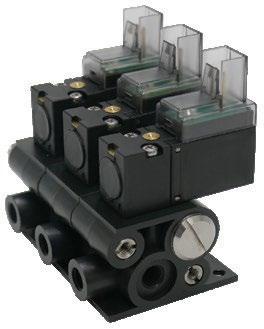
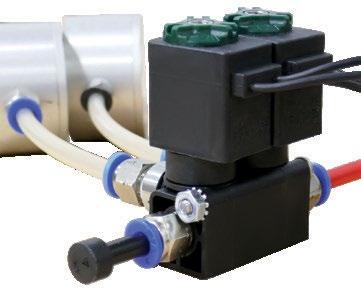
Precision engineered stacking bodies allow valve stations to be easily joined together in series. Whether building a single valve system or multi-output manifold, users can stack the necessary amount significantly reducing the time and cost associated with sourcing or machining a dedicated manifold. These valves aren’t just designed to perform—they’re designed to evolve with the application. Learn more about our products at www.spartanscientific.com.
Designing efficient systems is about more than components and specifications—it’s about understanding how real requirements come together in the real world. Clippard takes the time to understand the specific demands of your system, applying decades of engineering experience to deliver solutions that perform better, last longer, and fit seamlessly. Call or email us today to connect our engineers with yours.

customerservice@spartanscientific.com 230 McClurg Rd. Youngstown, OH 44512
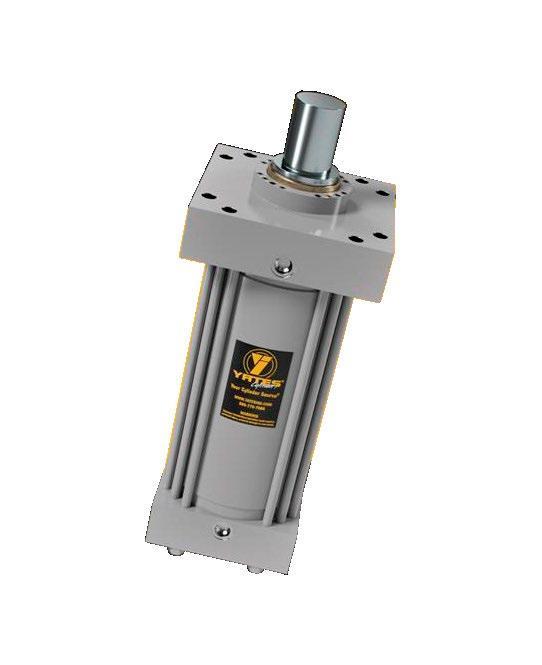
Use our online configurator to receive a quote in 30 minutes or less. Quantities over 5 may increase lead.
www.clippard.com/link/FPJ 1-877-245-6247 | sales@clippard.com
High-performance servo valve engineered for precision control and rapid response (1.5 msec from 0 to 100%). Designed for demanding applications, it delivers exceptional accuracy, stability, and reliability. Compact, robust, and easy to integrate—ideal for advanced motion systems requiring superior dynamic performance and consistent operation.
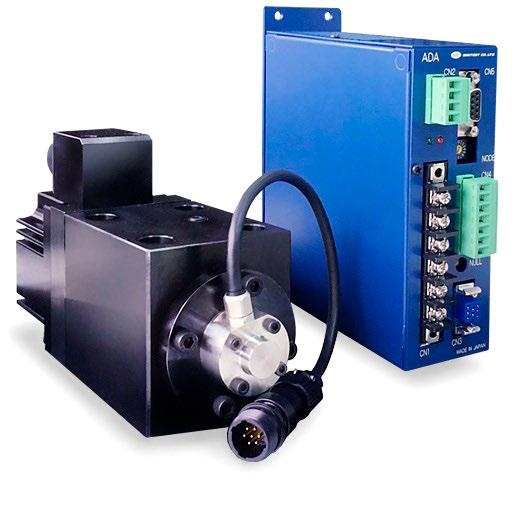
Fax 469-519-3514 Email info@exsenco.com web exsenco.com

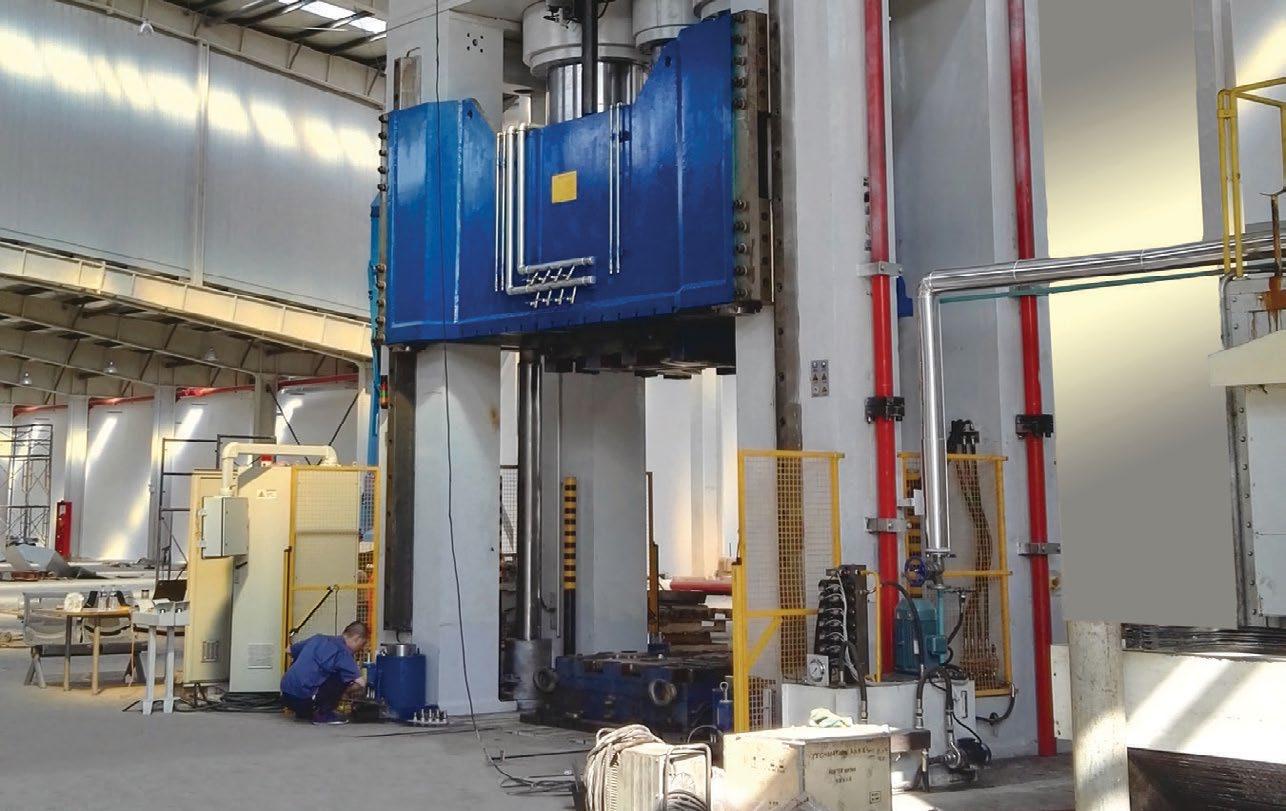
This press applies up to 3,000 tons of force to form composite automobile panels. Delta’s RMC provides multi-axis position and pressure control, ensuring perfect synchronization of every moving part.


Delta RMC motion controllers and graphical RMCTools software simplify complex motion design, making it smoother and more precise.
For the full case study on Wuxi LANLI Machine Tool Co. and other relevant applications, visit deltamotion.com.
Watch our training videos to see how Delta Motion can bring precision and harmony to your application.












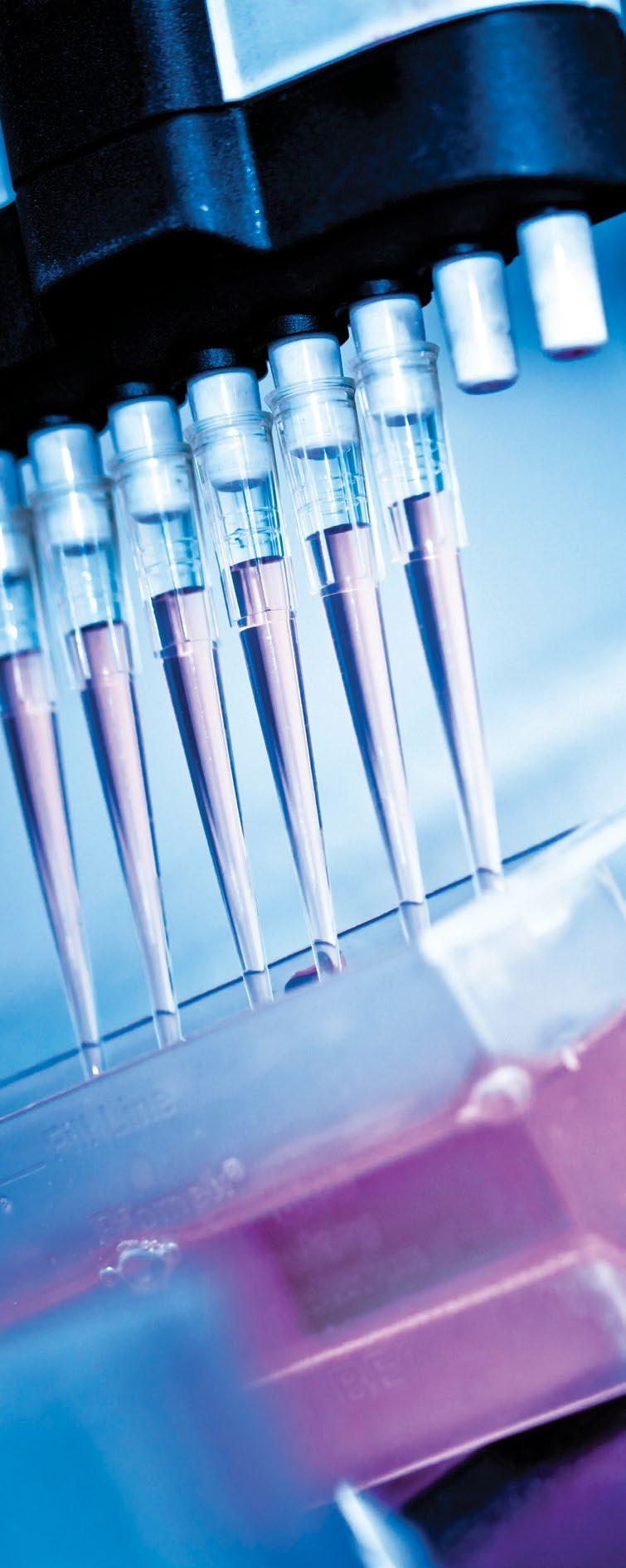

Designing efficient systems is about more than components and specifications—it’s about understanding how real requirements come together in the real world. By taking the time to understand the specific demands of your system, we bring decades of engineering experience and a people-first mindset to develop solutions that perform better, last longer, and fit exactly where they need to.
Have a challenge you’re working through?
Call or email us today and let’s connect our engineers with your engineers.

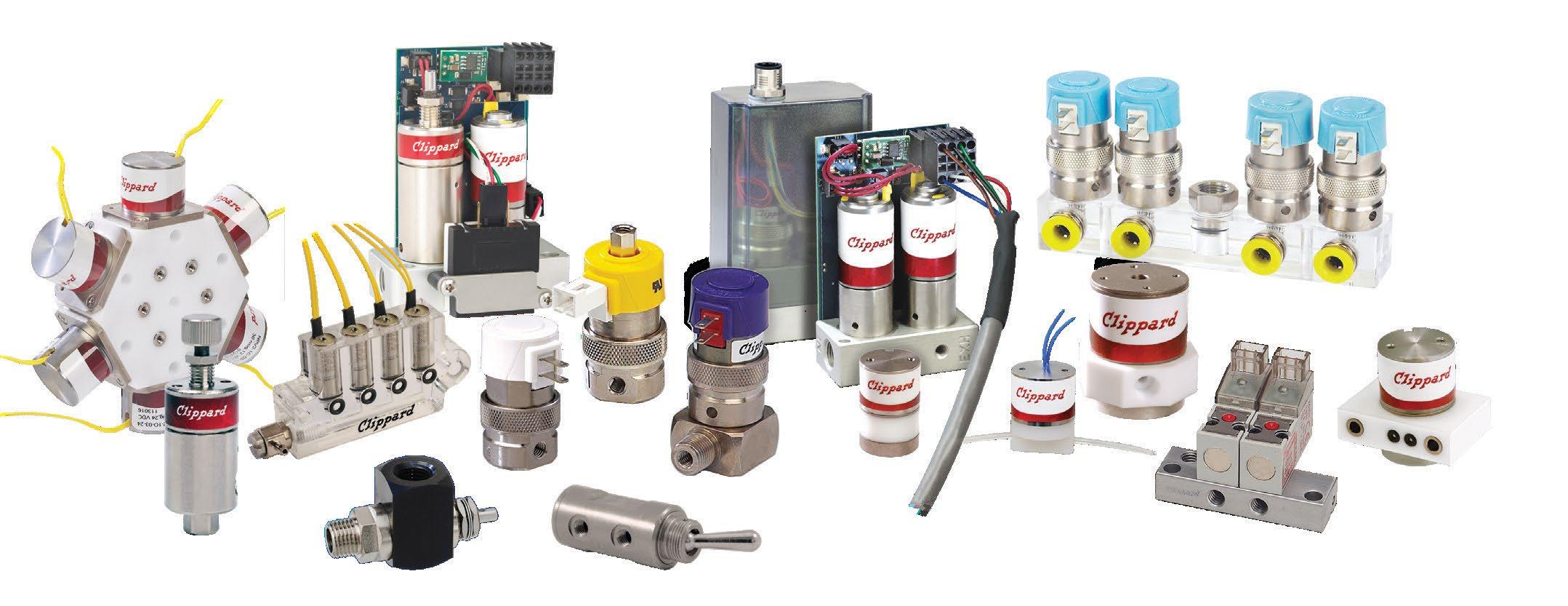
• Electronic Valves
• Proportional Valves
• Isolation Valves
• Pinch Valves
• Precision Regulators
• Toggle & Stem Valves
• Needle Valves
• Electronic Controllers
• Pneumatic Assemblies
• Special Manifold Designs
• Pneumatic Circuit Design
• Fittings, Hose & Tubing