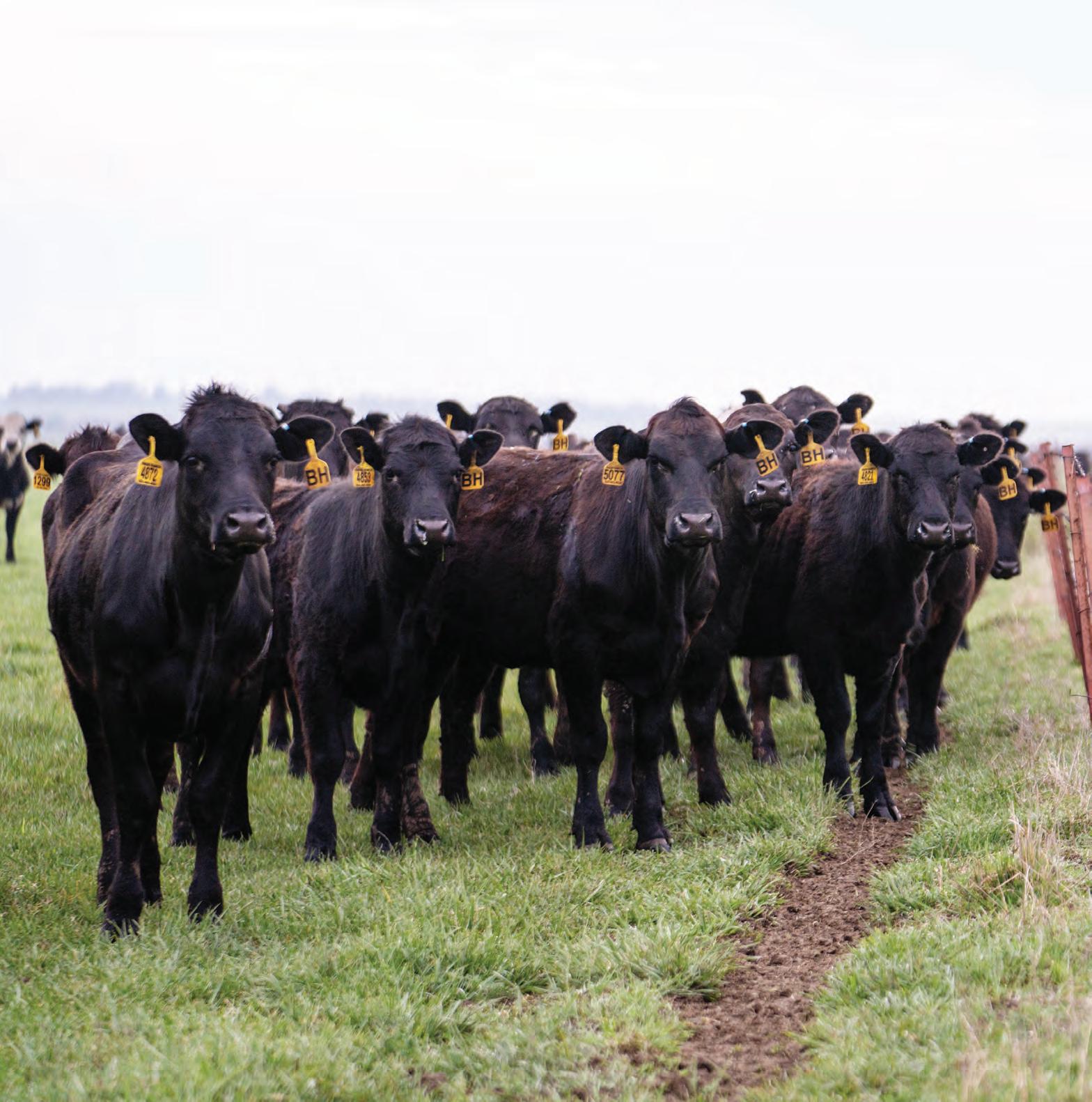
At Endovac, we take a proactive approach to protecting animal health. By offering gram-negative cross-protection in a single product–powered by our exclusive immunostimulant, Immune Plus–our vaccine line sets a new standard in disease prevention and immune support. That means better health for animals, and a better bottom line for you.
Learn more about whole herd protection with Endovac-Beef at EndovacAnimalHealth.com.






PRESIDENT Val Carter (Pingree) 208-390-4811
PRESIDENT-ELECT
Arnold Callison (Blackfoot) 208-681-8441
VICE PRESIDENT
Jesse Human (Jerome) 208-358-1277
PAST PRESIDENT
Spencer Black (Malta) 208-647-8130
TREASURER
Scott Bunderson (Grand View) 208-250-7549
FEEDER COUNCIL CHAIR
Logan Peters (Boise) 208-999-2584
PUREBRED COUNCIL CHAIR
Chase Lanting (Twin Falls) 208-539-4371
COW-CALF COUNCIL CHAIR
Royce Schwenkfelder (Cambridge) 208-550-2200
CATTLEWOMEN COUNCIL CHAIR
Christie Prescott (Fairfield) 208-420-3548
DISTRICT 1 REPRESENTATIVES
Meranda Small (Grangeville) 208-816-2004
Cece Baldwin (Coeur d’Alene) 208-699-6611
DISTRICT 2 REPRESENTATIVES
Mark Moura (Cambridge) 208-830-5417
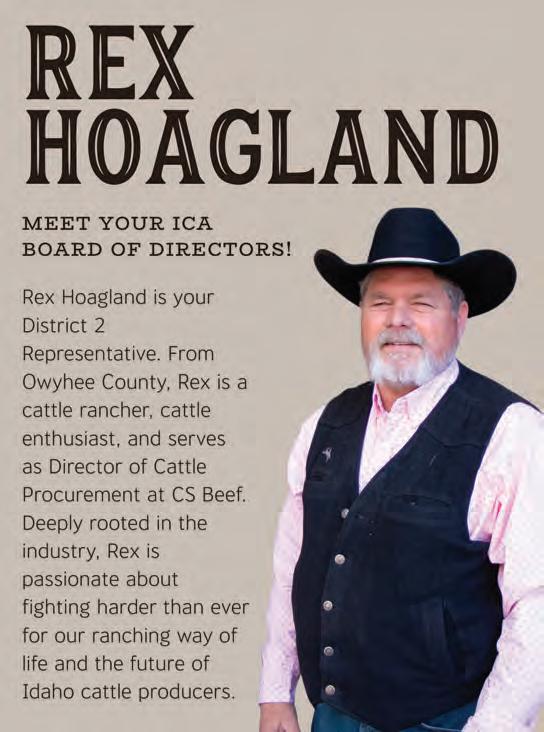
Rex Hoagland (Melba) 208-800-2798
DISTRICT 3 REPRESENTATIVES
Broden Matthews (Oakley) 208-431-3263
Valene Cauhorn (Jerome) 208-571-9086
DISTRICT 4 REPRESENTATIVES
Shane Rosenkrance (Mackay) 208-589-3110
Danna Beckman......(Idaho Falls) 208-201-9902
DISTRICT 5 REPRESENTATIVES
Tim Munns (Snowville) 435-279-4420
Matt Thomson (Idaho Falls) 208-589-6901
ALLIED INDUSTRY REPRESENTATIVE
Elena Montemagni (Caldwell) 559-786-3627
CATTLEWOMEN BOARD REPRESENTATIVE
Bailey Storms (Idaho Falls) 208-973-2710
DIRECTORS AT LARGE
Casey Scott...............(Clarkston) 208-431-3024
Randall Raymond (Grand View) 208-599-0391
EXECUTIVE VICE PRESIDENT
Cameron Mulrony cameron@idahocattle.org
DIRECTOR OF COMMUNICATIONS & INDUSTRY RELATIONS
Morgan Lutgen morgan@idahocattle.org
MEMBER PROGRAMS & SERVICES MANAGER
Montana MacConnell montana@idahocattle.org
ADMINISTRATIVE ASSISTANT
Michelle Johnson michelle@idahocattle.org
NATURAL RESOURCES POLICY DIRECTOR
Karen Williams karen@idahocattle.org
Contact Idaho Cattle Association: Mailing address: P.O. Box 15397, Boise, ID 83715
Location: 2120 Airport Way, Boise, ID 83705 Phone: 208-343-1615
For advertising sales, contact: idahocattlepublications@gmail.com
The Line Rider is the official publication of the Idaho Cattle Association. It is published 10 times each year, in January, February, March, April/May, June, July/August, September, October, November and December.
Selling
26

How representation on the national stage makes a difference
Many of the issues we face in Idaho can only be solved on a federal level, and that takes representation in Washington DC. “
BY VAL CARTER ICA President
We can’t solve problems by using the same kind of thinking we used when we created them.”
–Albert Einstein
I hope this issue of the Line Rider finds each of you well. I’m sure many of you are in the middle of calving season. As I write this, we have just returned from the National Cattlemen’s Beef Association (NCBA) annual convention in Nashville, Tennessee. “CattleCon,” as it has been branded, is where cattle producers from across the U.S. and around the world gather to network, take advantage of educational opportunities, receive updates on the state of the industry, and, most importantly, conduct the business of the association.
that will make you proud to be part of the beef industry and a member of this organization.
My first experience with NCBA’s CattleCon was last year in San Antonio. Although I had been a member of the Idaho Cattle Association (ICA) for more than 25 years, I had never attended an ICA function or joined our national affiliate, NCBA. Over time, through my limited exposure to media and conversation, I had developed an unfounded perception that NCBA was run by packers and large corporations. After being asked to serve on the ICA board, I brought that concern to a group of informed cattle producers. Marty Gill, then the ICA immediate past president, spoke up and gently explained that NCBA and the Beef Board are overwhelmingly composed of cow-calf and feeder producers. He also outlined how NCBA is governed by producers chosen by producers.
CattleCon is home to the largest gathering of cattle producers in the world, with more than 9,400 in attendance in 2026. It features an indoor trade show spanning over seven acres and showcasing nearly every cattle-related product imaginable. It also hosts Cattlemen’s College sessions, live cattle demonstrations, BQA certifications, good food, and great entertainment. To say the least, it is an impressively well-run event
So, I ask you: why do we need NCBA? Many of the issues we face in Idaho can only be addressed at the federal level, and that requires representation in Washington, D.C. NCBA is by far the largest and most respected cattle organization in the country, and it is where most legislators turn for information and advice on cattle issues. When we join with other states, our voices are amplified, and we are more unified in delivering our message. Will we agree on every issue? Probably not. But it is far better to join the conversation as a member and help shape policy in a boardroom than to be an armchair quarterback on social media. After observing NCBA leadership and staff through presentations and policy discussions, I am confident they represent the interests of all sectors of the cattle industry. They are just as
passionate about preserving family operations as they are about supporting other segments of the industry.
The first business meeting I attended last year began with a prayer offered by the incoming NCBA president. I was struck by his sincerity as he asked for divine guidance and direction in carrying out the responsibilities of governing the association and serving our nation. Whether you are a person of faith or not, it was hard not to be impressed by his humility and genuine desire to serve. We have good people in place, people who will listen and do their best to represent us and our industry.
Thank you for reading my ramblings. Since this month’s topic is membership, I encourage you to be engaged and make the most of your ICA membership. If you are reading this, you are likely already a member. I would encourage you to reach out to your neighbors and friends and invite them to join the conversation. I know most of us would rather stay home on the ranch, take care of our own operations, and let someone else handle the business side of the industry. That was me for 25 years. I am grateful someone reached out and encouraged me to take the opportunity to learn and grow. It has been enlightening... though I fear I may never regain the same level of blissful ignorance I once enjoyed.
Take care and have a great spring!



The cattle industry is a complex web of systems that, at the end of the day, all work together to provide a safe and nutritious food source to people around the world. There are multiple vital segments within that system, beginning with the cow-calf sector, which produces a new calf crop each year to supply the rest of the chain. Those calves then move through various stages that convert potential into a finished animal ready for the processing floor and, ultimately, the consumer’s plate.
“How many consumers from Seattle show up at your place, knife in hand, ready to eat a steak?”
At the other end of the chain is the consumer—those who choose to purchase and enjoy beef products. In reality, they are the most vital segment of our industry. Over the years, different parts of our industry have found themselves under the microscope, scrutinized for their business practices or their share of the pie. That said, every segment plays a necessary role. I recall a conversation with a family member at a holiday gathering. He was frustrated by headlines about processing margins at a time when he was operating on a much smaller scale at home. I asked him, “How many consumers from Seattle show up at your place, knife in hand, ready to eat a steak?”
BY CAMERON MULRONY ICA Executive Vice President
The answer, of course, is none. The question may be far-fetched, but the point remains: it takes the entire web to deliver a product to the consumer.
As I write this, we are in the middle of Idaho’s legislative session, there is activity at the federal level, and our 2026 calf crop is arriving daily. Each of these moving pieces impacts the others.
The Idaho Legislature has created a DOGE task force to identify efficiencies, and they will most likely reconvene after the session concludes. Some items under consideration could affect the Idaho Beef Council (IBC), the Idaho Rangeland Resources Commission (IRRC), or even the Idaho Brand Board. While there may always be areas to improve, these entities serve our industry.
The IBC and IRRC work on your behalf to help ensure consumers remain confident in our products and in how we steward Idaho’s landscapes to produce them. They each have distinct roles and continue to provide valuable perspective to citizens throughout our state and region about the importance of beef and Idaho’s cattle industry.
We are also seeing regional opinion pieces questioning checkoff programs and their relevance. Scrutiny is not necessarily a bad thing. However, at a time when consumers are facing record prices, our partners in Idaho are delivering a message of safety, nutrition, and sustainability to those who choose our products. We must maintain demand.
We must also maintain a positive perspective around the cow. The time may come when our industry partners will need to increase budgets or
reduce services as costs continue to rise. Where should we land as producers? I don’t have a crystal ball. But as I travel and visit with people in airports and at events across the state and nation, it is clear that demand for our products, our open spaces, and our way of life remains strong. That didn’t happen by accident. It is the result of generations of cattlemen who worked hard and thought ahead.
As new blood enters our industry across all segments, we need to encourage their involvement. We should mentor them, helping them understand where we have come from and how we have sustained this industry, even with a reduced head count. At the same time, we must listen to their ideas and perspectives as we work to rebuild and maintain our domestic cow herd while ensuring that demand for beef, ranches, and cattle on the landscape continues to grow.
The Idaho Cattle Association remains committed to preserving, promoting, and protecting our industry. We welcome your thoughts on how we can continue to fulfill that mission. We also want to recognize our partners across Idaho who work alongside us through their respective organizations. A web is strong when it is properly built. It can be rebuilt and expanded, but only if we are careful not to cut the anchors that hold it together. Every segment matters, and there are many within our industry.

dlevans.com
According to Idaho’s constitution, the Idaho Department of Lands (IDL) and the Idaho Land Board must manage state lands to “secure the maximum long term financial return” to the endowment beneficiaries, the public schools. While other laws and rules related to state lands management have changed and developed through the years, this financial mandate has remained constant simply due to the fact that it is proverbially written in stone into our constitution. With this hard and fast language in place, and its requisite laser focus on monetary income, our industry has, at times, been at odds with state lands management.
The argument can easily be made that the cattle industry, and grazing on state lands, provides a net benefit to the state of Idaho.
The effects of this financially focused mandate on our industry have evolved over time. In the late 1990s, one of our industry’s chief adversarial organizations was born out of one individual’s extreme dislike of cattle. John Marvel, through his Idaho Watersheds Project (IWP) discovered that he could rid state lands of cattle by taking advantage of this constitutional language and placing higher bids on state grazing leases than ranchers. For a time, the Land Board generally agreed with our arguments that livestock grazing on state lands provided a net financial benefit to the state by its economic contributions to the community and larger economy, be-
BY KAREN WILLIAMS ICA Natural Resources Policy Director
yond just the grazing lease auction bid amount or the grazing fees. Not one to back down, IWP took the state to court over this approach. In 1999, the Idaho Supreme Court sided with IWP’s perspective on the meaning of “maximum long term financial return.” The court took a very narrow view of the constitution’s wording and found that IDL’s and the Land Board’s consideration of factors like the health of the livestock industry or the state economy when leasing state lands was unconstitutional because it prioritized external interests over the schools’ financial benefit.
Eventually, IWP lost interest in pursuing state lands leases as they transitioned to a west wide organization, changed their name to Western Watersheds Project, and learned they could be much more destructive to our industry by limiting grazing on federal lands through their manipulation of the federal court system. However, this did not remove the risks to the continuance of grazing on state lands. In more recent years, competing uses of state lands have posed some threat to the continuance of grazing on those lands. The push for renewable energy development during the Biden administration saw a huge influx of energy applications across ownership jurisdictions in our state. Cattlemen have no chance to compete with the type of money that energy companies have to play with, and where solar development occurs, there can be no other uses of the land.
Now, with Idaho’s exploding population, unfortunately, there is increased attention to our lands and interest from wealthy investors in purchasing or obtaining control of the land. If the Land Board is to truly maximize their financial return and adhere to the strict confines of the constitutional language which
disregards the long-term economic impact to surrounding communities, they would have to sell off parcels at the highly inflated prices that individuals or corporations would be willing to pay at astronomical prices for development or private hunting reserves. This is not hypothetical or hyperbole. Recent action regarding a 160-acre state land parcel in Driggs proves this. The Land Board recently voted to dispose of this parcel, which has a current grazing lease on it, at a public auction. It has been widely reported that a billionaire businessman is driving the process with his interest in acquiring the land.
With all this in mind, it is now particularly interesting to note that there has been a movement in this year’s Idaho legislature to amend the constitution to allow for a prioritization of uses on state lands, giving revenue-producing activities a higher priority. Two separate bills have been circulating in the legislature, and while some of the ideas contained in the bill give us pause and will require a deeper dialogue, such as the creation of a whole new classification of lands to be managed by the state, we certainly have interest in broadening the interpretation of the constitutional language regarding maximum return. ICA was not the impetus behind these bills, nor are we the drivers, but our industry certainly has a lot at stake in the issue.
ICA was involved in a similar effort in 2010, but the effort failed in the legislature due to lack of support from other land and resource user groups. At that time, those industries, i.e. timber, did not face the same threat that the cattle industry felt. They could outcompete other potential bidders of state land. But now, with billionaire investors in play, I wonder if the tables have turned a little. However, it is no small feat to amend the state constitution. First, the proposal must pass both the Idaho House of Representatives and the Idaho Senate, each by a two-thirds majority. Then the proposal is placed on the ballot for the next general election where it must be approved by a simple majority of voters. Given our lawmakers’ limited ability to reach agreement on virtually anything these days, it will be a big lift just to get it out of the legislature. Then ballot measures require an inordinate amount of funding to educate the public and sway votes.
should be able to be considered when alternative uses of the land are proposed. Livestock grazing leases provide a consistent source of revenue to the state. These leases are based on a renewable resource that replenishes itself annually. Grazing benefits that investment with predictable cash flows. In managing long term returns, this predictability is an invaluable portion of the endowment’s portfolio.
Further, a strong cattle industry guarantees revenues to the state and the endowment for years to come. A University of Idaho study of the Owyhee County area determined that approximately $50 of direct and indirect economic activity is generated regionally by one cow and her calf grazing for one month. Although this figure varies county by county, if used to generalize the economic value of ranchers across the state, the total benefit is significant.
Considering that the state leases over 23,000 AUMs, that calculates out to approximately $1.15 million in revenue that the state and its citizens enjoy due to the grazing program each year, in addition to the direct grazing fee revenue. Additionally, every dollar generated by the cattle industry in Idaho turns over five times in the economy. All of this economic activity supports property values of ranches and creates a significant amount of income and sales tax for the state.
Beyond these factors, grazing lessees are vital partners with the state in managing the state’s lands. The grazing fee is only a small portion of the contributions that lessees bring to the state. If all grazing leases were cancelled, the administrative costs that IDL incurs in managing its rangelands would not comparatively decrease. Excluding grazing would only increase the workload for the IDL in terms of infrastructure maintenance, weed control, fuels management, and firefighting efforts. Without grazing leases, IDL personnel would be solely responsible for building and maintaining fences to keep livestock out or else allow them to graze free of charge.
Whichever way the wind blows these current proposals, the argument can easily be made that the cattle industry, and grazing on state lands, provides a net benefit to the state of Idaho, its communities, and its economy. These factors
Maintaining the availability of state lands for grazing use is in the interest of all Idahoans, not just our industry, and provides a predictable, steady flow of income to the endowment. As the current proposals are considered, with more ideas sure to come in the future given the uptick in interest in the use or sale of state land, we will continue to share this message, will take action to protect the continuance of grazing on state land, and will support efforts that promise to achieve such results.
In Idaho, cattle ranching isn’t something you clock in and out of, it’s a way of life. From the high desert rangelands to the fertile valleys, the cattle industry is woven into the fabric of our rural communities and our shared heritage. With more than 2.5 million head of cattle and calves contributing a projected $3.9 billion to Idaho’s economy in 2025, cattle production stands as the state’s largest agricultural commodity. But numbers alone don’t tell the whole story. Ranching survives because of producers’ grit; year after year, despite shifting regulations, rising input costs, and growing pressure from outside forces that don’t always understand or care about our way of life.
As any rancher knows, a fence is only as strong as its posts. Today, the Idaho Cattle Association (ICA) is that fence. Serving as the unified voice for more than 1,000 members and their families, ICA protects our livelihoods, our land, and our legacy. But a fence left unattended won’t stand forever. To keep our industry resilient, we need to keep growing together.
One of ICA’s greatest strengths is its ability to bring people together. Ranching can be a solitary business, but it shouldn’t be an isolated one. Through networking opportunities like the Annual Convention and the Summer Round-Up, ICA creates an unmatched arsenal of knowledge. These aren’t just social gatherings; they’re working meetings where cow-calf producers, feeders, purebred producers, and allied industry partners can get together, sharing insight gained through experience. Every conversation adds another tool to the toolbox, strengthening not just individual operations, but the industry as a whole.
That collective strength matters especially in the political arena. When it comes to advocacy, num-
BY JESSE HUMAN ICA Vice President
bers carry weight. A strong membership sends a clear message to legislators and regulators: Idaho’s cattle producers are united, informed, and engaged. ICA’s greatest impact comes through direct policy advocacy, where real-world ranching knowledge meets decision-makers shaping our future.
Many of the most important battles facing producers are fought in courtrooms, regulatory agencies, and legislative halls far from the home place. ICA provides full-time staff representation across these channels, ensuring the interests of Idaho’s 2.5 million head of cattle are never sidelined or misunderstood. That constant presence serves as a shield protecting producers from policies that fail to reflect the realities of ranching in Idaho.
Just as important as defending today’s producers is preparing tomorrow’s leaders. ICA isn’t only protecting existing ranches; it’s investing in the next generation and young producers. Through the Idaho Cattle Women’s scholarship programs, ICA supports education, leadership development, and opportunity. These efforts ensure young producers are equipped not only to take the reins, but to advocate confidently for the future of the industry.
So when someone asks, “Why should I join the Idaho Cattle Association?” the better question might be, “Why not?” Membership provides access to staff, a deep library of resources, and a statewide community of peers. ICA is a true grassroots organization; its policies are set by producers, for producers.
If you’re not yet a member, now is the time to join. If you already are, look across the fence line and invite a neighbor, family, or friend. Our influence is directly proportional to our numbers. Let’s make sure the voice of the Idaho cattle producer remains loud, clear, and influential for generations to come.
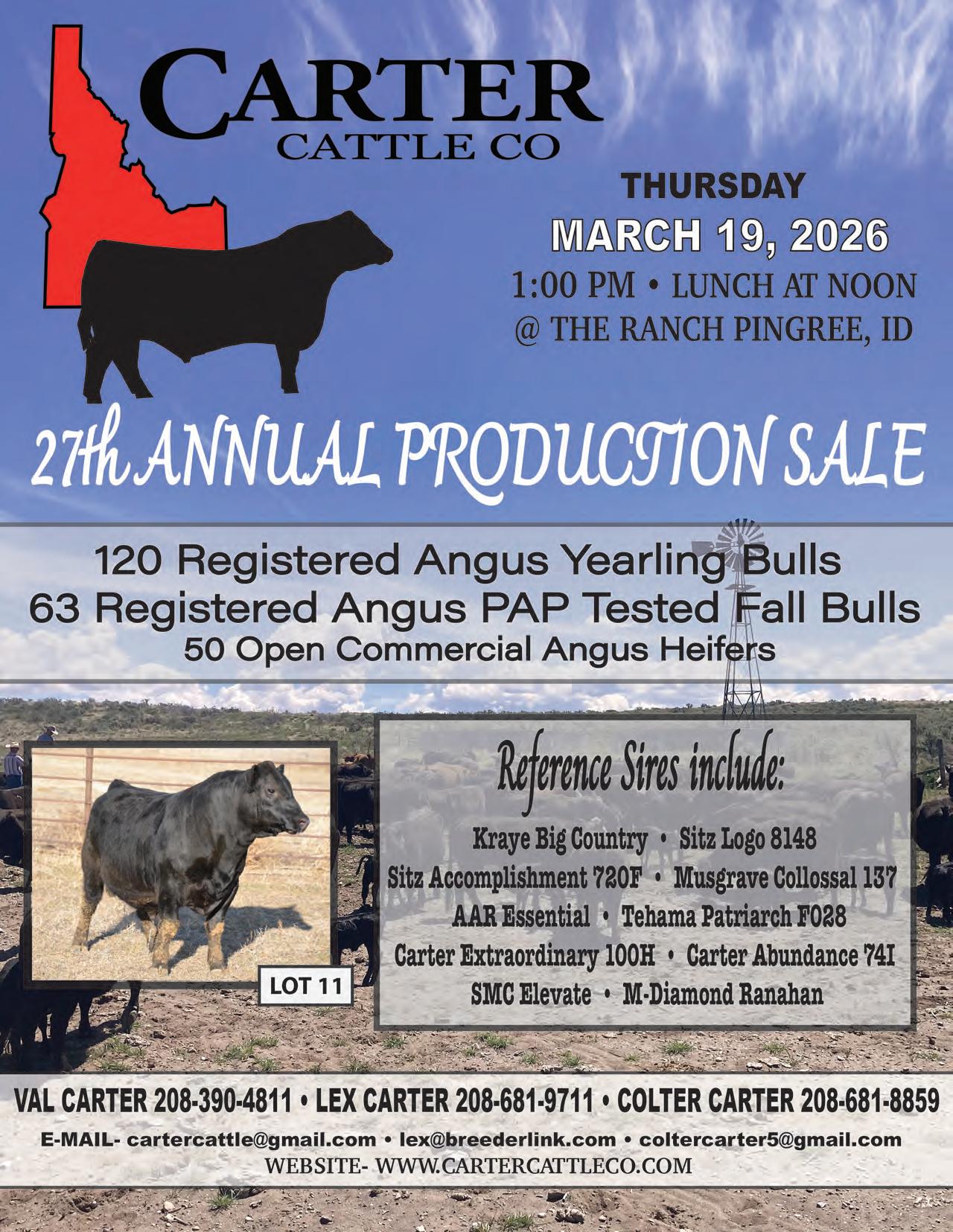
Our 6th Annual Bull Sale went great this year! Thank you to everyone who supported us. We look forward to seeing you at our 7th Annual Bull Sale, Thursday, February 25, 2027. Scan to be added to our 2027 mailing list today!


COVER STORY
BY MONTANA MacCONNELL, WITH CONTRIBUTIONS
FROM THE ICA MEMBERSHIP COMMITTEE
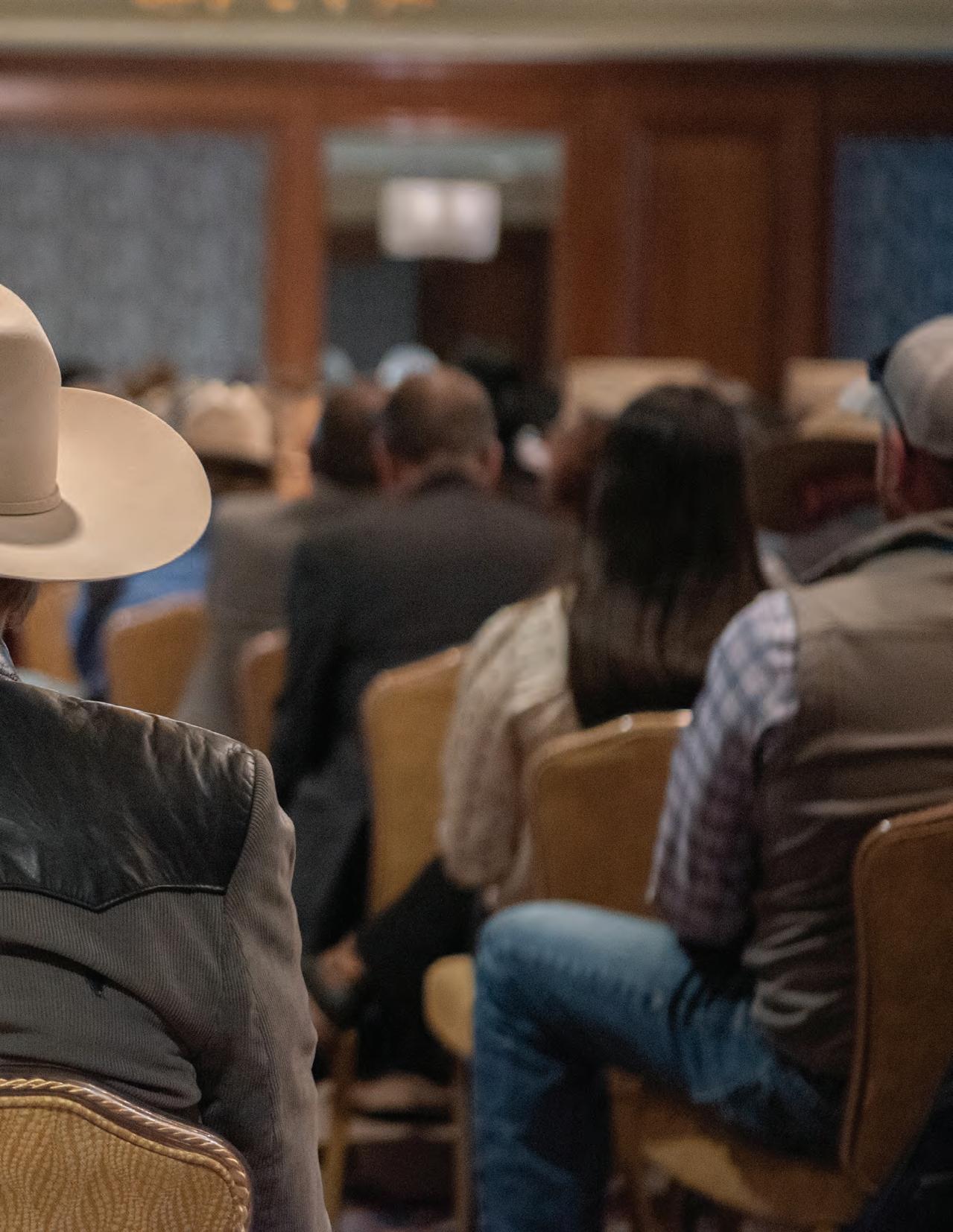
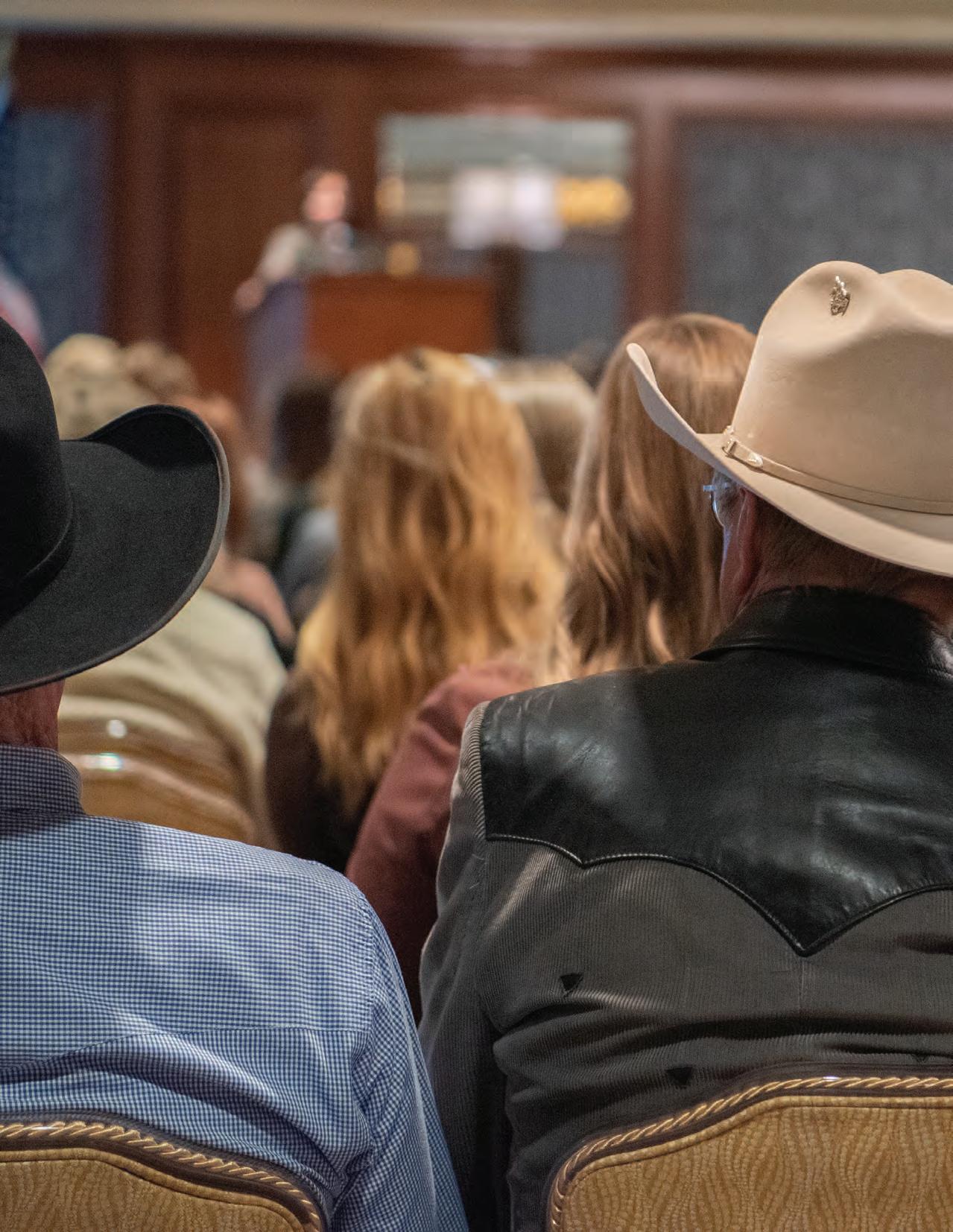
F or an organization like the Idaho Cattle Association (ICA), membership is everything. It is the dedication and drive of Idaho’s ranchers that brings the ICA success and status. For a state with more cows that people, the momentum of the state association is crucial to safeguarding the ranching lifestyle and legacy. But ironically, it is the people living out that lifestyle and legacy that safeguard the association. It is a mutually beneficial relationship.
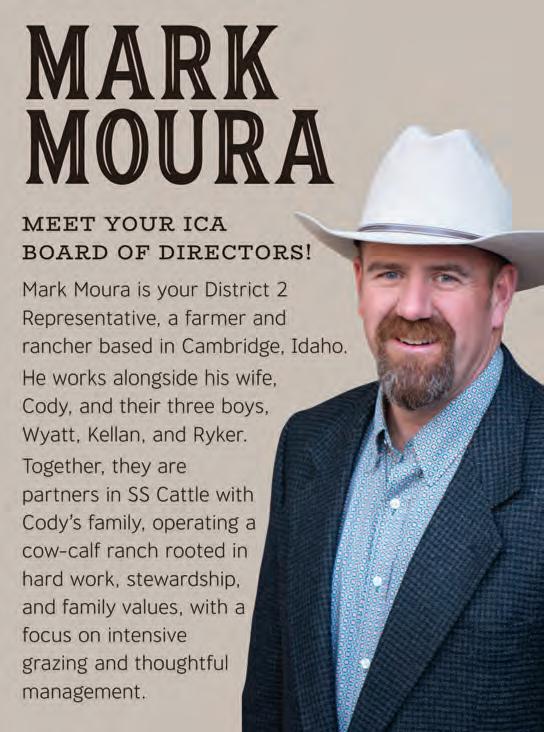
With membership being so foundational to the ICA, it is always top of mind for the board of directors. This year, the board formed a “membership committee” to work on ways to expand and evolve the ICA membership. This committee is made up of a representative from each of the ICA districts across the state: Meranda Small – District 1, Mark Moura – District 2, Valene Cauhorn – District 3, Shane Rosenkrance – District 4, and Matt Thomson – District 5. Read on to hear what ICA membership means to them.
My favorite aspect of being a member of the Idaho Cattle Association is the networking opportunities and gaining insight from seasoned producers. I also find value in hearing different perspectives and experiences that reflect the diversity of the Idaho cattle industry. Additionally, I look forward to hearing from the quality speakers brought in during convention each year. It’s exciting to bring home new ideas that may have a positive impact not only in my Extension programming but on my personal operation as well.
For those considering joining the ICA, I would encourage you to look at membership and participation in events as a time investment and as an opportunity to be
part of the efforts to preserve and enhance the Idaho cattle industry being carried out by the ICA.
The best part of being involved in ICA is the friendships and connections built through meetings, conferences, and dinners. It’s hearing the ideas of colleagues from across the state and learning how they’re finding success with similar challenges. It’s sharing stories about how Dad or Grandpa used to do things, while also exchanging new ideas for the future. It’s the shared passion for the beef industry and the commitment to getting better each and every day. Most importantly, it’s the opportunity to be a positive influence on policy and regulations as we move forward in an ever-changing state.
I always had a strong desire to be part of ICA. From the outside looking in, it seemed like an organization that truly mattered — one that brought producers together for the good of the beef industry and our state. However, for many years it felt like the Summer Meeting and Winter Conference always came at the “wrong” time. Those events seemed to land right in the middle of hay season or during shipping — two of the busiest and most important times of the year. It was easy to convince myself that there simply wasn’t time to step away.
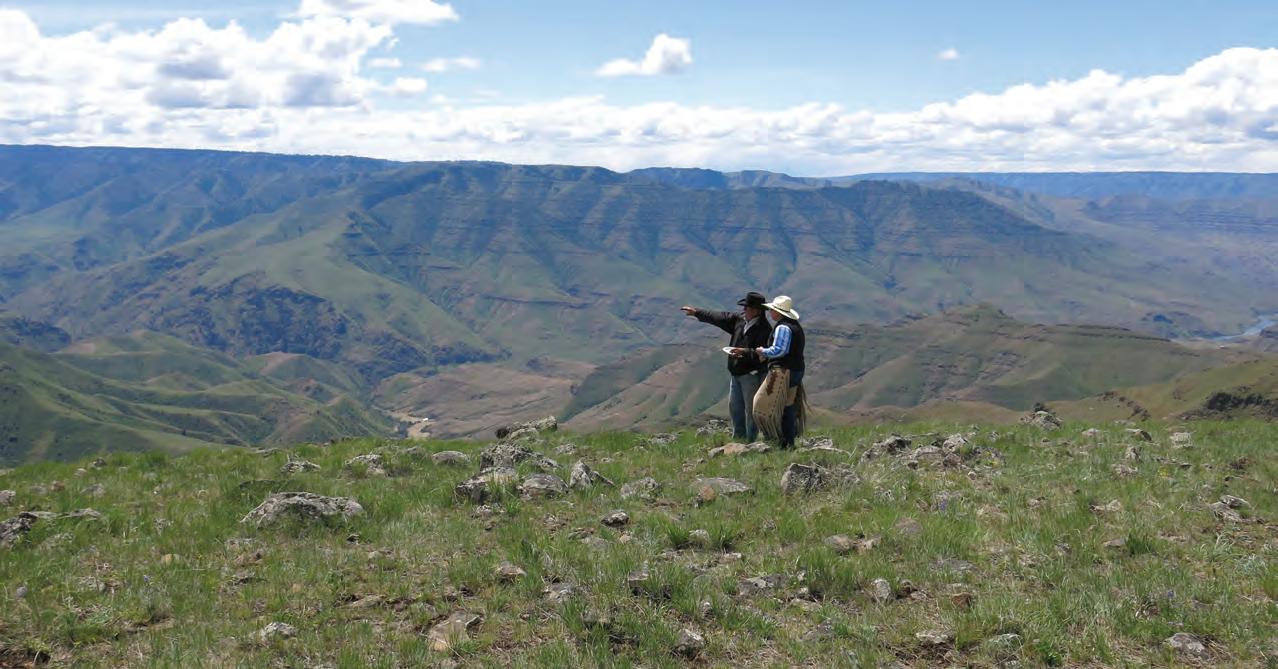
But once you become involved, you quickly realize that making time for those meetings is just as important as what’s happening back home. The work never truly slows down in agriculture, and if we wait for a “perfect” time, we may never step forward. What I came to understand is that those gatherings aren’t time away from the operation—they are an investment in it. For years, I listened to family and friends come home from those meetings energized and full of new ideas. They shared what they had learned, the connections they made, and the inspiration they brought back with them. I began to realize that I wanted that same experience — not just to hear about it, but to be part of it myself.
To someone considering joining for the first time, I would say: Do it. Get involved. Become a member and take advantage of everything ICA has to offer. Read the Line Rider. Follow and read The Western Martingale website. Stay informed about what’s happening in our industry and in our state. Knowledge is one of the most powerful tools we have as producers.
But don’t just sign up—participate. Attend Summer Round-Up and Annual Convention. Engage in conversations. Ask questions. Share your experiences. The value of ICA isn’t just in the information; it’s in the relationships and the collective voice we create when we stand together. Right now, times are good in the cattle industry. That makes it the perfect time to reinvest—not just in our own operations, but in the organization that protects and ad -
vances our way of life. Supporting ICA is investing in advocacy, education, and the long-term strength of the beef industry. The beef industry truly is the heart and soul of Idaho and the United States. If we want it to remain strong for the next generation, we all have a role to play. Joining ICA is one of the best ways to ensure our voice is heard and our future is protected.
My favorite part of being a member of the Idaho Cattle Association is the people and the knowledge. I appreciate being part of an association that allows me to ask questions and dive into topics on a deeper level.
We are better together in numbers. When more people come together, more ideas can be on the table, and we have stronger representation to the outside community—whether it be government, regulatory agencies, or consumers. If we are not involved and engaged, someone else will be, and it is important to have your voice heard.
We need diverse perspectives at the table. We need producers with 10 head to producers running 50,000head feedyards and everyone in between. Our industry is so vast that if we all don’t participate, there may be a viewpoint that is missing.
I continue to support and invest in membership because I value having representation at the State House, access to timely and industry-relevant information, and a network of peers to learn from and exchange ideas with. Idaho’s cattle industry is constantly evolving, and there is always more to learn.
My favorite part of being an ICA member is the connection, camaraderie, and association with some of the best cattlemen and women in Idaho and the nation. Their knowledge and experience are priceless and inspire all who encounter them to strive for the betterment of our industry, resources, and families. Being associated with producers who share a common passion for the cattle industry and ranch life in general uplifts and supports members in both hard times and good times.
To quantify membership is a little difficult. How do you put a dollar value on being represented on issues like open range, property rights, brand laws, wildlife, and so on? Not to mention the work ICA does with the State Veterinarian and Legislature on animal health topics like brucellosis (bangs), trichomoniasis, new world screwworm, and the list goes on and on. Having ICA in your corner is invaluable and they help members with issues
that would normally overwhelm your everyday rancher with limited time and resources.
I joined ICA about 40 years ago in my early 20s when I only owned about 60 cows. I knew many ranchers that I admired were members and I wanted to join their ranks. I also knew that I did not have the time or knowledge to deal with all the challenges producers faced.
Here’s some examples of the work ICA has done. ICA led the charge for Idaho to achieve brucellosis-free status, which was huge. The trichomoniasis law stopped a disease that devastated Idaho cattle herds in the 1980s and is now no longer a major problem. Not to mention how ICA keeps tabs on BLM and Forest Service regulations that could put many public land ranchers out of business.
The Idaho Cattle Association does so much for so many and I am proud to be a member and will continue to support the ICA, and plan on being a member until I die.
ICA membership, to me, is a source of comfort in knowing I don’t have to stay focused on issues that affect our industry daily because there is a team at ICA dedicated to this—and it is their daily focus. I have now been a member for many years and value the efforts I have seen through that membership.
I didn’t know a lot about ICA when I first became a member, but after a couple of years, we had an issue with some fence borders. After talking to a neighbor, he suggested reaching out to ICA staff to see if they could offer guidance. What I found was shocking. Within hours of our phone conversation, I received multiple emails and a follow-up phone call to discuss what had been sent to me. I felt very good knowing the level of support available and having such a resource at my disposal.
After reaching out on a few other topics and seeing that support firsthand, it made it an easy decision to run for and join the board of directors when approached. Since taking the position of district 5 representative, I have been even more impressed with what goes on behind the scenes. I have seen and been involved in discussions and witnessed the time spent on issues, ensuring our stance is in line with membership direction and best for our industry. While not every issue directly affects my own operation, I am impressed with the big-picture, statewide approach ICA takes. I feel very fortunate to be involved at the board level, and value the opportunity to serve and grow my network in this industry.
I have recently been assigned to the Membership Committee, and I wholeheartedly believe in the values of being an ICA member. I would strongly encourage anyone
who isn’t currently a member to do some research, reach out to a board or staff member, and have a conversation. Follow along on social media, read the Western Martingale, see the involvement of our organization, and then decide for yourself if it’s worth it or not.
I would challenge anyone to find a more dedicated, member-driven, member-centered organization working together for its membership anywhere in Idaho, in most any industry. Hopefully, our membership will continue to grow. I believe we have a strong staff and board in place that is very engaged, and I am truly pleased to be a small part of it.
Though each member of the committee has a unique perspective and experience in the cattle industry, some common themes ring true: connection, representation, and support. Whether it’s networking, new ideas, advocacy at the Legislature, or protection from regulatory overreach, ICA membership is an investment in your future.
In Idaho, the people behind the ICA are committed not only to their own operations, but to each other and to the long-term strength of the beef industry. When producers step forward to participate, they are actively safeguarding the Idaho beef industry. After all, an association is only as strong as its people.
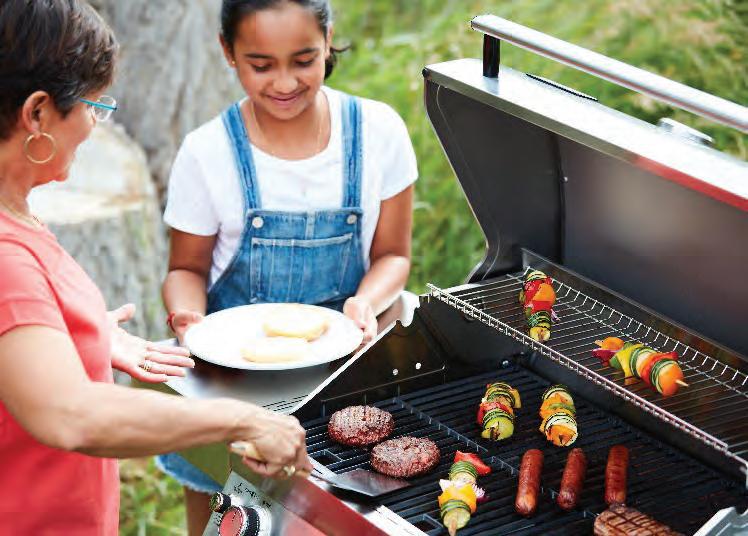
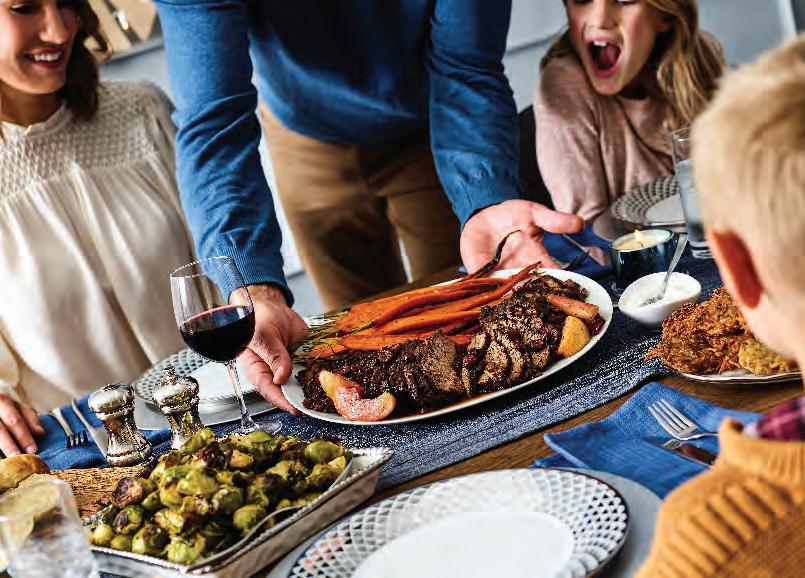
Since 1922, the Beef Checkoff has funded nutrition research programs and supported nutrition education. One successful program that continues to disseminate vital beef nutrition information to health professionals is the Nutrition Seminar Program.
The Nutrition Seminar Program works in collaboration with state beef councils to provide influential, credentialed health and nutrition experts to speak on cutting-edge issues at State Academy of Nutrition and Dietetics meetings, as well as other statewide meetings and conferences whose audiences include credentialed health professionals.
During the last year, 24 states utilized this program, including Idaho. As part of Idaho’s voluntary investment into the Federation of State Beef Councils, the Federation pays speaker honorariums and travel expenses.
The program enables the Idaho Beef Council (IBC) to bring nationally recognized, high-caliber nutrition experts to events across Idaho, an opportunity that would not otherwise be financially feasible. IBC has leveraged this program with great success over the past several years.
Previous speakers who have traveled to Idaho include well-known nutrition experts Amy Myrdal Miller, MS, RDN, FAND; Neva Cochran, MS, RDN, LD, FAND; and Amy Goodson, MS, RD, CSSD, LD.
A wide range of topics and speakers are available and can be tailored to meet each state’s needs. State beef councils can request registered dietitians and other nutrition experts to speak
about culinary arts, lifecycle nutrition, sustainable nutrition, the power of protein as well as professional development.
Sessions within this category showcase how to bring food to life in the kitchen, using beef as an example, through recipe development, tasty pairings, and food photography. These sessions can also be tailored to include tips on how to cook for those with specific dietary restrictions related to various disease states. Additionally, these sessions can incorporate live cooking demonstrations for the audience upon request.
Nutrition plays an important role in every stage of life as it can significantly impact one’s quality of life. This category includes sessions that cover off on family-focused and school nutrition, nutrition for healthy aging, nutrition’s role in chronic disease prevention and management, as well as obesity and weight management.
Sustainability is becoming an increasingly important topic in today’s nutrition conversation. With the global population projected to reach 9.8 billion by 2050, the relationship between nutrition and sustainability has never been more intertwined. Sessions included in this category can address the collective human challenge of sustainably feeding the
world, food production and food waste, and strategy integration between food, nutrition, and agriculture.
Many Americans search for the best way to improve their overall health, and one strategy for maintaining a healthy lifestyle may be as simple as re-thinking protein as a food for strength. From discussion on sports nutrition, to the role of protein in weight management, to animal vs. plant-based proteins, these sessions highlight the latest research on protein’s health benefits and provide strategies for optimizing protein intake.
Credentialed health professionals are encouraged to continuously sharpen their knowledge and skills. These sessions provide tools and strategies that health professionals can utilize to enhance their leadership and communication skills. Especially in a fast-paced world where the social media landscape is ever changing, there is a renewed effort to keep up with nutrition messaging across all platforms.
The program equips state beef councils to share trusted, science-based nutrition information with health professionals while showcasing the strength of the Federation’s state–national partnership.
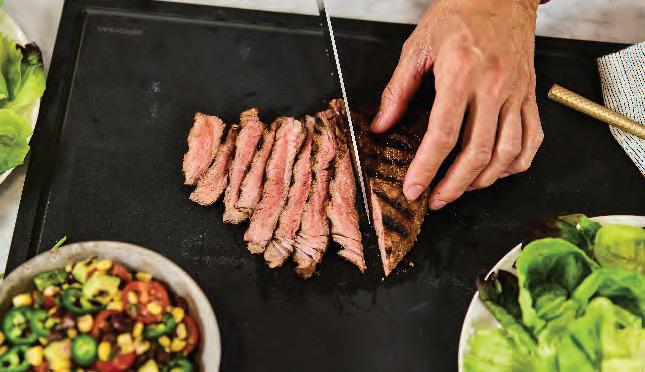
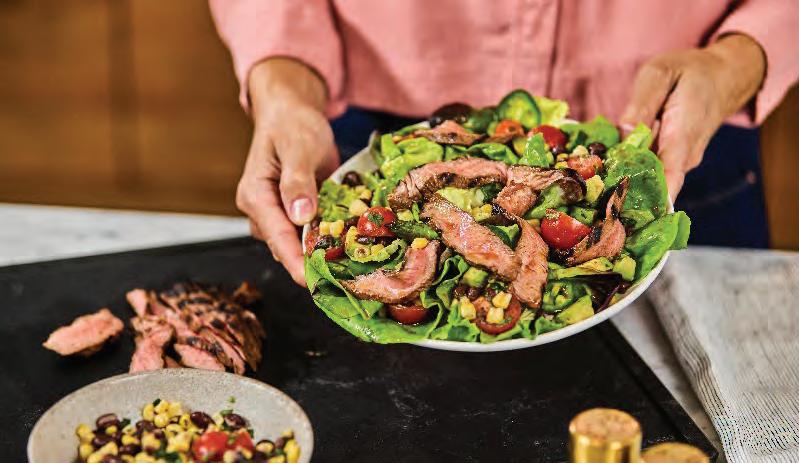
FROM WEIGHT MANAGEMENT TO BALANCING FAMILY NUTRITION, PROTEIN IS A CRUCIAL INGREDIENT.
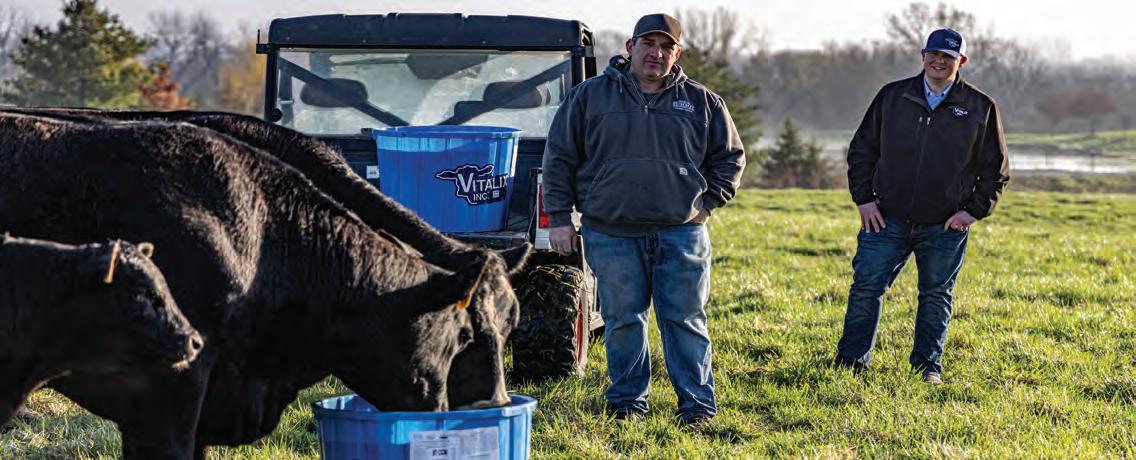
Reproductive efficiency is directly linked to herd profitability and fundamental for your beef enterprise. By using Vitalix Breed Back tubs, you can ensure your herd receives the essential nutrition for a productive breeding season.
Learn more from your local sales manager today! Northern ID • Jason Bean • 509-794-9059 • jbean@vitalix.com Southern ID • Owen Albrecht • 385-335-1745 • oalbrecht@vitalix.com








Calculating across-breed EPD to make the best selection decision.
BY J. BENTON GLAZE, JR., P h .D.
Extension Beef Specialist
Animal, Veterinary & Food Science Department
University of Idaho
Since the release of the first national sire summary in 1971, beef cattle producers have been using expected progeny differences (EPD) to assist them in making selection decisions. Expected progeny differences are estimates of the differences in performance of future progeny from two or more sires from the same breed. Expected progeny differences are generated from breed association data banks and are published/presented in a variety of venues. Expected progeny differences are specific to the breed from which they were generated and cannot be compared across breeds. This is due in part to the computations of EPD being done separately for each breed, the different base adjustments used by the breed associations, the differences in genetic trends for traits within the breeds, and the limited amount of information from comparisons of animals from different breeds. Numerous beef producers have benefitted from using EPD to select animals to meet defined or desired production goals. However, since EPD are specific to the breed from which they were generated and cannot be compared from one breed to another, commercial beef producers using crossbreeding have
found challenges in using EPD. To address these challenges, the concept of across-breed adjustment factors was employed. For several years, researchers at the United States Department of Agriculture’s Meat Animal Research Center (USMARC) in Clay Center, Nebraska have evaluated breeds, collected data, and developed tables of adjustment factors that account for differences between breeds. These adjustment factors, which allow for a fair comparison of EPD on bulls from different breeds, are updated annually and released through the Beef Improvement Federation (BIF) (https://beefimprovement.org). The most recent list of evaluated breeds and their across-breed adjustment factors are presented in Table 1. An example of how to use the adjustment factors to calculate an across-breed EPD follows.
To calculate an across-breed EPD, you need a current EPD from a breed association sire summary and a current acrossbreed adjustment factor for the same breed and trait. Consider a Simmental bull with a weaning weight EPD of +80.0 lbs. and a Charolais bull with a weaning weight EPD of +80.0 lbs.
The across-breed adjustment factors (presented in Table 1) for weaning weight are -9.8 lbs. for Simmental and 7.4 lbs. for Charolais. To calculate an across-breed weaning weight EPD for the Simmental and Charolais bulls, simply add the adjustment factor to the bull’s original EPD. The across-breed weaning weight EPD is 80.0 lbs. + (-9.8) lbs. = 70.2 lbs. for the Simmental bull and 80.0 + 7.4 lbs. = 87.4 lbs. for the Charolais bull.
The expected difference in progeny weaning weights when both bulls are mated to cows of another breed would be about 17 pounds (87.4 lbs. - 70.2 lbs. = 17.2 lbs.). In other words, there is a fair amount of difference in what these bulls can provide in terms of weaning growth potential to their progeny. As producers switch between breeds and select bulls for their commercial/ crossbreeding programs, they often compare EPD values for economically important traits. At face value, these bulls look identical for weaning weight growth. However, as previously mentioned, these bulls cannot be compared directly and their within-breed EPD must be adjusted to make a fair and accurate comparison. Once the adjustment is made, it is clear that the Simmental bull lacks (approximately 17 lbs. less) the weaning growth potential of the Charolais bull. The expected weaning weight difference of progeny when both of these sires are mated to cows of another breed would be 17 lbs. In other words, the progeny of the Simmental bull are expected to weigh, on average, 17 lbs. less at weaning than the progeny of the Charolais bull.
Another way to look at the situation stated above is to consider a Simmental bull with a weaning weight EPD of +80.0 lbs. and a Charolais bull with a weaning weight EPD of +65.0 lbs. As mentioned previously and shown below (Table 1), the across-breed adjustment factors for weaning weight are -9.8 lbs. for Simmental and 7.4 lbs. for Charolais. To calculate an across-breed weaning weight EPD for the Simmental and Charolais bulls, simply add the adjustment factor to the bull’s original EPD. The across-breed weaning weight EPD is 80.0 lbs + (-9.8) lbs. = 70.2 lbs. for the Simmental bull and 65.0 + 7.4 lbs = 72.4 lbs. for the Charolais bull.
The expected difference in progeny weaning weights when both bulls are mated to cows of another breed would is small (72.4 lbs. – 70.2 lbs. = 2.2 lbs.). In other words, these two bulls would provide approximately the same level of weaning growth potential to their progeny. These
calculations suggest that if a producer is currently using a Simmental bull with a weaning weight EPD of +80.0 lbs. in his crossbreeding program and wants to switch to a Charolais bull, he would need to find a Charolais bull with a weaning weight EPD of approximately +65.0 lbs. to maintain the same level of weaning weight growth genetics in his herd.
It is well known that traditional, within-breed EPD have associated accuracy values that range from zero (low accuracy; EPD likely to change) to one (high accuracy; EPD not likely to change). These accuracy values reflect the amount of data/information use in the EPD calculations and how much the EPD might change over time as more data/information is included in the calculations. While not listed specifically, accuracies for across-breed EPD are similar to the original within-breed EPD accuracies. The across-breed EPD accuracies contain a small amount of additional error that is associated with the estimation of the adjustment factors. Generally, the accuracy of the across-breed EPD can be gauged by taking into account the accuracies of the within-breed EPD.
In addition to the adjustment factor table that is released each year by BIF, the report also provides a breed of sire means table (Table 2). While released together, these tables/ tools have different purposes/uses. The adjustment factor ta-
100lb No-Melt formula in biodegradable and edible packaging.
Complete year-round vitamin, mineral and protein supplement.
Support for maximum performance and efficiency at all production stages.
Improve digestion, body condition, reproduction and fetal growth.
Contains Availa 4 and Boviacillus Production Plus option.
ble, as mentioned previously, allows for a fair comparison of EPD on bulls from different breeds. The breed of sire means table provides producers with a picture of how progeny of one sire breed may differ from progeny of another sire breed when the sires are mated to an unrelated set of cows. An example of how to use the breed of sire means information follows.
Consider the use of Gelbvieh and Limousin bulls and how their offspring might differ with regard to weaning weight. From Table 2, the Gelbvieh breed of sire mean for weaning weight is 539.6 lbs. and the Limousin breed of sire mean is 539.2 lbs., with a difference (539.6 – 539.2) of 0.4 lbs. This suggests that when either of these breeds are mated to an unrelated breed of cows, on average their offspring will be very similar in terms of weaning weights. Since these differences are based on the breed of sire means, we would be looking at one-half of a breed effect.
Since the 1970’s, beef cattle producers have benefitted from using EPD to select animals to meet defined or desired production goals. However, there are some challenges producers encounter as they work to identify the best sires to use/rotate in commercial/crossbreeding programs. Across-breed EPD, resulting from the use of adjustment factors, and breed of sire means can assist producers as they seek to select sires to improve/optimize economically important traits in their herds.

In addition to a full vitamin and mineral package it has 30% crude protein along with high levels of mono and poly unsaturated fat and a live multispecies probiotic for improved immunity and reproduction
NOW WITH MULTI-SPECIES LIVE PROBIOTIC!
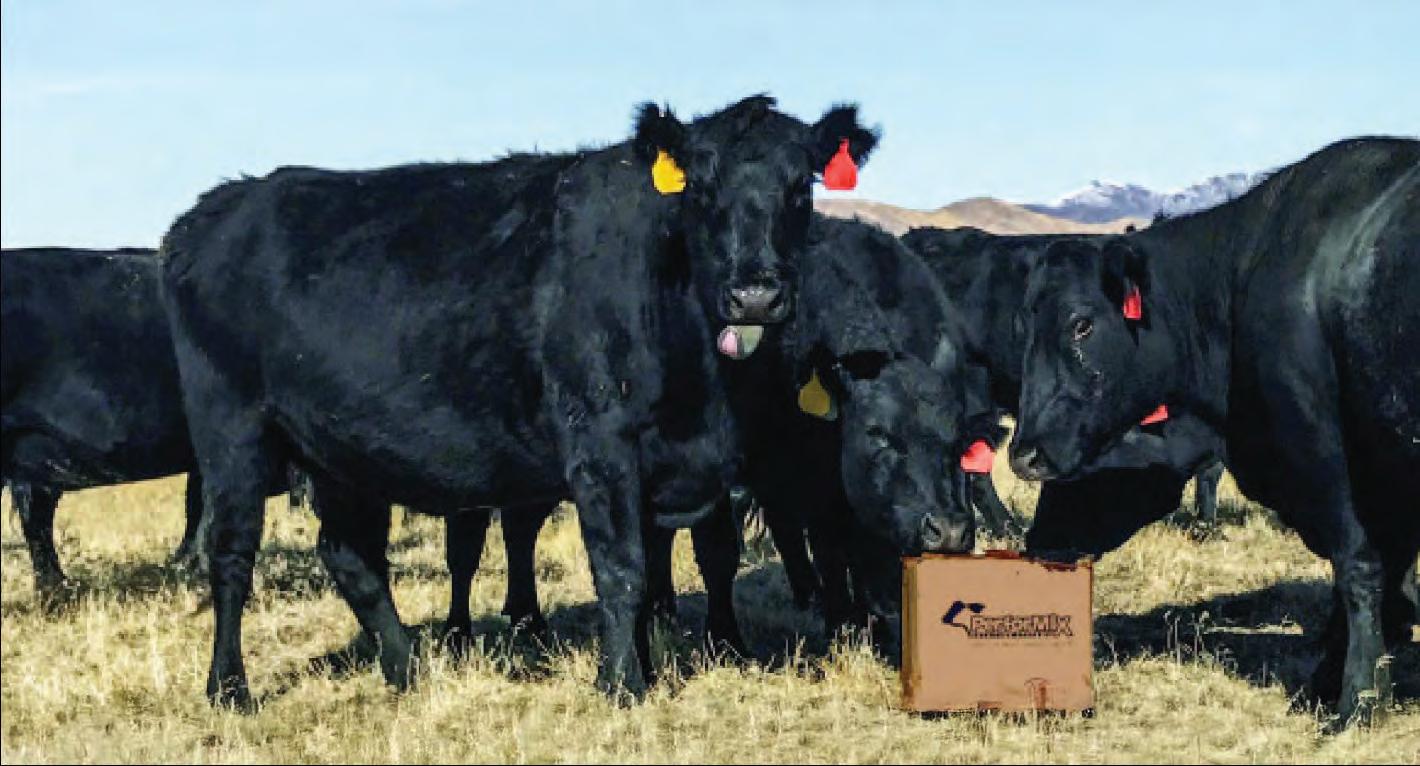
Has all the benefits of a quality mineral and vitamin package with 20% all-natural protein and the same high mono and poly unsaturated fat and live probiotic combination to boost immunity and reproduction
NOW WITH MULTI-SPECIES LIVE PROBIOTIC!
Multiple Formulations to serve your n ds
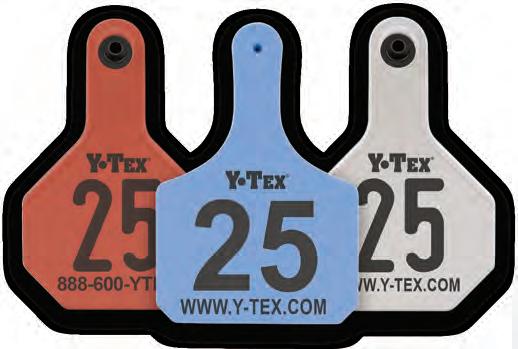
At Y-TEX ® , we take pride in American craftsmanship. Our All-American ® two-piece and Y-Tags ® one-piece ear tags are made in the USA from advanced thermoplastic polyurethane for exceptional durability, flexibility and retention.
Featuring 100% PureLaser™ imprinting with readability guaranteed for the life of the animal, our tags deliver American-made quality ranchers trust.
We are fresh off the Day on the Hill event for the Idaho Cattle (ICA) Association Board of Directors. We had a lineup of speakers discussing the budget and approaches to handling a deficit, different constitutional land amendments, and labeling bills that are floating around the Capitol. I heard a statement come out of our meetings that I want to highlight for all that are reading this. It was stated from a board member that we as ICA board members are “making decisions for generations to come.” Grazing management and board or agency merger discussions are not one-year discussions or changes. These ideas need to be thought out and well-baked before hitting prime time.
Senate Joint Resolution 103 proposes a constitutional amendment outlining how Idaho would manage public lands if they were ever transferred from federal ownership to the state. This is a proactive approach in response to the Senator Mike Lee proposal to sell off public lands last summer. The resolution would require those lands to be placed in a new lands trust that would prevent them from being sold. For producers who rely on federal grazing allotments, this measure is significant — even if no transfer is immediately pending. If this legislation is passed by both bodies with a twothirds vote in the affirmative, it would be placed on the ballot for voters to decide this fall. Our main purpose in reviewing this is to make sure there is language to preserve federal grazing permits so that those can be maintained in a transfer, gift, or purchase. After much discussion, the board of directors landed neutral on this legislation. This is proactive legislation, but there is quite a bit of speculation around whether lands will actually be given to the state to manage in the future. SJR103 is brought by Senator Ben Adams from Nampa.
House Joint Resolution 10 is on the other side of the rotunda and would amend Idaho’s Constitution to sig-
BY PATXI LARROCEA-PHILLIPS
nificantly change how state endowment lands are managed. Currently, those lands must prioritize maximum long-term financial returns for beneficiaries such as public schools. If passed by the public, HJR10 would allow consideration of long-term sustainability that prioritizes revenue-generating activities that specifically call out grazing. It also highlights the need for public access. For ranchers leasing state grazing lands, this could have practical implications. The cattle industry has long maintained that responsible grazing improves land productivity and wildfire resilience. HJR8 had a new substitute bill that was printed right before I wrote this article and the ICA board will meet again to reconsider the new legislation.
House Bill 587 focuses on the Rangeland Improvement Account by allowing funds to be continuously appropriated rather than reverting the monies back at the end of each fiscal year. This is a practical, on-theground improvement for producers. Rangeland enhancement projects can include water developments, cross-fencing, noxious weed control, and reseeding efforts, to name a few. Continuous appropriation means projects won’t be disrupted by fiscal deadlines or needed appropriations from the state legislature. Additionally, the bill adds a reporting requirement for the Idaho State Department of Agriculture on how the money is spent and on what projects. The ICA supports H587 brought by Representative Jerald Raymond.
House Bill 653 addresses wildlife relocation practices within Idaho by the Idaho Department of Fish and Game. H653 concerns how and when wildlife may be captured and moved, including oversight, authorization, and coordination processes. For cattle producers, wildlife management is imperative for us as landowners to succeed. Wildlife relocation policies can significantly affect rural communities depending on the species that are introduced into the area. Relocating animals without adequate local input can create unintended consequences
for livestock producers and land managers. H653 highlights the importance of clear authority, transparency, and stakeholder involvement in wildlife decisions. For multi-generational ranches, predictable wildlife policy is essential.
A bill that will be printed deals with merging the Office of Species Conservation and Office of Energy and Mineral Resources. The ICA has been actively engaged in meetings with other stakeholders, the governor’s office, and legislators regarding the merge. Our main mission through this is to make sure that OSC remains intact and maintains its customer service that our members have to come to expect. Those services include, but are not limited to, maintaining and taking a coordinated stance on enhancing federal and state collaboration, as well as advocacy related to species on the Endangered Species list. Additionally, OSC has made a tremendous effort in coordinating federal grants to assist producers with depredation losses due to wolves and also assist with prevention control measures. OSC stores and maintains reliable records related to types, locations and frequency of depredations that occur across the state.
These bills highlight why the decisions we make today will affect the next generation. It’s our duty in the ICA office to be thoughtful, and advocate for sound policy inside the halls of the Capitol.
The need for a stable, reliable, and legal workforce remains imperative
Editor’s Note: The Idaho Cattle Association (ICA) does not currently have policy on immigration. We asked Idaho’s congressional delegation to share their perspectives on the issues facing agriculture in our state, and we also recognize ongoing labor shortages across the industry. Congressman Mike Simpson has been working with Idaho agricultural groups on this topic for quite some time, and we welcome his input. However, please note that ICA does not have an official policy or position on immigration at this time.
Volatility and a shortage of workers are putting immense pressure on agricultural producers.
When a person thinks of Idaho agriculture, the first thing that may come to mind is potatoes. Or maybe it’s sugar beets, barley, or one of the other 180-plus commodities. What many people don’t realize is that dairy is Idaho’s top agricultural product in cash receipts.
Idaho’s dairy dominance may not come as a surprise to those directly involved in the industry, but whether we realize it or not, Americans nationwide rely on Idaho dairy for the milk, yogurt, butter, and cheese we consume daily.
Despite dairy being Idaho’s top farm commodity, farmers and ranchers are facing a mounting labor crisis. Over the past few years, the most common and pressing issue brought to my attention has been the need for a stable, reliable agricultural workforce.

BY MIKE SIMPSON U.S. Representative
There is a lot of misinformation out there about addressing this workforce crisis, but the reality is that if Congress doesn’t act to reform our agricultural immigration system, all Americans will feel the pain.
Don’t just take my word for it—ask any farmer or rancher, and I guarantee they will agree that a lack of labor reform could jeopardize the stability of the dairy industry.
Volatility and a shortage of workers are putting immense pressure on agricultural producers, which is why states like Idaho need a stable labor force to protect our nation’s food supply and ensure farmers can continue to do their jobs.
Food security is national security, and without addressing the growing workforce, our nation’s food supply would be jeopardized. How much are you willing to pay for a gallon of milk?
I have long advocated for reforming the H-2A visa program and enacting common-sense legislation to provide American agriculture with the stable, reliable, and legal workforce it needs. The keyword here is legal.
The legislative initiatives that I’ve supported and will continue to support do not grant amnesty. Let me be clear: I do not support amnesty for illegal aliens.
Instead, I support H-2A reforms that require undocumented workers to pay a fine for entering the country illegally. Additionally, I do not support the millions of illegal aliens who entered our country under the Biden administration being deemed as eligible for these kinds of labor jobs.
Additionally, reforming the H-2A visa program would not jeopardize American employment or prioritize illegal workers over American citizens.
The problem is these are jobs Americans don’t want.
307+-ACRES 206+-Irrigated Wendell: $4,500,000 SSOOLLDD!!
156+-ACRES 141+- Irrigated Shelly: $2,700,000 SOLD!
165+-ACRES 124+- Irrigated Buhl: $2,000,000 SSOOLLDD!!
39.08 +-ACRES 1500 CAFO Feedlot, 2400+-SF building Paul: $1,290,000 SOLD!
657.72 +- ACRES 367 +Carey: $7,900,000
160 +- ACRES 128+-Irrigated, IDWR, Pivot/Handlines Pingree: $2,100,000 New Price!
Call Mark Jones


Last year, there were 398,000 H-2A applications nationwide. Only 182 Americans chose to fill those jobs. That is 0.045%.
Under current requirements, Americans receive priority. A search for domestic workers must be conducted first, and employers seeking to use the H-2A program must demonstrate that efforts to recruit American workers were unsuccessful. Enacting common-sense reform to this program would not change the current requirements.
Right now, under President Trump’s leadership and the most secure border in American history, we have the best chance of agricultural immigration reform. I’m confident that we can get a legislative fix across the finish line.
President Trump has emphasized his commitment to protecting America’s farmers while removing violent criminals who have no place in our country. The President sticks to his word, and I believe he is the only President with the courage to lead on this issue, but it’s up to Congress to act.
I represent one of the most productive dairy districts in the nation, and I take my responsibility to provide Idaho’s farmers and ranchers with a legislative solution to their workforce shortage seriously. Finding a bipartisan path forward that will protect our farms and our nation’s food supply is possible, and I will continue fighting to solve this issue.
“Your local farm experts for over 50 years.” “Your local farm experts for over 50 years.”

BY RACHEL WANDELL & WILL BRACKETT
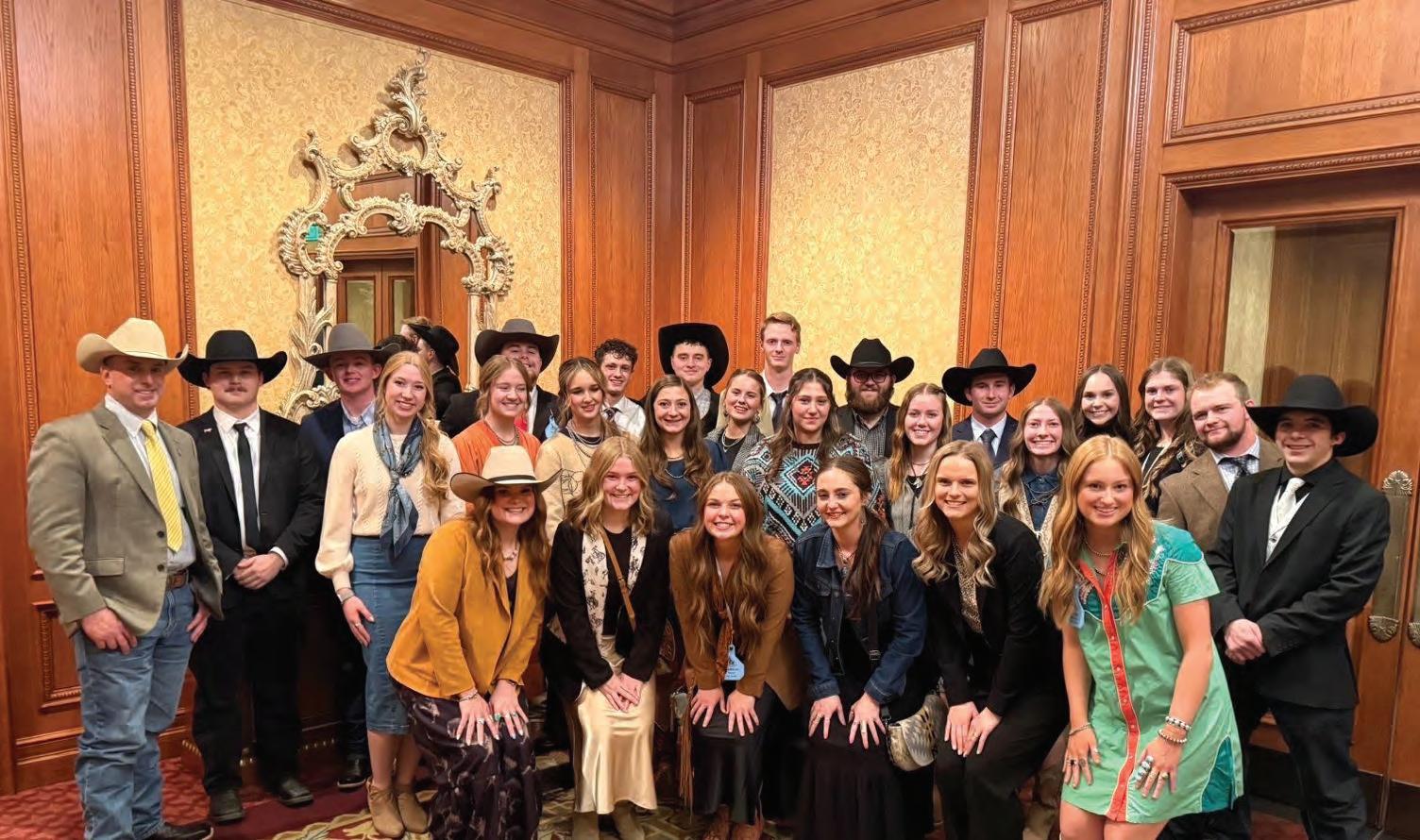
The Student Idaho Cattle Association (SICA) is looking ahead to a busy and exciting spring as members continue to stay involved on campus and within the beef industry at the state and national levels.
Current junior and SICA member Brody Wallace continues to work at the University of Idaho Beef Center. Through this role, Brody assists with daily cattle operations. Brody is further involved on campus through organizations such as Alpha Gamma Rho and the Rodeo Club.
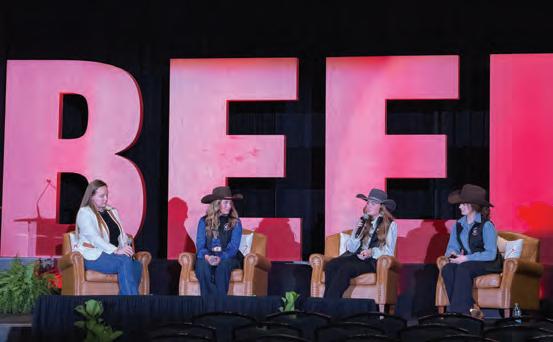
SICA member Rachel Wandell attended NCBA CattleCon as an American National Cattlewomen National Beef Ambassador. While at CattleCon, she spoke on a panel titled A Cowgirl’s Case for Beef, where she discussed the importance of advocacy, youth involvement, and sharing the beef industry’s story with consumers.
Members Rachel Cahill, Thomas Rountree, and Kaiden Warda attended a policy field trip where they learned how agricultural policy shapes the future of farming and
ranching in Idaho. The experience helped members better understand how legislation and policy decisions impact producers and agriculture across the state.
Joseph Doumit also represented SICA while serving as an NCBA CattleCon intern in Nashville. Through this opportunity, he gained experience in industry events and national level beef advocacy while building connections within the cattle industry.
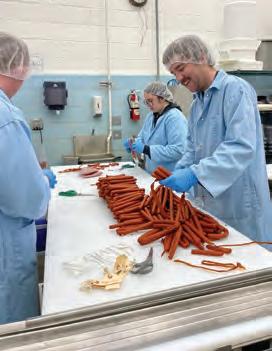
On campus, SICA members Justin Wells and Will Brackett work at Vandal Brand Meats. This is Justin’s second year working with the program, while Will recently began his role. Their responsibilities include assisting with animal harvest, processing, packaging, sanitation, and food safety compliance, as well as supporting university education and research efforts. Both students are looking forward to the completion of the new Meat Science and Innovation Center, a state-of-the-art meat processing facility at the University of Idaho. Justin and Will are among the first students to work in the new facility and are excited for the expanded learning opportunities the upgraded facility will provide.
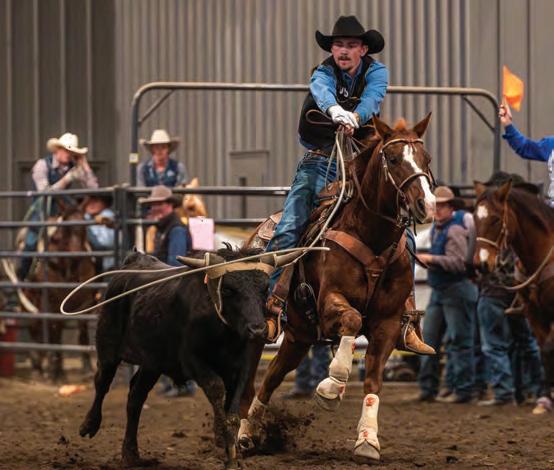
As the semester continues, SICA is excited to move forward into a busy spring and hopes to organize a multistate spring beef tour for members. The club remains committed to providing hands-on experiences and leadership opportunities that prepare students for future careers in the beef industry.
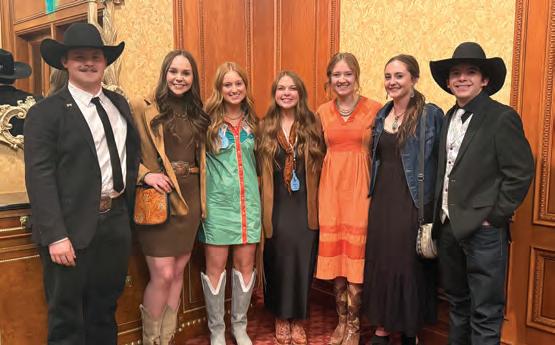
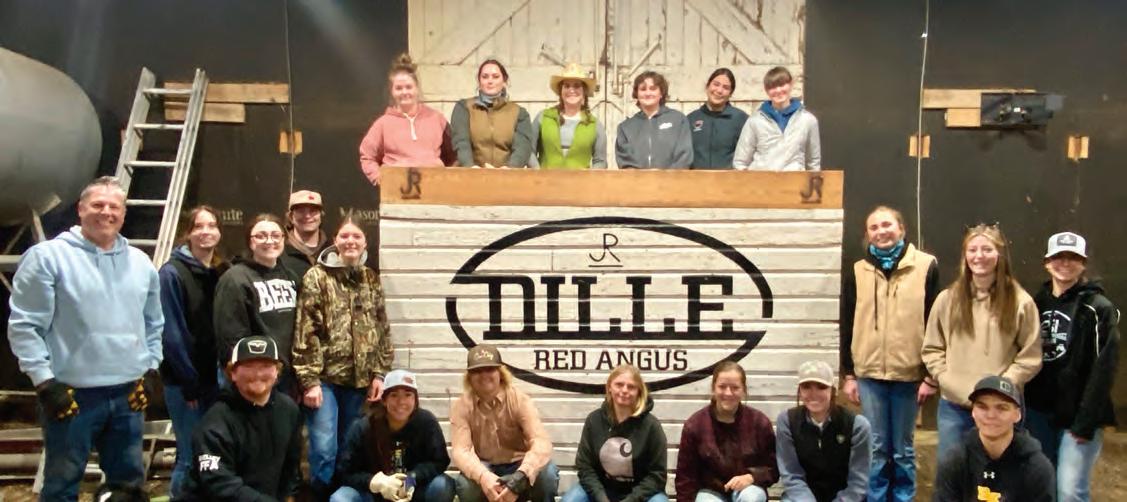
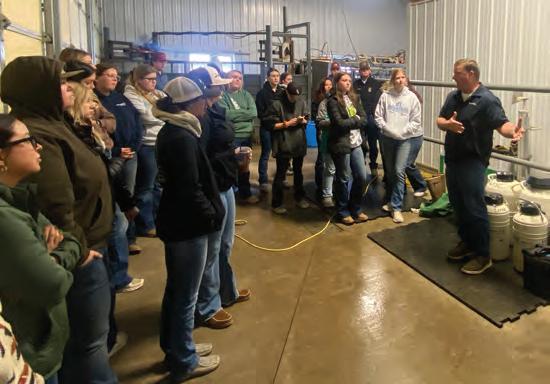
“You Can’t Learn That In a Textbook!” CSI STUDENTS ON A TOUR AT DILLE RED ANGUS.
BY JAYSA FILLMORE Agriculture Department Assistant Professor
Picture this: a young adult, currently attending college and majoring in animal science, volunteers to help you, their neighbor, at the branding and offers several qualifications as to why they would be useful.
I earned a 100% on the cattle breeds quiz in my Animal Husbandry class.
I can draw a diagram of the flight zone, point of balance, and blind spots of cattle.
I can tell you the angle of injection for intramuscular, subcutaneous, and intravenous shots.
The photos were all high-quality professional portraits of pampered show bulls—not a crossbred cow with a winter coat and a bad attitude standing in a mudhole. My textbook had one single black and white depiction of those with no actual measurements so I’m not sure whether I should approach within an inch or a mile.
I’ve only ever given those shots into an orange—not a moving, breathing, flighty animal contained in a banging, clanging squeeze chute.
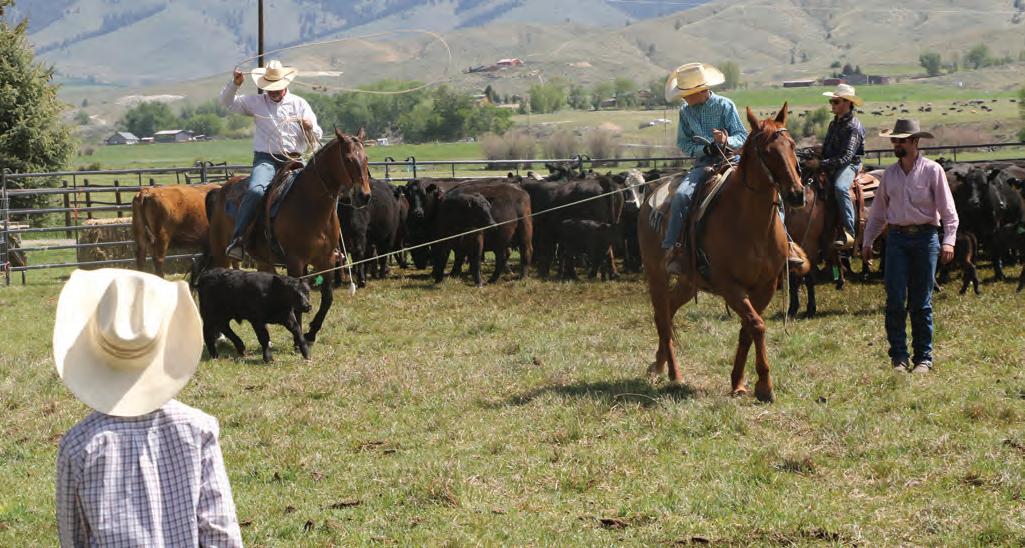
In a perfect world, branding day is a zen-like experience of quiet whispers and calm movements. But we all know that once the dust starts flying and calves start bawling, “perfect” goes out the window.
Ideally, all educational institutions would have the time, instructors, facilities, and livestock to provide every student with the opportunity to experience real cattle handling multiple times over throughout their educational journey. Truthfully, we as educators can teach them the terminology and the theory in the classroom, but we need you, the real cattle producers, to teach them the “why” and the “watch out.” We need you to share your stories,
experiences, hardships and victories, your passion, and most importantly, your knowledge, to turn these students into actual cattlemen and women.
How often do you get asked to host a van-load of college students or serve as a stop on an industry tour for FFA members? If you said “never”, it’s probably because your phone blocks calls from all unknown numbers! Your daily experience working with livestock is more than most agricultural educators bring to the table. You are financially, culturally, and emotionally invested in your work and have shed the blood, sweat, and tears to prove it. You’re selling yourself short if you think what you have to offer is “no big deal” or a “common sense practice”. No two ranches are alike, no two producers do things the exact same way. For students, their education is a time for exploration. Even students coming to us with a lot of personal experience may have only been exposed to one way of doing something. How do we encourage innovation, change, and improvement in the industry if young people only continue exactly as they were taught?
fast, but these students hang on to every word. I can’t tell you how often I’m back in the classroom and I hear a student quote your advice when sharing with a classmate. I love to plant seeds like, “when we’re there, make sure you ask Kent about his 3D printing venture!” You aren’t just hosting a field trip; you’re becoming the “authority” they actually believe in.
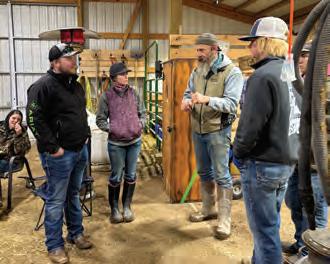
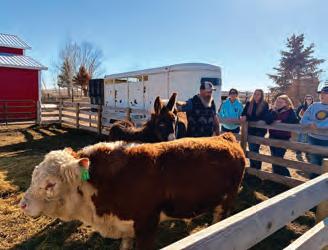
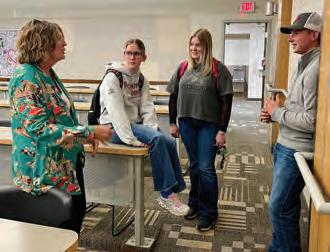
At CSI, our classes have visited several Magic Valley cattle outfits. Almost every producer starts by apologizing for the mud, baling twine, or the duct tape holding the gate together, insisting they “aren’t experts.” I’ll tell you right now: if I ever find a perfectly pristine, bug free, always profitable operation where the owner claims they have it all figured out, I’m loading the students back on the bus and burning rubber. I don’t want my students to see a fairytale; I want them to see how a real producer solves a problem with a pair of pliers and a little grit.
When Magic Valley cattle families like Bracketts, the Dilles, the Lickleys, or the Claiborns open their gates, they aren’t just showing us cattle- they’re showing us the trial and error that textbooks leave out. They share the alleyways they’ve torn out and rebuilt twelve times and the niche markets that actually paid the bills. Sure, the public speaking might make you want to evacuate your break -
If inviting a bunch of college kids and their overly excited teacher to your place isn’t your cup of tea, consider taking my place at the front of the classroom. Just like when we visit the ranch, there’s no need to censor. Tell us how it really is. Talk to us about the real issues. We don’t need a PowerPoint, we just need your story. Have you worked with state and federal agencies on an important public land issue? Did you rally your neighbors to create a Rangeland Fire Protection Association? Have you made progress in selecting genetics to reduce congestive heart failure in your feedlot steers? Did you visit Boise or Washington DC and meet directly with lawmakers to promote the cattle industry? These are all things I haven’t done so only you can share that with my students.
Young people studying agriculture are our future loan officers, veterinarians, equipment salespeople, and ranch hands. They might even be lucky enough to become producers themselves and join the voting ranks of the ICA. However, if they only ever experience cattle production through reading a chapter in a textbook or listening to a lecture from me, their futures will be limited. If you, the real-world producers, aren’t willing to teach them the “real way”, we can’t complain when they don’t know how it really works. In my opinion, a little manure on a student’s boots is a better credential than a 4.0 GPA and I hope you’ll help me to make that happen for more students in the future.
Here’s to hoping I see you in the field! If you will open the gate, I’ll do my best to make sure we shut it on the way out!
BY MERANDA SMALL Idaho YCC Coordinator
The charge to build a beef program of distinction brought University of Idaho Extension faculty together with industry partners across Idaho in 2015. To help guide the effort, listening sessions were held with beef cattle producers, agribusiness leaders, and allied industry representatives from around the state. One message came through loud and clear at every stop: young producers need more support and education to succeed in today’s beef industry. Participants also emphasized the importance of helping young people overcome barriers to getting started, develop the skills needed for long-term success, and stay actively involved in the industry. Similar challenges are facing beef producers across the nation, as according to the 2022 USDA Agricultural Census, the average age of agricultural producers in Idaho was 56+ years with less than a quarter falling below 44 years of age. Starting in 2017, University of Idaho Extension partnering with the Idaho Cattle Association (ICA) has provided partic-
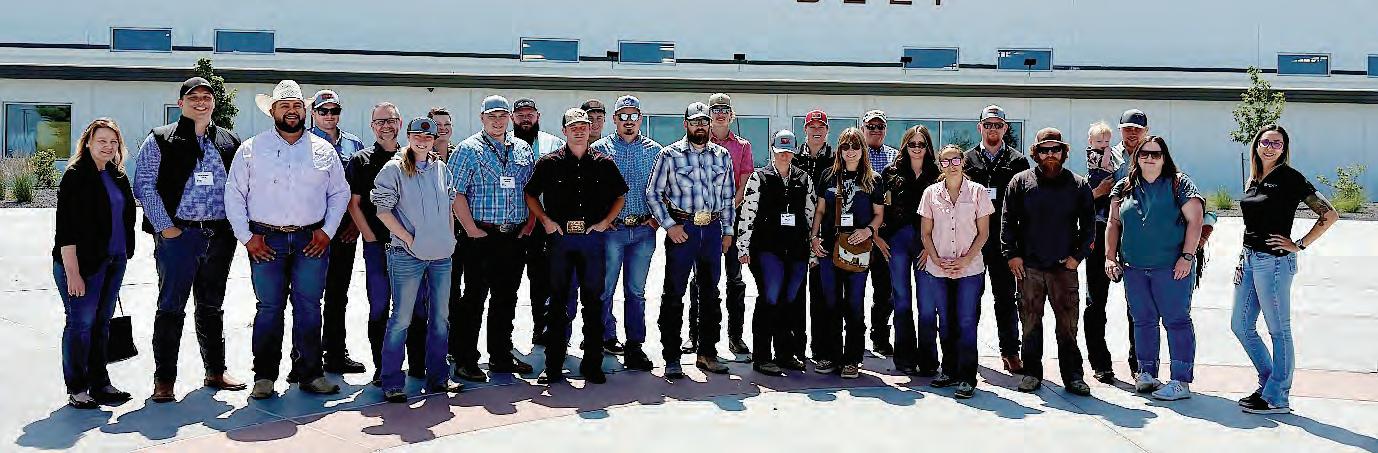
ipants with the opportunity to gain indepth knowledge about the Idaho cattle industry through the Idaho Young Cattle Producers Conference (YCC). The conference results from the efforts of a planning committee that is made up of representatives from the beef cattle industry, allied industry, and University of Idaho Extension. To date, there have been nine installments of the Idaho YCC from which approximately 140 participants from Idaho, Oregon, Washington, Utah and Nevada between the ages of 18 and 40 have graduated. The conference is currently supported by many sponsors and delivered by various speakers and tour hosts throughout the state. During the 2025 ICA Convention, a YCC Alum-
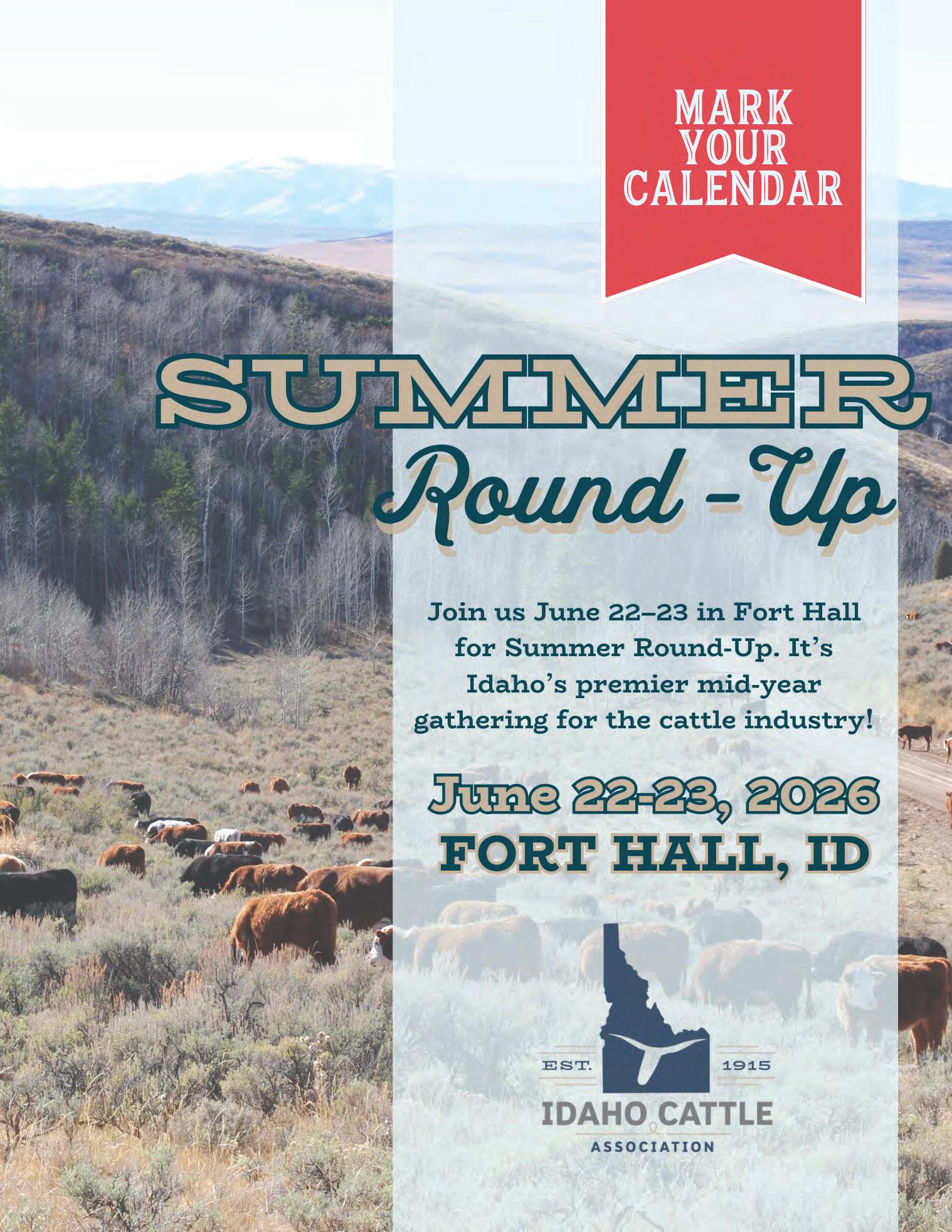
ni Student Mixer Lunch was organized to keep alumni engaged while creating meaningful connections with college students attending the ICA student session. YCC alumni were invited to attend the event during which they shared about their operation and how they came into the industry. Many alumni shared paths they’ve taken, challenges and successes, and what they have taken from their time in YCC to improve their operations. Students then had time to visit with the alumni one on one before heading back to the ICA afternoon sessions. In addition to the YCC alumni, several ICA board members, and speakers from other sessions engaged with approximately 60 students from several Idaho institutions. From the nine graduating classes of YCC, several graduates have gone on to be involved in local cattle associations and ICA as board members and in elected positions. The planning committee is looking forward to hosting the tenth offering of the program in Fort Hall in June. For more information please visit https://www.uidaho. edu/extension/events/young-cattle-producer or contact Chairman Meranda Small, Idaho County Extension.
BY LOGAN PETERS
ICA Feeder Council Chair
In 2026, the Idaho Cattle Association (ICA) will celebrate the 14th Annual Grass Futurity — a program that has become a meaningful tradition and a primary source of funding for its work across the industry. What began as a creative fundraiser has evolved into a dynamic blend of friendly competition, industry education, and community investment. At its heart, the Grass Futurity invites producers, ranchers, feeders, and industry partners to donate a steer and put its performance to the test. Participants simply complete a donor form and submit it to the ICA office. ICA will then coordinate picking up your steer and getting them all together. For those who want to support the cause but don’t currently have a steer available, ICA can help procure one or arrange a partnership with another donor. Once gathered, the steers are transported to the University of Idaho - Nancy M. Cummings Research, Extension and Education Center near Salmon, Idaho, where they spend the summer on grass. Throughout the grazing season, the cattle are weighed multiple times, and their gain is calculated at each interval. The data collected provides a transparent and meaningful comparison of performance, giving donors the opportunity to see how their cattle stack up to the other steers.
While the gain contest fuels the competitive spirit, the educational component is equally significant. The Grass Futurity serves as a hands-on training ground for University of Idaho students, who gain practical experience in cattle processing, fencing and rotation, animal health, record keeping, weighing, low-stress animal han-
dling, and loading trucks. After the final fall weigh-in, the steers are sold and fed to finish in Idaho before harvest at True West Beef. Individual carcass data is captured through EID tags, allowing for detailed producer performance. New this year, the program expands beyond gain awards to include additional carcass recognition. This added dimension reflects the reality of today’s marketplace: success is measured not only by pounds gained on grass but also by quality and value on the rail.
Another exciting development for 2026 is the presentation of the Grass Futurity Awards at the ICA Annual Convention in Sun Valley. Showcasing the program during convention brings greater visibility to participants and highlights the broader impact of the Futurity. It creates an opportunity to celebrate not just top-performing cattle, but the donors, students, and partners who make the program possible.
The Grass Futurity continues to prove its value beyond the pasture. Last year, the event raised a record amount of funding to support the Cattle Action Legal Fund (CALF), Political Action Committee (PAC), and Beef Counts — programs that strengthen advocacy, political engagement, and direct beef assistance efforts throughout Idaho. With that momentum, the ICA Board of Directors has set an ambitious new goal for 2026: 60 head! Reaching that number would mark a significant milestone and expand the program’s ability to serve the industry. The invitation is simple — participate, compete, and contribute to a cause that strengthens Idaho’s cattle community from pasture to plate. The 14th Annual Grass Futurity is more than a contest. It is an investment in education, advocacy, and the future of Idaho beef.











The ICA annual Prime Rib Legislative Luncheon is a success.
BY MONTANA M acCONNELL
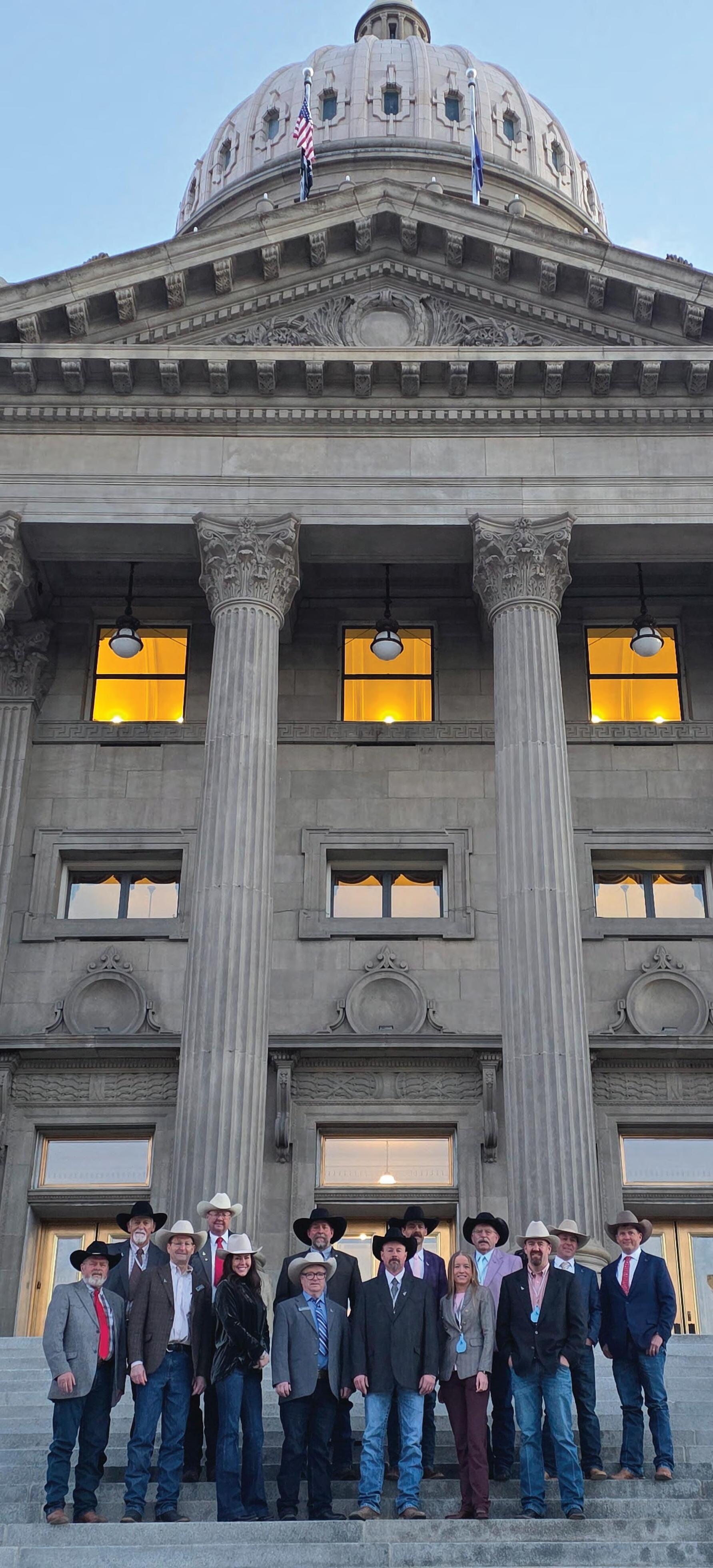
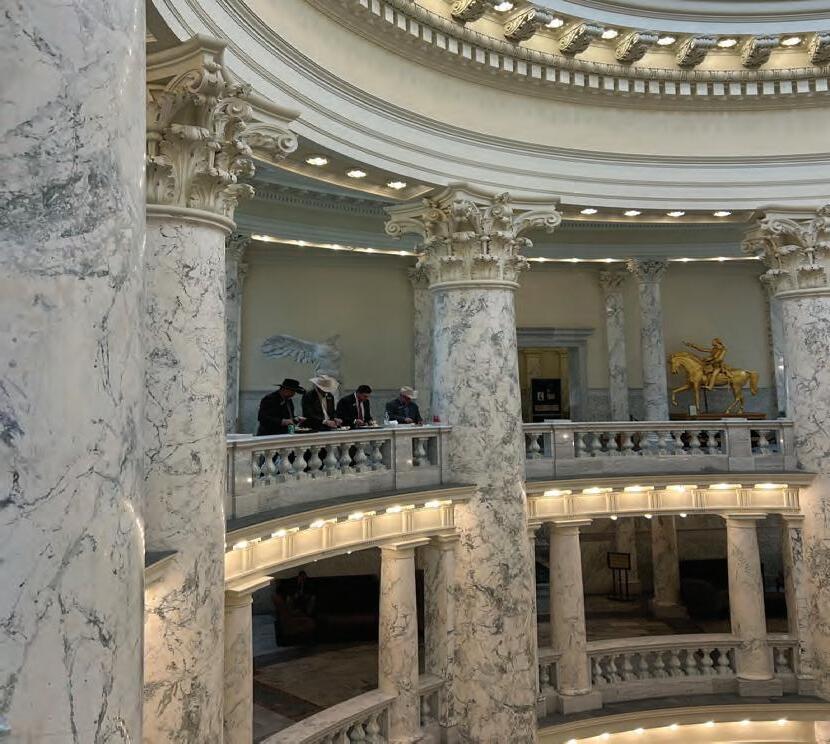
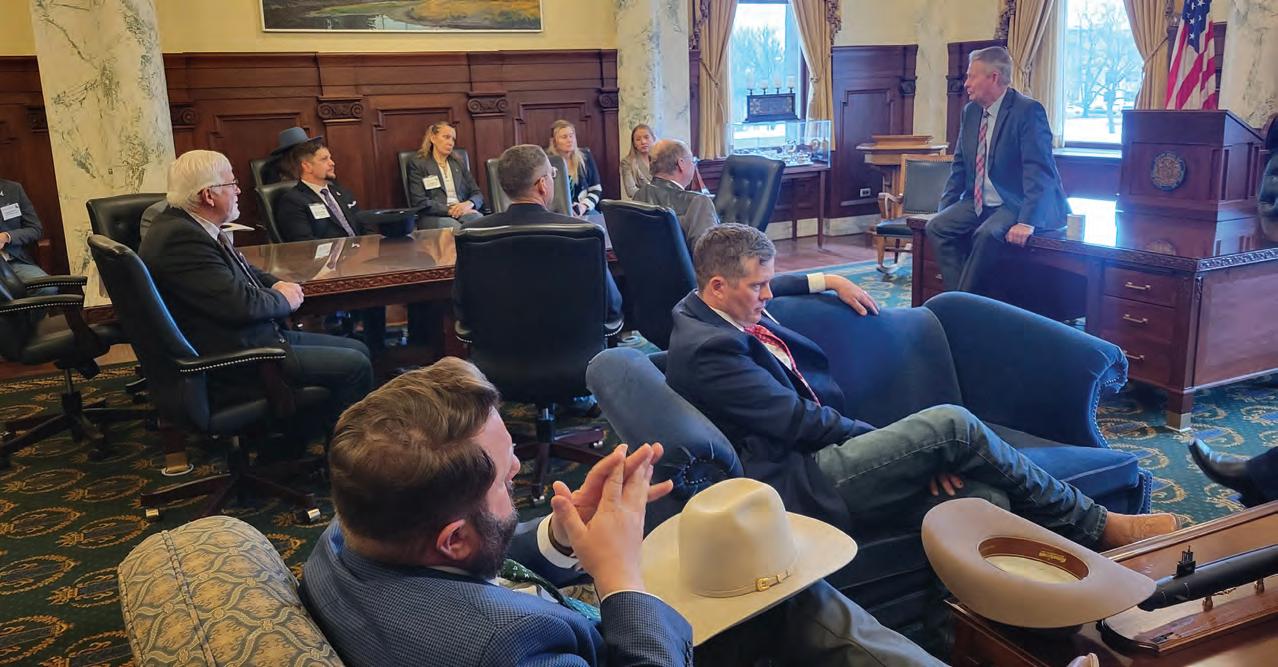
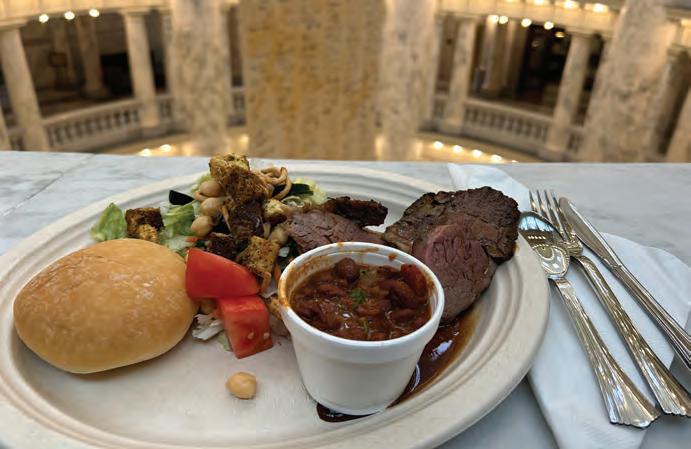
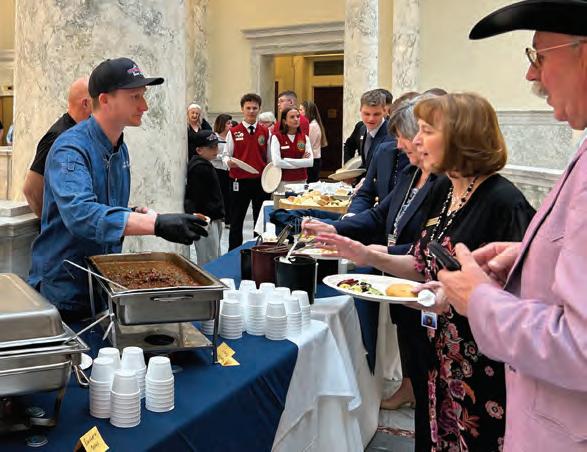
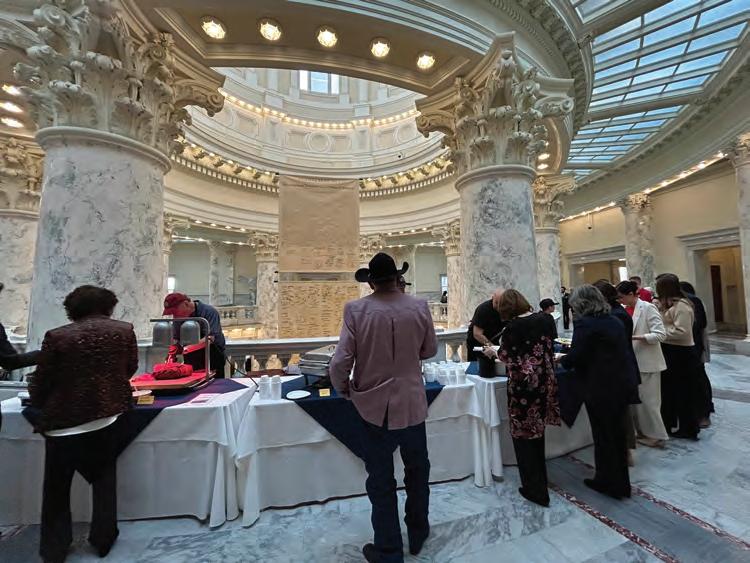
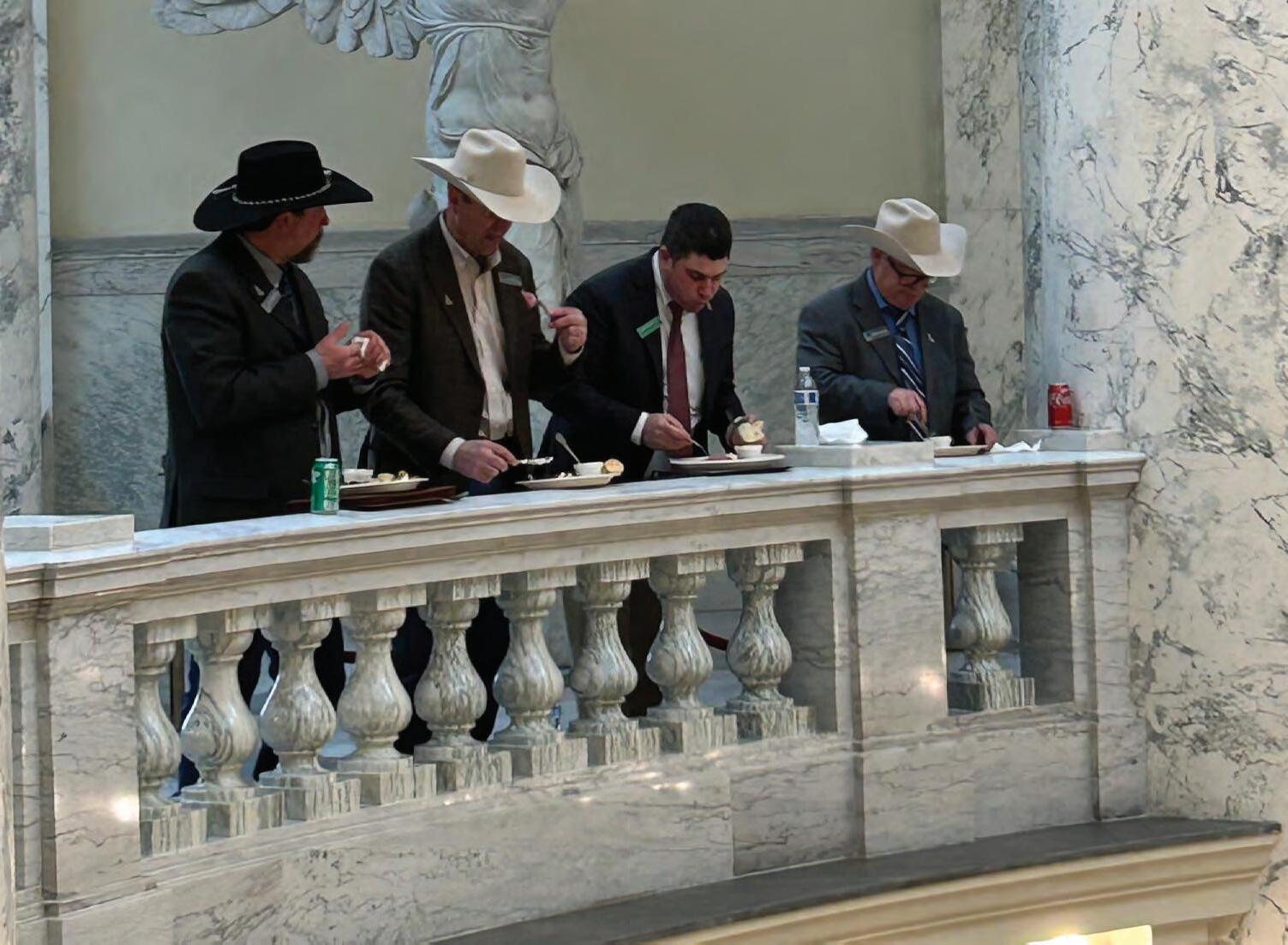
On February 16th, 2026, the Idaho Cattle Association (ICA) Board of Directors met for the annual spring board meeting in the Idaho capital city of Boise. However, this meeting is slightly different from the several others held throughout the year; this one takes place during the state legislative session. Not only does this give the board of directors a chance to discuss bills and other legislative actions that may affect the beef industry, but they are also able to give Idaho’s legislators a taste of Idaho beef, with the annual Prime Rib Legislative Luncheon.
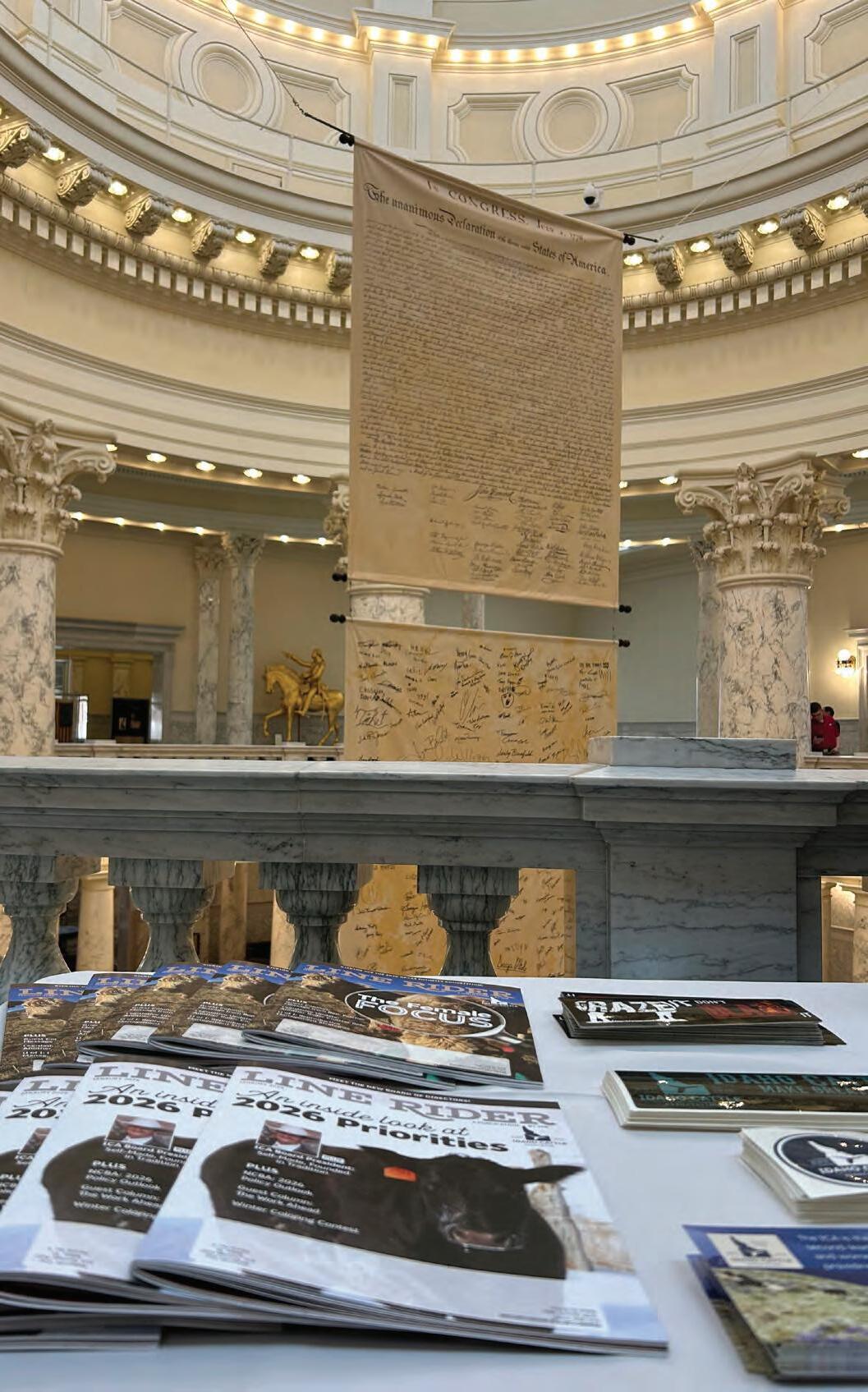
It is an interesting sight, seeing cowboy hats and hearing the click of cowboy boots in the echoey marble of the statehouse. Even more interesting (and equally exciting) is the warmth with which the ICA presence is received. Of course, many folks are just happy to be able to enjoy such a hearty lunch and take a short break from the organized chaos of capitol life, but there is also a sense of gratitude for the unique opportunity to speak to the representatives of Idaho’s beef industry. Not only is beef a major state commodity, the ranching lifestyle and legacy are woven throughout the state’s history… making the appearance of a cowboy hat in the capitol even more powerful.
Now, the luncheon is more than pageantry. Alongside the meal, the board of directors met with Governor Little, Representative Jerald Raymond – Chair of the House Agricultural Affairs Committee, Senator Tammy Nichols – Chair of the Senate Agricultural Affairs Committee, Secretary of State Phil McGrane, and several other legislators currently sponsoring bills that are relevant to the ICA. This is where you are truly represented: if a bill that could harm the industry comes forward, the board is prepared to stand against it on your behalf. On the other hand, any legislation that would positively impact the industry gets the ICA stamp of approval, and it’s chances to pass are increased with that support.
The annual Prime Rib Legislative Luncheon was a resounding success, ensuring that the rancher voice is loud and clear in the state capitol. This event is just one example of your membership at work—ICA is active in the legislature so that you don’t have to be.
ICA is active in the legislature so that you don’t have to be.


Agri Beef Co.
Agri Beef Co./Snake River
Feeders
American Farmland Trust
Angela Lierman
Ann Wilson
Annika Johnson
Arnold & Teresa Callison
Autumn Gilbert
Bonners Ferry Vet Clinic
Brad and Cindy Higgins
Brent Jones
Brett Williams
Cade Brackett
Calvin Jones
Camille Garner
Carson Jones
Cevin Jones
Chantry Brackett
Chrissy Payne
Clark County Stockgrowers
Conquest Insurance
Cooper Hill
Craig Mello
Curtis Jones
Dan & Kathy Mori
Dean & Carren Morgan
Dean Mosman
Derek & Jessica Wilson
Douglas Whitnah
Ed Olson
Elliott Tiedermann
Five Rivers Cattle Feeding Co
Foundation for Wildlife Management
Gary Reynolds
Guthrie Newell
Howard & Zella Cutler
Idaho Farm Bureau Federation
Intermountain Beef Producers
Ira & Kim Brackett
James Jackson
Janan Claiborn
Jane Anderson
Jay Theiler
Jayda Ward
Jayne Davis
Jessi Parker
Jim Hagenbarth
John & Stephanie Hagenbarth
Joni Krakau
Jordan Sparrowk
Jordan Yockey
Josh Whitman
Justin Lake
Justin Lamb
Kaylee Lierman
Kem Palmer
Kenley Olsen
Kenny & Teresa Kershner
Kevin Potter
Kevin Walker
Kim Stuart
Linc Whitnah
Liz Moore
Logan Peters
Lydia Whitnah
MaCade Bingham
Madison Orem
Mark & Sandy Lange
Melissa Woods
Mike Guerry
Nick Beard
Nutra-Lix, Inc.
Performix Nutrition Company
Peterson Law Office PLLC
Ralph & Scotti Yantis
Rex & Karen Hoagland
Rhett Brackett
Riley Merrigan
Ritchie Industries
Robert Rebholtz, Jr.
Robert W. Johnson
Russell (Tony) & Pam Pantone
Scott & Sherri Nicholson
Shane Sorensen
Shawn Dygert
Simplot Livestock Company
Steve Werk
Steven Miller
Stockmen’s Supply Inc.
Synergy Resource Solutions, Inc.
Tanner Pickett
Ted & Sandy Cantrell
Terry Reynolds
Thad Rinderknecht
Tim & Tina Shaw
Tim Brady
Tom & Ann Moedl
True West Beef, LLC
Valorie Williams
Van Sandifer, Jr.
Wade & Katie Wallace
Wagner Transportation
Wyatt & Christie Prescott
Zane Brackett
Zane Burgess
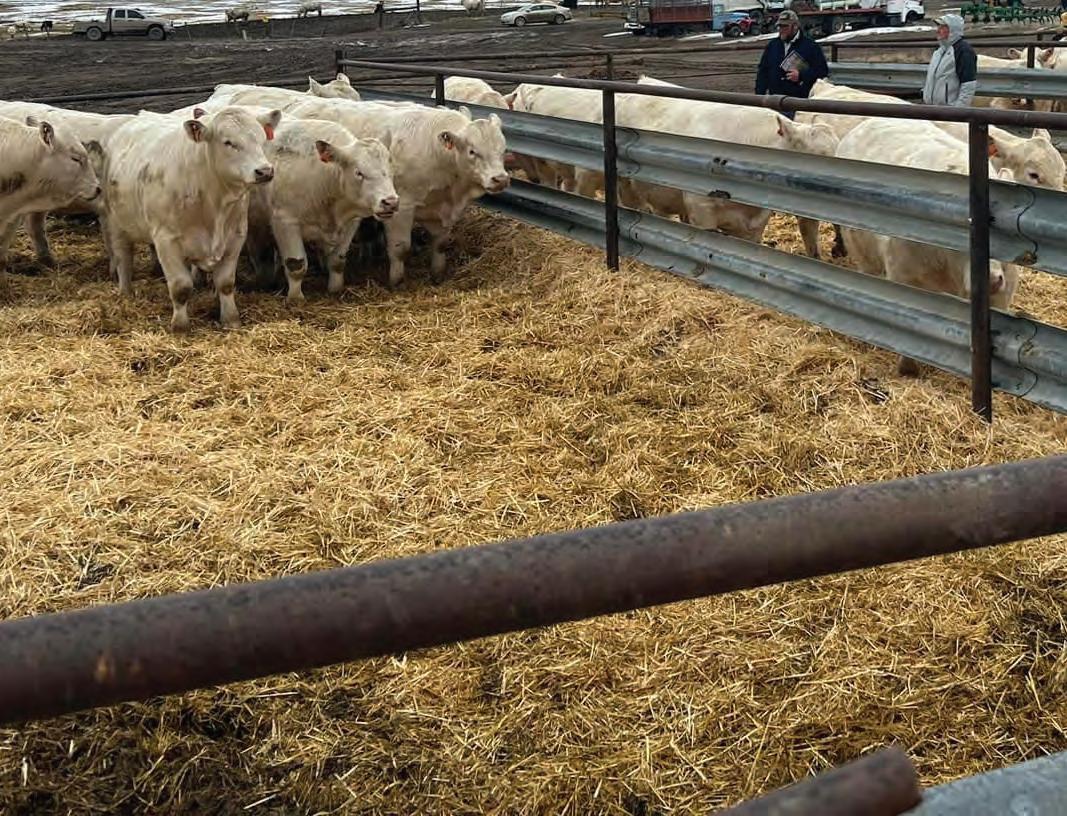
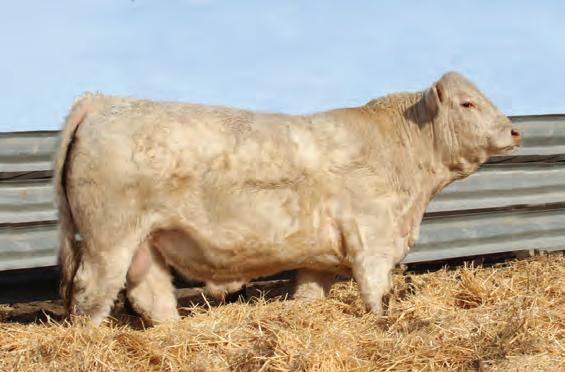
Hang’n A Cattle Company
Alan and Leslie Alexander

(509) 727-9151 - Alan(509) 432-4802 - William PASCO, WA
Bulls and Females available Private Treaty
Email : william@hangnacattle.com hangna@owt.com
• Farm, Ranch, Recreation, Large Land Parcels, and High Net-Worth Real Estate • 1031 Tax Deferred Exchanges
www.hangnacattle.com Follow Us on Facebook
Your Northwest Source for Quality Charolais Cattle
Our experienced sales team is ready to solve your real estate needs. Ready to buy or sell? Call today!
info@knipeland.com • 208-345-3163 • www.knipeland.com

I’VE GOT TO DO
Ground squirrels distracting you from your daily to-dos? Minimize the squirrel moments with Rozol Ground Squirrel Bait.* REGISTERED FOR




















WE HAVE YOUR BACKS, BARNS AND BOTTOM LINES.