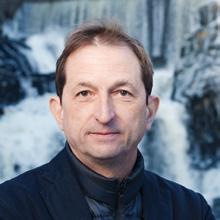
Senegal's Minister of Hydraulics and Sanitation on Leading Africa's Water Future
Financing the Circular Water Economy: Capital Pathways to Climate Resilience Page 17 Turning the Ocean into a Climate Solution: How Carbon Removal can Partner with the Water Sector Page 31
Looking Ahead: A Water-Secure Future Is Within Reach
As we begin 2026, it is worth reaffirming a fundamental principle that continues to shape the water sector: water is not a challenge to be addressed once, but a long-term commitment that must be renewed continuously by each generation.
2025 was a year of momentum for IDRA. In Seville, our Colloquium brought together regulators, utilities, and industry leaders to advance practical dialogue on desalination, reuse, and integrated water management. In Reykjavik, our Summit deepened that conversation, focusing on resilience, innovation, and the need to move beyond fragmented approaches toward truly integrated systems.
Perhaps most significantly, 2025 marked IDRA's formal entry into the UN Water family, strengthening our ability to contribute to global coordination on water and sanitation and to bring the perspectives of the desalination and reuse community into UN-led processes.
Together, these milestones reflect IDRA as an organization that is not only convening conversations
and providing global engagement but increasingly shaping the global narrative on water.
2026: A Year of Convergence
This year feels different. Not because the challenges have eased... they have not. By every measure, global water stress is intensifying. 2.2 billion people still lack access to safe drinking water, and nearly half the world's population experiences severe water scarcity for at least one month each year. Climate variation is disrupting hydrological cycles in ways we are only beginning to understand.
What is different is that the global community is finally treating water with the seriousness it deserves.
Two landmark gatherings will bring the world's attention to water in ways we have not seen before.
In November, IDRA will convene the World Congress 2026 in Riyadh, hosted by the Saudi Water Authority under the patronage of the Ministry of Environment, Water, and Agriculture. With participants from over 60 countries, policymakers, regulators, utilities, developers, researchers, and financiers, the Congress will focus on Driving Global Water Sustainability Through Innovation.
Saudi Arabia demonstrates what is possible. As the world's largest producer of desalinated water, the Kingdom has built an infrastructure of water security that few nations can match, while continuing to innovate in renewable-powered desalination, water reuse, and digital water management. When we gather in Riyadh, we will not just be talking about the future. We will be standing in it.
Then, in December, the UN Water Conference convenes in the United Arab Emirates, co-hosted with Senegal. Building on the momentum of the 2023 UN Water Conference in New York, this will be the first held since the launch of the UN System-wide Strategy for Water and Sanitation in 2024. The priorities are clear: water for prosperity, mobilizing investment, and strengthening governance.
Together, these events signal something important. Water has moved from the margins of global agendas to the center, and the desalination and reuse community has a platform to demonstrate that we have solutions at scale.
The Reuse Imperative
If there is one message that must resonate through 2026, it is this: water reuse is no longer optional. It is an essential infrastructure for climate resilience.
The IDRA-WateReuse Association Global Dialogue on Water Reuse Initiative and White Paper, drawing on insights from more than 70 experts across 18 countries, reached a clear conclusion. Technology is proven. Economics work. What is needed now is policy alignment, public engagement, and scaled investment.
As I said in Reykjavik, resilience cannot be achieved through isolated efforts, but through genuine integration. When finance, technology, and policy align, transformative progress becomes possible. When they do not, we see fragmentation and missed opportunity.
What I'm Watching
Several developments reinforce my optimism for the year ahead. Brine is becoming a resource rather than a waste stream. Long considered desalination's environmental Achilles' heel, concentrate management is now being reimagined through brine valorization, including recovery of magnesium, lithium, and other critical minerals. In Saudi Arabia, magnesium recovery is already offsetting desalination costs, aligning economic and environmental objectives through circular economy thinking.
AI and digital water management are maturing rapidly. The question is no longer whether AI can help, but how can it be deployed responsibly and at scale? Across our membership, we are seeing tangible gains in energy optimization, predictive maintenance, real-time system management, and renewable powered systems. The next generation of water infrastructure will be intelligent infrastructure.
Financing remains both the critical enabler and constraint. The technology to deliver water security exists, but capital and bankable structures too often lag. IDRA's partnership with the Arab Fund and World Bank for a high-level roundtable on water finance in the MENA region reflects our commitment to bridging this gap.
Looking Ahead
What continues to sustain this work across the community is a shared understanding of its fundamental importance. Water underpins life, human dignity, resilient communities, and sustainable economic development.
As I look ahead to 2026, I see an extraordinary year of opportunity. Global attention is firmly focused on water security, the platforms for action are in place, and technological innovation continues to surprise us with new levels of efficiency and performance.
What is needed now is action. Not declarations for 2030, 2050, but action in 2026.
At IDRA, this commitment is advanced through our World Congress in Riyadh, our engagement with UN-Water, and our close collaboration with strategic partners and members worldwide. Together, we work daily to connect people, ideas, and solutions across borders. We look forward to welcoming the global water community to Riyadh in November and to reflecting on 2026 as a year when collaboration moved beyond dialogue — toward collective action to build a truly water-secure future.
I take this opportunity to thank His Excellency, Minister Dr. Cheikh Tidiane Dieye, for sharing his views with our community, as well as all the contributors to this issue of IDRA Global Connections.
Here's to the work ahead.
With gratitude,
Shannon McCarthy Secretary General
MESSAGE FROM THE PRESIDENT
As we step into 2026, water reuse stands at a crossroads. The technology is proven. The science is settled. Namibia has practiced direct potable reuse for over half a century. California has finalized its direct potable reuse regulations. The question is no longer whether reuse works; it is whether the world can agree on how to govern it.
A World Moving in Different Directions
This year, we are witnessing a remarkable divergence in how the world's major economies approach water reuse regulation. The European Union adopted its Water Resilience Strategy in mid-2025, embedding a "Water Efficiency First" principle and signaling plans to expand its Water Reuse Regulation beyond agriculture by 2028. The EU is moving toward harmonized standards, mandatory reporting, and integrated water governance across member states.
In the United States, the picture is more complex. States like California, Florida, Arizona, and Texas are advancing ambitious reuse programs, each developing frameworks tailored to their unique circumstances. This state-level innovation has produced remarkable results. Florida now reuses over 800 million gallons per day, and Texas recently passed legislation creating credits for water reuse projects. Yet the absence of unified federal standards means that a project deemed safe in one jurisdiction may face entirely different requirements in another.
Why This Matters Beyond Borders
Regulatory fragmentation is not merely an administrative inconvenience. It affects investment decisions, technology deployment, and ultimately how quickly reuse can scale to meet global water challenges. When standards
vary dramatically across jurisdictions, technology providers face higher compliance costs.
Investors struggle to assess risk. And communities that could benefit from reuse remain underserved because the regulatory pathway is unclear.
The Gulf states, many of which will gather in Riyadh for the IDRA World Congress this November, are investing billions in water infrastructure. They are looking for frameworks they can trust. Africa, Latin America, and South Asia—regions where water stress is most acute— need pathways to adoption that do not require reinventing the regulatory wheel. The world needs a common language for water reuse, even if implementation remains local.
A Role for IDRA
This is where IDRA can contribute. We are not a regulatory body, nor should we seek to be. But we are uniquely positioned to convene the conversations that lead to convergence. Our white paper with the WateReuse Association,
released last year, drew on insights from over 70 experts across 18 countries to identify common barriers and shared opportunities. That work must continue.
The World Congress in Riyadh presents an opportunity to advance a global dialogue on reuse governance, not to impose uniformity, but to identify principles that can travel across borders. What does a risk-based framework look like that regulators from California to Cairo can recognize? How do we build public trust in reuse across different cultural contexts? What role should international standards play in a world of diverse regulatory traditions? These are not abstract questions. They will determine how quickly the world can close the water gap. And 2026, the year we convene in Riyadh, is the moment to begin answering them together.
Sincerely,
Jon Freedman President
IDRA In Conversation with His Excellency
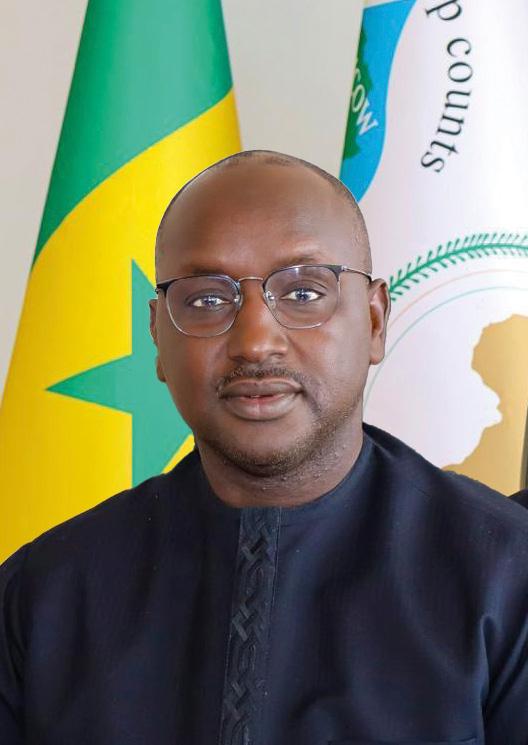
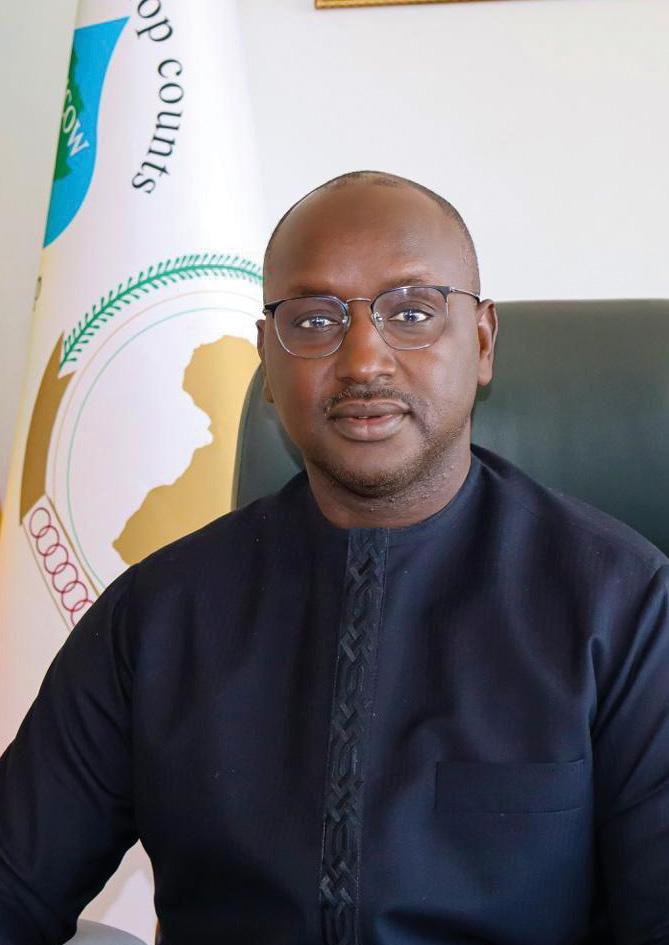
Dr. Cheikh Tidiane Dieye
Senegal's Minister of Hydraulics and Sanitation on Leading Africa's Water Future
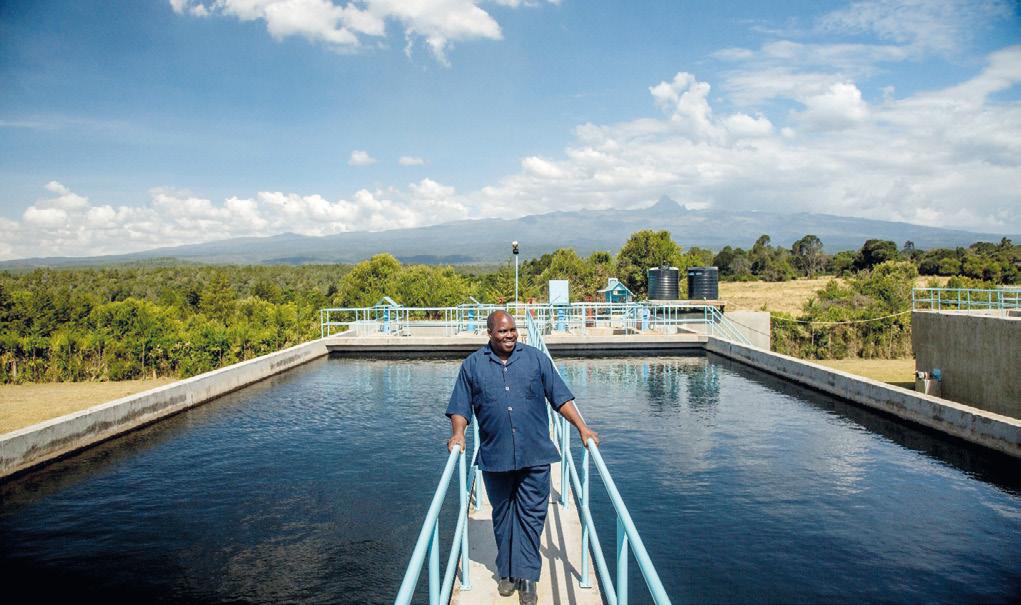
As Senegal assumes the presidency of the African Ministers' Council on Water (AMCOW) and prepares to co-host the 2026 UN Water Conference with the United Arab Emirates, the nation's water journey has never been more visible on the global stage. Dr. Cheikh Tidiane Dieye, Senegal's Minister of Hydraulics and Sanitation, sits at the intersection of national ambition and continental imperative. In this conversation, he discusses Senegal's pioneering work in desalination and water reuse, the challenges facing Africa's water sector, and the vision driving preparations for what may be the most consequential water conference in decades.
Q: Minister Dieye, Senegal faces significant water challenges, particularly in the Dakar region. Can you paint a picture of the situation that led Senegal to embrace desalination?
A: The water situation in Dakar and the surrounding Dakar-Mbour-Thiès triangle is a microcosm of the challenges facing many African cities. We have half of Senegal's population, and more than half of our economic activity concentrated in this area, generating 50% of our GDP. Yet our water demand already exceeds available resources.
Consider the numbers: we face a daily water deficit of 47,000 cubic meters in Dakar alone. Our groundwater, which supplies 51% of potable water, is under severe stress from overexploitation. We're seeing saltwater intrusion in coastal areas. Climate change brings longer droughts and unpredictable rainfall. And our population in some
municipalities is projected to nearly double between 2020 and 2035.
Our traditional approach, bringing water 250 kilometers from Lac de Guiers, cannot sustain this growth. We lose 40,000 cubic meters daily through our aging pipe network, some dating to the colonial era. Water-related events and pollution cost us over 10% of GDP annually. Desalination isn't a luxury for us; it's a necessity for our development trajectory.
Q: The Mamelles desalination plant is often called a landmark project for West Africa. What makes it significant beyond its capacity?
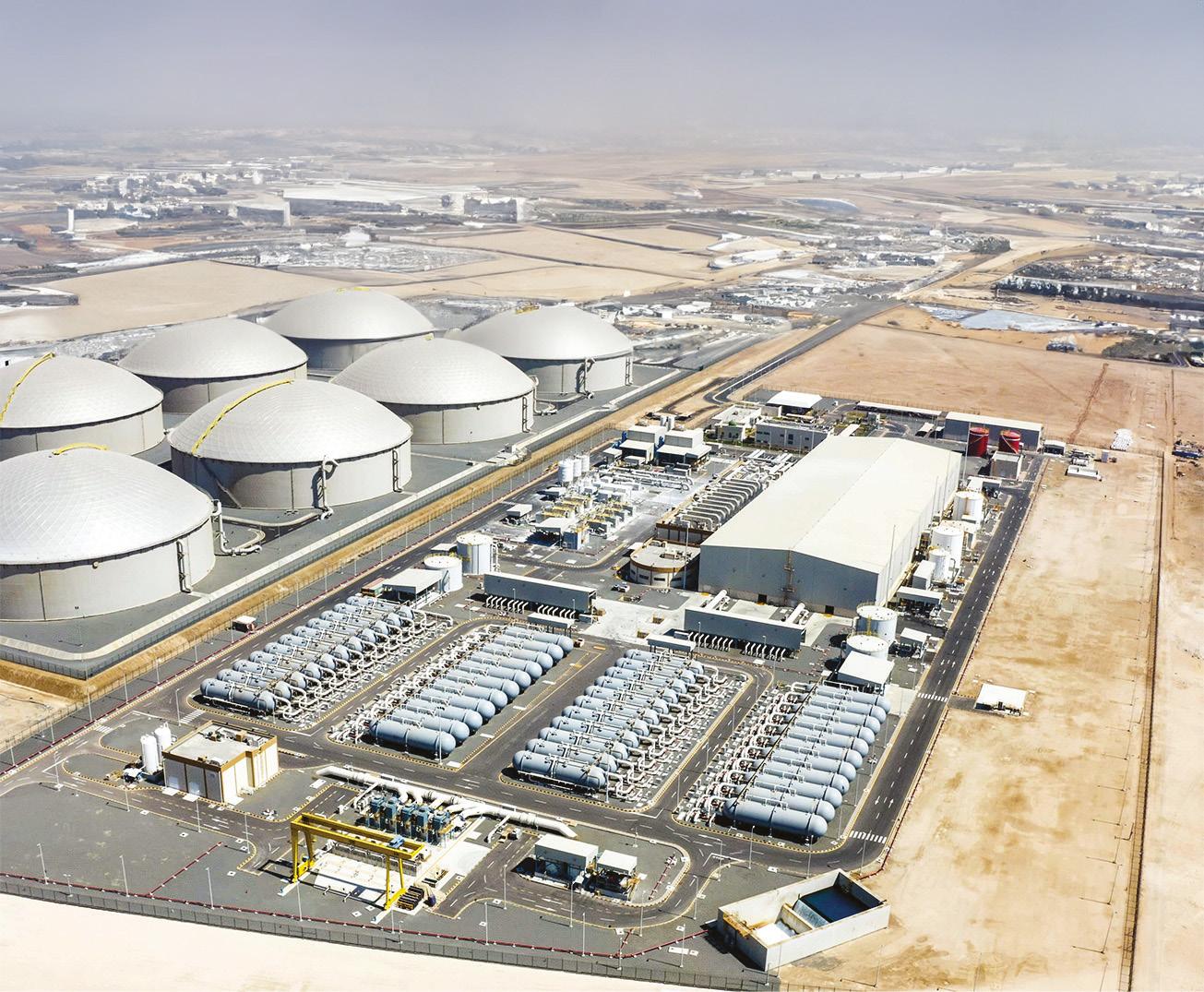
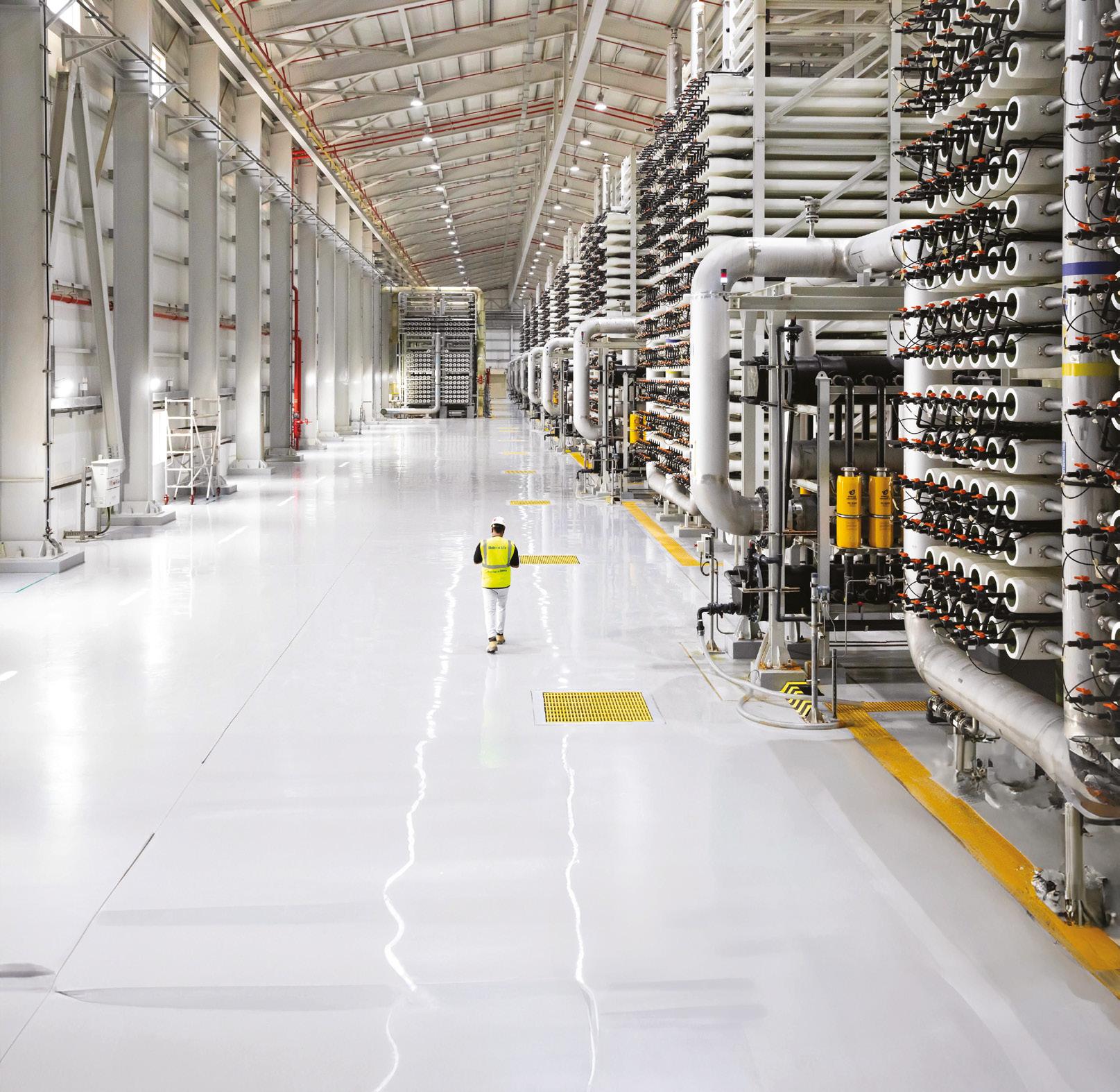
A: Mamelles represents several firsts for our region. It's West Africa's first largescale seawater desalination facility, backed by a €210 million investment from JICA and implemented through a consortium led by Toyota Tsusho, Eiffage Génie Civil, and VA Tech Wabag. Initially, the plant will produce 50,000 cubic meters daily, which is expandable to 100,000 using reverse osmosis technology.
But the significance goes beyond capacity. We're simultaneously renewing 316 kilometers of distribution network, which will benefit over one million people in areas at high altitude or at the end of the network. This integrated approach: new production plus infrastructure rehabilitation, is critical for actually delivering water to citizens.
The project has also taught us valuable lessons about stakeholder engagement. Local fishermen at Mamelles beach had legitimate concerns about marine
impacts. We conducted comprehensive environmental studies and implemented measures to safeguard the marine ecosystem. For the Mamelles project to be a success, it was essential that we had transparent dialogue with communities to create social acceptance.
we must give priority to surface water and treated wastewater, reserving our groundwater as strategic reserves.
Q: Looking beyond Mamelles, the GrandeCôte Project with ACWA Power is even more ambitious. What strategic thinking shaped this partnership?
A: Grande-Côte represents our evolution in thinking about desalination. At 400,000 cubic meters daily capacity across two phases, it will be West Africa's largest desalination project. But what truly sets it apart is operating entirely on renewable energy from our national grid.
This addresses one of desalination's fundamental challenges: energy consumption and carbon footprint. Traditional desalination can use 2.5 to 4 kilowatt-hours per cubic meter. Without renewable power, we'd be exacerbating climate change while trying to adapt to it. Grande-Côte positions us among the few large-scale plants globally operating entirely on green electricity.
The partnership model matters too. This $800 million project, with financial close expected by 2026 and full operations by 2031, demonstrates that publicprivate partnerships can deliver major infrastructure at scale. ACWA Power brings world-class expertise in desalination and renewable energy. We bring regulatory certainty, off-take agreements through SONES, and development vision. Together, we're creating a model other African nations can study and adapt.
Q: Desalination often dominates headlines, but Senegal is also pursuing water reuse. Why is this equally important?
A: Water reuse represents a paradigm shift, through viewing wastewater as a resource rather than a waste product. In Senegal, most wastewater in Dakar is discharged untreated into the Atlantic Ocean. This is both an environmental problem and a missed opportunity.
Consider the circular economy potential: treated wastewater can irrigate crops, recharge aquifers, and support industry. Research at Gaston Berger University has shown that constructed wetlands using local materials can treat municipal wastewater to standards suitable for agriculture, achieving over 95% removal of organic matter and suspended solids.
We're implementing this vision in East Dakar, developing sanitation infrastructure with tertiary treatment specifically for agricultural irrigation. This benefits farmers with reliable water supply, reduces pressure on groundwater, and addresses sanitation challenges simultaneously. As I've said,
we must give priority to surface water and treated wastewater, reserving our groundwater as strategic reserves.
The challenges are significant, public perception about using treated wastewater, ensuring treatment standards, making it accessible to small farmers. But the potential is too great to ignore. Africa cannot afford to waste water by treating it as waste.
Q: As AMCOW President, you have a continental mandate. How do Senegal's challenges and solutions relate to the broader African context?
A: Africa faces a water crisis that threatens to derail development across the continent. About one-third of our population already faces water scarcity. Thirteen countries in
the Sahara and Sahel are critically water insecure. Sub-Saharan Africa expects water demand to increase by 163% by 2050. The MENA region has 83% of its population facing extreme water stress.
Yet we also face a financing gap that is staggering: Africa needs $50 billion annually for water infrastructure but receives only $10 to $19 billion. We must mobilize $30 to $40 billion more each year just to meet basic needs, let alone achieve our development ambitions.
Senegal's experience, both successes and struggles, offers lessons. Desalination works, but it must be powered by renewables to be sustainable. Water reuse is technically viable and economically sensible. Publicprivate partnerships can attract investment
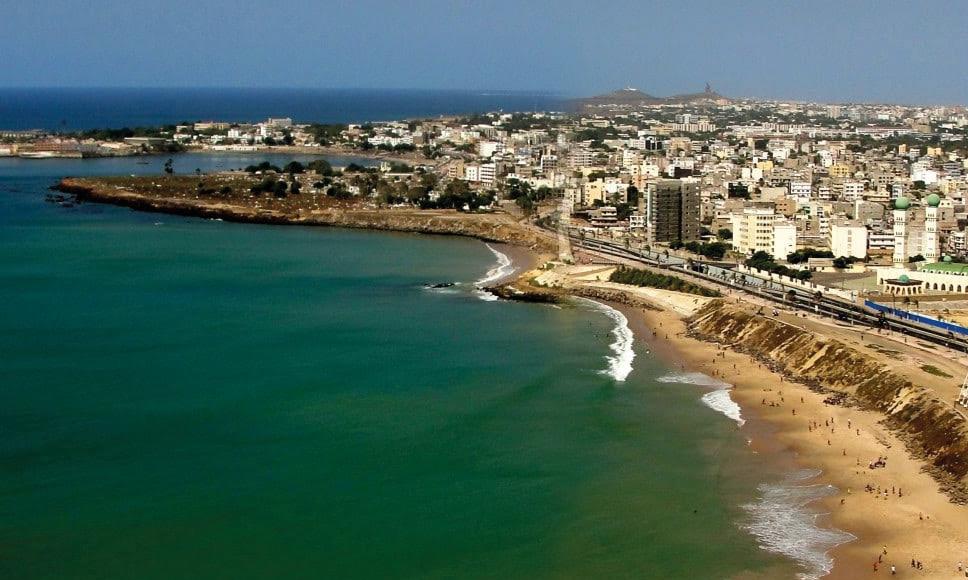
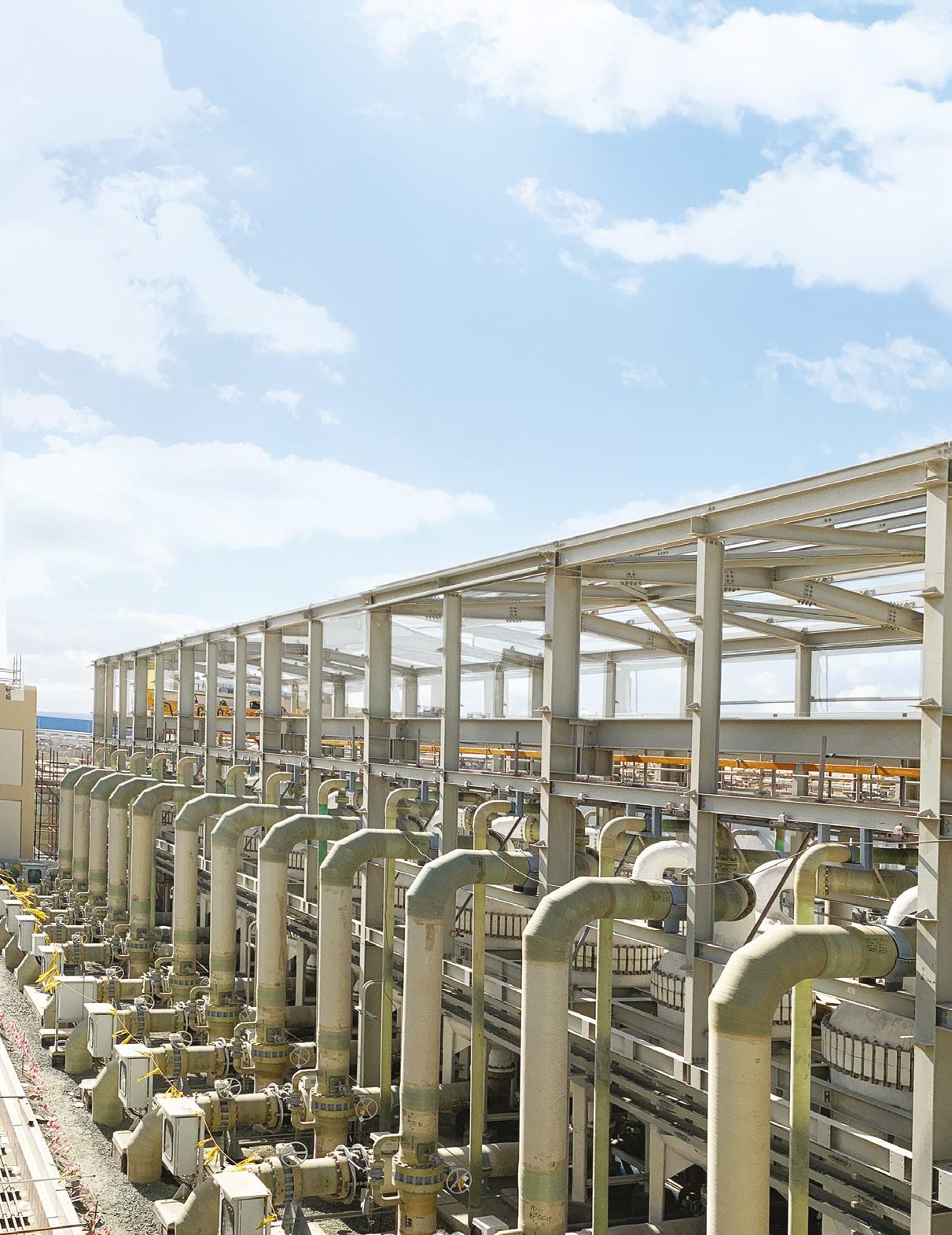
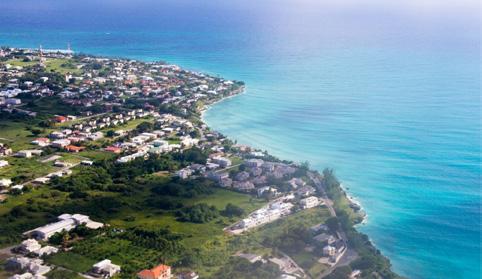
Corniche Ouest area, in Dakar (Senegal).
and expertise. Regional cooperation accelerates progress and emphasizing our partnership with Morocco, whose advances in desalination can inform our work and vice versa.
My mandate at AMCOW is to build resilience of water and sanitation systems across Africa. This requires not just technical solutions but stronger governance, better financing mechanisms, enhanced regional cooperation, and political will to prioritize water as the foundation of development.
Q: The UN 2026 Water Conference theme includes 'Water for Prosperity.' What does this mean in practice for Senegal and Africa?
A: Water for Prosperity recognizes that water is not merely about survival, it's about thriving. Water is the foundation of economic prosperity, the bedrock of social development, and the pillar of environmental stability.
The interactive dialogue will focus on valuing water properly, understanding the waterenergy-food nexus, advancing integrated water resources management, and driving economic and social development. These are not abstract concepts for us. In Senegal, insufficient water costs us 10% of GDP annually. Imagine if we could convert that loss to gain.
Water for prosperity means farmers having reliable irrigation to grow food and generate income. It means industries having the water they need to operate and create jobs. It means cities having the infrastructure
to support economic activity without exhausting natural resources. It means treating water as an investment, not an expense.
The preparatory meeting we're hosting in Dakar on January 26-27, 2026, will lay groundwork for partnerships and commitments to accelerate Sustainable Development Goal 6. We want the 2026 conference to be more than discussions, we want it to catalyze action that transforms water from a constraint on prosperity to an engine of it.
Q: What keeps you up at night? What are the biggest risks or obstacles to Senegal's water vision?
A: Several challenges weigh heavily. First, the energy-water nexus: desalination is energy-intensive, and while we're committed to renewable power, scaling this requires massive investment in both water and energy infrastructure simultaneously. The timelines don't always align.
Second, equity and access: we can build the most sophisticated desalination plants, but if water remains unaffordable for poor families or doesn't reach rural communities, we've failed. Twenty-four-hour water supply in Dakar is an achievement, but we still have work to do on affordability and universal access.
Third, climate unpredictability: we're planning infrastructure with 30-40 year lifespans, but climate change makes future conditions uncertain. Will droughts be more severe than we project? Will sea
level rise affect our coastal infrastructure?
These uncertainties complicate planning and financing.
Fourth, governance and coordination: water touches every sector: agriculture, energy, industry, environment, health. Ensuring coherent policy across ministries and agencies requires constant effort. Water cannot be siloed; it demands integrated governance.
Finally, maintaining momentum: projects like Mamelles and Grande-Côte take years from conception to operation. Political cycles are shorter. Maintaining focus and resources across administrations is challenging but essential.
Q: Looking ahead to 2030 and beyond, what does success look like for Senegal's water sector?
A: Success means every Senegalese, wherever they live, has access to sufficient, safe drinking water. It means our groundwater reserves are stable or recovering, not declining. It means our farmers have reliable water for irrigation without exhausting aquifers. It means Dakar and other cities have diversified water sources resilient to climate shocks.
Concretely, we'll have Mamelles operational and Grande-Côte's first phase producing water. We'll have expanded water reuse for agriculture and aquifer recharge. We'll have reduced network losses significantly through infrastructure renewal. We'll have strengthened our institutional capacity for integrated water resources management.
But success isn't just technical metrics. It's children not missing school because they're fetching water. It's women liberated from hours of daily water collection to pursue education or livelihoods. It's businesses confident to invest because they know water supply is reliable. It's communities resilient to climate shocks because their water systems can adapt.
For Africa more broadly, I hope Senegal's journey through both our innovations and struggles helps other nations chart their paths. Water security is not a competition between countries; it's a collective challenge requiring shared learning and mutual support.
Training, knowledge sharing, and technology adaptation must be built into every project.
Q: What message do you want to convey to the international desalination and water reuse community?
A: First, Africa is ready for partnership. We have innovative ideas, capable institutions, and growing technical capacity. What we need are partners who respect our agency and co-create solutions appropriate for our contexts.
Second, technology transfer and capacity building are as important as project
financing. Senegal wants to develop local expertise in desalination and water reuse, not perpetual dependence on external experts. Training, knowledge sharing, and technology adaptation must be built into every project.
Third, we need innovation in financing mechanisms as much as in technology. Blended finance, green bonds, results-based financing, water funds—these instruments can help bridge the massive financing gap Africa faces. Public-private partnerships work, but we need to expand the toolkit.
Fourth, please keep pushing on renewable energy integration and environmental
sustainability. We cannot solve the water crisis by worsening the climate crisis. The desalination and water reuse community has made tremendous progress on energy efficiency and environmental impacts… keep going.
Finally, I invite you to engage with both the IDRA World Congress 2026, and the 2026 UN Water Conference process. Share your innovations, your challenges, your lessons learned. These important gatherings can only achieve their potential if the technical community, the financial community, the policy community, and the communities we serve all participate meaningfully.
As our conversation concludes, Minister Dieye returns to a theme he emphasizes frequently: "Water is much more than a
natural resource… it is the foundation of life, the bedrock of economic prosperity, and the pillar of environmental stability." For Senegal, this understanding shapes every decision, every investment, every partnership in the water sector. As Africa's water challenges intensify and the world looks to the 2026 conference for renewed commitment to SDG 6, Senegal's journey from water scarcity to water security, through desalination, water reuse, and integrated management, offers both inspiration and instruction. The path is challenging, but as Dr. Dieye makes clear, there is no alternative to success.
EXECUTIVE VIEWPOINT
FINANCING THE CIRCULAR WATER
ECONOMY:
CAPITAL PATHWAYS TO CLIMATE RESILIENCE
By Mr. Bertrand Camus, Partner at Summa Equity
When facing the challenge of water scarcity, the focus is often on increasing supply, overlooking the ecological condition of water systems. Yet this crucial point is what underpins water health – the foundation of climate resilience. It sustains food production, public health, industrial activity, and the ecosystems that regulate floods, droughts, and water quality. Healthy water systems absorb shocks, filter pollutants, and sustain communities. When they degrade, climate risks multiply across the economy.
Water health cannot be restored or protected through linear water management models alone. Under climate stress, pollution, and resource scarcity, resilience depends on water systems’ ability to recover value and reduce dependence on extraction and treatment costs. This is where the circular water economy becomes a core resilience tool rather than a sustainability add-on. A circular water system strengthens water health by design. By reducing pollution at source, capturing valuable resources, and reinvesting in system performance, circularity enables water systems to withstand shocks while lowering long-term costs. It is also a holistic solution to foster Water Reuse.
Across Europe, the consequences of a linear water system are systemic and visible. Rivers, aquifers, and soils are burdened by diffuse pollution from
modern production and consumption. Persistent substances such as microplastics, pesticides, pharmaceuticals, nitrates, and PFAS accumulate faster than reactive systems can remove them. Fewer than 40 percent of Europe’s surface waters meet ecological standards, and less than 27 percent meet good chemical status. The loss of wetlands has weakened nature’s ability to filter pollutants before they reach rivers and aquifers.
Restoring water health is not a downstream environmental objective or a narrow infrastructure challenge. It is the starting point for building resilient water systems through coordinated investment, governance, and circular system design that support Europe’s climate transition and long-term economic resilience.
Financing the circular water economy from mechanisms to systems
In Summa’s Water Health Scenario outlined in our upcoming report, ‘Investing in Europe's water health: from toxic to thriving’, we share a blueprint for how Europe can restore its water health by accelerating ambition beyond current EU trajectories. Our analysis shows that achieving this will require an additional EUR 226 billion of investment by 2040. This
implies a >30 percent increase in water and wastewater treatment capital expenditure, or ~EUR 120 billion on top of investments already mandated by EU water directives.
The system transformation required to restore water health plays out across four interconnected levers of action: Reduce, Capture, Shield, and Remediate.
Reducing pollution at source is the most cost-effective intervention. It focuses on preventing pollutants from entering water systems by addressing diffuse pollution linked to agriculture, industry, and households. This includes bans, phase-outs and substitutions of more toxic substances such as pesticides or PFAS, and the expansion of precision and organic farming.
Capturing pollutants before they spread relies on advanced wastewater treatment systems. It centers around intercepting contaminants at critical points in the system, limiting their dispersion into ecosystems when pollution cannot be fully avoided at source. It also enables wider water reuse possibilities.
Shielding populations focuses on protecting people from pollutant exposure in drinking water. This requires upgrading drinking water systems, improving treatment plants, and replacing infrastructure such as lead pipes. Remediation remains necessary where contamination is already entrenched. Cleaning up sites containing pollutants prevents harmful substances from cycling back into waterways and food systems. Ecosystem restoration complements these efforts by rebuilding natural filtration and buffering capacity, reducing long-term remediation and treatment costs.
Financing this transition and utilizing these levers requires mechanisms that align incentives across society and reward pollution reduction. These mechanisms must also distribute costs according to responsibility and benefit, rather than placing the burden on households and public budgets. Polluter pays approaches, such as extended producer responsibility for pharmaceuticals, ensure accountability sits with those creating pollution. Beneficiary pays mechanisms allow downstream industries and consumers
to co-fund agricultural transitions that secure long-term water quality. Public funding remains essential to support non-market returns, particularly in ecosystem repair and public health protection.
Circular water systems also boost economics. By recovering resources from wastewater and sludge, such as nutrients for fertilizers, pollution can be transformed into value creation. This improves investment returns and helps stabilize tariffs through real efficiency gains. Together, these mechanisms form the financial architecture of the circular water economy. When deployed at scale, this financial architecture lowers unit costs, reduces risk, and accelerates learning. It creates predictable, long-term demand for circular water solutions.
Private capital as a scaling force for Europe’s water transition
Even with the right mechanisms in place, Europe’s water transition will not happen at the required speed or scale without private capital. Public funding provides a critical foundation, but it cannot deliver the full transformation alone.
By 2040, water health markets could generate around EUR 370 billion in annual revenues, ultimately unlocking a cumulative market opportunity of approximately EUR 1 trillion. Private capital, and a thematic investment approach in particular, play a distinct role in this opportunity.
Private capital acts as a system accelerator. It can deploy funds quickly, take calculated risks on emerging technologies, consolidate fragmented markets, and scale proven solutions. It can turn regulatory pressure and pollution-reduction targets into resilient, long-term revenue streams that support investments at scale.
Restoring water health is Europe’s next major investment frontier, and therefore also a key investment focus at Summa. By 2040, targeted investments could cut pollutant emissions by more than half, reduce the share of Europeans exposed to drinking water above the safety line
About the Author
Bertrand Camus is a Partner and Circularity Theme
Lead at Summa Equity, a thematic investment firm founded in 2016 with a mission to invest in solving global challenges. Summa has raised approximately EUR 4 billion across three funds and completed more than 30 platform investments.
Bertrand works with the Circularity team to identify investments, shape strategy, and support portfolio companies across environmental and resource-related themes. Motivated by the urgency of climate change, resource scarcity, and
from up to 50 percent today to less than 5 percent, increase the share of water bodies in compliance with environmental standards from less than 40 percent today to 75 percent, and set aquatic biodiversity on a path to recovery.
Financing the circular water economy is not about choosing between climate resilience and profitability. It is about recognizing that resilient water systems are essential for sustainable growth and development. With the right mix of policy, innovation, public funding, and private capital, we can restore water as the foundation of Europe’s resilience and prosperity.
biodiversity loss, he focuses on scaling solutions that restore water health and accelerate circular business models.
Previously, Bertrand served as CEO of SUEZ Group and held senior international leadership roles over nearly three decades. He continues his commitment to environmental stewardship by backing businesses that combine innovation with measurable impact. Bertrand holds an MSc in Civil Engineering from École Nationale des Ponts et Chaussées, Paris.
We shape water’s future by connecting people and ideas.
We build unique datasets that inform decision making.
Networks
We have relationships with the people that matter.
Markets
We track projects, technology and competitive dynamics.
Money
We dissect the financial flows that drive the sector.
EXECUTIVE VIEWPOINT
HOW AP FOCUSES ON WATER, ONE OF WORLD’S BIGGEST STORIES
By Mr. Peter Prengaman, Climate and Environment News Director, AP
When The Associated Press in 2021 launched a mini team to focus on freshwater in the United States, I and other editors were hopeful but ultimately didn’t know what to expect.
With support from the Walton Family Foundation, we hired three journalists: one in Colorado to cover the Colorado River basin, one in Missouri to cover the Mississippi River basin and one in Washington to report on federal policies related to water.
Water, of course, is central to life on Earth, not just for humans but so many other living things. Still, there were many questions about focusing so much on it journalistically. Could we find enough compelling stories to justify three full-time reporters on the beat? Would stories on water inevitably be wonky, thus turning off general readers? And would such a focus on water divert our attention too much from other crucial environmental topics?
Launching this beat quickly proved to be a prescient move, not just a good storytelling decision. In 2022, the Colorado River, which supplies water to 40 million people across
several states and Mexico, was in crisis. Decades of drought across the Western U.S., driven by climate change, had left the river’s water levels perilously low. AP’s mini water team was crucial to telling a complex story that impacted so many people, from farmers to officials in major cities, all scrambling amid a diminishing supply of water.
Water has become a security issue for many nations, leading to increased conflict, migration, and economic instability as communities and countries compete over scarce resources.
In the years since, water has become a central part of AP’s climate and environment team’s coverage, both in the United States and around the world. We now have a fourth journalist focused on the beat full-time, and the work this team has helped propel water stories by AP bureaus around the world.
As climate change has accelerated, putting extreme pressure on water supplies in many
parts of the world—such as the Middle East and regions of Africa—water has become a security issue for many nations, leading to increased conflict, migration, and economic instability as communities and countries compete over scarce resources.
Although certain aspects of water coverage involve technical subjects—such as the hydrologic cycle, advanced contaminant treatment technologies, and the influence of lake and river levels on hydroelectric power— at its core, water is a story about people.
Those people include everybody from the farmers who must go deeper each year to access water from underground aquifers to the researchers and technologists working to make wastewater management systems more efficient. They include the 2 billion people around the world, or 1 in 4, who don’t have access to safe drinking water. They include citizens of countries that used to have enough for their citizens, like Jordan and South Africa, but today have reached critical points.
Careful water management and conservation are more important than ever, but they are no longer enough.
Reuse and desalination have become increasingly important. They come with tradeoffs: high energy use and, in the case of desalination, brine, which can be harmful to ecosystems. Still, big technological advances are being made, increasing energy efficiency,
lowering costs and reducing brine. We looked at this recently in a story on a company that is using the pressure of the ocean—at more than 1,300 feet—to power the reverse osmosis process of forcing seawater through membranes to filter out salt and impurities.
That water supplies are diminished in parts of the world has scientists looking for new sources even, counterintuitively, in aquifers under the ocean floor. A report we produced about a team looking for these kinds of resources highlighted both the excitement of discovering new sources and the sobering reality of the great effort required to obtain them.
We can and must make sure people know how water— always crucial and today often in a state of crisis— is
impacting many aspects of life.
The nuances and complexities of the state of water today make for stories that are compelling for readers and often news that readers can use.
The expertise we have developed has helped the AP quickly understand when water plays a role in stories that cross into many aspects of life. A good example is the 2024 Summer Olympics in Paris. A yearslong, billion-dollar effort to clean up the Seine River to allow for
competition in it almost backfired when high levels of bacteria forced the postponement of some races.
AP’s water team was able to quickly identify the dangerous pollutants; how likely it was they would be diluted enough in time for competition and the role of climate change in sparking the heavy summer rains that led to runoff and dirtying the water. Put another way, this expertise allowed the AP to show readers how a sports story was also one about climate change, water-borne illnesses and water management systems.
In the U.S., that expertise has helped the AP stay ahead of the competition, and readers better informed, on many topics connected to federal rules and regulations on PFAS, microplastics, lead pipes, management of
About the Author
Peter Prengaman is a team-builder, creative leader and people person passionate about journalism, international relations, learning foreign languages and all things related to climate change, energy transition and sustainability.
As Global Climate and Environmental News Director for The Associated Press, I lead an all-
watersheds and much more. After all, water is a throughline in all these issues.
As AP journalists, it’s not our job to say what should happen in any area of water. That is for readers, from elected leaders to everyday citizens, to decide. But we can and must make sure people know how water—always crucial and today often in a state of crisis—is impacting many aspects of life.
formats, international team focused on some of the most important stories of our time.
In this role, I also work with teams across the AP, including leaders of our business and partnerships departments, and lead climate training for and collaborations with other news organizations.
EXECUTIVE VIEWPOINT
LEADERSHIP FOR A NEW ERA OF WATER REUSE: SCALING
COMMUNITY, INDUSTRY, AND UTILITY PARTNERSHIPS
By Mr. John Kmiec, Director, Tucson Water & President, WateReuse Association
Globally, water leaders face a clear and pressing challenge: meeting growing and evolving water needs with finite resources and infrastructure designed for a different era. In this context, water reuse is no longer optional. It’s fundamental to building reliable, resilient systems that serve communities today and into the future.
In response, utilities, industry leaders, and policymakers around the world are increasingly embracing One Water principles. These principles recognize that all water has value and that managing it holistically, across traditional boundaries, is essential to long-term system performance and community well-being.
This moment represents an important transition for the water sector. Water reuse has moved from the margins to the mainstream of resource planning, economic development, and infrastructure investment. What was once viewed as an emerging or supplemental strategy is now a core component of modern water portfolios, supporting reliability, public health protection, and long-term stewardship across a wide range of geographic, economic, and governance contexts.
As water reuse becomes increasingly central to 21st century water management, effective progress depends on strong professional networks that connect practice, policy, and innovation. Across the sector, utilities, industry partners, researchers, and policymakers are working together to share operational experience, advance practical solutions, and support responsible implementation at scale. These collaborative efforts, often aligned through One Water frameworks, help strengthen water systems and improve outcomes for the communities they serve.
Rather than relying on a single supply source, the utility has invested in integrated One Water planning that aligns surface water, groundwater, reclaimed water, and stormwater management into a cohesive system.
Tucson, Arizona offers a practical example of how these principles translate into action. Situated in a region shaped by long-term aridity and economic variability, Tucson Water
has spent decades developing a diversified water portfolio designed to balance reliability, growth, and environmental responsibility. Rather than relying on a single supply source, the utility has invested in integrated One Water planning that aligns surface water, groundwater, reclaimed water, and stormwater management into a cohesive system. This approach strengthens operational flexibility, reduces exposure to supply disruption, and positions the system to adapt as community needs and conditions evolve.
A central element of this strategy is water reuse. Tucson Water has operated one of the United States’ largest reclaimed water systems for decades, supporting shared public spaces like parks, schools, golf courses, and select industrial users. These investments reduce demand on potable supplies while reserving higher-quality water for essential uses. Over time, reuse has become not simply a supplemental resource, but a cornerstone of system reliability.
Building on this foundation, Tucson Water is advancing its next-generation reuse through Pure Water | Tucson. This program will further purify highly treated effluent using advanced purification processes that go beyond already stringent drinking-water-quality standard. The Pure Water | Tucson program enhances long-term reliability while maximizing the value of existing water resources and infrastructure that keep water local.
Pure Water | Tucson reflects a broader shift in how utilities approach infrastructure investment. Advanced treatment technologies, robust monitoring, and system redundancy are paired with disciplined planning and methodical
implementation. Projects of this scope require not only engineering excellence, but sustained oversight, transparency, and operational readiness, particularly when they represent a significant evolution in how communities manage water supplies.
Water reuse, integrated planning, and cross-sector collaboration are no longer emerging ideas. They are defining features of modern water leadership.
From a utility leadership perspective, public confidence is earned through performance, accountability, and clarity of purpose. Communities expect water systems to be managed responsibly, with a consistent focus on public health and long-term reliability. In Tucson, this has meant demonstrating systems at pilot scale, investing in monitoring and safeguards, and grounding decisions in regulatory rigor and operational discipline.
Industry partnerships also play an important role in scaling reuse. As manufacturing, technology, and other water-intensive sectors seek dependable, long-term water supplies, reuse offers a practical pathway to align economic activity with responsible resource management. In Tucson, reclaimed water partnerships have supported select industrial operations while reducing pressure on potable supplies. This demonstrates that reuse can strengthen system reliability while supporting economic vitality.
These lessons extend beyond any single community. Around the world, water systems are being asked to do more with finite resources and infrastructure that is often designed for less complex demands. Water reuse, integrated planning, and cross-sector collaboration are no longer emerging ideas. They are defining features of modern water leadership.
Looking ahead, continued progress in water reuse will depend on strong policy foundations, practical support for utilities implementing complex projects, effective cross-sector partnerships, and sustained investment in workforce development. Together, these elements form the ecosystem needed to deliver responsible, reliable reuse at scale.
Equally important is collaboration across the water profession. Many of today’s challenges are shared across systems, and progress accelerates when knowledge, experience, and lessons are exchanged. Convening
About the Author
John P. Kmiec is the Director of Tucson Water and a nationally recognized leader in water resource management, utility operations, and water reuse. His career spans more than four decades, with deep expertise in sustainable water supply planning, aquifer storage and recovery, and water quality management.
In 2026, Kmiec serves as President of the National WateReuse Association, reflecting his long-standing leadership in advancing water reuse policy and practice
organizations such as the WateReuse Association and International Desalination and Reuse Association (IDRA) play an important role in supporting this exchange, connecting practitioners and leaders as they advance effective, responsible water management in diverse operating contexts.
The path forward is clear. Treating all water as a valuable resource, while managing it intentionally, strengthens system reliability, protects public health, and supports long-term growth. Realizing this future will require leadership that is collaborative, pragmatic, and grounded in long-term thinking.
Water reuse is not simply a technical solution; it reflects how communities choose to steward shared resources. Through partnership, shared learning, and a commitment to integrated management, the water sector can continue to deliver reliable service and lasting value for generations to come.
across the United States. He has served on the Association’s Board of Directors since 2022. He is also a Director on the AZ Water Association Board and previously served as an appointed member of Governor Doug Ducey’s Water Augmentation, Innovation, and Conservation Committee. Throughout his career, including his tenure as Director of Marana Water, Kmiec has played a significant role in shaping Arizona’s long-term vision and policy framework for sustainable water supplies, advancing the principle that all water has value.
EXECUTIVE VIEWPOINT
TURNING THE OCEAN INTO A CLIMATE SOLUTION: HOW CARBON REMOVAL CAN PARTNER WITH THE WATER SECTOR
By Ben Tarbell, CEO and Co-Founder, Ebb
Climate change is intensifying freshwater scarcity around the world, and nowhere more so than in the Middle East. By 2050, MENA’s population is expected to grow by 30%, while freshwater demand surges by 25%. Today, desalination is essential infrastructure, meeting one of the world's most critical needs. The GCC alone is home to over 400 desalination plants, and the region now accounts for 60% of global desalination capacity . In addition to freshwater, these facilities also produce something else: brine, the concentrated saltwater stream left behind after freshwater is extracted. For decades, this brine has simply been discharged back into the ocean. Now it is also the key to unlocking multiple sources of value, including a powerful climate solution.
The Climate Imperative
According to the IPCC, we need to remove up to 10 billion tonnes of CO2 annually by 2050 to limit the worst impacts of climate change and maintain a global temperature rise of less than 1.5°C. To accomplish this, we need to remove massive amounts of CO2 from the atmosphere safely and at low cost. Working with the ocean
and leveraging existing water infrastructure is the most promising untapped opportunity to effectively scaling carbon removal.
The ocean naturally regulates our climate by absorbing carbon dioxide. It has absorbed roughly 30% of human-caused CO2 emissions since the industrial revolution. Ocean alkalinity enhancement (OAE), a leading carbon removal approach, leverages the ocean’s natural ability to absorb CO2 by enhancing the ocean’s alkalinity. Adding carefully controlled amounts of alkalinity to the ocean accelerates natural chemical reactions in the ocean that enable the additional uptake of atmospheric carbon dioxide in seawater.
OAE also delivers a critical co-benefit: it helps counteract coastal acidification. In the Arabian Gulf, this matters urgently. A study published in Geophysical Research Letters found that changes in summer winds have accelerated warming, deoxygenation, and acidification in the Gulf. By increasing seawater alkalinity, this OAE can simultaneously remove carbon and help restore healthier ocean chemistry for coral reefs and marine ecosystems.
Desalination as Climate Infrastructure
The desalination industry is uniquely positioned to become a platform for scalable carbon removal. With the global desalination industry processing over 150 million cubic meters of seawater daily, the industry could enable roughly 1 billion tonnes of CO 2 removal annually—about 10% of what the IPCC says we need by 2050. At Ebb, we've developed an electrochemical water technology designed specifically to unlock this potential by transforming desalination brine into carbon removal, additional freshwater and valuable industrial chemicals.
The process is straightforward. Ebb integrates its technology with industrial water operations and uses brine as its feedstock. The brine passes through electrochemical membranes that separate it into three streams: a reduced-salinity brine that is recycled back into the desalination process where it can generate up to 10% more freshwater while reducing energy consumption by over 15%, an alkaline stream that is returned to the ocean to drive carbon removal or sold as caustic soda, and hydrochloric acid that can be used within the desalination plant or sold to industry.
This model has already moved from concept to reality. In Saudi Arabia, Ebb is deploying this year in partnership with the Saudi Water Authority at their research and development
facility in Jubail. When scaled across SWA's broader portfolio, Ebb’s technology could enable up to 85 megatonnes of CO 2 removal annually, demonstrating how existing infrastructure can deliver climate impact and diversified economic growth at a meaningful scale. Critically, this model doesn't require water operators to become carbon removal companies. It enables them to optimize assets they already operate and capture value that currently goes to waste. Contributing to climate action becomes a natural outcome of improved operations.
Ben Tarbell is the Co-Founder and CEO of Ebb Carbon, a climate tech company focused on developing scalable carbon removal solutions through ocean-based technologies. As chief executive, he leads the company’s strategic vision, bringing together science, engineering, and business to accelerate meaningful progress in climate action.
Based in Silicon Valley, Ben Tarbell has a strong entrepreneurial background and
and creating value far beyond carbon removal alone. The key is aligning incentives. When carbon removal creates immediate operational and economic value for desalination operators like more freshwater production, useful chemical co-products and improved environmental outcomes–deployment accelerates. Our partnership with the Saudi Water Authority demonstrates this alignment.
The path forward is already in motion. By rethinking how we improve the infrastructure we already have, we can unlock solutions that remove carbon, produce freshwater, and drive economic value – all at once.
deep insight into the technology and impact-driven innovation ecosystem. He is recognized for building organizations from the ground up, attracting multidisciplinary talent, and forging strategic partnerships within the climate innovation space. His work sits at the intersection of technology, sustainability, and leadership, with a clear focus on delivering measurable, real-world impact in the fight against climate change.
EXECUTIVE VIEWPOINT
OPERATIONAL ACHIEVEMENTS AND FUTURE PROSPECTS OF THE FUKUOKA SEAWATER DESALINATION CENTER IN JAPAN: A 20-YEAR REVIEW
By Mr. Kenji Hirokawa, Seawater Desalination Plant Manager of Fukuoka District Waterworks Agency and Mr. Yasuhiro Matsui Ph.D., Director of JDA
Overview of the Fukuoka District Waterworks Agency
The Fukuoka District Waterworks Agency is a special local public entity comprising 10 cities and 7 towns within the Fukuoka metropolitan area. This agency supplies approximately 40% of the region’s potable water. Due to the absence of a Class A river under the River Law of Japan within the area, the region has historically experienced frequent droughts and water shortages. In response to these challenges, the agency has implemented diverse water resource strategies, including the introduction of water from the Chikugo River and the development of seawater desalination capabilities.
Background and Features of the Seawater Desalination Center
The Fukuoka metropolitan area has long struggled with a low self-sufficiency rate for water, making the establishment of a stable, weather-independent water source a critical issue. In response, the Fukuoka Seawater
Desalination Center, the largest capacity in Japan, was completed in 2005. Utilizing reverse osmosis (RO), the facility has a maximum daily production capacity of 50,000 cubic meters. Notably, the center incorporates several innovative features, including an infiltration intake method, ultrafiltration (UF) for pretreatment, a high recovery rate with RO, and the discharge of concentrated brine mixed with treated wastewater. These technical advancements contribute not only to cost reduction but also to the protection and preservation of the Hakata Bay environment.
Operational Performance and Cost Reduction Initiatives
Over its 20 years of operation, the center has consistently produced an average of 20,000 to 30,000 cubic meters of water per day, with full-capacity operation during periods of drought. The facility has actively pursued cost reduction by extending the replacement cycle of UF and RO membranes, reducing the frequency of UF cleaning, and implementing rehabilitations aimed at operational efficiency.
These efforts have resulted in significant savings in maintenance and operational costs, while ensuring a stable supply of high-quality water even under challenging climatic conditions.
Facility Upgrades and Associated Challenges
The ongoing process of facility renewal has presented several challenges, including limited space for new installations, high maintenance and management costs, and the need to level out construction expenditures over time. To mitigate these issues, the center has omitted UF where water quality allows with SDI values around 1 achieved by the infiltration intake, reviewed pump capacities and switched to pressure-exchange type energy recovery devices to further reduce power consumption.
A phased upgrade plan is in place, spanning from 2022 to 2036, to ensure the facility remains technologically advanced and economically sustainable.
Future Outlook: Practical Implementation of Pressure-Retarded Osmosis Power Generation
In August 2025, the center launched a pressure-retarded osmosis (PRO) power generation facility, leveraging treated wastewater and concentrated brine as untapped energy resources. This system achieves an impressive 90% operational efficiency, far exceeding conventional solar power. By maintaining optimal pressure around 3 MPa, the PRO system maximizes output while balancing water volume and
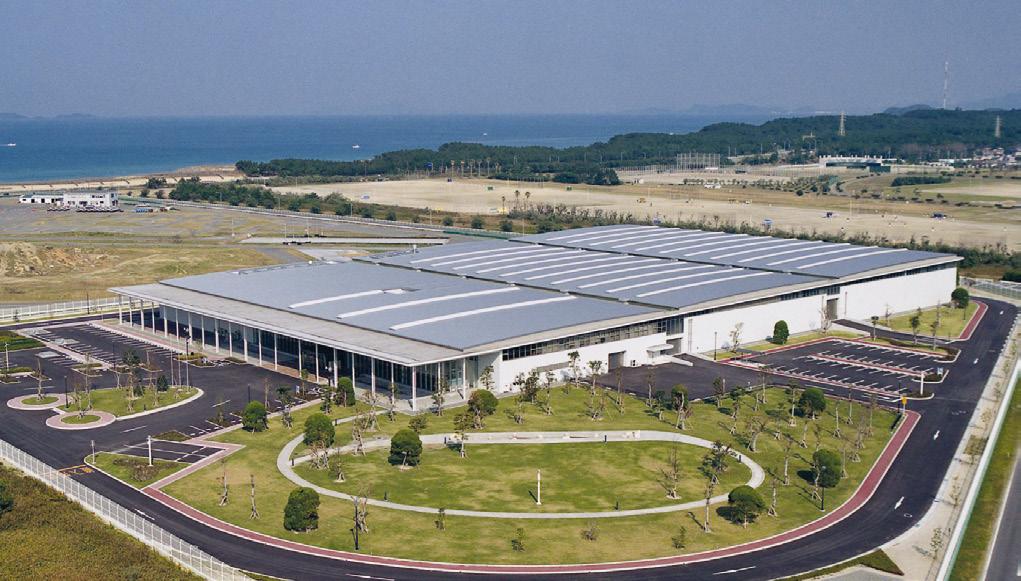
Fukuoka Seawater Desalination Center, seawater desalination plant in Fukuoka (Japan).
pressure. The project, a collaboration between Fukuoka City, the Waterworks Agency, and private partners, includes a five-year validation phase. The ultimate goal is global dissemination of this technology, advancing sustainable water and energy solutions.
Conclusion
The Fukuoka Seawater Desalination Center is a pioneer in integrated water
About the Authors
Kenji Hirokawa is the Seawater Desalination Plant Manager at the Fukuoka District Waterworks Agency, where he oversees operations and innovation at the Uminonakamichi Nata Seawater Desalination Center in Fukuoka, Japan. He has played a central role in advancing seawater desalination technology and integrated water–energy systems, including the practical deployment of osmotic (pressure-retarded osmosis) power generation at the facility. Under his guidance, the center has pursued operational excellence, cost optimization, and sustainability while supplying reliable potable water to the Fukuoka metropolitan area. Hirokawa’s leadership in blending renewable energy and desalination serves as a model for sustainable water resource management.
resource management, environmental stewardship, and technological innovation. Its pioneering infiltration intake system remains highly effective after 20 years. Through continuous operational improvements, strategic upgrades, and renewable energy adoption, the center is positioned to secure water resources and promote sustainability for the Fukuoka metropolitan area and beyond.
Mr. Yasuhiro Matsui, Ph.D., is a recognized expert in water treatment and desalination technologies and serves as a Director of the Japanese Desalination Association (JDA). He holds a doctorate in urban engineering from The University of Tokyo and has more than two decades of experience in global water environment sectors, including water supply, desalination, and reuse. Matsui has worked extensively in research, development, and international project collaboration, including roles at Yokogawa’s Innovation Center and senior positions in the water infrastructure industry. Through his work with JDA and in professional practice, he contributes to advancing desalination innovation and knowledge exchange both in Japan and internationally.
EXECUTIVE VIEWPOINT
THE REUSE REVOLUTION: FINANCING AND GOVERNANCE PATHWAYS TO
SCALE
By Mr. Rochi Khemka, Sr Private Sector Specialist, World Bank Group
Water reuse is poised to move from niche to norm. The technology is mature, demand is rising, and the economics increasingly compete with new freshwater development. The question now is how to move faster.
Reuse programs are already underway in more than 20 countries, with growing interest in potable and high-value industrial applications. While cities and industries generate nearly one billion cubic meters of used water each day, most systems are not designed to return that water safely or reliably to end users. The result is a patchwork of isolated projects: a utility producing reclaimed water for cooling or irrigation, or a municipality piloting advanced treatment to build trust. These projects provide essential learning, yet they are not usually linked through the treatment, conveyance, regulatory, and commercial arrangements needed for scale. That shift depends on governance, finance, and delivery models that reinforce one another. When they do, reuse can become a dependable part of water-security planning. When they do not, progress stalls, even where water stress is acute.
Why Reuse? Why Now?
Across the world, water scarcity has shifted from periodic crisis to structural constraint. Four billion people experience severe scarcity for at least one month each year, and another half-billion live with it year-round. For households, this can mean unreliable service or rationing, and for businesses, lost production and rising uncertainty. By 2050, nearly half of global GDP may be generated in regions of high water risk—an extraordinary concentration of exposure.
Investment is growing.
Global spending on reuse has almost doubled over the past two decades, with potable and industrial applications growing 8–9% annually.
Urbanization will intensify these pressures. By mid-century, 70% of the world’s population will live in cities, and the number of large cities facing high water risk is projected to rise from 193 today to 284. In these places, it is unlikely
that conventional supply alone will close the gap. Reuse offers one of the few supply options that can grow alongside cities. It reduces pressure on freshwater ecosystems, provides reliable volumes for industry and municipalities, and turns pollution into a usable resource.
Untapped Potential
Despite these advantages, potable and industrial reuse is equivalent to just 3% of what municipalities withdraw from freshwater sources. Several factors explain the gap. Freshwater is often inexpensive or subsidized, blunting incentives to shift toward reused water. Regulations may exist on paper but fall short in practice—abstraction limits that are rarely enforced, discharge rules that
vary by agency, unclear quality standards, or uncertainty over who owns the reused water. Without clear rules, utilities cannot plan confidently, and industries hesitate to commit to long-term offtake.
Institutional fragmentation adds friction. Responsibilities for supply, wastewater, environment, and industry are typically split across ministries with limited coordination. Public hesitation, especially around potable reuse, can slow momentum further.
Even so, investment is growing. Global spending on reuse has almost doubled over the past two decades, with potable and industrial applications growing 8–9% annually. About US$340 billion—roughly 1.5% of projected global water-infrastructu-
re spending through 2040—could expand reuse eightfold, offsetting nearly a quarter of municipal withdrawals. Achieving this, however, requires action on several fronts.
Building the Foundations for Scalable Reuse
Governance: Creating Clarity and Reducing Uncertainty
Scaling reuse requires governance and regulatory arrangements that offer predictable standards, clear roles, and consistent expectations. Countries that have moved faster—Singapore, Israel, parts of China, regions of Spain—typically did so after establishing coherent quality standards, streamlined permitting systems, and monitoring frameworks that make it possible for utilities and industries to plan.
Coordination bodies help translate these rules into practice. In Brazil, for instance, basin commissions provide a formal forum for reconciling competing demands and ensuring that abstraction and discharge decisions are made with shared information. In California, metropolitan planning bodies bring together water agencies and regulators to reduce permitting delays and clarify responsibilities across jurisdictions.
Multistakeholder platforms extend this coordination. They have helped India adapt hybrid annuity PPPs for wastewater and reuse, supported Mongolia in strengthening its pollution-fee system, and informed early thinking in several countries on
market-based reuse certificates. Their value lies in continuity—they keep reforms moving across political cycles and institutional boundaries.
Finance: Creating Predictability and Shaping Risk
Reuse projects move forward when utilities or industries can recover costs through stable tariffs, long-term offtake agreements, or committed public budgets. China’s industrial parks provide one illustration: by tying permits directly to the requirement of 40% reuse of effluent generated , park authorities create a predictable demand profile that gives operators confidence to invest. Windhoek’s long-standing potable reuse system relies on a different mechanism— steady municipal budget commitments— but the effect is similar: predictable revenue supports reliable service.
Early projects, however, often face construction risk, uncertain demand, credit concerns, and affordability constraints. Blended finance can help shift these dynamics. Concessional climate funds, guarantees, viability-gap support, and credit enhancements reduce risk to a point where private capital becomes viable.
India’s hybrid annuity model illustrates this approach. By combining government-backed guarantees with phased, performance-linked payments, it reduced both construction and operational risk, enabling wastewater and reuse PPPs to reach financial close at scale.
As markets mature, standardized contracts lower transaction costs, and national finance platforms can move from individual deals to sustained pipelines.
Delivery Models: Sustaining Performance Over Time
Governance and finance create the enabling environment for reuse, but delivery models determine whether systems operate reliably over decades. Public-private arrangements— PPPs, joint ventures, performance-based contracts—can help utilities meet demanding operational standards when incentives support long-term performance.
Different countries demonstrate different pathways. Industrial parks in China and Vietnam co-locate treatment, recycling, and distribution systems around predictable demand centers, reducing both cost and
About the Author
Rochi Khemka is a Senior Private Sector Specialist with the World Bank’s 2030 Water Resources Group (WRG), where she leads the global program with a focus on advancing private sector solutions for water security. She is the team leader and co-author of several major World Bank publications and strategic frameworks, including Scaling Water Reuse: A Tipping Point for Municipal and Industrial Use, the strategic framework Scaling Up Finance for Water, and Wastewater Reuse Certificates as Tradeable Permits: A Handbook for Roll-out.
operational complexity. California and Singapore rely heavily on continuous monitoring and transparent liability frameworks to maintain public confidence in potable reuse—an essential element of long-term sustainability. In Spain and Portugal, performance-based contracts have been used to encourage digital monitoring and energy optimization across treatment systems. When the rules reward consistent, high-quality performance, systems tend to deliver it.
A Reuse Revolution Within Reach
The foundations for large-scale reuse already exist. The task now is aligning them so early successes become integrated systems. If countries continue on this trajectory, a reuse revolution is within reach.
Rochi works across governments and industry to design innovative financing approaches, public-private partnership models, and economic instruments that enable large-scale water solutions. Prior to the World Bank, she worked with IFC, McKinsey & Company, and global financial institutions on sustainability and infrastructure financing. She holds a Master’s in Financial Economics from the University of Oxford.
FRESH PERSPECTIVES ON DESALINATION IN MENA
The World Bank releases must-read report for Policy Markers, Utilities and the Private Sector
The Middle East and North Africa (MENA) is the most water-scarce region in the world, with climate change, groundwater depletion, and rising demand rapidly intensifying pressure on already stretched water systems. In this context, desalination is no longer a niche or purely high-income solution — it is becoming a central pillar of climate adaptation and water security across the region.
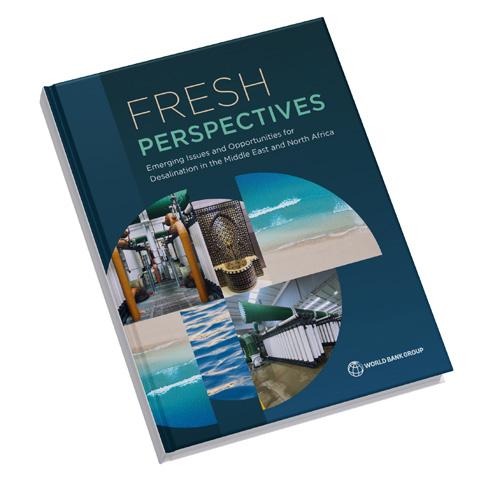
The World Bank has just released a new flagship knowledge paper, Fresh Perspectives: Emerging Issues and Opportunities for Desalination in the Middle East and North Africa, which offers timely, practical guidance for governments, utilities, developers, and financiers navigating this transition.
This report goes beyond technology to address the full set of conditions required to scale desalination sustainably, particularly in middle- and low-income countries where fiscal space, institutional capacity, and affordability constraints are critical.
WHY THIS REPORT IS A MUST-READ:
ʞ From innovation to implementation: The paper explains how rapid cost reductions, the shift from thermal to membrane technologies, and emerging innovations are expanding the feasibility of desalination — from very large urban systems to smaller, decentralized solutions suited to remote or fragile settings.
ʞ Energy and climate at the core: It provides a clear analysis of the energy–water nexus, outlining pathways to improve energy efficiency, integrate renewable energy,
decouple desalination growth from rising carbon emissions, and align desalination with green hydrogen development and broader energy-sector transitions.
ʞ Environmental and social sustainability: The report offers concrete guidance on managing marine, coastal, and community impacts, including robust environmental and social management plans, cumulative impact assessments, technological and engineering solutions, and social equity considerations.
ʞ Governance matters: It highlights why desalination cannot succeed as a standalone solution, emphasizing the need for strong institutions, clear regulatory frameworks, integrated water resources management, sound utility governance, and specific PPP governance considerations.
ʞ Financing and private sector mobilization: Drawing on regional experience, the paper examines how countries can ensure financial sustainability, design bankable projects, and mobilize private investment through PPPs, blended finance, and climate finance — while safeguarding affordability.
ʞ Tailored pathways across country contexts: A distinctive contribution of the paper is its recognition that desalination pathways differ markedly across high-, middle-, and low-income countries. It distills how priorities, constraints, and opportunities evolve with income level, fiscal space,
institutional capacity, and exposure to fragility — offering differentiated, contextspecific guidance rather than a one-sizefits-all model.
Importantly, the report frames desalination as one element of a broader water-sector strategy, to be pursued alongside demand management, efficiency improvements, wastewater reuse, and utility performance strengthening.
This publication will be of particular interest to:
ʞ Policy-makers and regulators shaping national desalination strategies
ʞ Utilities and public authorities planning new supply investments
ʞ Private developers, operators, and financiers seeking clarity on risk, governance, and bankability in MENA desalination markets
Access the report here .
Coming soon: An Arabic version of the paper will be released in the coming weeks — stay posted for updates.
We encourage you to read, share, and disseminate this publication across your networks as countries across the region accelerate investments in desalination as part of their climate and water-security agendas.
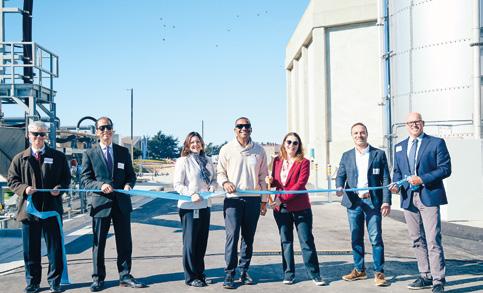
MONTEREY ONE WATER CUTS THE RIBBON ON NEW FOOD WASTE RECEIVING AND CO-DIGESTION PROGRAM
Monterey One Water welcomed state and local leaders to celebrate the beginning of a new food waste receiving and co-digestion program that diverts food waste from landfills to Monterey One Water. Food scraps and other organic waste rotting in landfills emit methane, a significant climate pollutant. Reducing short-lived climate pollutants – the most harmful emissions to human health, especially children – can have the fastest impact on our climate, an approach codified by the State through SB 1383 (Lara, 2016).
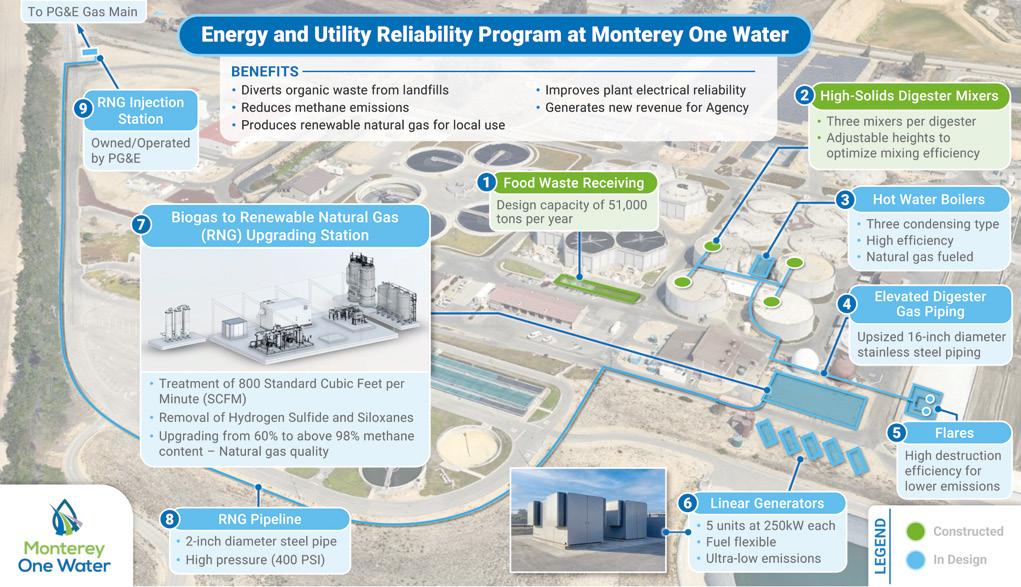
With the start of this program, Monterey One Water now can divert up to 51,000 tons of organic food waste annually. The diverted material will be mixed and heated with Monterey One Water’s wastewater biosolids. The result is an increase in the production of biogas – a valuable resource that Monterey One Water plans to turn into electricity and renewable natural gas.
Reducing methane emissions through the capture and use of biogas as a source of
renewable energy delivers a myriad of regional benefits: advancing California’s climate action goals, improving reliability of Monterey One Water’s operations, and expanding local production of clean, renewable energy. The project serves as an essential step in the Agency’s commitment to utility reliability that benefits the community and environment.
“At Monterey One Water, we’re turning something most people throw away – food scraps – into clean, renewable energy for our community,” said Paul Sciuto, Executive Officer of Monterey One Water. “By diverting organics that otherwise would go into landfills, we can reduce emissions and move closer to net-neutral operations. This is the kind of responsible stewardship that ensures a stronger future for our community.”
Speakers at the event included California State Assemblymember Dawn Addis, CalRecycle Program Manager of the Greenhouse Gas Reduction Grant Programs Stephanie Frieders, Anaergia Chief Operating Officer Dr. Yaniv Scherson, and City of Monterey Mayor and Monterey One Water Board Chair Tyller Williamson.
Board Chair Tyller Williamson underscored the program’s value to the diverse communities and ecosystems of the Monterey Bay region. “In a place as dynamic as ours – home to families, agriculture, businesses, and fragile natural ecosystems – we have a responsibility to make decisions that benefit all sectors of
Ribbon Cutting – [left to right] Jerry Valladao, Associate Engineer (Monterey One Water); Paul Sciuto, Executive Officer (Monterey One Water), Stephanie Frieders, Program Manager (CalRecycle); Tyller Williamson, Chair – Board of Directors (Monterey One Water); Assemblymember Dawn Addis, District 30 (State Assembly); Yaniv Scherson, Chief Operating Officer (Anaergia); and Matt Thompson, Director of Engineering (Monterey One Water)
life,” said Williamson. “This includes using renewable resources to the fullest extent possible; the biogas this program will capture is an under-utilized source of energy that can be harnessed instead of released into the atmosphere.” He added, “The choices we make today about infrastructure, technology, and resource management will shape the region’s future, and it’s essential that we include consideration of protecting natural resources, reducing environmental impacts, and building long-term resilience.”
Construction of the new infrastructure was supported by a $4.2 million grant from CalRecycle’s Co-Digestion Grant Program. As Monterey One Water continues its Renewable Energy and Utility Reliability Program, the next phase will include the installation of linear generators and gas-conditioning equipment. These efforts will use the increase in biogas production to generate electricity for onsite use and renewable natural gas for commercial resale.
About Monterey One Water
Monterey One Water is a public wastewater and water recycling agency serving cities and districts in northern Monterey County. The Agency is driven by its mission to turn the area’s wastewater into safe, resilient water solutions for the community and the environment. Every day, Monterey One Water is
responsible for cleaning approximately 17 million gallons of used water before safely reintroducing it into the environment. This is achieved through safe mixing with ocean water and water recycling efforts that support food crop irrigation and the drinking water supply.
IDRA NEXTWAVE START-UP COMPETITION 2025
The Inaugural Global Start-Up Challenge | Reykjavik Summit
Five Finalists from 18 countries presented breakthrough water technologies at the IDRA Reykjavik Summit, marking the launch of IDRA's global platform connecting start-ups with investors, researchers, and policymakers. Hear what our finalists had to say here.
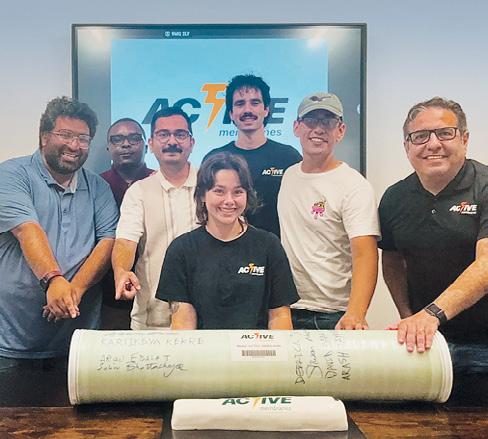
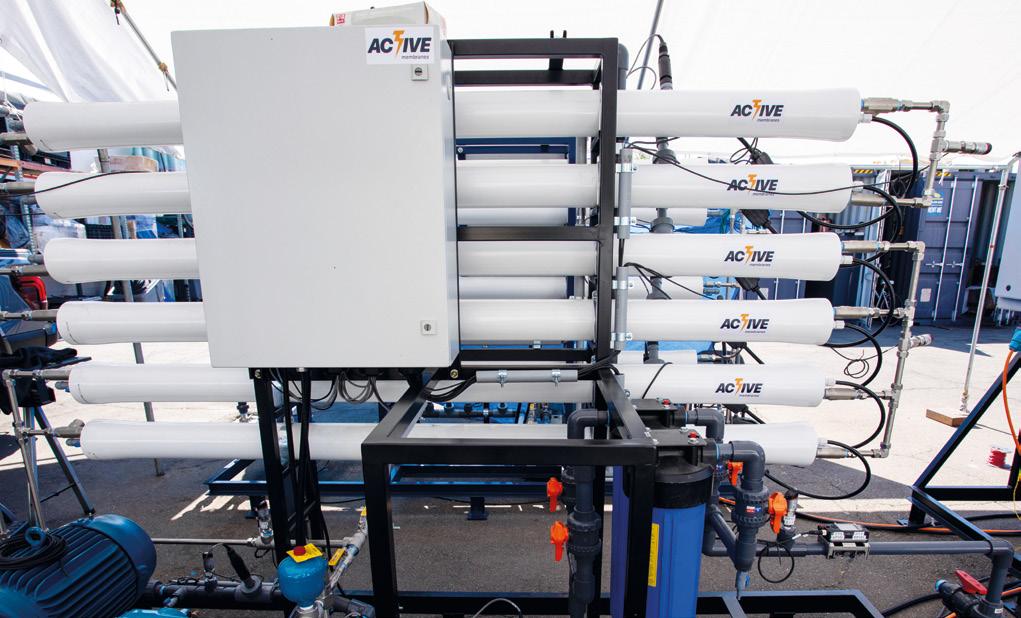
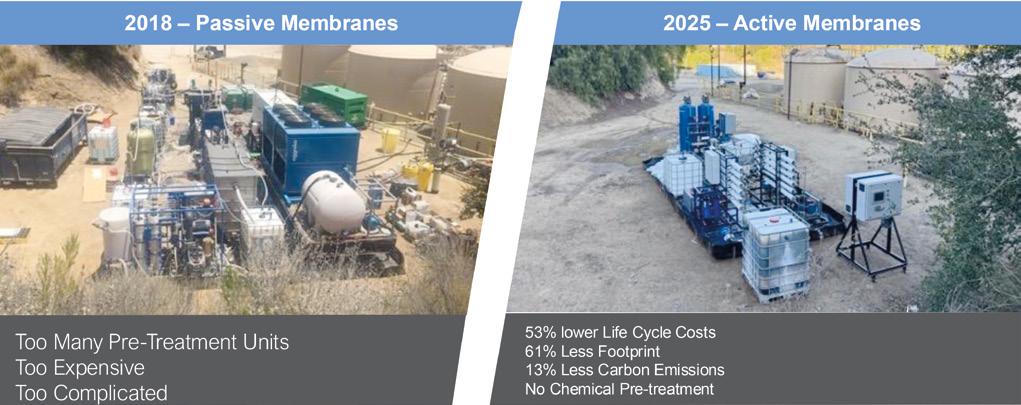
Active Membranes crowned NextWave winner
30+ Applicants
The Five Finalists
18 Countries Represented
Thank You to Our Young Leaders and Judging Panel
5 Finalist
IDRA extends sincere thanks to our Young Leaders Program Committee for their hard work and dedication in bringing NextWave to life. Their vision, energy, and commitment to nurturing the next generation of water innovators made this inaugural competition a resounding success.
IDRA would also like to extend thanks to the Judging Panel, Nizar Kammourie, Devesh Sharma, Latifa Lahsine, Detlef Taprogge, Steven & Felix Wang who gave their time across the entire NextWave Competition, to review all applicants and ultimately make the decision from the finalists.
Active Membranes USA WINNER
Harmony Desalting USA/China
Wavepiston Denmark
Resistomap Finland
Galuxea Netherlands
NEXTWAVE: WHERE INNOVATION MEETS OPPORTUNITY
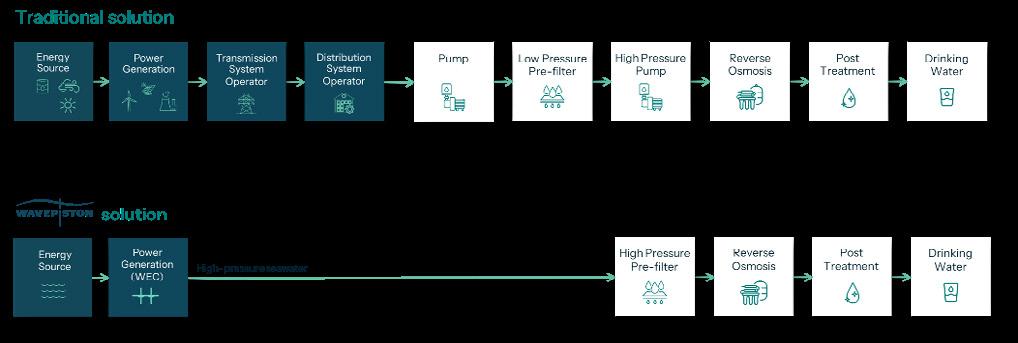
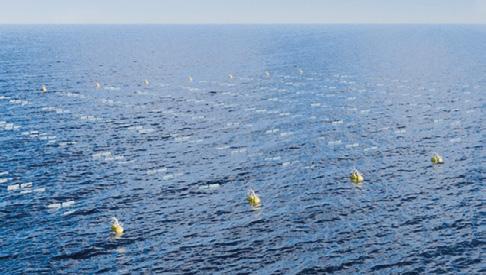
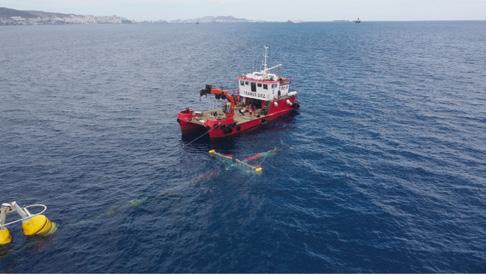
The inaugural IDRA NextWave Start-Up Competition brought together five pioneering companies at the Reykjavik Summit, showcasing breakthrough technologies that are redefining how the world produces and manages water. From wave-powered desalination to AI-driven monitoring, these innovators represent the next generation of water solutions.
A Global Search for Innovation
The NextWave competition drew more than 30 applicants from 18 countries, demonstrating the global appetite for innovation in desalination, water reuse, and integrated resource management. The competition, curated by the IDRA Young Leaders Program, was designed to be straightforward and founder-friendly—welcoming applications from lab benches, pilot sites, or kitchen tables alike.
Finalists were selected based on their technology's potential for impact, scalability, and alignment with global water security challenges. Each team pitched live at Iceland's iconic Harpa Concert Hall on October 12, 2025, before a panel of industry judges and an audience of global water leaders.
2025 Winner: Active Membranes
Active Membranes Inc. (USA) was named the 2025 NextWave winner for its breakthrough electro-active membrane technology. Founded in 2021, the company has developed patented membranes that apply a low electrical potential across the membrane surface, dynamically preventing scaling and fouling—the two most costly operational challenges in desalination and water reuse.
The technology enables chemical-free operation, higher recovery rates, and up to 50% reductions in overall desalination cost and environmental footprint. Active Membranes has already secured its first commercial deployment with an oil and gas company in Southern California and is advancing toward large-scale pilots in Israel.
"NextWave captures the spirit of where our sector is heading: agile, collaborative, and grounded in science. It reflects a new generation of innovators who are moving beyond incremental change to deliver technologies that can redefine resilience."
Shannon McCarthy, Secretary General, IDRA
The Finalists: Diverse Technologies, Shared Mission
Wavepiston (Denmark)
Wavepiston is commercializing ocean wave-powered desalination. Their patented system uses floating energy collectors that harness wave motion to pressurize seawater, which is then transported onshore for electricity generation and reverse osmosis desalination—with zero emissions.
Resistomap (Finland)
Resistomap provides biosecurity intelligence through genomic monitoring of antimicrobial resistance (AMR) in water systems. Their platform uses molecular genetics, data science, and AI to detect resistance genes in environmental samples, helping utilities and healthcare facilities identify emerging threats.
Galuxea (Netherlands)
Backed by Royal Philips, Galuxea is revolutionizing biofouling prevention with patented UV-C technology. Their ultra-thin surfaces integrate UV-C LEDs that disrupt microbial growth at its earliest stage, protecting critical water infrastructure without toxic chemicals.
Harmony Desalting (USA/China)
Spun out of MIT in 2021, Harmony Desalting has developed the world's most energy-efficient batch reverse osmosis process. Their bladder-based architecture enables dynamic pressure adjustment without mechanical seals, reducing energy consumption and scaling risk while treating everything from brackish groundwater to oilfield produced water.
Read individual articles from each finalist in the following pages
BREAKING ENERGY BARRIERS IN DESALINATION: HOW NEXT-GENERATION MEMBRANES ARE RESHAPING THE FUTURE OF WATER TREATMENT?
By Dr. Arian Edalat, Co-Founder & CEO, Active Membranes
For the last several decades, desalination has been defined—and constrained—by its energy footprint. Everyone in the industry knows the thermodynamic minimums, and everyone knows how far we still are from them once real-world fouling, downtime, pretreatment, and chemical overhead are factored in. We’ve optimized pumps, we’ve perfected energy-recovery devices, and we’ve squeezed efficiency out of every supporting subsystem. And yet, the big breakthrough has remained elusive. Why? Because the core of the process—the membrane itself—has only seen minor and incremental improvements since the 1970s.
This is the fundamental problem that I’ve been talking about for years. Reverse osmosis has been treated as a passive step in an otherwise highly engineered process. We’ve built an entire industry around compensating for a membrane that operates passively and can’t protect itself. The result: oversized pretreatment, constant chemical dosing, expensive clean-in-place cycles, and energy penalties that stack up long before a drop of water ever crosses the polyamide layer.
The real opportunity isn’t to push the pumps harder. It’s to make the membrane active.
Where the Next Step Change Comes From
At Active Membranes, we’re bringing forward a technology that starts from a very simple premise: if the membrane surface can be controlled—if it can receive and respond to a signal—then the entire system becomes more efficient. The value isn’t in chasing theoretical minimums; it’s in eliminating the indirect penalties that have become embedded in every desalination plant on the planet.
Our approach centers on an ultra-thin conductive coating applied directly onto standard RO membranes. When you energize it with a small electrical signal, tune-able to the quality of the feedwater, the membrane surface becomes an active interface. Fouling is disrupted at the source. Scaling ions destabilize before they anchor. Organics lose their ability to adhere. Instead of reacting to fouling once it has already occurred, the membrane prevents that fouling from forming in the first place.
This is the difference between a passive barrier and an engineered surface. Passive vs Active Membranes.
A Real Commercial Pathway
A lot of membrane innovations get stuck at the lab stage because they require new materials, new element formats, or new manufacturing lines. We refused to build a technology that would demand a multimillion-dollar factory before anyone could use it.
Instead, we designed our membranes so that:
ʞ It fits into standard spiral-wound elements
ʞ It sits on commercially proven substrates
ʞ It runs in existing pressure vessels
ʞ It energizes independent of an existing plant
infrastructure using a low-cost function generator that runs on utility power with ultra-low demand
ʞ It allows customers to retrofit without redesigning entire facilities
This is why our commercialization timeline has moved quickly. We launched the company in 2022, built our first coating machine by hand in our incubator space at UCLA, refined the process in partnership with large OEMs, operated pilots with high impact and large partners and major global operators of desalination plants, private industries, and utilities, developed a multimillion-dollar commercial pipeline, and are now shipping full-scale 8040 electro-active elements. And we are already in long-term service agreements—including
a multi-year BOOT contract where our technology is not just being tested but relied upon for daily operations.
Utilities and industrial operators don’t want another exotic science experiment. They want reliability, backward compatibility, and a pathway to continuous improvement. That’s exactly what next-generation membranes allow.
What We’re Seeing in the Field
We’ve now run enough pilots and early commercial systems across produced water, brackish groundwater, seawater, and high-TDS industrial wastewater feeds to know what this technology can do when installed in real-world conditions.
Across deployments, the patterns are consistent:
ʞ Fouling rates drop dramatically, especially in the first few hundred days of operation when conventional membranes start to decline in performance.
ʞ Cleaning intervals extend—in some cases by 2–3×—simply because the surface does not allow irreversible fouling to accumulate.
ʞ Recovery increases , because scaling doesn’t become the limiting factor it traditionally is
ʞ Chemical consumption falls, with most systems achieving stable chemical-free operation.
ʞ Energy use stays flat or improves slightly, because we are eliminating the hidden losses—pressure drop, fouling drag, and membrane aging.
The most important outcome is not the electrical input itself, which is negligible; it’s the cumulative impact on total lifecycle cost. In our pilots, the combined effect of higher recovery, fewer cleanings, reduced downtime, and far simpler pretreatment has been transformative.
In one produced-water project, we cut the total footprint nearly in half, eliminated multiple unit operations, and reduced lifecycle cost by more than 50%. In municipal and industrial trials, we’ve seen similar trends: stable flux curves, slower decline rates, and performance that simply holds longer.
When you operate membranes that don’t foul like conventional ones, everything else in the system becomes more predictable. And predictability is what enables optimization.
Why This Matters for the Future of Water
When people talk about breaking the energy barrier in desalination, they usually
think about pushing SEC down from 3.0 to 2.5 kWh/m³. But that alone won’t solve the problem. The true adoption barriers in desalination are intertwined:
ʞ Energy
ʞ Chemicals
ʞ Fouling risk
ʞ Downtime
ʞ Recovery limits
ʞ Footprint
ʞ Membrane replacement frequency
An electro-active membrane can touch almost all of these at once. That is the step change. Not because voltage magically lowers osmotic pressure, but because a membrane that actively protects itself breaks the decades-long link between water quality, fouling, and energy penalties.
About the Author
Arian Edalat is a chemical engineer and an award-winning water tech entrepreneur.
He has a Ph.D. from University of Bradford in UK and two decades of experience in design, engineering, construction, operations, maintenance, troubleshooting and optimization of industrial and municipal membrane-based water treatment processes as well as technology development and commercialization.
As climate pressures mount, as groundwater declines, as industrial and municipal users compete for the same scarce supplies, we need desalination that is smaller, cheaper, cleaner, and more resilient. That won’t happen by optimizing around the edges. It will happen by modernizing the core of the process.
Passive membranes defined the last fifty years of desalination.
Active membranes will define the next fifty.
And if we get this right—if the industry embraces membranes as controllable, intelligent components rather than inert plastic sheets—and it looks like it does, we have a realistic pathway to cutting the desalination lifecycle cost in half and making desalination adaptable at any scale and water abundance achievable wherever it’s needed.
His unique and diversified experience expands from developing a concept from bench scale through field pilot and large-scale commercialization and deployment.
He has delivered over 60 cutting-edge and challenging water treatment solutions across the globe.
Arian is also a graduate of UCLA’s Anderson School of Management’s Executive Management Program
LOW-ENERGY DESALTING FOR A
CLIMATE-CONSTRAINED
WORLD: RETHINKING SMALL-SCALE
AND DISTRIBUTED SYSTEMS
By Mr. Quantum Wei, Founder and CEO, Harmony Desalting,
Reverse osmosis works well in a large plant with dedicated staff to keep the water flowing 24/7. This is not enough to meet today’s water demands. Water is heavy and it is unreasonable to build pipelines to distribute water from the plant to all the places that need it.
The time has come for small-scale, distributed water production. There is increased need with the quality and consistency of water supplies degrading. Desalting systems have become more robust and onsite power generation more accessible. Here are our rules for decentralized RO:
Rule #1: “Everything breaks”
Thanks to this Singer sewing machine, Roald Amundsen and his crew were the first to reach the South Pole in 1909. Martin Rønne was responsible for mending the team’s sailcloth equipment, including the dog harnesses which helped carry these men to the Pole. Robert Scott’s rival expedition failed in part due to their reliance on mechanical sledges. Those machines ran into problems which might have been overcome, except Scott left behind the engineer who created the sledges. Amundsen was successful in his quest because he accepted that everything breaks.
Faced with this inconvenient truth, what can we do? We take two approaches.
1) Graceful failure: Our advanced desalting process provides superior performance. If equipment fails, the system should continue producing clean water. We design our systems to fall back to regular RO.
2) Simple repairs: Boreal Light has designed their solar-powered desalters so 80% of maintenance requires just a flathead and an adjustable wrench. We applaud and emulate their approach.
Lastly, replacement parts must be readily available. We therefore choose to stick with
Fram Museum (Oslo, Norway). Photo credit: Quantum Wei
reverse osmosis rather than switching to an alternative desalting technology with potentially long lead times for spares.
Stick with the 8x40
Just as containers revolutionized the shipping industry, the 8x40 membrane element revamped the world of desalting in 1989, when the now-standard form factor was first sold. By the turn of the millennium, membranes overtook thermal evaporation as the desalting technique of choice.
The supply chain associated with membranes is established. There’s no competing with RO for cost or convenience. The 8x40 element is here to stay, with a host of membrane innovators choosing to stick with the familiar form factor.
We also consider operator familiarity. By now, people all around the world are familiar with RO membranes. This knowledge base is a priceless asset for those deploying containerized desalters across the globe.
Rule #2: “Start digging”
All desalting technologies require a salty feed and discharge a brine byproduct. Whether brackish or seawater feed this means digging holes into the ground, both deep (feed and disposal wells) or wide (evaporation ponds). The regulatory, logistical, and financial costs of this unavoidable infrastructure push us to focus on community-scale systems rather than single-household units.
The promise of a freshwater supply without digging holes – how sweet that would be! Of course, this is the appeal of atmospheric water generation (AWG), which is not a desalting technology. AWG has not seen widespread adoption due to its energy intensity and footprint.
Barring a miraculous advance in AWG, we must accept that distributed water production systems will continue to require digging holes in the ground. With advanced desalting, we can at least reduce the size of these holes.
Smaller holes
The cost of digging often dwarfs the cost of the desalting unit itself. What if you paid more for an advanced desalter, capable of operating at higher water recovery rates? This shrinks both the required feed intake and the brine disposal.
This is what scaling-resistant processes offer. The batch RO process is one of several dynamic RO processes which have emerged over the past decade. By subjecting the membrane to dynamic salinity conditions and interrupting the slow process of crystal formation (i.e. scaling), these advanced RO processes surpass the water recovery limits of traditional RO.
For distributed systems, we strive to achieve increased water recovery rates in a way that is chemical-free. We do not want to trade one logistics challenge for another. To that end, these scaling-resistant processes may be combined with anti-scaling elements, like those sold by Active Membranes and Aqua Membranes.
There’s no avoiding digging. But with anti-scaling processes and elements, we can get away with digging smaller holes.
Front cover art for the book
Holes by Louis Sachar, published by Farrar, Straus and Giroux
Rule #3: Low-energy is a lie
In a large seawater desalination plant, reducing the specific energy results in a lower levelized cost of water. For decades, our industry has succeeded at reducing the energy intensity and cost of RO desalination.
For off-grid plants, this energy optimization no longer makes sense. Power is not available on demand and energy storage becomes a much bigger cost. In this case, the flexibility of batch RO to operate at both lower and higher fluxes helps ensure water demand is met even when it is cloudy out.
More flux, less batteries
Let’s consider two solar-powered water desalters based on the traditional metrics, water flux and specific energy:
About the Author
Quantum Wei is Founder and CEO of Harmony Desalting, a Boston-based start-up commercializing a true batch reverse osmosis process. Founded in 2022, Harmony delivers superior performance with advanced desalting.
Harmony has distinguished itself with a grand-prize demonstration in the Bureau of Reclamation’s More Water
1. Traditional RO producing 15 LMH at 2 kWh/m3
2. High flux RO producing 30 LMH at 3 kWh/m3
We have come to realize that water storage is cheaper than energy storage. You lose energy each time you send it to storage and withdraw it later, so we better use that electricity directly and maximize water production.
The benefit of a high flux process is its ability to ramp up water production at midday when solar availability is highest. Rather than minimizing specific energy, we might maximize membrane power, which is the product of water flux and specific energy:
1. Traditional RO consuming 30 W/m2 at 15 LMH
2. High flux RO consuming 90 W/m2 at 30 LMH
Which desalter is preferable? The high flux system consumes three times as much power with only double the flux of the traditional system. With battery storage, the traditional RO system could bank excess energy during the day and continue producing water (at 15 LMH) overnight. But at what cost?
Is it worth investing in batteries at $200/kWh and $0.002/Liter? We think not.
Less Concentrate Challenge and winning an Impact Medal in the inaugural Global Prize in Desalination.
Quantum holds three degrees in mechanical engineering from the Massachusetts Institute of Technology. He developed the batch reverse osmosis process as a doctoral student under the guidance of John Lienhard.
“There is no spoon” – The Matrix (1999). Still generated by ChatGPT.
MAPPING ANTIMICROBIAL RESISTANCE
IN WATER: A
DATA-DRIVEN
APPROACH TO SAFER REUSE SYSTEMS
By Dr. Windi Muziasari, PhD – Founder & CEO, Resistomap Oy (Finland)
Water reuse and desalination are becoming essential climate - resilience infrastructure. As we close the water loop, however, we also close microbial loops. Traditional reuse safety frameworks were built around what we could measure routinely: a small set of pathogens, indicator organisms, and priority chemicals. Antimicrobial resistance (AMR) doesn’t fit neatly into those boxes, because AMR is not one pollutant or one microbe, it is a genetic capability that can persist, spread, and re - emerge across interconnected water environments.
In my work over the past 15+ years in microbial biotechnology and environmental AMR monitoring, I’ve learned a simple rule: what we don’t measure, we can’t manage. If water reuse is to scale responsibly, we need practical ways to map AMR in the water cycle and translate that information into decisions utilities, regulators, and public health agencies can act on.
Why AMR matters for water reuse
AMR develops when microbes survive exposure to antimicrobials. Those survival traits are often encoded in antimicrobial
resistance genes (ARGs) that can be exchanged between bacteria. Wastewater brings together signals from households, healthcare, industry, and agriculture, making treatment plants a critical “One Health intersection” between people, animals, crops and the environment.
Wastewater and reclaimed water contain environmental DNA (eDNA): a composite genetic fingerprint of organisms and genes in the system.
ARGs are not pathogens by themselves, and detecting a gene does not automatically equal immediate clinical risk. But ARGs are powerful indicators of system pressure and performance. For reuse projects, AMR monitoring can help answer questions conventional indicators cannot:
ʞ Is resistance pressure rising in a catchment, and where are the hotspots?
ʞ Are treatment changes reducing the genetic load over time?
The economic case for prevention is also strong. OECD health-economic modelling indicates that AMR places a sustained burden on healthcare systems across OECD and EU/EEA countries, increasing hospital utilisation and driving significant healthcare and productivity costs over the coming decades, underscoring the importance of upstream monitoring and prevention as water reuse and desalination systems expand.
From eDNA to early warning: making complexity usable
Wastewater and reclaimed water contain environmental DNA (eDNA): a composite genetic fingerprint of organisms and genes in the system. This is why wastewater surveillance can complement clinical reporting with population - level insight, and why global health authorities are publishing guidance on wastewater and environmental surveillance for AMR.
But eDNA is complex. A raw list of detected genes is not operationally useful. What we need are robust, comparable signals that can be tracked over time and linked to action: What is the baseline here? Is it changing? Which markers matter most? Where should interventions be focused?
How Resistomap
turns AMR data into microbial intelligence
Resistomap was built to make environmental AMR monitoring scalable, comparable, and actionable. Headquartered in Finland, we combine molecular genetics, data science, and AI, and we’ve analysed over 31,000 samples from 58 countries while supporting 470+ projects worldwide.
Our approach has three layers:
1) Quantify: high - throughput, targeted gene measurement
For routine surveillance, throughput and reproducibility matter as much as sensitivity. We use the SmartChip qPCR system in a high - throughput format to quantify targeted ARGs and complementary markers from eDNA, allowing many genes to be measured across many samples in parallel.
Because environmental samples are messy, quality and specificity are non - negotiable. We apply stringent assay validation, continuous control monitoring, and melt - curve - based checks supported by curated reference data and automated pattern detection.
2) Understand: benchmarking through harmonised baselines
Single snapshots rarely change operations; trends do. By benchmarking against relevant baselines and comparable environments, we can distinguish normal seasonal variation from meaningful shifts, critical for reuse systems where safety is demonstrated through consistent performance, not one - off testing.
3) Act: clear indicators for decision - makers
Our cloud - based platform translates complex qPCR outputs into usable views, including a standardised Antibiotic Resistance Gene Index (ARGI), gene reduction metrics (to quantify treatment performance), and comparative risk scoring to prioritise hotspots and source - tracking.
For utilities, our Water Biosecurity Platform packages this into a subscription workflow designed with water and wastewater professionals, built around a curated 96 - gene monitoring package (including AMR genes, pathogens and selected health and pollution markers) and rapid turnaround from sample arrival.
Designing monitoring that fits real operations
AMR monitoring fails when it is designed like a research project but deployed like a
compliance checkbox. Three choices make the biggest difference:
ʞ Sample integrity: a stabilised sampling kit that preserves the microbial community and genetic material in water samples during collection and shipment, enabling reliable room-temperature transport while preventing microbial growth and postsampling bias.
ʞ Right-sized frequency: monthly monitoring is a practical starting point for trend detection, intensified around high-risk periods or process changes
Equally important is choosing targets that match local risks. There are thousands of resistance genes, and their relevance varies by antibiotic use patterns and pollution
sources. A targeted panel must balance stability (for long - term trending) and responsiveness (for early warning), and evolve as needs change.
Policy is catching up and standardised methods must follow
Europe is signalling a clear shift: AMR is entering wastewater regulation. The revised Urban Wastewater Treatment Directive (Directive (EU) 2024/3019) establishes national coordination for urban wastewater surveillance of public - health parameters and mandates AMR monitoring for agglomerations of 100,000 population equivalent and above, supported by harmonised sampling frequency and measurement methodology to be set through Commission implementing acts (due by July 2026).
About the Author
Windi Muziasari holds a Ph.D. in Microbial Biotechnology from the University of Helsinki, Finland. Including her Ph.D. and PostDoc research, she has over 15 years of experience in environmental antimicrobial resistance (AMR) and bacterial pathogen monitoring. Since 2018, she has served as the founder and CEO of Resistomap - developing a water biosecurity platform for AMR. With a background in
This is a pivotal moment for water reuse and desalination globally. If AMR monitoring becomes superficial, it will add cost without value. If it becomes standardised, quality-assured, and analytically meaningful, it can strengthen safety frameworks by enabling early detection of emerging risks and evidence-based interventions.
A call to action for the reuse community
Start building the baseline now. Integrate AMR genomic surveillance into routine monitoring, pair it with clear metrics and decision thresholds, and use the insights to guide interventions and communicate risk transparently. Safe reuse is not only about meeting today’s standards, it is about creating systems that can detect tomorrow’s microbial risks early, learn continuously from data, and protect public health at scale.
academic research and a transition into entrepreneurship, she focuses on developing innovative, data-driven solutions that enhance biosecurity and support early detection of microbial risks. Her work enables more informed decisionmaking for governments, utilities, food producers and industries seeking to safeguard water quality, public health, biosafety and long-term sustainability.
POWERING DESALINATION WITH WAVES: RENEWABLE ENERGY AT THE WATER’S EDGE
By Mr. Michael Henriksen, CEO, Wavepiston
The Potential
We have all felt it when we go swimming in the sea, how the waves are moving us, lifting us and pushing us around with ease. If we step back from that sensation and zoom out to see the earth from space, we see why it is called the blue planet. 70% of the earth’s surface is covered with water and this vast expanse reveals the immense amounts of energy the oceans hold.
The ocean waves are the largest unexploited renewable energy source. According to the Intergovernmental Panel on Climate Change (IPCC), wave energy holds a potential of 29,500 TWh per year, equivalent to the world’s electricity consumption. As the energy comes from the ocean waves, there is also a large potential for direct use in seawater desalination.
The Wavepiston Solution
With the Wavepiston solution we can harness the energy from ocean waves to produce electricity and desalinated water.
The Wavepiston offshore components consist of series of sails and pumps that convert the energy of the waves into high-pressure seawater. The high-pressure seawater is piped to a central conversion station onshore or on a platform where it is fed directly to a seawater reverse osmosis system (SWRO).
The benefit of this solution is that it does not require electricity from the grid or other energy sources to pressurise the seawater. Another benefit of the Wavepiston solution is that the high-pressure seawater can partially be fed to
SWRO vs Wavepiston solution
a standard hydro-power turbine for electricity generation for own consumption or grid connection.
Due to the direct feed of high-pressure seawater into the SWRO system there is a very low conversion loss as illustrated in the comparison picture below. Optimising the high-pressure pre-treatment is the focus of the technology development in the Wavepiston desalination solution.
For locations with limited grid capacity an off-grid solution can be the preferred solution where the only source for the SWRO is the wave energy farm, i.e. no dependency on other sources. For higher efficiency the combined solution together with a conventional SWRO plant connected to the grid is preferred as the plant can run continuously at full capacity, at lower cost.
How it works
As illustrated above, a Wavepiston solution consists of strings of energy collectors forming a wave energy farm. Each string has multiple energy collectors (sails and pumps) coupled together via a pipe. To generate energy the energy collectors
are moved back and forth by the waves, driving hydraulic pumps which generate pressurised seawater. The phase difference between the wave excitation forces and motions of the energy collectors means that the string is self-reacting, and a minimum load is transmitted to the mooring lines, reducing the costs and complexity of this key element of the system. The high-pressure seawater is transported via a dynamic riser to a common export pipe that is connected to the central conversion station onshore or on a platform. Non-return valves are included for each energy collector and string so that a failure in any unit does not result in a loss of generation for the whole system. At the conversion station, the pressurised seawater is fed to a standard hydraulic turbine to generate electricity and/or used directly in a standard seawater reverse osmosis system for desalination.
Each string is rated up to 0.5MW at grid connection point equivalent to 9,000 m3 at 60 bar seawater per day. The annual output will depend on the wave climate at the site. The Wavepiston system works with a capacity factor of 25 - 50%, i.e. delivering on average 125 – 250 kW / 2,250 –4,500 m3 high-pressure seawater per day.
The advantages are:
ʞ Dual use from same source, i.e. wave to energy and water
ʞ Significant CO2 reductions
ʞ Unobtrusive solution, not spoiling the view, harnessing the energy in a sustainable way
ʞ Higher conversion efficiency
ʞ Higher energy and water security
ʞ Due to high modularity the system can be scaled to any size
ʞ At a competitive cost level
A Wavepiston wave farm
The Status
The full-scale prototype of the Wavepiston system has been tested offshore over several iterations in the Atlantic Ocean off the coast of Gran Canaria. The engineering team is now optimising the technology for the commercial solution, and the project development team is preparing for the first commercial pilot farms in partnership with industry and governments.
The focus in the first commercialisation step is on islands, remote communities and high-consumption end-users. Wavepiston is
About the Author
Michael Henriksen left a successful finance career to co-found Wavepiston, a company using ocean waves to generate clean energy and drinking water. With no engineering background, he followed a deep desire to create meaningful impact. Building in hard-tech hasn’t been easy—funding is slow and capital-intensive—
currently entering partnerships and developing projects in the Canary Islands and the Caribbean. And there are talks with customers and stakeholders in other locations around the world - in general areas/communities with a good wave climate - who want to reduce their fossil fuel dependency and increase their energy and water security ensuring higher resilience.
To ensure energy and water security, to ensure higher independency and resilience, to reduce our carbon footprint in a sustainable way, we need wave energy, and Wavepiston is bringing wave energy to the world.
but Michael’s perseverance, strong networks, and mission-led mindset keep him going. Now, Wavepiston is scaling, with pilot projects underway and big goals to power coastal communities worldwide using the ocean’s energy.
Testing full-scale prototype in the Atlantic Ocean off the coast of Gran Canaria
Coast of Barbados where Wavepiston is working with the government to install a wave energy farm
HOW CORAL-INSPIRED SYSTEMS COULD TRANSFORM INDUSTRIAL WASTEWATER TREATMENT
By Mr. Menko Remmelts, Co-founder and CEO, Galuxea
Across industrial water systems, biofouling remains one of the most persistent and underestimated causes of performance loss. Whether in desalination, power plant cooling, wastewater treatment or firewater systems, the pattern is familiar: biological growth builds up on wetted surfaces, flow resistance increases, energy demand rises, cleaning becomes more frequent and asset lifetimes shorten.
The industry has learned how to manage this reality, but rarely how to avoid it. Chemical biocides, shock dosing and periodic cleaning are still the main tools. They work, but at a cost — operationally, environmentally and increasingly from a regulatory point of view. As limits on chemical discharge tighten and sustainability expectations rise, the key question is no longer whether biofouling can be treated, but whether it can be prevented in a smarter way.
At Galuxea, we believe the answer lies at the surface.
From reacting to fouling, to controlling settlement
Biofouling does not start with mussels or barnacles. It starts much earlier, when bacteria encounter a surface and decide that it is suitable for attachment. A thin biofilm forms, changing surface properties and creating the conditions for larger organisms to settle. Once this process is established, removing it becomes harder, more disruptive and more expensive.
Galuxea is developing a flexible surface coverage material with integrated UV-C LEDs that emit homogeneous UV-C light.
Most industrial strategies act after this process has already taken hold, by treating the water volume as a whole. Nature often takes a different approach. Coral reefs offer a useful reference. They exist in biologically dense oceans, yet they are not covered in uncontrolled growth. Rather than sterilising their surroundings, corals influence the conditions at their surface, shaping what can attach and what cannot persist.
This principle — intervene early, locally and at the interface — is central to Galuxea’s approach.
An active surface, not a chemical replacement
Galuxea is developing a flexible surface coverage material with integrated UV-C LEDs that emit homogeneous UV-C light. The technology is designed for water-contact environments where biofouling typically starts or concentrates, such as seawater intakes and upstream transport sections.
UV-C light is well known for its ability to disrupt microbial DNA and RNA, preventing replication. Our approach does not aim to disinfect entire water columns or remove all biological life from a system. Instead, it focuses on the boundary layer at the surface — the point where biofilms begin.
By continuously suppressing early-stage microbial growth at this interface, the goal is to reduce the chance that biofilms can establish. This can delay or prevent the later development of macrofouling and the operational problems that follow.
This distinction is important. Galuxea’s technology is not positioned as a universal sterilisation solution, nor as a full replacement for chemical treatment. It is designed as a preventative layer that reduces fouling pressure at its source, allowing operators to rely less on reactive, system-wide measures.
What we have observed so far
Galuxea is currently operating at TRL 3–4. To date, development has focused on proof-of-principle and proof-of-concept testing under controlled but biologically relevant conditions.
Prototype surface panels (33 × 33 cm) were exposed to continuously flowing harbour water sourced near a large power plant intake in the Port of Rotterdam (Maasvlakte, the Netherlands). This environment is known for high biological activity and rapid fouling. In these tests, unprotected reference surfaces developed visible biofilm within days, progressing toward heavier biological growth.
In contrast, surfaces equipped with Galuxea’s UV-C lining showed no visible
Flexible material developed by Galuxea
or tactile biofilm formation over the same period. These findings are qualitative and deliberately cautious. At this stage, we do not claim quantified reductions, extended asset lifetimes or operational savings. Such claims require validation through in-situ pilots.
What these early results do suggest is that consistent, local UV-C exposure at the surface can influence early settlement behaviour — the moment when fouling either starts or is prevented.
Engineering for real installations
The water sector is right to be sceptical of technologies that work in laboratories but fail in practice. For surface-based anti-biofouling systems, several engineering factors are critical.
First, dose delivery matters. UV-C performance depends on irradiance and exposure time at the surface, which are influenced by geometry, distance and flow. Achieving reliable exposure at the boundary layer is more complex than simply adding UV-C light.
Second, durability is essential. Any solution placed in intake structures or upstream systems must withstand abrasion, scaling, temperature changes and routine maintenance without becoming a weak point.
Third, integration must fit operational reality. Installation and servicing need to align with existing shutdown windows, safety procedures and inspection routines. Technologies that require frequent intervention or specialised handling are unlikely to scale.
For this reason, Galuxea’s development work focuses as much on physical design — encapsulation, modularity and serviceability — as on biological effectiveness.
Why desalination is a logical starting point
Biofouling affects many sectors, but desalination offers a particularly relevant starting point. Seawater intakes are among the most biologically active parts of industrial water systems. Larval organisms often settle early, before chemical treatment
becomes effective, and fouling at this stage propagates downstream.
For plant managers, intake fouling leads to rising pressure drops, unstable operation and unplanned cleaning. For asset owners, it reduces equipment lifetime and increases total cost of ownership. For sustainability and regulatory stakeholders, it reinforces dependence on biocides with known environmental impact.
Preventing or delaying fouling at the intake does not eliminate all downstream challenges, but it reduces biological “seeding pressure” across the system. In many cases, this is where the greatest operational leverage exists.
From concept to demonstrator
The next step for Galuxea is to move from controlled testing to in-situ pilots and full-scale demonstrators in operational environments. Only real-world deployment can confirm effects on cleaning frequency, chemical use, energy stability and asset lifetime.
These pilots are not about presenting a finished product. They are about learning together with operators how active surfaces perform under real flow conditions, real fouling pressure and real maintenance routines. They reveal practical factors that laboratory tests cannot capture, such as access constraints, power routing, inspection needs and safety procedures.
Biofouling
Just as importantly, they generate the operational evidence required by asset owners and regulators.
A practical view on sustainability
Much of the sustainability debate in water infrastructure focuses on end-of-pipe treatment and replacing one chemical with another. Prevention is discussed less often, even though it can reduce environmental impact at the source.
By lowering reliance on broad-spectrum biocides, surface-based prevention can reduce toxic discharge, limit downstream neutralisation steps and support more stable biological conditions within plants. These effects align with European policy trends aimed at protecting surface water quality and ecosystems. This is sustainability through operational change, not abstract targets.
About the Author
Menko Remmelts is co-founder and CEO of Galuxea, a deep-tech water technology company developing surfacebased solutions to prevent biofouling in industrial water systems. He brings a background in investment banking & venture building, and applies his experience to the creation of Galuxea as a new industrial venture. Working closely with operators and asset owners, he focuses on understanding real-world operational challenges and translating these
Looking ahead
Biofouling is not a laboratory problem, and it cannot be fully addressed in isolation. While controlled testing helps to understand mechanisms, the performance that matters — behaviour under flow, interaction with existing assets and long-term stability — only becomes visible in live installations.
For Galuxea, the next phase therefore centres on in-situ pilots and full-scale demonstrators at operational sites. These deployments allow the technology to be refined and adapted to real-world conditions and user needs. Operators and asset owners who see biofouling as a recurring operational issue, and who are interested in exploring whether surface-based prevention could fit their system, can contact Galuxea to discuss the practical scope and requirements of potential pilot or demonstrator projects.
needs into clear technical and commercial requirements. His role centres on shaping viable business model, structuring and executing pilots in live installations, and securing the funding required to move the technology from development to scalable deployment, supporting reduced chemical dependency and improved asset performance across critical water infrastructure.
Under the theme Driving Global Water
Sustainability Through Innovation, the 21st edition of the IDRA World Congress in 2026 convenes experts, decision-makers, and innovators to showcase the latest technologies, promote sustainable water development, and support global development goals.
and Organized by
Hosted by Saudi Water Authority under the Patronage of the Ministry of Water, Environment, and Agriculture
Under the Patronage of the Ministry of Water, Environment, and Agriculture
Hosted
WORLD CONGRESS ABSTRACT SUBMISSION DEADLINE EXTENDED TO 8 FEBRUARY
Join Global Leaders Advancing Water Innovation
Due to exceptional industry interest and the outstanding quality of submissions received, we are pleased to announce that the abstract deadline has been extended to 8 February 2025.
Don't miss this opportunity to contribute to the 21st IDRA World Congress. Join peers and pioneers this November in Riyadh, Kingdom of Saudi Arabia, for one of the world's most influential water events. Held under the patronage of the Ministry of Environment, Water and Agriculture (MEWA) and hosted by the Saudi Water Authority (SWA), the Congress will explore the theme: "Driving Global Water Sustainability through Innovation."
Submit your extended abstract and take part in a truly global dialogue on the future of water, bringing together voices from across the desalination, reuse, and water resilience communities.
SUBMISSION DEADLINE: 8 FEBRUARY 2025
Submit your work via: idra2026.exordo.com For more information, view the Call for Extended Abstract: Here
WHAT WE'RE LOOKING FOR AT WC 26
We welcome innovative and original abstract submissions that address urgent challenges to solve growing water supply needs and offset scarcity through advanced desalination and reuse technologies, renewable energy, digital transformation, and related fields to provide prosperity and water for all.
All abstracts will be reviewed by a full committee of peers, ensuring a high-quality and balanced technical program. Selected authors will have the opportunity to present their work to a global audience of scientists, engineers, policymakers, utility leaders, developers, and innovators driving sustainable water solutions worldwide.
IDRA TECHNICAL WC26 THEMES & TOPICS OF INTEREST
IDRA 2026 will feature six key technical themes:
•Research and Innovation
•Circular Water Economy and Net Zero, Environmental Sustainability and Climate Adaptation
•Digital Transformation and Artificial Intelligence
•Energy and Energy Efficiency
•Direct and Indirect Potable Reuse Regulations
•Project Implementation, Success Stories and Lessons Learned
WHY PARTICIPATE?
✓Showcase your work on a global stage
✓Contribute to shaping the future of sustainable water
✓Connect with international experts and decision-makers
✓Join over 1,500 delegates from across sectors and continents
www.idraworldcongress.org
NOMINATIONS NOW OPEN FOR THE IDRA WORLD CONGRESS 2026 INDUSTRY & SUSTAINABILITY AWARDS PROGRAM
The International Desalination and Reuse Assoication ispleased to invite public and private entities to submit nominations for the IDRA Industry & Sustainability Awards Program.
The IDRA World Congress 2026 Industry & Sustainability Awards Program honors outstanding contributions within the water sector, recognizing the most innovative and impactful achievements of the past two years in addressing water scarcity. All nominations will be forwarded to the esteemed IDRA World Congress 2026 Industry & Sustainability Awards Committee for thorough evaluation.
The prestigious awards will be presented during the Gala Dinner at the IDRA World Congress 2026 in Riyadh, Saudi Arabia, in November 2026.
We look forward to celebrating the industry's groundbreaking achievements and innovations at this highly anticipated event.
Nominations must be submitted by 15 June 2026 to the following email: awards@idrawater.org
The Nomination Form can be found here
Awards Categories – Recognizing Excellence in Desalination and Water Reuse
INDUSTRY AWARDS
1.The Excellence in Public-Private Partnership Award
2.The Pinnacle of Innovation Award for Most Innovative Utility in Water Management
3.The Breakthrough Innovation Award for Most Innovative Company in Desalination Technology
4.The Visionary Leadership Award for The Most Progressive Policy in Water Reuse
5.The Excellence in Water Reuse Performance Award
SUSTAINABILITY AWARDS
1.The Resilience Excellence Award for The Most Resilient City
2.The Nexus Innovation Excellence Award for The Most Innovative Water-Energy Nexus Project
3.IDRA Award for Lowest Carbon Footprint in Desalination
4.The IDRA Resilience in Action Award for Circular Water Resources
5.The IDRA Corporate Social Responsibility (CSR) Excellence Award
6.The IDRA Water Positive Achievement Award
IDRA CONGRATULATES THEMATIC AND TECHNICAL PROGRAM COMMITTEES
We would like to congratulate all members of Technical and Thematic Program Committee's and also thank them for their service across this year,
as we move towards the IDRA World Congress 2026, this November.
Thematic Program Committee Co-Chairs
Mohammed A. Al Sheikh Deputy President for Strategic Partnerships and Local Content Saudi Water Authority
Mr. Micheal Bjorn Vice President, Head of High Pressure Pumps
Mr. Nizar Kammourie Chief Executive Officer SAWACO Water Group
Thematic Program Committee Members:
Dr. Rusha Al-Rawaf Chief Corporate Affairs & Sustainability Officer ACWA Power
Mr. Ghassan Ejjeh Senior Vice President BESIX
Mr. Leon Awerbuch President and Chief Technology Officer Leading Edge Technologies Ltd. (LET)
Mr. Fady Juez Managing Director Metito
Mr. Naoll Cyrille Mary Infrastructure Pre-Investment Unit IFC
Mr. Simon Baker Vice PresidentWastewater Sector Lead AECOM
Mr. Mohammed Halawani Chief Executive Officer International Water Distribution Co. (Tawzea)
Dr. Tariq Nada Chief Technical Officer ACWA Power
Ms. Shannon McCarthy Executive Director-Secretary General IDRA
Dr. Corrado Sommariva Shareholder & Founder Saudi Water Partnership Company-SWPC
Mr. Jad Daoud Funding & Investment Future Pipe Industries
Mr. Bill Malarkey Partner-Regulated & Infrastructure Roland Berger
Mr. Devesh Sharma Chief Executive Officer Aquatech
Mr. Jose Diaz-Caneja Chief Executive Officer Acciona
Mr. Imad Makhzoumi CEO & Chairman ENOIA
Danfoss
Eng.
Technical Program Committee Co-Chairs
Eng. Mohammed A. Al Sheikh Deputy President for Strategic Partnerships and Local Content Saudi Water Authority
Yvan Treal Commercial Coordination Director SUEZ Engineering and Construction
Technical Program Committee
MembersPreliminary
Marshall Davert Executive General Manager, Pre-Contracts Abergeldie Complex rastructure
Maher Hamad Abu Zahrah Engineering Manager Saudi Water Authority
Rafael González Almenara Professor University of Sevilla
Harith Alomar Global Sales Director WateRise
Eng. Dhafir Alshehri Vice President-Contracts Management Saudi Water Partnership Company
Caroline Barbe Desalination Process Coordinator SUEZ
Graham Bateman Technical Director, Water GHD
Abdullah Dehwah Global Water Treatment Technology Manager Air Products
Sophie Bertrand Deputy Commercial Coordination Director SUEZ
Vassilis Deligiannis General Manager ENOIA
Olga Ferrer R&D Desalination & New Technologies Area Manager Acciona
Hoon Hyun CEO NanoH2O
Jantje Johnson Founding Partner OrangeBoat
Abdulghani Abulhamail Chief Executive Officer Shuaibah Two Water Development Project Company (ACWA Power)
Yousef AL-Tarjami Head of Desalination Technology ACWA Power
Adnan Omar Ali Alghamdi Chief Chemist Shuaibah Cluster, ACWA Power
Constanze Simmermacher Global Principal for Desalination and Membrane Treatment Jacobs
Ahmad Alharthi Executive Manager Desalination O&M –UTS Water ACWA Power
Thomas Altman Executive Vice President - Innovation & New Technology ACWA Power
Oscar Calles Manager, Desalination & Process TAQA
Mathieu Balian Head of Desalination Services Veolia
Ratul Das Head of Desalination R&D ACWA Power
Evdokia Fotiadou Business Development Manager ENOIA
Mohamed Dawoud Senior Water Resources Advisor Environment Agency Abu Dhabi
Nuria Pena García Director of Global Scientific Services H2O Innovation
Mattia Giagnorio Membrane Chemist Mann+Hummel
Shadi Hassan Director, Center for Membranes and Advanced Water Technology (CMAT) Khalifa University
David Kim-Hak Vice President, Wastewater Energy Recovery
Georg Herborg Director of Innovation Danfoss High Pressure Pumps
John Kmiec Director Tucson Water / WateReuse President
Veronica Garcia Molina Senior Director, High Growth Verticals Xylem
Victor Monsalvo Head of Eco-efficiency Area - Innovation and Technology Department FCC Aqualia
Gianni Pilati Global Business Development & Marketing Vice President Italmatch
Marie-Laure Thielens Desalination Research Program Manager ENGIE
Majed Wajdi Ibrahim Chief Executive Officer Shuaibah Water and Electricity Co. & Shuaibah Expansion Project Co.
Siva Kumar Kota Head of Technology Gradiant
Seungwon IHM Senior Expert WTIIRA
Mary Kanavoutsos Senior Vice President, International Strategy & Growth, Water AECOM
Steven Lam Head of Technology Gradiant
Mujib Khan Lead Wet Utilities Engineer PIF
Belén Gutiérrez López R&D Director GS Inima
Ghulam Mustafa Advanced Expert Saudi Water Authority
Eloy Pita General Manager Ingeniería Creativa Pita S.L. (INCREA)
Santhosh Ramalingam Technical Service Manager Dupont
Sulaiman Turki Chief Strategy & Development Officer Saudi Water Partnership Company
Tariq Nada Chief Technical Officer ACWA Power
Abraham Negaresh Associate DirectorDesalination and Reuse Lead WRc Group
Glenn Richardson Manager - Desalination Operations Treatment and Resource Recovery Water Corporation
Simon Walker Principal, Ecologist Ecological Service Professionals
ONG Key Wee Chief Specialist (Potable Water Treatment) PUB, Singapore
Jia Shin New Product & Innovation Scientist Gradiant
Marco Mezzanotte Technical Expert for RO & UF Mann+Hummel
Guillem Gilabert-Oriol Research and Development Leader Dupont
Richard Stover Founder GP Water
Chow Qin Wei General Manager, Lower Seletar Waterworks PUB, Singapore
Youngwook Yoo Senior Water Expert WTIIRA
RESERVE YOUR EXHIBITION SPACE TODAY
The IDRA World Congress 2026 exhibition is strategically designed to maximize engagement between exhibitors and conference delegates from across the globe.
Set against the elegant backdrop of the city of Riyadh, this premier event offers a dynamic platform for networking, collaboration, and showcasing your offerings to an international audience.
To ensure your brand receives prime visibility and exposure, it’s imperative to secure your preferred location promptly.
Early booking not only guarantees your spot but also allows you to strategically position your booth for maximum foot traffic and interaction.
As the heartbeat of innovation and industry discourse, the WC26 Exhibition floor is where meaningful connections are forged, partnerships are initiated, and groundbreaking ideas are exchanged.
Don’t miss the opportunity to be at the heart of this influential gathering. For more information on how to secure your spot – email exhibits@ idrawater.org
Roundtable on Financing Water Projects in Arab Countries
February 9–10, 2026 | Arab Fund Headquarters | Kuwait City
Investing in Water Security: A Lifeline for MENA’s Future
The International Desalination and Reuse Association (IDRA) and the Arab Fund for Economic and Social Development (AFESD) will convene governments, investors, and industry leaders for a high-level regional colloquium on Water Finance and Scarcity Solutions to unite public and private actors to accelerate investment in water security and infrastructure resilience across the Middle East and North Africa.
As the MENA region faces an unprecedented water crisis, with demand projected to exceed supply by 50% by 2030, the need for innovative financing, governance, and technology solutions has never been more urgent.
The Colloquium will explore how mobilize the needed capital for water investments over the next decade can transform scarcity into sustainability, resilience, and opportunity.
Key Themes
ʞ Financing scalable water projects through public–private collaboration
ʞ Integrating renewable energy into desalination and reuse systems
ʞ Building resilience in shared water basins and transboundary cooperation
ʞ Unlocking green finance instruments, including climate bonds and sukuks
ʞ Policy frameworks for sustainable water governance
Why It Matters
Water security is the foundation of regional stability, growth, and prosperity. This Colloquium will chart practical pathways to mobilize finance, strengthen partnerships, and secure the MENA region’s water future.
IDRA PARTICIPATION IN GLOBAL WATER EVENTS
Advancing Water Reuse and Sustainability on the International Stage
In the coming months, IDRA will participate in several significant global water events,
UN WATER CONFERENCE HIGH-LEVEL PREPARATORY MEETING | DAKAR, SENEGAL
26-27 January 2026
IDRA Secretary General Shannon McCarthy will represent the association at the High-Level Preparatory Meeting for the 2026 United Nations Water Conference in Dakar, Senegal. Hosted at the Abdou Diouf International Conference Centre (CICAD), this gathering serves as a crucial milestone in the lead-up to the UN Water Conference 2026 in the United Arab Emirates.
The preparatory meeting will bring together political and thematic leaders from the international water community to align on the six interactive dialogue themes that will shape the Conference agenda. As one of the year's most significant international water policy events, this meeting represents an important opportunity for the water community to coordinate efforts and build momentum toward achieving global water security.
reinforcing the organization's commitment to advancing desalination and water reuse solutions through international dialogue, knowledge sharing, and strategic partnerships.
IDRA's participation underscores the vital role that desalination and water reuse technologies play in addressing water scarcity and advancing UN Sustainable Development Goal 6: Clean Water and Sanitation for All. McCarthy will engage with government representatives, international organizations, and water sector stakeholders to ensure that innovative water solutions remain central to the global water agenda and that the unique perspectives of the desalination and reuse community are reflected in conference outcomes.
WATEREUSE SYMPOSIUM 2026 | UNITED STATES
9-10 March 2026
IDRA is proud to curate and host two high-level panel discussions at the 2026 WaterReuse Symposium, bringing together global thought leaders to address critical challenges and opportunities in water reuse across municipal and industrial sectors.
SCALING WATER REUSE GLOBALLY: BEST PRACTICES AND EFFECTIVE REGULATIONS
Monday, 9 March 2026 | 10:00–10:55 AM
Co-moderated by Shannon McCarthy and Jon Freedman, this panel will explore the regulatory frameworks and best practices needed to scale water reuse solutions globally. As water scarcity intensifies worldwide, establishing effective regulations and sharing proven approaches across regions has never been more critical.
The discussion will bring together leading voices from international development and private sector innovation:
Rochi Khemka, Senior Private Sector Specialist, World Bank's 2030 Water Resources Group
John Hanula, Senior Vice President of Innovation, Stantec
Simon Baker, Vice President and Wastewater Market Sector Lead, AECOM
DRIVING INDUSTRIAL SUSTAINABILITY: GLOBAL INSIGHTS ON WATER REUSE
Tuesday, 10 March 2026 | 2:00–2:55 PM
Moderated by Veronica Garcia Molina, IDRA Academy Dean & Senior Director for High-Growth Verticals at Xylem, this panel examines how industrial sectors worldwide are embracing water reuse as a cornerstone of sustainability strategies. As industries face growing pressure to reduce freshwater consumption and minimize environmental impact, water reuse offers both environmental and economic benefits.
Leading CEOs from innovative water technology companies will share their perspectives on industrial water reuse solutions:
Devesh Sharma, IDRA Board Member & CEO, Aquatech
Through this conversation, attendees will gain insights into how regulatory harmonization, private sector engagement, and strategic policy development can accelerate the adoption of water reuse technologies and practices across diverse contexts. The panel will examine successful regulatory models, barriers to implementation, and pathways to creating enabling environments for water reuse at scale
This session will showcase cutting-edge approaches to industrial water management, circular economy principles, and the business case for water reuse across manufacturing, energy, and other water-intensive sectors. Panelists will discuss real-world case studies, technological innovations, and the strategic imperatives driving corporate water stewardship.
Jose Diaz-Caneja Rodriguez, CEO, Acciona
Dusun Kim, CEO, Medisun
IDRA AWARDS DR. K.C.
CHANNABASAPPA
MEMORIAL PHD SCHOLARSHIP TO AIHUA QIAO
For Innovative Research on Water Pollutant Treatment and Desalination
The International Desalination and Reuse Association (IDRA) is pleased to announce that Mr. Qiao has been selected as the recipient of the IDRA Dr. K.C. Channabasappa Memorial PhD Scholarship, awarded by the IDRA Education, Scholarship, and Fellowship Committee.
This prestigious scholarship recognizes Mr. Qiao’s outstanding doctoral research, which focuses on the treatment of water pollutants and the advancement of desalination technologies. His work explores the development of bio-based nanocellulose materials, including membranes, aerogels, and sponges, designed to purify polluted water, especially the oil/ water separation of oiled water, through adsorption and filtration processes. In parallel, his research investigates the application prospects of nanocellulose-based separation materials in seawater desalination, contributing to innovation in sustainable and efficient water treatment solutions.
The Dr. K.C. Channabasappa Memorial PhD Scholarship offers up to USD 10,000 in financial
support, awarded in installments based on research progress and reporting milestones.
As part of the scholarship program, recipients are invited to contribute an article on their research for publication in IDRA Global Connections Magazine. They are strongly encouraged to submit their work for presentation at an IDRA World Congress, fostering knowledge exchange between academia, industry, and policymakers.
“Through this scholarship, IDRA is proud to invest in emerging scientific talent whose work advances sustainable desalination and water reuse solutions,” said Shannon McCarthy, IDRA Secretary General. “Mr. Qiao’s research exemplifies the innovation and impact that this award was established to support.”
IDRA congratulates Mr. Qiao on this well-deserved recognition and looks forward to following the progress and outcomes of his research.
AMIANTIT AT A GLANCE
If water had a partner in progress, it would be Amiantit.
We don’t just make pipes, we engineer possibilities.
From mega infrastructure to specialized industrial applications, Amiantit delivers advanced, tailored solutions that move, manage, and protect one of the world’s most vital resources, WATER.
Our commitment to research and development drives everything we do, constantly pushing the boundaries of performance, materials, and technology to meet evolving water demands. With decades of expertise and a futuristic mindset, we help cities grow, industries run, and systems endure, setting new standards in performance, reliability, and impact.
Amiantit, connecting the world with its future .
Amiantit’s vision is to be the region’s leading provider of integrated water solutions, delivering smart, reliable systems that encompass the entire water cycle—from source and transmission to treatment, flow control, and reuse.
Full Piping System Design, Installation, Testing & Commissioning, Site Consulting & Supervision, Training, RCA, Field Services and Maintenance Contracts
High Density Polyethylene Pipes
Implementing Plants (Drinking Water Treatment, Desalination, Sewage Treatment Plants) from Design & Construction Stage, Operation, Maintenance & Supervision
APPLICATIONS OPEN: DR. K.C.
CHANNABASAPPA MEMORIAL PHD SCHOLARSHIP 2026-2027
Supporting the Next Generation of Water Innovation Leaders
The International Desalination and Reuse Association (IDRA) is pleased to announce that applications are now being accepted for the Dr. K.C. Channabasappa Memorial PhD Scholarship for the 2026-2027 academic year.
This prestigious scholarship honors the legacy of Dr. K.C. Channabasappa, a pioneering advocate for membrane technology and desalination innovation, by supporting doctoral students who are advancing research in desalination and water reuse.
ABOUT THE SCHOLARSHIP
The Dr. K.C. Channabasappa Memorial PhD Scholarship provides up to $10,000 USD to support promising doctoral candidates pursuing groundbreaking research in desalination or water reuse. The grant is designed to ease the financial burden of doctoral studies, with funds distributed in installments as recipients make progress in their research.
This scholarship represents more than financial support—it's an investment in the future of sustainable water solutions and an opportunity to join a global community of water sector leaders and innovators.
WHO SHOULD APPLY ?
We're seeking passionate, driven candidates who demonstrate both academic excellence and leadership potential in the water sector. Ideal candidates will have completed their undergraduate studies in science or engineering and gained acceptance into a doctoral program focused on desalination or water reuse.
All applicants must be active IDRA members, reflecting our commitment to fostering long-term engagement within the global water community. We're particularly interested in candidates who can articulate a clear vision for their career path and demonstrate how their research will contribute to addressing water scarcity challenges.
APPLICATION REQUIREMENTS
To apply, candidates should submit a completed application form along with official academic transcripts and a statement of purpose that outlines their research interests and career aspirations within the desalination and water reuse sector.
Applicants are also asked to provide four letters of recommendation, including at least one from an active IDRA member in good standing. These letters help our selection committee understand not only your academic achievements but also your potential to make meaningful contributions to the field.
Application Deadline: 1 June 2026
Scholarship Recipient Announcement: 31 July 2026
The application form is available on the scholarship page of IDRA's website at idrawater.org. For questions or assistance with your application, please contact the IDRA Education, Scholarship and Fellowship Committee at info@idrawater.org and EASG@idrawater.org .
HONORING A LEGACY OF INNOVATION
Dr. K.C. Channabasappa served as Acting Assistant Director of Saline Water Conversion and Chief of Membrane Processes at the Office of Water Research and Technology (OWRT) within the U.S. Department of the Interior. Throughout
his career, he was a passionate champion for membrane technology, playing a pivotal role in securing funding for critical advancements that continue to benefit the water sector today. When Dr. Channabasappa passed away unexpectedly during his tenure at OWRT, the desalination community felt his loss deeply. In response, colleagues and admirers established this scholarship to ensure his vision and dedication would continue to inspire future generations.
Created in 1984 following the merger of the International Desalination & Environmental Association (IDEA) and the Water Supply Improvement Association (WSIA), the scholarship has supported numerous doctoral students over the decades, helping to cultivate the innovative thinking and technical expertise needed to address global water challenges.
Today, the scholarship continues to serve as a testament to Dr. Channabasappa's enduring impact on the field and IDRA's commitment to nurturing the next generation of water sector leaders.
We encourage all eligible candidates to apply and join us in continuing Dr. Channabasappa's legacy of innovation and excellence in desalination and water reuse.
For more information, visit idrawater.org or contact info@idrawater.org and EASG@ idrawater.org
IDRA BOARD NOMINATION AND ELECTION PROCESS TO OPEN IN MAY 2026
The International Desalination and Water Reuse Association's Nomination Period for the IDRA 2026-28 Term 22 Board of Directors is scheduled to commence on May 18, 2026.
SCHEDULE
Opening of Nomination Period
Deadline to Nominate
Voting Opens for 2026-28 Term 22
Voting Closes for 2026-28 Term 22
Online Ballot Results Certified by Third-Party Ballot Agency and approved by Member and Election Committee
Results Announced and Posted
Board Transition
NOMINATIONS
To qualify, candidates must have been active IDRA members since July 1, 2025, to be eligible to stand for election. The IDRA Board is a working board with several standing and special committees. Candidates should have strong industry knowledge, an understanding of IDRA’s mission, Constitution, and Bylaws, and be available to dedicate considerable time to their duties should they be elected. Directors are expected to attend two board meetings annually, actively participate in IDRA’s programs, events, and committees, and undertake special assignments.
May 18, 2026
July 6, 2026
July 14, 2026
September 2, 2026
September 5-10, 2026
September 15, 2026
November 5, 2026 – IDRA World Congress, Kingdom of Saudi Arabia
CANDIDATE ELIGIBILITY
To be placed on the ballot, candidates must have been:
1. Selected by the Membership & Elections (M&E) Committee.
2. Self-nomination is also accepted.
3. Proposed by letter or petition by at least five Class I and II members or their designated representatives from the same region.
4. Submit a written request to the M&E Committee to be considered for election and be sponsored
by at least Five Class I and II members or their designated representatives.
5. Candidates must: (a) be prepared to serve the desalination and water reuse community rather than espouse the particular interest of any single entity; (b) maintain confidentiality on the business of the Board, agree to non-compete; (c) avoid prejudiced judgments on specific issues, and (d) have a good standing within the desalination and water industry.
REGIONAL REPRESENTATION
Regional Representation has been defined by the proportion of active Class I and II members in good standing in each region. Twenty-one (21) directors may be elected to the Board of Directors, and each region may have at least one and no more than seven. Based on the membership numbers, the regional allocation of Directors for the 2024 election is as follows:
ELECTIONS
Directors are elected by the IDRA Class I and II members through the E-Ballot online voting platform. The Membership and Elections Committee asks that each candidate provide:
ʞ A high-resolution photo
ʞ Short Biography – Max 150 Words
ʞ Brief description of what they intend to contribute to the Association
ʞ Signature on Board Governance and Confidentiality Agreement
Ballots will be sent to all active members via E-Ballot on July 14, 2026, to commence voting. IDRA Members will be able to log in and vote electronically. Voting will close on September 2, 2026. Results will then be certified and approved for posting on the IDRA website ( www. idrawater.org ) on September 15, 2026. An email bulletin will be sent out announcing the elected directors. The transition of the Board will take place on November 5, 2026, at the IDRA World Congress 2026 in the Kingdom of Saudi Arabia.
From May 18th to July 6th, Members can send nominations to IDRA via easg@idrawater.org with the following subject: Nomination for Term 22 IDRA Board of Directors.
Self-nomination is also accepted and can be sent to easg@idrawater.org
IDRA Is a Trusted Partner of the United Nations
IDRA SEEKS HOST AGENCY FOR 2026-2027 FELLOWSHIP PROGRAM
Considered one of the industry’s most prestigious honors, the IDRA Fellowship Program recognizes individuals for exceptional professional achievement and a strong commitment to advancing desalination and water reuse. The program promotes education and global knowledge exchange among industry professionals.
The Fellowship Award provides recipients with a unique opportunity to spend six weeks with a host agency —a highly respected public utility or research organization—working alongside peers in the desalination and water reuse sector. Fellows gain firsthand insight into the host agency’s operations, strategies, and policies, while host agencies benefit from the Fellow’s expertise, experience, and exposure to global best practices.
Past IDRA Fellowship host agencies include the University of Alberta, Canada; University of Arizona West in the USA, Public Utilities Board (PUB), Singapore’s National Water Agency; the Saline Water Conversion Corporation (SWCC) in Saudi Arabia; Water Corporation and Murdoch University in Western Australia; the U.S. Bureau of Reclamation; the Ministry of Electricity & Water in Kuwait; and the Public Authority for Electricity and Water (PAEW) in Oman.
IDRA is currently seeking a Host Agency for the 2026–2027 Fellowship Program. Organizations interested in hosting a six-week Fellowship attachment are invited to contact easg@idrawater.org and education@ idrawater.org for program guidelines and additional information by February 28, 2026.
VERSION 3.0 OF THE AWS STANDARD APPROVED
The Alliance for Water Stewardship (AWS) is excited to announce that Version 3.0 of the AWS Standard has been officially approved by our members. Building on the strong foundation of Version 2.0, this updated Standard enhances practicality, utility and value by streamlining requirements, aligning more closely with broader sustainability agendas and improving integration with corporate-level reporting. In addition, the AWS Standard V3.0 ensures that it is equally applicable to sites that depend on desalinated water, and recognises and encourages water reuse where appropriate. The release of the new AWS Standard will deepen our collaboration under the Memorandum of Understanding (MoU) signed with IDRA in
2024, helping to strengthen partnerships and advance water resilience. The AWS Standard Version 3.0 is scheduled to launch around World Water Day in March 2026.
AWS is a global, multi-stakeholder alliance and the leading international standard for responsible water use. We bring together more than 200 members from business, civil society, and the public sector to champion credible water stewardship. The AWS Standard provides a globally applicable framework that helps major water users understand their water use and impacts and work collaboratively and transparently to achieve sustainable water management within a catchment context. For more information visit, https://a4ws.org.
IDRA / Affiliates/ Partners Upcoming Events
UN WATER CONFERENCE 2026, HIGH-LEVEL PREPARATORY MEETING
IDRA Participating
26 - 27 January 2026
Dakar, Senegal
ACWA POWER INNOVATION DAYS 2026
IDRA Participating
Innovate for Impact
26 - 28 January 2026
ROUNDTABLE ON FINANCING WATER PROJECTS IN ARAB COUNTRIES
IDRA Event
9-10 February, 2026
Kuwait City, Kuwait
IDRA BOARD MEETING
IDRA Event
11 February, 2026
Kuwait City, Kuwait
41ST WATEREUSE SYMPOSIUM 2026
IDRA Participating
8-11 March, 2026
Los Angeles, USA
THE 16TH GULF WATER CONFERENCE
19-23 April, 2026
Muscat, Oman
GLOBAL WATER SUMMIT 2026
IDRA Participating 18-20 May 2026
Madrid, Spain
OZWATER
26-28 May 2026
Brisbane, Australia
SINGAPORE INTERNATIONAL WATER WEEK
Singapore Water Association
IDRA Participating
15-19 June, 2026
Singapore Expo, Singapore, Singapore
AWS 10TH GLOBAL WATER STEWARDSHIP FORUM
A4WS
IDRA Participating Week of 22 June 2026
Edinburgh, Scotland
WEFTEC 2026
IDRA Participating 26-30 September
New Orleans, Louisiana
IDRA WORLD CONGRESS 2026
DRIVING GLOBAL WATER SUSTAINABILITY THROUGH INNOVATION
1-5 November 2026
Riyadh, Saudi Arabia
IDRA WELCOMES
NEW MEMBER
www.oceanwellwater.com
OceanWell is a California-based water technology company on a mission to help end the water crisis and adapt to climate change. Our modular deep sea water farm technology harnesses hydrostatic ocean pressure to naturally power the reverse osmosis process and produce fresh water. We do this with vastly improved energy efficiency, without harming marine life, producing a strong brine, or building an onshore plant. OceanWell is moving from concept to reality through a series of groundbreaking milestones. From early prototyping to full-scale demonstration, each phase brings us closer to a future where clean, abundant water can be delivered sustainably—directly from the deep sea.