Navigating the Skies: Forward Air Freight Tracking
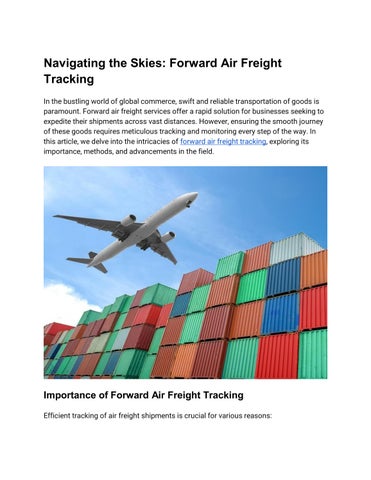
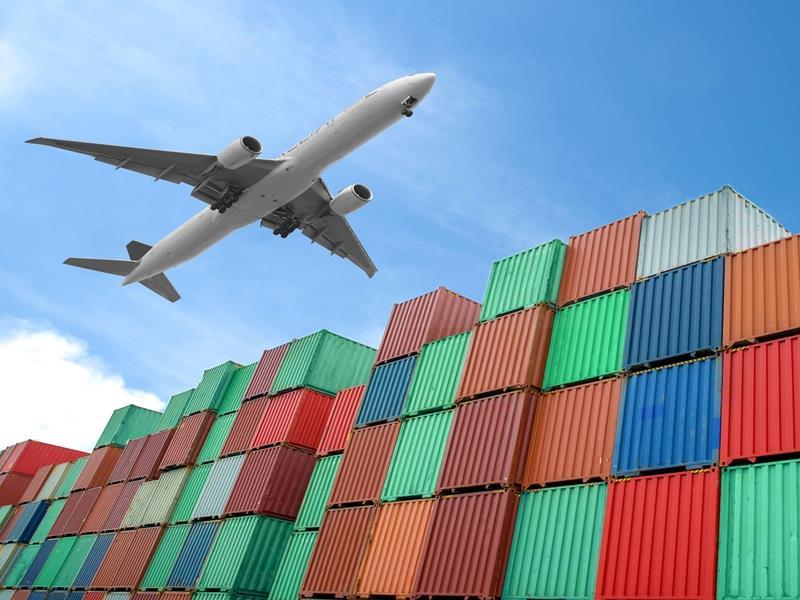
In the bustling world of global commerce, swift and reliable transportation of goods is paramount. Forward air freight services offer a rapid solution for businesses seeking to expedite their shipments across vast distances. However, ensuring the smooth journey of these goods requires meticulous tracking and monitoring every step of the way. In this article, we delve into the intricacies of forward air freight tracking, exploring its importance, methods, and advancements in the field.
Importance of Forward Air Freight Tracking
Efficient tracking of air freight shipments is crucial for various reasons:
● Real-Time Visibility: Tracking systems provide real-time updates on the location and status of shipments, allowing businesses to monitor their goods from origin to destination. This visibility enables proactive decision-making and enhances customer satisfaction by providing accurate delivery estimates.
● Risk Management: By continuously monitoring shipments, companies can mitigate the risk of loss, theft, or damage during transit. Timely intervention in case of deviations from the planned route or unexpected delays helps minimize potential losses and maintain supply chain integrity.
● Compliance and Security: Regulatory requirements and security protocols in the aviation industry necessitate robust tracking mechanisms for air freight. Compliance with these standards not only ensures the safe transportation of goods but also facilitates smooth customs clearance processes.
● Efficiency and Cost Savings: Optimized routing and scheduling based on realtime tracking data can improve operational efficiency and reduce transportation costs. By identifying inefficiencies and optimizing routes, companies can minimize fuel consumption and maximize resource utilization.
