Navigating Cyprus’s Tax Reform
ICPAC leads the profession through a new framework shaping compliance, investment, and economic resilience
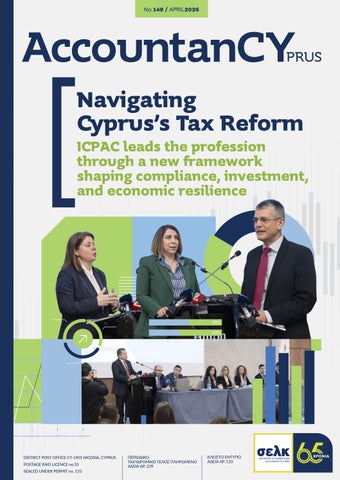
ICPAC leads the profession through a new framework shaping compliance, investment, and economic resilience
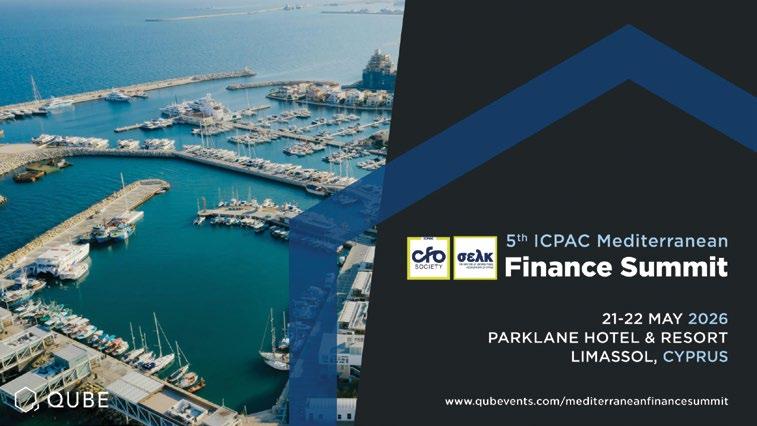
The Institute of Certified Public Accountants of Cyprus, the ICPAC CFO Society, and QUBE Events are pleased to announce the 5th ICPAC Mediterranean Finance Summit, taking place on 21–22 May 2026 at the Parklane Hotel and Resort, Limassol, Cyprus.
Building on the momentum of previous editions, the 5th ICPAC Mediterranean Finance Summit will convene finance, accounting, risk, regulation, and technology professionals to examine how finance functions are responding to economic volatility, regulatory evolution, and digital transformation.
Across two days of keynote addresses, roundtable discussions, workshops, and high-value networking, the summit will focus on the priorities shaping modern finance: intelligent forecasting, cash and liquidity discipline, operational efficiency, tax and regulatory pressure, risk and governance, digital transformation, and finance talent for the next era.
Learn more and register: www.qubevents.com/mediterraneanfinancesummit *Earn up to 11 CPD points plus a certificate!
Discount codes available:
● icpac15 - 15% (For ICPAC members)
● icpac15 - 15% (For CFO Society members that are not ICPAC members)
● acca15 - 15% (For ACCA members who are not ICPAC members)
● icaew15 - 15% (For ACA members who are not ICPAC members)
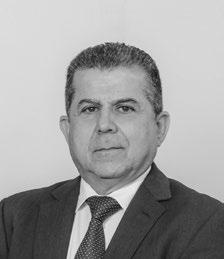
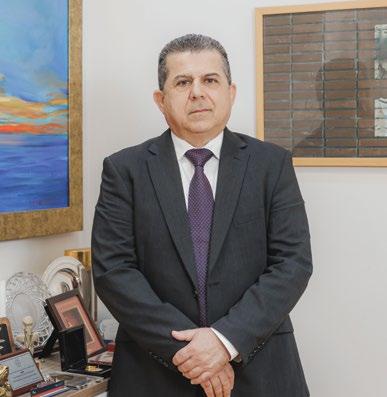
Odysseas Christodoulou ICPAC PRESIDENT
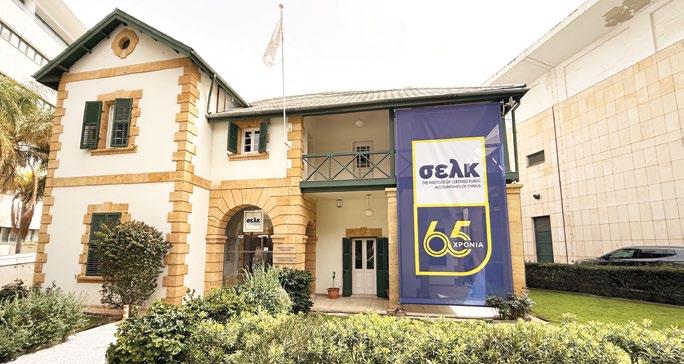
The completion of sixty-five years since the establishment of the Institute of Certified Public Accountants of Cyprus (ICPAC) represents a milestone of considerable institutional, professional, and economic importance. It is an occasion that invites not only reflection on a long-standing presence but also a measured assessment of the role the profession has played in shaping Cyprus’s economic architecture and supporting its resilience over time.
Since its founding in 1961, ICPAC has maintained a consistent and influential presence within the country’s economic and regulatory landscape. Over the decades, it has developed into a mature, credible, and respected institution, grounded in professional excellence, technical expertise, and a strong sense of responsibility towards the public interest. Its evolution mirrors, to a large extent, the transformation of the Cypriot economy itself.
ICPAC’s contribution becomes particularly evident when examined against the backdrop of Cyprus’ modern economic history. In the aftermath of the events of 1974, the profession played a critical role in supporting economic reconstruction. At a time of
TODAY, ICPAC REFLECTS BOTH SCALE AND DEPTH AS A PROFESSIONAL BODY. WITH 6,164 MEMBERS, SUPPORTED BY A STRONG PIPELINE OF 1,620 STUDENTS AND 956 GRADUATES, THE INSTITUTE REPRESENTS A DYNAMIC AND FORWARD-LOOKING PROFESSIONAL COMMUNITY.
disruption and uncertainty, professional accountants contributed to restoring financial stability, enabling business continuity, and reinforcing confidence in the country’s economic institutions.
In the years that followed, the Institute actively contributed to the modernisation of Cyprus’s regulatory and tax frameworks. Its input proved particularly valuable during the country’s path toward European Union accession, where alignment with European standards required structured reforms, technical precision, and institutional coordination. Through sustained engagement with public authorities, ICPAC contributed to shaping a transparent, compliant, and internationally aligned economic environment.
In this context, the Institute has also played a pivotal role in more recent developments, including the successful enactment by the House of Representatives of the 2025 tax reform, representing a significant step towards the modernisation of the country’s tax framework.
Furthermore, of particular importance is the enactment in 2026 of the Financial Reporting Standards Law, pursuant to which ICPAC is designated as the competent authority for the determination and issuance of the Financial Reporting Standard for Small and Medium-sized Entities (SMEs), thereby further reinforcing its institutional mandate and its contribution to a robust, transparent and high-quality financial reporting framework.
During the financial crisis of 2013, the profession once again demonstrated its resilience and strategic importance. Operating under conditions of significant financial stress, professional firms supported businesses in navigating complex challenges, maintained operational continuity, and contributed to stabilising the broader economic system. The ability of the sector to adapt under pressure reinforced its position as a reliable pillar of the economy.
Today, ICPAC reflects both scale and depth as a professional body. With 6,164 members, supported by a strong pipeline of 1,620 students and 956 graduates, the Institute represents a dynamic and forwardlooking professional community. The balanced gender representation within its membership further reflects the evolving nature and inclusiveness of the profession.
At the operational level, 1,375 licensed individuals and 975 firms form the core of professional activity, supported by 1,121 statutory auditors and 780 audit firms. In addition, the broader professional ecosystem includes over 1,000 licensed firms, hundreds of corporate service providers, and a growing number of insolvency practitioners. This structured and regulated environment contributes directly to the efficiency, transparency, and credibility of business operations in Cyprus.
These figures are not merely indicative of size; they reflect the systemic importance of the profession in supporting compliance, governance, and financial reporting across all sectors of the economy.
The contribution of ICPAC to the Cypriot economy is both measurable and strategically significant. Licensed audit firms alone generate annual revenues estimated at approximately €700 million, underscoring the sector’s role as a key contributor to economic output, employment, and export of professional services.
Beyond its direct economic footprint, ICPAC plays an essential role in strengthening Cyprus’ international positioning. Through structured cooperation with organisations such as CIFA, CIPA, Invest Cyprus, and CyFA, the Institute actively promotes Cyprus as a credible and competitive international business centre. These collaborations support the country’s efforts to attract investment, expand its global reach, and reinforce its reputation as a jurisdiction of substance and reliability.
At the same time, ICPAC’s institutional engagement with government and regulatory bodies continues to shape policy development in critical areas such as taxation, corporate law, and regulatory compliance. Its consistent, technocratic approach enhances the quality of public policy and contributes to long-term economic stability.
The influence of the profession extends well beyond the private sector. Members of ICPAC hold positions of significant responsibility across the public and wider public sector, contributing directly to governance, oversight, and policy implementation.
Senior roles within key ministries, supervisory authorities, and national institutions are occupied by members of the profession, while representation at the European level further strengthens Cyprus’s voice in international forums. Positions such as Auditor General and Accountant General of the Republic, as well as participation in European Union structures, reflect the level of trust placed in the profession’s expertise, judgment, and ethical standards.
This presence reinforces the link between professional competence and effective governance, highlighting the broader contribution of the profession to institutional stability and public accountability.
The global economic environment is undergoing continuous transformation, shaped by geopolitical developments, regulatory evolution, and rapid technological advancement. In response, ICPAC continues to move forward with a clear strategic orientation focused on modernisation, digital transformation, and enhanced international engagement.
The renewal of its corporate identity and the strengthening of its digital presence are part of a broader strategic effort to ensure that the Institute remains relevant, accessible, and aligned with contemporary expectations. At the same time, emphasis remains firmly placed on maintaining high professional standards, reinforcing trust, and supporting members in adapting to an increasingly complex and demanding environment.
The sixty-five-year journey of ICPAC is defined by consistency, professionalism, and collective commitment. The foundation established by previous generations continues to guide the Institute’s direction, reinforcing a culture of integrity, accountability, and excellence.
As Cyprus continues to navigate a rapidly evolving global economic landscape, the role of the profession remains central. ICPAC will continue to contribute actively to economic development, institutional resilience, and international credibility, with a clear focus on quality, transparency, and long-term value creation.
The path ahead requires discipline, adaptability, and strategic clarity. The commitment of the Institute remains firmly anchored in these principles, ensuring that the profession continues to respond effectively to emerging challenges while supporting the sustainable growth of the Cypriot economy.



TO: EDITOR OF “ACCOUNTANCY CYPRUS”
We wish to book the following advertisements in the “Accountancy Cyprus” Journal:
ISSN 1450-2380
The Institute Council
Odysseas Christodoulou - P resident
Andreas Andreou - Vice P resident
Eleni P yrgou (Secretary)
Andreas Avraamides, Marios Demetriades, George Hadjineophytou, Stavros Ioannou, Constantinos Kallis, Savvas Kleitou, Eliza Livadiotou, Ioanna Nicolaidou, Nicolas Shiakallis, Spyros Spyrou, Nicos Stavrou, Afxentis Zemenides
Andreas Papadatos
11 Byron Avenue, 1096 Nicosia, Cyprus
P.O. Box 24935, 1355, Nicosia, Cyprus
Tel.: +357 22870030
Fax: +357 22766360
Ε-mail: info@icpac.org.cy www.icpac.org.cy
Design and Pagination
Maria Stylianou
The publication is prepared by RedwolfOgilvy 8 Ilioupoleos Street
Tel: +357 22252522
Fax: +357 22767970
E-mail: info@redwolfogilvy.cy www.redwolfogilvy.cy
Accountancy Cyprus is published quarterly by the Institute of Certified Public Accountants of Cyprus and is sent free to all members of the Institute as well as to many other persons, companies, and organizations.
A summary of the Institute’s most important recent initiatives, announcements, and activities
• ICPAC and MOKAS Sign Memorandum of Cooperation
• ICPAC and Cyprus Compliance Association Sign MoU
• ICPAC and ICF Cyprus Chapter Sign Cooperation Protocol
• Strengthening Professional Growth through the ICPAC Mentor Programme
• ICPAC Designated Competent Authority for Financial Reporting Standard for Small Entities
• Andreas Papadatos Appointed as New Director General of ICPAC
• Strengthening Family Business Governance
Strong Participation in ICPAC Tax Seminars on Cyprus Tax Reform

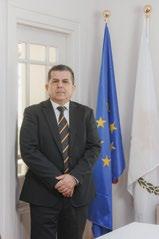



The Institute of Certified Public Accountants of Cyprus (ICPAC) and the Unit for Combating Money Laundering (MOKAS) signed a Memorandum of Cooperation on 17 November, marking an important step towards strengthening collaboration between the public and private sectors in the fight against money laundering and financial crime.
The Memorandum was signed by Maria Kyrmizi-Antoniou, Head of MOKAS, and Odysseas Christodoulou, President of ICPAC, and will remain in force indefinitely unless terminated by mutual decision of the two parties. The agreement reflects the shared commitment of both organisations to enhance transparency, improve information exchange, and reinforce the mechanisms that safeguard the integrity of Cyprus’s financial system.
The partnership aims to establish a structured framework of cooperation between the country’s financial intelligence authority and the professional body representing certified public accountants. Through this collaboration, both institutions seek to further strengthen Cyprus’s capacity to prevent and detect illicit financial activities.
A key component of the Memorandum is the enhancement of information exchange between ICPAC and MOKAS, enabling more effective communication and coordination in areas related to anti-money laundering (AML) and the prevention of financial crime. This exchange of expertise and intelligence is expected to contribute to the timely identification of emerging risks and the adoption of more effective preventative measures.
The agreement also provides for the organisation of joint educational and awareness initiatives, including seminars, training programmes, and professional briefings aimed at strengthening compliance knowledge among accounting professionals and other stakeholders. By promoting continuous professional education in AML matters, the two organisations aim to further enhance the role of the accounting profession in protecting the financial system from abuse.

In addition, the cooperation framework includes support for initiatives related to digital transformation and strategic analysis, recognising the growing importance of technology and data analysis in identifying suspicious financial activities and managing financial risks.
Through these collaborative efforts, ICPAC and MOKAS seek to reinforce the culture of compliance, transparency, and accountability across the financial and professional services sectors in Cyprus. At the same time, the initiative contributes to the broader objective of strengthening the country’s regulatory framework and ensuring that Cyprus continues to align with international standards and best practices in combating money laundering and financial crime.
The Memorandum highlights the importance of strong institutional partnerships in addressing complex financial risks and reflects the ongoing commitment of both organisations to safeguarding the reputation and credibility of Cyprus as a trusted international business and financial centre.
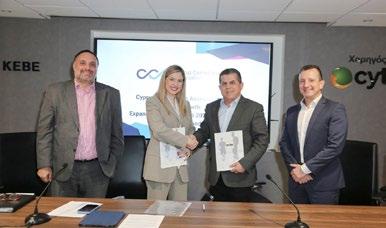
The Institute of Certified Public Accountants of Cyprus (ICPAC) has signed a Memorandum of Understanding (MoU) with the Cyprus Compliance Association (CCA), establishing a partnership of strategic importance for the compliance sector in Cyprus.
Through this institutional collaboration, the two organisations aim to strengthen cooperation in areas that are increasingly critical for the modern business environment, including corporate governance, risk management, and regulatory compliance. The agreement reflects a shared commitment to supporting professionals operating in these fields and to promoting higher standards across the wider professional services sector.
The MoU provides a framework through which ICPAC and CCA will work together to enhance education, professional development, and the exchange of expertise. By bringing together the knowledge and experience of both organisations, the partnership is expected to contribute to the development of new training initiatives, knowledge-sharing platforms, and professional engagement opportunities for members and stakeholders.
THROUGH THIS INSTITUTIONAL COLLABORATION, THE TWO ORGANISATIONS
TO
COOPERATION
THAT ARE INCREASINGLY CRITICAL FOR THE MODERN BUSINESS ENVIRONMENT, INCLUDING CORPORATE GOVERNANCE, RISK MANAGEMENT, AND REGULATORY COMPLIANCE.
In particular, the cooperation will focus on the organisation of joint seminars, training programmes, and professional events, addressing emerging regulatory developments and the evolving challenges faced by compliance professionals. As regulatory frameworks continue to expand at both European and international levels, the need for specialised knowledge and continuous professional development has become increasingly important.
At the same time, the collaboration aims to facilitate closer interaction between professionals in accounting, compliance, and governance, encouraging a more integrated approach to managing financial, regulatory, and operational risks within organisations.
By promoting best practices and strengthening professional standards, the partnership between ICPAC and the Cyprus Compliance Association is expected to further enhance the professional ecosystem in Cyprus. Such initiatives contribute to improving the quality of professional services while reinforcing the credibility and transparency of the country’s business environment.
Ultimately, the MoU marks an important step towards strengthening the compliance landscape in Cyprus, supporting professionals active in governance and regulatory oversight, and contributing to the development of a more transparent, resilient, and well-regulated business environment.
The Institute of Certified Public Accountants of Cyprus (ICPAC) has signed a Cooperation Protocol with the ICF Cyprus Chapter, reinforcing its strategic commitment to continuous professional development and the promotion of excellence within the accounting profession.
The agreement reflects a shared vision between the two organisations to support professionals in developing the skills required to navigate an increasingly complex and evolving business environment. By fostering collaboration between the accounting profession and the coaching community, the partnership aims to strengthen leadership capabilities, professional effectiveness, and personal development.
The cooperation framework focuses on the development of joint educational and research initiatives, as well as the promotion of coaching and mentoring skills among professionals. Through this partnership, both organisations aim to expand training opportunities for ICPAC members and encourage the adoption of modern professional development practices that enhance leadership, communication, and decisionmaking skills.
In addition, the collaboration seeks to raise awareness of the value of coaching and mentoring within professional environments, recognising their growing importance in supporting career progression, organisational performance, and the development of resilient leadership.
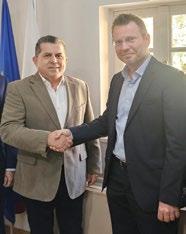
The Cooperation Protocol was signed by ICPAC President Odysseas Christodoulou and ICF Cyprus Chapter President Yury Zachek, formalising a partnership that is expected to create new opportunities for knowledge sharing and professional growth.
THE AGREEMENT REFLECTS A SHARED VISION BETWEEN THE TWO ORGANISATIONS TO SUPPORT PROFESSIONALS IN DEVELOPING THE SKILLS REQUIRED TO NAVIGATE AN INCREASINGLY COMPLEX AND EVOLVING BUSINESS ENVIRONMENT.

By encouraging cross-disciplinary collaboration and promoting innovative learning approaches, the initiative contributes to strengthening the professional ecosystem in Cyprus. It also highlights the importance of investing in continuous learning and leadership development to meet the evolving needs of the modern workplace.
Ultimately, the agreement represents an important step towards empowering professionals, enhancing skills development, and supporting the long-term advancement of the accounting and professional services sectors in Cyprus.
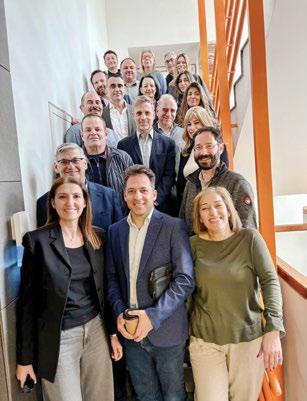
On 13 March 2026, ICPAC successfully hosted its annual Mentors’ Training for the “ICPAC Mentor Programme”, reaffirming its ongoing commitment to professional development and knowledge sharing within the accounting and finance community. This year’s session was facilitated by Marilena Shakalli Maroudia, who guided mentors through best practices and approaches to further enhance the quality and impact of the programme.
Launched in 2019, the ICPAC Mentor Programme has steadily evolved into a valuable initiative supporting ICPAC Members and ICPAC CFO Society members. Today, the programme brings together 24 experienced mentors who actively contribute their knowledge, insights, and practical expertise to support the next generation of professionals.
Through structured guidance and continuous engagement, participants benefit from real-world advice, access to a strong network of experienced professionals, and support in navigating complex and demanding professional environments. The programme is designed to help mentees develop critical skills, including effective communication, decision-making under pressure, and strategic thinking, while also strengthening their confidence and professional presence in the market.
A key strength of the programme lies in its practical orientation. Mentees gain direct exposure to real challenges faced in the workplace and receive tailored support from mentors who have extensive experience across various sectors. This creates a dynamic learning environment where knowledge is not only shared but applied in meaningful ways.
Importantly, the ICPAC Mentor Programme is offered free of charge, ensuring accessibility for all eligible members and reinforcing ICPAC’s commitment to supporting career progression and lifelong learning. By fostering collaboration and knowledge exchange, the programme contributes to building a stronger, more connected professional community.
As the programme continues to grow, it remains a cornerstone initiative for empowering professionals at different stages of their careers, helping them adapt to evolving industry demands and seize new opportunities with confidence.
The ICPAC Larnaca–Famagusta Coordinating Committee welcomed the new year with the traditional New Year’s Cake cutting event, held on Friday, 6 February, in an atmosphere marked by collaboration and strong institutional presence.
The event brought together members of the accounting profession as well as representatives from public and political life, offering an opportunity to celebrate the start of the year while strengthening the Institute’s engagement with the wider economic community.
Among those who honoured the event with their presence were the Permanent Secretary of the Ministry of Energy, Commerce and Industry, Kyriakos Iordanou, Larnaca Deputy Mayor Iasonas Iasonidis, and Member of the European Parliament Michalis Hadjipantela. Their participation highlighted the importance of ICPAC’s contribution to public dialogue and its active role in supporting economic development.
The gathering also provided a valuable platform for the exchange of views and constructive discussion between professionals and institutional representatives. Participants had the opportunity to discuss current economic developments, issues affecting the accounting profession, and prospects for enhanced cooperation in the year ahead.
Events such as these underline the importance of maintaining strong connections between the accounting profession and key stakeholders across the public and private sectors. Through initiatives like this, ICPAC continues to promote dialogue, collaboration, and knowledge sharing, strengthening the professional community at both regional and national levels.
The meeting concluded in a positive and collegial atmosphere, reaffirming the shared commitment of participants to continued cooperation and professional engagement in the year ahead, while highlighting the active role of the Larnaca–Famagusta Coordinating Committee in fostering professional networking and regional engagement within ICPAC.
THE EVENT BROUGHT TOGETHER MEMBERS OF THE ACCOUNTING PROFESSION AS WELL AS REPRESENTATIVES FROM PUBLIC AND POLITICAL LIFE, OFFERING AN OPPORTUNITY TO CELEBRATE THE START OF THE YEAR WHILE STRENGTHENING THE INSTITUTE’S ENGAGEMENT WITH THE WIDER ECONOMIC COMMUNITY.




The Institute of Certified Public Accountants of Cyprus (ICPAC) has been designated as the competent authority responsible for determining the Financial Reporting Standard for Small-Sized Entities (FRS for SEs) under the new legislative framework recently approved by the House of Representatives. The final approval of the standard will be granted by the Minister of Finance.
According to ICPAC, the new legislative framework aims to simplify the preparation of financial statements for small businesses operating in Cyprus. The law introduces the possibility for small entities to prepare financial statements based on the Financial Reporting Standard for Small-Sized Entities (FRS for SEs), a simplified financial reporting framework designed to better reflect the size, structure, and operational needs of smaller organisations.
ICPAC noted that the adoption of the new framework represents an important step toward reducing administrative complexity and supporting the efficient functioning of smaller businesses, which constitute a significant part of the Cypriot economy.
The new reporting standard will be available to small entities as defined under the Companies Law. However, it will not apply to entities of public interest or organisations subject to stricter regulatory oversight.
Specifically, the FRS for SEs will not apply to public interest entities, listed companies, financial institutions, insurance companies, and other regulated entities, nor to semi-governmental organisations.
This approach ensures that the simplified standard is used only by businesses whose scale and operational complexity justify a lighter reporting framework, while larger or regulated entities will continue to comply with more comprehensive financial reporting standards.
ICPAC clarified that the application of the new standard will be optional for entities that meet the relevant criteria. Companies eligible to use the framework will be able to choose whether to adopt it based on their operational and reporting needs.
Concerning small groups of entities, ICPAC also reminded stakeholders that under the current legislative framework, such groups are generally exempt from the obligation to prepare consolidated financial statements, except in specific circumstances. In these cases, the FRS for SEs may also be used by qualifying small groups, providing additional flexibility for smaller corporate structures.
The voluntary nature of the standard is expected to provide businesses with the opportunity to select the reporting framework that best fits their size and operational complexity while maintaining transparency and reliability in financial reporting.
According to ICPAC, the FRS for SEs will be based on the International Financial Reporting Standard for Small and Medium-Sized Entities (IFRS for SMEs). At the same time, it will be aligned with the requirements of the European Accounting Directive 2013/34/ EU, ensuring compatibility with European financial reporting principles.
The adoption of a standard grounded in internationally recognised accounting practices aims to safeguard both the quality and credibility of financial reporting while allowing for the simplification needed by smaller businesses.
Before the standard can be implemented, however, the necessary procedures must be completed. This includes the formal approval of the standard by the Minister of Finance as well as the European Commission. ICPAC noted that the exact implementation timeline will be announced at a later stage, once these procedures have been finalised.
In order to facilitate a smooth transition to the new framework, ICPAC announced that it will create a dedicated section on its official website. This online resource will provide detailed information about the new standard, the relevant governing council, and supporting material designed to assist professionals and stakeholders.
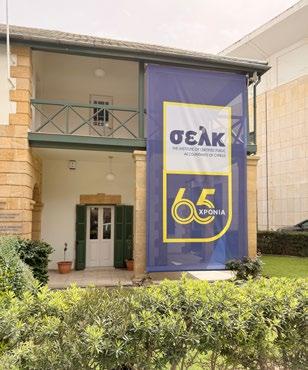
The platform will serve as a central point of reference for ICPAC members, accountants, and other interested parties, ensuring that practical guidance, explanatory materials, and updates related to the FRS for SEs are readily available.
Through this initiative, ICPAC aims to support the accounting profession and the wider business community by providing timely information and practical tools that will help facilitate the adoption and effective implementation of the new financial reporting standard.
The introduction of the FRS for SEs is expected to represent an important step toward simplifying financial reporting obligations for small businesses while maintaining the transparency and accountability required within the financial system.

Andreas Papadatos ICPAC GENERAL MANAGER
The Institute of Certified Public Accountants of Cyprus (ICPAC) announces the appointment of Mr. Andreas Papadatos as General Manager, effective 1 May 2026.
Mr. Papadatos was born in 1977 and is a graduate of The English School, Nicosia. He studied Economics at the London School of Economics and Political Science in the United Kingdom. He is a Chartered Accountant (FCA), a member of the Institute of Chartered Accountants in England and Wales, and a member of ICPAC.
Extensive Experience in International and Local Organisations
He brings many years of experience in audit and financial services. He served as Manager at Arthur Andersen and Deloitte in London, and subsequently at KPMG in Cyprus, where he specialised in audits of financial services and insurance companies.
In 2006, he joined the Hellenic Bank Group in the Finance Division, and in 2009, he was appointed Chief Financial Officer of Hellenic Life Insurance Company Ltd. In 2016, he assumed the role of General Manager and Executive Member of the Board of Directors of the same company.
Mr. Papadatos has signed his Employment Agreement with ICPAC and will officially assume his duties on 1 May 2026.

ICPAC EXPRESSES ITS CONFIDENCE THAT, THROUGH COLLECTIVE EFFORT AND UNDER THE GUIDANCE OF ITS NEW GENERAL MANAGER, IT WILL CONTINUE TO ENHANCE ITS ROLE AS A KEY INSTITUTIONAL PILLAR OF CREDIBILITY AND PROFESSIONAL EXCELLENCE IN CYPRUS.
In his statement, the President of ICPAC, Mr. Odysseas Christodoulou, noted:
“I wish Andreas every success in his new role. I am confident that his experience, knowledge, and integrity will contribute substantially to the further development and strengthening of our Institute. I assure him that he will have both my personal support and that of all Council Members, as partners and collaborators in the demanding yet highly important work he is undertaking.”
Mr. Papadatos’ appointment as General Manager marks a new chapter for ICPAC, with a focus on the continuous advancement of the profession, strengthening trust in the market, and responding dynamically to the challenges of the modern economy.
ICPAC expresses its confidence that, through collective effort and under the guidance of its new General Manager, it will continue to enhance its role as a key institutional pillar of credibility and professional excellence in Cyprus.
In an increasingly complex and evolving business environment, the need for robust corporate governance structures has become more critical than ever—particularly for family businesses, which constitute a cornerstone of the Cypriot economy. In this context, ICPAC’s Corporate Governance and Business Ethics Committee, in collaboration with the CFO Society, organised an event on Thursday, 19 March 2026, to present the White Paper on Family Business Governance. The event was hosted at PwC’s offices in Nicosia, with PwC acting as a supporting partner.
The event was opened by Ms. Constantina Achilleos, Communications Officer of ICPAC, followed by a presentation by Mr. Michalis Stavrides, President of ICPAC’s Corporate Governance and Business Integrity Committee.
In his presentation, Mr. Stavrides highlighted the strategic importance of effective governance in safeguarding the continuity, competitiveness, and longterm success of family-owned businesses in Cyprus. The White Paper introduces a practical and flexible governance framework structured around three core pillars: Family Governance, the Board of Directors, and Senior Management.
Within the Family Governance pillar, particular emphasis was placed on the importance of a clear, written Statement of Family Principles. This document captures the family’s shared values, vision, and mission, as well as expectations regarding ownership, employment, leadership, and succession. It serves as a key reference point for decision-making and helps mitigate potential conflicts by establishing common ground across generations.
The concept of a Family Council was also discussed as an effective mechanism for enhancing communication, aligning family members’ interests, and providing a structured forum to address strategic matters affecting both the family and the business.
The Board of Directors was presented as a critical governance body, responsible for setting strategic direction, exercising oversight, and ensuring compliance with regulatory and best practice standards. Emphasis was placed on the value of including independent professional directors, who can enhance objectivity, contribute external expertise, and support balanced decision-making that considers both family and broader stakeholder interests.
Senior Management was identified as a key driver of sustainability and growth, with strong emphasis on the need for merit-based allocation of roles and responsibilities, rather than decisions based on family ties or birthright.
Mr. Stavrides concluded by noting that while core governance principles are universal, their effective implementation must be tailored to the specific size, needs, and circumstances of each family business. The involvement of independent and objective professional advisors was highlighted as critical in facilitating sustainable growth and successful multi-generational transition.
Following the presentation, Mr. Stavrides moderated a panel discussion featuring Mr. Marios Loukaides, President of ICPAC’s Small and Medium-Sized Firms Committee, and Mr. Andreas Papadopoulos, Head of Commercial Banking at Eurobank.



THE BOARD OF DIRECTORS WAS PRESENTED AS A CRITICAL GOVERNANCE BODY, RESPONSIBLE FOR SETTING STRATEGIC DIRECTION, EXERCISING OVERSIGHT, AND ENSURING COMPLIANCE WITH REGULATORY AND BEST PRACTICE STANDARDS.
The panel addressed a range of key challenges facing family businesses today, including the increasing cost of compliance, succession planning, and the recruitment and retention of talent. The discussion also emphasised the importance of maintaining up-to-date compliance frameworks, particularly as a prerequisite for continued access to bank financing.
Furthermore, the panel highlighted the need to address governance and succession issues proactively, especially during periods of business success, to ensure long-term competitiveness. The value of collaboration among smaller businesses was also discussed, particularly in achieving economies of scale and remaining competitive in a rapidly changing environment.
Finally, the importance of providing purpose and growth opportunities to younger team members was underlined as a key factor in attracting and retaining talent.
The event underscored the critical role of structured and tailored corporate governance in strengthening the resilience and sustainability of family businesses in Cyprus, reaffirming ICPAC’s commitment to promoting best practices and supporting long-term business success.
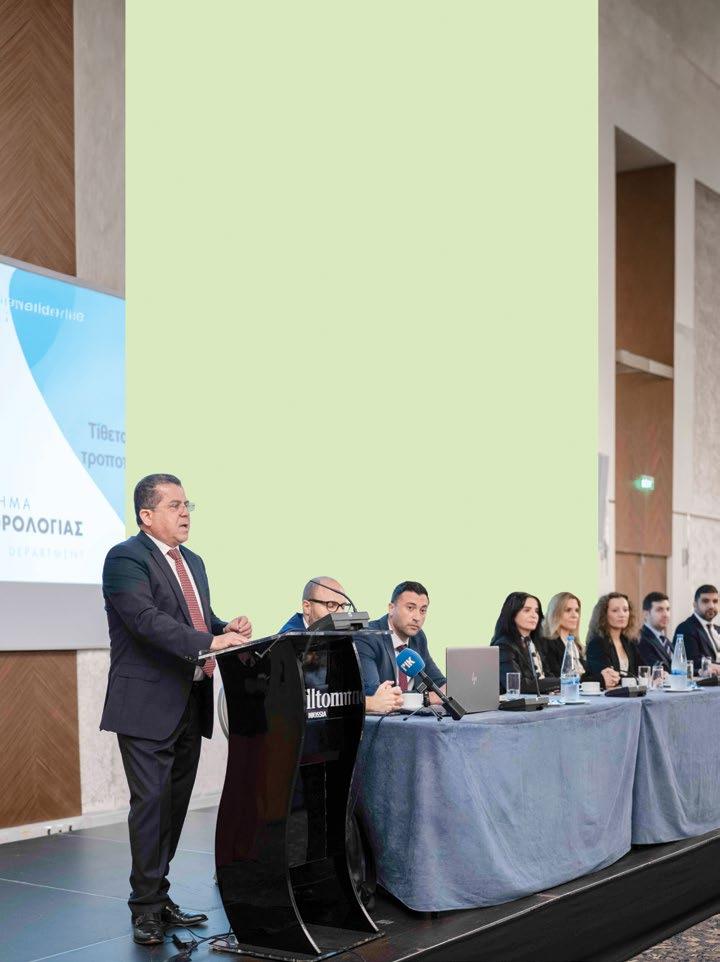
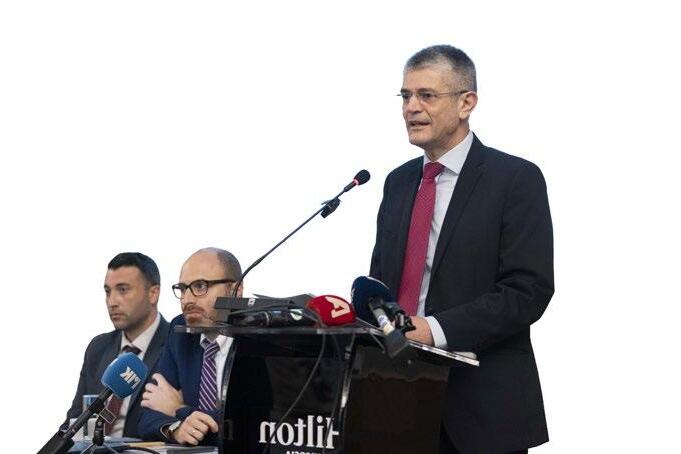
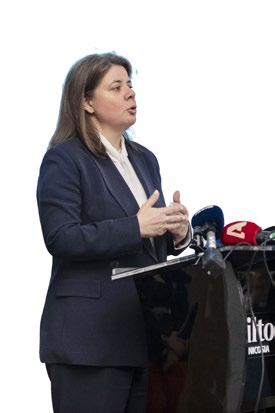
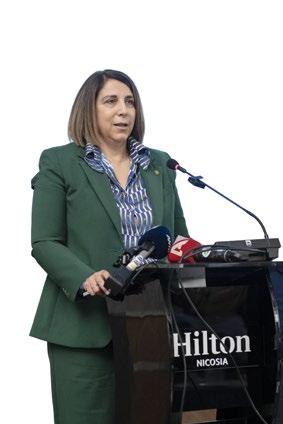
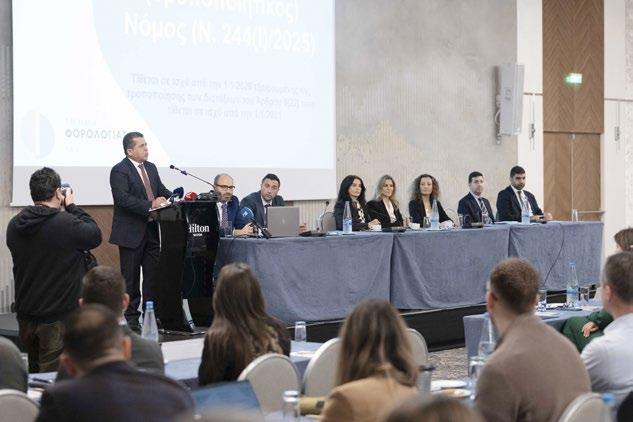
With great success and strong interest from the professional community, the nationwide series of Tax Seminars organised by the Institute of Certified Public Accountants of Cyprus (ICPAC), in collaboration with the Office of the Tax Commissioner, highlighted the significant interest in understanding the changes introduced through Cyprus’s Tax Reform, following the adoption of the relevant Amending Laws.
The objective of the seminars was to provide a detailed, practical overview of the changes to the taxation of individuals and legal entities, and to support the effective implementation of the new tax framework through clear guidance for professionals and stakeholders.
Strong participation across a nationwide series of seminars
Following the approval of the amending legislation introducing Cyprus’s long-awaited Tax Reform, ICPAC, in collaboration with the Office of the Tax Commissioner, launched a nationwide series of Tax Seminars to inform professionals and stakeholders about the key changes affecting the tax system.
The initiative began with an online briefing attended by 1,100 participants, highlighting the professional community's strong interest in understanding the implications of the new tax framework. This was followed by in-person seminars in Nicosia on 30 January and Limassol on 3 February, which together attracted more than 2,000 attendees.
THROUGH THESE EVENTS, ICPAC AND THE TAX DEPARTMENT PROVIDED DETAILED PRESENTATIONS ON THE REFORMS INTRODUCED, SUPPORTING ACCOUNTANTS, BUSINESSES, AND TAXPAYERS IN NAVIGATING THE EVOLVING TAX LANDSCAPE AND ENSURING A SMOOTH TRANSITION TO THE NEW TAX FRAMEWORK.
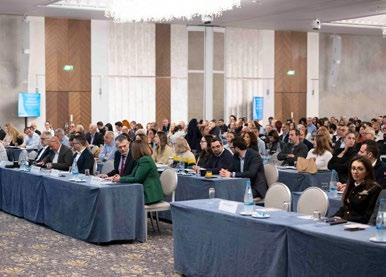

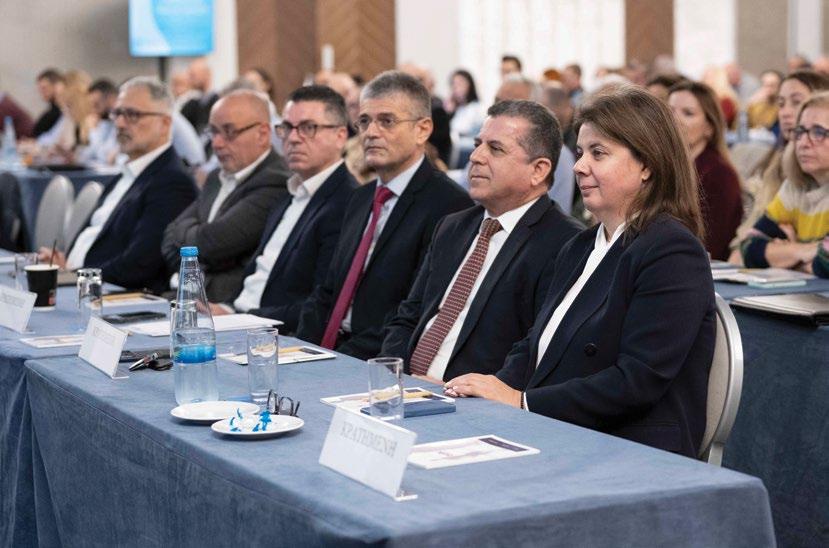

The series continued with further seminars in Limassol on 9 February and in Larnaca on 13 February, concluding with a final seminar in Nicosia on 17 February. The large turnout across all five tax seminars confirmed the importance of timely and practical guidance for professionals, businesses, and taxpayers as they prepare to adapt to the new regulatory environment.
Through these events, ICPAC and the Tax Department provided detailed presentations on the reforms introduced, supporting accountants, businesses, and taxpayers in navigating the evolving tax landscape and ensuring a smooth transition to the new tax framework.
During the final seminar, ICPAC President Mr. Odysseas Christodoulou highlighted the importance of timely and responsible information.
“The strong participation confirms the importance of timely and meaningful information regarding the changes introduced through the Tax Reform. ICPAC remains committed to supporting its members and all stakeholders through responsible and practical guidance,” he noted.
He also emphasised that ICPAC played a decisive role both in shaping the reform and in providing interpretative guidance on the new provisions, contributing to the development of practical and workable solutions for the market.


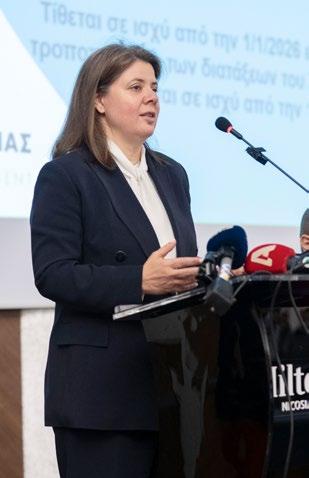
Deputy Minister to the President, Ms Irene Piki, described the Tax Reform as a landmark reform for Cyprus, noting that the Government’s main objective is to establish a tax system that is simple, transparent, and effective, delivering clear and tangible benefits for both the economy and citizens.
According to Ms. Piki, the reform enhances fairness and predictability in the tax system by introducing a new tax-free threshold of €22,000, simplifying tax brackets, abolishing deemed dividend distributions, reducing the Special Defence Contribution to 5%, and abolishing stamp duty.
Approximately 200,000 taxpayers have already seen a net increase in their earnings with the January payroll, while during 2026, it is estimated that around 30,000 individuals will be fully exempt from taxation.
Emphasis was placed on the close cooperation between the Government, the House of Representatives, the Tax Department, and ICPAC, with the Deputy Minister noting that professionals play a crucial role in bridging legislative intent with everyday economic activity.
She also referred to the positive performance of the Cypriot economy, with growth approaching 4% for 2025, public debt remaining below 60% of GDP, fiscal surpluses exceeding 3%, and the recent upgrade of Cyprus’s credit rating to “A” by Scope Ratings.
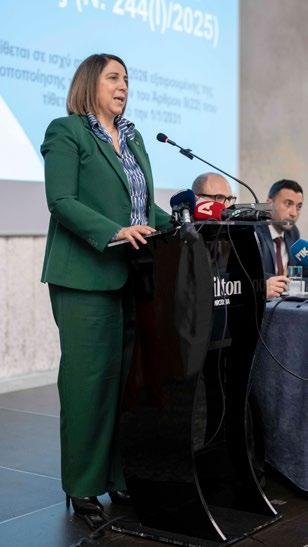

Chairwoman of the Parliamentary Finance Committee, Ms Christiana Erotokritou, emphasised that the reform was the result of substantial consultation and collective effort.
“When everyone understands and accepts the changes, we create a better and more secure future for all,” she noted, adding that a serious and methodical legislative process strengthens the country’s credibility, particularly during periods of crisis and major reforms.
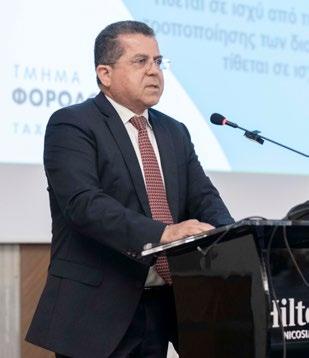
Tax Commissioner Mr. Sotiris Markides highlighted that strengthening tax compliance remains a key priority for the Tax Department. This effort focuses on improving procedures, utilising technology, and accelerating the digitalisation of services.
He also referred to the establishment of an independent unit for the examination of tax objections, aimed at enhancing tax fairness, as well as to new measures designed to strengthen competitiveness and attract investment.
The ICPAC Tax Seminars highlight the importance of institutional cooperation, responsible information, and practical guidance in ensuring the successful implementation of a reform with a direct and meaningful impact on citizens and businesses.
ICPAC continues to consistently support its members and the business community, contributing actively to the development of a modern, stable, and reliable tax environment in Cyprus.

Concluding Remarks at the Grand Finale of the National Tax Reform Seminar Series
Mr. Odysseas Christodoulou, President of ICPAC, underlined that the final event marks far more than just another tax seminar. It stands as the grand finale of an intensive, demanding, and highly meaningful national effort: a series of five taxation seminars delivered within an exceptionally short period of just twenty days, including two in Limassol, one in Larnaca, and two in Nicosia.
He noted that the response and engagement across all cities exceeded expectations, both in scale and in substance. The strong participation clearly demonstrated that tax reform is not merely a technical or legislative process, but rather a broader transformation in mindset, one that requires continuous awareness, targeted education, and, above all, effective collaboration between all stakeholders involved.
THE STRONG PARTICIPATION CLEARLY DEMONSTRATED THAT TAX REFORM IS NOT MERELY A TECHNICAL OR LEGISLATIVE PROCESS, BUT RATHER A BROADER TRANSFORMATION IN MINDSET, ONE THAT REQUIRES CONTINUOUS AWARENESS, TARGETED EDUCATION, AND, ABOVE ALL, EFFECTIVE COLLABORATION BETWEEN ALL STAKEHOLDERS INVOLVED.
Mr. Christodoulou expressed his sincere appreciation for the presence of the Deputy Minister to the President, Ms. Irene Piki, as well as Member of Parliament Ms. Christiana Erotokritou, Chair of the Parliamentary Committee on Finance of the House of Representatives. He emphasized that their attendance carries particular significance, as it reflects a clear and tangible commitment on behalf of the State and the Government to actively support the successful implementation of the tax reform.
He stressed that this support extends beyond the legislative phase and into the most critical stage—the practical application of the new framework. In this context, he highlighted the importance of maintaining close cooperation between policymakers and the professional community to ensure that the reform is not only adopted but effectively embedded in everyday practice.
Mr. Christodoulou also extended his sincere thanks to the Tax Department, the Commissioner of Taxation,
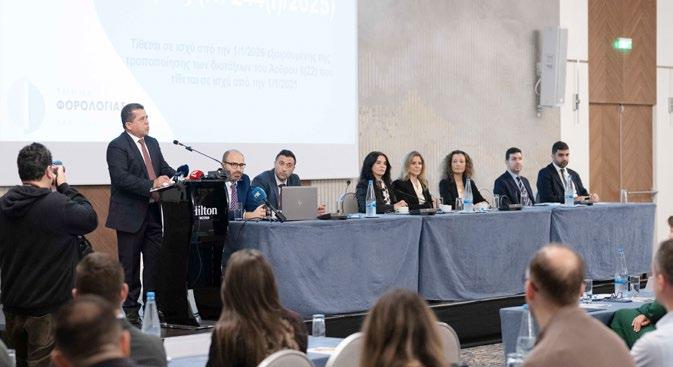
Mr. Sotiris Markides, and his entire team. He acknowledged their constructive approach, openness to dialogue, and shared dedication to facilitating a smooth and efficient transition to the new tax environment. Their contribution, he noted, has been instrumental in fostering trust and ensuring alignment between public authorities and practitioners.
Reflecting on the outcomes of the seminar series, he pointed to the measurable impact achieved within a remarkably short timeframe. Over the course of just three weeks, more than 2,000 individuals—comprising ICPAC members as well as representatives of the wider business community—participated in in-person training sessions. In addition, more than 1,000 individuals joined the seminars online, further expanding the reach and accessibility of the initiative.
He emphasized that these figures should not be viewed simply as statistics, but as a meaningful indicator of progress. They represent better prepared professionals, businesses that are more informed, and taxpayers who are more capable of understanding and adapting to the changes brought about by the tax reform. Ultimately, this level of preparedness is essential for ensuring the effective implementation and long-term success of the new system.
Furthermore, Mr. Christodoulou highlighted the critical role played by the Chairs of ICPAC’s Tax Committees, Mr. Andreas Karaolis and Mr. Eftychios Eftychiou, along with all committee members. He noted that their collective and tireless efforts over a period exceeding six months were instrumental in supporting both the technical aspects of the reform and the development of a shared framework of understanding between the State and the professional community.
In his concluding remarks, Mr. Christodoulou stressed that the true success of the tax reform will not be determined solely by the content of the legislation itself. Rather, it will depend on the extent to which all stakeholders, the State, institutions, and professionals, continue to work together with a strong sense of responsibility, transparency, and mutual respect.
He reaffirmed that ICPAC will remain actively engaged and committed as a constructive partner throughout this ongoing process, supporting both the implementation and continuous improvement of the tax framework.
Closing his address, he invited the audience to acknowledge, with a warm round of applause, all those who have contributed to and supported this significant national reform effort.
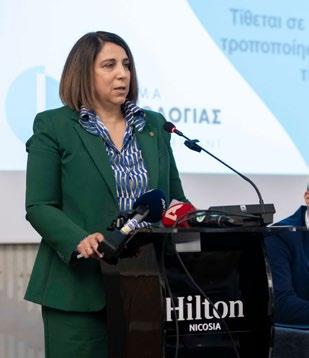
Deputy Minister to the President highlights the government’s vision for a simpler, fairer, and more competitive tax system
Speaking at the ICPAC “Tax Reform 2026” seminar, Deputy Minister to the President Irene Piki described the reform as a landmark shift towards a simpler, more transparent, and growth-oriented tax framework. The measures already introduced, ranging from a higher tax-free threshold to targeted incentives for businesses, are expected to enhance disposable income, support investment, and further strengthen Cyprus’s economic resilience.
For the Government, the recently introduced tax reform represents far more than a technical adjustment of tax rates. According to Deputy Minister to the President Irene Piki, it marks a fundamental step towards a simpler, fairer, and more predictable tax
“OUR OBJECTIVE IS CLEAR, ” THE DEPUTY MINISTER NOTED.
“A TAX SYSTEM THAT IS SIMPLE, TRANSPARENT AND EFFECTIVE, DELIVERING TANGIBLE BENEFITS BOTH FOR THE ECONOMY AND FOR CITIZENS.”
system, designed to support economic growth while redistributing the tax burden more equitably.
Addressing participants during the ICPAC “Tax Reform 2026” seminar, Ms. Piki emphasised that the reform forms part of the Government’s broader strategy for the modernisation of the Cypriot economy.
“Our objective is clear,” the Deputy Minister noted. “A tax system that is simple, transparent and effective, delivering tangible benefits both for the economy and for citizens.”
One of the most visible outcomes of the reform is the increase in the tax-free threshold to €22,000, combined with simplified tax bands and targeted deductions linked to family income.
These measures are already translating into higher disposable income for households.
“With the payment of January salaries, approximately 200,000 taxpayers have already seen an increase in their net income, while during 2026, around 30,000 individuals are expected to be fully exempt from income tax,” Ms. Piki explained.
According to the Deputy Minister, these changes represent an important step towards easing the tax burden on middle-income households while strengthening the purchasing power of citizens.
The reform also introduces a series of measures aimed at improving business liquidity and strengthening Cyprus’s competitiveness as an investment destination.
Among the most notable provisions are the abolition of the deemed dividend distribution, the reduction of the Special Defence Contribution on dividends to 5%, and the introduction of targeted incentives such as the 8% tax rate for stock options.
These changes are designed to encourage entrepreneurship, attract international investment, and support the growth of local businesses within a global value chain.
“We maintain a tax framework that is predictable and growth-friendly, making Cyprus an attractive destination for high-value-added investments,” the Deputy Minister noted.
Ms. Piki also highlighted the positive trajectory of the Cypriot economy, which continues to outperform many European economies.
Economic growth for 2025 is expected to approach 4%, significantly above the Eurozone average, while the Government’s fiscal discipline has produced tangible results.
“Public debt has already fallen below 60% of GDP, while fiscal surpluses consistently above 3% reinforce the country’s credibility,” the Deputy Minister pointed out.
At the same time, the labour market remains strong, with unemployment at historically low levels, reflecting the resilience and dynamism of the economy.
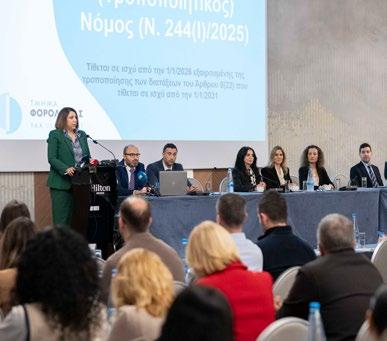
The country’s positive economic outlook has also been recognised internationally. Cyprus was recently upgraded to an “A” credit rating by Scope Ratings, in what Ms. Piki described as a particularly significant development.
“This is the first credit rating assessment that incorporates our tax reform, recognising the progress achieved in reducing public debt, maintaining a stable banking system and ensuring fiscal consistency,” she noted.
Concluding her remarks, Deputy Minister Irene Piki encouraged businesses, professionals, and advisers to actively engage with the opportunities created by the new tax framework.
“We remain committed to maintaining stable rules, responding quickly to developments and sustaining meaningful dialogue with our institutional partners,” she emphasised.
For the Government, the reform represents not only a fiscal policy initiative, but a key pillar of a broader strategy aimed at strengthening Cyprus’s competitiveness, supporting sustainable growth, and improving the economic well-being of its citizens.
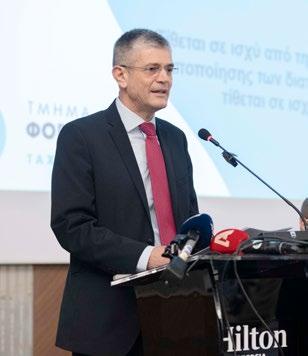
Tax Commissioner Sotiris Markides outlines the impact of Cyprus’s new tax framework and the modernisation of the Tax Department
At the fifth and final seminar dedicated to the recently adopted tax reform, organised in cooperation with the Institute of Certified Public Accountants of Cyprus (ICPAC), Tax Commissioner Sotiris Markides presented the key developments shaping Cyprus’s tax landscape and the ongoing transformation of the Tax Department.
Addressing government officials, professionals, and stakeholders, Markides highlighted the importance of collaboration between the Tax Department and the accounting profession in supporting the implementation of the reform.
“It is with great pleasure that we are here today in cooperation with ICPAC and with the contribution of officers from the Tax Department assisting in the organisation of this seminar,” he noted, expressing
ADDRESSING GOVERNMENT OFFICIALS, PROFESSIONALS, AND STAKEHOLDERS, MARKIDES HIGHLIGHTED THE IMPORTANCE OF COLLABORATION BETWEEN THE TAX DEPARTMENT AND THE ACCOUNTING PROFESSION IN SUPPORTING THE IMPLEMENTATION OF THE REFORM.
his appreciation for the Institute’s long-standing cooperation and the role of its tax committees.
The Tax Commissioner pointed to the strong performance of tax revenues in recent years as a clear indication of the effectiveness of both economic policy and the Department’s compliance strategy.
According to Markides, tax revenues in 2025 exceeded €8 billion, representing an increase of more than 60% compared to 2021.
“This upward trend is not only the result of the government’s economic policy, but also of the targeted actions we have taken to strengthen tax compliance,” he explained.

One of the most significant initiatives has been the clearing of a long-standing backlog of income tax returns. Since the launch of the project, approximately 3.3 million individual and corporate tax returns have been assessed.
“This effort resulted in tax assessments of approximately €600 million, while €400 million were returned to taxpayers in refunds,” he said.
A cornerstone of the Tax Department’s strategy is the digitalisation of its operations, primarily through the Tax for All (TFA) system.
The project, valued at around €30 million, is already delivering tangible results. Through TFA, around 250,000 VAT refund cases have been processed, with €1.6 billion returned to taxpayers.
Markides also highlighted the increasing role of artificial intelligence in the Department’s operations.
“We have recently implemented an autonomous AI tool for taxpayer registration,” he said. “The system verifies information from the Population Registry, the
taxpayer’s application, and the documents uploaded, such as identity cards, and proceeds with the issuance of a tax identification number without any intervention by a Tax Department officer.”
He noted that such initiatives place the Tax Department among the few public sector bodies capable of implementing technological projects of this scale.
Alongside digital transformation, the Department is also moving forward with a redesign of its organisational structure, introducing nationwide units based on operational functions rather than individual taxes.
The aim is to enhance transparency, ensure greater consistency in decision-making, and improve the quality of services provided to taxpayers.
Markides also emphasised the importance of tax fairness, announcing the creation of an independent internal unit responsible for reviewing taxpayer objections.
“This unit has no involvement in the initial decisionmaking process, strengthening objectivity and impartiality,” he explained.

The tax reform introduces several measures aimed at strengthening Cyprus’s competitiveness and investment environment.
Among the most notable changes is the increase of the corporate income tax rate from 12.5% to 15%, combined with the abolition of the deemed dividend distribution and the reduction of the Special Defence Contribution on dividend distributions from 17% to 5%.
“These changes significantly enhance the competitiveness of Cypriot entrepreneurs,” Markides said, estimating that more than 30,000 small family businesses will benefit.
Additional measures include extending the loss carry-forward period from five to seven years, abolishing stamp duty, and raising the thresholds for maintaining the Cyprus Local File for transfer pricing documentation.
The reform also introduces provisions covering share option schemes and the taxation of income from crypto-assets, while allowing taxpayers to voluntarily extend the non-domicile regime.
For individuals, the reform introduces changes aimed at creating a more balanced distribution of the tax burden.
The tax-free threshold has increased from €19,500 to €22,000, reflecting current economic conditions and easing the burden on lower and middle-income earners.
New deductions linked to family income criteria have also been introduced.
Markides estimated that around 200,000 taxpayers have already benefited, with approximately 30,000 individuals expected to have zero income tax liability for 2026.
“With the salaries paid in January, taxpayers have already seen an increase in their net income,” he said.
The reform also introduces new tools designed to enhance tax compliance.
These include the temporary sealing of business premises in cases of persistent non-compliance and the

ability to freeze shares of taxpayers whose tax liabilities exceed €100,000.
In addition, the Tax Department will gain access to domestic bank account data, aligning Cyprus with practices already implemented across the European Union.
“We fully recognise the responsibility that comes with these tools, and we are committed to using them with prudence,” Markides stressed.
Following the adoption of the reform, the Tax Department launched an extensive information campaign.
Since January 2026, guidance materials have been published on the Department’s website, while seminars are being organised almost daily both in person and online, in cooperation with professional organisations, companies, and associations.
It is estimated that more than 12,000 participants will attend these seminars by the end of March, including over 3,000 ICPAC members.

Concluding his remarks, the Tax Commissioner underlined the importance of collective support for the successful implementation of the reform.
“We must all support the implementation of the tax reform, even if there may be individual points of disagreement, for the benefit of the country’s economy, the prosperity of its citizens, and a stronger international image for Cyprus,” he said.
He also expressed his gratitude to the President of the Republic, the Ministry of Finance, the Parliamentary Committee on Finance and Budget, as well as the officials of the Tax Department, who contributed to the reform process.
“The recognition of the work carried out by the Tax Department gives us the strength to continue striving for the best possible results for the benefit of the citizens of Cyprus,” he concluded.

Efthymios Kanaris DIRECTOR AT KANARIS DEMETRIADES & ASSOCIATES HEAD OF COMPLIANCE & TAX
In recent years, intra-group financing transactions have become one of the most scrutinized areas of transfer pricing by tax authorities worldwide. Multinational groups frequently rely on intercompany loans to fund acquisitions, investments, and operational activities, and the arm’slength interest rate is a critical issue. Following the publication of the OECD Transfer Pricing Guidance on Financial Transactions (2020), tax administrations have increasingly challenged the pricing and structure of intra-group loans, particularly where the borrower’s creditworthiness, loan terms, or economic substance are insufficiently documented.
Against this backdrop, the Court of First Instance of Leuven in Belgium issued an important decision on 6 June 2025 concerning the arm’s-length nature of interest charged on a large intra-group loan. The case addressed several key transfer pricing questions, including the determination of the borrower’s credit rating and the use of the Comparable Uncontrolled Price (CUP) method to establish an arm’s-length interest rate, amongst others. As such, the ruling provides valuable guidance on the application of transfer pricing principles to intra-group financing transactions.
The case brought before the Court of First Instance of Leuven concerned the transfer pricing treatment of interest paid on a large intra group loan following a tax audit by the Belgian Tax Administration (BTA). The Belgian company had obtained a €800 million long term loan from a Luxembourg group financing entity,
THE CASE ADDRESSED SEVERAL KEY TRANSFER PRICING QUESTIONS, INCLUDING THE DETERMINATION OF THE BORROWER’S CREDIT RATING AND THE USE OF THE COMPARABLE UNCONTROLLED PRICE (CUP) METHOD TO ESTABLISH AN ARM’S-LENGTH INTEREST RATE, AMONGST OTHERS.
which was used to finance investments within the multinational group. The loan had a 10 year maturity, a fixed interest rate of 7.22%, and was structured as subordinated debt, reflecting a higher risk profile.
The taxpayer supported the pricing of the loan through a transfer pricing analysis using the Comparable Uncontrolled Price (CUP) method, which determined the interest rate based on a risk free base rate, a credit spread derived from the borrower’s stand alone credit rating, and an additional premium for subordination.
The BTA challenged the arm’s-length nature of the 7.22% interest rate applied to the intra-group loan granted by the Luxembourg group financing entity to the Belgian borrower. Following a tax audit, the authorities argued that the interest rate determined by the taxpayer’s transfer pricing analysis was excessive and did not reflect market conditions.
The Belgian authorities disputed the methodology used by the taxpayer, particularly the determination of the borrower’s stand-alone credit rating and the additional premium applied for the subordinated nature of the loan. According to the tax administration, the pricing of the loan should have instead been assessed by reference to financing conditions available to the parent company, which had a stronger credit profile and could have obtained financing at a significantly lower cost. Based on this reasoning, the authorities used the parent company’s borrowing conditions as a comparable benchmark, adjusting them to reflect the currency and other characteristics of the loan.
On the basis of this approach, the Belgian tax authorities calculated a lower arm’s-length interest rate, significantly below the rate applied in the intragroup loan agreement. Consequently, they proposed to disallow a portion of the interest expense claimed by the Belgian borrower for tax purposes, arguing that the excess interest represented a non-arm’s-length payment within the group. The case was therefore brought before the Court of First Instance of Leuven to determine whether the methodology adopted by the tax authorities and the proposed adjustment were justified under the arm’s-length principle and Belgian transfer pricing rules.
In its judgment of 6 June 2025, the Court of First Instance of Leuven considered whether the 7.22% interest rate applied to the intra-group loan complied with the arm’s-length principle. The court found that the Belgian tax authorities had not sufficiently demonstrated that the taxpayer’s pricing was inconsistent with market conditions.
The court accepted that the taxpayer’s use of the Comparable Uncontrolled Price (CUP) method, based on the borrower’s stand-alone credit rating and market credit spreads, represented a reasonable approach to determining the arm’s-length interest rate. It also emphasized that the borrower’s creditworthiness should be assessed independently rather than relying solely on the parent company’s credit rating.
Although the court questioned the evidence supporting the additional premium for subordination, it ultimately concluded that the tax authorities had failed to justify their proposed alternative interest rate. As a result, the court rejected the tax adjustment and reaffirmed the importance of robust economic analysis in transfer pricing for intra-group financing transactions.
The Leuven case highlights the increasing scrutiny by tax authorities on intra-group financing transactions and emphasizes the importance of robust transfer pricing documentation. A key lesson from the decision is that the borrower’s stand-alone credit rating plays a crucial role in determining an arm’s-length interest rate. Companies must therefore conduct proper creditworthiness and financial analysis when pricing intercompany loans.
The case also demonstrates that transfer pricing methodologies, such as the Comparable Uncontrolled Price (CUP) method, can be accepted if they are supported by reliable market data and clear economic reasoning. However, any adjustments—such as premiums for subordination or other loan features— must be properly substantiated.
For companies in Cyprus, the decision reinforces the need for comprehensive TP documentation for intra-group financing, particularly under the Local File requirements. Cypriot entities involved in group financing should ensure that their documentation includes credit rating analysis, benchmarking of interest rates, and a clear description of the loan terms and associated risks, consistent with the OECD Transfer Pricing Guidelines and financial transactions guidance. Case (2025)
In recent years, intra-group financing transactions have become one of the most scrutinized areas of transfer pricing by tax authorities worldwide. Multinational groups frequently rely on intercompany loans to fund acquisitions, investments, and operational activities, and an arm’s-length interest rate is a critical issue. Following the publication of the OECD Transfer Pricing Guidance on Financial Transactions (2020), tax administrations have increasingly challenged the pricing and structure of intra-group loans, particularly where the borrower’s creditworthiness, loan terms, or economic substance are insufficiently documented.
Against this backdrop, the Court of First Instance of Leuven in Belgium issued an important decision on 6 June 2025 concerning the arm’s-length nature of interest charged on a large intra-group loan. The case addressed several key transfer pricing questions, including the determination of the borrower’s credit rating and the use of the Comparable Uncontrolled Price (CUP) method to establish an arm’s-length interest rate, amongst others. As such, the ruling provides valuable guidance on the application of transfer pricing principles to intra-group financing transactions.
The case brought before the Court of First Instance of Leuven concerned the transfer pricing treatment of interest paid on a large intra group loan following a tax audit by the Belgian Tax Administration (BTA). The Belgian company had obtained an €800 million long term loan from a Luxembourg group financing entity, which was used to finance investments within the multinational group. The loan had a 10 year maturity, a fixed interest rate of 7.22%, and was structured as subordinated debt, reflecting a higher risk profile.
The taxpayer supported the pricing of the loan through a transfer pricing analysis using the Comparable Uncontrolled Price (CUP) method, which determined the interest rate based on a risk free base rate, a credit spread derived from the borrower’s stand alone credit rating, and an additional premium for subordination.
The BTA challenged the arm’s-length nature of the 7.22% interest rate applied to the intra-group loan granted by the Luxembourg group financing entity to the Belgian borrower. Following a tax audit, the authorities argued that the interest rate determined by the taxpayer’s transfer pricing analysis was excessive and did not reflect market conditions.
The Belgian authorities disputed the methodology used by the taxpayer, particularly the determination of the borrower’s stand-alone credit rating and the additional premium applied for the subordinated nature of the loan. According to the tax administration, the pricing of the loan should have instead been assessed by reference to financing conditions available to the parent company, which had a stronger credit profile and could
have obtained financing at a significantly lower cost. Based on this reasoning, the authorities used the parent company’s borrowing conditions as a comparable benchmark, adjusting them to reflect the currency and other characteristics of the loan.
On the basis of this approach, the Belgian tax authorities calculated a lower arm’s-length interest rate, significantly below the rate applied in the intragroup loan agreement. Consequently, they proposed to disallow a portion of the interest expense claimed by the Belgian borrower for tax purposes, arguing that the excess interest represented a non-arm’s-length payment within the group. The case was therefore brought before the Court of First Instance of Leuven to determine whether the methodology adopted by the tax authorities and the proposed adjustment were justified under the arm’s-length principle and Belgian transfer pricing rules.
In its judgment of 6 June 2025, the Court of First Instance of Leuven considered whether the 7.22% interest rate applied to the intra-group loan complied with the arm’s-length principle. The court found that the Belgian tax authorities had not sufficiently demonstrated that the taxpayer’s pricing was inconsistent with market conditions.
The court accepted that the taxpayer’s use of the Comparable Uncontrolled Price (CUP) method, based on the borrower’s stand-alone credit rating and market credit spreads, represented a reasonable approach to determining the arm’s-length interest rate. It also emphasized that the borrower’s creditworthiness should be assessed independently rather than relying solely on the parent company’s credit rating.
Although the court questioned the evidence supporting the additional premium for subordination, it ultimately concluded that the tax authorities had failed to justify their proposed alternative interest rate. As a result, the court rejected the tax adjustment and reaffirmed the importance of robust economic analysis in transfer pricing for intra-group financing transactions.
The Leuven case highlights the increasing scrutiny by tax authorities on intra-group financing transactions

and emphasizes the importance of robust transfer pricing documentation. A key lesson from the decision is that the borrower’s stand-alone credit rating plays a crucial role in determining an arm’s-length interest rate. Companies must therefore conduct proper creditworthiness and financial analysis when pricing intercompany loans.
The case also demonstrates that transfer pricing methodologies, such as the Comparable Uncontrolled Price (CUP) method, can be accepted if they are supported by reliable market data and clear economic reasoning. However, any adjustments, such as premiums for subordination or other loan features, must be properly substantiated.
For companies in Cyprus, the decision reinforces the need for comprehensive TP documentation for intra-group financing, particularly under the Local File requirements. Cypriot entities involved in group financing should ensure that their documentation includes credit rating analysis, benchmarking of interest rates, and a clear description of the loan terms and associated risks, consistent with the OECD Transfer Pricing Guidelines and financial transactions guidance.
Insights from Odysseas Christodoulou, President of ICPAC, at the “AI Strategies for a Competitive Europe” Conference
Artificial intelligence is no longer a concept confined to innovation labs or future projections. It is actively reshaping economies, redefining industries, and transforming the way institutions operate. This was the central message delivered by Odysseas Christodoulou, President of the Institute of Certified Public Accountants of Cyprus (ICPAC), during his address at the “AI Strategies for a Competitive Europe” conference, organised by ICPAC in collaboration with ACCA and the University of Cyprus.
Set against the broader context of Europe’s ambition to strengthen its global competitiveness, the conference brought together key stakeholders to explore how artificial intelligence can catalyse economic growth, productivity, and institutional trust. In his speech, Mr. Christodoulou offered a compelling perspective on the evolving role of the finance and accounting profession in this rapidly changing landscape.

Artificial intelligence is already influencing how businesses compete and how economies expand. According to Mr. Christodoulou, AI could contribute up to €2.7 trillion to Europe’s economy by 2030, highlighting its transformative potential. At a time when productivity growth across the continent has slowed, this represents a significant opportunity.
ARTIFICIAL INTELLIGENCE IS ALREADY INFLUENCING HOW BUSINESSES COMPETE AND HOW ECONOMIES EXPAND. ACCORDING TO MR. CHRISTODOULOU, AI COULD CONTRIBUTE UP TO €2.7 TRILLION TO EUROPE’S ECONOMY BY 2030, HIGHLIGHTING ITS TRANSFORMATIVE POTENTIAL.

However, as the President of ICPAC emphasized, AI should not be viewed merely as a technological upgrade. It is a strategic enabler capable of reigniting productivity and modernising economic systems. For Europe, this transformation is not optional but essential in maintaining competitiveness on the global stage. Yet, the success of this transformation depends on one critical factor: trust.
In the digital era, trust is no longer a secondary outcome of innovation. It is a prerequisite. As artificial intelligence systems increasingly influence financial decisions, operational processes, and regulatory frameworks, ensuring their reliability and transparency becomes paramount.
This is where the finance and accounting profession assumes a pivotal role. Traditionally, accountants and auditors have acted as custodians of financial integrity, ensuring transparency, accountability, and confidence in markets. According to the President of ICPAC, this foundational role is now expanding.
Artificial intelligence enhances the profession’s ability to deliver on its core mission. From automating routine processes to analysing vast datasets and identifying anomalies, AI enables professionals to operate with greater accuracy and efficiency. In auditing, for example, algorithms can now assess entire datasets rather than relying on limited samples, significantly improving risk detection and oversight.

One of the most significant shifts highlighted in the speech is the transformation of the accountant’s role. The profession is moving beyond traditional bookkeeping and compliance functions toward a more strategic and analytical position.
Mr. Christodoulou illustrated this transition through a practical example. A mid-sized European manufacturing company implemented an AI-driven financial analytics platform that continuously monitored purchasing data, supplier contracts, and production costs. Within a short period, the system identified a gradual increase in raw material prices from specific suppliers. This early insight enabled the finance team to renegotiate contracts and adjust pricing strategies before profitability was impacted.
The true value of AI in this case was not speed alone, but the ability to free up time for higher-value activities. Finance professionals were able to focus on strategy rather than manual data processing. This example underscores a broader reality: artificial intelligence does not replace professional expertise; it amplifies it.
As AI systems become more deeply embedded in business and financial decision-making, a new dimension of the profession is emerging digital assurance.
According to the President of ICPAC, just as accountants currently verify financial statements, they may soon be called upon to assess the integrity of algorithms, the governance of data, and the reliability
of AI systems. This represents a natural evolution of the profession’s role in safeguarding trust.
The introduction of the European Union’s Artificial Intelligence Act marks an important step toward responsible AI development. However, as Mr. Christodoulou noted, regulation alone cannot fully address the complexities of AI adoption. Markets and stakeholders will increasingly demand independent assurance that these systems operate ethically, transparently, and effectively.
This creates a significant opportunity for the accounting profession to expand its scope and reinforce its relevance in the digital age.
The transformation of the profession also brings new demands in terms of skills and capabilities. The finance professionals of tomorrow will require a hybrid skillset that combines traditional financial expertise with competencies in data analytics, digital governance, and ethical oversight.
The President of ICPAC stressed that professional bodies must play a central role in preparing their members for this transition. ICPAC is actively supporting this effort by strengthening training in data analytics, AI governance, and digital assurance.
This commitment reflects a broader understanding that technological progress must be accompanied by human capital development. Without the right skills, the full potential of AI cannot be realised.
Within the European landscape, Cyprus is uniquely positioned to benefit from this transformation. The country has established itself as a trusted centre for professional services and international business.
According to Mr. Christodoulou, by embracing artificial intelligence in a responsible and structured manner, Cyprus can further enhance this position. AI can support improved compliance monitoring, more effective risk management, and deeper financial insight for international businesses operating in the jurisdiction.
In this context, technological innovation reinforces the core values that define the profession: transparency, accountability, and trust.
The adoption of artificial intelligence presents Europe with a defining opportunity. By combining innovation with strong governance and trusted institutions, the region can develop a distinctive model of AI that prioritises both technological advancement and ethical responsibility.
Europe’s strengths, including its world-class academic institutions, robust regulatory frameworks, and highly respected professional services sector, provide a solid foundation for this approach.
As the President of ICPAC highlighted, the future will not be determined by technology alone. It will be shaped by the choices made today. By aligning innovation with integrity and ensuring that trust remains at the core of digital transformation, Europe can strengthen its economic foundations and enhance its global competitiveness.
Artificial intelligence is set to redefine the economic and professional landscape across Europe. For the finance and accounting profession, this transformation represents both a challenge and an opportunity.
As emphasized by Mr. Christodoulou, the profession is uniquely positioned to lead this transition. By embracing new technologies, expanding into areas such as digital assurance, and investing in skills development, finance professionals can play a critical role in shaping a future defined by transparency, resilience, and sustainable growth.
In this evolving environment, one principle remains constant. Trust will continue to be the cornerstone of progress. And it is through this lens that artificial intelligence must be understood, developed, and applied.

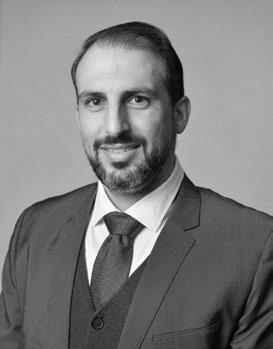
The rapid spread of cross-border telework has left multinational enterprises grappling with uncertainty regarding their exposure to permanent establishment risk. This risk involves tax authorities in source states increasingly challenging whether an employee’s remote home office constitutes a fixed place of business for a foreign employer, potentially triggering corporate tax liability and complex administrative burdens— the so-called micro PE risk. In response to this ongoing uncertainty, on Nov. 19, the OECD issued crucial revisions to the Commentary on Article 5 of the Organization for Economic Cooperation and Development Model Tax Convention. These revisions clarify when an individual’s home, or another non-employer-owned location, constitutes an enterprise’s “place of business.” For multinational enterprises and tax practitioners, the 2025 OECD Commentary update represents a significant, though partial, move toward greater predictability in an area previously dominated by abstract principles of control and disposal.
The OECD’s update fundamentally shifts the framework for assessing PE risk associated with cross-border working, replacing a highly subjective criterion with objective, quantitative, and operational metrics.
The determination of a PE for a home office traditionally revolved around three conditions under Article 5(1): (1) the existence of a “place of
THE 2025 OECD COMMENTARY OF ARTICLE 5 PROVIDES THAT A HOME OR OTHER RELEVANT PLACE WOULD GENERALLY NOT BE CONSIDERED A PLACE OF BUSINESS OF THE ENTERPRISE IF THE INDIVIDUAL WORKED FROM THAT LOCATION FOR LESS THAN 50% OF THEIR TOTAL WORKING TIME FOR THAT ENTERPRISE OVER THE COURSE OF ANY 12 MONTHS.
business,” (2) that is “fixed,” and (3) the business of the enterprise is carried on “through” it. The most complex aspect of the third factor has historically been the critical “at the Disposal Test”—whether the enterprise had the effective power to use the employee’s private residence.
The update replaces paragraphs 18 and 19, adding new detailed guidance (paragraphs 44.1 to 44.21) addressing “Cross-border working from a home or other relevant place.” The guidance explicitly recognizes that arrangements involving an individual’s home or another relevant place, for example, a holiday rental or a friend’s home, have unique features, such as limited accessibility by other enterprise personnel and greater control by the individual. The revised framework establishes a quantitative safe harbor—the 50% threshold test—based on working time and prioritizes the assessment of commercial reason over formal legal rights, offering multinationals a clearer, though still fact-intensive, roadmap for risk management. Finally, the update clarifies the example of a selfemployed consultant (“digital nomad”) working from home.
The updated OECD Commentary integrates permanence, continuity, working time, and commercial necessity into the PE determination for cross-border working from a home or “other relevant place.”
Fixed Place and Continuity Requirements. First, the location must meet the “fixed” criterion, meaning it must have a sufficient degree of permanence. The use of a home or relevant place must be continuous during an extended period, rather than intermittent or incidental.
However, even if the individual’s working pattern is set to be recurring, if the business activity is carried on for only very short periods, such a place may lack permanence. For example, working from a place in a foreign state for a period of only three consecutive months lacks permanence (see Ex. A in the OECD update).
50% Quantitative Threshold Test. The most significant revision is the introduction of a quantitative test for the allocation of working time. The 2025 OECD Commentary of Article 5 provides that a home or other relevant place would generally not be considered a place of business of the enterprise if the individual worked from that location for less than 50% of their total working time for that enterprise over the course of any 12 months.
This 50% threshold provides a critical objective metric, although the calculation of working time is determined by the actual conduct of the individual, not just formal contractual arrangements.
Commercial Reason Test. If an individual works from a home or other relevant place for at least 50% of their total working time, the determination depends on whether the enterprise has a place of business at that location, which is determined by the facts and

circumstances. A prominent consideration in this analysis is whether there is a commercial reason for the activities to be undertaken by the individual in the contracting state where the home or place is located.
Under the 2025 OECD revision, “a commercial reason for the performance of the individual’s activities related to the business of the enterprise in a Contracting State will be considered to exist where the physical presence of the individual in that State [the Source State] will itself facilitate the carrying on of the business of the enterprise, such as where there are people or resources in that State to which the enterprise needs access for the performance of its business activities” [emphasis added]. This standard implies that if the home or relevant place were not available, the enterprise would likely use other premises in that state. This will be the case, for example, when an individual directly engages with customers, suppliers, associated enterprises, or other persons on behalf of the enterprise, and this engagement is facilitated by the individual’s presence in that state (the source state).
Key indicators of commercial reason (PE likely):
• Meetings between the individual and customers of the enterprise.
• Cultivation of a new customer base, or identification of business opportunities.
• Identification of new suppliers, managing relationships with suppliers, or undertaking, monitoring or managing contractual arrangements with suppliers.
• Real-time, or near real-time, interaction with customers or suppliers in different time zone(s), such as providing call center services, or virtual IT support or medical services—Ex. E in the OECD update illustrates a PE arising from time-zone advantages.
• Access to business-relevant expertise that is used in the conduct of the activities of the enterprise, such as regular meetings with personnel of a university carrying out research relevant to the business of the enterprise.
• Collaboration with other businesses.
• Performance of services for customers or clients located in that other state where such services require the physical presence of employees or other personnel of the enterprise in that other state, for example, training or repair services performed on the customer’s premises.
• Interaction with employees and other personnel of the enterprise, or of associated enterprises.
A clear example of a PE is provided by Ex. C in the OECD update: If an employee works 80% of their time from home in State S and regularly visits clients in State S to provide services, the 50% threshold is met, and the need to facilitate local client service constitutes a commercial reason, resulting in a PE.
Self-Employed Consultant Rule. Where an individual is the only or primary person conducting the business of an enterprise (for example, a non-resident consultant) and carries on most of those business activities from a home office for an extended period, that home office constitutes a place of business of the enterprise.
The updated Commentary provides several clear exclusions and limitations that mitigate the risk of creating a fixed place PE through cross-border home working.
Failure to Meet 50% Threshold. The primary safe harbor established by the new guidance is the 50% threshold. If an individual works from home or other relevant place for less than half their total working time for the enterprise over any 12 months, the home generally avoids being classified as a place of business.
Ex. B in the OECD update illustrates this: an employee working from home in State S (the source state) for one or two days per week, totalling 30% of their working time, would be considered fixed. But because the 50% threshold is not met, the home would not be a place of business, absent facts showing otherwise. This aligns with interpretative agreements seen in practice, such as the Belgium/ Netherlands agreement, which assumes no PE for 50% or less of working time. On 23 November
2023, Belgium and the Netherlands signed a Competent Authority Agreement concerning the interpretation of Article 5 of the BelgiumNetherlands Income Tax Treaty.
Absence of Commercial Reason. Even if an individual exceeds the 50% working time threshold, a PE will generally not be created if there is no commercial reason linking the individual’s physical presence in that state to the carrying on of the enterprise’s business. The connection must be sufficient and not intermittent or incidental.
Factors that preclude a commercial reason (PE unlikely):
• Personal choice/retention: The enterprise permits work from home solely to obtain or retain the services of that individual.
• Cost reduction: The enterprise permits work from home solely to reduce costs, such as reduced expenditure on office space.
• Incidental presence: The mere presence of customers or suppliers in the state, or the fact that the location is in a different time zone, does not automatically create a commercial reason.
• Remote-only roles with minimal contact: If the individual’s role is exclusively remote or clientfacing but services are provided virtually, and any physical engagement is intermittent or incidental, a commercial reason is absent.
Ex. D in the OECD update highlights this: an employee works 60% from home (exceeds 50%) but provides services remotely, with only one-day visits each quarter to a local client. Because the visits are intermittent and incidental, no commercial reason exists for the required presence in State S, meaning no PE is established.
Preparatory or Auxiliary Activities. Consistent with existing rules, a PE will not arise if the activities carried on at the home office are merely of a preparatory or auxiliary character (Article 5(4)). The 2025 OECD Article 5 Commentary notes that home office activities will often fall into this exception. Activities such as internal accounting, human resources, or secretarial duties are common

examples of preparatory or auxiliary functions that do not trigger PE creation, regardless of working time or disposition. This exception applies even if the location meets the definition of a fixed place of business under paragraph 1.
• Shift from “disposal” to “operational necessity”: Enterprises must understand that the key factor is no longer primarily who pays for the office or the strict legal right of access (which was the focus of older, stricter interpretations like those in Germany). Instead, the focus is on quantifying the individual’s work time and assessing the operational necessity for that individual to be physically present in the host state to facilitate the enterprise’s business activities (the commercial reason test).
• Importance of quantitative monitoring: Companies should proactively monitor and document cross-border working arrangements, paying particular attention to the 50% working time threshold over 12 months. Policies must be consistent with the actual conduct of the employee, not merely the formal contractual agreement.
• Review of contractual obligations: While the OECD has moved past the strict “required by employer” test, it remains critical to document who required the home office and the rationale. If the employee works from home purely from personal preference, even exceeding 50% of their time, a PE is generally not triggered unless a commercial reason exists for that presence.
• Activity analysis: Enterprises must assess whether the work performed remotely is core to the business or merely preparatory or auxiliary. If the activities fall under Article 5(4) (auxiliary activities), the PE risk is minimized, regardless of working time.

In an interview with GOLD magazine, republished by Accountancy Cyprus, Odysseas Christodoulou, President of ICPAC, outlines his vision for the profession at a time of significant transformation. Drawing on 30 years of experience, he emphasises the importance of strengthening trust, maintaining high-quality professional standards, and ensuring alignment with international developments. He discusses the pivotal role of the accounting profession in supporting Cyprus as an international business centre, highlighting the value of transparency, governance, and expertise. Christodoulou also shares his assessment of the recent tax reform, noting its importance in balancing competitiveness with global compliance, while stressing the need for ongoing evaluation. In addition, he underlines the growing impact of artificial intelligence and the importance of continuous education and adaptability. Finally, he addresses the evolving expectations of younger professionals and the need for firms to foster inclusive, flexible, and forward-looking working environments.
As the newly elected President of ICPAC, you bring 30 years of experience in accounting, finance, and professional education. In your new role, what are your main objectives for the Institute?
It is both an honour and a responsibility to serve as President of ICPAC at a time when the profession is evolving rapidly. My primary objective is to strengthen ICPAC’s role as a pillar of trust, quality, and professional excellence in Cyprus. We will focus on safeguarding
the profession's reputation, enhancing the quality of professional services, and ensuring that our members remain aligned with international developments.
A key priority is investing in professional education and lifelong learning, as digitalisation, regulatory changes, and the increasing complexity of global business reshape the profession. At the same time, ICPAC will continue to support Cyprus’s economic development through constructive dialogue with the government, regulators, and international stakeholders.
As Cyprus continues to grow as an international business and services centre, how important is the accounting profession in maintaining the country’s competitiveness in this area?
The accounting profession plays a pivotal role in supporting Cyprus’ position as an international business and services centre. Investors and multinational organisations rely on high-quality financial reporting, transparency, and strong governance frameworks. Accountants and auditors are therefore essential in ensuring that these standards are consistently maintained.
Beyond regulatory compliance, the profession provides valuable expertise in areas such as tax structuring, risk management, corporate governance, and business advisory, contributing to a credible and efficient business environment.
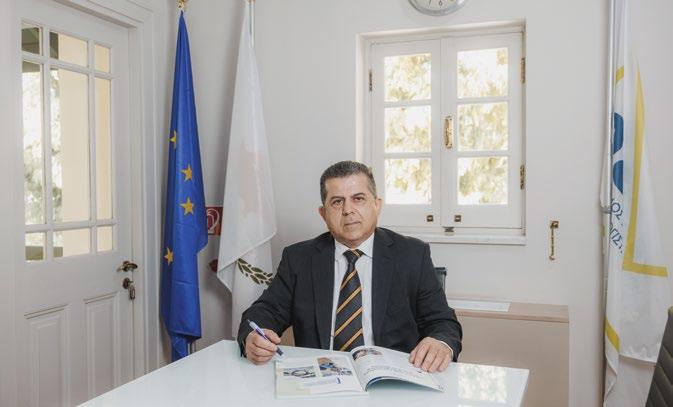
HE DISCUSSES THE PIVOTAL ROLE OF THE ACCOUNTING PROFESSION IN SUPPORTING CYPRUS AS AN INTERNATIONAL BUSINESS CENTRE, HIGHLIGHTING THE VALUE OF TRANSPARENCY, GOVERNANCE, AND EXPERTISE. CHRISTODOULOU ALSO SHARES HIS ASSESSMENT OF THE RECENT TAX REFORM, NOTING ITS IMPORTANCE IN BALANCING COMPETITIVENESS WITH GLOBAL COMPLIANCE, WHILE STRESSING THE NEED FOR ONGOING EVALUATION.
Equally important is the profession’s commitment to international standards and ethical conduct, reinforcing the confidence and trust that international investors place in Cyprus.
As of January 1, 2026, Cyprus has undergone the most extensive tax reform in over two decades. What is your overall assessment of the main elements of the new tax regime? Are there any areas that, in your view, have been wrongly overlooked?
The recent tax reform represents a significant milestone for the Cypriot economy. It reflects the need to modernise the tax system in line with global developments, particularly the OECD’s initiatives on tax transparency and fairness. Overall, the reform strikes a careful balance between maintaining Cyprus’s attractiveness as an investment destination and aligning the country with international tax standards. It introduces important changes that strengthen the credibility and sustainability of the tax framework while preserving key competitive advantages.
That said, tax systems must always evolve alongside economic developments. It will be important to closely monitor the practical implementation of the reform and ensure that administrative procedures remain efficient. Ongoing dialogue among the government, the professional community, and the business sector will be essential to address areas that may require refinement over time.
A key feature of the reform package is the increase in corporate tax from 12.5% to 15%, aligning Cyprus with the OECD’s global minimum tax framework. How do you expect this to affect Cyprus’ competitiveness?
While the increase in corporate tax to 15% represents a notable change, it must be viewed within the broader global context. Many jurisdictions are now moving toward similar levels of taxation as part of the OECD’s global minimum tax framework.
Cyprus’ competitiveness has never been based solely on tax rates. It is supported by a combination of factors, including a highly skilled professional services sector, a strong legal framework, access to European markets,

a reliable regulatory environment, and an attractive business infrastructure.
If these strengths continue to be maintained and enhanced, Cyprus will remain a competitive and appealing jurisdiction for international businesses despite the adjustment in the corporate tax rate.
The reform also introduces tax incentives aimed at innovation, green investment, and new forms of business activity. How do you expect these measures to affect your clients?
The introduction of targeted incentives for innovation, technology development, and green investment is a very positive development. These measures reflect the need for Cyprus to move towards a more knowledgebased and sustainable economic model. For businesses, such incentives can significantly encourage investment in research and development, digital transformation, and environmentally responsible initiatives. They also create opportunities for companies to diversify their operations and pursue new areas of growth.
From the perspective of professional advisers, these developments will allow us to support clients in identifying opportunities that align both with their strategic objectives and with broader economic and environmental priorities.
Artificial intelligence is rapidly changing the broader professional services sector. Which areas of the accounting profession do you believe will be most transformed by AI, and what are the skills that will define the accountants of the future?
Artificial intelligence is already reshaping several aspects of the accounting profession, particularly in areas involving large volumes of data and routine processes. Tasks such as data processing, transaction categorisation, audit sampling, and certain compliance functions are increasingly being automated.
However, rather than replacing professionals, AI will enable accountants to focus more on higher-value activities such as strategic advisory, financial analysis, and business decision support.
The accountants of the future will therefore need a broader skill set. In addition to strong technical expertise, they will need digital literacy, analytical thinking, adaptability, and strong communication skills. Equally important will be professional judgement and ethical awareness, as these are areas where human expertise remains indispensable.
Younger professionals and their work expectations are changing the culture of accounting firms. What can these firms do to ensure that young talent is recruited, retained, and nurtured?
The expectations of younger professionals are indeed evolving, and firms must adapt accordingly. Today’s talent is looking not only for professional advancement but also for meaningful work, continuous development, and a healthy work-life balance.
Firms should therefore invest in modern and flexible working environments, offer structured mentoring programmes, and provide clear career development pathways. Continuous training, exposure to new technologies, and opportunities for international experience can also significantly enhance engagement.
Equally important is fostering an inclusive and collaborative workplace culture. Young professionals want to feel that their contributions are valued and that they are part of an organisation with a clear purpose and vision.
By embracing these changes, accounting firms can create an environment where talented professionals are motivated to build long and successful careers within the profession.
Why AI is no longer simply a technological tool, but a strategic infrastructure shaping economies, governance, and the future of work.

Nicoletta Κonstantinou LAWYER
The discussion surrounding Artificial Intelligence (AI) is no longer theoretical. It has moved beyond academic laboratories and entered the everyday reality of work, politics, and value creation. AI is already present in offices, on mobile devices, in the marketplace, and within public administration. The changes are occurring so rapidly and appear so extraordinary to the human mind that we often describe them in subdued terms, because if we were to call them by their real name, they would sound like scenes from a science fiction film.
Yet reality is not concerned with whether it seems excessive to us. It is unfolding now. AI is producing outcomes that in the past required hours or days of human work. Rather than merely complementing human effort, generative AI is replacing processes and structures, accelerating decision-making and creating experiences, texts, analyses, images, and strategies. While we continue to speak about “digital transformation,” work itself is being reshaped into something new, where value is no longer produced in the ways we once understood.
AI IS PRODUCING OUTCOMES THAT IN THE PAST REQUIRED HOURS OR DAYS OF HUMAN WORK. RATHER THAN MERELY COMPLEMENTING HUMAN EFFORT, GENERATIVE AI IS REPLACING PROCESSES AND STRUCTURES, ACCELERATING DECISION-MAKING AND CREATING EXPERIENCES, TEXTS, ANALYSES, IMAGES, AND STRATEGIES.
The question, therefore, is not whether the world will change. It has already changed. The real question is whether we will control this transformation or simply be subjected to it.
AI is increasingly shaping the frameworks within which law, politics, and society must redefine fundamental principles such as the value of labour, productivity, and the very notion of the right to employment. It has moved beyond the idea of a technological tool and is becoming a structural component of the economy and of the rules that govern it.
It is the new infrastructure upon which institutions, public policies, and competitive advantages will be built. AI is no longer relevant only to specialists, but also to businesses, leaders, and employees who, if they fail to understand the scale of the transformation and the way this tool should be approached, risk becoming “illiterate” in the emerging economic reality.
For a small state such as Cyprus, the fundamental question is whether we will choose to remain simple users of technologies designed elsewhere or whether we will become intelligent shapers who influence the terms of the future.
The first major issue concerns infrastructure. Cyprus has servers and reliable providers through
CYTA and the private sector. However, this alone is not sufficient. Without a modern, unified, and institutionally secured Government Cloud, the country cannot securely and consistently manage the demanding data workloads required by AI.
At the same time, technical infrastructure alone is not enough. Without a clear data governance framework defining which datasets are considered strategic, how they are utilised, and who ultimately retains control over them, the objective of AI sovereignty is undermined.
True sovereignty is not simply about hosting data on local servers. Sovereignty also means influencing the models themselves. If the tools remain closed-source and dependent on third parties, the dependency persists, only shifting from infrastructure to knowledge.
Cyprus cannot realistically develop massive AI models from scratch like the world’s technological superpowers. However, it can strategically utilise open-source models and train them on national and public datasets, allowing the country to achieve adaptability, independence, and strategic control.
The second major issue concerns regulation. As a Member State of the European Union, Cyprus must implement the AI Act. However, implementation must be proportional and adapted to the size of the local market.
A productivity tool used by businesses cannot be treated in the same way as a high-risk AI application in the public sector, the justice system, or migration
management. The AI Act distinguishes four categories of risk: unacceptable, high, limited, and minimal.
Particular emphasis must be placed on the prohibition of unacceptable-risk applications, such as social scoring and biometric identification in public spaces, as these practices violate fundamental rights.
Clear red lines must also be established. No decision within a state governed by the rule of law should be delegated entirely to algorithms. Fully automated decisions cannot be accepted when they directly affect rights and freedoms. Human oversight, transparency, and accountability must remain fundamental safeguards for democracy and human dignity.
AI does not function in a vacuum. It is built upon data: industrial datasets, IoT streams, commercial databases, legal information, production systems, and behavioural data.
It would be naïve to consider these merely as technical inputs. Data is also a source of economic power and political influence. If opaque training of AI models on public data occurs without any form of reciprocity towards society, the country risks assuming the role of a digital colony.
If data becomes concentrated in the hands of a small number of providers rather than being fairly accessible, the foundations of competition may also be undermined.
At the same time, the national strategy should incorporate the training of AI models in the Greek language and specifically in the Cypriot dialect, ensuring linguistic and cultural representation in AI systems. International models tend to perform far better in English due to the much larger volume of training data, which often leads to reliability issues and hallucinations in Greek-language outputs.
Public investment choices are equally critical. The state must decide whether it will merely finance access to external AI platforms, thereby creating long-term dependency on international providers, or whether it will invest systematically in domestic capabilities.
Supporting Cypriot companies, research institutions, and innovation ecosystems to develop solutions tailored to the real needs of public administration ensures that expertise remains within the country. In this way, public expenditure becomes a long-term strategic investment rather than a recurring cost.

SUPPORTING CYPRIOT COMPANIES, RESEARCH INSTITUTIONS, AND INNOVATION ECOSYSTEMS TO DEVELOP SOLUTIONS TAILORED TO THE REAL NEEDS OF PUBLIC ADMINISTRATION ENSURES THAT EXPERTISE REMAINS WITHIN THE COUNTRY. IN THIS WAY, PUBLIC EXPENDITURE BECOMES A LONG-TERM STRATEGIC INVESTMENT RATHER
Furthermore, the national strategy should not rely exclusively on public providers such as CYTA, but should encourage multi-centre partnerships involving centres of excellence such as KIOS and CYENS, universities, research institutions, and startups.
Environmental impact and the pace of technological adoption
AI development must also align with environmental considerations. The enormous energy requirements of AI models make the use of renewable energy sources in new infrastructure essential to reduce environmental impact and prevent negative social consequences.
At the same time, the speed of technological change creates new policy challenges. Traditional public procurement procedures may significantly delay the adoption of AI solutions. By the time such systems are implemented, the technology may already be outdated.
Innovative procurement and implementation mechanisms are therefore necessary to ensure that AI technologies can be adopted more rapidly while still maintaining transparency and accountability.
The human factor in the age of AI
Ultimately, the greatest risk is not artificial intelligence itself. The real risk is ignorance and lack of preparation.
AI literacy, reskilling, protection of workers, and the strengthening of social cohesion are essential conditions to ensure that technological progress does not translate into social inequality. People must have the opportunity to experiment with AI in practice, to understand how it works, and to develop the skills required to use it effectively.
Only through practical experience will individuals and organisations learn to shape AI rather than simply adapt to it.
strategic path forward
These are the realistic and strategically intelligent choices facing Cyprus. Neither fear, nor complacency, nor inertia should define our response.
Instead, knowledge, adaptation, and responsibility must guide the development of AI in a way that strengthens economic growth, improves public institutions, and, above all, respects the human being.

Polys Kourousides PRESIDENT OF THE ASSOCIATION OF PROPERTY VALUERS OF CYPRUS
The real estate market in 2026 is not merely an economic indicator. It reflects the political maturity of the country, the ability of the state to make difficult decisions, and our collective willingness to shape a future based on stability, development, and social cohesion.
Recent signs of stabilisation create grounds for cautious optimism. However, stabilisation alone does not provide solutions. The real question is whether we are prepared to move beyond short-term management and proceed with the reforms that are truly required.
Housing affordability remains a pressing challenge
The housing crisis remains an open wound. High costs, the lack of affordable housing, limited land availability, and slow licensing procedures continue to place significant pressure on young people, families, and the middle class.
Citizens are expecting decisions that lead to real solutions rather than further delays. Housing must remain a social right. If this principle is not safeguarded, social cohesion will be undermined in ways that will be difficult to reverse.
Retail and commercial real estate require renewed focus
In the retail sector and commercial property market, the recent stabilisation should not lead to complacency.
Local entrepreneurship needs support, and cities require meaningful urban regeneration.
At the same time, the digital economy is reshaping the landscape and requires adaptation. Development policy must therefore have a clear direction rather than a fragmented approach.
The office market is evolving rapidly. Demand is shifting toward modern, green, and energy-efficient workspaces, while older buildings are gradually losing value.
This is not merely a technical issue. It is a clear signal highlighting the need for a stable framework of incentives, a coherent strategy for the green transition, and policies that strengthen the country’s competitiveness. Without such measures, Cyprus risks falling behind.
The industrial property and logistics sector represents a major strategic opportunity for Cyprus. The country’s geographic position offers significant potential to develop into a regional hub.
The question is whether this opportunity will be fully utilised. Infrastructure, available industrial land, modern spatial planning, and swift decision-making will ultimately determine the outcome. The international market is moving rapidly and will not wait for Cyprus.
The recovery of tourism is creating renewed development momentum for hotel and leisure properties. However, future development must take place under conditions of sustainability and with respect for local communities.
The previous development model, which prioritised quantity over quality, cannot continue. The new era requires strategic thinking, responsibility, and long-term planning.
The year 2026 represents a defining moment for the country. Cyprus must decide whether it will continue operating within an outdated model where the market functions on autopilot, or whether it will establish a new framework based on predictability, transparency, and social fairness.
The real estate sector can become a catalyst for a new development trajectory. Achieving this, however, requires political courage and stability.
CITIZENS ARE EXPECTING DECISIONS THAT LEAD TO REAL SOLUTIONS RATHER THAN FURTHER DELAYS. HOUSING MUST REMAIN A SOCIAL RIGHT. IF THIS PRINCIPLE IS NOT SAFEGUARDED, SOCIAL COHESION WILL BE UNDERMINED IN WAYS THAT WILL BE DIFFICULT TO REVERSE.

At this juncture, cooperation between the public and private sectors becomes essential. The utilisation of dormant state assets, the development of modern affordable housing models, the full digitalisation and acceleration of licensing procedures, investments in infrastructure, urban regeneration projects, business parks, and modern logistics hubs should form the foundation of a new national strategy.
The country can no longer afford further delays.
The year 2026 may become the turning point that defines the country’s trajectory for the next decade. It will determine whether political leadership chooses bold action or remains within the comfort of ambiguity.
The decisions taken today will shape the economy, development, and social cohesion for years to come. The responsibility is significant, and the stakes are clear.
Cyprus cannot afford to miss another historic opportunity.

Eleni Pyrgou HEAD OF LEGAL AFFAIRS SECRETARY OF ICPAC’S BOARD OF DIRECTORS
Diversity is not a novel concept; however, it has increasingly come to the forefront in contemporary workplaces as a fundamental aspect of corporate governance that warrants continued development and enhancement. Diversity encompasses, inter alia, cultural, gender, physical, and ethnic dimensions. Establishing and maintaining a workplace that is diverse, inclusive, and equitable is essential for sound governance and aligns with a holistic business perspective.
This article examines briefly the gender gap within the framework of Cypriot law and policy.
Gender Gap through a legislative approach
From a legislative standpoint, Article 28 of the Constitution of the Republic of Cyprus expressly provides that:
“All persons are equal before the law, the administration and justice, and are entitled to equal protection thereof and treatment thereby.”
Within this constitutional framework, the Republic has enacted critical legislation to give effect to the principle of gender equality. In particular, the Equal Pay between Men and Women for the Same Work or Work of Equal Value Law (Law 177(I)/2002) prohibits any direct or indirect sex based discrimination in all aspects and conditions of remuneration for the same work or work of equal value. Similarly, the Equal Treatment of Men and Women in Employment and Vocational Training Law (Law 205(I)/2002) guarantees equality of opportunity and the principle of equal treatment of both sexes in relation to access to employment and vocational training, terms and conditions of employment, career advancement, and dismissal.
Further, the Republic has adopted significant supplementary measures such as the Maternity Protection Law and the Parental Leave and Leave on Grounds of Force Majeure Law, together with the Equal Treatment of Men and Women (Access to and Supply of Goods and Services) Law, which together aim to safeguard women’s substantive participation in both the labour market and society at large.
We should have also in mind that, that the Republic has enacted the Protection of Paternity Law and has also moved to transpose into national law the Directive (EU) 2023/970 concerning pay transparency and the reconciliation of family and professional life, reinforcing
the framework under which women enjoy equal access to the labour market and men are similarly encouraged to participate in family obligations.
In addition, the Republic moved to implement “The Law on the Balanced Representation of Genders in Managerial Positions of Listed Companies and Related Measures of 2025”, for the purpose of harmonising national legislation with Directive (EU) 2022/2381 of the European Parliament and of the Council of 23 November 2022 on improving the gender balance among directors of listed companies and related measures.
Through this legislative initiative, the Government seeks to ensure the effective application of the principle of equal opportunities between women and men and to achieve a balanced representation of genders in senior managerial positions of listed companies. The measure will establish a framework of procedural requirements governing the selection and appointment or election of candidates to managerial posts, to promote transparency, merit-based selection, and equality in corporate governance structures.
In sum, the Government of the Republic of Cyprus and enterprises operating in Cyprus have adopted a trajectory toward closing the gender gap by enacting or amending legislation and by adopting corporate governance policies and programs designed to promote gender equality in the workplace and in governance structures. For example, it is increasingly a corporate governance objective that at least fifty per cent of ministerial appointments or board level representation should be women, and companies are re examining their organisational structures to enhance both cultural diversity and gender balance.
It is noteworthy that Cyprus has made significant strides in reducing the gender gap within business and professional environments.
Legal frameworks, corporate governance standards, and voluntary initiatives have contributed to creating opportunities for women to access managerial and executive positions. Businesses in Cyprus demonstrably benefit from promoting diversity and gender equality, as such initiatives enhance organisational effectiveness, broaden perspectives, and foster innovative

decision-making and sustainable growth. A balanced representation of genders across company departments not only reflects the progressive ethos of the employer but also contributes to improved corporate culture, employee satisfaction, and stakeholder confidence.
From a practical perspective, companies that actively embrace diversity enjoy a wider range of skills, experiences, and viewpoints, thereby increasing their adaptability and competitive advantage. Diversity is particularly important for women, as inclusive workplaces provide equitable access to career advancement, professional development, and leadership roles. Most women in Cyprus now possess the necessary education and professional qualifications to attain managerial positions. It is therefore desirable to see continued advancement in promoting women’s participation in senior and decision-making roles within companies and other organisations.
Furthermore, the legal and regulatory environment in Cyprus, including constitutional guarantees of gender equality and statutory instruments addressing equal treatment, equal pay, and parental leave, reinforces the business case for diversity by establishing both rights and obligations for employers.
While Cyprus has achieved notable progress compared to other jurisdictions in promoting gender equality, disparities persist, particularly at senior management and board levels. Continued attention is therefore required to ensure full implementation of equality measures, the cultivation of inclusive corporate cultures, and the removal of structural barriers that impede women’s access to leadership roles. The ongoing alignment of corporate practices with legal requirements, coupled with proactive organisational policies, remains essential for achieving substantive gender parity in the workplace.
To this end, measures should be directed towards fostering a cultural transformation within organisations and businesses, and towards strengthening the work and influence of women’s associations and unions dedicated to the promotion and protection of women’s rights.

In an era where information spreads at unprecedented speed and public accountability is constantly increasing, the concept of reputation is gaining ever greater importance. For the accounting profession, reputation is not merely a matter of public image; more than ever, it is the foundation of credibility. Society, businesses, and investors rely on professionals in the field for more than technical expertise. They expect integrity, objectivity, and professional judgment. Accountants and auditors act as custodians of financial transparency and trust in the markets. Without this trust, the very functioning of economic systems becomes significantly more difficult.
In recent years, the demands for transparency and accountability have increased substantially. Issues such as anti-money laundering and countering the financing of terrorism (AML/CFT), corporate governance, data protection, and sustainability are now at the center of public discourse. Accounting professionals are required to operate in an environment where compliance goes beyond the narrow boundaries of regulatory obligation and becomes a matter of public trust. Every decision, every process, and every professional judgment shapes the overall perception of the profession.
In the digital age, reputation is formed rapidly and in real time. A single incident can influence public perception not only of one organization or firm, but of the entire profession. This makes the protection of reputation a collective responsibility. Trust is not given; it is built gradually through consistency, quality, and professional ethics. For this reason, reputation should not be treated as a communication issue only in times of crisis. Instead, it is a strategic element of the day-today operation of any professional organization or firm.

Investing in quality services, continuous professional education, and strengthening a culture of ethics are key pillars for maintaining the credibility of the profession. At the same time, transparency and responsible communication enhance trust between professionals, businesses, and society. In this context, communication is not limited to promoting activities. It is a tool for building trust and for fostering understanding of the role the profession plays in the economy.
Ethics remains at the core of the professional identity of the accountant. The International Code of Ethics for Professional Accountants (including International Independence Standards) issued by IESBA, along with other professional standards governing the profession, provide not only technical guidance but something more. They reflect the values that underpin the functioning of markets, such as integrity, objectivity, professional competence, and independence. In an
IN THE DIGITAL AGE, REPUTATION IS FORMED RAPIDLY AND IN REAL TIME. A SINGLE INCIDENT CAN INFLUENCE PUBLIC PERCEPTION NOT ONLY OF ONE ORGANIZATION OR FIRM, BUT OF THE ENTIRE PROFESSION. THIS MAKES THE PROTECTION OF REPUTATION A COLLECTIVE RESPONSIBILITY. TRUST IS NOT GIVEN;IT IS BUILT GRADUALLY THROUGH CONSISTENCY, QUALITY, AND PROFESSIONAL ETHICS.
increasingly complex world, the ethical judgment of the professional becomes even more important. The ability to make responsible decisions, even in challenging circumstances, is what ensures the long-term credibility of the profession.
In this environment, professional bodies play a critical role in maintaining and strengthening the reputation of the sector. Through the promotion of high professional standards, member education, and continuous updates on international developments, they contribute to shaping a framework of trust. The Institute of Certified Public Accountants of Cyprus (ICPAC), as the professional body of accountants and auditors in the country, plays an important role in this effort. Through its initiatives for continuous professional development, the strengthening of ethics, and its active participation in international developments in the profession, it contributes to enhancing the credibility of the Cypriot accounting sector.
At the end of the day, the accounting profession is not only about numbers and financial data. Above all, it is about the trust built between professionals, businesses, and society. This trust is not created overnight. It is built daily through consistency, professionalism, highquality standards, and a responsible attitude towards society. And precisely because it is the most valuable asset of the profession, it requires continuous care and collective effort to be maintained. In a rapidly changing world, the future of the accounting profession will not be determined only by technology or regulatory frameworks. It will be determined primarily by our ability to protect and strengthen what has always been at its core: trust.

Maria Charalambous PROFESSOR OF ECONOMICS, MINISTRY OF EDUCATION, SPORT AND YOUTH, MEMBER OF THE ASSOCIATION OF ECONOMICS TEACHERS OF CYPRUS

Niki Christofi
MEMBER OF THE CORPORATE SOCIAL RESPONSIBILITY COMMITTEE OF ICPAC, BUSINESS MENTOR AND ENTREPRENEUR, TAX CONSULTANT
In an era marked by increasingly complex economic environments, financial literacy has emerged as a foundational life skill, essential not only for individual well-being but for the economic resilience of societies. In Cyprus, this reality is gaining recognition at the highest institutional levels, with concerted efforts now underway to embed financial literacy into the formal education system These efforts reflect a growing understanding that equipping young Cypriots with financial knowledge and practical skills must begin early and be integrated deliberately across the educational continuum.
Financial Literacy results in Cyprus compared with the EU
As Cyprus continues to have steady economic growth and integration within the European Union, efforts are increasingly focused on further enhancing financial literacy across students and generally society. Findings from a recent nationwide survey conducted in collaboration with the Organization for Economic Co-operation and Development (OECD) indicate that the average financial literacy score among Cypriots aged 15–79 was only 56%, with just 17% of participants reaching a basic level of financial proficiency. The OECD is a forum and knowledge hub for data, analysis and best practices in public policy. They work with over 100 countries across the world to build stronger, fairer and cleaner societies, helping to shape better policies for better lives.
Cyprus is close the EU results based on a survey of Eurobameter. Eurobarometer is a polling instrument
used by the European Commission, the European Parliament and other EU institutions. The EU survey showed that 18% of EU citizens display a high level of financial literacy, 64% a medium level, and the remaining 18% a low level. There are also other official surveys from authorities that shall be taken into consideration.
Financial literacy deficits are especially acute among young people. Another survey involving 881 Cypriot University students, found that only 36.9% of young people in Cyprus of 18-24 age demonstrated adequate financial literacy, a statistic that carries implications for future financial decision-making, employment outcomes, and entrepreneurial potential.
The results point to the need for financial education to
AS CYPRUS CONTINUES TO HAVE STEADY ECONOMIC GROWTH AND INTEGRATION WITHIN THE EUROPEAN UNION, EFFORTS ARE INCREASINGLY FOCUSED ON FURTHER ENHANCING FINANCIAL LITERACY ACROSS STUDENTS AND GENERALLY SOCIETY.
target in younger people, children, women, people with lower income and with lower level of general education, who tend to be on average less financially literate than other groups.
Such findings have galvanized policymakers, educators, and financial authorities to prioritize structured financial education as an indispensable element of schooling.
The financial knowledge score is computed as the number of correct responses to five financial knowledge questions. It ranges from 0 to 5.
The financial behaviour score is computed as a count of the number of “financially savvy” behaviours relating to choosing products, keeping track of expenses and striving to achieve financial goals. It ranges from 0 to 3.
(2 or 3 correct answers)
score (0 or 1 correct answers)
with all statements)
(agree with 2 statements)
(agree with all statements)
(agree with max. 1 statement)
score (agree with 2 statements)
The overall financial literacy score is computed as a (weighted) sum of the financial knowledge and behaviour scores. Financial knowledge and behaviour receive equal weight in the overall score. It ranges from 0 to 10.
(agree with max. 1 statement)
score (score ≤5)
In recognition of these challenges, the Government of Cyprus has placed financial literacy at the forefront of its policy agenda. Statements from President Mr. Nikos Christodoulides and other senior officials highlight the importance of strengthening financial understanding among citizens of all ages, with particular emphasis on youth. During the 1st International Conference of the Cyprus Financial Literacy and Education Committee (CyFLEC), which was held in Nicosia on 13 March 2025 and titled “Financial Literacy for the Youth: Preparing the Next Generation”, the President noted that low financial literacy translates into poor financial decision-making, from personal budgeting to debt management, and exacerbates vulnerability to fraud and misinformation.
The leadership of Central Bank of Cyprus has echoed this sentiment, emphasizing that financial literacy is a “fundamental right and a basic skill for the 21st-century citizen”, and calling for a society-wide collaborative effort involving government, educational institutions, and the private sector.
This national priority is reflected in the National Strategy for the Promotion of Financial Literacy and Education, which established the Cyprus Financial Literacy and Education Committee (CyFLEC) as the dedicated body responsible for coordinating and implementing initiatives in education, public awareness, and digital skills development. This significant institutional advancement resulted from the dedication and close cooperation of key authorities, namely the Central Bank of Cyprus, the Ministry of Education, Sport and Youth, the Ministry of Finance, and academic experts from the University of Cyprus and the Cyprus University of Technology.
A pivotal milestone in Cyprus’ financial education journey has been the introduction of a structured financial literacy course for third-grade Gymnasium students (approximately ages 14–15), initiated by the Ministry of Education, Sport and Youth, in collaboration with CyFLEC and other stakeholders.
This initiative represents the first formal insertion of financial education into the Cypriot public-school

curriculum. The program is designed to expose students to practical financial concepts such as personal budgeting, savings, borrowing, and basic financial decision-making. According to official Ministry communications, the course spans six teaching periods on a yearly basis, across both the first and the second terms of the school year, utilizing interactive tasks, real-life examples, and group discussions to encourage student engagement.
Early indications from the program’s rollout have been positive. More than 8.000 students in both public and private schools have already participated in the course, demonstrating strong interest and receptiveness among young learners.
Most importantly, the Ministry has signaled plans to expand financial literacy education more broadly, including extending the subject to all grades of Gymnasium and incorporating it into primary education in future school years. This expansion aligns with a broader strategy to ensure that financial knowledge becomes a consistent and progressive component of students’ educational experience from a young age.


Beyond formal schooling, a range of complementary initiatives support the development of Financial Literacy in Cyprus. Organizations such as Junior Achievement Cyprus, in collaboration with the Association of Cyprus Banks, continue to deliver programs like “Economics for Success” in Gymnasiums and “More than Money” in primary education, reaching a big number of students each year and reinforcing practical financial concepts through workshops and interactive activities under the auspices of the Ministry of Education, Sport and Youth. Specifically, for the year 2025, 1.675 students were trained through these programs, which have been successfully implemented for seven consecutive years in Gymnasiums and eleven years in primary schools.
The Cyprus Securities and Exchange Commission (CySEC) has been implementing financial literacy campaigns for several years, with a particular focus on young people. More than 1.800 students have participated in school lectures by CySEC, which cover
essential topics such as money management and responsible financial decision-making, as well as digital issues including online risk awareness. In addition to the school lectures, CySEC conducts year-round awareness campaigns across traditional and social media, has developed targeted educational guides, including resources for parents and guidance on online financial scams, and maintains a Financial Literacy Portal on its website, offering articles, practical advice for making safe financial decisions, scam warnings, and more .
Speaking on 7 February 2026 at Youth Tech Fest Cyprus in Limassol, Ms. Elena Karkoti, who leads CySEC’s public financial literacy initiatives, highlighted the crucial role of financial literacy in equipping young people with the knowledge and skills required to confidently navigate today’s increasingly complex financial environment.
Opening the discussion, Sean Alimov, founder of Youth Tech Fest Cyprus organization, an initiative held for four consecutive years under the auspices of the Ministry of Education, Sport and Youth, stated
that the organization was established, among other goals, to address the structural challenges young people face in developing financial literacy as they prepare to enter the labour market. “At the core of our mission is empowering young people with the financial knowledge, skills and capabilities they need to make sound decisions and become productive members of society,” he stated.
Despite concerning research findings, significant and consistent efforts are being made in Cyprus to strengthen financial literacy. The University of Cyprus, the Cyprus University of Technology, the Cyprus Pedagogical Institute, the Cyprus Association of Economics Teachers (S.O.KA.K.), the CFA Society Cyprus, the Institute of Certified Public Accountants of Cyprus (ICPAC), along with many other public and private sector organisations, are also actively implementing relevant initiatives. These initiatives reflect a multi-stakeholder approach to financial education, highlighting the shared responsibility of government, educational institutions and the private sector in fostering financially capable citizens.
While significant progress has been made, challenges remain. Ensuring that teachers are adequately trained to deliver financial education effectively, expanding curricular time allocations without overburdening students, and embedding financial literacy into assessment frameworks are ongoing areas of focus for policymakers and educators.
Continued monitoring of financial literacy levels will be crucial to assessing the impact of educational reforms over time. The ambitious goal is to close the small performance gap between Cypriot students and their European counterparts, increase the score in Cyprus, enabling young people to enter adulthood with confidence in their ability to navigate financial decisions responsibly and strategically.
Financial literacy is essential also for children, not just as a skill for their future adult lives, but as a crucial part of their childhood education. Today’s children are increasingly exposed to money in various forms: from social media advertisements promoting investments, to conversations about cryptocurrencies. Children
even use Bank/Revolut cards that are provided by their parents, they are curious and often eager to engage with financial concepts early on. Therefore, equipping children with financial knowledge and skills from a young age is vital to help them navigate the complex financial landscape they encounter daily.
In conclusion, Cyprus stands at an important juncture in its financial literacy journey. With national leadership, innovative policy reforms, and broad-based community support, the island is building the foundations for a generation that is financially literate, resilient, and prepared for the economic complexities of the 21st century.
Special thanks to Ms. Elena Karkoti, leader of the Financial Literacy Program at CySEC, for her invaluable support in the publication of this article.
i. Financial literacy in Cyprus (EN) The Organisation for Economic Co-operation and Development | OECD
ii. Monitoring the level of financial literacy in the EU - July 2023 - - Eurobarometer survey Flash Eurobarometer 525 Monitoring the level of financial literacy in the EU About Eurobarometer –Eurobarometer – Public opinion in the European Union CyEPR_Vol12_No2_A1_12_2018_en.pdf
iii. https://www.cysec.gov.cy/en-GB/investorprotection/financial-education/
Emergency savings
If you lost your main source of income today, how long could you continue to cover your living expenses, without borrowing any money or moving house? (%)
6 months or more
At least 3 months, but not 6 months
At least 1 month, but not 3 months
At least 1 week, but less than 1 month
I don't have emergency savings
Don't know/Prefer not to answer
Retirement planning
q10
Overall, how confident are you that you will have enough money to live comfortably throughout your retirement years? (%)
Using digital financial services
q11
How comfortable are you with using digital financial services, such as online banking or mobile payments? (%)
Ownership of financial products
Which of the following financial products do you currently have or have you had in the last two years? (Multiple answers allowed, %)
Confidence in investment advice received
How confident are you that investment advice you receive from your bank/insurer/financial advisor is primarily in your best interest? (%)

Niki Christofi MEMBER OF THE CSR COMMITTEE OF ICPAC
With great participation and enthusiasm, the Institute of Certified Public Accountants of Cyprus (ICPAC) organized an Educational Beach Cleanup at Governor's Beach in Pentakomo, Limassol, as part of the celebration of World Cleanup Day.
The event was co-organized by the Corporate Social Responsibility Committee together with the Limassol–Paphos Coordinating Committee of ICPAC, in collaboration with the Limassol District Administration, the Community Council of Pentakomo, and the Cyprus Life Saving Federation, under the auspices of the largest environmental campaign in Cyprus, Let’s Do It! Cyprus.
The event was an excellent opportunity for children, young people, and adults to contribute to the protection of the environment.
A total of 200 people took part in this initiative, from 2 to 91 years of age, who collected garbage that was either recycled or disposed of properly, revealing a real example of responsibility and respect for nature. The presence of many young children, who participated enthusiastically, was especially touching, sending the most hopeful message for the future. All participants received a certificate of achievement.
Mrs. Constantina Achilleos, Communication Officer of ICPAC and President of the Youth Both of Cyprus, highlighted that initiatives such as this one, are a priority for the Institute, as they promote environmental awareness and active citizen participation. She also mentioned that this action has become an annual institution and is
SUPPORTING CYPRIOT COMPANIES, RESEARCH INSTITUTIONS, AND INNOVATION ECOSYSTEMS TO DEVELOP SOLUTIONS TAILORED TO THE REAL NEEDS OF PUBLIC ADMINISTRATION ENSURES THAT EXPERTISE REMAINS WITHIN THE COUNTRY. IN THIS WAY, PUBLIC EXPENDITURE BECOMES A LONG-TERM STRATEGIC INVESTMENT RATHER THAN A RECURRING COST.

gradually expanding to several locations in Cyprus, strengthening the collective effort for a cleaner and more sustainable environment.
Mr. Tasos Anastasiou, President of ICPAC’s Limassol–Paphos Coordinating Committee, stated that this event at the beautiful Governor’s Beach combined knowledge, cooperation, and commitment to the environment. He indicated that the World Cleanup Day, is not just another environmental event, but a reminder that caring for Cyprus begins with all of us, professionals, local authorities, organizations, and children, working together to send the message

that the environment is a shared responsibility. He also expressed his sincere appreciation to the event sponsors, KEAN Soft Drinks Ltd and Alfa Pizza Ltd, and thanked the cafe-restaurant Faros (Angelos Governors Beach Tavern Ltd) for its kind hospitality.
Mrs. Alexandra Theodorou, President of ICPAC’S Corporate Responsibility Committee, thanked the participants for their contribution to this wonderful event.
Mr. Panos Demetriou, Head of Corporate Social Responsibility at the Non-Governmental Organization (NGO) Together Cyprus, which
operates as an environmental and social network and coordinates the cleanup campaign Let's Do It! Cyprus, mentioned in his welcoming speech that Let’s Do It! Cyprus is part of Let’s Do It! World, the biggest global cleanup campaign that aims to rid rubbish from the natural areas of the world.
He also emphasized that Let’s Do It! World is the largest volunteer initiative ever organized globally, involving more than 211 countries and 114 million volunteers. It engages Government and Public Bodies, Schools, Organisations, Local and Foreign Authorities, as well as informal citizen groups who share the same vision, to keep the environment clean and beautiful.
Sincere appreciation and thanks were also extended to Mrs. Ileana Nicolson, Managing Director, and Mr. Andreas Angelis, President and Founder of the NGO Together Cyprus, for their support for the event.
The event included a range of well-structured and


interesting educational activities aimed to inform and raise awareness.
Cleaning Safety Instructions and Interactive Seminar on Proper Recycling and Waste Separation
The participants were prepared for a safe and meaningful cleanup, based on the guidelines of Let’s Do It! Cyprus campaign, such as avoiding dangerous areas like slopes or slippery rocks, not entering in the middle of the rubbish heap. Moreover, they were also encouraged to be careful when approaching a pile of rubbish because there is a risk of hidden snakes and wasps. Young children were advised not to touch broken bottles or sharp items. In case of emergency, they were instructed to seek for help and contact the telephone emergency number 112.
The participants were also informed about proper recycling and waste separation. It was mentioned that Paper, Metal, Plastic (PMP) recycling bags can be used only for Plastic Bags, Bottles, Metal Containers and TetraPak. All other Mixed Waste should be placed in the Blue–black garbage bags.
The participants were also informed about the following:
Glass Bottles may be collected separately and can be taken to the nearest recycling bin of Green Dot (Cyprus) Public Co Ltd. Green Dot Cyprus is the first collective recycling system approved in Cyprus.
Batteries may be collected separately and can be taken to the nearest recycling bin of AFIS Cyprus Ltd. There are also collection bins at shops/ supermarkets/stores.
Electrical appliances may be collected separately and can be taken to the nearest recycling bin of WEEE (Cyprus) Ltd. It was further clarified that there are usually Electric Recycling Bins at Electrical Appliances Stores.
Aluminum Cans may be collected separately in order to support children’s medical equipment for hospitals through the NGO Cans For Kids. The locations of the collection bins are indicated on their website.

On the path to a more sustainable future, it’s important to remember that small actions, like composting, can make a big difference. By turning organic waste into natural fertiliser, we reduce rubbish and enrich the land, showing that the change starts with our everyday choices.
Participants, young and old, were trained by Mr. Panos Demetriou and were invited to identify ways to achieve the 17 Sustainable Development Goals, that include, among others, a healthy planet, and a fairer, more peaceful, and prosperous world for all.
The Goals address today’s global challenges, encouraging all countries to respond effectively to worldwide issues.



Through a Global Agreement, world leaders have committed to transforming our world into fairer world, without poverty, hunger, and inequalities.
A world with decent work, quality education, peace, and prosperity, without the threat of climate change, a world that cares for the needs of both today’s and future generations.
Interactive seminar was also organized for First Aid and Beach Safety rules by professional lifeguards from the Cyprus Life Saving Federation.
The Cyprus Life Saving Federation was founded in 1993 and is a full member of the International Life Saving Federation of Europe, the International Life Saving Federation, and the Royal Life Saving Society Commonwealth.
Mr. Christos Dionysiou, Lifeguard Instructor, and his colleague Mr. Andreas Kkoulas, Assistant Lifeguard, presented drowning rescue protocols for adults, children, and infants in respect of drowning by swallowing water or objects.
Moreover, the participants were informed about the recovery position, that is used for an unconscious but breathing person.
This side position keeps the airway open, prevents swallowing the person’s own tongue. It allows any fluids to drain out without causing choking.
The Lifeguards highlighted key beach safety rules such as:
Do not swim alone, do not dive into unclear or unknown waters, do not cross the buoys that indicate the swimming zone, enter the water at least three (3) hours after your last meal, do not



Lifeguard Flags
push others, stay hydrated, do not consume alcohol before swimming, do not swim at boat channels, do not swim close to the rocks because the water gets deep, stay in shaded areas, and maintain constant supervision of children.
They also explained the Lifeguard Flags, which swimmers must always observe.
Yellow Flag: Swim with caution. There is a small danger!
Red Flag: Get out of the water! High danger.
Red-Yellow Flag: Lifeguard on duty.
Black–White Flag:Warning! Boat channel!
Grateful appreciation was expressed by ICPAC to Mr. Panikos Aravis, President of the Limassol Life Saving Federation Unit, as well as to Mr. Polycarpos Pallikaros, President of the Cyprus Life Saving Federation.
The beautiful event was concluded with Zumba dance and fitness exercises led by Mrs. Maria Christou, owner of Lead Dance & Fitness Studio, combining physical activity with fun and strengthening teamwork among participants.
ICPAC’s collaboration with institutions, organizations, and community groups is a vital example of how the power of collaboration, has a meaningful impact in the Society. Mr. George Economou, President of the Community Council of Pentakomo, expressed how important and pleasant he considered this collective initiative.
Mr. Angelos Drakos, owner of the cafe-restaurant Faros, warmly thanked ICPAC for organizing the event and expressed his willingness to support initiatives that promote Sustainable Development. The restaurant was established in 1983 and is a shining example of commitment and dedication. Although Mr. Angelos Drakos concluded studies as a Captain in 1978, he and his family devoted their lives to creating a small paradise by the sea.

In closing, I would like to refer to the messages of Mr. António Guterres, Secretary-General of the United Nations, for the protection of the sea, oceans, and the environment. A healthy planet is essential for a prosperous future. Every year, approximately 8 million tons of plastic end up in the sea. The sea needs our help. Now is the time to act. Together, we can move towards a path of a cleaner, greener world. Action starts at home and speaks louder than words. We shall teach our children to protect and love the environment. Everyone can make a difference, today, and every day, by doing simple things like carrying our own water bottle, coffee/tea cup and shopping bags, recycling what we buy.







ICPAC'S POSITION IN THE PUBLIC CONSULTATION MONITORING & COMPLIANCE
In 2024, ICPAC launched a new "Monitoring & Compliance" tab on its website, providing easy access to a wide range of compliance-related resources. This includes Compliance Circulars, Guides, information on sanctions & restrictive measures, training materials, templates, and more. The new section aims to support members and the public by centralizing all compliance information in one convenient location.
ICPAC ISSUES TECHNICAL CIRCULARS FOR THE TECHNICAL SUPPORT OF ITS MEMBERS.
The technical circulars of ICPAC aim at informing the members as regards changes or amendments of regulations and procedures relating to the accounting/auditing profession, which stem either from ambiguities or omissions that are identified during accounting or auditing work, or from harmonisation directives of the European Union for the accounting/auditing profession. Find the most recent technical circulars sent to the members below.
Continuous Professional Development (CPD) is the learning and development activity that you will do throughout your ICPAC membership. CPD will provide you with the knowledge and skills required to perform your day-to-day job in your chosen professional role, as well as to enhance your employability for the future.
FIND MORE …
Atotal of 10 billionaires holding Cypriot citizenship have been included in the Forbes World’s Billionaires List for 2026.
These individuals are active across a wide range of sectors, including shipping, infrastructure, investments, real estate, software development, and aviation, highlighting the diverse nature of wealth linked to Cyprus.
At the top of the list are prominent figures such as John Fredriksen, known for his vast shipping empire, and Vinod Adani, who operates in infrastructure and commodities. Others, including Stelios, Polys, and Clelia Haji-Ioannou, are connected to the aviation industry through EasyJet. At the same time, entrepreneurs like Yakir Gabay and Sergey Dmitriev have made significant investments in real estate and software.


Net worth: $21.2 billion Age: 81
Source of wealth: Shipping, self-made
Residence: London, United Kingdom
Citizenship: Cyprus
Global ranking: No. 118
John Fredriksen’s empire includes oil tankers, bulk carriers, LNG vessels, and offshore drilling rigs. He began oil trading in Beirut in the 1960s and continues to expand his influence through companies such as Seadrill and Mowi. He has indicated plans to pass control to his twin daughters, Kathrine and Cecilie.

Igor Makarov 1 2 3 4
Net worth: $4.2 billion Age: 59
Source of wealth: Real estate, self-made
Residence: London, United Kingdom
Citizenship: Cyprus
Global ranking: No. 1011
Gabay holds a 15 percent stake in Aroundtown SA and a 63 percent stake in Grand City Properties, focusing on European real estate investments. Originally from Israel, he previously worked at Bank Leumi before moving into real estate.
Net worth: $20.8 billion Age: 77
Source of wealth: Infrastructure, commodities, self-made
Residence: Dubai, United Arab Emirates
Citizenship: Cyprus
Global ranking: No. 121
Vinod Adani is the older brother of Gautam Adani. His group operates in sectors including ports, airports, and green energy. In 2023, the group faced allegations of stock manipulation by Hindenburg Research.

Net worth: $2.3 billion Age: 63
Source of wealth: Investments, self-made
Residence: Miami, Florida
Citizenship: Cyprus
Global ranking: No. 1834
Founder of Itera, Makarov played a key role in exporting natural gas from Turkmenistan and later expanded into energy investments through a joint venture with Rosneft. He renounced his Russian citizenship in 2023 and acquired Cypriot citizenship.


Net worth: $1.6 billion Age: 68
Source of wealth: Manufacturing, self-made
Residence: Limassol, Cyprus
Citizenship: Cyprus
Global ranking: No. 2481
Krupchak’s wealth stems from his stake in the Arkhangelsk Pulp and Paper Mill and other Russian businesses. He has also invested in the timber market through Titan Group and previously served in the Russian State Duma.

Hadjioannou Sergey Dmitriev 5 6 7 8
Net worth: $1.4 billion
Age: 66
Source of wealth: EasyJet
Residence: Monaco
Citizenship: Cyprus
Global ranking: No. 2712
Polys Haji-Ioannou, son of shipping magnate Louca Haji-Ioannou, maintains the family’s stake in EasyJet and continues its legacy in shipping with a fleet of 14 tankers.
Net worth: $1.4 billion
Age: 59
Source of wealth: EasyJet
Residence: Monte Carlo, Monaco
Citizenship: Cyprus
Global ranking: No. 2712
Stelios Haji-Ioannou founded EasyJet in 1995 and retains a 4 percent stake. He also owns the “easy” brand through easyGroup, licensing it to businesses such as easyHotel and easyCar.

Net worth: $1.4 billion Age: 59
Source of wealth: Software, self-made
Residence: Paralimni, Cyprus
Citizenship: Cyprus
Global ranking: No. 2712
Sergey Dmitriev is co-founder of JetBrains, a software company used by over 10 million developers worldwide. He renounced his Russian citizenship in 2023 and now resides in Cyprus.


Net worth: $1.2 billion
Age: 55
Source of wealth: EasyJet
Residence: Monte Carlo, Monaco
Citizenship: Cyprus
Global ranking: No. 3017
Clelia Haji-Ioannou holds a significant stake in EasyJet and owns real estate across Europe. She also operates a private art gallery in Athens featuring works by renowned artists.
Net worth: $1 billion Age: 49
Source of wealth: Software, self-made
Residence: Cyprus
Citizenship: Cyprus
Global ranking: No. 3332
Valentin Kipyatkov is co-founder of JetBrains alongside Sergey Dmitriev. He played a key role in the company’s growth and holds Cypriot citizenship after leaving Russia
The presence of 10 Cypriot citizens on the Forbes World’s Billionaires List 2026 highlights not only individual success stories but also Cyprus’ growing role as an international business and investment hub.
The diversity of sectors represented, from shipping and infrastructure to technology and aviation, reflects the global footprint of these entrepreneurs. At the same time, it underlines the country’s ability to attract and retain high-net-worth individuals, reinforcing its position within the global economic landscape.
• IFAC’s Global Investor Group (GIG) Holds Inaugural Meeting to Enhance Investor-Auditor Dialogue – The International Federation of Accountants (IFAC) convened the inaugural meeting of the Global Investor Group (GIG) in Tokyo, bringing together senior leaders from the investor community, the global accountancy profession, regulators, and capital market institutions. The meeting focused on bridging the assurance expectation gap, the difference between investor expectations and what assurance delivers. The GIG aims to be a trusted forum for open dialogue between investors and assurance providers. The input of this meeting will guide the GIG’s 2026 work plan and Terms of Reference.
• IFAC Connect AsiaPac 2025 Brings Together 250+ Regional Accountancy Leaders – IFAC opened IFAC Connect AsiaPac 2025 on 4 December 2025 in Jakarta. The event brought together more than 250 senior leaders from professional accountancy organisations, standard setters, regulators, major firms, and investors across to discuss strengthening trust, sustainability, and governance in the
profession in a period of rapid global disruption, as well as the profession’s emerging role in AI assurance and ethical oversight. IFAC Connect AsiaPac 2025 discussions will culminate in closing reflections from regional leaders on how collective action can strengthen the profession’s relevance and resilience in the years ahead.
• AI in Finance & Accounting – New IFAC Video Series – IFAC released a new series of five short videos capturing key insights on how AI is transforming finance, business, and the accountancy profession. The videos were compiled from a panel discussion held alongside IFAC’s Professional Accountants in Business (PAIB) Advisory Group meeting and a side event co hosted with Chartered Accountants Worldwide (CAW) Network USA at Fordham University.
• Private Equity Investment in Accountancy: IFAC Releases Research and Online Resource – IFAC released new global research analyzing the rapid growth of private equity (PE) investment in

professional accountancy firms and its potential implications for the future of the profession. More details on “Private Equity Investment in Accountancy” webpage.
• New Edition of the International Framework: Good Governance in the Public Sector Released by IFAC and CIPFA – IFAC and the Chartered Institute of Public Finance and Accountancy (CIPFA) released the 2026 Edition of the International Framework: Good Governance in the Public Sector. The 2026 Edition updates the original 2014 Framework to reflect developments over the past decade and ensure its continued relevance in today’s environment, including progress in sustainability reporting.
IFAC Research and publications
• Public Trust in Tax 2025: Asia and Beyond
• International Public Sector Financial Accountability Index: 2025
• International Framework: Good Governance in the Public Sector
• 2026 Strategic Plan: Trends and Opportunities for the Global Accountancy Profession
• Creating a Future-Ready Professional Ecosystem: the Croatian Audit Chamber’s Lessons from Preparing for CSRD Implementation
• Accountants on Board: Why Professional Accountants are Essential Members of HighPerforming Boards
• Are You Asking Your Clients the Right Questions? An IFAC Business Health Check Question Bank
• The Future of Corporate Reporting in MENA and Beyond
• Rethinking Accountancy Education in a Digital Era with Gen AI
• Ensuring Success and Sustainability of Professional Accountancy Organisations in a Changing World
• Corporate Reporting is Maturing: Capability and Judgment Must Catch Up
IFAC’s News Page: Please save for your continuous reference, IFAC’s news page. The news page will feature the latest updates and publications released by IFAC.
IFAC’s Knowledge Gateway: Please save for your continuous reference IFAC’s Global Knowledge Gateway for insights, resources, and tools from leading voices in accountancy and business.


• IESBA launches Firm Culture & Governance viewpoints as it began Asia outreach — IESBA began a high-level outreach visit to Singapore, Malaysia, and Hong Kong SAR, marked by the launch of its Viewpoints on eight fundamental elements of an ethical culture and governance framework for accounting firms. During the visit, IESBA will engage with a broad range of stakeholders, including regulators, professional accountancy organizations, standard setters, accounting firms, investors and others. The outreach reflects Asia’s central role in the adoption and implementation of international ethics standards and the region’s importance to the global financial system and to IESBA’s work. IESBA published a snapshot that provides short, non-technical overviews of this project. At this context, IESBA also launched a new five-part Firm Culture and Governance Update series exploring why strong ethical culture
and governance frameworks matter, and the practical challenges accounting firms face in implementing them. These series supports deeper stakeholder engagement as part of IESBA’s Firm Culture and Governance Project and its Dialogues Initiative.
• IESBA and IAASB joint stakeholder survey to share 2028-2031 strategies — The IESBA and the International Auditing and Assurance Standards Board (IAASB) launched a joint global stakeholder survey, marking the beginning of work toward their respective Strategies and Work Plans (SWPs) for 2028–2031—a period of expected significant change in the global audit, assurance and ethics landscape. The survey seeks input from a broad and diverse range of stakeholders. Responses will help the boards better understand how the environment for audit, assurance, ethics, and independence is evolving, and how the public interest can best be served in a rapidly changing global reporting ecosystem. It is open until 15 May.

• IESBA launches Global Surveys to inform its role of CFOs Initiative — The IESBA launched two extended global stakeholder surveys to inform its Role of CFOs initiative, focusing on the evolving role of CFOs and equivalent senior finance leaders, the ethical challenges resulting from this evolution, and whether the IESBA Code remains clear, fit-for-purpose, and practical in the public interest. In addition it published a snapshot which provides short, nontechnical overviews of this project.
• IESBA launches workstream on private equity investment in accounting firms — The IESBA has agreed to launch a dedicated workstream to analyze issues relating to private equity investment in accounting firms from an ethical
perspective. The objective is to assess the need for standard setting addressing alternative practice structures (APS), including those involving private equity investment. The newly launched workstream will gather information and undertake analysis to support the IESBA’s assessment of whether a formal standard setting project is needed to address ethical considerations related to APS around the world.
Visit IESBA’s news page to stay up to date with developments around the area of ethics.
• IAASB adopts new publicly traded entity definition aligned with the IESBA Code of Ethics — The IAASB has released narrow scope amendments to its standards revising the definition of listed entity to align with the definition in the International Ethics Standards Board for Accountants’ (IESBA) Code of Ethics for Professional Accountants (including International Independence Standards). The new definition will amend the International Standards on Quality Management and International Standards on Auditing. In addition, amendments to International Standard on Review Engagement 2400 (Revised), Engagements to Review Historical Financial Statements, aim to align with the IESBA Code of Ethics regarding certain public disclosures about the application of independence requirements. The narrow scope amendments become effective for engagements for periods beginning on or after 15 December 2026.
• IAASB publishes new illustrative reports to support ISSA 5000 Implementation — The IAASB has published a new set of illustrative practitioner’s assurance reports to further support the implementation of International Standard on Sustainability Assurance (ISSA) 5000, General Requirements for Sustainability Assurance Engagements. The IAASB developed this new set of examples through a joint initiative with a group of jurisdictional auditing and assurance standard setters, whose collaboration and support have been crucial in shaping this guidance. While ISSA 5000 includes four illustrative reports that reflect the baseline requirements of the standard, this new publication provides more specific examples to help practitioners apply the standard in realworld scenarios.

• IAASB issues narrow-scope amendments related to IESBA’s using the work of experts — The IAASB has published narrow-scope amendments to its standards arising from the International Ethics Standards Board for Accountants’ (IESBA) Using the Work of an External Expert project. These amendments respond to the IESBA’s recently approved revisions to its International Code of Ethics for Professional Accountants (including International Independence Standards), which introduced, among other provisions, explicit ethical requirements for using the work of external experts in audit, assurance, and nonassurance engagements.
• IAASB sets out its approach to maintaining the ISA for LCE — The IAASB has developed an approach for maintaining its auditing standard for smaller and less complex entities, the International Standard on Auditing for Audits of Financial Statements of Less Complex Entities (the ISA for LCE). The approach is detailed in an Approach Statement that promotes transparency and execution consistency.

• IAASB publishes global roundtable feedback on technology and quality management — The IAASB today published a summary of feedback from its global Technology Quality Management roundtables, which explored how emerging technologies—including AI—are affecting audit and assurance engagements and the application of the IAASB’s quality management standards. The IAASB will use the roundtable feedback, along with other stakeholder feedback, to inform its future work on Technology Quality Management.
• IAASB launches survey for PIR of ISA 540 (Revised) on accounting estimates — The IAASB launched a public consultation survey as part of its post-implementation review of International Standard on Auditing (ISA) 540 (Revised), Auditing Accounting Estimates and Related Disclosures. The survey is open until 15 June 2026.
• IPSASB conforms its definition of Material — The International Public Sector Accounting Standards Board (IPSASB) issued Definition of Material (Amendments to IPSAS 1, IPSAS 3, and the Conceptual Framework). The amendments to IPSAS Standards are effective 1 January 2027. Earlier application permitted.
• IPSASB issues updates IPSAS Standard to ease first-time adoption — The IPSASB issued an updated IPSAS 33, First-time Adoption of Accrual Basis International Public Sector Accounting Standards. It is effective on 1 January 2028 with earlier application permitted.
• New IPSAS Standard helps governments account for tangible natural resources held for conservation — The IPSASB has issued a new IPSAS Standard to address the need for

guidance, IPSAS 51, Tangible Natural Resources Held for Conservation. IPSAS 51 introduces new, public sector-specific accounting guidance on accounting for natural resources with physical substance, such as land, trees, and water, often held by governments to preserve or protect them. It is effective for annual financial statements for periods beginning on or after 1 January 2028. Earlier application is permitted.
• IPSASB issues first ever public sector standard for climate-related disclosures — The IPSASB issued IPSASB SRS 1, Climate-related Disclosures, the first-ever public sector standard to help governments and public sector entities report climate-related risks and opportunities clearly and consistently. It applies to an entity’s general purpose financial reports for annual reporting periods beginning on or after January 1, 2028. Earlier adoption is permitted.
• IPSASB Seeks Public Feedback on Proposed Updates Linking Accounting and Government Finance Statistics — The IPSASB issued a proposal for public comment: IPSAS Exposure Draft 94, Linkages Between IPSAS Standards and the Government Finance Statistics Manual 2014 (Amendments to IPSAS 22). Comments are requested by 22 June 2026.

“A model professional body, recognized by the state and the society as the primary stakeholder for the accountancy profession and the economy in general, instilling confidence, credibility and value”.
11 Byron Avenue, 1096 Nicosia, Cyprus
Tel.: +357 22870030
Fax: +357 22766360
Ε-mail: info@icpac.org.cy www.icpac.org.cy