
ANNUAL REPORT 2025
ANNUAL REPORT 2025
(as of June 30, 2025)
Larry Kramer Board Chair
President & Vice Chancellor London School of Economics and Political Science
Sonia Sotomayor Associate Justice United States Supreme Court
Jay O’Connor Chief Executive Officer Voices
Andrea Foggy-Paxton Founder Social Studies Accelerator Entrepreneur-in-Residence Education Leader of Color
Benjamin L. Ginsberg Volker Distinguished Visiting Fellow Hoover Institution Co-Chair
Pillars of the Community Co-Chair Election Official Legal Defense Network
Chuck Harris
Managing Director and Chief Operating Officer (ret.) Blue Meridian Partners
Mary Henry Partner & Managing Director (ret.) Goldman Sachs
Tyce Henry
Managing Director
Alvarez & Marsal
Arnold B. Peinado, III
Senior Partner (ret.)
Milbank, Tweed, Hadley & McCloy
Lindsay Reimers Community Advocate
David Ritter Senior Advisor Boston Consulting Group
Pritesh Shah Partner Davis Polk & Wardwell, LLP
EMERITUS
Tom Lue
General Counsel & Head of Governance Google DeepMind
Wendy May-Dreyer
Immediate Past Chair
Partner (ret.)
Hartline Dacus Barger Dreyer
Judge Ann Claire Williams Of Counsel (ret.)
Jones Day
We inspire a passion for civic learning so young people can shape the world around them and believe in our country’s future.
iCivics is





In 2025, a colleague told me about a professional development session with a room full of social studies teachers. “Raise your hand,” the facilitator instructed, “if a deep commitment to the Constitution, pluralism, and our democratic traditions drew you into this work.” Every hand went up. “Now keep your hand raised if you also feel a persistent fear about teaching civics in today’s climate.” Nearly every hand stayed up.
I have continued to hear versions of that story in our network ever since. It sits beside another truth: as we approach the 250th anniversary of the Declaration of Independence, we are entering a once-in-a-generation opportunity to bring civics back to the center of education in the United States. Both realities are present—anxious and hopeful, fraught and full of possibility. Our job at iCivics is to help educators meet this moment with courage, clarity, and care.
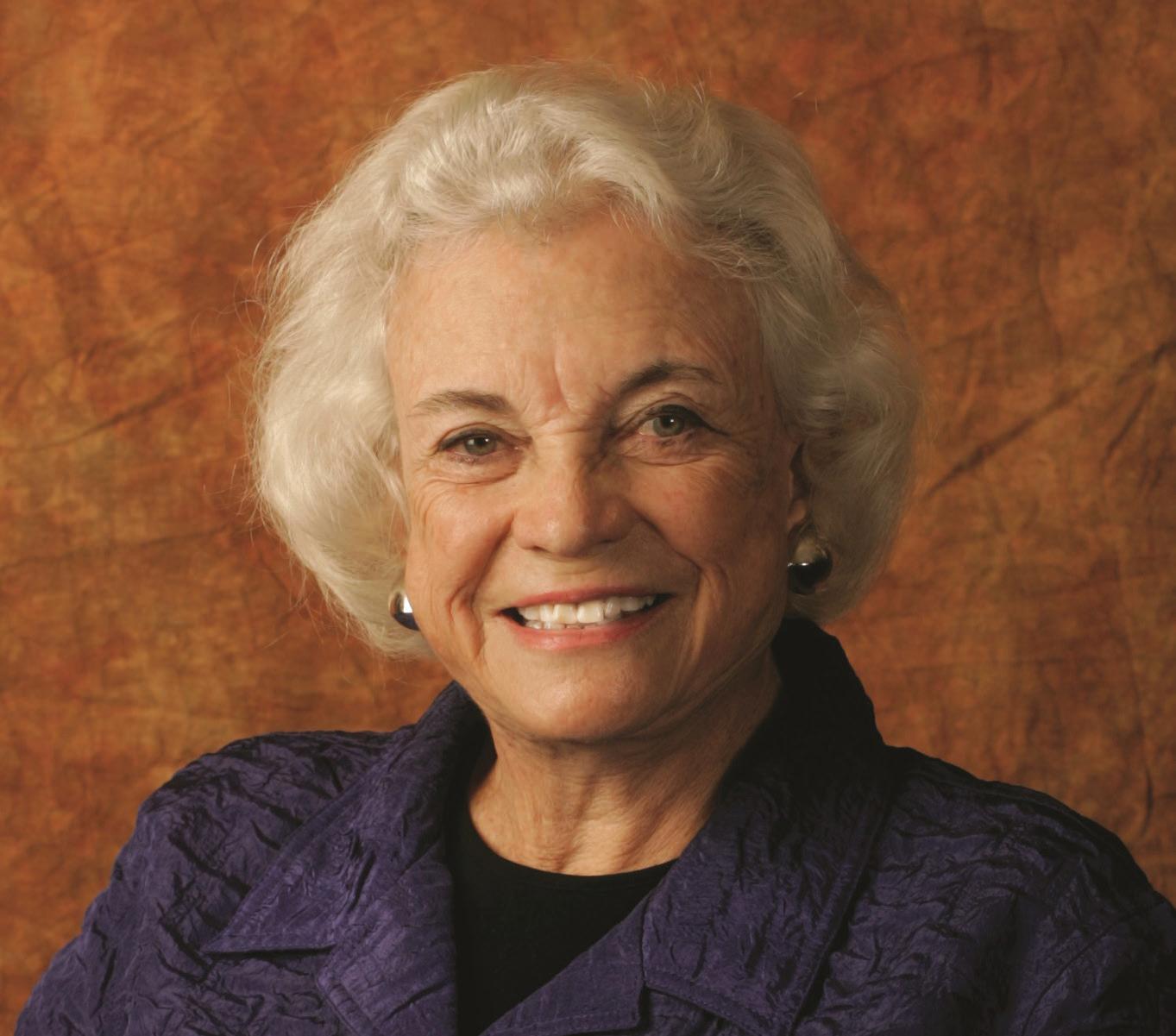
Justice Sandra Day O’Connor founded iCivics with a simple, powerful belief: every young person deserves a nonpartisan, high-quality civic education that prepares them to participate in our constitutional democracy. That belief— rooted in respect for the rule of law and for one another—guides us still.
In 2025, we refreshed our strategy, reinforcing pluralism at the heart of our work through practical resources for teaching hard topics; curriculum that invites inquiry and evidence; partnerships that cross ideological lines; and policy efforts that amplify excellence and local voice.
In classrooms, this comes to life via our Through Inquiry teaching framework— clear, classroom-ready curricula that prepare students to ask better questions, weigh evidence, and practice civil dialogue. Teachers tell us it’s not enough to know what they’re “allowed” to teach; they need to know how to teach foundational civics with confidence. So, we launched We Can Teach Hard Things, an initiative led by Chief Education Officer Emma Humphries to support educators navigating topics like executive power, checks and balances, and due process. The goal is to cultivate the habits that make democracy work—curiosity, humility, and constitutional literacy.
Beyond the classroom, we’ve continued to model pluralism through bipartisan policy partnerships that elevate civics. Working with state and national allies, we’ve helped advance common-sense policies that strengthen civic learning while honoring local control. We’ve demonstrated that it is possible to disagree— sometimes strongly—and still build together for students. That’s the muscle our democracy needs most.
In March 2025, we once again turned the national spotlight on civic education through Civic Learning Week, culminating in a national forum at Stanford’s Hoover Institution, our first forum on the West Coast. We gathered civic leaders, researchers, policymakers, students, and classroom teachers for a day of learning and honest discussion about the must-haves for pluralistic civic education to flourish. The lineup reflected the strength of our coalition. Sharing the stage were 66th U.S. Secretary of State Condoleezza Rice, Retired General Jim Mattis, Utah Governor Spencer Cox, State University of New York Chancellor John B. King, and educator-creator Sharon McMahon, showing pluralism in action and a shared commitment to advancing civic learning. The forum served as the anchor for a week of classroom activities and in-person and virtual events in all 50 states and the District of Columbia. In concert with other events, Civic Learning Week demonstrated what happens when diverse voices convene with students and democracy at the center.
I am profoundly grateful to the educators who make this work real—up to 145,000 representing in every state and the vast majority of U.S. counties. These teachers are a sustaining pillar of our democracy.
To our partners and supporters, thank you for standing with teachers when it would be easier to look away. Your investment helps us keep high-quality resources free, improve them continuously, and deliver professional learning that meets teachers where they are.
We will continue to focus on three simple things. First, we will keep classrooms at the center—designing resources that are challenging, joyful, and grounded in constitutional principles. Second, we will model pluralism in action—bringing unlikely allies together to protect space for robust, nonpartisan civic learning. Third, we will invite the country to learn alongside our students—to ask how our democracy came to be, how it works, where it falls short, and how each of us can continue forming this ever-evolving, more perfect Union.
We don’t stop teaching algebra when polynomials get hard. We shouldn’t stop teaching civics when the rule of law gets hard. We can teach hard things—and we must.
With gratitude and resolve,
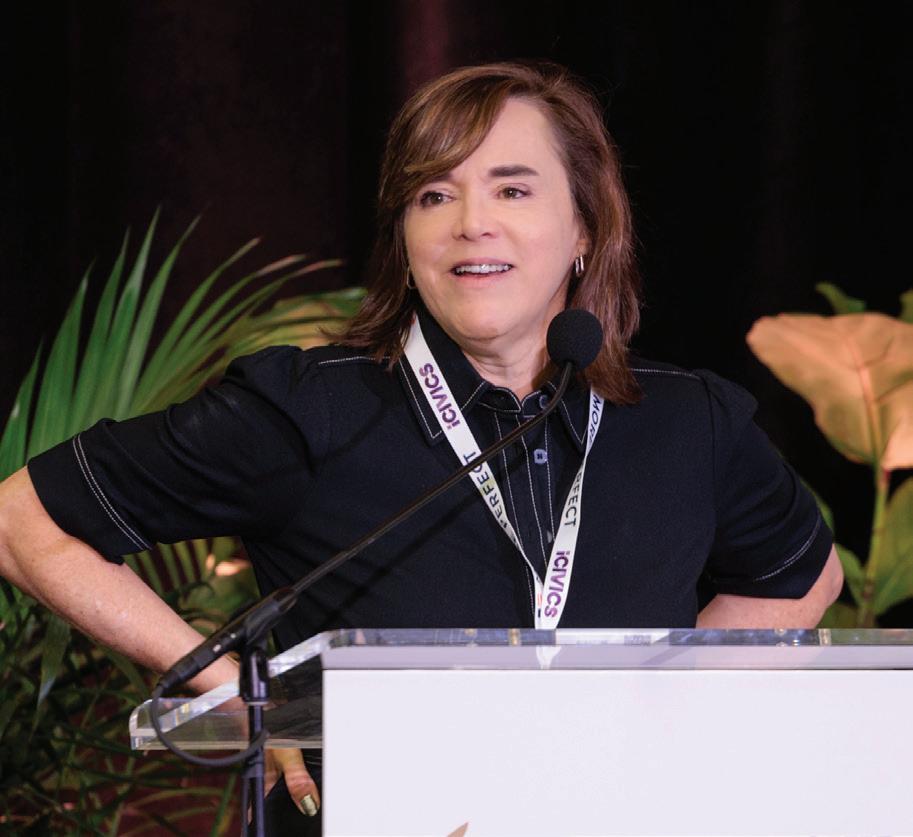
Louise Dubé Chief Executive Officer

145,000 Educators

9 Million Students
iCivics has adopted a bold new five-year strategy to meet this civic moment with confidence and clarity. The plan, which runs through 2030, builds on our founding vision and record of innovation to ensure every young person receives a high-quality, nonpartisan civic education.
At its heart are the following strategic pillars that guide all we do:
Innovate Education
Empower educators with engaging resources that build civic knowledge, skills, and dispositions students need for informed civic participation.
Inform Policy
Advance bipartisan policy at the state and national levels to make civic education a priority for the health and strength of our nation.
Inspire Engagement
Invite and engage a diverse network of learners and leaders in the movement for high-quality civic education.
Illustrate Impact
Evaluate and share evidence-based findings that demonstrate the value and impact of civic education for our country’s future
Each pillar drives specific goals—from expanding professional learning to strengthening state policies and building new research infrastructure. These are all aimed at one outcome: ensuring that high-quality civic learning becomes both expected and protected in every classroom in the United States.
Our plan calls for $50 million in additional investment over five years to support innovation, operational excellence, and technology upgrades that will sustain growth. Together, these efforts will position iCivics to continue leading a national movement to renew civic education for generations to come.
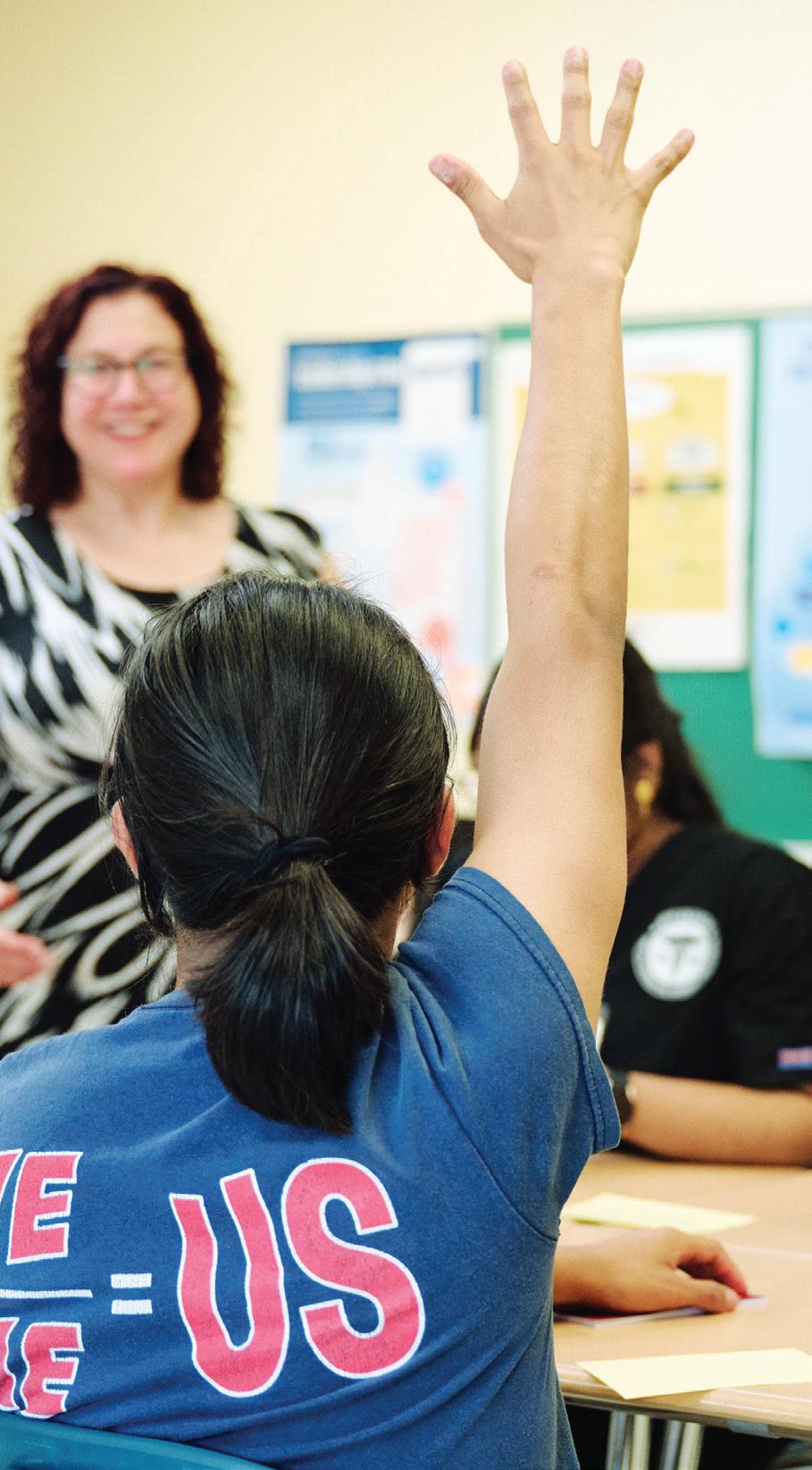

iCivics advanced its classroom impact this year by expanding access to inquiry-based approaches to U.S. history and civic education. After numerous pilots, iCivics’ Through Inquiry: U.S. History, Beginnings–1877 curriculum officially debuted.
This year also saw the launch of Uncovering Loyalties, a new game for elementary to middle school learners , and Civic Digital Literacy—a collection of resources developed in partnership with the experts at Digital Inquiry Group.
Professional learning and district partnerships emerged as central priorities in FY25, ensuring educators—and the students they serve—remain at the center of all iCivics does toward civic renewal.
Diverse states receiving curriculum support: Colorado, Kentucky, Louisiana, Maryland, New Mexico, Tennessee, Texas, and Wisconsin

Policy momentum accelerated in FY25 as civics moved up the public-education agenda in anticipation of the semiquincentennial in 2026. iCivics and the CivxNow coalition tracked 181 bills in 44 states, with 132 aligned to the CivxNow State Policy Menu. Four notable state policy wins—in Iowa, Louisiana, Utah, and Virginia—advanced assessments, civic seals, and media-literacy standards.
On Capitol Hill, partners joined the CivxNow Hill Day on May 22 to call for increased federal investment in K–12 civic learning. Together, these achievements demonstrate that civic education can unite leaders across parties around a shared goal: preparing every student for informed civic participation.
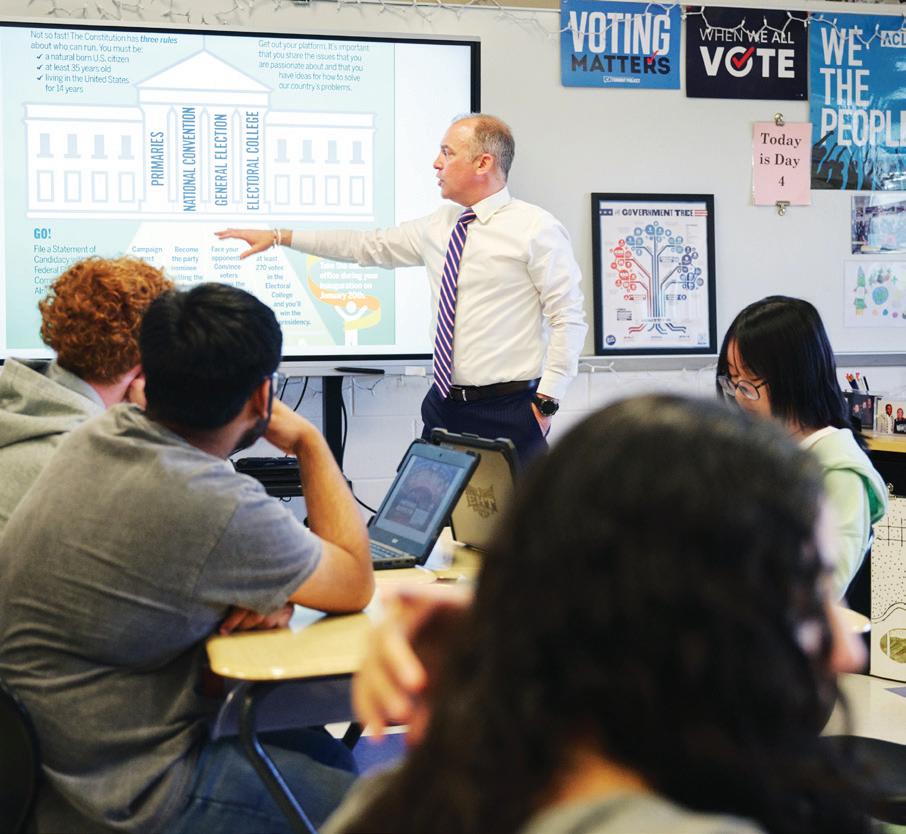





Across the network, usage continued to grow in FY25, driven in part by robust engagement from our educator network. During the 2026 presidential election, web traffic rose more than 20 percent year-over-year, and active teachers increased by 4 percent.
iCivics’ message regarding the importance of high-quality civic education resonated in a pivotal national election year, positioning iCivics as a trusted, nonpartisan guide for educators navigating teaching amidst historic polarization. This message reminded the nation that civic education is not about politics but participation—that teaching students how democracy works strengthens faith in its future.
Civic Learning Week 2025 carried that message nationwide. The Civic Learning Week National Forum, co-hosted with the Center for Revitalizing American Institutions at the Hoover Institution at Stanford University, brought together leaders such as 66th U.S. Secretary of State Condoleezza Rice, Ret. General Jim Mattis, Governor Spencer Cox (R–UT), students, educators, and others to discuss the vital importance of pluralism in civic education. Overall, the week of activities drew widespread media coverage and set the stage for more great engagement.
Traditional media mentions of Civic Learning Week
Organizational partners engaged in Civic Learning Week
Proclamations issued recognizing Civic Learning Week
States (+ DC) registered classroom activities and /or events on the Civic Learning Week map
iCivics is contributing to the evidence base to show how civic education shapes student learning and strengthens our constitutional democracy. Throughout FY25, we advanced new data systems and research partnerships designed to capture meaningful indicators of civic knowledge, skills, and dispositions.
The Through Inquiry curriculum integrates built-in opportunities to assess student reasoning and discussion, and a new organization-wide analytics framework is now in development to measure reach and learning outcomes across all programs.
At the same time, iCivics leaders contributed research-informed thought leadership to national conversations on education and democracy, underscoring the measurable value of civic learning. This focus on data and evidence— combined with our ongoing partnerships with researchers and practitioners— positions iCivics to demonstrate, in tangible terms, that civic education works.
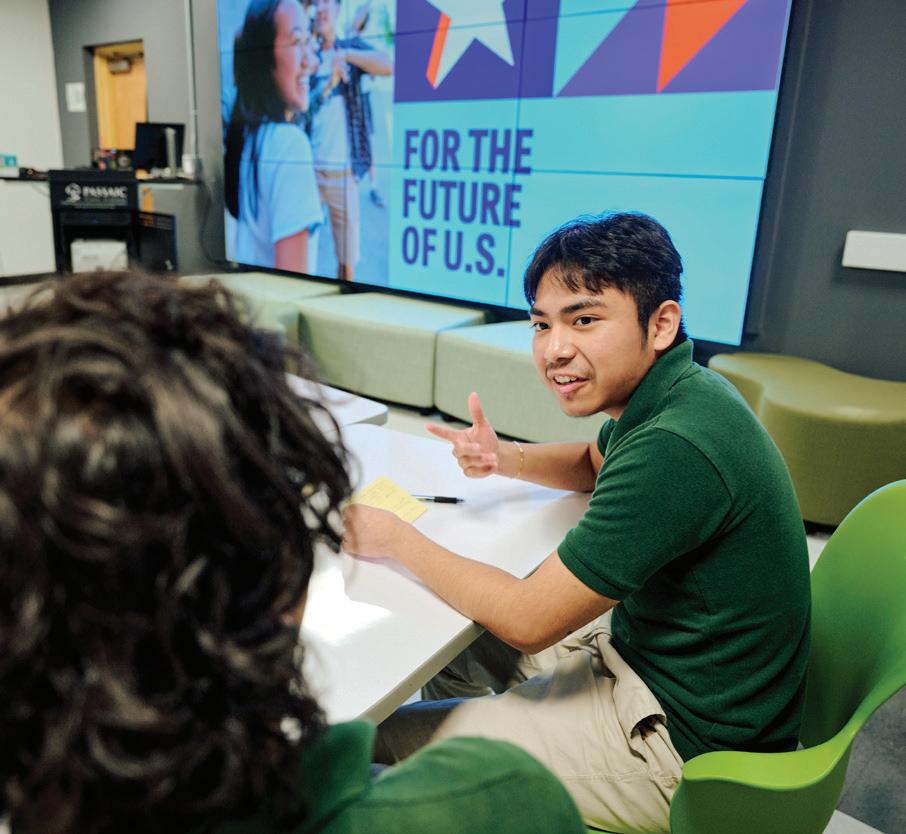


iCivics closed Fiscal Year 2025 in a strong financial position, reflecting prudent management of resources and continued trust from our philanthropic partners. Support from foundations, individuals, and corporate partners allowed us to invest deeply in classroom innovation, policy advocacy, and educator professional learning while maintaining operational discipline.
Ninety-five percent of every dollar spent directly supported program delivery, ensuring that iCivics’ impact continues to reach millions of students and thousands of educators nationwide.
Even amid a dynamic funding landscape, iCivics sustained growth in both contributed and earned revenue, positioning the organization for long-term stability as we enter the first full year of our five-year strategic plan.
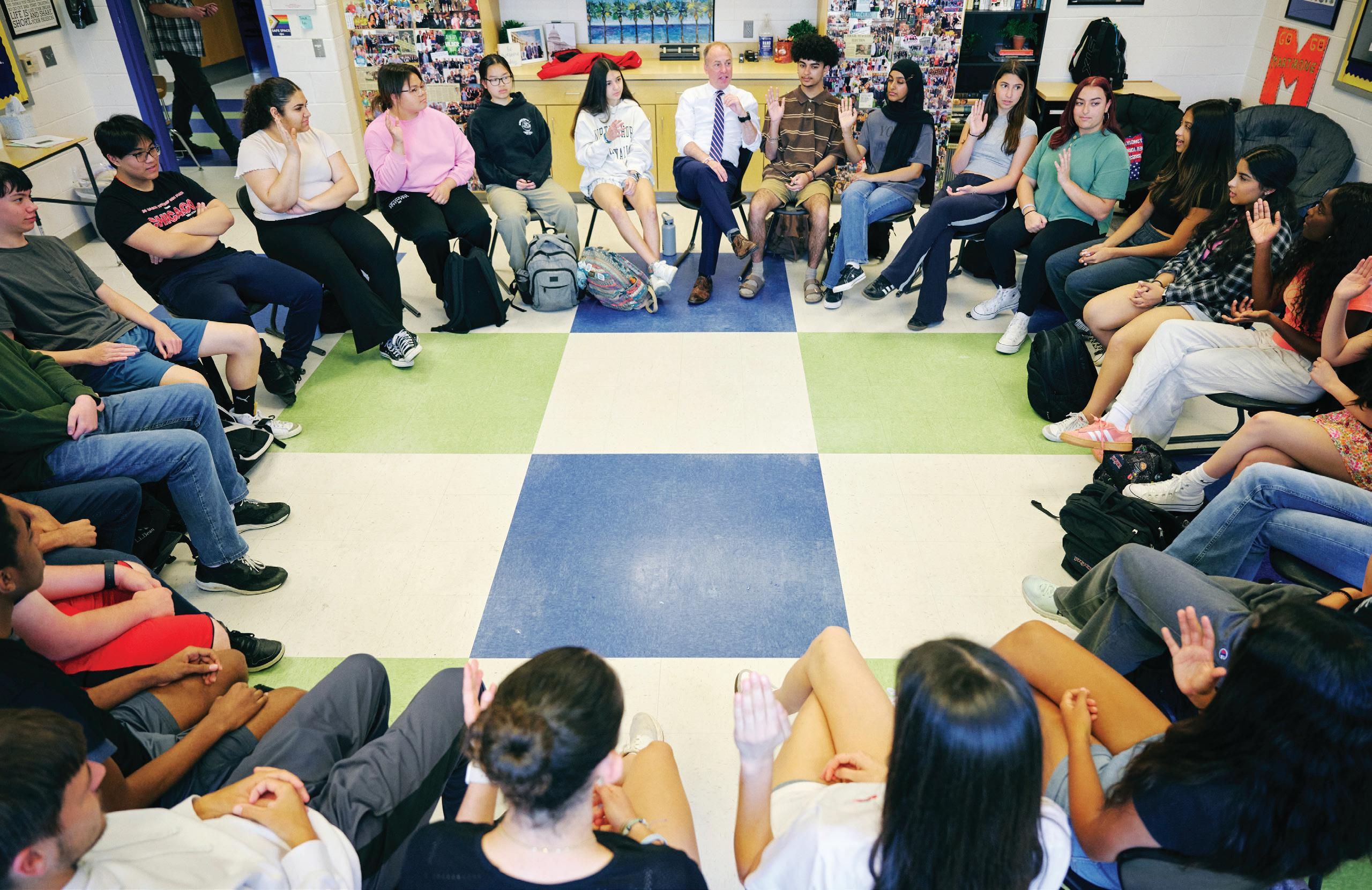
*NOTE: Since 2020, alongside annual revenue, iCivics has raised investments to support its growth capital campaign, pre-positioned funds to draw down for key strategic investments. As such, significant portions of overall assets are growth capital funds. As outlined in its strategic plan, iCivics will continue to draw down on net assets to realize its strategic vision.

iCivics extends heartfelt gratitude to the individuals, foundations, corporations, and partners whose generosity sustains our mission. This investment makes it possible for millions of students and educators across the nation to engage in meaningful, nonpartisan civic learning every year.
Together, we are returning civics to the center of U.S. education, building understanding, trust, and participation in our constitutional democracy.
$500,000+
Anonymous
Carnegie Corporation of New York
Charles and Lynn Schusterman
Family Foundation
Colonial Williamsburg Foundation
Griffin Catalyst
Ibis Group
Stand Together
The Pedersen Foundation
The William and Flora Hewlett Foundation
U.S. Department of Education
CHAMPION CIRCLE
$100,000 – $499,999
Alaska Council of School Administrators
Arthur Rock and Toni Rembe Rock
Bloomberg Philanthropies
Daniels Fund
Ray and Dagmar Dolby Family Fund
Stuart Foundation
Three Summers Fund
Travelers
U.S. Department of Defense
W.K. Kellogg Foundation
INNOVATOR CIRCLE
$25,000 – $99,999
Amazon Web Services
Anonymous
Bezos Family Foundation
Center for Revitalizing American Institutions, Hoover Institution
Corporation for Public Broadcasting
David Ritter
Dole Institute of Politics
Dorothy Tapper Goldman Foundation
Global Cities, Inc.
Harvard University
Hicks Family Foundation
JCDRP Family Foundation
Jewish Partnership for Democracy: A More Perfect Union
John S. and James L. Knight Foundation
Marguerite Casey Foundation
National Endowment for the Humanities
Norman Raab Foundation
Present Progressive Fund
The Clifford Family Charitable Trust
The Farvue Foundation
The Foundation of the International Association of Defense Counsel
The Park Foundation
Viet Dinh
William B. Wiener Jr. Foundation
Zegar Family Foundation
$10,000 – $24,999
Anne Welch
Anonymous (2)
Argyros Family Foundation
Bill Graham
Chuck Harris
Geoffrey Rehnert
Library of Congress
Lincoln and Therese Filene Foundation
Longview Foundation
Louis DeJoy and Aldona Z. Wos Family Foundation
Maher Charitable Foundation
Mary C. Henry and Rajpal
Sandhu Foundation
Microsoft
Pritesh Shah
Robert E. Long, Jr.
Segal Family Foundation
Shepard Broad Foundation, Inc.
Susan Johnson McLean
William and Sally Neukom
PARTNER CIRCLE
$1,000 – $9,999
Amy McGuire
Anonymous (2)
Arnold Peinado, lll
Barbara Russell
Beatrice Birman
Benjamin and Jo Anne Ginsberg
Benton Hammond
Carol Wilner
Connie and David Girard-diCarlo
Daniels-Binstock Family Charitable Fund
David and Shawn Lawn
David Doll
David Oberstein
Deborah Dixon
Denise Scheeres
Diana Aviv and Sterling Speirn
Hutton Family Foundation
Jane Kamensky
Jeffrey and Elizabeth Toretsky
Joanne Freed
John Trerotola
John Wilcynski
Julie A. Callsen and Brad L. Pohlman
Kenneth Fulk
Laird and Rebecca Malamed
Laurent Desmangles
Lisa Kern Griffin and Richard Griffin
Louise Dubé
Macauley Taylor
Marc Rindner and Younjee Kim
Marcelo Mottesi
Margaret Cavenagh
Mark Perry and Adele Mouzon
Martha Minow
Mary Bechmann
Maureen Jane and Mark W. Perry
Michael Weesner
Move the World Foundation
Nancy Prahofer and Robert Kessler
Oren Root
Paul Funk
Robert and Anne Olender
Ruth Cox and Milton Chen
Sally Cameron
Sean Gallagher
Silvija Strikis
Stephen Busby
Susan Dunn
Susan Watts
Tali Farhadian Weinstein
The Herb Block Foundation
The O’Connor Family
The Wollenberg Foundation
Thomas Fain
Thomas Jefferson Foundation
Thomas Wilner
Tom Lue
Warren and Geralyn Smith
Wendy May-Dreyer
William H. Webster
We offer special thanks to those who have sustained iCivics through multi-year commitments, matching gifts, or legacy contributions, and to the members of our Educator Network who champion our mission every day.
All gifts listed were made during Fiscal Year 2025 (July 1, 2024–June 30, 2025). Every effort has been made to ensure accuracy. We regret any inadvertent errors or omissions and appreciate the opportunity to correct them.

iCivics, Inc.
1035 Cambridge Street, Suite 1
Cambridge, MA 02141
icivics.org
info@icivics.org
617-356-8311 © 2025 iCivics Inc. All rights reserved.
“ ”
Even when the topics are tough, my students lean in. They’re learning that disagreement can lead to discovery, not division—and that is the heart of democracy.
Kendra M.
High School Civics Teacher iCivics Educator Network