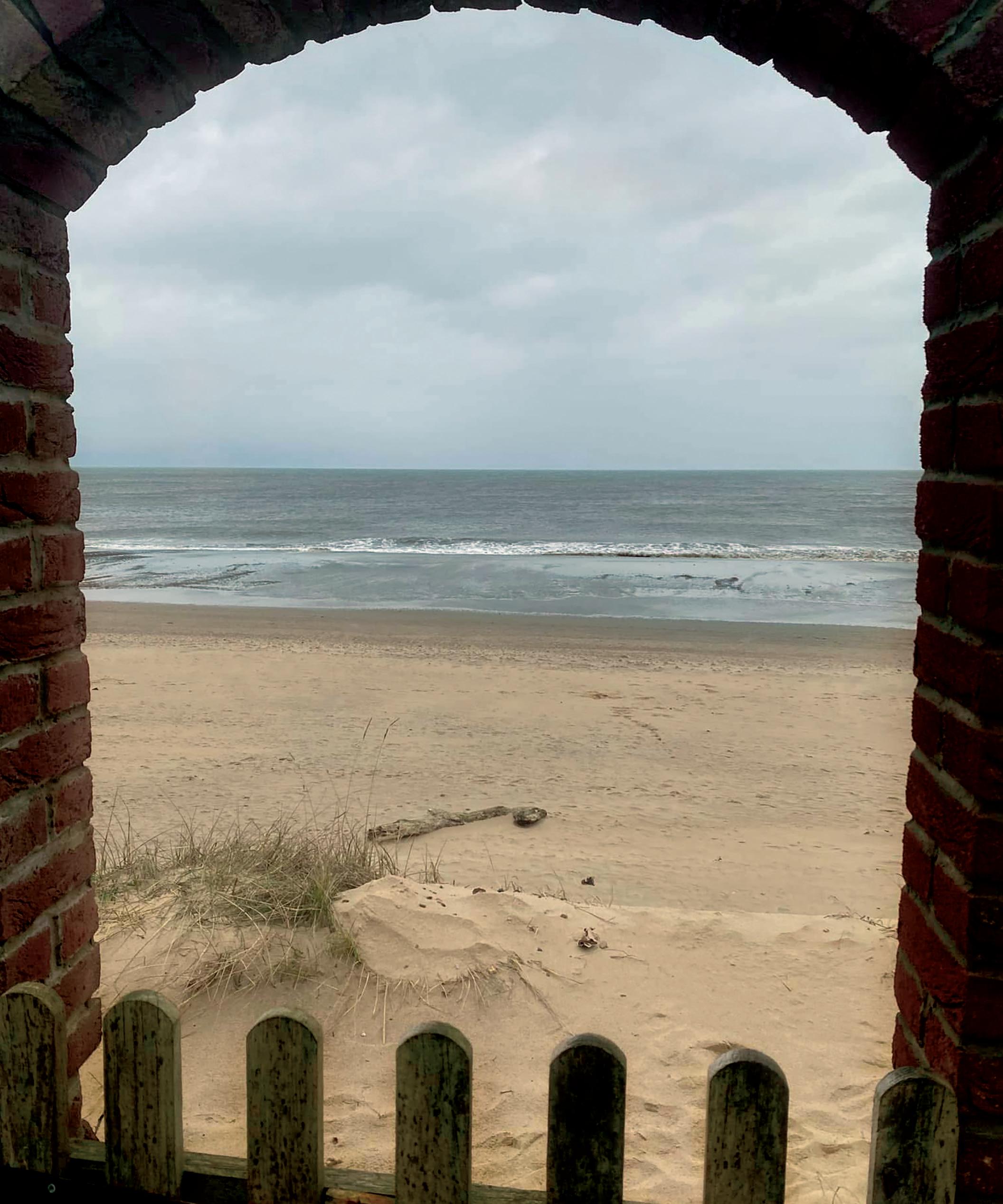

“The real voyage of discovery consists not in seeking new landscapes, but in having new eyes.” -
Marcel Proust
This month, we’re celebrating the joy of exploring through travel and local escapes.
Head to page 22 for a guide to enjoying North Norfolk in just 48 hours - we know you'll want to return again, soon, but this visit really will encompass the very best the area has to offer. Hands up if you find it a challenge to live without your phone? We do, too - and we are not suggesting you give it up completely, but becoming digitally lighter can prove enlightening whilst holidaying (Pages 26-27). For parents, the summer holidays may drag and bank accounts empty more quickly. If you need ideas for family days out costing less than £20, head over to Page 28 for some inspiration.
Elsewhere in this issue, Charlie shares the best sunscreens to protect your skin, whatever type it is (Pages 12 & 13). Ever heard of divorce engagement rings? They are increasingly popular and Susan Leigh shares more from Page 6. We'd love to know your thoughts, too.
Wherever your next escape takes you - near or far - we hope this issue inspires you to wander with fresh eyes. Until next month, take care.
Charlie, Iceni Home And Garden, Nova Silver, Susan Leigh, Tim Barnes-Clay, Trevor Langley, Vicki Jeffery.
Follow our social channels search: Iceni Magazine

Copyright © Iceni Magazine Limited. All rights reserved. No articles, adverts, content or design in this magazine may be used or reproduced either in whole or part, online or in print. The views and advice from contributors are not necessarily those of Iceni Magazine Limited. Every effort is made to ensure the contents are accurate, however Iceni Magazine Limited can not assume responsibility for errors, omissions or incorrect information. Iceni Magazine Limited accepts no liability for loss, damage or difficulties resulting from contracts between The Client and their customer. Inclusion within the magazine does not imply a recommendation. www.icenimagazine.co.uk




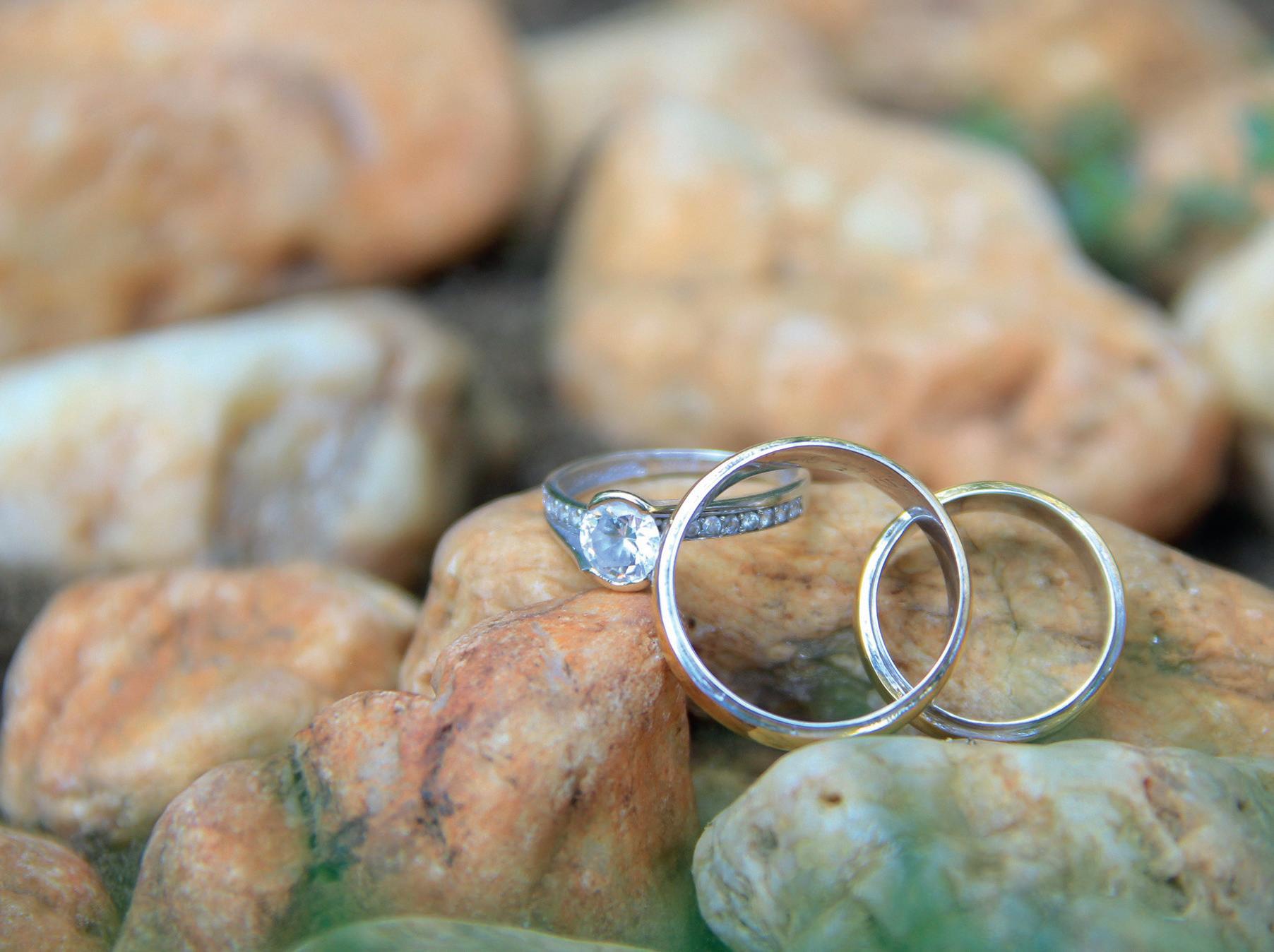
It’s not so long ago that divorce parties were feted as the way to mark the end of a marriage and consequent divorce. They provided an opportunity to celebrate the end of a relationship that had probably culminated in a fraught and rather testing time. Throwing a party drew a line under that experience. It allowed time to give thanks and share it being finalised with those who’d been supportive and closest to you, as well as herald the start of a new phase in your life.
Going through divorce is an all too familiar occurrence and is often one of the hardest, most emotionally draining times in life. So, it was only a matter of time before the question of what to do with one’s now redundant engagement ring surfaced. The traditional, unspoken rule of engagement rings has always been to return them if the relationship doesn’t
result in marriage, that being the reason for it being given.
However, if a marriage occurs which subsequently ends in divorce, a rather different conversation is required. What to do with those beautiful rings once the marriage is over? They were often a sizeable purchase and represented the promise of a loving future within a secure, settled relationship. Consigning your unwanted ring to the back of a drawer or an old jewellery box can feel like a waste, especially when it was part of a positive and joyful time in your life.
Plus, the resale value of a second-hand engagement ring is approximately 30% of its original purchase price, so, unless you really need the money or want all traces of the relationship removed from your life, there may be some merit in holding onto it.
This is a ring that was bought with love, hope, and the promise of a happy, lifelong commitment. Along the way there will have been ups and downs, job changes, house moves, children, family concerns, health and financial worries, all worked through with varying degrees of success.
But these experiences have contributed to you becoming the person you are today. And your ring has been with you throughout that time, a witness to your journey. Might now be the right time to recognise and acknowledge this new, post-divorce phase in life by reviewing the role your old engagement ring can now have in your life or perhaps acquire a symbolic new ring?
Could a divorce engagement ring be of interest?
Your engagement ring began its journey by representing your hopes and dreams for the future at a time when your life was immersed in a special relationship, full of love, hope and optimism. Yes, things may not have worked out as you’d hoped, but there are still good memories and experiences associated with that ring. Over time you’ve grown, evolved and survived, and now you’re starting a brand-new phase, a time filled with renewed hopes and dreams for a new, somewhat different future.
You’ve come a long way during your relationship, maybe had children together, experienced significant ups and downs, emerged battered and bruised, maybe even a

little cynical, but your engagement ring pays tribute to those experiences and the lessons learned along the way. You’ve become clearer about what you want and don’t want from a relationship, understand the compromises you’re prepared to make, the non-negotiables. Now you’re ready to make a commitment to yourself.
Divorce often marks a need to review your financial independence, and this can be daunting at first. But being able to make financial decisions, consider the best way to earn a reasonable income, learn to budget and then spend your money however you choose may be a new lesson for you to learn.
All these decisions mark a momentous period of growth in your life, often requiring strength, resilience, and sometimes an investment in external support. Repurposing your old engagement ring can be a statement acknowledging that evolution and readiness to move on. Deciding to wear it on another finger can remove any confusion as to what it represents. Plus, it could be a way to ‘stick a finger’ up to your old relationship. You could view it as an attractive dress ring that means a lot to you.
A divorce engagement ring can make a positive statement that represents how much you’ve healed. It can be a tribute to your new, independent life and the opportunities that lie ahead for you. A time for fun and seizing new experiences with enthusiasm.
Article By Susan Leigh
Susan Leigh, South Manchester counsellor, hypnotherapist, relationship counsellor, writer & media contributor offers help with relationship issues, stress management, assertiveness and confidence. She works with individual clients, couples and provides corporate workshops and support. For more articles, information or to make contact please visit: https://www.lifestyletherapy.net

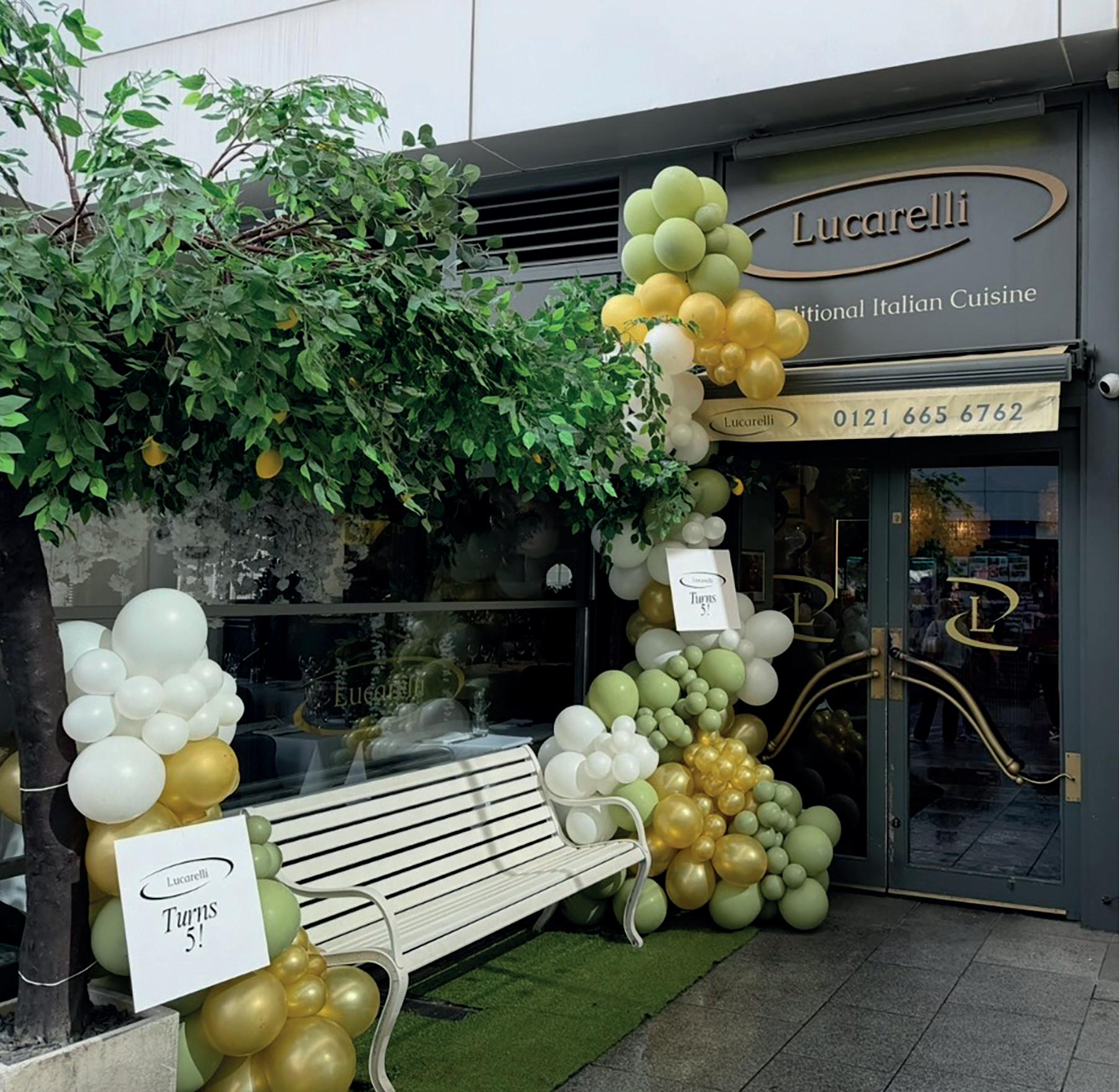
Birmingham needs little introduction, being a major city, situated in the West Midlands.
Architecture - ancient, historic and moderncan be found in Birmingham, plus a network of canals, all attracting countless visitors, constantly. World-class entertainments, sports, plus shopping opportunities (including many designer outlets) are amongst further very popular ‘draws’ too. Restaurants and eateries offer cuisines to suit all preferences and requirements.
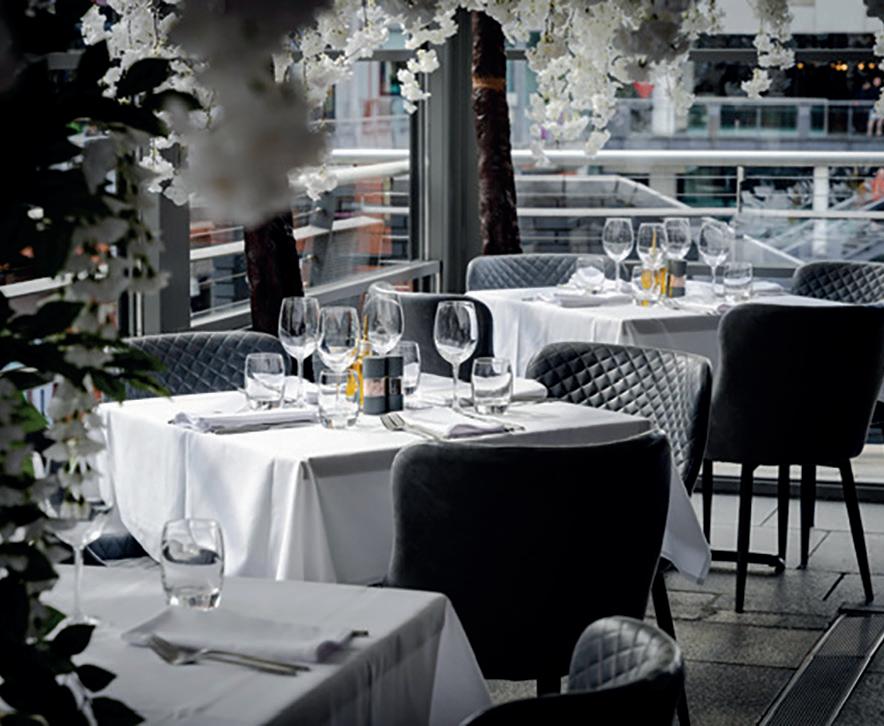
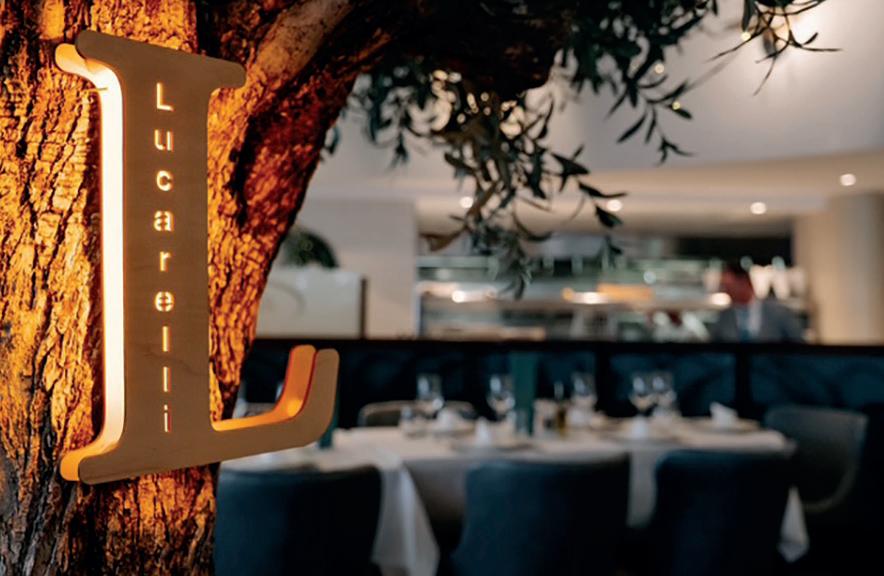
I located multi award-winning Lucarelli restaurant (Est. April 2021) in Birmingham, at a scenic canal-side setting. I had been recommended Lucarelli, for providing elegance, style and authentic Italian cuisine to a high standard. Pristine table settings greet the eye, with crisp white linen.
To commence I chose BURRATA E ASPARAGI (Toasted Altamura bread with fresh Apulian burrata, fresh tomatoes, roasted asparagus) from the Antipasti (Starters) list on the main menu. This aroused my taste buds and gave me undoubted confidence in the courses to follow.
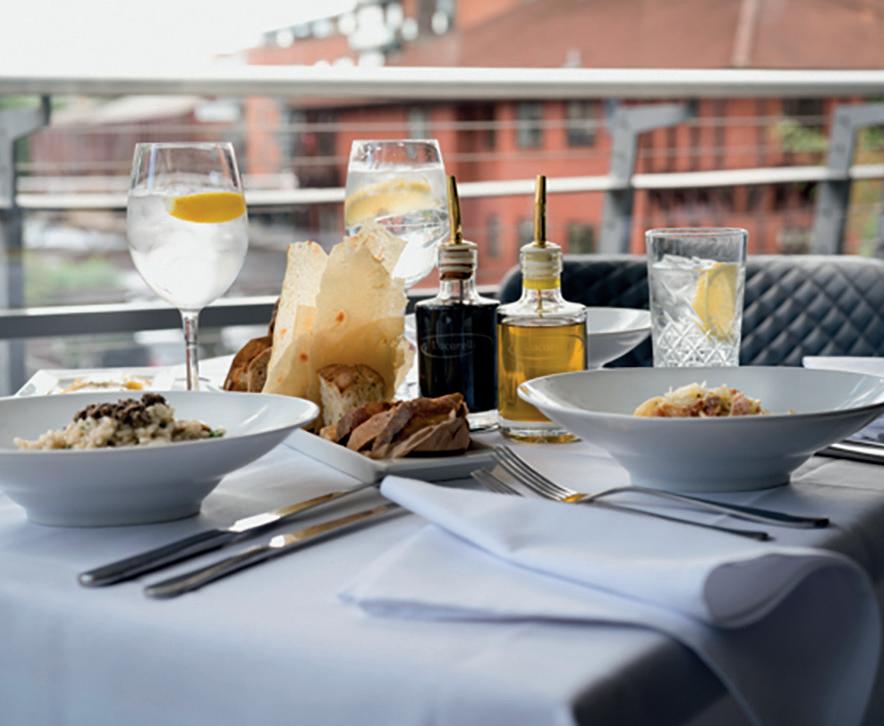
For the ‘main event’ I selected POLLO ALLA CALABRESE (Supreme of chicken, roasted peppers, Calabrian ‘Nduja - Italian spicy pork sausage, spicy tomato sauce) from the Old Italian Favourites part of the main menu. This dish arrived in style and aromas enticed me on to the mouth’s pleasures. Flavoursome, and with a succulence that increased my confidence, the sensation of tastes, for the complementing flavours of ingredients, showed that the very experienced kitchen personnel certainly know how to impress diners. Head Chef is Doriano, who, with the brigade, all ensure that diners enjoy a most memorable dining time. Other choices included Pasta, Risotto, Meats, Seafood and Pizza variations, plus sides. ‘Compliments to Chef’ - absolutely!
TIRAMISU (had to be) is my favoured dessert - Splendid! Quality wines/drinks have all requirements covered. Classic Italian Liqueurs, Coffees, Teas and more are also listed. Gift vouchers are available - perhaps surprise someone special? Parties, receptions, plus corporate events etc are easily arranged. Thank you to Pasquale, for his genuine welcome and to Simone, for exemplary service throughout. Highly recommended.
Lucarelli, 117 Wharfside Street, Mailbox, Birmingham B1 1RF.
Tel: 0121 665 6762.
Web: www.lucarellirestaurant.co.uk
Lucarelli’s sister restaurant with rooms (Est. June 2019) is also award-winning and located at 58 - 60 Seagar Street, West Bromwich B71 4AN.
Tel: 0121 532 1552.
Web: www.lucarellirestaurant.co.uk
As always, Enjoy! Review By Trevor

© 2026 Copyright VW Press UK
For more than 20 years, the Volkswagen Transporter Sportline has been the UK’s original sports van, combining practicality with eye-catching style.
The new 2026 model builds on that reputation, offering sharper looks, improved technology, and a wider choice of powertrains, including diesel, plug-in hybrid, and fully electric options.
The latest Sportline is available as either a panel van or Kombi and stands out thanks to its lowered Eibach suspension, aggressive body kit, gloss-black detailing, Matrix LED headlights, and striking 19-inch alloy wheels. Volkswagen has also introduced a limited-run Sportline 75 Special Edition to celebrate 75 years of the VW Bus, finished in exclusive Moss Green paint with bespoke styling touches.
Inside, the Sportline feels significantly more modern. A 12-inch digital driver display is paired with a 13-inch touchscreen infotainment system featuring wireless Apple CarPlay and
Android Auto. Multiple USB ports and charging points improve everyday usability.
Eco-leather sports seats with red stitching enhance the cabin’s premium feel, while the redesigned layout increases storage space. An electronic parking brake and steering-column gear selector free up room between the seats, making the cabin feel less cluttered.
Load space has also grown, with the shortwheelbase model offering up to 5.9 cubic metres of cargo capacity and the long-wheelbase version providing 6.6 cubic metres, enough for three Euro pallets. Kombi models benefit from twin sliding doors and removable rear seating, allowing easy conversion between passenger and cargo use.
The all-electric e-Transporter Sportline comes with either 218PS or 286PS. It takes 8.6 seconds to reach 62mph for the 218PS variant, whereas it takes only 7.4 seconds for the higher-powered variant.


The diesel range includes a 170PS 2.0-litre TDI engine coupled with an eight-speed auto transmission. Although slower to accelerate, taking 14 seconds to hit 62mph, it provides excellent mid-range power and is ideal for longdistance load-lugging.
Note that if you want the plug-in hybrid (eHybrid) version, you’ll have to wait, as it won’t be available until later this year. But whichever powertrain you go for, the lowered Eibach suspension improves body control and agility, helping the Sportline feel composed and confident on the road.
The electric model uses an 83kWh battery and offers a WLTP range of up to 206 miles. Rapid charging at up to 125kW allows a 10-80% recharge in around 30 minutes. Diesel versions return approximately 34mpg.

Overall, the 2026 Volkswagen Transporter Sportline successfully modernises the sports van formula. It combines great styling, advanced technology, strong practicality, and a choice of efficient powertrains, making it an appealing option for both business users and lifestyle buyers.
Fast Facts: New 2026 VW Transporter Sportline (diesel as tested)
• Max speed: 109 mph
• 0-62 mph: 14.0 secs
• MPG: 34
• Powerplant: 2.0-litre TDI
• Power (PS): 170
• CO2: 216-220 g/km
• Price £62,752 (£52,360 excl. VAT) for the Panel Van & £65,128 (£54,340 excl. VAT) for the Kombi
By Tim Barnes-Clay. Insta: @tbarnesclay & TikTok: @timauto_

Sunscreen is the most important skincare product you can wear every day.
Whether you’re heading to the beach, popping for a walk outdoors or simply driving to work, it’s so important to protect your skin from harmful UV rays, possible sunburn, premature ageing, pigmentation and also reduce the risk of skin cancer. Dermatologists recommend using a sunscreen with at least SPF 30, although SPF 50 offers maximum protection, particularly during the summer months.
One of the most highly recommended sunscreens is La Roche-Posay Anthelios UVMune 400 Invisible Fluid SPF50+. This sunscreen is a firm favourite, loved by dermatologists and beauty editors. Its lightweight formula absorbs quickly, leaves
no white residue and will sit beautifully under your makeup - it’s an excellent choice for everyday wear.
For those with sensitive or dry skin, CeraVe Hydrating Mineral Sunscreen SPF50 is a great option. Its formula is packed with ceramides and hyaluronic acid which help to strengthen your skin barrier while providing broadspectrum protection. It is fragrance-free and gentle enough for even the most delicate skin types.
If you’re like me and struggle with oily or acne-prone skin, Vichy Capital Soleil UVClear SPF50+ is a great option. Its formula is designed to protect your skin without clogging your pores. The texture is lovely and lightweight and also helps to reduce shine whilst offering a high level of sun protection, making it ideal for daily use.
Korean skincare is highly talked about and its popularity is growing day by day. The Beauty of Joseon Relief Sun: Rice + Probiotics SPF50+ has become increasingly popular. Its silky texture feels more like a moisturiser than a SPF. Your skin is left feeling hydrated with an invisible finish that is great for most skin tones.
You must remember though, whatever sunscreen you choose to wear, the application is just as important as the product itself. Always apply a generous amount on all exposed areas of your skin and reapply every two hours, even more so if you’re swimming or sweating. Sunscreen should also be worn even on cloudy days because up to 80% of UV rays can still penetrate your skin through the clouds.
I apply SPF 50 daily, even on rainy days. I know this is not essential, however, over the years of applying SPF 50, it has now become a habit and part of my daily makeup routine.
It’s so important to find a sunscreen that you enjoy wearing, as you will be much more likely to be consistent with it.
There are so many excellent formulas now available making it easier than ever to find an SPF that works with your skin type, whilst allowing you to feel comfortable.
Hi, I am Charlie, a former make-up artist originally based in Norwich. I have always been passionate about art and channelling it through creative makeup. I trained at Norwich City College in Fashion and SFX makeup. My work has been published both nationally and internationally.
Want to see more? Check out my Instagram - @ThePoutyLip


August has a delicious sense of abundance.
The garden is full of colour, scent and movement, with bees drifting between dahlias, tomatoes ripening in the greenhouse and beans appearing almost overnight. Yet it can begin to look tired if left entirely to its own devices. The trick is not to launch into grand projects, but to make small, satisfying interventions: deadheading, harvesting, watering and watching what comes next.
Start with water. Containers, hanging baskets and newly planted borders are the first to flag in warm weather, so give them a proper soak rather than a polite sprinkle. Water early in the morning or evening, aiming at the base of plants. If you have a water butt, make full use of it. A mulch of compost, bark or well-rotted
In the flower garden, deadheading is the most glamorous form of housekeeping. Snip faded blooms from dahlias, cosmos, roses, sweet peas and bedding plants to keep the display fresh and encourage more flowers. Pots and baskets will respond beautifully to a fortnightly highpotash feed. Lavender can be lightly trimmed once flowering is over, but avoid cutting into old woody stems; the aim is a neat, rounded shape that will look smart through autumn.
Roses deserve a moment of attention too. Rambling roses that have finished flowering can be pruned, removing some older stems and tying in new growth. Tall perennials such as heleniums, rudbeckias and late-flowering asters
may need discreet staking after rain or summer storms. The goal is not perfection, but that easy, magazine-worthy look of a garden that feels generous, cared for and lightly edited.
August is also a brilliant month for gathering seed. On a dry day, collect ripe seed from favourites such as aquilegias, love-in-a-mist, poppies and sweet peas, then store it in labelled paper envelopes somewhere cool and dry. You can also sow hardy annuals now, including calendula, cornflowers and nigella, for earlier, stronger plants next year.
In the kitchen garden, the headline task is simple: keep picking. Courgettes, cucumbers, runner beans and French beans should be harvested while young and tender, as regular picking encourages plants to keep producing. Tomatoes need consistent watering to help prevent splitting and blossom end rot, plus a weekly tomato feed. Later in the month, pinch out the tops of outdoor tomato plants so their energy goes into ripening existing fruit.
Onions and shallots can be lifted once their foliage yellows and begins to flop. Leave them to dry in the sun if the weather allows, or move them under cover somewhere airy. Summerfruiting raspberries can be cut back after cropping, removing old canes to ground level and tying in fresh new ones. Trained apples and pears benefit from summer pruning, which helps keep growth in check and lets light reach developing fruit.
As gaps appear, sow again. Rocket, spinach, lamb’s lettuce, radishes, spring onions and
winter salad mixes can all be sown in August for late-season pickings. Choose a shadier spot if the weather is hot, and keep seed drills moist until germination. Plant well-rooted strawberry runners into a new bed, and order autumn bulbs so you are ready for the next wave of colour.
Pests and diseases are often at their boldest in late summer. Check tomatoes and potatoes for signs of blight, remove affected material promptly and keep greenhouse doors open for airflow. Look beneath brassica leaves for caterpillars and eggs, and protect soft fruit from birds with netting where needed. Powdery mildew can appear on courgettes and ornamentals, so keep plants watered at the roots and remove badly affected leaves.
Lawns need a relaxed approach. If grass has browned in dry weather, do not panic; it will usually recover when rain returns. Raise mower blades, mow less frequently and leave longer grass in wilder areas until flowers have set seed. Hedges can be trimmed towards the end of the month, but always check carefully for wildlife before cutting.
Finally, remember to enjoy it. August gardening is not about chasing a flawless finish; it is about keeping the rhythm going while taking pleasure in what the season has given you. Pick tomatoes warm from the vine, cut a posy for the kitchen table, sit out at dusk and notice the shifting light. A well-loved August garden is abundant, a little unruly and completely irresistible.


Discover the perfect fusion of contemporary design and timeless elegance with our sterling silver geometric diamond-cut jewellery collection. Expertly crafted from premium 925 sterling silver each piece is inspired by the clean lines and striking symmetry of modern geometric patterns, enhanced with precision diamond-cut detailing that captures and reflects light with every movement.
Our collection celebrates the beauty of the world’s most iconic diamond shapes through artistic geometric designs. Inspired by the round brilliant, oval, pear, marquise, trillion heart cuts every piece showcases distinctive angles and facets that create a dazzling sparkle. These carefully crafted geometric forms offer the luxurious appearance of cut diamonds while highlighting the natural brilliance of polished sterling silver.
Whether you choose a statement pendant, elegant earrings, a stylish bracelet, or a sophisticated ring, each design combines modern artistry with exceptional craftsmanship. Intricate openwork patterns and precisely cut surfaces create depth, texture and light resulting in jewellery that is eye-catching yet effortlessly wearable. The contemporary




geometric styling makes these pieces perfect for both everyday fashion and special occasions. Combining the elegance of classic diamond cuts with contemporary geometric inspiration, this collection delivers exceptional sparkle, refined craftsmanship, and enduring style that will be treasured for years to come.
Made from genuine 925 sterling silver our jewellery offers outstanding quality, durability, and a radiant finish that stands the test of time. Hypoallergenic and comfortable to wear each piece is designed to provide lasting beauty while maintaining its brilliant shine with proper care.
Perfect as a thoughtful gift for birthdays, anniversaries, weddings, Mother’s Day, Valentine’s Day, or Christmas this versatile collection suits every style and generation. It is equally ideal for treating yourself to jewellery that reflects confidence, sophistication, and individuality.
This month’s birthstone is... Peridot.
Add a touch of vibrant elegance with our genuine peridot jewellery set, beautifully crafted in premium 925 sterling silver. Featuring a radiant green gemstone and timeless design, this matching set offers lasting sparkle, exceptional quality, and the perfect gift for any special occasion.
Thanks to the wonderful photographs shared by our followers on Facebook, have a look at the July images of our stunning region.




To be in with a chance of having your own photographs featured in the future, look out for our regular Facebook posts where you can add your images. Alternatively, send an email with your image and caption to: submissions@icenimagazine.co.uk


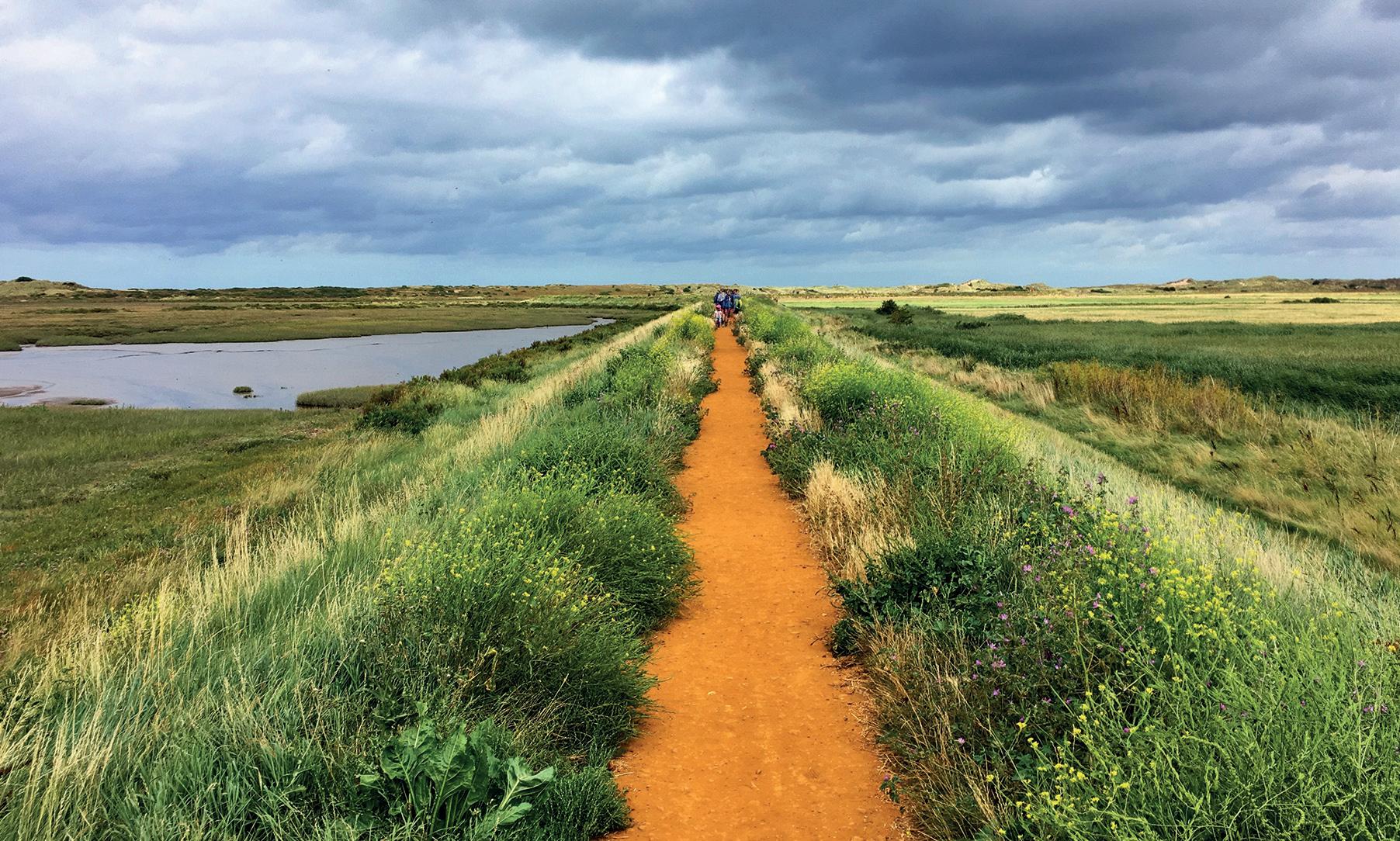
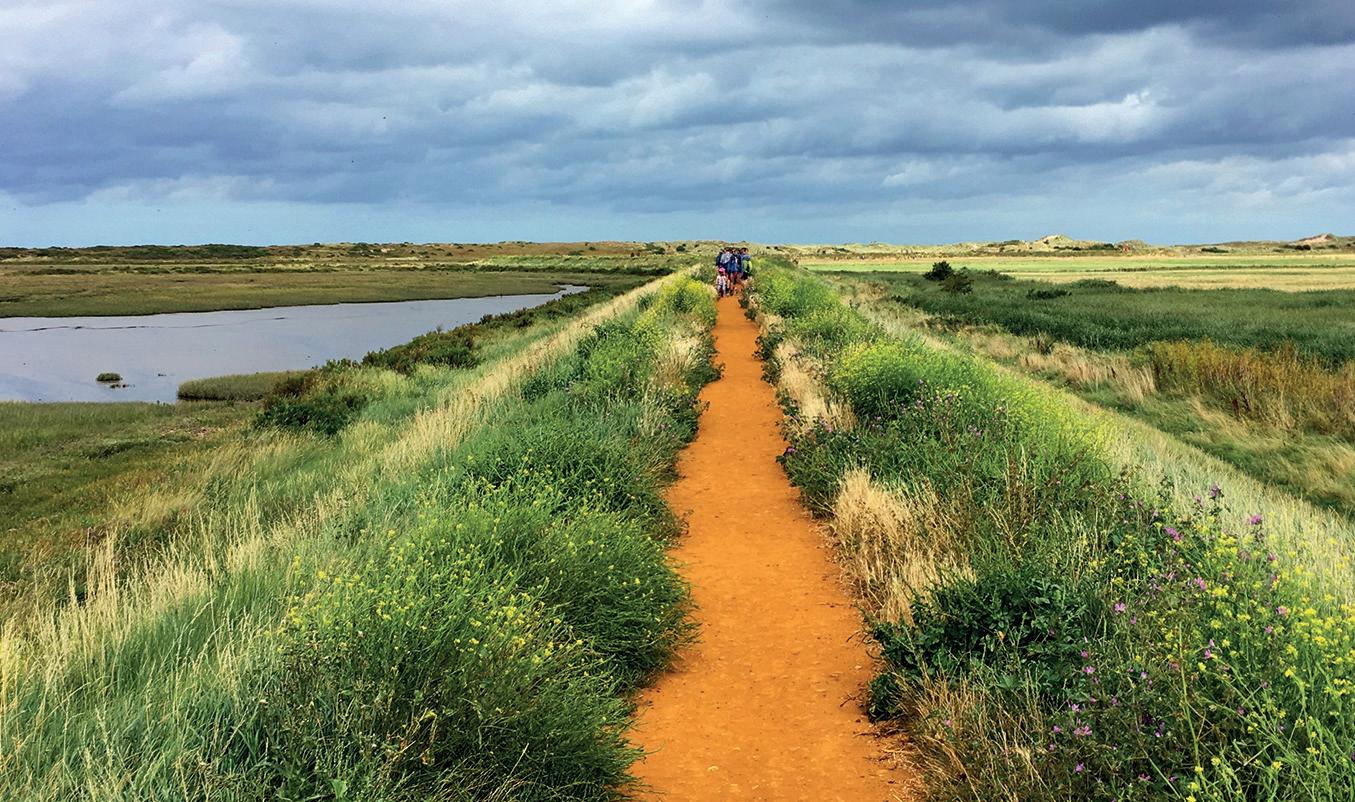
Big skies, salt-marsh light and chic coastal comfort make this corner of England feel made for a restorative weekend.
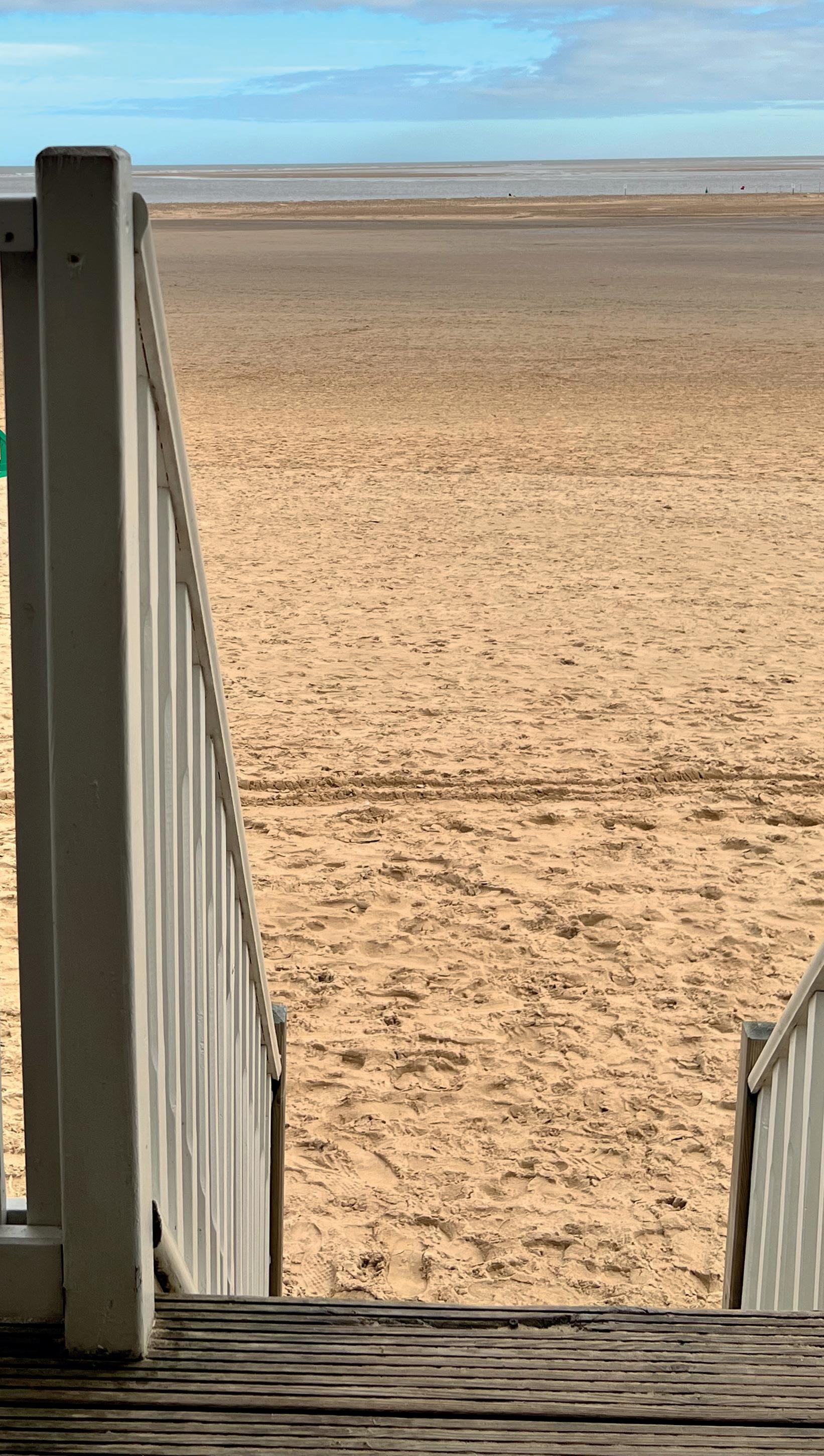
North Norfolk does not shout for attention. It beckons quietly, with pale sands, flint cottages and harbours that seem to run on tide time rather than clock time. For anyone craving a short reset, 48 hours here is enough to loosen city shoulders, sharpen the appetite and rediscover the pleasure of travelling slowly.
Friday Evening: Arrive by the Marshes
A North Norfolk weekend begins best with a golden-hour arrival. Base yourself somewhere with character: perhaps a room above a smart village pub in Burnham Market, a cottage near
Wells-next-the-Sea, or a boutique bolthole overlooking the creeks at Brancaster Staithe. Nowhere feels far, yet every turn reveals a different mood: reed-fringed lanes, grazing marsh, then suddenly the glint of the sea.
Keep dinner simple and local. Think dressed Cromer crab, Brancaster mussels, samphire when it is in season, and a glass of something cold while the sky turns peach over the salt marsh. This is not a place for over-scheduled evenings. Wander after supper, listen for curlews, and let the weekend begin with an early night and sea air through the window.
Saturday Morning: Wells, Holkham and Barefoot Space
Start in Wells-next-the-Sea, where boats bob in the quay and the smell of salt and chips hangs in
the air. Pick up coffee and something flaky from a bakery, then follow the long path towards the beach. The famous line of painted beach huts delivers the postcard moment - but linger and the landscape becomes wilder, softer and more cinematic.
From Wells, continue on foot or by car to Holkham Beach, a sweep of sand so vast it can make even a busy weekend feel spacious. At low tide, the beach seems almost endless, backed by dunes and pinewoods, with dogs racing across the flats and walkers reduced to small silhouettes beneath a theatrical sky. It is the kind of place that makes conversation fall away naturally.
By lunchtime, drift inland to Burnham Market, often called Chelsea-on-Sea, though its charm is more understated than the nickname suggests. Around the green are smart interiors shops, galleries, delis and boutiques that make browsing feel like a legitimate afternoon activity. Lunch should be unhurried: a crab sandwich, seasonal salad, or local asparagus if the timing is right.
If the weather is bright, carry on to Holkham Hall for parkland, deer-dotted views and stately architecture without the stiffness. If clouds gather, embrace them. North Norfolk wears grey beautifully, especially from a fireside armchair with tea, cake and a book you have been meaning to read for months.
For dinner, aim for a table with a view: somewhere the marshes darken outside the window and the menu makes the most of the coast. North Norfolk’s food scene is quietly confident, built around fishermen, farmers and producers who do not need much embellishment. Order seafood if you can,
pudding if you must, then step outside to admire the depth of rural darkness.
Rise early and head to Morston Quay for a seal trip towards Blakeney Point. The boats slip through tidal creeks and open water, past salt marsh and sandbanks where seals lounge with magnificent indifference. It is gentle, bracing and slightly magical - a reminder that the best luxury here is access to nature.
Back on land, make time for Blakeney itself, all narrow lanes, brick-and-flint cottages and waterside views. Cley-next-the-Sea, just along the road, is equally lovely, with its windmill, galleries and excellent stops for provisions. Pick up Norfolk cheeses, chutney, sourdough or a slab of cake for the journey home, because every good mini-break deserves edible souvenirs.
Before leaving, curve east to Cromer for a proper seaside finale. The pier gives the town its vintage elegance, while the beach, cliffs and independent shops keep it feeling lived-in rather than preserved. If you have not yet eaten crab, now is the moment: Cromer’s sweet, delicate crab is one of the county’s great pleasures, best enjoyed without fuss and with a sea view.
By the time you turn for home, North Norfolk will have worked its quiet spell. You may not have ticked off everything, but that is rather the point. This is a place for returning: for another tide, another sunset, another walk across a beach so wide it feels like breathing space made visible.
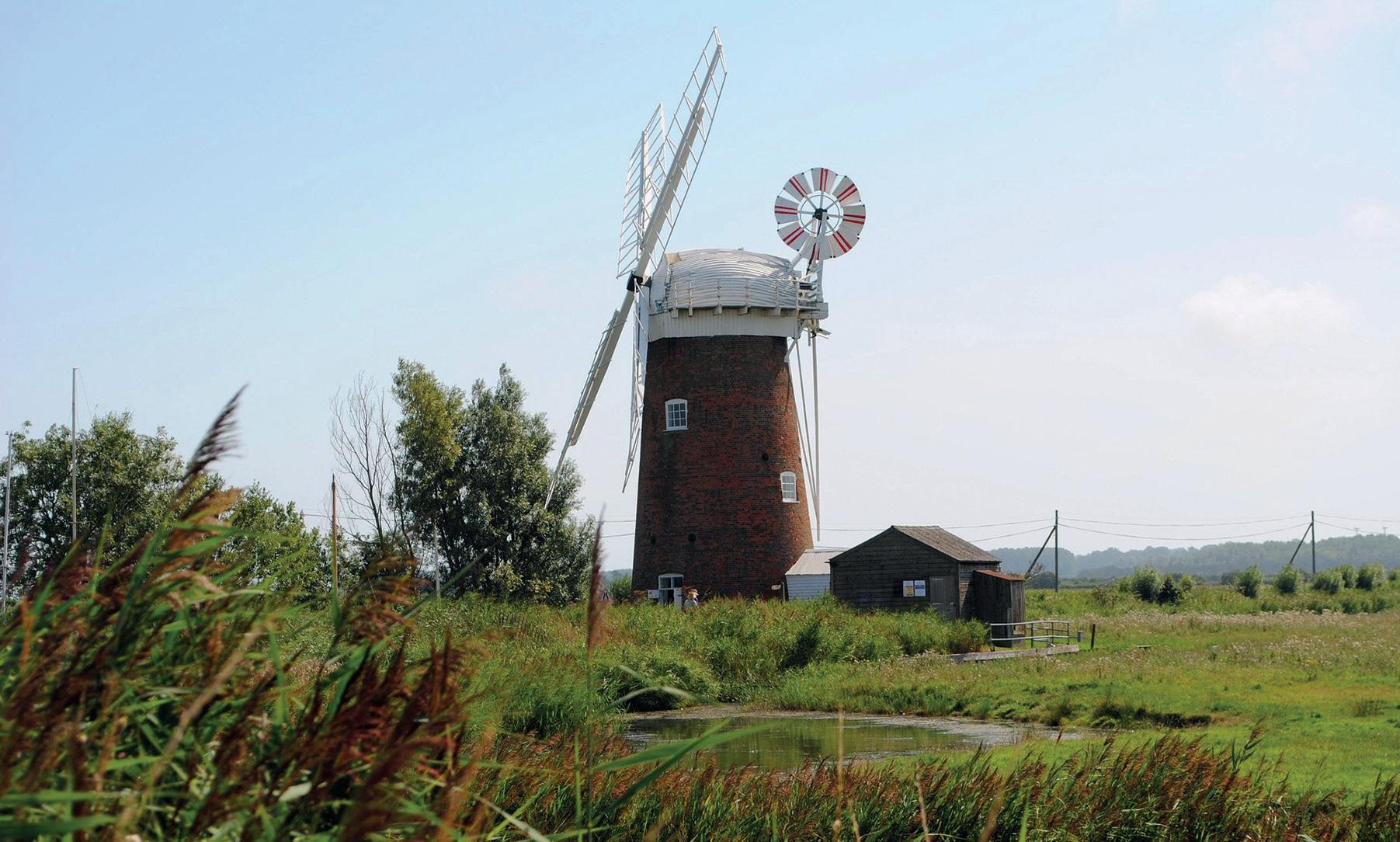
The Broads are one of Britain’s most accessible boating destinations: a gentle network of rivers, shallow lakes, reedbeds and waterside villages across Norfolk and Suffolk.
First-timers do not need to be expert sailors. The pace is slow, the scenery is rich, and the pleasure lies in watching wildlife, passing wind pumps and mooring for a quiet meal.
Most beginners hire a day boat or motor cruiser. A day boat is ideal for a relaxed introduction from places such as Wroxham, Horning, Potter Heigham, Stalham or Beccles. A cruiser adds accommodation for a weekend or week away. Your hire operator will explain steering,
stopping, mooring, ropes and onboard facilities, so listen carefully and ask questions before leaving the yard.
Plan, but keep it flexible
Plan loosely. Study a map, check tide times where relevant, and choose modest daily distances. Good beginner areas include the River Bure around Wroxham, Salhouse Broad, Horning and Ranworth, or the quieter River Ant towards Barton Broad. Allow time for lunch, short walks and finding a mooring. Speed limits usually range from 3 to 6 mph, and low wash protects banks, wildlife and moored boats.
Safety is mostly common sense. Wear a buoyancy aid on deck, when getting on or off, or while handling ropes. Watch children and
pets closely. Step ashore rather than jumping, keep hands and feet clear of gaps, and avoid swimming in the rivers or broads unless part of an organised event. Do not helm after drinking. Keep a charged phone and note Broads Control for advice or hazards.
Mooring becomes easier with a calm routine. Prepare ropes, brief your crew, slow down early and, where possible, approach against wind or flow. Use clear instructions and try again if the first attempt fails. Read public mooring signs, as some places have time limits or charges.
Know your boat’s air draught and check bridge gauges before passing under bridges. Water levels change with tide, weather and rainfall, so never assume a bridge will be passable later. Some bridges need special care or a pilot service. Treat your boatyard’s advice as essential, and approach Breydon Water cautiously because it is wider, tidal and more exposed.
The Broads are a living landscape, not just a holiday playground. Give sailing boats, paddlers, anglers and wildlife plenty of room. Keep noise low, use proper rubbish facilities, and pack binoculars, waterproofs, soft-soled shoes, a torch, layers and a map.
For a first short break, start at Wroxham or Hoveton, cruise to Salhouse Broad, then continue towards Horning or Ranworth if time allows. Alternatively, explore from Stalham towards Barton Broad and the River Ant. Do not travel too far; the Broads are best enjoyed slowly.
Boating the Broads rewards patience rather than bravado. Prepare well, listen to local advice, follow the rules and treat the waterways with care. Do that, and your first trip may well become a habit.
• Choose the right hire boat: pick a day boat for a simple first outing, or a motor cruiser if you want overnight accommodation and more time to explore.
• Plan manageable distances: use a map, check tide information where relevant, and leave spare time for lunch stops, weather changes and finding a mooring.
• Put safety first: wear buoyancy aids on deck, while boarding or disembarking, and whenever you are handling ropes.
• Travel slowly and smoothly: keep to posted speed limits, reduce wash near banks and moored boats, and give wildlife plenty of space.
• Approach bridges carefully: know your boat’s air draught, check bridge gauges, and ask your boatyard or a pilot for advice if you are unsure.
• Moor calmly: prepare ropes early, brief your crew, approach slowly, and try again rather than forcing a difficult manoeuvre.
• Respect the Broads: keep noise low, dispose of rubbish properly, and be considerate to sailors, paddlers, anglers and local communities.
In short, choose a suitable boat, plan an easy route, respect speed limits, take care around bridges and moorings, and leave time to enjoy the landscape.
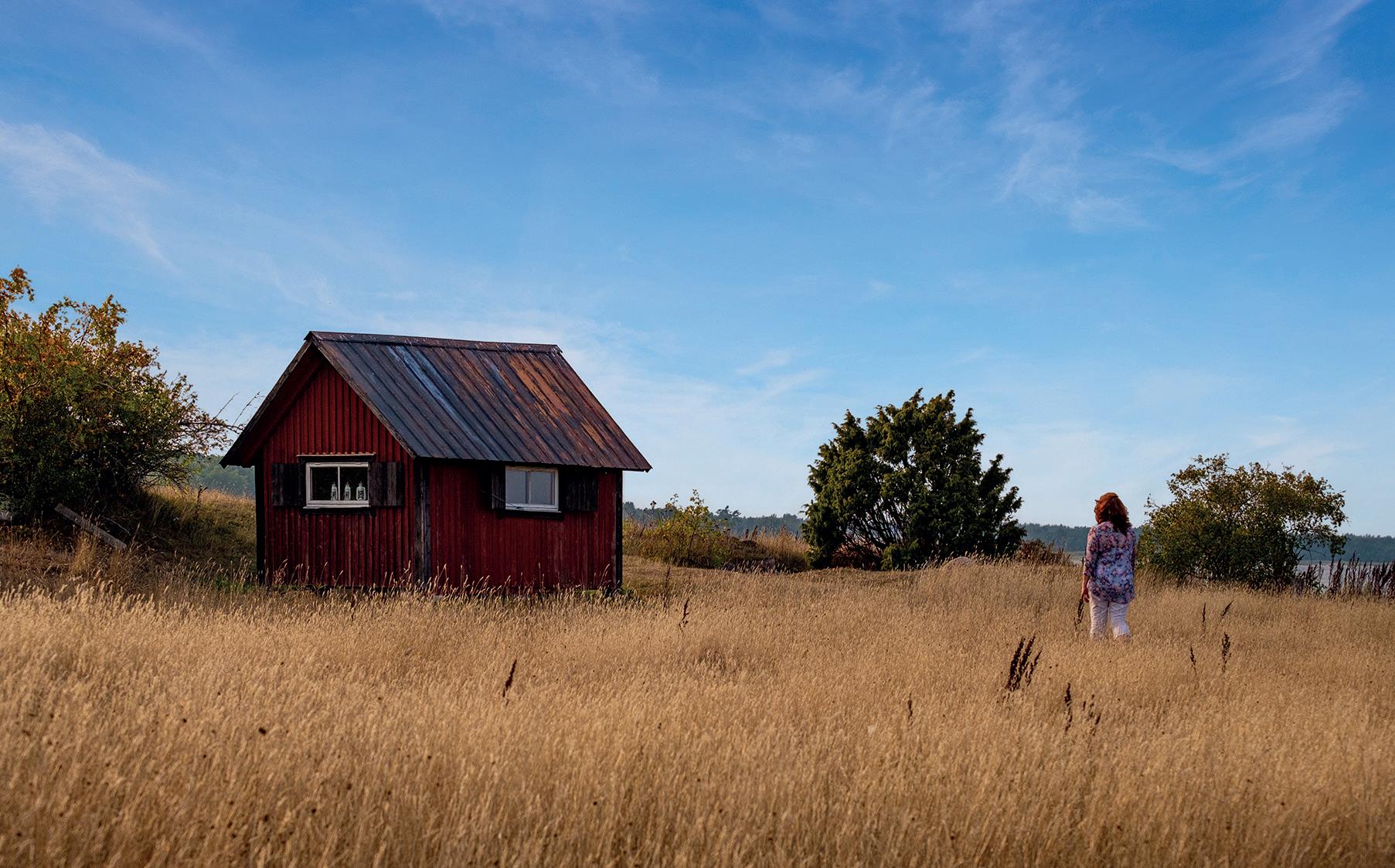
Not a punishing digital detox, not business as usual: this is the elegant, realistic escape for anyone craving more sky, more sleep and fewer notifications.
There is a holiday moment that now feels almost luxurious: coffee by an open window, birdsong replacing the playlist, and no urgent need to photograph, post, reply or refresh.
A digital-light holiday is not about throwing your phone into the sea. It is the softer, smarter alternative: enough connection for convenience, enough distance for your mind to exhale.
Unlike a strict digital detox, a digital-light break allows for essentials: travel updates, the odd photograph, a call home, or a map when the
lanes become mysterious. The secret is to decide before departure what technology is there to serve - and what it must not steal. Done well, it feels less like deprivation and more like editing your holiday down to its most beautiful parts.
Start with the backdrop. The easiest way to use your phone less is to go somewhere the real world is more tempting: a cottage on the Norfolk coast, a shepherd’s hut in the Welsh hills, a woodland cabin, or a small hotel where breakfast drifts towards noon. Limited signal
can help, but atmosphere matters more. Choose somewhere that nudges you towards walking, reading, swimming, cooking or lingering over supper. A slower place gives your attention somewhere lovelier to land.
If you are travelling with others, make the digital-light ambition part of the planning, not a rule announced on arrival. One person may want near silence; another may need a daily check-in. Agree the rhythm early, and the holiday becomes a shared pleasure rather than a contest in virtuous unplugging.
A beautiful boundary is specific. “I’ll use my phone less” is too vague to survive the first rainy afternoon. Try instead: no work emails, no social media apps, no phones at meals, and no scrolling in bed. Set an out-of-office message, tell close contacts when you will be reachable, and move distracting apps off your home screen. If you need your phone for photos, switch it to aeroplane mode and treat it like a camera, not a portal. A short daily admin window can keep the rest of the day blissfully unclaimed.
For families or groups, introduce phone-free rituals rather than bans: a basket by the door, a shared charging spot outside bedrooms, or a golden-hour walk before dinner. The aim is atmosphere, not punishment. Everyone responds better when the alternative feels genuinely more appealing.
The most stylish digital-light holidays have a pleasingly old-fashioned kit list: a paperback you have been saving, a notebook, playing cards, a proper map, a slim travel guide, a small torch and perhaps an instant or disposablestyle camera. Download tickets, addresses and booking details in advance, but print the
essentials too. It sounds retro until your battery fades on a country lane and paper directions suddenly look wonderfully sophisticated. Add a pen you enjoy using, and your notes may become the loveliest souvenir.
The point is not to optimise your wellbeing until it becomes another task. Plan a loose rhythm rather than a military itinerary: one anchor activity each day, generous blank space, and meals that invite conversation. Book the pottery class, the coastal walk with a pub at the end, the market morning, the garden visit, the wild swim, the long lunch. Leave room for weather, naps and detours. Often, the unplanned hour is where a holiday begins.
Create a small menu of offline pleasures for low-energy moments: a jigsaw, a playlist downloaded before departure, a recipe to cook slowly, or a stack of magazines. These gentle substitutes stop you reaching for your phone simply because your hands are idle.
Re-entry matters. Resist spending the final evening catching up on everything you missed. Instead, choose one short window on your last day to check essentials, then close the laptop, put the kettle on and let the holiday end at human speed. On the journey home, notice what changed: Did you sleep better? Talk more? Read for longer? Feel less twitchy when nothing was happening?
A digital-light holiday is not a rejection of technology; it is a reminder that your attention is one of the loveliest things you can bring away with you. Spend it well, and even a modest weekend can feel expansive: more texture, more taste, more sky. The best souvenir may be the quiet confidence that the world keeps turning when you are not constantly checking it.

Big memories do not need big-ticket prices. With a packed lunch, a little imagination and a firm grip on the extras, £20 can still buy a brilliant family adventure.
Think muddy woodland missions, free museum challenges, beach picnics, budget cinema mornings and local farm visits. The trick is to choose places where the fun is built in, rather than bolted on at the gift shop.
Free is not second-best
Start with the places that cost nothing to enter. Many UK museums and galleries are free, making them ideal for rainy Saturdays and school-holiday afternoons. Give children a mission: find the oldest object, the strangest
animal, the brightest painting or three things they would save for a time capsule. A free museum instantly feels more exciting when it becomes a treasure hunt.
Parks, commons, country parks and canal towpaths are just as useful. Pack bubbles, a football, binoculars or a homemade scavenger hunt, then look for feathers, insects, bridges, boats or the best climbing tree. If parking is the only cost, the whole outing can come in well under £20, with enough left for hot chocolate on the way home.
For younger children, a short bus, train or tram ride can feel like an expedition. Choose a nearby town with a riverside path, market square, playground or free museum and make the travel
part of the story. Check off-peak fares, family discounts and local rover tickets before you go; the right ticket can turn an ordinary morning into a low-cost adventure.
Bad weather need not mean an expensive softplay bill. Many cinemas run cheaper children’s screenings at weekends or during school holidays, and homemade popcorn in paper bags keeps snack costs down. Leisure centres can be good value too: look for family swims, toddler splash sessions, roller-skating mornings or pay-as-you-go activities.
Do not overlook libraries. They are free, warm and welcoming, and many run craft sessions, story times, Lego clubs or summer reading challenges. Pair a library visit with a picnic in the nearest park and you have a simple half-day plan that works for mixed ages.
Go wild outdoors
For proper adventure, nature still gives the best value. Woodland trails, reservoirs, nature reserves and beaches offer space, fresh air and freedom for very little money. Build the day around a theme: den-building, map-reading, a wildlife safari, a fossil hunt on a suitable beach, or a family photo challenge where everyone captures five interesting things.
Many nature reserves are free to enter, while forestry sites often have play trails or character routes. Parking may cost a few pounds, but the entertainment can last for hours. Bring spare socks, waterproofs and a bag for muddy clothes, and the weather becomes part of the story rather than a reason to cancel.
Animal attractions can be pricey, but smaller farm parks, community farms and rescue centres are often more affordable than major

zoos. Look for places where under-threes go free, adults pay less, or family tickets reduce the average cost. Goats, chickens, rabbits, tractor tyres and a play area can easily fill half a day for younger children.
Keeping the total under £20 is mostly about controlling the extras. Take packed lunches, refillable bottles, snacks and a small treat from home. Check council websites, library noticeboards and local groups for free events, trails and holiday activities. Book online if it is cheaper, travel off-peak where possible, and look for family rover tickets or 2-for-1 offers linked to rail travel.
Set the rules early: no gift shop, pocket money only for extras, or one shared ice cream. Keep a ready-to-go day-out bag with wipes, plasters, waterproofs, a picnic blanket and parking change. Finally, think short and brilliant. Two happy hours at a splash park, skate park, woodland trail or museum can beat an expensive all-day attraction that leaves everyone tired.
The best family adventures under £20 are rarely the biggest or glossiest. They are the outings where children climb, discover, splash, laugh and come home pleasantly tired. Spend less on admission, bring more imagination, and a picnic in a new park or a muddy woodland quest can become the story they tell for weeks.

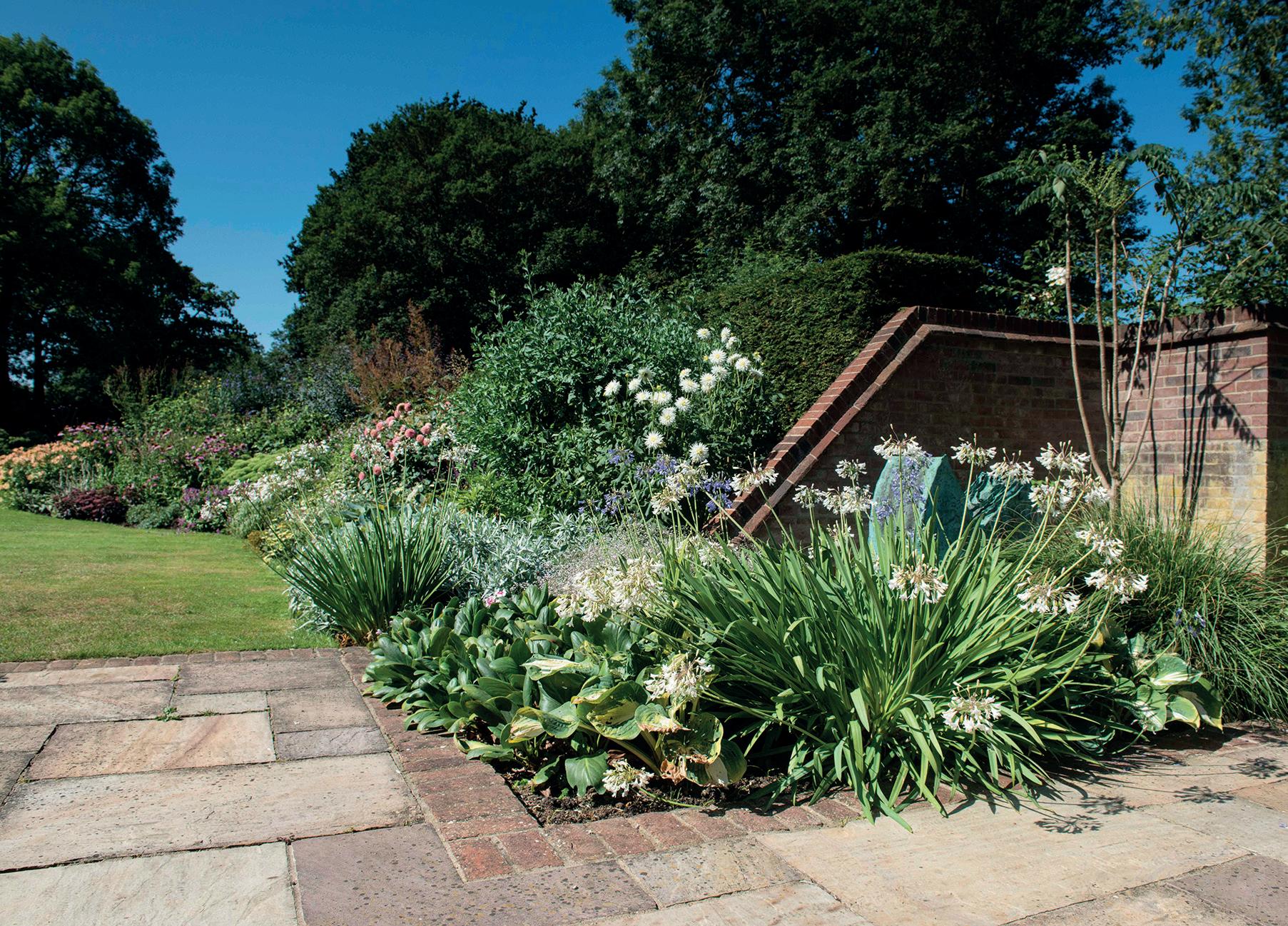
Vulgar is a word that was commonly used in times gone by to describe the big blowsy arrival of dahlias and their colourful companions in the height of summer.
Now, thanks to legendary gardener and writer Christopher Lloyd who championed a bold and unapologetic approach to gardening, and many who continue to share his ethos, it is pure joy to walk and admire a garden full of strong vibrant colour, exotic blooms and hypnotic foliage in August.
Many gardens incorporate sculpture and follies but with careful curation and a strong emphasis on structure, gardeners have learned how to weave this strong palette of colour through their borders and some fine examples will be opening their gates for you this month.
Whether you are a fan of such drama or prefer the carefree feel of a classic country garden with grasses at their best threaded through the mixed beds of calm colour, there is sure to be many an enticing garden to visit this month.
BRICK KILN HOUSE, Shotesham. Sun 2 August 10-4. This 2-acre country garden boasts a large terrace, lawns and colourful herbaceous borders. There is also a contemporary designed pergola garden, sculptures and a stream running through a diversely planted wood. Adm £8, chd free. Wheelchair access. Dogs welcome. Also open “by arrangement” until 12 September.
FIDDIAN’S FOLLIES, North Barningham NR11 7LA. Sun 2 August 10.30-5. The garden at Upwood Farm is affectionately known as Fiddian’s Follies and has been described as
quirky, full of surprises and generally very different to usual herbaceous borders, rose beds and sweeping lawns. There are several follies, lovingly created with brick and stone elements in and around what was once an old quarry. The garden, set in 3 acres, also boasts wonderful unspoilt views. Adm £7, chd free. Dogs welcome.
84 FAKENHAM ROAD, Great Witchingham. Sun 9 August 10-4. This is a garden for keen plant enthusiasts, especially if you are interested in exotics. Boundaries disappear behind dense planting and narrow paths lead you around the garden. Space is at a premium and you will also see exotic pigeons, pheasants and parakeets among the plants. The owner is a firm believer in reuse and recycle and many of the garden structures reflect this ethos. Adm £5, chd free. Booking Essential.
SEVERALS GRANGE, Wood Norton. Sun 9 August 1-5. The garden surrounding Severals Grange are a perfect example of how colour, shape and form can be created by the use of foliage plants, from large shrubs to small alpines. Movement and lightness are achieved by interspersing these plants with a wide range of ornamental grasses. Splashes of additional colour are provided by a variety of herbaceous plants. Adm £6, chd free. Wheelchair access. Dogs welcome.
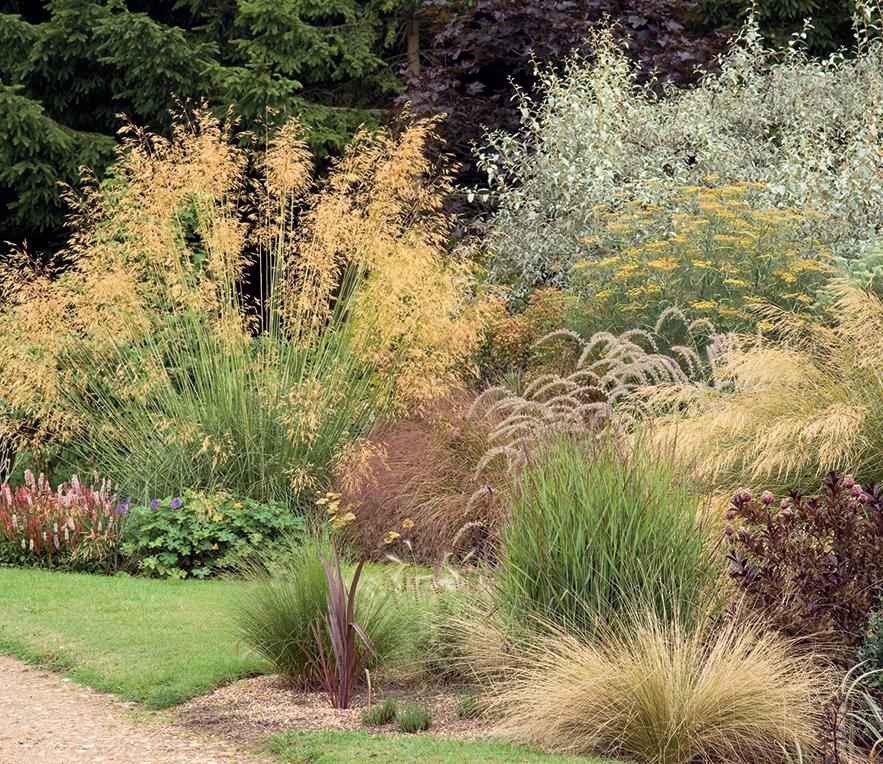
33 WALDEMAR LANE, Hellesdon. Sun 9 & Sun 23 August 10-4. This garden is all about big leaves and foliage textures and colours. A surprising and large suburban garden of many parts with an exciting mix of exotic and tropical plants combined with unusual perennials. A quirky palm thatched Tiki hut is an eye-catching feature and there is a wonderful treehouse draped in plants as well as a pond. A large collection of succulents will be on show and there will be plants to buy. Adm £5, chd free. Prebooking essential. Wheelchair access.
ACRE MEADOW, Bradwell. Sun 16 & Mon 17 August 10-3. A dramatic, intensely planted hidden garden with a lawn free, richly colourful mix of exotic and other late season plants, this garden includes many cannas, large grasses, brugmansia, late season perennials, several unusual and uncommon plants and is alive with insects on sunny days. Separate areas include the tea garden, traditional conservatory and wildlife pond. Adm £5, chd free. Prebooking essential. Wheelchair access. Dogs welcome.
COBWEB COTTAGE, Shingham. Sun 23 August 11-4. A cottage garden on the edge of the village with mixed borders, a sunken greenhouse pergola and a wildlife pond. There is also a large productive ornamental kitchen garden with bees, chickens, treehouse, prairie planting and fruit cage. This is a very wildlife friendly garden. Adm £5, chd free. Dogs welcome. Limited parking. Also, open “by arrangement” until 30 August.
Before visiting a garden, it is advisable to check the website for up to date information at www.ngs.org.uk.