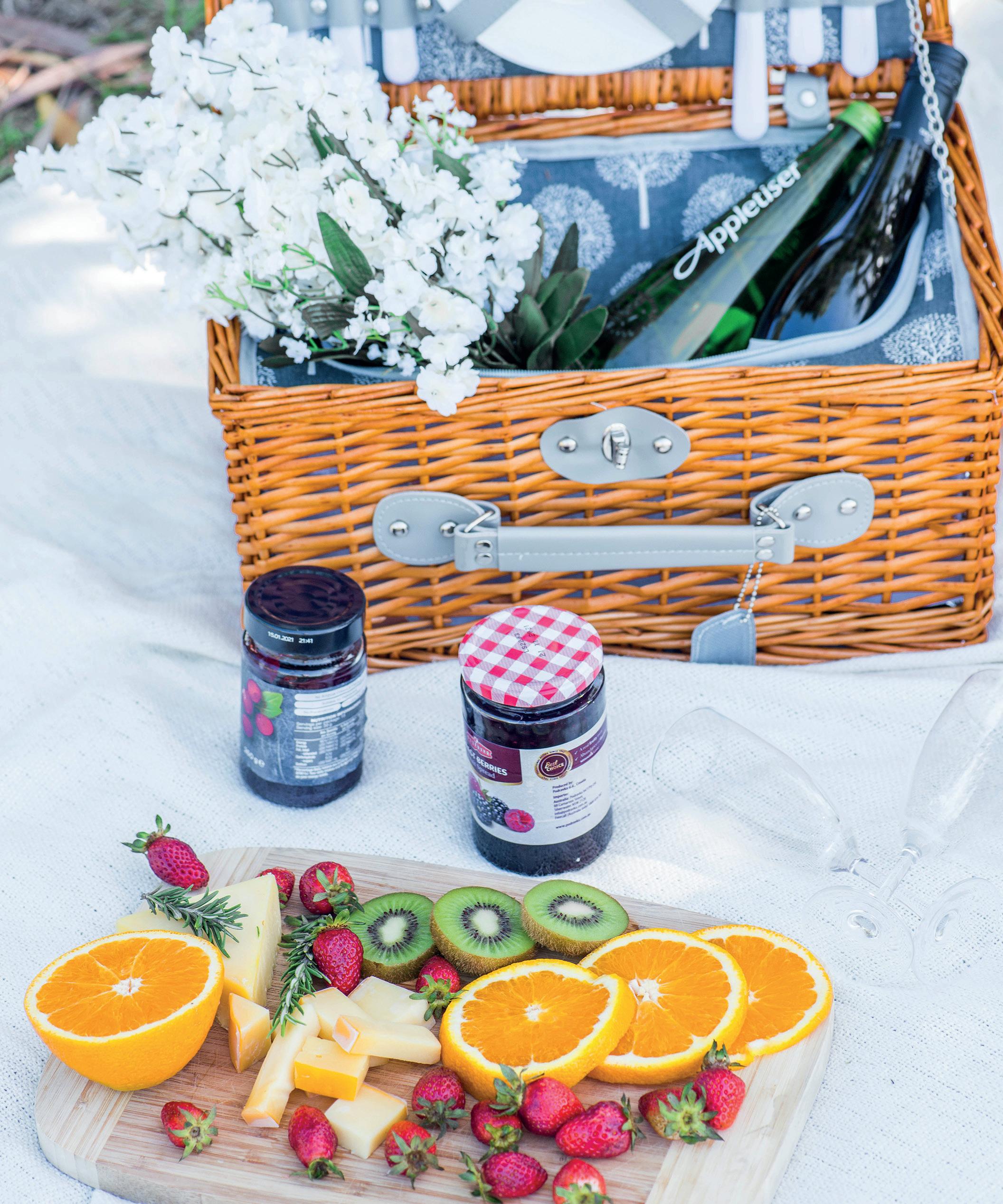


“Summer afternoon—summer afternoon; to me those have always been the two most beautiful words in the English language.” - Henry James
There's something about July that slows everything down to picnic pace — rugs on the grass, baskets packed with good things, and absolutely nowhere else to be. This month, we're leaning fully into that feeling.
Our Focus On: Picnics (pp. 25-31) is a real treat this issue, taking you from Norfolk's Top Ten Picnic Spotsgolden beaches, ancient parkland and hidden riverside meadows - through to Healthy Picnics, proving a hamper can be nourishing as well as indulgent, and finishing with a nostalgic look back at Retro Picnics, complete with Scotch eggs, Coronation chicken and games that don't need batteries.
Green-fingered readers won't want to miss Essential Jobs To Do In The Garden For July (pp. 8-9), keeping borders, pots and kitchen gardens thriving through the warmest weeks of the year. And for the first time ever, Norfolk hosts its own RHS Flower Show - we've got all the details on the RHS Sandringham Flower Show and this year's showstopping Pollywiggle Garden (pp. 34-35), alongside our usual round-up of Open Gardens across the county (pp. 36–37).
Whatever your July looks like - hamper in hand or hose in the garden - we hope this issue brings you a little extra sunshine. See you in Issue 160!
Follow our social channels search: Iceni Magazine


Charlie, Iceni Home And Garden, Nova Silver, Susan Leigh, Tim Barnes-Clay, Trevor Langley, Vicki Jeffery.
Copyright © Iceni Magazine Limited. All rights reserved. No articles, adverts, content or design in this magazine may be used or reproduced either in whole or part, online or in print. The views and advice from contributors are not necessarily those of Iceni Magazine Limited. Every effort is made to ensure the contents are accurate, however Iceni Magazine Limited can not assume responsibility for errors, omissions or incorrect information. Iceni Magazine Limited accepts no liability for loss, damage or difficulties resulting from contracts between The Client and their customer. Inclusion within the magazine does not imply a recommendation. www.icenimagazine.co.uk




Oftentimes ‘no’ is viewed as negative and is perhaps even seen as aggressive or unhelpful in tone, whilst ‘yes’ is regarded as positive, obliging and supportive. But is that really the case? Sometimes saying ‘yes’ and agreeing to something for the wrong reasons is detrimental to our health, ultimately resulting in the buildup of stress and tension.
‘Yes’ can also cause problems when those around us get used to always hearing agreement to their requests. They learn to expect it and feel aggrieved if it becomes unforthcoming. Eleanor Roosevelt reportedly said that we teach people how to treat us, and saying ‘yes’ or ‘no’ is an important factor in their experience of us.
There are many reasons why we may agree to something that we’d prefer not to do or get involved with. We may feel that it’s expected or we’re eager to belong and feel that saying ‘yes’, allows us to be more readily accepted by the group. We may not want to be seen as a party pooper or spoilsport, or there may be concerns about being bullied if we don’t go along with the crowd. So, we allow ourselves reluctantly to be guilt-tripped or cajoled into unwanted situations or behaviour.
But saying ‘yes’, when we’d really rather not, can have a huge impact on our lives and increase our stress levels. Our bodies internalise how we’re feeling and tension can build up when we’re regularly resistant to something we don’t want to do. ‘Seepage’ can occur, even if our words or carefully arranged smile try hard to conceal it. Body language experts know that a vast amount of communication is done nonverbally through a variety of clues, even when we think we’re disguising it well, especially from ourselves!
This explains how we may experience a gut reaction when first meeting someone new. We can pick up on their mood, don’t trust or feel uneasy about what they’re saying, or sense that they’re a bit ‘off’. We’re unconsciously picking up their non-verbal cues, which may be in response to what’s going on with them and their lives.
These cues can include subtle changes in someone’s breathing, a tensing of their shoulders and facial muscles, erratic eye contact, biting their lip, covering their mouth, or displaying stiffened body movements. Their energy may simply feel uncomfortable.
Some people are afraid to say ‘no’ and accumulate so much stress that they become accident-prone, overwhelmed and unable to think or function properly. Muddled thinking, poor concentration, bumping into things, tripping up or getting hurt may well be unconscious attempts to try to find ways out of situations that they’re otherwise unable to extricate themselves from. Becoming distracted, with a desperate desire to avoid something can, at times, prompt our unconscious to intervene and try to rescue us, even though it’s being done without our being fully aware.
But agreeing to things we don’t want to do delivers the wrong message to those in our orbit. We can’t expect people to tip-toe around us or second-guess how we’re feeling or what we want. Sending mixed signals can convey a confusing message that causes misunderstandings to occur.
Saying ‘no’ appropriately can open a conversation and enhance our understanding in a relationship. It allows us to explore other options and learn more about each other. Doing it in a positive, assertive way avoids the need for aggression or anger. ‘Leave it with me’, ‘I’ll have to check’, ‘let me get back to you’, ‘I’m not sure at the moment’, are ways to defer and delay an immediate answer to a request or question that we’re hesitant about. Sometimes it’s better to press pause and find appropriate, respectful ways to say ‘no, not now’.
This teaches others to value us and our contributions. It’s good for them to learn that

we’re not always available, not constantly at their beck and call. We have a life that needs to be taken into account and included in negotiations. This can be a positive step in bringing a better, more even balance into our relationships.
We also need to have an awareness of the people who, for various reasons, are disinclined to speak up and who silently go along with whatever’s asked or expected of them. They may be easy-going and genuinely not mind what they do, or they may find some situations intimidating and stressful, especially if they involve speaking up or disagreeing This can gradually become a habit, where one person slowly feels that they’re losing their identity and are automatically assumed to comply. Over time, resentment can fester and cause issues, changes in their personality, and significantly damage the relationship.
But equally, let’s not forget that when one person says ‘no’ others may well be pleased, as they didn’t have the nerve to speak up first. Someone else speaking up lets them off the hook, and there’s a collective sigh of relief.
Effective communication comes from being open and honest in an adult relationship. It’s important to broach tough topics and discuss if we’re feeling disrespected, taken for granted or not fully appreciated. Having those conversations allows a relationship to develop and become an authentic, valued part of our lives.
Susan Leigh, South Manchester counsellor, hypnotherapist, relationship counsellor, writer & media contributor offers help with relationship issues, stress management, assertiveness and confidence. She works with individual clients, couples and provides corporate workshops and support. For more articles, information or to make contact please visit: https://www.lifestyletherapy.net

July is the month when the garden seems to breathe out in full colour.
Borders are brimming, the vegetable patch is rewarding earlier efforts, and containers are at their most exuberant. Yet long days, warm spells and the odd dry wind can make growth demanding as well as delightful. A little regular attention now will keep everything fresh, productive and resilient through late summer.
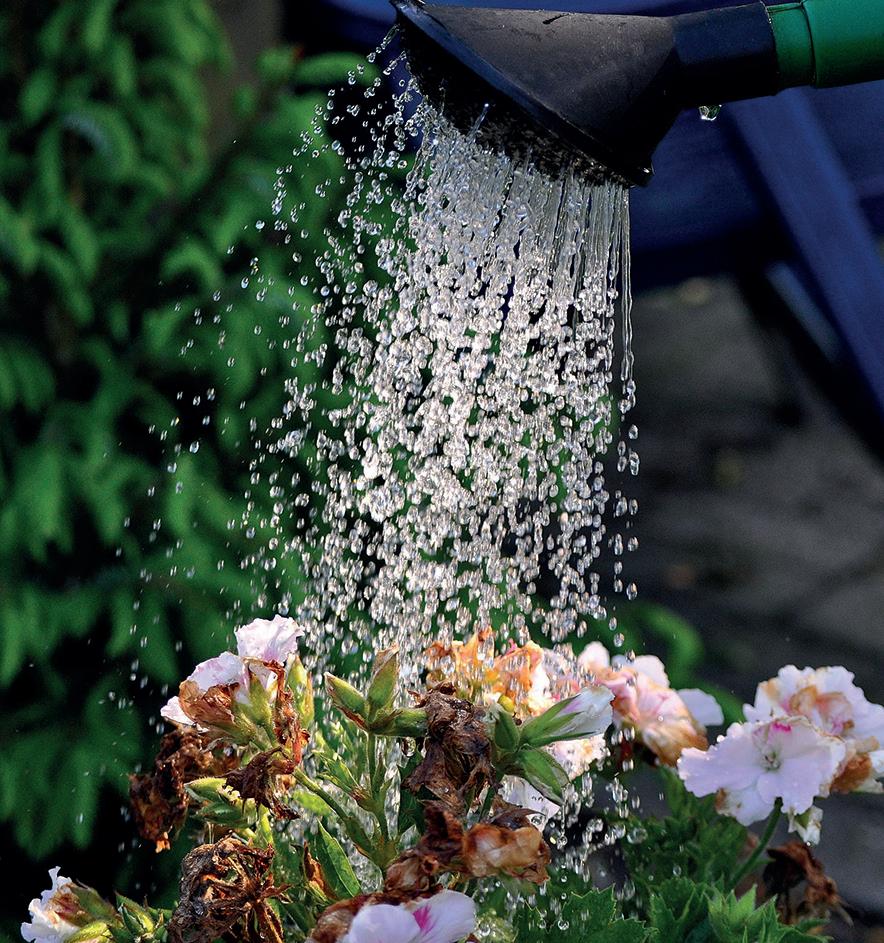
Watering is July’s most important job, particularly for pots, hanging baskets, new plantings and thirsty crops such as tomatoes, courgettes, beans and celery. Aim for a thorough soak rather than a quick sprinkle, so moisture reaches the roots. Early morning or evening is best, when less water is lost to evaporation. Use stored rainwater where possible, and mulch
with compost or leaf mould to lock in moisture and keep roots cool.
Deadheading is a satisfying July task. Remove faded blooms from roses, sweet peas, dahlias, cosmos, pelargoniums and bedding plants to encourage more flowers rather than seed. Pick sweet peas every couple of days to keep them performing. Early summer perennials such as hardy geraniums, delphiniums and lady’s mantle can be cut back after flowering; water and feed them afterwards and many will make fresh foliage, or even a second flush.
By midsummer, container compost is running short of nutrients, so feed pots and hanging baskets weekly with a liquid fertiliser.
Tomatoes, peppers and cucumbers benefit from a high-potash feed once fruits begin to form. Dahlias and other heavy-flowering plants also appreciate a regular boost, especially in restricted soil. Check tall varieties are securely staked, as a summer downpour can quickly flatten lush growth.
The kitchen garden is coming into its stride. Pick courgettes while small and tender, lift early potatoes as needed, and gather beans, peas, salads and soft fruit regularly. Frequent harvesting encourages plants to keep cropping and prevents gluts. Thin heavy crops of apples, pears and plums so remaining fruits have space to swell, and support bowed branches. Peg healthy strawberry runners into small pots of compost for new plants next year.
Although July feels like high summer, it is also time to think ahead. Sow small batches of salad leaves, rocket and radishes for quick pickings, and try spring cabbage, pak choi, chicory, turnips and winter salads for later crops. In milder areas, there may still be time for a final sowing of dwarf French beans. Plant out leeks and brassicas, and cover cabbages, kale and broccoli with fine netting to deter cabbage white butterflies.
July is good for light, purposeful pruning. Trim lavender after flowering, taking care not to cut into old woody stems. Summer prune trained apples and pears by shortening new sideshoots, and prune plums and cherries after harvesting, choosing a dry day to reduce disease risk. Tie in climbing plants, remove wayward wisteria shoots, and hoe weeds before they set seed.
Warm weather brings pests, so make inspections part of your daily wander. Rub aphids from young shoots, pick off lily beetles, and check brassicas for eggs and caterpillars. In humid spells, watch for blight on potatoes and tomatoes, removing affected leaves promptly. In the greenhouse, open doors and vents on hot days, damp down paths to raise humidity, and add shading if temperatures soar.
Finally, enjoy the garden you have created. Cut flowers for the house, sit out at dusk to watch pollinators at work, and note what is thriving. July rewards steady, unhurried care: a can of water here, a snip of secateurs there, and a basket of produce carried back to the kitchen. Keep on top of these jobs and the garden will remain generous, colourful and full of life.

The Porsche 911 Carrera GTS has always occupied a sweet spot in the 911 range, blending everyday usability with serious and unadulterated performance.
With the latest generation, Porsche has taken a bold step by ushering in the first performancehybrid system ever fitted to a production 911. But rather than compromising the German sports car's character, the new T-Hybrid technology enhances everything enthusiasts love about the iconic sports car.
You see, at the heart of the new Carrera GTS is a newly developed 3.6-litre flat-six boxer lump paired with the innovative hybrid system. The result is a combined output of 541 PS and 610 Nm of torque - a significant increase of 61 PS over its predecessor. Despite the addition of electrification, Porsche has kept weight gain remarkably low, with the entire system adding just 50 kg.
Anyway, the star of the show is the electrically assisted turbocharger, or eTurbo. Unlike old-
school compressors, which can suffer from lag at low engine speeds, the eTurbo features an electric motor placed on the turbo shaft. This can instantly spin the turbocharger to optimal speed, delivering immediate throttle response. The effect is dramatic. Poke is linear, urgent and incredibly responsive.
Porsche has also developed a fresh eightspeed PDK transmission specifically for the T-Hybrid system. Integrated within the gearbox is a compact electric motor producing up to 40 kW (54 PS) and 150 Nm of torque. This motor provides instantaneous assistance when accelerating, helps recover energy during braking and coasting, and even replaces the traditional starter motor and alternator. The integration is so seamless that you don’t really notice where combustion clout ends, and electric support begins.
Powering the hybrid system is a compact 400volt battery with a gross capacity of 1.9 kWh. Weighing approximately 27 kg, it’s no larger than a conventional starter battery and is positioned
under the front bonnet to optimise weight distribution. The system works continuously in the background to improve responsiveness and efficiency.
The new boxer engine is just as awe-inspiring. With a capacity increase from 3.0 to 3.6 litres, as mentioned above, and solid roller cam followers developed for motorsports use, it can produce 485 PS even without electric assistance. Innovative VarioCam technology delivers high power and efficiency across the entire range of revolutions.
Performance figures underline the success of the package. The Carrera GTS accelerates from 0-62 mph in just 3.0 seconds with Launch Control and reaches a top speed of 194 mph. The force whips your head back, and you end up grinning like a Cheshire cat - even on the gloomiest of days. Indeed, the Porsche feels sharper and more responsive in every driving situation.
The up-to-the-minute 911 Carrera GTS proves, then, that hybrid tech can enhance rather than dilute a modern-day sports car. By combining electrification with the unmistakable character of the 911, Porsche has created one of the most complete and technologically advanced GTS models ever produced.
Fast Facts: Porsche 911 Carrera GTS
• Max speed: 194mph
• 0-62 mph: 3.0 secs
• MPG: 25.9 - 27.2
• Powerplant: 3,591 cc, six-cylinder with electric turbocharger (eTurbo)
• Power (PS): 541
• CO2: 234g/km
• Base price: £137,900.00



By Tim Barnes-Clay.


Derbyshire has a lot of interest for many people and countless visitors venture to this very attractive, scenic area of the UK.
Buxton is situated in Derbyshire and reputed to be amongst the finest spa towns in England. Buxton is very much known (globally) for the beautiful architecture, with a lot of it created to compete with the city of Bath, during the 1700s. Today, eateries and restaurants offer ranges of cuisines to suit everyone.
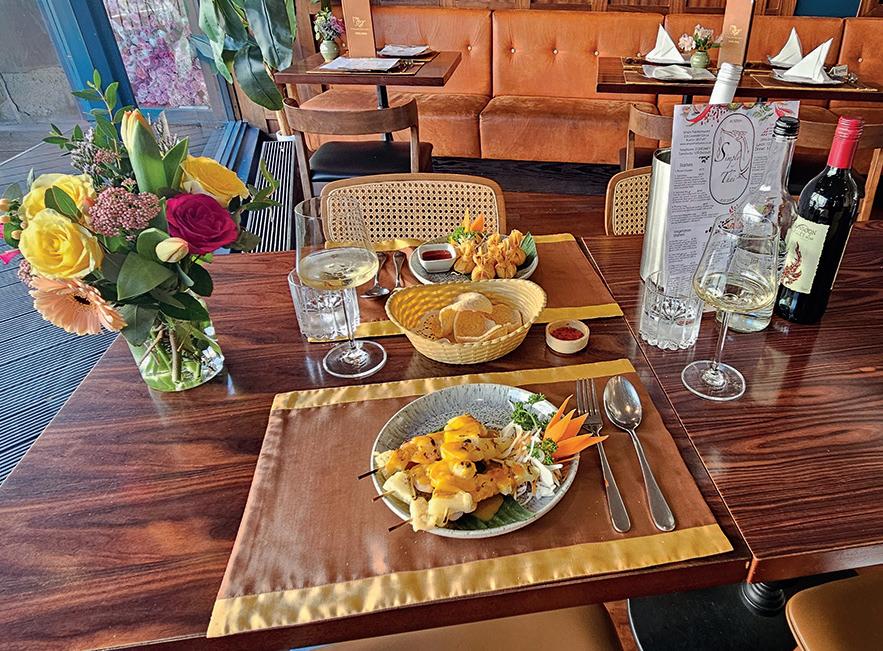
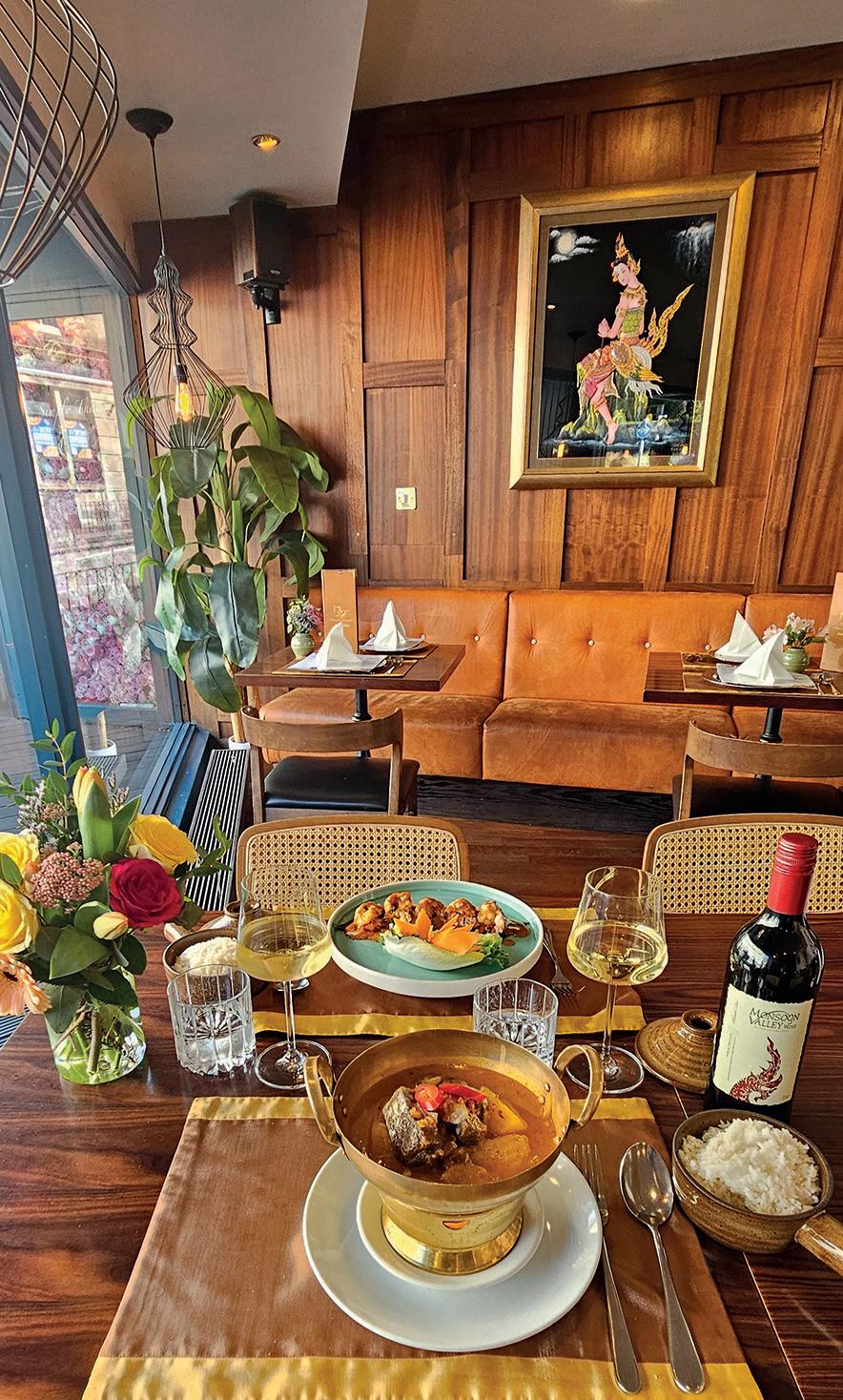
I located award-winning Simply Thai restaurant in Buxton. This restaurant (opened 2004) attracts locals, plus visitors to Buxton and the surrounding area making up a commendable amount of the repeat diners (always a good sign). The traditional, Thai-inspired decor is most admirable.
To begin I chose Thoong Tong (Crispy parcels, chicken, egg, prawns, chilli sauce) - A very good and impressive ‘introduction’ to the meal, being flavoursome and having eye-appeal presentation.
Main courses offered many delectations and I selected Choo Chee Goong (Dry curry, king prawns, red curry sauce, kaffir lime leaves, desiccated coconut - garnished with coriander and red pepper), from the grand, extensive list of options, plus a side of Coconut Rice. Arriving in style, indeed, I am truly impressed further. The complementing flavours enhanced this dish, with succulence and tenderness coming through in abundance. ‘Compliments to Chef’ were duly awarded. Head Chef, Art and the brigade take great pride in creating authentic impressive and memorable Thai dining times for all diners.
For dessert I favoured Coconut Pancake (Ice cream) - A splendid ending to the dining occasion. Simply Thai is definitely a restaurant that requires further visits, so that other dishes, of curries, meats, fish, seafood, stir-fry, noodles and vegetarian options can be ‘explored’. Drinks have all preferences covered and the choices included superb, multi award-winning wines from Monsoon Valley, Thailand.
Celebrations, parties and corporate events are easily arranged and gift vouchers can give a ‘surprise’ to someone special. For further details and information, please visit the very informative websites.
Thank you to Mim, for exemplary service throughout. Highly recommended.
Simply Thai, 2 - 3 Cavendish Circus, Buxton, SK17 6AT. Tel: 01298 24471.
E-mail: contact@simplythaibuxton.co.uk
Web: www.simplythaibuxton.co.uk
Web: www.monsoonvalleywine.co.uk
As always, Enjoy! Review By

I recently visited Maddie at No52 Cosmetic Clinic, 52 Magdalen Road, Norwich, for my semi-permanent brows and I couldn’t be happier with the experience and results.
Maddie first trained in Semi-Permanent Makeup in 2018 at the age of 20, completing her initial training in London in hair stroke brows, lip blush and eyeliner.
Since then she has continued to invest heavily in her education, attending numerous masterclasses across the UK to perfect her skills.
These include Ombre Brows and Lip Blush training in London, Ombre Lips and additional Lip Blush masterclasses in Manchester, Shaded Eyeliner training in Leeds and Hyper Realism Brows training in Birmingham.

Maddie began her career working from home before joining Bonnie’s Clinic four years ago.
Since then she has worked across various clinics around Norwich, helping countless clients achieve beautiful, natural-looking results.
What really stood out to me was Maddie’s passion for her work. She genuinely cares about helping people feel more confident and takes great pride in the quality of her treatments. She uses only leading pigment brands including Hanafy, Tina Davies, Mara and Brovi, ensuring clients receive the highest standard of care and results.
Before my appointment I was quite nervous and expected the treatment to be painful. However, I was pleasantly surprised by how comfortable the entire experience was. Maddie immediately put me at ease, explained every

step of the process and made me feel completely relaxed throughout.
The results exceeded my expectations and I absolutely love my new brows.
They have given me so much more confidence and have made such a difference to my daily routine.
It was a lovely experience from start to finish and I would highly recommend Maddie at No52 Cosmetic Clinic to anyone considering semipermanent makeup.
Hi, I am Charlie, a former make-up artist originally based in Norwich. I have always been passionate about art and channelling it through creative makeup. I trained at Norwich City College in Fashion and SFX makeup. My work has been published both nationally and internationally.
Want to see more? Check out my Instagram - @ThePoutyLip






Carnelian is the traditional birthstone for July and has been treasured for centuries for its warm vibrant shades of orange and red tones. This beautiful gemstone is associated with energy, confidence, courage, and creativity. Ancient civilisations including the Egyptians and Romans, valued carnelian as a stone of protection and vitality. Today, it remains a popular choice in jewellery not only for its striking colour but also for the positive qualities it is believed to inspire. As July’s birthstone, carnelian makes a meaningful gift for those born during this month symbolising strength, motivation, and personal empowerment.
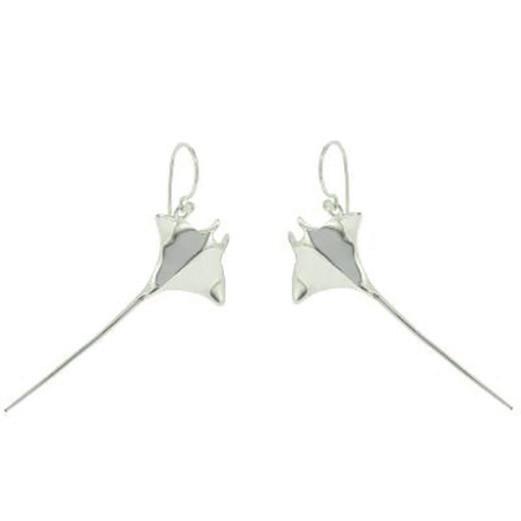
Manta rays are a distinctive and meaningful symbol in jewellery design. Known for their graceful movements through the ocean manta rays represent freedom, elegance, and emotional balance. They are often associated with wisdom and adaptability and the ability to navigate life’s challenges with calmness and resilience. For many people manta ray jewellery serves as a reminder to embrace life's journey
with confidence while maintaining a connection to nature and the sea.
Seahorses are a powerful symbol in jewellery, often representing patience, strength, and good fortune. They are also associated with loyalty and devotion as many seahorse species form strong pair bonds and share parental responsibilities. In various cultures seahorses have been regarded as protective creatures that bring luck and safe passage particularly for those connected to the sea. The seahorse combines elegance with meaningful symbolism, making it a popular choice for jewellery pieces that celebrate love, resilience, and personal growth.
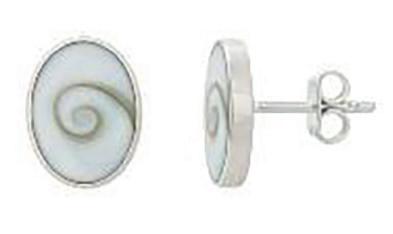
Another popular element found in oceaninspired jewellery is the Shiva Eye shell. This unique shell originates from a species of sea snail known as the turban snail. The distinctive spiral pattern resembles an eye giving rise to its name. In many cultures the Shiva Eye shell is believed to symbolise protection, intuition, spiritual awareness, and good fortune.
Thanks to the wonderful photographs shared by our followers on Facebook, have a look at the June images of our stunning region.


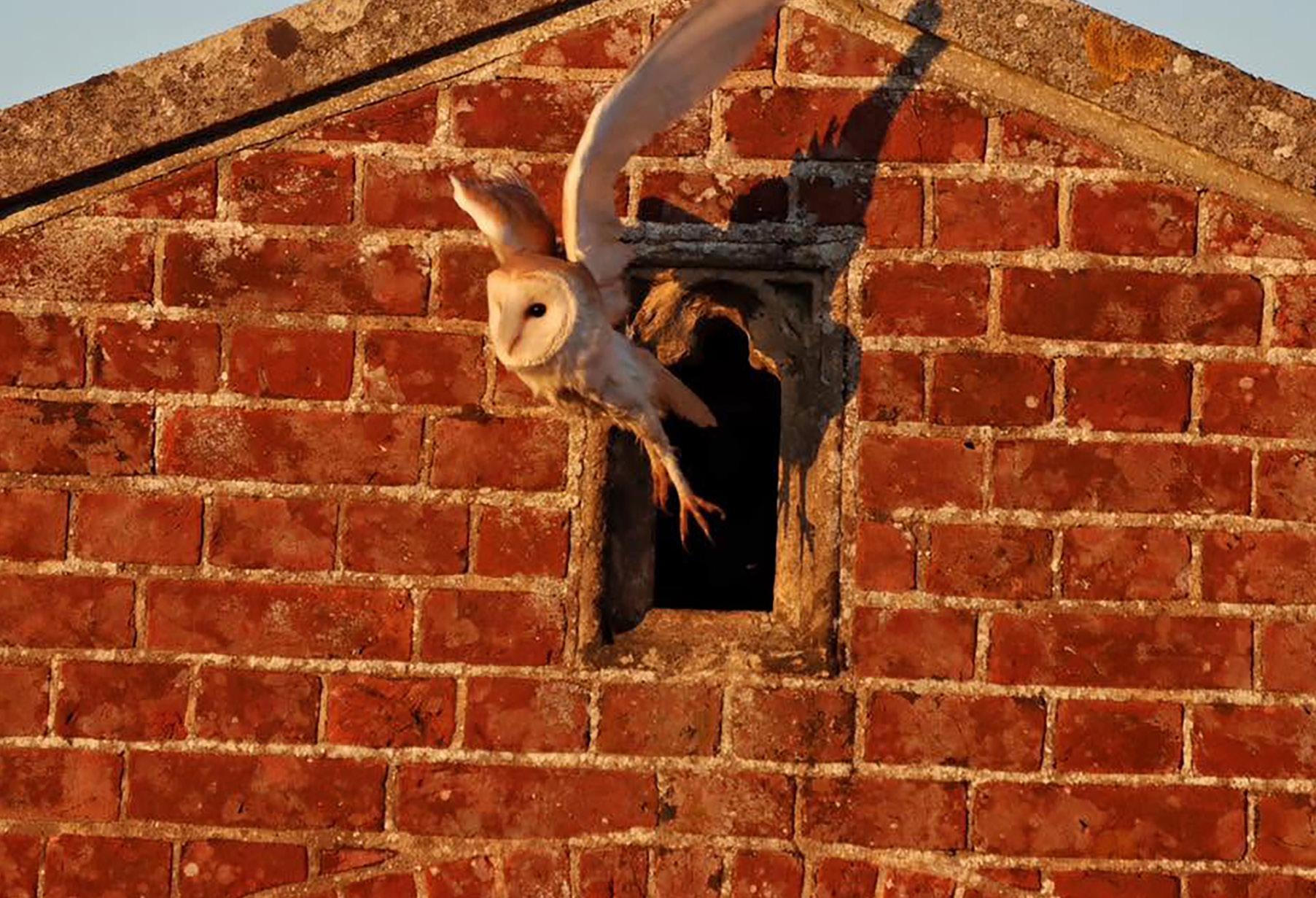
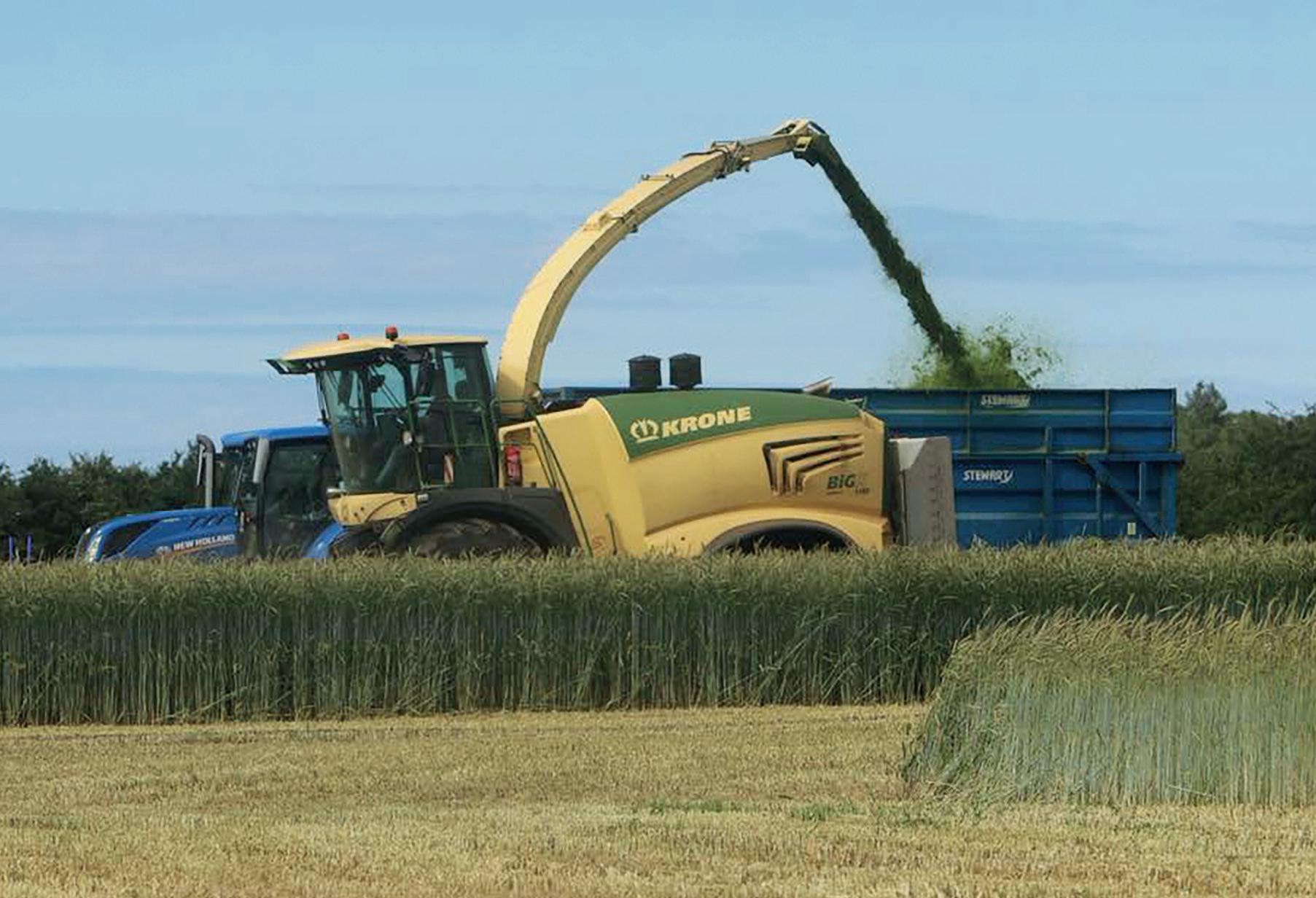


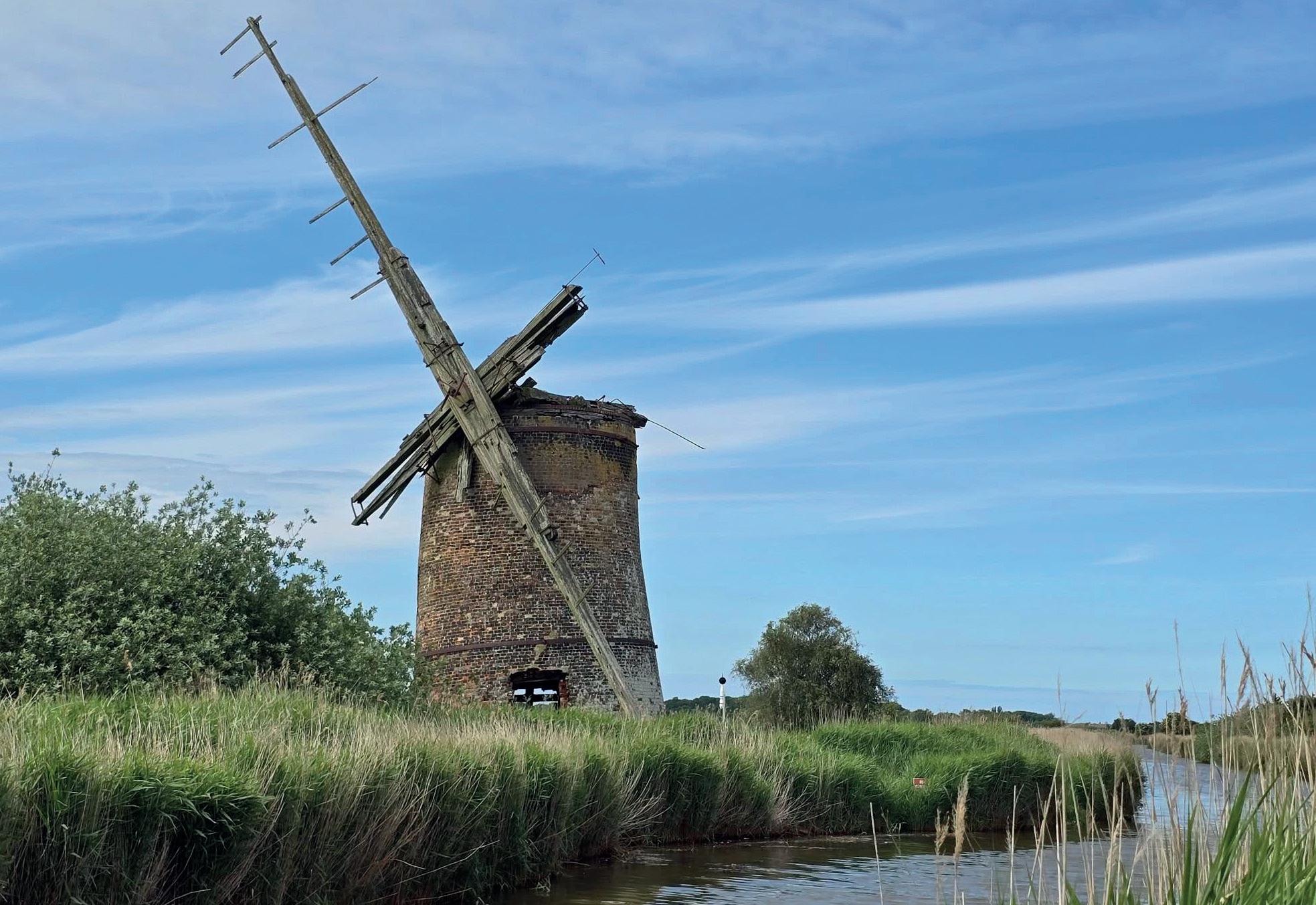
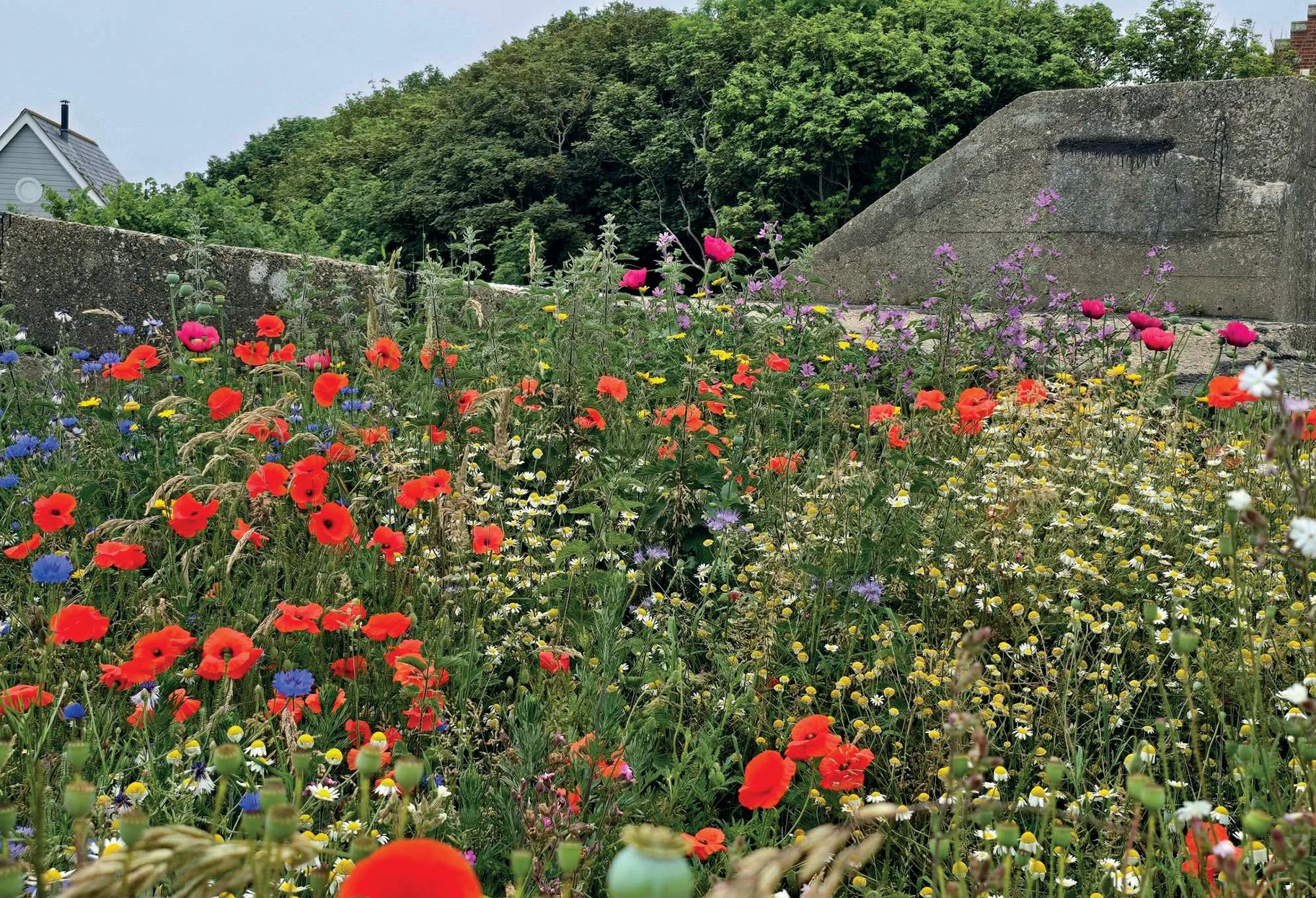


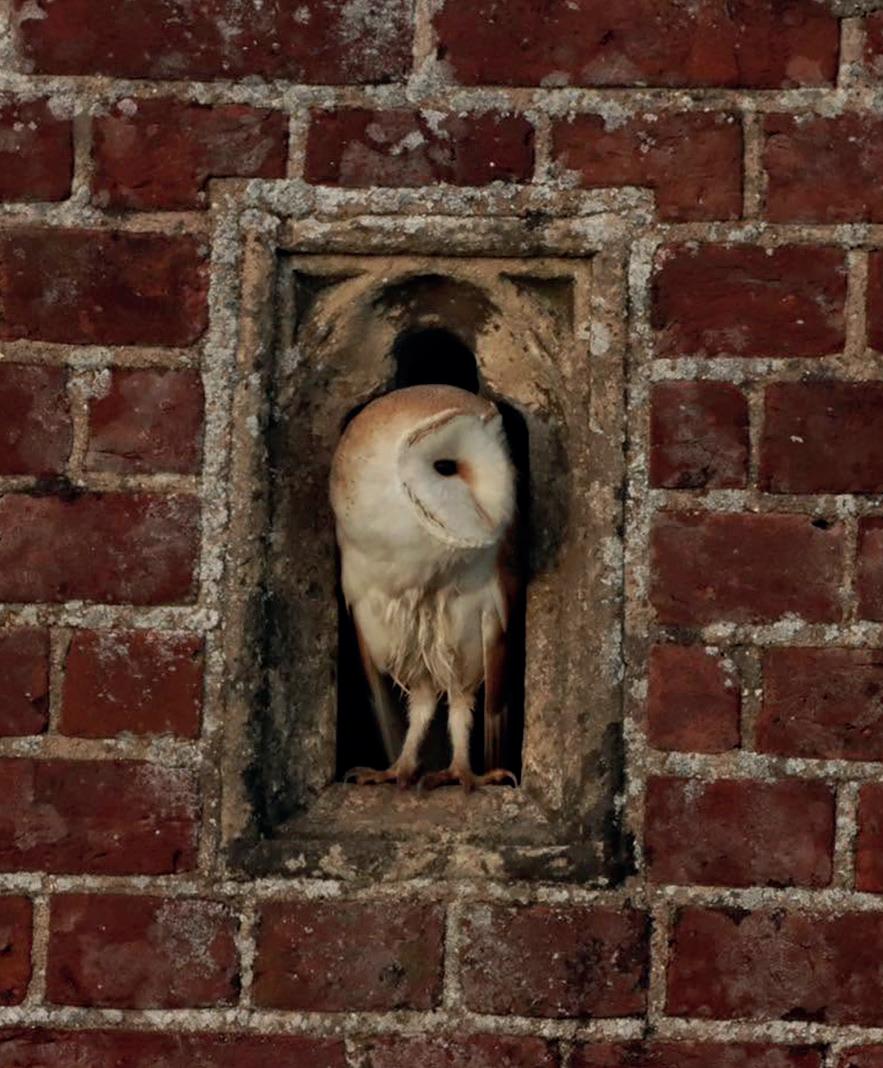
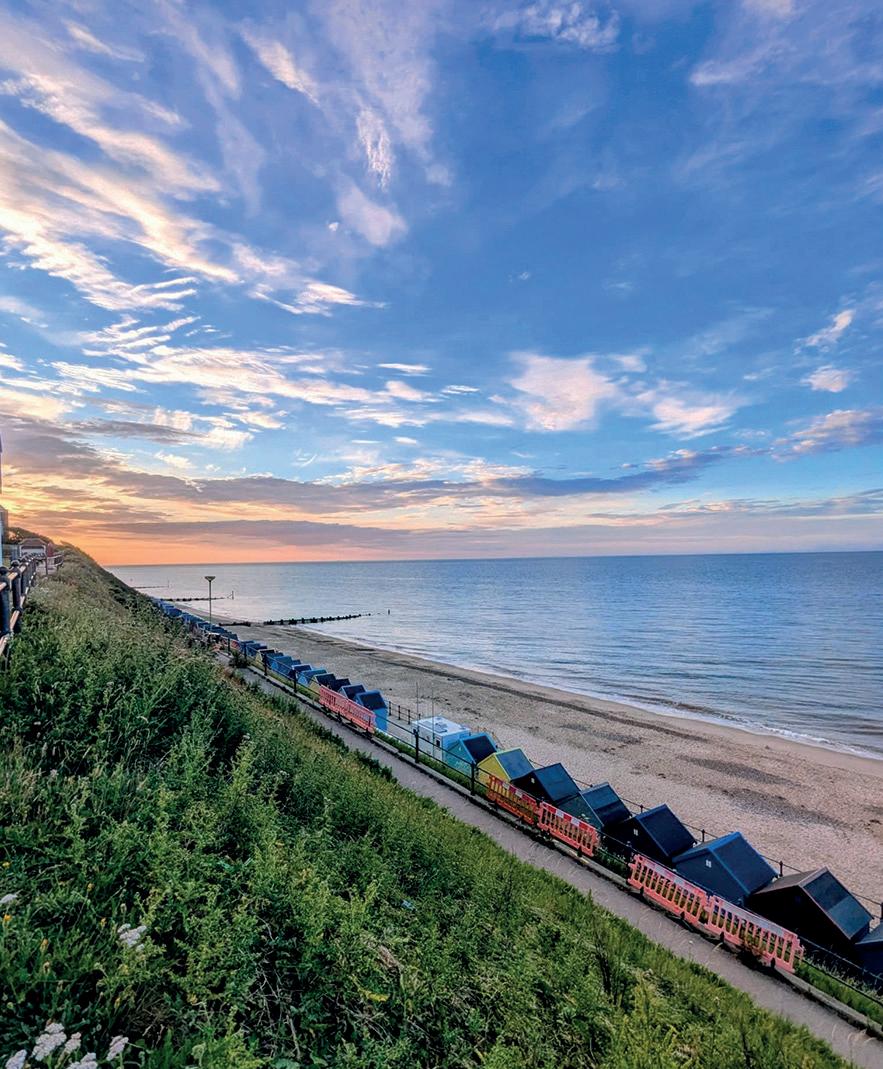
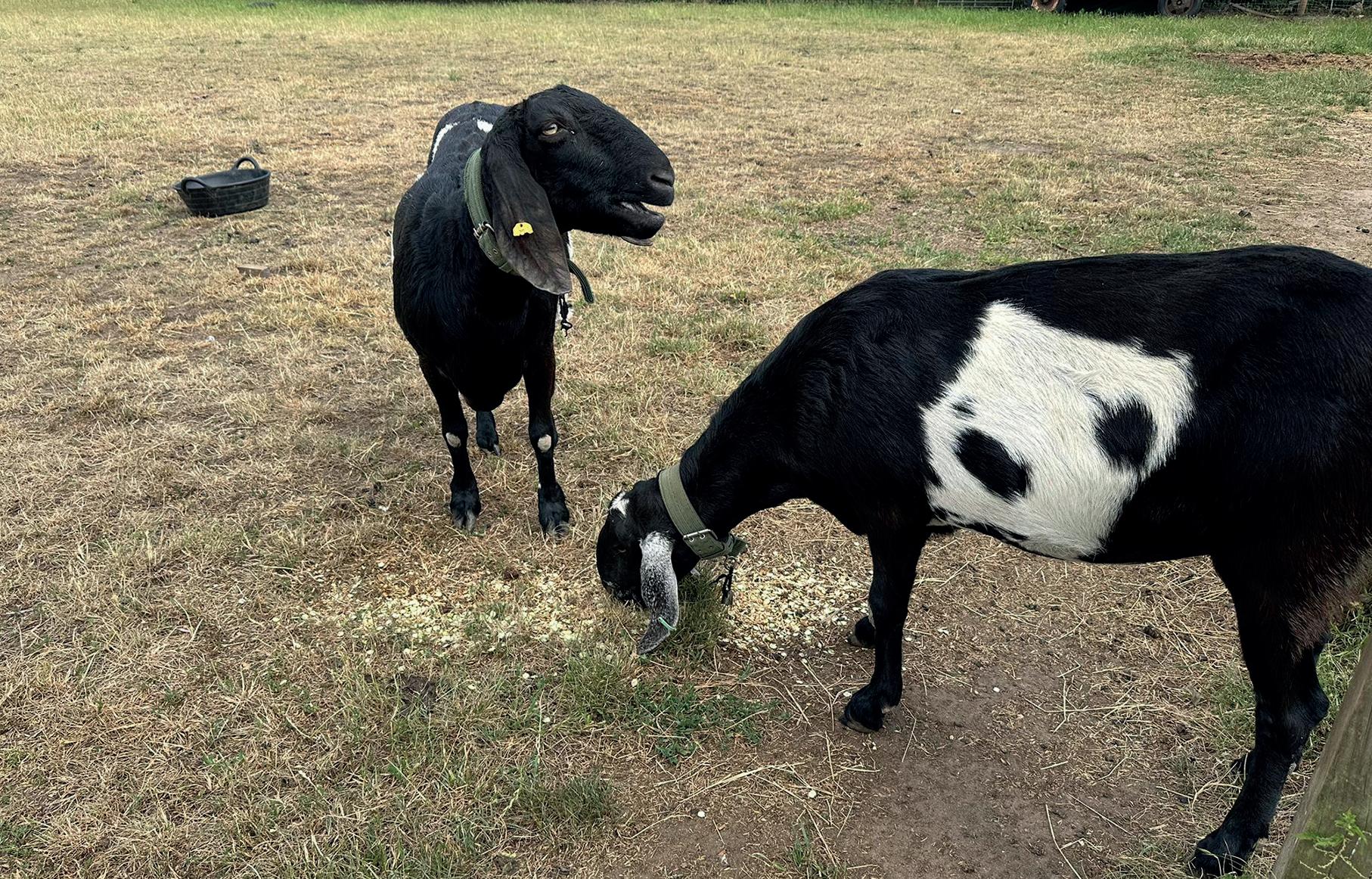
To be in with a chance of having your own photographs featured in the future, look out for our regular Facebook posts where you can add your images. Alternatively, send an email with your image and caption to: submissions@icenimagazine.co.uk

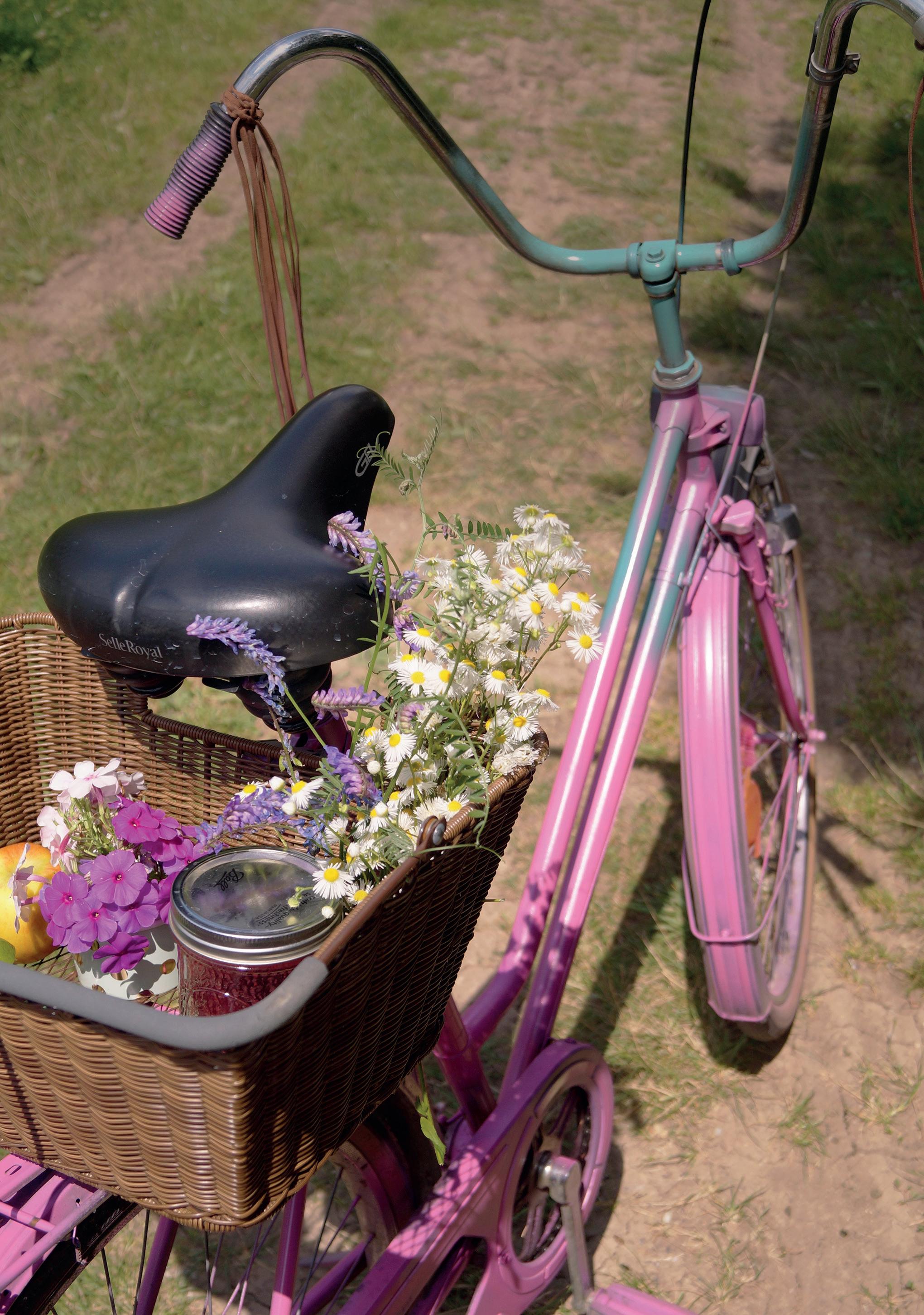
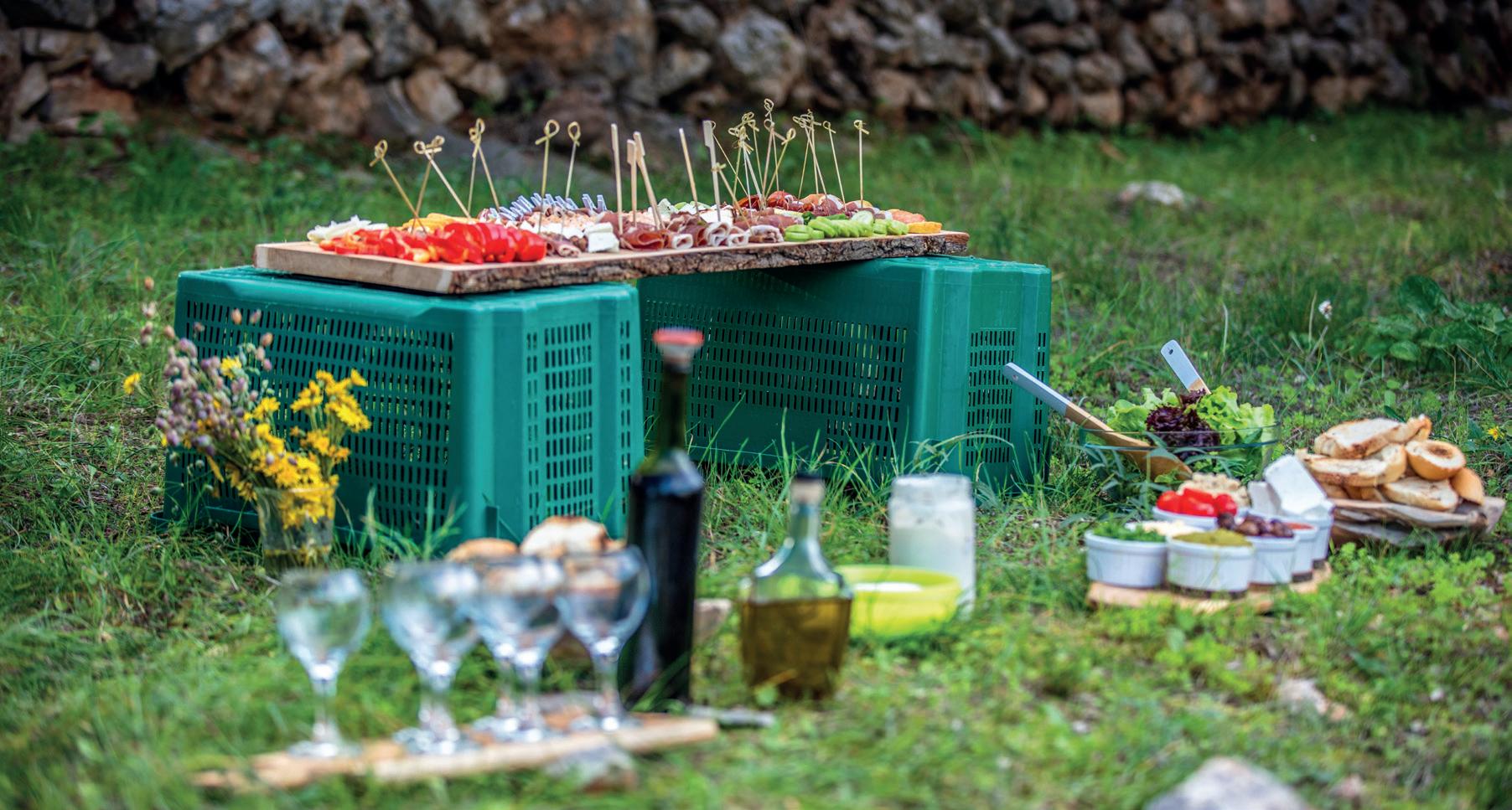
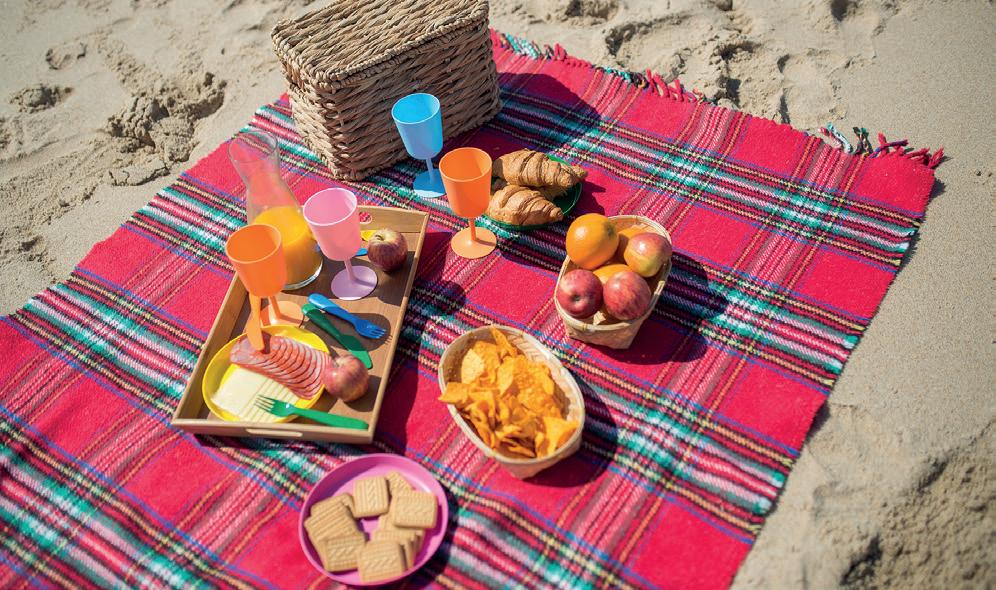
There’s a common myth that picnics and healthy eating don’t mix - that a hamper has to mean crisps, sausage rolls and a slab of cake, or nothing at all.
In reality, some of Norfolk’s finest picnic spots are the perfect setting for a spread that’s as nourishing as it is enjoyable. A little planning is all it takes.
Local markets and farm shops are bursting with seasonal fruit and veg through the summer months, and this is the natural starting point for a lighter picnic. Think crunchy radishes, cherry tomatoes, cucumber batons and sugar snap peas, paired with a simple houmous or yoghurtbased dip. Punnets of local strawberries or a
wedge of melon make a refreshing, naturally sweet dessert without any added sugar.
Sandwiches don’t have to disappear from a healthier picnic - they just benefit from a rethink. Swap white bread for wholegrain or seeded varieties, which offer more fibre and keep you feeling fuller for longer. Fill with lean proteins such as grilled chicken, poached salmon or falafel, and pile in plenty of salad. Lettuce wraps are a good lower-carb alternative if you’re watching your intake, using crisp leaves in place of bread.
A well-built salad travels brilliantly and feels like a real treat rather than a compromise. Try
a Norfolk-inspired grain salad with quinoa or bulgur wheat, roasted vegetables, and a scattering of local cheese or nuts for protein. Dress it separately in a small jar or container and toss just before eating, so nothing goes soggy on the journey.
Nobody wants a picnic without a little indulgence, and that’s absolutely fine - it’s about balance rather than restriction. Dark chocolate, a handful of mixed nuts, or homemade energy balls made from dates and oats can satisfy a sweet tooth while offering more nutritional value than shop-bought sweets.

If you do want to bring a bake, consider portioning it into smaller pieces so everyone can enjoy a taste without overdoing it.
It’s easy to forget drinks when focusing on food, but staying hydrated is especially important on warm days out. Pack plenty of water, and consider infusing it with cucumber, mint or berries for a refreshing twist without the sugar of shop-bought squash or fizzy drinks. Herbal iced teas are another good alternative if you fancy something with a little more flavour.
Small changes add up. Use reusable containers to portion out foods like nuts, crisps or dips, so it’s easier to enjoy them mindfully rather than eating straight from a large bag. Bring cutlery and plates from home rather than relying on packaging that encourages larger portions, and don’t be afraid to leave a few things unopened - you can always save them for next time.
Finally, remember that a picnic is about more than what’s in the hamper. Choosing a beautiful Norfolk spot - whether that’s the shade of Sheringham Park, the open air of Holkham beach, or a quiet corner of Whitlingham Country Park - encourages a slower, more mindful way of eating. Add a walk before or after your meal, and you’ve got a healthy, enjoyable day out that doesn’t feel like it’s missing anything at all.
With a bit of thought, a picnic can be one of the easiest and most pleasurable ways to eat well this summer.

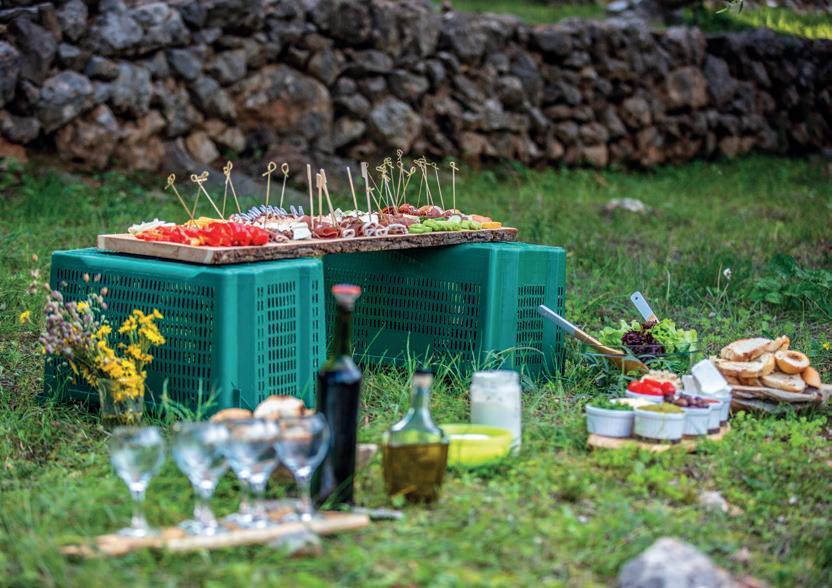
There’s something wonderfully comforting about a retro-themed picnic.
Long before quinoa salads and artisan sourdough, British picnics ran on Scotch eggs, sandwich spread, and games that didn’t need batteries. Bring back a little of that oldfashioned charm with these classic recipes and activities - perfect for a Norfolk afternoon at Heydon Village Green or under the oaks at Blickling.
Retro recipes for every appetite
Classic Scotch eggs
No retro picnic is complete without a Scotch egg. Wrap boiled eggs in seasoned sausage meat, coat in breadcrumbs and fry or bake until golden. Halve them for easy sharing, and serve with a dollop of English mustard.
This 1953 classic - created for the Queen’s coronation - combines cooked chicken with a curried mayonnaise, sultanas and a squeeze of lemon. Piled onto white bread and cut into neat triangles, it’s a taste of picnic history that’s never gone out of fashion.
A staple of 1970s buffet tables, devilled eggs are simple to make and always disappear fast. Mix boiled egg yolks with mayonnaise, mustard and a dash of paprika, then pipe or spoon back into the whites.
A good pork pie, served with a jar of piccalilli or pickled onions, is pure picnic nostalgia. Pick one up from a Norfolk butcher or deli - Cley and
Blakeney both have excellent options - for an authentic touch.
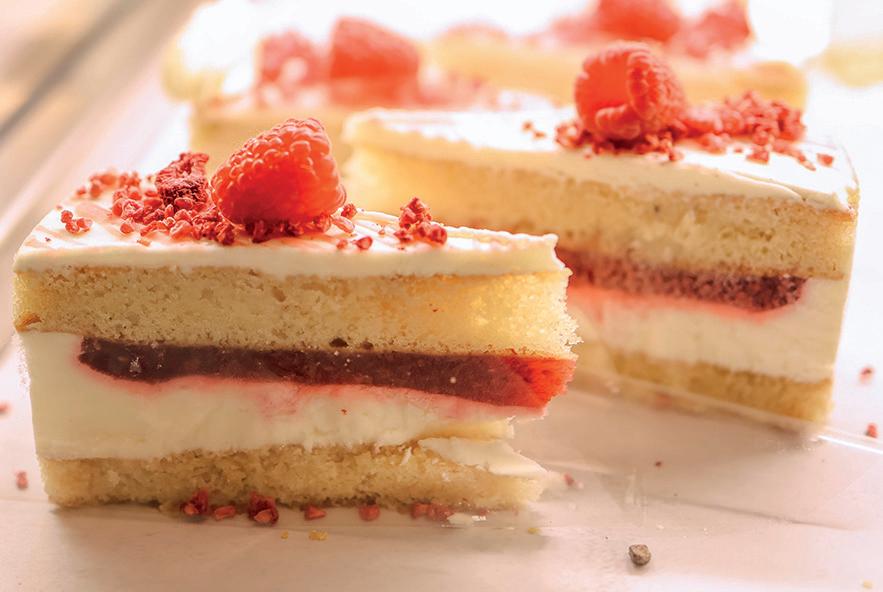
For pudding, little beats a classic Victoria sponge, layered with jam and cream. Bring it whole and slice on site for maximum theatre, or pre-cut into individual wedges wrapped in greaseproof paper for easy sharing.
Retro doesn’t have to mean rigid. Swap sausage meat for a plant-based alternative in your Scotch eggs, use dairy-free mayonnaise and cream where needed, and offer a good seeded loaf alongside the white bread so everyone has an option. Many Norfolk delis and farm shops now stock gluten-free and vegan versions of these old favourites, making it easy to cater for the whole family without losing the nostalgic spirit.
A proper British picnic pairs beautifully with a game of rounders. All you need is a bat, a ball and a patch of open grass - Eaton Park or Whitlingham Country Park both have plenty of room to play.

Pack a couple of skipping ropes or a hula hoop for some old-fashioned exercise between courses. They take up almost no space in a picnic bag and are guaranteed to raise a laugh.
A pack of cards or a travel-sized board game is a lovely way to while away a lazy afternoon once the food is finished, particularly in a shaded, tranquil spot such as Ranworth Broad.
Norfolk’s big open skies and coastal breezes make it prime kite-flying territory. Head to a beach like Winterton-on-Sea or Brancaster and let the wind do the entertaining.
A retro picnic isn’t about strict authenticity - it’s about capturing that unhurried, simple pleasure of good food, gentle games and time spent outdoors. Pack the hamper, choose your favourite spot, and let the afternoon unfold at its own pace.

Norfolk has always been a picnicker’s paradise. From wide golden beaches to ancient parkland and hidden riverside meadows, this is a county built for lazy afternoons with a rug, a hamper and good company. Here are ten of the very best spots to unpack your basket this summer.
Few picnic spots can compete with Holkham. A boardwalk through pine woods leads onto a vast stretch of golden sand, backed by dunes and big Norfolk skies. Pair it with a wander around Holkham Hall’s 3,000 acres of parkland if you fancy a picnic with a stately backdrop instead.
This National Trust property welcomes picnickers anywhere across its parkland and
gardens. With over 4,600 acres to explore, you can settle on a manicured lawn, by the lake, or under an ancient oak. Next year, visit in May for a carpet of bluebells.
Designed by the landscaper Humphry Repton, this coastal park combines woodland, parkland and sweeping sea views. Pick a spot with a view over the water, and make use of the on-site café if you’ve forgotten the flask.
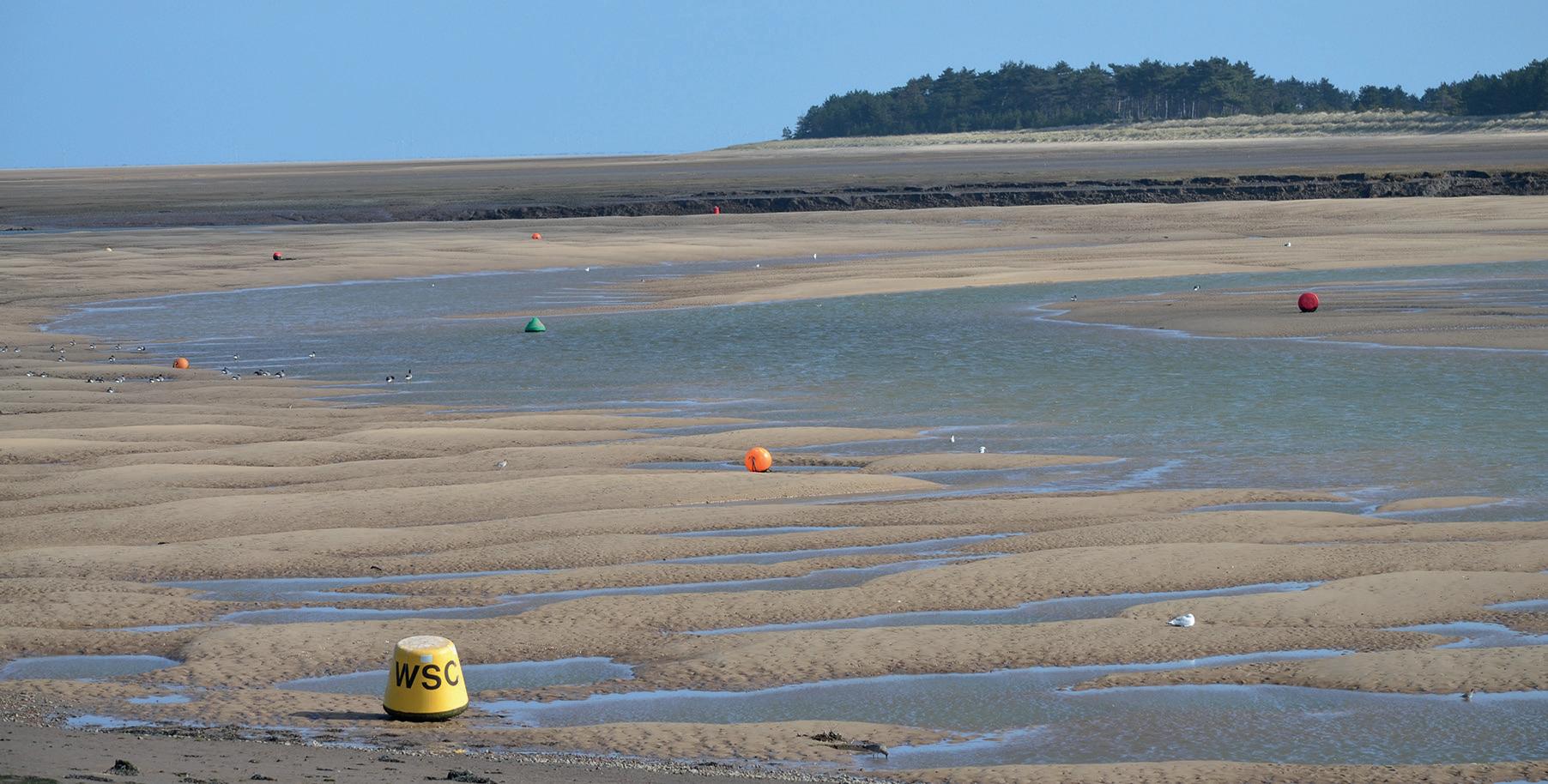
This unspoilt beach village, north of Great Yarmouth, offers miles of sand and space to escape the crowds. Keep an eye out for seals offshore, and don’t be surprised if a natterjack toad turns up in the dunes.
5. Whitlingham Country Park
Just outside Norwich, Whitlingham has a dedicated picnic meadow beside the Great Broad, plus woodland spots for shade. Hire a rowing boat afterwards, or walk the 3.4km circular trail to work off lunch.
6. Sandringham
The Royal estate’s woodland trails offer picnic spots in sun and shade alike, with tables and benches for those who prefer not to sit on the ground. A café on site is handy for topping up supplies.
7. Heydon Village Green
Virtually unchanged since 1887, Heydon is picnicking with a side of time travel. The green is picture-perfect, and the village tearoom does a excellent line in homemade cakes if you want to supplement your basket.
8. Ranworth Broad and Marshes
Managed by Norfolk Wildlife Trust, this tranquil spot on the Broads is rich in flora
and fauna. Children love the floating Broads Wildlife Centre, and there’s plenty to spot among the reeds.
Four unbroken miles of sand on the north Norfolk coast, with views across the saltmarsh to Scolt Head nature reserve. Wander through Brancaster Staithe afterwards to take in the harbour and birdlife.
For something a little different, picnic among the atmospheric ruins of this former monastery on the Broads. A thousand years of history make a memorable backdrop to a flask of tea and a sandwich.
A final tip: whichever spot you choose, Norfolk’s National Trust and Wildlife Trust sites generally ask picnickers to take their rubbish home, so pack accordingly - and always check tide times if you’re heading for the coast.

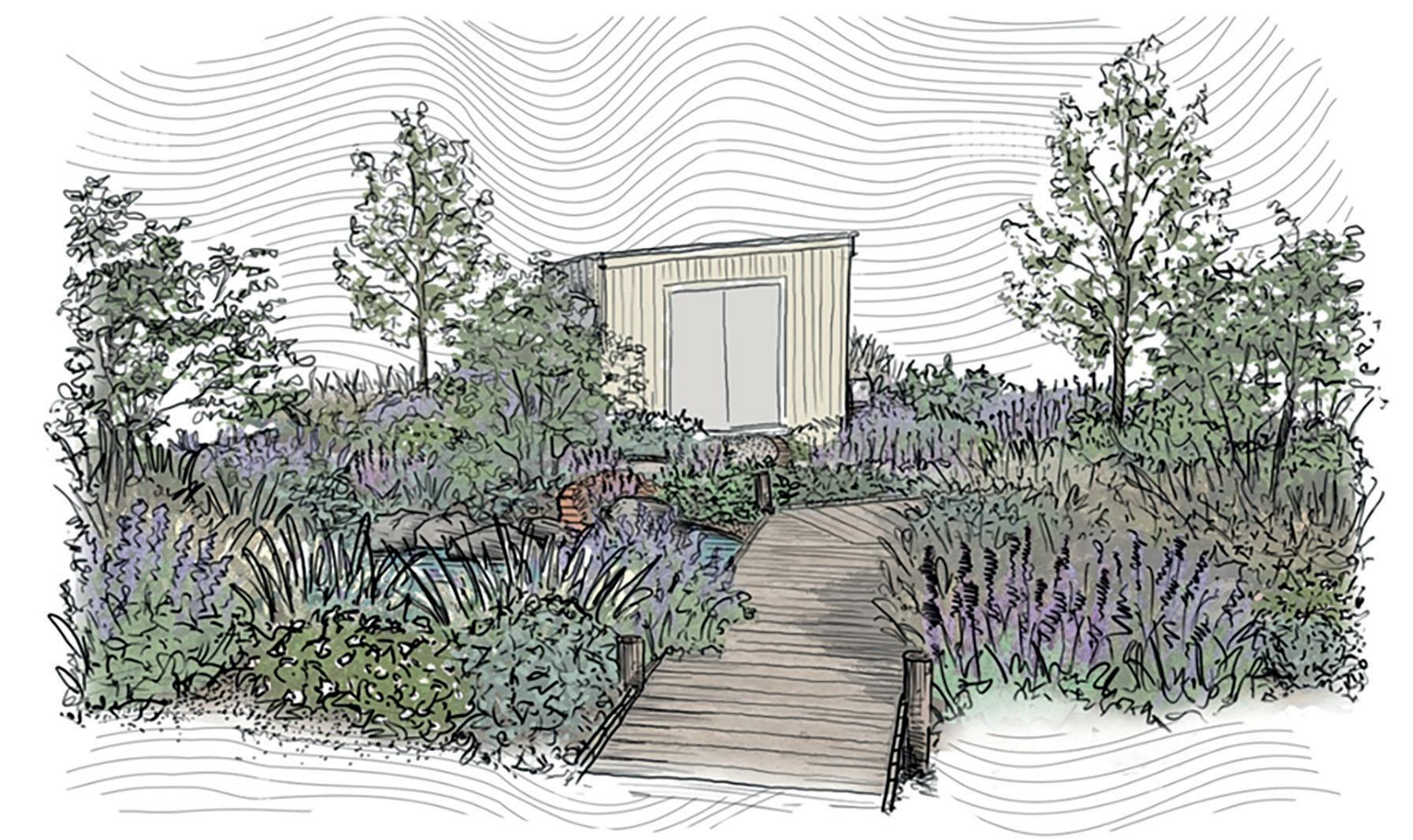
The first RHS Flower Show to be held in Norfolk is set to feature a garden celebrating frogs, tadpoles and all manner of amphibian life, lovingly known locally as pollywiggles.
The RHS Pollywiggle Garden will be designed by Norfolk based design duo Joe and Laura Carey and is inspired by the restorations of north Norfolk’s unique pingo pools and the successful reintroduction of the endangered northern pool frog.
Britain’s rarest frog, once thought to be extinct due to habitat loss and confusion with the non-native pool frog from southern Europe, has made a comeback in recent years with reintroduction efforts and
the restorations of Norfolk’s pingo pools. These unique pools, formed at the end of the ice age, provide wetland habitats rich in biodiversity but have also been threatened by water extraction and expanding farmland.
In the face of climate change and habitat loss, the RHS Pollywiggle Garden, built by Neil Askew Landscapes, is packed with ideas on how gardeners can help create more spaces where water loving wildlife can thrive in hot weather. Lush, naturalistic planting peppered with moisture loving trees, grasses, and perennials surround a beautifully formed pond, creating habitat for tadpoles, frogs, and newts whilst still maintaining a carefully curated aesthetic. A boardwalk leads visitors through areas of wet ground, demonstrating how water can be embraced as an asset in gardens.
The garden’s designers, Joe and Laura Carey, said: “This is a garden close to our hearts. We’ve so enjoyed seeing our own children out in nature spotting frogs, so we wanted to create a garden that inspires people to protect these often-overlooked creatures with a design that demonstrates that eco-gardens can still be aesthetically pleasing. The garden is packed with ideas for gardeners to try at home to create spaces that support our local wildlife whilst still being attractive spaces for us to enjoy.”
Sarah Wilson-Frost, RHS Horticulturist said: “Water is such a precious commodity in our gardens with some areas of the UK having lost nearly 90% of their wetlands, which has had a real detrimental effect on wildlife. We, as a nation of gardeners, have the ability to help out our amphibian life. Even if by including just a small wetland area, across many green spaces, can have a huge benefit for amphibians and other wildlife.”
The RHS Pollywiggle Garden joins the RHS Royal Legacy Garden and an exciting line up of gardens, features, and floral creations yet to be announced at the first RHS Sandringham Flower Show in July. After the Show, the garden will live on at Pensthorpe Nature Reserve, Norfolk, where it will become an interactive wildlife education garden.
RHS Sandringham Flower Show runs from 22 - 26 July 2026 and tickets are available online at www.rhs.org.uk/showsevents/rhs-sandringham-flower-show
Event:
RHS Sandringham Flower Show 2026
Venue: Sandringham Estate, Norfolk, PE35 6AB
Dates: 22 - 26 July 2026
Opening times:
Wednesday 22 - Saturday 25 July, 10am-6pm
Sunday 26 July, 10am-5pm
Tickets: rhs.org.uk/sandringham
We’re the UK’s gardening charity, helping people and plants to grow.
Our mission is to be there on people’s lifelong journey with gardening - to bring happiness, health, stronger communities and a thriving natural world.
With 220 years of experience, we support gardeners of all ages with expert advice, community and schools projects, scientific research, professional qualifications, our five RHS Gardens, and events including the iconic RHS Chelsea Flower Show.
Following the joy of June, there is often something quite calm about July gardens as many of them take a little time to reinvigorate themselves. This is the month dependable stalwart plants come to the fore whilst others really begin to show off. A month to quietly sit and enjoy our own gardens and the opportunity to visit so many others. Here in Norfolk, we have the thrill of the first RHS Sandringham Show which is sure to inspire us all as well as the many gardens opening for the National Garden Scheme around the county.
HOVETON HALL GARDENS, Norwich. Fri 3 July 10.30-5. Enjoy this beautiful 15 acre garden and woodland with a haven of mature walled herbaceous and kitchen gardens. Wander through the informal woodlands with a nature spy activity trail for younger visitors. Adm £10,
chd £5. Wheelchair access. Refreshments from onsite Garden Kitchen Café.
BISHOP’S HOUSE, Norwich. Sun 5 July 1-4. A 4 acre walled garden dating back to the c12. Spectacular herbaceous borders flanked by yew hedges. Extensive lawns with specimen trees and unusual shrubs. Rose borders underplanted with hostas. A meadow labyrinth, organic kitchen garden, herb garden and bamboo walks. Adm £5, chd free. Wheelchair access. Refreshments in aid of Priscilla Bacon Hospice.
LEXHAM HALL, nr Litcham. Wed 15 July 115. Parkland with lake and river walks around c17 Hall (not open). Formal garden with terraces, roses and mixed borders at their peak. Traditional working kitchen garden with crinkle-crankle wall. Adm £8, chd free. Dogs welcome. Refreshments in aid of local church.
THE WALLED GARDEN, Little Plumstead. Wed 15 July 6-8pm. Richard Hobbs will be taking two guided walks around the recently restored Victorian walled garden with heritage apples and pears on the revived brick walls. Together with cutting beds, herbaceous and shrub areas and a Victorian style glasshouse, there is a newly planted alpine area, a stumpery and a range of herbs. Adm £10, chd free. Prebooking essential for this evening opening. Wheelchair access. Dogs welcome. Light refreshments in the café.
NORTH LODGE, Norwich. Sun 19 & Sun 26 July 11-5. A magical town garden surrounding a Victorian Gothic Cemetary Lodge. Strong structure and vistas including a classical temple, oriental water gardens, formal ponds linked with winding pathways and a surprise around every corner including the original 25m deep well. Predominantly herbaceous planting with carnivorous and succulent collection in hand built conservatory. Adm £5, chd free. Limited wheelchair access.
ST STEPHEN’S SQUARE, Norwich (GROUP OPENING). Sun 19 July 11-4.30. A group of 6 city centre front gardens with a vibrant community garden on a charming historic street of late Georgian terraced houses. The community garden’s inaugural opening for NGS is guaranteed to be full of colour and packed with plants enjoying the full sun. The walk moves from the sunny gardens of 3, 11a and 15 to shade loving plants under overarching trees in gardens 35, 37 and 39. Each garden is individual and accurately reflects its owner. A charming group of wonderfully planted gardens. Adm £6, chd free. Wheelchair access. Refreshments in aid of Priscilla Bacon Hospice.
SALLE PARK, Reepham. Sun 19 July 10-4. Explore a fully productive Victorian kitchen garden with original vine houses, beautiful herbaceous borders, ice house and Norfolk heritage fruit orchard. Wander through formal Georgian pleasure gardens with yew topiary,
roses and lawns and the not to be missed newly planted Orangery. Interestingly, this is the third year of no-dig in the garden. Adm £6, chd free. Wheelchair access. Dogs welcome. Homemade teas in the Orangery in aid of Reepham Primary School and RANA.
19 BELLROPE LANE, Wymondham. (NEW) Sat 25 & Sun 26 July 10-5. A town garden created from a blank canvas over six years. It is densely planted by keen plant enthusiasts in a mix of styles with exotic elements. Narrow paths will lead you to a dry garden, pond area, dahlia b eds, vegetable garden and mixed borders. Every nook and cranny filled with unusual plants and shrubs. Adm £5, chd free. Pre booking essential.
FERNDALE, Upper Stoke Holy Cross. Sun 26 July 11-4. 1/3 acre garden with a variety of areas to sit and admire the shrubs and borders. A pond area with water feature, a second area with kitchen garden and a further area with rose arbour and semi-circular wall. A plant stall, a craft stall and, if dry, french music played by an accordionist. Adm £4, chd free. Cash only. Wheelchair access.
33 WALDEMAR LANE, Hellesdon. Sun 26 July 10-4. This garden is all about big leaves and foliage textures and colours. A surprising and large suburban garden of many parts with an exciting mix of exotic and tropical plants combined with unusual perennials. A quirky palm thatched Tiki hut is an eye catching feature and there is a wonderful treehouse draped in plants as well as a pond. A large collection of succulents will be on show and there will be plants to buy. Adm £5, chd free. Pre booking essential. Wheelchair access.
Before visiting a garden, it is advisable to check the website for up to date information at www.ngs.org.uk.