



"In every walk with nature one receives far more than he seeks."
John Muir
As the weather warms up and the days stretch longer, we are delighted to welcome you to Issue 157.
This month, we invite you to step outside and rediscover the natural beauty of our county as we explore our central theme: Wellbeing Through Nature.
In this issue, you will find practical ways to nurture your own green space in “Garden Projects For Beginners” and discover how the simple act of reconnecting with the earth can foster mental resilience in “How Outdoor Time Supports Mental Health”. We also delve into the purposeful world of Green Gym activities and look forward to the first-ever RHS Flower Show to be held in Norfolk at Sandringham.
As our contents page reminds us: “You Reap What You Sow”. By investing time in nature and our own wellbeing this spring, we hope you find this issue a truly rewarding and inspiring read. Until Issue 158... enjoy!

Charlie, Iceni Home And Garden, Nova Silver, Susan Leigh, Tim Barnes-Clay, Trevor Langley, Vicki Jeffery.
Follow our social channels search: Iceni Magazine

Copyright © Iceni Magazine Limited. All rights reserved. No articles, adverts, content or design in this magazine may be used or reproduced either in whole or part, online or in print. The views and advice from contributors are not necessarily those of Iceni Magazine Limited. Every effort is made to ensure the contents are accurate, however Iceni Magazine Limited can not assume responsibility for errors, omissions or incorrect information. Iceni Magazine Limited accepts no liability for loss, damage or difficulties resulting from contracts between The Client and their customer. Inclusion within the magazine does not imply a recommendation. www.icenimagazine.co.uk







Anyone who regards themselves as a reasonable person is likely to agree to give someone a second chance.
Especially if they hear valid reasons, like the person’s inadvertently slipped up, has unthinkingly said or done something in the heat of the moment that’s later regretted, has behaved in a way that’s completely unexpected and out of character or is going through a difficult time personally. In those circumstances, it may be fair to give someone the benefit of the doubt, offer a second chance and agree to move on.
When there’s evidence that a person’s taking responsibility and is genuinely contrite and keen to change, is prepared to try harder and make amends, a second chance can be a positive step to offer. However, being too ready to pardon and move on can sometimes be negatively misconstrued as being a soft touch, so sending an unfortunate message. It may demonstrate a readiness to accept the original behaviour, it being deemed as not too ‘bad’.
A lack of consequences can make it easier to reoffend by showing that those affected are
willing to be tolerant and let it go. Think of a child who takes a single sweet from the local shop. If there are no consequences, it can make it easier to repeat offend, perhaps taking even bigger, more frequent risks. It may quickly be considered a trivial prank, something to be shrugged off as unnoteworthy.
Many factors can influence how a person responds to stress, with potential triggers being work and business life, finances, relationships, family and the pressure of how they’re perceived by others.
If we feel that the perpetrators are oblivious or indifferent to the impact of their words or actions, appear unaware of the upset they’ve caused, or have developed an unfortunate pattern of repeat behaviour it could well be time to reevaluate the place that relationship has in our life.
An important question to ask ourselves prior to giving someone a second chance is ‘how much are we able to forgive and forget?’ A significant factor can be how grevious the original crime was. Are we able to accept that the ‘offence’ occurred due to exceptional circumstances,
like an unusually stressful time. When genuine remorse is demonstrated as well as a desire to make amends, it can make it easier to let it go.
But equally, we need to be clear that we’re able to move on without feeling tempted to replay and rehash their transgression any time there’s disagreement or we feel triggered and hurt. Whilst we may be able to understand why the initial event happened, it may prove harder to forget, and so we become defensive and keen to protect ourselves from future hurt.
We may keep at the back of our minds a vague memory of what’s happened so that we remain familiar with our boundaries of acceptable behaviour. Then we’re able to recognise and remain alert to unfortunate or unwelcome patterns of treatment arising whenever circumstances are repeated.
Sometimes it’s important to walk away for a while, reflect on what’s happened and reinstate calm, so allowing tensions to subside. Time can be a great healer as we discover what we want to keep, what we need to let go and what we aspire to as an outcome.
If we feel that the relationship is usually good, a second chance may be worthwhile. Everyone involved has an opportunity to learn from what’s happened, thus leading to improved communication and better self-knowledge.
However, warning signs can occur if we start to notice ongoing patterns of toxic activity being repeated. If this includes abuse, manipulation,

or deceitful behaviour it can be important to identify the triggers, prompts and sensitive times.
If we’re typically blamed, bullied and found to be at fault whenever situations escalate, it may be that the other person is a narcissist, is unable to empathise and simply discounts any hurt that they’ve caused.
They’re unable to appreciate the other person’s perception of their treatment. Could it be time to question if a second chance will cause anything to change or improve?
Some situations may be difficult to leave. There’s little choice but to accept what’s familiar, even if it’s unpleasant and comes with an unhappy sigh of resignation. There may be serious concerns about finances, quality of life, status, the impact on children or even the reputational damage. In those circumstances, it may feel prudent to negotiate a short-term compromise, offer another chance, tolerate what’s happening, and give tacit permission for the situation to continue until the time is right.
Ultimately, is a second chance being used to “reset” and grow, or simply to give silent permission for the same mistakes to continue repeating?
A healthy relationship requires a commitment to mutual respect as well as a positive environment if it’s to thrive.
Article By Susan Leigh
Susan Leigh, South Manchester counsellor, hypnotherapist, relationship counsellor, writer & media contributor offers help with relationship issues, stress management, assertiveness and confidence. She works with individual clients, couples and provides corporate workshops and support. For more articles, information or to make contact please visit: https://www.lifestyletherapy.net


Cities and counties, throughout the UK, offer many interests to numerous people throughout every year.
The city of Derby is certainly no exception to this and, in addition to the residents and locals, who delight in the amenities and facilities that Derby and the surrounding county have to offer, countless visitors take pleasures too. From Derby’s Cathedral, through architecture and history, pretty villages, to a ‘wealth’ of sports, plus world-class entertainments and more, Derby and Derbyshire hold interests for many, all year round. Shopping is a very
popular ‘activity’, having high-street names, supermarkets, independent retailers (including designer outlets), plus businesses. Restaurants provide varied cuisines.
I located Aalappeaz restaurant in Derby. This Indian dining venue (opened 2025) serves authentic South Indian, including Kerala cuisine, to a high standard, gaining a lot of interest from the outset. I visited to dine, following a recommendation from a previous diner.
To commence, I chose Pal Konju (prawns, masala, curry leaves, coconut milk). This gave

a lot of confidence for the following courses, having flavours that very much appealed to my taste buds. Further popular starter dishes included other Fish/Seafood, Salads, Soups, Meats, Vegetable and Tawa Fry options.
For main I selected Fish Pollichathu from the Aalappeaz Specials. Very popular in Kerala (fried fish, masala, wrapped in banana leaf), this arrived impressively, was perfectly cooked and

had an abundance of lasting, complementing flavours. Certainly, ‘Compliments to Chef’ were very much deserved and sent. Head Chef, Ajith, takes great pride in delighting diners with memorable dishes of cuisine, combining his own experiences and knowledge, working at top venues, with that of the team, to a great advantage. Other very popular selections included enticing Signature Dishes, Curries, Dosas, Meats, Fish and Vegetable selections. Sides have Breads and Rice to accompany.
Speciality desserts complete the dining occasion. The drinks menu has all preferences accounted for. Parties/occasions/corporate events etc are easily arranged and accommodated. Gift vouchers are available - (perhaps surprise someone?). Outside catering and collections/ deliveries are also popular. Thank you to Shibin for exemplary service, from start to finish. Highly recommended.
Aalappeaz, 16 St Peter’s Churchyard, Derby DE1 1NN.
Tel: 07344 895033.
E-mail: info@aalappeaz.uk
Web: www.aalappeaz.uk

The Audi logo represents one of Germany’s leading manufacturers of vehicles and stands for excellence achieved by the company during its long years of production.
The badge signifies a merger of four individual car manufacturers, namely Audi, DKW, Horch, and Wanderer, who came together in 1932.
Get into any Audi, and you’ll soon see that the Bavarian-based firm’s focus is on craftsmanship and leading-edge technology. The A5 Saloon TFSI Saloon that I drove for a week was no different. The S line trim introduces athletic aesthetics, distinguished externally by rearmounted red rhombus badging, privacy glass, and 19-inch alloy wheels.
Inside, there’s space for five, with good legroom and headroom. The boot capacity is reasonable, too, with more than enough volume for the family’s luggage and the weekly shop. Mind you, this vehicle is ideal for professional use.
Therefore, away from any domestic duties, the boot is just as likely to carry little more than copies of presentations, marketing materials, or promotional items to share with clients.
Kit-wise, alongside a virtual cockpit, there’s a crystal-clear infotainment system and a threespoke multifunction steering wheel, flattened at both the top and bottom, enhancing the sporting theme. It all complements the wellknown S line features such as ‘S’-embossed sport seats, stainless steel pedals, matte ‘brushed’ aluminium inlays, illuminated ‘S’ door sill inserts, and a black headlining.
The chassis of the A5 is striking with its precision, ride comfort and safety. The 2.0-litre petrol engine balances power and efficiency. Indeed, with 150 horses under the bonnet, the German delivers a reasonably responsive drive, with 62mph arriving in 9.8 seconds.
The seven-speed S tronic dual-clutch automatic transmission enhances the driving experience further with quick gear changes, ensuring the

vehicle’s poke is always accessible. The top speed, if you’re on an autobahn in Germany or somewhere where you’re legal, is 134mph.
What’s more, CO2 emissions are 154g/km, and an average of up to 41.7mpg can be teased from the tank. This means the Audi A5 is made for mile-munching and, along with its classy image, will serve anyone who lives on the road very well indeed.
Fast Facts: Audi A5 Saloon S line TFSI 150 PS S tronic
• Max speed: 134mph
• 0-62 mph: 9.8 secs
• MPG: 41.73
• Powerplant: 1,984cc, 4 cylinders, turbocharged petrol
• Power (PS): 150
• CO2: 154g/km
• Price: £46,305 on-the-road



By Tim Barnes-Clay. Insta:

Made By Mitchell has become one of the biggest names in beauty right now, especially online.
It was created by makeup artist Mitchell Halliday and really took off on the social media platforms, TikTok and Instagram. What started as a small idea has turned into a full brand that people all over the world absolutely love!
What I like about Made By Mitchell is that it doesn’t try to make makeup feel serious or complicated. The Made By Mitchell range allows you to have fun with it, being creative and doing what works for you. The products are bold, bright, and very pigmented, so you can go soft or really build them up depending on your vibe.
One of the most popular products has to be the Blursh Liquid Blush, which went viral for a reason. You only need a tiny bit and it blends really easily without diluting the intensity of the colour. It can give you a natural flush or a full on glam blush look depending on the look you are wanting to achieve. It’s definitely one of those products that people love and keep returning to time and time again.
The Cryon Eyeshadow Crayons are also super popular. They’re quick and easy to use and make an instant impact. Which is why a lot of creators love them for content. You don’t need loads of effort to get a bold eye look, which makes them really fun for experimenting.
The base products like Face Glaze are all about that glowy, dewy finish. It’s not always an


everyday staple for everyone but it definitely gives that trendy, fresh skin look that’s very popular right now.
Overall, Made By Mitchell feels more like a creative brand than just a makeup line. It’s very tied into social media culture, with continuous drops and launches that keep people interested.
It’s not just about makeup looking good, it’s about expressing yourself, having fun and getting creative with it.
Hi, I am Charlie, a former make-up artist originally based in Norwich. I have always been passionate about art and channelling it through creative makeup. I trained at Norwich City College in Fashion and SFX makeup. My work has been published both nationally and internationally.
Want to see more? Check out my Instagram - @ThePoutyLip


May marks the height of spring in the UK, bringing longer days, warmer temperatures, and a flurry of activity for gardeners.
Whether you have a small urban plot or a sprawling country garden, this month offers a wealth of opportunities to nurture your outdoor space and prepare for the summer ahead. Here’s a comprehensive guide to the essential jobs you should tackle in your garden this May.
With the risk of frost largely behind us, May is the ideal time to plant out bedding plants, annuals, and summer-flowering bulbs. Popular choices include petunias, geraniums, marigolds, and begonias, which will add vibrant colour to borders, pots, and hanging baskets. Make sure to harden off young plants by gradually acclimatising them to outdoor conditions
before planting. This helps them withstand sudden changes in weather and promotes stronger growth.
Lawns respond well to the warmth and moisture of May, making it a crucial month for maintenance. Begin by mowing regularly, aiming for a weekly cut to keep grass looking neat and encourage dense growth. Adjust your mower’s height to avoid scalping the lawn, especially during dry spells. If your grass is looking tired or patchy, May is the perfect time to overseed bare areas and apply a spring lawn feed. Remove any moss or weeds as they appear to prevent them spreading.
Many spring-flowering shrubs, such as forsythia and chaenomeles, benefit from pruning once their blooms fade. This promotes healthy new growth and ensures a good display next year.
Deadheading spent flowers from perennials and bulbs, like tulips and daffodils, encourages the plant to redirect energy into growth rather than seed production. This simple task also keeps borders tidy and prolongs flowering.
4. Vegetable Patch Tasks
May is a busy month for vegetable gardeners. Sow seeds of fast-growing crops such as lettuce, radishes, and carrots directly into the soil. Plant out young tomatoes, courgettes, and beans once the risk of frost has passed. Keep an eye on slugs and snails, which can be particularly troublesome at this time of year, and use organic controls or barriers to protect tender seedlings. Regular watering is essential, especially during dry spells, but avoid overwatering to prevent root rot.
5. Supporting Climbers and Tall Plants
As climbers like sweet peas, clematis, and honeysuckle begin to shoot up, provide sturdy supports to prevent damage from wind or heavy rain. Tie in new growth gently with soft ties or twine, avoiding constriction. Tall perennials such as delphiniums and lupins also benefit from staking to keep them upright and reduce the risk of snapping.
6. Pest and Disease Checks
Regular inspections are vital to spot early signs of pests and diseases. Aphids, caterpillars, and fungal infections can quickly spread if unchecked, so examine the undersides of leaves and stems for trouble. Remove affected foliage and use appropriate treatments, opting for natural or organic solutions where possible to protect beneficial insects.
7. Feeding and Mulching
Feed borders, containers, and shrubs with a balanced fertiliser to support their rapid growth in May. Mulching with organic materials such as compost, well-rotted manure, or bark chips helps retain moisture, suppress weeds, and
improve soil structure. Apply mulch around established plants but keep it clear of stems to avoid rot.
If you have a greenhouse, ventilate frequently to prevent overheating and dampness. Shade glass with netting or paint if needed, and monitor temperature closely as the days warm up. Regularly water and feed seedlings, and transplant those ready for the outdoors. Indoor houseplants also benefit from a refresh - remove dead leaves, repot if necessary, and move them to brighter spots as sunlight increases.
May is a wonderful month for encouraging wildlife into your garden. Leave some areas undisturbed for nesting birds and pollinators, and provide fresh water in birdbaths and ponds. Plant nectar-rich flowers such as foxgloves and lavender to attract bees and butterflies. Avoid using pesticides wherever possible, as these can harm helpful creatures.
Finally, take time to tidy paths, patios, and garden furniture. Clear away debris and weeds from hard surfaces, and treat fences or sheds with preservative if needed. Use this month to plan future plantings and garden projects, making notes on what’s working and where improvements can be made.
By keeping on top of these jobs, you’ll ensure your garden remains healthy, beautiful, and productive throughout the summer. May is a truly rewarding time for gardeners, offering plenty of opportunity to get outdoors, enjoy nature, and reap the benefits of your hard work.




The flowers are blooming and the sun is shining this time of year.
What better way to encapsulate this gorgeous weather than with jewellery with motifs of the flowers that bloom in spring. We also have matching items, including daisies and bluebells.
Bluebells make a beautiful and meaningful choice for jewellery, as they symbolise gratitude, humility, and everlasting love. These delicate woodland flowers are often associated with the arrival of spring, representing renewal, hope, and gentle beauty.
In jewellery design, daisies often carry deeper sentimental value. They can represent hope, resilience, and the ability to thrive even in challenging conditions since daisies grow easily in many environments. Because of these qualities, daisy jewellery is frequently chosen as a gift to mark fresh starts, such as birthdays, graduations, or personal milestones.


Want something more vibrant? Online and in store we also stock the brand Shrieking violet whose products which consist of real flowers set in resin surrounded by sterling silver. Most popular is the mixed flower jewellery which has a great colour of yellow, blue and red, perfect for the pop of colour this time of year. We have the forget me not range which are a gorgeous light blue colour and symbolise love, honour and often given as a gift for remembrance of loved ones that have passed.
Green amber is often associated with the month of May, making it a meaningful birthstone for those born during this spring month. Its soft green tones reflect the fresh growth and renewal that May represents, symbolising nature, vitality, and new beginnings. In our collection, we offer a wide range of green amber jewellery, including beautifully coordinated matching sets. These sets allow you to pair necklaces, earrings, and bracelets together for a complete and elegant look, making them perfect as thoughtful birthday gifts or special treats for yourself.
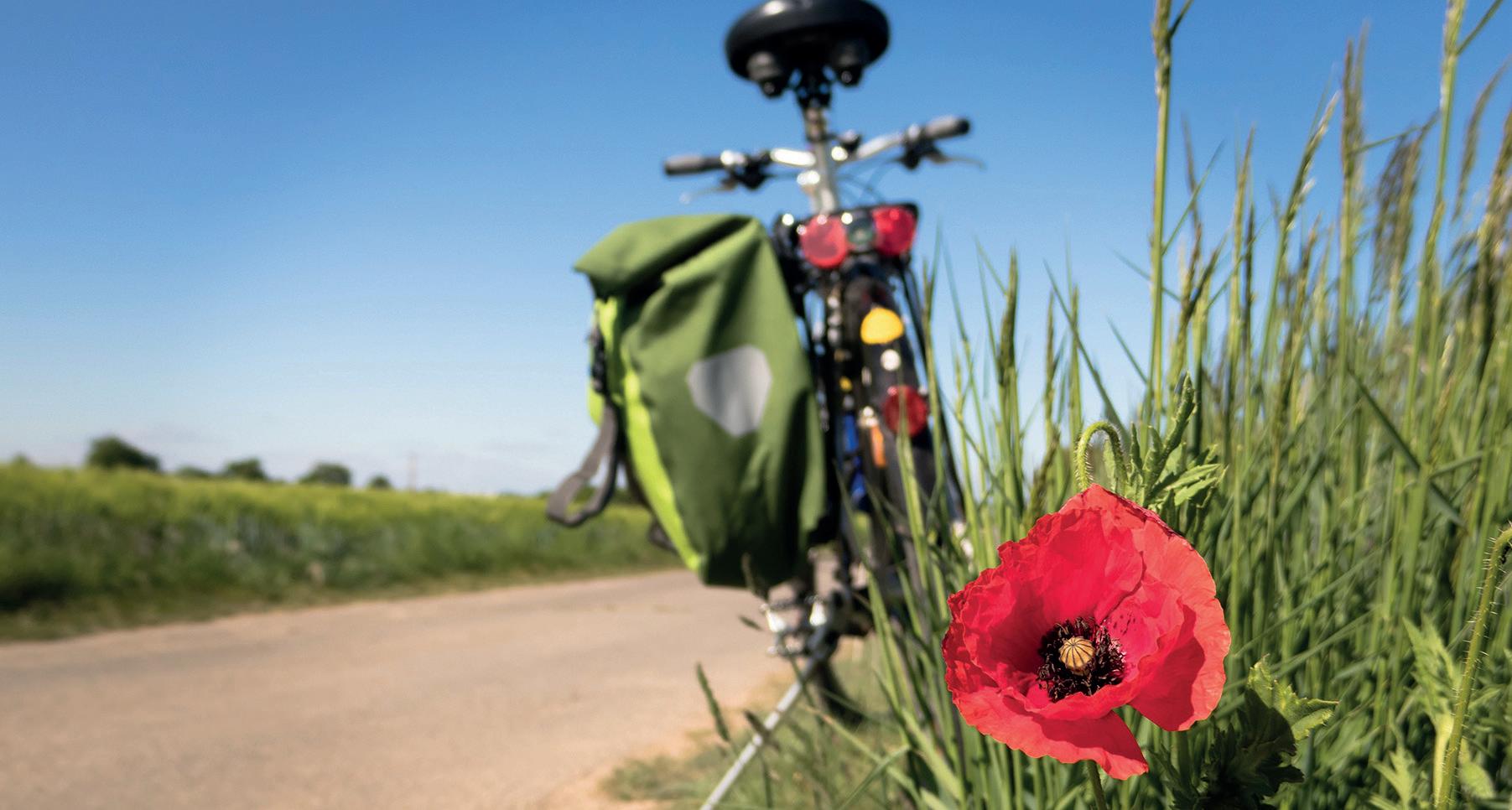
Thanks to the wonderful photographs shared by our followers on Facebook, have a look at these April images of our stunning region.





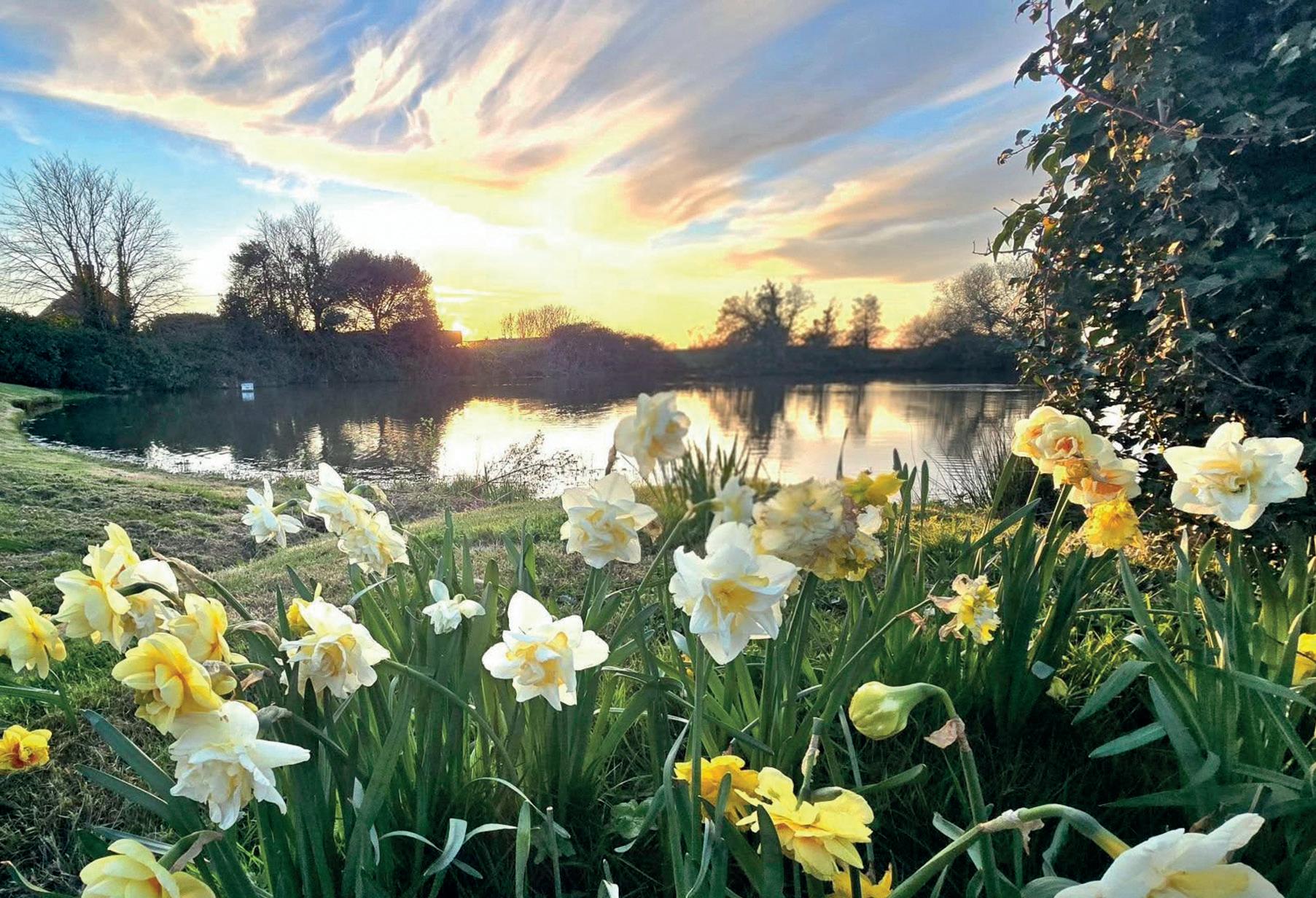

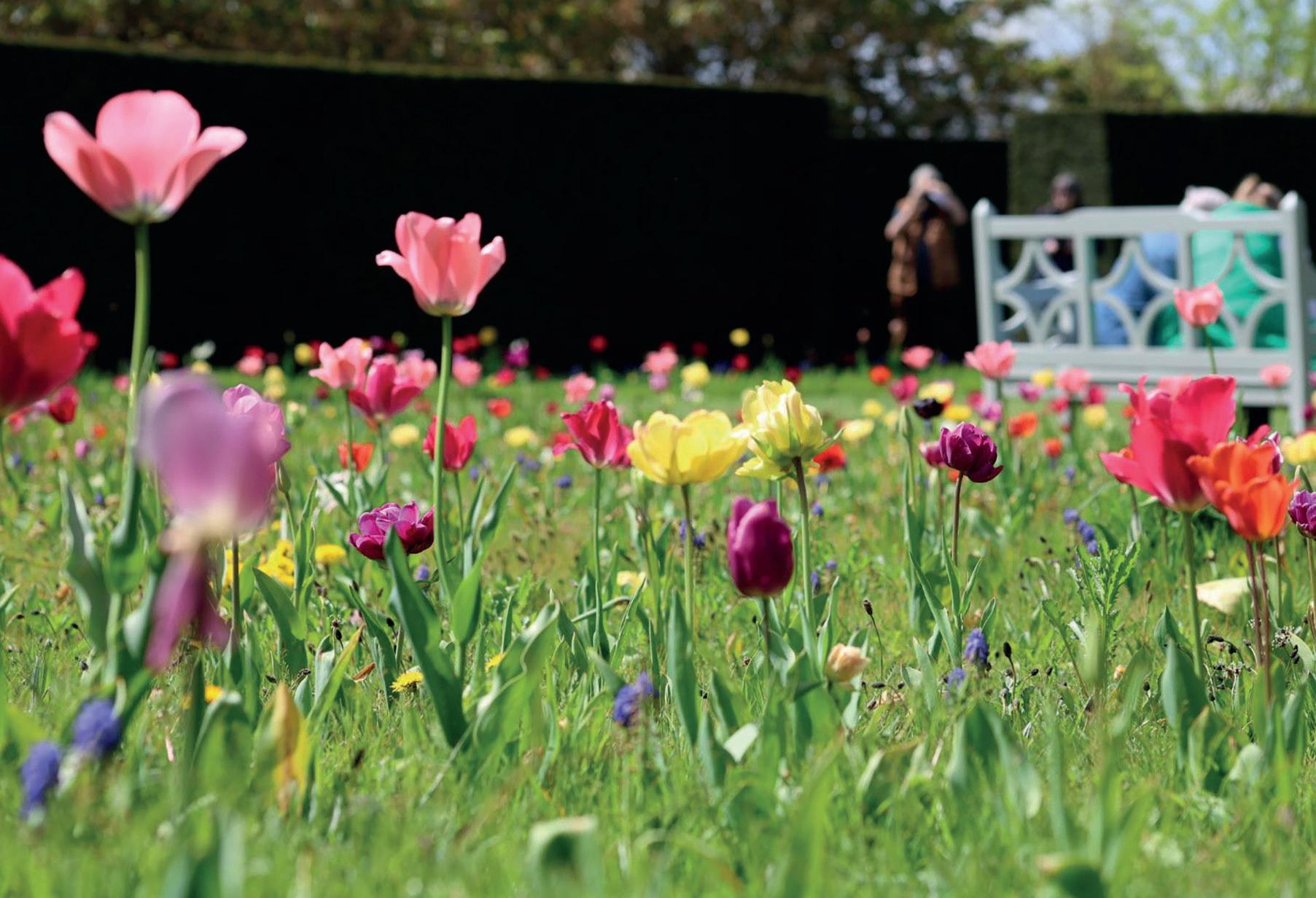
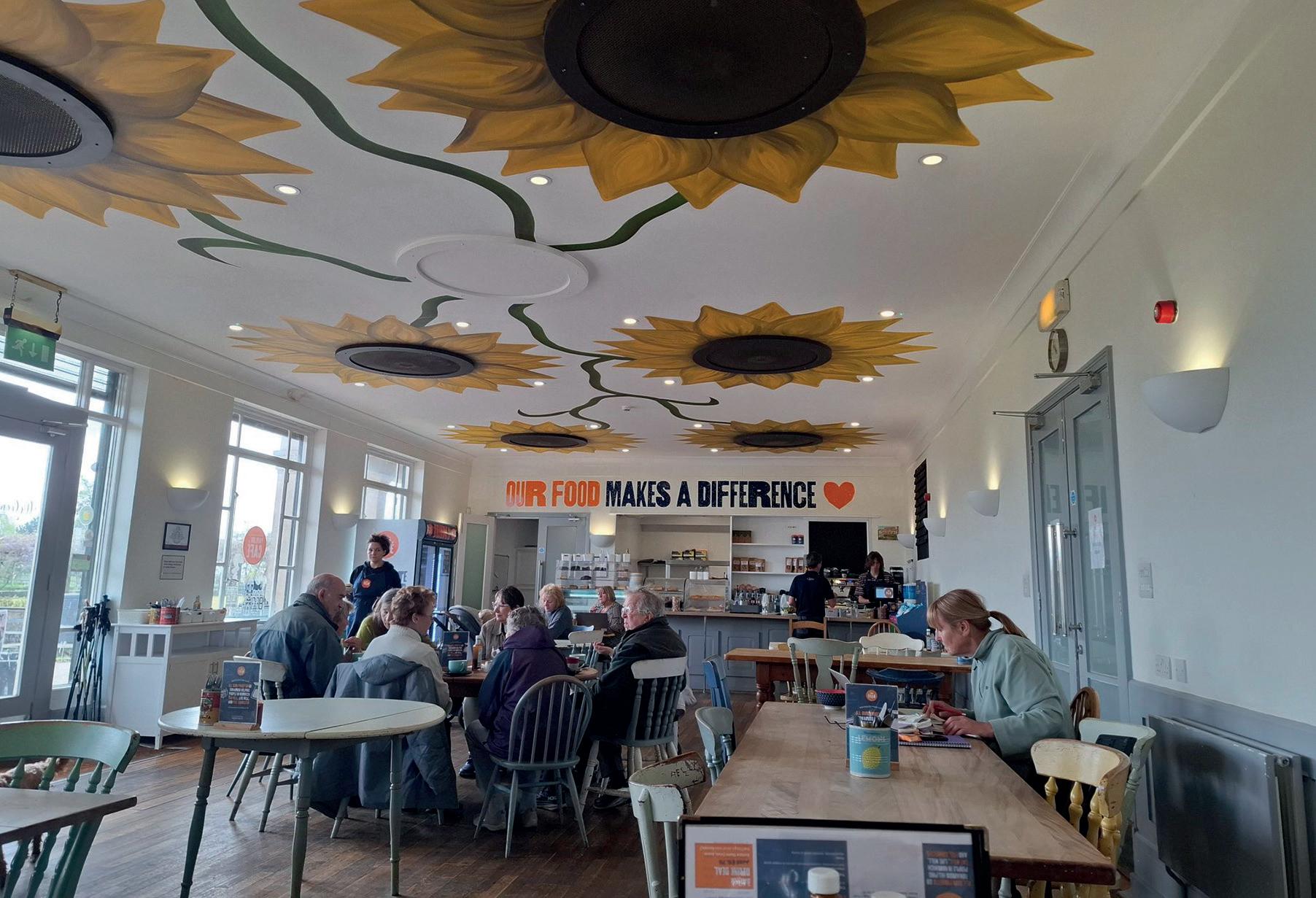

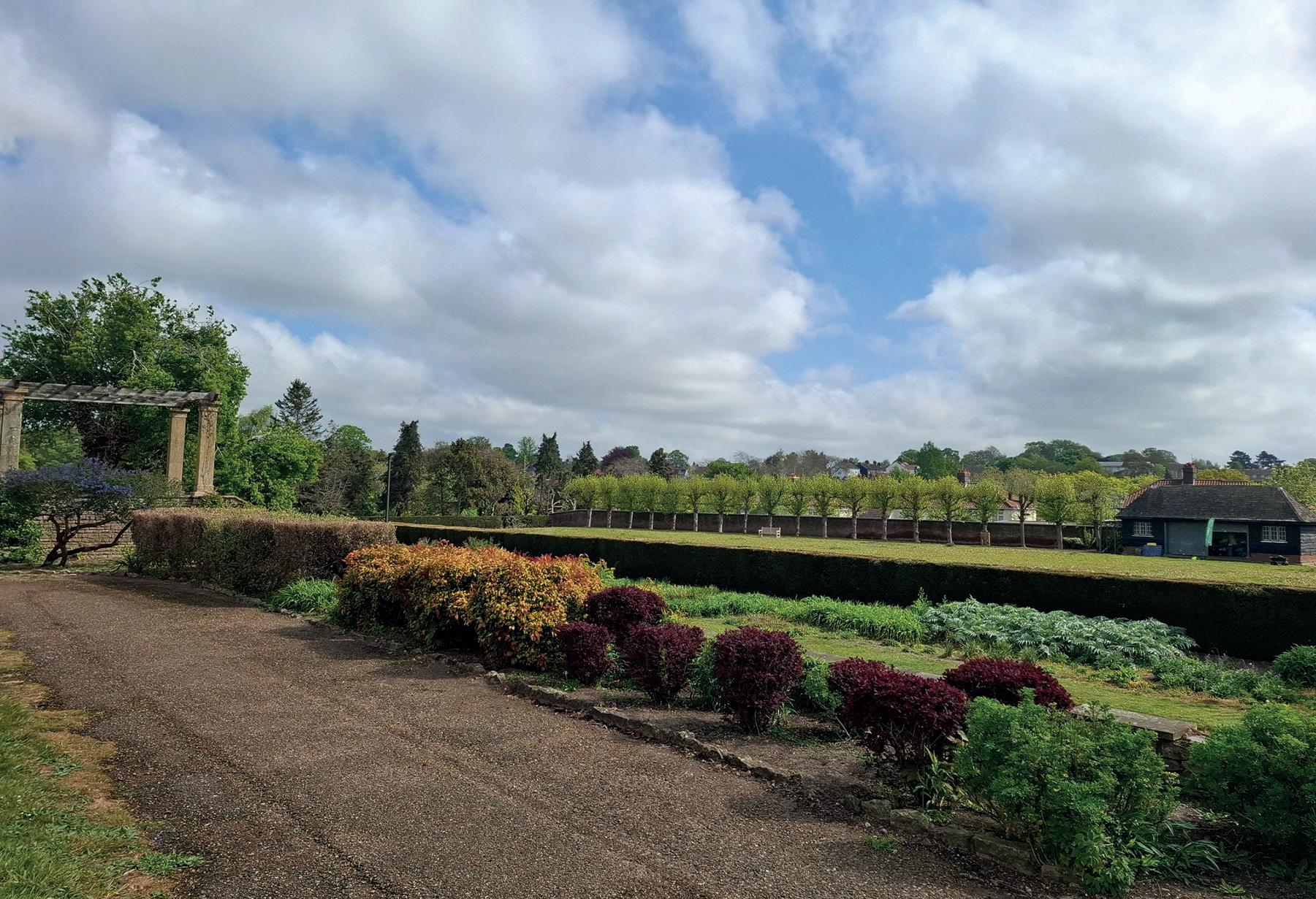
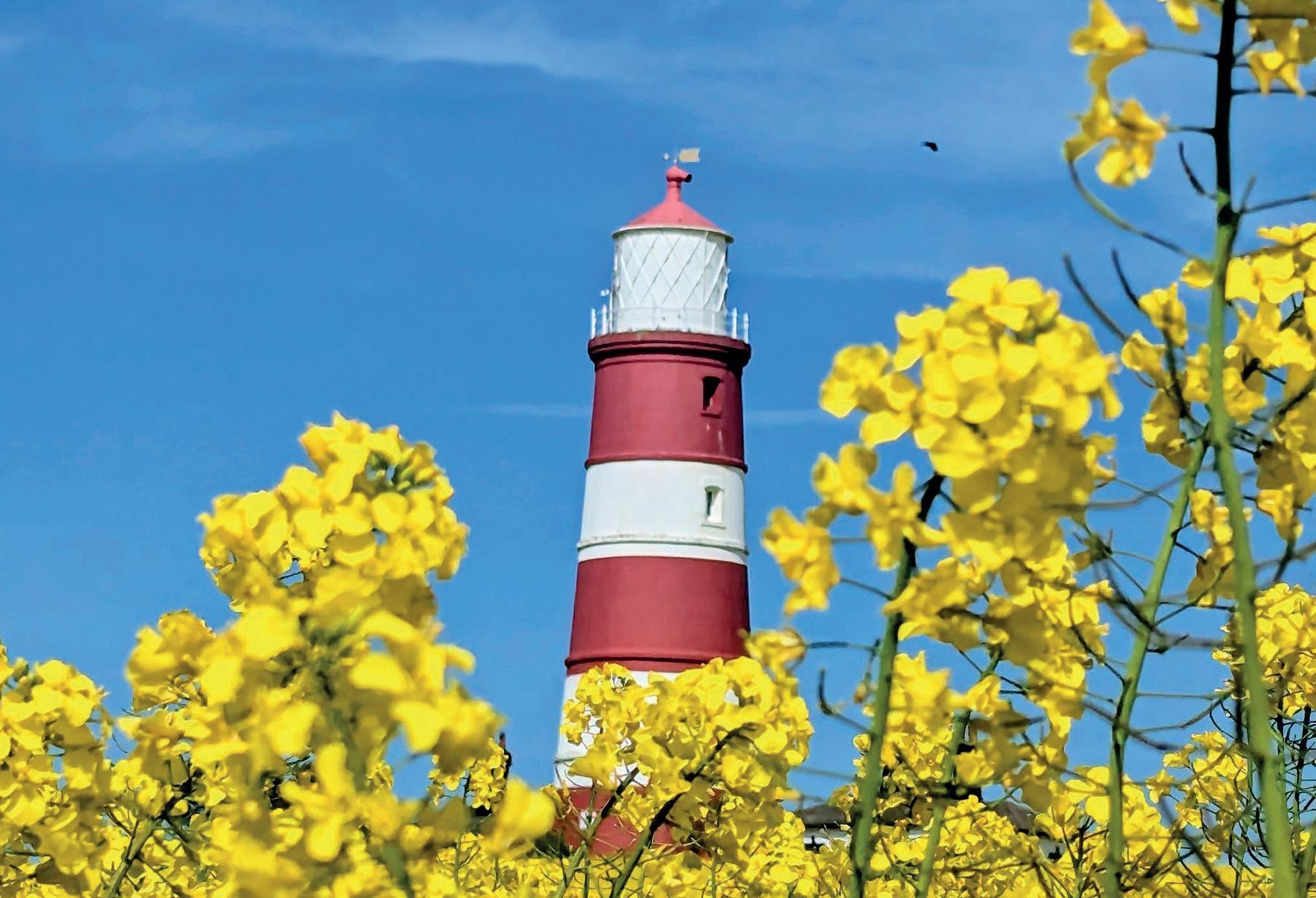

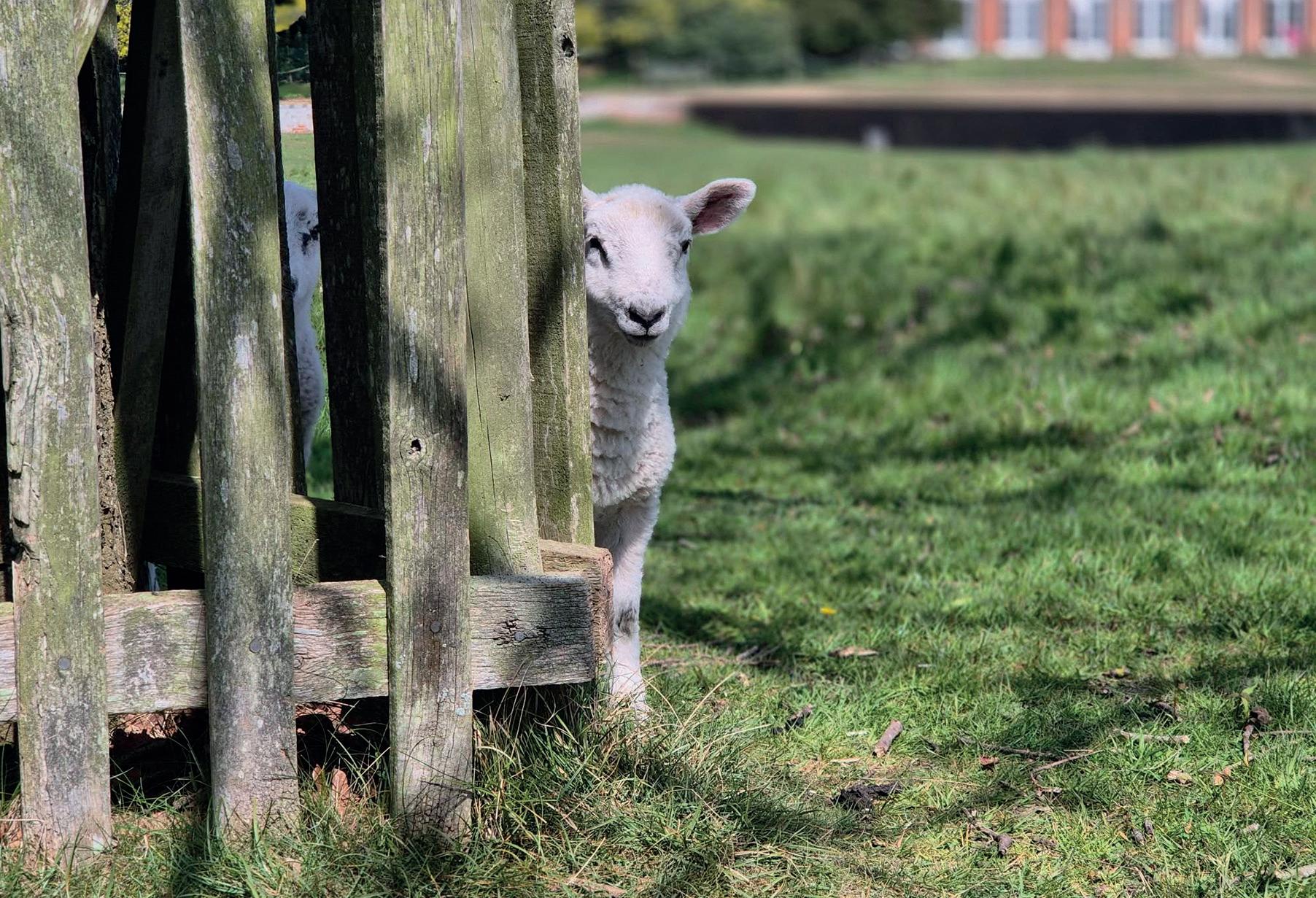



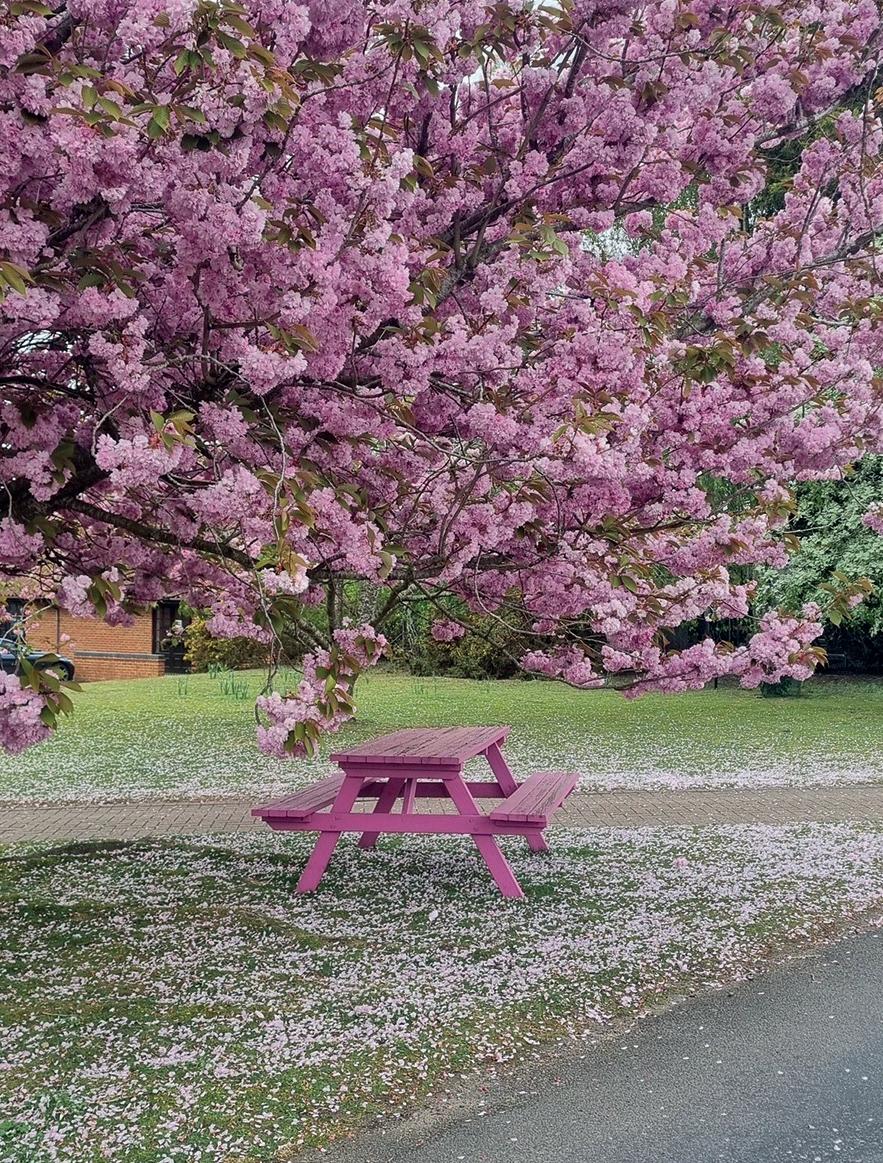
To be in with a chance of having your own photographs featured in the future, look out for our regular Facebook posts where you can add your images. Alternatively, send an email with your image and caption to: submissions@icenimagazine.co.uk


In today’s fast-paced and digitally dominated world, the importance of spending time outdoors has never been more evident.
While many of us are aware of the physical benefits associated with outdoor activities, such as improved fitness and vitamin D absorption, the positive impact of nature on our mental health is equally profound and deserves greater attention. In the UK, where urban living and screen time are on the rise, reconnecting with the natural world can offer a much-needed respite and foster mental wellbeing.
The Science Behind Nature and Mental Health
Research consistently shows that exposure to green spaces and natural environments can significantly reduce stress, anxiety, and
symptoms of depression. The simple act of walking in a park, sitting by a lake, or even gardening can lower cortisol levels, the hormone associated with stress. Studies conducted by mental health organisations in Britain have highlighted that individuals who spend regular time outdoors report greater levels of happiness and satisfaction compared to those who remain indoors for most of their day.
One explanation for this effect lies in the concept of “biophilia” - the innate human affinity for nature. This evolutionary trait suggests that our brains are wired to respond positively to natural stimuli, such as the sound of birdsong, the rustle of leaves, or the sight of flowing water. These sensory experiences help calm the mind, distract from negative thoughts, and restore a sense of balance.
Spending time outdoors often goes hand-inhand with increased physical activity, whether through walking, cycling, hiking, or playing sports. Exercise itself is a well-known mood booster, releasing endorphins and improving overall brain function. Outdoor activities provide the added benefit of variety and stimulation, helping to break the monotony of indoor routines. In the UK, initiatives like “Parkrun” and community gardening projects have encouraged people to get outside and move, demonstrating that even gentle activity in nature can enhance mental resilience.
The outdoors also provides a unique opportunity to strengthen social ties. Shared experiences in nature, such as picnics, group walks, or team sports, facilitate meaningful connections and reduce feelings of isolation. In a society where loneliness is increasingly recognised as a public health concern, outdoor time can help foster a sense of belonging. Engaging with community outdoor spaces, such as allotments or local parks, enables people to connect with others, share stories, and build support networks - all essential for mental health.
Practising mindfulness outdoors - such as “forest bathing” or simply paying attention to the sights and sounds around you - has been shown to reduce rumination and promote emotional regulation. The natural environment encourages us to slow down, tune in to our senses, and be present in the moment. This is particularly beneficial in Britain’s often stressful urban environments, where a brief escape to a local green space can offer clarity and perspective. Mindful walking or meditating
outdoors can help break habitual patterns of worry and support a calmer, more focused mind.
Outdoor time is crucial for the mental health of children and young people. Regular access to green spaces supports emotional development, reduces symptoms of ADHD, and improves concentration. Schools in the UK are increasingly recognising the value of outdoor learning, with forest school programmes allowing pupils to explore, play, and learn in natural settings. These experiences foster creativity, resilience, and self-confidence, laying the foundation for lifelong wellbeing.
Despite the clear benefits, some people may face obstacles to spending time outdoors, such as mobility issues, lack of access to green spaces, or poor weather. However, even small steps - like tending to houseplants, sitting in a garden, or taking a short stroll around the neighbourhood-can make a difference.
Outdoor time is a powerful, accessible, and cost-effective way to support mental health for people of all ages.
Whether it’s a quiet moment alone in nature or a lively gathering with friends in the park, the positive effects on mood, stress levels, and overall wellbeing are undeniable.
As awareness grows, it’s crucial for individuals, communities, and policymakers to prioritise outdoor access and encourage everyone to take advantage of the natural world right on their doorstep.

There’s something deeply satisfying about cultivating your own patch of earth, whether it’s a sprawling back garden or a modest balcony.
For those new to the world of gardening, embarking on a project can seem daunting, but with the right approach and a dash of enthusiasm, even beginners can create a beautiful and rewarding outdoor space. This article explores accessible garden projects suited to novices, offering practical advice and inspiration to help you get started.
Before diving into any project, take some time to assess your garden. Is it sunny or shaded,
large or small? Understanding the conditions helps determine which plants and features will thrive. For city dwellers, pots and containers can work wonders on patios and balconies, while suburban gardens may offer more scope for beds and borders. Sketching a rough plan of your space can help clarify your ideas and identify the best places for new features.
One of the simplest ways to begin gardening is with containers. Pots, tubs and window boxes allow you to experiment with different plants and arrangements without committing to major landscaping. Choose containers with drainage holes, fill them with quality compost, and select easy-to-grow plants such as petunias, geraniums, or herbs. Container gardening is
versatile - move your pots around to catch the sun or group them for visual impact. Herbs like basil, parsley and mint thrive in pots, and their fresh flavours can be used in the kitchen.
Raised beds are an excellent project for beginners, as they improve soil drainage and make planting easier. Building a simple raised bed from timber sleepers or pre-made kits requires only basic tools and skills. Fill your bed with a mix of topsoil and compost, and choose plants suited to your local climate. Start with low-maintenance varieties such as lavender, marigolds, and salad leaves, which are forgiving and offer quick results.
Vegetable gardening is both practical and rewarding. Begin with hardy crops like lettuce, radishes, and carrots, which grow well from seed and mature quickly. Tomatoes are another favourite; they can be grown in pots or hanging baskets. If you’re unsure where to start, opt for a ‘grow your own’ kit from your local garden centre, which provides all the essentials and instructions. Watching your plants develop and harvesting your own produce brings a sense of achievement and encourages healthy eating habits.
Attracting wildlife is a wonderful way to bring your garden to life. Beginner-friendly projects include planting pollinator-friendly flowers, installing a bird feeder, or creating a small pond. Native plants like foxgloves, primroses, and buddleia provide food and shelter for insects and birds. Even a simple bug hotel made from twigs and bamboo can offer a haven for beneficial creatures. These projects encourage biodiversity and add interest to your garden throughout the year.
A well-kept lawn can be the centrepiece of
a garden. For beginners, regular mowing, feeding and watering are key. If your lawn is patchy, sowing grass seed in bare spots is a simple fix. Consider leaving a corner unmown to create a wildflower area, which requires less maintenance and supports local wildlife. If you’re short on time, artificial turf is an option, though it lacks the ecological benefits of real grass.
Adding decorative touches can enhance your garden’s character. Start with solar-powered lanterns, colourful plant pots, or a garden mirror to reflect light and create the illusion of space. DIY projects like painted stones or homemade wind chimes are fun, inexpensive, and personalise your space. Garden furniture, such as a bench or bistro set, encourages relaxation and socialising outdoors.
• Start small and expand as your confidence grows.
• Choose plants suited to your local climate and soil.
• Water regularly, especially in dry spells, but avoid overwatering.
• Read plant labels or seek advice at your local garden centre.
• Enjoy the process - gardening is as much about learning as it is about results.
Garden projects for beginners don’t need to be complicated or expensive. Whether you’re growing herbs in pots, creating a wildlife haven, or simply tidying up your lawn, every step brings you closer to a vibrant outdoor space. Embrace the challenges, celebrate your successes, and remember that every gardener started somewhere. With patience and curiosity, your garden can flourish and become a place to relax, unwind, and connect with nature.

In an era where physical and mental health are increasingly prioritised, innovative approaches to fitness are transforming how we exercise.
One such approach gaining momentum across the UK is the concept of Green Gym activities. Unlike traditional gyms with treadmills and weights, Green Gyms invite people to step outdoors, engage with nature, and combine physical activity with environmental stewardship. This article delves into the essence of Green Gym activities, their benefits, and how you can get involved in your local community.
Green Gym activities are structured, outdoor group sessions that focus on practical conservation tasks. These activities are designed to improve both your fitness and the environment. Typical Green Gym sessions might include tree planting, habitat restoration,
path maintenance, litter picking, or creating wildlife-friendly spaces. Unlike solitary jogging or cycling, Green Gyms are social, collaborative, and inherently purposeful, fostering a sense of achievement as participants witness the tangible impact of their efforts.
Participating in Green Gym activities offers a plethora of benefits that go beyond simple exercise. Firstly, the physical demands of tasks such as digging, lifting, or raking provide an effective workout. Regular involvement helps improve cardiovascular health, strength, flexibility, and coordination. Many participants report increased energy levels and reduced risk of chronic illnesses as a result of their active lifestyle.
Equally important are the mental health benefits. Spending time outdoors, particularly in green spaces, has been proven to reduce stress, anxiety and depression. The calming influence
of nature, combined with the satisfaction of contributing to environmental conservation, fosters a positive mindset.
Green Gym activities are not just about personal health - they also contribute to the wellbeing of local ecosystems. Participants help maintain parks, woodland, and urban green spaces, making them more accessible and attractive to the wider public. Tasks such as planting native species boost biodiversity, while removing invasive plants and managing habitats supports wildlife. As communities see the resultscleaner parks, flourishing gardens, and thriving habitats - there is often a renewed sense of pride and collective responsibility.
Community engagement is at the heart of Green Gyms. Sessions are typically led by trained volunteers or coordinators who provide guidance, equipment, and safety advice. Many groups partner with local councils, wildlife trusts, or environmental charities to maximise impact. The inclusive nature of Green Gyms means that people of all ages and abilities are welcome; activities can be tailored to suit individual fitness levels, and there is always room for newcomers.
Getting started with Green Gym activities is straightforward. The Conservation Volunteers (TCV), a leading UK charity, pioneered the Green Gym concept and offers sessions across the country. You can search for your nearest Green Gym on their website, or check local council listings for environmental volunteering opportunities. Most sessions are free or lowcost, and all necessary tools and training are provided.
When attending your first session, wear comfortable clothing and sturdy footwear suitable for outdoor work. Bring water, and
be prepared for variable weather - British rain showers are never far away! If you have particular interests, such as wildlife conservation or gardening, let the organisers know so they can match you with relevant activities.
Many participants have shared inspiring stories about their Green Gym experiences. For example, retirees looking for meaningful activities have found new purpose and companionship, while younger volunteers have used their involvement to develop skills and boost employability. Groups in cities such as London, Manchester and Bristol have reclaimed neglected spaces, transforming them into vibrant community assets. These success stories demonstrate the far-reaching impact of Green Gym activities, both for individuals and the environment.
With growing awareness of environmental issues and the importance of wellbeing, Green Gym activities are likely to become even more popular. They offer a sustainable, enjoyable way to stay active and make a differencebridging the gap between personal health and ecological responsibility. As more communities recognise the value of outdoor exercise combined with conservation, the Green Gym movement will continue to flourish, inspiring people across the UK to roll up their sleeves and get involved.
Whether you are seeking a new fitness routine, wishing to meet like-minded people, or hoping to make a positive impact in your local area, Green Gym activities offer a unique and rewarding pathway.
So, next time you consider exercise, why not step outside and join a Green Gym - where every effort helps you and the planet thrive.
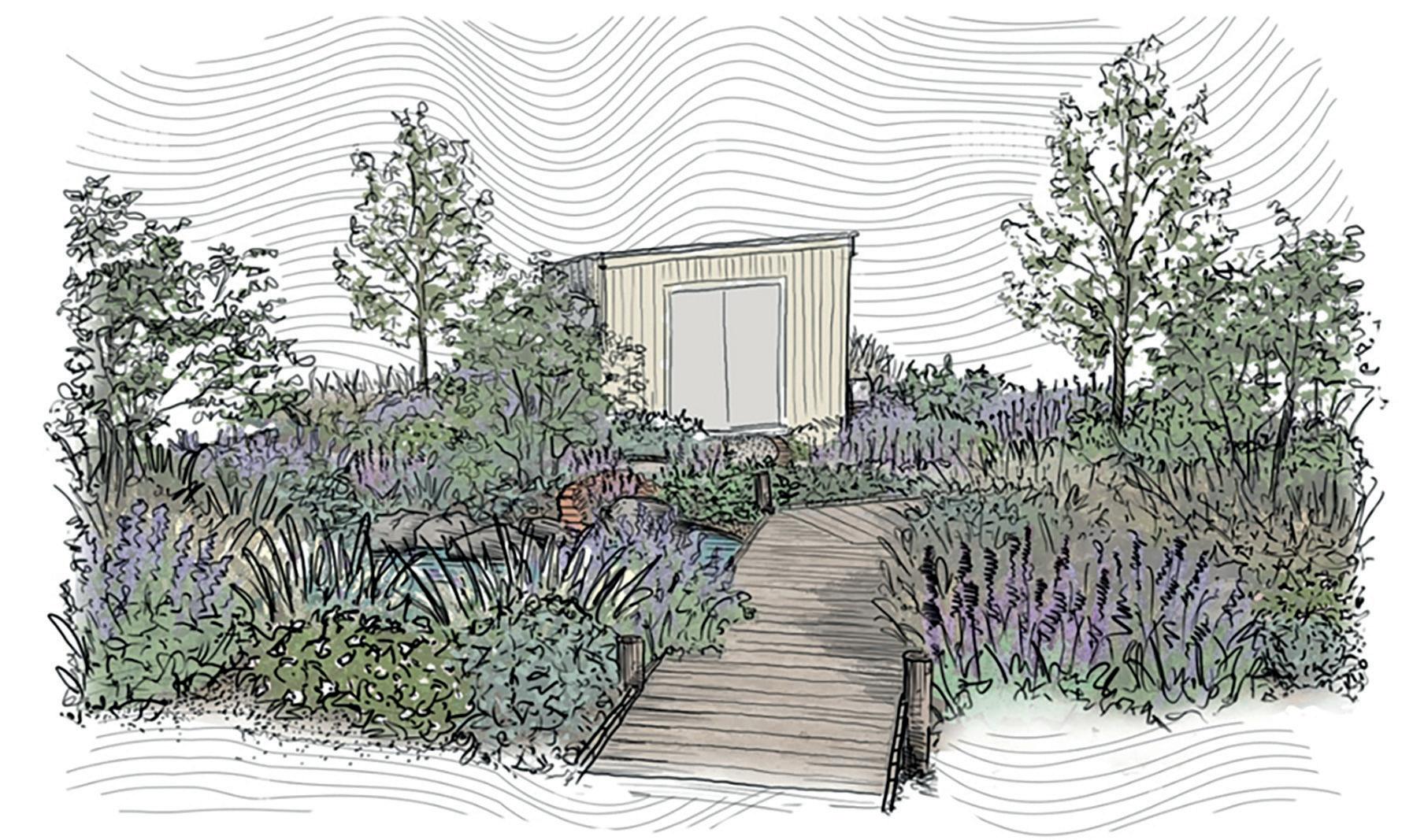
The first RHS Flower Show to be held in Norfolk is set to feature a garden celebrating frogs, tadpoles and all manner of amphibian life, lovingly known locally as pollywiggles.
The RHS Pollywiggle Garden will be designed by Norfolk based design duo Joe and Laura Carey and is inspired by the restorations of north Norfolk’s unique pingo pools and the successful reintroduction of the endangered northern pool frog.
Britain’s rarest frog, once thought to be extinct due to habitat loss and confusion with the non-native pool frog from southern Europe, has made a comeback in recent years with reintroduction efforts and
the restorations of Norfolk’s pingo pools. These unique pools, formed at the end of the ice age, provide wetland habitats rich in biodiversity but have also been threatened by water extraction and expanding farmland.
In the face of climate change and habitat loss, the RHS Pollywiggle Garden, built by Neil Askew Landscapes, is packed with ideas on how gardeners can help create more spaces where water loving wildlife can thrive in hot weather. Lush, naturalistic planting peppered with moisture loving trees, grasses, and perennials surround a beautifully formed pond, creating habitat for tadpoles, frogs, and newts whilst still maintaining a carefully curated aesthetic. A boardwalk leads visitors through areas of wet ground, demonstrating how water can be embraced as an asset in gardens.
The garden’s designers, Joe and Laura Carey, said: “This is a garden close to our hearts. We’ve so enjoyed seeing our own children out in nature spotting frogs, so we wanted to create a garden that inspires people to protect these often-overlooked creatures with a design that demonstrates that eco-gardens can still be aesthetically pleasing. The garden is packed with ideas for gardeners to try at home to create spaces that support our local wildlife whilst still being attractive spaces for us to enjoy.”
Sarah Wilson-Frost, RHS Horticulturist said: “Water is such a precious commodity in our gardens with some areas of the UK having lost nearly 90% of their wetlands, which has had a real detrimental effect on wildlife. We, as a nation of gardeners, have the ability to help out our amphibian life. Even if by including just a small wetland area, across many green spaces, can have a huge benefit for amphibians and other wildlife.”
The RHS Pollywiggle Garden joins the RHS Royal Legacy Garden and an exciting line up of gardens, features, and floral creations yet to be announced at the first RHS Sandringham Flower Show in July. After the Show, the garden will live on at Pensthorpe Nature Reserve, Norfolk, where it will become an interactive wildlife education garden.
RHS Sandringham Flower Show runs from 22 - 26 July 2026 and tickets are available online at www.rhs.org.uk/showsevents/rhs-sandringham-flower-show
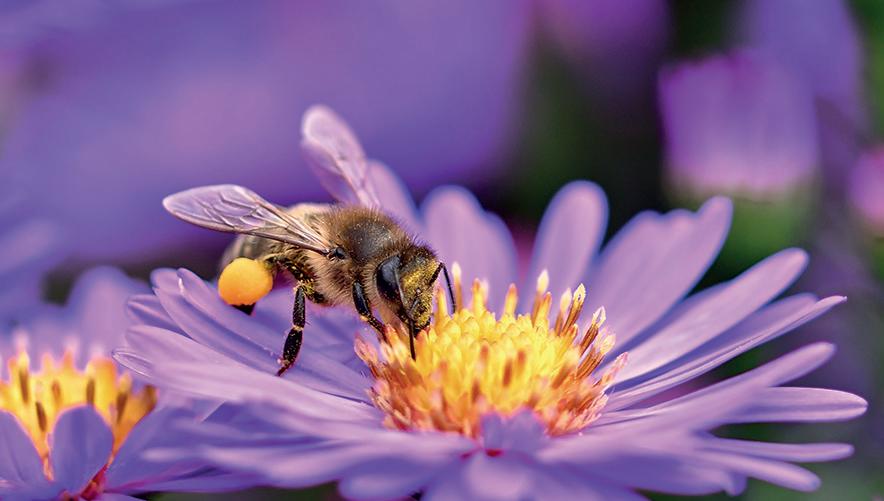
Event:
RHS Sandringham Flower Show 2026
Venue: Sandringham Estate, Norfolk, PE35 6AB
Dates: 22 - 26 July 2026
Opening times:
Wednesday 22 - Saturday 25 July, 10am-6pm
Sunday 26 July, 10am-5pm
Tickets: rhs.org.uk/sandringham
We’re the UK’s gardening charity, helping people and plants to grow.
Our mission is to be there on people’s lifelong journey with gardening - to bring happiness, health, stronger communities and a thriving natural world.
With 220 years of experience, we support gardeners of all ages with expert advice, community and schools projects, scientific research, professional qualifications, our five RHS Gardens, and events including the iconic RHS Chelsea Flower Show.

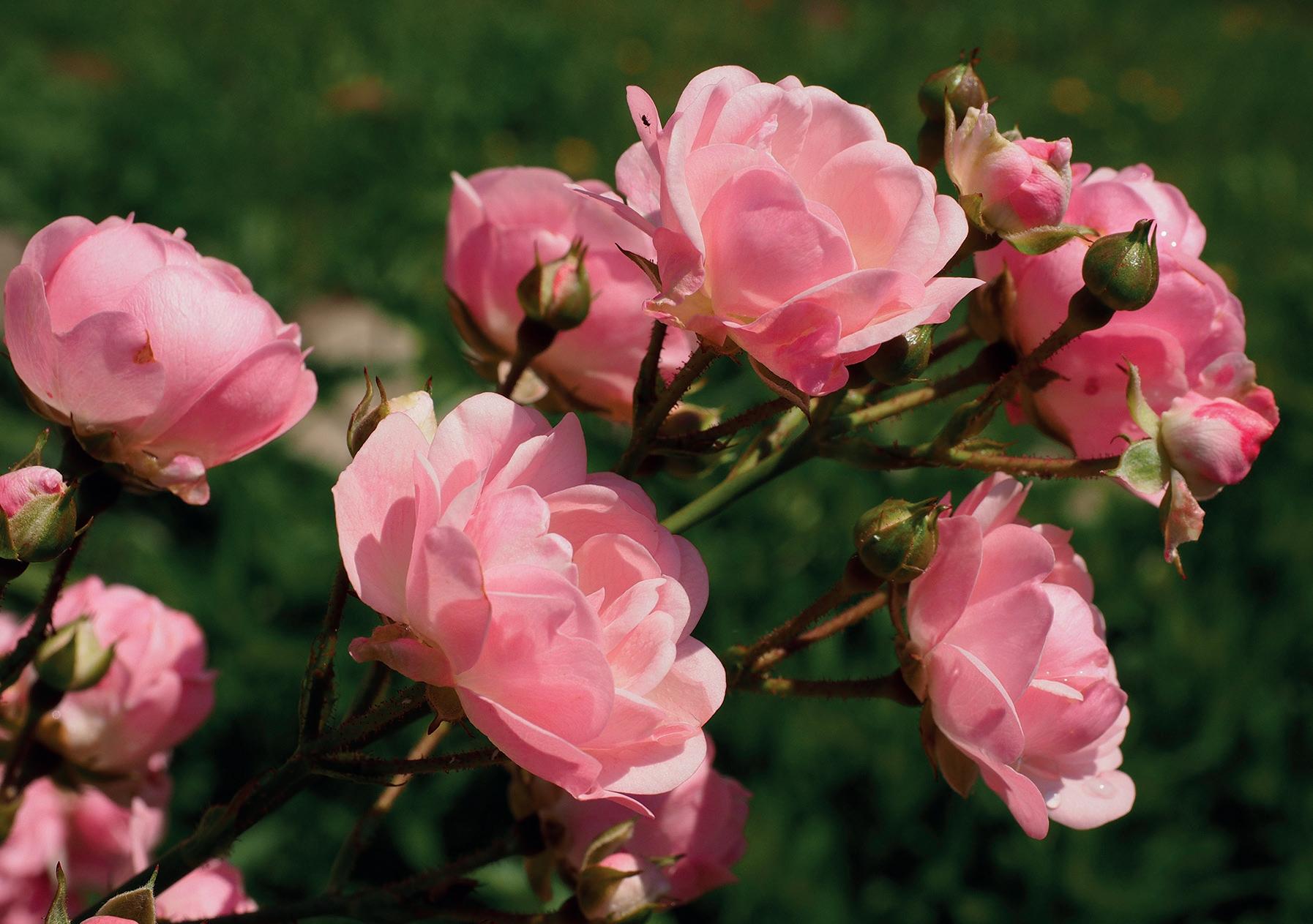
A plethora of fabulous and highly recommended gardens are opening around the county for the National Garden Scheme this May. They vary in style from naturalistic and sustainable to historic and formal with guaranteed colour at every turn. Several have never opened their garden gates before so what could be better than strolling around one these gems knowing there is tea and cake for afters!
STODY LODGE, Melton Constable. Thursday 7 May 1-5. Spectacular gardens with one of the largest concentrations of rhododendrons and azaleas in East Anglia. Created in the 1920s, the gardens also feature magnolias, camellias, a variety of ornamental and specimen trees, late daffodils and bluebells. Expansive lawns and magnificent yew hedges. Woodland walks and
four acre garden filled with over 2000 vividly coloured azalea mollis. Adm £10, chd free. Wheelchair access. Dogs welcome.
FARM BARN, North Walsham. Saturday 9 May & Sunday 10 May 11-5. NEW. Surrounding two newly converted dwellings the area of the garden in close proximity to the house is flower displays and a vegetable garden. Further away are large displays on bulbs, shrubs and trees extending out into 25 acres of grassland which has wild orchid collections, ponds and a bluebell wood with specimen tree planting and two memorials. Adm £6, chd free. Wheelchair access. Dogs welcome.
LODGE, Blickling. Sunday 17 May 12-5. Georgian house (not open) set in 17 acres of parkland. Extensive gardens that include a cricket pitch, beautiful mixed borders, walled kitchen garden, yew garden, woodland,
dovecotes and water garden. Adm £6, chd free. Wheelchair access. Dogs welcome. Also “Open by Arrangement”.
LEXHAM HALL, Nr Litcham. Sunday 24 May 11-5. Parkland with lake and river walks surround C17 Hall (not open). Formal garden with terraces, roses and mixed borders. Traditional working kitchen garden with crinkle-crankle wall. Magnificent walk amongst rhododendrons, azaleas, camelias and magnolias in the 3 acre woodland. Adm £6, chd free. Dogs welcome.
Sunday 24 May 10-4. The following three gardens are opening in conjunction with each other. Please see website for details on wheelchair accessibility.
20 LE STRANGE CLOSE, Norwich NR2 3PW.
A modern cottage garden in the city, plant filled and wildlife friendly, with unusual materials and structures. The front garden is a mini allotment with crab apple arches framing the path. Designed and planted by the owner, garden designer, Rahul Shah. Adm £6, chd free.
THE SUNKEN GARDEN AT THE CHILDREN’S GARDEN, Norwich NR4 7YB. NEW. A contemporary garden design with innovative and sustainable landscaping solutions with children being the predominant focus and occupants. Planting is relaxed and considerate of a changing climate, and conscious of the importance of pollinators. Garden can be viewed via a boardwalk. Adm £5, chd free. Dogs welcome.
UPTON ROAD, Norwich NR4 7PA. NEW.
A quiet and secluded garden with gravel paths between the large beds which are densely planted with a variety of trees, shrubs and herbaceous perennials. There is also a small greenhouse, pergola, pond and many containers with a wide variety of scented leaf pelargoniums. Adm £5 chd free. Dogs welcome.
Sunday 24 May 11-3. NEW. Designed by James Alexander-Sinclair and opened in 2023, these gardens are a flamboyant mix of ornamental borders and expansive wildflower meadow. The planting focusses on year-round interest for patients with a curated mix of herbaceous perennials, roses, grasses and bulbs. Set on 8 acres of Norfolk farmland, these gardens are managed by a Head Gardener and a team of volunteers. Adm £4.50, chd free. Wheelchair access. Dogs welcome.
Swaffham. Sunday 31 May 12-4. A hidden gem of a garden. Walled kitchen garden designed by Arne Maynard, replanted in 2016. Soft palette of herbaceous plants, some unusual varieties providing a long season of interest. Greenhouse, vegetables, trained fruits, roses and topiary. 130 year old wisteria. Wildlife friendly with wildflower meadow and renovated island pond. Historic buildings with a dry garden formed from crushed concrete, rubble and sand. £8 chd free. Wheelchair access (most areas). Dogs welcome. Also “Open by Arrangement”.
Foulsham. Sun 31 May 10-4. NEW. Protected conservation area, originally an intensively farmed seven acre field, that was once part of Thelmelthorpe common. A wood created in 1991 with 1000 native trees, diversified by local woodland plants including rare Black Poplars grown from cuttings of an ancient specimen. Colourful flower meadow with mown paths leading to wetland area and ponds where orchids flourish in summer. Adm £6, chd free.
Before visiting a garden, it is advisable to check the website for up-to-date information at www.ngs.org.uk.