

“Adopt the pace of nature: her secret is patience.” – Ralph
Waldo Emerson
Welcome to Issue 156 of Iceni Magazine.
As we embrace this month’s focus on rewilding, we’re reminded that nature doesn’t rush-yet everything blooms exactly as it should. To make the most of our glorious county, step out to experience the magic of bluebell displays in full bloom (see page 24), alongside ideas to help you reconnect, reset and grow with the season. For practical gardening tips that encourage a more natural approach, see page 28. Whether it’s taking a quiet moment in nature, planning a countryside walk, or simply allowing a corner of your garden to flourish freely, this month is about small, meaningful changes that have a lasting impact.
Alongside our focus, you’ll find plenty more to enjoy, from beauty inspiration for under a tenner (page 14) to our guide to what’s on this month (page 31). Is a lie in on your bucket list? When did you last manage to enjoy one is the question asked by Susan Leigh (pages 8 & 9).
However you choose to spend April, we hope these pages bring inspiration, creativity, and a sense of balance.
Here’s to a month of growth, fresh beginnings, and brighter days ahead - we look forward to seeing you all in May.
Charlie, Iceni Home And Garden, Nova Silver, Susan Leigh, Tim Barnes-Clay, Trevor Langley, Vicki Jeffery.
Follow our social channels search: Iceni Magazine

Copyright © Iceni Magazine Limited. All rights reserved. No articles, adverts, content or design in this magazine may be used or reproduced either in whole or part, online or in print. The views and advice from contributors are not necessarily those of Iceni Magazine Limited. Every effort is made to ensure the contents are accurate, however Iceni Magazine Limited can not assume responsibility for errors, omissions or incorrect information. Iceni Magazine Limited accepts no liability for loss, damage or difficulties resulting from contracts between The Client and their customer. Inclusion within the magazine does not imply a recommendation. www.icenimagazine.co.uk




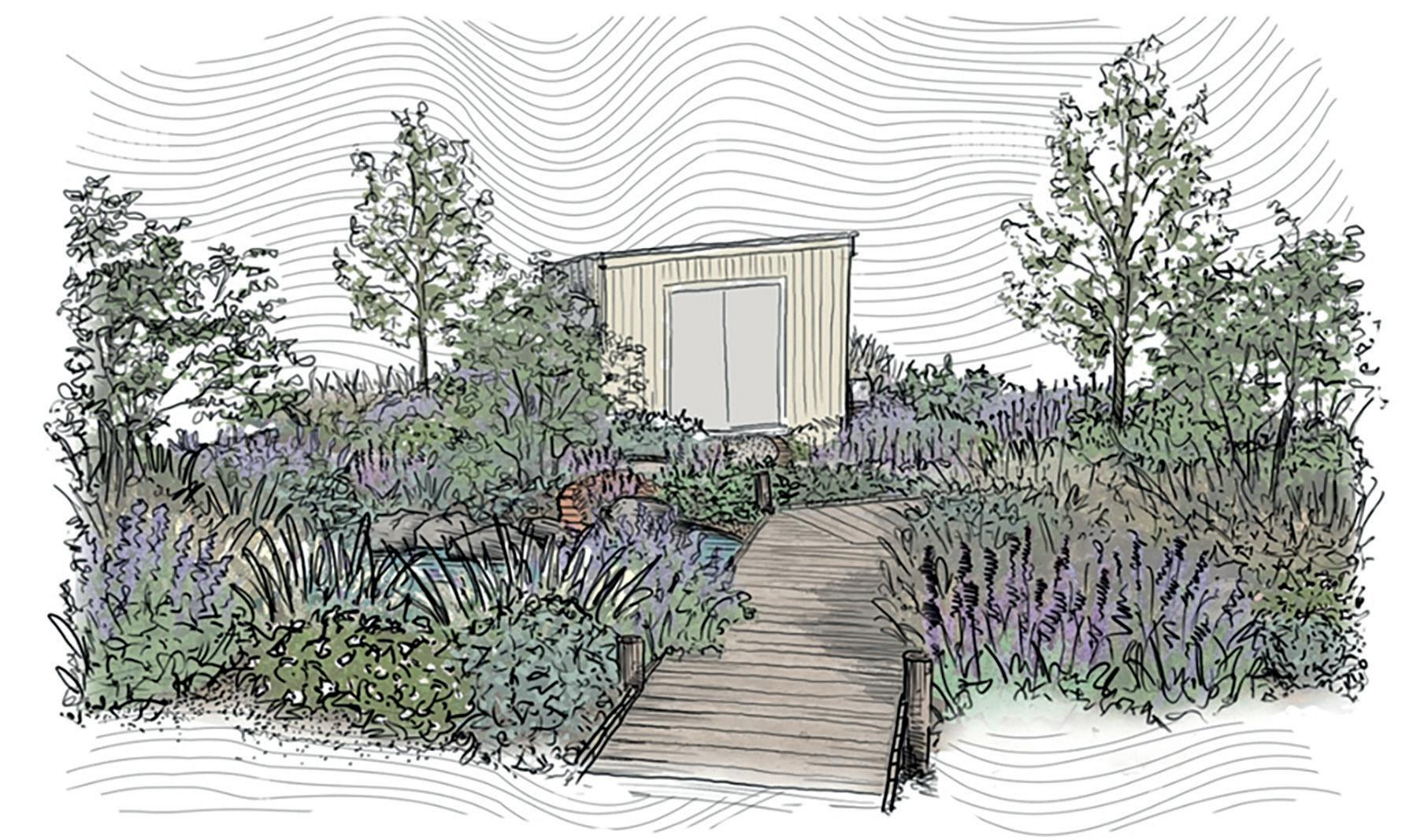
The first RHS Flower Show to be held in Norfolk is set to feature a garden celebrating frogs, tadpoles and all manner of amphibian life, lovingly known locally as pollywiggles.
The RHS Pollywiggle Garden will be designed by Norfolk based design duo Joe and Laura Carey and is inspired by the restorations of north Norfolk’s unique pingo pools and the successful reintroduction of the endangered northern pool frog.
Britain’s rarest frog, once thought to be extinct due to habitat loss and confusion with the non-native pool frog from southern Europe, has made a comeback in recent years with reintroduction efforts and
the restorations of Norfolk’s pingo pools. These unique pools, formed at the end of the ice age, provide wetland habitats rich in biodiversity but have also been threatened by water extraction and expanding farmland.
In the face of climate change and habitat loss, the RHS Pollywiggle Garden, built by Neil Askew Landscapes, is packed with ideas on how gardeners can help create more spaces where water loving wildlife can thrive in hot weather. Lush, naturalistic planting peppered with moisture loving trees, grasses, and perennials surround a beautifully formed pond, creating habitat for tadpoles, frogs, and newts whilst still maintaining a carefully curated aesthetic. A boardwalk leads visitors through areas of wet ground, demonstrating how water can be embraced as an asset in gardens.
The garden’s designers, Joe and Laura Carey, said: “This is a garden close to our hearts. We’ve so enjoyed seeing our own children out in nature spotting frogs, so we wanted to create a garden that inspires people to protect these often-overlooked creatures with a design that demonstrates that eco-gardens can still be aesthetically pleasing. The garden is packed with ideas for gardeners to try at home to create spaces that support our local wildlife whilst still being attractive spaces for us to enjoy.”
Sarah Wilson-Frost, RHS Horticulturist said: “Water is such a precious commodity in our gardens with some areas of the UK having lost nearly 90% of their wetlands, which has had a real detrimental effect on wildlife. We, as a nation of gardeners, have the ability to help out our amphibian life. Even if by including just a small wetland area, across many green spaces, can have a huge benefit for amphibians and other wildlife.”
The RHS Pollywiggle Garden joins the RHS Royal Legacy Garden and an exciting line up of gardens, features, and floral creations yet to be announced at the first RHS Sandringham Flower Show in July. After the Show, the garden will live on at Pensthorpe Nature Reserve, Norfolk, where it will become an interactive wildlife education garden.
RHS Sandringham Flower Show runs from 22 - 26 July 2026 and tickets are available online at www.rhs.org.uk/showsevents/rhs-sandringham-flower-show
Event:
RHS Sandringham Flower Show 2026
Venue: Sandringham Estate, Norfolk, PE35 6AB
Dates: 22 - 26 July 2026
Opening times:
Wednesday 22 - Saturday 25 July, 10am-6pm
Sunday 26 July, 10am-5pm
Tickets: rhs.org.uk/sandringham
We’re the UK’s gardening charity, helping people and plants to grow.
Our mission is to be there on people’s lifelong journey with gardening - to bring happiness, health, stronger communities and a thriving natural world.
With 220 years of experience, we support gardeners of all ages with expert advice, community and schools projects, scientific research, professional qualifications, our five RHS Gardens, and events including the iconic RHS Chelsea Flower Show.

Many of us look forward to a lazy morning, perhaps on weekends, when there’s no rush to get up. We can roll over, drift back to sleep and get up when we feel like it. And yet a recent study by Premier Inns reveals that one in eight of us have not had a lie-in for over a year.
Weekdays are often too busy to lie-in, controlled by alarm clocks, traffic concerns, children to organise for school, and a myriad of other demands. Some people like to go for a pre-work visit to the gym, others have early meetings and zoom calls. Sleeping a little later would be stressful rather than restful!
Research shows that 51% of the workforce, 17 million people, get between 4-6 hours sleep on worknights, with the national average being just 6 1/4 hours, one hour below NHS guidelines. Only 1.25% get more than 8 hours sleep. Sustained poor sleep throughout midlife, (ages 35-44), can affect life expectancy by up to 3 years.
Weekends are often a precious time, when chores, like housework, shopping and gardening, need to be undertaken, after which, hopefully, a little fun’s fitted in. Special time with children, catching up with partners or meaningfully
connecting with family and friends are all eagerly looked forward to.
For some, there’s the added complication of shift work, overtime and designated time with children and their various activities, so a lie-in can be an elusive memory.
However, a little planning can facilitate an occasional lie-in.
Treat a lie-in seriously. It’s an indulgence to allow yourself extra time in bed, with no rush or immediate demands to be up and functioning. But a lie-in shouldn’t be simply compensation for lack of sleep. Yes, there’s not the same pressure to get up, but think of it as special, like an extra portion of ice cream on your dessert, rather than eating to make up for any meals you’ve missed!
Plan the best way to give yourself an extra half hour or so, enabling you to wake up in a more leisurely way.
Organise the day ahead with no urgent items to distract you. Write a list and be reassured that nothing important will be forgotten. You’re better able to relax when you feel more in control.
Working from home can introduce a little flexibility. There’s no traffic or parking to consider, and, unless there’s an early meeting or check-in, the day’s tasks can potentially be managed to suit.
Do you insist on doing everything yourself, ending each day feeling weary, unappreciated and overtired? Sometimes hiring a cleaner or gardener can be money well spent. Or organising an online weekly food delivery can save time. Batch cooking meals at weekends can result in healthy weekday meals being readily available to reheat.
Could the children occasionally stay with their grandparents overnight? You know that they’re safe, looked after and hopefully having fun, whilst giving you a little personal time for yourself.
Approximately 90% of adults say that they don’t get enough sleep, so going to bed a little earlier can help ease any jaded, early-morning feelings of overtiredness. Introduce a good sleep routine and help eliminate those weary starts to the day.
Dealing with stress is an important way to improve your quality of sleep. Some people sleep for hours and still need a lie-in, feeling unrested and unrefreshed. Stress can impact on your dreams and your ability to switch off, sometimes finding stressful, repetitive dreams playing on your mind. Identify any major worries and explore ways to introduce some semblance of control into your life. Sharing

the load, delegating to others, speaking up and being more assertive may be options to help improve the situation.
A regular bedtime routine can support good sleep habits. Turn off your technology a couple of hours before bed and start to wind down. Avoid the temptation to check your messages and social media ‘one last time’. And charge your phone overnight outside your bedroom. Try to keep electronic devices in the bedroom to a minimum.
Is your bedroom a calm oasis? If storage space is limited, has your bedroom become the place to ‘temporarily’ store clutter that never finds another home! Treat your bedroom as your personal haven of calm and relaxation, and for private time with your partner.
Time outside can be a good way to improve your quality of sleep. Spending time in the garden, enjoying a walk at lunchtime or an early evening stroll is a good way to boost your exercise levels and exposure to fresh air and sunshine. A leisurely weekend could include a lie-in, followed by a scenic walk and maybe lunch in a country pub.
If you struggle to sleep and awaken needing a lie-in, try to focus on calm breathing, or replay a positive memory, like a holiday scene. Relax into a still, pleasant state of mind. When you invest in your overall quality of sleep, you’ll be able to enjoy a more satisfying lie-in. It becomes a treat, a special bonus in your life.
Article By Susan Leigh
Susan Leigh, South Manchester counsellor, hypnotherapist, relationship counsellor, writer & media contributor offers help with relationship issues, stress management, assertiveness and confidence. She works with individual clients, couples and provides corporate workshops and support. For more articles, information or to make contact please visit: https://www.lifestyletherapy.net


Calverton is a village situated in Nottinghamshire, approx 7 miles northeast of the city of Nottingham.
Historically, Calverton residents - and others from the surrounding area - gained a living by producing items of hosiery and also utilising their woodworking skills. During the mid 20th century Calverton grew in population, when the colliery was established and opened. The colliery closed during 1999. Today, Calverton, with the surrounding villages and towns, hold interests for many visitors. Eateries, including inns and restaurants, are very popular, attracting locals
(always a good sign), plus visitors to the village and this region of Nottinghamshire.
I located 360 Bar & Grill at Calverton, Nottingham. Opened during December 2024, this bar and authentic Indian dining venue continues to gain in popularity, offering drinks and snacks, through street food, to banquet dining opportunities. On entering the restaurant I am most impressed with the pleasant ambience.
To commence my dining experience, from an excellent menu which offered a grand selection, including Small Plates, Sizzling Dishes and

Signature Curries, I chose Chicken Tikka. This proved to be a very good choice and perfect to ‘engage’ my taste buds, for the delectations to follow.
For main I opted for Mix Grill (Lamb Chop, Chicken Tikka, Tandoori Wings, Chicken Tangri, Sheekh Kebab). This dish arrived with style and, being very well presented, enticed a ‘feast for my senses’ towards the aromas and complementing flavours of ingredients, combining perfectly. Head Chef is Imran, who, with the brigade of chefs and kitchen personnel gain great pleasure in impressing diners. I selected sides of Pilau Rice and Tandoori Roti to accompany.
Splendid desserts make a perfect ending to the dining occasion. Wines and drinks have beverages for everyone. Parties/occasions and corporate events are easily accommodated and

gift vouchers can give a welcome ‘surprise’ to someone. Entertainment/music nights and other forthcoming events, plus further details and information, including special offers, can be found on their very informative website. Collections, deliveries and venue hire are also available. Thank you to Farhan for exemplary service throughout.
Highly recommended.
360 Bar & Grill, Main Street, Calverton, Nottingham NG14 6FE. Tel: 0115 837 4747.
E-mail: info@360indian.com Web: www.360indian.com
As always, Enjoy! Review By Trevor Langley

Honda’s CR-V was the sixth best-selling car in the world in 2022 - and now it’s even better, writes our motoring editor Tim Barnes-Clay.
While the SUV retains a family-friendly feel, it was given a significant overhaul in 2023, ditching the rounded front for a more robust appearance. It is 80mm longer, too - and that makes it even more practical.
When you check out the engine, it’s a 2.0-litre four-cylinder petrol unit with extra clout coming from electric motors.
The bottom two trims are a self-charging hybrid (badged e:HEV), and the top grade (Advance Tech) is a plug-in hybrid (badged e:PHEV).
All models have 18-inch wheels, with the entrylevel Elegance getting a nine-inch Honda Connect infotainment unit with Apple CarPlay/ Android Auto and a digital radio. It also boasts
navigation, a 10.2-inch digital instrument display, leather seats, a panoramic glass roof, a heated leather steering wheel, keyless entry/ start and a powered tailgate.
The e:HEV in mid-range Advance guise, tested here, adds a head-up display, heated front seats with driver’s-side powered adjustment and memory function. The model also houses a Bose sound system and a multi-view camera.
Our e:HEV is all-wheel drive and has a 0-62mph time of 9.5 seconds, which is adequate for an SUV. Honda has done an excellent job with the car’s setup, creating a delicate balance between ride comfort and handling.
Inside, the CR-V’s interior is impressive. It offers plenty of colour variation, with piano black, brushed aluminium and dark greys.
The infotainment system is well laid out and intuitive - and the digital instrument display replaces the traditional analogue dials.


The additional 80mm in the car’s length means you won’t be struggling for headroom or legroom. A high driving position will also impress would-be SUV owners, while the e:HEV offers a generous 579 litres of boot space.
You can trade off cargo capacity for even more legroom by sliding the rear bench forward and backwards, while tall people can gain more headroom by reclining it.
The e:HEV returns 42mpg and emits 151g/km of CO2, but that’s still good for a big-ish SUV. The new CR-V is reliable, too, with Honda generally scoring well in this department.


If the old CR-V was the sixth most popular car on the planet, the latest CR-V should move it up the list.
Fast Facts: Honda CR-V 2.0i-MMD e:HEV Advance
• Max speed: 116 mph
• 0-62 mph: 9.5 secs
• MPG: 42.8
• Powerplant: 1,993cc, 4 cylinders, petrol + electric motors
• Power (PS): 184
• CO2: 151g/km
• Price: £50,470 as tested.
By Tim Barnes-Clay. Insta: @tbarnesclay & TikTok: @timauto_

Creating a full face of makeup for around £10 is completely achievable using affordable products from Primark, especially their PS and PS Pro beauty range.
The key is choosing simple, effective products that work well together without overcomplicating the routine.
The Primark PS Pro Illuminating Foundation gives a smooth, glowing finish that evens out the skin whilst still looking natural. Pair it with the Primark PS My Perfect Colour Concealer to brighten under the eyes and cover any blemishes. Together,
these products will seamlessly create a balanced base that pulls everything together.
Primark PS Volumising Mascara is a simple but effective step. It lifts and defines the lashes, instantly making the eyes look more open without needing eyeshadow/eyeliner. It’s one of those products that makes a big difference with minimal effort.
To finish the look, a lip product like the Primark PS Lip Liner Pencil adds definition and shape to the lips. It can be worn on its own for a natural tint or blended out for a softer finish.

When you’re working with a tight budget, focus on the essentials rather than a full complex makeup routine. You may find that you can skip the extras like powder or blush, as you may already have these in your makeup collection. Purchasing the core products is all you need to achieve a polished, everyday look.
With so many beauty brands to choose from it can sometimes feel very daunting and it’s easy to overspend when it comes to buying makeup. It’s all about choosing the right products and making them work together for a simple, wearable finish.
Hi, I am Charlie, a former make-up artist originally based in Norwich. I have always been passionate about art and channelling it through creative makeup. I trained at Norwich City College in Fashion and SFX makeup. My work has been published both nationally and internationally.
Want to see more? Check out my Instagram - @ThePoutyLip

April marks a pivotal moment in the gardening calendar.
With longer days, warming soil, and the last frosts retreating, this month offers the perfect window to prepare beds, sow seeds, and set your garden up for a spectacular summer display. Here’s everything you should be tackling this month.
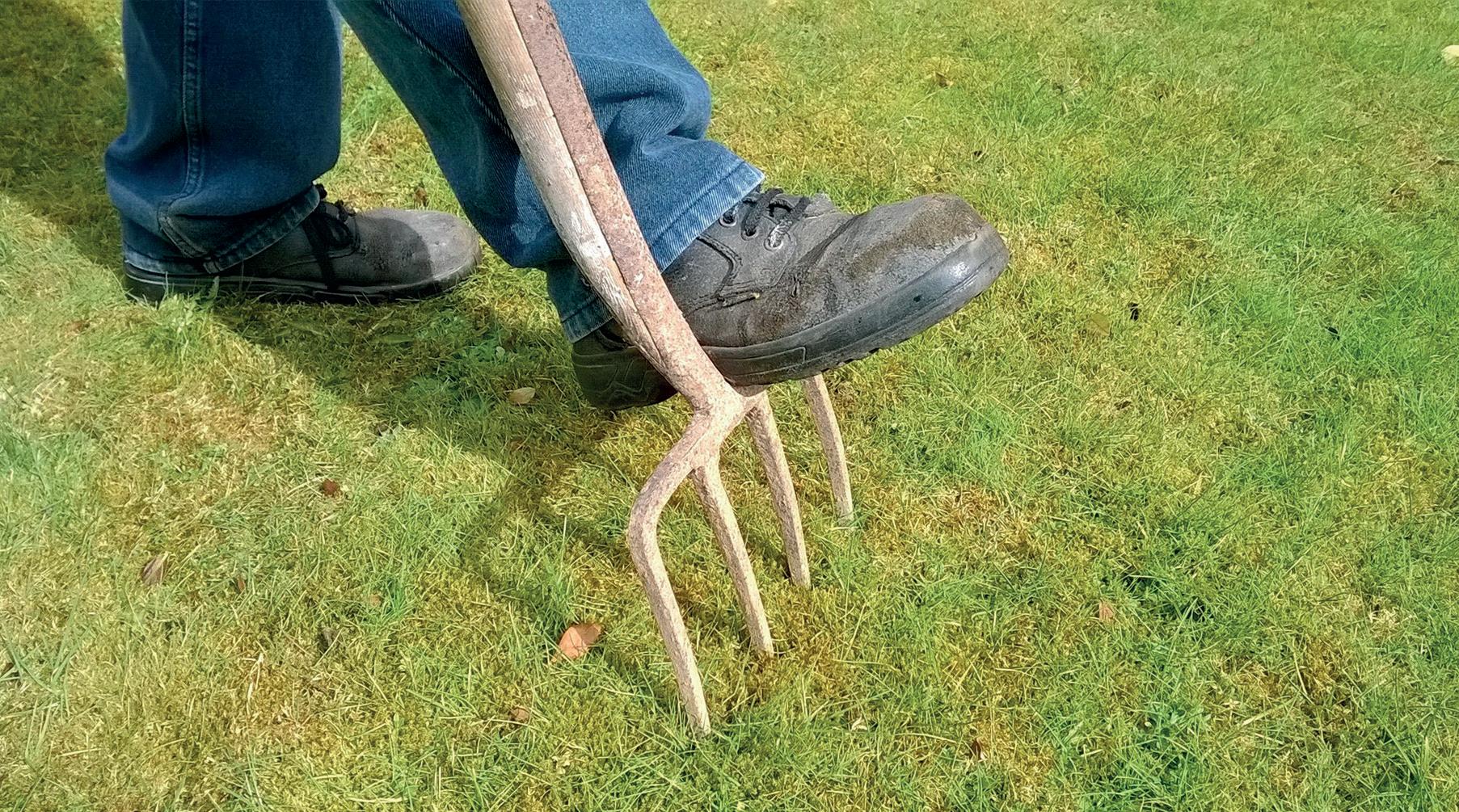
Before the planting frenzy begins, take time to prepare your soil properly. Fork over borders to break up compacted earth and incorporate well-rotted compost or manure into beds that haven’t been enriched recently. This improves drainage, adds nutrients, and gives plants the best possible start.
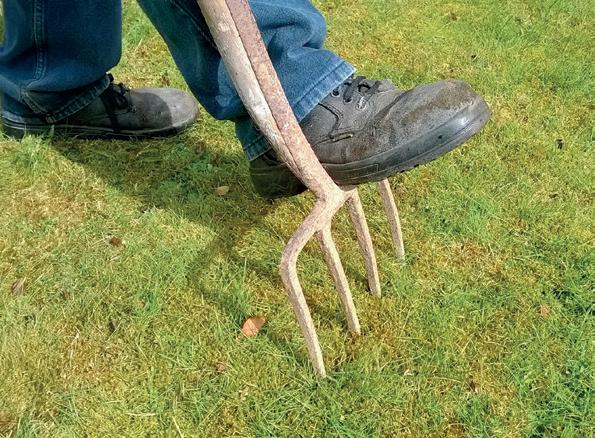
Rake lawns to remove moss and dead grass, then overseed any bare patches while the soil is still moist and temperatures are mild. If your
lawn has become compacted over winter, aerate it with a garden fork or hollow-tine aerator to encourage healthy root growth. A spring feed with a nitrogen-rich fertiliser will promote lush, green growth throughout the coming months.
April is prime time for sowing hardy annuals directly outdoors. Cornflowers, calendula, nigella, and poppies can all go straight into prepared soil now. Mark your rows clearly so you don’t mistake emerging seedlings for weeds later on.
Under cover, continue sowing tender vegetables and half-hardy annuals that need a head start before the last frost passes. Tomatoes, courgettes, sweetcorn, and French beans all benefit from being started in a greenhouse, cold frame, or sunny windowsill. Harden off seedlings gradually before transplanting them outdoors in late May.
For immediate impact, plant summer-flowering bulbs such as dahlias, gladioli, and lilies. Choose a sunny, well-drained spot and plant at the depth specified on the packaging - typically two to three times the bulb’s height.
Early-flowering shrubs like forsythia and flowering currant should be pruned immediately after their blooms fade. Cut back flowered stems to strong new shoots lower down to maintain a compact shape and encourage vigorous growth for next year’s display.
Climbing roses benefit from training now while their stems are still flexible. Tie in new growth horizontally along supports to encourage more flowering side shoots. Remove any dead, damaged, or crossing branches to improve air circulation and reduce disease risk.
Cut back ornamental grasses that were left standing over winter for structure and wildlife habitat. Shear them down to a few centimetres above ground level before fresh growth emerges, taking care not to damage the new green shoots at the base.
Vigilance is key this month. Slugs and snails become increasingly active as temperatures rise, targeting tender young growth with enthusiasm. Protect vulnerable plants with copper tape, beer traps, or wildlife-friendly slug pellets. Encourage natural predators like hedgehogs, frogs, and ground beetles by maintaining log piles and pond areas.
Aphids begin colonising soft new shoots, particularly on roses and broad beans. Check plants regularly and squash small infestations by hand, or spray with a diluted washing-up liquid solution if numbers build up.
Stay on top of weeds while they’re still smalla weekly hoe through borders in dry weather prevents them from establishing and competing with your plants for water and nutrients. Annual weeds are easily dealt with now; perennial weeds like bindweed and couch grass require more persistent removal of their entire root systems.
Ventilate greenhouses on warm days to prevent temperatures soaring and stressing plants. Damp down paths and staging on hot afternoons to raise humidity and deter red spider mite.
Repot container plants that have outgrown their homes, moving them into slightly larger pots with fresh compost. Feed established containers with a balanced liquid fertiliser every fortnight to replenish nutrients depleted over winter.
Put up nesting boxes for birds if you haven’t already - many species are actively seeking nest sites now. Ensure feeders are kept clean and topped up, as natural food sources remain scarce until later in spring.
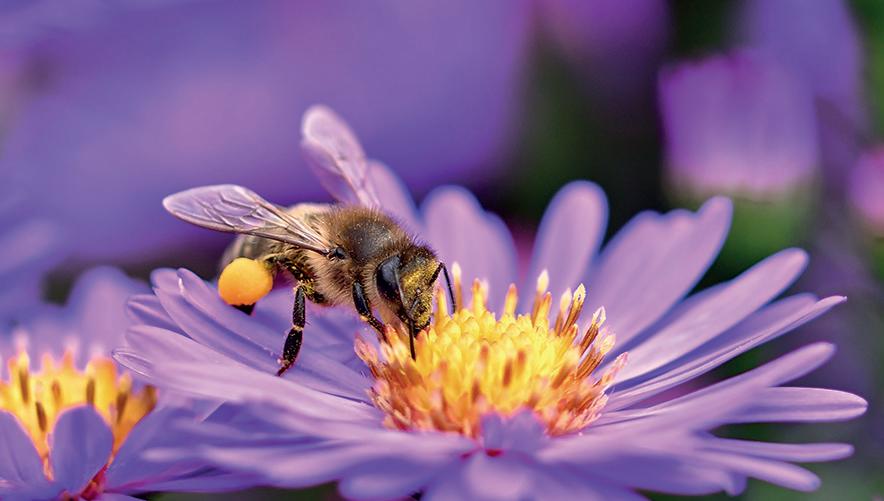
Leave a section of lawn unmown to allow wildflowers to establish, providing nectar for early pollinators. Even a small patch of clover, dandelions, and daisies makes a meaningful difference to bees emerging from hibernation.
April rewards effort handsomely. The work you put in now - preparing soil, sowing seeds, staying ahead of pests - lays the foundation for months of colour, productivity, and enjoyment. Get out there while the weather is kind, and your garden will thank you all summer long.


Sterling silver studs and earrings starting at just £5 make a thoughtful, affordable, and stylish gift idea for Easter.
As spring arrives, people often look for small but meaningful presents to celebrate the season and jewellery is a perfect choice. Sterling silver is loved for its bright shine, durability, and classic appeal, making it suitable for everyday wear while still feeling special enough to give as a gift.
Earrings are particularly popular because they are easy to wear and suit all ages. Simple sterling silver studs can add a subtle sparkle to any outfit, whether it is worn casually during the day or dressed up for an evening occasion. With a variety of designs available from hearts and stars to flowers and minimalist shapes, there is something to suit every personal style. Because they start at just £5, they are also a great option for thoughtful gifts without spending a lot.
Easter is often associated with renewal, light colours, and fresh seasonal styles and silver




jewellery fits beautifully with this. A small pair of silver studs can be tucked into an Easter gift bag or included in a spring hamper or given as a sweet surprise alongside traditional chocolate eggs. They are lightweight, easy to wear, and timeless enough to be enjoyed long after the Easter celebrations have passed.
April also brings another special connection to jewellery through its birthstone. Moonstone is commonly associated with those born in April and is admired for its soft, glowing appearance and delicate shimmer. Its gentle, luminous tones reflect the calm and beauty of moonlight, making it a unique and elegant gemstone choice.
Sterling silver flower jewellery makes a beautiful gift for spring. Inspired by blooming gardens and fresh seasonal style, these delicate floral designs bring a touch of elegance to any outfit. Whether as earrings, necklaces, or bracelets, these timeless pieces are perfect for celebrating new beginnings and brightening someone’s day with a thoughtful sparkling gift.
www.novasilver.co.uk
Trade Enquiries: 01603 615170



Norfolk, with its sweeping coastline, enchanting woodlands and tranquil waterways, is an idyllic haven for those seeking renewal through nature.
Whether you’re a seasoned rambler or a casual stroller, the county offers an abundance of walks that promise to refresh body and mind. Here are ten Norfolk walks that feel like pressing the reset button- each one a retreat into serenity and wild beauty.
Start your journey at Holkham Beach, often hailed as one of the UK’s finest stretches of sand. The vast, open skies and rolling dunes set the stage for a meditative experience. Wander through the adjacent pinewoods, where the aromatic scent of evergreens fills the air. The calm, rhythmic sound of the waves and the crunch of needles underfoot make this walk a true escape from the hustle and bustle.
2. The Norfolk Coast Path: Wells-nextthe-Sea to Blakeney
This section of the Norfolk Coast Path is a favourite among walkers for its breathtaking marsh views and rich birdlife. As you pass salt marshes and tidal creeks, watch for avocets and marsh harriers gliding by. The gentle, briny breeze and wide horizons help clear the mind and restore perspective, while historic villages offer charming resting spots.
The stately grounds of Blickling Hall, managed by the National Trust, provide a mixture of woodland and parkland walks. Follow winding paths through ancient trees, past a shimmering lake and under the watchful gaze of the grand Jacobean mansion. The tranquillity of the estate, steeped in history, encourages quiet reflection and offers a sense of timeless peace.
4. Sheringham Park
Designed by the renowned Humphry Repton, Sheringham Park combines landscaped gardens with wild woodland. The bluebell woods in spring are especially uplifting, while panoramic views from the gazebo reward you for your efforts. The mix of cultivated beauty and untamed nature is perfect for resetting frazzled minds.
5. Thetford Forest
Venture south to Thetford Forest, the largest lowland pine forest in Britain. The well-marked trails suit all abilities, and the forest’s towering trees create a cathedral-like atmosphere. The gentle hush of pine needles and the earthy scent of resin provide a restorative backdrop for walkers seeking solace and revitalisation.
6. Walsingham Abbey Grounds
Known for its magnificent ruins and carpets of snowdrops in late winter, the Abbey Grounds in Walsingham are a spiritual sanctuary. The tranquil River Stiffkey meanders through ancient trees, and the site’s history imbues the area with a contemplative aura. This peaceful walk feels almost sacred - a perfect antidote to modern stresses.
7. Horsey Gap and Winterton Dunes
For those who crave coastal wildness, the walk between Horsey Gap and Winterton offers sweeping beaches and dramatic dunes. In winter, you may spot grey seals basking on the sand. The elemental forces at play here - the wind, the sea, the shifting sands - invite you to let go and be present in the moment.
8. Reedham to Polkey’s Mill
Follow the riverside footpath from the picturepostcard village of Reedham to Polkey’s Mill, a restored windmill on the banks of the River Yare. The gentle rhythm of boats and the soothing sound of reeds swaying contribute to an atmosphere of utter calm. The walk is a

reminder of Norfolk’s quiet waterways and slower pace of life.
9. Foxley Wood
Norfolk’s largest ancient woodland, Foxley Wood, is a gem for nature lovers. Seasonal changes bring carpets of primroses, bluebells, and autumnal leaves. The rich biodiversity and peaceful ambience make this walk an ideal setting to reconnect with nature and recharge your spirit.
10. Stiffkey Marshes
Last but not least, the walk through Stiffkey Marshes delivers an immersive wild experience. The labyrinth of creeks and salt flats supports rare wildlife and offers spectacular sunset vistas. Here, away from civilisation, you’ll find space to breathe deeply and reset your internal compass.
Each of these Norfolk walks offers its own form of therapy - be it the soothing sound of waves, the hush of ancient woods, or the sight of wildlife thriving in its natural habitat.
So, next time life feels overwhelming, lace up your boots and let Norfolk’s landscapes guide you back to clarity and calm.
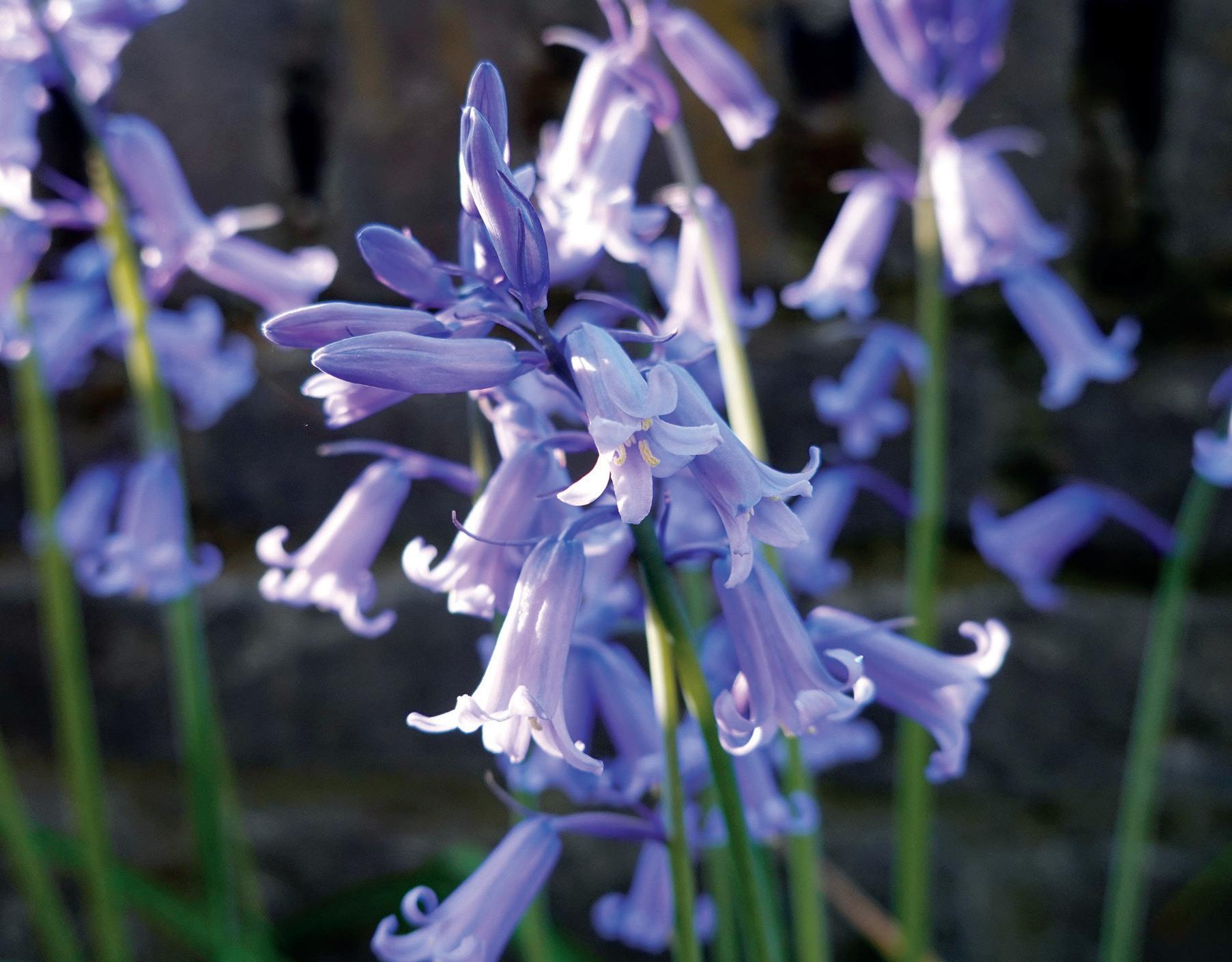
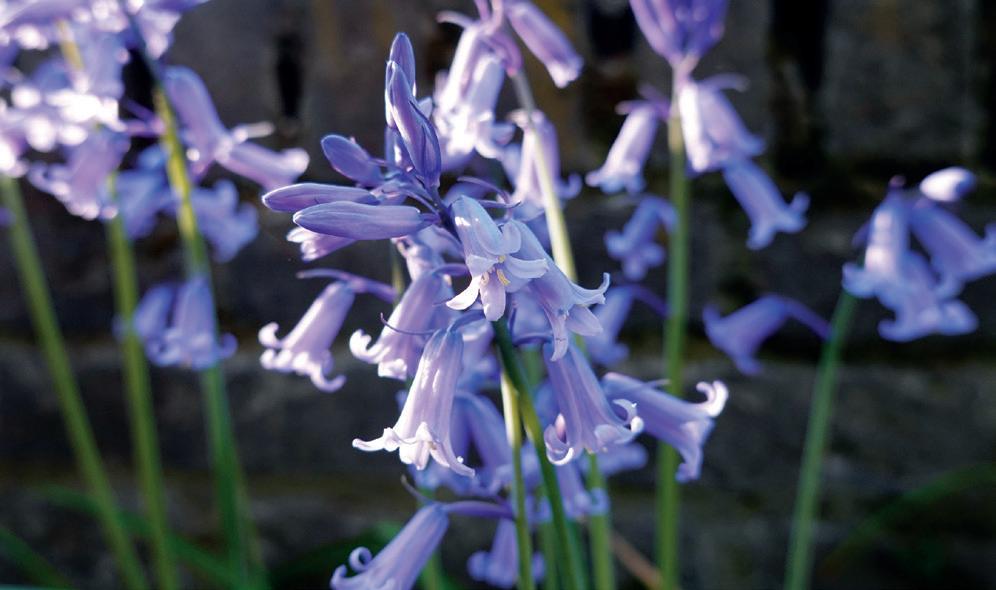
A Guide to Norfolk’s Most Magical Bluebell Woods in April.
Few sights in the British countryside are as enchanting as a bluebell wood in full bloom. Every spring, Norfolk’s ancient woodlands and hidden copses are transformed into carpets of shimmering blue, drawing nature lovers, families, and photographers eager to capture the fleeting beauty of these iconic wildflowers. As April unfolds, the bluebells reach their vibrant peak, and this comprehensive guide will help you navigate the county’s finest spots to experience their magic first-hand.
Why Bluebells Are So Special Bluebells (Hyacinthoides non-scripta) are a quintessential symbol of British springtime.
Renowned for their vivid blue hue and sweet, heady fragrance, these flowers thrive in shady woodland settings, often forming dense colonies that can transform even the most ordinary wood into a place of wonder. Their brief flowering window, usually lasting just a few weeks in April and early May, adds to their allure and makes each display a treasured event. Norfolk, with its diverse habitats and abundant ancient woods, is rightly celebrated as one of the best places to witness bluebells in all their glory.
Bluebell Woods in Norfolk
Here’s the Bluebell Map for Norfolk, highlighting the finest locations to visit this April:
Located near Dereham, Foxley Wood is Norfolk’s largest ancient woodland and a bluebell hotspot.
Its well-maintained paths meander through swathes of bluebells beneath towering oaks and hornbeams. Visit in mid-April for the most impressive colour, and listen out for birdsong as you wander. Foxley is managed by Norfolk Wildlife Trust, which means it’s well signposted and accessible for most visitors.
Famed as the setting for the ‘Babes in the Wood’ legend, Wayland Wood near Watton is not only steeped in folklore but also hosts a spectacular bluebell display. The deep, shady woodland creates ideal conditions for bluebells, which often form a thick carpet by late April. A circular walk lets you soak up the scenery and spot wildlife, including deer and woodpeckers.
On the edge of Holt, this country park offers a mixture of woodland and open glades. The bluebells here intermingle with primroses and wild garlic, creating a vibrant tapestry of spring colour. The park’s easy trails are perfect for family walks, and there’s a café on site for a post-stroll treat.
Situated near South Walsham, Fairhaven’s 130-acre site is renowned for its bluebells. Wander through the natural woodland paths as they weave between streams and ponds, with bluebells blooming beneath ancient beech and oak trees. The gardens host guided bluebell walks throughout April, giving visitors deeper insight into the ecology and history of the site.
On the northern edge of Norwich, Catton Park is a hidden gem with swathes of bluebells tucked into its mature woodland. Popular with locals, the park offers open access and a variety of walking routes. The bluebell display is at its best in the latter half of April, especially after a warm spell.
To make the most of your bluebell adventure, aim to visit early in the morning or late in the afternoon, when the light is soft and the woods are quieter. Stick to marked paths to protect the delicate flowers, and remember that bluebells are a protected species - picking them or trampling through the displays is strictly discouraged. Bring your camera, but tread lightly and leave no trace to ensure these magical displays return year after year.
While the woods listed above are among the very best, Norfolk has countless smaller bluebell sites worth exploring. Blickling Estate, with its grand parkland, and Sheringham Park, famous for its rhododendrons, both feature charming bluebell walks. Even village greens and roadside verges can surprise you with a pop of blue.
Check local wildlife trust or park websites for updates on flowering times and accessibility, as the bluebells’ peak can vary depending on weather. Some sites offer guided walks or special events, ideal for families and those keen to learn more about local flora. Remember to wear sturdy shoes, bring water, and pack a picnic to enjoy a full day immersed in Norfolk’s natural splendour.
Bluebell season is brief, but its impact on our hearts and minds lingers long after the last flowers fade. By visiting these Norfolk bluebell woods responsibly, you help preserve their beauty for generations to come.
So, grab your map, lace up your boots, and discover the magic lurking beneath the trees this April.

There’s something quietly magical about stepping outside with a notebook and letting the natural world guide your thoughts.
Nature journaling isn’t about producing perfect sketches or poetic masterpieces; it’s about slowing down, paying attention, and giving your mind a chance to breathe. In a world that often feels noisy and rushed, this simple practice can become a small but powerful anchor.
Spending time outdoors has long been linked to better mental wellbeing. When you pair that with the reflective act of journaling, you create a double dose of calm. The process encourages you to notice details you’d normally rush past - the way the light hits a hedgerow, the sound of a distant woodpecker, the texture of a leaf between your fingers.
I remember leaning over the gate into a field with a horse, imagining that would grab my whole attention. But no, I spotted a gorgeous dragonfly darting around and when it finally landed, I couldn’t take my eyes off it. Imagine something so small being so colourful, having such intricate details, being so perfect.
This kind of mindful attention helps quieten the mental chatter. Instead of worrying about tomorrow’s to-do list, you’re rooted in the present moment. Over time, many people find that nature journaling becomes a grounding ritual, something that gently steadies the mind.
You don’t need fancy equipment. A simple notebook, a biro, and a willingness to pause are enough. Some people like to add watercolours or coloured pencils, but it’s entirely optional. The heart of nature journaling is observation, not artistry.
A good way to begin is by heading out for a short wander - perhaps along a familiar footpath, through a local woodland, or even just into your garden. Sit somewhere comfortable and take a few slow breaths. Then jot down whatever catches your attention.
You might write:
• What you can see, hear, smell, or feel
• A quick sketch of a plant or bird
• A description of the weather
• A question sparked by something you’ve noticed
My first attempt at journaling was thwarted when the heavens opened rather suddenly and the writing (for which I’d used a fineliner!) smudged immediately like my eyeliner the morning after a great night out! Lesson learnt. Biro from then on.
The beauty of this practice is that there’s no right or wrong way to do it. Some days you might fill pages; other days you might only manage a few lines. Both are perfectly fine.

One of the joys of living somewhere with such varied scenery is that you don’t have to travel far to find inspiration. Quiet lanes lined with cow parsley, wide skies that shift colour by the hour, and the gentle hum of wildlife all offer endless material. Even the changing seasons bring new textures and moods to capture.
A barefoot walk on Cromer beach will always win over my heart, regardless of the season, the weather, the time of day. There is something incredibly grounding for me about connecting with the beach and sea. Combining that with nature journaling can provide that endorphins boost to beat the blues.
Paying attention to these small seasonal shifts can help you feel more connected to the world around you. It’s a reminder that everything moves in cycles - something that can be comforting when life feels uncertain.
What starts as a simple notebook can become a record of your emotional landscape as much as the natural one. Looking back through old entries often reveals patterns: times when you felt calmer, moments that sparked joy, or days when stepping outside made things feel a little lighter.
Many people find that nature journaling becomes a cherished part of their self-care routine. It’s gentle, grounding, and endlessly adaptable. Whether you have ten minutes or an entire afternoon, it offers a way to reconnect - with nature, with your thoughts, and with yourself.
Nature journaling first popped into our lives during the first Covid lockdown. While all we wanted was freedom, the great outdoors seemed to answer a lot of my concerns and really helped my mental health when I felt so low. Perhaps journaling could help you, too!
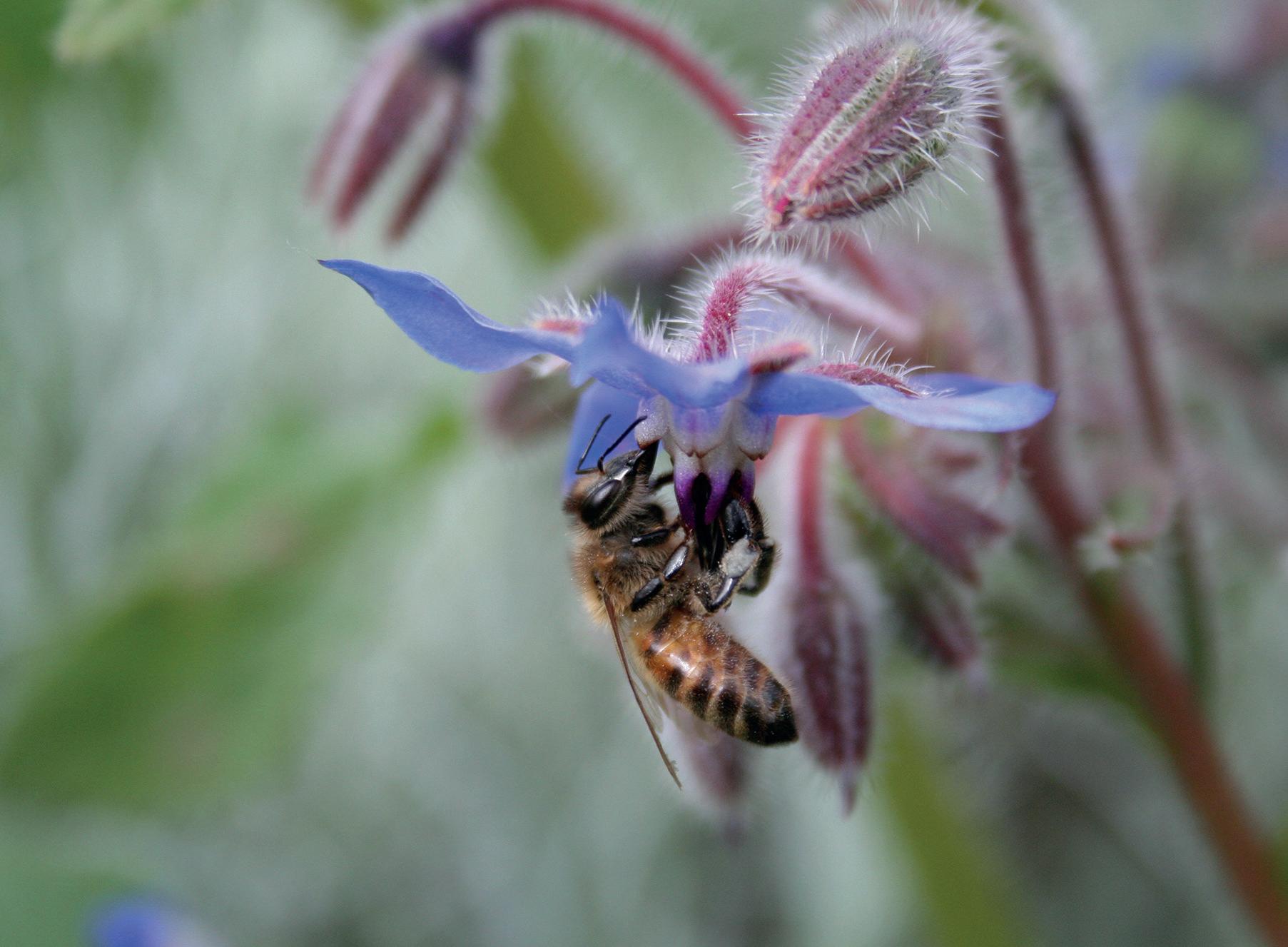
Rewilding is often imagined on a grand scale, with sweeping landscapes, nature reserves and large rural estates.
However, rewilding can be just as meaningful in a small garden.
Even a modest outdoor space can provide food, shelter and safety for wildlife, while becoming a calmer, more interesting place for people to enjoy. Rewilding a small garden is less about size and more about attitude: learning to work with nature rather than trying to control it.
The most important step in rewilding is letting go of the idea that a garden must be tidy at all times. Traditional gardening often prioritises neat lawns, clipped borders and constant
maintenance. Rewilding encourages a softer approach, where natural processes are allowed to happen. This does not mean abandoning your garden, but accepting that some untidiness is healthy. Seed heads, fallen leaves and longer grass may look informal, but they provide vital resources for insects, birds and small mammals.
In many gardens, the lawn takes up most of the space while offering very little to wildlife. Even small changes can make a big difference. Consider mowing less frequently or leaving sections of grass to grow longer. Cutting simple paths through longer grass keeps the garden usable while allowing wildflowers and insects to thrive.
If space allows, replacing part of the lawn with a wildflower area is one of the most effective
ways to boost biodiversity. Choose native wildflowers suited to your soil and light conditions. Native plants are especially valuable because local insects and birds have evolved alongside them and rely on them for food.
A rewilded garden focuses on plants that provide nectar, pollen, berries and shelter. Native trees and shrubs are particularly important, even in small gardens. Species such as hawthorn, hazel, dogwood and elder can be managed through pruning while still offering food and nesting opportunities.
When choosing flowers, aim for single-flowered varieties that are rich in nectar and pollen. Plants such as foxgloves, knapweed, cowslips and oxeye daisies are attractive, hardy and excellent for pollinators. Try to include plants that flower at different times of year so wildlife has access to food from early spring through to autumn.
Rewilding does not require large features. A successful wildlife-friendly garden is made up of many small habitats. A tiny pond, even a shallow container sunk into the ground, can attract insects, birds and amphibians. If a pond is not possible, a simple water dish topped up regularly is still extremely helpful.
Log piles, stacks of sticks and undisturbed corners provide shelter for beetles, fungi and overwintering insects. Leaving fallen leaves under hedges or shrubs creates a natural mulch and a safe place for wildlife. These features take up very little space but have a huge impact.
Chemical weed killers, pesticides and slug pellets harm far more than their intended
targets. Rewilding relies on natural balance, where predators help control pests. Birds, frogs, hedgehogs and beetles all play a role in keeping a garden healthy. By avoiding chemicals, you allow soil life to recover, improving plant health and resilience over time.
A rewilded garden should be easy for wildlife to enter and move through. If you have fences, leave a small gap at ground level so hedgehogs can pass between gardens. Planting hedges or climbers along boundaries creates shelter and wildlife corridors.
Bird boxes and insect hotels can provide extra nesting spaces, especially in urban areas.
Position bird boxes away from strong sunlight and prevailing winds, and choose designs suitable for local species.
Rewilding is a gradual process. Wildlife may take time to discover and use your garden, but the rewards are worth waiting for. Take time to observe what appears, which plants thrive and how the space changes through the seasons. Adjust gently rather than forcing strict plans.
Rewilding a small garden is one of the simplest ways to help nature recover.
Across the country, gardens collectively form a vast network of green spaces.
By allowing your garden to grow a little wilder, you contribute to biodiversity, reduce maintenance and create a richer, more peaceful place to enjoy every day.


The Open Gardens season warms up in April with fine displays of colour in some of Norfolk’s favourite gardens, several of which have supported The National Garden Scheme for many years.
Amongst these spring openings, special treats await at Holkham Hall which will be opening the gates to its private terraces and the magical East Ruston’s fantastic spring containers will be in full flow the following day. Both The Elms and Wretham Lodge follow on boasting marvellous examples of quintessential English spring gardens.
GAYTON HALL, Gayton. Sunday 12 April 11-4. This rambling semi-wild garden has over two miles of paths that meander through lawn,
streams, bridges and woodland. Primulas, astilbes, lysichiton, hostas and gunnera grow along the waters edge. There is a good display of spring bulbs and a variety of unusual trees and shrubs, many labelled which have been planted over the years. Adm £6, chd free. Dogs welcome.
HOLKHAM HALL GARDEN, Wells-nextthe-Sea. Friday 17 April 10.30-4. Discover the hidden corners of Holkham not usually open to the public with a guided tour of the arboretum and private terraces. Stroll through the arboretum, home to rare, majestic trees from around the world with historic features including a shell garden and former rose garden. Step onto the terraces designed by WA Nestfield, with an impressive fountain, parterres with breathtaking parkland views. Pre-booking only. Tickets £20 including homemade refreshments in Lady Elizabeth Wing.
EAST RUSTON OLD VICARAGE, Saturday 18
April 12-5.30. Large garden with traditional borders and modern landscapes. Discover different types of gardens inc walled, rose and exotic gardens, topiary and box parterres. We have water features, Mediterranean garden, fruit cage and containers to die for in spring and summer. Cornfield and meadows, vegetable and cutting gardens, parkland and heritage orchard, in all 32 acres. Rare and unusual plants abound. Adm £15.50, chd free. Wheelchair access.
THE ELMS, Beccles. Sunday 19 April 104. Gardens are set around a beautiful moated Queen Anne house. Discover our extensive spring bulb display as well as the stunning herbaceous borders. Wander through the formal rose garden with rose arch and take in the view of the ponds, arboretum and year round interest. Adm £5, chd free. Wheelchair access.
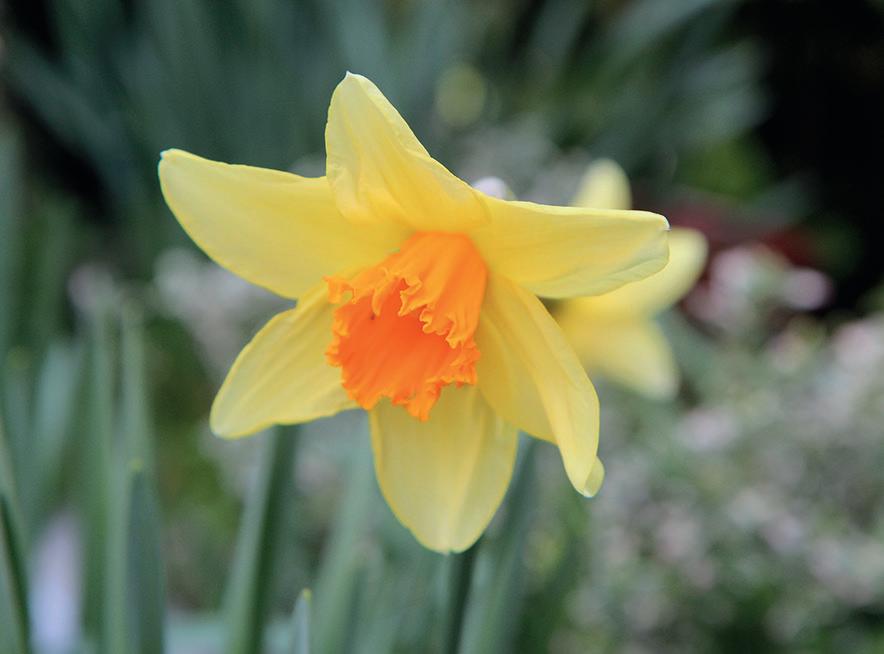
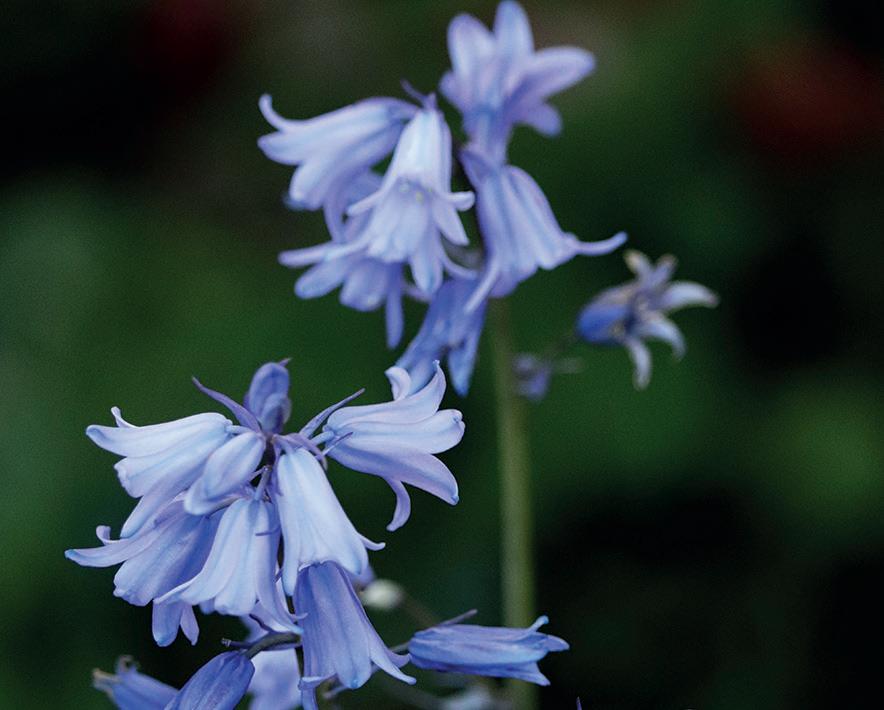
WRETHAM LODGE, East Wretham Sunday 26 April 11-5. A ten acre garden surrounding former Georgian rectory. In spring, massive of species tulips, hellebores, fritillaries, daffodils and narcissi; bluebell walk and small woodland walk. Topiary pyramids and yew hedging lead to double herbaceous borders. Shrub borders and rose beds (home of the Wretham Rose) traditionally maintained walled garden with fruit, vegetables and perennials. Adm £7, chd free. Wheelchair access. Dogs welcome.
MAY (snippet of next months dates)
STODY LODGE, Melton Constable. Thursday 7 May 1-5. Spectacular gardens with one of the largest concentrations of rhododendrons and azaleas in East Anglia. Created in the 1920s, the gardens also feature magnolias, camellias, a variety of ornamental and specimen trees, late daffodils and bluebells. Expansive lawns and magnificent yew hedges. Woodland walks and four acre garden filled with over 2000 vividly coloured azalea mollis. Adm £10, chd free. Wheelchair access. Dogs welcome.
HEATH FARM BARN, North Walsham. Saturday 9 May & Sunday 10 May 115. NEW Surrounding two newly converted dwellings the area of the garden in close proximity to the house is flower displays and a vegetable garden. Further away are large displays on bulbs, shrubs and trees extending out into 25 acres of grassland which has wild orchid collections, ponds and a bluebell wood with specimen tree planting and two memorials. Adm £6, chd free. Wheelchair access. Dogs welcome.
Before visiting a garden, it is advisable to check the website for up-to-date information at www.ngs.org.uk.