iBelieve Empowerment Magazine is a monthly publication dedicated to inspiring belief, empowering action, and elevating lives through transformative stories, practical insights, and faith-centered wisdom. Through uplifting journalism and community-centered storytelling, we celebrate purpose, amplify diverse voices, and equip readers to walk boldly in their calling.
Our vision is to ignite faith, confidence, and purpose in every reader—empowering lives, strengthening communities, and inspiring lasting change.
Circulation: Colorado, and online: iBelieveMpower.com, Facebook, Instagram, YouTube and more to come. Letters must include name, address, and phone number. Unsolicited submissions accepted without guarantee of publication or payment.
Write to:
iBelieve Empowerment Magazine
10730 E Bethany Dr, Ste 195, Aurora, CO 80014
Contact:
720.778.1601
info@iBelieveMpower.com or iBelieveMPower.com
Letter from the Publisher
Welcome to the June edition of iBelieve Empowerment Magazine, where faith, purpose, and everyday life come together to inspire belief and empower action.
With this issue, we are presenting the magazine in a fresh and intentional way. By combining two months into one edition, we create a longer shelf life, giving readers more time to engage, share, revisit, and apply what they have read. Our interactive design allows each message to reach deeper into the communities and spaces where encouragement, information, and empowerment are needed most. Our goal is not only to create a magazine people will read. Our goal is to create a product that helps readers become what they have
read. Every story, feature, article, and reflection is designed to stir growth, healing, confidence, and action.
June introduces us to summer, a season filled with joy, movement, excitement, and new possibilities. School is out, families are gathering, vacations are being planned, and many are preparing for the next chapter of the year.
Their contributions to the world deserve honor, recognition, and gratitude. June turns our focus to fathers who are making a difference through community impact, business development, leadership, and mental health awareness. We honor the men who are building, serving, healing, mentoring, and leading with purpose.
This issue is a celebration of legacy, love, wellness, leadership, and empowerment in motion. Thank you for reading, supporting, and believing with us.
With faith and empowerment,
Marion Boston,
Publisher
iBelieve Empowerment Magazine
Inspire belief. Empower action. Elevate lives.
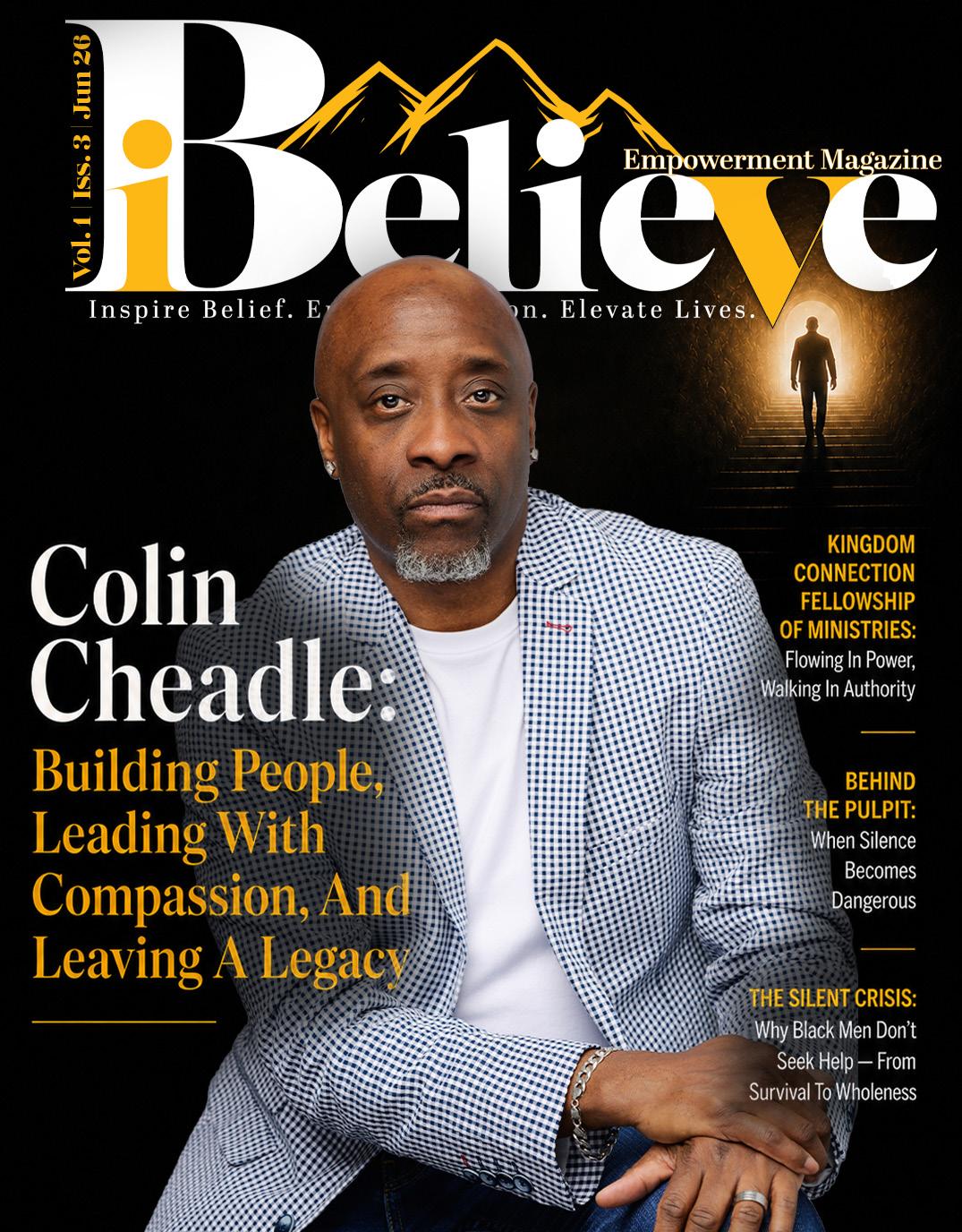
COLIN CHEADLE: BUILDING PEOPLE, LEADING WITH COMPASSION, AND LEAVING A LEGACY
By Dr. Jamal K. Bowen
In a world where leadership is often measured by titles, status, and visibility, Colin Cheadle offers a deeper definition. For him, leadership is not about being in charge. It is about being responsible for the people, relationships, and opportunities entrusted to your care. True leadership begins with service.
Colin’s story is rooted in faith, humility, family, and growth. Whether discussing marriage, fatherhood, business, or community, he returns to one principle: people matter most.
LEADERSHIP IN THE HOME
As a husband, Colin speaks openly about learning from his wife. He describes her as someone who helps him see where he is succeeding and where he needs to improve. He views being a husband as being a covering, not through control, but through protection, honor, and support.
That perspective challenges shallow ideas of leadership. Leadership in marriage cannot be demanded. It must be earned through love, consistency, humility, and service. A family should feel protected, not pressured. Trust, not power, is the real foundation.
The same lesson applies in
business. A leader cannot demand loyalty or excellence without first creating an environment where people feel respected, heard, and valued. Leadership is stewardship.
FATHERHOOD BEYOND PROVIDING
Colin reflects honestly on fatherhood. His children are now grown, and he believes he helped instill in them the values of protection and responsibility. Yet he also admits they witnessed his mistakes.
Rather than hide from failure, Colin sees it as part of growth. No father gets everything right. What matters most is what happens afterward. Repair is possible. Redemption is possible. Growth is possible.
He defines intentional fatherhood simply: letting your children know you are there, that you love them, and that you hear them.
That moves fatherhood beyond finances. Provision is important, but so is presence. Protection is essential, but so is listening.
Colin remembers seasons when work demanded long hours and his children would say, “Dad is always working.” Those reflections were not easy, but they were honest. He describes children as mirrors. They often reveal how we truly show up.
Now, as a father of adult children, he sees new opportunities to parent differently. He cannot relive earlier years, but he can remain present now through time, conversation, and continued relationship building.
His message to fathers is clear: it is never too late to become more intentional.
ADVICE FOR MEN AND LEADERS
When asked what advice he would give husbands, fathers,
and partners, Colin offered practical wisdom:
• Be prayerful
• Let God reveal your blind spots
• Listen more than you speak
• Be curious
• Be consistent
• Follow through on your word
Consistency builds trust. Inconsistency erodes it.
He also warns against taking on too much. When people overload themselves, promises are missed and relationships suffer. Intentionality means knowing what you can truly carry.
This principle applies everywhere. Families lose connection when always busy. Organizations lose focus when chasing too many goals. Leaders lose credibility when they fail to follow through.
DEFINING LEGACY
Legacy was another major theme in the conversation. Colin hopes to be remembered as someone who poured himself into his work and helped others grow.
That definition goes beyond image. It is not about being impressive. It is about being impactful.
The real question of legacy is this: Are people better because they encountered you? Did your presence add value? Did your leadership help someone else rise?
When speaking about his children, Colin returned to love. He wants them to know they were loved, cared for, and supported. More than that, he hopes they pass kindness and generosity to others.
That is generational impact. It is not only what a father leaves to his children. It is what he leaves in them.
FAITH AND IMPACT
When asked for his “I believe” statement, Colin said:
“I believe that when I commit my ways to the Lord, it will be impossible for me not to have impact.”
That statement captures the heart of his leadership philosophy. Impact is not separate from faith. It flows from commitment, humility, and service. When a person stays connected to purpose and committed to helping others, meaningful impact becomes natural.
COMPASSION IN THE WORKPLACE
Colin believes one of the greatest needs in today’s workplace is compassion. Too many environments reward self-interest, ambition, and profit alone. Compassion reminds people that work is still human.
Workplaces are not machines. They are human ecosystems. People need connection to remain productive, loyal, and engaged.
Compassion does not weaken performance. It strengthens the foundation performance depends on.
He also believes leaders must create spaces where people can speak honestly without fear. Great leaders help people feel seen, heard, and safe. They advocate for others, especially when those people are not in the room.
One of his strongest leadership lessons is this: leaders must represent people, not just manage them.
A LESSON FROM LORETTA DEVINE
Colin shared a story from one of his first acting opportunities in the HBO film Rebound: The Legend of Earl “The Goat” Manigault. He had never acted on camera before and was nervous stepping onto set with actress Loretta Devine.
Instead of increasing the pressure, she showed kindness and helped him settle into the moment. Colin said she “mothered” him through the experience.
That memory stayed with him because it demonstrated the power of compassion. One person’s kindness can steady
another person in a moment of fear.
People remember who gave them grace. They remember who made room for them to succeed.
BUSINESS DEVELOPMENT IS PEOPLE DEVELOPMENT
With a background in human resources, Colin believes business growth and people growth are inseparable.
Too often, companies say people are their greatest asset while failing to understand what those people need. Strong development begins with listening to goals, aspirations, and challenges.
He helps organizations identify their “true north,” clarify vision, assess team strengths, and close gaps. Success comes when leaders develop both the mission and the people carrying it out.
A common mistake organizations make is focusing only on outcomes while neglecting those expected to deliver them. When that happens, retention drops, engagement weakens, and people disconnect from purpose.
People need to know how they fit into the larger vision. They need to know their work matters.
THE FINAL LESSON
As the conversation closed, Colin returned to one core word: listen.
Ask questions. Listen carefully. Then act on what you hear.
That is wisdom for fathers. That is wisdom for husbands. That is wisdom for leaders. That is wisdom for communities.
Strong families are built when people listen and respond. Strong organizations are built when leaders listen and respond. Strong communities are built when people listen and respond.
Colin Cheadle’s story reminds us that leadership is not about being seen. It is about seeing others. It is not about titles. It is about building people.
Because in the end, titles fade. Positions change. Achievements become memories.
But the people you build remain.
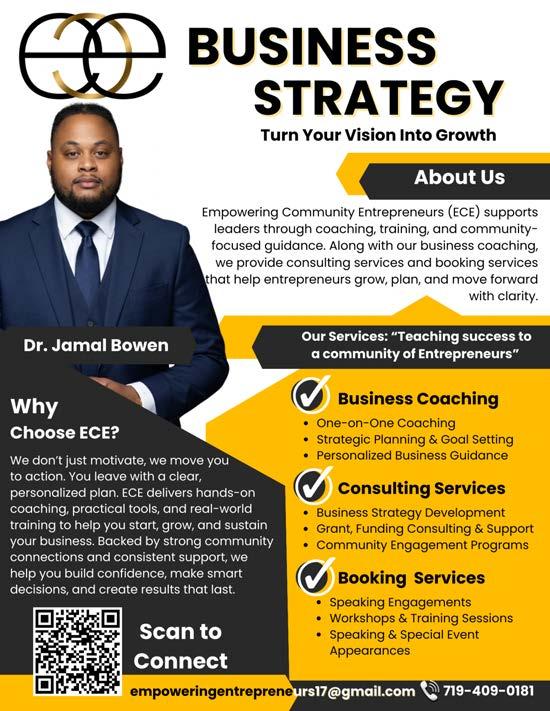
Dr. Jamal K Bowen, Founder/ Empowering Community Entrepreneurs and SparqU Leadership Team, empoweringentrepreneurs17@gmail.com
Written By Rochelle White, Columnist
HUSTLE, FAITH, AND FOCUS: THE RISING JOURNEY OF RYHAN GADLIN
Athletes are no strangers to discipline and sacrifice. For student-athletes in particular, the challenge intensifies as they juggle demanding training schedules alongside academic responsibilities. It’s a balancing act that often proves overwhelming—but for Ryhan Gadlin, it’s a rhythm she’s learned to master. Grounded
in faith and driven by purpose, this rising athlete is carving out a path marked by resilience, excellence, and unwavering belief.
EARLY BEGINNINGS: A SPARK THAT NEVER FADED
Ryhan’s journey into sports began with a simple, yet defining moment. As a young child, she surprised her mother by asking her to play volleyball— despite no prior exposure. That season, she not only excelled but stood out for her relentless energy and encouragement toward her teammates, earning the “Hustle Hard” award. It was more than recognition; it was
the beginning of a mindset. From that point forward, Ryhan committed herself to giving her all—every time.
BUILDING A COMPETITIVE EDGE
Today, Gadlin is a dual-sport athlete competing in both volleyball and track and field at EagleCrest High School, while also training with Angel Flight Track Club. In track, she has found her stride in the 400-meter dash, 300-meter hurdles, and 100-meter hurdles — events that demand both speed and technical precision.
Her dedication has already translated into remarkable
achievements. Ryhan qualified for the USATF Junior Olympic Track and Field National Championships in the 400-meter dash, competing at the iconic Hayward Field in Oregon. Sharing the same stage as elite athletes, including Sydney McLaughlin-Levrone, who left a lasting impression. Since the age of 11, she has consistently qualified for both the USATF Junior Olympics and AAU National Championship meets — an indicator of both talent and sustained excellence.
As a freshman, she continued to make her mark by qualifying for the state meet in the 100-meter hurdles, 300-meter hurdles, and the 4x400 relay.
Ranking among the top athletes in the state, Ryhan reflects on these milestones with pride, especially given how early she is in her high school career.
GOAL-ORIENTED AND DRIVEN
For Ryhan, success doesn’t happen by chance — it’s intentional. Each season begins with clearly defined goals, often written on her mirror as daily reminders. Once achieved, she raises the bar. Her longterm vision includes continued improvement, maintaining her health, and ultimately earning a collegiate scholarship to compete at the next level.
ANCHORED BY FAITH
Central to Ryhan’s journey is her faith. She views her athletic ability as a gift from God and leans on that belief to stay grounded. Daily affirmations, scriptures, and encouraging words surround her environment, reinforcing her mindset.
Her favorite scripture, Philippians 4:13; “I can do all things through Christ who strengthens me” — serves as both a declaration and a source of strength. It’s not just inspiration; it’s her foundation.
THE POWER OF SUPPORT
Behind every strong athlete is a strong support system, and for Ryhan, family plays a pivotal role. From prayers before competitions to unwavering encouragement in the stands, their presence fuels her confidence. She credits not only her mother and grandparents but also extended family members—many with athletic backgrounds—for guiding and supporting her journey. Her coaches, too, have been instrumental in refining her skills and pushing her toward excellence.
INSPIRED BY GREATNESS
Ryhan draws inspiration from
athletes who embody both performance and purpose.
Sydney McLaughlin-Levrone stands at the top of that list—not just for her recordbreaking accomplishments, but for her bold expression of faith. Gadlin states “she talks about being a child of God first and an athlete second, that really inspires me. She reminds me that success isn’t just about records, it’s about using your gifts for something bigger.” To Ryhan, her example reinforces a powerful truth: identity comes before achievement.
WORDS TO THE NEXT GENERATION
For those just beginning their athletic journey, Ryhan offers advice rooted in experience: stay consistent, trust the process, and never lose belief in yourself. Progress may be gradual, but perseverance produces results.
LOOKING AHEAD
The future for Ryhan Gadlin is both promising and purposeful. With aspirations to compete at the collegiate level in either track or volleyball, she’s already
laying the groundwork for continued success. Beyond athletics, she plans to pursue a career in nursing, with the goal of becoming a pediatric nurse practitioner—a reflection of her desire to impact lives beyond the field.
Ryhan Gadlin is more than an athlete to watch—she’s a testament to what happens when talent, discipline, faith, and vision align. And if her journey so far is any indication, this is only the beginning.
INSPIRATION
Photos provided by family with credit to Zsa’nee Photography.
KINGDOM CONNECTION FELLOWSHIP OF MINISTRIES: FLOWING IN POWER, WALKING IN AUTHORITY
Written by Bishop Timothy S. Boston
No one is called to do ministry alone. Jesus Himself modeled this principle when He called twelve disciples and sent them out two by two to preach, heal, and advance the Kingdom. As the Bible says:
“And he called unto him his twelve disciples, and gave them power against unclean spirits, to cast them out, and to heal all manner of sickness and all manner of disease. And he sent them to preach the kingdom of God, and to heal the sick.” — Luke 9:1–2 KJV
This partnership principle highlights a critical truth: ministry is designed to operate in community, under guidance, and with accountability. Every leader benefits from apostolic covering, mentorship, and support.
DIVINE ALIGNMENT AND PERSONAL TESTIMONY
God spoke to me that He would place me under apostolic leadership, affirming that every pastor needs a pastor. That night, I had a vivid dream: I was seated at a table with other pastors, and standing beside me offering guidance was Dr. Robin E. Franklin.
When I awoke, I felt a strong urging to act. After checking my
messages and social media, the first thing I saw was an interest meeting for Kingdom Connection Fellowship of Ministries. Without hesitation, I reached out and connected. That step of obedience became the catalyst for profound transformation—not only for my ministry, but for my congregation.
Since that time, I have been strengthened through apostolic and episcopal teaching. My ministry has expanded in depth, scope, and Kingdom impact. My congregation has grown spiritually, and our collective influence has multiplied.
This experience reinforced an essential truth: reformations are necessary. Just as Israel had multiple tribes, each uniquely called to God’s purpose, the Lord raises up different reformations under different leaders—not to compete, but to complement, strengthen, and advance His Church.
We are KCFM Strong.
Flowing in Power:
Lessons from Acts
Flowing in power is rooted in the outpouring of the Holy Spirit in Acts 2. On the Day of Pentecost, the apostles were filled with the Spirit and boldly proclaimed the Gospel:
“And they were all filled with the Holy Ghost, and began to speak with other tongues, as the Spirit gave them utterance.”
— Acts 2:4 KJV
The early church demonstrated that spiritual power is relational, functional, and Kingdomfocused. Peter healed the lame man at the temple gate (Acts 3:1–10), and Stephen boldly proclaimed God’s truth under persecution (Acts 6–7). These examples remind us that spiritual power equips leaders to step into divine authority, serve others, and advance God’s purposes.
In KCFM, flowing in power is never about personal glory; it is about obedience, alignment, and equipping the Body of Christ to operate in Kingdom authority.
WALKING IN AUTHORITY: APOSTOLIC LEADERSHIP IN ACTION
Walking in authority means exercising the spiritual authority God entrusts to leaders, while remaining under divine guidance. Jesus empowered His disciples to preach, heal, and cast out devils (Matthew 10:1 KJV, Luke 9:1–2 KJV).
The apostles exemplified walking in authority in the New Testament:
• Philip evangelized in Samaria (Acts 8:5–8 KJV)
• Paul boldly confronted false teaching in Corinth (Acts 18–19 KJV)
• Peter led the early church in Jerusalem (Acts 2–5 KJV)
Bishop Dr. Robin E. Franklin models this authority today. Her ministry is both apostolic and prophetic, blending wisdom, strategy, and compassion. From accepting Christ at ten and embracing her call at fourteen, she has pursued spiritual maturity and excellence. Her academic achievements, including a Doctorate of Divinity—combined with mentorship under seasoned leaders, equip her to lead with clarity, integrity, and boldness.
A MASTER TEACHER OF THE PROPHETIC AND EPISCOPAL PROTOCOL
Dr. Franklin is not only a prophetic and reliable voice
but also a master teacher of the prophetic. She conducts classes across the country and around the world on the role of the prophet in the Church, helping leaders understand how to hear God’s voice, interpret revelation, and minister with accuracy and discernment.
In addition, she is a trusted authority in Episcopal order and protocol. Her teaching in this area ensures that church leaders understand proper structure, leadership alignment, and operational order—vital for sustaining unity and advancing God’s Kingdom. Her unique combination of prophetic insight and practical episcopal wisdom positions her as a teacher who equips leaders to function confidently in authority while flowing in the power of the Spirit.
THE VISION AND GROWTH OF KCFM
In January 2012, under the leading of the Holy Spirit, Bishop Franklin founded the Kingdom Connection Minister’s Alliance, a network designed to train, mentor, and cover leaders in the fivefold ministry. As the vision expanded, it evolved into a broader reformation that impacted both leaders and congregations.
In 2021, during Holy Gathering, the Alliance was prophetically confirmed and became the Kingdom Connection Fellowship of Ministries, Inc. (KCFM).
Today, KCFM has established dioceses including:
• Headquarters Diocese
• Southeastern Diocese
• South Pacific Diocese
Each region reflects the expanding reach of the vision and the commitment to global Kingdom impact.
MISSION, STRUCTURE,
AND KINGDOM IMPACT
KCFM’s mission is clear: to cover, train, and develop leaders, equipping them to operate in Kingdom principles and build strong, effective ministries.
The full expression of the five-fold ministry—apostles, prophets, evangelists, pastors, and teachers—working alongside established Episcopal offices ensures:
• Spiritual growth
• Doctrinal integrity
• Organizational structure
• Kingdom alignment
Together, these elements form a unified body that reflects both spiritual vitality and divine order.
REFORMATION: STRENGTH, UNITY, AND ENDURANCE
KCFM has faced opposition, testing, and transition. Yet each trial has strengthened the Fellowship, refining leaders, deepening faith, and expanding influence. This resilience mirrors the early church in Acts 2–4, where persecution did not hinder growth, but fueled boldness and unity.
Unity is the lifeblood of any successful reformation. In a divided world, KCFM exemplifies what it means to come together under one vision, one mission, and one Lord. Just as the believers in Acts 2 were of one heart and mind, sharing resources and advancing God’s Kingdom, we too operate in alignment and cooperation.
WALKING IN AUTHORITY, FLOWING IN POWER TODAY
To flow in power and walk in authority is to follow the example of the early church while contextualizing it for today:
• Preach the Gospel boldly
• Heal, deliver, and empower God’s people
• Lead with integrity, humility, and wisdom
• Build ministries that are sustainable, impactful, and Kingdom-focused
Bishop Franklin demonstrates that authority and power are inseparable. Her apostolic and prophetic anointing equips leaders to operate confidently, strengthen congregations, and transform communities.
THE KCFM MANDATE: BUILD, EQUIP, SEND
As KCFM continues to expand, our commitment remains unwavering:
• Build strong, effective ministries
• Equip leaders for excellence and spiritual maturity
• Send disciples to advance God’s Kingdom
KCFM is more than a fellowship—it is a movement, a reformation marked by strength, integrity, and faithfulness, embodying the boldness, power, and authority demonstrated in Acts 2.
We are KCFM Strong—United in Purpose, Empowered by Truth, Advancing the Kingdom!
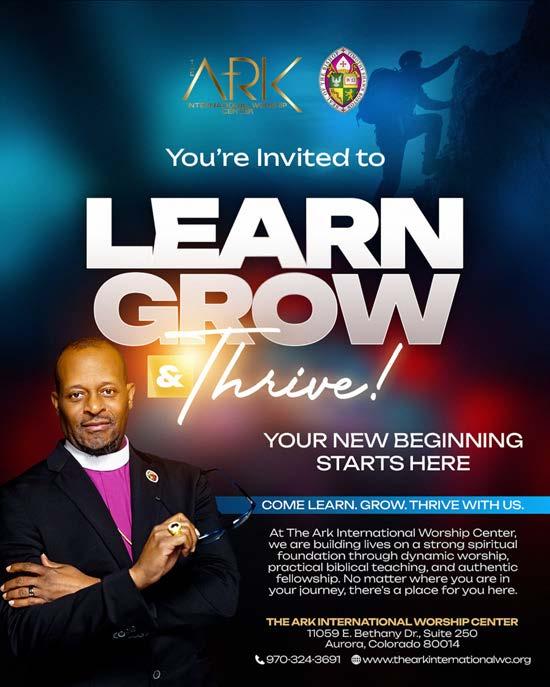
Bishop Timothy S. Boston, Bishop of the South Pacific Diocese, infoarkiworship@gmail.com
FRESH RAVIOLI INTO A SNACK
Transform any fresh ravioli into a snack or appetizer. With a crunchy, golden, breadcrumb crust and an ooey gooey cheesy center, they’re perfect for dipping into a bowl of hot marinara.
Pkg. Fresh Ravioli (we used our Beef Bolognese variety)
5 Organic Brown Eggs
1/2 cup Milk
2 cups Unbleached All-Purpose Flour
1 tsp Sea Salt, divided tsp Ground Black Pepper, divided
2 cups Organic Breadcrumbs
1/2 jar Creamy Tomato Basil Pasta Sauce
1/4 cup freshly grated Parmesan Cheese
DIRECTIONS
In a deep frying pan or pot, empty the container of canola oil. Save the container for easy disposal. Heat the oil on medium-high heat until it reaches 340-360 degrees on a deep-fry thermometer or until a pinch of breadcrumbs drops down the middle of the oil and quickly bobs to the top, turning golden brown.
Set up three dipping stations. In the first dish, whisk 5 eggs with 1/2 cup of milk in a second dish, mix 2 cups of flour and 1/2 teaspoon each of salt and pepper. In a third dish, mix 2 cups of breadcrumbs with 1/2 teaspoon each of salt and pepper.
Dip each ravioli into the eggwash, first one side and then the other. Shake to remove excess. Next, dip the ravioli into the flour, coating all sides evenly then dip into the eggwash again. Finally, coat the ravioli in breadcrumbs. Set aside on a plate.
Begin heating 1/2 jar of pasta sauce in a small saucepan on low heat.
Using a slotted spoon, gently fry 3-4 breaded ravioli at a time. Depending on the temperature of your oil. Fry for about 1-2 minutes per side until golden brown. Transfer ravioli to a
paper towel-lined baking sheet to drain.
To serve, place marinara in a small bowl and arrange fried ravioli on a plate. Sprinkle with Parmesan cheese and parsley and enjoy it right away.
To discard canola oil, wait until oil cools completely, drain back into the bottle over a trash can. Do not pour oil down the kitchen sink.
THE SILENT CRISIS: WHY BLACK MEN DON’T SEEK HELP
AGAPE DISTRICT FAITH FEATURE OF THE COLORADO ECCLESIASTICAL JURISDICTION CHURCH OF GOD IN CHRIST
By Superintendent P. L. Demmer
There is a quiet battle happening in homes, churches, boardrooms, locker rooms, patrol cars, pulpits, and parking lots. It often wears a strong face, speaks in measured tones, and carries responsibilities with broad shoulders. Yet beneath the surface, many Black men are carrying pain they were never taught to name.
This is the silent crisis.
For generations, Black men have been expected to endure hardship without complaint, to absorb pressure without collapse, and to keep moving no matter the wound. Strength became survival. Silence became armor. But armor worn too long can begin to feel like skin.
Many men were taught early: man up, stop crying, be tough, don’t let them see you sweat. Those messages were often passed down not from cruelty, but from people trying to prepare sons for a hard world.
Yet emotional suppression can become generational. A grandfather buries grief. A father masks pain. A son inherits distance.
The cost of silence is steep. It shows up in hypertension, anxiety, depression, burnout, addiction, isolation, anger, relational breakdown, and in some tragic cases, suicide. Pain that is not expressed often finds another exit.
THE HISTORICAL WOUND: TRAUMA PASSED DOWN, TRAUMA UNADDRESSED
To understand the present, we must acknowledge the past. The psychological residue of slavery, Jim Crow, racial terror, discrimination, and systemic exclusion did not vanish with legislation. Trauma can echo across generations.
When people are forced into survival mode for centuries, survival habits become normalized. Hypervigilance, emotional guardedness, distrust, overworking, and carrying everything alone can feel “normal” when they were originally responses to danger.
There is a difference between inherited trauma and personal trauma. Personal trauma is what happened directly to you. Inherited trauma is what happened before you, but still shaped you through family systems, beliefs, fears, and coping patterns. Both deserve healing.
THE STRONG BLACK MAN MYTH
The image of the unbreakable Black man has been celebrated in culture, but it can also imprison. The pressure to be invincible, unshakeable, and unemotional leaves many men stranded on an island of performance.
Real strength is not stoicism. Real strength is honesty. Real strength knows when to carry and when to ask for help. Real strength can cry, repent, rest, apologize, forgive, and heal.
The myth says, never bend. Wisdom says, trees that bend survive storms.
FATHERHOOD, ABSENCE, AND THE UNSPOKEN GRIEF
Many Black men carry father wounds they rarely discuss. Some experienced physical absence. Others had fathers present but emotionally unavailable. Some had loving fathers who themselves had never learned tenderness.
Unspoken grief often leaks into parenting. Men may parent from pain instead of healing, repeating distance they once hated. Yet cycles are not curses carved in stone. They are patterns that can be interrupted.
A healed man can give what he never received. He can become the safe place he once needed.
FAITH, CHURCH, AND MENTAL HEALTH
The Black church has long been a refuge, source of dignity, leadership center, and spiritual hospital. It has fed families, organized communities, and held people together in dark seasons. That legacy matters deeply.
At times, however, faith communities have also struggled to address mental health with depth. Some have heard, just pray it away, when what was needed was pray and process, believe and heal, trust God and seek wise support.
Prayer is powerful. Counseling can be powerful. Scripture is life-giving. Therapy can provide tools. These are not enemies. They can be partners.
God uses pastors, physicians, counselors, friends, and wisdom.
THE ECONOMICS OF STRESS
Financial pressure is one of the most overlooked mental-health burdens. Many Black men feel the weight of being “the provider,” even when wages are low, opportunities unequal, or systems stacked.
Job discrimination, underemployment, unstable housing, debt, and career setbacks can wound identity. Men may silently interpret financial struggle as personal failure.
Economic instability can fuel anxiety, depression, irritability, shame, and hopelessness. A man carrying bills, expectations, and hidden fear may look fine while drowning internally.
RELATIONSHIPS, EMOTIONAL AVAILABILITY, AND COMMUNICATION
Many Black men do not lack emotional depth. They often
lack emotional permission and training.
When boys are taught to mute sadness, fear, vulnerability, and tenderness, they may become men who feel deeply but struggle to articulate it. This can create conflict in marriages, dating relationships, families, and friendships.
Healing requires tools:
• Naming emotions accurately
• Listening without defensiveness
• Expressing needs clearly
• Apologizing with sincerity
• Regulating anger before reacting
• Seeking understanding, not victory
Communication is not a weakness. It is architecture. It builds bridges where silence builds walls.
HEALING THE INNER BOY
Inside many grown men lives a younger self who was embarrassed, abandoned, bullied, neglected, rejected, or forced to grow up too fast.
Healing often begins by identifying where emotional development was interrupted. What happened at age eight? Twelve? Sixteen? What pain was never processed?
Childhood trauma can show up in adult behavior through rage, avoidance, people-pleasing, perfectionism, emotional shutdown, or self-sabotage.
Reparenting yourself means giving your present self what your younger self lacked:
• Compassion
• Boundaries
• Encouragement
• Safety
• Truth
• Rest
• Healthy discipline
This is how men move from survival to wholeness.
FOOD FOR THOUGHT
Though representation has improved in some areas, Black mental-health professionals remain underrepresented, creating barriers of access, trust, and cultural understanding in care. That gap matters.
High-pressure roles can also carry hidden mental-health risk. Pastors, police officers, executives, managers, elected officials, and public leaders often bear emotional loads while feeling unable to reveal struggle.
The suit can hide exhaustion. The title can hide despair. The applause can hide loneliness.
FOUR TRUTHS
1. Black men are often overexposed to stress and underexposed to support.
2. Many do not lack emotional depth. They lack safe spaces.
3. Trauma becomes culture when it goes unexamined.
4. Healing is not a betrayal of masculinity. It is the restoration of it.
A CALL FORWARD
We need rooms where Black men can speak honestly without ridicule. We need churches that welcome counseling without shame. We need brothers who check on brothers. We need fathers who model softness and strength together.
The next generation should inherit more than endurance. They should inherit healing.
Because a whole man loves deeper, leads wiser, fathers better, worships freer, and lives longer.
And that silence? It does not have to be the family heirloom anymore.
Faith Doesn’t Eliminate Feelings
Throughout Scripture, we see faithful men and women wrestle with heavy emotions:
• David cried out in anguish and despair (Psalm 42:11).
• Elijah felt overwhelmed and asked God to take his life (1 Kings 19:4).
• Job experienced deep grief, loss, and emotional suffering.
These were not weak people— they were faithful people going through real battles.
Faith and Mental Health Work Together
Mental health challenges—like anxiety, depression, trauma, and burnout—can affect anyone, including Christians. But here’s the truth: faith is not a substitute for care; it’s a source of strength within it.
God works through:
• Prayer and His Word
• Wise counsel and community
• Professional help (therapy, counseling, medical support)
Seeking help is not a lack of faith—it’s an act of stewardship over your mind and well-being.
What Does the Bible Say?
• “Be not conformed to this world: but be ye transformed by the renewing of your mind…” — Romans 12:2
• “Cast all your anxiety on Him because He cares for you.” — 1 Peter 5:7
• “Beloved, I wish above all things that thou mayest prosper and be in health…” — 3 John 1:2
God cares about your whole health—spirit, soul, and body.
Let’s Be Honest and Whole
Sometimes in church culture, people feel pressure to “pray it away” or hide their struggles. But healing begins where honesty lives. You can love God deeply and still need support.
Think of it this way:
Your mind is like a garden. Faith is the sunlight—but sometimes you still need to pull weeds, water the soil, and tend to what’s growing.
The Bottom Line
Yes, mental health is a real issue for Christians—but so is healing, restoration, and hope. You are not less spiritual because you struggle. You are human—and God meets you right there.
Ask iBelieve is a dedicated SAFE space in the iBelieve Empowerment Magazine created just for you—a place where questions are welcomed and faith conversations can grow. Whether you’re seeking clarity about the Bible, wondering how to live for God in everyday life, exploring what faith really means, or simply wrestling with questions about believing, this segment is designed to meet you right where you are.
There are no “too small” or “too big” questions. Ask iBelieve exists to encourage honest inquiry, biblical understanding, and practical guidance rooted in God’s
Word. Our goal is to help strengthen your faith, deepen your relationship with God, and remind you that you’re not alone in your journey.
Readers are invited to submit their questions at iBelieveMpower.com/ AskiBelieve, and selected questions will be thoughtfully addressed in the magazine by faith leaders and contributors who are committed to truth, love, and encouragement. Your question could be the very one that helps someone else grow.
Because faith grows when we ask, seek, and believe—Ask iBelieve.
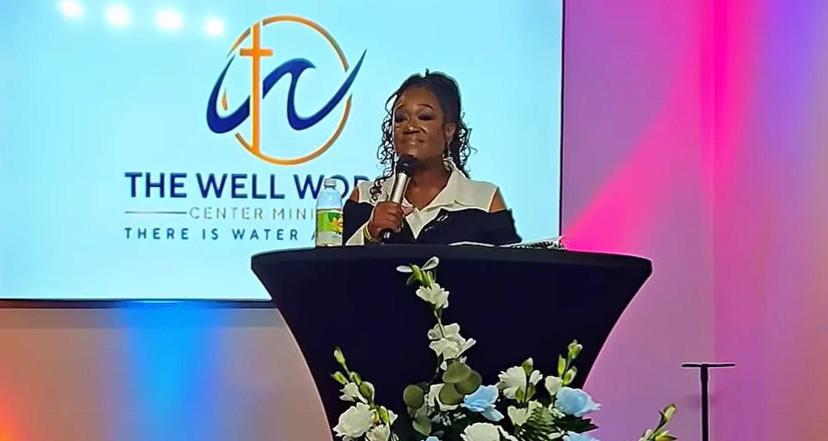
The shocking murder of Pastor Tammy McCollum, a minister at The Well Worship Center in metro Charlotte, North Carolina, exposed a serious problem among Black women clergy: the threat of harassment, abuse and violence. Police arrested McCollum’s husband and charged him with her murder, but Black women clergy who suffer abuse often don’t report it for fear of being shamed or not believed.
Credit: Facebook/The Well Worship Center
BEHIND THE PULPIT: WHEN SILENCE BECOMES DANGEROUS
BLACK WOMEN IN MINISTRY CONFRONT VIOLENCE, BIAS, AND THE COURAGE TO SPEAK
By Rev. Dorothy S. Boulware
Asacred space is meant to be a refuge. A pulpit is meant to be a place of power, purpose, and proclamation. Yet for many Black women clergy, the very place they are called to serve has become a place where silence hides suffering.
The tragic killing of Pastor Tammy McCollum on Easter
Sunday shook more than a congregation in North Carolina—it exposed a deeply rooted and often unspoken crisis. Allegedly killed by her husband shortly after delivering her Resurrection Sunday message, her death stands as a painful reminder that even those who lead others in faith are not immune to harm behind closed doors.
A Hidden Struggle in Plain Sight
To those around her, Pastor McCollum’s life appeared whole. Her marriage seemed strong. Her ministry, effective. Her voice, unwavering. But beneath the surface lies a reality many Black women clergy quietly carry: the burden of enduring abuse, harassment, or intimidation—often without safe spaces to speak.
Statistics reveal a sobering truth. Nearly 4 in 10 Black women experience some form of intimate partner violence in their lifetime, and they are disproportionately more likely to be killed by a partner compared to other groups.
Yet within the church, where healing should be accessible, many find barriers instead of support.
The Weight of Silence and Expectation
For Black women in ministry, the pressure runs deep. They are expected to be pillars of strength, spiritual anchors, and examples of unwavering faith. Admitting vulnerability can feel like risking credibility, respect, and even their calling.
Many hesitate to speak out for several reasons:
• Fear of not being believed
• Concern about damaging their ministry
• Cultural expectations to “hold it together”
• Systems that often protect leadership over victims
As one minister powerfully stated, “We are violated before we preach, while we preach, and after we preach.”
That reality is not just heartbreaking—it is unacceptable.
When Systems Fail to Protect
The church, historically a place of refuge in the Black community, can sometimes unintentionally reinforce silence. Patriarchal structures, combined with deep-rooted cultural dynamics, can make it difficult for women to seek help within their own spiritual communities.
In some cases:
• Leadership may dismiss or minimize claims
• Survivors may be
encouraged to “pray through it” rather than seek safety
• Abusers may be shielded due to status or influence
These patterns create a dangerous environment where abuse can continue unchecked.
Breaking the Silence: A Path Forward
Healing begins when truth is spoken. Silence may feel safe in the moment, but it often strengthens the very thing it tries to hide.
Experts and advocates emphasize several critical steps:
1. Speak Up
Abuse thrives in secrecy. Sharing your experience with a trusted, safe individual is the first step toward freedom.
2. Seek External Support
Professional resources, such as domestic violence organizations, offer confidential guidance, safety planning, and immediate help.
3. Recognize Early Warning Signs
Patterns of control, manipulation, or emotional harm rarely appear overnight. Awareness can prevent deeper harm.
4. Prioritize Safety Over Image
No title, role, or calling is worth sacrificing your life. Leaving
safely is not failure—it is wisdom.
FAITH, FREEDOM, AND PROTECTION
Faith should never be used as a reason to endure harm. God’s design for relationships is rooted in love, not control; in safety, not fear.
The church must rise to meet this moment—not with silence, but with accountability, compassion, and action.
• Create safe reporting systems
• Educate leaders on abuse awareness
• Support survivors without judgment
• Shift culture from preservation of image to protection of people
A CALL TO COURAGE
This is not just a women’s issue. This is a Kingdom issue.
The strength of the church is not measured by how well it hides pain, but by how boldly it confronts it and how faithfully it protects its people.
Pastor Tammy McCollum’s story is not just a tragedy—it is a call. A call to listen. A call to act. A call to ensure that no woman standing behind a pulpit has to suffer in silence again.
If you or someone you know is experiencing abuse, help is available:
National Domestic Violence
Hotline: 1-800-799-SAFE (7233)
Text: START to 88788
Live chat: thehotline.org
COULD THE PEOPLE BUY SPIRIT AIRLINES?
A BOLD IDEA ABOUT OWNERSHIP, AFFORDABILITY, AND THE FUTURE OF TRAVEL
Spirit Airlines may be facing serious turbulence, but the public conversation around its future has taken flight.
A viral movement known as Spirit 2.0 has sparked national attention after supporters suggested that everyday passengers, workers, and community-minded investors could come together to purchase Spirit Airlines before private equity firms or larger financial players move in.
The idea reflects a growing frustration among travelers who fear that airline consolidation could lead to fewer affordable flights, less competition, and higher prices.
At the heart of the movement is a powerful question:
What happens when the people who depend on a service decide they want a voice in owning it?
Supporters of the effort see Spirit as more than just a
low-cost airline. For many families, students, workers, and budget-conscious travelers, Spirit represented access. It made quick trips, family visits, business travel, and last-minute flights possible for people who could not always afford traditional airline prices.
The proposed “people’s airline” concept imagines Spirit being revived through community ownership, public support, and a renewed commitment to affordability. While the idea is
inspiring, the road ahead would not be simple. Buying and operating an airline requires major financing, aviation leadership, legal structure, regulatory approval, and a clear plan for long-term sustainability.
Still, the movement speaks to something larger than one airline. It reflects a growing desire for everyday people to participate in the future of businesses that affect their lives.
WHY IT MATTERS
In a marketplace where large corporations often control access, pricing, and opportunity, Spirit’s story raises important questions about ownership, stewardship, and economic power.
For communities of faith, business leaders, entrepreneurs, and consumers, this moment reminds us that access matters. Affordability matters. Representation in the marketplace matters.
Spirit Airlines may or may not return through public ownership, but the conversation itself is significant. It challenges us to think differently about who gets to build, buy, lead, and protect the services people rely on.
IBELIEVE REFLECTION
Faith-forward empowerment is not only about inspiration. It is also about action, stewardship, and vision.
The possible purchase of Spirit Airlines reminds us that people are not powerless in the marketplace. When vision is organized, when resources are gathered, and when communities move together, new possibilities can emerge.
The question is not only, “Can the people buy Spirit?”
The deeper question is:
What else could people build, revive, or protect when they believe together?
iBelieve Takeaway:
Ownership is not just about money. It is about voice, vision, access, and responsibility. When people come together around a shared need, even a grounded idea can begin to rise.
How you respond to authority reflects your faith. It’s not about fairness—it’s about faithfulness.
Application:
• Unfair → Trust God
• Flawed → Lead by example
• Difficult → Serve with excellence
Heart Check:
Do I reflect Christ—or just my emotions?
Action:
Honor one authority figure this week. Replace complaint with prayer.
Reflection:
Places like the Flagler Museum show outward success over 100 years ago, but Jesus modeled humility and service that still lives on in hearts and minds over 2000 years later. Legacy is built on faithfulness to the Lord.
Bottom Line:
Servanthood is your greatest witness. Leadership starts at home—and is always being watched.
Prayer:
Lord, make my life reflect You—in how I lead, serve, and honor others. Help me follow Jesus so that others will want to follow Him, as well. Amen.
Bible Study with your accountability partner - 1 Timothy 6:3-21
• Be Bold. Be Faithful. Be Risk-taking for the gospel.
• Don’t spend your life accumulating stuff then wait until you die to give your stuff away. Practice generosity and sacrificial giving now to support the Kingdom!
1 Timothy 6:6 NIV
But godliness with contentment is great gain.
SPIRITUAL FITNESS
Reflection Questions:
Why do you think contentment is so closely connected to spiritual health?
Where might God be calling you to reorient your priorities toward what truly lasts?
Pray for each other about one thing you need to work on from
1 Timothy 6:11 over the next week.
We don’t quit. We don’t fold. We fight back!
2 Corinthians 4:8–9, which states: “We are hard-pressed on every side, yet not crushed; perplexed, but not in despair; persecuted, but not forsaken; struck down, but not destroyed.
“If you see me in a fight with a bear, pray for the bear.”
“We don’t quit. We don’t cower. We endure. We conquer.”
Key Bible Verses on Endurance and Conquering:
Romans 8:37: “No, in all these things we are more than conquerors through him who loved us.”
Galatians 6:9: “Let us not become weary in doing good, for at the proper time we will reap a harvest if we do not give up”.
Matthew 24:13: “But the one who perseveres to the end will be saved”.
James 1:12: “Blessed is the one who perseveres under trial because, having stood the test, that person will receive the crown of life.
Prayer:
Lord, help me to have peace with God through our Lord Jesus Christ. Comfort me with your grace, mercy, and forgiveness that you have liberally poured out on me. Let me stand on Romans 5:3-5 rejoicing in my suffering, knowing that suffering produces endurance, and endurance produces character, and character produces hope, and hope does not put us to shame, because God’s love has been poured into our hearts through the Holy Spirit who has been given to us. Amen.
My Testimony
Jeremiah 29:11 For I know the plans I have for you,” declares the Lord, “plans to prosper you and not to harm you, plans to give you hope and a future.
Before I trusted Christ...
I trusted myself and religion. I expected works to level me up like the Pharisees. I was raised Baptist and found identity in a denomination. I had no clue of cultivating a relationship with Christ until I was an adult.
How I trusted Christ...
In order to see if God was truly real, I put him to the test by putting my trust in his provision as a full-time real estate entrepreneur shortly after turning 30 years old.
Since I’ve trusted Christ...
Over 20 years later, He has never let me down. I feel my faith is stronger than ever. After my “wilderness experience” of failing in real estate in 2007, I moved back to Denver where God blessed me with a wife, 2 kids, several properties, and a very fulfilling career as a professor. After covid, we felt called to homeschool our kids, so He gave me my dream of moving back to Florida near the beach. We’re blessed and the best is yet to come!
Action step: Share your testimony!
• Before I trusted Christ...
• How I trusted Christ...
• Since I’ve trusted Christ...
Prayer:
Lord Jesus, your word says in Revelation 12:11, And they overcame him by the blood of the Lamb, and by the word of their testimony; and they loved not their lives unto the death. Thank you so much for the blood You shed on Calvary. Help us encourage one another by sharing our testimonies with people we know and don’t know so they can appreciate the power of your way, the truth in your word, and the new life you give us that restores our souls. We are honored to be your bondservants for the rest of our lives for all you have done for us. Great is your faithfulness. Amen!
Develop a Taste for Truth
Scripture: 1 Peter 2:2–3 (NIV)
“Like newborn babies, crave pure spiritual milk…”
Message:
Spiritual growth begins with appetite. A newborn doesn’t need to be convinced to eat—it craves nourishment. In the same way, your soul must learn to crave God’s Word.
But here’s the tension: not everything that helps you grow feels good at first.
Prof. Howard G. Hendricks describes in his book Living by the Book that Christians approach ingesting the bible in 3 ways:
1st - like medicine that heals, even when it tastes bad and isn’t enjoyable to intake.
2nd - like Shredded wheat, it nourishes, even though it seems dry, complex, and plain.
3rd - like Strawberries & cream. It delights you once your taste matures.
Many people know Scripture but don’t grow from it. Why? Because exposure is not transformation. The goal of Bible study isn’t information—it’s renewal. As Living by the Book teaches, the Word must move from your head to your heart to your habits. God’s Word reshapes your thinking until you begin to desire what He desires.
Action Step:
Spend 10 minutes in Scripture today. Ask: What is God trying to change in me—not just show me?
Prayer:
Lord, give me a hunger for Your Word. Even when it feels unfamiliar or challenging, train my taste to crave what helps me grow. Amen.