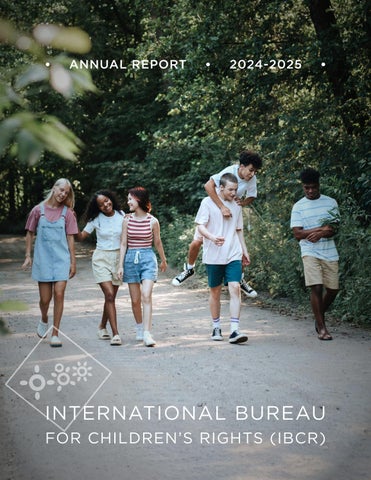

Making children’s rights a reality
Founded in 1994, the International Bureau for Children’s Rights (IBCR) is committed to ensuring a world in which children’s rights, as defined by the Convention on the Rights of the Child and the African Charter on the Rights and Welfare of the Child, are a reality.
Our mission is to transform the place of children in our societies, with a special focus on those who face the greatest obstacles to having their rights respected, while also strengthening child protection and justice systems.
OUR VALUES
Universality
Complementarity
Expertise
Flexibility
Inclusion
Responsibility
KEY ACTIONS FOR A SYSTEMIC APPROACH
• Strengthening the skills of actors involved in implementing child rights
• Facilitating coordination among actors in the child protection and justice system
• Strengthening children’s involvement as key players in their own lives, environments, and the realization of their rights
• Facilitating experimentation processes that support the implementation of children’s rights
• Mobilizing the public and decision-makers to create conditions that better support children’s rights
• Generating knowledge on the implementation of children’s rights
E2024–2025 marks a pivotal moment for the International Bureau for Children’s Rights. It represents the culmination of a transformative strategic cycle as well as the beginning of significant uncertainty for international cooperation and the protection of human rights, especially the rights of children.
In 2024, the IBCR marked 30 years of commitment to advancing children’s rights. Thirty years of learning, partnerships, innovation, and self-reflection have gradually shaped us into an organization renowned for its expertise, systemic approach and firmly held belief that, for the vast majority of children, the realization of rights continues to remain out of reach.
The results presented in this report are a testament to the organization’s maturity: transformed professional practices, strengthened protection systems, more inclusive spaces for participation, and children increasingly recognized as full and active participants in their rights.
Despite this, as 2025 begins, the environment in which we operate has been profoundly disrupted. Significant cuts to international aid, the weakening of multilateral mechanisms, and a growing number of crises are putting immense strain on organizations dedicated to safeguarding human rights. In this climate, children—particularly girls, those in vulnerable situations, and those living through crises—are far too often the first to have their rights overlooked.
Confronted with this reality, the IBCR has chosen to adopt an approach characterized by both clarity and determination. Now, more than ever, we believe that strengthening the skills of the actors involved, fostering equitable partnerships, encouraging experimentation and placing children’s participation at the heart of our interventions are essential levers in a world that is more unstable and under more pressure than ever. The outcomes presented in this report should not be seen as fully achieved, but rather as a foundation upon which we must continue to build—together.
This annual report closes one strategic cycle and ushers in a new chapter. The 2025–2028 strategic plan continues to build on the same intense momentum: striving to do better, with and for children, in a context where every decision, resource, and partnership is as important as the next. The IBCR will step into this new phase with both humility and steadfast dedication, guided by a renewed commitment to foster meaningful and lasting change alongside its partners and children themselves.
To all of you who make this work possible—children, partners, teams, volunteers, donors, and allies—I wish to express my deepest gratitude. Even in the face of adversity, we will continue to make children’s rights a reality by working together.

Martin Causin Director General
2024–2025 at a glance
5 OFFICES AROUND THE WORLD
Bamako, Dakar, Kinshasa, Montreal and Ouagadougou
1 COMMITTED TEAM of 91 employees, 31 interns and 41 volunteers
7ONGOING PROJECTS in 14 countries
4 INSTITUTIONAL INITIATIVES
2 Key Competency Frameworks (see page 11); 1 Lab and 1 Regional Initiative
2 REGIONAL WORKSHOPS
held in Colombia and Burkina Faso with over 50 participants
3,636
CHILDREN INVOLVED IN OUR PROJECTS, including 2,080 girls
1,716,851
PEOPLE DIRECTLY AFFECTED BY OUR PROJECTS
(42% girls, 37% boys, 11% women, and 11% men)
Ongoing projects
Burkina Faso
DRC
Senegal
Canada
Honduras
Togo
Morocco
Tunisia
Côte d’Ivoire
Madagascar
Colombia
Peru
Costa Rica
Mali
VOLUNTARY COOPERATION
Program for comprehensive strengthening of children’s rights | 2020-2028
11 countries • 34 partners • 264,862 people impacted in 2024-2025, including 47,651 women, 31,231 men, 97,088 girls and 88,892 boys
The Voluntary Cooperation Program (VCP) aims to sustainably improve the social well-being of children— particularly girls and children living in vulnerable contexts or situations—strengthen their protection, and ensure their rights are respected. Through the deployment of skilled specialists, the VCP strengthens partner organizations’ abilities and supports their initiatives to advance children’s rights using an inclusive approach centered on experimentation and innovation.
Program carried out with the financial support of Global Affairs Canada
Visit www.ibcr.org for information on all of our projects.
BURKINA FASO
Biig-Yi-Nere, Preventing and combating sexual and gender-based violence against children | 2021-2026
5,660 people impacted in 2024-2025, including 1,057 women, 2,228 men, 1,460 girls and 915 boys
This project aims to strengthen the child protection system as well as better prevent and combat violence against children, especially sexual and genderbased violence. To achieve this, the project uses a three-pronged approach: strengthen the skills of members of the defense and security forces and of the army as well as workers in the areas of health, education, social services, justice and prison administration; support the actions of child protection networks, most notably in humanitarian contexts; and foster empowerment of children who are in contact with the child protection system.
Program carried out with the financial support of Global Affairs Canada
CANADA/QUEBEC
Partir de nous, Empowerment of adolescent girls in situations of sexual exploitation | 20242025
Project carried out in collaboration with Université du Québec in Outaouais, 5 young people involved in 2024-2025
This qualitative project seeks to empower adolescent girls in situations of sexual exploitation who have been placed in rehabilitation centres for young people with adjustment difficulties (CRJDAs) by collaboratively and reflectively developing training tools tailored to their needs and experiences, and by creating spaces for dialogue and reflection with their caregivers and support staff.
Project funded by the Ministère de la Justice du Québec’s Victims of Crime Fund (FAVAC)

CANADA
Training on children’s rights for the Royal Canadian Mounted Police
38 people trained in 2024-2025
CANADA/QUEBEC
Place aux ex-Placés :
Improving the transition to adulthood for young people placed by the DPJ | 2024- 2025
Project carried out in collaboration with Collectif Ex-Placé, 12 young people involved in 2024-2025
This pilot project aims to improve the transition to adulthood for youth placed under the care of Quebec’s Youth Protection Directorate (DPJ). It involves creating a training program designed and led by the youth themselves, based on their experiential knowledge. This approach seeks to make professional practices more compassionate and responsive, ensuring that caregivers and support workers are better equipped to guide youth towards a safe and dignified adult life.
Project funded by the Chamandy Foundation

This training prepares RCMP personnel for deployment to peacekeeping and stabilization missions—including in Haiti, Ukraine, the West Bank, and the Democratic Republic of the Congo—by providing specialized instruction on child protection in conflict settings. It offers practical tools and guides to help them respond appropriately to situations involving children and ensure that children’s rights are respected at all times.
DEMOCRATIC REPUBLIC OF THE CONGO
Tonga Mpo Na Bolamu Ya Mwana, Strengthening the child protection system | 2022-2027
767 people impacted in 20242025, including 271 women, 432 men, 2 girls and 62 boys
This project aims to strengthen the Congolese child protection system so that it can more effectively combat the economic and sexual exploitation of children and provide more respectful support for children deprived of their liberty. It focuses on enhancing the role of the tourism and transport sectors, the Ministry of Labour, and the Ministry of Prison Administration in these efforts, while also empowering children who are deprived of their liberty or at risk of economic and sexual exploitation.
Program carried out with the financial support of Global Affairs Canada
SENEGAL
Xalé sama yité, Empowering
girls and frontline actors against sexual and genderbased violence | 20202025
3,066 people impacted in 20242025, including 299 women, 1,680 men, 552 girls and 535 boys
This project supports the efforts of the Senegalese government to reduce violence against children in Senegal, particularly sexual and gender-based violence. It is based on a partnership with the Senegalese government, civil society and the children of Senegal, and implements an approach based on two pillars: ensuring the systemic strengthening of the coordination and practices of actors in the justice system, prison administration, police, and social work, and empowering children to play an active role in the implementation of their rights.
Project carried out with the technical and financial support of UNICEF and Global Affairs Canada
Highlights: Five defining events
Discover five highlights of the year for our organization, from the continuation of our 30th anniversary celebrations to new ways of engaging our audiences, new projects and partnerships, and much more.
CELEBRATING 30 YEARS OF ACTION FOR CHILDREN’S RIGHTS
Thirty years on, making children’s rights a reality remains our goal and our daily work. […] Thirty years of commitment, experience, partnerships, experimentation, research, advocacy, and learning have helped shape and refine our identity.
- Martin Causin, Director General of the International Bureau for Children’s Rights
I have seen firsthand the important role the IBCR plays at the global level in preventing and addressing violence against children. […] Together, we can move mountains.
- Najat Maalla M’jid, Special Representative of the UN SecretaryGeneral on Violence against Children
In 2024, the IBCR celebrated its 30th anniversary—three decades dedicated to a single mission: making children’s rights a reality, both in Canada and abroad. Several events were held throughout the year to celebrate this milestone, offering an opportunity to reflect on the impact of the IBCR’s work and the progress made over the past thirty years.
The pinnacle of the IBCR’s anniversary year was World Children’s Day in November 2024. On this occasion, 130 guests gathered at the National Archives of Montreal to revisit the history of the IBCR, celebrate its achievements, and, most importantly, look to the future and the work still needed to ensure that every child’s rights become a reality.
The evening featured speeches, exhibits, and informal exchanges among teams, partners, and key stakeholders from Quebec’s civil society and children’s rights community, making it an unforgettable event. This in-depth look at the IBCR’s work reinforced the shared resolve for collective action.
This 30th anniversary also provided an opportunity to reaffirm the organization’s identity and renew its commitment to children, particularly those who face the greatest obstacles to making their rights a reality.
› Watch the video on the IBCR’s history on our website (in French only)
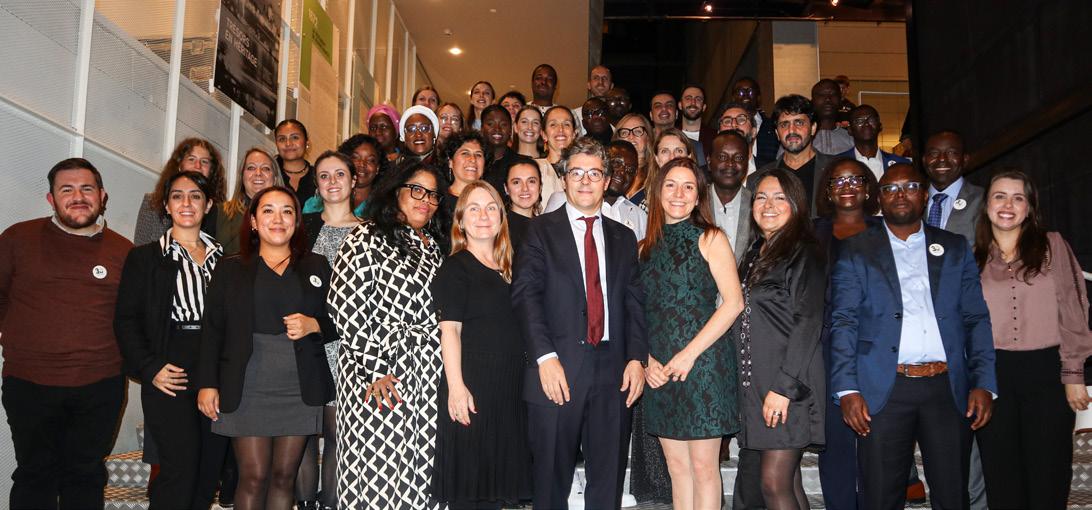
The IBCR team and the 130 attendees, including Martine Musau Muele from the City of Montreal, Leslie E. Norton, Assistant Deputy Minister for International Assistance Partnerships and Programming at Global Affairs Canada, and the IBCR Board of Directors.
TWO REGIONAL EVENTS TO IMPROVE TRAINING ON CHILDREN’S RIGHTS
Strengthening the practices of professionals who work with children through a competency-based approach has been at the heart of the IBCR’s work for several years. To this end, we facilitate various processes to identify key competencies.
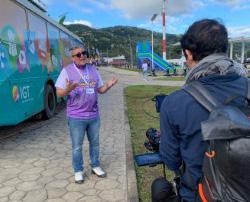
A regional workshop was held in Bogotá, Colombia, in May 2024, bringing together all partner organizations from Honduras, Colombia, Peru, and Costa Rica, as well as regional representatives from the Organization of American States, the Inter-American Children’s Institute, the Inter-American Court of Human Rights, and the participation of Lizeth Coello, Minister of the Secretariat of Children, Adolescents and Family of Honduras (SENAF).
This workshop, held as a continuation of the process launched the previous year in Abidjan, aimed to collaboratively define a set of key competencies for child inclusion. Combined with the competencies identified in Africa, the process will lead to the creation of a global competency framework for child protection professionals.
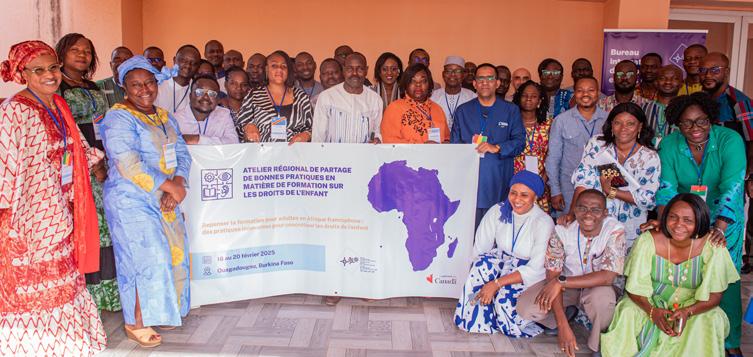
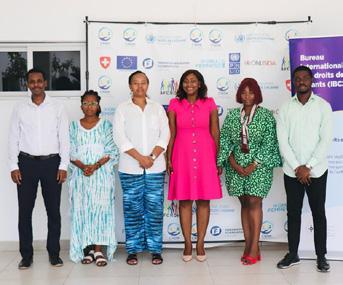
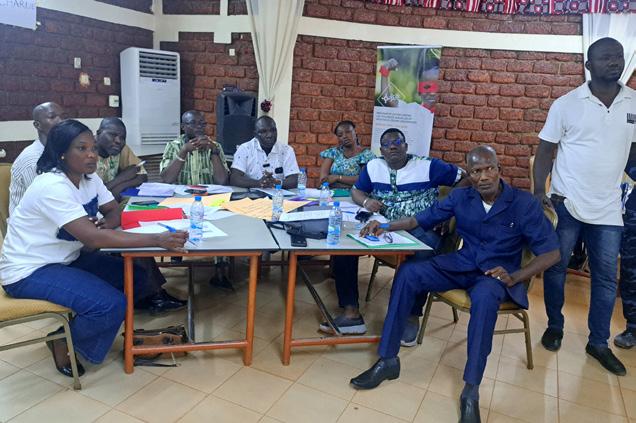
Capitalising on the IBCR’s years of experience in co-developing child protection training in the African context, a second regional workshop was organised in Ouagadougou, Burkina Faso, in February 2025. This workshop enabled sharing and exchanges between specialists in adult education and child protection training.
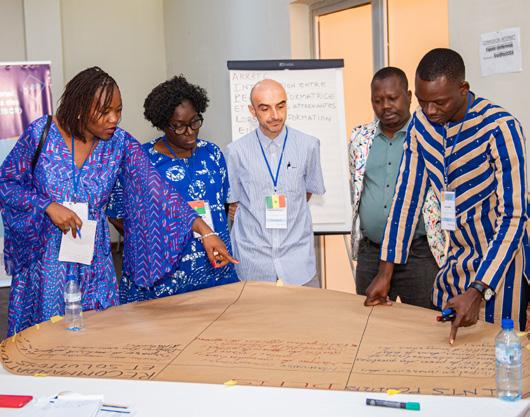
For three days, these specialists exchanged ideas, reflected and debated the difficulties encountered and considered possible solutions. Their conclusion: the main challenge is not a lack of technical knowledge, but lies in the very perception of children and their rights, and the relationships between adults and children. Training will ultimately enable practices to be transformed and reflexes developed in child protection, in a manner adapted to African contexts.
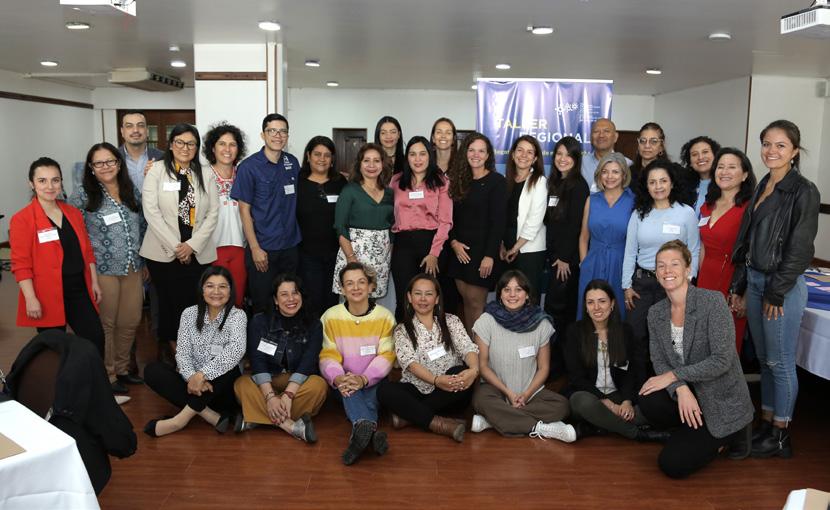
Regional workshop in Bogotá, Colombia, may 2024
Regional workshop in Ouagadougou, Burkina Faso, february 2025
Workshops such as these help us build a community where we can exchange, offer opportunities to learn from one another, discuss contextual differences, and—most importantly—foster a lasting, sustainable momentum.
- Riccardo Cappelletti, Institut des droits de l’homme et de la paix (IDHP), Senegal
INITIATING COLLABORATION WITH YOUNG PEOPLE WHO HAVE BEEN IN CARE: A NEW PROJECT TO FACILITATE THE TRANSITION TO ADULTHOOD
In 2021, nearly 40,000 young people in Quebec were under the responsibility of the Direction de la protection de la jeunesse (DPJ). Every year, more than 2,000 of them transition to adulthood—a pivotal period that is often complex and fraught with obstacles. To make the transition smoother, following its amendment in 2022, the Youth Protection Act (YPA) now requires a transition plan for every young person, starting at the age of 16.
To meet these new requirements and ensure they are implemented in a manner that respects the rights and best interests of young people, this IBCR has launched a new project aimed at providing the DPJ with the tools they need to achieve this.
In collaboration with Collective Ex-Placé DPJ, a group composed of young people formerly in care, the IBCR develops training for DPJ staff and fosters dialogue between professionals and youth formerly in the care of the DPJ. These training sessions will enable workers to develop the necessary skills to better support these young people in their transition to adulthood. The sessions will be delivered by the young people who are part of the Collective.
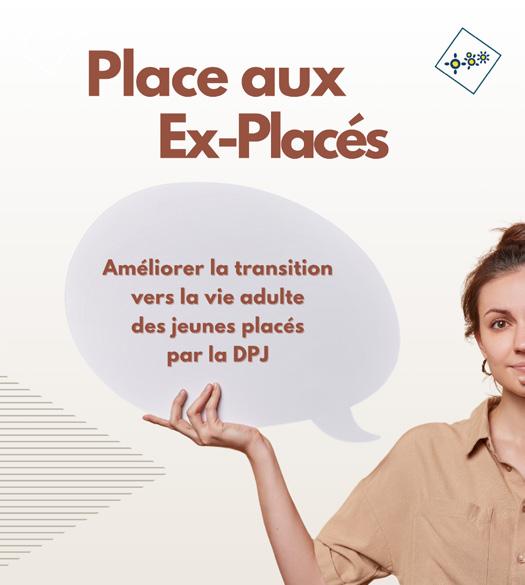
The Place aux Ex-placeés project, in partnership with the Collective Ex-Placé DPJ, is financed by the Chamandy Foundation.
Regional workshop in Ouagadougou, Burkina Faso, february 2025
DISCUSSING TO BETTER UNDERSTAND CHILDREN’S RIGHTS: FIRST SEASON FOR THE 1,2, DROITS SOLEIL! PODCAST
The first French-language podcast on the topic of children’s rights —1,2, Droits, soleil!— was launched in December 2024. Through interviews with specialists, this podcast examines, explains, and questions the state of children’s rights worldwide.
Its purpose is to make global children’s rights issues clear and accessible to all, while inspiring individuals to take action at their own level to help make children’s rights a reality.
Whether you are a children’s rights professional or just have an interest in how these rights are implemented, this podcast invites you to explore children’s rights from a new perspective.
Through four episodes, the first season focused on the issue of children’s deprivation of liberty, in Canada and
around the world. The podcast provided a platform for specialists from children’s rights organizations, such as Defence for Children International (DCI) or the University of Ottawa to express their thoughts, accompanied by children’s rights and justice specialists from the IBCR.
› Discover the podcast on any of the main listening platforms (Spotify, Apple Music and Podcast Quebec) or directly on our website (in French only):
www.ibcr.org/fr/ balado
THE IBCR JOINS THE ECPAT INTERNATIONAL NETWORK AS A MEMBER REPRESENTING CANADA
In 2025, the IBCR joined the ECPAT International network, the world’s largest movement dedicated to combating the sexual exploitation of children. This integration marks an important milestone for the organization, reinforcing its commitment to protecting child-
ren from all forms of violence, especially those related to sexual exploitation. By becoming a member of a network of more than 130 organizations in more than 100 countries, the IBCR is now part of a collective dynamic led by specialists, rights advocates and partners committed to advancing prevention, intervention and support.
This new collaboration will enable the IBCR to play a more direct role in ECPAT’s international advocacy and knowledge-generation efforts, while helping promote them within the Canadian context. It provides a platform to elevate children’s voices, showcase participatory approaches developed by the IBCR, and highlight the importance of building on children’s experiences.
Strategic advances
The 2021–2024 Strategic Plan, entitled Rise Up to the Level of Children, has empowered the IBCR to enhance its efforts towards more inclusive and coordinated protection systems.
The completion of this strategic plan marks the close of a cycle in which the IBCR transformed its practices, tools, and positioning.
In recent years, the organization has consolidated its expertise with that of actors involved in children’s rights, and amplified the impact of its initiatives in advancing children’s rights. The progress observed in 2024–2025, highlighted in this section, reflects the organization’s maturity and sets the stage for the transition to the 2025–2028 strategic cycle.
Listening to and involving children
In recent years, the IBCR has continually transformed its empowering approach to participation into tangible practice. Over the course of the strategic cycle, the IBCR has:
• Involved children in evaluation and learning processes
• Strengthened the governance role of children’s committees, which steer our projects’ actions and activities and play a key role in implementing initiatives to ensure children’s participation
• Adopted a new Child Safeguarding Policy and a progressive training process for those working with the IBCR on the policy’s implementation
• Worked with children to further develop a framework of key competencies for child participation
• Incorporated children’s experiences to enhance the professional practices of protection and justice stakeholders
• Supported collaborative research processes, led by children themselves, to explore the implementation of children’s rights in their communities
• Supported the implementation of initiatives developed by children themselves
• Partnered with civil society organizations and actors involved in supporting children to develop tools that make participatory approaches part of everyday practice
• Established a child participation and empowerment centre of expertise to ensure consistent use of this approach throughout the organization
Today, children’s participation is becoming an essential lever for change. The IBCR is witnessing a shift in perspective in the environments in which it operates: children are becoming aware of the role they play in implementing their rights, and adults, aware of the importance of children’s participation, are giving them more room to do so.
Children as agents of their rights and projects: reshaping social perceptions of their role while strengthening governance and collaboration
/ IN BURKINA FASO /
A process of reciprocal exchange and dialogue with children has enabled us to rethink the way they are received in police facilities, particularly when filing a com-
plaint. Guided by the experiences of children familiar with these spaces, the discussions prompted changes in police and gendarmerie practices to better respect and address children’s needs. This process led to the development of a practical tool that helps professionals explain to children, in age-appropriate language, how to file a complaint.
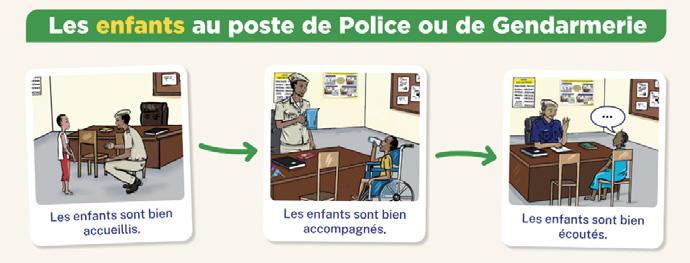
This initiative, together with others that place children at the heart of rights advocacy, has significantly influenced how children understand and act on their rights.
Creating inclusive and safe spaces for participation: towards meaningful and adapted participation for all children
/ IN THE DEMOCRATIC REPUBLIC OF THE CONGO /
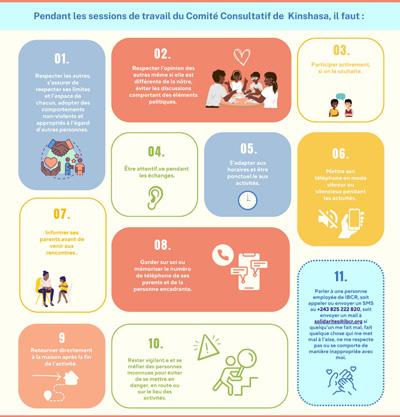
Specific measures have been put in place to ensure the safe and inclusive participation of all children. In addition to adapting methodologies to encourage the participation of children who cannot read or write, safeguard mechanisms were co-constructed with the children themselves to ensure that everyone felt comfortable and safe during the workshops. Among these mechanisms, a visual aid was developed, presenting certain
standards of collaboration to promote the well-being of all children participating in the project’s committees.
STRATEGIC GUIDELINE
Sustainable training and tools for those in contact with children
The Strategic Plan encourages the IBCR to further develop its flagship expertise: strengthening the skills of professionals who interact with children. It encourages each organization to develop training tools that are better tailored to their contexts of intervention, while addressing resistance to change and the challenges faced by professionals.
As part of this orientation, the IBCR has:
• Developed training tools adapted to various contexts, in particular for military groundwork or in rural areas for child protection networks
• Built its expertise in designing virtual and accessible training tools
• Developed a framework of key competencies for inclusion and gender equality to enable professionals to acquire practical skills related to these theoretical concepts
• Set up a center of expertise focused on skill enhancement in order to structure, strengthen and promote this approach, and acquired e-learning software
This strategic orientation is translated into concrete, measurable actions and results across different countries and contexts.
Co-creating, sharing, and transforming training tools that have a lasting impact on how institutions and professionals implement children’s rights
/ IN SENEGAL /
Since 2020, four training courses on children’s rights have been cocreated in collaboration with professionals from police, gendarmerie, justice and social work training schools, and are now being taught. This institutionalization is already driving concrete change.
The use of these tools has now extended beyond the IBCR’s training activities. The IBCR methodology is now being used for other subjects taught in partner schools. Co-facilitated training is becoming increasingly common, with a field practitioner participating in each session to provide deeper insight into both the practice and theory of child protection challenges.
The training developed with the police academy has even inspired the National Police Headquarters to create a dedicated division for the care of women and girls nationwide, demonstrating that adapted, institutionalized tools can transform practices and drive structural change.
The training clarified each step, from reception to orientation, allowing me to confidently take action without hesitation.
- Gendarmerie Adjudant, Bambey, Senegal
Accessible virtual training tools: a proven way to enhance learning in practical intervention settings
/ IN BURKINA FASO /
Converting documents into practical checklists and leveraging inter-departmental WhatsApp groups have streamlined information flow and peer support, promoting the appropriation of tools and the transformation of practices.
Partners also greatly appreciate how simplified training tools, combined with games, visuals, and videos, make learning accessible to highly diverse audiences.
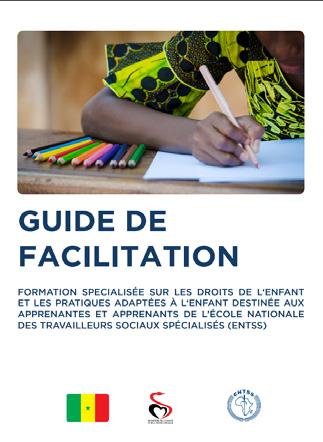
STRATEGIC GUIDELINE
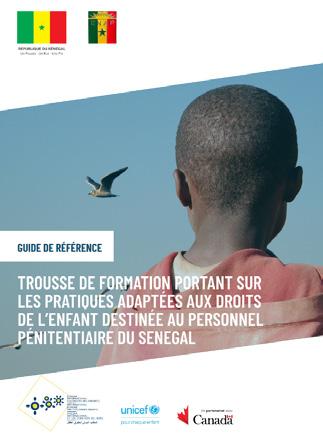
Covers of training tools designed as part of the Xalé sama yité project in Senegal
Improving partnerships, shared responsibility and collaboration
The third strategic orientation reflects a central IBCR principle: achieving greater respect for children’s rights requires collective action. The IBCR must act with its partners to achieve results, and child protection systems can only be effective if they are coordinated and move away from working in silos.
Based on this strategic orientation, the IBCR has:
• Introduced a new partnership policy with reciprocity as its guiding principle
• Introduced innovative support for partners through operational assistance and sub-grants
• Fostered collaboration between civil society and state institutions
• Refined its operating procedures to develop clear, easy-to-use tools
• Facilitated collaboration among stakeholders through observer groups
• Developed sectoral and multi-sectoral intervention strategies within its projects to reinforce a systemic approach
These efforts will translate into concrete results by the end of the strategic plan’s 2021–2024 cycle.
Strengthening coordination among state actors and civil society
/ THE SOCIAL LABORATORY AS PART OF THE VOLUNTARY COOPERATION PROGRAM /
The actions carried out as part of the Social Laboratory have strengthened collaboration between two partner organizations in Costa Rica: Fundación Paniamor, an NGO working for children’s rights, and CONATT, a state entity. Together, they have created a strong and dynamic channel of communication. During brainstorming sessions, they identified shared interests and launched a pilot project targeting child trafficking and sexual exploitation through information and communication technologies.
Clarifying roles and coordination for better support for children
/ IN BURKINA FASO /
In 2021, the lack of clear protocols prevented police officers from effectively referring foster children to social services. Lack of awareness of the Child Protection Network (Réseau de protection de l’enfance - RPE), lack of coordination among institutions, and excessive delays in obtaining medical certificates were all factors that interfered with providing appropriate care for child victims.
The Biig-Yi-Nere project sparked real change by co-developing and disseminating a nationwide operating procedure that clarifies processes across every sector. Three years later, 82% of agents surveyed claim to use this tool systematically when guiding child victims. The changes are noticeable. In many cases, for example, it now takes just 4 hours to refer a child, whereas it used to take 2 to 3 days.
Now, as soon as a child arrives, I instill a sense of trust, call the social worker and the Child Protection Network gets involved.
- Judicial Police Officer, Kaya
Security and justice relay officers in Kaya and Tenkodogo have moved from an ad hoc response to sexual and gender-based violence to truly coordinated care for child victims.
- Member of the child protection network, Burkina Faso
STRATEGIC GUIDELINE 3
Mobilizing and promoting actors of change and innovation
Under Axis 4 of the Strategic Plan, the organization has fully embraced new approaches including the integration of sectors not traditionally part of child protection systems, mobilizing agents of change and fostering a culture of experimentation.
This has enabled the organization to:
• Start working with the Ministry of Labour (re: inspections), the prison administration and the tourism and transport industry
• Develop the Social Laboratory methodology
• Launch regional innovation and experimentation processes
• Develop technical expertise for experimentation
• Set up an advocacy hub to strengthen the mobilization and commitment of both the public and decision-makers
Since the abovementioned approaches are interrelated, the IBCR’s actions creates ties among the many different child protection actors, ranging from those in more traditional sectors (social work, justice, etc.) to those in less conventional sectors (tourism, transport, labour, etc.). They also aim to create spaces for ongoing dialogue among public, private and community players, and of course, the children themselves.
This global vision enables everyone to better understand not only their role, but also the procedures and interactions with other sectors, to ensure coordinated support that respects children’s rights at every stage.
Child protection and justice systems strengthened by the integration of new actors
/ IN THE DEMOCRATIC REPUBLIC OF THE CONGO /
The Tonga Mpo Na Bolamu Ya Mwana project has significantly strengthened the recognition and integration of non-conventional sectors into the child protection system. For example, thanks to
advocacy efforts, state tourism and transport stakeholders have agreed on the need to implement a formal consultation framework in order to collaborate more closely on issues surrounding child protec -
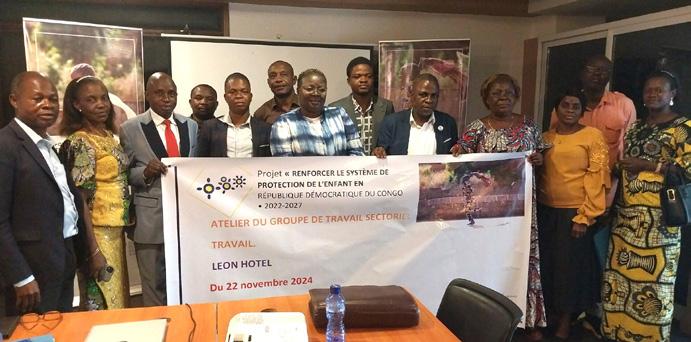
tion and the sexual and economic exploitation of children.
These changes are based, in particular, on a review of intersectoral relationships presented to each sector to strengthen awareness of the importance of improved coordination. Another result: prison staff are now working more closely with juvenile court judges, and a formal referral protocol was signed between the labour inspectorate and the juvenile court, further strengthening institutional coordination.
Help advance practices through multi-actor spaces for experimentation and innovation
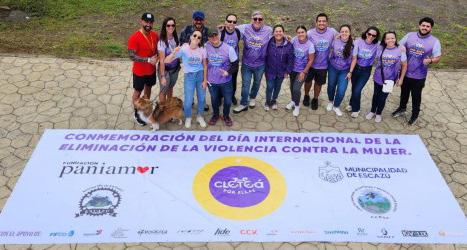
/ UNDER THE VOLUNTARY COOPERATION PROGRAM /
As part of this strategic cycle, the IBCR developed its experimental approach through the Social Laboratories implemented under the Voluntary Cooperation Program. Through team training, the recruitment of specialized expertise and the structuring of its methodology, the IBCR has made experimentation a central approach in its collaboration with children, community
actors and frontline professionals, thereby strengthening the impact of its systemic approach by including a wider range of actors.
STRATEGIC GUIDELINE 4
Placing transparency and accountability towards its partners at the core of the IBCR’s actions
A continually improving institutional framework
This strategic orientation highlights the IBCR’s efforts to maintain high standards of governance, professional development, and external communication.
This axis has enabled the IBCR to:
• Rethink its institutional governance
• Continually improve its institutional framework and accountability practices
• Mainstream its competency building approach to the entire organization
• Actively participate in spaces for consultation, exchange and strategic reflection
This year, the IBCR reinforced its institutional framework to more effectively support the impact of its initiatives on children’s rights. The organization has refocused its action on the qualitative achievement of children’s rights outcomes, ensuring that every project, partnership and decision contributes in a concrete and measurable way to the advancement of rights.
Against this backdrop, the IBCR has finalized its new organizational identity, an essential step in more clearly reflecting its vision, positioning, and expertise. In addition, the reappointment of Board members Hermine Kembo and Stina Belfrage, coupled with the governance modernization report prepared by the Institute on the Governance of Private and Public Organizations (IGOPP), have strengthened the organization’s institutional foundations.
The IBCR has also made its voice heard by decision-makers. As part of the consultations for Quebec’s new International Policy, the IBCR presented a report to the MRIF, highlighting the current challenges of international cooperation and formulating recommendations for renewed solidarity. Concurrently, within Global Affairs Canada’s consultations on the new Canadian strategy for partnerships in Africa, the IBCR submitted recommendations shaped by collective reflection and informed by the field experience of its teams, emphasizing an approach to equitable and sustainable partnerships that promote children’s rights.
Strengthening international networking to transform children’s rights
Throughout the year, the IBCR strengthened its international presence, expanding opportunities for collaboration and dialogue with key stakeholders to enhance the impact of its actions in support of children’s rights.
In July, in New York, the IBCR participated in the High-Level Political Forum on Sustainable Development, under the auspices of the United Nations Economic and Social Council, speaking at the SDG16 side event: Accelerating Progress to Achieve Justice for Children. This participation contributed to the preparation of the 2025 World Congress on Justice with Children and to the drafting of the upcoming General Comment No. 27 by the Committee on the Rights of the Child.
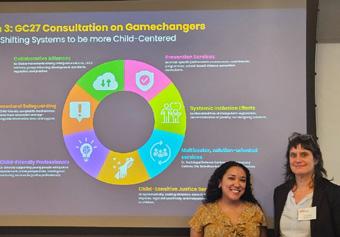
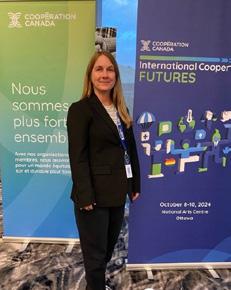
In October, in Ottawa, the IBCR led a session at the Roundtable on Access to Justice, organized by the Department of Justice of Canada and the International Development Research Centre (IDRC), then joined a collective reflection process on the future of international cooperation, bringing together some one hundred organizations under the auspices of Cooperation Canada. That same month, the organization was a panelist at the XIIth Congrès de l’Association des ombudsmans et médiateurs de la Francophonie (AOMF) in Quebec City.
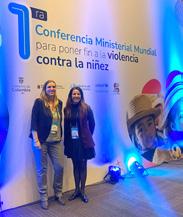
In November, in Bogotá (Colombia), the IBCR took part in the first Global Ministerial Conference on Ending Violence Against Children, which brought together over 130 governments and 90 ministers as well as international organizations, associations, children, youth and academics.
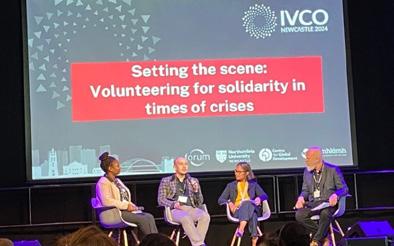
In September, in Newcastle (England), the organization took part in the annual conference of International Volunteer Cooperation Organizations (IVCO), on the theme of Building and Sustaining Connections for Change: Volunteering for Solidarity. The IBCR co-hosted the workshop entitled Changing Relationships for a World in Crisis.
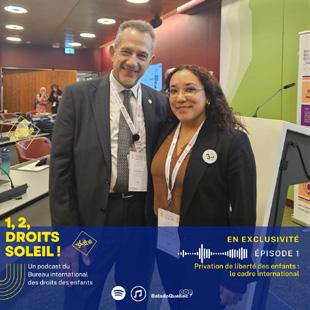
In December, in Geneva, the IBCR participated in the World Conference on Justice for Children Deprived of Liberty, organized by Defence for Children International (DCI). The conference proved the perfect opportunity to take stock of the progress made, identify obstacles and propose alternatives to child detention. This key event will serve as an occasion to support the United Nations Committee on the Rights of the Child in drafting General Comment No. 27, which addresses the right of access to justice and effective remedies.
Lastly, the IBCR forged new strategic partnerships by becoming a member of Cooperation Canada and ECPAT International. These memberships open the door to further national and international collaboration, and strengthen the IBCR’s position within networks committed to child protection and the improvement of cooperative practices.
STRATEGIC GUIDELINE
66,122
visitors to our website
334,959
people reached through our awarenessraising and mobilization activities, 46% of which were women

10,328
subscribers to our newsletter and social networks
419 people attended our events
177 social media posts
9 events organized or co-organized
2 open letters published
38 mentions of the IBCR and its projects in the media in its countries of intervention
POSITIONING AND REACTIONS
In 2024–2025, the IBCR initiated and carried out 15 advocacy actions, in the form of open letters, purpose-driven social media posts, discussions with decision-making bodies, or participation in major events.
Acting alone or in partnership with other organizations dedicated to human rights and children’s rights, we have spoken out on issues directly related to its mandate of defending and promoting children’s rights and human rights on a broader scale.
For example, on International Children’s Rights Day, the IBCR highlighted the progress that still needed to be made in terms of children’s rights— particularly where participation is concerned. It also voiced concern over the severity of the international aid funding crisis that marked the start of 2025, and co-signed an open letter urging the UN Secretary-General to publish a complete list of perpetrators of serious violations of children’s rights in armed conflicts, following what was, tragically, the most devastating year on record for such violations in 2024.
The organization was also responsible for a number of encouraging initiatives such as contributing to the development of positive dynamics at the international level: in the fight against deprivation of liberty (Global Conference on Justice for Children Deprived of Liberty, December 2024) and in the fight against violence against children worldwide (WHO-UNICEF Bogotá Conference, November 2024).

Financial information
The organization’s complete financial statements to 31/03/2025 are available on request. The audit was carried out by Deloitte S.E.N.C.R.L./s.r.l.
valuation of volunteers’ time
Partnerships
IBCR extends its appreciation to all its partners for their invaluable collaboration and recognizes their contribution to the results achieved in 2024–2025, enabling continued progress in advancing children’s rights.
BURKINA FASO
The Government of Burkina Faso and its departments, schools and services related to children’s rights
Association of Women Lawyers of Burkina Faso (AFJ/BF)
KEOOGO Association
Association of Working Children and Youth (AWCY)
Pugsada Awakening Support Association (ADEP)
ANADJI
Associations for Community Development and the Promotion of Children’s Rights (ACD/PDE)
Tabital Lobal Association
Coalition of Community Initiatives for Development Association (ACICD)
Den Kanu
CANADA
Global Affairs Canada
Ministère de la Justice du Québec
Université du Québec en Outaouais (UQO)
Vicky Lafantaisie, Professor, Department of Psychoeducation and Psychology, UQO
CISSS des Laurentides
Chamandy Foundation
Collectif Ex-Placé DPJ
Royal Canadian Mounted Police
Montréal International
CIUSSS du Centre-Sud-de-l’Île-deMontréal
Motivation-Jeunesse
NdM Communications for Raniah “Lynda Thalie”
… and some thirty more organizations in Quebec
COLOMBIA
Coalition Against the Involvement of Children and Youth in Armed Conflict in Colombia (COALICO)
Foundation for the Integral Development of Gender and Family (GENFAMI)
Office of Pastoral Care for Children and Families (OPAN)
COSTA RICA
Fundación Paniamor
CÔTE D’IVOIRE
Association of Women Lawyers of the Ivory Coast (AFJCI)
National Human Rights Council (CNDH)
Forum for NGOs and associations helping children in difficulty
DEMOCRATIC REPUBLIC OF THE CONGO (DRC)
Government of the DRC and its departments, schools and services related to children’s rights
Réseau d’encadreurs pour l’initiation à la participation des enfants (REIP)
Mama Lufuma
EXAGON
Association for the Protection of People Living with Albinism (APVA)
National Coalition for Education for All (CONEPT/KC)
National Catholic Child Bureau (BNCE)
Para-Social Workers Corps (CTPS)
KENO UNITED Foundation (FKU)
Organization for the Supervision, Education and Protection of Street Children (OSEPER)
National Coalition for Education for All (CONEPT)
Africa’s League for the Defence of Children’s Rights (LIZADEL)
KIMBILIO children’s sanctuary (KSE)
SOS Femmes et enfants en détresse (SOS FED)
Organization for the Placement and Protection of Street (ORPER)
Congo Girls Brigade (BFC)
Tiens Orphans Africa Help Me World (TOAHMW)
Diocesan Commission for Justice and Peace (CDJP)
Family Welfare Association (ABEF)
HONDURAS
Inter-institutional Commission against Commercial Sexual Exploitation and Trafficking in Persons of Honduras (CICESCT)
Unit for the Integral Development of Women and the Family (UDIMUF)
MADAGASCAR
Independent National Commission on Human Rights (CNIDH)
Superior Institute of Social Work (ISTS)
Civil Society Platform for Childhood (PFSCE)
MALI
Government of Mali and its departments, schools and services related to children’s rights
Faculty of Humanities and Educational Sciences, University of Bamako
MOROCCO
Bayti Association
Child Protection Unit Support Association (AAUPE), Casablanca
Amane Foundation for Child Protection
PERU
Social and Alternative Human Capital (CHS Alternativo)
Commitment from Childhood and Adolescence (COMETA)
SENEGAL
Government of Senegal and its departments, schools and services related to children’s rights
Association of Senegalese Women Lawyers (AJS)
Vulnerable Persons Aid Association (2APV)
Child Education and Development NGO (EDEN)
Enda Jeunesse Action NGO
National School for Specialized Social Workers (ENTSS)
TOGO
Legal and Social Justice Expertise Clinic (CEJUS)
KEKELI Center
World Association for Orphans (WAOAfrica)
TUNISIA
Government of Tunisia and its departments, schools and services related to children’s rights
ADO+ Association
Office of the General Delegate for Child Protection (DGPE)
Tunisian Forum for Youth Empowerment
Every year, so many of you place your trust in the IBCR by making a donation. Thanks to your support, the IBCR can continue its work to make children’s rights a reality.
The IBCR would like to express its sincere gratitude for your unwavering support and extends its heartfelt thanks for your generous donations.
Comité central de partage – Les Œuvres Le royer
Congrégation de Notre-Dame
Filles de la Croix
Fondation Émilie Jauron
Fonds Marie-François
Missionnaires oblates de SaintBoniface
Oblates franciscaines de SaintJoseph
Petites Sœurs de la Sainte-Famille
Sisters of Charity of St. Louis
Sisters of Providence of St. Vincent de Paul
Sisters of St. Martha of Antigonish
Sœurs de la Présentation de Marie
Sœurs de l’Institut Jeanne d’Arc
Sœurs de Notre-Dame du BonConseil
Sœurs de Notre-Dame du SaintRosaire
Sœurs de Sainte-Anne
Sœurs de Sainte-Croix
Sœurs de Saint-François d’Assise
Sœurs de Saint-Joseph de SaintHyacinthe
Ursulines
Our team
CONSEIL D’ADMINISTRATION
Théophane Nikyèma Chair (until August 2024)
Roberta Cecchetti Chair (since November 2024)
Annick Murphy Vice-President
Jean-Claude Legrand Secretary (until November 2024)
Darrel Nadeau Treasurer
Ghizlane Benjelloun Board Member
Alexia Tye Board Member (until November 2024)
Ulla Kourany Board Member
Luis Ernesto Pedernera Reyna Board Member
Stina Belfrage Board Member (until November 2024)
Hermine Kembo Board Member (until November 2024)
MANAGEMENT COMMITTEE
Martin Causin Director General
Julie Dénommée
Associate Director General and Program Director
Mélissa David Director of Finances and Administration
Laura Bolivar Director of Human Resources
Marie-Claude Mercier Director of Operations
The International Bureau for Children’s Rights learned with great sadness and deep regret of the passing of Mr. Théophane Nikyema.
Théophane devoted his entire professional career to making children’s rights a reality around the world—for every child, in full equality and under all circumstances. He had been a member of our Board of Directors since September 2017 and had served as its Chair since May 2019.
Over the past seven years, Théophane provided outstanding guidance and steadfast support to our organization. Beyond his remarkable expertise and leadership, we will all remember his team spirit, kindness, humility, unwavering commitment to children’s rights, joy for life, support for all our teams, warm smile, dignity, compassion, humanity, and immense wisdom.
Théophane remains in our hearts: it was a privilege to have had him by our side. His legacy will continue to guide us, and Théophane will forever remain a reference for the IBCR.
The International Bureau for Children’s Rights extends its deepest condolences to his wife, his children, his family, his loved ones, to all our teams, and to everyone who had the privilege of knowing him or working alongside him.
MONTREAL OFFICE
(CANADA, HEAD OFFICE)
805, rue Villeray, Montréal (Québec) H2R 1J4 Canada
Tel. +1 514 932 7656 info@ibcr.org
BAMAKO OFFICE (MALI)
Rue 415, Porte 104, Hamdallaye ACI 2000, Bamako, Mali
Tel. +223 83967000

DAKAR OFFICE (SENEGAL)
Villa Yoff Ranhard, Rue 478 Dakar, Sénégal
Tel. +221 33 868 82 60
KINSHASA OFFICE
(DEMOCRATIC REPUBLIC OF THE CONGO)
3642 Boulevard du 30 juin, immeuble Future Tower Apt 604, Gombe, Kinshasa, RDC
Tel. +243 824 860 824
OUAGADOUGOU OFFICE (BURKINA FASO)
Zone du Bois, 03 BP 7041 Ouagadougou 03
Tel. +226 25 36 34 59