


This magazine delves into the fascinating lives of three unique vertebrate species found in the southern region of Saudi Arabia: the Arabian lynx, Hamadryas baboon, and Al Baha donkey. Each of these species has adapted to the diverse, often challenging ecosystems of the region, from rocky deserts to mountainous landscapes. Beyond their physical and behavioral adaptations, these animals play essential roles in their environments and have profound economic and ecological impacts on local communities. Through an exploration of their systematic positions, characteristics, environmental contributions, and the challenges they face, this issue provides insight into the vital importance of preserving these native species and the ecosystems they inhabit.
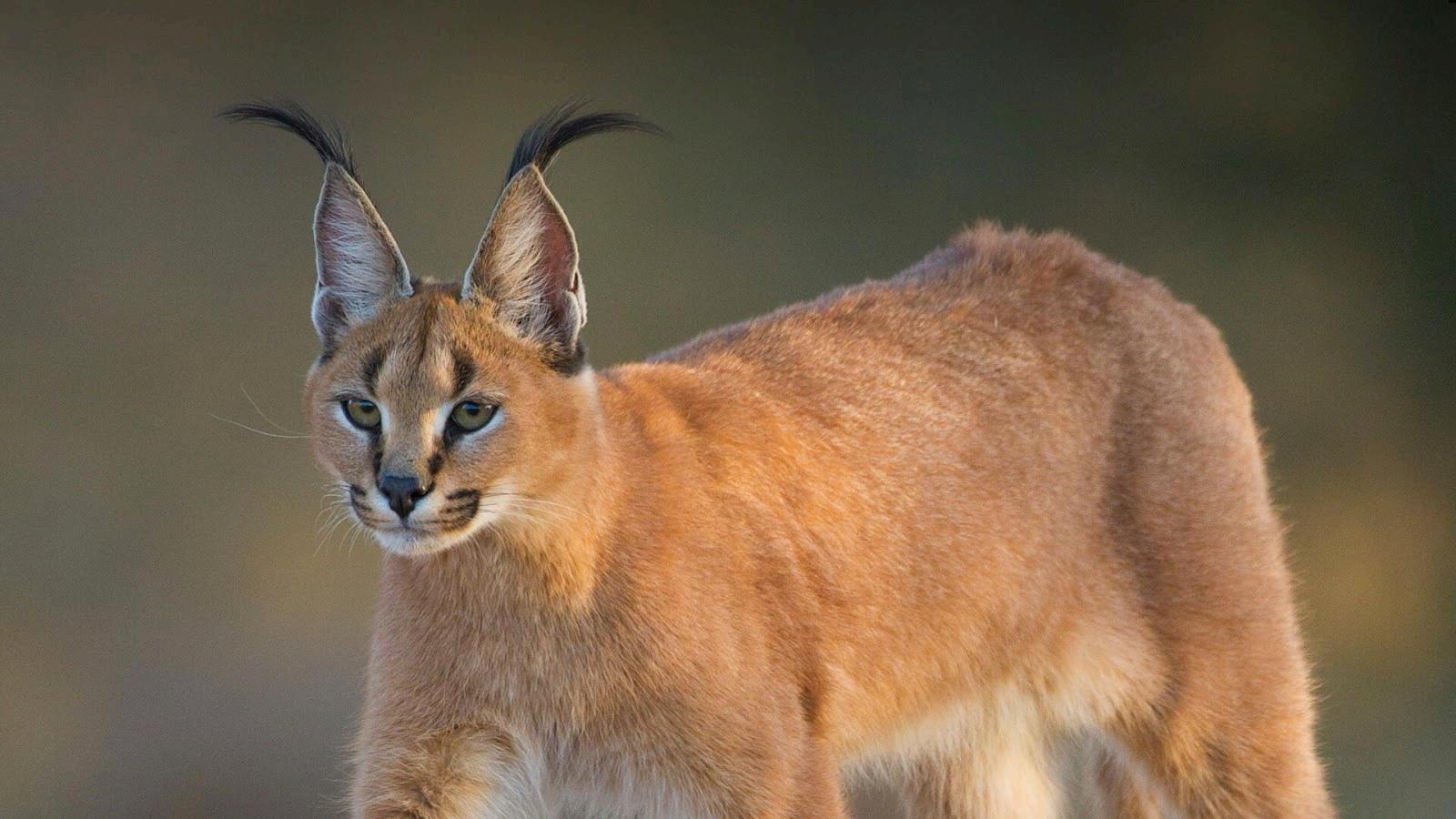
Systematic Position:
Kingdom: Animalia. 1. Phylum: Chordata 2. Class: Mammalia 3. Order: Carnivora 4. Family: Felidae 5. Genus: Lynx 6. Species: Lynx sp. 7.
Unique Characteristics:
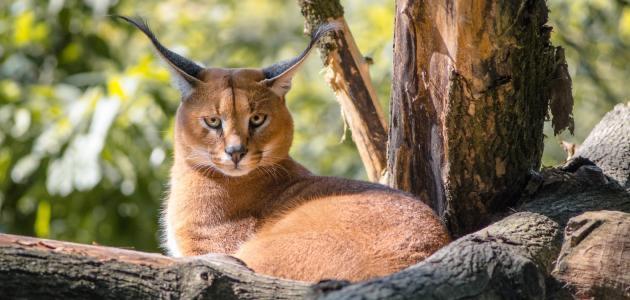
.Lynx are medium-sized wildcats distinguished by their spotted coats, tufted ears, and short tails They have strong eyesight and excellent hearing, making them adept hunters who mostly feed on small mammals such as rabbits and rats. Lynx, unlike many larger wildcats, are highly adaptable and may thrive in a variety of settings, including woods and deserts Their mobility and stealth enable them to climb, swim, and discreetly stalk victims, making them versatile and efficient .predators
EconomicImportance:
Ecotourism:Asarareanduniquespecies,theArabianlynxcanattractwildlifeenthusiasts, boostingecotourismandgeneratingincomeinregionswhereitresides,suchasprotected naturalareas
Agricultural Support: By preying on small mammals like rodents, which are common agriculturalpests,thelynxprovidesnaturalpestcontrol Thisreducestheneedforchemical pesticides,savingcostsforfarmersandbenefitingagriculturalproductivity.
JobCreationinConservation:ConservationeffortsfocusedonprotectingtheArabianlynx create jobs in wildlife management, research, and environmental education, directly contributingtothelocaleconomythroughemploymentandfunding.
EnvironmentalImportance:
•EcologicalBalance:Theyregulateprey populations,whichhelpstokeep ecosystemsbalanced.
•FoodWeb:lynxcontributetothefood chainbyeatingsmallanimalsand providingscavengerswiththeirremains.
PestControl:Byhuntingrodentsand smallmammals,lynxnaturallymanage pestpopulations.
NutritionalValue:
Lynxes are not normally considered a human food source, hence no standard nutritional informationisavailableforthem
Fromawildlifestandpoint,bobcatscangivecriticalnutrientstoscavengerspeciesand otherpredatorswithintheirecosystems:
Protein:Ahighproteincontentpromotesmusculargrowthinscavengersandlarger predators.
Fat:Providesnutritiontoanimalsthateatbobcatremnants,particularlyincolder areas.
Micronutrients:Essentialelementssuchascalciumandironfrombonesbenefitthe overallhealthofscavengerspecies.
Lynx’sroleaspreyisrestrictedsincetheyareapexormid-levelpredators,withtheirprimary ecological contribution being population control rather than direct nutritional value to other species
Current Issues:
Habitat loss due to urban growth and deforestation makes it difficult for wildlife to find food, shelter, and mates
Hunting and Trapping: In some locations, bobcats are hunted or trapped for their fur or as game, putting strain on the local population
Climate change may destabilize bobcat populations by altering prey availability and habitat.
Protection Efforts:
The National Center for Wildlife Development has recorded the first birth of two Arabian lynx cubs born to a female lynx at the Prince Saud Al-Faisal Wildlife Research Center in Taif. This twin birth represents a significant achievement in restoring ecological systems as part of the center’s program for breeding the Arabian lynx. Numerous protected reserves such as “ Shada mountain reserve “ have been established to safeguard the Arabian lynx, and Saudi Arabia has implemented strict fines for illegal hunting of this species
References

Systematic Position:
Kingdom: Animalia. 1. Phylum: Chordata. 2. Class: Mammalia. 3. Order: Primates.
4.
Family: Cercopithecidae
5. Subfamily: Cercopithecinae. 6. Genus: Papio.
8.
7. Species: Papio hamadryas
Unique Characteristics:
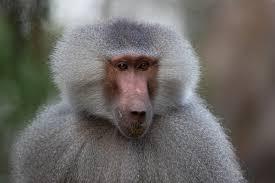
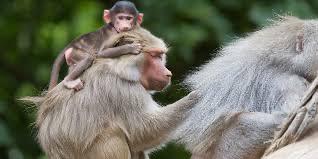
The Hamadryas baboon (Papio hamadryas) is known for its unique social structure and distinctive features. Males have a silver-gray mane, shoulder cape, and pink facial skin, while females are smaller with brownish-gray fur. They live in “one-male units,” where a dominant male leads a group of females and offspring. Adapted to arid environments, they inhabit rocky deserts and grasslands, showcasing behavioral and ecological traits that distinguish them from other baboon species.
Economic Importance:
Tourism: As a distinct species, Hamadryas baboons draw ecotourism to the areas where they live, bolstering local economy through wildlife excursions and conservation-related tourism.
Agriculture Pest reduction: In their natural environments, Hamadryas baboons help to reduce certain insect populations by eating insects, which indirectly benefits local agriculture.
EnvironmentalImportance:
EcologicalBalance::Asomnivores,theyhelp controlpopulationsanddisperseseeds,which supportsplantdiversity.
FoodWeb:Papiohamadryasisbothpredator and prey, this interaction helps maintain ecosystembalance.
PestControl:Byeatingvariousinsects,they helpnaturallymanagepestpopulations,which canbenefitagriculturalareasneartheirhabitats.
Nutritional Value:
Hamadryas baboons provide essential nutrients to predators and scavengers in their ecosystems. Their bodies offer high protein content, which is valuable for predators like leopards, supporting muscle growth and overall health. The fat in their bodies provides crucial energy, especially important for predators in environments where food is scarce. Additionally, their bones and organs contribute vital micronutrients like calcium and iron, benefiting scavengers that consume their remains and supporting overall ecosystem health
CurrentIssues:
Papiohamadryasisthreatenedbyhabitatloss,climatechange,andhuman-wildlifeconflict.
Habitat Loss: Expansion of agriculture and human settlements is fragmenting the baboon's natural habitats, especially in the Arabian Peninsula, limiting their access to foodandsafeterritories.
ClimateChange:Changingrainfallpatternsandrisingtemperaturesarereducingfood availability, pushing baboons into closer contact with humans and increasing competitionforresources.
Human-WildlifeConflict: Baboons often raid crops near human settlements, leading toretaliatorykillingsandfurtherdisplacementfromtheirnaturalhabitats.
ProtectionEfforts:
NatureReserves:ProtectedareaslikeAlUlaNatureReserveandAsir National Park provide habitats for baboons. While not specifically focused on baboons, these reserves help protect the rocky, arid environmentsthatarecriticalfortheirsurvival.
Conservation Programs: The Saudi National Wildlife Development Programworkstopreservehabitats,reducefragmentation,andpromote wildlifeconservation,whichindirectlybenefitsspecieslikebaboons
References

Systematic Position:
Kingdom: Animalia. 1.
Phylum: Chordata 2.
3.
Class: Mammalia
Order: Perissodactyla 4.
Family: Equidae 5.
Genus: Equus 6.
7.
Species: Equus africanus
8.
Subspecies: Equus africanus asinus
Unique Characteristics:
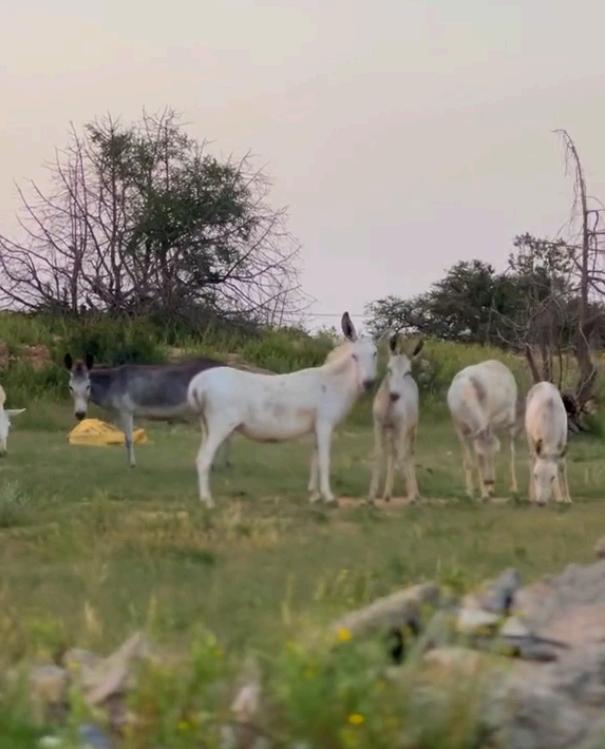
Donkeys in the Al Baha region are compact and sturdy, ideal for navigating the area’s rugged, mountainous terrain. Their smaller stature and strong, resilient hooves help them to easily travel over rocky surfaces, often without the need for shoeing.
Adapted to the region’s semi-arid conditions, these donkeys can endure sparse diets of dry grasses and shrubs Their bodies conserve energy and water, allowing them to survive in areas with limited food and water sources.
In response to Al Baha’s chilly winters, they grow a thicker coat, providing natural insulation. They are also known for their calm demeanor, which has made them valuable for transportation and farming among local communities
Economic Importance:
Agriculture: In farming, donkeys assist by plowing fields and carrying tools, reducing labor costs and increasing productivity, which is crucial for the region’s agricultural operations.
Tourism and Heritage: Donkeys attract tourists interested in traditional rural experiences, contributing to the local economy and preserving cultural heritage by showcasing traditional lifestyles.
Nutritional Value:
Donkeys offer valuable nutrients to predators, with their body providing fat, protein, and essential minerals. These nutrients support the energy needs of animals in the food chain.
Current Issues:
Overpopulation and Crop Damage: In Al Baha, donkeys have become a nuisance by invading farms and damaging crops. Overpopulation exacerbates this issue, as their free-roaming behavior leads to significant agricultural losses.
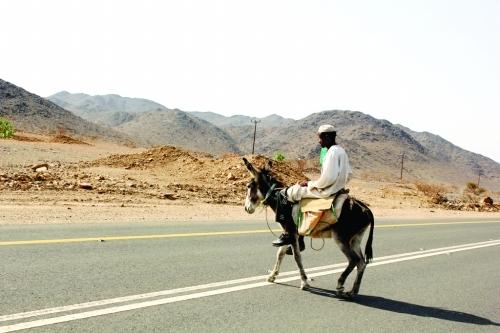
Traffic Accidents: With urbanization, donkeys are increasingly exposed to roads, leading to accidents where they are often hit by cars These accidents can result in severe injuries to both donkeys and humans, causing public safety concerns.
Abuse Due to Overpopulation: Due to their high numbers and the challenges they present, some donkeys in the region suffer from neglect or mistreatment, as they are seen as a hindrance rather than a resource.
ProtectionEfforts:
IntheAlBaharegion,protectioneffortsfor localanimals,includingdonkeys,largelyfocus onthearrestofthosewhoabuseormistreat them. This legal approach aims to reduce casesofabuse,providingadeterrentforthose whoharmanimalsduetooverpopulationor otherissues.
References

The Arabian lynx, Hamadryas baboon, and Al Baha donkey represent more than just remarkable examples of vertebrate adaptation; they highlight the intricate balance of the southern Saudi Arabian ecosystem. Their contributions to ecological stability, tourism, and cultural heritage underscore the need for continued conservation efforts to ensure their survival amid modern challenges. By understanding and valuing these species, we can foster a more sustainable approach to wildlife management that benefits both the animals and local communities. Through collective efforts, we can support the rich biodiversity of Saudi Arabia's southern region for generations to come.