

Doneby:ZahraAlrababi-ZahraAlsubaykhi-EssraAlsalman-ZahraAlabbas-RawanAlessa
Supervisedby:HaifaAl-Qahtani
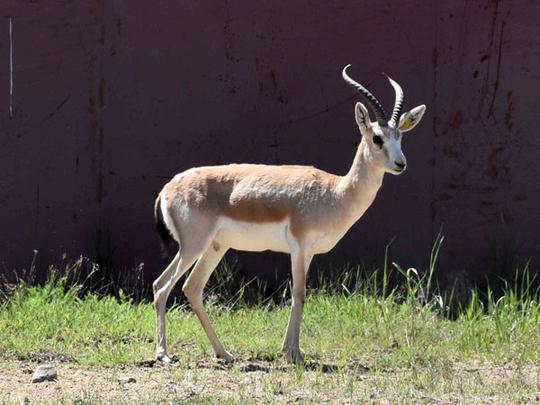
Systematic Position:
The goitered gazelle (Gazella subgutturosa) is classified under:
• Kingdom: Animalia
• Phylum: Chordata
• Class: Mammalia
• Order: Artiodactyla
• Family: Bovidae
• Genus: Gazella
• Species: Gazella subgutturosa
Unique Characteristics:
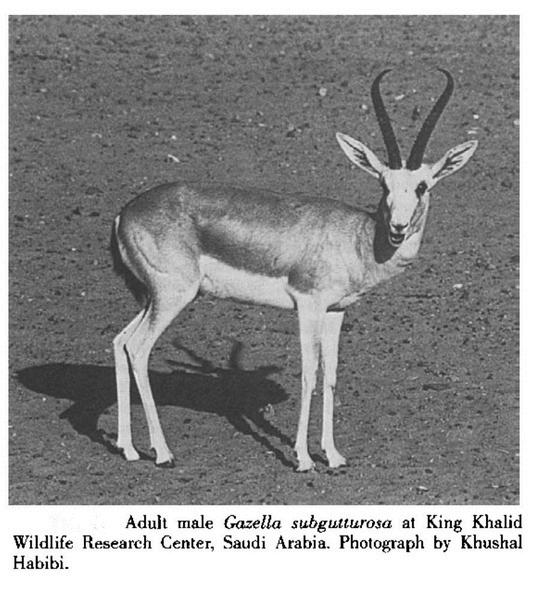
•In Saudi Arabia, goitered gazelles display specific adaptations to arid desert conditions These include specialized kidneys that allow them to conserve water effectively, which is critical in the dry desert climate.
•The male goitered gazelle’s “goiter,” or swollen neck, becomes more prominent during mating season, making them recognizable even from a distance
•In Saudi Arabia’s harsh environment, they rely on scarce vegetation for moisture, consuming plants like Acacia species and desert shrubs.
Economic Importance:
•Eco-Tourism: Saudi Arabia promotes eco-tourism, with protected areas such as the Uruq Bani Ma’arid Reserve in the southwest. This reserve is home to goitered gazelles and draws wildlife enthusiasts interested in desert species.
•Controlled Hunting: While hunting is largely prohibited in Saudi Arabia to protect endangered species, there are traditional hunting practices in controlled environments, which can serve as a regulated source of revenue and population management
•Conservation-Driven Employment: Conservation initiatives, including breeding programs and protected areas, create jobs for locals, supporting economic development.
Environmental Importance:
•Ecological Balance: Goitered gazelles help maintain the balance of desert ecosystems by grazing on plants, which prevents overgrowth and supports biodiversity.
.prey Species: In Saudi Arabia, goitered gazelles are prey for predators such as wolves and feral dogs Their role in the food web helps support the ecological stability of predators in desert regions
•Vegetation Control: Through grazing, goitered gazelles contribute to the control of desert plant growth, which helps maintain habitats suitable for other desert species.
Nutritional Value:
The goitered gazelle is not commonly harvested for food in Saudi Arabia due to conservation concerns. However, in regions where it has been historically hunted, its meat is known to be lean and protein-rich, comparable to other types of game meat.
Current Issues:
•Habitat Loss: Rapid urban expansion and agricultural development in Saudi Arabia have reduced the habitat available to goitered gazelles. Projects such as NEOM city and other urbanization efforts continue to threaten their natural habitats.
•Climate Change: The increase in temperature and changes in rainfall patterns impact the availability of grazing resources. Prolonged droughts are a significant issue for the gazelle’s habitat in Saudi Arabia.
•Illegal Hunting: Despite hunting bans, illegal hunting for sport or cultural practices still occurs, posing a major threat to goitered gazelle populations in Saudi Arabia.
Protection Efforts:
•Protected Areas: Saudi Arabia has established protected reserves such as the Uruq Bani Ma’arid and Harrat Uwayrid reserves specifically to protect species like the goitered gazelle. These areas provide safe habitats, limiting human interference.
•Reintroduction Programs: The National Center for Wildlife (NCW) in Saudi Arabia actively participates in breeding and reintroduction programs for endangered species, including the goitered gazelle. These programs help bolster population numbers.
•Regulations and Enforcement: Saudi Arabia has strict regulations regarding the hunting of endangered species, and penalties for illegal hunting help deter poaching. The NCW also monitors wildlife populations to ensure compliance with conservation laws.
REFERENCES:

ZAHRA ALI ALSUBAYKHI
SYSTEMATIC CLASSIFICATION:
DOMAIN: EUKARYOTA
KINGDOM: ANIMALIA
PHYLUM: CHORDATA
CLASS: MAMMALIA
ORDER: CARNIVORA
SUBORDER: FELIFORMIA
FAMILY: FELIDAE
SUBFAMILY: FELINAE
GENUS: CARACAL
SPECIES: C CARACAL
CARACAL OVERVIEW:
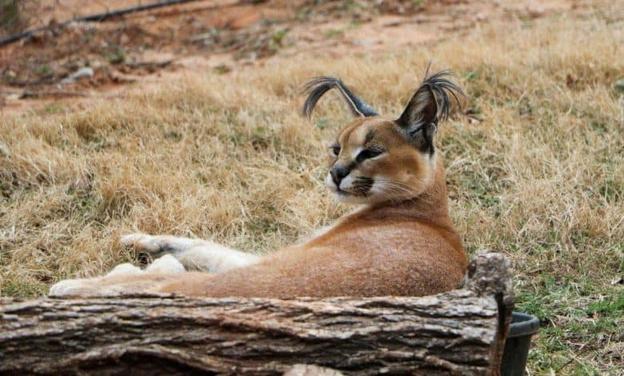
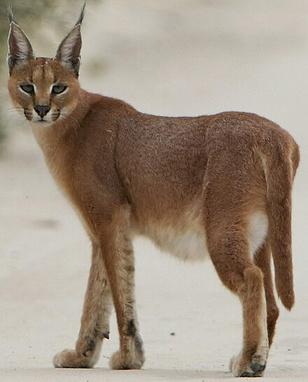
- KNOWN FOR DISTINCTIVE BLACK-TUFTED EARS AND REMARKABLE HUNTING SKILLS.
- ONE OF THE FASCINATING WILD CATS FOUND IN SAUDI ARABIA.
- THRIVES IN VARIOUS LANDSCAPES ACROSS SAUDI ARABIA, FROM DESERTS TO MOUNTAINS.
- EMBODIES ADAPTABILITY AND RESILIENCE IN THE HARSH DESERT ENVIRONMENT.
- ADAPTATION TO SAUDI ARABIA’S ENVIRONMENT:
- INHABITS ISOLATED, ARID REGIONS WITH ESSENTIAL COVER AND OPEN SPACES FOR HUNTING.
- REDDISH, SANDY COAT PROVIDES CAMOUFLAGE IN DESERT AND MOUNTAINOUS TERRAINS.
- SYMBOL OF THE ADAPTABILITY OF DESERT WILDLIFE.
- PHYSICAL FEATURES & HUNTING BEHAVIORS:
- MEDIUM-SIZED, POWERFUL BUILD; CAN WEIGH UP TO 18 KILOGRAMS.
- LONG LEGS AND DISTINCTIVE BLACK EAR TUFTS AID IN HUNTING.
- NOCTURNAL AND SOLITARY; HUNTS AT NIGHT, PRIMARILY PREYING ON BIRDS AND SMALL MAMMALS.
- USES KEEN HEARING AND LEAPING ABILITY TO CATCH PREY.
- CHALLENGES & CONSERVATION EFFORTS:
- FACES THREATS FROM HABITAT LOSS DUE TO URBAN AND AGRICULTURAL EXPANSION.
- HUMAN-WILDLIFE CONFLICT OCCURS WHEN CARACALS PREY ON SMALL LIVESTOCK
- CONSERVATION EFFORTS ARE GAINING MOMENTUM TO PROTECT HABITATS AND REDUCE CONFLICTS
- RESEARCH AND MONITORING EFFORTS ARE UNDERWAY TO UNDERSTAND POPULATION DYNAMICS AND INFORM STRATEGIES
- CULTURAL & ECOLOGICAL IMPORTANCE:
- CARACALS HOLD CULTURAL SIGNIFICANCE IN SAUDI ARABIA AND THE BROADER MIDDLE EAST
- HISTORICALLY ADMIRED FOR GRACE AND HUNTING SKILLS; OFTEN FEATURED IN ART AND LITERATURE.
- ECOLOGICALLY IMPORTANT AS MID-LEVEL PREDATORS, HELPING CONTROL SMALL ANIMAL POPULATIONS.
- INDICATOR OF A HEALTHY ENVIRONMENT, MAKING THEIR CONSERVATION ESSENTIAL
- FUTURE & VISION 2030:
- THE FUTURE OF THE CARACAL DEPENDS ON BALANCING DEVELOPMENT WITH CONSERVATION.
- SAUDI ARABIA’S VISION 2030 EMPHASIZES ENVIRONMENTAL SUSTAINABILITY, PROVIDING HOPE FOR CARACAL PROTECTION.
- PUBLIC EDUCATION ON WILDLIFE IMPORTANCE AND PRACTICAL CONSERVATION EFFORTS ARE CRUCIAL.
- PROTECTING CARACALS PRESERVES AN INTEGRAL PART OF SAUDI ARABIA’S NATURAL HERITAGE.
REFERENCES:

ZAHRA ALI ALABBAS
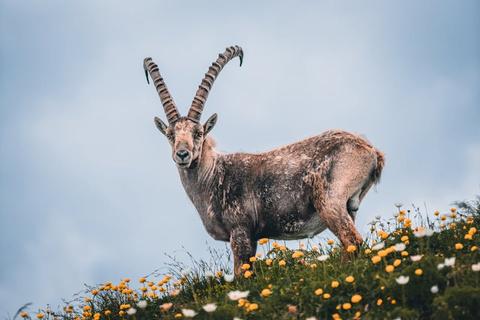
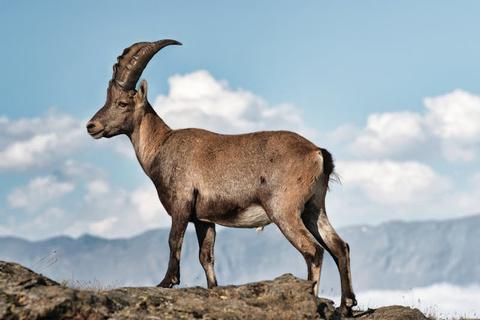
The scientific classification of the Mountain Ibex, also known as the Alpine Ibex, is as follows:
• Kingdom: Animalia
• Phylum: Chordata
• Class: Mammalia
• Order: Artiodactyla
• Family: Bovidae
• Genus: Capra
• Species: Capra ibex
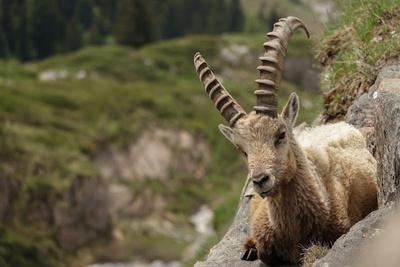
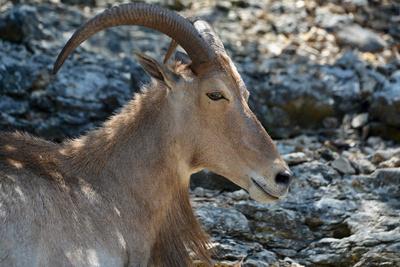
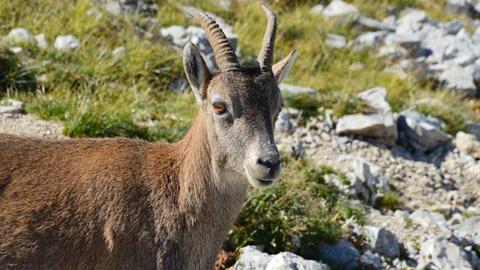
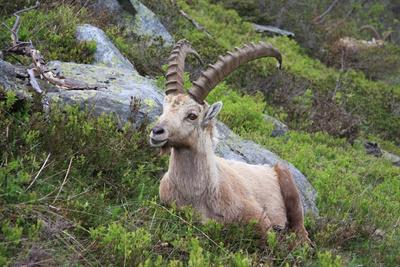
The Mountain Ibex, Capra ibex, is native to the European Alps and is known for its impressive climbing skills, allowing it to navigate steep, rocky terrain with ease.
2. Unique Characteristics
• Known for its impressive climbing skills and agility, the mountain ibex can scale steep, rocky cliffs to escape predators.
• Males have long, backward-curving horns with ridges, which can grow up to a meter in length.
• Coat colors vary by season, from light brown in summer to a darker, more insulating coat in winter.
. Economic Importance
• Tourism: Mountain ibex attract ecotourists and nature photographers, supporting local tourism industries in mountainous regions.
• Hunting: In certain regions, regulated hunting permits contribute to local economies while funding conservation efforts.
4. Environmental Importance
• The mountain ibex plays a key role in alpine ecosystems, helping control plant growth and providing prey for larger predators.
• Their presence contributes to biodiversity, supporting healthy ecosystems in mountainous areas.
5. Nutritional Value
• Ibex meat is sometimes consumed in regions where they are hunted, though this practice is regulated to ensure sustainability.
• Rich in protein and essential nutrients, though it’s less commonly available compared to domestic livestock.
6. Current Issues
• Habitat Loss: Expansion of human settlements, agriculture, and infrastructure in mountainous regions can reduce their habitat.
• Climate Change: Warming temperatures alter their high-altitude habitats, potentially affecting food availability and breeding grounds.
• Poaching: Though protected, poaching remains a concern in some areas, especially where ibex horns are valued.
• National Parks and Reserves: Many mountain ibex populations are protected within designated conservation areas.
• Legal Protection: Hunting restrictions and anti-poaching laws are in place in several countries.
• Conservation Programs: Organizations conduct research and monitoring, aiming to preserve ibex populations and their habitats.

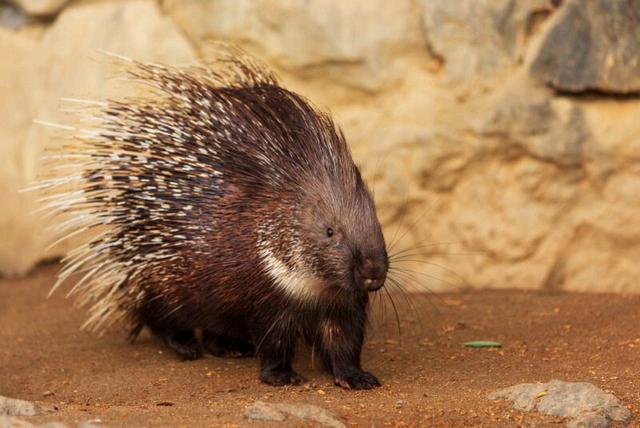
Systematic Position:
• Kingdom: Animalia
• Phylum: Chordata
• Class: Mammalia
• Order: Rodentia
• Family: Hystricidae
• Genus: Hystrix
• Species: Hystrix indica
Unique Characteristics:
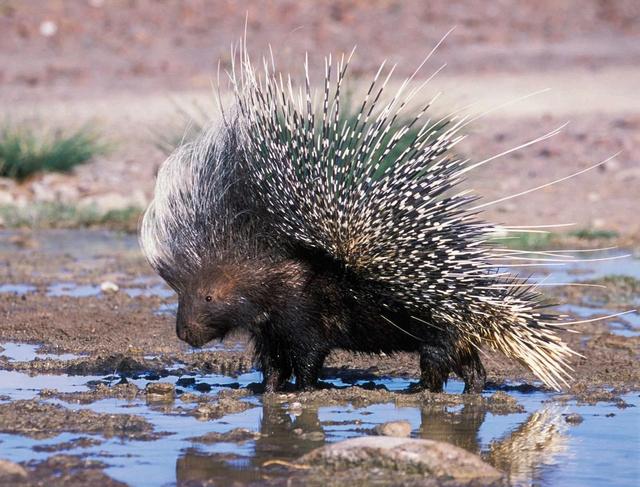
The Indian crested porcupine is distinguished by its long quills, which it uses for defense. When threatened, it raises its quills and can rattle the hollow quills on its tail to intimidate predators. It is also capable of charging backward to impale threats with its quills. The species is nocturnal and semi-fossorial, often dwelling in caves or burrows .
Economic Importance:
While the porcupine is considered a pest in many regions, including Saudi Arabia, due to its tendency to feed on agricultural crops, it also plays a role in ecosystem functions by helping with seed dispersal. Its quills are also used in traditional medicine, though its impact on agriculture often overshadows these benefits .
Environmental Importance:
Porcupines act as habitat modifiers by burrowing, which can create shelter for other animals and influence soil structure. Their herbivorous diet aids in the dispersal of seeds, which supports plant growth However, they are often seen as harmful to local vegetation due to their consumption of crops and plants.
Nutritional Value:
The Indian crested porcupine (Hystrix indica) in Saudi Arabia consumes a diet rich in roots, tubers, and bulbs, which provide high levels of fiber essential for digestion. Occasionally, it supplements its diet by gnawing on bones, acquiring calcium and other minerals that support the growth of its quills. Seasonal availability of vegetation affects its specific food intake, allowing this adaptable species to maintain its nutritional needs across different habitats.
Current Issues:
In Saudi Arabia, Hystrix indica is listed as “Near Threatened” due to habitat loss from urbanization, infrastructure development, and pesticide use. The species’ wide distribution and adaptability have helped maintain stable populations, though their habitat is declining.
Protection Efforts:
While it does not have a significant conservation status globally (classified as Least Concern), in Saudi Arabia, the National Red List identifies the species as near threatened, highlighting the need for conservation measures to mitigate habitat loss and manage its conflict with agriculture .

ZAHRA HASSAN ALRABABI
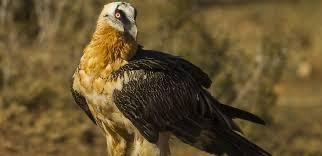
Systematic Position:
• Kingdom: Animalia
• Phylum: Chordata
• Class: Aves
• Order: Accipitriformes
• Family: Accipitridae
• Genus: Gyps
• Species: Gyps fulvus
Unique Characteristics:
The Griffon Vulture has a wingspan of up to 2.8 meters and a featherless head, which aids in hygiene while feeding on carrion. Its dark brown plumage helps it blend into rocky environments.
Economic Importance:
• Tourism: Attracts birdwatchers, contributing to ecotourism.
• Pest Control: Consumes dead animals, helping reduce disease spread.
EnvironmentalImportance:
•EcologicalBalance:Maintainsecosystemhealthbyfeedingoncarrion.
•FoodWeb:Playsacrucialroleinnutrientcyclingandpestcontrol.
NutritionalValue:
Feedsprimarilyoncarrion,utilizingahighlyacidicdigestivesystemtobreak downdecayingflesh.
CurrentIssues:
•HabitatLoss:Duetourbanization.
•ClimateChange:Affectsfoodsources.
•Overfishing:Reducesavailablecarrion.
ProtectionEfforts:
Conservationinitiativesincludenaturereservesandawarenessprogramsled bytheSaudiWildlifeAuthoritytoprotectGriffonVulturesandtheirhabitats.
Reference: