


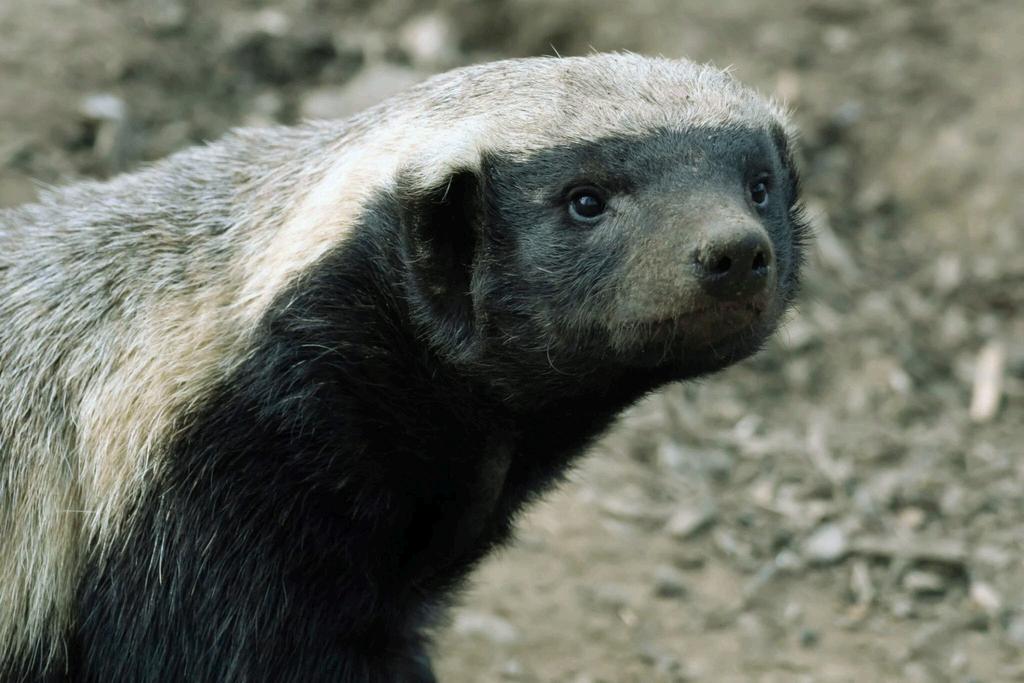
Systematic Position:
• Kingdom: Animalia
• Phylum: Chordata
• Class: Mammalia
• Order: Carnivora
• Family: Mustelidae
• Genus: Mellivora
• Species: Mellivora capensis
Unique Characteristics:.
• It has a tough, thick skin that protects it from bites and stings, making it resistant to attacks.
• It’s highly skilled at digging and climbing, which allows it to adapt to various environments.
Economic Importance:
• Agricultural Pest Control: Honey badgers help control pests by preying on insects and rodents that could harm crops.
Environmental Importance:
• Contributing to the balance of the ecosystem.
• Pest control, helping to naturally limit the spread of species that could negatively impact crops or biodiversity.
Nutritional Value:
• While honey badgers are not commonly consumed, there are rural areas where they might be eaten, often alongside other seafood dishes.
Current Issues:
• Habitat Loss.
• Climate Change.
Protection Efforts:
• In Saudi Arabia, honey badgers are protected under the wildlife conservation efforts led by the Saudi Wildlife Authority (SWA).
• The Saudi government collaborates with international organizations like the IUCN to promote conservation and habitat restoration.
Sources:

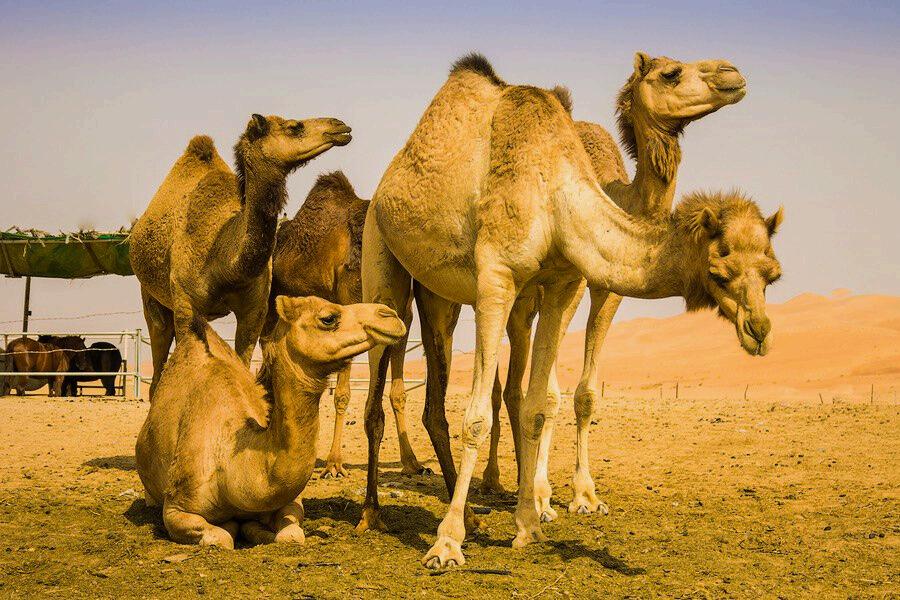
Systematic Position:
Kingdom: Animalia
Phylum: Chordata
Class: Mammalia
Order: Artiodactyla
Family: Camelidae
Genus: Camelus
Species: Camelus dromedarius
unique characteristic: has one hump that stores fat for energy, can go weeks without water, drinks large amounts at once, and can withstand high temperatures of up to 41 degrees Celsius. The camel's skin is covered with thick wool that protects it from heat and cold and It has wide feet that help it walk easily on the sand.
Economic Importance:
used as a traditional means of transportation in remote and desert areas, as they can carry heavy loads and walk long distances. Camel riding trips in the desert are considered attractive tourist activities
Camels are considered part of trade in some areas, as camels are exchanged and sold in markets.
Camel hides are used in the manufacture of clothing and shoes, and fibers are used in the manufacture of carpets and handicrafts.
Environmental Importance: contributes to the balance of the ecosystem.
Camel dung is used as a natural fertilizer, which helps improve the quality of the soil and increase its fertility. Also is used to transfer plant seeds from one place to another which contributes to the diversity of plant life.
Nutritional value:
Camel milk is a good source of protein, fat, and carbohydrates. It is high in vitamins and minerals. And may be used in some cultures to treat certain diseases and health problems.
Camel meat is also a rich source of proteins necessary for building muscle and tissue.
Current issues: Climate change habitat loos
Protection effort:
The Saudi government has enacted laws to prevent illegal hunting and trade of camels, ensuring that they are protected under wildlife conservation laws. The Saudi government has initiated various conservation programs aimed at preserving the genetic diversity of the Arabian camel. These programs focus on breeding and maintaining healthy populations.
Sources:

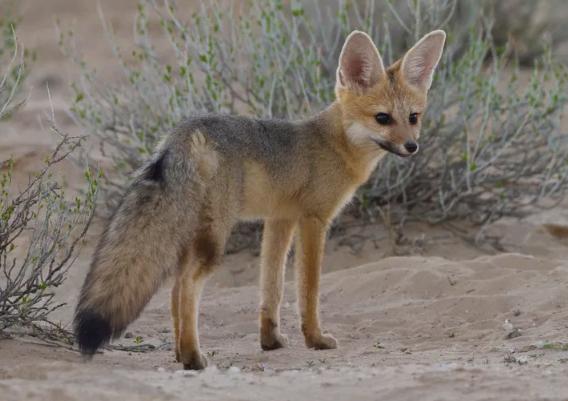
Systematic Position:
Kingdom: Animalia
Phylum: Chordata
Class: Mammalia
Order: Carnivora
Family: Canidae
Genus: Vulpes
Species: Vulpes vulpes
Unique Characteristics:.
• The Arabian fox in is well-adapted to the harsh, dry climate of the Arabian Desert. It is smaller and has lighter fur than its counterparts in colder regions, making it well-suited to high temperatures.
Large earshelp the fox dissipate heat and provide excellent hearing for detecting prey in the vast desert landscape
Economic Importance:
• Tourism: The Arabian fox is a part of Saudi Arabia's desert wildlife and can be a point of interest for eco-tourism, especially in protected areas such as national parks and wildlife reserves.
Environmental Importance:
Ecological Balance: the Arabian fox plays a critical role in keeping the population of small rodents, birds, and insects in check, thus helping to maintain the balance of the desert ecosystem.
Food Web: The fox is an integral part of the desert food web, both as a predator of smaller creatures and as prey for larger predators like eagles and wild cats. This interaction keeps the ecosystem functioning smoothly.
Nutritional Value:
• The Arabian fox does not have direct nutritional value for humans and is not hunted for food. Its indirect contribution comes from its role in controlling pests that could affect agriculture.
Current Issues:
Habitat Loss: Urban expansion, infrastructure development, and agricultural expansion threaten the natural desert habitat of the Arabian fox.
Climate Change: Increasing temperatures and shifting rainfall patterns are altering the Arabian Desert, affecting the availability of prey and water, which in turn impacts the Arabian fox’s survival.
• Saudi Arabia has dedicated nature reserves like the Farasan Islands Protected Area and the Uruq Bani Ma'arid Reserve where the Arabian fox is protected from hunting and habitat destruction. Conservation programs are in place to preserve native wildlife species, including the Arabian fox, safeguard their habitats, and raise public awareness about their importance. Legal protections through wildlife laws further support the conservation efforts, particularly within designated nature reserves.
Sources:

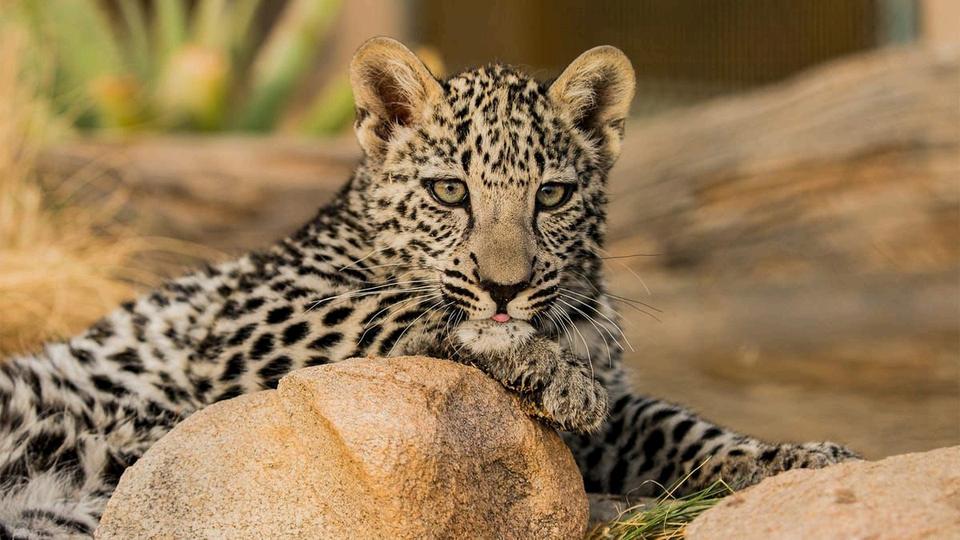
Systematic Position:
Domain:Eukaryota
Kingdom:Animalia
Phylum:Chordata
Class:Mammalia
Order:Carnivora
Suborder:Feliformia
Family:Felidae
Subfamily:Pantherinae
Genus:Panthera
Species:P. pardus
Subspecies:P. p. nimr
Trinomial name:Panthera pardus nimr
unique characteristic:
The Arabian leopard is solitary and nocturnal, relying on stealth to hunt prey such as gazelles, ibex, hares, and small birds. It has evolved to survive in harsh environments, where water and food are scarce, showing remarkable agility and endurance in rugged terrains .
Economic Importance:
The leopard’s presence supports ecotourism initiatives, which contribute to the economy through wildlife-related tourism. For example, protected areas such as those under the Saudi Green Initiative promote sustainable tourism and biodiversity, with the leopard being a key draw for visitors .
Environmental Importance:
As an apex predator, the Arabian leopard plays a vital role in controlling prey populations, which helps maintain ecological balance. Its presence signifies a healthy ecosystem, contributing indirectly to sustaining vegetation and preventing overgrazing by herbivores .
Nutritional Value:
While the Arabian leopard itself is not part of the human food chain, it relies on a varied diet that includes wild herbivores and small animals. Occasionally, due to habitat degradation, it preys on livestock, which can lead to conflict with local communities .
Current Issues:
The species faces severe threats from habitat loss, poaching, and humanwildlife conflict. Expansion of urban areas and agriculture has fragmented its habitat, reducing prey availability and increasing leopard mortality. The leopard is now critically endangered, with only a few individuals remaining in the wild across Saudi Arabia, Oman, and Yemen .
Conservation efforts focus on captive breeding programs (such as those in Taif, Saudi Arabia), habitat restoration, and public awareness campaigns. The Saudi Green Initiative aims to expand protected areas, ensuring the preservation of ecosystems where the leopard can thrive. Community involvement through education and ecotourism initiatives also supports conservation, fostering coexistence between humans and wildlife . Through these multi-faceted efforts, conservationists hope to stabilize and eventually increase the Arabian leopard population, preventing its extinction and maintaining ecological balance across the region.
Sources:

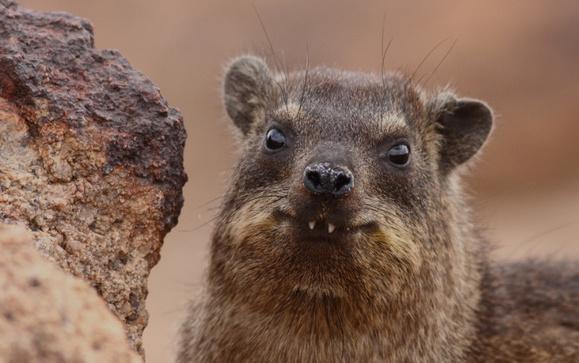
Systematic position:
- Kingdom: Animalia
- Phylum: Chordata
- Class: Mammalia
- Order: Hyracoidea
- Family: Procaviidae
- Genus: Procavia
- Species: Procavia capensis
Unique characteristics :
- Small, herbivorous mammals: The rock hyrax has short ears and tail, resembling a rodent but is more closely related to elephants and manatees due to similarities in their feet structure and teeth.
- Specialized foot pads: Their feet have moist, elastic pads for gripping rocky surfaces, enabling them to live in mountainous or rocky terrain.
- Complex social structure: Rock hyraxes live in groups and are highly social animals, often observed basking together in the sun.
- Thermoregulation: They have poor internal thermoregulation, often depending on sunlight and group behavior to maintain body temperature.
Economic importance :
- Fishing: Rock hyraxes do not contribute directly to fishing but play a role in ecosystem health, which indirectly impacts various environmental services.
- Tourism: In regions like South Africa and East Africa, rock hyraxes are part of the wildlife attractions in nature reserves and parks, contributing to ecotourism.
- Agricultural Pest Control: While rock hyraxes are primarily herbivores, they have a minimal role in agricultural pest control. However, in some areas, they can be seen as pests for crops.
Environmental importance :
- Ecological Balance: Rock hyraxes are part of the natural ecosystem, contributing to the diversity of species in rocky and mountainous areas.
- Food Web: Hyraxes are a prey species for many predators, including eagles, leopards, and large snakes, playing a critical role in the food chain.
- Pest Control: Although they are not significant in controlling pests, they do help maintain vegetation dynamics in their habitats through their grazing behavior. Nutritional value :
- Limited Nutritional Value for Humans: While rock hyraxes are not commonly consumed by humans, their meat may occasionally be used by local communities. Nutritionally, it would provide protein, but this is not widespread due to cultural and conservation practices.
Current issues :
- Habitat Loss: The expansion of human settlements and agriculture has led to the destruction of rocky habitats where rock hyraxes live, putting pressure on their populations.
- Climate Change: Changing climate patterns, particularly in arid regions, threaten their habitats and food sources.
- Overhunting: In some areas, rock hyraxes are hunted either for food or because they are viewed as pests, though this is not a widespread practice. protection efforts :
- Nature Reserves: Rock hyraxes are found in several protected areas and national parks across Africa and the Middle East, such as Kruger National Park (South Africa) and Mount Kenya National Park. These reserves help ensure the conservation of their natural habitats.
- Conservation Programs: There are localized efforts in some regions to protect the rock hyrax from habitat destruction, and they benefit from broader conservation efforts aimed at preserving biodiversity in rocky and mountainous ecosystems.
Sources :