IARFC Guiding Principles


Volume 24 No 2 Spring 2023

Ethics Approved Status is awarded by maintaining a clear regulatory record and strict adherence to the IARFC Code of Ethics through examination.

• Download Ethics Package
• Position Your Ethics Approved Seal Prominently
• Customize and Distribute Your Ethics Approved Media Release
• Display Your Certificate
• Leverage Your Status Prominently and Often
• Add Ethics Approved to Your LinkedIn Profile



27-30
Loren
Trustee Board Meetings
June 13
September 12
December 5
US Chapter Board Meetings
July 11 October 10





RFC®, RFA®, Association Members
Victor Angustia, RFC®, TX
Cody J. Burke, RFA®, FL
Courtney Jovan DeRamus, RFC®, VA
Sherri L. Desjardins, RFC®, FL
William J. Detzel, RFC®, IL
Darnell Frazier, RFC®, CO

Julie Elaine Fuller, RFA®, OH
David Justin Haring, RFC®, MT
Morgan Michele Hood, RFA®, OH
Ronald Jack Joyce, RFC®, PA
Chadley G. Lazreg, Association, NY
Jack R. Mishler, RFC®, CO
Dana Michael Powell, RFC®, TX
Sierra Nicole Steele, RFC®, AK
Antione T. Turner, RFC®, CA

Angel Richelle Way, RFC®, OH
Matthew W. Weeder, RFC®, NE
Order
Enhance
International Chapters
China 113
Taiwan 39
Philippines 25
Indonesia 12
MRFC®
Micah H. Dixon, RFC®, KY
In Memoriam
John L. Sides, RFC®, SC
CE
Chair, Barry L. Dayley, MRFC®
Vice Chair, Michael Jay Markey Jr., MRFC®
Treasurer, Monroe Diefendorf Jr., MRFC®
Secretary, Michelle K. Blair, RFC®
Trustee, Mary T. Moose, RFC®
Trustee, Kai Yuan Tu, RFC®
CEO, Leonard Simpson, RFC®
COO, Charlotte Isbell
Chair, Robert Lawson, MRFC®
Vice Chair, Mary Anne Redmond, MRFC®
Treasurer, William Peterman, MRFC®
Director, Sean Clark, MRFC®
Director, Julie Friend, Public Member
Chief Operating Officer, Charlotte Isbell
Editorial Coordinator/Public Relations, Susan M. Cappa
Director of Membership Services, Vicki Caplinger
Membership Services, Judi Nelson and Rachel Gibbs
Information Technology, Randy Kriner
United States — www.iarfc.org
China — www.iarfc.cn
Hong Kong — www.iarfc-hk.org
Indonesia — www.iarfcindonesia.com
Philippines — www.iarfc.org/about/philippines
Taiwan — www.iarfc.org.tw
Greater China Development (China, Hong Kong, Macau, & Taiwan) Chair, Liang, Tien Lung, RFC® Vice Chair, Liang, Han-Ying, RFC® CEO, Lin, Chien-Hung, RFC®
Hong Kong and Macau
Honorary Chair, Samuel W. K. Yung, RFC® Chair, Teresa So, RFC® Executive Director, Allan Wan, RFC®
Indonesia
President, Aidil Akbar Madjid, RFC®
Philippines
President, Gamalielh Ariel O. Benavides, RFC® Executive VP., Grace De Vera Escobar, RFC® Vice President, Ismael Melendres, Jr., RFC® Treasurer, Ma Arlene M. Baguyo, RFC® Secretary, Atty. Nicasio C. Cabaneiro, RFC® Director, Cynthia Rimando, RFC® Director, Allan Tamayo, RFC®
Taiwan
Chair, Liang, Tien Lung, RFC®
United States
President, Bradley K. Maples Sr., MRFC® Executive VP., Lisa Ford, MRFC® Vice President, Lemuel W. Kornegay III, RFC® Treasurer, Stephanie Yates, MRFC® Secretary, Gregory Kurinec, MRFC® Director, Paul Wharf, RFC® Director,TBD
Editorial Coordinator Susan M. Cappa editor@iarfc.org
Editorial Advisory Committee Michelle Blair, RFC® Lemuel W. Kornegay III, RFC® Mary T. Moose, RFC®
The Register is published by the International Association of Registered Financial Consultants® 2023 and circulated around the world.
It includes articles and advice on technical subjects, economic events, regulatory actions, and practice management.
The facts and opinions in the IARFC’s Register articles represent the author’s views and are not endorsed by the publisher.
The IARFC makes no claim as to accuracy and does not guarantee or endorse any product or service that may be advertised or featured.
The IARFC makes no claim to the current status of any designation or credential that is issued in the titles of contributors listed in the Register other than those issued by the IARFC® (RFA®, RFC®, MRFC®, MRFS).

The average reader has more than four years of experience in financial services and possesses at least one professional designation/credential. Articles benefit the reader by providing specific planning techniques, practice management suggestions, or educational content about financial services which might include advisory professional responsibilities, industry news, insurance, investment, software, or compliance. For the entire Register General Article and Editorial Policy, visit www.iarfc.org/register.
Articles, comments, and letters are welcome via email to: Susan M. Cappa, editor@iarfc.org







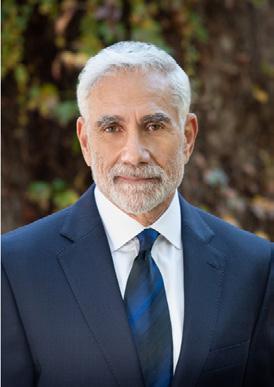
Recently the IARFC Board of Trustees have been in “think tank” mode to tell the story of the IARFC. To craft this narrative you need a cast of characters, a plot, and an idea of what you want to tell. For the IARFC it means getting to know who you are and what you believe in. What value is the Association, what makes us different.
Thanks to our new Chair, we are answering those questions by defining a set of Guiding Principles. It sounds easy but not really. The discussions are long and of course result in many opinions. We were finally able to really focus on a powerful list of eight principals that will guide us through our Association’s future.
I will admit, I didn’t realize how powerful those principles could be until I started applying them to my work at the Association. They have an emotional quality that helps me relate to the members, the clients they serve, my coworkers, and the IARFC leadership. Interesting how one exercise can change a perspective.
So how does that exactly translate in day-to-day action? With a set of guidelines that I know come from the heart of the leadership, I feel an enthusiasm to support these principles as I go about my daily tasks. What I do makes a difference. What the members do for their clients makes a difference and what we all do for the members makes the Association stronger.
From this simple set of values (page 8), we will be able to tell the IARFC story and how it is unique to the industry. These concepts will reshape the future of the Association. From these concepts, we will be held accountable.
The Trustees’ job has just started with more to come in the future. Invest in your Association that is moving forward.

Volume, Issue, Theme
Volume, 24 No 1 February
INTERNATIONAL CONNECTION
• Starting off the New Year
• MRFS and RFC Designations
• Value of belonging to an International Association
• How cultures and family dynamics influence the financial plan
• Continuing education importance in any chapter
• Servicing a cultural niche
Volume, 24 No 2 May
IT’S ALL ABOUT CLIENT EDUCATION AND APPRECIATION
• Opportunities to engage and thank clients
• Are people still doing events?
• Client relationships since Covid
• Teaching clients about good credit scores
• What to keep in that fireproof box
• Document retention recommendations
Volume, 24 No 3 August
PLAN COMPETITION, EXPAND YOUR PRACTICE, THE UPCOMING PROFESSIONAL
• What are professors teaching in Financial Services Curriculums?
The Register reaches 5,000 financial professionals every issue. Register advertising is an easy and cost-effective way to promote your company’s products and services to this dedicated audience.
Annuities, all types
Asset Management
Bonds
Disability Income
End-of-Life Planning
Loan Cancellation
Long-Term Care Insurance
Estate Planning Mutual Funds, all types
Business Planning ETFs
Business Succession
Fee-Based Planning
Charitable Giving Income Tax Filings
College Savings/529 Plans
Critical Illness Insurance
Investment Real Estate
Offshore Trusts & Companies

Precious Metals
REITs
Retirement Plan/401(k)
Life Insurance, all types Tangible Assets
Please contact us with questions, for a media kit or for assistance in developing your customized advertising, exhibit, and sponsorship packages.
Contact: (513) 424-3481 advertise@iarfc.org
• How do you know it is time to expand?
• Keeping your team rewarded and focused
• Hiring, firing, and learning from that experience
• Engage your team to work smarter and not harder
• Team Meetings - how helpful are they?
• Social Media Tips
• Is your office tech savvy?
Volume, 24 No 4 November
YEAR END ACCOUNTABILITY AND GOAL SETTING
• Consultants setting realistic goals
• Process of accountability and measuring success
• Are you an over achiever?
• How do YOU measure success?
• Relate a success story
• CPA viewpoint on working with a Financial Consultant
Every successful organization must have a clear set of principles to create a culture that will attract others and grow a vibrant global community. Over the past two months it has been my honor to work closely with the Board of Trustees to review our core purpose.
We are excited to share these Guiding Principles that will enhance our message to members and potential members.
We invite you to join us in this important mission as we lead the financial planning profession into the next generation. Invite your colleagues to join the IARFC and become certified as an RFA®, RFC®, or MRFC®. There is much more to come as we introduce new resources and benefits to our members. Stay tuned.
Vision - Clarity of purpose and direction will trigger our service to current members and stimulate consistent growth by attracting new members.
Love - Love is a matter of the heart. Our work matters and we are committed to serve our members and the public with a brand of love we call a Committed Benevolent Interest (CBI) in everyone. We are truly concerned about the outcomes for others and ourselves.
Servant - Leadership is about service. We are committed to serve our members with servant leadership as we provide resources to help them achieve their career and business objectives.
Integrity - Honesty, morality, and fairness are a bellwether of what we stand for and how we serve our members and affiliates.
Innovation - In an ever-changing profession, we are committed to introducing new ideas and methods to disrupt the status quo and support financial professionals and their business.

Proactive - In a profession of constant change, action is essential. We are constantly alert to changes and seek to become the catalyst for change and the opportunities they create.
Authentic - We are who we say we are. We invite our members to be so as well. This vulnerability builds a bedrock of trust with our members and the public.
Barry L. Dayley, MRFC®

Contact: (307) 201-8524
chair@iarfc.org
www.iarfc.org
Relevant - Relevance is essential to survival. We provide practical, thought leadership in an effort to make our membership relevant to practitioners and business owners.


You may recently have received an email asking you to join the IARFC Private US Chapter Members Only Linkedin Group. Most all of us have a Linkedin Profile, so it is easy to join. This is an excellent way to use your member benefit and connect to like-minded professionals and small communities over huge networks.
Reasons to join:
• Share best practices and learn what others are doing in their business
• Easy way to give input into the Association - fantastic feedback channel
• Find out Association news on a more timely basis
• Foster a greater sense of connection with other members and develop relationships - thus an appreciation of other members
• Two-way street between Members and the Association
• Way to understand the US Chapter
• View as more of a professional tool than a Facebook group
• Can help solve problems by throwing it out to the group for opinions/solutions
How to Join?
• Take advantage of the Call to Join from the emails that are going out or...
• Follow the link https://www.linkedin.com/groups/166514/ or
• Scan the QR Code.

All requests are reviewed for membership status.
Sadly I see this all the time. This is a public statement of you and your perceived competence as a professional. Would someone take the time to consider you when your profile pictures look like this?
No picture...
Uploading a photo is easy these days. If you don’t have a professional picture, use your phone.
No designation...
So... not putting your designation on your profile takes away from your qualifications you have earned as a financial professional - not a good idea. Why would you not use it?

International activity is increasing by volumes. The IARFC continually meets and interacts with the Chapters outside of the US. Headquarters is upping their support and keeps the communication lines open - regularly. Here’s what we do...

Keep in touch through quarterly meetings with a task list of items to complete.
Support the Chapter in the Register. Photos, event recaps, and general news get reported.
Update the Chapter’s website presence with class schedules and event dates.
Provide guests for in-person presentations, interviews, and/or podcasts.
Introduce best practices and streamline reporting of activity to track Chapter’s progress.
Personally visit the Chapters to discuss future plans and expectations.
John SmithYou can improve your FICO Scores by first fixing errors in your credit history (if errors exist) and then following these guidelines to maintain a consistent and good credit history. Repairing bad credit or building credit for the first time takes patience and discipline. There is no quick way to fix a credit score. In fact, quick-fix efforts are the most likely to backfire, so beware of any advice that claims to improve your credit score fast.
The best advice for rebuilding credit is to manage it responsibly over time. If you haven't done that, then you'll need to repair your credit history before you see your credit score improve. The following steps will help you with that.
Carefully review your credit report from all three credit reporting agencies for any incorrect information. Dispute inaccurate or missing information by contacting the credit reporting agency and your lender. Read more about disputing errors on your credit report. Remember: checking your own credit report or FICO Score has no impact on your credit score.
Making payments on time to your lenders and creditors is one of the biggest contributing factors to your credit scores—making up 35% of a FICO Score calculation. Past problems like missed or late payments are not easily fixed.
• Pay your bills on time: delinquent payments, even if only a few days late, and collections can have a significantly negative impact on your FICO Scores. Use payment reminders through your banks' online portals if they offer the option. Consider enrolling in automatic payments through your credit card and loan providers to have payments automatically debited from your bank account.
• If you have missed payments, get current and stay current: poor credit performance won't haunt you forever. The longer you pay your bills on time after being late, the more your FICO Scores should increase. The impact of past credit problems on your FICO Scores fades as time passes and as recent good payment patterns show up on your credit report.
• Be aware that paying off a collection account will not remove it from your credit report: it will stay on your report for seven years.
• If you are having trouble making ends meet, contact your creditors or see a legitimate credit counselor: this won't rebuild your credit score immediately, but if you can begin to manage your credit and pay on time, your score should increase over time. Seeking assistance from a credit counseling service will not hurt your FICO Scores.
3. Reduce the amount of debt you owe
Your credit utilization, or the balance of your debt to available credit, contributes 30% to a FICO Score's calculation. It can be easier to clean up than payment history, but it requires financial discipline and understanding the tips below.
• Keep balances low on credit cards and other revolving credit: high outstanding debt can negatively affect a credit score.
• Pay off debt rather than moving it around: the most effective way to improve your credit scores in this area is by paying down your revolving (credit card) debt. In fact, owing the same amount but having fewer open accounts may lower your scores. Come up with a payment plan that puts most of your payment budget towards the highest interest cards first, while maintaining minimum payments on your other accounts.
• Don't close unused credit cards as a short-term strategy to raise your scores.
• Don't open several new credit cards you don't need to increase your available credit: this approach could backfire and actually lower your credit scores.
• If you have been managing credit for a short time, don't open a lot of new accounts too rapidly: new accounts will lower your average account age, which will have a larger impact on your scores if you don't have a lot of other credit information. Also, rapid account buildup can look risky if you are a new credit user.
• Do your rate shopping for a loan within a focused period of time: FICO Scores distinguish between a search for a single loan and a search for many new credit lines, in part by the length of time over which you make your inquiries.
• Re-establish your credit history if you have had problems: opening new accounts responsibly and paying them off on time will raise your credit score in the long term.
• Request and check your credit report: this won't affect your score, as long as you order your credit report directly from the credit reporting agency or through an organization authorized to provide credit reports to consumers.
• Apply for and open new credit accounts only as needed: don't open accounts just to have a better credit mix—it probably won't raise your credit score.
• Have credit cards but manage them responsibly: in general, having credit cards and installment loans (and making your payments on time) will rebuild your credit scores. Someone with no credit cards, for example, tends to be higher risk than someone who has managed credit cards responsibly.
• Note that closing an account doesn't make it go away: a closed account will still show up on your credit report and may be considered when calculating your credit score.
Ready to start improving your FICO Scores? Join the myFICO Forums where thousands are on the same journey.
https://www.myfico.com/crediteducation/improve-your-credit-score
With a growing percentage of the population over the age of 60, more and more individuals are impacted by wealth distribution decisions. At the same time, more and more individuals are seeking professional advice to guide their financial decisions. Despite the growing use of financial advisors, relatively little is known about the impact that financial advisors have on actual wealth retention and consumption decisions among older adults. We seek to provide insight on this topic.
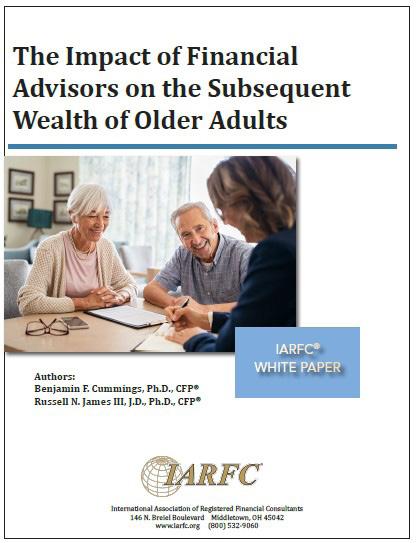
Financial advisors can have a significant impact on financial outcomes, including an impact on net worth in retirement, even long after professional advice was provided. When providing comprehensive financial advice, financial advisors may not only impact their clients’ net worth by influencing investment choices but also by advising clients about their rate of consumption, both of which impact lifetime utility. Because of client and advisor incentives, we hypothesize that otherwise similarly situated older adults with a financial advisor are more likely to experience greater wealth accumulation (or retention) over time.
We continually want to publish White Papers to share best practices with our membership. If you have a paper that could be shared, please contact the editor. We will rebrand it with IARFC formatting along with your names as authors.
Send to editor@iarfc.org
Social Security Timing® helps financial professionals expertly streamline the complexities of Social Security into powerful solutions that will maximize client benefits and satisfaction.
A subscription to Social Security Timing® gives you access to our industry-leading, patented software and our team of Social Security experts. Social Security Timing allows advisors to sort through the thousand of Social Security claiming options and identify the one that offers the highest lifetime value to clients. The difference between what most people do and what Social Security Timing would suggest they do is often over $100,000.
To receive 20% off an annual subscription, use coupon code IARFC.
Member Link: https://www.covisum.com/iarfc/

Phone: (877) 844-7213
Email: sales@covisum.com
Members 20% off
I can recall when people talked about starting or owning a business, such as a restaurant, the main mantra was location, location, location. What about a consultant and their business? Location, location, location wasn’t necessarily important but how you engaged clients such as networking events, socials, and workshops was.
In today’s age of information especially since the financial crisis to now, the new mantra for a business is content, content, content. The older way is still helpful but not as effective.

If you have talked to or looked into working with any social media marketing expert, there are two things they certainly all have in common when providing advice.
The first, you need testimonials and the second, you have to be willing to give away information to draw prospects in to convert them to clients. Some call them loss leaders. Neither of these are new concepts.
I believe testimonials and information giveaways are important. But the one thing I have learned over the years in almost any service industry business is those who have found success love to educate, teach, and mentor. I believe most want to return the gift of success by helping others. That is why there are so many training courses, books, etc. available in the marketplace today.
Technology has given us the tools and ability to now combine the two; education and the delivery method to expand our reach of education using its various outputs.
You can make the argument that with access to so much information at our fingertips, there is a point of overload. Then we all shut down or become more desensitized which means even more needs to cross our paths to jolt us out of our zombie-like mode of information in our hands - literally in our hands.
So then what is the answer? I believe this is what the science and art of marketing is all about. Here are my humbled thoughts on this matter:
The number one goal of any marketing should be focused on educating the client. I mean truly giving as much as possible to the client without regards to returned value. Sounds crazy I know. Give without a thought of returned value? Most have told me I’m nuts. Throwing questions at me like “How do you get compensated?”
I don’t mean you don’t get paid for your expertise or service. You can charge the client whatever you see fit. What I’m talking about is giving information away without concern for yourself but only the client to build your value, expertise, and credibility.
In today’s information age access to information is already out there so why not have the clients learn from you rather than someone else?
How do we focus on clients when we all take in information differently based on our personalities and preferences?
Sure we can look at our top clients and determine what their commonalities are then develop a plan to engage. This is the practice of developing your client
avatar. But what are you going to engage them with and what is going to entice them to reach out to you versus the next person?
You can have your avatar but you need to show your avatar why they are your avatar. You need to build your content and education around this avatar.
This is where we go back to education. I believe there is a huge desire of consumers, myself included, to intake content that is sincere and real. Think about this. How many YouTube videos do you watch with someone all suited up and going through various charts and graphs; versus the person who is casually dressed, talking directly to the audience informally, and addressing real life issues and examples of how we as practitioners approach that particular scenario?
Now the dress attire isn’t the part that is important here, it’s the sincerity and realness that is felt by the audience which is most important.
Studies have been done to prove that most people read at an elementary level and most speak basically the same. In other studies they talk about how after graduating high school people don’t pick up a book and read. The numbers are staggering and college graduates aren’t much better. It is becoming clearer and clearer though when engaging in conversation those who do read on occasions or more often. Please don’t misunderstand me, I’m not suggesting that those who do not read are not intelligent or do not learn.
What I am saying is that intaking content is different from reading books and articles. Here is the irony, you are reading an article now. Most of our clients are moving more and more away from their spending on your avatar. They get bits and pieces. Almost like at a snap of a finger. The question of how do you eat an elephant? One bite at a time became a reality. Shouldn’t that be our way of educating our clients too?
Here is what we do, and before I continue, please understand I’m not suggesting what we do is the right way or a better way. It’s a way that fits us and how we engage clients.
We have a client process and pretty much took the old Henry Ford assembly line approach and laid out each step. There are high level steps that have sub steps to drill down a bit more into the weeds when the time is right.
Then we create videos for each step and an explanation of what we are doing and why so the client sees the methodology and reason we are trying to be better at helping them. Is this all over kill? A decade ago I would say yes but today it’s necessary.
This has a few functions for us. One, the clients see how we are helping them, are able to explain what we are doing, and be better at referring other clients to us. Two, it also trains our staff in what we do without someone sitting there telling them to do something, review it, then tell them to do the next thing.
A common objection I get from colleagues is what if someone takes what you do and uses it for themselves. First of all, haven’t we already done that at some point ourselves? Secondly, aren’t we consultants? Shouldn’t we have a process of how we engage a client? Lastly, isn’t this the point of this article?
You see, education is a journey we are all on.
Public Association Channel
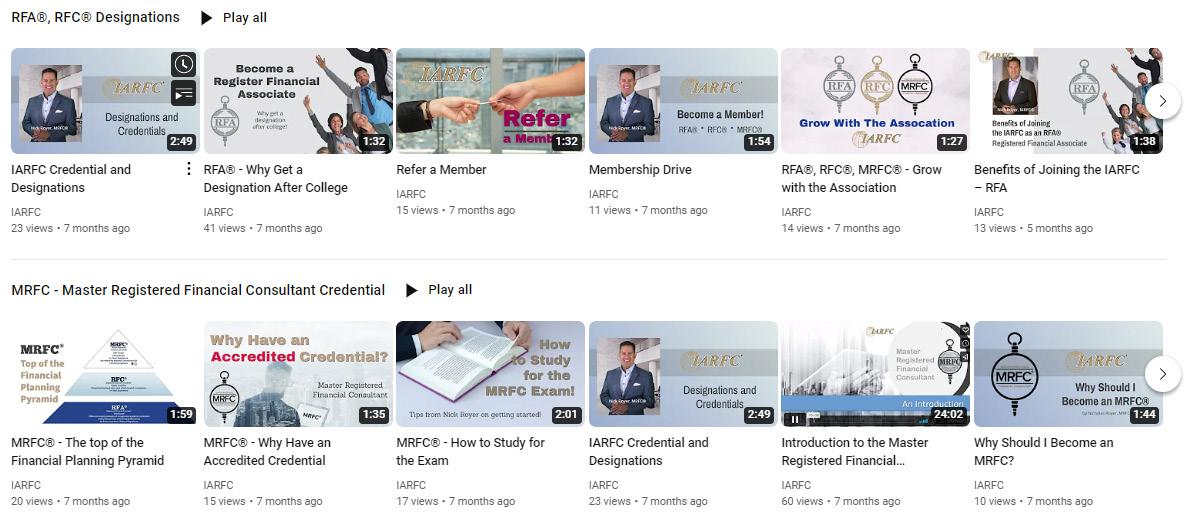
Look to IARFC YouTube for information on the Association. Our public channel has videos for the IARFC designations, credentials, benefits, awards, National Financial Plan Competition, and International happenings.


Public Philippines Tuesday Podcast
The IARFC Philippines has uploaded podcast from their Tuesday series including interviews with guests for their international series.
Private Best Practices Channel
The IARFC is asking for members to send in their podcasts that detail best practices and can be shared with other IARFC members.
Public Consumer Information Channel
IARFC Consumer channel can post your information podcasts to be shared with the public. Create more visibility by posting your podcasts through the IARFC. Members only can post.
For details on any of these channels and how to share your podcast content, contact susan@iarfc.org.

Mobile Dictation and Transcribe Service

Copytalk can help members take their business to the next level. Copytalk works with tens of thousands of Broker/Dealers, Agencies, and Producers, helping them increase their productivity while being more compliant.

They selectively partner with companies and organizations who see the value in helping their members and field producers improve their success
Contact Person
Chaz Foley
Email: chaz.foley@copytalk.com
Phone: (866) 267-9825 x428
Member Price
$64.95 per month
HERE’S SOME OF WHAT YOU’LL LEARN:
Give Yourself a Raise in 2023 & Beyond Tax Reduction Strategies for the Insurance & Financial Consultant

• WHY New 2023 Tax Law always reinforces the need to claim all business tax deductions (regardless of income)! Know the rules of your Elite Business Status!

• CHANGES to your 2023 vehicle deductions - The biggest improvement in 60 years! Choosing the right method! Simplified record keeping… PLUS, adding vehicles!
• HOW to POWER BOOST your tax deductions - Learn what taxes really cost and how conversion strategies put 50% or more back into your pocket!
• HOW TO deduct all your FAMILY’S MEDICAL COSTS - even dental - as a real estate BUSINESS expense!
• UNDERSTAND your tax professional’s role and how to partner with them effectively to reduce your tax liability.
• HOW to deduct your Home Office... simplified and safe.
• HOW to optimize the NEW and IMPROVED food and beverage deductions: Know the temporary expansion AND the 100% business classification.
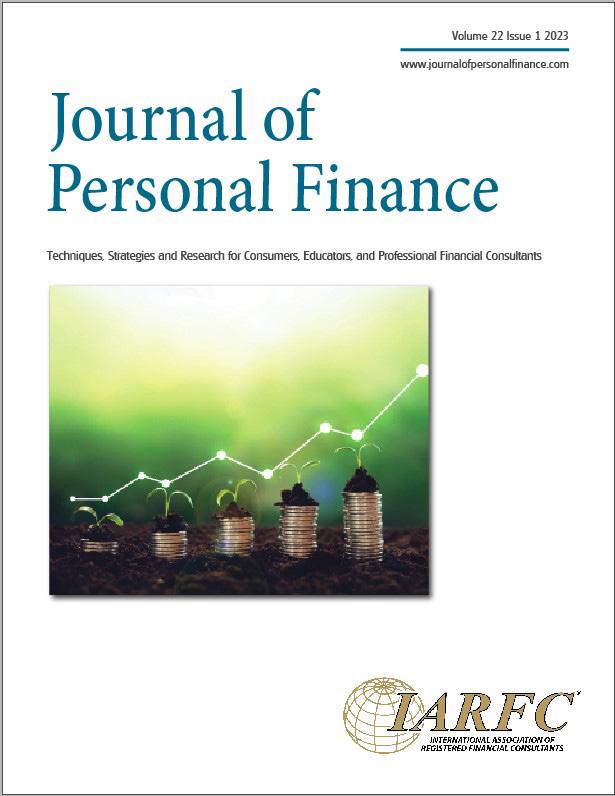
The Journal of Personal Finance encourages high quality submissions that add to the growing literature in personal finance. Since this literature spans a number of disciplines, authors are encouraged to conduct a thorough review of literature prior to submission.
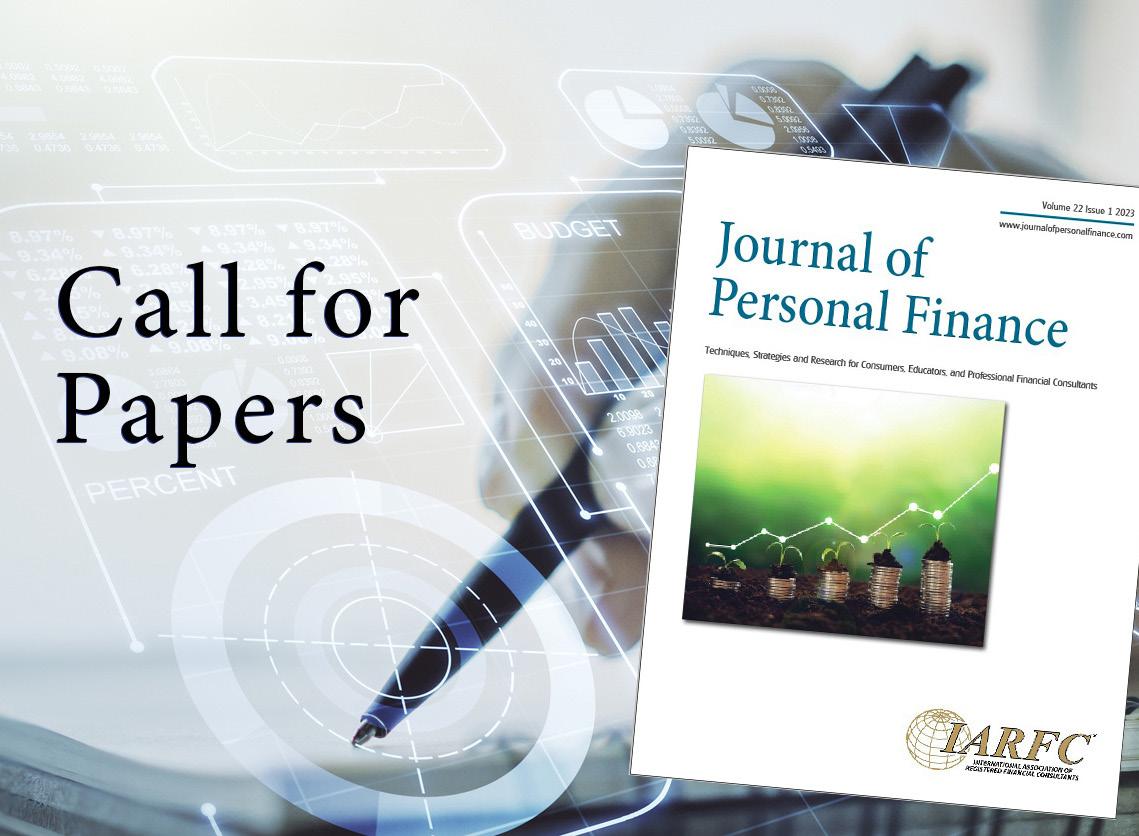
• Personal Finance Scales: A Literature Review
• The Role of Financial Advisors in Shaping Investment Beliefs
• Investment Advisor Use and Stock Market Return Expectations
• The Exploration of Contributing Factors Related to Retirement Plan Participation
• Bequest Expectations and Annuity Ownership
We are looking for original research that uncovers new insights in personal finance — research that will have an impact on advice provided to individuals. It is the goal of the editor to provide timely reviews (less than 60 days) and decisions to authors.
To submit manuscripts to the IARFC for publication visit https://www.iarfc. org/publications/journal-of-personalfinance for submission guidelines or contact jpfeditor@iarfc.org.
Register for the Journal of Personal Finance Online CE quizzes and receive both the Spring and Fall 2023 quizzes for $20. Read the articles in the Journal and then take the quiz online. The questions are provided in the back of the Journal for reference. Once you have registered, you will receive an email with a link to access the quiz.
Two (2) units of IARFC CE will be awarded to anyone who achieves a score of 70% or higher per quiz. Only one quiz submission per IARFC member is allowed. IARFC CE Guidelines for Professional Self-Study. Up to five (5) units may be claimed for reading academic journals maximum ten (10) units.
Catastrophes. Cataclysms. A series of unfortunate events.
Whatever you call adversities, we all have them in our lives. Despite the best-laid plans of humankind, events sometimes conspire to get us off track from the goals we have established for ourselves. Sometimes, these adversities come in the form of “speed bumps,” things that rattle us when we hit them in an unanticipated fashion but cause no real long-term harm. Then, there are the devastating events that are formative to the people we become.
On September 11, 2001, I was a photonics engineer. I worked as a Product Engineer for an industryleading fiber optics company, creating designs for FiOS connectors. It was high-tech and fast-paced, just the type of work I enjoyed. I was not the “typical engineer” who would prefer to hide in a dark closet, sequestered from humanity. Instead, I was outgoing and gregarious, willing to discuss anything with anybody. In my field, that orientation took me places; everyone at my plant trusted me and depended on my technical expertise and precision in creating solid designs. I was at that plant when someone rolled in a TV cart, tuned to the news, and I witnessed our country under attack. I remember everyone being confused at first,
thinking a small Cessna had lost control and stuck the tower. Then, in horror, we all watched the jet hit the second tower. That was a cataclysm. That was a formative moment. It affected all Americans, not just me, and everyone reacted in their own way. Some lined up to donate blood. Some signed on with the Red Cross to raise funds. Some enlisted in the military. I transitioned careers.
While designing FiOS components was cool, it did not serve the higher calling I found in myself that day. The higher calling was loud and clear: I needed to make a difference in the lives of real people in a real way. Clearly, I was placed here to make people’s lives better in some tangible way, and creating cable connectors was not enough. I reflected a lot in the following months about how I could interface with the world in a meaningful way. My engineering background assured I had the training to create protocols and systems and build effective designs. But what did that mean when it came to helping people do better in their lives? I searched for answers to this dilemma,
never allowing these terrorist attacks to make me angry and bitter but instead using them to propel me toward a solution. I was in the shower when the lightning bolt hit: financial planning! I could leverage the same system-design mindset so essential to engineering to create financial strategies that people could act on to improve their future! Already a hobby of mine, personal finance seemed like the perfect avenue to effect the change I sought.
How could I translate the wisdom I had acquired over the last several years into effective financial advice for families? For this to work, I knew I would need to grow into a better version of myself.
I found my opportunity when I was offered a trainee position with Citigroup’s financial planning unit. Over the next four years, I studied and

When the business you love is throttled, even briefly, it can seem like the end of the world. But it’s not… if you get better.
trained, eventually earning licenses in life & health insurance and property & casualty insurance. I earned my license as a Mortgage Loan Originator (MLO). I earned my Series 6, 63, 65, and 26. I learned to discuss financial concerns with empathy across the client’s kitchen table. In the process, I earned the highest position available at the firm: Regional Vice President. Although personal advancement was never a key consideration in my journey, it was nice to be recognized. So, then I took the next logical step: I quit!
Launching an independent financial planning firm has never been easy. Doing it on the heels of the Great Recession was certainly no walk in the park, either. “Going it alone” can be rough going, and in the first several years as a Founder, I found myself questioning my decision. But every day I went out and helped families get their financial lives in order, and that was my driving force. Could this be considered another adversity? Could this be another challenge on the journey? Some days were truly difficult, and I could have allowed those experiences to turn me bitter instead of using them to get better. Life is all about choices, and getting better is an active decision.
Life was moving forward. I had two healthy daughters, and the business was doing well. My list of clients continued to grow, and I had a plan for the future. Then came March 2020. COVID-19 hit America like an atomic bomb. All offices were ordered closed, and even though I appealed to the Governor’s office, my firm was still forced into closure. We had never used technology to communicate with our clients in the past (except for the telephone); we were used to meeting with everyone face-to-face. I felt paralyzed, as many others also did. I could have chosen to get bitter. Overnight, the government shut down the business I had been building for almost twenty years. I would have been justified to be bitter! But I chose to get better. I asked myself what I could do while I was awaiting reopening, and it occurred to me that many clients hadn’t actively heard from me in a while. So, I decided to start calling them. Every evening, I would sit down with my client list and dial them up, checking in, asking how they were, and making sure they were safe. I got a lot of positive feedback from that, but the calling campaign was naturally in the philosophy of the mission I was
on to help people. Concern for others’ well-being, when sincere, is incredibly powerful. I chose to get better.
After several months of being shut down, my family and I had a meeting about the future. We decided that life was too short not to live at the beach, and we unanimously made the decision to relocate to the Coast. We sold the house, packed our stuff, and relocated from Pennsylvania to North Carolina. The COVID restrictions were less severe in NC, and the sunshine was welcome! I opened an office in Wilmington and started doing community seminars. Eventually, we began gaining clients in NC and moved the headquarters there. The PA office is still open, and I still go there several times annually to support the PA clients, but my home is now in NC. I use Zoom daily to meet with clients “up North”. These difficulties could have easily led to bitterness. When the business you love is throttled, even briefly, it can seem like the end of the world. But it’s not… if you get better.
Catastrophes. Cataclysms. A series of unfortunate events. Whatever you call adversities, we all have them in our lives. Despite the best-laid plans of humankind, events sometimes conspire to get us off track from the goals we have established for ourselves. My wife and I recently had our third child, a healthy baby girl named Savannah in honor of our new Southern life. We are enjoying the salty breezes living by the coast. Our girls are excelling in their schooling and their life, because they have learned – through example – that life is not easy, but experiences can be used to grow into someone better. We all experience catastrophes – are they making you better or bitter? The choice is yours!
Redtail Technology, Inc. is the leader in Web-Based Client Relationship Management solutions for the financial adviser. Redtail is bringing next generation technology to the financial consultant to help them better manage their client base so that they can have MORE TIME, earn MORE MONEY, and have MORE FUN!
Whether you are looking to strengthen your client relationships, improve your team’s collaboration efforts and overall efficiency, increase your revenues and profitability, decrease client attrition, or engage in any number of other business building activities, Redtail CRM offers tools to assist in your efforts. You’ll also be happy to know that Redtail integrates widely and deeply with other popular tools in the financial services industry, which helps to eliminate redundant data entry and create consistency across the platforms you use in your daily operations.

www.DavidKinderFinancial.com
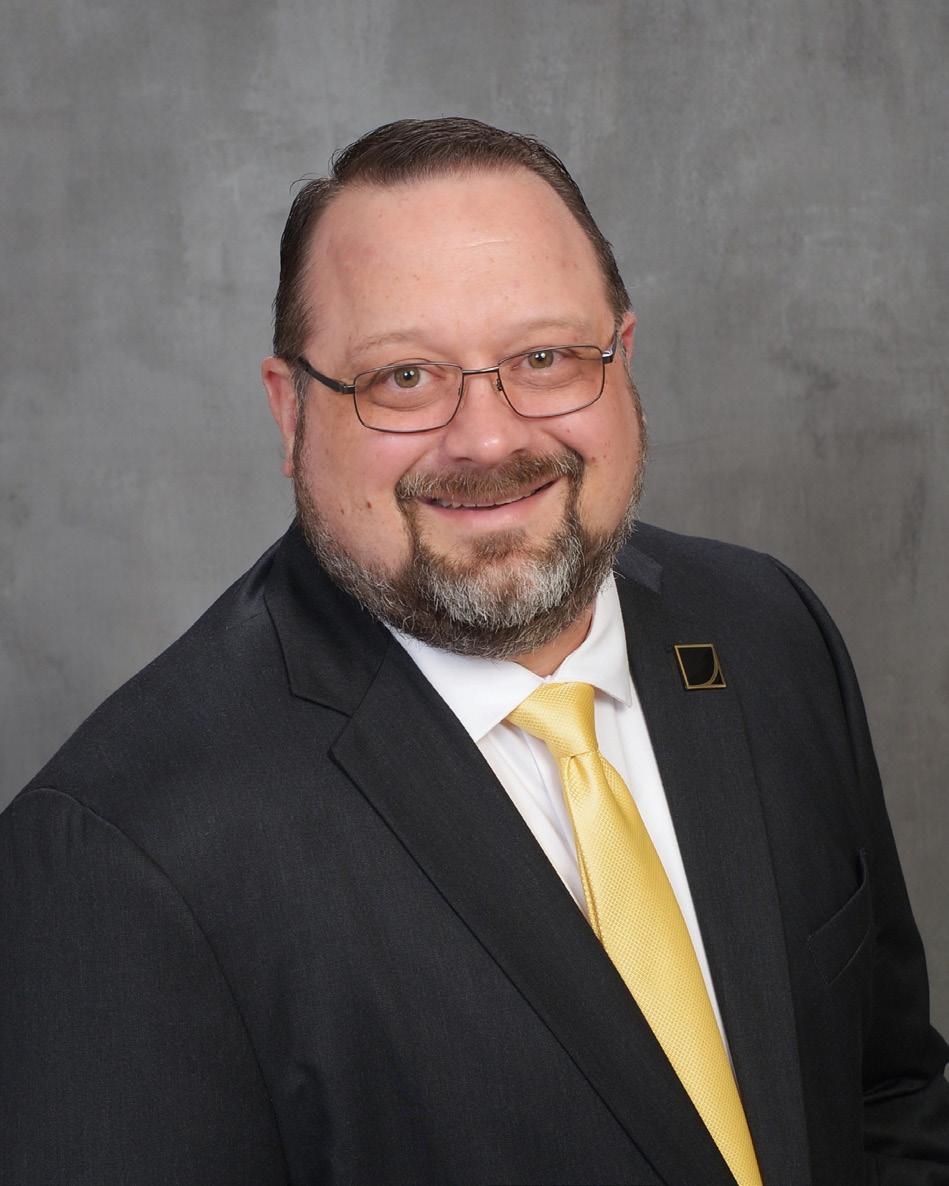
As a veteran of the insurance and financial services industry, David Kinder, RFC®, ChFC®, CLU® has served the needs of American residents and business owners, currently as a Financial Consultant with unconventional strategies to help clients accomplish their retirement income and wealth accumulation goals. Moreover, as an active member of the Association, he is sharing his expertise and enthusiasm to promote the culture of the IARFC. He will be helping us spread the message of the organization, one podcast at a time. From the Editor’s experience, David is the kind of person one can throw anything at and he will respond with a positive, constructive solution.
Register: What was it about the financial services industry that enticed you to build a career helping clients with their financial future?
David: In my early twenties, I served a teaching mission on behalf of the LDS faith. It was a unique experience! I discovered that I had a passion and a “knack” for teaching, sharing, serving, and speaking. I became aware of unique traits that I didn’t realize I had, and it seemed to come to me intuitively. I enjoy the intimate communication to help people make new and good decisions for their benefit. When it came time to choose a career, doing more of that kind of work greatly appealed to me. Financial consulting became a natural fit to do more of what I loved.
Register: What do you consider your “niche” in your services to the consumer?
David: My niche is unique. It is primarily based on shared beliefs about the financial industry and the advice surrounding it, not necessarily limited to belonging to a specific occupation. I believe that the system is broken. I believe that the common traditional advice that is being shared, ultimately benefits other parties, institutions, and government far more than the plan participants they claim to be helping. I believe that common traditional advice creates more victims than winners for those who engage in that advice. I can prove it and I advocate for a far better way.
Register: Define what you mean by unconventional strategies?
David: Unconventional strategies must first start with unconventional communication and perspective. If I can’t get your attention and show you the problems that most people have in their long-term planning, the strategies won’t mean anything.
Advocating for our clients begins with a new viewpoint. Most advisors discuss their services and client’s situation from an asset allocation perspective. I, and the financial mentoring group I am a part of, discuss and advocate for our clients from a tax code perspective.
We educate our clients on the knowledge and prudent use of the few areas of the tax code that use the word

“exempt.” Tax-exempt is different from tax-free. Generally speaking, tax-free is a preference item in the tax code, because those transactions are still reported and disclosed on a tax return. Tax-exempt financial transactions do not generate a tax form at all and therefore have no place to put those transactions in your taxes, nor the requirement to disclose that they even occurred. We teach our clients these kinds of strategies so they can retire with cash flow that is essentially “off the radar screen” of the IRS for income tax purposes using the tax code itself.
Register: Are there special considerations given to tax strategies and wealth preservation from a local jurisdictional perspective?
David: Absolutely. For example, California has one of the highest state income tax rates and brackets in the country. We’ve seen an exodus from those who are able to move out of the state because of the tax system here as well as other problems.
Most California residents don’t realize that following the common traditional advice can ensure that they end up being paid up to 6th in line out of the money they have saved. Sixth! How can that be?
In retirement, retirees have the following expenses before they pay themselves:
• Federal taxes
• State taxes as well as local county and city taxes
• Taxes on your Social Security retirement benefits
• Medicare/IRMAA premium penalty
• Investment management fees to manage your retirement assets
• Finally… you.
Here’s the more interesting part of this: The more successful you are… the worse it gets. These ripple effects grow in severity the larger your retirement portfolios become.
I believe that when the American taxpayer learns that where your money is can be far more important than what it earns, they will arrange their financial affairs differently.
Register: Since our Register theme is “Client Education,” what specifically do you provide to your own clients to increase their financial awareness?
David: The first and most important priority is to create a relationship where the client can share with you anything on their mind so they can get clarity of what they want to accomplish. A trusting relationship environment is essential to allow this to take place. Without that, all the knowledge in the world won’t matter much.
The other materials I have are various recommended books, well over a hundred blog articles I’ve written on my website, and sharing current event news articles with my comments on various social media platforms to keep my clients informed.
Register: How have you expanded your communication strategy to include social media?
David: My use of social media is unique. I use it to share current event news articles with my commentary that I want my followers to be aware of what is going on. In addition, I also use my
social media platforms to share industry developments as I have thousands of financial professionals who also follow me. I want those who follow my social media to view me as their advocate, as a resource to help them make good decisions, and to reaffirm why we do what we do in the face of negative news and economic events.
Register: Who are your favorite types of professionals to interview and why?
David: The financial services industry is a heavily commoditized industry. Professionals are often taught to look, talk, and act very similarly to each other. This is a problem for our industry and for the success of individual professionals. When I get to host a particular individual in our industry, it’s often because they have mastered a way to engage with others, communicate the problems they solve, the solutions to those problems, and their ability to solve those problems in a cost-effective manner. I get so much out of these kinds of interviews especially because I can ask them any question that is also on my own mind. When beginning new potential client
The five best practices to establishing an online podcast presence and keeping it going.
1. Who are you serving with your podcast? Who needs to hear it? Always keep them in mind.
2. Keep your schedule as consistent as possible so you can predictably engage your audience “LIVE“ and in real-time.
3. Invite guest speakers and showcase them and what they do. This grows your reputation as an influencer and connector.
4. Use streaming software to engage all your social media networks as much as possible. Even your personal connections will love knowing how connected you are!
5. Invest in good technology and branding. A quality mic, webcam, streaming software, and green screen with custom background is the new customtailored suit.
Bonus tip: Always be willing to be interviewed on other people’s podcasts and offer to return the favor. This is how everybody can grow together!
relationships, I love to work with people who “get” it and who earnestly want to “get” it. I’m part of their journey to a new understanding. I help them see the consequences of the wealth decisions they have already made and how those decisions, while made at the time with the best of intentions, may not get them to where they thought they would end up. Understanding the problems that are inherent with common traditional advice is paramount before considering another strategy. There is no better feeling in the world than when you help someone “get” it and it finally “clicks” for them!
Register: Who are the people who have played key roles in your success?
David: I am so humbled, grateful, and blessed for so many who have come before me and who have become my mentors and friends. No one succeeds in our industry without mentors to learn from. Recently at The Professionals’ Forum held in Nashville, Tennessee, I had the fantastic opportunity to meet many of my industry heroes: Van Mueller, Jim Ruta, David McKnight, and Sandy Schussel.
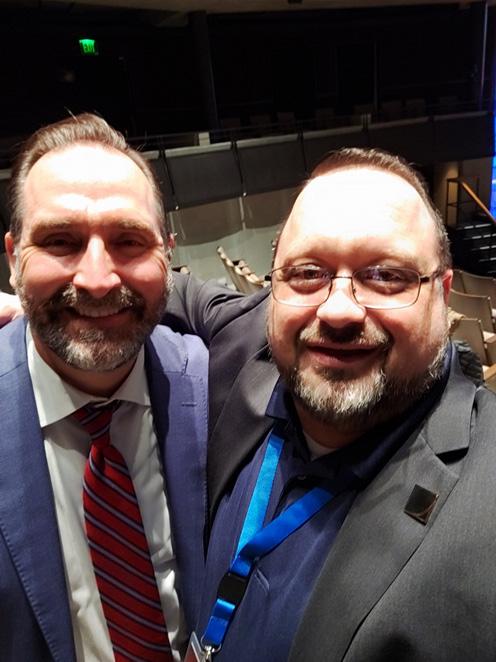
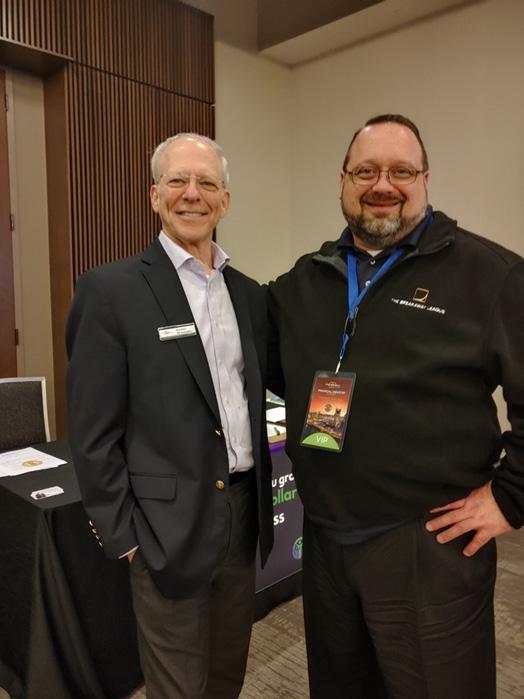
I’ll mention a few more names to whom I am grateful for their association and friendship: Sam Melamed who created the Insurance Forums discussion site and entrusted me to administer his industry Facebook group for insurance and financial professionals; Thomas F. Love, the Founder of The Breakaway League; Tom Hegna, CLU®, ChFC®, CASL® –Author, Economist, and PBS presenter of “Don’t Worry, Retire Happy”; IARFC members Lew and Jeremy Nason, RFC®
and creators of Insurance Pro Shop; and Distinguished Professor of Law Emeritus, Craig Hampton, MA, JD, LLM, LUTCF®, CLU®, CFP®, internationally known as the inventor of The Hampton Freeze.
I also do my best to champion others as others have championed me. I’ve been blessed to be able to be a resource and guide for countless other professionals, including fellow IARFC member Ron Sneller, RFC®, FICF, FSCP®, RICP® who has achieved MDRT Top of the Table honors for his client advocacy work! To have had a small hand in someone else’s success… is amazing!
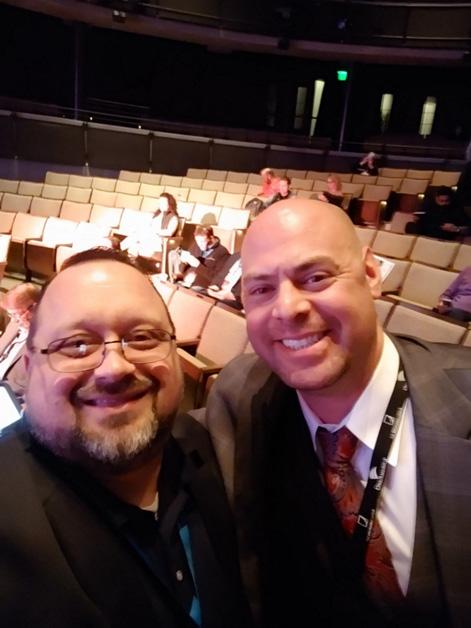
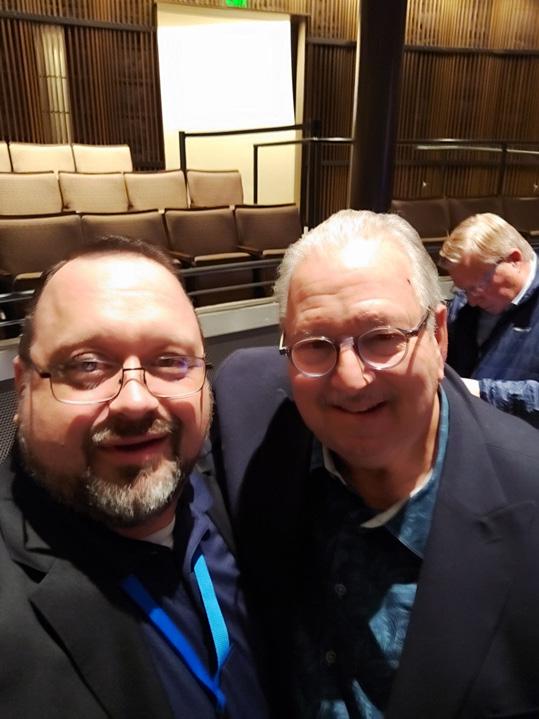
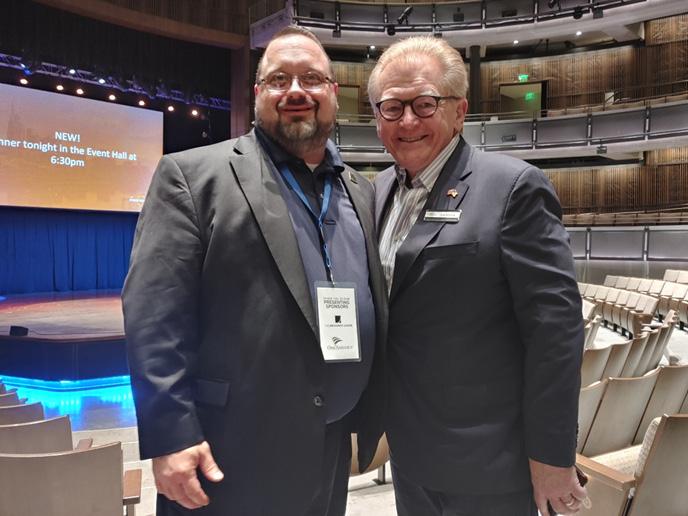
Register: Why did you get involved with the IARFC?
David: The IARFC is a unique group that helps consultants to do a better job for their clients through ongoing learning from our peers. I really appreciate the benefits of being a part of an association that helps me promote myself as a professional. I value my online membership profile and the Ethics Approved program. It is reassuring to the public to know that a non-profit association has done a background check and vetted each member and attested to their business conduct and ethics in serving their clients and community.
Register: Where do you think you will make a difference in working with the IARFC and their social media outreach?
David: The IARFC Association has been around since 1984, yet is largely unknown. I have a passion for bringing clarity to light for issues and causes that I believe people need to know and learn about. I have grown a significant following on social media and believe that all financial professionals, regardless of experience and specialization, need to learn about the IARFC and leverage their membership to new positioning and opportunities with their clients and communities. I am humbled by the trust my followers have shown in my content and advice. I believe that professionals who choose to join the IARFC will benefit as greatly as I have.
Register: Centering on your years of experience, what kind of advice would you give a new consultant starting out?
David: A new consultant needs to be on a mission or crusade on behalf of those they serve and advocate. This has to be what you want to become known for in your community. I often ask newly licensed consultants why they got their licenses in the first place. They mention all the benefits the profession can have for them.
Then I ask them this: “Who do you want to be a hero to? How? Why?” When you can answer that, you are on your way to a far more exciting career because you will know who you are and why people should engage with you. If a new consultant doesn’t have this, it can take a long time to develop on their own.
Sean Clark, MRFC® York Independents, Inc.
Contact: (717) 324-6147
The MRFC Certification Board welcomes its newest member, Sean Clark, MRFC® to the Board of Directors. Clark will help guide the accredited program in the next phase of growth to accelerate the MRFC’s expansion in the US.
Clark originally founded York Independents, Inc. in 2001 to help others access knowledge and strategies to secure their financial future. Originally trained as an engineer, Clark says the attacks of Sept. 11, 2001, awakened a desire in him to find a way to more clearly help the people in his community, and he changed his focus to financial services.
Today he is an Investment Adviser Representative, having passed the Series 65 securities exam and is licensed in Pennsylvania and North Carolina for health and life insurances as well as fixed and variable annuities. Currently a Ph.D. candidate, he is an adjunct Professor of Business of Southern New Hampshire University.
“It is my profound pleasure to be elected to leverage my years of financial planning experience in service to the IARFC. As a member of the MRFC Certification Board, I will do all I can to elevate professionalism in the financial services industry in general and in the financial planning profession specifically.”
Sean Clark, MRFC®
In the near future, the MRFC Certification Board will be holding elections. The MRFC Chair, Robert Lawson, MRFC® is up for re-election. Additionally,the Board is looking to expand its numbers.
Those of you who are interested and willing to help guide the certification program efforts, can contact the MRFC Liaison, Charlotte Isbell at: charlotte@iarfc.org.

Program Updates: The annual report for 2022 has been submitted to the NCCA.
The MRFC Certification renewal has been resubmitted and is awaiting final approval from the NCCA.

At less than $20/month, the VSA offers a collection of sales and educational tools designed to enhance customer-facing conversations.
Members gain full access to monthly newsletters, client presentations, financial calculators, fact finders, and so much more when they take advantage of the exclusive IARFC member benefit offer.
Get started with the VSA today at:
https://fsonline.com/iarfc.php
Members Discount
10% Off

Ms. Ivy Leung, LLM, LLB, BA – Program Coordinator

Senior Lecturer, School of Business, The Hang Seng University of Hong Kong
Ivy has been a legal practitioner since 2003 and her main area of practice is civil and corporate work. Before she embarked on her legal career, she had worked for listed companies and large German based corporations in the area of marketing and business development for a number of years. The working experience she has acquired in the private sector and her legal profession proves to be very useful in her teaching work as such experience provides her with practical examples for explaining and illustrating legal concepts to students. (Source: https://sbus.hsu.edu.hk/en/faculty-membersdirectory/?staffId=21153)
Mr. Bosco Yim, MSc, BSocSc (Hons)

Senior Lecturer, School of Business, The Hang Seng University of Hong Kong
Bosco was an experienced practitioner in the finance industry before joining the Hang Seng University of Hong Kong. He had taken up positions in the areas of treasury, FX trading, investment advisory, and wealth management serving individual and corporate clients in various banks and financial institutions. Bosco holds a bachelor’s degree in Economics and a master’s degree in Finance. He also obtained the professional designations of Chartered Financial Analyst (CFA), Chartered Alternative Investment Analyst (CAIA) and Certified Financial Planner (CFP). His teaching interests include financial management, corporate finance, alternative investments, and financial markets trading. (Source: https://sbus.hsu.edu.hk/en/faculty-members-directory/?staffId=21186)
Why do you think the area of Trusts is important for continuing education for the practicing Financial Consultant?
Yim: Nowadays, the high-net-worth individuals seek to pursue not only the financial needs of creating and managing their wealth, but also to consider other objectives such as the inter-generational transfer of wealth, asset protection, succession plans for family business and cross border assets, and even long-term legacies through philanthropy. Trusts provide effective solutions to these sophisticated needs and therefore the use of trusts becomes an integral part of the wealth management process. Financial consultants who are able to advise and assist clients regarding trust planning services will be highly sought after.
Why do you feel that Trusts are important to the Clients for their Estate Planning and are they just a tool for High Net Worth Clients?
Yim: The objective of estate planning is to recommend the best possible ways to preserve, accumulate, and pass on wealth. Trust structures are consistently favored by clients as viable arrangements for inter-generational wealth succession, asset protection, tax, or achieving other specific objectives. Trusts are not just for the high-net-worth clients. Anyone who is considering passing their assets to someone as they wish can benefit from using a trust. For examples, parents who want to provide for the future of their young children, people with beneficiaries who are unable to manage their property well, and people who are concerned about estate taxes can save the trouble by using trust arrangements.
In today’s society when misinformation is omnipresent and readily available, how do you help Financial Consultants and their Clients evaluate the facts on Trusts?

Leung: Knowledge in trust law should hopefully help Financial Consultants evaluate whether certain information on a trust is believable or reliable.
What are the key points contained in the Syllabus?
Leung: The key points contained in the Syllabus provide key concepts of trusts, including a brief introduction of the historical development of the concept of trusts, a discussion on various types of trusts, the concept of corporate trustees and their role in wealth management. There will be a discussion on landmark cases, particularly on the role and liability of corporate trustees.
Yim: This Trust Programme provides an overview of the use of trusts for wealth management and succession planning, the comparison of trusts with other tools such as wills, foundation and private companies, and the issues of trust jurisdiction considerations.
What do you hope the RFC professionals will take away from the Curriculum?
Leung: The participants should be able to gain a better understanding of the various types of trusts and apply them in wealth management. Further, the knowledge in trust law should help participants understand the duties and potential liability of trustees.
Yim: The participants are expected to gain better knowledge of trust, its benefits and shortcomings in wealth and succession planning, and be aware of the opportunities and challenges of using trusts in the wealth management industry.
In general, as these professionals work towards the MRFS designation, what do you think is the importance of obtaining a higher designation?
Yim: Individuals need to keep up with the ever-changing industry landscape and emerging skill gaps. Achieving training in a specific area enables professionals to get ahead in their career. Certifications and professional designations also help show that one is committed to maintaining a high level of knowledge and advancing skills in the profession. The MRFS designation would provide the financial planning industry with a standard of assured excellence from these professionals.
How is the IARFC, in collaboration with The Hang Seng University of Hong Kong, increasing the overall focus of the importance of Financial Planning as an Industry?
Yim: With the on-going changes in the industry landscape, coupled with volatile market environment and growing regulatory risks, high-net-worth clients nowadays have increasingly complex needs with conflicting

August 2023...
IARFC Trustee Chair, Barry Dayley, MRFC® will visit the Greater Asia IARFC area. Stops start with meetings in Hong Kong with Chapter leaders. From there Chair Dayley will attend and deliver an address at a major conference in Haikou. Next he will travel to Jakarta for meetings and a graduation conferments In the Philippines, he will be a speaker at their conferment and CE event along with meetings with the Philippines Board. Lastly, he will wind up his trip as a presenter in Taipei.

Trip dates are August 1 through August 20.
Dayley’s main goals will be to connect with international Chapters, listen to their needs and concerns, and return with a better understanding of how to serve these Chapters from the IARFC Headquarters.
priorities and interests. It is important for the financial planning professionals to stay ahead of the curve. IARFC, as a professional association in the financial planning industry, can help to empower its members to maintain a high level of competency.
The School of Business of the Hang Seng University of Hong Kong is committed to establish a strong link with industry, commerce, and professions. Our faculty members consist of qualified academics and experienced industry practitioners who are recognized experts in their field. IARFC and the Hang Seng University of Hong Kong can collaborate to design professional development training courses not only as a response to the industry’s need for a competent and committed workforce, but also to train and encourage new professionals to the industry with more opportunities for further career advancement.
Tuesday Podcast
International Series
2023

Philippines
Tuesday Podcast Series
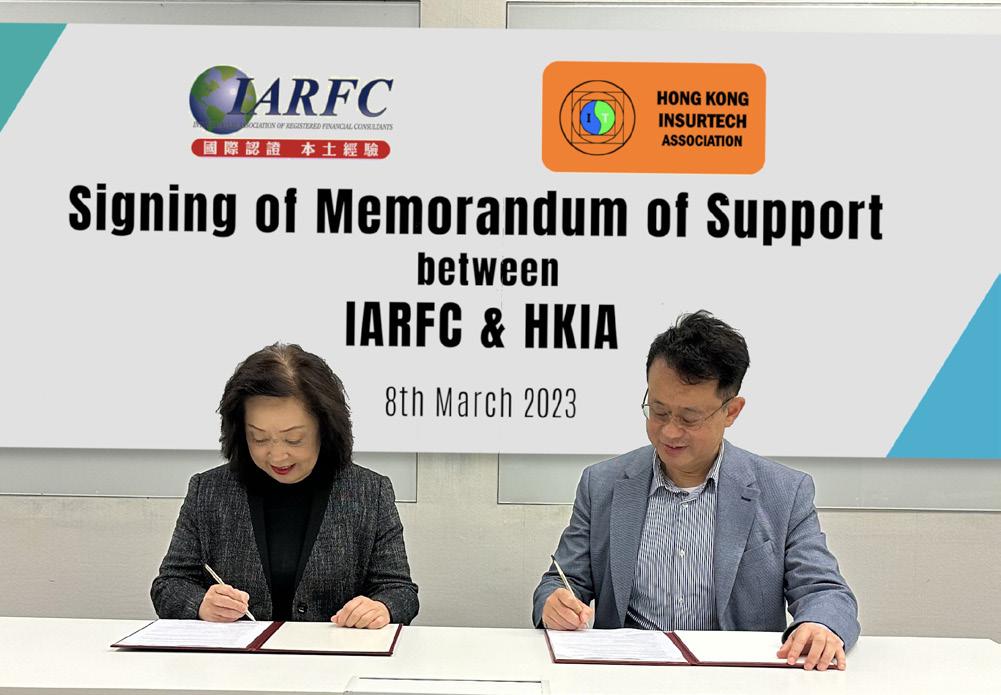
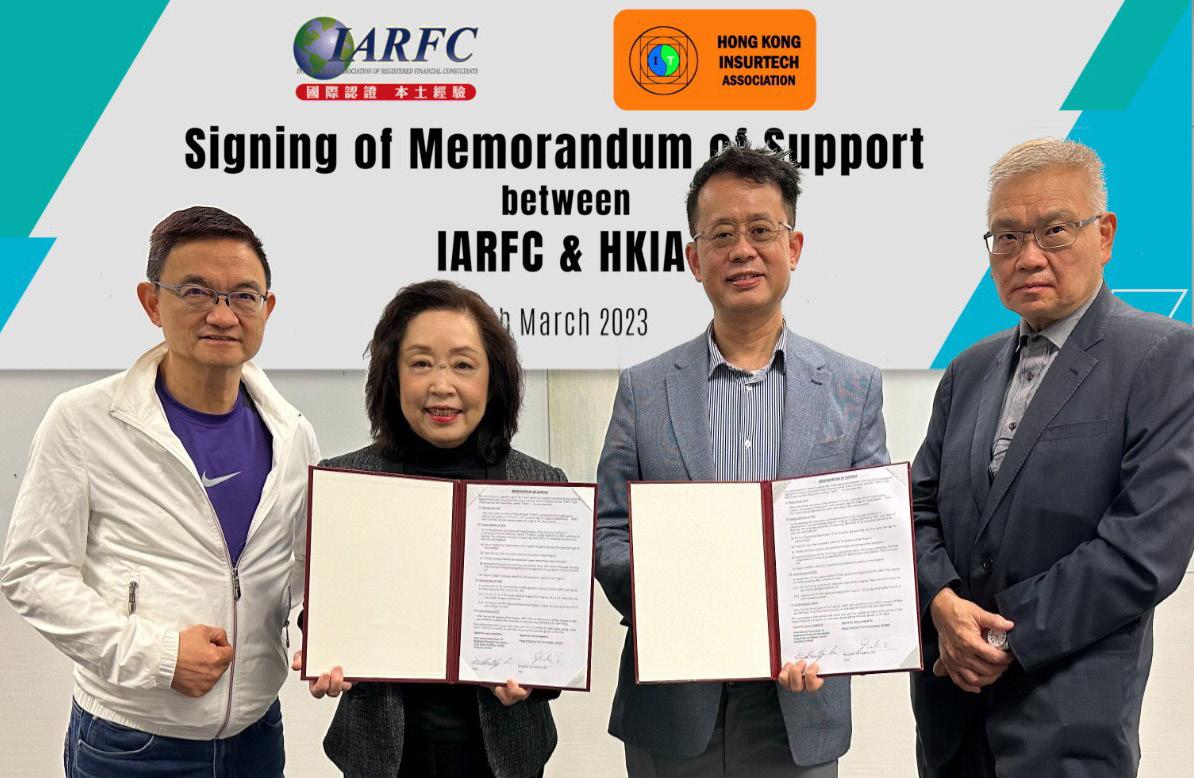
Memorandum of Support Signing (Left to Right)
Mr. Alex Shum, RFC® - Chairman, IARFC Member Development Committee, Hong Kong and Macau

Dr. Teresa So, RFC® - Chairman, IARFC, Hong Kong and Macau
Dr. Frederick Wong - President, HKIA
Mr. Allan Wan, RFC® - Executive Director, IARFC Hong Kong and Macau Centre Company Limited
A Memorandum of Support was signed between IARFC Hong Kong and Macau Centre and Hong Kong InsurTech Association (HKIA) on 8 March 2023. By the Memorandum, HKIA acts as the Supporting Organization for the Executive Certificate in Contemporary Financial Planning Program (the MRFS program). In such capacity, HKIA provides consultation oncurriculum design and updates in addition to lecturer nominations.
HKIA is led by a volunteer group of members who care about the future of Insurtech Technology in Hong Kong, Greater China, and Asia. Its mission is to enhance the advancement of insurance industry of Hong Kong by adopting new technologies with innovative collaboration cross over various sectors, as well as formulating disruptive business models. (Source: https://insurtech.org.hk/)

Guest Lineup
David Kinder, RFC®
Top of Mind Awareness
Monroe Diefendorf, MRFC®
Cultural Impact of an International Association/Money Wealth Transfers

Aidil Akbar Madjid, RFC® Indonesia Market and Practices
Stacey, Cara, Alana Kahan, RFCs
Women in the Financial Services
Flexibility as a Career
Visit
The IARFC welcomes a “reboot” of the Indonesia Chapter headed by experienced IARFC leader - Aidil Akbar Madjid, RFC®. Aidil’s CV starts in the late 90s with his undergrad education at Loyola Marymount University and his MBA in Finance at Woodbury University - both in Los Angeles, CA. From Southern California Aidil, RFC® navigated in 2001 back to his Indonesian homeland where he immediately became involved in the Financial Services Industry.
His recent work history includes:
• Purwantara - Technical Advisor & Acting CFO
• Everyscale Indonesia - Country Manager & Community Manager
• Galad.id - President Director, Indonesia

Jakarta, Indonesia
Mobil: +62.878.7724.7877
Email: akbar@aamandassociates.com
aidilakbarmadjid@gmail.com
Register: Explain how you became involved in the IARFC?
Aidil: I was a member of the IARFC back when I was working as a Financial Advisor at American Express Financial Advisors (now Ameriprise) in the United States.
Register: What is the market interest in Indonesia for Financial Consultants?
Aidil: Mostly investments - a lot of millennials are concerned about establishing and maintaining an education fund and/or retirement fund, buying their first home, and becoming a sandwich generation.
Register: Why do you think designations are important?
Aidil: A designation brings value to your service as a financial advisor, people will trust you more. It means running your practice with guidance –under a code of ethical conduct. At the
• IARFC - President, Indonesia Chapter
• AAM and Associatiates - Senior Financial Advisor/Senior Partner
• Bregaswaras - Founder and Chairman
• Kelas Cerdas - Founder and Chairman
• Moneesa & Rizkanna - Founder and Chairman
All these positions deal with digital applications for insurances, online training, financial consultation and control, and blockchain & crypto asset management.
end of the day, it brings peace of mind to the client knowing that their financial planner is competent and obeys the laws and regulation pertaining to the financial planning profession.
Register: What is the outlook for the IARFC Indonesia Chapter?
Aidil: The outlook for the IARFC Indonesia Chapter is good and growing with the support from the IARFC Headquarters.
Register: What is the importance of being part of an International Association?

Aidil: Financial planners learn best practices from others globally. The IARFC sets a high standard for financial planners - meaning their Mission and designations are similar around the world. It gives more credibility and increases the trust level of the clients.
Register: How has the IARFC Headquarters been supporting your efforts?
Aidil: It is very supportive. We now have meetings on quarterly basis and share regular reports. IARFC Headquarters is always ready to support the needs from the Chapter around the world.
Register: Relate some of your future IARFC goals?
Aidil: IARFC Indonesia right now is part of the group that will shape the future regulation of financial planning in Indonesia. We were invited for FGD from OJK (Financial Services Authority) of Indonesia for discussion about regulating the financial planning profession. We were also invited by OJK along with other financial associations in Indonesia to provide and increase the financial literacy rate in Indonesia.
With these roles we hope it will result in more IARFC recognition to the Indonesian market and by regulators thus bringing more people to obtain designations from the IARFC Indonesia Chapter.

Thanks to Robert Laraia, RFC® who has served on the IARFC Board of Directors and whose company Northstar Wealth Partners has been a corporate sponsor of the IARFC National Financial Plan Competition. We appreciate your service to the Association

The US Chapter Board will be looking for a qualified individual to step up into a Director position. This is an opportunity to give back to the Association and the financial services industry by volunteering your time and expertise.
The Board meets quarterly (or more frequently if necessary) to carry out the planning for the Chapter, discuss issues that have been presented, and interact with the Board of Trustees.
Those who wish to be considered, can contact the US Chapter Board Liaison, Vicki Caplinger at vicki@iarfc.org.
A plane traveling a great distance can totally miss its intended destination by miles, tens of miles, and even hundreds of miles if it veers even a degree off course. With winds and other factors, this can happen quite easily. A hiker traveling without visual reference points or through uneven terrain can get off course, turned around, or even travel in circles. A boat sailing the seas is acted upon by wind, waves, and currents resulting in changes of direction. Even a boat that is apparently floating in place will drift because of these issues. Minor changes or deviations in course and flight path can cause minor, even major difficulties in reaching destinations. This is why pilots constantly monitor their course, hikers check their bearings and use reference points and a compass, and sailors must constantly adjust their bearings. The more distant the destination, the more critical these course corrections become. Heading across a hill, through a bay, or a flight between two close cities is not as hard, but distance will add to the difficulty of any journey.
These truths hold true in financial planning, advising and consulting. A financial trip through time, market ups and downs, changes in the economy, interest rates, and other risks can alter the effectiveness, and course of our planning. A client’s health, job status, spending, and other factors can affect it as well. A sequence of return problems, at the beginning of retirement, can drastically change the trajectory of a portfolio, no matter how well planned.
So what do we do as planners, advisors, and consultants to take care of these concerns? We need to constantly monitor the plan and make course corrections as needed. Much like pilots adjusting course, hikers changing direction, or sailors adjusting the wheel, we need to make these adjustments. Sometimes, the corrections are small and almost imperceptible. Sometimes greater changes must be made, and sometimes severe modifications will be necessary. These could include a restructure of assets, cutting expenses, changing required contributions, and/or pushing back a retirement. This could be stressful on the planner, advisor, or consultant. It could be even more so for the client, but the consequences could be even more dire if not acted upon with prudence and allowed to become a problem that can’t be solved. Much like a plane, ship, or hiker that doesn’t arrive at its destination, a plan that doesn’t do what it was intended to is a disaster. Checking options and rerunning projections are some of the ways to verify that course corrections are needed.
As planners, advisors, and consultants who care for our clients, and have a responsibility to look out for them, let’s make sure we monitor the path and progress of the plan as well as make or at least suggest course corrections as they become necessary or advisable. In this way, we help them get to their intended destination and hopefully in the time that was allocated.
Dunton Lifetime Achievement
Founder’s Members
Editor’s Choice Ambassador
For information on all the Awards given in 2023 visit: https://www.iarfc.org/events/awards
This award is made in honor of the founder of the IARFC, John J. Gargan. It is presented to persons who have delivered significant service to the operation and growth of the International Association of Registered Financial Consultants.


• Past or present Board Director, Officer, or Committee Member
• Professional designation or credential holder awarded by the IARFC
• Clean regulatory record
• Member of good standing for a minimum of 5 years
• Adhere to the IARFC Code of Ethics
• Most importantly, they must have contributed to the growth of the IARFC membership by referring members and by holding or attending events that additionally help expand (above and beyond) the visibility of the Association
“It’s important to recognize individuals who have contributed their time and effort in leadership roles for the IARFC. I can’t think of a better person to honor with the Founder’s Award than our Trustee Chair, Barry Dayley. In the past he has been on the MRFC Board, supported the IARFC National Financial Plan Competition and is now the Trustee Chair. As a creative thinker and goal setter, he brings to the Association a forward thinking dynamic that will change the way the IARFC is perceived in the financial services industry. Being on the Board, I look forward to supporting his future vision.”
Michael Markey Jr., MRFC® - IARFC Trustee Vice Chair

Generally regarded as the “Father of Financial Planning”, Loren Dunton organized financial professionals in the late sixties and with their help created the financial planning movement. Dunton developed associations, magazines, colleges, university programs, and foundations. He used his experiences to frankly explain what all financial advisors now recognize - that the ethical sales of financial products and the delivery of competent advice is a noble calling.
Loren Dunton was a man of vision who cared deeply about both financial consultants and consumers. The Loren Dunton Lifetime Achievement Award was first conferred in 2000 at the IARFC Financial Advisors Forum. The selection committee has strived to honor consultants who have demonstrated effectiveness in carrying the message of responsible financial stewardship to the public and have high ethical and professional standards.

"It is my distinct privilege to be accorded this honor from the IARFC. I promise all my MRFC and RFC brothers and sisters and other collegiate professionals that I will continue to conduct myself in the manner Loren envisioned when he founded America's Financial Planning Profession.

Kifer is a retired U.S. Air Force Fighter Weapons School “Top Gun” Instructor Graduate and the 1995 International Air Forces “Navigator of the Year”. With more than 30 years’ experience in Insurance and Financial Services, he has served as a licensed/credentialed adjunct faculty instructor for the 3 top nationally accredited financial services academic institutions in the USA. Kifer has completed the curriculum requirements for 19 financial professional designations and obtained his Masters of Science Degree in Financial Services (MSFS) in 2012.
He is an internationally recognized speaker, author, and educator with appearances on Fox, CBS, ABC, and NBC. Main stage presentations include presentations to Harvard Business School and the US Military Academy at West Point. In 2001, Kifer was named “America’s 1st Retirement Advisor of the year”.
It's incumbent on all of us to never forget that all whom we serve are relying on us for their financial futures and grace us with their trust and confidence."
Alan Kifer, MRFC®
Alan
Kifer, MRFC®
AZ

The Ambassador Award is bestowed to those persons who endeavor to represent their Chapter in carrying out the mission of the International Association of Registered Financial Consultants. Each IARFC Chapter may award up to 3 Awards annually.

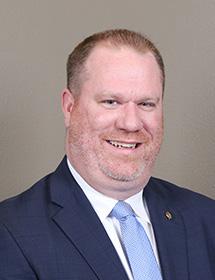
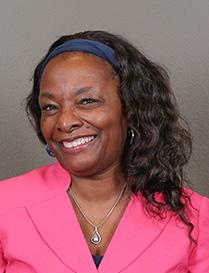





Presented annually in appreciation to top IARFC members who have brought the most newly qualified professional consultants who join the ranks of the Association.

Just as consultants value referrals from their clients, the IARFC benefits from members who refer others to the IARFC. These three long time members pass on their experience with the Association and feel it is a good choice when looking for a practical and long standing group that truly backs their designation/credential. Many thanks for their support and passing along the Mission of the IARFC to others!
The Editor’s Choice Award recognizes outstanding achievement in contributing to the success of the publications of the IARFC. Whether in creative writing, editing, proofing, research, or editor committee participation, the recipient’s passion, talents, vision, and inspiration in achieving excellence regarding the public persona of the Association is greatly appreciated.
Specifically, Janelle Rettig has performed the task of the Journal of Personal Finance Layout Designer in a timely and professional manner. Her attention to detail and meeting publication deadlines has been important in consistently giving Association Members their member benefit. The IARFC appreciates her dedication.
 Janelle Rettig JPF Layout Designer


Partnering with others strengthens the IARFC community of consultants. The Association continually seeks and forms alliances with other organizations and businesses to provide members with discounts for services and products necessary to their practice. Members can log into their IARFC membership profile for a complete listing and more explanation.
• Advisor Controls (discount of $20.00 per month)
• BuyingPower AT&T, Office Depot (discounts up to 50%)
• Copytalk (discount of $20.00 per month)
• DACFP (discount of 20%)
• EP Navigator (discount of 25%)
• FMG Suite (discount of at least $20.00 per month)
• Group Insurance Benefit (highly affordable Group Rates, Open Enrollment for new members)
• Income Insight (discount of 20%)
• Kwanti (discount of 10%)
• MoneyGuide ($300.00 off the Pro and Elite version)
• MyRepChat (discount of $15.00 per month)
• Redtail Technology, Inc. (discount of 10%)
• RightCapital (discount of 10%)
• Riskalyze (discount 10%)
• Selling without Wrestling
• Smarsh Archiving (discount of 10%)
• SmartRisk (discount of 20%)
• Social Security Timing (discount of 20%)
• Success CE (“Package Pricing” of $29.95)
• Tax Clarity (discount of 20%)
• The Business Source, Concise summaries of books (70% off)
• Totum ($100.00 off the Pro Plus annual subscription)
• VSA (discount over 16%)
Randy Kriner, Information TechnologiesTeam Member for the IARFC, additionally coordinates the Strategic Alliance Committee for the Association. The purpose of the Committee is to oversee the development of strategic alliances with other associations and institutions. It also ensures the relationships with other alliance partners do not violate the IARFC Code of Ethics or construe a conflict of interest.

Most likely you have seen the advertisement for Bradford Tax Solutions and the seminar they are offering to the IARFC Members. This is a new member benefit. Sign up (on page 14) for their Zoom Seminar and take advantage of what they have to offer IARFC Members.
As always, if you come across a program or product that you think would benefit others, contact me at Randy@iarfc.org
We are continually on the lookout to enhance your IARFC membership.
The relationship between Bitcoin and Ethereum’s pricing is often used to compare investment opportunites. For example, Ethereum was 2,002.73 USD to Bitcoin’s 30,360.50 USD at 1 p.m. on April 13, 2023 – a difference of 15.16 times. In the past few years, that difference was about 20 times
My recommendation until The Merge was 75% bitcoin and 25% Ethereum for the invested amount, my updated recommendation is now 50% each.
This is the narrowest differential since May 2021. Insiders have suggested that The Merge is the catalyst for Ethereum to overtake bitcoin as the world’s largest coin by market capitalization as early as Q4 2023.
Investors are still trying to gauge the impact of its merge upgrade that transitioned the network from bitcoin’s proof-of-work to the more energyefficient proof-of-stake
Digital gold is often applied to bitcoin due to its immutability (cannot change a previous block) and resistance to change and censorship.
The foundation of a decentralized, blockchain-based internet – or web3 – is Ethereum.
The demand boom for Ethereum will continue to increase due to the soaring popularity of non-fungible tokens (NFTs), digital art, and media tokenized on their blockchain.
There are about 18,000 altcoins (cryptocurrencies other than Bitcoin). A majority of them will not be around in five years. Many are trading for well less than a penny per coin, so there is a much greater risk in these types of coins. For my clients, I only recommend bitcoin and Ethereum.

For our example, we will use a welldiversified portfolio of $100,000. One percent is the amount we will risk in BTC and ETH
Our initial investment is $1,000 Because of market volatility, we will invest $250 over four months (dollar cost averaging) – a safer way to enter a volatile market.
If you or your clients have a strong aversion to risk regardless of the reward potential, don’t invest in digital assets It would be better to avoid this new volatile asset classification for peace of mind. Also, don’t look at your return or loss daily, as that is not good for your psyche.
To learn more about crypto, sign up for newsletters from https://www.coinbase. com/home, Coinbase
https://www.forbes.com/newsletter/ cryptocodex/#694d66cf3534, CryptoCodex, or the Bitwise Investor Letter https:// bitwiseinvestments.com/crypto-marketinsights/the-bitwise-investor-letterjuly-2022
Do not try to time the market as it is too volatile. Be an investor, not a trader
Use the dollar cost average method or set buying parameters on specific dips. EXAMPLE: My last buys and next buy of BTC or ETH will be when either goes below a specific amount. You determine the reasonable buy price or entry point.
If you invest in digital assets and lose all of your money, your invested net worth will go down by about 6/10th of 1% (0.006), based on a $100,000 portfolio
Your gains could be a multiple of 1,000x or more over the long term.
Bitcoin’s price rose 70% during Q1 2023 compared to 7% for the S&P 500.
Since the first year of ownership, I have never sold BTC or ETH. The industry
term is “HOLDER.” You buy with no intention of selling over the short or medium term. I am following the pattern of large institutional buyers like Mass Mutual ($100,000,000 in BTC + $5,000,000 in NYDIG), other insurance companies, hedge funds, and large corporations that want a long-term hedge without regard to short-term volatility. They are buying BTC, ETH, and publicly traded or Trust ETFs.
Many conservative companies are buying during the dips with no plans of trading or shorter-term selling and as a way to bolster their treasury assets.
The most notable is business intelligence firm MicroStrategy, which has accumulated 140,000 BTC after first investing in the cryptocurrency in August 2020.
MicroStrategy plans to hold BTC “through adversity.” Core Scientific, BTC Miner Marathon Digital Holdings, Square, crypto exchange Coinbase and crypto investment firm Galaxy Digital are among the largest bitcoin holders.
Countries: El Salvador holds the most Bitcoin, with 2,301 BTC in its treasury. Among others are Finland and Ukraine.
In August (2022), PayPal (about 435 million active users) and Square (about 30 million active users) bought almost all of the newly minted bitcoins plus additional open market buying.
BTC inventor Satoshi Nakamoto, inspired by the Global Economic Crisis, wrote the Bitcoin Whitepaper entitled Bitcoin: A Peer-to-Peer Electronic Cash System in October 2008. He wanted people to be able to send money to each other with no intermediaries such as banks or credit card companies, wire services, etc. The time to send money before bitcoin was approximately four days, costing 6.5% and up. After bitcoin, the cost went close to zero and transferred in two to three minutes.
The smallest bitcoin unit is a Satoshi; there are 100 million to a coin, eight decimal points.
When Bitcoin is spelled with a capital B, it is about the Bitcoin network. When spelled with a small b, it is about the coin
If you would like to download a digital asset glossary, go to https://www.metaco. com/digital-asset-glossary/
BTC is a finite number at 21 million, while ETH is infinite.
The first cryptocurrency transaction was for two pizzas for 10,000 BTCs on May 22, 2010, not purchased directly from a pizza shop, but paid to a friend to buy and deliver the pizzas. At today’s value, it is about $190,000,00 At its high, it was worth about $680,000,000.
There may be a dispute over which government agency or agencies will oversee or control the crypto market since the FTX debacle.
FTX: Their attorneys stated that FTX may reopen sometime in the future as it navigates bankruptcy, allowing their creditors to convert a portion of holdings to a stake in the reopened exchange.
Of the $8 billion initially stated losses, they have recovered about $5.5 billion. Sam Bankman-Fried (founder), faces as many as twelve criminal charges regarding FTX
Learn More: My first course about Blockchain and Digital Assets was through the Digital Asset Council of Financial Professionals https://dacfp. com/.
I then took a more advanced course to acquire the Certified Digital Asset Advisor (CDAA) designation through Interaxis https://www.interaxis.io/.
Mel Cohen, RFC® CFP®, CDAA, is the managing partner of Inspired Authors Press LLC. IAP is a publishing company geared to advise self-published authors.

He has recently been included in the 76th edition of Marquis Who’s Who www.24-7pressrelease.com/ press-release-service/495829
Contact: (931) 446-9150
Email: mel@practax.net
Website: inspiredauthorspress.com/
Advisor Controls prioritizes improving efficiency and productivity with easy-to use solutions for understanding and advancing clients’ retirement income stories: The Retirement Plan Simulator. In just minutes, a consultant can input data and walk their clients through the retirement planning process, engaging them every step of the way, and identifying strengths and weaknesses.
Advisor Control’s proven processes will simplify and seamlessly deliver a compliant and optimized retirement income plan.
Use code IARFC at checkout for a $20 discount on your monthly subscription — available exclusively to IARFC members.
Member Link: https://advisorcontrols.com/iarfc/ Phone: (309) 633-2308 email: support@advisorcontrols.com

“You can never thank people enough.” This is a cardinal rule of fundraising. People like to receive recognition. Put another way, you can drive the desired behavior if you lavish praise. How does this tie into engaging with and thanking clients?

One of the problems people across different professions feel is we are doing a person a favor by taking them on as a client. If it is a store, you are giving them good service. If it is a profession, you are delivering what they want. When you fly on American Airlines, the last thing you hear is something like: “We realize you have a choice in air travel. Thank you for choosing American Airlines.” The primary job of the airline is to get you to your destination safely. They achieved that, but they are taking the extra step of choosing one airline over another.
Financial consultants quickly learn clients like to be entertained. Years ago, I remember hearing about a client who wintered in Florida who asked a reasonable question. “We see all these ads about (firm) doing dinner seminars in our area. We are clients at (firm). You are our consultant. Can we attend those dinners too?”
The client/prospect dinner. These have been around forever. You organize a small dinner party at a high-profile restaurant. Perhaps a marketing partner like a wholesaler helps with the
expenses. You invite a good client to attend, asking them to bring along a co-worker or neighbor. A good expression is “Someone I might be able to help.” The client gets an elegant meal and the “price of admission” is to bring a potential prospect. Everyone gets to know everyone in a relaxed setting.
The client recognition dinner. If you have organized client recognition dinners you have seen the following problem. Your client says: “Thanks for the invitation. I always wanted to visit that restaurant. I cannot think of anyone to bring, but don’t worry, I will be there. You can count on it.” Uh oh! The plan was to meet new prospects. That isn’t happening. The approach another consultant took was to say: “I’m sorry, I wasn’t being clear. That’s the next dinner! We will be having our client appreciation dinner next month. You will definitely be invited to that one. This is a different dinner. This gives you the opportunity to introduce us to people you think we should meet.
The client recognition dinner becomes a “free event” clients can attend, which they consider a perk of being a client.
The referral recognition dinner. I came across an consultant in the South who hosted an annual dinner for clients who referred prospects. The only way you got invited was to have made the effort to bring the consultant and a new
person together. As I recall, the consultant also presented an award or two for the person who referred the most prospects and the person who has consistently referred prospects year after year.
Sending champagne on a cruise. Years ago, I served on a museum board. When you are a financial consultant, you often get aligned with the fundraising effort. I needed to approach different board members. Some I knew better than others. There was a woman who I barely knew and I realized if I sat down with her and made my request, I might get a polite no. Through the grapevine I learned she and her husband were crossing the Atlantic on the QE2 that summer. A few more inquiries got me the approximate time and there was only one scheduled crossing. That must be it! One of the features of Cunard is the number of formal evenings onboard. People dress in tuxedos and long gowns. I called Cunard’s customer service number and arranged to have a bottle of champagne delivered to their dining table on the first formal night.
Imagine the scene: Eight people in tuxedos and long gowns seated around a table. The sommelier arrives with an ice bucket and champagne glasses. “This is a treat! Who is it for?” The bottle is presented to the board member and her husband. “Who is it from? What does it say on the card?”
The card read: “Hope you enjoy your crossing as much as we did – Bryce and
Jane.” The people around the table most have asked “Who are these thoughtful people?” The board member needed to explain we served together on the museum board.” They probably needed to say nice things about me too. I did not need to call for that contribution. The check arrived at the museum a couple of weeks after the ship docked.
Sending gifts at Christmas. I have been with our financial consultant for almost 30 years, ever since I transitioned into management and needed to give up my clientele. She sends a Christmas card every year along with a box of chocolate truffles from a famous New York chocolatier. Awaiting this box of chocolate treats has become a Christmas tradition, along with my thank you telephone call. The card is handwritten and signed by all the members of her team.
The quarterly cocktail event. A local RIA in our area would host a client/ prospect event every three months. It was organized around a food and wine theme. Tequila and Tex Mex food is an example. I think they had some financial support from a money manager, who was also present. Clients would be invited along with local luminaries who would be considered prospects. It was held in a good sized conference room at their office and featured flat screen TVs showing pictures taken at previous
cocktail events. It was lively and drew a good crowd. Clients were encouraged to bring guests.
Firms have specific rules about how you can recognize clients and the amount of money you can spend. This amount is usually nominal because it is not a rebate on fees. In Asian cultures, gift giving is a often sign of respect for an ongoing business relationship. You are using the same logic
Bryce Sanders is President of Perceptive Business Solutions Inc. He provides HNW client acquisition training for the financial services industry. His book, Captivating the Wealthy Investor is available on Amazon.
Bryce M. Sanders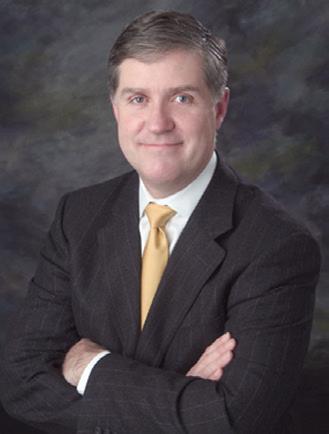
Contact: (215) 862-3607
brycesanders@msn.com www.perceptivebusiness.com

Want to distribute a WOW factor to your prospects and clients? Those who write for the Register can order reprints of their articles to impress their clients and prospects.
These professionally reproduced handouts can be purchased in quantities of 50 or 100. Articles have the Register cover on the front and a customized back page with your personal information.
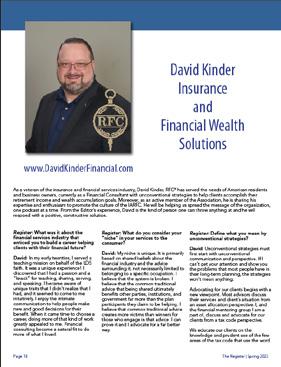
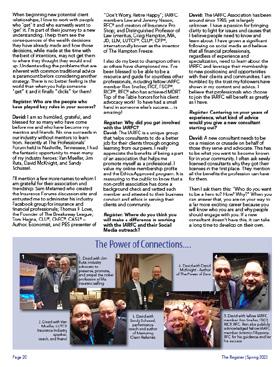
Contact the editor@iarfc.org for pricing and availability.
The average reader of the Register has more than four years of experience in financial services and possesses as least one professional designation/credential.
The readership is educated, experienced, knowledgeable, and involved in the industry.
Articles benefit the reader by providing specific planning techniques, practice management suggestions, or educational content about financial services, which might include the consultant’s profession responsibilities, industry news, insurance, investments, software, or compliance.