
Why the Future of Giving Depends on Youth Engagement:
A Perspective from Ian King Los Angeles
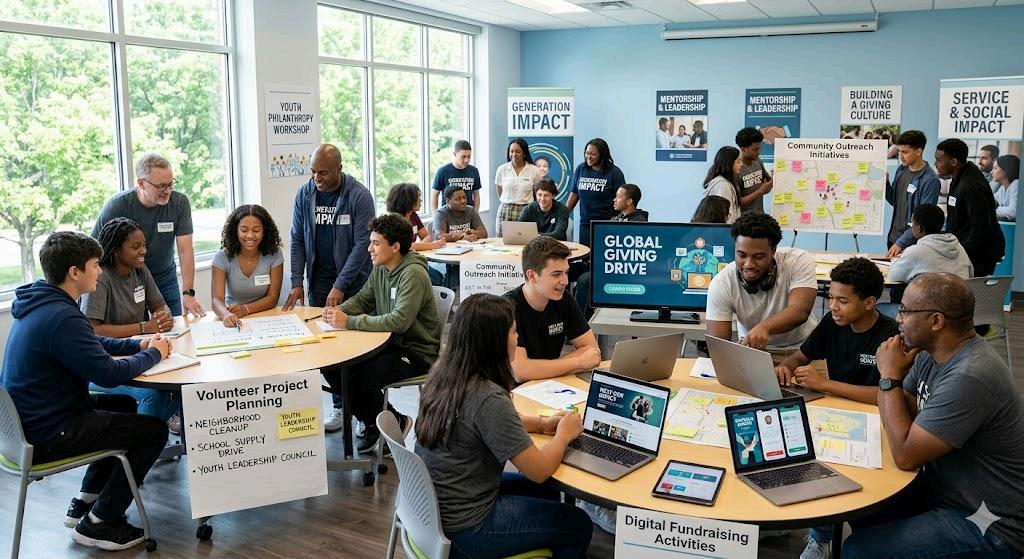
Philanthropy has always played an important role in supporting communities and creating positive change However, its long-term success depends on the willingness of younger generations to become involved As social challenges continue to evolve, engaging young people in charitable efforts is essential for building a culture of giving that can last for decades. One of the most effective ways to achieve this is through youth philanthropy programs, which introduce younger individuals to the value of service, leadership, and community impact Ian King Los Angeles has often highlighted the importance of inspiring future generations to see philanthropy as a meaningful part of their personal and professional lives
A key factor in engaging young people is making philanthropy relevant to their interests and values Younger generations are often passionate about issues such as education, environmental sustainability, social justice, and community development. When philanthropic opportunities align with these interests, participation becomes more meaningful and impactful
Education also plays a critical role. Teaching young people about charitable giving, volunteerism, and social responsibility helps them understand how individual actions can contribute to larger solutions Schools, community organizations, and nonprofit groups can
provide valuable opportunities for learning through hands-on experiences and real-world involvement.
Technology has further transformed the way younger generations engage with philanthropy. Digital platforms allow individuals to support causes, share information, and participate in fundraising efforts more easily than ever before Social media and online campaigns have made it possible for young people to connect with causes that matter to them and inspire others to get involved
Mentorship is another important element. Experienced philanthropists, community leaders, and nonprofit professionals can help guide younger individuals by sharing knowledge and providing opportunities for participation These relationships help build confidence and encourage long-term commitment to charitable causes.
Organizations that encourage next-generation leadership often create stronger and more sustainable philanthropic programs By involving young people in planning, decision-making, and project development, organizations can benefit from fresh perspectives while helping future leaders develop valuable skills.
In addition, creating opportunities for meaningful participation is essential Young people are more likely to remain engaged when they can see the impact of their contributions. Volunteer projects, fundraising campaigns, and community initiatives that demonstrate measurable results help reinforce the value of philanthropy and encourage continued involvement
Community giving culture is strengthened when younger generations feel empowered to contribute and make a difference. Ian King Los Angeles believes that philanthropy becomes more effective and sustainable when it actively includes future leaders By investing in education, mentorship, and meaningful engagement opportunities, organizations can inspire the next generation to carry forward a tradition of generosity and social responsibility.