29th IAKS Congress
28-31 October 2025, Cologne
Creating high-performing facilities for an active future
PROGRAMME
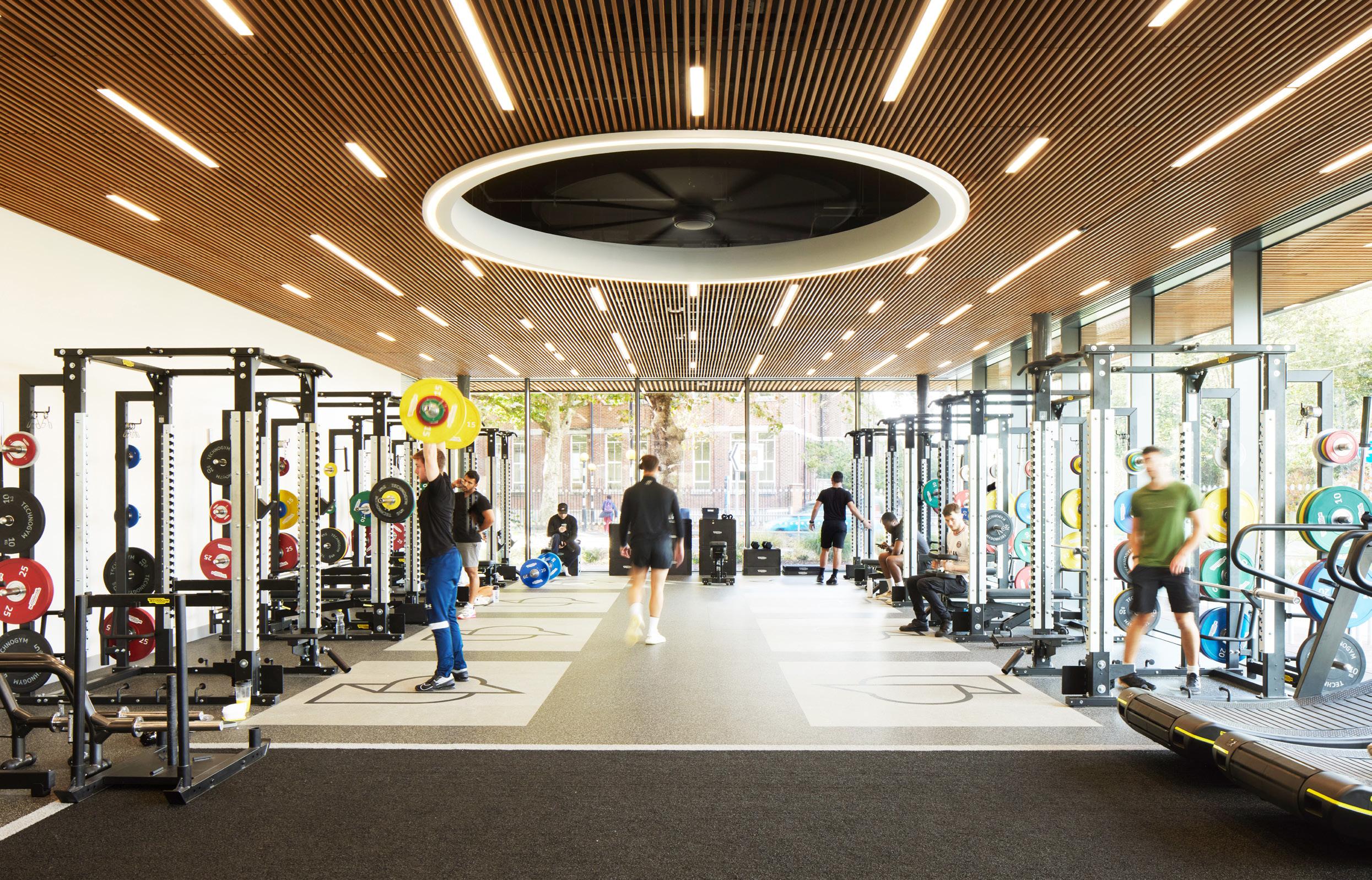
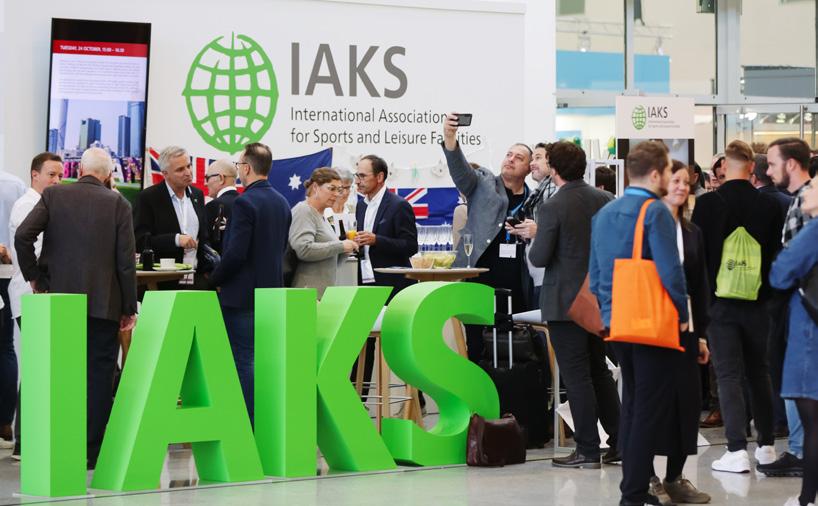

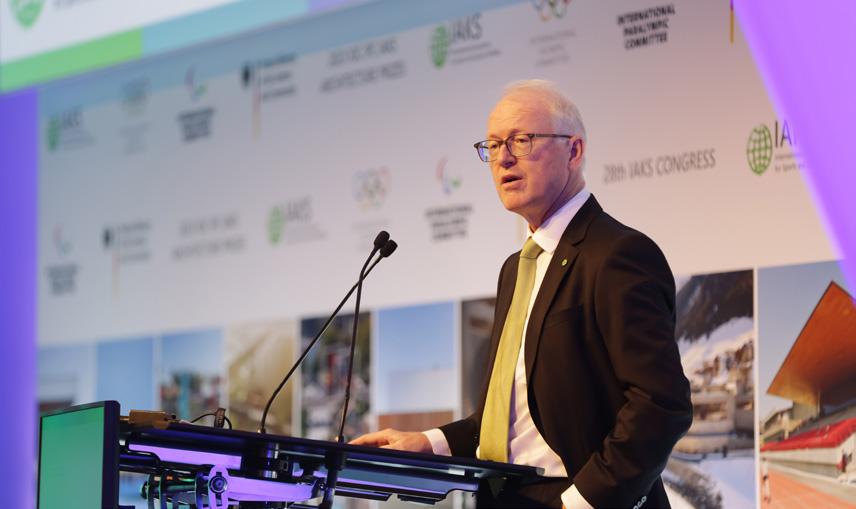
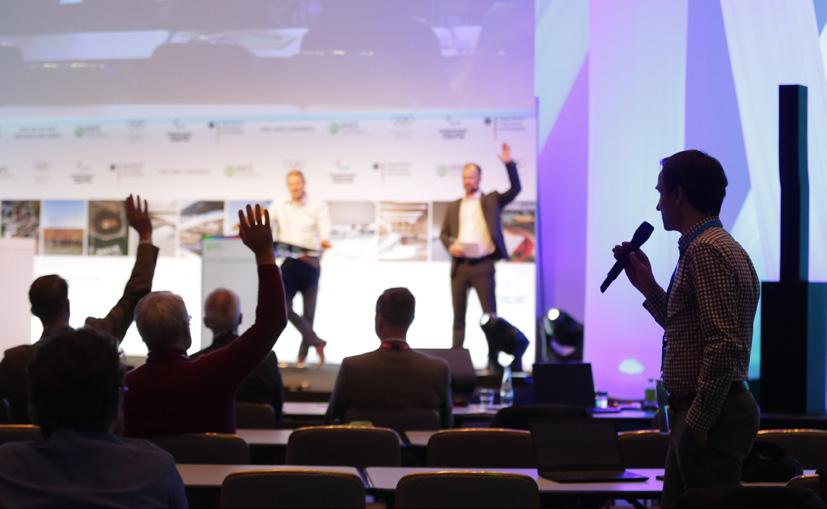


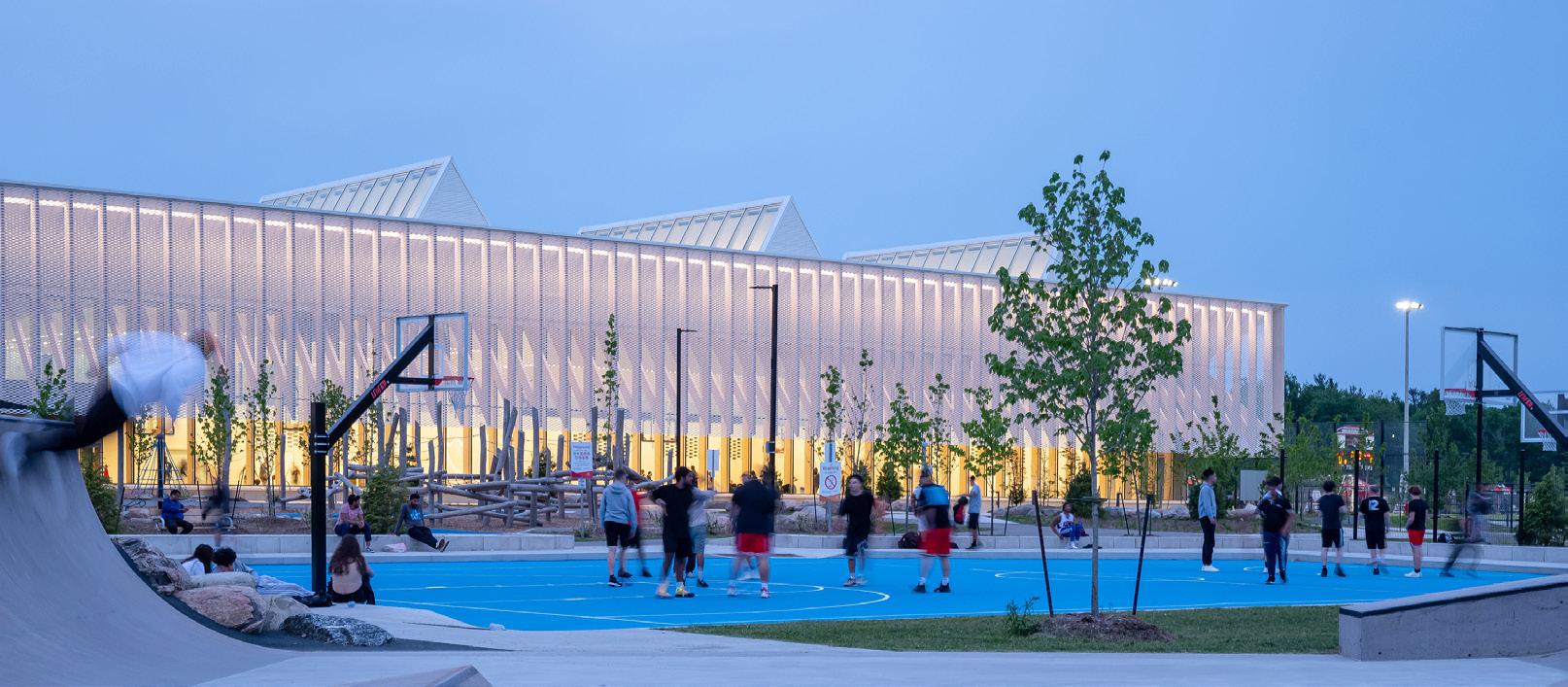
©Richard Chivers
28-31 October 2025, Cologne
Creating high-performing facilities for an active future
PROGRAMME
TUESDAY, 28 OCTOBER 2025
11:30 h – 13:00 h: Strategies towards net-zero sports and leisure facilities
13:30 h – 15:00 h: Reducing the embodied carbon
15:30 h – 17:00 h: The public value and social return on invest of physical activity and recreation infrastructure
17:00 h – 18:00 h: Happy hour for IAKS members and friends
18:00 h – 22:30 h: 2025 IOC IAKS Architecture Prize Gala*
WEDNESDAY, 29 OCTOBER 2025
10:15 h – 11:30 h: Economically sustainable facilities

11:45 h – 12:45 h: Who are we building for? Inclusiveness and circularity
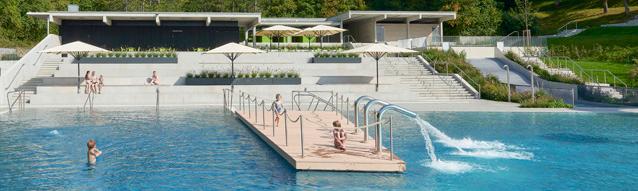
13:30 h – 14:45 h: Sustainable public pools: Design, technical and operational concepts
15:15 h – 17:00 h: IAKS General Assembly (only for IAKS members)
17:00 h – 18:00 h: Happy hour for IAKS members and friends
19:00 h – 22:30 h: Nations’ night and D-A-CH evening for IAKS members*
THURSDAY, 30 OCTOBER 2025
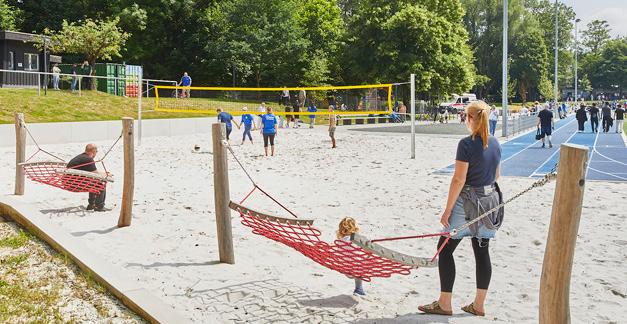
10:15 h – 11:15 h: Outdoor activity areas: Integrated planning and shared usage
11:30 h – 13:00 h: Changing the Narrative: Sustainaiblity for the next generation of sports surface – It’s here already! 13:30 h – 14:30 h: Beyond the court: The sports hall for the future
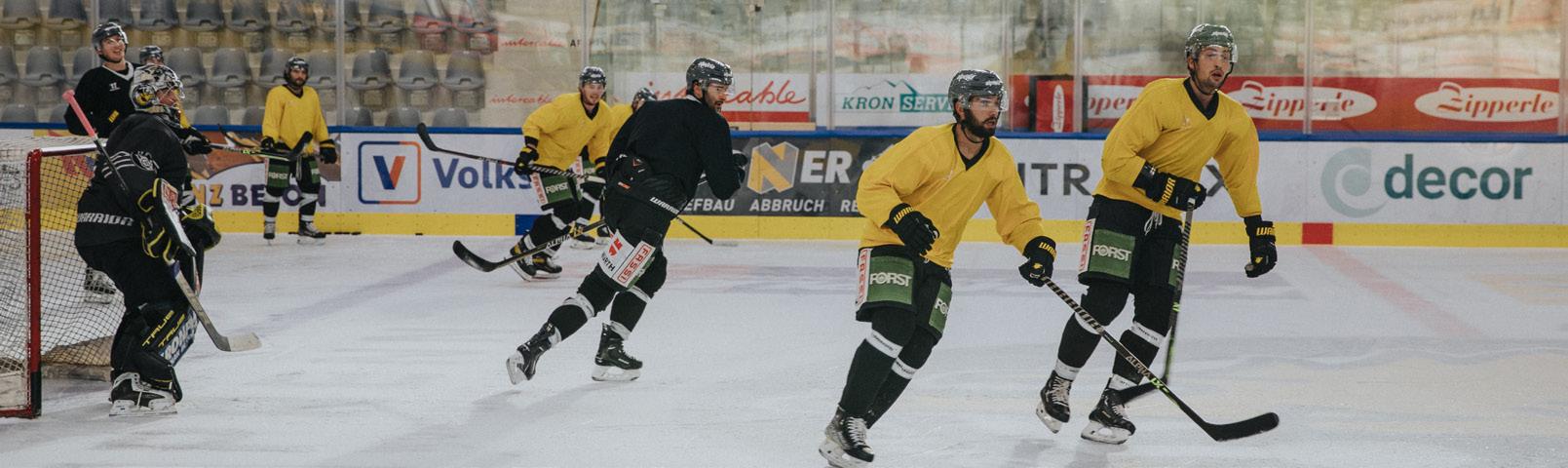
14:45 h – 15:45 h: Future-proof models for ice arenas
16:00 h – 17:00 h: Stadia as drivers of social and environmental sustainability
17:00 h – 18:00 h: Happy hour for IAKS members and friends
FRIDAY, 31 OCTOBER 2025 Programme coming up soon
*Gala und Nation’s Night are not included in ticket
Information and tickets: iaks.sport/congress Simultaneous translation: German/English/Spanish Venue: Congress Centre North of Koelnmesse Messeplatz 1, Entrance North 50679 Cologne, Germany Tickets + Venue
Our partners





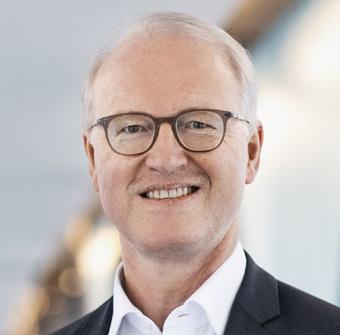
Dr Stefan Kannewischer
Dear m embers and f riends of IAKS,
A warm welcome to the IAKS Congress and FSB 2025!
Owing to the increasing demands on sports and leisure facilities, the 29th IAKS Congress is focusing on the performance of facilities. With fewer resources, they have to generate greater benefits for users and society while at the same time reducing their environmental footprint. High performance is therefore demanded not only of the top athletes among their user groups, but also of the facilities themselves.
The upheavals on the energy market and the ever more noticeable climate change are significantly raising the demanded level of ecological sustainability. While specific solutions are available for ongoing operations and are already being implemented, e.g. for heat generation, the carbon embodied in buildings is a new issue that needs to be addressed.
Owing to growing financial pressures, both the economic efficiency of facility operation and the benefits generated by sports infrastructure for society are becoming increasingly critical. This is why ascertaining and communicating the ‘social return on investment’ is so important.
In addition to these key topics, the IAKS Congress is also holding sessions on specific sports facilities with speakers from all over the world, focusing on user needs, and the concept and design of each type of sports facility.
The IOC IAKS Architecture Prize will also be providing exciting impetus. Be sure to attend the award ceremony at the gala on 28 October when we will be celebrating the most innovative ideas in our industry and their originators!
Meet friends from all over the world and forge new ties at the popular Happy Hour every day at 5 pm at the IAKS stand on the Messeboulevard.
The IAKS Congress and international networking would not be possible without the many years of excellent cooperation with strong partners. On behalf of IAKS, I should like to warmly thank the IOC, Koelnmesse and the German Federal Chancellery for their cooperation and trust.
I wish you many enlightening discussions and insights at the IAKS Congress, FSB and aquanale as well as at the many events taking place in this context. Take the time for this valuable exchange of expertise. It only comes around every two years!
For the time in between, I invite you to become a member of the IAKS so that you can benefit longterm from the latest expertise and the many services of our network. I look forward to meeting you personally in Cologne.
Best regards
Dr Stefan Kannewischer, IAKS President
Dear participants,
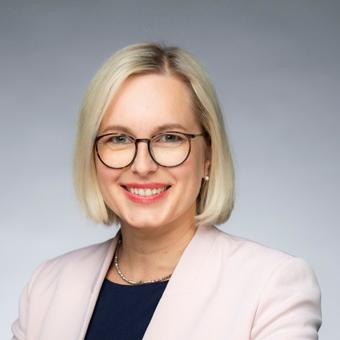
Dr Christiane Schenderlein
Sport inspires people to perform and compete. It spurs them on to improve their own abilities and also keeps them healthy. The sense of community that evolves out of the opportunity to participate in sport is important for social cohesion. Often it is modern and sustainable sports facilities that make sport in its full breadth and diversity at all possible. At any rate, they certainly motivate people. And our top athletes need top-quality sports facilities for training and competition if they are to succeed internationally.
In the coming years, the federal government plans to allocate considerable funds to sports facility infrastructure with the aim of creating modern infrastructure and developing it further to a high standard. So there is plenty to do!
The IAKS has been dedicating itself to sports and leisure facilities for decades. Its work has received considerable recognition from international bodies and, not least, from the IOC. As State Minister for Sport and Volunteering in the Federal Chancellery, I am delighted to serve as the patron of the 29th IAKS Congress.
I wish everyone attending a successful and inspiring time at the congress.
Yours
Dr Christiane Schenderlein State Minister for Sport and Volunteering
WEDNESDAY 29 OCT
Konrad-Adenauer-Saal page
10:15 h – 11:30 h 14
Economically sustainable facilities
TUESDAY 28 OCT
Konrad-Adenauer-Saal / Rheinsaal page
11:30 h – 13:00 h 6
Strategies towards net-zero sports and leisure facilities
13:00 h – 13:30 h
Conference break & visit of FSB/aquanale
13:30 h – 15:00 h (Rheinsaal) 8
Reducing the embodied carbon
15:30 h – 17:00 h (Rheinsaal) 10
The public value and SROI of physical activity and recreation infrastructure
17:00 h – 18:00 h
Happy hour for IAKS members and friends at IAKS stand
18:00 h – 22:30 h 12
2025 IOC IAKS Architecture Prize Ceremony and Awards Gala
11:45 h – 12:45 h 16 Who are we building for? Inclusiveness and circularity
12:45 h – 13:30 h
Conference break & visit of FSB/aquanale
13:30 h – 14:45 h 18
Sustainable public pools: Design, technical and operational concepts
14:45 h – 15:15 h
Conference break & visit of FSB/aquanale
15:15 h – 17:00 h
IAKS General Assembly (only for IAKS members)
17:00 h – 18:00 h
Happy hour for IAKS members and friends at IAKS stand
19:00 h – 22:00 h
Nations’ night and D-A-CH evening for IAKS members
THURSDAY 30 OCT
Konrad-Adenauer-Saal
Outdoor activity areas: Integrated planning and shared usage
11:30 h – 13:00 h
Changing the Narrative:
Sustainability for the next generation of sports surface – It’s here already!
13:00 h – 13:30 h
Conference break & visit of FSB/aquanale
13:30 h – 14:30 h
Beyond the court: The sports hall for the future 14:45 h – 15:45 h
Future-proof models for ice arenas
16:00 h – 17:00 h
Stadia as drivers of social and environmental sustainability
17:00 h – 18:00 h
Happy hour for IAKS members and friends at IAKS stand
FRIDAY 31 OCT
Visit of FSB/aquanale
VENUE:
Congress Centre North of Koelnmesse Messeplatz 1 Entrance North 50679 Köln-Deutz (Germany) www.koelnmesse.com
ORGANIZER:
IAKS
International Association for Sports and Leisure Facilities +49 (0) 221 16 80 23- 0 congress@iaks.sport www.iaks.sport/congress
Congress language English with simultaneous translation into German and Spanish
Tuesday, 28 October 2025, 11:30 h – 13:00 h
Konrad-Adenauer-Saal
Moderator: Darryl Condon, IAKS Vice President, Canada
Welcome and introduction
Dr Stefan Kannewischer, IAKS President, Switzerland
The Davos Baukultur Allicance: Advancing high quality Baukultur from principles to practices
Dr Anne Pfeil, Davos Baukultur Alliance, Switzerland
The Davos Baukultur Alliance is a global, cross-sector community dedicated to improving living environments by providing practical knowledge, frameworks and tools to promote good practice. It is based on the holistic concept of „High-quality Baukultur“ and the eight principles of the Davos Baukultur Quality System, which serve as a tool to positively enhance the quality in planning and practice.
Holistic approaches to sustainable recreational environments: The Nordic way of knowledge enhancement
André Flatner, NTNU, Norway
Evald Iversen, Associate Professor, University of Southern Denmark
Denmark and Norway are actively advancing sustainability in the design, construction, and management of sports and activity spaces through collaborative, knowledge-based initiatives. Both countries emphasize: Interdisciplinary collaboration across sectors; knowledge sharing and capacity building; Practical innovation to address environmental challenges; and policy influence to support long-term sustainability goals. These efforts reflect a growing commitment in Scandinavia to ensure that recreational spaces not only promote health and community but also contribute positively to environmental and climate goals.
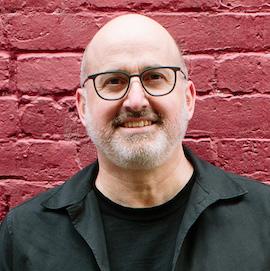
Darryl is interested in design as a catalyst for positive social change. As Managing Principal at hcma architecture + design, he has helped create engaging public spaces across Canada for over 30 years. Darryl recently completed a Doctorate of Design from the University of Calgary, where he researched and developed an advanced practice model to maximize public benefit from community facilities. He currently serves as Vice President on IAKS’ Executive Board.
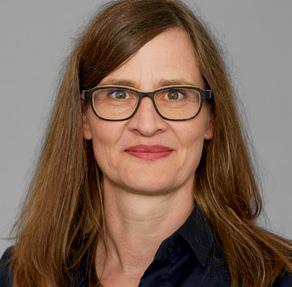
Anne studied biology, then architecture, attaining her doctorate at the Technical University Dresden with a thesis on urban design and development. She worked in several planning offices, serving as Deputy City Architect and City Architect in two Swiss cities, before becoming Head of the Policy and Projects Service at the Swiss Confederation‘s Federal Office of Culture‘s „Baukultur“ department in 2023.
After completing his MBA and Ph.D. in economic sciences at University St.Gallen (Switzerland), Stefan has worked for four years at strategy consultants Bain & Company in Zurich, Munich and London. He is Managing Director of the Swiss family business Kannewischer Management AG and a member of the IOC Sustainability and Legacy Commission.
André is Manager BIAA and assumed his position at NTNU (Norwegian University, Center for Sports Facilities and Technology) in spring 2025. Passionate and dedicated professional with strong background in leadership coaching, change management and organizational development.
Tuesday, 28 October 2025, 11:30 h – 13:00 h
Konrad-Adenauer-Saal
Mike Hall, Partner, FaulknerBrowns, United Kingdom
Mark Palmer, Director and Partner, Max Fordham, United Kingdom
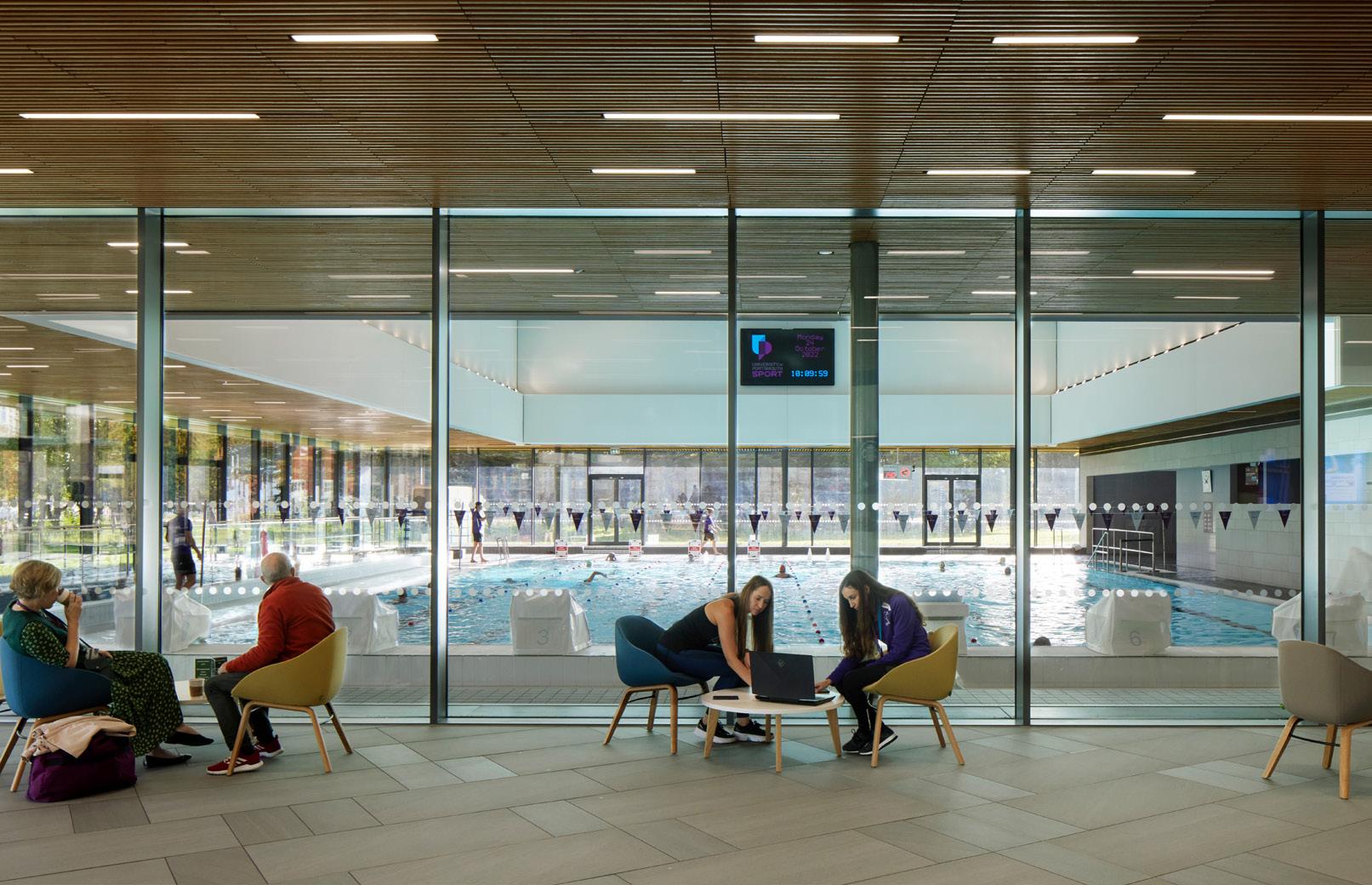
Government regulations are driving better energy performance in new leisure facilities, but swimming pools still show large in-use energy cost variations despite high-spec designs. Beyond standards like BREEAM, LEED, and Passivhaus, adopting a soft landings approach is key to closing the gap between compliance and real-world efficiency. Mike and Mark will outline this process and the substantial savings achieved at Portsmouth Ravelin.
Mike Hall
Mike is working closely with sport governing bodies such as FINA, UCI, IAAF, and ICF, Mike has extensive knowledge of the requirements for sports facilities and is passionate about the importance of active infrastructure in towns and cities. He sits on the IAKS International Expert Aquatics Circle and is also a representative of the International Union of Architects.
Mark Palmer
Mark is a Director of Engineering and the Sports Sector Leader at Max Fordham, with decades of experience in designing high-performance, sustainable sports facilities. His impressive portfolio includes everything from Sport England‘s “optimum” sports halls to the Olympic Water Polo Arena for London 2012, and the multiaward-winning Oriam (Scotland‘s National Performance Centre).
Tuesday, 28 October 2025, 13:30 h – 15:00 h
Rheinsaal
Moderator: Yvette Audet, IAKS Vice President, Australia
Paul Fast, Principal, hcma architecture + design, Canada
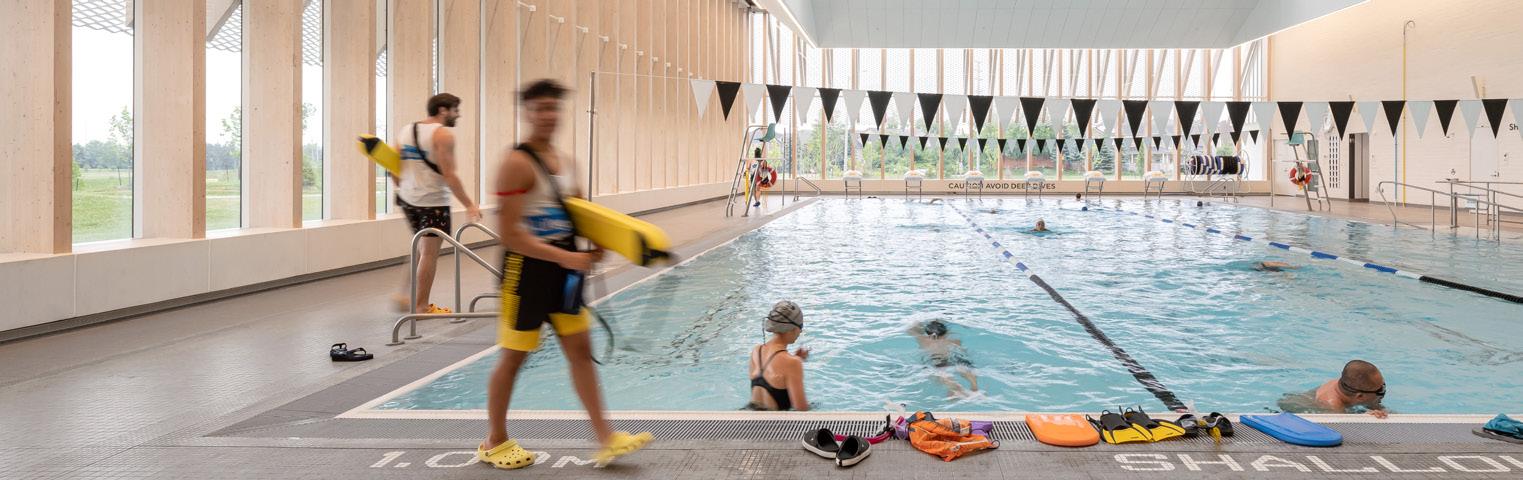
Through Paul’s presentation, listeners will learn how taking a new approach to sport and recreation centre design can help support ambitious environmental, social, and operational performance goals. Participants will understand how generational design thinking can help these facilities build community capacity and resilience in response to climate emergencies and other evolving social challenges. Furthermore, attendees will gain strategies to achieve net-zero emissions when designing energy-intensive community recreation and aquatics facilities.
Jeanne Ng, Partner, MJMA Architecture + Design, Canada
Public architecture can do more. Not only can it catalyze change in policy, approval processes, and the construction industry—it’s a critical component to building resilient communities in the face of a changing climate and rising inequities. Coupled with the act of design must be the imperative to initiate discussions—challenging the status quo with stakeholders, authorities having jurisdiction, sub-consultants, and clients alike. Delivering buildings which will outperform existing high performance standards requires a reconsideration of best practice that will make way for better outcomes.
Chris Roberts, Design Principal, Opsis Architecture, USA
Designed as a forward-thinking model for the next generation of sports facilities, the mass timber ICCU Arena showcases how locally sourced wood can reduce embodied carbon while elevating design. By partnering with regional foresters and manufacturers, the project embraces the regional character and spirit, creating a low-carbon, high-impact venue that connects community, performance and sustainability in a bold new way.

Yvette Audet
Yvette has over 30 years’ experience in the Aquatic and Recreation Industry, from program and facility development to her current role in Business Development at Fluidra Commercial. Founder of IAKS Australia & New Zealand, she has been IAKS Vice President since 2021 and IAKS ANZ Chairperson since 2022.
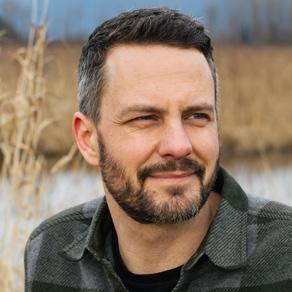
As a Principal at hcma architecture + design, Paul is interested in bridging the gap between communities and the built environment. He believes transformative change can happen at any scale and has led projects ranging from a children’s playhouse to the award-winning təməsew txʷ Aquatic and Community Centre.

Jeanne NG
Since joining MJMA in 1997, Jeanne plays a key role in advancing public architecture as a catalyst for individual and community wellbeing. Her diverse portfolio includes projects that have driven social and environmental impact, such as the Regent Park Aquatic Centre – designed with groundbreaking inclusivity – and the Western North York Community Centre, one of Canada’s first netzero energy aquatic facilities.
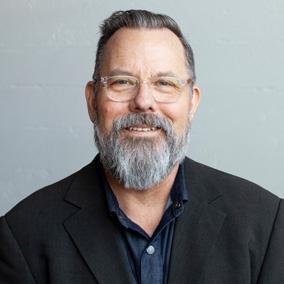
Chris is a Design Principal at Opsis Architecture with over 26 years of experience leading transformative athletic projects across the Western United States. He guides the firm’s sports practice, shaping sustainable, community-focused facilities that reflect campus identity. His work includes the award-winning, mass timber ICCU Arena at the University of Idaho, exemplifying his commitment to student-athlete wellness and resilient design.
Tuesday, 28 October 2025, 15:30 h – 17:00 h
Rheinsaal
Moderator: Prof. Dr Takanori Fukuoka, Tokyo University of Agriculture, Dept. of Landscape Architecture Science, Japan
Emma Bernstein, Strategic Projects Lead, Sport England, UK
Ron Zubrik, Managing Director, Torch Advisory, Australia (video presentation)
Physical activity and recreation infrastructure is too often viewed primarily through a cost lens. This presentation will explore why and how we can shift the narrative from cost to strategic investment. It shares key insights and practical tools to help you understand, measure, and communicate the benefits and broader public value of sports and leisure facilities.
Matt Body, Senior Associate, Warren and Mahoney, New Zealand
A clearer perspective on measuring success in our facilities. By focusing on the effects on people and society we can shift the focus from quantitative physical metrics to qualitative, humancentred metrics. This allows us to measure social impact in a way that drives the conversation forward, reframing our values around success and enabling us to provide greater outcomes for our communities.
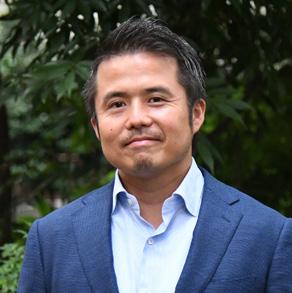
Prof. Dr Takanori Fukuoka
Prof. Dr Takanori Fukuoka is an associate professor at Tokyo University of Agriculture, Dept. of Landscape Architecture Science where he teaches landscape and urban design. Prior to current position, he worked at Hargreaves Associates (San Francisco, US), Gustafson Guthrie Nichol (Seattle, US), and Ramboll Studio Dreiseitl (Germany) as Landscape Architect where he designed and managed various scale of landscape design projects. He is currently a vice delegate of IAKS Japan, and IFLA (International Federation of Landscape Architects) Japan. He earned his Master of Landscape Architecture degree from the University of Pennsylvania, and Ph.D from the Kobe University.
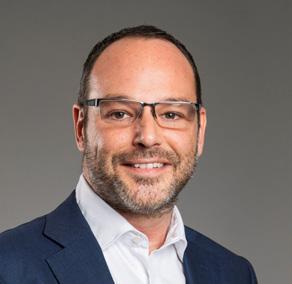
Ron Zubrik
Ron is the Managing Director of Torch Advisory Group and has over two decades of experience advising clients across the sports, venues and events sectors including quantifying the value of community sports infrastructure. Ron was formerly the Global Head of Sport at KPMG. Ron has expertise in leading socio-economic advisory projects, including those involving social impact assessment, economics, policy, strategy and evaluation.
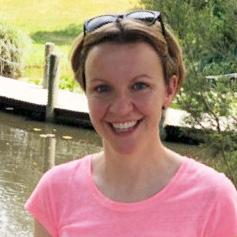
Emma is a strategic lead in Sport England and has held several different roles in the organisation since 2006. Her interest in data and impact analysis drove the development of Sport England’s Moving Communities service. She works closely with the Department of Culture, Media and Sport, National Governing Bodies of Sport, Local Authorities and leisure operators.
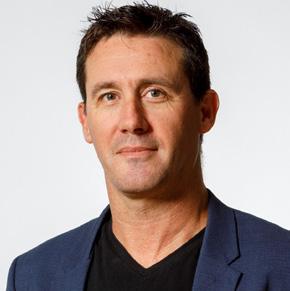
An experienced Architect, Matt leads the Warren and Mahoney Architects sport and recreation team in New Zealand and is a director of the International Association for Sports and Recreation – Australia/New Zealand Section. Matt is deeply involved in shaping the future of sports and recreation through architecture with roles that encompass international stadia, highperformance sport and grassroots sports venues.
Tuesday, 28 October 2025, 18:00 h – 22:30 h
Konrad-Adenauer-Saal
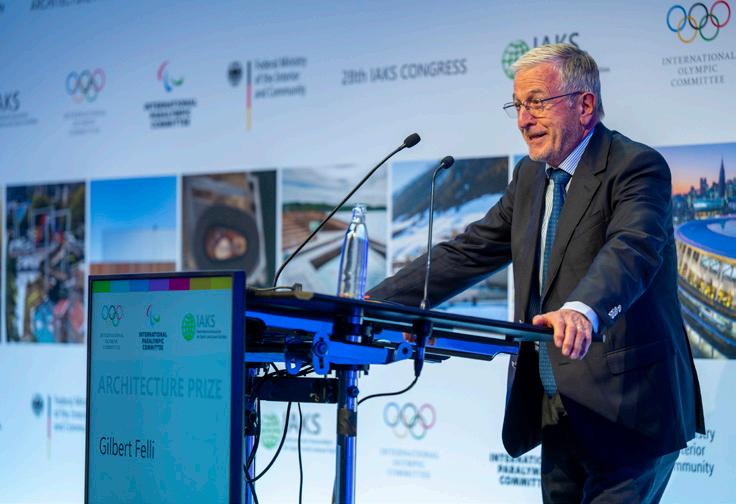
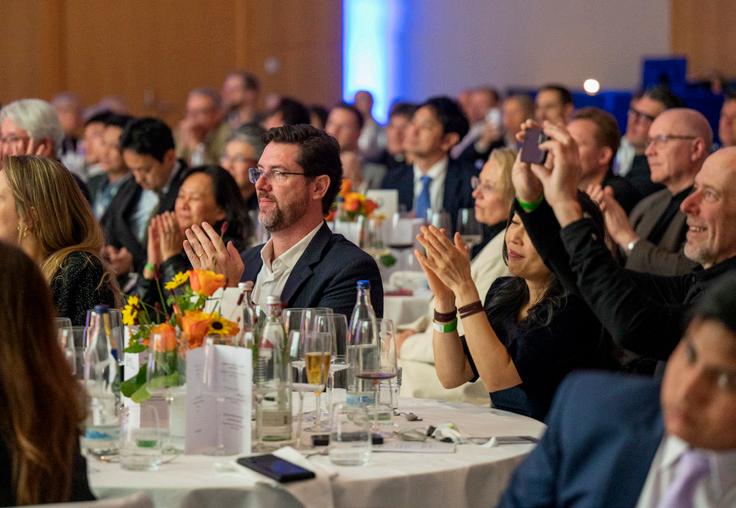
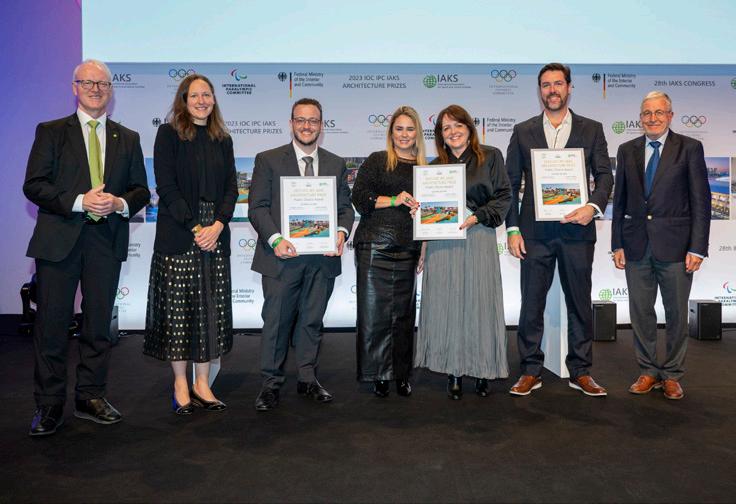
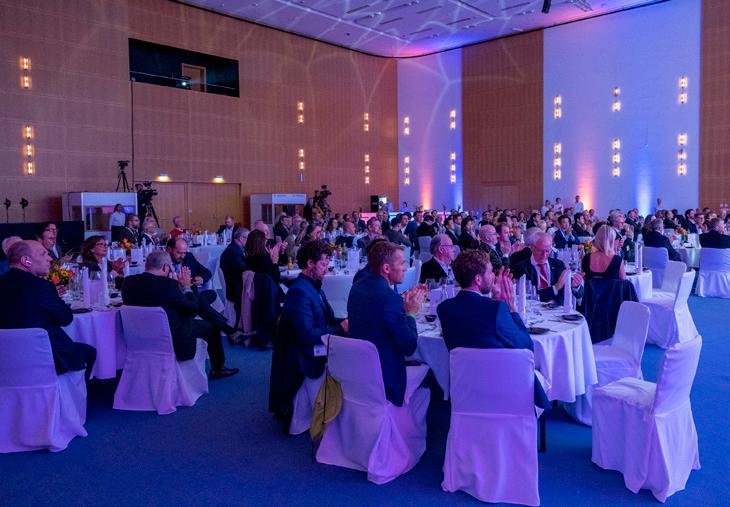
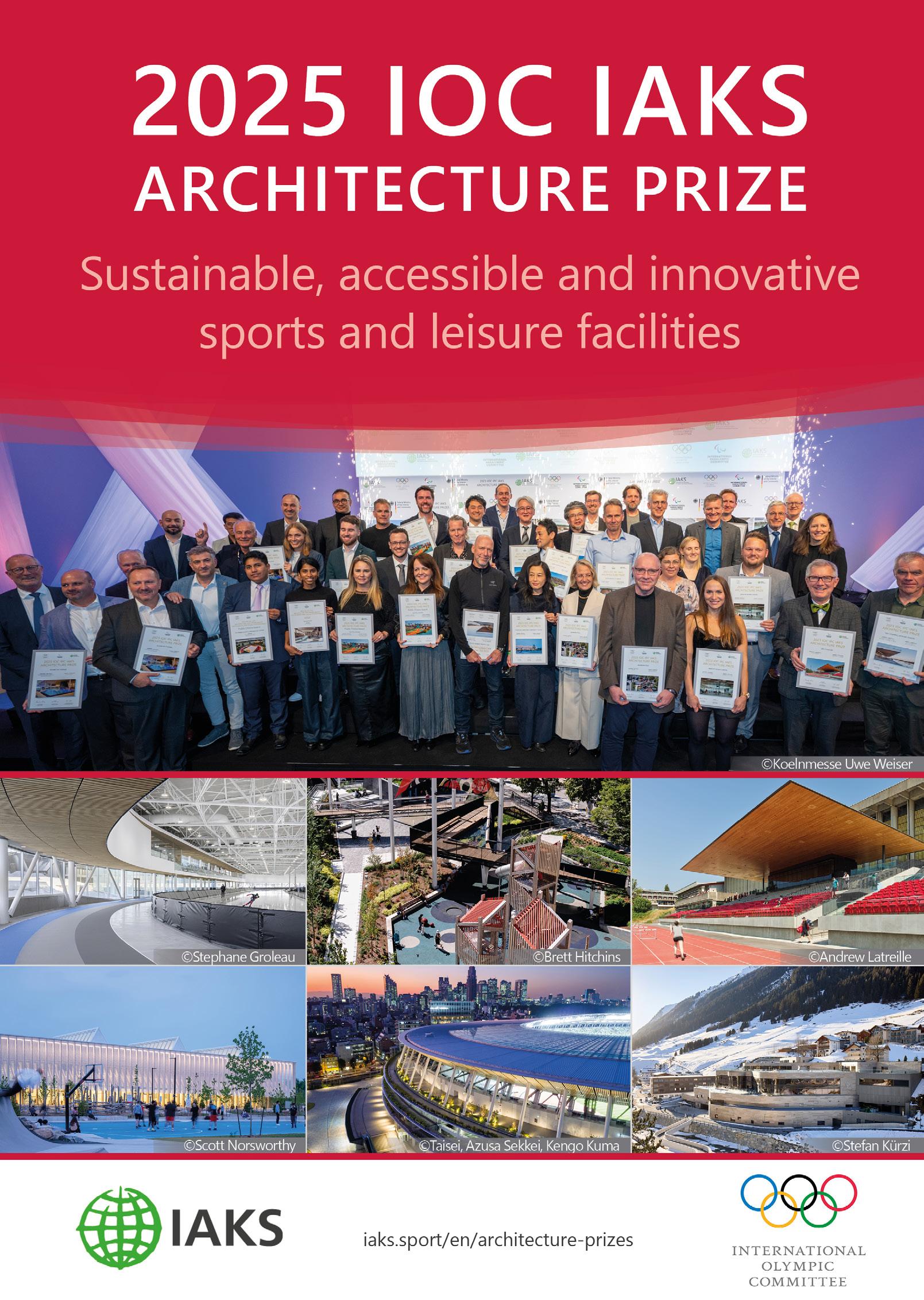
This year’s award winners will be introduced to the international guests at the 2025 IOC IAKS architecture prize ceremony. The festive gala dinner takes place on the night of the 28th October 2025 starting with a champagne reception at 6.00 pm.
Representatives of the IOC and IAKS will present the prizes to the architects and operators of the award-winning facilities in the presence of 200 guests. Who is going to receive one of the much-coveted awards for exemplary architecture?
Be sure not to miss this unique event. Enjoy a festive evening, meet top-notch personalities from the industry, government, sport, and society, and be there at first hand when the winners are announced.
iaks.sport/architecture-prize
Wednesday, 29 October 2025, 10:15 h – 11:30 h
Konrad-Adenauer-Saal
Moderator: Frederic Tomarchio, Swim-ing, Italy
RJ Houston, General Manager, Royal Life Saving Society, Australia (tbc)
Public pools are vital infrastructure supporting community health, water safety, and social cohesion. Yet many facilities are ageing, and in growing communities, there aren’t enough of them – many communities lack access. Drawing on research from a diverse context, this presentation shares new benchmarks, highlights communities most missing out, and outlines principles for frameworks to guide future investment.
Warren Green, Director, Warren Green Consulting, Australia
Australia has a long and proud history with aquatic leisure and sport, shaped by its climate, culture, and geography. Water-based activity is a big part of Australian life – from swimming lessons and recreation to international sporting success. This presentation draws on that legacy to explore how contemporary aquatic and leisure centres are evolving to meet modern demands while delivering long-term financial sustainability.
Gar Holohan, Founder and Executive Chairman, Aura Holohan Group, Ireland
Understanding the difference between market needs (what the community requires) and market potential (what it can realistically support) is key to avoiding flawed assumptions—such as relying on national participation rates, which often misrepresent local demand. Overestimating demand, underestimating existing supply (by over 40% in most studies), ignoring the impact of new facilities on existing ones, and overlooking how different operational models affect participation and revenue can all lead to misguided investments.
Frederic Tomarchio
Frederic Tomarchio has over 20 years of international experience in various roles among family-owned small and mediumsized enterprises. Starting his career in the transportation sector, he shifted to the leisure sector working for Myrtha Pools, where he played a key role, for instance, introducing the offsite approach to the Indian market and introducing the concept of digitalization for public swimming pools in France. Frederic has recently founded Swim-ing, his own legacy to Paris 2024 Olympic Games, aiming at creating a lasting impact on community swimming pools worldwide.
Green
Warren Green is the Director of Warren Green Consulting and has led over 300 sport and leisure planning projects across Australia, New Zealand, and the Pacific. He has a background in major venue management and has contributed to the delivery of world championship events. Warren’s speciality area is in community infrastructure planning that maximises social impact and financial sustainability.
RJ Houston is a recognised leader in the aquatic sector, with experience across government, industry, and associations. As General Manager at Royal Life Saving Australia, he leads national initiatives in training, workforce development, safety, and education. He chairs the National Aquatic Industry Committee, sits on key advisory councils, and is part of the IAKS Global Pool Experts Circle. RJ holds an MBA in Social Impact and is a frequent speaker on aquatic safety, workforce, and social impact.
Gar is Founder and Executive Chairman of Aura Holohan Group (3 divisions). Aura Sport and Leisure Management provides con sultancy and manages 14 sport and leisure centres and fitness clubs across Ireland. Holohan Leisure is Ireland’s leading consultancy in sport, leisure, and entertainment, working with local authorities, government bodies, and private clients. Holohan Architects specialise in sport and leisure architecture.
Wednesday, 29 October 2025, 11:45 h – 12:45 h
Konrad-Adenauer-Saal
Moderator: Shaun Dawson, Chief Executive, Lee Valley Regional Park Authority, UK
Darryl Condon, Managing Principal, hcma architecture + design, Canada
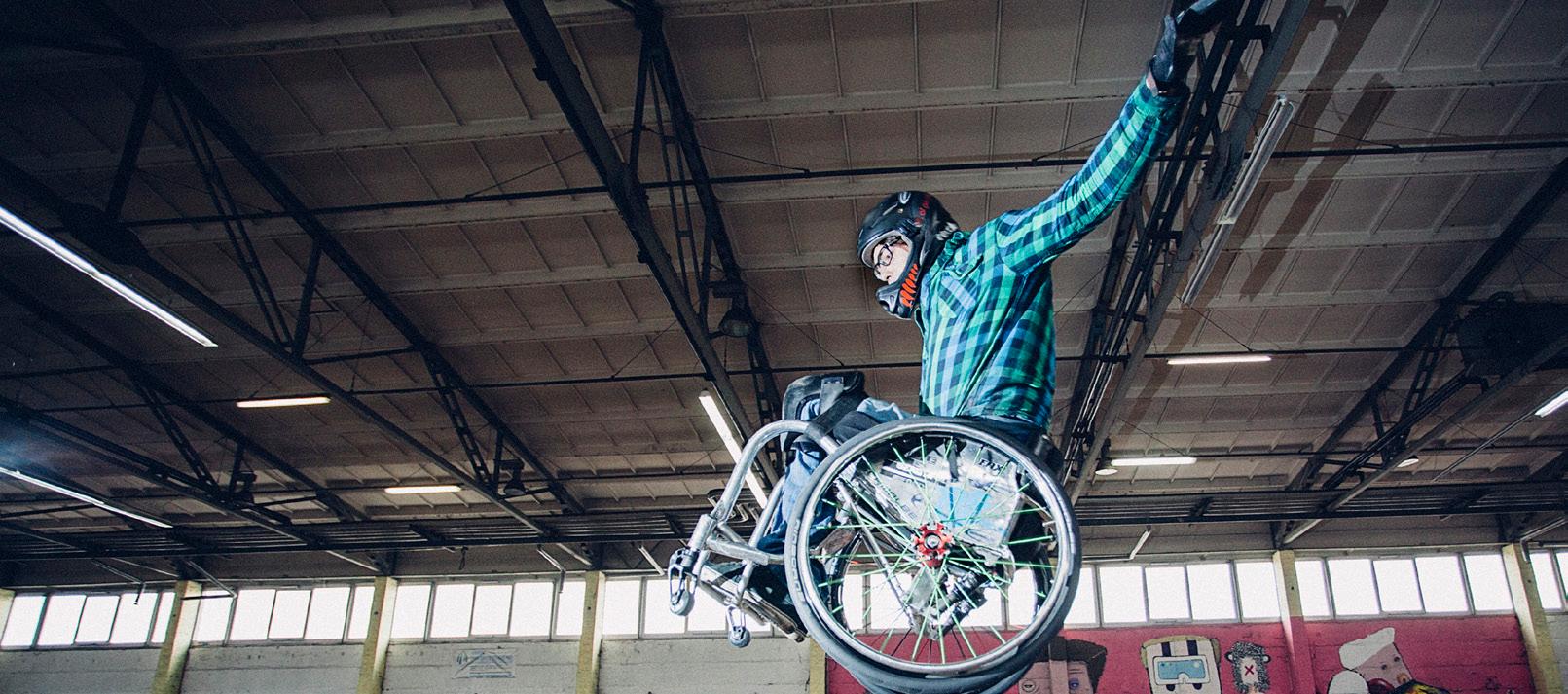
Designing for true inclusion goes far beyond adherence to code. In this session, Darryl Condon challenges design teams and decision-makers to shift from compliance to compassion – embedding equity, dignity, and meaningful access as imperatives in the delivery of community recreation and sport facilities. Drawing on more than 30 years of experience, Darryl shares practical strategies for removing both physical and invisible barriers to create spaces where everyone can thrive.
Stephen Dietz-Hodgson, Architect, JAJA Architects, Denmark
In this session, Stephen Dietz-Hodgson from JAJA Architects explores circular strategies that turn sports spaces into inclusive, low-carbon community assets. Drawing on a range of JAJA projects, he shows how reclaimed materials and adaptive reuse can breathe new life into underused urban areas. Discover how design can promote everyday movement and social connections by putting people first, embracing informality, and creating a sense of shared ownership!
Shaun leads the award winning Lee Valley Regional Park Authority which consists of sport and leisure venues along with country parks and nature reserves and attracts 7 million visitors a year. He has been involved in the London 2012 Olympic project from bid stage in 2003 to now leading the organisation which has guaranteed the future of three world class London 2012 legacy venues: Lee Valley White Water Centre; Lee Valley VeloPark; Lee Valley Hockey & Tennis Centre.
Stephen is an English-Danish architect at the internationally recognized design studio
JAJA Architects, known for projects like Parking House + Konditaget Lüders and GAME Streetmekka Aalborg. Educated in Nottingham and KADK Copenhagen, he joined JAJA in 2015 and has since led concept-driven design and competition projects, contributing to several winning proposals through his focus on innovation and strategic development.
Darryl is interested in design as a catalyst for positive social change. As Managing Principal at hcma architecture + design, he has helped create engaging public spaces across Canada for over 30 years. Darryl recently completed a Doctorate of Design from the University of Calgary, where he researched and developed an advanced practice model to maximize public benefit from community facilities. He currently serves as Vice President on IAKS’ Executive Board.
Wednesday, 29 October 2025, 13:30 h – 14:45 h
Konrad-Adenauer-Saal
Moderator: Dr Stefan Kannewischer
Comparison of pool tank construction with regard to sustainability / embodied carbon
Prof. Dr Andreas Gerdes, KIT Innovation Hub, Germany
Decarbonising aquatic facilities:
Lessons from a decade of transformation
Nick Yannakis, Director Aquatic Services, Beca, New Zealand
Drawing on a decade of experience, Nick shares practical insights into decarbonising aquatic facilities amidst rising energy costs. He will discuss why understanding your facility’s unique energy profile is critical, pitfalls of “fuel-switching” without planning, and how holistic strategies—rooted in real data—can deliver sustainable, cost-effective outcomes for existing and future aquatic assets.
pool concepts: combined use as an urban planning benefit?
Prof. Brigitte Häntsch, Owner, AHM Architekten, Germany
In order to meet the goals of sustainable development in construction, land use is a key issue. Instead of the typical single- or two-story swimming pool buildings, we will increasingly see compact, multi-story hybrid pool buildings emerging in dense urban areas through the combination with other uses. What architectural and functional challenges do these hybrid buildings present?
After completing his MBA and Ph.D. in economic sciences at University St.Gallen (Switzerland), Stefan has worked for four years at strategy consultants Bain & Company in Zurich, Munich and London. He is Managing Director of the Swiss family business Kannewischer Management AG and a member of the IOC Sustainability and Legacy Commission.
Nick Yannakis
Nick Yannakis is a Director at Beca, with over 15 years’ experience in the engineering design and operation of aquatic facilities. Having delivered 200+ projects across Australasia, Nick specialises in optimising energy performance and decarbonisation—supported by proprietary software developed by his team to drive innovation and sustainable outcomes in aquatic facility design.
Dr Andreas Gerdes
The chemist graduate has been the Scientific Director of the KIT Innovation Hub „Prevention in Construction“ since 2016. His main areas of work include prevention in construction, sur face protection systems, durability of cement-based materials, and sustainable infrastructure.
For nearly a quarter of a century, the owner of AHM Architekten served as a professor at the University of Kassel in the Department of Architecture, Urban and Landscape Planning. She is a long-standing member of the International Academy for Bath, Sports and Leisure Buildings (IAB) and has served on design advisory boards in cities such as Kassel and Marburg.
Thursday, 30 October 2025, 10:15 h – 11:15 h
Konrad-Adenauer-Saal
Moderator: María de Lourdes Sandoval Martinón, Universidad Autónoma Metropolitana in Mexico City, Mexico
Bürstadt Sports and Learning Campus: An integrated approach
Katrin Keil, Manager, Drees & Sommer, Germany
The Education and Sports Campus Bürstadt is an excellent example of how public spaces can be designed to create a place not only for sports and physical activity, but also for education and social interaction across all generations. A modern and multifunctional campus is being developed that meets the requirements of demographic change, changing values in our society, integration and sustainability.
Daniel Wegmüller, Owner, Planungsbüro Wegmüller AG, Switzerland
Architect and Master of Design in Landscape and Garden Design, Planning, and Conservation. A full-time professor and researcher at the Universidad Autónoma Metropolitana in Mexico City. Speaker at national and international events. An author of: ‘Architecture: A teaching alternative – site anallysis’, ‘Recreation: A case study, Mexico City, 1930-1969’, ‘Quality of life. Recreational spaces. Planning Azcapotzalco’, ‘Street play. Recreation time’.
Katrin Keil works as a consulting manager at Drees & Sommer and supports various clients in the public sector in Hesse with a focus on urban development. With her knowledge as a geographer and urban planner her consulting focuses on holistic and sustainable urban development. For nearly ten years, she has been involved in the Education and Sports Campus Bürstadt project, managing the complex construction project and controlling the funding programs.
Daniel Wegmüller
The landscape architect, Daniel is a founder of architecture firm Planungsbüro Wegmüller. He is passionate about environmental engineering.
Thursday, 30 October 2025, 11:30 h – 13:00 h
Konrad-Adenauer-Saal
Moderator: Claus Weberstorfer, Owner, Ingenieurbüro Weberstorfer, Austria
Planning for sustainability starts at the end, not the beginning
Martin Sheppard, Managing Director, Smart Connection Consultancy, Australia
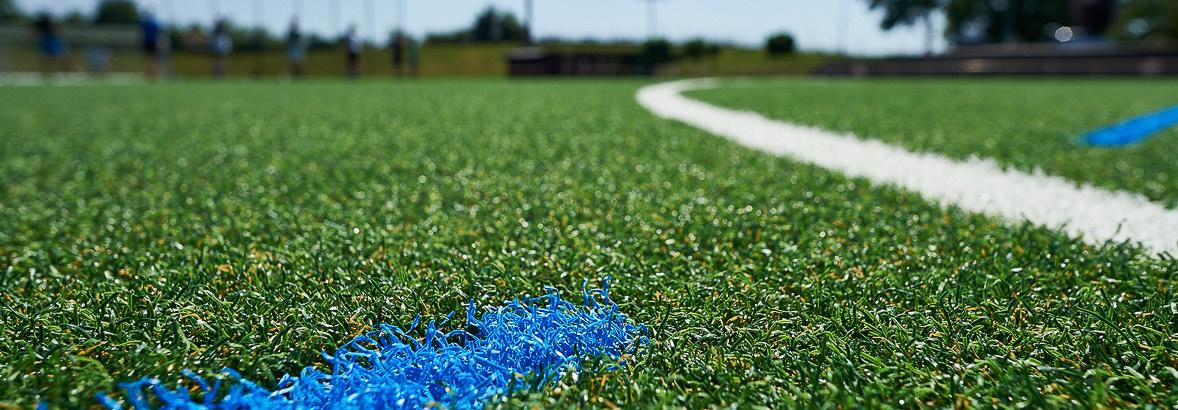
This presentation explores how to plan, design, and procure truly sustainable synthetic sports surfaces by first understanding your goals and end-of-life management strategy. Using the 4P Sustainability lens—People, Planet, Prosperity, and Performance—it highlights how synthetic technology can increase access and usage, reduce environmental impacts and maintenance needs, lower whole-of-life costs, and ensure fit-for-purpose performance.
Paul Kamphuis, General Manager, Polytan Asia Pacific, Australia
Hockey has embraced artificial turf as their preferred surface, but how does the sport balance performance and playability against environmental pressures, such as climate change, water scarcity and microplastics? How product innovation and green technology is shaping hockey’s future in the face of climate change.

Claus Weberstorfer
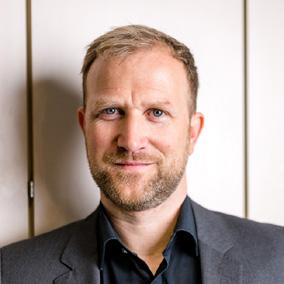
Started his professional career as energy consultant and key account manager in international sales with several large companies, among them NEVEON. Sport is a key topic both in his professional and private life. In 2011, he founded his engineering firm with focus on coaching and presentations. Claus is IAKS Austria Vice President and Treasurer and sits on the board of the IAKS Expert Circle Outdoor Sports Surfaces.
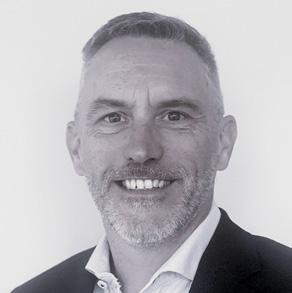
Paul Kamphuis
Management experience in elite sports facility delivery for major international events, including Olympic Games, World Cups, World Championships and more. A global leader in sports facility delivery for over 20 years across sports including hockey, athletics and football.
Martin is Chair of the IAKS Expert Circle on Outdoor Sports Surfaces and has overseen the planning, design, and procurement of over 200 synthetic surfaces across Australia. Committed to sustainability at every project stage, he promotes greater usage, longer lifespan, and broader benefits for both parklands and fields of play. He has published several books on synthetic turf, available free to IAKS members.
Thursday, 30 October 2025, 11:30 h – 13:00 h
Konrad-Adenauer-Saal
Prof. Alastair Cox, Technical Director, ESTC, United Kingdom
Synthetic turf surfaces provide high-quality, long-lasting sport surfaces that are able to sustain high levels of use. For some sports they are now the surface of choice, whilst for others they are the only solution when the demands of the climate or scarcity of land make natural surface unviable. But synthetic turfs are made from plastics, and as environmental concerns about the use of these materials grows, so do uncertainties about using synthetic turfs. The presentation will show will discuss how the synthetic turf industry is responding to these challenges and bringing sustainable solutions to market.
Dennis Frank, Managing Director, ISP Institute for Sports Facilities Testing, Germany
Kilian Peschel, GreenMatter, Netherlands
This presentation will show how circularity can be brought into sports. Starting with planks and beams made from recycled worn out artificial turf, moving on to modular (sports) tile flooring, and now developing high-quality recycled plastic panels. The mission is to support raw materials policy and reduce turf waste through socially responsible solutions that make sports facilities more circular, now and in the future.
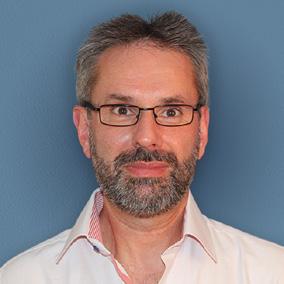
Alastair Cox is the Technical Director at the European Synthetic Turf Council (ESTC), the trade association for the European, Middle East and Africa synthetic turf industry. With over 45 years’ experience in the industry, his career has seen him primarily working in the testing and certification sectors. Today, his role with ESTC sees him leading their technical activities, including engaging with regulatory bodies, standardisation bodies and sports governing bodies. In addition to his work at ESTC Alastair is Visiting Professor of Sports Surface Innovation, at the UK’s Loughborough University.
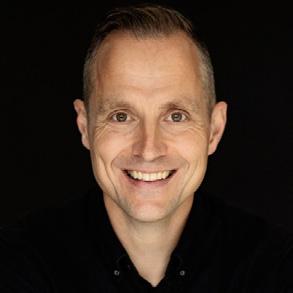
A Sales Manager at GreenMatter B.V., Kilian promotes commercial growth and sustainable solutions with a strong focus on customer-oriented strategies. Thanks to his analytical mindset and management skills, he drives innovative results, creates value and contributes to the success of his organisation. His motivation lies in combining financial analysis with strategic insights to contribute to a greener future and build long-term partnerships.
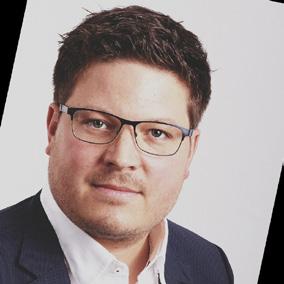
Dennis Frank has been the head of the Institute for Sports Facility Testing since 2001. He expanded the range of services to include synthetic turf and synthetic systems for indoor and outdoor areas, as well as fall protection for playgrounds and activity areas.
Thursday, 30 October 2025, 13:30 h – 14:30 h
Konrad-Adenauer-Saal
Moderator: Harald Fux, CEO Raum + Architectural Studio, Austria
Oliver Vanges, Development Specialist,
The Danish Foundation for Culture and Sports Facilities, Denmark
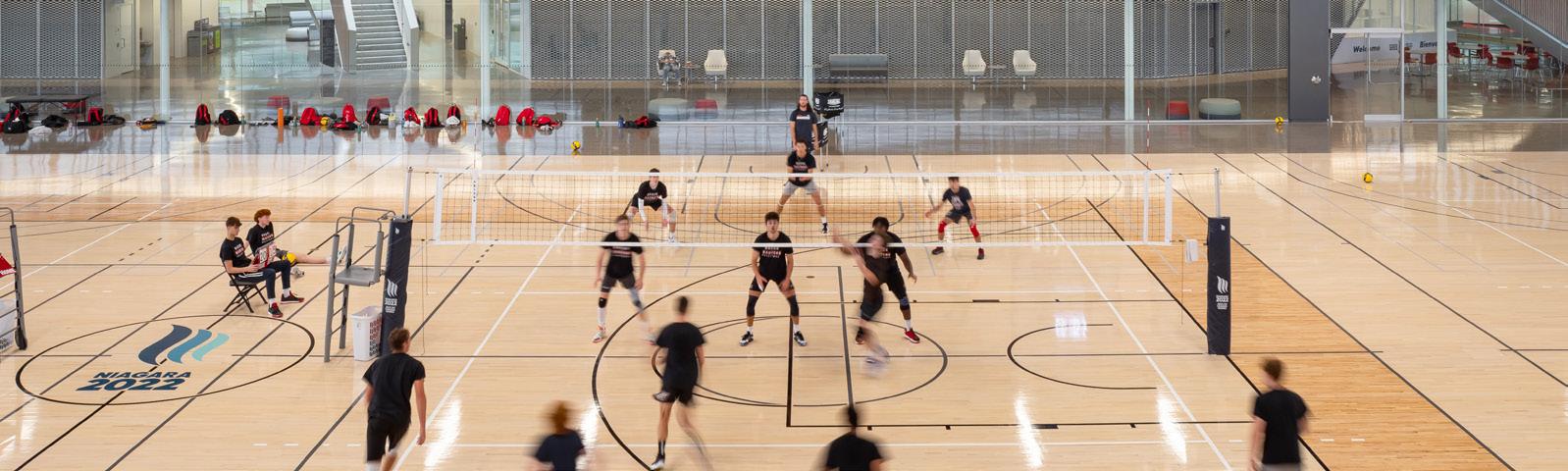
What is the sports hall for the future? The answer should (for sentimental and sustainability reasons) include the sports halls we have today, that were built for a radically different participation pattern. How can we bring these all-important local meeting places into the present and the future and even strengthen their meeting place qualities and widen the scope of activities and user groups? Are sports facilities only for dedicated sports practitioners or should we take more inspiration from the North American community centres to include a much wider spectrum of active (local) facility users? How can we revitalize sports hall?
Irina Korneychuk, Associate Partner, FaulknerBrowns, United Kingdom
Irina explores how thoughtful spatial design can unlock the latent potential of specialised sports facilities—transforming them from single-purpose shells into dynamic, socially-charged environments. By considering complimentary co-location and integrating opportunities for flexibility and adaptability into the architectural solutions, these spaces can attract diverse user groups, create vibrant environments, and secure long-term viability through layered programming and diversified revenue—reimagining the sports hall as a civic stage.
Colleen McKenna, Principal, CannonDesign, USA
Indoor recreation facilities in the U.S., whether on campuses or in cities, are hubs for wellness, community, and innovation. The most successful centers emerge from partnerships among universities, municipalities, nonprofits, and private organizations, combining funding and expertise for sustainable impact. Shared facilities maximize resources, reduce duplication, generate revenue, and foster inclusivity—though challenges like territory and operations remain. By working together, cities and universities can achieve greater outcomes. This presentation highlights realworld case studies of both successes and obstacles in shared recreational investments.
Harald Fux
Harald specialises in indoor and outdoor sports facilities as well as stadiums and gathering spaces. The CEO of the Vienna based architecture firm Raumkunst is President of IAKS Austria and member of the UIA Sports and Leisure work program and Expert Member for Sports Facilities Construction at the Austrian Standards Institute.

Irina Korneychuk
Irina is a key member of FaulknerBrowns Architects’ renowned sports team and is experienced in leading the design and delivery of high-profile leisure and education projects. She is particularly interested in reducing the energy consumption of sports facilities and challenging traditional operational models, to drive innovation in the sector. Irina also participates in the IAKS expert circle and is a keen advocate for promoting healthy lifestyles and stronger communities.
Master of Sports Science and Master of Strategic Urban Planning, Development Consultant at the Danish Foundation for Culture and Sports Facilities, Oliver Vanges is a seasoned expert in the development of innovative, high-quality sports facilities in collaboration with local authorities and project owners. The Danish Foundation for Culture and Sports Facilities is an independent governmental organization developing and funding facility projects in Denmark and exchanges knowledge within the leisure facility sector internationally.
A former competitive swimmer and coach, Colleen’s competitive drive echoes in her design work and leadership. As the Sports, Recreation and Wellness Practice Leader at CannonDesign, Colleen helps colleges and universities create the most incredible, inclusive, high-performing collegiate recreation and athletic facilities where students can flourish. Truly at the forefront of sports design, Colleen possesses an almost unrivaled level of design and planning expertise.
Thursday, 30 October 2025, 14:45 h – 15:45 h
Konrad-Adenauer-Saal
Moderator: Mark Hentze, Sport & Recreation Design Practice Leader, DIALOG, Canada
Arenas as good neighbours: 3XN’s approach to designing for sport, community, and context
Olaf Skov Kunert, Senior Associate, 3XN, Denmark
SAP Garden in Munich – Energy-efficient engineering
Benjamin W. Bührer, Owner, BBP Ingenieurbüro AG, Benjamin Bührer & Partner, Switzerland
Revitalizing ice arenas – sustainable renovation strategies for urban and rural communities
Scott Gomeshi, Associate Principal, Introba, Canada
This presentation explores practical and scalable renovation strategies aimed at extending the lifespan of existing arenas, with a focus on mechanical plant upgrades and the associated impacts on energy performance, carbon emissions, and operating costs. Drawing from case studies across both urban and rural Canadian contexts, we examine how targeted interventions—such as refrigeration plant retrofits, electrification, and heat recovery systems—can transform aging infrastructure into resilient, efficient, and lower-carbon community assets.
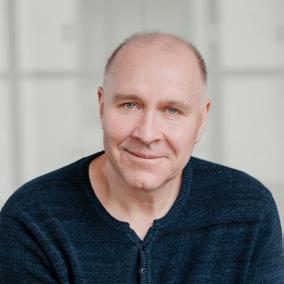
Mark Hentze
Mark Hentze from Dialog Design works across North America on high-performance recreation projects. In 2020, he contributed to industry publications, chaired the IAKS Ice Facilities Expert’s Circle, and observed completion of Mongolia’s Steppe Arena. With experience on 90+ sport and community projects worldwide, Mark is a respected consultant and conference presenter.
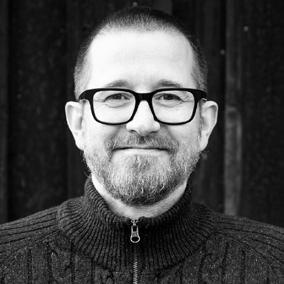
Facade specialist and project manager. He has been involved in some of 3XN‘s most complex and large projects in Denmark and abroad, where he translated aspirations of a design brief into memorable and meaningful architecture. As a project manager, Olaf was responsible for SAP Garden in Munich.
Benjamin W. Bührer
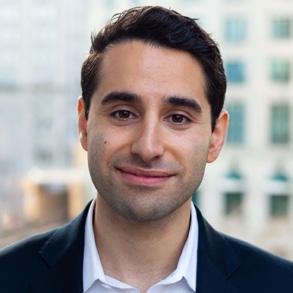
Scott is a Principal and Government & Culture Sector
Lead at Introba, with broad experience in project and stake holder management across recreation, institutional, civic, and aviation sectors. He champions resilient, regenerative design and prioritizes passive-first mechanical strategies that align with project and client goals. His collaborative approach fosters innovative solutions that boost building performance while maintaining occupant health and comfort.
Thursday, 30 October 2025, 16:00 h – 17:00 h
Konrad-Adenauer-Saal
Moderator: Agustín Garcia Puga, Architect, Argentina
Jack Sallabank, Founder and Director
Sport+/Future Places Studio, United Kingdom, Jonathan Seebacher, Partner, Ryder Architecture, United Kingdom
This presentation highlights why sports stadiums should be versatile and integrated placemaking anchors which activate and enliven local neighbourhoods every day. Stadiums need to have an inclusive and engaging relationship with their surrounding urban context as they become hubs of community activity. We present a high-level strategic vision for this approach to guide and inspire architects, developers, municipalities and stadium owners.
Tom Jones, Senior Principal, Populous, United Kingdom
The presentation will look at the challenges and opportunities for redeveloping historic football stadiums, including the importance of retaining club history and legacy in these developments, as well as responding to the requirements of modern football fans. It will show how new trends in stadium design can be incorporated into a refurbishment of old stadiums, while improving the sustainability credentials of these venues.
Clara Guzmán Colombo, Sustainable Design Architect, IDOM, Spain
The integration of regenerative design principles at early design stages of stadium and arena positions Blue and Green Urban Infrastructure as foundational strategies. These venues become agents of ecological restoration, climate resilience, and social well-being. Through case studies and frameworks, this presentation explores interdisciplinary collaboration, performance metrics, and nature-based solutions that actively enhance urban ecosystems and reduce environmental impact.
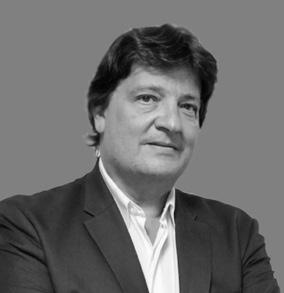
Agustín Garcia Puga
First Vice President of the Central Society of Architects of Argentina, former member of the Technical Evaluation Commission for Stadiums of the Argentine Ministry of Security. President of the Professional Practice Commission of the Central Society of Architects, professor of the postgraduate course “Applied Design in Sports Architecture” – University of Buenos Aires, professor of the subject “Infrastructure and Sports Spaces” – Universidad Argentina de la Empresa, professor of the subjects “Coding and Safety I and II” – University of Palermo (Buenos Aires, Argentina). Elected Member of the Board of the Professional Council of Architecture and Urbanism (CPAU).
Jonathan Seebacher
Jonathan has a wealth of experience across sport, leisure, masterplanning and residential sectors. He is the sector lead for sport and is a champion for sustainable urban mixed used developments. Jonathan leads the international portfolio and is a board member for Okana, a global built environment consultancy. His experience includes projects with Newcastle United FC, Durham CCC, St Georges Park and Independence Park, Jamaica.

Clara Guzmán Colombo
Clara is an architect with over a decade of international experience in sustainable design. She has worked on major stadia projects like New Camp Nou, La Nueva Romareda, and the Tigres Stadium Competition. Her expertise includes building physics, sustainability certifications, and regenerative design for climate resilience and urban wellbeing.
Jack is a researcher and placemaking strategist, and the founder of Future Places Studio (FPS), who develop strategies and future place visions through research and insight. Jack also leads Sport+, part of FPS, who work on scaling the social and economic value of sports led projects. His experience includes London Olympic Park, West Ham FC, Newmarket Racecourse and Plymouth Argyle FC.
Vice President of IAKS and a Senior Principal at Populous in London, Tom specializes in designing sports and entertainment venues that enhance cities and communities. His major projects include Tottenham Hotspur Stadium, Emirates Stadium, the London 2012 Olympic Stadium. Contributed to the FIFA Stadium Guidelines and co-author of the Metric Handbook.
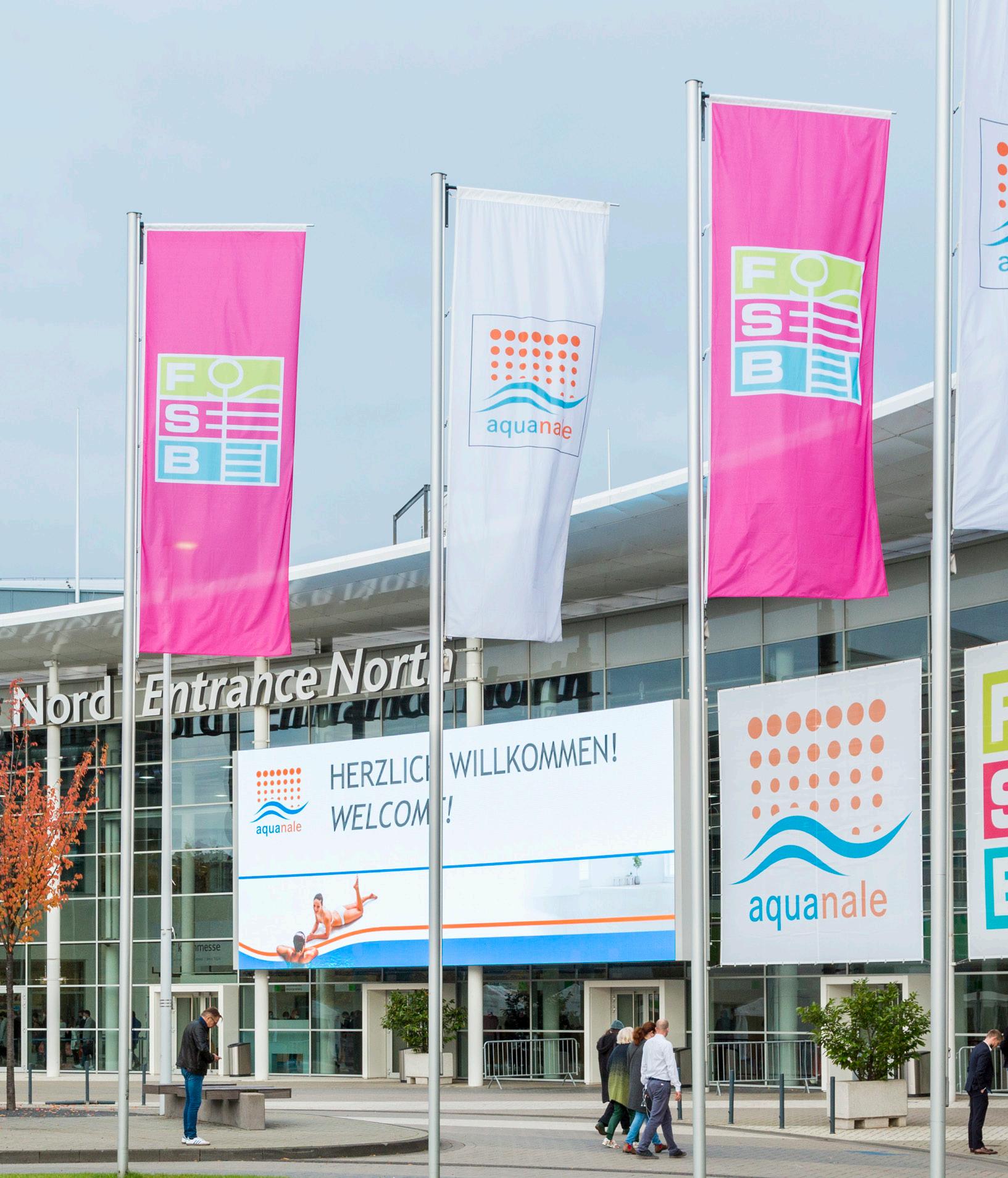
Thanks to our partners