The exhibition, dedicated to one of the most interesting Italian Artist, followed by careful criticism, presents a selection of works of the highest quality.
The work presented articulates in different sections:
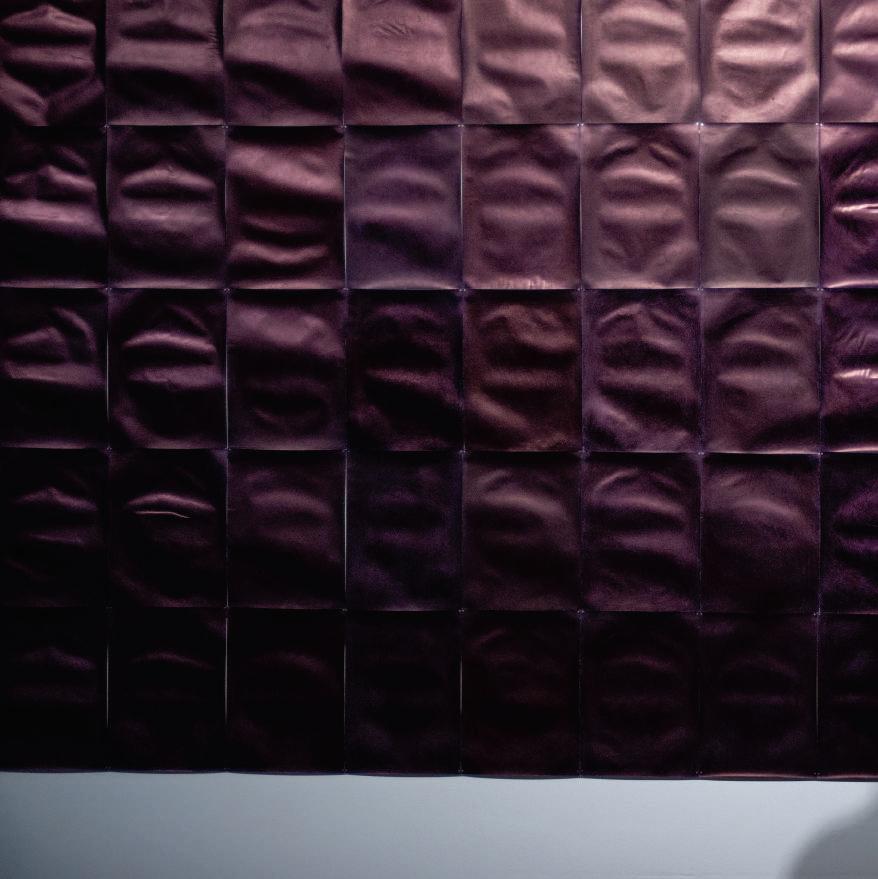
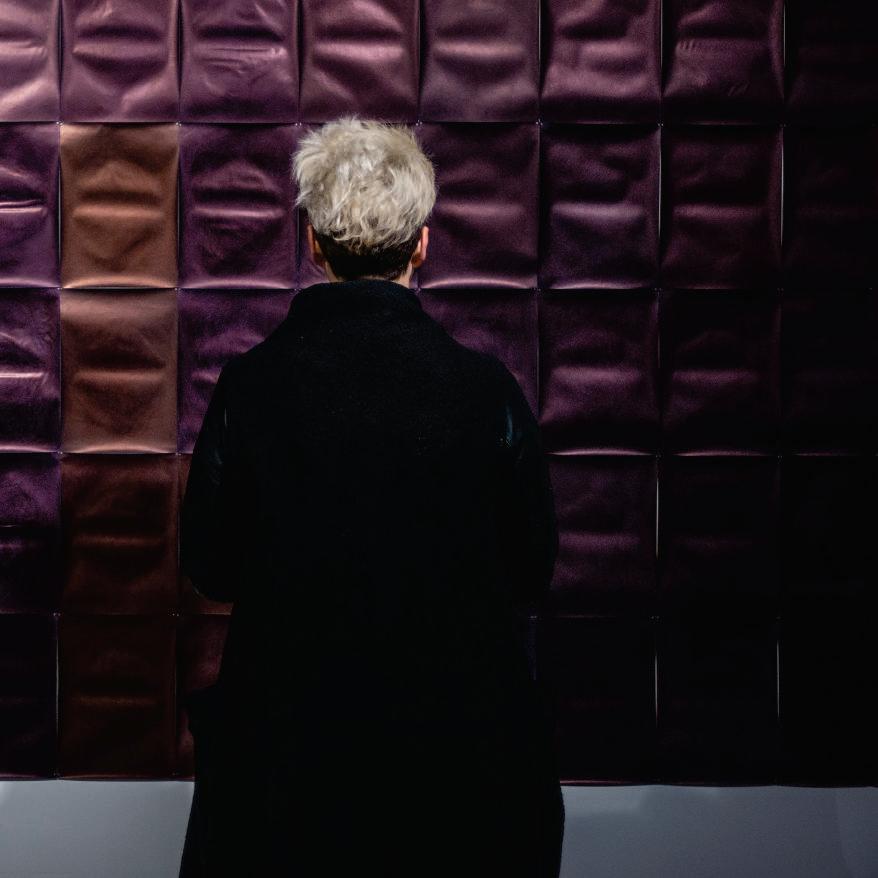
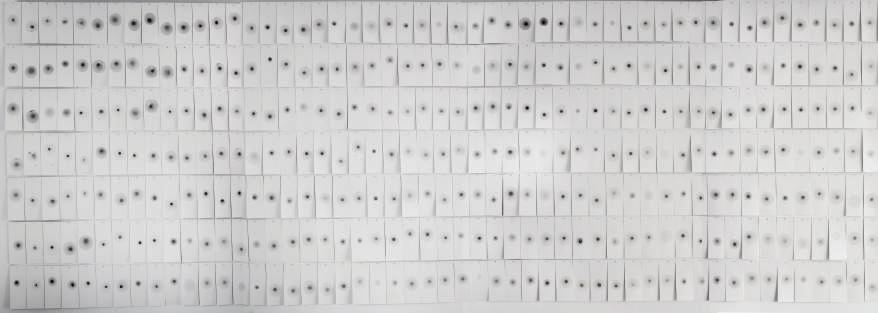
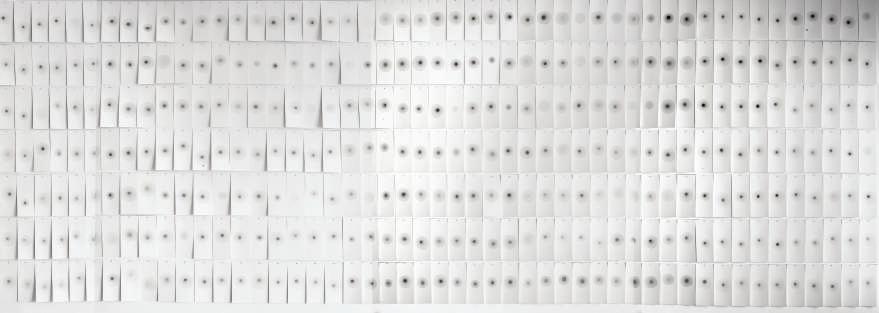
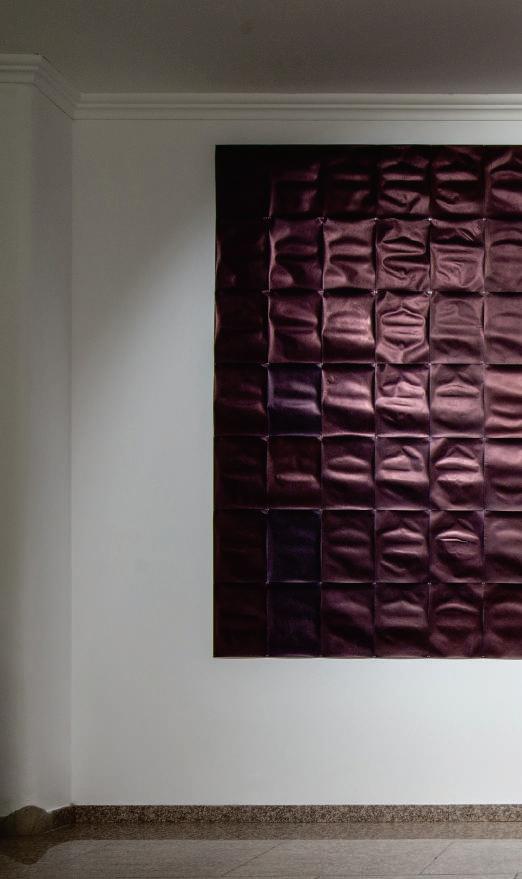
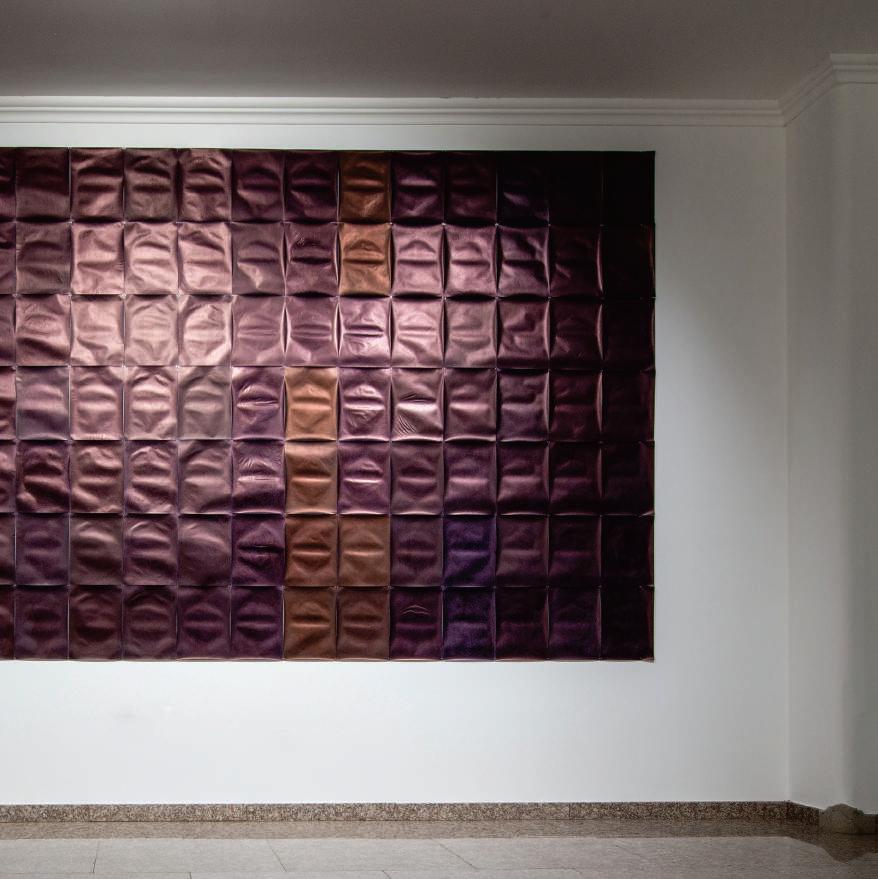
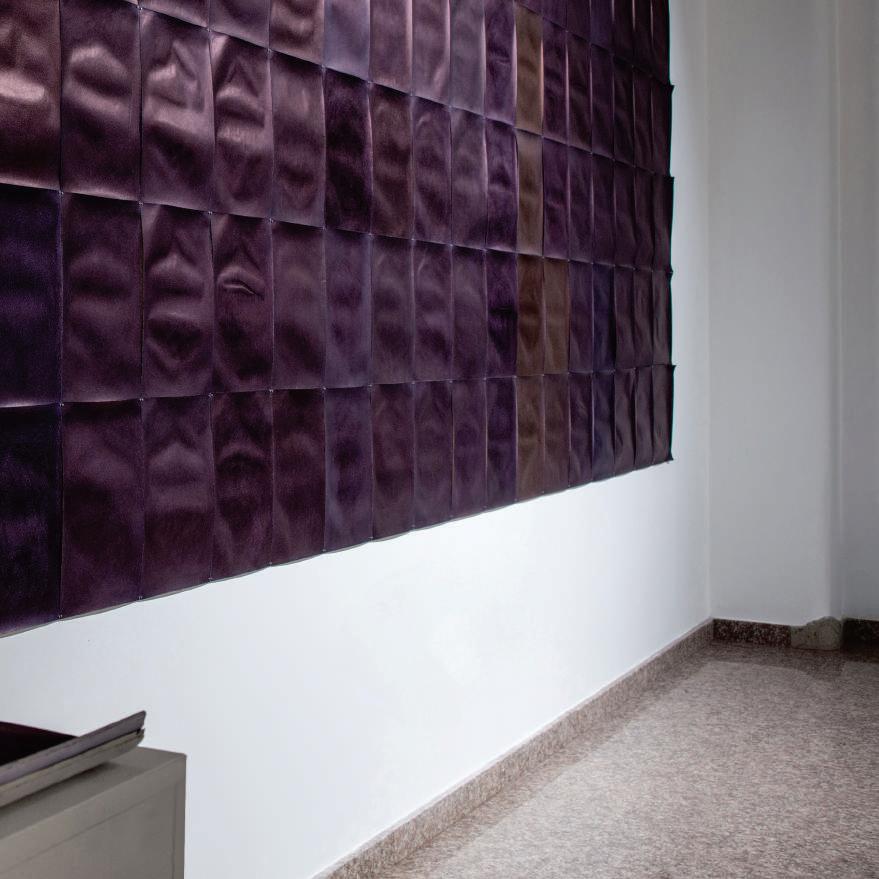
From the installation attributable to the work „La Strada”, “Le Spade” and “Respiri” (this last, a work of great visual impact), to the video that has an integrating function in the development of the artistic creation, itself part of the same work, to the sleepless and mechanical repetition of the gesture as for example in the work „Non Dormo la Notte”, that approaches a form of prayer where the work of the Artist loses its will and mutates into automatism
All the expository route, that as I have said follows in the depth of the work of the latest years, tries to investigate the process of creation that isn’t limited to the work exhibited, but to the trying process of approaching to sense. Fundamental part of the artwork is therefore the knowledge of suspended time, looked after, induced in form of mantra, that has led to the nal result, visible to our eyes, but that has to forget the investigation on the origin of things
The undisputed originality of the Artist Silvia Inselvini, the profound mingling of Artwork, Word, obsessive and not obsessed Work, makes of the proposed project, articulated in fteen or so works, an search of the Origin
Origin of sense, of time, of self
For this reason the entire exhibition (and not only each individual work) hosted in IAGA Contemporary Art Gallery can be dened contemporary in the very sense of the term: it is the detailed vision of the moment in modernity, proposed through the hands, the eyes, the insomnia, through the long and arduous path of creation (that for some works exhibited lasted months) of the Artist
Therefore, through the surface, we achieve a vision of the depth
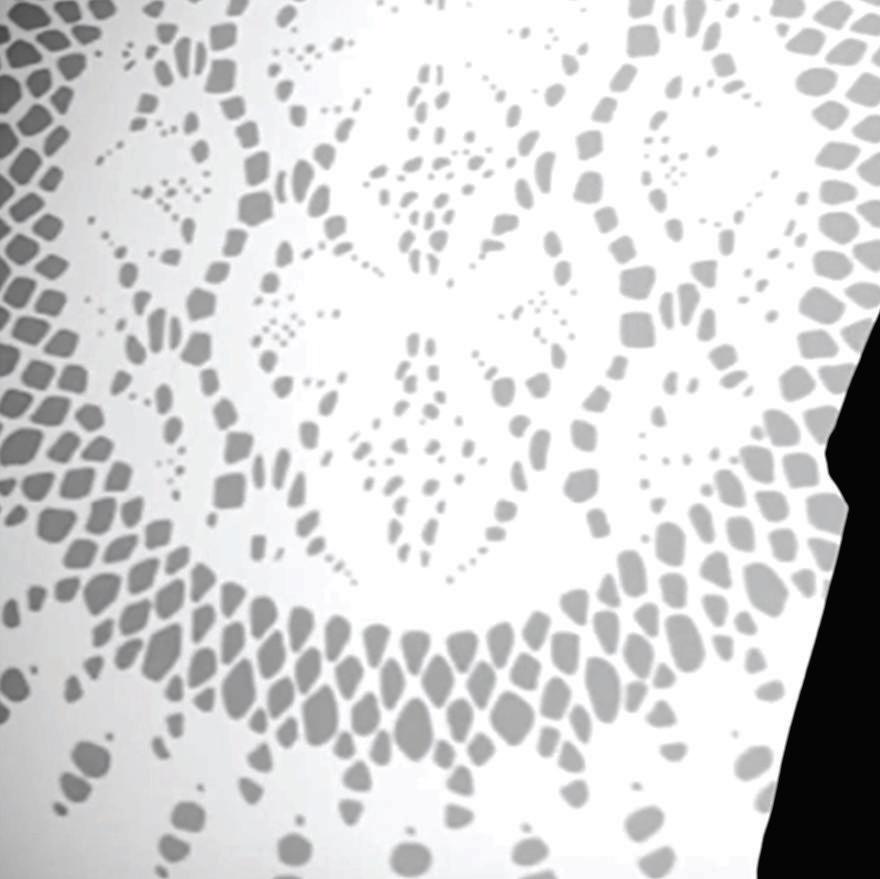
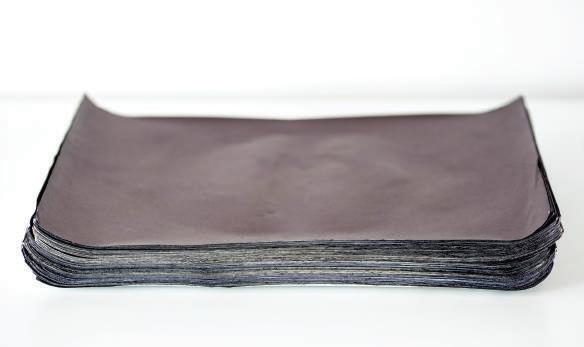
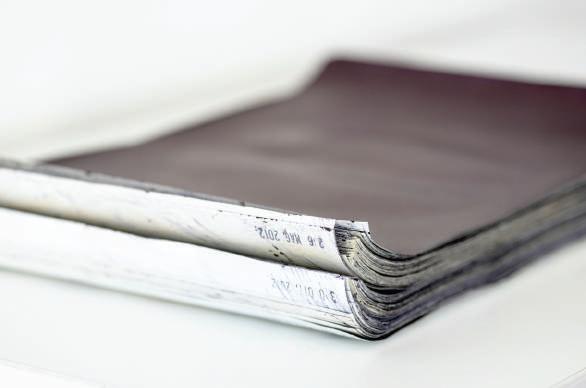
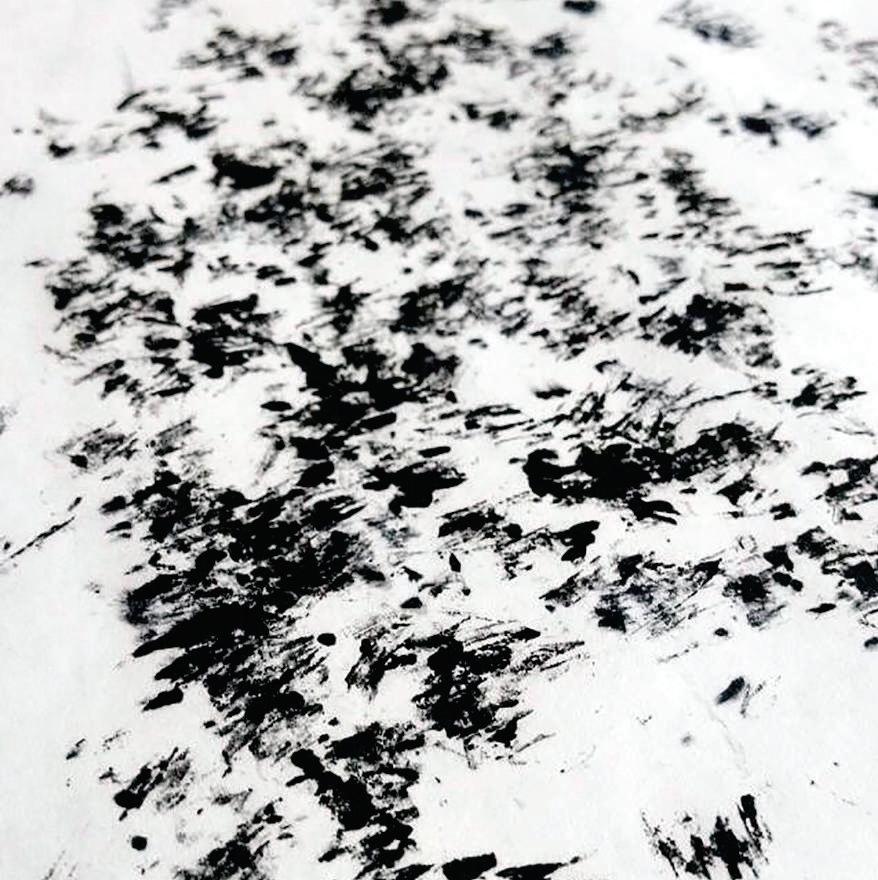
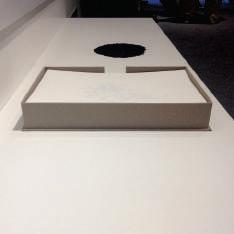
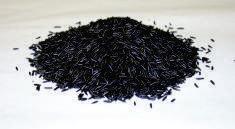
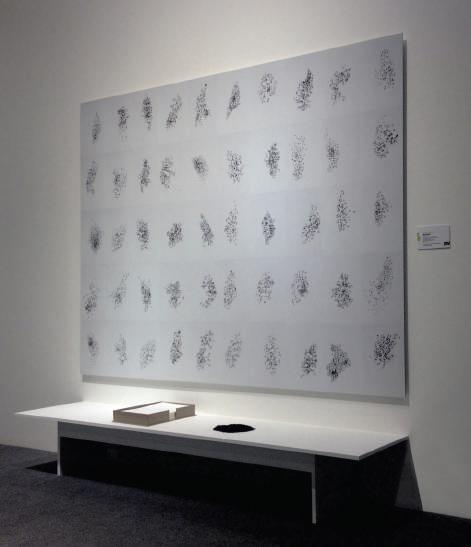
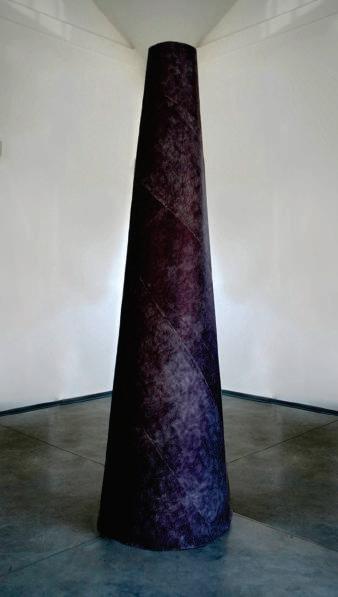
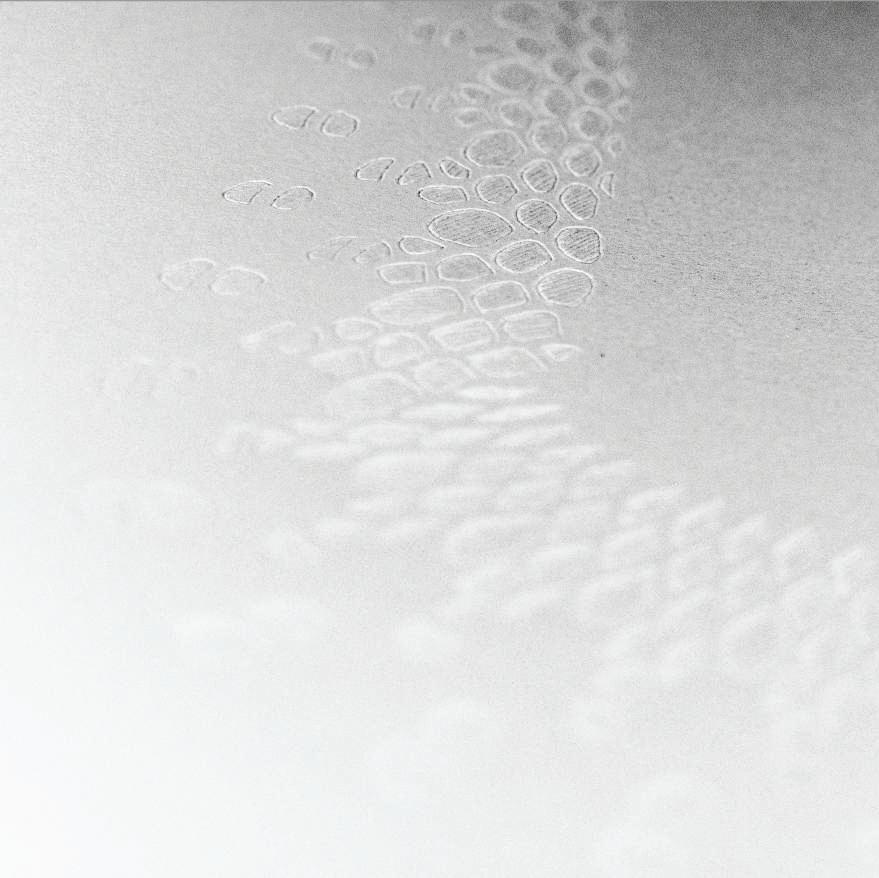
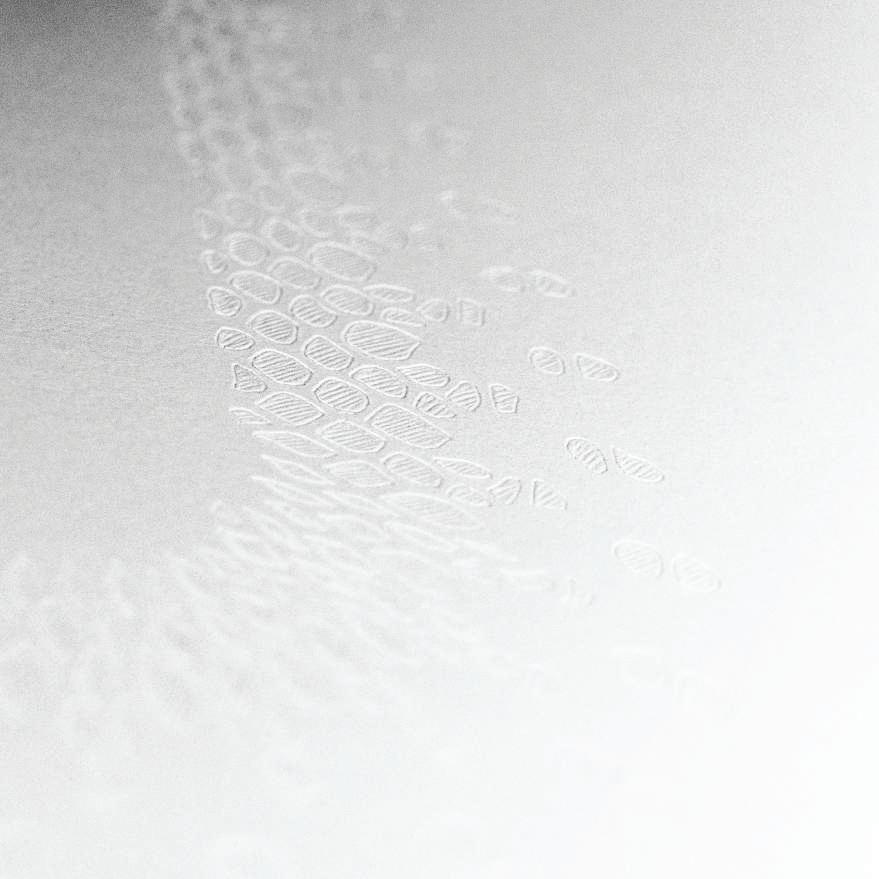
Conceptual artist, born in Brescia in 1986 and graduated from the Academy of Fine Arts "SantaGiulia" in Brescia, she works coherently, for years, on an attentive research on time and temporality, leading to the extreme principles derived from it. Her path, made of the repetition of the gesture, is purgatorial and salvic, made of the atonement to daily indifference, of the demonstration to itself of the responsibility of its existence in the world Over the years, the gesture is resulted in walls scratched with ngers and awls, in thin strokes of blue biro on columns three meters high, in spears wrapped in intimate tissue, in large celestial maps built with the fury of laces of her grandmother, where the memory loses fragments Today the artist experiences the traces of rice in the liquid ink, creating a great work, entitled “I giorni”, formed by a photographic installation that depicts one hundred lighter sheets, on which the grains of rice leave their mark, creating ights of images. In 2014 she won the Critic’s Prize at the Visual Arts Prize San Fedele, Milan
Walter Bonomi
As if you, without wanting to, Would touch me to tell some mystery, sudden and ethereal, That you didn't even know should exist.
Silvia Inselvini_Eadem Mutata Resurgo
Il progetto espositivo, dedicato ad una delle giovani Artiste più interessanti, e seguita dalla critica più attenta, presenta una selezione di Opere di altissimo pregio
Il lavoro presentato si articola in diverse sezioni :
Dall' installazione riconducibile al lavoro “La strada”, “Le spade” e “Respiri” (opera quest'ultima di grande impatto visivo), al video che ha una funzione integrante nello sviluppo della creazione artistica , parte esso stesso dell' opera, alla ripetizione meccanica e insonne del gesto come ad esempio nel lavoro “Non Dormo la Notte”, che si avvicina ad una forma di preghiera dove il lavoro dell' Artista perde la forma di volontà per mutarsi in automatismo.
Tutto il percorso espositivo, che come detto segue in profondità il lavoro degli ultimi anni, cerca di indagare il processo di creazione che non si limita all' Opera esposta, ma al faticoso processo di avvicinamento al senso Parte fondamentale dell' opera d' Arte è quindi la conoscenza del tempo sospeso, curato, indotto in forma di mantra, che ha condotto al risultato nale, visibile ai nostri occhi, che non deve dimenticare l' indagine sulle origine delle cose.
L' originalità indiscussa dell' Artista Silvia Inselvini, la profonda commistione tra Opera, Parola, Lavoro ossessivo e non ossessionato, rende il progetto proposto, articolato in una quindicina di Opere, una ricerca dell' Origine.
Origine di senso, di tempo, di se
Per questo tutta la mostra (e non solo le singole Opere), ospitata negli spazi della Galleria IAGA
Contemporary Art può denirsi contemporaneo nel senso più prossimo del termine: è la visione certosina del momento in attualità , proposta tramite le mani, gli occhi, l' insonnia, tramite il lungo e faticoso percorso di creazione (che per alcuni lavori esposti dura mesi) dell' Artista
Allora, attraverso la supercie, arriviamo a vedere la profondità.
Artista concettuale, nata a Brescia nel 1986, diplomatasi all'Accademia di Belle Arti "SantaGiulia" di Brescia, svolge con coerenza, da anni, una sorvegliata ricerca sul tempo e sulla temporalità, portando alle estreme conseguenze i principi che ne derivano Il suo percorso, fatto di ripetizione del gesto, è purgatoriale e salvico, di espiazione all'indifferenza quotidiana, di dimostrazione a sè stessa della responsabilità del suo esserci al mondo. Negli anni il gesto si è tradotto in muri grattati con dita e punteruoli, tratti sottili di biro blu su colonne alte tre metri, lance di tessuti intimi avvolte, grandi mappe celesti costruite con la furia di merletti della nonna, dove la memoria perde i frammenti del ricordo Oggi l'artista sperimenta lo sgranarsi del riso nel liquido inchiostro, creando una grande opera, intitolata "I giorni", formata da una installazione fotograca che ritrae cento fogli leggeri, sui quali i chicchi del riso lasciano il segno, creando voli di immagini Nel 2014 vince il Premio della Critica al Premio Arti Visive San Fedele, Milano
Walter Bonomi
I am obsessed with time and its suspension.
My work is methodical, based on the repetition of precise gestures, every time different according to the idea I am working on. The most important part of my work is the process itself, which is not just a mechanical repetition, but a new measure of time.
Through this personal, cathartic meditation I pretend to control time and forget the transience of existence. The sense of absence that characterizes most of my works is not a subject of research, but only a dominant mental condition.
Silvia Inselvini
Silvia Inselvini_ Eadem Mutata Resurgo
Expoziţia dedicată uneia dintre cele mai interesante artiste italiene şi urmărită atent de către critici, prezintă o selecţie de lucrări de o înaltă calitate.
Lucrările expuse sunt împărţite în diferite categorii:
De la amenajările aferente operelor "La Strada" , "Le spade" şi "Respiri" , ultima cu un puternic impact vizual, până la proiectarea video cu rol integrant în dezvoltarea creaţiei artistice, la repetiţia mecanică şi insomniacă a gesturilor, aşa cum este, spre exemplu, lucrarea "Non dormo la Notte" care se apropie de o formă de rugăciune în care munca Artistei îşi pierde esenţa voinţei şi se îndreaptă spre automatism
Expoziţia în ansamblul ei, vizând în profunzime munca ultimilor ani aşa cum s-a mai spus, încearcă să urmărească procesul de creaţiei care nu se limitează doar la Opera expusă, ci la un proces istovitor de apropiere de sens. Elementul esenţial al operei de artă constă aşadar în cunoaşterea unui timp oprit, etern, indus în forma de mantra care a condus spre rezultatul nal, vizibil percepţiei noastre, dar care trebuie să uite de căutarea originilor
Originalitatea indiscutabilă a artistei Silvia Inselvini şi profunda legătură dintre Operă, Cuvânt şi Munca obsesivă, dar nu şi obsedantă, fac din proiectul propus, împărţit în cincisprezece Opere, o căutare a Originii.
Originea sensului, a timpului, a sinelui
Astfel, întreaga expoziţie(nu numai ecare Opera în parte) găzduităde Galeria IAGA Contemporary
Art se poate înscrie în arta contemporană în adevăratul sens al cuvântului: este viziunea certozină a momentului prezent, mijlocită de mâini, ochi şi insomnie pe parcursul unui proces de creaţie îndelung şi migălosal artisteicare poate să durezechiar mai multe luni pentruunele dintrelucrărileexpuse
Prin urmare, prin suprafaţă, ajungem să vedem profunzimea
Artist conceptual, născută în Brescia în 1989 şi absolventă a Academiei de Artă "SantaGiulia" din Brescia, lucrează coerent, de ani de zile, în cercetarea atentă asupra timpului şi temporalităţii, ducând la extremă principiile derivate ale acestora. Parcursul său, creat din repetiţia gestului, este purgatoriu şi salvic, născut din ispăşirea indiferenţei zilnice, a dovezii însăşi asupra responsabilităţii existenţei sale în lume Cu trecerea timpului, gestul este tradus în pereţi zgâriaţi cu unghii şi degete, în linii albastre-biro pe coloane de 3 metri înălţime, în spade învelite în ţesături intime, în hărţi mari celeste construite din furia dantelei bunicii, unde memoria pierde fragmente. Astăzi artista experimentează urme ale orezului scufundat acoperit de cerneală, creînd o minunată opera intitulată, "I Giorni", formată dintr-o instalaţie fotogracă care înfăţişează 100 de coli delicate peste care orezul a lăsat urme, formând zboruri de imagini. În 2014 a câştigat Premiul Criticilor la Concursul de Arte Vizuale San Fedele în Milano
Walter Bonomi
EN
Silvia Inselvini | Eadem Mutata Resurgo
Silvia Inselvini is present in her works as author and protagonist, in an intimate diary that recounts the estrangement from herself and the drama of persistence in an everyday life The artists imagines shelters to become aware of the possible destiny and of her origin. The conceptual form that memory acquires of the past is a reection on the eternal idea of the return to what once was and can't be the same again The feelings are those of nostalgia, revolt and loss – all directed toward a time partially reversible to a level of the subconscious
The project Eadem Mutata Resurgo proposes a set of manifests of neurotic nature on some material transposed in the work with an impetuosity of gesture that submits to different psychic pressures coming from social settings. Silvia Inselvini faces the theme of intimacy of the self, a self-rediscovered in contrast with everyday life. In the life of the creator, the stimuli of the action are found beyond the reasoning of being, imposing themselves as automatic gestures missing from the meaning of the object in the work context The work does not represent the gesture of sacrice anymore nor a revealing force for the physical and psychological capabilities of man, nonetheless an opportunity remains for the representation of destiny Devoid of even the practical purposes and the specic rules of functioning, the manual skill and the gesture remain two relevant tools from the quantitative and qualitative point of view as cyclic mechanisms in the production activities.
The representation of the objects depicts an activity of Sisyphus for Silvia Inselvini, acquiring a form of penitence that generates mistakes, insomnia and the frustration of incompleteness, beyond the exhaustion of the product work. Working does not represent, as an activity, a modality of shelter from the psychological point of view, but rather a mode of transportation of the person in that object, in that process of reication
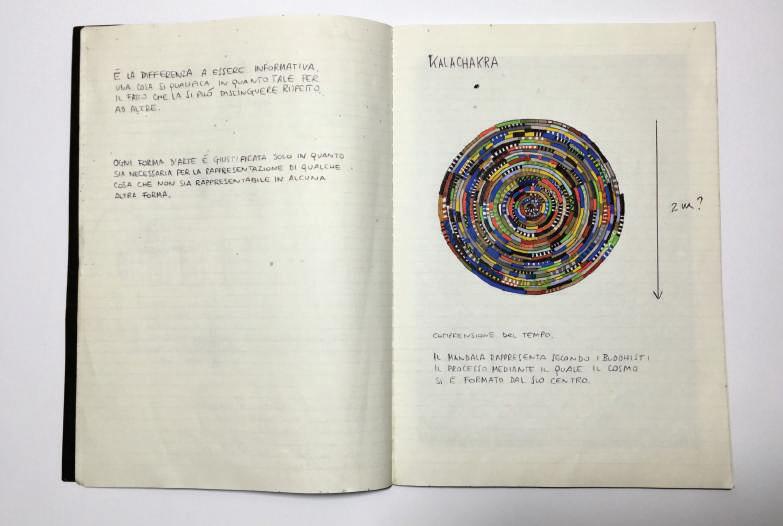
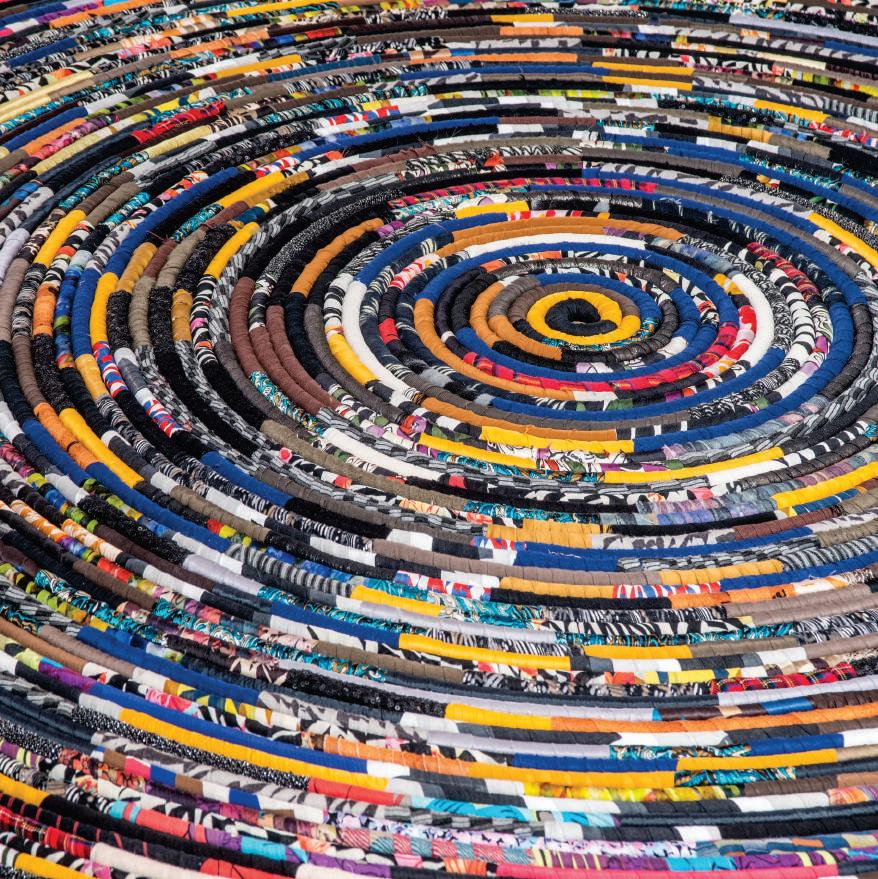
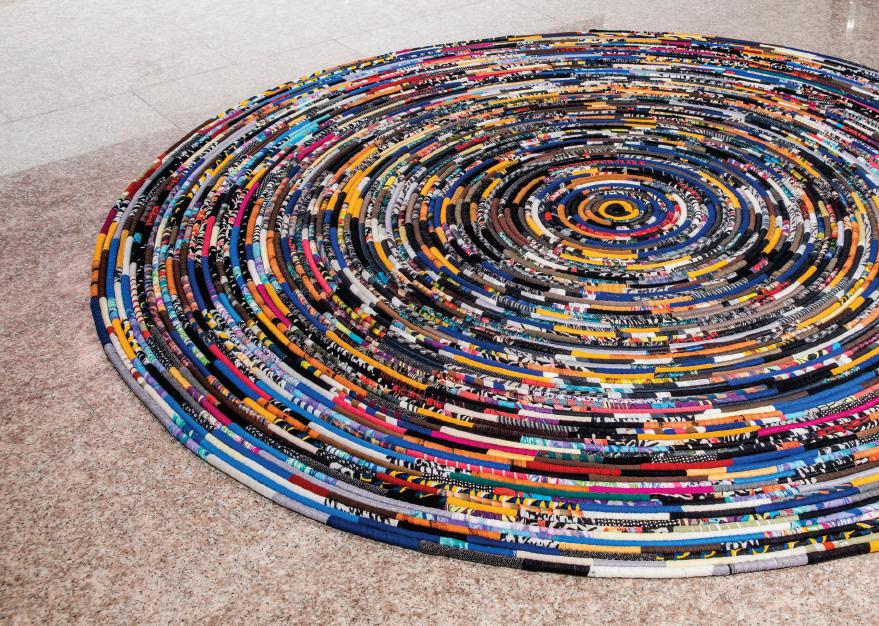
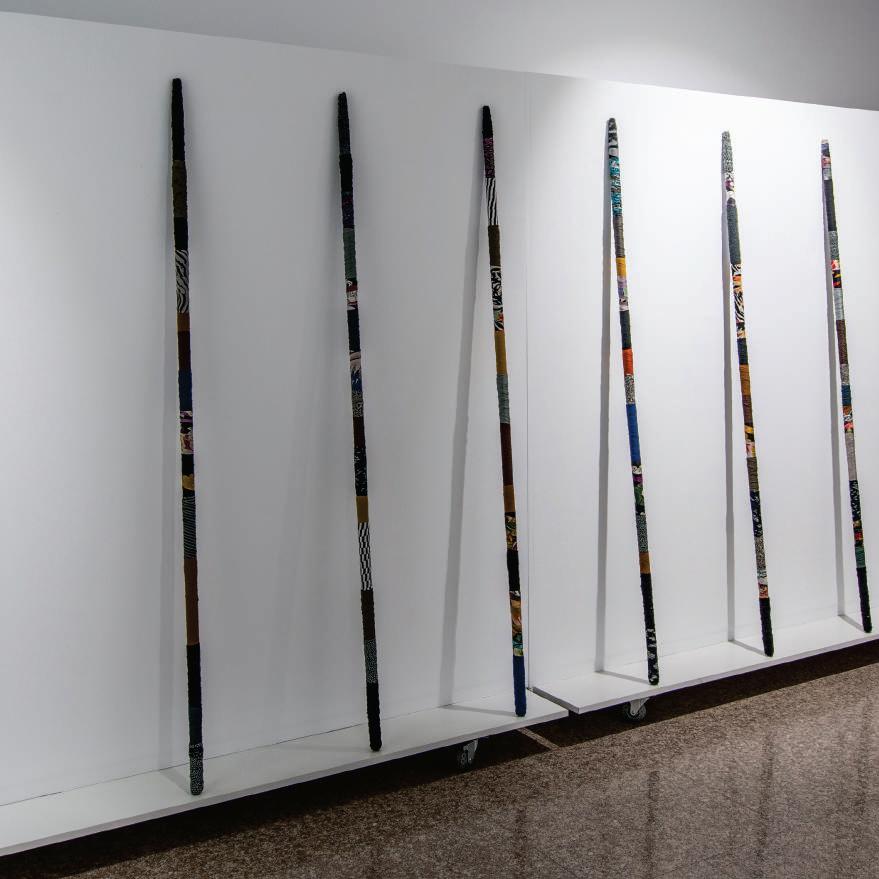
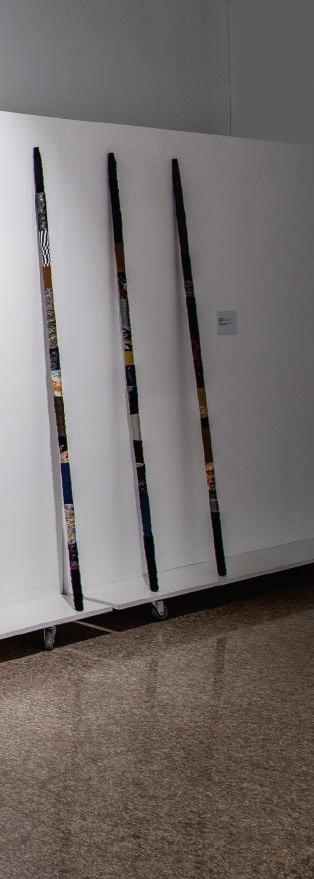
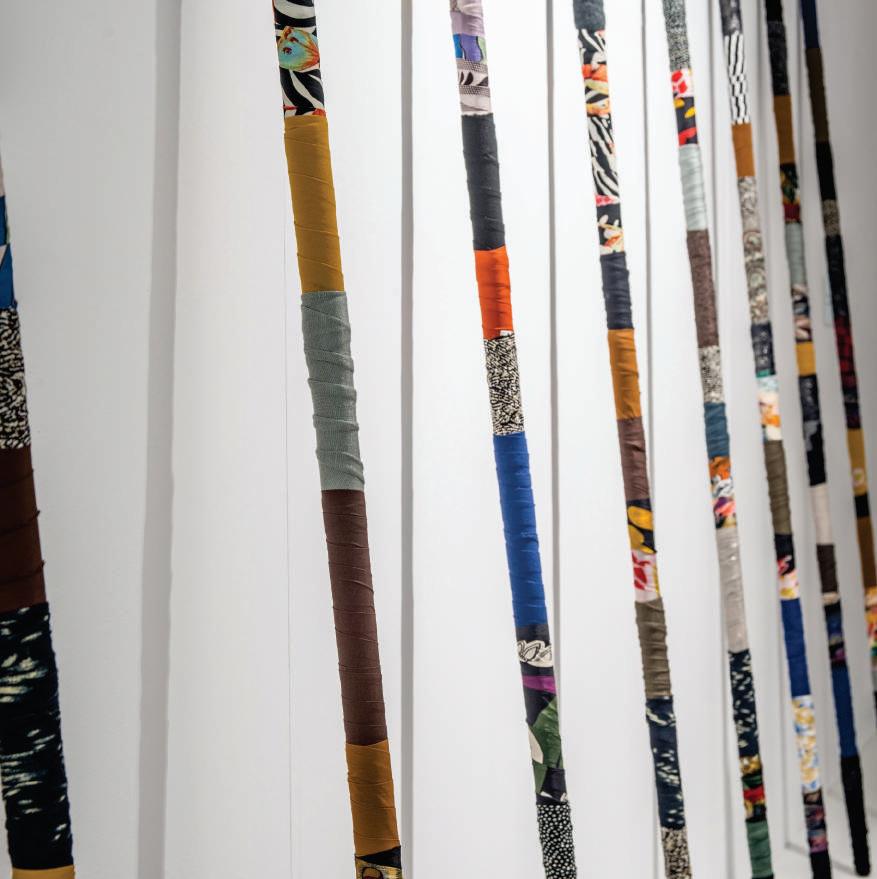
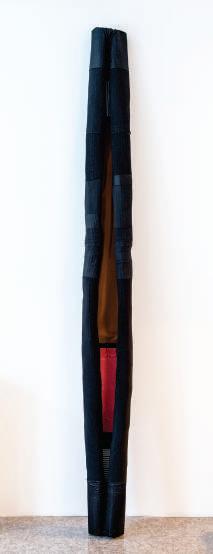
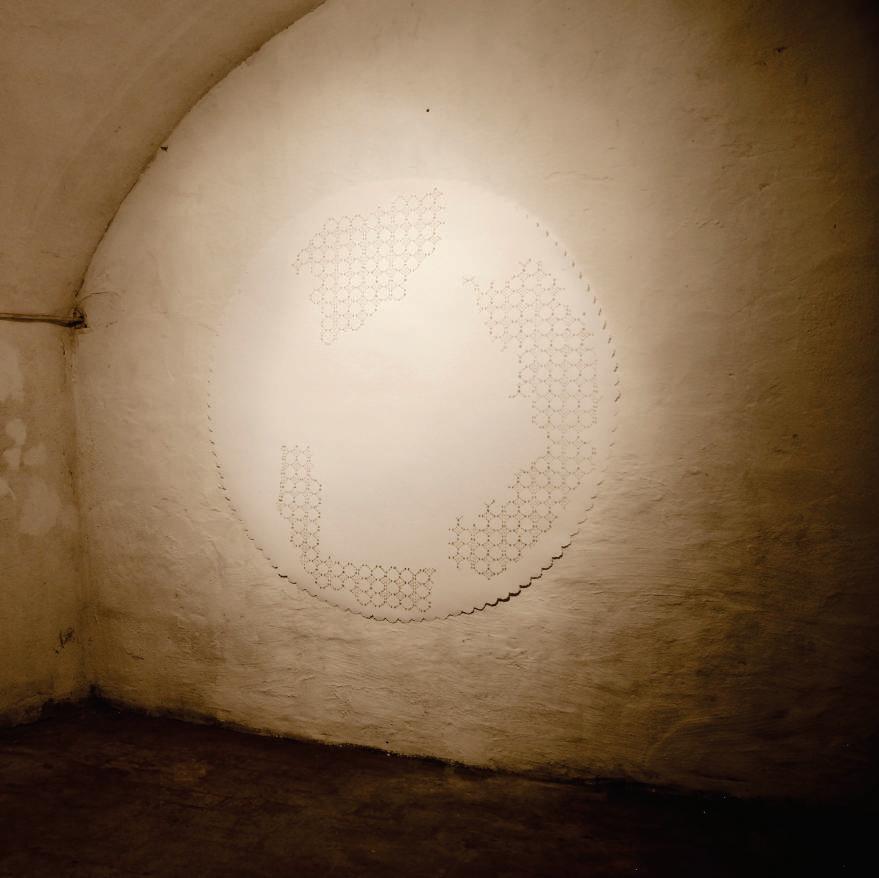
The symbolic overestimation of some personal objects, such as the textile objects – become venerated objects -, rises from the assembly of these prefabricated things in oversized forms Such forms concentrate around phallic symbols (Le Spade), representing a subconscious phase of existence, but also a clue of human frailty that by its own nature, presents a defensive behaviour when facing the unknown and the unforeseeable. The street and the circle-spiral motif (La Strada, Kalachakra) are other materialised representations around the idea of beginning and end, having as generic symbol the initiating path of spiritual enrichment, with effects and consequences on the personality over time
The elements that repeat themselves obsessively, ordering themselves in sequential compositions (Non Dormo La Notte, Respiri, Errori), present subtle variations of the same gestures. The diary of the nights and of the mistakes represents the sequences of silence for the various moods, reproduced for the movement of some story boards, graphic-cinematic forms that compose the suspension of a present time
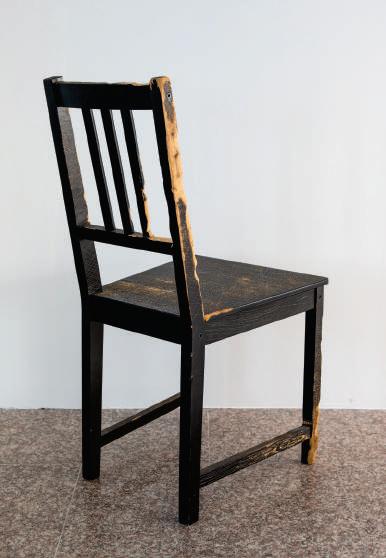
The action of intervening destruction on the object is a result of the repressions and venerations; the exteriorising as form of alteration of the object that manifests through beats of anxiety and revolt toward oneself and others (Per non uccidermi, per non ucciderti).
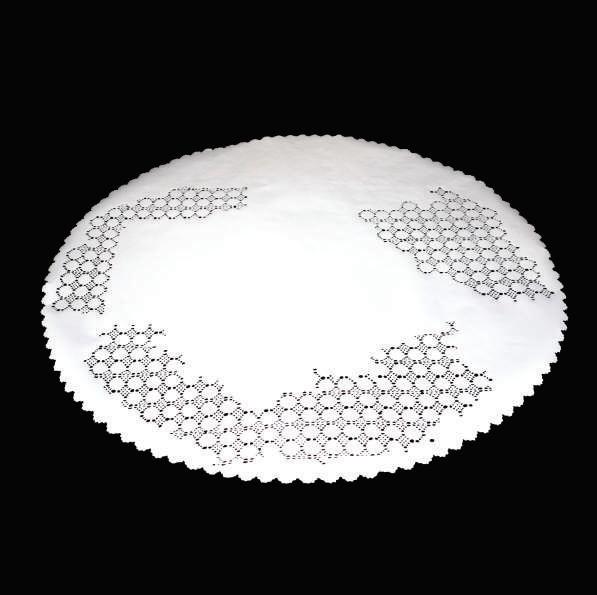
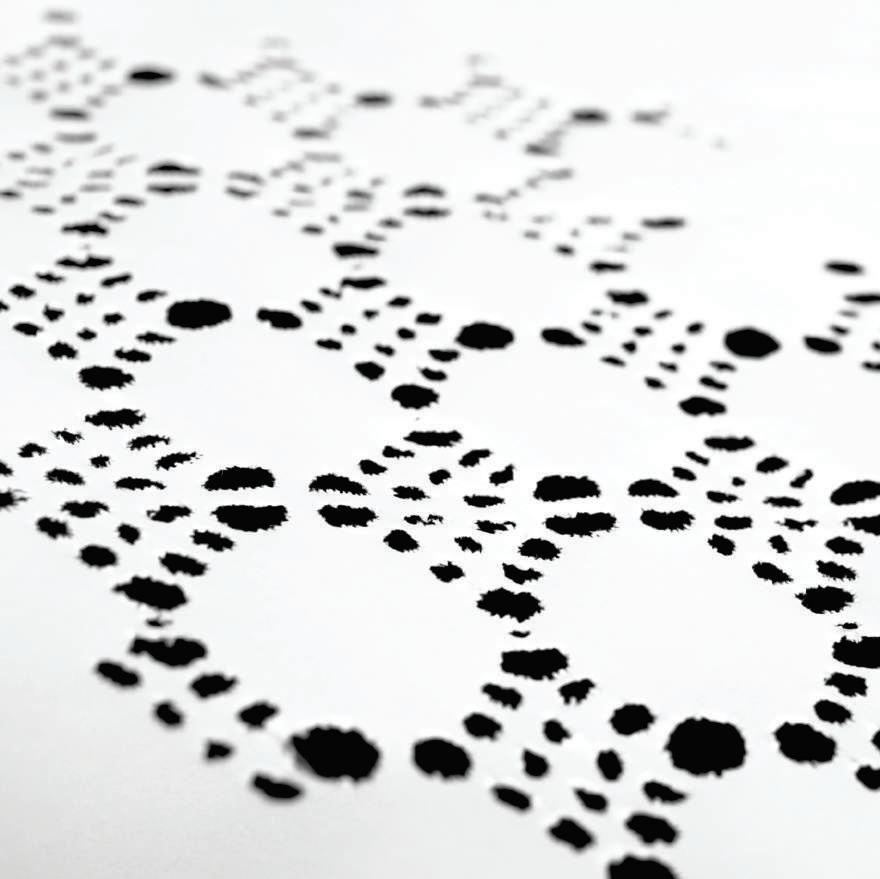
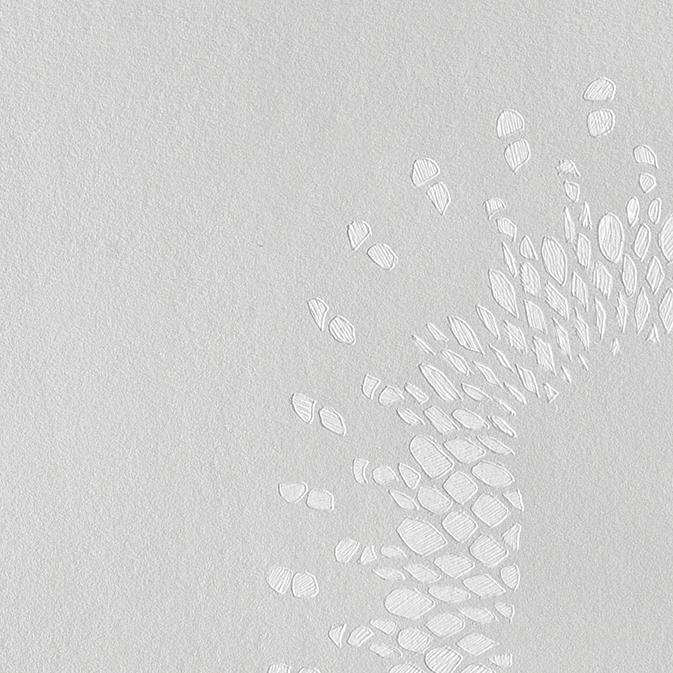
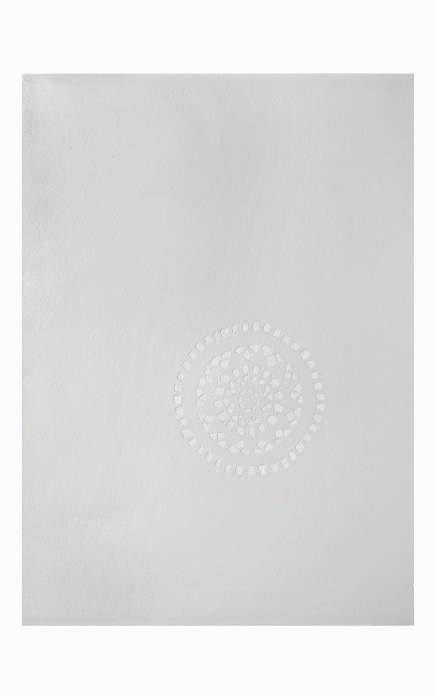
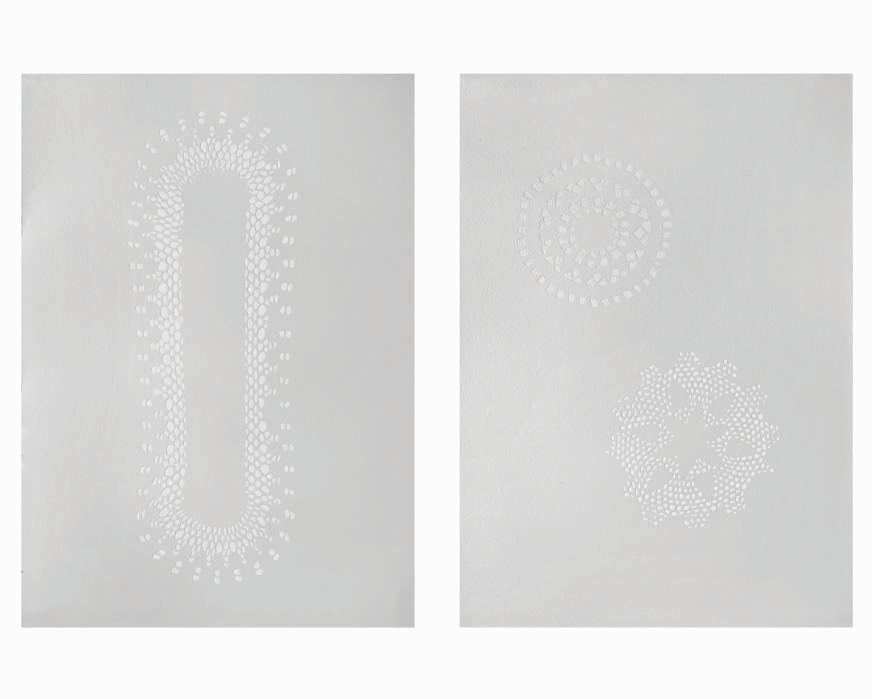
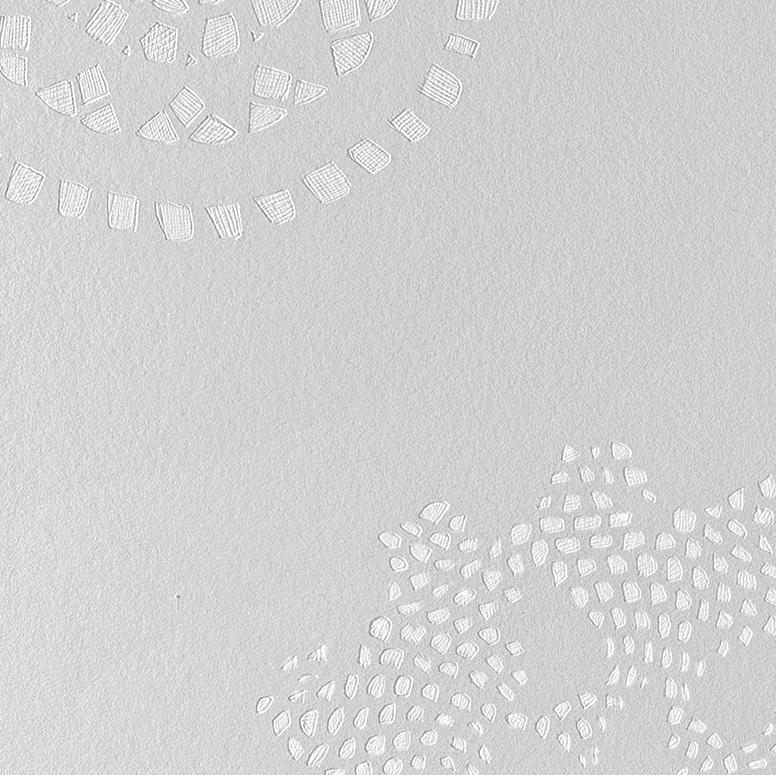
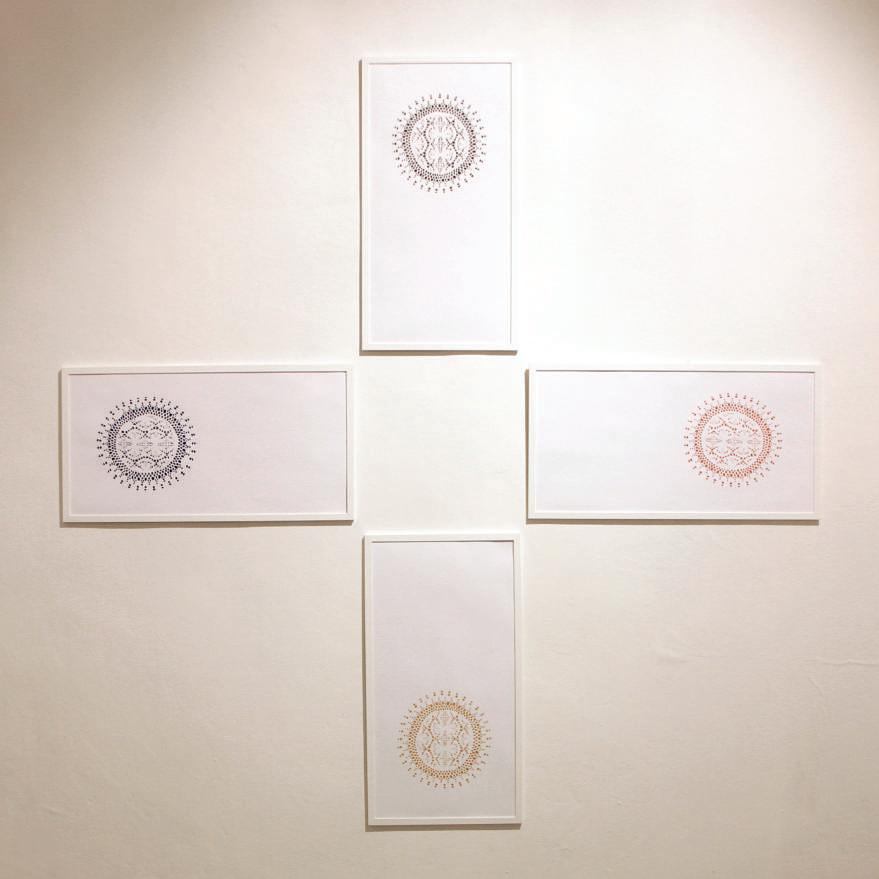
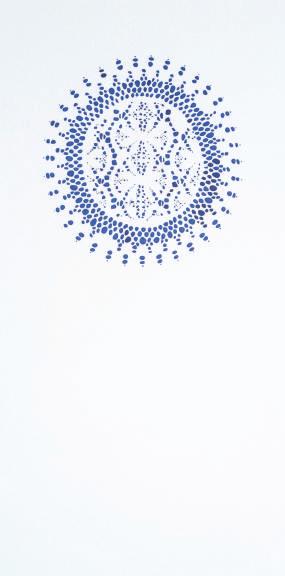
The composition coming from ample activities, sustained by automatic gestures (Cellule, Mappe) are characterised by the geometrical symmetry and the renement of the dispositions in the white amplitude of depth lacking space. Such subtleties of whites on whites, as well as the techniques of perforation in the supports that compose the imaginary maps risen from a lost childhood, seem detached form the alphabet of the blind
The bi-dimensional representations reect a remembrance of lost dreams, attempted in a new reconstitution. The fragments of memory have risen together from laborious activities, with which a fragile balance is found between the forms of perceivable reality and the amalgam of some internal states that are in their nature contradictory
Georgeta-Olimpia Bera
IT
Silvia Inselvini | Eadem Mutata Resurgo
Silvia Inselvini è presente nei suoi lavori come autore e protagonista, in un diario intimo che racconta l'estraniamento da sé stessa e il dramma della persistenza in una vita quotidiana. L'artista immagina dei rifugi per rendersi consapevole del possibile destino e della suo origine. La forma concettuale che la memoria acquisisce sul passato è una riessione sull'idea eterna del ritorno a quello che c'era una volta e non può esserci più lo stesso I sentimenti sono quelli di nostalgia, rivolta e perdita - diretti tutti verso un tempo parzialmente reversibile a un livello di subcosciente.
Il progetto Eadem Mutata Resurgo propone un insieme di manifesti di natura nevrotica su alcuni materiali trasposti nell'opera con un'impetuosità del gesto che si sottopone a differenti pressioni psichiche provenienti da ambienti sociali Silvia Inselvini affronta il tema dell'intimità del sé, un sé riscoperto in contrasto con la vita quotidiana Nella vita della creatrice, gli stimoli dell'azione si trovano al di là del ragionamento di essere, imponendosi come gesti automatici e mancati dal signicato dell'oggetto nel contesto del lavoro. Il lavoro non rappresenta più un gesto di sacricio e nemmeno una forza rilevatrice per le capacità siche e psichiche dell'uomo, tuttavia rimane però un'opportunità di rafgurazione del destino Privi anche di ni pratici o di regole speciche di funzionamento, la manualità e il gesto restano due mezzi rilevanti dal punto di vista quantitativo e qualitativo come meccanismi ciclici nelle attività di produzione.
La rafgurazione degli oggetti rappresenta un'attività di Sisifo per Silvia Inselvini, acquisendo una forma di penitenza che genera gli errori, l'insonnia e la frustrazione “d'incompiutezza”, oltre all'esaurimento dei lavori nel prodotto Lavorare non rappresenta, come attività, una modalità di rifugio dal punto di vista psichico, ma piuttosto un modo di trasposizione della persona in quel oggetto, in quel processo di reicazione
La sopravvalutazione simbolica di alcuni oggetti personali, tali come gli oggetti tessili – diventati oggetti venerati –, sorge dall'assemblaggio di questi prefabbricati in forme sovradimensionate. Tali forme si concentrano intorno ai simboli fallici (Le spade), rappresentando una fase subcosciente dell'esistenza, ma anche un indizio della fragilità umana che per la sua natura, veste atteggiamento difensivo di fronte allo sconosciuto e all'imprevedibile Il motivo della strada e del cerchio - spirale (La strada, Kalachakra) sono altre rappresentazioni materializzate intorno all'idea dell'inizio e della ne, avendo come simbolo generico il percorso iniziatico dell'arricchimento spirituale, con effetti e conseguenze sulla personalità lungo il tempo
Gli elementi che si ripetono ossessivamente, ordinandosi in composizioni sequenziali (Non dormo la notte, Respiri, Errori), presentano variazioni sottili degli stessi gesti. Il diario delle notti e degli errori rappresenta le sequenze del silenzio per vari stati d'anima, riprodotti per il movimento di alcuni story board, forme graco-cinematiche che compongono le sospensioni di un tempo presente
L'azione di distruzione interveniente sull'oggetto è un esito delle repressioni e delle venerazioni; l'esteriorizzazione come forma di alterazione dell'oggetto si manifesta tramite battiti di ansietà e rivolta verso sé stesso e gli altri (Per non uccidermi, per non ucciderti).
Le composizioni provenienti da attività ampie, sostenute dai gesti automatici (Cellule, Le Mappe) sono caratterizzate dalla simmetria geometrica e dal perfezionamento delle disposizioni nell'ampiezza bianca di uno spazio mancato di profondità. Tali sottilità di bianchi su bianchi, nonché le tecniche di perforazione dei supporti che compongono le mappe immaginarie sorte da un'infanzia persa, sembrano distaccate dall'alfabeto dei ciechi
Le rafgurazioni bidimensionali rispecchiano un ricordo dei sogni persi, tentati in una nuova ricostituzione I frammenti di memoria sono insiemi sorti da attività laboriose, con i quali si scopre quell'equilibrio fragile tra le forme della realtà percettibile e l'amalgamo di alcuni stati interni per la loro natura contradittoria
Georgeta-Olimpia Bera
The undisputed originality of the Artist Silvia Inservini, the profound mingling of Artwork, Word, obsessive and not obsessed work, makes of the proposed project, articulated in fteen or so works, an search of the Origin.
Origin of sense, of time, of self
For this reason the entire exhibition (and not only each individual work) hosted in the IAGA Contemporary Art gallery can be dened contemporary in the very sense of the term: it is the detailed vision of the moment in modernity, proposed through the hands, the eyes, the insomnia, through the long and arduous path of creation (that for some works exhibited lasted months) of the Artist. Therefore, through the surface, we achieve a vision of the depth
Walter Bonomi
RO
Silvia Inselvini | Eadem Mutata Resurgo
Silvia Inselvini este prezentă, ca autor și protagonist în operele sale, într-un jurnal intim despre înstrăinarea de sine și despre drama persistenței într-o viață cotidiană. Artista își imaginează refugii pentru conștientizarea posibilei meniri și a propriei origini Forma conceptuală pe care o capătă memoria asupra trecutului este o reecție asupra ideii de eternă reîntoarcere la ceea a fost și nu mai poate la fel Sentimentele sunt cele de nostalgie, revoltă și pierdere – toate îndreptate asupra unui timp parțial reversibil, la un nivel subconștient
Proiectul Eadem Mutata Resurgo propune un ansamblu de manifestări de factură nevrotică asupra unor materiale transpuse în operă, cu o impetuozitate a gestului ce se supune diferitelor presiuni psihice provenite din mediile sociale. Silvia Inselvini aborează tema intimității sinelui, un sine redescoperit în contrast cu în viața de zi cu zi. În viața creatoarei, resorturile care stau la baza acțiunii se constituie în afara rațiunii de a , impunându-se ca și gesturi automate și golite de semnicația obiectului în contextul muncii Lucrul nu mai reprezintă un gest de sacriciu și nici o forță revelatoare pentru capacitățile zice și psihice ale omului, dar cu toate acestea rămâne un prilej de pregurare a unui destin. Chiar și eliberate de nalitățile practice sau de regulile specice de funcționare, manualitatea și gestul rămân două mijloace relevante din punct de vedere cantitativ și calitativ, ca mecanisme ciclice în activitățile de producție
Redarea obiectelor reprezintă o activitate sisică pentru Silvia Inselvini, având o formă de penitență care generează erori, insomnie și frustrarea „neîmplinirii”, dincolo de epuizarea în produs a lucrărilor. A munci nu reprezintă, ca activitate, o modalitate de refugiu din punct de vedere psihic, ci mai degrabă este un mod de transpunere a persoanei în acel obiect, în procesul de reicare
Supraestimarea simbolică a unor obiecte personale, cum sunt obiectele textile - devenite obiecte-fetiș
– se naște prin asamblarea acestor prefabricate în forme supradimensionate Aceste forme se concentrează în jurul simbolurilor falice (Le spade), reprezentând o etapă subconștientă a existenței, dar și un indiciu asupra fragilității umane, care prin natura sa prezintă o atitudine defensivă în fața necunoscutului și a imprevizibilului. Motivul drumului și cel al cercului - spirală (La strada, Kalachakra ) sunt alte redări concretizate în jurul ideii de naștere și de moarte, având ca simbol generic drumul inițiatic, al îmbogățirii spirituale, cu repercusiuni în timp asupra personalității
Elemente ce se repetă obsesiv, ordonându-se în structuri secvențiale (Non dormo la notte, Respiri, Errori), prezintă variațiuni subtile ale acelorași gesturi. Jurnalul nopților și al erorilor reprezintă secvențe ale trecerii prin diferite trăiri, redate prin mișcarea unor story board-uri, forme graco-cinematice care alcătuiesc suspensii ale unui timp prezent
Acțiunea de distrugere în intervenția asupra obiectului este o consecință a defulărilor dar și a fetișizării; exteriorizarea ca formă de alterare a obiectului se manifestă prin pulsiuni de anxietate și revoltă față de sine și față de celălalt (Per non ucidermi, per non uciderti).
Compozițiile provenite din activitățile ample, susținute de gesturi automate (Cellule, Le Mappe) sunt caracterizate prin simetria geometrică și perfecțiunea dispunerilor în plenitudinea albă a unui spațiu căruia acum îi lipsește profunzimea. Aceste subtilități de alburi peste alburi, precum și tehnicile de perforare ale suporturilor care alcătuiesc hărți imaginare dintr-o copilărie pierdută par a desprinse din alfabetul orbilor
Redările în bidimensional sunt o amintire a viselor pierdute care sunt atrase într-o nouă reconstituire Frânturile de memorie sunt asambluri rezultate din activități laborioase, prin care se descoperă acel echilibrul fragil dintre formele realității perceptibile și amalgamul unor stări interioare, prin natura lor contradictorii
Georgeta-Olimpia Bera
“Notturno 1”
I have a little book Where I write When I forget about you. It's a book covered in black Where I still haven't written anything.
Pessoa
“Notturno 2”
“Notturno 3&4”
“Notturno 5”
“Notturno 6”
“Notturno 7”
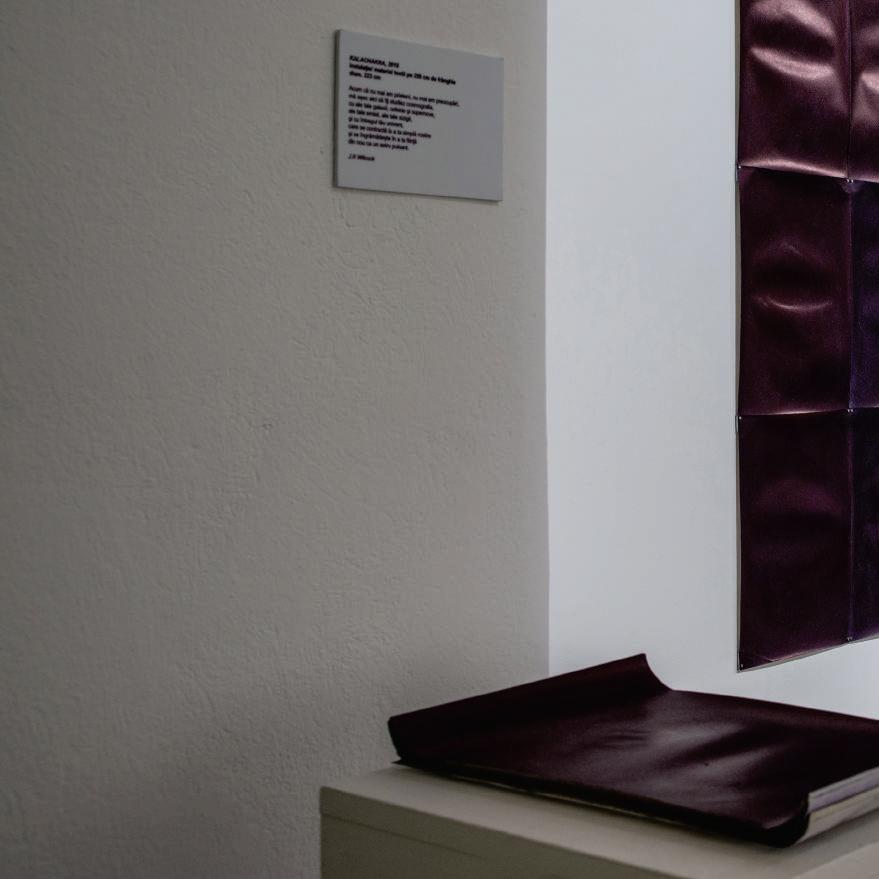
Now that I have no more friends, I have no more interests I stay here studying your cosmography, With your galaxies, cepheids and supernovas, Your radio emissions, your syzygies, And the entire universe, That at your word becomes stiff And it concentrates solely in your person Once again like a pulsating star
J.R. Wilcock
“Kalachakra”
“Le
Spade”
The past only comes back when the present runs so smoothly that it is like the sliding surface of a deep river. Then one sees through the surface to the depths.
“La Strada”
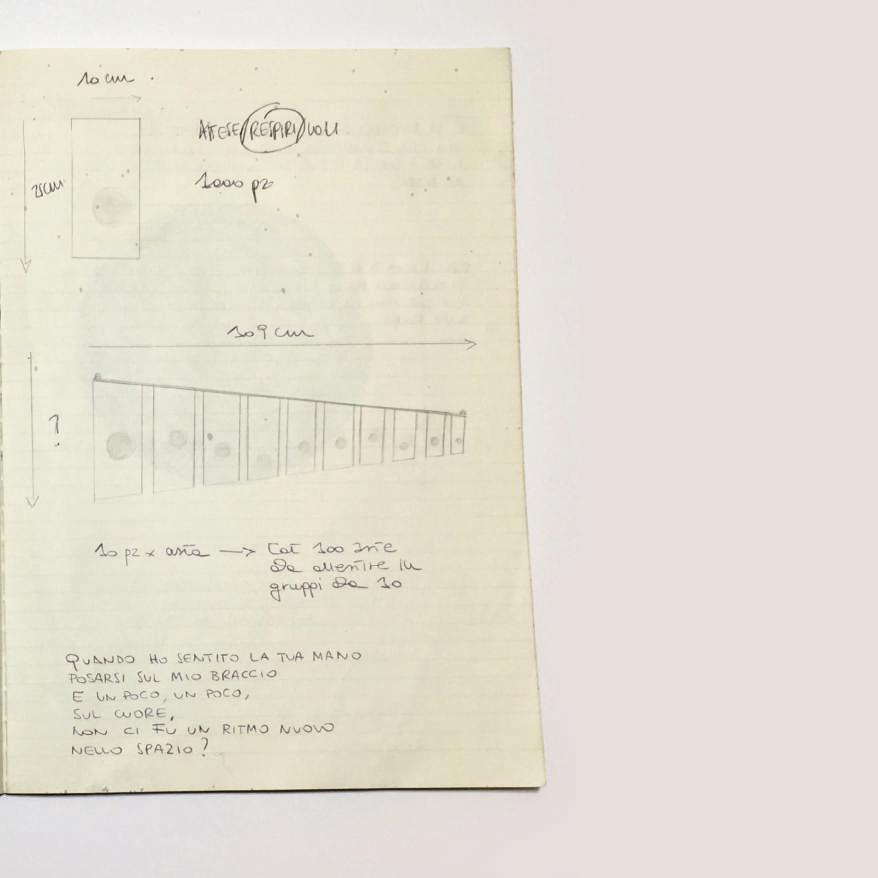
When I felt your hand on my arm And a little, a little, on my heart, Wasn't there a new rhythm in space?
“Per non uccidermi, per non ucciderti”
“La Madre”
Over there there's a fountain that is full of coins. I threw them myself every night that you didn't come back I will take you to see them. Not the stars that fell, not the candles that I lit in the churches, not the verses of prayers, not the tears I have cried, not the nights that I spent awake. Only the coins I will show you
I. Cotroneo
“Non dormo la notte”
I return with my wings.
Let me return!
I want to die being dawn. I want to die being yesterday.
F.G. Lorca
Photo source: Galleria Adiacenze, Bologna
“Clov”
“Cellule”
“I Giorni”
“Per Aspera”
“Quattro”
“Uno”
B i o g r a p h y
Silvia Inselvini
Born in Brescia on the 4th October 1987 where she lives and works
Training and Education
2011
Graduated in Visual Arts, Accademia di Belle Arti SantaGiulia, Brescia
Personal Exhibitions
2016
Eadem Mutata Resurgo, IAGA Contemporary Art Gallery, curated by Olimpia Bera and Walter Bonomi, Cluj- Napoca, Romania (catalogue)
2014
Visual Art Prize San Fedele, La creazione, San Fedele Art Gallery, Milano, curated by Andrea Dall'Asta SJ e di Daniele Astrologo Abadal, Ilaria Bignotti, Chiara Canali, Matteo Galbiati, Chiara
Gatti, Kevin Mc Manus, Massimo Marchetti, Michele Tavola (catalogue)
2009
Bi-personal exhibition, “BIG SUR”, Spazio Labus, Brescia
Group Exhibition
2016
Contrazione Pressione, IAGA Contemporary Art Gallery, curated by Walter Bonomi, ClujNapoca, Romania
2016
Times and Genesis, IAGA Contemporary Art Gallery in collaboration with Art Museum ClujNapoca, curated by Olimpia Bera and Walter Bonomi, Cluj-Napoca, Romania (catalogue)
2013
Learned by Heart with Airin Toscani, curated by Elisabetta Scigliano, Galleria Adiacenze, Bologna
2012
E quindi uscimmo a riveder le stelle: il viaggio, Visual Art Prize San Fedele 2012, curated by Andrea Dall'Asta S.I., Daniele Astrologo, Ilaria Bignotti, Chiara Canali, Matteo Galbiati, Chiara Gatti, Massimo Marchetti, Kevin McManus, Michele Tavola, Galleria San Fedele, Milano, (catalogue)
2012
L'uomo- le tradizioni, Biennale Roncaglia Prize under25, San Felice sul Panaro, curated by Ilaria Bignotti, Amerigo Mariotti, Elisabetta Modena, Valentina Rossi, Marco Scotti, Daniela Tozzi, Teatro Comunale, San Felice sul Panaro
2012
Gli artisti bresciani e il disegno, curated by Ilaria Bignotti, Associazione Artisti Bresciani, Brescia, (catalogue)
2011
Sweet Sheets IV (only works on paper)”, curated by Zelle Arte Contemporanea, Palermo
2011
I can no longer associate myself, curated by Stefano Mandracchia, Spazio Morris, Milano
2009
“Giovani presenze a Brescia”, curated by Mauro Panzera, Associazione Artisti Bresciani, Brescia
Prizes
2014
Visual Art Prize San Fedele, La creazione, San Fedele Art Gallery, Milano, curated by Andrea Dall'Asta SJ e di Daniele Astrologo Abadal, Ilaria Bignotti, Chiara Canali, Matteo Galbiati, Chiara Gatti, Kevin Mc Manus, Massimo Marchetti, Michele Tavola. Curators-tutors special mention (catalog).
2012
Biennale Roncaglia Prize under25, “L'uomo- le tradizioni”, San Felice sul Panaro, curated by Ilaria Bignotti, Amerigo Mariotti, Elisabetta Modena, Valentina Rossi, Marco Scotti, Daniela Tozzi. Winner
Visual Art Prize San Fedele, E quindi uscimmo a riveder le stelle – Il viaggio, San Fedele Gallery, Milano, curated by Andrea Dall'Asta S.I., Daniele Astrologo, Ilaria Bignotti, Chiara Canali, Matteo Galbiati, Chiara Gatti, Massimo Marchetti, Kevin McManus, Michele Tavola Selected work (catalog).
24, 25, 74, 76, 77, 79, 92, 93
Cellule, 2014, Tryptic | 80 x 60 cm - each one | empty pen marks on carton plume panel
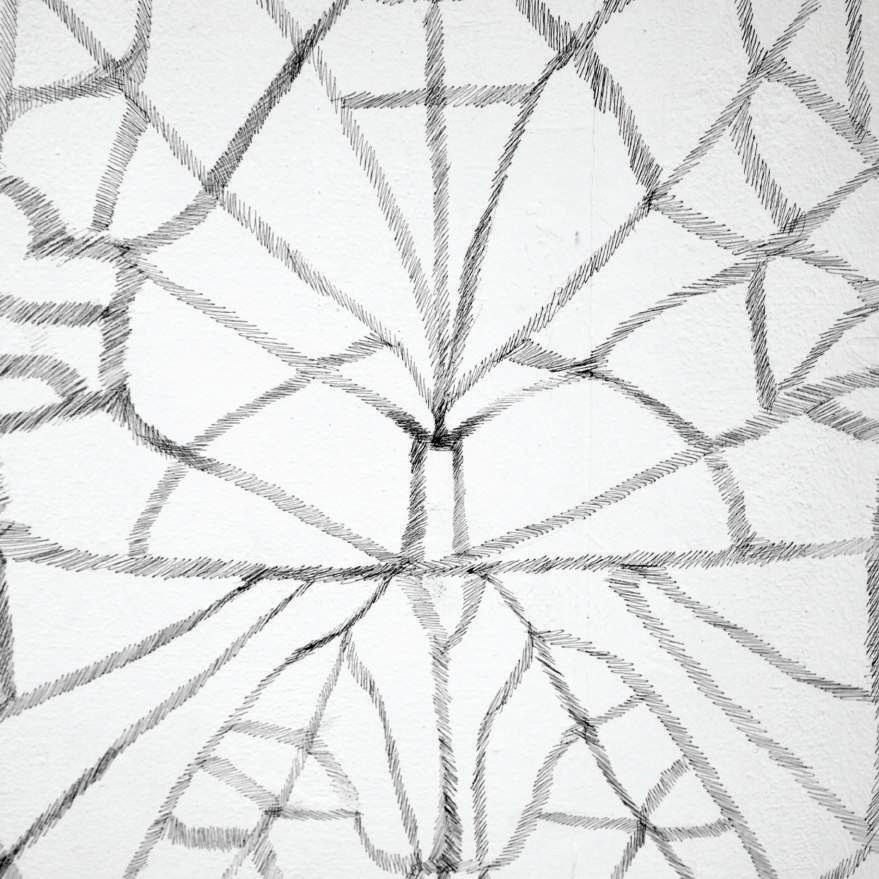
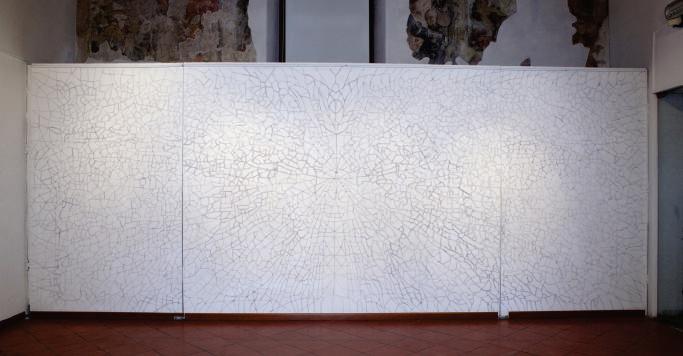
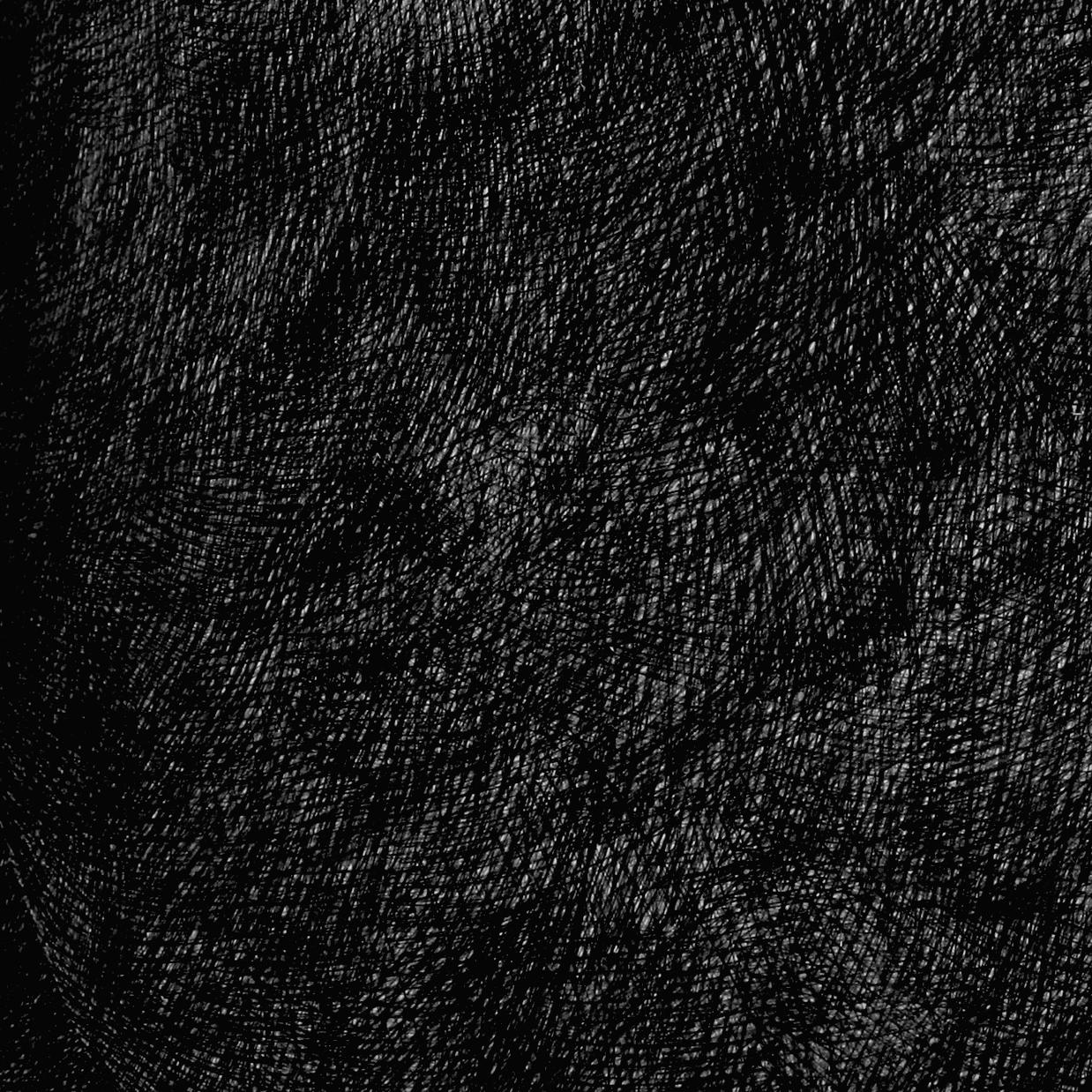
Clov, 2012 | 650 x 300 cm | pen on wall
59
8, 9, 20, 21, 60
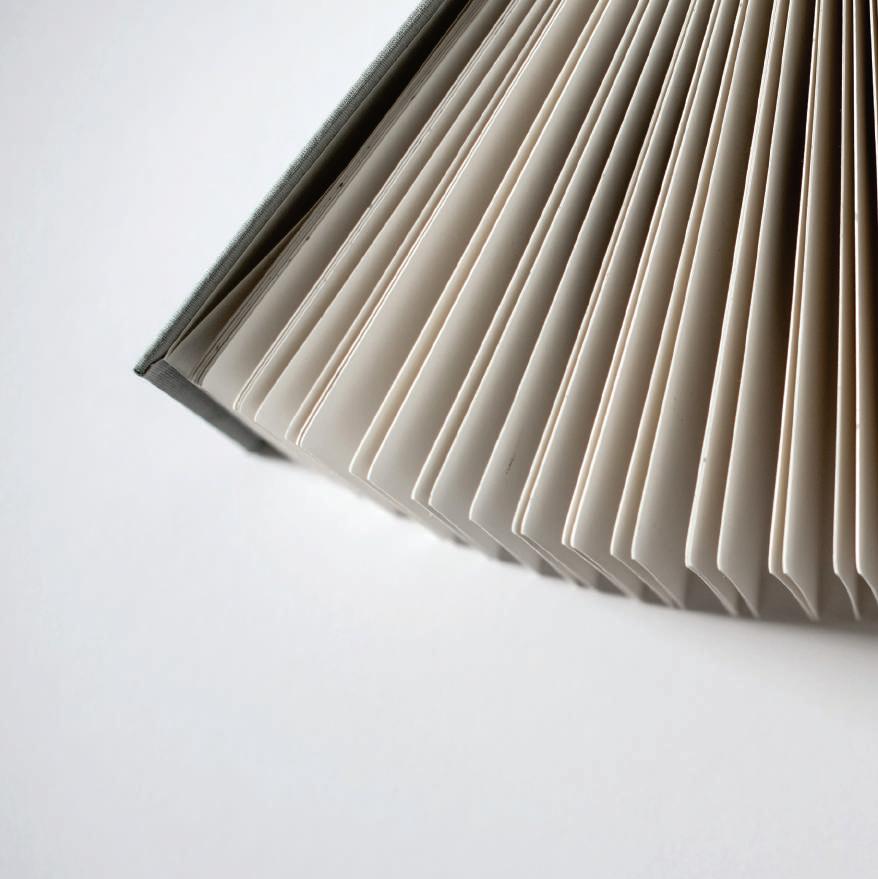
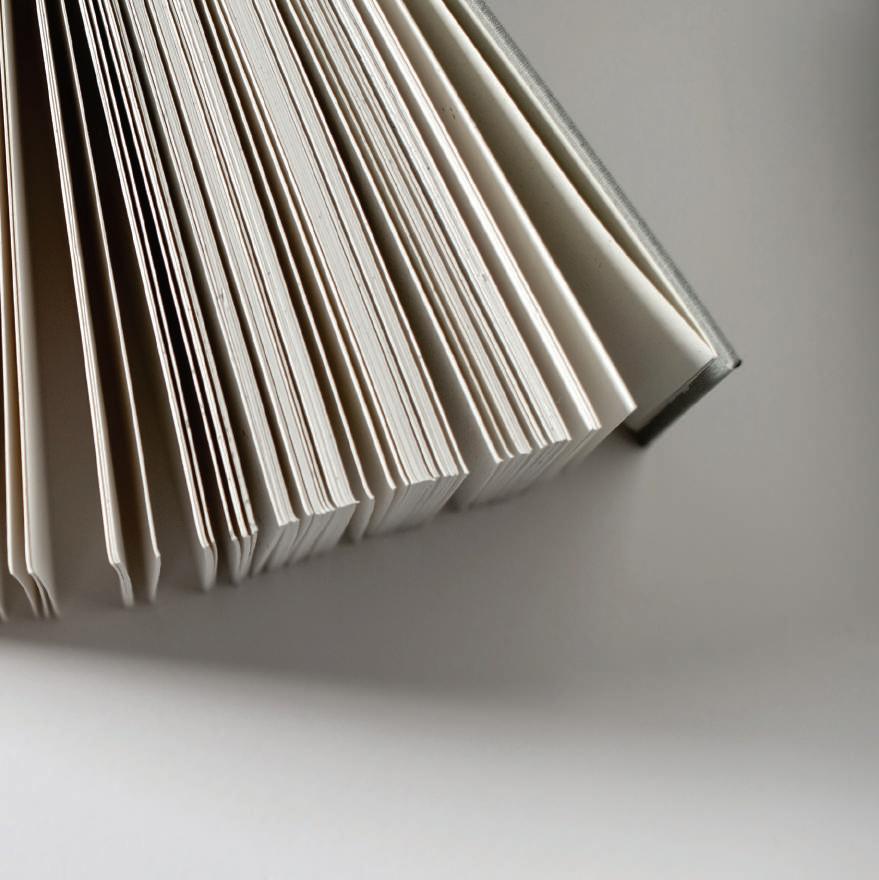
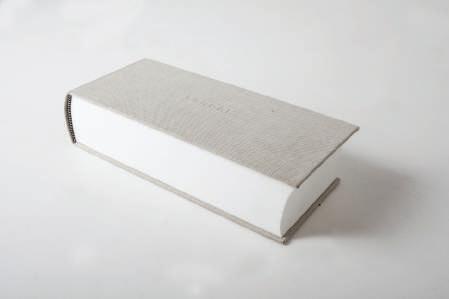
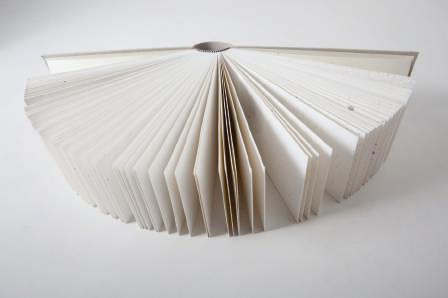
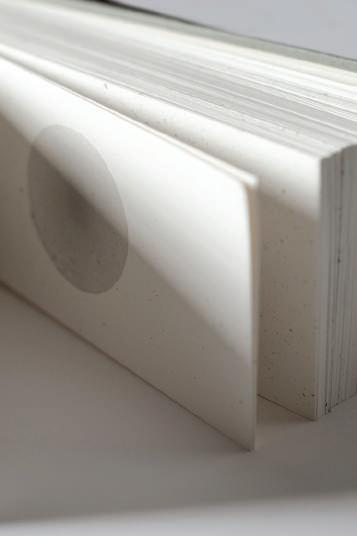
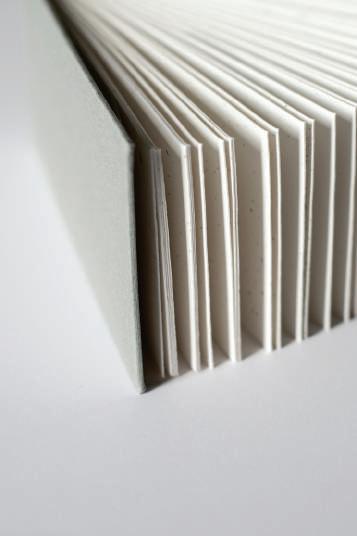
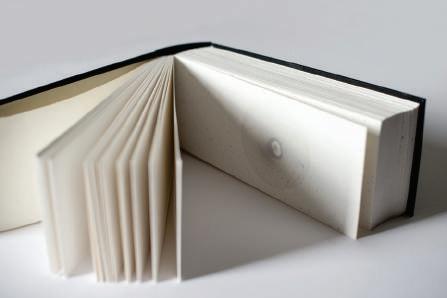
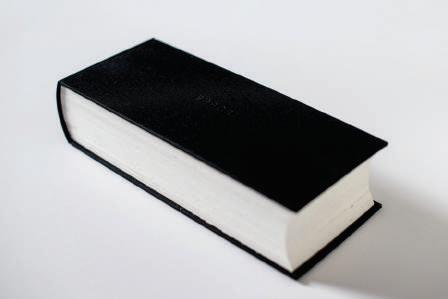
Errori 1, 2016 | 10 x 25 x 6.5 cm, 100 pages book | ink on paper
Errori 2, 2016 | 10 x 25 x 6.5 cm, 100 pages book | ink on paper
Errori 3, 2016 | 10 x 25 x 6.5 cm, 100 pages book | ink on paper
I giorni, 2014 | 165 x 212 cm | paper box - 22 x 35 x 6.5 cm, 50 sheets of paper 21 x 33 each, paper box - 11 x 11 x 3.5 cm with rice, table - 50 x 100 x 25 cm
37, 38, 39, 40, 41
57 61
68, 69, 70, 71
46, 48
42, 43, 44, 45
62, 63, 64, 66, 67
29, 31, 32, 33, 34, 35
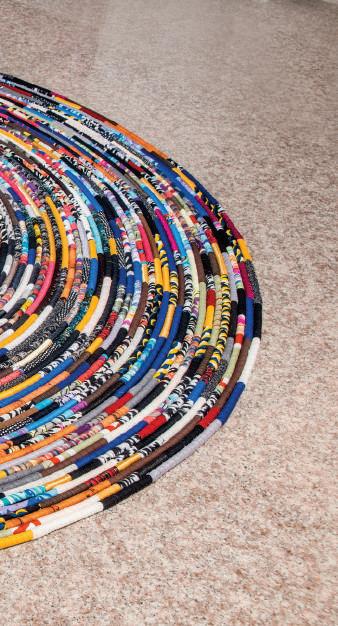
Kalachakra, 2016 | diam. 223 cm , 250 cm fabric covered rope | installation
La Madre, 2013 | 270 x 33 x 16 cm | fabric on metallic wire
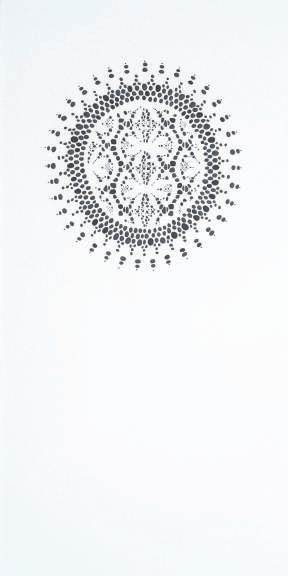
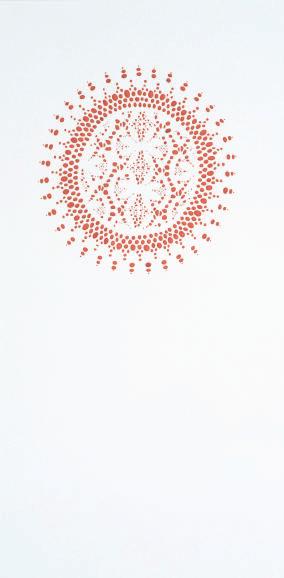
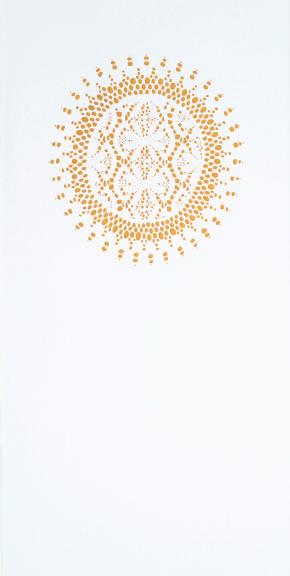
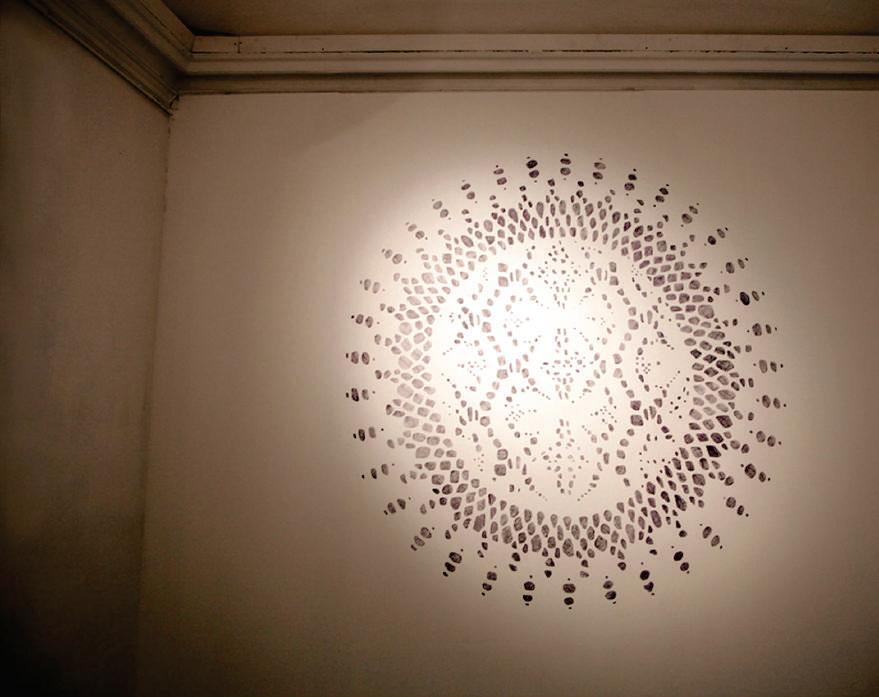
La Mappa, 2013 | diam. 175 cm | awl cut on paper
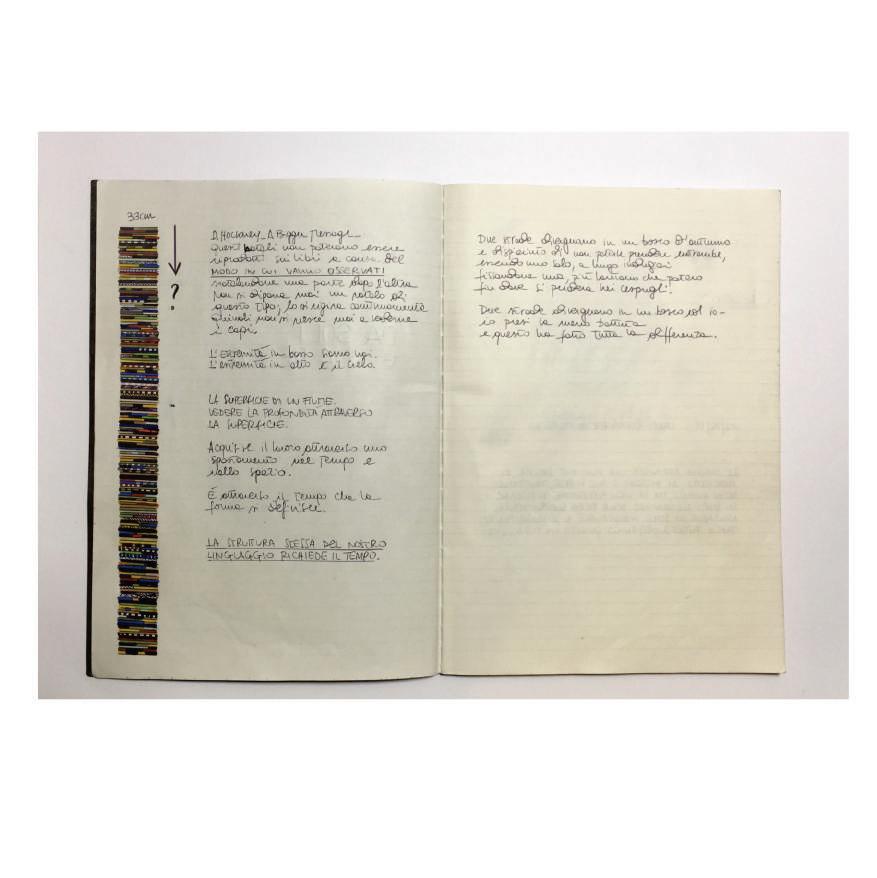
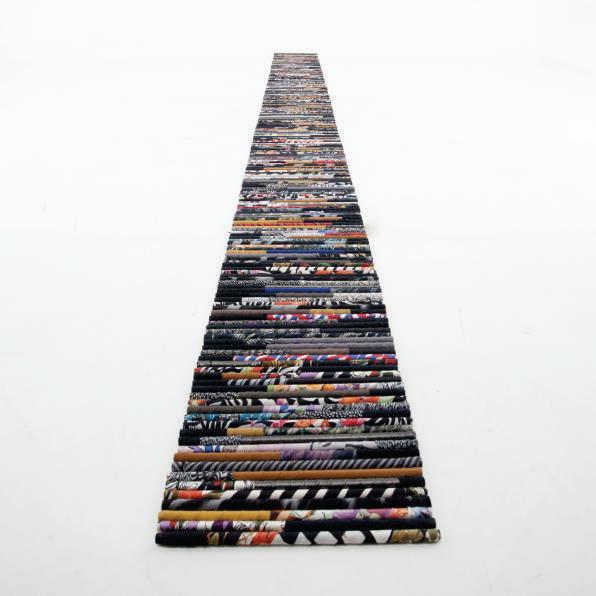
La Strada, 2015 | 33 x 564 cm | fabric on wood sticks
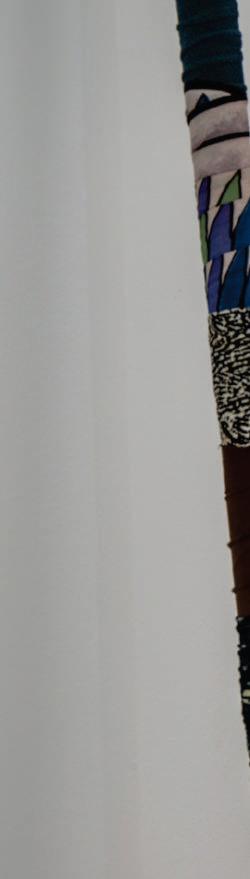
Le Spade, 2013 | 189 cm - each one | 9 wooden sticks, wood and fabric
Non dormo la notte, 2012 | 180 sheets, 21 x 29.7 cm - each one | china & pen on paper
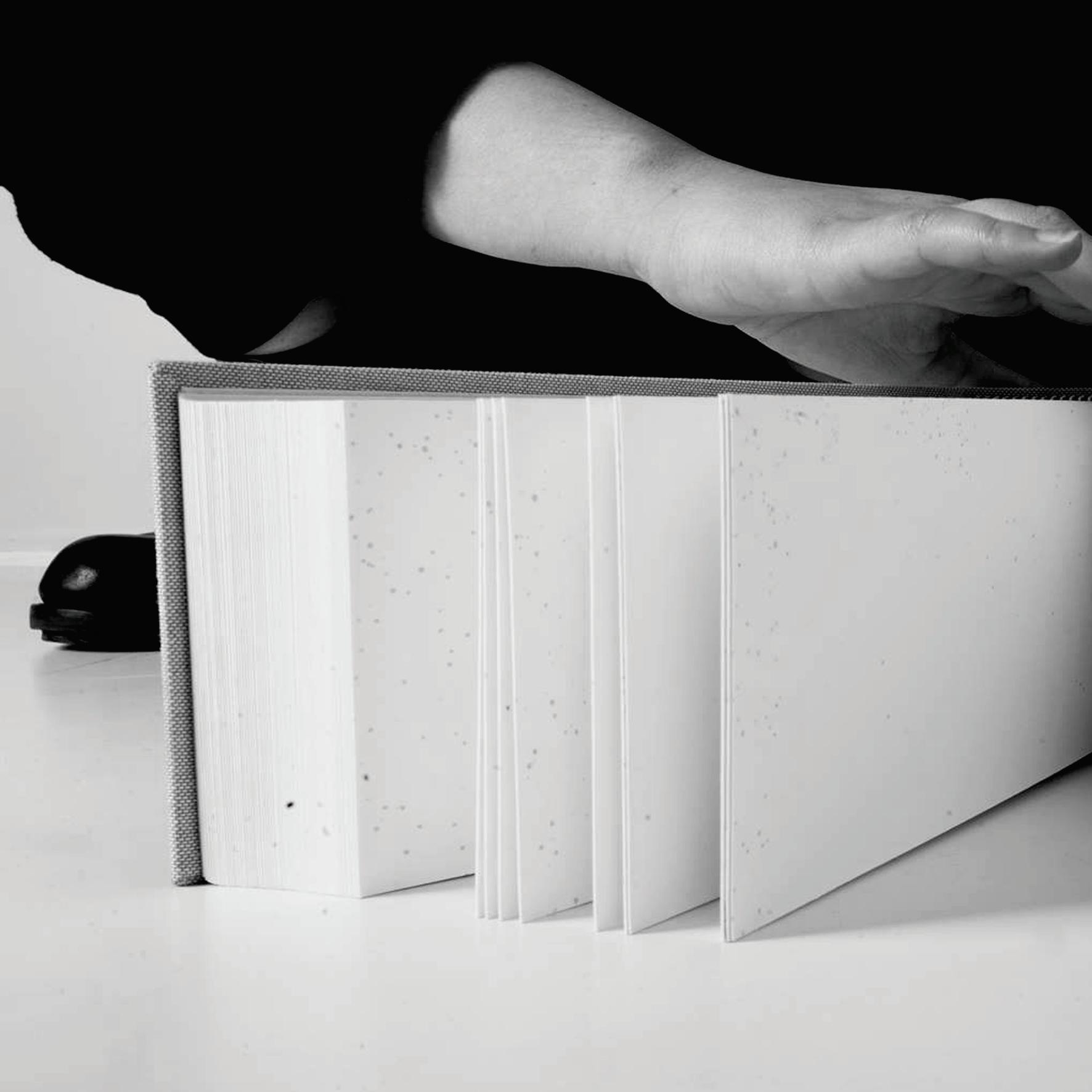
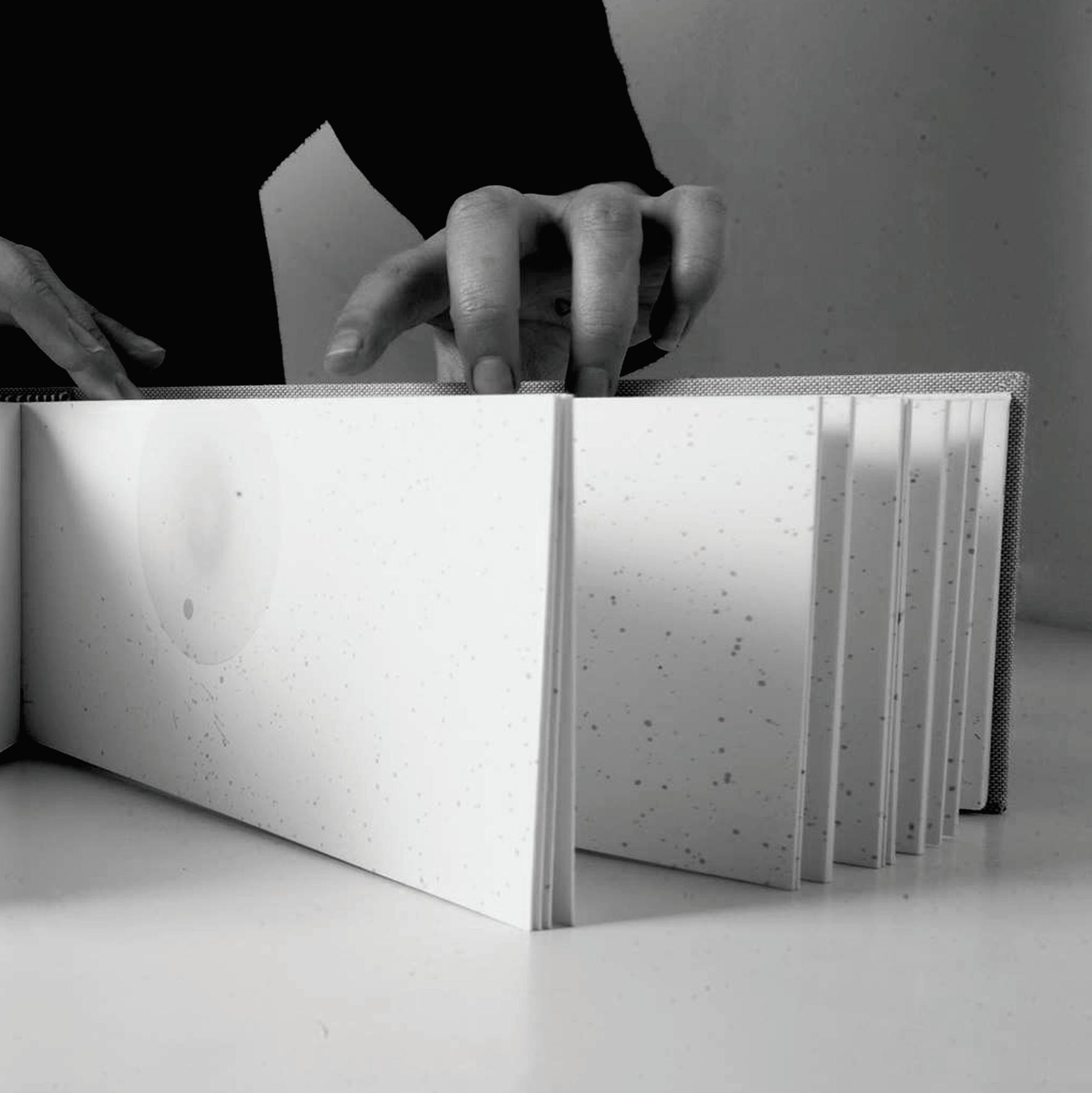
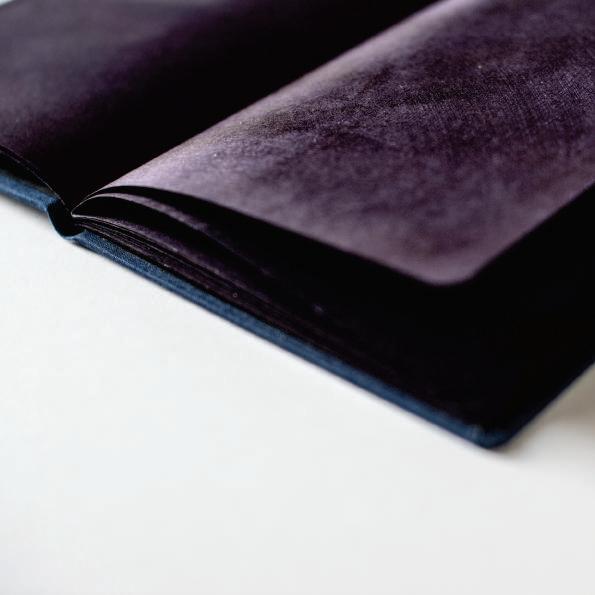
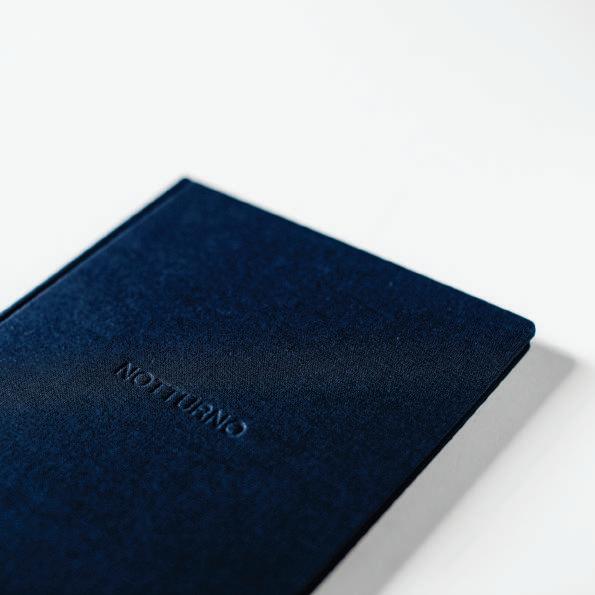
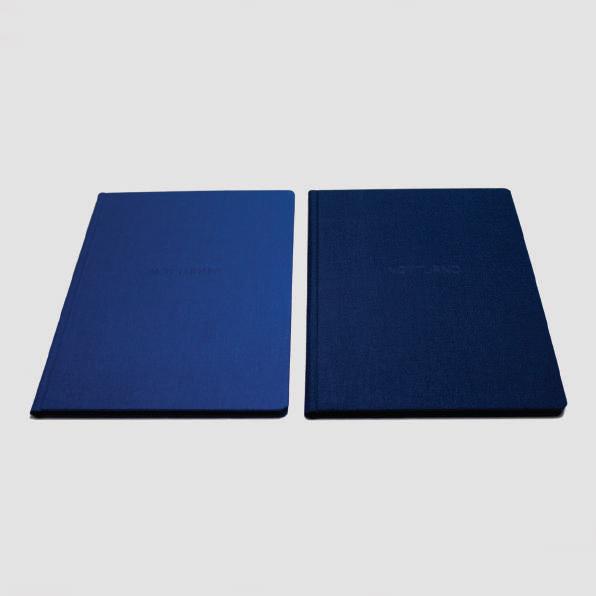
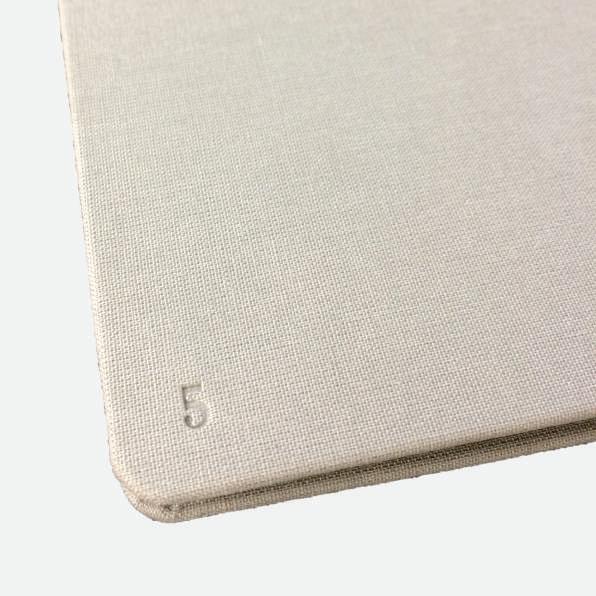
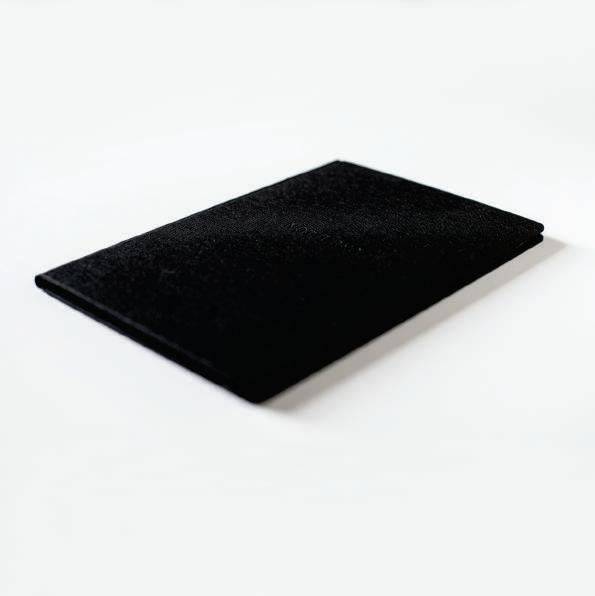
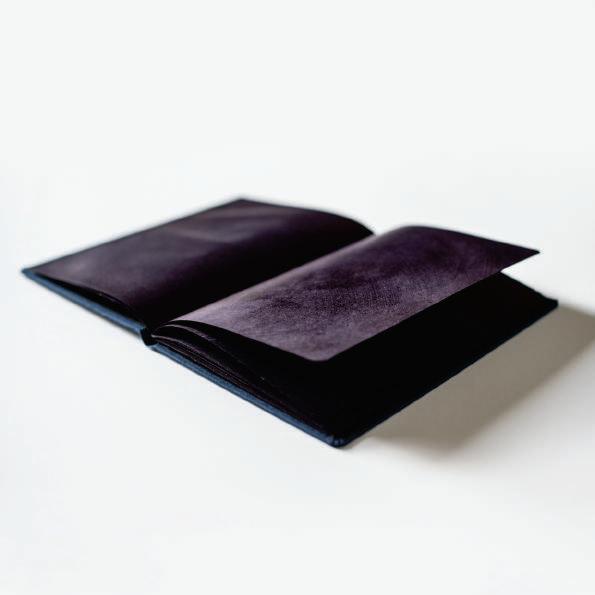
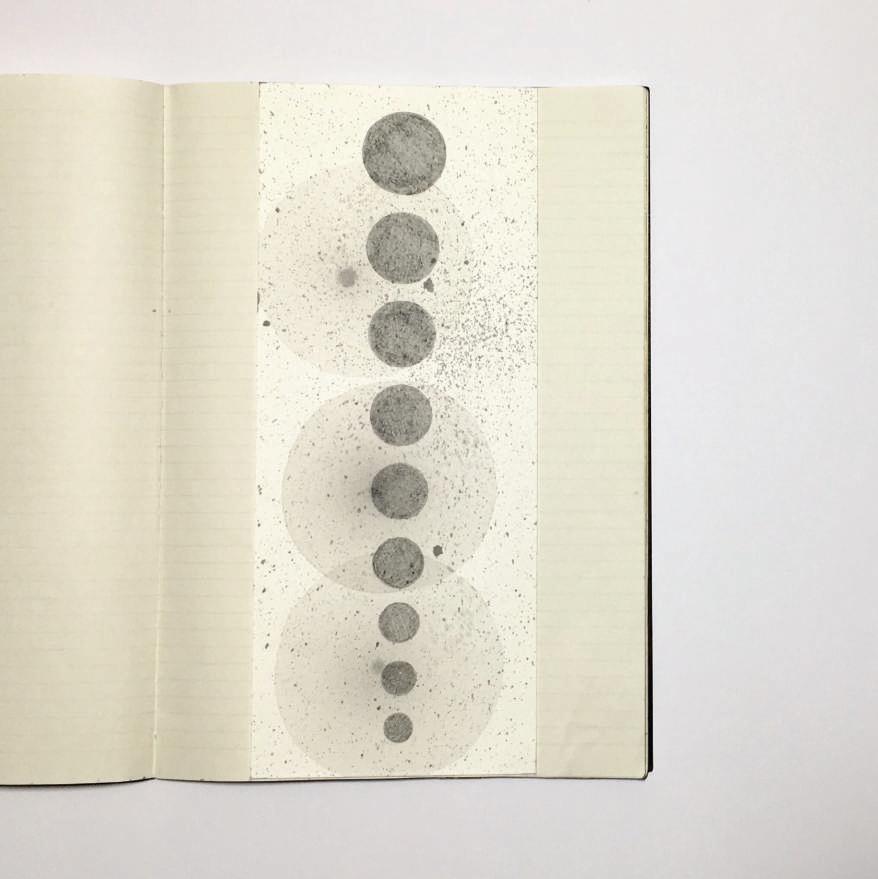
Notturno 1, 2, 3, 4, 5, 6, 7, 2016 | 16 x 22 x 1 cm | 30 pages books, china & pen on paper
Per Aspera, 2012 | 300 x 85 cm | wood structure, pen on paper
51, 52, 53, 54, 55 56
72, 73 80, 81 82, 83 85, 86, 87
12, 13, 88, 89
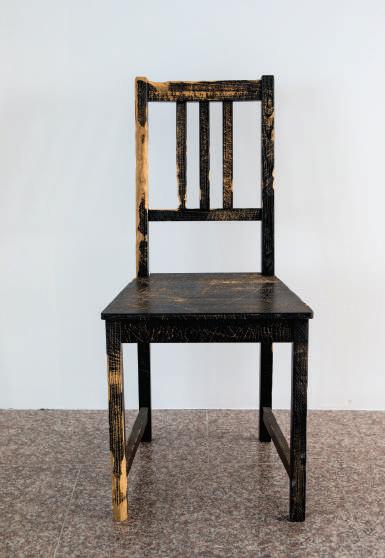
Per non uccidermi, per non ucciderti, 2016 | 90 x 40 x 43 cm | nails, awl and teeth marks on chair
Respiri, 2016 | 1.000 sheets of paper, 25 x 10 cm – each one | ink & soap on paper
Quattro, 2013 | 41 x 80 cm – each one | marker on paper, installation
Uno, 2013 | pen on wall, installation
From an idea by Alberto Perobelli
Project manager: Walter Bonomi
Text by : Silvia Inselvini, Walter Bonomi, Georgeta Olimpia Bera