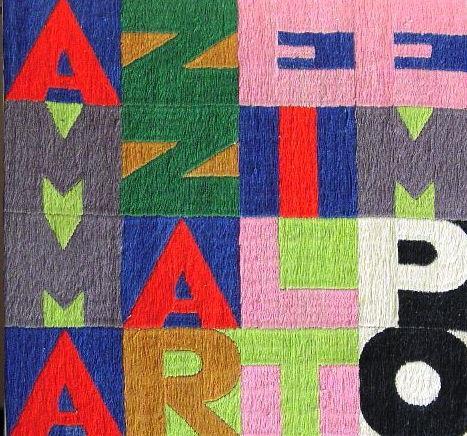
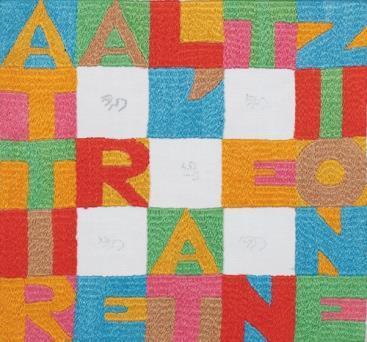
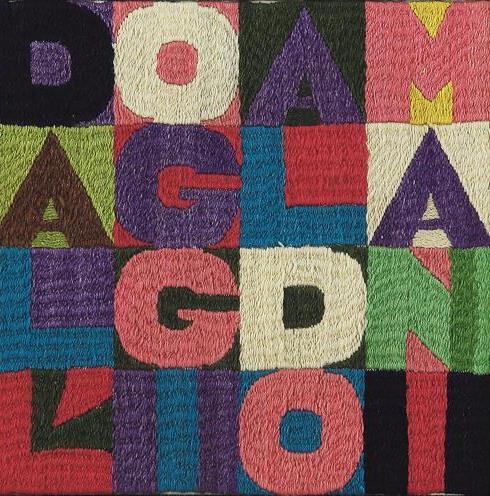
Alighiero BOETTI




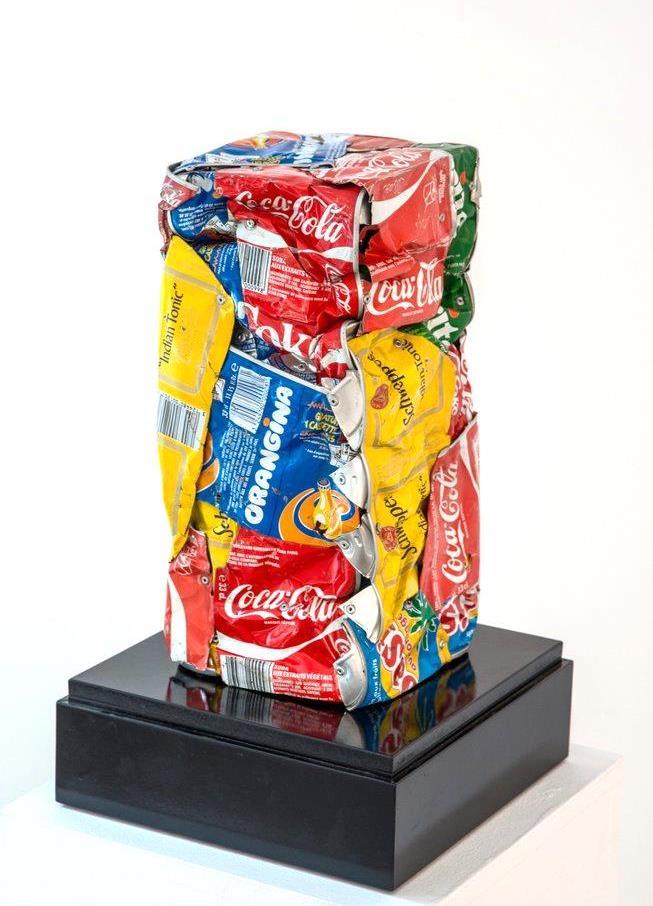
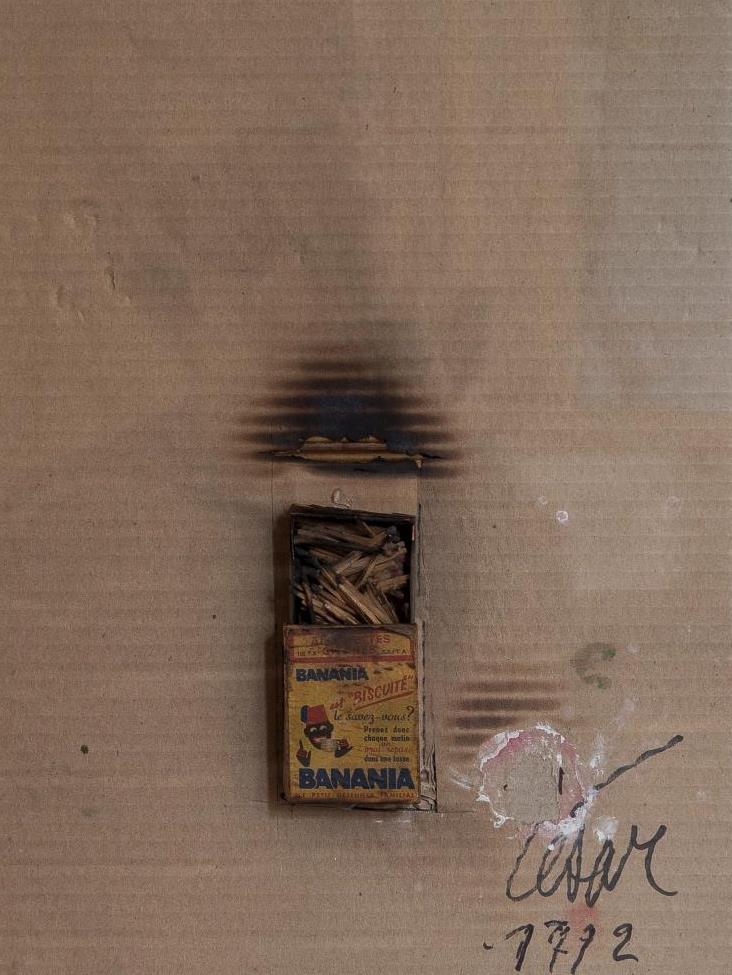
CESAR

Bruno MUNARI


Hermann NITSCH


A.R. PENCK


Arnulf REINER







Hermann NITSCH
A.R. PENCK
Arnulf REINER
– Ioan Sbârciu in dialog with masters of Modern Art


CURATORS: Ilaria Bignotti and Walter Bonomi



Correspondences. About the search of Ioan Sbârciu.

Nature is a temple where uncertain words murmur pillars that are alive, a forest of symbols that man looks through the spokes of their familiar.
As echoes that long and far tend to drive deep and dark large as darkness or light sounds respond to the colors, the colors fragrances.
Fresh scents like the skin of a child velvety as the oboe and green as meadows, More of a corrupt, triumphant wealth which tends to propagate without finely so amber and musk, incense and benzoin to comment on the extreme sweetness of the spirit and the senses.
CharlesBaudelaire,Correspondences,fromTheFlowersofEvil, LesFleursDuMal1857


There is, in all the works of Ioan Sbârciu, a slight but incessant ringing of the senses: perfumes, buzz, sensations of wind and breeze, smell of earth, singing in the distance, over the edge of a forest, in 'corner of the clearing’.
Matches made of "Semn (Di) Segni", then you might venture, playing with words, to define the search of Ioan Sbârciu.
The works of Romanian breathe fact of relationships and dialogues now intertwined with the intimacy of the artist-the most inaccessible man, now with the sense of belonging to nature which is proper to all mankind still able to save themselves from the renunciation of the earth .
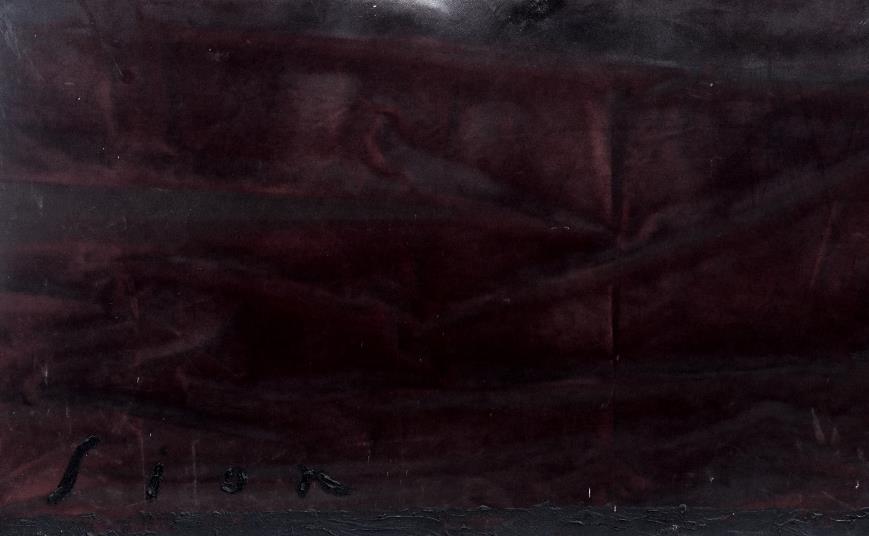
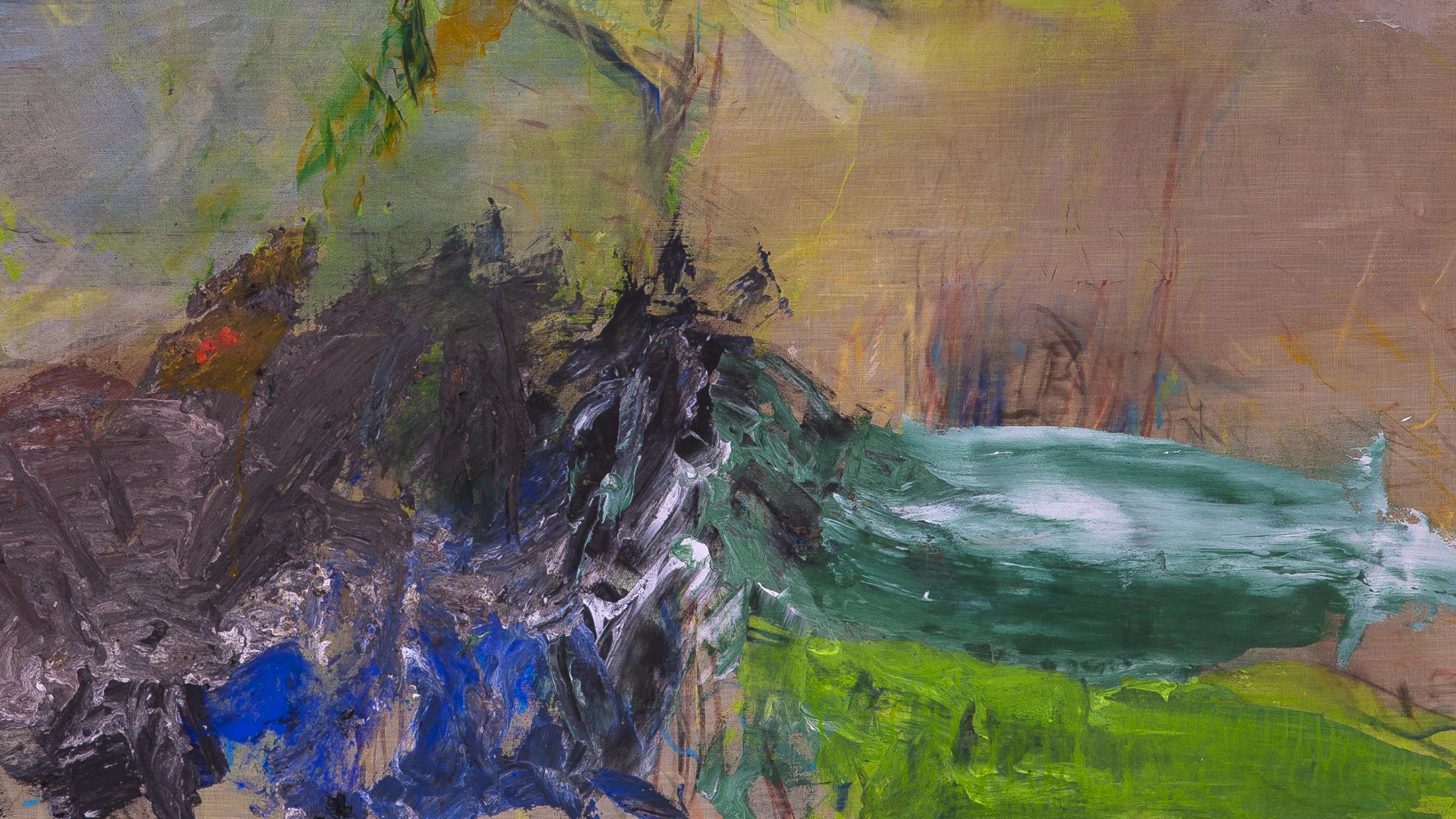
Translated into the pictorial, the air of abstraction, particularly that related to a certain class of signs of the Informal, it is vital lesson for the works of Sbârciu which however never lose that living and fertile relationship with the language of reality. So every work of Sbârciu alludes to a landscape, a horizon, a sky and a land always lived closely by the artist himself, and then "donated" to the painting through a process of layering materials, filaments, layers, signs.
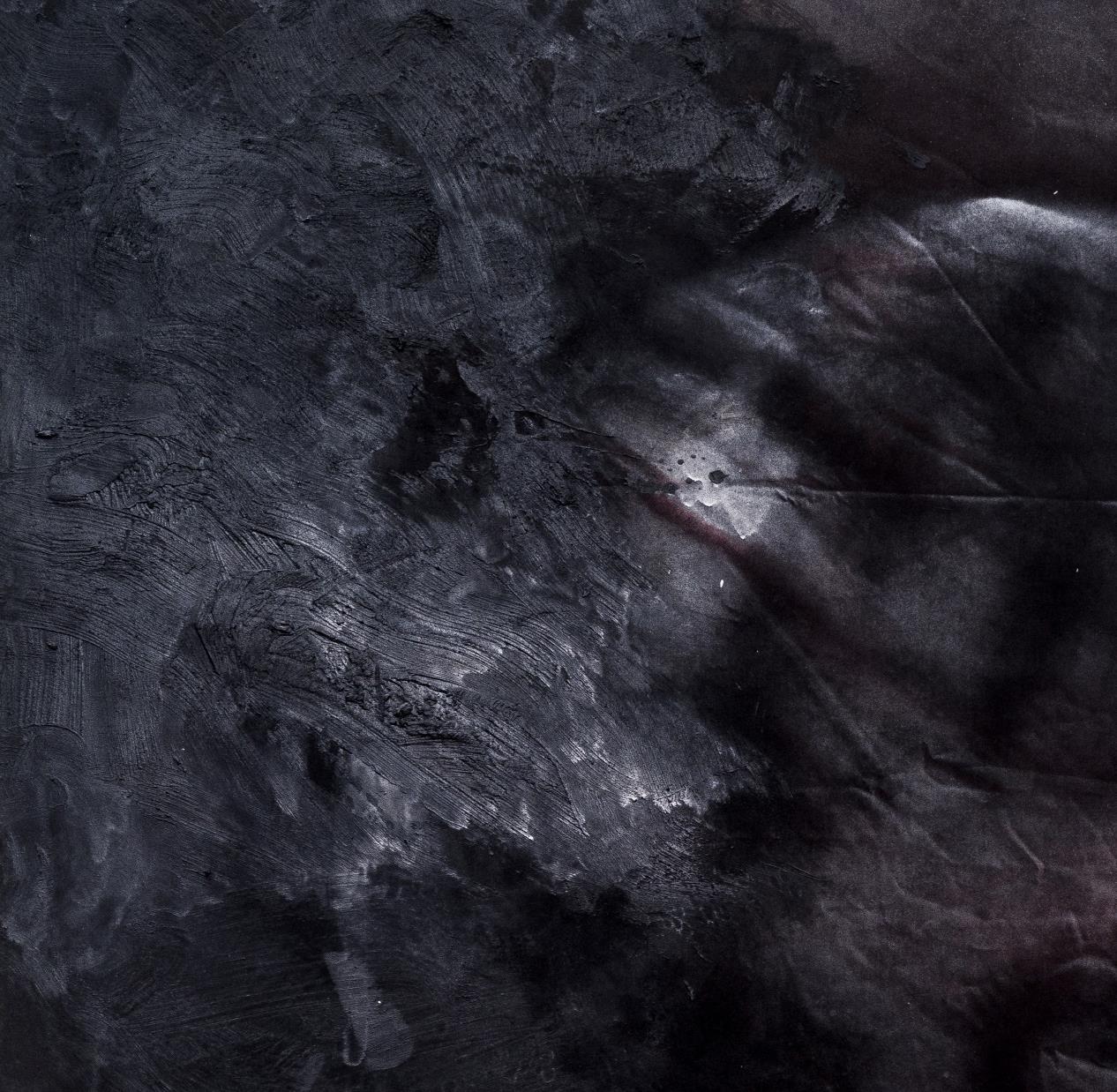
If this is the matrix of research Sbârciu formally translates into works often of great size, which the artist declares incessantly, covers, sailing, reveals steps and paths of the pictorial sign, dealing with a palette of colors that often consists of colors bleak, dense, velvety, experiencing the impalpable ash, mixtures of oil and tar sands, overlapping color to color, to make it almost impossible for the reconstruction of the painting process; in other words, to make abstract painting place of imagination, where the man is an artist and alchemist re-creator of the earth and through the miracle of the changing nature of painting itself.
In other cases, the paintings are open to colors more shrill, sour, and a sign that seems to be a whisper, a secret formula perhaps, the artist-alchemist, resonates in the field of painting, in a song where the memory is reconnected to reality . The international formation of Ioan Sbârciu and his constant desire to update itself in an uninterrupted dialogue with European artists, is underlined by the presence in the exhibition of selected works by affinity search. The names are those of the great history of the Second World War, and the languages are compared with the work of Sbârciu in a dialogue
now evident now latent. Here is then Alighiero Boetti, near the Romanian artist for that use of language as a potential opportunity for the artist-shaman to "put to the world the world," as suggested by the same Boetti, through the magic of the artistic process; There are also works by Arnulf Rainer, with who Sbârciu dialogue on the ground glowing feeling, from torment to peace; Rainer, as Sbârciu, becomes the mediator and director of the drama of painting, done on canvas in a total communion between the artist and the painting.
And so it is for Nitsch, whose presence confirms the ability of Sbârciu to go into the dense forests of pain and memory, never get lost, saved every time the pictorial sign. There are also suggested dialogues with artists such as Emilio Scanavino, Informal teacher of signs, able to pierce gaps in the fields of mental spaces monochromes of his research; spaces that resonate in those Sbârciu, in an uninterrupted dialogue with the common sentiment of the art on display, see also present works by AR Penck, Bruno Munari, César.
.
But the first, and most striking dialogue that this exhibition suggests, is between the artist and the man Ioan Sbârciu, including his identity that lays bare in his work, with the baggage that each of us has of models, conflicts , passion, and his painting that must be able to sublimate this identity, without losing its deep correspondence with the things of the world. Of these matches the research of Ioan Sbârciu is valuable experience and strong theory.
The poem follows.
IlariaBignotti curator
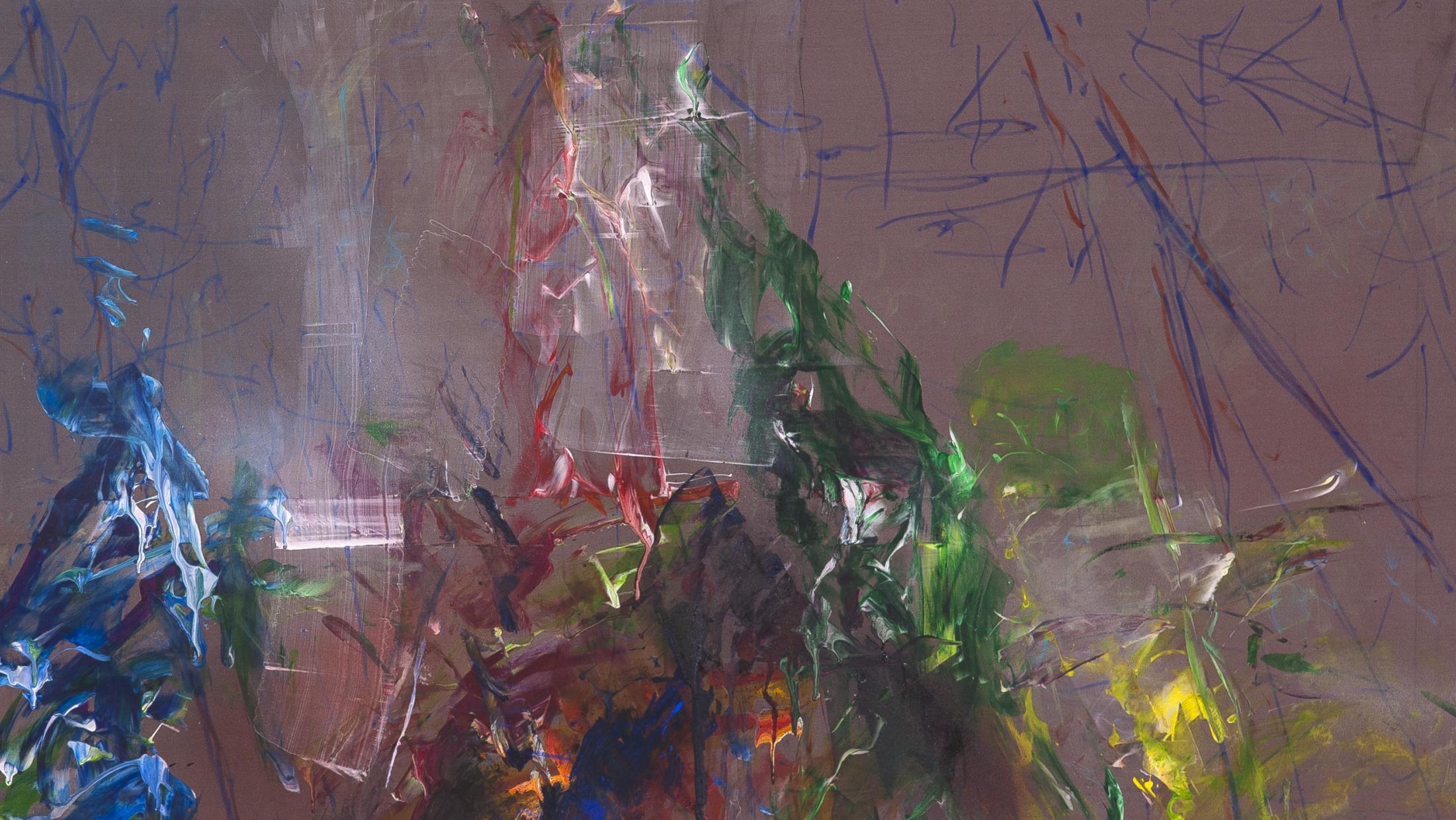



Semn (Di) Segni. Sign of the signs, or sign and drawings. The stylistic research of Professor Sbârciu stood up on signs that they want to dig up the identity of the territory and of the person, a message that departs from color to become the interpreter of a vibrant nature and dis (done). Nature that surrounds and takes control of the territory in which the works were composed. That weaves, and infuses looking for a new presence, vital.
It looks and is a search for identity, which connects to an opening. In the burned forest of Sbârciu, the shades of black gray, white, scratched to bring the pain to the surface, a glimpse traces, fantasme who want to look, they want to communicate. The forest was destroyed, ash yield, the territory subjected to speculation of interest, or not preserved and neglected, takes shape in signs that they want to get out of the simple tale regional, national, but bring your own message to force a European context.
Indicating the presence, the desire, the possibility of this transformation from the ashes and still return the powerful colors of the skies of the east, where the smoke tries to remove all light, and the soil is black eaten by fire. These are elements that we can find
even more strongly in the cycle of "Black Sun at Roşia Montană. "
And in this case the desire of social protest and made the landscape is associated with the dominant black, with tears of purple on the wasteland.
A land of confrontation, that of Roşia Montană and Sbârciu recorded his mark and will be able to convey the anguish of exploitation, where even the sun loses its heat, loses his gold, is colored in layers of black undefined to take full possession of the canvas. Obscured and obscuring, leaves on the ground only remaining shadows of purple, that make up the unique landscape alienating, lifeless.
A message that wants to be outside national borders to Sbârciu, who wants to bring his research from the colors to the ground, to the regeneration given by the tragic awareness of the landscapes that he wants to describe.
In this as well as signs, you could also talk about seeds.
In the ashes, in the wilderness of Roşia Montană seeds that can allow you to recover as identity, seeds must be planted deep into the ground to form forests, which must be cared for so that they can take out of the Black Sun that wraps around the hills and abandoned dug, mutilated, lands harnessed in innate perversity, seeds that must lead to the creation of an identity such as the works of Sbârciu known in the international language that he is proposing .
WalterBonomi, curator
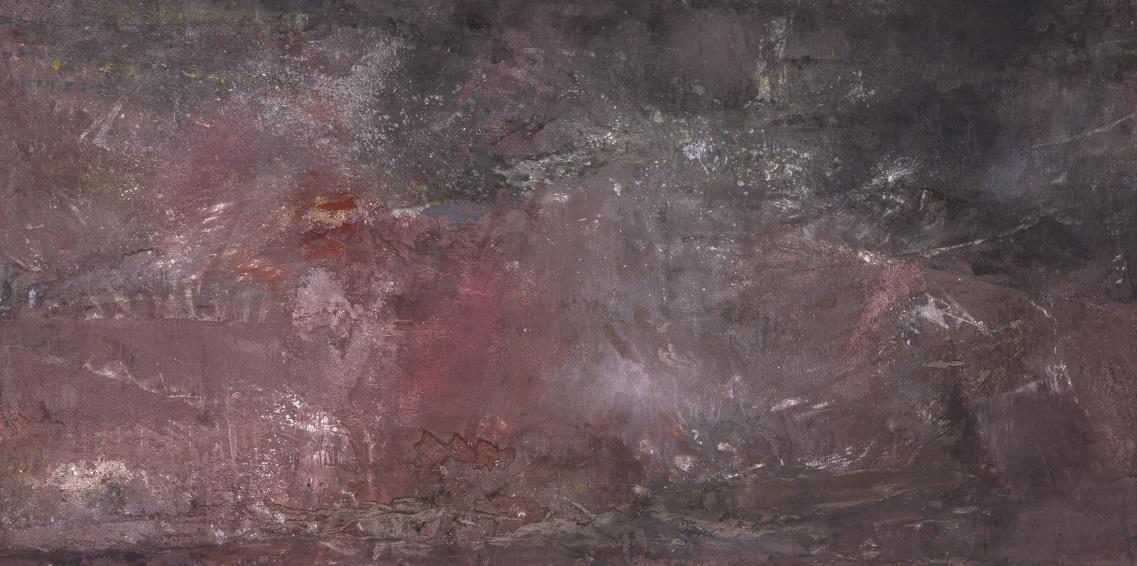
200x100 cm oil on canvas
2013
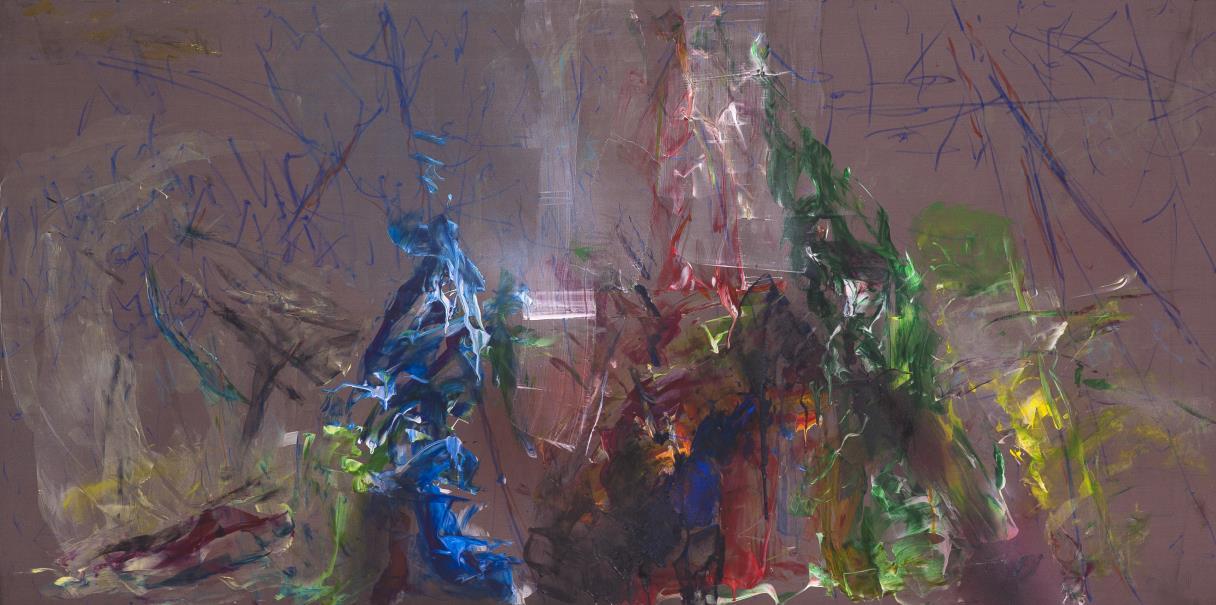
200x100 cm
oil on canvas
2013
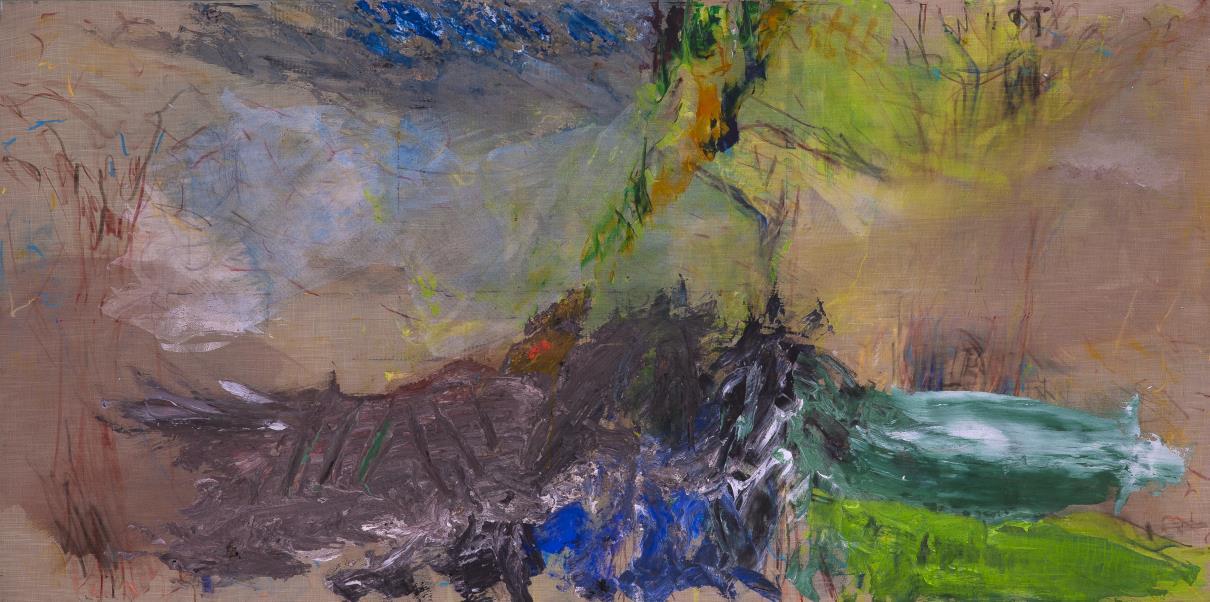
200x100 cm
oil on canvas
2013
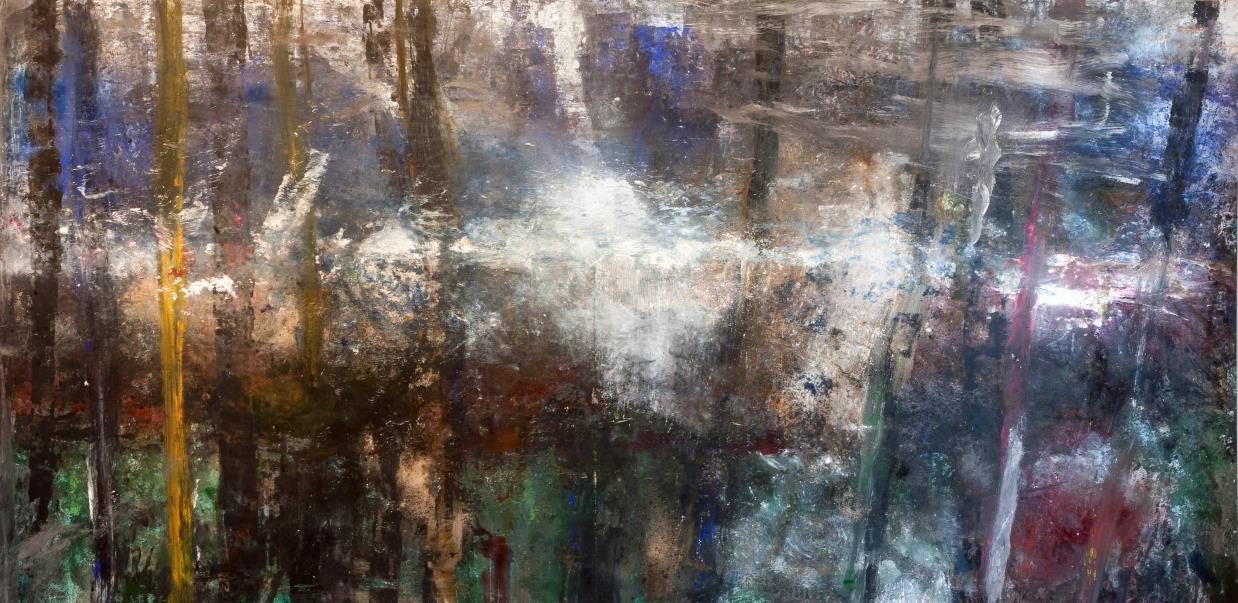
300x600 cm
oil on canvas
2013
«Combustion d' Allumettes»
36x44 cm
burned matches on cardboard 1972
CESAR
«Coca, Sprite and Schweppes»
33x15x15 cm
compression of metal cans
1988
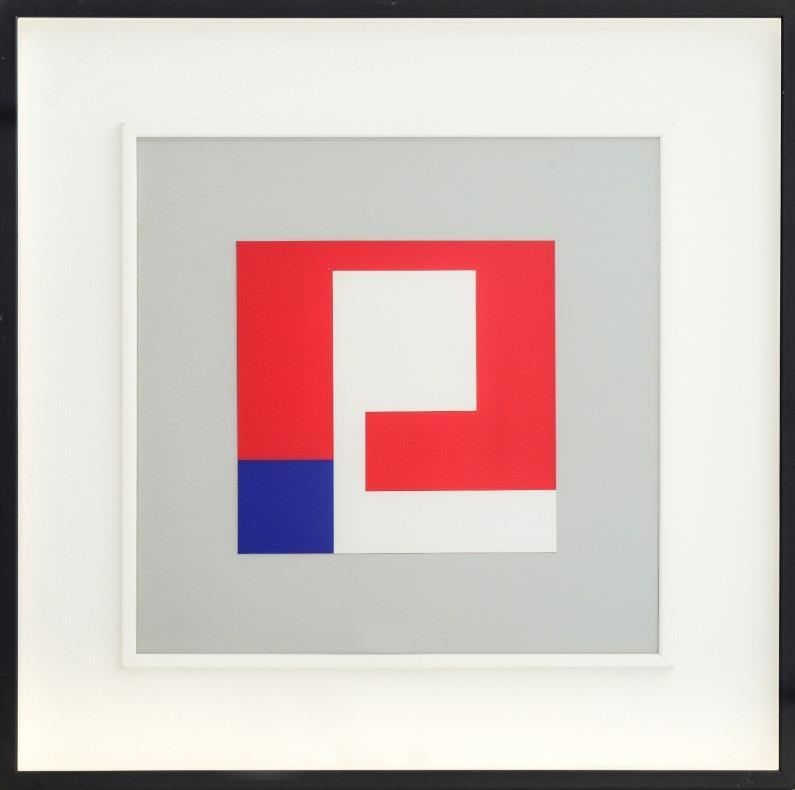
«Negativo Positivo»
50x50 cm collage on hardboard 1991
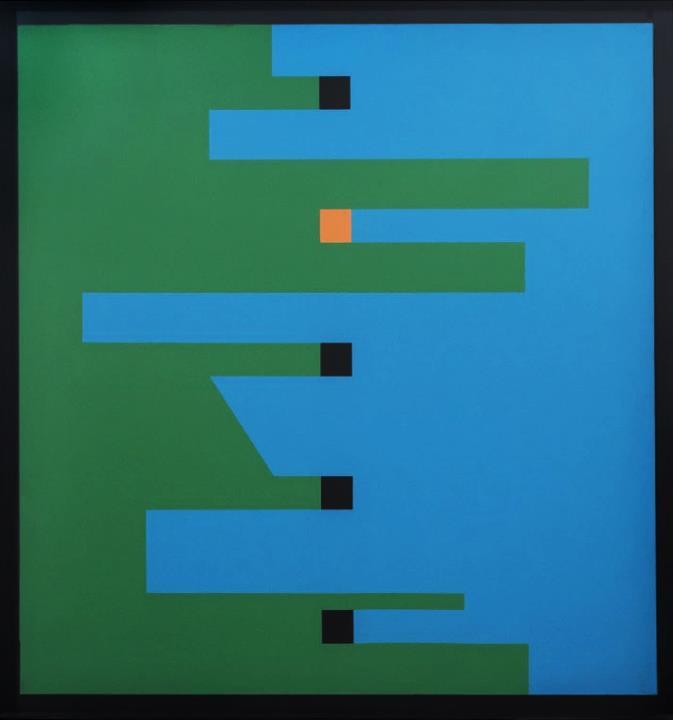
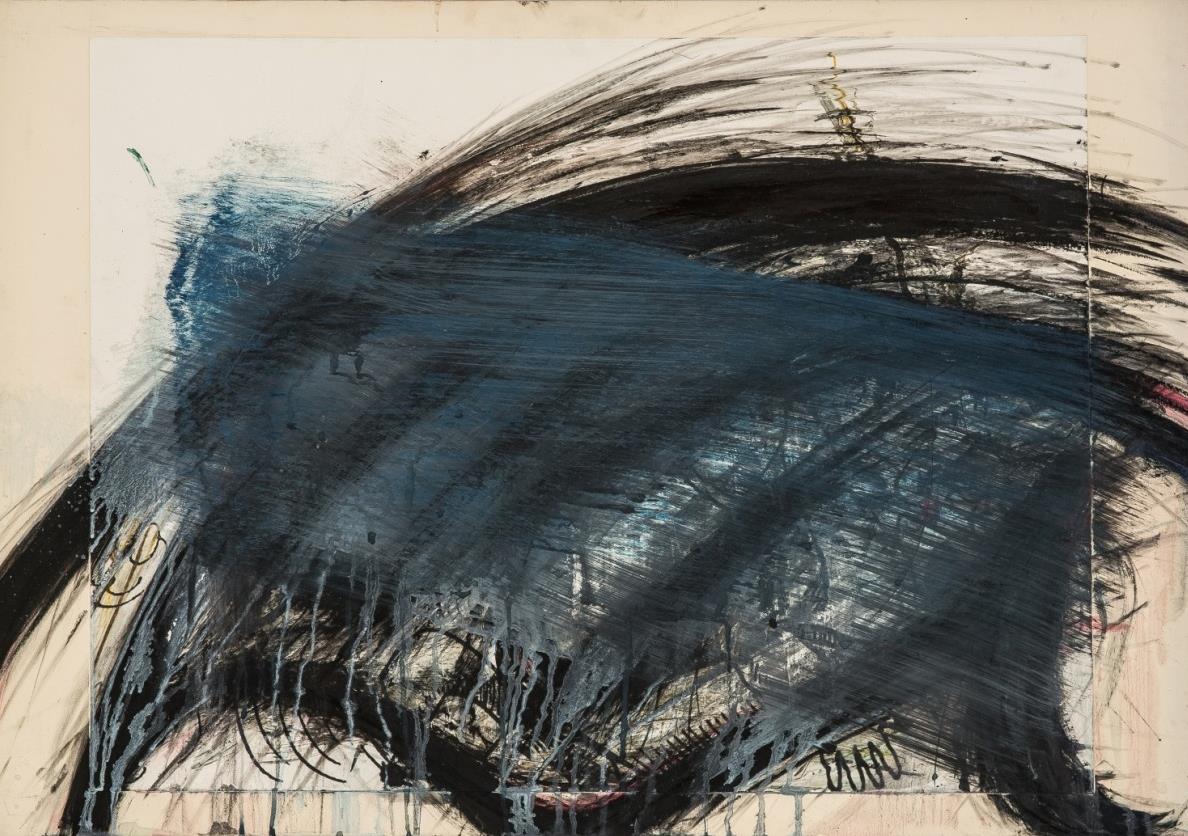
60x50 cm
Oil on cardboard mounted on wood 1983
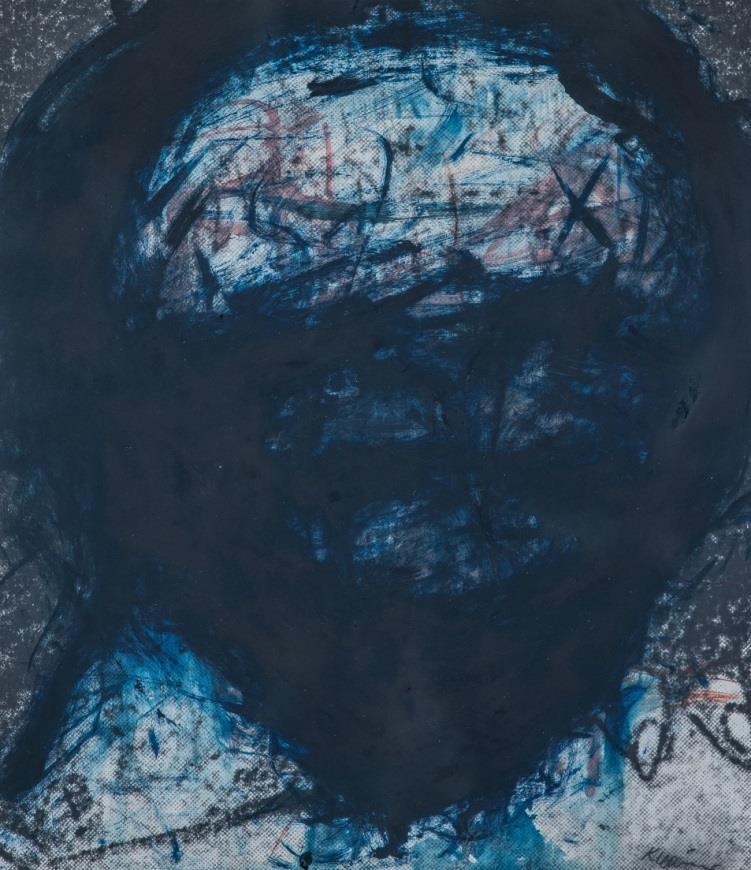
60x50 cm
mixed technique on photo mounted on paper 1983
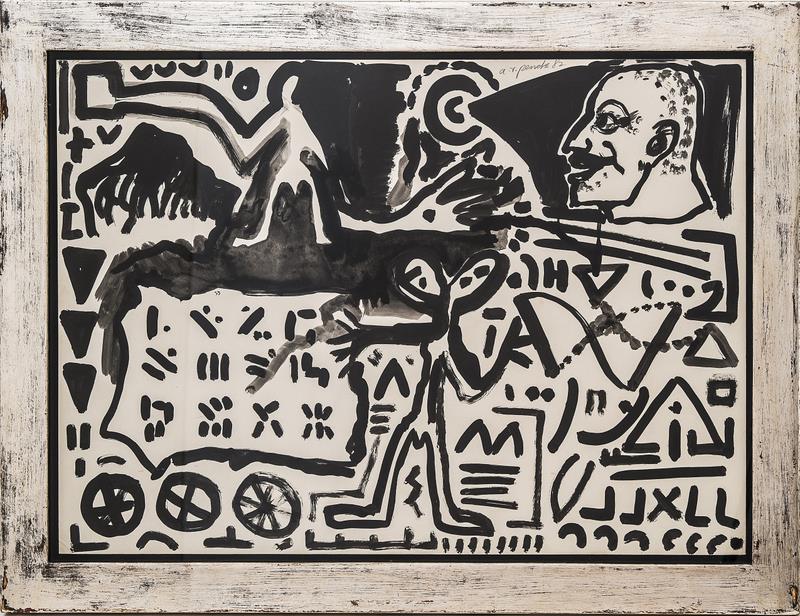
PENCK A.R. «Komposition mit Maennerkopf»
53x79 cm
acrylic on cardboard 1982
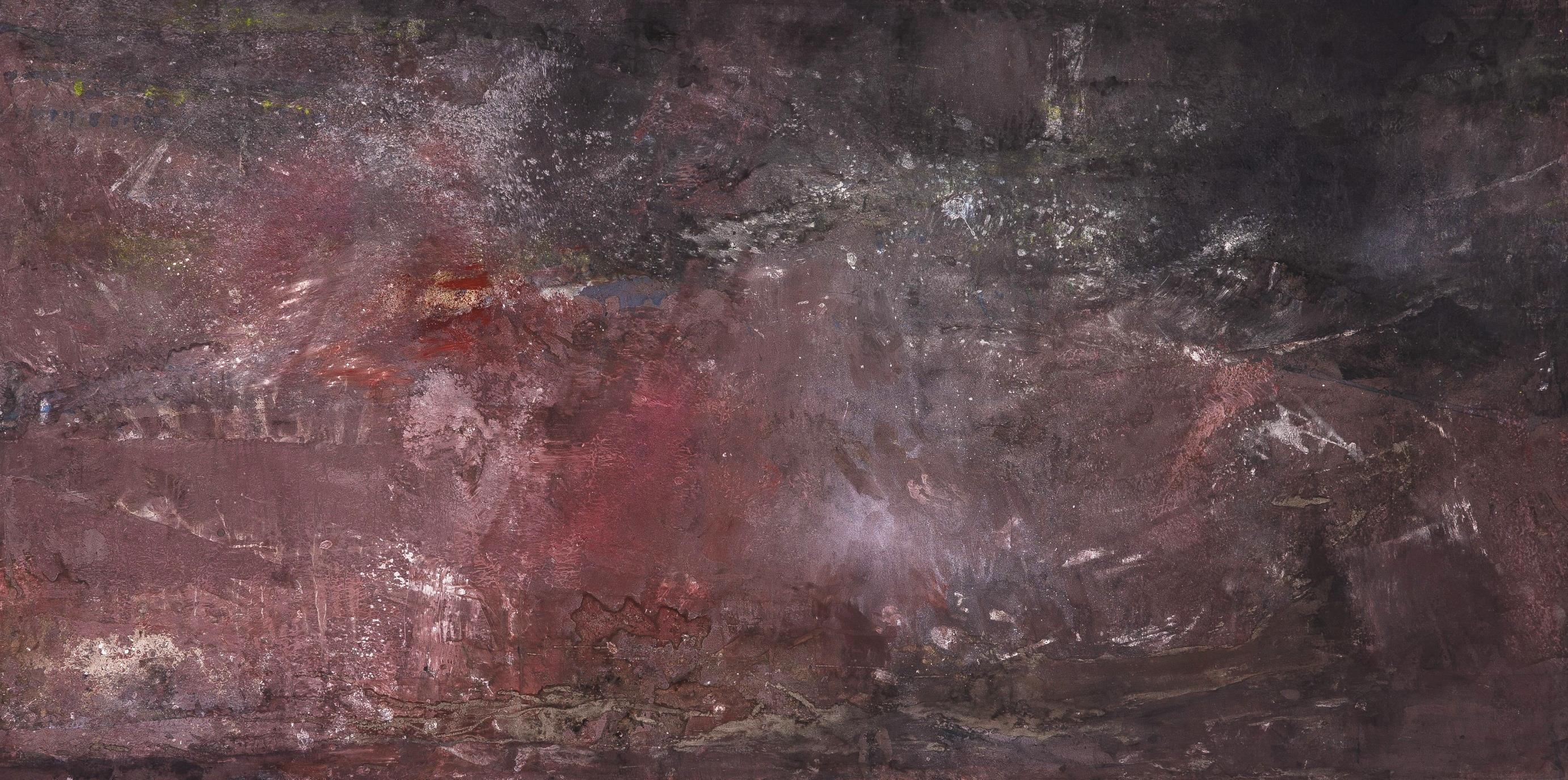
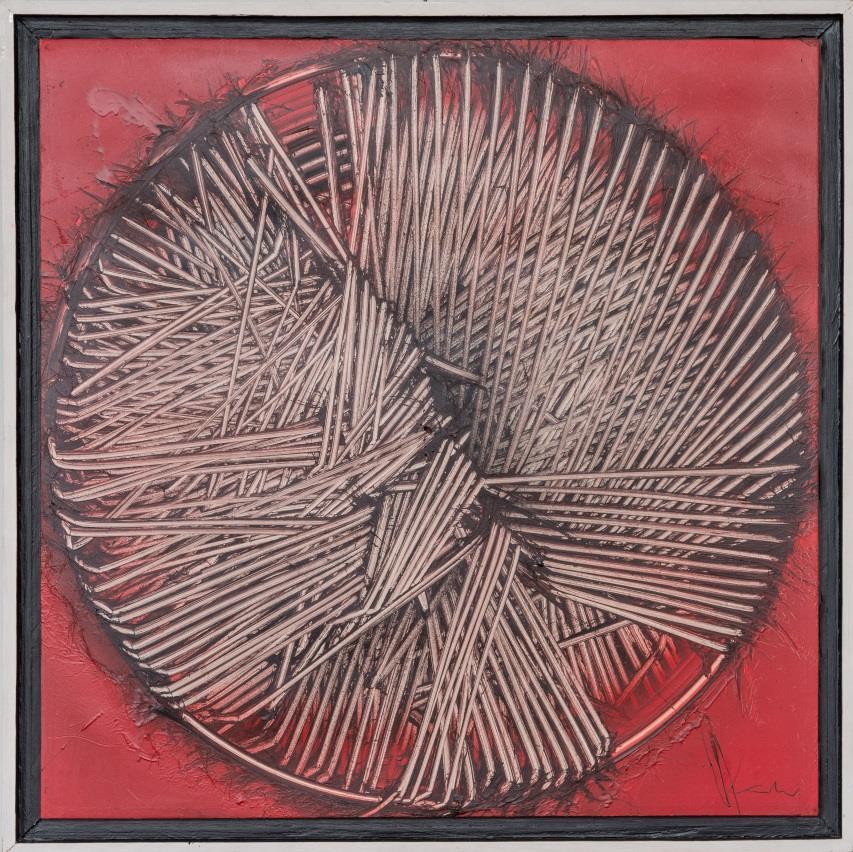
60 x 60 cm oil on wood 19720
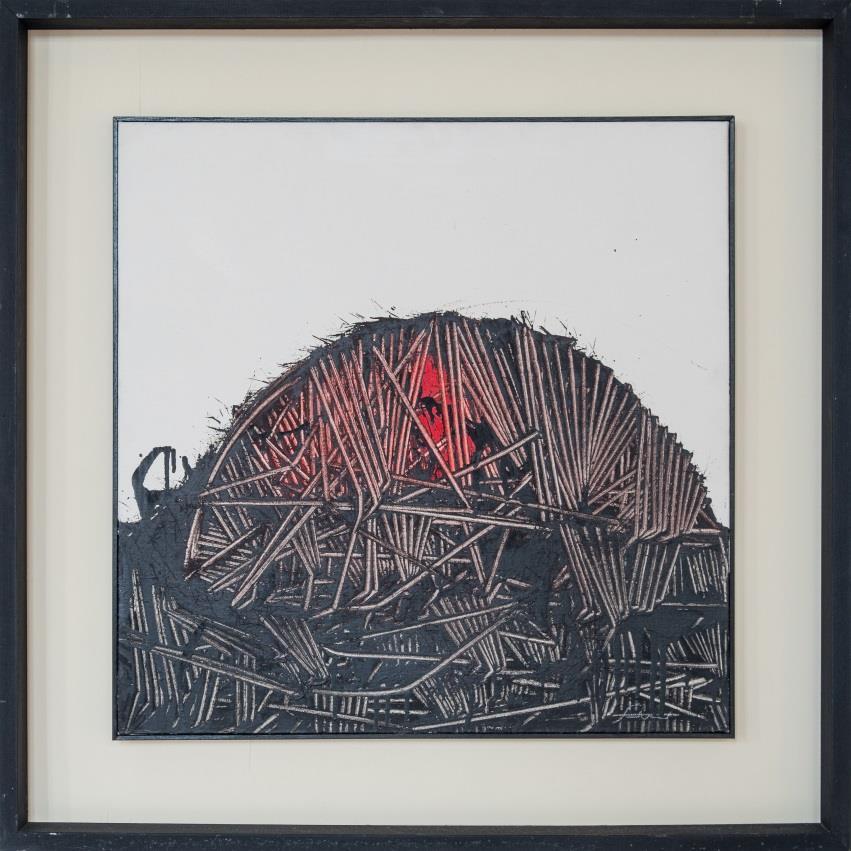
60 x 60 cm
oil painting on hollow canvas 1972
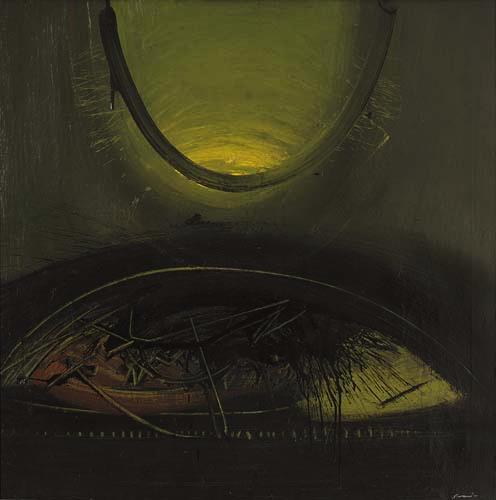
102 x 102 cm
oil painting on canvas
1965
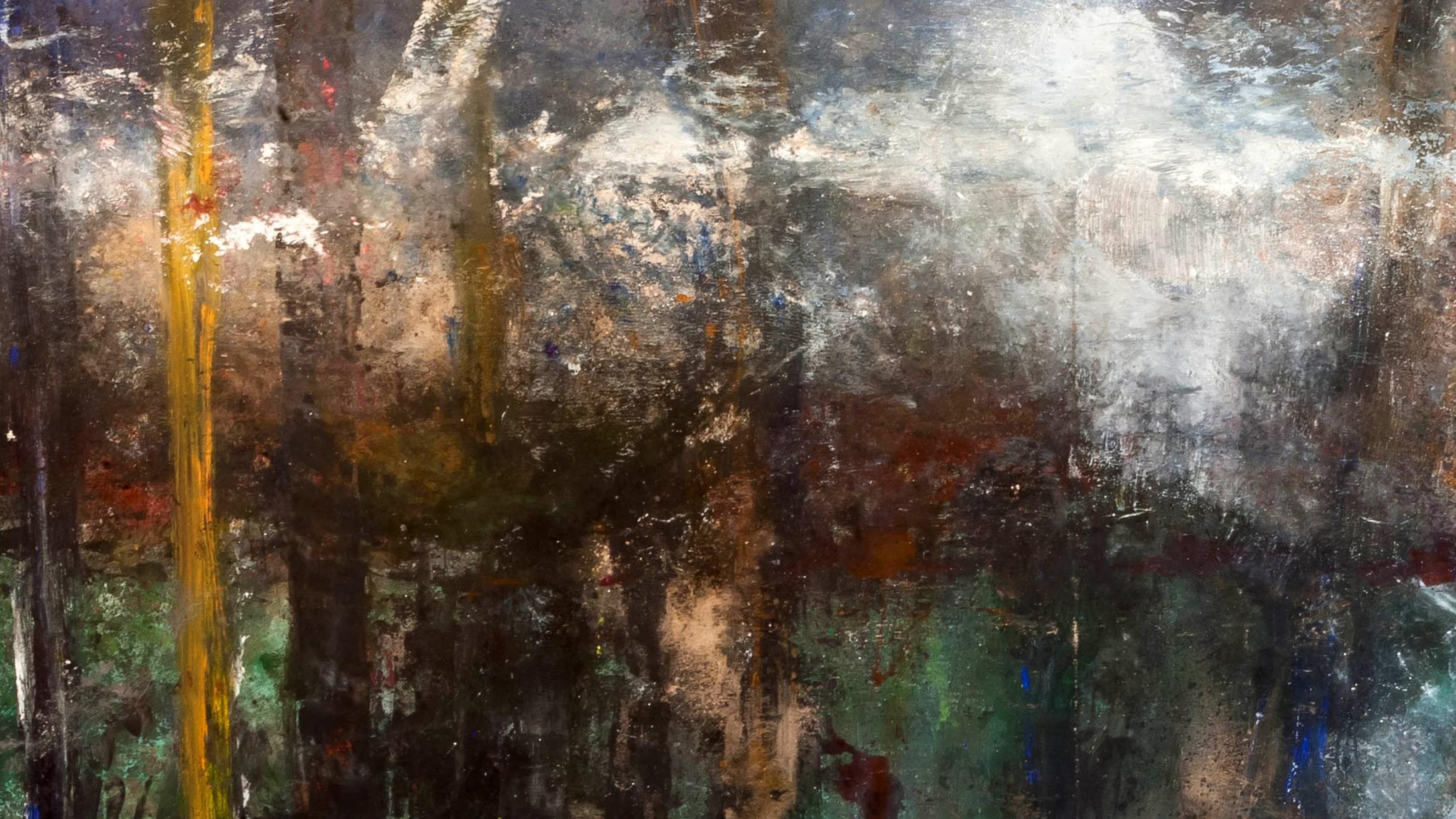
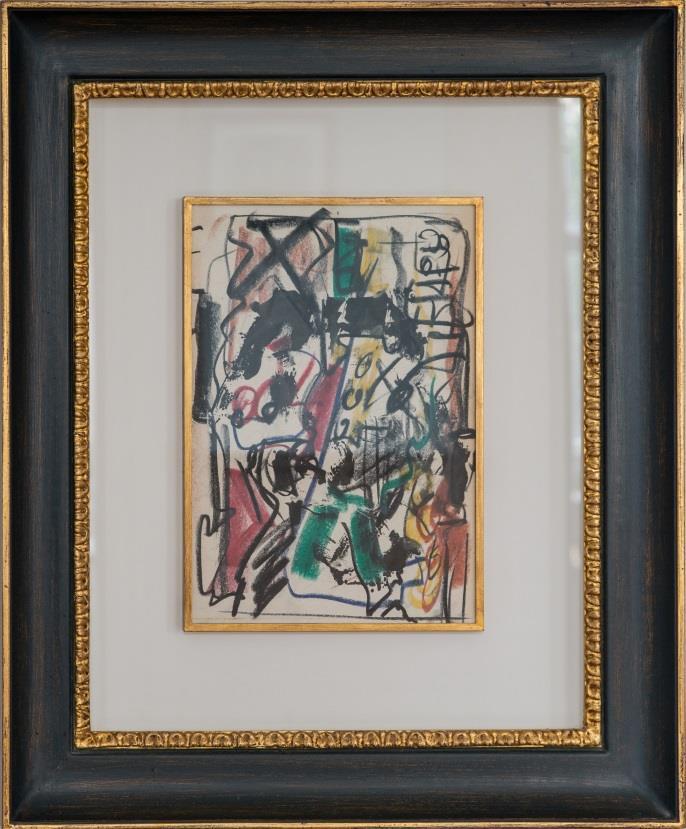
Mixed technique on paper 1981
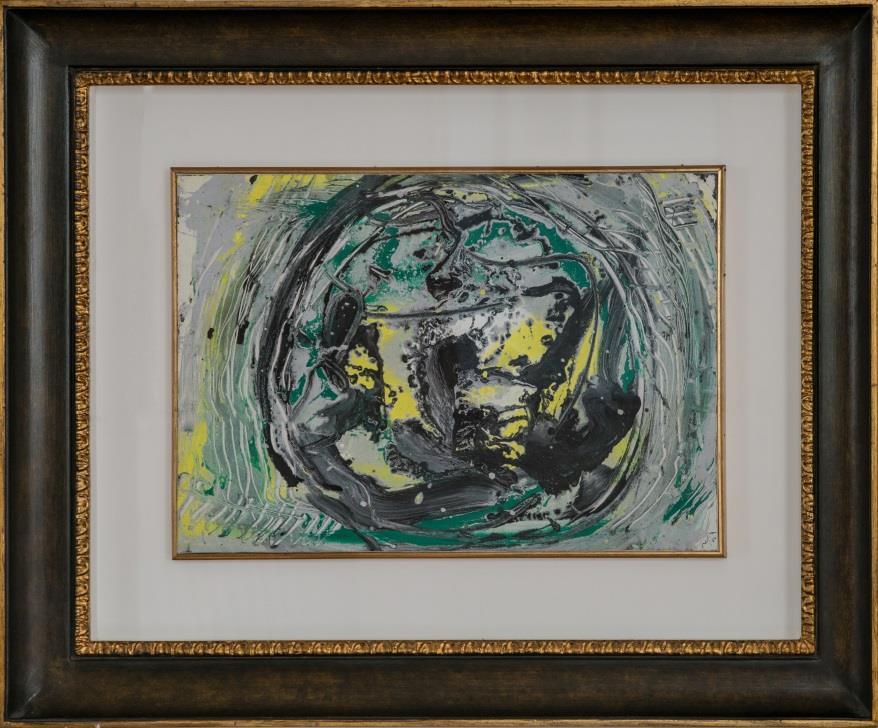
« Oltre ’86 – 3 »
31,8x48 cm
Mixed media on linen paper 1986
From an idea by Alberto Perobelli